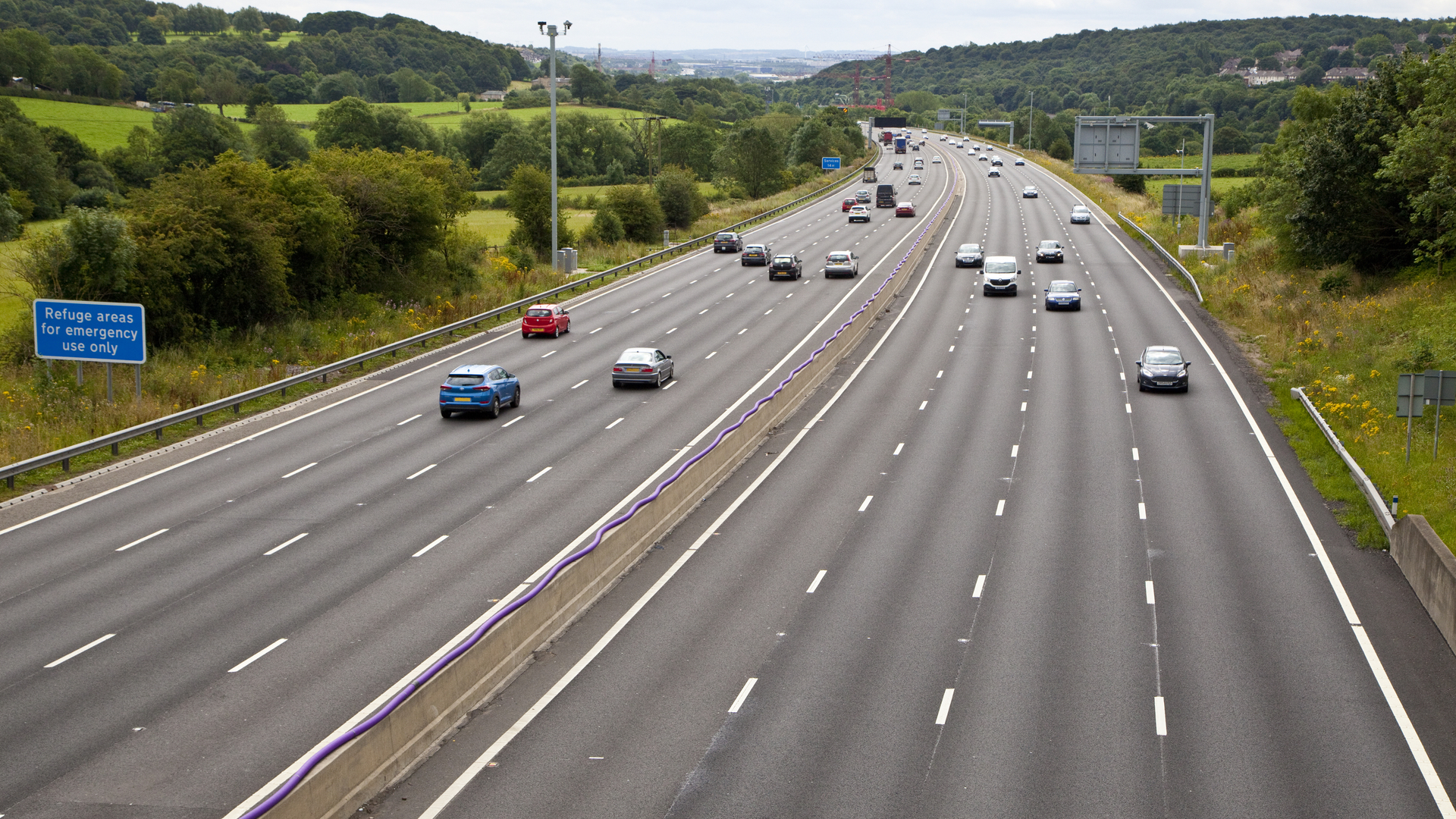
Roadside rescue and recovery operators are to be offered smart motorway training in a bid to improve safety.
The new course – the Smart Motorways Awareness For The Roadside Rescue & Recovery Industry – is the first of its kind and has been developed by Highways England and the Network Training Partnership.
Operators will receive guidance on how to attend breakdowns or collisions on the smart motorway network.
In August, Highways England data revealed that breaking down in a live lane on an all-lane-running smart motorway is 216 percent more dangerous than doing so on a conventional motorway with a hard shoulder.
Earlier this month, we reported that the widow of a man killed on the M1 is suing Highways England, claiming the smart motorway is directly responsible for his death.
The one-day course will cover the working methods that enable recovery operatives to carry out their roles safely. Key principles include:
Operators are NEVER expected to recover a vehicle in a live lane on a smart motorway.
Highways England can close lanes and set speed limits to support recovery operators.
Highways England can allocate traffic officers or call the emergency services to maintain safety.
‘Developed specifically for roadside rescue and recovery drivers’
Colin Stevenson, strategic partnership manager at Highways England, said: “The course has been developed specifically for roadside rescue and recovery drivers who use the motorway network and has been designed to aid practical, relevant training.
“Those completing the course will have a better understanding of the different types of smart motorways and how to formulate a recovery plan incorporating safe working practices when dealing with incidents on smart motorways.”
Chris Hoare, chairman of the Institute of Vehicle Recovery, added: “The Institute of Vehicle Recovery (IVR) has given its backing to the new smart motorways recovery vehicle awareness course, which gives all in the recovery industry a greater awareness of some of the additional considerations when working on a smart motorway.
“IVR’s previous collaborations with HE and other agencies produced the Life on the Edge 7 film and the SURVIVE Safety Rules, both of which are incorporated in the course. This collaborative approach of sharing best practice to deliver clear consistent messages, raises standards and ultimately provides a safer working environment for those operating in the vehicle recovery sector.”
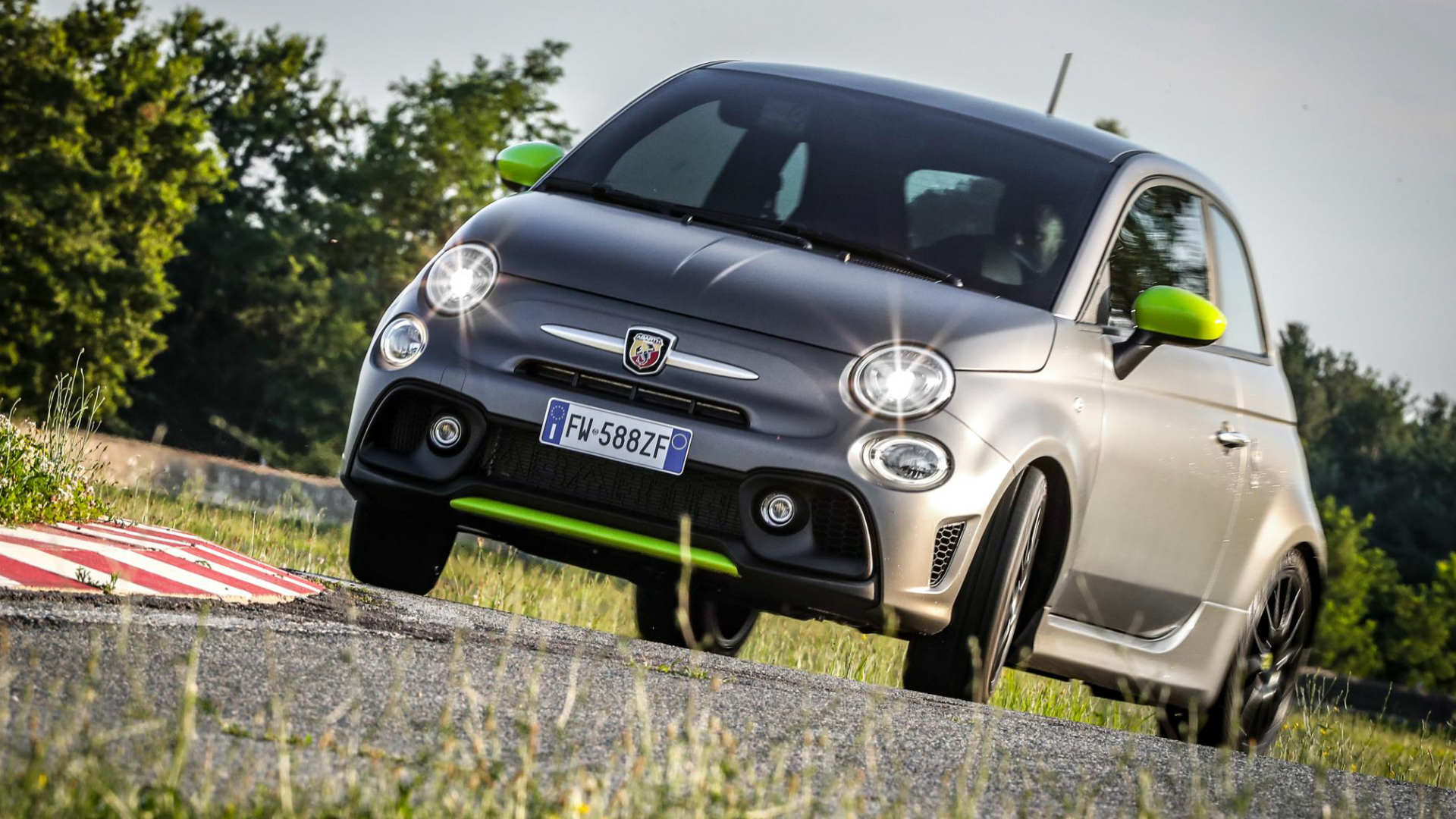
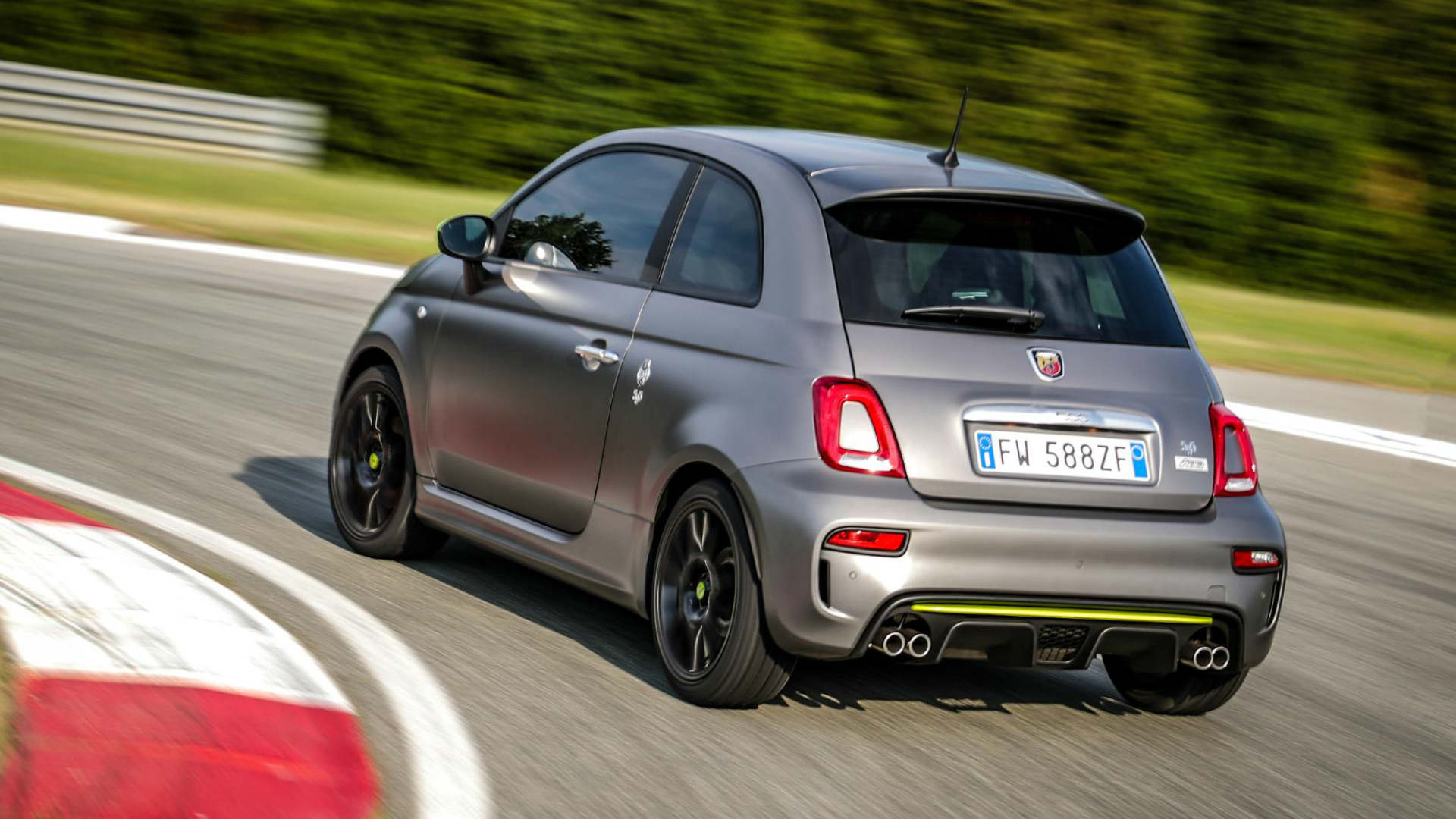
Anything Ferrari can do, Abarth can do… smaller. And cheaper, too.
While Ferrari’s track-focused 488 Pista might be out of reach to all but a select few, the new Abarth 595 Pista is available for a more attainable price.
The performance-enhanced Abarth is priced from £19,135. Alternatively, if you take the plunge before the end of the month, the 595 Abarth is available on a Personal Contract Hire (PCH) deal for £189 a month after a £3,780 initial rental.
More power and punch
A new, oversized Garrett turbocharger sees the power output increased to 165hp, while the peak torque of 170lb ft is available at 2,250pm. It means that the torque is available at lower rpm, while top power is delivered at maximum revs. Which should result in maximum fun.
The Abarth 595 Pista also gets the excellent Record Monza active exhaust, Koni rear suspension with frequency selective damping, an automated manual five-speed gearbox with shift paddles, 284mm ventilated discs on the front and 240mm discs on the rear.
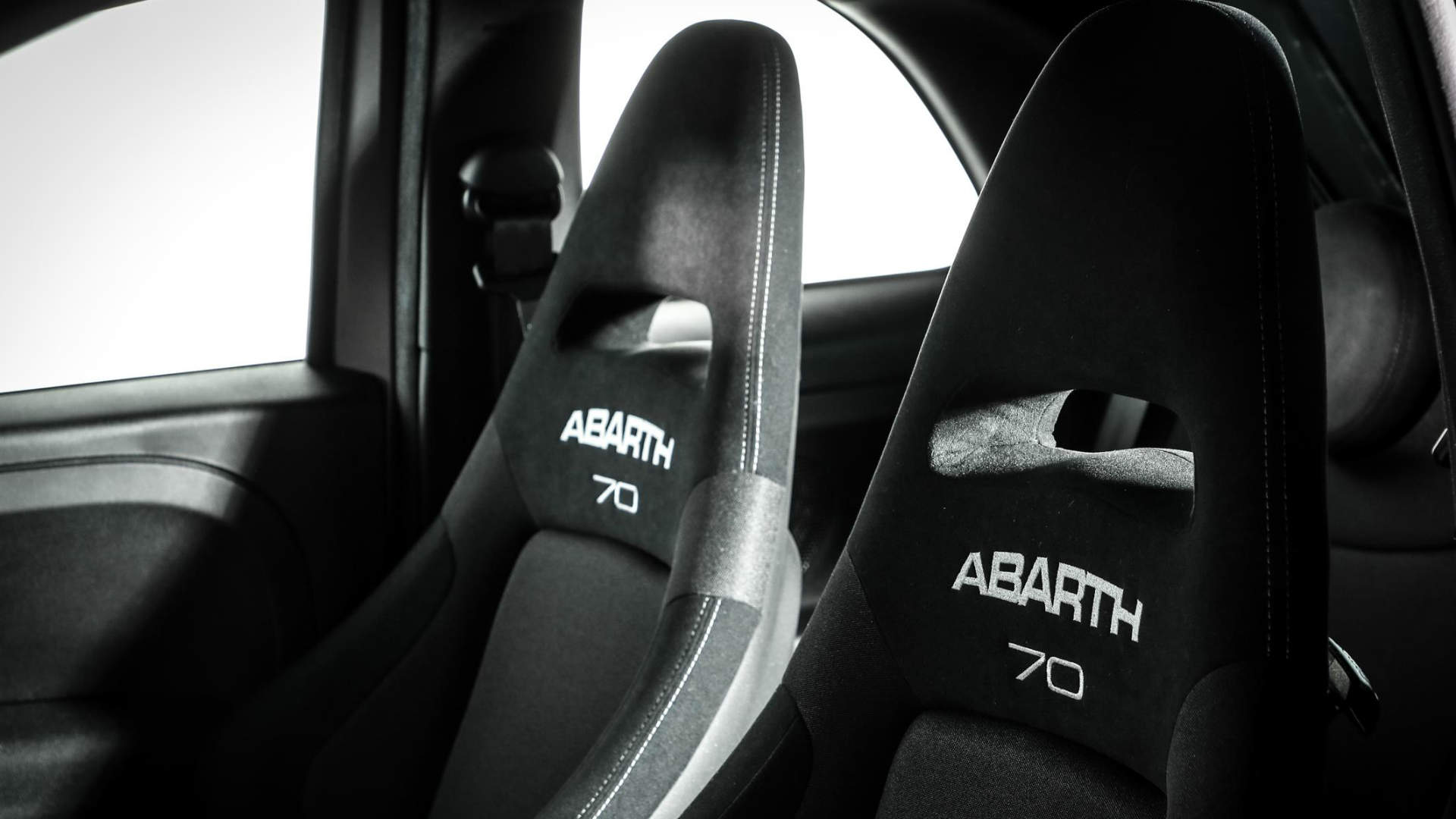
Inside, the Abarth 595 Pista gets a flat bottom steering wheel and a Sport button to adjust peak torque, steering feel and throttle response. Apple CarPlay, Android Auto and DAB digital radio are all standard.
The Pista is one of a number of Abarth 595 models available in the UK, with the range including the standard 145hp version, the 165hp Turismo, the 180hp Competizione and the Esseesse. The range starts from £16,685, rising to £25,485 for the Esseesse.
Taking the Pista
The 595 Pista is designed for younger drivers who want a little extra from the 595, but can’t stretch to one of the top-end models.
Abarth hasn’t said when deliveries will start, but you’ll need to place your order before the end of September to take advantage of the PCH offer.
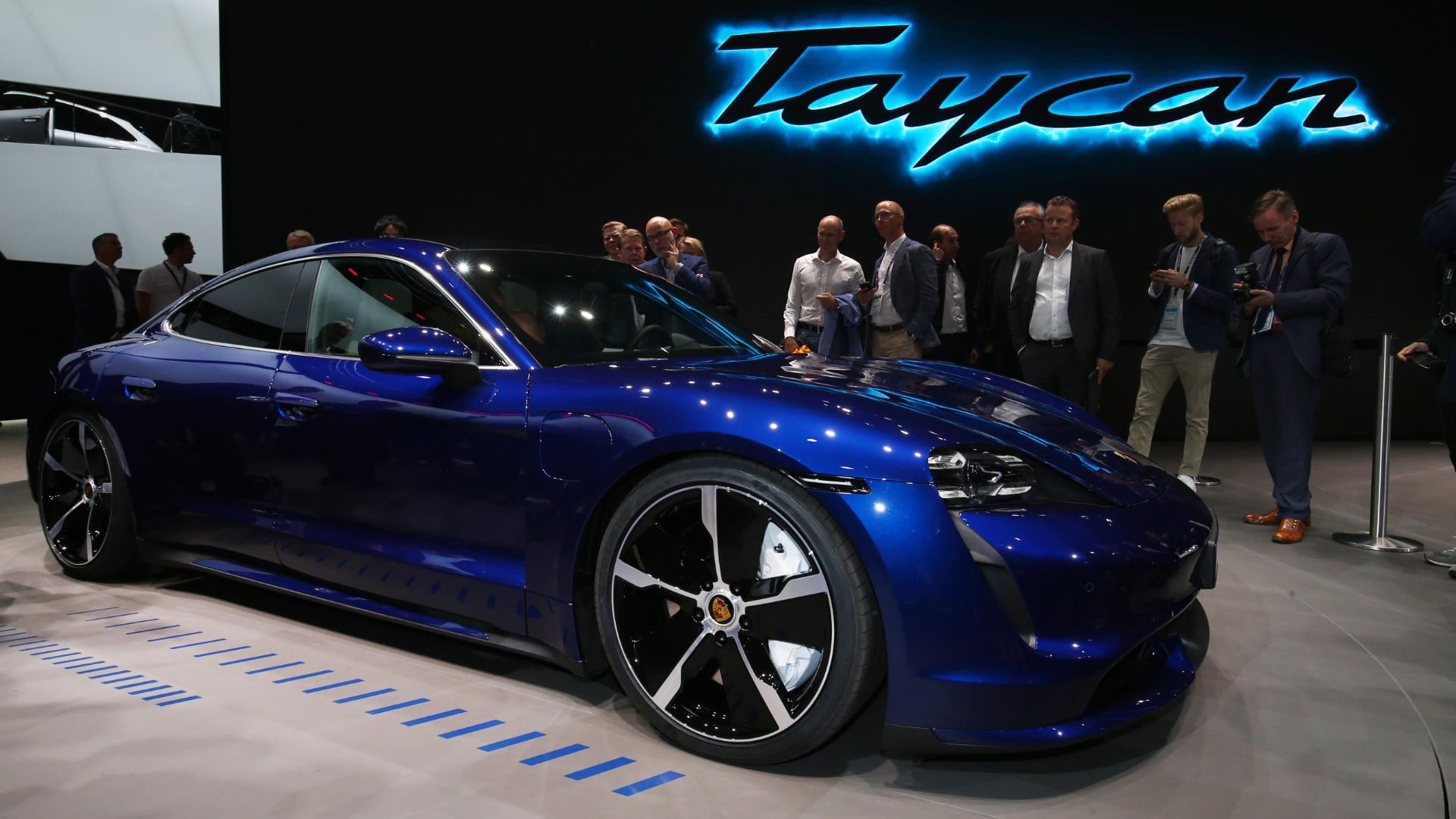
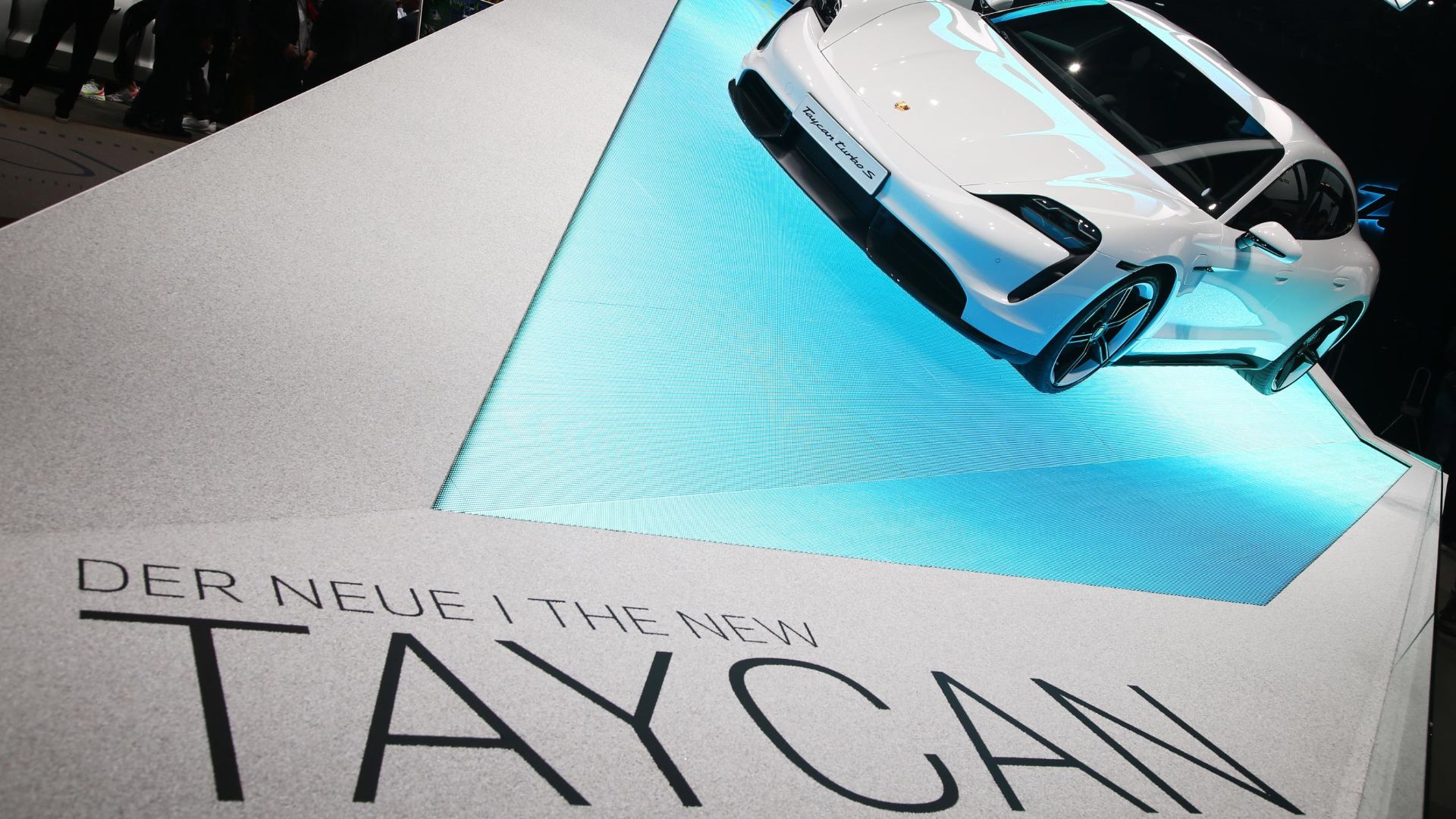
The Taycan is arguably one of the most important model launches in Porsche’s history. It’s also one of the marque’s most expensive investments. It has pumped more than £5.3billion into the project, including the construction of the factory.
It might surprise you to discover, then, that Porsche doesn’t expect the Taycan to turn a profit until 2023.
This is nothing Porsche wasn’t prepared for – the primary expense is battery production. The marque anticipates that over the coming years, battery costs will take a significant tumble. Speaking with Bloomberg, Porsche CEO Oliver Blume said he expected the Taycan to make a “good margin” eventually.
This is part of the reason why Porsche has launched with the expensive Taycan Turbo and Turbo S models. The truth is they’re not that much more expensive to build than lower-end models.
This is also why Tesla launches it’s highest performing and most expensive variants first. That’s why we’re still waiting for the most affordable Model 3, three years after the standard car’s reveal.
Consider also the high volume of fully-electric hypercars that have been revealed of late. A seven-figure list price can absorb the cost of batteries and motors, however high-performance they may be. In turn, you introduce electric power to the zeitgeist while advancing battery and e motor development. It’s a win-win. Going a bit further down the affordability tree for the Taycan is a bit of a brave pill for Porsche.
The Taycan is the head of an electric revolution, though. A loss-leader it may be, but you don’t build an entirely new factory for the sake of producing one expensive car.
Porsche has been very open about wanting the next-generation Macan to have an all-electric variant. Likewise, an all-electric 911 can’t be more than ten years away. Porsche is one in an automotive group, too. Technical partners are never far away, which in the case of this electric endeavour, it has found in Audi.
The coming E-Tron GT super saloon will borrow some hard-won and expensive Taycan knowhow. The Taycan treads new ground for Porsche, and treading new ground tends to be expensive. But many more models and variants to come will follow in those footsteps.
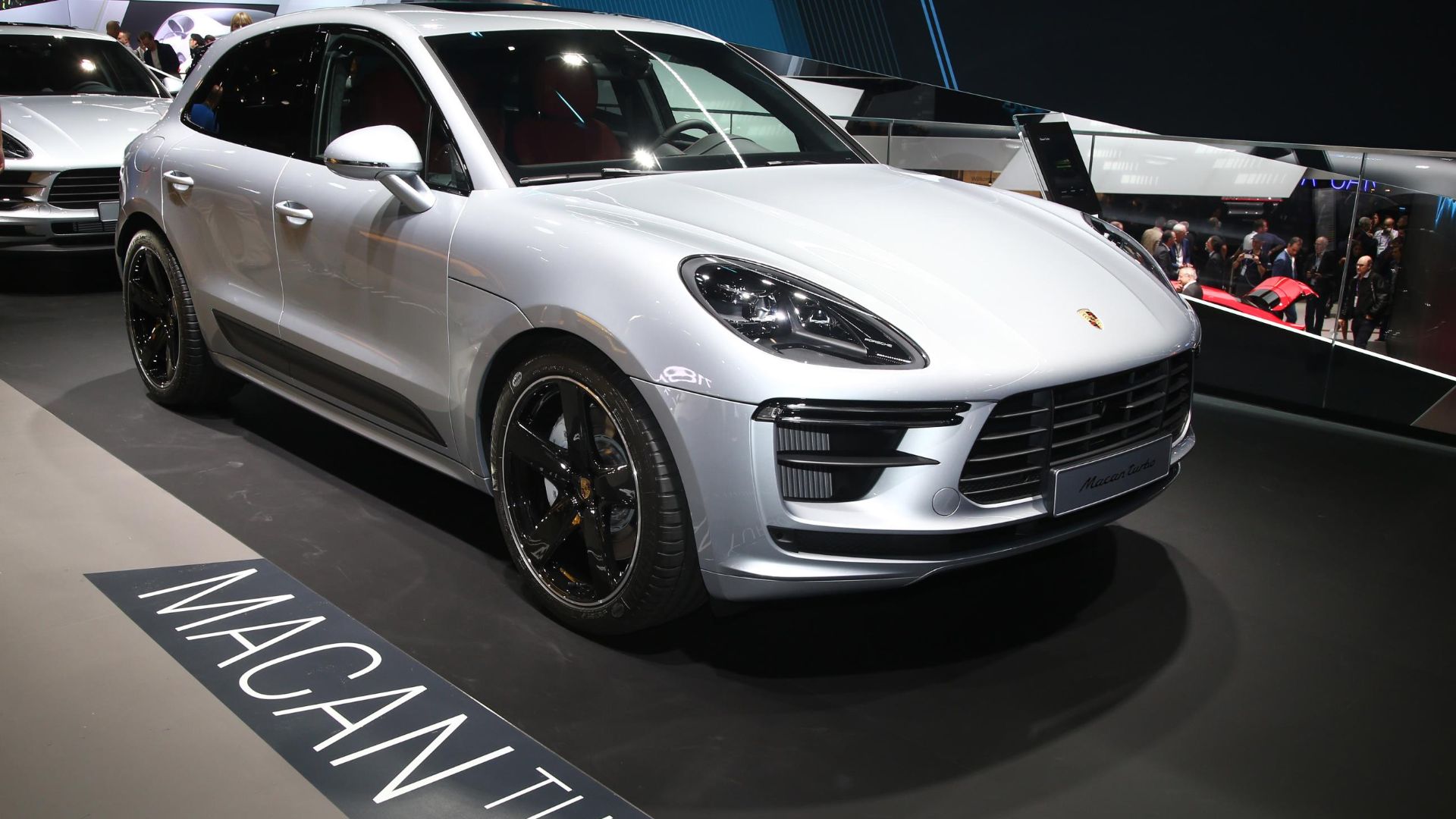
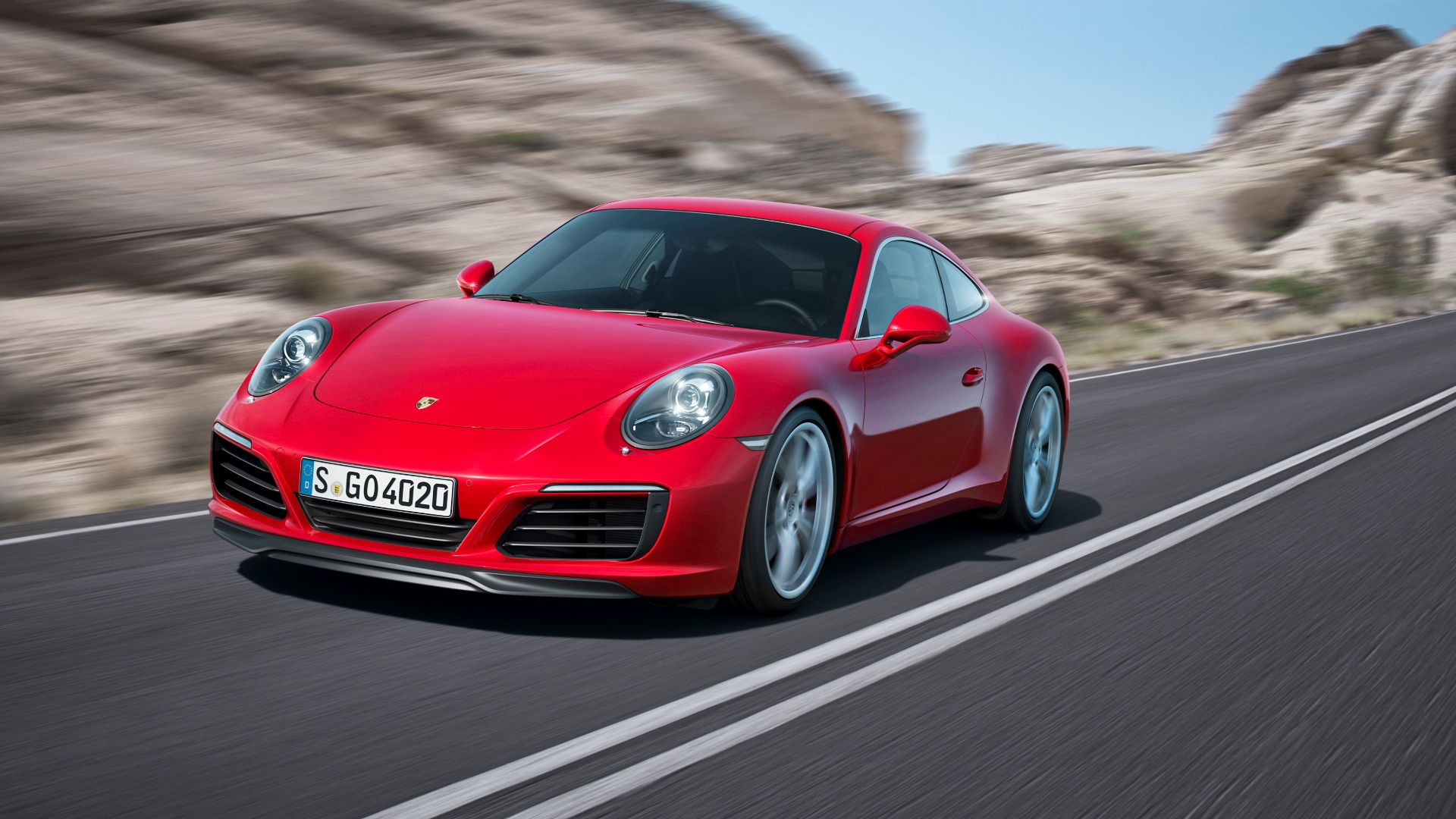
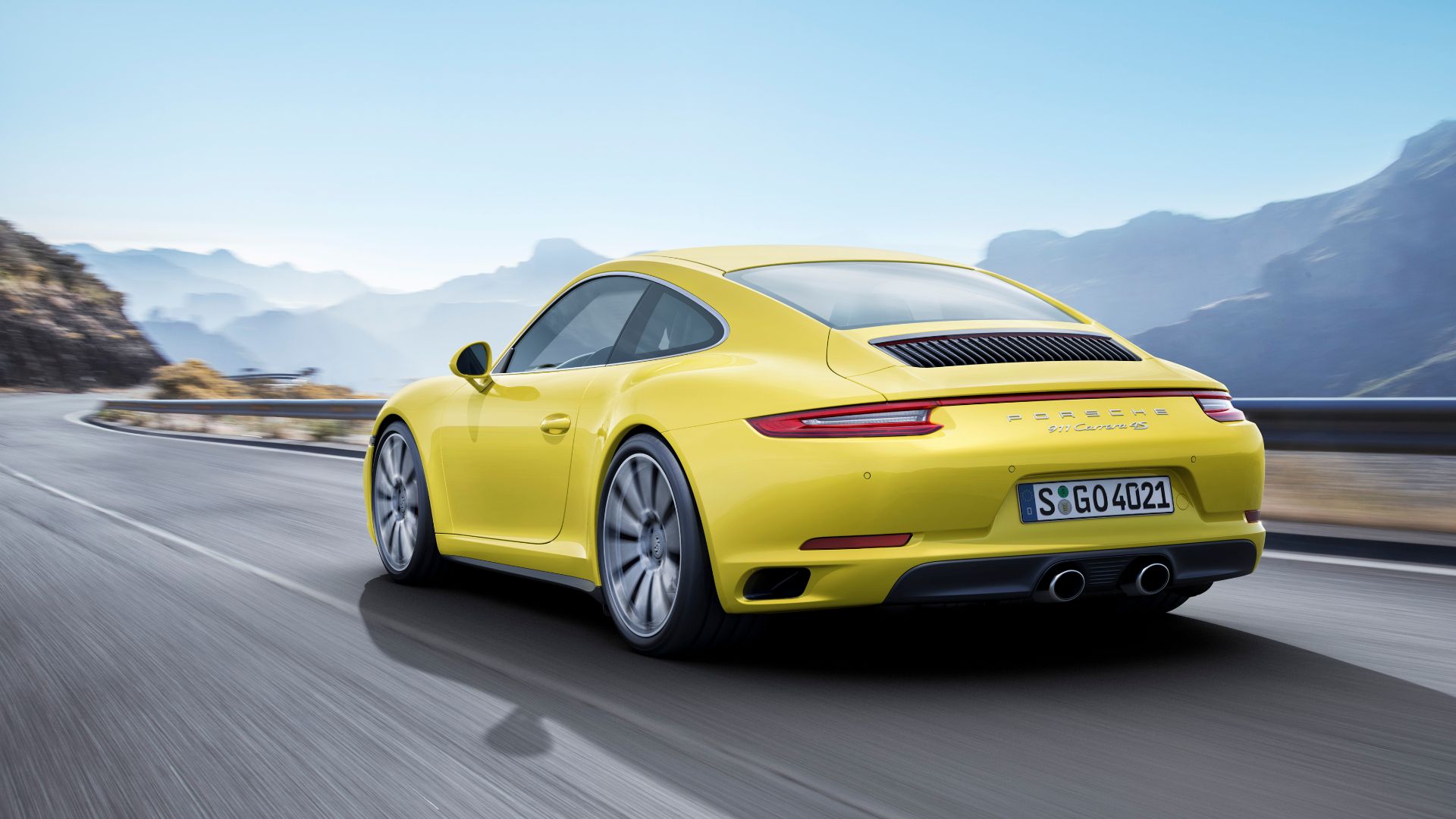
In terms of production numbers, the Taycan isn’t expected to outstrip the 911, of which around 35,000 are built every year. As we and Bloomberg have previously reported, the 911 is the most profitable car in the world in terms of numbers made versus profit margins.
The most profitable car of 2019 cars been revealed. No, it’s not some unobtainable hypercar with £10,000 carbon fibre cupholders or a million-unit-selling SUV. It’s the Porsche 911 – a car now famous for the fact that it’s one of Porsche’s lowest-selling models.
The 911 makes up just 11 percent of sales, but around 30 percent of Porsche’s earnings. Porsche makes a 47 percent margin on the model, as it brings in over €2billion (£1.8billion) per year for the marque. The only other car that beats it on profit margins is the Ferrari F8 Tributo, which has a 50 percent profit margin.
However, the F8 Tributo makes up a mere 17 percent of Ferrari’s new vehicle contribution. That’s likely due to annual volumes. A total of 4,000 sales of the F8 Tributo looks insignificant, compared with the 38,000+ 911s that are built in a year. Sales of the 911 in 2018 alone – yes before the 992 – outstripped everything from Aston Martin, Bentley, Ferrari and Lamborghini, combined.
That’s some volume, especially when 47 percent of that take is profit.
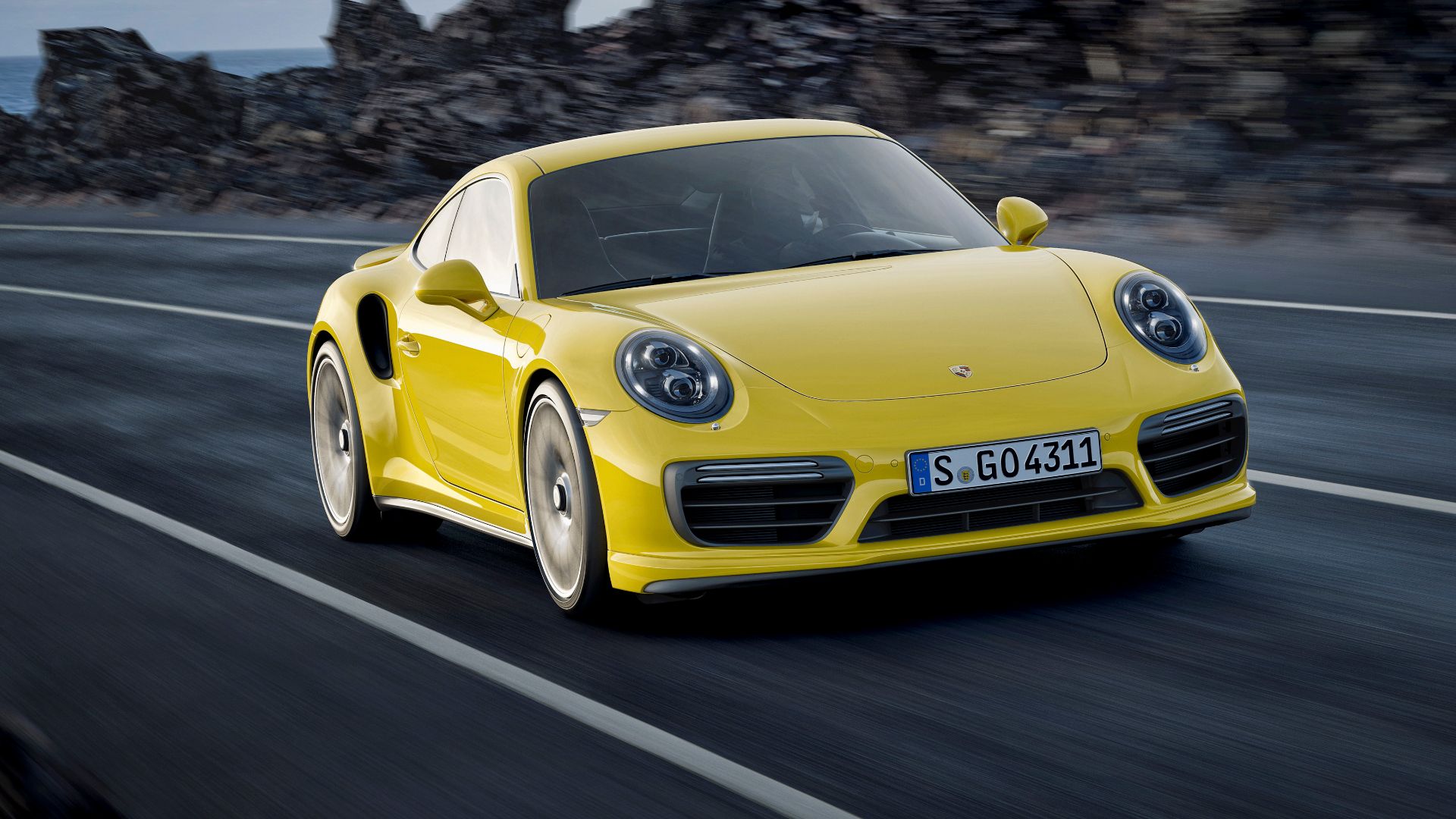
That’s only on Carrera models, too, which are always the first out of the showroom for a new 911. More expensive variants such as the Turbo and GT3 are predicted to come with still-higher margins.
Michael Dean is the automotive equity research analyst for Bloomberg Intelligence, the publisher of these figures. He called the earnings on these high-margin cars “disproportionately high”.
“It’s a very simple calculation: the 911 is very profitable in its own form, and when you add the variations, the margins became immense,” Dean said.
“If you assume they sell 10,000 Turbos anyway, plus GT3 and Turbo S, just the Turbo variants of the 911 alone could actually mean half a billion dollars in terms of profit for Porsche.”
Porsche spoke of how pleased it is with the strong performance of the 911 in a company sales report.
“The 911 capacity to fascinate is stronger than ever,” said Porsche executive board member Detlev von Platen.
“We just celebrated the world premiere of the new 911 at the end of the year at the Los Angeles auto show, and yet our sports car icon once again inspired more customers in 2018 than in the previous year.”
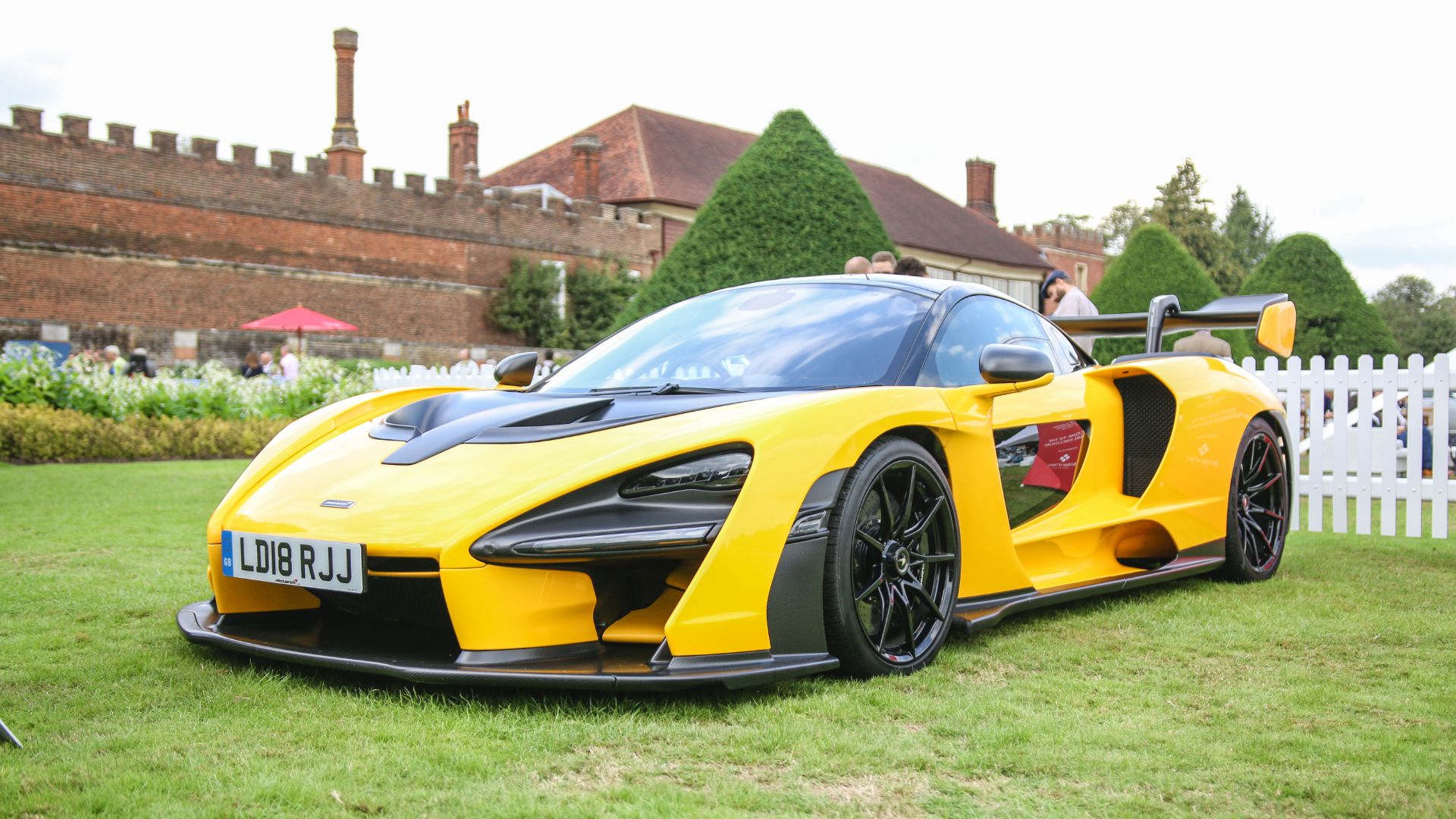
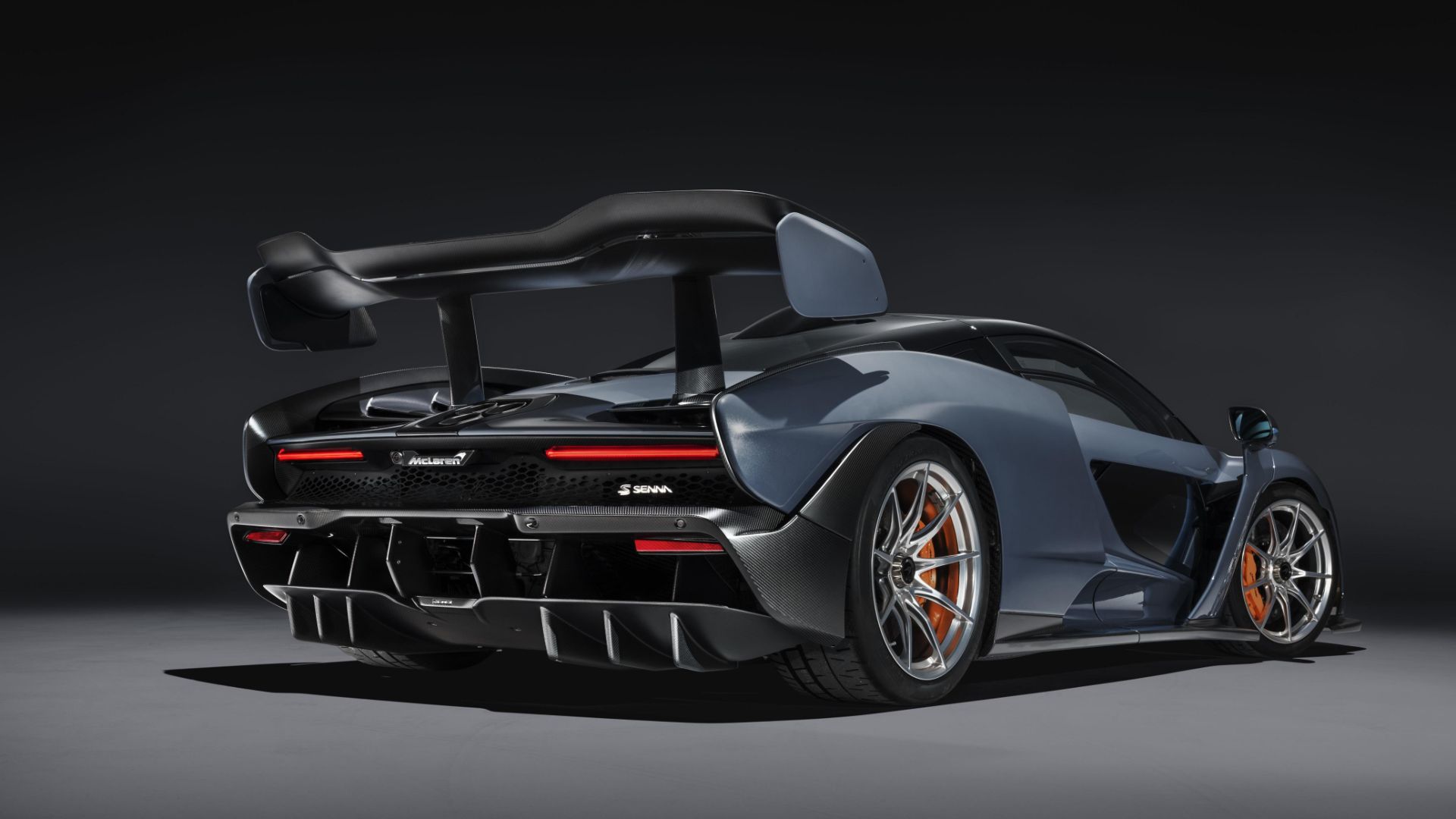
The McLaren Senna has officially been recalled due to a fire risk. This follows numerous reports of cars combusting, including the Senna of famous YouTuber, Salomondrin.
The cause of the fires has until now been unknown. However, the recall details an issue with wiring sustaining heat damage.
A branch of the vehicle harness runs close to a metal link pipe heat shield. The heat damage causes overfueling to the engine, which then increases catalyst temperatures. It’s the catalyst that has been identified as the source of the fire risk.
Cars affected were built between 21 June 2018 and 20 June 2019. McLaren advises owners that if they think their car may be affected, they should contact their McLaren dealer urgently, if it hasn’t already contacted them.
Salomondrin (real name Alejandro Salomon) posted a video of his car catching fire in January. He’d had the car less than two weeks, and had done around 400 miles, when it went up while he was driving. He claimed that while driving he noticed sparks and fire shooting from his exhaust, landing on the ground and staying lit.
He found an area where the car could burn without fear of setting surrounding trees or foliage on fire, and left it to do its thing.
Winging it: McLaren Senna GTR debuts with big aero
The Senna joins a host of recent supercars that have suffered from fire issues. During testing recently, a prototype for the McLaren Speedtail burst into flames in Surrey, England.
A prominent past case of combusting supercars was the Porsche 911 GT3 of 2013. Following reports of multiple fires, Porsche recalled all ‘new’ GT3s for significant engine work.
Likewise, with the Ferrari 458, there were multiple incidents of cars catching fire. It was recalled for a change in adhesive, to a less flammable type.
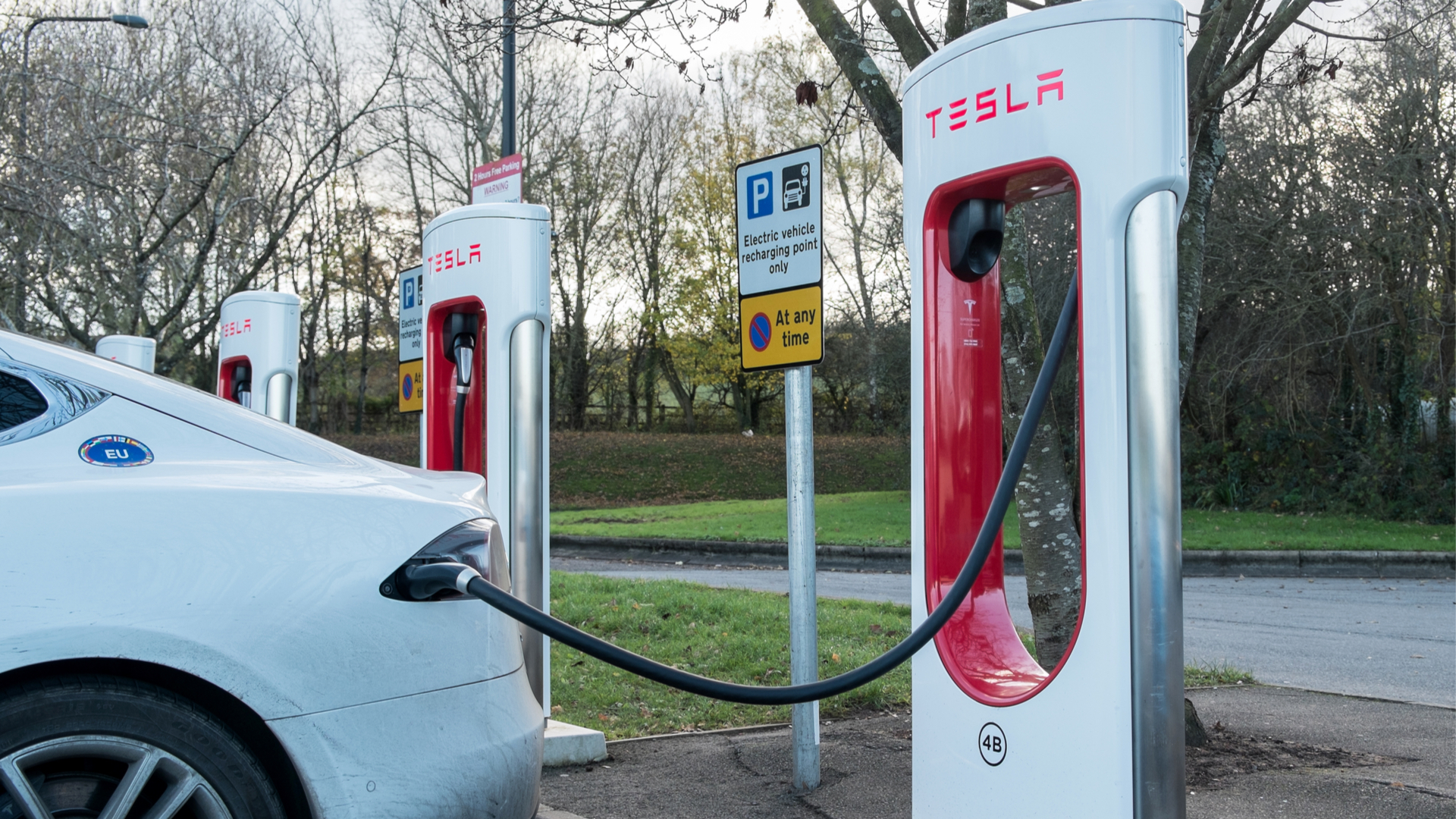
Tesla “continues to set the gold-standard for EV charging experience”, according to a new study.
A satisfaction survey of more than 1,600 electric car drivers ranks Tesla as the UK’s number one charging network. The Supercharger network scored an impressive 94 out of 100.
More than 86 percent of Tesla drivers said they are ‘very satisfied’ with the charging network, with a further 10 percent claiming they are ‘somewhat satisfied’.
Tesla might find it hard to stay on top. A larger range of cars and increased sales will put pressure on the Supercharger network, while a loss of free charging for some owners could see a decline in satisfaction.
Indeed, Tesla’s satisfaction score, while impressive, is down 6 percent on this time last year.
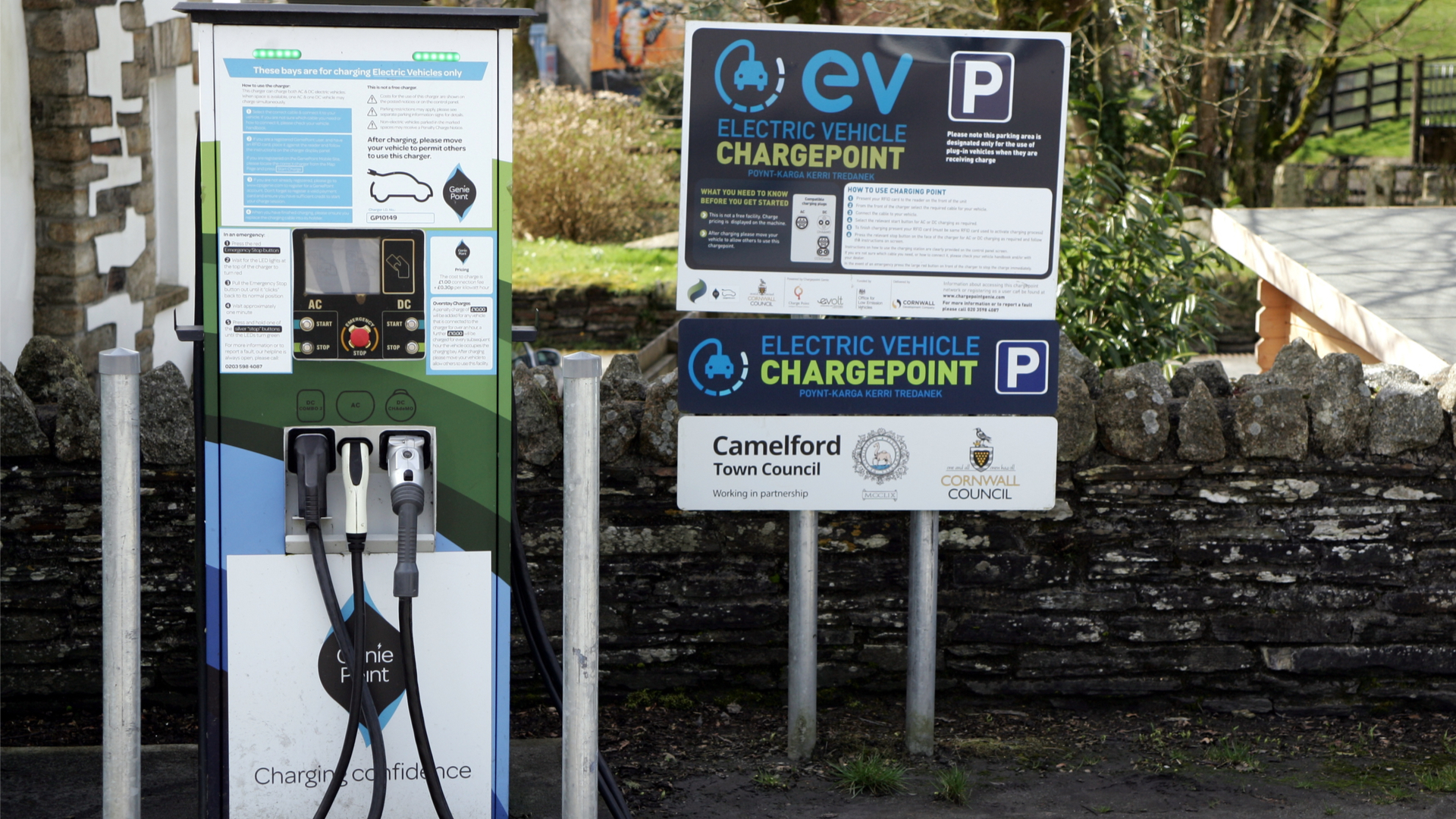
Zap-Map, the organisation behind the study, asked charging network users to rank four key issues related to public chargers.
Unsurprisingly, reliability is the most important factor, followed by speed of charging, cost and facilities at the charging network.
‘EV drivers are increasingly savvy’
Dr Ben Lane, CTO and joint MD at Zap-Map, said: “EV drivers are very clear as to what makes for a good charging experience with ‘reliability’ being the number one priority. EV users need to be able to access the whole of the UK network with confidence that the installed chargers will be working and available as advertised.
“EV drivers are increasingly savvy about the different levels of service offered by each of the UK’s charging networks and will change their driving routes to use those which offer the best service.
“This suggests that the market is becoming highly competitive, with EV users happy to pay for quality, but avoiding networks which fail to provide a good charging experience.”
New research has from a market-leading comparison site has revealed how much money a no-claims bonus can save you on car insurance.
MoneySuperMarket’s analysis of 17.8 million car insurance enquiries found that five years’ no claims bonus (also known as no-claims discount) can save you a healthy 24 percent on your premium.
If you were, for example, quoted £800 for a year without any no-claims, five years of no claims could get you down to around £600.
More surprising are the savings for those with less no-claims bonus. Four years’ no-claims still gets you a 23 percent discount, while three years saves you 22 percent.
Two years’ no-claims saves you 19 percent on your car insurance, while a one-year no claims bonus results in a 12 percent discount (that’s still almost £100 off an £800 quote).
“No claims discounts are a great way to save money on your car insurance,” said Rachel Wait, consumer affairs spokesperson at MoneySuperMarket.
“Insurers are keen to reward those who prove they’re safer drivers, and multiple years without claiming for damage is the best way to demonstrate this.
“It’s worth noting that when switching your car insurance policy, many insurers also honour no claims discounts accrued during your time with your previous insurer, so finding a better deal won’t necessarily mean starting from scratch.”
She did sound a word of caution, though. “The number of years honoured varies, so it’s important to find out how it might affect you before you switch.”
All Audis now feature rear badges that depict the power output of their powertrain – made up of numbers that refer to the output of the drive system and its position within the Audi model hierarchy. The firm calls them model power badges.
The designations will be standardised across all drive types – petrol, diesel, hybrid and electric – and will comprise a two-number combination.
Basically, a lower number means lower power.
However, the numbers won’t reference the car’s exact power, but the output range within which it sits. For example, ‘30’ will be used on cars producing between 81 to 96kW (110 to 130hp); ‘45’ will be used on cars producing between 169 and 185kW (that’s 230 to 250hp).
The top badge will be ’70’, for cars producing more than 400kW (upwards of 545hp). All badges increase in increments of five; Audi offers examples such as the Q2 30 TFSI and Q7 50 TDI, as well as the A8 55 TFSI pictured here.
Do not confuse Audi’s power badges with, for example, the similar-sounding system used by Tesla. A Model S 75 has a 75kWh battery, and a Model S 100 has a 100kWh battery: the Audi system is a more arbitrary hierarchy that doesn’t directly reference engine power or electric output.
Why does Audi use power badges?
Insisting it’s a “clearly discernible hierarchy”, Audi says it is using power badges because engine size is no longer a good way to judge the relative status of a car within its range – something that will be further shaken up by the onset of EVs.
“As alternative drive technologies become increasingly relevant, engine displacement as a performance attribute is becoming less important to our customers,” said Dr. Dietmar Voggenreiter, Board of Management Member for Sales and Marketing at Audi.
“The clarity and logic of structuring the designations according to power output makes it possible to distinguish between the various performance levels.” So there is a replacement for displacement after all.
Audi S, RS and R8 models will not feature the power designation badges.
Today Donald Trump rides in a bespoke armored Cadillac limousine, used as the official United States presidential state car.
However, Trump’s connection with custom stretched Cadillacs goes back to the 1980s. A partnership with coachbuilders and Cadillac saw a range of custom limos offered.
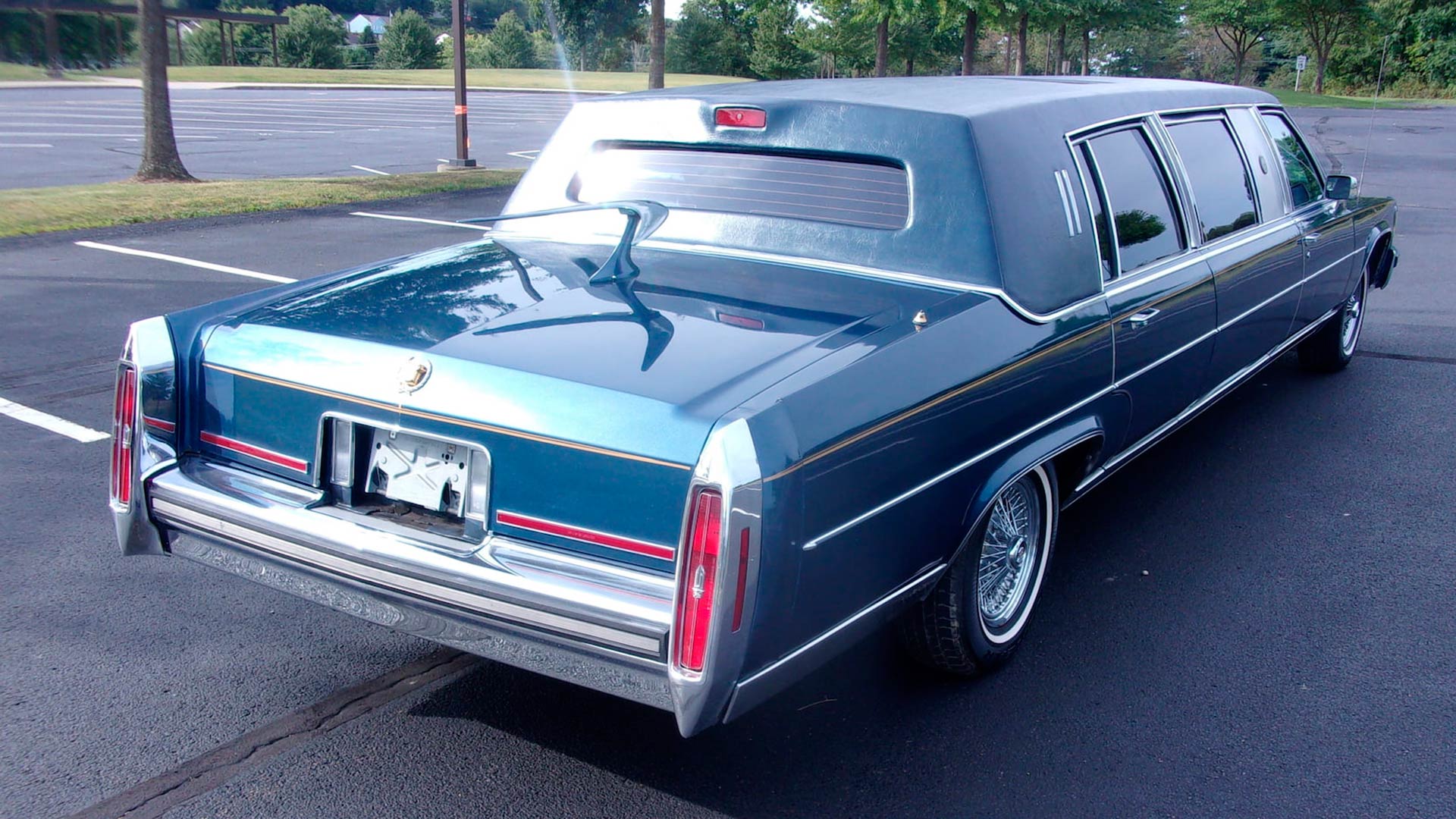
One of these rare creations is now being listed for auction at the forthcoming Mecum Louisville sale, later this month.
“The point is that you can’t be too greedy”
Rewind three decades, and Donald J. Trump was the feted business icon of New York City. His deals were buying up large chunks of prime Manhattan real estate, and his 1987 Art of the Deal book made him a household name.
Trump approached Cadillac with the idea of making the most luxurious limousine ever built. A partnership with Dillinger-Gaines Coachworks was made on the basis of 50 examples being ordered by the President.
Two versions were planned, based upon the Brougham sedan. An entry-level Executive Series was priced from $55,000, whilst the opulent $65,000 Gold Edition would – naturally – include extravagant gold trim throughout.
Gold Edition cars received gold pinstriping to the exterior bodywork, along with copious amounts of gold trim for the interior metalwork. Acres of rosewood and leather were also used.
A unique front grille with vertical slats was also added, along with a raised vinyl roof and distinctive brushed metal side pillars.
Inside would be every item that a 1980s business titan would need. This included a TV, VCR, fax machine, and even a paper shredder. Three cellular phones were added, along with writing desks and a built-in safe.
“Sometimes it pays to be a little wild”
Despite being notably teetotal, the Gold Edition even included a crazy ‘Perm-a-Pub’ bar system. A variety of drinks could be dispensed, with the licquor itself stored in trunk-mounted containers.
After the initial enthusiasm, Trump was said to have pulled back on the order for 50 cars. Instead, he reportedly ordered just one example for himself, whilst the weak financial market did not help demand from others.
The final number of Trump limos made is disputed. Some sources suggest only two were created, whilst even the highest estimates suggest only seven examples were built.
Curiously, the seller appears to have missed photographing many of the major Trump Gold Edition signifiers. These include the ‘Trump Cadillac’ badging to the chrome B-pillar, and embroidered Trump logo on the rear seats.
The gold Cadillac hood ornament also appears to have vanished, whilst the original Vogue-branded tires with gold pinstripes were replaced after clocking up 14,000 miles.
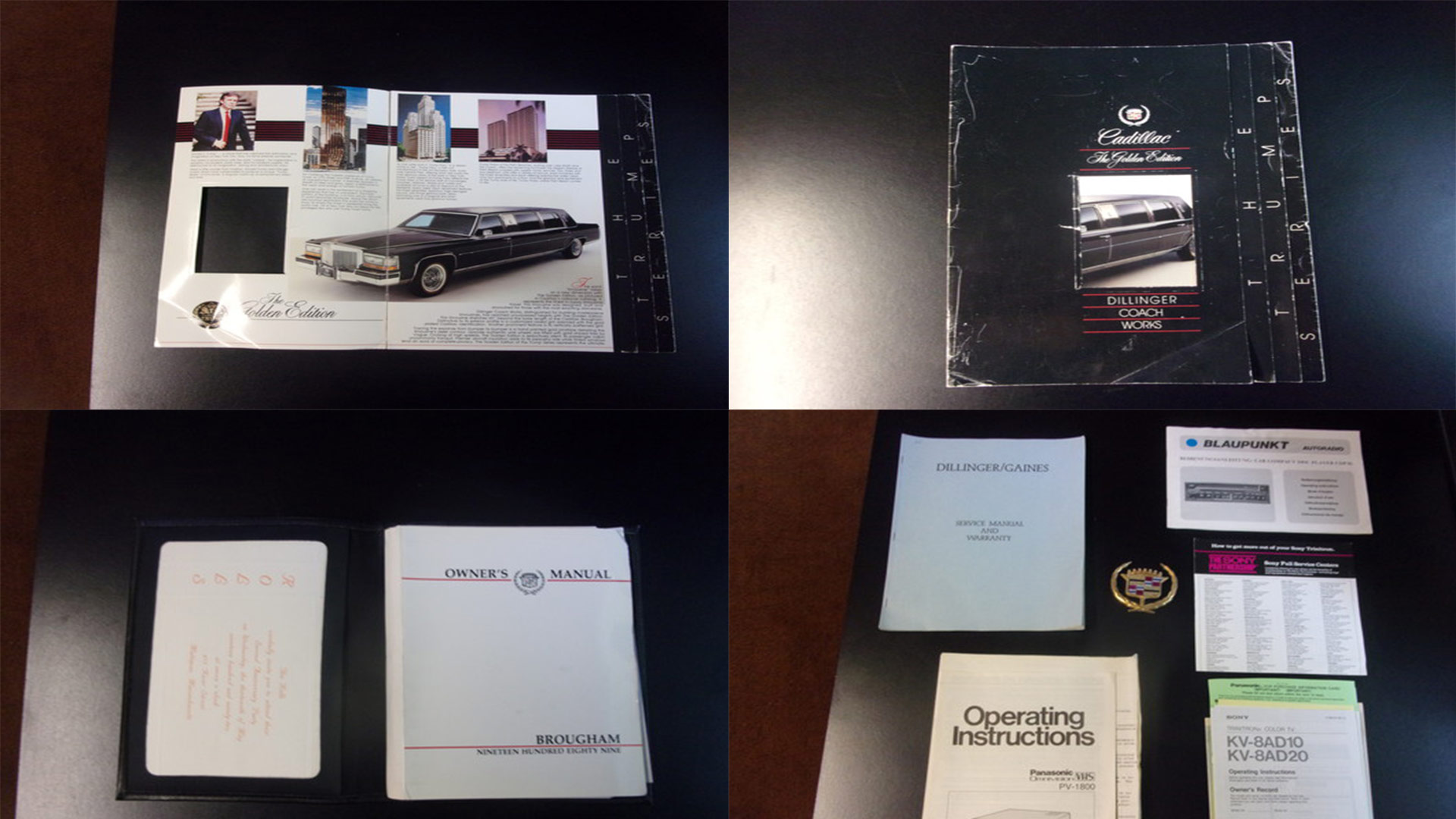
Mecum Auctions does note that seller has all the paperwork from new, plus relevant brochures and instruction manuals.
As with any car offered at auction, interested bidders should always make their own enquiries and use the opportunity to inspect a vehicle before flashing the cash.
“Get in, get it done, get it done right, and get out”
In terms of just how much money will secure this stretch Caddy, a remarkably similar Trump Gold Edition sold at auction earlier this year.
The Barrett-Jackson Northeast 2019 sale saw a blue 1989 Trump Gold Edition achieve only $8,250 including fees, when it crossed the block on June 27th.
Buying a thirty-year-old Cadillac limousine is always likely to be a niche prospect, although a genuine Trump connection could create some degree of collectability.
In the United Kingdom, a Trump Edition limousine – said to have been used by a family member – was offered for £50,000 ($61,500) in 2017.
A Lamborghini Diablo VT Roadster, actually owned and used by Trump, sold in 2016 for $460,000 on an eBay listing.
This lengthy Cadillac will cross the block on Friday September 20th at the Mecum Louisville sale. For those wanting something a little less golden, a further 600 cars will also be on sale over the auction weekend.
The Driver and Vehicle Licensing Agency (DVLA) has released its new car registration figures for the first half of 2019. Here, we reveal the top 25 best-selling cars of the year so far, including any significant changes from the same period last year. The results are presented in reverse order. We tip our hats to Tristan Young for alerting us to the figures.
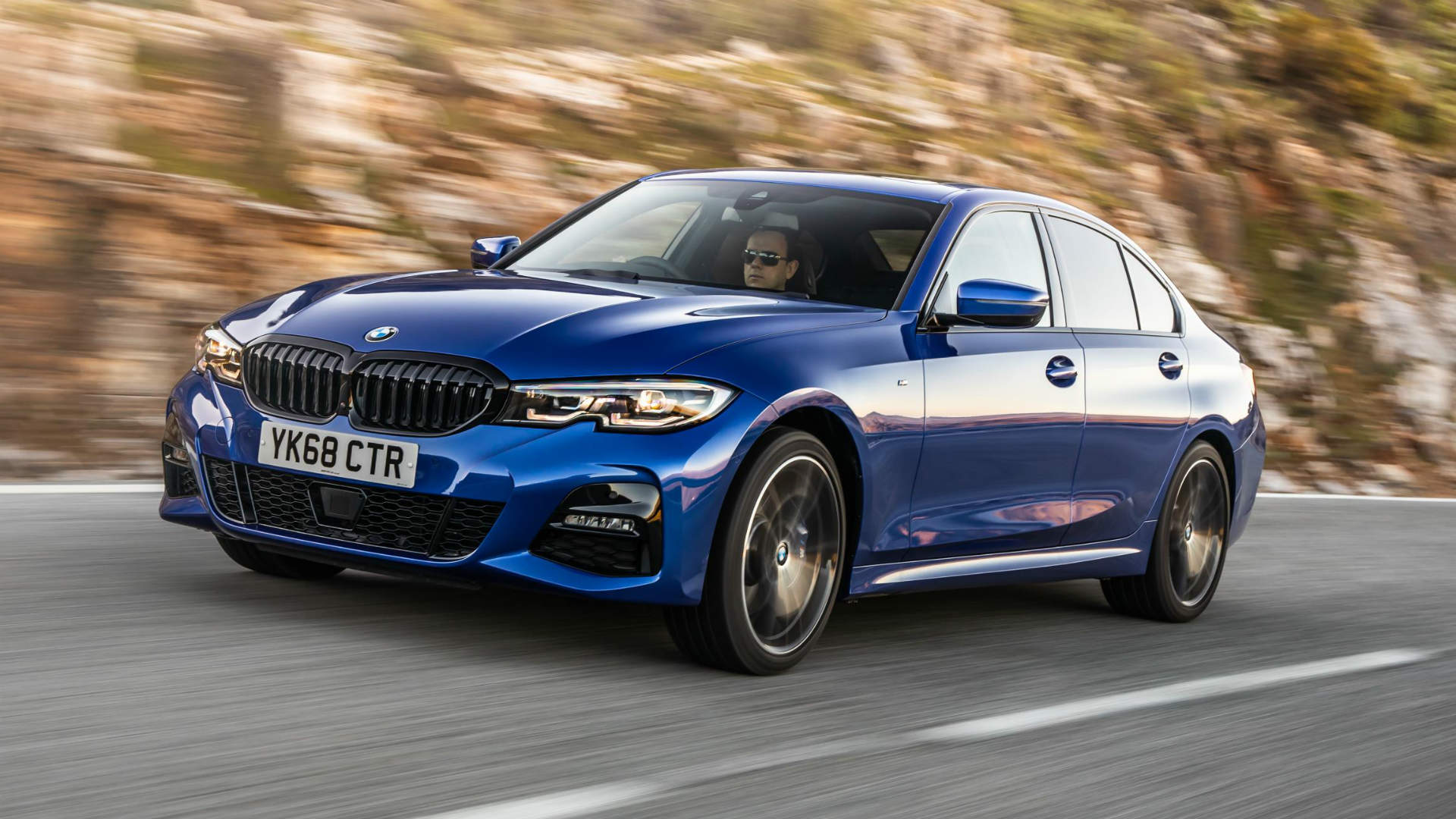
25. BMW 3 Series – 12,814 registrations
Sales of the 3 Series are down 17.94 percent as BMW has to deal with the tricky transition period when a new model replaces an old one. Sitting outside the top 25 in 46th position you’ll find the Dacia Duster, with sales of the budget SUV up from 4,507 in the first half of 2018 to 8,822 in 2019.
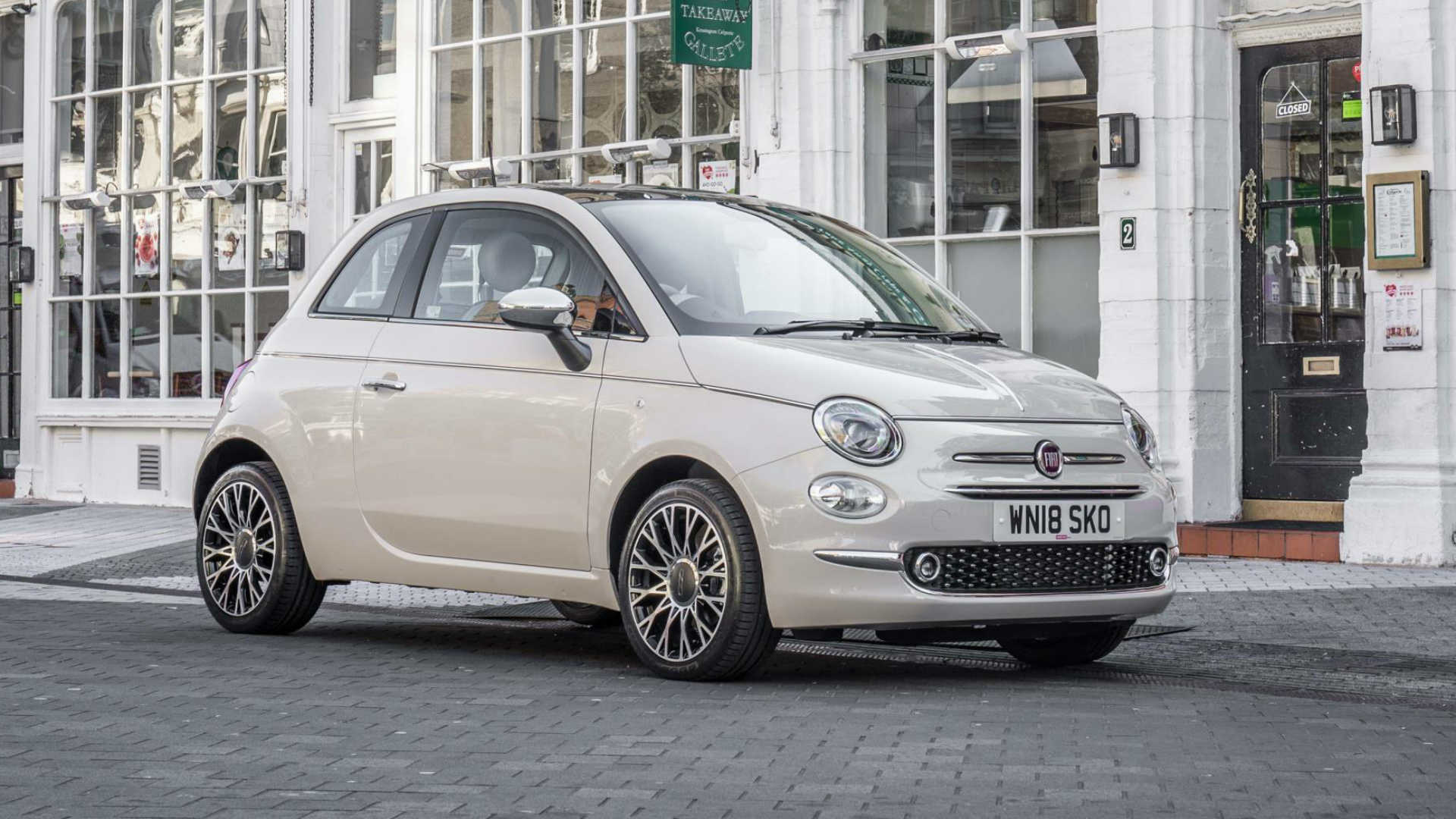
24. Fiat 500 – 12,970 registrations
The Fiat 500 has enjoyed a remarkable innings, assisted by multiple special editions and a subtle refresh. Registrations are down 11.83 percent in the first half of 2019, however.
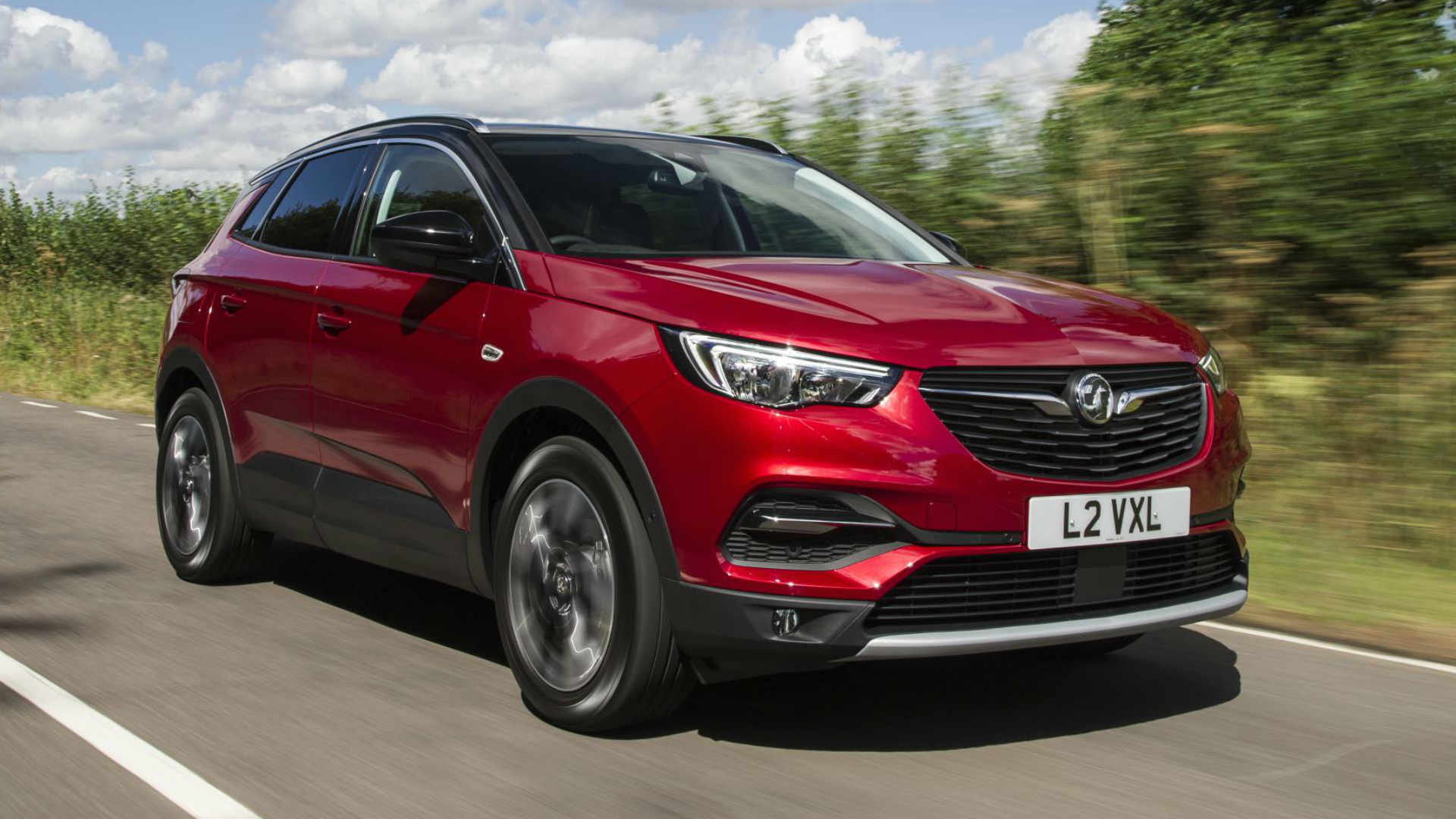
23. Vauxhall Grandland X – 13,126 registrations
The Grandland X is one of three Vauxhall models to make the top 25, with registrations totalling 13,126 units. Interestingly, the Astra sits outside the top 25 in 28th place. The facelifted Astra can’t come soon enough.
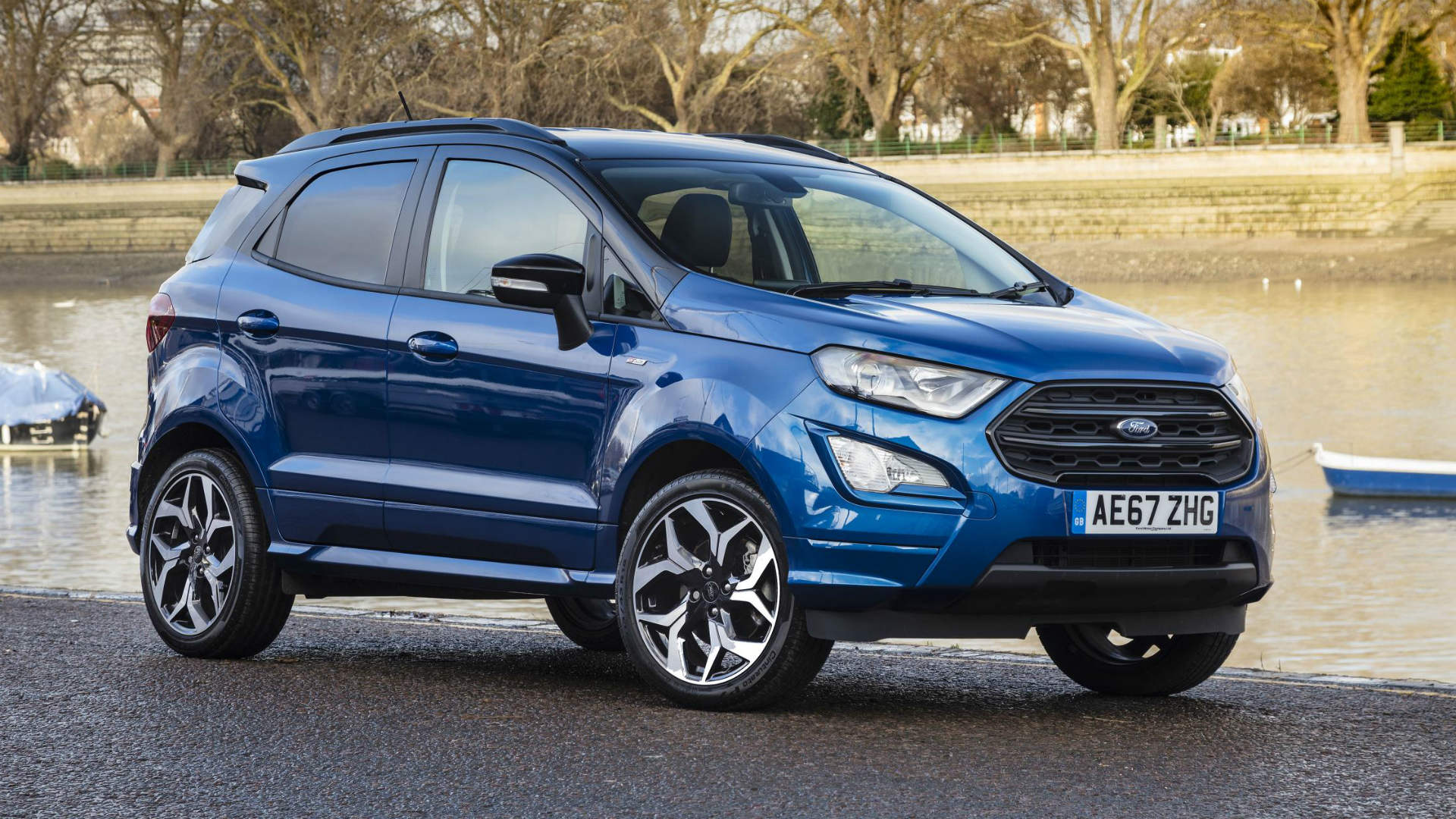
22. Ford Ecosport – 13,225 registrations
Ford has managed to shift 13,225 Ecosport models in the first half of 2019. We’re expecting the new Puma crossover to steal those sales in 2020.
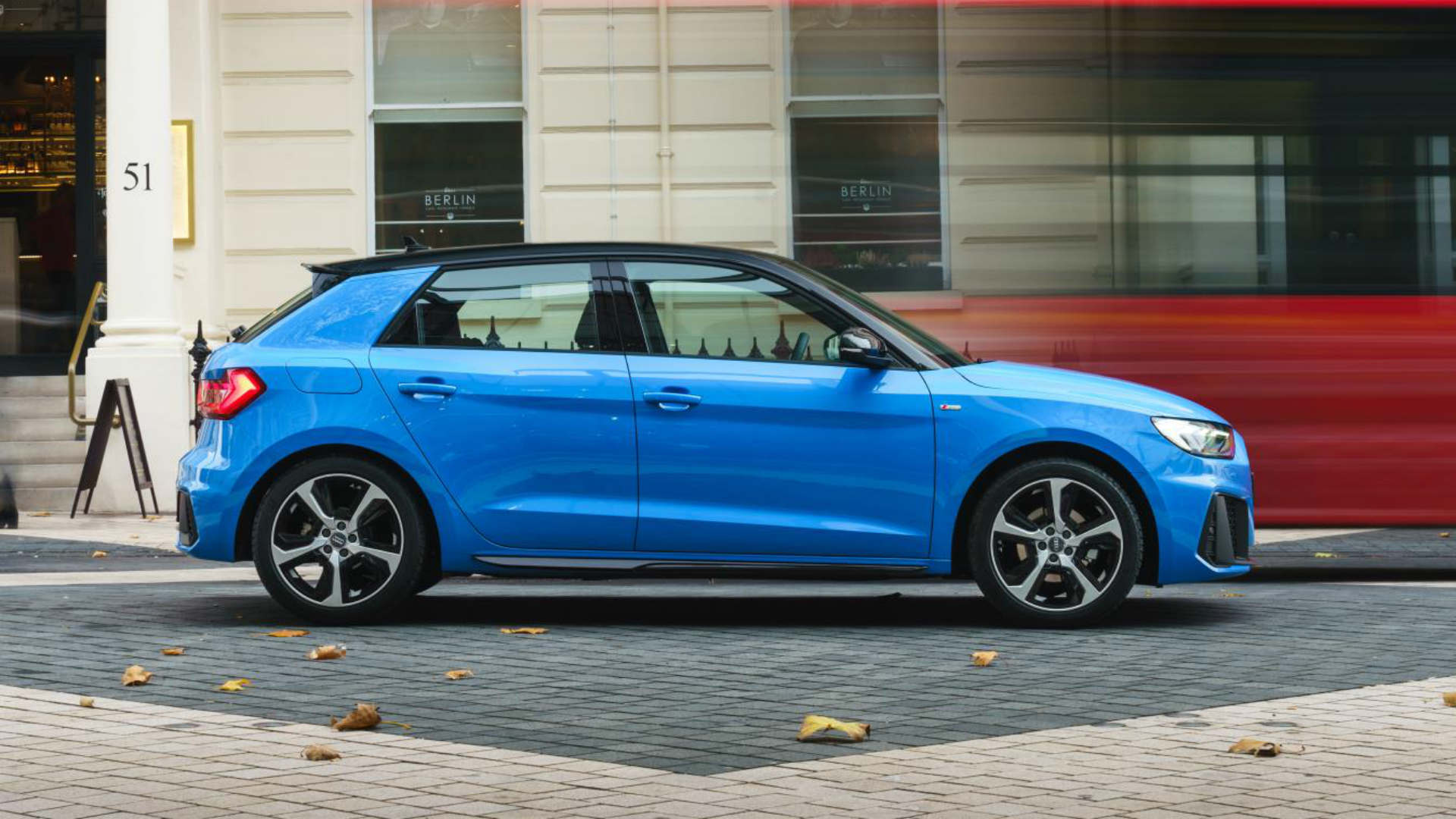
21. Audi A1 – 13,543 registrations
The launch of the second-generation Audi A1 has seen sales of the premium supermini increase by nearly 13 percent. The Spanish-built A1 costs upwards of £17,735 and features a range of customisable options.
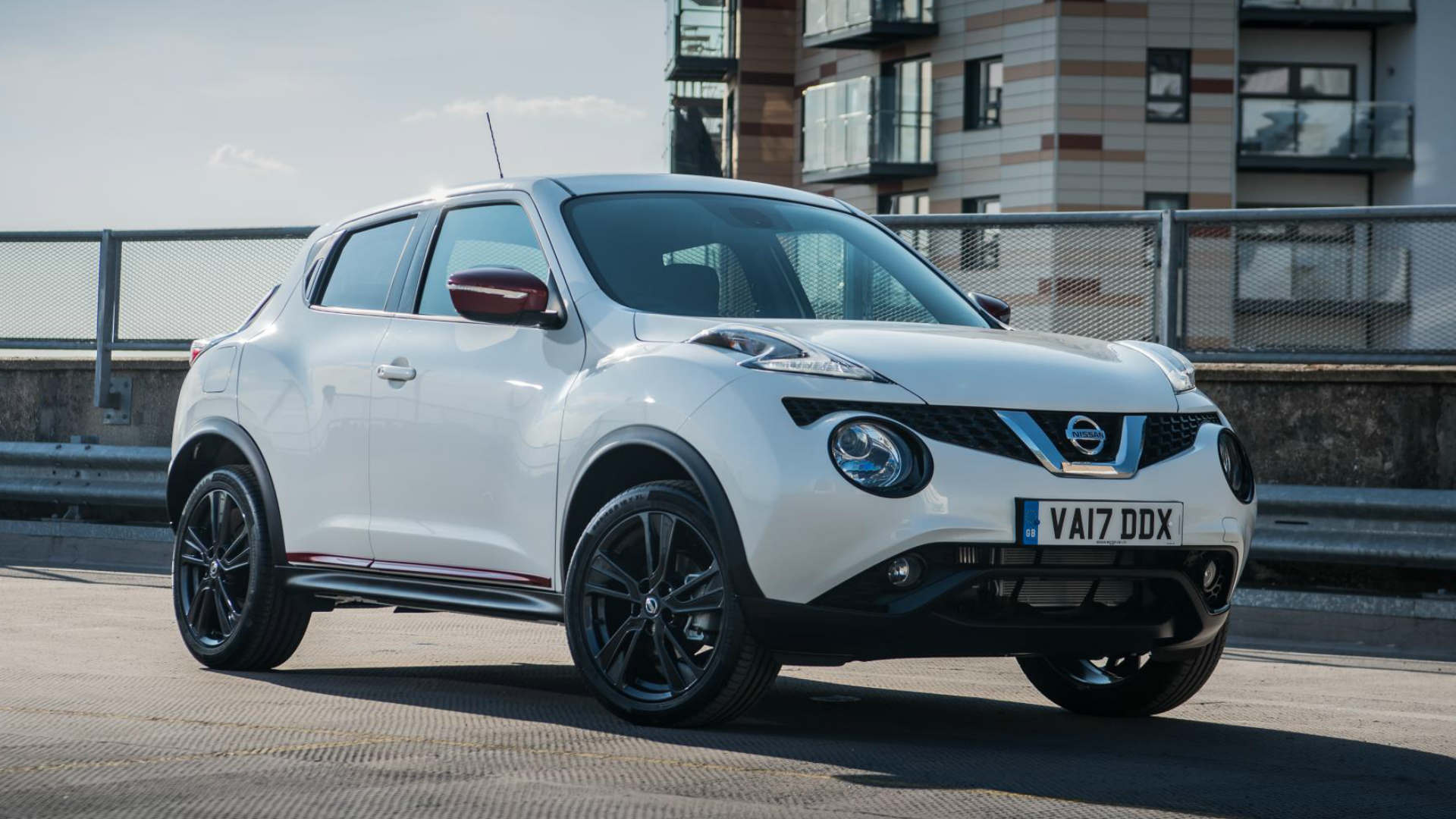
20. Nissan Juke – 14,684 registrations
You could be forgiven for thinking the new Nissan Juke is overdue, but British buyers beg to differ. Registrations are up 24.42 percent, with the UK accounting for around half of all Juke sales in Europe.
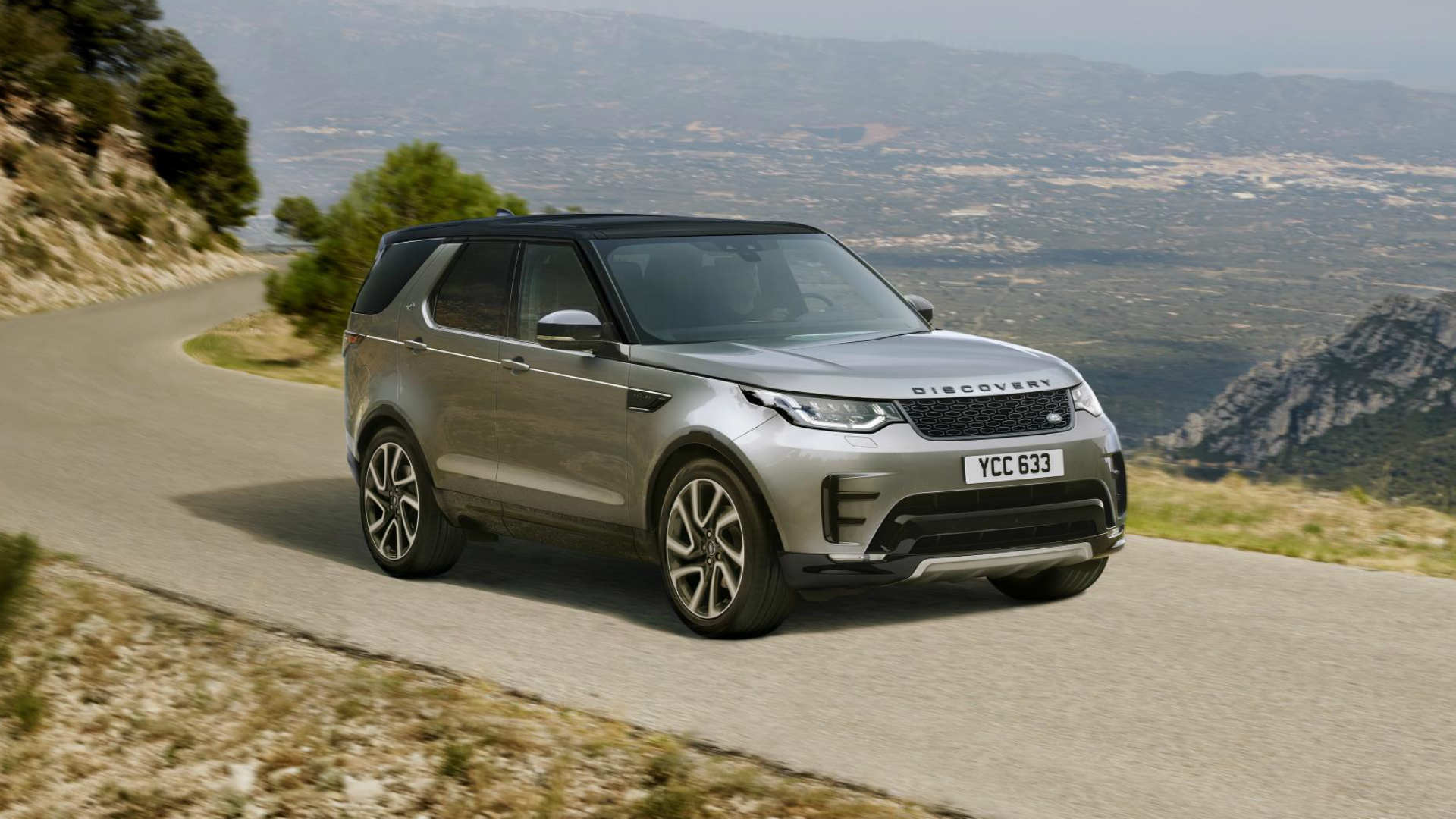
19. Land Rover Discovery – 15,055 registrations
Land Rover Discovery registrations are down 1.71 percent to 15,055 units. Moving forward, we can see the new Defender stealing sales from the Disco.
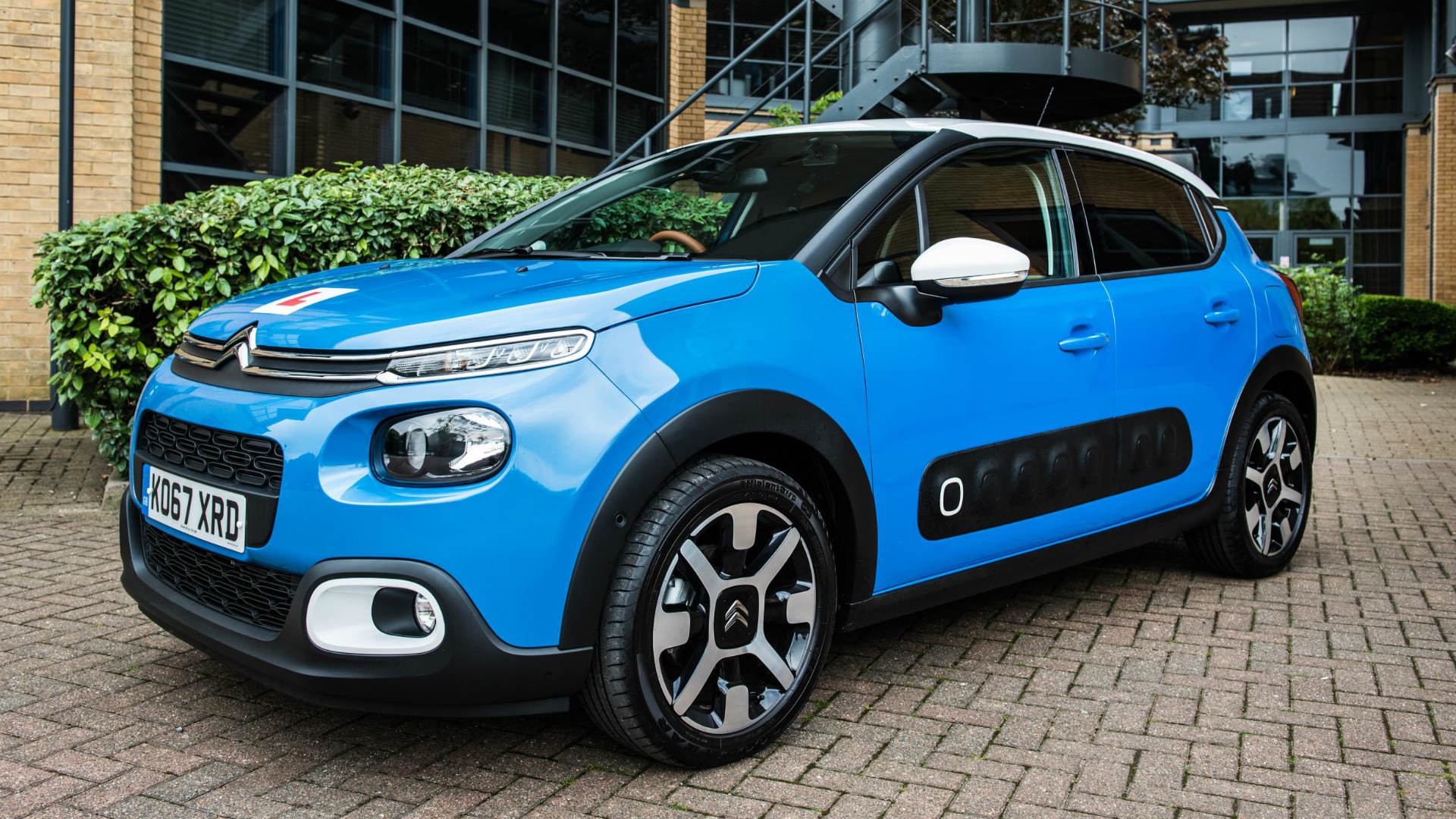
18. Citroen C3 – 15,340 registrations
The Citroen C3 is the only French car to make the top 25, with registrations up 9.71 percent. Interestingly, the Peugeot 208 (32nd) and Renault Clio (36th) fail to make the top 25. Will the new models make a difference?
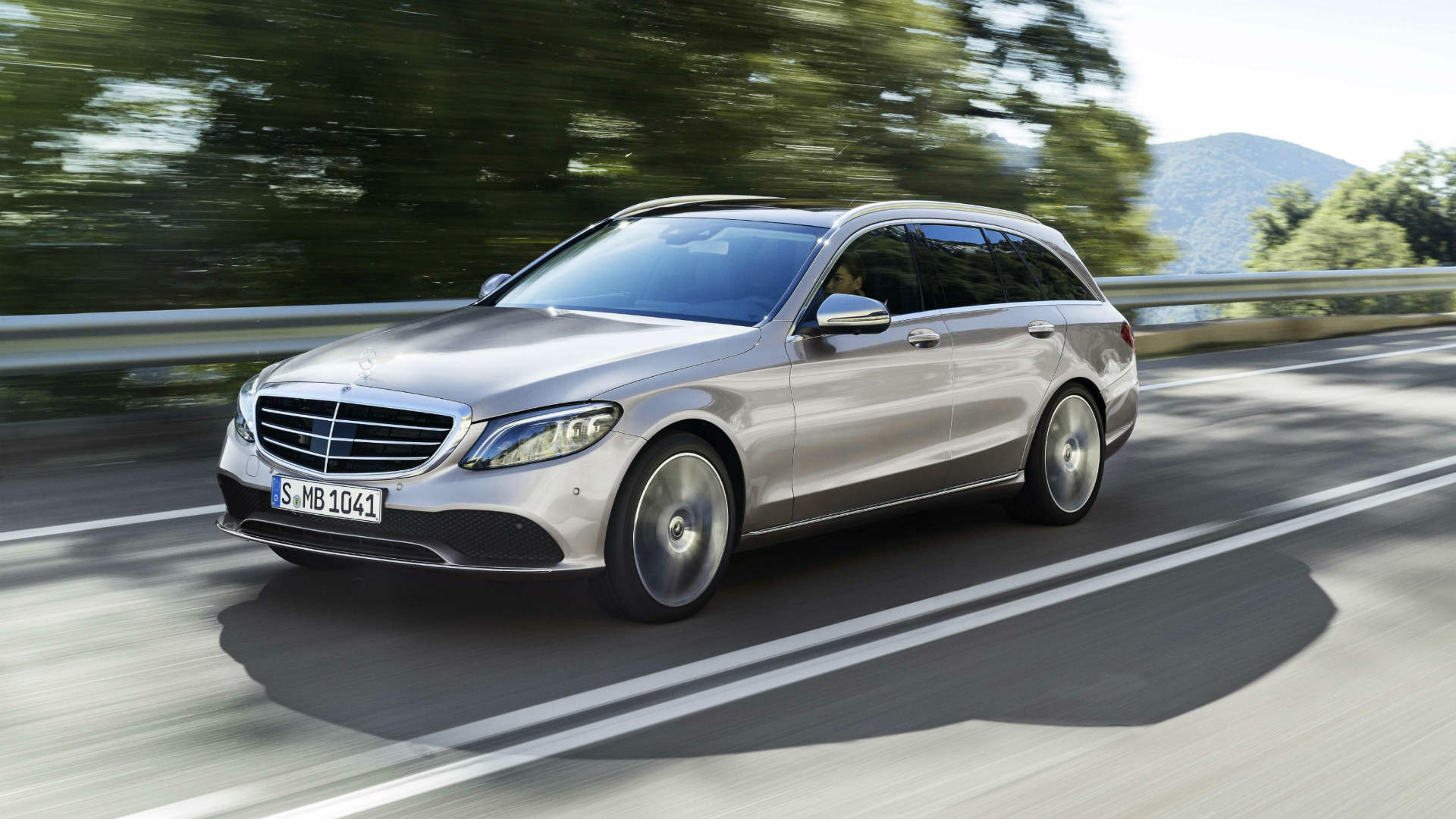
17. Mercedes-Benz C-Class – 15,582 registrations
It’s a solid showing for the Mercedes-Benz C-Class, with 15,582 registrations making it the UK’s most popular executive car. Sales are down 20.32 percent, mind.
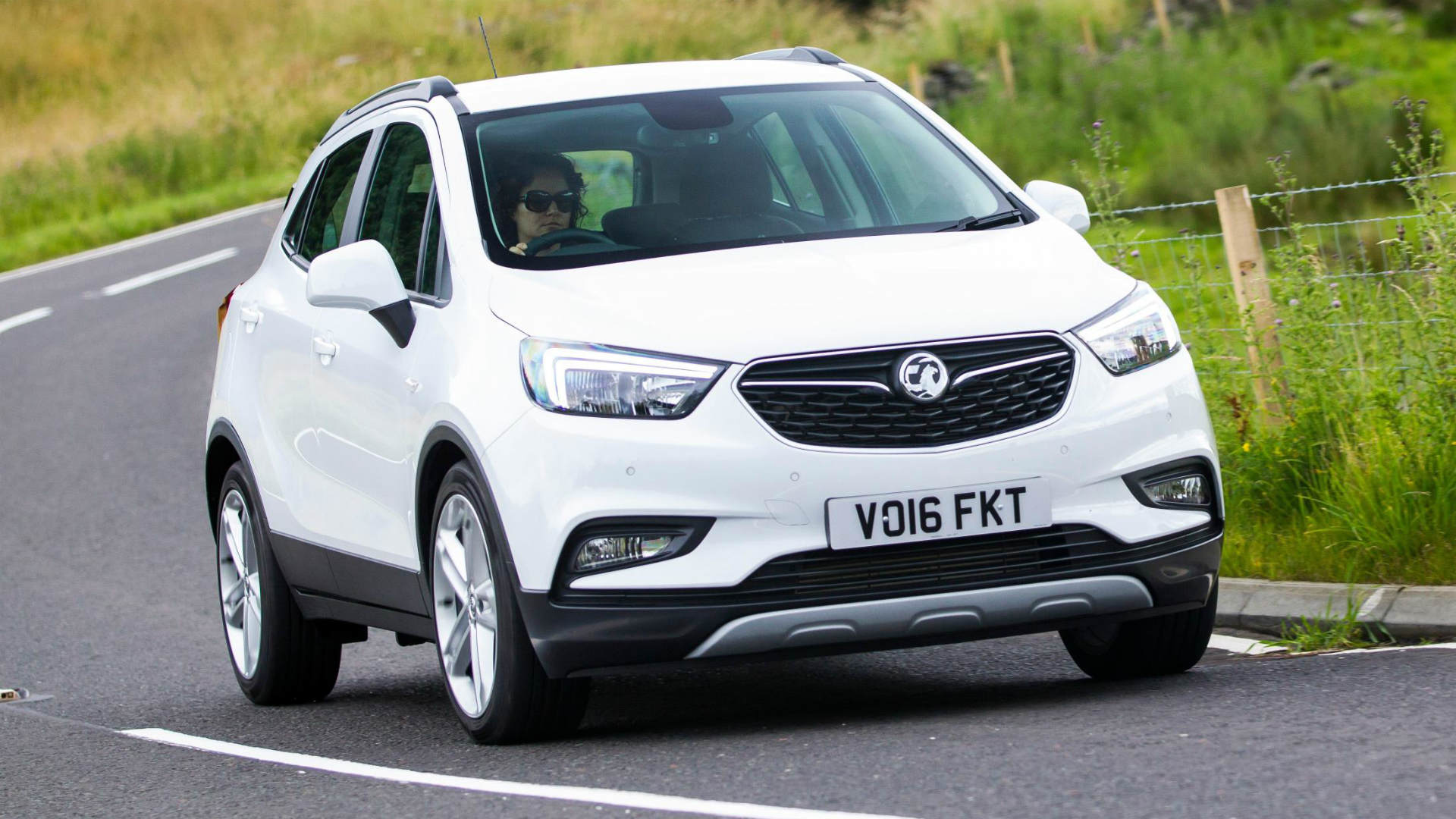
16. Vauxhall Mokka X – 15,641 registrations
Vauxhall Mokka X registrations are down 16.47 percent to 15,641 units. We suspect the Grandland X has stolen sales from its inferior sibling.
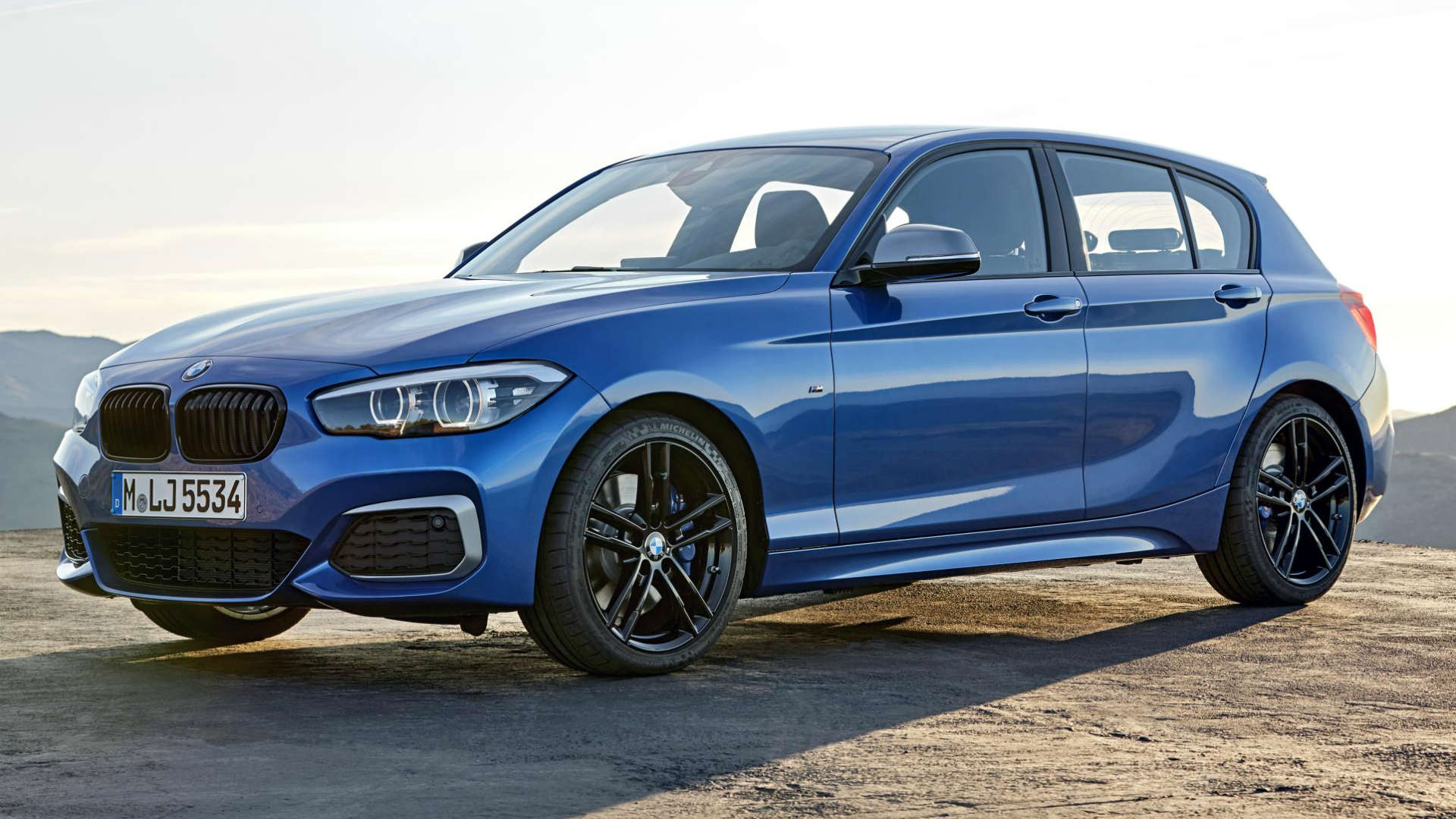
15. BMW 1 Series – 16,225 registrations
There’s no stopping the outgoing BMW 1 Series, with registrations up 37.34 percent. We wonder if buyers are eager to grab a slice of the current model before it makes way for the new front-wheel-drive version?
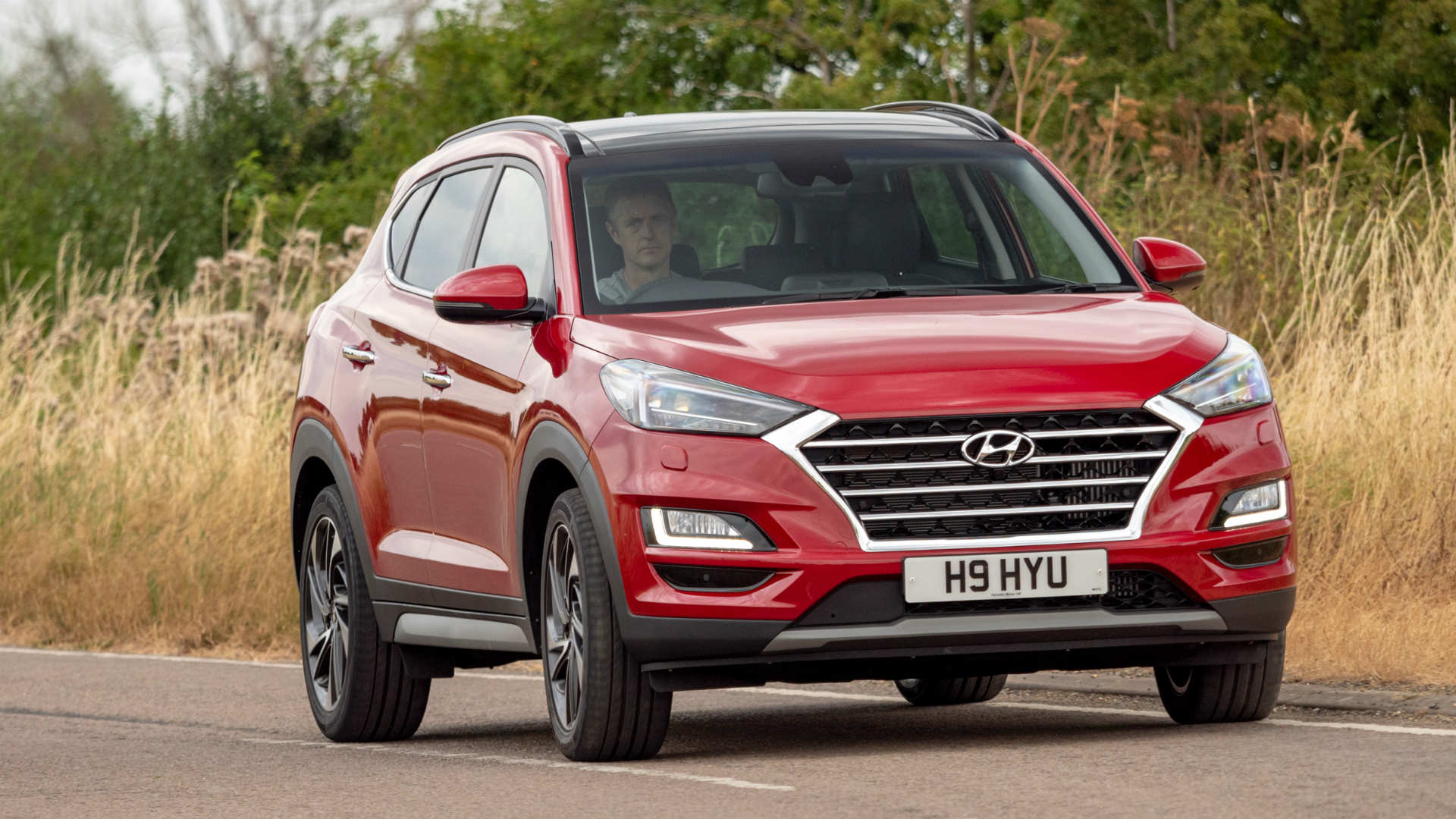
14. Hyundai Tucson – 16,401 registrations
Prepare for a double-dose of Korean SUVs, with the Hyundai Tucson finishing 14th…
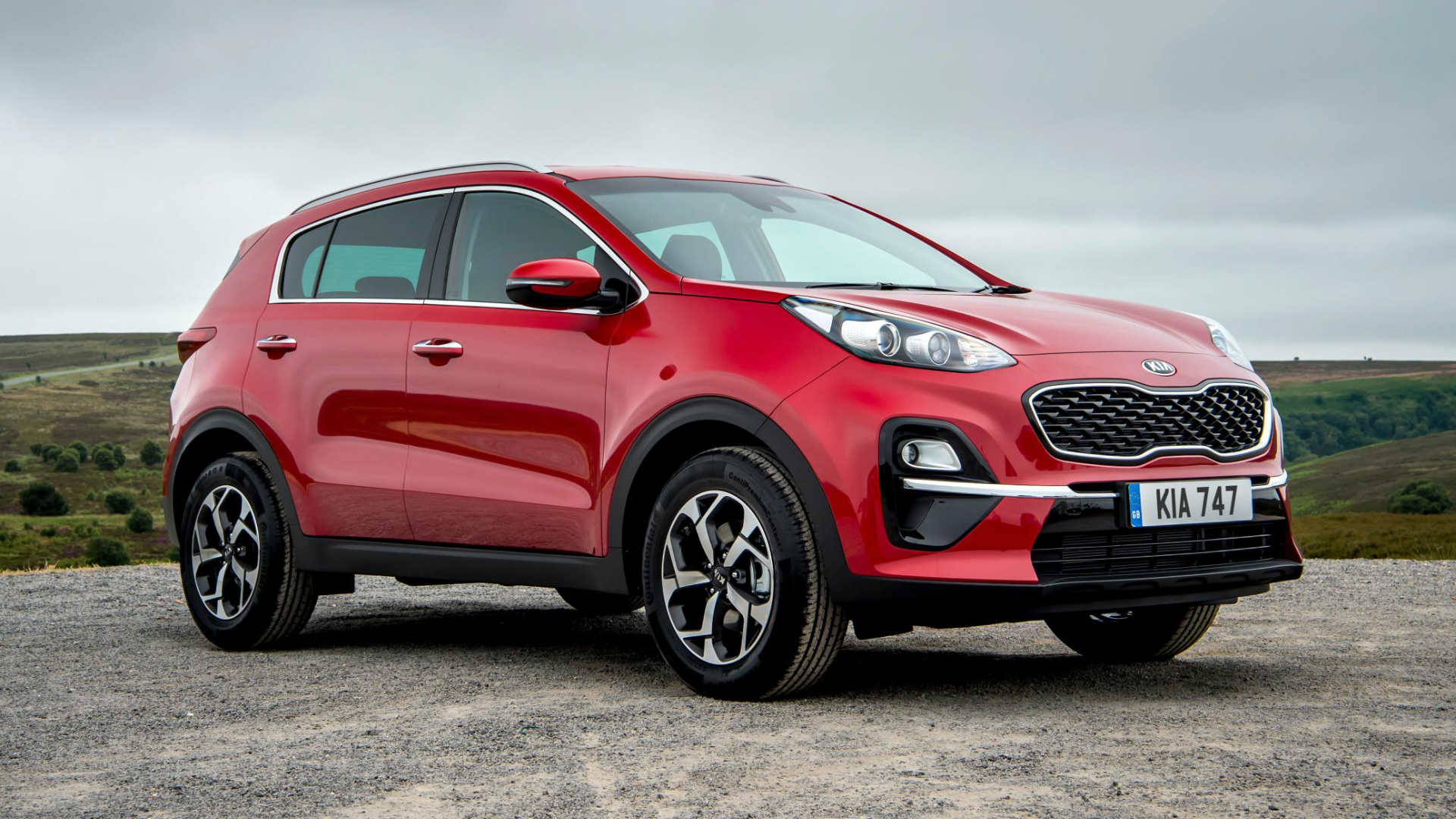
13. Kia Sportage – 18,870 registrations
Swiftly followed by the Kia Sportage. The Kia stays ahead of the Hyundai, but while Sportage sales are up just 0.94 percent, the Tucson is up 7.46 percent.
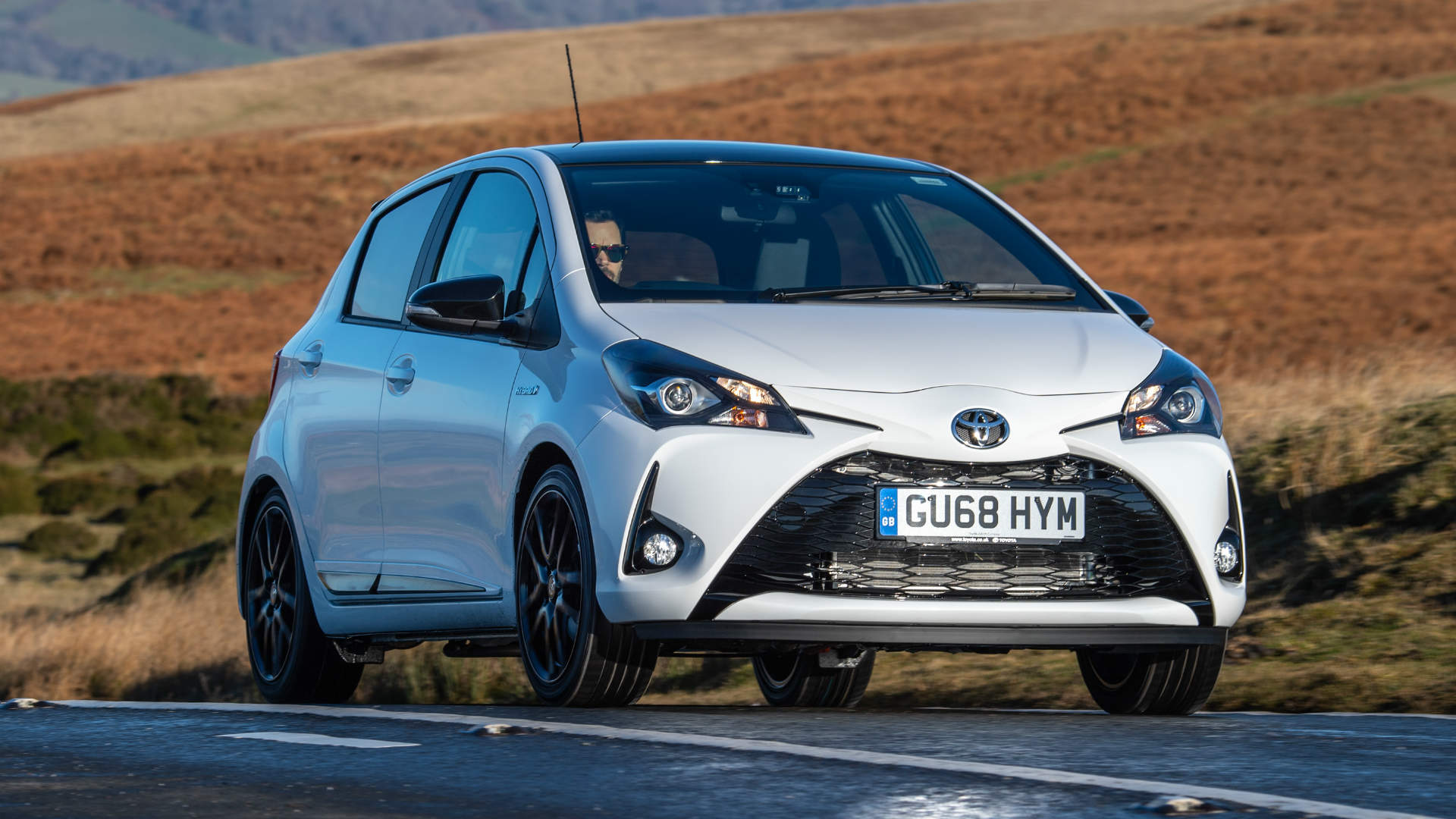
12. Toyota Yaris – 19,108 registrations
Toyota Yaris registrations are up 19.44 percent to 19,108 units. Sales are assisted by the availability of a hybrid version.
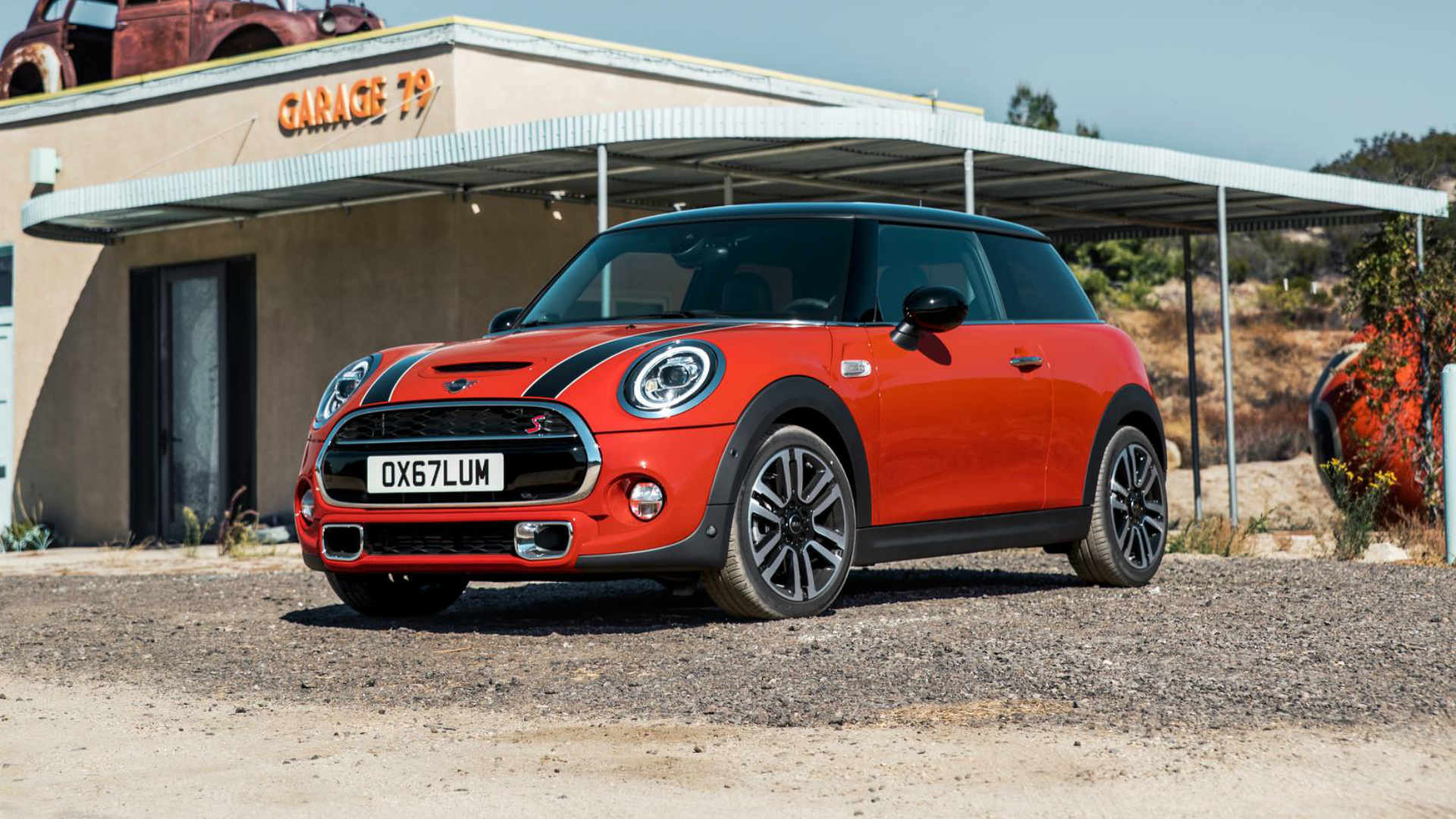
11. Mini Cooper – 19,558 registrations
The Mini Cooper remains as popular as ever, although registrations are down 5.23 percent. A new electric version will launch in 2020.
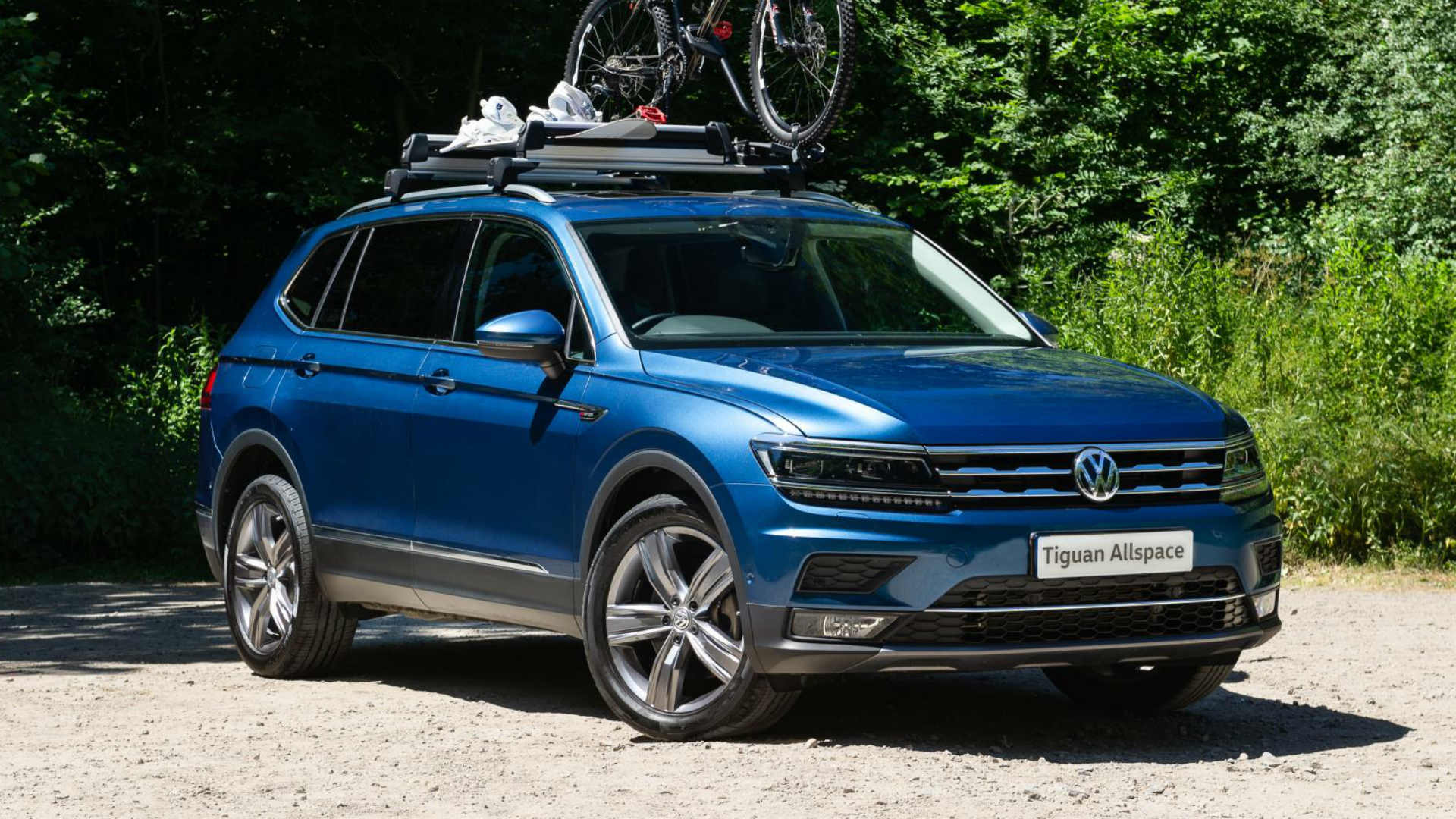
10. Volkswagen Tiguan – 20,285 registrations
The Volkswagen Tiguan is the first car in the top 25 to break the 20,000 mark, with registrations up 13.48 percent.
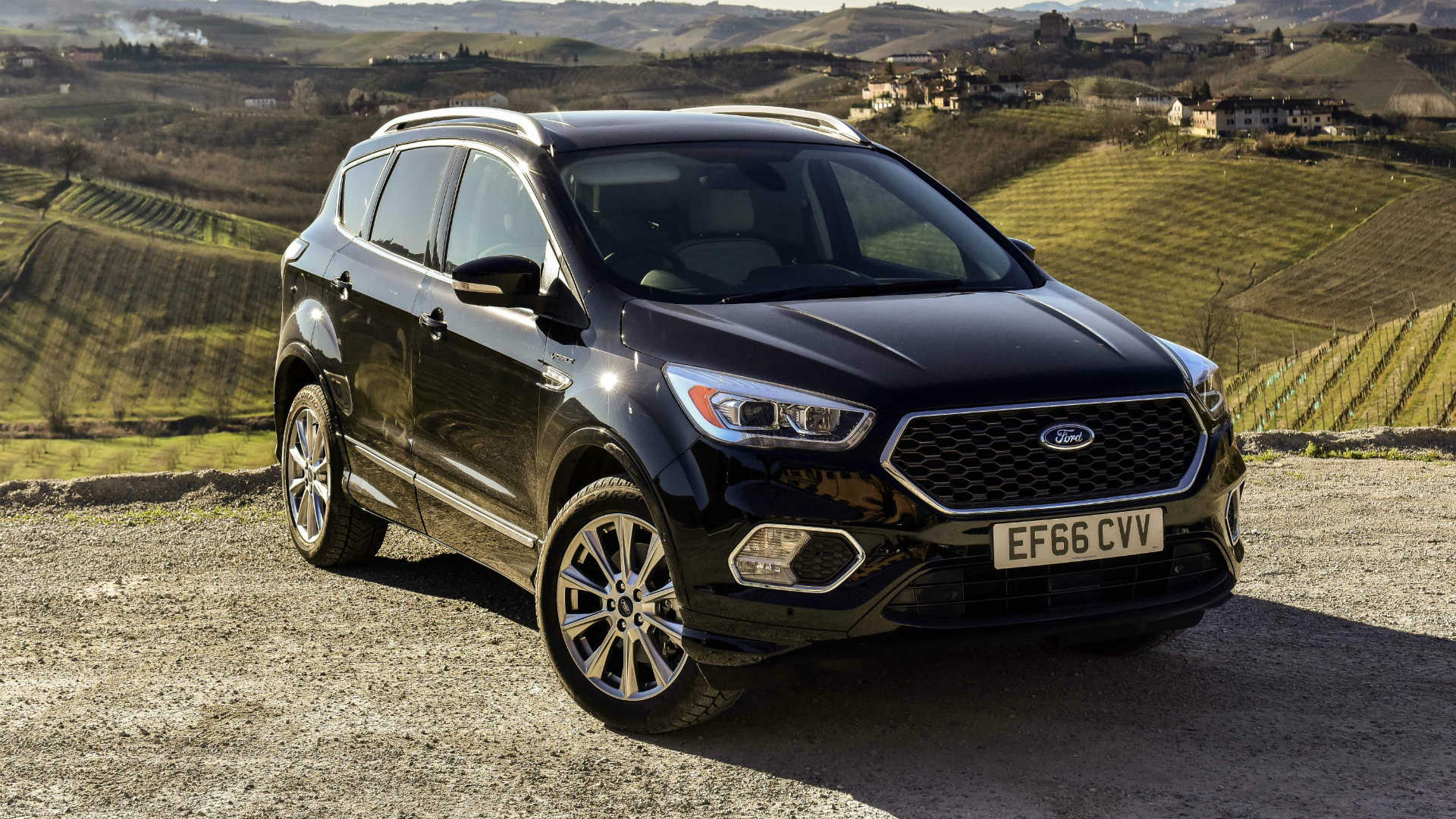
9. Ford Kuga – 20,483 registrations
The current Kuga is about to be superseded by a new model, so it’s no surprise to see a fall in registrations. The new version will be available with mild-hybrid, hybrid and plug-in hybrid powertrains.
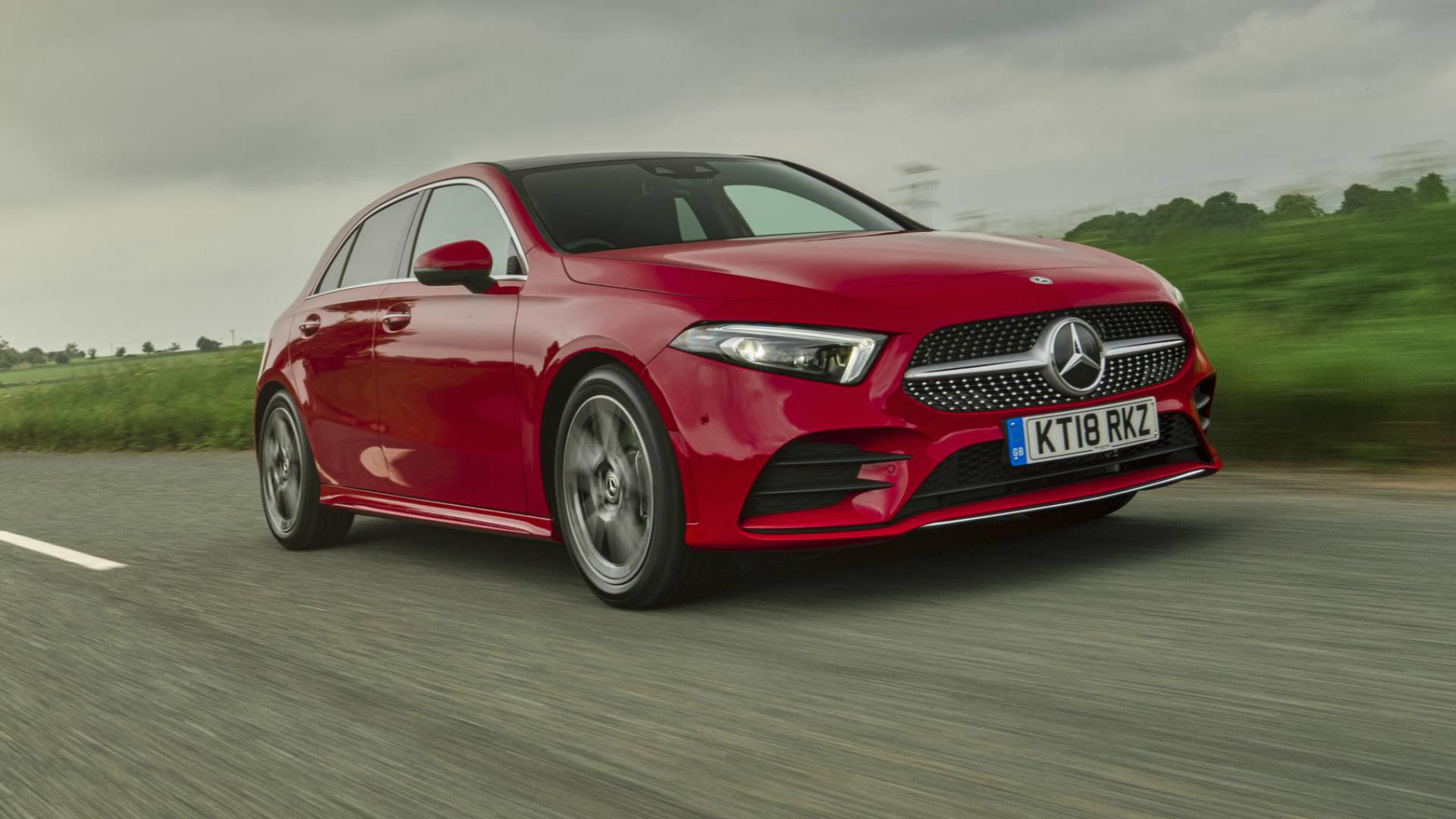
8. Mercedes-Benz A-Class – 21,863 registrations
Cementing its position as the country’s favourite premium hatchback, the Mercedes-Benz A-Class sees sales increase by 63.05 percent. That’s the power of an all-new model and a premium badge.
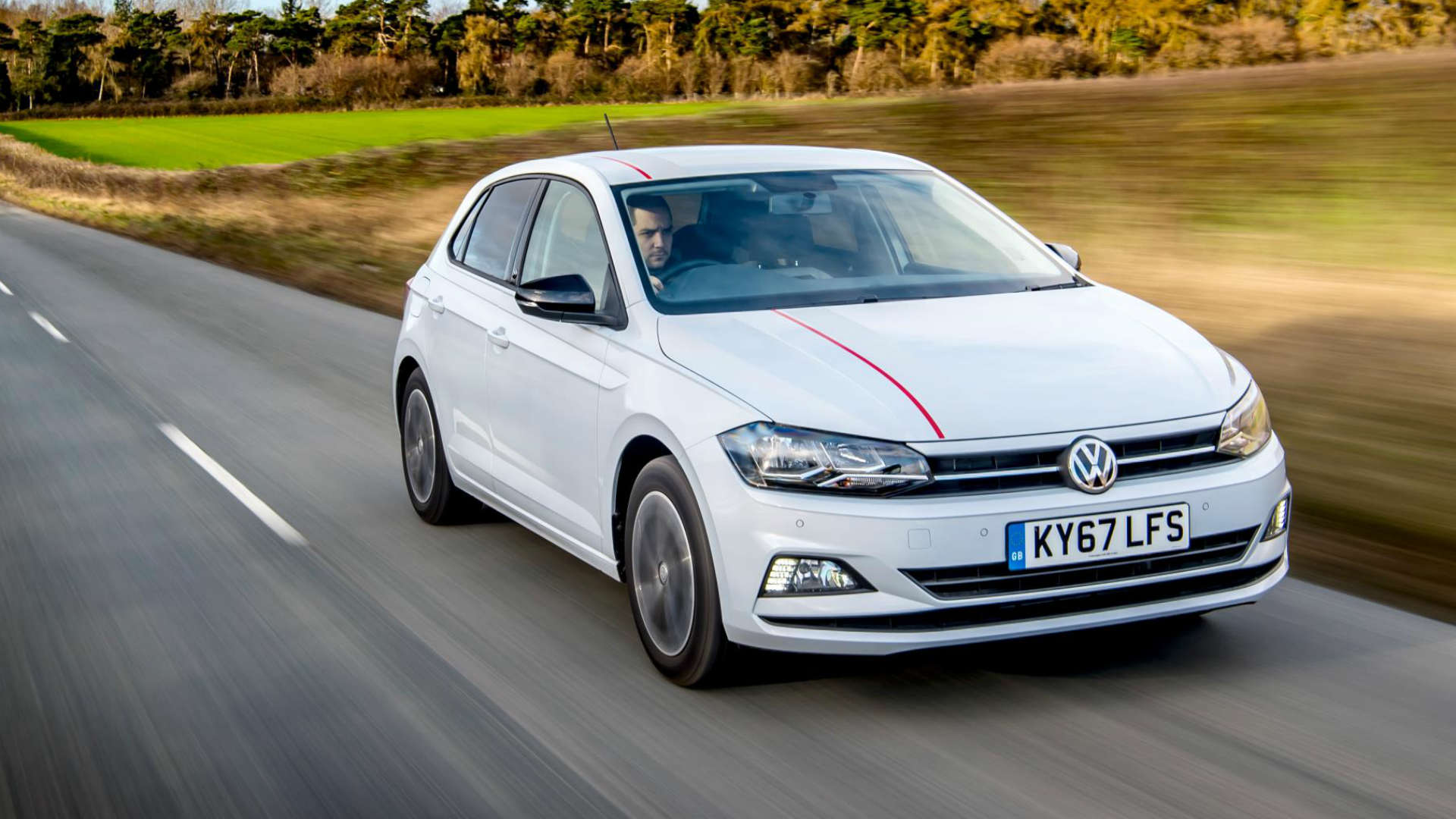
7. Volkswagen Polo – 23,691 registrations
Next up is the Volkswagen Polo, with registrations up 7.38 percent.
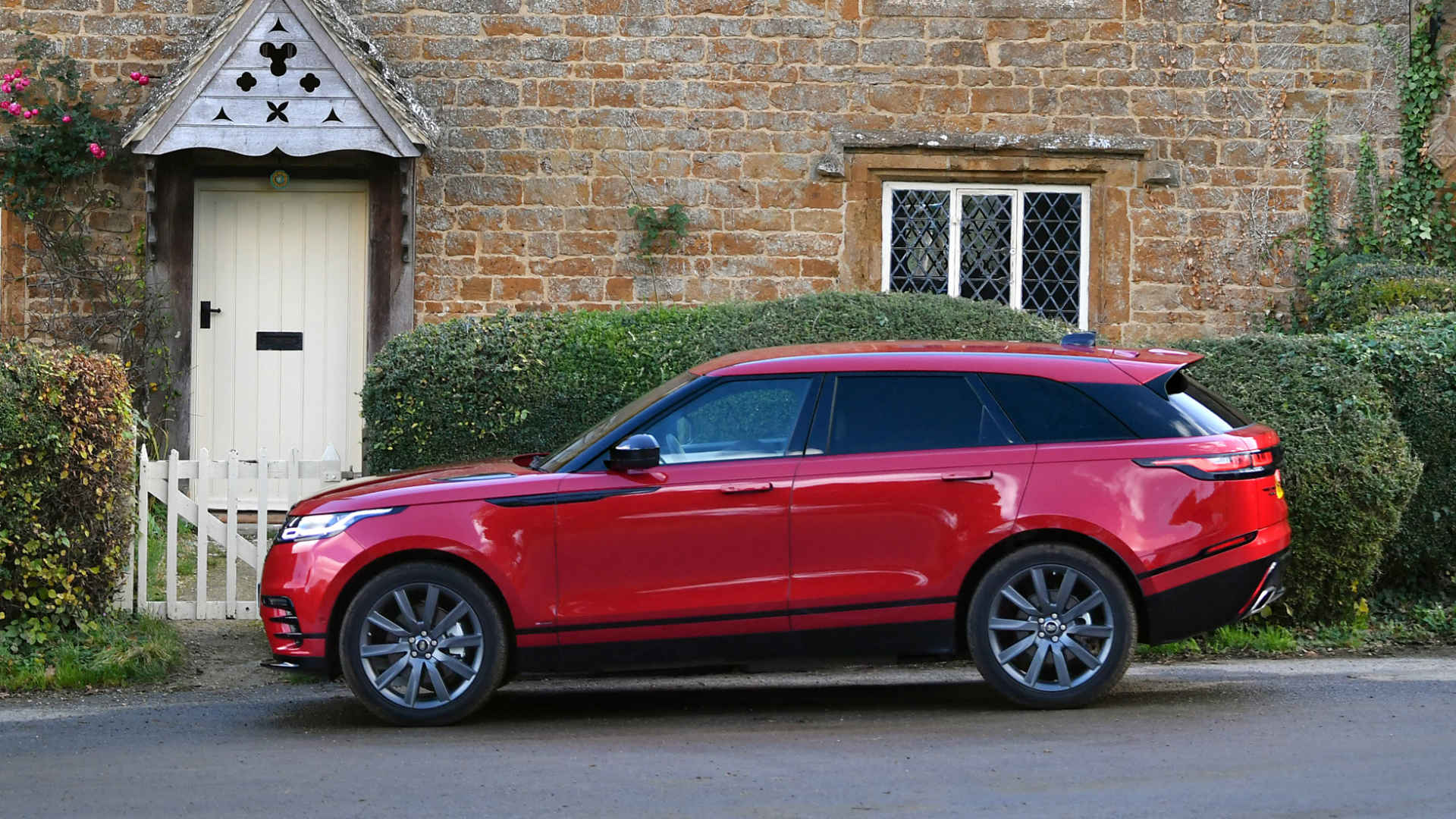
6. Range Rover – 27,043 registrations
This is a bit of an odd one, as the DVLA has grouped all Range Rover models together. This figure includes the Evoque, Velar, Sport and Range Rover.
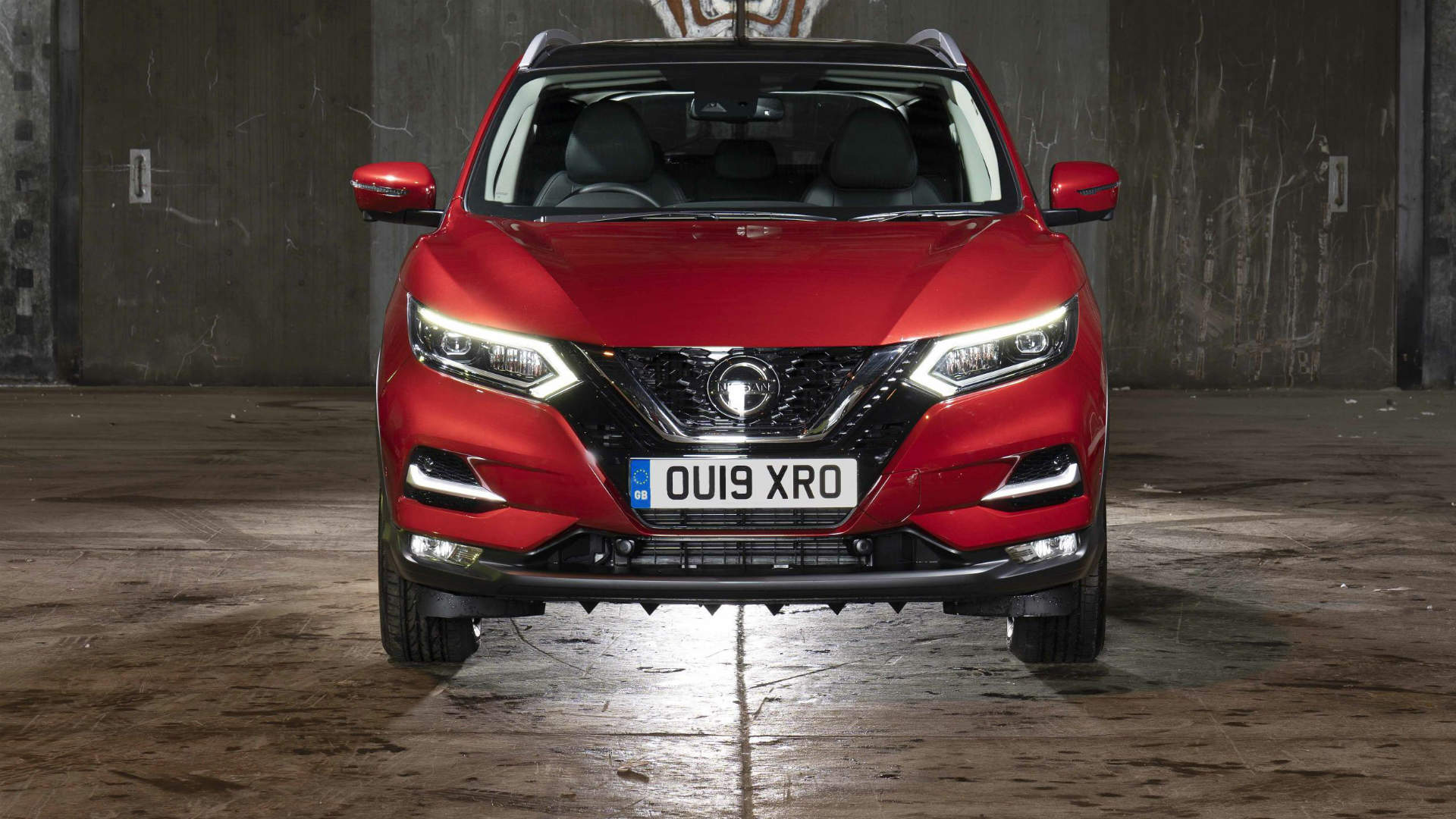
5. Nissan Qashqai – 29,215 registrations
Spoiler alert: the top five is entirely predictable. Sales of the Nissan Qashqai are down 2.86 percent, but it remains the nation’s most popular crossover.
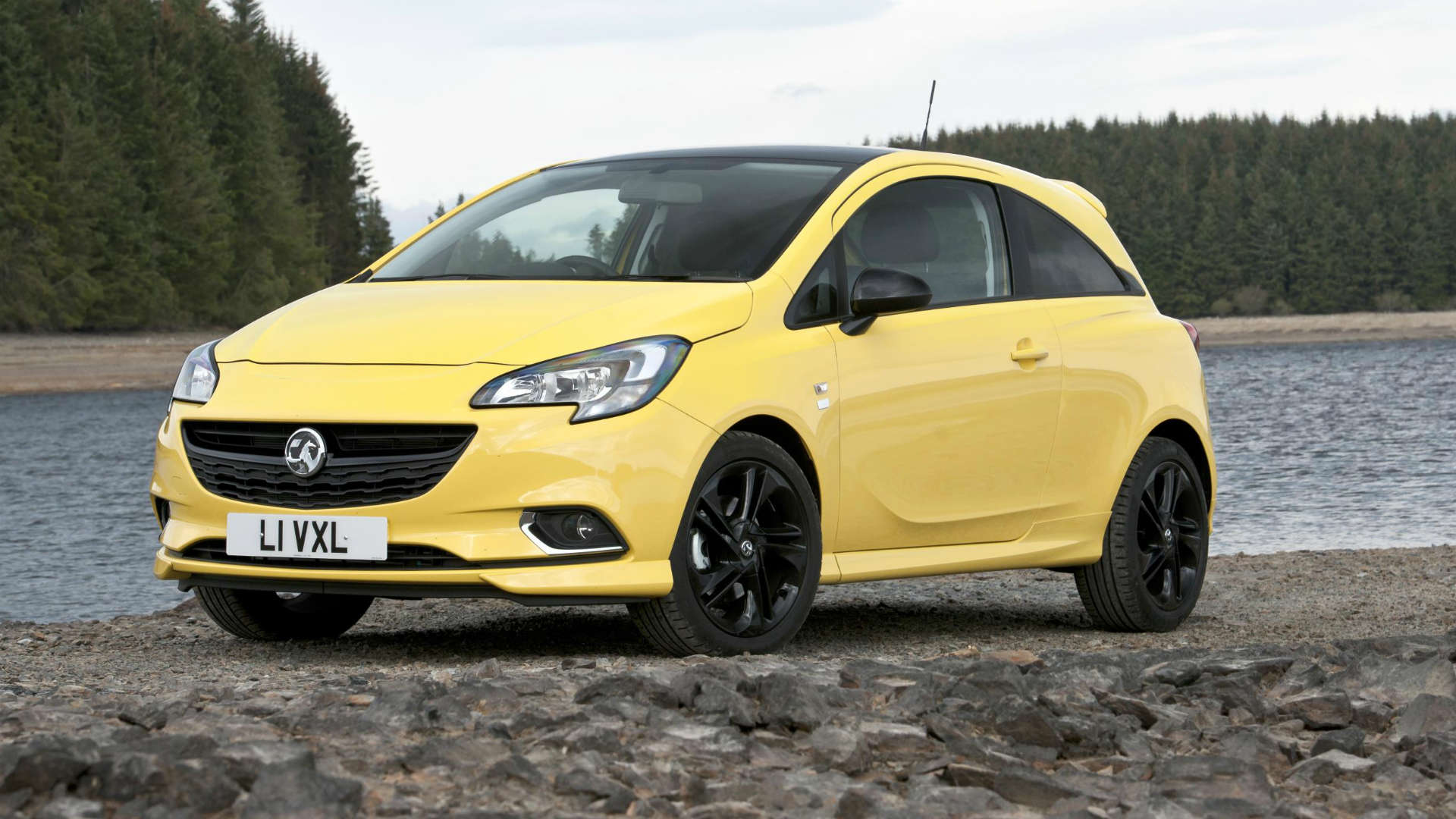
4. Vauxhall Corsa – 29,876 registrations
The Vauxhall Corsa is making a late charge before the new model arrives, with sales up 7.48 percent. The new version shares its platform with the Peugeot 208 and will include an electric variant.
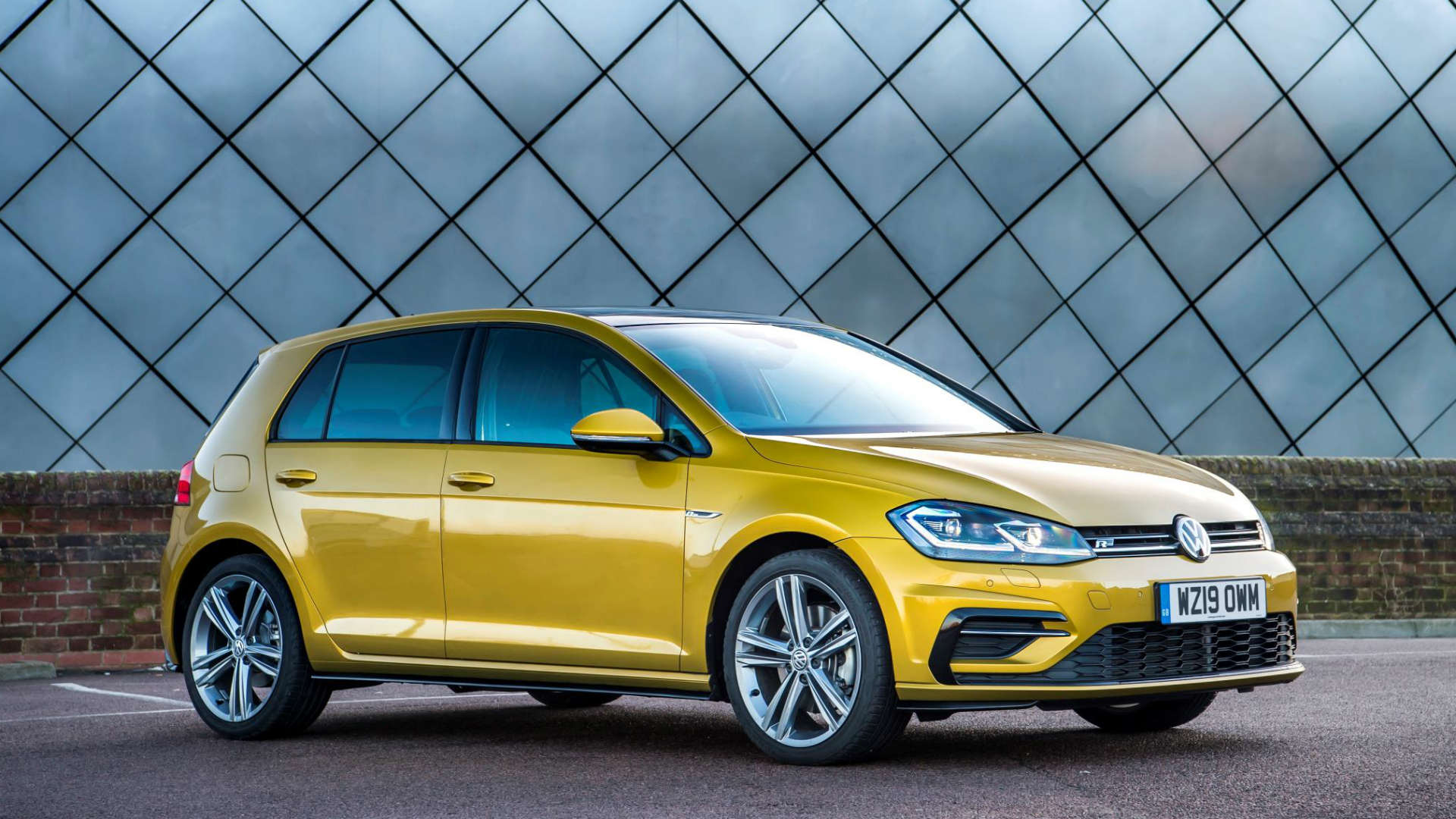
3. Volkswagen Golf – 31,385 registrations
Now this is interesting. Volkswagen Golf registrations are down 24.25 percent. We wonder if the T-Roc (11,940 registrations) has stolen sales from the evergreen family hatchback?
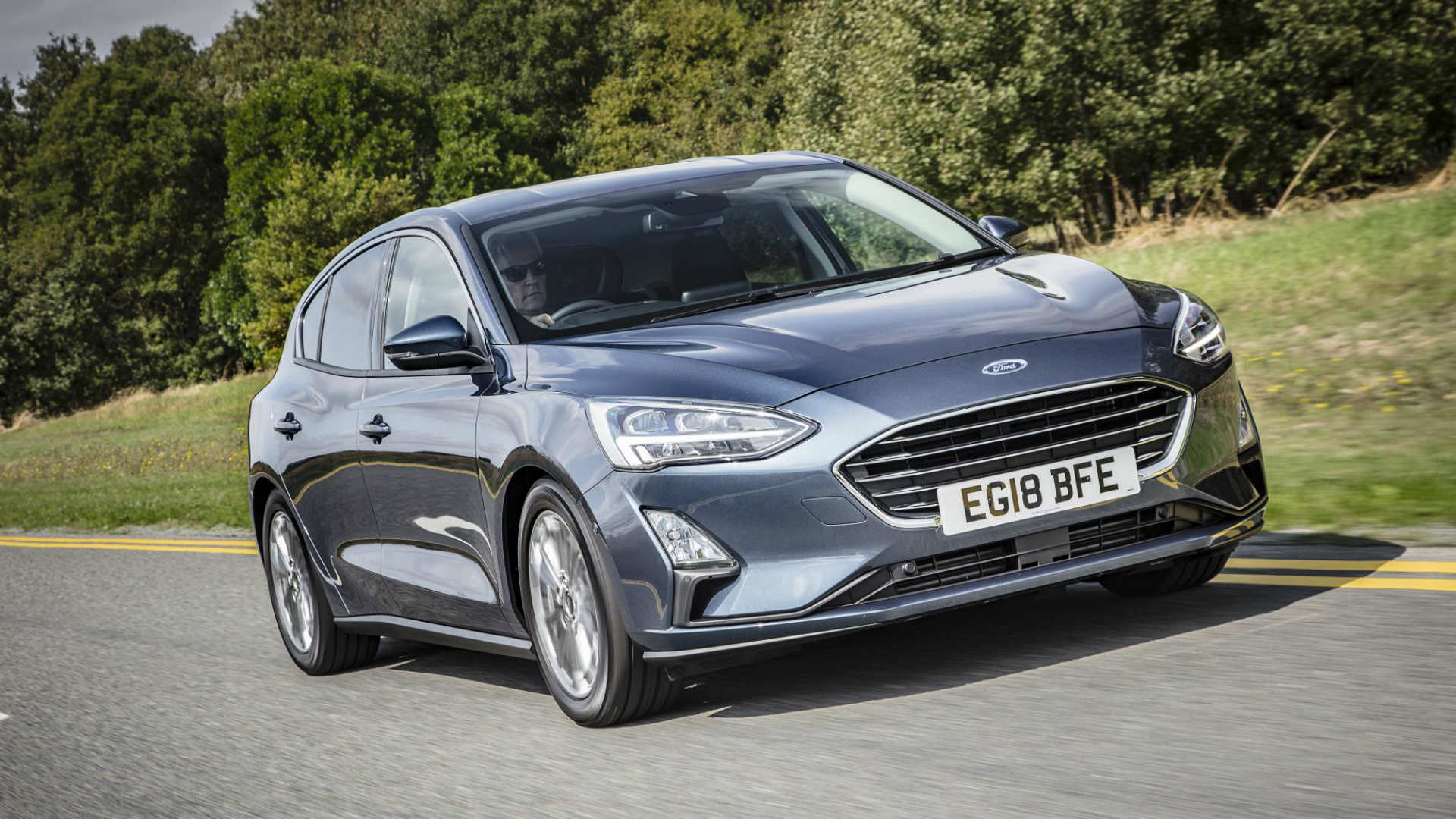
2. Ford Focus – 32,149 registrations
Volkswagen’s loss gives Ford a one-two at the top of the table, with Focus registrations up 4.08 percent.
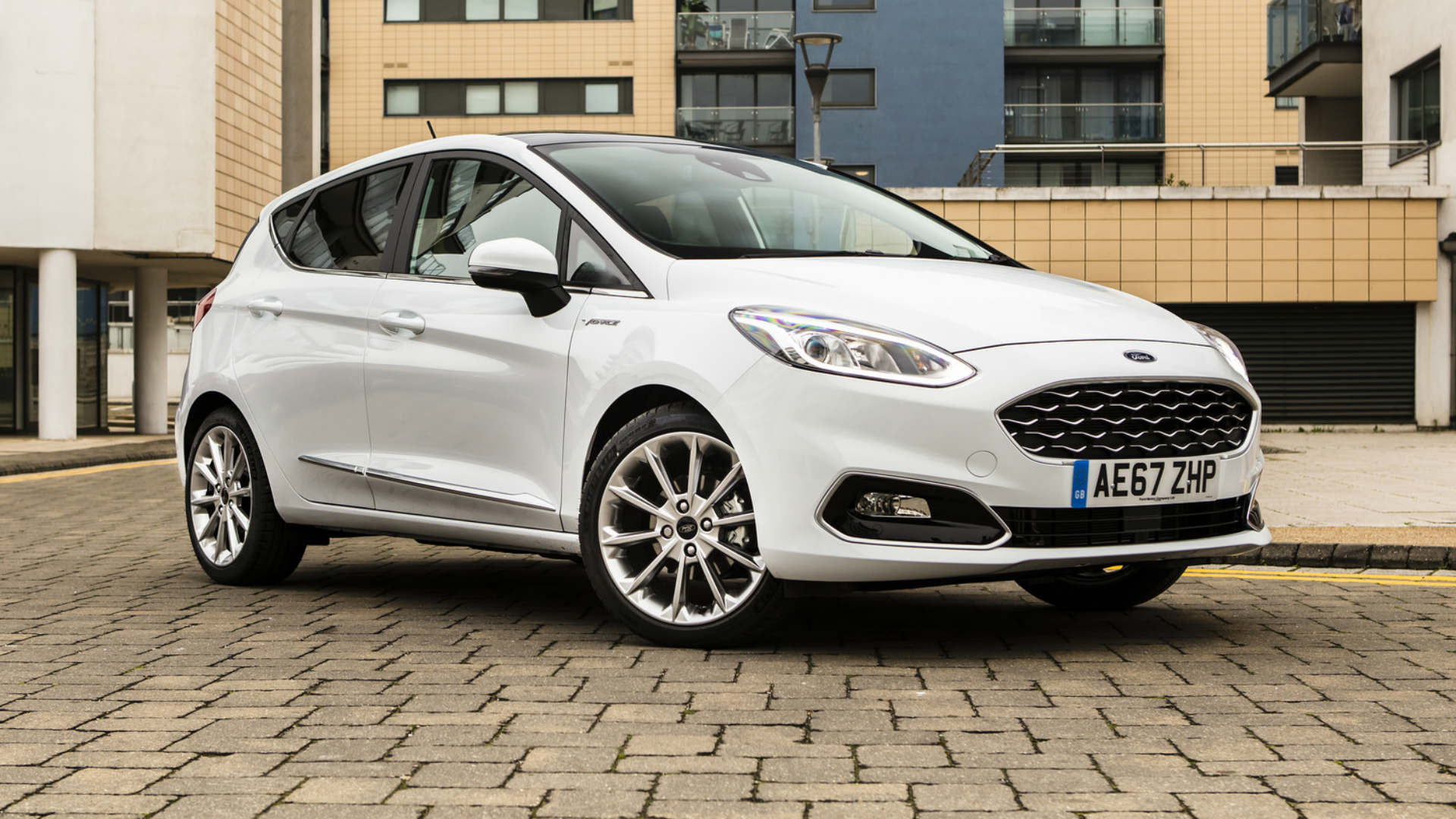
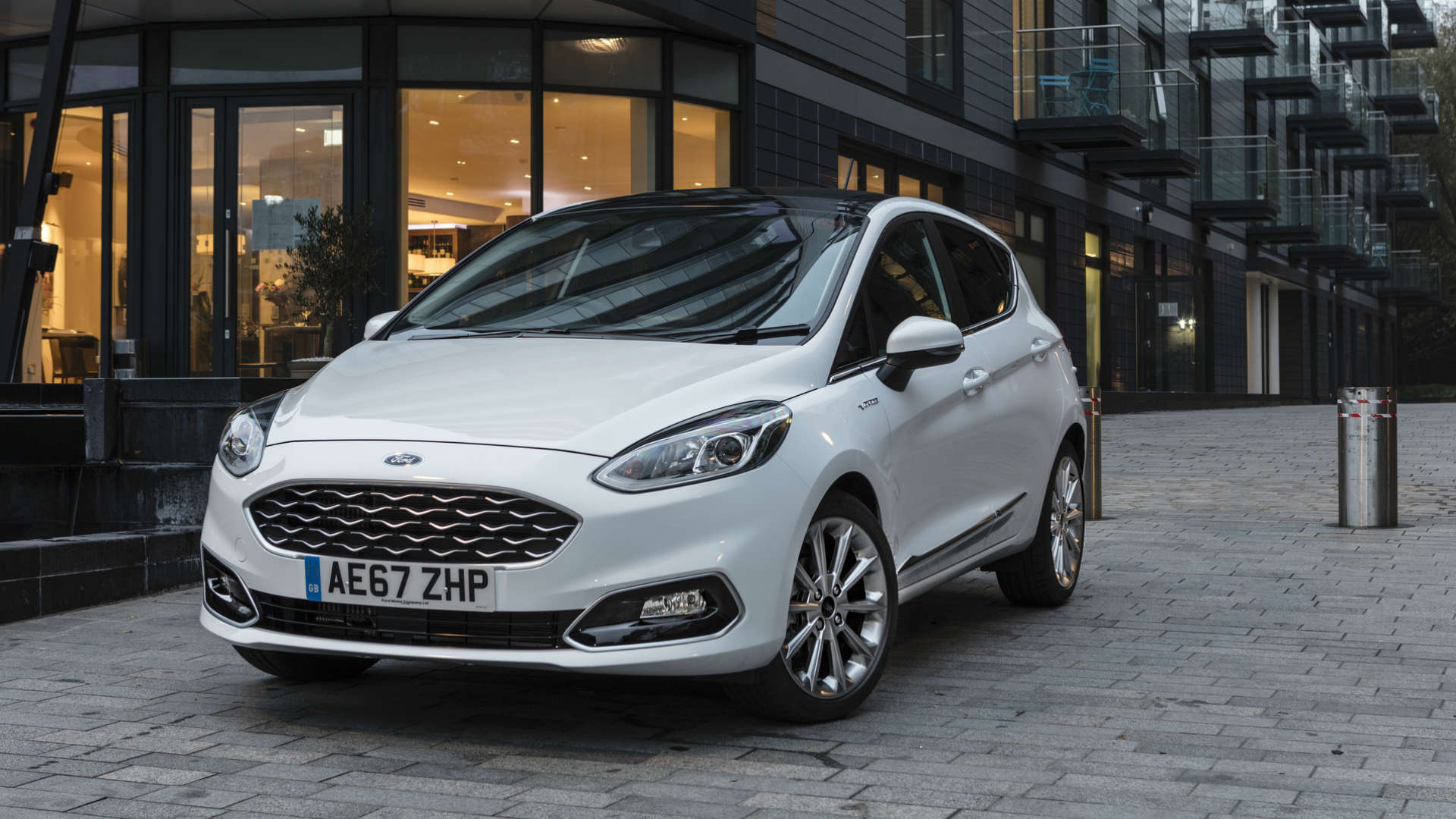
1. Ford Fiesta – 43,379 registrations
Which means the Ford Fiesta remains the country’s most popular car, although registrations are down 23.38 percent. Come back in six months to see if there are any significant changes when the full-year sales figures are in.

 All Audis now feature rear badges that depict the power output of their powertrain – made up of numbers that refer to the output of the drive system and its position within the Audi model hierarchy. The firm calls them model power badges.
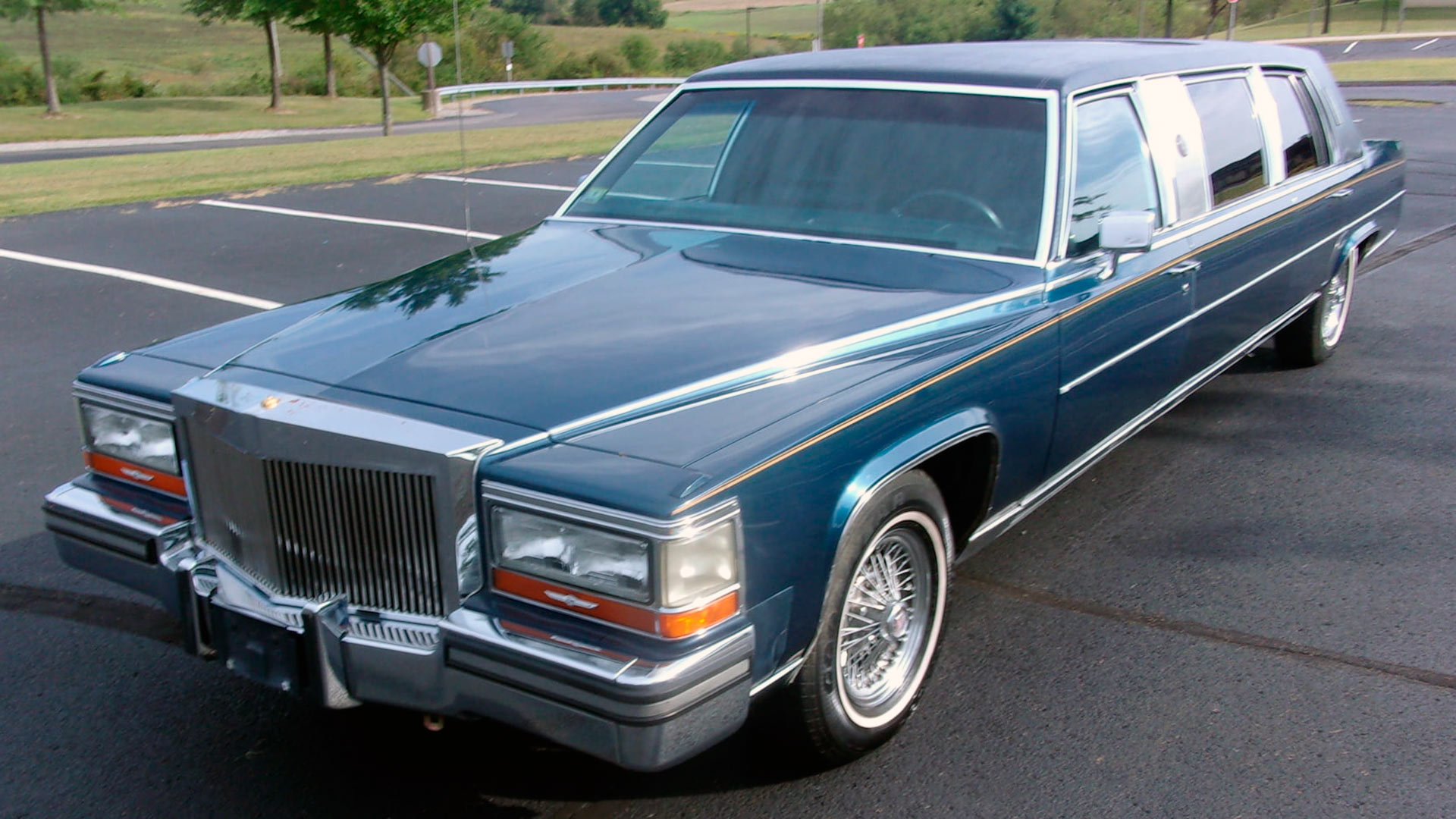 Today Donald Trump rides in a bespoke armored Cadillac limousine, used as the official United States presidential state car.
 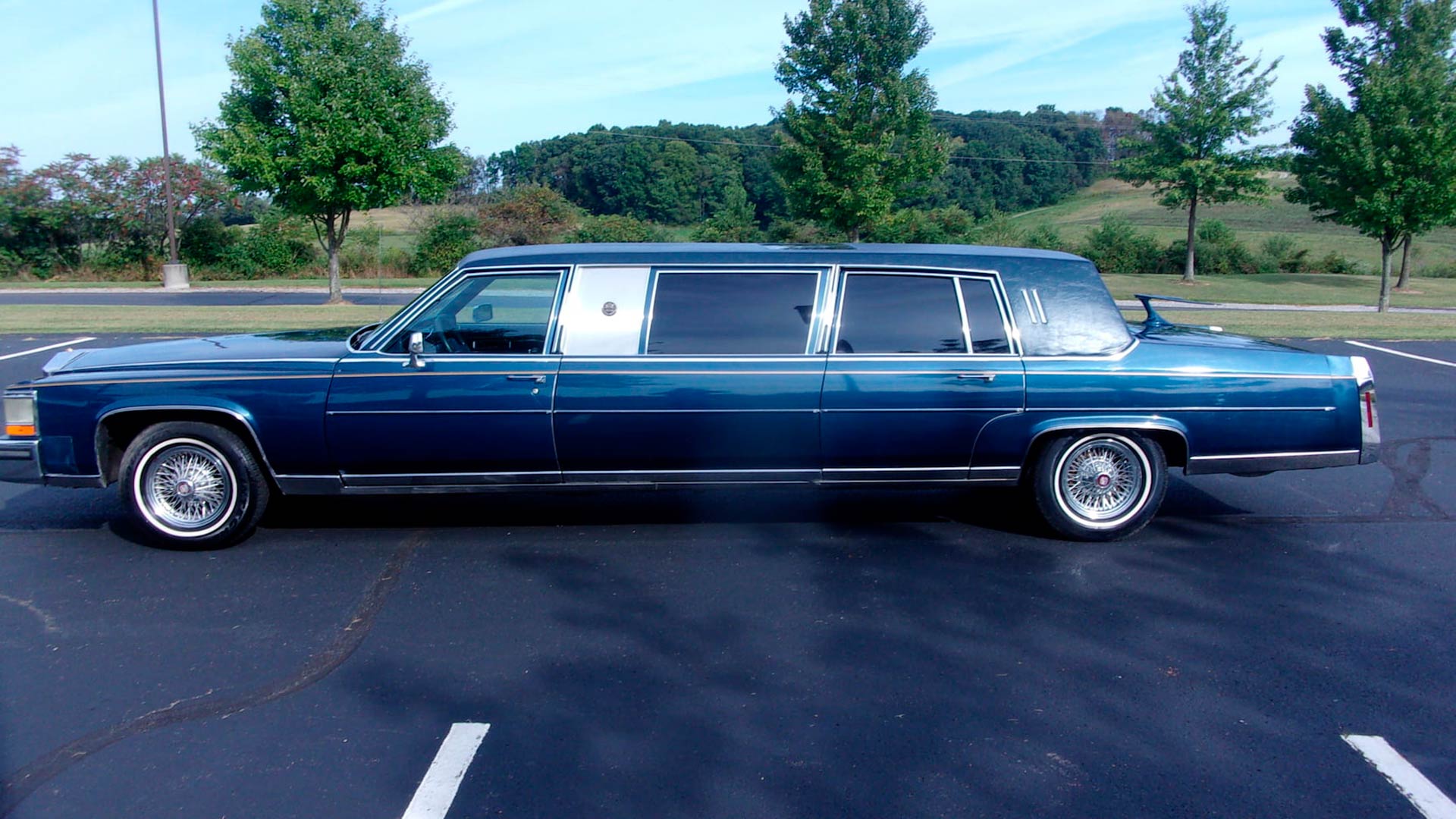 Rewind three decades, and Donald J. Trump was the feted business icon of New York City. His deals were buying up large chunks of prime Manhattan real estate, and his 1987 Art of the Deal book made him a household name.
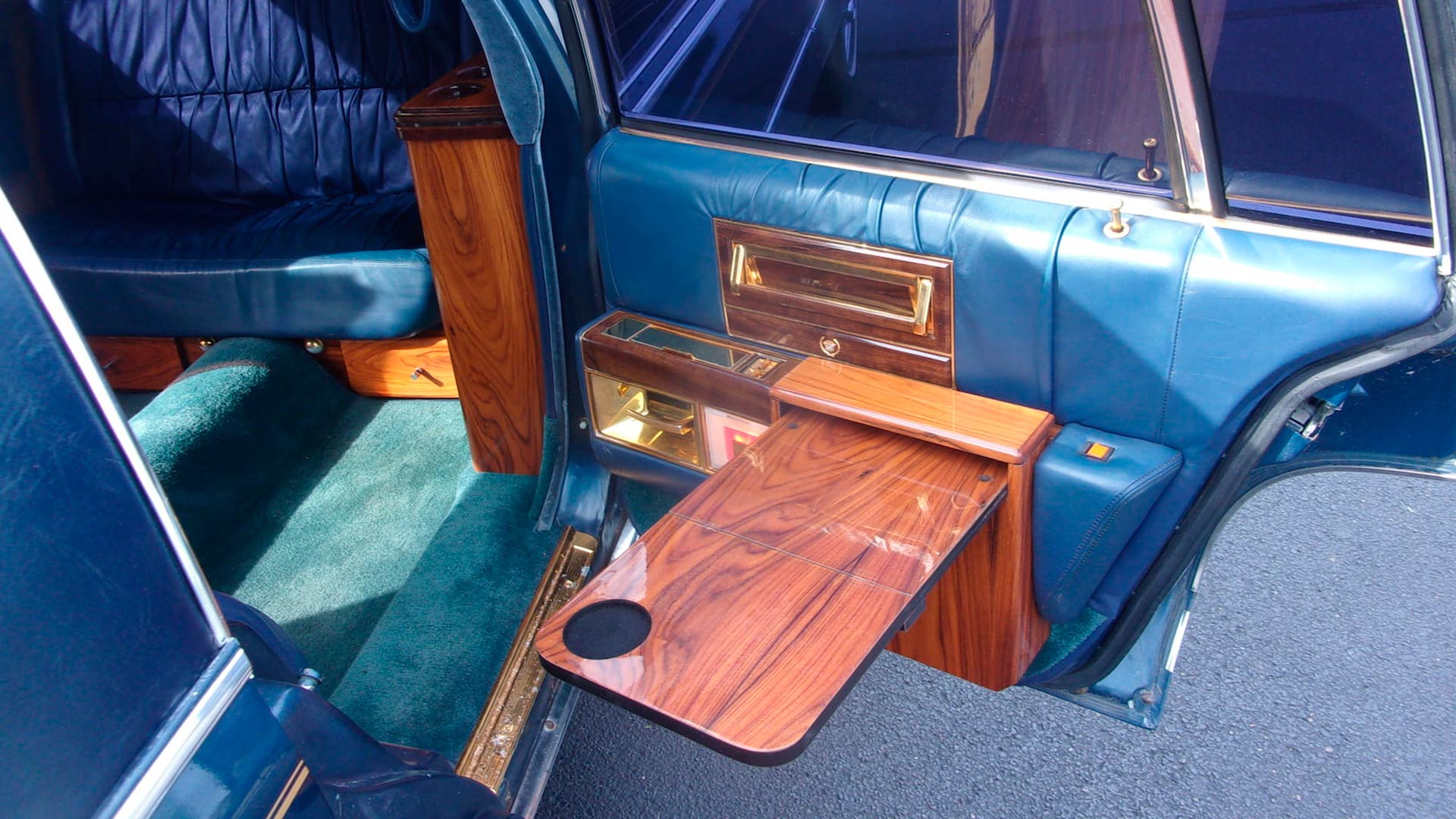 Gold Edition cars received gold pinstriping to the exterior bodywork, along with copious amounts of gold trim for the interior metalwork. Acres of rosewood and leather were also used.
 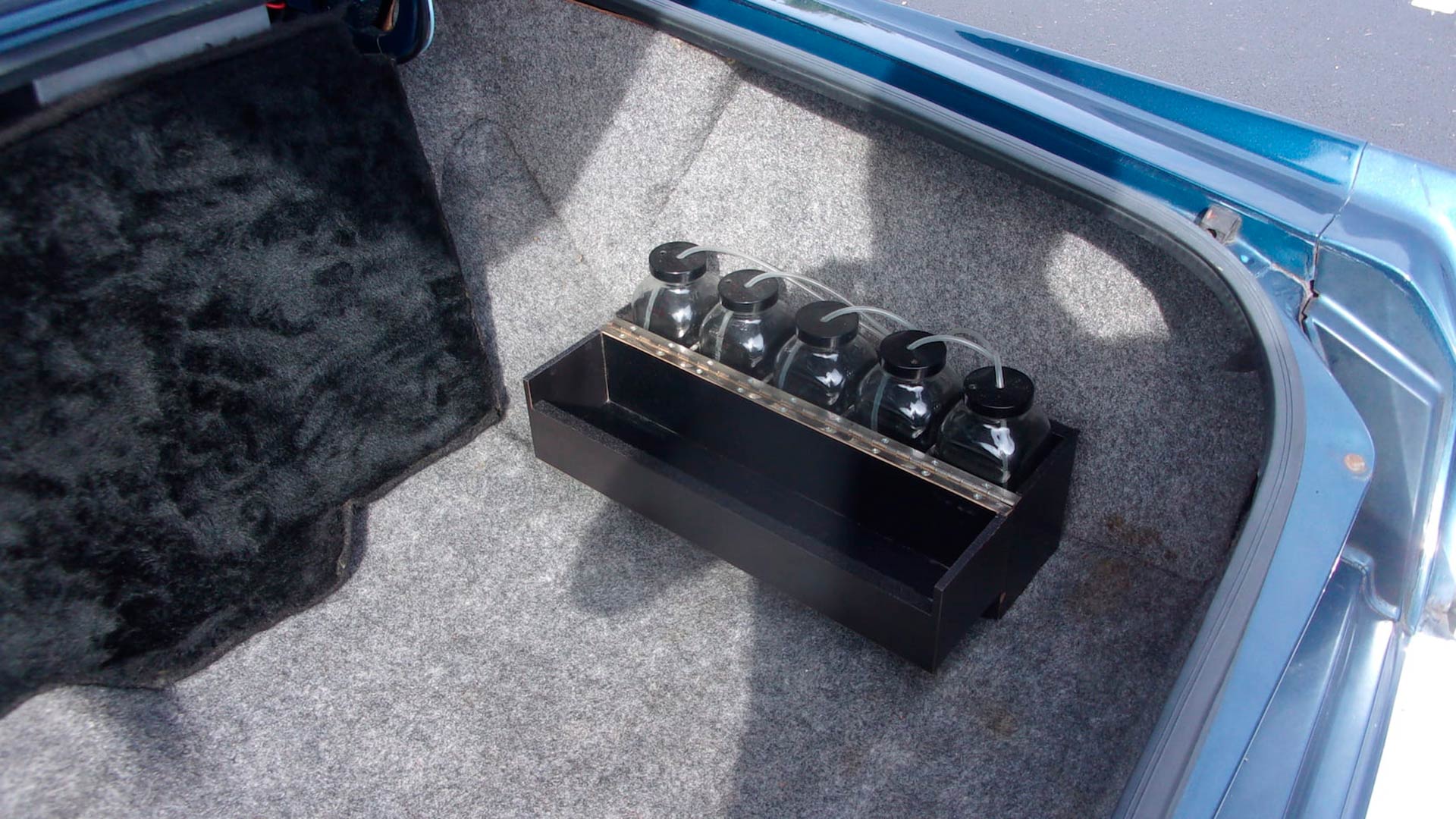 Despite being notably teetotal, the Gold Edition even included a crazy ‘Perm-a-Pub’ bar system. A variety of drinks could be dispensed, with the licquor itself stored in trunk-mounted containers.
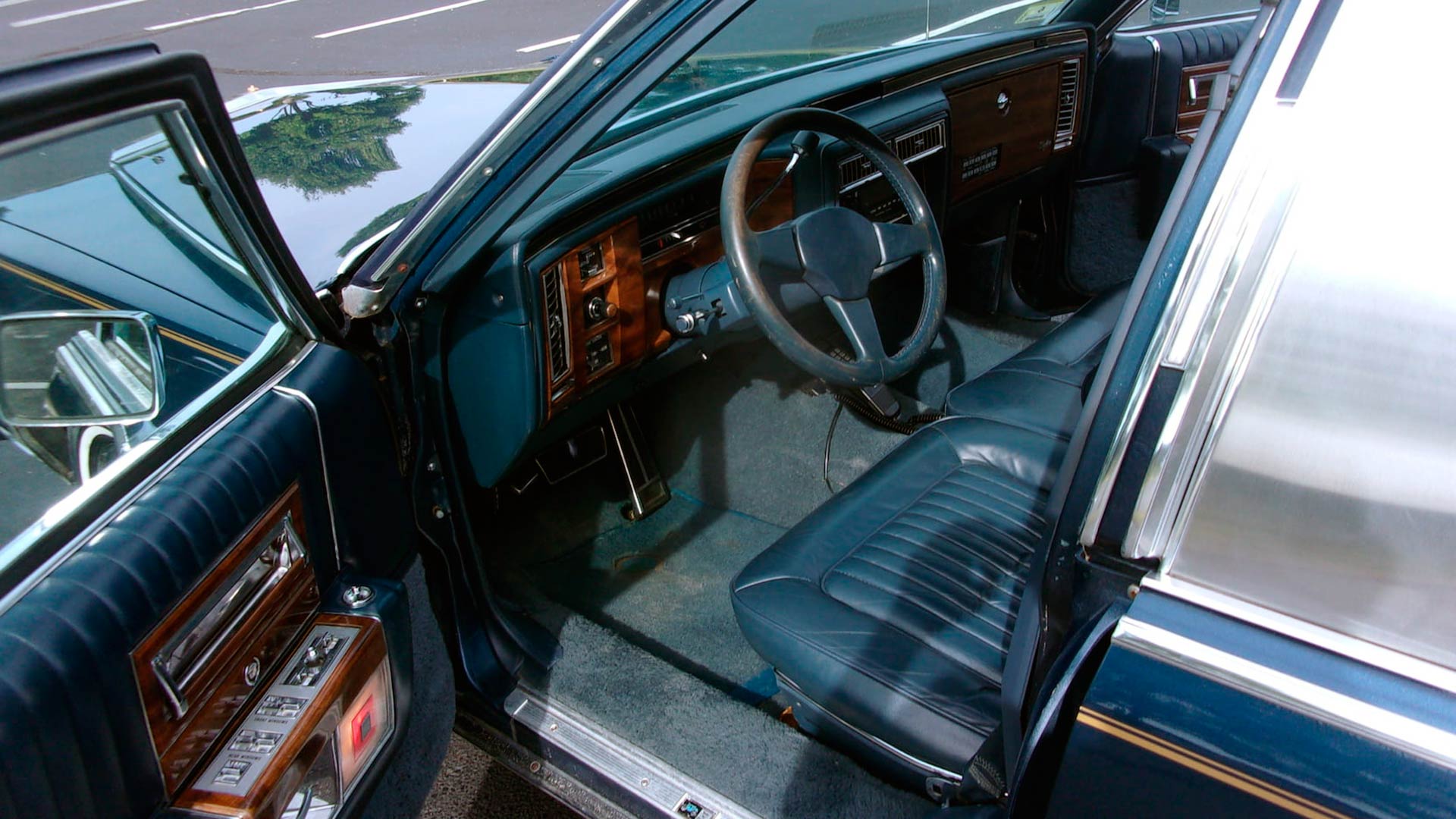 Curiously, the seller appears to have missed photographing many of the major Trump Gold Edition signifiers. These include the ‘Trump Cadillac’ badging to the chrome B-pillar, and embroidered Trump logo on the rear seats.
  In terms of just how much money will secure this stretch Caddy, a remarkably similar Trump Gold Edition sold at auction earlier this year.
  In the United Kingdom, a Trump Edition limousine – said to have been used by a family member – was offered for £50,000 ($61,500) in 2017.