Home Blog Page 332

No-deal Brexit threat to Nissan Qashqai production in Sunderland

0

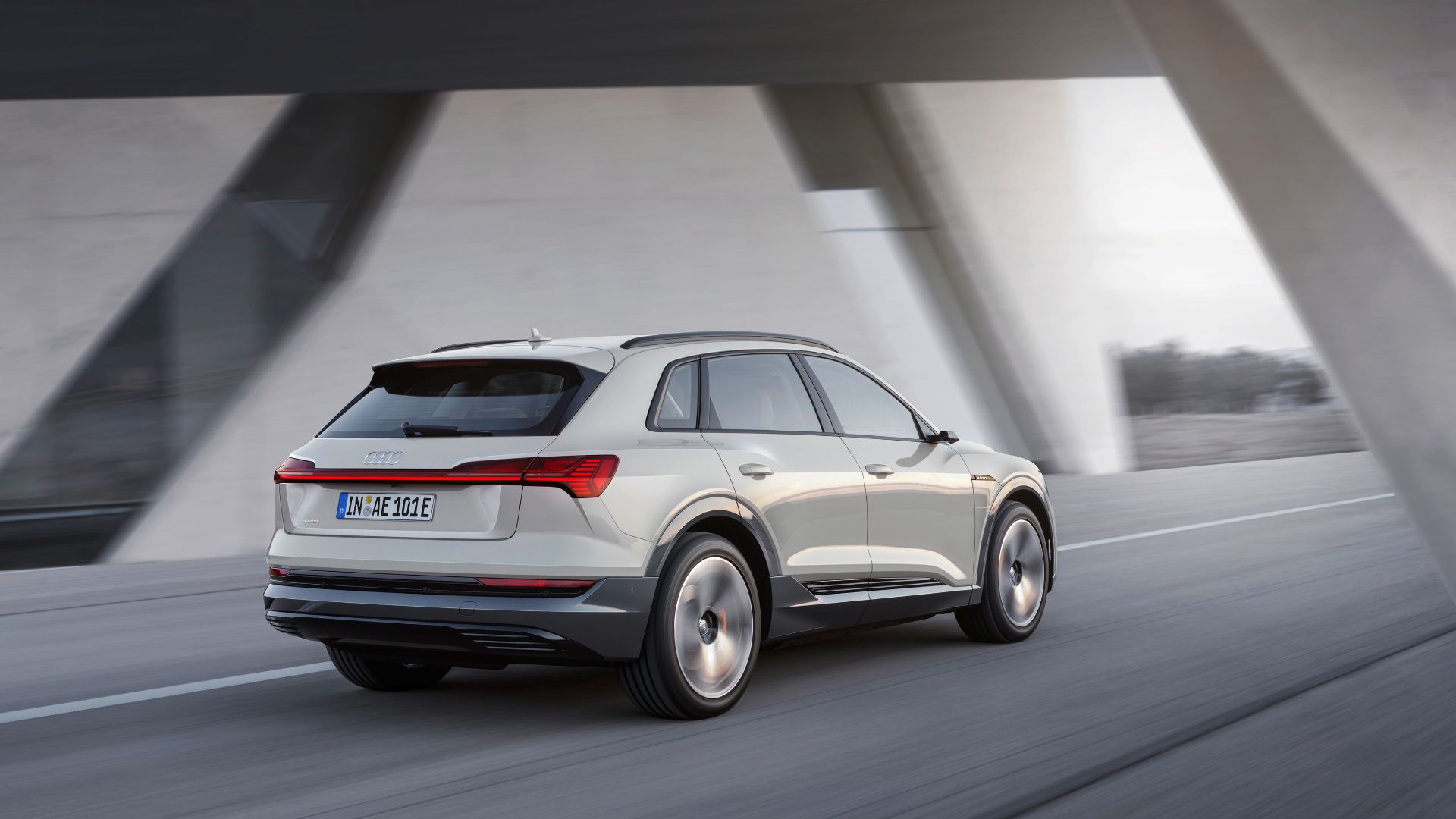
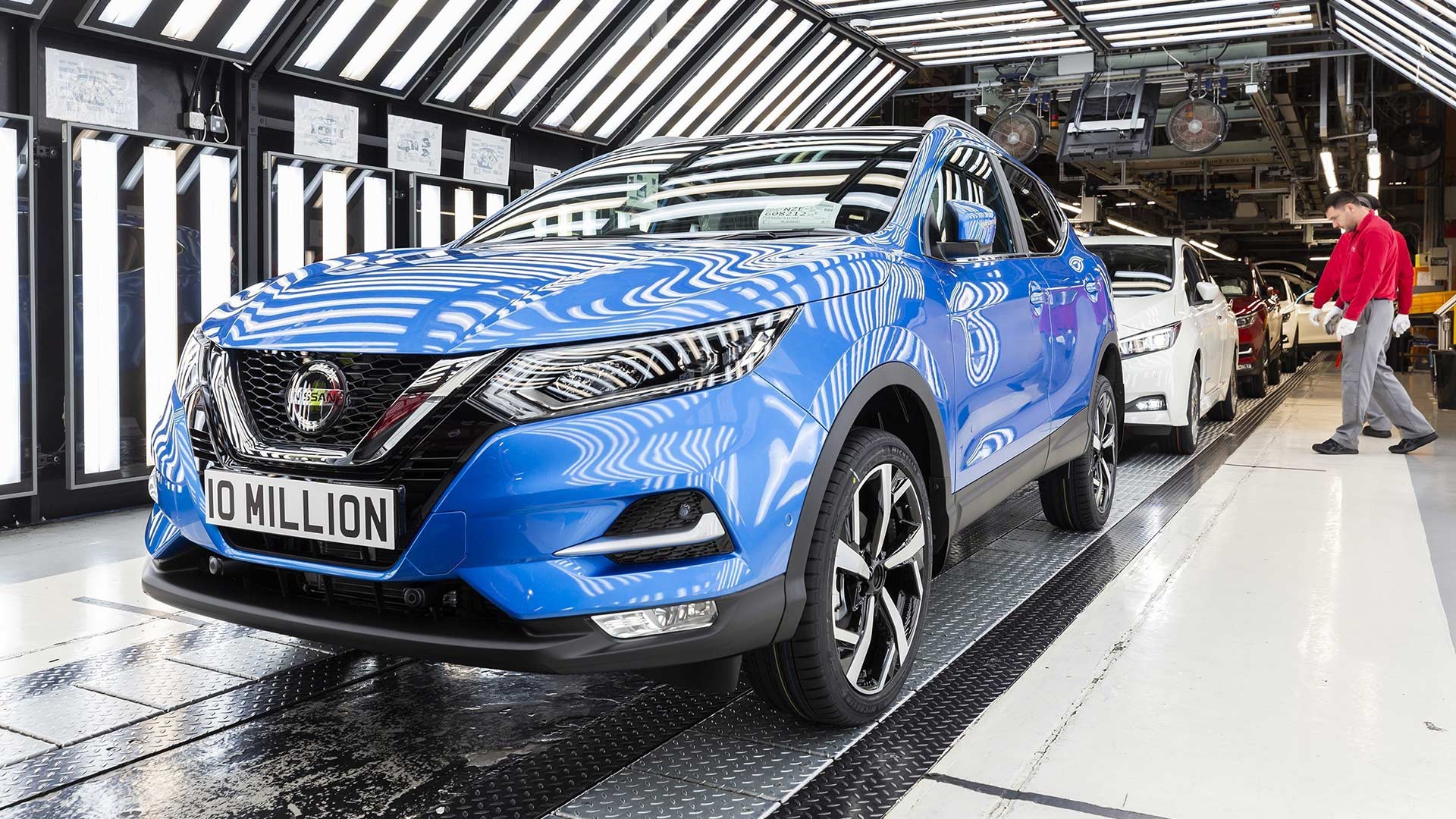
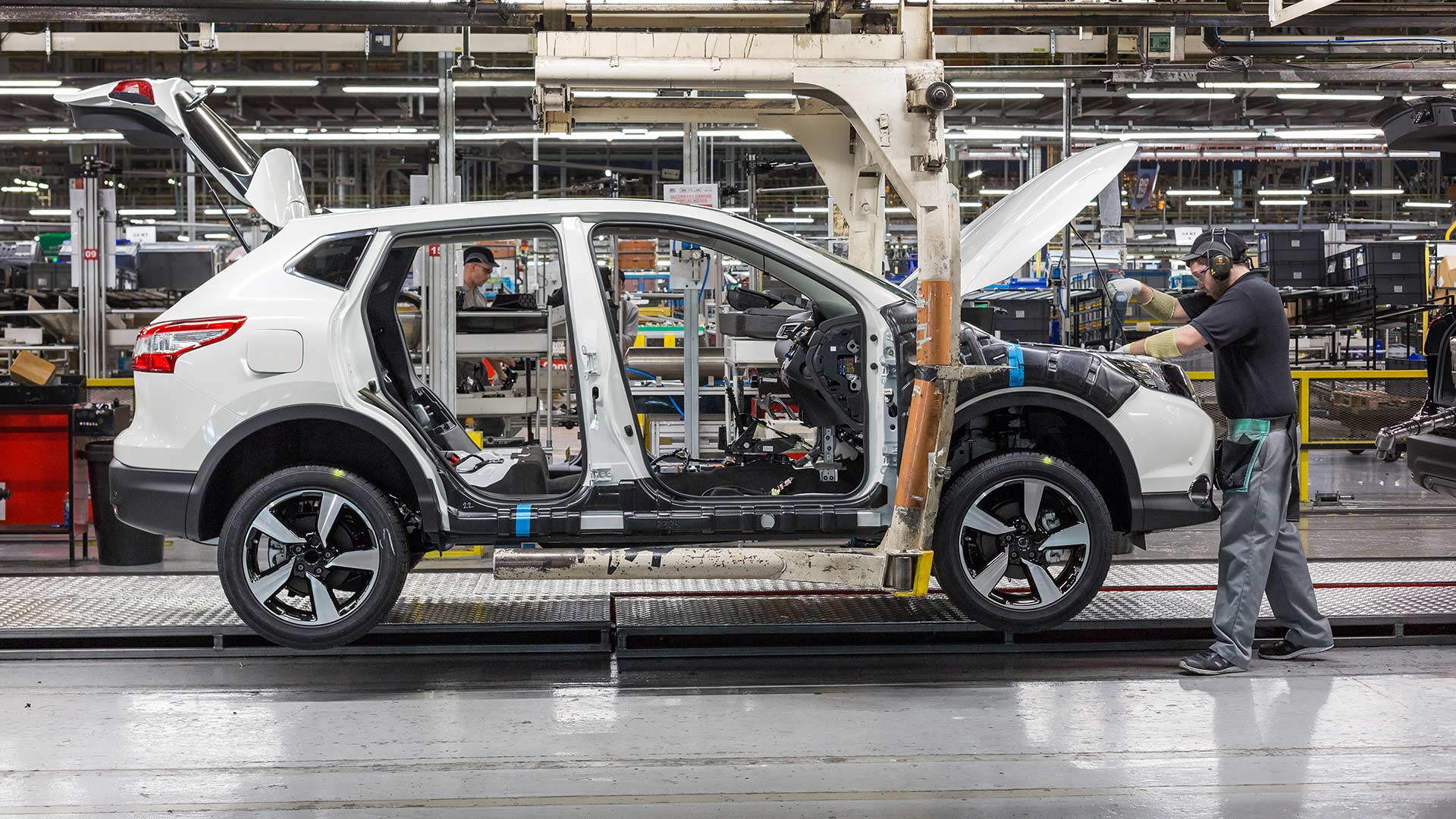
Nissan to review Qashqai production for BrexitNissan could review current production plans at the Sunderland factory in the event of a ‘no-deal’ Brexit scenario.

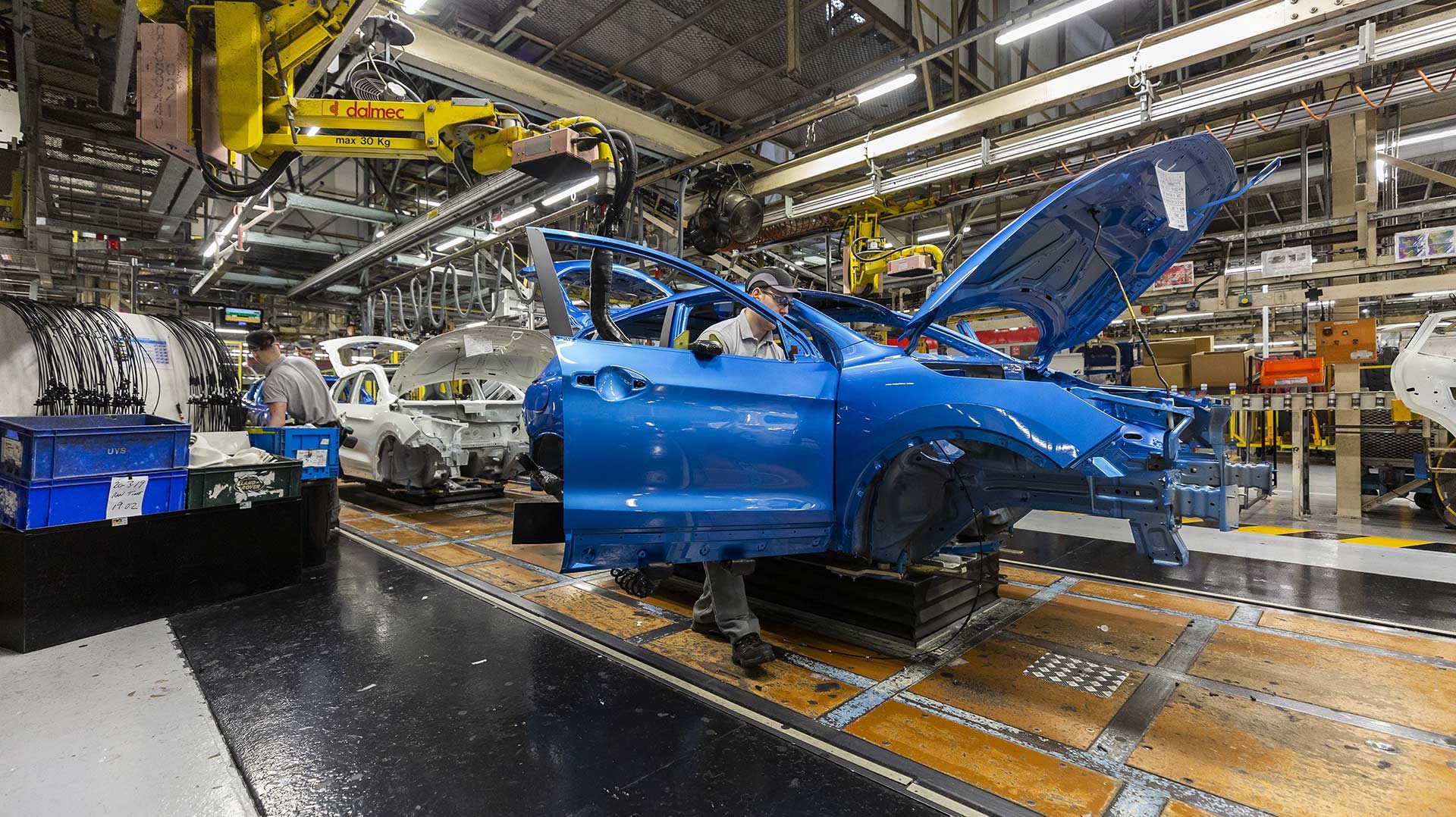
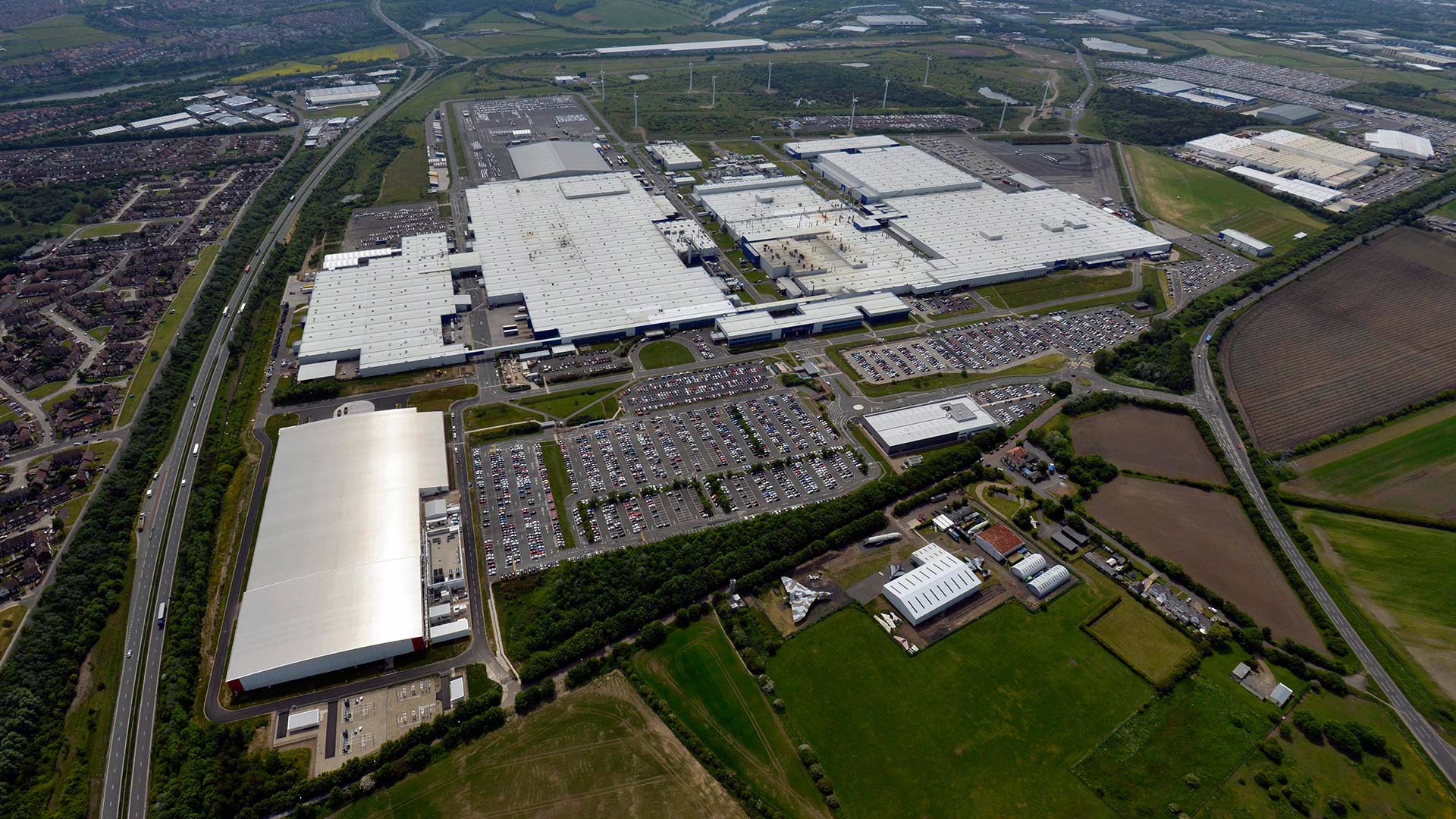
According to reports in the Financial Times, this could include examining whether the next-generation Qashqai will be built on Wearside. Some 7,000 workers are employed directly at the Sunderland site by Nissan, with thousands more involved in the complex supply chain.

The future of the best-selling family SUV had previously been thought to be safe, following an agreement made in 2016 between Nissan and then prime minister Theresa May.

Definite deal breaker
Nissan to review Qashqai production for BrexitHowever, that agreement was made on the basis that the UK would secure an effective deal with the European Union for withdrawal.

It should also be noted that Carlos Ghosn was the Nissan chairman responsible for the agreement. He was ousted from the company in November 2018, following his arrest by Japanese authorities on suspicion of financial misconduct., whilst Theresa May was replaced by Boris Johnson as prime minister in July this year. 

The deal struck between Nissan and Theresa May, which included up to £80 million in government funds, also included keeping production of the X-Trail SUV at Sunderland.

Nissan announced earlier this year that the next-generation X-Trail would be built elsewhere, citing Brexit worries as one influencing factor.

No official changes, yet
Nissan to review Qashqai production for BrexitSources who spoke to the Financial Times suggested that the potential disruption caused by a no-deal Brexit could force Nissan to think again about the future of the Qashqai. Frictionless trade between the UK and the EU is seen as vital to ensure Nissan can retain production on Wearside. 

In response to the report, Nissan has commented that the present plans for the Qashqai “have not changed” but that the company is still “waiting for clarity” on the UK’s future relationship with the EU. 

Loss of the Qashqai from the Sunderland facility would have a major impact, with it accounting for the majority of the vehicles produced there. Nissan has recently revealed the second-generation Juke SUV that it will also build at the UK factory.
Nissan to review Qashqai production for BrexitThe report in the Financial Times follows other announcements from car manufacturers about the potential impact of a no-deal Brexit. 

Vauxhall owner Groupe PSA stated that the next Astra will be built at the Ellesmere Port factory, providing the UK can secure a favourable Brexit deal. 

A pan-European group of automotive manufacturers has also warned that a no-deal Brexit would “devastate” the car industry across the continent. Other analysis has suggested that a no-deal Brexit could cost the UK automotive sector £4 billion each year.
Advertisement

1997 Integra Type R achieves record $82,000 in online auction

0

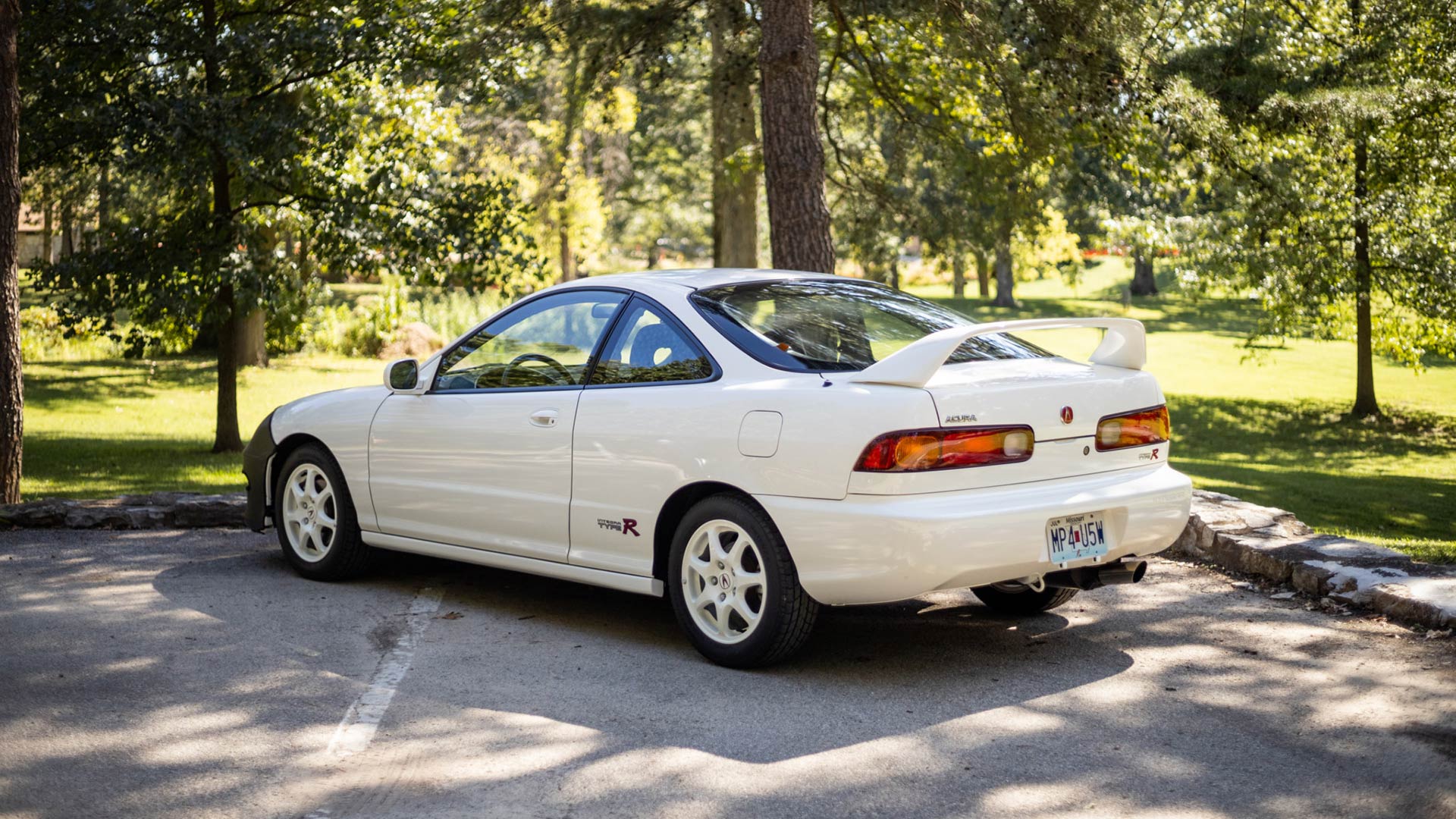
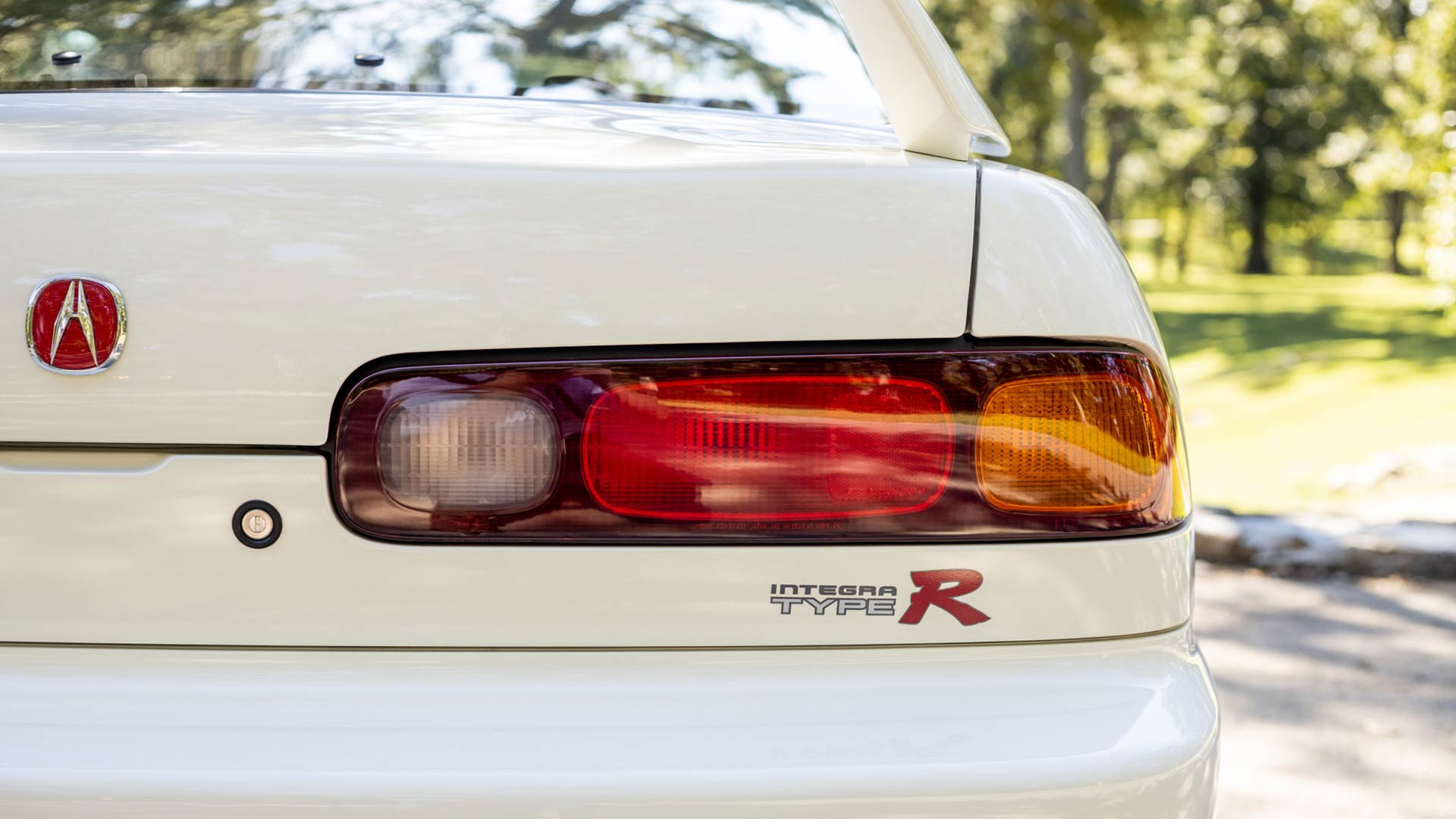
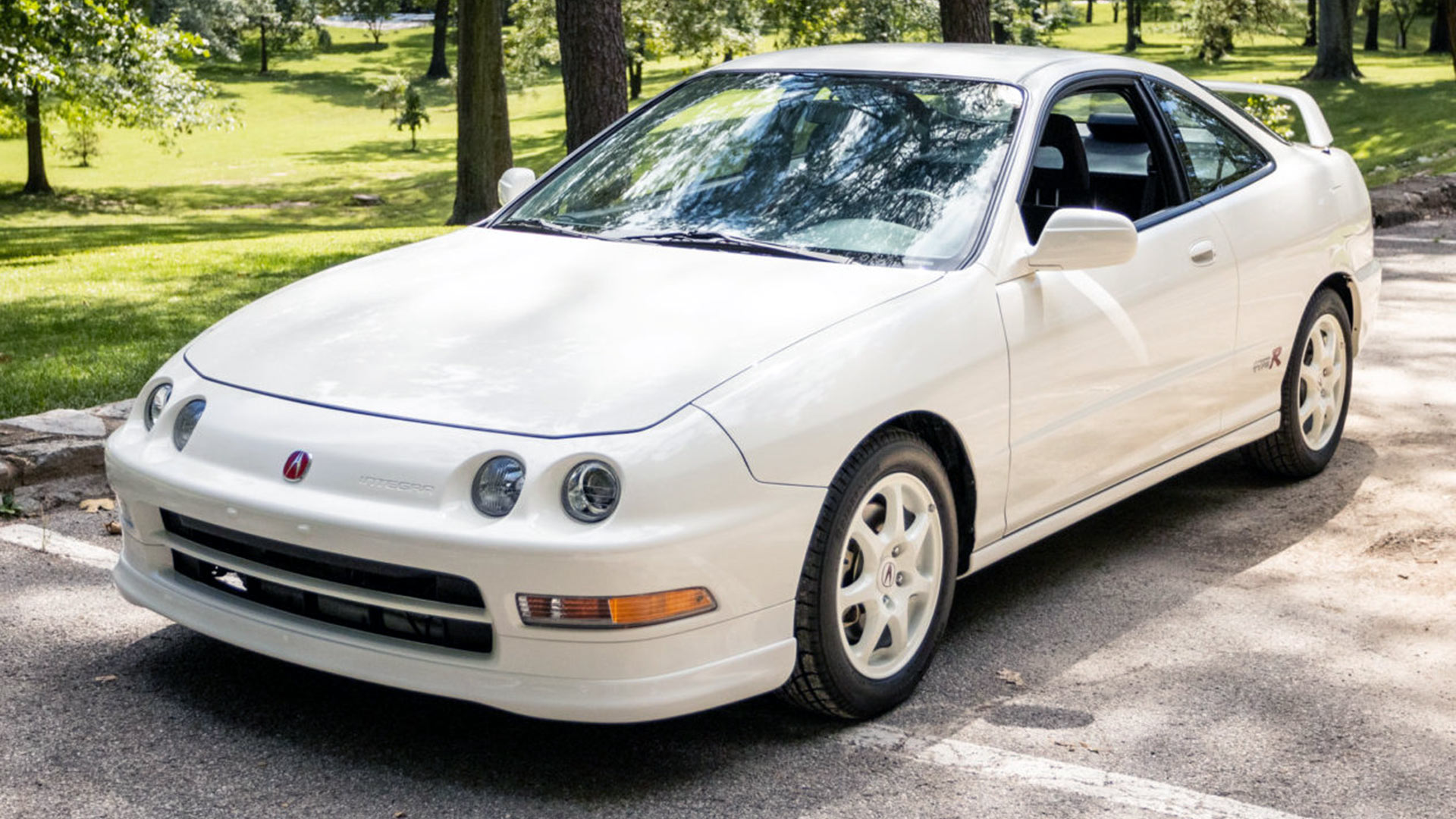
BaT Acura Integra Type RBranded as one of the greatest front-wheel drive cars ever built, the DC2 Acura Integra Type R has become a cult classic. 

Following a recent sale on auction website Bring a Trailer, it has also joined the growing ranks of compact performance cars achieving huge sums of money. 

This one-owner example, having covered just 6,000-miles since 1997, clocked up an incredible winning bid of $82,000 (£66,700). That’s more than the price of a 2020 Ford Mustang Shelby GT500, or a new Porsche 718 GTS. 

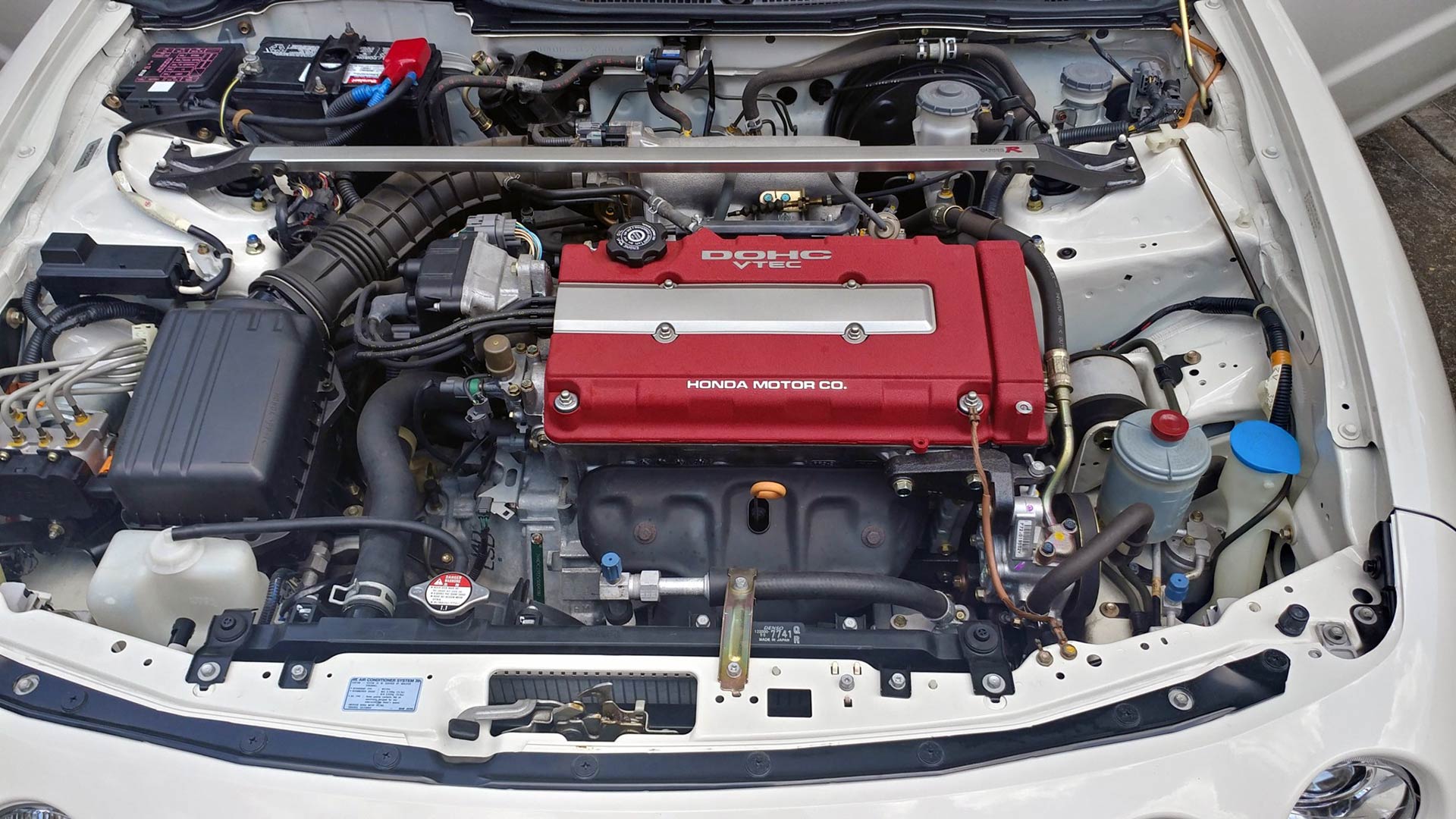
BaT Acura Integra Type RYet arguably anyone in the market for an Integra Type R has no interest in those two modern sports cars. Neither of them have a naturally aspirated 1.8-liter four-cylinder engine, capable of revving to a frenzied 8,400 rpm, for a start. 

Today the 195 horsepower output for the B18C5 engine seems almost mundane, whilst the 130 lb-ft of torque is lower than the twist from a modern Honda Civic sedan. Yet the raw figures hardly matter, as the DC2 Type R was about the intensity of the VTEC experience as it chased the redline.

A close-ratio five-speed manual was the only transmission offered, and it connected to the front wheels through a limited-slip differential.

BaT Acura Integra Type RHowever, the DC2 Integra Type R was about more than just the engine. The chassis was stiffened with extra welding in key locations, whilst the suspension was also heavily upgraded. 

Sound-proofing material was removed to save weight, as were standard features such as cruise control. Debate also exists as to whether 3,850 U.S.-spec cars gained the thinner front windshield fitted to Japanese versions. 

What American cars certainly did have were the lightweight 15-inch alloy wheels, with the ones on this 1997 model matched to the Championship White bodywork. 

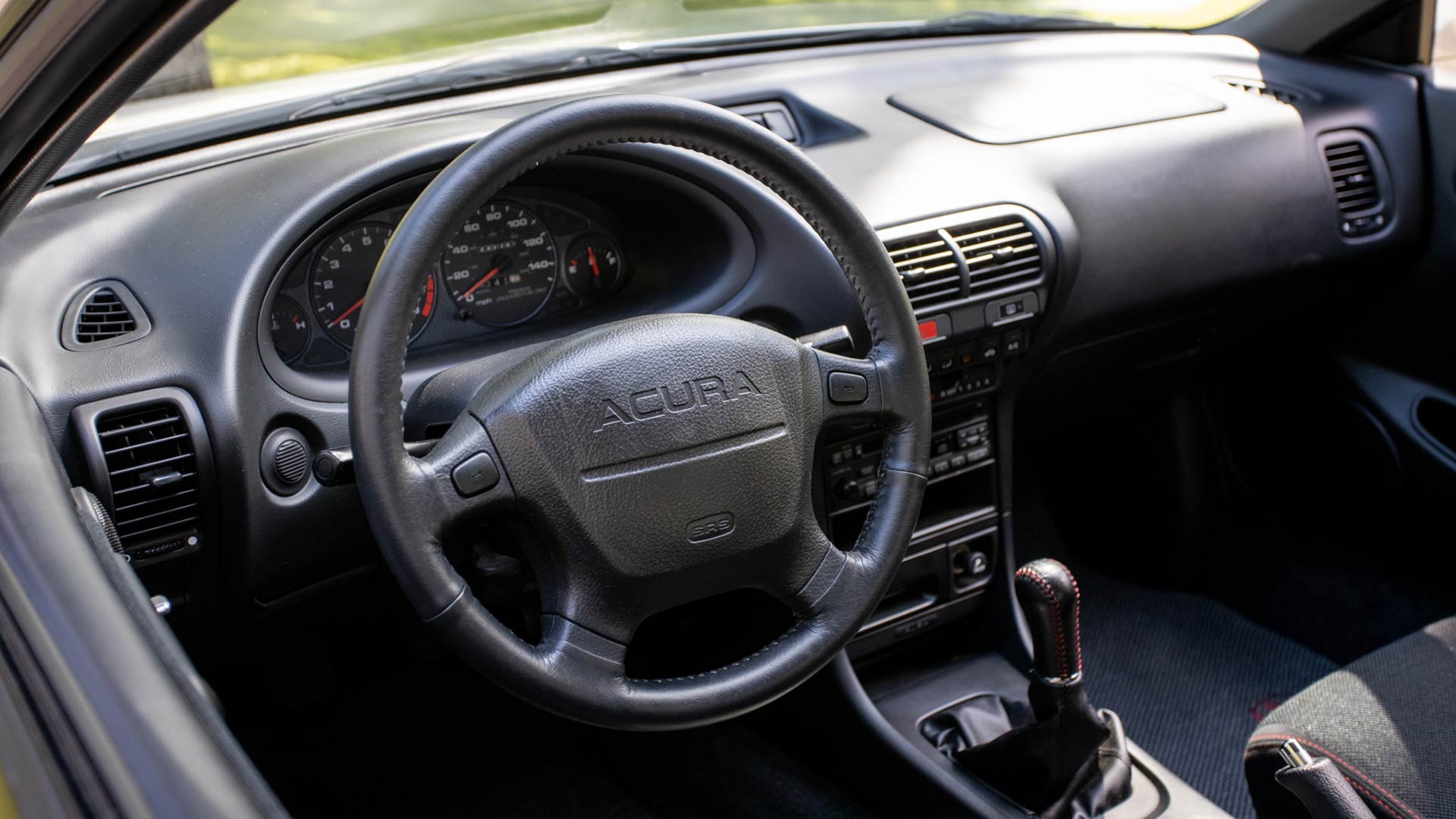
BaT Acura Integra Type RUnlike Integra Type R versions sold around the world, American models did without the bright red Recaro bucket sports seats. Instead, black microsuede versions were fitted, along with a chunky Acura-branded four-spoke steering wheel.

The record-breaking car sold on Bring a Trailer was undoubtedly in great condition, having belonged to the same owner since new. Original sales documentation, a front bra to protect the paintwork, and a clean CarFax report will have helped push up the value.

Recent maintenance had included new timing belt, along with the associated tensioners and water pump, being installed early this year. The tires, dating from 2004, are reported to have covered just 1,000 miles.
BaT Acura Integra Type R

When new, this 1997 Acura Integra Type R cost $23,535 (£19,144), meaning the auction price has netted the owner a hefty profit for 22 years of ownership. 

Previously the highest price paid on Bring a Trailer for an Integra Type R was $65,500 (£53,300), achieved by a 1998 model with higher mileage earlier this year. In contrast, a late 2001 version sold in August 2019 for just $26,666 (£21,700).

The big question for the new owner will be whether they decide to preserve the Type R in this low-mileage state, or hit the road and enjoy the VTEC sound.

Advertisement

The classic Porsche 911 saved after a decade of decay

0

Classic Porsche saved

Cars don’t like sitting still for too long. It can only be good news, then, when someone rescues a Porsche 911 that has gathered dust for a decade.

Taking a punt on a dream

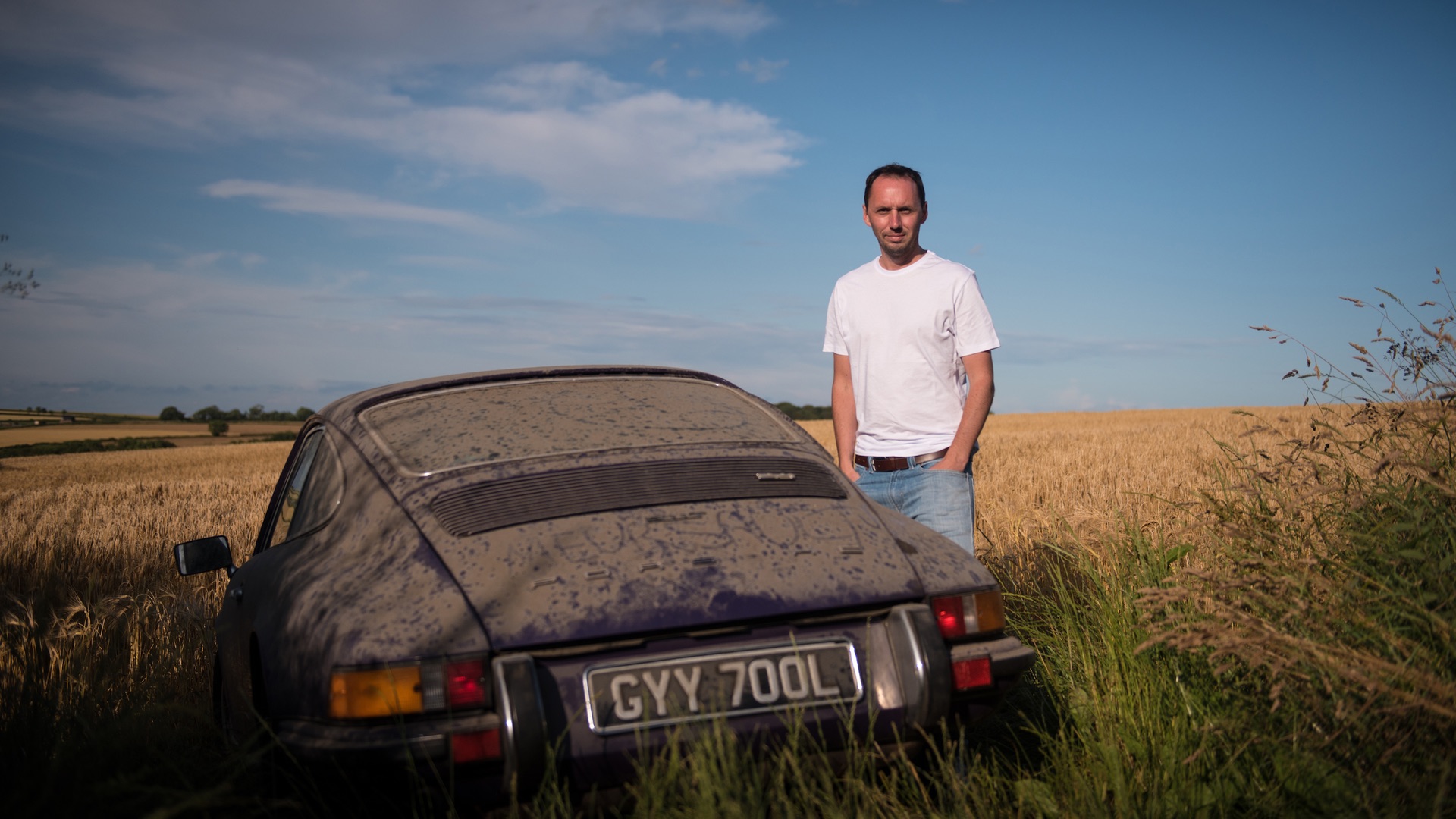
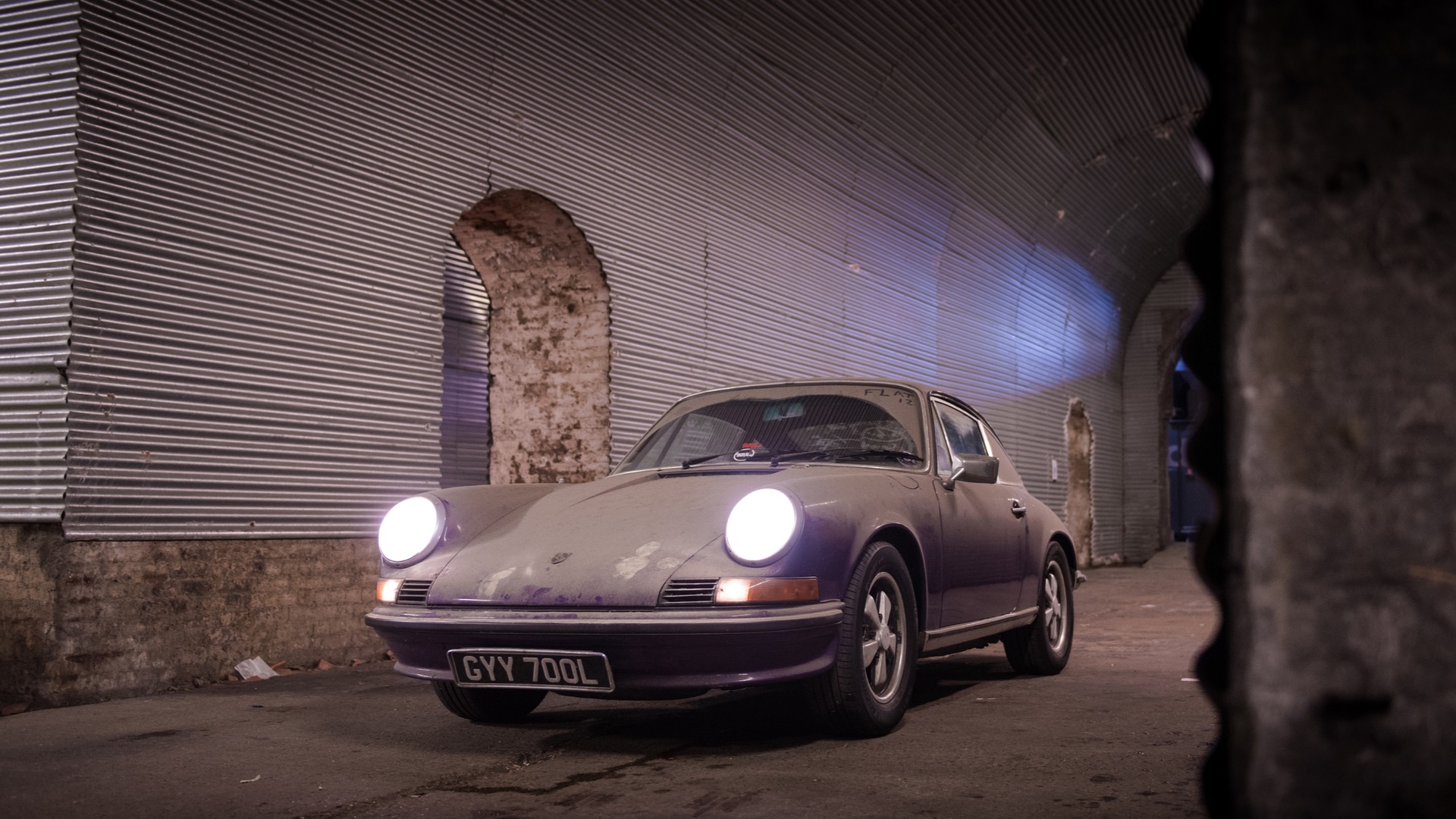
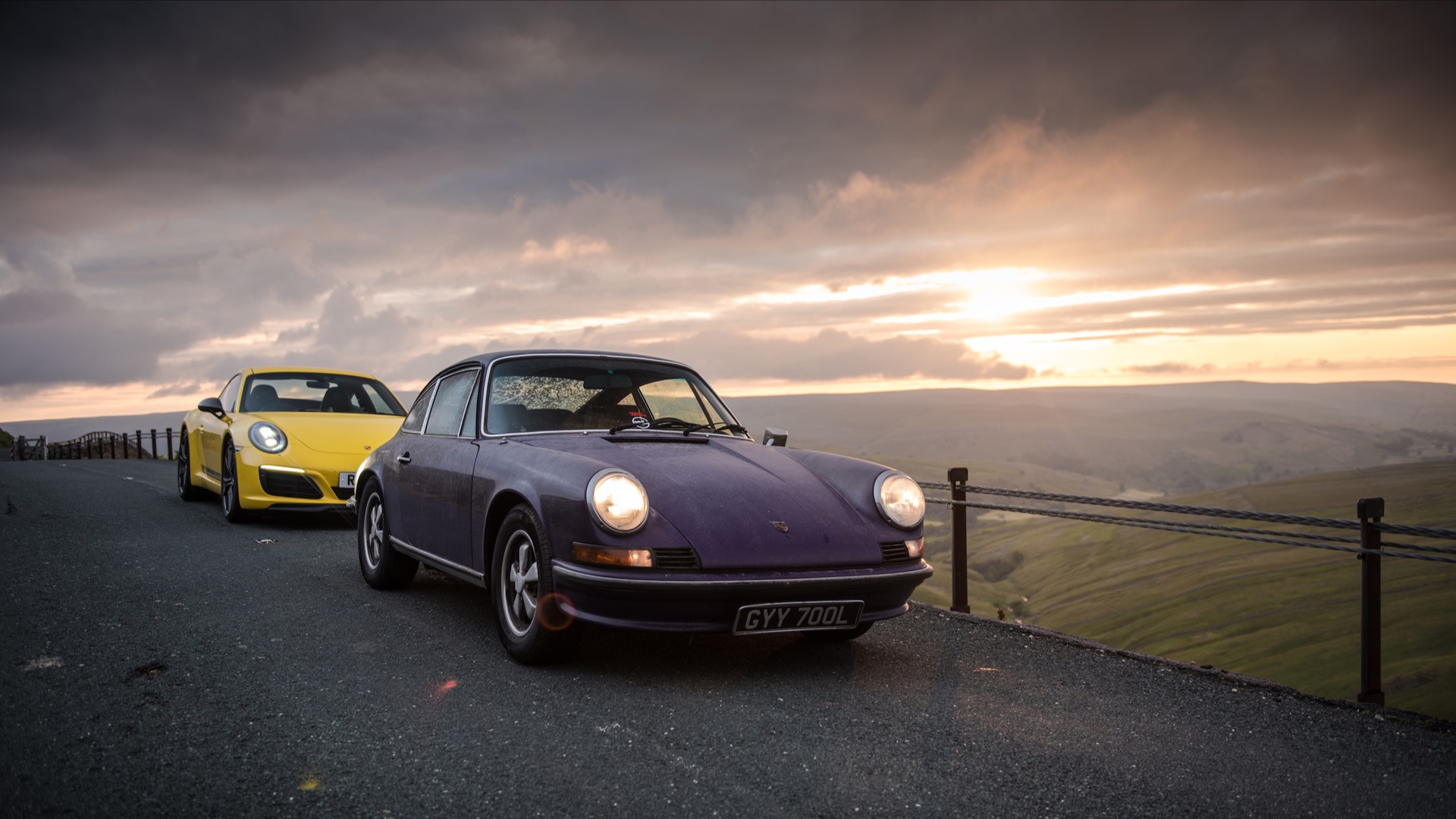
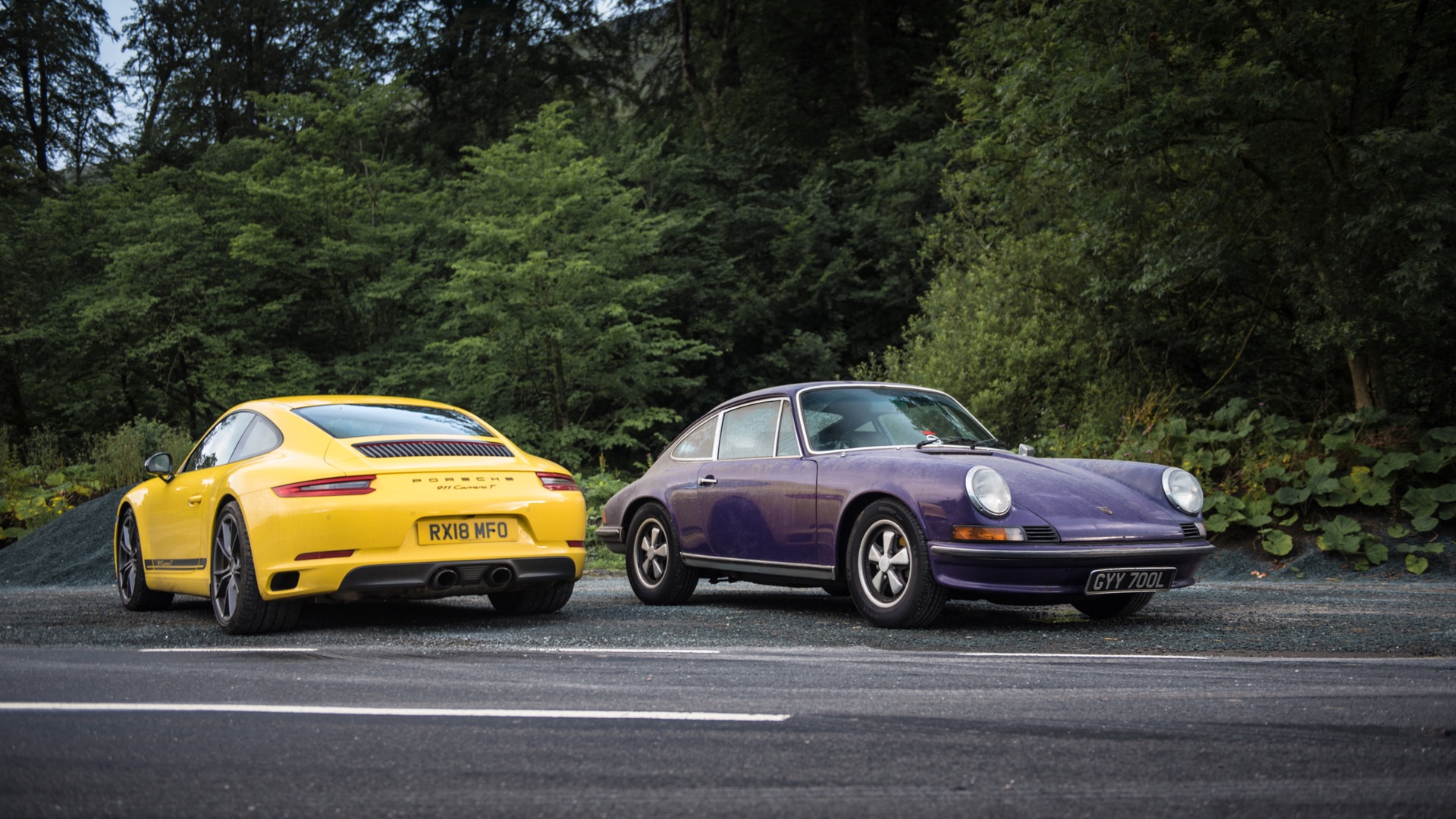
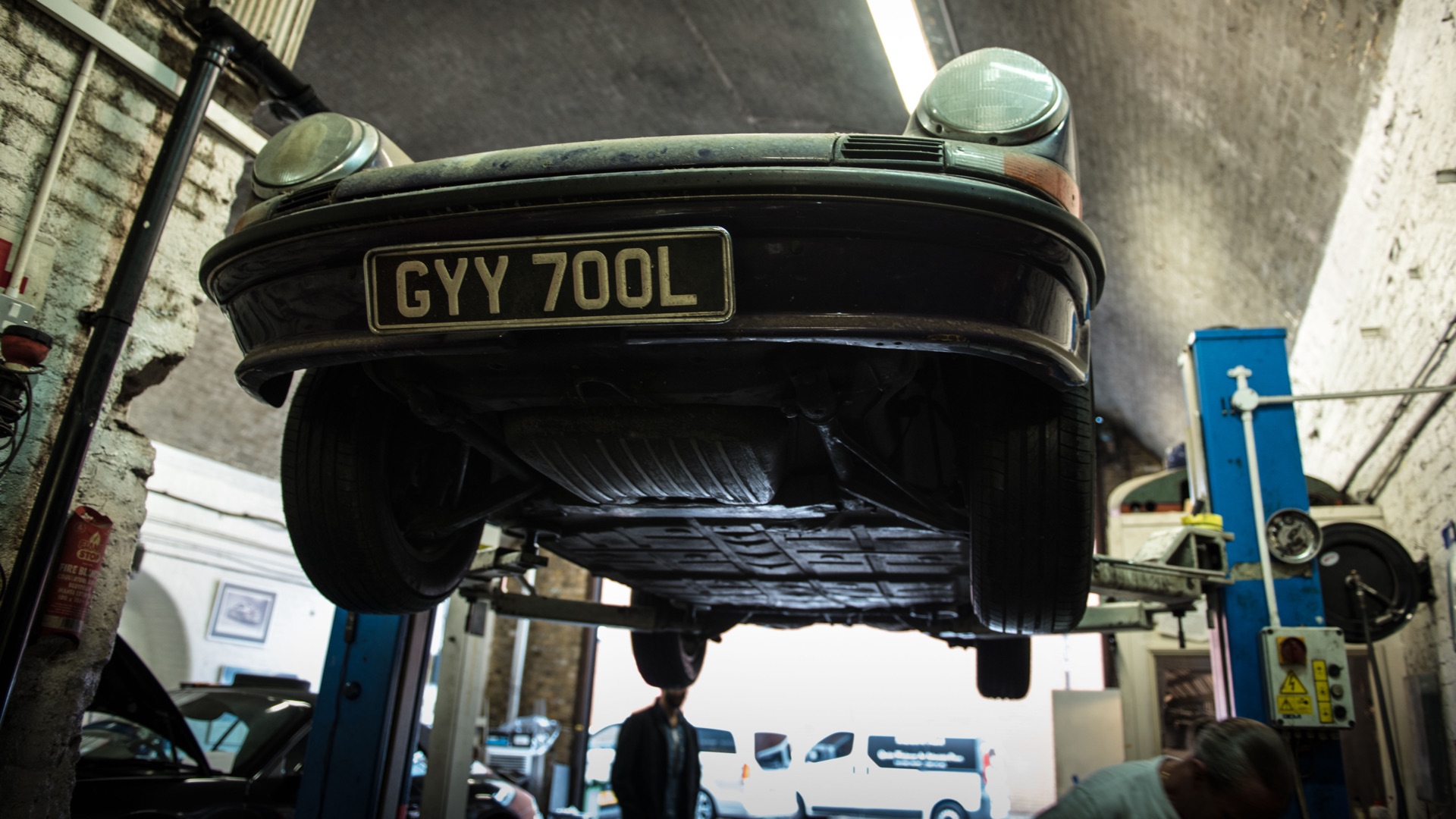
This 911T was its owner’s dream car. The gentleman, Graham, first procured the Porsche back in the early 2000s, with money his parents gave him for a house. That money, roughly £13,000, was sent to the Netherlands to buy a 1967 911T. Having had the briefest of drives, Graham took a leap of faith. The gamble paid off. The purple 911 became Graham’s daily-driver for nearly four years.

Graham used the 911 for everything, from day-to-day commuting to trips down to Goodwood, plus classic car meets at the Ace Cafe. He’d dreamed of owning a 911 since he was 10 years old. Now he was living the dream.

The dream comes to an end

Classic Porsche saved

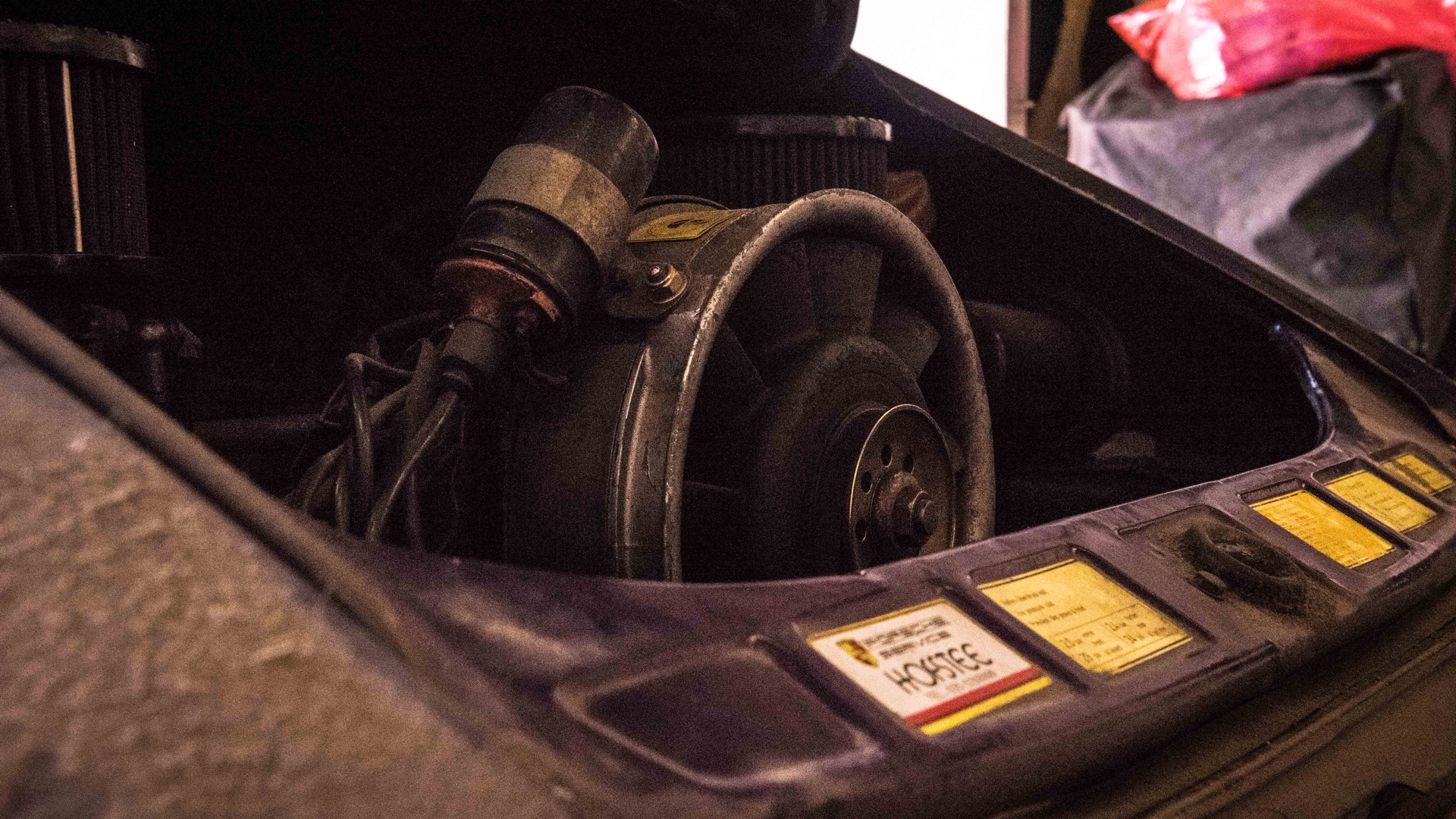
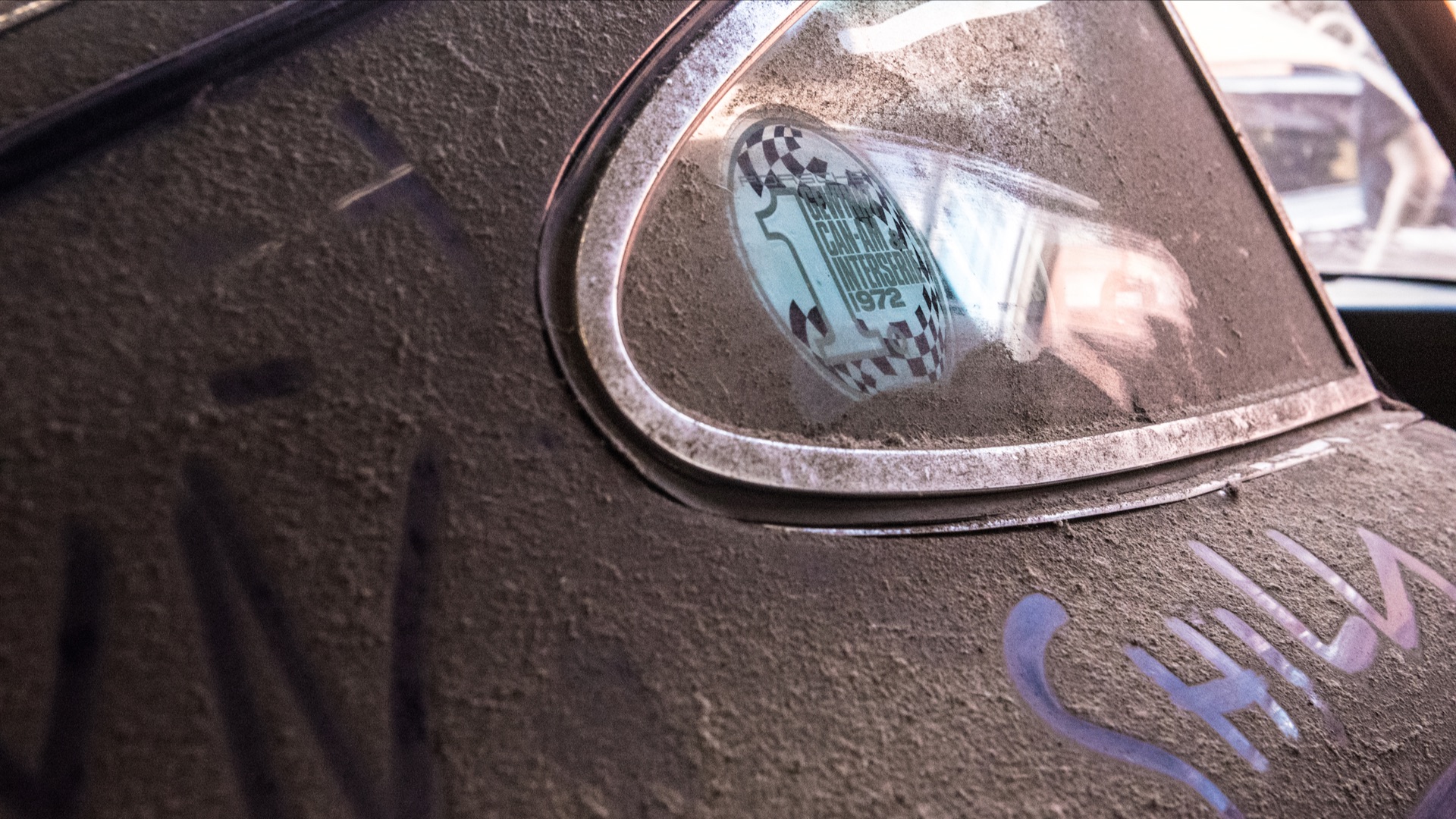
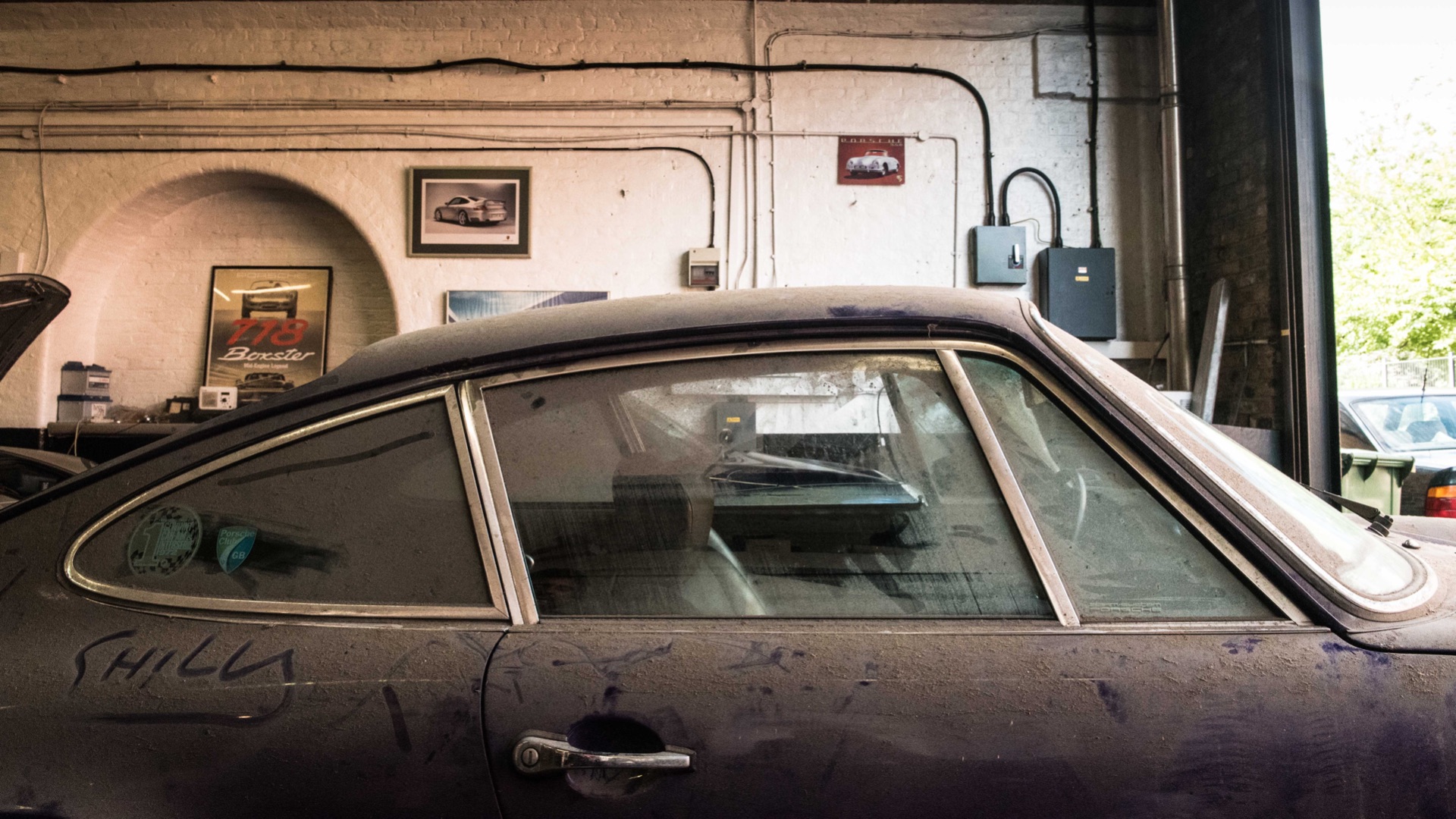
It had to end, though, when he jetted off to the United Arab Emirates for work. What was expected to last no longer than two years, turned into a 10-year career move. As such, the poor purple 911 sat gathering dust and falling into disrepair. Although checked on by friends and family, the T was past its best.

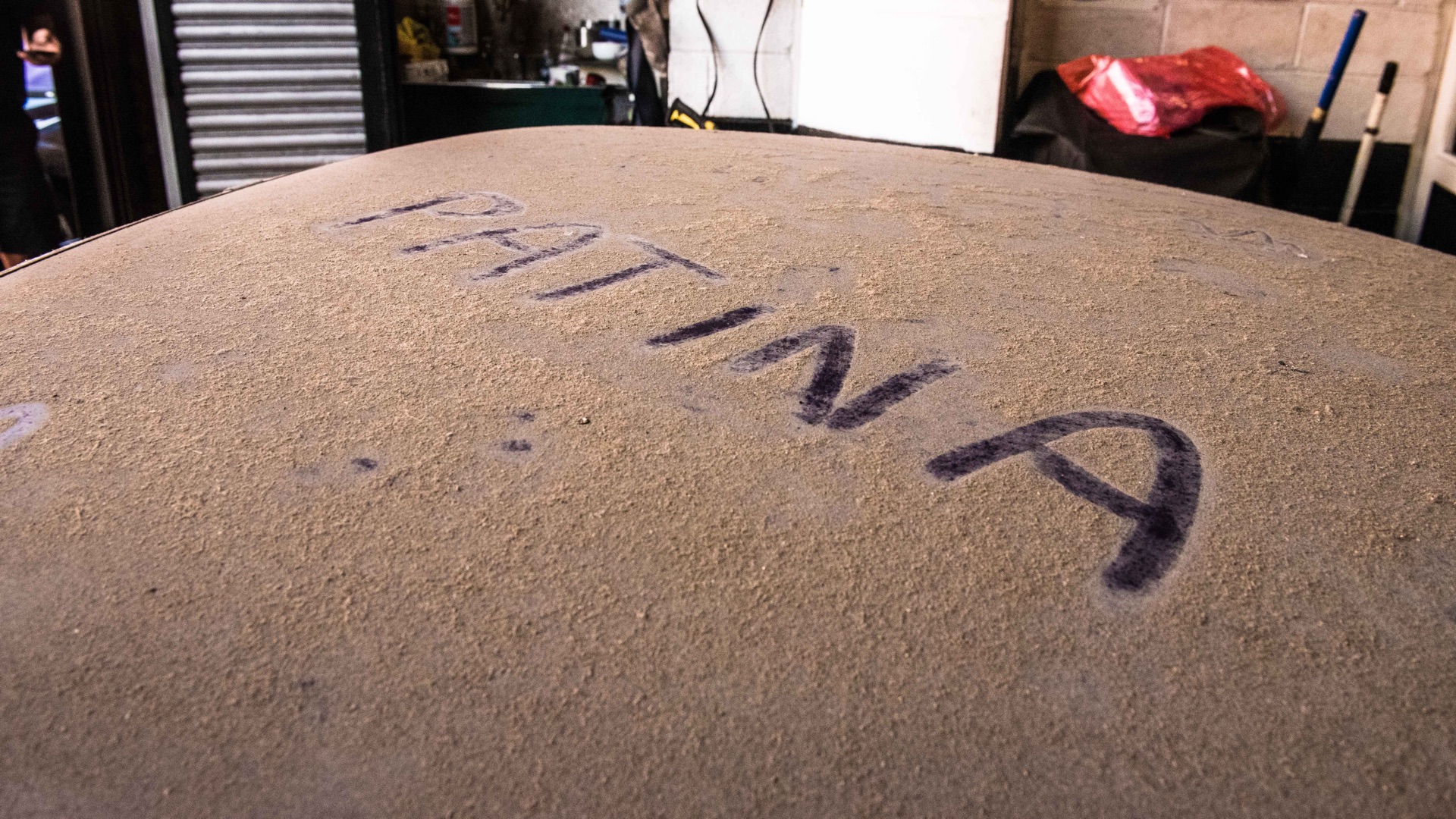
On Graham’s return, the car was almost unrecognisable. Its tyres were deflated, its purple paint dulled by dust. This classic 911 was no longer part of the 70 percent of all Porsche 911s that remain on the road. The job was on, then…

Wakey wakey

Classic Porsche saved

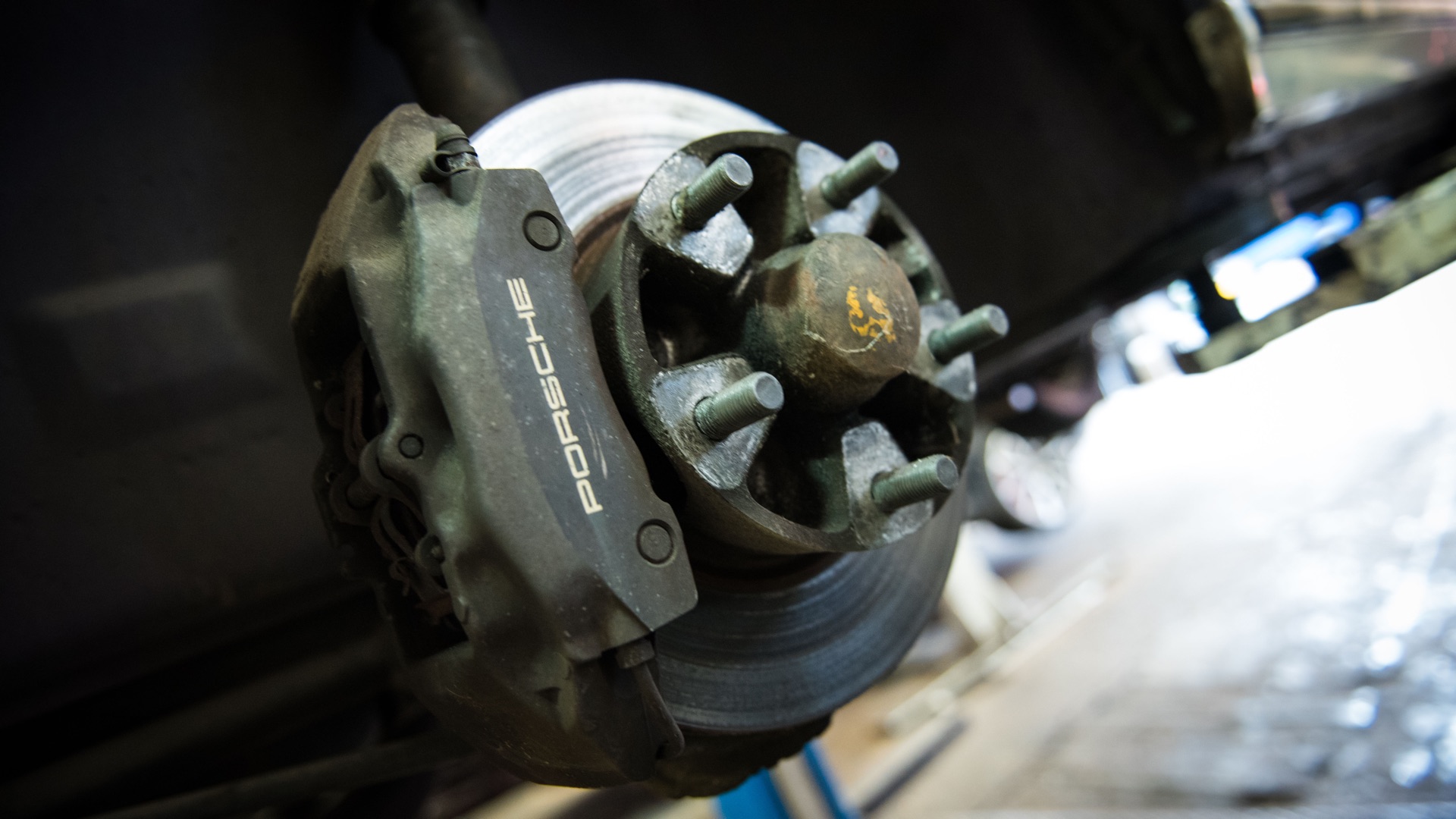
The specialist that had looked after the car previously, Tower Porsche, took on the job. Surprisingly, it needed little more than a surface refresh and a thorough service to get it running again.

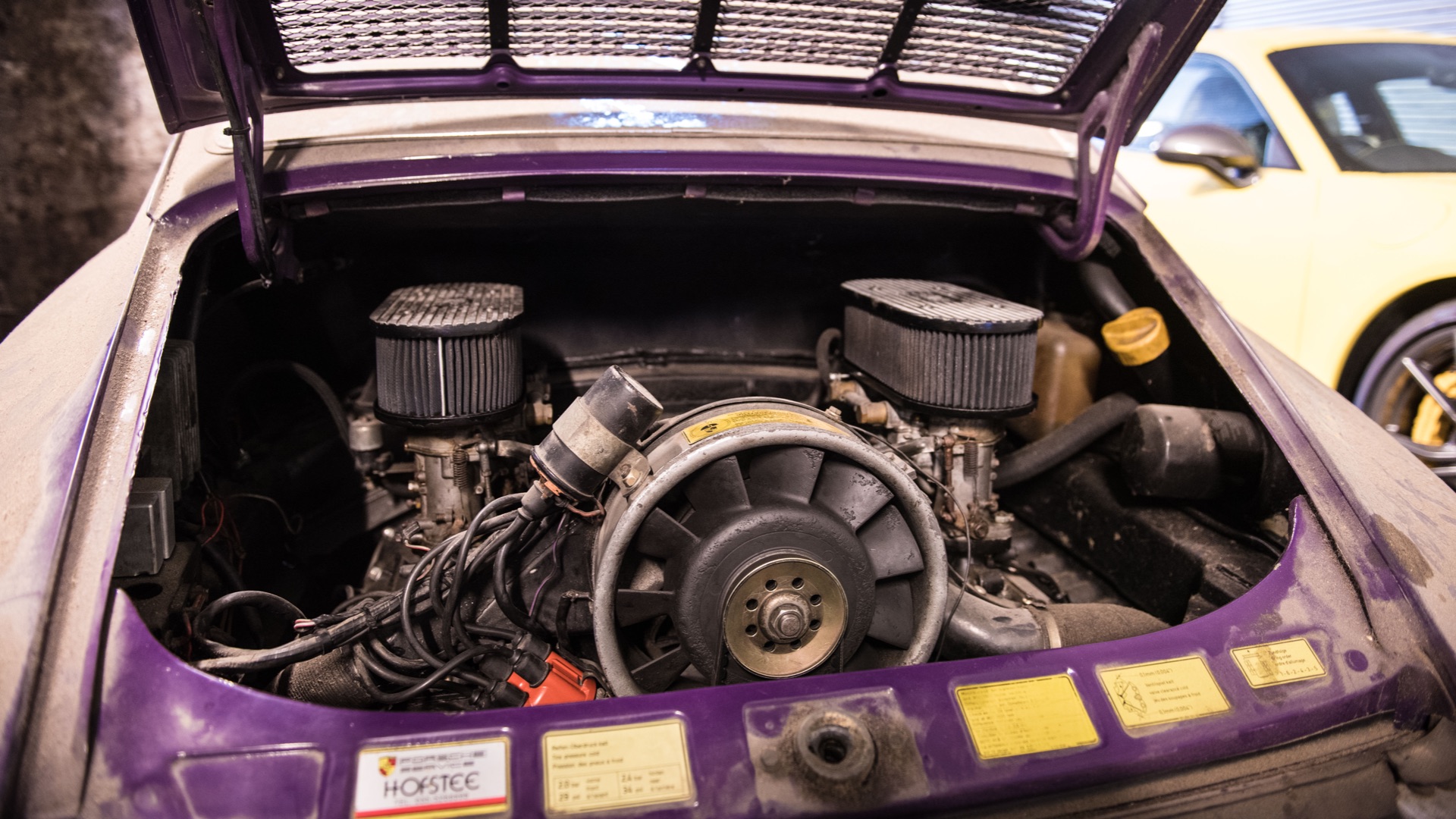
Fixed timing and a cleaned fuel system got the flat-six motor closer to its original 125hp power figure. The car’s first outing, appropriately, was a jaunt down to Goodwood for the 2019 Festival of Speed.

Who do you think you are?

Classic Porsche saved

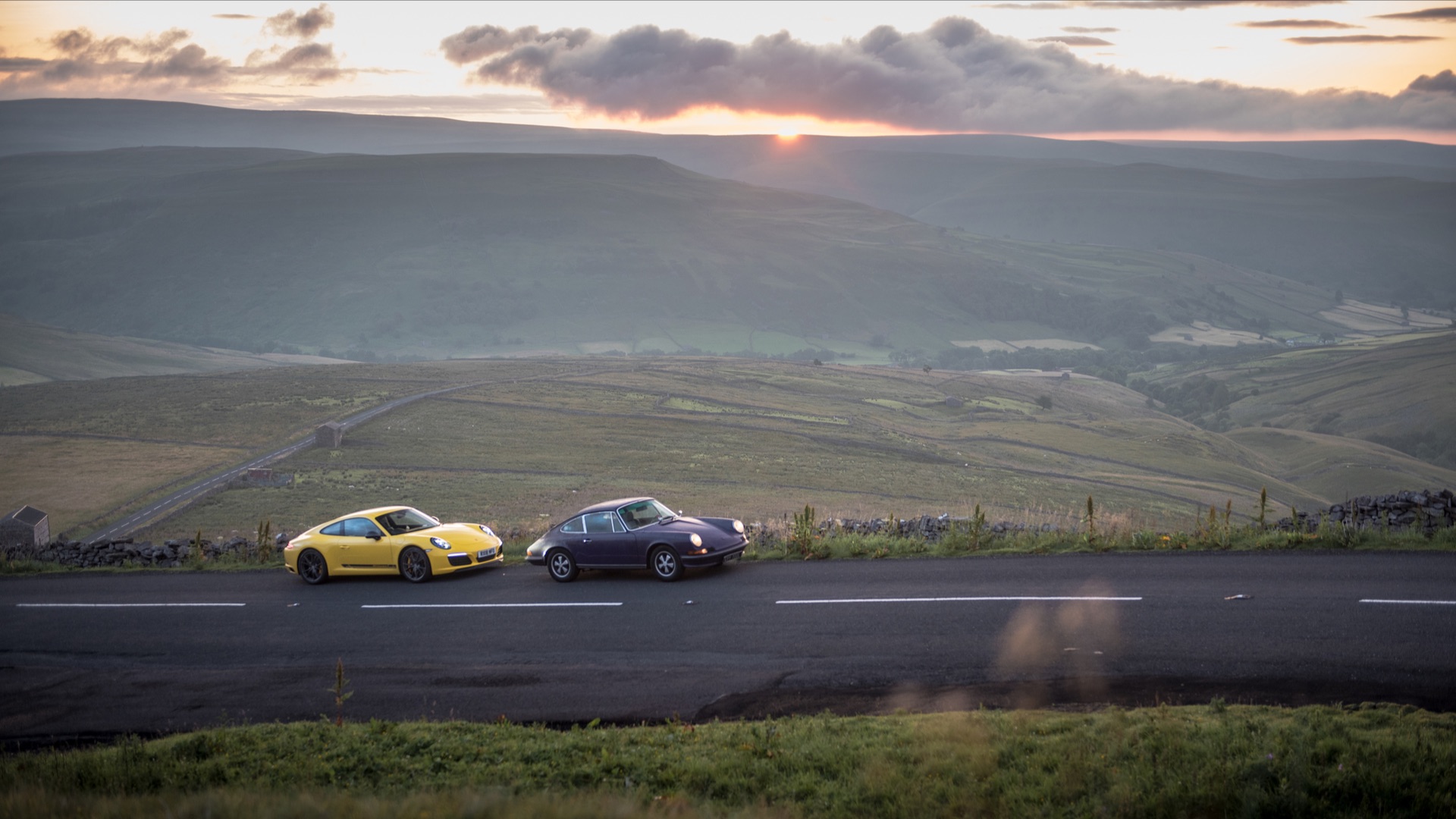
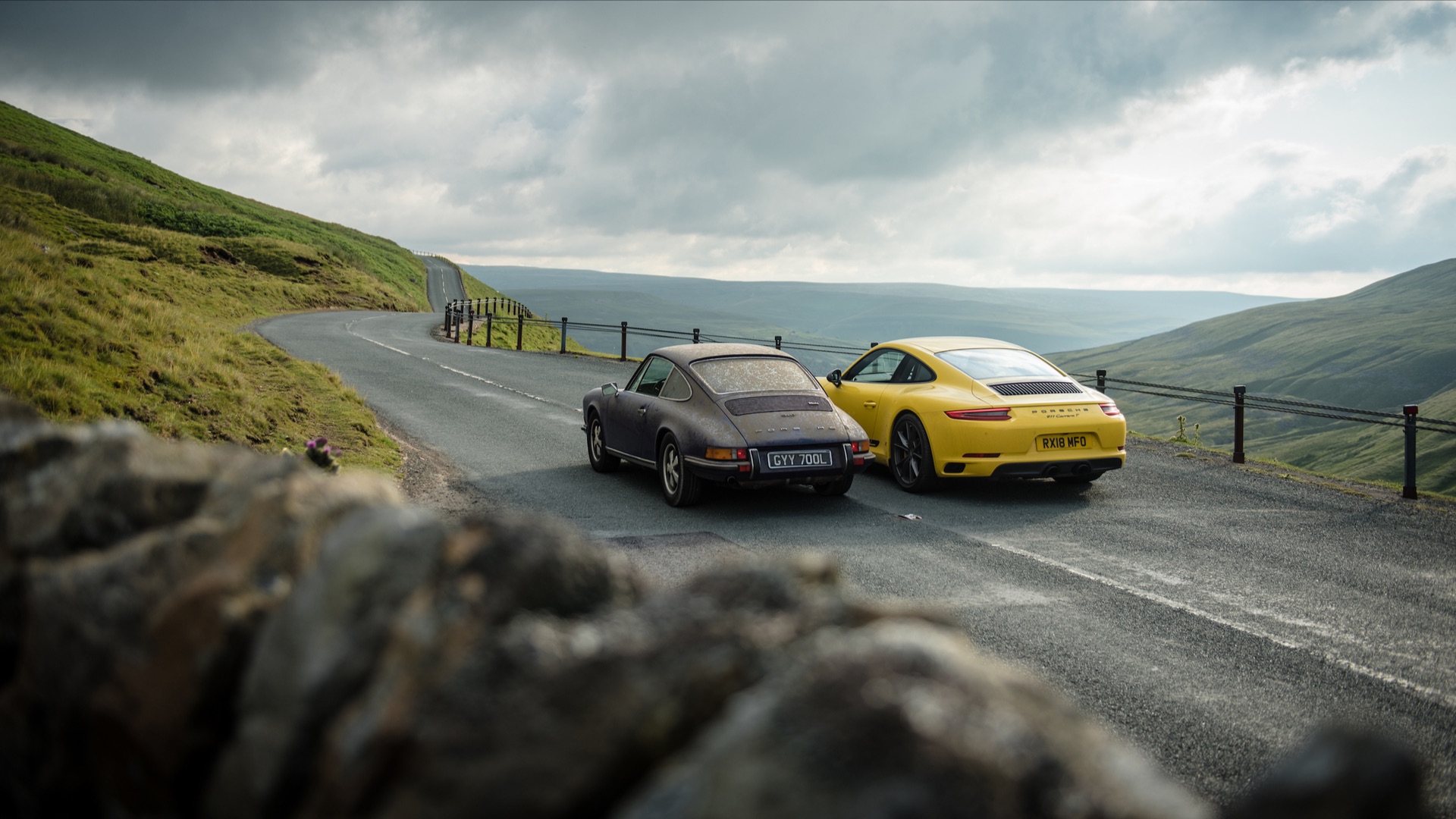
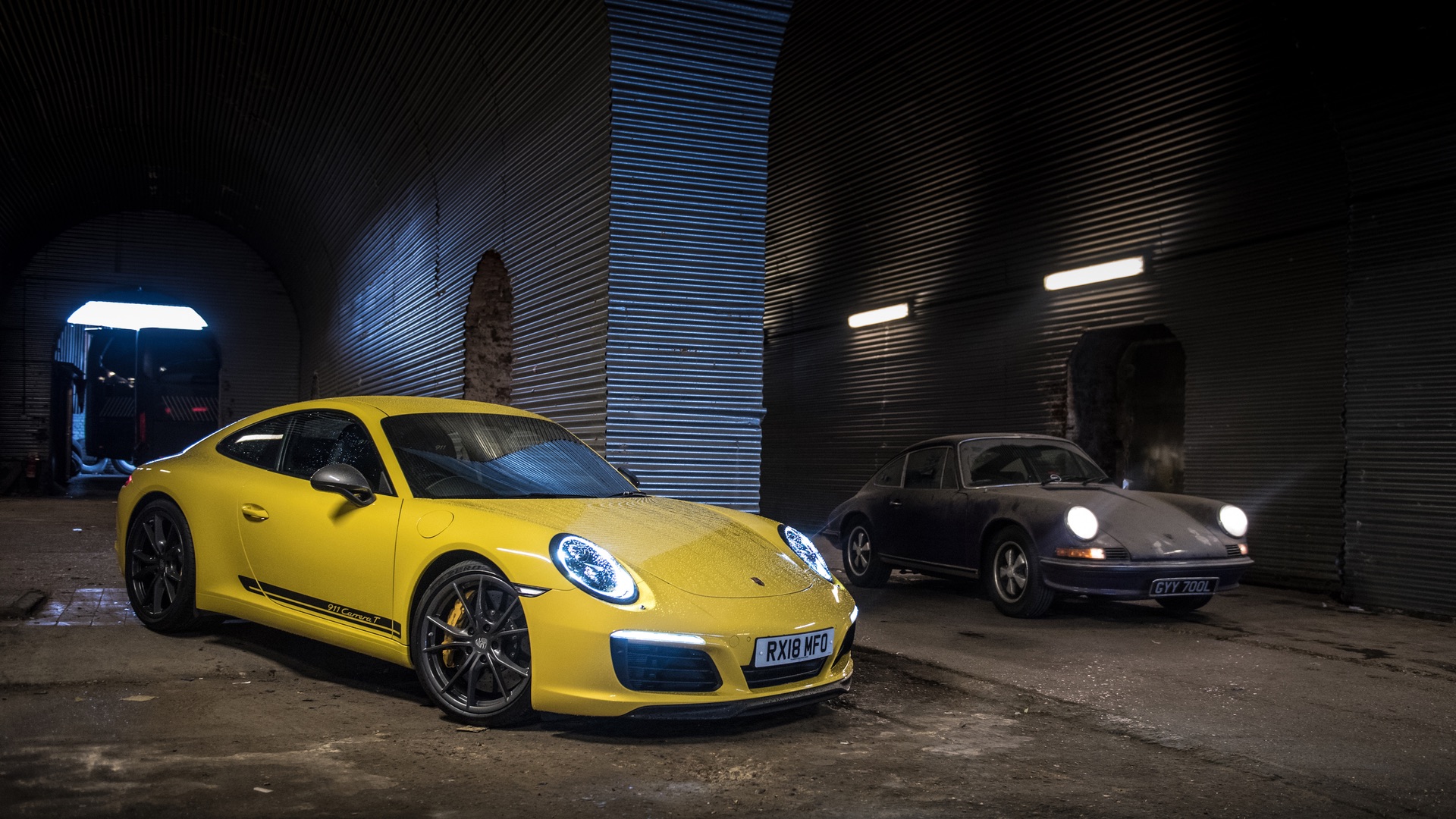
The next adventure for the revived 911T? Meeting its modern equivalent with Porsche in the Yorkshire Dales.

Two back-to-basics 911s from five decades apart took to some of the UK’s best roads. The family resemblance is still clear to see.

Advertisement

Opinion: the internet is wrong about the new Ford Puma

0

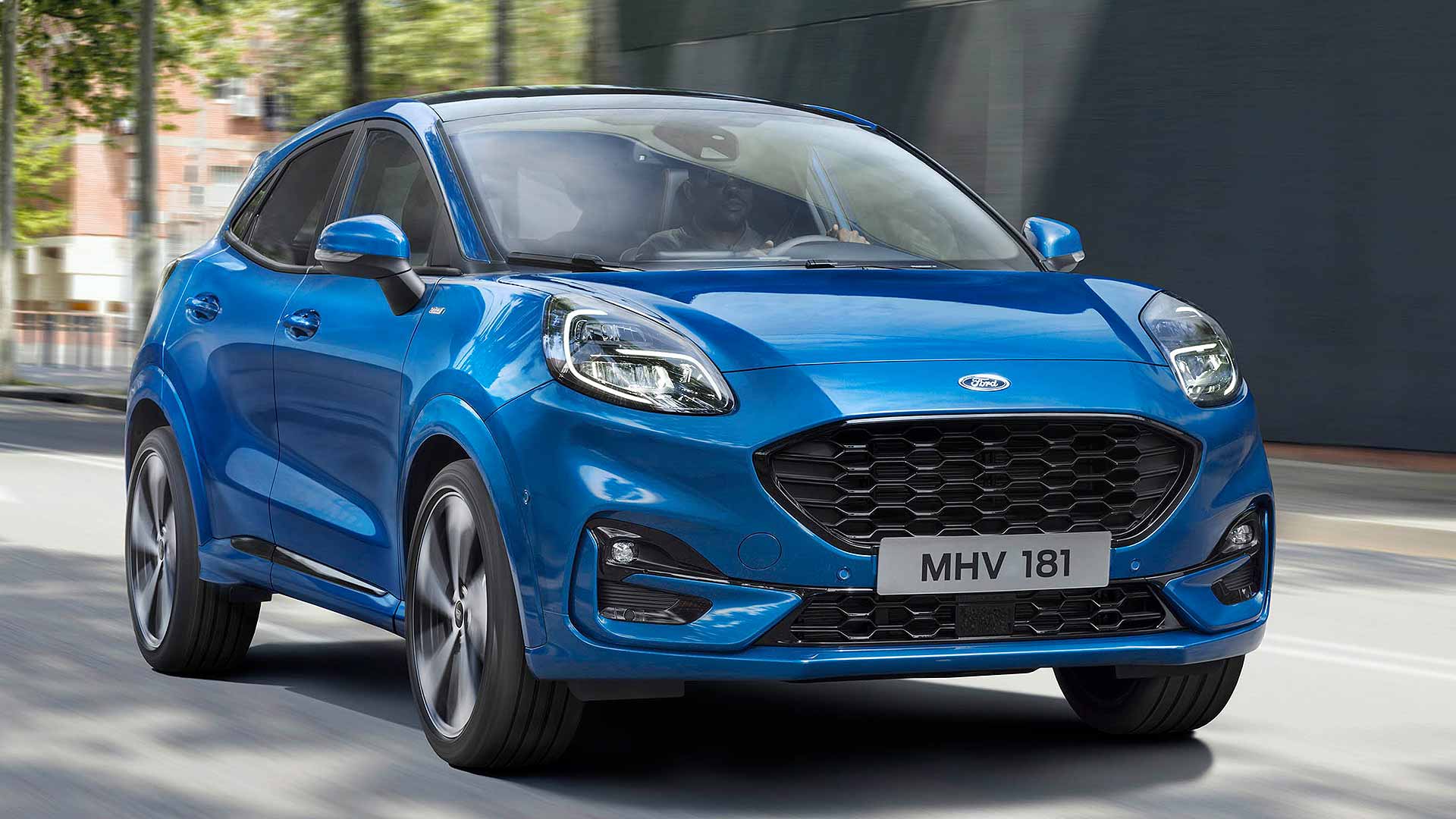
2019 Ford Puma ST-Line

It’s a good job the new Ford Puma cannot read. If the internet is anything to go by, the ‘not a coupe’ is doomed to failure before it hits the streets in January.

“It’s a fat Fiesta on stilts,” cries one commenter. “What a pathetic waste of a model,” says another. “The new Ford Puma is nothing like a Ford Puma,” bemoaned a ‘Welsh Brummie’ on Twitter, earlier.

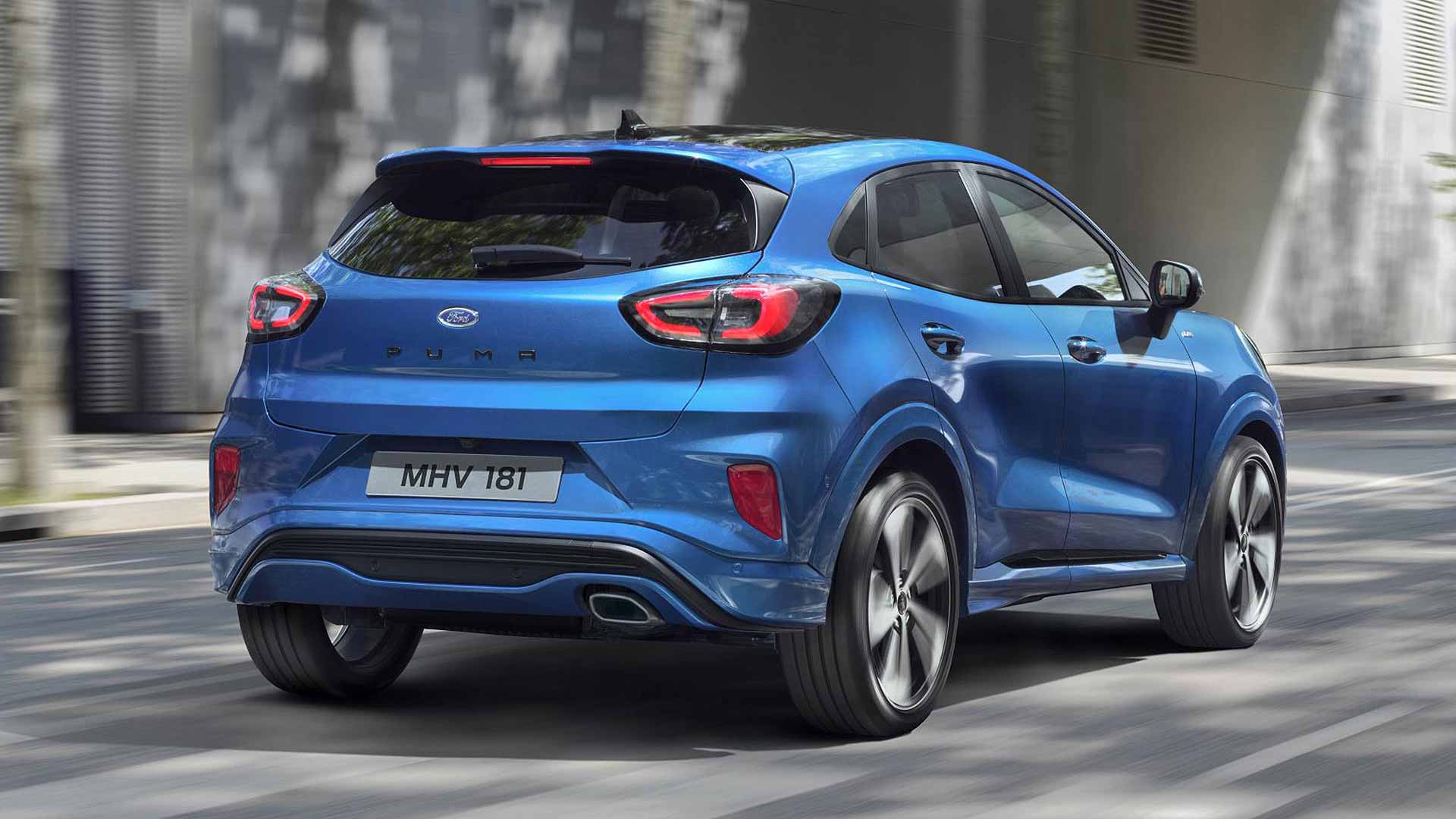
Only it is a Ford Puma – it says as much on the boot lid. And, like it or not, Ford can do whatever it likes with a name from its back catalogue. 

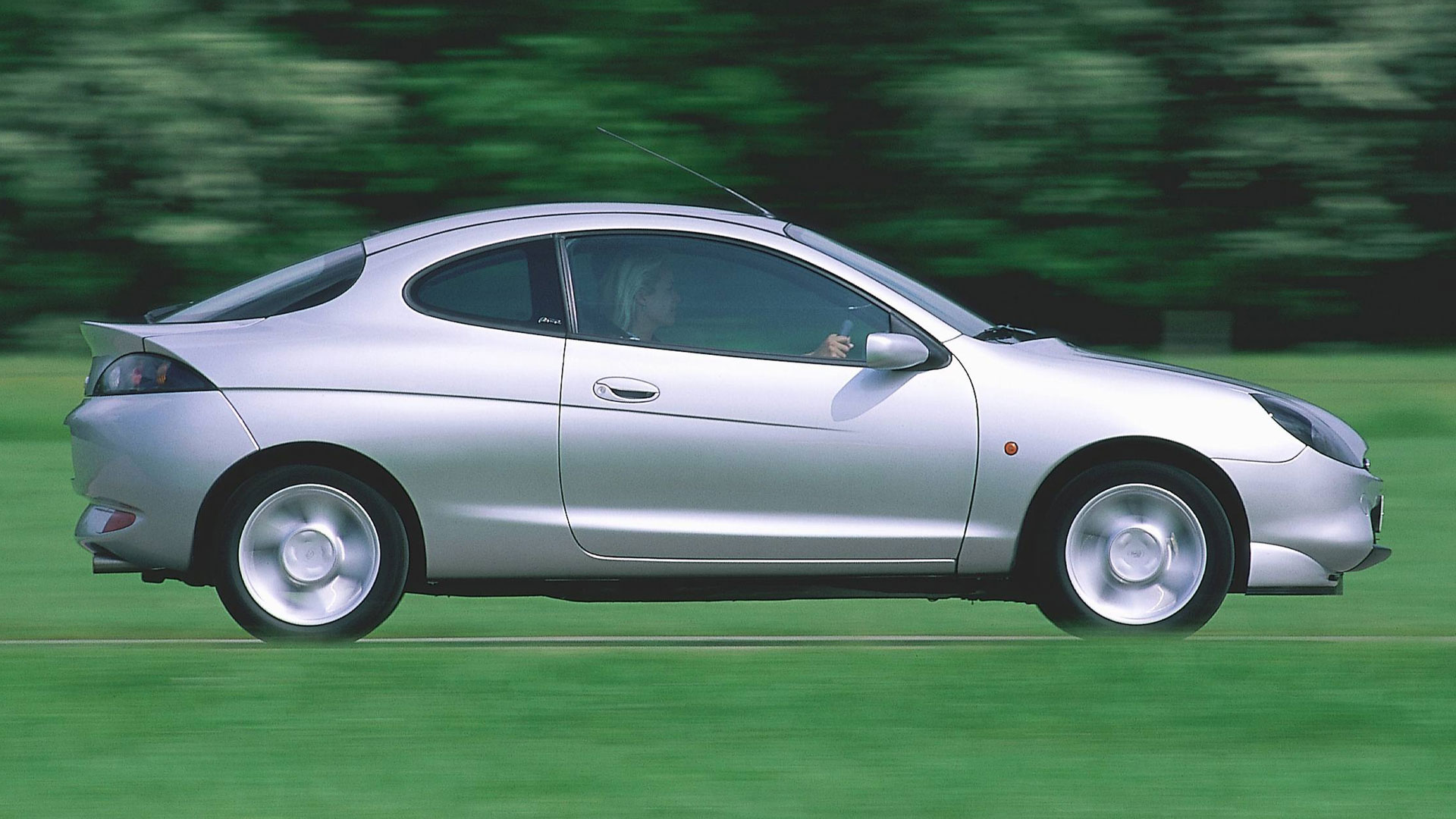
Does it really matter? More than two decades have passed since the Ford Puma coupe arrived in all its Steve McQueen glory, and much has changed. Three-door cars are as hard to find as a reasoned opinion in a Wetherspoons, while small coupes are as current as a Blockbuster store.

2019 Ford Puma ST-Line

Sure, Ford could build a three-door coupe with the driving dynamics of a Fiesta ST and the same visual appeal as the original, but what would happen? Motoring journalists would dish out five-star reviews like a foodie influencer in a restaurant before a grand total of 63 people actually buy one.

A new Ford Puma coupe would fall from grace faster than a semi-finalist on The Voice.

“The world doesn’t need another bloody crossover” appears to be the most common complaint, and I have some sympathy for that argument, but here’s the thing: manufacturers are building them because YOU are buying them.

And if you’re not buying them, your neighbour is. As is your neighbour’s best mate in Cheltenham. And your neighbour’s best mate’s aunt in Widnes, etc. In a depressed market, the crossover segment continues to grow, which is why cars as unpleasant as the Vauxhall Mokka X are littering our streets.

Imagine the analysts and marketeers at Ford studying the data that says launching a small crossover would be a good idea, only to unveil a three-door coupe. That would be like Apple turning its back on smartphones and launching a fax machine (ask your parents).

Here’s one they made earlier

Not the new Ford Puma

Don’t get me wrong, I’m as much a fan of the original Ford Puma as the next internet commenter. I bought one new in 2001, before trading it in for a Racing Puma less than a year later. Some of my most memorable drive involve a Puma – it deserves the hype.

But rather than sully the great name, I think Ford has struck gold. Some of the new car’s target market were still wearing disposable Pampers in 1997, so they won’t carry the INTERNET RAGE baggage of others. For others, the name will have a whiff of nostalgia.

And we know what Ford + nostalgia equals: ££££££££££s.

2019 Ford Puma ST-Line

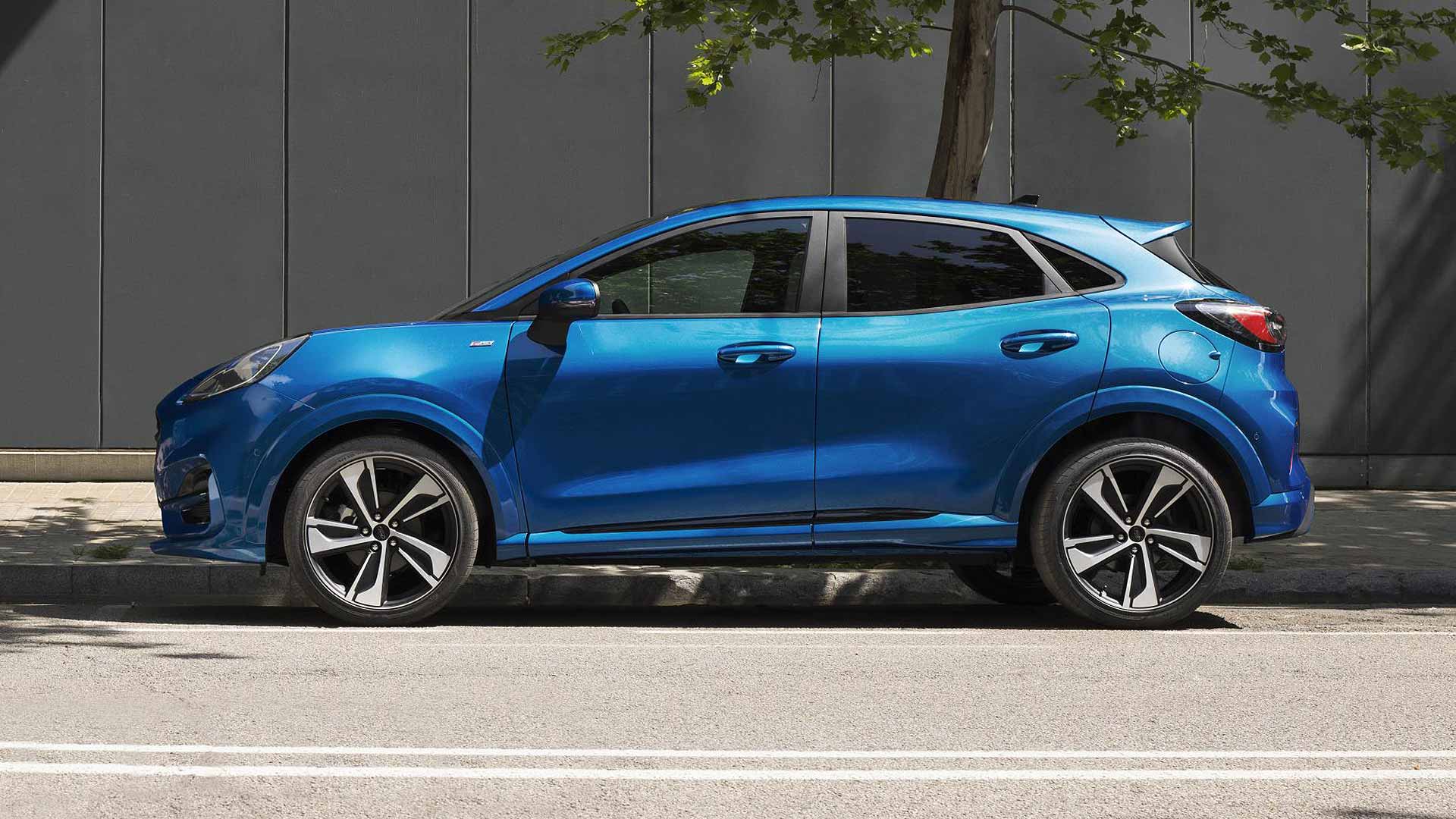
I also happen to love the look of the new Puma. In ST-Line spec, it manages to pull off the coupe-crossover thing far better than BMW or Mercedes, and I like the subtle nods to the original.

Heck, it even has a cheerful face, like some kind of Happy Eater and Pacman crossover. In profile, the Puma looks compact, well proportioned and almost alluring. And if it drives as well as the Fiesta and Focus, it’ll be a welcome addition to a segment filled with too many makeweights.

I know list prices are irrelevant in this age of PCP deals, but it looks like excellent value, especially given the level of standard spec. And if people buy this and not the horrifically mediocre EcoSport, that’s another positive.

‘A number of directions all in one go’

Look, if the original Puma means that much to you, go out and buy one. They cost about the same as a deposit on a PCP deal and will leave you grinning like a trio of middle-aged Top Gear presenters.

You can even have some fun repairing the rear wheel arches before the next MOT.

https://www.youtube.com/watch?v=R3QuH7z1Z1o

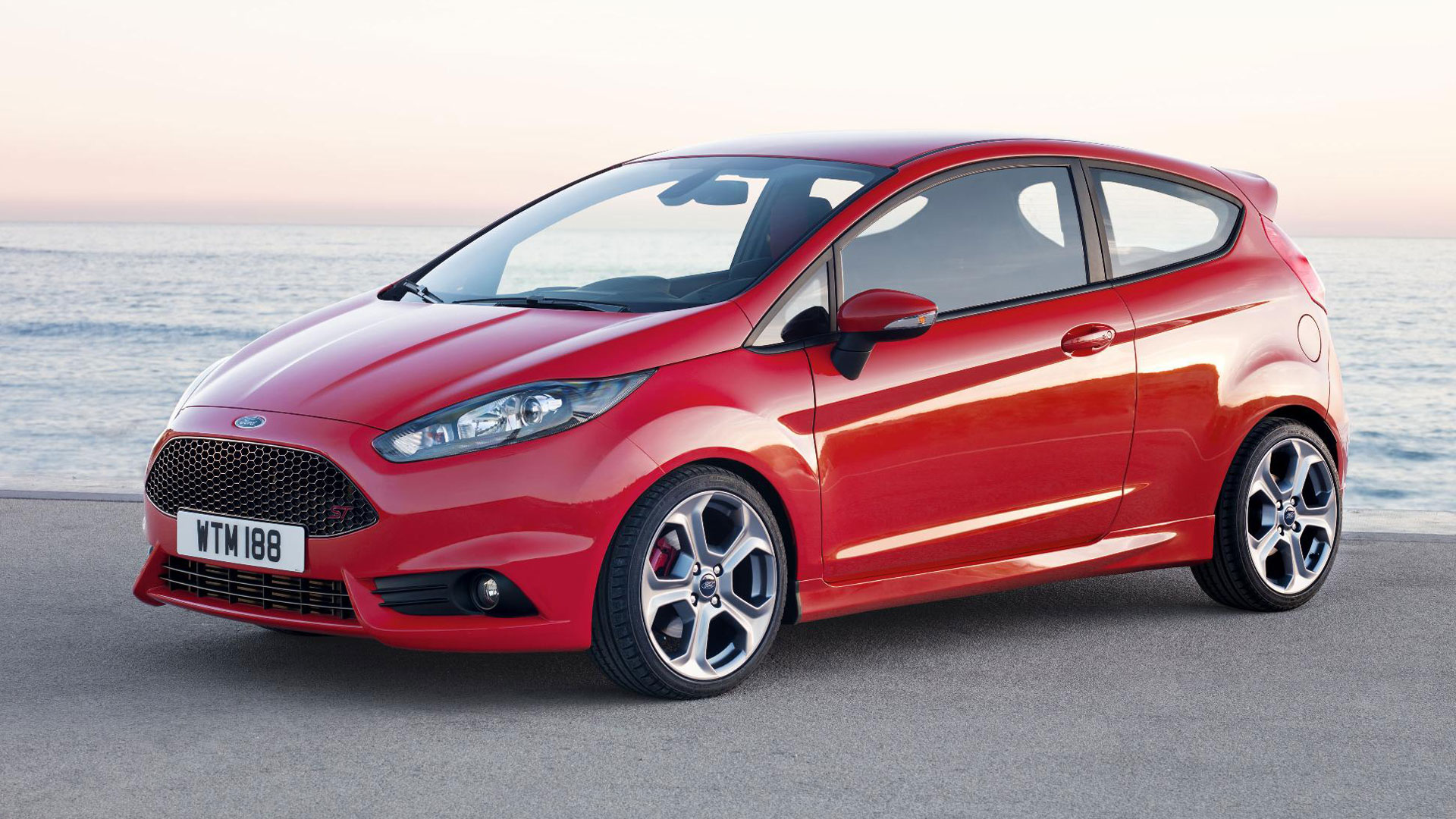
On the another hand, if you’re desperate to own a fast, frantic and frenetic three-door Ford that’s based on the Fiesta, you’re left with one glorious option: the Ford Fiesta ST.

Sorted.

Advertisement

Older motorists hit by sharp increase in cost of insurance

0

older drivers insurance

The cost of car insurance has risen sharply for motorists over the age of 50. While premiums for all went up by 3 percent on average, the over 50s have copped a 3.6 percent increase overall.

Data analytics firm Consumer Intelligence uncovered that the 3.6 percent rise for over 50s made for an average premium of £407. That’s a £15 increase, up from an average of £392.

Younger drivers, as always, are the hardest hit when it comes to insurance. The average cost of a policy came out at £1,673 – a 3.2 percent hike over the past year. While the percentage increase is lower than for older drivers, the percentage represents more money. That hiked price is £52 up in the previous average. The over 25s were hit with a 3 percent hike, with an average price of £699, copping a £21 increase.

Older drivers still benefit from experience, then. In spite of suffering the highest percentage rises, their premiums have increased the least in terms of raw money.

Why is insurance going up?

older drivers insurance

  • Why a football team sticker could void your car insurance

It down to the Ogden rate, which is used to calculate how much insurers pay in compensation when people suffer injuries. The important point to note is that lower rates mean higher compensation, and vice versa. The higher premiums are compensating for a drop in the rate, from 0.75 to 0.25.

Pricing at an overall level will be driven by claims experience and the impact of the Ogden discount rate,” said John Blevins, pricing expert at Consumer Intelligence.

“Many insurers feel misled by the government and had planned for a more favourable discount rate being set. As such, premiums are being adjusted to compensate for the cash injections on to claims reserves made by many insurers.”

Advertisement

Ford and Vauxhall drivers the worst for vehicle tax dodging

0

Car tax evasion up. Ford and Vauxhall the worst

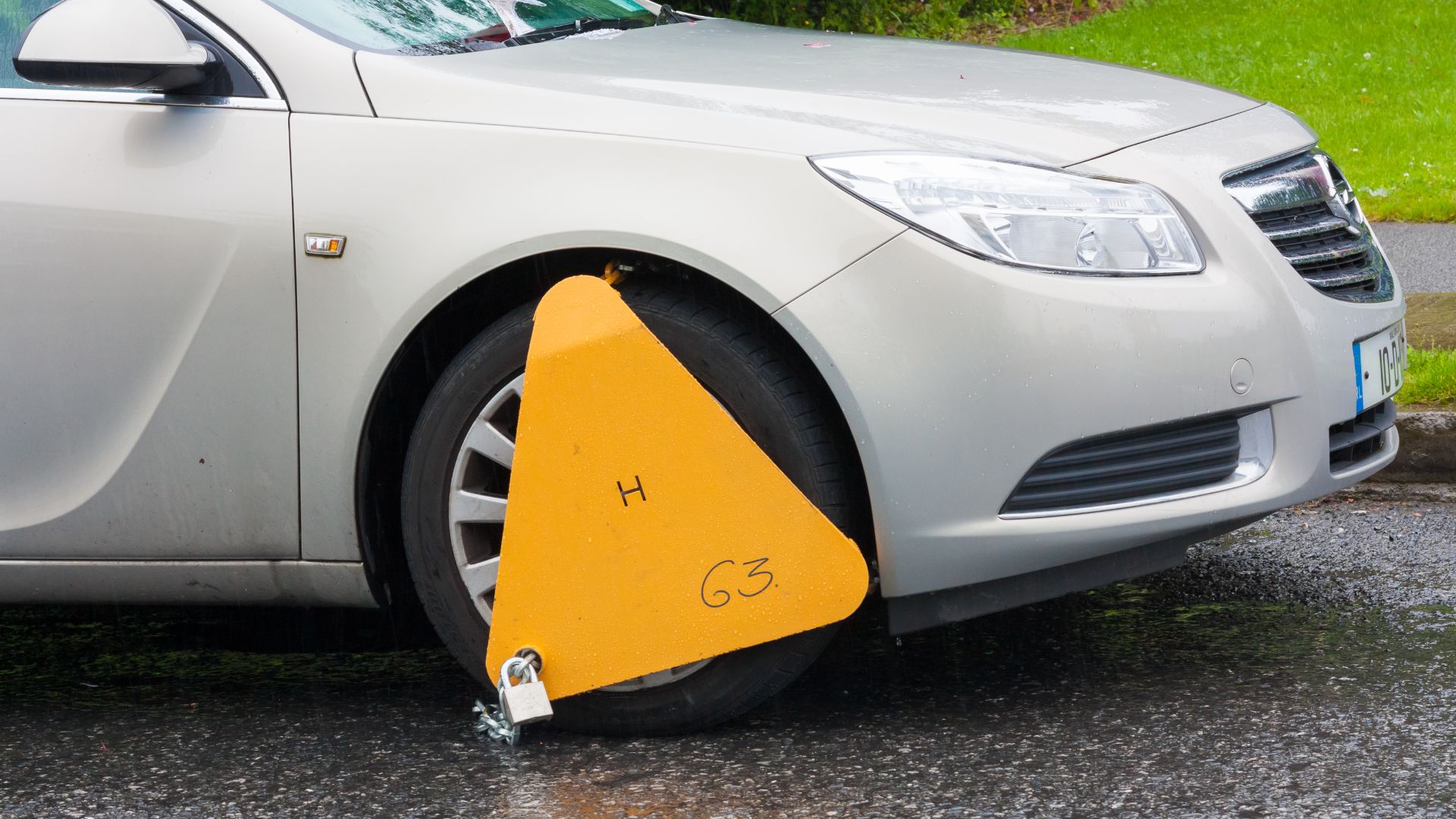
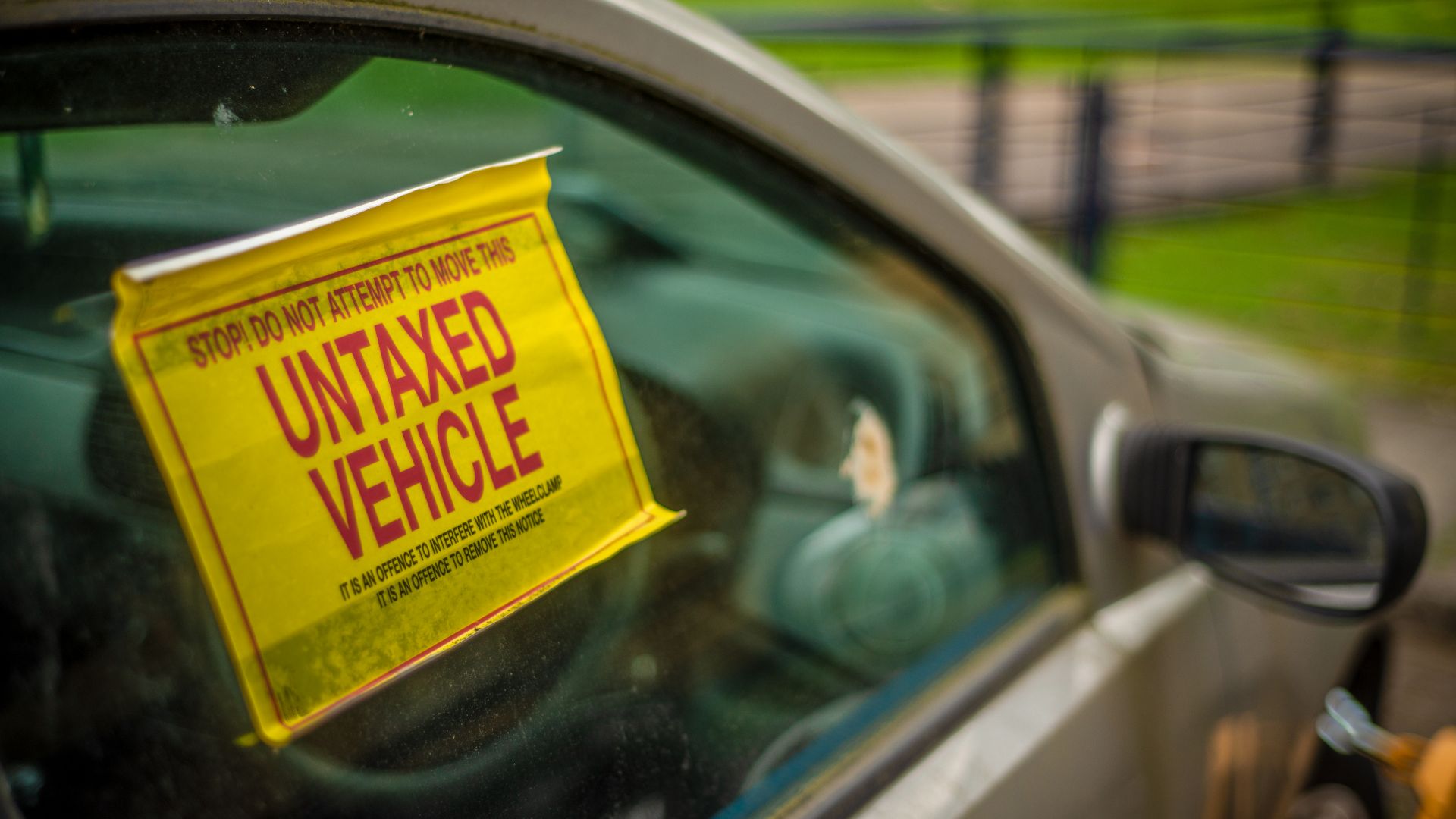
Around 180,000 people were caught without tax last year, according to the DVLA. That’s a four percent increase on the year before, which equates to around 7,000 drivers.

What marques are the worst for Vehicle Excise Duty (VED) dodgers? In terms of the number of cars clamped for not having vehicle tax, Ford and Vauxhall lead the way.

A total of 29,326 blue oval-badged cars were nicked by clamps in 2018. Vauxhall wasn’t far behind, with 25,949 cars being clamped. Next worst was Volkswagen, some way off at 16,610. Peugeots and BMWs round out the top five, with a respective 10,862 and 10,459 cars clamped in 2018.

Of all manufacturers, Rolls-Royce had the highest percentage increase in cars being clamped for unpaid VED. A massive 900 percent jump over 2017’s numbers.

Vehicle Manufacturer Number of clamps in 2018
Ford 29,326
Vauxhall 25,949
Volkswagen 16,610
Peugeot 10,862
BMW 10,459
Renault 9,816
Mercedes 9,218
Audi 7,813
Citroen 7,092
Toyota 6,196

The worst locations for tax dodging

Drivers in Ilford, South East London and Manchester are the worst offenders, with a respective 1,131, 996 and 885 cars clamped last year.

Scotland has the lowest number of car tax evaders. Aberdeen and Inverness come in first and fifth in the top five for lowest amount of VED-related clampings, with just six and 23 each. In the middle are Outer Hebrides (15), Dorchester (15) and West Central London (18).

Car tax evasion up. Ford and Vauxhall the worst

  • Are mobile phones worse for the planet than cars?

“It’s shocking to see the number of vehicles caught without road tax has increased so significantly in the past year,” said Tim Schwarz, head of marketing at Moneybarn, which published the findings. 

“While most vehicles on the road are still taxed correctly, it is right action is taken against those who don’t tax their vehicles and then drive them. We urge motorists to be careful and pay due diligence in paying their road tax and completing their MOT on time to avoid potential penalties.”

Advertisement

Car insurance: drivers save £132 by renewing early

0

Saving car insurance renewal

New figures released today reveal that drivers who renew their car insurance early, specifically eight days before it expires, save an average of £132 on their new policy.

MoneySupermarket calls this the ‘optimum’ time to save on car insurance. A quarter of drivers who accepted their quote eight days in advance enjoyed an average saving of 28 percent compared with the cost when taken out on renewal day. That’s the £132 figure.

This means that instead of around £490, the savviest drivers pay around £360 on average.

  • Why a football team sticker could void your car insurance

Saving car insurance renewal

High renewal prices are exacerbated by leaving it to the last minute. However, the research shows that drivers can make savings by shopping around in advance of their renewal date.

It’s common knowledge that if you switch providers, you’ll save money. But you can use quotes from rival insurers to haggle with your existing provider. How to ensure a successful car insurance claim

“If there’s one thing to remember when it comes to saving money on your car insurance, it’s making sure you shop around before your policy automatically renews,” said Rachel Wait, consumer affairs spokesperson at MoneySupermarket.

“You could save hundreds of pounds. Insurers know that many of us leave buying insurance to the last minute, which is why we see prices increasing closer to the date a policy is due to expire. To avoid higher costs, you should shop around for your new policy at least a week before the old one runs out and lock in the price you are offered at that point.”

Advertisement

The Superbus is coming: UK promised ‘bus revolution’

0

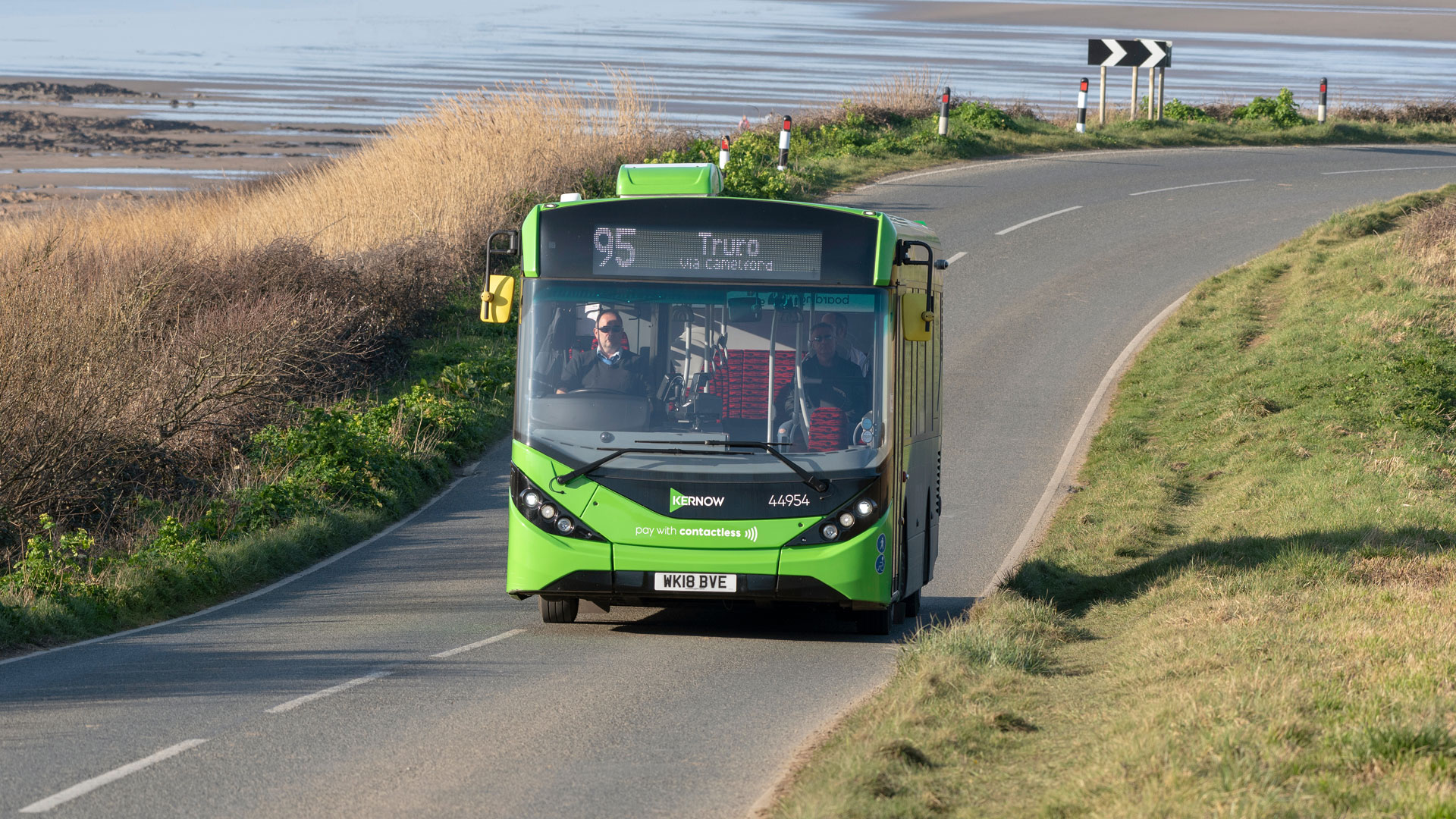
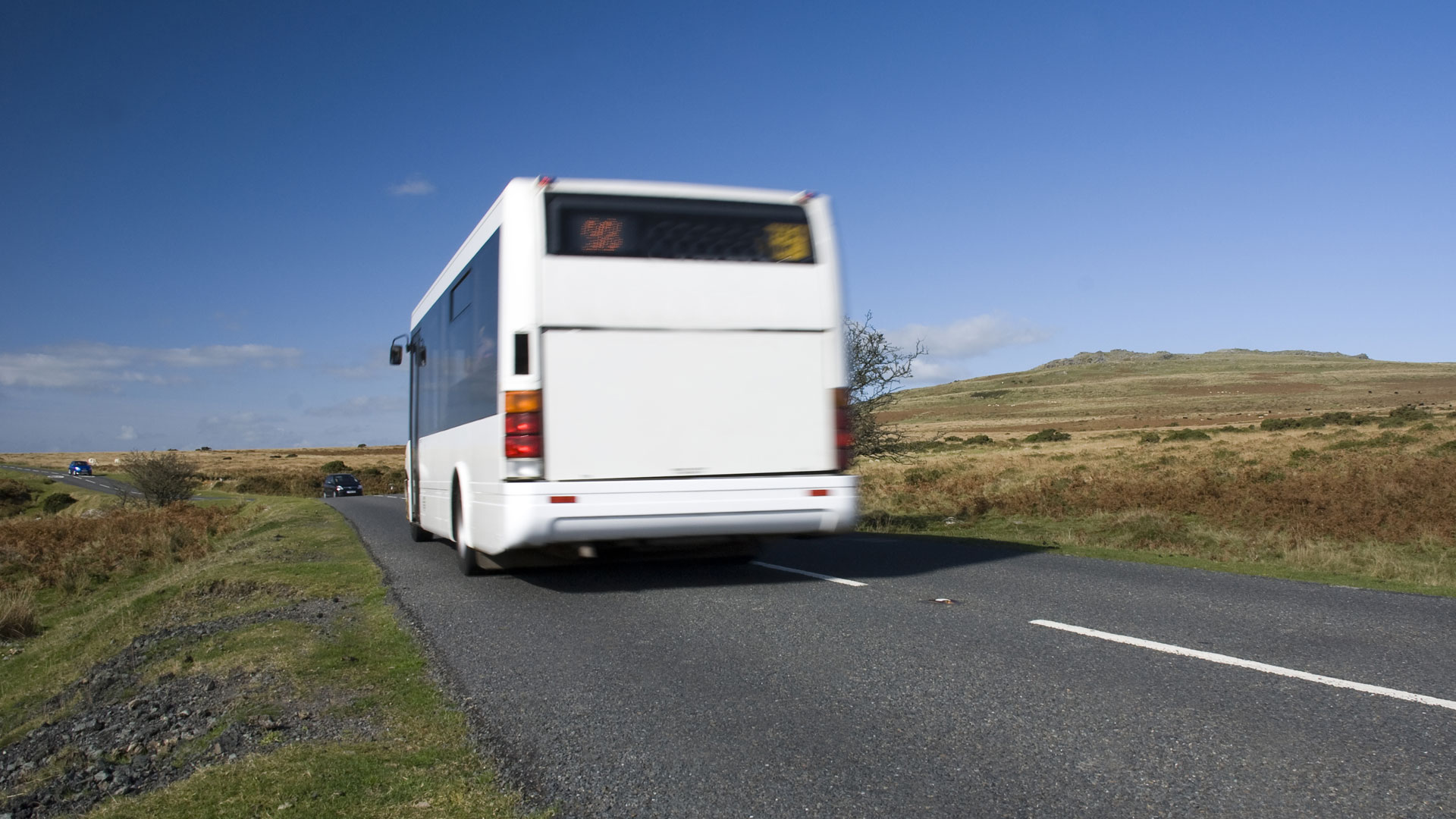
Bus destined for Truro in Cornwall

The government is planning a ‘bus revolution’ as it announces a package of measures designed to boost Britain’s bus network.

Britain’s first all-electric bus town, improved passenger information and a ‘Superbus’ network are the headline acts of a package worth an estimated £220 million.

Embracing the cashless society, the government is promising contactless payment on every city bus, along with better information for passengers. A long-term bus strategy is also part of the plan, which includes support for local authorities to create London-style franchised services in their areas.

What is a ‘Superbus’ network?

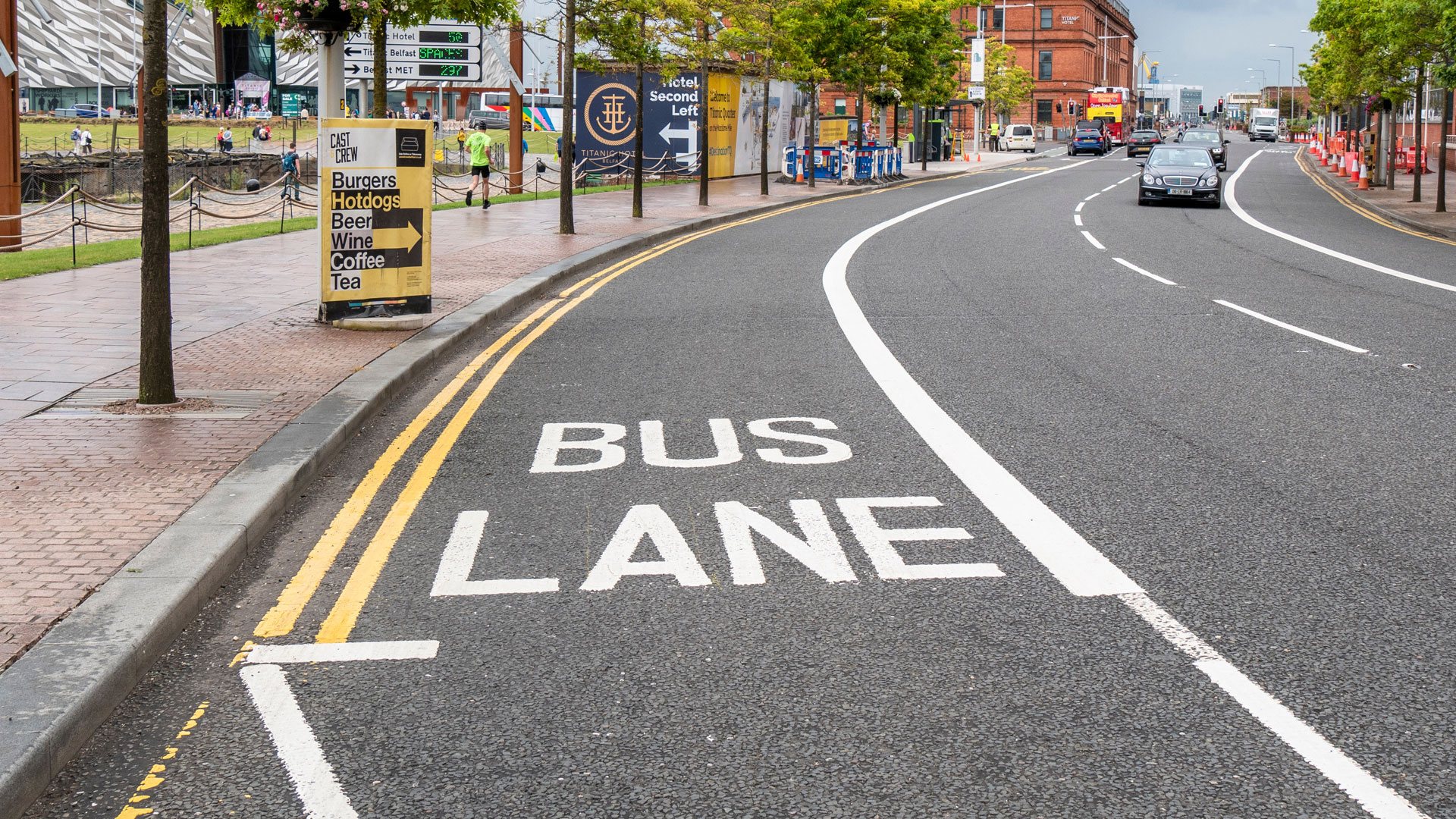
Bus lane in Belfast

Not to be confused with a giant bus or one with special powers, a ‘Superbus’ network will have low fares and bus priority measures designed to speed up journeys and make them more reliable. These could include bus lanes, priority at traffic lights and access to car-free zones.

The first ‘Superbus’ network will be rolled out in Cornwall. The county can expect lower fares, increased frequency of services and integration with the rail network. The government wants the ‘Superbus’ network to connect people on lower incomes with jobs, education and evenings out.

Other ‘Superbus’ networks are planned, with a focus on areas with significant deprivation and social exclusion.

Where is the first all-electric bus town?

The location of the first all-electric bus town is still being discussed with local authorities and operators and will be announced later. The entire fleet of town or city buses will be switched to wireless electric vehicles, while country buses will be hybrids, using electric in urban areas and diesel in rural locations.

Other measures

Rural bus service Dartmoor

Around £20 million will be spent on new bus express lanes in the West Midlands, where a million people travel by bus every day. A further £30 million will be paid to local authorities in 2020 to 2021 to improve services or restore those that have been lost.

Meanwhile, local authorities interested in creating London-style franchised services will have access to a long-term funding package. Greater Manchester is expected to adopt a franchised model in 2020, but other areas are invited to submit proposals.

Speaking at the Conservative party conference, Sajid Javid said: “The truth is, successive governments failed to invest enough for the long-term. We’ve started to put that right, but we can do more – a lot more. This Government is going to build Britain’s future, and bring in a new infrastructure revolution.

“Infrastructure is the foundation of everything – it’s the new road that connects local communities, the bus you need to get to school and the broadband that helps your small business trade around the world. The full benefits of our infrastructure revolution may not be felt for some time. But the work must start here and now.”

Advertisement

New Ford Puma SUV now open for ordering from £20,845

0

2019 Ford Puma ST-Line

The new Ford Puma SUV is open for ordering, with prices for the lead-in Titanium variant starting from £20,845.

Ford is also offering a higher-spec Puma Titanium First Edition as a launch special, from £22,295. This includes luxuries such as heated seats and a heated steering wheel, intelligent adaptive cruise control and a rear-view camera.

2019 Ford Puma ST-Line

A Ford Puma ST-Line X First Edition variant (pictured here), costing from £25,195 has sportier exterior and interior looks, sports suspension, LED headlights and a full digital instrument cluster. Also standard are 18-inch alloys and a premium B&O sound system.

Buyers can choose even larger 19-inch alloys with the ST-Line X First Edition Plus, priced from £27,345. This also has a panoramic roof.

Every Ford Puma has standard massaging front driver and passenger seats – a segment first, says Ford. A wireless smartphone charger is also standard.

2019 Ford Puma ST-Line

Ford is launching the Puma with its new 1.0 Ecoboost Hybrid engine, in either 125hp or 155hp guises. The firm is calling the mild hybrid tech ‘mHEV’.

Non-hybrid versions will follow in 2020.

“Our stunning new Ford Puma will be first offered in a range of exclusive first editions incorporating the latest and best technology usually reserved for large executive cars,” said Lisa Brankin, passenger vehicle director, Ford of Britain.

“Alongside our new mild hybrid powertrains, best-in-class loadspace and striking design, the new Ford Puma offers exceptional comfort and technology for compact crossover customers.”

New Ford Puma prices

Titanium

  • 1.0T Ecoboost Hybrid mHEV 125: £20,635
  • 1.0T Ecoboost Hybrid mHEV 155: £21,385

Titanium First Edition: + £1,450

ST-Line

  • 1.0T Ecoboost Hybrid mHEV 125: £21,585
  • 1.0T Ecoboost Hybrid mHEV 155: £22,335

ST-Line First Edition: + £2,300

ST-Line X

  • 1.0T Ecoboost Hybrid mHEV 125: £22,685
  • 1.0T Ecoboost Hybrid mHEV 155: £23,415

ST-Line X First Edition: + £3,700

New Ford Puma: in pictures

Advertisement

Values of used electric cars show ‘unprecedented growth’

0

Electric car values

The latest figures from Auto Trader show  average values of used cars advertised by retailers are decreasing. Bucking the trend, however, are EVs, with ‘unprecedented growth’ in prices.

The average used car sold by a retailer was advertised for £13,001 in August 2019, compared with £13,115 in July. Like-for-like advertised prices are also down by 1.3 percent compared with a year ago.

By comparison, electric car values have risen by 30.4 percent. Alternative-fuel vehicle values are also up 5.7 percent year-on-year, which includes EV models.

Why have electric car values soared?

Electric car values

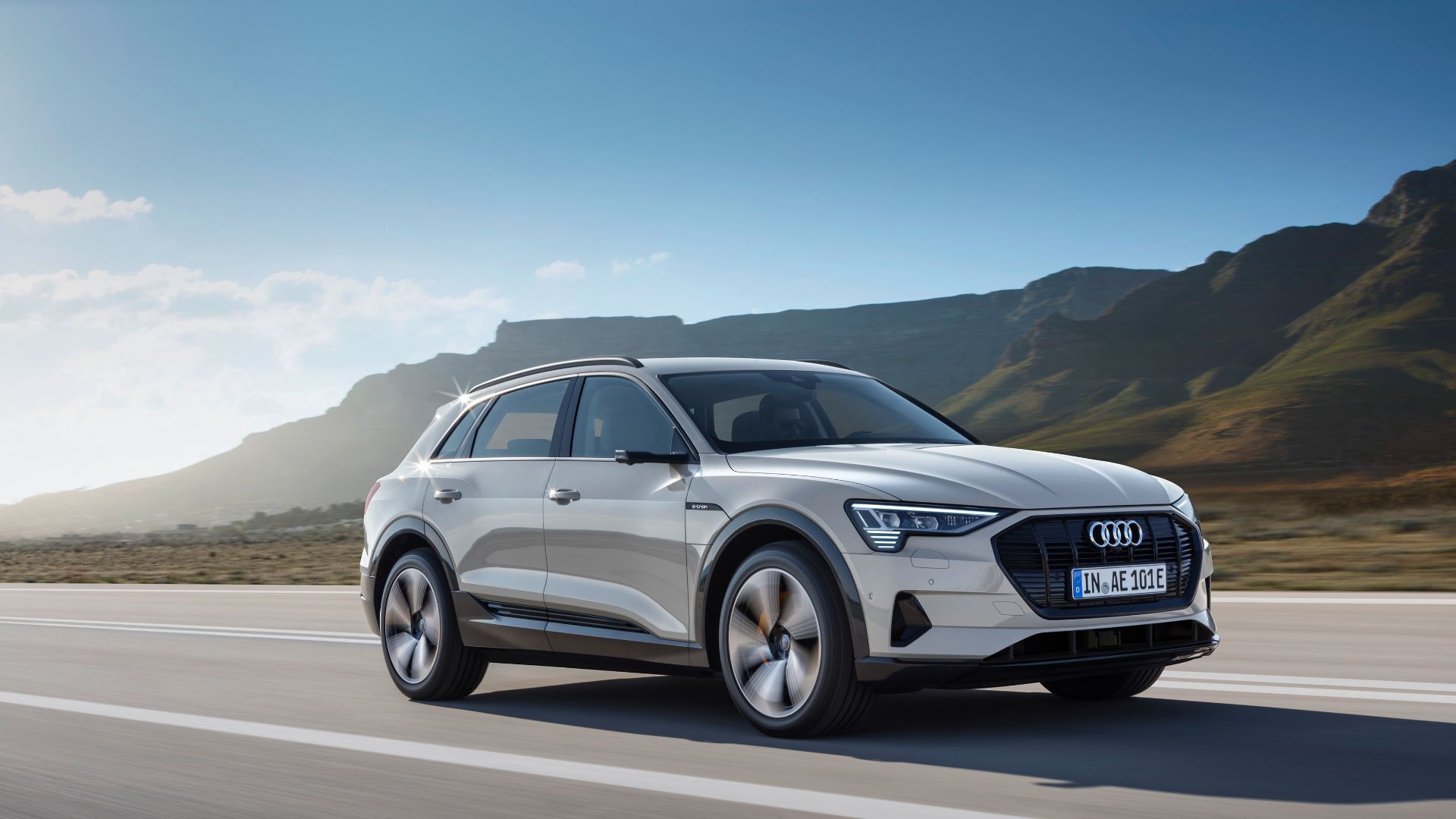
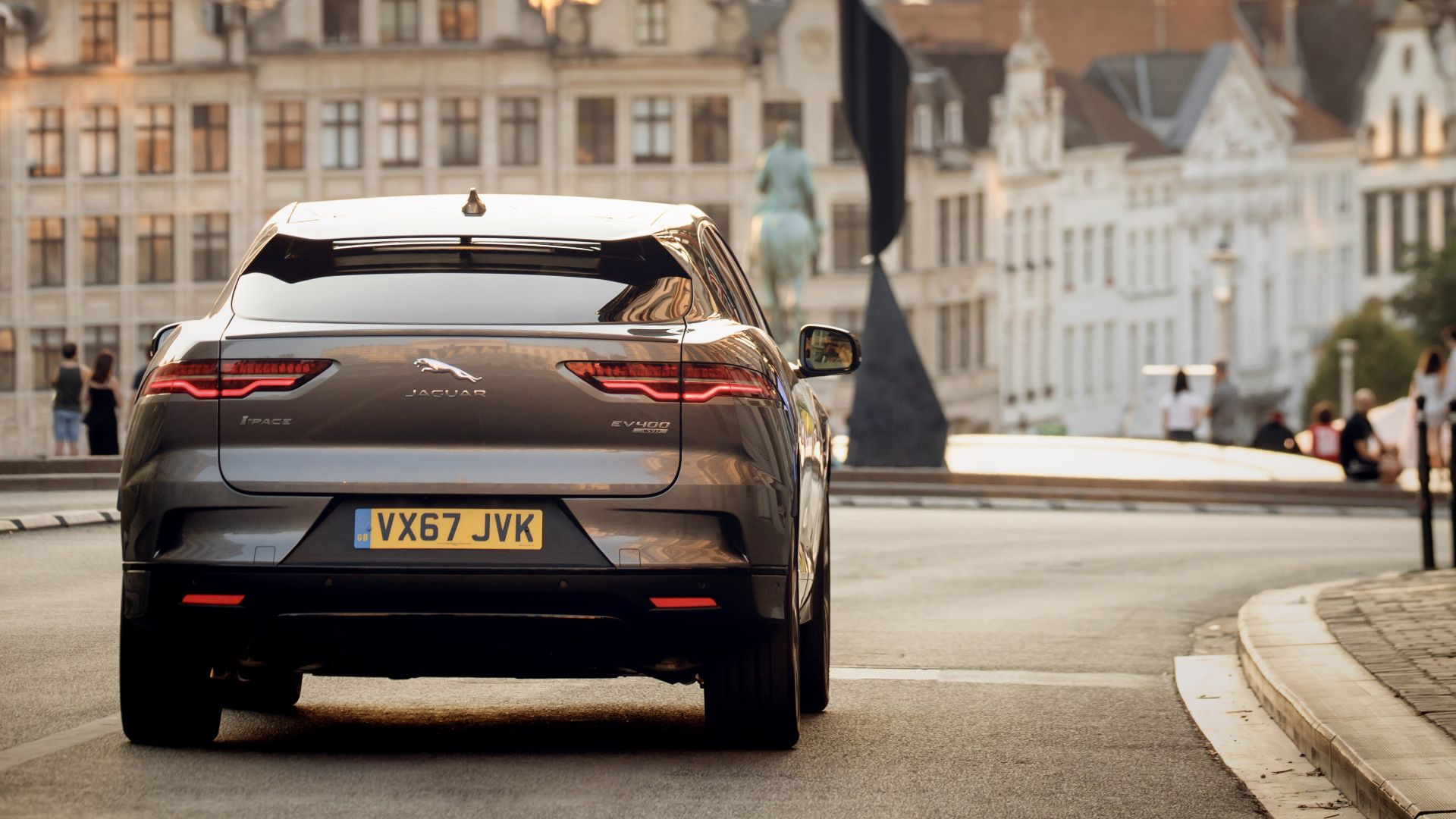
That’s an absolutely enormous jump in average value. It shouldn’t come as a surprise in what is still a fledgling market, however. Over recent years, a great deal of mid-level and premium electric vehicles have come to market. The Jaguar I-Pace, Audi E-Tron and Tesla Model 3 are just three heavy-hitters. 

Consider, for example, that these cars all cost around £50,000 new. The EV used market average value was previously dictated by sub-£30,000 cars such as the Nissan Leaf and Renault Zoe.

That’s not to mention the number of new electric cars that have been launched over the past 18 months. In short, there are more electric cars available, and most of them are fresh to market.

Used car value drop

Ford Fiesta ST - greatest cars of the decade

  • Used cars worth up to £1,000 less due to ‘market correction’

While the values of used cars previously rocketed due to the influx of nearly-new metal, that same influx has necessitated a market correction. With supply  catching up with demand, this mild drop is indicative of a stabilisation, says Auto Trader.

This is corroborated by an 0.8 percent year-on-year increase in value of cars aged between 10 and 15 years. Demand for second-hand cars remains strong, too. Searches for used and nearly new vehicles were up four percent in August 2019, compared with August 2018.

“Used car prices will naturally fluctuate,” said Karolina Edwards-Smadja, director of commercial products at Auto Trader.

“But over the last few months there’s been a variety of unprecedented factors affecting average prices, not least the realignment of market values over the summer, which resulted in some cars having up to £1,000 knocked off their sticker price. 

  • Katie Price sells pink cars because they ‘get her into trouble’

Electric car values

“Supply and demand is less of an issue, but we shouldn’t entirely dismiss the impact the spike in new car registrations three to four years ago has had.

“Add to the mix the ongoing economic uncertainty and there’s clearly been an unusual amount of pressure placed on second-hand car values. It will be interesting to see whether these factors have any further influence during the closing quarter of 2019.”

Advertisement