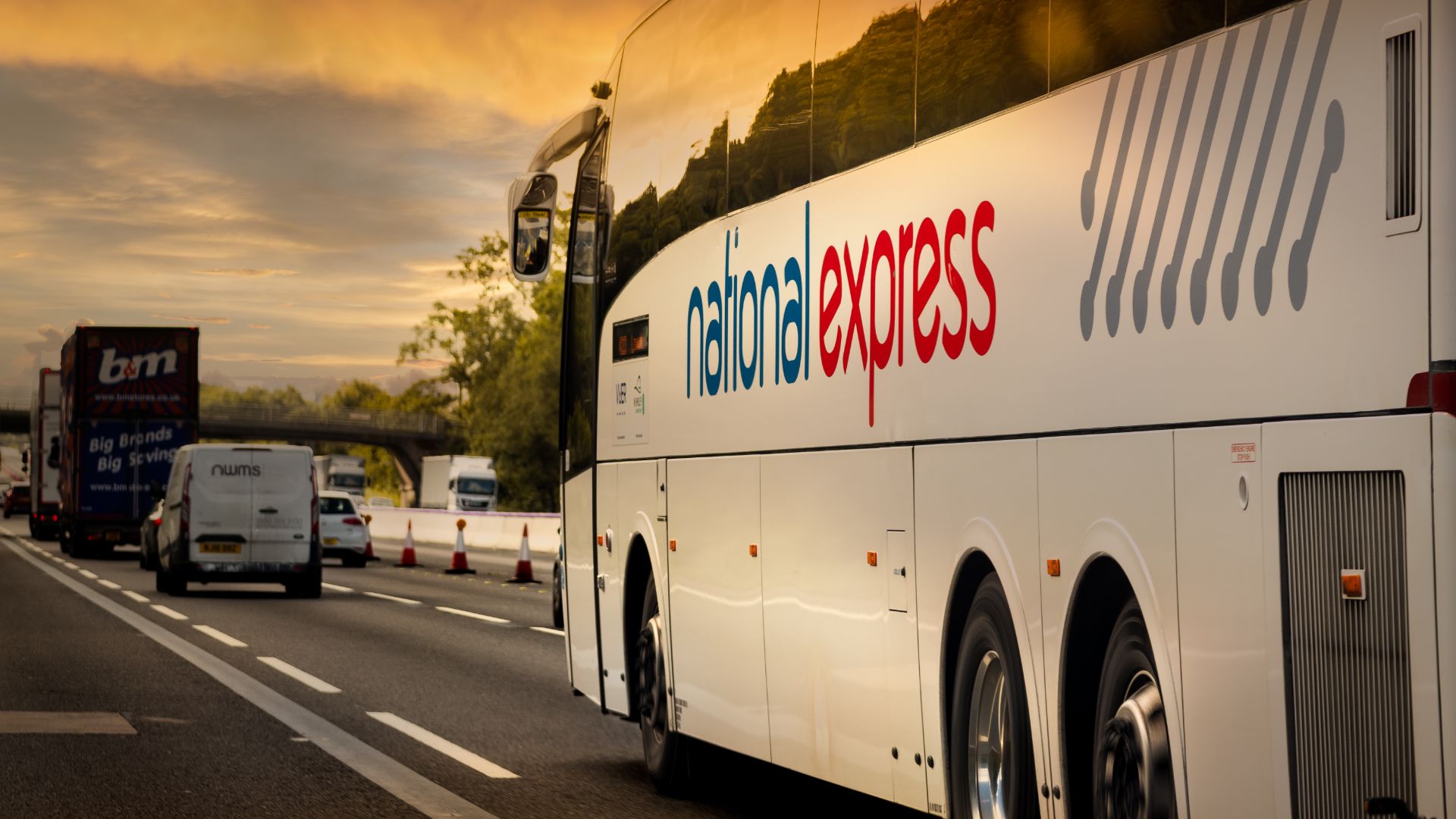
A new strategy called Moving Forward Together has been launched by the Confederation of Passenger Transport (CPT). It aims to improve bus services, lower prices and reduce emissions. It wants to achieve the latter by committing to making every new bus it buys ultra-low or zero-emission by 2025.
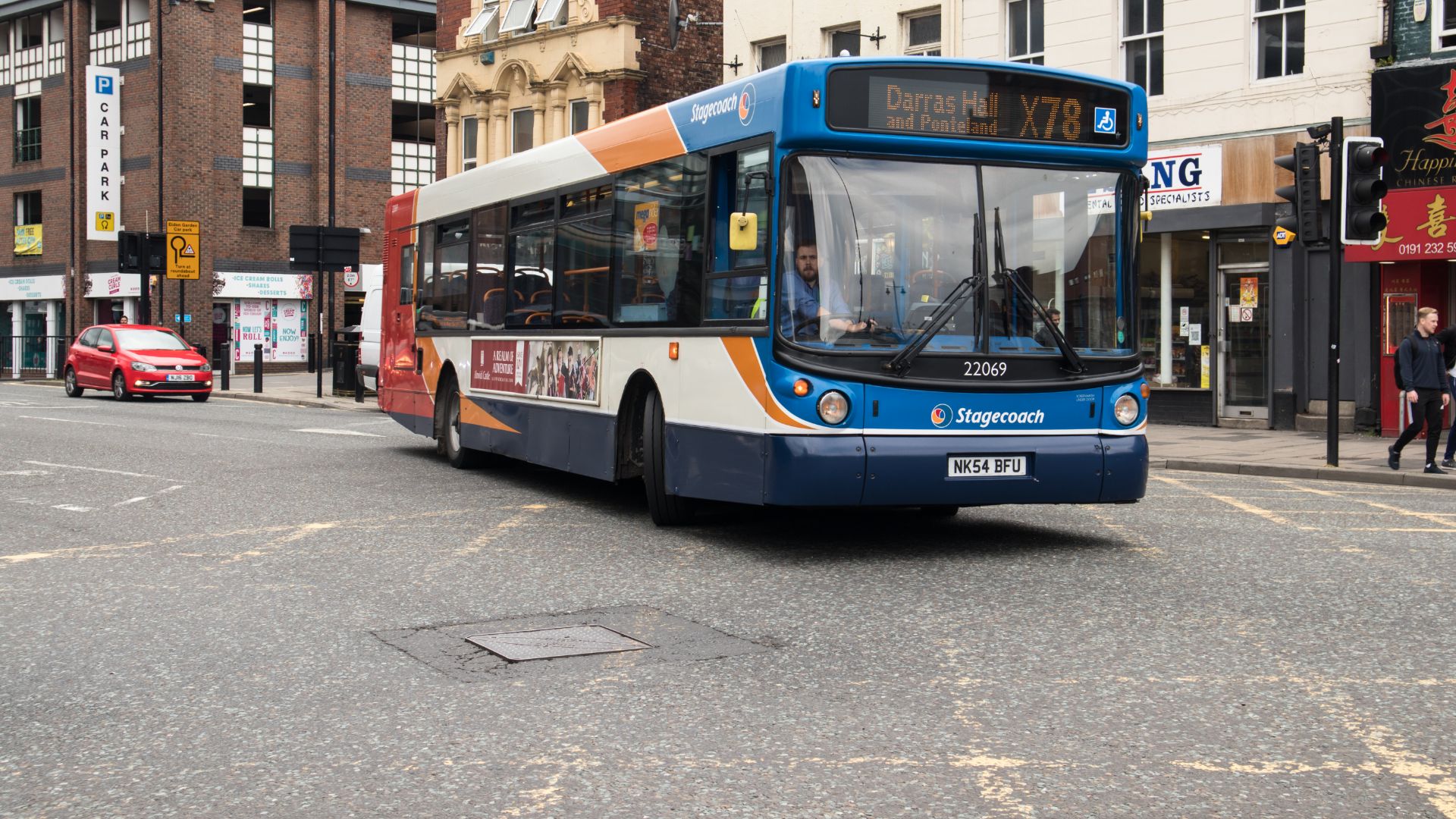
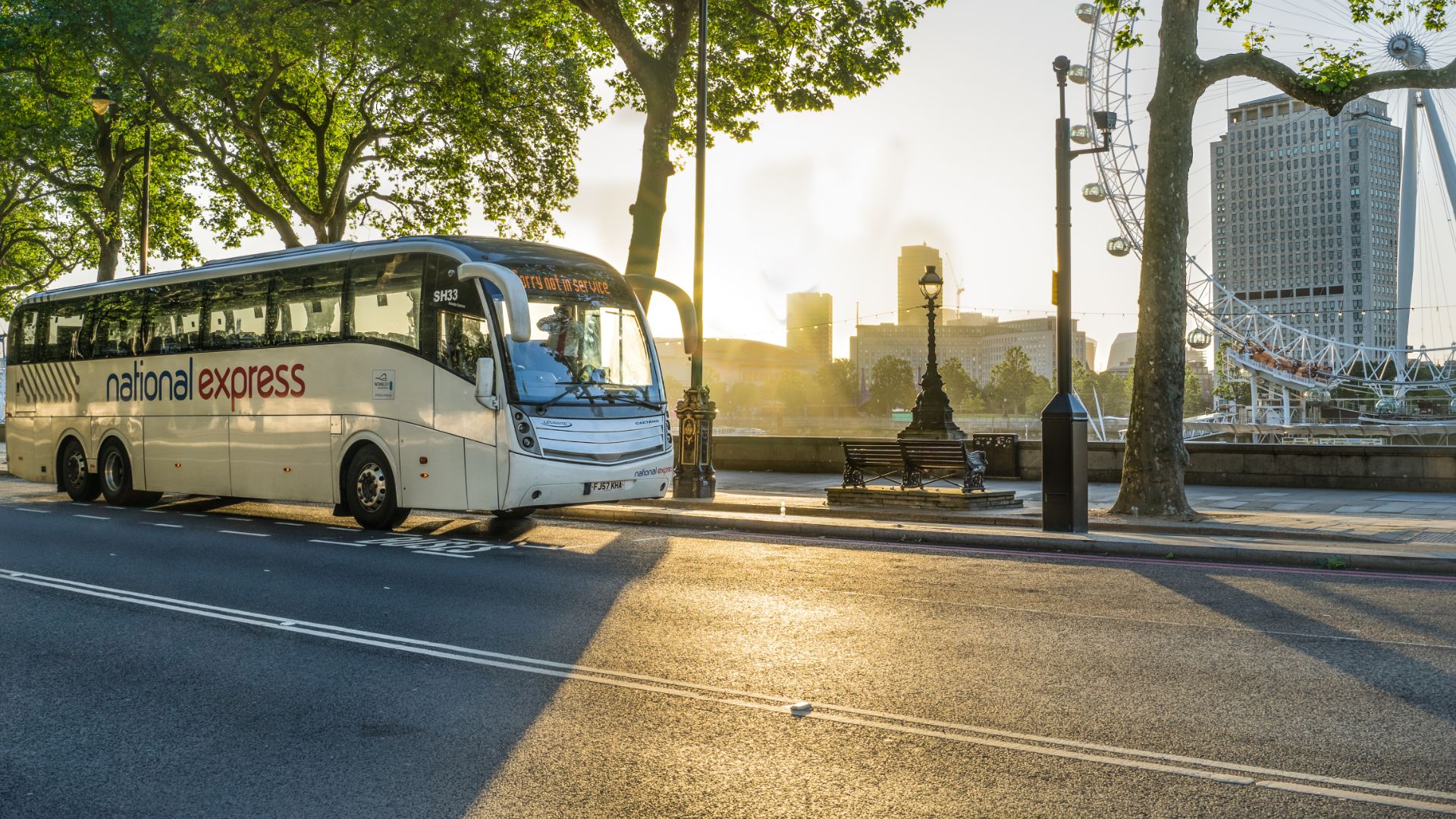
If you’re wondering exactly how much of a big deal that is, let us break it down for you. The CPT is made up of operators such as Arriva, National Express, Stagecoach, First Group and Go Ahead. The group represents over 95 percent of the bus industry, with the big players alongside smaller more local operations.
- Emissions-related MOT failures DOUBLE since last year
“Buses are already the cleanest form of road transport and have a crucial role to play in tackling environmental issues and helping to meet important targets on improving air quality and reducing carbon emissions,” said Graham Vidler, CPT chief executive.
“With the right support from government to make the transition the bus industry will buy only ultra-low or zero emission buses by 2025, reducing CO2 emissions by half a million tonnes a year.”
That’s a lot of CO2. Not as much, however, as Vidler claims we’d save if everyone got out of their cars and onto a bus. “There would be a billion fewer car journeys and a saving of two million tonnes of CO2 a year.”
Getting people out of cars and on buses
- Calls to abandon ‘private cars’ over brake and tyre pollution
It’s fine cleaning up the buses, but you have to make the service appealing. That means more competitive pricing and the right incentives. Alongside the pledge to go ultra low, the strategy wants the government’s help improving services.
That involves legitimising local services and making them more reliable. It’s also proposing reduced travel costs for job seekers and apprentices, and price capped daily and weekly ticketing for urban areas.
Vidler added: “Better bus services are the key to shifting travel habits and growing the significant economic contribution the industry makes. We know that congestion remains the biggest barrier to increasing passenger numbers in towns and cities and that many rural communities feel current bus services don’t meet their needs.
“We’ll continue to invest in better buses with better facilities and simpler ticketing. We need government to incentivise local authorities to cut congestion and work with us to examine new ways of delivering transport services that work for more isolated communities”.