Home Blog Page 240

Motorists warned about MOT delays in predicted October peak

0

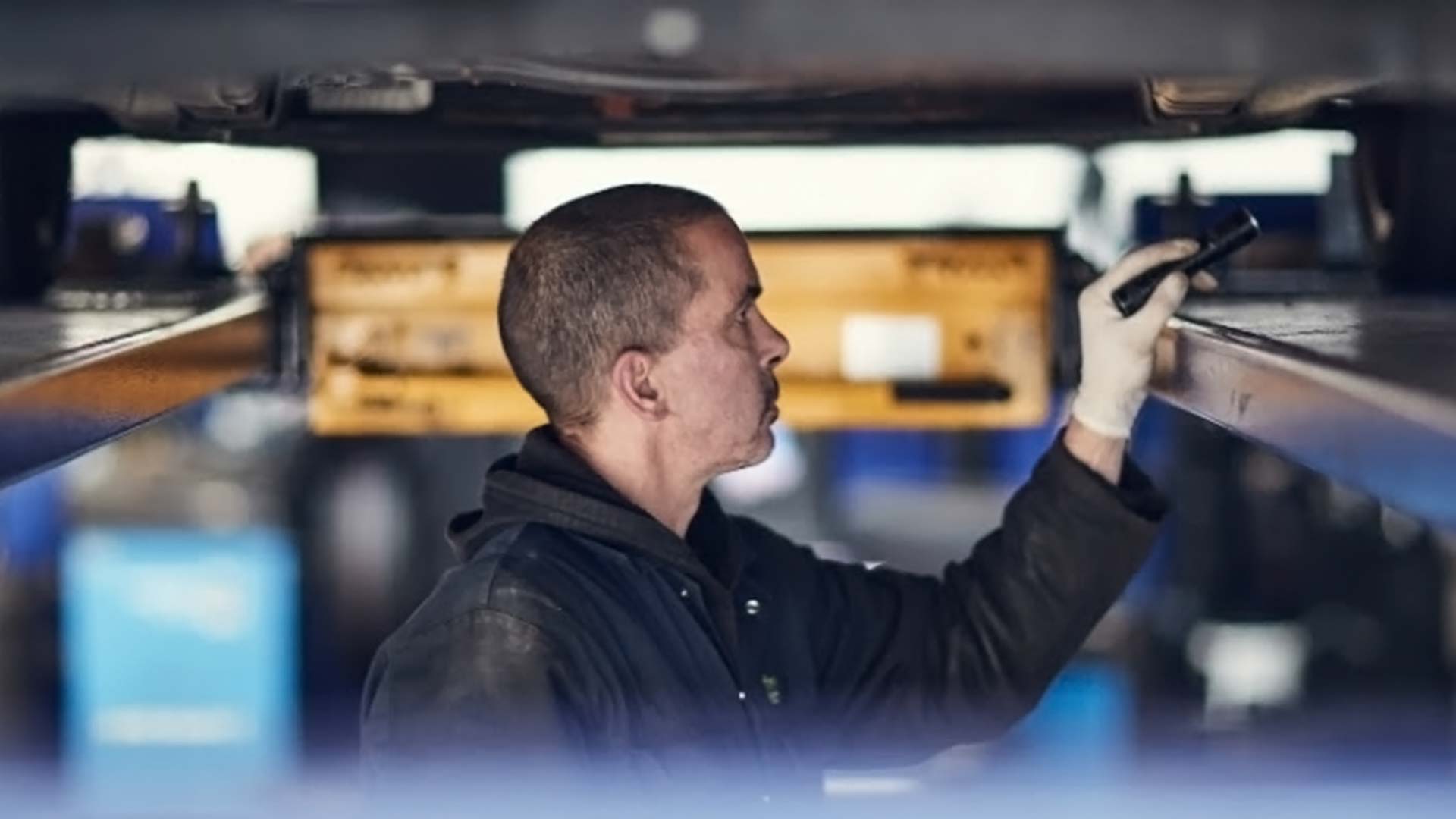
DVSA tester carrying out an MOT

Demand for car MOTs could almost DOUBLE as the first cars exit the automatic six-month extension introduced because of the coronavirus crisis.

The government introduced the temporary six-month exemption from MOTs on 30 March 2020 to help key workers and allow people to still buy essential supplies during the Covid-19 lockdown.

Cars will see the exemption period end from the beginning of October – and as lots of new cars are generally sold in March due to the registration plate change, this means a spike in demand from as many as 1.7 million motorists is forecast.

This will be on top of regular demand from two million motorists.  

Halfords Autocentres is now warning motorists they are likely to face delays.

Some may not even be able to get their cars checked before the six-month extension ends and their test expires – and they won’t be able to drive their cars until they can get a new MOT.

£1,000 no MOT fine

“October and the winter months are going to be much busier than normal when motorists will be joining millions of others who have held off getting their MOT done,” said the firm’s MD Andy Randall.

Almost 1 in 3 motorists, he added, don’t know there’s a £1,000 fine for driving a vehicle without a valid MOT.

The company is now launching a nationwide campaign urging motorists to beat the rush and get their car MOT done in the summer, well before it is due.

It is not illegal to have an MOT carried out before it is due and testers can issue an MOT certificate even months before the old one expires.

ALSO READ

Call to send six-month MOT extension ‘as soon as possible’

Simple and essential checks before your car’s MOT test

Motorists with car finance to get three-month payment freeze
Advertisement

DS is the only premium brand to escape EU emissions fines

0

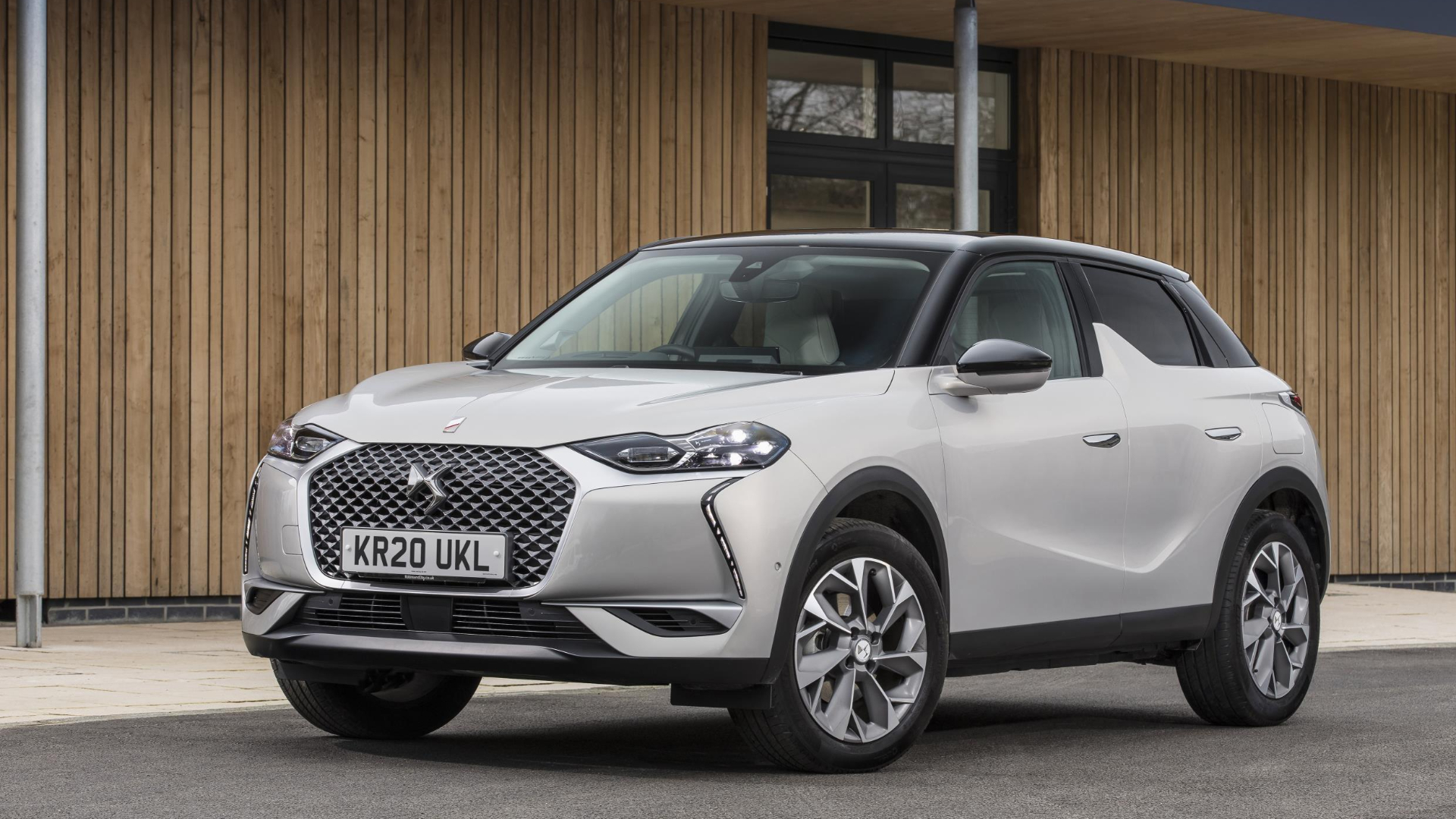
DS 3 Crossback E-TenseDS Automobiles achieved fleet-average CO2 emissions of 79.9g/km in the first half of 2020. That makes it the only premium brand to meet the EU’s ambitious 95g/km target – and avoid hefty financial penalties.
The data, confirmed by Jato, puts the French carmaker well ahead of its (predominantly German) rivals. Indeed, DS says it’s the only ‘multi-energy premium manufacturer’ with a CO2 rating of less than 110g/km.

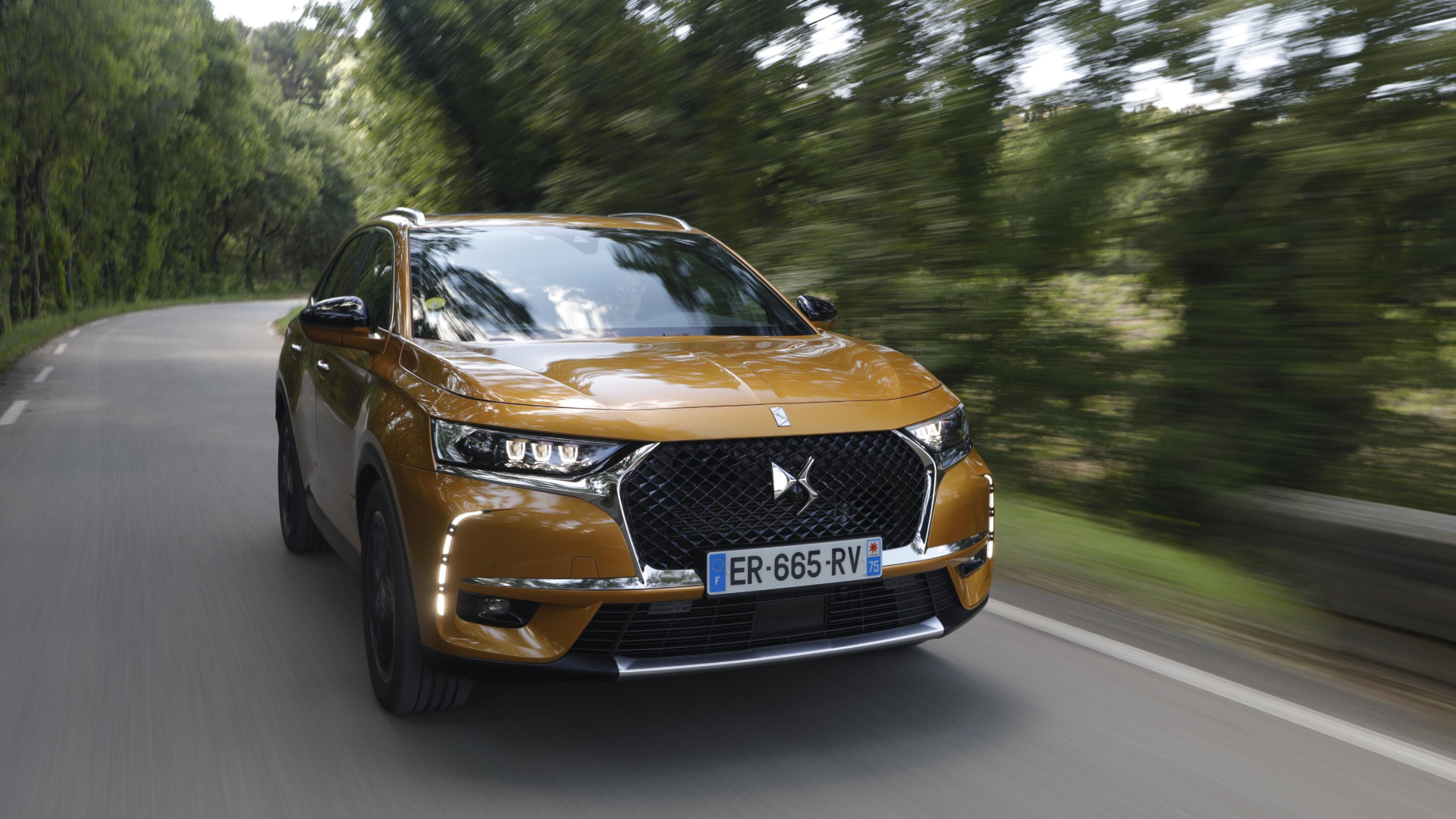
The good result is partly due to a limited model range, which now comprises three cars: the DS 3 Crossback, DS 7 Crossback and forthcoming DS 9.

However, it’s also down to electrification. Both the DS 7 Crossback and DS 9 are available with plug-in hybrid powertrains, while the new DS 3 Crossback E-Tense is fully electric. 

Fines could add up to millions

DS 7 Crossback

For 2020, the European Commission has set a 95g/km CO2 target, which applies across 95 percent of a manufacturer’s lowest emitting cars. Next year, the same average will apply across each brand’s entire fleet.

The penalty is €95 for each g/km that the target is exceeded. And that applies for every vehicle sold, meaning potential penalties could run into millions.

Named after the iconic Citroen DS of 1955, the modern incarnation of DS was initially a Citroen sub-brand. It became the standalone DS Automobiles in 2015 and plans a range of six cars in total – each with an electrified E-Tense version. 

DS has also made its mark in Formula E racing, winning the team championship in the 2018-2019 season.

ALSO READ:

The UK has the second safest roads in Europe

New car sales still down 35% in June 2020

Electric car scrappage scheme ‘rejected’ by government

Advertisement

Revealed: the UK’s most common driving offences

0

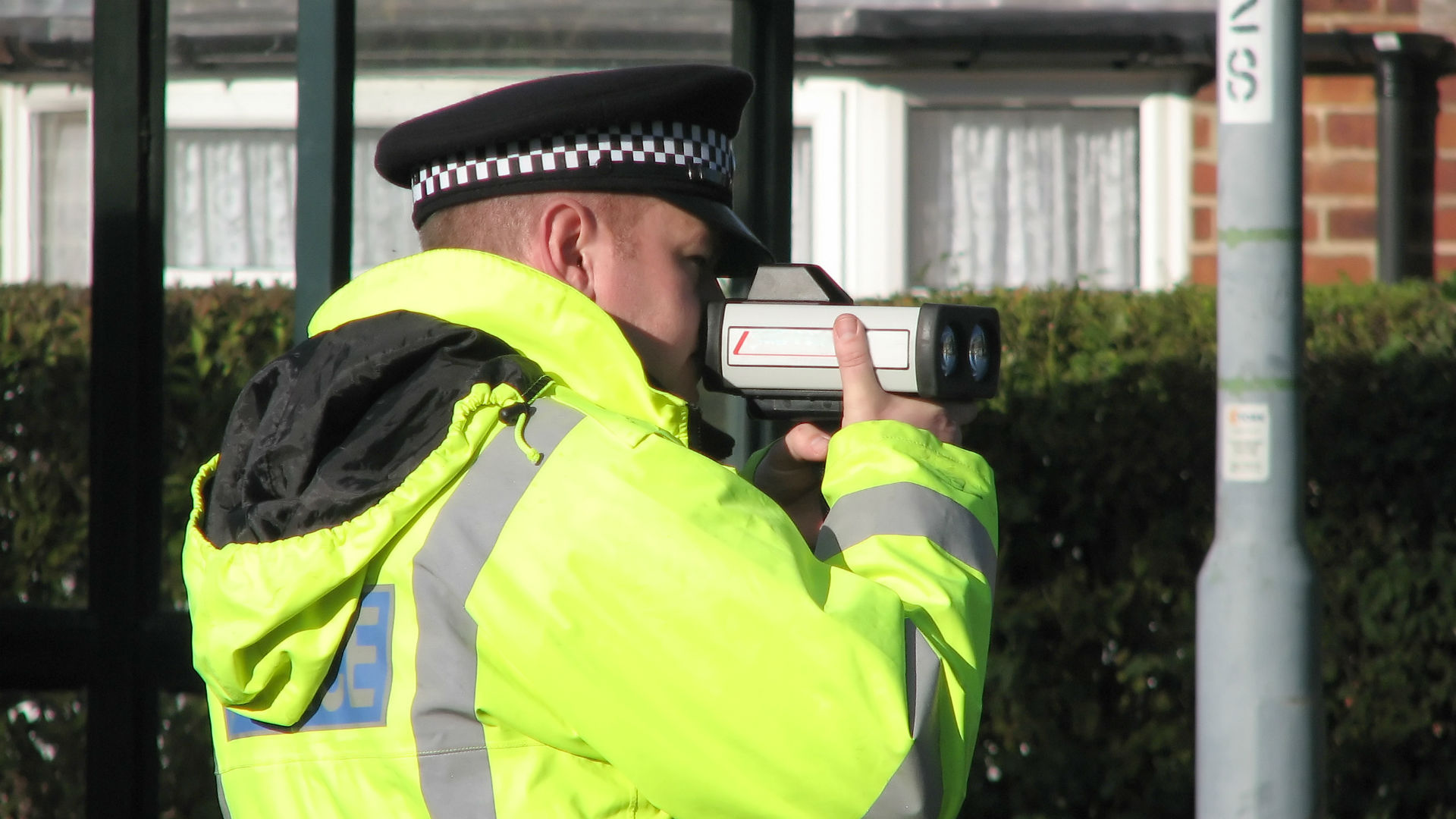
Where you're most likely to be caught speeding

Since 2011, the number of speeding offences has increased by an average of five percent every year. This is according to new analysis of motoring offences.

Breaking the speed limit tops the list of the most common driving offences in England and Wales. In total, drivers have racked up an astonishing 15.9 million speeding offences since 2011.

It’s getting worse. In the past year, there was a driving offence for one in every 10 motorists in England and Wales. This is compared to one in 11 drivers in 2011.

A total of 13 police forces saw an increase in the speed of the fastest drivers caught during the lockdown. This is despite an overall decrease in the number of people caught speeding.

Traffic was down two-thirds as a result of people being urged to stay at home.

Hotspots for speeding in the UK

This new research, conducted by True Solicitors, reveals a wide ranging list of motoring offences in England and Wales. These offences were analysed where there were findings of guilt at all courts, fixed penalty notices and written warnings.

The research can be summarised as follows:

  • Speed limit offences: 15,904,000 (since 2011)
    • Speed limit offences.
  • Miscellaneous offences: 2,998,000
    • Neglecting road regulations (not speeding), failing to supply information.
  • Licence, insurance and record keeping offences: 2,666,000
    • Driving while disqualified, uninsured vehicles, false statements of insurance, fraud and forgery.
  • Dangerous, careless or drunk driving: 1,587,000
    • Dangerous driving, including drugs and alcohol, disqualified driving, using a mobile phone, etc.
  • Vehicle test and condition offences: 626,000
    • Defective vehicle parts and vehicle test offences.
  • Unauthorised taking or theft of motor vehicle: 55,000
    • Aggravated vehicle taking, including causing injury and damage, theft of a motor vehicle, etc.
  • Accident offences: 40,000
    • Failing to stop after an accident, failing to report and accident, etc.

How to stay safe on the roads

Hotspots for speeding in the UK

Although UK roads are among the safest in Europe, there are a number of things you can do to stay safe.

Here are some of the things to consider, according to True Solicitors:

  • Do not drive when tired. Rest and stay hydrated – especially on long journeys
  • Plan ahead. Arrange a lift or take public transport if you’re going to consume alcohol
  • Always keep a safe distance. Leave a gap to the car in front – extend the distance when it is raining
  • Remember to check for vehicles in your blind spot
  • Rest before a long trip. Take refreshments and include breaks in a long journey

Click here for more motoring advice.

Advertisement

The UK has the second safest roads in Europe

0

The United Kingdom has the second safest roads in Europe. That’s according to figures released by the European Automobile Manufacturers Association (ACEA).

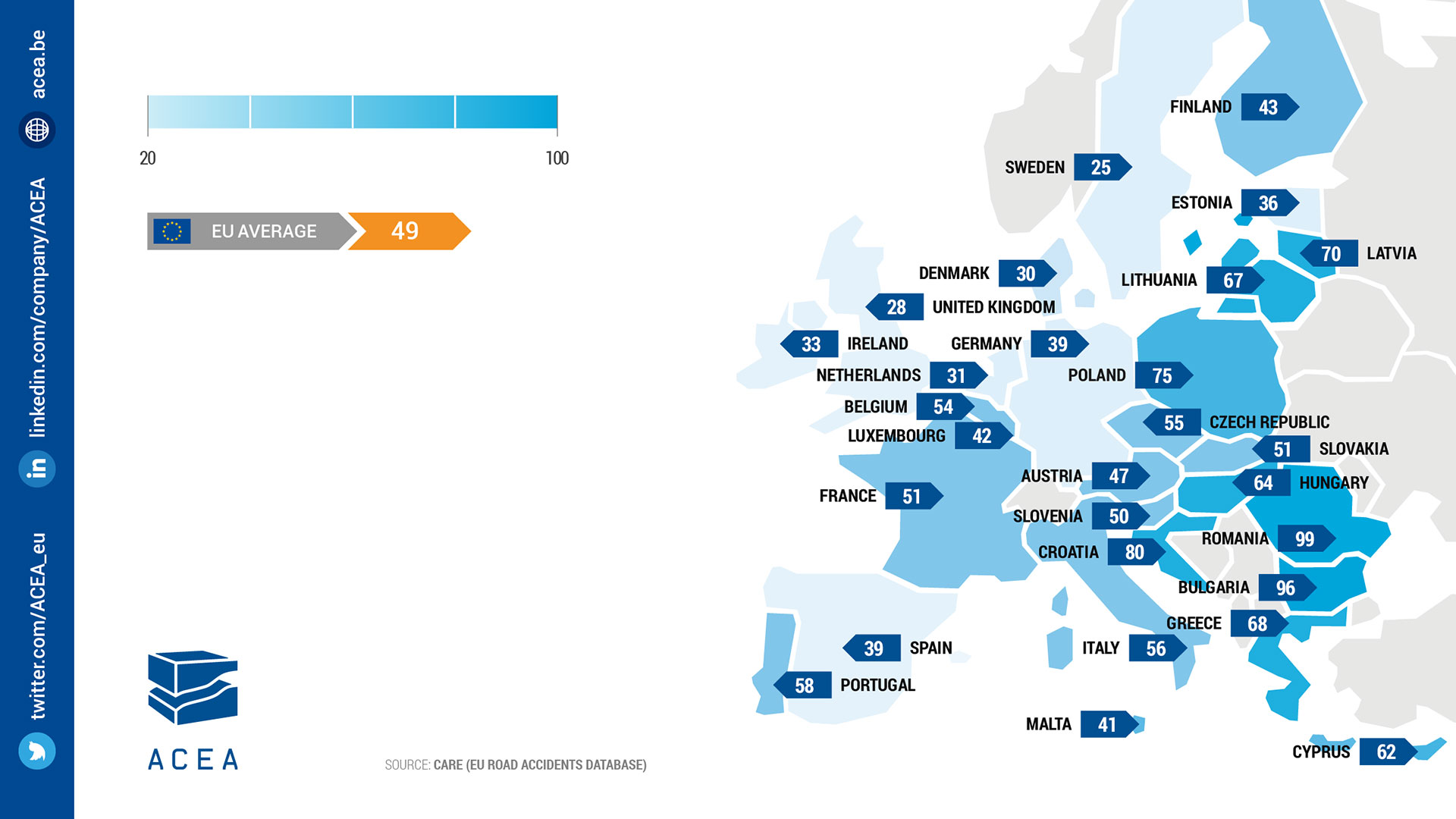
When based on the number of road fatalities per million inhabitants, the UK is ranked second with a figure of 28. Only Sweden’s roads are safer, with 25 road deaths per million people.

Road traffic deaths have been falling in the EU for the past two decades. In 2001, there were 54,900 fatalities. By 2017, this had fallen to 25,300. 

It means that the EU has the safest roads in the world. However, data from CARE (EU Road Accidents Database) shows that 70 people die every day on the roads of Europe.

ACEA road deaths

The majority of road incidents are linked to human error, with 10-30 percent of them caused by distraction. It is for this reason that a number driver assistance systems will become mandatory over the coming years.

Driver drowsiness and distraction warnings, intelligent speed assistance, reversing sensors or cameras, lane-keeping assistance and advanced emergency braking are just some of the systems that will become mandatory from 2022.

‘We can and must act’

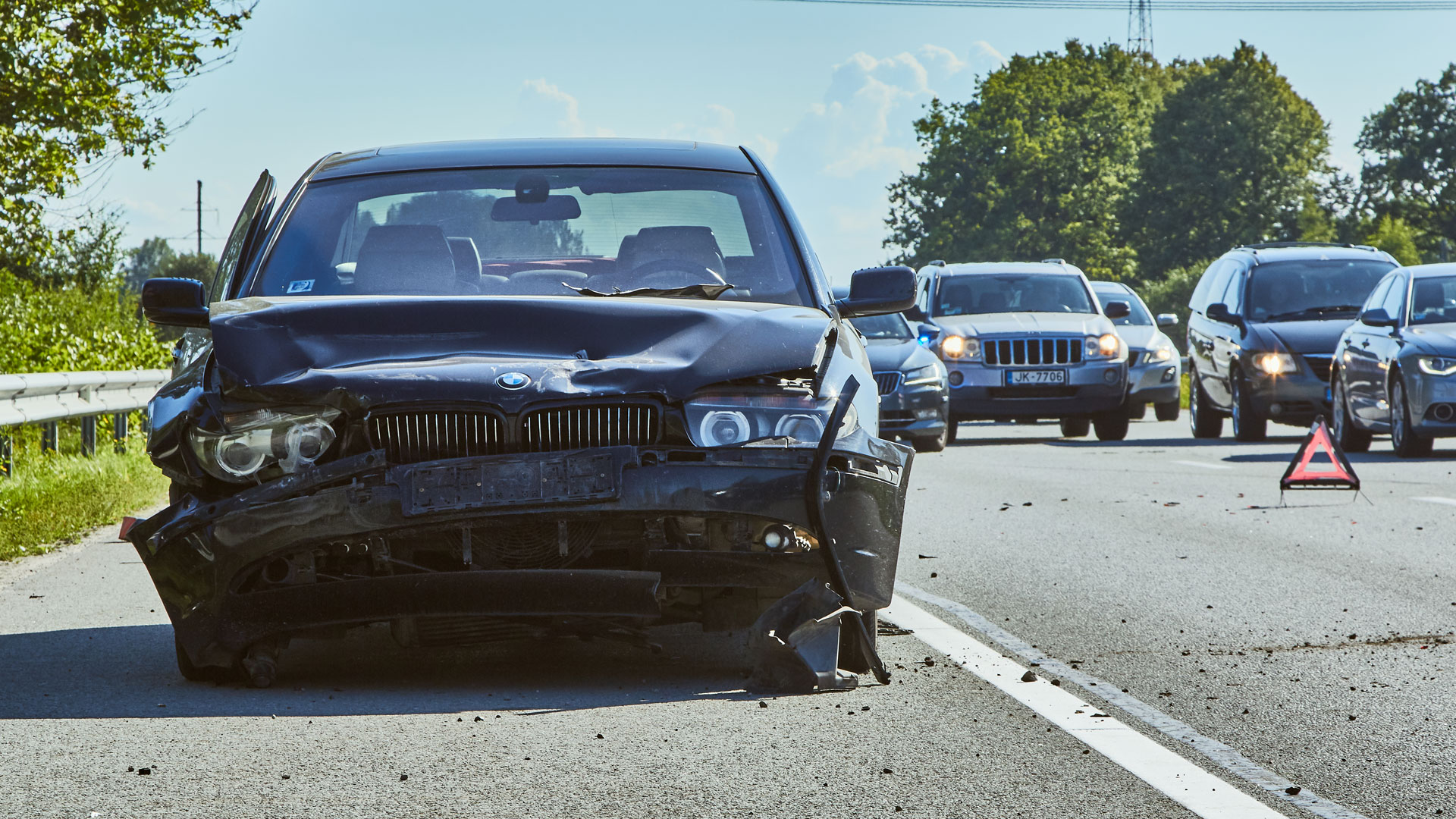
Car crash in Latvia

Commissioner Elzbieta Bienkowska, responsible for internal market, industry, entrepreneurship and SMEs, said: “Every year, 25,000 people lose their lives on our roads. The vast majority of these accidents are caused by human error.

“We can and must act to change this. With the new advanced safety features that will become mandatory, we can have the same kind of impact as when the safety belts were first introduced.

“Many of the new features already exist, in particular in high–end vehicles. Now we raise the safety level across the board, and pave the way for connected and automated mobility of the future.”

Road fatalities are at their highest in the eastern regions of Europe. Romania has the worst record, with 99 fatalities per million inhabitants. Things are little better in Bulgaria (96 fatalities per million inhabitants), Croatia (80), Poland (75) and Latvia (70).

There are many reasons for this, including the poor condition of the road network and the reliance on older, less safe vehicles.

Top 10 safest roads in Europe

  1. Sweden: 25 (deaths per million inhabitants)
  2. UK: 28
  3. Denmark: 30
  4. Netherlands: 31
  5. Ireland: 33
  6. Estonia: 36
  7. Spain: 39
  8. Malta: 41
  9. Luxembourg: 42
  10. Finland: 43
Advertisement

Scooter sales boom as commuters avoid public transport

0

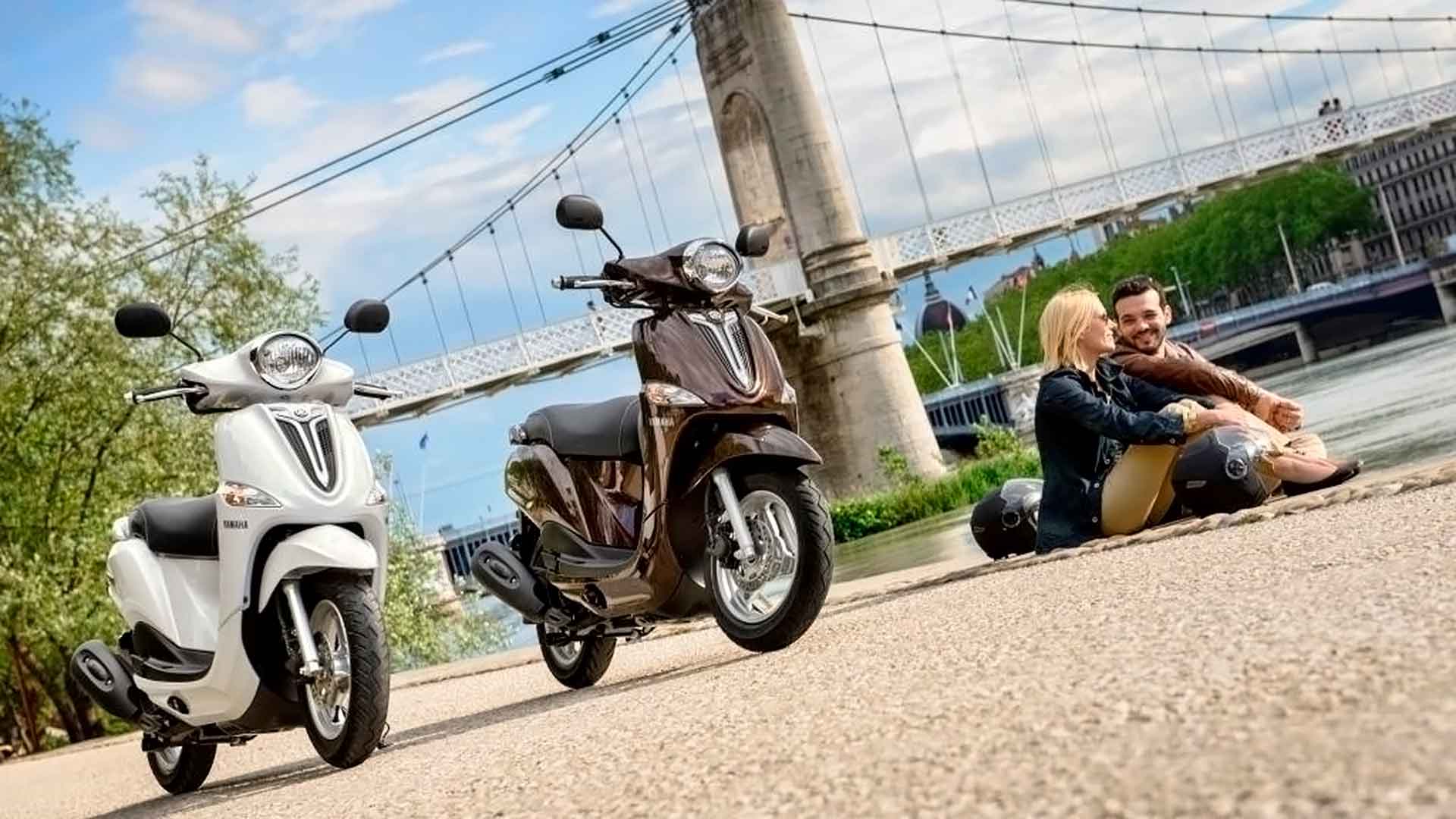
Yamaha XC115S scooters

A boom in scooter sales helped the UK motorcycle market return to growth in June 2020 – in contrast to the new car market which is still down 35 percent.

Over 13,000 motorcycles were registered in June 2020, a rise of 14.8 percent over 2019.

More significantly, sales of scooters were up 43.1 percent as commuters look for alternatives to public transport.

Trade body the MCIA says scooters are now the second most popular type of new motorcycle in the UK, ahead of more powerful superbikes and adventure sport machines.   

Growth is particularly strong amongst those for whom walking and cycling are not viable.

The organisation says this is proof of the role motorcycles and scooters can play in transport planning and is now calling on the government to fully endorse them.

Ministers such as transport secretary Grant Shapps, it says, have for months been promoting alternatives to public transport – but have ignored motorcycles and scooters.

The MCIA says they “are a clean and efficient transport mode that require little road space for travel or parking and which can meet the needs of a variety of commuters, while at the same time fulfilling their social distancing and environmental obligations”.

More than a million British motorists already hold a motorcycle licence, adds the MCIA.

“The Government’s message to not use public transport is clearly benefitting scooters and motorcycles sales”, said Stephen Latham, head of the National Motorcycle Dealers Association.

“Scooter and motorcycle retailers are optimistic that they are in a good position to benefit from the gradual return to work as lockdown measures continue to ease.”

The best-selling motorcycle in June 2020 was the Honda PCX125 scooter.

Honda was the best-selling brand too, ahead of Yamaha and Triumph.

ALSO READ

Triumph Motorcycles launches its first e-bike

Helping someone learn to drive: the rules you must know

4 in 10 youngsters would drive off after hitting a parked car

Advertisement

British Gas places UK’s largest electric van order with Vauxhall

0

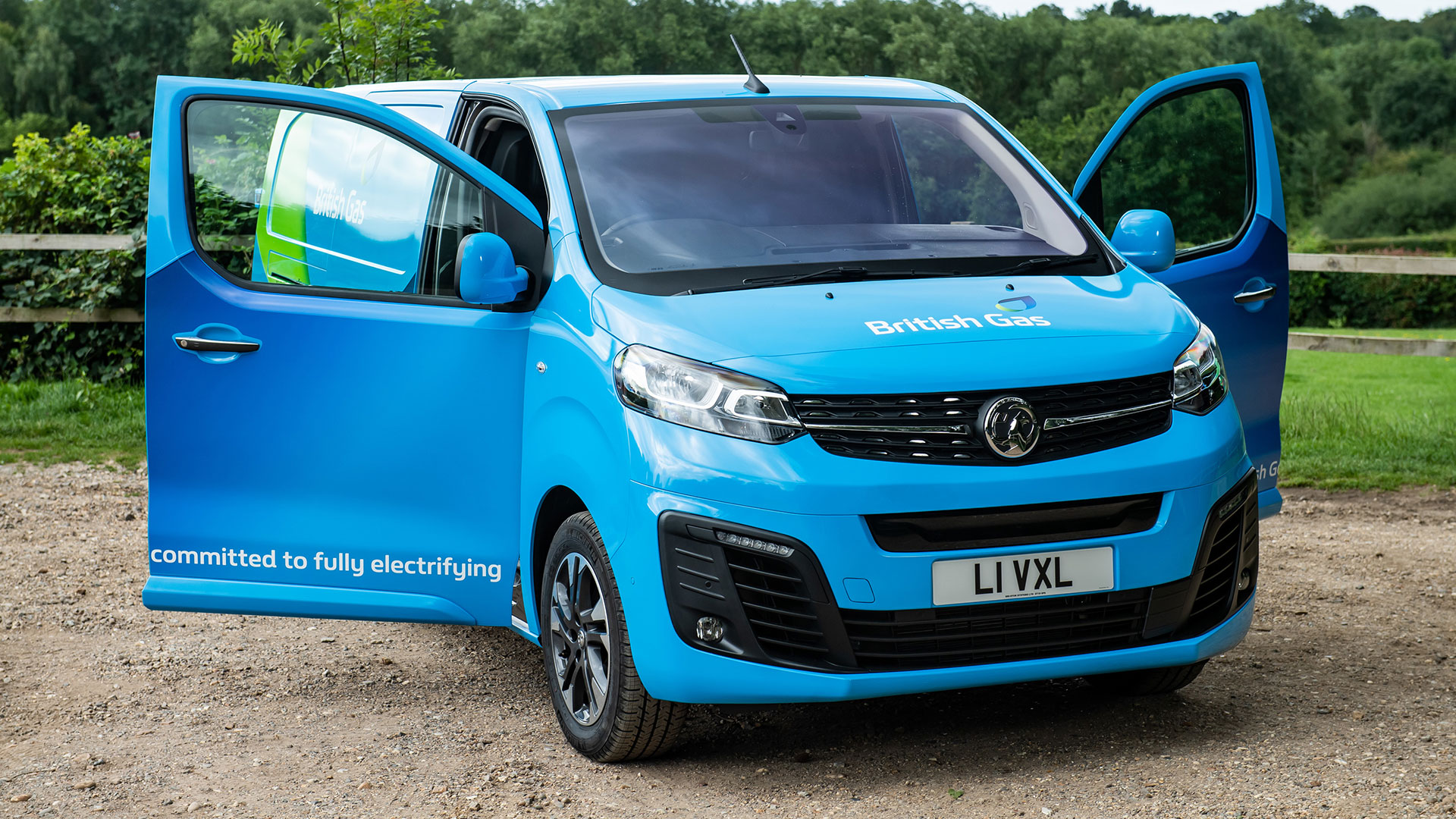
British Gas Vivaro-e

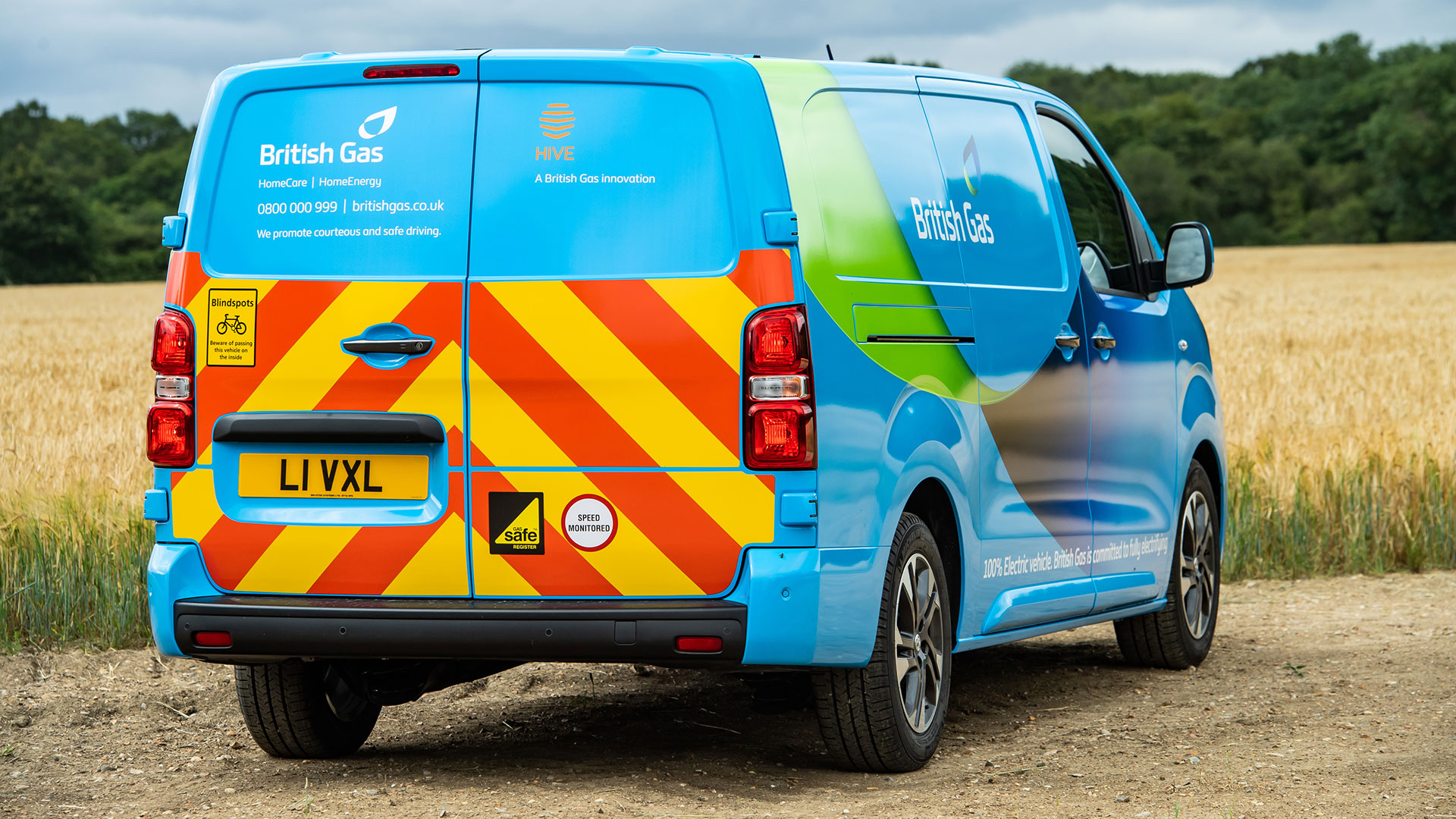
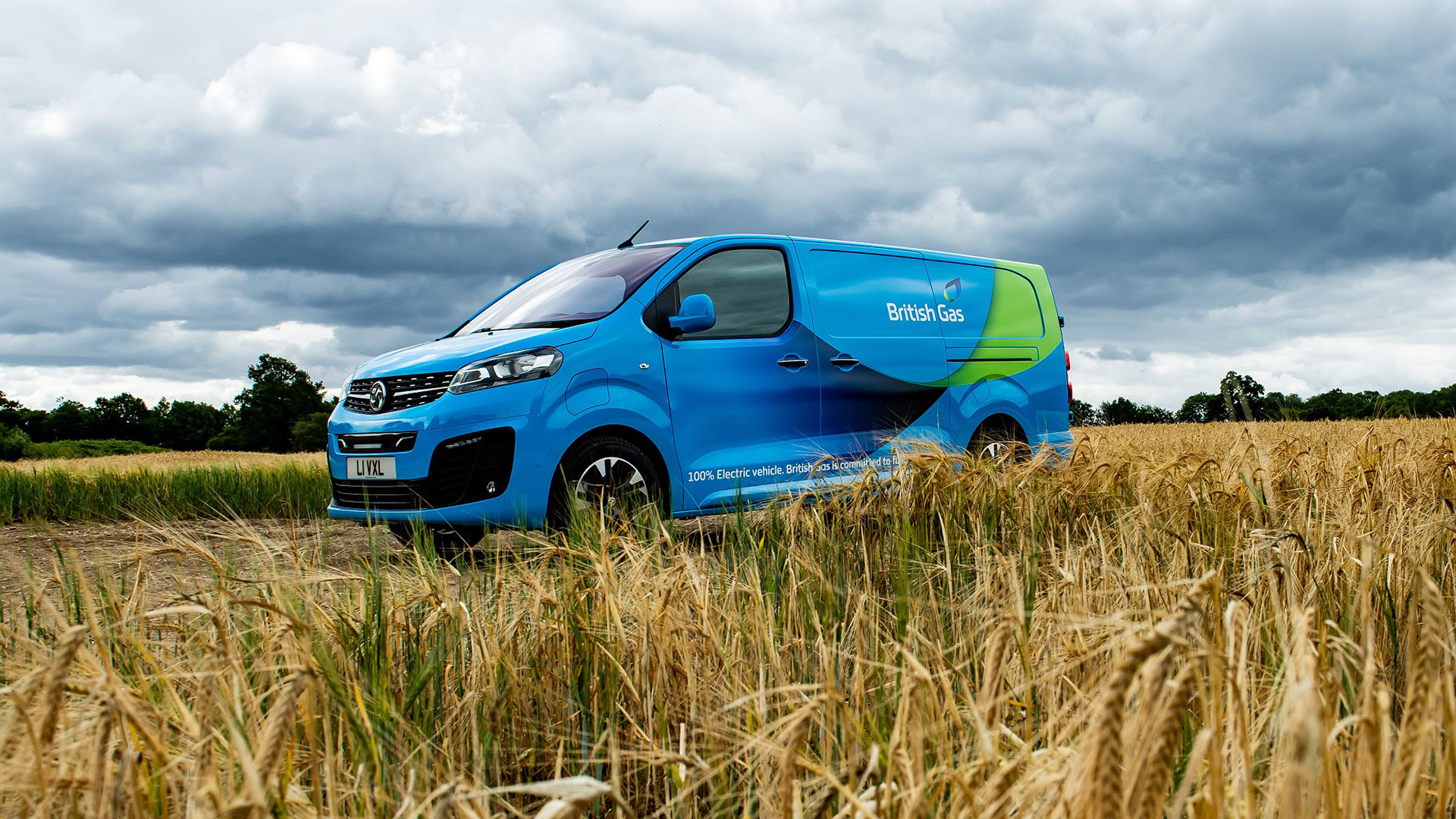
British Gas has ordered 1,000 all-electric Vivaro-e vans from Vauxhall. It’s the largest electric vehicle order for a commercial fleet in the UK.

The electric vans will be used across the country by British Gas engineers. Centrica, owner of British Gas, said it’s committed to electrifying its entire fleet of 12,000 vehicles by 2030. 

The Vauxhall Vivaro-e is the sister van to the all-electric Citroen e-Dispatch and Peugeot e-Expert. It was due to be unveiled at this year’s Commercial Vehicle Show, but with the event cancelled due to the coronavirus, the electric van was, fittingly, given a digital launch.

British Gas says it could order a fleet of the smaller Vauxhall Combo-e when it arrives in the summer of 2021.

British Gas Vauxhall Vivaro-e

For now, the Vivaro-e offers the equivalent of 136hp, a payload of up to 1,226kg, and a top speed of 81mph. It’s also the first electric van with the ability to tow a trailer.

The electric range varies depending on the battery size. The 50kWh version should be good for 143 miles, while the 75kWh provides an impressive 205 miles.

Recharging to 80 percent capacity takes 30 minutes in the 50kWh version and 45 minutes in the 75kWh van, both using a 100kW public charger.

Although prices haven’t been announced, a Vivaro-e with a 50kWh battery is expected to cost around £30,000.

‘Build back greener’

Vauxhall Vivaro-e British Gas

Transport secretary Grant Shapps said: “Today’s announcement marks another milestone as we continue on the road to a green transport recovery.

“This is a huge step for such an iconic British company, who are showing leadership in making the switch to zero emission vehicles as we to strive to meet net zero emissions by 2050.

“We’re determined to build back greener – to deliver better air quality and lower our carbon footprint, which is why we’re investing more than ever in zero emission grants and infrastructure.”

Stephen Norman, managing director of Vauxhall, added: “I am delighted that British Gas has confirmed the UK’s largest order of battery electric vehicles with the Vauxhall Vivaro-e. 

“As with all businesses up and down the country, tradespeople rely on their van as an essential tool of their work and our 300-strong retailer network is crucial in continuing to provide support to carry British business.

“The strength of the quantity of orders for our all-electric van demonstrates that the Vauxhall Vivaro-e, the first step in the electrification of our entire van range, can contribute towards the transition towards low emissions vehicles whilst improving air quality.”

For more electric vehicle news, visit our sister site Motoring Electric.

ALSO READ

European cars we can’t buy in the UK

Land Rover Defender Hard Top van version revealed

Vauxhall Corsa is AUTOBEST Best Buy Car of Europe 2020

Advertisement

Helping someone learn to drive: the rules you must know

0

Learning to drive

Stand-in driving instructors are urged to check the rules before helping a learner driver. The advice comes amid the easing of lockdown measures, with new drivers now free to take lessons again.

An estimated 370,000 new drivers were forced to put their plans on hold during the coronavirus lockdown. This, combined with a four-month backlog , could make finding a driving instructor for lessons extremely difficult.

According to the Department for Transport, there are around 39,500 qualified driving instructors in the UK.

This creates a problem for learner drivers, who face a shortage of instructors and a potential reluctance to step outside their ‘bubble’. The result: friends and family members stepping in to give driving lessons.

Rules for stand-in driving instructors

Young drivers

There are strict rules concerning driving lessons and learning to drive. For a stand-in instructor, these can be summarised as follows:

  • The instructor must be over the age of 21.
  • They must be qualified to drive the type of vehicle being driven by the learner driver.
  • They must have held a full driving licence for three years. This licence must be from the UK, the EU, Switzerland, Norway, Iceland or Liechtenstein.
  • They must have valid insurance. This could be as a named driver/instructor on the learner driver policy, or separate insurance can be arranged.
  • The person giving the lessons cannot be paid for the tuition.
  • Although it’s legal to carry passengers, it’s best to avoid distractions.

The learner driver could be fined up to £1,000 and receive up to six penalty points on their provisional licence if they drive without the right supervision.

Rules for learner drivers

Stand-in driver instructor

Anyone taking lessons must adhere to the following rules:

  • They must hold a provisional driving licence for Great Britain or Northern Ireland. Although they can apply for a licence when they are 15 years and nine months old, they can only start driving a car when they turn 17.
  • The car must display ‘L’ plates on the front and rear. ‘D’ plates are valid in Wales.
  • Motorway driving is restricted to England, Scotland and Wales, but only with an approved driving instructor in a car fitted with dual controls.
  • In Northern Ireland, there is a blanket 45mph speed limit for learner drivers.

‘Open to huge claims costs’

Driving instruction

Anyone thinking of applying for a provisional licence or arranging driving lessons should visit the dedicated section on the government website.

Lee Griffin, CEO of GoCompare, said, “We think there could be as many as 370,000 potential new drivers keen to start learning, many of whom could find it difficult to book lessons as instructors deal with the backlog.  In many cases, family and friends may well offer to step up to get them started.

“However, as well as having good driving skills and patience they also need to be aware of the rules for supervising new drivers and the insurance implications for both them and the learner. Failure to adhere to both could lead to fines for traffic violations or unknowingly invalidating their insurance, leaving them open to huge claims costs if they have an accident and even a criminal record for insurance fraud.

“The good news is that some insurers offer reasonable premiums to insure new drivers in their own cars whilst learning and being supervised. Savings of several hundred pounds are not uncommon and will be welcomed by new drivers as the costs of getting on the road can quickly mount up.”

ALSO READ:

What to do if you fill your car with the wrong fuel

How to save money on car insurance

How to write the best advert to sell a used car

Advertisement

MG ZS SUV updated for 2020, including new smartphone tech

0

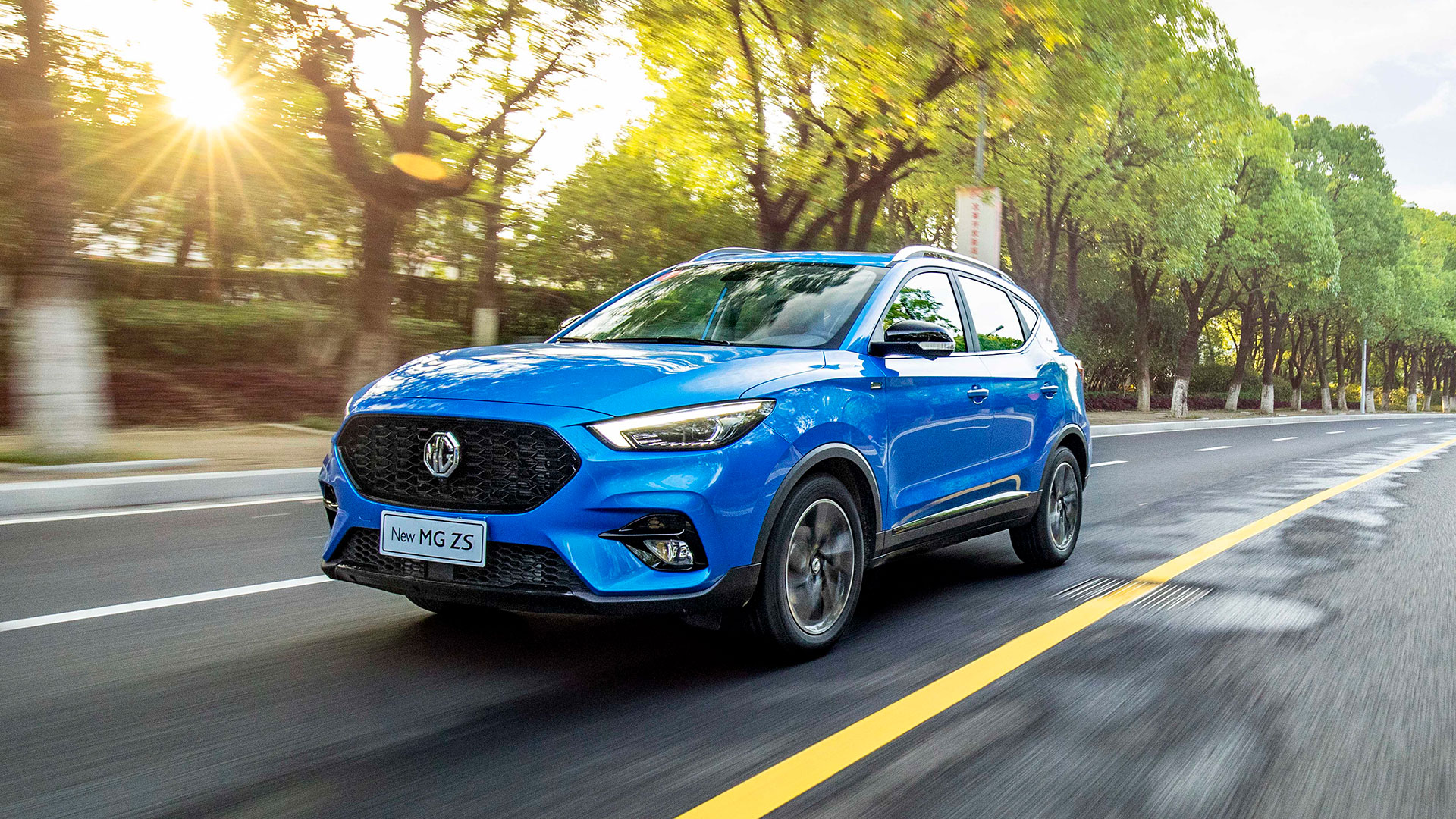
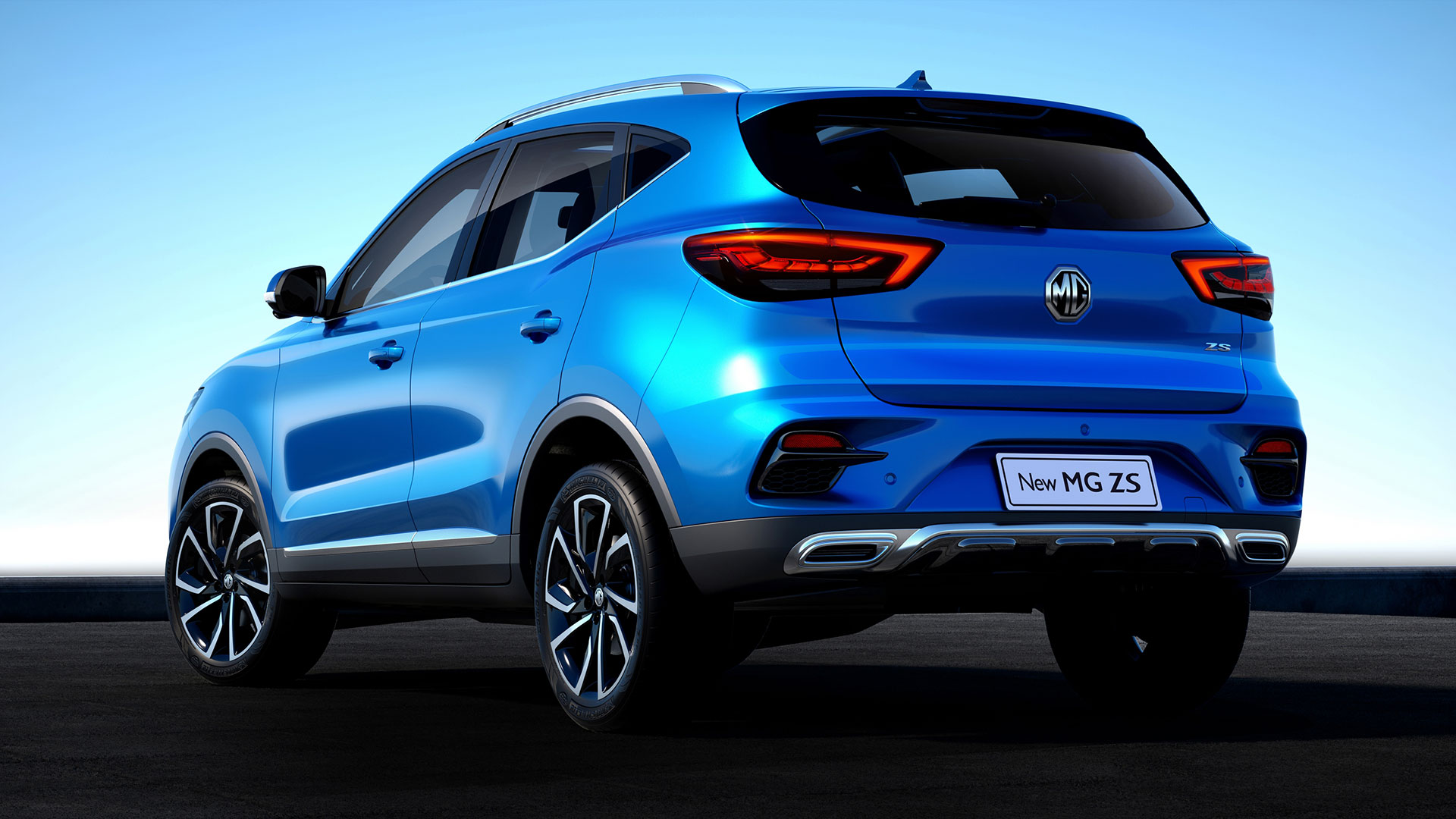
MG ZS 2020

The MG ZS SUV has been updated for 2020. This comes amid news that MG is celebrating its best ever June – despite the issues facing the new car market.

MG sold 2,025 cars last month, achieving a record market share of 1.4 percent. The company has 110 dealers in the UK and offers a range of value-driven cars, including the ZS EV electric car. Indeed, the ZS EV is currently the UK’s third highest selling electric car.

The standard ZS SUV is MG’s biggest seller in the UK. Power is sourced from a 1.0-litre turbocharged engine mated to a manual gearbox. An automatic transmission will be available later this year.

There are just two trim levels: Excite and Exclusive. Monthly PCP deals start from £179 for the Excite and £199 for the Exclusive.

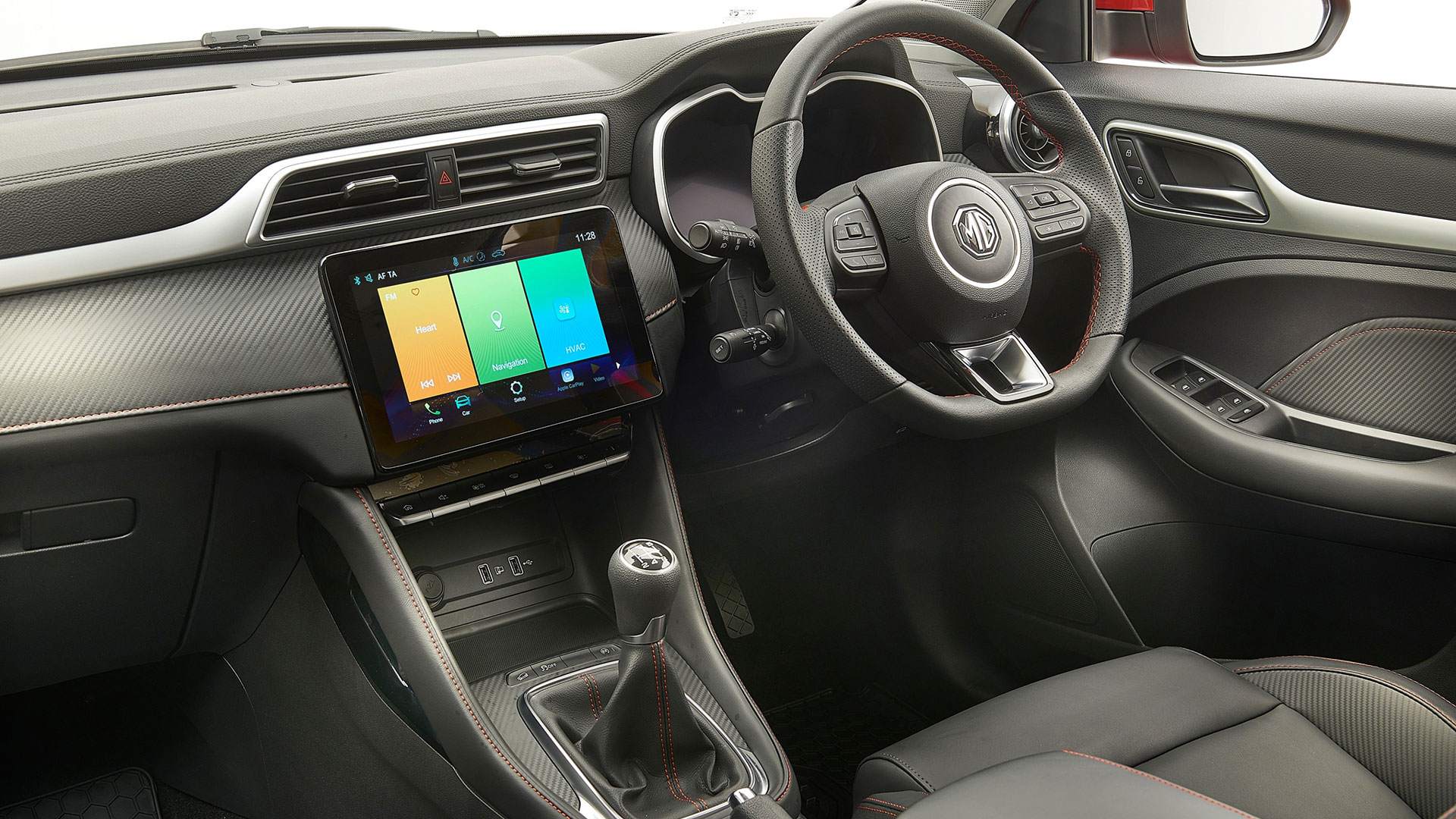
MG ZS 2020 interior

For 2020, MG has tweaked the exterior styling, improved the interior quality and design, and added a front armrest. Both trim levels get LED headlights, a 10.1-inch touchscreen, Apple CarPlay, Android Auto and electric folding mirrors as standard.

The Exclusive model boasts blind-spot monitoring, a rear-view camera, electrically adjustable driver’s seat and even a fully digital instrument panel. Excellent spec, especially when you consider the price and the seven-year warranty. 

Opt for the Excite model and you’ll pay just £15,495, which is roughly the same price as an entry-level Ford Fiesta.

MG ZS ‘to the next level’

New MG ZS 2020

Daniel Gregorious, head of sales and marketing at MG Motor said: “New MG ZS is a fantastic evolution of our most successful car to date. With an exciting new look, great new technology and a quality new interior, new MG ZS takes our B-SUV to the next level.

“The fact that we’ve managed to do all this and still enhance the value proposition is staggering, and I would like to pay tribute to everyone within our business who worked so hard to make it possible. We know that existing MG customers will want to visit our showrooms to find out more, and new customers will be attracted by this great new package.”

The refreshed MG ZS is on sale now with a zero percent finance deal. 

ALSO READ:

New MG3 model has standard sat nav for £12,995

Coronavirus: MG donates 100 ZS EVs to the NHS

MGB roadster: Retro Road Test

Advertisement

New car sales still down 35% in June 2020

0

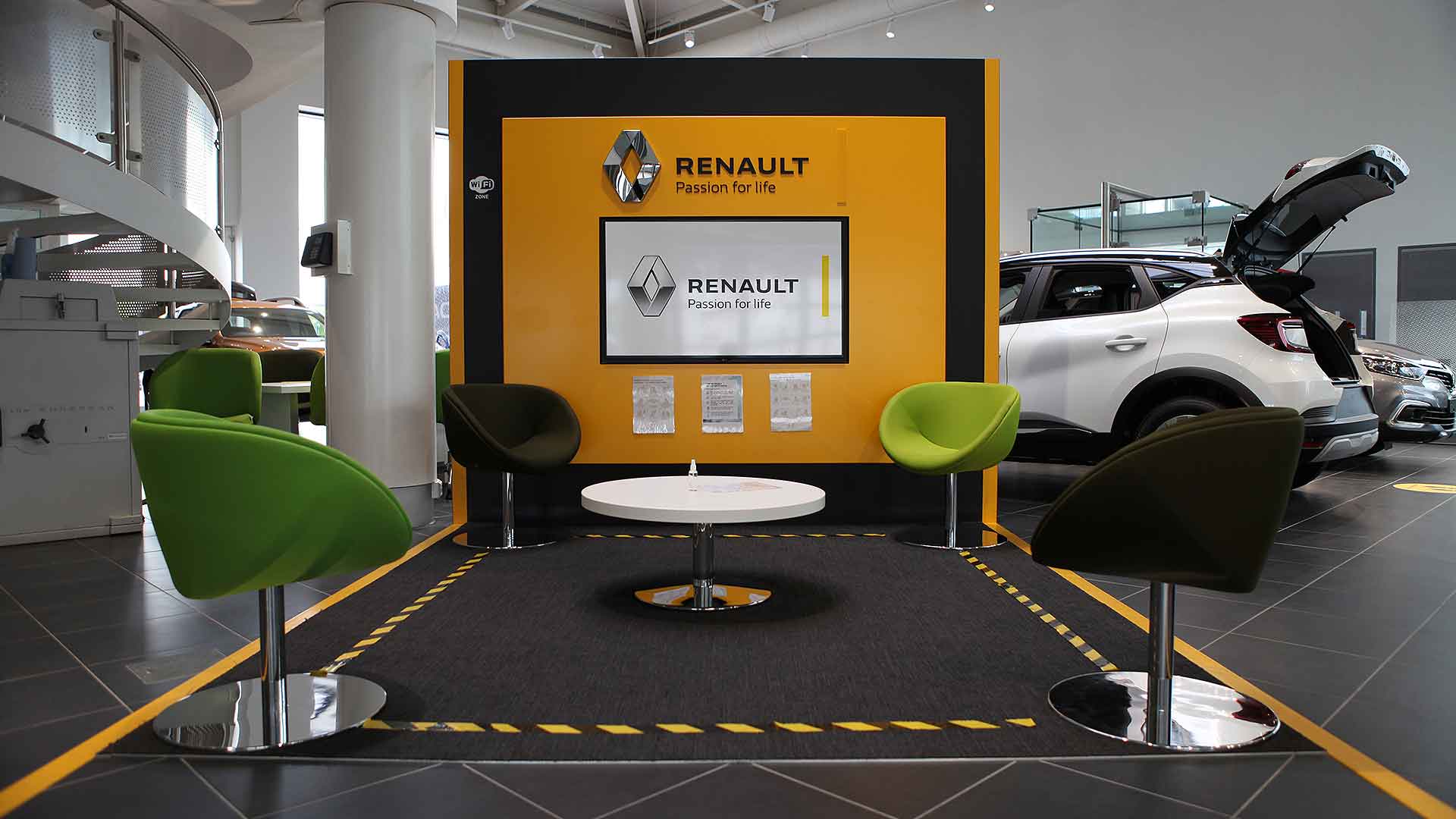
A Covid-friendly Renault new car dealer

UK new car registrations continued their year-on-year decline in June with 34.9 percent fewer cars leaving retailer showrooms, according to latest figures from the Society of Motor Manufacturers and Traders (SMMT).

Demand was hampered by the delayed reopening of car dealers in Wales and Scotland.

The June figures continue a depressing trend for new car sales in 2020, due to the coronavirus crisis.

March 2020 new car registrations were down 44 percent, April’s were down a shocking 97% (to a level not seen since 1946) and even May new car registrations were still down 89%. 

“While it’s welcome to see demand rise above the rock-bottom levels we saw during lockdown, this is not a recovery and barely a restart,” said SMMT chief executive Mike Hawes.

“Many of June’s registrations could be attributed to customers finally being able to collect their pre-pandemic orders, and appetite for significant spending remains questionable.”

The SMMT has called for specific sector support, including a potential scrappage scheme to bolster new car demand. 

Scrappage, however, appears to have been rejected by the government, despite Germany, France and now Italy running similar schemes. 

Diesel down, electric up

Private new car sales were actually only down 19.2 percent: it’s company car sales that declined the most, with fleet sales down 45.2 percent and sales to businesses falling 52.6 percent.

Diesel performed much worse than petrol, with a near-60 percent fall in registrations. Diesel market share is now just 15.8 percent, compared to petrol on more than 60 percent.

Electric cars scored a 6.1 percent market share, a massive 260 percent increase on 2019, where pure electric vehicles took a tiny 1.1 percent market share.

Overall, new car registrations have fallen 48.5 percent so far in 2020. The SMMT says this is a level not seen since 1971. 

The government has actually lost out as a result, adds the SMMT, with VAT receipts from new car registrations plummeting by £1.1 billion. 

“The government must boost the economy, help customers feel safer in their jobs and in their spending and give businesses the confidence to invest in their fleets,” said Mr Hawes.

“Otherwise it runs the risk of losing billions more in revenue from this critical sector at a time when the public purse needs it more than ever.”

Best selling cars in June

In the most popular cars rankings, big news at the top of the table is the new Vauxhall Corsa beating the Ford Fiesta to the title of Britain’s best-selling car. 

The Corsa is the AUTOBEST Best Buy Car of Europe 2020

The Toyota Yaris was a surprise third, perhaps helped by some run-out special offers in advance of the new Yaris coming soon

The Tesla Model 3 also continued to be a UK favourite, with the electric car placing eighth, ahead of the British-built Nissan Qashqai. 

Top 10 best-selling cars: June 2020

1: Vauxhall Corsa

2: Ford Fiesta

3: Toyota Yaris

4: Ford Focus

5: Mini

6: Volkswagen Golf

7: Mercedes-Benz A-Class

8: Nissan Qashqai

9: Tesla Model 3

10: Volkswagen Tiguan

ALSO READ

Car industry calls for support as 1 in 6 jobs at risk

Britain built just 197 cars in April 2020

UK car industry needs a ‘world-beating’ Brexit deal

Advertisement

Electric car scrappage scheme ‘rejected’ by government

0

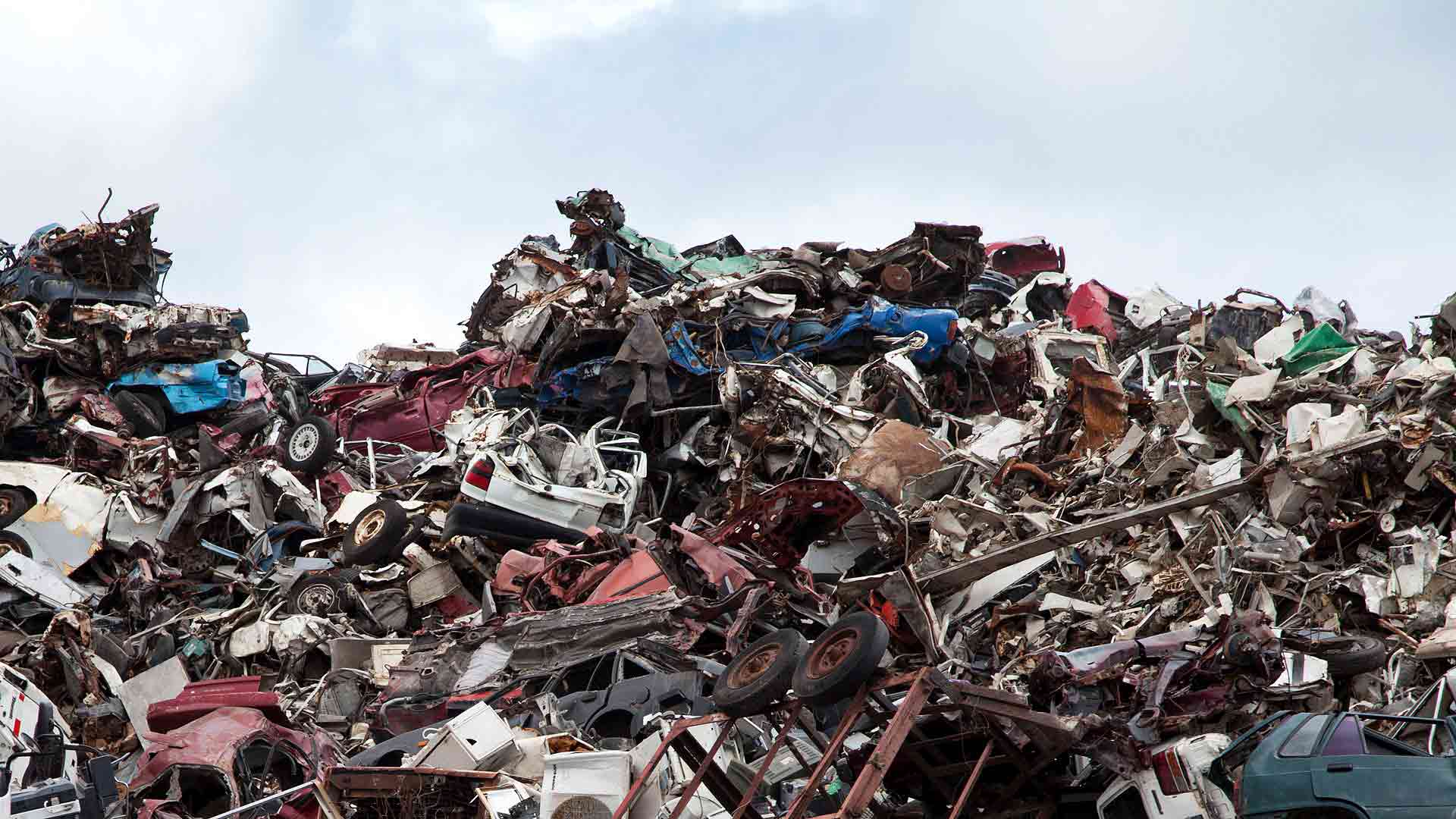
Car scrapyard

A new car scrappage scheme that would have given motorists up to £6,000 off the price of a new electric car has reportedly been ruled out by the government.

The car industry had been calling for support to give sales a boost after the fall-out from the coronavirus crisis.

Similar schemes have already been launched in France and Germany.

The Times reports it has seen a letter from Rachel Maclean, junior minister for transport and the environment, stating “the government has no plans at this stage to introduce a scrappage scheme”.

Ms Maclean instead outlined the government’s £2.5 billion investment in ultra-low emissions vehicle grants, and funding to increase electric car charging point provision at homes, workplaces, residential streets and the wider road network.

She admitted “a number of media articles have suggested that the government is considering a scrappage scheme” that could have given motorists £6,000 to swap older petrol and diesel cars for a pure electric car – on top of the existing £3,000 Plug-in Car Grant (which was cut by £500 in March).

The letter seen by The Times ruled this out – after the government did the same in 2018 when it stated a scrappage scheme was “difficult to deliver [and] potentially open to abuse”.

Academics, reports The Times, wrote to the Department for Transport in June, asking for clarity on the possible scrappage scheme.

Dr Steve Melia, a lecturer in transport and planning at the University of the West of England, led the approach. He described existing reforms to encourage zero-emissions vehicles as “clearly inadequate”.

Since launching a range of new car sales incentives including an electric car scrappage scheme, registrations in France have recovered almost to normal levels.

ALSO READ

Opinion: Push EV with scrappage – but don’t forget the dirty diesels

Electric car green number plates to launch in autumn

Is petrolgate the new dieselgate scandal?

Advertisement