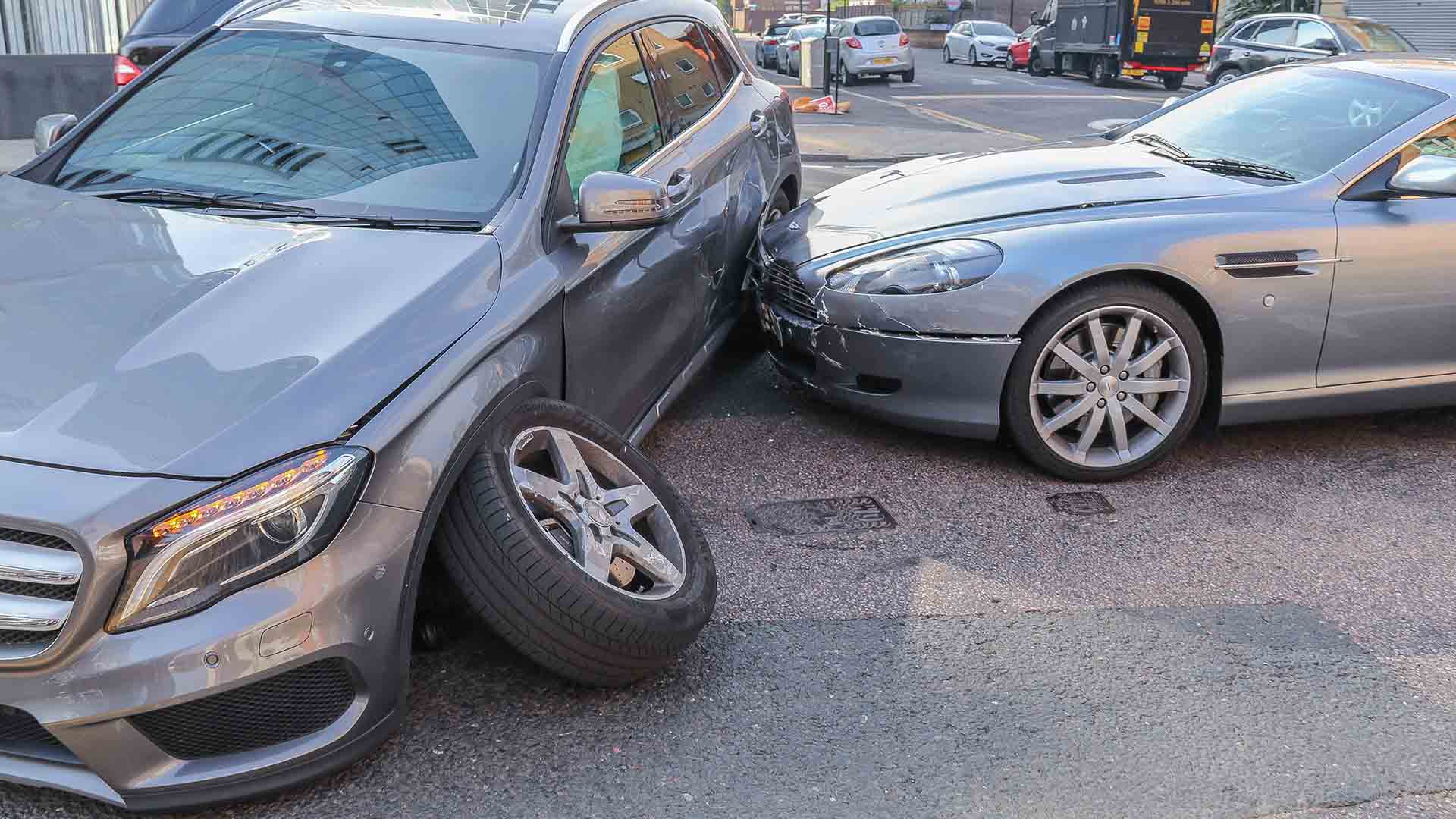
Every 20 minutes, someone is killed or seriously injured on UK roads. That’s according to data from road safety charity Brake.
Further figures show that the number of road deaths has plateaued since 2012, but 1,850 still die every year as a result of a road traffic collisions. That’s the equivalent of five people a day.
Car traffic accounts for around 80 percent of travel on British roads, so it’s no surprise that car occupants comprise the highest number of road deaths (42 percent). Pedestrians (27 percent), motorcyclists (19 percent) and cyclists (six percent) are also at risk.
Motorcyclists at most risk
That’s only half the story. When looking at the casualty rate per billion passenger miles, the risk is higher for other vulnerable road users. Motorcyclists top the list (5,051 casualties per billion passenger miles), followed by cyclists (4,891), pedestrians (1,640) and car occupants (195).
There’s a slight change in order when it comes to the death rate. Motorcyclists remain at the highest risk (104.6 deaths per billion passenger miles, but pedestrians (35.4) are at more risk than cyclists (29). The figure drops to ‘just’ 1.6 for car occupants.
New data released as part of Road Safety Week shows the majority of road traffic collisions take place at relatively low speeds. Around half (52 percent) take place at just 21-30mph. Although there’s a spike at speeds of 51-60mph (20 percent), casualties drop as the speed increases.
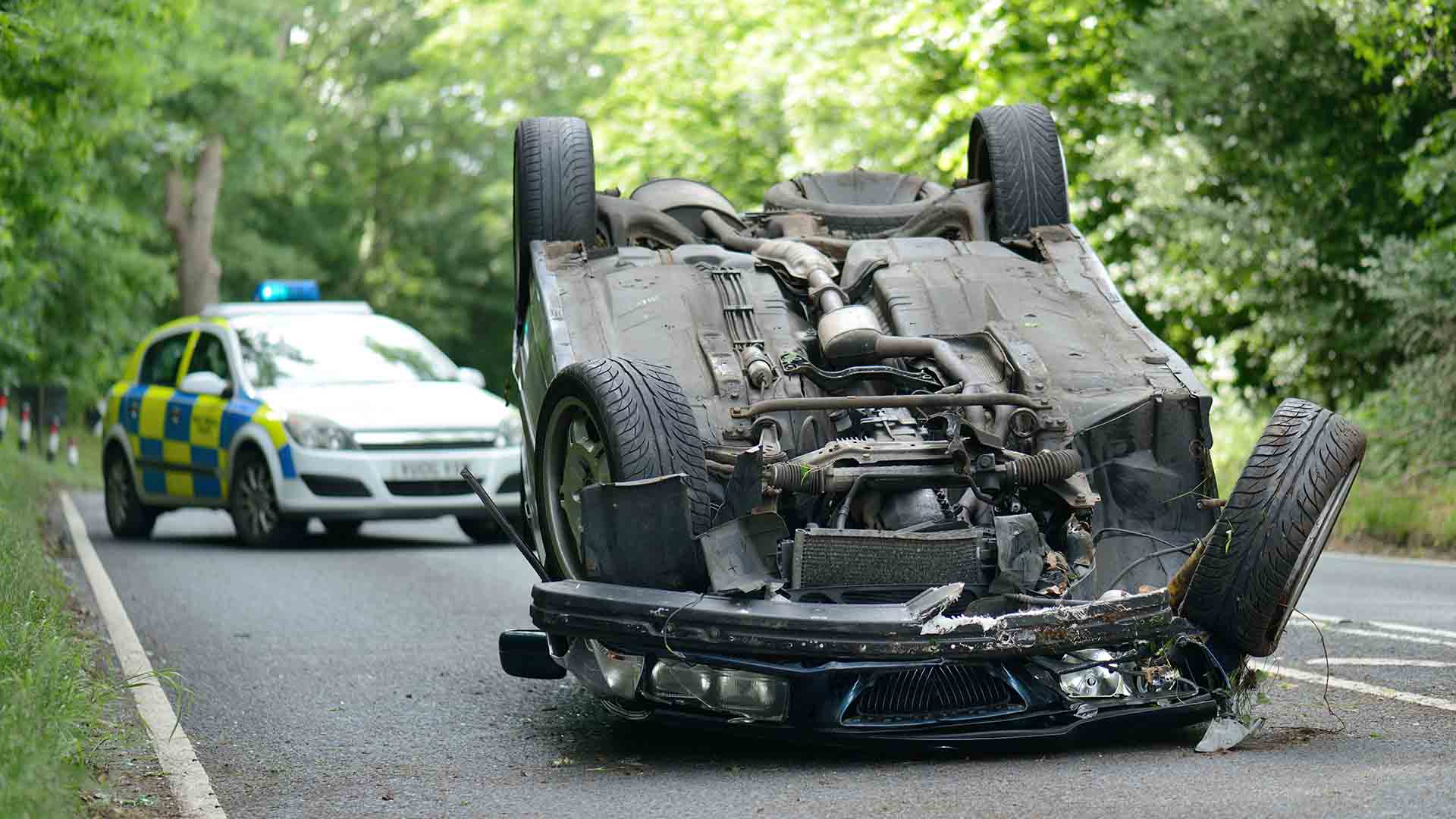
The spike at 51-60mph is likely to be attributed to the dangers of driving on rural roads. Reduced lighting, hidden dips, sharp bends, concealed entrances, blind summits and trees are just some of the hazards faced by drivers on rural roads. Driving at the national speed limit isn’t always appropriate on rural roads.
Road traffic accidents casualties and travel speeds (2019)
- 1-20mph: 1,970 (7 percent)
- 21-30mph: 14,306 (52 percent)
- 31-40mph: 2,598 (9 percent)
- 41-50mph: 1,254 (5 percent)
- 51-60mph: 5,642 (20 percent)
- 61-70mph: 1,028 (4 percent)
- 70+mph: 894 (3 percent)
Carlole Nash insurance analysed Department for Transport data to provide the insight. Marc Copper, head of product at Carole Nash, said: “We all know to be extra cautious if we’re travelling at speed, but perhaps we’re forgetting how dangerous low speeds can be too.
“Road users need to be aware of everything going on around them at all times, and it’s important to be as vigilant on a 30mph limit road as you would be on a motorway.”