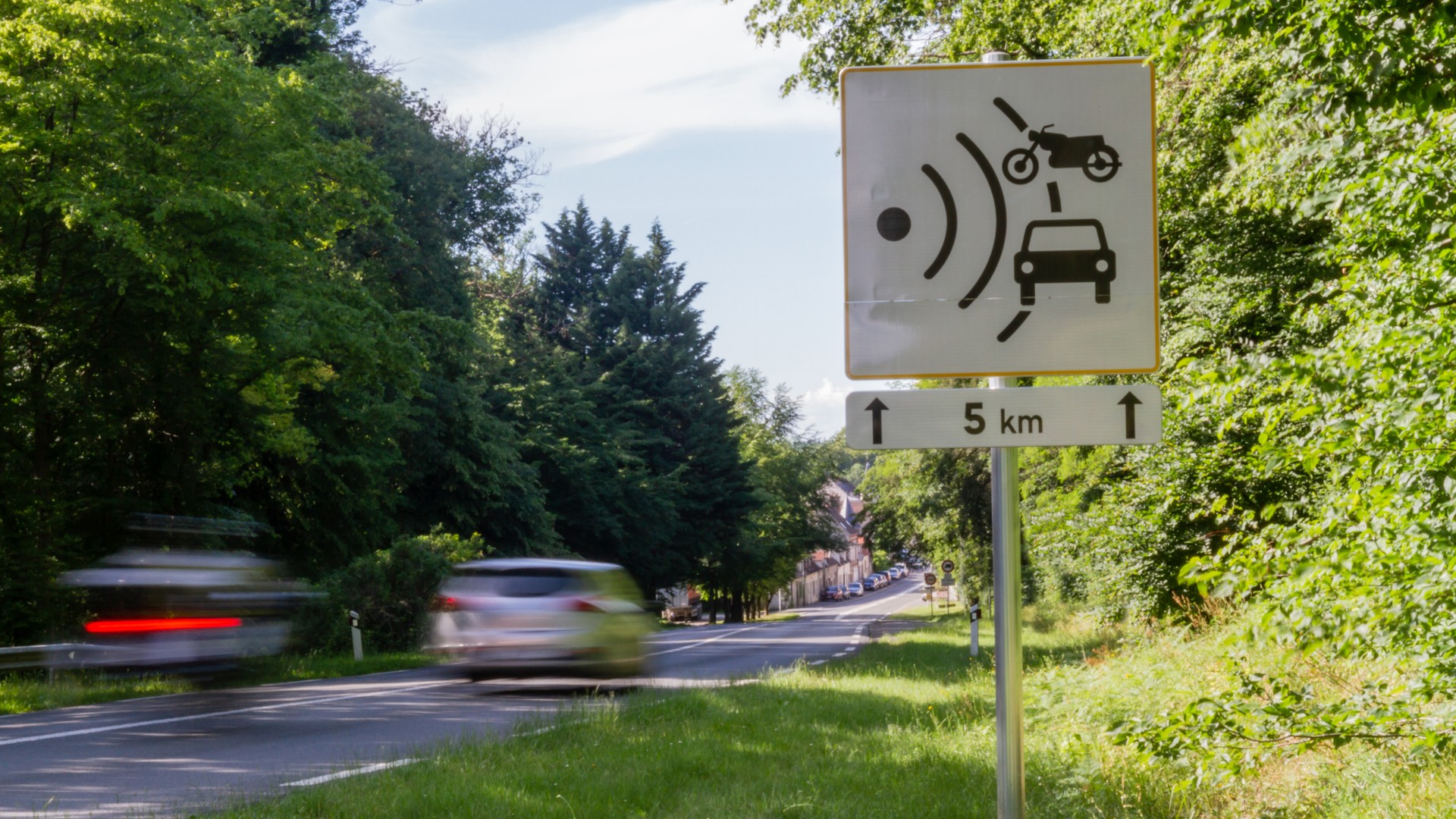
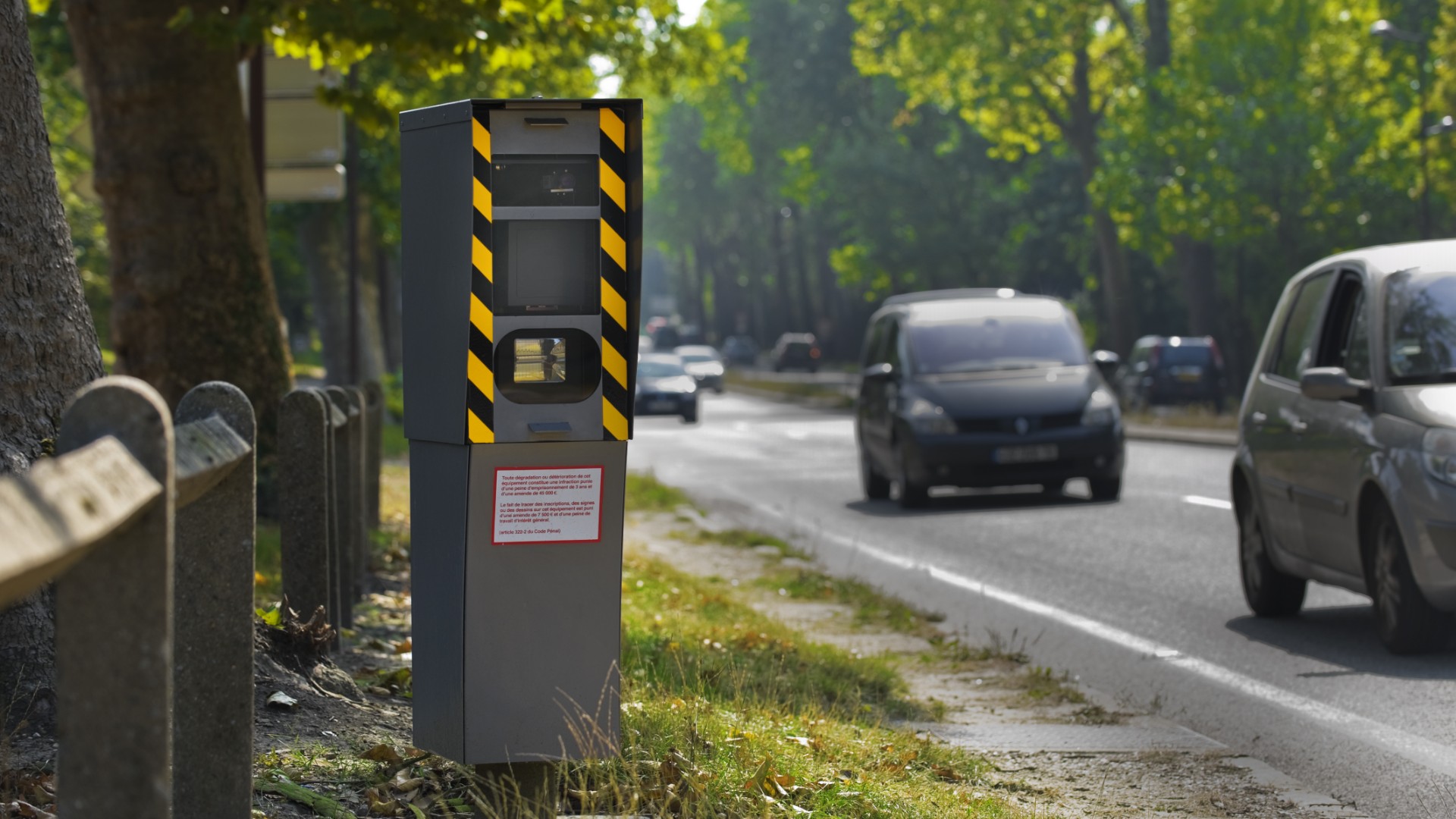
Speeding fines for British drivers in the European Union can no longer be enforced following the end of the Brexit transition period.
The UK’s departure from the EU means a directive allowing the cross-border exchange of information in the event of a traffic offence no longer applies.
This also means EU drivers will escape a speeding fine when travelling in the UK.
Figures from the French motoring website Caradisiac show that France sent contravention notices to 444,378 UK drivers in 2019. This puts the UK at the top of the league table for fines issued under automated control (cameras).
The UK finished ahead of Belgium (295,899 fines), Spain (262,012), Germany (249,291) and the Netherlands (206,102).
France stands to lose up to €60 million (£53 million) in unpaid UK motoring fines once travel restrictions are lifted.
Drivers still face on-the-spot fines
Directive 2015/413, nicknamed ‘Cross Border’, followed on from a Directive dating back to 2011. It covers a wide range of motoring offences, including:
Speeding
Jumping a red light
Failure to wear a seatbelt
Driving while under the influence of alcohol
Driving while under the influence of drugs
Not wearing a helmet (motorcyclists)
Driving in a prohibited lane
Using a handheld mobile phone at the wheel
This doesn’t mean British drivers will be able to travel in France with impunity. As reported by The Times, drivers stopped by French police will be ordered to pay an on-the-spot fine.
Anyone caught travelling at 50km/h or more above the speed limit could have their vehicle seized.
Fines range from €135 (£120) to €1,500 (£1,335), depending on the severity of the offence.
France is keen to reach an agreement similar to what’s in place with neighbouring Switzerland. The Times has reported that French officials fear Britain will “drag its heels”, although the prospect of losing revenue from speeding EU drivers could push the issue up the agenda.
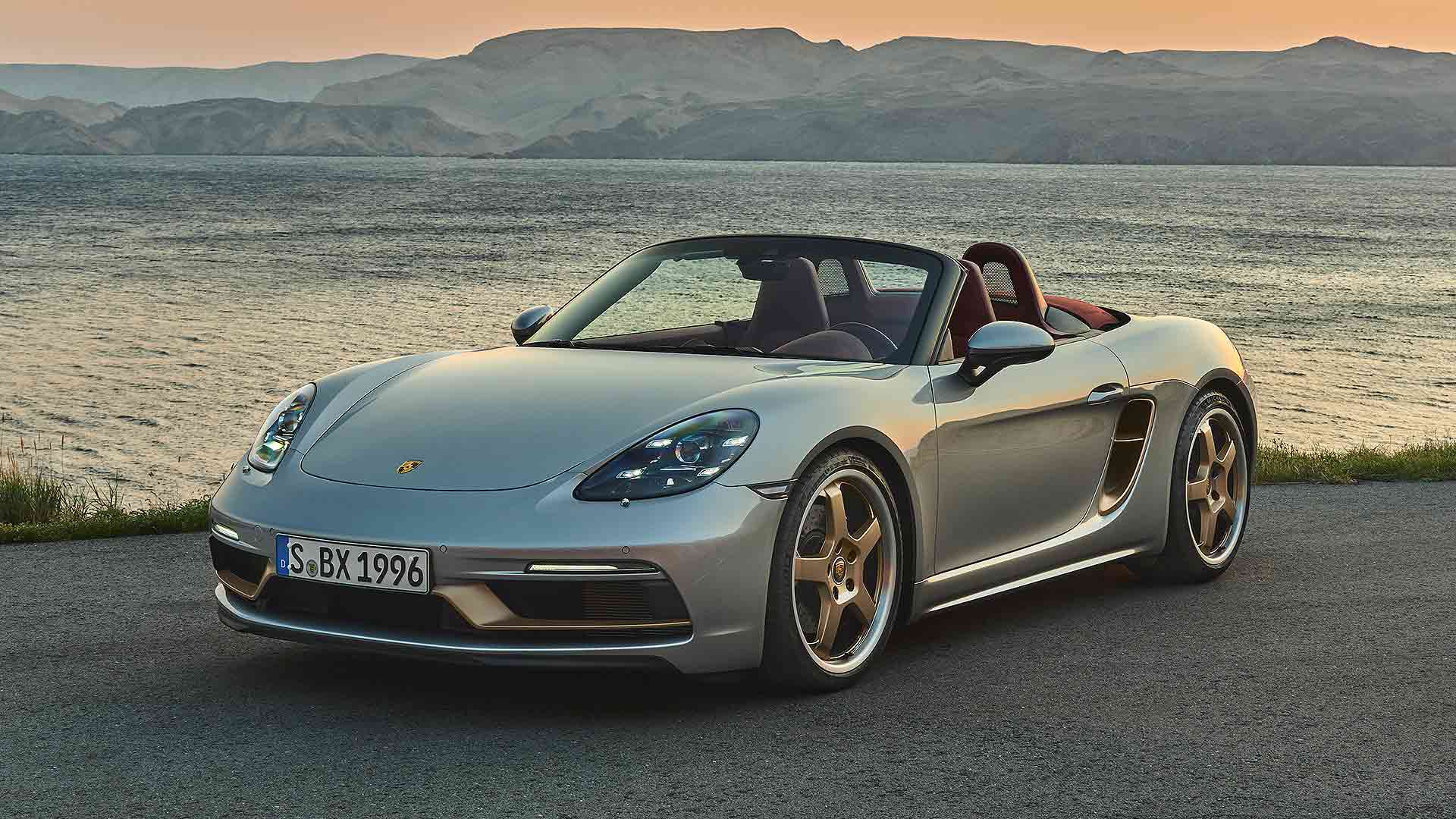
Porsche is marking 25 years of Boxster production with a limited-run special edition called Boxster 25 Years.
The new collectable is based on the range-topping 718 Boxster GTS 4.0 model, paring its 400hp 4.0-litre engine with either a six-speed manual or seven-speed PDK gearbox.
It has a top speed of 182mph and reaches 62mph in as little as 4.0 seconds.
Gold standard
The stand-out feature of the Boxster 25 is a unique body highlight called Neodyme.
This contrasts with the GT Silver Metallic body colour and, says Porsche, references the copper-like features on the original 1993 Detroit concept car.
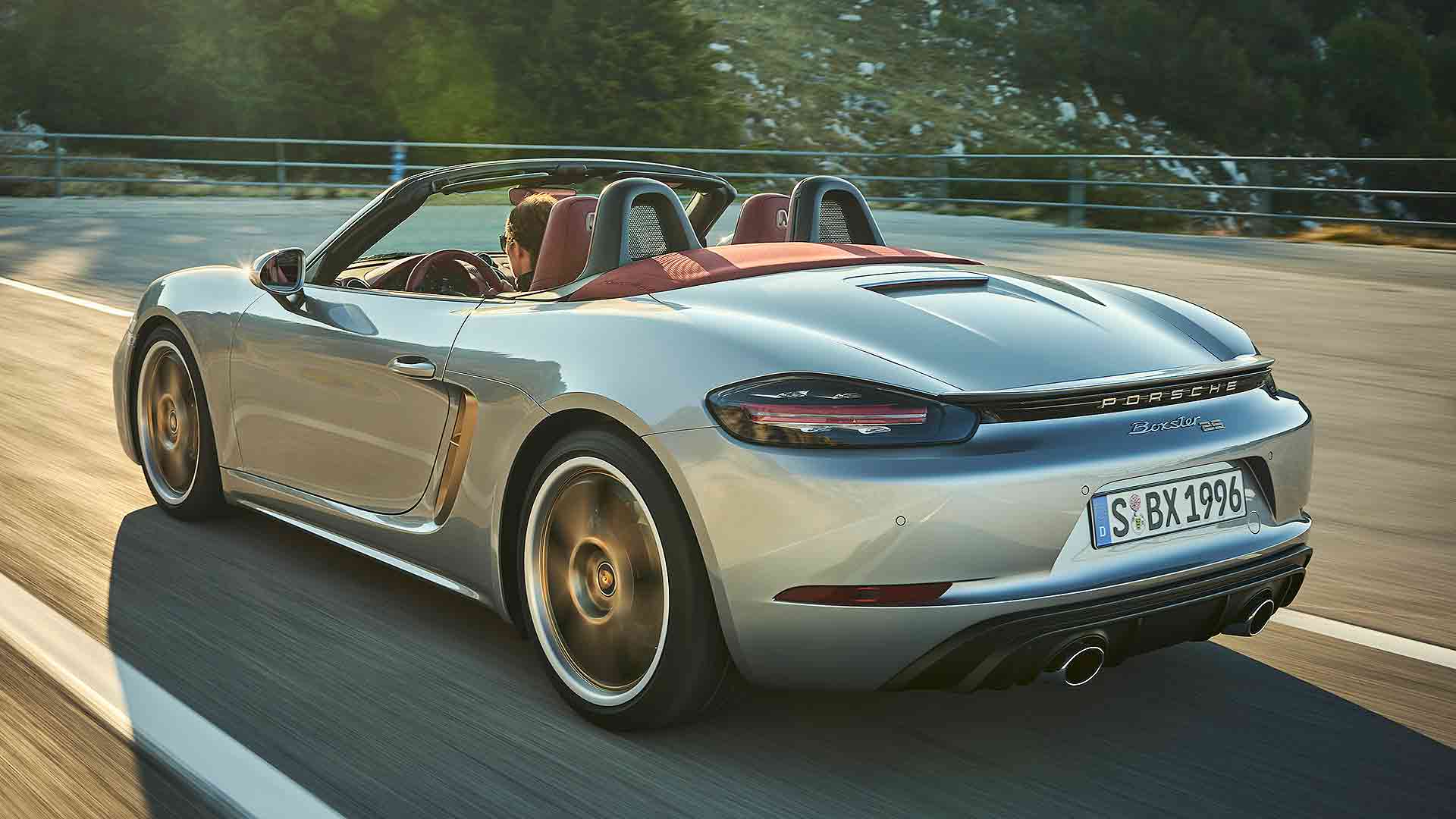
Neodyme is used on the front apron, side air intakes, rear lettering and the bespoke 20-inch alloys.
Those who don’t like GT Silver Metallic can pick Jet Black Metallic or Carrera White Metallic instead.
Simply red
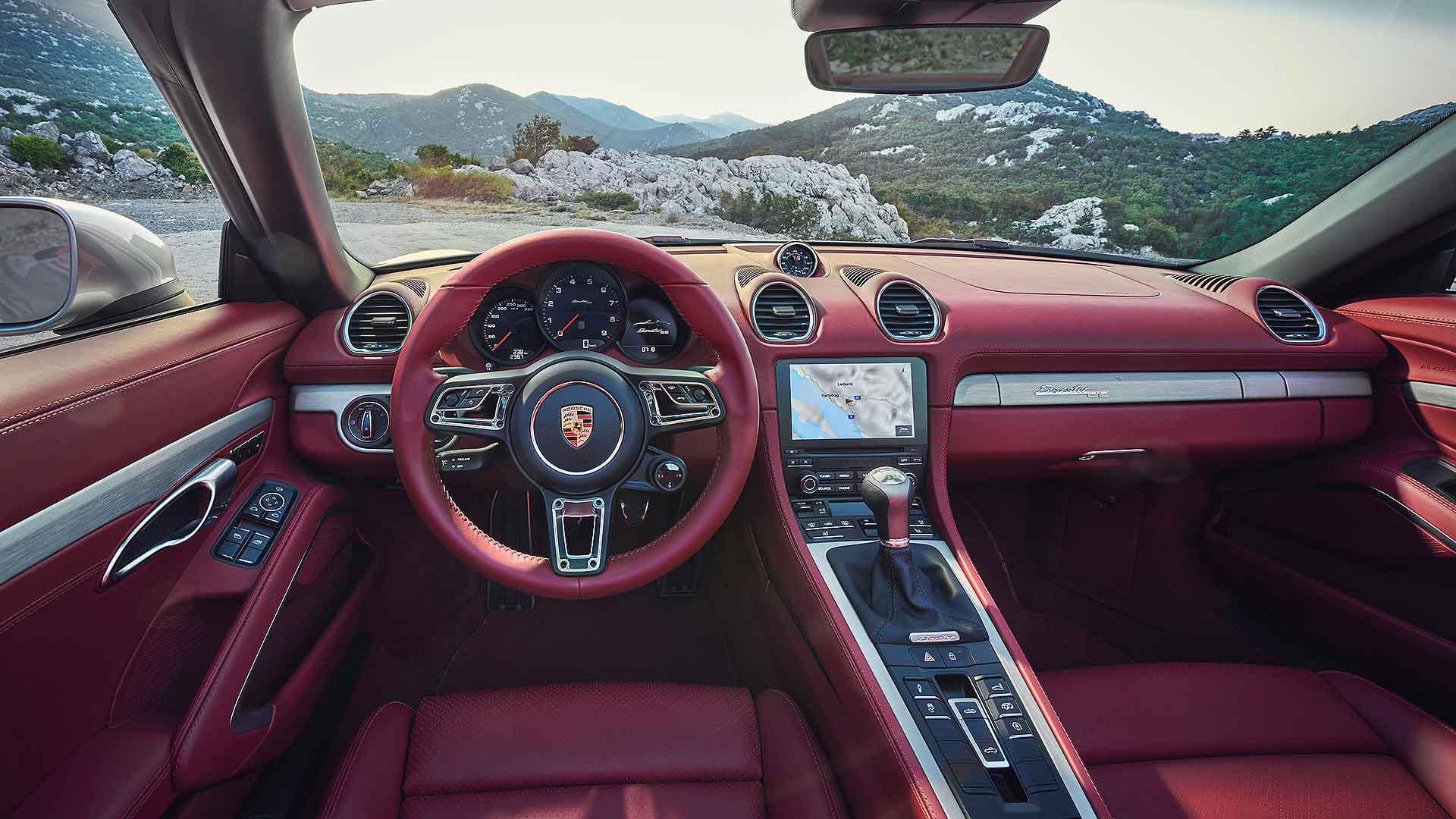
The Bordeaux red leather interior and red fabric soft-top (embossed with Boxster 25 lettering) also mimic the original concept.
The Boxster 25 is packed with equipment, befitting its range-topping positioning. The seats are electric, the GT steering wheel is heated and the LED headlights have the Porsche Dynamic Lighting System as standard.
Porsche Active Suspension Management is standard – it’s 10mm lower than the regular car – as is Porsche Torque Vectoring with a mechanical limited-slip differential.
A select few
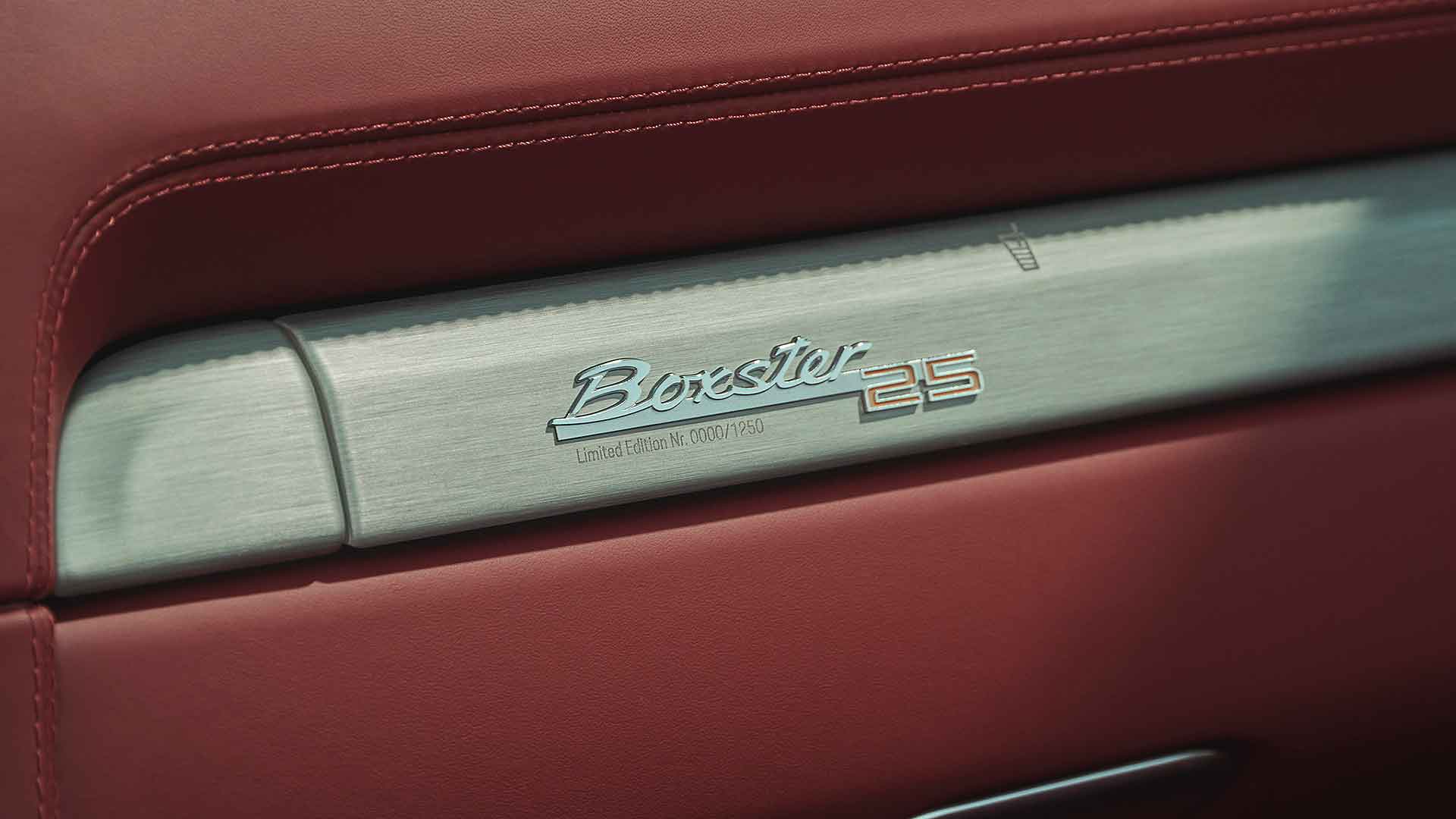
The Boxster 25 also gets high-gloss tailpipes, a windscreen surround in contrast black, an aluminium-look fuel filler cap and a Boxster 25 logo on the aluminium dash strip, complete with individual ‘1-of-1,250’ numbering.
Needless to say, it isn’t cheap; prices for the Porsche Boxster 25 Years start from £72,760. Ordering is open now and deliveries begin in the spring.
Devon and Cornwall Police will use ANPR cameras to catch motorists flouting Covid-19 lockdown rules.
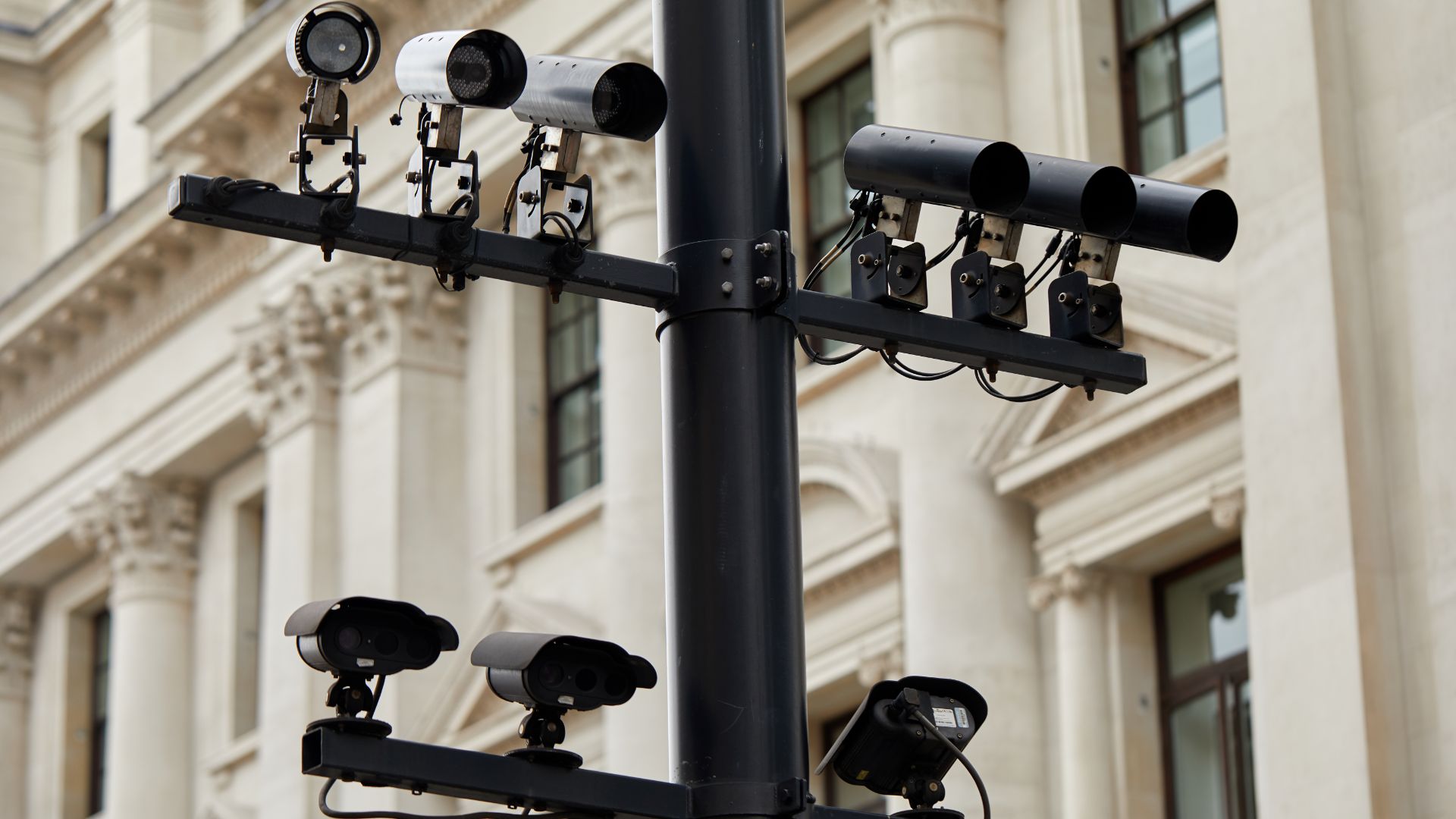
Static cameras will be mounted in numerous locations across the region, while every officer has access to an ANPR (Automatic Number Plate Recognition) app on their devices. This allows them to access live information about vehicles spotted on the road.
In a tweet responding to a concerned motorist, Devon and Cornwall Police said officers will “engage, explain and encourage before any kind of enforcement”. This followed a question about a car registered in Yorkshire but being used in Devon. “All you should have to do is have a chat and explain the situation”.
Speaking on Saturday, Devon and Cornwall’s chief constable said that “with more roads in Devon alone than there is in Belgium,” police officers cannot be everywhere at once. He called on the public to obey the rules.
“A thousand people a day are dying. You know what to do, please do it. We are going to enforce and there is going to be an awful lot of activity and an awful lot of difficult conversations if this carries on,” said Mr Sawyer.
‘Appalled and upset’
Although there are fewer cases of Covid-19 in Devon and Cornwall than in many parts of England, rates are increasing in some parts of the region. The latest figures show Cornwall has the highest rate (338.2 per 100,000 people), followed by Exeter (283.9) and Plymouth (273.2).
While many parts of the country were plunged into ever-stricter tiers in 2020, Cornwall and the Isles of Scilly remained in tier 1. Cornwall moved into tier 2 before Christmas, but joined Devon in tier 3 at the end of the year. Both counties, including the Isles of Scilly, are now part of the national lockdown.
Cornwall has the most empty houses of any area in England. Of the 18,621 empty residences, 13,642 are second homes used as holiday houses. This is thought to have led to an increases of Covid-19 cases in county.
Meanwhile, in Devon, Rob Steemson of Dartmoor National Park said he was “appalled and upset by the amount of visitors that were in and around Dartmoor over the weekend”. There have been calls for Dartmoor National Park to close its car parks, which is something that might happen if people continue to drive to the moors.
‘Done a great job so far’
The use of ANPR cameras has been welcomed by Devon and Cornwall police and crime commissioner Alison Hernandez, who said: “Covid is spreading rapidly across the whole of the UK, not least because this new strain of the virus is far more contagious.
“We need to be doing everything we possibly can to prevent the spread of coronavirus. The people of Devon and Cornwall have done a great job so far which is reflected in our case rates which are among the very lowest in the whole country.
“But we mustn’t become complacent. I was saddened to hear about the reports of hundreds of covid breaches over the weekend, many of which are understood to be related to second homes.
“As such, I welcome the force’s use of ANPR to monitor vehicle movements and make sure the only journeys being made here are essential ones. Using this technology helps us see where certain vehicles have come from and allows officers to further investigate their reasons for travel.”
Fines for drivers in breach of the rules
Devon and Cornwall Police told Motoring Research: “As part of our efforts to enforce the national lockdown in our area, we have increased the number of visible units on patrol and our use of vehicle stop-checks within Devon and Cornwall.
“All officers have access to the Police National Computer (PNC) and the ANPR database in which they can undertake research on vehicles as part of this process; what we are not doing is using ANPR to alert the force to any vehicle that may not be local that happens to be in our region, or using ANPR details solely as the basis to issue a Covid-related fine.
“At all times, our officers will have a conversation with any vehicle user to understand the reason for their journey. There will be many who are in Devon or Cornwall for a legitimate reason as laid out under Government Covid guidelines and, rest assured, these will be treated fairly. Those who are in breach of the rules, however, run the risk of receiving a fine, being told to turn around and to return directly to their home address.”
An icon of the Russian motoring world has been given back its rightful name, after years out in the cold.
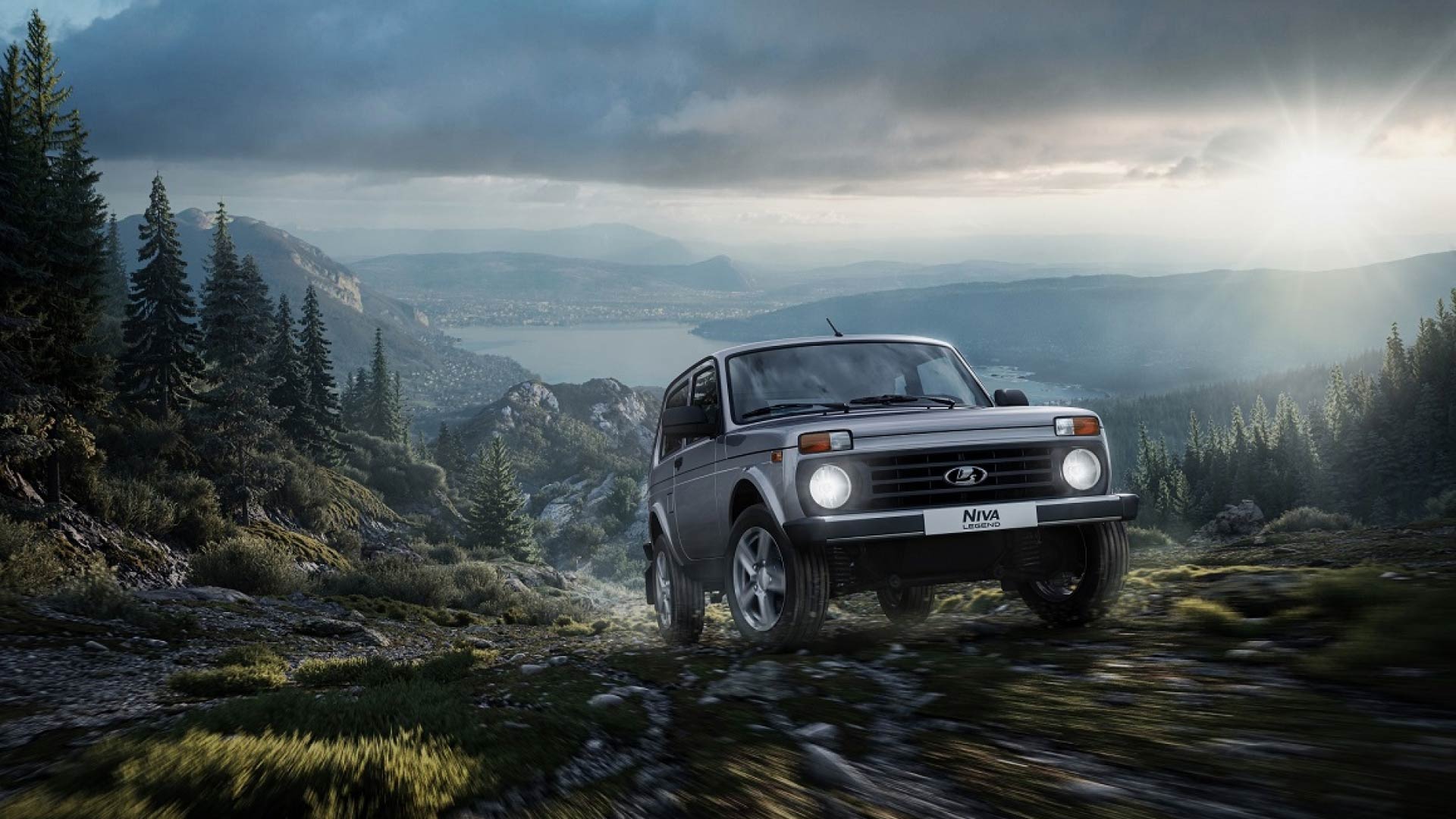
Lada has announced it will once again brand its latest version of its long-lasting 4×4 with the Niva name. To be precise, the 45-year-old SUV will be called the Lada Niva Legend, recognising the significance of the Soviet-era off-roader.
With the introduction of a new Land Rover Defender, the Niva Legend is the oldest SUV still made in original form.
A motoring icon of Mother Russia
First displayed at the 25th Congress of the Communist Party of the Soviet Union in 1976, the Lada Niva went into full production the following year. Despite the huge socio-political changes in the world since then, Lada has continued to build the utilitarian machine.
The Niva was the company’s first vehicle not based on a Fiat model, intended to offer affordable all-wheel drive practicality. According to Lada, the Niva Legend still remains Russia’s cheapest new SUV.
A joint-venture between AvtoVAZ, the owner of the Lada brand, and General Motors saw the Niva nameplate dropped in 2006. Instead, the classic SUV was simply called the ‘4×4’, with the Niva badge applied to a contemporary Chevrolet model.
I Am Legend
Groupe Renault purchased a stake in AvtoVAZ in 2008, later fully acquiring the company and associated brands. In turn, this allowed AvtoVAZ to end the partnership with General Motors, and restore the Niva name to the legendary SUV.
Confusingly, Lada will also continue to produce the Chevrolet-derived model, badged simply as the Niva.
Updates in 2019 mean there are a whopping ten trim levels to pick from with the Niva Legend. This includes the option of a ‘Comfort’ package. This adds decadent Western luxuries like central locking, and an audio system with USB connectivity.
Russian pricing for the Niva Legend begins at the equivalent of just £5,850. The range is topped by an on-trend Black edition, priced at £6,700.
Not even a Dacia Duster can come close to beating those amounts.
Those still unconvinced by the idea of a mid-engined Chevrolet Corvette will have the chance to test one out, virtually, later this week.
The Series 31 Update for Microsoft’s Forza Horizon 4 racing game will see the addition of the eighth-generation Corvette Stingray.
It comes after Forza players had persistently requested the new Corvette be added to the award-winning game, which already features hundreds of performance vehicles.
Brawn in the UK
With Forza Horizon 4 using a UK setting, it will be an opportunity to test out how the all-American supercar copes with British roads.
Chevrolet has previously confirmed that UK buyers will be offered the new Corvette in right-hand drive. The inclusion of it in the Forza game could make for an important test drive for those considering the Stingray.
The car to be featured in the game will be a Z51 Performance Pack-equipped Corvette. This means the 6.2-litre V8 engine produces 495 hp, combined with 470 lb-ft of torque.
Like all C8 Corvettes, it uses an eight-speed dual-clutch transmission, and has a top speed close to 200 mph.
More than just the Corvette to try
Along with the latest Stingray, Forza fans will also have the chance to enjoy two other new vehicles this month.
Adding the third-generation Camaro IROC-Z will likely please those Chevrolet fans who find a mid-engined Corvette too shocking. Based on the Z28 model, the Camaro IROC-Z used a 5.0-litre V8 with 215 hp, and upgraded Bilstein suspension.
In contrast to American brawn, the diminutive Honda S800 will make a Forza Horizon 4 debut, too. Powered by a 791cc four-cylinder engine, the S800’s 70 hp output made it the first Honda road car to reach 100 mph.
New competitions and challenges will be included as part of the update, set to be available from Thursday, 14 January.
Could your next car wear a Sony badge? The electronics giant revealed its Vision-S concept last year – and has now released a video of its radical EV on the road.
In the video, we see the car wearing Austrian number plates, testing on an airfield circuit and in the snow-covered mountains.
Officially, Sony describes the vehicle as a showcase and testbed for future technology. But company CEO Kenichiro Yoshida has already said he believes “the next mega-trend will be mobility”.
A history of in-car entertainment
We sense the Vision-S is testing the waters for a possible production car.
Watch: Sony Vision-S road and track testing
Slightly smaller than a Tesla Model S – and not dissimilar in style – the Vision-S has been developed for road use by Magna Steyr – the independent manufacturer that builds the Mercedes-Benz G-Class, Jaguar I-Pace and Toyota Supra, among others.
Other high-profile partners in the project include Bosch, BlackBerry, Nvidia and Qualcomm.
The car was revealed at the Consumer Electronics Show (CES) in Las Vegas last January.
Read my lips
The stats for the Vision-S look impressive: 544 hp from two electric motors, 0-62mph in 4.8 seconds and a 149mph top speed. However, it’s the technology here that really pushes boundaries.
The 2,350kg Vision-S uses a total of 40 sensors to monitor the car and driver. Although it isn’t fully autonomous, it can change lanes automatically – if the path is clear – when the driver activates the indicator. Digital mirrors also warn of surrounding vehicles, with ‘360 Reality Audio’ to help with gauging distances.
Inside the car, Time of Flight (ToF) sensors monitor the driver’s alertness and can lip-read to assist with voice controls – if other passengers are talking, for example.
Playstation included
Stopping short of actually reading your mind, Sony’s car also learns about its occupants, including their preferred cabin temperature, audio playlists and driving routes. If one of the occupants falls asleep (preferably not the driver), it will dim the interior lights and adjust the surrounding temperature to suit.
Ready to wake up? There’s surround-sound with individual seat speakers, plus integrated Playstation tech. Bring on Gran Turismo 7…
Naturally, the Vision-S also promises to fully integrate with your smartphone (yes, there’s an app) and connect to 5G networks, with software-over-the-air (SOTA) updates on its onboard systems. We suspect Elon Musk is taking notes.
BMW appears to be engaged in the social media equivalent of burning its heritage in a trash can. In what could pass as scene from a future Cars 4 film, a 760Li with a voice like Doc Hudson tells an iX electric SUV it is “marketing b******t.” The iX responds in kind by telling the 7 Series it’s history.
However, as this ex-Sean Connery BMW 635CSi proves, diamonds are forever. Some cars from BMW’s past are untouchable. The E24 is one such car.
It enjoyed a remarkably long innings, arriving in 1976, then not dying out until the 1980s said hello to the 90s. BMW tried and failed to replace the 6er with the 8 Series, but its successor had lost some of the magic.
It speaks volumes that the 8 Series could manage just a decade before going into a near two-decade hiatus.
‘Epitome of BMW zestfulness’
The 635CSi was second only to the M635CSi in the BMW 6 Series range. It arrived in 1978 with power sourced from a 3.5-litre six-cylinder engine derived from BMW’s Group 5 racing 24-valve unit. A top speed of 140mph made it Germany’s fastest four-seat coupe.
In 1979, Autocar described the 635CSi as “the epitome of BMW zestfulness – that glorious smooth eagerness of a BMW six, which is such a hallmark of the breed”. It cost, as near as makes no difference, £16,500 – the equivalent of £84,000 in today’s money. More expensive than a Jaguar XJ-S, but significantly cheaper than a Porsche 928 or Mercedes-Benz 450 SLC.
For the early part of the 1980s, the 635CSi was the flagship of the 6 Series range. The fact that it was upstaged by the BMW Motorsport-bred, 150mph M635CSi shouldn’t dilute the appeal of this elegant and smooth operator.
As Autocar summarised, it should appeal to a “man who ranks style as important as performance, and who prefers a vestige of sporting sound to total refinement’’. Somebody who prefers to be stirred, not shaken.
There can be only one
A man like Sean Connery. He bought the left-hand drive 635CSi in 1989/1990 and kept it until 1998. During that time, the car was used on the roads around the former Bond’s home in Marbella, Spain. Mr Connery sold the car to a BMW main dealer in Lancashire.
The 635CSi was placed in dry storage in the UK until 2007 before taking up residence in Luxembourg, where it remained in storage. It made a brief public appearance in 2016 to celebrate 100 years of BMW, but essentially the car is as it was when the Highlander star sold it in 1998. If you’re looking for an ex-Connery 635CSi, there can be only one.
At the time of writing, bidding for the Luxembourg-registered BMW 635CSi has reached £17,250 with no reserve, which is hardly a bridge too far. It’s worth noting that it was registered in 1986, before being delivered in January 1989 and registered to Sean Connery in 1990. There are just 61,841km (38,426 miles) on the clock.
The Detroit Auto Show 2021 has been cancelled after organisers concluded the effects of the pandemic risked “asking too much” of exhibitors and stakeholders.
The event, officially called the North American International Auto Show, was scheduled to run in September in its traditional home of downtown Detroit, North America’s ‘motor city’.
Organisers are instead hoping to run a smaller outdoor event for enthusiasts at a racetrack in Pontiac, Michigan, in late September.
The Detroit Auto Show is run by the Detroit Auto Dealers Association. It was last hosted in January 2019 and dates for the 2021 event have been rescheduled several times due to the coronavirus pandemic.
“As we continued to watch the world and watch a vaccine roll out well in some places and not well in other places and still having lockdowns in some areas, it really became clear to us that we were not going to have the kind of show we wanted to have,” show chairman Doug North told Automotive News.
“Many of our stakeholders who have to make significant investments are all feeling the pandemic crunch in their budgets.
“It became clear we’d be asking too much.”
When asked by Automotive News whether the event would return in 2022, Mr North did not commit. “We can’t speak to the future because auto shows are being cancelled and postponed and terminated throughout the world.
“Not to mention they’re continuing to evolve in ways that aren’t traditional.”
However, he added, “we firmly believe auto shows have a place in the automotive world”.
In Europe, the Geneva Motor Show, which traditionally runs in March, has already been cancelled for 2021.
However, the biannual IAA Frankfurt Motor Show is currently still scheduled to go ahead in September – moving from its traditional home to a new location in Munich.
In the UK, the British Motor Show is scheduled to take place at a huge indoor and outdoor location at Farnborough from 19—22 August 2021.
Ford has bagged two of the three titles at the 2021 North American Car, Truck and Utility Vehicle of the Year (NACTOY) Awards.
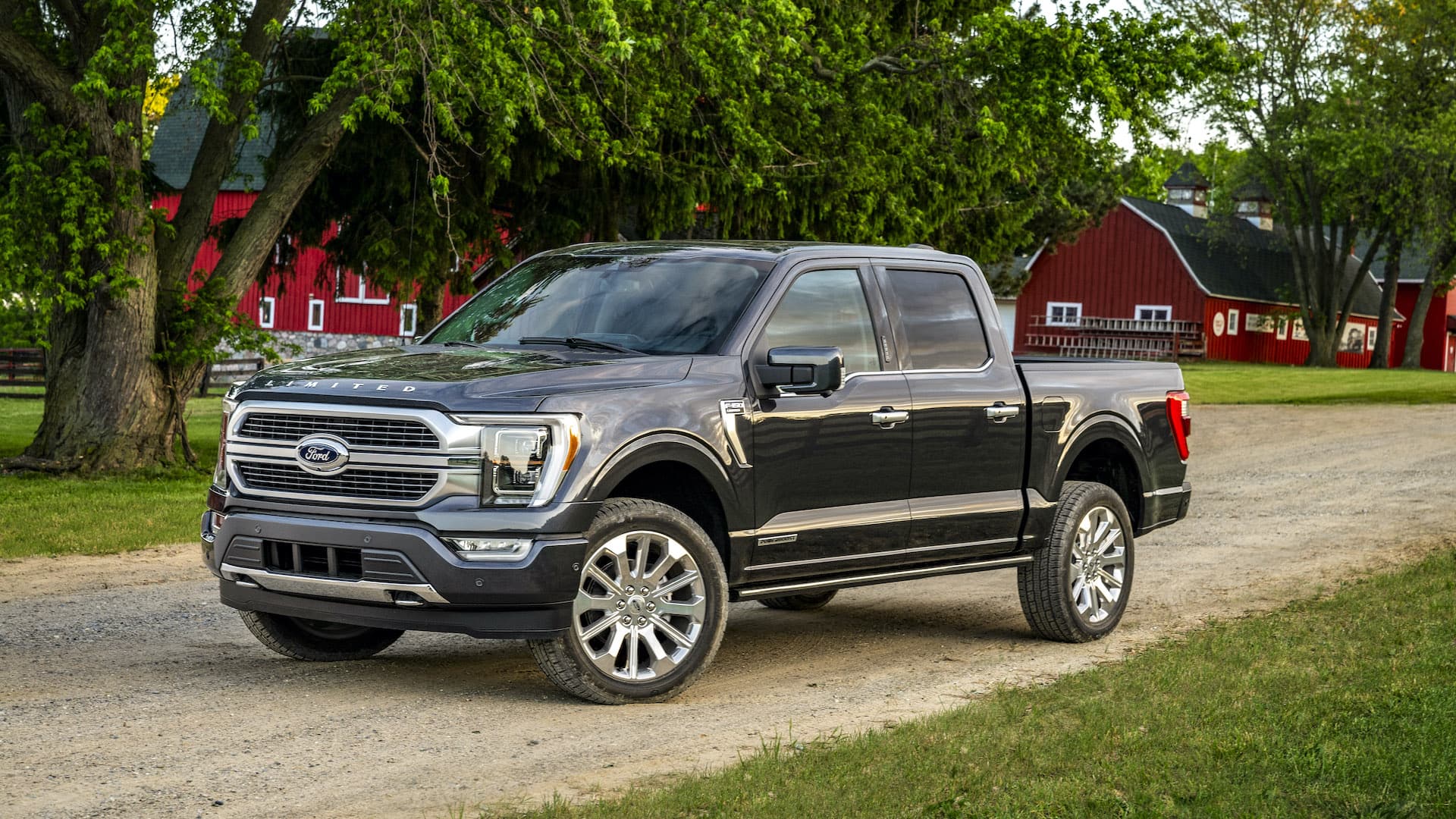
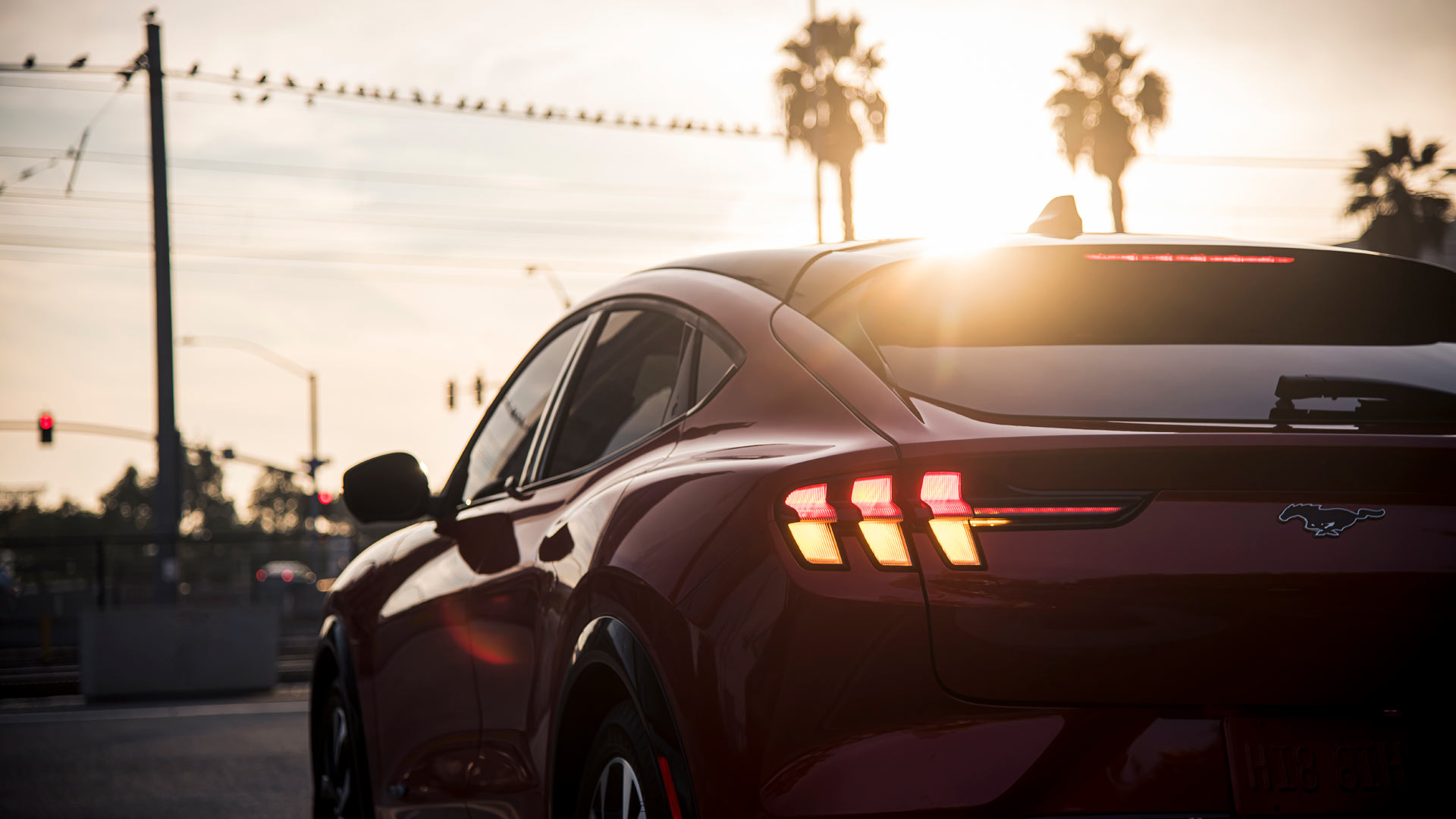
The Blue Oval saw the brand-new 2021 F-150 pickup take glory in the Truck category, whilst the all-electric Mustang Mach-E was a winner in the Utility class.
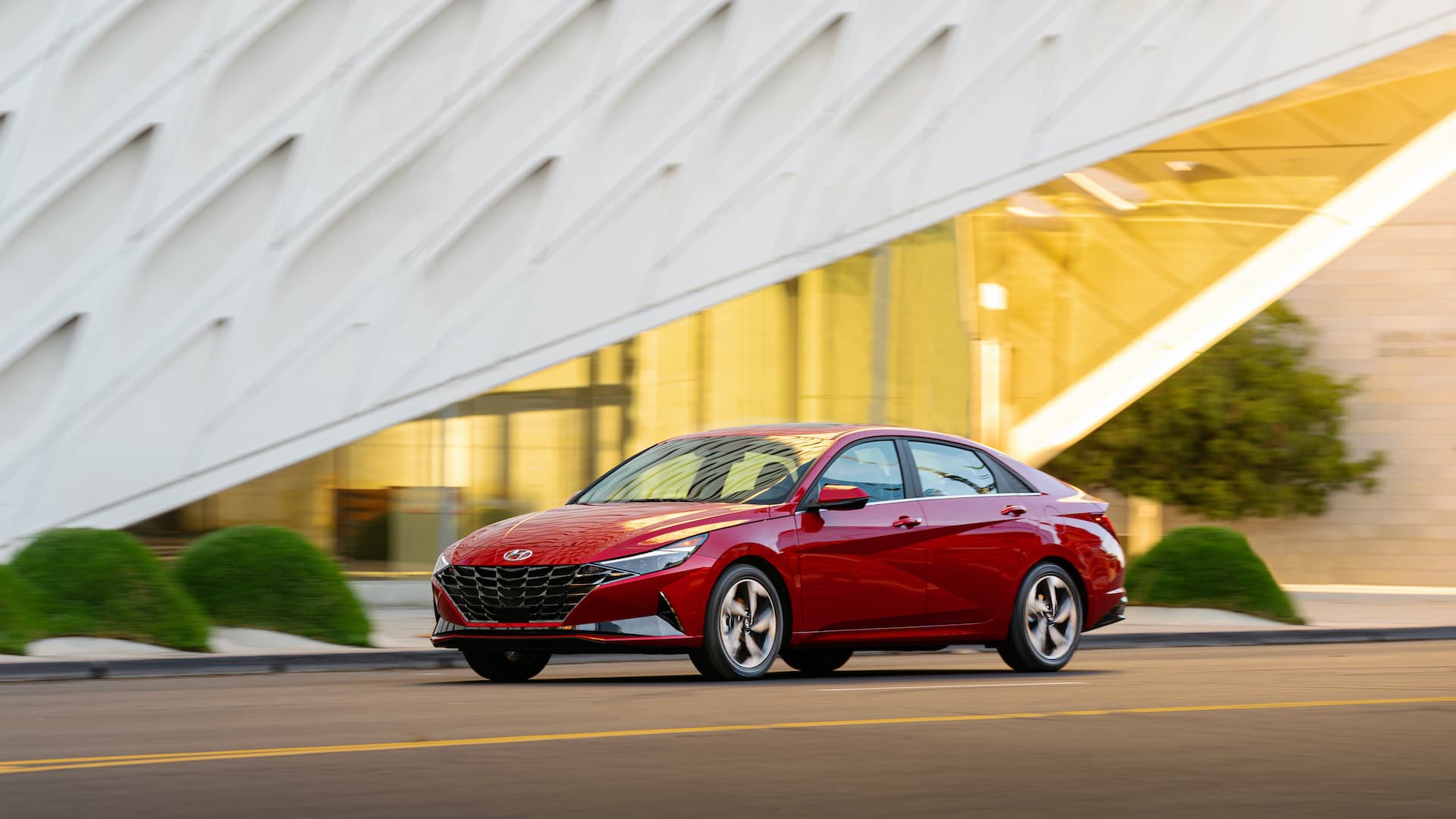
Hyundai can also celebrate, with the latest Elantra picking up the prestigious Car of the Year Award for 2021.
Doubling down on success
A win for the Mustang Mach-E will be a major endorsement of Ford’s move into the electric crossover SUV market. Purists may were initially upset at the Mustang name on a battery electric model, but NACTOY jurors believed it was the right decision.
They marked the Mustang Mach-E ahead of the reborn Land Rover Defender, and the Genesis GV80 – the first SUV from Hyundai’s luxury brand.
The company has taken a less radical approach with the new F-150 pickup truck, now into a fourteenth generation. However, the F-150 has been the best-selling pickup in America for the past 44 years meaning the stakes are still high.
Ford’s pickup triumphed ahead of the desert-orientated Jeep Gladiator Mojave, and the 700 horsepower Ram 1500 TRX.
Elation for the Hyundai Elantra
The new Hyundai Elantra claimed the important 2021 Car of the Year trophy, beating the Genesis G80 and Nissan Sentra.
With four-door coupe styling, and a bold interior inspired by aircraft cockpit, the new Elantra is certainly distinctive. Hyundai was praised for launching a new hybrid version, along with a performance N Line model.
It made for radically different winner compared to the Chevrolet Corvette Stingray, which took the prize in 2020.
A competitive year for all concerned
Judging the 2021 event was tough, according to those making the decisions. Juror Paul Eisenstein commented that he could not “recall a year when the finalists all were so deserving.”
The NACTOY Awards were first established in 1994, and are now the longest-running independent motoring accolades. Some 50 jurors drawn from print, radio, and online media come together to make their picks each year.
Due to coronavirus, a virtual event was used to announce the winners this year.
Values of written-off motors rose 32 percent during the second half of 2020, with one auctioneer reporting more bids per lot and higher sale prices across the board.
The price rises have been by the Covid-19 pandemic – and while demand for budget-priced cars is part of the reason, other factors are at play, too.
Lockdowns have also helped boost the price of salvage cars: because people have been driving less, there have been fewer road traffic accidents, meaning there’s now a shortage of written-off salvage cars in the marketplace.
Brexit is yet another factor: companies were stockpiling parts, which again helped heighten demand.
Values of Category B and Category S vehicles increased by 33 percent, while prices for the most lightly-damaged Category N vehicles rose 41 percent.
These are the vehicles that are most easily repaired and returned to the road.
Graham Howes, the firm’s commercial director, said: “We saw demand drive higher prices across the board, but the demand in the LCV sector is noteworthy.
“It’s clear that the growth of online shopping is creating an unprecedented market for all levels of LCV.”