Home Blog Page 219

Coronavirus has ‘unprecedented impact’ on 2020 European car sales

0
Renault Nissan van production in France

New car sales across Europe suffered a record fall during 2020 because of the coronavirus pandemic.

More than three million fewer cars were registered across Europe during 2020, a decline of 23.7 percent.

Include EFTA countries and the UK, and the scale of the fall increases to 24.3 percent – with almost 3.9 fewer cars taking to the roads.

The European Automobile Manufacturers Association (ACEA) says it’s the biggest yearly drop in car demand since records began.

“All 27 EU markets recorded double-digit declines throughout 2020.

“Among the region’s biggest car markets, Spain posted the sharpest drop (-32.3 percent), followed closely by Italy (-27.9 percent) and France (-25.5 percent).

“Full-year losses were significant but less pronounced in Germany (-19.1 percent).”

The figures mirror the new car market in the UK, which declined 29 percent in 2020.

The worst months were March, April and May, where new car sales fell 55.1 percent, 76.3 percent and 52.3 percent respectively. This was during the peak of the ‘first wave’ of the pandemic.

Registrations slowly recovered, ending 3.3 percent down in December, but it was still an “unprecedented impact” said the ACEA.   

As the UK has now left the EU, ACEA’s core figures are for the EU27.

It also offers broader figures for the EFTA countries (Iceland, Norway and Switzerland), and now the UK.

These show 11.9 million new cars were registered across Europe during 2020 – down from 15.8 million in 2019.

Many car brands suffered above-average declines. Smart registrations were down a staggering 75.8 percent, Mazda was down 41.7 percent and Opel/Vauxhall declined 40.4 percent.

Jaguar declined 39.3 percent and Ford, Britain’s best-selling new car brand, fell 31.7 percent.

The best-performing car brand in Europe during 2020 was Porsche, with registrations declining only 7.6 percent.

ALSO READ

New Nissan Qashqai to offer ‘EV-like’ e-Power engine

AA reveals new road signs for coronavirus vaccination centres

All-new Honda HR-V hybrid teased ahead of reveal

Advertisement

Sublime ‘Newcastle’ Porsche 911 by Singer heads to auction

0
Porsche 911 Reimagined by Singer

The auction website Collecting Cars has sold more than 1,500 cars to date. However, few are more special than this 1990 Porsche 911 Reimagined by Singer.

It started life as a UK-market Porsche 964 Carrera 2, first registered in April 1990. Although still enjoying active use in the UK in 2014, the car was exported to Los Angeles for the Singer treatment.

By Christmas 2015, the Porsche was back in the UK, complete with a new identity and personality.

No two Singers are the same

Porsche 911 Singer for sale

The Singer Design overhaul is as comprehensive as it is meticulous. A customer supplies a road-legal 1989-1994 Porsche 911 Coupe or Targa as the basis of a thorough restoration. Every car is stripped down to the monocoque, which is blasted to bare metal and treated for rust prevention. The monocoque is strengthened, then rebuilt using carbon-fibre body panels.

No two Singer cars are the same. Colours are chosen to ‘recall some of the vivid hues pioneered in the 1960s and 70s’, while the interior reflects the ‘golden age of early car decor’.

Nods to the present include a Becker Mexico radio of the 1990s, styled to evoke the classic look of the 70s. A tablet is fitted to offer iPod integration and USB connectivity.

Classic style, modern performance

Porsche 911 Singer dials

An uprated air-conditioning system is standard on all Singer vehicles, but can be removed at no extra charge. The classic five-gauge display remains, showing fuel and oil level, oil temperature and oil pressure, tachometer, speedometer and clock. Note the speedometer, which is marked and recalibrated to 180mph.

The ‘Newcastle Commission’ by Singer is described by Collecting Cars as ‘an incredible example of the car’. Power is sourced from a Ed Pink Racing Engines 4.0-litre flat-six producing 390hp and 315lb ft of torque.

As a result, the 911 will sprint to 60mph in just 3.3 seconds.

Auction in action

Porsche 911 Singer rear

The flawless Singer Racing White paintwork is complemented by light blue stripes around the bumpers and along the flanks.

Brembo brakes sit behind a set of 17-inch Fuchs-style alloy wheels. Hella bi-xenon headlights are mounted in redesigned light housings with polycarbonate lenses.

You can read more about the Porsche 911 Reimagined by Singer on the Collecting Cars website. It could be the ideal car if you need something to look forward to when lockdown restrictions are lifted.

READ MORE:

Tiff Needell returns to TV in new ITV4 motoring show

How to secure your car with an OBD port locking device

Porsche Boxster 25 special pays tribute to 1993 concept car

Advertisement

Nissan Leaf electric car offered for £249 a month

0
Nissan Leaf

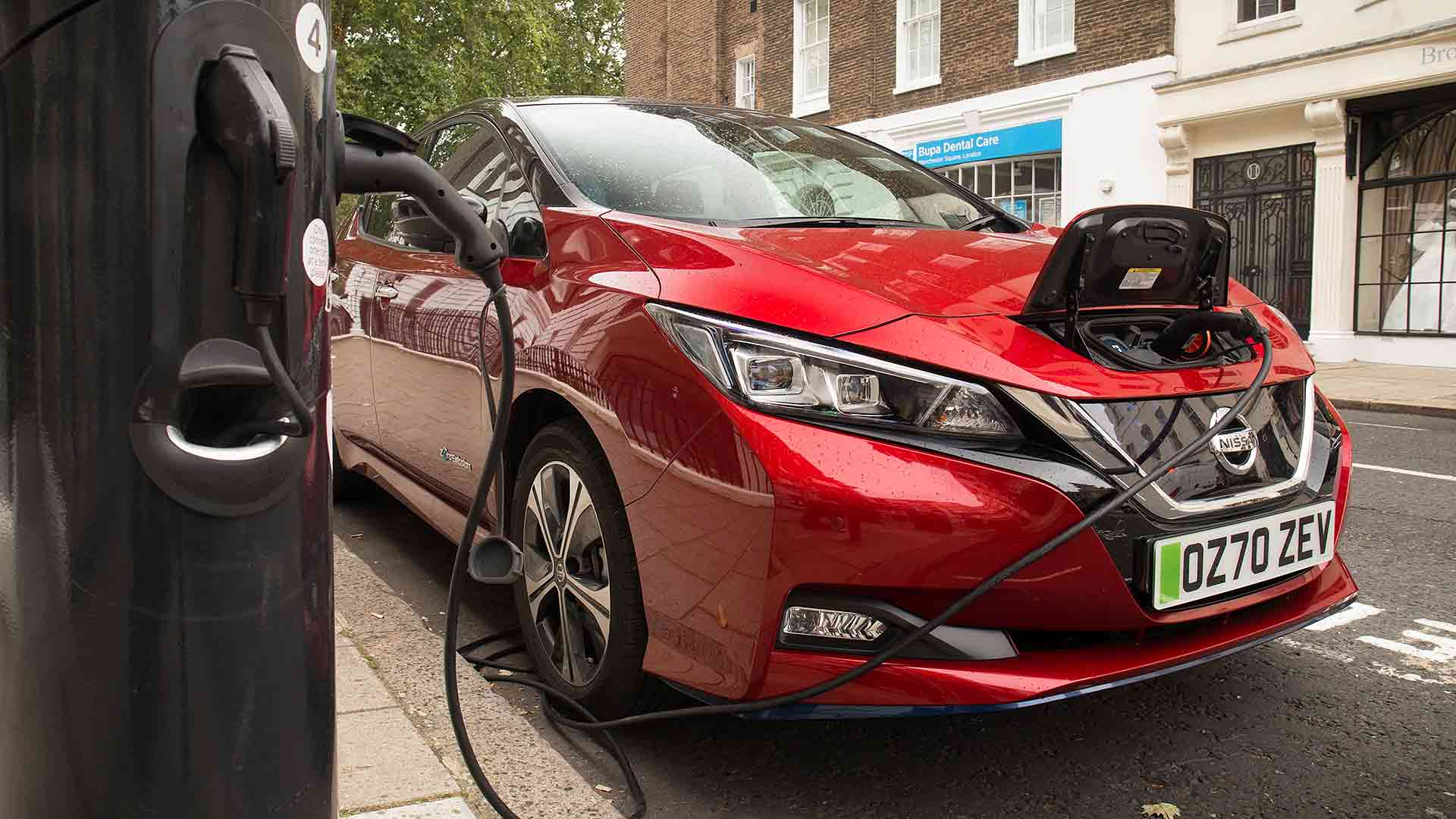
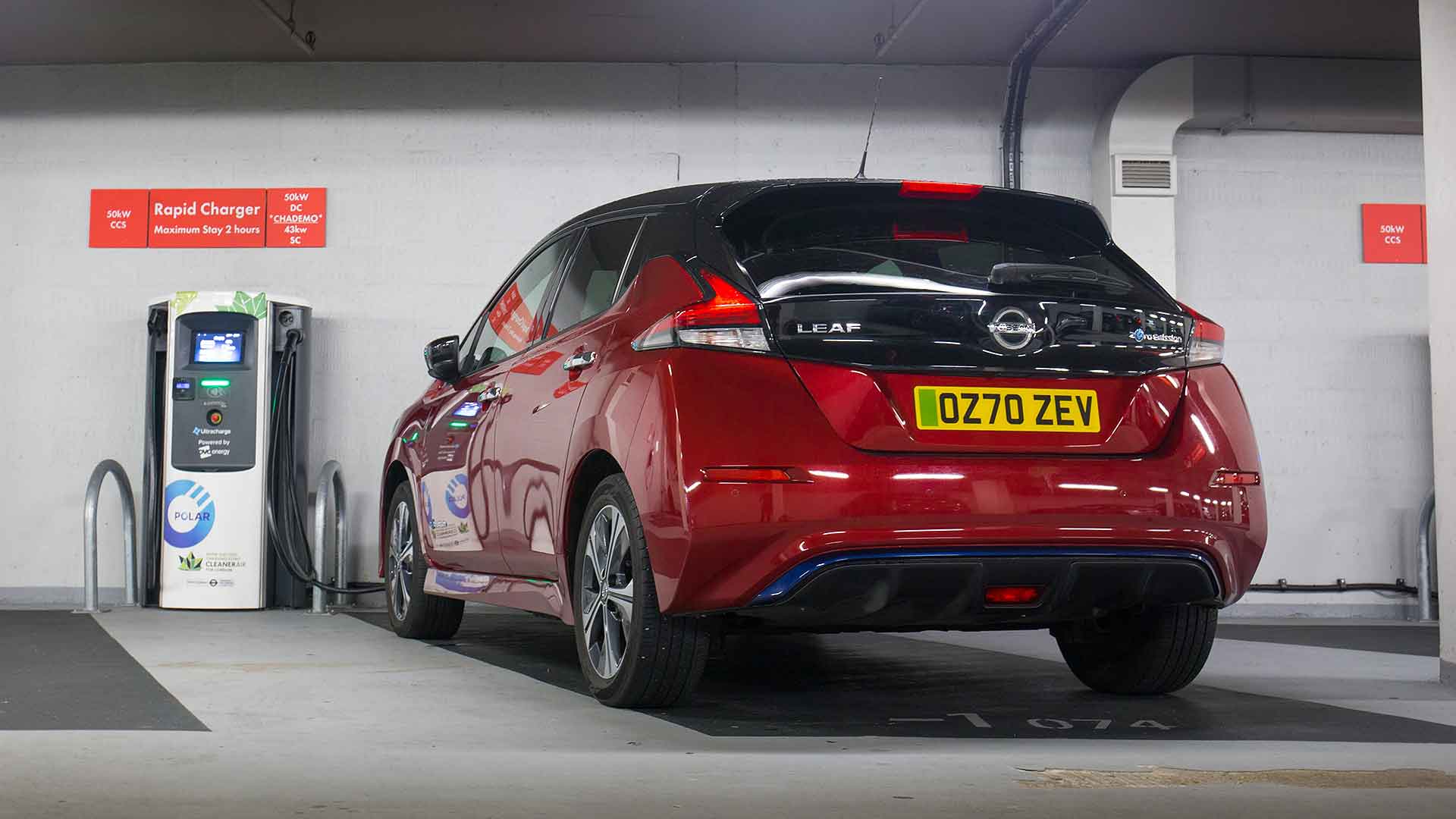
Nissan has launched a new finance offer for the Leaf electric car that sees it available for £249 a month.

Better still, it’s a zero percent APR deal for the 100 percent zero-emissions EV.

The offer is available on the Leaf N-Connecta with a 40kWh battery. This has a range of 168 miles.

Once the government Plug-in Car Grant is taken off, it has a list price of £28,145.

Nissan requires a 15 percent deposit – that’s £4,987 – and offers the EV over a three-year term, with motorists allowed to drive up to 10,000 miles a year. The optional final payment is £14,193.

Nissan Leaf

The deal ‘puts to rest the perception that electric vehicles are any more expensive to buy than traditional rivals,’ said Nissan.

Nissan announced the short-run special offer, which ends on 31 January 2021, as it revealed it was the UK’s best-selling electric car and commercial vehicle brand in 2020.

The all-electric Nissan E-NV200 is actually the UK’s best-selling all-electric van – with a huge 66 percent market share.

The British-built Leaf, adds Nissan, is also available in longer-range Leaf e+ guise, with a 62kWh battery giving a greater driving range of 239 miles.

The headline-grabbing £249 offer is only available with the smaller, cheaper 40kWh battery, however.

ALSO READ:

Nissan cuts prices of Leaf electric car

Nissan Leaf scores five stars in tough new Euro NCAP crash test

Nissan Leaf is Stuff Car of the Year

Advertisement

New rules for classic cars with black and silver number plates

0
Historic number plate changes

New rules introduced at the start of 2021 have widened the restrictions on which cars can use black and silver number plates.

As of 1 January 2021, no vehicle made after 1 January 1980 will be permitted to display number plates in the traditional pressed metal design. 

This is despite the fact some vehicles will continue to be eligible for historic vehicle status, seeing them exempt from road tax and MOT requirements.

‘Unintended consequences’

Historic number plate changes

The Driver and Vehicle Licensing Agency (DVLA) has introduced the new rules, as the result of ‘unintended consequences’ from guidance issued back in 2015.

The cause was an attempt to redefine which vehicles were eligible for historic road tax status. At the time, the DVLA stated that any historic vehicle more than 40 years old would be able to use black and silver number plates. 

The DVLA now says this was ‘never the intention’ and has acted to amend the guidance.

It leaves owners of cars made after 1 January 1980 unable to fit the traditional-style plates. This applies even if they are currently registered as exempt from road tax.

EU identifier also outlawed

Historic number plate changes

Those with cars made before 1 January 1980 can still fit black and silver number plates as before. To use these plates, classic car owners must first ensure they have applied to the DVLA for vehicle tax exemption.

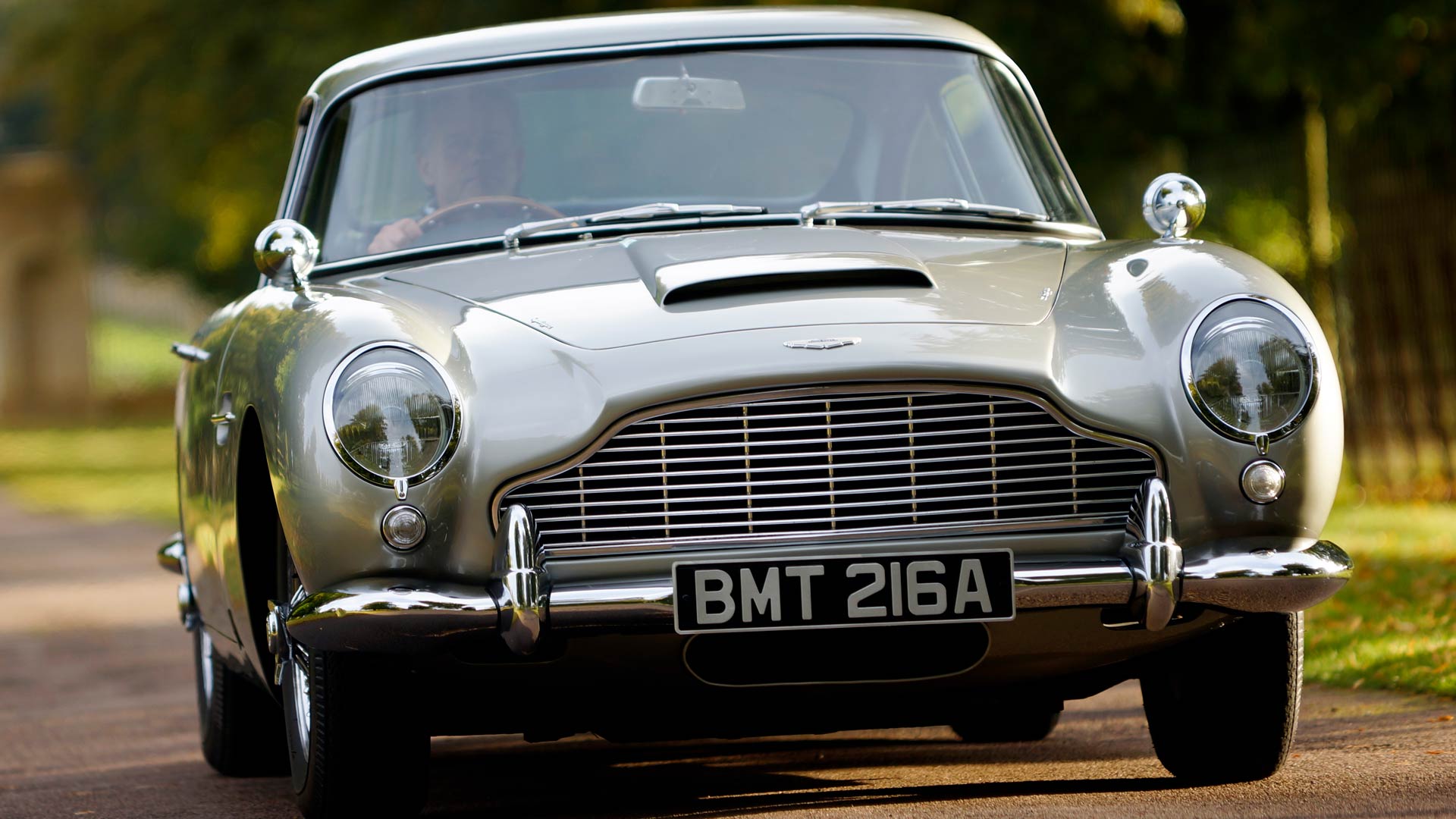
Such traditional number plates are typically made from pressed metal, with silver or white letters on a black background. Reflective white or yellow plates became a legal requirement from 1 January 1973. 

From the start of this year, the DVLA has also banned the fitment of new number plates with an EU band. Motorists now need to ensure they have a ‘GB’ sticker attached to their car when travelling in Europe.

ALSO READ:

Grey scores hat-trick as UK’s favourite car colour of 2020

Best superminis to buy in 2021

Jaguar F-Type P300 (2021) review

Advertisement

Jade Edwards to race in full BTCC season for 2021

0
Jade Edwards BTCC 2021

Racing driver Jade Edwards has announced that she will be competing in the 2021 British Touring Car Championship.

The British driver has secured a seat with the independent BTC Racing team, driving a Honda Civic Type R

Jade will become one of only a handful of female drivers to race a full season in the BTCC. She will become the first to do so since Fiona Leggate in 2007.

Major opportunity for 2021

Jade Edwards BTCC 2021

Jade undertook one race weekend in the BTCC during 2020, contesting the Silverstone rounds of the championship for the Power Maxed Racing team. 

She made a strong impression with race fans during three eventful races. This was despite her Vauxhall Astra being hampered by maximum success ballast. 

A full season will hopefully allow Jade to fully demonstrate her abilities in the ultra-competitive series. BTC Racing-prepared cars took several wins during 2020, and saw Michael Crees secure the Jack Sears Trophy. 

The team will retain a three-car roster for 2021, with Jade lining up alongside Josh Cook and Michael Crees.

Motorsport in the blood

Jade Edwards BTCC 2021

Edwards has competed in various levels of motorsport since 2006. This has included the British GT Championship, and the Renault Clio Cup UK series.

Her father, Jim Edwards Jr., was the 2000 Renault Clio Cup UK champion, whilst her grandfather won the 1979 Renault UK 5 TS Championship.

Jade holds the record for being the first female driver to take an outright win in an Aston Martin. As a qualified ARDC driver coach, she was also responsible for training Jonny Vegas on the ITV show DRIVE.

In 2018, Edwards was subject to a sponsorship scam, which left her without funding to complete the Clio Cup season. A social media campaign resulted in new sponsors being found to allow her to keep racing.

A later start for the 2021 season

Jade Edwards BTCC 2021

The Northamptonshire-based driver will at least have longer to prepare for the 2021 BTCC season to begin.

A revised calendar has been published by series organiser, TOCA, delaying the first rounds by five weeks. It is hoped that such a move will increase the chances of spectators being able to attend races in person.

Thruxton will now host the opening rounds on 9 May 2021, with nine further race weekends following.

ALSO READ

Best superminis to buy in 2021

Grey is UK’s favourite new car colour in 2020

Renault 5 to return… as an electric car!

Advertisement

Grey scores hat-trick as UK’s favourite car colour of 2020

0
Grey car

Grey was Britain’s most popular new car colour for the third year running, latest figures from the Society of Motor Manufacturers and Traders show.

Almost one in four new cars sold last year were grey – and the popularity of the colour actually grew eight percent over 2019.

Perhaps reflecting the mood of the country in 2020, the second most popular colour was black, with one in five new car buyers choosing the moody hue.

White came third, meaning more than six in 10 new cars sold in 2020 were either white, black or grey.

“2020 was a pretty dark year for the automotive industry and having grey as the top new car colour probably reflects the atmosphere,” said SMMT chief executive Mike Hawes.

Code red

Skoda Karoq

Blue cars did slightly grow in popularity, to take a 16.9 percent share of the new car market. It was well clear of red, which dropped 7.9 percent to take a meagre nine percent share of new car sales.

The last time so few red cars were sold was back in 1997.

Interestingly, white was the most popular car for pure electric cars, while black was top for buyers of plug-in hybrid (PHEV) motors.

White also topped the list for city car buyers, with black the top choice for executive and luxury cars.

The SMMT adds that no fewer than 106 distinct car colours were registered during 2020.

And the least popular new car colour of all? Maroon.

Top 10 car colours 2020

1: Grey (24.4%)

2: Black (19.9%)

3: White (17.4%)

4: Blue (16.9%)

5: Red (9.0%)

6: Silver (7.5%)

7: Orange (1.3%)

8: Green (0.9%)

9: Yellow (0.4%)

10: Bronze (0.1%)

ALSO READ

2020 new car sales plunge to 28-year low

The new cars coming in 2021

Used car prices rise 4% in 2020

Advertisement

Brexit: extra paperwork for motorsport teams heading to EU

0
European Motorsport ATA Carnet

Motorsport UK, the national membership organisation and governing body for British motorsport, has outlined a new impact of Brexit. 

For those competing in races in Europe, taking cars and equipment to the continent will require the use of an ATA Carnet. 

This is likely to add an extra degree of administrative and financial pressure to those competing abroad in motorsport.

What is an ATA Carnet?

European Motorsport ATA Carnet

An ATA Carnet is an international customs document, typically described as being ‘a passport for goods’. It allows for goods to be temporarily imported to another country, removing the need to pay import duties and taxes unnecessarily. 

The ATA Carnet also acts as a guarantee for customs agents. A failure to take cars and equipment back to their country of origin within 12 months results in duties being levied.

According to advice taken by Motorsport UK, the post-Brexit agreement made between the UK and EU means race teams taking cars or equipment to Europe will need to make use of an ATA Carnet.

More money to be paid upfront

European Motorsport ATA Carnet

Motorsport teams will have to apply for an ATA Carnet in advance. This will need to list all cars and equipment that would be taken to a European event. 

Applying for the ATA Carnet, administered by the Greater Birmingham Chamber of Commerce, costs £330+ VAT. However, Motorsport UK members are able to pay a reduced rate of £240+ VAT.

A security premium is also needed to cover the cars and equipment being taken to Europe. This would be forfeited should all items not be taken back to the UK as intended. 

The premium can take the form of a refundable deposit, calculated as 40 percent of the items being moved abroad. Alternatively, a non-refundable insurance premium can be bought.

Motorsport could be staying at home, too

European Motorsport ATA Carnet

Applying for an ATA Carnet can be done online. But, the documents themselves need to be physically checked and stamped at both borders by customs officials. 

Failing to get the ATA Carnet stamped properly could see cars and equipment not allowed into a new country. Alternatively, taxes and duties could end up being levied on them.

Given that European rounds for some UK-based championships have been reduced for 2021, some motorsport teams may be spared the extra complexities of the ATA Carnet.

ALSO READ

Lotus and Alpine to collaborate on electric sports car

Renault 5 to return… as an electric car!

Chevrolet Corvette Stingray coming to Forza Horizon 4

Advertisement

Lotus and Alpine to collaborate on electric sports car

0
Alpine and Lotus

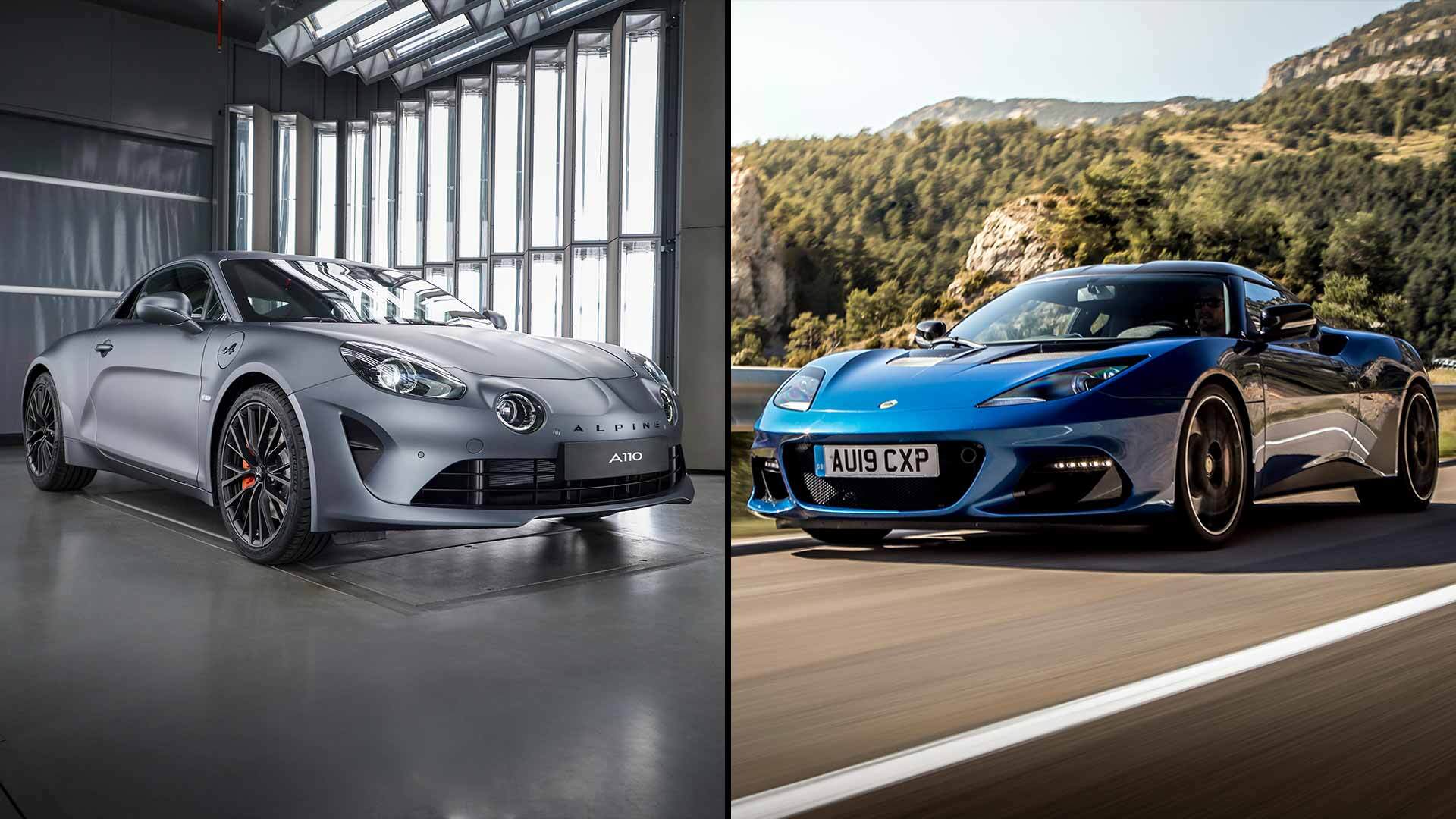
Lotus and Alpine will work together to develop a new electric sports car. The two companies have signed a Memorandum of Understanding looking at various areas of collaboration – including motorsport.

We have no details yet on how the joint project will look, or its market positioning, but it could serve as a replacement for the Alpine A110 and Lotus Elise and/or Evora.

Lotus has already made clear its commitment to EVs. Its flagship Evija, revealed in 2019 and now entering production, has ‘lightest, most energy dense electric power package ever fitted to a road car’.

Alpine to enter Formula E

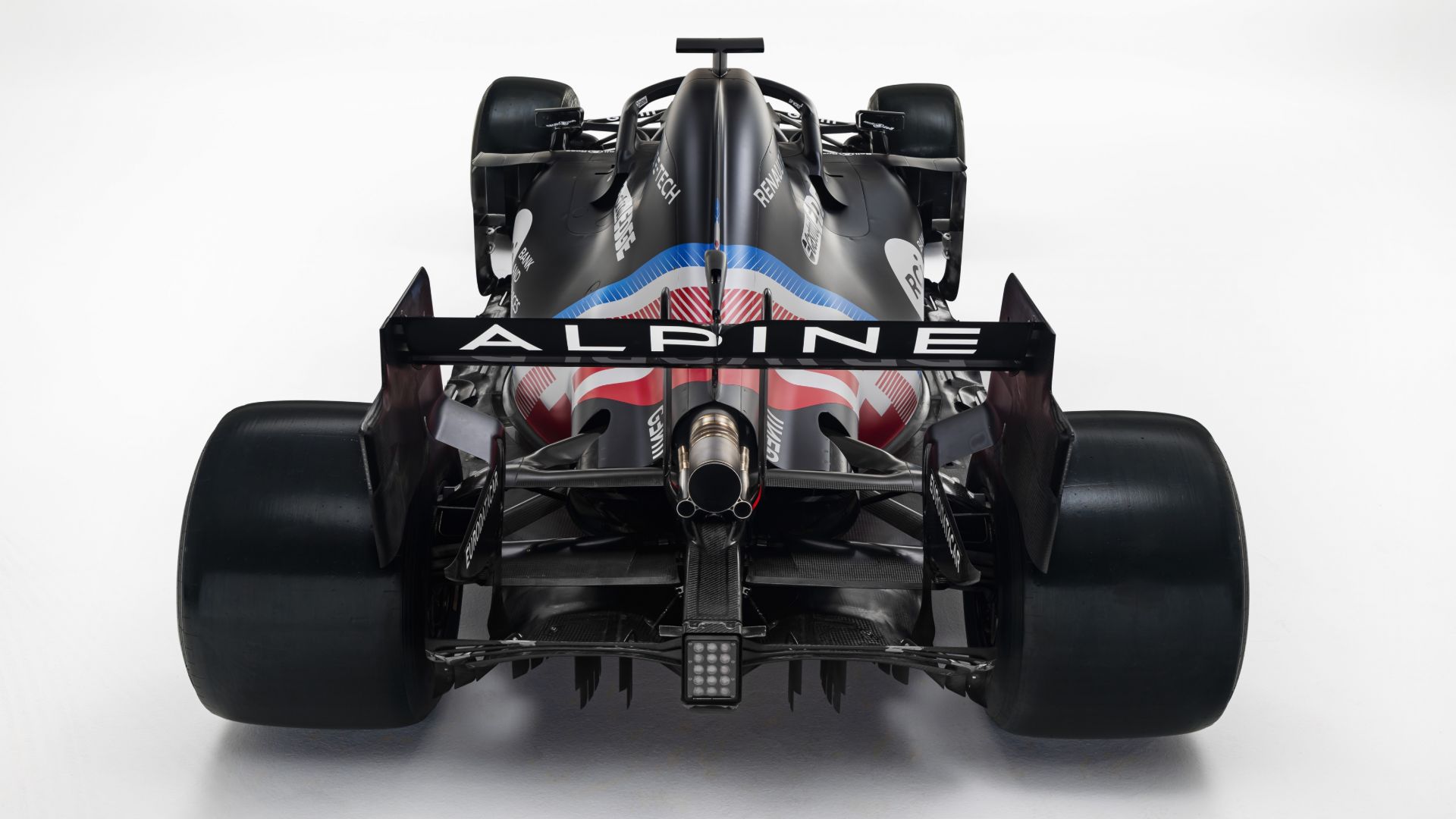
Alpine F1 car

The press release also states ‘a collaboration to leverage Alpine’s motorsport platform covering Formula One to Formula E and Endurance is also under study’. At a time when other marques, such as Audi and BMW, are abandoning Formula E, this seems a bold move. It could potentially mean the return of Lotus to top-level racing, too.

In an exclusive interview, Lotus CEO Phil Popham told us the British marque will launch one final car powered solely by internal combustion. This vehicle – likely to be badged ‘Esprit’ in homage to one of Lotus’ greatest sports cars – was originally due in late 2020, but has been delayed by the pandemic.

Beyond this, Popham stated “every new Lotus model will offer electrification” – meaning hybrids or full EVs. He continued: “We have many people working on new platforms, but they typically take at least four years to develop. For now, Lotus is focused on sports cars, although we believe the brand has enough strength and equity to move into other segments.”

Beyond a new Esprit

Lotus Esprit

The Lotus-Alpine deal could also lead to consultancy work for other manufacturers, says Popham: “The joint-services element of our agreement will additionally make our engineering expertise available to those wishing to engage our innovations.”

Lotus has a rich history of working for other brands. In a separate interview, chief aerodynamicist Richard Hill told us about his work on a radical Chevrolet Corvette concept – and the famous Lotus Type 108 bicycle, which Chris Boardman rode to Olympic gold in 1992.

Other cars honed in Hethel range from the iconic Lotus Carlton to the Proton Satria GTI.

‘Our companies have much in common’

Lotus Elise Cup 250

Alpine CEO Laurent Rossi said: “Both brands have an amazing legacy and we are most excited to start this work together, from engineering tailored solutions to developing a next-generation EV sports car.

“We’re putting F1 at the heart of our business, leveraging our in-house expertise and best-in-class partners such as Lotus to inject our cars with leading-edge performance, technology and motorisation”.

Phil Popham added: “Our companies have much in common – from a pioneering pedigree in light-weighting, to championship-winning sports cars which perform as impressively on the road as they do in the motorsports arena. 

“It is a natural fit in many ways and the co-development of an EV sportscar is hugely exciting for our companies, our fans and customers around the world.”

ALSO READ:

Radical Renault plan to cut volumes but boost profit

Remembering the launch of the Lotus Elise

Lotus Esprit S3 review: Retro Road Test

Advertisement

Renault 5 to return… as an electric car!

0
Renault 5 Prototype

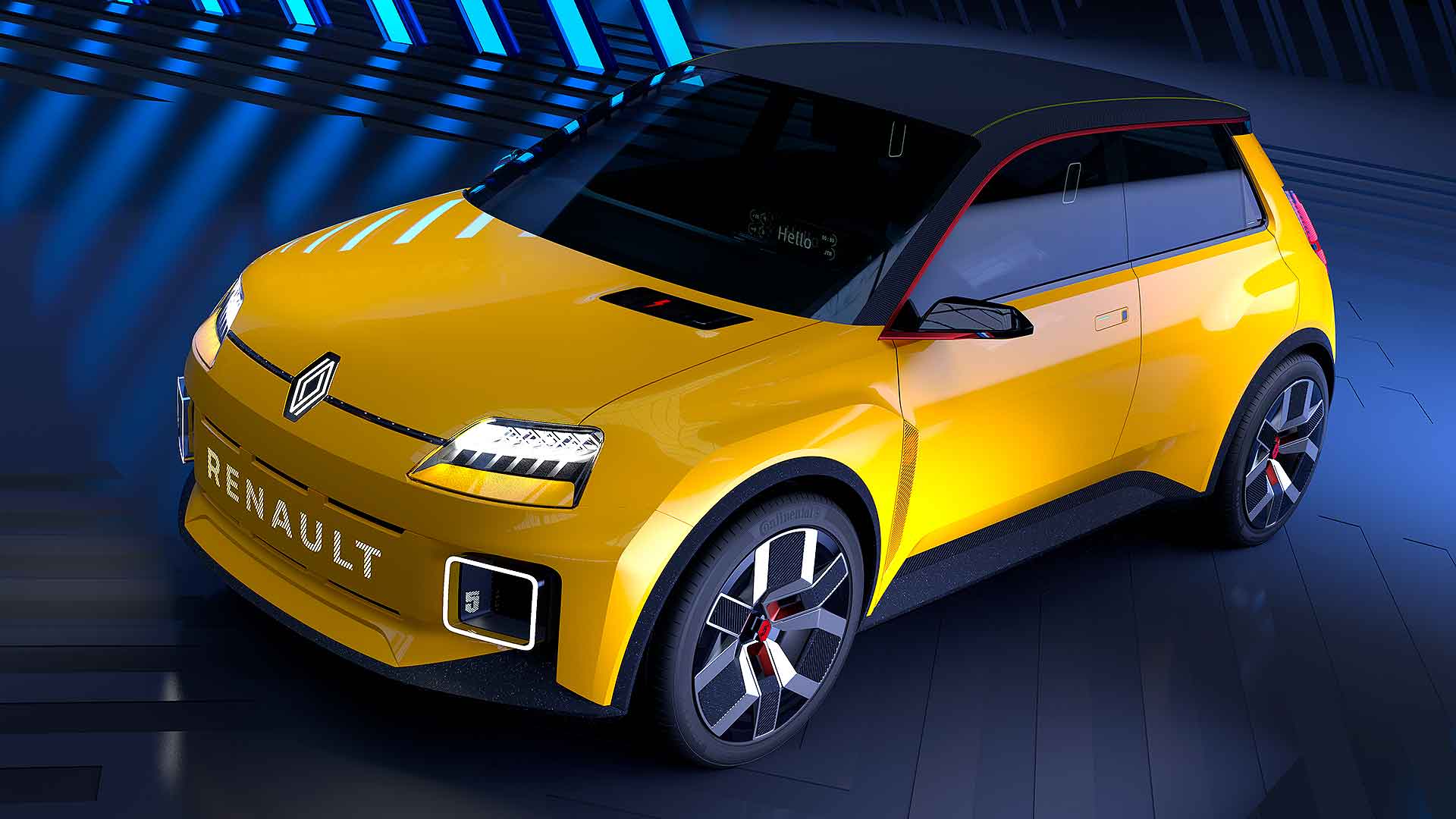
The Renault 5 will return as a pure electric supermini and the firm has given us our first look at the new EV with the Renault 5 Prototype.

Described as “the rebirth of a cult car, more modern than ever,” the 100 percent electric car pays homage to the top-selling original but with a modern twist.

It’s part of Renault’s plan to ‘reconnect with its past’.

Renault 5 Prototype

The firm has lofty sales goals for the new electric Renault 5 too, saying it will “democratise the electric car in Europe”.

The bright yellow prototype is proudly based on the original R5, said design director Gilles Vidal.

“This prototype simply embodies modernity, a vehicle relevant to its time: urban, electric, attractive.”

Renault 5 Prototype: in detail

Renault 5 Prototype

The electric Renault 5 Prototype references the original R5 in numerous ways – and cleverly makes some of them functional.

For example, the bonnet air intake hides the charging hatch; the rear lights included wind-cheating aero flaps and the fog lamps in the bumper are also daytime running lights.

Renault 5 Prototype

Mr Vidal references the original ‘5’ with the side vent, wheels and rear logo.

Front and rear logos light up and there’s a French flag on the rear-view mirrors to underline the “invented in France” ethos.

Renault 5 Prototype

Renault says both the front end and textile roof are inspired by the world of furniture and are also “full of French charm”.

The new electric Renault 5 is expected to launch by 2025 and will rival other retro-themed small EVs such as the Fiat 500 Electric, Mini Electric and Honda e.

ALSO READ

Radical Renault plan to cut volumes, boost profit

What does the 2030 petrol and diesel car ban mean for you?

Advertisement

Radical Renault plan to cut volumes but boost profit

0
Renaulution Renault strategic plan

Renault is planning to make fewer cars but significantly improve the profit it makes on each one with a new strategic plan called ‘Renaulution’.

The firm will shrink its manufacturing capability down from four million cars in 2019 to 3.1 million by 2025.

Renault will also halve the number of platforms in its model range, from six to three – and is planning to reduce the amount of money it invests in R&D.

By 2023, this will help it generate an operating margin of three percent; by 2025, Renault is targeting a profit of at least five percent.

It also wants to lead in electric cars, with half the cars launched by 2025 being full EVs and 35 percent of its sales being hybrid.

This will include the launch of a retro-themed new all-electric Renault 5.

Renault will plans to have the greenest mix of new car sales in Europe.

“The Renaulution is about moving the whole company from volumes to value,” said Groupe Renault CEO Luca de Meo.

“It is a profound transformation of our business model.

“We’ve streamlined our operations starting with engineering, adjusting our size when required, reallocating our resources in high-potential products and technologies.

“This boosted efficiency will fuel our future line-up: tech-infused, electrified and competitive.”

Dacia and Lada

The Groupe Renault strategic plan also includes the Dacia-Lada and Alpine brands.

Dacia will radically reduce the number of platforms it produces, from four to just one, and move from 18 body types to 11.

Seven new models will be launched by 2025 and there will be the “revival of iconic models”.

This points to the expansion of the Dacia brand into the family hatchback segment – and also the potential reinvention of the famous Lada Niva as part of the planned “revival”.

Dacia will remain “Dacia with a touch of coolness” while Lada will still be “rough and tough”.

Alpine surprise!

The expanded Alpine brand now includes Alpine cars, Renault Sport cars and the Renault Sport Racing F1 team.

There is a 100 percent electric plan to expand the brand, which interestingly includes Renault’s CMF-B platform (as used by the Renault Clio e-Tech Hybrid) and the upcoming new CMF-EV platform.

Renault even included a headline surprise in its plan for Alpine – it will develop a next-generation electric sports car with Lotus.

It will be a return to a partnership with a British sports car brand for Alpine, which originally intended to develop its A110 sports car with Caterham, before buying out the project and going it alone.  

Further details of this have not yet been disclosed.

Ambitiously, Mr de Meo intends for Alpine to be profitable by 2025 – and this will include its investment in motorsport.

ALSO READ:

Seat Leon is AUTOBEST Best Buy Car of Europe 2021

Hybrid car sales to continue until 2035

British drivers to escape speeding fines in EU

Advertisement