Attention, Generation Zers! The Volkswagen Group has taken to TikTok to share its ‘New Auto’ strategy with you.
The company’s channel on the social media platform, titled ‘newauto’, is intended to appeal to tech enthusiasts.
With more than one billion global users viewing short videos on TikTok each month, it represents a huge potential audience for Volkswagen.
Engaging with younger generations
The company hopes to use its various brands to deliver ‘creative and entertaining’ videos to TikTok users. In particular, these will focus on how Volkswagen is now moving to position itself as a tech company, rather than a vehicle manufacturer.
Topics to be covered include decarbonisation, the circular economy, electric vehicle charging, car software and autonomous driving ideas.
When creating videos for its new channel, Volkswagen will make use of existing employees in front of the camera. This is intended to deliver an additional degree of authenticity to its content.
Behind the scenes
Some 40 percent of TikTok users say they like ‘behind the scenes’ content, with 77 percent of those on the platform said to be particularly tech-savvy.
Tesla has previously been ranked as the most popular car company on TikTok.
The Volkswagen Group has made a major commitment to reaching target groups around the world through bespoke social media. Along with TikTok, the company will interact on Twitter, LinkedIn and Reddit.
Michael Manske, head of digital communications at the Volkswagen Group, said: “We are experiencing the biggest transformation in the history of the car. That means new business areas and disruption. To promote trust in New Auto, we also want to reach the digital, environmentally-conscious Generation Z. Instead of saying: strategy is too complex for a platform like TikTok, we are simply going ahead and trying it out.”
The Competition and Markets Authority (CMA) has been asked to investigate whether petrol stations are giving motorists a fair deal.
Responsible for regulating competition across the UK, the CMA has been urged to act by Business Secretary Kwasi Kwarteng.
It follows the Government’s reduction in fuel duty by 5p per litre earlier this year, in response to rapidly rising prices for petrol and diesel.
Drivers deserve a fair deal
In a letter to the CMA’s Chief Executive, Dr Andrea Coscelli CBE, the Business Secretary notes that drivers are frustrated by fuel prices still increasing.
Kwarteng says that the fuel duty cut “does not always appear to have been passed through to forecourt prices.
“Drivers should be getting a fair deal for fuel across the UK.
“Healthy competition between forecourts is key to achieving this, with competition working to keep pressure on prices.”
It asks that an urgent review be conducted into why disparities remain between fuel providers, and how prices can “remain higher than in similar, nearby towns”.
However, the CMA will also be tasked with conducting a larger, longer-term, review into how the fuel market operates in the UK. This will be performed under the Enterprise Act 2002.
Time is of the essence for drivers
As part of this larger review, the CMA is tasked with discovering if “the retail fuel market has adversely affected consumer interests” in the UK. It will be asked to consider whether there are any additional steps the Government, or the CMA itself, could take to help.
An initial report into fuel prices has been requested from the CMA by 7 July 2022.
The report request comes as fuel prices have crossed an ominous milestone. Last week saw the RAC report that the average cost of filling a family car has passed the £100 mark.
RAC fuel spokesperson Simon Williams said: “March’s 5p fuel duty cut now looks paltry as wholesale petrol costs have already increased by five-times that amount since the Spring Statement”.
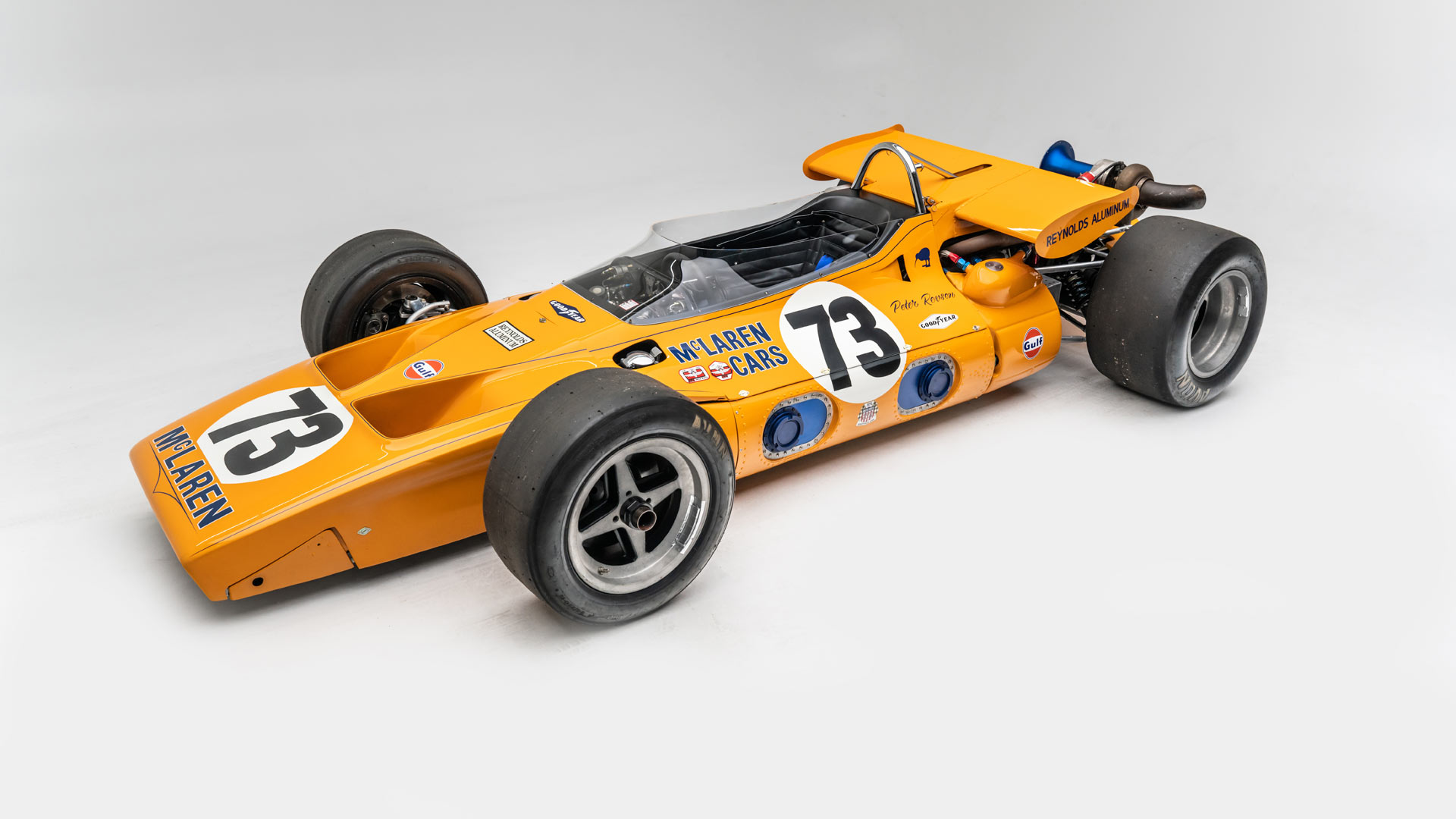
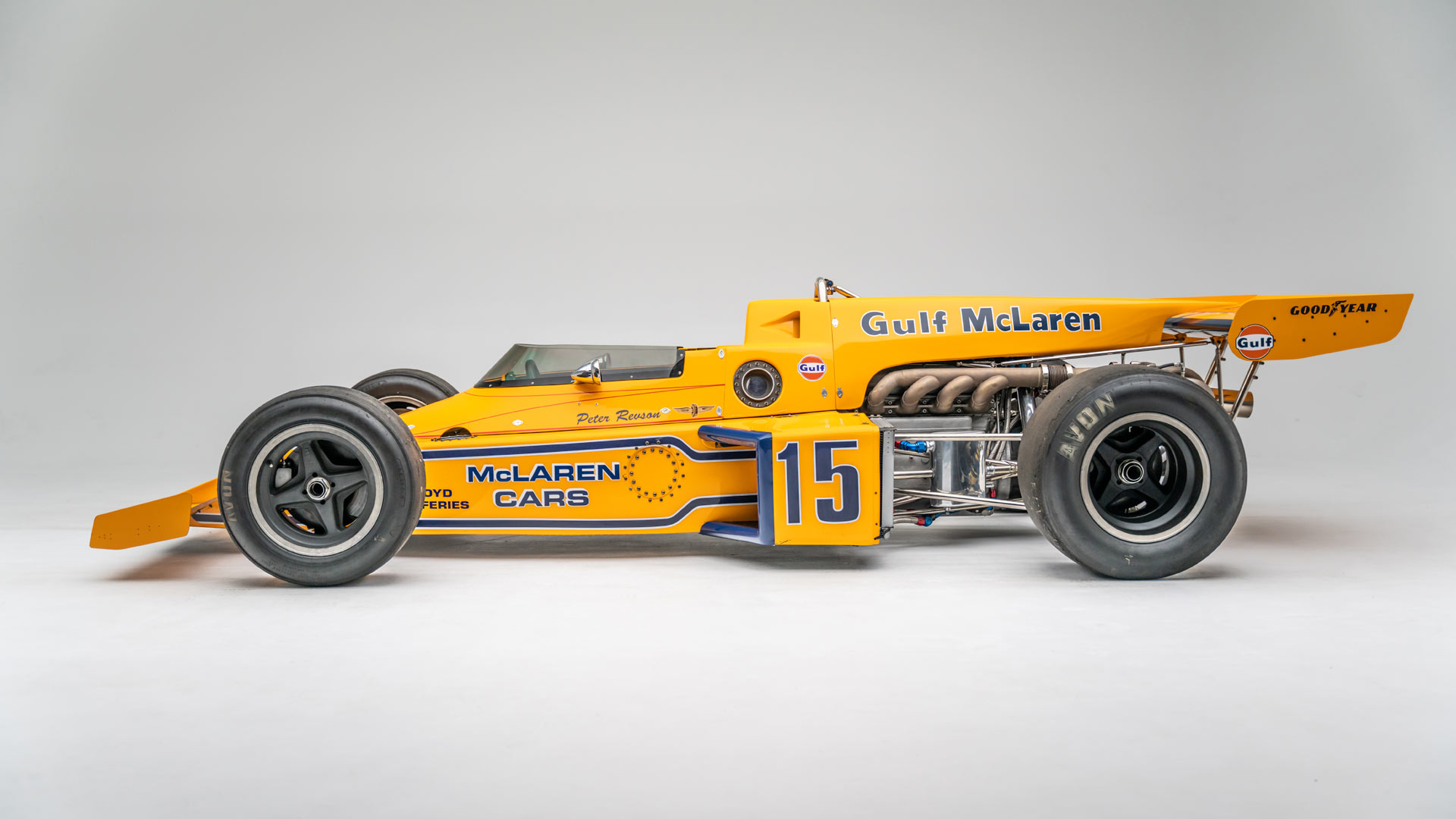
Titled “The Color of Success: McLaren’s Papaya Livery”, it focuses on key moments in the company’s six decades of racing history.
In particular, the cars on show will be those that have worn the iconic McLaren Papaya orange livery on-track.
Modern McLaren history and more
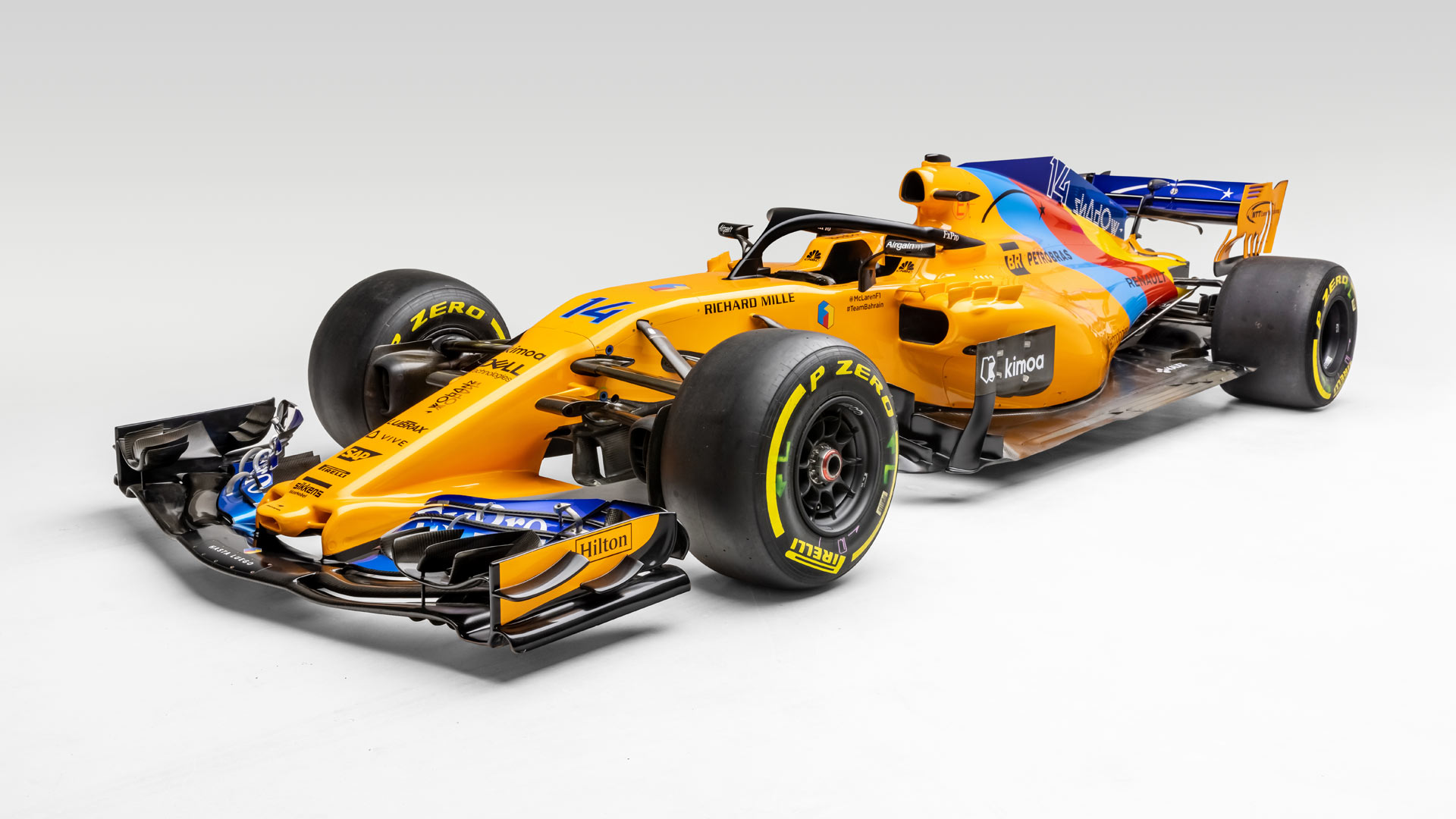
The newest car on display will be the McLaren MCL33, used by the team to compete in the 2018 Formula One World Championship.
It marked a return to use of the Papaya color scheme, but was a season to forget for the McLaren team. Even with two-time World Drivers’ Champion Fernando Alonso at the wheel, fifth position would be the best finish achieved by the car.
Alonso subsequently retired from Formula One at the end of the 2018 season, until making a surprise return in 2021.
The MCL33 on display at the Petersen was driven by Alonso at the 2018 Abu Dhabi Grand Prix. It features blue, yellow and red stripes to honor his home region of Asturias in Spain.
Historic winners on display
Also on show will be the 1967 M6A, developed by company founder Bruce McLaren in just 11 weeks.
Powered by Chevrolet V-8 engines, the M6A would become a dominant force in Can-Am competitions. This included winning the 1967 Can-Am Cup.
McLaren’s dedication to a wide array of competition is demonstrated by the M16. It was a hugely successful design, winning the Indianapolis 500 three times between 1972 and 1974.
The new exhibition will open on June 18 2022, and will be situated in the Petersen’s Charles Nearburg Family Gallery.
UK prices and launch specifications for the new Juke Hybrid have been announced by Nissan.
The petrol-electric Juke crossover is available to order now, with four trim levels including the exclusive Premiere Edition on offer. Prices start at £27,250 for the N-Connecta model.
Nissan says the second-generation Juke’s new hybrid powertrain will combine ‘driving fun with outstanding efficiency and lower emissions’.
No backpedalling required
All versions of the Juke Hybrid use a 1.6-litre petrol engine with an electric motor. The former produces 69hp, with the hybrid electric system boosting combined output to 143hp.
Nissan includes the e-Pedal Step in the Juke Hybrid. This allows the car to be driven (most of the time) using just the accelerator pedal.
Like a full-electric car, lifting off the gas will see moderate braking applied, slowing the Juke all the way to 3mph. This regenerative braking also helps to recharge the batteries.
Drivers can engage e-Pedal Step mode via a dashboard button, and have the ability to drive using only electric power, too.
Nissan predicts that up to 80 percent of a Juke Hybrid’s typical journeys can be made in EV mode, with an electric top speed of 34mph.
Don’t be a drag
The Hybrid is differentiated from regular models by a bespoke front grille with a smaller opening to reduce drag. Nissan has also added hybrid badges to the Juke.
Changes to the instrument panel include a new display to indicate the status of the hybrid system, including battery charge.
At launch, Nissan will offer 750 examples of the Premiere Edition for sale. Priced from £28,250, it comes with black 19-inch wheels, black-tinted headlamps and new exterior graphics. Black Syntec leather seats and gloss black trim complete the interior.
Premiere Edition models will be the first cars to reach dealerships, with the Juke Hybrid set to arrive in July 2022.
Lamborghini has reached a new production milestone with the Urus SUV.
Since being launched in late 2017, an impressive 20,000 examples have been built at the Sant’Agata Bolognese facility. Less than two years have passed since the 10,000th Urus was made in July 2020.
In comparison, it took Lamborghini eight years to build the 20,000th Huracan sports car.
It means the Urus has now become Lamborghini’s best-selling model, in the shortest time ever.
The 20,00th Urus, painted in Viola Mithras with black brake calipers and panoramic roof, recently left the production line. It is now destined for an owner in Azerbaijan.
Bespoke paint options have become a trademark of the Urus, with Grigio Telesto, Blu Cepheus and Viola Pasifae three of the most popular choices. Nero Noctis Matt, and Arancio Borealis Pearlescent, complete the top five hues.
Lamborghini has kept the technical specification of the Urus unchanged since being introduced. The twin-turbocharged 4.0-litre V8 engine produces 641hp, with the all-wheel drive SUV able to reach a top speed of 190mph.
Urus owners have accumulated more than 223 million miles in total since 2018.
Super SUV drives expansion
The success of the Urus has seen Lamborghini double the size of its Sant’Agata plant, growing from 80,000 to 160,000 square metres. This has included a new paint shop dedicated to the Urus, delivering the personalisation demanded by customers.
Lamborghini has also recruited an additional 500 employees between 2015 and 2018, dedicated to the Urus project.
Stephan Winkelmann, Automobili Lamborghini chairman and CEO, said: “From the first moment we presented the Urus concept at Beijing motor show in 2012, to its market debut in 2018 and each year since, the Urus has proved its instant and continued appeal as a true Lamborghini, born from our super sports heritage and the world’s first Super SUV, the LM 002.”
With fuel prices at unprecedented levels, van drivers are feeling the pinch and choosing to turn down work.
A new survey has found that almost one-quarter (24 percent) of van drivers opted not to take jobs, as fuel prices mean they are not cost-effective.
Data shows that van drivers are now having to pay an average of £2,427 more to fuel their vehicles for work purposes.
Drivers getting fuel ‘van-xiety’
MoneySuperMarket, who conducted the research, found that fuel costs had led over half (53 percent) of businesses to increase their prices.
Another 14 percent of those surveyed had begun to build fuel costs into the quotes they give for work. It demonstrates that fuel prices are having both a direct and indirect impact on the pockets of consumers.
Some drivers are also opting to not use their vans at all for work, due to the cost of running them.
Of those asked, 16 percent have taken to using their family car instead, as they find it cheaper to fill up with fuel.
Vehicle shortages affecting businesses
Vehicles shortages have also led to one-in-ten (10 percent) of businesses scaling back their work, due to a lack of suitable vehicles. Recent Society of Motor Manufacturers and Traders (SMMT) figures showed that new van registrations fell by 25.1 percent last month.
More than one-third (34 percent) say buying a new van is just simply too expensive right now, with 16 percent unable to afford the price of a used van.
For those fortunate enough to find, or be able to afford a new van, having one with three front seats is now a leading priority.
Some 45 percent of van drivers need a triple bench seat, whilst 30 percent want built-in satellite navigation. A van with an automatic gearbox is now a must-have for nearly a quarter (23 percent) of drivers.
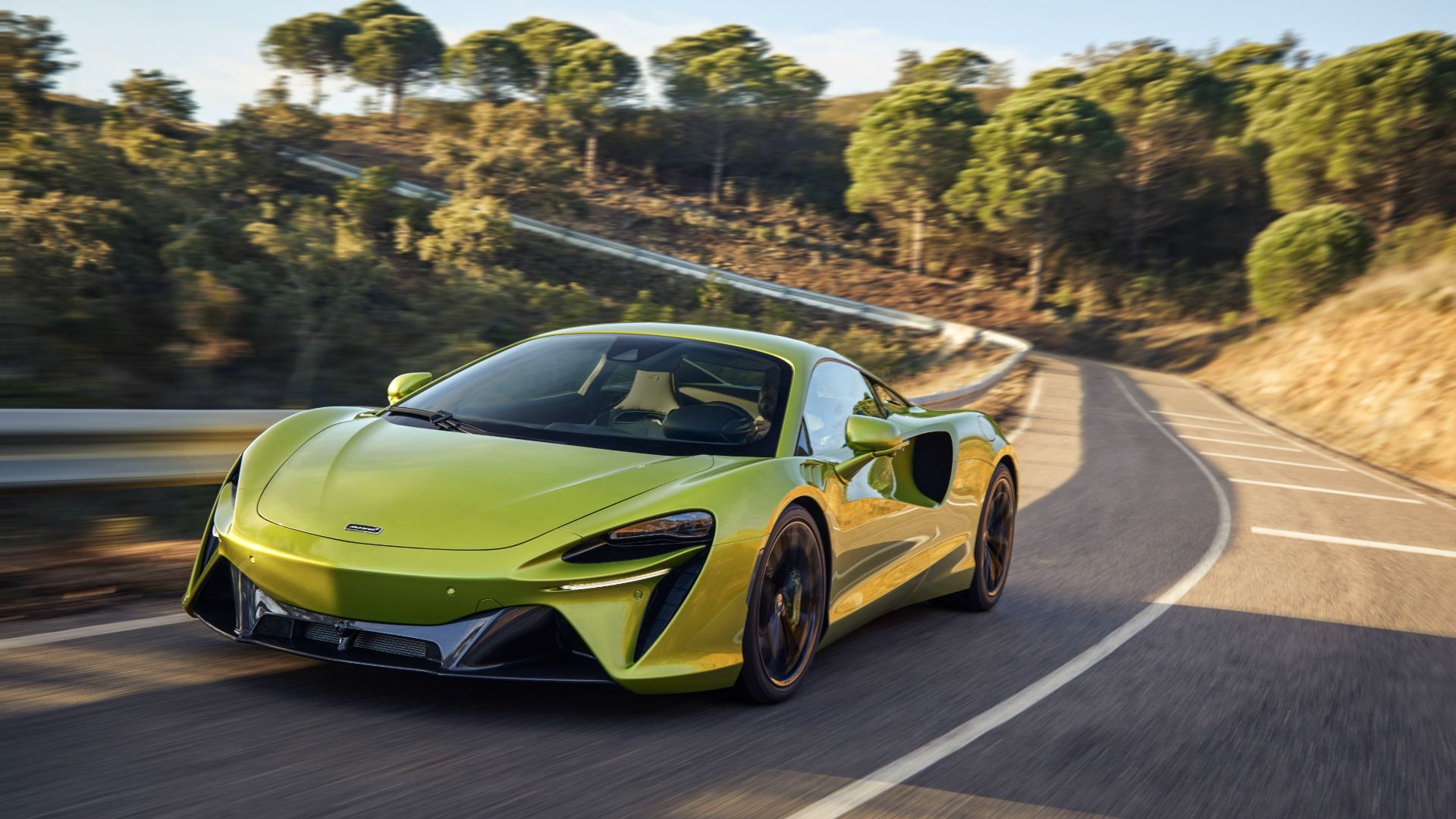
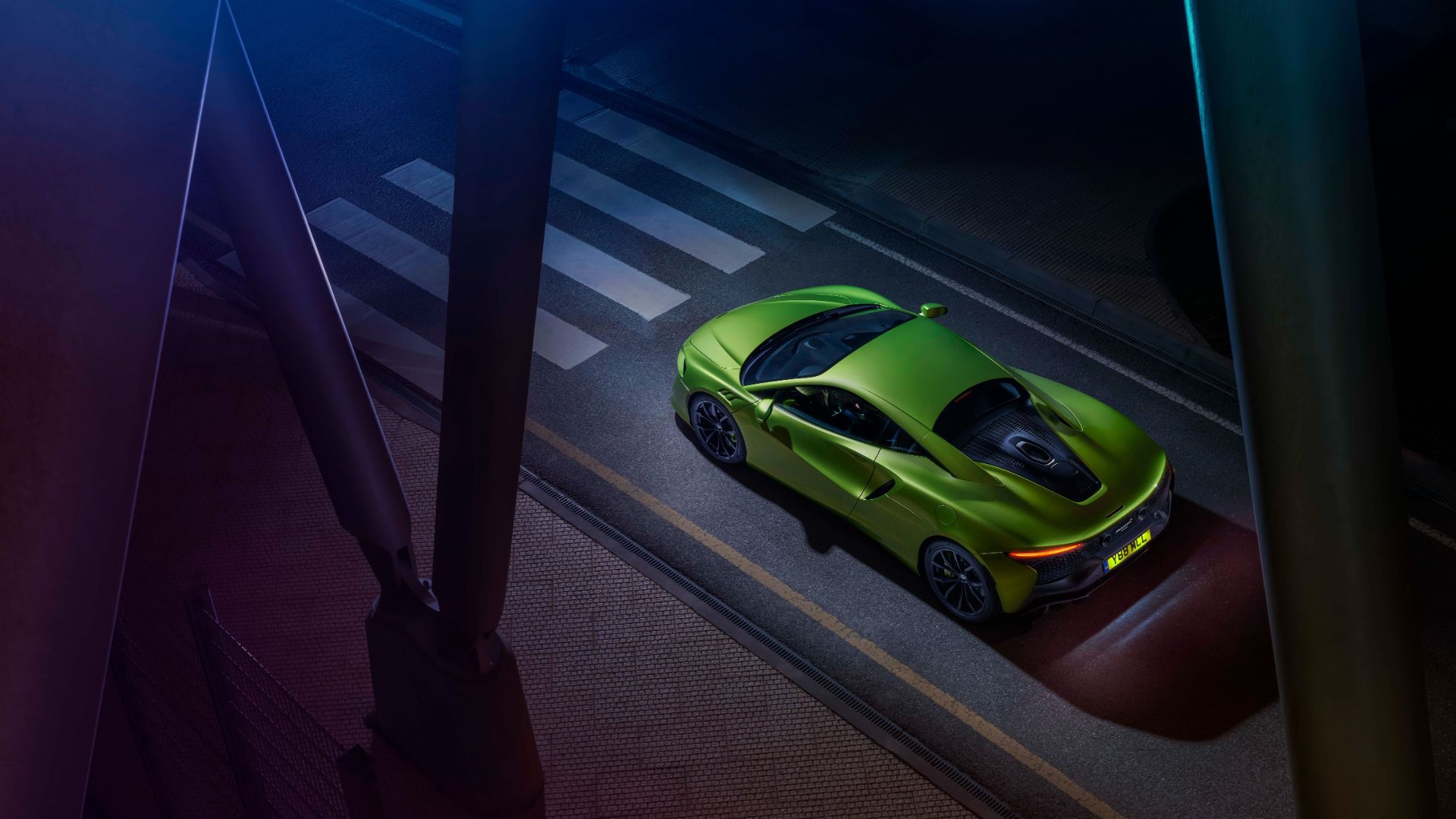
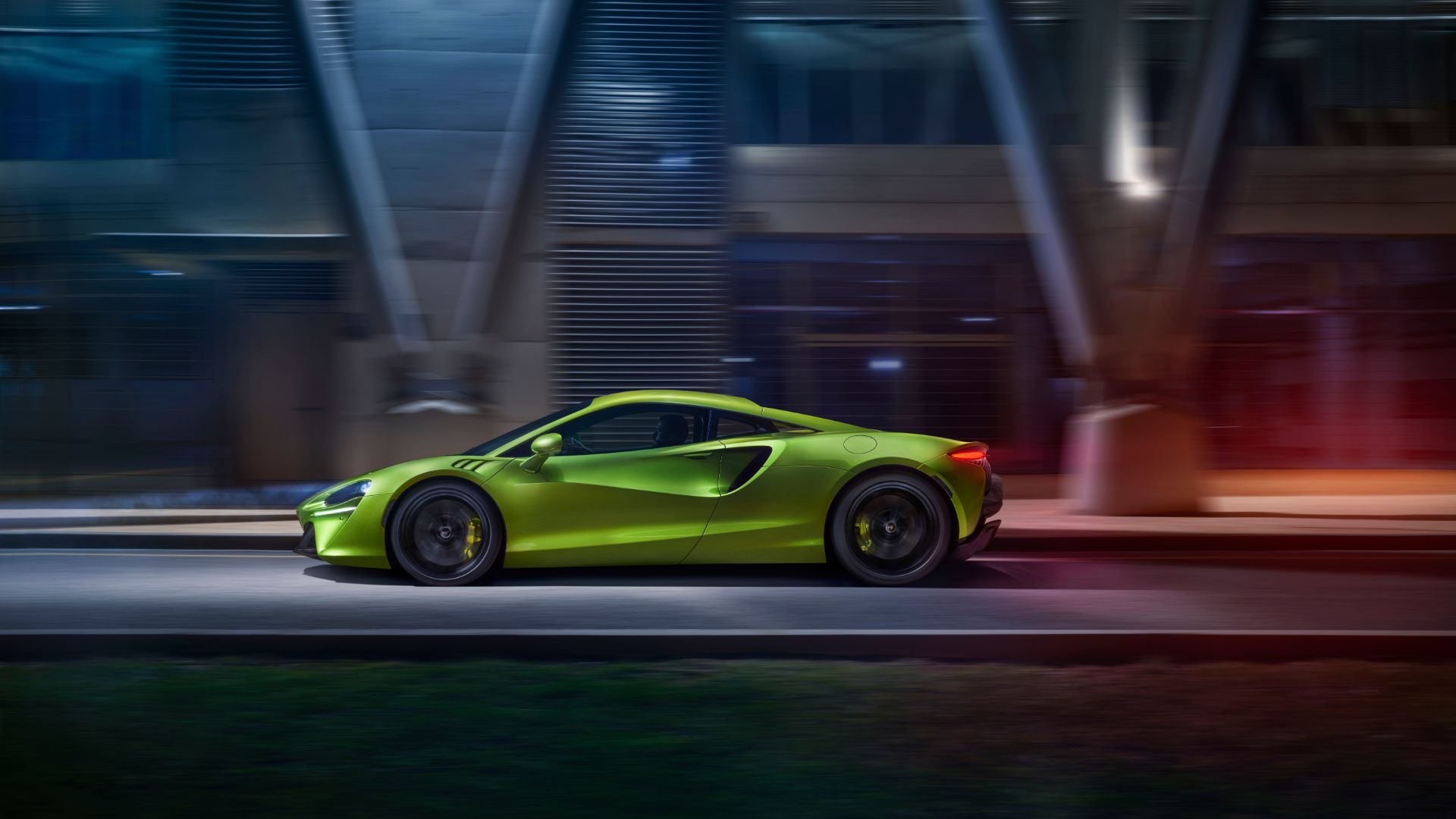
The long-awaited launch of the McLaren Artura is now less than a month away. A plug-in hybrid with a V6 engine, the car represents a step-change for McLaren that will define its next decade. “This is our largest project since the MP4-12C,” says chief engineer Geoff Grose. Given that car brought McLaren Automotive into being in 2011, the stakes are high.
You probably know about the Artura already. If you don’t, start by reading our hands-on preview, which explores its specification, styling and performance statistics. In a nutshell, it’s the replacement for the 570S and other Sports Series models, slotting above the GT and below the 720S in McLaren’s reworked range.
The headline numbers are 680hp, 0-62mph in 3.0 seconds, 205mph, 129g/km CO2 and £185,500.
Here, we’re taking a deeper dive into the technology that shapes this supercar. We speak to the experts who designed and engineered the Artura, as they share their geekiest secrets.
It has a similar V6 to Ferrari
The Artura is one of only two production cars to use a V6 engine with a 120-degree angle between the cylinders. Remarkably, the other is the Ferrari 296 GTB – Maranello’s new rival for the 720S. Ferrari also used the configuration for its 1961 ‘Sharknose’ racer, then later in turbocharged Formula One cars.
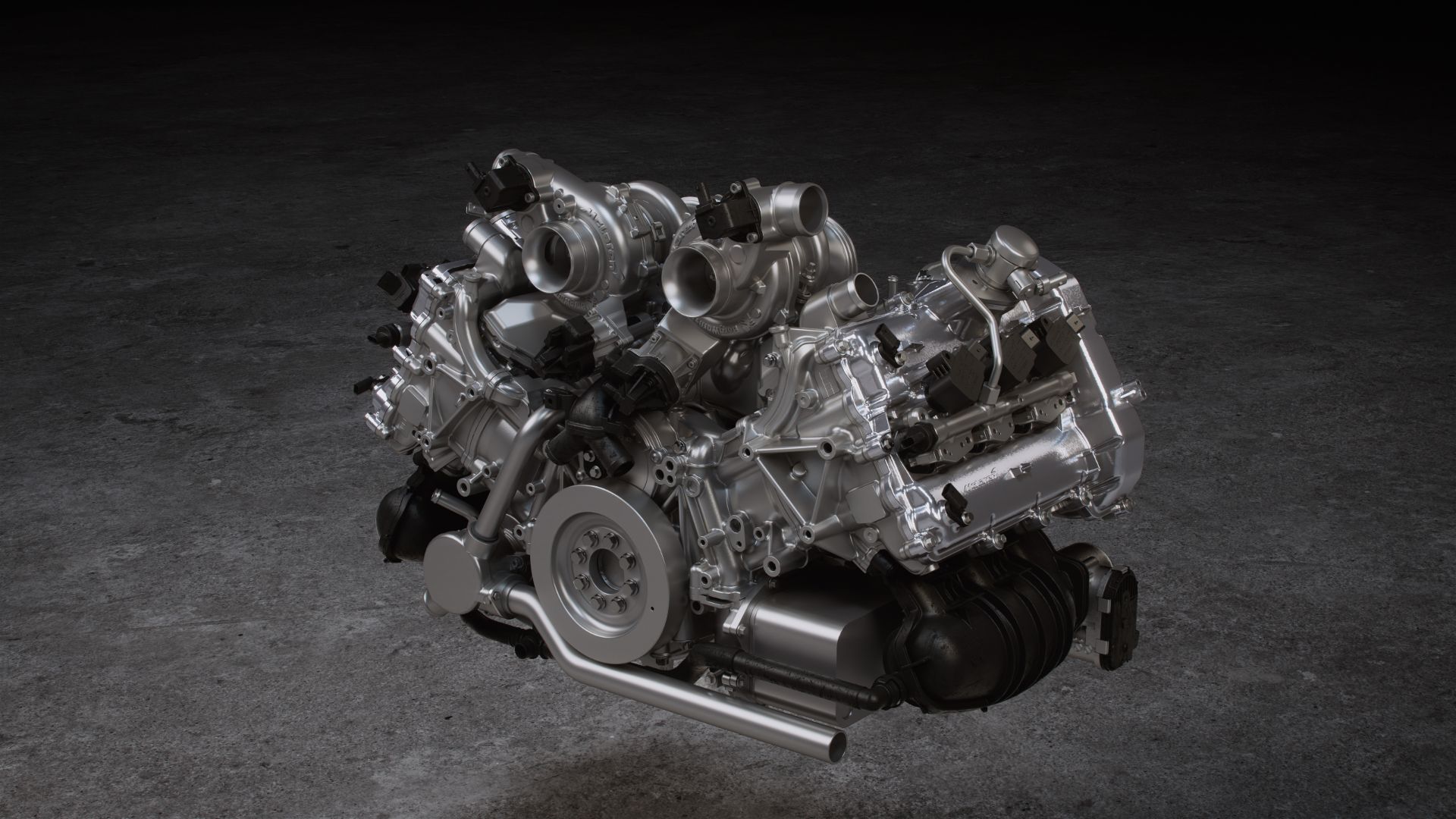
From the outside, Artura’s 3.0-litre ‘M630’ engine bears some resemblance to a flat-six – most obviously used by Porsche in the 911. “It’s unusual,” admits Richard Jackson, head of powertrain. “One advantage is it makes the engine very low: 40mm lower than our V8”.
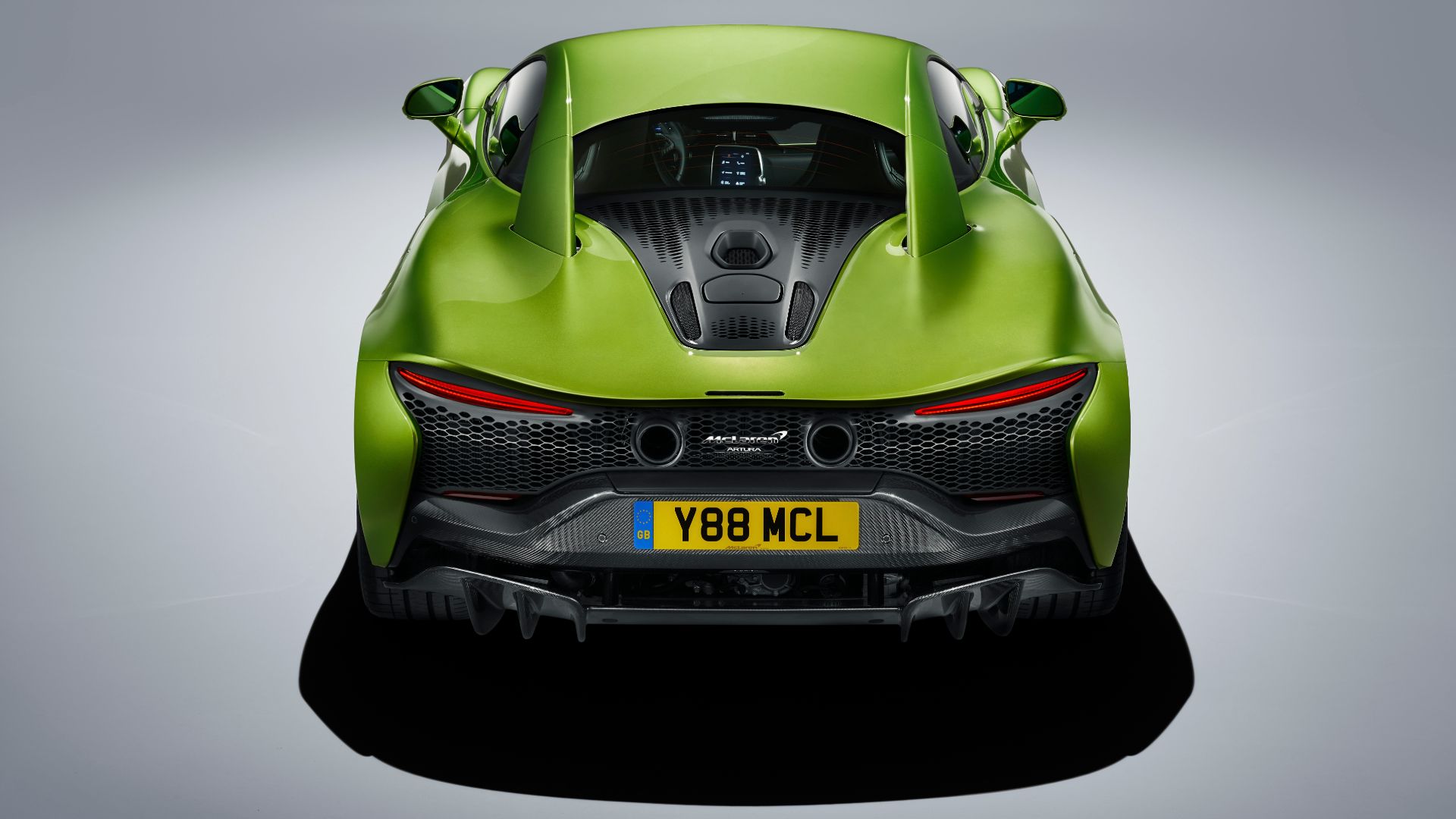
The wide angle also allows for a so-called ‘hot vee’, with the twin turbochargers nestled between the cylinder banks. “It makes for a very dense package with no wasted space,” continues Jackson, “but presents challenges for cooling in a mid-engined car.” To combat these, air is channelled via the Artura’s hungry side scoops through radiators into the top of the engine. It then vents through the ‘chimney’ on the rear deck, which can reach 900 deg C. Watch your fingers.
“This engine is lighter and more compact than any other V6 out there,” I’m told. “And its specific output of 195hp per litre is beaten only by our Ultimate Series cars, the Senna and Elva”. Did we mention it revs to 8,500rpm? And that there’s an electric motor as well?
Reducing the hybrid weight was ‘an obsession’
“Minimising the weight penalty was a key focus, probably even an obsession,” says Jackson of the Artura’s hybrid system. The exact numbers haven’t been confirmed, but the V6 is about 50kg lighter than the ‘M838’ 3.8-litre V8 in the outgoing Sports Series, while its electric motor and batteries add around 100kg.
So, reckon on a modest 50kg gain for the Artura powertrain overall. And that’s offset by the extra 95hp and 225Nm of torque from the innovative axial flux motor.
Sunoj George, head of electric drive technology, explains: “A conventional radial flux motor is cylinder-shaped and much heavier. The radial flux machine is a hollow disc and weighs just 15.4kg. That’s half the weight of the electric motor in the P1 – and torque density has doubled.”
George promises a “seamless” driving experience, but one that varies hugely depending on the drive mode selected. Speaking of which…
There are four very different drive modes
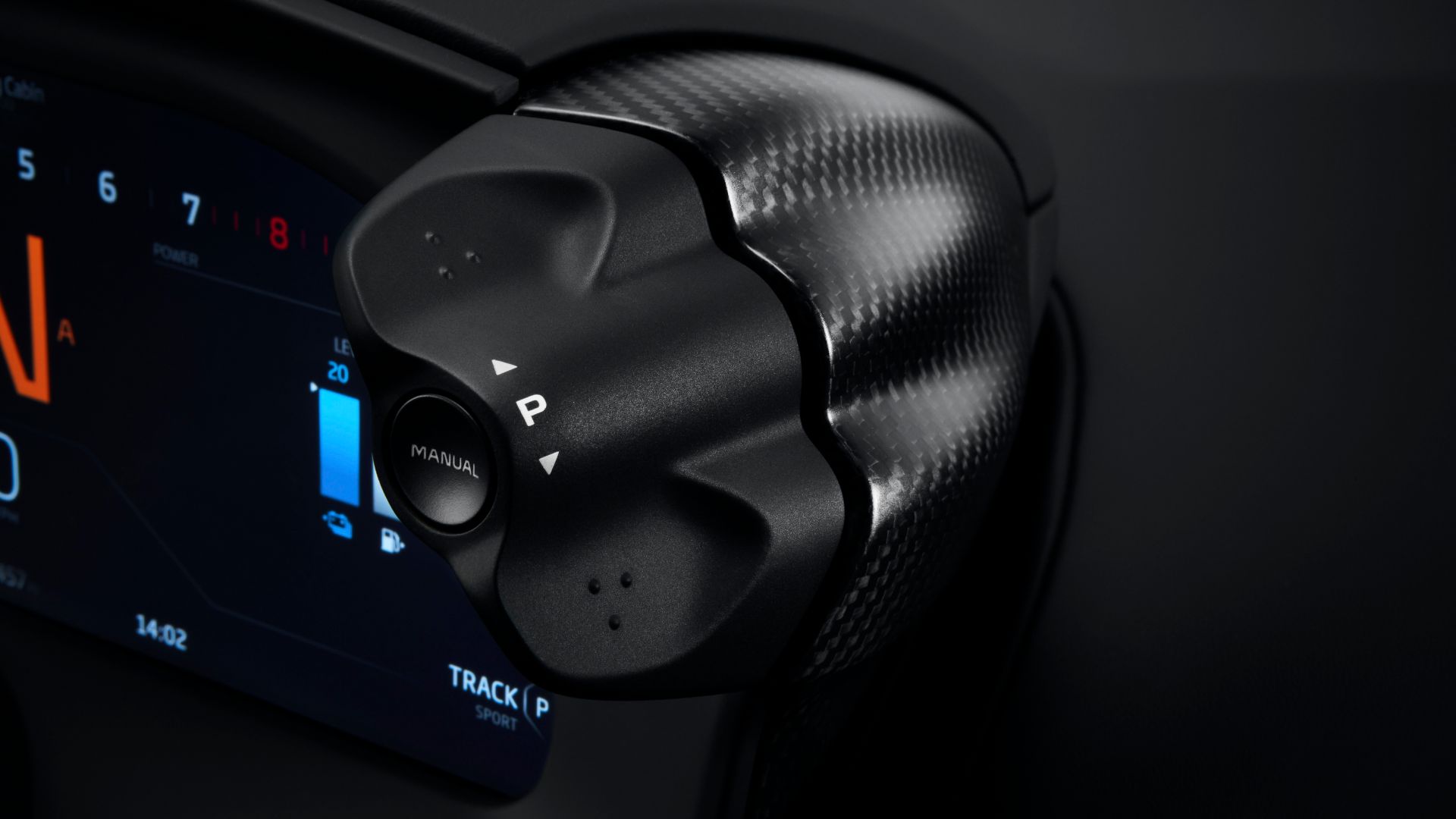
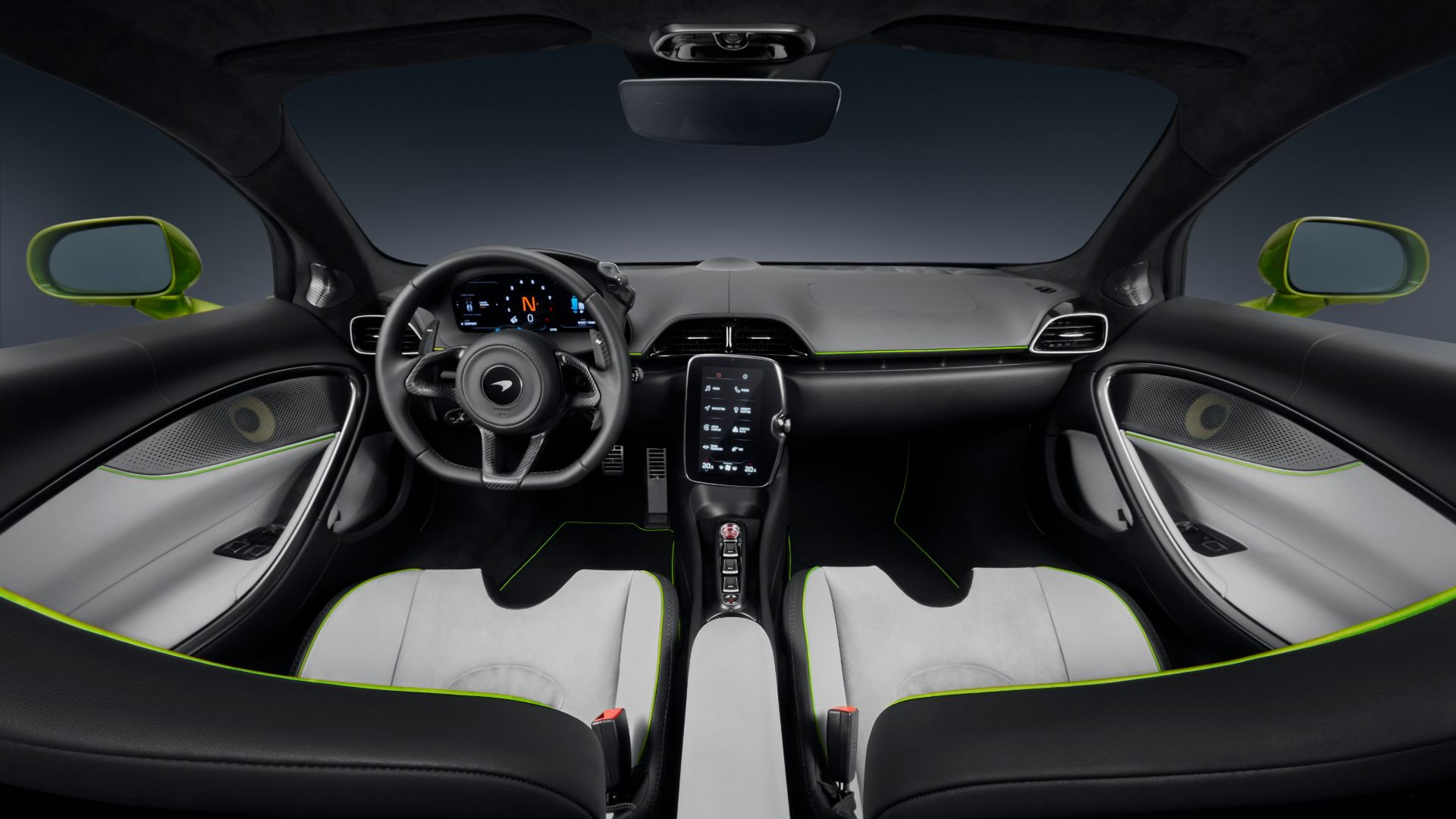
Like McLarens of the past, there are separate settings for handling and powertrain modes. In the Artura, these are selected via rocker switches on either side of the instrument binnacle, within fingertip-reach of the steering wheel.
In Electric powertrain mode, the car offers “near-silent running” for up to 18.6 miles. “It’s perfect for urban environments, and for drivers who want to depart stealthily from their home or return quietly in the evening,” says Geoff Grose. Next up is Comfort mode, also using electric drive at lower speeds: “Typically, the V6 engine will be running above 37mph, then it switches off again below 25mph.”
Sport mode is where things start to get serious. Grose describes this as “the most engaging setting, with lots of driver feedback.” And finally there’s Track mode: “This offers ultimate performance and the best lap-time, with an inertia-push on gearshifts.”
It makes a ‘true supercar sound’
“One of the challenges of moving to a downsized V6 – with capacity reduced from 4.0 down to 3.0 litres – is that there’s less energy in the exhaust system,” explains Richard Jackson. “In addition, some of the after-treatment systems filter out the noises you want to hear from a supercar.”
To help the Artura deliver “a true supercar sound”, McLaren has used equal-length runners on the exhaust manifold, along with minimal pipework – helped by the ‘hot vee’ layout.
Thankfully, there’s no artificial sound pumped through the speakers, but the Artura does have a resonator device in the muffler. “This amplifies the sound at high revs for a real crescendo,” I’m assured. “The driver is rewarded for chasing the redline.”
It’s an all-round supercar
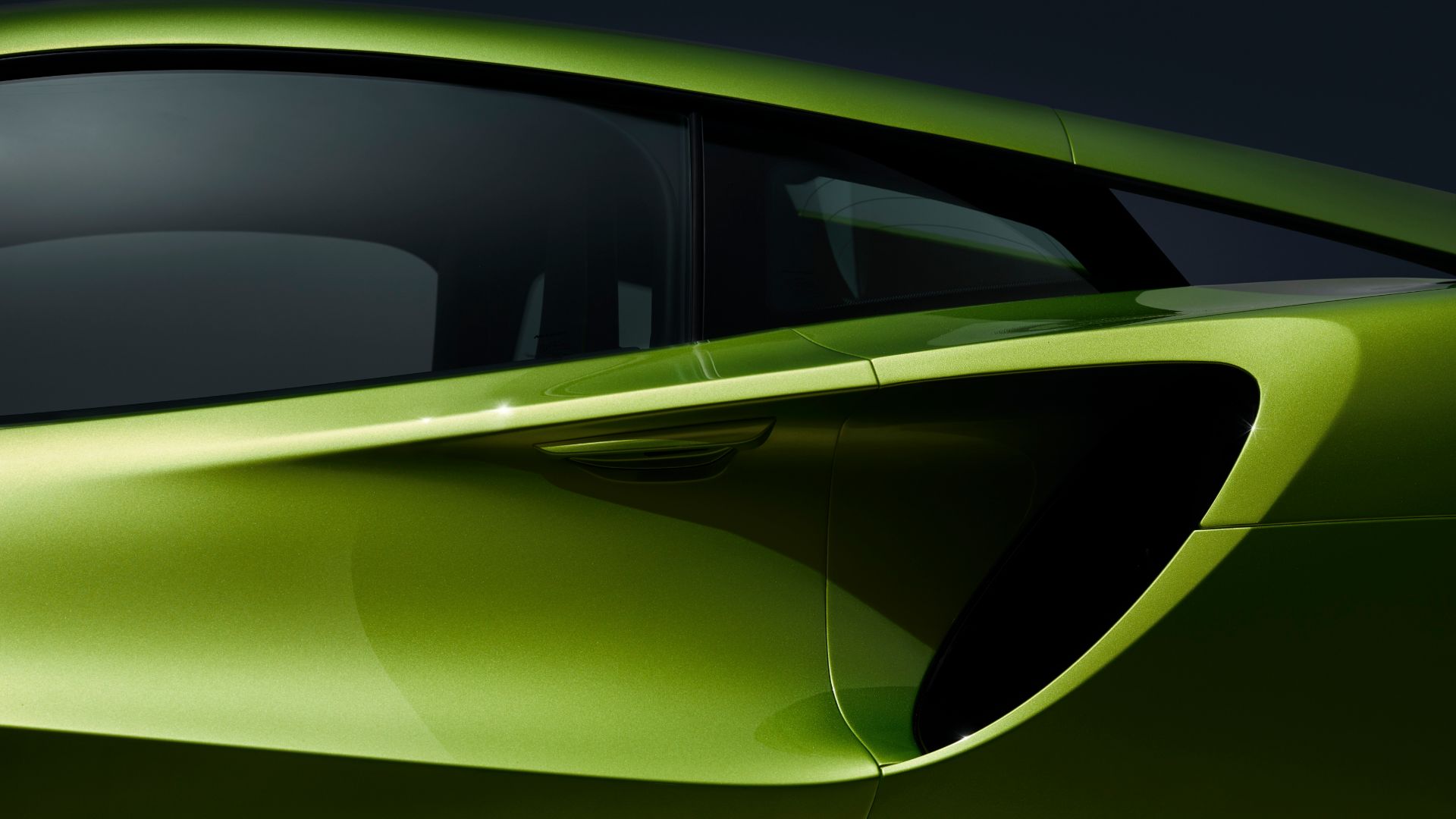
Rob Melville, director of design, does enjoy a metaphor: “If the Senna is our Olympic sprinter and the Speedtail is our Olympic swimmer, this is our Olympic decathlete. We were inspired by forms such as sand dunes, which are sculpted by nature. The superformed aluminium door is a great example of this; its shape shows how air streams expand around the car.”
Indeed, the Artura’s form is very much determined by function. “Everything is distilled down and there for a reason,” Melville continues. “We don’t decorate our cars. We take what you need, then make it beautiful.”
Dan Parry-Williams, director of engineering design, has led development of the Artura’s all-new carbon fibre chassis. “We pride ourselves on lightweight engineering, it seeps into every pore,” he says. “It reduces CO2 and increases the agility of the car – and therefore driving engagement.”
The monocoque is made up of 500 individual parts, which join together in 11 sub-assemblies. All these are then put into a mould, clamped together and resin-injected at high pressure, with the hybrid batteries forming part of the structure. Previously, 20 percent of this process was automated – now the figure is 70 percent. It all takes place at McLaren’s new MCTC factory in Sheffield.
Response is electric… but the brakes aren’t
Among hundreds of engineering targets, McLaren uses a metric called T90. This measures how long it takes from moving your foot to the throttle and requesting full torque, to feeling 90 percent of that in the car.
For the Artura, with its ready wallop of electric assistance, that period is just 0.6 seconds: quicker than any roadgoing McLaren so far. “It feels instantaneous,” confirms Geoff Grose.
However, while the throttle gets an electric boost, the brake pedal does not. Grose explains: “We recover energy through engine braking. But we haven’t gone for a ‘blended’ brake pedal, because it takes away from driver feel. We wanted absolute clarity in all of the controls.” No one-pedal driving for Artura owners, then.
The diff is electric… but the steering isn’t
Speaking of clarity, McLaren is one of only a handful of carmakers that hasn’t adopted CO2-saving electric power steering. Grose continues: “We decided to keep hydraulic steering, as it offers great feel and consistency. Those are qualities that McLaren drivers really appreciate.”
Driver feedback was also partly behind the introduction of an e-differential. McLarens to-date have used open rear differentials, which always transfer an equal amount of power to both wheels. The e-diff electronically limits slip if one wheel is losing traction. “It improves stability into corners and traction coming out,” says Grose. “It’s a bit more controllable and seamless than brake-steer, which we’ve used in the past.”
Bespoke Pirelli P-Zero Corsa tyres are another ingredient in the Artura’s dynamic armour. It’s the first car to use Pirelli’s ‘Cyber Tyre’ tech, with a Bluetooth chip inside the rubber to constantly monitor pressure and temperature.
The next step, of course, is driving it, which we’ll do in early June . If the experience feels as impressive as the engineering behind it, the Artura should be rather special.
UK registrations of new cars declined by more than a fifth (20.6 percent) in May 2022 compared to the same month in 2021.
It was the second-weakest May in three decades, with 124,394 new cars registered. Only the pandemic-hit May 2020 was worse, according to data from the Society of Motor Manufacturers and Traders (SMMT).
The SMMT blames the poor month on continued problems with the supply of components, including semiconductor shortages. Issues caused by the war in Ukraine are also a factor.
Vauxhall Corsa still UK’s favourite
Of all new cars, the Vauxhall Corsa emerged as the UK’s favourite for May 2022. A total of 4,399 examples were registered, followed by the Ford Puma on 3,580.
It sees the Corsa remain the UK’s best-selling car overall for 2022, with a total of 17,198 new models registered so far.
Sales of private vehicles fell by 10.6 percent during May 2022 versus the same month in 2021. Fleet and business sales dropped by 29.9 percent and 27.1 percent respectively.
Battery-electric vehicles did demonstrate their growing importance to buyers. With 15,448 examples sold, full-electric cars accounted for 12.4 percent of all registrations in May.
Green van drivers on the up
New van registrations suffered an even worse month than cars. Compared to May 2021, SMMT figures show van numbers dropped by 25.1 percent.
The Ford Transit Custom was the most popular new model, with 3,244 examples registered. Ford’s regular Transit claimed second place, with 2,851 sales.
As with the car market, battery-electric vans demonstrated a substantial increase in numbers. The month saw 869 electric vans registered, up by 46.5 percent compared with a year ago.
Vauxhall’s e-Vivaro accounted for 212 of the new registrations, and leads the overall electric van market in 2022.
CarPlay allows users of Apple’s iPhone to control functions such as music and maps directly through their car’s multimedia system.
However, updates announced as part of Apple’s Worldwide Developers Conference (WWDC) 2022 will expand even further on what CarPlay can currently do.
The new CarPlay functions will form part of the company’s latest iOS 16 operating system for its smart devices.
Customise your digital dashboard
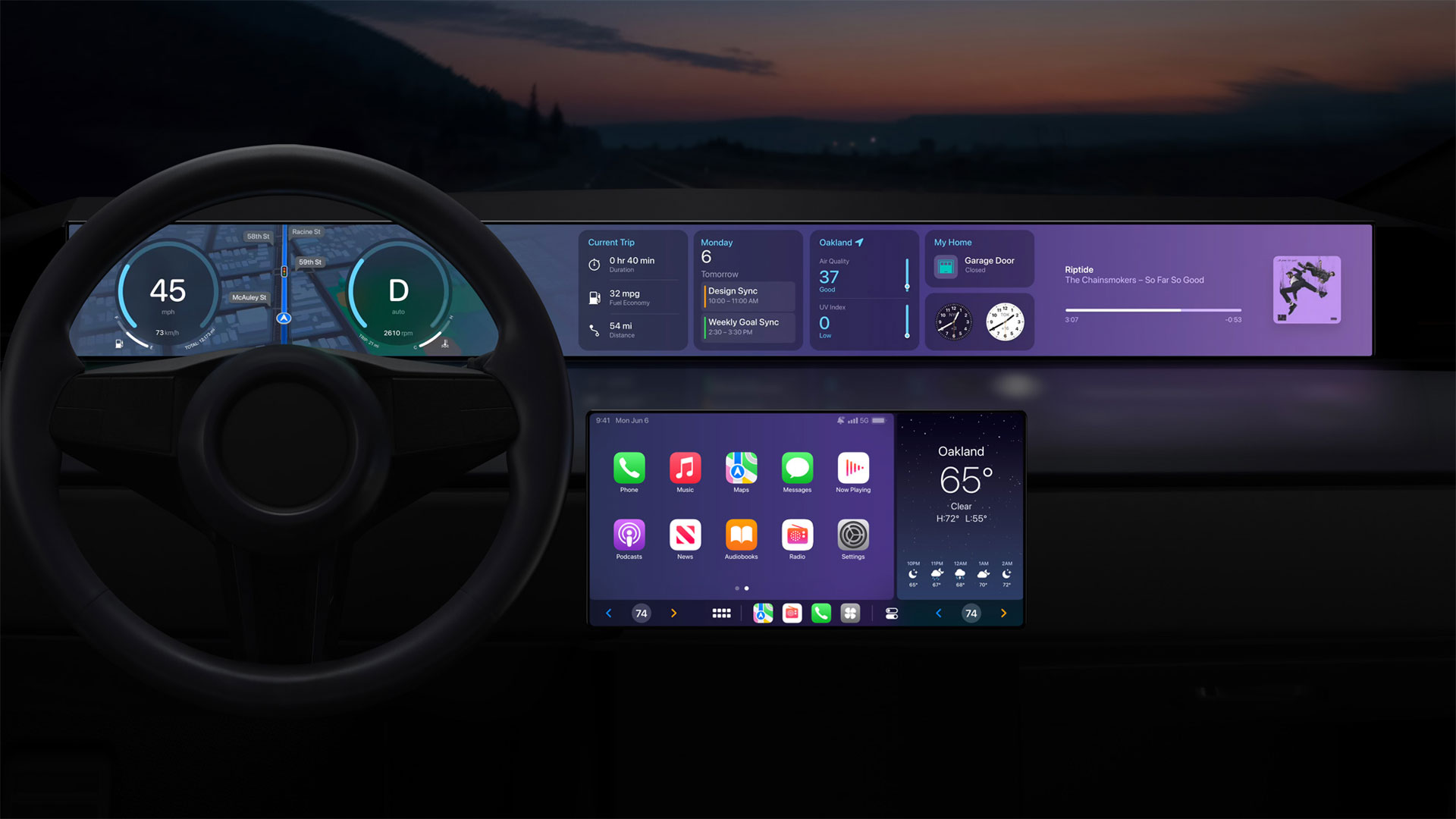
Apple promises the next-generation of CarPlay will ‘deeply integrate’ with a car’s existing hardware.
This means systems such as climate control and radio will be able to be operated directly through the CarPlay app. At present, drivers would have to return to the normal multimedia screens to be able to change these.
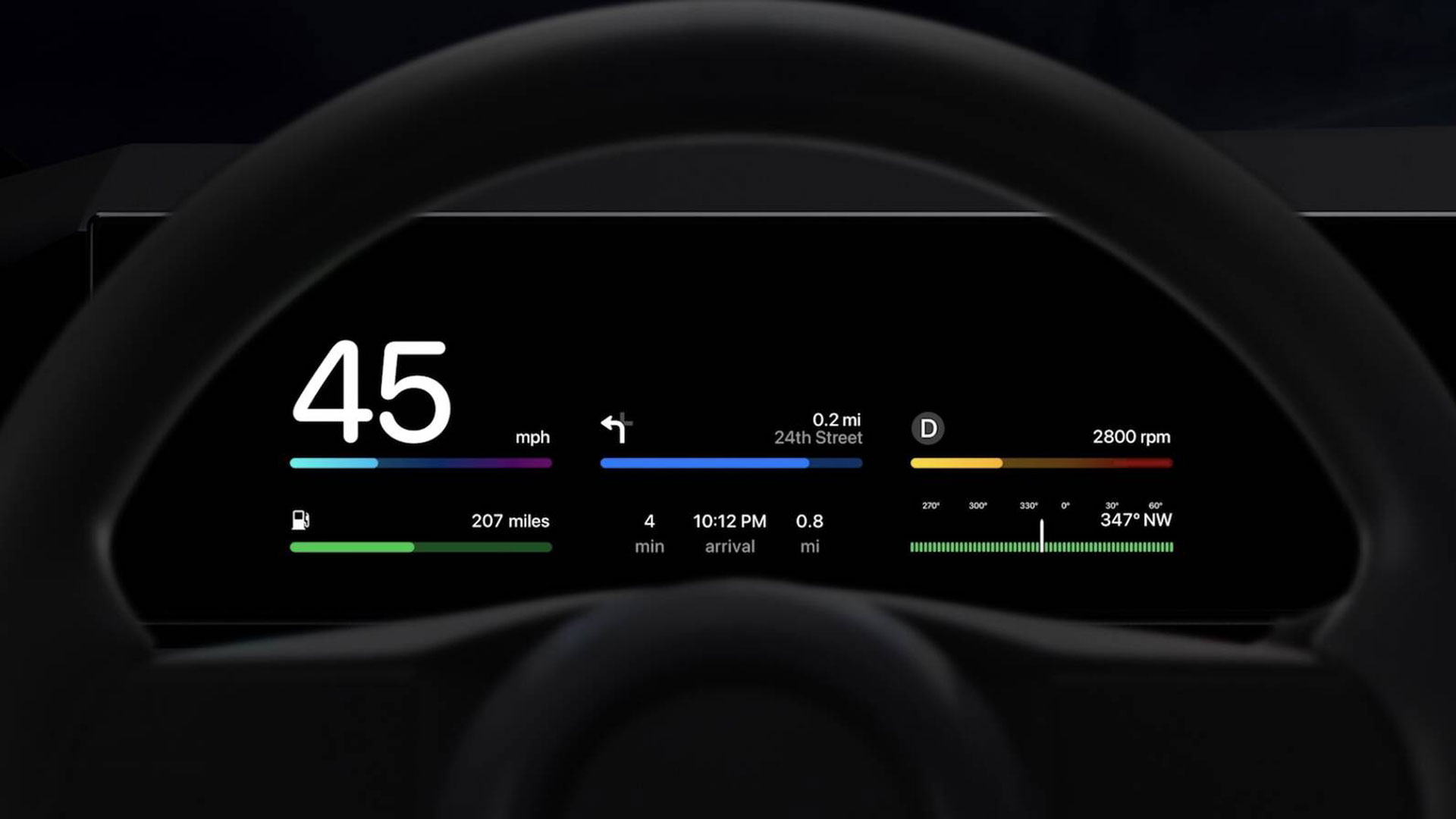
More significantly, CarPlay will be capable of controlling more than just one single multimedia display. Instead, Apple wants drivers to have the ability to customise all screens, including even digital dashboards.
Drivers will be able to customise the layout of their dashboard, along with adding ‘widgets’ for weather and music. CarPlay will still render required information such as vehicle speed and fuel level.
Car buyers demand Apple CarPlay
Driving Apple’s upgrade of CarPlay software is demand from consumers. Almost 80 percent of new-car buyers in the United States will only consider models that offer CarPlay.
Some 98 percent of all new cars are compatible with CarPlay.
For manufacturers, this means a need to integrate with Apple’s technology, or risk losing sales to those who do. Apple has said it will offer more information on the updated CarPlay software later this year, along with confirmation as to which vehicles it will be available in.
Apple notes that Audi, Ford, Jaguar, Land Rover, Nissan, Porsche, and more are committed to integrating their vehicles with new CarPlay software.
One of the most recognisable bridges in the UK will undergo much-needed renovation work, after receiving new funding from the Department for Transport.
The Tyne Bridge, which carries the A167 between Newcastle-upon-Tyne and Gateshead, has been awarded £35.3 million for maintenance. A further £6.1 million will come from local authority budgets.
It is one of four major infrastructure projects across England to be allocated funds, from a total pot of £160.8 million.
Set to shine again
Built by Middlesbrough-based Dorman Long, the Tyne Bridge’s design was based on the Sydney Harbour Bridge in Australia. Opened in 1928 by King George V, the Grade II listed bridge has become a feature of the annual Great North Run half-marathon.
It last underwent maintenance in 2001, with major efforts now required to ensure it can continue to carry more than 90,000 vehicles every day.
Work on the bridge is expected to start later this year. This will include the full structure being repainted, plus repairs to the steel and concrete. The funding will also see traffic management improvements made to the connecting Central Motorway.
Leader of Newcastle City Council, councillor Nick Kemp said: “This is fantastic news for the city and the North East. Our much-loved bridge, which is a symbol of home for Geordies all over the world, will soon be shining proudly in the Newcastle skyline once again.”
“Giving motorists the roads they deserve”
The Department for Transport funding will also see £78.5 million spent on a new 3.85-mile road, linking St Austell in Cornwall to the A30. This is expected to generate £112 million in wider economic benefits.
Enhancing walking and cycling, along with tackling congestion, will be the focus of the £33.6 million allocated to the A34 between Greater Manchester and Stockport.
Finally, £13.4 million is to be used for urgent maintenance to the A35 Redbridge Causeway. This provides a vital link between the New Forest, Southampton and its port.
Roads Minister Baroness Vere said: “This £160.8 million investment will level up those opportunities from the North East to the South West, while giving motorists, cyclists and pedestrians the modern, safe and uncongested roads they deserve.”