Cupra has revealed a new special offer, intended to encourage more drivers into electric car ownership.
Named ‘Love Me or Leave Me’, the scheme will allow drivers to return their new EV if they decide going electric doesn’t suit their lifestyle.
Buyers can make the decision after 80 to 100 days, handing back their electric Cupra whether it is on finance or purchased outright. The deposit will also be returned, subject to any damage or mileage excesses.
The scheme applies to qualifying vehicles ordered from current Cupra stock, including the sporty 326hp Born VZ.
Unplug and walk away
Marcus Gossen, director of Seat and Cupra UK, said: “It is safe to say that the new scheme is ground-breaking and will give many drivers who have considered an electric car the impetus to make the leap.”
Gossen added: “Cupra Born is already a compelling proposition, bringing performance, great range, sporty styling and an outstanding interior into one package that owners tell us they love. But if the experience doesn’t suit their lifestyle and a driver doesn’t gel with EV ownership, they can hand the keys back after three months.”
Cupra expects few cars will be returned, however. A survey by the company earlier this year found 94 percent of Cupra EV owners were pleased they had made the switch. And none said they would return to driving a petrol or diesel car.
Free chargers and cheap electricity
Cupra’s survey also found that only five percent of EV drivers were concerned about how charging would impact their day-to-day life.
To make the process easier, Cupra has entered a partnership with energy supplier OVO, which offers fixed-price home charging.
New Cupra owners can receive a free Ohme home charging device and 10,000 miles of free charging if they sign up to a ‘Charge Anytime’ tariff. After that, they will pay just 7p per kWh to plug in their EV at home.
Few things ruin your day quite like finding a yellow plastic envelope tucked under your car’s windscreen wiper. But don’t despair. There are many circumstances where you can appeal a parking ticket – and perhaps avoid paying the fine.
In the most recent set of statistics, the success rate for parking appeals across England and Wales was 64 percent. In London, which has its own separate tribunal, 51 percent of parking fines were overturned on appeal.
Read on for easy-to-follow tips to help you appeal if you think a parking ticket is unfair.
Reasons to appeal your parking ticket
If you have parked and not paid, or knowingly overstayed your welcome, then obviously the ticket issued is fair. Nonetheless, there are a number of situations where an appeal might be worthwhile. Details of where and how to appeal will be printed on the parking ticket, or on the letter you receive in the post.
Here are some of reasons you could legitimately appeal a parking fine:
Car broken down
If you’ve outstayed your parking period because your car has broken down, you should certainly appeal. Evidence will be needed, such as a recovery receipt, but the appeal should be successful.
Illness
If you pulled over spontaneously because you felt ill, it’s also worth appealing. Any evidence you can provide, such as emails from a doctor or receipts for purchase of medicine, will be helpful here.
Incorrect details
This is where reading the notice carefully can pay off. If the timings don’t match up, or the car number plate is incorrect, state your case. Again, evidence is always useful in an appeal, so keep your parking receipts in case a ticket arrives later via the post.
Unclear or incorrect signs
Signs that aren’t clearly worded or positioned somewhere obvious can be a cause for appeal. Photos will certainly help you here (you could always revisit the street or car park to gather evidence if needed).
Over-strictness
Council-run car parks operate a 10-minute grace period. If a parking warden has been over-eager, provided you can prove it, this is grounds for your fine to be cancelled.
Paid and not quite displayed
Finally, if you have paid, but haven’t displayed the ticket as well as you could have (perhaps it fell on the floor when you closed the car door), an appeal is also worth a shot. It may be declined, but nothing ventured…
In any case, it’s always worth establishing a dialogue with the authority that issued the parking ticket, by email or on the phone.
Appealing a private parking ticket
Private parking tickets, while they look official and often come with photo evidence, are not a fine. They are a breach of contract and can be challenged if you think you’re in the right. In our experience, private firms can also be more trigger-happy in sending out fines.
We’ve experienced fines for exceeding time limits when we haven’t, plus fines for being somewhere on an entirely different date. Always check the details on the ticket carefully.
There are also stories of ANPR (Automatic Number Plate Recognition) systems penalising people for simply turning around in the entrance to a car park. In all cases, it is worth an appeal, following the process detailed on the ticket.
If the parking firm is part of a trade body, such as the British Parking Association, you can help yourself by going through its independent portal. If the company isn’t a part of an official body, write a letter detailing your claim for exemption.
Don’t worry if you don’t hear back: it’s a habit of private firms to go quiet if the case has been dropped. However, a cursory phone call or email a couple of weeks down the line just to confirm can’t hurt.
You could also appeal via the venue you visited. We successfully appealed a fine received at Morrisons via the supermarket itself, rather than the parking company. Time limits catch people out when they’re new or not clearly signposted.
Again, dialogue is key. If you don’t try, you won’t succeed. A call or email to explain the situation, and that you weren’t exploiting the parking provision, can go a long way.
Six new cars are in the running for the AUTOBEST Best Buy Car of Europe award, which focuses on the top motors for real-world motorists.
The Citroen C3, Dacia Duster, Fiat Grande Panda, MG3, Renault Symbioz and Vauxhall Frontera are the contenders that 31 jurors from 31 countries – including the UK – will now be testing in detail.
Reviewing will culminate in a two-day Final Test event in Teesdorf, Austria, in late November.
The 2025 AUTOBEST Best Buy Car of Europe will be announced in mid-December.
The aim of AUTOBEST, which was founded in 2021, is to discover Europe’s best buy new car.
Affordability for real-world motorists is a key criteria, with the entry-level versions of all contenders – including electric cars – required to cost less than £30,000.
A matrix of 13 criteria is used to decide the winner, looking at attributes including price, driving dynamics, versatility, design, new technologies and service network.
Last year’s winner was the BYD Dolphin, pipping the Fiat 600, Hyundai Kona and Jeep Avenger in an extraordinarily tight race.
Motoring journalist Richard Aucock represents the UK in AUTOBEST, with the total jury representing more than 90% of motorists across Europe.
Ahead of the AUTOBEST Best Buy Car of Europe announcement, category winners will be announced for the ECOBEST, COMPANYBEST, MANBEST, DESIGNBEST, SAFETYBEST, SMARTBEST, SPORTBEST and TECHNOBEST awards.
Say Guten Tag to the new 911 GT3. The most hardcore, track-focused version of Porsche’s iconic sports car has received a mid-life makeover, with revised aero, a shorter final-drive ratio and more lightweight parts. Plus the option of rear seats for the first time.
The updated, fourth-generation GT3 – known as the 992.2 to Porsche nerds – will be launched in both regular and Touring specifications when order books open later this year. The standard car has a huge swan-neck spoiler, while the Touring has a flat rear deck for a cleaner, classic 911 look.
We sampled the outgoing 911 GT3 Touring in 2021, describing it as ‘a supercar you could conceivably drive every day’. So what exactly has changed for 2025?
Paddles or stick
Firstly, there’s no more power. Porsche has previously acknowledged that, in order to meet emissions requirements, the 4.0-litre naturally aspirated flat-six is close to its full potential. Spikier camshafts from the 911 GT3 RS provide a greater rush at high revs, but maximum power stays at 510hp. The GT3’s searing 9,000rpm redline remains unchanged, too.
Using Launch Control, that means 0-62mph in 3.4 seconds and a top speed of 193mph. Opt for the six-speed manual gearbox instead of a dual-clutch PDK automatic and the figures are 3.9 seconds and 194mph respectively.
Whether you choose a stick or paddles, though, all versions of the 992.2 GT3 have an eight percent shorter final drive ratio for improved acceleration.
Fast family fun
In terms of exterior design, the 2024 GT3 features reshaped front and rear diffusers, new Matrix LED headlights – now with an optional white accent ring – and a revised underbody for improved downforce. The winged model (the white car pictured here) now has angled sideplates on its spoiler.
Inside, there are new folding sports seats made from carbon fibre reinforced plastic (CFRP). A ‘Track Screen’ mode switches the digital displays on either side of the rev counter to key data on oil, water, fuel and tyres – and features a ‘shift flash’ for optimal timing of upshifts. It can also be rotated so the 9,000rpm limiter is in the 12 o’clock position.
The big news about the 911’s interior, though, is the option of rear seats in Touring-spec models. A supercar for the family? That might be pushing it, particularly if your children are beyond primary school age, but the ability to carry four people is an exciting new GT3 USP.
Seeing the light
Porsche has never been shy about layering on extra-cost options, and the 992.2 offers more potential for customisation than ever before. The Weissach package – previously available on the GT3 RS only – includes numerous parts made from lightweight CFRP, from the roof panel to the interior door handles. Suede-like Race-Tex is used extensively throughout the interior, including on the upper side of the dashboard to reduce glare. A CFRP roll cage and forged magnesium wheels are further options.
The equivalent for the 911 GT3 Touring is called the Leichtbau package. This includes the magnesium rims and some CFRP parts, along with the shortened manual gear lever from the limited-edition 911 S/T. A ‘Leichtbau’ plaque on the centre console gives the game away.
For the GT3 with a rear wing, a track-oriented Clubsport package is available at no extra charge. It comes with a steel rear roll cage, six-point harness belts for the driver and a fire extinguisher.
Join the queue
As ever, getting a GT3 allocation means you will probably need to be on first-name terms with your local Porsche dealership. For those at the front of the queue, however, the latest updates should further hone an already ‘exotic and immersive’ driving experience (to quote our GT3 Touring review again).
Prices start at £157,300, with the Weissach package adding £19,530 – or £15,597 without the roll cage. The Leichtbau package for the GT3 Touring costs £29,225, but includes the magnesium wheels (a hefty £13,760 extra on the winged GT3).
Stay tuned for a review of the new Porsche 992.2 GT3 on Motoring Research early next year. Our first five-star car of 2025? Don’t bet against it.
New research by Volkswagen reveals that more than a quarter (28 percent) of UK van drivers were injured when loading their vehicles in 2023.
The vast majority of those injured (88 percent) found themselves having to take time off work as a result. This represents a six percent increase in injury-related absence versus the previous year.
Of even greater concern is the length of time van drivers are needing to take off due to injury.
This period now averages 5.79 days, an increase of 17 percent compared to 2022. And one-in-10 drivers have taken more than 13 days off due to a loading-related injury.
How to load your van safely
The cost of such time off is considerable – estimated at £550 per van each day a driver is injured.
Given the potential personal and financial impacts of being injured at work, Volkswagen recommends that all van drivers should be trained and equipped to load their vehicles properly.
Planning the lift, making sure you know the route you’ll take and whether there are any obstacles
Break up the load into manageable chunks, or ask a colleague for support with large or awkwardly-shaped objects, using lifting aids where possible
Engage your legs to lift an object, driving up from a squat or lunge position to protect the rest of your body
Avoid twisting your body when you lift a heavy item. Instead, lift the item and use your legs to turn as needed
Sticking to van weight limits
Volkswagen’s survey of van drivers did uncover some positive news, however. In 2022, a similar survey showed that just over half (52 percent) of drivers were adhering to the legal weight limit when loading their vehicles.
A year later, this had increased to almost three-quarters (70 percent) of Britain’s van drivers.
In addition, 94 percent said they are now aware of the weight limit rules. Fines can be issued for overloading a van by as little as five percent.
Skoda Motorsport has transformed the electric Enyaq Coupe iV vRS into a one-off, rally-inspired monster.
The Skoda Enyaq RS Race is chiefly a pilot project to demonstrate how lightweight and sustainable materials could be used in future production cars.
However, it’s also about having fun, combining a relatively sensible electric SUV coupe with rally car-style engineering.
Skoda has no shortage of experience in motorsport. The Fabia RS has dominated the Rally2 category in recent years, with more than 1,700 class wins since 2010.
Simplify, then add lightness
Channelling Skoda’s rallying know-how into the Enyaq Coupe sees the bodywork widened by 72mm at the front and 116mm at the rear. A gigantic new rear spoiler is added, along with a vortex generator on the car’s roof.
The science part comes in how these new aerodynamic elements are made. They use a sustainable lightweight material that is woven from flax fibres.
These biocomposite elements are said to have a lower environmental impact than carbon fibre. Similar materials were tested on a Porsche 718 Cayman GT4 concept car.
For the Skoda Enyaq RS Race, the result is 316kg slashed from the kerb weight of this electric SUV coupe. A fully stripped-out interior, along with polycarbonate side and rear windows, also helped with the crash diet.
Together in electric dreams
Skoda Motorsport has left the powertrain unchanged, but added competition-spec suspension and carbon ceramic brakes with 10-piston calipers at the front.
The RS Race has the same 112mph top speed as the road-going Enyaq Coupe iV vRS. But reduced weight means its 0-62mph time tumbles to less than five seconds.
Inside, Skoda Motorsport engineers have added the pedal box from the Fabia RS Rally2, along with bucket seats and a new steering wheel.
A collaboration between Hot Wheels and Formula 1 has led to the launch of a new die-cast car collection.
A 1:64-scale interpretation of a modern Formula 1 car is the starting point for the new partnership, with more Hot Wheels F1 models set to follow soon.
Emily Prazer, chief commercial officer of Formula 1, said: “The exciting collaboration will bring together the adrenaline of motor racing and the excitement of toy cars and provide opportunities to see the fine details that go into an F1 car, all in the palm of your hand.
“It’s more than just a partnership; it’s a celebration of speed, creativity and innovation that will bring fans a new way to engage with the sport.”
Three sets of tyres supplied
The Hot Wheels model has been influenced by current technical regulations in Formula 1, so it’s a generic race car, rather than one that represents a specific constructor.
A bespoke Hot Wheels livery includes the number ‘68’ on the nose cone – a deliberate nod to the year the toy manufacturer was founded.
Each car comes with three different sets of replica Pirelli slick tyres, representing the compounds (hard, medium and soft) typically used during a race weekend.
Knowing that many buyers will put their Hot Wheels model on display, the Formula 1 car also has a ‘Kar Keepers’ clamshell case to keep it safe.
Bringing enthusiasts together
“Hot Wheels has always been about nurturing the challenger spirit, so the partnership with Formula 1 is a natural and exciting fit,” said Roberto Stanichi, executive vice president at Hot Wheels. “It will bring two of the largest global fan communities together, to share their passion for cars and racing.
“In collaboration with Formula 1, we have put together a program that allows kids to replicate the thrill of F1 racing where they can drive like the pros. It engages with our loyal communities on a global scale.”
Fans are able to pre-order the Hot Wheels Formula 1 car directly from Mattel now. Priced at £24 in the UK, deliveries should take place before the end of June 2025.
The largest model in Dacia’s history has been unveiled. Aptly named the ‘Bigster’, the new Dacia is designed to tackle mountains, the school run and the all-important C-SUV sector, taking on big sellers such as the Kia Sportage.
With a focus on helping drivers tackle ‘spiralling costs’, the Bigster takes the traditional Dacia strengths of affordability and practicality, then scales them upwards.
Its distinctive styling is reminiscent of the latest Duster SUV. Dacia also promises ‘real off-road ability’, thanks to the Bigster sharing the Duster’s CMF-B platform.
Built tough for the real world
Dacia has used its ‘Starkle’ material for the lower bodywork and wheelarch surrounds: a robust and recycled plastic that is left untreated and unpainted. Factor in sturdy skid plates and it’s clear the Bigster is designed with rougher terrain in mind.
The Bigster comes with a choice of three powertrain options. These include the 1.6-litre Hybrid 155, which combines a petrol engine with electric motors for a total of 155hp. More powerful than the hybrid setup found in the Jogger or Duster, a 1.4kWh battery helps the Bigster run as an EV for up to 80 percent of city driving.
A 1.2-litre three-cylinder turbocharged TCe 140 petrol engine comes with mild-hybrid tech, and makes use of a six-speed manual gearbox.
Alternatively, off-road aficionados will want the TCe 130 petrol 4×4. As its name suggests, this comes with Dacia’s all-wheel-drive system. A Terrain Control selector, with five driving modes, is included for good measure.
Big on space, big on kit
With a boot capacity of 667 litres with the rear seats in use, the Bigster offers more luggage space than a Nissan Qashqai or Hyundai Tucson. The rear bench splits 40-20-40 as standard, plus there is an electrically opening tailgate on the top-spec Journey trim.
The entry-level Bigster Expression comes with 17-inch alloy wheels, dual-zone air conditioning, a 7.0-inch digital instrument panel, a 10.1-inch central infotainment touchscreen, rear parking sensors and a rear-view camera.
The Extreme and Journey versions bring larger alloy wheels, a 10.0-inch digital instrument panel and satellite navigation to the party.
A lengthy options list includes the Sleep Pack, with a fold-out double bed designed to lay inside the Bigster. Buyers can also add a roof rack, and even a bespoke tent to fit the rear of the SUV.
The most expensive Dacia to date
It is worth noting that the Bigster will be sold solely as a five-seat SUV. The Jogger thus remains the only way to transport seven people in a Dacia… for now.
The Romanian brand has plans to release two more vehicles in the C-SUV segment, so the Bigster is only the beginning. Although UK prices have yet to be finalised, the Bigster should start from less than £30,000 when it goes on sale in 2025.
That will make it the priciest Dacia to date. However, the Bigster is likely to outperform its main rivals in terms of value for money.
The performance divisions of Hyundai and Toyota have formed a partnership to host a unique motorsport festival.
Talking place at the Everland Speedway in South Korea, the Hyundai N x Toyota Gazoo Racing Festival will take place later this month.
Along with demonstrations of racing models, fans of both car manufacturers will be able to take part in track driving sessions.
It marks an unusual move for two car brands that compete not only in the arena of performance road cars, but are also direct rivals in the World Rally Championship (WRC).
Stars of stage and street
The morning of the festival will be devoted to track day activities, allowing owners of Hyundai N and Toyota GR vehicles access to the Everland Speedway. This will be followed by show runs, demonstrating new performance models from the two brands.
Hyundai N will showcase rally cars from its WRC campaign, including the i20 N Rally 1 Hybrid and i20 N Rally 2. The cars will be driven by Hyundai Motorsport’s Thierry Neuville, Dani Sordo and Andreas Mikkelsen.
The Pikes Peak record-setting Hyundai Ioniq 5 N TA Spec will also be present, along with the Ioniq 5 N and Elantra N production cars.
Toyota will present its GR Yaris Rally 1 Hybrid, GR Yaris Rally 2, GR Supra and GR86, as well as other rally cars and high-performance models. Current Toyota WRC driver Takamoto Katsuta will be on hand, along with fellow members of the Toyota Gazoo Racing team.
A hydrogen-fuelled Toyota Corolla AE86 H2 Concept will put a modern spin on a classic drift racer, too.
Fierce competition and friendship
Hyundai has hosted motorsport-themed festivals in South Korea for two decades, but this marks the first time another car manufacturer has been involved.
“We are excited to welcome the Toyota Gazoo Racing team, our competitors in the WRC, to Korea”, said Yeong Ho Lee, executive vice president of Hyundai Global Operations.
“This event will emphasise the fierce competition and friendship that coexist in motorsport. It is an opportunity to demonstrate the pure passion for cars shared by both Hyundai and Toyota, as well as our commitment to further expand motorsport culture in the future.”
The message of collaboration was echoed by Manabu Konyama, CEO and president of Toyota Motor Korea, who added: “We’re glad that Hyundai N and Toyota Gazoo Racing, which are competitors in world motorsport, are working together to create an opportunity to enjoy car culture beyond motorsport”.
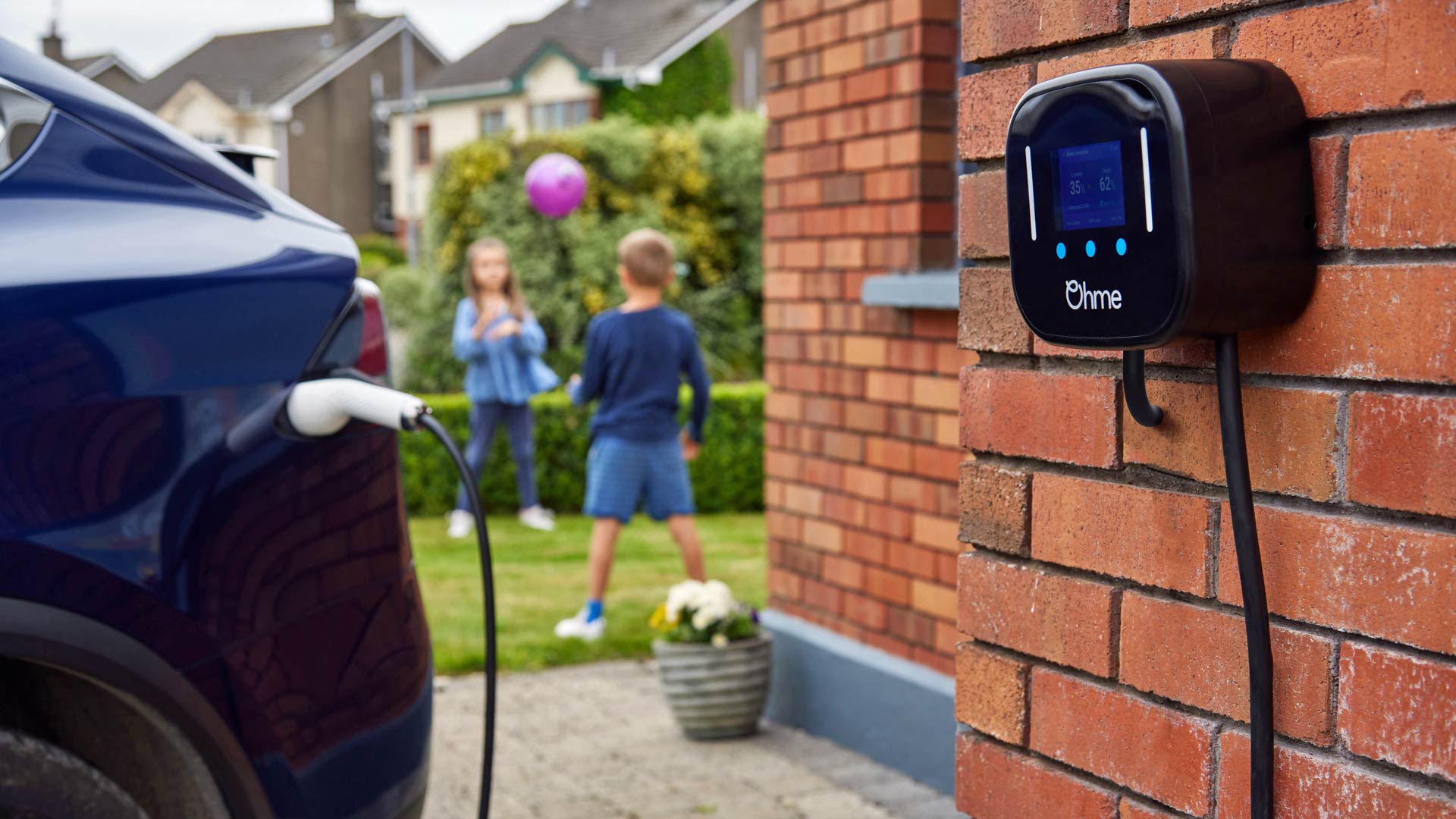
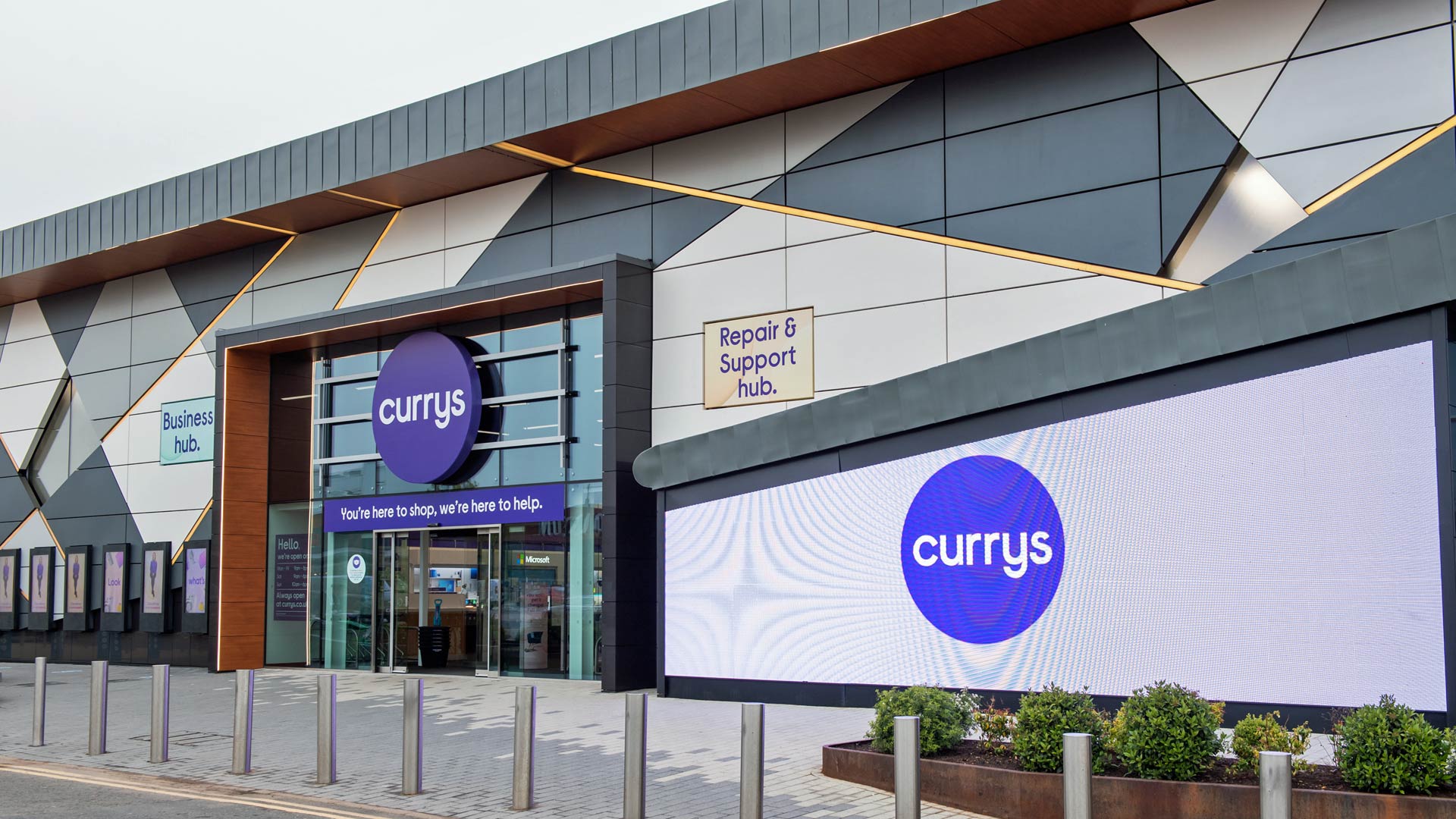
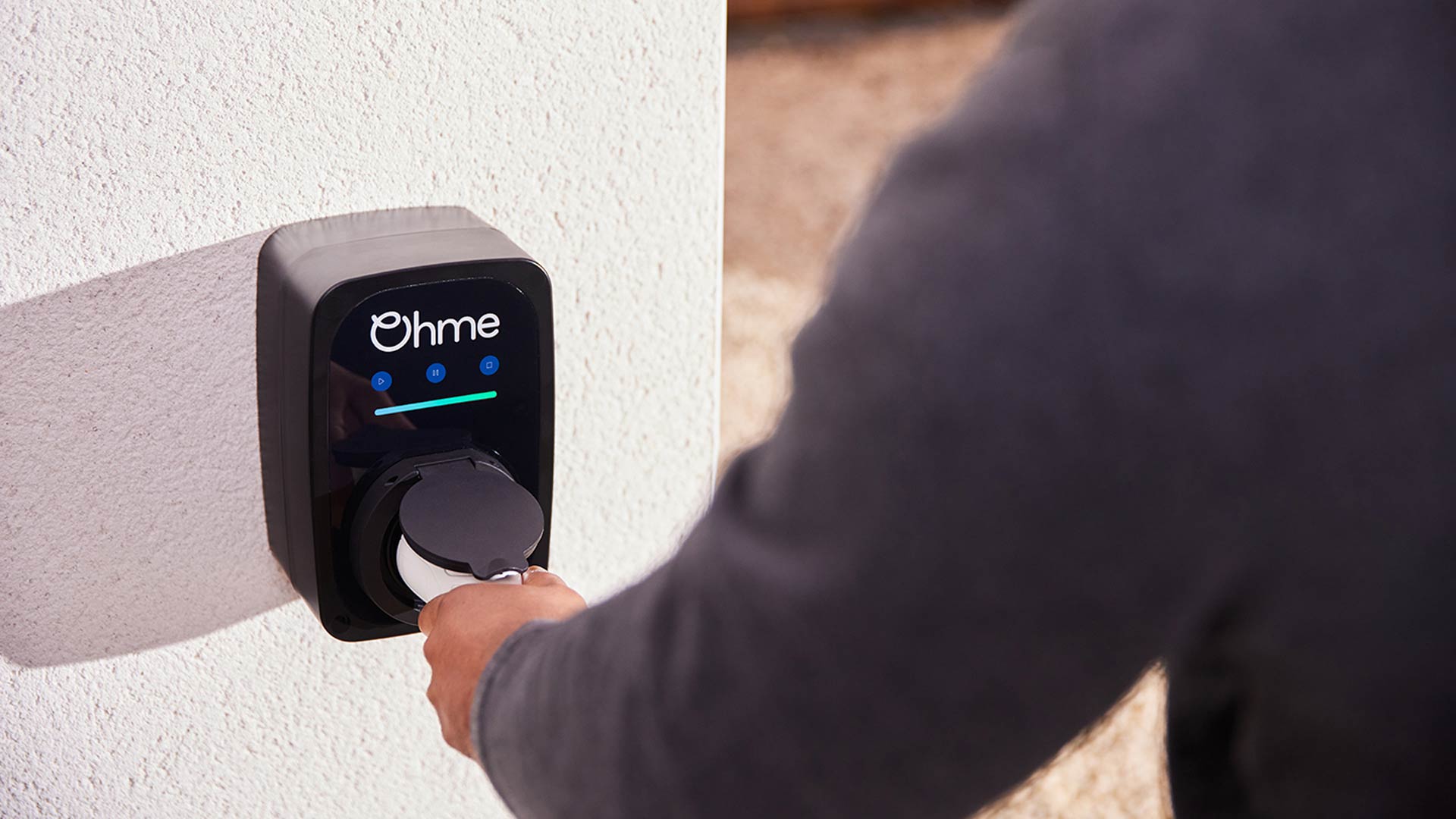
A partnership between Currys and Ohme will see home EV chargers available to buy in stores.
Offering EV chargers directly to consumers represents a first for the electrical retailer, which has 298 stores spread across the UK.
Ohme charging devices will initially be made available online by Currys. Sales will subsequently be rolled out across 50 of the company’s flagship stores.
Smart tech for cheaper charging
Ohme currently offers two smart EV charging devices, both of which are designed to be compatible with tariffs from all energy providers.
New electric vehicle chargers sold since June 2022 must come with smart functions included. This allows the charger to connect with the electricity grid intelligently, meaning the user can take advantage of off-peak hours.
Making use of a 7p per kWh smart tariff would see a driver covering 6,800 miles a year pay just £119 a year for EV charging. By comparison, a 24.5p/kWh standard variable tariff would cost £416 for the same mileage.
Ohme also notes that driving the same distance in an equivalent petrol car would cost £1,100 in fuel.
‘A natural step’ for customers
“With EV sales in the UK up more than 10 percent this year, this new partnership between Currys and Ohme chargers was a natural step to offer to our customers,” said Zoe Lucid, senior buyer at Currys.
“Ohme’s award-winning chargers and reputation for excellent customer service meant it was the obvious choice for Currys’ customers, helping them to make more sustainable choices combined with cutting-edge technology.”
Ohme has become the official charging provider for the Volkswagen Group, Volvo Cars, Mercedes-Benz and Hyundai in the UK. Buyers of new electric Vauxhalls can receive a free Ohme charger, too.