Home Blog Page 507

Citroen museum auction: breaking up is so hard to do

0

To some people, the auction catalogue for the forthcoming sale of 65 cars from the Citroen Conservatoire collection might seem like one of those chocolate selection boxes you’ll receive this Christmas.

It promises so much on the outside, but once you’ve prized open the box, you discover an awful lot of filler and not much in the way of tasty treats. I say to ‘some people’ while acknowledging that to Citroen enthusiasts, this remains a rare and exciting opportunity.

Exciting, and perhaps a little dispiriting. Allow me to explain.

Back in the summer – remember that? – I was fortunate enough to spend a morning in the Citroen Conservatoire, surrounded by some of the firm’s all-time greats. From concept cars to presidential limos, and motorsport heroes to true icons, the warehouse is like a dimly-lit spotlight on the history of Citroen.

While there, I was told about a ‘reserve’ collection: more cars in another part of the building, off-limits to anyone beyond Citroen circles. I tried, unsuccessfully, to gain access. If your name’s not down, etc, etc.

Fast forward a few months and Citroen has thrown open the doors to the reserve collection, as it prepares to move away from the sprawling Aulnay-sous-Bois site and to L’Aventure Peugeot Citroen DS in Sochaux.

With a collection of more than 400 cars and associated memorabilia, something has to give, which is why 65 vehicles and 90 items of automobilia are deemed surplus to requirements.

It all feels a bit like clearing the attic following the loss of a loved one. It’s not that anybody or anything has died – although no cars have been produced at Aulnay-sous-Bois factory since 2012, and the Citroen and DS divorce was a little awkward – it just seems a tiny bit sad to see the collection split up.

I’ve seen the auction lots described as ‘weird and wonderful’, but to casual onlookers and non Citroenians, the collection will be more ‘weird and a little underwhelming’. You won’t find a proper DS, SM or 2CV in the sale. There is a Traction Avant, mind, which is very much the genesis of modern Citroen.

You’re unlikely to find the items of automobilia featured in any auction previews, but there are some genuinely significant lots. Racing overalls worn by the likes of Jacky Ickx, Timo Salonen and Hubert Auriol are expected to fetch between €200 and €500 each.

There are numerous photos, brochures, models and dealer display items on offer, along with spare parts for a Citroen ZX Rallye Raid, if you feel the urge to take your ZX Aura to Dakar. Fancy the bonnet from Sébastien Loeb’s Xsara WRC car? It could be yours for between €500 and €1,000.

But, as ever, the cars are the stars, so what will see me hovering over the ‘bid’ button come 2pm on 10 December? Nobody asked me to create a list of my top 15 auction cars, but here are my favourites anyway.

Citroen GS: €2,500 – €5,000 (£2,250 – £4,500)

I managed to grab a brief go in a Citroen GS X3 during my visit to the Conservatoire, realising a lifelong ambition to drive one of the best cars my father owned when I was a child. You can read about it here.

This Spanish-registered GS is much older than my father’s, and indeed the X3 I drove in July, but it has covered just 921km from new and features the same red interior I remember from my youth.

Sbarro Berlingo Flanerie: €9,000 – €11,000 (£8,000 – £10,000)
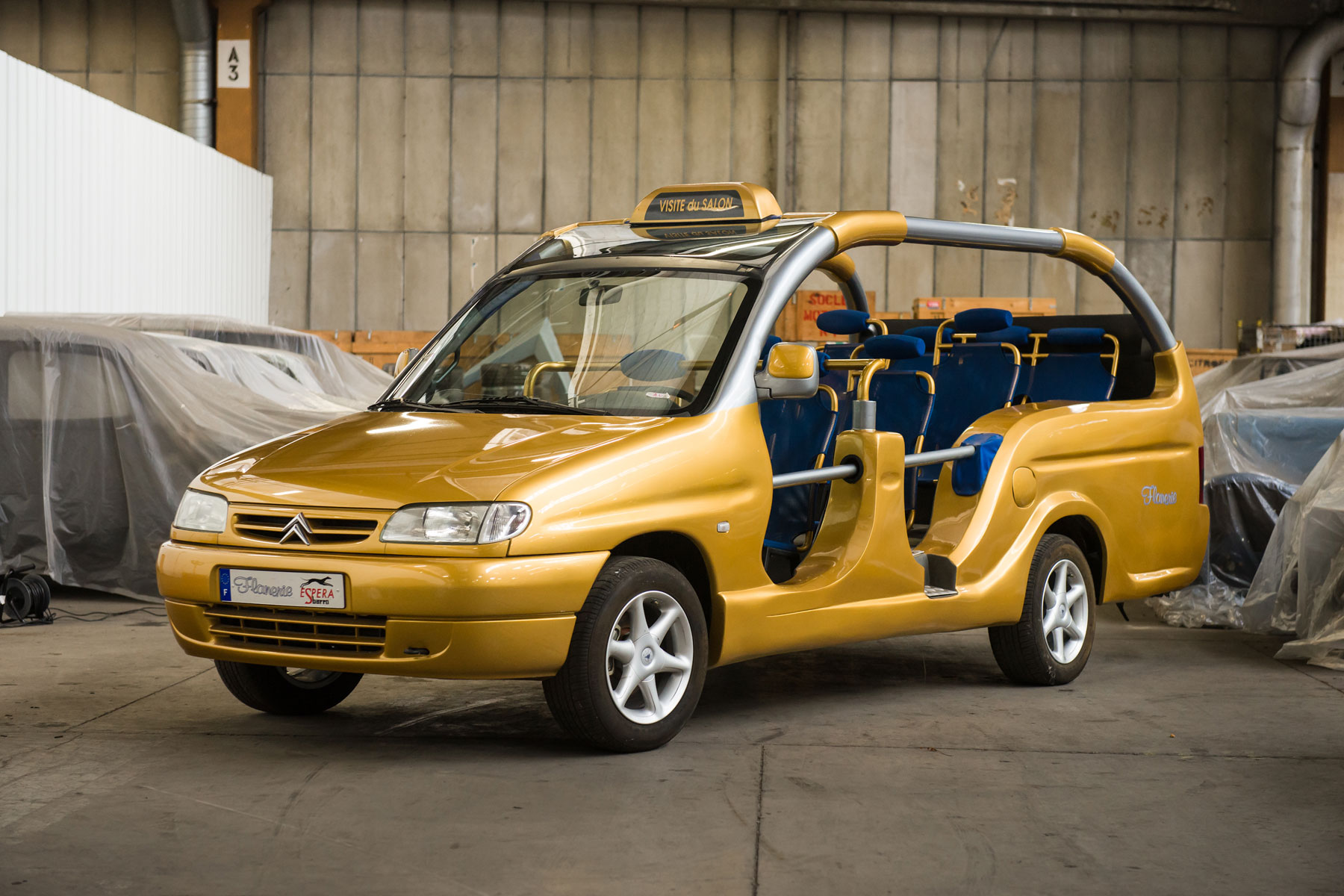
Franco Sbarro has done some wild and crazy things with Citroens over the years, with the Berlingo a particular favourite of the Swiss coachbuilder. The Flanerie is like some kind of theme park safari ride that has managed to end up in a game of Crazy Taxi.

Citroen AX: €3,000 – €6,000 (£2,750 – £5,250)
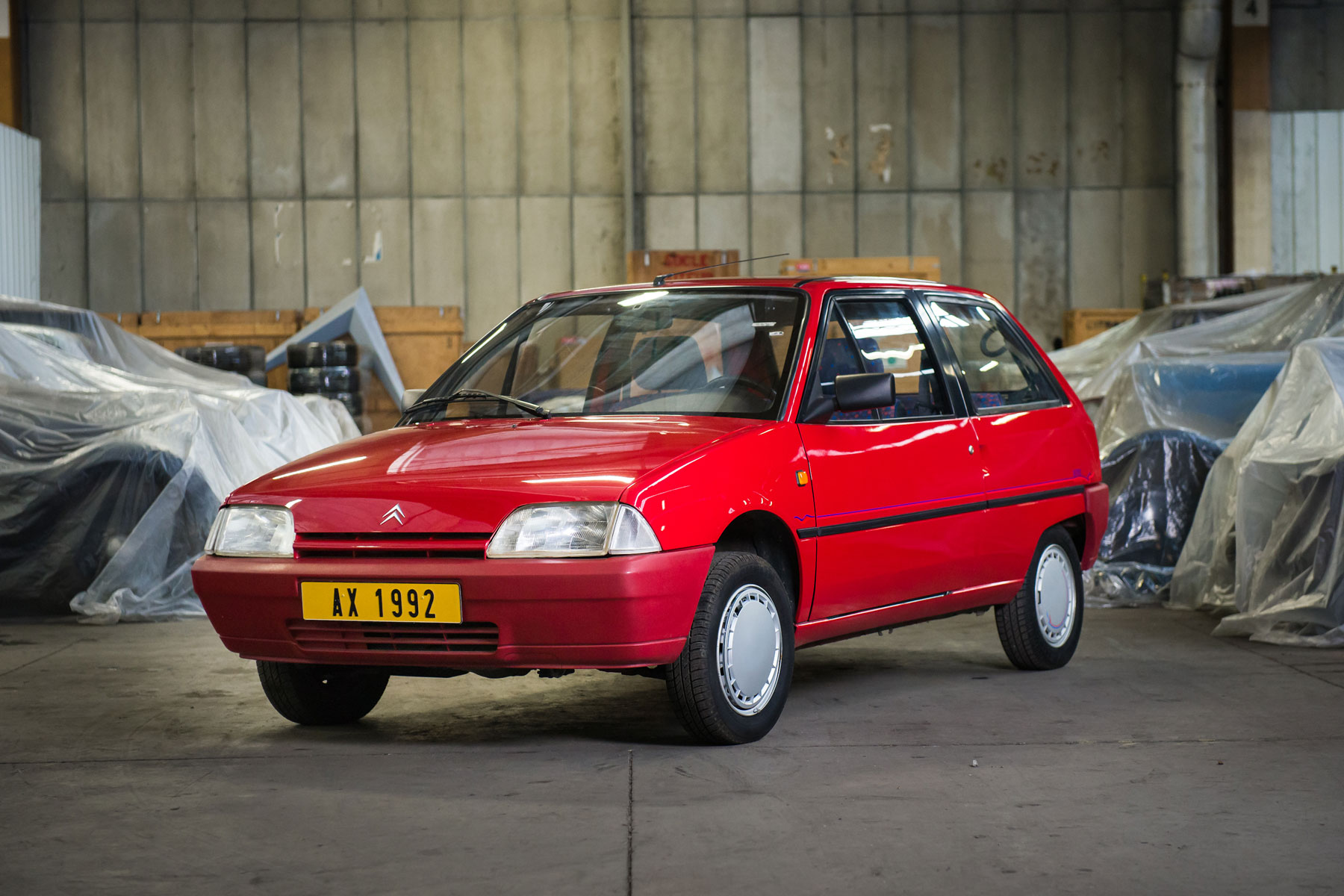
There’s an electric Citroen AX available in the auction, but this one appeals because it was donated to the collection by Auguste Genovese, a former director at the Citroen plant in Rennes. It has covered just 11,414km since it rolled off the production line in 1991.

Citroen Visa Super: €1,500 – €3,000 (£1,250 – £2,750)
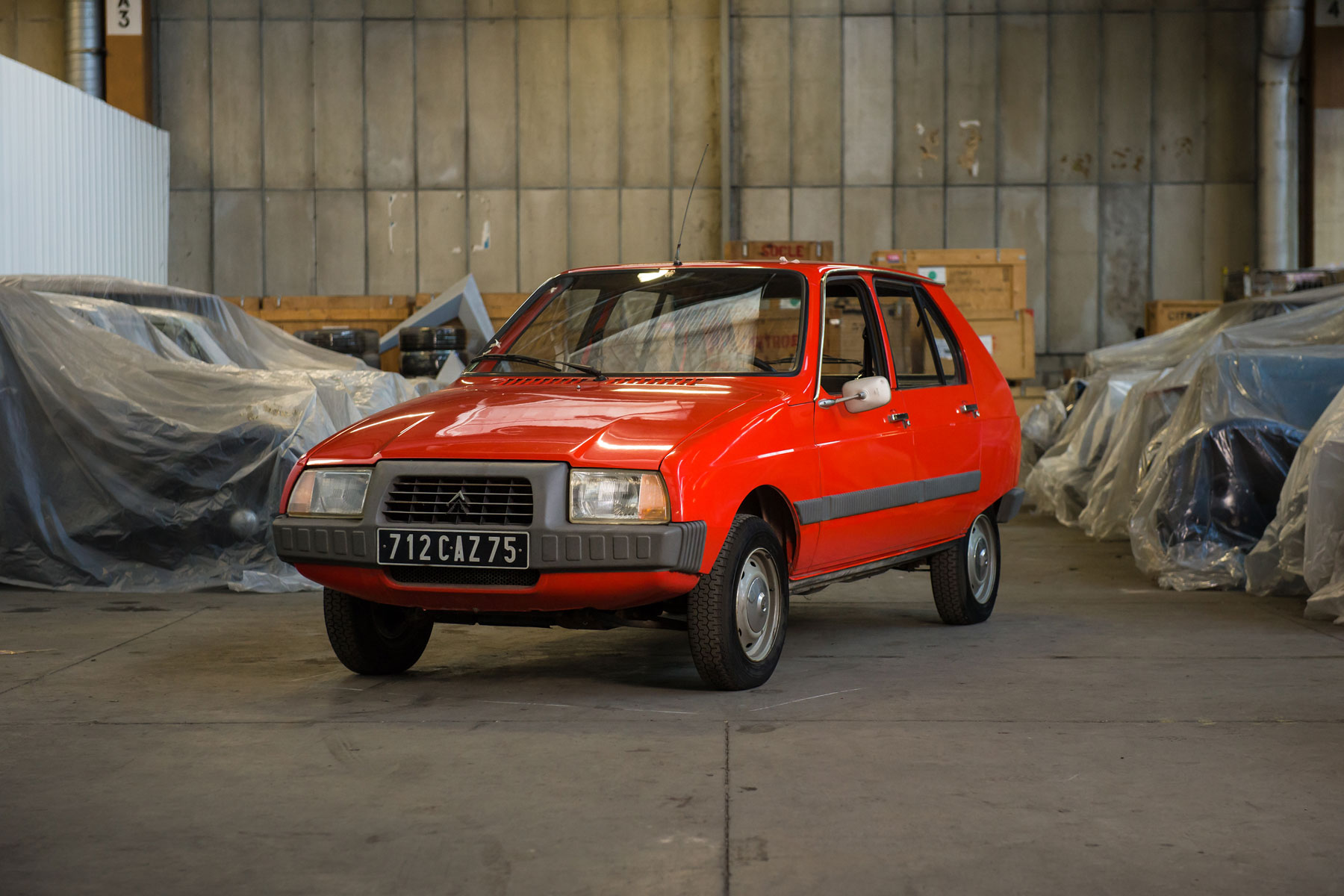
When was the last time you saw a Citroen Visa, let alone one as early as this? As a Super, it’s powered by a 1.1-litre four-cylinder engine, and features the wonderfully idiosyncratic dashboard of the early cars. Also, note the polypropylene bumper and grille.

Citroen BX GTI: €6,000 – €10,000 (£5,250 – £9,000)
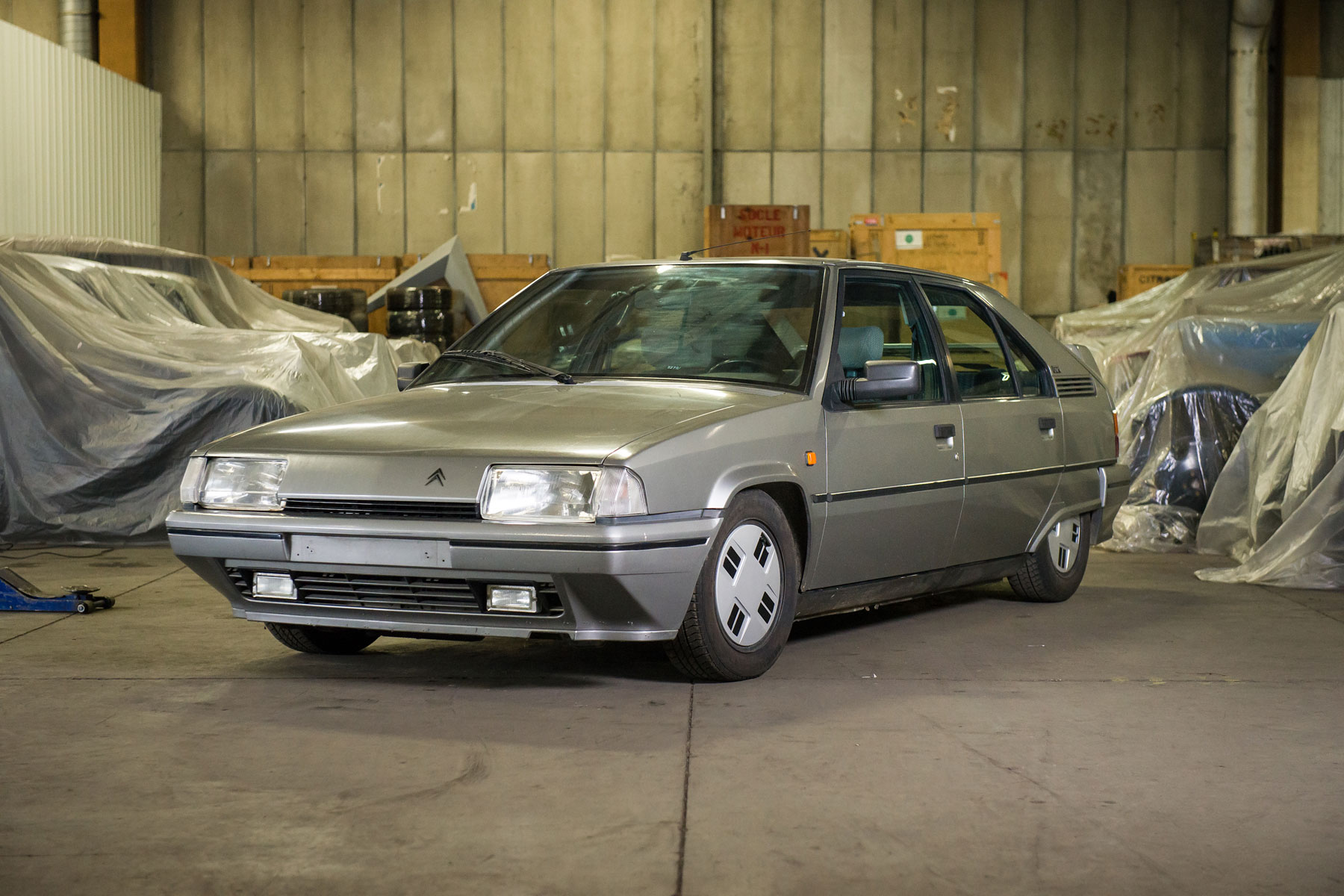
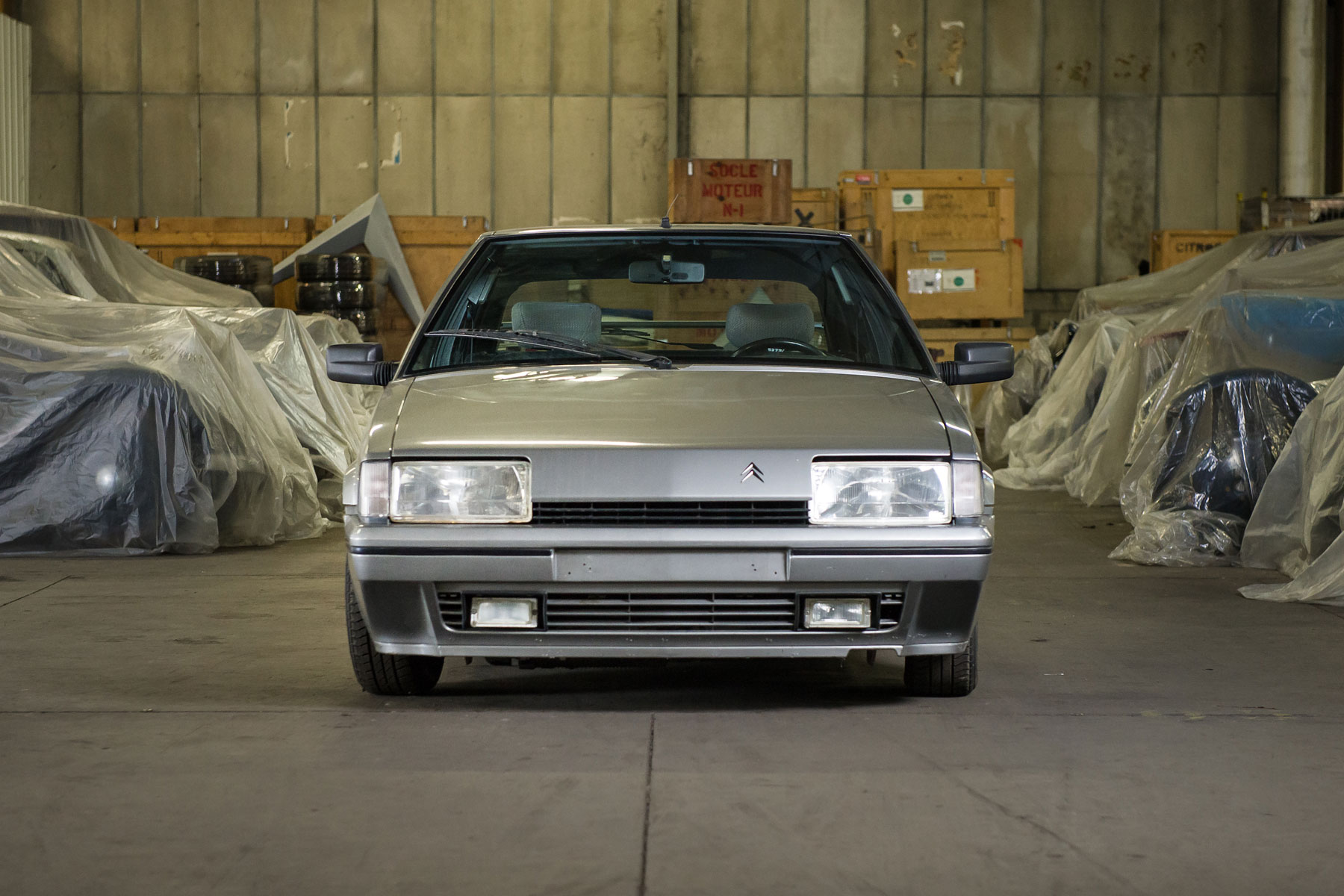
Given the crazy prices being achieved by certain performance cars of the 80s and 90s, this Citroen BX GTI has a reasonable pre-auction estimate. It has picked up a few battle scars in storage, but there are only 21,499km on the clock.

Citroen Xantia Activa V6: €5,000 – €8,000 (£4,500 – £7,250)
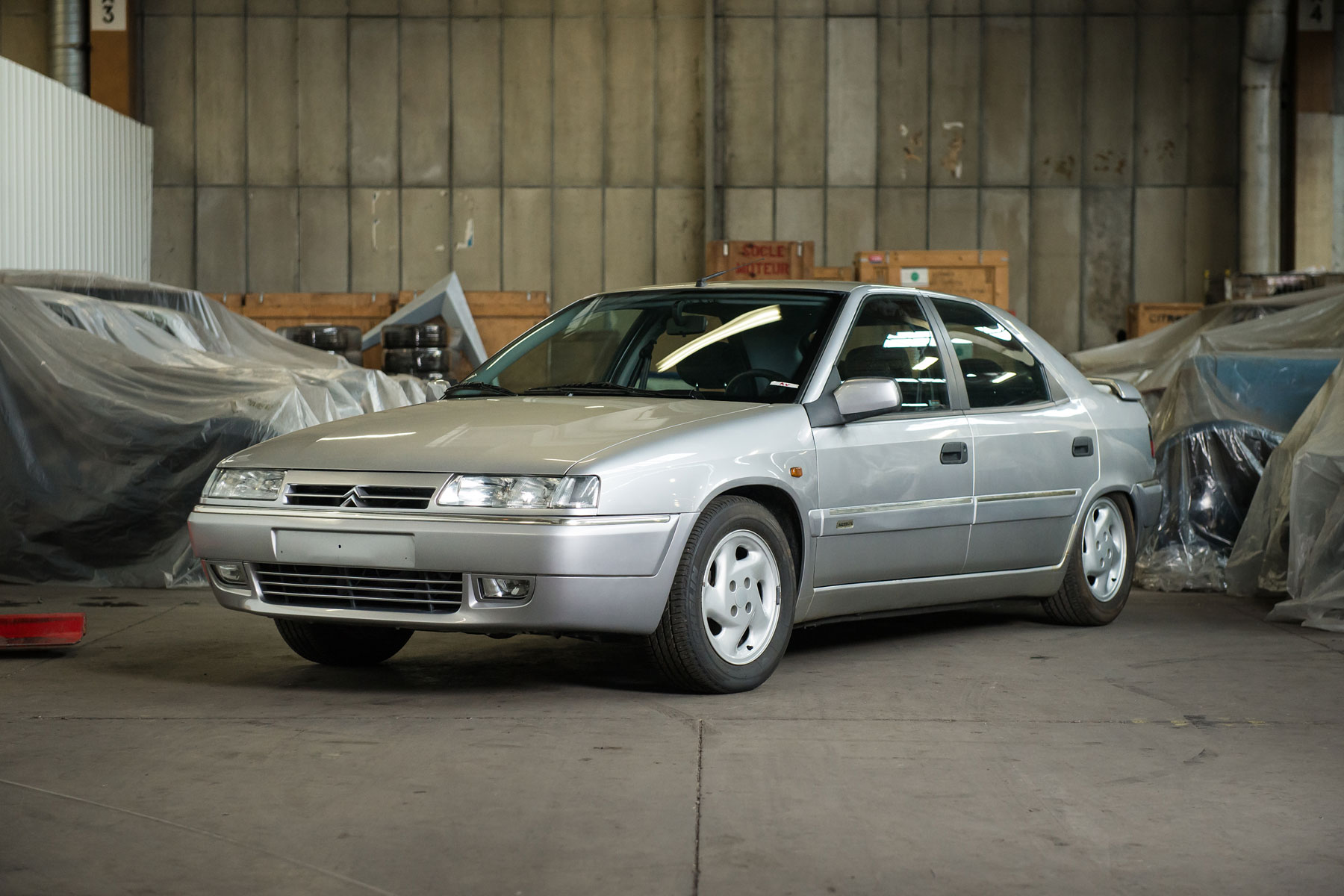
Just 2,600 Xantia Activa V6 models were ever produced, all left-hand drive. Which means the V6 was never officially exported to the UK, making this the holy grail of the Xantia Activa world. There are just 1,575km on the clock. *Bites the back of his hand*

Citroen ZX Reflex: €800 – €1,500 (£725 – £1,250)

You have to wonder where the likes of this ZX Reflex will end up. It’s in excellent condition, as you’d expect from a 20-year-old car with 1,765km on the clock, but will it be used on the road or stored away in a private collection?

Citroen XM V6 Exclusive: €5,000 – €7,000 (£4,500 – £6,250)

This isn’t the tidiest or lowest mileage Citroen XM in the auction, but it’s arguably the most interesting. It was owned by Roger Hanin, who played the lead role in the French TV police drama, Navarro. Hanin was also the brother-in-law of President Mitterrand.

Citroen Ami 6: €800 – €1,200 (£725 – £1,000)

Being polite, this 1961 Ami 6 is blessed with a delightful patina, but in truth, it’s in need of a complete restoration. These were incredibly popular in France, but less so in the UK.

Citroen CX Pallas: €6,000 – €10,000 (£5,250 – £9,000)

Simply wonderful. In mileage terms (15,220km), this is effectively a one-year-old Citroen CX. Not only that, it’s a Series 1, complete with the idiosyncratic dashboard layout and desirable Pallas trim. Oh, to be able to drive home from Paris in this.

Citroen C-Cactus: €8,000 – €12,000 (£7,250 – £10,750)
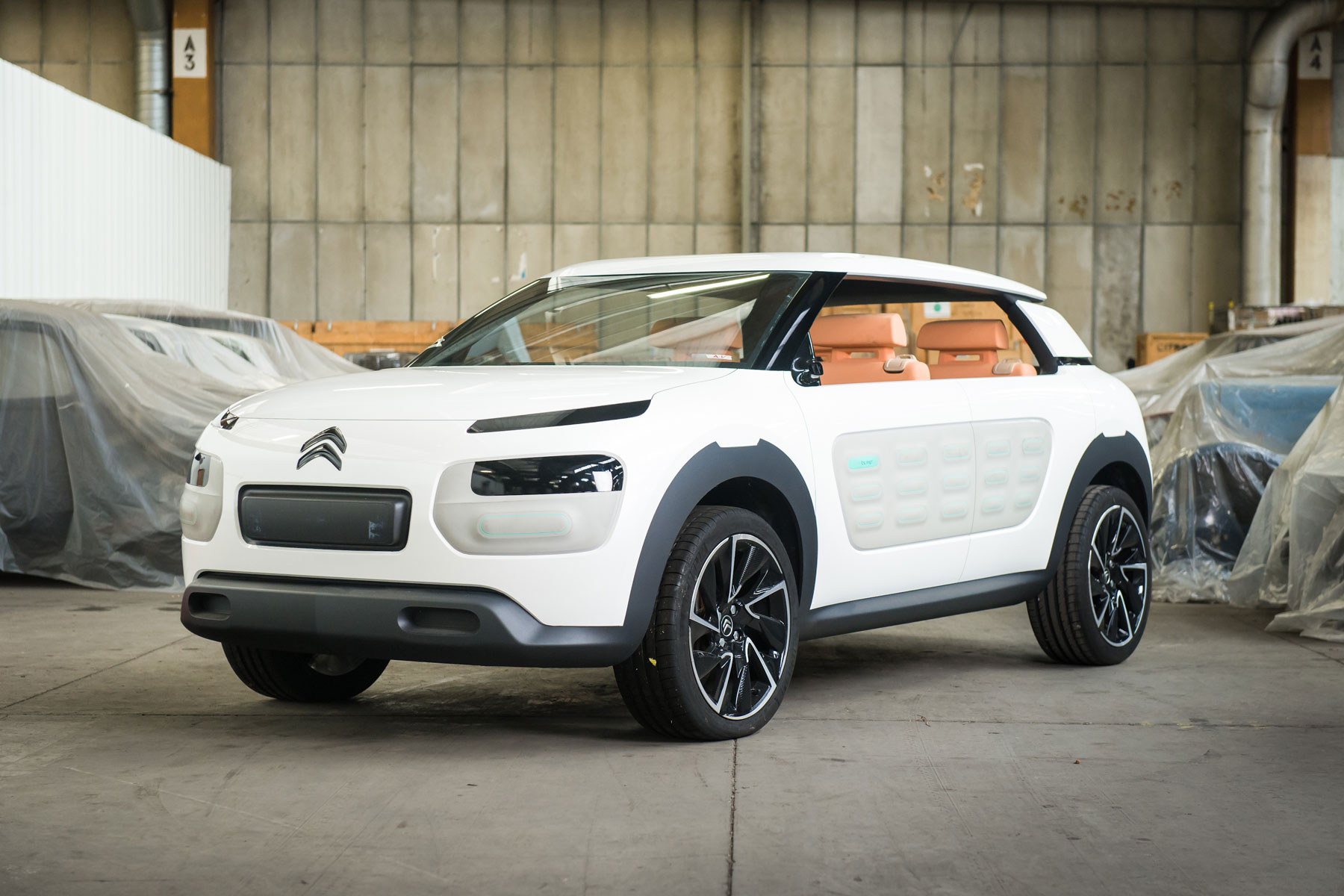
The C4 Cactus is arguably the most Citroen of modern Citroens, although the facelift version will see it lose some of its eccentricity. This is the C-Cactus concept of 2013, which built on the original design from 2007. It wasn’t a massive leap from concept to production.

Citroen C5: €3,000 – €6,000 (£2,750 – £5,250)
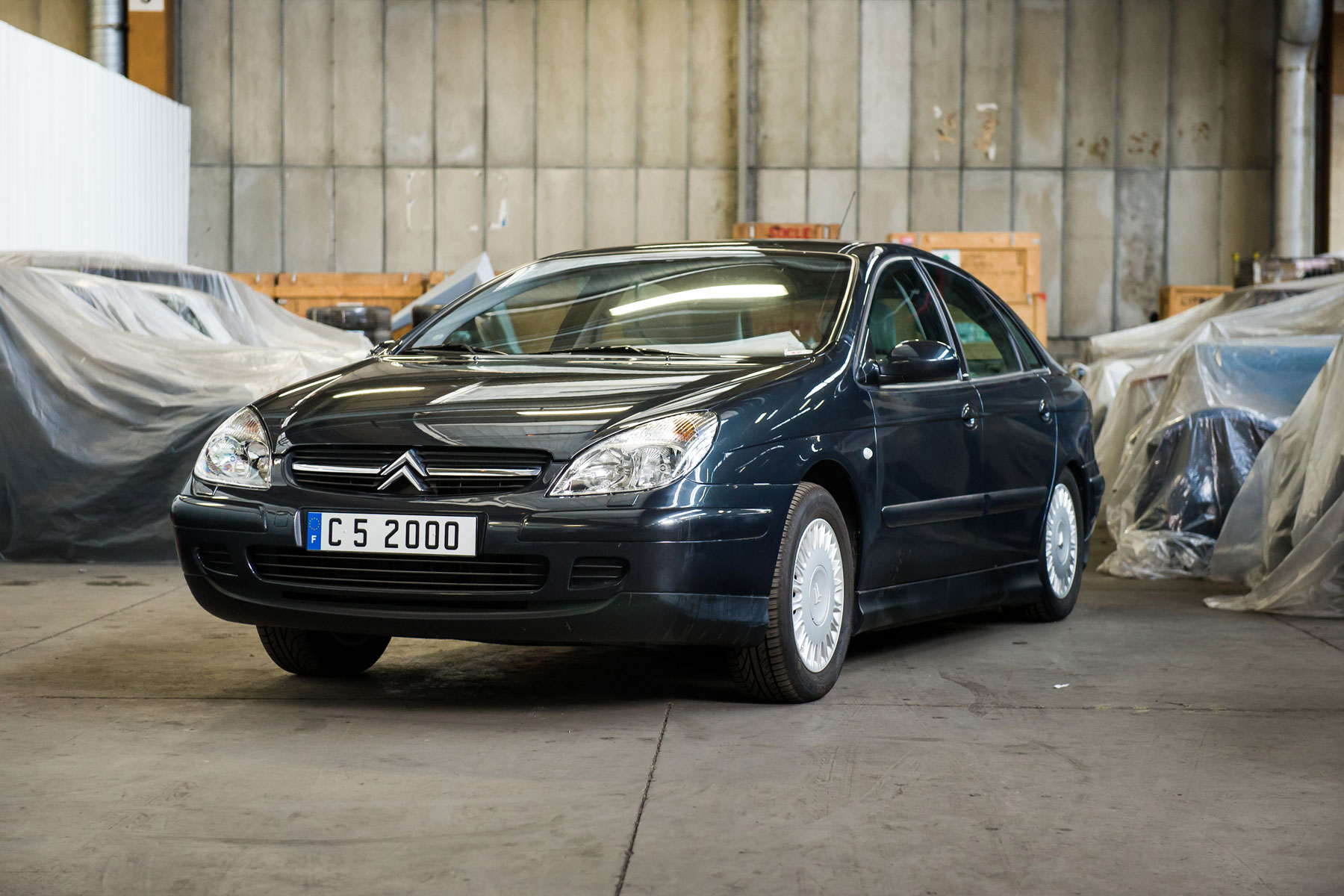
This appeals more than it should, but to me, the original Citroen C5 has ‘future classic’ written all over it. It features clever active hydropneumatic suspension – so it’s a proper Citroen – while the 3.0-litre V6 petrol is the ‘right’ engine. A €6,000 upper estimate for a C5 with 1,151km on the clock seems like excellent value

Citroen Xsara Coupe VTR: €3,500 – €5,500 (£3,000 – £4,900)
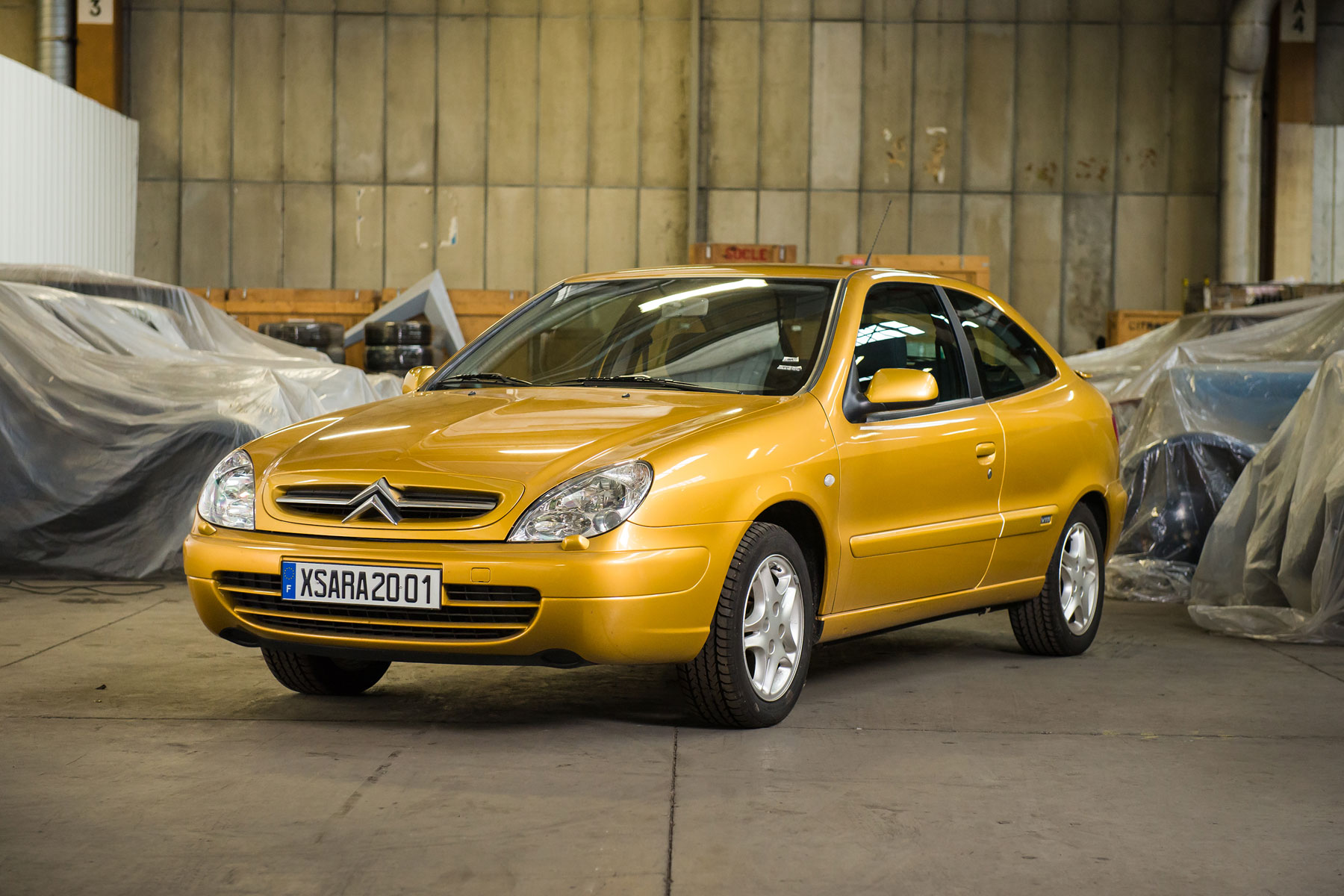
There’s no Xsara VTS in the auction – although I was told about one in the ‘reserve’ collection – so this phase 2 VTR will have to do. With 477km on the clock, it’s practically brand new, and you’ll stand more chance of becoming friends with Claudia Schiffer if you buy it. Probably.

Citroen Xantia 16v: €3,000 – €5,000 (£2,750 – £4,500)
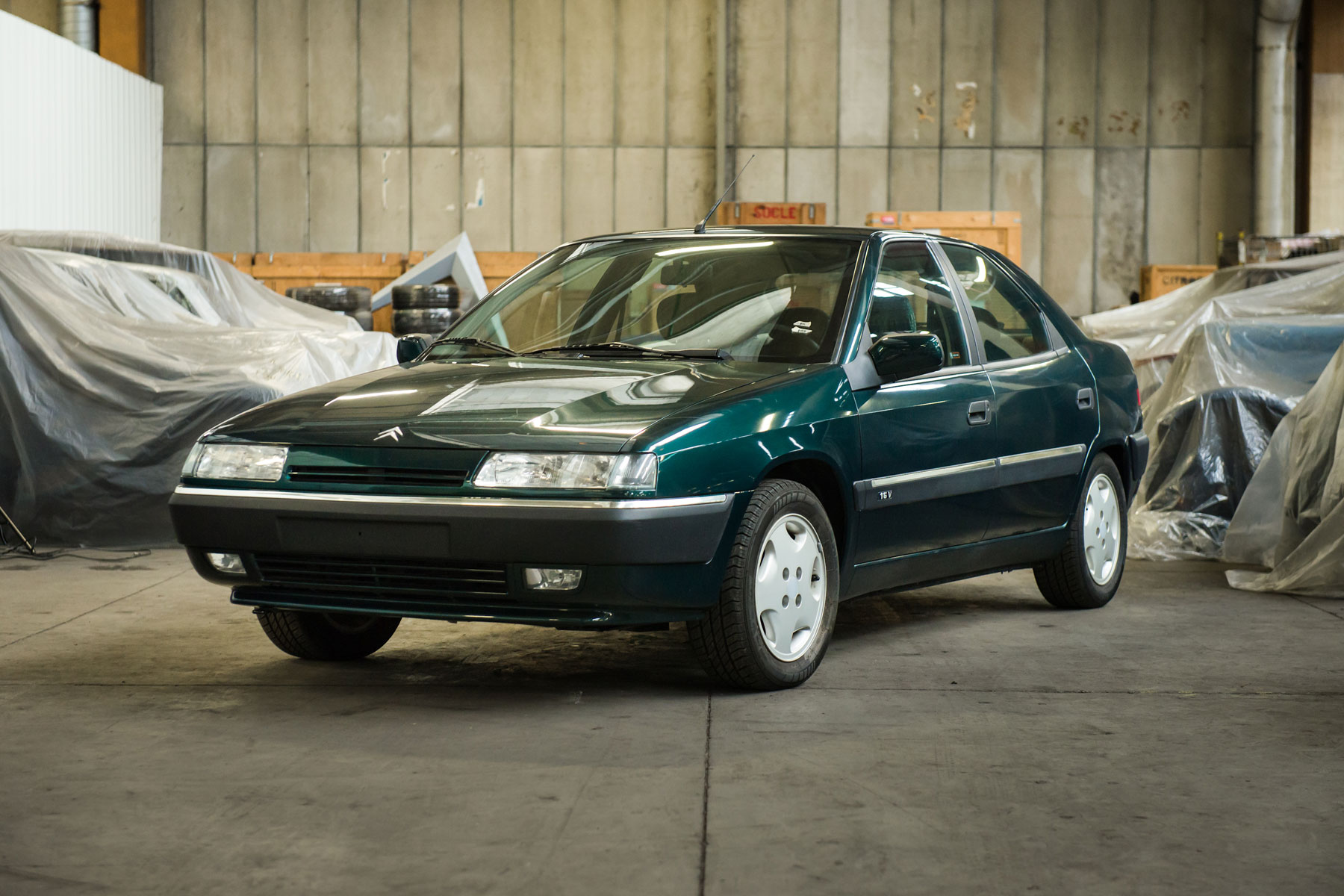
I make no apology for featuring a second Citroen Xantia because this is essentially a brand new and very early 2.0-litre 16v model. The mileage: an incredible 89km. Stick a Ford badge on the front, and you could add a zero to the upper estimate. Don’t be surprised to see this break into five figures.

Citroen Tubik: €20,000 – €30,000 (£17,750 – £26,750)
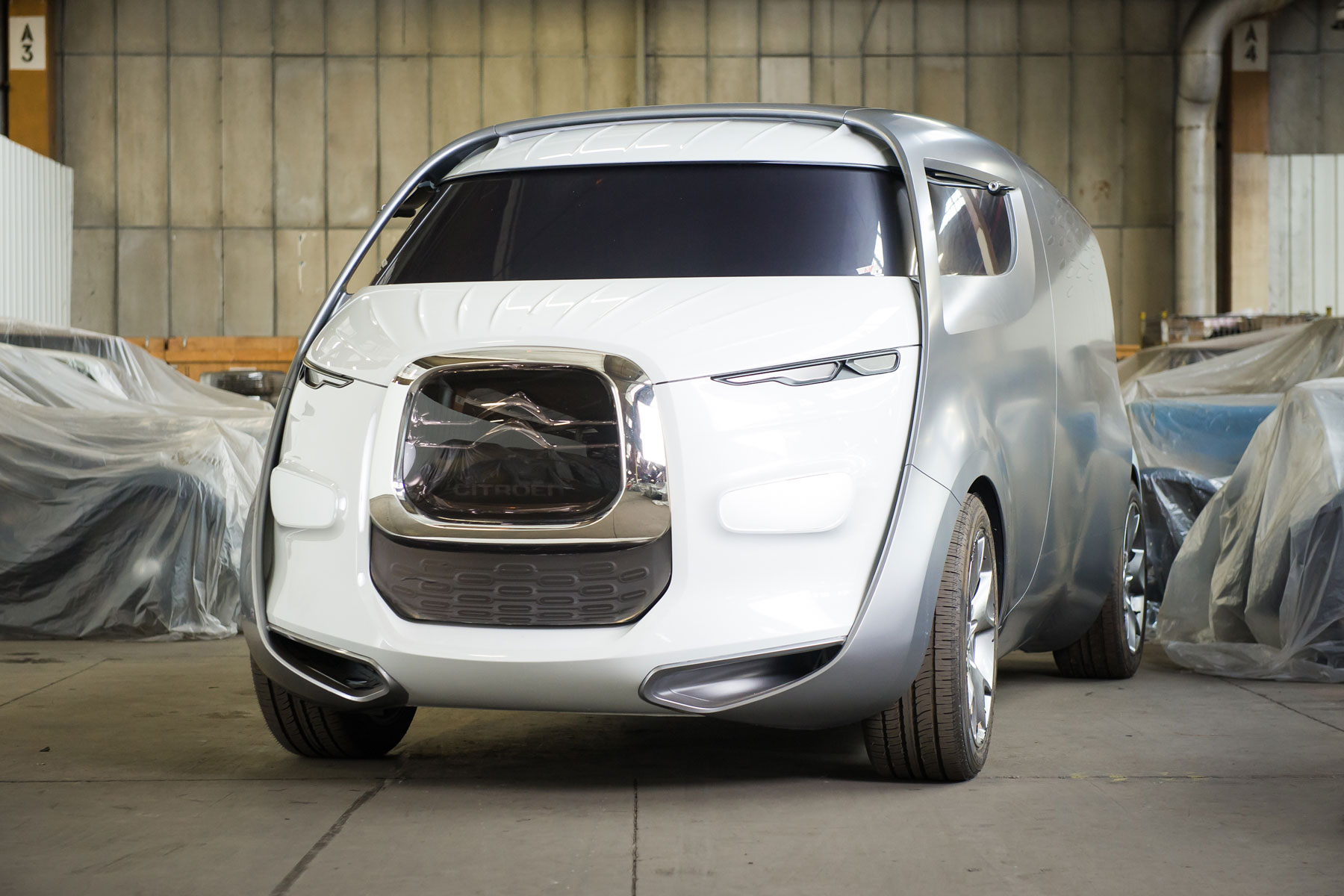
The Tubik was unveiled in 2011 and soon became part of the furniture at subsequent motor shows. My highly original plan for this: turn it into a mobile deli and tour festivals like some kind of Type H van from the future.

Restricting myself to 15 cars was tough because the other 50 vehicles hold strong appeal. The C-Elysee WTCC car could be fun, and I’m drawn to the Citela, Iltis and FAF, not to mention the Meharis, in various states of repair.

One thing’s for sure: I’m very, very tempted to register for online bidding, with the Xantias top of the wish list. Or maybe I should concentrate on perfecting the cars I already own.

It might be sad to see the Citroen collection being broken up and moving away from the famous old factory, but there’s no denying that this is a terrific opportunity for fans of the weird and wonderful.

Or maybe it’s the fans who are weird and wonderful. About that low-mileage ZX Reflex…

Click here to view the auction catalogue.

>NEXT: Is this Europe’s best car museum?
Advertisement

Ford Focus RS Red Edition limited-run special revealed

0

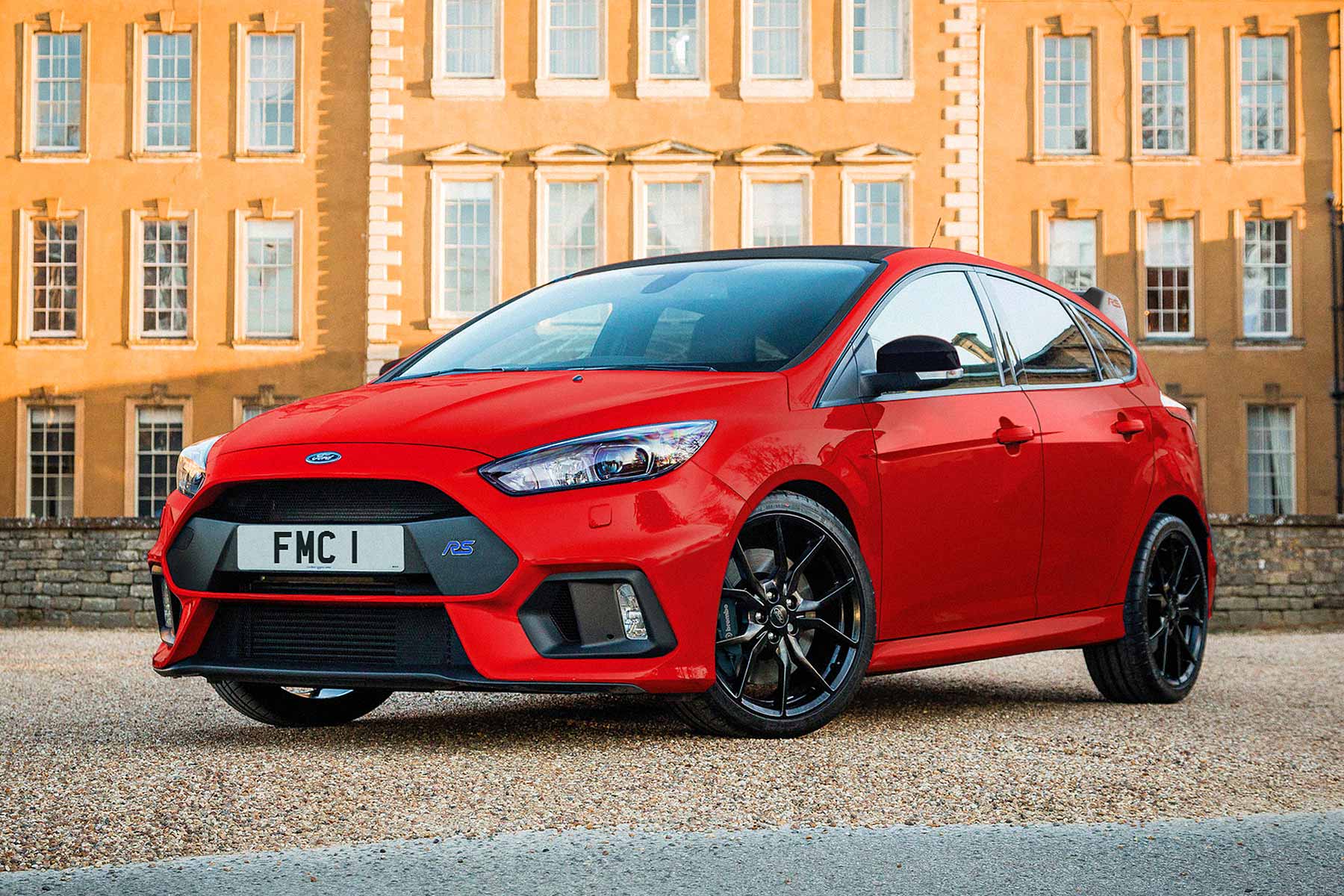
2018 Ford Focus RS Red EditionFord has revealed the latest RS Edition limited-run model – and this time, it’s painted in Race Red paint, a suitably festive colourscheme for the future collectable. Ordering is already open, too: prices start from £36,295.
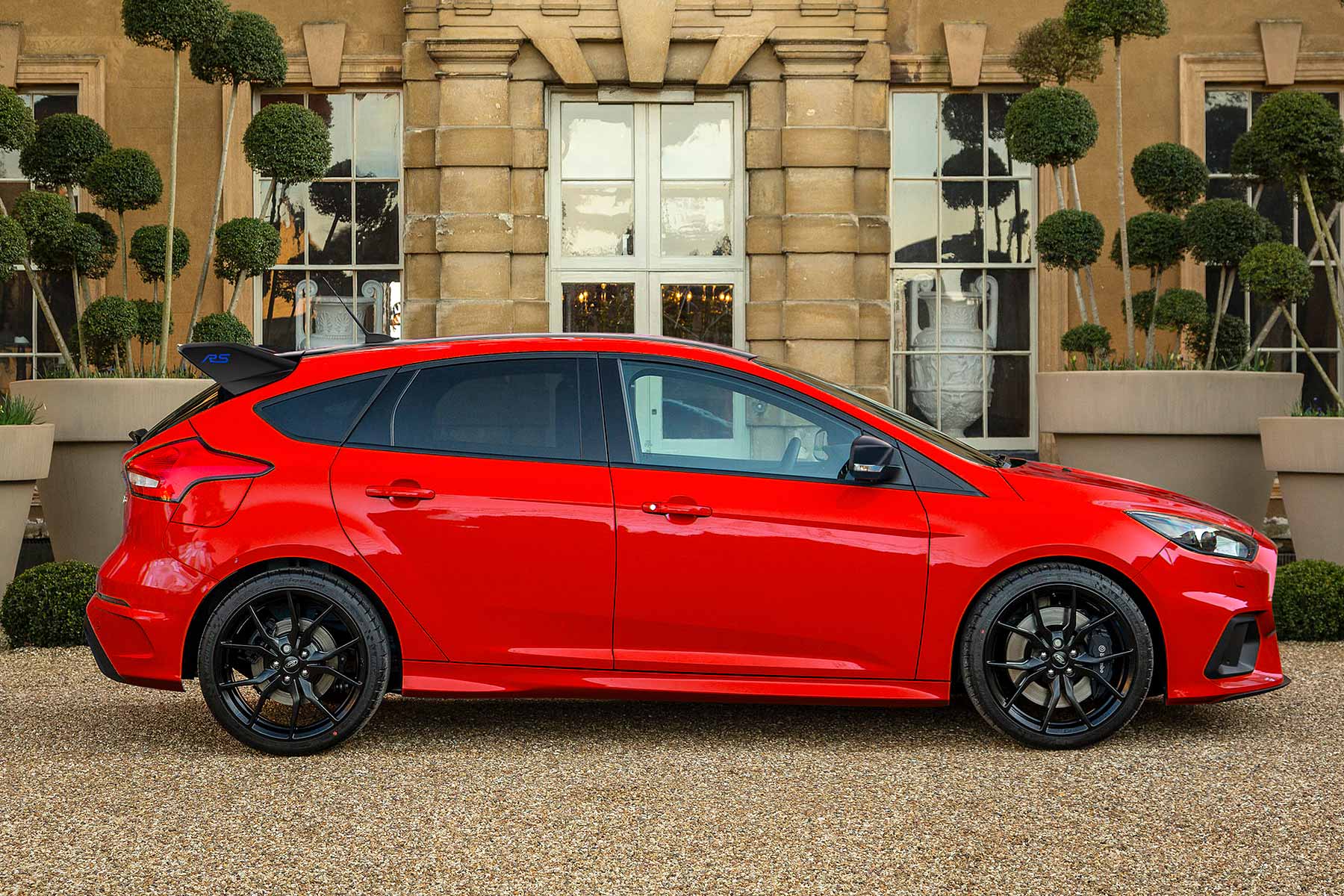
The new Focus RS Red Edition follows the template set by other ‘Edition’ RS. It contrasts the red paint with black 19-inch alloys concealing grey brake calipers, and also has a black roof, door mirrors and rear spoiler.

Inside, there are part-leather Recaro seats and some flashy carbon trim for the dashboard. More importantly, underneath, Ford fits a Quaife mechanical limited-slip differential, for better traction and less wheelspin.

2018 Ford Focus RS Red EditionThe RS Edition has been developed by the Ford Performance division, building upon the already-impressive regular RS. Key to it is this Quaife LSD: Ford of Europe performance director Leo Roeks said it “makes it even easier to carry speed through a corner on the track and maximise acceleration on the way out.
“The new setup also delivers greater mechanical stability and control when braking hard, and will help drivers set the car up for power-slides using Drift Mode.”

“The Focus RS Edition represents accessible performance at its finest”, said Andy Barratt, chairman and managing director, Ford of Britain. “As RS production nears its end, we wanted to celebrate with a limited run of cars for those who want to stand out as an RS fan.”

Ford says it will build the 300 Focus RS Red Editions between February and March 2018, with deliveries beginning in the spring.

Read more: 

Advertisement

Nissan has begun building the new Leaf EV in Britain

0

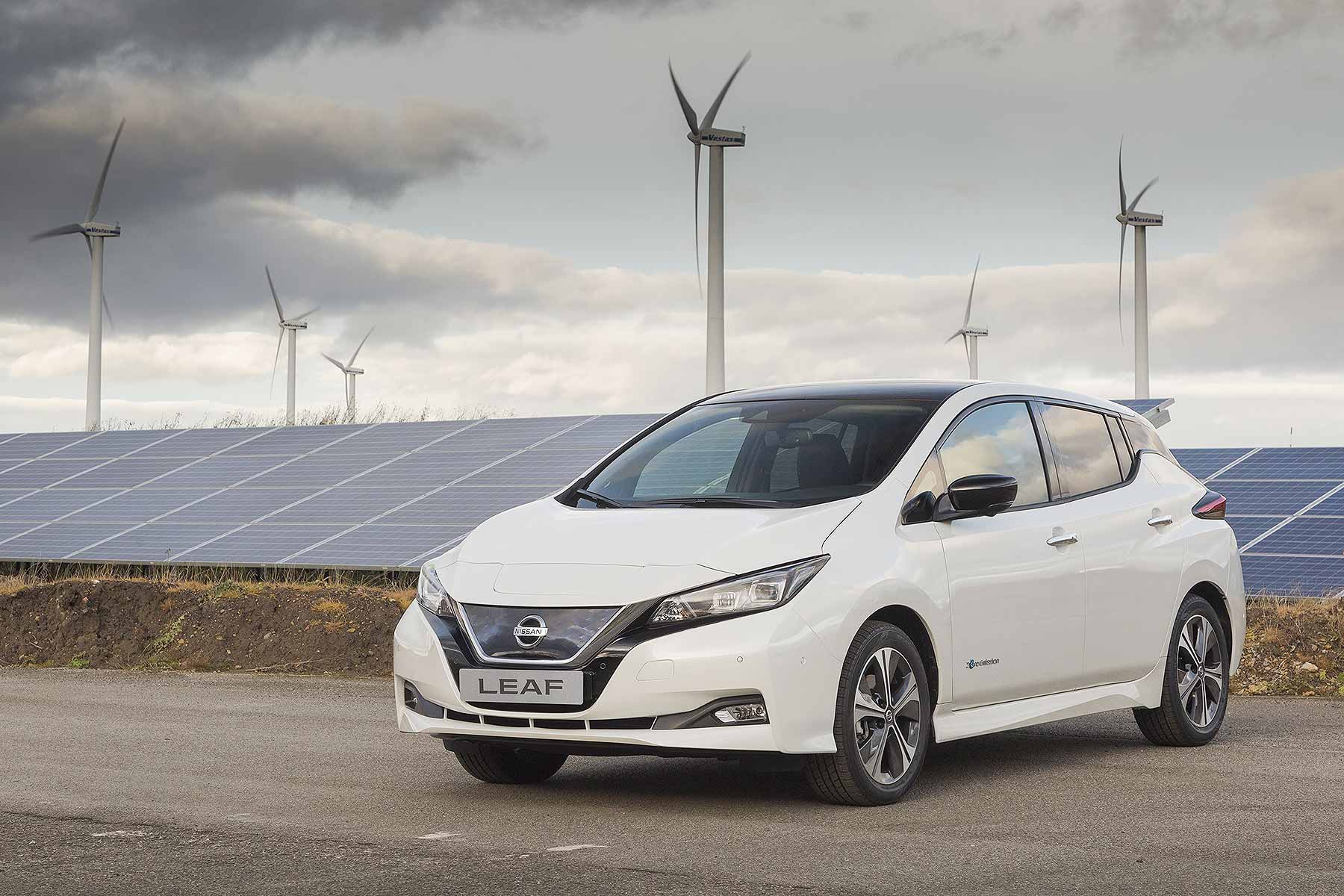
2018 Nissan LeafNissan’s Sunderland car factory is the biggest automotive manufacturing plant in the UK. It has now begun production of the much-anticipated second-generation Leaf electric car, which the firm hopes will sell in even larger numbers than the class-leading current model.
It’s an important milestone for Nissan to successfully switch from the first-generation Leaf over to the new car. The first customer deliveries are scheduled for February 2018, meaning it was vital to start production this side of Christmas to ensure dealers received their stocks of cars in time.

Cue a very excited Nissan Europe vice president for manufacturing Kevin Fitzpatrick. “Nissan led the way in introducing electric vehicles to Europe in 2011, and every year since then it’s been clear that more and more customers share our vision for the future of driving.”

The launch of the new car couldn’t be better timed, as British car buyers increasingly move away from diesel cars into modern petrol cars and, increasingly, alternative fuel vehicles such as fully-electric models.

With a longer range of 235 miles on a single charge, plus better performance, refinement, onboard technology and overall design, the Leaf is one of the most anticipated mainstream new car launches of 2018.

Nissan has built the Leaf in the UK since 2013, following investment of over £400 million by the firm. Since then, a further £36 million has been invested in Nissan Sunderland to support more than 2,000 jobs: it is a significant vote of confidence in UK automotive and the British workforce by Nissan to build the new Leaf here.

The firm will be hoping UK car buyers reward this with continued growth in new car sales…

Read more: 

Advertisement

The 20 top motoring news stories of 2017

0

The 20 top motoring news stories of 2017

There’s been no shortage of car-related news this year. So far in 2017, Motoring Research has published 825 news stories – from the rather serious to the downright bizarre. While there hasn’t been a ‘Dieselgate’ moment in 2017, the government has announced plans to ban sales of all new petrol and diesel from 2040, while the anti-diesel agenda appears to be building.

Meanwhile, Lamborghini has revealed an SUV, while Renault’s new Alpine brand has launched a sports car that appears to be a genuine Porsche Cayman rival. In no particular order, we’ve selected our top news stories of 2017. Read on…

New Ford Fiesta arrives

New Ford Fiesta arrives

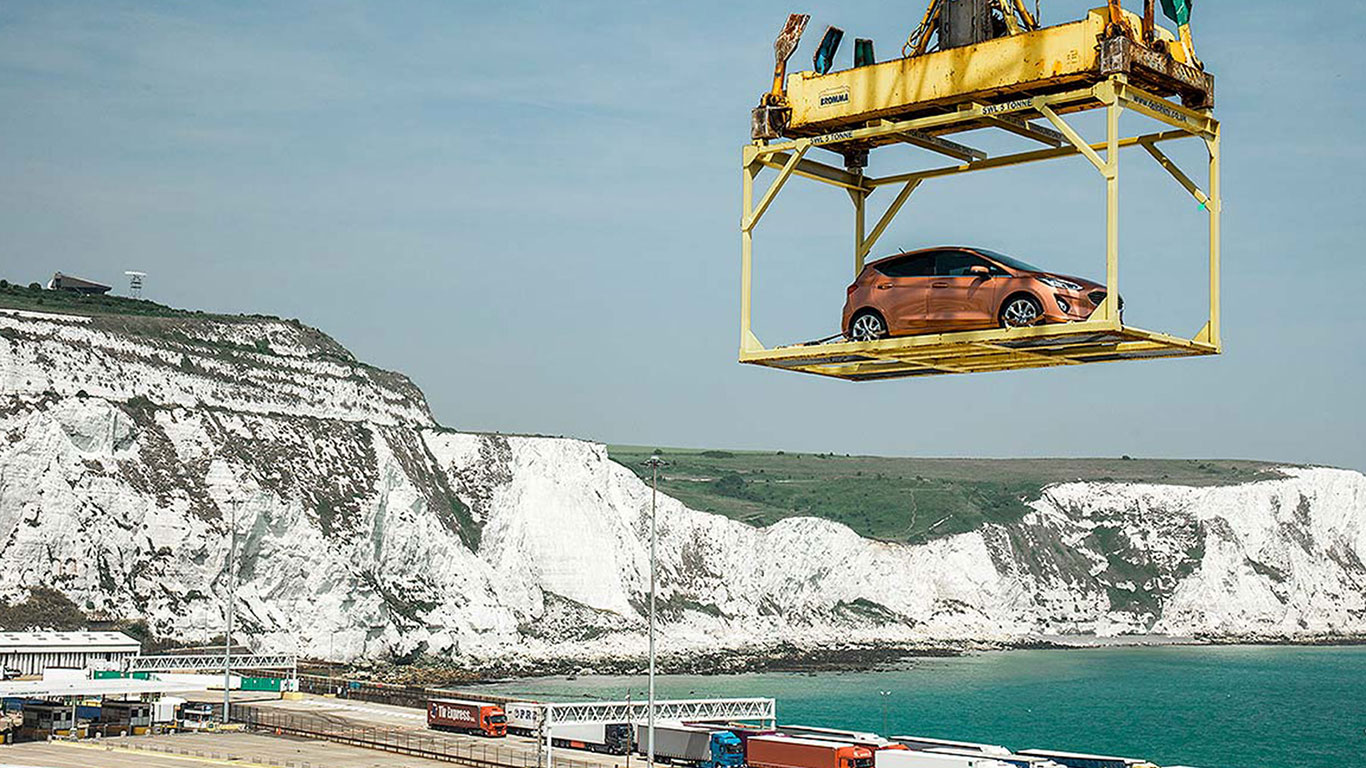
While this might not sound like a massive deal, the Ford Fiesta constantly tops the charts as the UK’s best-selling car. That’s incredible, seeing as the outgoing model is largely the same when it first appeared in 2008. It’s important, then, that Ford doesn’t mess it up – and fortunately, it hasn’t. From our first drive in June, it was clear that the Fiesta is going to be another surefire winner for Ford, with impressive handling and a much improved interior compared with its predecessor.

Audi lost the plot

Audi lost the plot

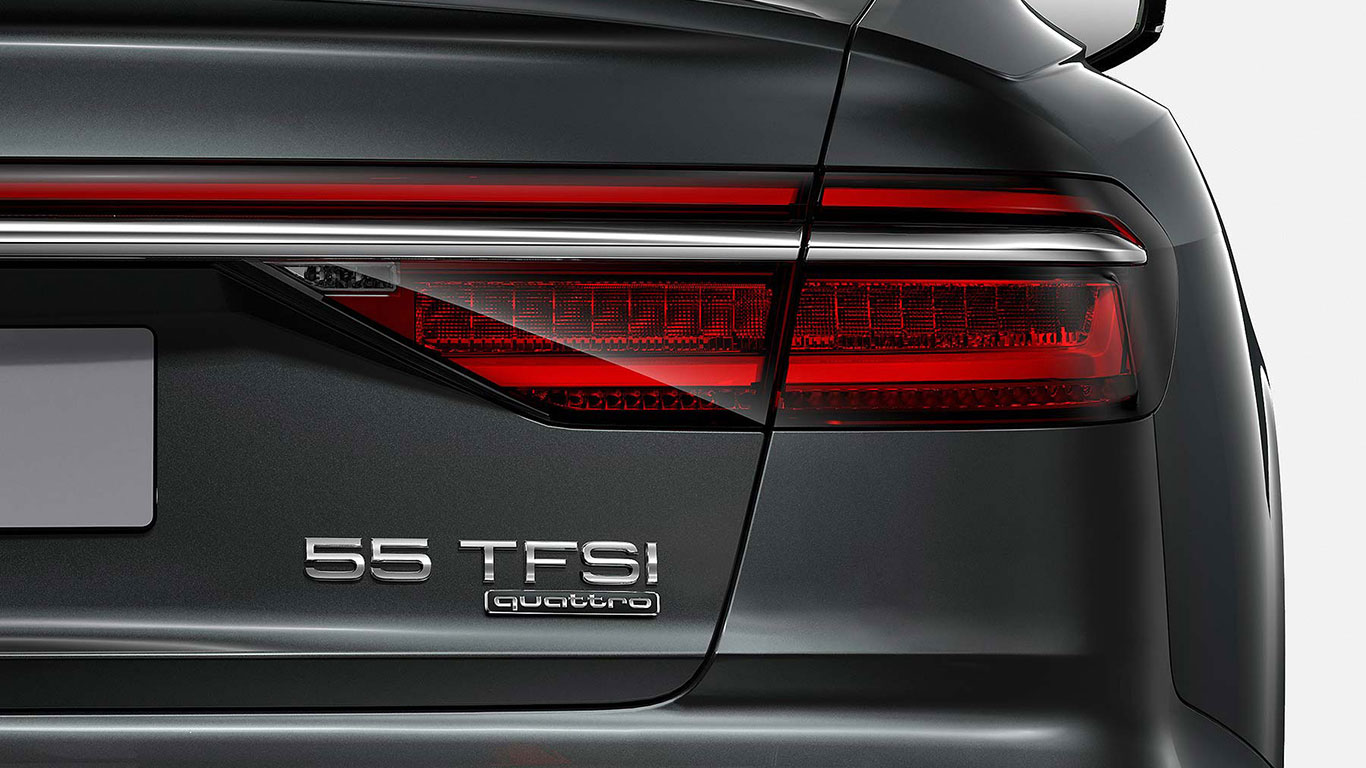
In a move intended to better reflect the performance on offer from electric powertrains, Audi replaced its current model designations with a new naming structure. Great, except it’s incredibly confusing. The Audi A8 3.0 TDI petrol is now badged the A8 50 TDI, while the 3.0-litre TFSI petrol is now the 55 TFSI. We’ve got the full explanation here.

General Motors sold Vauxhall to PSA…

General Motors sold Vauxhall to PSA…

PSA Group acquired Vauxhall/Opel from General Motors earlier this year, as part of a deal amounting to £1.9 billion. It led to uncertainty at Vauxhall’s UK plants, while it made PSA the second biggest car manufacturer in Europe – behind Volkswagen Group. The first ‘French Vauxhall’, the Crossland X, is now on sale. But not all is well at Vauxhall…

…and then PSA asks for a refund

...and then PSA asked for a refund

Yup, PSA Group decided it wasn’t happy with the deal and went crawling back to General Motors asking for some of its cash back. You couldn’t make it up. “We became aware a few weeks after we finalised the closing that the company was going to the wall on CO2 emissions,” said Peugeot chief Carlos Tavares. That’ll cost some serious cash to sort out, unless it wants to be hit with heavy fines from the EU.

Aston Martin reveals its new Vantage

Aston Martin reveals its new Vantage

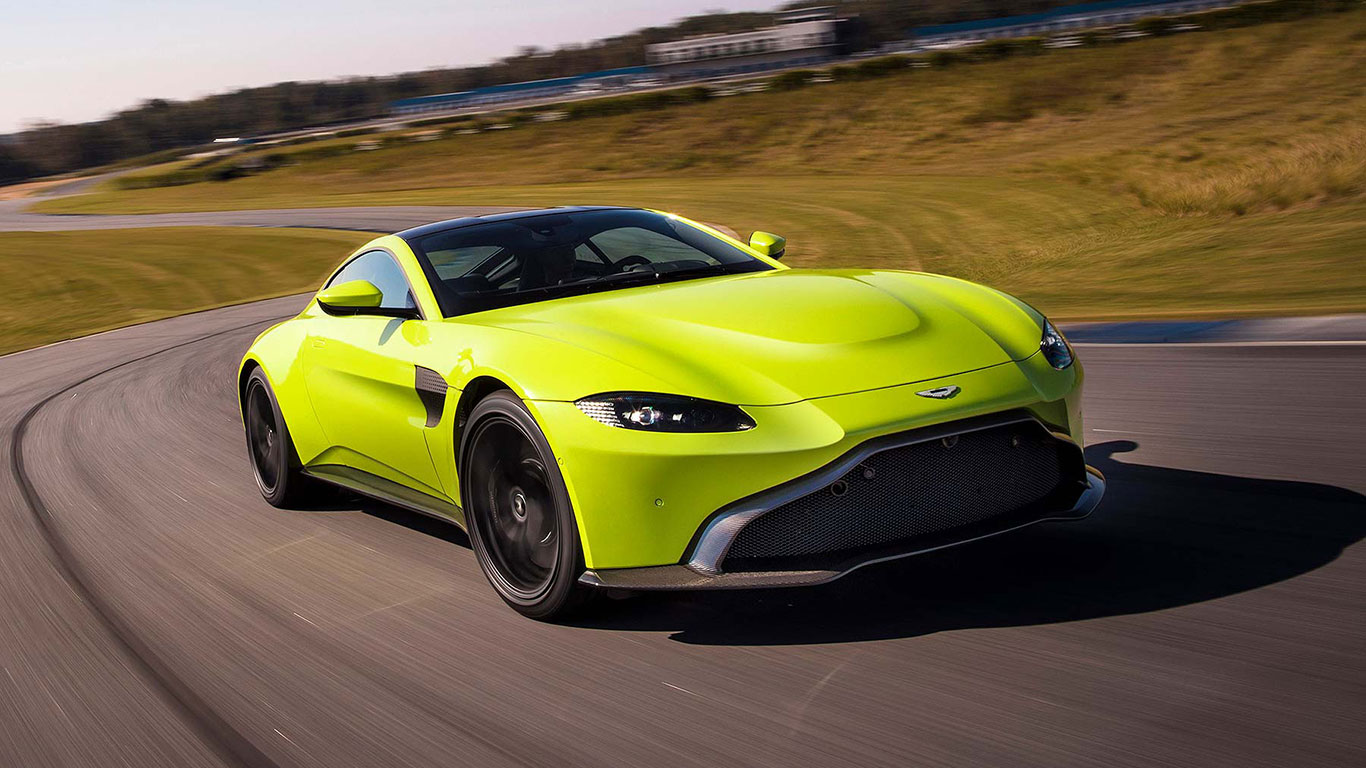
This is the Aston Martin we’ve been waiting a long time for: the new Vantage has finally arrived. While its looks are dividing opinion (few would argue it looks as pretty as its 2005 predecessor), it certainly stands out in its Lime Essence launch colour. It’ll pack a punch, too, with a 4.0-litre twin-turbo V8 sourced from Mercedes-AMG and producing 510hp. While it’ll be auto-only at first, Aston assures us a manual is on its way…

Richard Hammond crashes

Richard Hammond crashes

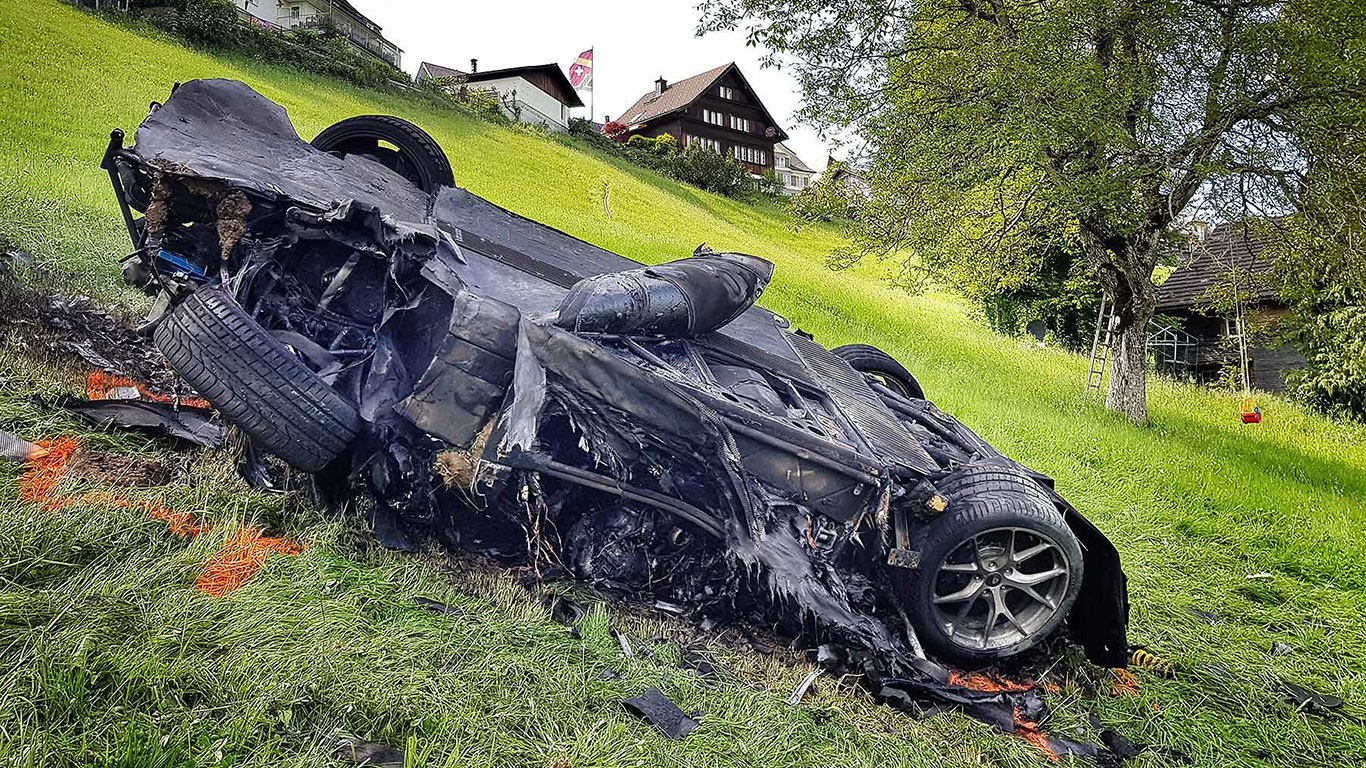
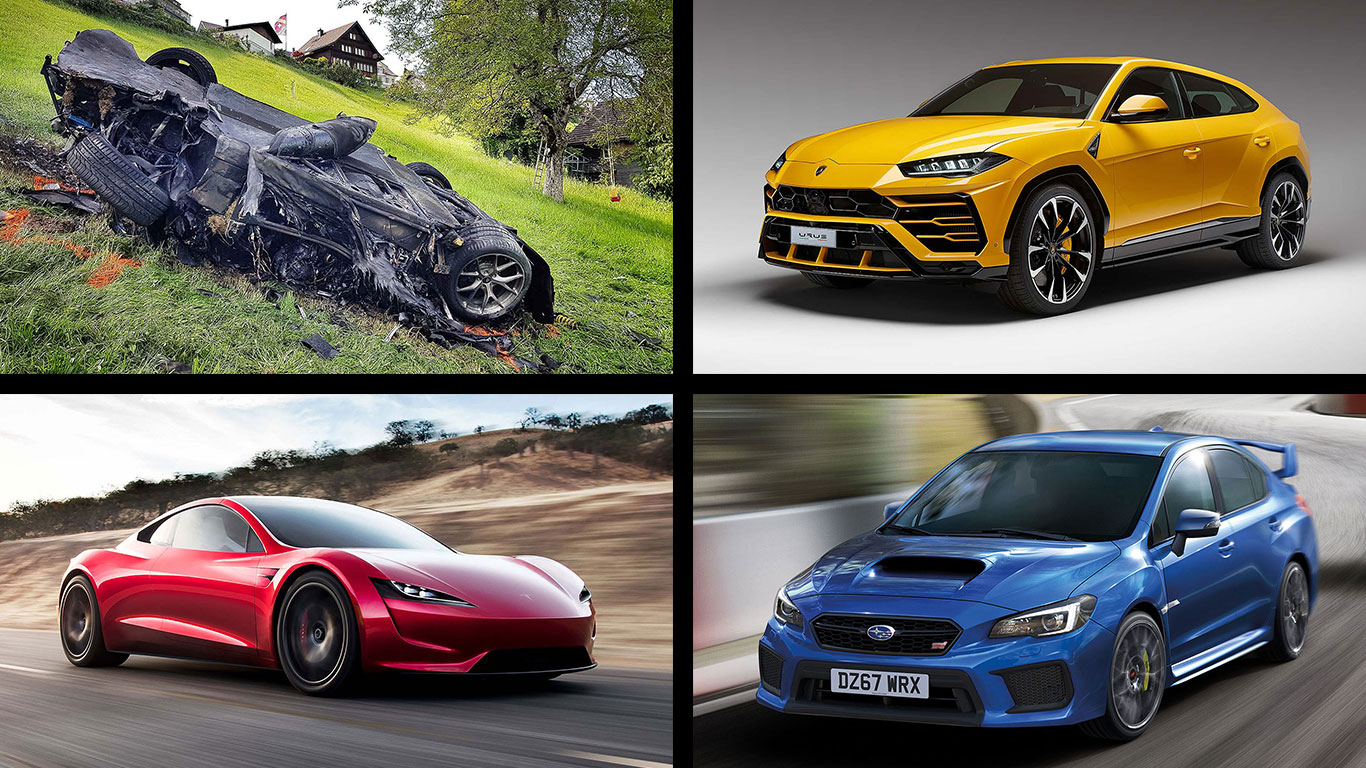
Another series of The Grand Tour, another headline-hitting crash. The Hamster (does anyone still call him that?) was competing in a hillclimb event in Switzerland, at the wheel of a Rimac Concept One electric supercar. While the pictures from the scene were quite dramatic, Hammond managed to climb out of the car before it burst into flames. His worst injury was a fractured knee, which required an operation.

New Tesla hits 60mph in 1.9 seconds…

New Tesla hits 60mph in 1.9 seconds...

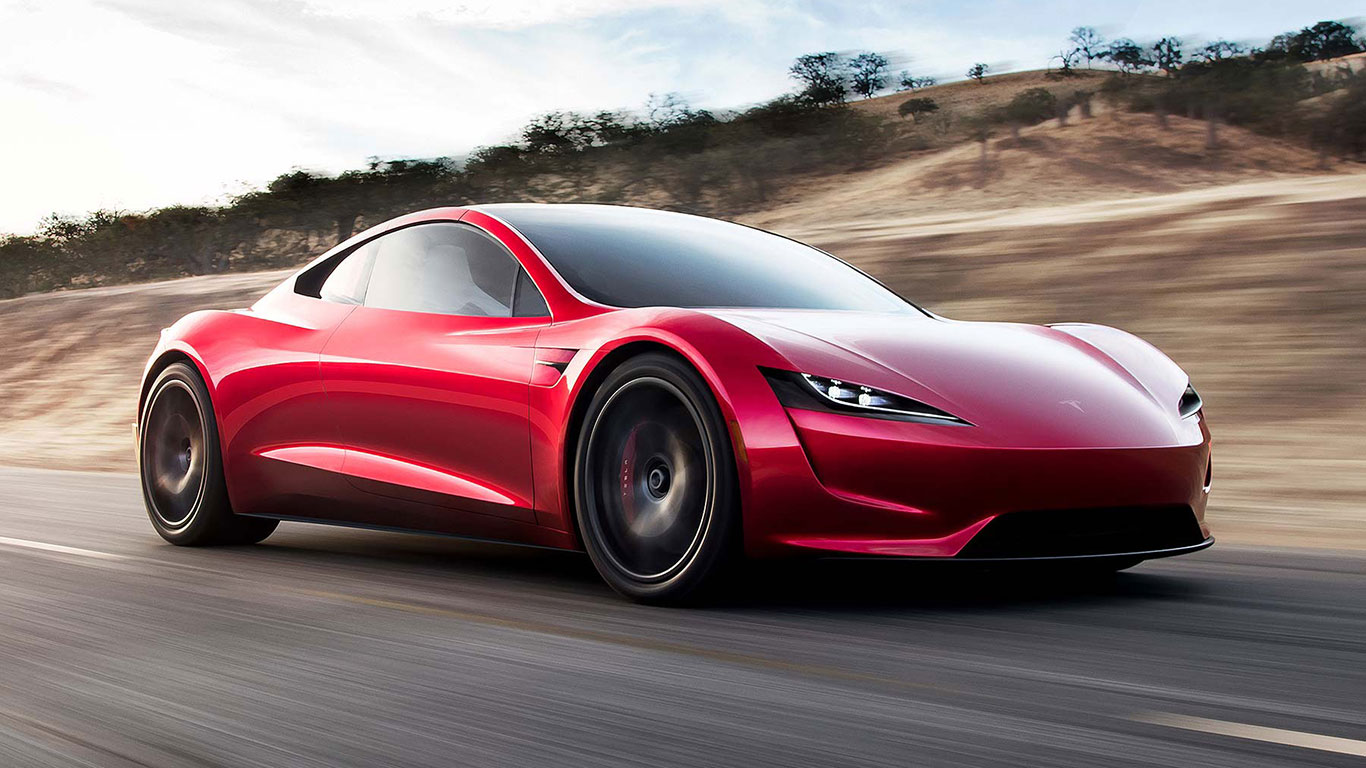
“The new Tesla Roadster will be the fastest production car ever made,” said Tesla boss Elon Musk as the firm revealed its 2+2 electric sports car. With a claimed 0-60mph time of 1.9 seconds, that’s hard to dispute, especially as it’ll apparently hit 100mph in 4.2 seconds and be good for a top speed of more than 250mph.

While intriguing, the new Tesla Roadster won’t be arriving before 2020 at the earliest. And it wasn’t the coolest thing Tesla announced this year.

…while this truck will do it in 5.0 seconds

...while this truck will do it in 5.0 seconds

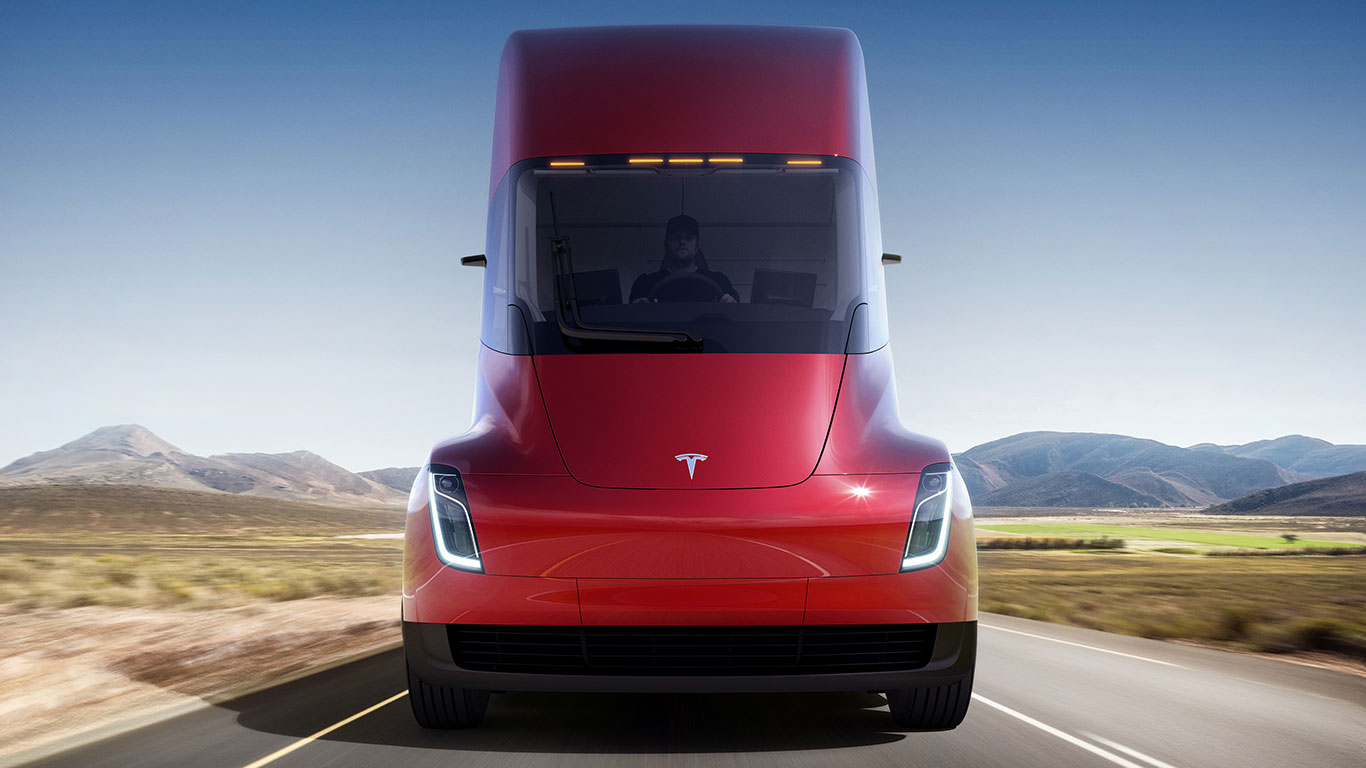
Yes, that credit goes to this all-electric truck, which will supposedly hit 60mph in five seconds flat and return a 500-mile range. Sounds the stuff of fantasy, right? Maybe so. Orders are open, though, with truckers being asked to put down a $5,000 deposit if they want to add a Tesla to their fleet in 2019.

Diesel drivers are penalised

Diesel drivers are penalised

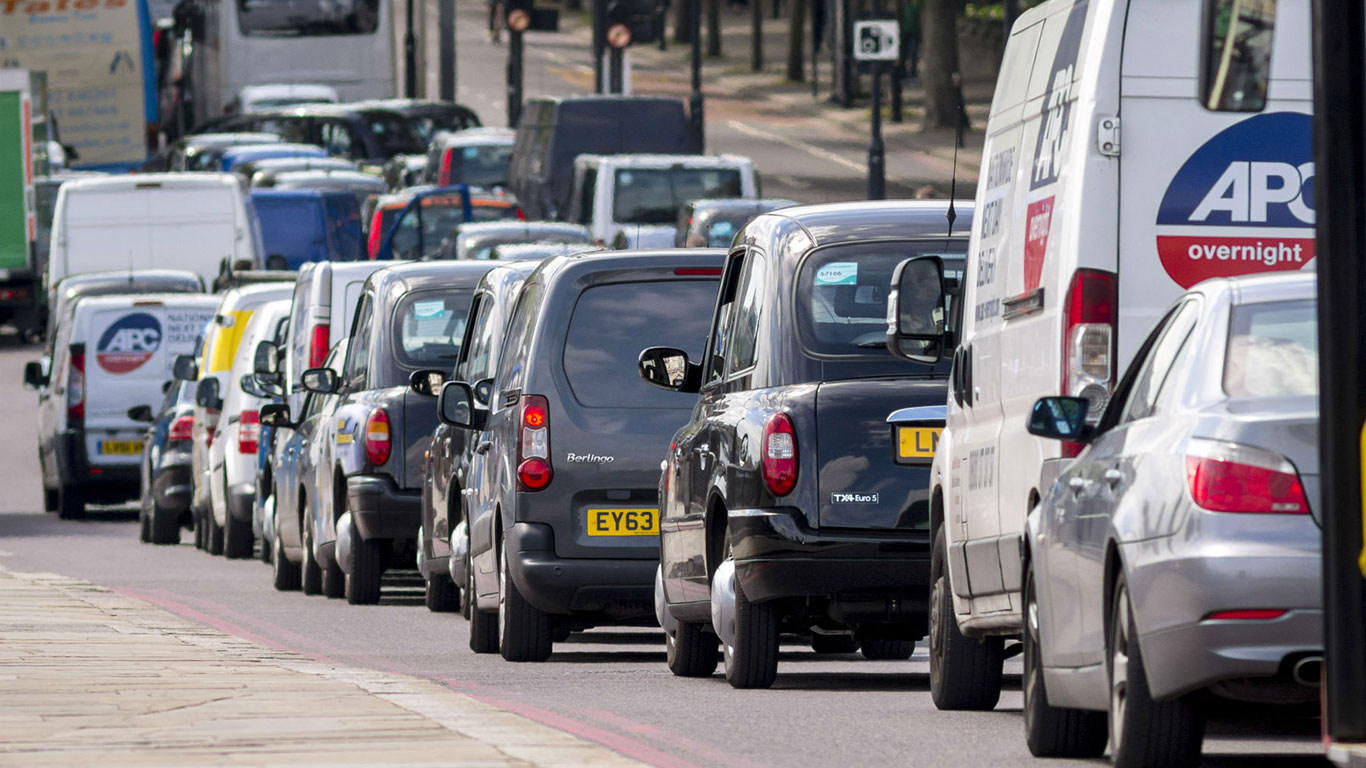
If you drive a diesel, you’ve had a bit of a hard time in 2017. The general resentment towards diesels continues to build in the wake of Dieselgate, with councils looking at penalising drivers by charging them more to park. London has introduced a new T-charge for older petrol and diesels, meanwhile, and Philip Hammond has announced an increase in road tax for certain diesel cars. The result? Diesel car sales are in decline. Shocker.

Greenpeace becomes anti-VW pirates

Greenpeace became anti-VW pirates

What were we saying about anti-diesel resentment? In September, those jolly folk from Greenpeace boarded a 23,000-tonne ship carrying a load of new Volkswagens in a bid to stop them selling their ‘toxic cars’ in the UK. It didn’t work. The ship eventually docked and no customer deliveries were delayed by the protest.

Petrol and diesel new cars banned from 2040

Petrol and diesel new cars banned from 2040

‘Petrol and diesels will be BANNED from 2040’ screamed the headlines in July. Yes, the government announced a blanket ban on the sale of all new petrol and diesel cars from 2040. But all is not as it seems: hybrid models will be OK, and most manufacturers are already going down that route. And if you’ve bought a conventional petrol or diesel before the deadline date, you’ll still be able to drive it.

Carmakers launch scrappage schemes

Carmakers launched scrappage schemes

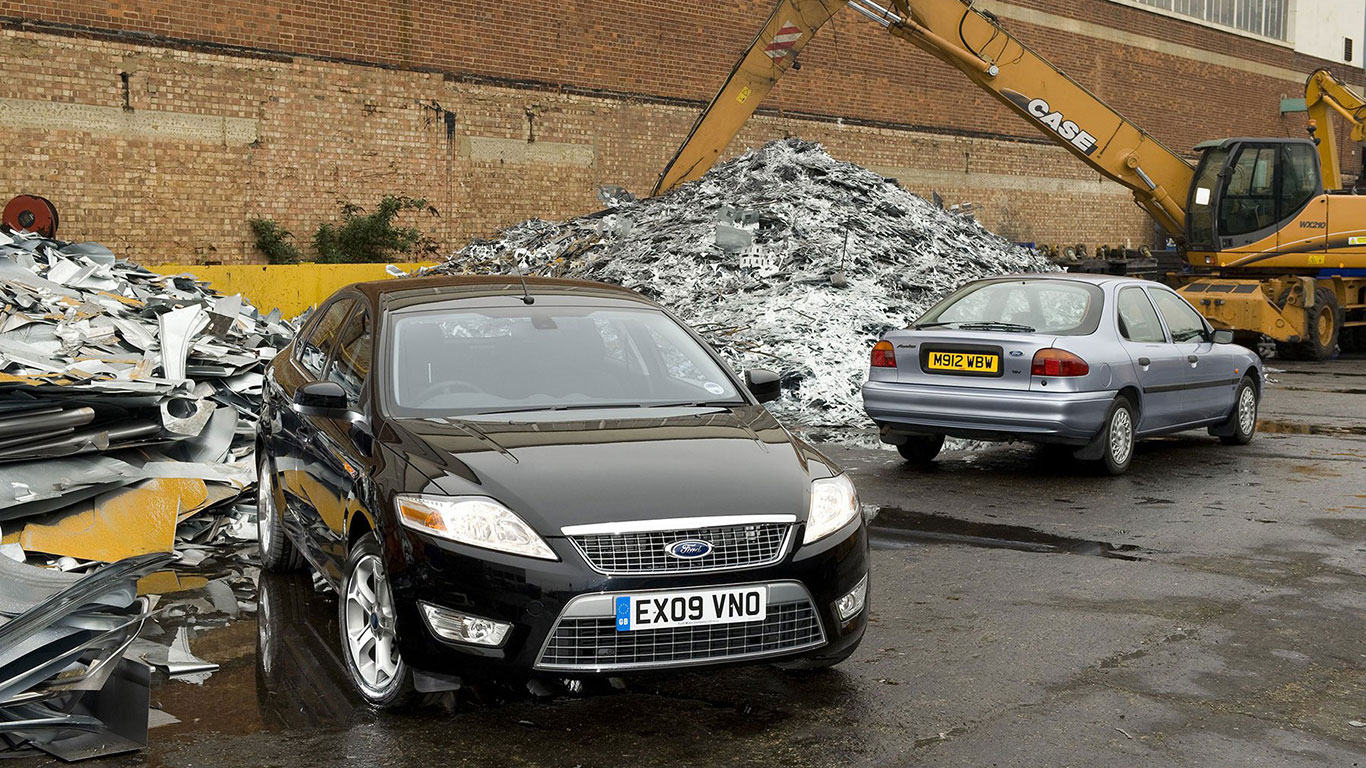
While the government has resisted pressure to introduce an official scrappage scheme for older, more polluting vehicles, most car manufacturers jumped on the scrappage bandwagon in the run-up to September. These proved to be controversial, with some classic car enthusiasts getting angry at seeing rare older vehicles face the crusher.

Subaru is axing the WRX

Subaru is axing the WRX

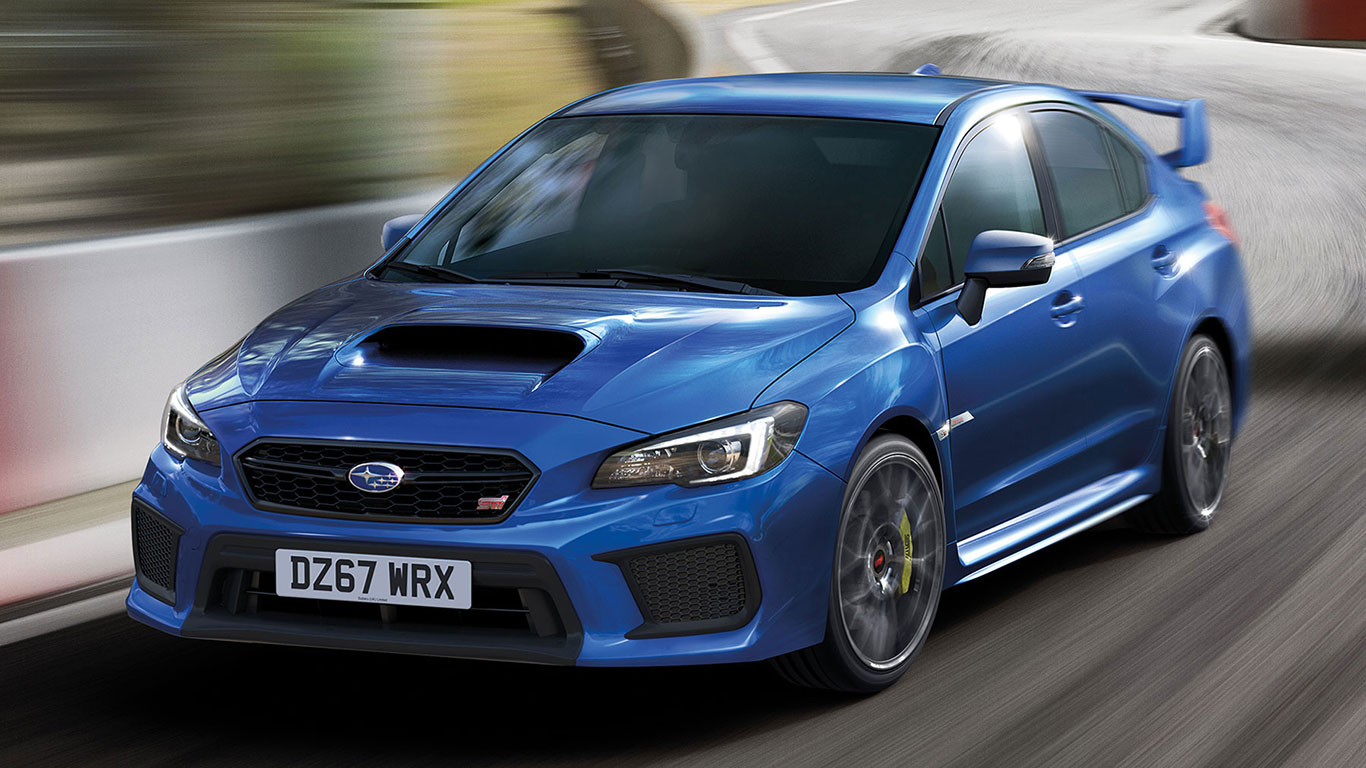
With hot hatches like the Volkswagen Golf R getting increasingly competent, it was only a matter of time before Subaru (now an SUV brand, apparently) pulled the plug on the WRX. At least enthusiasts will get one last opportunity to buy a special Scoob: there’s a Final Edition, on sale now, with just 150 being sold.

Lamborghini reveals a shocker of an SUV

Lamborghini reveals a shocker of an SUV

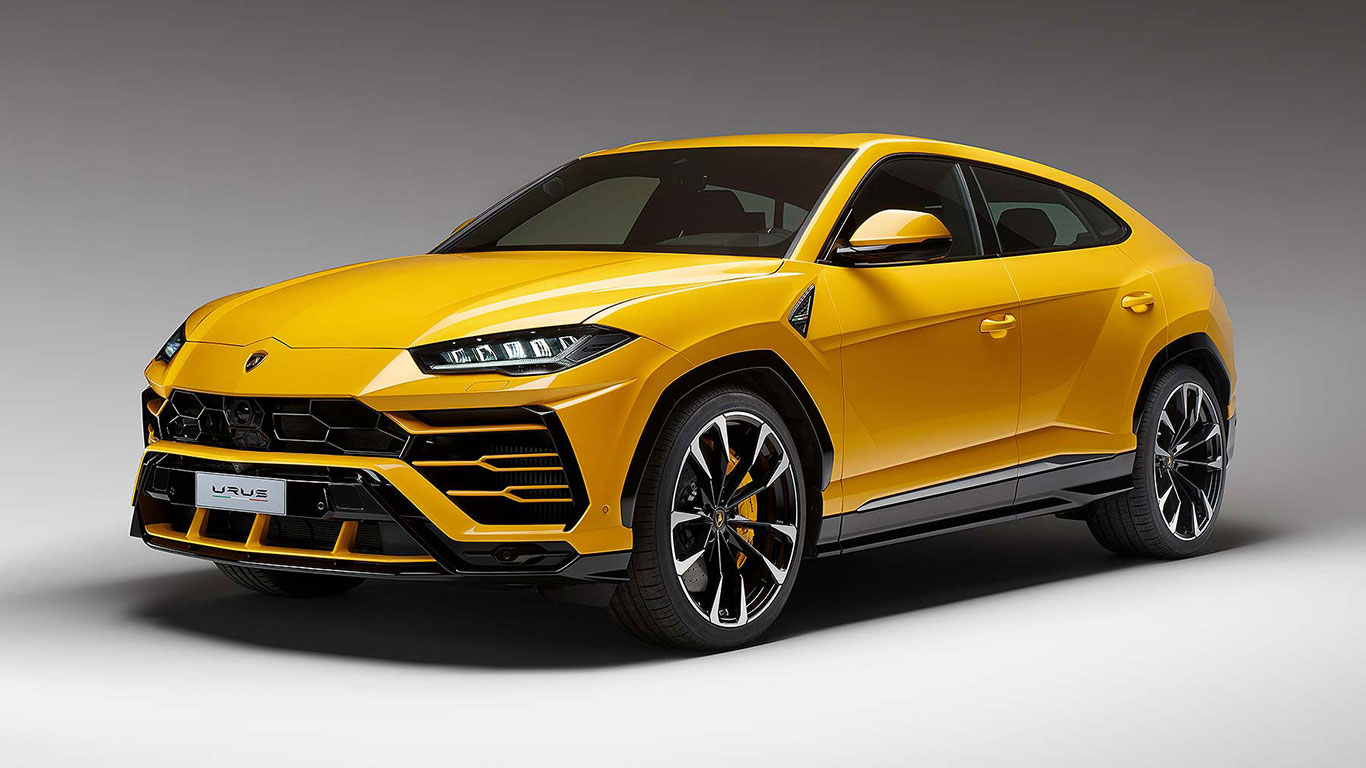
It’s been rumoured, teased and previewed for a while, but this year we finally saw what Lambo’s new Urus SUV will look like. And it’s, erm, bold. Prices for the ‘super sport utility vehicle’ will start at £157,800 in the UK, with power coming from a 4.0-litre twin-turbo V8.

Alpine launches a Cayman-killer

Alpine launches a Cayman-killer

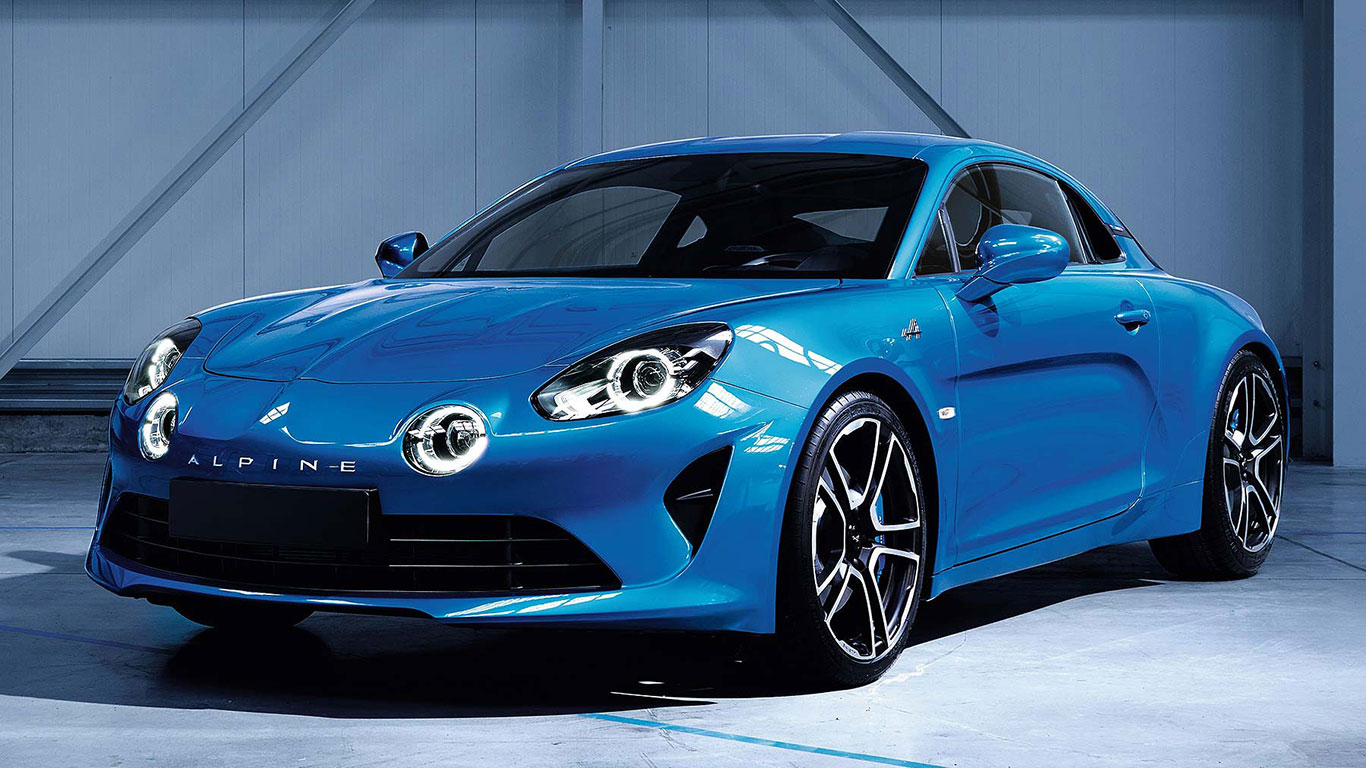
We could have laughed Renault out of the room when it announced that it was planning to launch a sports car brand with a view to taking on the Porsche Cayman. But, not only is the A110 a looker, early reports suggest it really is as good as a Cayman. That’s a shock none of us was expecting.

Geely buys Lotus

Geely buys Lotus

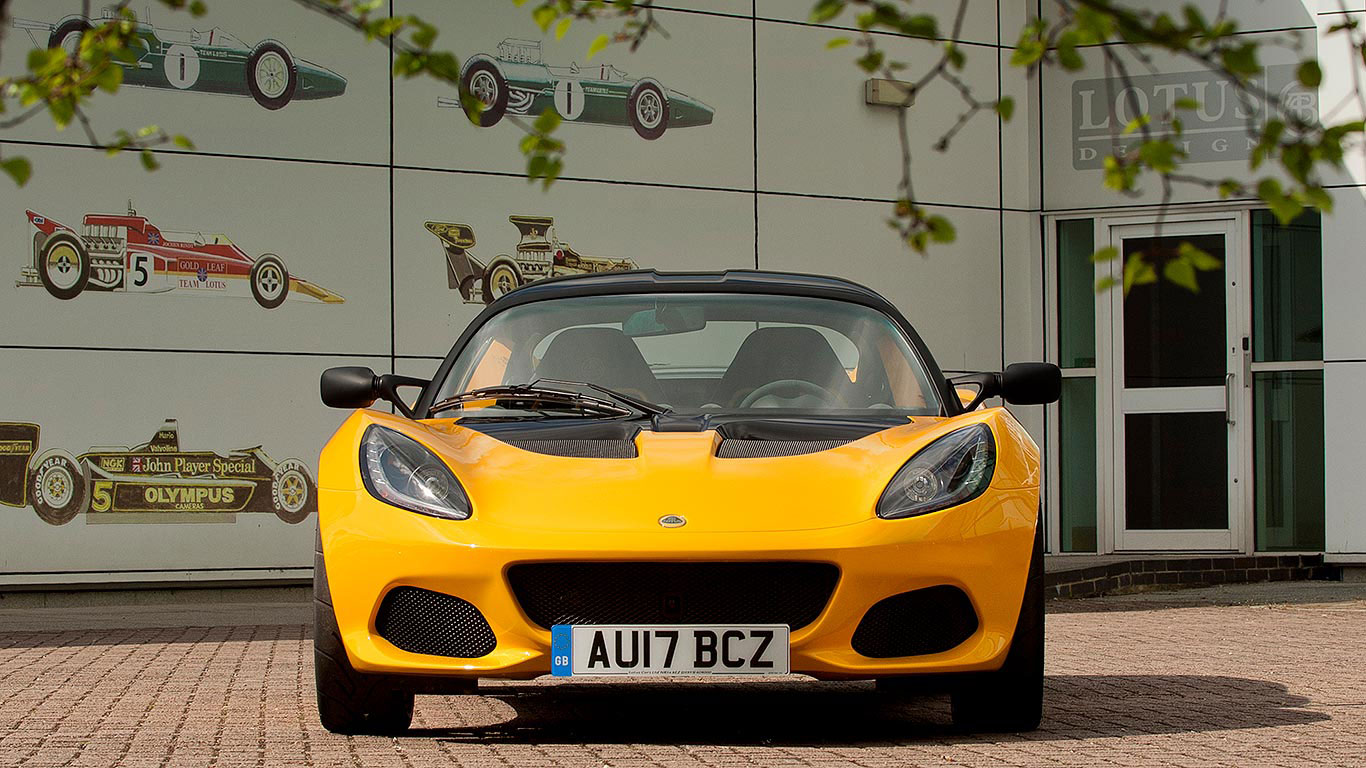
Chinese firm Geely has worked its magic with Volvo in recent years, and in 2017 it completed its takeover of a majority stake in British sports car manufacturer Lotus. It means the small-time manufacturer – which is now in profit – could be one to watch over the next few years. Anyone fancy a Lotus SUV?

MOT exemption for classic cars

MOT exemption for classic cars

The government asked the public whether classic cars should be exempt from the annual MOT roadworthiness test, and the public said ‘no’. But then the government introduced a classic car exemption anyway, for all cars over 40 years old. The move has proved to be controversial but, don’t worry, if you own a classic car, you can still get it MOT’d if you want to.

Mercedes-Benz launches a pick-up

Mercedes-Benz launches a pick-up

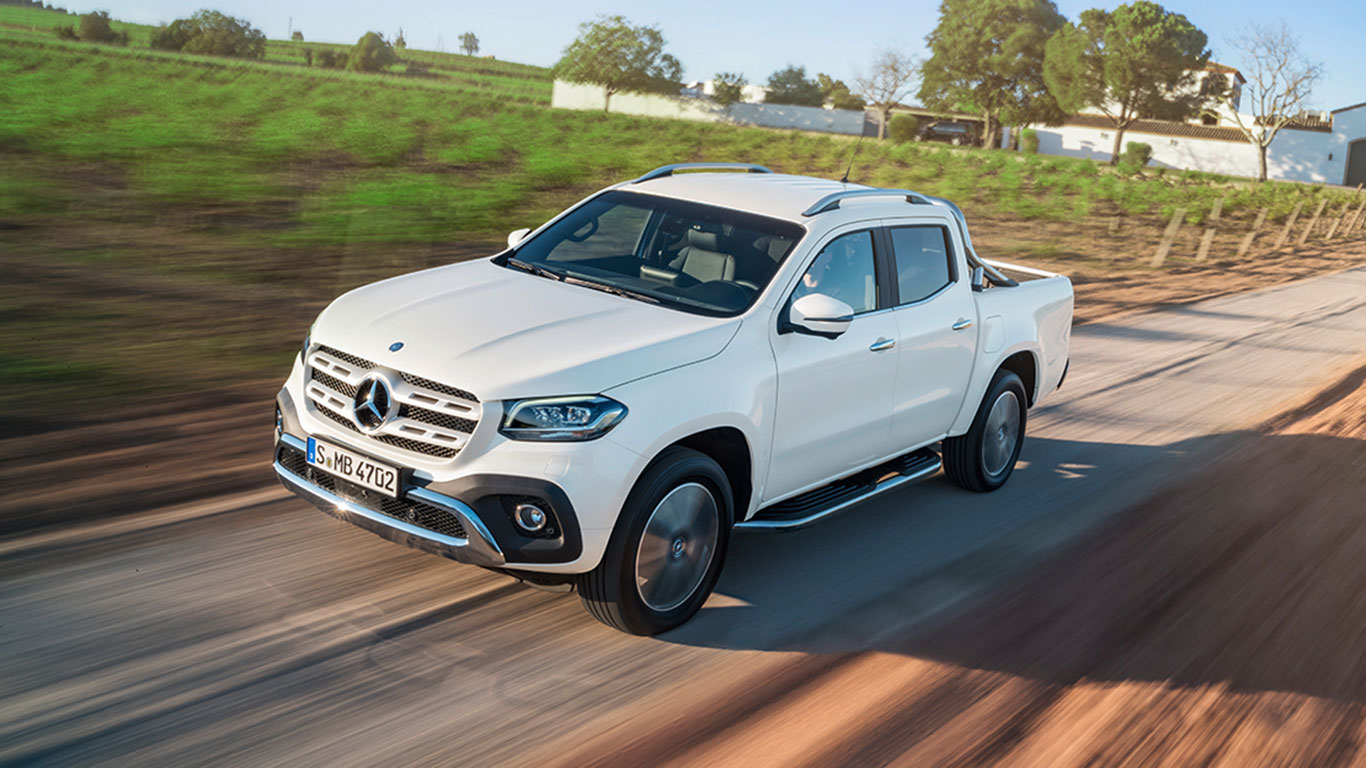
Everyone’s launching an SUV, but a genuine premium pick-up truck is a surprise. Well, not too much of a surprise, given we’ve seen not one but two concept trucks from Mercedes. What is also a surprise is just how good it is, considering the X-Class is heavily based on the Nissan Navara.

The driving test is changing

The driving test is changing

Take your driving test from now on and it’ll involve 20 minutes of independent driving, using a sat-nav or road signs for directions. The changes have proved to be controversial and examiners are striking, saying it means more work for them.

Classic car prices continue to boom

Classic car prices continue to boom

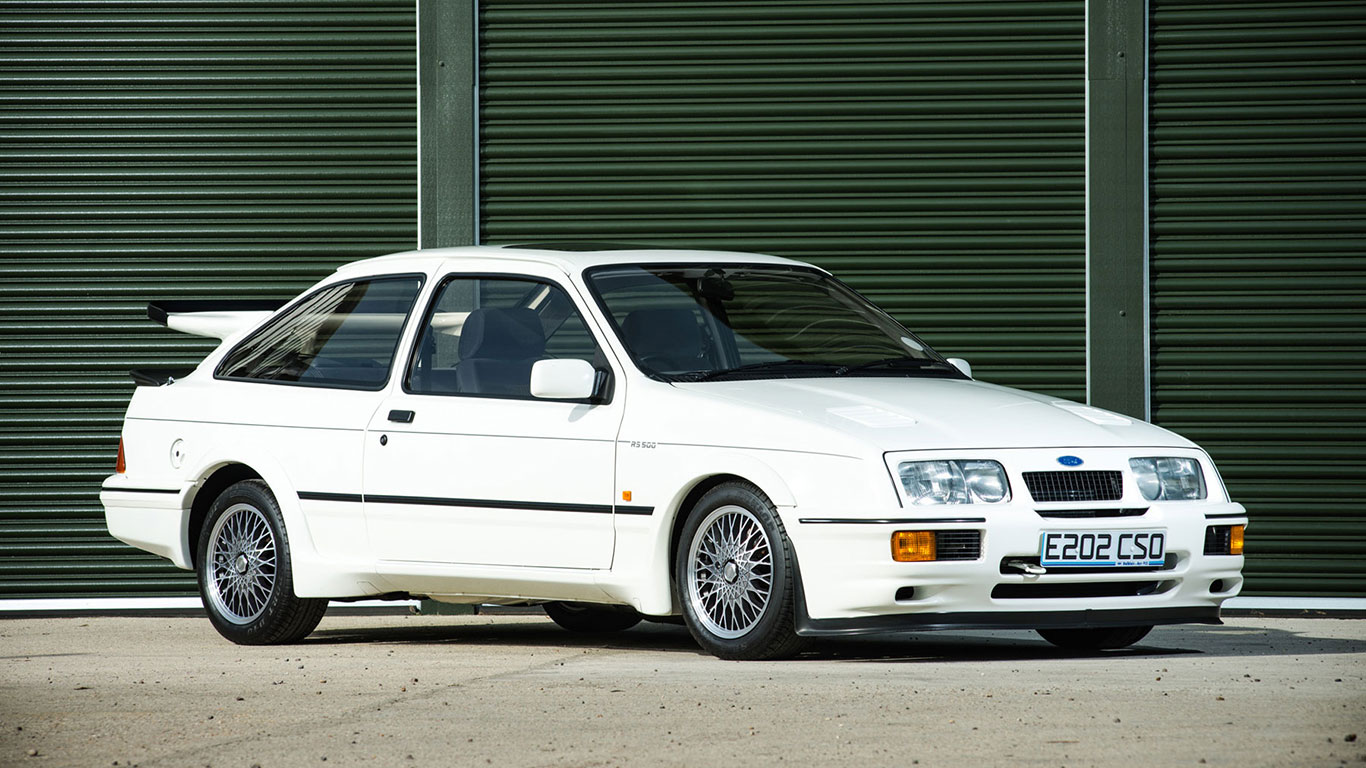
Despite a rocky financial outlook in 2017, we’ve not see any signs of classic car sales slowing down. Highlights include a Ford Sierra Cosworth RS500 which fetched £112,500 at auction in November, while a Del Boy Reliant Regal sold for nearly £42,000 – almost twice its estimate.

Read more:

Advertisement

Renault launches tech-packed 1.3-litre turbo petrol engine

0

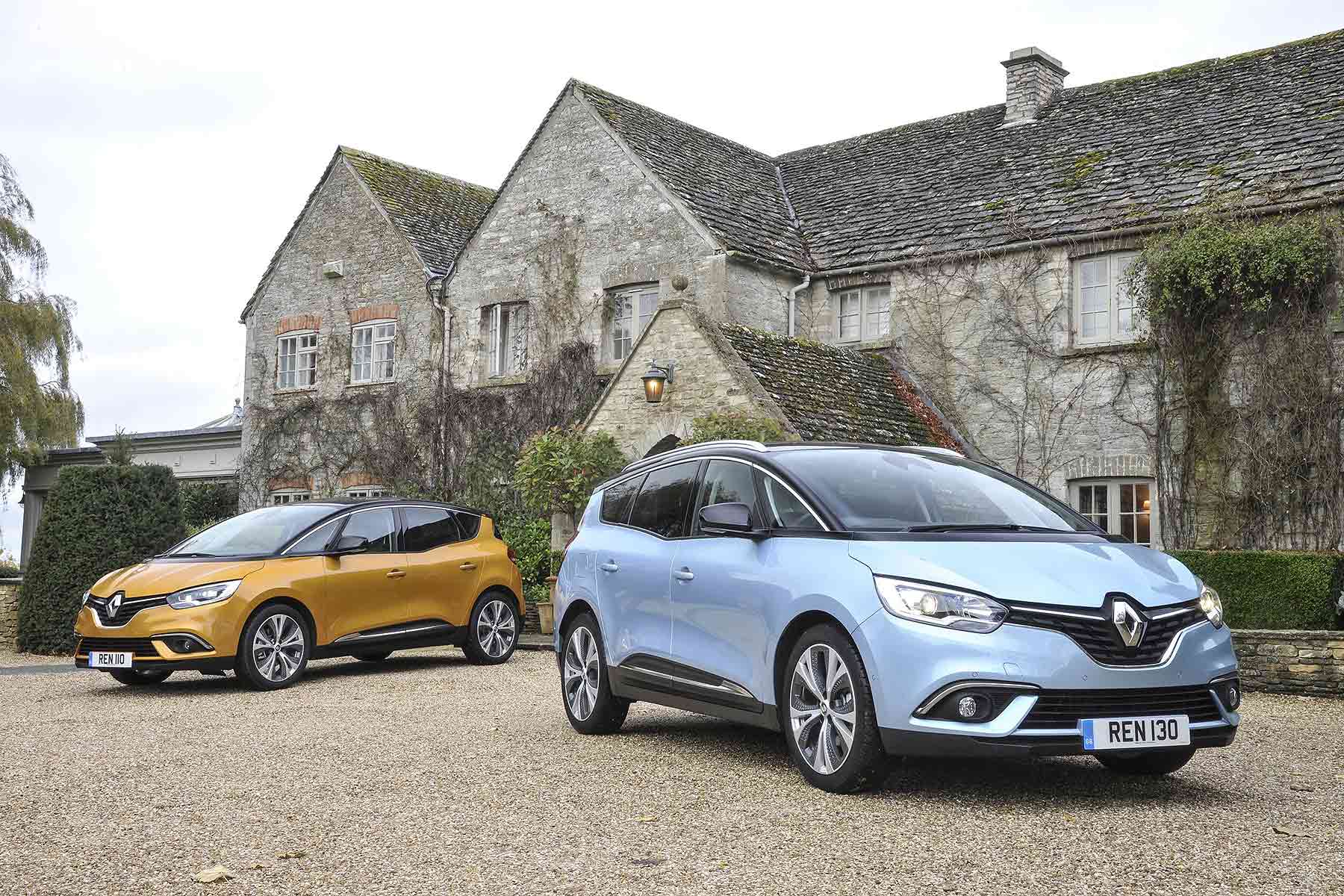
Renault Scenic and Grand ScenicRenault is launching a new turbo petrol engine that it’s co-developed with Nissan, Mitsubishi and Daimler. The new 1.3-litre Energy TCe will be available first in the Scenic and Grand Scenic range, before rolling out into other Renault models through 2018.
The new engine will open for ordering on 1 January 2018, with prices starting from £22,005. It will be offered in both 115hp and 140hp guise, with either manual or EDC automatic gearboxes.

The new motor packs in a lot of technology for the money. Renault’s fitted dual variable timing camshafts, which is a little bit like the Honda VTEC system. It varies the intake and exhaust valves according to engine load, so there’s more pulling power at lower revs and more power at higher revs.

It’s a direct fuel injection motor, with high-pressure injection of 250 bar, and the Renault-Nissan-Mitsubishi Alliance has also developed so-called ‘Bore Spray Coating’ technology. This reduces friction and aids more efficient heat transfer.

And the result is? A better spread of power, improved acceleration, yet better fuel consumption and lower CO2 emissions than the 1.2 TCE motor the new engine replaces. An example of positive upsizing rather than downsizing – rather like Volkswagen’s replacement of its 1.4 TSI engine with the new 1.5 TSI Evo.

In punchy 1.3 TCe 140 guise, the Scenic will do 0-62mph in 10.1 seconds, produces a healthy 177lb ft of torque from just 1,600rpm, while also averaging 52.3mpg. At £24,005, it’s priced almost identically to the 1.5 dCi 110 turbodiesel, which seems perfectly judged to capitalise on cars buyers’ recent drive away from diesel.

Deliveries of the new 1.3 TCe Scenics and Grand Scenics begin in February 2018; expect a first drive review from Motoring Research early in the new year.

Read more: 

Advertisement

Will this Overfinch be the most luxurious SUV ever built?

0

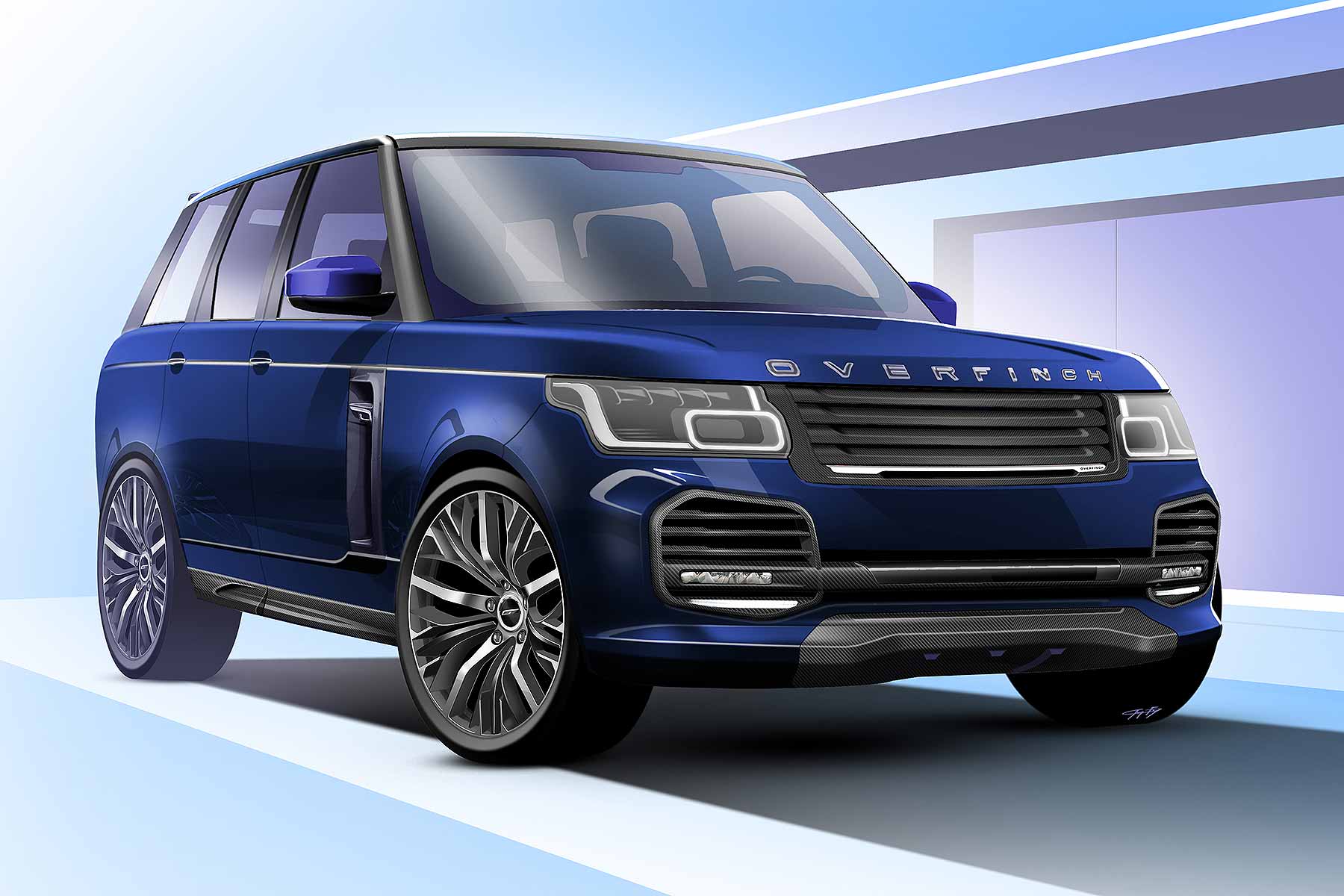
Overfinch Range Rover 2018 model yearBack in the mid-1970s, London’s Overfinch became the world’s first specialist Range Rover tuner. Now, for 2018, it’s readying a new Range Rover which it describes as the most luxurious SUV ever created.
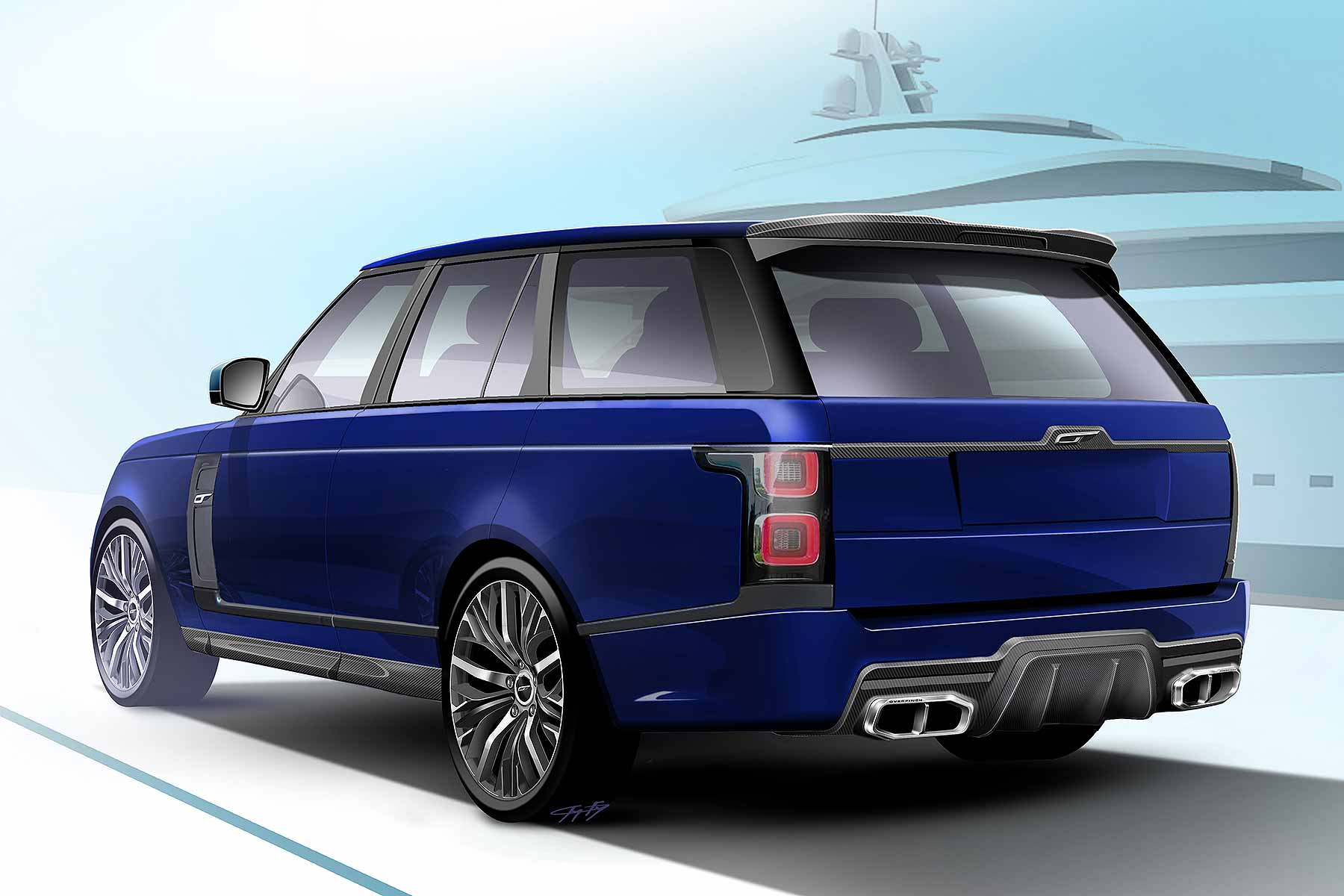
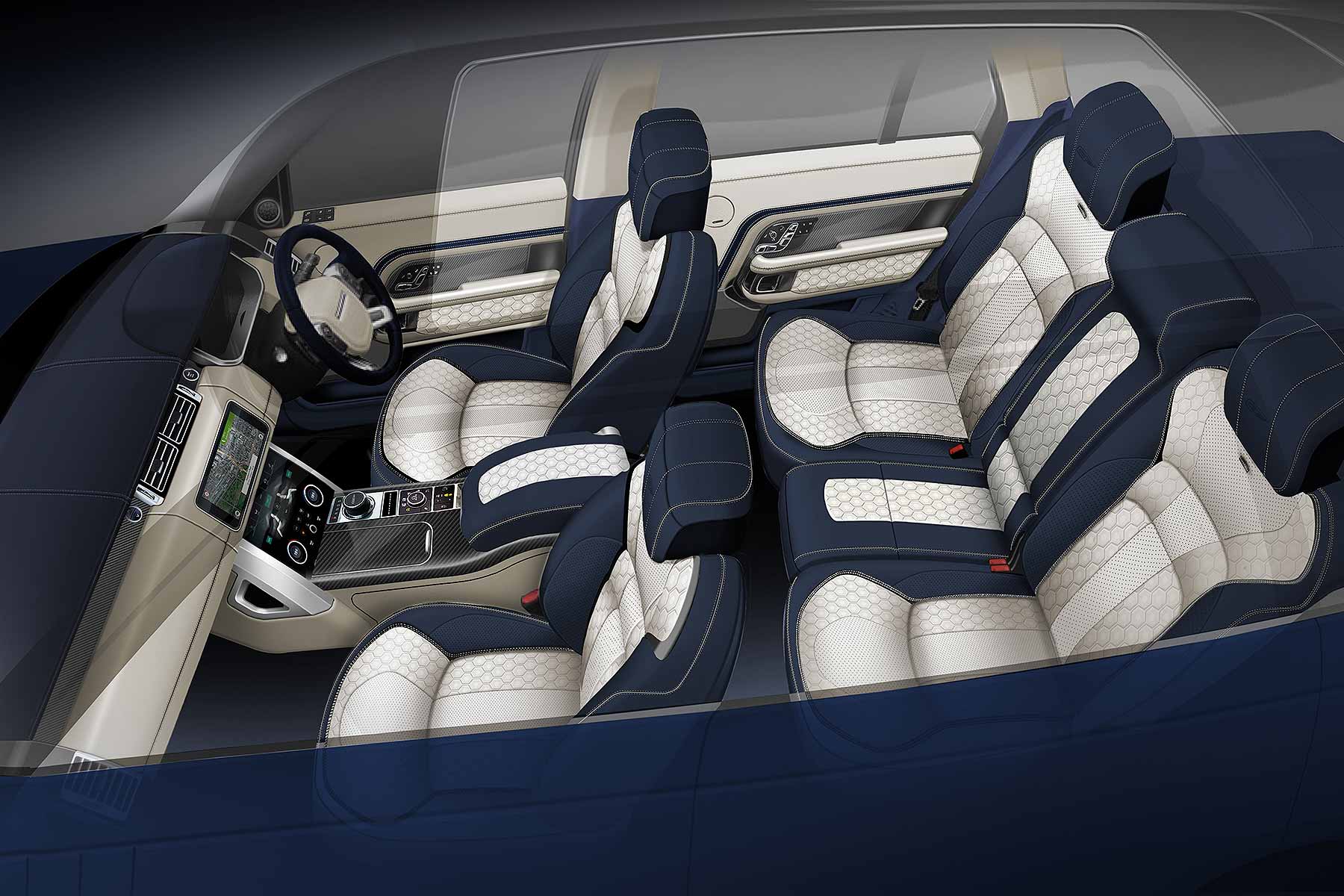
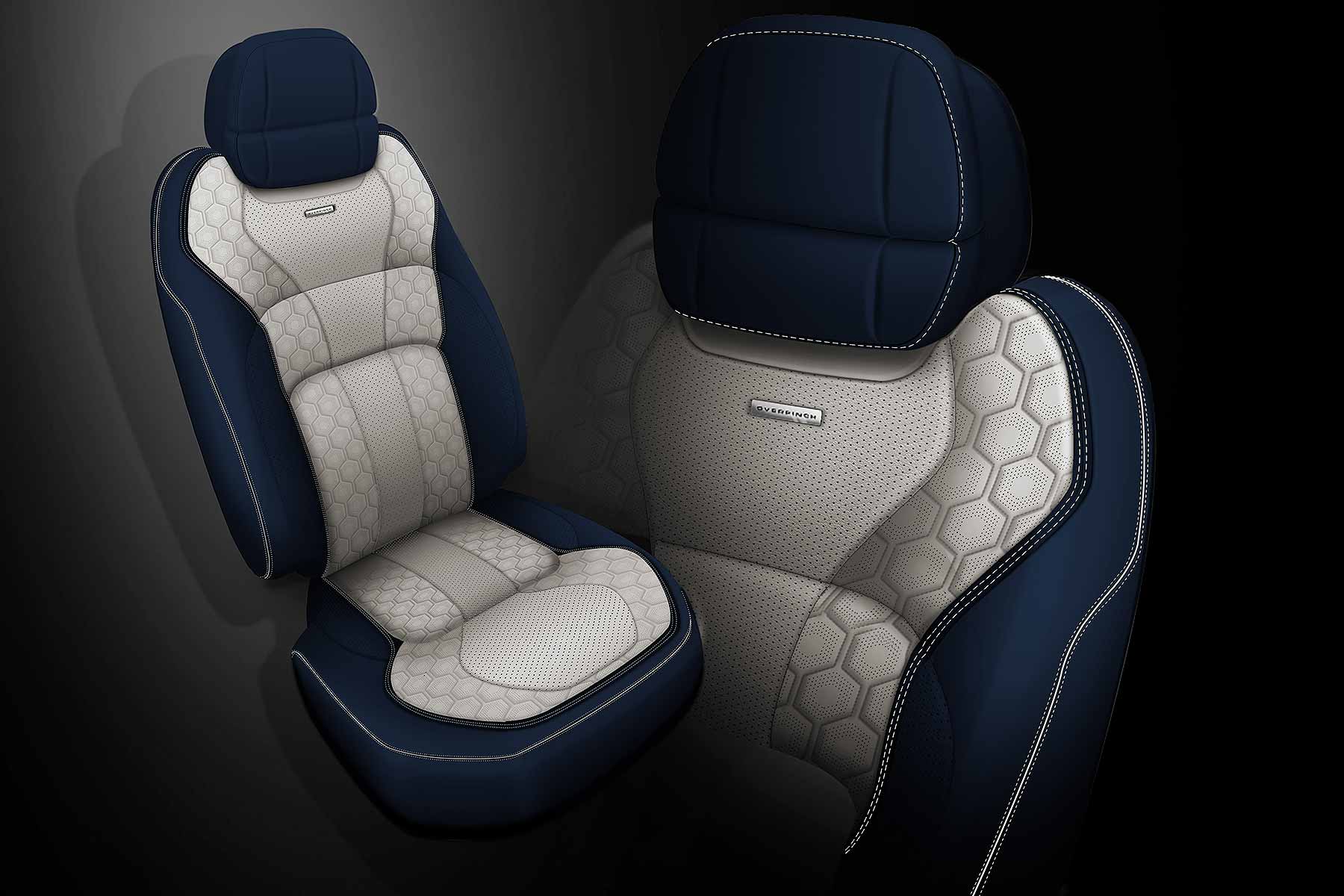
Derived from the recently-enhanced 2018 model year Range Rover, the new Overfinch models are priced from £114,990 for the 3.0- TDV6, and £144,990 for the supercharged V8 Autobiography (in the U.S, it will be $129,500 for a 3.0 supercharged V6 and $144,850 for the supercharged V8). And these can quickly swell further with bespoke commissioning; Overfinch even offers armoured vehicles.

Overfinch Range Rover 2018 model year

What’s new? On the outside, the firm teases in new sketches, a more aggressive front end complete with carbon fibre air dam. There’s a complementary carbon fibre bumper at the rear, and an improved diffuser, into which sit engraved exhaust tailpipes. The exterior has more extensive colour coding and a broader array of bespoke colours and trims (check out all the carbon fibre in the image above).

Overfinch Range Rover 2018 model year

Inside, Range Rover model year upgrades such as upgraded infotainment, rear heated arm and footrests, thicker glass and wider seats combine with Overfinch’s own trim upgrades, which it says are again broader than ever. Even the cushioning of the seats has been increased for yet more comfort.

Overfinch Range Rover 2018 model year

Overfinch chairman Kevin Sloane said that the combination of 2018 model year Range Rover upgrades, combined with the firm’s own design and engineering changes, mean “this Overfinch conversion will be the most luxurious SUV to date.

“The visual impact of the vehicle has been maximised, giving it a stronger on-road presence with an interior enjoying elevated levels of sophistication.

“Such bespoke craftsmanship is synonymous with Overfinch and the result of the 2018 model year is a distinctive, elegant interpretation of the flagship vehicle that is as exclusive as it is desirable.”

Overfinch is even planning its first-ever zero-emissions Range Rover: the launch of the new PHEV model means it intends to roll out its own Overfinch Range Rover PHEV later in 2018 for UK buyers and 2019 for those in the U.S.

Read more: 

Advertisement

New Lexus LS has the world’s largest head-up display

0

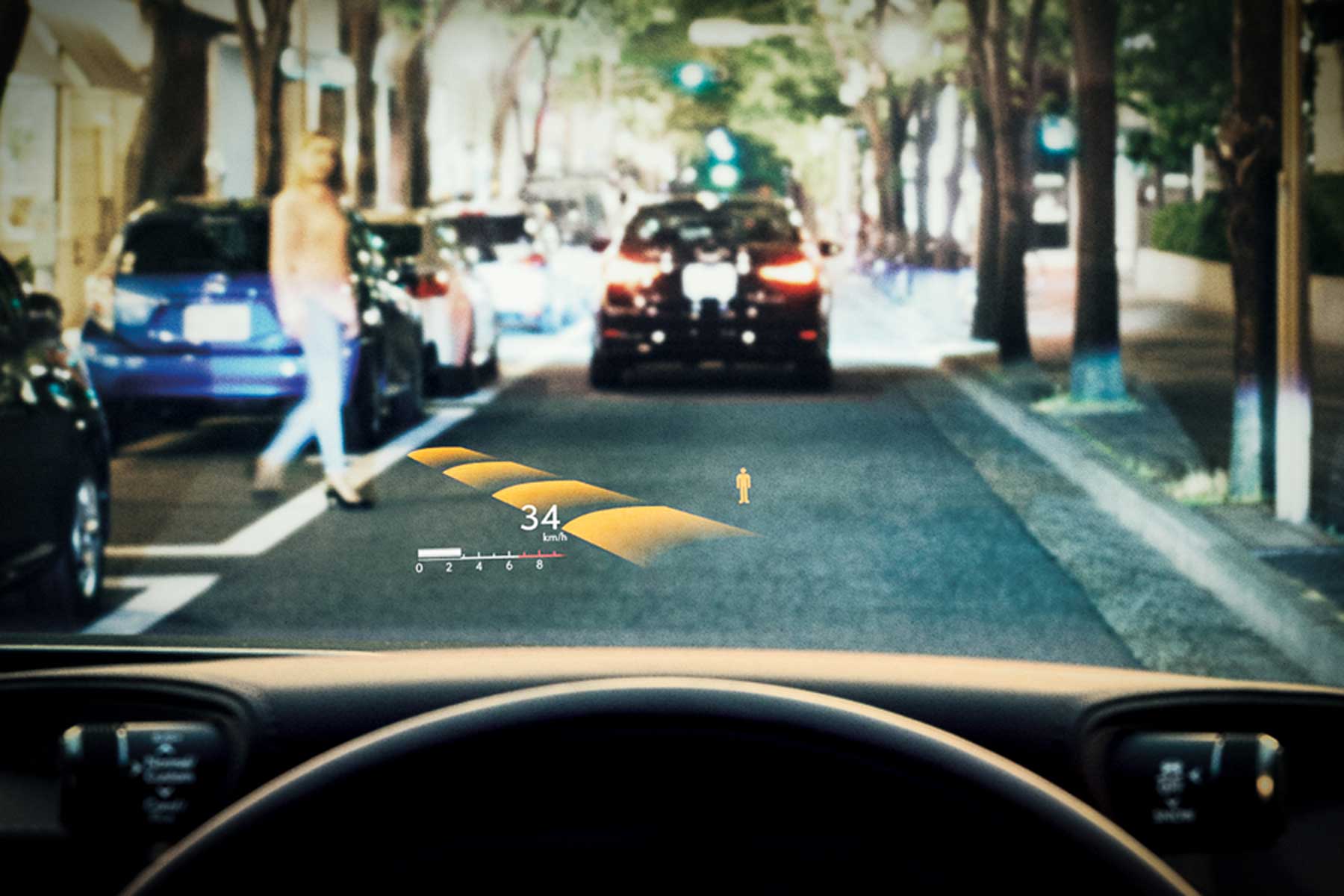
Lexus LS HUDThanks to Japanese components supplier Denso, the new 2018 Lexus LS is equipped with the world’s largest head-up display (HUD). The system projects information across a whopping 24-inch projection, which ‘virtually’ appears three metres ahead of the car.
The system is made from thin-film transistor (TFT) and liquid-crystal display tech, and is so feature-packed, Denso’s actually describing it as a full human-machine interface (HMI). 

Not only can the 24-inch HUD show basic data such as vehicle speed and local speed limits, it cleverly can also show where pedestrians are located using data from external sensors: the image above shows icons pinpointing exactly where the pedestrian is walking. 

When combined with sat nav data, it will display an arrow over the lane the driver should be in, and provide augmented reality (AR) style guidance at junctions and intersections. 

It will smartly reconfigure as well, ensuring information is presented as clearly and logically as possible – the reconfiguration even stretches to the colours used. Denso says the display itself is also brighter than most other HUDs, so it’s easier to use in bright sunlight. 

The firm believes HUDs will become a key safety feature of the future, due to their ability to project vital information right into the sightline of the driver. When combined with information from external sensors and other feeds, Denso says the HUD will be a core part of its policy envisioning, by 2030, “a society free from traffic accidents”. 

Read more

Advertisement

Toyota is the greenest car company in 2017

0

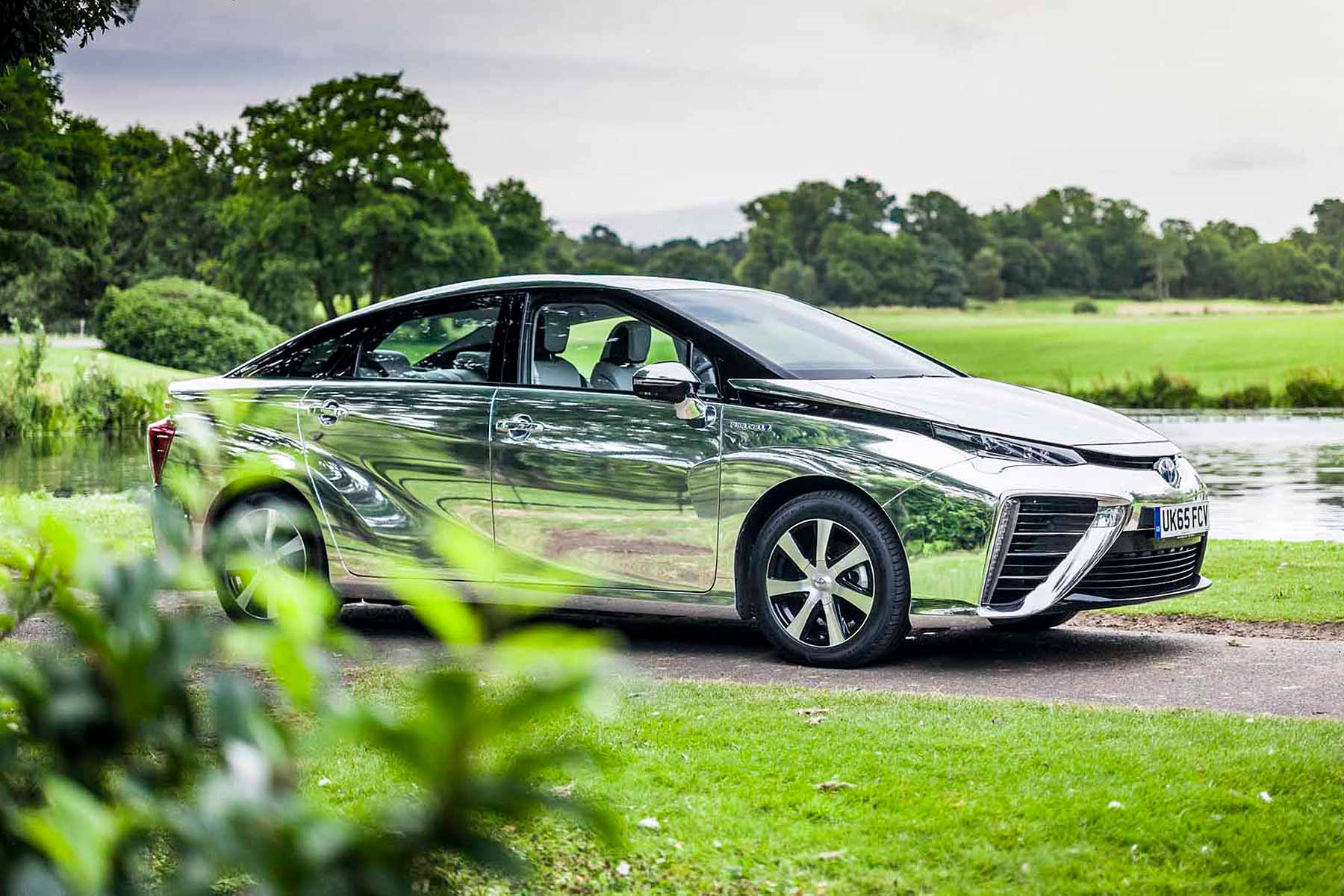
Toyota MiraiToyota is not only the world’s largest car company, but is also the greenest automotive manufacturer in the world – at least, according to the latest Green Rankings of the world’s biggest publically-traded firms, conducted by Newsweek.
Toyota was also ranked an impressive 16th overall – a whopping 91-place rise since 2016.

The firm’s European president and CEO Dr Johan van Zyl said it proved the company’s focus on sustainability and environmental performance is paying dividends.

“The launch of our Environmental Challenge 2050 in 2015 reinforced the key areas in which we are reducing our impact on the environment throughout the entire lifecycle of our products.”

Newsweek’s survey is carried out in association with Corporate Knights and HIP Investor. Companies are scored on their environmental performance across several metrics, such as energy and water consumption, waste levels and carbon production. There’s a strict methodology that looks at all areas of corporate green-ness. 

Toyota’s overall green score of 72 percent places it ahead of Apple, LG and Starbucks in 2017.

The Newsweek Green Rankings survey comes on the same day that Toyota announced plans to sell more than one million zero-emission vehicles a year by 2030. Even sooner than that, the firm intends that by 2025, every single car in the Toyota and Lexus range will have an electrified model – which, it points out, means “the number of models developed without an electrified version will be zero”.

Read more

Advertisement

Revealed: the slowest new cars on sale today

0

Revealed: the slowest new cars on sale today

Nissan has form for slow cars. There was a time in the mid-90s when you could buy a diesel people carrier, the Serena, which took nearly 30 seconds to reach 62mph. That earned it the title of the world’s slowest passenger car.

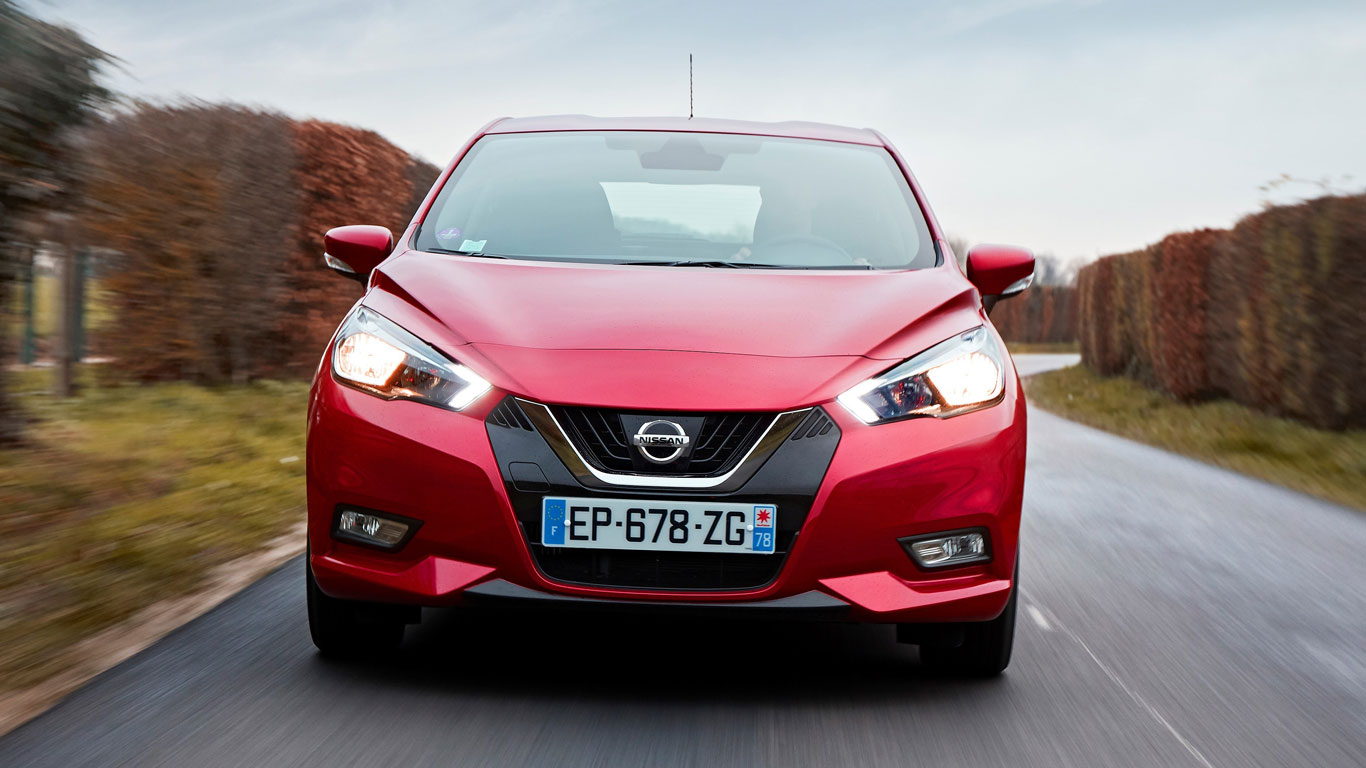
While the Serena is no longer on sale, Nissan has today announced a new entry-level Micra powered by a 1.0-litre engine producing just 71hp. It takes a sedate 16.4 seconds to reach 62mph. But it’s not the slowest new car on sale today…

Volkswagen Up/Skoda Citigo/Seat Mii 1.0 60

0-62mph: 14.4 seconds

The Volkswagen Up and its Skoda and Seat brethren are some of the best city cars you can buy. If you plan on covering a lot of motorway miles, you’re better opting for the more powerful 75hp version, however. The entry-level 60hp 1.0-litre takes 14.4 seconds to hit 62mph.

Dacia Logan 1.2 75

0-62mph: 14.5 seconds

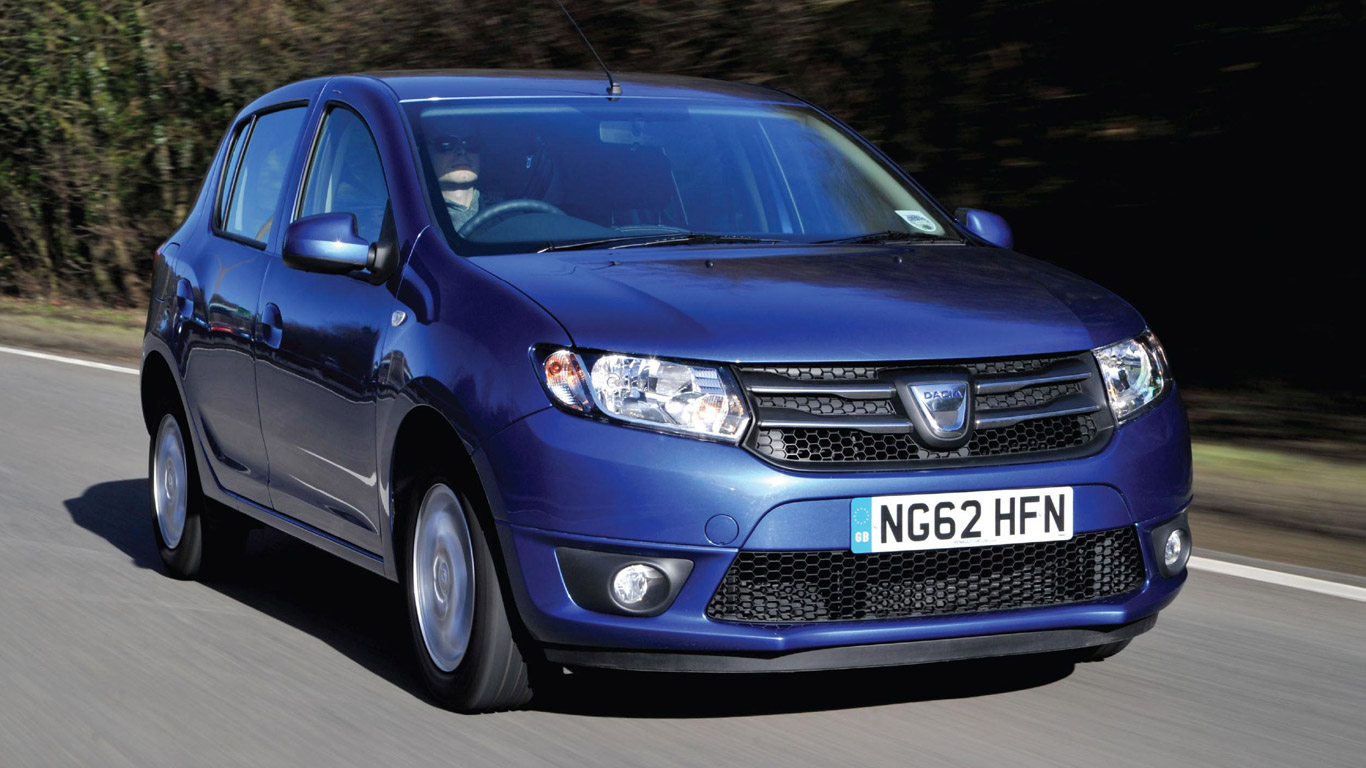
With prices starting at £6,995, the Dacia Logan is the cheapest estate car money can buy. But it’s also the slowest, taking nearly 15 seconds to reach 62mph if you opt for the 75hp 1.2-litre petrol engine.

Dacia Sandero 1.2

Dacia Sandero 1.2

0-62mph: 14.5 seconds

Surprisingly, given it’s smaller, the Dacia Sandero powered by the same engine takes just as long. But what do you expect for £5,995?

Renault Clio 1.2 75

0-62mph: 14.5 seconds

That same 75hp engine is also used in the Renault Clio. It takes, you guessed it, 14.5 seconds to hit 62mph.

Renault Twingo 1.0 70 SCe

0-62mph: 14.5 seconds

Put a 1.0-litre 70hp engine into a mid-engined city car, and an affordable Porsche it does not make. We actually quite like the three-cylinder engine in the Twingo, but you’ll prefer the turbocharged version if you’re seeking performance.

Peugeot 108 1.0

Peugeot 108 1.0

0-62mph: 14.5 seconds

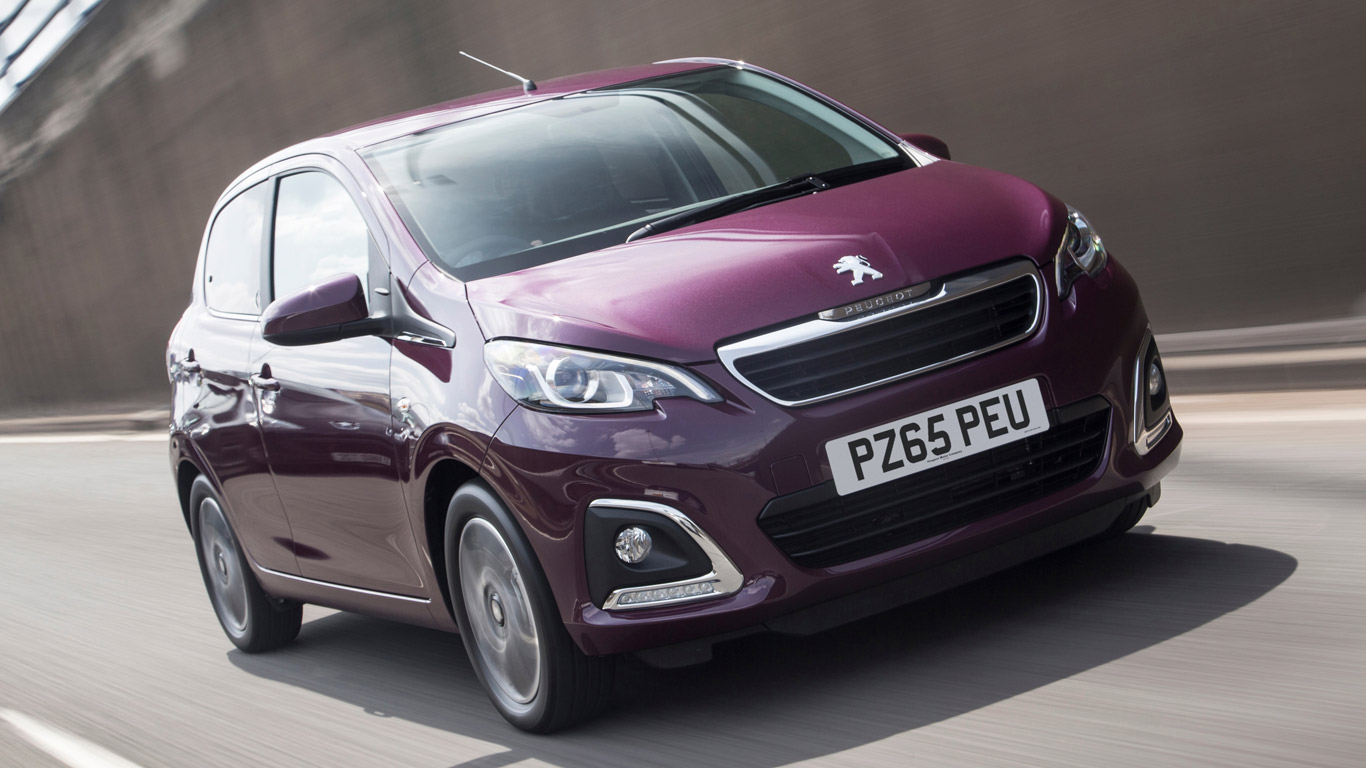
Finally in the 0-62mph in 14.5 seconds club, is the Peugeot 108 city car. The plucky little Pug is enjoyable to thread through city streets, so we suspect most owners won’t be bothered about the time it takes to accelerate to 62mph. It all gets slower from here, however…

Fiat Qubo 1.4 77

0-62mph: 14.7 seconds

The Fiat Qubo is essentially a Fiorano van with windows – and despite the name of its commercial cousin, it’s no Ferrari when you hit the gas pedal.

Seat Ibiza 1.0 75

0-62mph: 14.7 seconds

If you buy an entry-level Seat Ibiza, you’ll be treated to the painfully slow three-cylinder 1.0-litre 75hp engine. It’ll be fine around town, but we’d look to upgrade for ventures beyond 30mph zones.

Smart Fortwo Cabrio 1.0 71

Smart Fortwo Cabrio 1.0 71

0-62mph: 14.9 seconds

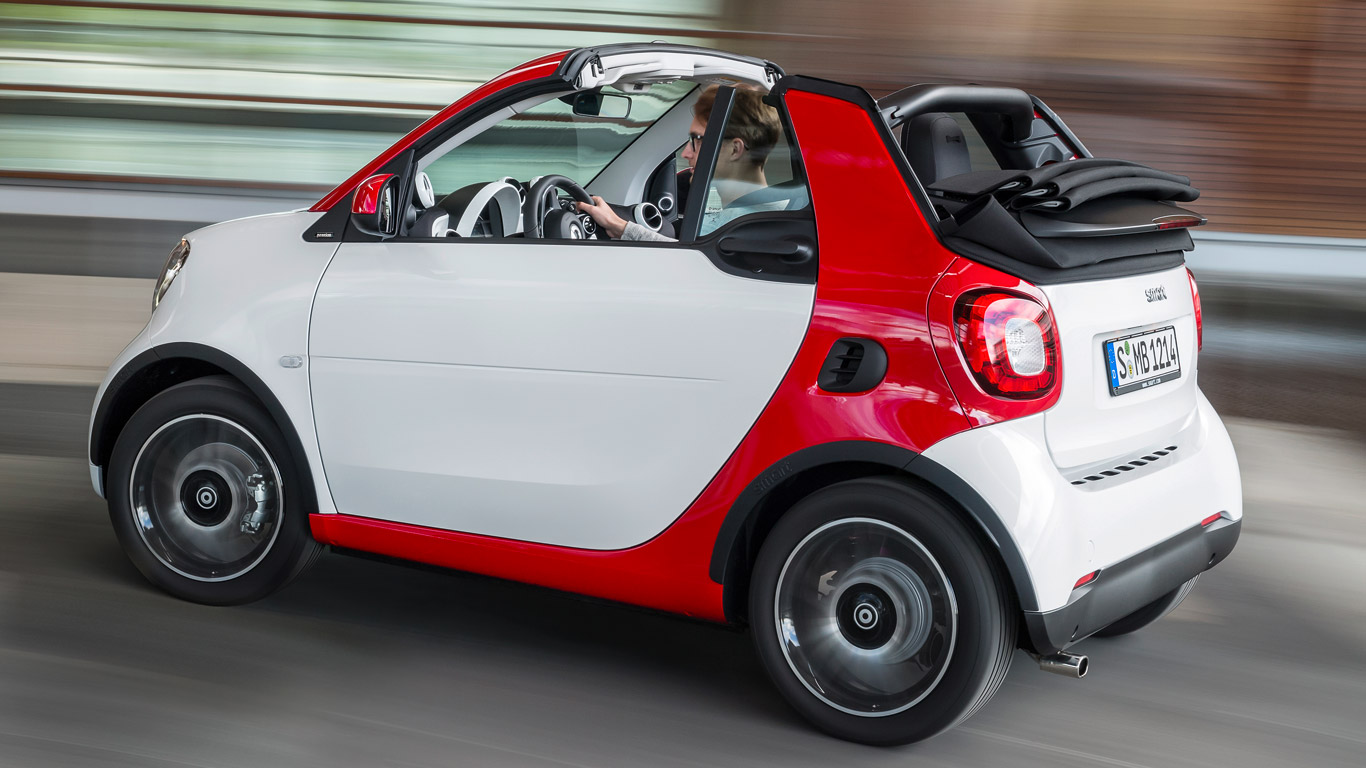
If you buy a soft-top Smart ForTwo, you probably don’t want a car that’s fast enough to ruffle your hair when you accelerate. That’s useful, because the 71hp three-cylinder engine takes 14.9 seconds to hit 62mph.

Vauxhall Adam 1.2 70

0-62mph: 14.9 seconds

The Vauxhall Adam is a quirky little city car, but its entire engine line-up is a tad disappointing. The least desirable engine has to be the 1.2-litre 70hp four-cylinder petrol, which takes an age to hit 62mph.

Vauxhall Corsa 1.4 75

0-62mph: 14.9 seconds

The bigger Corsa is equally disappointing if you opt for the 1.4-litre 75hp engine. We much prefer it with the new 115hp 1.0-litre turbo triple, which hits 62mph in 10.3 seconds.

Ford Fiesta 1.1 70

Ford Fiesta 1.1 70

0-62mph: 14.9 seconds

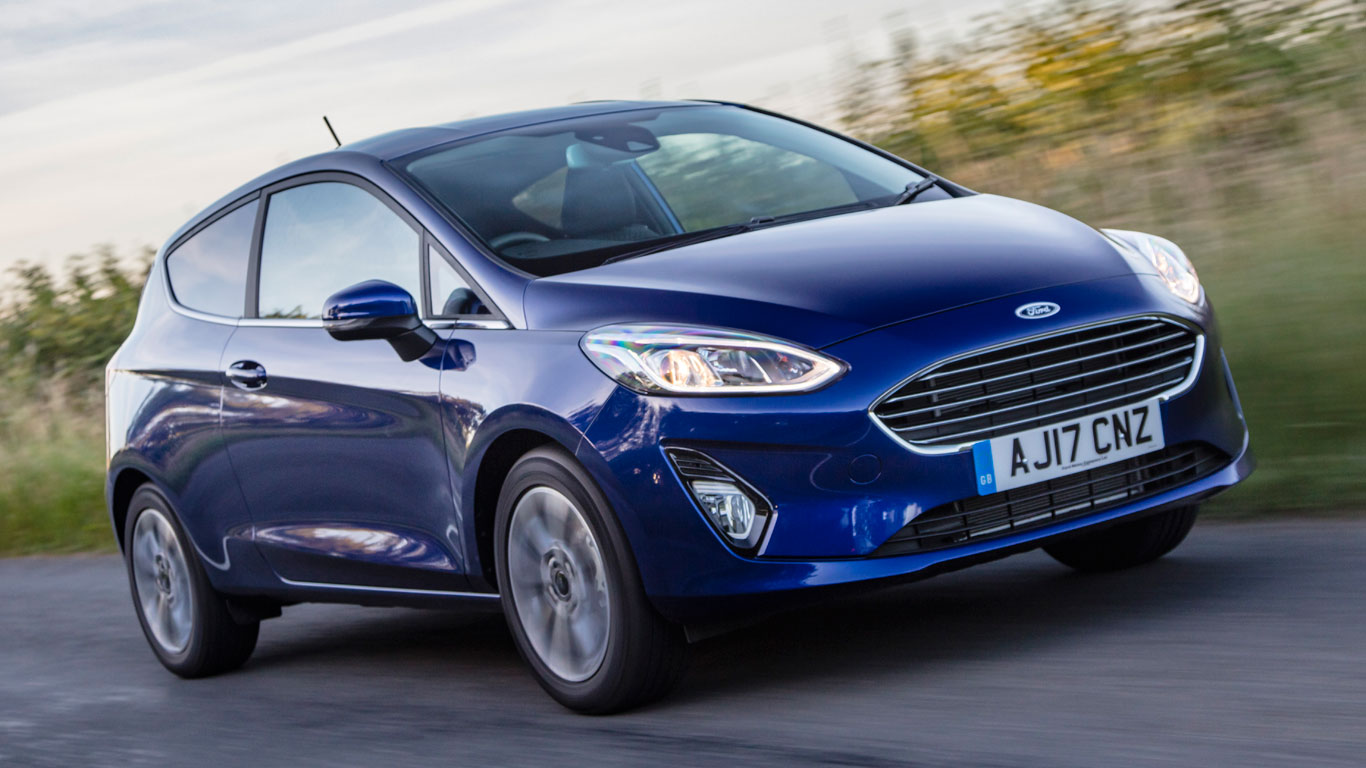
The Ford Fiesta is the UK’s best-selling new car, and the latest model has a lot to like about it. But not necessarily the entry-level 70hp 1.1-litre engine, which takes 14.9 seconds to hit 62mph.

Citroen C4 Cactus 1.2 Puretech ETG

0-62mph: 15.0 seconds

Pair Citroen’s 1.2-litre Puretech engine with an automated manual gearbox in a car the size of the Cactus, and you’ll get to 62mph… eventually.

Citroen Berlingo Multispace 1.6 BlueHDi 75

0-62mph: 15.1 seconds

Another ‘van with windows’, this time it’s the Citroen Berlingo Multispace – specifically with the 1.6-litre BlueHDi diesel engine. Packing a lacklustre 75hp, it’s the first car featured here to take more than 15.0 seconds to hit 62mph.

Ford B-Max 1.5 TDCi

Ford B-Max 1.5 TDCi

0-62mph: 15.1 seconds

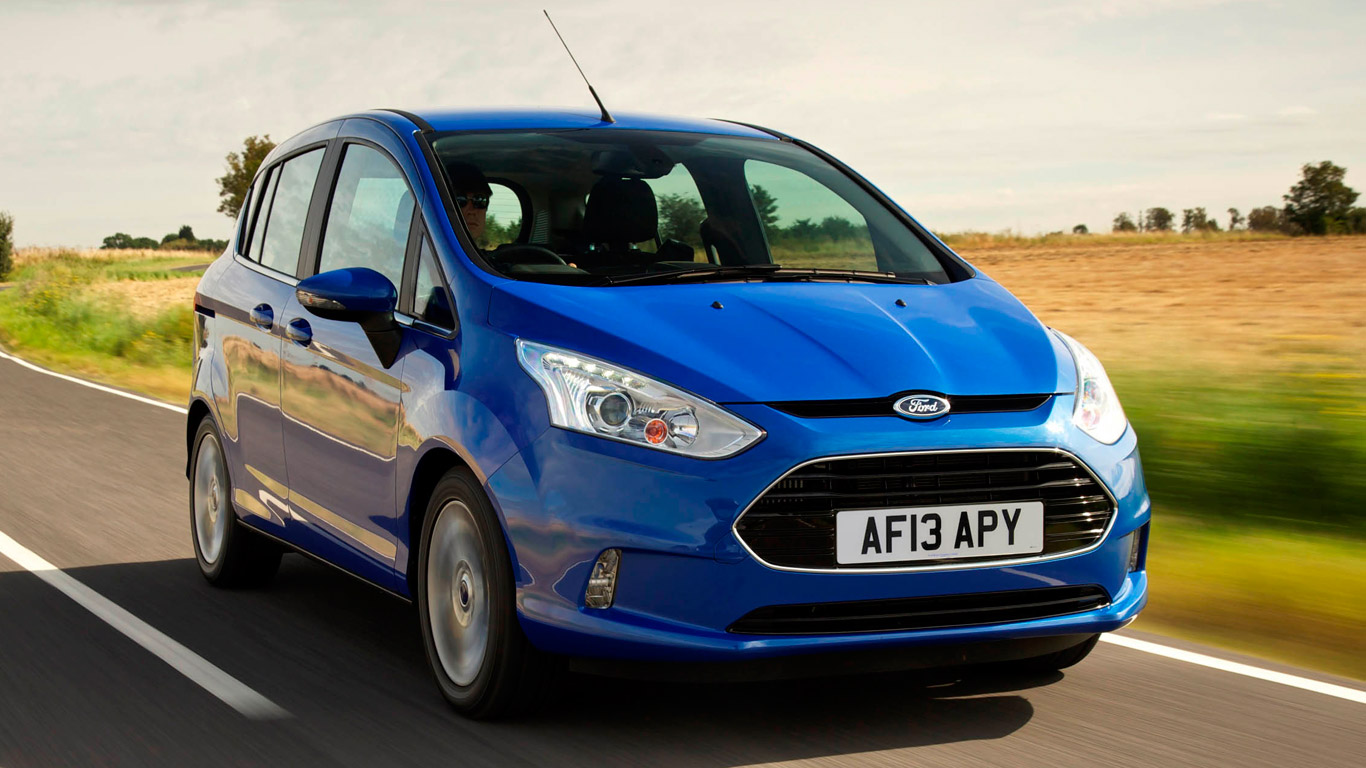
Taking an equally long time to reach 62mph, the Ford B-Max perhaps works better with the 1.0-litre turbocharged petrol engine than the 1.5 diesel.

Ford Focus Estate 1.6 85

0-62mph: 15.1 seconds

This is the car you’ll dread collecting from the hire car depot: a Ford Focus estate with the 85hp 1.6-litre petrol engine. That amount of power simply isn’t enough to lug around a car the size of a Focus estate.

Toyota Yaris 1.0

0-62mph: 15.3 seconds

The thrashy 1.3 in the Yaris isn’t the best engine, but it’s certainly going to be better than the entry-level 1.0-litre if you’re in a rush to get anywhere.

Ford Ka+ 1.2

Ford Ka+ 1.2

0-62mph: 15.3 seconds

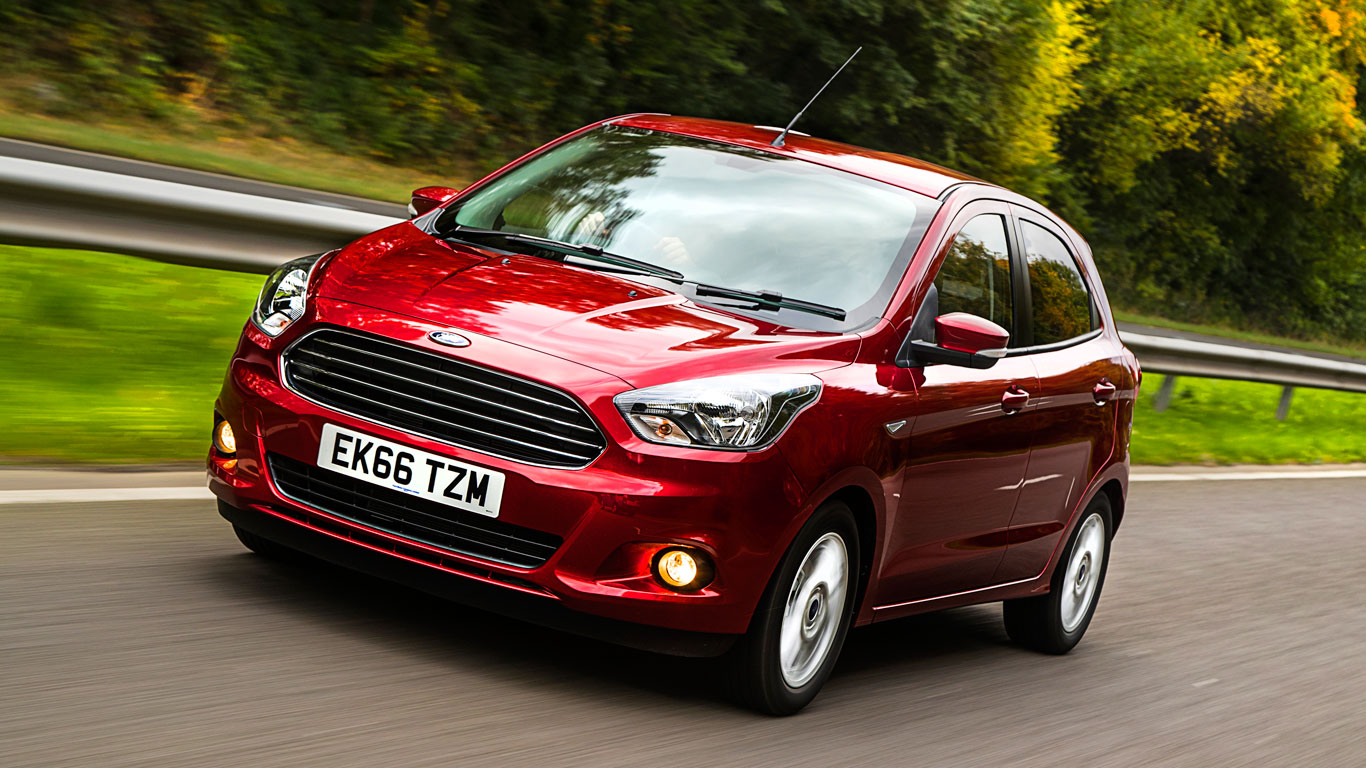
As indicated by its name, the Ka+ is a bigger car than its predecessor, the Ka. As such, it probably deserves a more powerful engine than the 70hp naturally-aspirated 1.2-litre petrol. Still, it should prove to be cheap to insure for new drivers.

Peugeot Partner Tepee 1.6 BlueHDi 100

0-62mph: 15.3 seconds

It’s a good job most buyers of the Peugeot Partner Tepee will, let’s say, have enough life experience not to be bothered about getting anywhere quickly. It takes 15.3 seconds for the 1.6-litre BlueHDI 100 to hit 62mph.

Hyundai i10 1.0 66 Blue

0-62mph: 15.5 seconds

Next time you’re stuck behind a Hyundai i10 taking an age to accelerate down a motorway slip road, bear in mind that it might not necessarily be the driver’s fault. The little 66hp 1.0-litre triple takes 15.5 seconds to propel the city car to 62mph.

Volkswagen Polo 1.0 60

Volkswagen Polo 1.0 60

0-62mph: 15.5 seconds

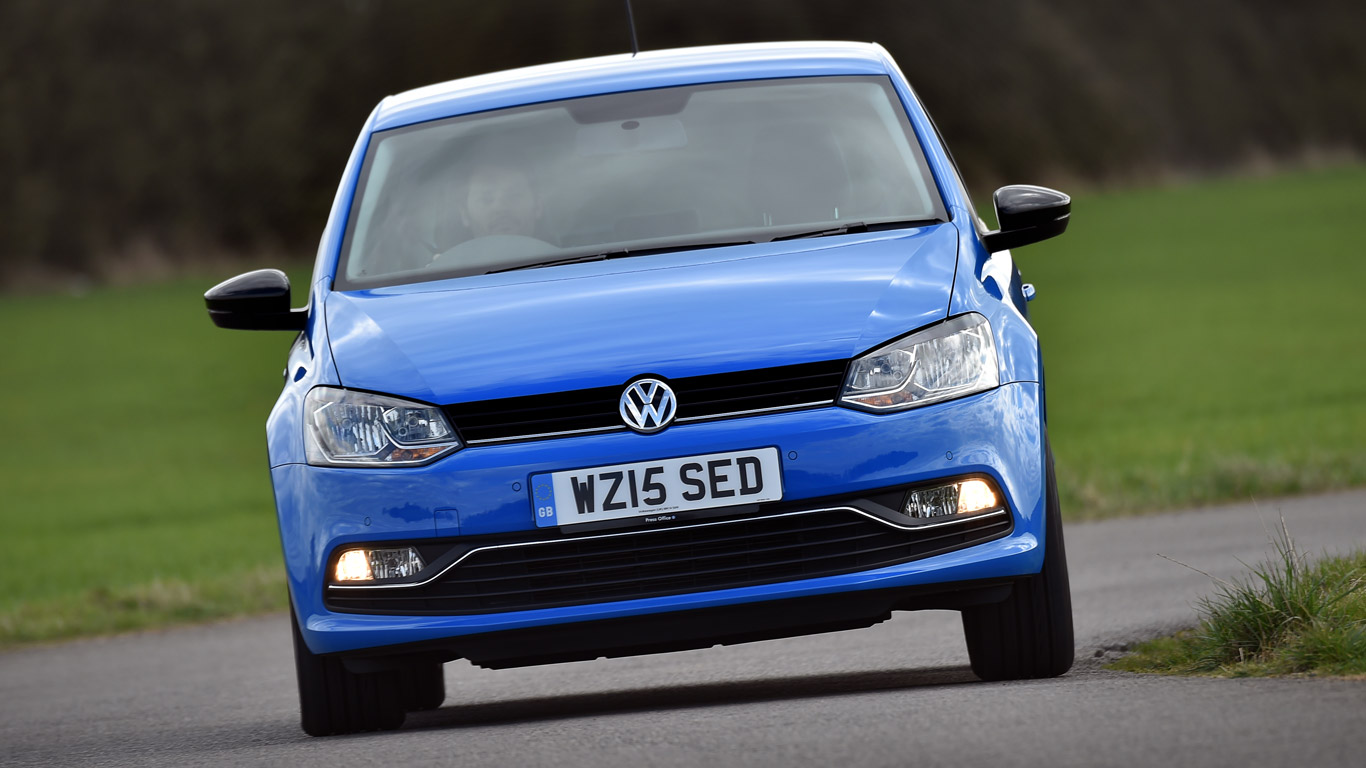
The Volkswagen Polo is showing its age, but that doesn’t excuse the entry-level 1.0-litre, which can be out-dragged by a tortoise. Allegedly.

Skoda Fabia 1.0 60

0-62mph: 15.7 seconds

It’s no surprise, then, that the platform-sharing Skoda Fabia with the same engine also takes a substantial amount of time to reach the national speed limit.

Fiat 500L Wagon 1.3 Multijet Dualogic

0-62mph: 15.7 seconds

Combine a 1.3-litre diesel engine with a lethargic sequential transmission, and the 500L Wagon takes a frustrating 15.7 seconds to hit 62mph. Economy is more its forte: it returns 72.4mpg in official NEDC tests.

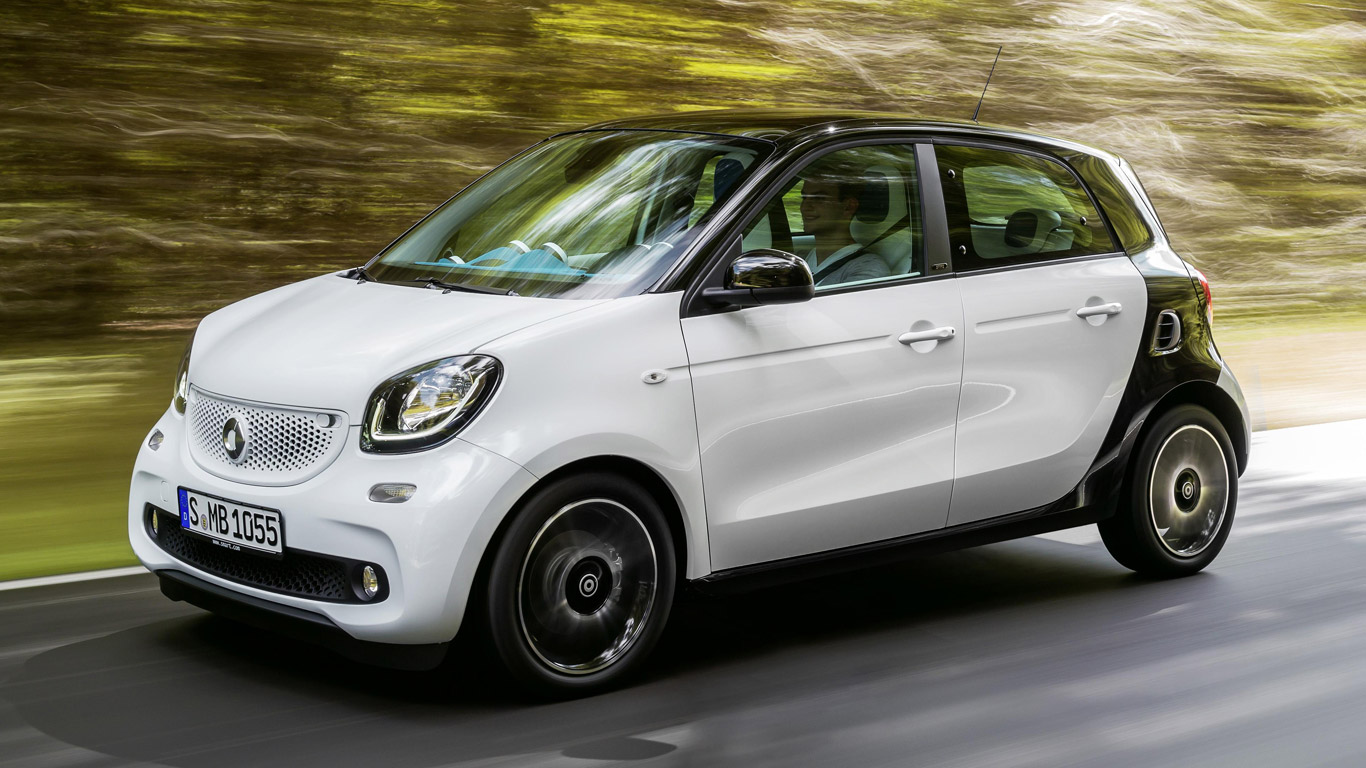
Smart Forfour 1.0 71

Smart Forfour 1.0 71

0-62mph: 15.9 seconds

Good news! You can buy a Smart big enough for your entire family (provided there’s only four of you). Bad news: your offspring will have grown-up by the time you’ve hit motorway speeds.

Citroen C3 Aircross 1.2 Puretech 82

0-62mph: 15.9 seconds

With just 82hp, the Citroen C3 Aircross is perhaps the ultimate car for millenials who car for aesthetics over outright performance. It’s a funky-looking thing with a cool interior, but its 15.9-second 0-62mph time means you better avoid short motorway slip roads.

Citroen C-Zero/Peugeot iOn

0-62mph: 15.9 seconds

Performance has never been a priority for these electric car relics from yesteryear. You’d be much better buying a Tesla or, well, any other electric car if you want to hit 62mph in less than 15.9 seconds.

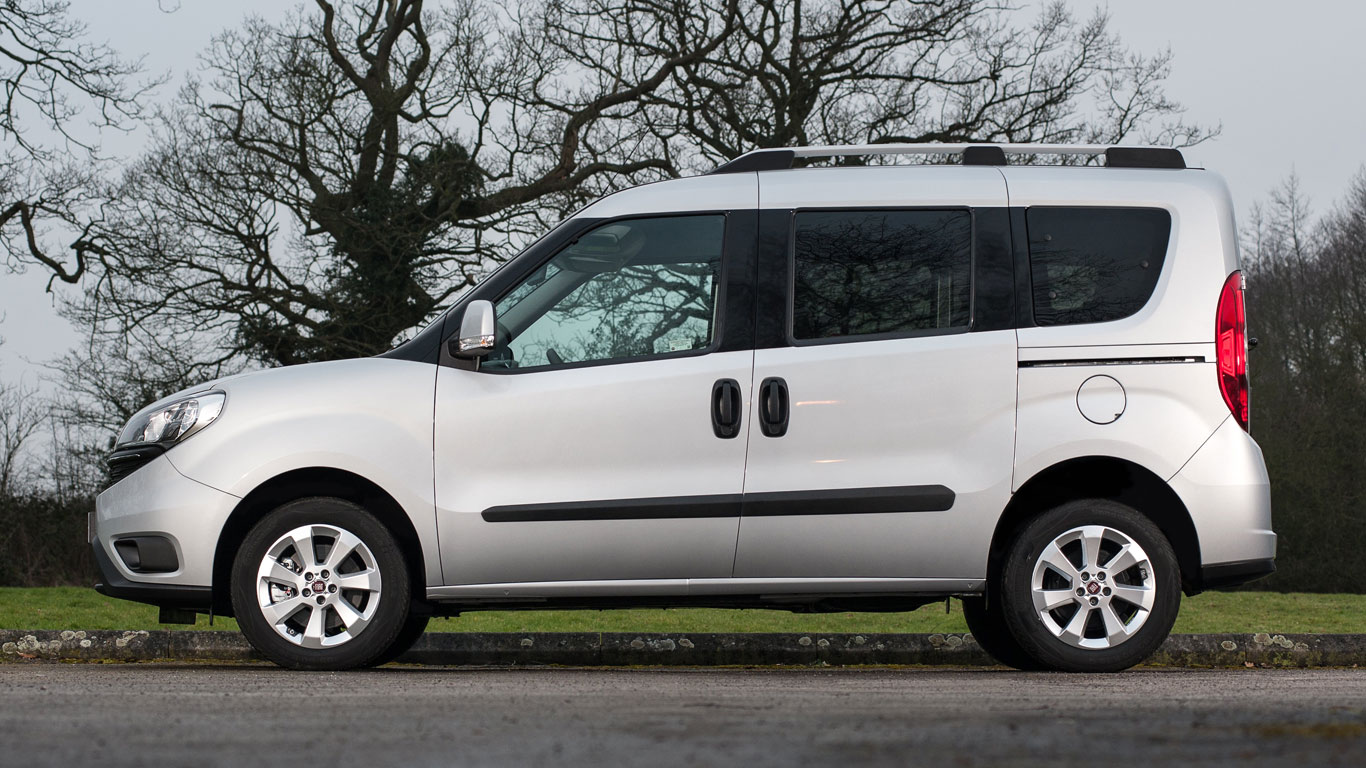
Fiat Doblo 1.4 95

Fiat Doblo 1.4 95

0-62mph: 15.9 seconds

As Italian cars go, a 95hp Fiat Doblo is never going to stir the senses in the same way a Ferrari 488 does. With its 1.4-litre naturally-aspirated petrol engine, it’ll stumble to the heady heights of 62mph in marginally less than 16 seconds.

Hyundai i20 1.1 CRDi Blue

0-62mph: 16.0 seconds

There are many reasons why you’d opt for the Hyundai i20 with a diesel engine. Perhaps you really dislike visiting petrol stations? In reality, you’d be much better off choosing the 1.0-litre petrol turbo.

Toyota Proace Verso

0-62mph: 16.1 seconds

Stick some seats and windows into a van, and you have an upmarket MPV. That’s what Toyota has done to its Proace to make the Verso. What it doesn’t make, however, is one of the fastest cars on the school run.

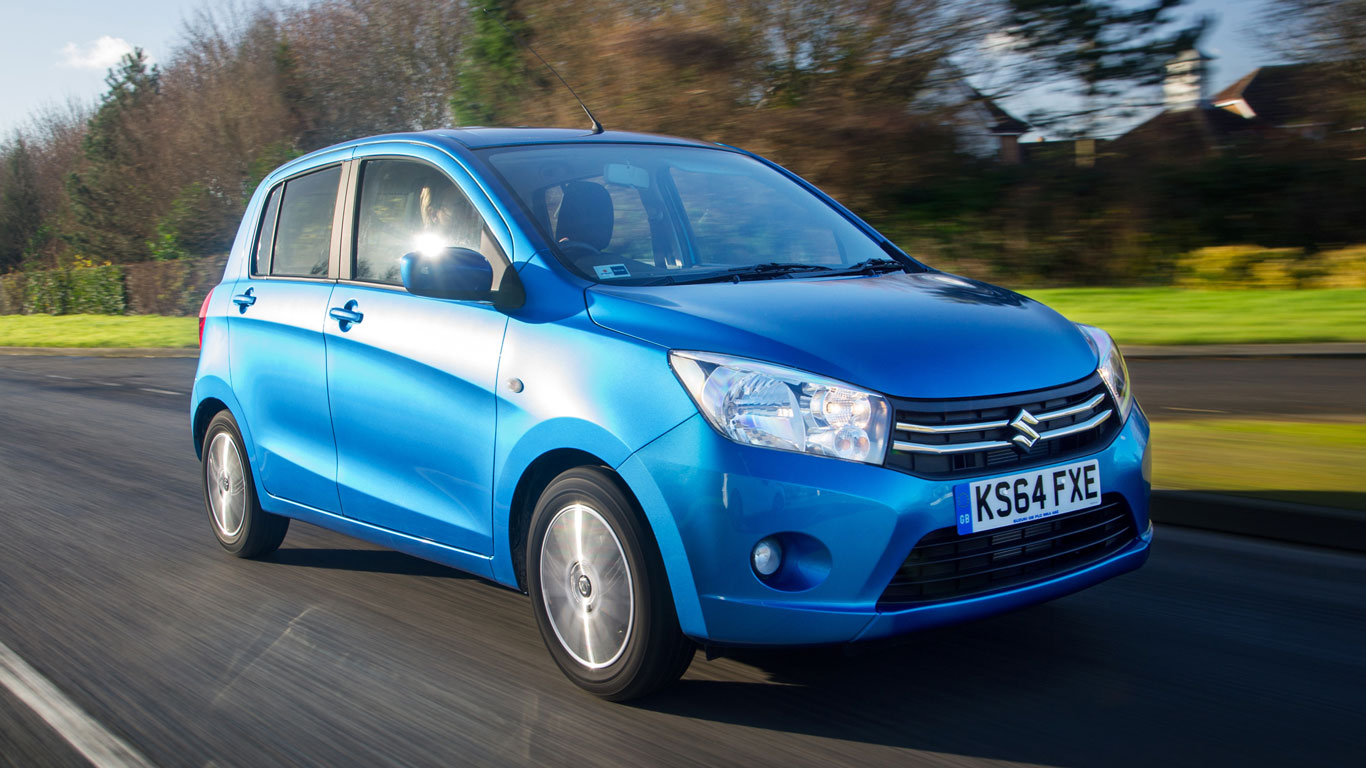
Suzuki Celerio 1.0 SZ4 AGS

Suzuki Celerio 1.0 SZ4 AGS

0-62mph: 16.4 seconds

A Suzuki Celerio isn’t the car to buy if you want to go quick. Especially not when paired with the five-speed auto gear shift (AGS) transmission. Poor on the drag strip, ace for granny popping to the shops.

Nissan Micra 1.0

0-62mph: 16.4 seconds

Nissan’s new entry-level Micra is powered by a 1.0-litre petrol engine producing, wait for it… 71hp. As such, it’ll take 16.4 seconds to reach 62mph. It’ll keep insurance companies happy, though – it’s one of a handful of cars in insurance group one.

Nissan NV200 Combi

0-62mph: 17.0 seconds

Things you can do in 17.0 seconds: have a nap, eat a chocolate bar, accelerate to 62mph in a Nissan NV200 Combi. With just 89hp, the 1.5-litre diesel engine struggles to lug around the seven-seat van-based people carrier.

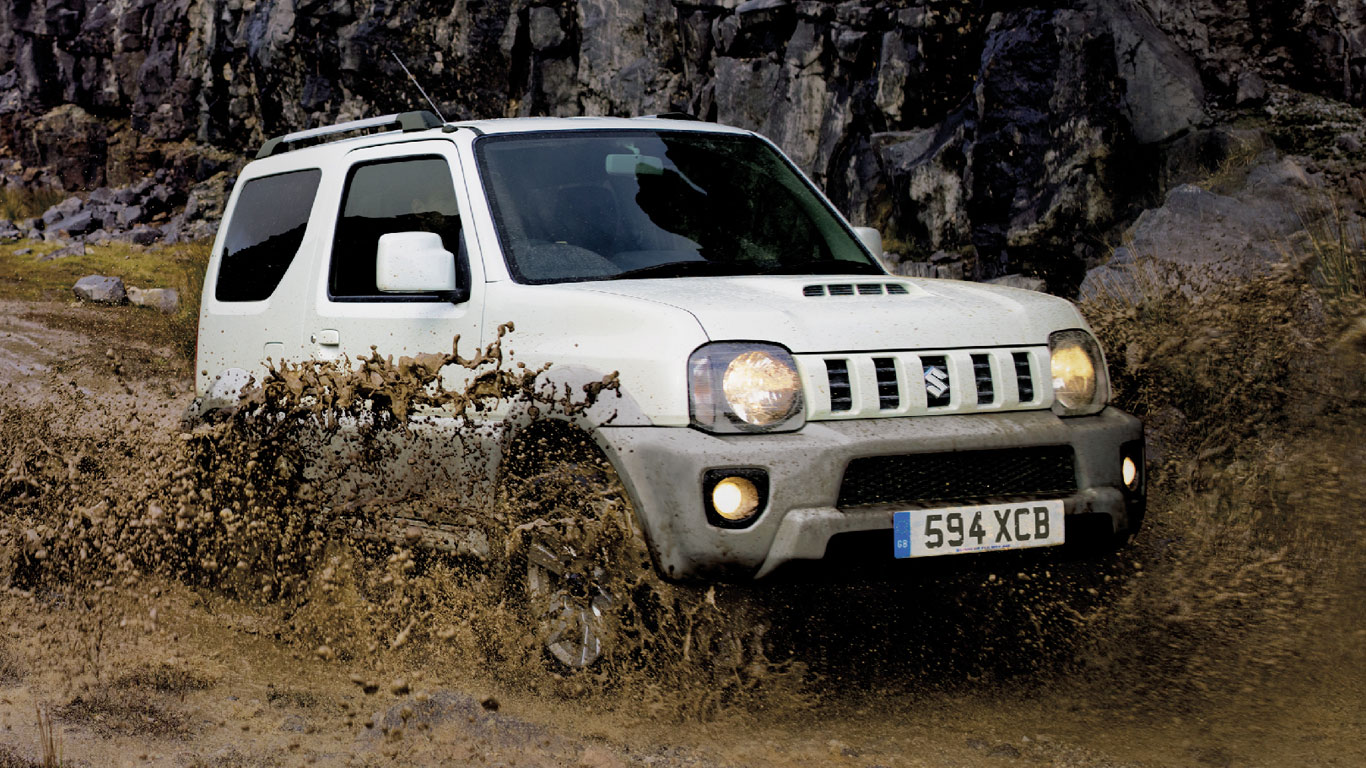
Suzuki Jimny 1.3 SZ4 auto

0-62mph: 17.2 seconds

0-62mph: 17.2 seconds

The Suzuki Jimny is finally due to be replaced in 2018. We love the outgoing model, even if it is showing its age (it hasn’t changed much since 1998). Its 1.3-litre petrol engine is far from thrilling, especially combined with the automatic gearbox. It’ll lumber up to 62mph in 17.2 seconds.

Hyundai i800 2.5 CRDi

0-62mph: 17.6 seconds

The award for the slowest-accelerating passenger car currently on sale in the UK goes to the Hyundai i800 2.5 CRDi. While the eight-seat Hyundai is big enough to raise a family, accelerating faster than a truck is something it struggles with.

Volkswagen California 2.0 TDI Beach

0-62mph: 19.4 seconds

Does a campervan count as one of the slowest accelerating cars money can buy? For its shameful 19.4 second 0-62mph time, we reckon it’s well worth including. The entry-level California is powered by VW’s 2.0-litre turbodiesel engine, producing just 101hp.

Read more:

Advertisement

Inside BMW’s jaw-dropping heritage car collection

0

Inside BMW’s jaw-dropping heritage car collection

Some car companies tuck their classics away in soulless storage facilities. Not BMW. When Munich launches a new car, the ancestors are usually there too, offering a sense of context and – more often than not – tempting dewy-eyed journos away from the modern metal. The recent launch of the F90 M5, which featured every hot 5er from the original E28 onwards, is a case in point.

Video: on location with the BMW classic fleet

BMW UK’s heritage fleet focuses on the sportier end of the spectrum: M cars, Z cars and JCW Minis, plus a handful of blue-chip exotics. Join me for an exclusive tour.

Beauty and the boost

Inside BMW’s jaw-dropping heritage car collection


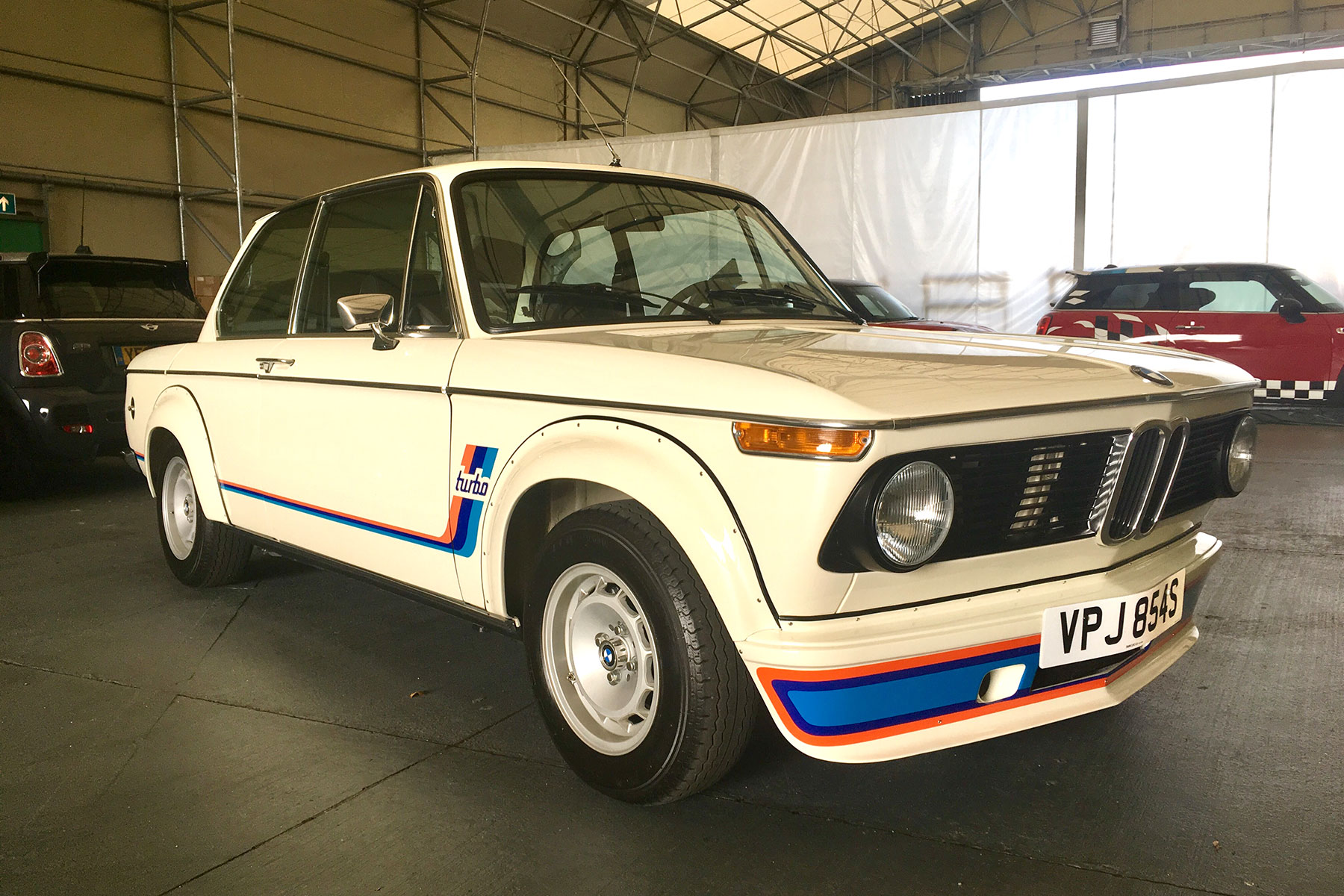
Favourite car in the collection? I’m tempted to say the M1, but that was out on promotional duties at the time of my visit – so I’ll go for the 2002 Turbo. Built between 1973 and 1975, this 170hp upstart was one of the earliest turbocharged road cars. A short wheelbase and an unsubtle wallop of boost at 4,000rpm make for lively handling. Think ‘junior Porsche 930 Turbo’.

Those in the know say the non-turbo 130hp Tii is a sweeter drive, but I don’t care. All-or-nothing lag is part of the Turbo’s appeal. And besides, just look at it. From that elegant shark-nose to the bolted-on arches and BMW M stripes, the boosted 2002 is the epitome of retro-cool. All it needs is the ‘get outta my way’ reverse TURBO lettering on the front spoiler: a controversial factory option when new.

Fast fives

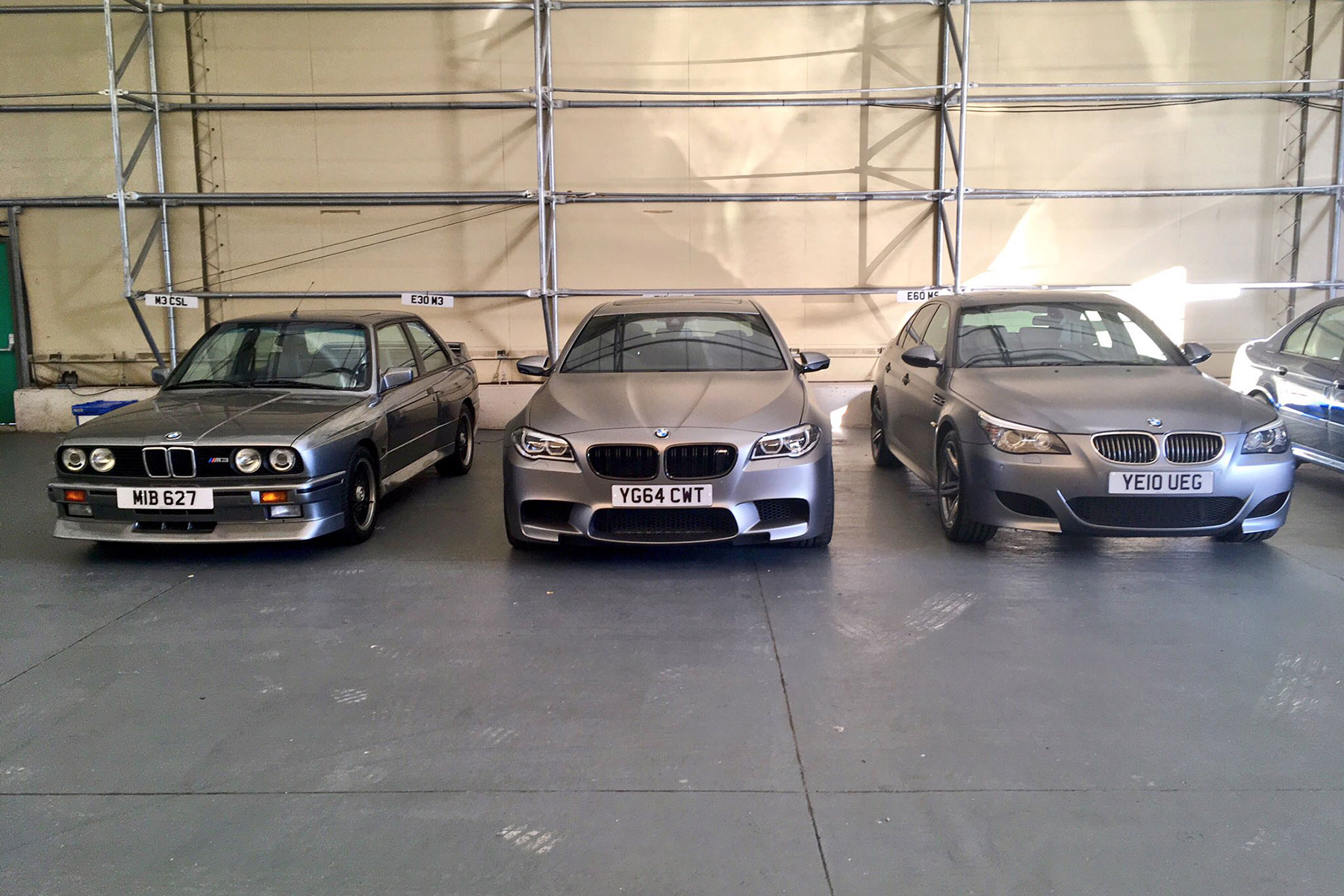
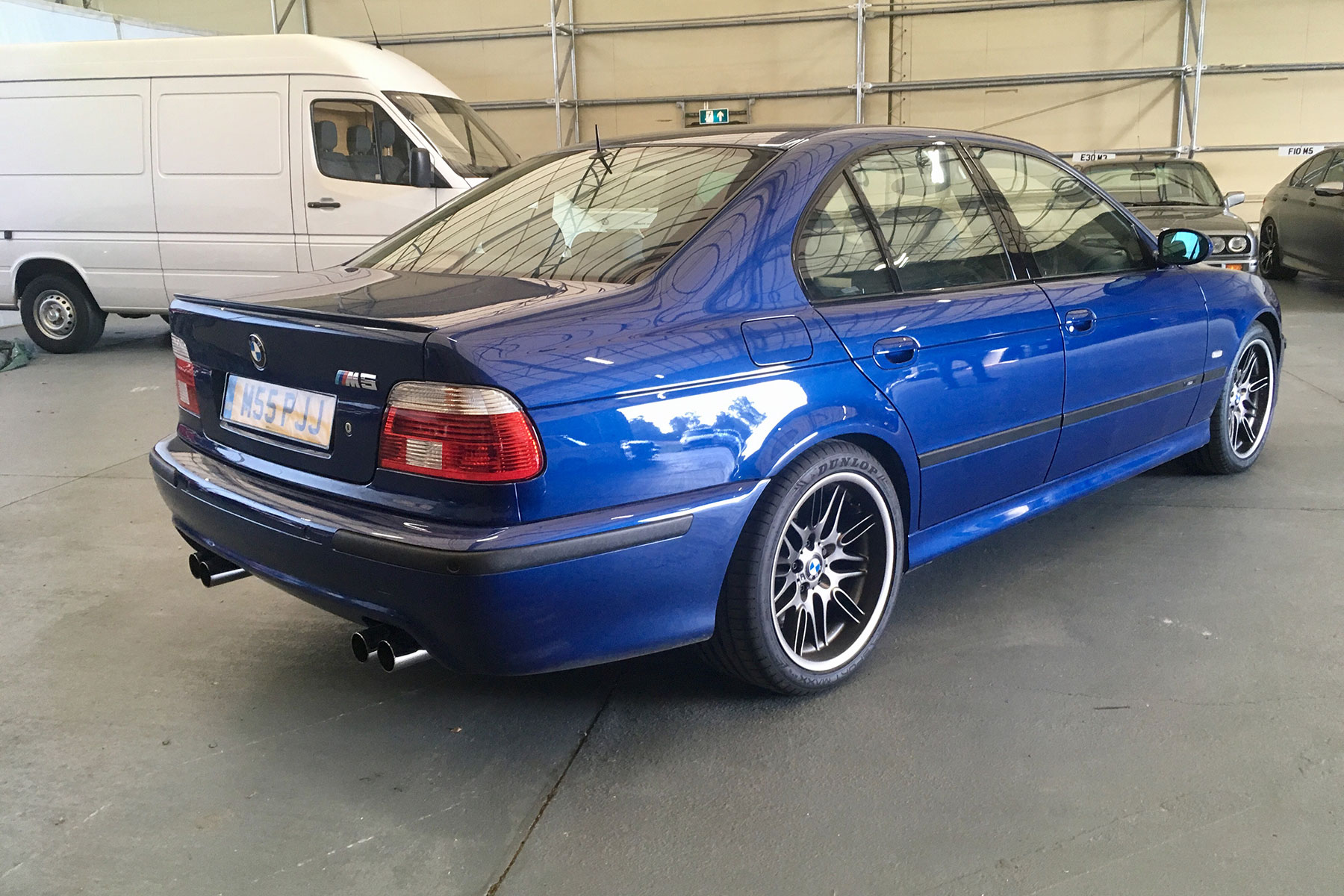
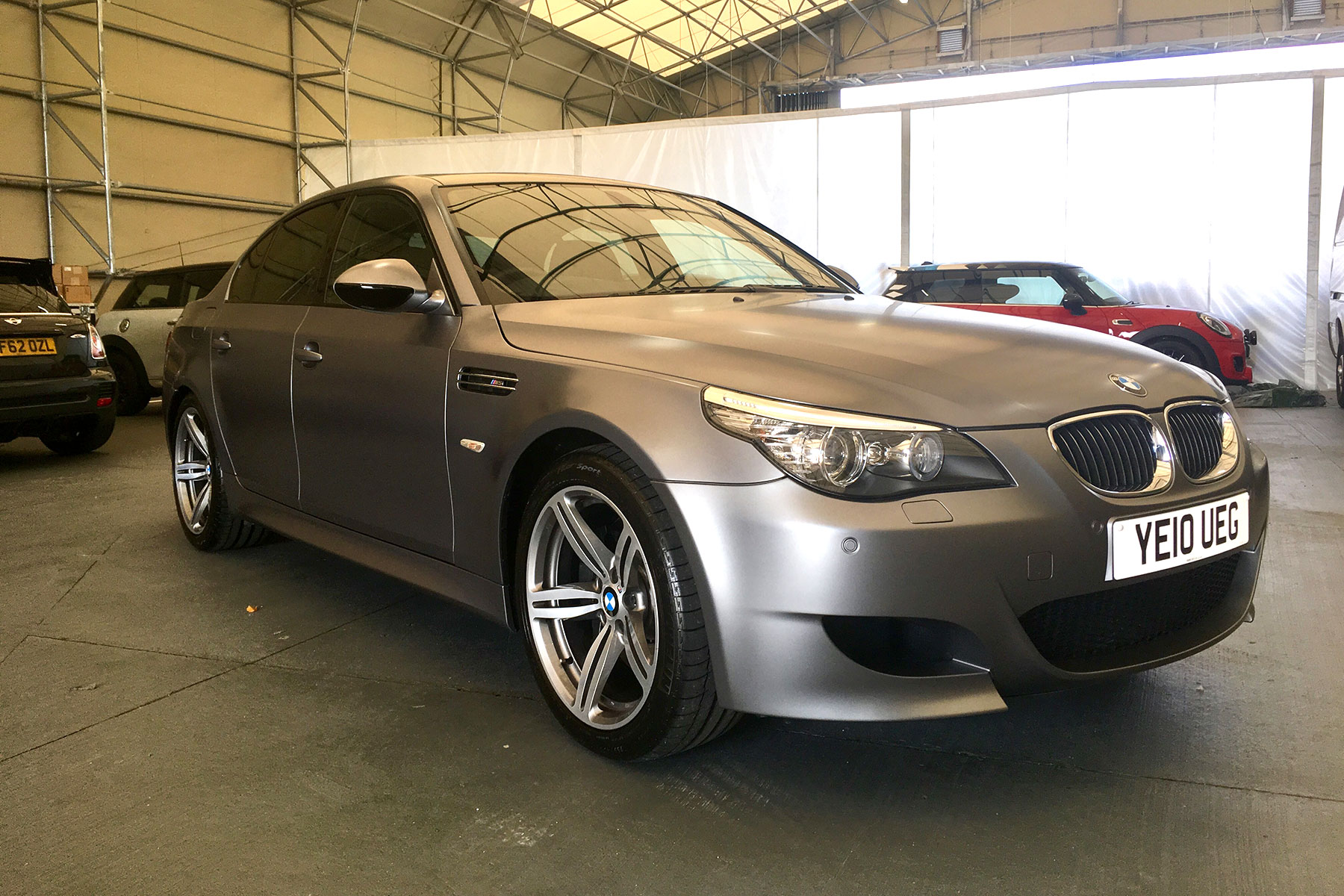
BMW had three generations of M5 on-site when I stopped by: E39 (1998-2003), E60 (2005-2010) and F10 (2011-2016). Coincidentally, that’s my order of preference, too – with the blue E39 my firm favourite. A 400hp V8, stick-shift and rear-wheel drive make it the consummate super saloon, while the sheer solidity of the thing still impresses today.

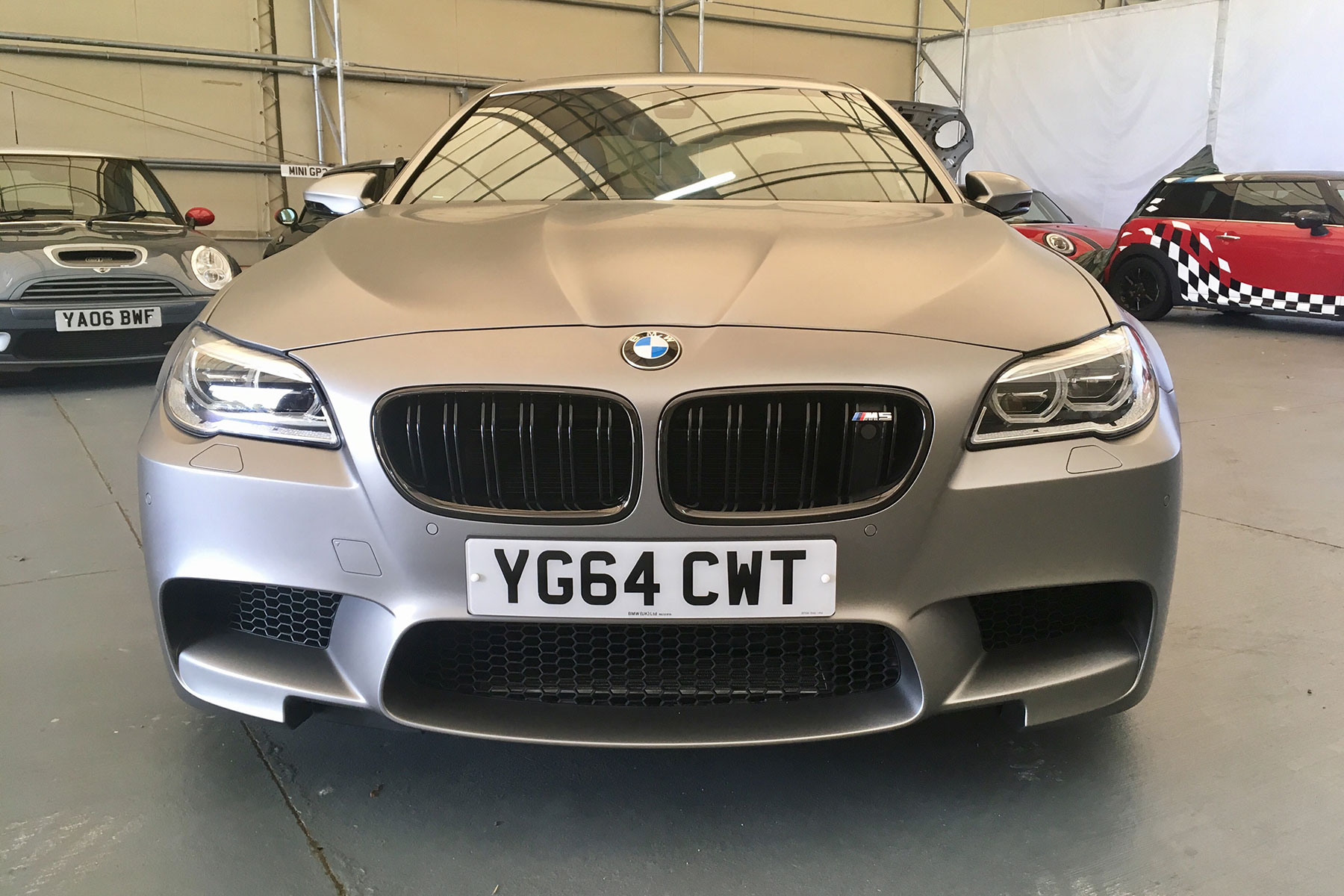
Martin Harrison, curator of the BMW fleet, clearly has a soft-spot for the Bangle-designed E60. “It’s a serious bit of kit,” he says, “that V10 is just epic at high revs”. Even he’ll admit the jerky SMG III automated manual gearbox isn’t BMW’s best, though. That leaves the just-replaced F10, which sounds rorty from its carbon-coated tailpipes, but looks slightly anonymous by comparison. This car is the ‘30 Jahre’ special edition, one of 300 in matt silver to celebrate three decades of the M5.

E-number goodness

Inside BMW’s jaw-dropping heritage car collection


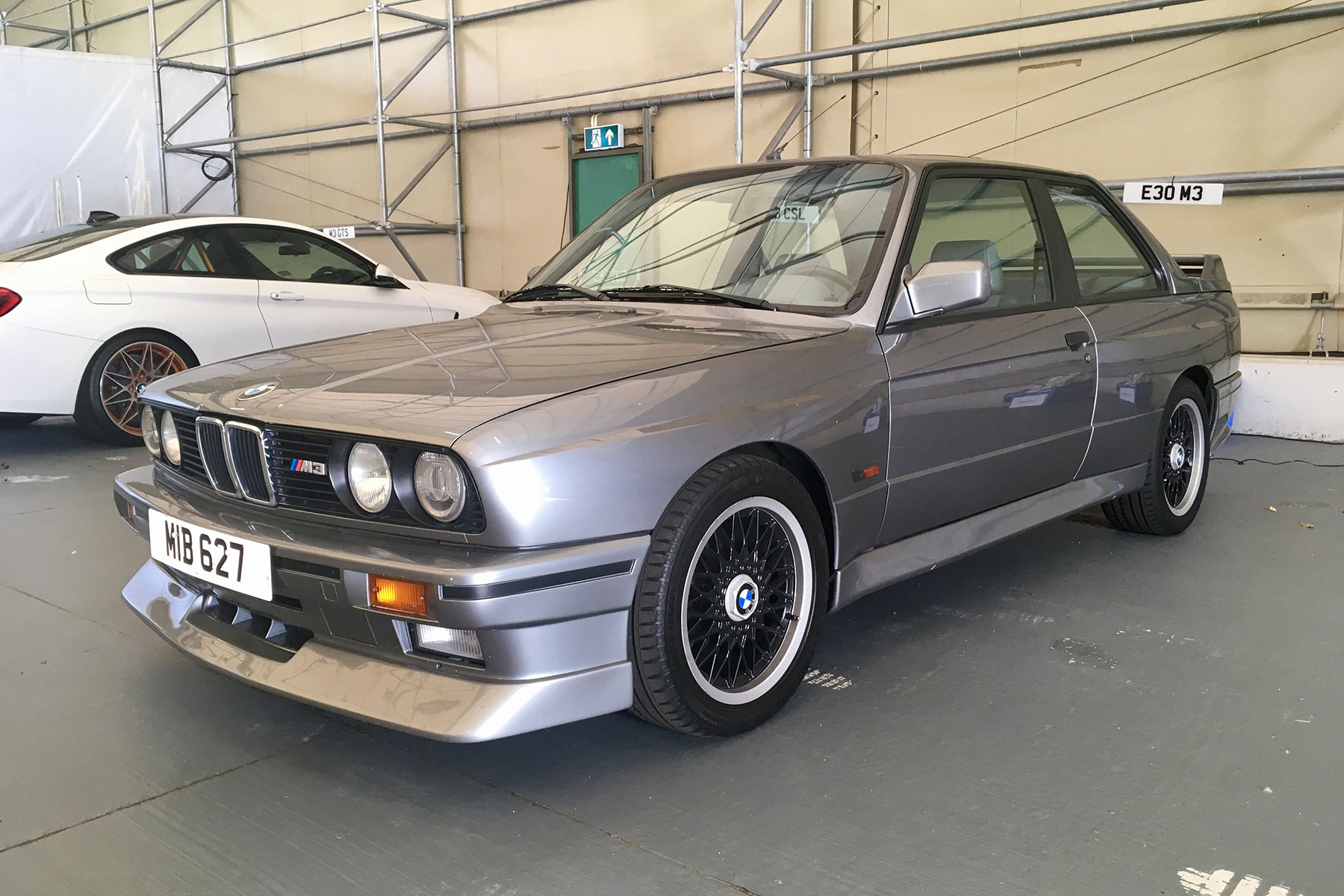
Like many of the cars I used to own (Mk1 VW Golf GTI, Peugeot 205 GTI), the E30 M3 has appreciated beyond all expectations. Even leggy examples are £50k, while a Sport Evolution can be north of £100k. That’s a shame because a) I missed out on a big pot of money and b) many of these investment-grade E30s won’t be driven. And the original M3 is, above all, a driver’s car.

This E30 is one of 505 Roberto Ravaglia editions, named after the driver who won both European and World Touring Car Chanmpionship titles for BMW, and packing a 215hp version of the 2.3-litre S14 engine. A 0-62mph time of 6.7 seconds is tame by today’s standards, but a perfectly balanced chassis provides ample compensation. With a few exceptions (notably the E46 and CSL) subsequent M3s have struggled to recapture the E30’s magic.

Shaken and stirred

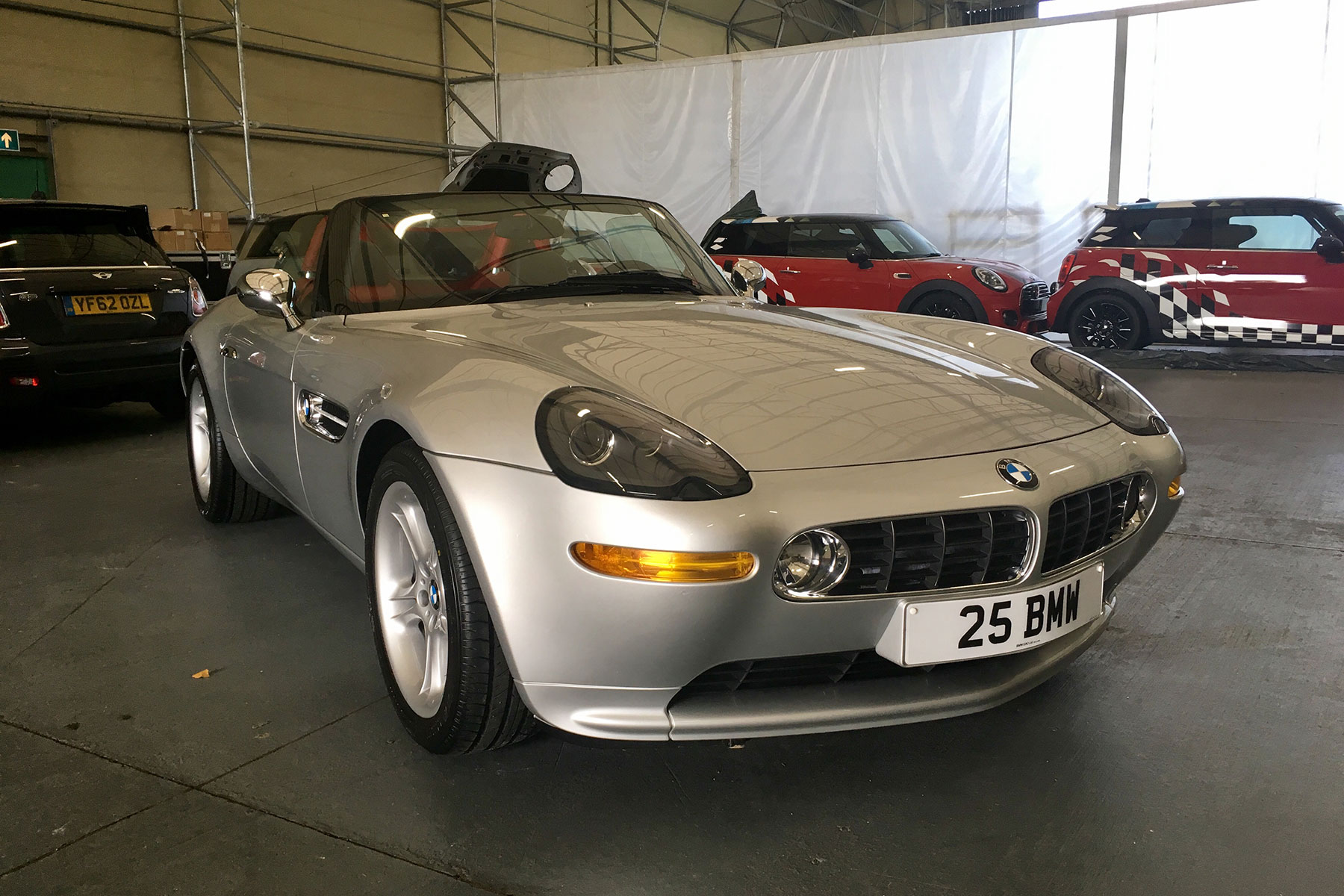
BMW’s association with Bond films started inauspiciously with the Z3 in GoldenEye, then improved a little with a 750iL in Tomorrow Never Dies. Only by the time of The World is not Enough did 007 finally have wheels worthy of his status: the Z8. This retro-styled 400hp V8 sports car, built from 1999 to 2003, wasn’t especially popular when new. However, it has since become a sought-after modern classic.

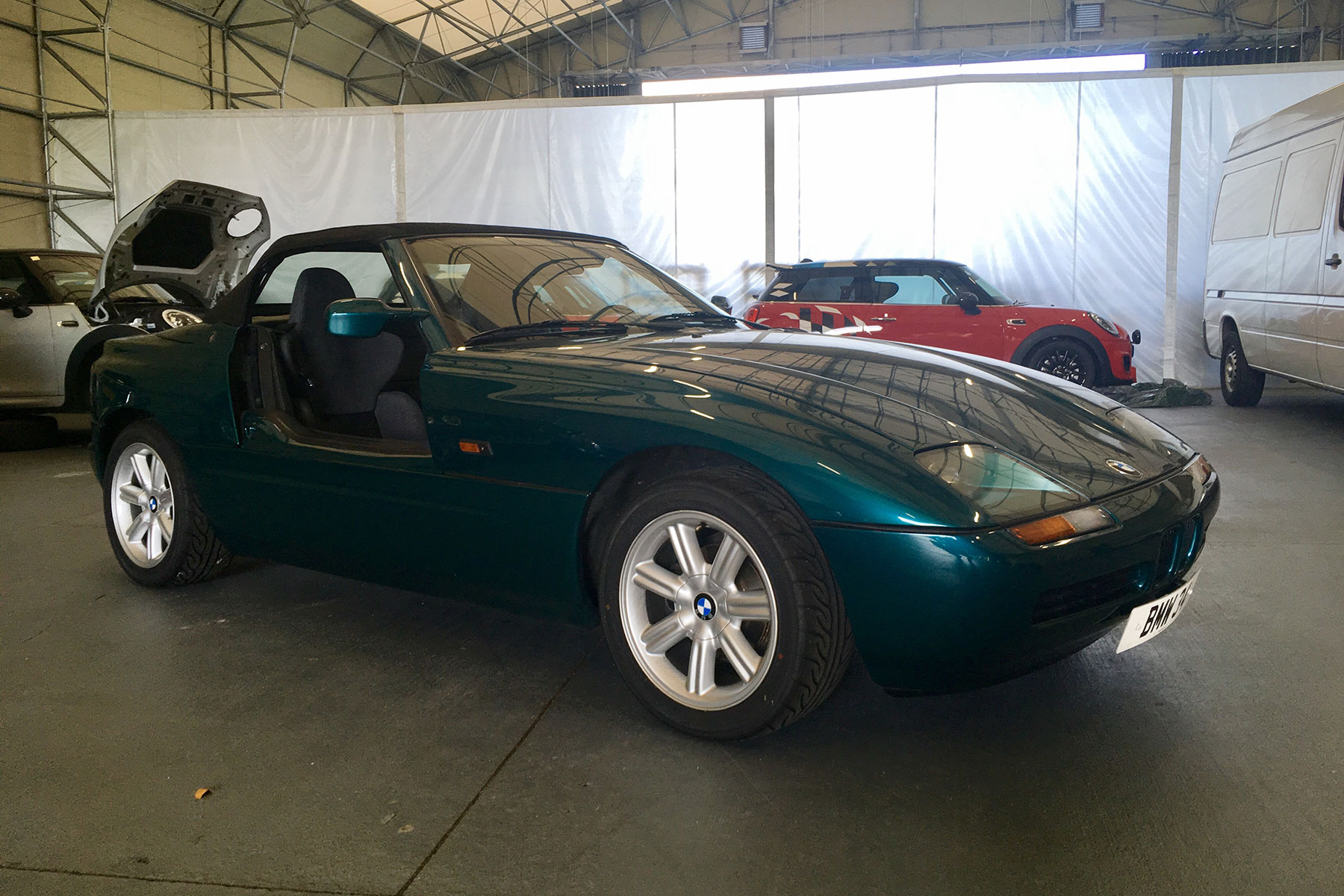
The other roadster in BMW’s collection is humbler, but – to my eyes – more appealing. The plastic-bodied Z1 borrows its 2.5-litre straight-six from the E30 325i, and reaches 62mph in 7.9 seconds. By far its most distinctive feature, though, are its drop-down doors. These disappear into the sills at the touch of a button, allowing you to drive roof-down with the side of the car fully open.

Let’s talk about six

Inside BMW’s jaw-dropping heritage car collection


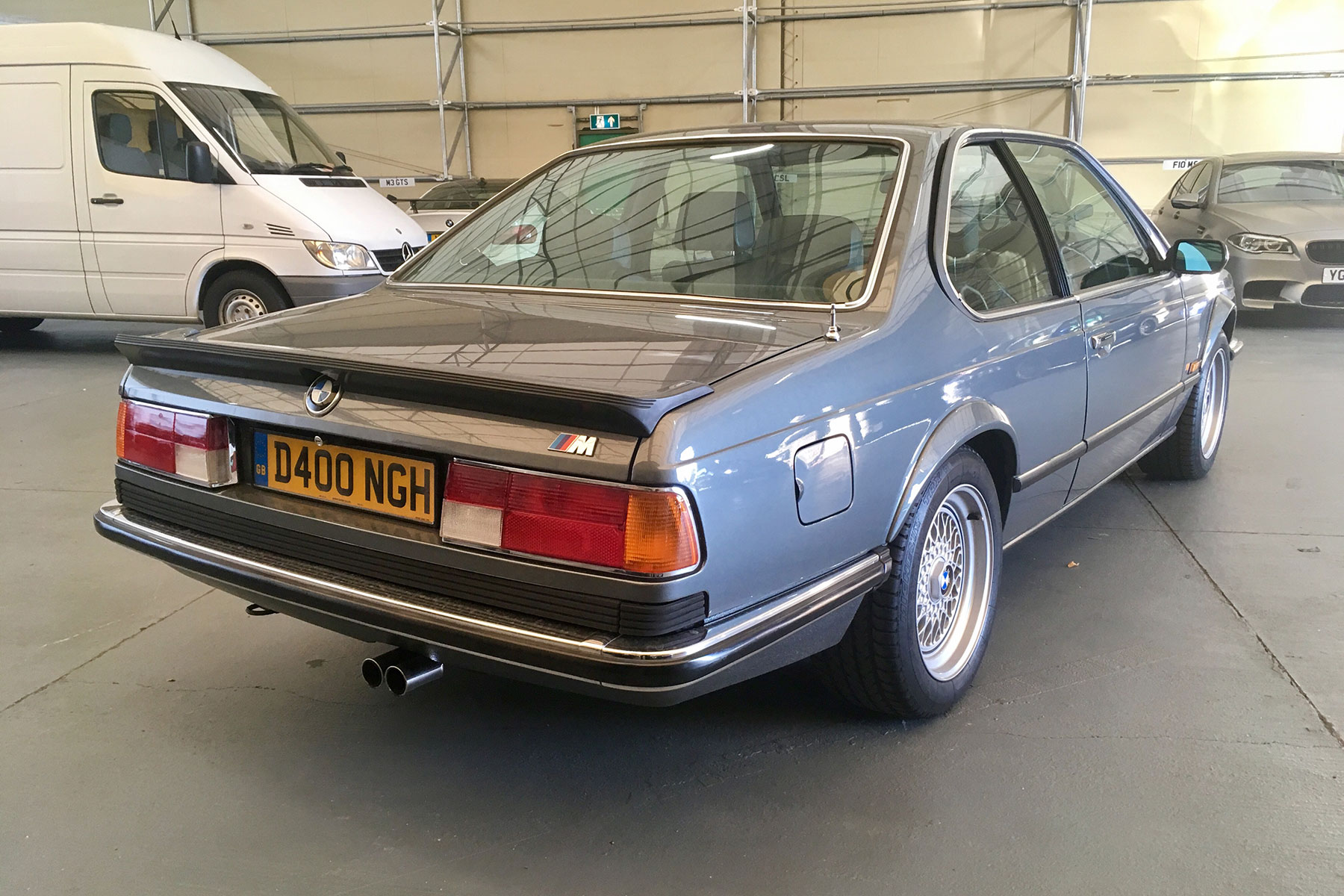
With the same 282hp engine as the M1, the M635 CSi was an M6 in all but name – indeed, it was badged as such in the US and Japan. I drove this car back-to-back with the current M6 last summer and was struck by its syrupy-smooth straight-six and effortless pace. Its ride quality also puts the modern machine to shame.

The M635 CSi hails from that era when German cars were engineered without equal. And, call me a luddite, but its understated, almost-austere cabin is a joy after the glitzy, over-complicated tech-fest that passes for a dashboard in 2017. Prices for this 80s super-coupe are rising fast, and justifiably so.

Works for me

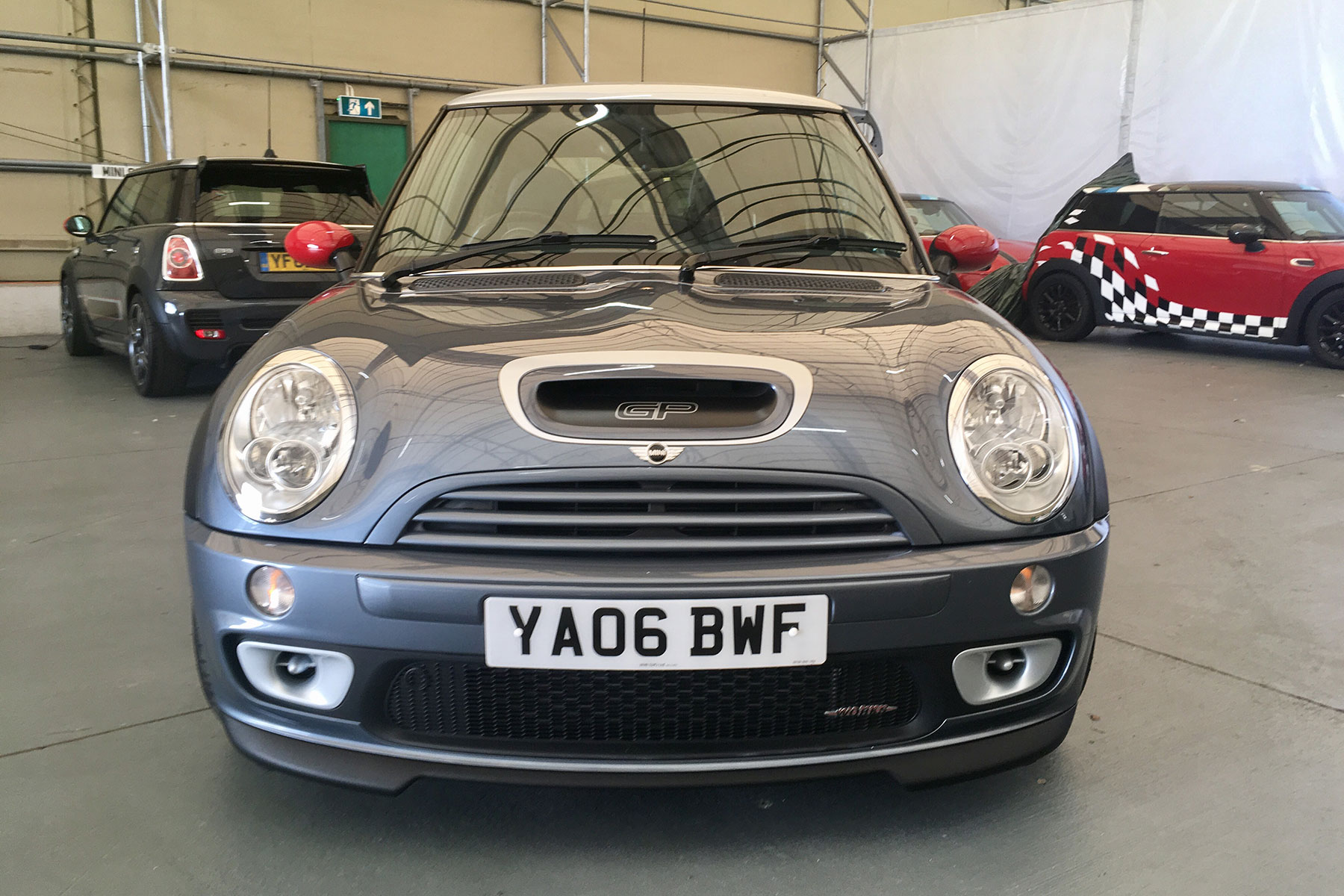
BMW also owns Mini, of course, so Martin’s kept an example of both Works GP hot hatches for the fleet. The original Mini Cooper S with John Cooper Works GP Kit (to bestow its full, tongue-twisting title) was launched in 2006, with a total of 2,000 assembled by Bertone in Italy. It boasted a 218hp turbocharged four, a mechanical limited-slip diff and a strut brace instead of a rear seat. Serious stuff.

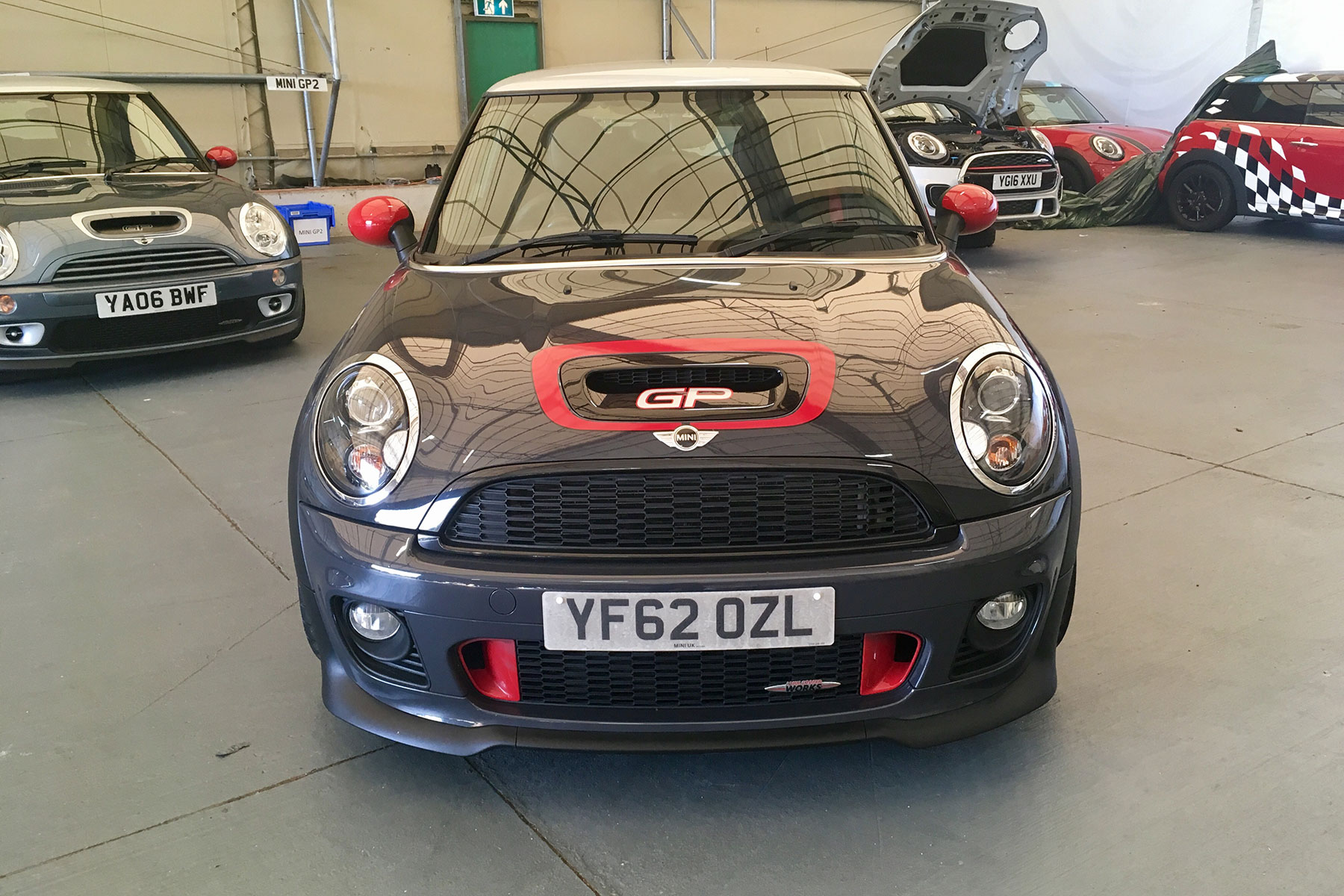
The second Mini GP debuted in 2012, with a stiffer chassis, bigger brakes, adjustable coilover suspension, an electronic diff and a downforce-inducing rear diffuser. The result was akin to a road-legal Mini Challenge car and – again – only 2,000 were made.

Blue-chip BMWs

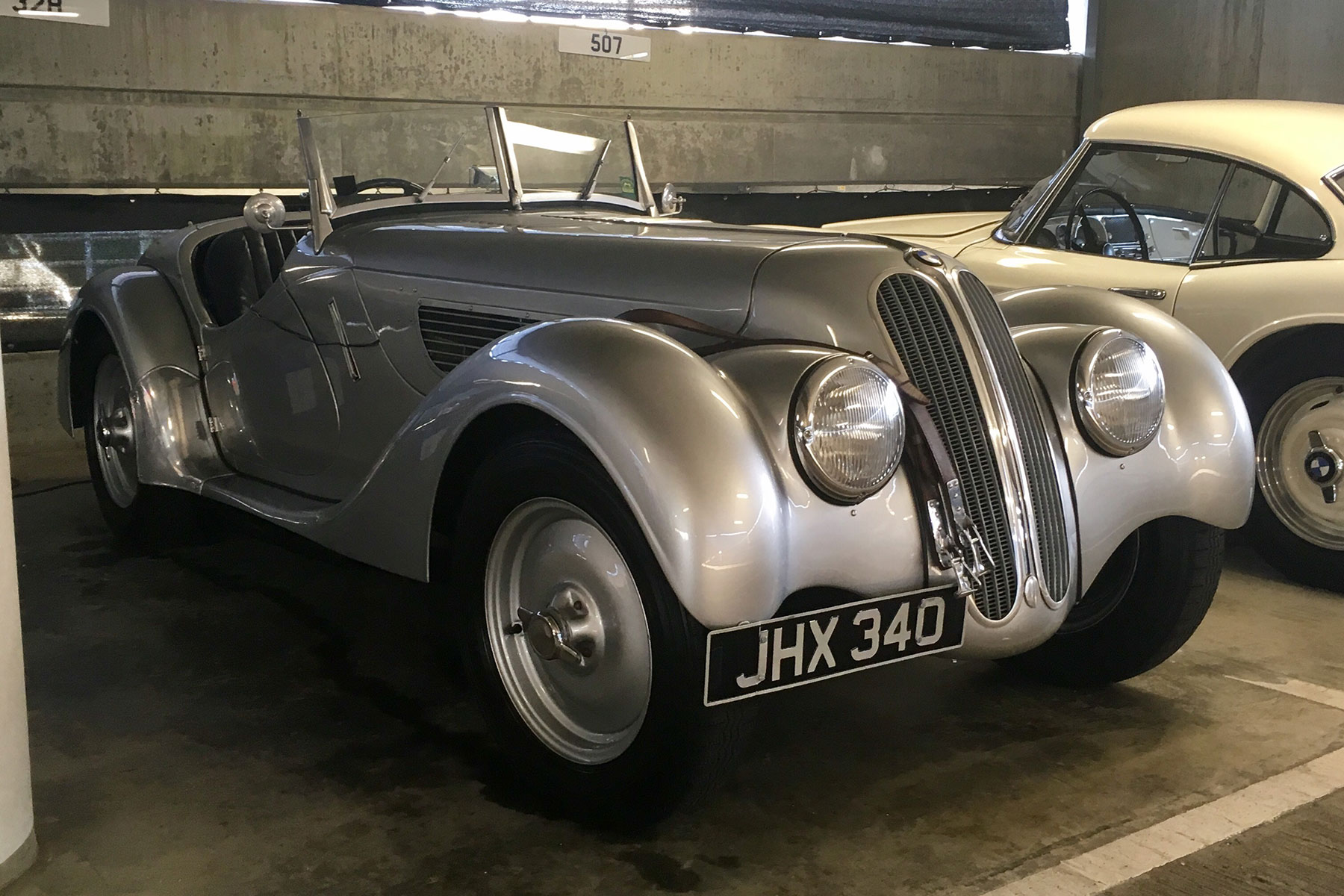
Our tour of BMW’s heritage collection concludes with a visit to a nondescript multi-storey car park. Here, in a locked area screened from public view, are two undisputed stars of the heritage collection. The 328 roadster is exquisitely pretty, yet looks tiny for a car worth at least £750,000. It was launched in 1936, three years before Hitler plunged Germany into World War Two, and won its first ever race at the newly-built Nürburgring.

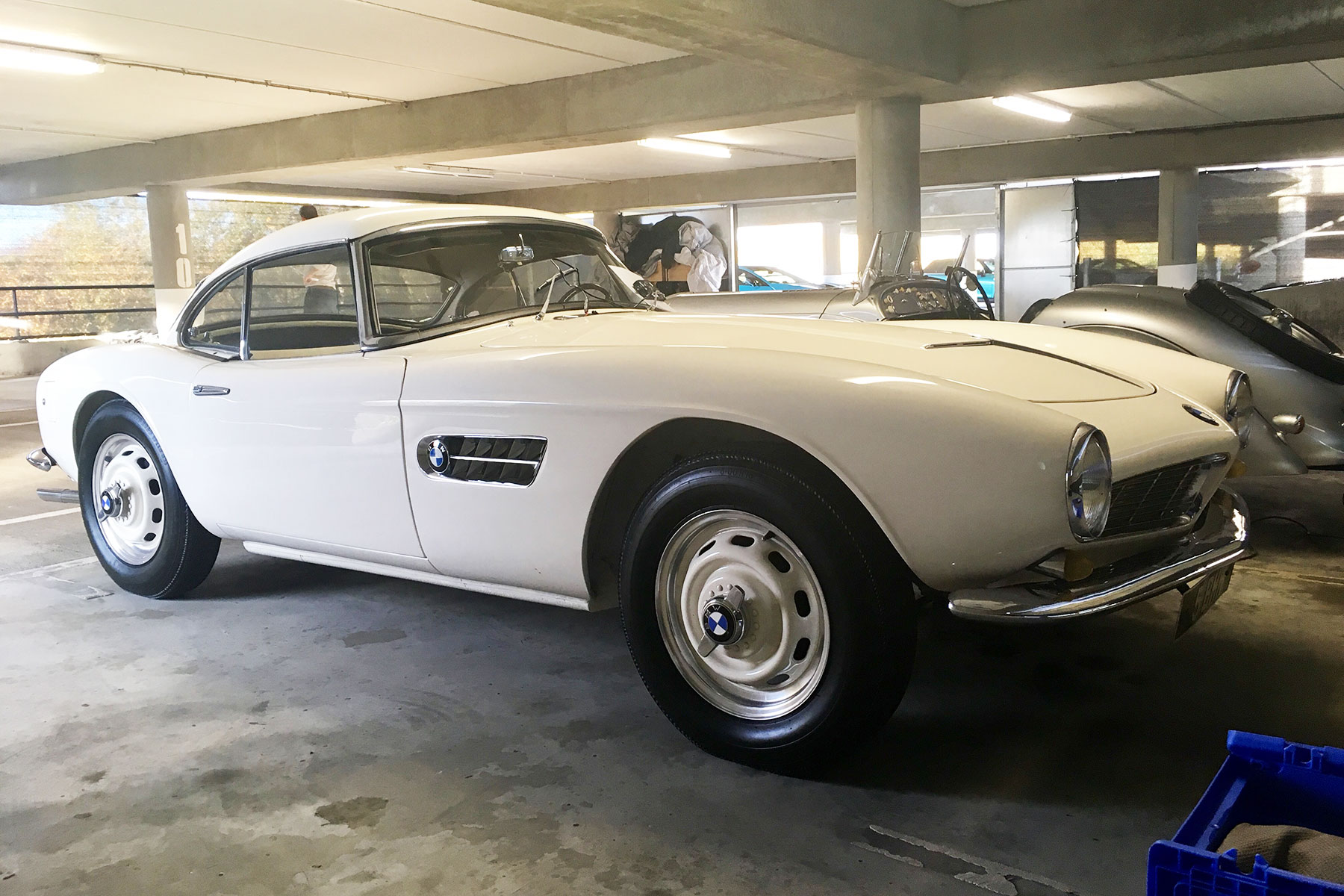
The car parked alongside is worth price as much, however: a cool £1.5 million. The V8-engined 507 is, of course, the inspiration for the Z8 and just 252 were made between 1956 and 1959. Aside from its neat ‘5 BMW’ number plate, this example has the optional hard-top roof. Elvis Presley owned one, famously, and if it’s good enough for The King…

Read more:

Advertisement