Home Blog Page 481

New Tesla Model S Shooting Brake unveiled in London

0

RemetzCar Tesla Model S reveal

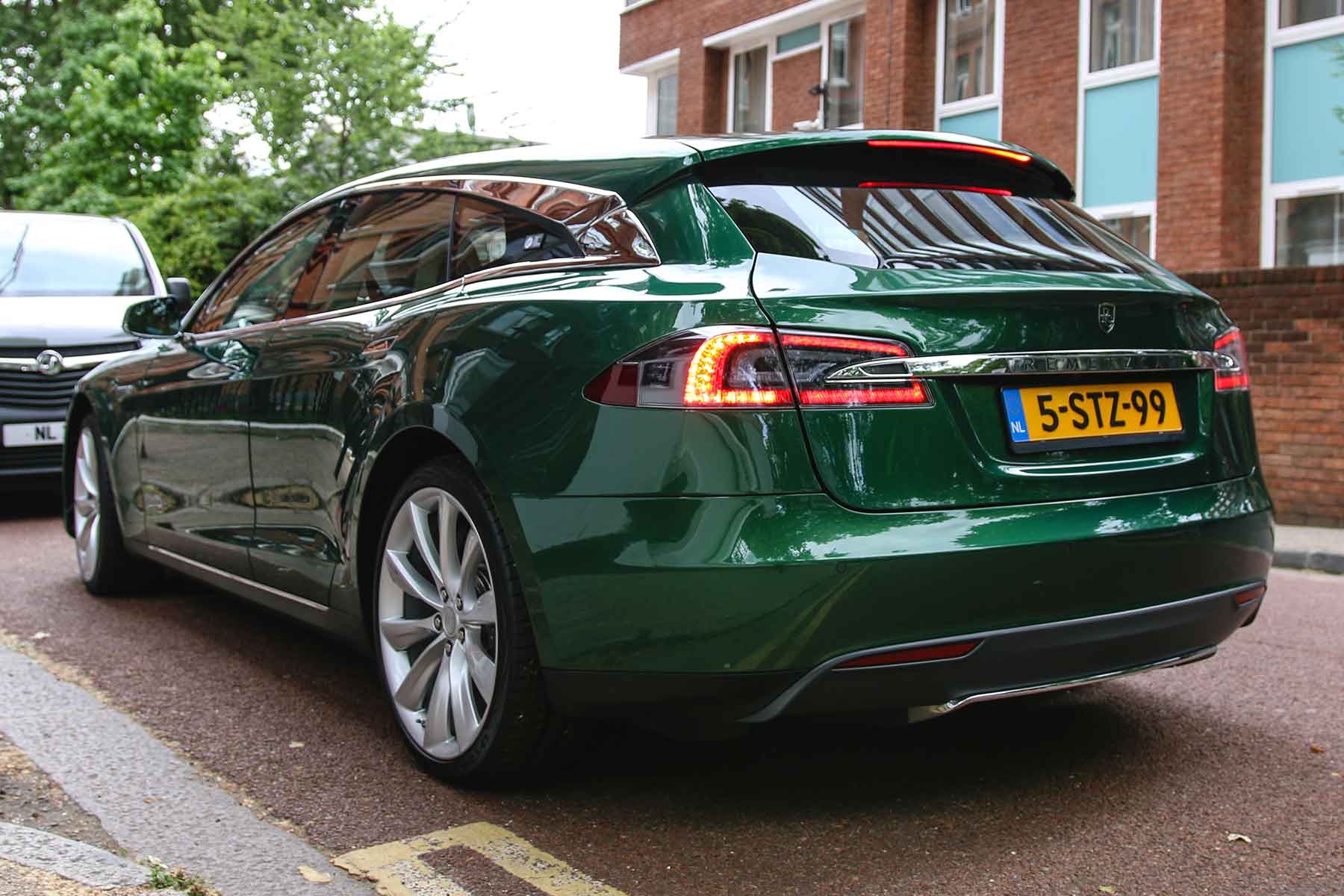
The Tesla Model S estate is a shooting brake for the new millennium. Forget images of the thoroughly British Lynx Eventer, pheasants hanging from the tree and long liquid lunches in the village pub. This Dutch-American effort is more dotcom than Dog & Duck.

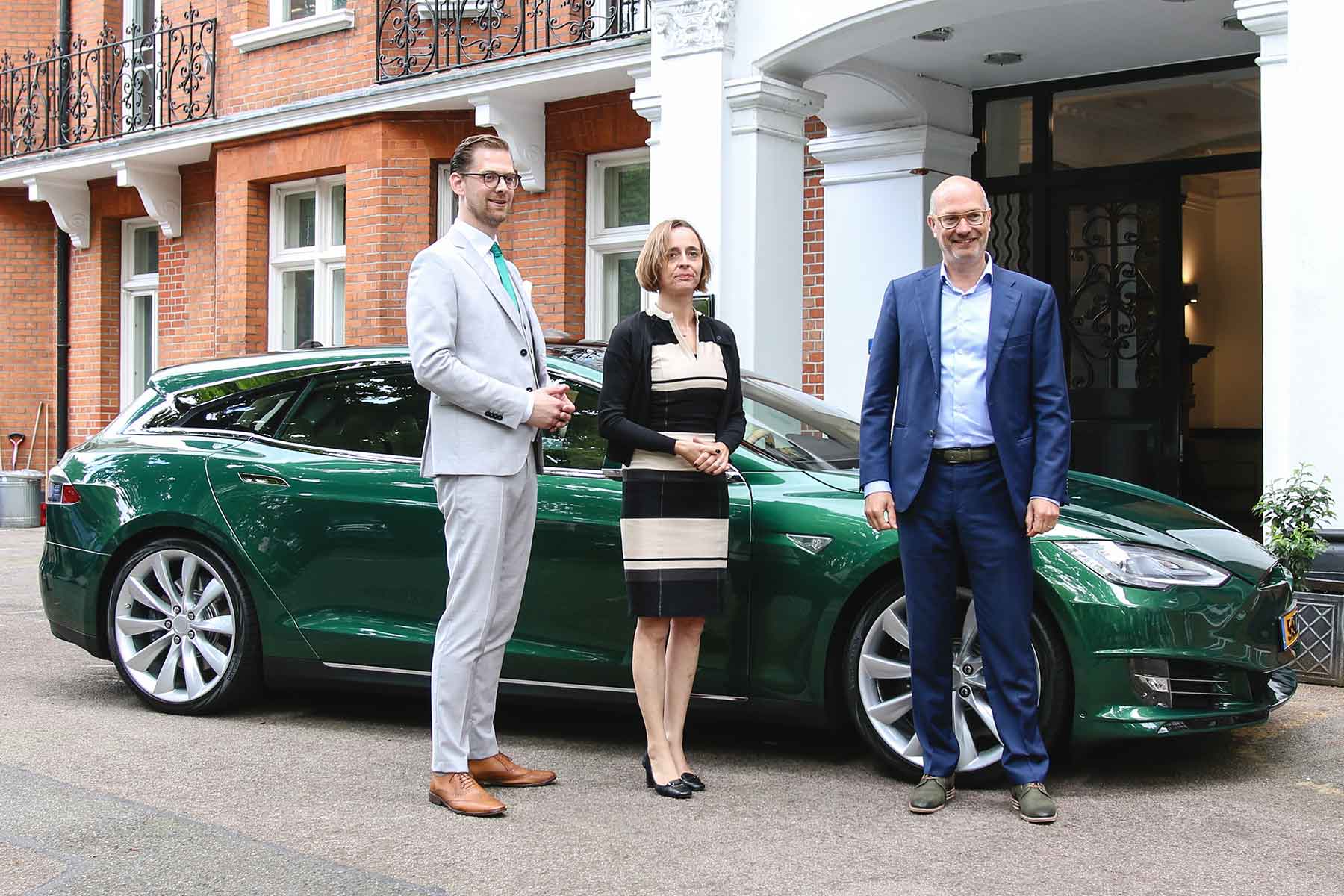
It’s the work of Schiphol coachbuilders RemetzCar, under the watchful eye of London-based designer Niels van Roij. A total of 20 electric shooting brakes will be built, and the first one is taking a tour of Europe ahead of its official debut at the International Concours d’Elegance Paleis Het Loo at the end of the month. Today, it made its UK debut at the Dutch Embassy in London.

Video: Tesla Model S Shooting Brake

We’ll gloss over the fact that the Model S has too many doors to be classed as a real shooting brake – manufacturers have been blurring the lines for many years now – and instead, marvel at what could pass for a Tesla factory build. The Model X might have fancy gullwing doors, but it can’t match the Dutch creation for style, grace and charm.

The team at Niels van Roij Design penned the Model SB at the firm’s base in Woolwich, before briefing hearse and limousine experts RemetzCar. The Dutch coachbuilding company has over two decades experience in the field, with a CV featuring the likes of a Bentley Flying Spur station wagon, a six-wheeled stretched Range Rover Sport and a Rolls-Royce Phantom pick-up.

It’s not the first Tesla Model S shooting brake – Norfolk-based Qwest unveiled its SportsWagon earlier this year, before showing it at the London Motor Show – but car collector Floris de Raadt turned to his Dutch compatriot when he required a little more practicality from his electric hatch.
RemetzCar Tesla Model S at Dutch Embassy

“We’ve invested a lot of time in the design process of our Shooting Brake,” said Niels van Roij. “We started with writing the design strategy, after which the design research was initiated, then sketching began.

“The aesthetics of this conversion have been developed thoroughly by producing three design propositions, within which 16 different design themes were generated. Our research focused on benchmarking high-end performance station cars, one-off vehicles and market trends.”

RemetzCar began the process by translating the design sketches, leaving the core structure and the crumple zones intact. To achieve a seamless transition from hatchback to an estate, the coachbuilders developed a bespoke tailgate featuring a rear spoiler with a brake light and a concealed rear wiper.
RemetzCar Tesla Model S in London

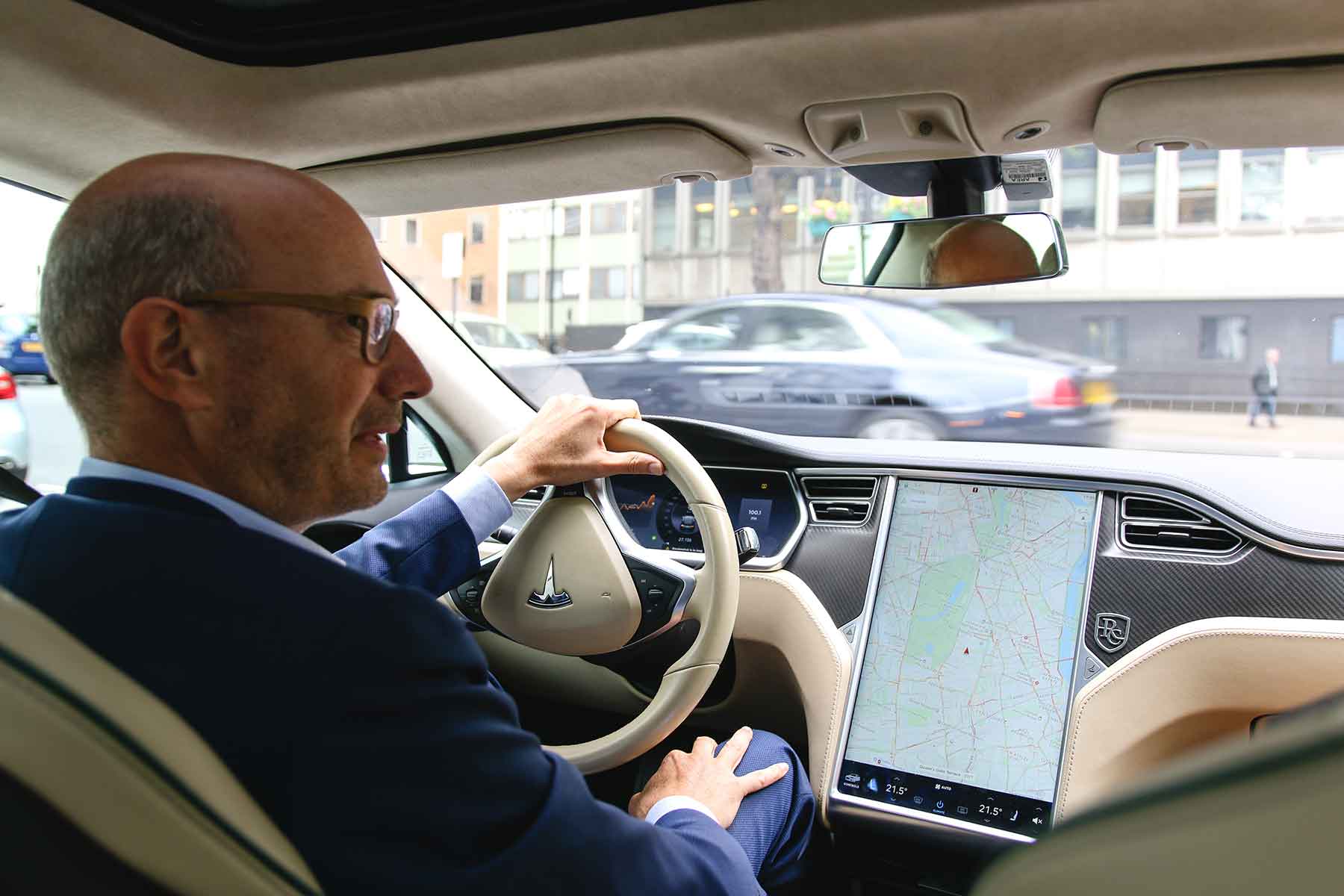
Finishing touches are provided by a chrome strip running from the A-pillar, along the roofline and around the panoramic roof, with a body finished in green metallic paint with a twist of gold. Inside, the exterior colour is complemented by a cream, green and black cabin. Overall, it takes five months to complete the conversion. Is Mr de Raadt pleased with the result?

“The idea was to translate my Tesla Model S into a dynamic and sporty yet elegant Shooting Brake, rather than creating a car with maximum luggage space,” said de Raadt. “Niels van Roij Design developed several options for the conversion, focusing on premium design combined with limited conversion costs: thus making coachbuilding available for a larger group of connoisseurs.

“Our favourite was the option called ‘Bold Chrome’, featuring remarkable high gloss chrome window trims emphasising the bold, dynamic lines of the car. The result is truly stunning.”
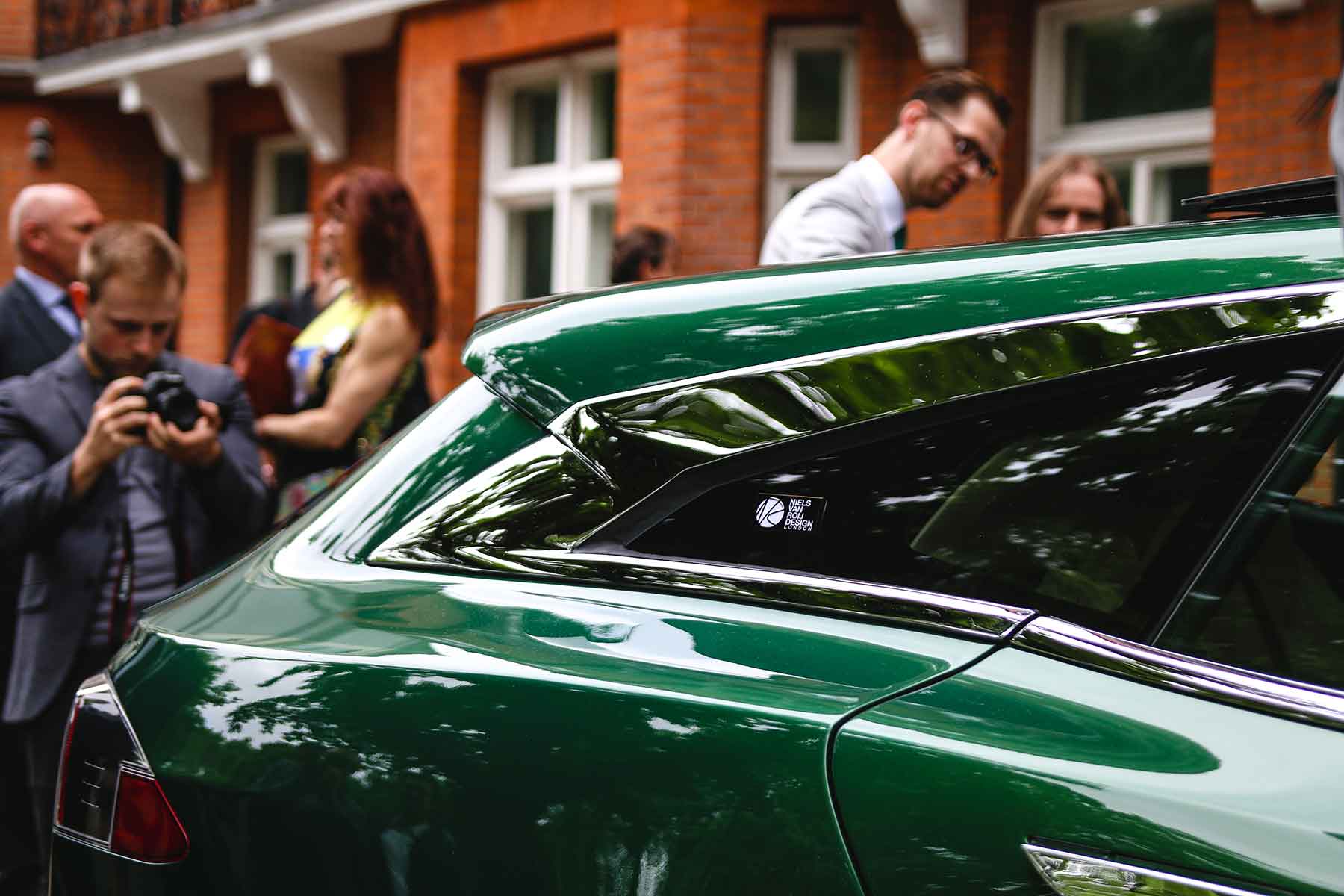
RemetzCar Model S Shooting Brake chrome

At the launch, it was revealed that it costs around £80,000 plus local taxes to convert the Model S, which is in addition to the cost of the base car. Tesla Model S prices start at around £65,000 for the 75D, rising to around £123,000 for the P100D. Not cheap, then, but with a further 19 planned, exclusivity is guaranteed.

Read more:

Advertisement

Porsche launches new smartphone app to help charge EVs

0

Porsche Charging Services App

Following the announcement that Porsche’s first all-electric car will be called the Taycan comes news of the Porsche Charging Service app.

Intended for use with plug-in hybrid or full electric cars, the app aims to simplify the process of finding a charger to top-up your battery.

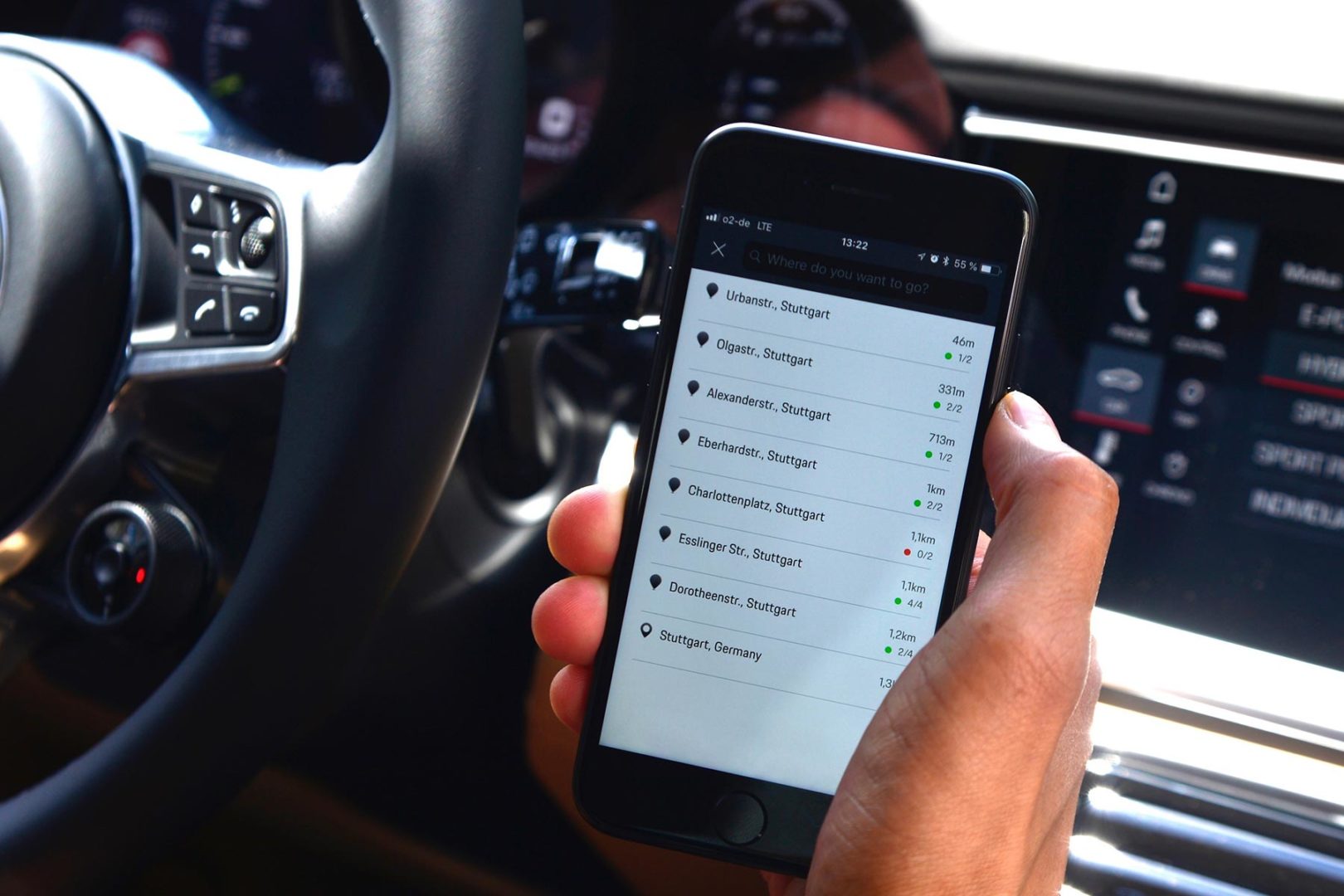
The Charging Service app will first search out the nearest charging point to the current location of the driver. It then makes use of the car’s navigation system to guide the driver to the available charger. The app will also provide information about the cost of each charging point, helping drivers decide which is the most suitable

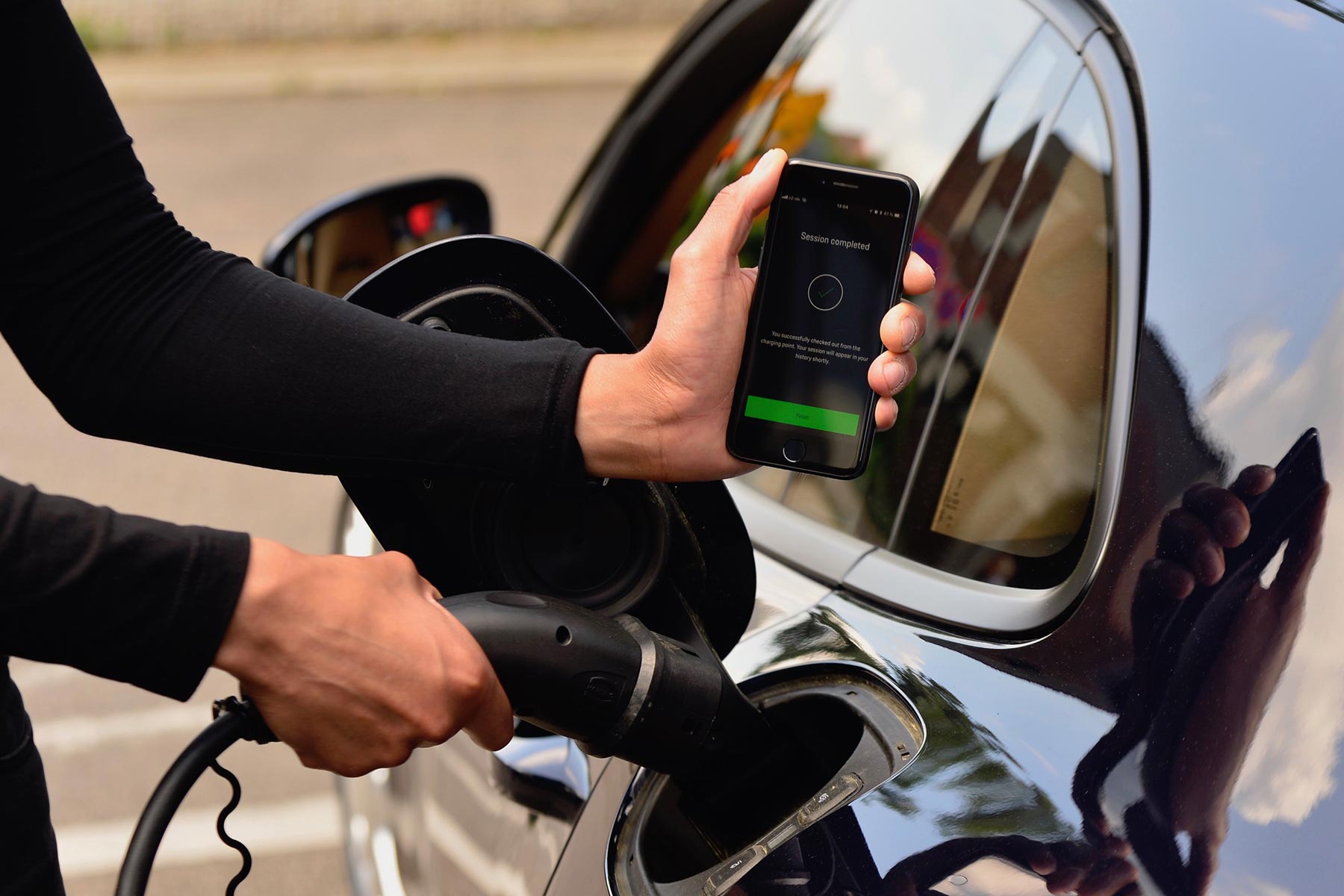
Once at the charger, the app will also handle all aspects of payment itself. This is done by scanning a QR code on the charger, or by using a ‘Porsche ID Card’ which issued for free to registered users.

By registering payment details with the Charging Services app, the cost for using the selected charging point can be handled by it. Porsche claims this will be of real value when travelling through different countries, avoiding the need to worry about creating new accounts for specific locations or currencies.

Available free to users of both Apple iOS and Android smartphones, currently the app covers users in Germany, Austria, Switzerland, Denmark, the Netherlands, Belgium and Finland. Porsche promises that the app will be expanded to include other countries throughout the course of 2018.

Porsche admits the app can be used by those who own other brands of electric or plug-in hybrid vehicles. So even if you’re not a Porsche owner, you can at least charge your car as if you are one.

Advertisement

What the new WLTP car fuel economy test means for you

0

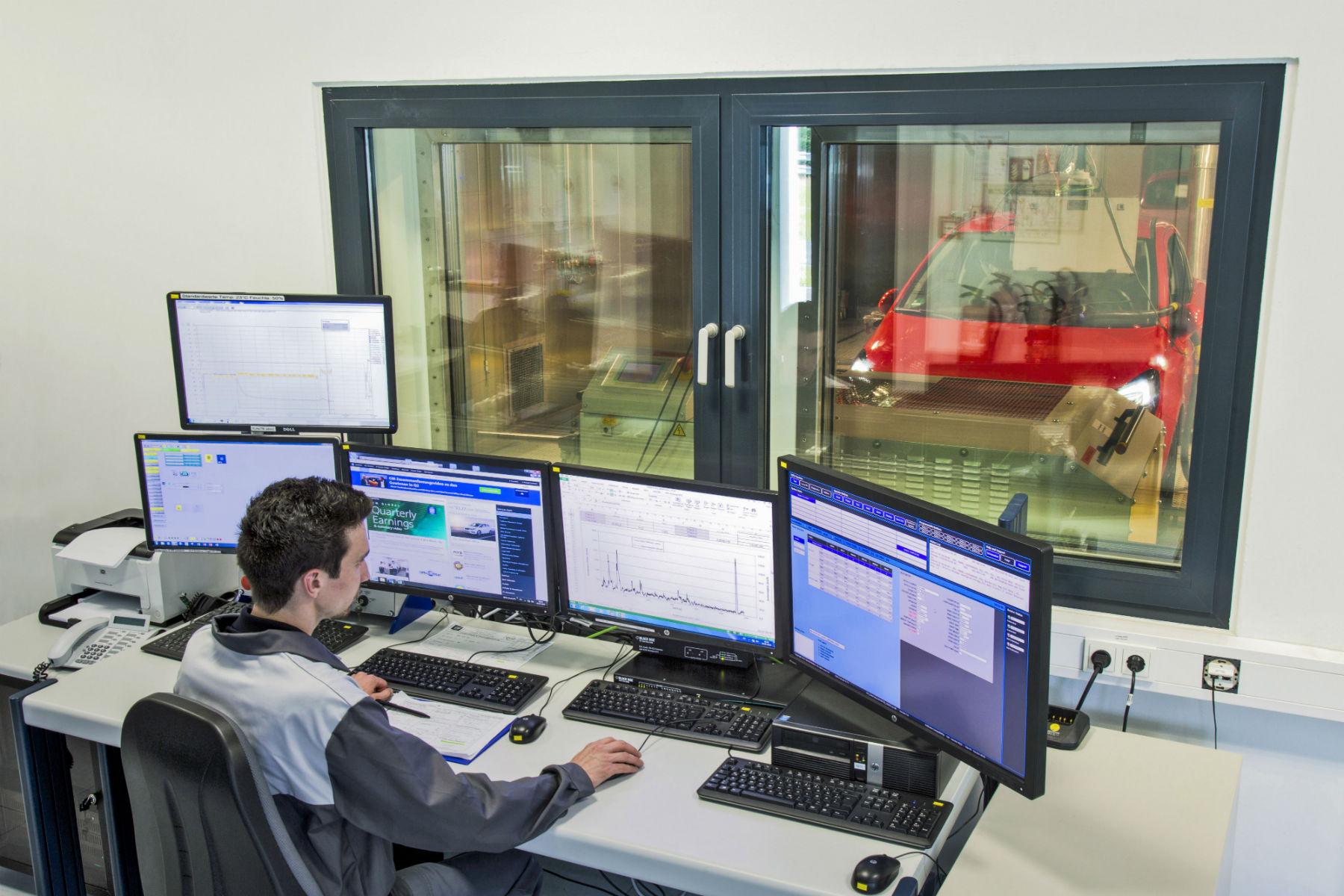
Vauxhall/Opel WLTP testing

We all know the fuel economy test isn’t realistic. You’ll be lucky to manage within 10mpg of the ‘official’ figure in a typical family car, while results for plug-in hybrids are hugely wide of the mark.

However, the test is changing – and soon. From 1 September 2018, all new cars sold must be homologated under new, more stringent WLTP rules. And what amounts to a huge headache for car companies should be good news for customers.

To find out more, we attended a ‘Tech Day’ at Vauxhall and Opel’s test centre in Rüsselsheim, Germany, and spoke to one of the company’s leading experts on WLTP. So, without further ado…

Best of the tests: WLTP vs. NEDC

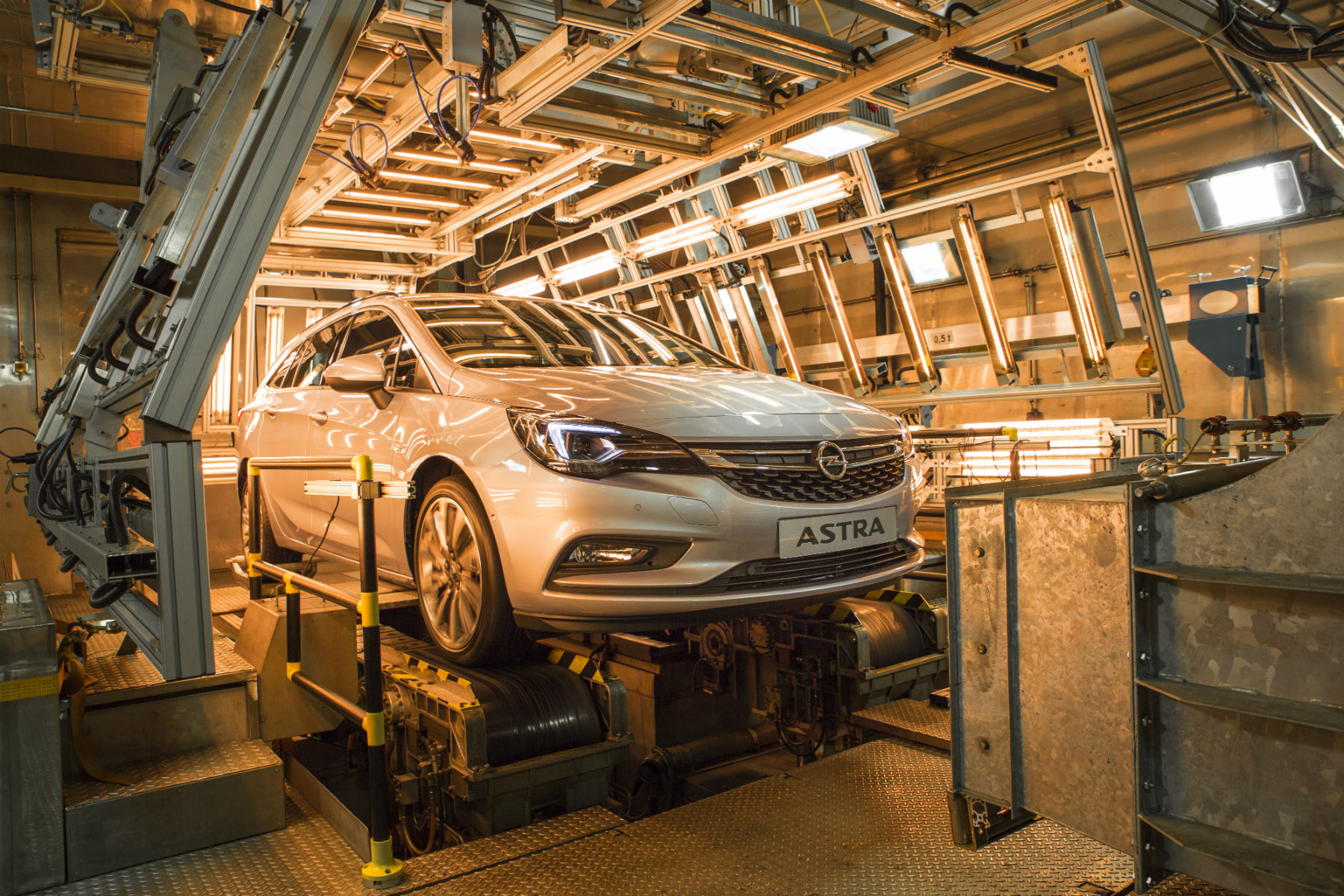
Vauxhall/Opel WLTP testing

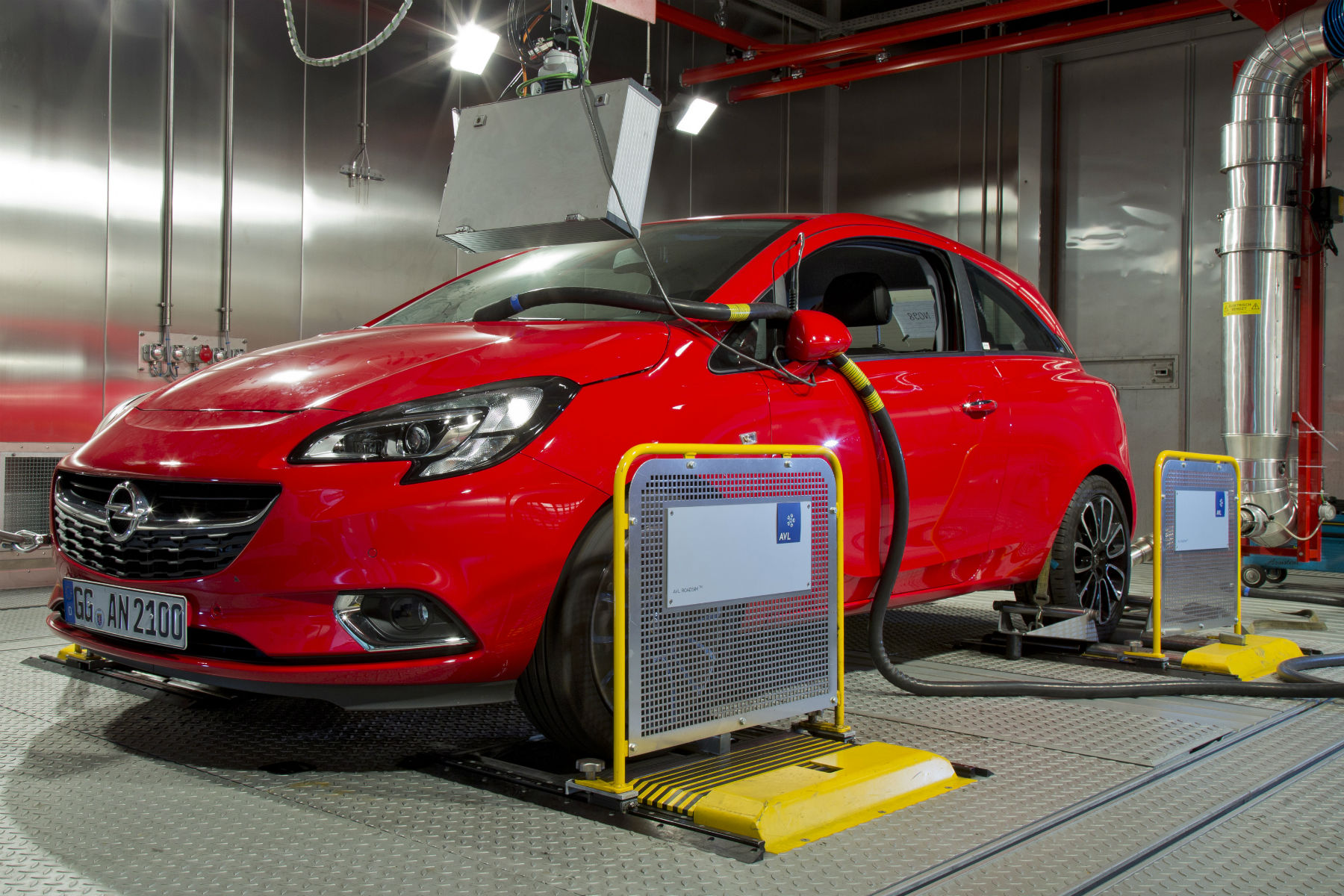
The WLTP laboratory test – conducted with the car on a rolling road – is longer than its NEDC equivalent (30 minutes and 14.4 miles, rather than 20 minutes and 6.8 miles) and covers a wider range of driving behaviours and speeds (up to 81.3mph). It also takes account of car specification, with differing results depending on the options fitted.

A key difference versus NEDC, though, is the new Real Driving Emissions (RDE) process, which takes place on public roads. Monitoring gear is plumbed into the car’s exhaust pipes, measuring key pollutants such as nitrogen oxide (NOX) and particulates.

Another important change concerns plug-in hybrids. These were previously tested with fully-charged batteries, leading to tax-dodging CO2 emissions results. Now, they will now complete the test cycle multiple times, starting with a full charge and continuing until their batteries are depleted. The WLTP result is therefore very much dependent on a car’s electric range.

Confusingly, the old NEDC stats will be published alongside WLTP figures for the time being – and NEDC CO2 emissions results will remain the basis for road tax (VED). New VED bands, using WLTP data, are likely to arrive in April 2020.

Insider view: Marcus Schneider, Vauxhall

Marcus Schneider

Vauxhall has led the way with WLTP, publishing results for the Astra as far back as 2016. We spoke to Marcus Schneider, head of product marketing for Vauxhall and Opel, to learn more about the challenges and benefits of WLTP testing.

Is WLTP good news for car buyers?

“Absolutely, yes. The WLTP results provide more transparency for customers about the fuel economy they can expect.

“The test cycle is based more closely on real driving behaviour than the NEDC – including the RDE road driving element, of course – and the fact that options on the car are accounted for, such as air conditioning or larger alloy wheels, also means a more realistic result.”

Vauxhall/Opel WLTP testing

What about car companies? Are they struggling to meet the targets?

“It’s a complicated process. As a manufacturer, we must produce an individual efficiency and CO2 calculation with every vehicle and option combination a customer can choose.

“We do this by testing the upper and lower ‘bookends’ of the range, then using a calculator – created by our engineers – to provide individual results for each car and specification. This calculation is certified by governments.”

Are buyers confused about the switchover from NEDC to WLTP?

“Our engineers obviously understand this new way of testing cars, but communicating it to marketing departments, dealers and, ultimately, customers takes time.

We’re working on new IT systems so that people can find real-time WLTP results when they configure a car online. But we need, by law, to keep communicating the previous NEDC results, so unfortunately there is, for now at least, some confusion for customers.”

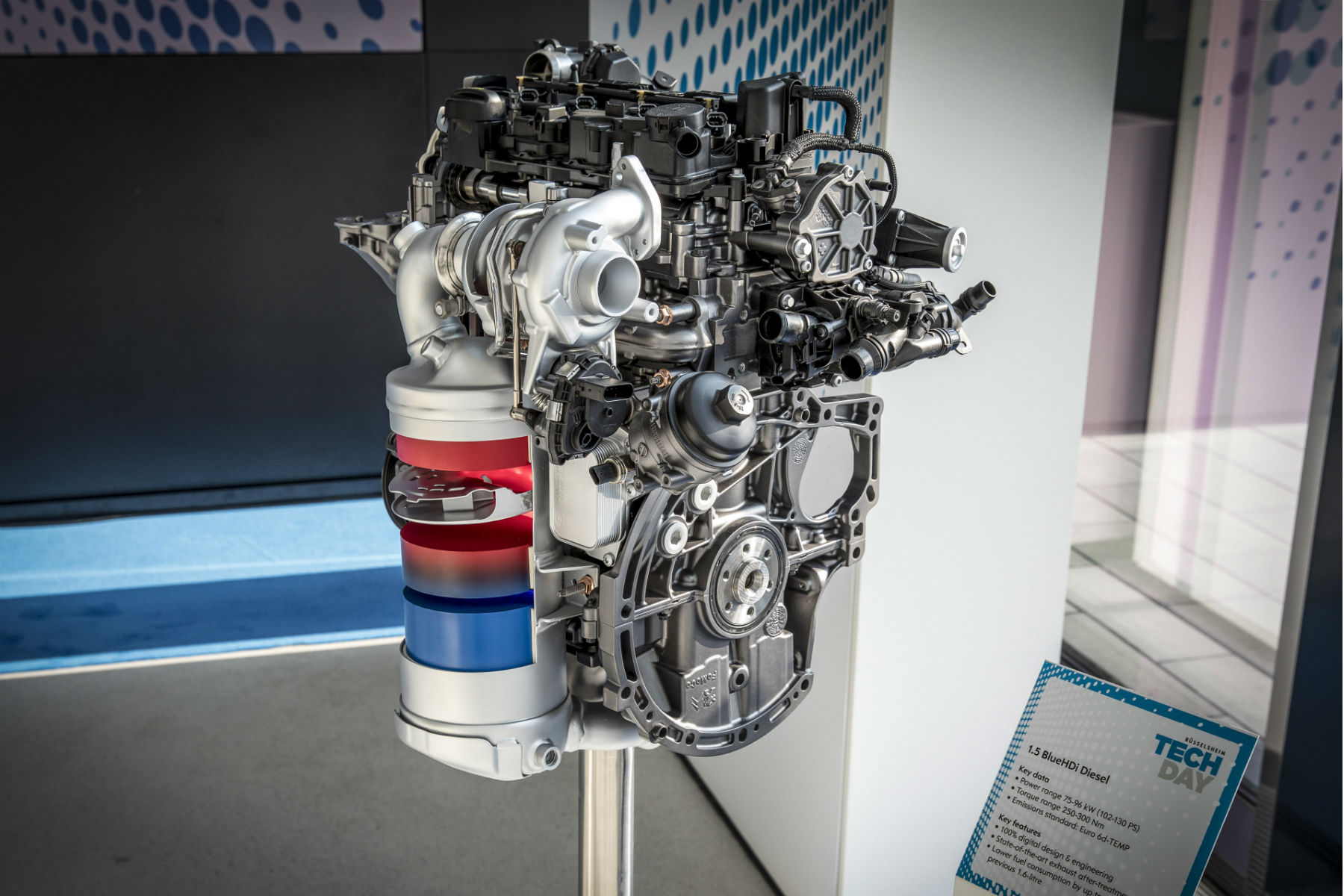
Vauxhall/Opel WLTP testing

Does the WLTP test favour some cars over others?

“Well, the right foot of the driver is by far the biggest influence on fuel economy. However, some cars that did particularly well in the NEDC test, such as those with downsized turbocharged engines, aren’t faring so well now. Percentage-wise, we may see a double-digit decrease in efficiency, mainly because these engines favour low load conditions, rather than the more intensive WLTP cycle.

By contrast, cars with larger, more powerful engines cope more easily with WLTP, thus its impact is less significant – more or less the same results in some cases.”

Will the WLTP test damage plug-in hybrid sales?

“Not really. All our research and testing shows that plug-in hybrids still have significantly better CO2 results than conventional cars under WLTP. And although CO2 emissions are less in the media spotlight at the moment, they are still very important for manufacturers. We have strict targets to meet.

“Vauxhall will launch the plug-in Grandland X PHEV in 2020, along with the all-electric eCorsa.”

Vauxhall/Opel WLTP testing

What about diesel? Does it have a future?

“Absolutely. The levels of cleanliness we’ve achieved in recent years – using Selective Catalytic Reduction (SCR) with AdBlue, for example – mean diesel engines definitely have a place. They’re also important for bringing down whole-fleet emissions.

“The market is shrinking, for sure, but diesel is here to stay”

Read more:

Advertisement

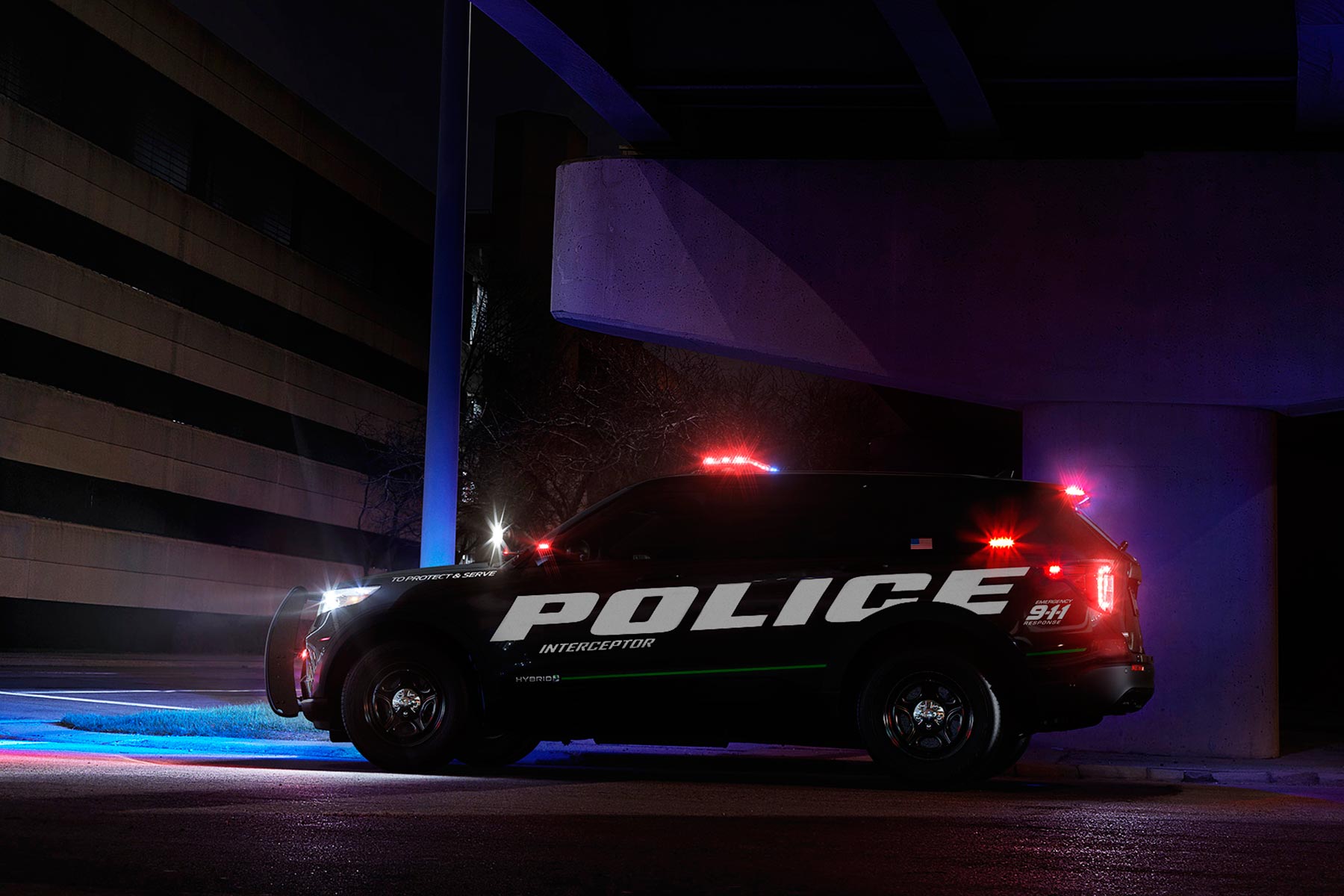
Ford goes hybrid for new 2019 Police Interceptor Utility SUV

0

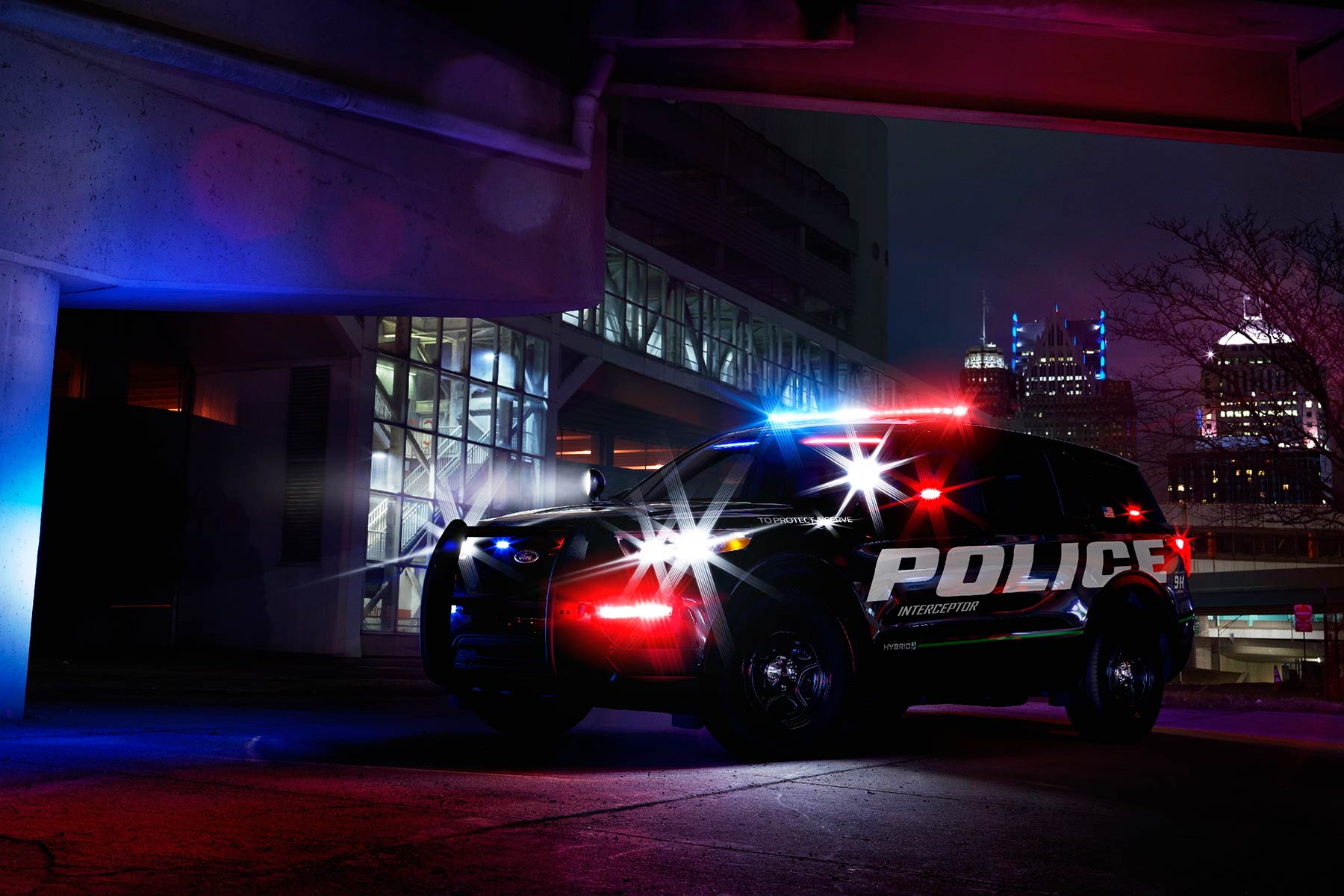
New 2019 Ford Police Interceptor Utility Hybrid

It’s already vehicle of choice for law enforcement officials across North America, but Ford’s latest Police Interceptor Utility is likely to become even more attractive to those in charge of fleet budgets.

The new 2019 Interceptor Utility, which is based upon the Ford Explorer SUV, now features a standard hybrid powertrain. All-wheel-drive is also standard, with Ford promising that the additional components needed for the hybrid system do not compromise interior packaging.

More importantly, Ford states that the new Interceptor Utility will be even faster than the previous version. The hybrid combination of gasoline engine and battery power is said to give quicker acceleration, and a higher top speed, than the outgoing model. Criminals might be wise to check for ‘hybrid’ badges before deciding to outrun the law.

Potential felons might also have to think twice about hoping pursuing police will run out of fuel. Hybrid efficiency means an estimated increase in fuel efficiency of some 40 percent over the existing 3.7-litre V6 engine.

New 2019 Ford Police Interceptor Utility Hybrid

The new hybrid Interceptor is estimated to save around $3,200 (£2,400) per vehicle in fuel usage compared to the old non-hybrid model. Based upon the substantial number of Interceptor Utility vehicles Ford sold in 2017, when totalled this would equate to an incredible $126 million (£94 million) saving on fuel costs alone.

Hybrid systems in the new Interceptor have been tuned to be suited to police usage, being able to run computers, radios, and lights from the lithium-ion battery alone. Perfect for waiting around to catch crooks in the act.

Adding hybrid technology is not the only big change for the Interceptor Utility, with Ford also proud of the new Perimeter Alert system. This makes use of the Utility’s blind-spot monitoring to scan for threats, and react automatically if one is detected by locking doors, closing windows, and making noise.

Ford increased its share of the police vehicle market in the United States by 5 percent during 2017, claiming a total of 65 percent. Dodge will soon have a new challenger in the shape of the Durango SUV Pursuit model, albeit without the option of hybrid power.

Production of the new Ford Police Interceptor Utility will begin in summer 2019 at Ford’s Chicago Assembly plant.

There is no mention of the Interceptor Utility coming to the UK in the near future, meaning the diesel Vauxhall Astra is likely to remain King of the police fleet on this side of the Atlantic for now.

Advertisement

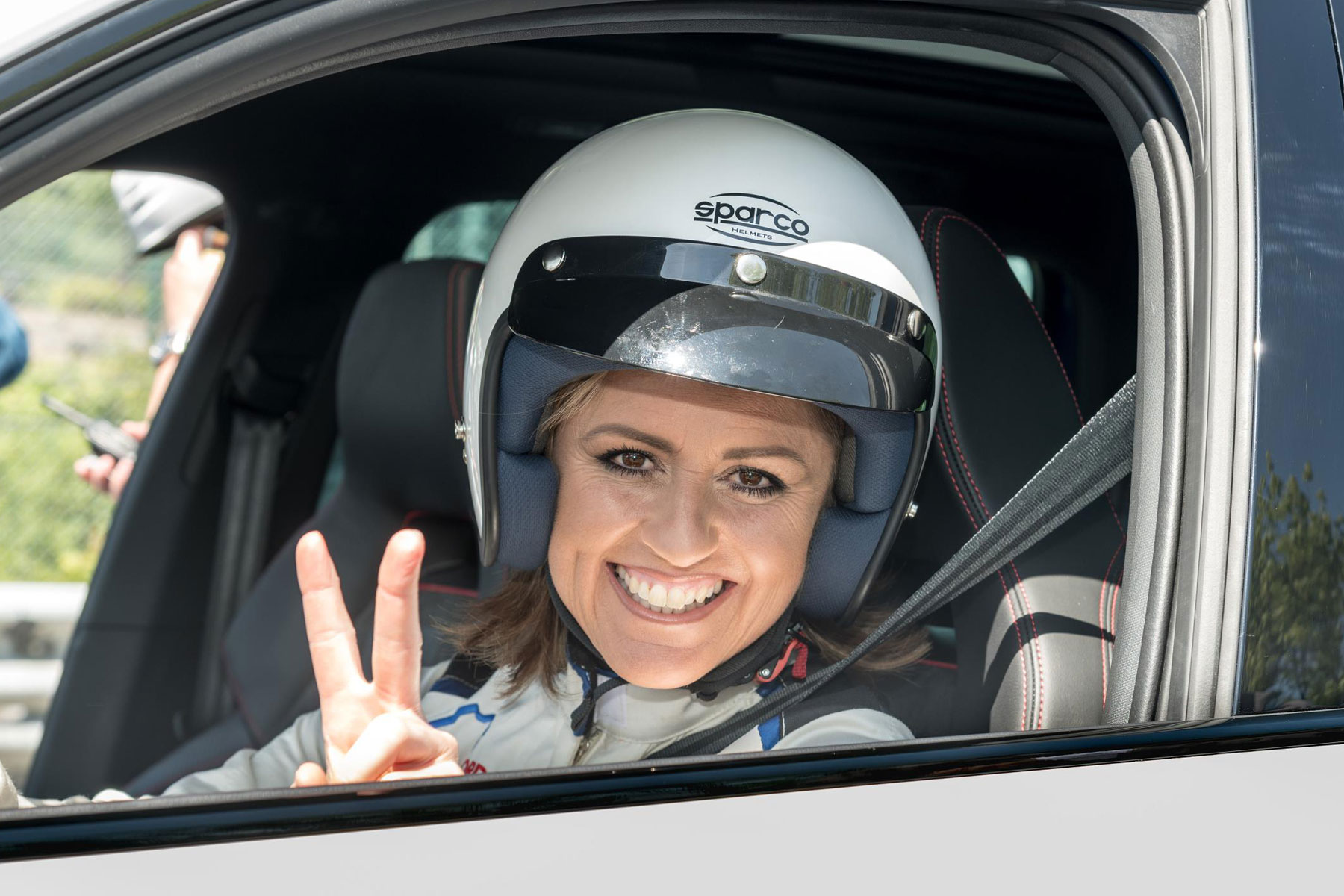
Top Gear’s Sabine drives the Nürburgring… in a Skoda SUV

0

Sabine Schmitz Skoda Kodiaq vRSNobody knows the Nürburgring quite like Sabine Schmitz, but a Skoda SUV is an unlikely choice of wheels for a record-breaking lap of the ‘Green Hell’.
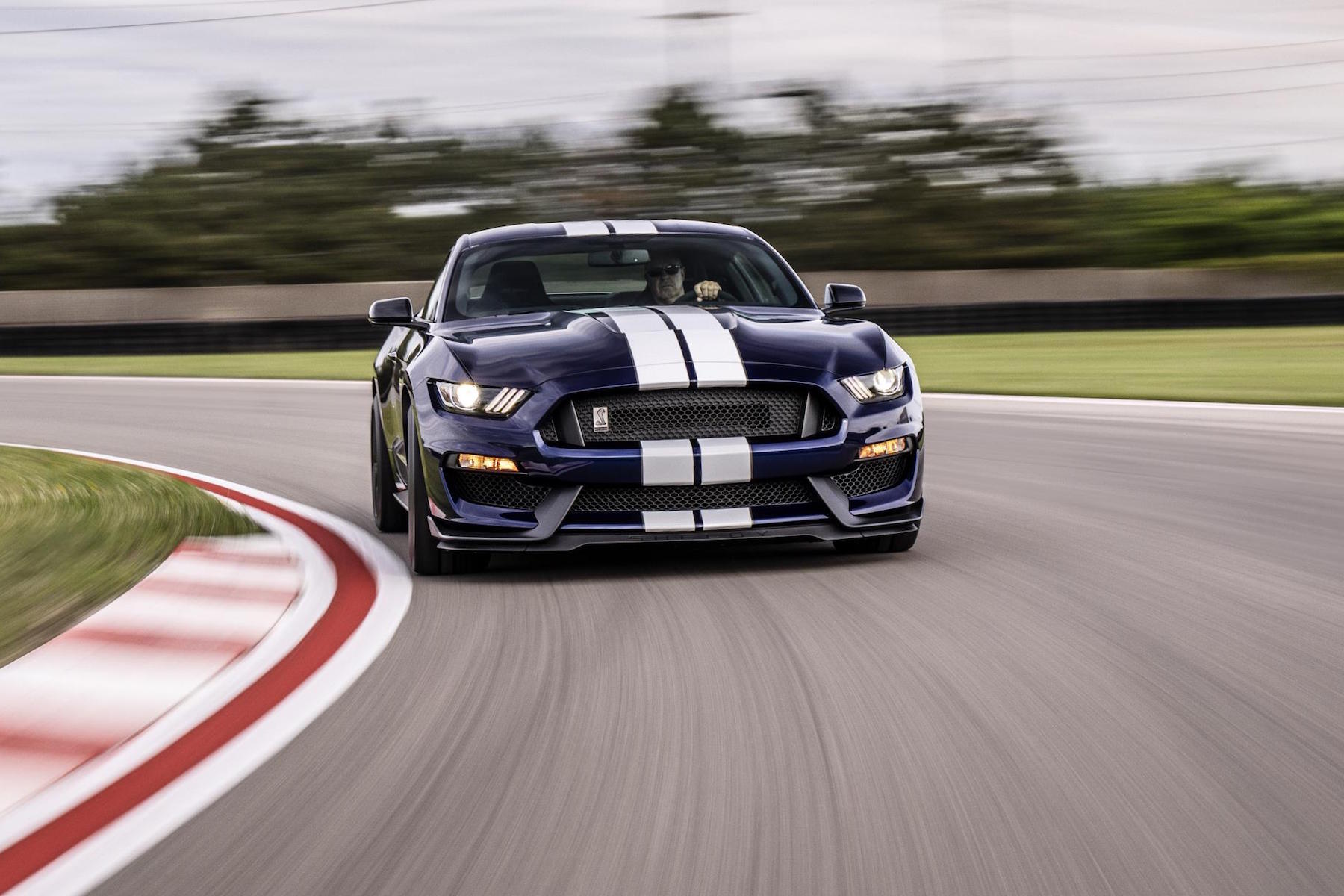
The flagship Skoda Kodiaq vRS will make its public debut at the 2018 Paris Motor Show, but no new performance car is complete without a lap of the Nürburgring to its name. We’ll have to wait a couple of days before the full video is revealed, but – spoiler alert – Skoda claims that it’s a “sensational record-breaking lap”.

https://twitter.com/SinclairSkoda/status/1006548350806712320

We suspect Skoda is chasing the lap record for a seven-seat SUV, rather than the 7 minute 51.7 second set by the Alfa Romeo Stelvio last year. Alfa’s reign at the top of the fastest SUV lap board might be short-lived, as Lamborghini is likely to send the Urus on a tour of the 12.9-mile circuit this summer.

Alternatively, maybe the Czech company is gunning for the fastest lap… by a Skoda.

Lap time to be revealed on 14 June

This teaser video reveals the preparations that went into the camouflaged Kodiaq vRS’ record attempt at the Nordschleife, with the full video revealed on 14 June.

The Skoda Kodiaq vRS is expected to be a powered by a 2.0-litre twin-turbocharged diesel engine developing around 240hp and 369lb ft of torque. To cope with all that power, the vRS is likely to be offered in four-wheel drive form, with five- and seven-seat versions available.

Speaking of seats, we rather like the look of the high-backed bucket-style chairs Sabine’s showing off in Skoda’s teaser image. 

The performance Kodiaq will be sold alongside the Octavia vRS, with the UK expected to be a lucrative market for the hot SUV. Around 1 in 5 of all Octavias sold in the UK leave the factory with a vRS badge, with diesel versions accounting for the majority of sales.

Prices are likely to be revealed in Paris, but with a seven-seat Kodiaq Sportline costing upwards of £33,135. we wouldn’t expect much change from £35,000. More news, including the full lap of the Nürburgring, when we get it.

Advertisement

New 2019 Ford Mustang Shelby GT350 gets race-proven upgrades

0

New 2019 Ford Mustang Shelby GT350

Following on from the revised regular Mustang, Ford has revealed the even higher-performance version wearing the famous Shelby badge.

Despite the American muscle car arms race seeing engine outputs increase ever higher, Ford has resisted entering into the horsepower contest with the GT350. This Shelby is all about maximising ability on the race track. Plus, the Blue Oval is already working on a GT500 version which should deliver the big power numbers.

Ford has made use of the current Mustang in a variety of sports car championships, including creating a bespoke GT4 version of the Shelby. This has helped the company learn how to improve the road-going version. Ford has worked with World Endurance Championship driver Billy Johnson to refine the GT350.

Aerodynamic performance has been the focus of attention. Ford has subjected the Shelby GT350 to countless hours of wind tunnel testing. The result is a revised rear spoiler, with an additional optional Gurney flap, helping deliver more downforce to stick the Shelby to the track.

Helping traction further are new tyres created through close work with Michelin. The new Pilot Sport 2 Cup tyres feature a bespoke tread pattern developed specifically for the GT350. Said to improve stiffness, Ford says they also complement the new 19-inch alloy wheels.

Substantial Brembo brakes with six-piston calipers at the front, and four-piston calipers at the rear, have been tuned to improve stopping power. On-track testing has helped improve brake balance, and also sees tweaks to the stability control system. Recalibrated settings for the suspension springs and dampers are also part of the package.

With a revised interior featuring new carbon fibre trim, and a wider range of colours for the exterior, the 5.2-litre engine is about the only part of the GT350 left untouched. Still, an output of 526hp and 429lb-ft of torque are hardly figures to complain about.

Despite the current generation Mustang being produced in right-hand-drive, and sold here in the UK, Ford has made no mention of the Shelby GT350 making the journey across the Atlantic. American buyers will be able to get their hands on the new car from early 2019.

Advertisement

Mercedes-Benz forced to recall cars over diesel emissions

0

Mercedes-Benz diesel engine recall

Germany’s Federal Ministry of Transport has ordered Mercedes-Benz to recall 238,000 diesel cars over concerns they may be fitted with ‘defeat devices’ to pass emissions tests.

The announcement followed discussions between Andreas Scheur, Minister of Transport, and Mercedes-Benz CEO Dieter Zetsche. Mercedes-Benz has denied any use of specific software designed to manipulate vehicle emissions.

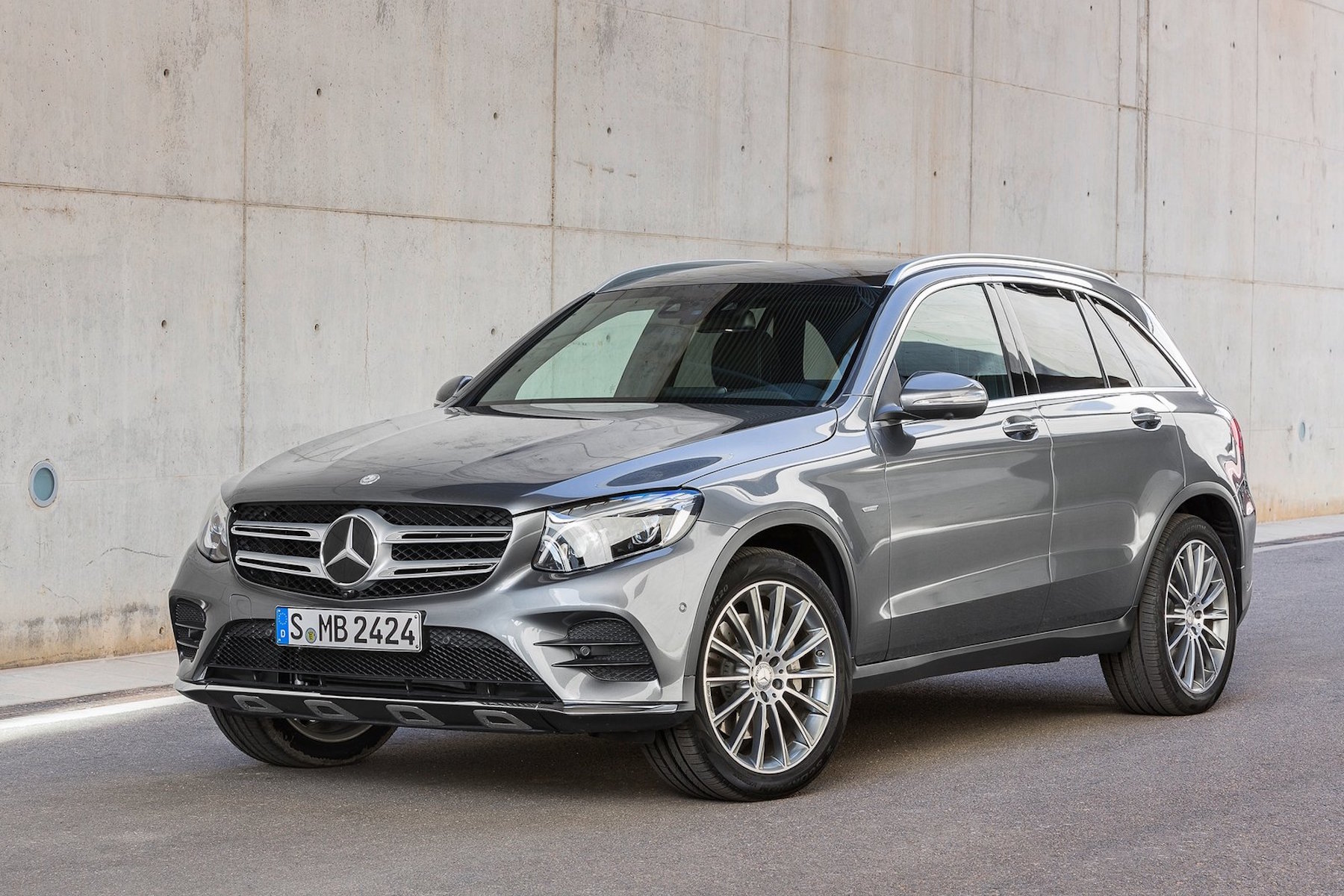
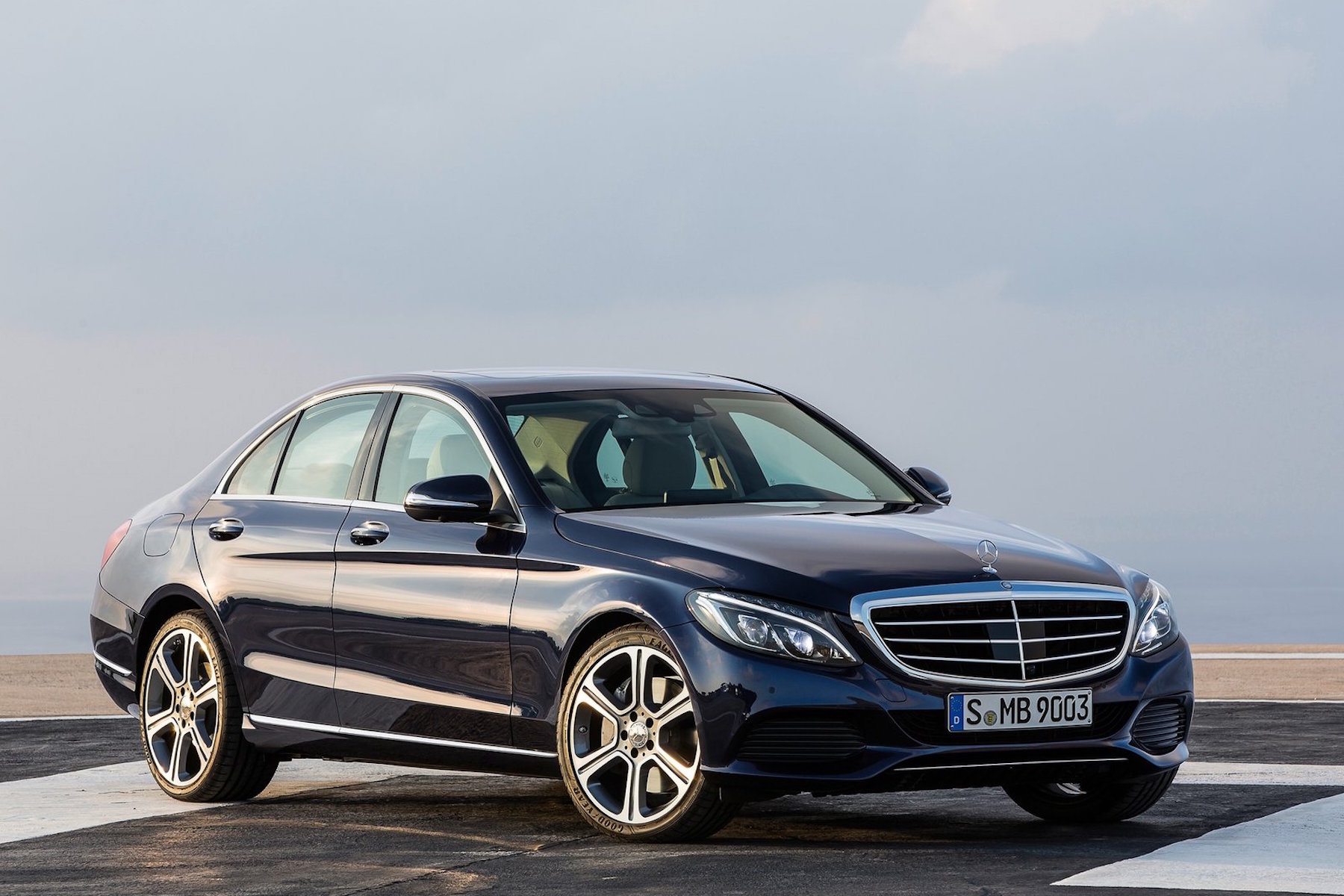
Despite this, the Transport Ministry announced that Mercedes-Benz would be made to recall the vehicles with immediate effect. The models affected include the GLC compact SUV and the C-Class saloon – both fitted with the 220d engine. The Vito series of vans is also believed to be involved. 

Mercedes-Benz diesel engine recall

The 2.1-litre turbodiesel ‘OM651’ unit is offered in a variety of power outputs, and was initially developed to meet Euro 5 emissions standards.

Later revisions were intended to make the engine pass the more stringent Euro 6 regulations, with a specific focus on reducing particulates. This involved the use of the ‘AdBlue’ system of injecting diesel exhaust fluid to reduce NOx emissions. 

Whilst the initial recall is limited solely to Germany at present, there is the potential for it to be made European-wide. Estimates suggest that this could involve more than 770,000 vehicles if extended further. 

European Commissioner Elżbieta Bieńkowska is one official calling for the recall to be taken beyond Germany:

A recall is seen by industry experts as a move to avoid further action being taken against Mercedes-Benz. Substantial fines have previously been threatened against the firm, with the cost of a recall potentially less expensive. 

The number of vehicles involved is smaller than that implicated in the Volkswagen dieselgate scandal, but suggests that the issue of diesel emissions testing is not going away in the immediate future.

This Mercedes-Benz recall comes just days after results of the new ‘TRUE Rating’ for emissions testing were published. The real-world testing found that almost every new diesel engine failed to meet the required levels for NOx particulates.

Following news of the announcement, Mercedes-Benz has made only a short statement through parent company Daimler AG to confirm that the recall will take place.

Advertisement

Calling cars ‘autonomous’ is dangerous warns safety organisation

0

Assisted-drive cars are not autonomous carsMotorists are being misled about exactly what the latest driver assist technology is capable of, sometimes with dangerous consequences, warns Thatcham Research. It’s thus calling for car makers to think again how they use the word ‘autonomous’ in describing the tech.
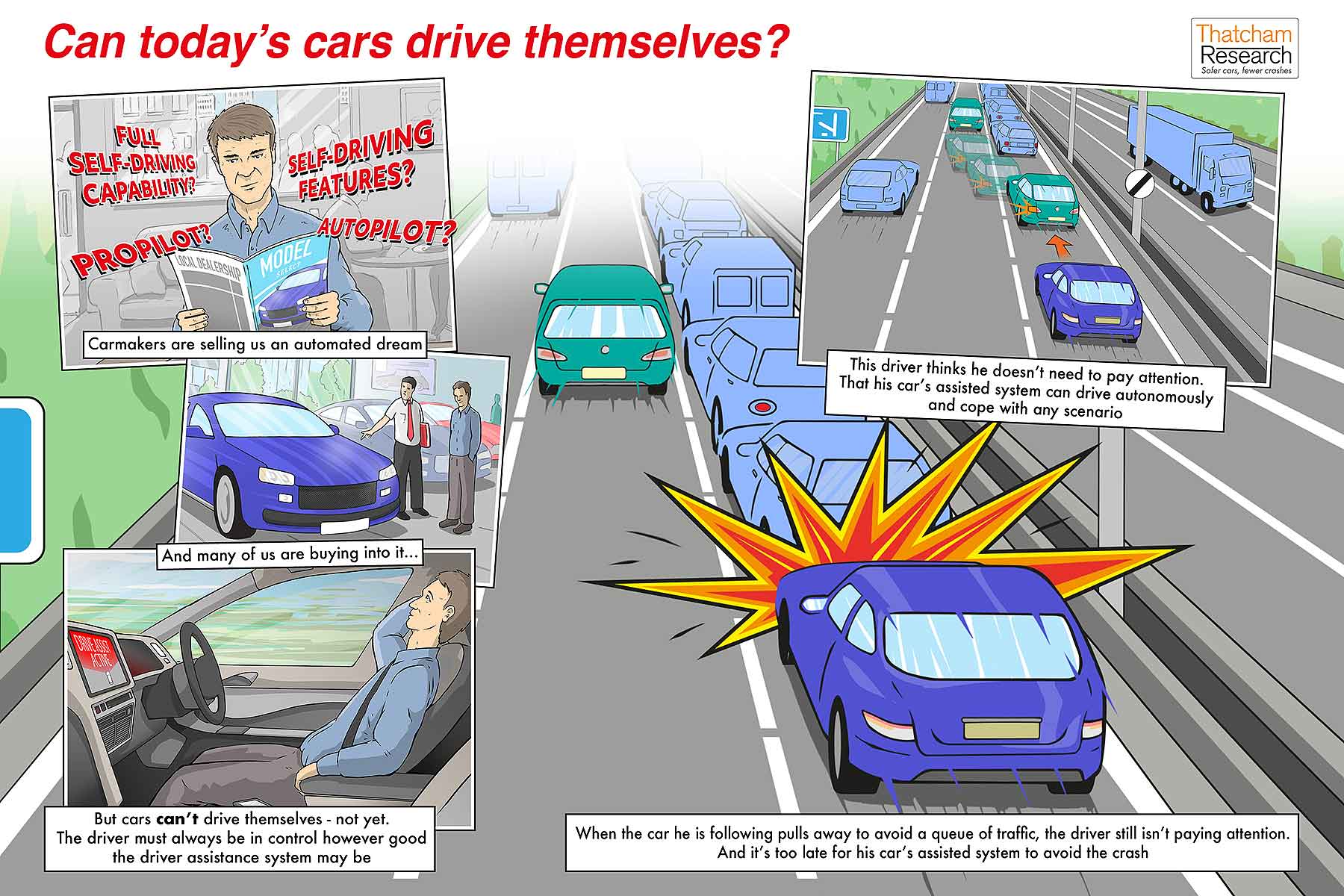

The organisation says that today’s systems are assisted driving technologies, not fully autonomous systems. They are “still in their infancy and not as robust or as capable as they are declared to be” – despite car makers using “misleading” names such as Autopilot and ProPilot.

The problem comes where cars can take over some of the driving tasks, such as running and steering within lanes on motorways. The danger is that “the motorist may not be sufficiently aware that they are still required to take back control in problematic circumstances,” said Thatcham’s head of research Matthew Avery.

“Fully automated vehicles, that can take over the driving task from A to B with no need for driver involvement whatsoever, won’t be available for many years to come. Until then, drivers remain criminally liable for the safe use of their cars… [so] the capability of current road vehicle technologies must not be oversold.”

Thatcham Research has now outlined these dangerous grey areas in a new publication, called ‘Assisted and Automated Driving Definition and Assessment’. Later this summer, it will conduct a round of tests assessing six cars to a new ‘Assisted driving’ consumer testing programme.

‘Deeply unhelpful’

Thatcham Research assisted drive graphic

Avery blamed car makers for how they name and describe such systems. “Names like Autopilot or ProPilot are deeply unhelpful, as they infer the car can do a lot more than it can.

“Absolute clarity is needed, to help drivers understand when and how these technologies are designed to work, and that they should always remain engaged in the driving task.”

Thatcham Research wants it to be made clear today’s systems are ‘assisted driving’ technologies, not ‘autonomous driving’ functions. “The use of the word autonomous in carmaker marketing and literature is lulling drivers into a false sense of security.

“These are not autonomous systems.”

James Dalton from the Association of British Insurers (ABI) backed this up. “We are a long way from fully autonomous cars… it remains crucial that all drivers are alert and ready to take back full control at a moment’s notice.

“Manufacturers must be responsible in how they describe and name what their vehicles can do, and the insurance industry is ready to hold them to account on this.”

Thatcham Research has illustrated the dangers in a new video, showing the dangers of over-reliance on the technology with a Tesla Model S.

Advertisement

Truck filled with movie memories wows internet

0

Truck full of childhood movie memoriesCatching a glimpse of even one movie car in the wild is rare enough, but imagine pulling around a semi on your Monday morning commute and seeing seven.
In the world’s greatest bit of #carspotting ever, Twitter user @dartvindican posted a video of what he reckons is “The greatest truck in the world,” a magic car carrier loaded with seven iconic movie vehicles.

There’s the Ecto-1 from “Ghostbusters,” a Tim Burton-era Batmobile, a Ford Explorer and Jeep Wrangler from “Jurassic Park,” the “Back to the Future” DeLorean, the motorcycle and sidecar from “Indiana Jones and the Last Crusade,” and Herbie the Love Bug.

“The best truck you will see in your life,” is the translation from the tweet. A bold claim, but who are we to argue? A look at the number of likes and retweets suggests plenty fully agree with it.

Based on his twitter handle, we imagine @dartvindican was more excited than most.

Advertisement

Land Rover Discovery production moving from Britain to Slovakia

0

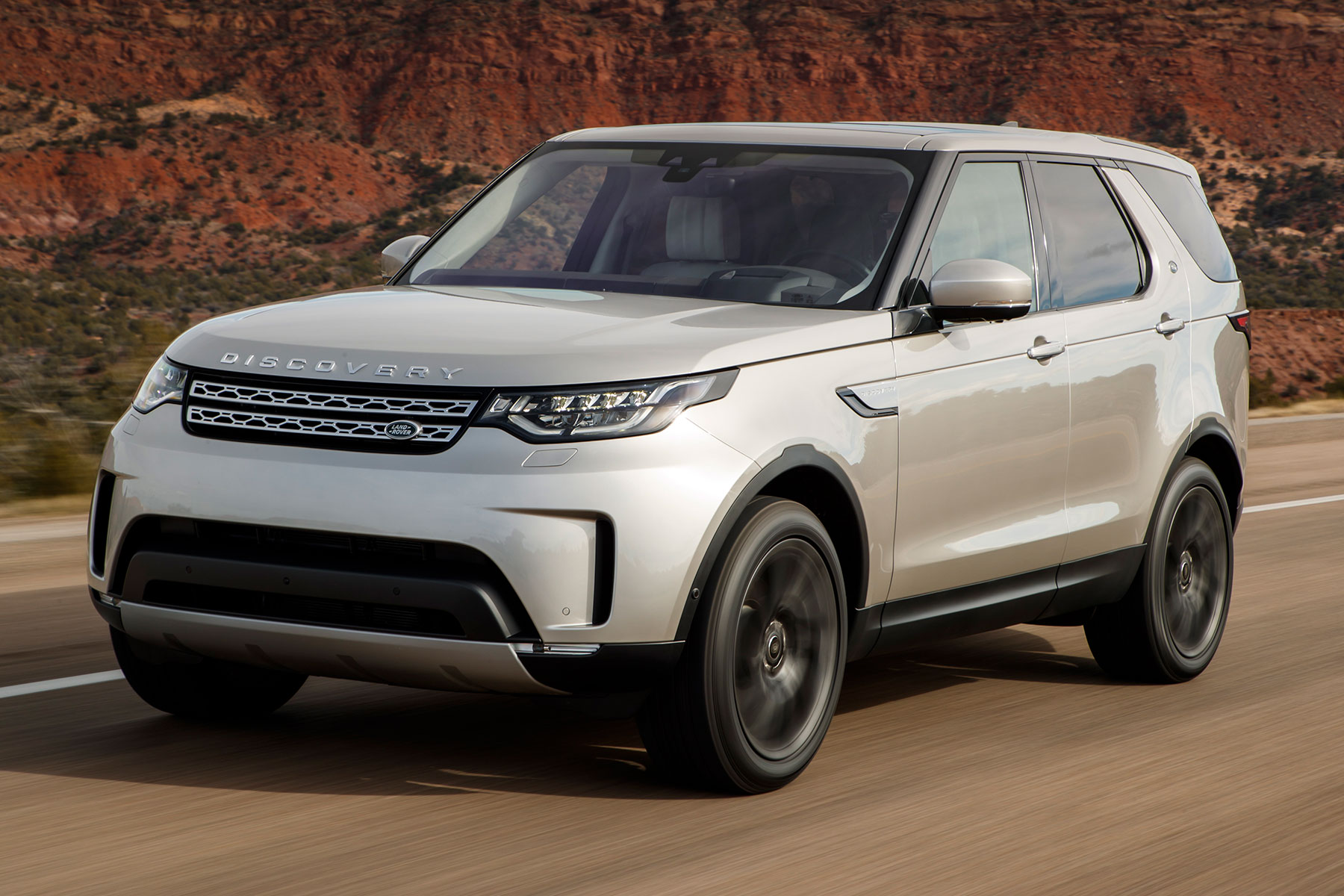
Land Rover DiscoveryIn a surprise move, Land Rover is to end production of the Discovery SUV in Britain and switch it to Slovakia instead.

The move, which currently isn’t public, is being reported by multiple outlets, who quote sources as warning there may be job losses at the Solihull plant near Birmingham as a result. Around 10,000 people currently work there.

The Discovery will move to Slovakia in early 2019.

It’s reported the firm will concentrate the Solihull plant on a new generation of Range Rover and Range Rover Sport models instead – and the factory will also be equipped to build a new generation of electric cars. Steve McCabe, Birmingham City University business expert, told the BBC this was a “silver lining”.

Jaguar Land Rover’s only current all-electric car, the Jaguar I-Pace, is built under contract by Magna Steyr in Austria. 

“But at the same time, we can talk about the statistics and the numbers of jobs lost, but for many families this news will be truly devastating,” said McCabe to BBC News.

“The decision to move the Land Rover Discovery to Slovakia and the potential losses of some agency employed staff in the U.K. is a tough one but forms part of our long-term manufacturing strategy as we transform our business globally,” JLR said in a statement, reports Automotive News.

Land Rover launched the current all-new Discovery in 2017.

Advertisement