Home Blog Page 385

Volkswagen unveils fleet of concept cars for U.S. enthusiasts

0

2019 Volkswagen USA Enthusiast Concept FleetSummer is almost here and, for thousands of Volkswagen fans across America, that means the chance to show off their cars at major events.

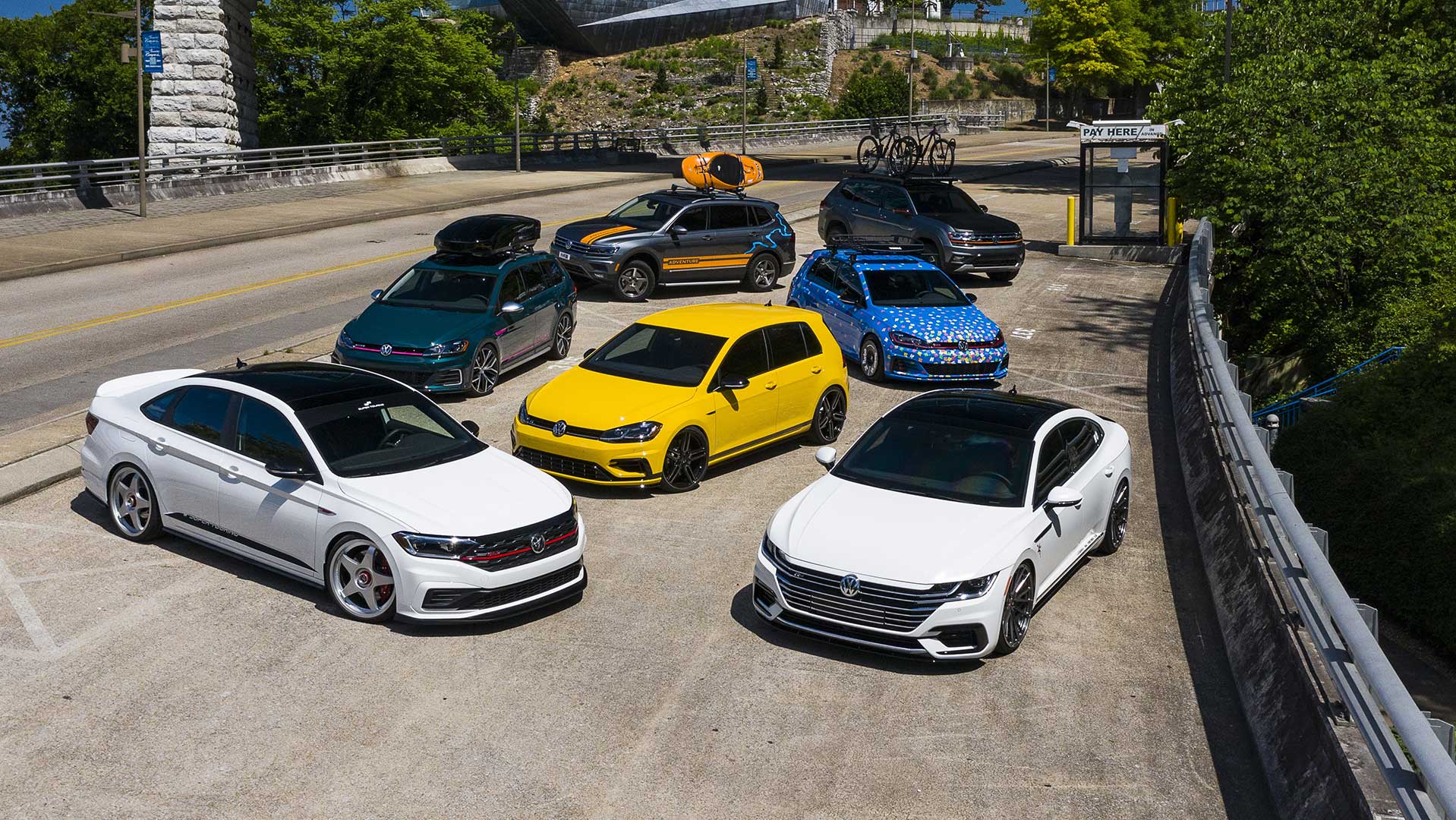
Volkswagen of America makes a substantial commitment to attending the biggest shows, and will be bringing a fleet of seven production-based concept cars on tour this year.

From hot hatchbacks to SUVs, we have taken a look at the collection of vehicles VeeDub fans should keep a look out for this show season.

VW Jetta GLI Super Touring Concept
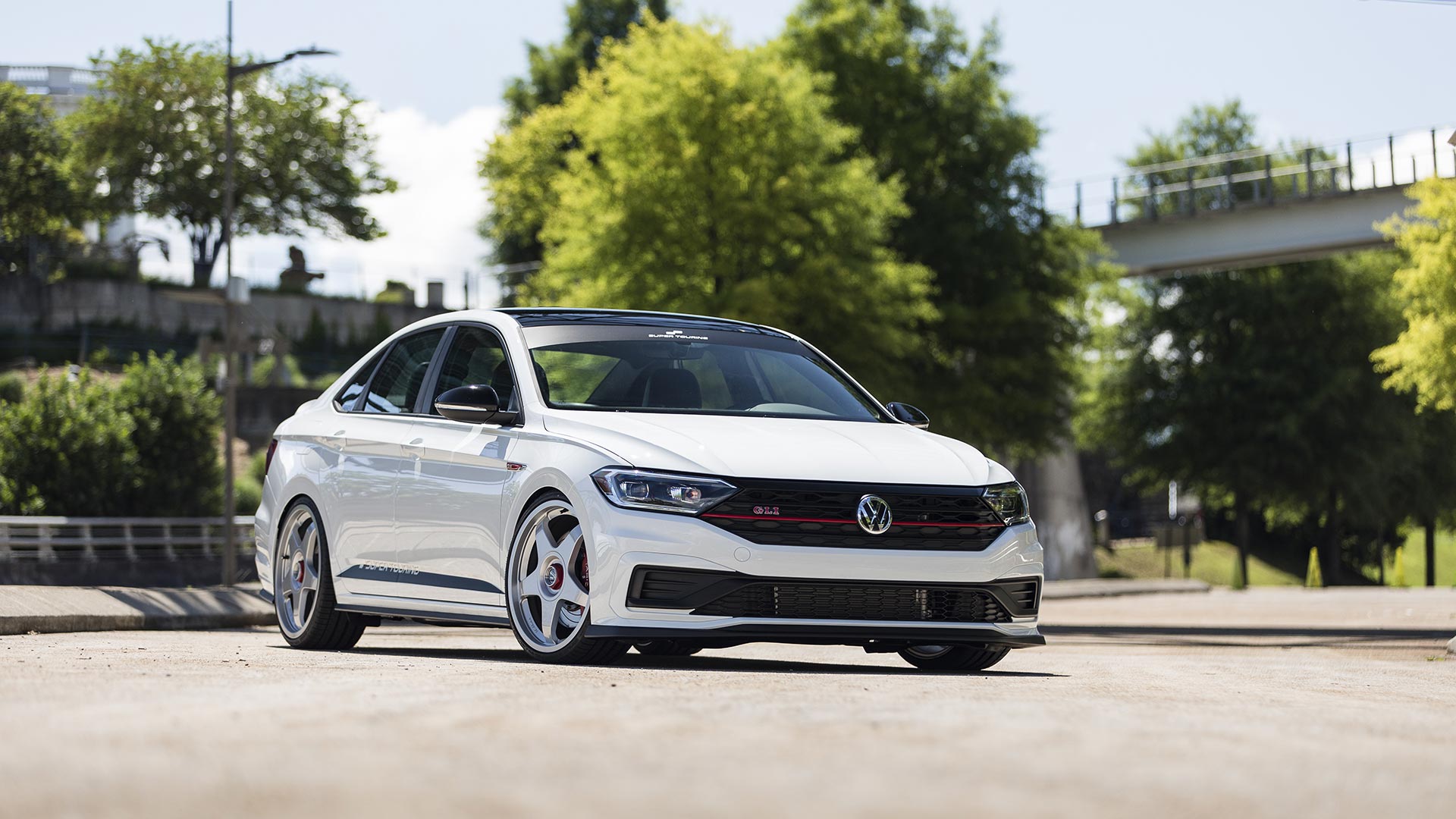
2019 Volkswagen USA Enthusiast Concept FleetThe new Jetta GLI caused a storm when it launched at the Chicago Auto Show earlier this year. It is the most powerful production GLI ever, producing 228 horsepower and 258lb-ft of torque from its 2.0-litre TSI engine.

With 1990s culture bang on trend at the moment, it seems fitting that VW has opted to mimic the heyday of touring car racing with the GLI Super Touring Concept. K&W coilover suspension helps slam it to the ground, with a new spoiler, bigger brakes, and performance exhaust also added.

A major talking point is the set of brand-new 19-inch Fifteen52 alloy wheels, which are making their American debut attached to this Jetta GLI Autobahn.

VW GTI Rabbit Confetti Concept

2019 Volkswagen USA Enthusiast Concept FleetVolkswagen released the Rabbit Edition of the GTI hot hatch for the 2019 model year, and that car serves as the base for this concept.

A special vinyl wrap sees Rabbit logos in multiple hues sprinkled, like confetti, across the bodywork of the GTI. VW also notes that the wrap contains a ‘hidden surprise’ for fans to try and find.

H&R lowering springs help give the Rabbit Confetti Concept an aggressive stance on the 19-inch Rotiform RSE wheels. The latter wear retro-influenced Aerodisk covers, whilst roof bars and a Thule basket tick off more scene points.

VW Golf Alltrack Combi Concept
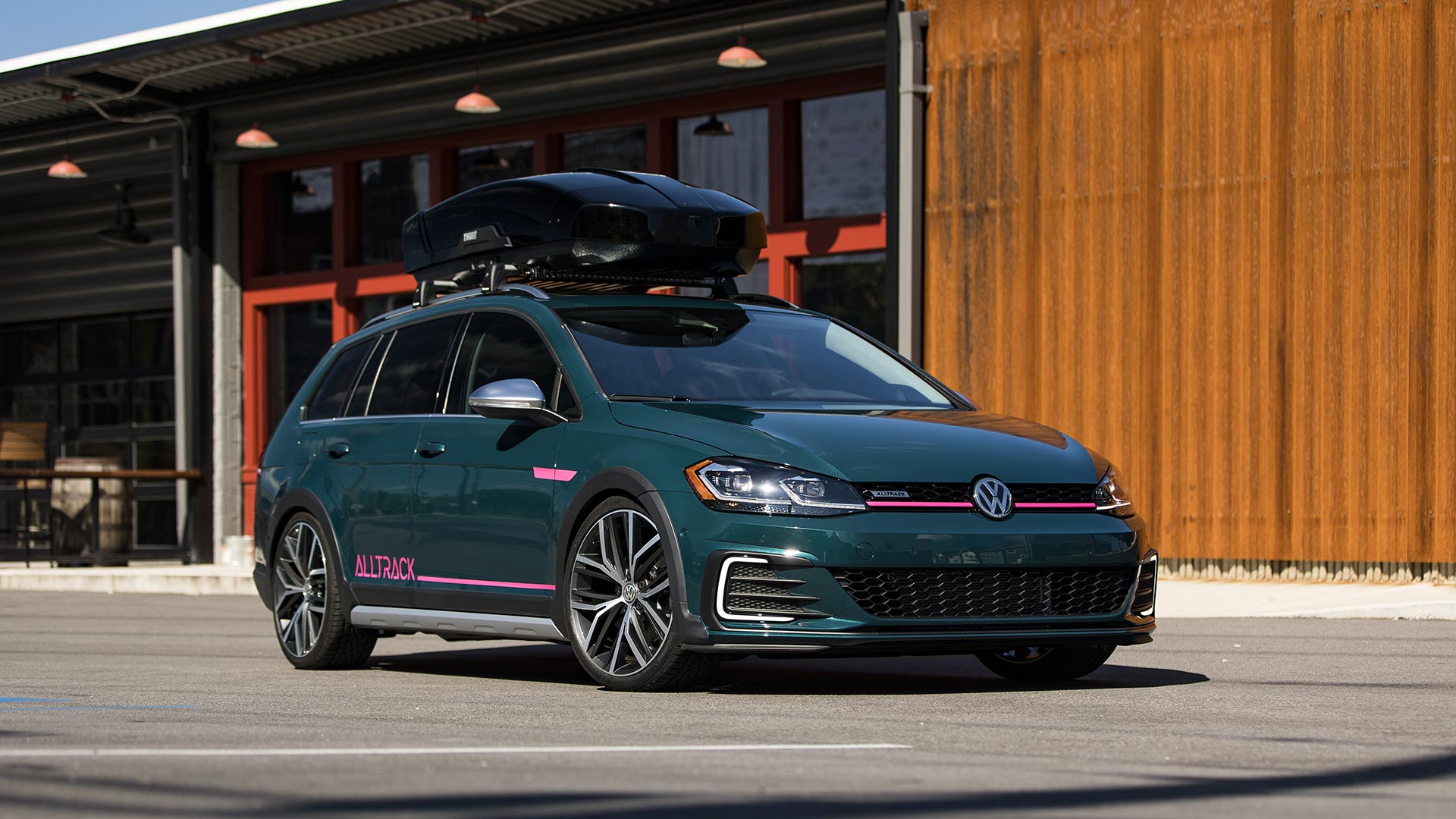
2019 Volkswagen USA Enthusiast Concept FleetUsing the Alltrack wagon will undoubtedly endear the Combi Concept with VW enthusiasts. But the Volkswagen Technical Service Center in Auburn Hills, Michigan has gone even further with a mixture of different parts.

A front bumper from a Golf GTE meets a rear spoiler from a GTI Rabbit Edition. The short-throw shifter comes from a diesel Golf GTD, whilst H&R supply the lowering springs.

Most noticeable are the continuing theme of the 1990s-inspired retro graphics which stand out against the dark paintwork. The Volkswagen roof bars also incorporate an LED light bar, and support a Thule cargo box.

VW Tiguan Adventure Concept
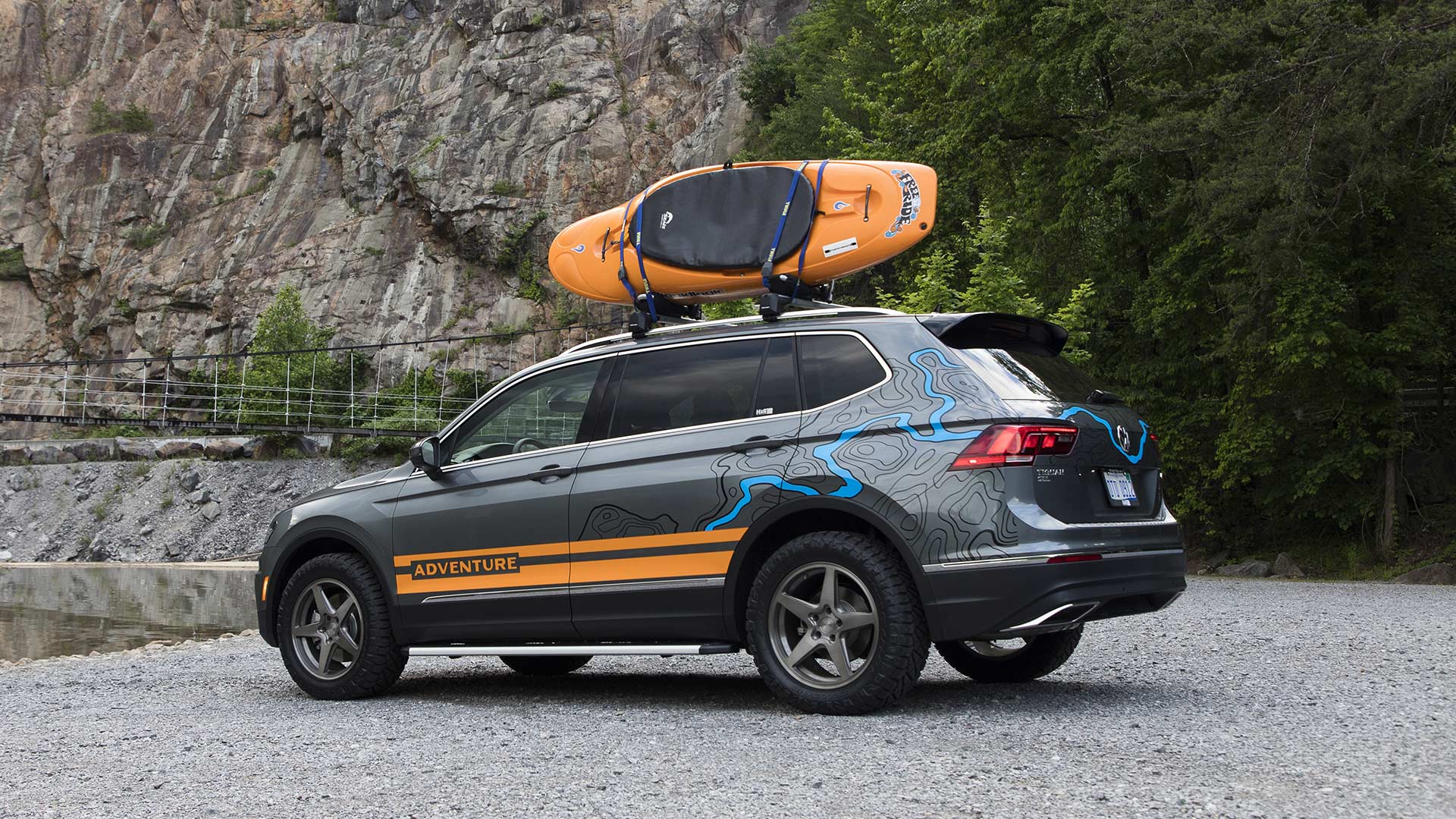
2019 Volkswagen USA Enthusiast Concept FleetUnlike most of the other vehicles in the 2019 Concept collection, the Tiguan Adventure features raised, rather than lowered, suspension.

Built in collaboration with suspension manufacturer H&R, this SUV wears Adventure Raising Springs and a set of 18-inch Rotiform wheels mounted with all-terrain rubber.

Volkswagen has also gone to town with official accessories, including Monster Mats, rear protection plates, side steps, and roof bars carrying a Kayak.

VW Golf R Spektrum Concept
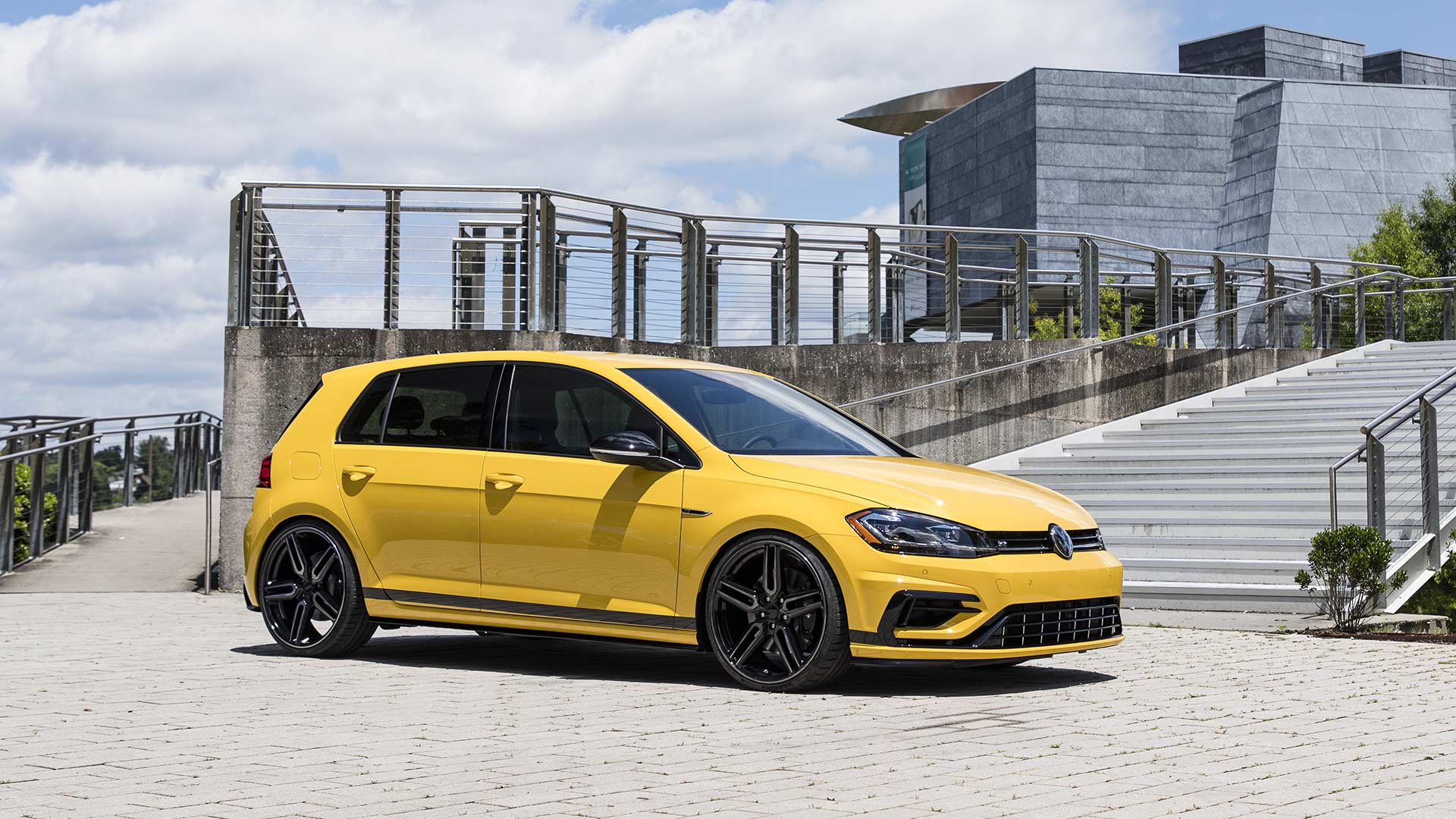
2019 Volkswagen USA Enthusiast Concept FleetFor the 2019 model year, Volkswagen now offers the potent Golf R hot hatch in a range of custom paint choices as part of the Spektrum package.

A total of 40 different paint options form part of the Spektrum offering, with many of them heritage hues from Volkswagen’s back catalogue of greatest hits.

VW has painted this Golf R in classic Ginster Yellow, and it also features the inevitable H&R lowering springs. A set of 20-inch Vossen Hybrid Forged HF-1 wheels add some contrast, along with special decals running along the side sills.

VW Atlas Basecamp Concept
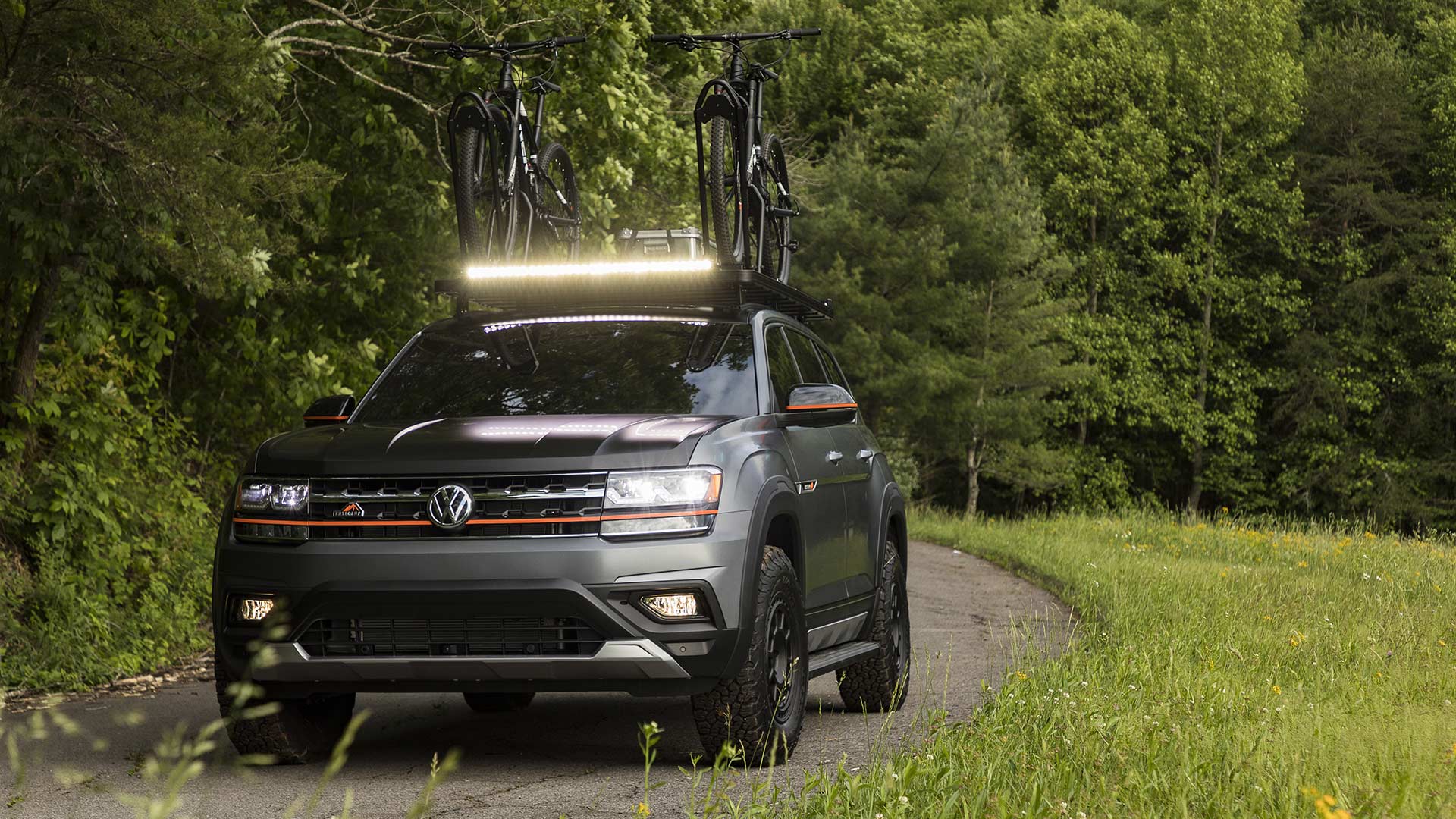
2019 Volkswagen USA Enthusiast Concept FleetThe substantial three-row Atlas SUV has proven to be a popular product for Volkswagen, with the plant in Chattanooga, Tennessee churning out big numbers of them.

However, this concept is the work of Alex Earle, Exterior Design Manager at the Volkswagen Design Center California, who wanted to build the best Atlas for extreme mountain biking.

Previously seen at the New York International Auto Show, the Basecamp Concept wears 17-inch Fifteen52 alloy wheels, a custom body kit from Air Designs, and an H&R lift kit with coilover suspension.

VW Arteon R-Line SEMA Concept
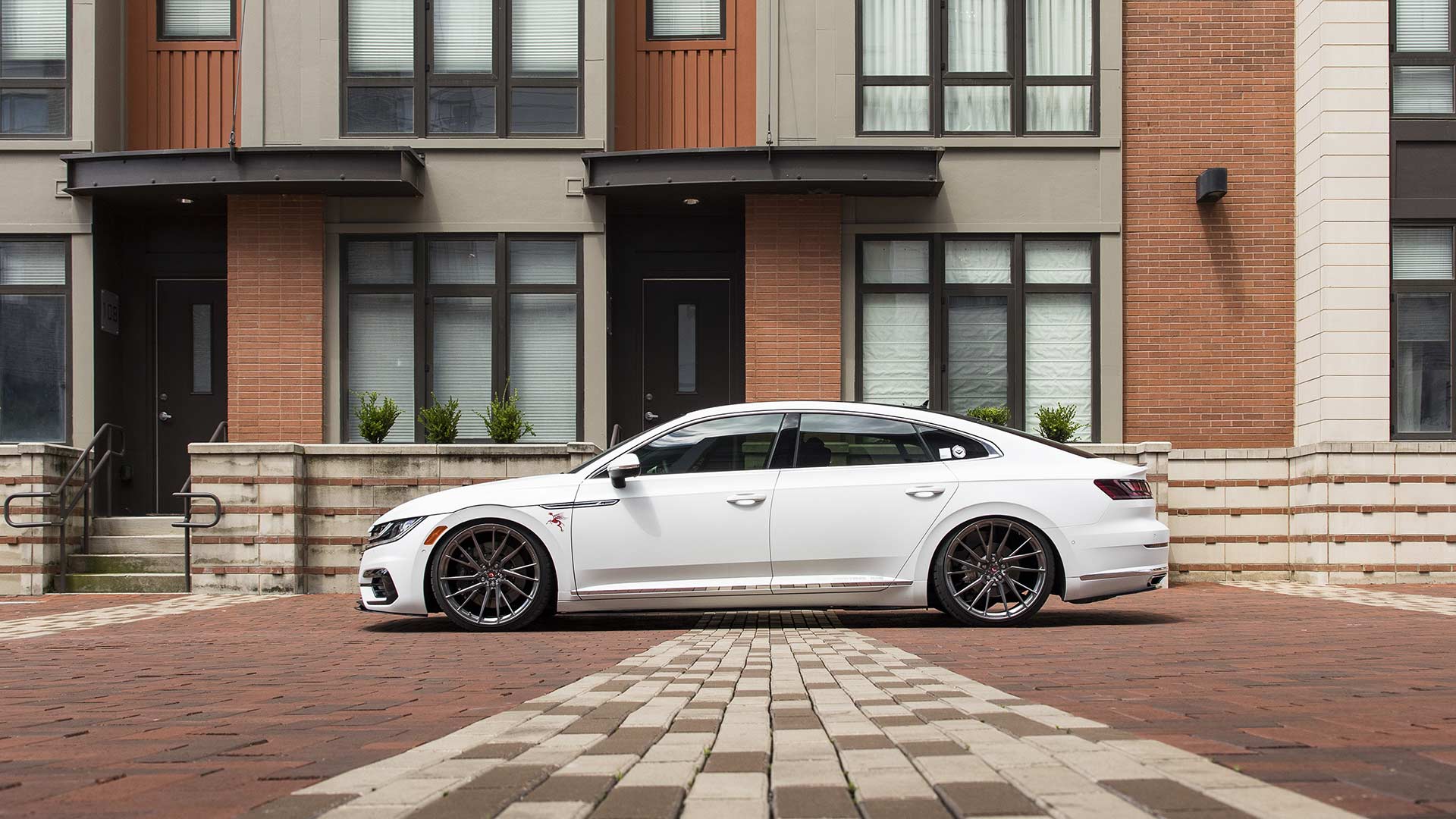
2019 Volkswagen USA Enthusiast Concept FleetFinally, Volkswagen is also taking the modified Arteon four-door coupe from the 2018 SEMA Show on the road. Developed with Vossen wheels, a set of 21-inch Vossen Forged M-X4T wheels are the most significant part of the upgrades.

The Pure White paint wears a satin protection film, and the Arteon also features H&R Ultra Low coilover suspension to drop it closer to the ground by 3 inches. A big brake kit and custom body kit was added after the SEMA event.

Volkswagen fans wanting to check out the seven cars in more detail should head to one of these eight events throughout the summer of 2019:

  • SOWO: The European Experience | Savannah, GA | May 18-19
  • Americas Rallycross | Madison, IL | July 13-14
  • Waterfest | Atco, NJ | July 21-22
  • Wolfsgart | Essex Junction, VT | Aug. 4-5
  • VAG Fair | York, PA | Aug. 4-5
  • SoCal Big Euro | San Diego, CA | Sept. 1
  • Pacific Waterland | Woodburn, OR | Sept. 9
  • Americas Rallycross | Austin, TX | Sep. 28
Advertisement

London Motor Show 2019 – in pictures

0

London Motor Show 2019

The London Motor Show is back for another year in 2019 at Excel in London’s Docklands. The organisers are calling it a new breed of motor show, where live action is as much of a draw as the new cars displayed on brand’s stands.

Tyre-smoking action is guaranteed throughout the four-day show: if you’re visiting this weekend (18-19 May), here are some of the other supercars, award-winning cars and British car reveals you must check out.

Jaguar I-Pace: World Car Awards champ

London Motor Show 2019

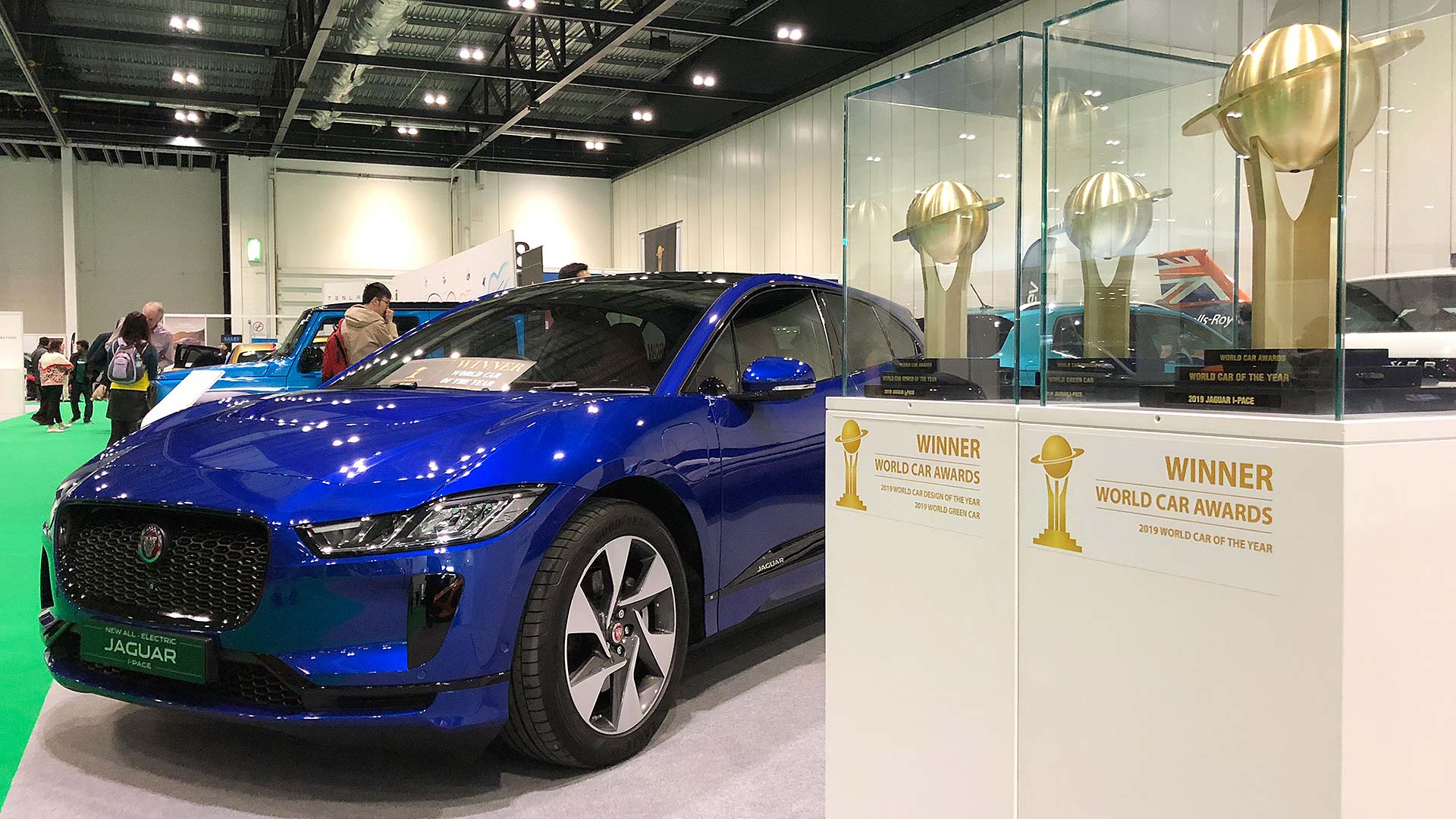
The Jaguar I-Pace is the star car on the World Car Awards stand. This year, it scooped an unprecedented THREE prizes at the awards ceremony in New York – World Green Car, World Car Design and overall World Car of the Year 2019. It’s shown alongside the actual gongs borrowed from Jaguar’s trophy cabinet…

McLaren 720S: world’s best performance car 2019

London Motor Show 2019

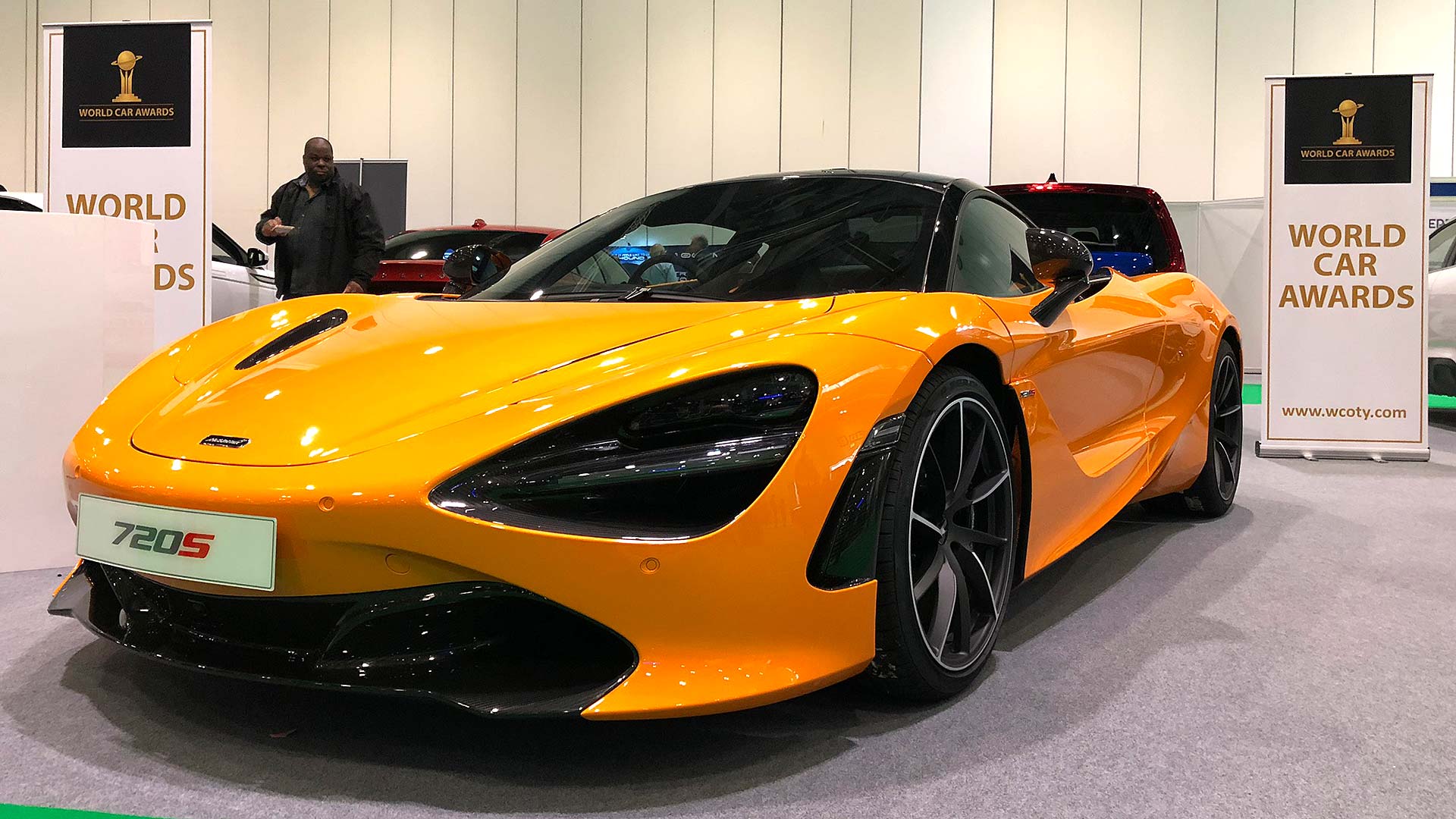
The McLaren 720S is another World Car Awards winner, taking the 2019 World Performance Car prize. And it seemed to be one of the most-photographed exhibits at this year’s London Motor Show.

Tesla Model 3

London Motor Show 2019

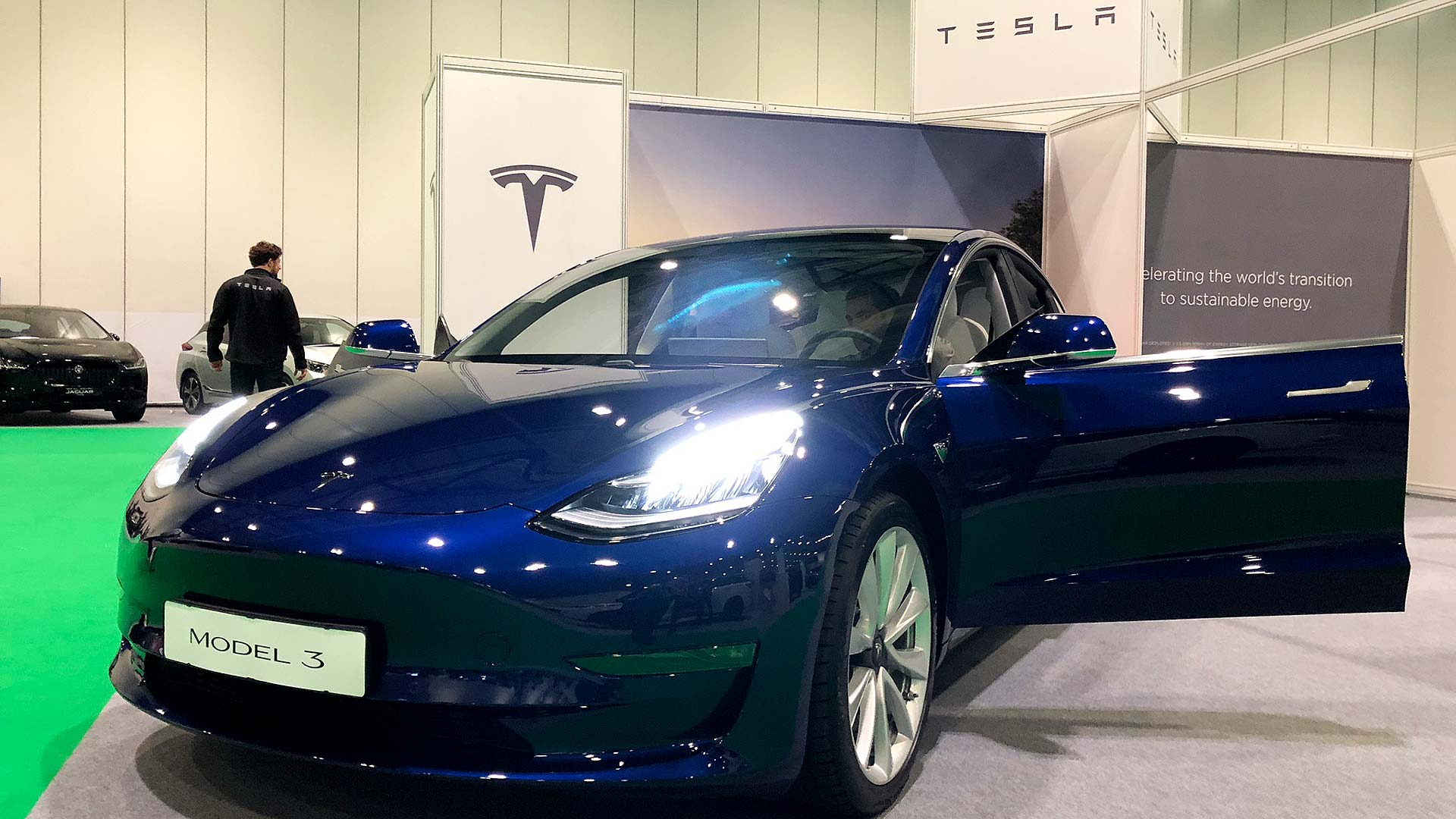
The Tesla Model 3 is at last landing in the UK! One of the must-have, most hotly-anticipated new EVs of 2019 is sure to draw plenty of interest this weekend.

New Range Rover Evoque

London Motor Show 2019

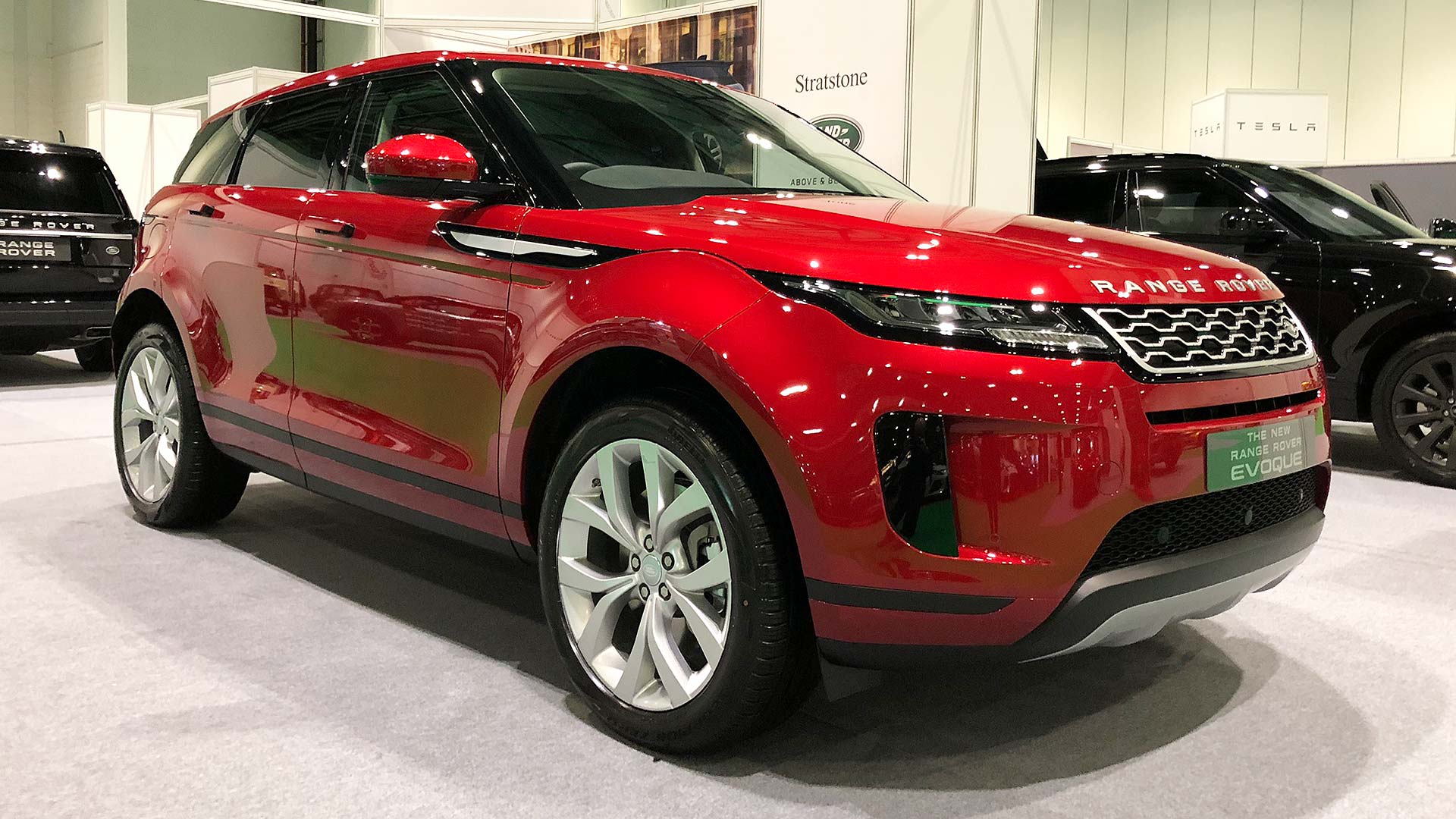
Another new model arriving in dealer showrooms right now is the latest Range Rover Evoque. The firm is hoping it can repeat the incredible success of its sector-defining predecessor.

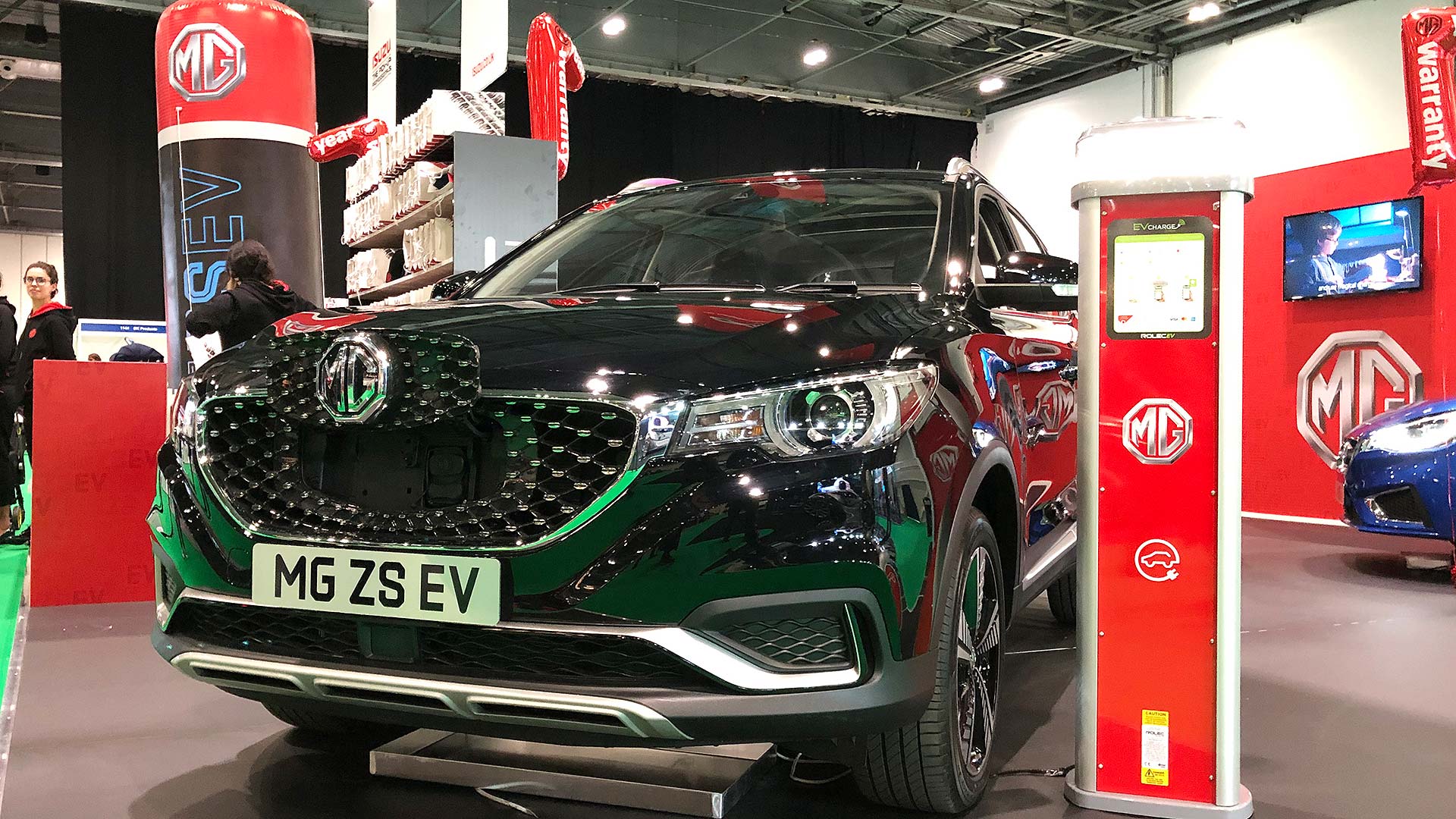
MG ZS EV: an electrifying show debut

London Motor Show 2019

British brand MG actually gave its all-electric ZS EV a British market debut at the Excel Docklands show. It arrives later this year and the firm is targeting both an incredibly competitive price tag and a range of over 200 miles. Bosses are quietly confident this could be a game-changer for the reborn firm now based in Marylebone, London.

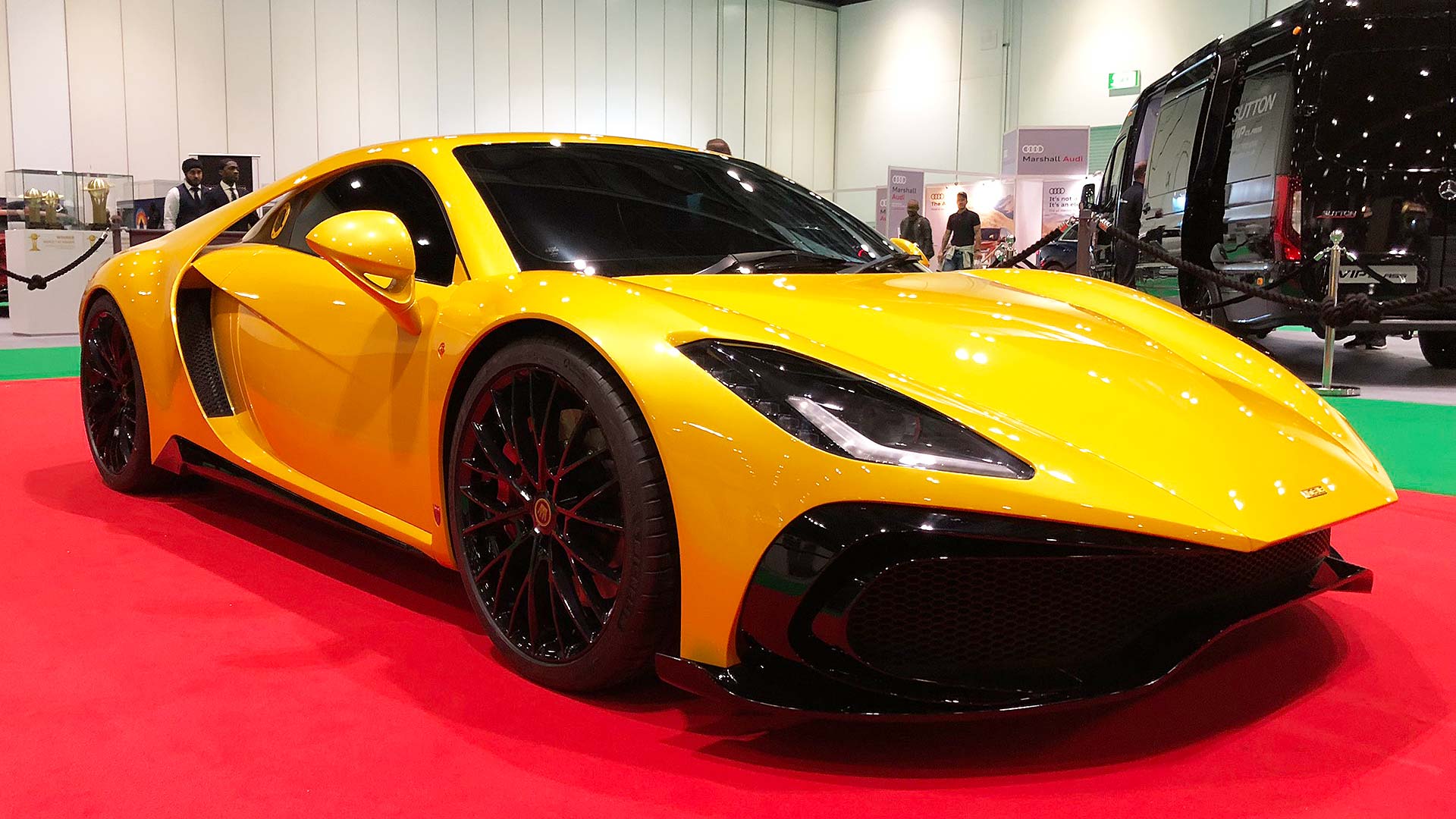
Noble M500 prototype

London Motor Show 2019

The more affordable alternative to the Noble M600 supercar, the M500 is Noble’s vision of what its sports car rival to the McLaren 570S could look like. Boasting a Ford V6 twin-turbo putting out 500 to 550 horsepower, this model is in development right now. The prototype is an early look at what’s in store…

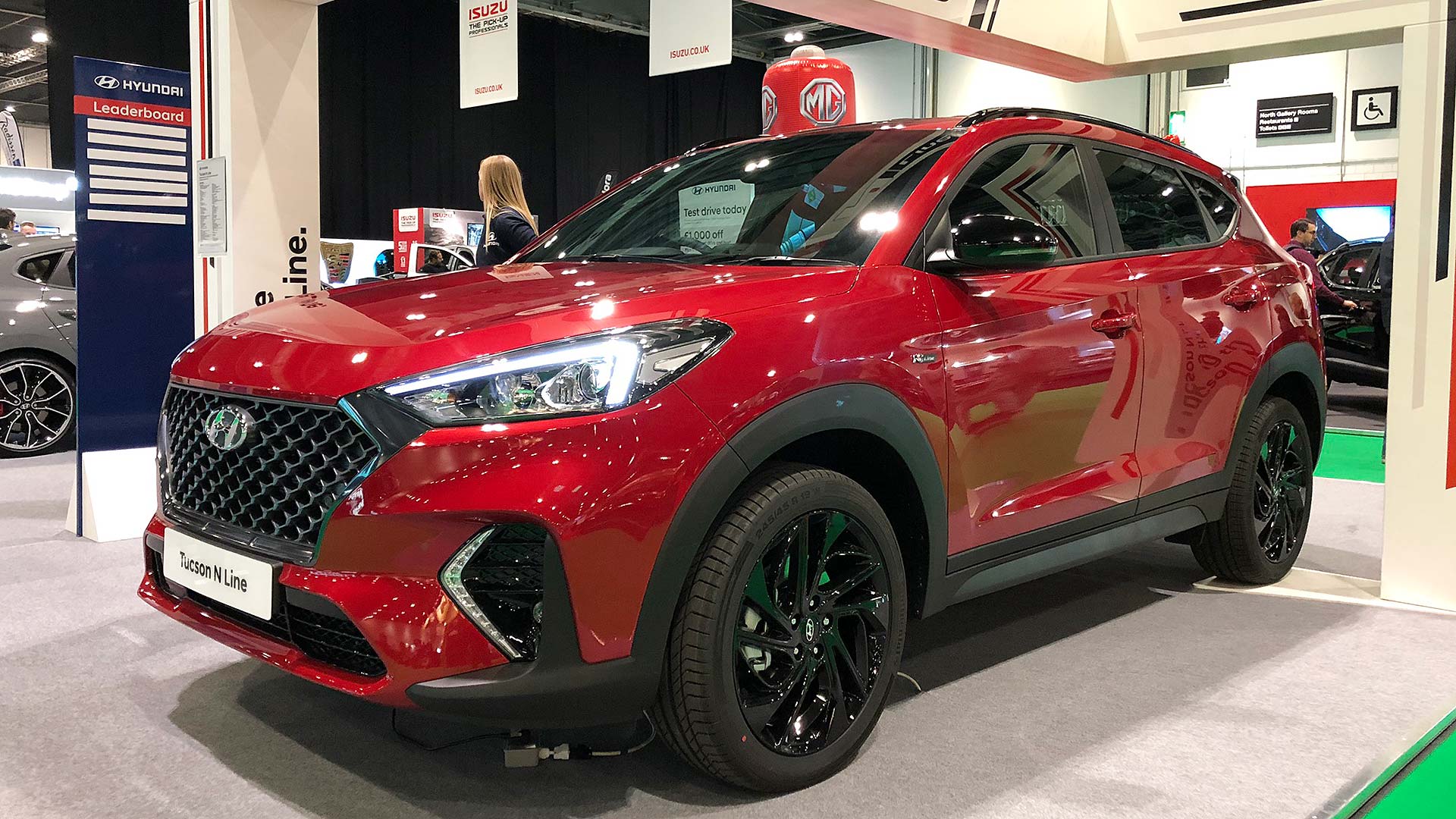
Hyundai Tucson N-Line

London Motor Show 2019

Hyundai has only just announced the N-Line series for its popular Tucson family SUV, yet it’s already here on show in London. Standout features include sportier wheels and black-accented body cladding, plus a neat set of black door mirrors.

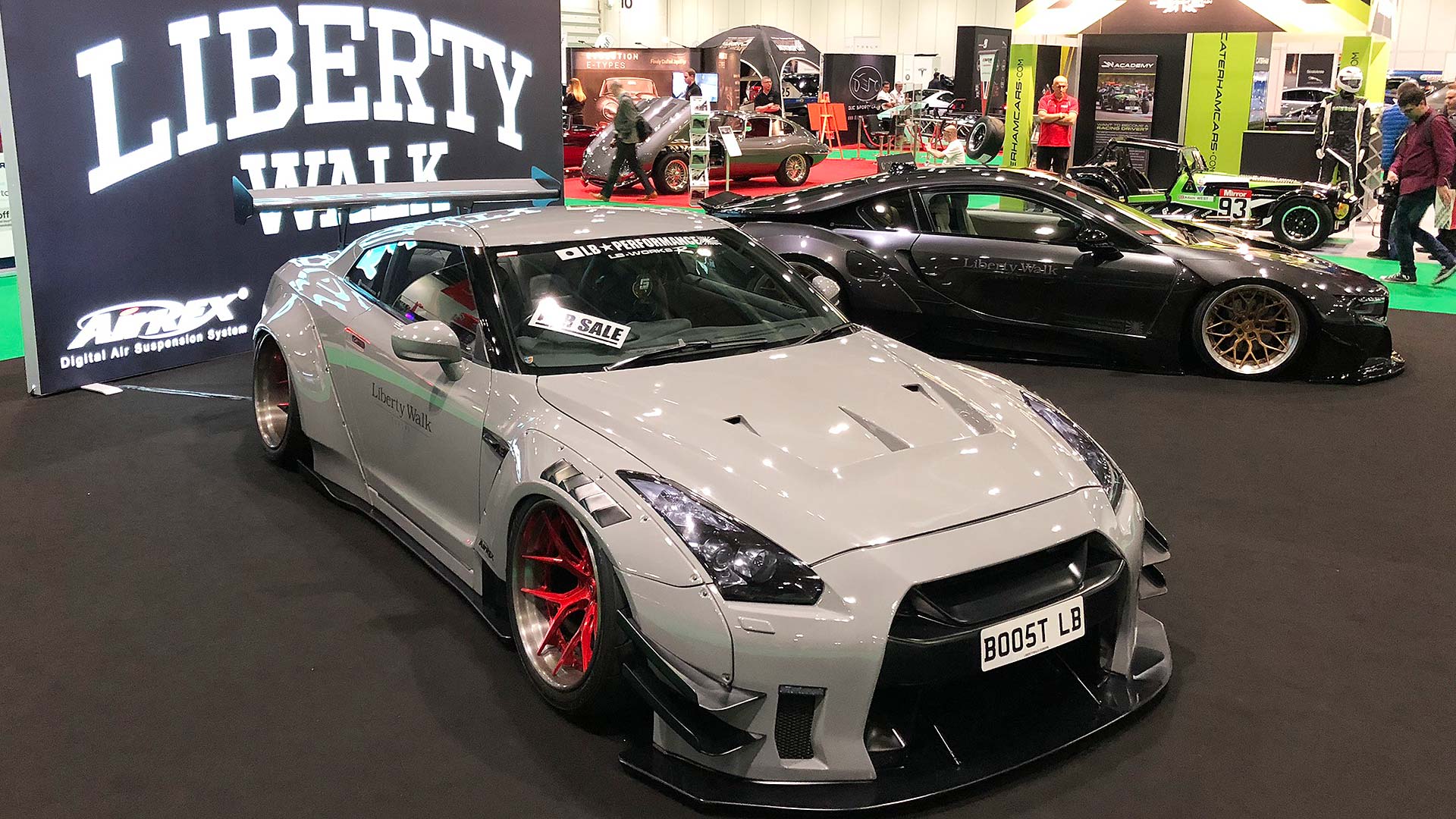
Liberty Walk

London Motor Show 2019

Liberty Walk is one of the most talked-about and controversial modding companies of recent years. If you want the stance and aero of a racing car, they’ll make it happen. They’ve applied their not-so-subtle touch to everything from Nissan GT-Rs to Ferraris and Lamborghinis. Such is the popularity of these rivet-happy modders, their kits are even available as upgrades on a variety of racing games.

Ferrari Enzo

London Motor Show 2019

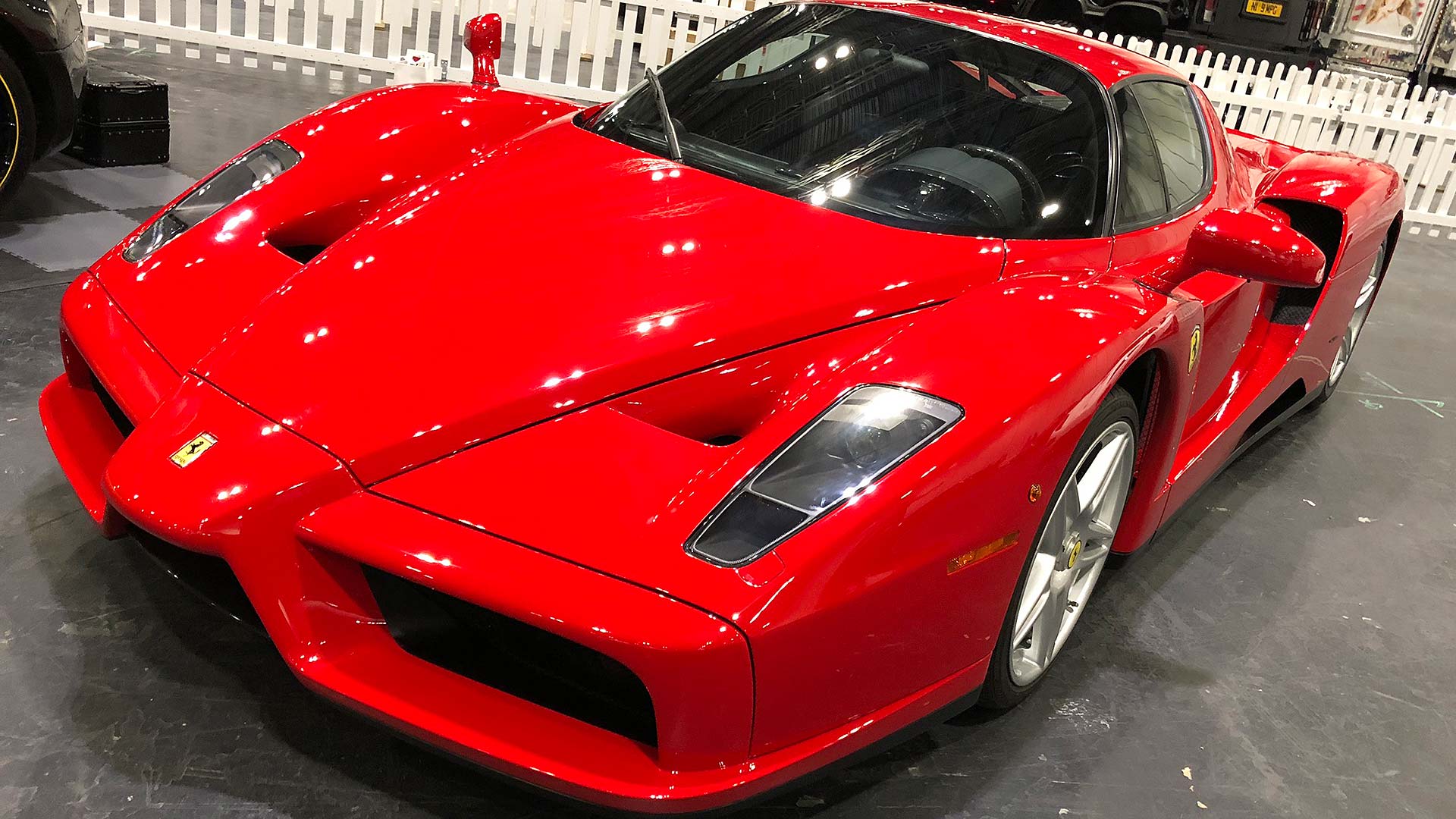
In the name of the Father. The Enzo was named after the man himself, Enzo Ferrari, otherwise known as the man that started it all in Maranello. The Enzo, originally F60, earned its name because of how proud the marque was of its creation back in 2002. A 650hp 6.0-litre V12, revolutionary paddle-shift transmission and an all-carbon structure and those striking looks made this one of the most desirable hypercars of the early 2000s. While it cost ‘just’ £600,000 in period, if you were lucky enough to be selected to buy one, today, Enzo entry costs well over £1 million…

Del Boy’s Reliant van

London Motor Show 2019

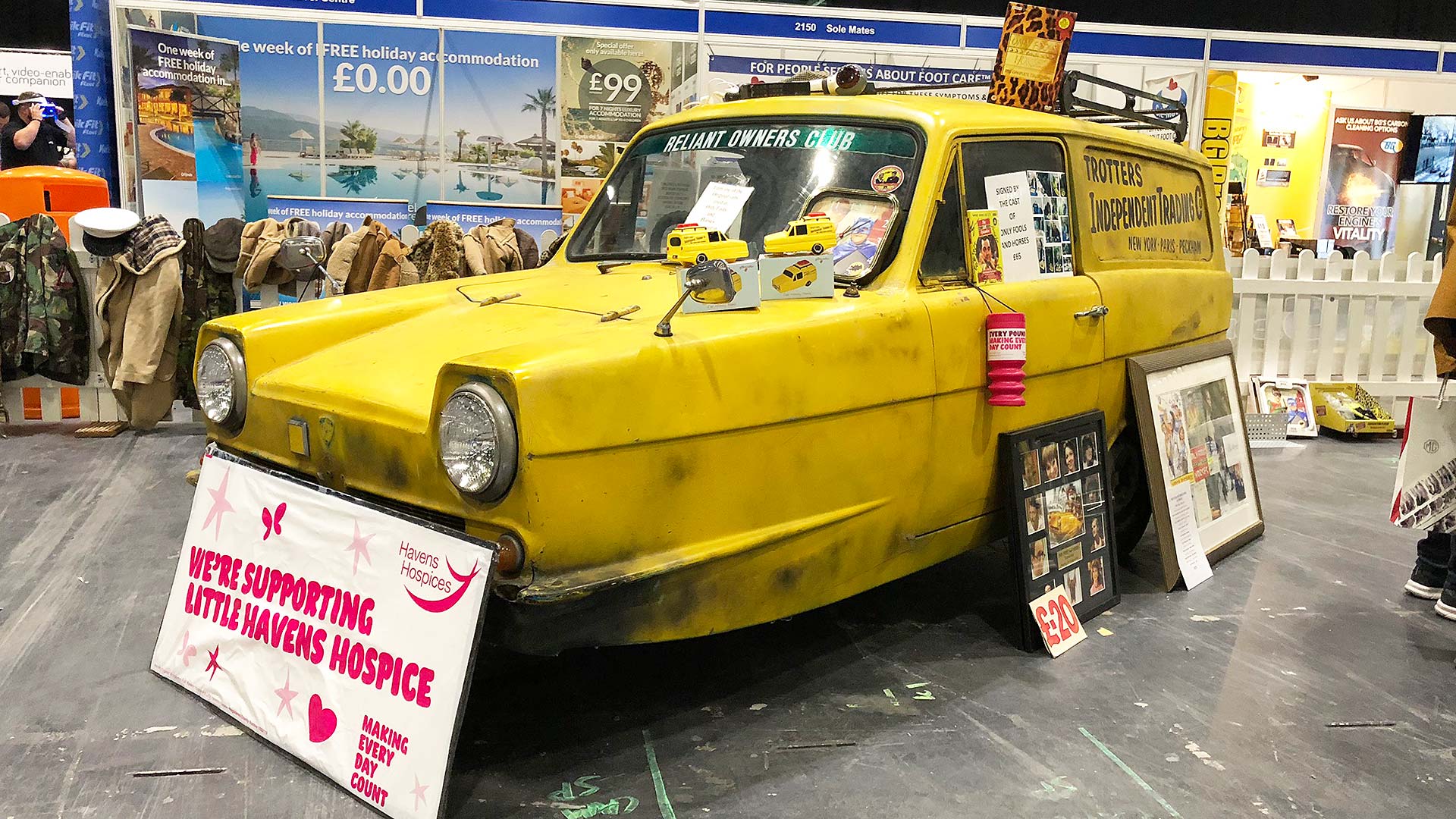
It wouldn’t be a true East London car show if there wasn’t an Only Fools and Horses van on show, would it? This is one of several cars actually used by Del Boy and Rodney in the 1980s sitcom.

Back to the Future DeLorean

London Motor Show 2019

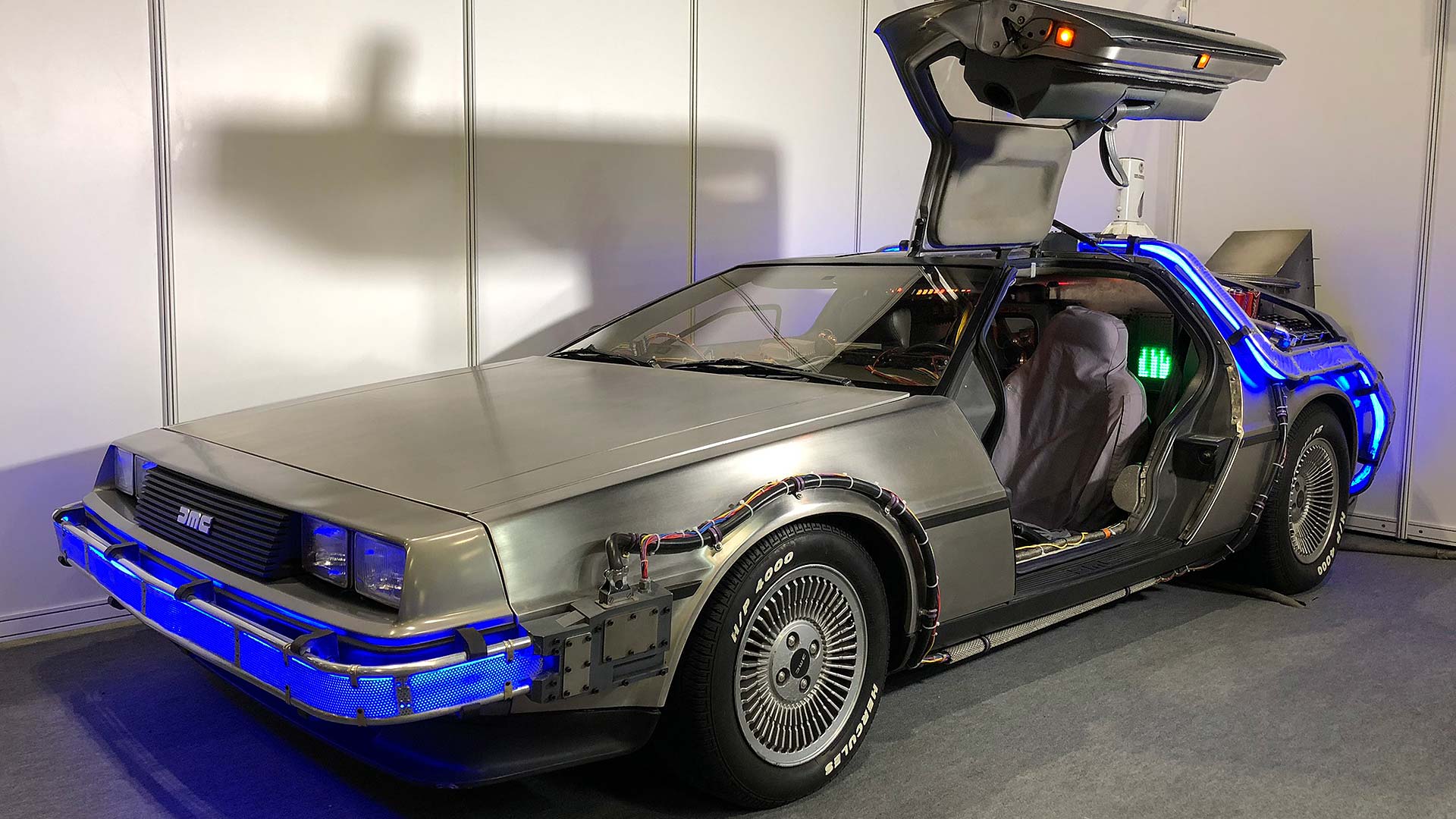
Another motor show regular is a Back to the Future DeLorean. Given that the first instalment was released back in 1985, it’s likely to be dads rather than their kids queuing up here to have their photo taken in it…

Golden Rolls-Royce

London Motor Show 2019

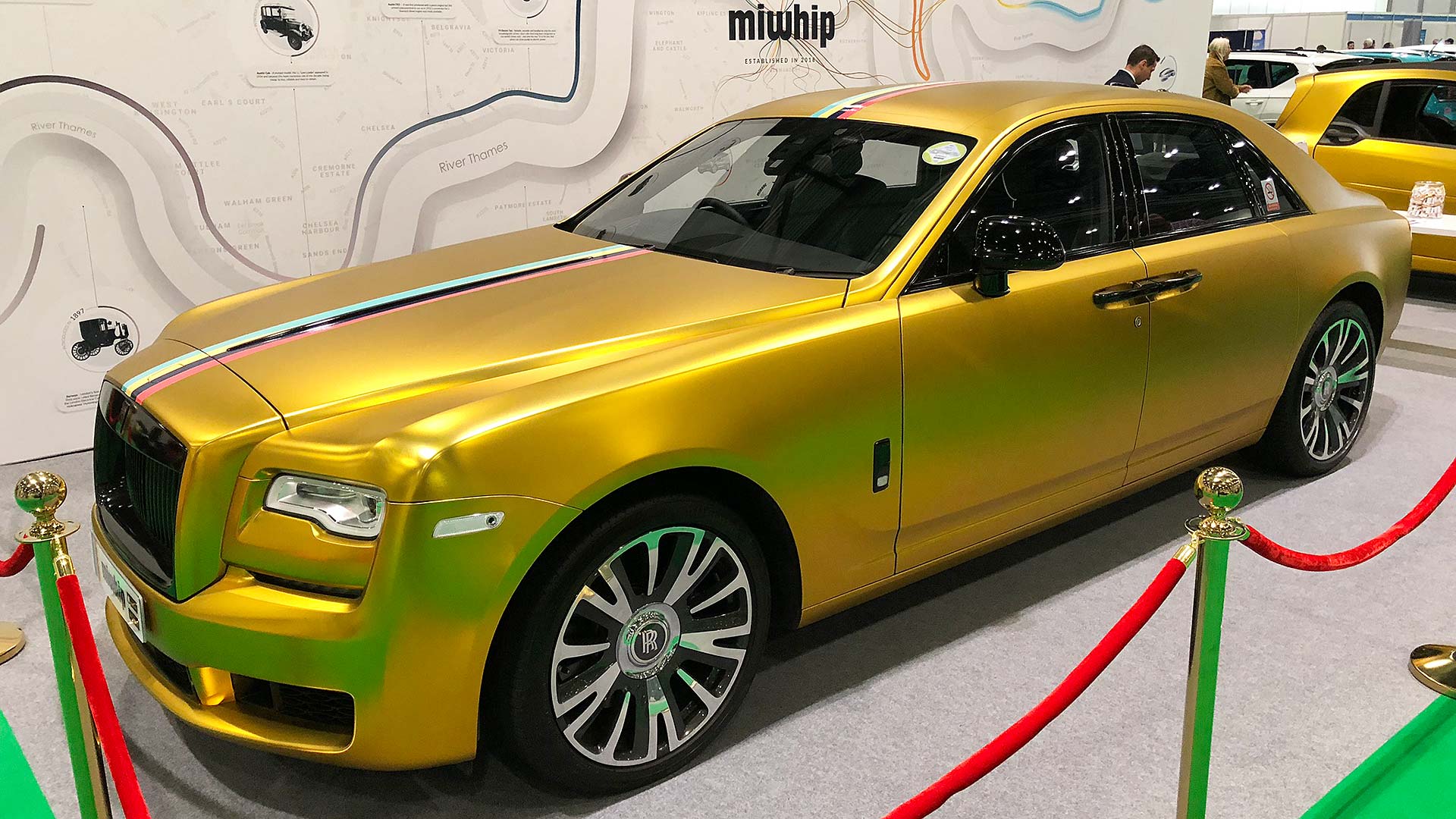
For when your bank balance far outstrips any sense of taste you might call upon, there’s this golden Rolls-Royce…

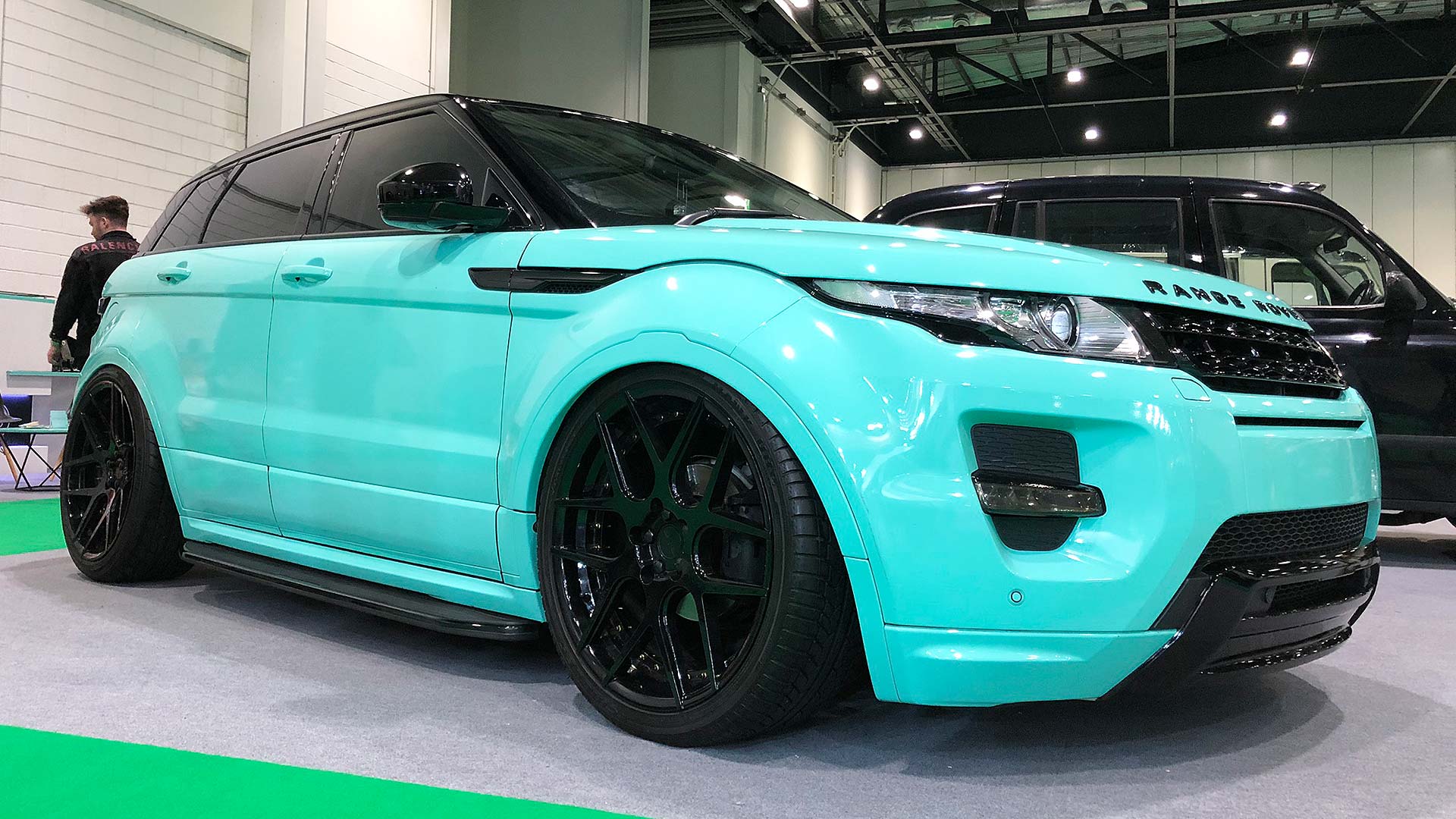
Slammed Range Rover Evoque

London Motor Show 2019

Likewise, this ‘low ’n’ slow’ Range Rover Evoque. We don’t see this tackling the Darien Gap any time soon…

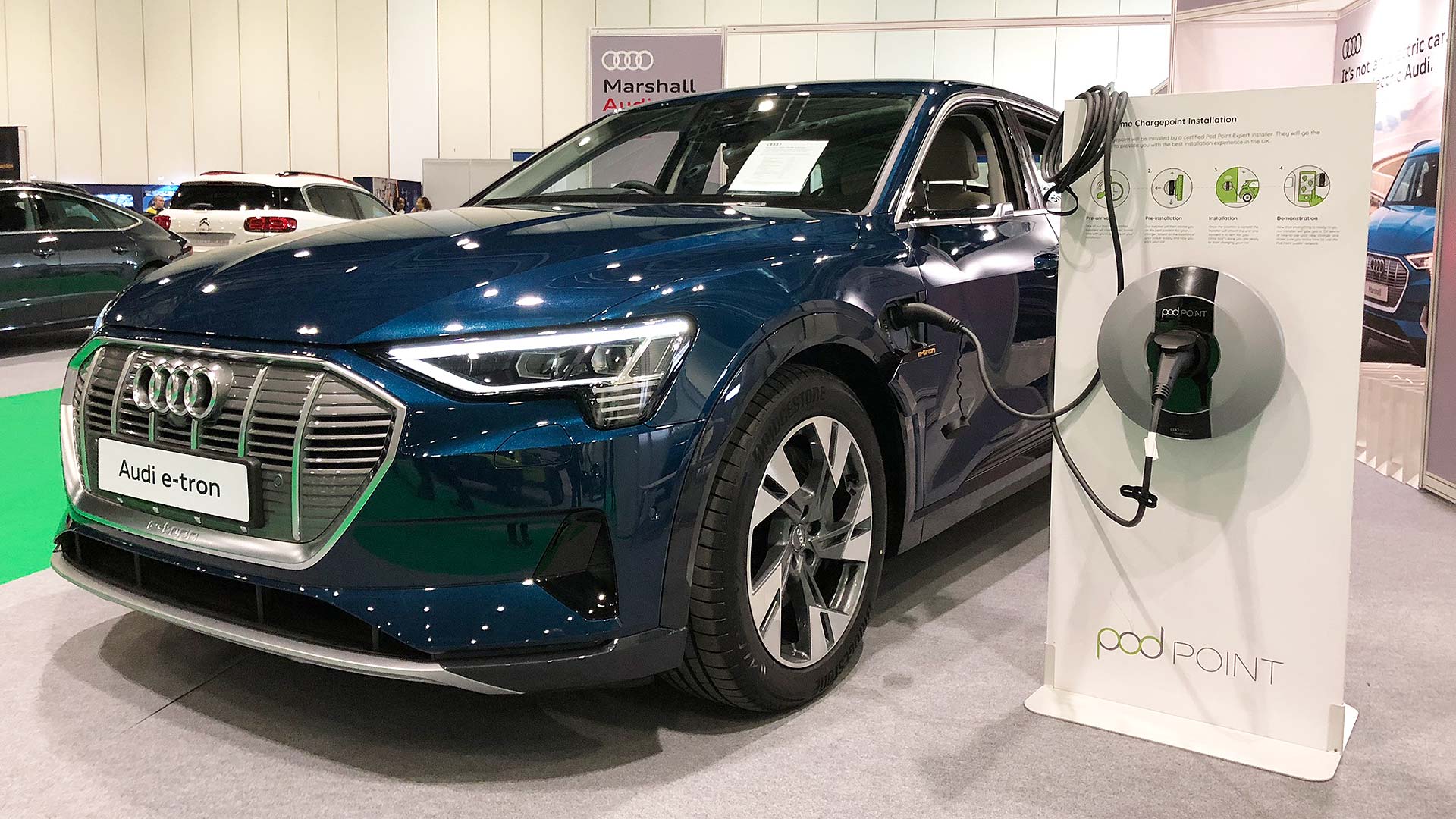
Audi e-tron EV

London Motor Show 2019

The Audi e-tron is the all-electric rival to the Jaguar I-Pace. Britain pipped Germany in the World Car Awards finals, leaving the e-tron as a still-worthy runner-up.

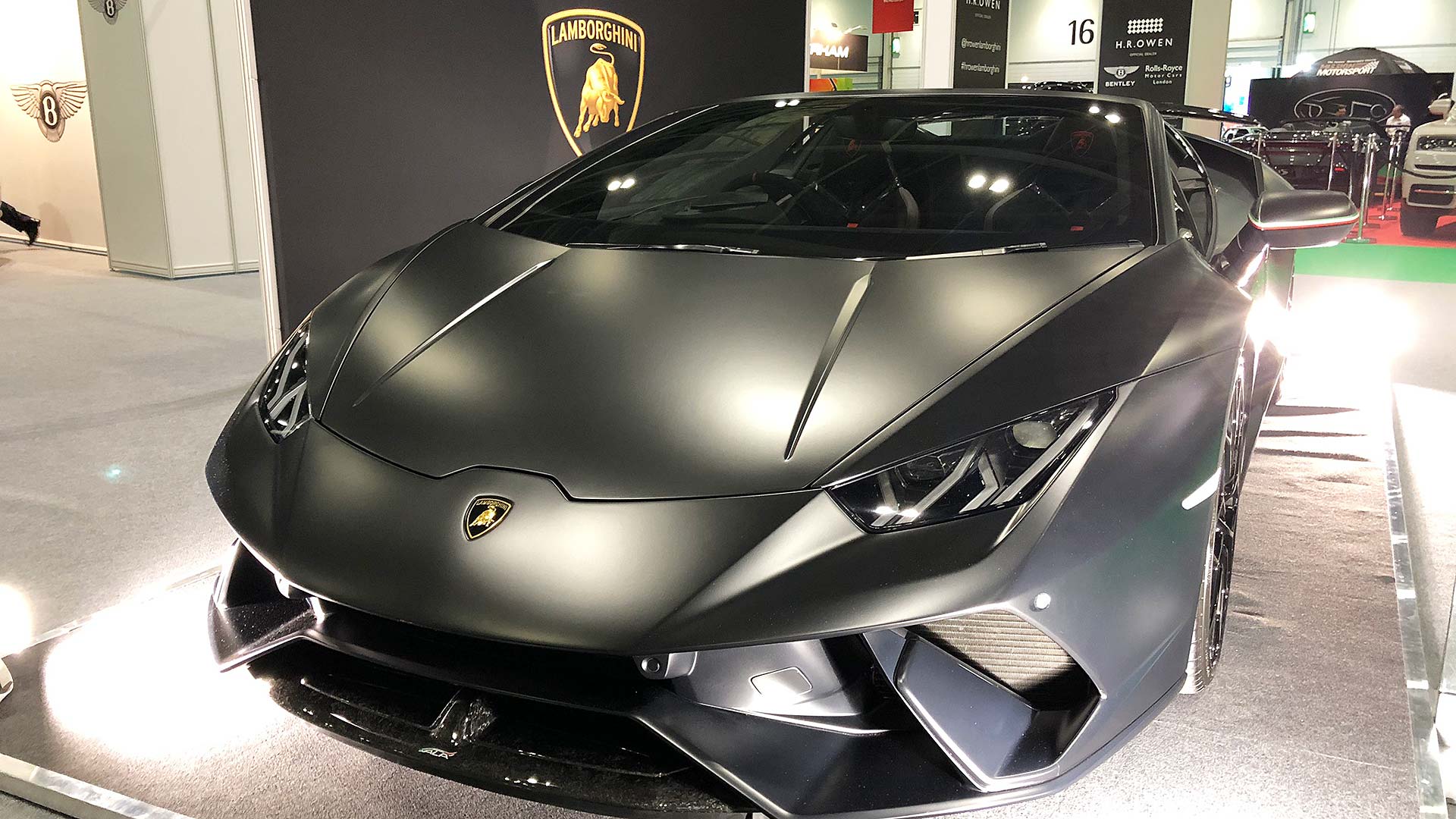
Lamborghini at London Motor Show 2019

London Motor Show 2019

The mighty Lamborghini Huracan Performante Spyder is on display at the London show. The hard-top coupe set a Nurburgring lap record, and the Spyder is not likely to be far behind. It puts out 640 horsepower from its mid-mounted V10 engine, but it’s the noise and spectacle that’s more of a draw for most…

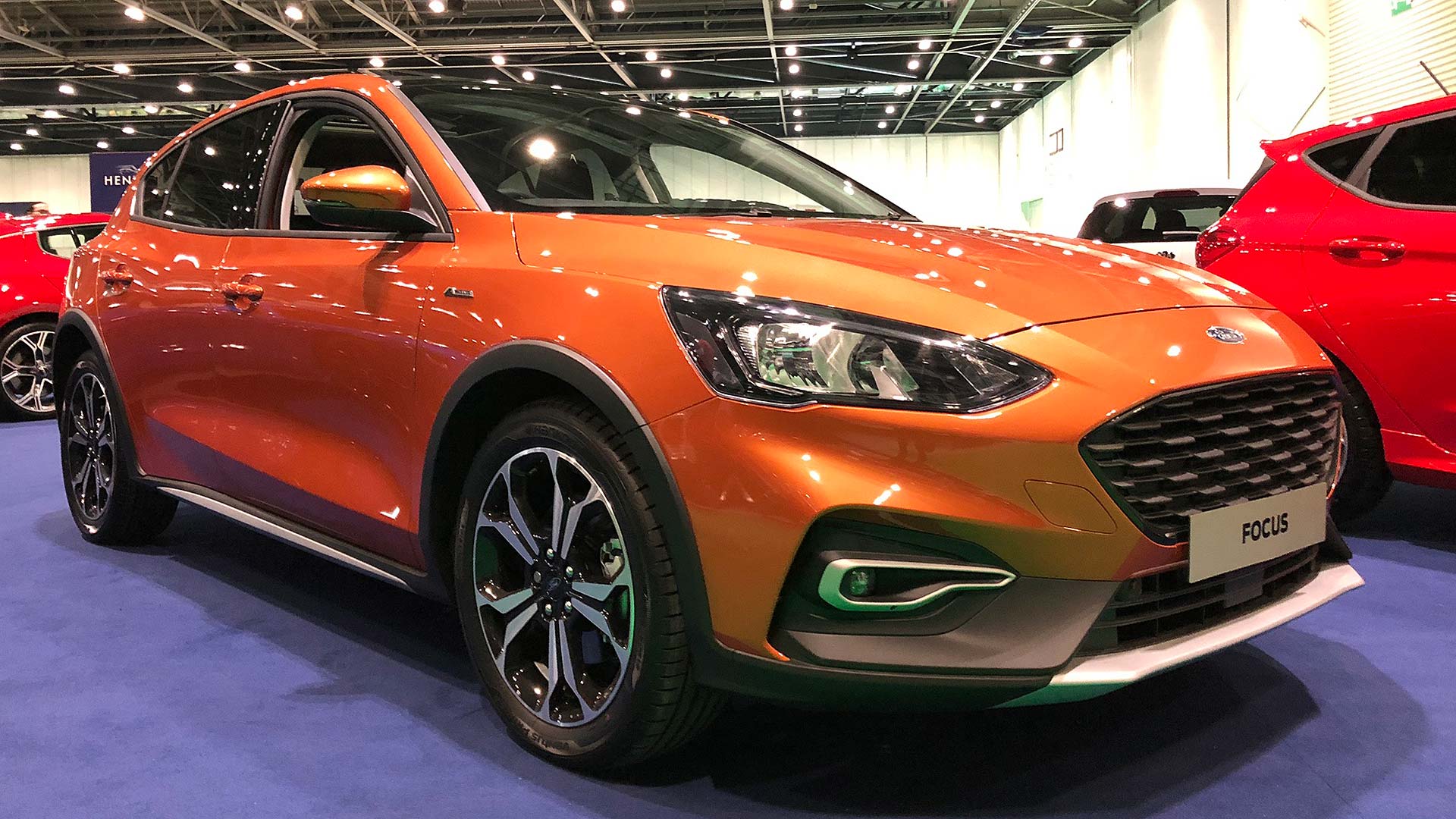
Ford Focus Active

London Motor Show 2019

The Focus Active is Ford’s ‘in-betweener’ SUV. It’s a raised-up Focus with extra body cladding and tougher bodyside mouldings, for those who want to feel a bit more secure and all-roads ready without going all-out with an SUV.

Mitsubishi Outlander PHEV

London Motor Show 2019

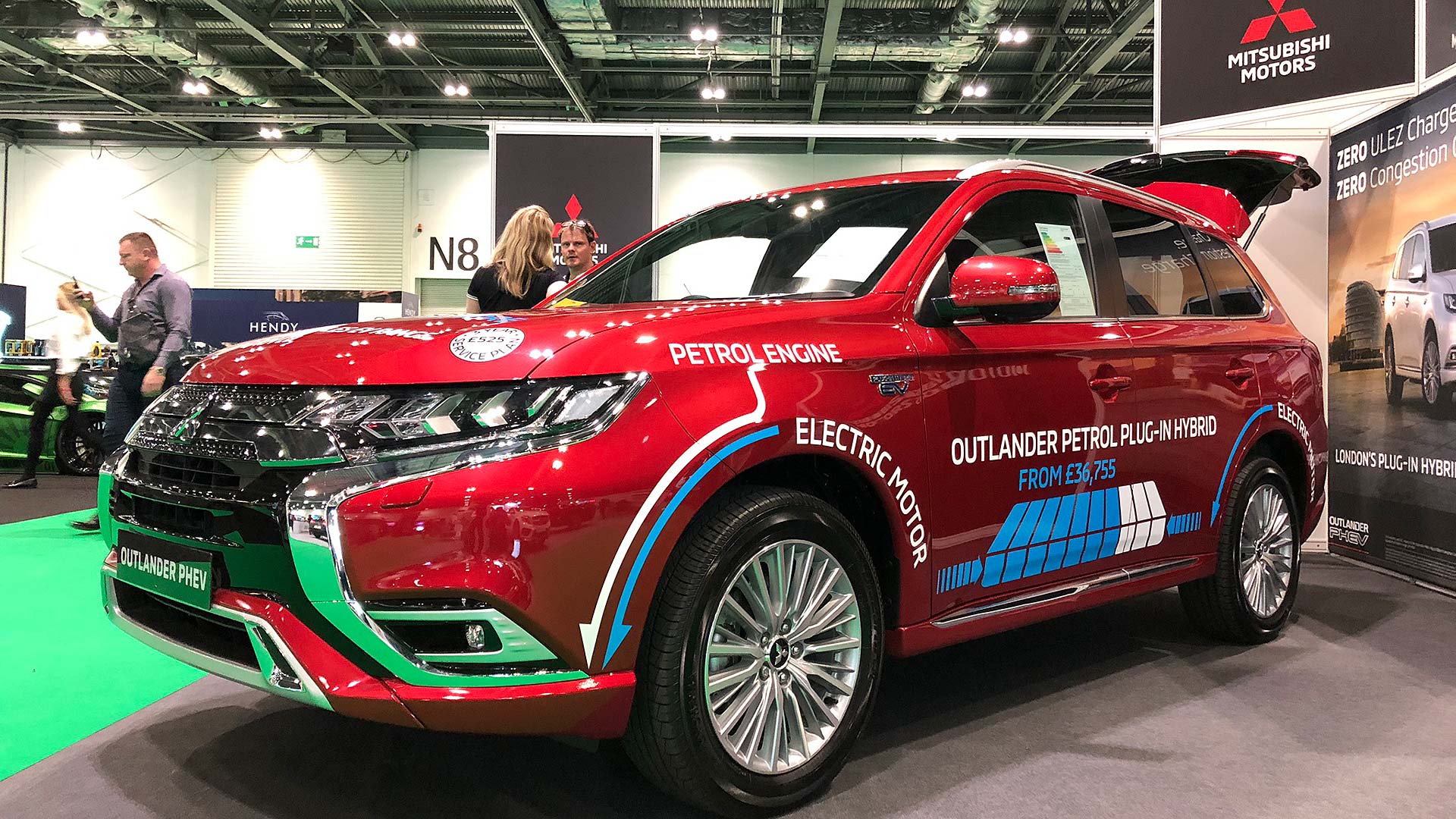
The Outlander PHEV (and its commercial van sister car) is Mitsubishi’s answer to the London ULEZ. The Japanese brand is here at the London Motor Show 2019 with an officially-backed stand to support its London-based dealers in spreading the message.

Bugatti Chiron

London Motor Show 2019

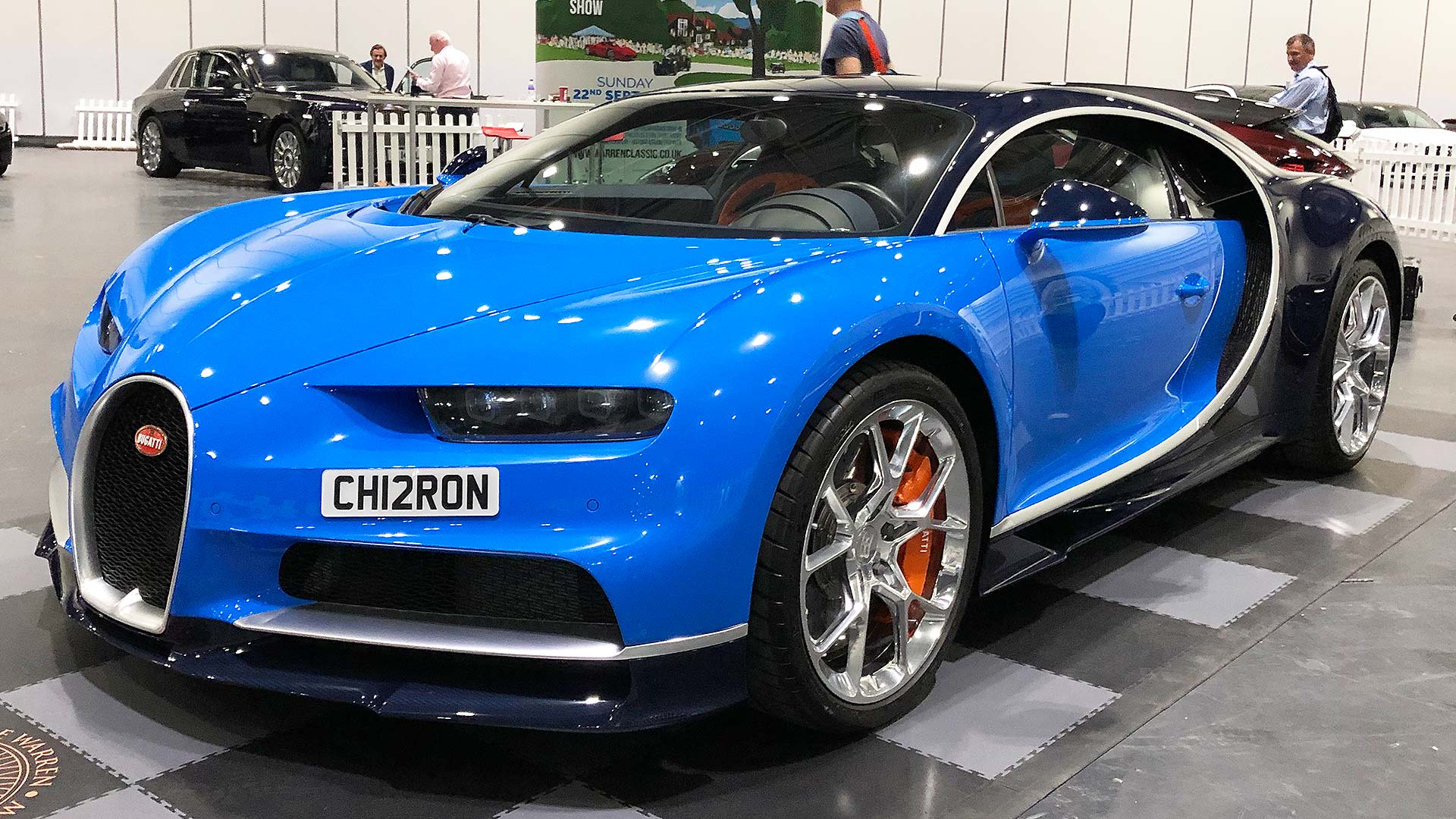
London is lucky enough to have what could be the world’s fastest car at the 2019 Excel show. The Chiron has yet to set a top speed challenge…

Bugatti Veyron

London Motor Show 2019

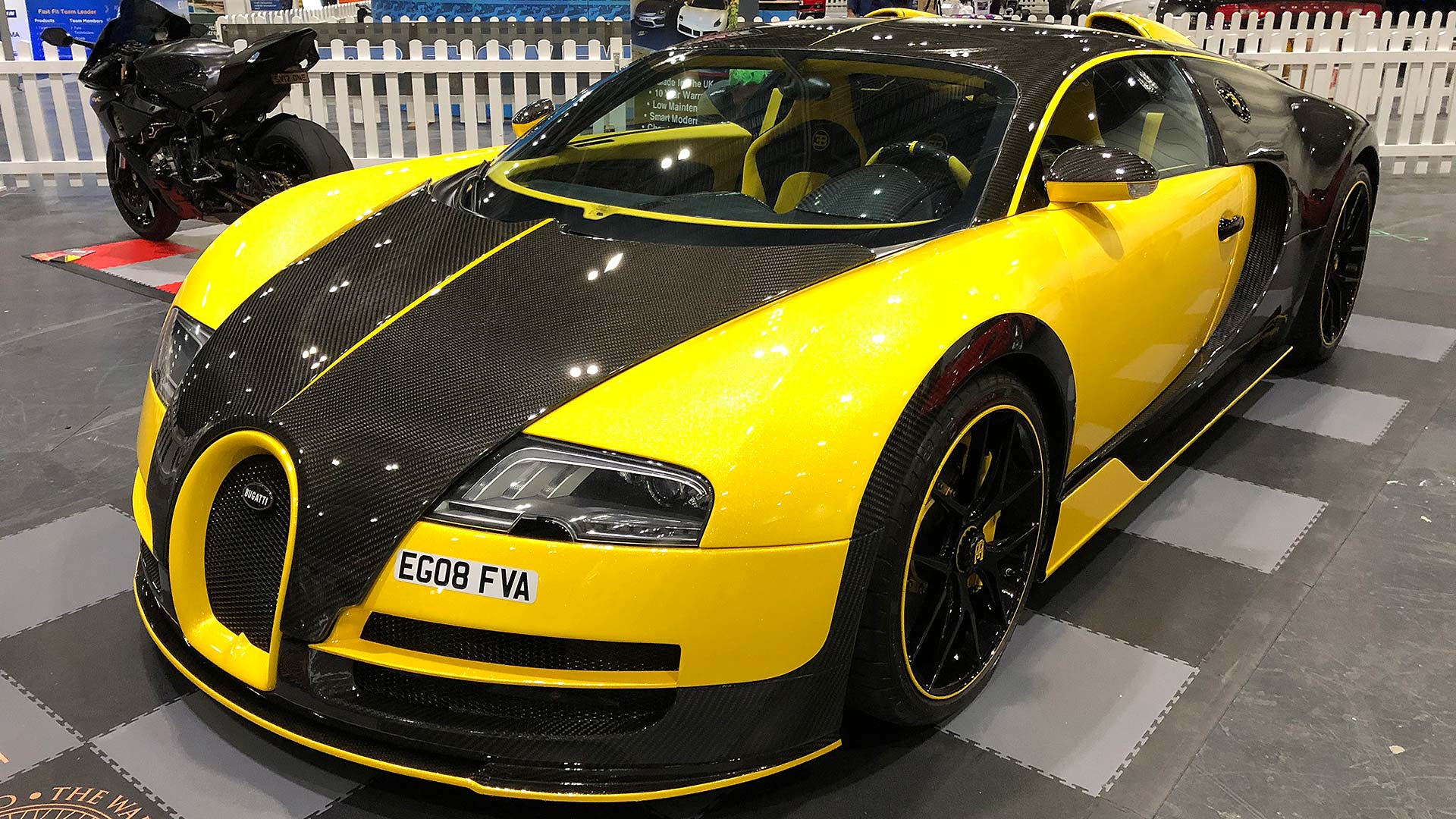
… But it’s sure to beat the 261mph time set by the ultimate version of its Bugatti Veyron predecessor, right?

ALSO READ

Supercar Sunday 2019 at Goodwood

Safety first: does your car need to be recalled?

The great British blunder: 50 years of the Austin Maxi

Advertisement

Minis and mini skirts on show at the Goodwood Revival

0

Goodwood Revival 2019

Minis and mini skirts will be the order of the day at this year’s Goodwood Revival, as the popular event brings Swinging Sixties London to the Sussex countryside.

Three Mini Coopers once owned by Beatles Paul McCartney, George Harrison and Ringo Starr will star alongside a Mini previously owned by Cilla Black.

Brian Epstein presented each member of the ‘Fab Four’ with a Mini in 1966, with each car sent to coachbuilders Radford and Hooper for customisation. 

Ringo’s was given a hatchback to accommodate his drum kit, while George’s was treated to a ‘Tantric’ paint job. Sadly, the whereabouts of John Lennon’s Mini Cooper are unknown.

Goodwood Revival fashion

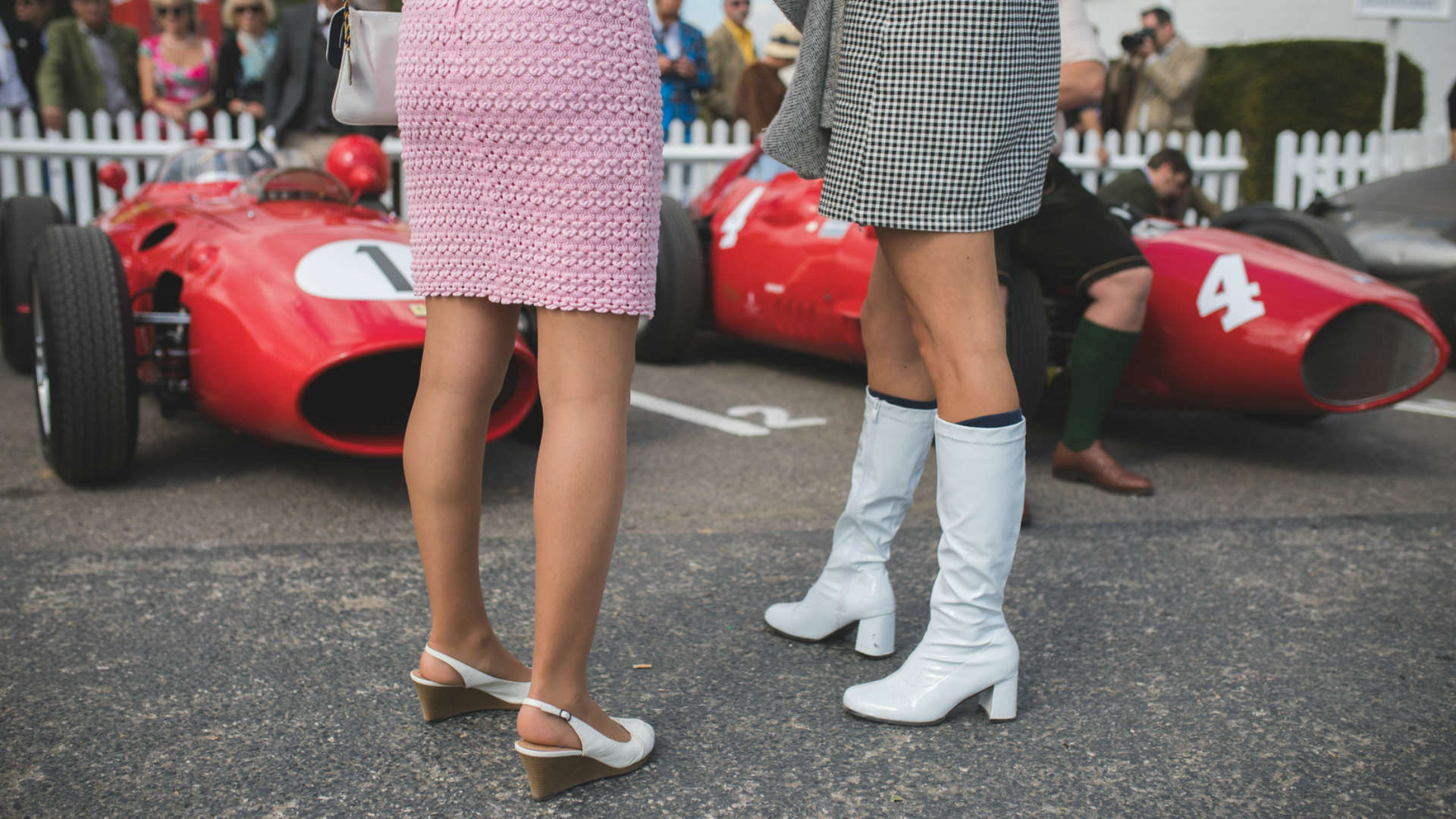
As is traditional for the Revival, period fashion is very much part of the event, so visitors are invited to plan their outfits in advance.

Mary Quant, Twiggy and Dior are expected to be the strongest influences, with mini skirts, thigh-high boots, geometric prints and beehives likely to be the order of the day.

Mod fashion and the ‘Mop Top’ will also feature highly, although anything from the 1948-66 era is suitable for the Revival.

To encourage event-goers to make a special effort, Goodwood will create several photo back-drops with professional photographers, so you can expect plenty of Instagram action.

The Goodwood Revival takes place over the weekend of 13-15 September, but Saturday tickets and three-day passes have sold out. Friday and Sunday tickets are still available.

Advertisement

Rare Roman coin is the latest ‘remarkable discovery’ on new road

0

Roman coin found under A14

A rare Roman coin can be added to the list of amazing artefacts found by the archaeologists working alongside the A14 upgrade in Cambridgeshire.

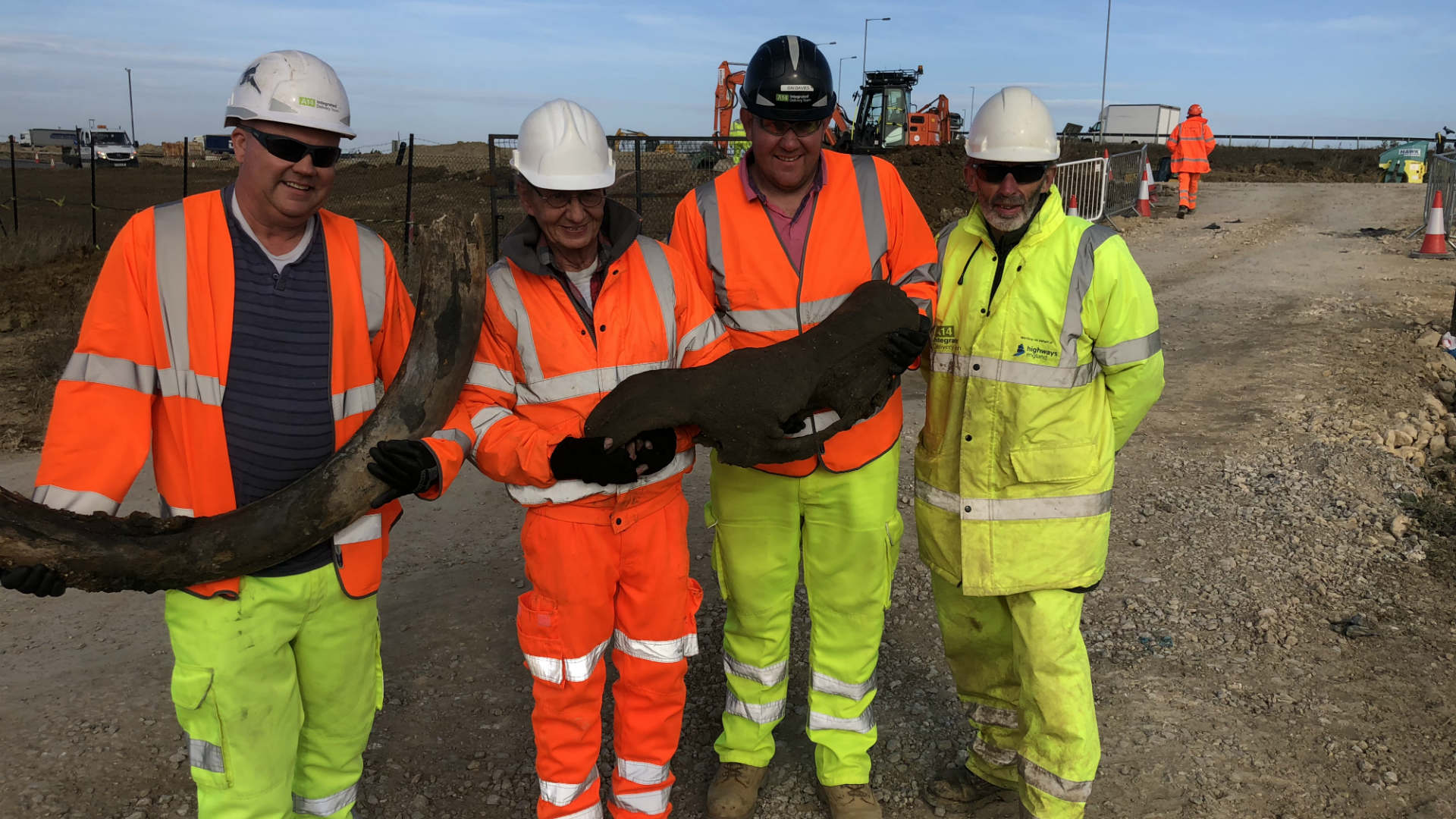
It follows the discovery of what is believed to be evidence of the first beer brewed in the UK, along with the remains of a woolly mammoth and woolly rhino, both probably at least 100,000 years old.

Other discoveries found by the team – led by the aptly-named Dr Steve Sherlock – include prehistoric henges, Iron Age settlements, Roman pottery kilns, three Anglo-Saxon villages, and a deserted medieval village. The project also unearthed a coin dating back to 57 BC, meaning it was likely minted to help fund the resistance to Julius Caesar.

Get Tony Robinson on the blower: this is enough to fill an entire series of Time Team.

woolly rhino and woolly mammoth

A ‘remarkable discovery’

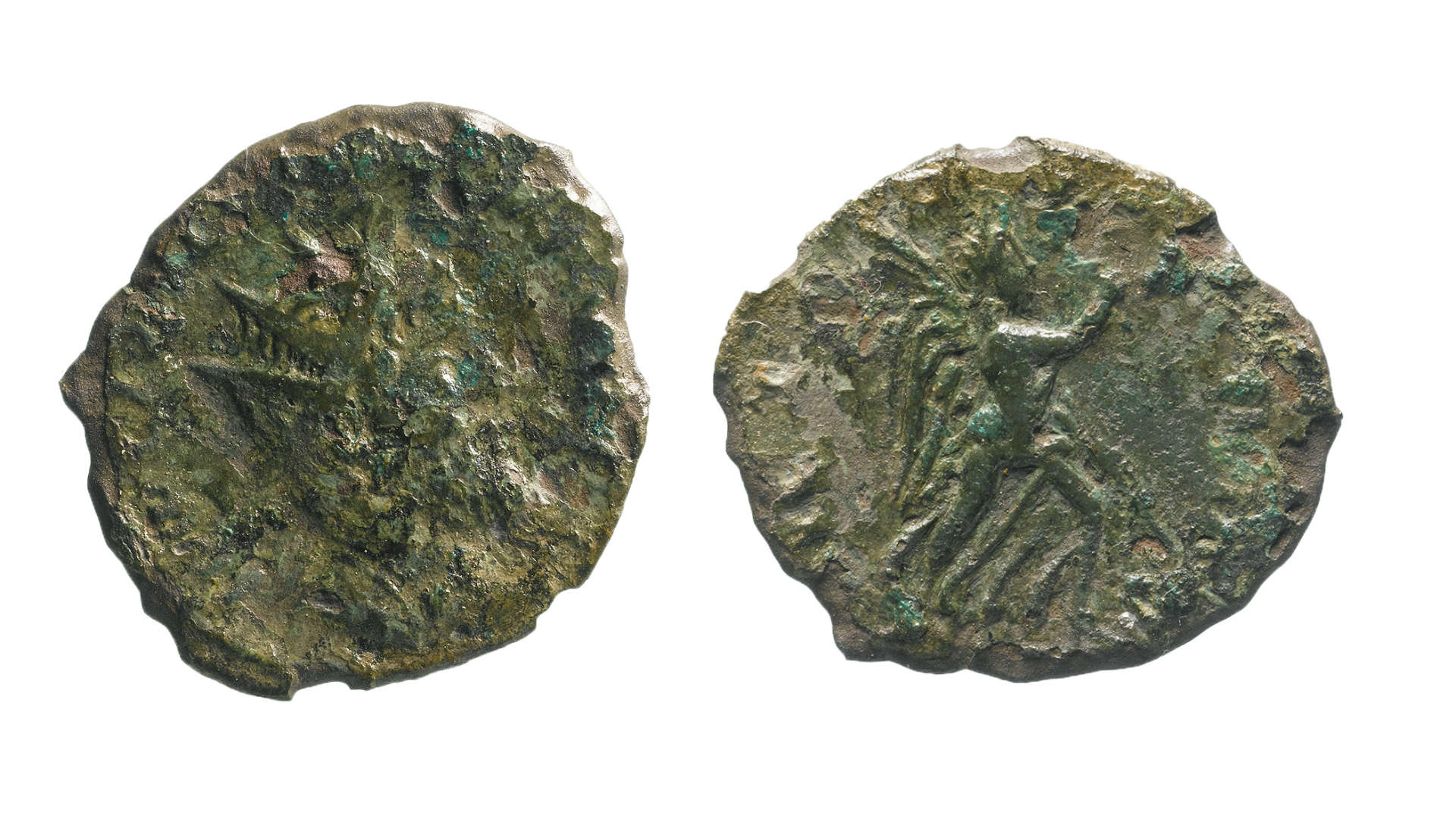
The coin is described by Highways England as a “remarkable discovery” and depicts the Roman emperor Ulpius Cornelius Laelianus wearing a radiate crown. It’s only the second of its kind to be discovered on an archeological dig in England.

It was found in a ditch of a small Roman farmstead unearthed on the project. The head on the coin has been identified by a leading expert.

We’ve done a little, um… digging of our own, and have discovered that Laelianus was born in 269 AD and that “history has little real knowledge about the gallic emperor”.

A number of coins were issued in his name, but his reign was thought to have lasted for just a couple of months before he was executed by his own soldiers.

A ‘rich history’

Dr Sherlock said: “Discoveries of this kind are incredibly rare. This is one of many coins that we’ve found on this exciting project, but to find one, where there are only two known from excavations in this country that portray this particular emperor, really is quite significant.

“I look forward to seeing how the analysis of this find along with numerous other Roman remains that we have found on this project help us better understand our past.”

Julian Bowsher with Roman coin

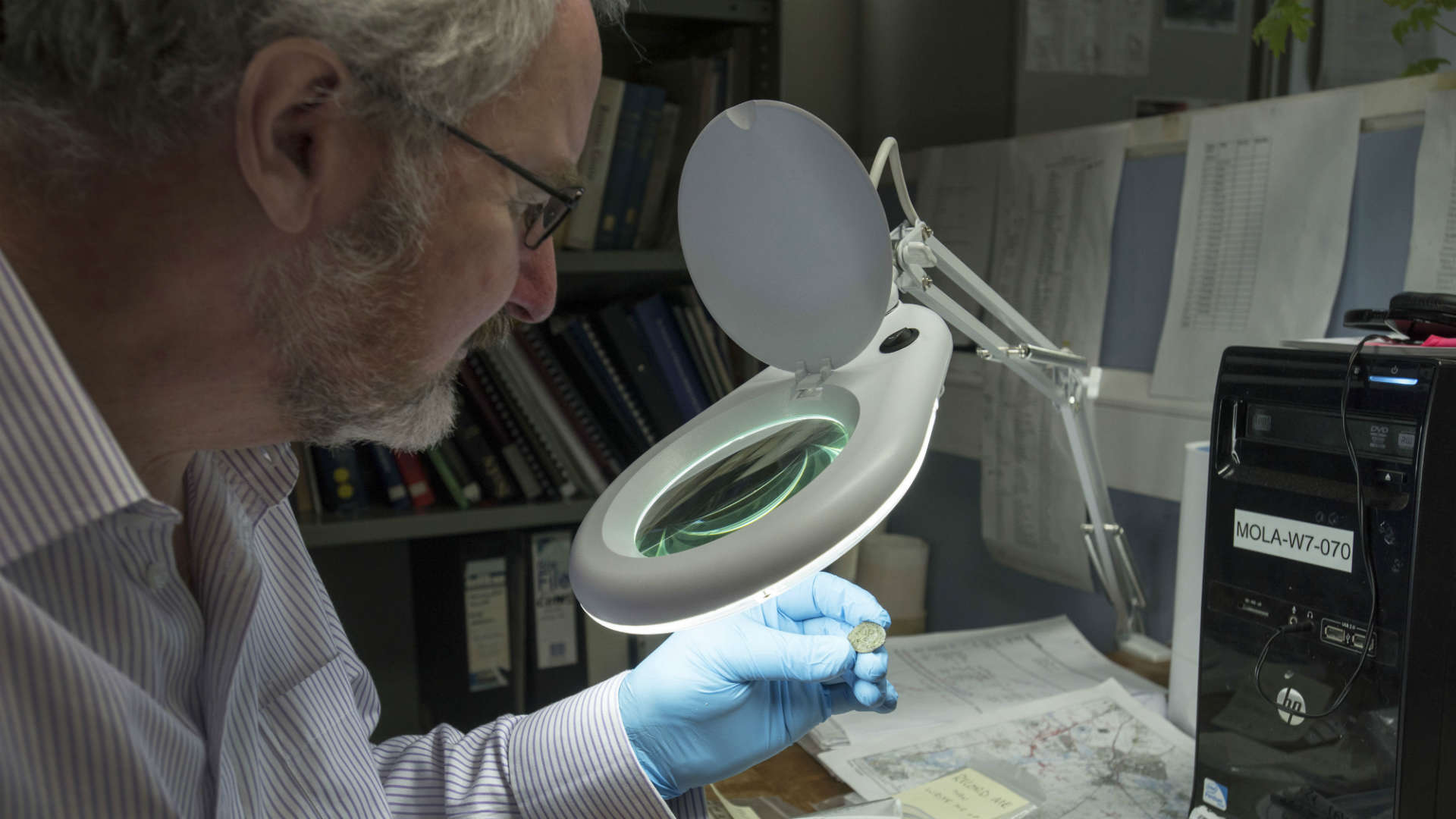
Julian Bowsher (pictured), numismatist at MOLA Headland Infrastructure, added: “Roman emperors were very keen to mint coins. Laelianus reigned for just two months, which is barely enough time to do so. However, coins were struck in Mainz, Germania.

”The fact that one of these coins ever reached the shores of Britain demonstrates remarkable efficiency, and there’s every chance that Laelianus had been killed by the time this coin arrived in Cambridgeshire.”

Work on the £1.5bn A14 improvement scheme started in November 2016 and includes a new bypass to the south of Huntingdon. The new road is expected to open to traffic by the end of 2020.

ALSO READ

2019 Range Rover gets Apple CarPlay and mild hybrid engine

Motorists can ‘fill their Jaguar Land Rover Smart Wallet as they drive’

Ferrari Premium is the sensible way to buy a used supercar

Advertisement

Research reveals the cities with the most stressful commute

0

Commute stress 

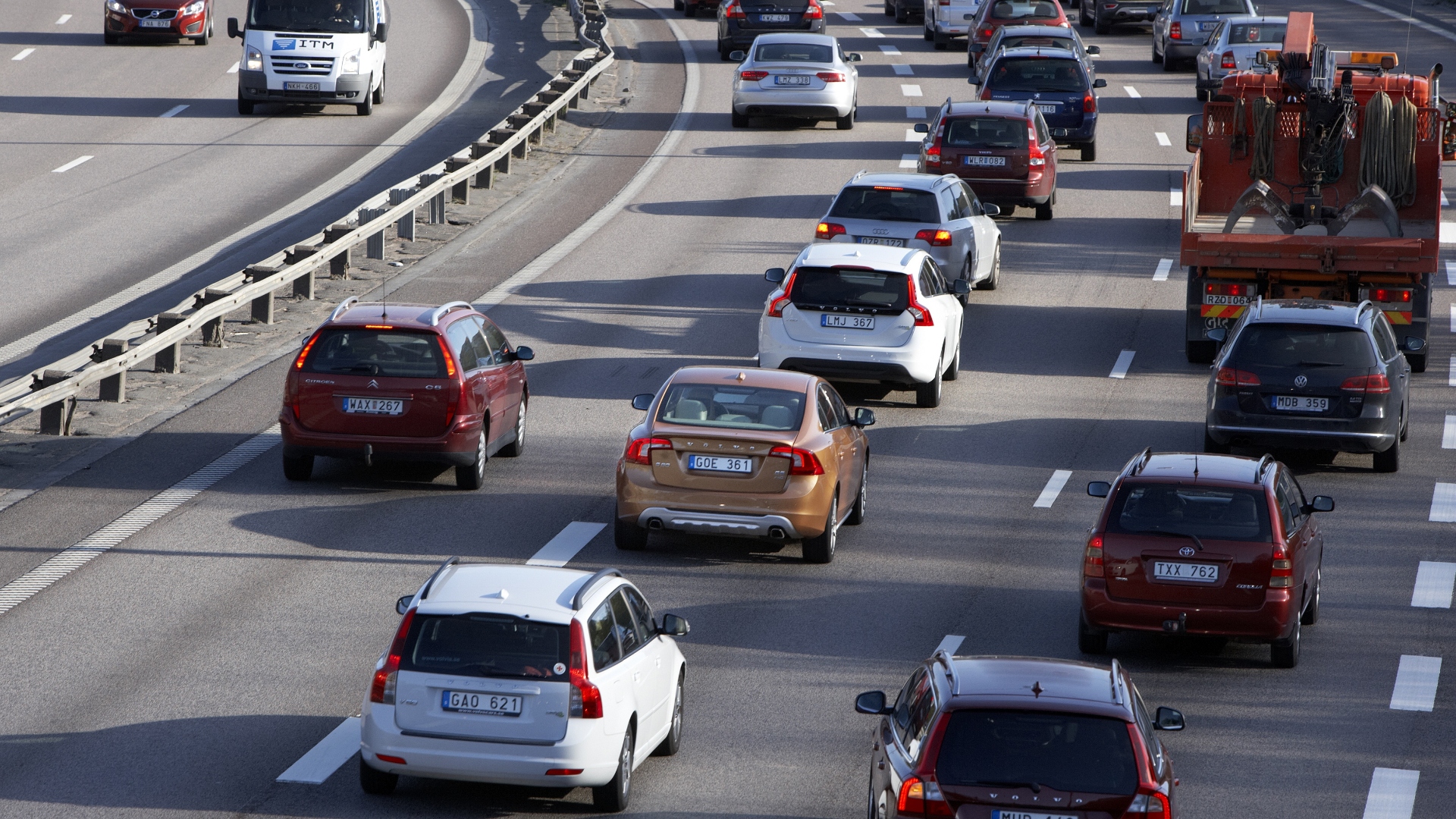
A busy urban commute can be a painful experience, but new research has identified the cities in which you’ll find the most stressed drivers.

Research surveying 2,000 UK workers has revealed that motorists in York and London are the country’s most stressed commuters, whether they’re in the car or using public transport. Around half of all commuters in York and London said that their commute increases their stress levels.

“The roads around York are a nightmare, especially when travelling to and from work,” said Amy Taylor, an inclusion manager from York, who claimed she wasn’t surprised by the results.

“The ring road is constantly at a standstill and the city centre streets aren’t even worth trying at rush hour – you barely move.”

Commute stress

Overall, 43 percent of UK commuters said that their commute had an adverse affect on their mental health. For those between the ages of 25 and 34, that figure rises dramatically to 73 percent.

“Daily commutes are harming the mental health of Brits all over the country, but many are still prepared to travel in order to have better jobs and homes,” said Ross Counsell, director at Good Move, the company behind the research.

“While everyone has an idea of their dream home or career, it is so important that people get a healthy work-life balance and don’t sacrifice their mental wellbeing.”

The top 10 cities with the most stressed commuters

1. York 51%
2. London 51%
3. Aberdeen 47%
4. Glasgow 47%
5. Birmingham 45%
6. Nottingham 44%
7. Oxford 44%
8. Cardiff 42%
9. Newcastle 42%
10. Leeds 42%

Meanwhile, Bristol is named as the city with the least stressful commute, followed by Coventry, Edinburgh, Sheffield and Belfast.

Reducing stress on the commute

Trans-Pennine A66 upgrade

Here are three tips to help relieve the stress of a daily commute:

  • Sing along to music while driving. Research suggests that singing reduces stress and is a natural anti-depressant.
  • Use the commute to plan ahead for your day, so you can hit the ground running. That will reduce stress about wanting to get where you’re going.
  • Get a good night’s sleep. Driving, or indeed commuting in any way, while tired or low on energy, is at best not fun and at worst, dangerous.
Advertisement

£1 billion ‘trans-Pennine’ A66 road upgrade confirmed

0

Trans-Pennine A66 upgrade

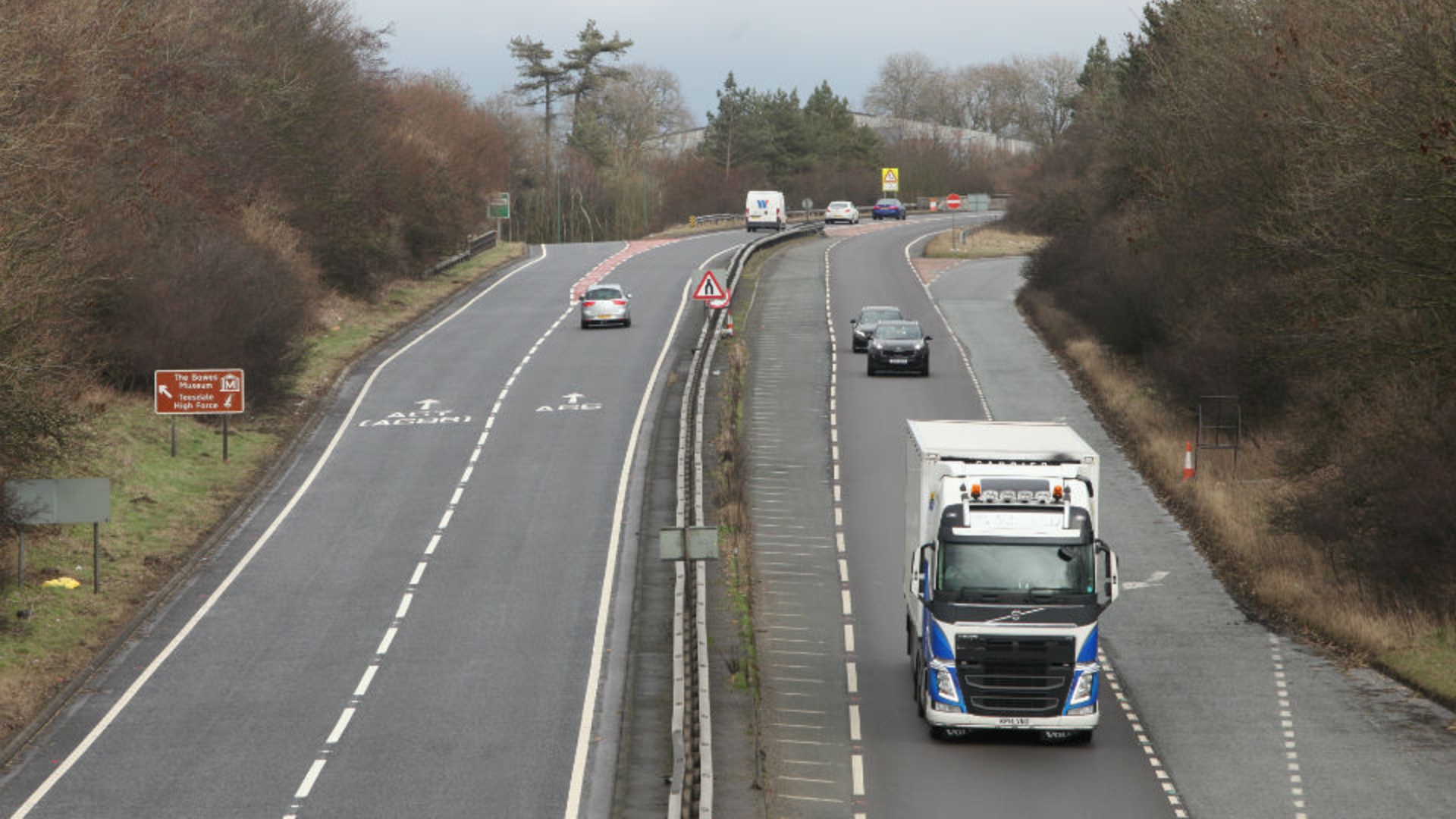
Plans for a £1 billion upgrade to the A66 road have been unveiled by Transport Secretary Chris Grayling. The road connects the east and the west of the North of England.

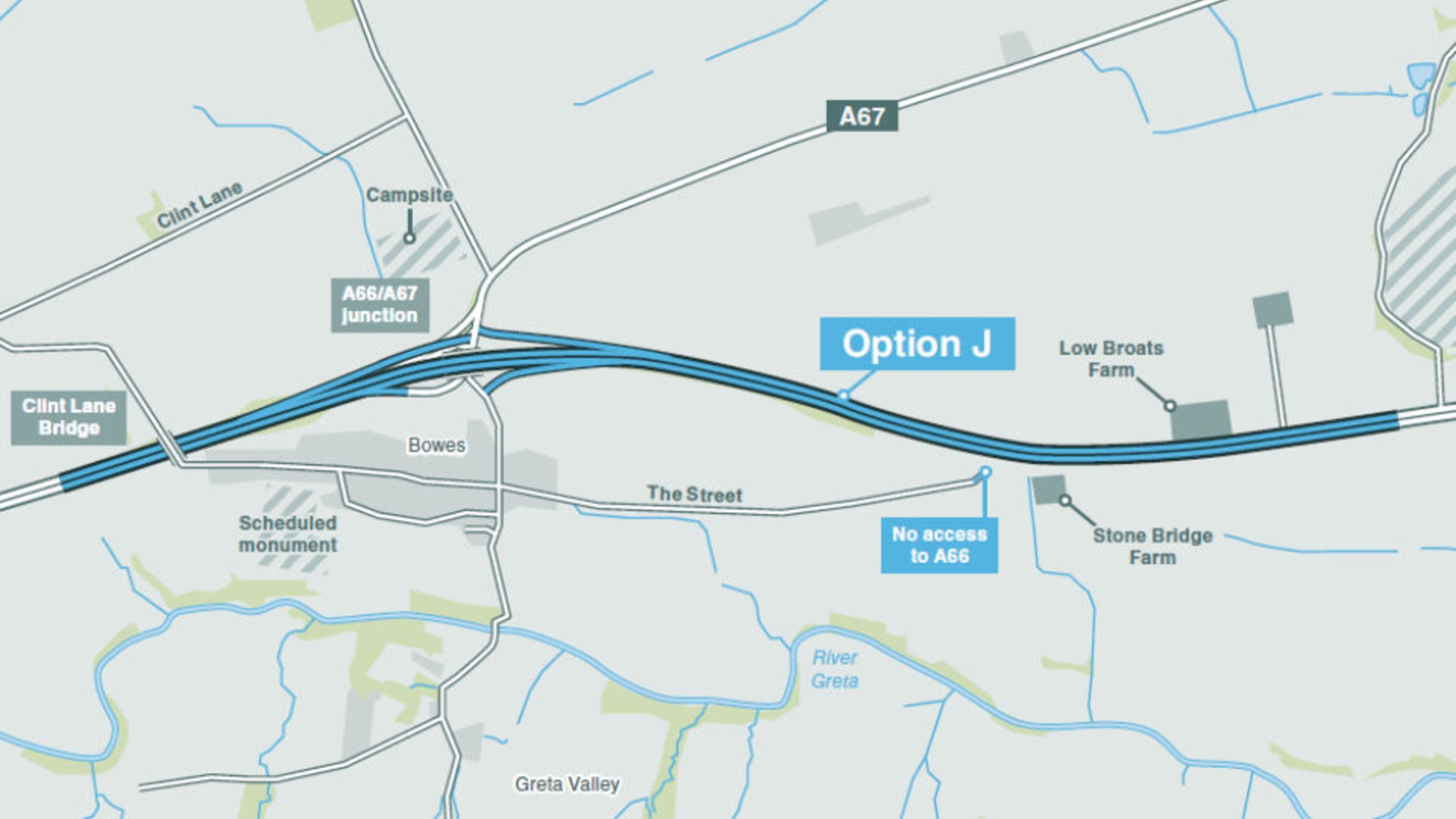
Highways England plans to broaden the remaining 18 miles of the A66 that are, at present, single-lane, in line with the rest of the route which is a dual carriageway. An eight-week consultation into options for the completion of the project has now been launched. It will explore how the upgrade should be carried out on varying sections of the road.
Trans-Pennine A66 upgrade

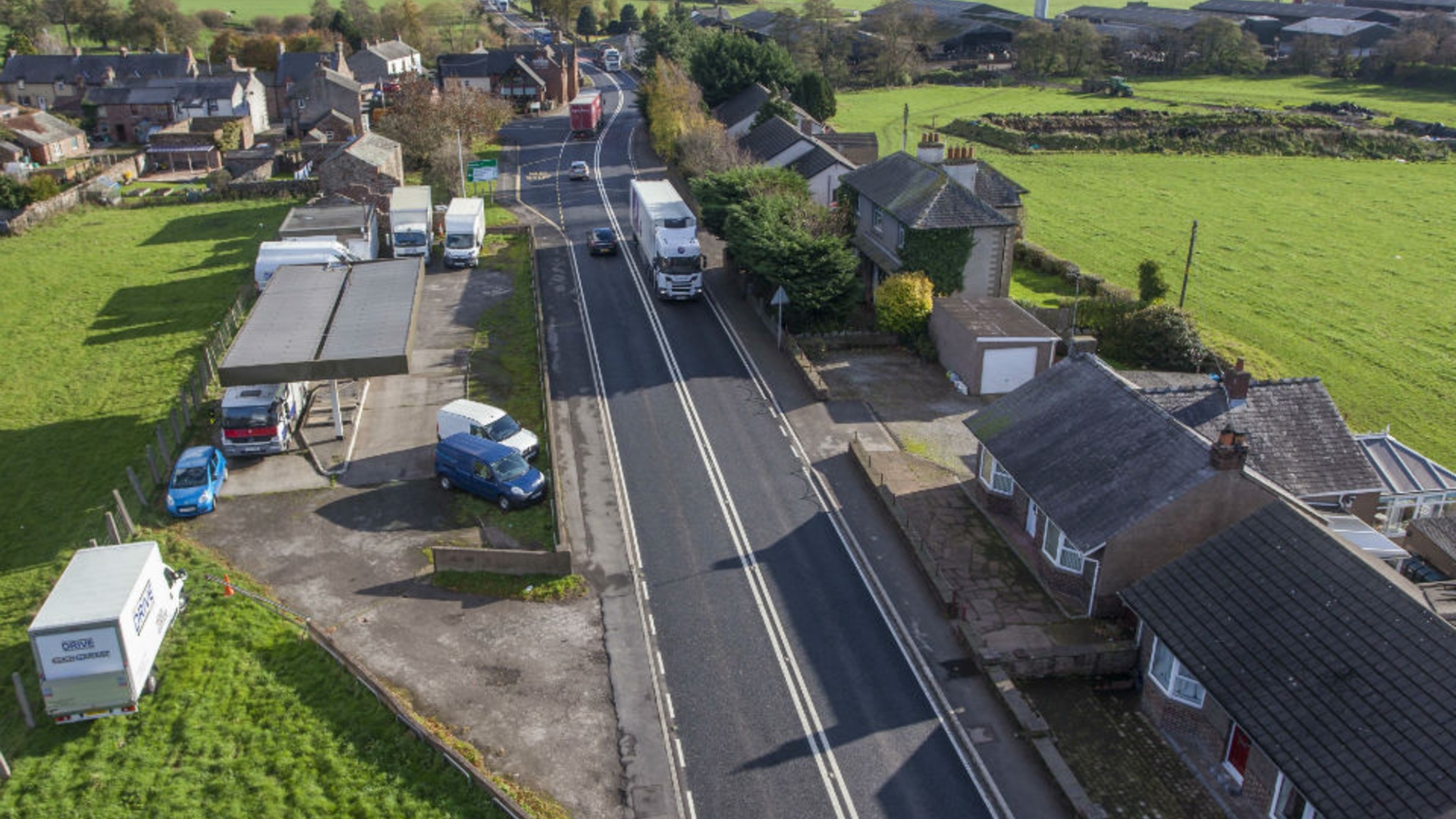
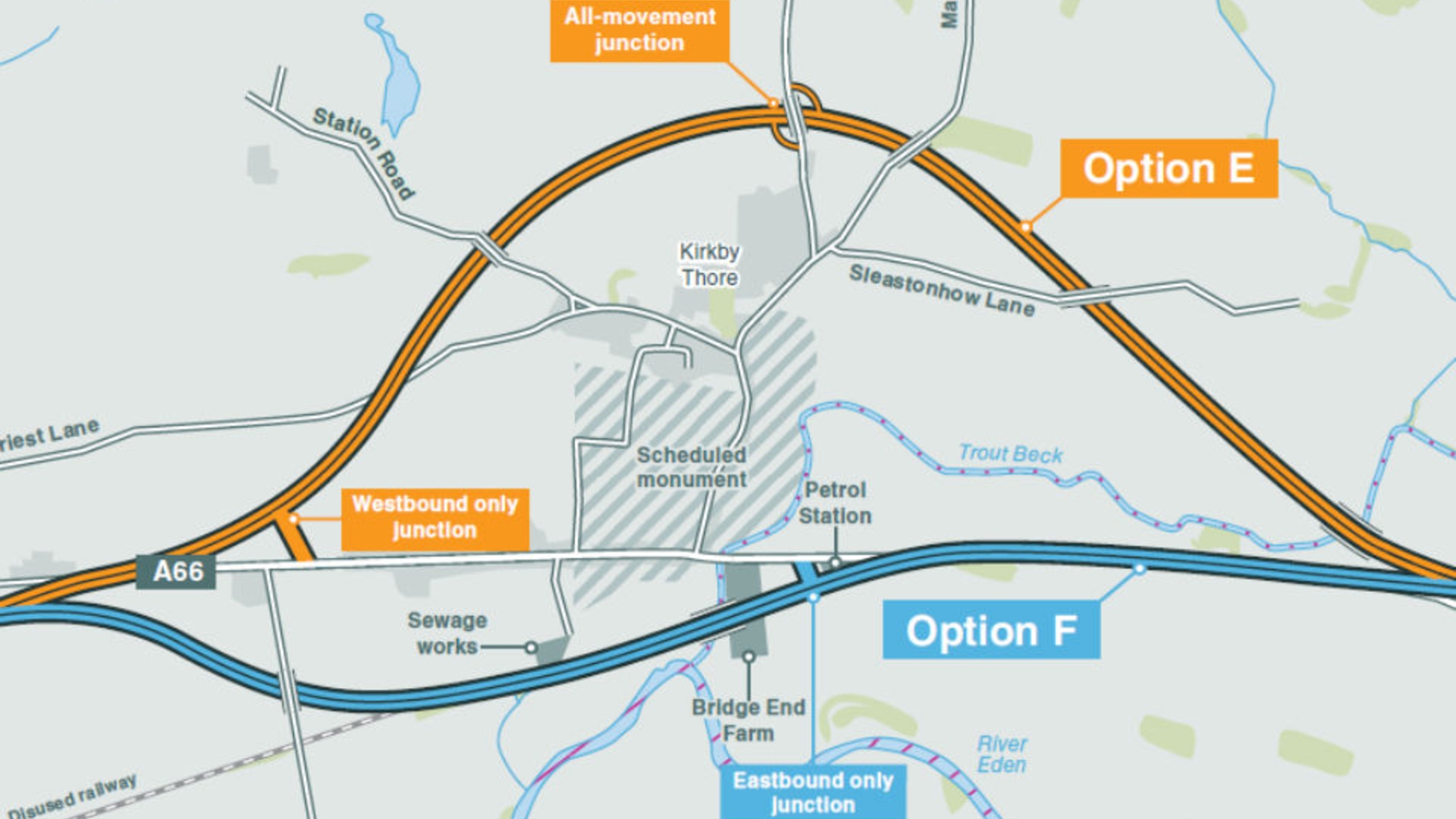
Some sections of the route will benefit from a straightforward ‘dualling’, while others could be freed up by a bypass. Examples of the latter include the five-mile Appleby to Brough section, and the more residential areas of Kirkby Thore and Crackenthorpe.

Overall, the goal is to ease congestion at peak times and improve journey times across the country. Once operational, speed limits across the A66 are likely to be increased.

The road is an industrial lifeline between for the region. It stretches 50 miles between Penrith in Cumbria and Scotch Corner in North Yorkshire. The upgrade, while benefitting local residents, will benefit freight and port routes across the country, better linking the likes of Stanraer to Hull, Felixstowe and beyond.

“Dualling the A66 will not only mean drivers’ journeys are quicker, safer and more reliable across the Pennines, but is part of our pledge to ensure that the business opportunities of the Northern Powerhouse spread out from the great cities of the North of England to every city, town and rural community from the Midlands to the Scottish Lowlands,” said Transport Secretary Chris Grayling.

Upgrading the trans-Pennine route is a part of a much larger plan to upgrade highways in the North of England.

Trans-Pennine A66 upgrade

“We are investing a record £13 billion to improve journeys across the North of England,” the Transport Secretary said.

“The A66 connects businesses, communities and families across the north of England, and this highly anticipated upgrade is great news for the local, and regional economies and will improve the national road network,” commented Highways England chief executive, Jim O’Sullivan.

ALSO READ

Cabs.com to take on Uber in UK

‘Driving’ the world’s most advanced simulator

Classics on the Common 2018 review

Advertisement

Young drivers want an Audi R8, but most drive a Corsa

0

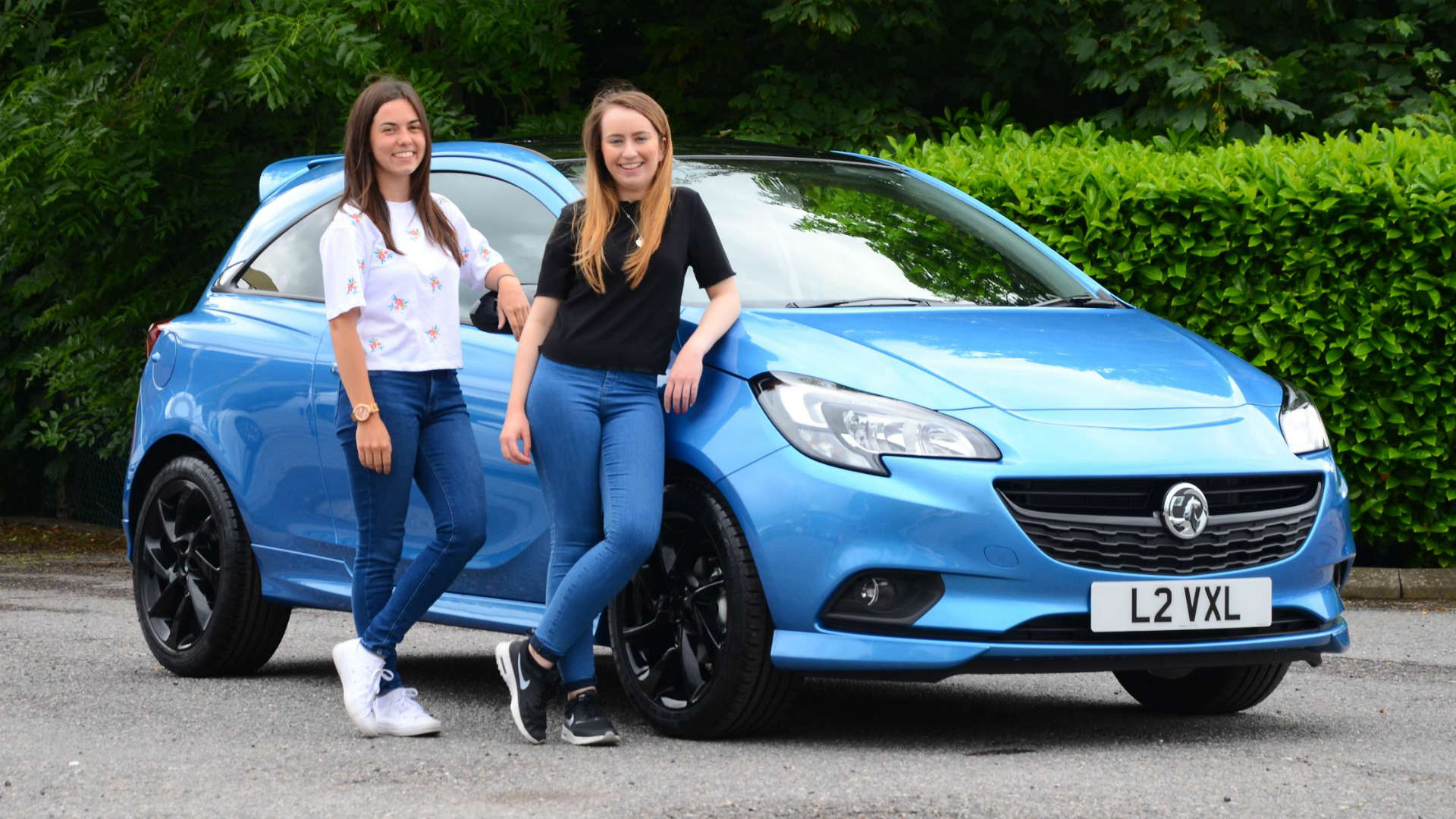
young drivers Vauxhall Corsa

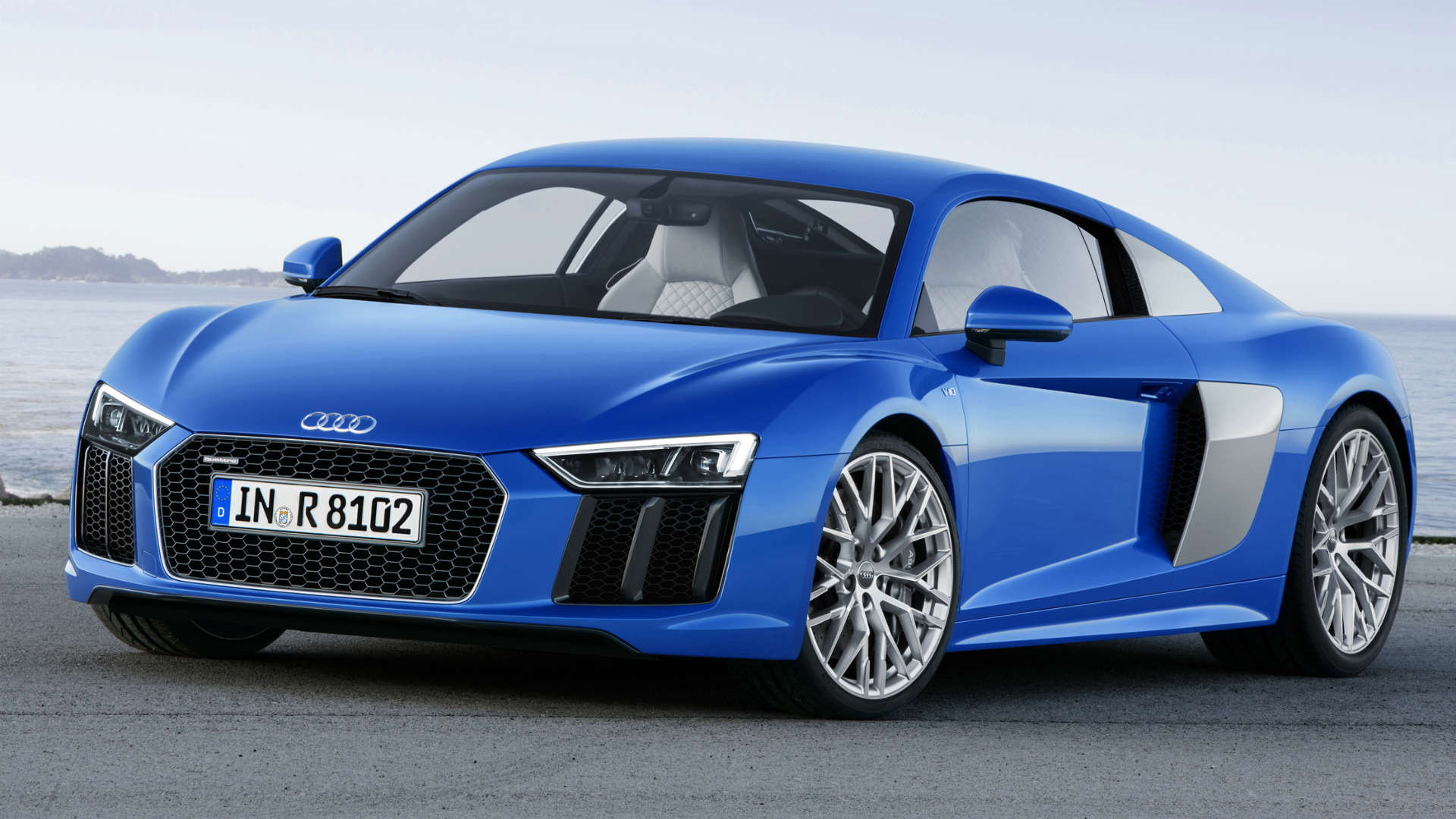
Young drivers under the age of 25 aspire to own an Audi R8, according to a Young Driver Report published by Admiral car insurance.

The German supercar finished top of the list of cars most wanted by young drivers, ahead of the Aston Martin Vantage, BMW i8, Ferrari Enzo and Mini Cooper.

Sadly – and, perhaps, fortunately for other road users – these cars tend to be out of reach for young drivers. Insurance will prove to be a stumbling block, not to mention the cost of finance.

young drivers Audi R8

Half of all young drivers use finance to get behind the wheel, spending between £200 and £299 a month. Twenty-four percent will push the budget beyond £500 to get the right car, with a third of under 25s saying they bought a particular car to boost their image.

But while the R8 might be the dream car, the reality for most young drivers is quite different. According to the Admiral report, most young drivers end up in a Vauxhall Corsa, as they attempt to cut the cost of insurance while building a no-claims discount.

Other popular choices include the Ford Fiesta, Volkswagen Polo, Renault Clio and Fiat 500.

Cheapest cars to insure for young drivers

young drivers Citroen C1

Curiously, none of these cars features on Admiral’s list of the cheapest cars for under 25s to insure. The top five are:

  1. Volkswagen Up: £618.42 a year
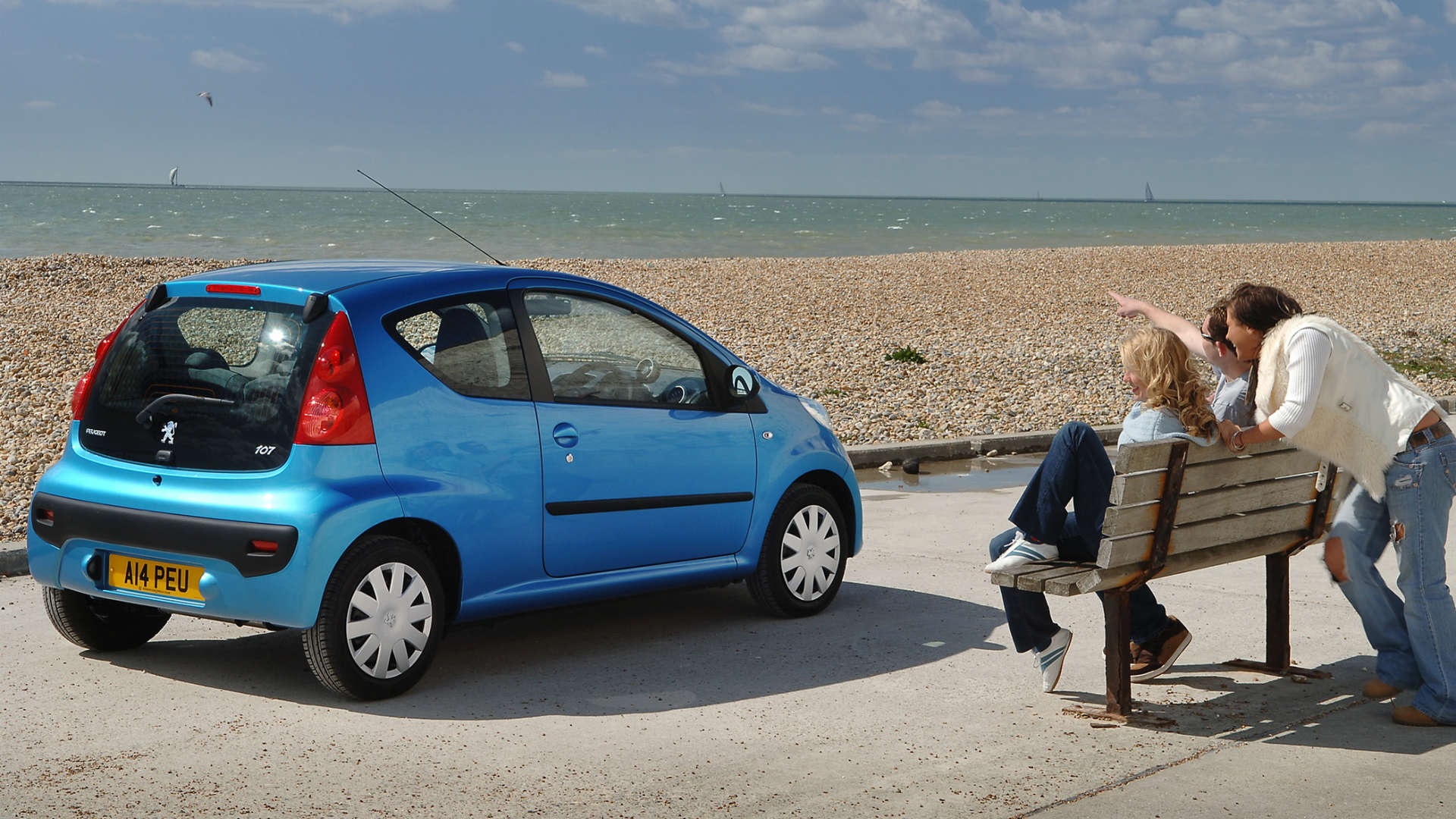
  2. Peugeot 107: £628.04 a year
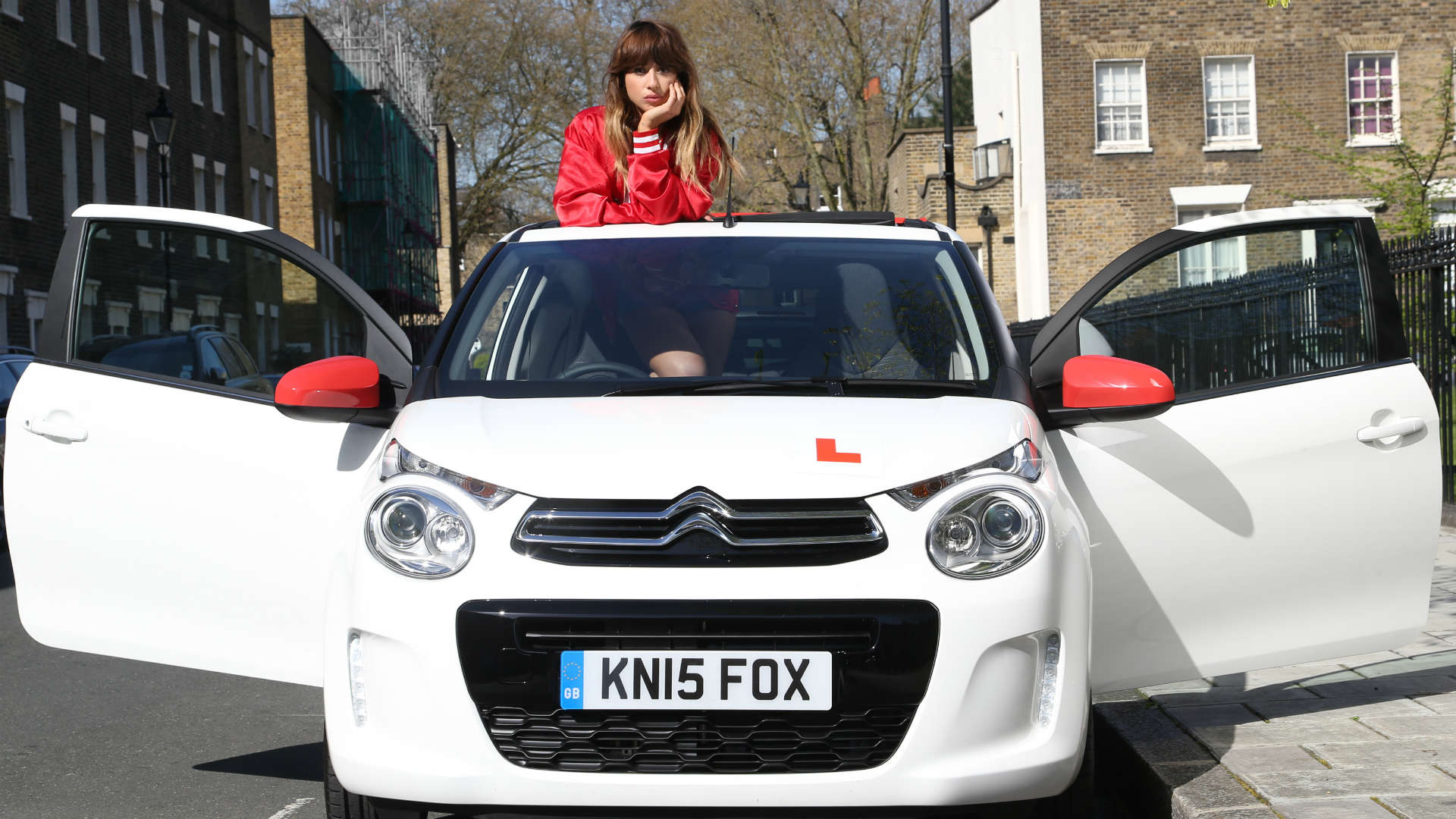
  3. Citroen C1: £632.14 a year
  4. Fiat Panda: £635.24 a year
  5. Volkswagen Fox: £638.20 a year

Admiral data shows that the average insurance premium for a 17-year-old is £1,889. Young men tend to pay more, with the average price coming in at £2,294 for a 17 to 20-year-old male and £1,660 for a female of the same age.

Even selecting one of the cheapest cars to insure is likely to be a painful experience, with a 17-year-old paying around 67 percent more than a 24-year-old.

young drivers Peugeot 107

Admiral recommends taking out a telematics policy, as a ‘black box’ is a good opportunity to prove that you’re a safe and responsible driver. On the other hand, the company warns against ‘fronting’, where an older person pretends to be the main driver.

If it’s the young driver that uses the car most often, not only will the policy be invalid, but the policyholder could be charged with fraud.

The message is simple, if a tad predictable: spend a few years behind the wheel of a Vauxhall Corsa before living the dream in an Audi R8.

Advertisement

Rolls-Royce’s £37,000 champagne cooler is the ultimate car accessory

0

The Rolls-Royce Champagne Chest

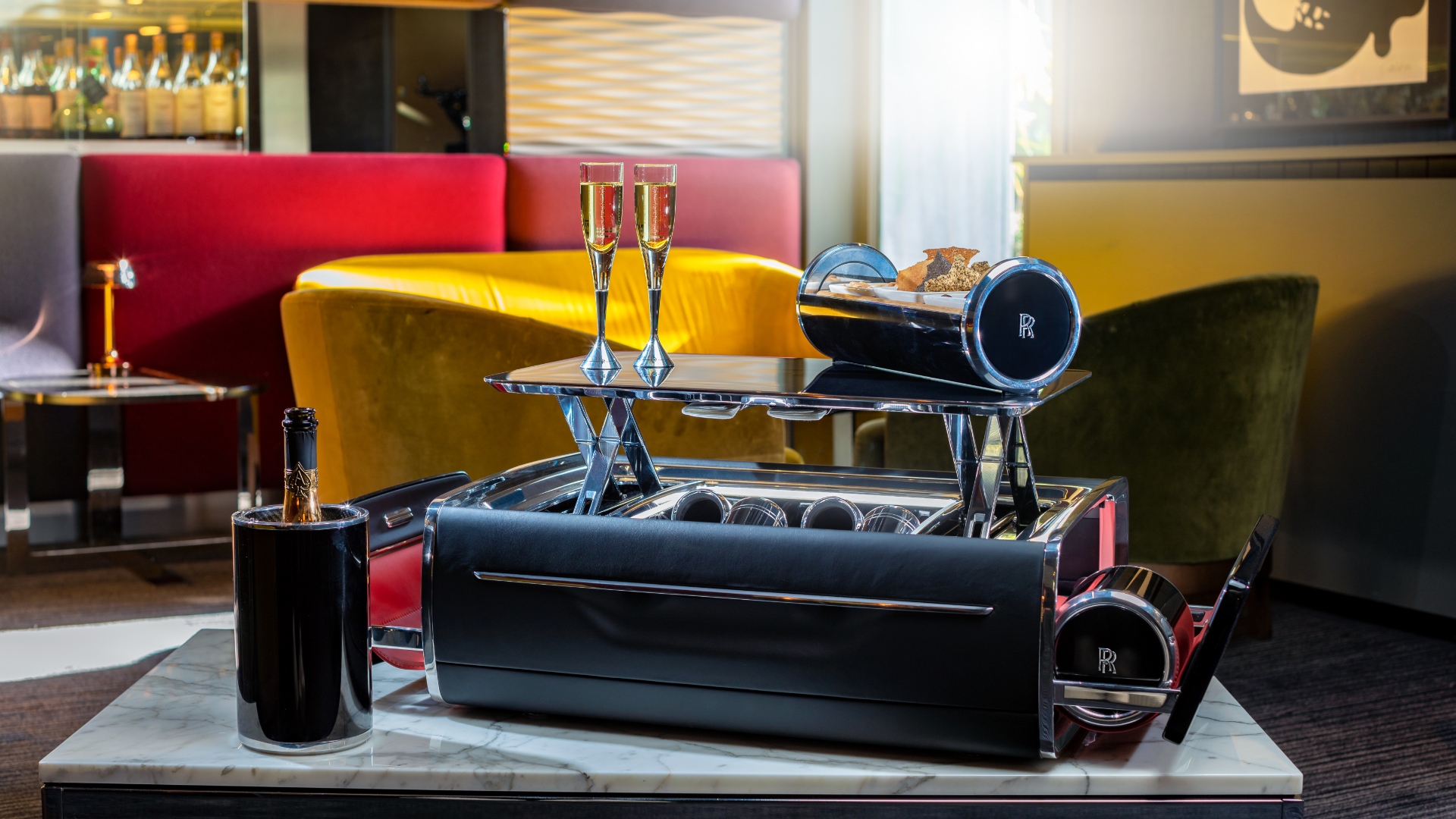
Rolls-Royce has entered the world of car-based merchandise –  not by selling baseball caps or aftershave, but with a carbon fibre, oak and stainless steel champagne chest.

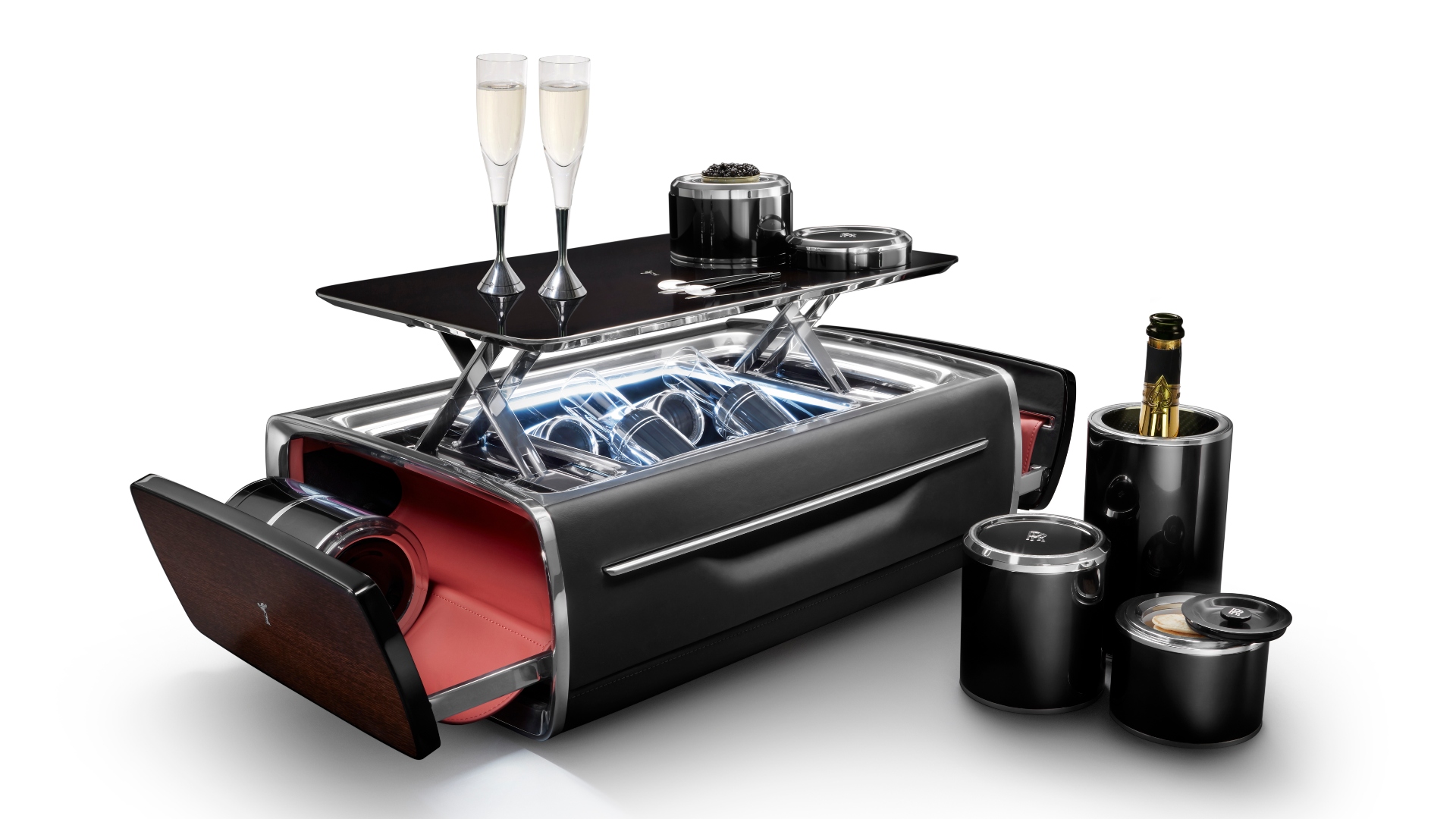
It’s a cool bit of kit, as you’d hope for £37,000. The Rolls-Royce of picnic hampers, if you will. A single button-press opens the chest up to reveal champagne flutes for four guests.

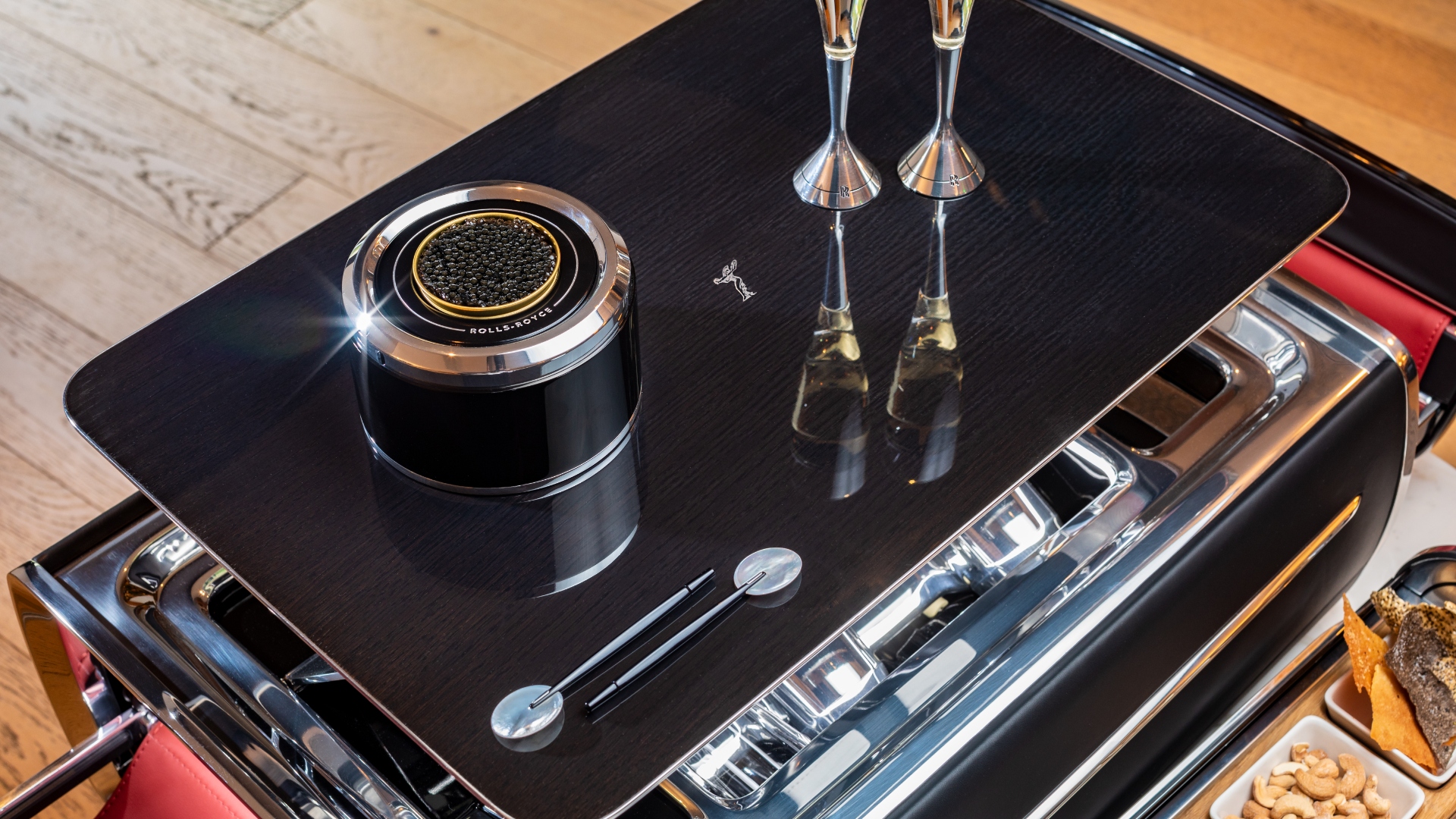
The lid turns into a serving tray made of Tudor oak, with a laser-cut stainless steel inlay. Four cotton napkins are also displayed, complete with embroidered ‘RR’ monograms. 

The Rolls-Royce Champagne Chest

While the chest comes exquisitely appointed as standard, this is Rolls-Royce. So you can have it modified to your exact colour choice. Presumably, if you try your luck at keeping Cava inside, it’ll snap shut on you automatically. 

The illuminated central bay shows off the hand-blown crystal glasses, which are tactically arranged to look like inlets on a Rolls-Royce engine. A shame there are only four, then, rather than 12.

The Rolls-Royce Champagne Chest

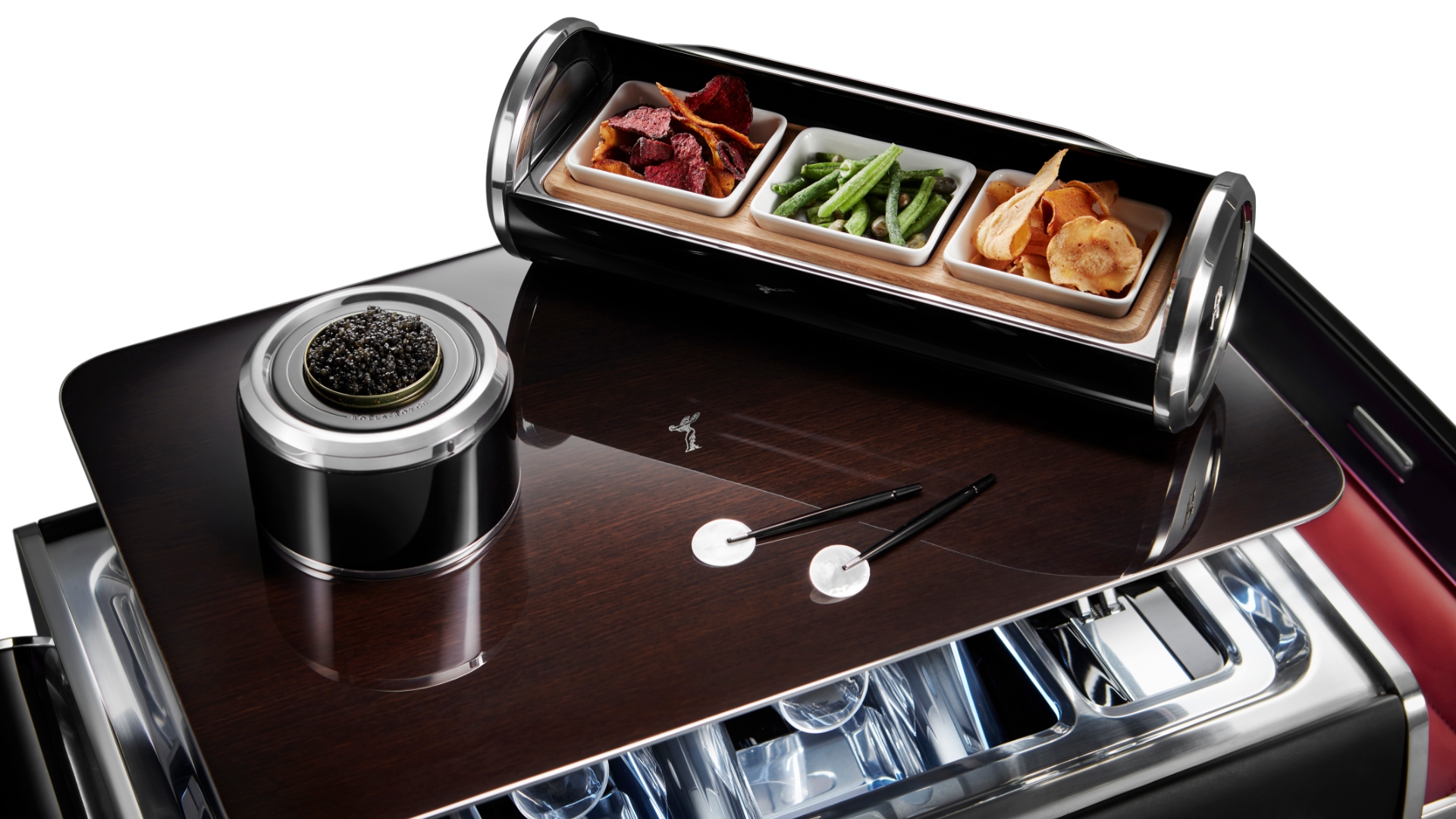
The sides of the chest pop out to reveal two ‘Hotspur Red’ leather hammocks, suitable for cradling anything from caviar to canapés. There are also two mother-of-pearl spoons with anodised aluminium handles.

Thermal champagne coolers keep your bubbly chilled, and they, like the chest, are made from aluminium and carbon fibre.

The Rolls-Royce Champagne Chest

“The Champagne Chest by Rolls-Royce Motor Cars is a contemporary and sociable addition to the Accessories Collection,” said Gavin Hartley of Rolls-Royce.

“The approach is that of designing a Rolls-Royce motor car; the finest materials are married with pinnacle engineering to provide an experience like no other. The Champagne Chest is crafted for those that seek a heightened sense of occasion in an elegant, entertaining manner.”

The Rolls-Royce Chest

Advertisement

Gordon Murray’s online museum is virtually brilliant

0

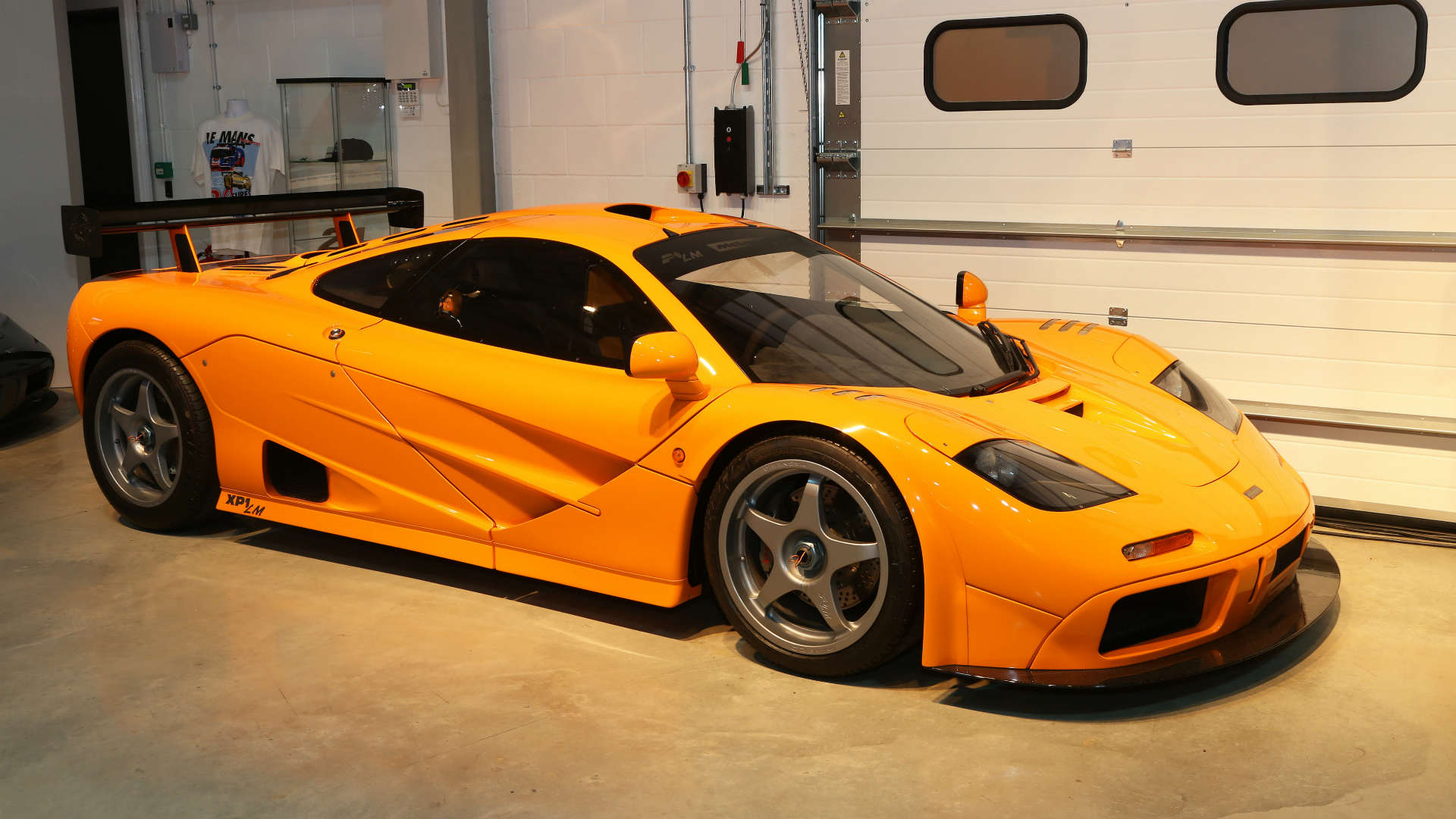
Gordon Murray McLaren F1 LM

Warning: if you intend to immerse yourself in the virtual world of Gordon Murray’s online exhibition, a lunch-hour won’t be enough. Tell your boss you need to spend the afternoon researching. Or something.

The One Formula exhibition is an internet-based museum, allowing visitors to ‘wander’ (and wonder) through 50 years of Gordon Murray’s work. It’s free to enter and there are no queues.

Forty different road and race cars are on show, ranging from the iconic McLaren F1 to Ayrton Senna’s MP4/4 Formula One car. Visitors can even ‘sit’ in the cockpits, which is something you’re unlikely to do at a real museum.

Well, not unless you fancy having your collar felt by a friendly security guard or being chased off the premises by a curator.

‘The next best thing’ to reality

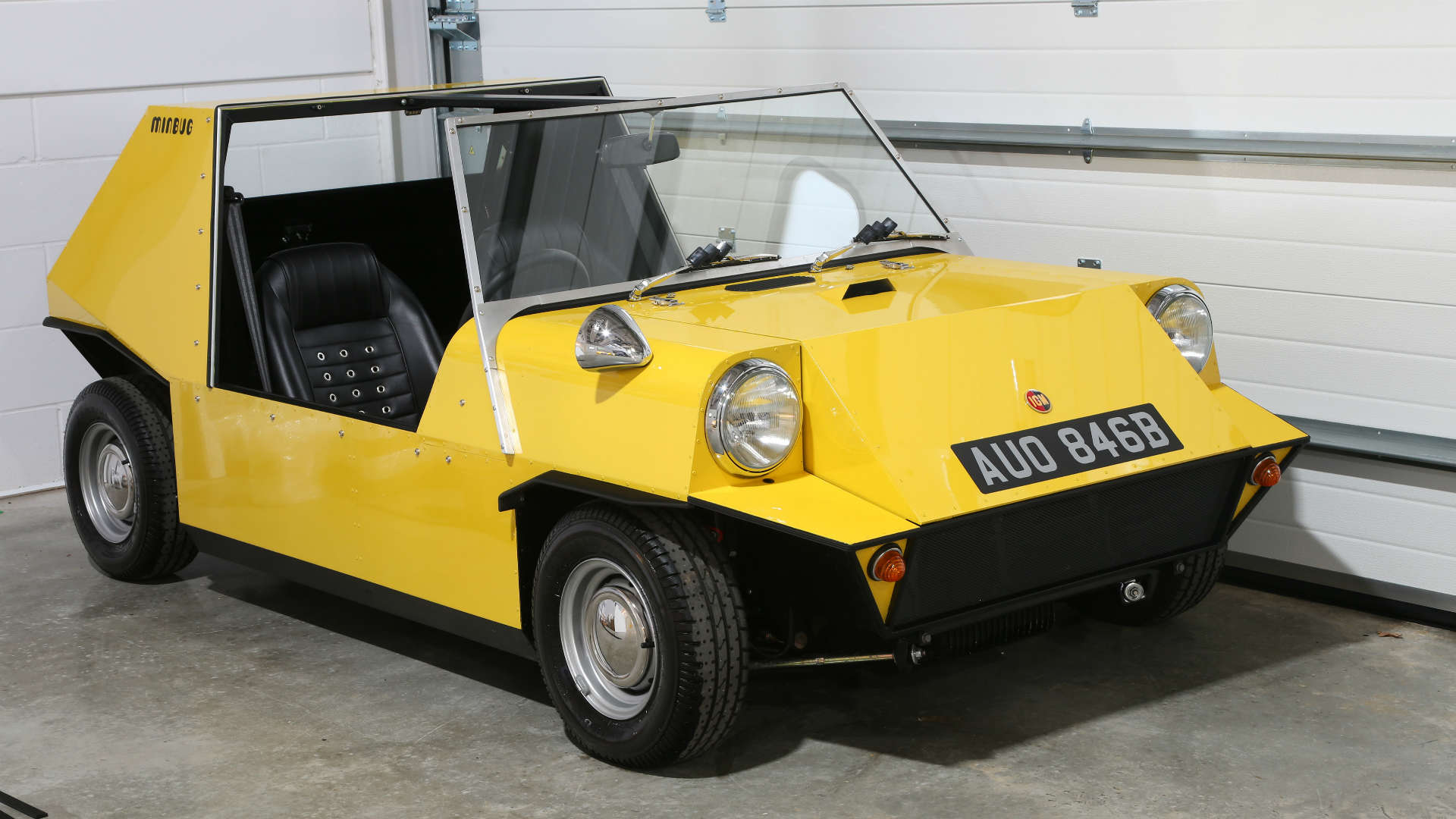
Gordon Murray IGM MinBug

Professor Gordon Murray, CBE, said: “It is such thrill to share my passion for engineering purity, beautiful design, aerodynamic excellence, and technological innovation. Creating an exhibition in a free-to-view format, accessible to all, in stunning virtual reality is exciting and a source of great pride.

“For the One Formula exhibition, we gathered almost every race and road car from my 50-year career to date, and we were inundated with requests from fans across the world who wanted to visit. Being a short-term, private exhibition meant we couldn’t share our passion with these enthusiasts. So, doing so in virtual form is the next best thing!”

Other exhibits include the IGM MinBug designed and built by Murray in 1971, the IGM Midas-Alfa of 1981, the OX flat-pack truck, and the TVR Griffith.

The opening of the exhibition coincides with the launch of Murray’s One Formula book, a two-volume, 900-page epic charting 50 years of automotive design and engineering.

To lose an entire afternoon ‘walking’ through the online exhibition, visit oneformulagordonmurray.com.

Advertisement

Czech mates: 60 years of the Skoda Octavia

0

If you have never driven an Octavia, chances are you’ve travelled in one. Probably late at night, slightly inebriated and post-kebab. The multi-million-selling Skoda is one of Britain’s most popular taxis, and for good reason: it’s affordable, reliable and practical. As we’ll see, it can be exciting too.

The Octavia was first launched 60 years ago, so to mark this milestone we drove all four generations back-to-back. Turns out quite a lot has changed…

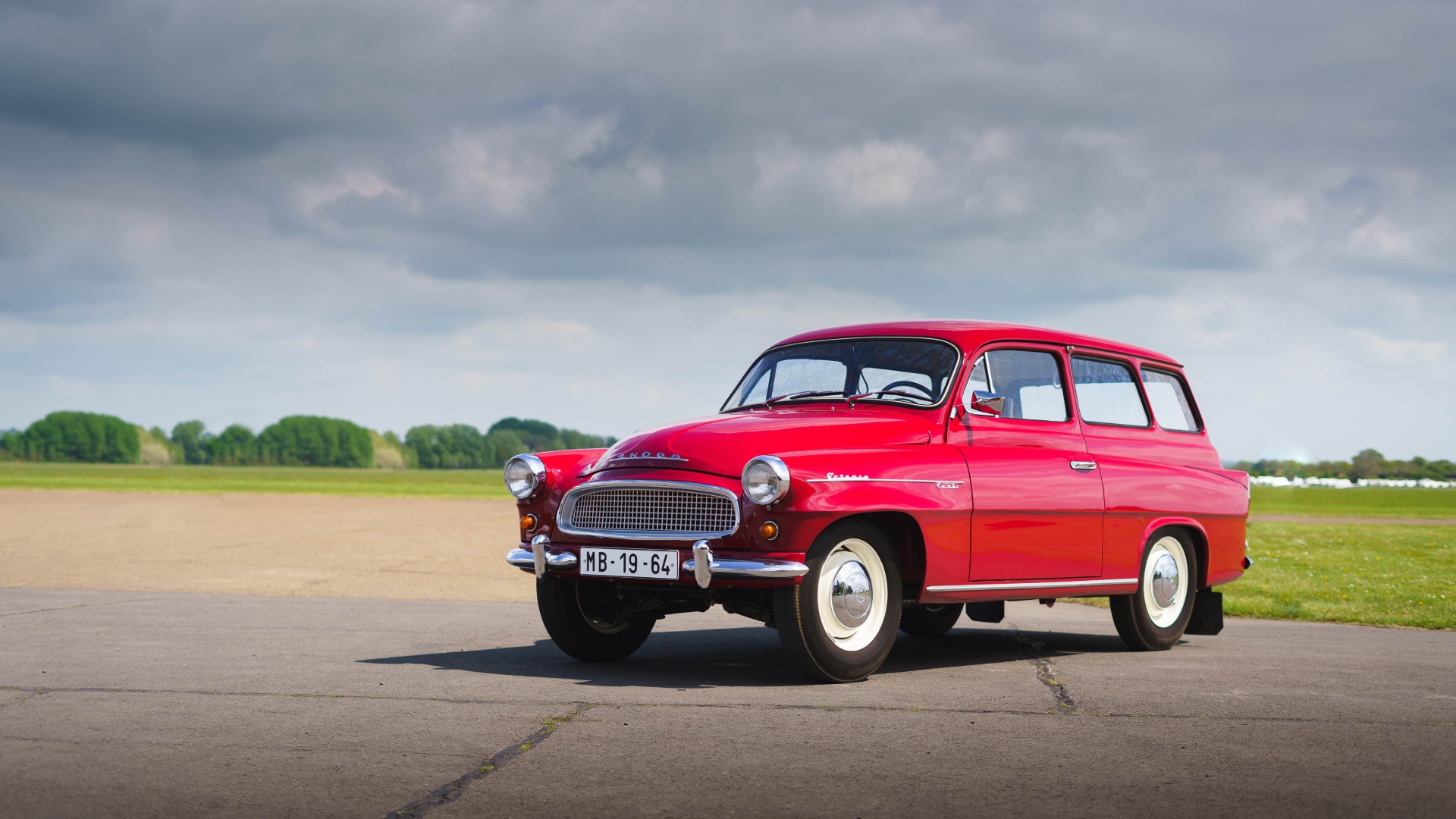
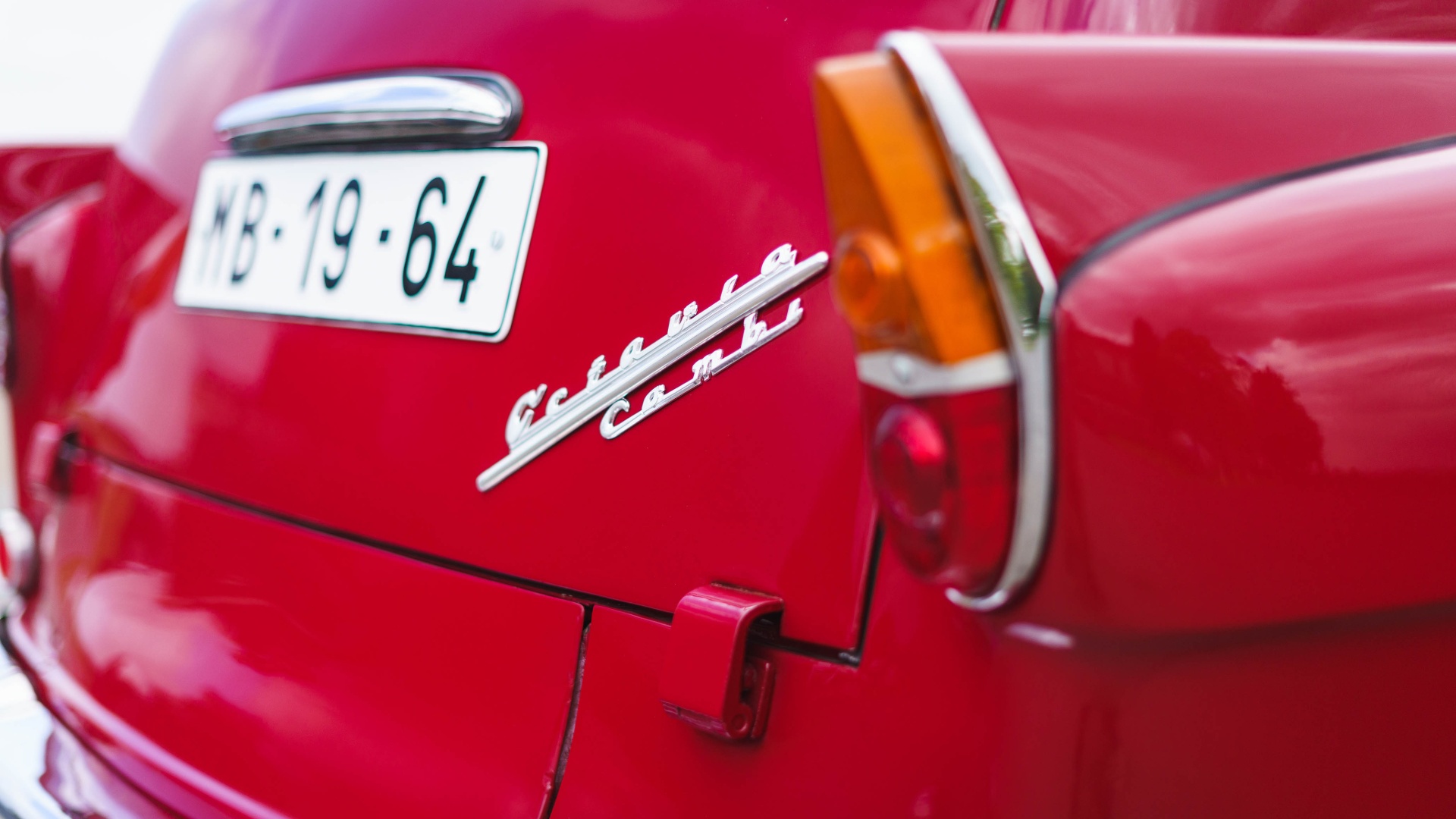
Skoda Octavia Combi (1964)

The Octavia took its name from the Latin word for ‘eight’, being the eighth post-war car built at Skoda’s Mlada Boleslav factory in the Czech Republic (Czechoslovakia at the time).

Its 1.1-litre four-cylinder engine sends 40hp to the rear wheels, giving a top speed of 70mph and 30.5mpg economy. Double wishbone suspension was considered innovative in an era of leaf springs, and the Octavia earned positive reviews from motoring magazines. The 50hp Touring Sport version later claimed three class victories in the Monte Carlo Rally (1961-1963).

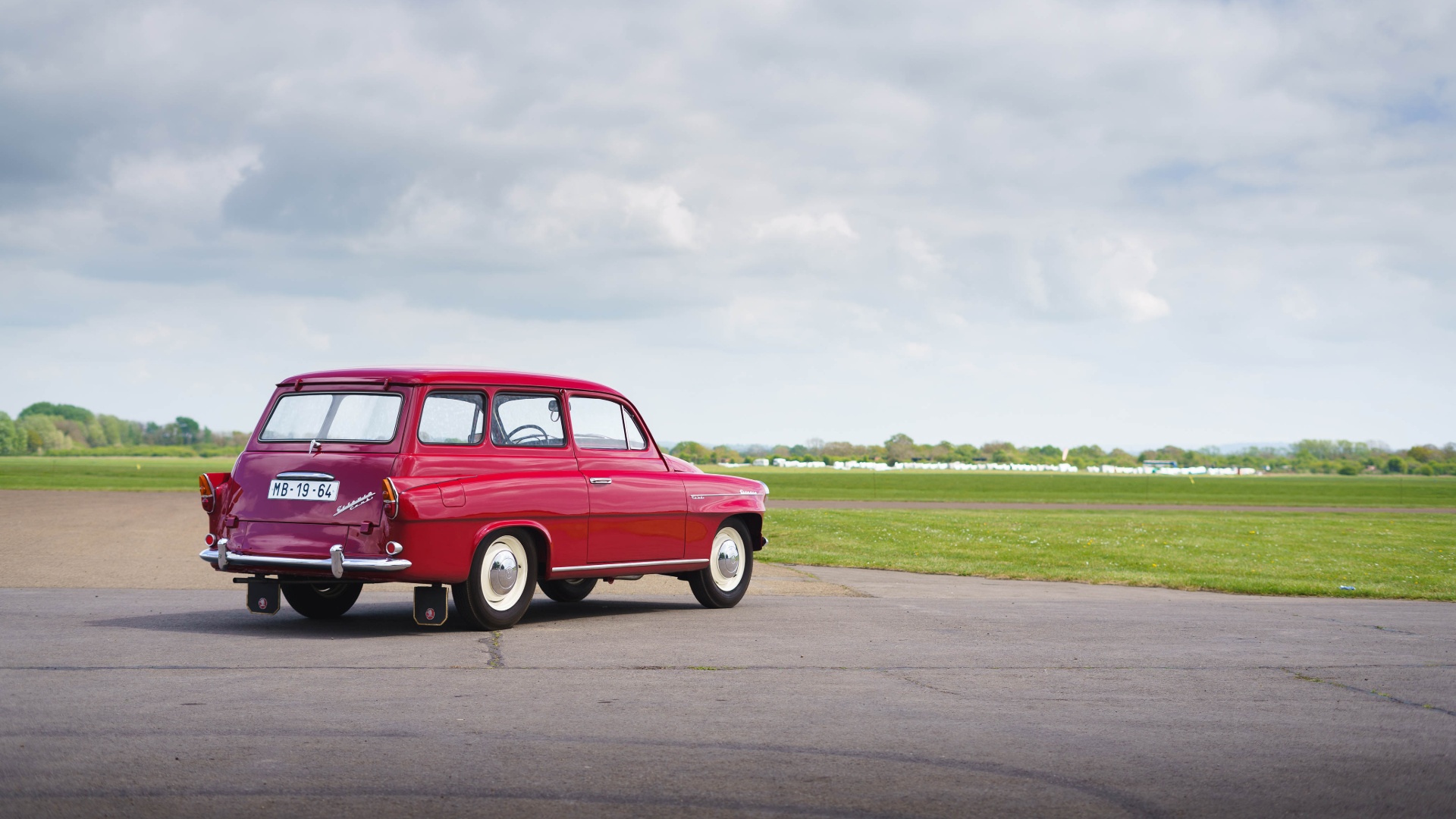
The Octavia Combi estate – seen here – followed in 1961, with three doors and a horizontally-split tailgate (they’d probably call it a ‘shooting brake’ in 2019). It has five seats and a 690-litre boot, swelling to 1,050 litres with the rear backrests folded.

A total of 51,086 Combis were made by the time production ceased in 1971, versus 309,020 Octavia saloons.

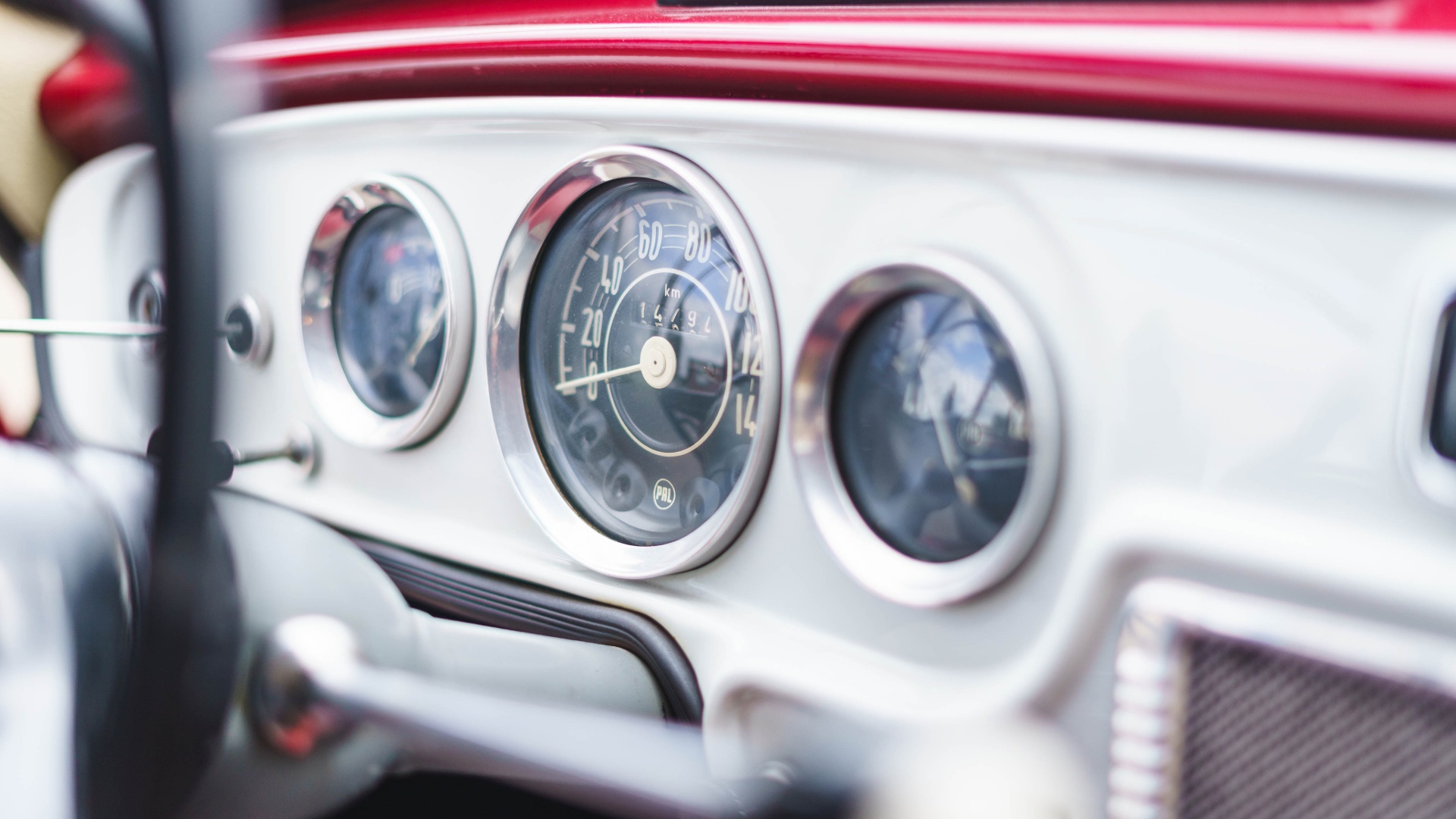
On loan from the Skoda Museum, this flawless 1964 Combi arrived with its own – justifiably proud – chaperone. Nonetheless, I seemed more nervous than he did. Its chrome grille and tail fins are clearly influenced by American cars of the 1950s, while its two-tone interior oozes retro cool.

A huge, thin-rimmed steering wheel is flanked by a column shifter: push away and up/down for first and second gears, then pull towards you for third and fourth.

On today’s roads, the ‘family-sized’ Skoda is dwarfed by bloated SUVs. Its engine is thrummy and willing, at least until 40mph or so. Beyond that, acceleration is best described as ‘glacial’.

Stick-thin roof pillars mean excellent visibility, but the drum brakes are heart-stoppingly feeble. Seatbelts or crumple zones? No chance. Truth be told, I’m relieved to return the Combi safely to its keeper.

Skoda Octavia Mk1 (2002)

Trapped in the Eastern Bloc, Skoda struggled throughout the 1970s and 80s with a succession of outdated, rear-engined cars that sold primarily on price. The Octavia name wouldn’t return for another 25 years, then was revived under Volkswagen ownership.

An injection of Volkswagen cash from 1991 transformed the brand, starting with the 1995 Felicia, then the all-conquering Octavia a year later.

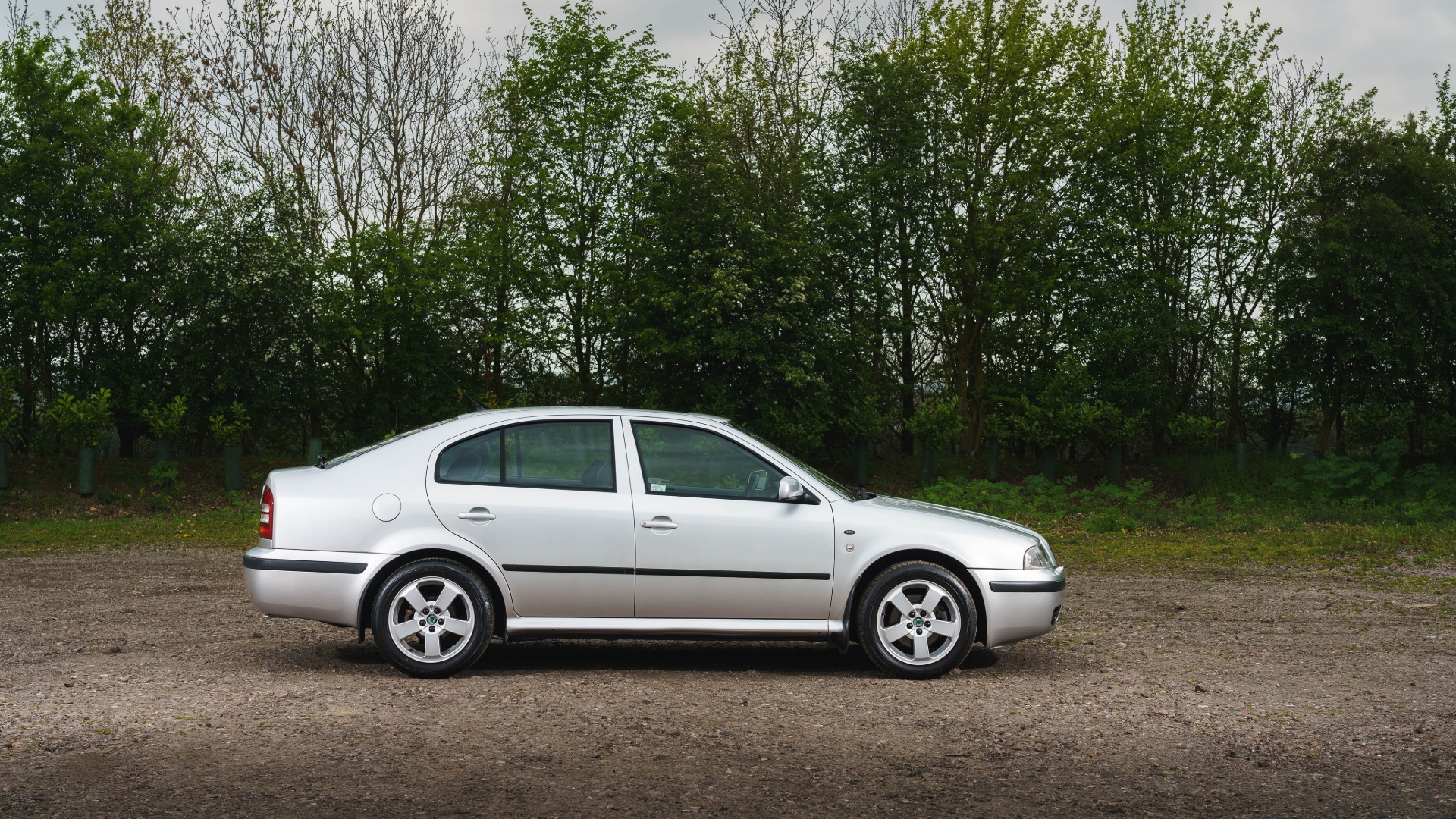
The Octavia shared its underpinnings with the Mk4 Volkswagen Golf, but was roomier and cheaper. Understandably, that sounded like a win-win for many buyers. Available as a five-door hatchback or estate, nearly 1.5 million were eventually built.

Its no-nonsense design, the work of Dirk van Braeckel, defined Skoda styling for generations to come. Indeed, you can see its influence in the current Octavia.

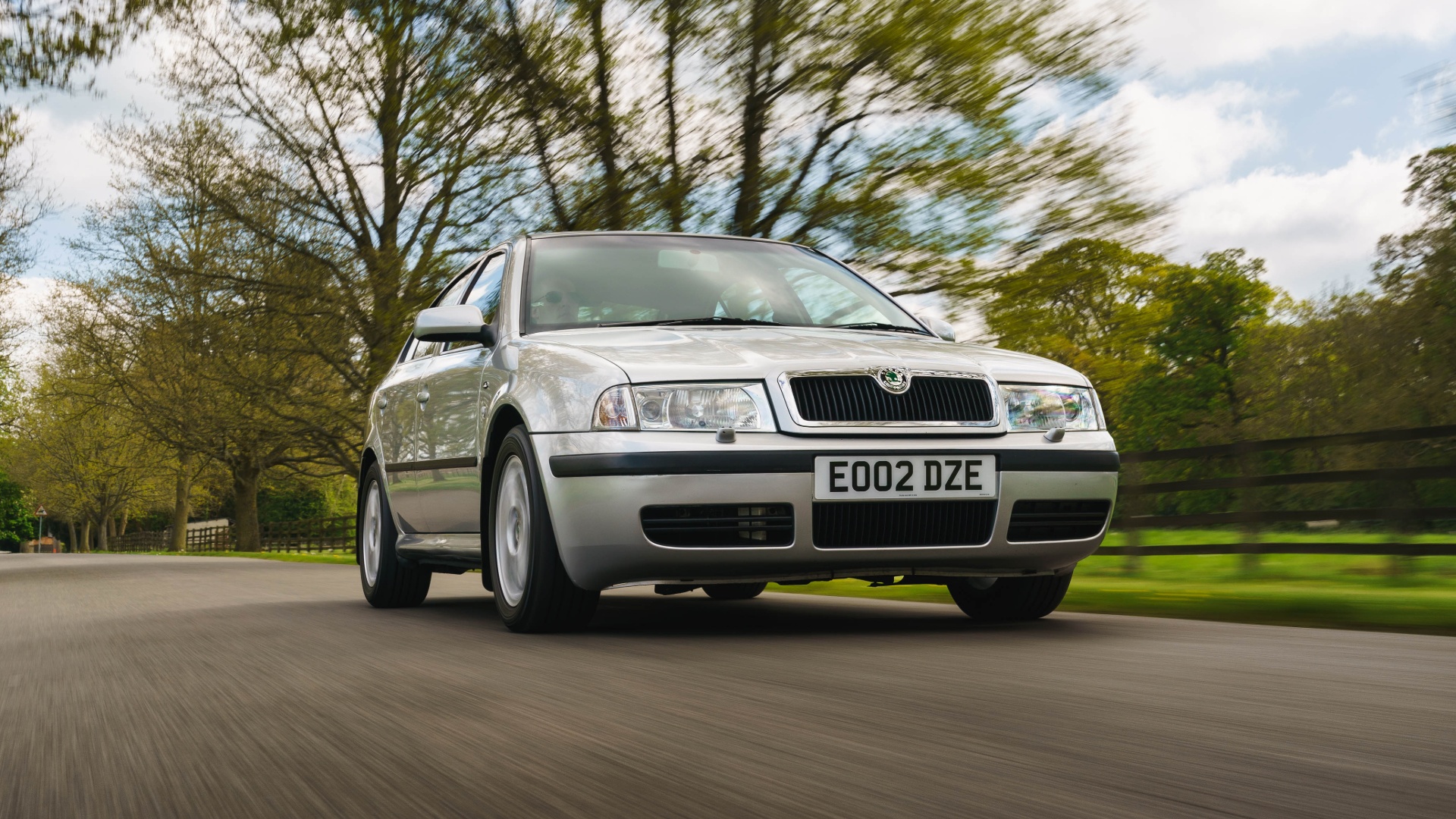
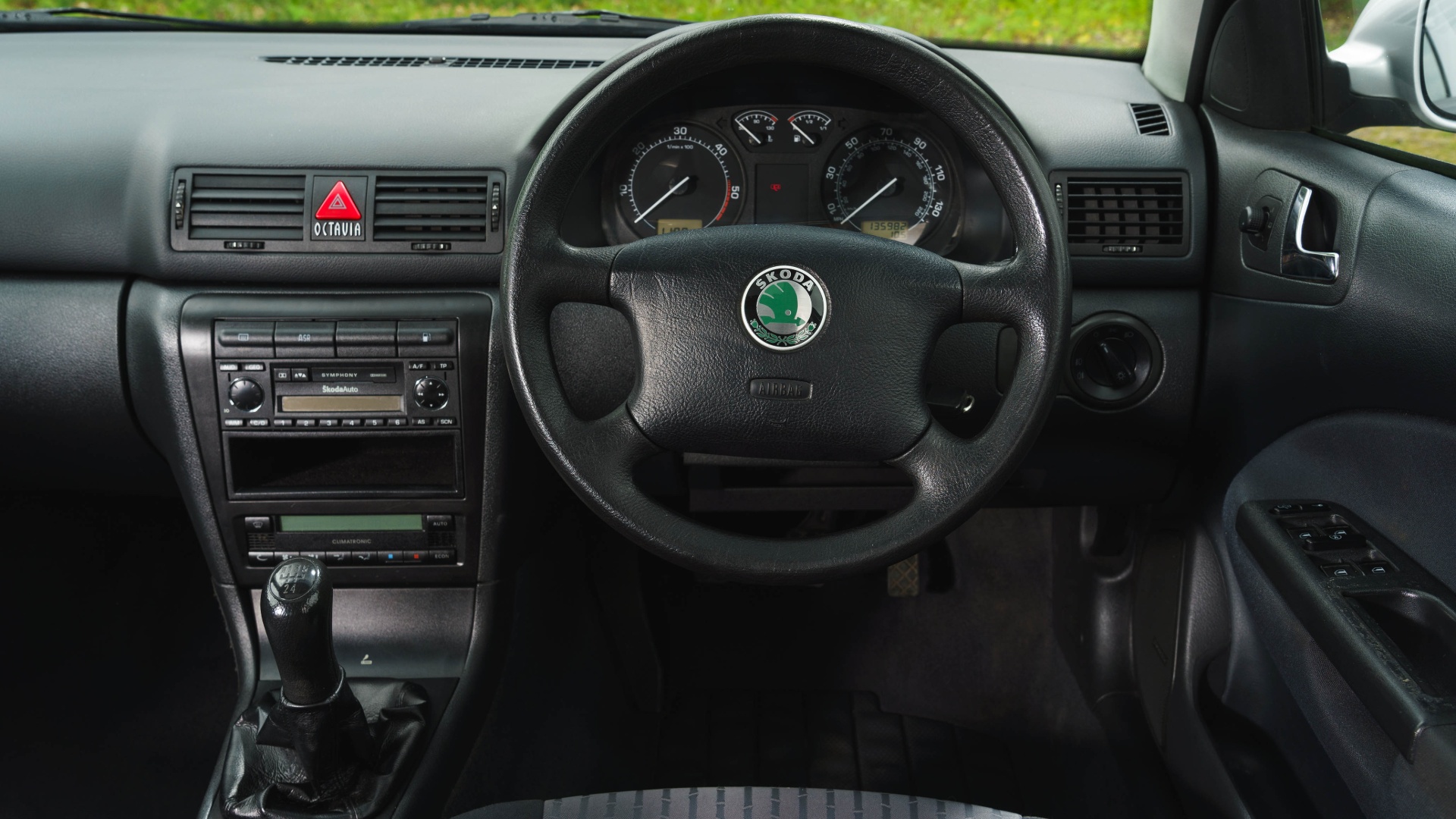
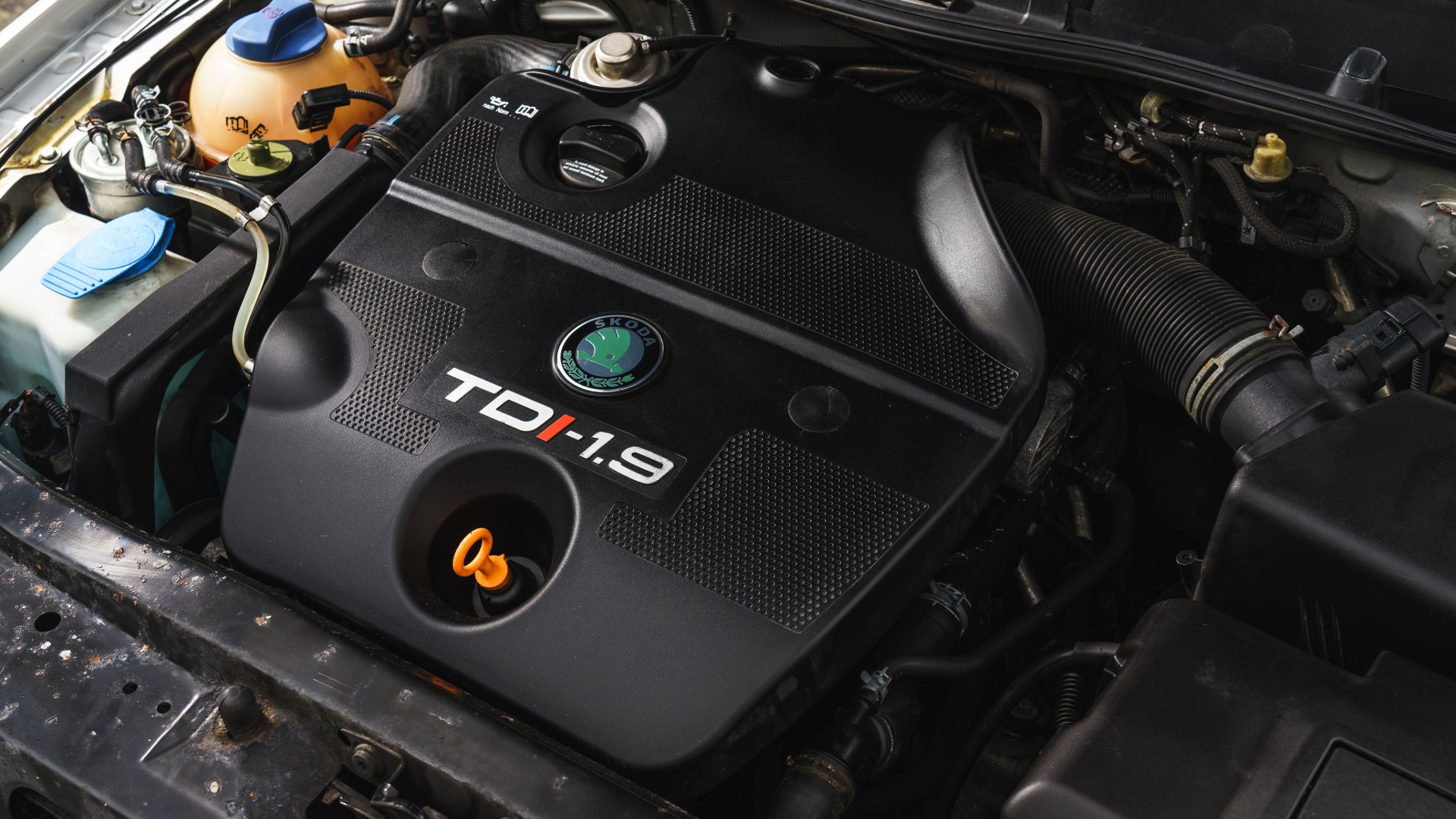
Fittingly, the 2002 Octavia on Skoda’s heritage fleet has covered a meaty 136,000 miles. An ex-taxi? Quite possibly, although it wears those miles impressively well. Its 110hp 1.9-litre diesel engine is good for 119mph and a thrifty 54.0mpg.

Inside, the cabin is functional and solidly built (Germanic, even). ‘Infotainment’ comes via a cassette player, but it feels positively futuristic after the classic Combi.

It’s effortless to drive, too. The bulbous, airbagged wheel is light, the five-speed gearbox is Teflon-slick and the gruff diesel pulls strongly from low revs.

It feels somewhat detached, but that’s perhaps the point. After a nine-hour night shift of pub pick-ups and airport aggro, I suspect I’d be thankful for such easygoing affability.

Skoda Octavia vRS Mk1 (2004)

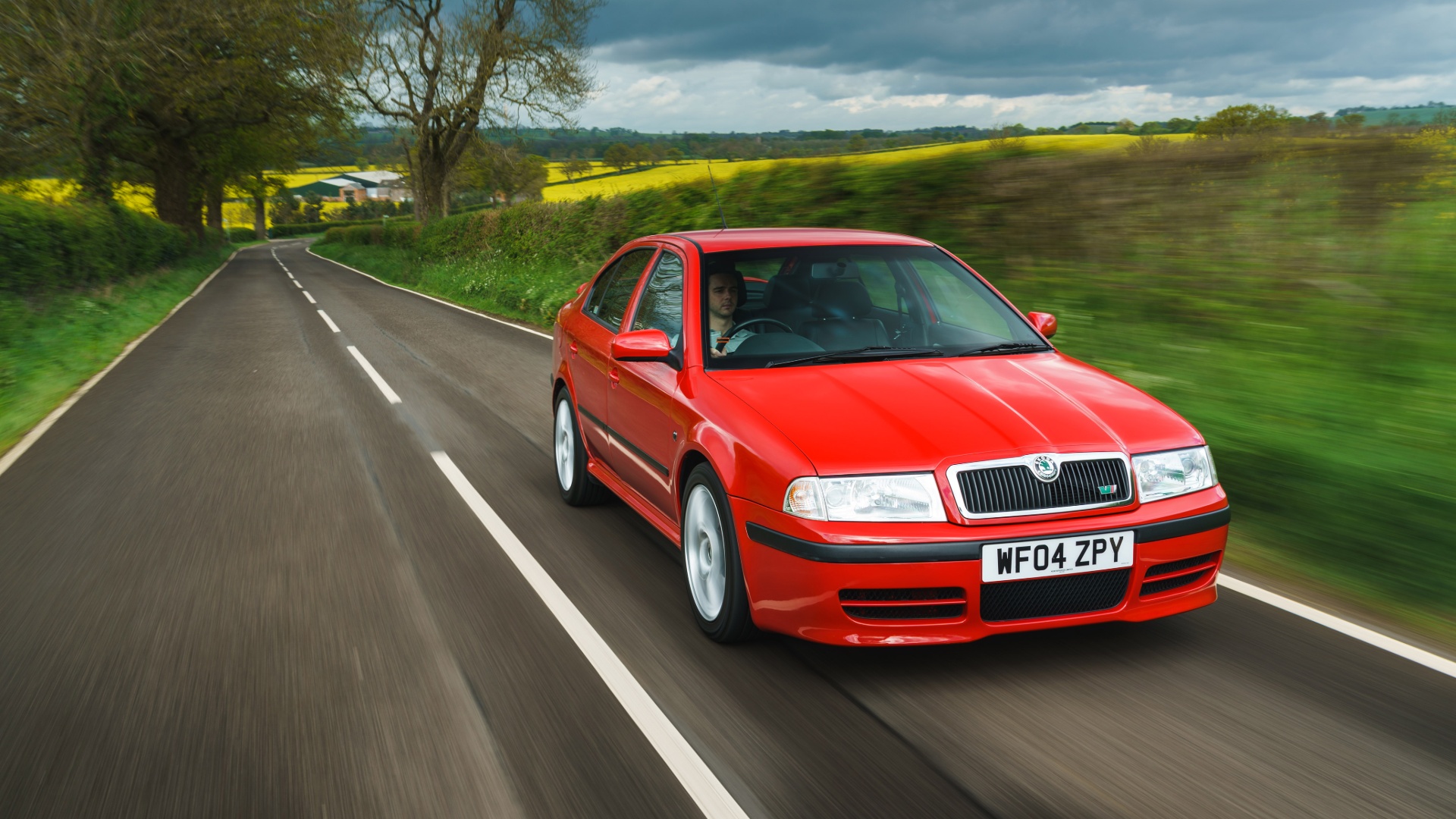
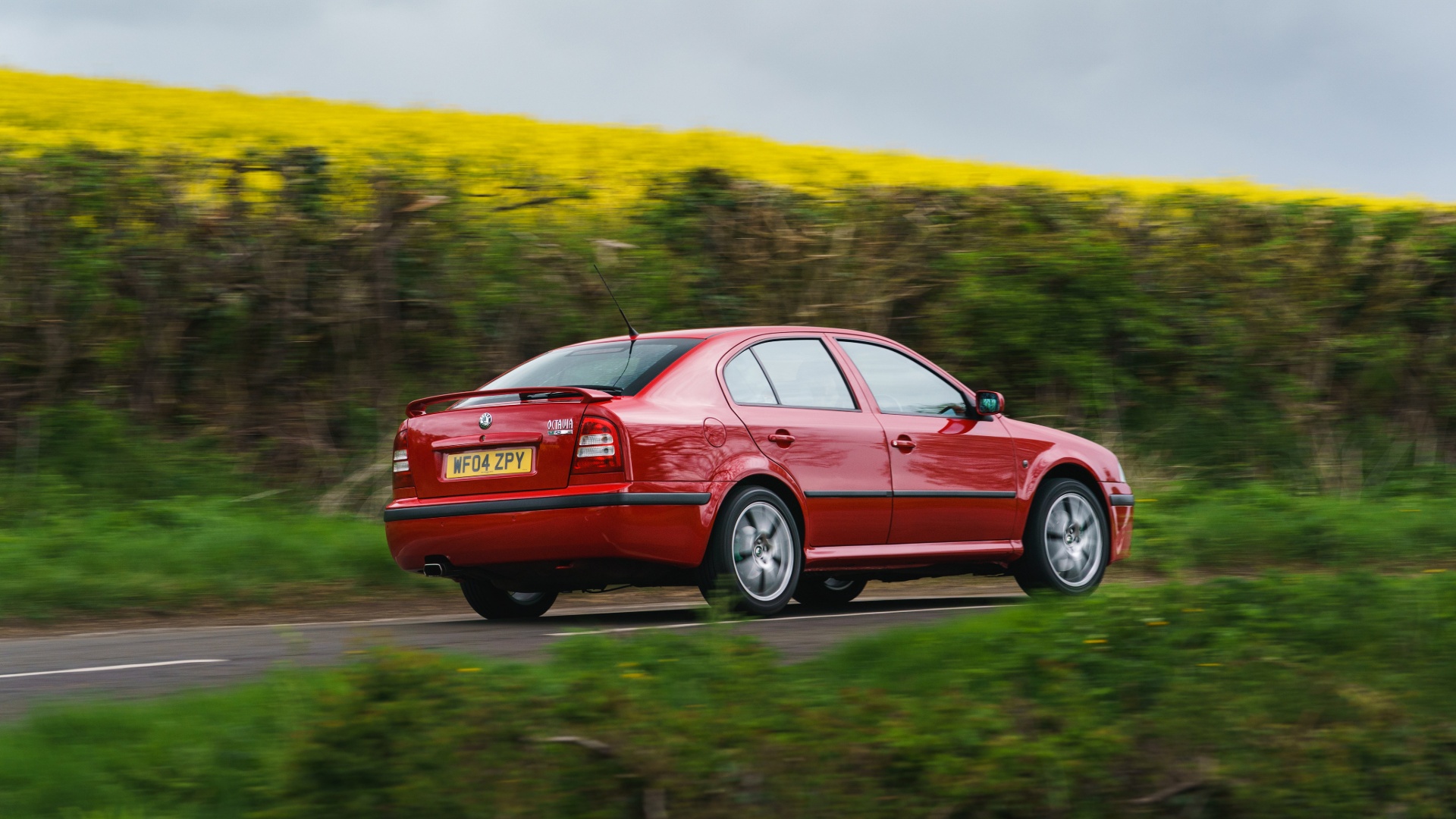
The Mk1 Octavia also did performance, not simply private-hire. The first vRS debuted in 2001, providing a springboard for Skoda’s return to top-tier rallying.

It was the fastest production Skoda ever when launched, reaching 62mph in 6.7 seconds and 144mph flat-out.

While the WRC version boasted 300hp and four-wheel drive, the road-going vRS shared its fundamentals with the Golf GTI. That meant a 180hp 1.8-litre four-cylinder petrol engine, driving the front wheels via a five-speed manual ’box.

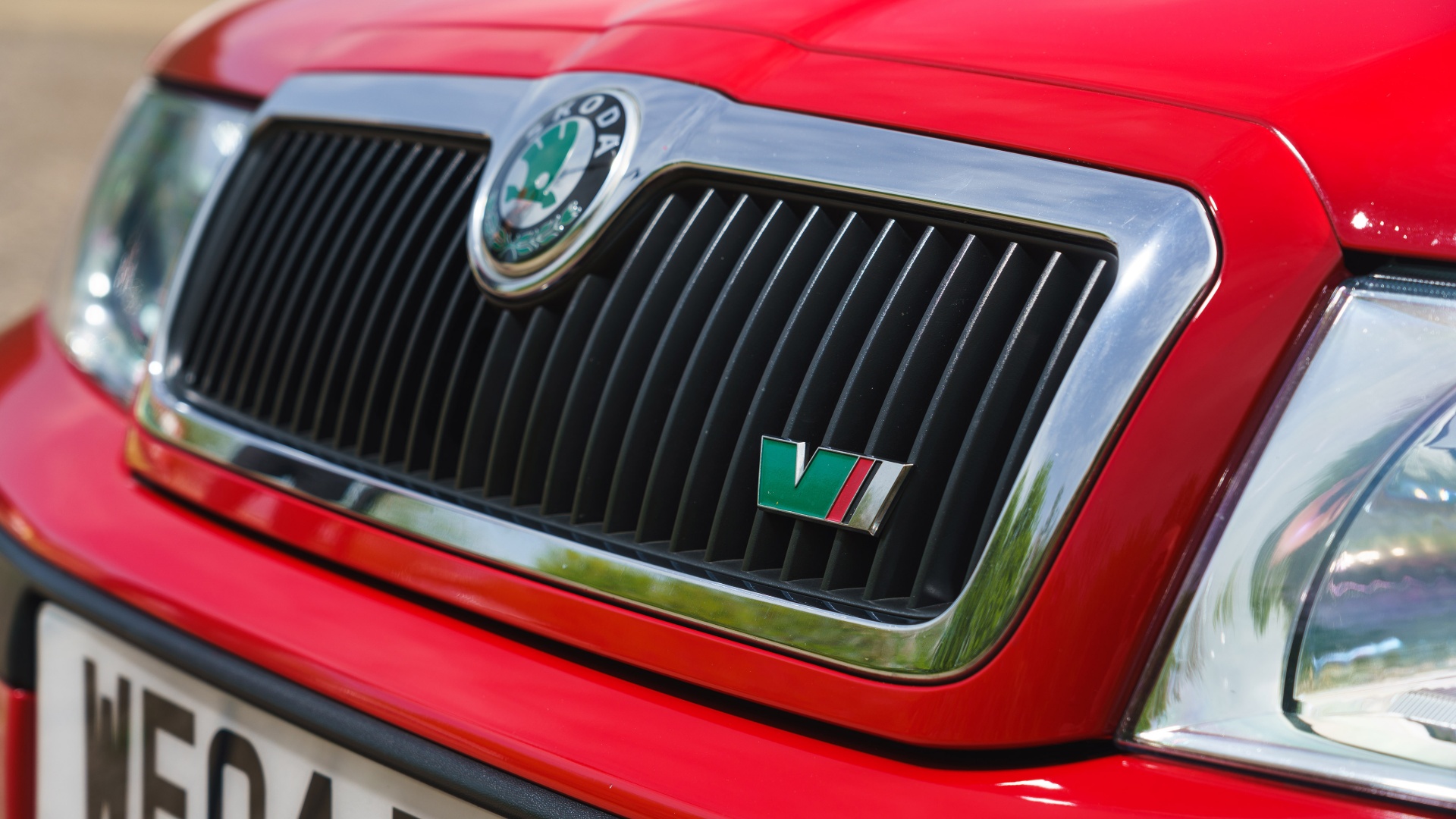
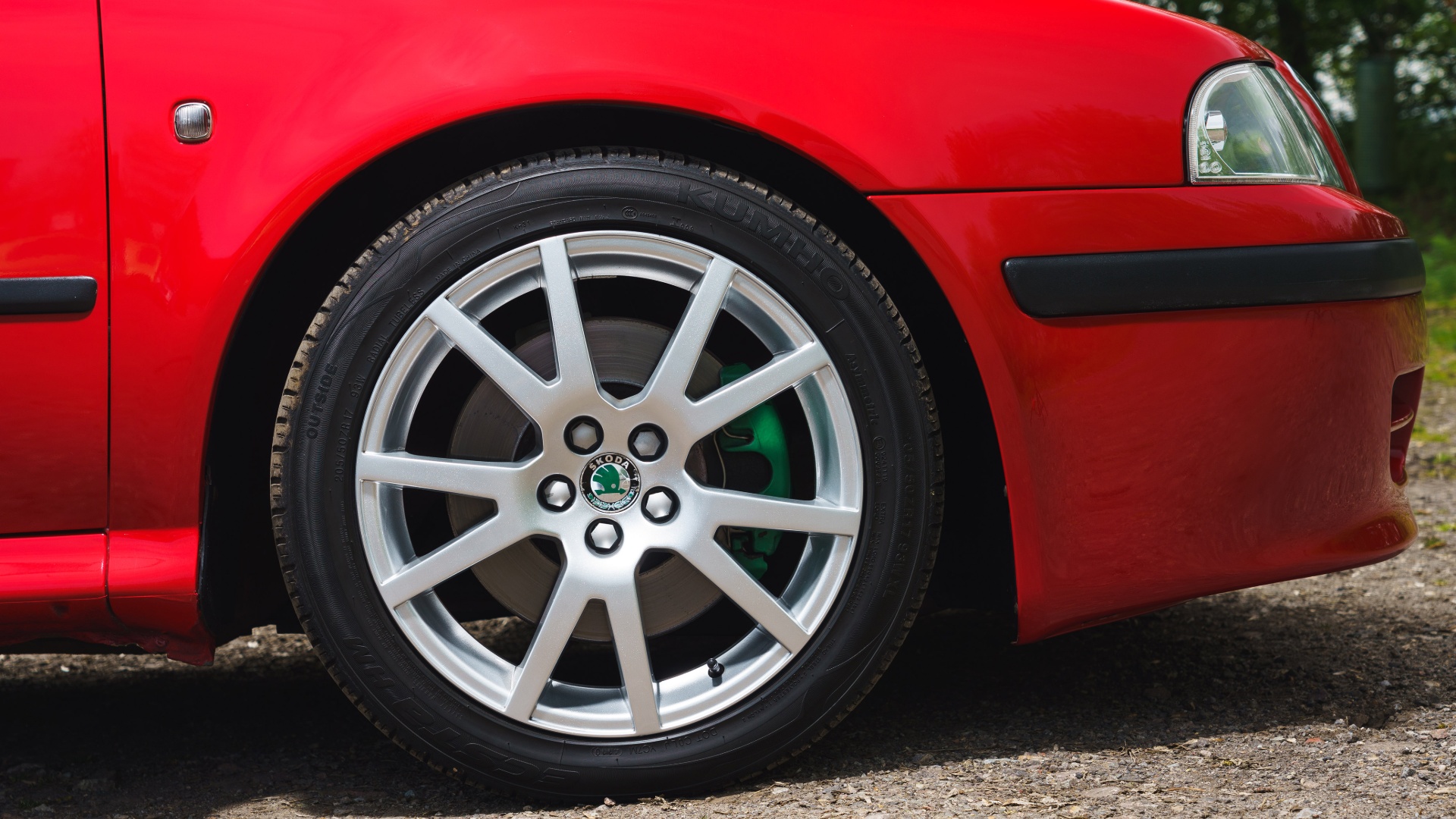
Subtle spoilers, spidery 17-inch alloys and green/red/grey vRS badges gave Skoda’s hot hatch a suitably sporty makeover. Nonetheless, it’s pretty tame (and tasteful) by modern standards.

A launch price of just £15,100 (a Ford Focus ST170 was £15,995) made the vRS even more tempting. In terms of performance-per-pound, little else came close.

It’s a cracker on the road, too. The steering is swift and precise, while handling is poised and predictable. There’s more body-roll than some rivals, but a pliant ride more than compensates. It’s been many years since I’ve driven a Mk4 Golf GTI but, from memory, the Skoda seems more fun.

The hot Octavia’s double-whammy of space and pace made it a popular choice with UK police forces. Seeing one of these in your mirrors usually spelled bad news. Skoda later launched an estate version, offering ultimate Q-car kudos.

Perhaps the finest compliment I can pay the vRS is that I’ve been browsing the classifieds for good examples ever since. And yes, they’re still a bargain now.

Skoda Octavia Scout (2008)

Today, Skoda has fully jumped aboard the SUV bandwagon; its line-up stretches from supermini-sized Kamiq to seven-seat Kodiaq. The Octavia Scout was arguably the first step on this (unclassified, boulder-strewn) road – and it remains a standalone model today.

The original Scout joined the Mk2 Octavia range in 2006. It followed the example of the Audi A6 Allroad, first launched in 1999.

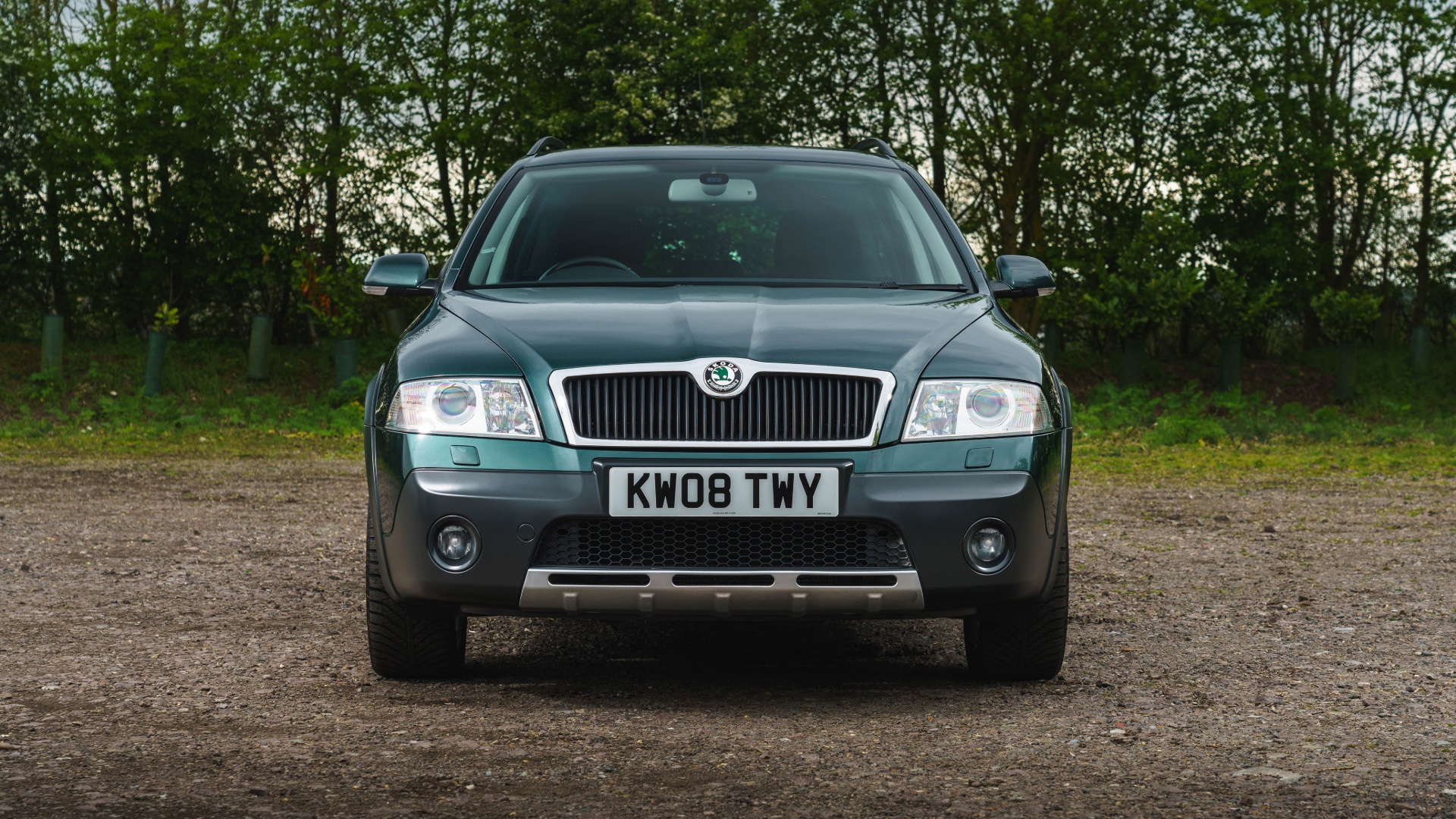
In essence, the Scout combines the rugged styling, loftier ground clearance and four-wheel drive of an SUV with the superior dynamics and fuel-efficiency of an estate car.

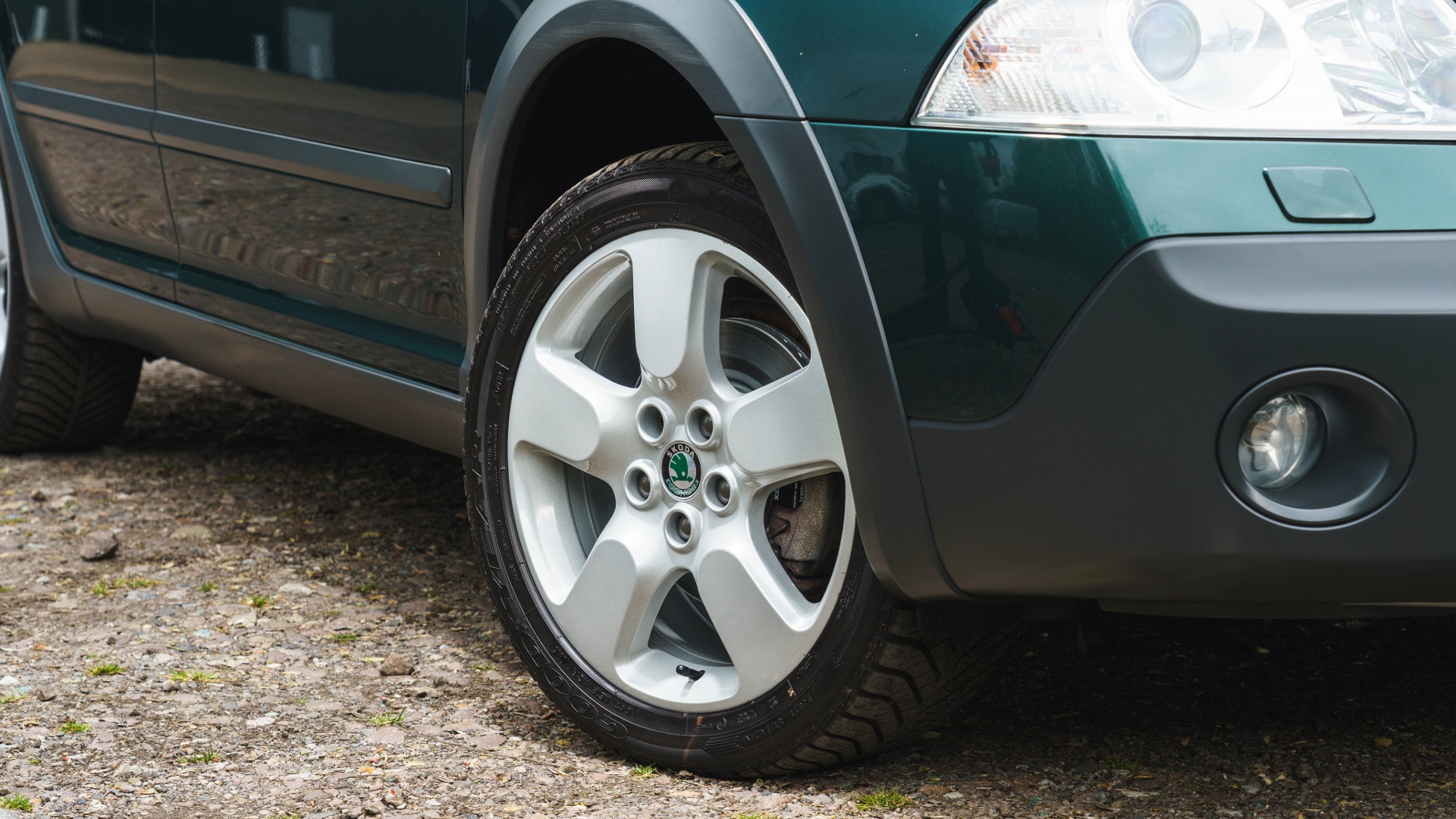
An extra 40mm beneath the wheelarches and Haldex variable 4WD mean it will tackle gravel tracks or muddy lanes with confidence. But the rear wheels are only engaged when needed, so quoted fuel economy is a car-like 44mpg.

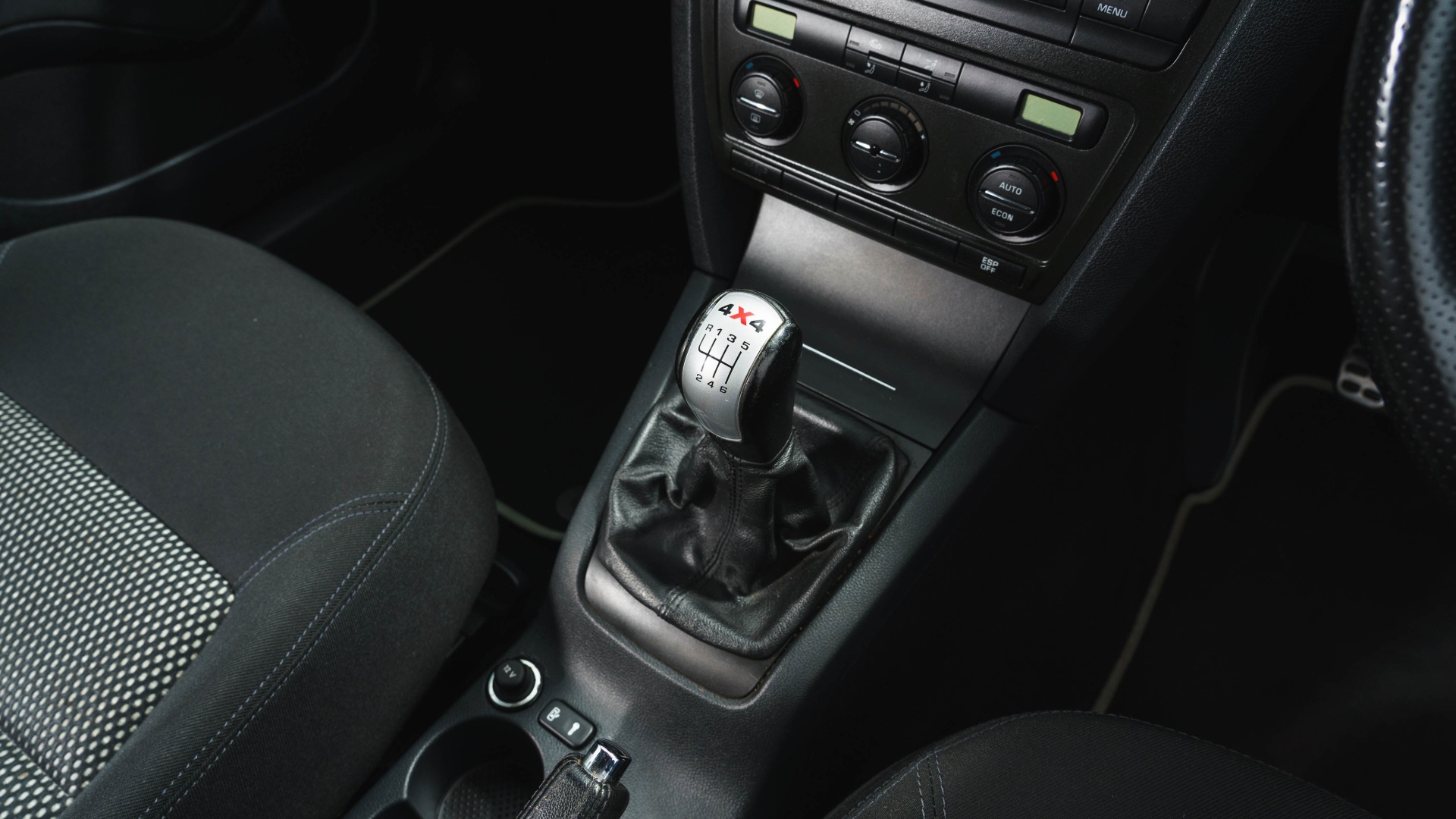
The Mk2 Scout still looks the part, thanks to muscular body cladding and skid plates beneath both bumpers. Inside, snazzy kickplates and a ‘4×4’ logo on the gearknob hint at its added potential.

Buyers could have a 150hp 2.0-litre petrol version, but most opted for the 140hp 2.0 diesel. It produces 140hp and propels the 1,625kg Skoda to 122mph.

On the road, the Scout feels as intuitive and inoffensive as a regular Octavia. Granted, there’s a little more lean when cornering, and perhaps a smidge less precision from the steering. But it’s certainly more engaging than a contemporary SUV. Less ostentatious, too.

Sadly, I didn’t get chance to sample the Scout on rough terrain. Suffice to say, the original press photos – which show it clambering over rocks and dive-bombing through streams – are testament to its prowess.

Skoda Octavia vRS Mk3 (2019)

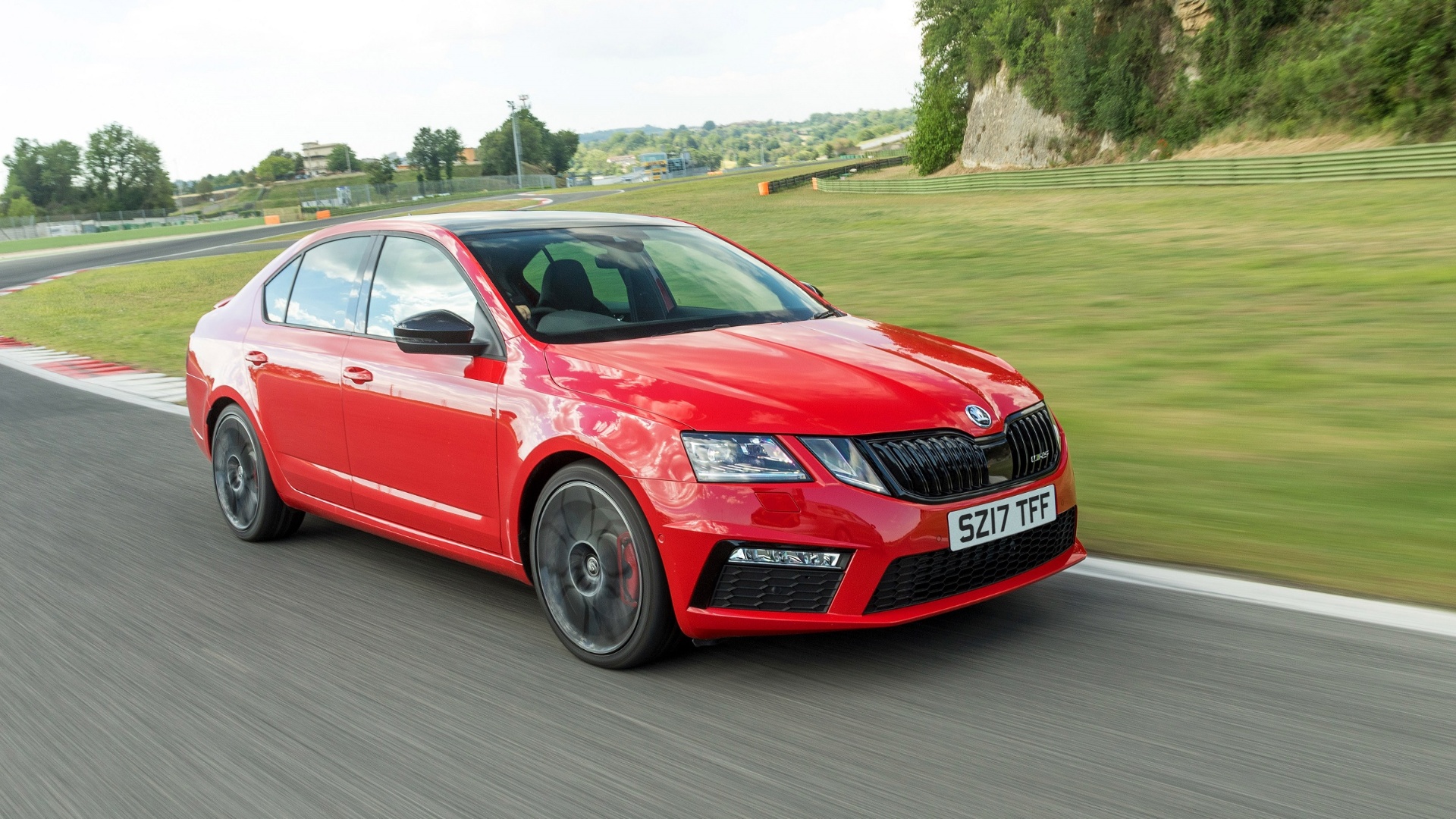
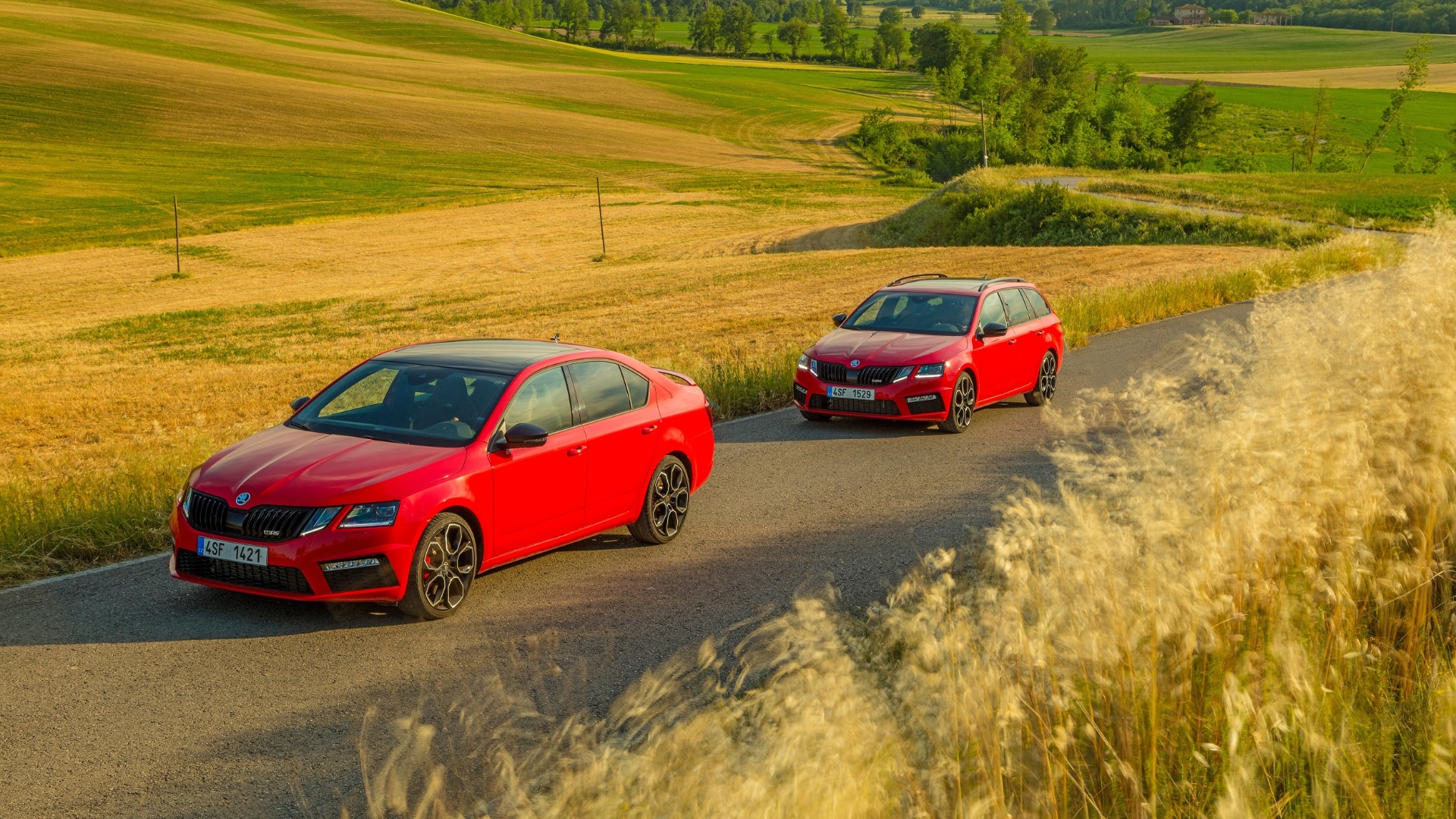
My fourth and final drive is the current-model Octavia – again in sporty vRS guise. Its 245hp 2.0 TSI engine packs a healthy 65hp more than the original, cutting the 0-62mph dash to 6.6 seconds. Top speed is limited to 155mph.

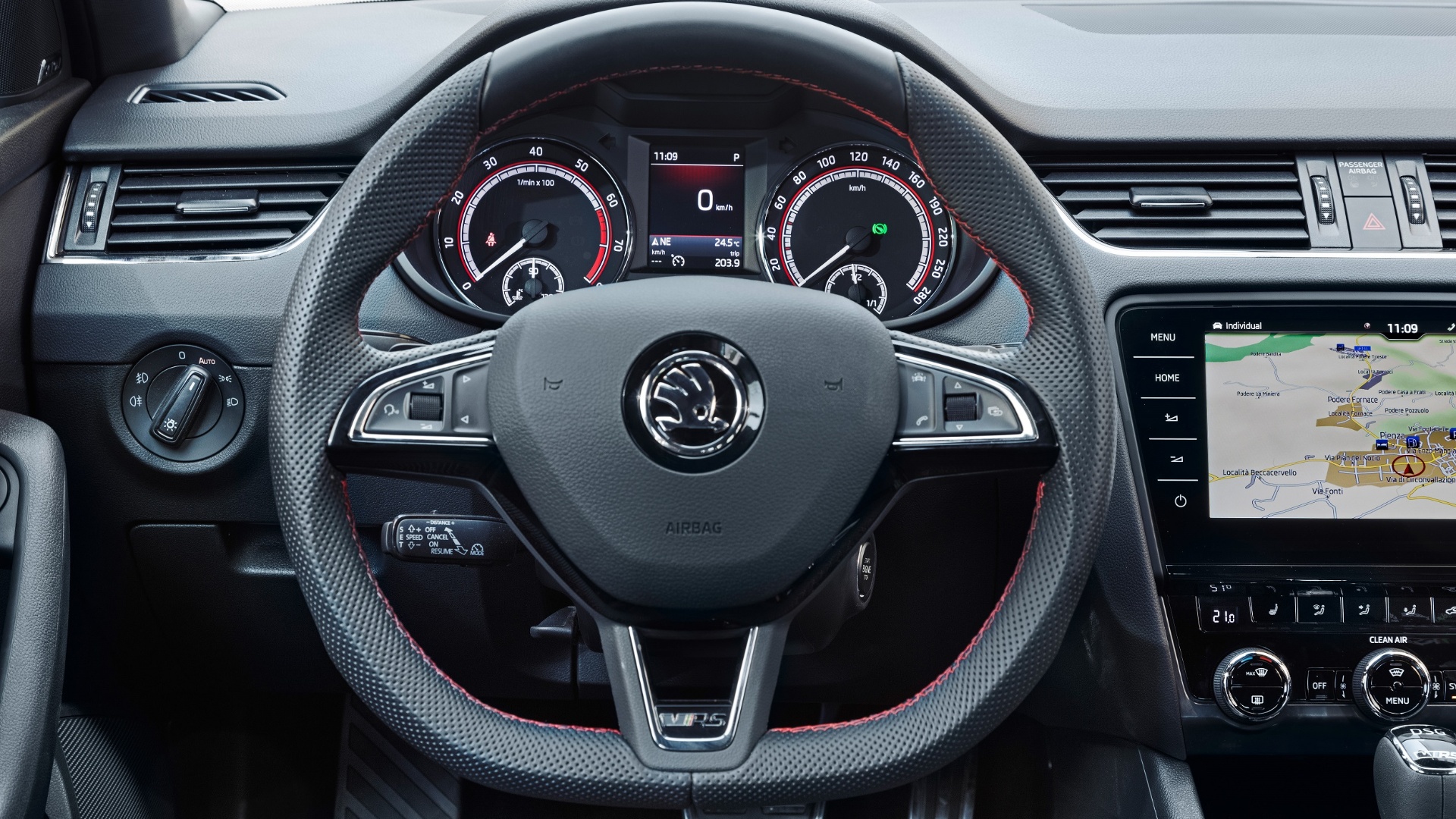
A base price of £27,640 still undercuts most rivals, although my test car cost £29,360 after options. These included the Audi-style Virtual Cockpit display (£450) and lane-assist with blind-spot detection (£400). Both were, of course, unheard of back in 2001…

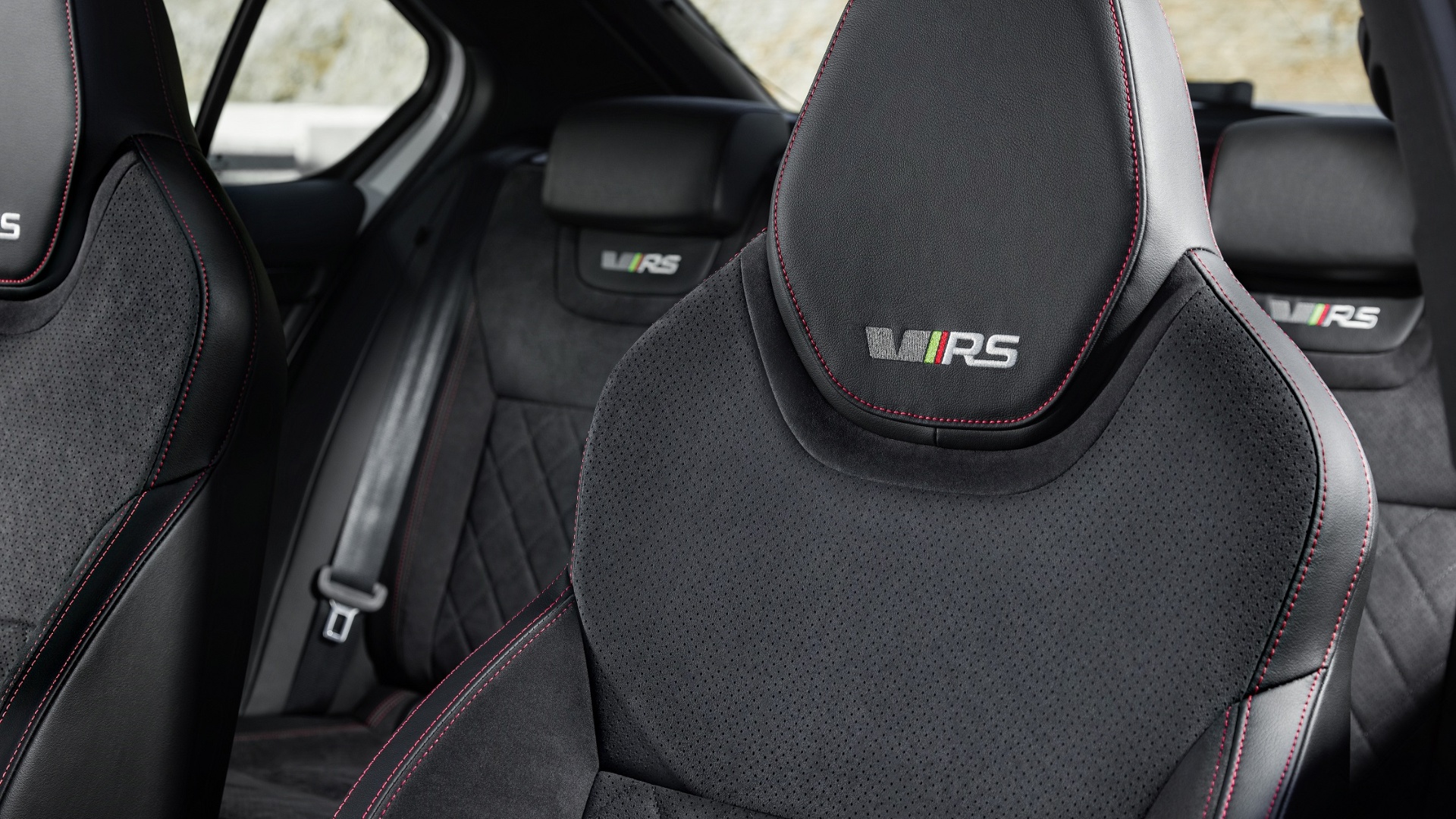
In time-honoured tradition, the Octavia doesn’t shout about its added performance. Despite hip-hugging sports seats, red stitching and a smattering of vRS badges, its interior lacks the wow-factor of a Golf GTI. No complaints about build quality, though.

The eight-inch touchscreen media system is a highlight. It syncs seamlessly with your mobile phone via Apple Carplay or Android Auto. There’s also a choice of driving modes: Eco, Comfort, Sport and Custom.

The spiciest Octavia comes in three outputs: 184hp diesel, 230hp petrol and the vRS 245 petrol tested here. The top-dog 245 has a limited-slip differential as standard, but four-wheel drive is only offered on the diesel.

That diff makes a marked difference on the road, tightening turn-in and helping you slingshot out of bends. Switching to Sport sharpens things further without ruining the ride. The gruff growl of its engine sounds slightly synthetic, but there’s something addictive about its elastic mid-range punch.

The Octavia has been on quite a journey. It’s changed beyond all recognition, yet remained true to its roots, providing sensible – and sensibly-priced – transport for the masses. Even the vRS is a remarkably level-headed hot hatch.

So, všechno nejlepší k narozeninám Skoda Octavia (that’s ‘happy birthday’ in Czech). Here’s to another 60 years.

Advertisement