A new road sign will be used by the Department for Transport in a bid to reduce traffic collisions with wildlife.
The new sign, revealed by Transport Secretary Chris Grayling, features a hedgehog and is to be placed in areas where accidents involving wildlife are the highest.
DfT figures suggest that 629 people were injured in accidents with animals in 2017, while four were killed.
The government wants local authorities and wildlife welfare groups to suggest hot-spots for accidents with animals, to get signs installed where needed as soon as possible.
Why a hedgehog? Well, numbers have halved in rural areas over the past 19 years, and it seems these prickly pedestrians are in most danger when it comes to traffic.
“We have some of the safest roads in the world but we are always looking at how we can make them safer,” said Chris Grayling.
“Motorcyclists and other vulnerable road users are particularly at risk. The new small mammal warning sign should help to reduce the number of people killed and injured, as well as helping our precious small wild mammal population to flourish.”
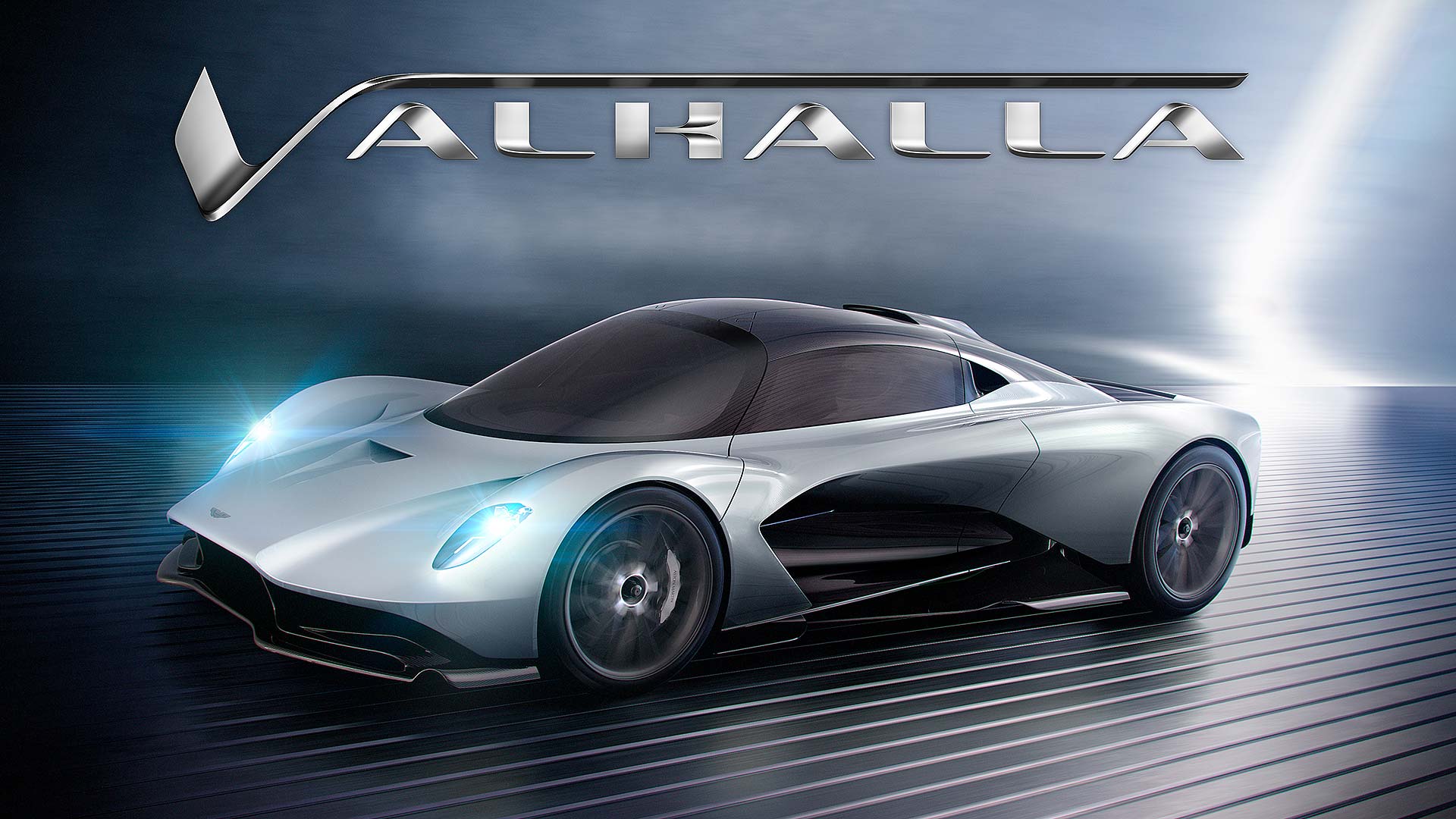
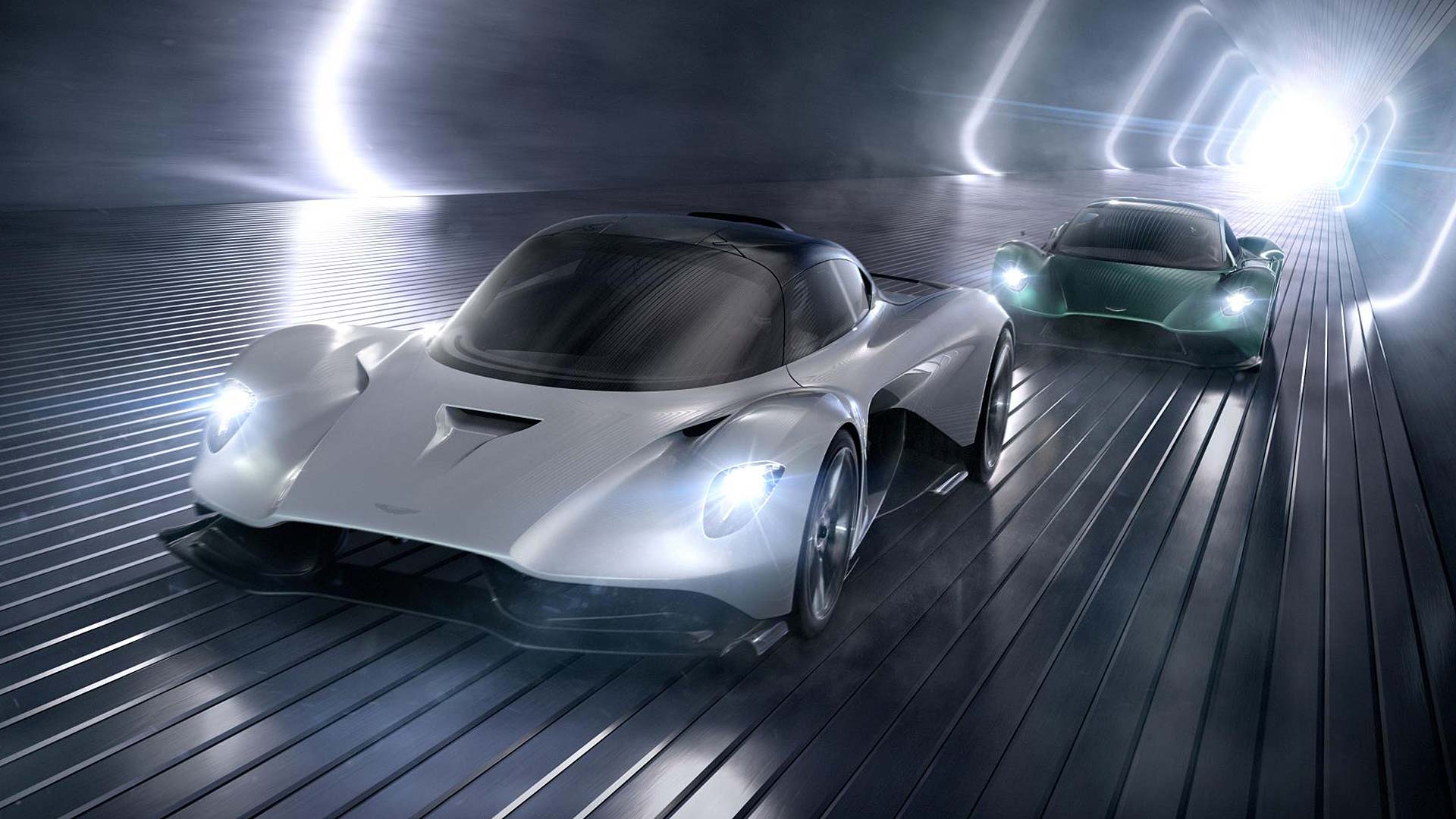
The second Aston Martin co-developed with F1 tech legend Adrian Newey and Red Bull Advanced technologies is to be called Valhalla.
It’s the official name for the AM-RB 003 concept (pictured below), first shown at the 2019 Geneva Motor Show.
Valhalla will be the slightly more attainable mid-engined sibling to the Aston Martin Valkyrie. Indeed, the firm is already describing it as ‘son of Valkyrie’.
Made entirely from carbon fibre, just 500 coupe models will be built.
In choosing Valhalla, Aston Martin continues its tradition of using ‘V’ names for its high-performance road cars. This dates back to 1951, when the hot version of the DB2 was designated Vantage.
“Aston Martin model names always attract a lot of attention,” said the firm’s president and CEO Andy Palmer.
“They do so because they invariably capture an emotion or tell a story.”
What does Valhalla mean?
Aston Martin has taken the name Valhalla from Norse mythology. It literally translates, we’re told, to ‘the hall of the fallen’.
Which is? ‘An enormous and majestic hall in Asgard, one of the Nine Realms’. The souls of those who are slain in battle go there: it is ‘a warrior’s paradise’.
The people who go to Valhalla are chosen by the Valkyries: they are ‘a group of warrior maidens who gather the fallen at the behest of Odin, All-Father of Nordic Gods’.
Valkyrie is, of course, the name of Aston Martin’s halo hypercar, which it recently announced will race at the Le Mans 24 Hours.
Aston Martin says the Valhalla, its third mid-engined hypercar, will be powered by a high-performance turbo V6 petrol engine and a battery-electric hybrid system.
It will also use F1-inspired technology and aerodynamics, “extending the trickle-down of genuine state-of-the-art F1 technology into a road-legal car”.
Aston Martin is even promising “next-generation aircraft morphing technology, to create a variable airfoil across the entirety of the rear wing”.
Palmer added that “For those fortunate enough to own one, I’m sure they will recognise and appreciate the name’s connotations of glory and happiness.
“There can be few more hallowed places than the driver’s seat of an Aston Martin Valhalla.”
Expected to cost from £1 million, production of the new Valhalla begins in 2021.
But while registrations are already open, those who want one may be disappointed: the order book is reportedly fully subscribed.
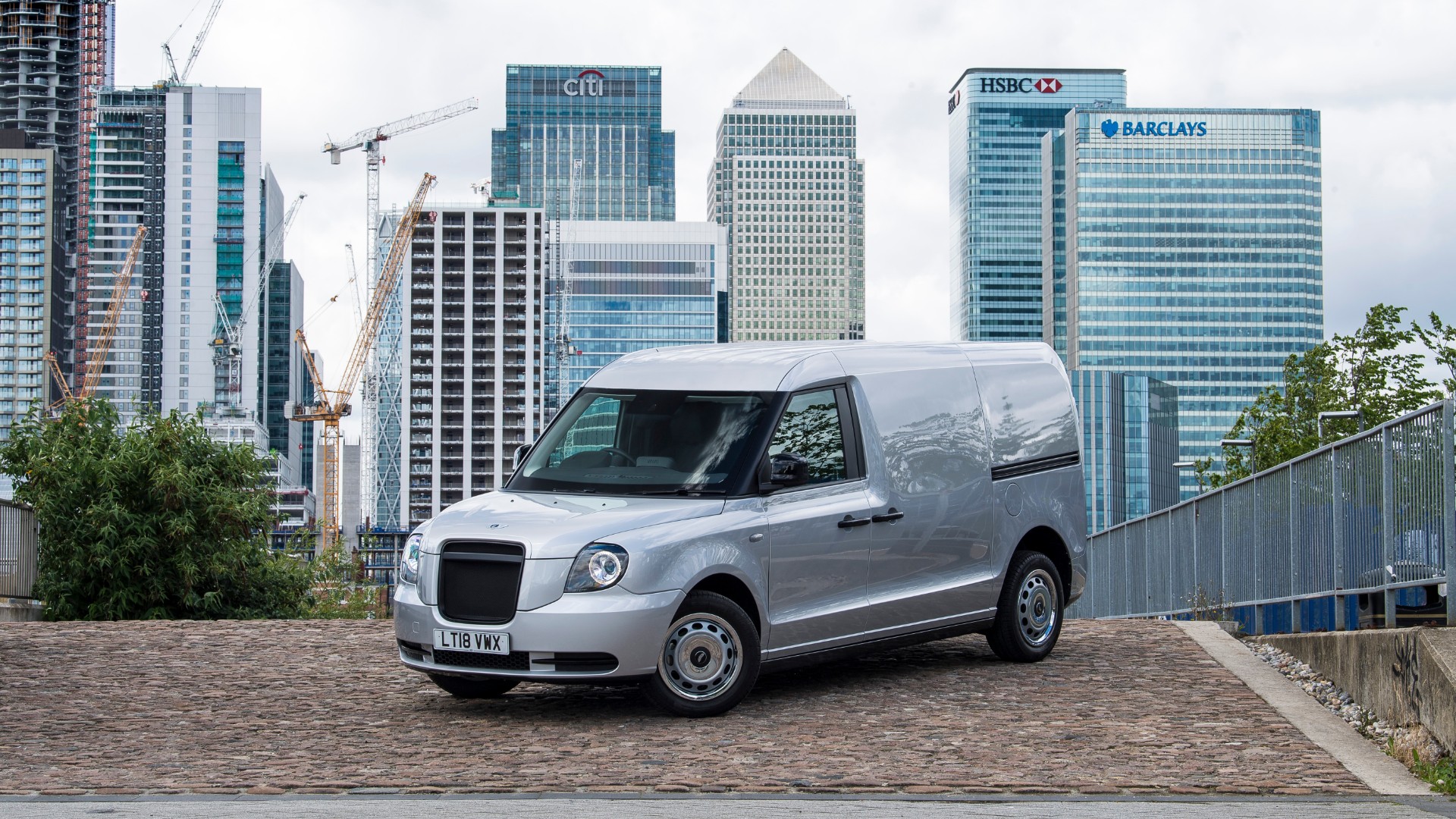
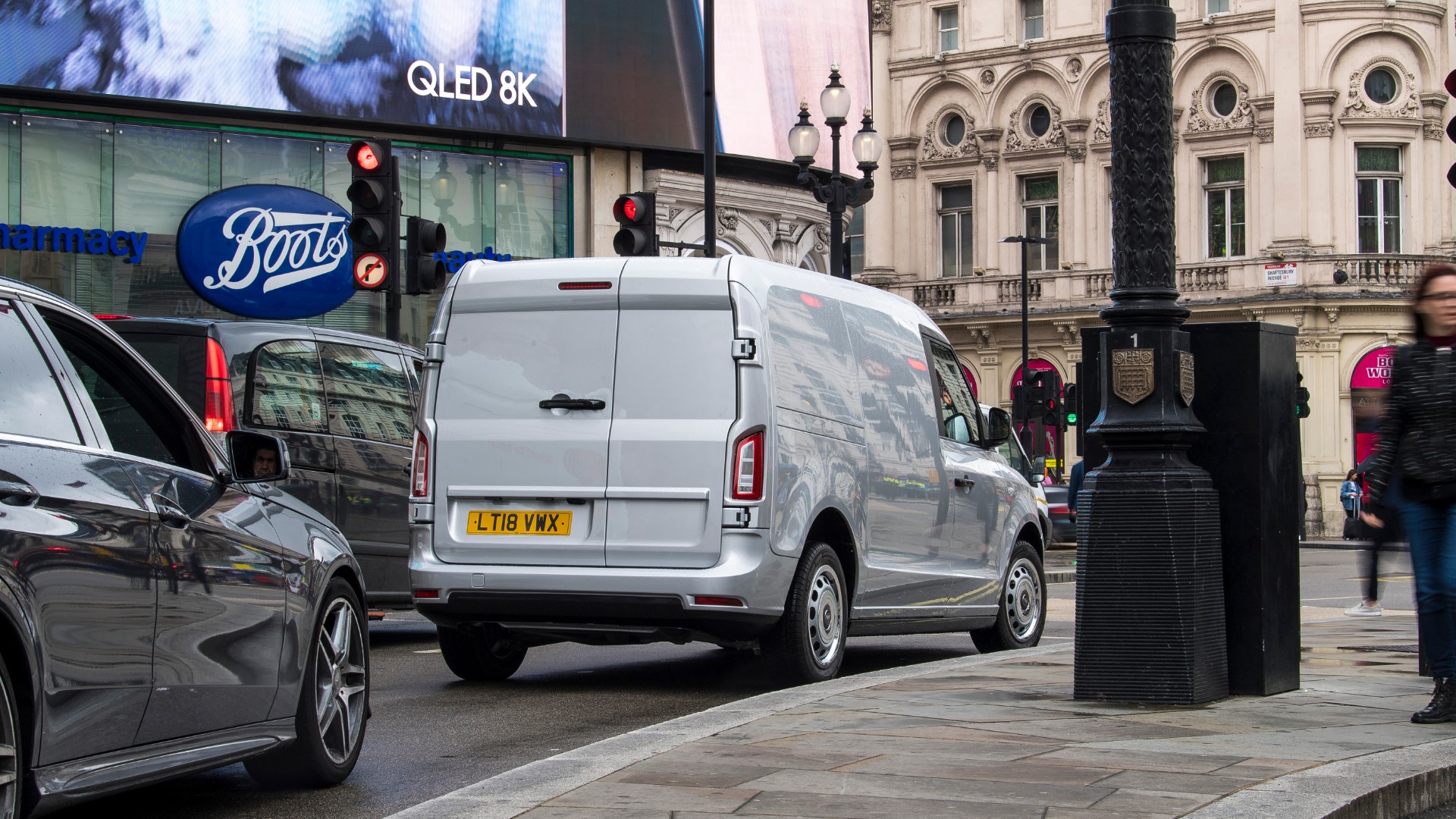
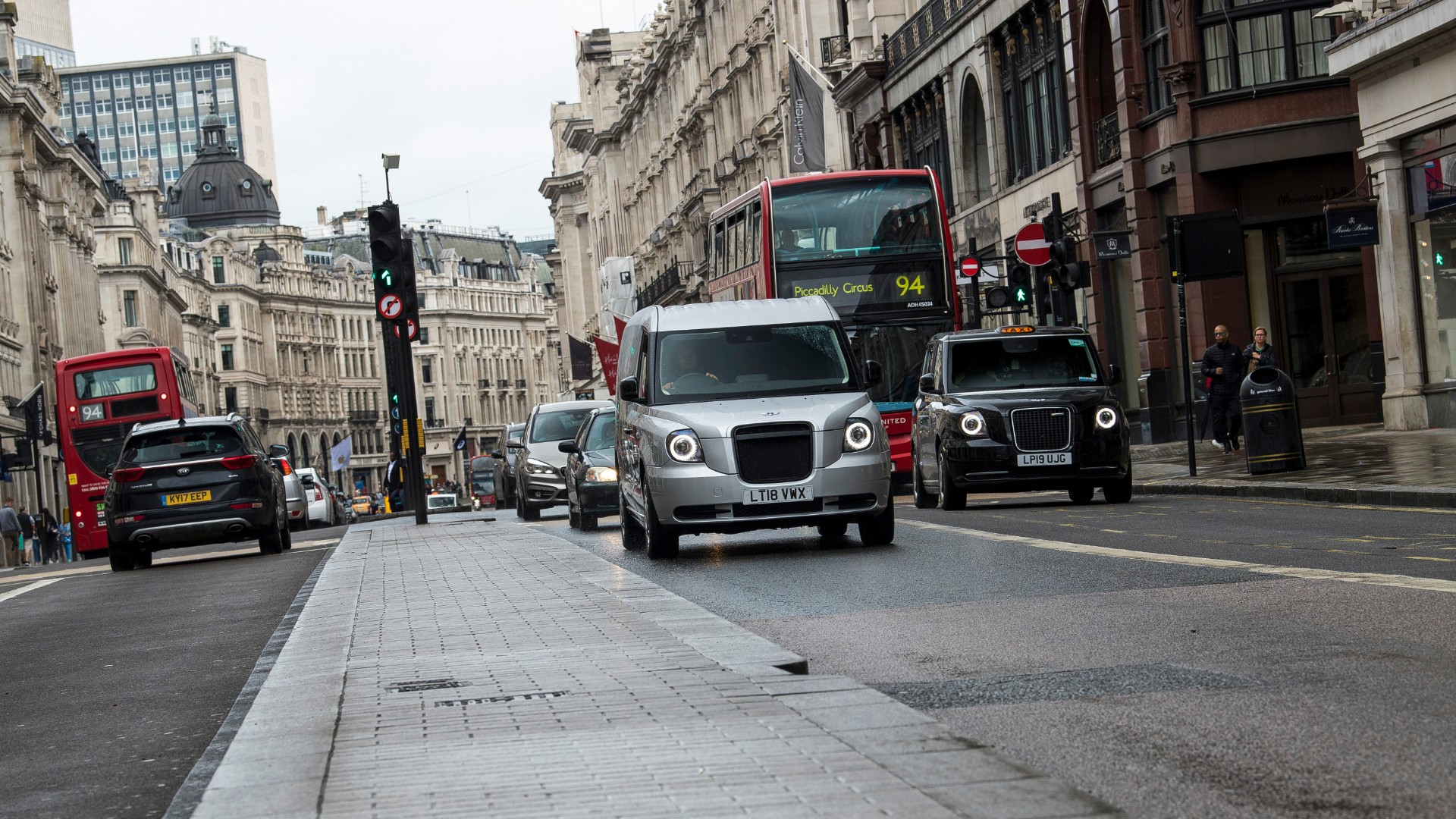
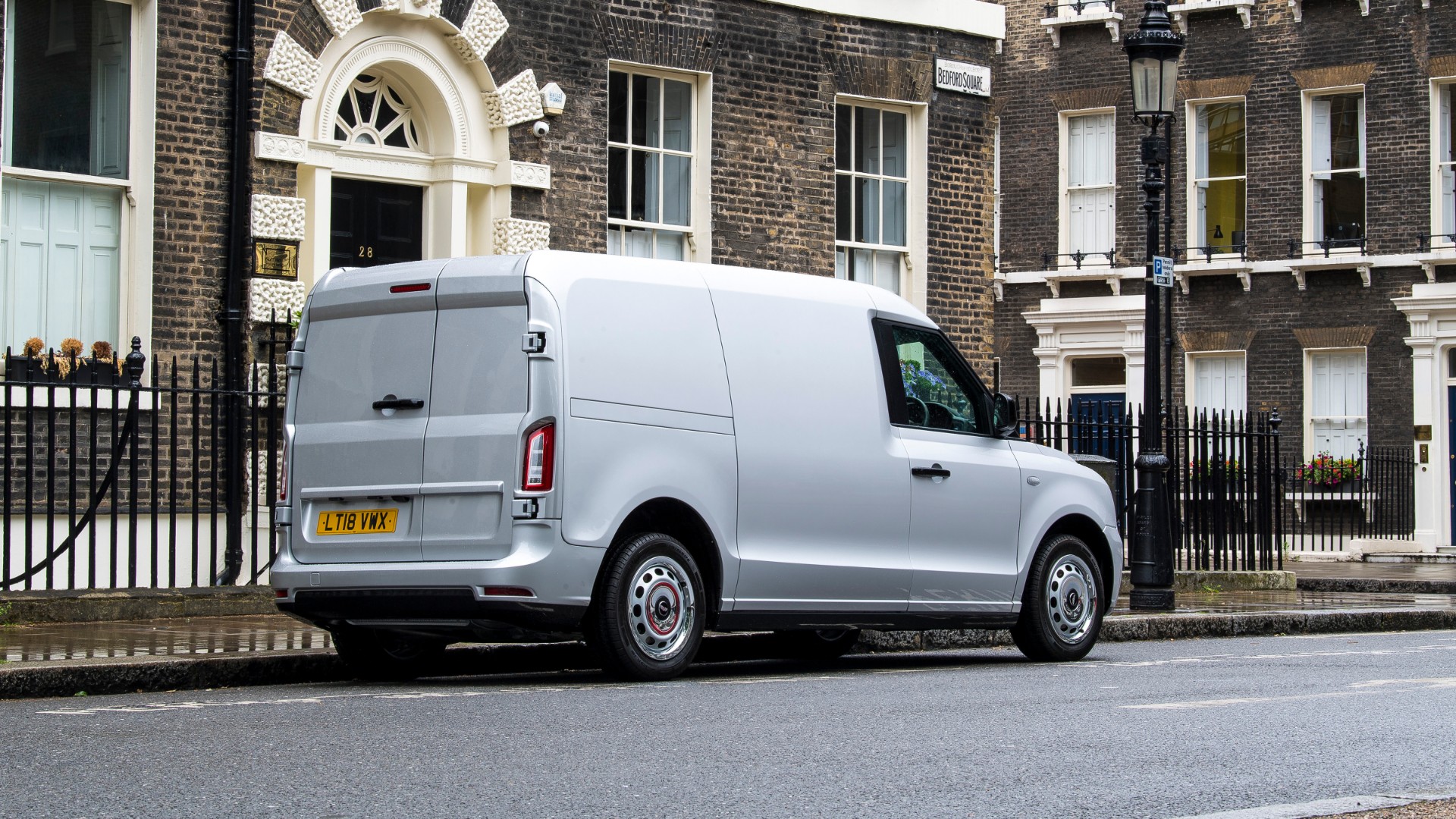
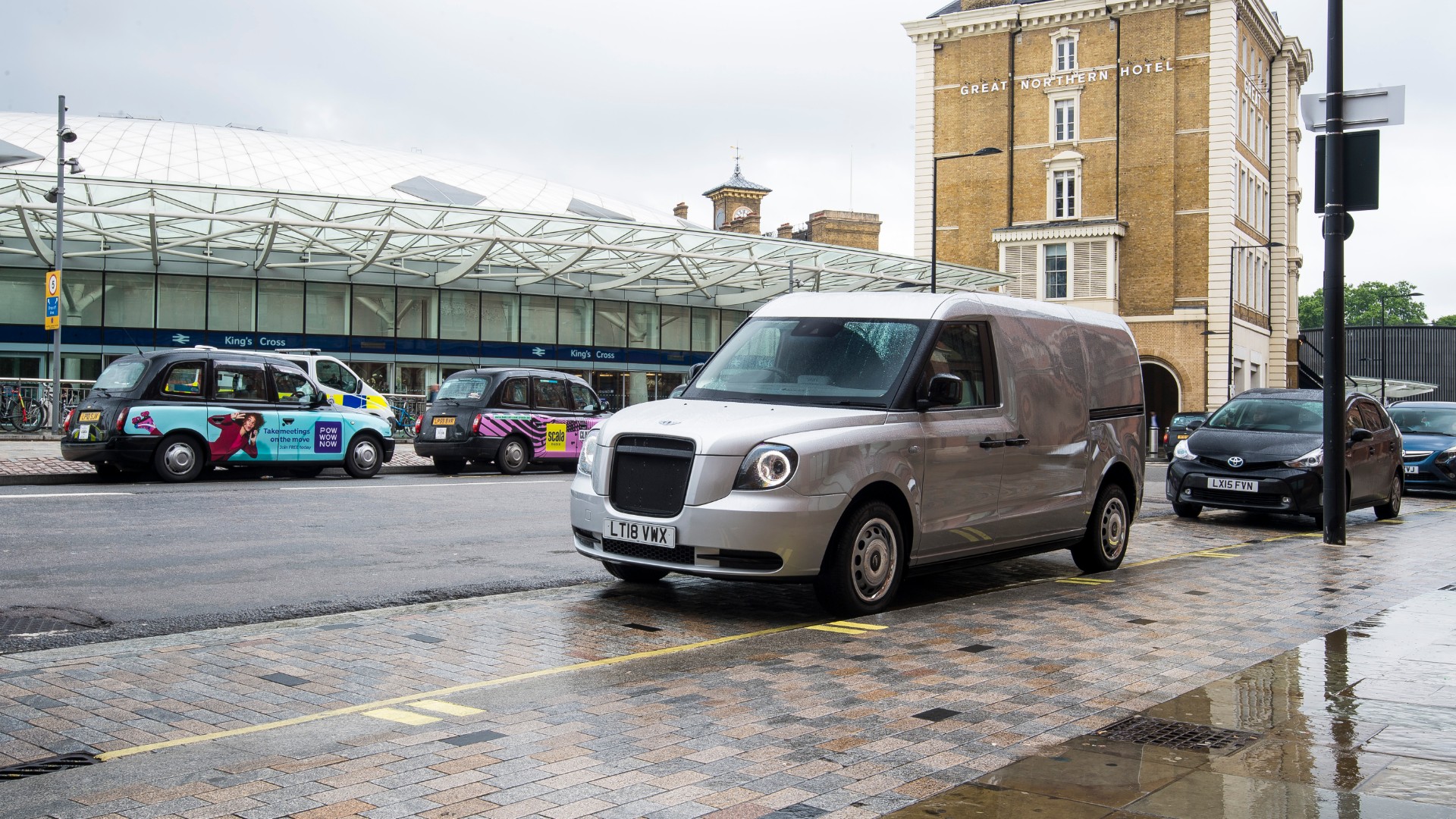
LEVC, the company behind the TX London taxi, has launched a small van. Meet the LCV – based on the familar, eco-friendly cab, and revealed by London Mayor, Sadiq Khan.
‘The clean and green urban delivery van of tomorrow is here,’ says LEVC. Like the TX cab, the ‘Light Commercial Vehicle’ uses the e-City range extender powertrain.
That means batteries and an electric motor, in combination with a petrol engine, for a total of 80 miles electric range, plus a total range of 377 miles.
What makes this powertrain well-suited for a London cab, also works for a small delivery van. Eighty miles of electric range could see delivery drivers in the capital through an entire day before the petrol engine is called upon.
At present, the UK market for small vans is around 50,000 vehicles a year, while there are around 65,000 unique LCV journeys in London every day. That must amount to hefty ULEZ and congestion charge fees, all of which the LEVC LCV can avoid.
The LCV is targeted to achieve a best-in-class total cost of ownership, compared with conventional petrol and diesel-powered vans. Durability is said to be world-class.
Along with the £3,500 scrappage incentive, plus up to £8,000 granted for ‘New Energy’ van adoption, the LCV could be a tempting prospect indeed for urban businesses.
Van drivers should also be happy. The LCV has been benchmarked against premium MPVs for comfort and ease-of-operation on the inside. The TX cab’s super-tight turning circle features, too.
“The light commercial vehicle sector is the only growing vehicle traffic segment in London,” said LEVC CEO, Joerg Hofmann.
“This is due to the rapid rise in internet shopping – the Amazonisation of retail. Every day there are 65,000 unique LCV journeys into London, but mobility must not come at the expense of air quality.
“We have combined our existing knowledge of the urban environment with EV technology that can put urban mobility on a sustainable pathway. Durable, reliable, efficient, cost-effective and high quality, that is our new LCV.
“London and the UK will be first to market, then we will extend the vehicle to Europe and further afield. Our goal is to be the leading European electric commercial vehicle provider.”
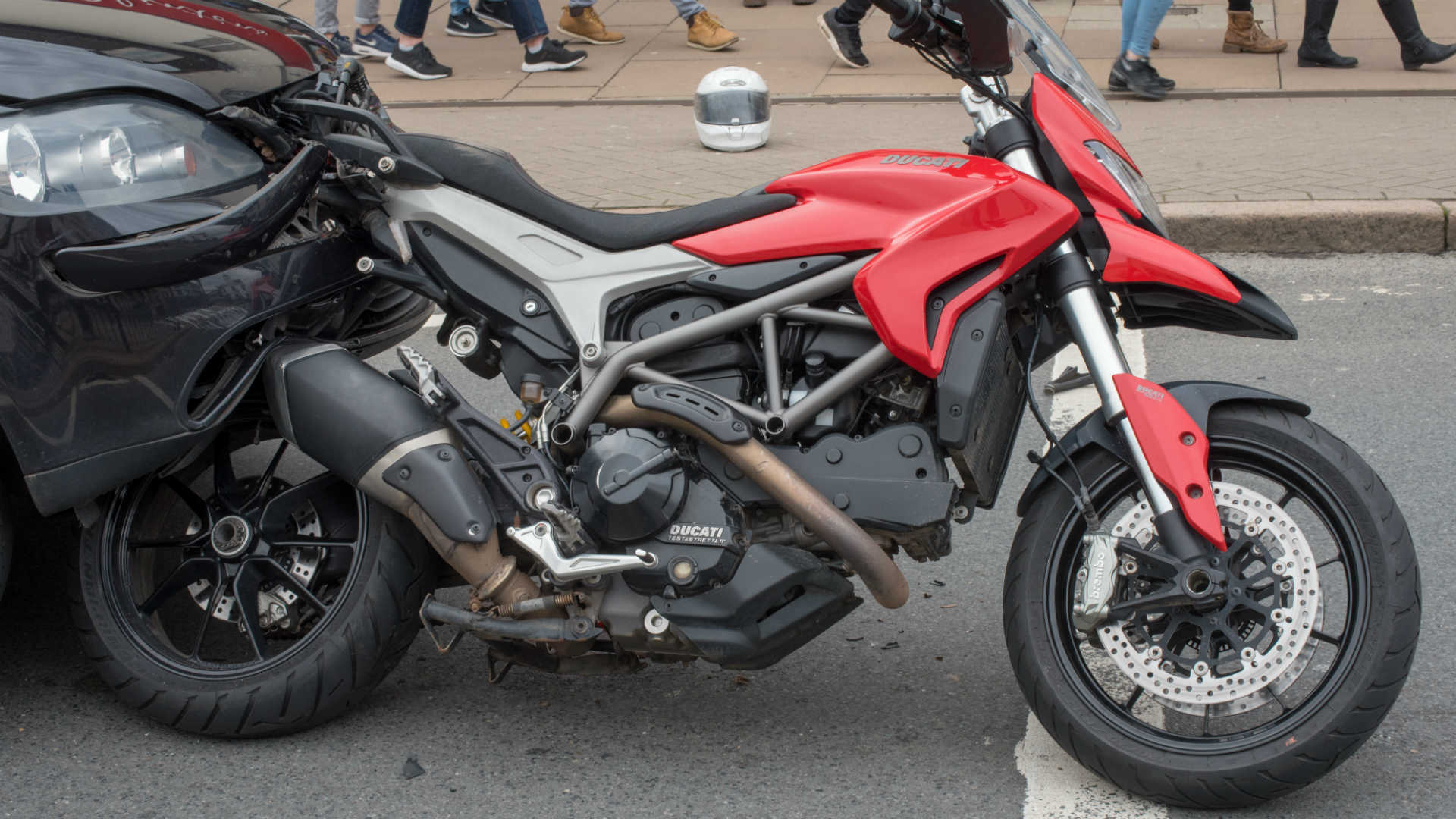
In 2017, motorcyclists accounted for 19 percent of all deaths on the roads of Great Britain, which is why the Driver and Vehicle Standards Agency (DVSA) has created a series of ‘thought-provoking’ videos.
The videos will become part of DVSA’s learning materials, but will not feature in the theory test. Instead, the DVSA hopes they will encourage learner drivers to be more aware of motorcyclists when driving.
Motorcyclists account for just one percent of all road traffic in Britain, which makes the 19 percent death rate all the more alarming. In 2017, 2,656 motorcyclists were involved in accidents resulting from a driver or rider failing to look properly.
‘Devastating consequences’
The videos have been created with the help of road safety campaigner and motorcyclist Ria Brisland.
Ria’s son, Nik, died in April 2015 after being involved in a collision with a car while riding his motorbike.
Ria said: “Getting everyone to be aware of their fellow road users at all times is essential if we are to prevent collisions and the devastating consequences they can have on families.
“These new clips are thought-provoking and will make a difference to the way people look for bikers. They may prove the difference between life and death.”
Road safety minister Michael Ellis added: “Britain’s roads are among the safest in the world, but still far too many vulnerable people are involved in fatal and serious injury collisions each year.
“After reading Ria’s story and her concerns for fellow bikers, I was determined to help her and I am delighted that these clips will now be seen by millions of learners, helping improve road safety.”
Advice for road users:
Always look for motorcyclists before emerging from a junction
When turning right across a line of slow-moving or stationary traffic, look out for motorcyclists on the inside of the traffic you are crossing
In July 2018, the government published its Road to Zero strategy, pledging to make almost every car and van zero-emissions by 2050.
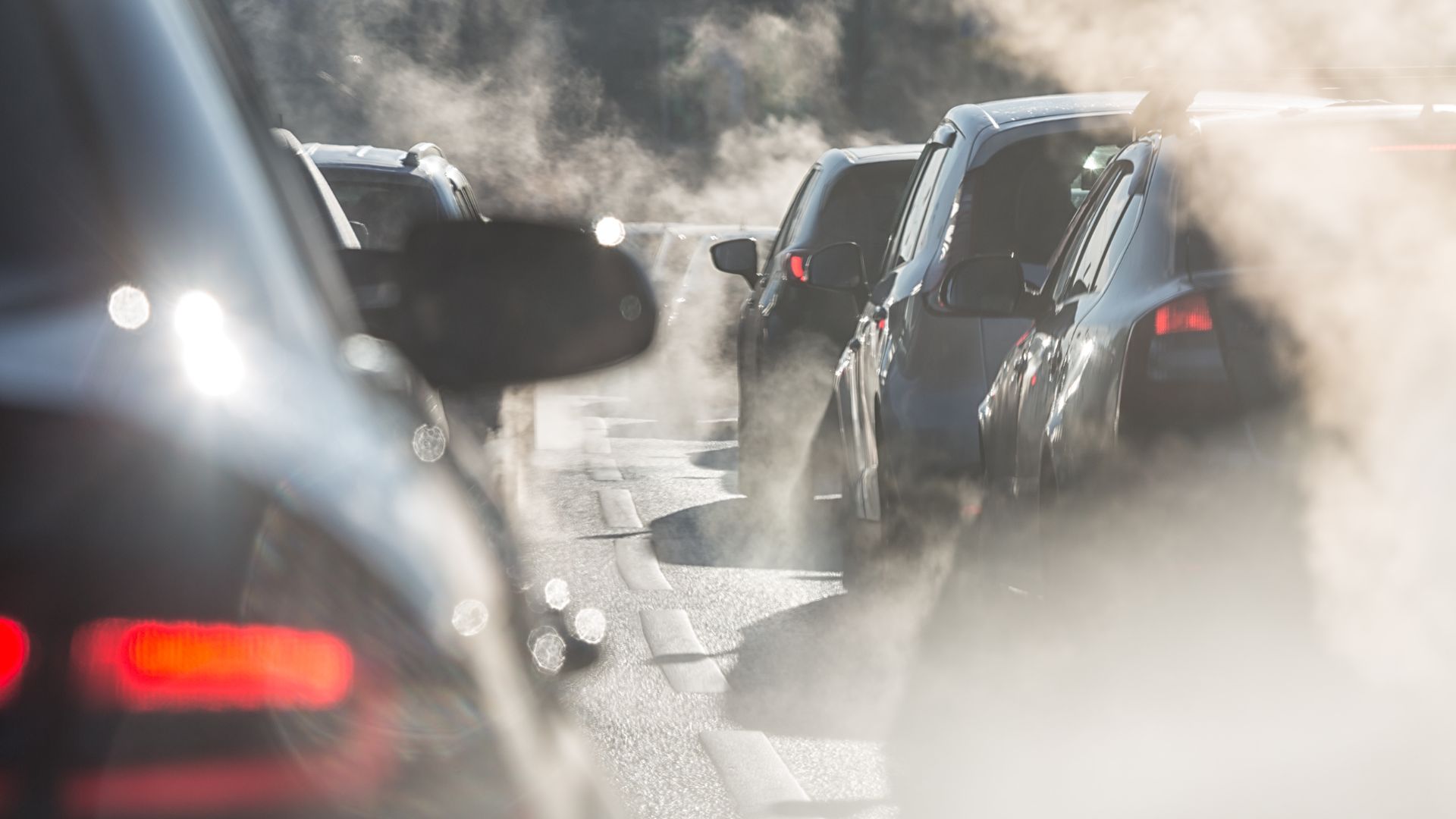
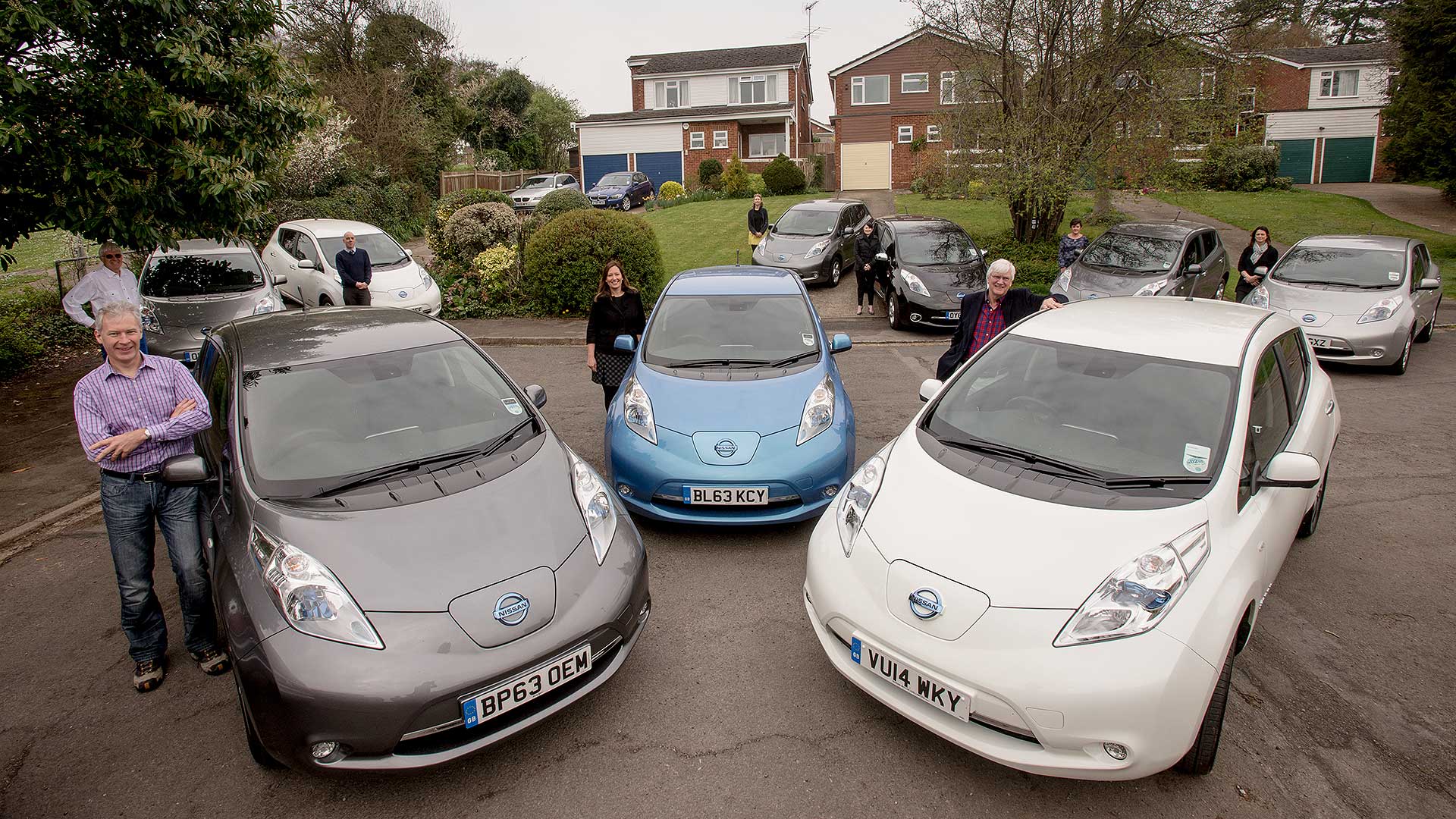
But new analysis from the British Vehicle Rental & Leasing Association (BVRLA) shows that issues with taxation, charging point infrastructure and vehicle supply are ‘putting the brakes’ on UK EV registrations.
The BVRLA – which represents fleets that own or operate nearly five million cars and vans – is urging the government to ‘supercharge its electric vehicle strategy’ in order to meet its Road to Zero deadline.
Transport secretary Chris Grayling launched Road to Zero last year with an ambition for at least 50 percent – and as many as 70 percent – of new car sales to be ultra-low-emissions (ULEVs) by 2030.
Grayling said: “The Road to Zero Strategy sets out a clear path for Britain to be a world leader in the zero-emission revolution – ensuring that the UK has cleaner air, a better environment and a stronger economy.”
The BVRLA analysis uses a scorecard to chart the progress of the Road to Zero strategy, with the government said to be falling behind in the following key areas:
Tax policy: persuading large fleet buyers to go electric is one of the fastest ways to boost the number of electric vehicles on the road. A lack of clarity about what taxes will be levied on the buyers and users of EVs in future years means many fleet buyers are holding back
Charge point access: there are still too many rapid charge point ‘blackspots’ and the ability to roam between different charging networks remains a challenge
Leading by example: the government set a target to make 25 percent of its car fleet ULEV by 2022, but recent data indicates that only two percent are ULEVs, placing the Government way behind on its own plans
Fleets are ‘desperate and frustrated’
Gerry Keaney, BVRLA chief executive, said: “Fleets across the UK have committed to this transition and are leading the zero-emission vehicle surge.
“Our research has found that they are desperate for clarity on future taxation and incentives, want better access to public charging and are frustrated at lead-times of over 12 months for the most popular EVs.”
The BVRLA has three recommendations to ‘get the UK’s electric vehicle strategy back on track’. These are:
Providing a five-year road map for motoring taxes and EV incentives
Setting a national quota for EV registrations that ramps up between now and 2030
Mandating universal methods of access and payment for public charge points
Details of the Road to Zero strategy can be found here.
What would you take along to a test drive? A friend, perhaps? Maybe a guide to the car in question? Two eminently sensible suggestions.
But we suspect you wouldn’t take a horse to a test drive. Or a rifle.
These are just two of the things car buyers have taken to a test drive, according to online used car platform, CarGurus.
It surveyed thousands of used car dealers to discover the most unusual items that customers have turned up to a test drive with over the last 12 months.
Many customers bring their pets – including fish, cats, a Great Dane in a child’s car seat, snakes and even a horse – while several dealers reported the ashes of dead relatives coming along for the test drive.
Meanwhile, musicians often bring their instruments to check they will fit in the vehicle. Dealers reported seeing a double bass, cello, drum kit and an accordion.
Chris Knapman, editor of CarGurus said: “These examples might be at the extremes of what car buyers have brought along on test drives, but they do highlight the importance of making sure a potential purchase is fit for purpose.
“After all, it’d be a shame to get your new car home only to discover your beloved 12-foot pet snake didn’t fit in the boot!
“Even for those with more conventional requirements we’d still encourage taking along items to ensure a car fits your needs, whether it’s child seats, a baby buggy, golf clubs or anything else you plan to carry on a regular basis.”
Heathrow has launched a 12-week consultation to give people the chance to provide feedback on its plans for future expansion.
The plan includes a new runway, rerouting the M25 through a tunnel, diverting rivers and moving roads. The public consultation is open until 13 September 2019.
People will also be asked to provide feedback on a proposed £15 charge for driving to Heathrow Airport as part of ‘tough new measures’ designed to reduce emissions and cut congestion.
The plans, which include the world’s first airport Ultra Low Emission Zone (ULEZ), would include a Vehicle Access Charge (VAC) for all cars and taxis entering Heathrow Airport.
Minimum emissions standards would be introduced for vehicles entering car parks or drop-off areas at all terminals, but the ULEZ will transition into a VAC to coincide with the opening of the new runway from 2026.
Heathrow says the ULEZ will be identical to the London Mayor’s ULEZ and charges will apply 24 hours a day, seven days a week.
It means that petrol cars that fail to meet Euro 4 emissions standards and diesel cars that fail to meet Euro 6 standards will be charged to enter the Heathrow ULEZ. Taxis will be exempt from the ULEZ charge, but will be subject to the VAC when it is introduced.
The airport is powered by renewable electricity and aims to be carbon neutral by 2020, but is under pressure to curb pollution ahead of the opening of the third runway.
Aircraft taking off and landing produced 1.3 million tonnes of CO2 equivalent in 2017, up 4.6 percent on 2015.
Meanwhile, emissions from passengers getting to and from Heathrow fell by 9.8 percent to 514,000 tonnes of CO2 equivalent between 2015 and 2017.
‘A disaster for London’
Val Shawcross, chair of the Heathrow Airport Transport Forum, told the Financial Times: “If Heathrow expanded without tackling issues like air quality, public transport growth, active transport . . . it would be a disaster for London.”
Heathrow chief executive John Holland-Kaye said: “Heathrow Expansion is not a choice between the economy and the environment – we must deliver for both. Today’s announcement shows that we will take the tough decisions to ensure that the airport grows responsibly.”
The precise details of the Heathrow ULEZ – including the proposed charges – will be confirmed when the airport submits its final Development Consent Order (DCO) application for expansion after public consultation.
Details of the Heathrow public consultation can be found here.
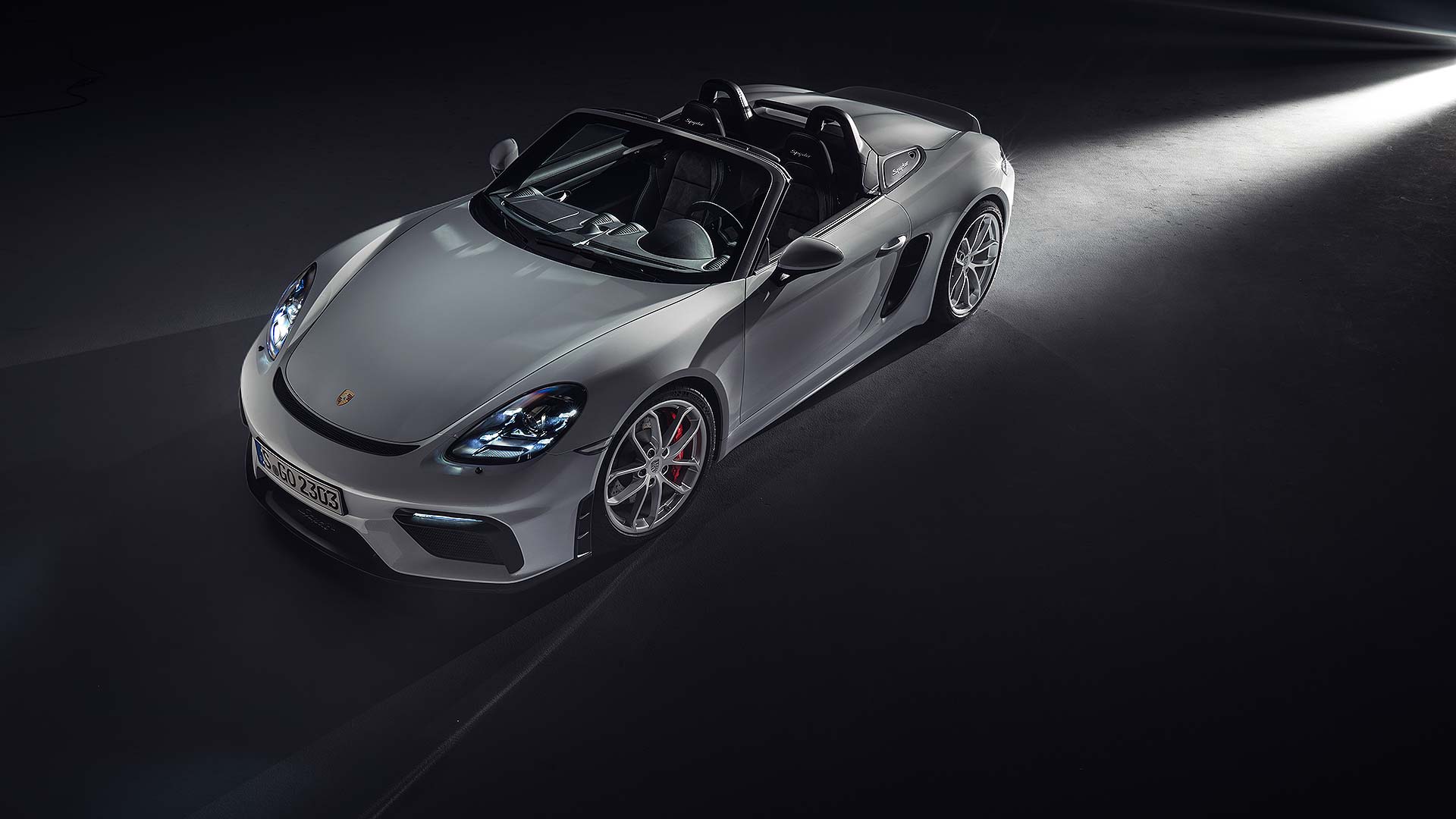
After years of grumbles from enthusiasts, Porsche has reintroduced a powerful six-cylinder engine option for its entry-level 718 Boxster and 718 Cayman ranges.
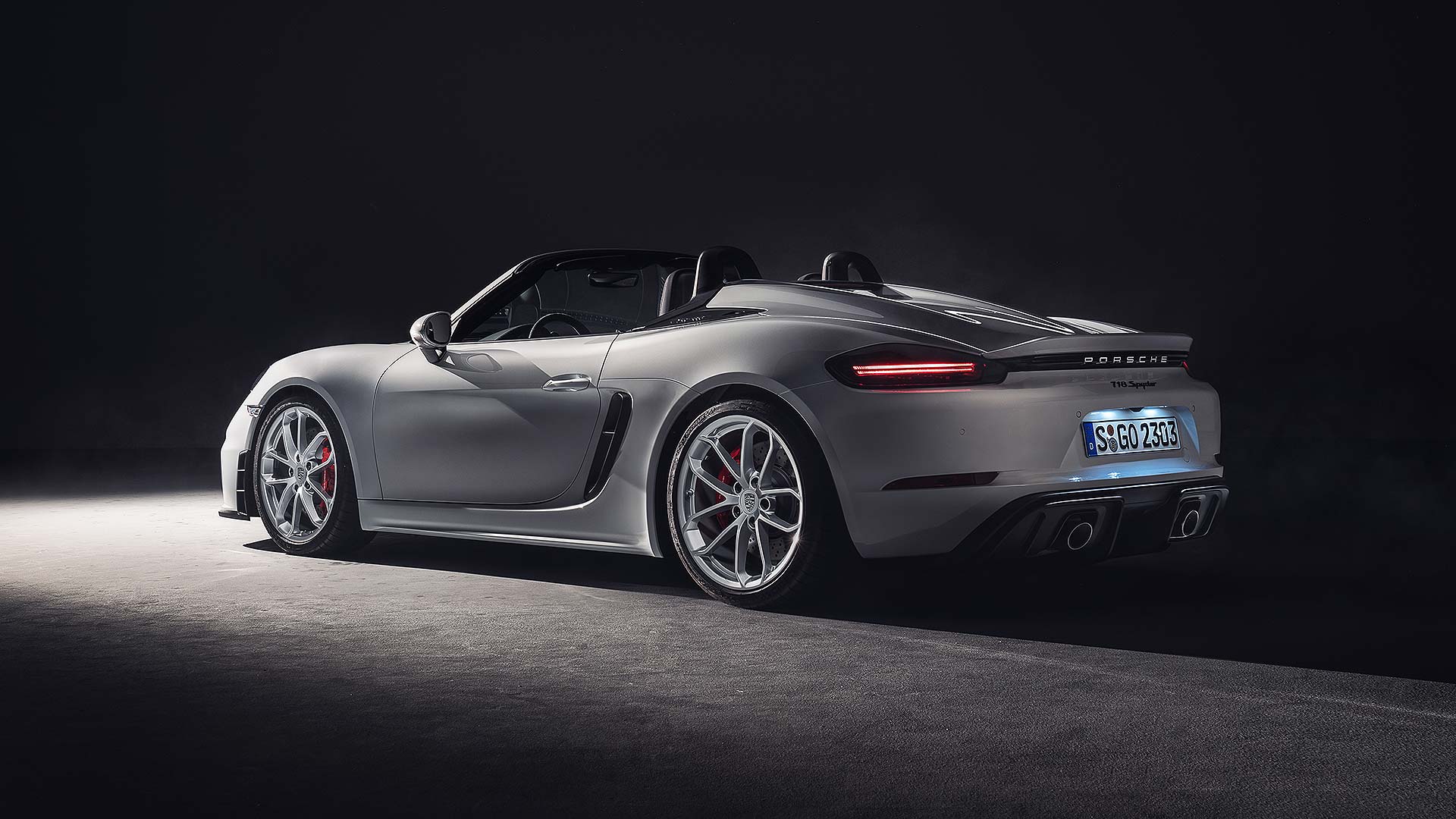
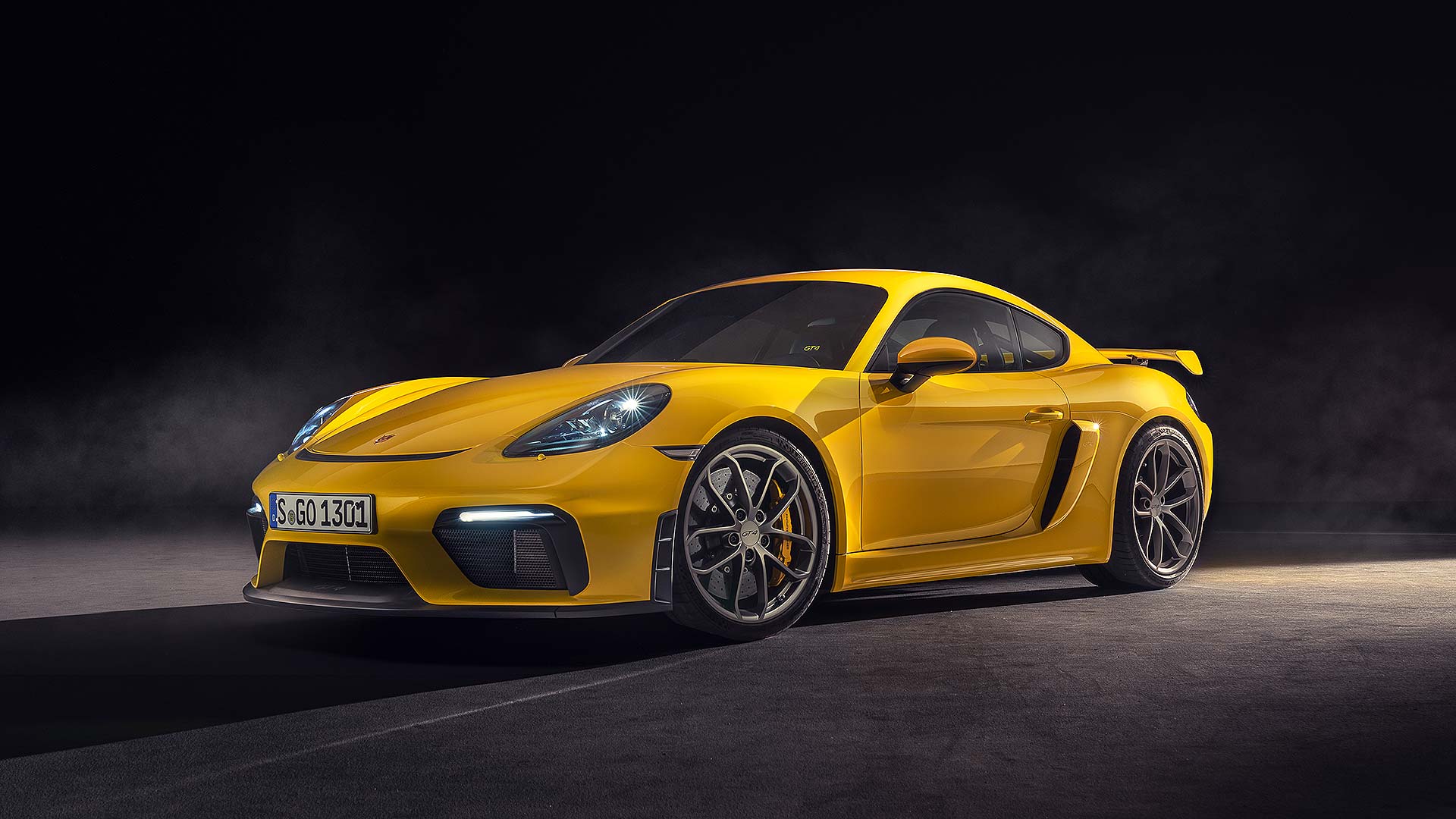
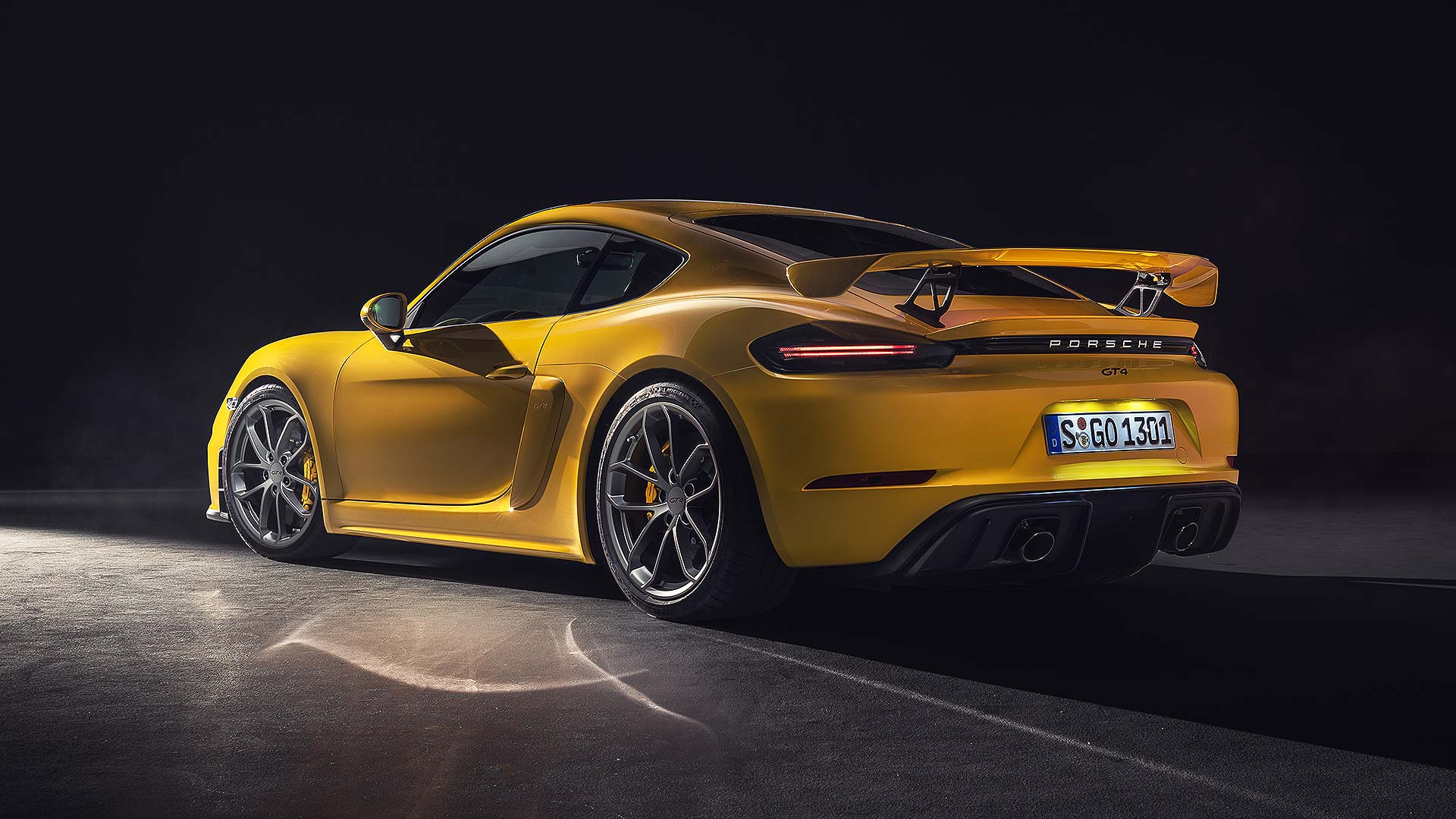
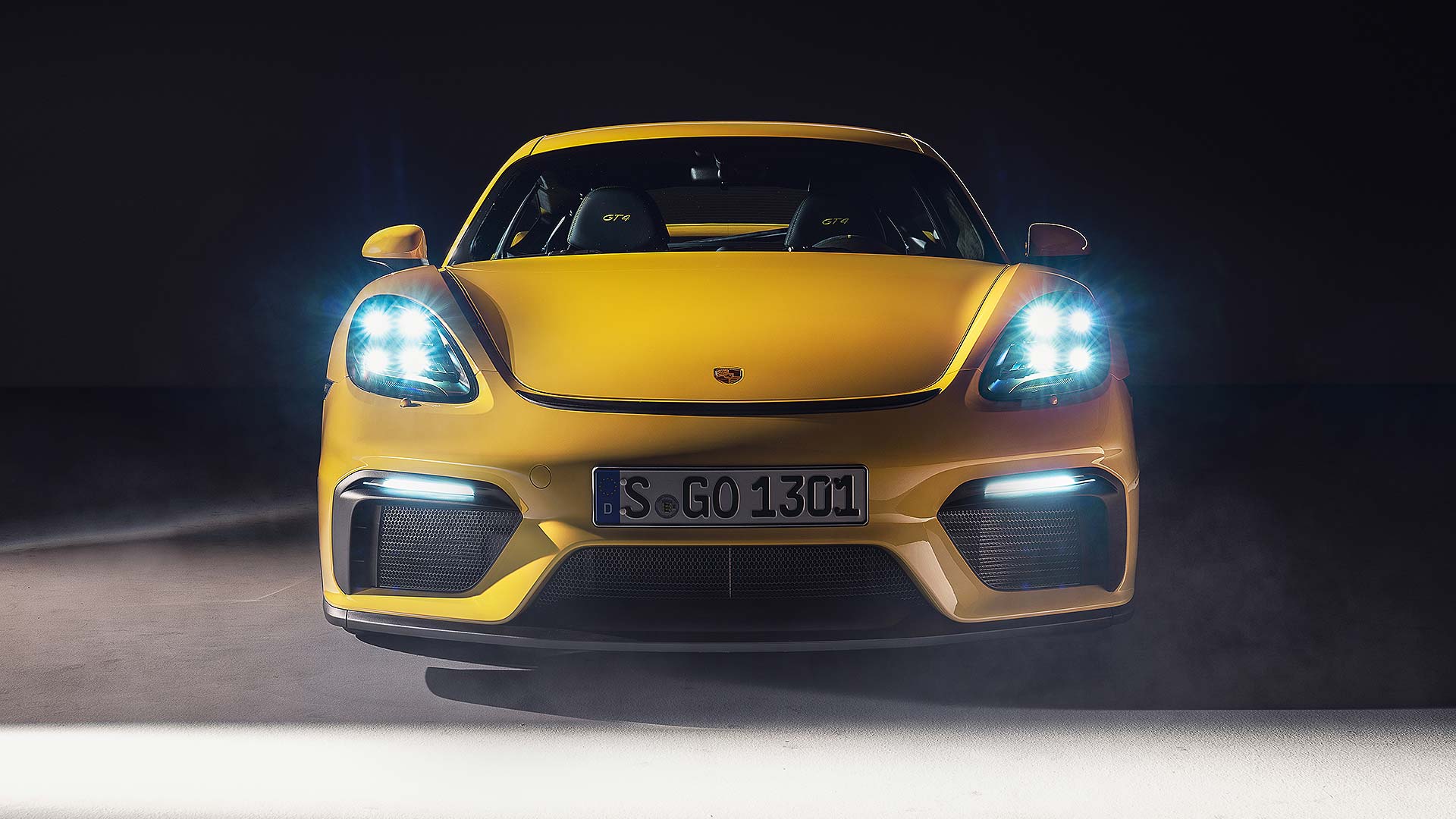
The open-top Porsche 718 Spyder (pictured below) and 718 Cayman GT4 coupe (pictured above) both use a new 4.0-litre six-cylinder engine, derived from the engine in the 911 Carrera.
However, unlike as in the 911 (and other 718 models), it produces its 420 horsepower without the use of a turbo.
Purists and enthusiasts are already rejoicing.
In pictures: 20 years of the Porsche Boxster
The new 4.0-litre 718 models represent a rare example of upsizing in the modern automotive industry. They sit above the core (and controversial) 2.0-litre and 2.5-litre four-cylinder 718 Boxster and 718 Cayman models.
The new engine revs to a wailing 8,000rpm. A manual six-speed gearbox is also standard.
Porsche can justify the thirsty 25.7mpg fuel economy and 249g/km CO2 emissions of each model because they are specialist models for enthusiasts and collectors.
Both are on sale now: the Porsche 718 Spyder costs £73,405 and the Porsche 718 Cayman GT4 costs £75,348.
Porsche 718 Spyder
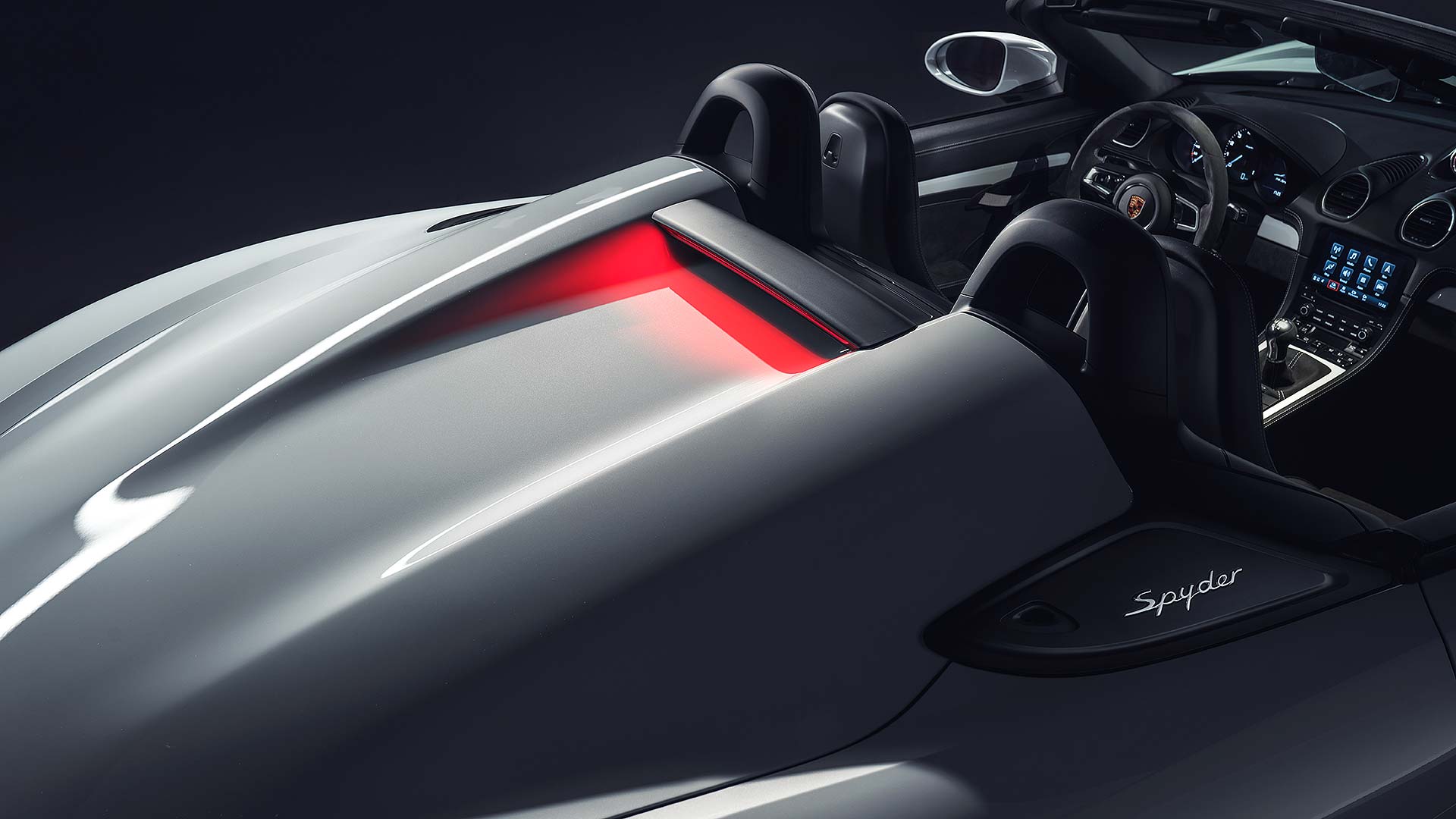
The Porsche 718 Spyder is described by Porsche as thrilling road-going driver’s car. It has a simpler, more lightweight convertible roof than the 718 Boxster it’s derived from, evoking the Porsche 550 Spyder made famous (infamous?) by James Dean.
The roof gives a distinctive look both up and down. It is not electrically operated, but Porsche promises it can be manually stowed “in just a few steps”. The roof also copes with high speeds; some earlier Spyders only did maximum speed with the roof down.
It will do 187mph flat-out, and accelerate from 0-62mph in 4.4 seconds.
A rear spoiler raises at 74mph, making the 718 Spyder the first car in the Boxster family to generate downforce at speed.
Porsche 718 Cayman GT4
The Porsche 718 Cayman GT4 is called Porsche’s “entry-level GT street car”. The previous GT4 model was a cult collectable and the firm hopes this new one, 35 horsepower more powerful than its predecessor, will follow suit.
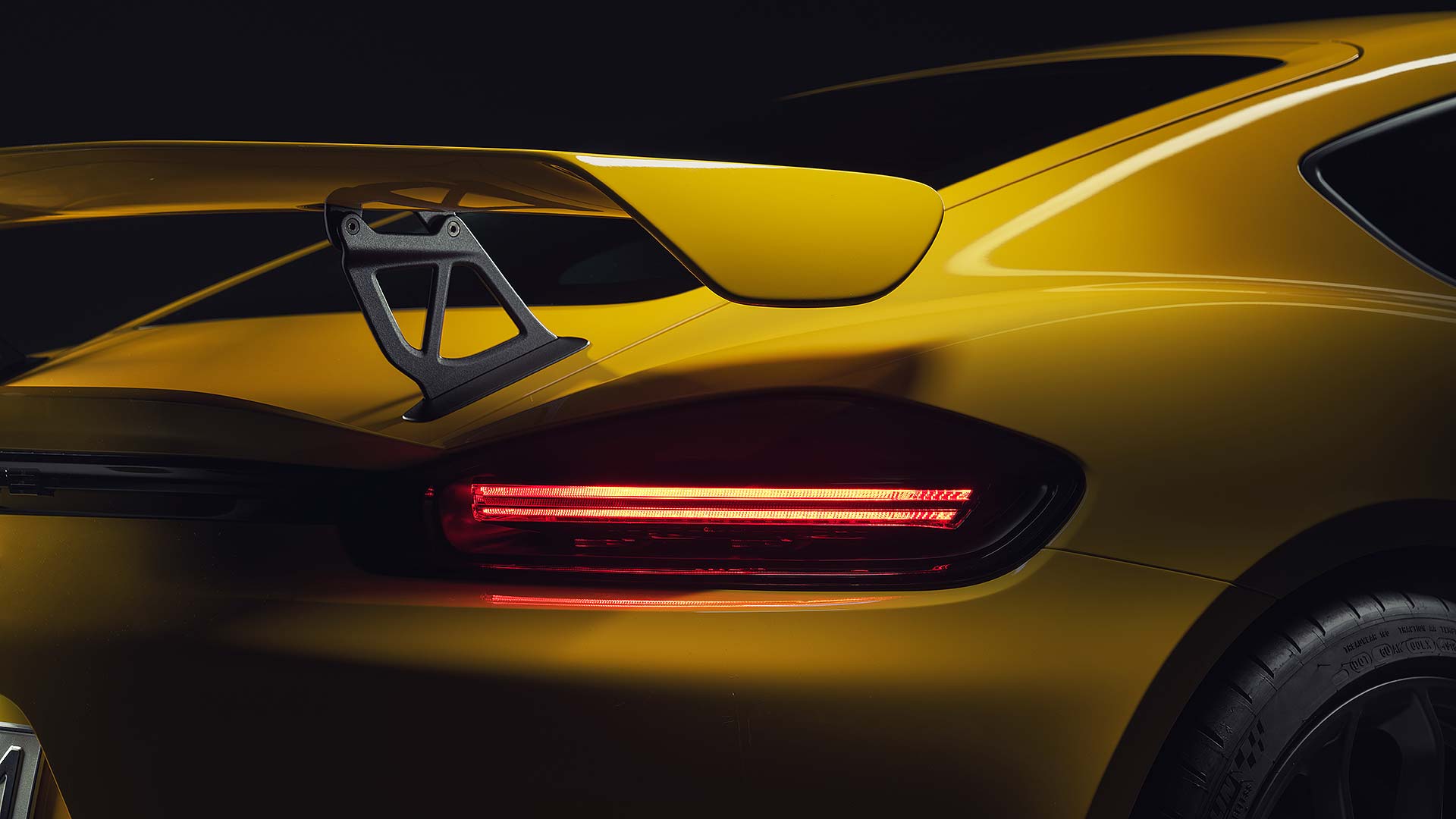
A very distinctive body kit marks out the 718 Cayman GT4. It generates up to 50 percent more downforce.
Aerodynamics are helped by a clever single chamber exhaust silencer in the rear arch, which frees up space for a huge underbody diffuser. This alone generates 30 percent of the downforce at the rear of the 718 Cayman GT4.
The fixed wing creates 20 percent more downforce than the old GT4 – equalling an extra 12kg of downward pressure on the rear wheels at 124mph.
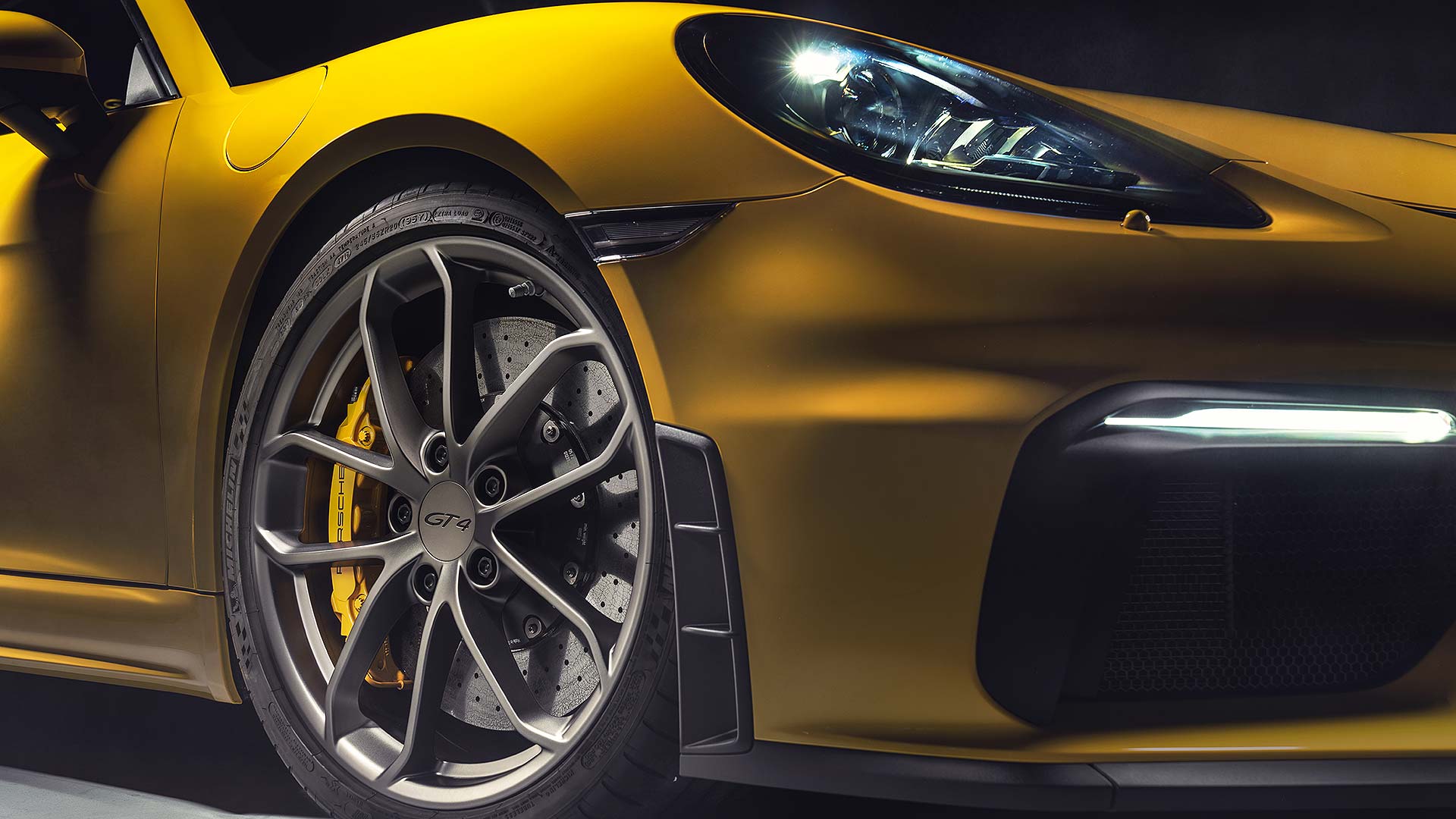
A GT-style front end balances the rear aerodynamics with a bigger front spoiler and ‘air curtains’ to smooth airflow over the front wheels.
Shared suspension
For the first time, the track-inspired 718 Cayman GT4 shares a chassis with the road-focused 718 Spyder.
The cars sit 30mm lower and adaptive Porsche Active Suspension Management is standard. Motorsport-spec ball join suspension links are used, and the electronic control systems can be deactivated for use on the circuit.
Uprated aluminium monoblock fixed-caliper brakes are fitted, and Porsche Ceramic Composite Brakes (PCCB) are optional.
Porsche has already taken the 718 Cayman GT4 to the Nürburgring, and says its time is 10 seconds faster than its predecessor. Special ‘ultra high performance’ tyres contribute to this; they’re also fitted to the 718 Spyder.
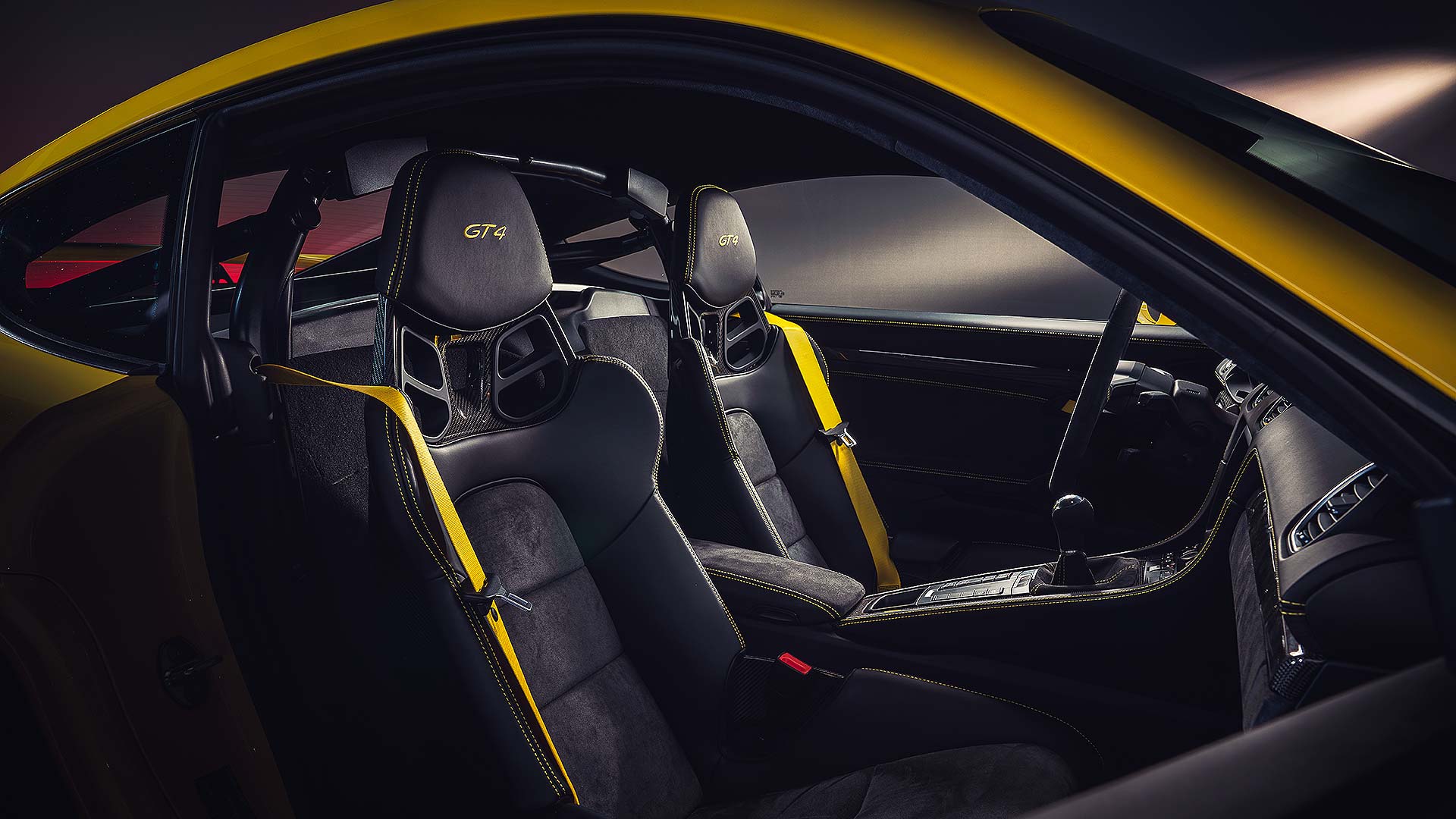
For those with serious track intent, a Clubsport package is available on the Cayman GT4, which includes a steel roll cage, fire extinguisher and six-point seatbelt for the driver.
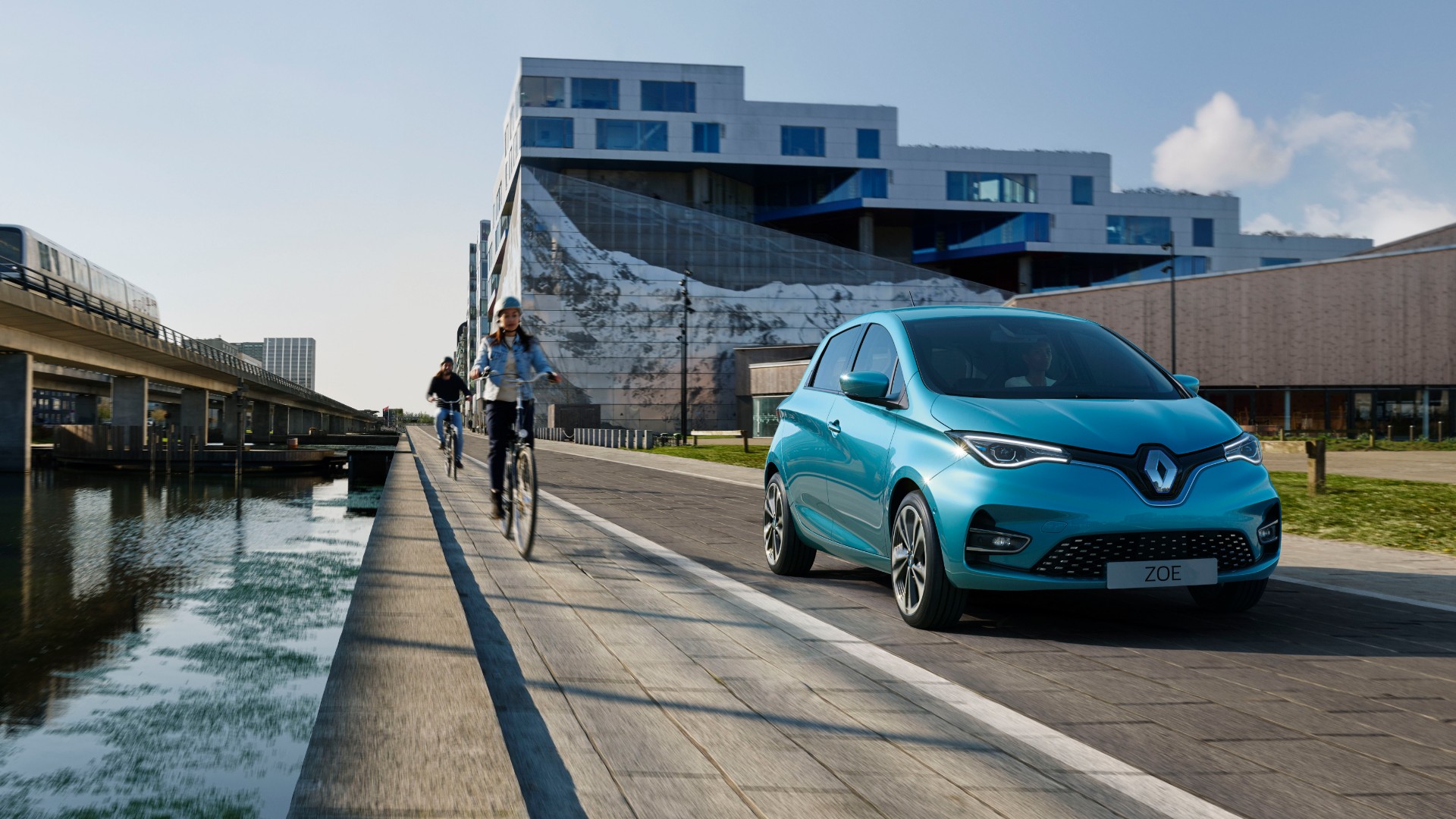
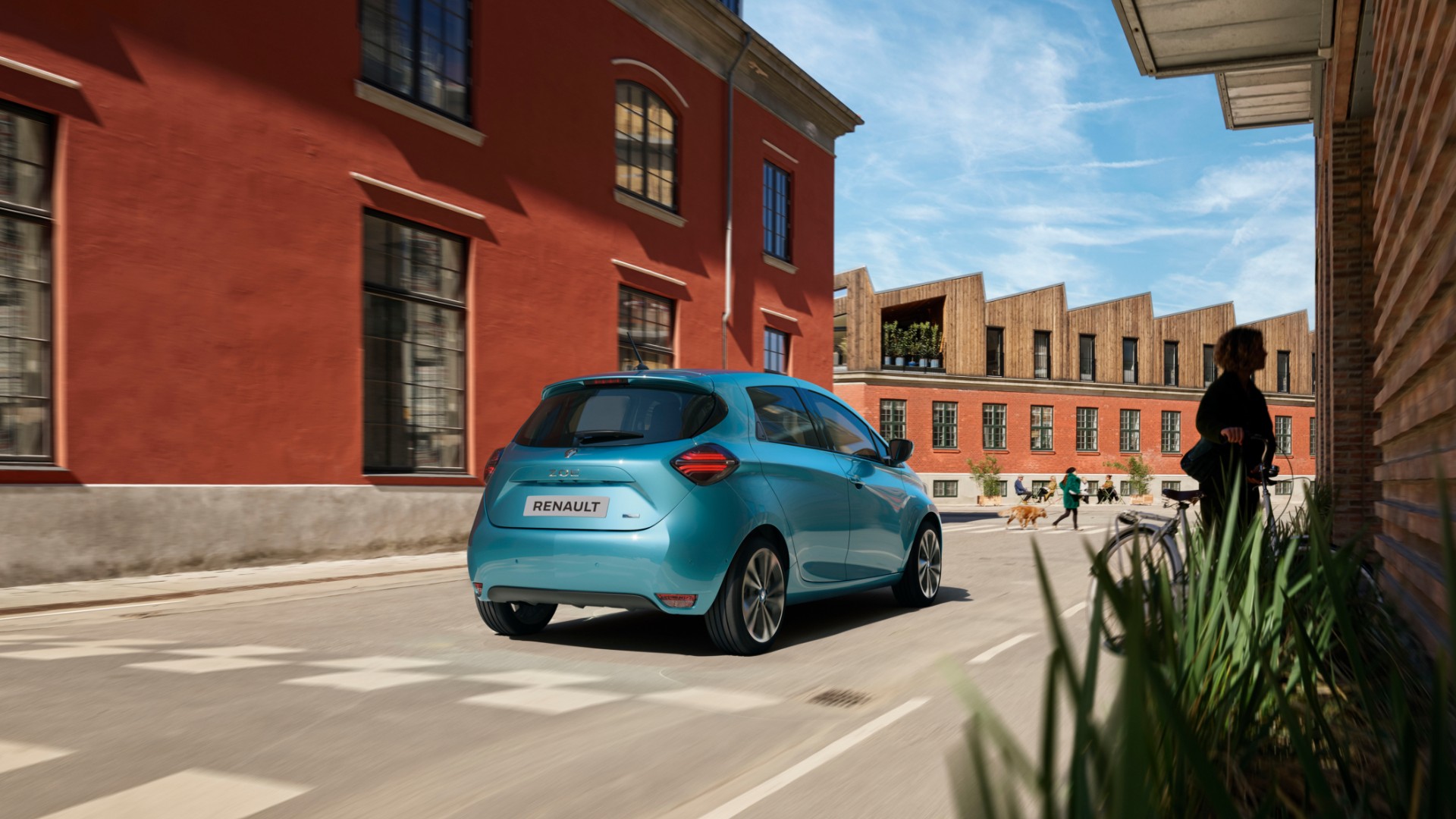
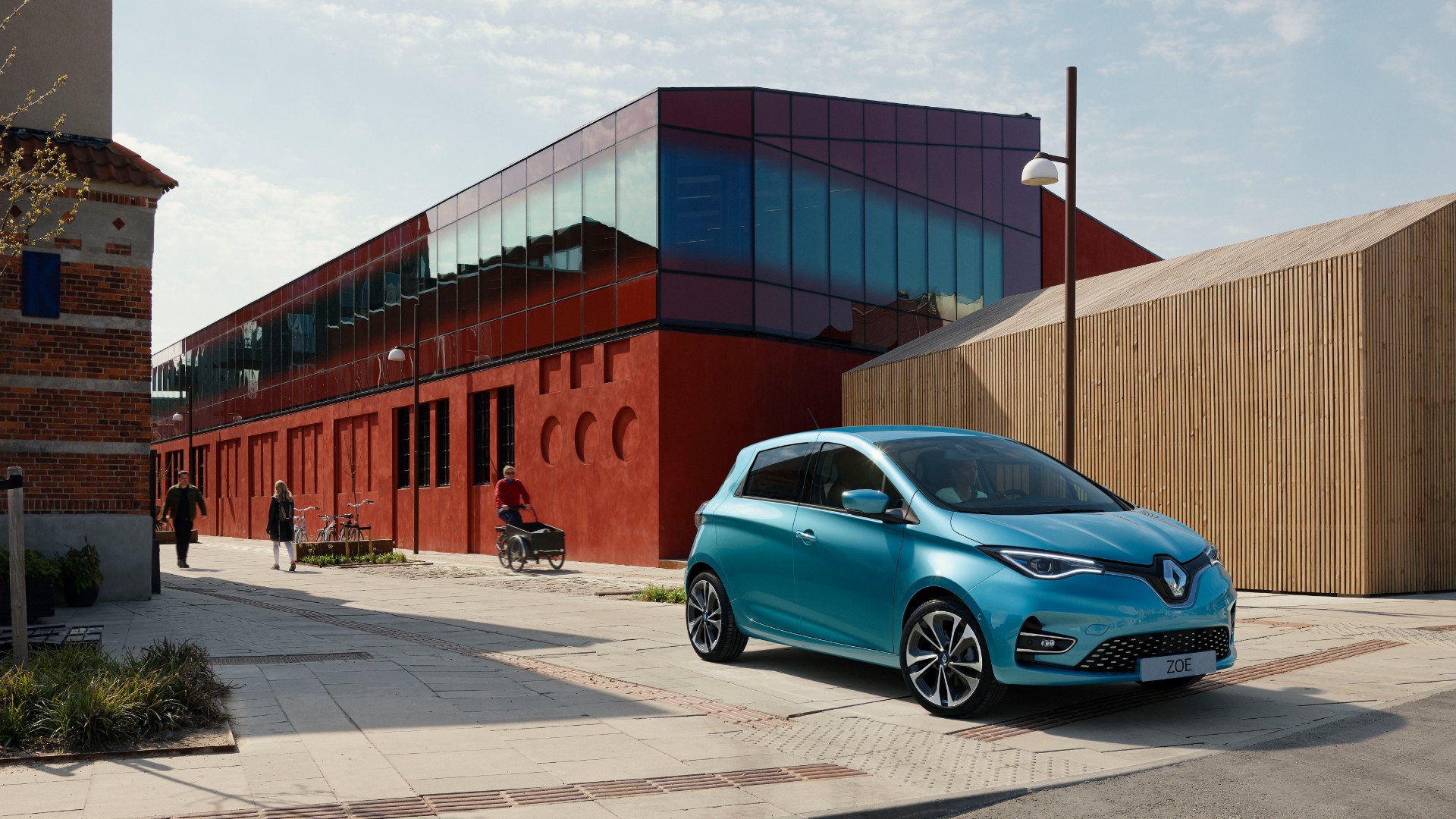
Renault has revealed the facelift for its Zoe small electric car.
In the battle for EV buyers’ affections, the new 242-mile capable Zoe is a riposte to forthcoming electric versions of the Peugeot 208 and Vauxhall Corsa.
2019 Renault Zoe: styling
The latest Zoe is very much a facelift rather than an all-new car, on the outside at least. It’s the biggest visual change the model has undergone, but the new LED lighting and redesigned bumpers are pretty subtle.
It remains a stylish and attractive small car, with the faintest hints of styling from the super-cool Zoe e-Sport concept. A Renault Sport version of the little electric car isn’t off the table, either.
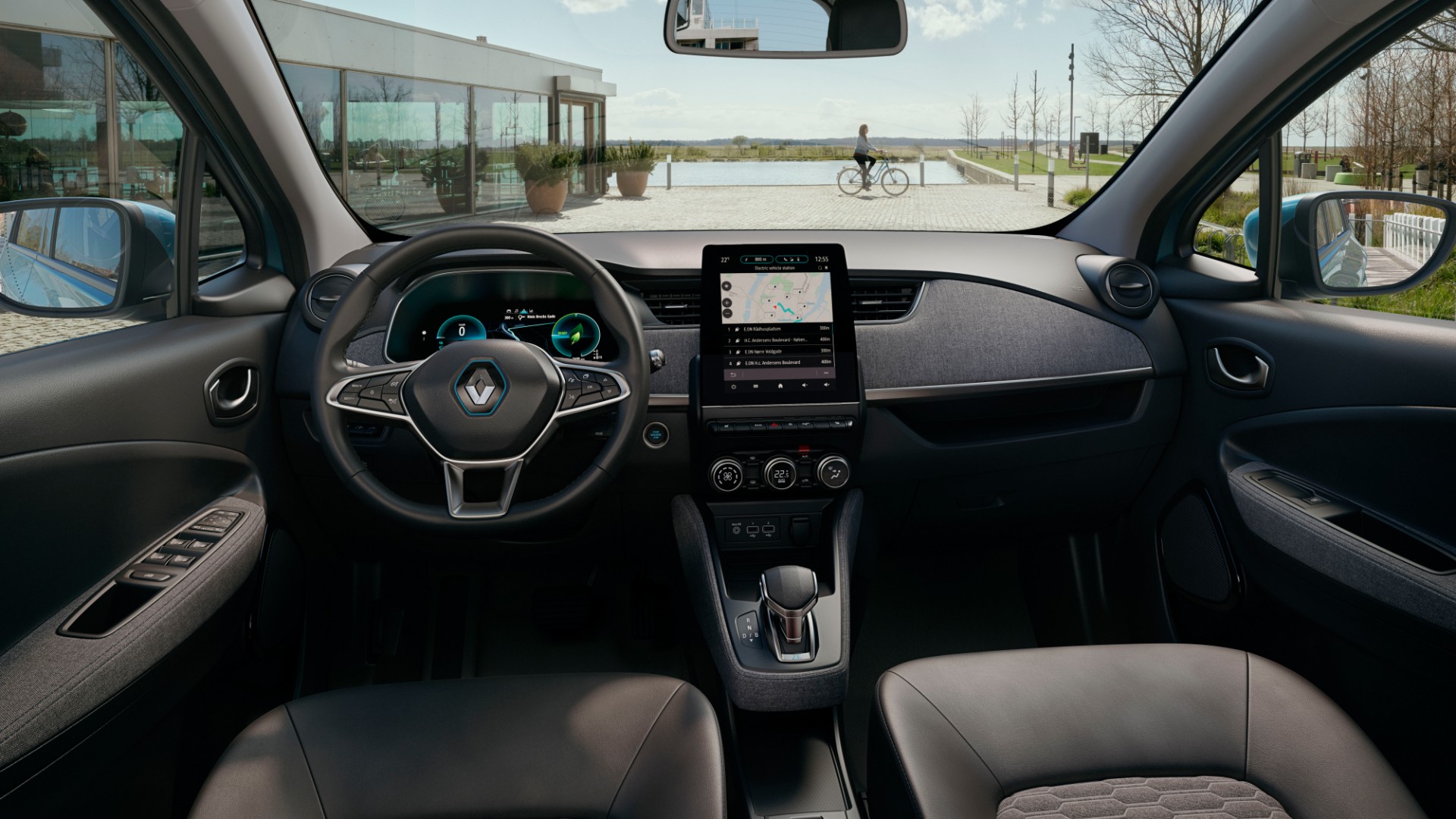
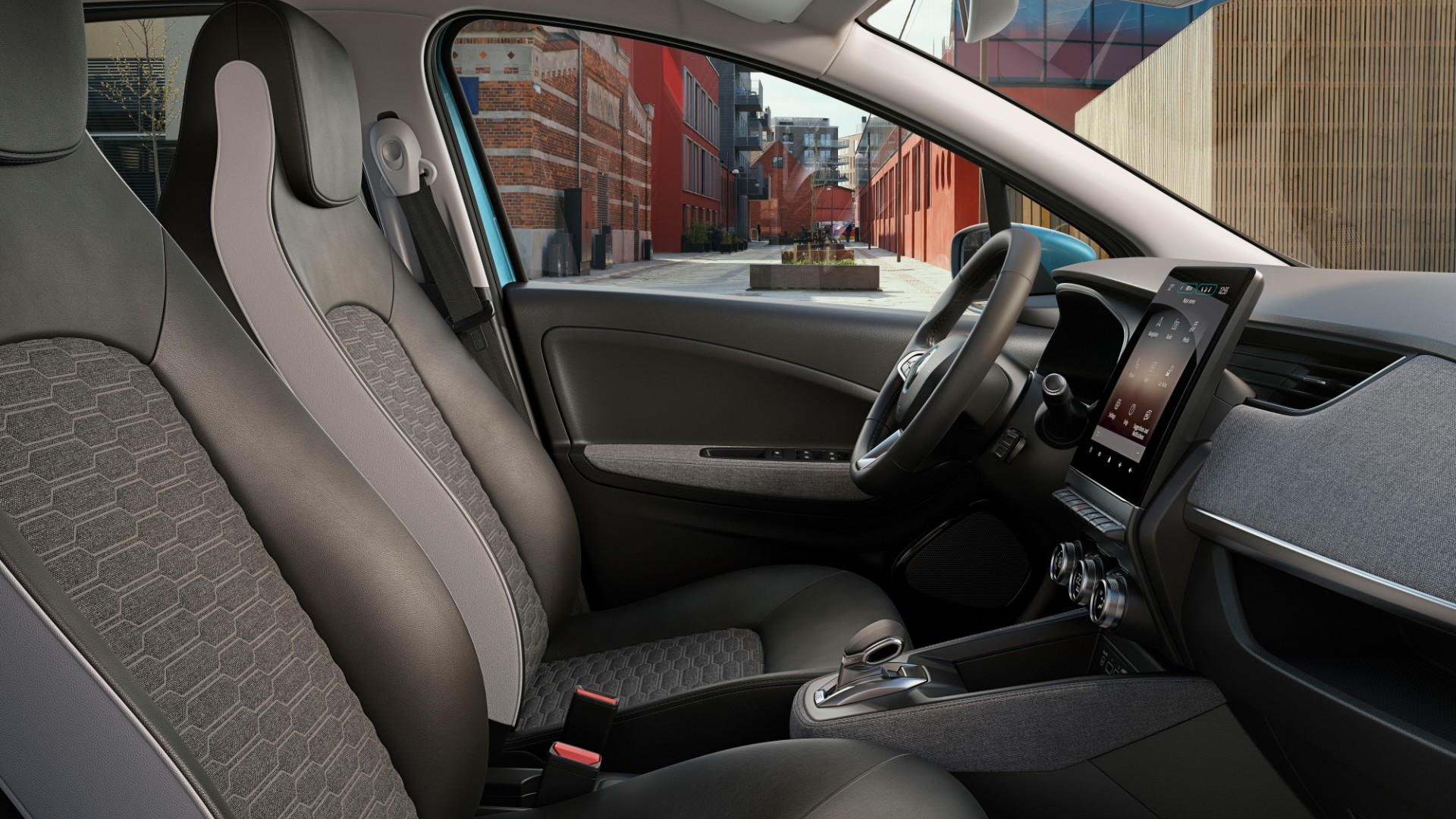
On the inside, the new Zoe is bang-up-to-date. Along with its 100 percent recycled seat trims, it features a new 10-inch TFT instrument cluster, as well as a portrait-oriented in-car entertainment screen in line with Renault’s other models.
2019 Renault Zoe: new R135 motor
Increased power and range comes from a new 52kWh battery and 100kw ‘R135’ electric motor, although as standard it comes with an 80kw motor. A 135hp output keeps the R135 Zoe sharp, with 0-62mph in less than 10 seconds and a top speed of 87mph.
It’ll refuel more quickly too, with optional 50kw DC charging capability.
The Zoe features a new single-pedal regenerative braking system called ‘B Mode’ – a similar system to the latest Nissan Leaf’s e-Pedal. ‘D Mode’, by contrast, is best for constant speed situations like motorway cruising.
Renault Zoe… this is your life
Since launch in 2012, Renault has sold nearly 150,000 Zoes.
It achieved an 18.2 percent share of the European electric car market share in 2018 – and cumulative sales make it the most common electric vehicle on European roads, with 40,000 new registrations last year.
In Germany, Spain and France, it achieved a 54.9 percent EV market share in 2018, making it number one for electric car sales in those countries.
As for the future? Renault plans on doubling Zoe production by 2022 and the marque invested a billion euros in electric vehicle development last year.
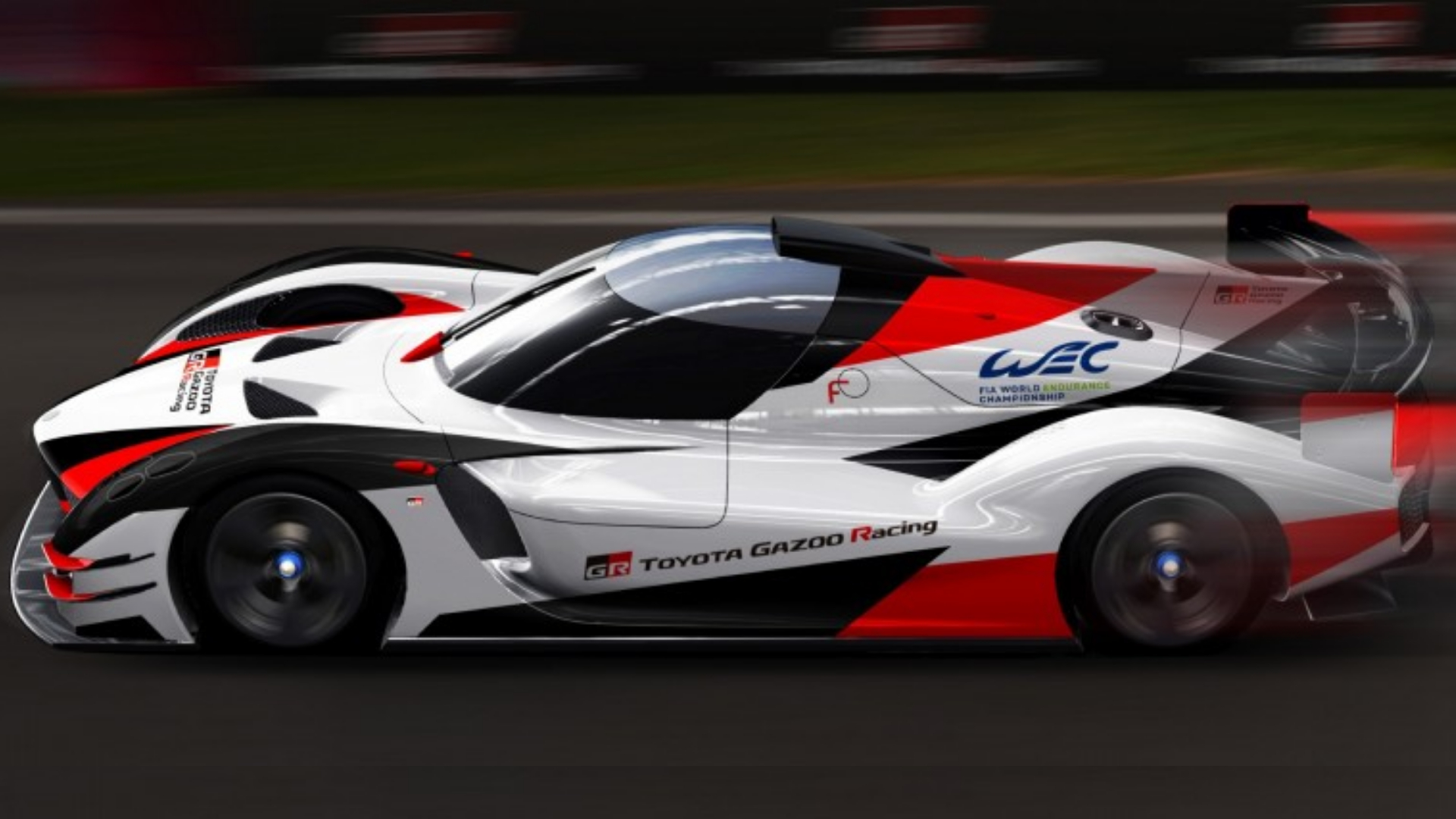
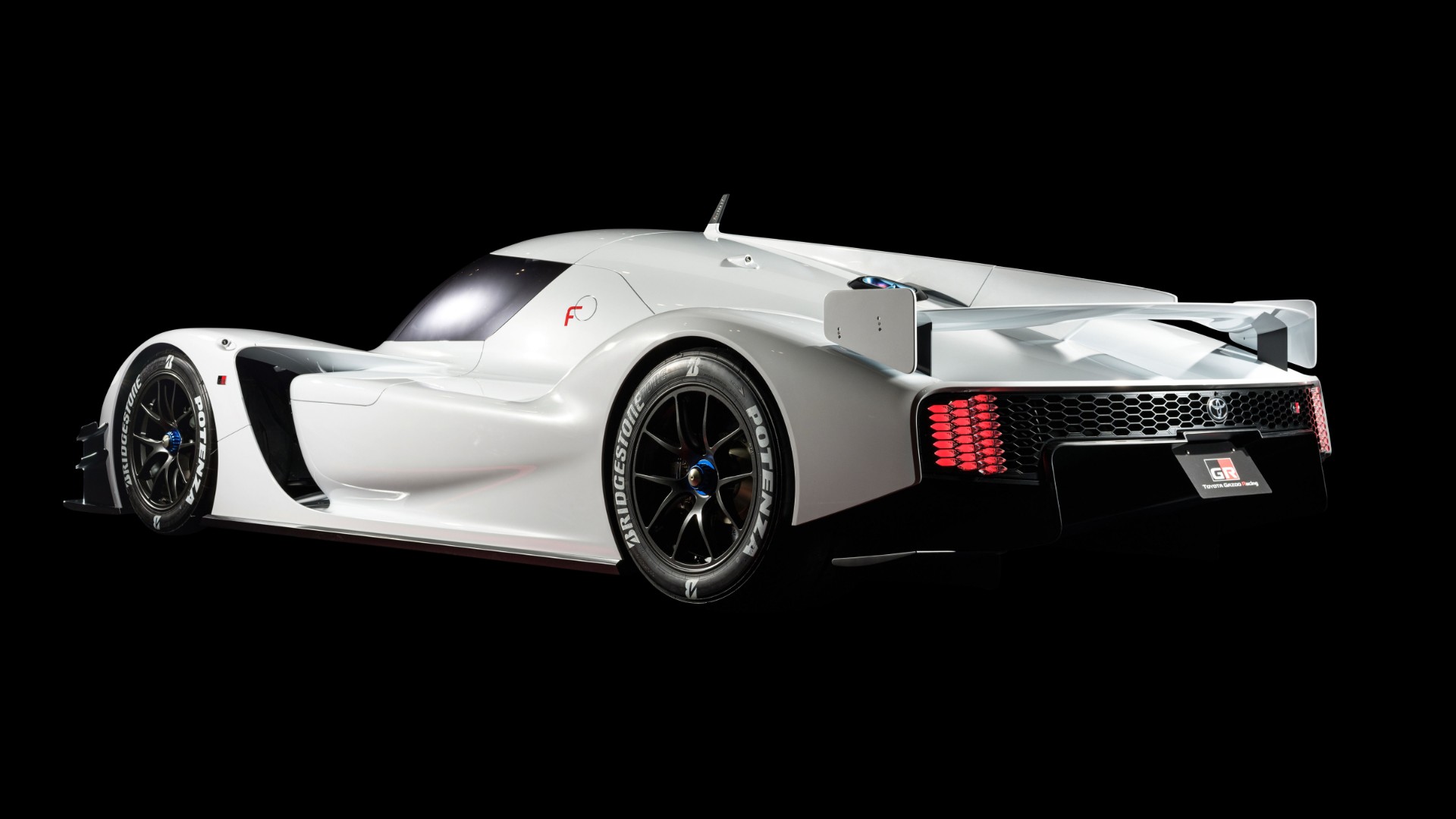
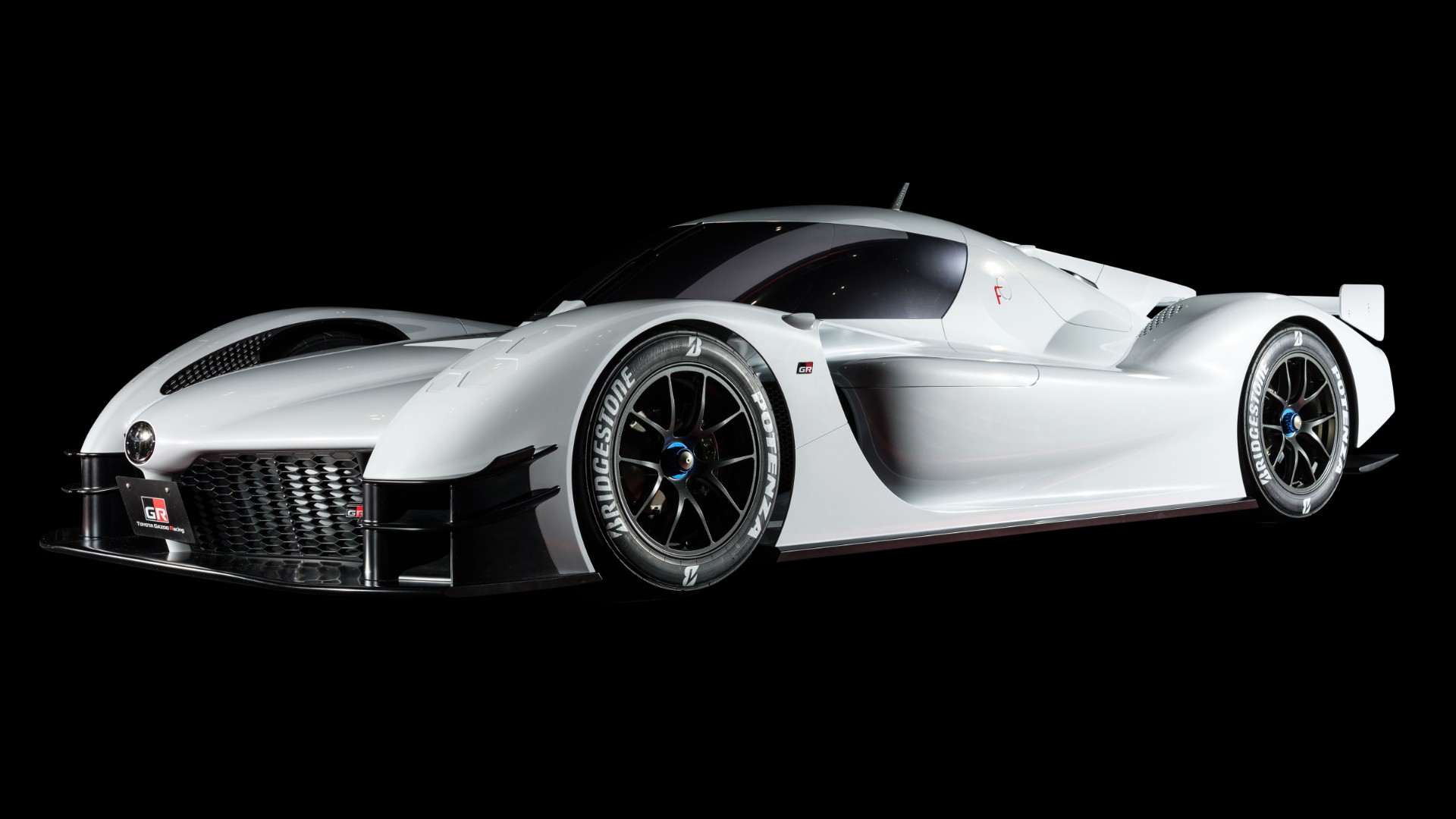
Toyota has announced its radical GR Super Sport will compete in motorsport’s new hypercar class. And a road-going sports car will follow.
The car was first unveiled in concept form a couple of years ago, but this confirms Toyota is moving ahead with the project, which will directly replace its double-Le Mans-winning TS050 LMP1 car.
The new rules state that top-level Hypercar racers need to have road-going counterparts. ‘Both road and race car are undergoing design and intensive development,’ says Toyota.
Toyota GR Super Sport: in detail
When the GR Super Sport concept was revealed, the powertrain was claimed to be from the Toyota TS050 LMP1 prototype. That means a 500hp twin-turbo 2.4-litre V6 with an additional 500hp of hybrid assistance.
The system output in the new class is limited to around 750hp. It’s reasonable to assume, therefore, that the drivetrain could carry over with ease in a detuned state for the racer.
That’s not to say that the GR road car will be limited. Remember that the road-legal Aston Martin Valkyrie will have over 1,000hp, courtesy of its hybrid 6.5-litre V12. Toyota is likely to aim for a similar power level.
As for how many road cars there will be, homologation requires a minimum of 20 to be produced and sold over the course of two years.
“For Toyota Gazoo Racing, this new era of competition is a fantastic opportunity to demonstrate our credentials not only as a race team against some of the best in the business, but also as a sports car manufacturer,” said Shigeki Tomoyama, president of Gazoo Racing.
“I am sure I join fans and competitors in welcoming the new regulations and looking forward to an exciting era of competition in WEC and at Le Mans.”



 The second Aston Martin co-developed with F1 tech legend Adrian Newey and Red Bull Advanced technologies is to be called Valhalla.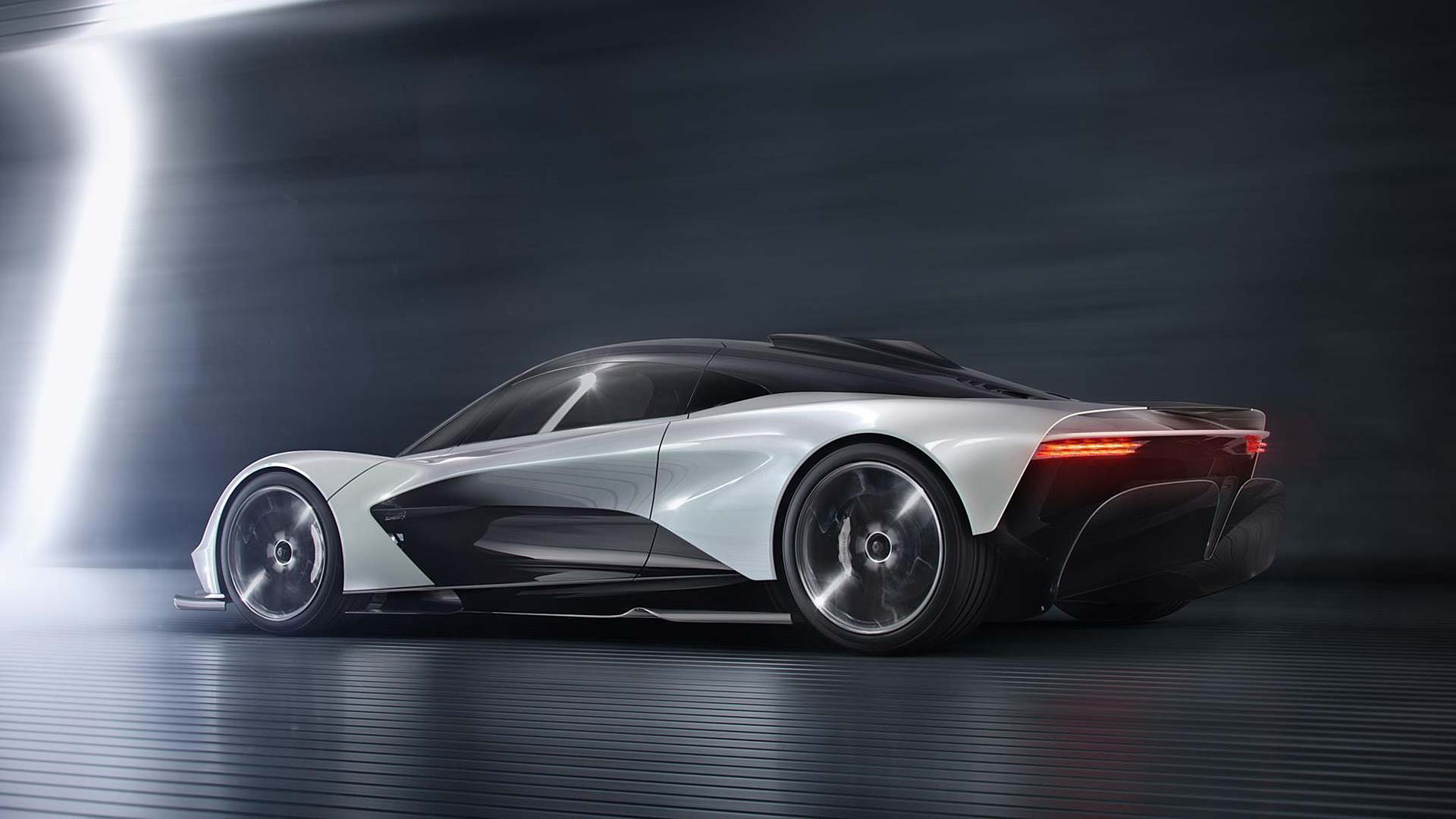




 After years of grumbles from enthusiasts, Porsche has reintroduced a powerful six-cylinder engine option for its entry-level 718 Boxster and