Prices for the Model 3 EV start from £38,900, including the £3,500 government Plug-in Car Grant, increasing to £52,290 for the Porsche-beating Performance model with eyecatching Performance Upgrade.
Tesla hopes the global rollout of the Model 3 will help it now grow quickly. Of the 500,000 cars it has sold to date, almost 140,000 are already a Model 3 – which, in 2018, became the best-selling premium vehicle in North America.
It is the first time in decades that an American brand took the top spot in its home market, adds the firm. And in 2019, it’s already become Europe’s best-selling EV.
Tesla Model 3: UK specs
The entry-level UK Model 3 is the rear-wheel-drive Standard Range Plus, which has a 258-mile range. This costs £38,900 in solid black, the only standard colour.
Add £950 if you want Midnight Silver or Deep Blue, £1,450 for Pearl White multi-coat, or £1,900 for Red multi-coat.
Autopilot is free: the Model 3 will steer, accelerate and brake automatically within its lane, albeit ‘under active driver supervision’.
The Model 3 Performance costs from £48,950, and lives up to its name by cutting more than two seconds from the 0-60mph dash. It gets there in just 3.2 seconds, aided by all-wheel-drive traction.
It’s not just quicker, though, but also goes further – a bigger battery gives it a 329-mile range.
Adding on the Performance Upgrade pack takes the top speed up to 162mph. This version also has carbon fibre spoiler, 20-inch alloys, red brake calipers and an additional Track Mode setting.
What Tesla Model 3 UK buyers will not get, however, is free access to the Supercharger network, of which there are 50 locations in Britain. Instead, it’s pay-per-access – although European Model 3s do also have a built-in CCS charge port so they can also use third-party fast charging networks.
Standard Range Plus
Performance
Performance (with Performance Upgrade)
0-60mph
5.3 seconds
3.2 seconds
3.2 seconds
Top Speed (mph)
140 mph
145 mph
162 mph
WLTP Miles
258 miles
329 miles
329 miles
Starting Price
£38,900
£48,590
£52,290
Wheel Options
18” Aero
18” Aero
20” Performance
Drive
Rear-wheel drive
Dual Motor all-wheel drive
Dual Motor all-wheel drive
Vehicle Warranty
4 year / 50,000 miles
4 year / 50,000 miles
4 year / 50,000 miles
Battery and Drive Unit Warranty
8 year / 100,000 miles
8 year / 120,000 miles
8 year / 120,000 miles
Interior Cargo Volume
542 Litres including front trunk, rear boot and underfloor storage
This is the first of a series of reports on buying and living with a Tesla Model 3 – the compact all-electric executive car, UK-bound for 2019.
We haven’t been given the car by Tesla. Indeed, Tesla isn’t even aware we’re doing this. It belongs to a friend of Motoring Research who has bought a Model 3 with his own money. Also, he’s located in California, so we haven’t even physically seen it.
We’ll relay his experiences – positive and negative – of buying and running a Model 3. The volume and intensity of the conversation surrounding Elon Musk and Tesla is fairly steep. As such, a no-nonsense running report on this market disruptor seems timely, and hopefully useful.
Our friend was UK-based, but emigrated to the US for work. He had a passing interest in electric cars without ever owning one, so buying brand-new is no small commitment.
Importantly, he’s not a motoring journalist, so can offer a different (dare we say more realistic?) perspective. Don’t expect stories of measuring panel gapsor calling the press office about problems – although the quality of the Model 3 is something we’ll be asking about.
This is a real consumer giving his verdict on his new car. Whatever comes of it, we hope to provide a unique insight into the love-or-loathe world of Tesla via its most important car to date – the Model 3.
Excited to take delivery
The car was ordered on the 10th of September and delivered on the 14th, although we suspect it wasn’t built within those four days. Tesla’s US website site says typical order-to-delivery time is ‘within four weeks’ so it seems he bought an existing car.
Delivery time for the dual-motor all-wheel-drive model was quoted as three months. Our friend was a bit impatient and thus opted for rear-wheel drive. His Model 3 is the long-range version with Sport wheels in Midnight Silver.
On paper, figures for the Model 3 look impressive: a 310-mile range, 5.1 seconds to 60mph and 140mph flat-out. We’ll report back on how it fares in the real world, with a particular emphasis, we expect, on that range figure.
For now, we can confirm the feeling of anxiety upon ordering was fast replaced with excitement, especially when a box with the key inside landed in his possession. First impressions and driving updates will follow soon…
Remembering we’re trying to be impartial and stand aside from internet-wide Tesla hysteria here, the initial news isn’t good. The car arrived – brand new – with a dent in the door. Our friend accepted the car on the condition that it was repaired for free, a courtesy car was provided and that he got a year of free Supercharger access. Remember, the Model 3 doesn’t usually get free juice like the Model S and X do.
On the one hand, you expect a new car to be of a condition and quality that can’t be questioned. On the other, the compensation seems adequate. Our friend says that, other than the dent, quality is absolutely fine. The panels all fit correctly, there’s no peeling rubber, no mismatched interior trim or any other such blunders.
What many decide to forget when ranting about Tesla is that most car manufacturers have experienced and continue to experience quality control issues. Clichés don’t materialise out of thin air – car buyers have decades-long experience of continuous mis-steps in quality from certain manufacturers.
Learning curve
Where you can legitimately critique this car is with regard to something all buyers will face: the learning curve. If the future is now, it shouldn’t be intimidating. Teslas represent the future but they’re also cars we’re being asked to buy now.
In terms of aesthetics, Tesla has nailed this. All of these cars are attractive in very contemporary sense. Generic and sleek rather than edgy and weird. Upmarket rather than prop-reject from a sci-fi film set.
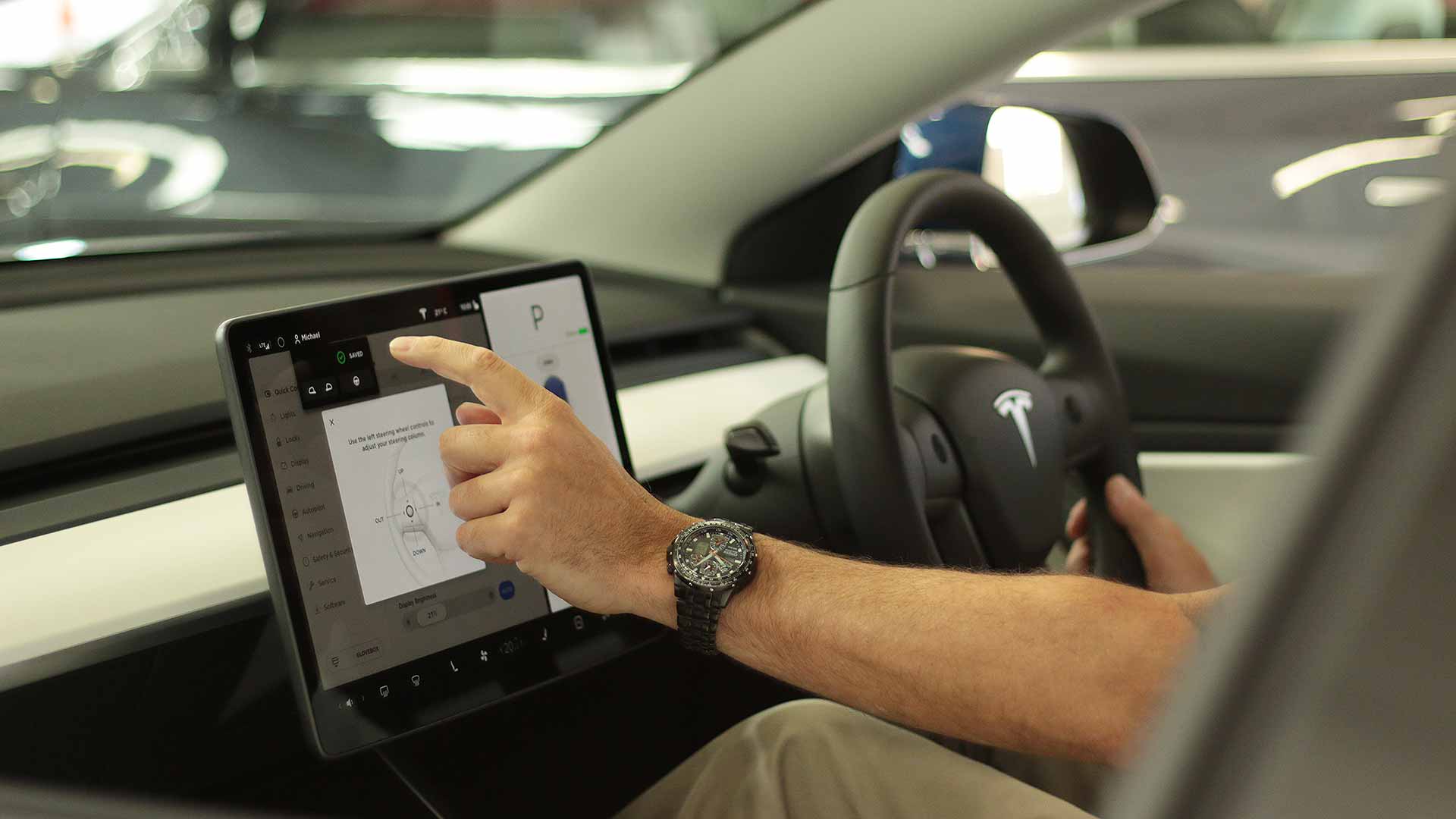
Inside, however, it’s a different story. Yes, it’s very attractive, but almost everything is digitally controlled. How does this work in real life? Our friend needed a few minutes to work out how to roll down the windows and even get the passenger door open. It’s all stuff you get around within minutes. An hour of sitting in it and familiarising yourself goes a long way, as it turns out. Nevertheless, some of the more change-resistant among us might jump in one to try it and be instantly put off.
Some of the futuristic toys are, of course, absolutely superb. Checking on and controlling the car via the Tesla app is a revelation. “I just cooled the inside of my car from 100F to 75F.Remotely,” our friend brags.
Torquing tough
Where better to give your Tesla its first proper run than Highway One? This is an aspect of the future we’re all happy to get on board with, and our friend was bowled over by the Model 3’s performance. “The torque at 50mph feels like pulling from standstill. It’s exhilarating”. “You’re going to break my neck” was one comment he received from his passenger.
It impresses in the turns, too – a good job given this is touted as a small executive car above all else. “The centre of gravity feels low like you’d expect. Very stable in corners”. That’s the benefit of much of the drivetrain weight sitting comfortably below the door handles.
In terms of braking, our friend was oddly comfortable with the idea of simply letting off the throttle. The Tesla Model 3, like many EVs and hybrids, has regenerative braking. Off-throttle, the motion of the car is translated back into electrical energy via the motors, with a side-effect of the car slowing down.
Home on the range
With a good part of a day spent driving and, shall we say, ‘testing’ the car, you might have expected the range to take a significant hit. Our friend charged the car to 90 percent the day before, with a view to taking it for a good run, after which it went from 90 percent to 66 percent charge. Apparently, the estimations of remaining range hold true, too: a solid 270 miles to a charge. What range anxiety?
Charging is something of another story. Unless you’re Supercharging, you need to commit extended periods of time to juicing up. “The phone app shows the time to charge 90 percent. It arrived with 40 percent charge and will take six hours to refuel,” was one comment.
There’s more to come soon on the day-to-day of running a new Tesla Model 3. We don’t think the honeymoon period will pass for a while yet…
A belated welcome back to our long-term Tesla Model 3 review. We planned semi-regular updates but, truth be told, there wasn’t a lot to report. We concluded our last entry by saying that we suspected the honeymoon period wouldn’t pass for a while yet. Nine months in, and it still hasn’t.
Now the Model 3 is finally available in the UK, so we thought we’d catch up with our American friend. Here are his latest thoughts on life with one.
Range-extended
Horror stories be damned, our friend’s Model 3 has put in a near-flawless shift over the 5,000 miles he’s driven it so far. Expected range is down from 290 miles to 280 when it’s fully juiced, although he suggests that’s due to his exuberant driving.
What’s more, that’s still 10 miles more than when he bought it, thanks to an over-the-air update that improved range. He’s also had the enjoyable experience of gaining 10 miles of range after a long period of coasting, using the regenerative brakes to pick up power.
The worst issue experienced is a charger that sometimes doesn’t automatically unlatch. All Teslas are supposed to automatically release at the end of the charge cycle. This means he’s had to go through menus in the car to ‘manually’ release the charger. In that process, the flap automatically closes on the adapter.
He’s had a nail in the tyre, too, although that’s no fault of the car. But he was rather shocked with the $400 cost of a replacement.
California love
Our friend is based in one of the most EV-friendly localities on Earth; California tends to treat electric car drivers quite well. He also has charging facilities at his office.
“I’ve only had to depend on charging infrastructure on two occasions since I bought it. One of those was really just an excuse not to park next to bangers in the Target car park,” (think broken glass, trolleys left next to cars).
As such, the car’s powertrain has almost never made him think twice about taking a journey, save for a few weeks ago: “Last weekend I forgot to charge it – I had 100 miles range left so I didn’t go. But it was more an excuse. A Tesla Supercharger would have sorted me if I’d really wanted to travel.”
“I’ve had my car for about 9 months. In total, I have paid about a quid for charging.”
It’s alright for some…
Overall, his experience has been overwhelmingly positive, but there are a couple of things that have really stood out:
“The instant torque never gets old and the continuous acceleration (no gear changes) from standstill to 70mph is amazing. It still gives me a rush.”
“The updates are brilliant. Imagine computer operating systems without updates; that is the car industry at the moment. I’ve received a range upgrade, power upgrade and a two-month trial of autonomous driving. Fun, too, are the games and ‘Easter eggs’. Fart noises that can be played from any speaker, for instance….”
“One of the updates resulted in the car cameras always recording, which means if you crash you have video evidence. And if the car is vandalised you get the ******* who did it.
“I think it may have saved me from a crash”
A final anecdote, regarding a near-miss: “So, I’m driving on the motorway and a person changes lanes without warning, dropping into my lane. I was very aware that I didn’t have time to check if there was anyone in the lane below me and the steering went hard and pushed me into the lower lane!”
A nice change in the narrative, then, to see Tesla’s autonomous functions preventing a crash rather than causing one.
Tesla Model 3: verdict so far
So far, we like what we’re hearing. We’re conscious that our friend is ‘testing’ in a very different environment. If temperature degradation is a worry for us, for example, it surely isn’t in Oakland CA. Nonetheless, the UK certainly has some catching up to do when it comes to infrastructure.
As for the car, it seems like a good ownership experience. Say what you like about Tesla, and about Elon Musk, but some of the ideas he and his cars have introduced are undeniably excellent, making long-standing rivals look a little archaic. It’s caused a fair amount of head-scratching in many car manufacturers’ boardrooms.
As for what Tesla will bring to the party once the car industry has fully caught up, we shall have to see.
Reports of the death of the car dealer have been greatly exaggerated, according to a new study conducted by CitNOW
Its study revealed that are car buyers are more inclined to visit dealers than ever, with more than 55 percent of motorists entering a showroom as part of the buying journey.
This is despite the growth of online buying portals, with one in 10 (11 percent) of buyers taking the plunge without seeing the car. Modern consumers are more comfortable with buying valuable products online, happy to put their trust in respected brands.
The CitNOW study suggests that the car dealer has a future, with one in 10 buyers expecting to buy a car when they visit a retailer.
But while the over 55s are most likely to visit a dealer (69 percent), motorists aged 35-44 are the least likely, and many will need encouragement to visit a showroom.
Online videos, a large selection of photos and social media engagement could provide the motivation required to increase footfall.
The challenge for retailers
Carol Fairchild, commercial director of CitNOW, said: “Motorists clearly still covet that face-to-face customer experience and want the buying journey to be a personal one with the dealership.
“The challenge for retailers is standing out; making sure that they are using technology like video, which offers a personal, face-to-face experience remotely, to build customer engagement before they even set foot in the dealership.
“In doing so, dealerships can make sure customers are visiting their forecourt, rather than the one next door.”
Manufacturers must balance the demands of the modern customer with the needs of its dealer network, with brands keen to show that traditional avenues can co-exist with the digital highway.
Last year, Ford launched a new online sales service called Ford Buy Online, saying that the internet purchase tool is in response to growing customer demand to buy cars online.
“We have the most extensive dealership network, which will remain to serve the many customers wanting to visit a dealer and for specialist retail, van and service assistance,” said Ford of Britain chairman and MD Andy Barratt.
Electric cars cost an average of 14 percent more to insure than equivalent petrol and diesel cars, new research reveals.
Analysis by Vantage Leasing shows that EV owners are paying an extra £116 a year, but cover could cost as much as 37 percent more than the same car with an internal combustion engine.
By 2025, motorists could be paying an additional £231 million in insurance as the number of electric cars hits two million, says the company.
Surprisingly, the analysis revealed that insurance is usually cheaper when the electric car is parked on the road overnight, rather than in the garage
‘Optimism could be curtailed’
Rob Walker, Vantage Leasing managing director, said: “There’s no doubt UK motorists are ready for EVs. Demand is growing because the technology and infrastructure is getting better every year.
“However, this optimism could easily be curtailed if the costs mount up. After all, electric cars are touted as being both kinder to the environment and easier on the wallet, so the industry must ensure they are affordable to ensure they become increasingly popular.”
The Nissan Leaf is the UK’s most popular electric car, costing £992 on average to insure, over £500 more than the average UK insurance cost of £471 for comprehensive cover.
Of the vehicles analysed, the Renault Zoe and Renault Clio showed the biggest difference, with the former coming in 37 percent (£244.10) more expensive to insure compared to the Clio.
Electric vehicles (annual insurance)
Volkswagen e-Golf
£904.45
Renault Zoe
£895.32
Hyundai Kona Electric
£728.12
Audi e-tron
£1,518.63
Volkswagen e-Up
£641.60
Petrol or diesel equivalent models (annual insurance)
Volkswagen Golf 1.5 TSI R-Line
£709.91
Renault Clio 1.5 dCi 90 GT Line
£651.22
Hyundai Kona 1.0 T-GDI SE
£660.16
Audi Q8 55 TFSI S Line
£1,444.37
Volkswagen Up 1.0 High Up
£642.29
These figures are based on annual cover and an average of multiple quotes.
You can cut the cost of your electric car insurance by shopping around or by using a price comparison website. Never accept a renewal quote, as there’s very little reward for loyalty in the car insurance world.
We’d also point out that the Vantage Leasing analysis is based on particular engines and specs. You could find that the cost of insurance could be reduced by selecting a different engine or trim level.
The Volkswagen Up is actually cheaper to insure than the e-Up in High Up spec, so further savings could be achieved by opting for an alternative trim level. Do your homework and shop around.
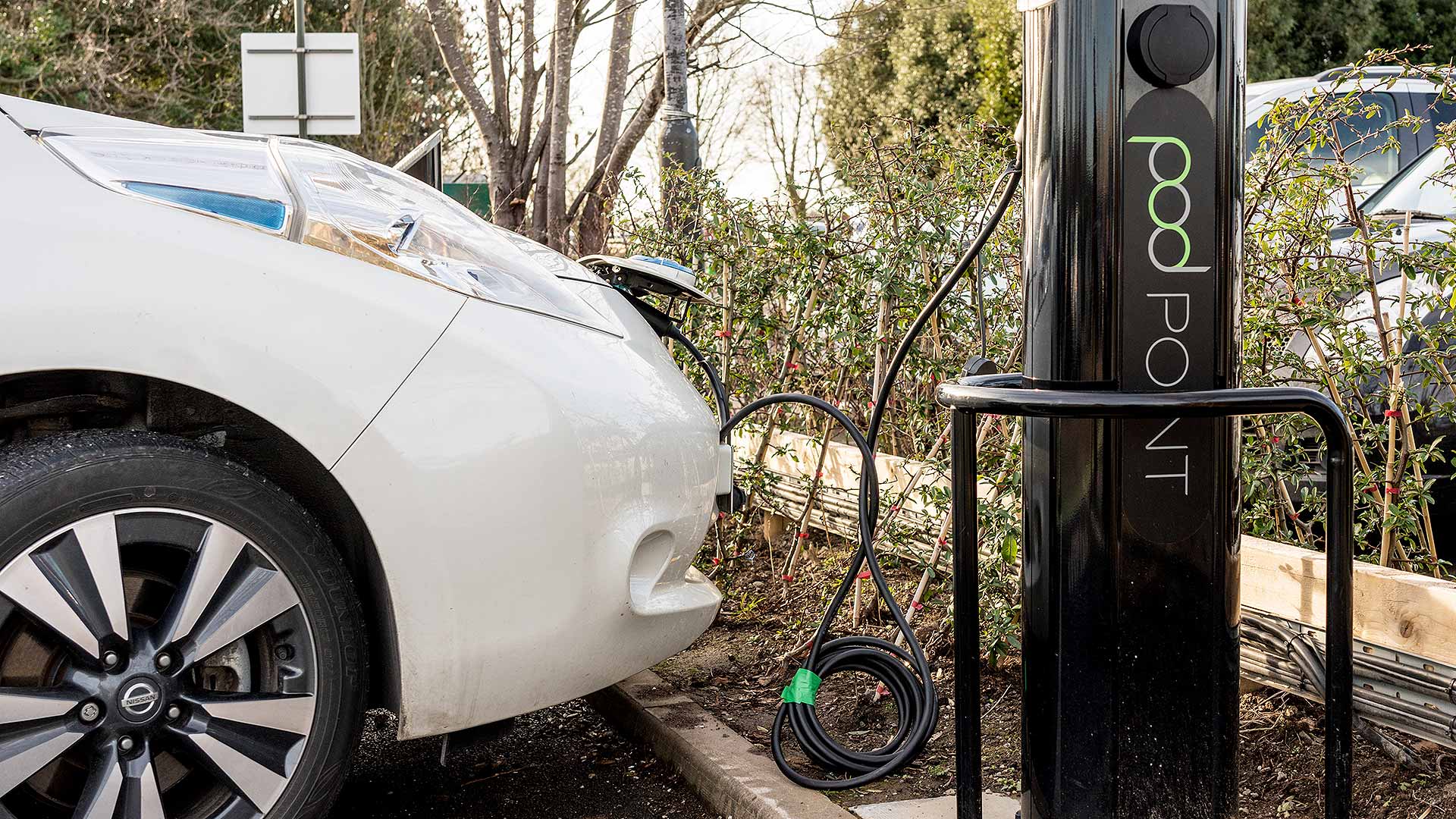
An electric vehicle charging network is today allowing free EV charging across its entire UK network of public charge points for Clean Air Day 2019.
Pod Point operates 2,000 public chargers in the UK, and each will be eligible for the free charging offer.
Founder and CEO Erik Fairbairn said he hoped it will “build understanding of the causes of air pollution and how EVs can be a part of the solution”.
The free EV charging offer started at midnight on 20 June and runs for a full 24 hours. Those using the company’s app will charge and pay as usual; they will be reimbursed a few days later.
“Initiatives like Clean Air Day are really important in raising awareness that dirty air affects every single one of us.”
The firm points to a Friends of the Earth survey from back in February, stating that over 1,700 UK locations suffer air pollution in excess of safety limits.
Across Europe, road transport contributes 30 percent of NOx emissions, which is estimated to annually cost £6 billion.
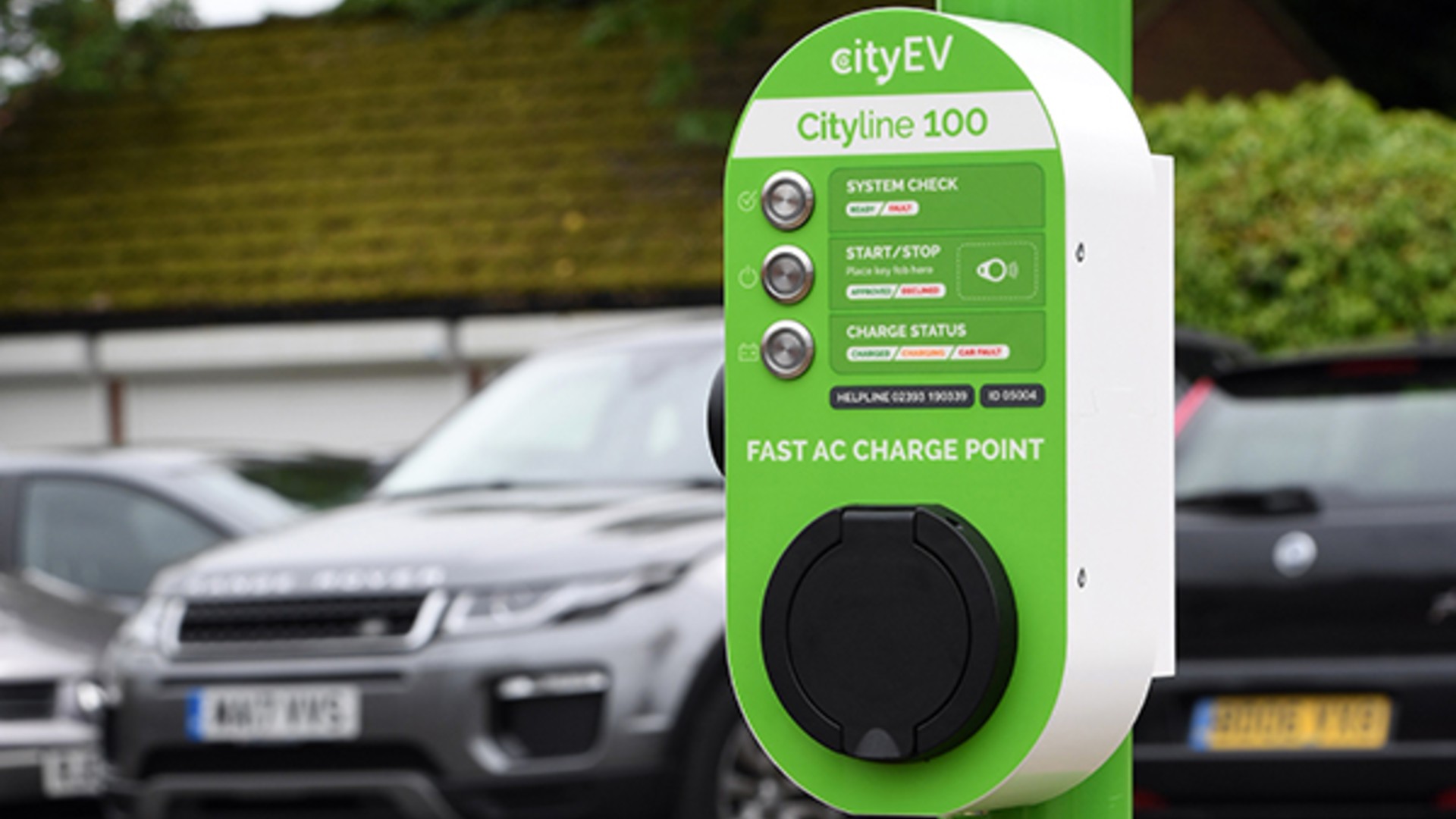
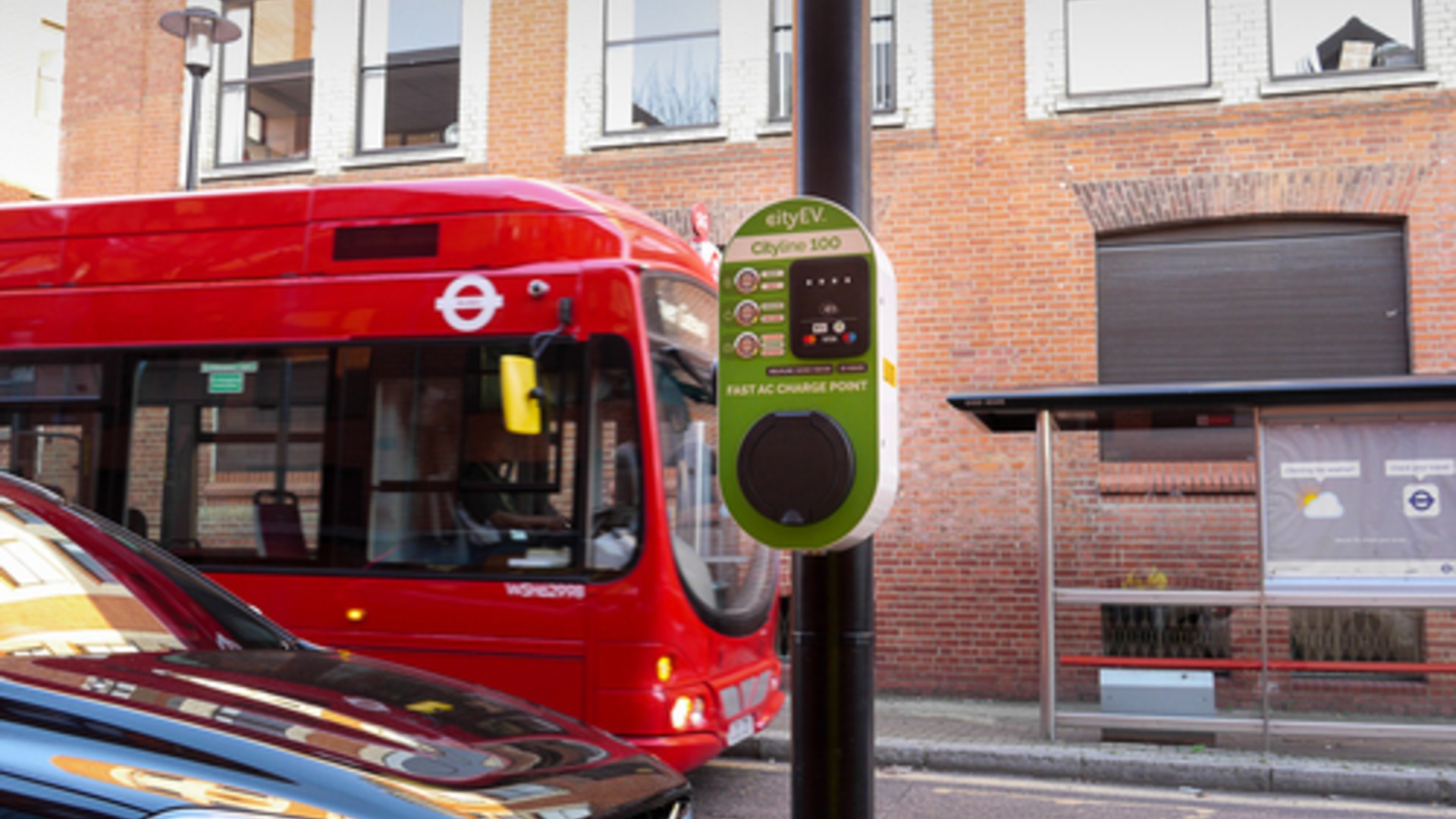
Barnet council in London has installed 40 electric car charging points in lamp posts. A second set of 40 CityEV charge points will be added in the autumn.
On top of the converted lamp posts, 30 stand-alone chargers will also be installed. Fully 22 of these will be outside two new leisure centres in Victoria Recreation Ground, while eight will be in car parks throughout the Barnet borough.
How long will it take to charge my car?
The chargers have a 3.5kw capacit, which means you gain just over 12 miles of charge per hour. Leave your plugged in between 8pm and 6am and you’d accumulate more than 100 miles of range.
These facilities aren’t perfect for a quick top-up, but an hour at the gym will likely give you back the range you lost getting there.
How much will it cost to use CityEV charge point?
Charging costs from 25p per hour, or about 2p a mile.
Worth it? Well, that means 300 miles costs £6. In a normal car, £6 gets you around one and a quarter gallons. Assuming your car does 40 miles per gallon, that’s 50 miles of driving.
Not included, of course, is the cost of parking, which is independent of the charging facility.
How will I pay to charge my EV?
The charge points accept contactless payment via the ‘EVopencard’. That means, in theory, quick and hassle-free payments, like at a petrol station.
“We expect the popularity of fully electric and hybrid cars to grow and grow in the coming years,” said Dean Cohen, chairman of Barnet council environment committee.
“Electric vehicles are cheaper, cleaner and greener than conventional cars, and an increasingly convenient way of getting from A to B. We are happy to support their development, improving air quality in our borough and giving our residents more options for getting about in an eco-friendly way.”
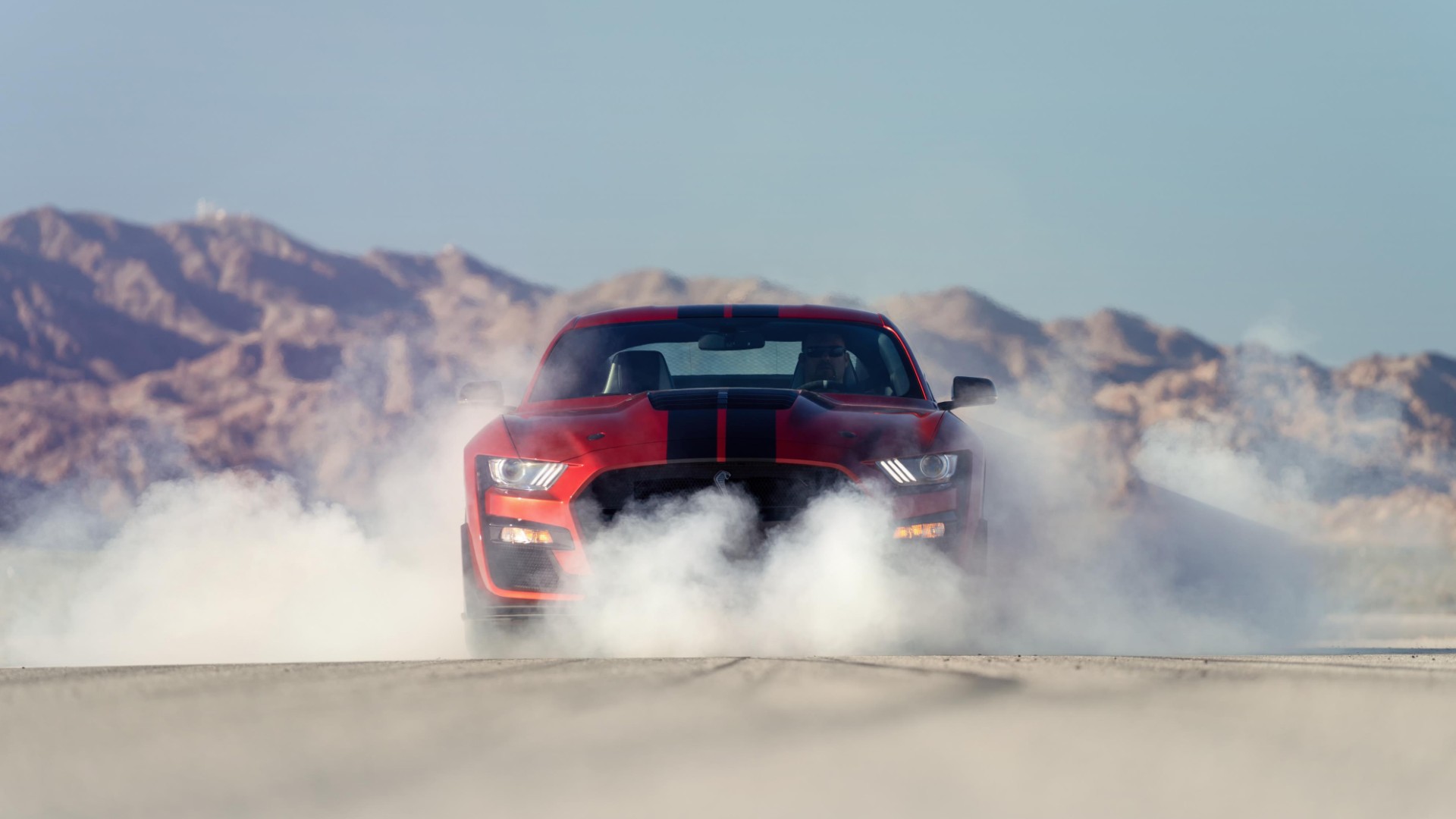
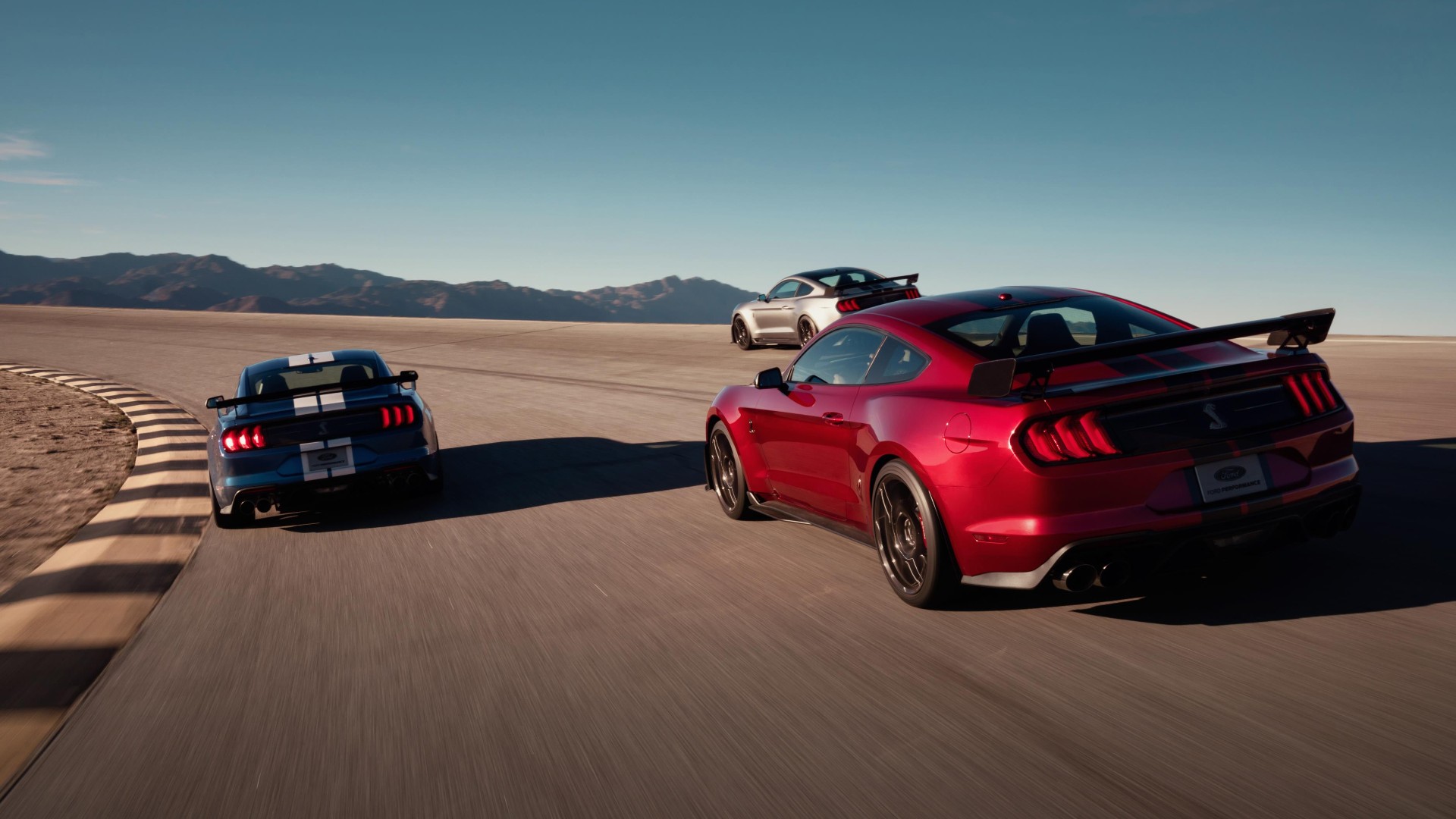
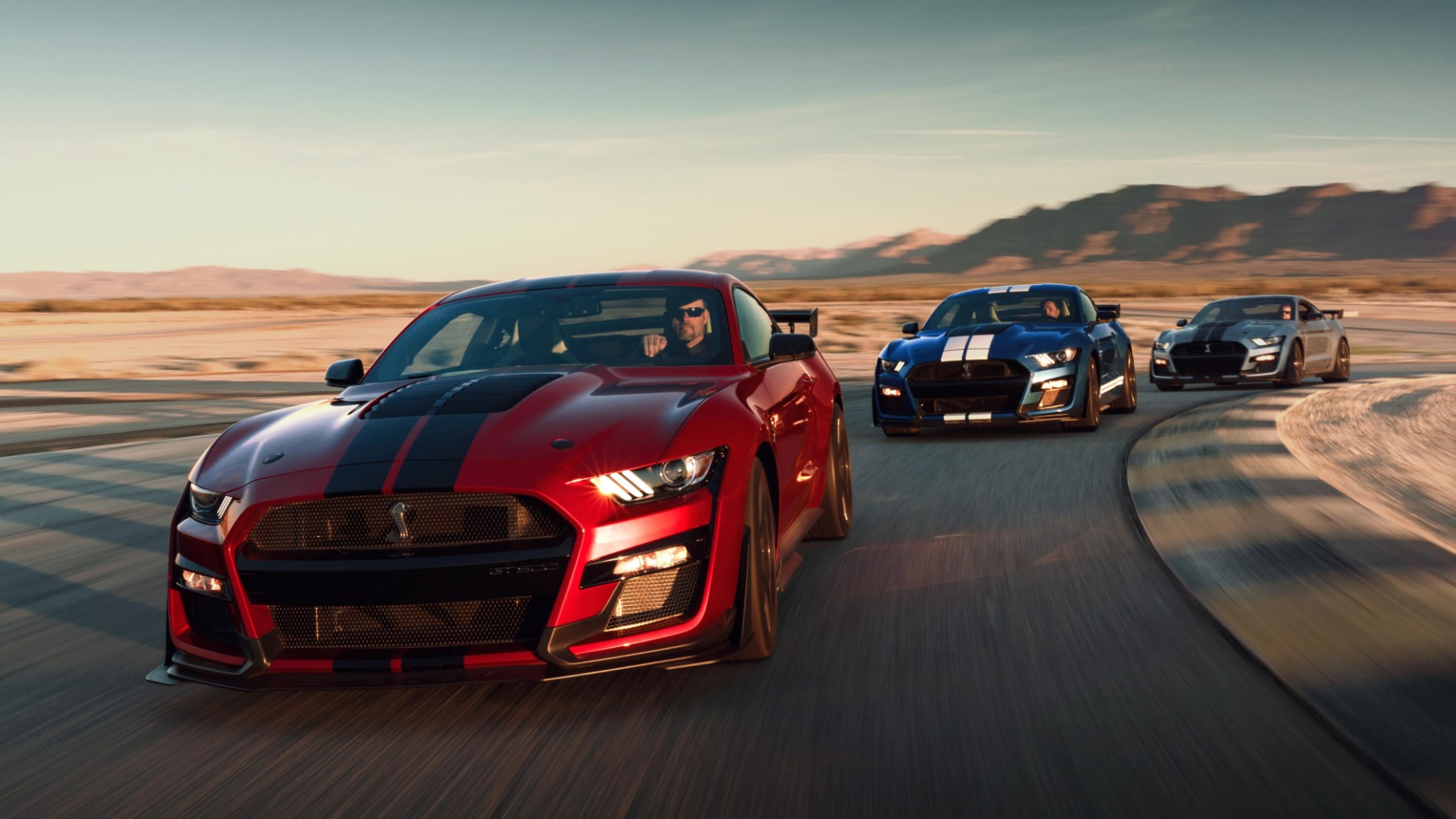
As for home-grown rivals, Chevrolet’s Corvette ZR1 falls foul of the GT500’s muscle by around five horsepower.
It doesn’t quite outmuscle the mighty mopars, mind. The Dodge Challenger Redeye and Demon beat it out, producing a respective 797 and 840 horsepower. Is this why they call America the land of opportunity?
How does the GT500 make all that power?
Well, the 5.2-V8 isn’t entirely dissimilar to the Voodoo unit found in the GT350. Instead of a flat plane crank, it has a traditional cross plane.
That makes for lower revs and a lumpier sound compared to the more exotic shriek of the GT350. Adding a shriek of its own – and a considerable donation to that power figure – is the 2.65-litre supercharger plonked on top…
As for performance, or indeed how much the Shelby GT500 will cost, that remains a mystery. Equipped with a new dual-clutch gearbox that can shift in under 100 milliseconds, it ought to put that power to good use. That’s assuming it can keep the rears from lighting up.
It’s a sophisticated Mustang. That gearbox, that engine, sophisticated aero, massive brakes and suspension upgrades mean the most monstrous Mustang won’t quite be a people’s pony car. Nor, sadly, will it be available in the UK in right-hand-drive, like the 5.0-litre V8 GT.
“With its supercar-level powertrain, the all-new Shelby GT500 takes the sixth-generation Mustang to a performance level once reserved only for exotics,” said Hermann Salenbauch, global director, Ford Performance vehicle programs.
“As a Mustang, it has to be attainable and punch above its weight. To that end, we’ve set a new standard among American performance cars with our most powerful street-legal V8 engine to date, plus the quickest-shifting transmission ever in a Mustang for all-out precision and speed.”
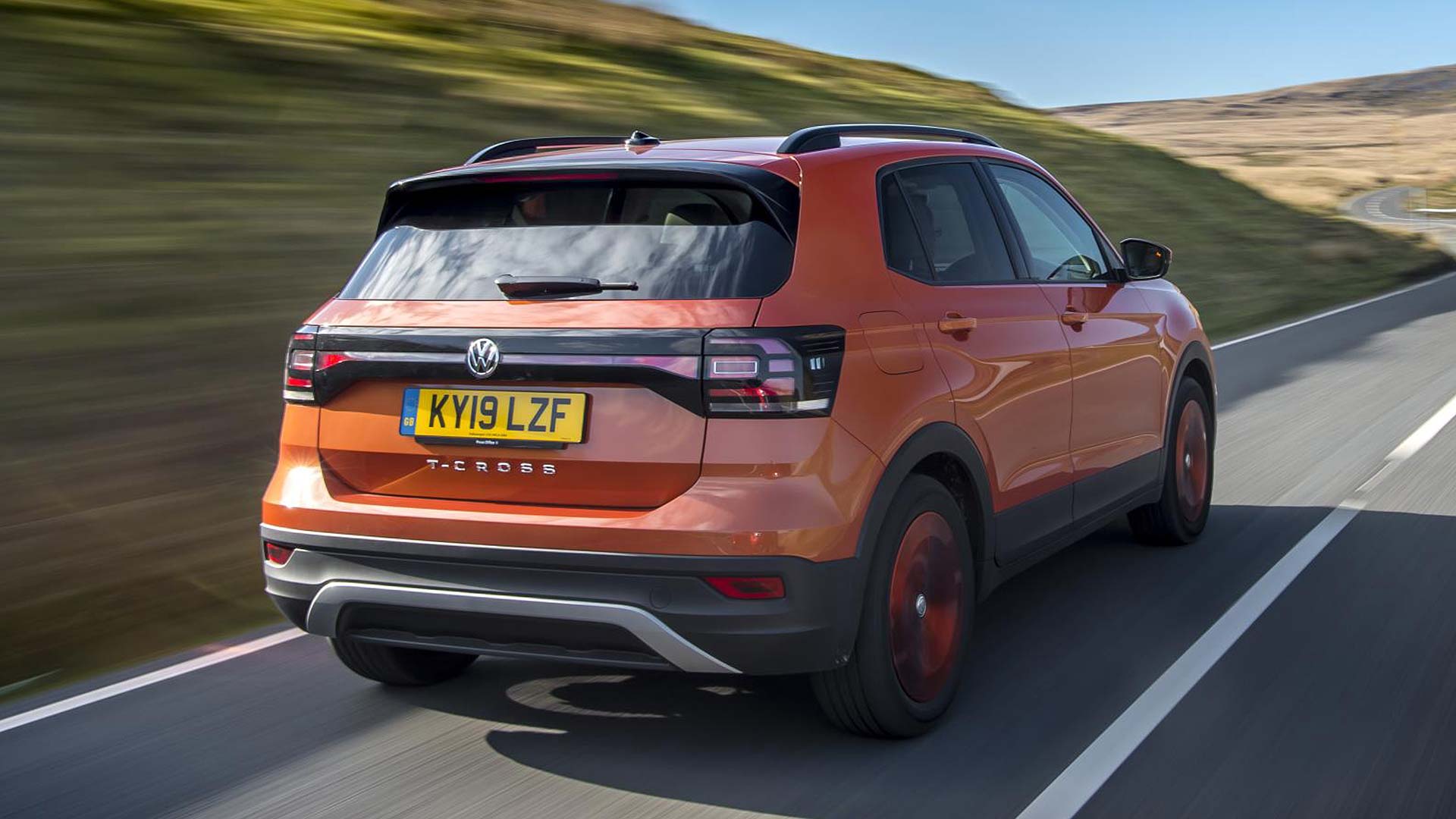
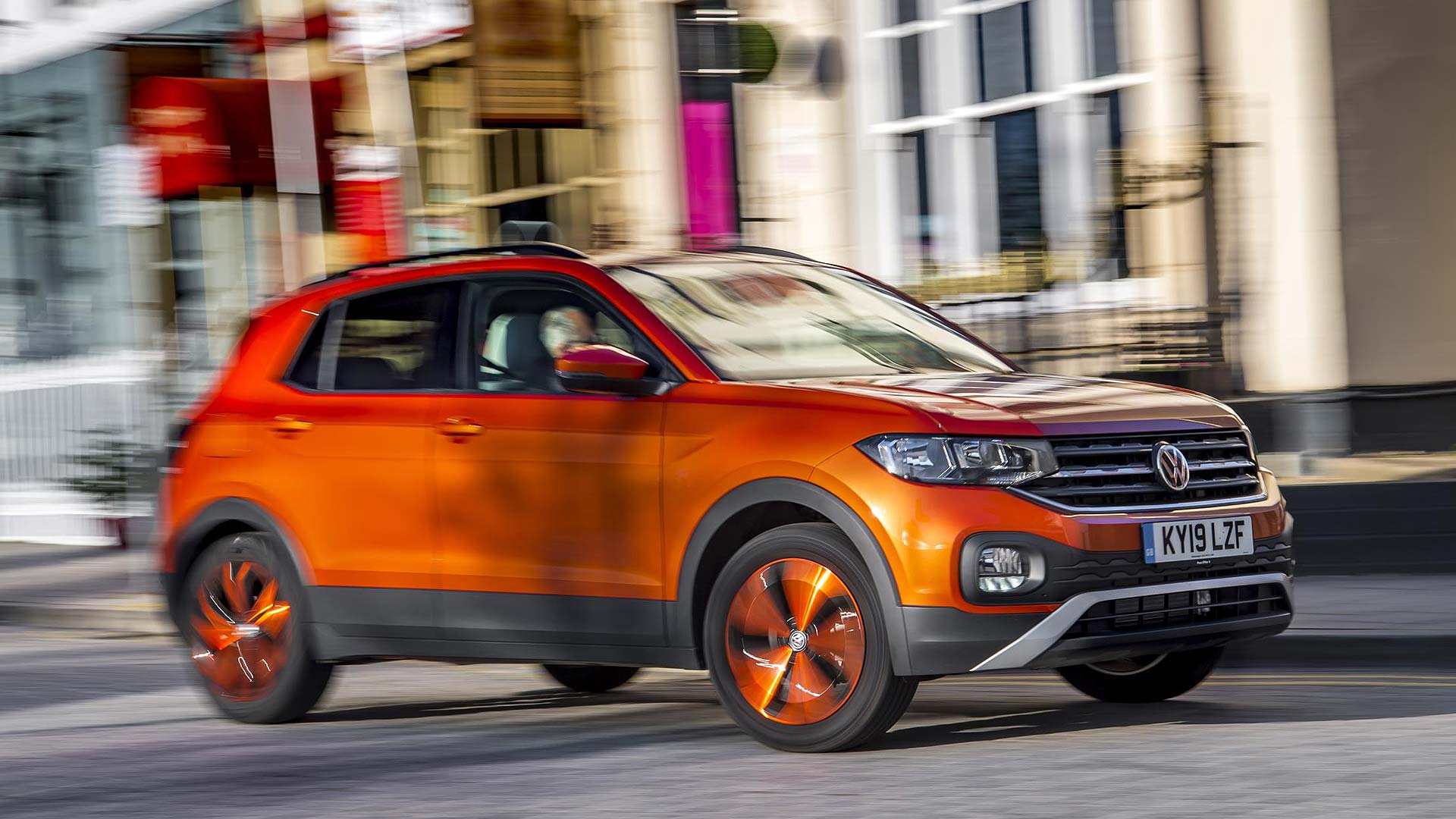
Volkswagen recently confirmed it is bringing a diesel-engined version of its T-Cross small SUV to the UK.
Up to now, it’s been petrol-only, and there was speculation on the launch that diesel wouldn’t make it across the channel at all.
But now, it’s here, a decision perhaps swayed by cost-conscious decision-makers in company car fleets demanding a diesel alternative.
Related: How to find the cheapest petrol and diesel near you
Thing is, crunching the numbers actually shows why diesel is done for.
Helpfully, Volkswagen makes comparisons easy. A T-Cross 1.6 TDI 95 SE, with a five-speed gearbox and 95hp output, costs £21,065.
A turbo petrol-powered T-Cross 1.0 TSI 95 SE, with, erm, a five-speed gearbox and 95hp output, costs £18,815.
That’s a whopping £2,250 premium for diesel, right away. And this is a cutting-edge turbo petrol engine, too, not some wheezy old clunker.
You can narrow the gap to £1,500 by choosing the 1.0 TSI 115 six-speed 115hp variant, but that’s not quite a fair comparison (and insurance is two groups higher, 10 versus 8), so we won’t.
Ah, but diesel has an economy advantage, right? That’s the whole point of picking diesel instead of petrol, no? Well, not really. The TSI 95 does 47.9-48.7mpg on the new WLTP cycle. The TDI 95 does 51.4-53.3mpg.
8 percent better economy, for a 12 percent higher list price.
Tax is taxing
It gets worse. Because the government hates diesel, it charges fleets 30 percent BIK company car tax. The petrol car is rated at 26 percent. As the tax take is based on the list price, dearer cars are taxed more.
For the 20 percent taxpayer who may get a T-Cross as a company car, this means a yearly tax bill of £978 for petrol… and £1,263 for diesel. A £285 difference, or almost £24 a month.
And for 40 percent taxpayers, it’s £571 a year, or nearly £48 a month.
Quite apart from the fact diesel is also noisier, rattlier and generally less pleasant to live with than Volkswagen’s world-class 1.0 TSI engine, it’s not hard to see why new diesel sales are dropping.
People bought them to save money. More parsimonious petrols and burdensome tax penalties mean that’s no longer the case. It’s no wonder savvy British motorists are moving away from them in droves.
London has been named the second worst European city to drive in as a tourist, in a study of 24 major locations across the EU.
Insurance comparison site Compare The Market factored in the cost of parking, price of fuel, road safety, road quality, car density and congestion to come to this conclusion.
It will come as no surprise to anyone who has braved the streets of the UK capital.
Neither will the fact that Rome is ranked as the worst city for tourist drivers. From crazy scooter riders to madmen in Fiat Pandas, driving in the Italian capital can be a nerve-racking experience.
Moscow, Milan and Dublin were the other cities to find themselves at the foot of the table, while Paris just managed to avoid a bottom five slot.
With a road fatality rate of 140.69 per million residents, Moscow and St Petersburg are the cities to avoid if you value your life.
Nice is good, Frankfurt is nicer
At the opposite end of the table, Frankfurt is the city to head to if you fancy a stress-free driving experience, with the German financial capital finishing top for congestion and second for the cost of parking.
Nice, Vienna, Madrid and Lisbon were the other European cities to finish in the top five.
Given the results of the Compare The Market study, tourists might want to consider using public transport when travelling to London. It costs £12 to park for two hours, while a gallon of fuel costs £5.43.
The results in full
City
Parking (2 hours)
Fuel (per gallon)
Road fatalities
(per million residents)
Road quality rating
Passenger cars (per 1,000 residents)
Hours of congestion
1. Frankfurt
£1.70
£5.28
38.78
5.5/7
562
107
2. Nice
£3.70
£5.80
51.98
6/7
477
130
3. Vienna
£6.80
£4.67
49.39
6/7
552
109
4. Madrid
£5.30
£4.94
38.97
5.5/7
505
129
5. Lisbon
£2.10
£5.69
57.25
6/7
470
162
6. Budapest
£2.70
£4.29
61.83
4.1/7
355
162
7. Krakow
£1.80
£4.45
79.74
4.1/7
586
125
8. Stockholm
£5.80
£5.78
27.26
5.5/7
480
135
9. Prague
£3.10
£4.74
57.85
4/7
523
143
10. Munich
£6.10
£5.28
38.78
5.5/7
562
140
11. Barcelona
£6.80
£4.94
38.97
5.5/7
505
147
12. Warsaw
£1.30
£4.45
79.74
4.1/7
586
173
13. Berlin
£7.00
£5.28
38.78
5.5/7
562
154
14. Amsterdam
£7.50
£6.31
36.66
6.1/7
489
164
15. St Petersburg
£2.90
£2.42
140.69
2.9/7
302
200
16. Copenhagen
£11.00
£5.98
36.82
5.5/7
430
137
17. Brussels
£4.90
£5.31
56.13
4.5/7
510
195
18. Florence
£4.40
£6.02
54.17
4.5/7
625
195
19. Paris
£6.50
£5.80
51.98
6/7
477
237
20. Dublin
£5.20
£5.44
38.97
4.6/7
446
246
21. Milan
£5.20
£6.02
54.17
4.5/7
625
226
22. Moscow
£9.60
£2.42
140.69
2.9/7
302
210
23. London
£12.00
£5.43
27.7
5.1/7
472
227
24. Rome
£7.00
£6.02
54.17
4.5/7
625
254
Figures in bold and italics represent the best in each category. Figures underlined are the worst.
Do not check your calendar, this is not a late April Fools’ Day joke. Honda really has brought a classic Chevrolet pickup truck back to former glory.
Whilst the two companies may be strong competitors, and even fierce rivals on the IndyCar circuit, Honda is intrinsically linked to Chevy in the USA.
To understand the relationship, we need to head back to 1959, when Honda’s very first North American outpost was opened in Los Angeles.
Although originally founded by Soichiro Honda in 1946, it took 13 years for the company to make a move overseas to the American market.
American Honda was established on June 11 1959, with just three employees and an initial investment of $250,000 in capital.
Honda became the world’s largest motorcycle manufacturer in 1959, but sales in Southern California started relatively slowly. Fewer than 2,000 bikes were sold in the first full year of operation, but the company had big plans for expansion.
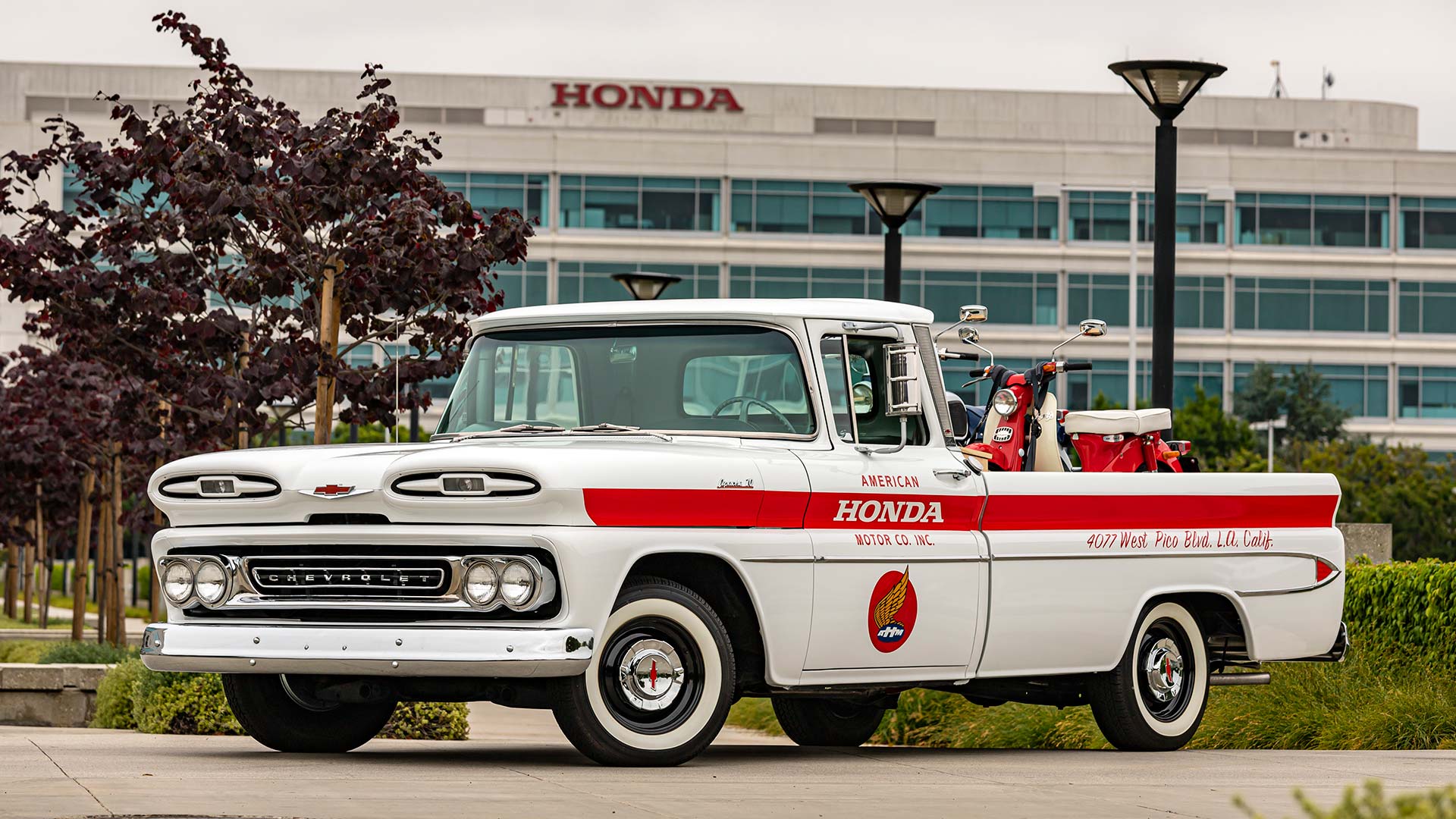
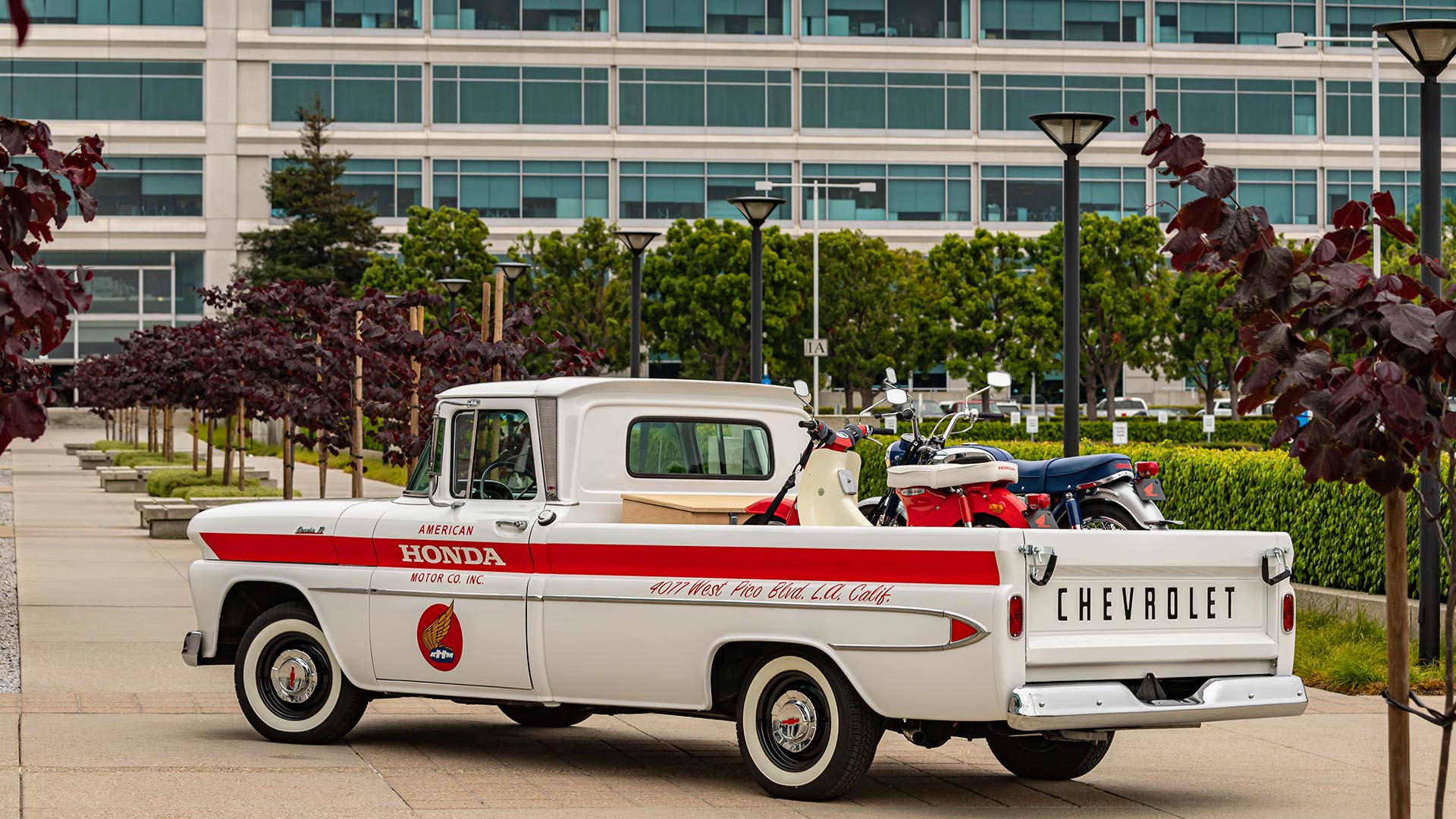
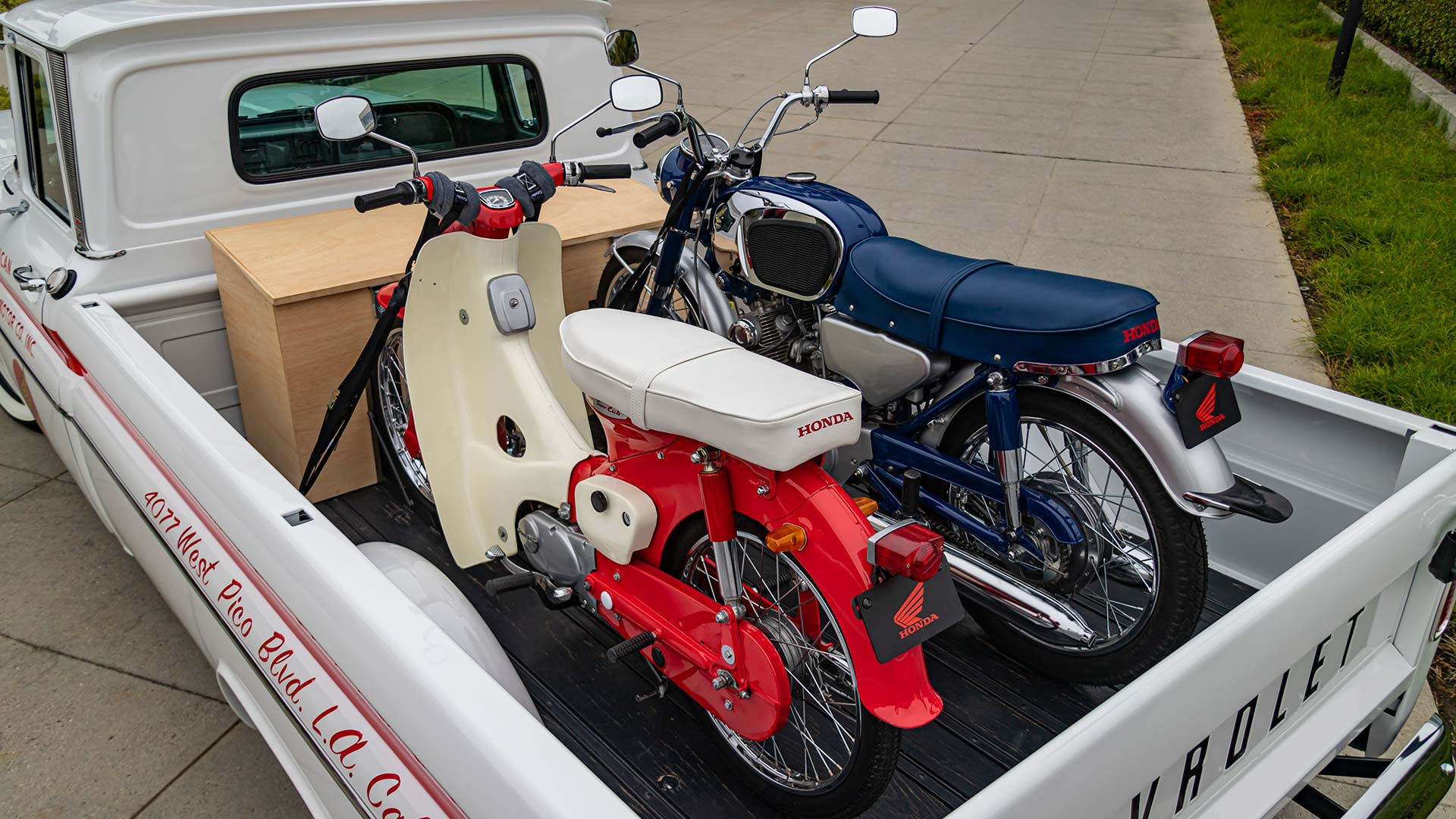
Some of the initial capital investment by American Honda went on a fleet of three Chevrolet half-ton pickup trucks. Used to ferry bikes to dealerships to sell on consignment, these trucks wore a distinctive red and white livery.
It meant when deciding on how best to celebrate 60 years of Honda in America, recreating the original Chevrolet delivery vehicle would be a key element.
We imagine that recreating the classic livery on a modern Honda Ridgeline truck would not have had quite the same effect.
With a vintage photo from 1961 to work with, Honda employees tracked down the correct Chevrolet C/K 1500 Apache in need of restoration.
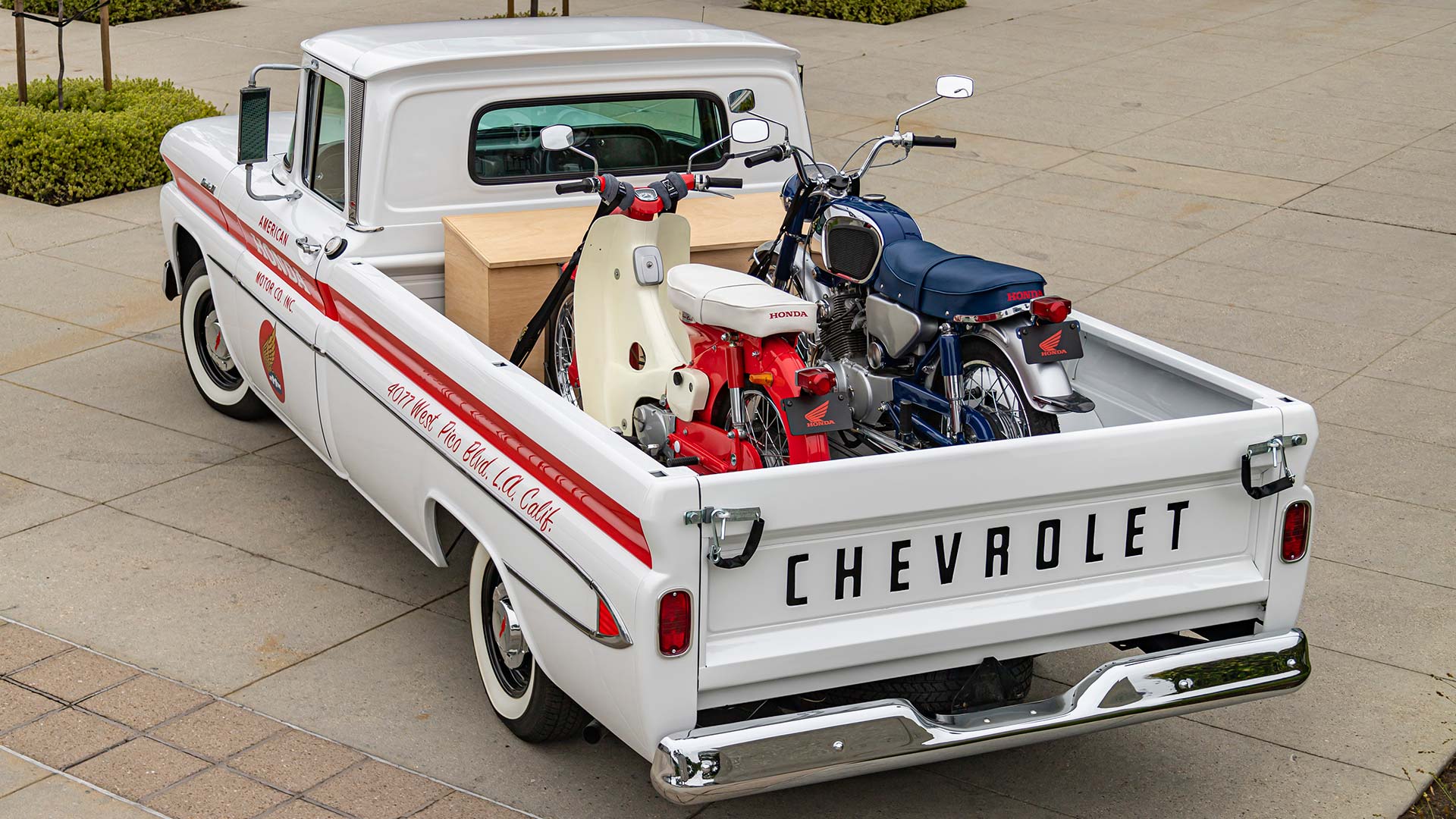
Once found, the chosen truck underwent a brief mechanical overhaul, followed by painting in the classic red and white paint scheme. Just like the original, the graphics on the doors and truck bed were all painted by hand.
In the back of the Chevy’s load bed sit a red 1965 Honda ‘Super Cub’ 50 on the left, whilst the right is occupied by a 1965 CB160.
The ultimate destiny for the restored delivery truck will be pride of place in the American Honda Collection Hall.
Located at the company’s current headquarters in Torrance, California, the Chevy will be displayed in front of a recreation of the first American Honda office.
Honda will also be taking the truck to this year’s SEMA show in Las Vegas, along with outings to other classic car events throughout Southern California.
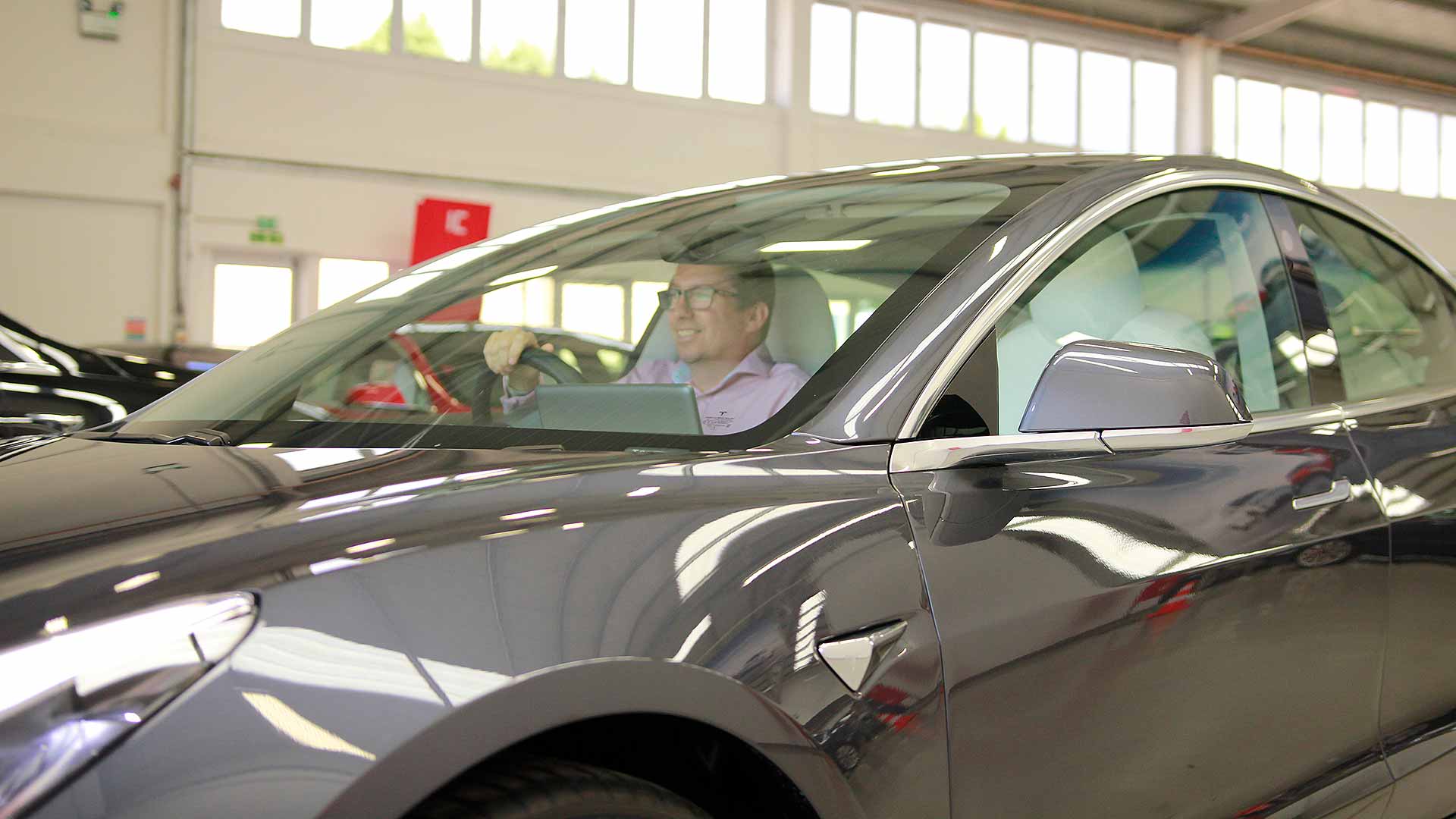
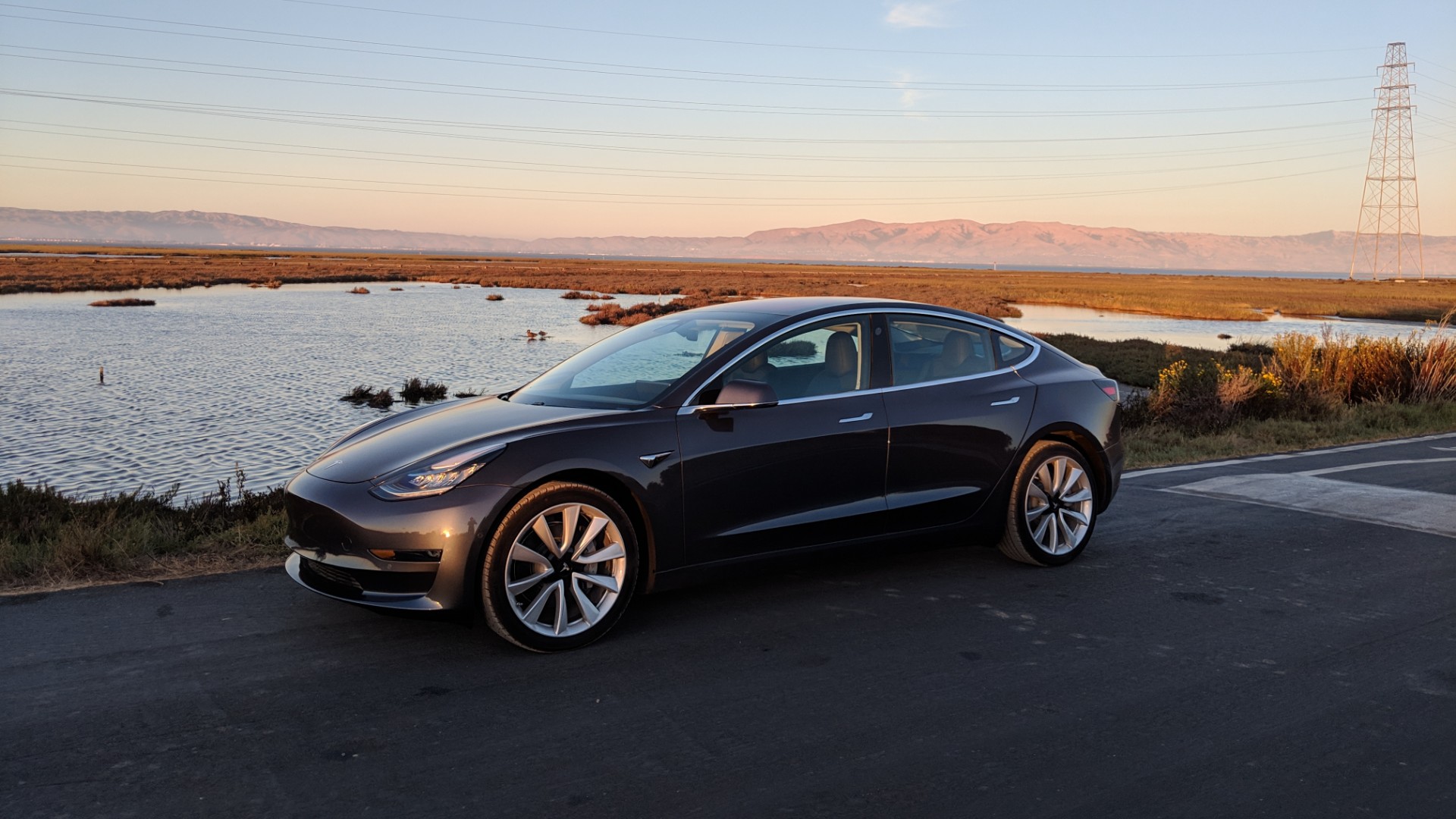
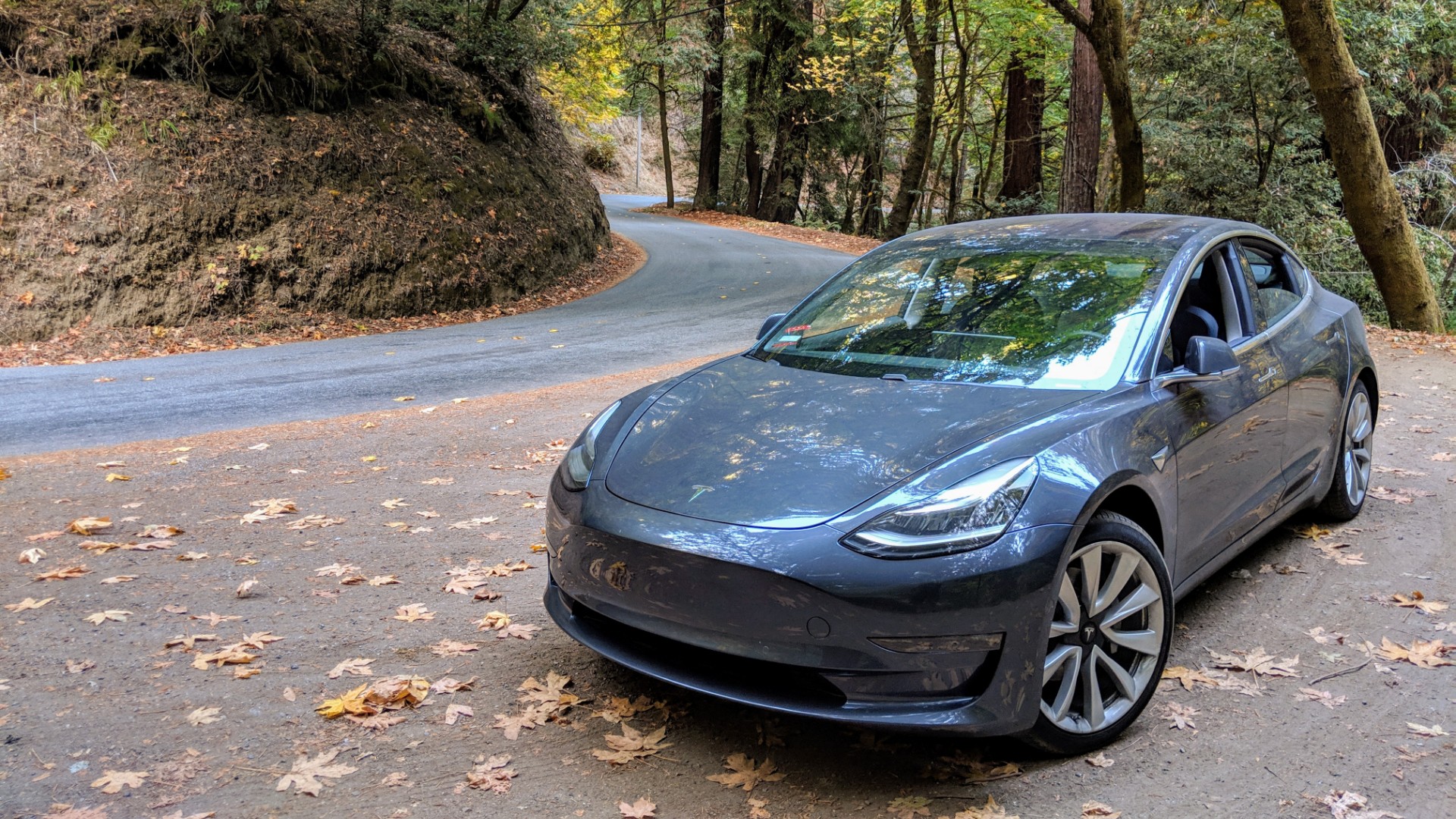
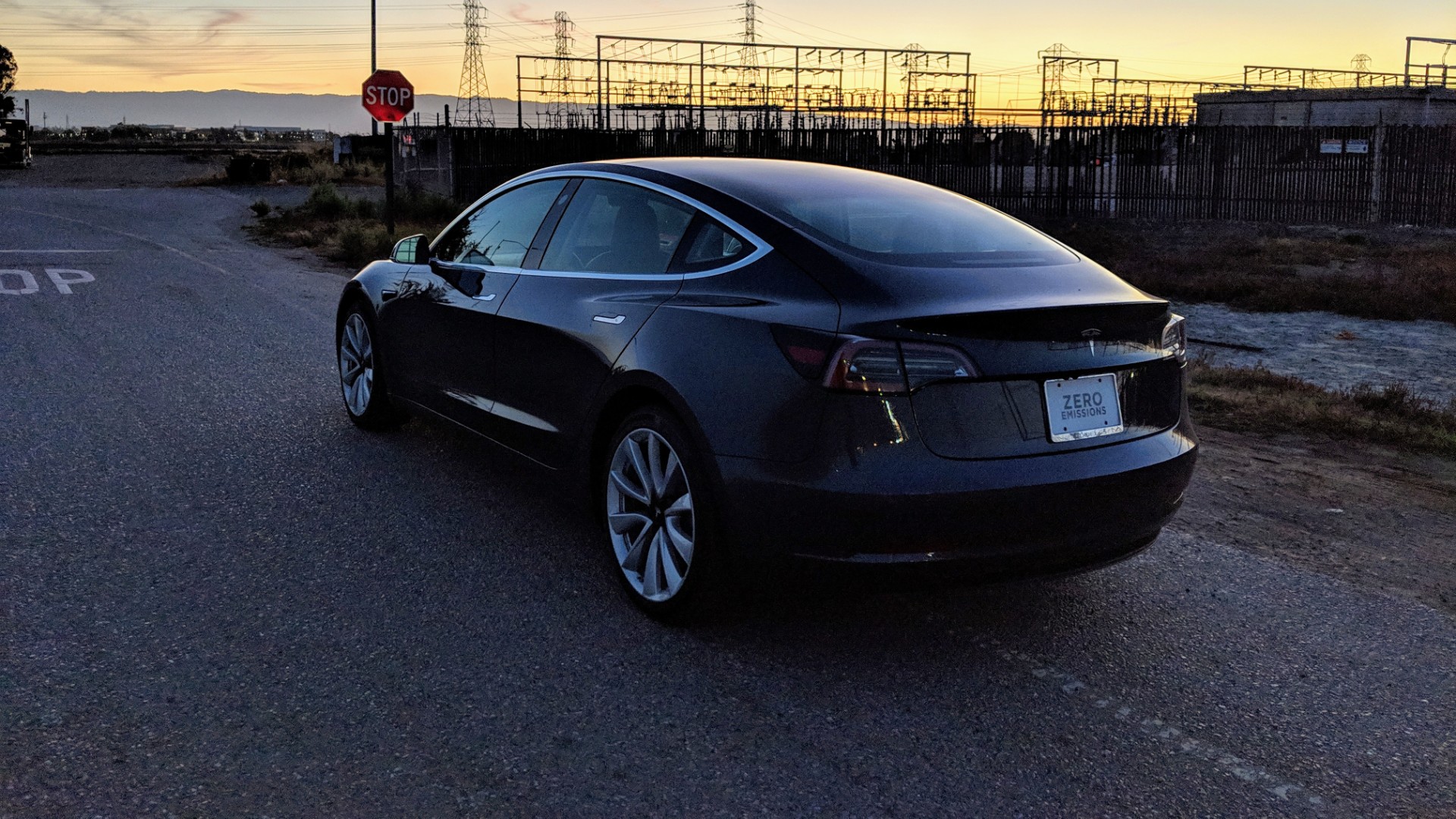
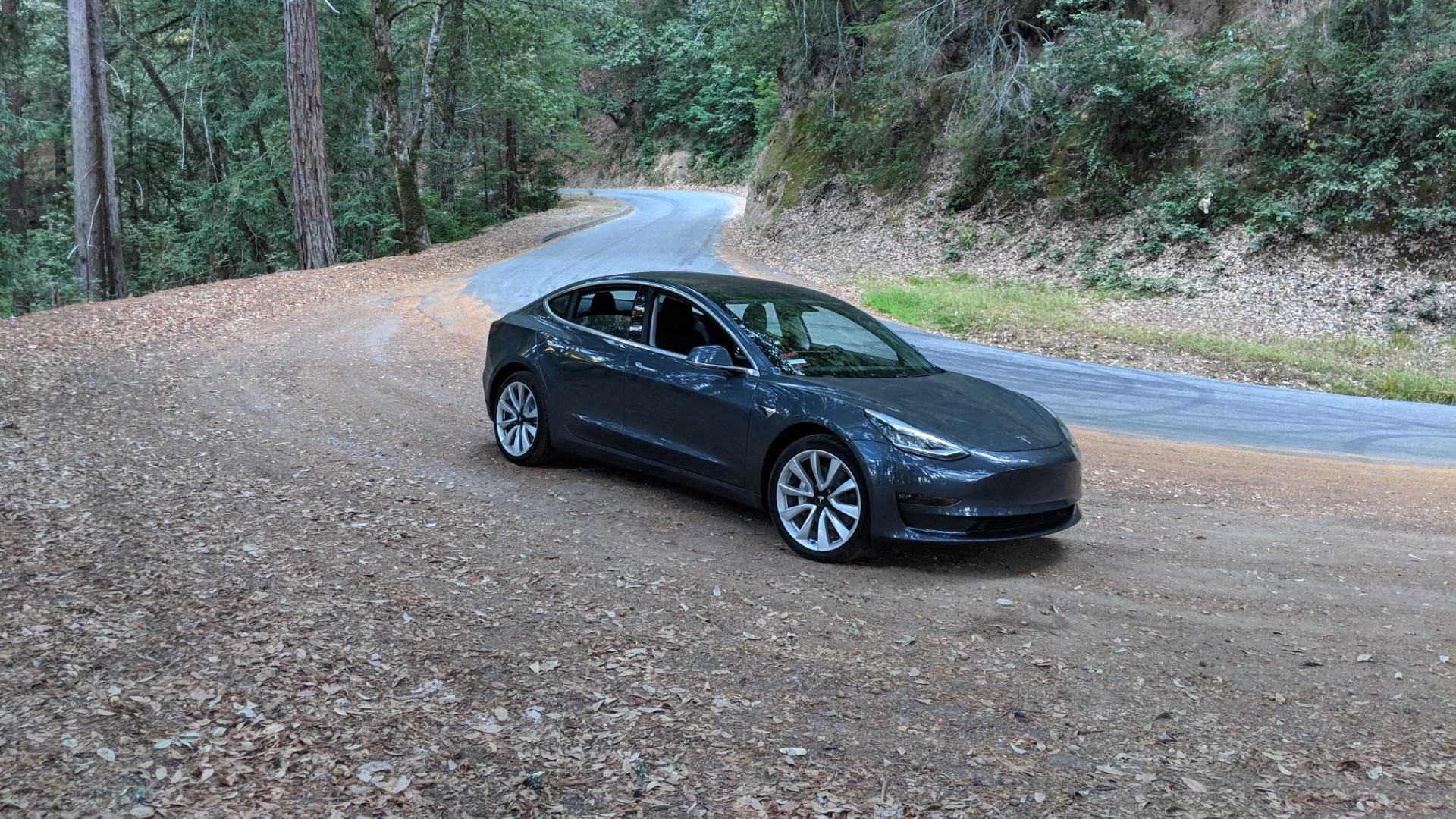
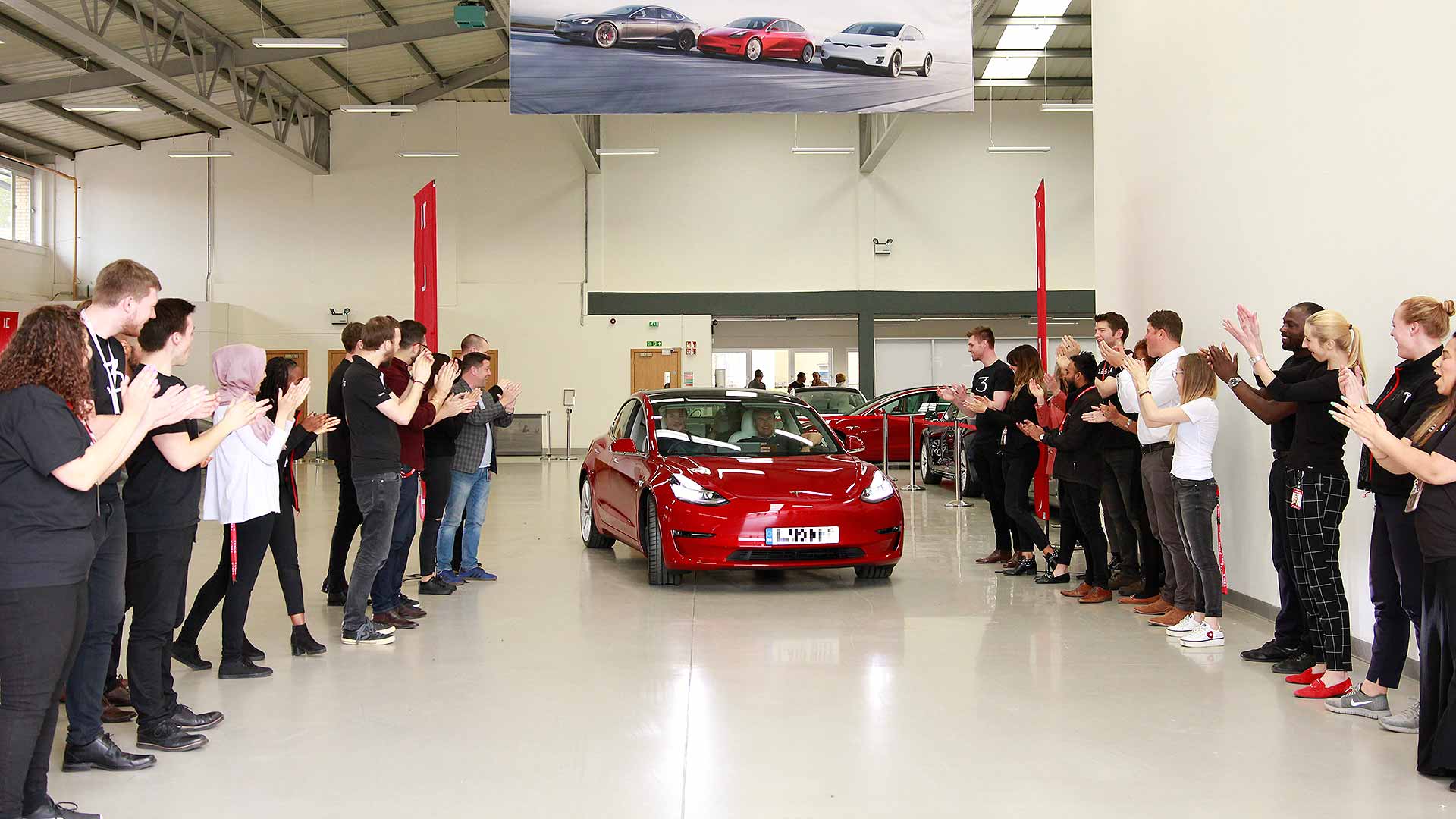 The Tesla Model 3 is finally taking to British roads as UK deliveries commenced at the firm’s Heathrow HQ – fittingly, on Clean Air Day.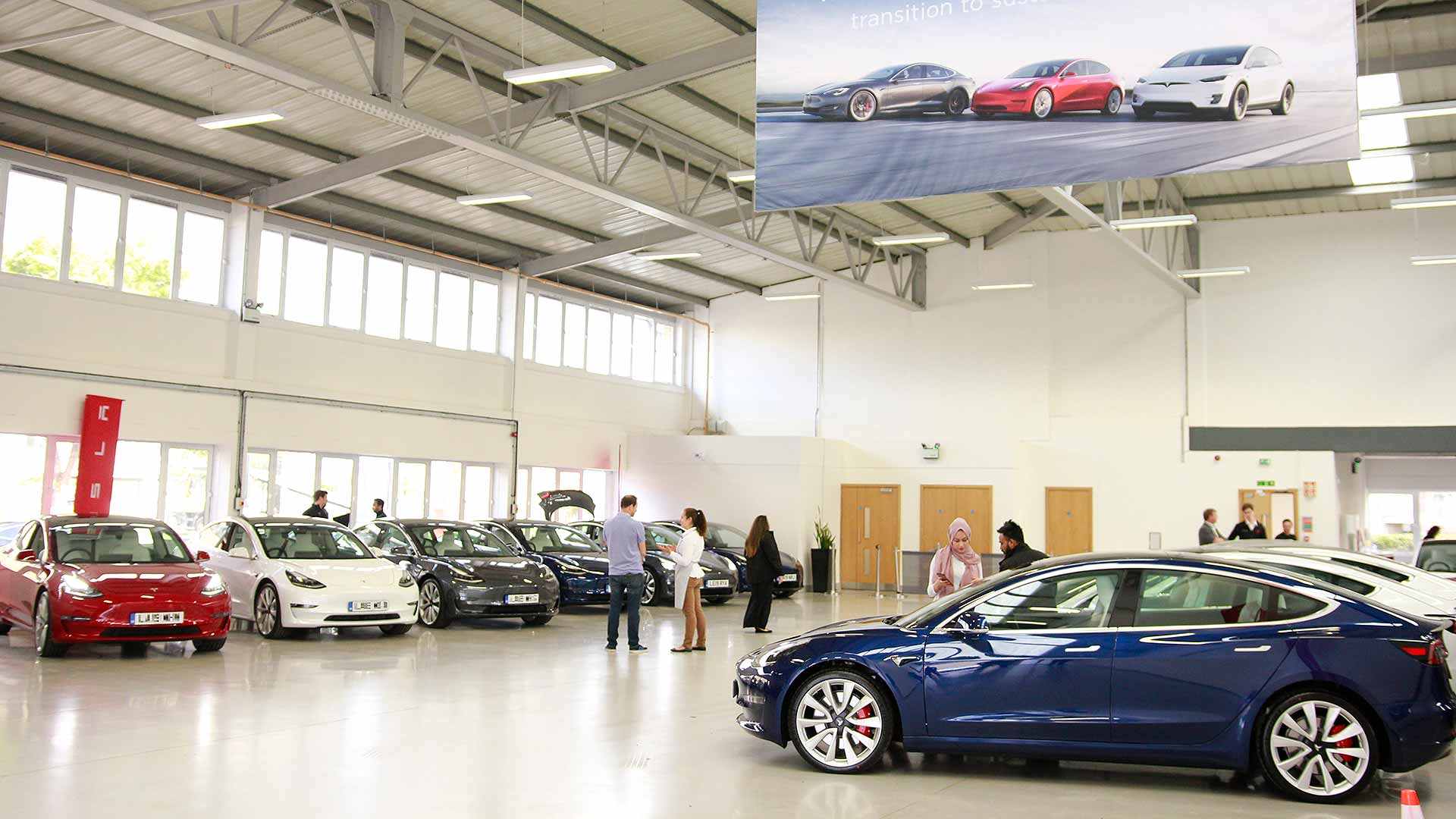



 An
An 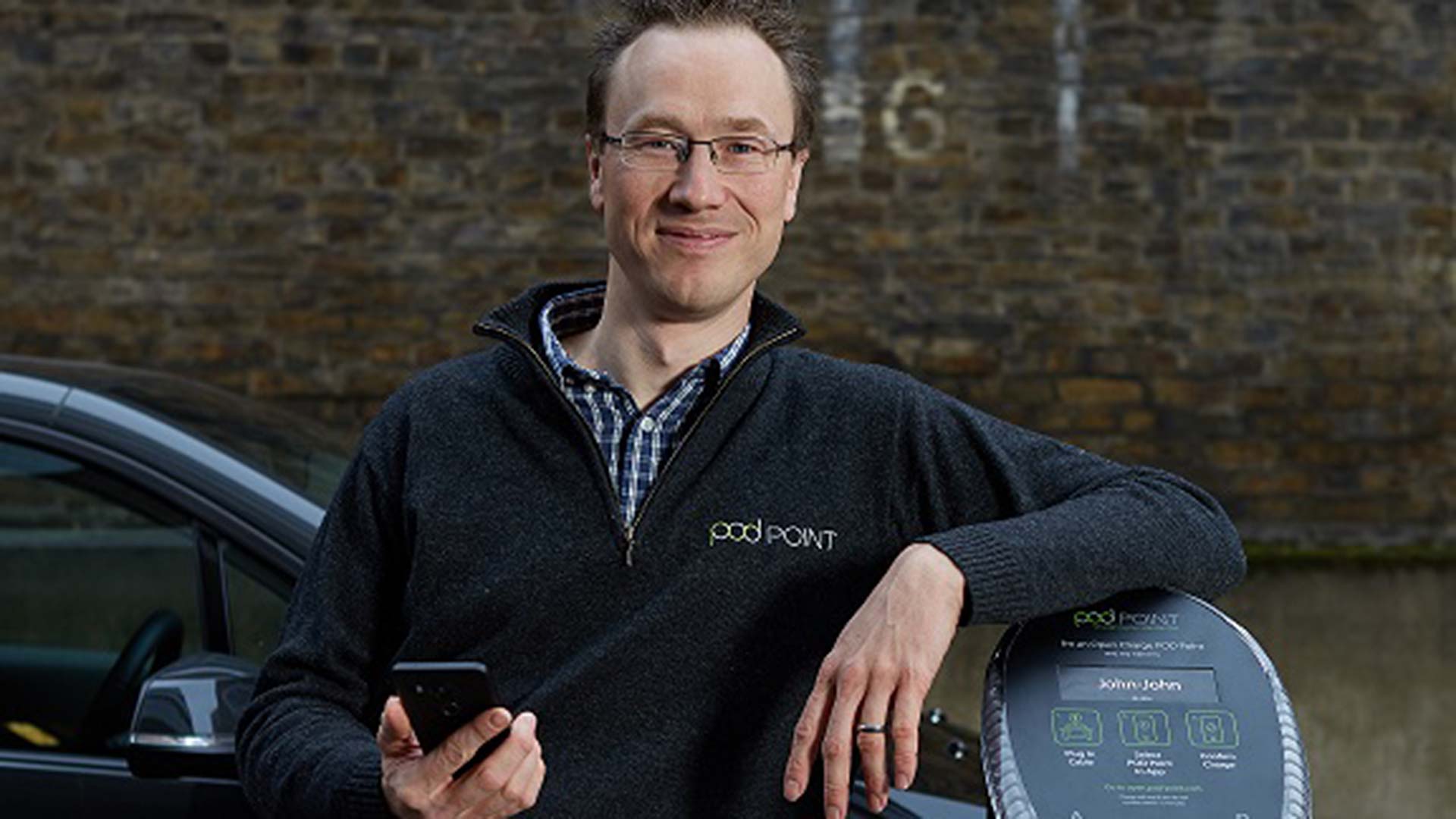

 Volkswagen recently confirmed it is bringing a diesel-engined version of its