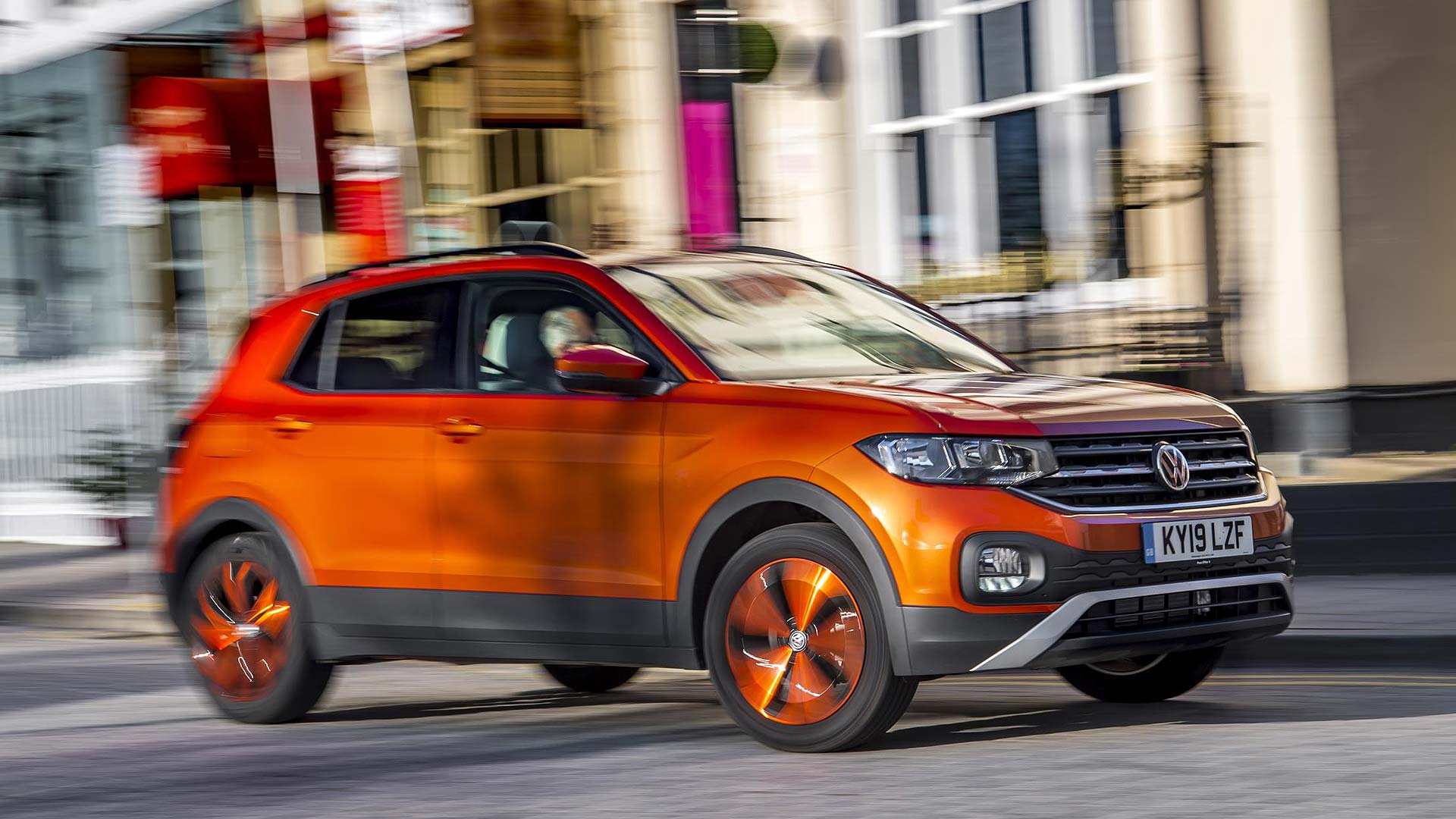
 Volkswagen recently confirmed it is bringing a diesel-engined version of its T-Cross small SUV to the UK.
Up to now, it’s been petrol-only, and there was speculation on the launch that diesel wouldn’t make it across the channel at all.
But now, it’s here, a decision perhaps swayed by cost-conscious decision-makers in company car fleets demanding a diesel alternative.
Related: How to find the cheapest petrol and diesel near you
Thing is, crunching the numbers actually shows why diesel is done for.
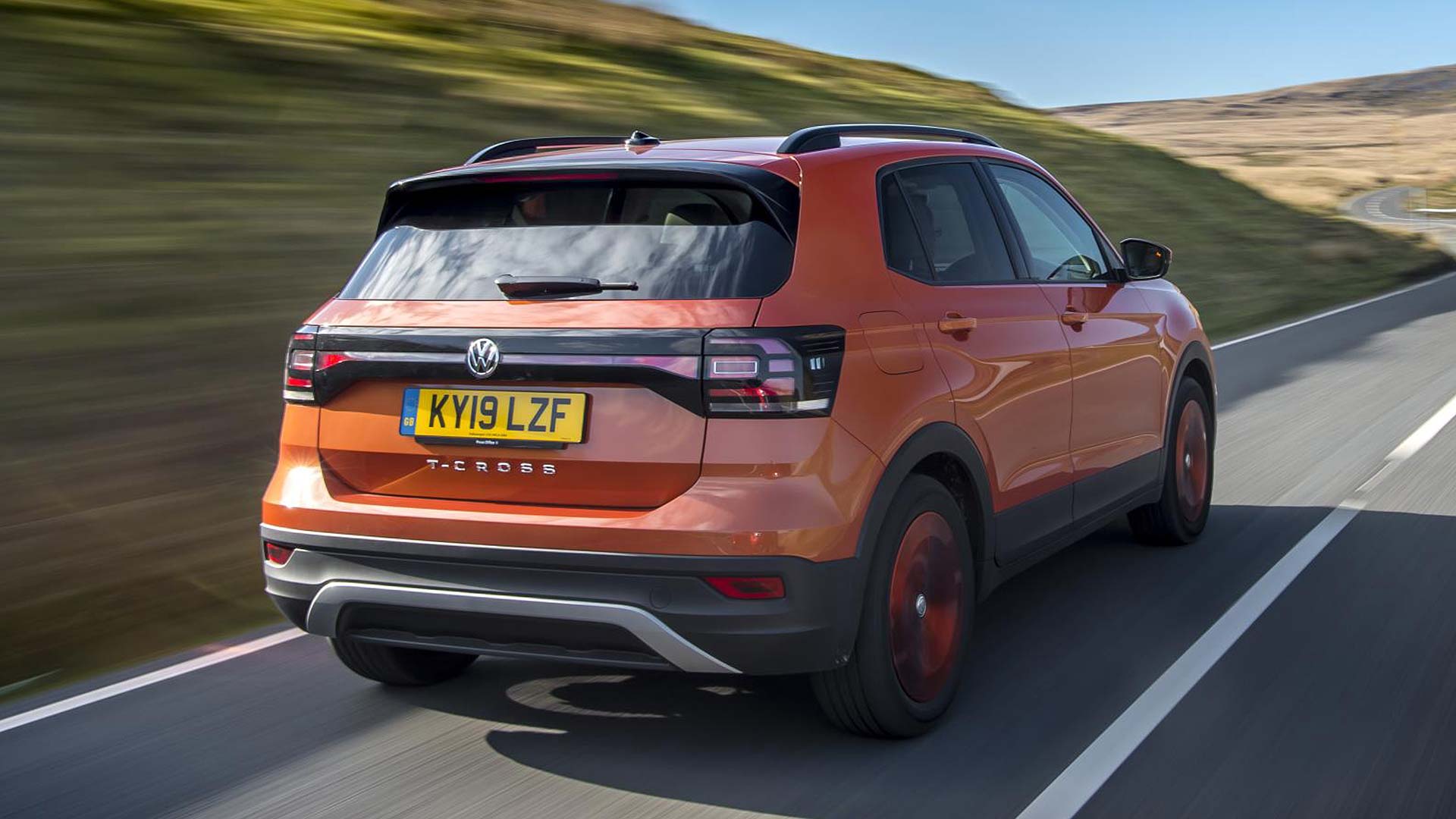
Helpfully, Volkswagen makes comparisons easy. A T-Cross 1.6 TDI 95 SE, with a five-speed gearbox and 95hp output, costs £21,065.
A turbo petrol-powered T-Cross 1.0 TSI 95 SE, with, erm, a five-speed gearbox and 95hp output, costs £18,815.
That’s a whopping £2,250 premium for diesel, right away. And this is a cutting-edge turbo petrol engine, too, not some wheezy old clunker.
You can narrow the gap to £1,500 by choosing the 1.0 TSI 115 six-speed 115hp variant, but that’s not quite a fair comparison (and insurance is two groups higher, 10 versus 8), so we won’t.
Ah, but diesel has an economy advantage, right? That’s the whole point of picking diesel instead of petrol, no? Well, not really. The TSI 95 does 47.9-48.7mpg on the new WLTP cycle. The TDI 95 does 51.4-53.3mpg.
8 percent better economy, for a 12 percent higher list price.
Tax is taxing
It gets worse. Because the government hates diesel, it charges fleets 30 percent BIK company car tax. The petrol car is rated at 26 percent. As the tax take is based on the list price, dearer cars are taxed more.
For the 20 percent taxpayer who may get a T-Cross as a company car, this means a yearly tax bill of £978 for petrol… and £1,263 for diesel. A £285 difference, or almost £24 a month.
And for 40 percent taxpayers, it’s £571 a year, or nearly £48 a month.
Quite apart from the fact diesel is also noisier, rattlier and generally less pleasant to live with than Volkswagen’s world-class 1.0 TSI engine, it’s not hard to see why new diesel sales are dropping.
People bought them to save money. More parsimonious petrols and burdensome tax penalties mean that’s no longer the case. It’s no wonder savvy British motorists are moving away from them in droves.
Question is, can anything now save the diesel?