Home Blog Page 37

How to secure your car with an OBD port locking device

4
How to secure your car with an OBD locking device

Car crime has become increasingly sophisticated, with thieves using the On-Board Diagnostics (OBD) port fitted to modern cars to start the engine and drive away.

The problem has made headlines, typically with attention-grabbing videos of how quick and easy the process of stealing a car can be. 

Read on for our guide to what this kind of car crime means – and the measures you can take to protect your car from OBD port theft.

What is an OBD port?

OBD port locking devices explained

An On-Board Diagnostics port is a standard connector used to access information from the various sensors and electronic components inside a car. 

The earliest OBD ports were introduced in the 1970s, and they became more prevalent on American cars of the 1980s. Legislation introduced in California in 1988 required all new cars sold in the state to have basic OBD compliance. 

By 1996, this regulation had spread to all new cars sold in the USA, as part of the OBD-II specification. 

In 2001, the European Union also introduced a requirement that all new petrol cars must offer OBD access. New diesel-powered vehicles were included from 2003. This standard is often referred to as EOBD.

What can an OBD port be used for?

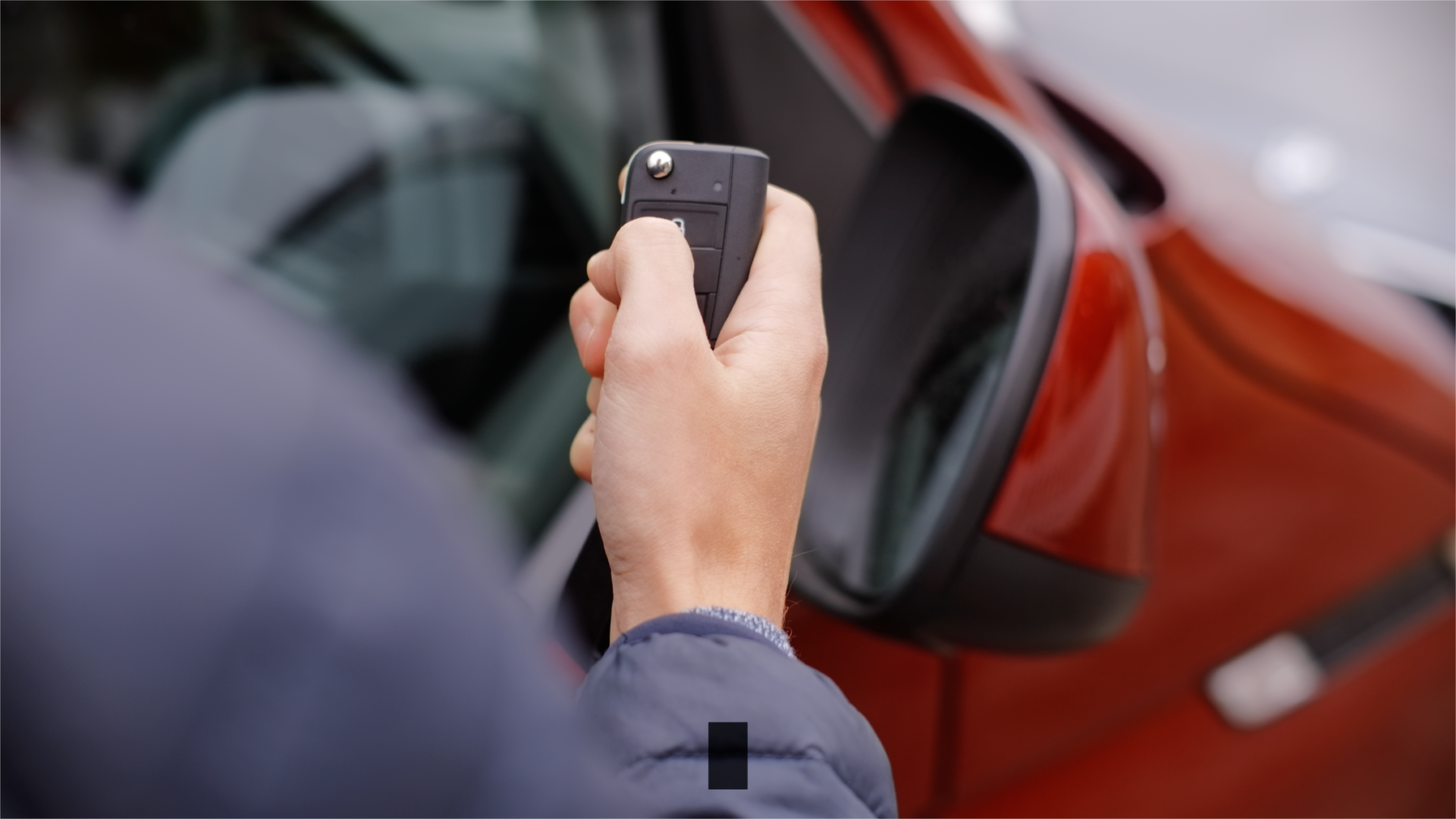
A person holds two car key fobs with lock buttons. The background shows a blurred car interior, including a steering wheel.

The basic idea of an OBD port is to allow car manufacturers, garages and owners easy access to diagnostic information about the vehicle. This is done via plugging a device into a port with a common design. 

When a fault occurs, an OBD reader can be used to scan for error codes that have been logged by the car. These correspond to a specific list of problems, which helps to narrow down what might have caused the issue. 

The OBD port may also be used to upload information to the car’s Electronic Control Unit (ECU). Manufacturers can update software this way, while tuning companies use it to remap the ECU for extra performance. 

Programming replacement car keys, should a new spare key be needed, can be done via the OBD port as well.

Why is the OBD port a theft risk?

OBD port locking devices explained

The rules around OBD ports mean that car manufacturers cannot restrict their access, or make them hard to locate inside a car. For professional car thieves, this delivers a potentially efficient way to steal a vehicle. 

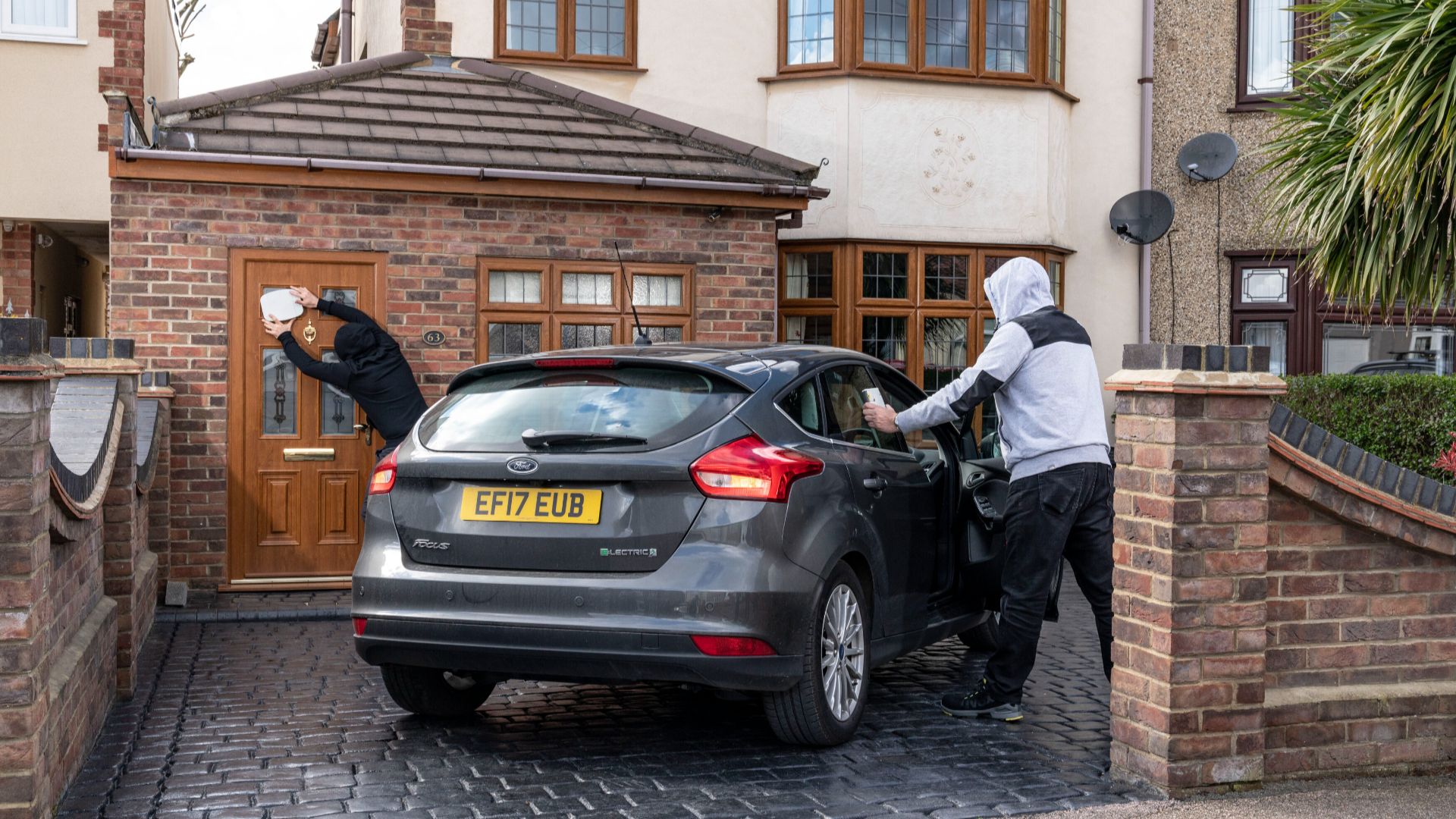
Criminals are able to plug commercially available devices into the OBD port, either by breaking the window or picking the door lock. With access to the car’s electronic brain, the OBD tool can be used to programme a blank key fob to work with the car.  

This allows a thief to steal the vehicle without needing the original keys. Worryingly, the whole process can take just a few minutes.

How common is OBD car theft?

OBD port locking devices explained

Thefts using OBD ports are just one of the methods used by professional car criminals. Exploiting keyless entry and start systems through relay devices is a tactic many people are aware of, but OBD thefts are also a problem. 

The early 2010s saw many BMW models stolen specifically through OBD weaknesses. Criminals found a black spot in the ultrasonic alarm system, which allowed them to break a window and attach an OBD device without detection. BMW later introduced several software updates to tackle the problem. 

A variety of Ford models have also been targeted, including the previous-generation Fiesta and Focus

Ford fitted newer cars with an upgraded security system to prevent key cloning. This sounds the alarm and locks down the vehicle software for 10 minutes should an unauthorised device be attached to the OBD port.

What is an OBD port locking device?

OBD port locking devices explained

Older cars can still potentially be vulnerable to OBD theft, while commercial vehicles are often targeted. Several manufacturers, including Ford, recommend the fitment of a physical OBD port locking device. 

OBD locks come in different types, dependent on the type of access needed and the level of protection required. 

Physical OBD locks cover the port itself, typically encasing it with solid metal. An access panel can be opened using a key, while other types have a combination lock. These do not stop the OBD port from working, but prevent thieves from simply plugging a device into them.

Electronic OBD locks are more advanced, and work with the standard engine immobiliser. Turning the car off, and engaging the immobiliser, sees the locking device prevent communications between the ECU and OBD port. This stops the port being used to programme new keys or other functions. 

Some electronic OBD locks require a special transponder-equipped authorisation card to be presented in order to operate the port.

What to consider when fitting an OBD lock
Car crime

Fitting an OBD locking device should be relatively straightforward. If your car is still under warranty, it is best to check with the manufacturer that adding the device will not affect your cover. 

Once installed, you will also need to ensure that mechanics or dealership technicians can access the port for maintenance or servicing. 

Given the numerous options available, a local car security expert should be able to offer more detailed advice.

What other options are there?

OBD port locking devices explained

Relocating the OBD port from the standard, easily accessible location is a popular option. An OBD wiring extension can be used to reroute the port to a different place in the car (often inside the glovebox). 

This allows the OBD port to still be accessed for servicing, but will hopefully confuse criminals long enough for them to give up.

Fitting extra security equipment to your car, such as an improved alarm system or physical steering lock, can also help deter thieves. 

ALSO READ:

How to protect your car from catalytic converter theft

Easy ways to save money on motoring

Your EV questions answered on Motoring Electric

Advertisement

New Toyota GR Yaris Aero Performance CONFIRMED for UK

0
Toyota GR Yaris Aero Kit

If your Toyota GR Yaris doesn’t look distinctive enough, how about the new factory-approved aero kit – which, after causing a sensation in Japan, is now officially coming to the UK?

The official ‘Aero Performance Package’ was developed by Toyota Gazoo Racing, with input from professional racing drivers using the car in motorsport. 

Competing in the Super Taikyu Series, along with the Japanese Rally Championship, provided Toyota with insights on how to improve aerodynamic performance and cooling. 

Japanese enthusiasts can already order the GR Yaris with the aero kit fitted. Now Toyota has now confirmed UK fans will have the chance to own the Aero Performance model, too.

Motorsport-inspired modifications

Toyota GR Yaris Aero Kit

Toyota Gazoo Racing has left almost no part of the turbocharged hot hatch untouched in its aero makeover.

This starts with a lightweight aluminium bonnet, which gains a new air duct designed to remove heat from the engine bay. The part is a direct copy of the carbon fibre bonnet used on the GR Yaris in the Japanese Rally Championship.

A new splitter has also been added, following feedback from racers in the Super Taikyu Series. This should reduce lift, keeping the front of the GR Yaris more planted.

Keeping calm under pressure

Behind the front wheelarches, Toyota Gazoo Racing has sculpted new ducts to extract air that accumulates around the wheels. Doing so is said to improve steering feel, and boost stability on corner entry.

Demonstrating the level of detail that has gone into the new aero kit, even the underside of the GR Yaris has received attention. 

A bespoke cover now sits beneath the fuel tank, smoothing airflow underneath the car to boost aerodynamic efficiency.

No snaking allowed

Toyota GR Yaris Aero Kit

At the tail of the GR Yaris, it is hard to miss the addition of an adjustable rear spoiler. According to Toyota, the new wing contributes to high-speed stability, and even ‘suppresses snake-like movement’. 

Adjusting the spoiler means the GR Yaris can be tailored to suit track driving or daily use as needed. 

Finally, a set of new ducts are added to the rear bumper to reduce its ‘parachute effect’ on drag. This was discovered after a car in the Super Taikyu Series lost its bumper mid-race.

Heading to the UK in 2026

Toyota GR Yaris Aero Kit

Following its public debut in Nagoya, Japan, Toyota dealerships in the country began accepting orders for the aero-enhanced GR Yaris on 1 October 2025. 

Toyota has also revealed the upgraded version of the rally-bred hot hatch will go on sale in the UK, but only in strictly limited numbers. Deliveries will begin in March 2026.

Prices for the GR Yaris Aero Performance model start at £48,995, and all cars will come equipped with a motorsport-style vertical handbrake.

ALSO READ:

Toyota has built a GR Yaris rally car powered by hydrogen

All we want for Christmas… is a Tamiya remote control GR Yaris

Toyota GR Yaris 2025 review

Advertisement

Citroen’s famous VTR badge is back… on a van

0
Priced from £42,745, the Citroen Dispatch VTR features sporty styling upgrades inside and out

Citroen has announced a special new version of its Dispatch van that celebrates the marque’s sporting heritage.

The Dispatch VTR Special Edition was inspired by Citroen’s back catalogue, with bespoke body styling and a revamped interior. 

The VTR badge was previously worn by Citroen performance models such as the Saxo, C2 and Xsara. 

Its comeback coincides with the French brand’s return to motorsport, as Citroen enters season 12 of the electric Formula E series.

A sporty special delivery

Citroen Dispatch VTR Van

Offered for both panel van and crew cab variants of the Citroen Dispatch, the VTR Special Edition comes with a front splitter, side skirts with integrated mud guards, and a rear roof spoiler.

There is also a restyled rear bumper, along with a set of diamond-cut ‘Dynamic’ 18-inch alloy wheels fitted with high-load-capacity Nankang tyres.

Inside, Citroen has fitted ‘eco leather’ seats with sporty red stitching, which are embossed with the VTR logo.

The Comfort Pack is included, adding dual-zone climate control, keyless entry and wireless smartphone charging. There is also a heated leather steering wheel, plus a heated seat for the driver.

Diesel or EV power available

Citroen Dispatch VTR Van

Buyers will be able to choose from Icy White, Perla Nera Black and Blue Lagoon paint colours, all combined with the unique VTR livery

There is also a choice between diesel or fully electric power for the Dispatch VTR van.

Prices for the 2.0-litre BlueHDi diesel start from £42,745 in panel van form, with the electric e-Dispatch costing £46,845. The latter is after the Plug-in Vehicle Grant has been applied. 

Greg Taylor, managing director of Citroen UK, said: “Citroen’s track record of supporting SMEs continues with the Dispatch VTR, a new halo vehicle of our LCV line-up. This exciting new van brings fun and accessibility to the commercial vehicle market through stand-out sporty styling that lives up to the heritage of the iconic VTR name.”

ALSO READ:

The Citroen H-Type van returns as an EV

Sleepers: Citroen Saxo VSX Auto

Falling in love again: driving the classic Citroens my dad owned

Advertisement

How to drive past horses safely on the road

0
How to pass horses safely on the road

Most car drivers understand the need to pass a horse ‘wide and slow’. Unfortunately, for some motorists, the message doesn’t seem to have got through.

Statistics from The British Horse Society reveal 58 horses died and 97 were injured on UK roads in 2024. A total of 80 people were injured, too. Some 3,118 incidents were reported to the equine charity over the 12-month period, with 81 percent due to vehicles passing too closely.

The deaths and injuries come despite new Highway Code guidance for equestrians, introduced in 2022. This states that vehicles must pass horses at no more than 10mph, and at a minimum distance of two metres.

The British Horse Society outlines four simple steps to take when passing a horse on the road:

  • Slow down to a maximum of 10mph
  • Be patient – DO NOT sound your horn or rev your engine
  • Pass the horse wide and slow, allowing at least a car’s width between your vehicle and the horse if possible.
  • Drive slowly onwards

‘Expect the unexpected’

Pass a horse wide and slow

Road safety charity IAM RoadSmart has also issued advice on how to pass a horse safely on the road. It says drivers should expect the unexpected, and give the horse and rider plenty of room.

Jaimi McIlravey, a horse rider and digital content executive at IAM RoadSmart, said: “Please continue to be careful when driving close to horses. From personal experience, it’s not always a car that will spook a horse.

“You may be driving safely with enough gap between yourself and a horse and rider. However, something else may scare them, so be sure to stay alert.”

How to overtake a horse safely

Horse taken on a test drive

Here are some easy-to-follow tips for passing a horse or group of riders on the road:

  • Slow down and hold back. The rider will indicate whether it is safe to approach and overtake. If they don’t, stay at least three car-lengths behind and be careful to not move into this space. Be prepared to slow down further or stop – any sudden movements or loud noises could upset the horse
  • Take extra care on rural roads – a horse could be around the next corner
  • Allow at least a car’s width when passing a horse and stick to a 10mph maximum, as stated in the Highway Code
  • On a narrow lane, where there isn’t enough room to pass a horse, the rider may decide to trot to the nearest gateway or grass verge. Do not accelerate to match the trot – stay back
  • If you see two riders side by side, it might be for safety reasons. Give them some consideration
  • Keep an eye out for signals from the horse rider
  • Accelerate gently when passing the horse and when moving away

If you are approaching a horse from the other side of the road, slow down and consider the use of hazard warning lights to alert any drivers behind you.

Above all, be patient and respectful. Saving a few seconds off your journey could endanger the life of a horse and its rider.

ALSO READ:

How to drive safely with dogs in your car

Know your APR from your PCP: an easy guide to car finance jargon

Young Driver training tested: helping kids be safer on the road

Advertisement

Lamborghini Fenomeno stars at new flagship London showroom

0
The new flagship Lamborghini Mayfair showroom in Berkeley Square, London, has opened its doors this week.

Lamborghini has opened a new flagship UK showroom in Berkeley Square. The Lamborghini Mayfair site is positioned just across the road from arch-rival Ferrari, making life simpler for London’s supercar shoppers.

Hosting a champagne reception for 350 of the Italian marque’s best customers, Lamborghini CEO Stephan Winkelmann toasted a “true destination showroom” that will complement the existing dealership in South Kensington. 

“The UK is consistently in our top four markets worldwide,” added Winkelmann. “This London location also connects with our international clientele who regularly frequent this capital city.”

Fenomeno makes London debut

The dramatic backdrop for the Mayfair opening was a new Lamborghini Fenomeno: the 1,080hp hybrid hypercar that is limited to 29 examples worldwide. 

According to Davide Sfrecola, head of Lamborghini UK, three cars from the production run – priced at upwards of £3 million each – were sold in London.

Visitors could also get up close with the new Lamborghini Temerario, which replaces the Huracan as Lamborghini’s ‘baby’ supercar. Powered by a turbocharged V8 and three electric motors, the Temerario serves up 920hp for 0-62mph in 2.7 seconds and a top speed of 207mph. Come back to Motoring Research for a full review early next month. 

A hub for Lamborghini owners

The new showroom is owned by H.R. Owen, which also operates dealerships for luxury automotive brands such as Aston Martin, Lotus, Maserati and Rolls-Royce. 

Mayfair joins 11 other Lamborghini showrooms across the UK, including sites in Tunbridge Wells, Chelmsford, Bristol, Manchester and Edinburgh. “Each dealership might sell 30-50 vehicles a year,” says Davide Sfrecola, “but they also act as hubs for owners to meet, make friends and drive their cars.”

A total of 806 Lamborghinis were sold in Britain last year, split between the V12 Revuelto, outgoing V10 Huracan and hybrid V8 Urus SE SUV.  Customers typically added around 30 percent to the base price of each car in personalisation, helping Lamborghini achieve record revenues of €3.09 billion (£2.69 billion) in 2024. 

This time it’s personal

To get a taste of the options available, we’re taken downstairs to the ‘Ad Personam’ lounge by Lamborghini’s customisation experience manager, Camilla Keim. “Almost every Revuelto we sell has at least one item from Ad Personam,” she explains. “It’s the cherry on the cake for our clients.”

Lamborghini offers more than 400 off-the-shelf paint colours, including special multi-layered ‘chamaeleon’ shades that change colour in the sunlight. However, you can also choose a completely custom colour. “The story behind our Verde Scandal green is that an Italian model visited Lamborghini HQ and ordered a car in the same colour as her dress,” recounts Sfrecola. “Apparently, she took off her dress right there and left it with them – hence the ‘scandal’.” 

Other Ad Personam touches range from paint containing genuine diamond dust to one-off cars with unique bodywork and interior trim – “the haute couture of personalisation,” says Keim. 

Lamborghini Mayfair will offer two Ad Personam appointments per day, one in the morning and one in the afternoon, catering for those who want to make their new supercar or SUV more individual. The rest of us will just have to enjoy gawping through the windows. You can find the showroom on the corner of Bruton Street and Berkeley Square, W1.

ALSO READ:

Lamborghini Urus SE 2025 review

Bull fight! Living the Lamborghini dream on the road and racetrack

Sympathy for the Devil: How Eccentrica reinvented the Lamborghini Diablo

Advertisement

Chevrolet Bolt EV makes a shock return for 2027

0
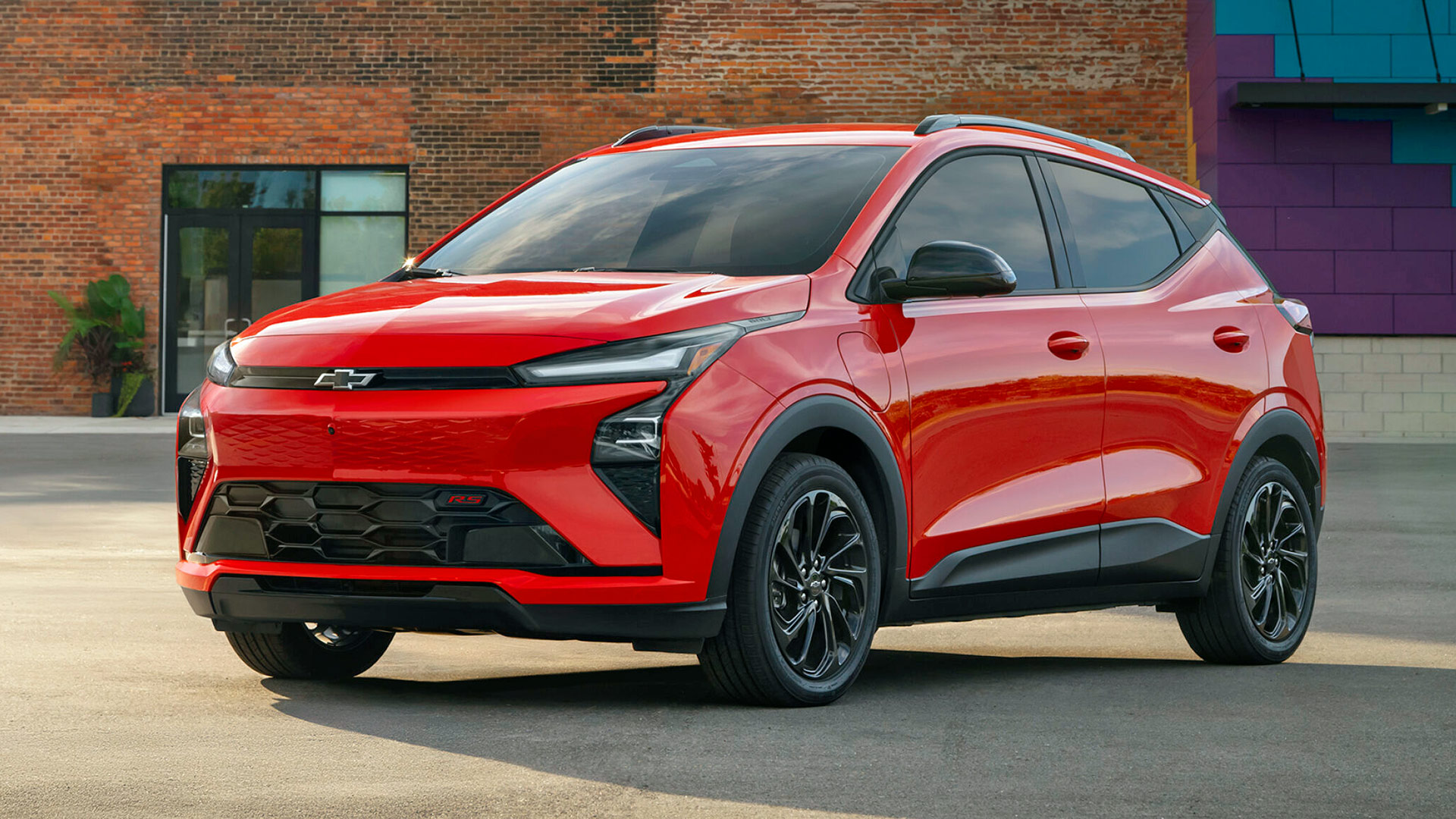
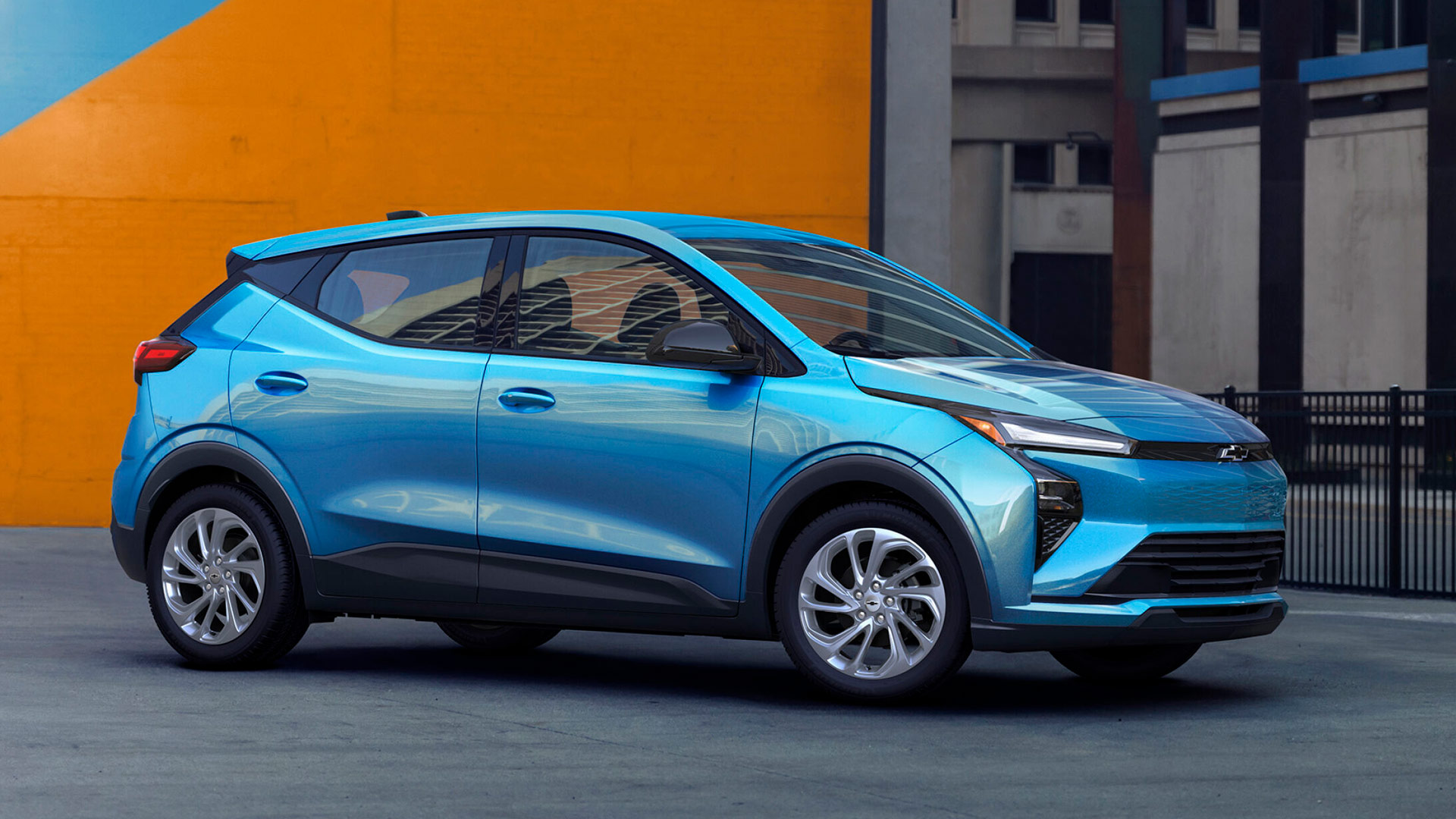
The electric Chevrolet Bolt will return for the 2027 model year, with prices starting from under $30,000

Nearly two years after it was discontinued by General Motors, the Chevrolet Bolt EV has made a dramatic comeback. 

Set to cost from just $29,990 in launch trim, the Bolt will be one of the cheapest electric cars on sale, following the end of federal EV tax credits.

Originally launched in 2017, the first-generation Bolt was a major success story for Chevrolet, with more than 60,000 examples sold before production ended in 2023. 

With keen prices, and the promise of an official range of 255 miles when fully charged, Chevrolet will hope for a repeat performance from the reborn electric Bolt.

A Bolt from the blue

2027 Chevrolet Bolt EV

Powering the 2027 Chevrolet Bolt will be a 65 kWh battery pack, which is connected to a 210 hp motor mounted on the front axle. No performance figures have been quoted, but battery range and charging are likely to be more important to Bolt buyers. 

The Bolt becomes the first ever Chevrolet to be fitted with a North American Charging Standard (NACS) port as standard. This allows access to an array of different DC public fast chargers, including Tesla Superchargers, at speeds of up to 150 kW.

Being connected to a DC fast charger will allow the new Bolt to replenish its battery from 10 to 80 percent in 26 minutes. 

Fully charged, the Bolt should be capable of up to 255 miles, based on Chevrolet’s initial estimates. Built-in Google Maps navigation will take battery charge into account when planning routes, too.

Google integration inside

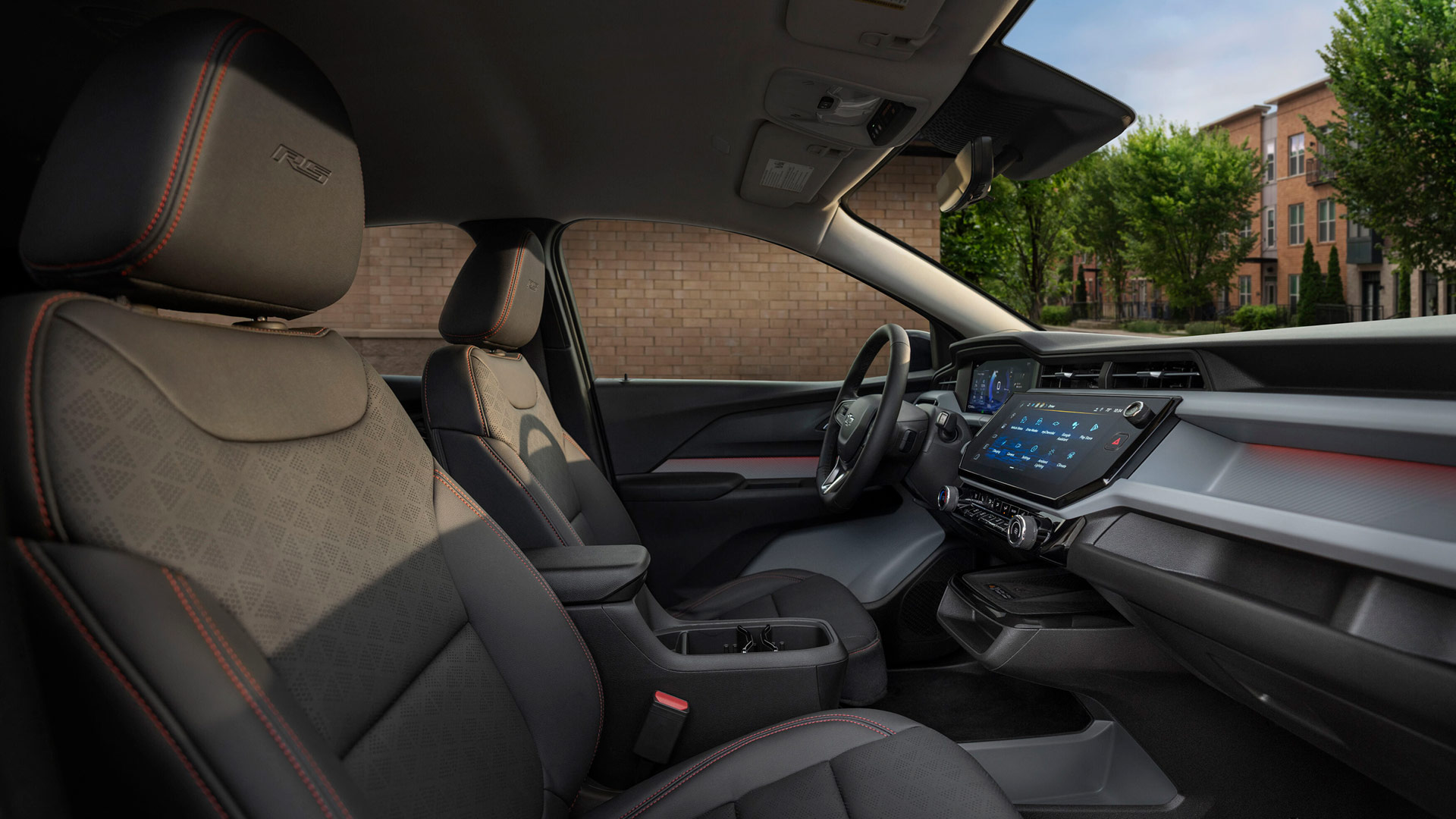
2027 Chevrolet Bolt EV

Google applications form a major part of the Bolt’s infotainment system. Chevrolet’s Super Cruise driver assistance technology is also integrated with Google Maps

The navigation software will show Super Cruise-enabled routes, telling drivers how many minutes of a road trip can be driven hands-free.

Voice commands can be used to set the climate control, change seat heating temperature, and even operate a remote garage door opener. 

An 11.3-inch central touchscreen is standard, which is supported by an 11.0-inch digital instrument panel. To help pass the time when charging, applications such as Angry Birds, Prime Video, and HBO Max can be accessed through the Google Play store.

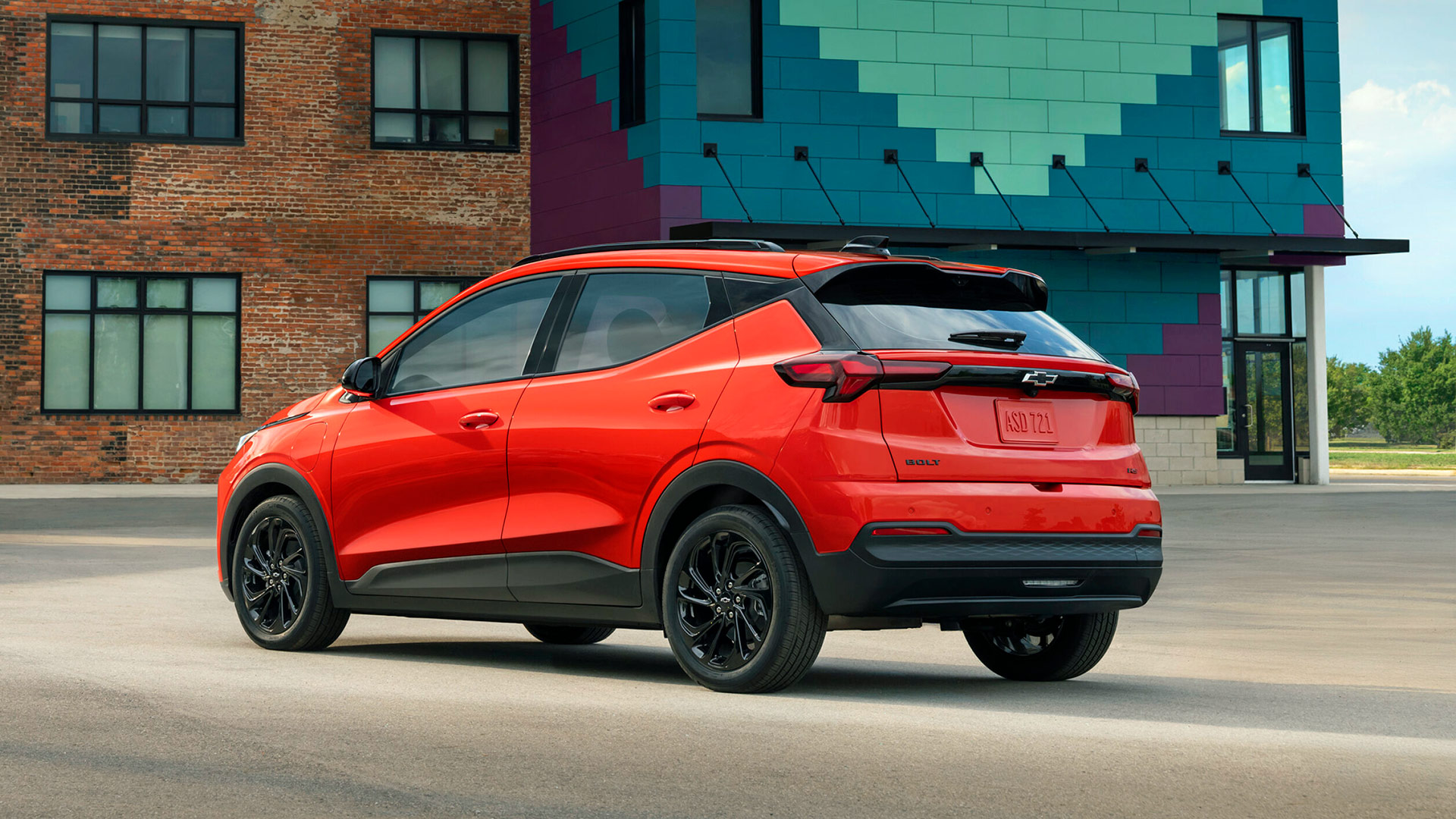
2027 Chevrolet Bolt EV

“The Chevrolet Bolt was the industry’s first affordable mass-market, long-range EV and it commanded one of GM’s most loyal customer bases thanks to its price, versatility and practicality,” said Scott Bell, vice president of Global Chevrolet.

“After production ended, we heard our customers’ feedback and their love for this product. So the Bolt is coming back – by popular demand and better than ever – for a limited time.”

The first examples of the Chevrolet Bolt LT will be available earlier in the new year, along with a sportier-looking RS trim for the first time. 

Later in the model year, a cheaper 1LT version of the Bolt will join the lineup, with a bargain starting price of $28,995.

ALSO READ:

Tesla reveals cut-price Model 3 and Model Y

Ram hits the brakes on its electric pickup trucks

Overfinch to build ‘most expensive Range Rover ever sold’

Advertisement

Car insurance auto-renewal costs drivers £560m a year

0
UK drivers are typically charged an extra £82 a year when it comes to renewing their car insurance

New analysis of trends in the car insurance industry finds nearly half of UK drivers still allow their policy to renew automatically. 

Some 47 percent of drivers let their car insurance policy continue unchanged during 2024: a slight fall from 52 percent in 2021. 

However, the penalty for such loyalty – or convenience, perhaps – is a collective total of £560 million in higher renewal premiums.

On average, the cost of a car insurance policy increased by £82 year-on-year, despite rule changes intended to stop ‘price walking’.

Insurance renewal costs remain high

Car Insurance Loyalty Tax

In 2022, the Financial Conduct Authority (FCA) introduced new regulations to try and prevent insurance companies charging existing customers more than new ones.  

Despite this, average renewal costs are now higher than before the FCA’s new rules were brought in. 

The average cost of a comprehensive policy in the UK now stands at £635, down slightly from a peak of £650 in late 2024.

Car insurers are now required to show the previous year’s premium price alongside the quote for renewal. Close to half of drivers surveyed said they did not notice this information, highlighting the lack of attention being paid at renewal time.

Take five minutes to shop for savings

Car Insurance Loyalty Tax

Chris Richards, car insurance expert at SimplyQuote, said: “The FCA reforms have stopped the worst renewal mark-ups, but they can’t stop people ignoring their renewal emails”.

Just under a third (30 percent) of UK drivers said they shopped around at renewal time, but opted to stay with their current insurer. Around 15 percent said that switching takes too much effort, while one in five (20 percent) believed there are no savings to be made from changing insurers. 

Insurance industry analysts believe this year will see only modest reduction in premium costs, with no major falls expected. 

“Drivers can’t assume the system will save them money,” added Chris Richards. “The only real protection against overpaying is taking five minutes to check your renewal quote. If you haven’t done that, you’re almost certainly paying too much.”

ALSO READ:

How to save money on car insurance

Car theft: what to do if your vehicle is stolen

Parking rules explained: where is it illegal to park your car?

Advertisement

Two thirds say driving should be on the school curriculum

0
The Young Driver training scheme offers lessons to youngsters aged between nine and 17 years old

The Young Driver training scheme has proposed that driving should form part of the formal school curriculum, rather than young people needing to rely on lessons after they turn 17.

It follows a survey of 2,700 parents and grandparents across the UK, which found the majority supported the idea of teaching driving in schools.

Two thirds (65 percent) of those asked believed that adding driving to the school curriculum would be a positive move.

Start drivers young to boost safety

Young Drivers School Curriculum

Young Driver has run 109 school events over the past year – with 4,500 children taking part – via its not-for-profit Young Driver Foundation.

Adrian Harding, who heads up the Young Driver Foundation, said: “The younger they begin, the more seriously they take the safety side of things. Eight out of 10 parents (82 percent) that we surveyed agree that children are more receptive to road safety concepts at an earlier age. 

“Learning to be a good driver takes time, patience and experience. And to make it accessible to all, school is the best place to facilitate that. This is something we’d like to see the government really consider if they’re serious about young driver safety.”

One-in-five newly qualified drivers in the UK crashes within the first six months of passing their driving test. By comparison, only 3.4 percent of those who have completed a Young Driver course have a car accident.

Making a real-world difference

Young Drivers School Curriculum

Young Driver’s survey also posed questions about the level of support for alternative road safety options, such as graduated driving licences. 

Adrian Harding added: “Whilst the majority (67 percent) did agree with it in some form, one in four (23 percent) said they thought with proper education, a graduated licence wouldn’t be so necessary. Having delivered more than 1.5 million pre-17 driving lessons in the UK, we have seen first-hand the difference they can make to young driver safety.”

Young Driver offers children aged nine and over the chance to drive a dual-controlled Suzuki Swift, or a similar car, with a qualified ADI driving instructor. The lessons all take place on private land, but with realistic road layouts.

ALSO READ:

Young Driver training tested: helping kids be safer on the road

Young drivers can now tackle the famous Top Gear test track

How to check UK driving test availability and book online

Advertisement

Car theft: what to do if your vehicle is stolen

0
Car crime

Nearly 63,000 vehicles were stolen in the UK last year, according to DVLA data. However, 20 percent of these (approximately 12,600 cars) were recovered within the first seven days.

Sadly, if your vehicle isn’t located during the crucial first week after a theft, the chances of getting it back drop dramatically. 

For any driver, having your car stolen is a nightmare scenario, but quick action can boost your chances of recovering it. This includes using social media to get as many eyes on the car as possible. New digital platforms such as BringBackMyCar can improve the odds still further. 

The first 24-hour window 

Car crime

Here are the three steps you should take straight away if you discover your car has been stolen:

Report the theft immediately. Contacting the police will give you a crime reference number. If the car is fitted with a tracker, alert the provider straight away. Many criminals will leave a stolen vehicle hidden nearby for a short ‘cooling-off’ period, so quick action can make all the difference to getting your car back. 

Inform your insurance company. They will need the crime reference number and may also provide advice on next steps. 

Spread the word. It may sound obvious, but being proactive can make a huge difference. Using social media sites such as Instagram, Facebook and neighbourhood WhatsApp chats can ensure more eyes are looking out for your stolen car. 

Use digital channels for car recovery 

Car crime

In the past, drivers often relied on chance. A neighbour spotting something unusual on your driveway, for instance, or the car resurfacing weeks later. Today the landscape looks different, with well-known automotive influencers setting up informal ‘alert networks’ to help track stolen cars down. 

The new BringBackMyCar platform takes this principle and makes it faster and more accessible. It allows owners to publish verified alerts, complete with photos, the car’s last-known location and distinguishing features on the vehicle.

This information is then shared across a network of users, allowing anyone who spots the car to upload a photo and notify the owner. What once relied on luck now can become becomes a coordinated, community-driven response to tackle car crime.

Prevention and trust

Car crime

Recovery is only one part of the challenge, however. Even when cars aren’t found, they often resurface into the used market with falsified histories or are broken for parts that are difficult to trace.

This is where transparency in vehicle data becomes vital. From up-to-date MOT records to proof of ownership, clear and connected information makes it harder for stolen cars to slip back into circulation. 

Pierre Tanguy, founder of the PitStop digital garage, said: “Car theft may not be going away, but the way we respond to it is changing. Acting quickly and making use of the digital tools available can dramatically improve your chances of recovery.

“Just as important is keeping your car’s history up to date, helping to build transparency and trust across the wider market for the future.”

ALSO READ:

How to prevent yourself from becoming a victim of road rage

Is it illegal to park across a home driveway?

Your EV questions answered on Motoring Electric

Advertisement

Drag-reducing kit launched for Tesla Model Y Performance

0
Available for the 2026 Tesla Model Y Performance, the new aero kit includes five different elements

Owners of the latest Tesla Model Y Performance can now specify a full aero kit, designed for more than just looks. 

California’s Unplugged Performance has developed the new multi-piece kit for 2026 model-year versions of the Tesla SUV. 

In particular, updated “Juniper” versions of the Model Y Performance are the target for these aerodynamic components, which reduce drag at the same time as generating downforce.

Fully removable, the Unplugged Performance aero kit is intended to provide an OEM-style look for the 510 horsepower Model Y.

Designed to work together

Unplugged Performance Tesla Model Y Juniper

Elements of the Unplugged Performance kit can be purchased separately, but computational fluid dynamics (CFD) analysis has been used to ensure all the parts work together. 

At the front, a new splitter replaces the existing factory item. It is claimed to enhance mid-corner handling consistency, along with toughening up the Model Y’s looks

A pair of canards attach to the front bumper, intended to manage high-pressure airflow to boost turn-in response. 

The canards are matched at the rear by a set of fins on the Tesla’s rear quarters. These minimize turbulence to improve aero efficiency.

Available to order now

Unplugged Performance Tesla Model Y Juniper

At the rear, Unplugged Performance has added a diffuser that extends the factory-spec bumper. A larger spoiler finishes off the Model Y’s makeover.

With all the parts installed, Unplugged Performance says the Model Y benefits from a 2.4 percent reduction in drag. The kit also generates 120 lb of downforce. 

Although the latter is a relatively small figure compared to high-end hypercars, it represents an improvement over the lift generated by the standard SUV.  

Orders for the new Model Y aero kit can be placed now, priced from $2,195. Fitting at Unplugged Performance’s facility in Hawthorne, California costs an extra $400. Deliveries of the first completed components are expected by the end of this year.

ALSO READ:

Tesla reveals cut-price Model 3 and Model Y

Porsche EVs to get access to the Tesla Supercharger network

308.4 mph! Yangwang U9 becomes the world’s fastest production car

Advertisement