Pro tips on how to take brilliant car photos
-
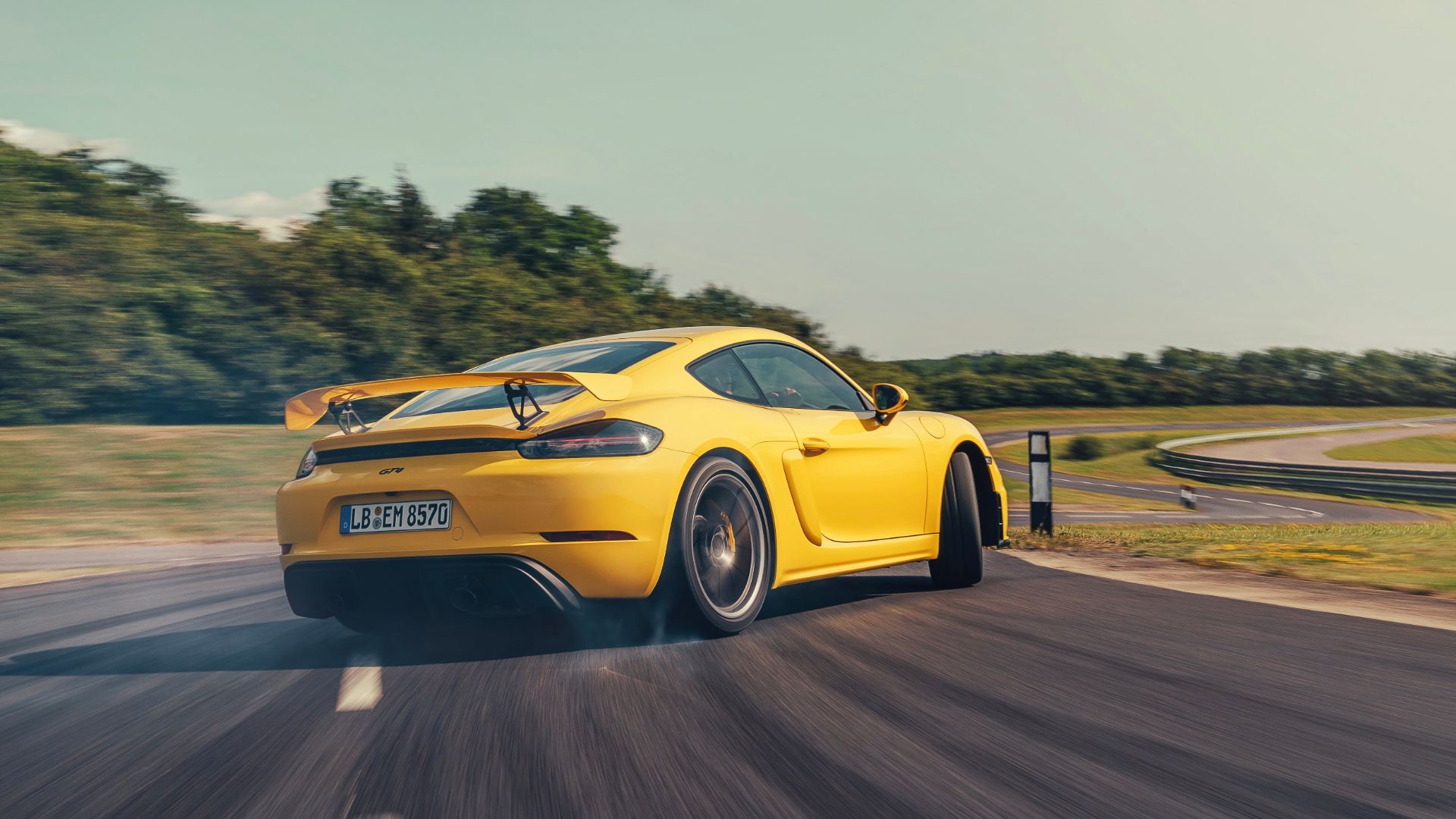
How to take great car photos
© PorscheWant to photograph cars like a professional? Official Porsche photographer Richard Pardon has shared his tips for doing just that. Here, we reveal his advice for using light, composition, photo editing apps and more – all illustrated by his amazing pictures of Porsche sports cars. Happy snapping.
-
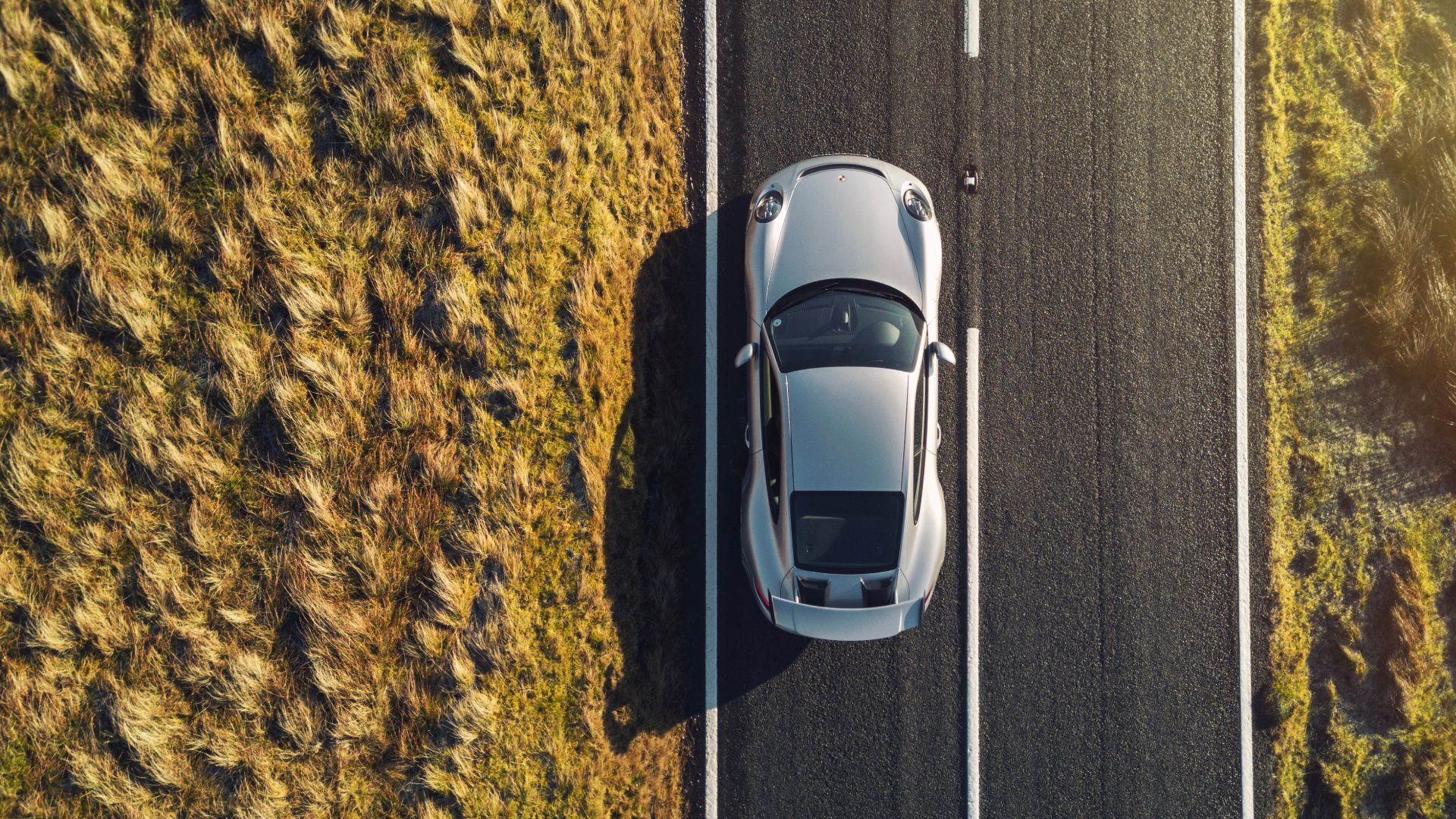
Learning from an expert
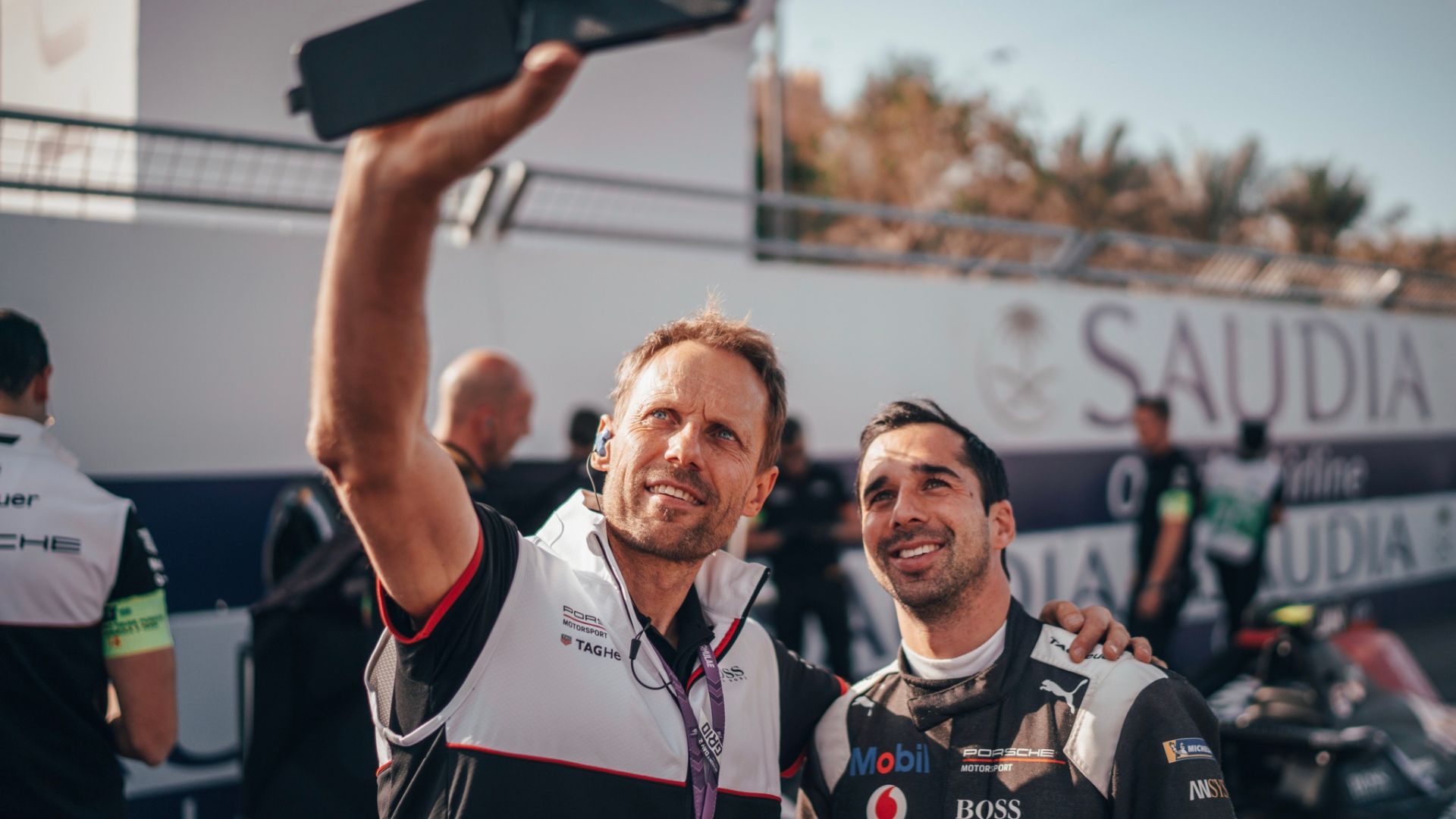
© PorscheRichard Pardon has been the official photographer for the Porsche Formula E Team and also works for several major automotive publications. His Porsche 718 Cayman GT4 image on the previous slide graced the cover of EVO magazine, for instance. Read on for some secrets of the professional car snapper’s craft.
-
Cameras and editing apps
© PorscheFirstly, you don’t need a ‘proper’ camera to take great photos – spontaneity is equally important. “I often find the photos I take on my phone are more creative,” says Richard. “Having too much choice between lenses, apertures, shutter speeds and so on can sometimes be a burden: if you think about a shot too much you can miss the moment, but with a phone you’re always ready to capture.”
-
Cameras and editing apps
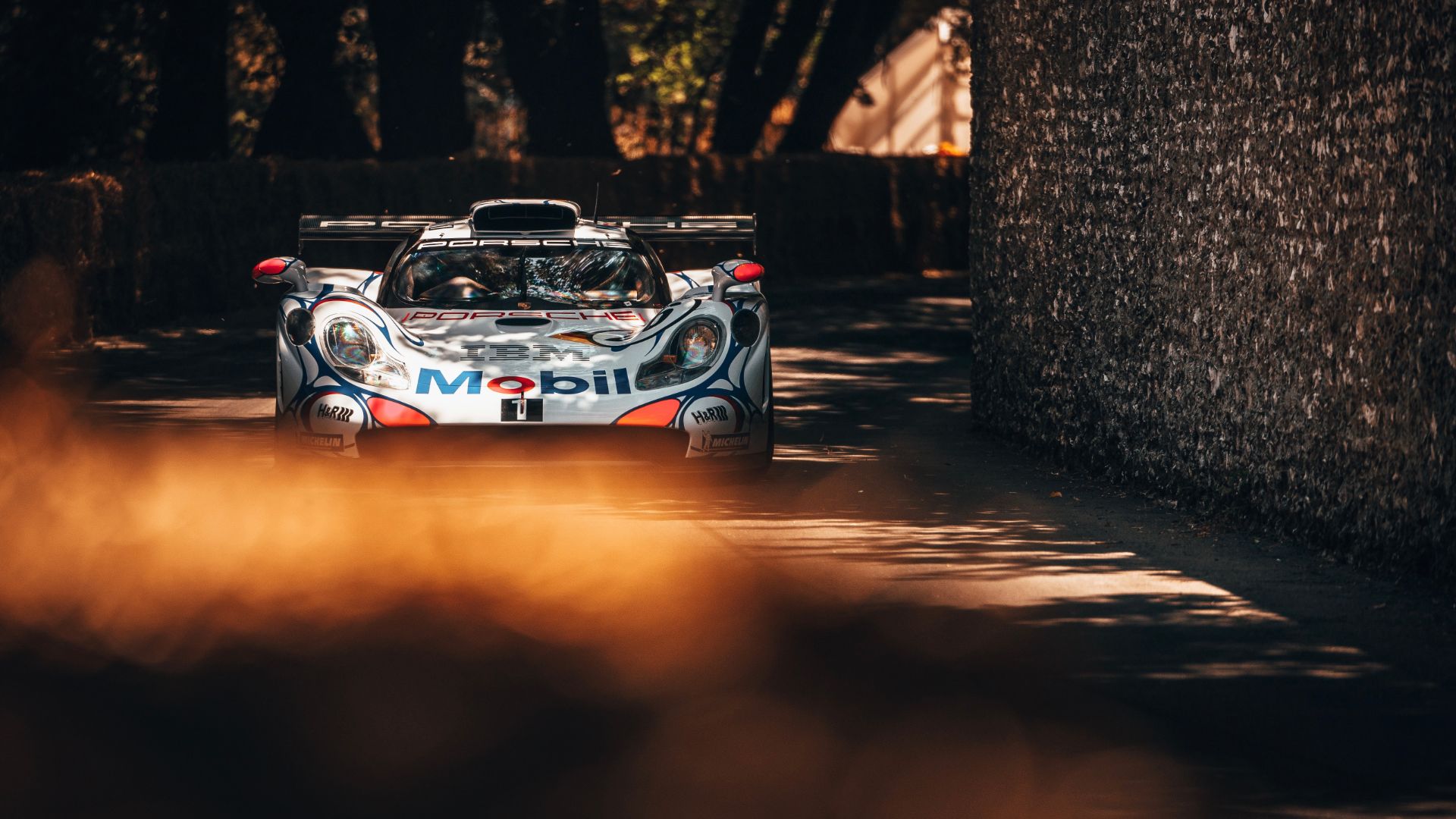
© Porsche“Phone cameras have come on leaps and bounds in recent years,” adds Richard, “and while you might not be able to blow up a phone image to the size of a billboard, they’re great for how we most commonly view images: on social media”. The key is to edit your phone images using the right apps. Here’s the fearsome Porsche 911 GT1 in action at Goodwood Festival of Speed.
-
Cameras and editing apps
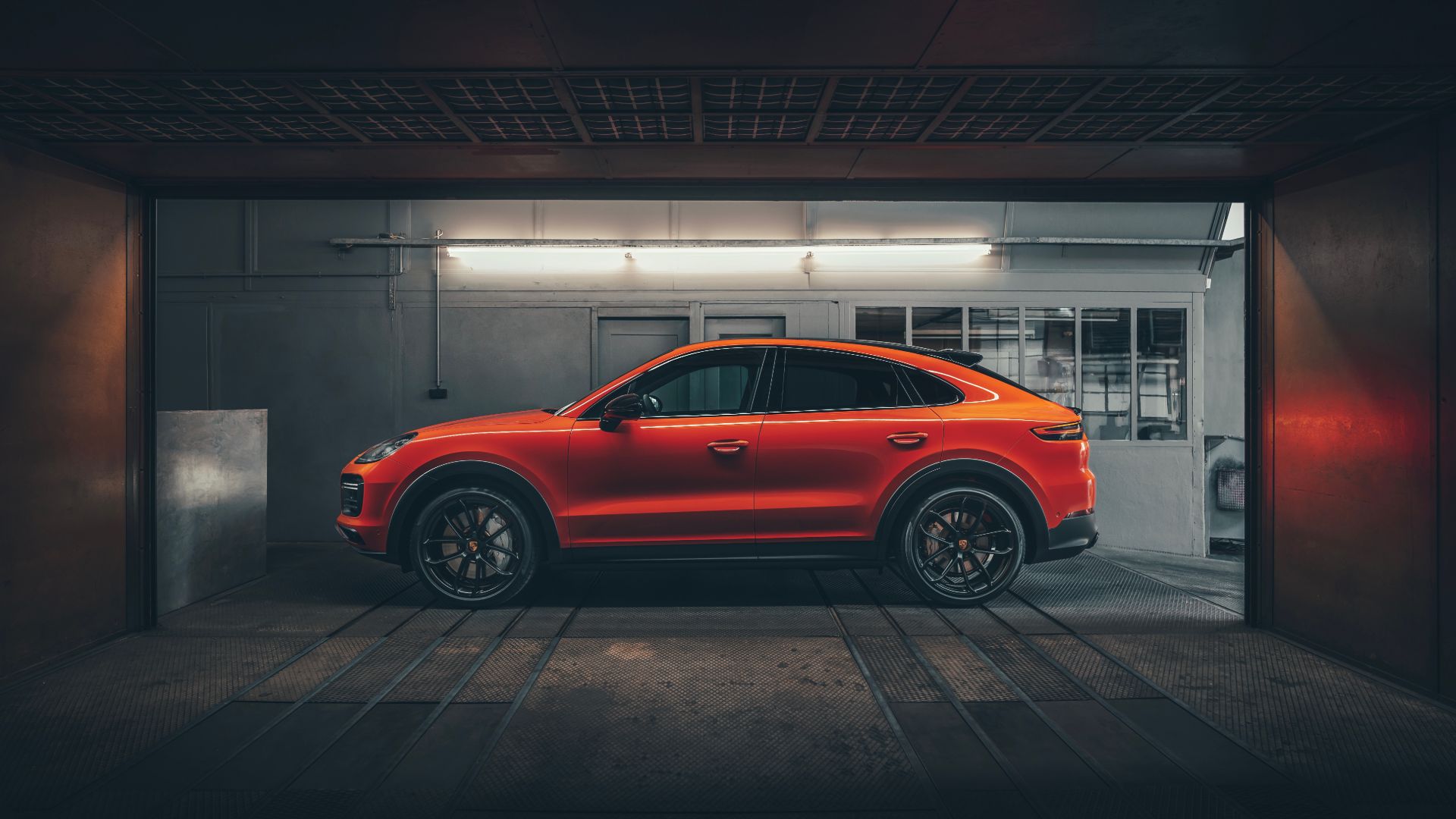
© PorscheRichard recommends the Lightroom mobile app, which allows editing on your phone and syncs with your desktop computer. As in this portrait of the Cayenne Coupe, it really makes colours ‘pop’. He also says: “VSCO is great for adding filters and creating a specific look very quickly. It is probably my favourite app for colour-toning a mobile image”. The Unfold app is useful for producing better Instagram stories, too.
-
Shutter speed
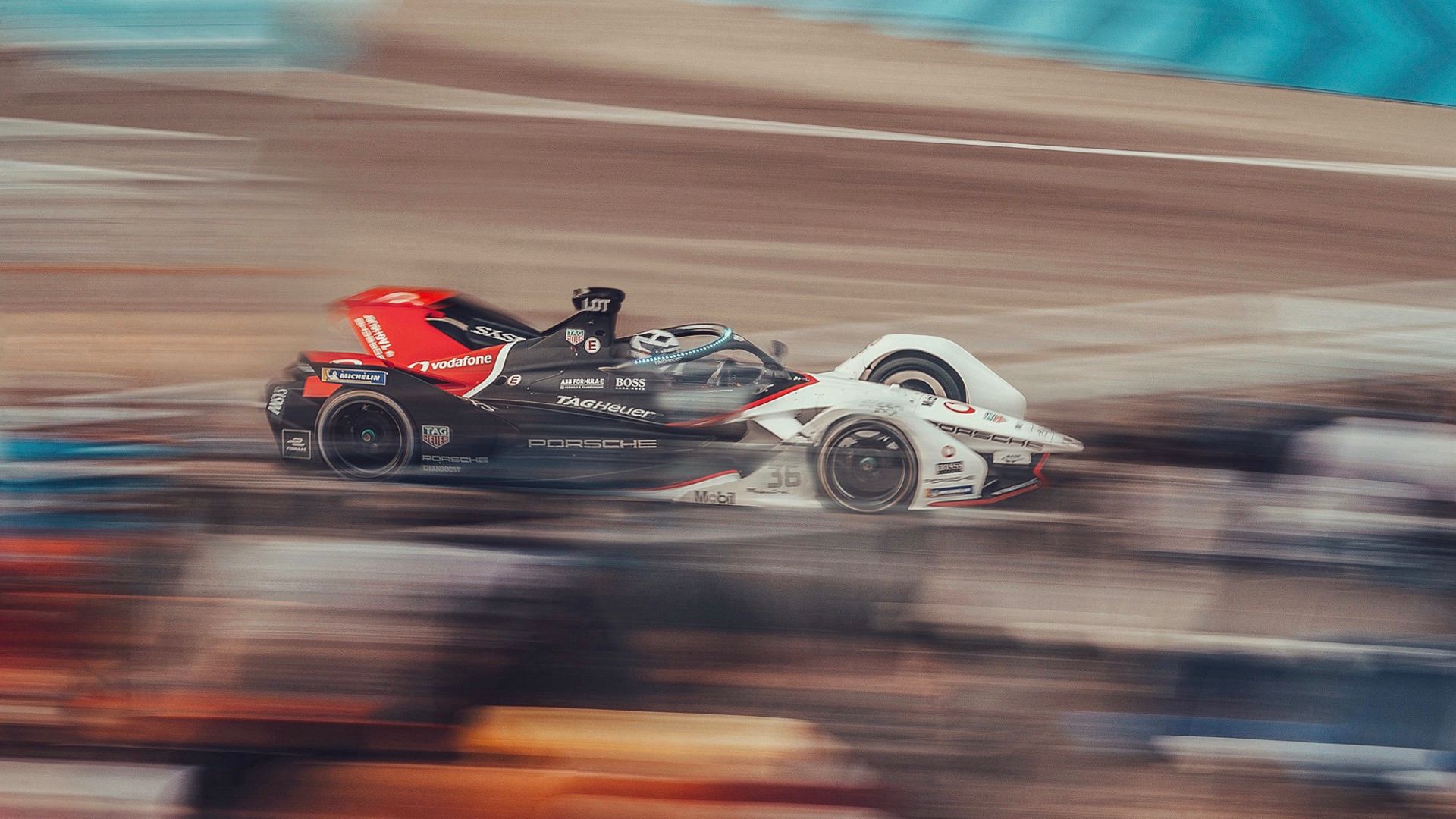
© PorscheShutter speed is how long the shutter inside the camera is open. It can be “anything from 1/8000th of a second, all the way up to half a minute,” notes Richard. If you photograph a moving car, a fast shutter speed will freeze the image, while a slow shutter adds blur – and the impression of movement.
-
Shutter speed
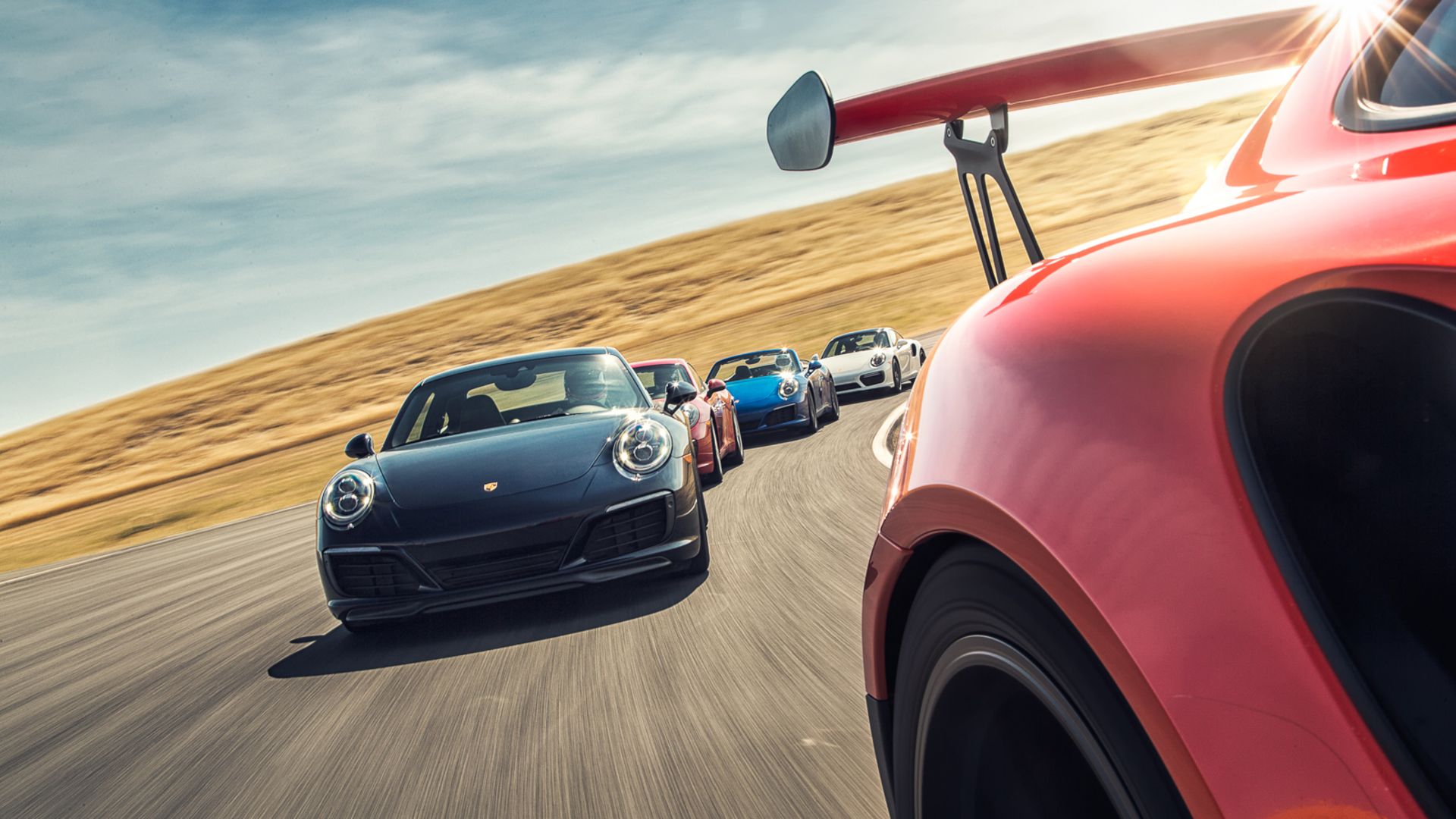
© PorscheThis image of Porsche 911s in convoy – a car-to-car tracking shot – is one of our favourites. “A slower shutter speed is needed to add motion [for tracking] – but you also need to stay as still as possible. It’s crucial that the cars move, as much as possible, in unison – and when they do, you shoot. It’s best to burst-fire: rattle off as many shots as you can, as not every one will be sharp.”
-
Shutter speed
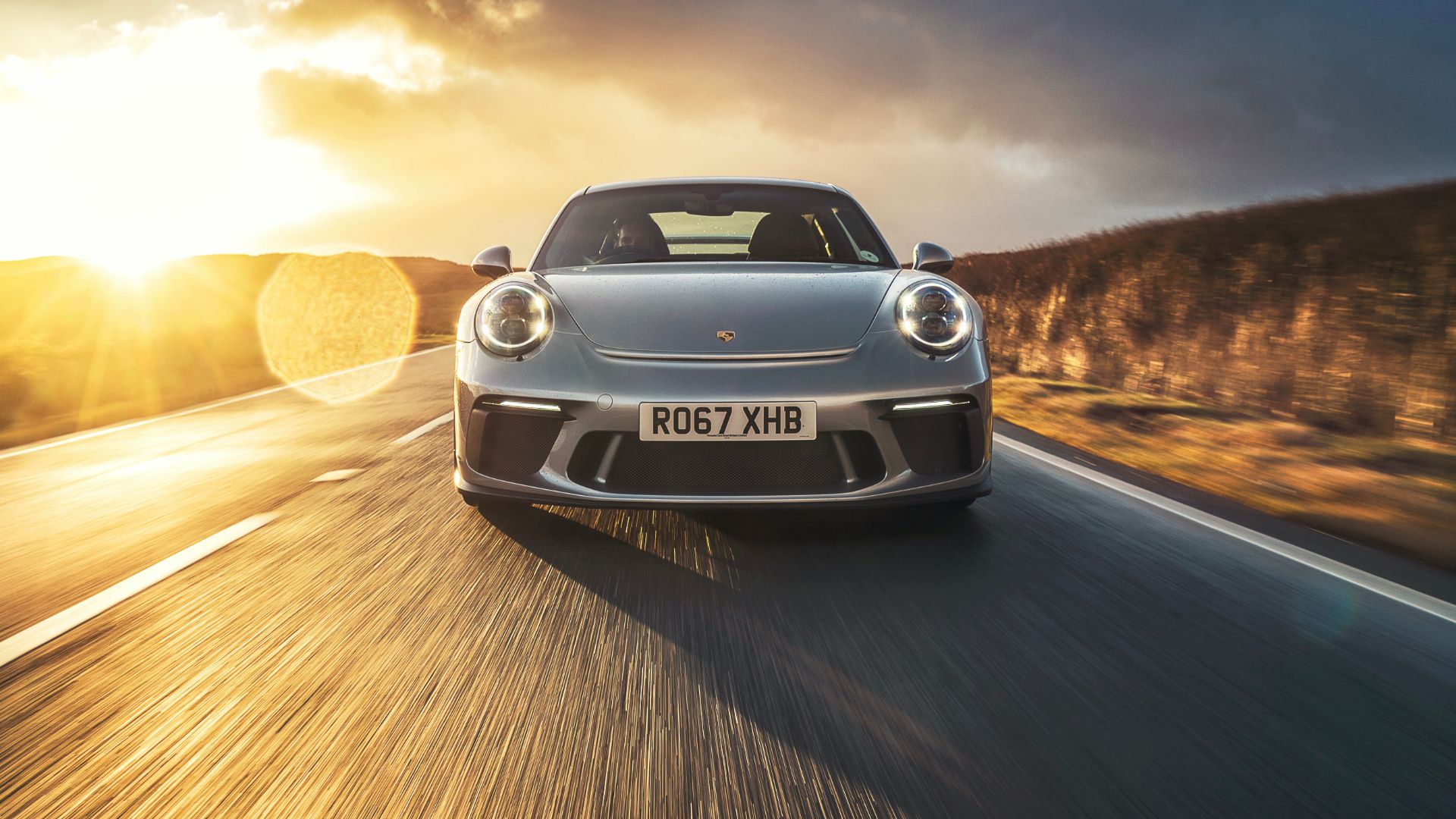
© PorscheYou also need to learn to follow a moving car with your camera (known as ‘panning’), which takes practice. Richard explains: “To add motion to an image, i.e. to illustrate a car driving past, a slower shutter speed (1/250th to 1/30th) is required. For a static image, I use a fast shutter speed (1/500th or quicker). This freezes any motion and eliminates blur.”
-
Making the most of light
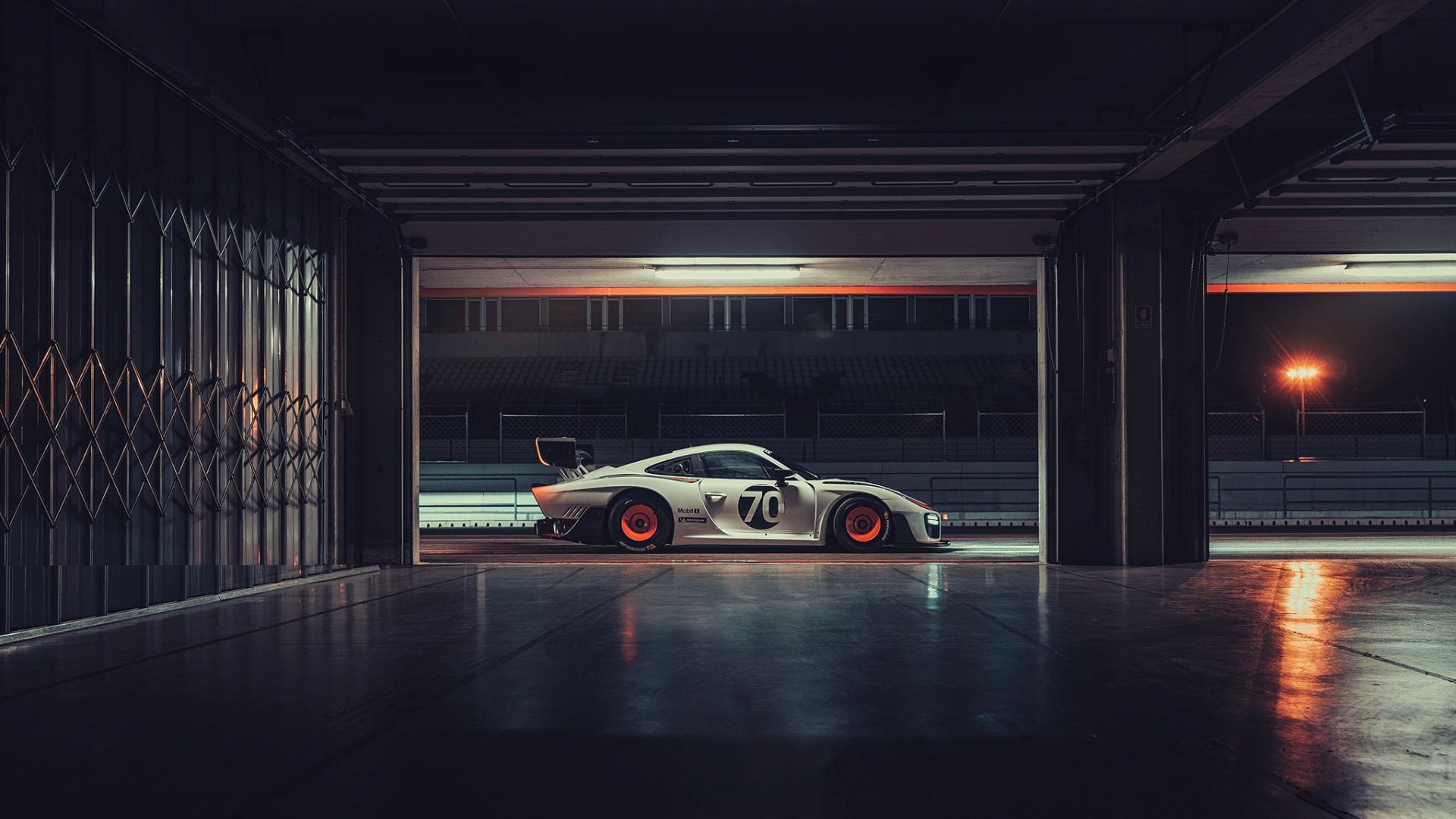
© PorscheWorking for Porsche, Richard may photograph new cars long before they’re unveiled to the public. “It’s a real privilege,” he says. “Because these are often the first images the world sees of a vehicle, it’s important to use light to showcase the design as best we can.” This is the track-only 935 evocation of 2019, based on the outgoing 911 GT2 RS.
-
Making the most of light
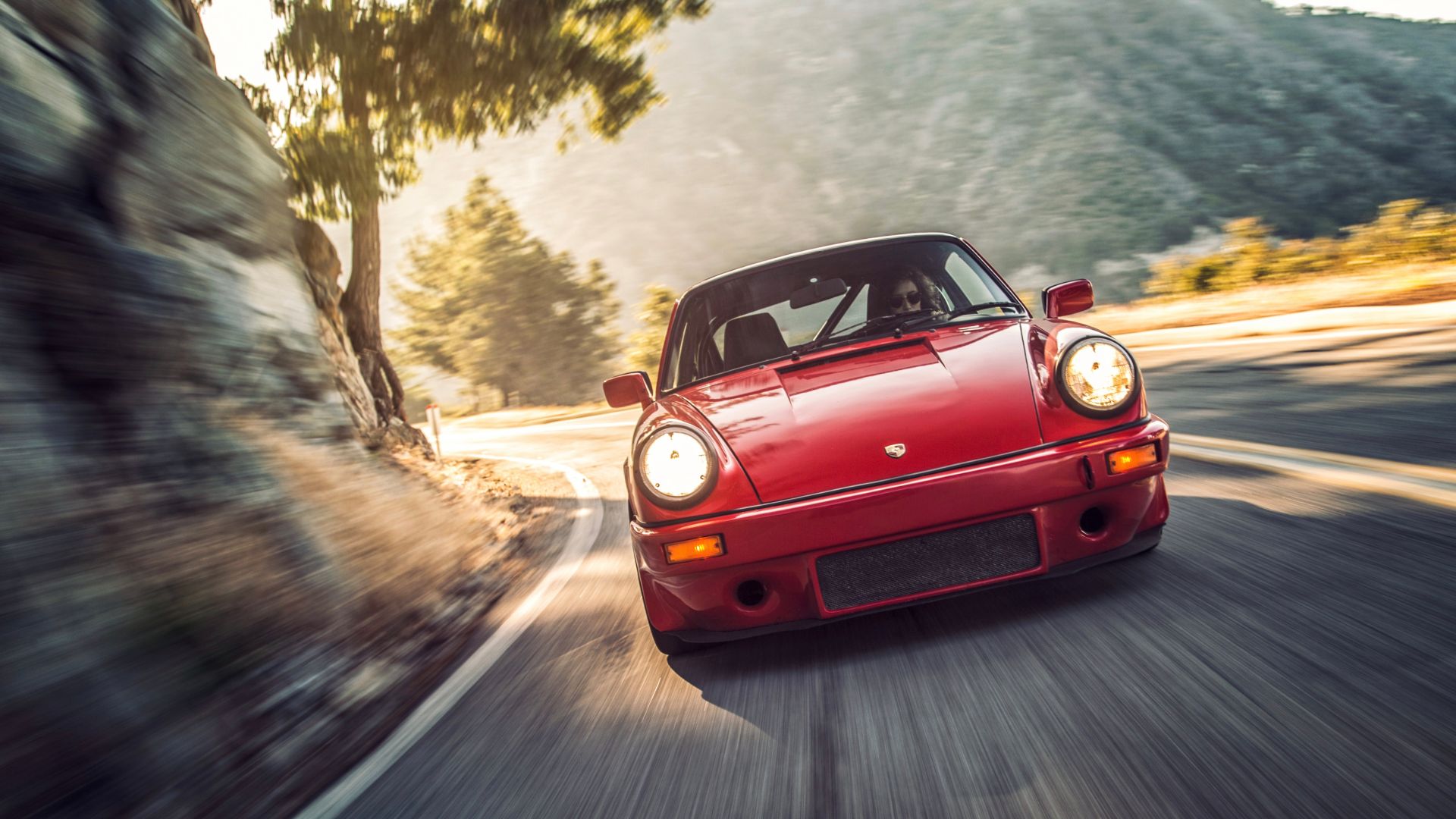
© PorscheInterestingly, Richard says shadow is just as important as light: “Naturally, light comes from above (the sun), so my first rule of thumb is to light the car from a higher angle. For me, light isn’t the interesting part: the shadow is. Shadow tells a story: where the light came from, how high or low it was, and how far away it was. It’s amazing how different you can make a car’s shape look with light.”
-
Making the most of light
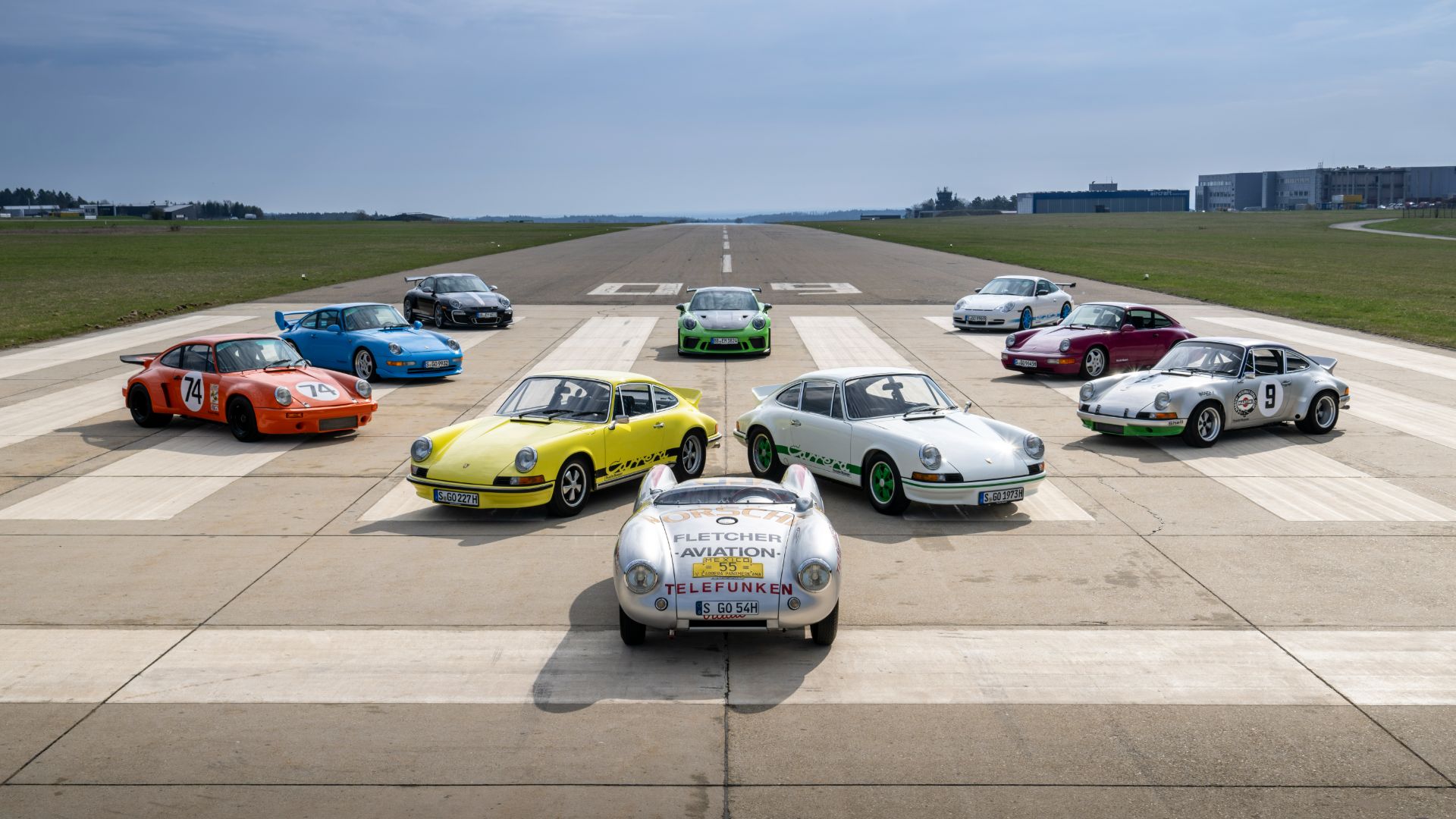
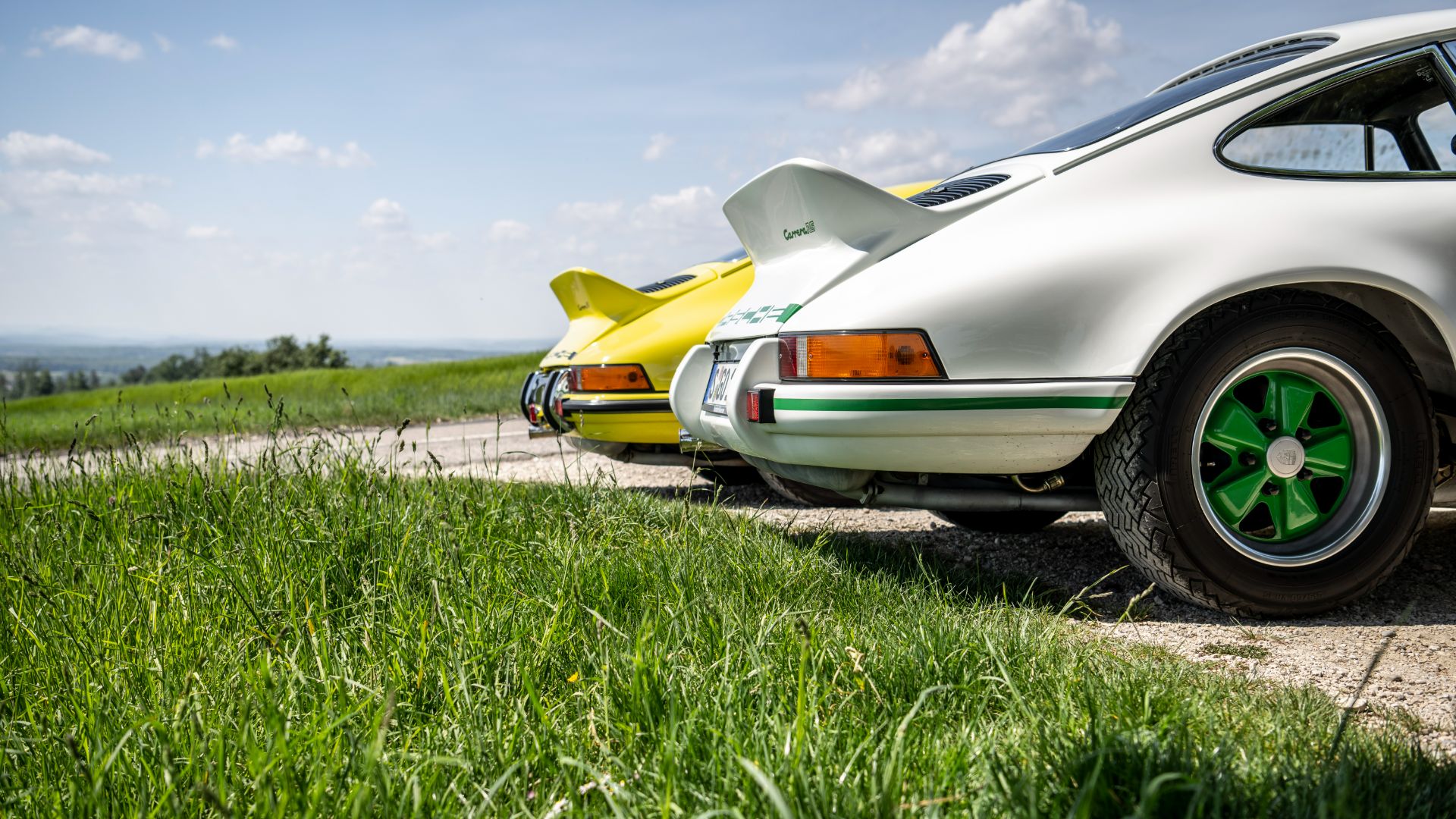
© PorscheYou might instinctively take photos with the sun behind you, but Richard has other ideas. “My photographic style is to always shoot backlit. I like to face towards the sun/light, as that means the shadow comes towards the camera and helps to tell the story. You also get flare, which, when used right, is one of my favourite things in an image.” This image shows the lineage of Porsche 911 RS models with their predecessor, a 550 Spyder.
-
Think about composition
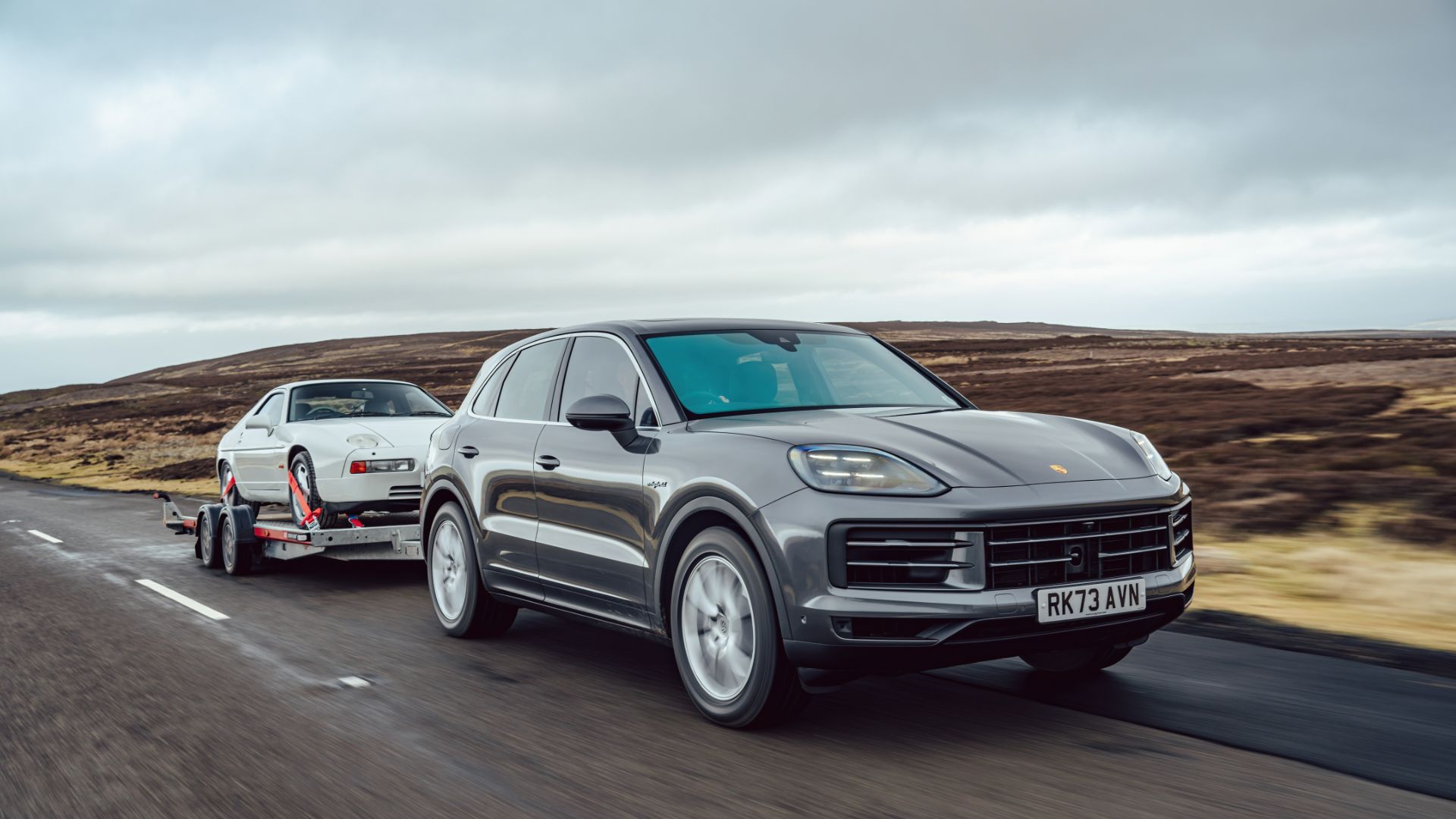
© Porsche“The key is to lead your viewer’s eye to the subject,” we’re told, which means avoiding distracting elements such as wheelie bins or next door’s cat in the frame. The background can be important, though: our eyes are naturally drawn to the Porsche 928 being towed by a Cayenne E-Hybrid.
-
Think about composition
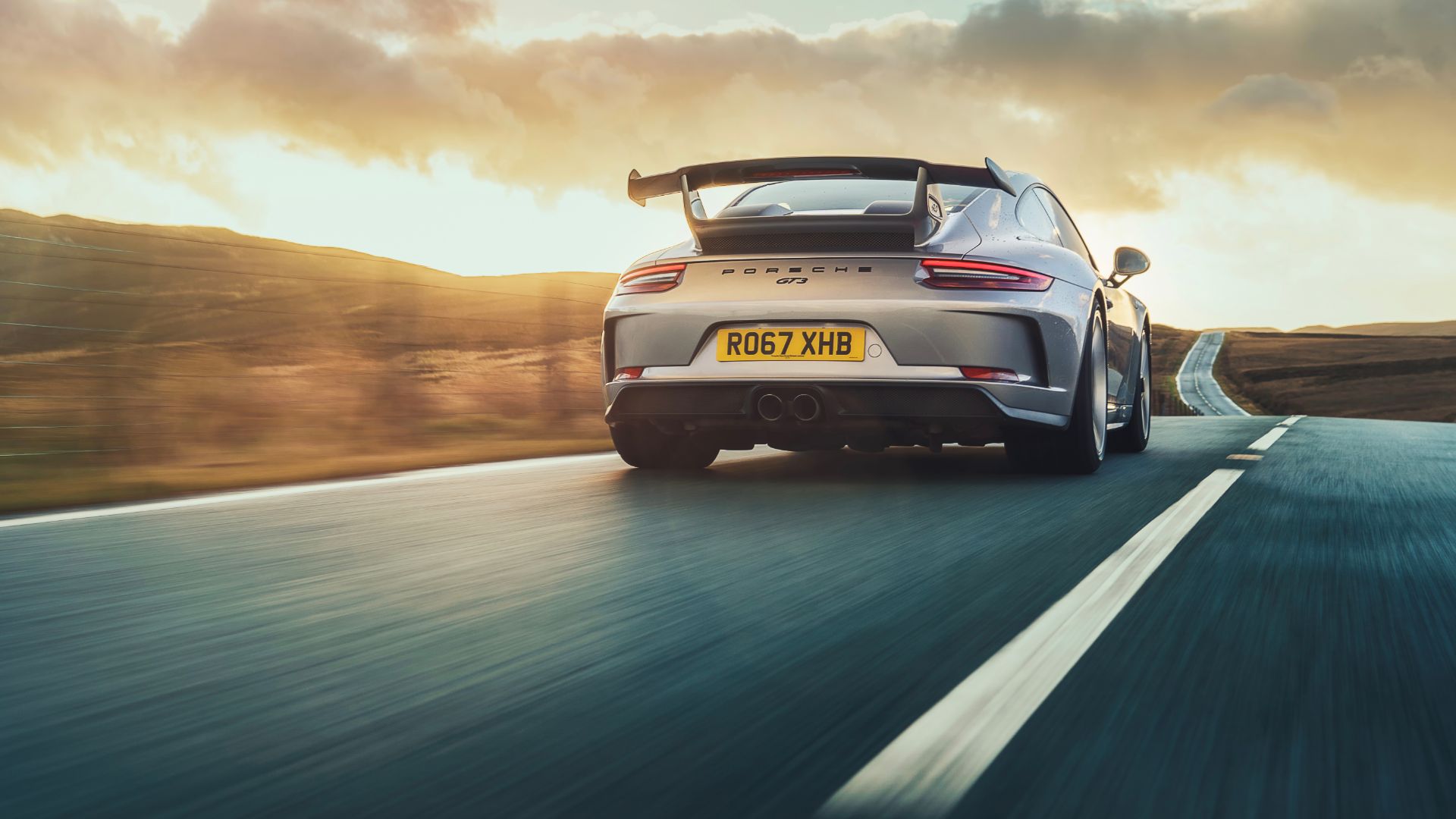
© PorscheShooting from an unusual angle can reap rewards. With the 911 GT3 seen here, for example, Richard suggests getting down low to emphasise the rear wing. “Adding objects to the foreground can also help to add depth,” he continues. “Why not shoot through leaves to add colour? Or across a rock to add texture?”
-
Think about composition
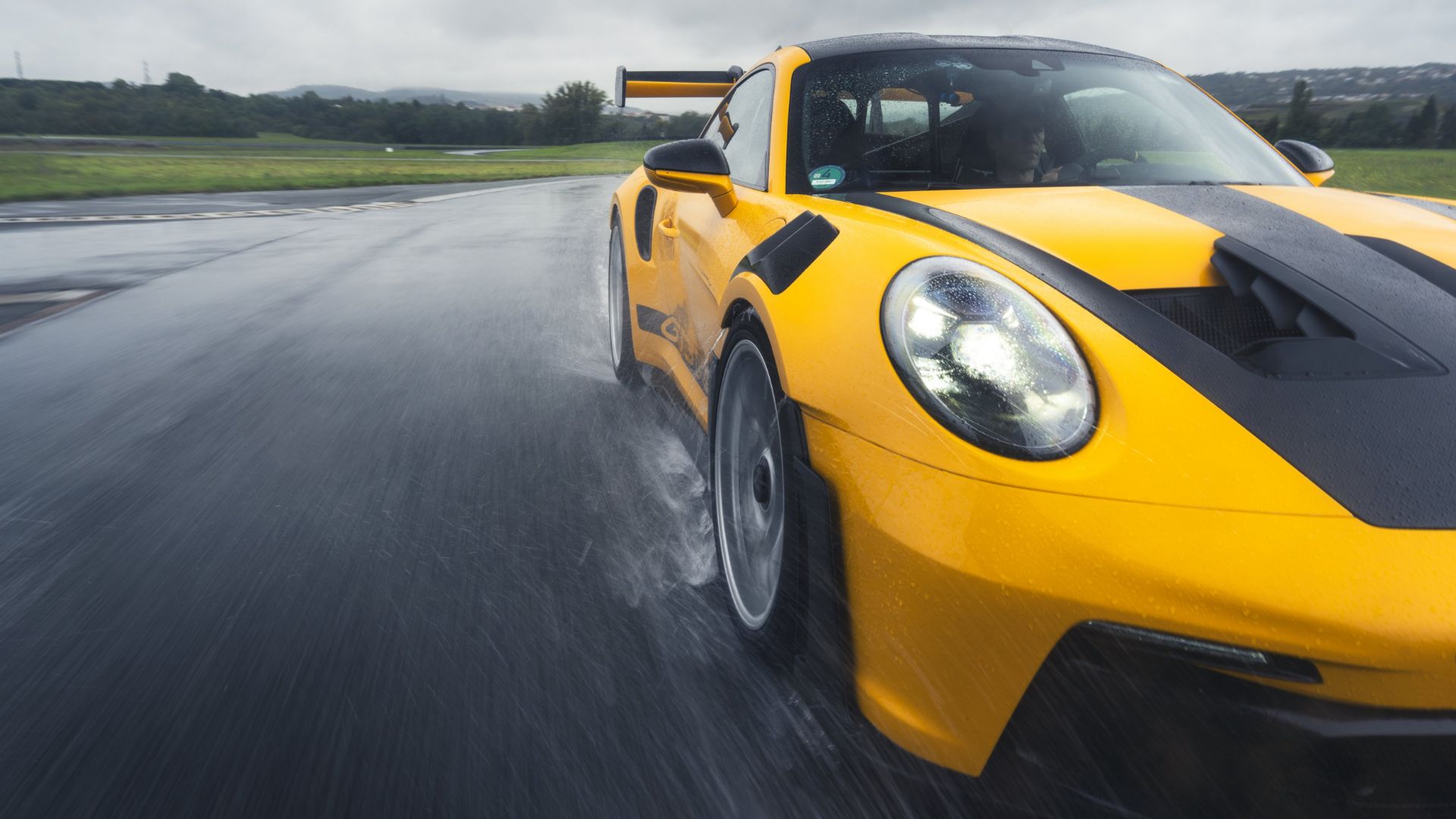
© PorscheEven for a pro, however, car photography remains a learning process. “If you asked two photographers to capture the same thing, the results would always be different,” says Richard. “If anyone asks me what my favourite photo I have taken is, I’ll always say it’ll be the next one.”
-
Use the whole day
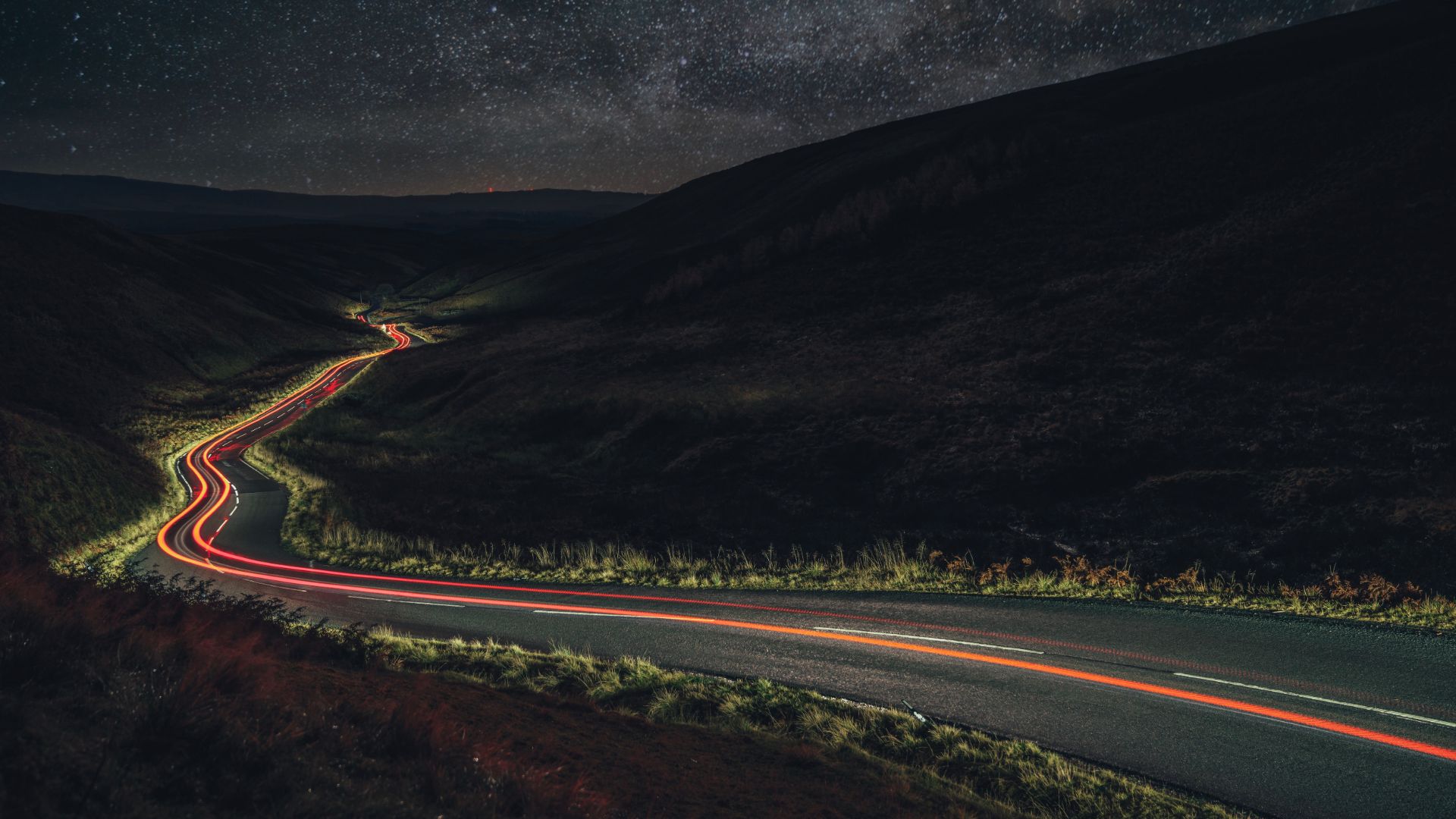
© PorscheRichard loves endurance racing, which allows photography at all times of the day and night. Shutter speeds are much slower in low light, helping create amazing time-lapse shots like this (it’s a 718 Spyder in Kielder Forest, in case you were wondering).
-
Use the whole day
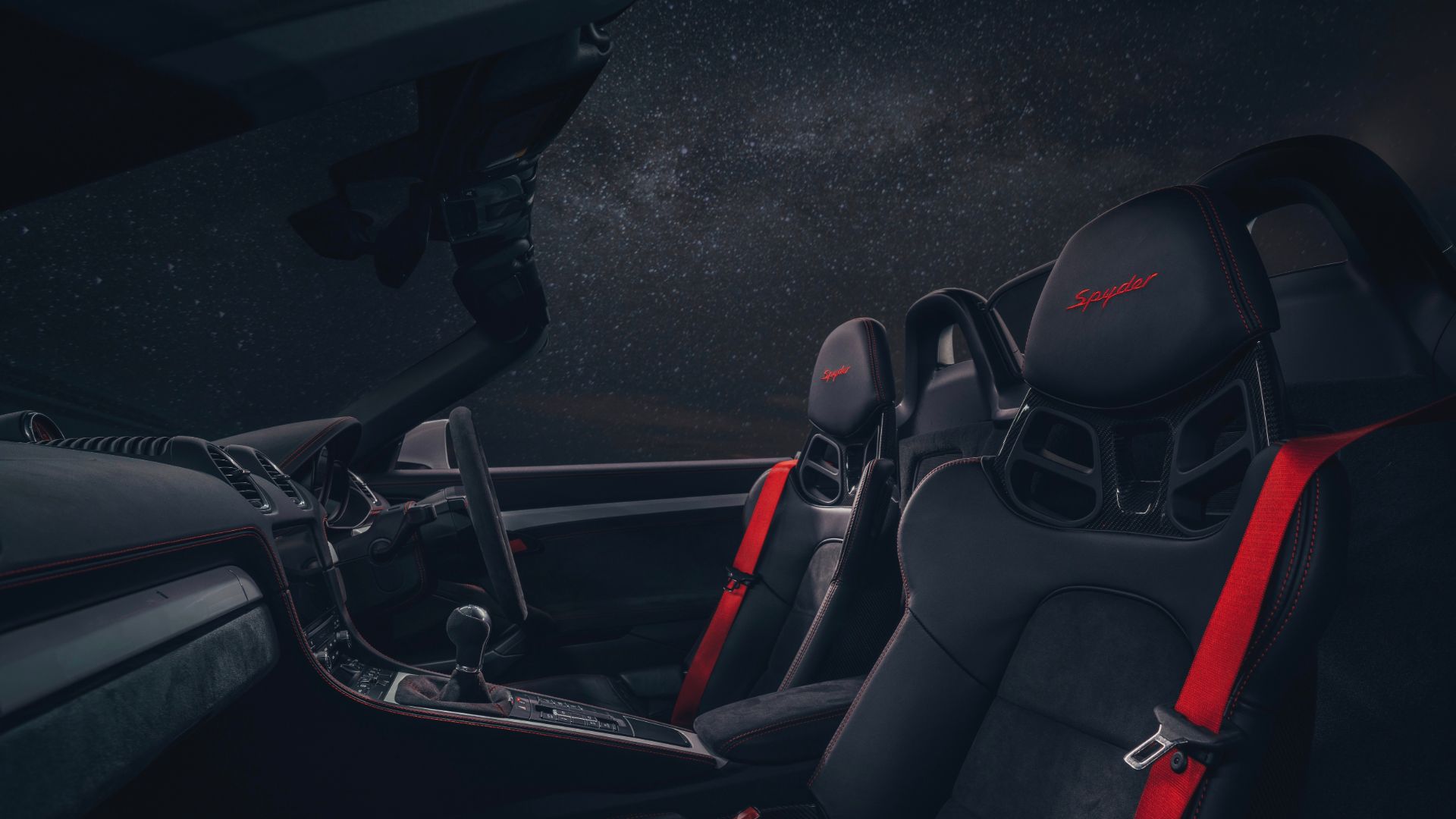
© PorscheAnother technique to try at night is light painting. “While your camera is on a tripod, you can look at using an artificial light source. This doesn’t have to mean an expensive camera flash, but a constant light such as a torch. With a long exposure, start to shine the torch on your subject. You can walk through the frame/around the car, and as long as the light isn’t hitting you, you won’t be exposed in your final shot.”
-
Use the whole day
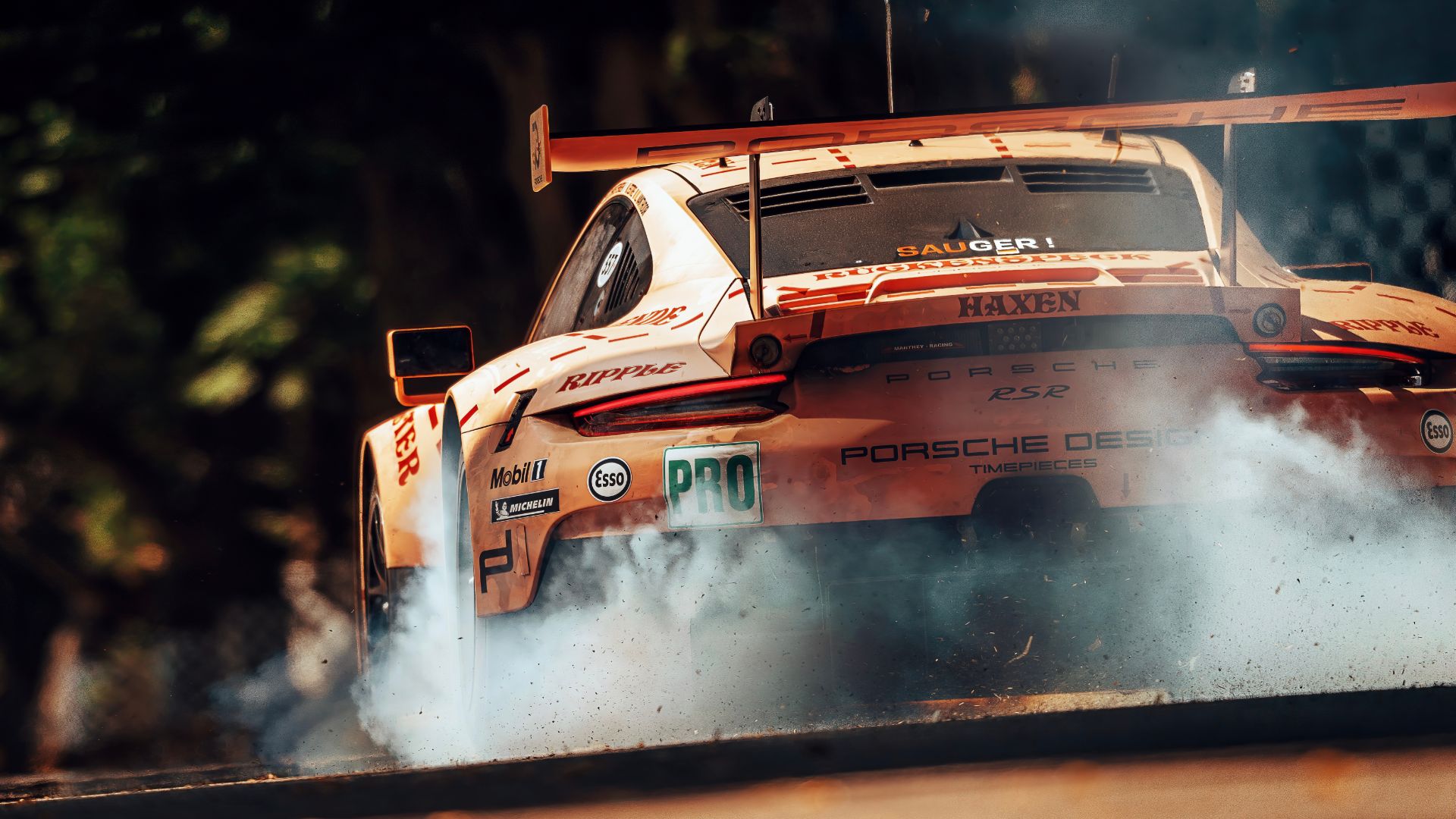
© PorscheEven so, Richard says dawn and dusk are the best times to take photographs. The so-called ‘golden hour’ can bathe the car in warm, soft light. Even if, like the 911 RSR ‘Pink Pig’, there’s nothing soft about your subject.
-
Find more advice online
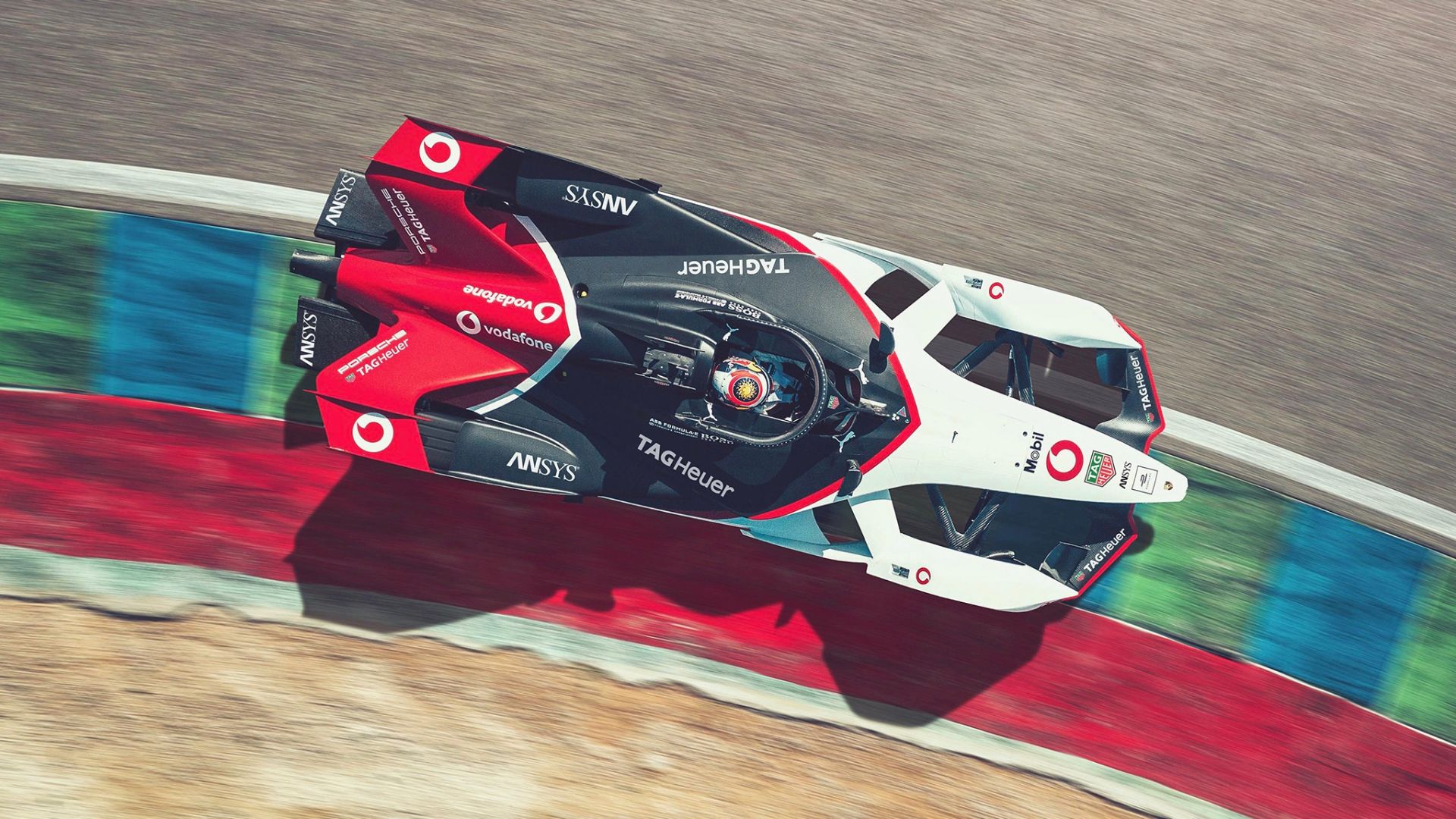
© PorscheIf you want more advice, Richard has shared insights via the Porsche Newsroom website. You can also follow his professional account (@richardpardon) on Instagram.
-
Share your photos on social media
© PorscheSearch for the hashtag #GetCreativeWithPorsche to see other people’s efforts at car photos. Get out there with your camera, don’t be afraid to make mistakes and good luck!
