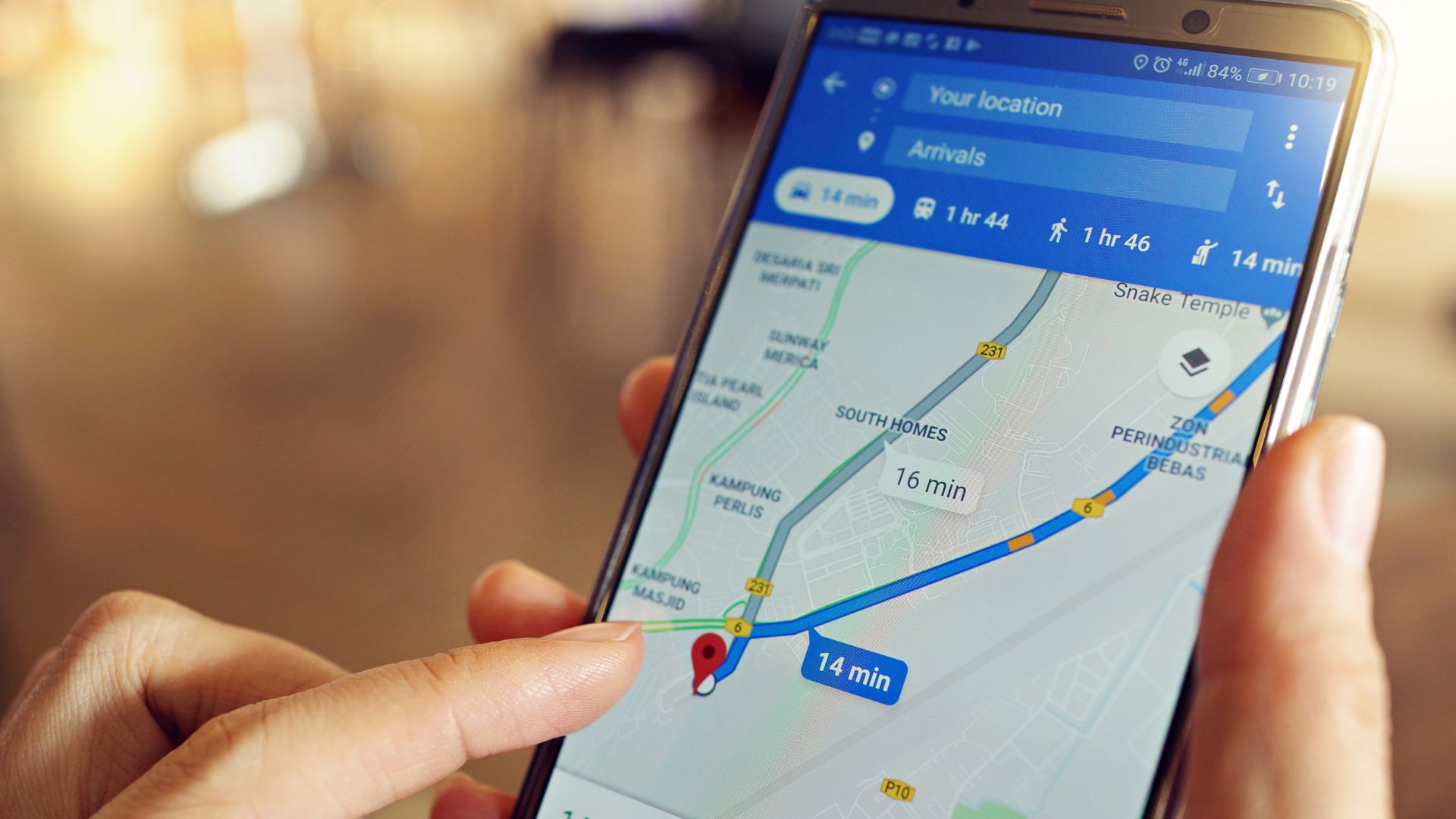
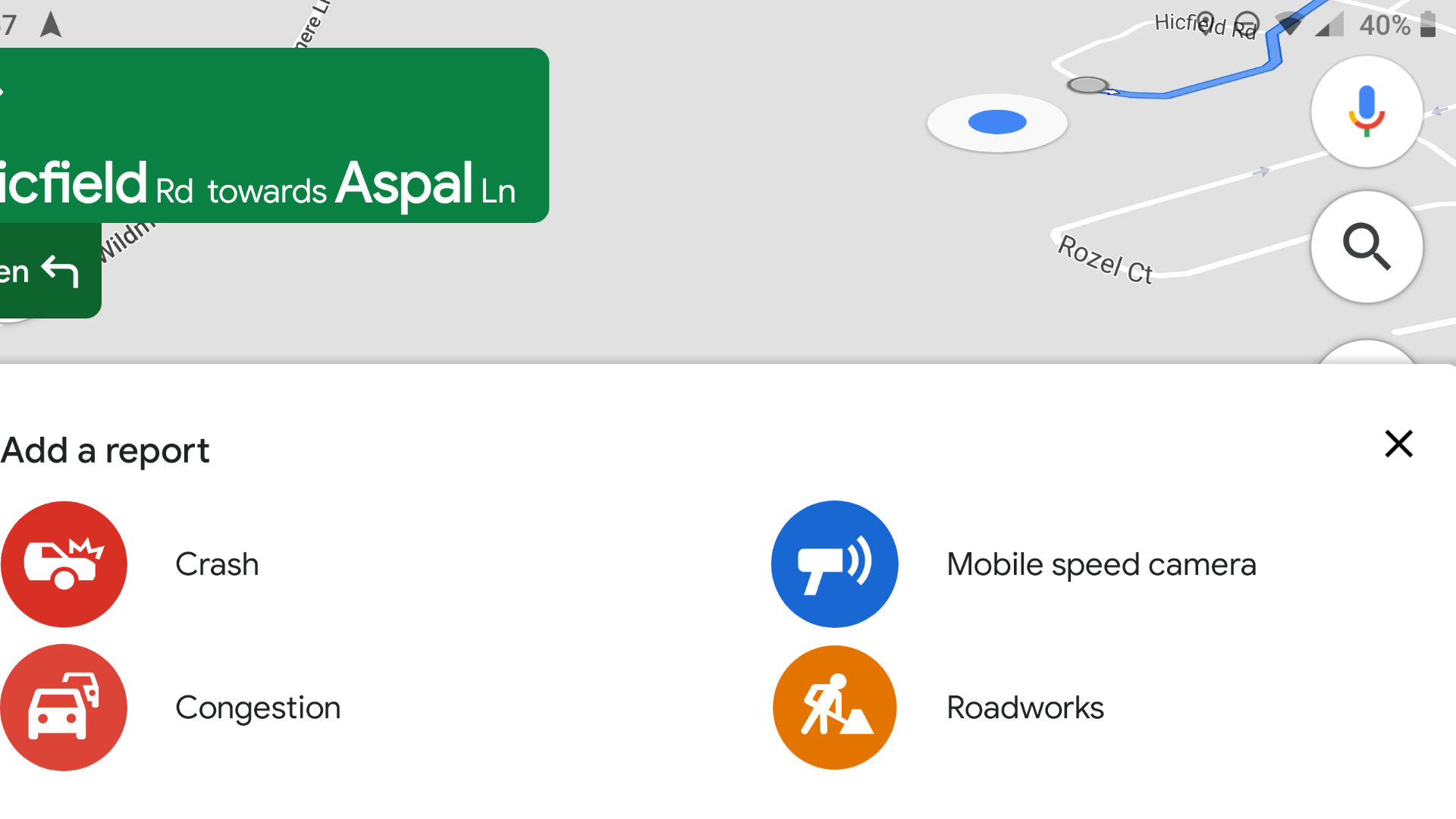
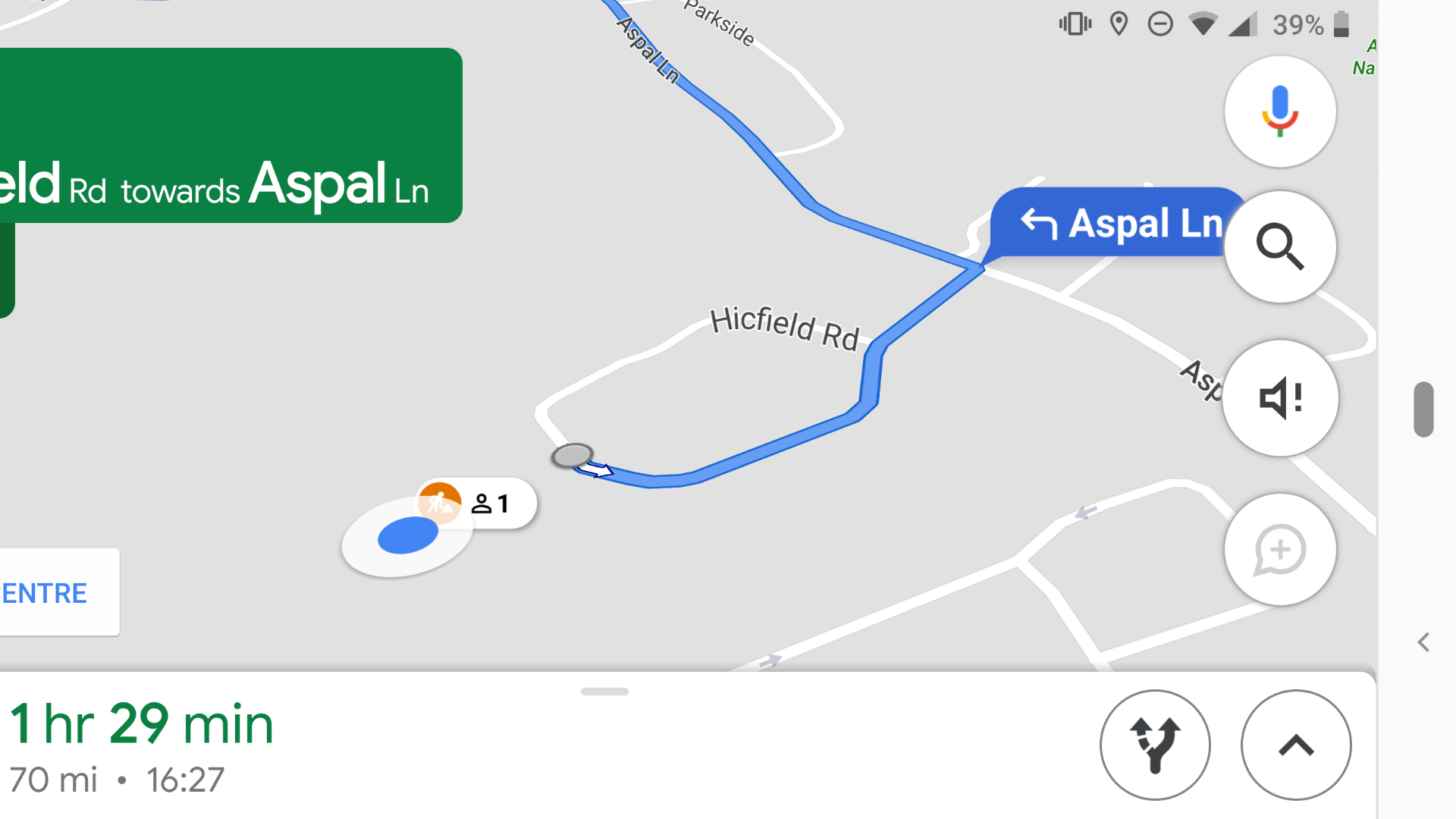
Google’s Maps navigation app has added a function that allows you to report roadworks. Following in the footsteps of Waze and its user-driven facilities, Google has added this, following shortly after the addition of speed camera locations.
It was a relatively quiet addition to the Maps user report arsenal, with the little yellow ‘construction’ symbol appearing overnight.
As is the case with many Google software rollouts, it’s not a one and done, ‘everyone has it’ scenario. The facility is appearing steadily on different devices at different times.
As with Waze, it ought to prove a useful feature for motorists, allowing you to report pop-up roadworks that the navigation facility may not have reacted to yet.
New Skoda tech spies on your kids when they borrow your car
Google Maps has been playing catchup for a little while, with Waze pioneering the user-contribution model. What once seemed controversial – the ability to report speed traps – is a feature on the original navigation app, along with crashes, slowdowns and now construction.
Does this put Google Maps ahead of Waze? Now, all that the latter has over the former is adverts and local petrol prices. That said, Google Maps is ahead of the curve, displaying charging stations and whether they’re in use.
In that time, I’ve had a chance to mull over the questions we all ask ourselves whenever a new top speed record is set. Do I care? Is it relevant? Does it matter?
There’s the practical side of things where these sorts of achievements are relevant. A car that travels at such speed requires the strongest tyres in the world, the most efficient cooling in the world, the cleanest aerodynamics in the world. All cars benefit from advances in these areas, eventually.
Then there’s the philosophical relevance. A great many online naysayers have said ‘no’, ‘no’ and ‘no’ to all of the above. I did find myself wondering if that was the case. Then I thought back to headline-grabbing top speeds of the past and my reaction at the time.
In 2005, when the Veyron did the business at 253mph and cemented itself in the history books, it also threatened Year Six friendships as debate raged over whether it was the greatest car ever made.
With the Super Sport in 2010, again, Bugatti reaffirmed itself as the undisputed king of speed, and on top of dominating at Ehra Lessien, dominated whispered conversations during my GCSE graphics class for a week.
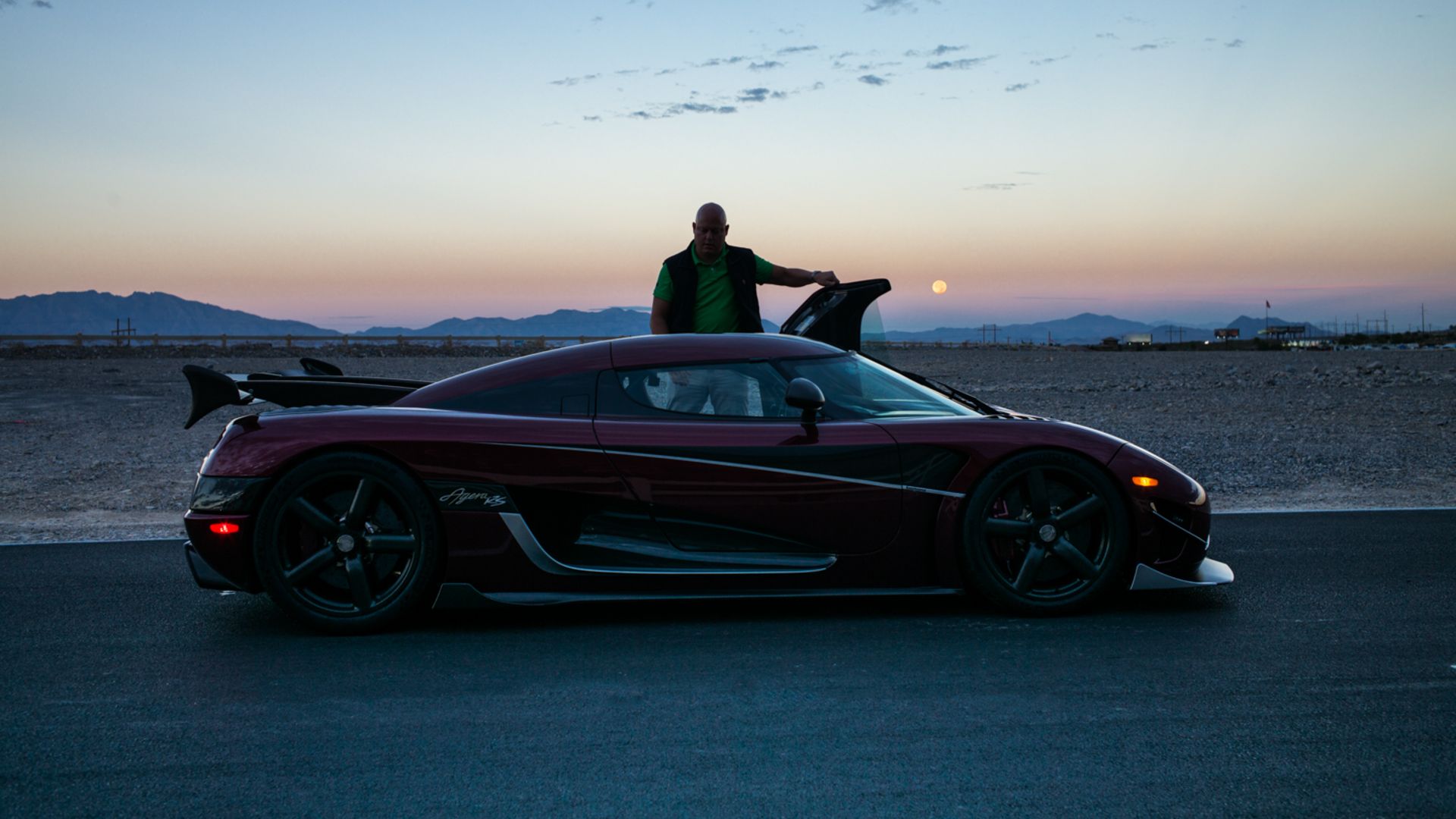
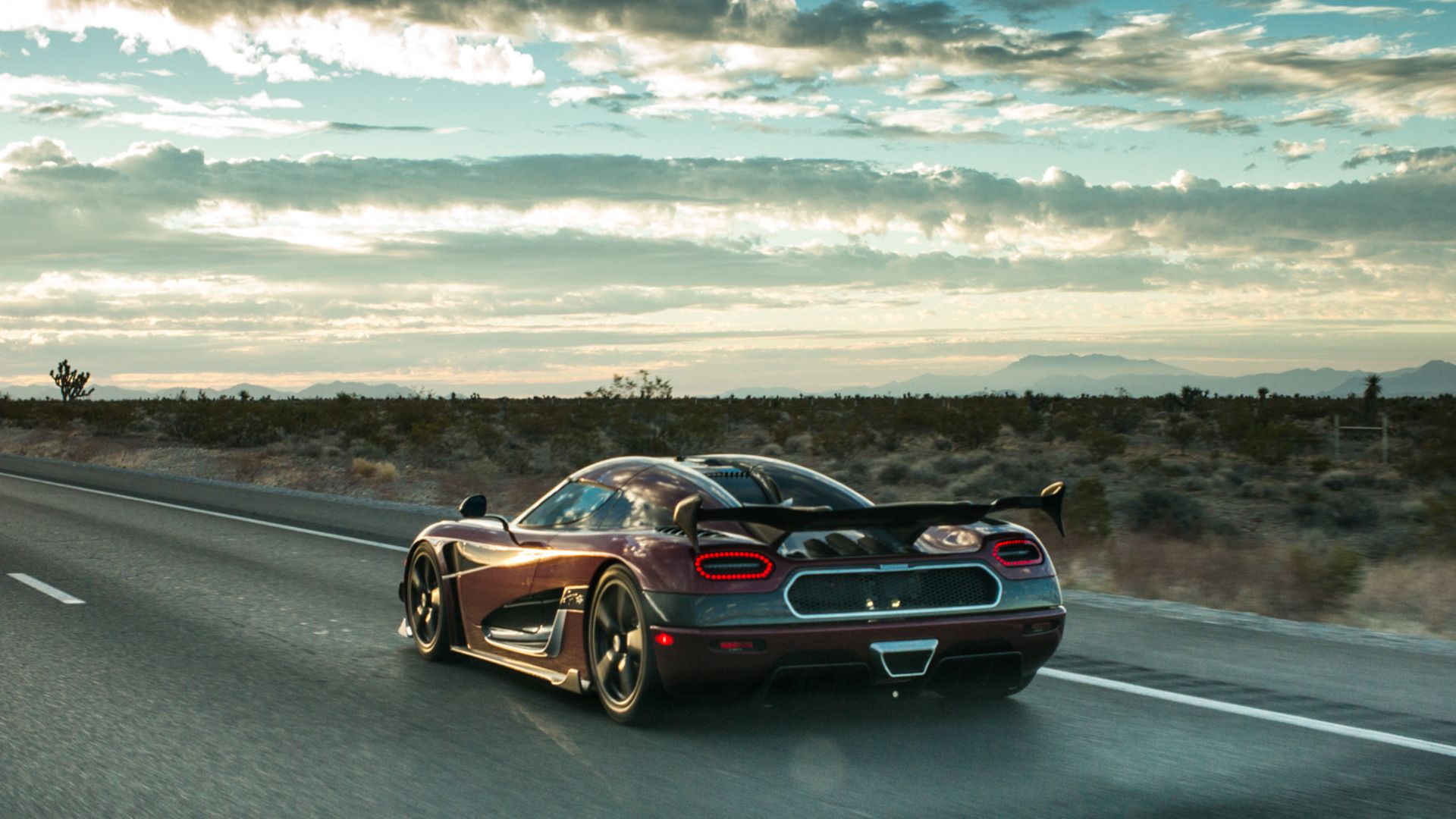
Then, when Koenigsegg set a two-way record at 277mph, hitting 284mph along the way, it was a spine-tingling moment. Scenes of Koenigsegg boffins wearing big headsets celebrating in the Nevada desert reminded us of mission control when Mr Armstrong took one small step.
These VMAX figures have a significance beyond all else. Would the McLaren F1 command the respect – and values – it does today, had it not years at the top of the speed tree to its name? What makes the Veyron quite as legendary as it is, besides that world-beating record?
Let’s look at other metrics by which we measure cars. Acceleration, while impressive, is much of a muchness these days. A decade and a half ago, getting to 62mph in under four seconds was the preserve of the most exotic six-figure machinery.
These days, with the wind blowing the right way, you can do that in a hybridised Porsche SUV or an Audi hot hatch. Some high-performance electric cars are knocking at the back gates of two seconds to 62mph. Pretty soon, the physics of current tyres won’t let them get there any quicker.
That’s not to say I don’t enjoy incredibly rapid modern cars, or the fact that hypercar-level performance in this sense is now widely available. It is, however, precisely the mass production of this performance metric that knocks the wind out of any mythical feel the very fastest accelerators had. Would Formula 1 be Formula 1 if every other road car could set comparative lap times? Not likely.
Speaking of lap times, let’s talk about the Nurburgring. Okay, they’ve never been worth much more than the A4 sheet the press release was printed on, but today, strong performance credentials at the ‘Green Hell’ are less of a commodity than ever before. That Cayenne Turbo S E-Hybrid, once it’s beaten a 15 year old 911 GT3 to 62mph, could probably munch it round the Nordschleife, too.
Cars have outgrown these units of measurement. They’ve near as makes no difference ‘completed’ them. As such, performance so-measured nonpluses me, at least in comparison to VMAX.
Record-breaking car hits 175mph… with no driver
Top speed is the game that never gets old – the final automotive frontier. More speed is always possible, with more power, cleverer tyres and cleaner aerodynamics. It’s quite literally the very limit of what a car can achieve. It’s that level of performance, and the engineering it demands, that still remains beyond the attainability of mere mortal.
It’s the preserve of a certain calibre of car and a certain calibre of driver. Yes, you can get to 62mph in a contemporary BMW M5 quicker than in a Ferrari F50. What an M5 won’t do, is catch a Veyron at the top end, or a McLaren F1, or a Koenigsegg.
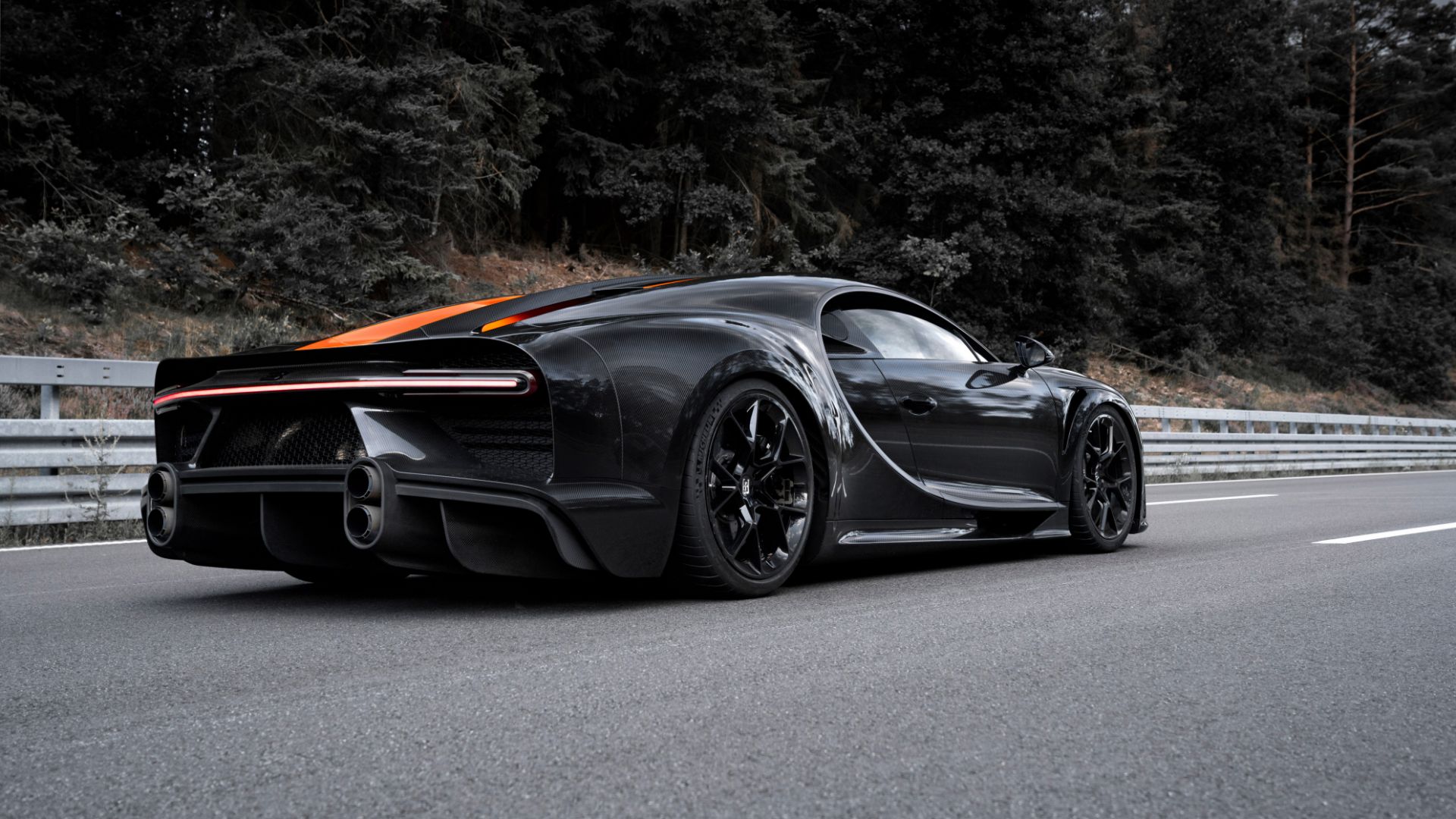
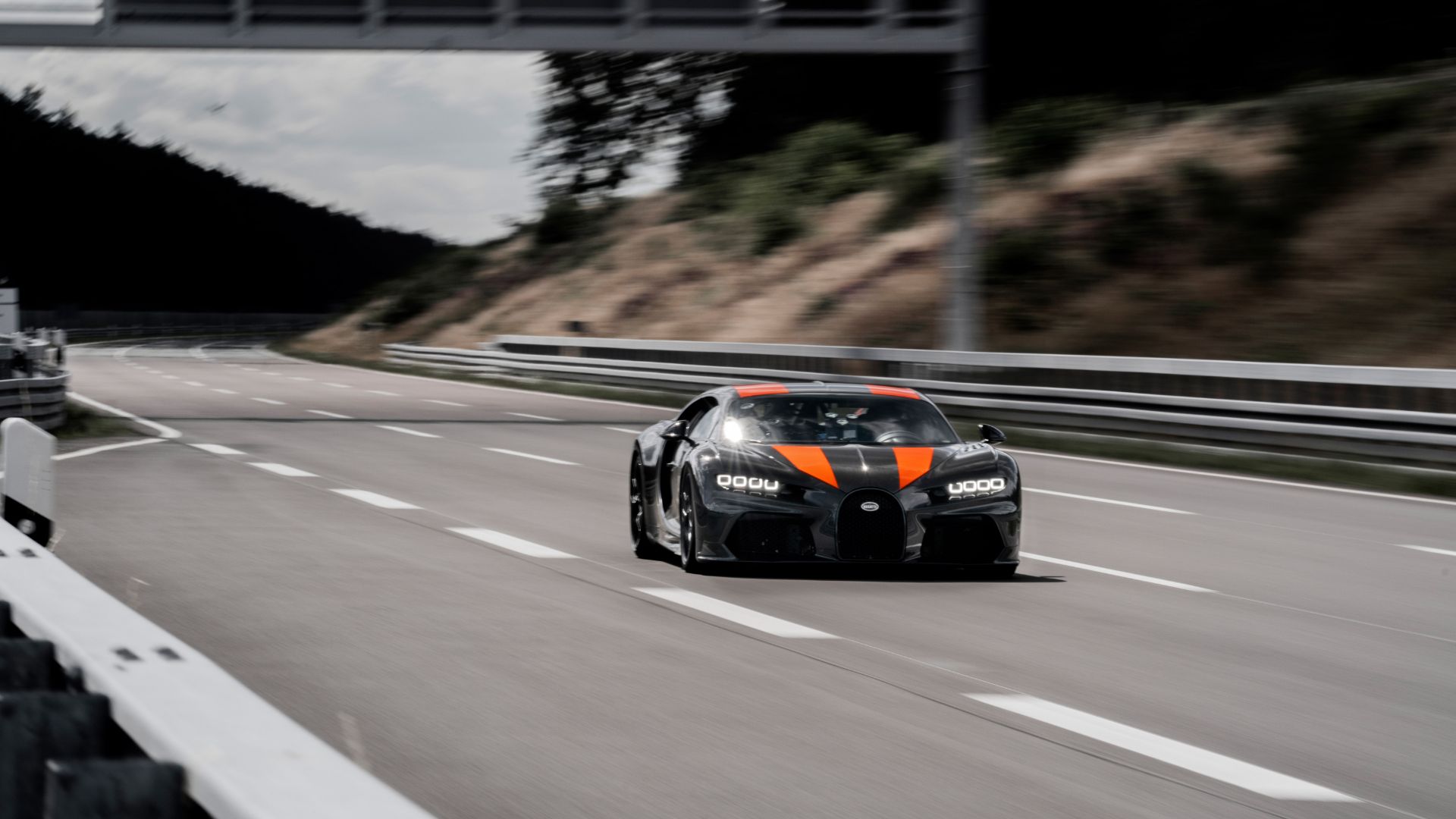
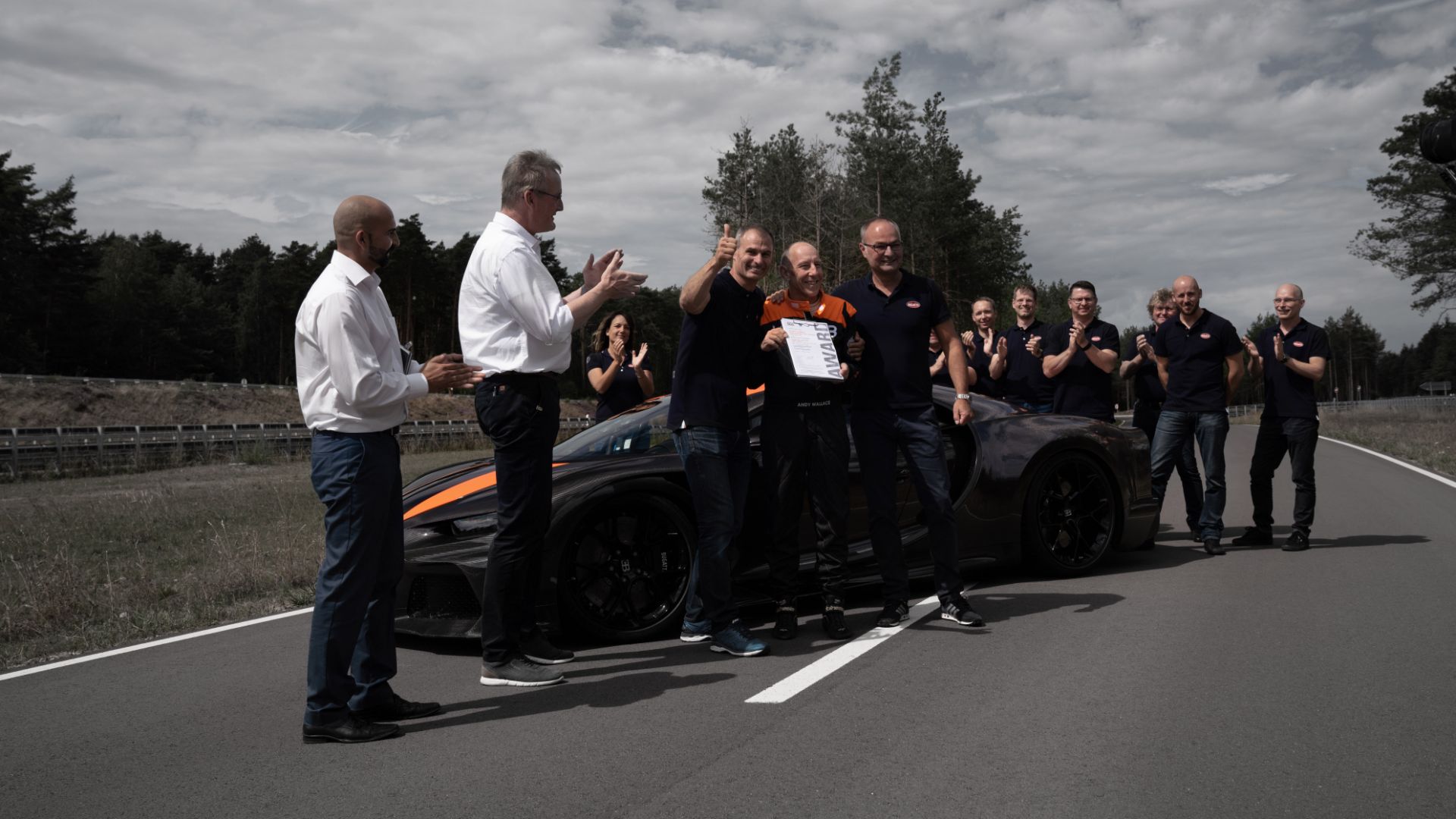
These are cars at the very top of the food chain, headed by that mightily impressive Chiron SS 300. Scoff all you want, it’s the speed king, and it changed the conversation.
Records like this change our silly little car world in ways no other performance metric can. They’re once, twice, three times in a generation, if we’re lucky. Most importantly, it’s the metric that still musters that child-like wonder in all of us. It stretches our imaginations. It reminds us all just how impassioned we are with these machines.
I envied the young car lovers of today the day they read the headlines about the Chiron. Then I realised I shouldn’t have, because I remember exactly how it felt, not only from when the past masters did their thing, but because it broke my adult cynicism and mustered that same feeling all over again. Not to mention the heated debates between my colleagues, friends and I.
I was right there with them, along with many others, staring in wonder and muttering ‘wow’ under my breath.
For that, this record, those that came before, and those that are still to come, are invaluable, and more relevant than ever before. It’s a shame, then, that shortly after setting this one, Bugatti bowed out. I do wonder how long that abstinence will last. Over to you, Mr Koenigsegg.
A new app aims to take advantage of connected car technology to help drivers find parking spaces more quickly. Thanks to real-time knowledge of what’s happening on the road, the search for an empty space could soon be a thing of the past.
Called Wejo, the British app will use data processed from connected cars. In theory, if all cars are connected and everyone has the app, it can use data to ascertain everything from the best routes to avoid traffic, to where parking spaces are free.
Rip-off NEC car parking solved by Classic Motor Show
The potential is enormous, says Wejo, to ‘create new revenue streams, reduce costs or enhance safety and convenience for drivers’.
The Chester-based company has investors including US automotive giant General Motors, which paid £20 million for a 10 percent stake.
The company’s founder, entrepreneur Richard Barlow, will find other uses for the data as well. He intends to supply it to insurance firms, breakdown services and local authorities.
The question, of course, is whether drivers will want to sign up, given their data will be so widely available.
That said, the app apparently ‘obsesses about putting drivers and passengers first with built-in compliance and anonymisation frameworks, making sure that what’s private, stays private’.
Getting a speeding ticket can ruin your day, but you may be able to appeal. This depends on whether police have adhered to the rules in sending you the ticket.
If you’re caught speeding, a letter has to be sent that should arrive at your home within 14 days of the incident. If the date of the incident and the subsequent date the letter was sent don’t allow for that 14-day window, the ticket may not be enforceable.
It’s a rule that keeps the admin work of the police force tight. Yet it can also lead to speeders catching a lucky break.
To be clear, the date of the incident and the date the letter was sent must be within a decent likelihood of allowing the 14-day deadline. If the letter does arrive later than that, but should have come earlier due to delays in the post, it’s still enforceable. If it arrives four weeks after the incident, having been sent a week ago, clearly it isn’t enforceable.
“All the police need to do is show the ticket should have reached the vehicle’s registered owner under normal circumstances within 14 days,” says The Money Advice Service, which highlighted the rule.
“This means the letter could go to an old address if you’ve not updated your licence, it could go to a hire company or to your work address if the vehicle isn’t yours.”
Problems with the postal service, therefore, or the letter going to another address before it gets to you, won’t find you favour in court. If it was sent in a timely manner, it still stands.
Clearly, it goes without saying that the best way to avoid speeding tickets is not to speed…
The Ford Mustang started its journey as a breakout hit with one man and one car. Harry Phillips is the man behind the sale of the first Mustang to be sold. He did the deal at George G.R. Parsons Ford in St. John’s, Newfoundland, in 1964.
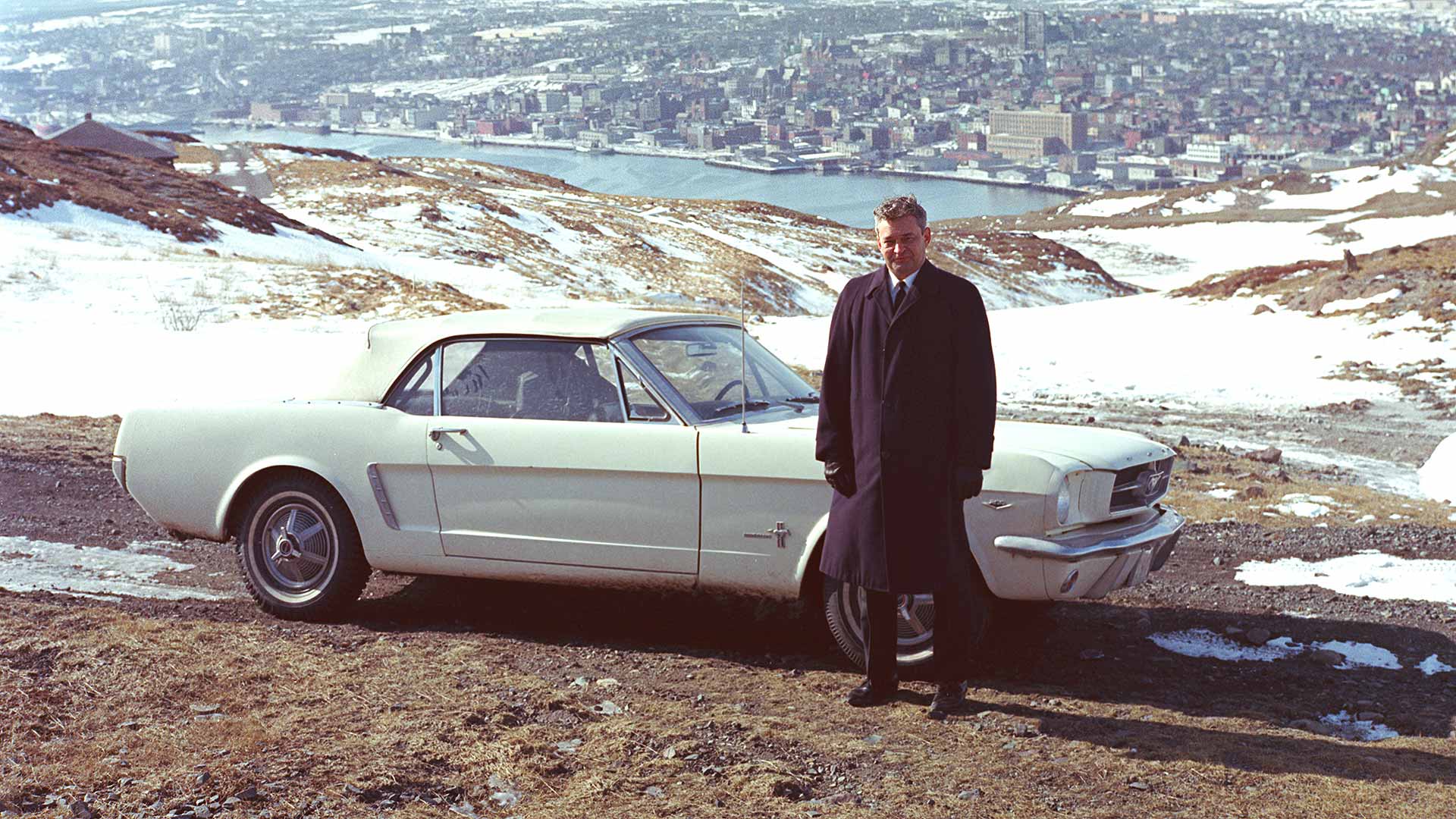
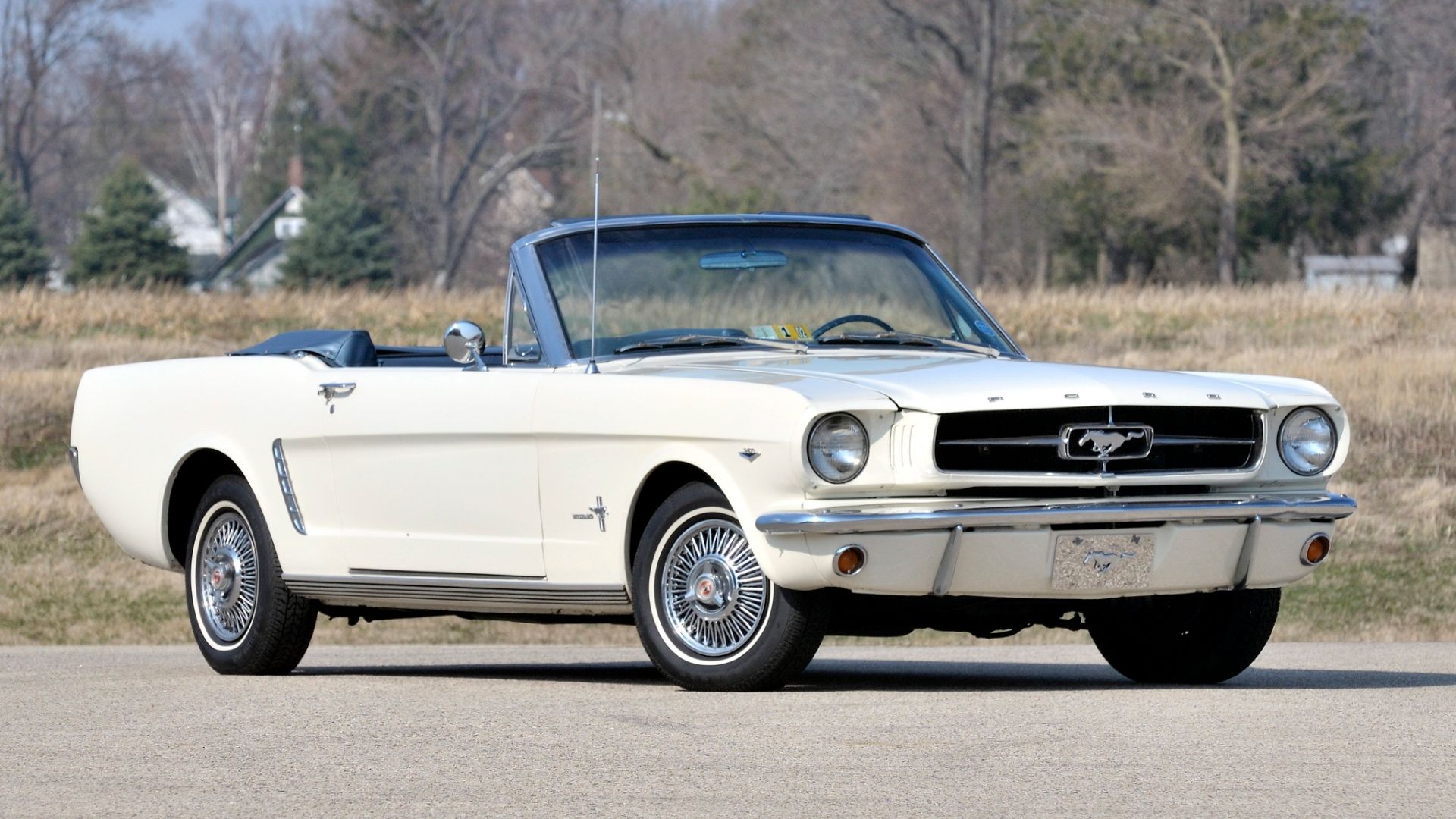
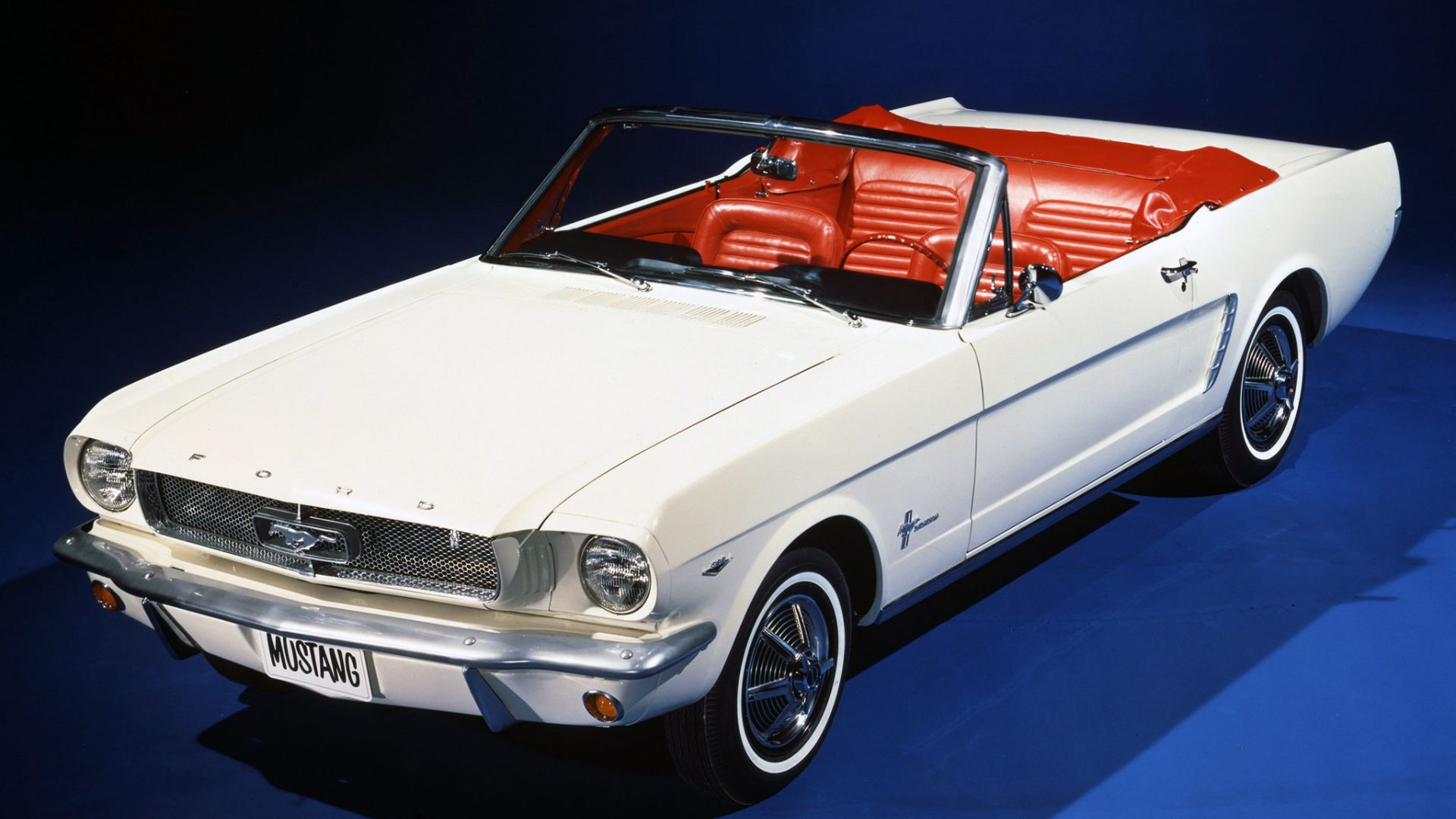
It was bought by an airline pilot by the name of Stanley Tucker, pictured above with Mustang #1.
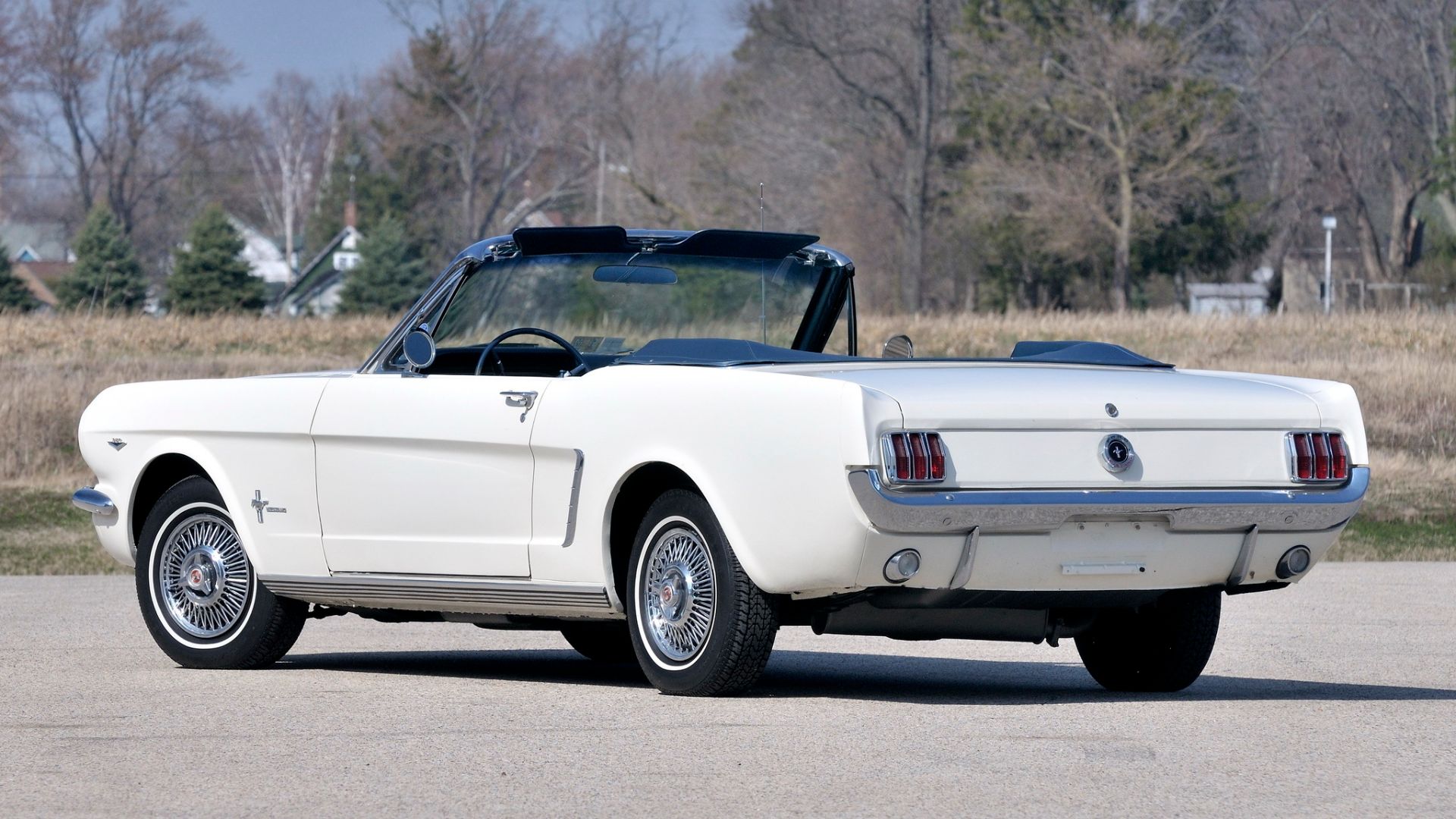
Now, the Henry Ford Museum is set to host these old chums as they reunite, 55 years after the car was accidentally sold. The car was a pre-production convertible that wasn’t earmarked for sale, but it’s the one with the very first Mustang serial number. A very similar car is pictured here.
Despite its crooked panels and dodgy details befitting a ‘practice car’, Phillips reckons it was an easy sale. Given that Tucker exclaimed “it’s mine” as soon as he clapped eyes on it, we’re inclined to believe him.
As above, the car wasn’t really supposed to be sold. Tucker made his decision three days before the Mustang was officially supposed to go on sale. To secure his car, he made a deal with the dealer to allow the car to stay on display.
“We moved the car into the showroom that day,” Phillips said.
“He came in every day to check it out and make sure no one did anything to it.”
Though Harry Phillips enjoyed a long life of selling cars after his blunder sale in 1964, he’s never actually seen the car since. That’s because Ford got it back not long after.
Two years after buying the car, Tucker finally had his prized prototype Mustang taken from his grasp by Ford. The company swapped his, the very first Mustang sold, with 10,000 miles on the clock, for the one-millionth.
Finally, the prototype and the salesman will be reunited, 55 years after the unofficial start of one of the great car sales success stories in history.
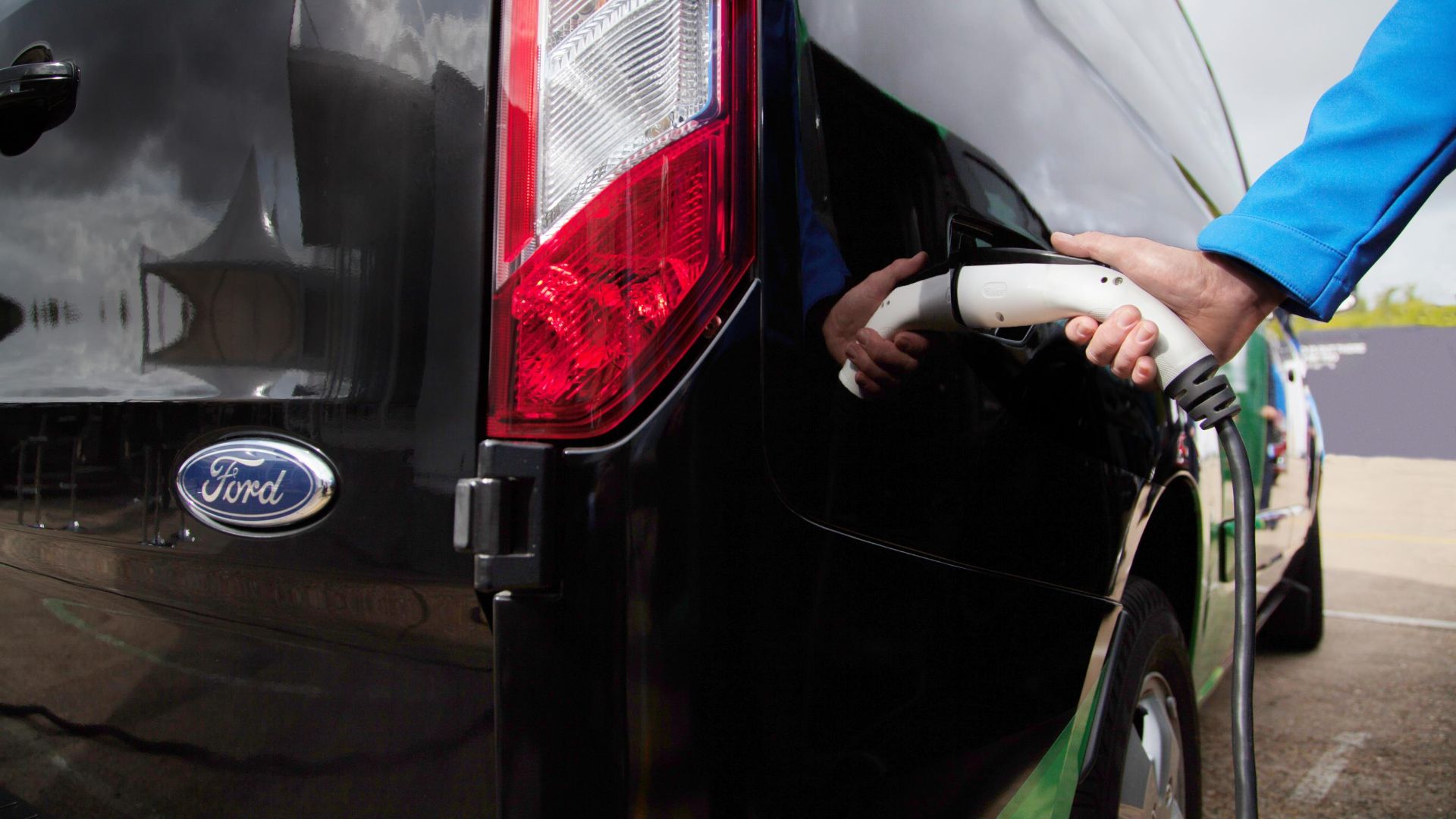
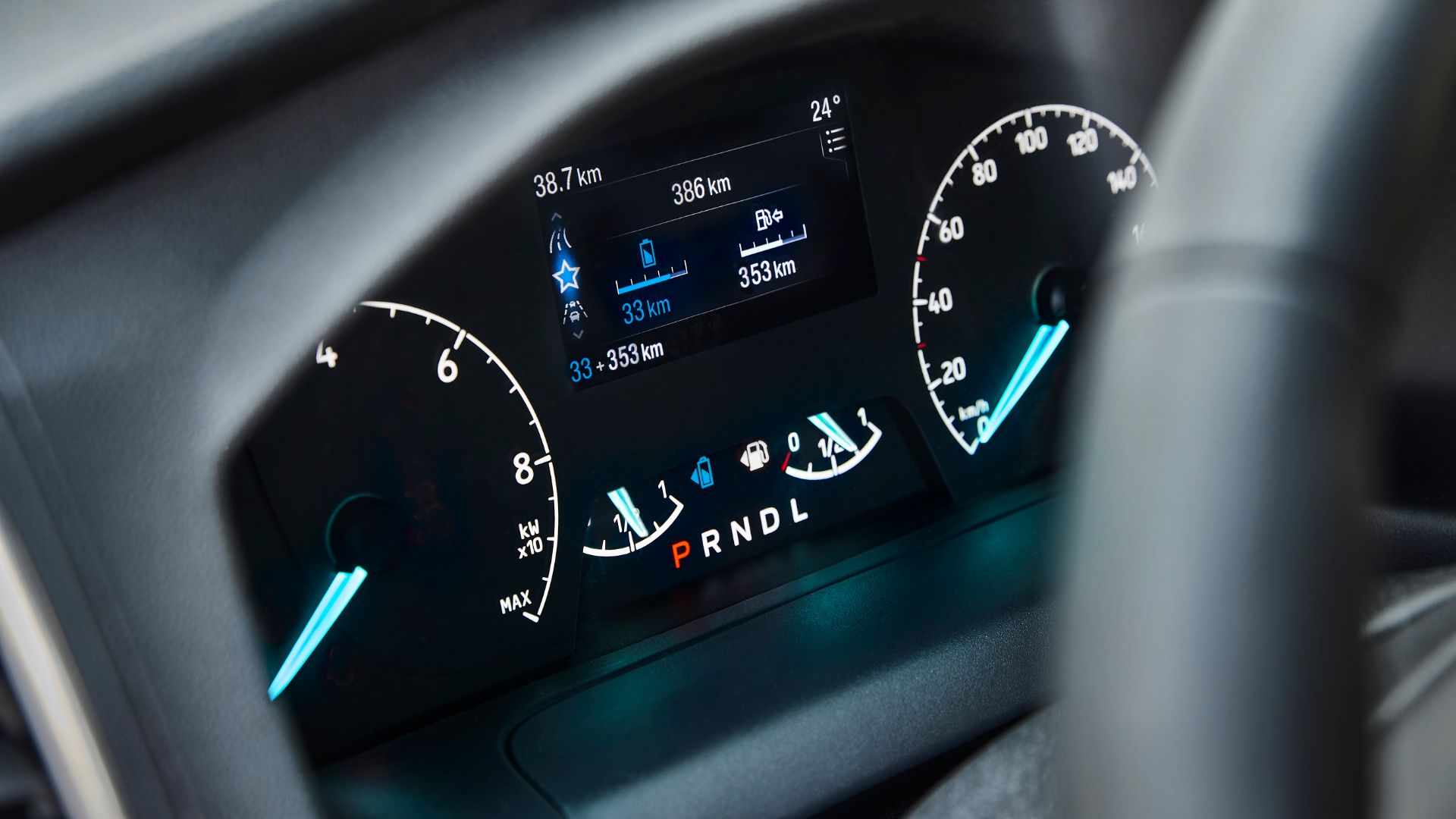
Ford is moving with the times with its iconic Transit van. Businesses and organisations trialing the new PHEV (plug-in hybrid) model have given it the thumbs up.
Participants included Addison Lee Group, Autoglass, British Gas, DPD, Heathrow Airport, the Metropolitan Police, Royal Mail, Sky, Transport for London and Vodafone. Each organisation ran one of the 20 vans for 12 months.
Some of the figures from the trial are interesting. The vans covered 150,000 miles over the course of the year, with 75 percent of the driving in Central London completed in EV mode. Likewise, 49 percent of the driving in Greater London was done in full EV mode.
Cleaning up London’s commercial vehicles
If PHEV and EV vans like the Transit proliferate, it will go some way to cleaning up the eight million miles of driving covered by commercial vehicles in London every day. It’s thought around 7,000 vans are driving every hour during peak times in Central London. If three-quarters of that driving can be electric-only modes like the Transit PHEV can achieve, London’s air quality should improve.
A production version of the plug-in hybrid Transit will appear towards the end of the year. Ford’s learnings from the 12-month trial run are being used to refine the production model right now.
“We also know that businesses still have legitimate concerns about the range of fully-electric vehicles, as well as their cost-effectiveness and reliability,” said Mark Harvey, director of the urban electrified van programme.
“These trials have helped Ford and its customers to investigate the extent to which PHEVs can help to achieve urban air quality goals, whilst not compromising on productivity.”
Ford Transit PHEV, and a Transit EV on the way
The PHEV has a target zero-emission range of 31 miles. The electric motor is helped by a 1.0-litre EcoBoost petrol engine, with a total system range exceeding 310 miles. Ford says the battery under the floor doesn’t compromise load space.
The PHEV is just the beginning for electrified Transit vans. An all-electric version is due to join the lineup in 2021.
“This trial is the first time Ford has given such early prototype vehicles to customers, and we’ve been able to incorporate their feedback directly into the production van,” Harvey continued.
“The response has been overwhelmingly positive – operators don’t want to give them back.”
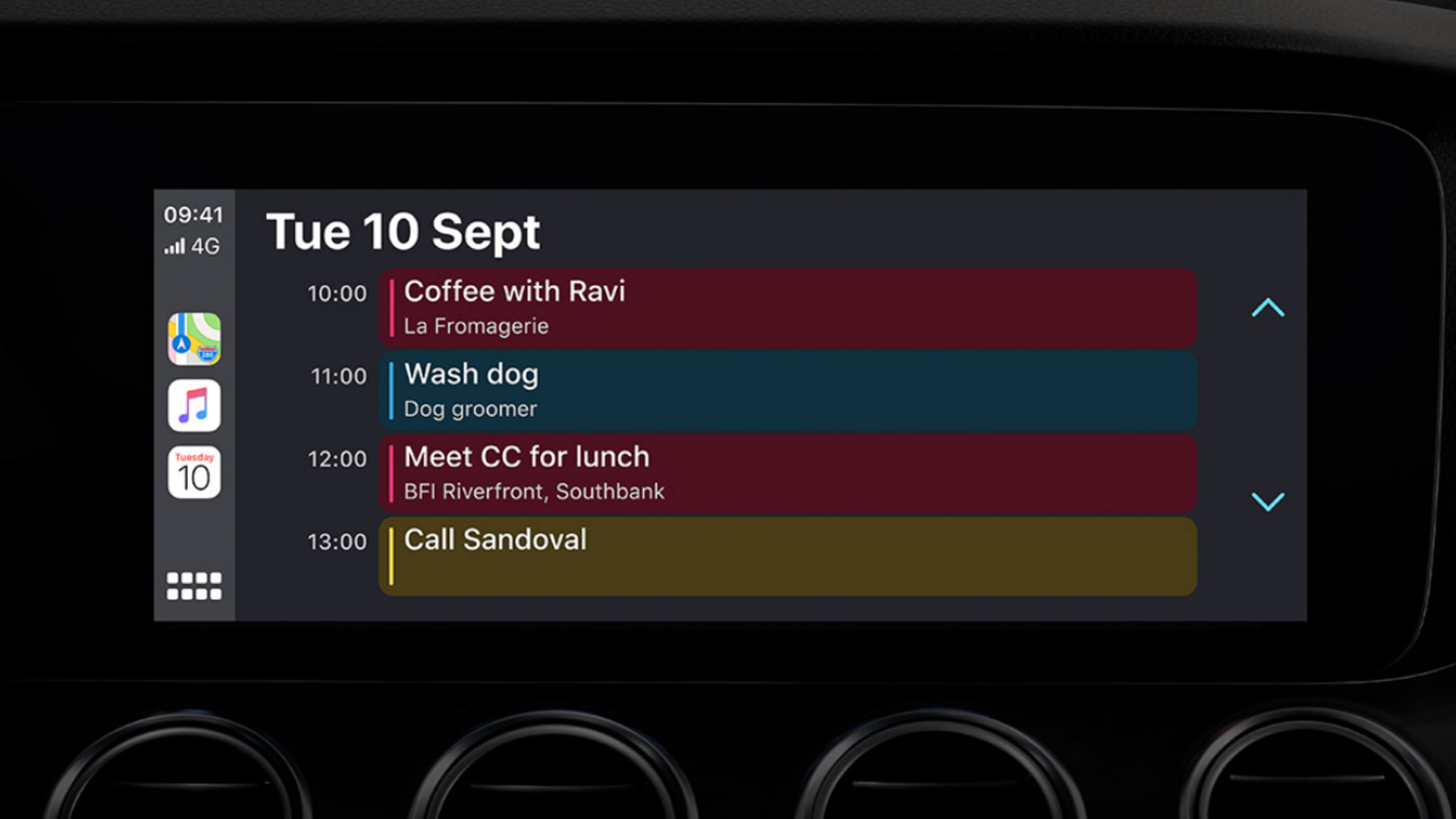
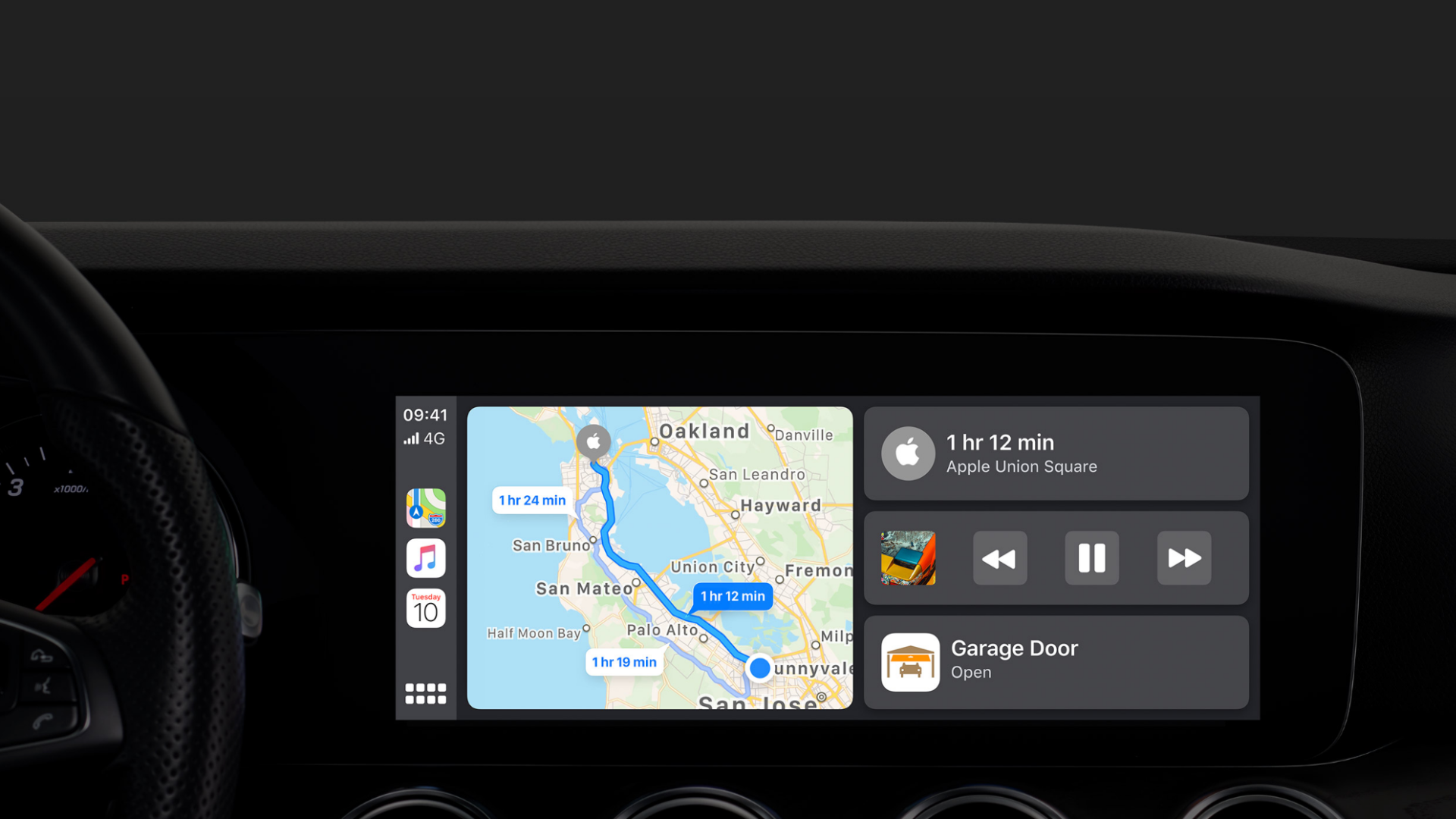
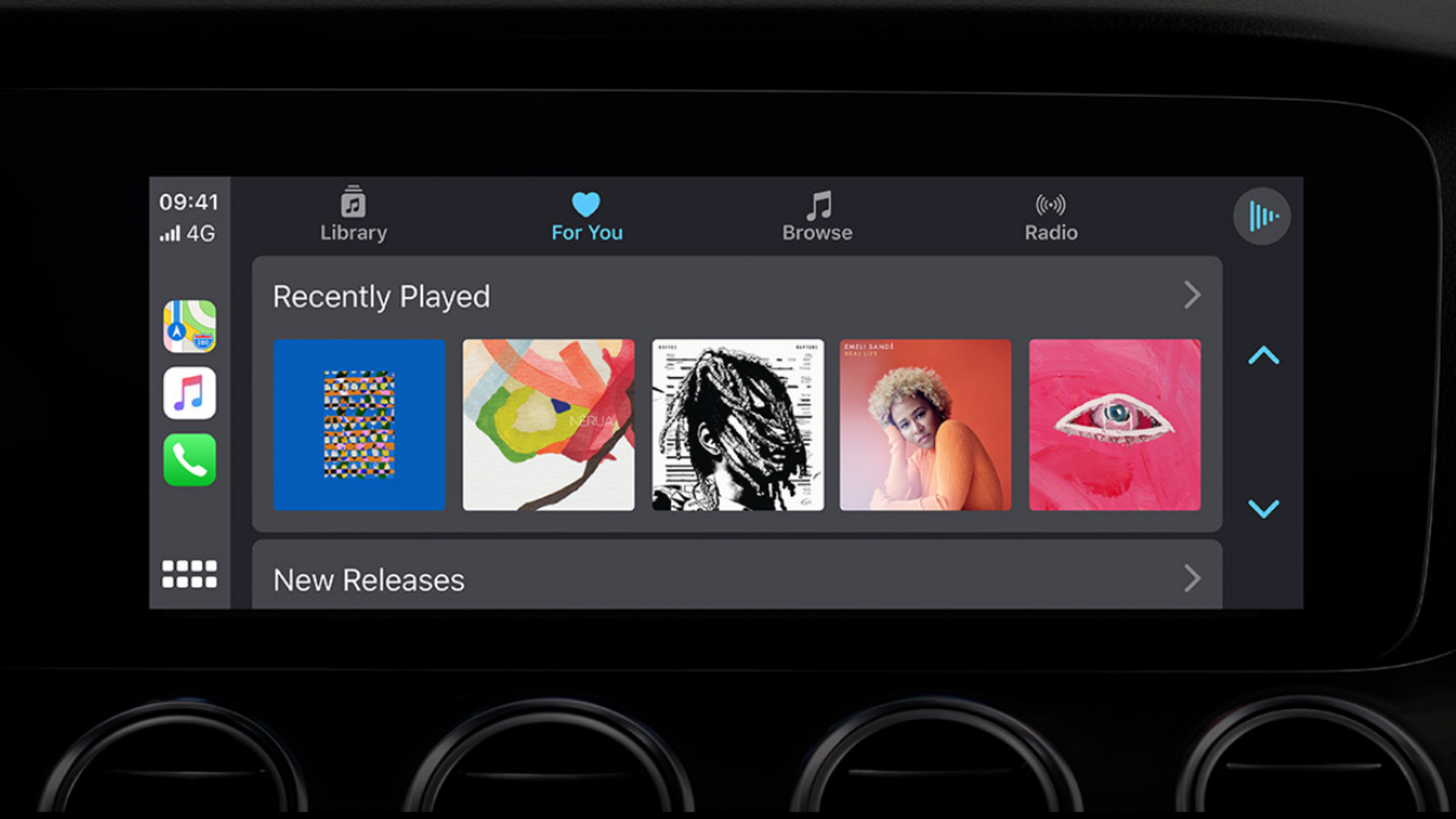
A new feature that the iOS 13 update brings to Apple CarPlay won’t work in any car. At least, not yet.
The ability for your iPhone to project CarPlay onto two different screens simultaneously was one of the major updates for the facility, but can’t yet be adopted by any current production cars.
Apple CarPlay dual screen: explained
Don’t get confused with a split-screen display. The new feature allows different apps to work on separate dashboard screens, as fitted to some modern cars.
Thus you could have Spotify on the central screen while your digital dashboard handles Waze or Google Maps. ‘Virtual Cockpit’ has been fitted to Audis for four years now, so one would hope for an instant level of compatibility.
“Automakers can develop CarPlay systems that show information in a second screen, such as in a cluster or HUD,” Apple explains.
The Verge questioned 11 major car manufacturers that offer CarPlay about the updated version, to see if it would work. But while compatibility and the ability to make full use of the new feature will come eventually, it’s not happening yet.
Fiat-Chrysler and General Motors replied, saying: “More info on that at a later date” and “Stay tuned…” respectively. The rest either dodged the question, or said outright it wouldn’t work.
Cars generally lag behind handheld devices and computers in terms of technology. Now, with the release of iOS 13, the same is again true.
This sticking point is perhaps best exemplified by Tesla: a startup electric car company that’s clawed much of its market ground from existing manufacturers thanks to bleeding-edge tech.
To tech-savvy car buyers, that’s the battle already won. Over-the-air updates and infotainment systems that are up to the standards of the tech industry have put Tesla on the map.
Hopefully, new cars like the Porsche Taycan and Volkswagen ID.3 are the first moves by older manufacturers in a long-overdue game of automotive industry catch-up.
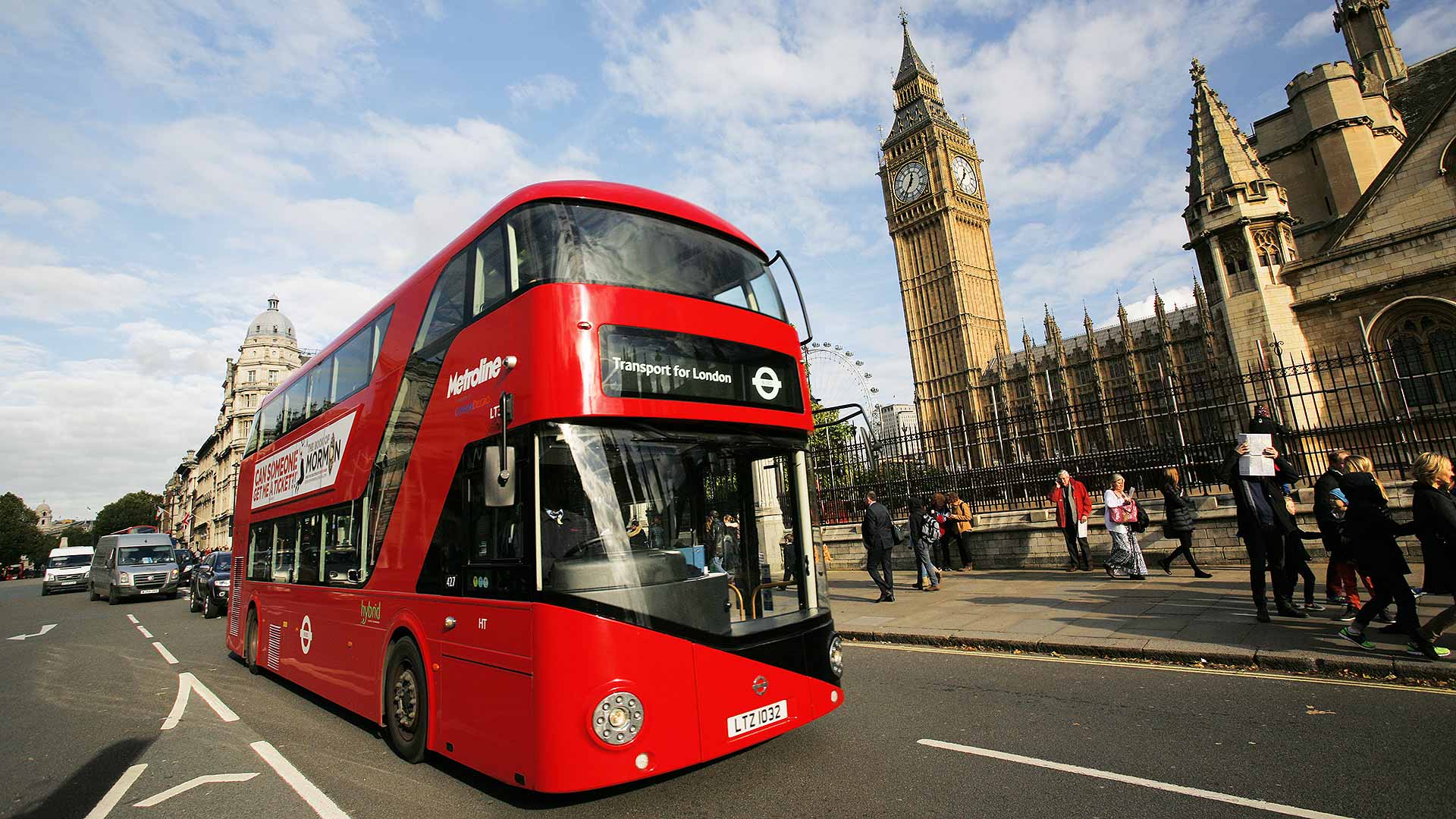
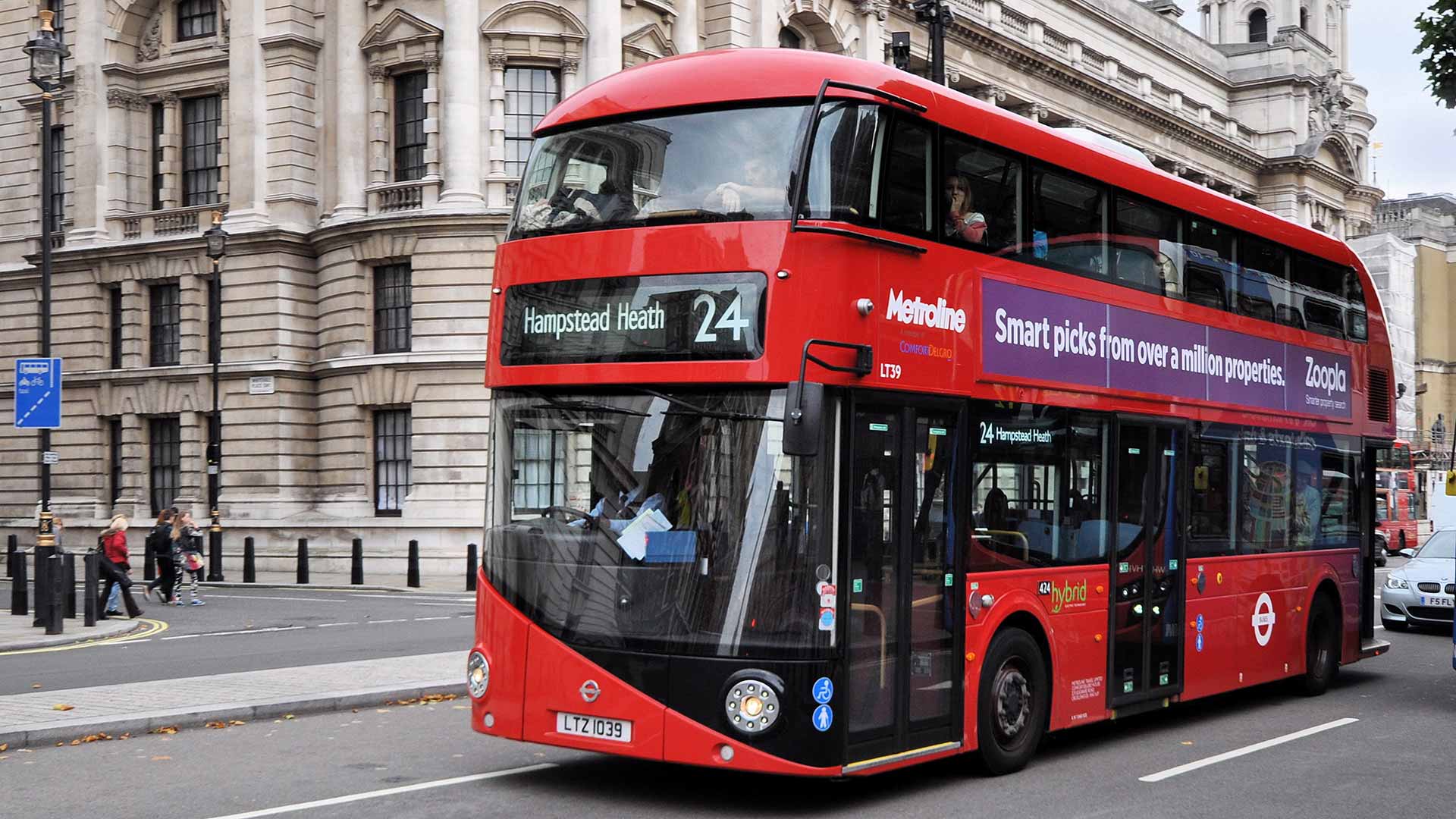
The maker of London’s New Routemaster ‘Boris Bus’ has gone into administration, report unions, after a downturn in the market caused losses to spiral.
Wrightbus, based in Ballymena, Northern Ireland, is one of the region’s largest employers, with 1,400 staff. It is the last UK-owned bus manufacturer.
The firm is well known as the producer of the New Routemaster, which was launched in 2012 after being championed by Boris Johnson, who was then London Mayor. This earned the machine its ‘Boris Bus’ nickname.
Johnson’s successor as London Mayor, Sadiq Khan, cancelled further orders of the New Routemaster in 2016.
Wrightbus was founded in 1946, initially producing trucks. Recently, it has innovated in future fuel and, in May 2019, received an order from Transport for London (TfL) for 20 hydrogen fuel-cell double-decker buses. Each cost £500,000.
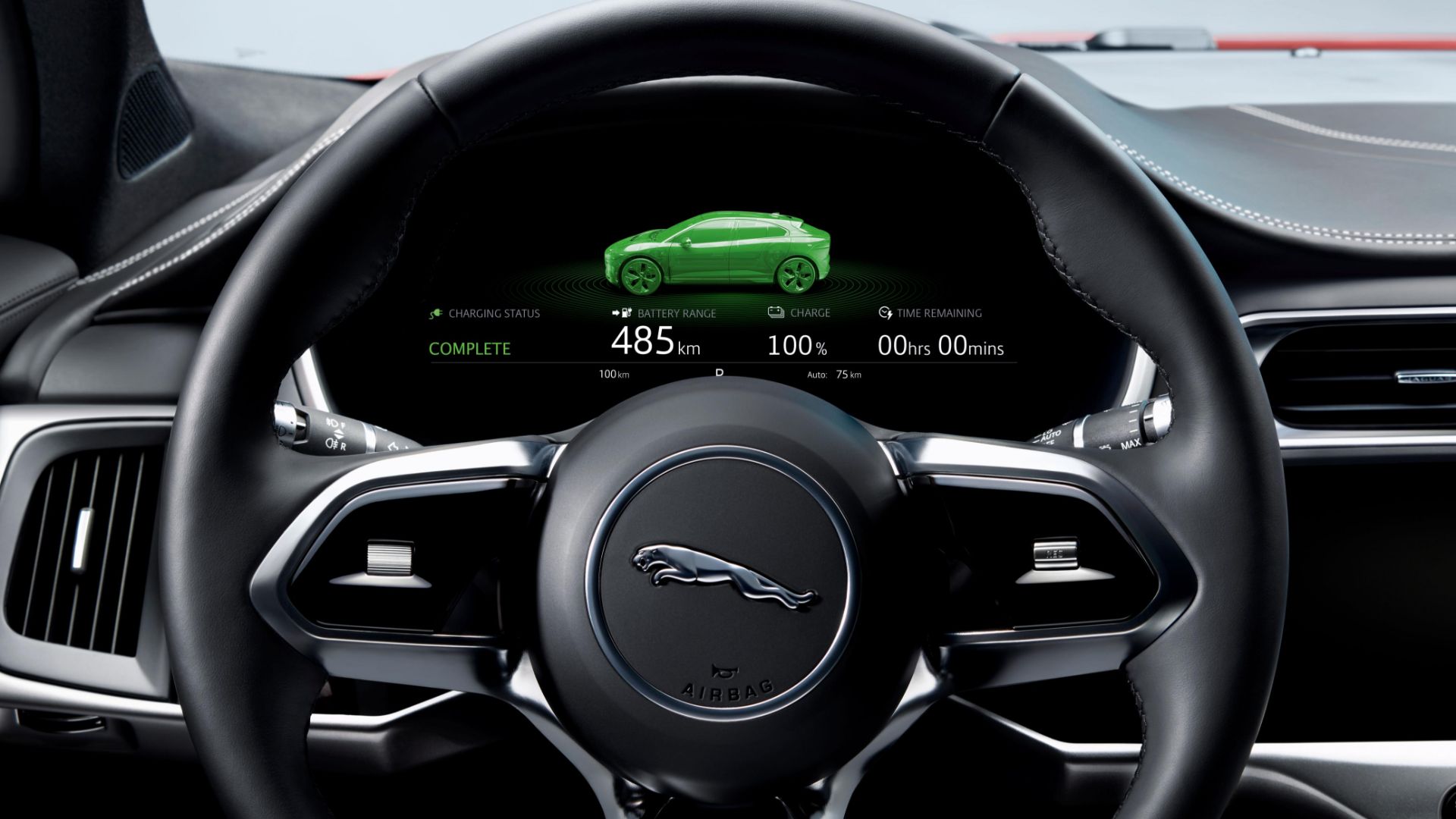
So-called ‘range anxiety’ remains foremost in the minds of many electric car buyers. To help, engineering and testing consultancy Horiba Mira reckons an overhaul of how range is calculated is urgently needed, with more realistic figures the intended goal.
“Increasing the number of people willing to switch to EVs will largely depend on a positive change in customer perceptions; particularly in tackling ‘range anxiety’,” said Ben Gale of Horiba Mira.
“It is therefore imperative that government and EV manufacturers respond accordingly, to accelerate EV adoption.”
A report by the company says conventional ways of testing how far a charged EV will travel need to be reviewed. At the moment, a car that is claimed to have a 300-mile range might manage 250 miles in the ‘real world’.
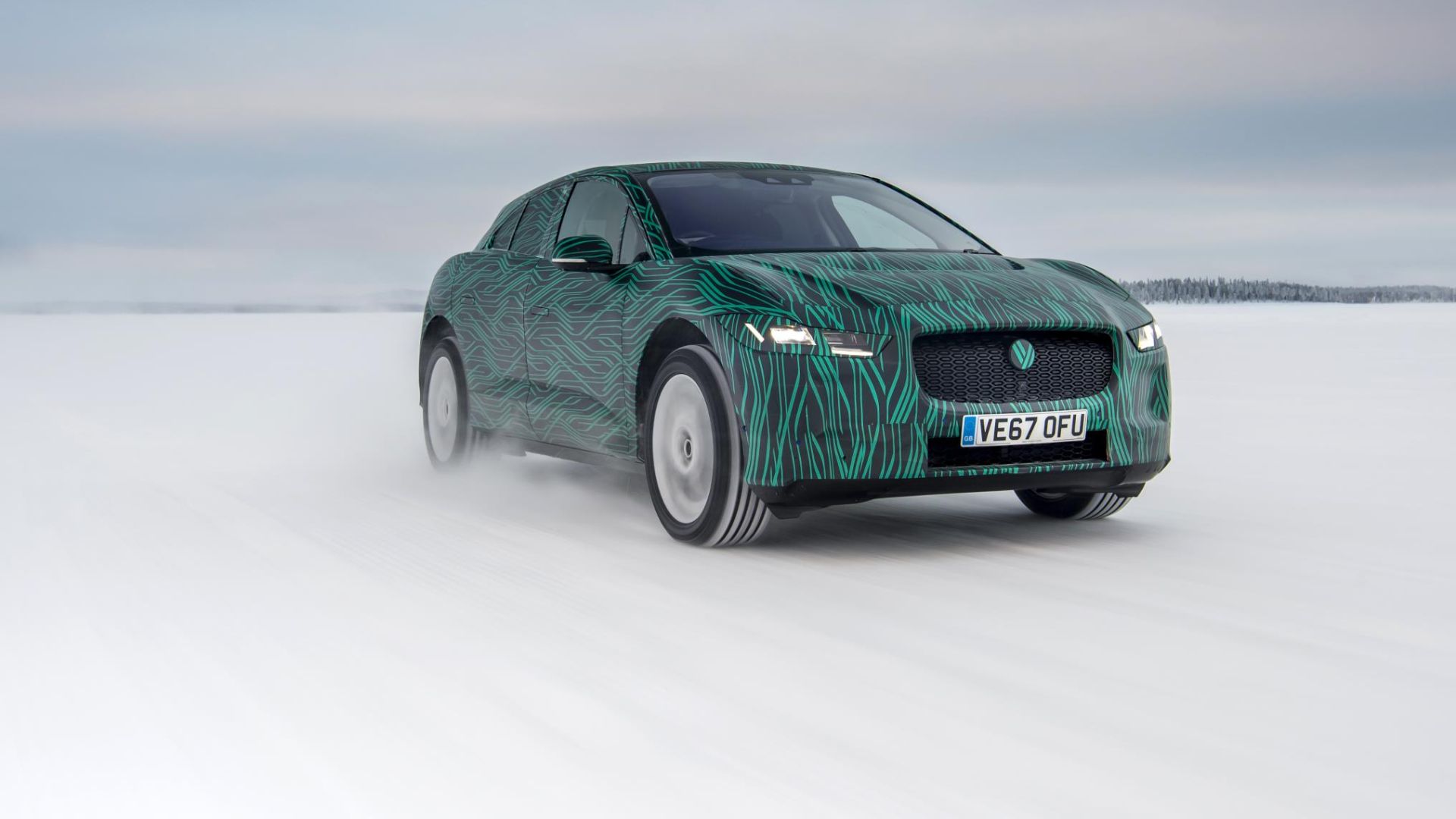
Horiba Mira considers current testing conditions to be unrealistic. Temperature, driving style, the type of journey and other factors all have a dramatic effect on range. Jaguar has recognised this with its online tool for I-Pace owners, which helps estimate range in varying conditions.
“At present, the use of insufficient range data in real-world conditions is playing a part in fuelling range anxiety, putting many motorists off making the switch to EVs,” Ben added.
“Globally, vehicles are tested at just one temperature – one that is considered the ‘optimum’ for vehicle comfort and lithium-ion batteries – but when you add in air conditioning or heating requirements, additional battery power is required, depleting the published range of an EV at an alarming rate.”
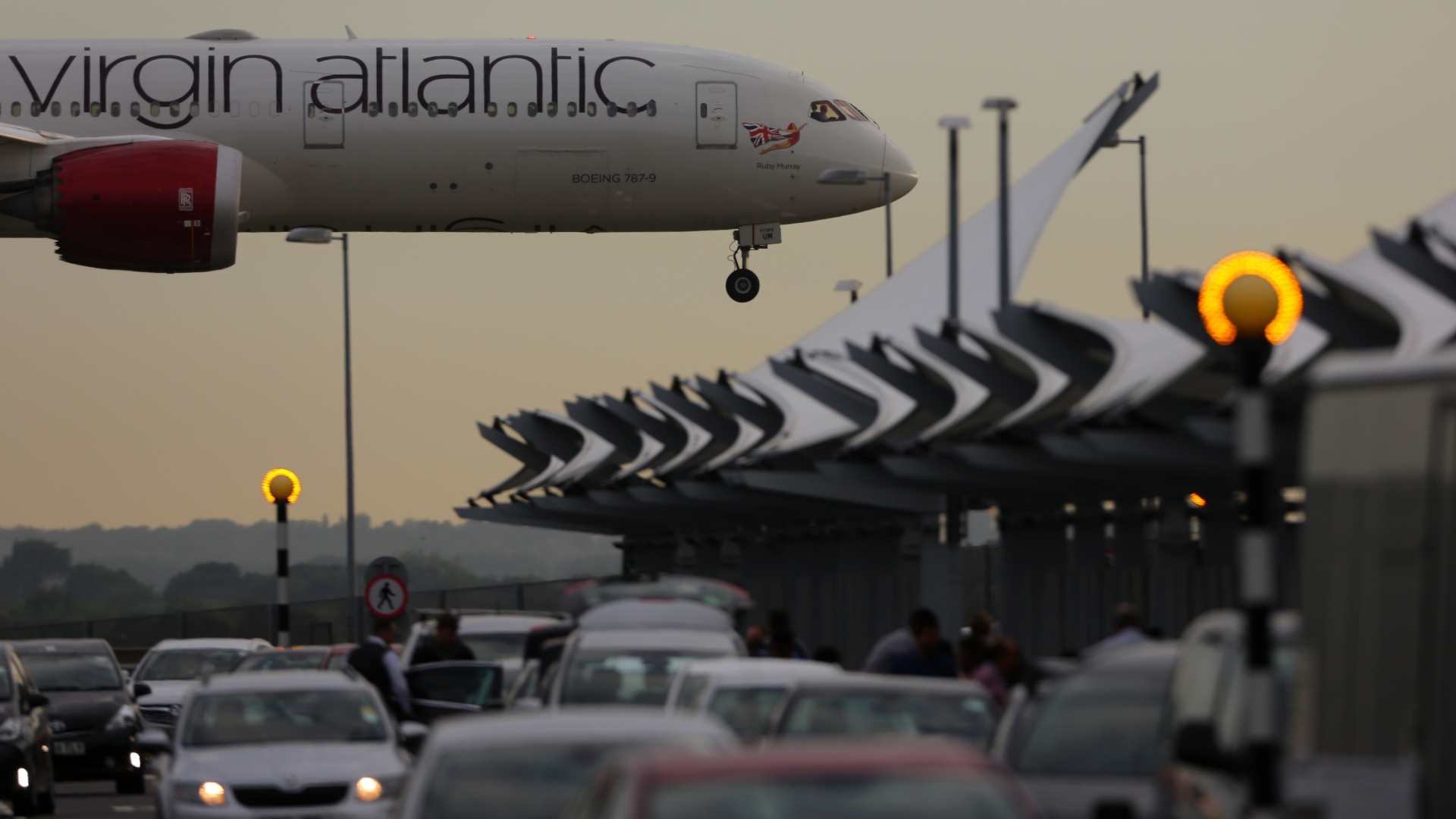
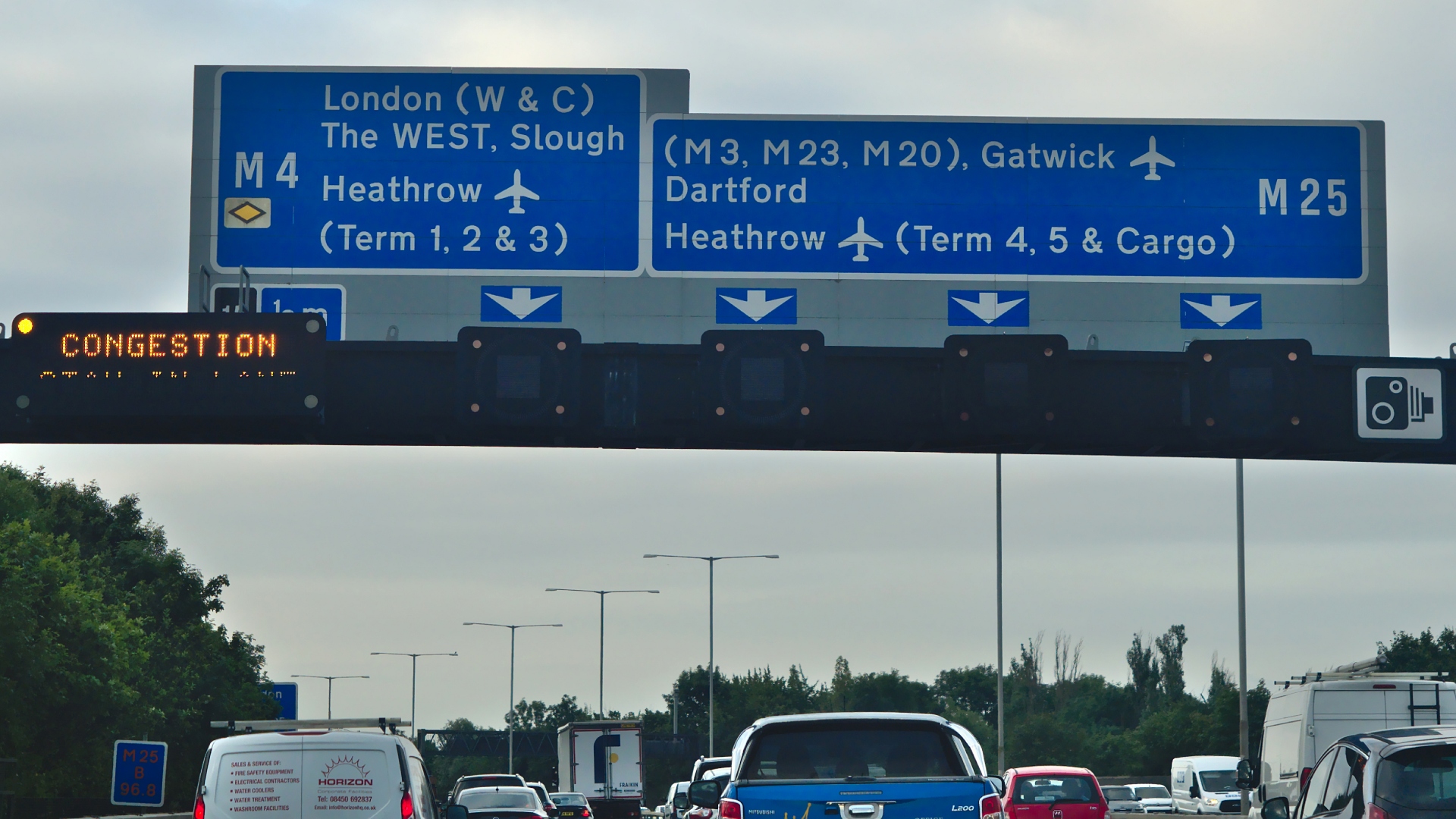
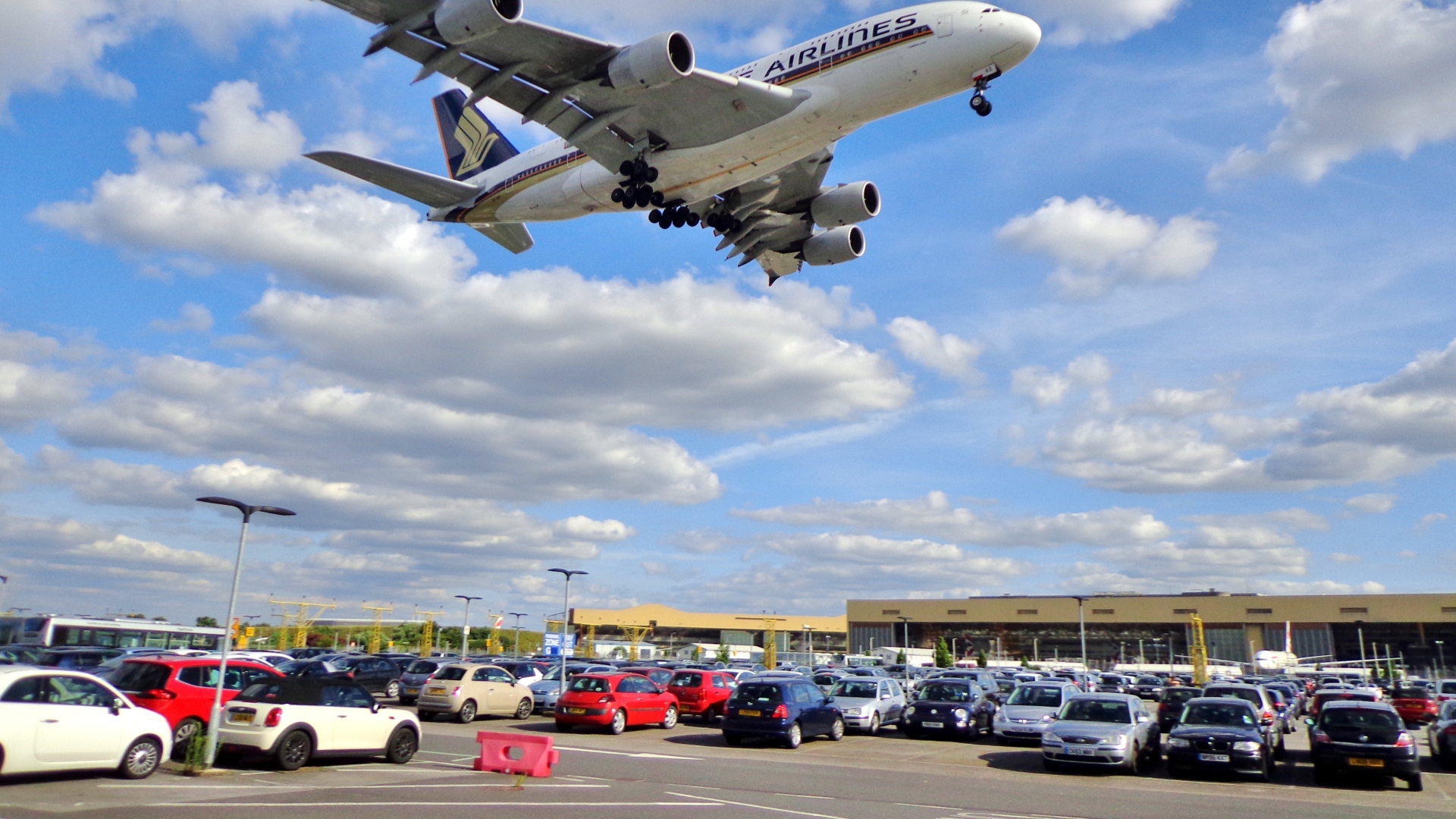
A new penalty system for drivers will be introduced at Heathrow Airport to coincide with the opening of the third runway in 2026. This, to an end of getting its third runway operating at capacity, without adding any cars to the road.
The charge is expected to yield around £1.2 billion a year. That’s if the expected 65,000 vehicles a day pay the predicted £50 daily charge (accounting for inflation) by 2040.
The charge is to be levied on all cars, from hulking gas guzzlers to whisper-quiet electric cars – Heathrow’s congestion charge will not discriminate. The aim is to incentivise the use of public transport by those wanting to fly from Heathrow.
Thus the amount of Heathrow-related traffic will remain the same at the very least, or decrease. It expects 55 percent of passengers will use public transport to get to the airport by 2050. This, by comparison to the 40 percent that did so in 2015.
Can Heathrow’s public transport links cope?
There are worries, however, that public transport links would not be able to cope as drivers try to escape charges. Even without the extra 756,000 flights per year that the new runway will allow. A new east-west Crossrail line is planned, along with an upgrade of the Tube’s Piccadilly Line and improved bus services, to handle to extra passenger volume.
In addition, Heathrow Southern Railway is pitching to build an eight-mile link from Waterloo. There are also plans to increase train infrastructure between Reading and Heathrow.
More than 360,000 driving licences withdrawn on medical grounds
Given that the two lines are to be confirmed, with a decision ‘yet to be made’ by the Heathrow consultation, speculation is rife on whether the current infrastructure will cope.
For the moment, then, travellers could be faced with little choice than to drive and swallow the charges. Heathrow Southern Railway warns that “this will cause resentment as there will be no practicable way for people in this area of the country to avoid the charge”.

 So-called ‘r