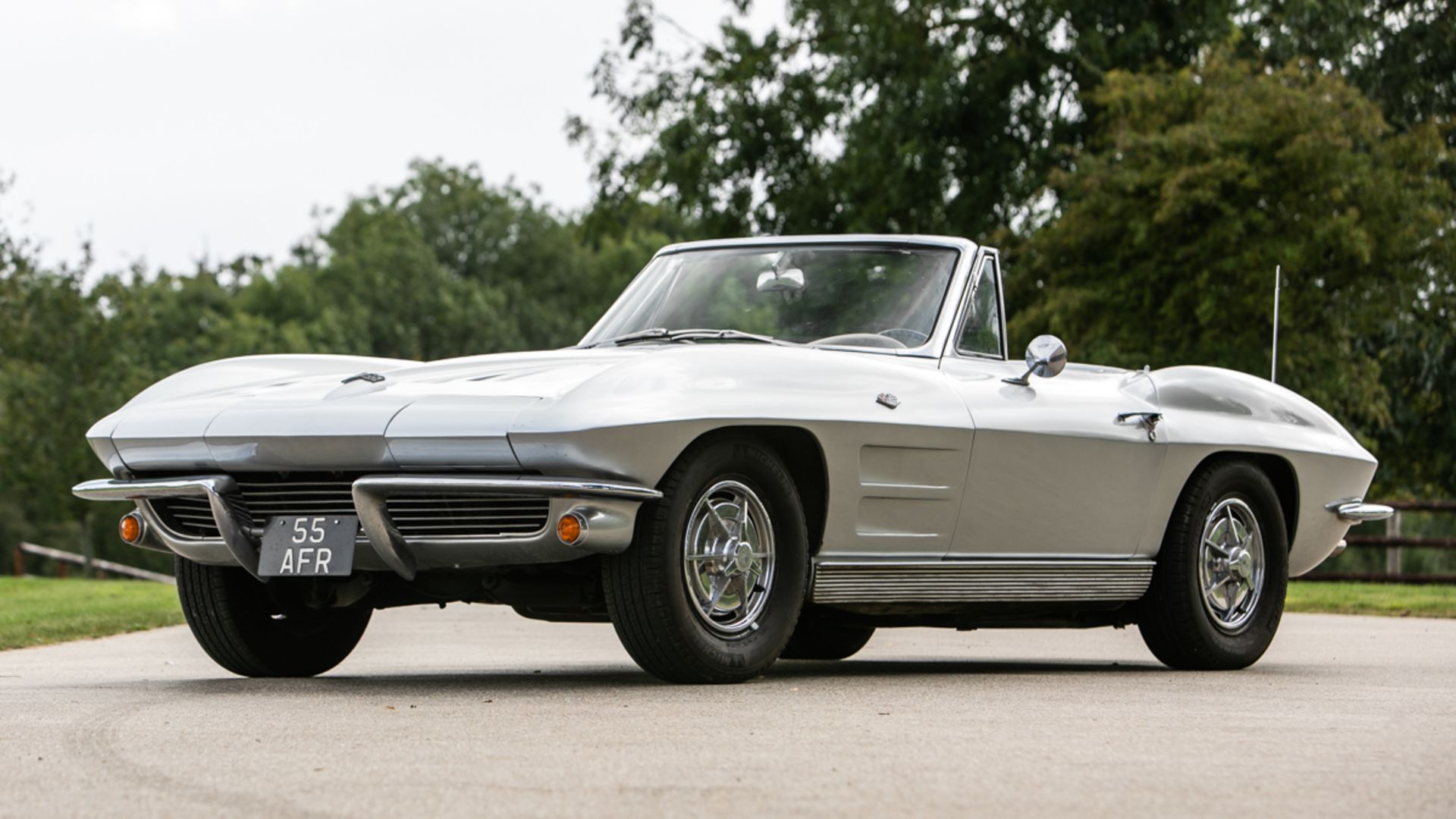
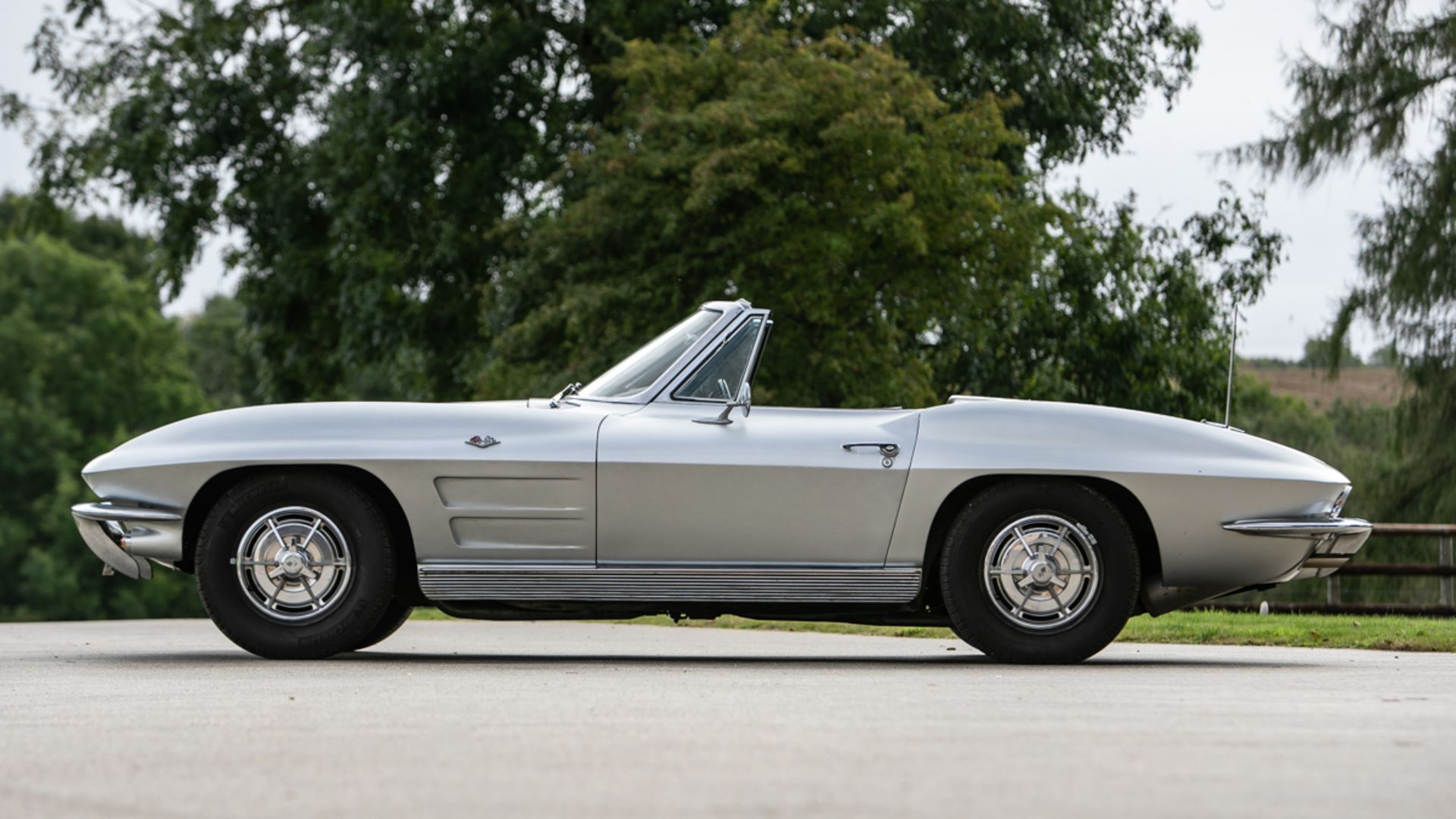
The next Silverstone Auctions sale will have its own dose of rock and roll. Crossing the block will be a 1963 Chevrolet Corvette, first bought new by British pop singer Sir Cliff Richard.
The sale will take place on the 9th and 10th of November, at the forthcoming Birmingham NEC Classic.
Sir Cliff detailed his love for American cars during his 2010 appearance on Top Gear. He even spoke of the Corvette, telling Jeremy Clarkson it was probably the fourth car he’d ever owned.
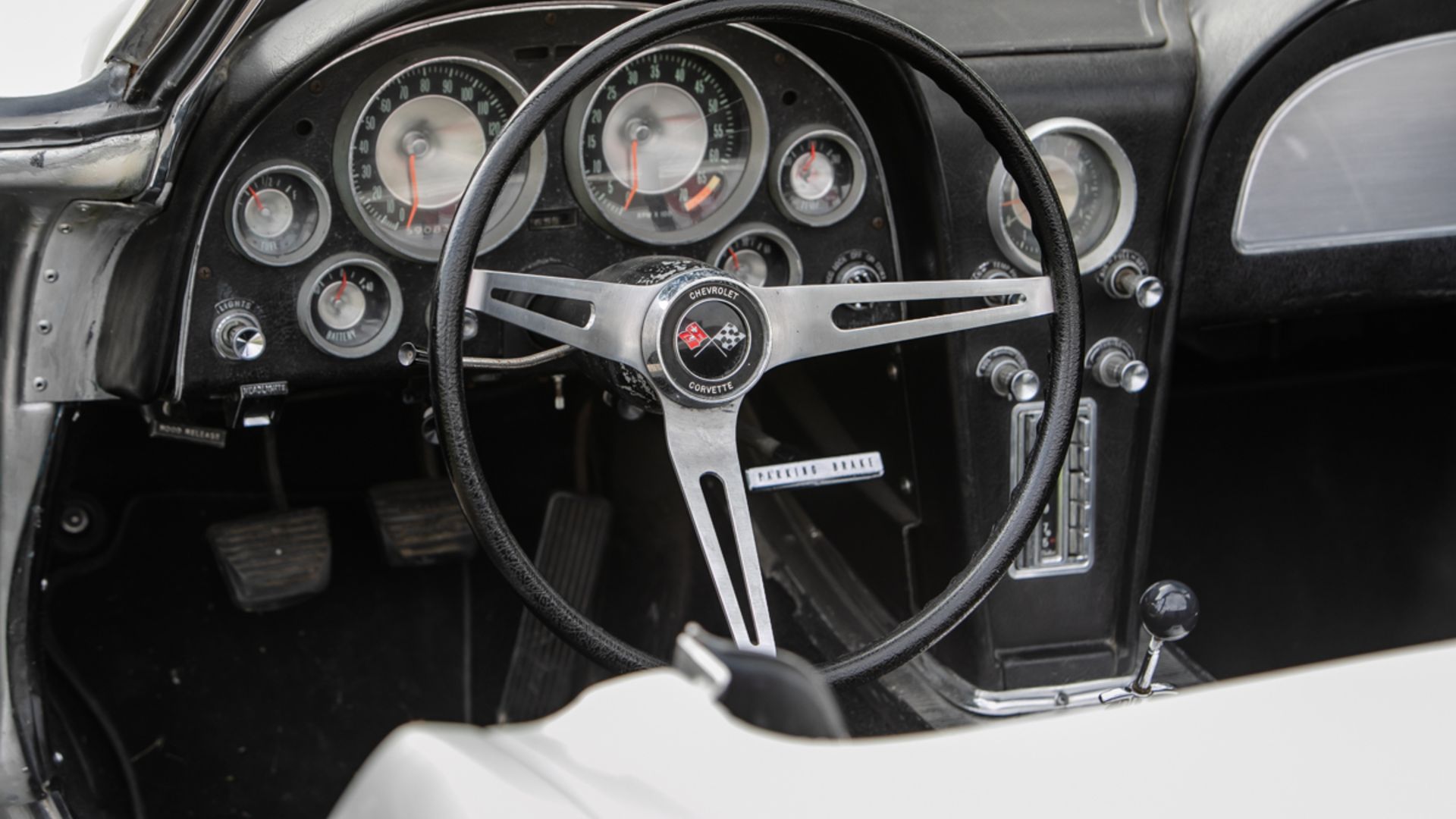
The car will come with a full history file detailing recent work, a full respray and a re-upholstering of the cabin. The car has lived a life since Sir Cliff sold it in 1963 – it’s covered 69,000 miles in its 56 years.
Included in the file will be some photographs of the star with his beloved slice of Americana. Plus, of course, the log book, which comes with Sir Cliff’s signature.
So what will you have to pay for this slice of automotive music history? It’s valued at between £50,000 and £60,000 (around $60,000-$75,000).
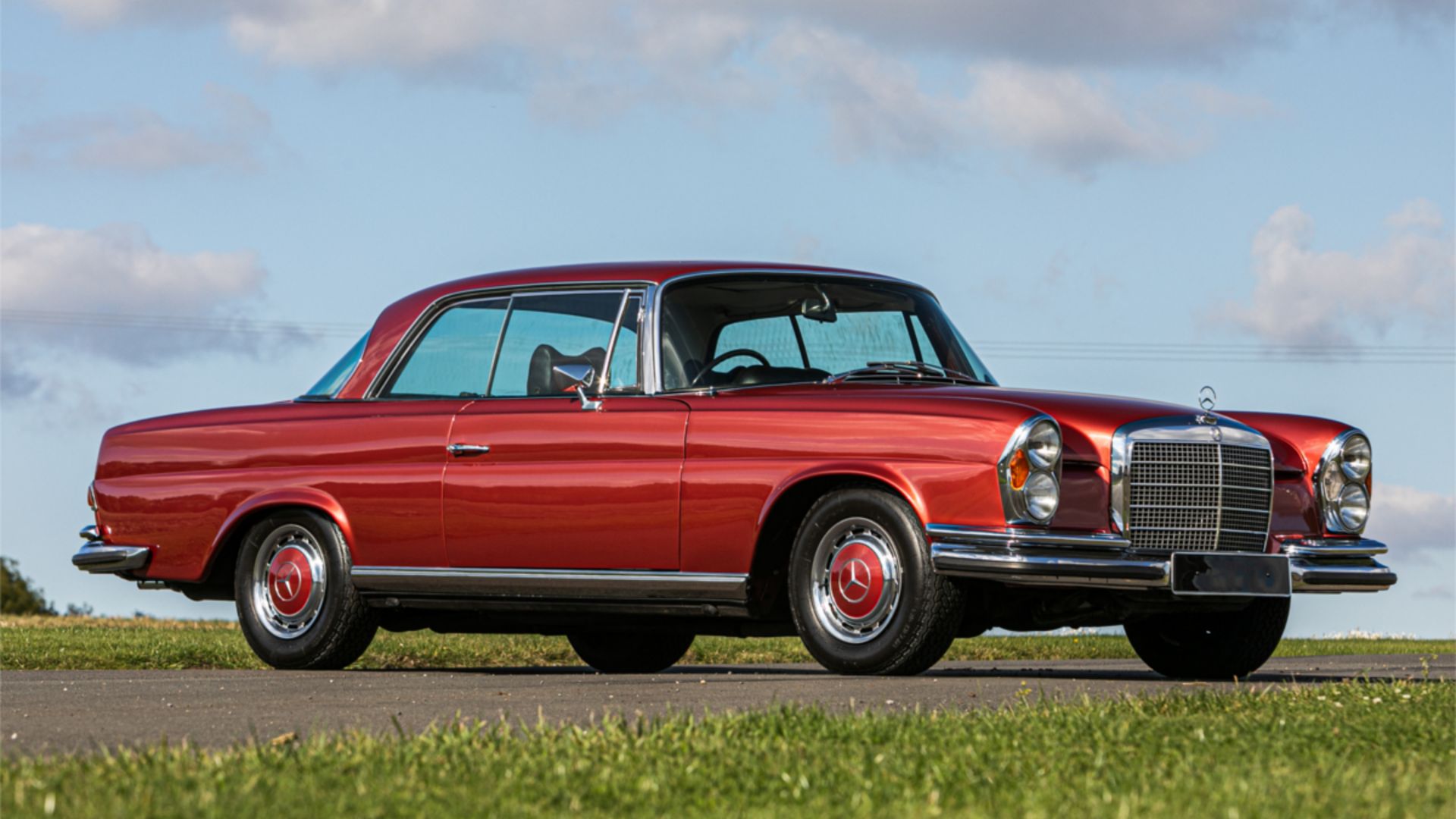
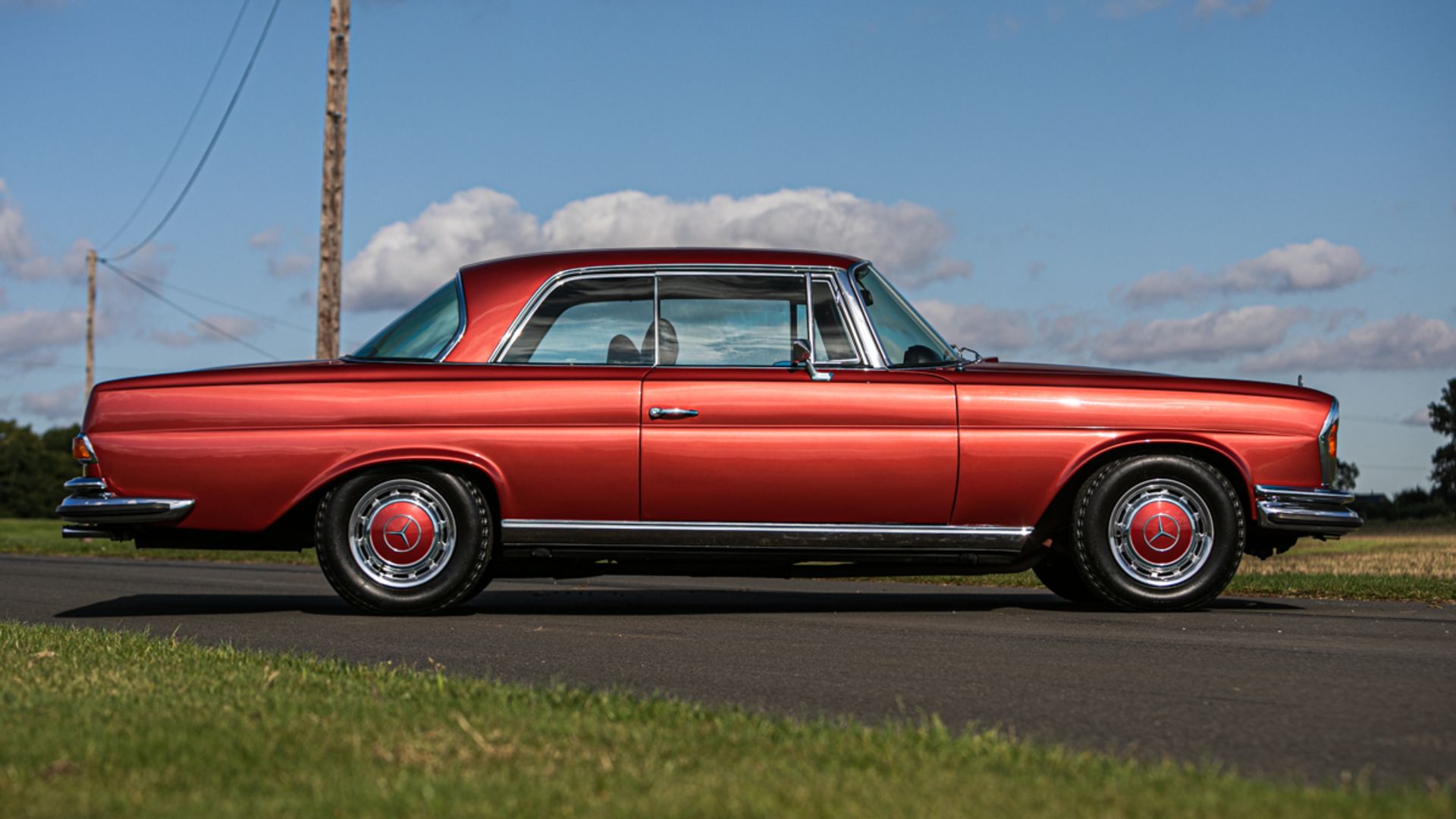
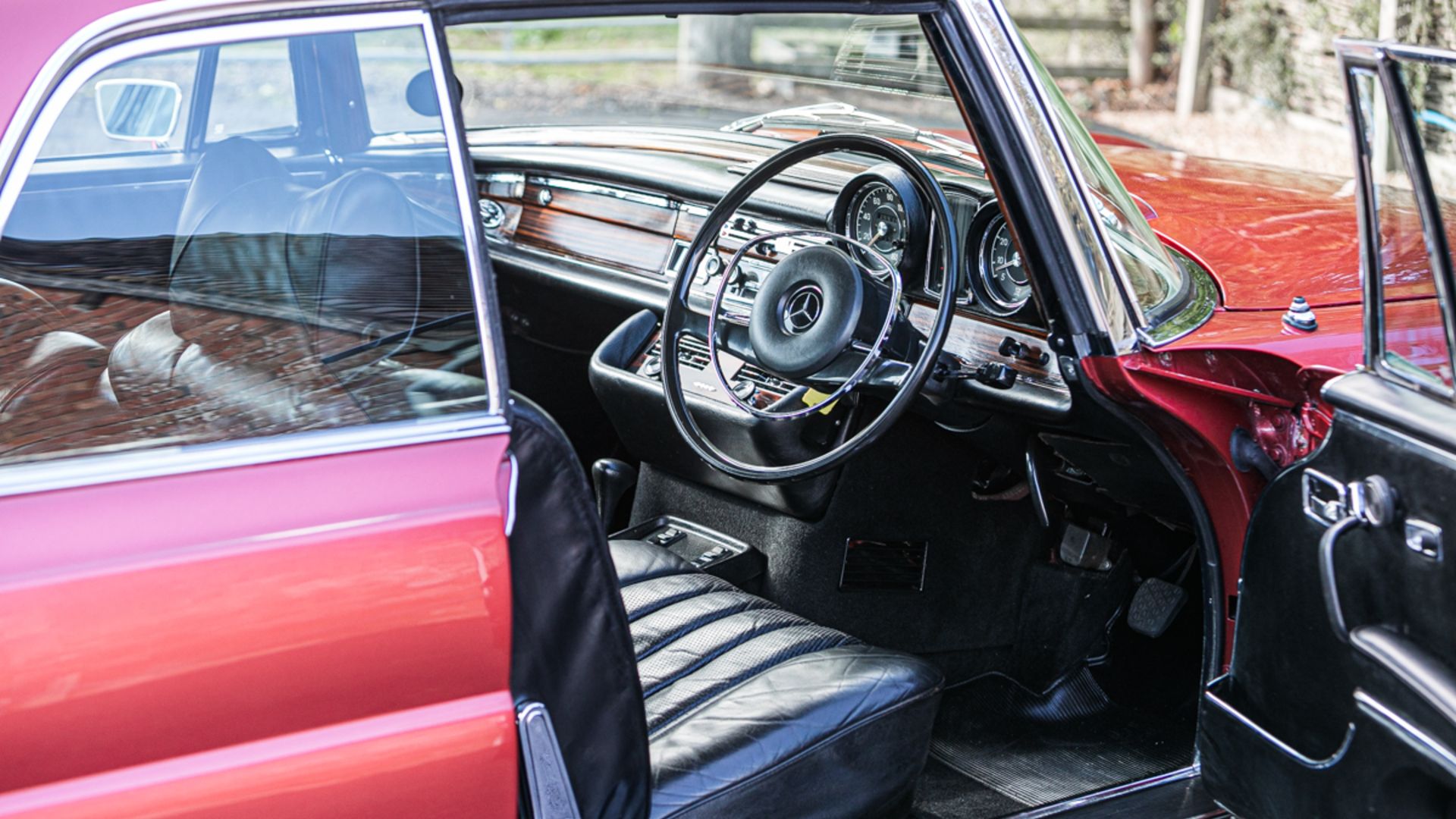
It won’t be the only musical motorcar crossing the block at the sale, either. A Mercedes-Benz 280 SE once owned by Scottish pop singer Lulu is also up for sale.
Both come with their original radios. What hits could those tape decks have inspired as these stars made their way from show to show?
“Here we have two fabulous cars that were both owned from new by two of our most famous British pop stars at the height of their careers,” said Silverstone Auctions Auction Manager, Harry Whale.
“We are honoured to be offering these cars with such an incredible history. As both Sir Cliff Richard and Lulu were taking the pop world by storm at the same time, just imagine if they end up in the same collection.”
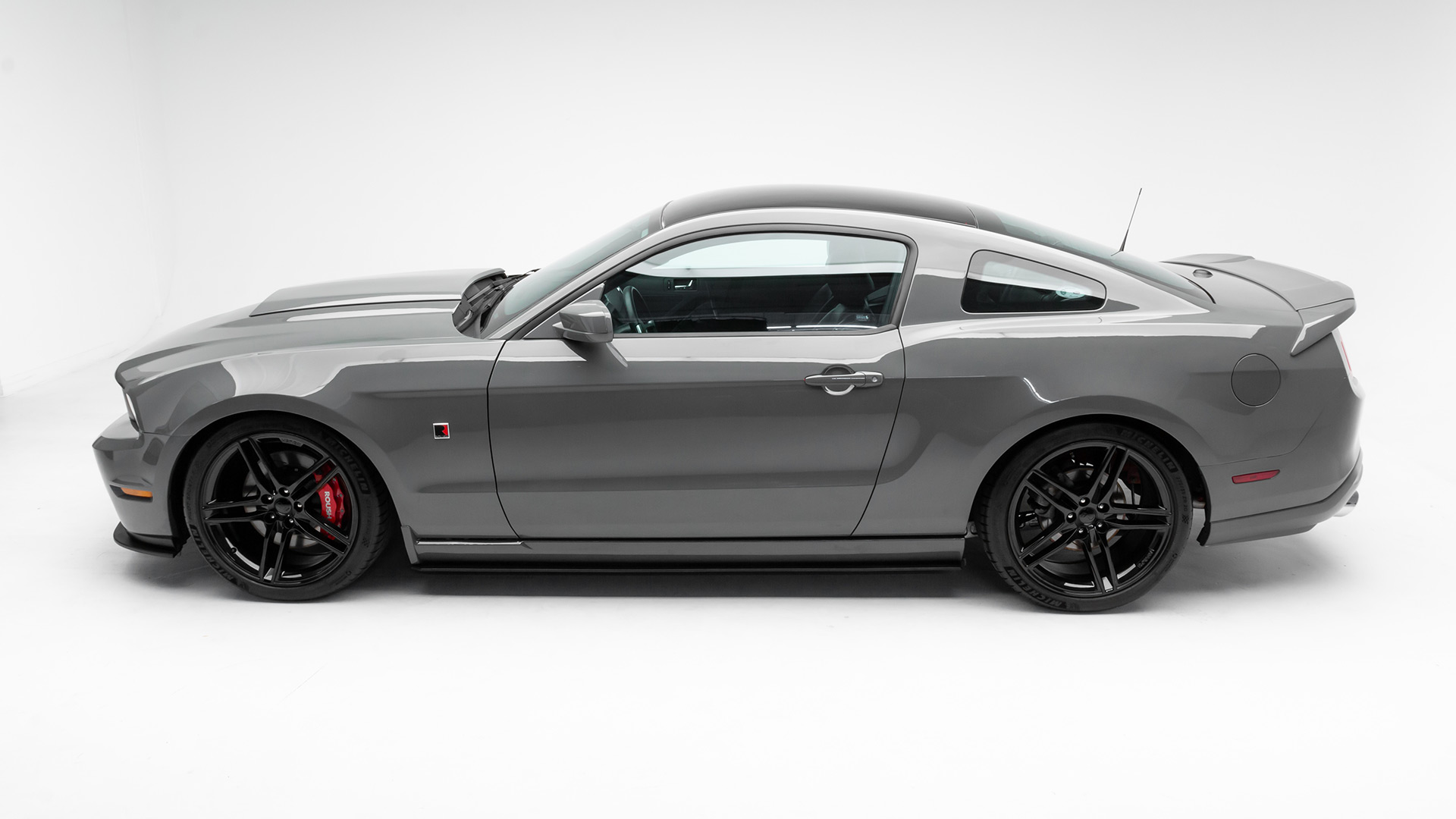
Attendees at a special event this weekend will have the chance to win a modified Roush Mustang, all in aid of charity.
The Los Angeles-based Petersen Automotive Museum is hosting a 25th anniversary gala on Saturday October 5th, with the Mustang set to be sold to the highest bidder.
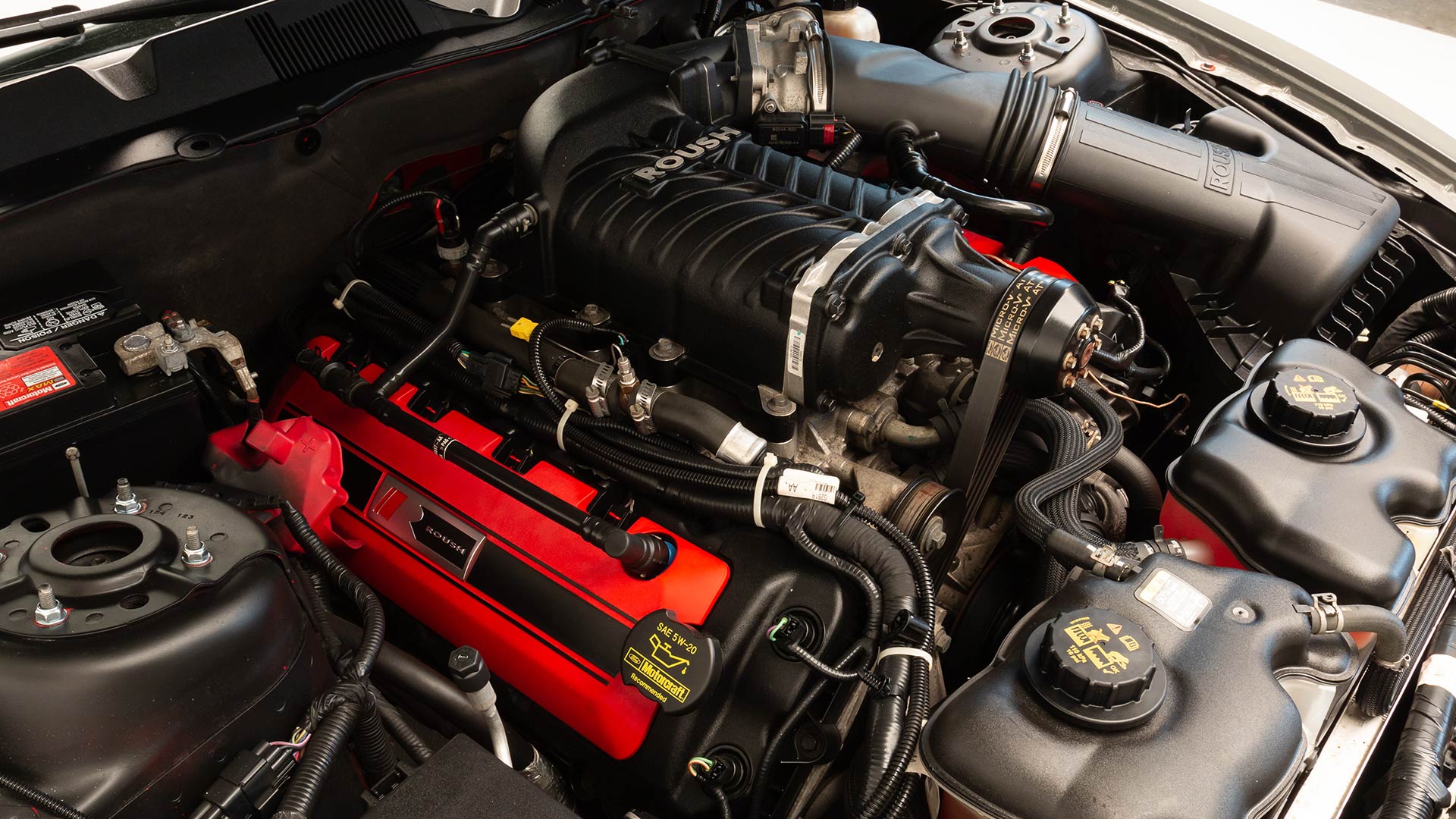
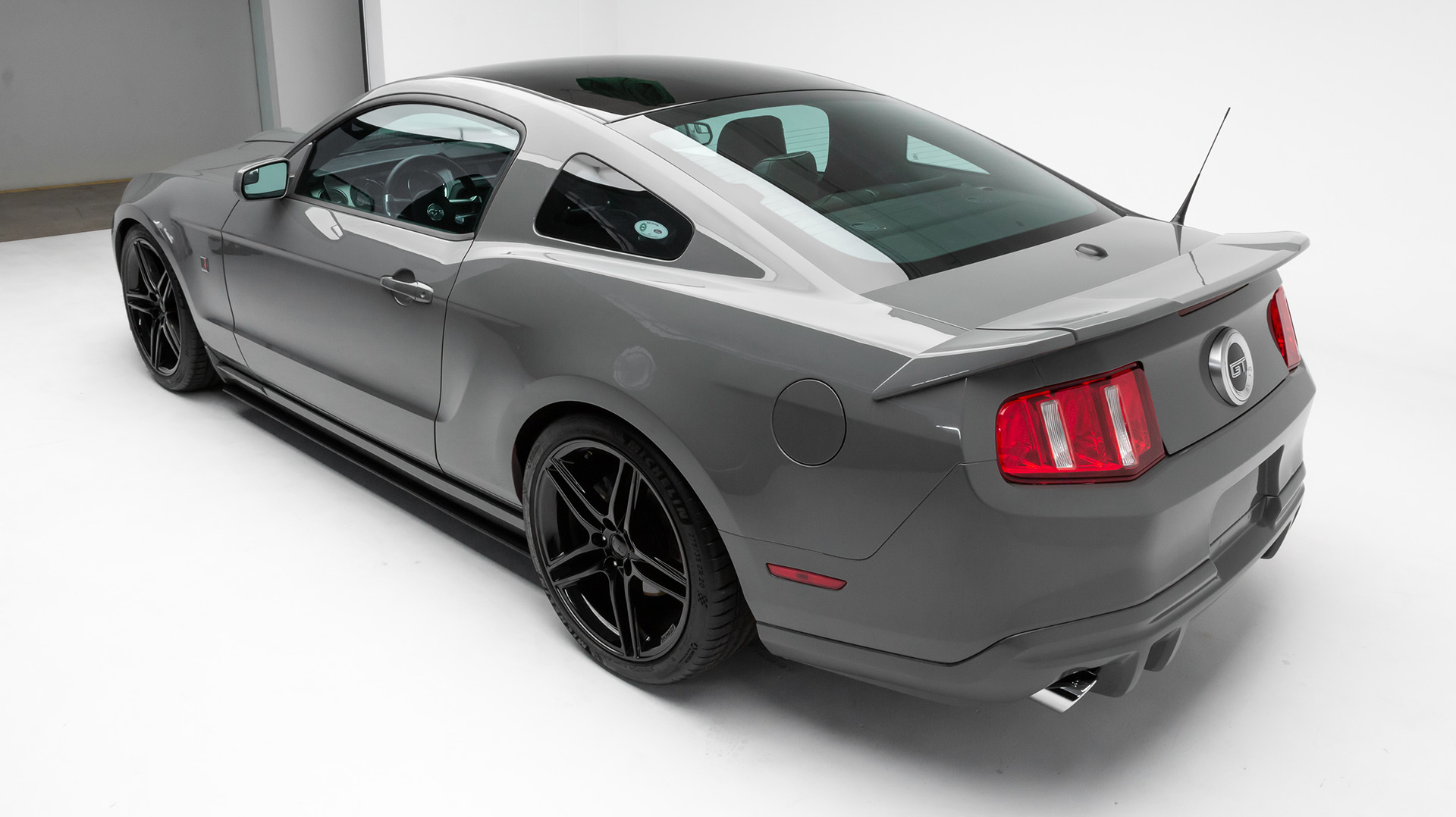
Yet this is not just any normal upgraded ‘Stang. The work was undertaken by a select group of high school students, under the supervision of Roush Performance founder, Jack Roush.
Super ‘Stang
As part of the inaugural Petersen Teen Auto Workshop program, local students were able to gain hands-on experience of automotive mechanics during the summer.
The program was started to address a gap in youth vocational education, with the Mustang project intended to allow the students to see their finished work auctioned as a completed item.
Part of the changes to the 2011 Mustang GT include the addition of a Roush exhaust system, upgraded brakes, lowered suspension, and a set of 20-inch Roush alloy wheels. Also fitted were new bumpers front and rear, plus a new grille and splitter.
A Roush Eaton supercharger can also be seen hiding beneath the hood of this V-8 Mustang.
Doing it for the kids
Proceeds from the sale of the Roush Mustang will all go to the Petersen Automotive Museum Foundation. This provides educational programs, such as the Teen Auto Workshop, to more than 100,000 children each year.
The 25th Anniversary Gala, titled “Celebrating Silver, Going for Gold,” will also see an auction for a Ford GT supercar build slot. Ford is being honored as part of the gala celebrations, with current executive chairman Bill Ford attending.
Petersen Automotive Museum Executive Director, Terry L. Karges, has described the gala night as the Foundation’s “biggest fundraiser event of the year” and that attendees will have a “significant impact on your community and on an essential global institution.”
Individual and corporate gala tickets are available from the Petersen Automotive Museum website.
Turning up to protest about climate change in a dirty diesel is a little like going to thrash metal concert and complaining about the noise.
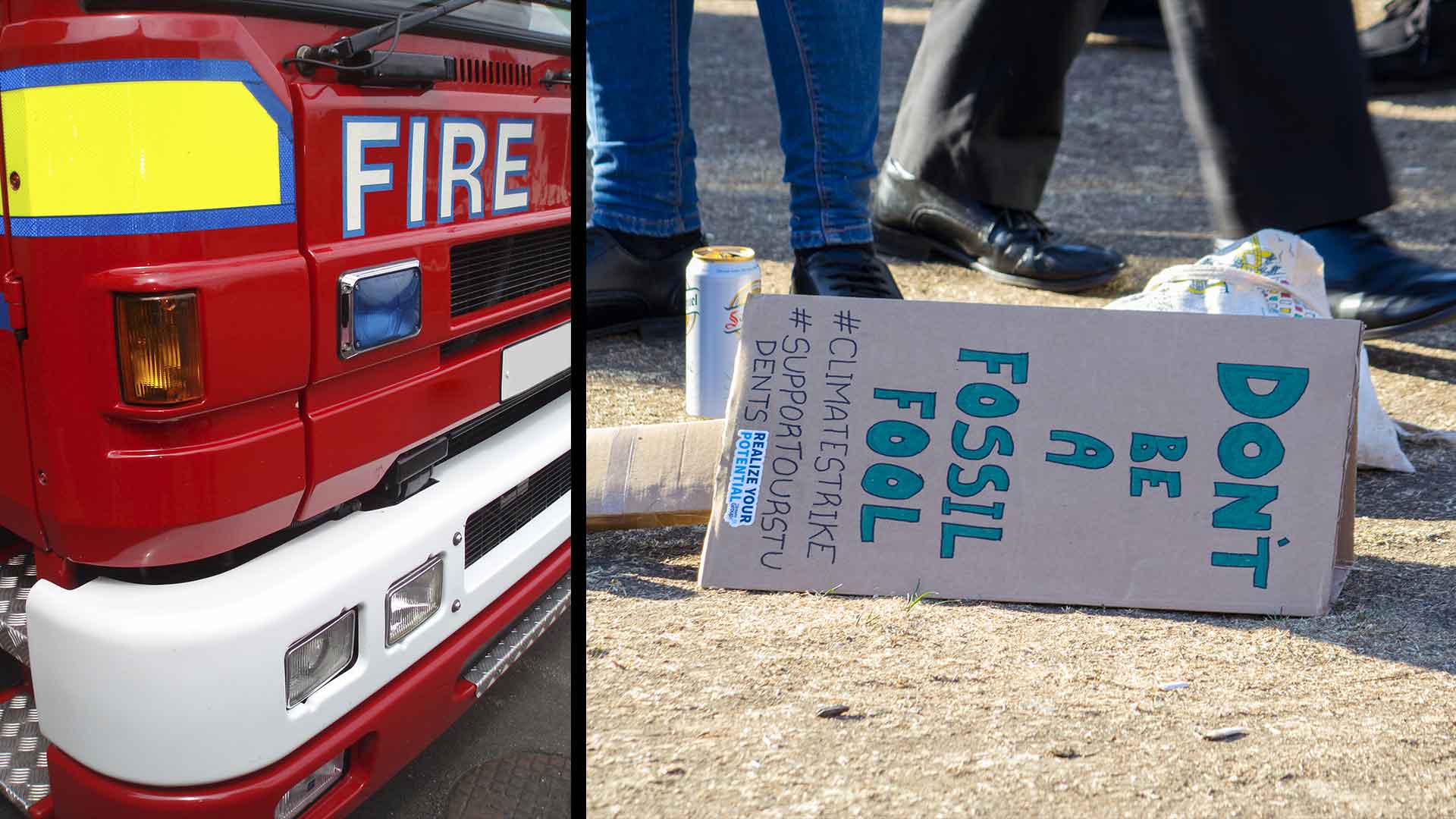
But as Extinction Rebellion arrived in Whitehall in a 21-year-old fire truck to paint the town red, it became abundantly clear that the protesters hadn’t considered the irony of their choice of transport. After all, an 8.3-litre diesel engine is about as welcome in central London as a fox in a henhouse.
Extinction Rebellion climate protesters use a fire engine to spray the Treasury with 1,800 litres of fake blood – but run into trouble controlling the hose
It would appear that Extinction Rebellion paid £5,000 for the former Derbyshire Fire & Rescue Service Dennis Sabre back in August. Cheaper than a Dacia Sandero, then, but not as good for the planet.
It’s not the first time the fire engine has been in the public eye: the eBay ad lists an appearance on Holby City as one of its selling points. You could say it’s gone from one drama to another.
The old Dennis diesel sat outside Treasury smoking like a 70s snooker player as the Extinction Rebellion protestors struggled to contain their hose. It turned the protest into something that wouldn’t have looked out of place on Top Gear, as the fake blood coated the steps and pavement outside the Grade One listed building.
Forget London’s Burning, this was more like London’s Turning… Red.
Clearly, climate change is a serious business. Only a chump with rubbish hair and a penchant for walls would deny that we need to do something to reverse the damage that’s being done to our planet. We can all play a part.
But buying an 8.3-litre diesel fire engine in Northampton and then driving it into central London isn’t going to save the world.
With a strong wind behind it and a clear road ahead, the Dennis Sabre could probably muster 8, maybe 9 miles per gallon. Fine if you’re putting out fires or starring alongside Tina Hobley, but not so great when you’re protesting against “the vast sums [the government] pours into fossil fuel exploration”.
New research has revealed the most popular car colours in the UK, as well as which paint colours help cars hold their value.
The first thing to note is that the two aren’t one and the same. The most popular colour isn’t also the one that best helps combat depreciation.
Most popular car colours
To ascertain what the most popular car colours are, the Crusader Vans study examined how many days, on average, it took cars to sell. In other words, how long between being listed for sale and being bought.
Grey is the new black, it would seem, as it tops the table for speed of sale.
Grey, white and black are the top three quickest-sellers in that order, taking 34.2, 35 and 36 days to sell on average.
Ferrari and Porsche are London’s top-choice supercars
In fourth place is green, selling in 36.2 days. Blue (36.8 days), orange (38.1 days), silver (38.8 days) and red (40.9 days) follow.
The two least popular colours studied are yellow and beige. They sell in 41.5 and 46.6 days respectively.
How colours help cars hold value
That last point is interesting when you then consider how cars hold their value. That’s because yellow cars, followed by orange cars, take the lead in terms of least depreciation.
Yellow cars typically suffer 27 percent depreciation over three years. Perhaps that’s due to yellow being a popular colour for exotic and limited-edition cars.
Orange (30.6 percent), green (30.9 percent), white (32.6 percent) and red (32.7 percent) follow to complete the top five.
Blue, popular grey, black, silver and beige occupy the rest of the list, ranging between 33.5 and 36.6 percent depreciation over three years.
So, what’s the best colour to buy? Basically, when you sell your yellow car, it might take a while, but you’re likely to get more of your money back. When you sell your grey car, it’ll shift quickly, but might sell for less.
We’d go with white or green on the basis of these results, for a combination of a quick sale and a good return.
The second News UK Motor Awards event was held yesterday, announcing the cars of the year decided upon by journalists from the UK’s premier newspapers, including a certain Jeremy Clarkson, although he only appeared to weigh in on the faster stuff. Let’s round up the winners.
Clarkson’s cars of the year
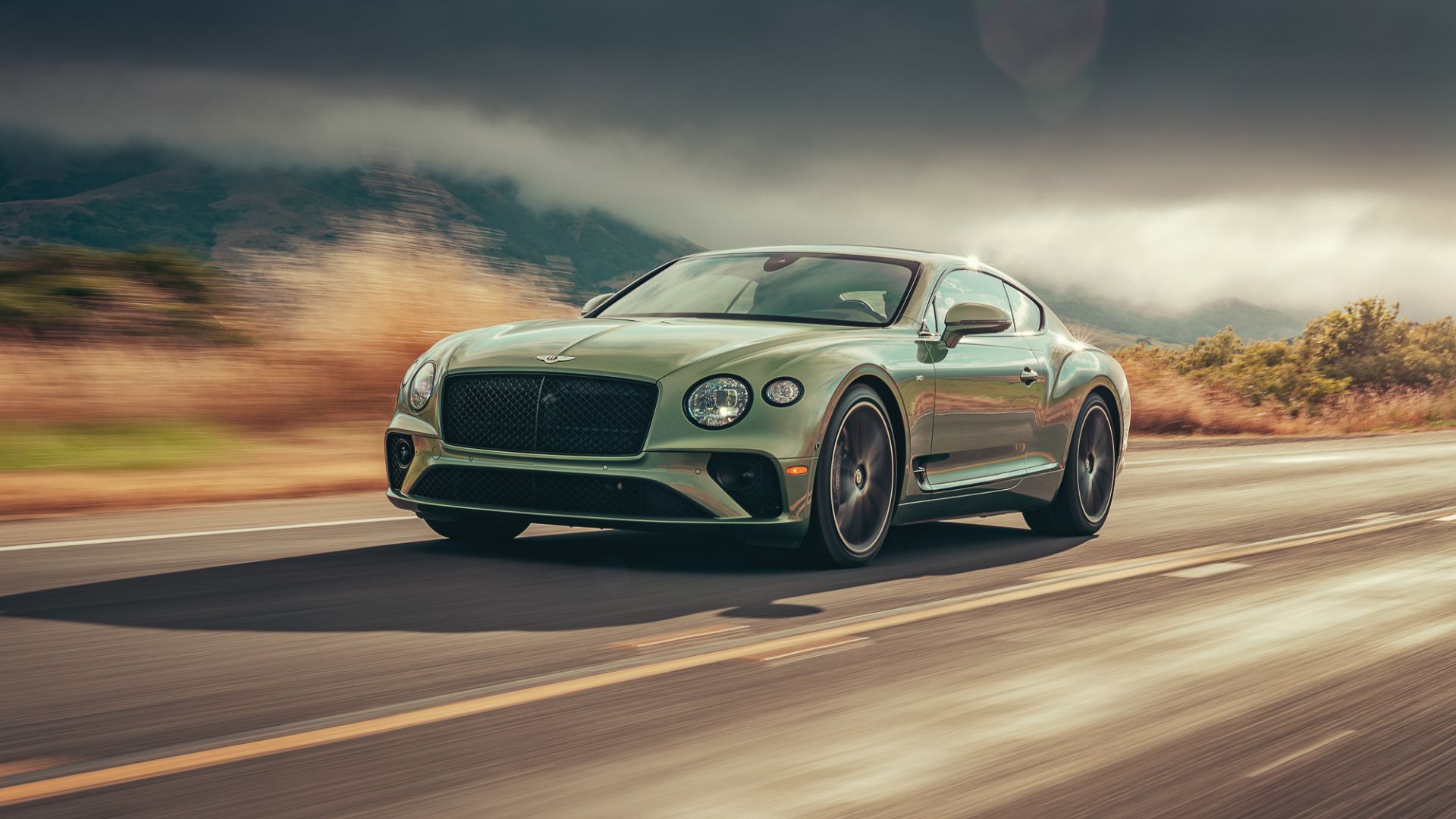
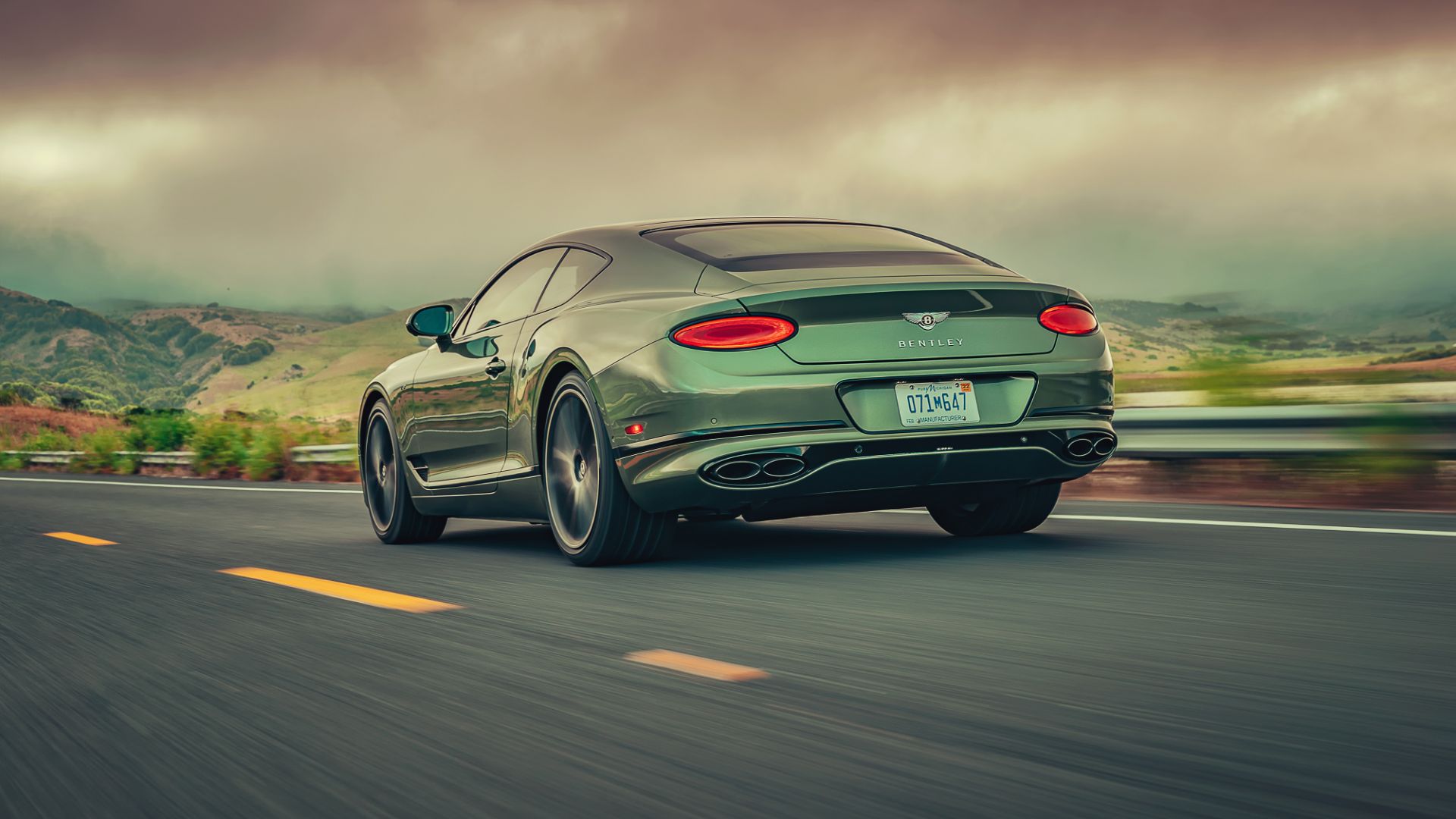
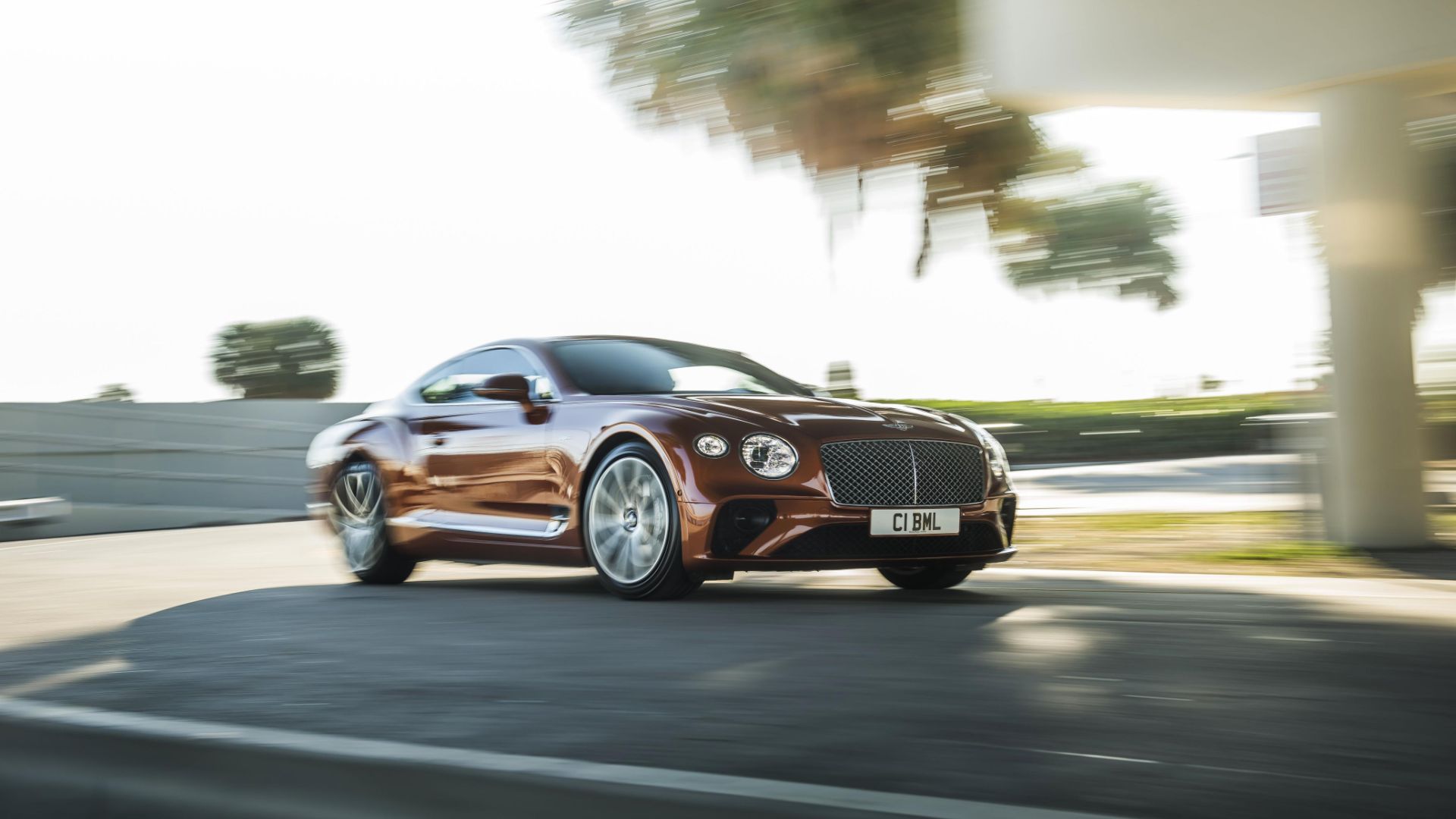
Bentley Continental GT V8
It’s back! The Continental GT V8 claims the ultimate prize: a recommendation from Jeremy Clarkson as the ‘People’s Car of the Year’. We’re sure there’s something to be said about how in-touch with ‘the people’ Clarkson is if his ‘people’s car’ is a £100,000+ Bentley, but that’s the Jezza way.
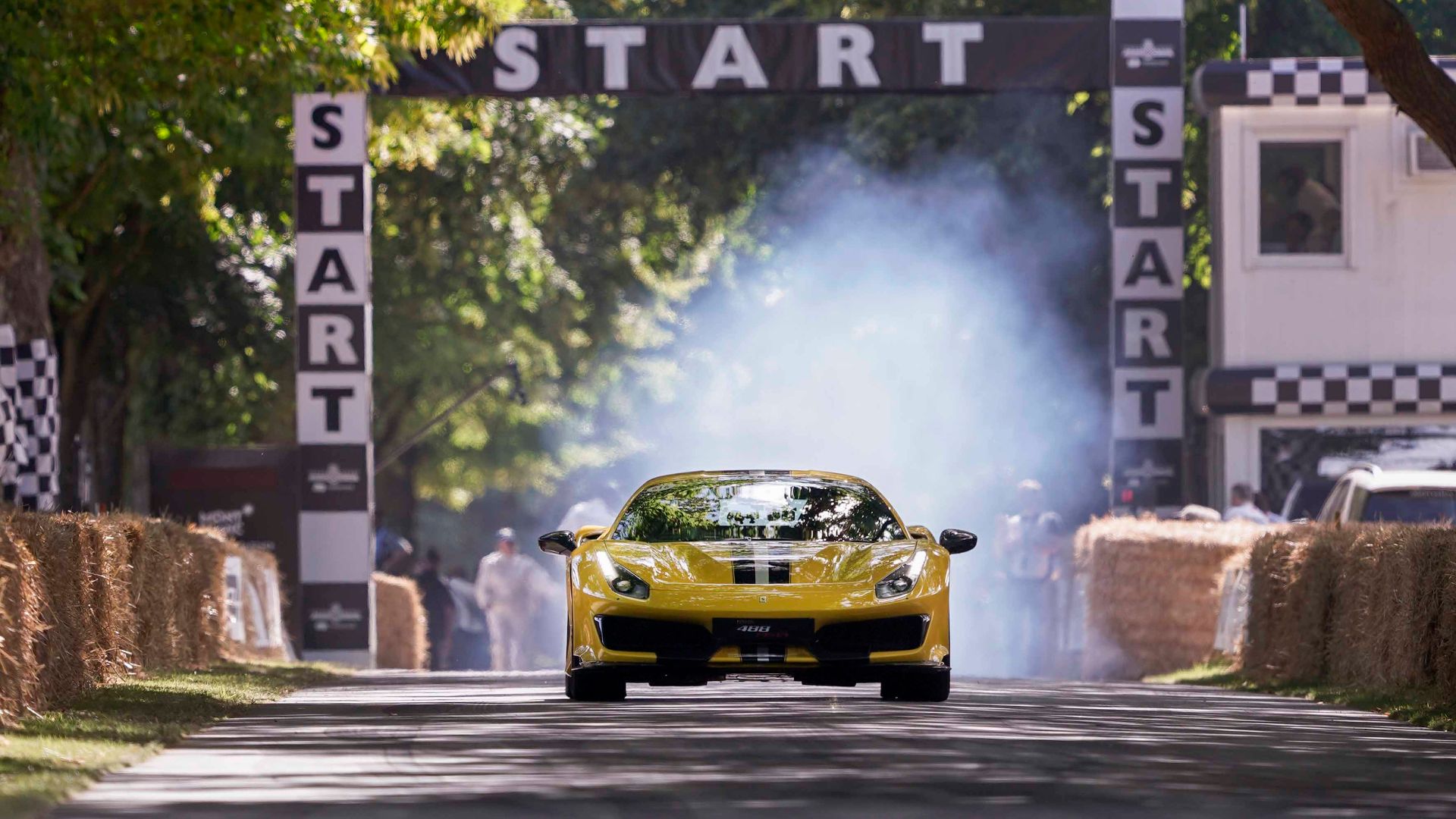
Ferrari 488 Pista
Although it’s been superseded by the Ferrari F8 Tributo, the outgoing 488 Pista claims the coveted Clarkson Supercar of the Year award. Jezza, we’ve little to no arguments on that front.
The sensible stuff
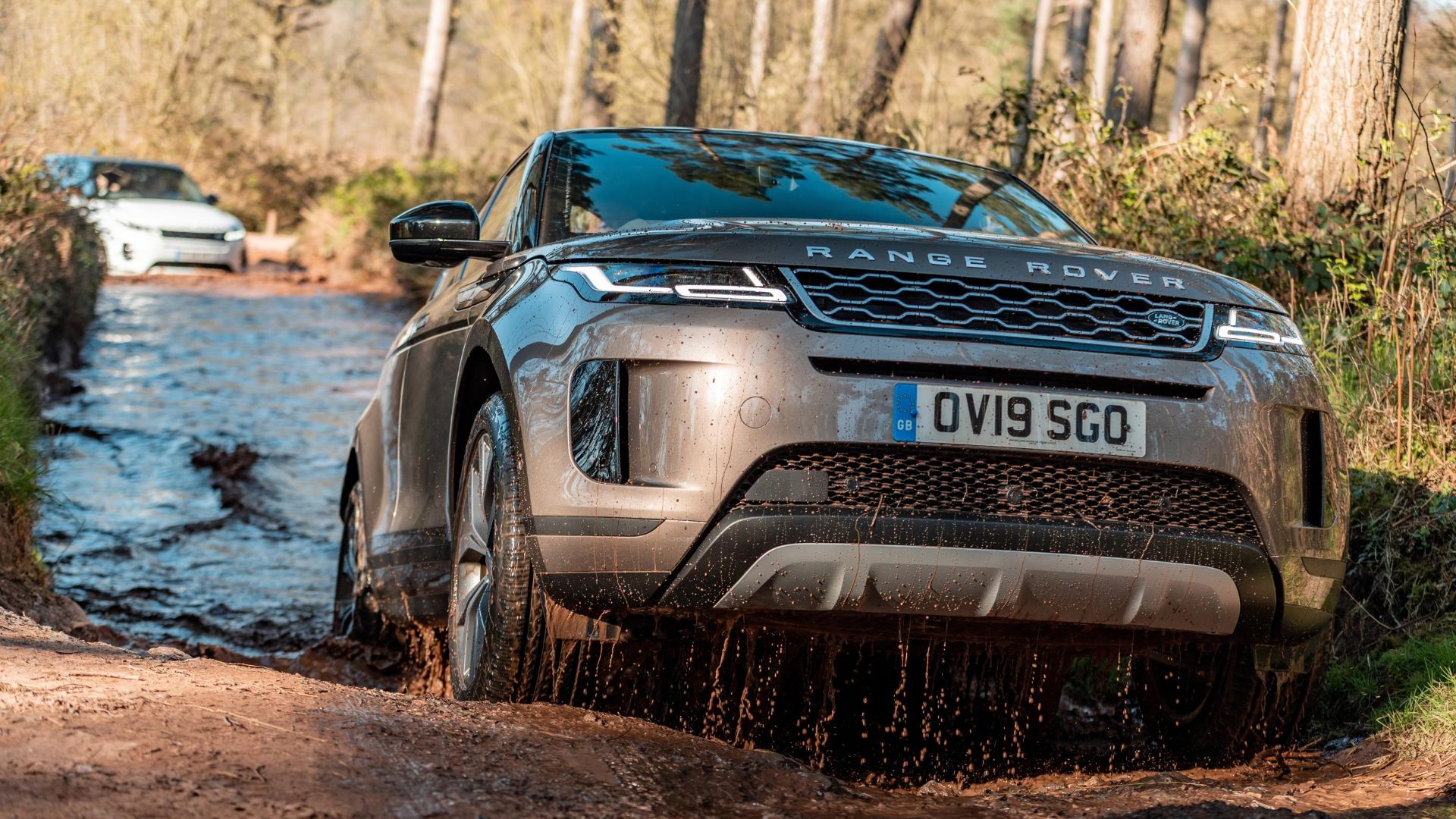
Range Rover Evoque
The new Range Rover Evoque was awarded Family SUV of the Year. It’s a worthy winner, as a long-awaited update to the marque’s big-selling miniature ‘Rangie’.
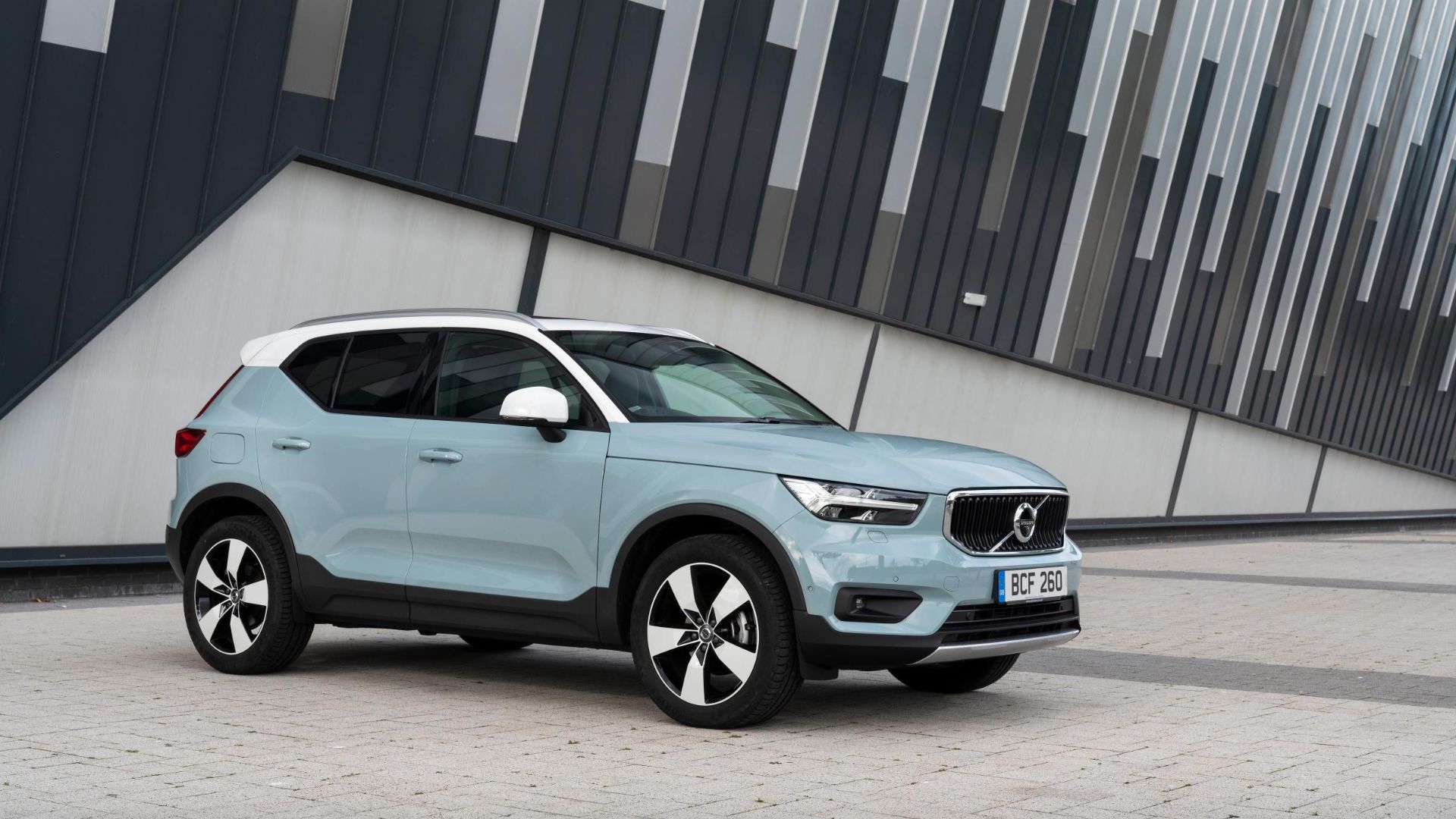
Volvo XC40
Volvo’s XC40 takes home the Small SUV/crossover of the Year award. It’s another we can agree on. This is a quirky yet classy, high quality and capable fly in the German establishment’s ointment.
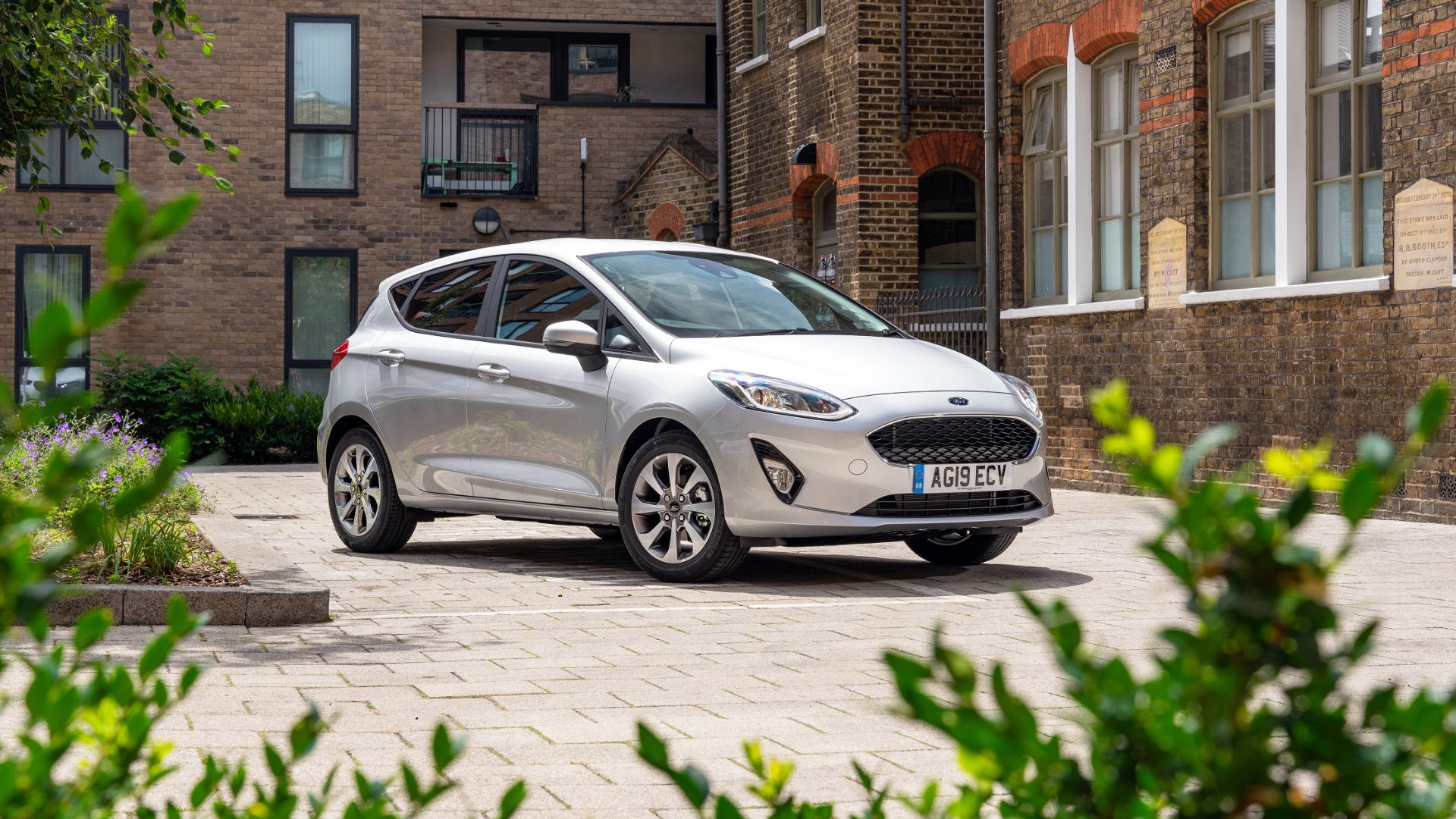
Ford Fiesta
Although it’s been around for a couple of years now, as per the brilliant Ford Fiesta wins Small Car of the Year for 2019. We can get behind that. Nothing’s come along since to challenge it, although we’ll be driving the new Peugeot 208 very soon…
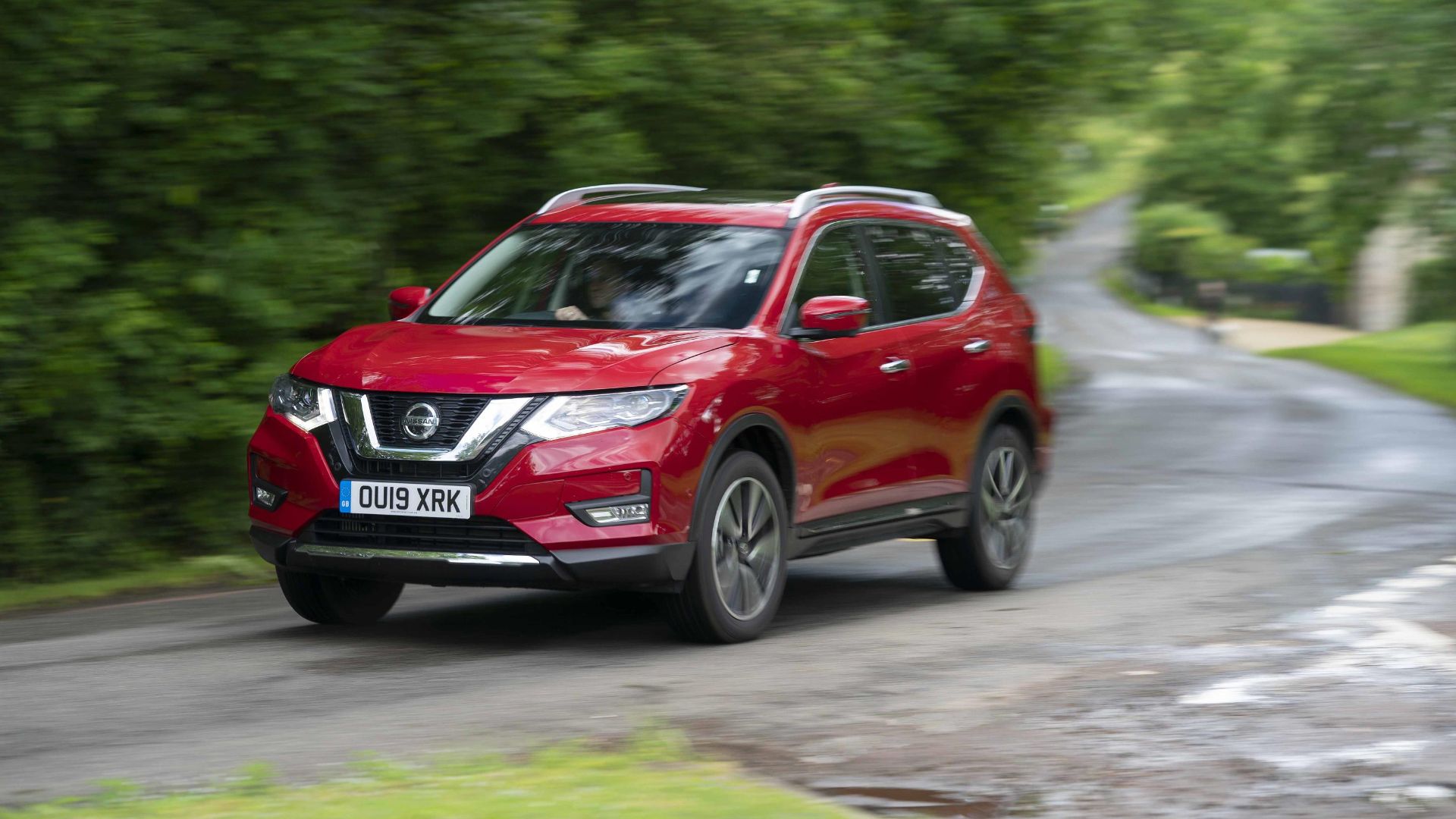
Nissan X Trail
Getting rather specific is the award for Dog-friendly Car of the Year. Still, this is Britain. We’re nothing without our pups. To that end, the Nissan X-Trail takes home the award for dog-friendly car of the year. We’ll stick with a Mercedes-AMG E63 Estate…
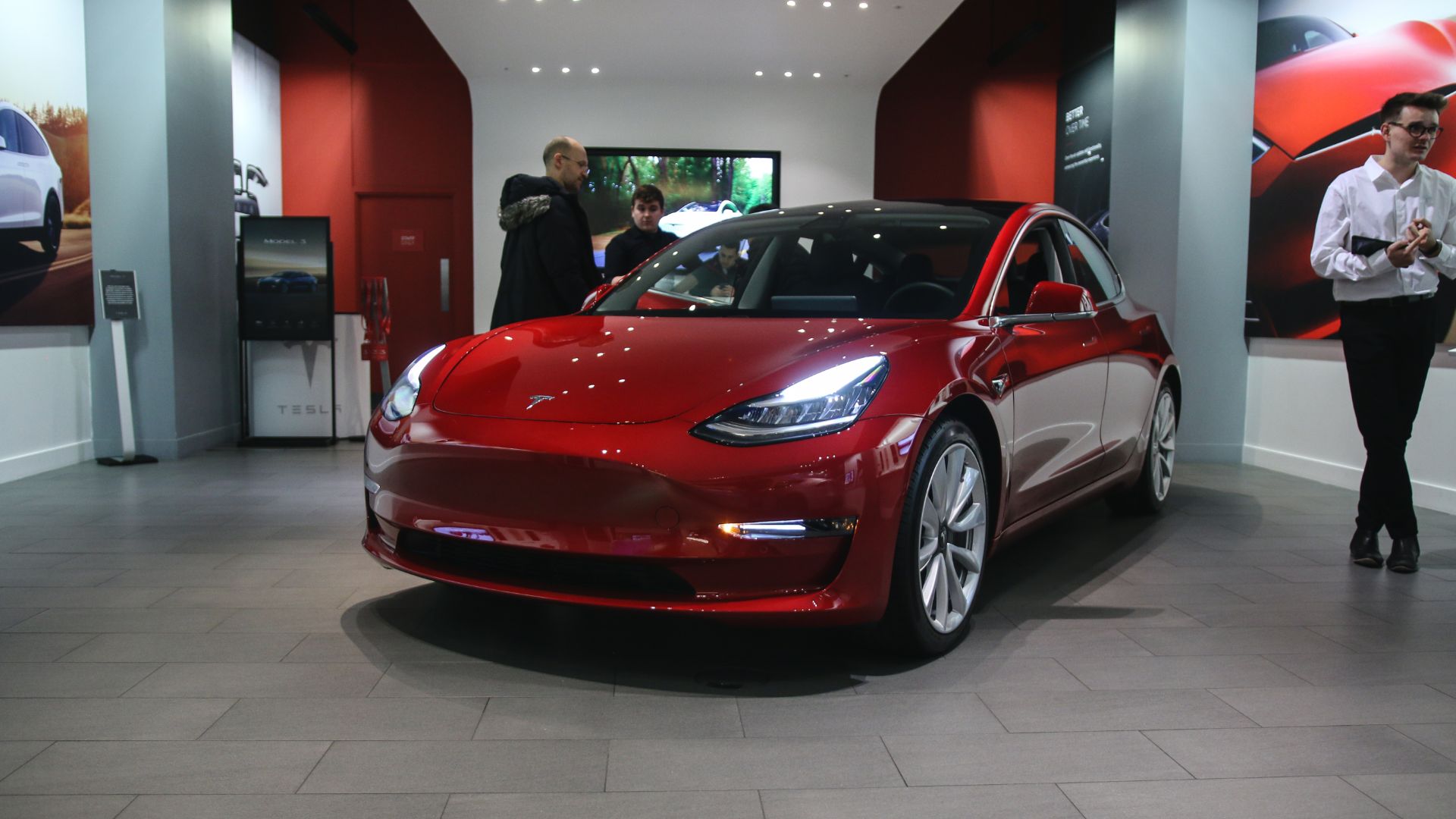
Tesla Model 3
Could anything else have won Green Car of the Year? The Tesla Model 3 delivers brand coolness, questionable quality, undeniable performance and an affordable price point to a wider range of buyers. Arguably a contender for overall Car of the Year, even though it was revealed three years ago…
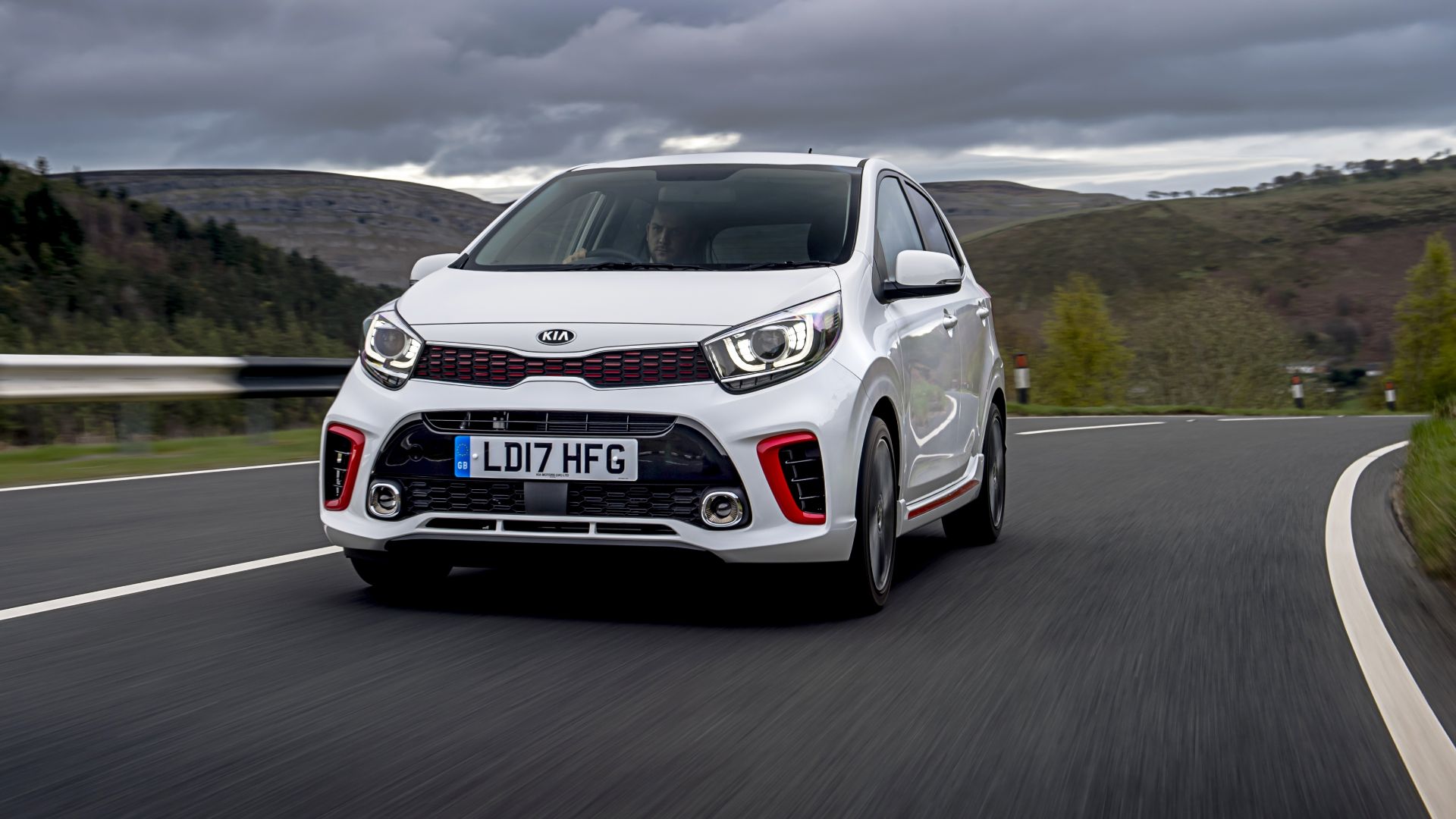
Kia Picanto
The worthy little Kia Picanto wins Value Car of the Year. We can’t argue with that, though for us the Volkswagen Up! GTI could be in with a shout in terms of bang for your buck.
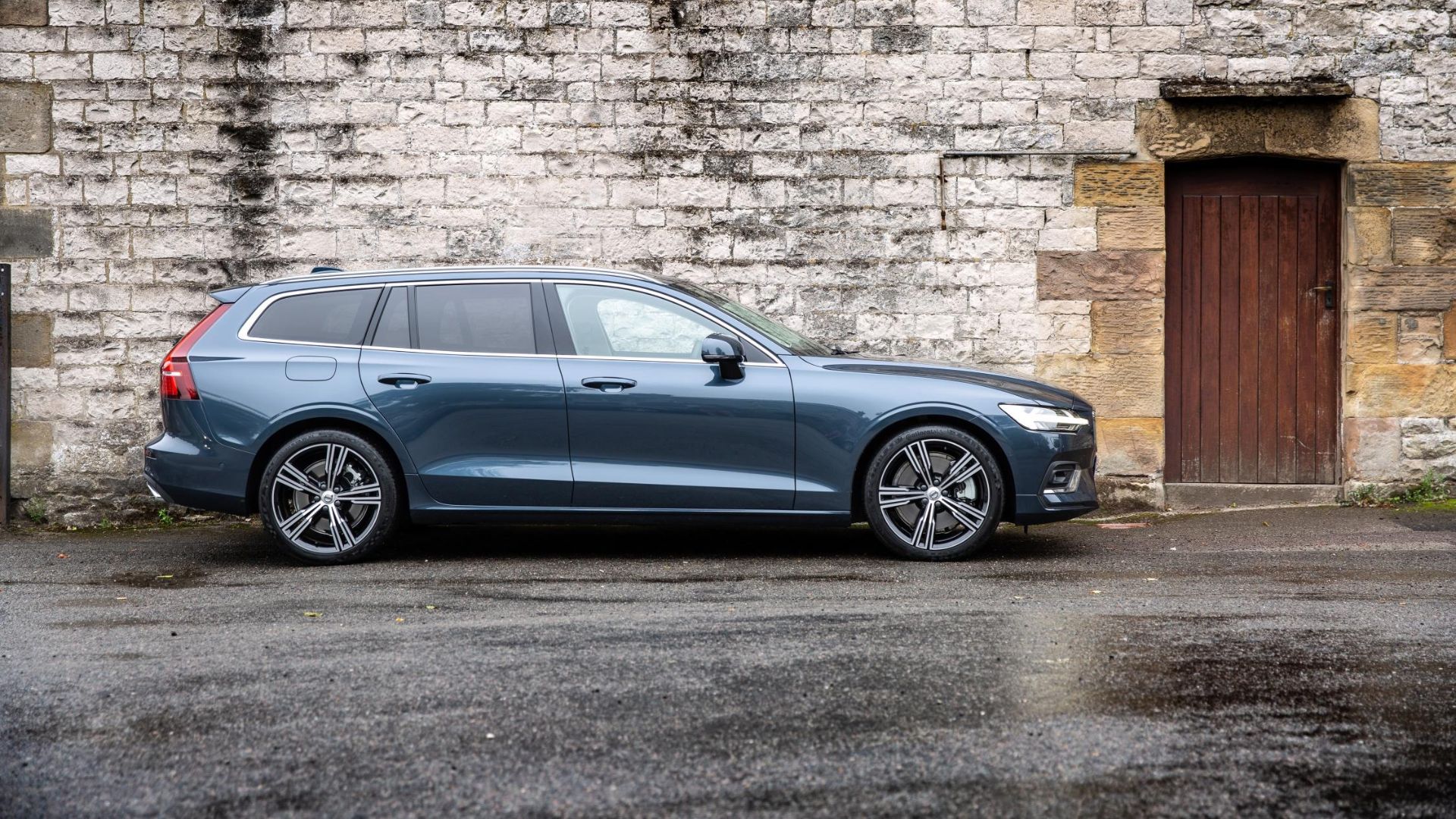
Volvo V60
You can’t go far wrong with a Volvo estate for a family car. A fact reflected in the humble model’s winning of Family Car of the Year. Not many cars combine style, safety and sensibleness with quite the aplomb of the V60.
The fun stuff
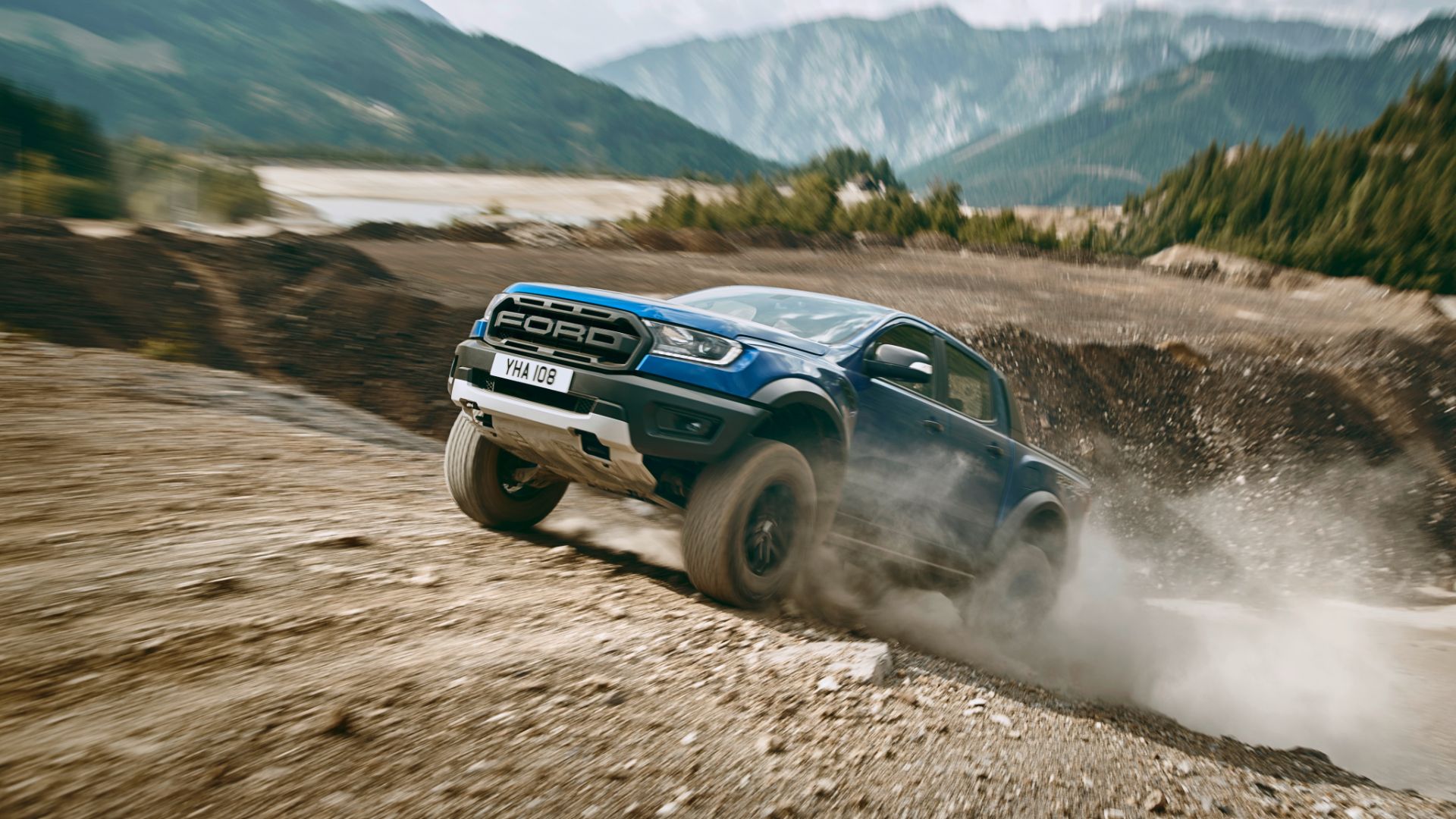
Ford Ranger Raptor
Ford’s UK-friendly baja-basher wins Adventure Car of the Year. We can absolutely get behind this. Motoring Research’s Tim Pitt said: “In the right environment, this pumped-up pick-up is as exciting as any supercar. Forget that Ferrari.” Advice we’d pass on to Mr Clarkson.
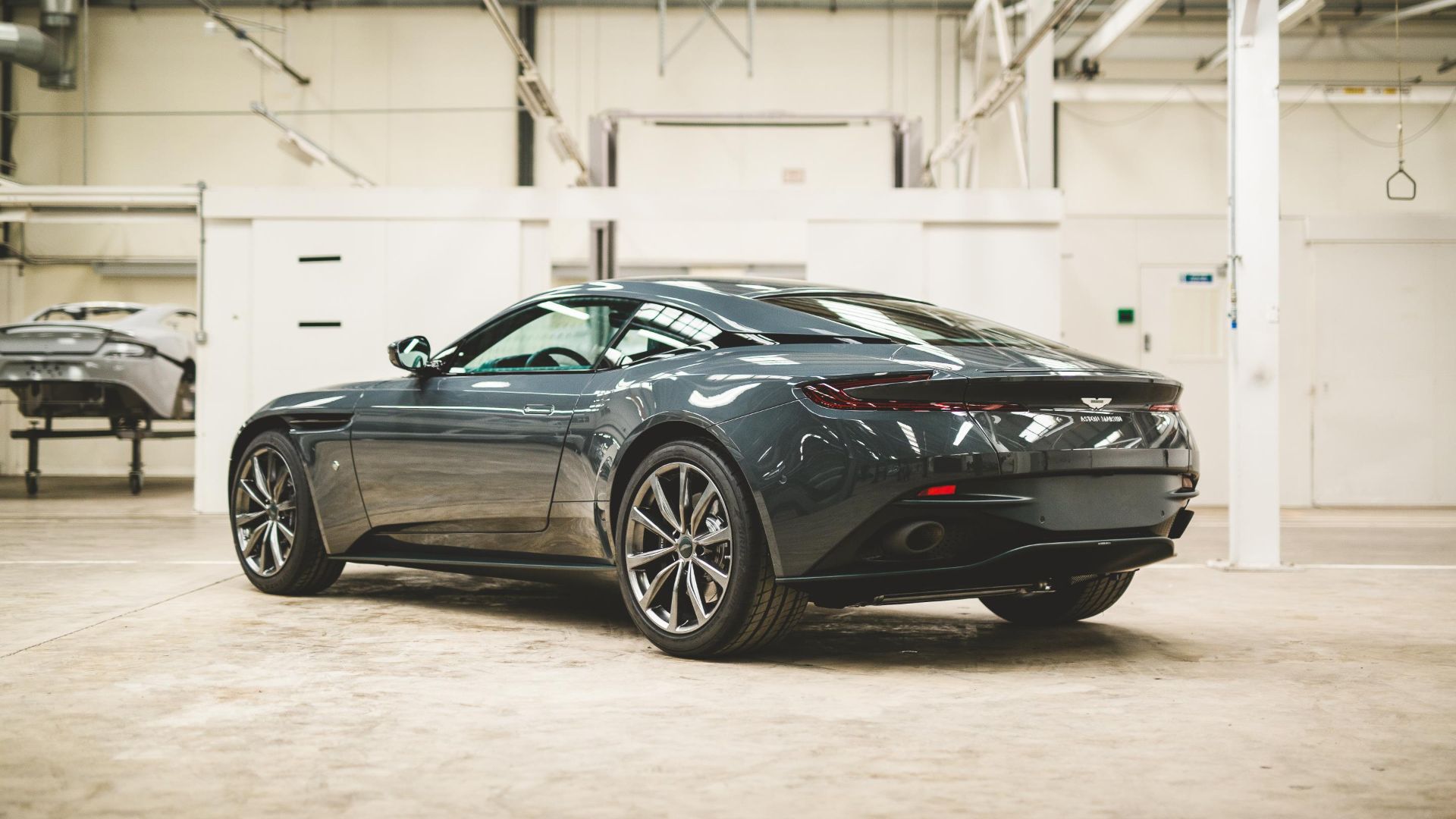
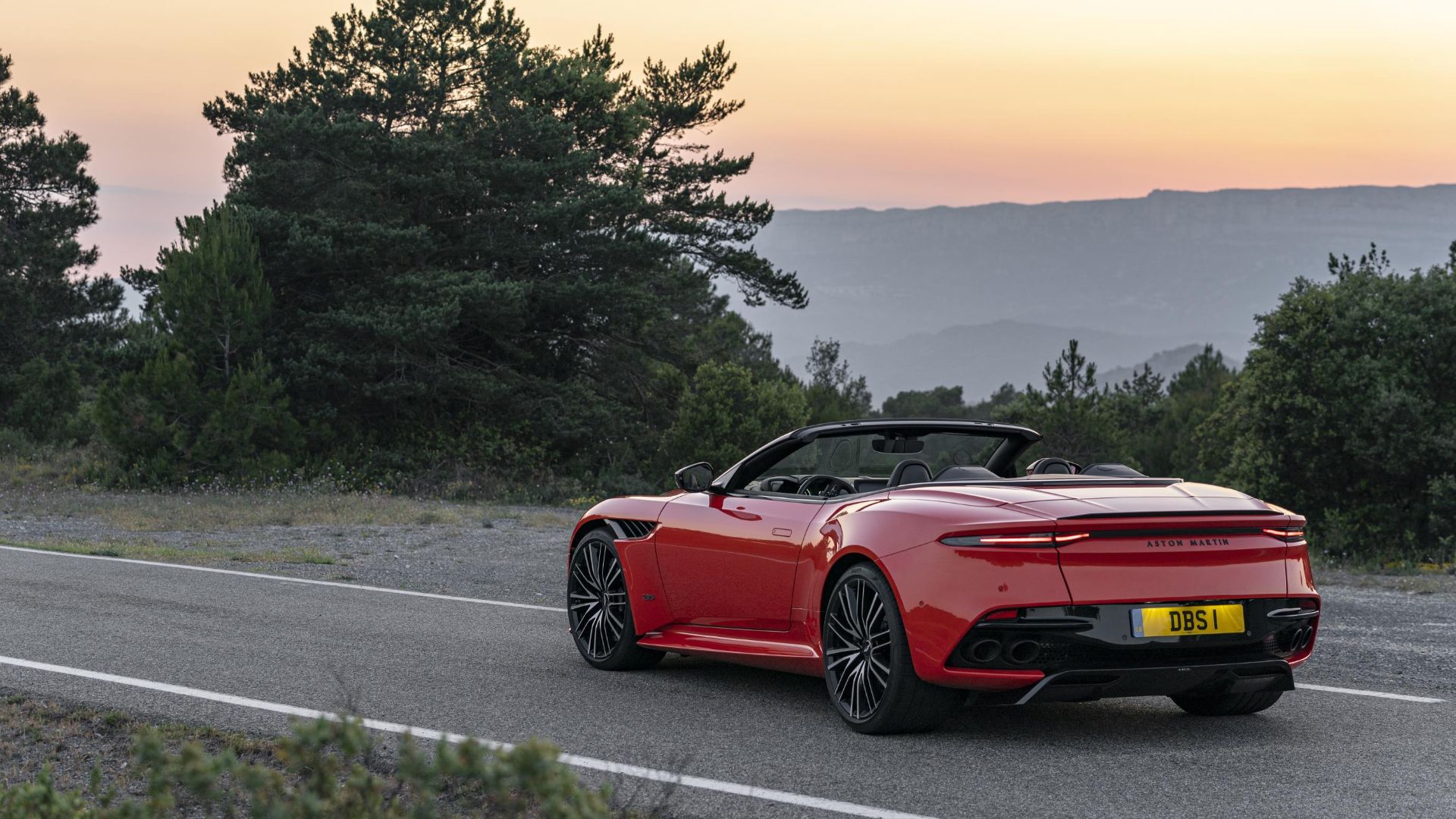
Aston Martin DBS Superleggera Volante
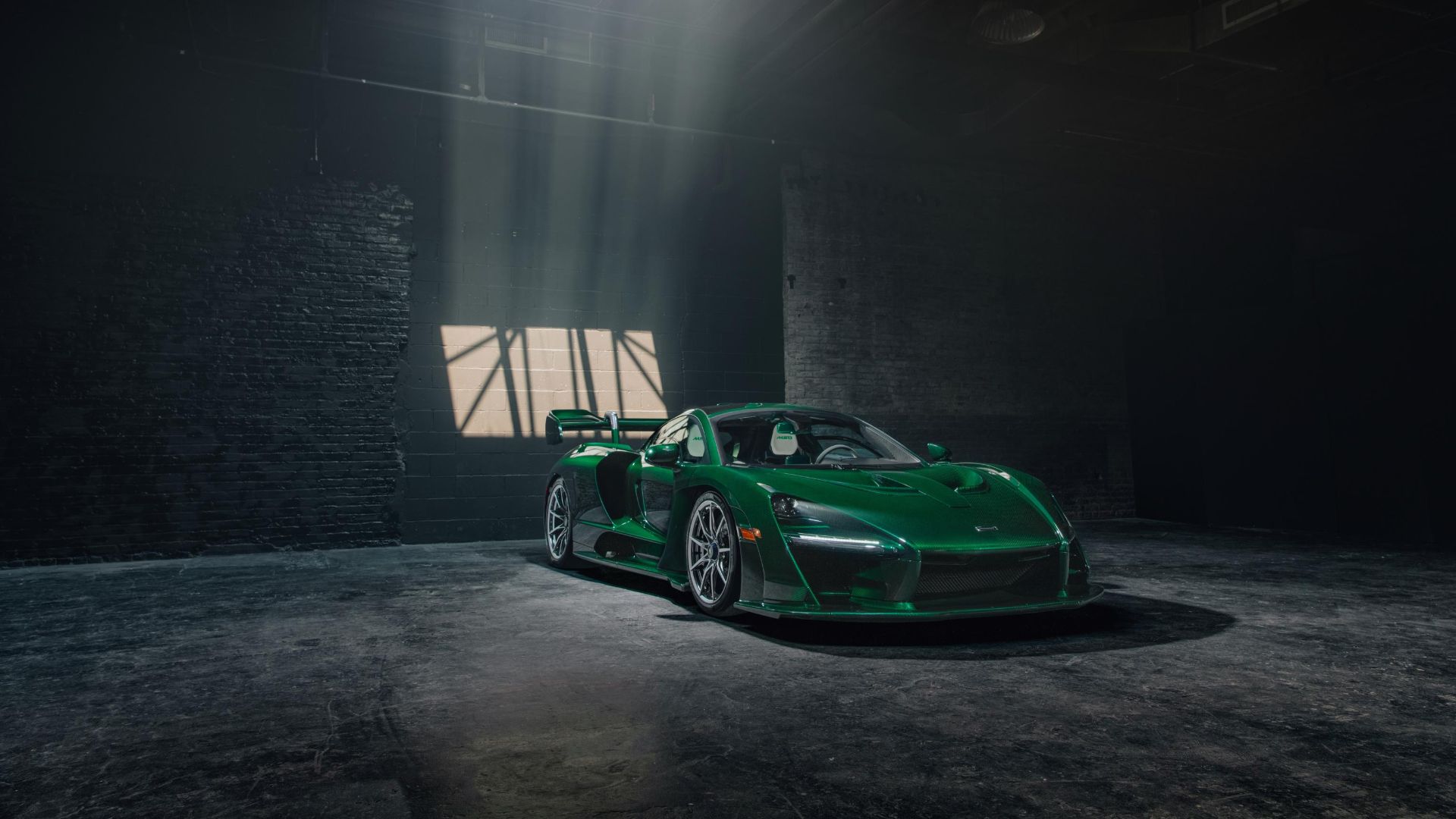
We’re not absolutely convinced by the Sports Car of the Year award. Our money would go into a McLaren 600LT Spyder if we were buying a sports car. Still, the Aston is a lovely thing all the same. Tim Pitt said: “Coupe or Volante, I think this is the best car Aston Martin currently makes”. High praise in such an accomplished lineup.
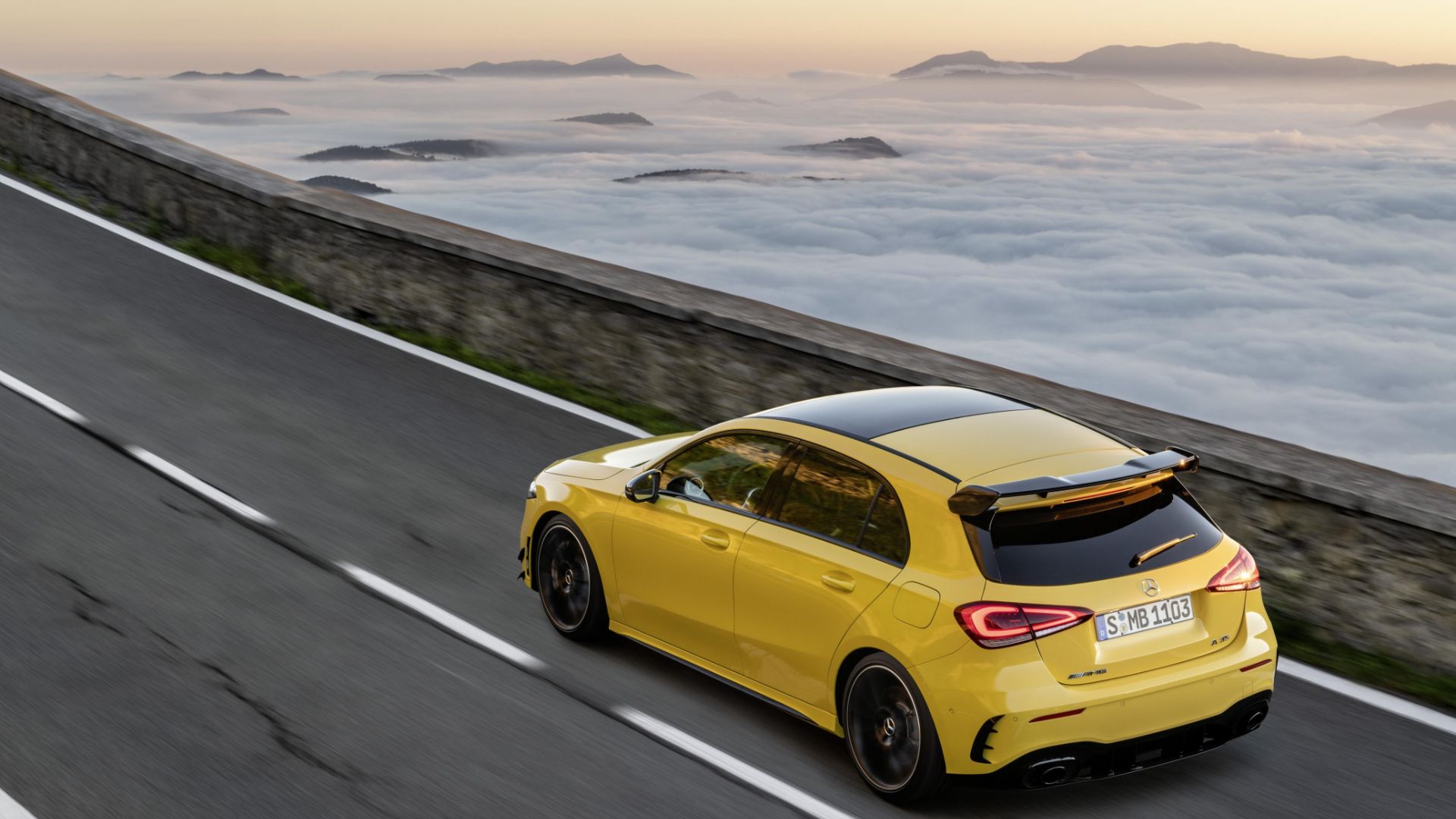
Mercedes-AMG A35
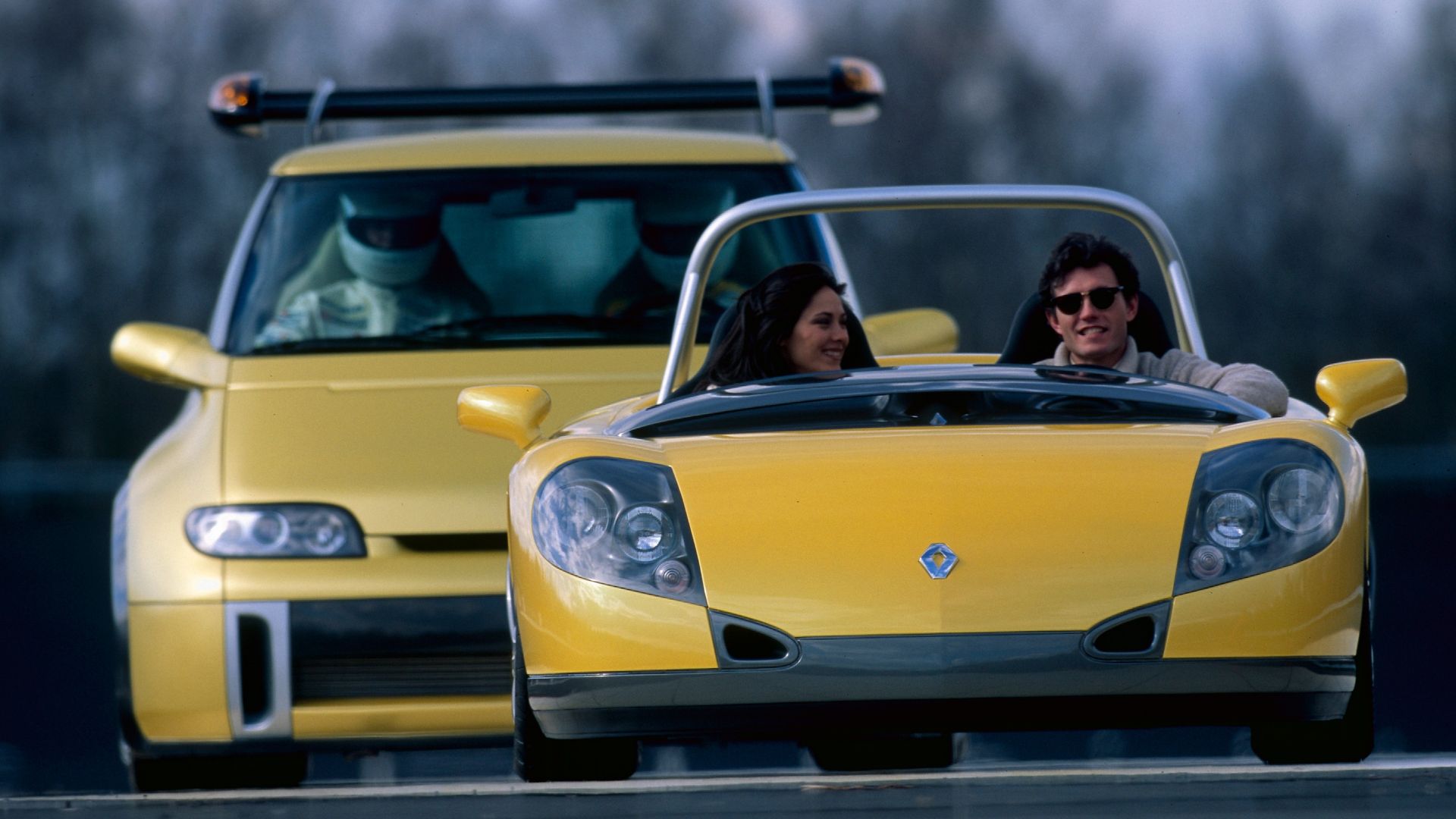
The hot hatch market is a hotly contested one. Could the Mercedes-Benz A35 be overshadowed by the likes of the Renault Sport Megane Trophy R? In terms of value, perhaps not. The Merc is a lovely thing and, in the very strange world we live in now, cheaper to buy than a specced out Renault Megane.
Bentley Continental GT V8
The second of two gongs for the big ‘Benters’ is British-built Car of the Year. It’s a lovely thing, though for our money it’d be a tough toss-up between the aforementioned DBS and a McLaren 600LT…
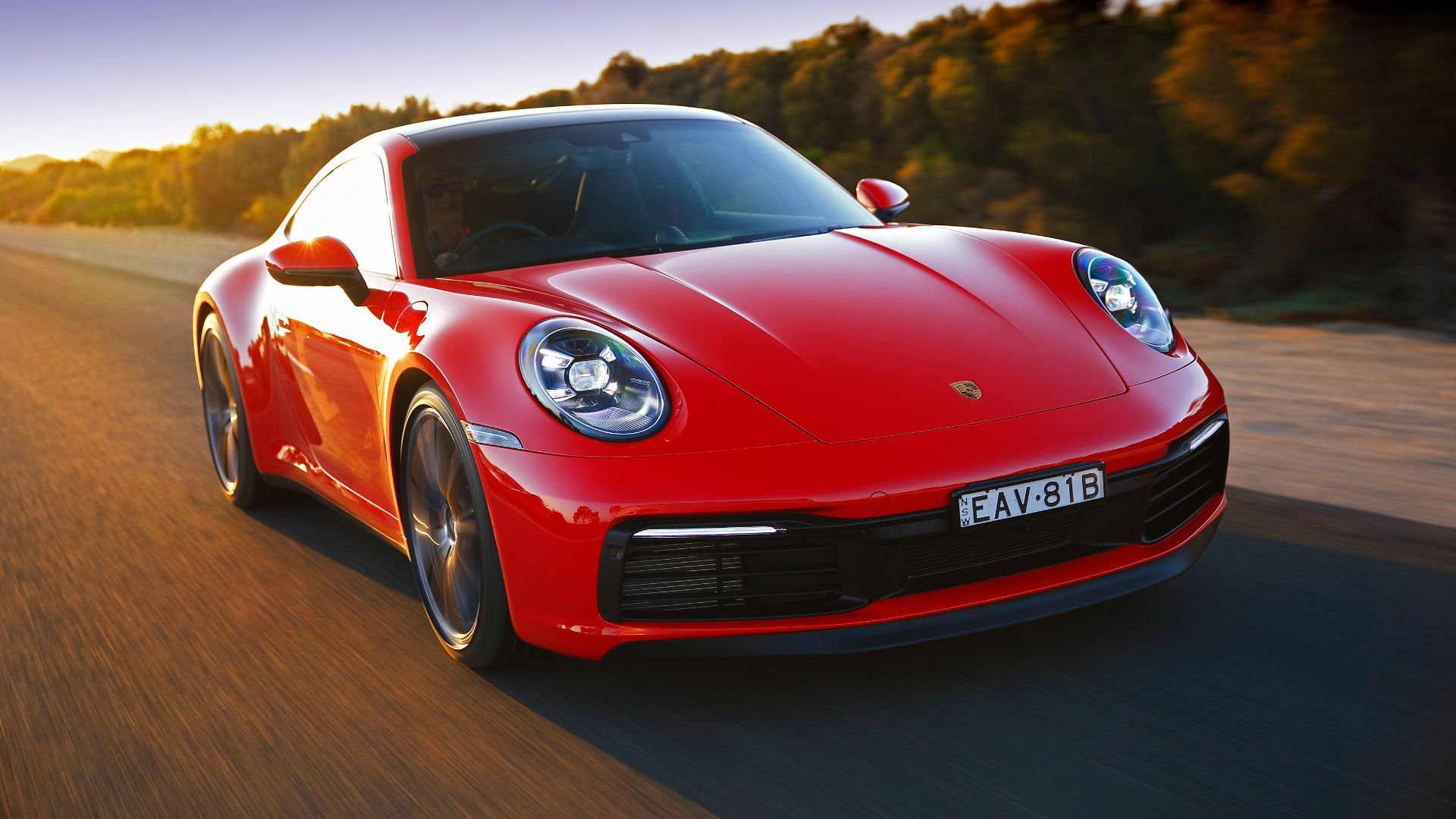
Porsche 911
The Sunday Times Car of the Year is the Porsche 911. Is it really a motoring awards ceremony if the latest Porsche 911 doesn’t win something? It’s a worthy winner, too. Somehow, even though it’s the fastest, most capable, and most digital 911 ever, the new 992 still has that quintessential Porsche sports car sizzle.
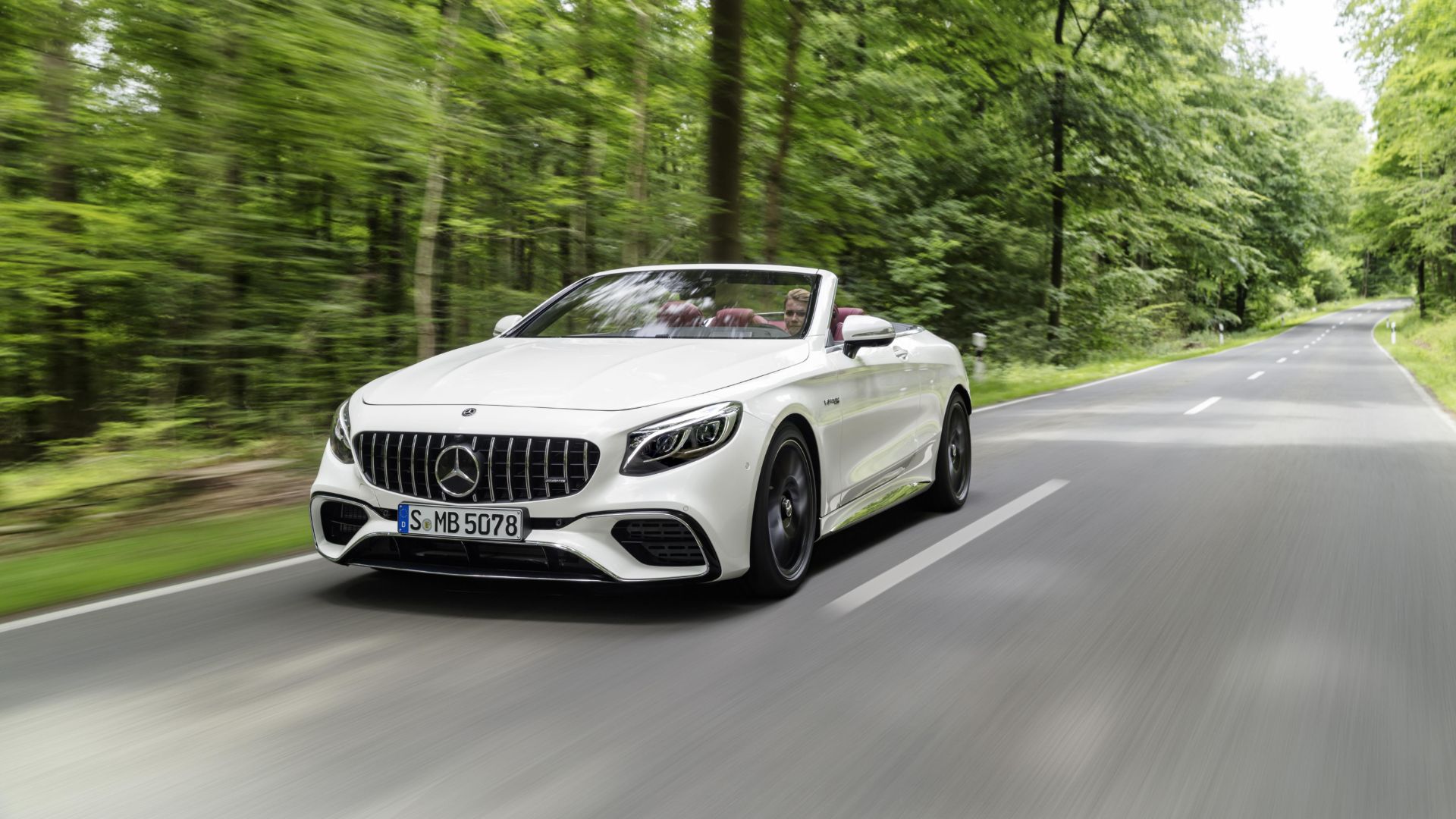
Mercedes-AMG S 63 Cabrio
The mega Merc wins Luxury Car of the Year overall. We can’t fault it on that front, even if it’s approaching pensionable age. Could the new Bentley Flying Spur have been in with a shout? No matter, we’ll take the S 63 if we must…
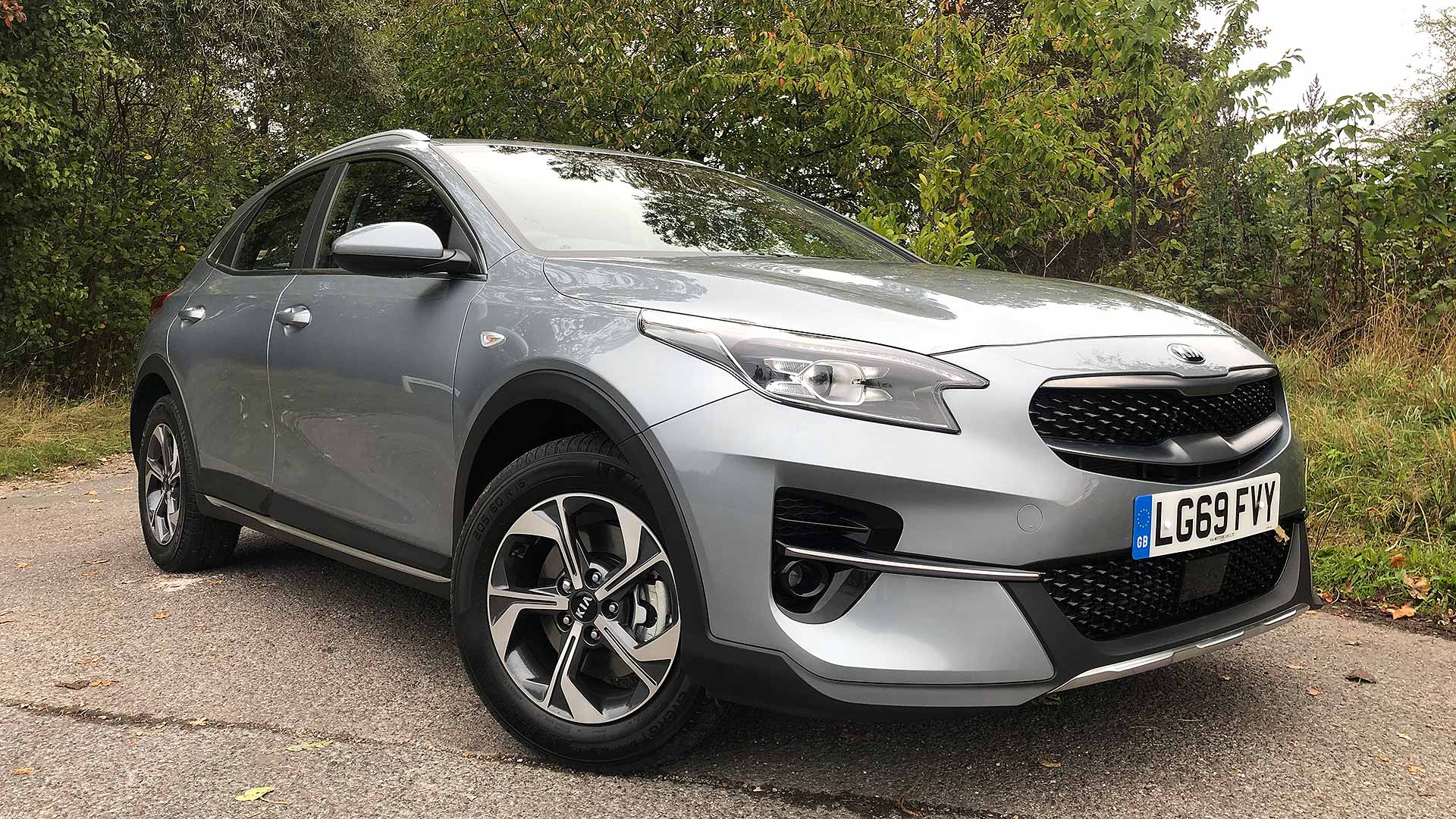
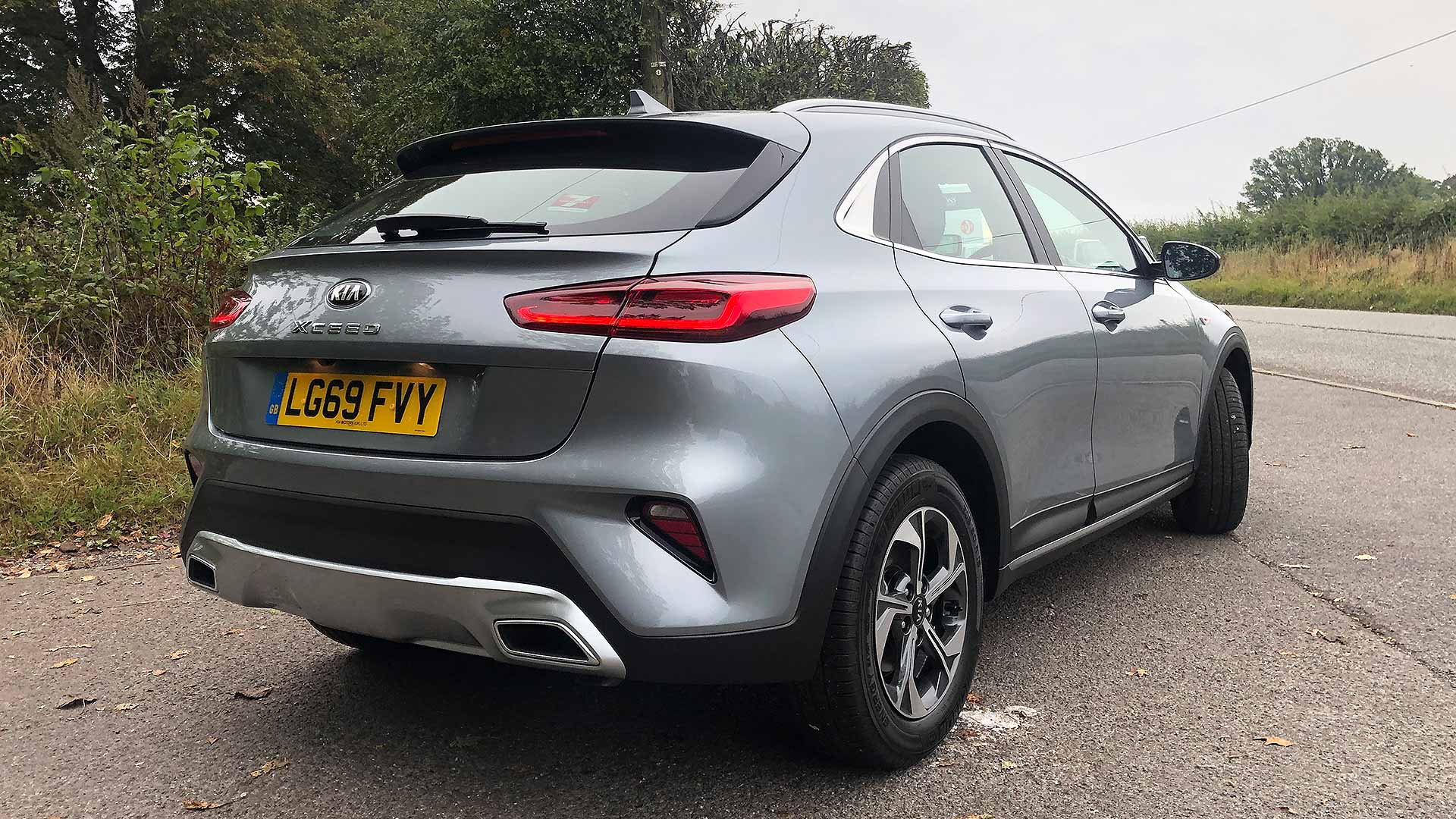
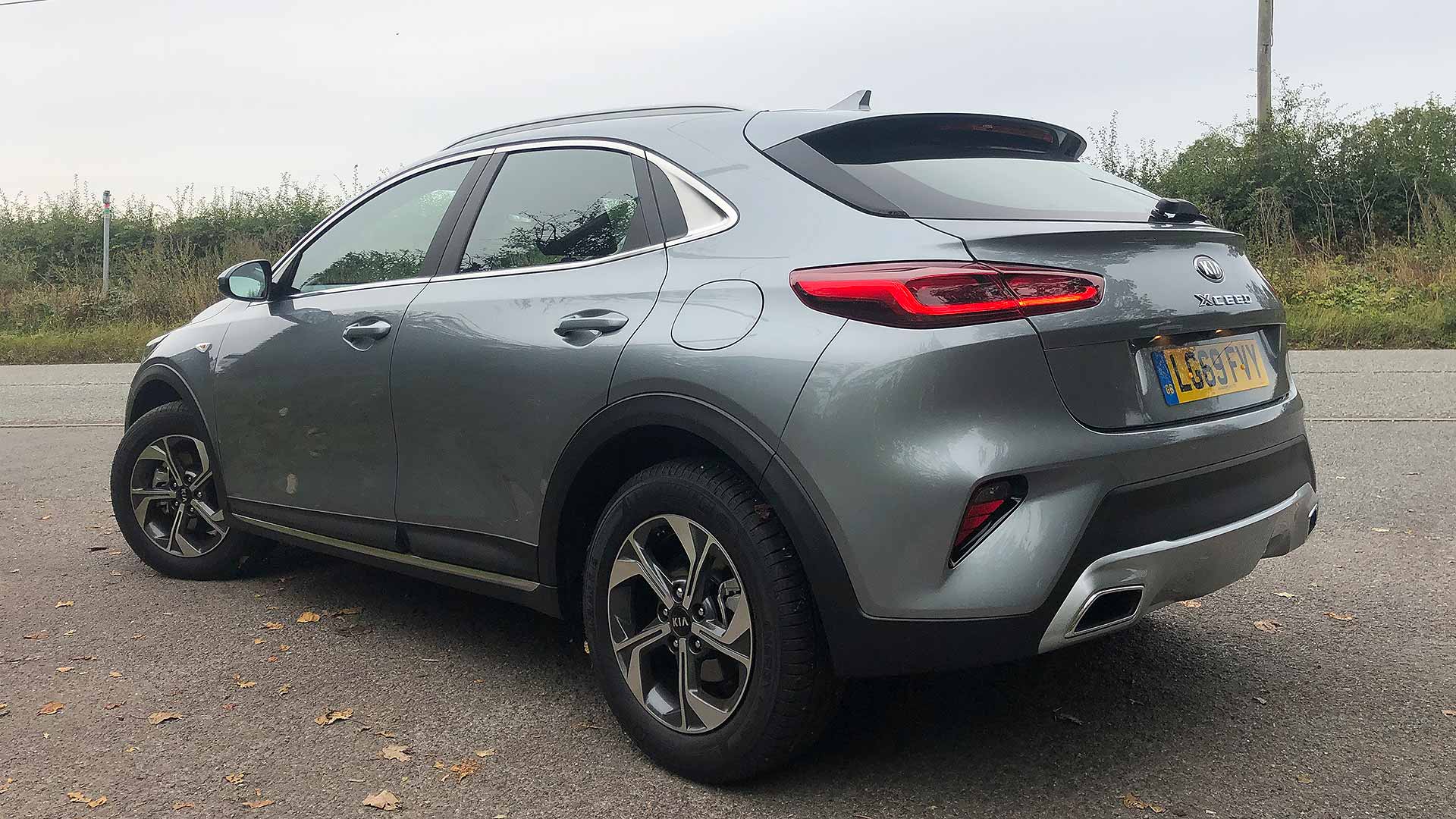
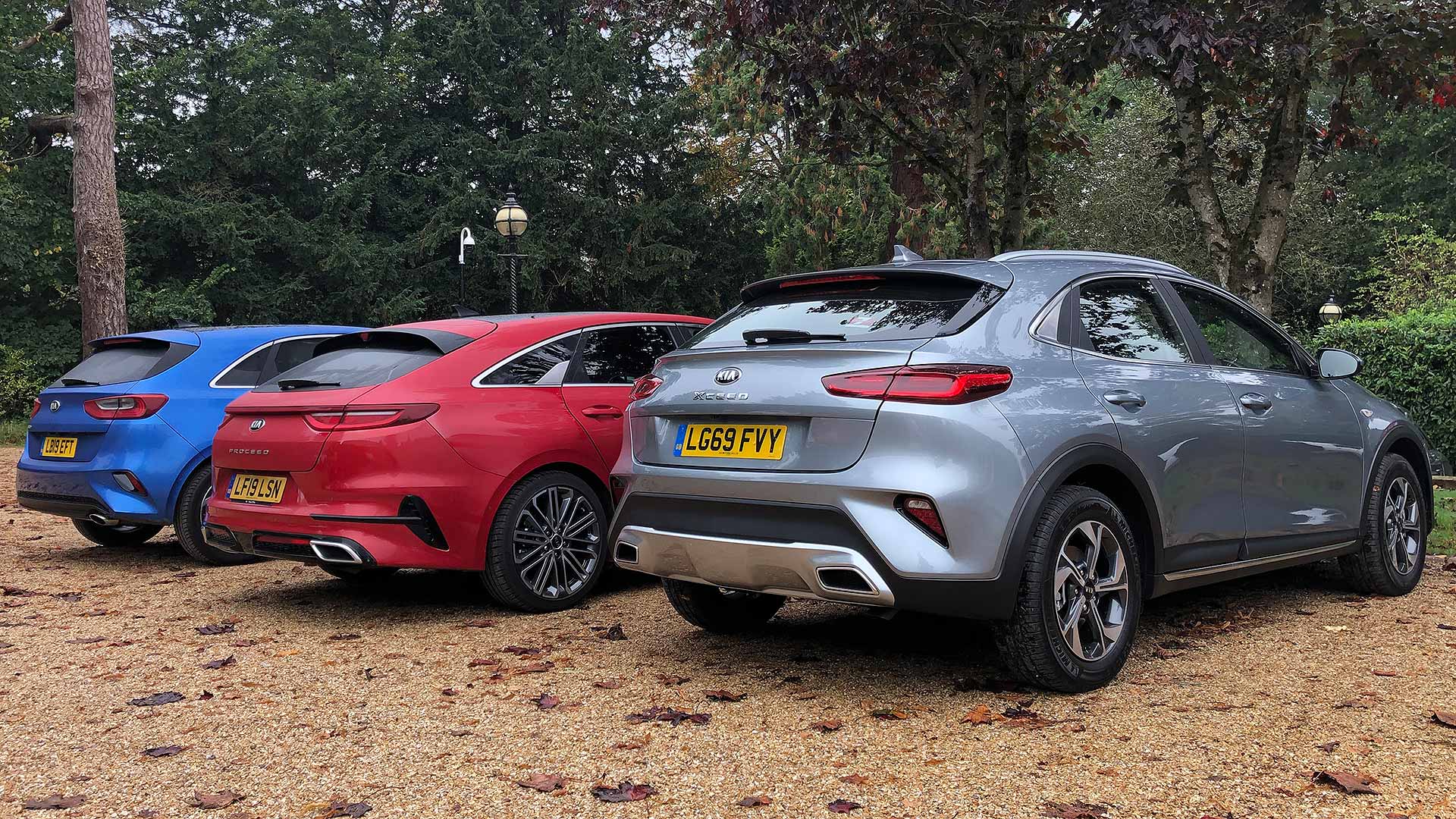
The most rewarding new car launches are the ones that genuinely surprise you. And so to Newbury, for the first UK drive of the new Kia XCeed, the high-rise, crossover-look version of the Ceed family hatch range.
Expectations were for something perfectly commendable, as all Kias generally are these days. What I actually discovered was something nigh-on perfect for British family car buyers, and for British roads.
Years ago, the family hatchback was king. These days, they still sell, but their share has been diminishing due to the rise of the SUV. Indeed, Kia’s best-selling car in Britain, by far, is the Sportage SUV. The Ceed? Some way back, vying with the Picanto for third.
We all know why: high-rise seating position, rugged looks, practicality for growing families (at the near-complete death of the previous family hatch alternative, the MPV).
But there are downsides of SUVs. They’re thirstier than hatchbacks, and more expensive, and generally don’t drive as well because of their extra weight, higher centre of gravity and need to at least show some willingness to go off-road.
Enter the XCeed, which slots into the price gap between Ceed hatch and Sportage. For starters, it looks great, with a bespoke body that’s easily sportier than any SUV. As it’s lighter, it can use smaller engines, delivering better economy and lower CO2.
It’s an inch and a half higher than a normal Ceed, giving nearly seven inches of ground clearance and the all-important higher stance; this extra height also gives a more confident feel behind the wheel and better visibility in town, so it’s easier to drive.
But the real revelation is how Kia’s used this extra suspension travel to perfect the suspension. The ride, perhaps a touch bumbly on smooth A-roads, comes into its own when surfaces worsen. It brilliantly cushions potholes, broken surfaces, sunken drains and all the other random road detritus UK roads serve up.
There are times where it feels like a premium Mercedes-Benz. It’s exceedingly satisfying.
It also handles just like a regular Ceed too, with sophisticated suspension giving agile handling and a wieldy nature. Those coming from an SUV will feel like they’ve got behind the wheel of a hot hatch.
So there we have it: the Kia XCeed, and other such crossover-style family hatchbacks, are the perfect middle ground for the modern British family car buyer, delivering a drive that copes uncommonly well with our roads.
No wonder Kia is now predicting it to now take half of all Ceed range sales. I for one won’t be surprised if it does.
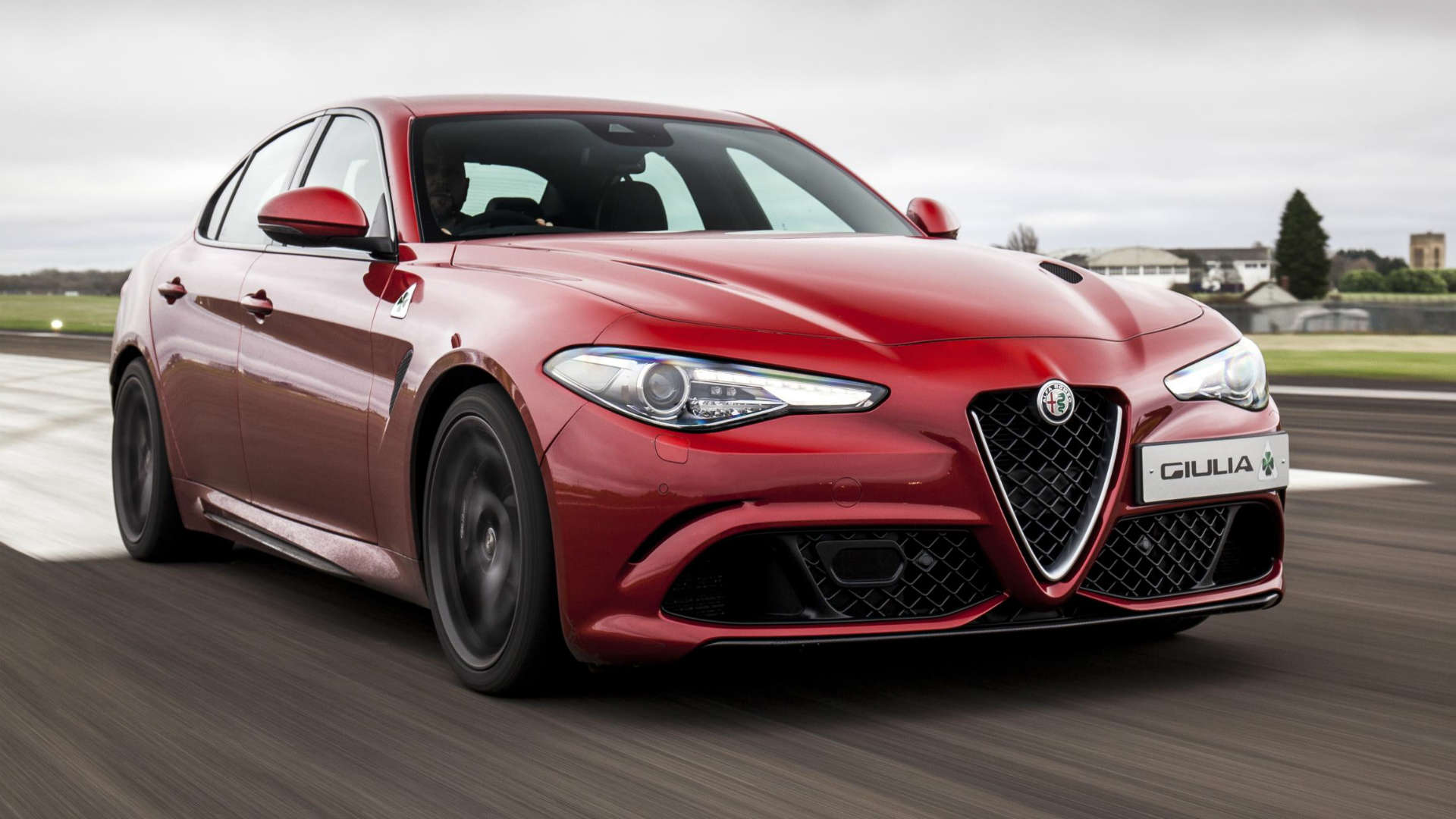
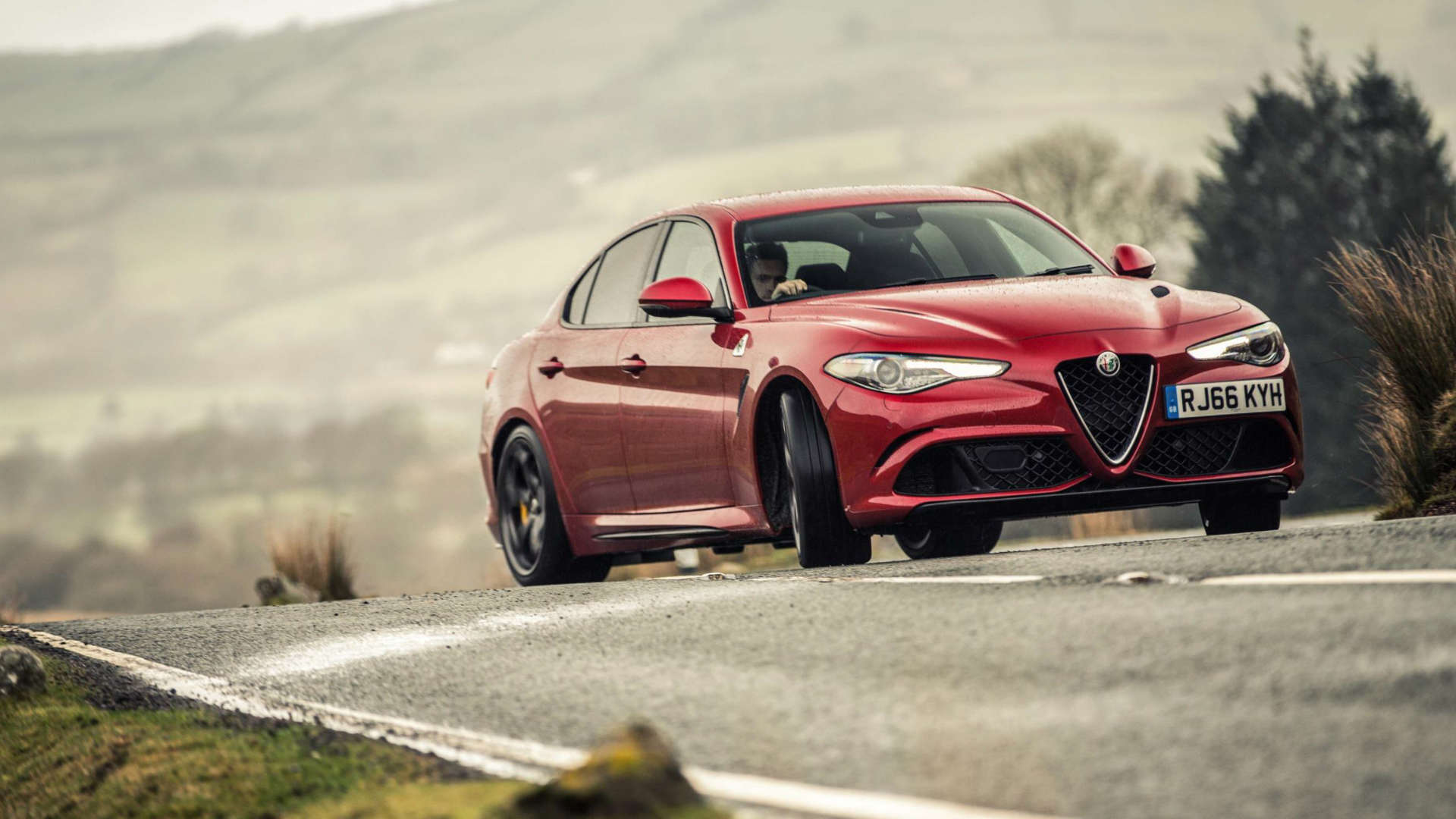
Unless you’re buying a new car, depreciation is a wonderful thing. The faster a car sheds its value, the more attractive it becomes to used car buyers. Which brings us on to the Alfa Romeo Giulia Quadrifoglio.
You could spend upwards of £65,000 on a new Giulia Quadrifoglio, and we wouldn’t blame you. After all, who wouldn’t want to own a rear-wheel-drive ‘four-door Ferrari’ with 510hp on tap? But there are two good reasons why you shouldn’t.
Firstly, used examples start from around £33,000. That’s not for a well-used and well-worn Quadrifoglio with many miles on the clock and several careless owners to its name. That’s for a 2017 car with 5,000 miles on the clock.
Admittedly, that’s a one-off, but low mileage 2017 cars tend to cost between £35,000 and £40,000. Got a niggling doubt about Alfa Romeo reliability? Don’t worry, those cars are still in warranty.
Don’t take our word for it: the Alfa Romeo Giulia Quadrifoglio has just been crowned Performance Car of the Year at the What Car? Used Car Awards 2019.
“With its fantastic performance and that thrilling handling, it’s no wonder we love the Giulia Quadrifoglio.”
Not our words, Carol, but the words of What Car? magazine. Niggling doubts begone. Time to visit your local Alfa Romeo showroom?
It might not be the most sensible choice, but sensible people buy beige slacks from M&S and drive Honda CR-Vs. They don’t buy an Alfa saloon with a 2.9-litre twin-turbocharged engine and enough power to hit 191mph, and 62mph in just 3.9 seconds.
‘Remarkable value’
Steve Huntingford, editor of What Car? said: “Even in a category that was jam-packed with so many truly exciting cars, the Giulia Quadrifoglio stood out, thanks to its fantastic performance and thrilling handling.
“It sounds great too, thanks to its wonderful 503bhp [510hp] twin-turbocharged V6, and its undeniably massive appeal, whether you’re driving it, sitting in it or even just looking at it, is only increased further by the remarkable value it offers as a used buy.“
Andrew Tracey, marketing director for Alfa Romeo added: “Winning an award as a used car is testament to the quality of the Giulia Quadrifoglio. With its impressive performance credentials, coupled with a five-year warranty, the Alfa Romeo Giulia remains a great buy long after it has left the showroom”.
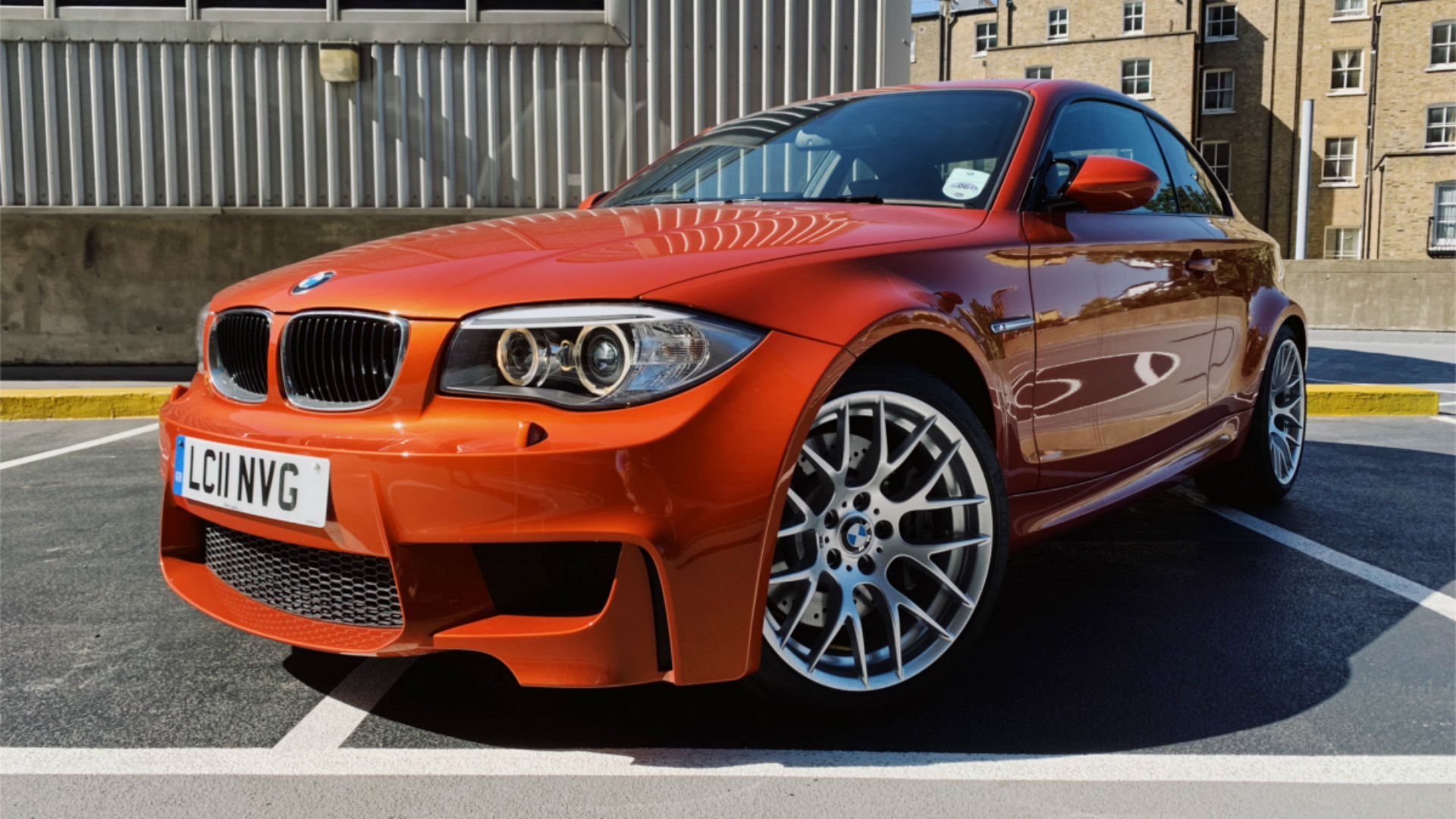
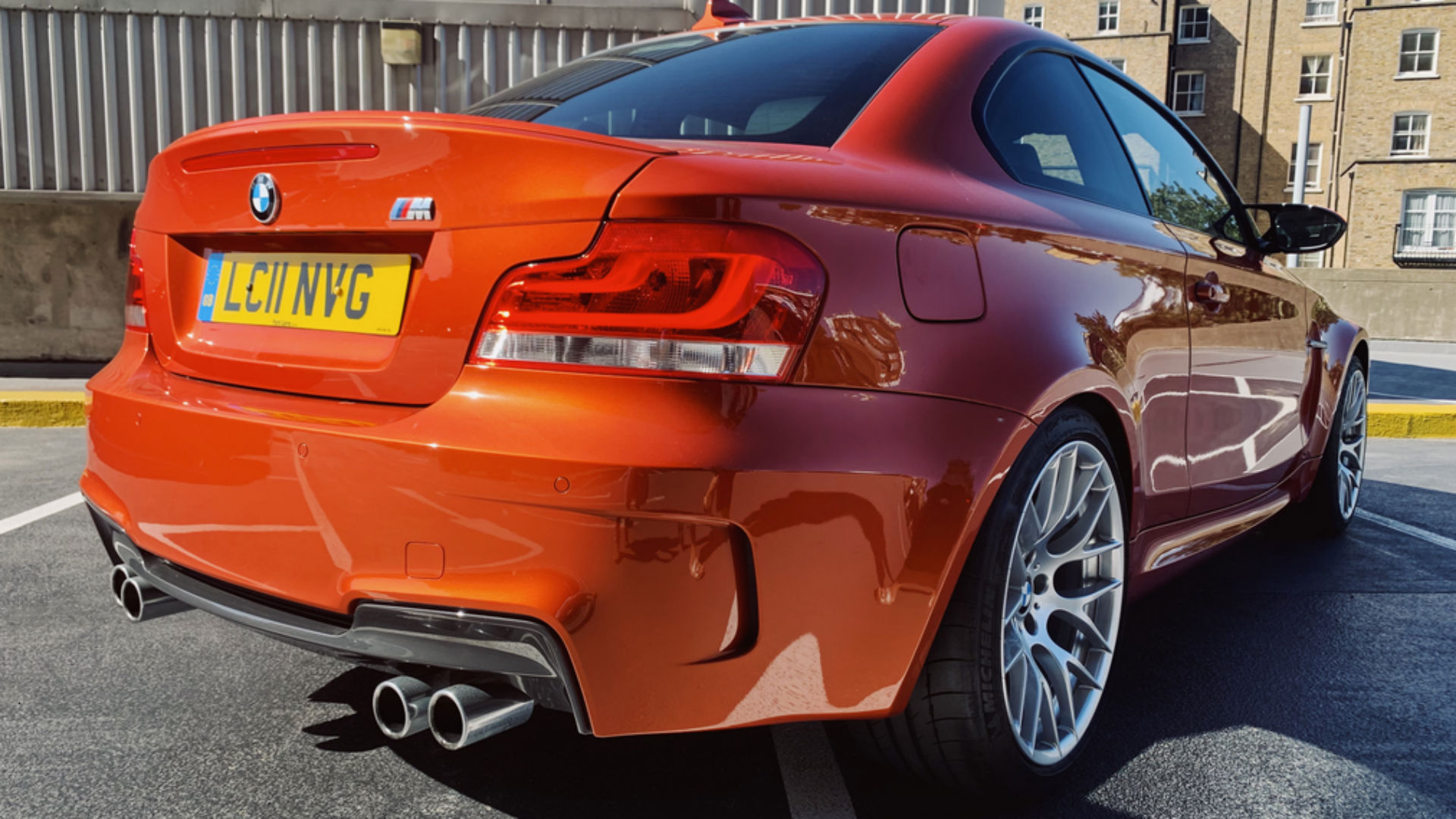
The BMW 1 Series M Coupe – or BMW 1 M Coupe – is a modern classic. Values started to rise before production of the 450 cars had even finished.
Used cars start from around £40,000, but you’ll pay as much as £60,000 for the very best cars in the country. New, you’d have paid £39,995 to own one of BMW’s greatest performance cars of the decade.
If you thought you’d missed your chance to own a ‘new’ BMW 1 Series M Coupe, think again, because one example has been in underground storage for the past eight years.
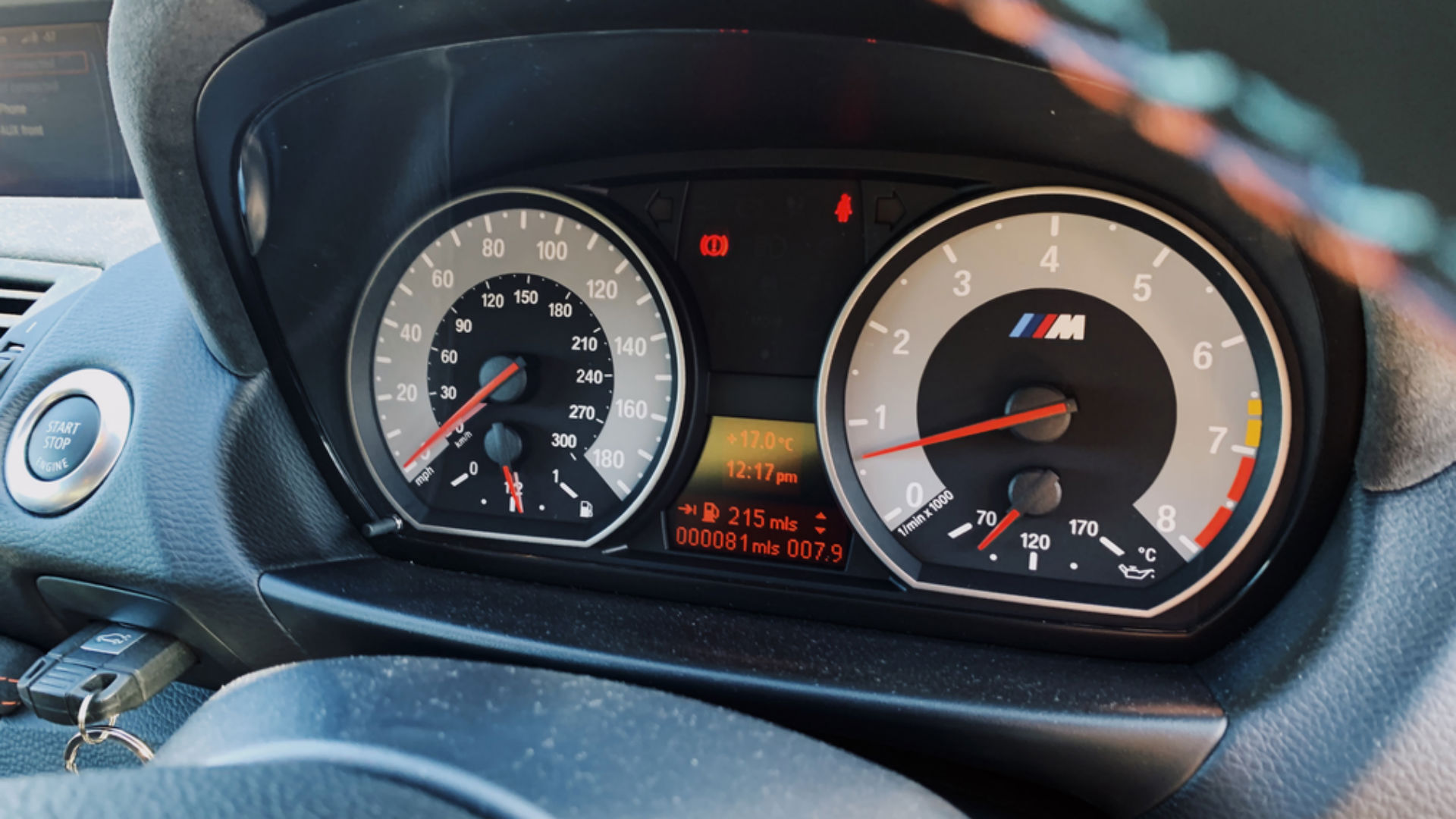
Delivered new to BMW Park Lane, it’s believed that this particular 1 M Coupe was used to launch the model at the London showroom. Today, it has just 90 miles on the clock.
‘Quite remarkable car’
Gary Dunne of Classic Car Auctions (CCA), the auction house tasked with selling the BMW this weekend, believes it is a one-off opportunity:
“This is quite a remarkable car. Owned by one family, they bought the car and then stored it in an underground facility which has kept the car away from the elements for the last eight years.”
It passed its first MOT last month, and predictably there were no advisories. CCA expects it to fetch £60,000 to £70,000 when it goes under the hammer in Warwickshire.
It’s one of the headline acts of a packed auction, which includes another BMW 1 Series M Coupe. This example has 49,300 miles on the clock but is expected to sell for a more affordable £30,000 to £35,000.
Alternatively, a BMW Z3 M Coupe has a pre-auction estimate of £8,000 to £10,000, while a ‘real timewarp’ BMW 328i with 11,000 miles on the clock could achieve up to £7,000.
But all eyes will be on the 1 Series M Coupe to see if it will reach the top end of its pre-auction estimate. If you fancy placing a bid, the CCA sale takes place at the Warwickshire Event Centre this coming Saturday. Viewing is a day earlier on Friday 4 October 2019.
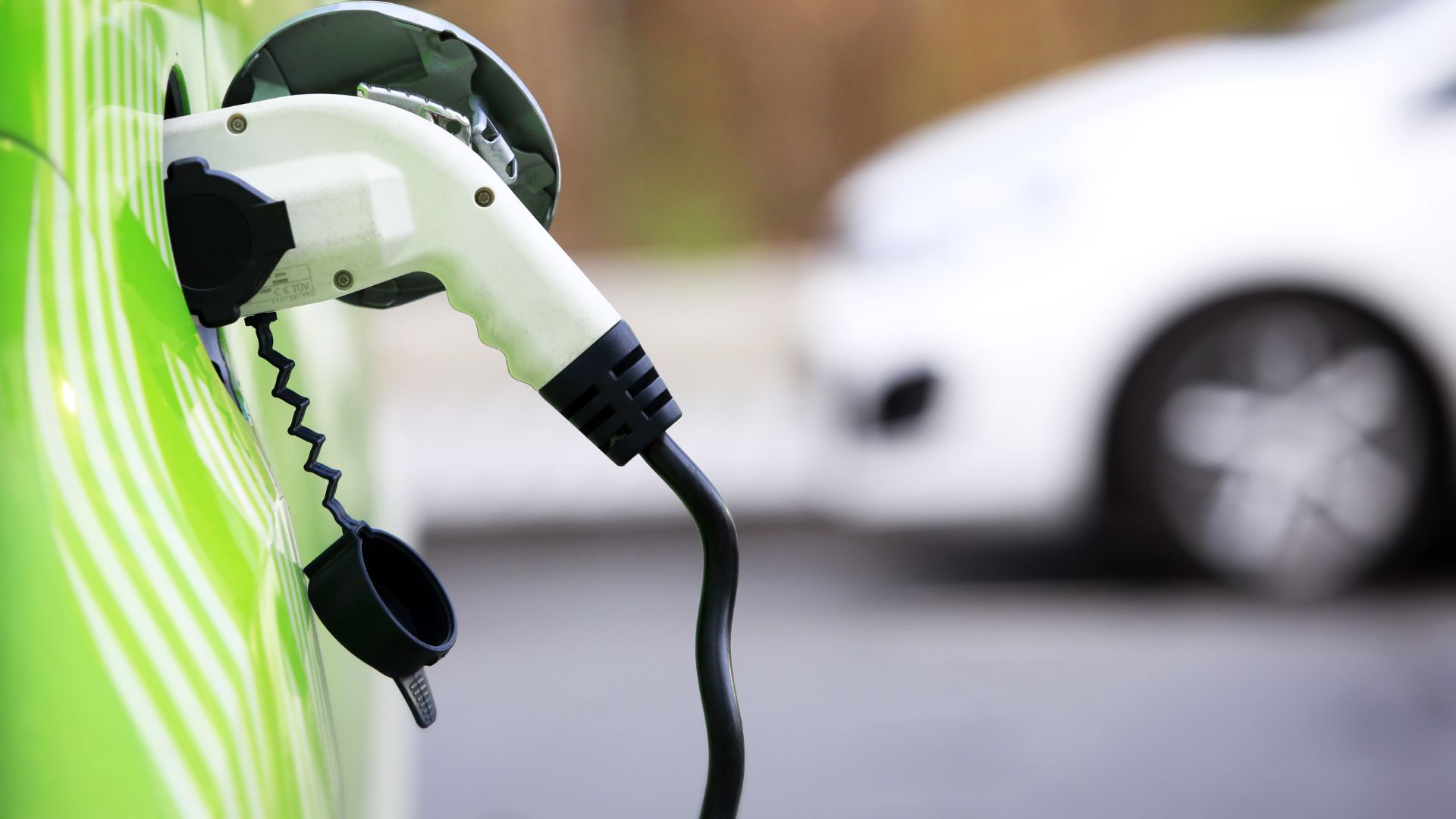
The proposed petrol and diesel car ban could be brought forward by five years, from 2040 to 2035. The idea was mooted by transport minister Grant Shapps at the Conservative Party conference in Manchester this week.
Nothing is confirmed yet, though, with the minister saying “we will need to test the arguments and work in partnership with industry to examine how to proceed”.
The government’s advisory committee on climate change put forward the idea, saying that ‘2035 is a date for which we should aim’. Mr Shapps seems keen, though, citing his own positive experiences with electric motoring.
“As I drove up to Manchester in my family’s electric car, I found it easier than ever to plug-in and charge up. That’s because there are now more charging locations than petrol stations,” he explained.
The Tory party isn’t alone in talking about climate change. Labour talks of a ‘Green Industrial Revolution’ and wants to offer interest-free loans on electric cars to increase sales. It also hopes to fund ‘gigafactories’ for battery production, as well as renewable energy developments.
“This is about market transformation,” said Mike Hawes, chief executive of The Society for Motor Manufacturers and Traders (SMMT).
“Despite growing choice, low and zero-emission vehicles still only make up a fraction of the market, underscoring the huge challenge of fast-tracking a shift to zero-emission transport.
“Ambition must be matched by measures that support industry allowing manufacturers time to invest, innovate and sell competitively. This includes long-term government commitment to incentives and investment in infrastructure to accelerate the uptake of these new technologies.”
A new survey reveals that, after paying rent or a mortgage, 30 percent of drivers say car payments are their next most expensive monthly outgoing.
For under-34s, that rises to more than half (56 percent). And over a quarter of that same demographic say car payments cost the same or more each month than their accommodation.
13 percent knowingly drive with illegal tyres
“Owning a car is still a substantial cost for people, and is clearly a heavy burden particularly for younger people,” said Ben Wooltorton of InsuretheGap, which commissioned the survey.
Preferring monthly payments
Around a quarter of UK drivers (24 percent) said they actually prefer to pay monthly for a car. The reason usually given was the ability to easily swap for a new model.
Indeed, a new car paid for on a monthly basis is likely to be more reliable than an older model bought outright. It should also be more efficient and cost less to tax.
40 percent of drivers don’t want to own their cars
It’s mostly young people who prefer to pay monthly. Almost half of under-34s (46 percent) own a car this way, versus just 16 percent of over-55s.
Around the country, 35 percent of drivers in Scotland have car finance payment less than or comparable to their rent or mortgage. That rises to 36 percent in the West Midlands and 37 percent in the North East.
 As part of the inaugural Petersen Teen Auto Workshop program, local students were able to gain hands-on experience of automotive mechanics during the summer.
  Proceeds from the sale of the Roush Mustang will all go to the Petersen Automotive Museum Foundation. This provides educational programs, such as the Teen Auto Workshop, to more than 100,000 children each year.