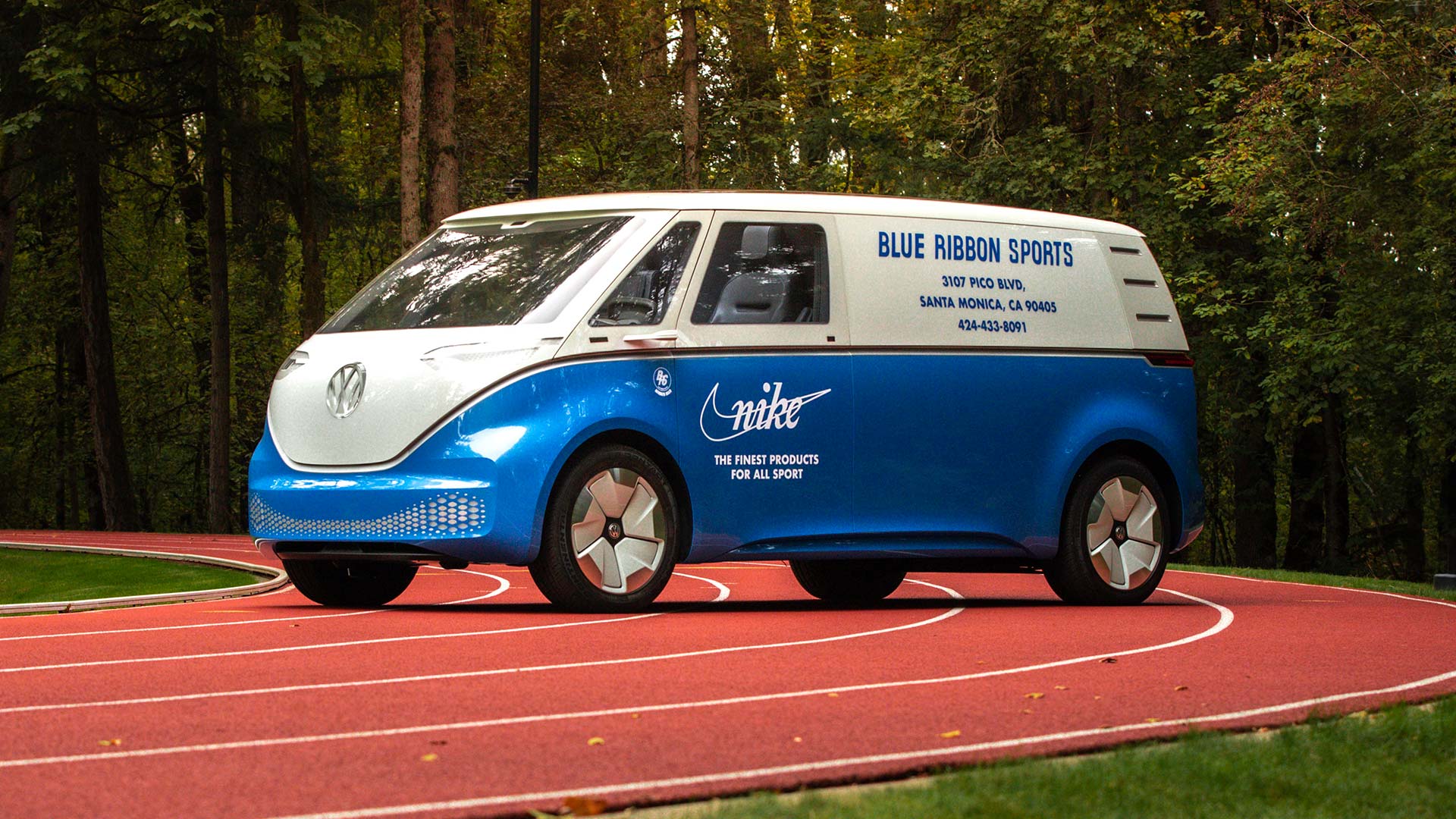
Nike and Volkswagen will collaborate on a coast-to-coast adventure, celebrating the origins of the famous sportswear brand.
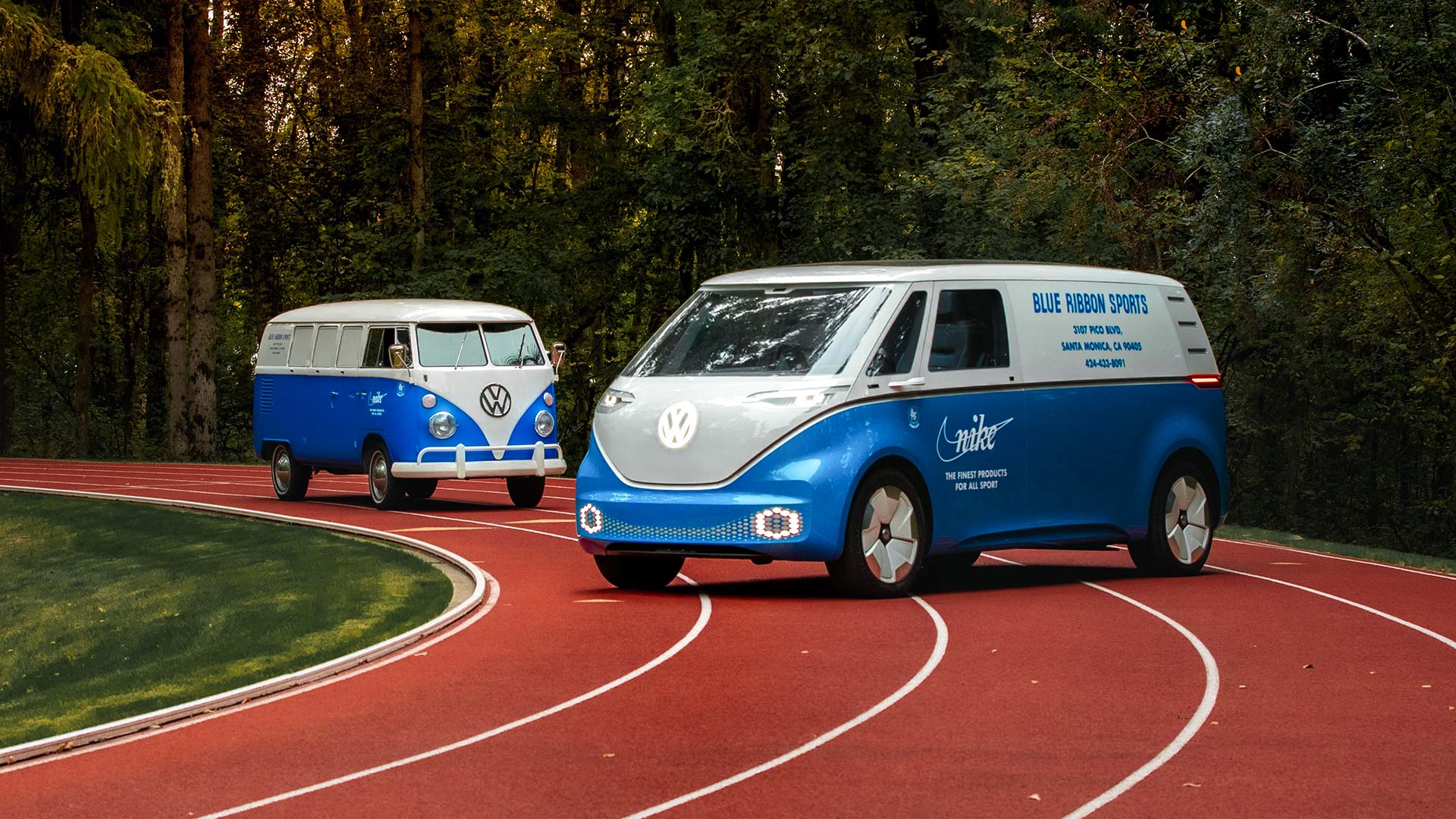
It involves a version of Volkswagen’s concept ID Buzz Cargo electric van dressed in the livery of Blue Ribbon Sports – the company which would lead to the foundation of Nike.
Through
98769978October, the ID Buzz Cargo will travel from the West Coast to the East, letting customers investigate the future of Volkswagen and the history of Nike.
So why a Volkswagen van?
Founded in 1964 by Phil Knight and Bill Bowerman, Blue Ribbon Sports began as a distributor for imported footwear.
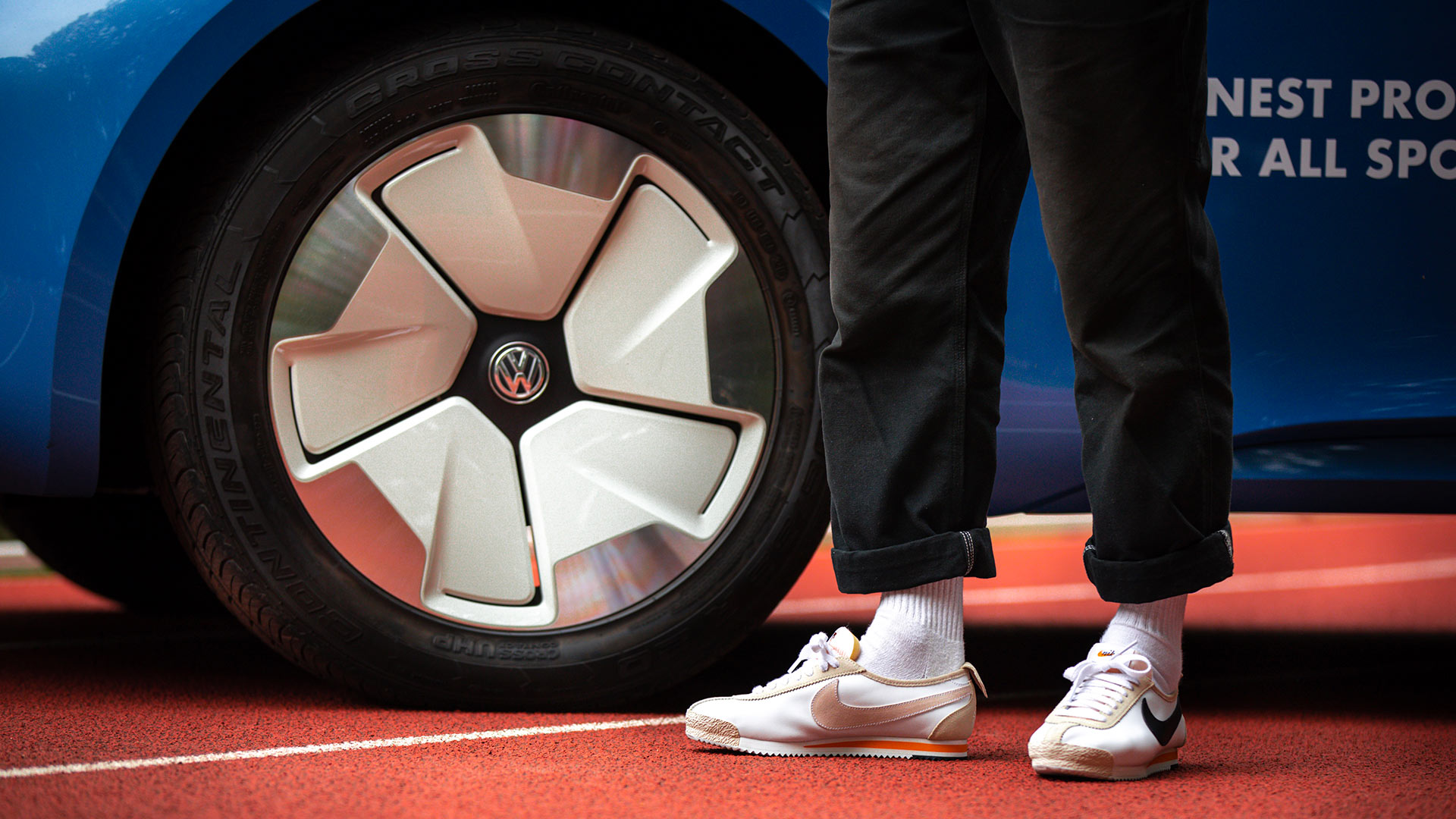
Joined by Jeff Johnson in 1967, the trio opened a store in Santa Monica, California. Johnson would also attend local running track meets, selling products from his own Volkswagen Type 2 Bus. By 1971 the company would launch its own brand of shoes, wearing the Nike name and the distinctive ‘Swoosh’ logo.
Earlier this year, Nike reopened the original store at 3107 Pico Boulevard in Santa Monica. This will be the first stop on a cross-country tour, with the electric ID Buzz Cargo replicating the Type 2 used by Jeff Johnson in the 1960s.
Where the rubber meets the road
The Blue Ribbon Sports tour kicks off on Saturday, October 5th 2019, before hitting the road for Chicago on October 12th. Nike and the ID Buzz Cargo will cross the finish line in New York City on October 15th.
At each stop, Nike will operate a pop-up store to allow fans to buy exclusive Blue Ribbon Sports merchandise. The opportunity to donate old athletic shoes for recycling will also be offered as part of Nike’s ‘Reuse-A-Shoe’ program.
Saad Chehab, Senior Vice President, VW Brand Marketing, said that “the rebirth of BRS is the perfect platform to help promote the common values of our companies, while showing the world VW’s commitment to electrification isn’t just about personal transportation – it’s about moving everything in a smarter fashion.”
Luxury car manufacturer Bentley has today announced that its Crewe plant is the first automotive luxury factory to become officially carbon neutral. This, on the way to its goal of being the world’s most sustainable luxury automotive manufacturer.
What does it mean to say that the marque’s Crewe factory is carbon neutral? Well, the PAS 2060 standard reflects the factory’s exclusive use of renewable electricity.
It also takes into account other measures to reduce the carbon that the manufacturing process emits. All emissions that Bentley can’t eliminate, are offset. That means in investing in gold standard carbon credits, the money for which goes into offsetting projects.
“The Carbon Trust is pleased to certify Bentley’s factory headquarters to PAS 2060, demonstrating its carbon neutrality,” said John Newton, head of certification, at the Carbon Trust.
“The initiatives that Bentley has undertaken to achieve this certification demonstrate the company’s commitment to becoming more sustainable.”
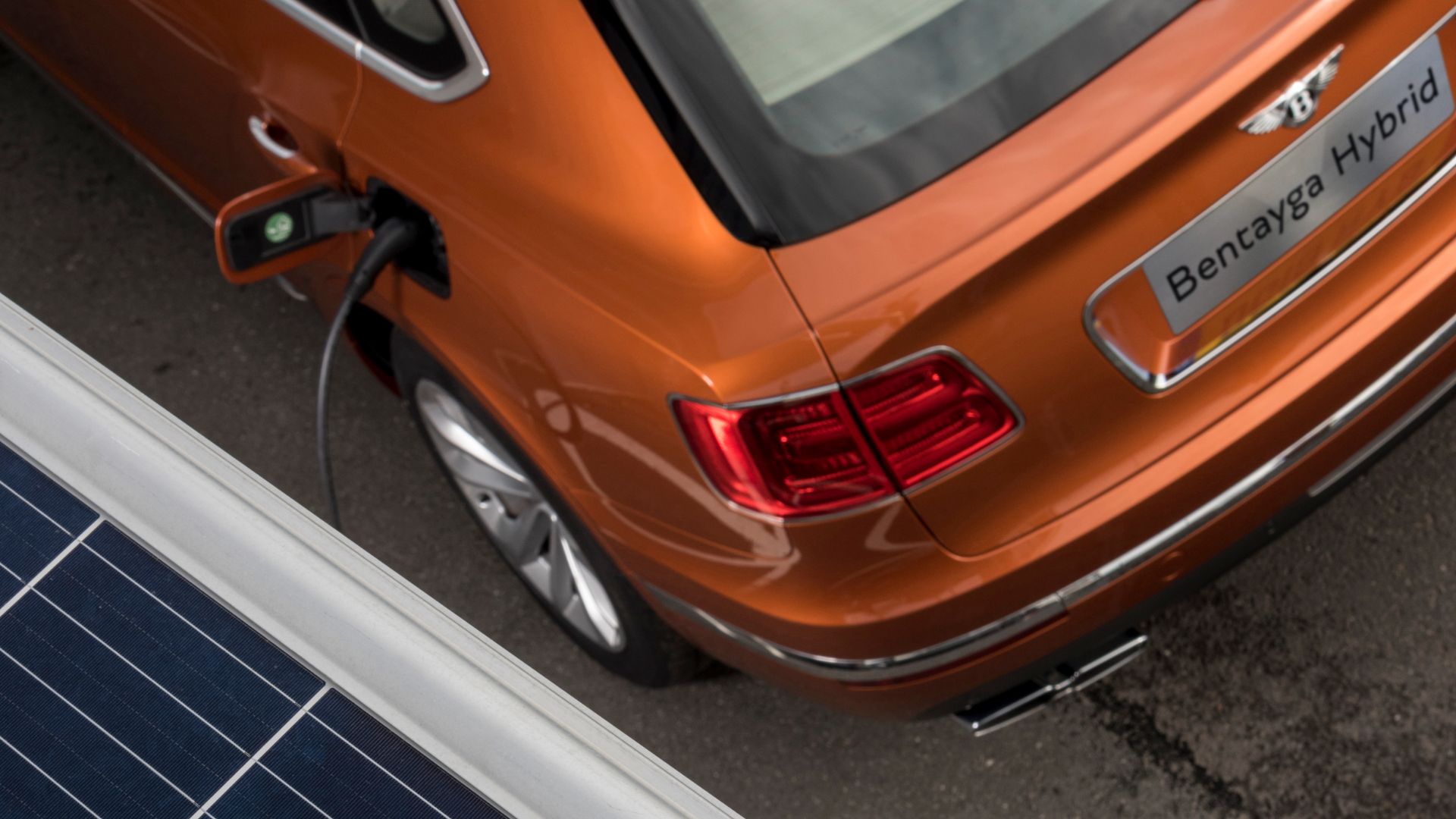
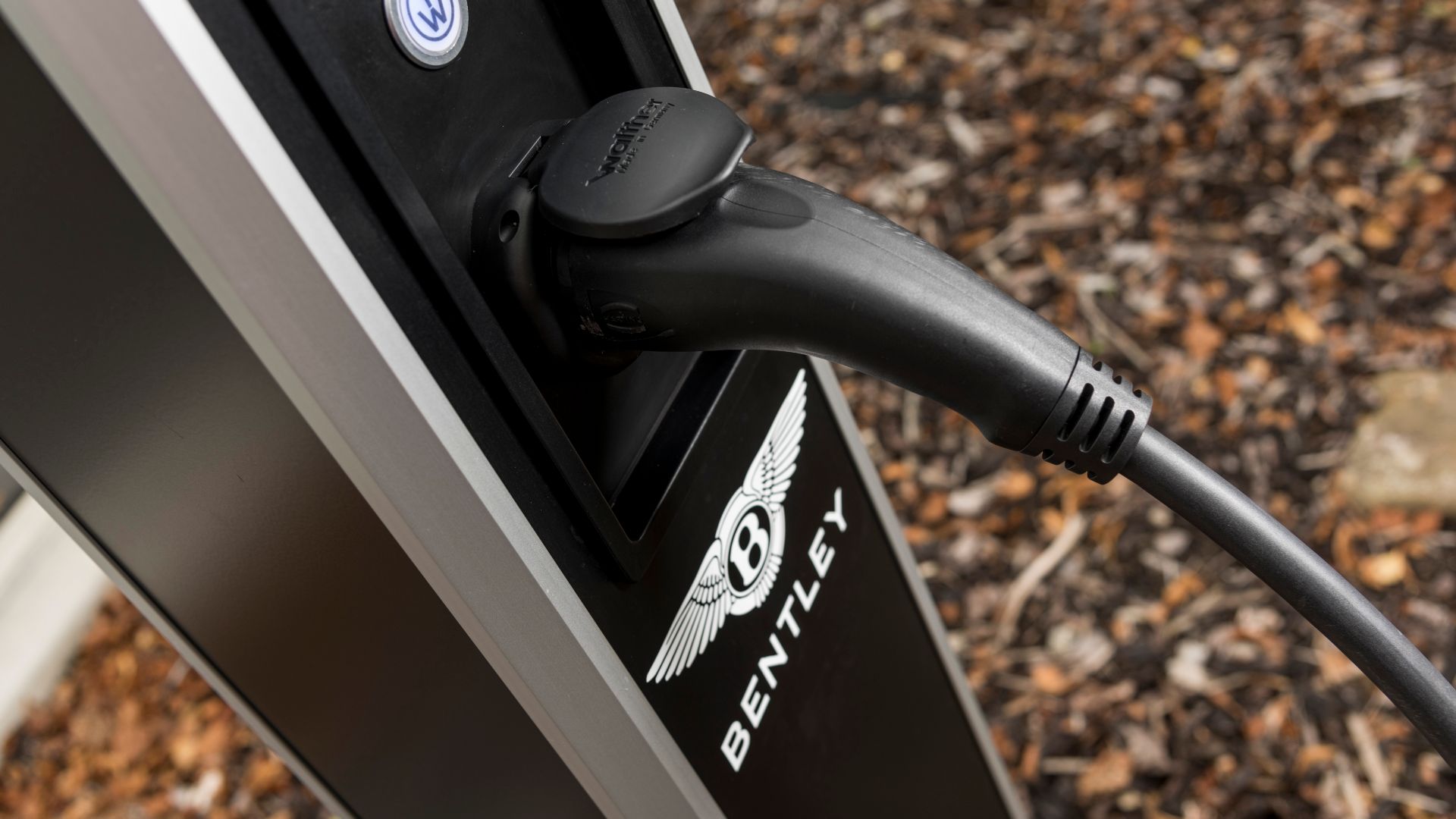
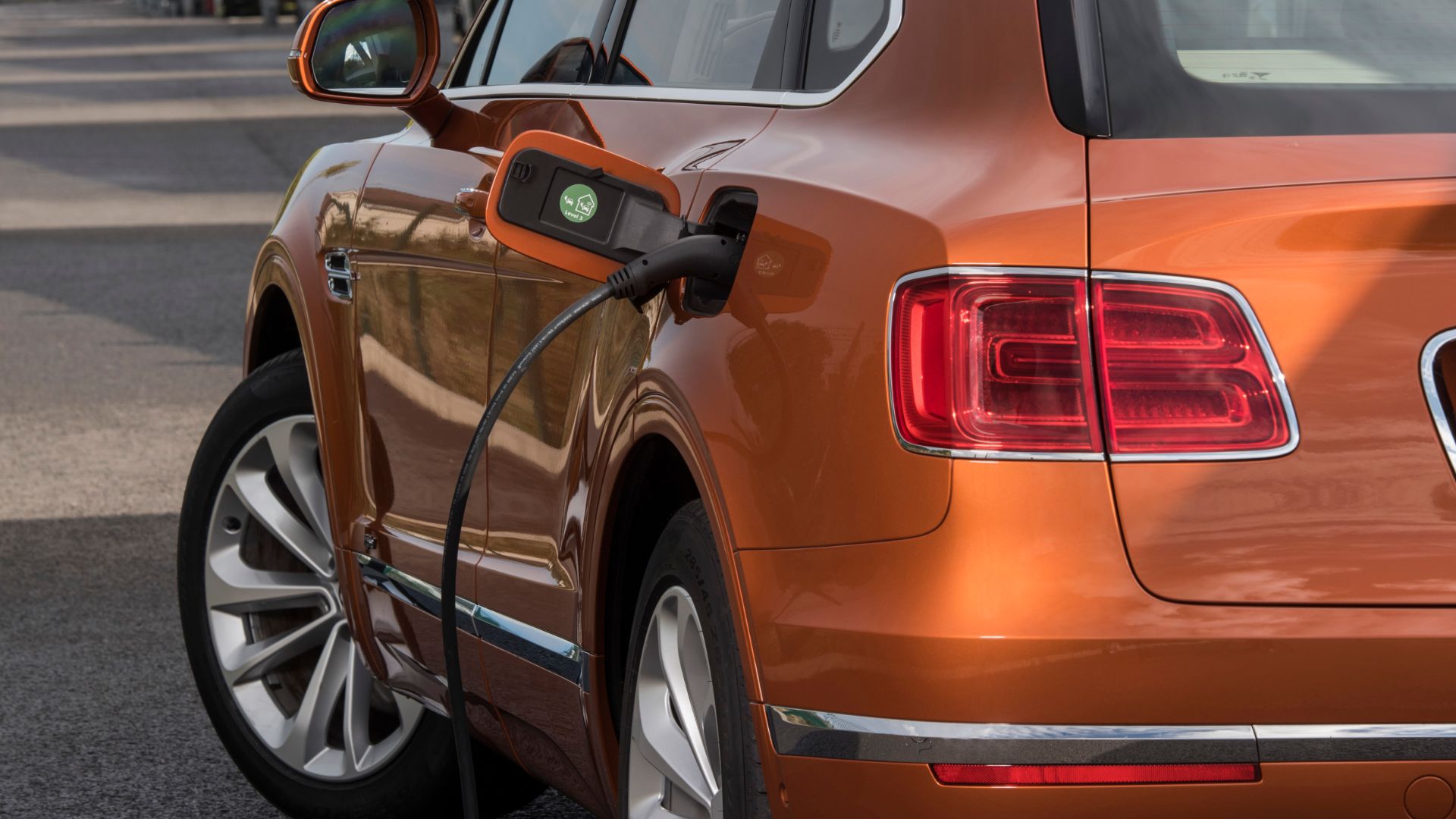
Bentley doesn’t just want to be green in the production of its cars. It wants its cars to be green too. The marque has said that it’s ‘accelerating its push towards electrification’. The Bentayga is the first Bentley to be hybridised. The rest of the range is to follow in 2023. All that’s left is the introduction of its first full EV in 2025.
Bentley’s solar car park
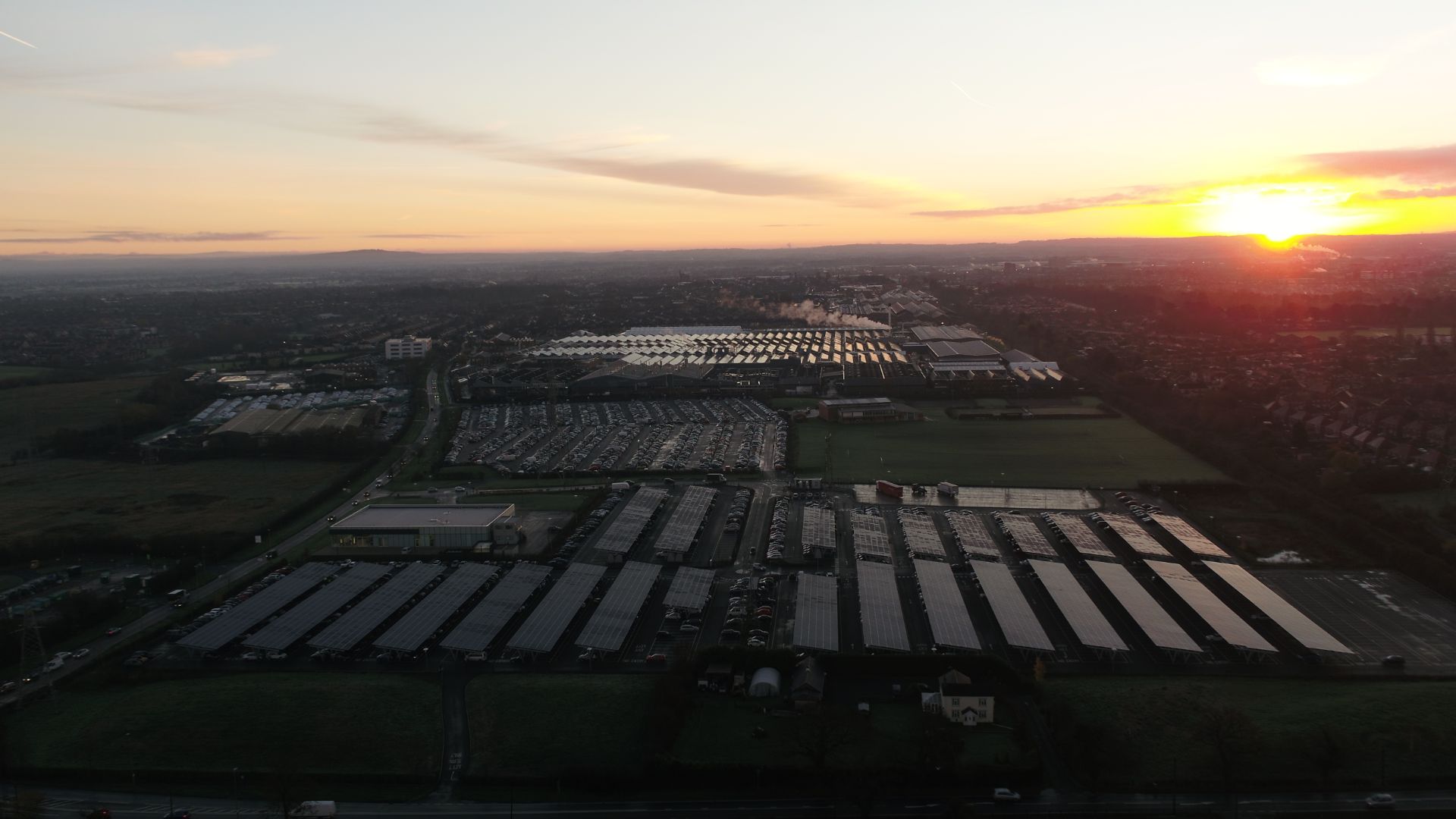
Bentley finished installing the UK’s largest solar car port earlier this year. Made up of 10,000 solar panels, it covers 1,378 parking spaces. That’s capable of generating 2.7mw of the sites total solar output of 7.7mw. In total, the Bentley factory produces enough solar energy to power 1,750 homes.
“While 2019 has marked Bentley’s centenary, our focus is now on preparing the business for the next 100 years,” said Adrian Hallmark, chairman and chief executive office of Bentley Motors.
“We want to lead the way in the delivery of sustainable luxury mobility – by providing our customers with products and services that reflect their own values.
We are very conscious of our responsibility to consider the environmental, social and economic impact of our organisation, and today’s news is just the latest stage in this journey.”
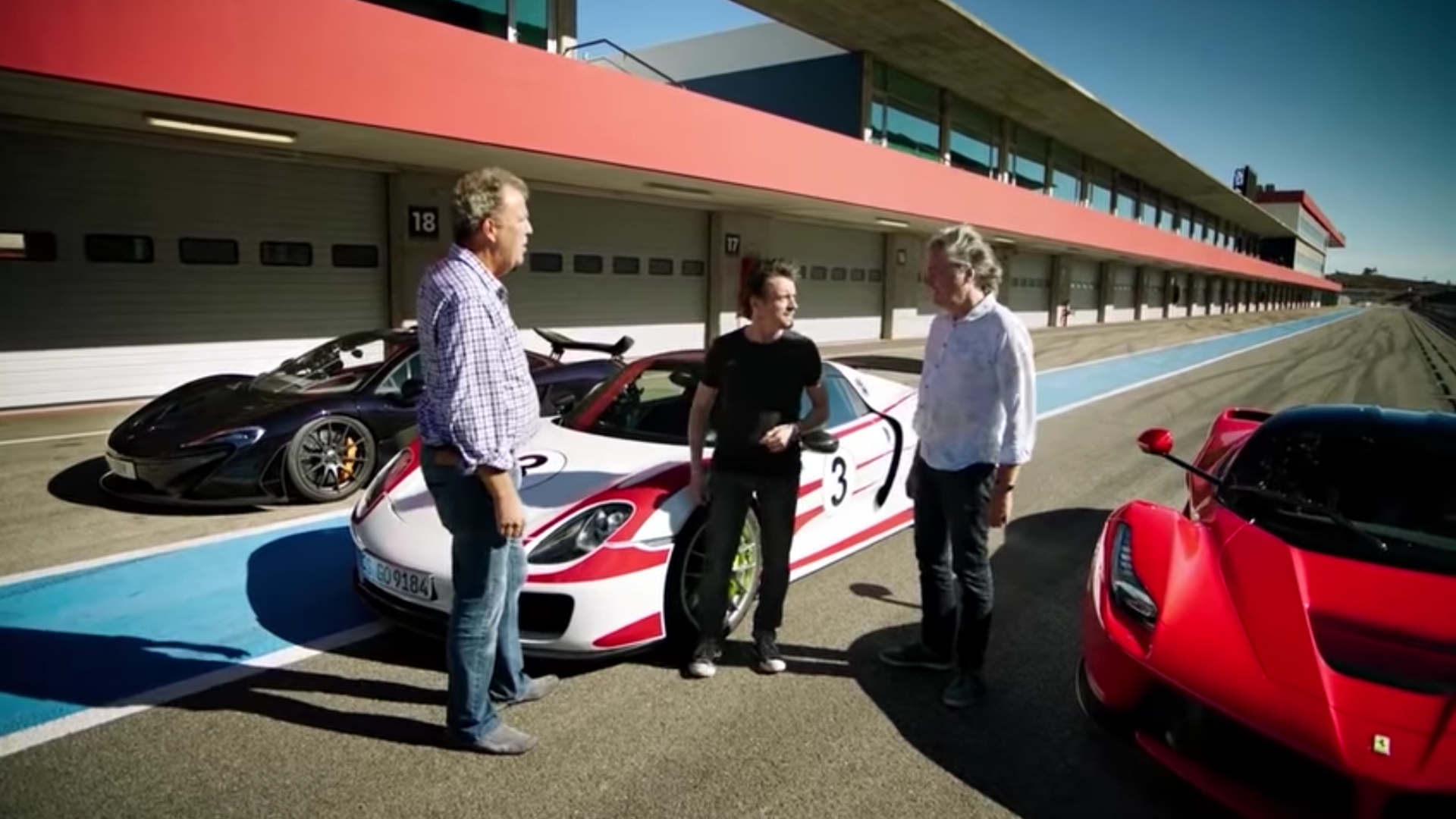
Jeremy Clarkson is to star in a new Amazon Prime Video show and, in a break from the norm, he will be on his own. That is, without his ex-Top Gear and The Grand Tour co-hosts, James May and Richard Hammond.
Well, it wouldn’t make sense really, given that Clarkson’s new show will be focused on farming. With a working title of I Bought The Farm, it will follow Clarkson in his purchase and attempted running of a 1,000-acre farm.
“I’m excited to be one of Jeremy’s farm hands,” said Peter Fincham, co-CEO of Expectation, the company producing the show.
“He’s really passionate about farming, and tractors, and all the other stuff that he thinks he knows about. This series will showcase a new, wiser, muddier Jeremy than we’ve seen before. Can’t wait.”
Taking place over the course of a farming year, we’ll get to watch Jeremy, a self-confessed ‘inept townie’ throw himself in at the deep end of this agricultural endeavour. Expect emotions, small successes, catastrophic failures and a barrel of laughs, and we suspect you won’t be disappointed.
“Good news! I can finally confirm that I’m going to be spending the next year, in the rain, making a show about farming for Amazon Prime,” Clarkson said in a preview video.
“Of course, to be a farmer, you have to be an agronomist, a businessman, a politician, an accountant, a vet, and a mechanic. And I’m… none of those things. I don’t even know what agronomist means.”
Jeremy’s rustic nightmare: a new era for the big three presenters
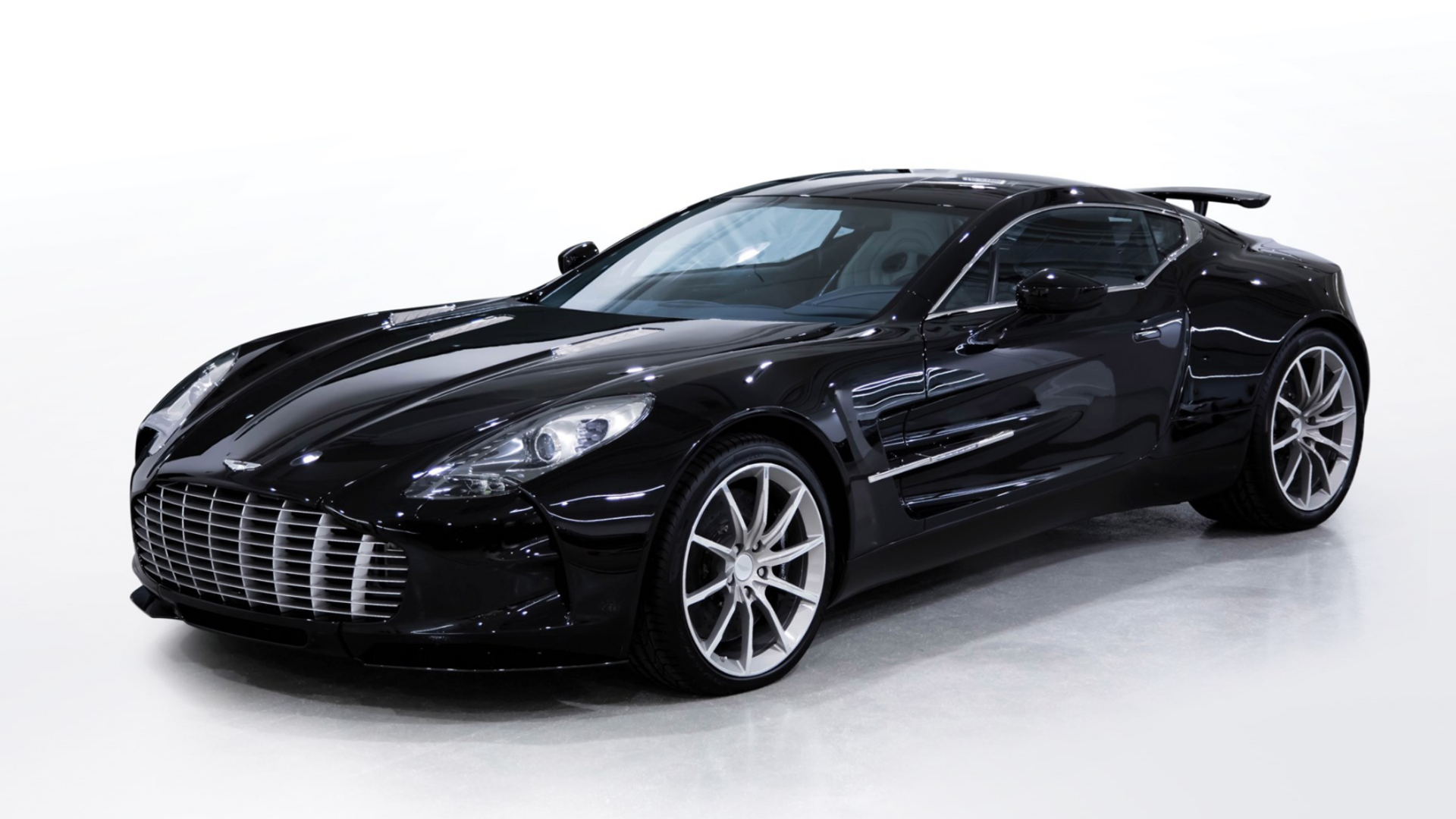
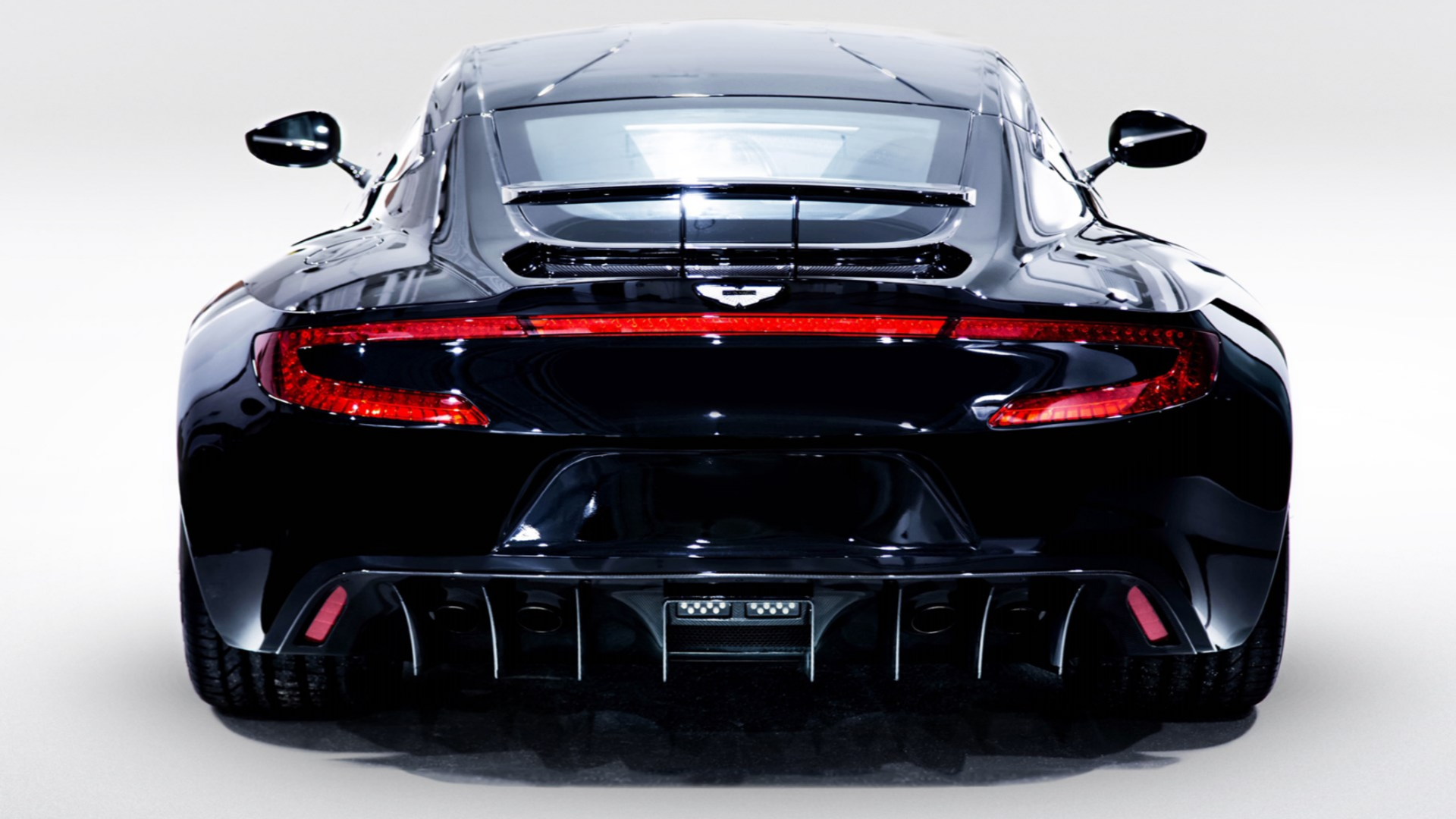
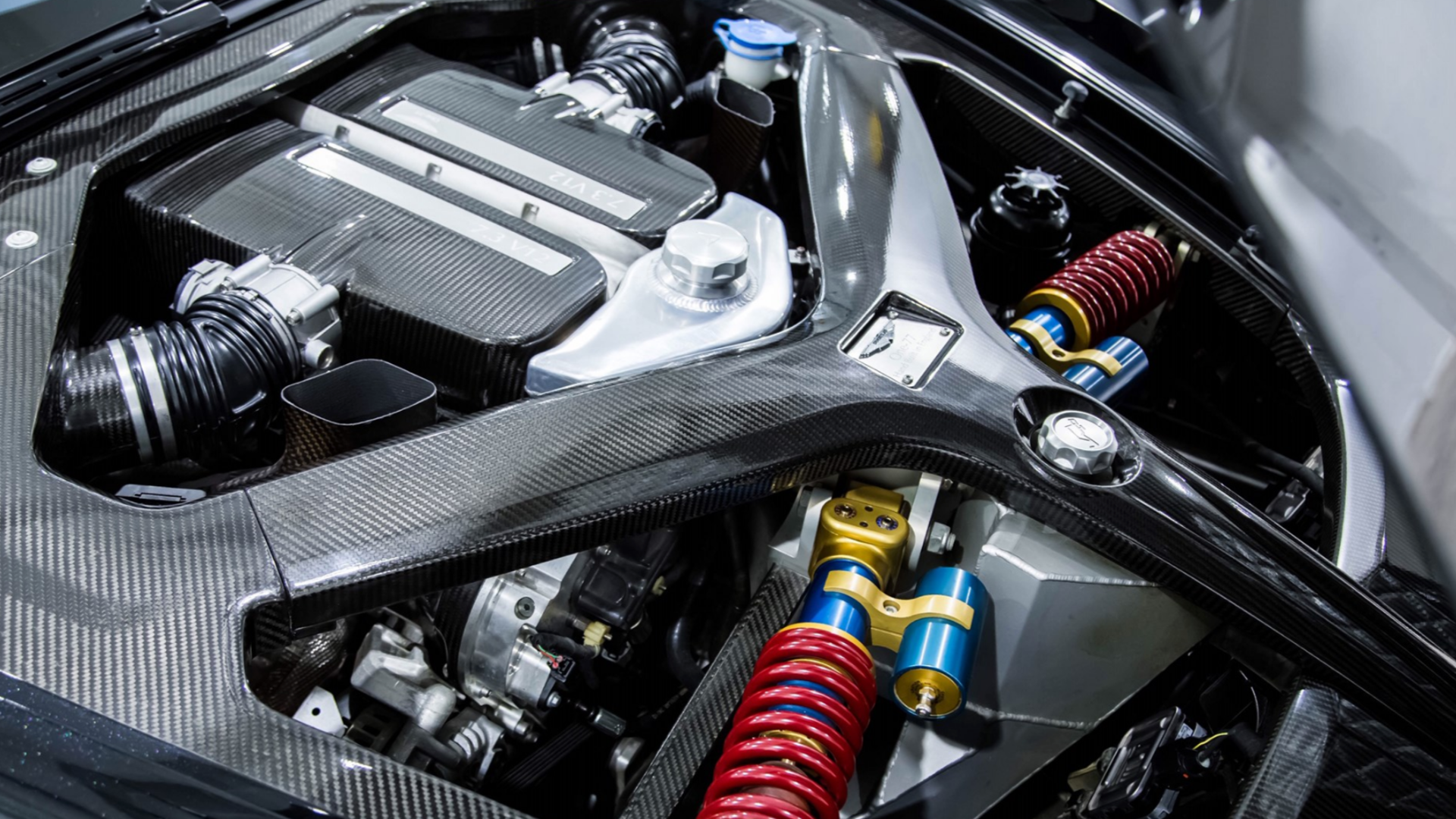
A rare Aston Martin One-77 is being auctioned by RM Sotheby’s, without reserve, to raise money for a wildlife charity.
The 7.3-litre V12 hypercar will cross the block at the Abu Dhabi Grand Prix auction and all proceeds will go to African Parks, a non-profit organisation.
The car has been donated by Markus Jebsen, chairman of the MF Jebsen Nature Conservation Foundation and Auction4Wildlife.
The 220mph Aston Martin dates from 2011, has less than 700 miles on the clock and is finished in Black Pearl paint.
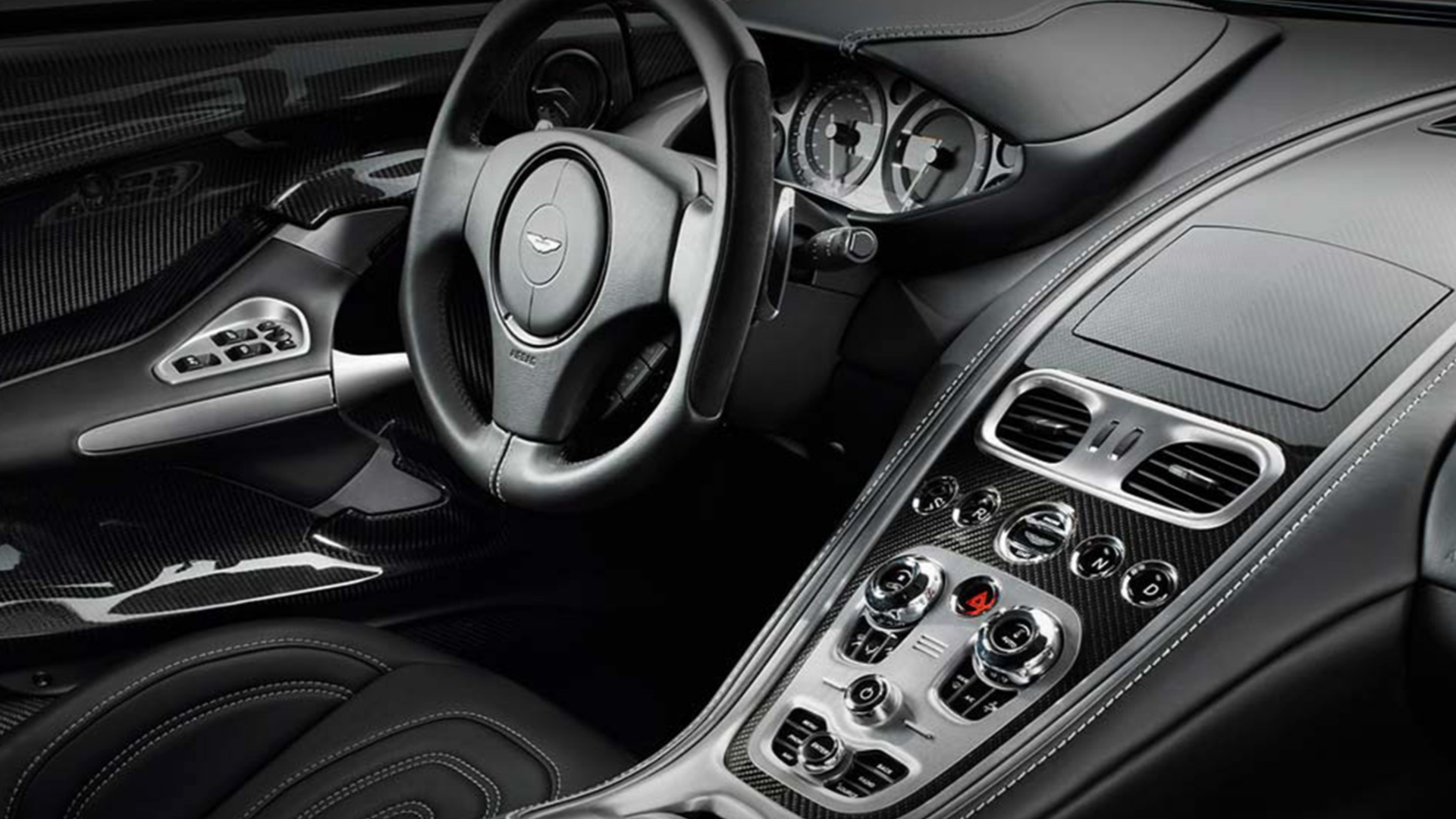
Inside, Blue Gin leather is complemented by a carbon ‘waterfall’ on the dashboard and anodised blue accents. This One-77 is right in the middle of the production run, being 38th out of the 77 cars made.
Long before the likes of the mid-engined Valkyrie and Valhalla, the One-77 was the ultimate Aston Martin. The ethos was to take everything to the extreme. That meant a 750hp naturally aspirated V12 and a voluptuous carbon fibre bodywork draped over a carbon chassis.
The September new car registrations figures are out, and many big car brands are gloomy despite the on-paper increase in the second-best month of the year for new cars.
It’s easy to see why: volumes fell by over 87,000 cars last year; in 2019, just 4,421 of them have been recovered, with the market up a measly 1.3 percent.
Brexit is behind it, says the Society of Motor Manufactures and Traders (SMMT). Chief executive Mike Hawes told the BBC car makers need it “like a hole in the head”.
But some big carmakers are suffering not just because of Brexit, but because the tastes of UK car buyers have shifted. We want premium badges and value for money: the brands in between are suffering as a result.
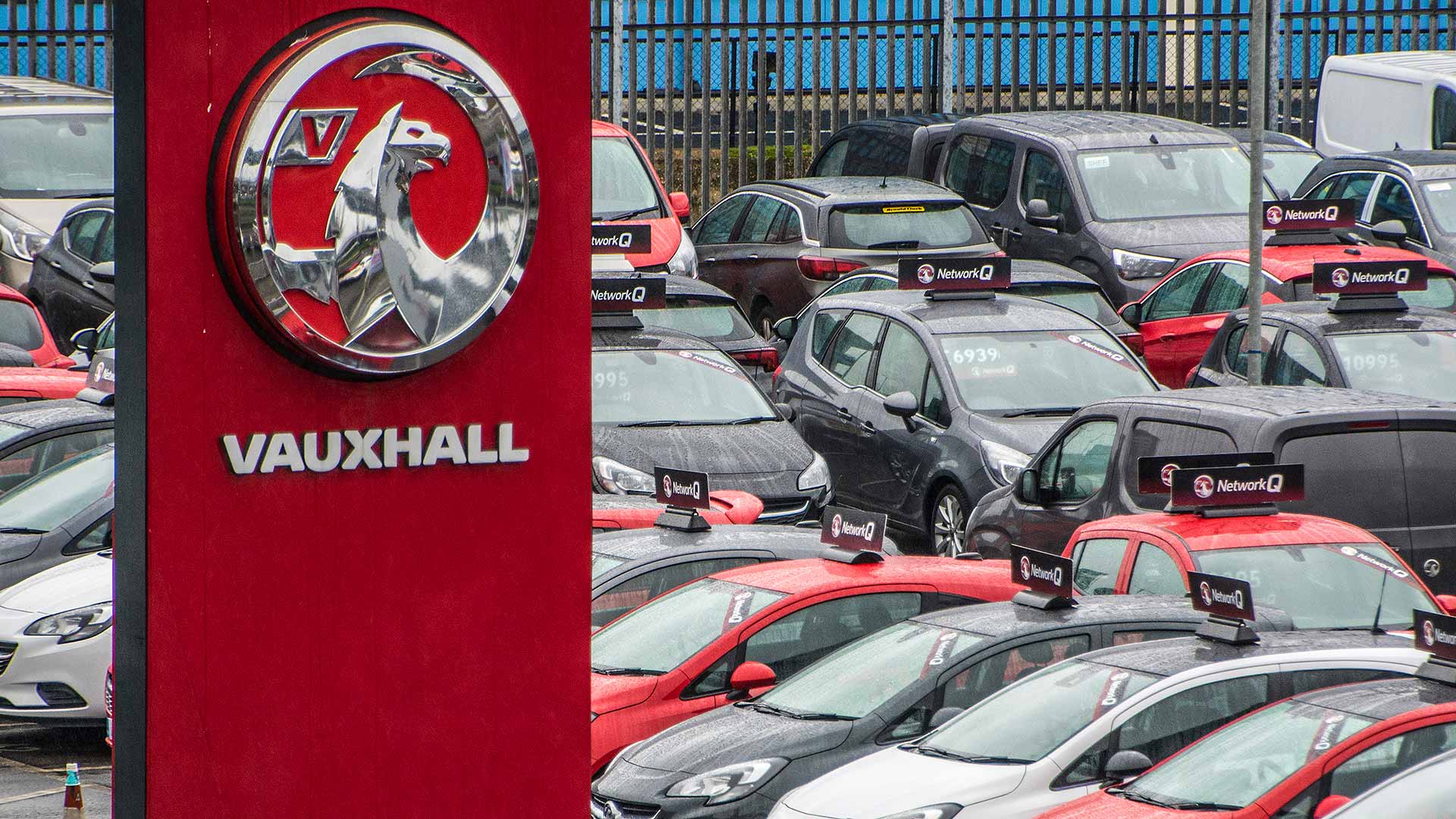
Back in 2009, for example, Ford had a market share of over 17 percent. In September 2019, this fell to less than 10 percent. And Vauxhall, which once vied with Ford for the top spot, is now back in fourth place, on 7.9 percent.
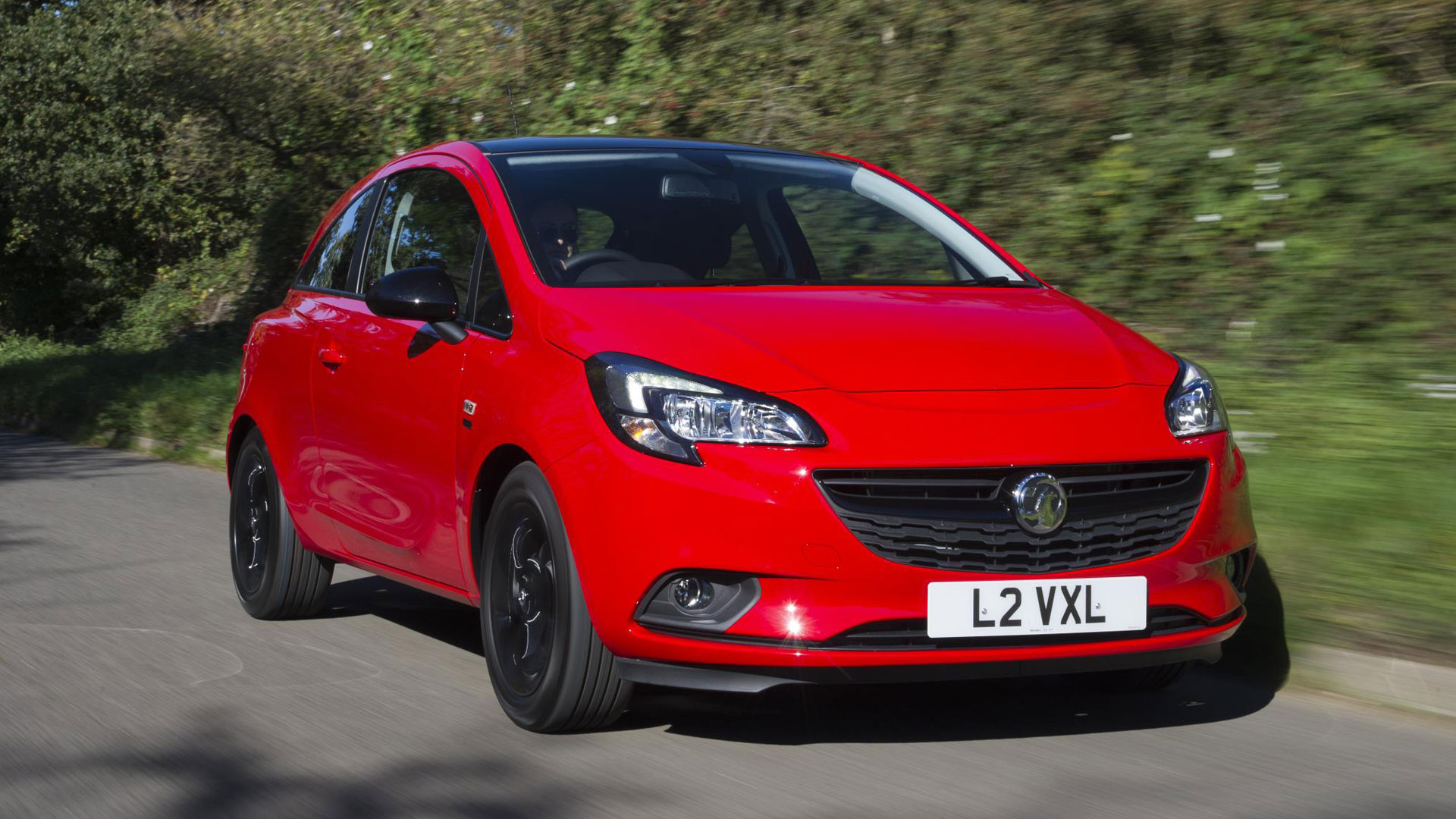
This is despite the Corsa being Britain’s most popular car in September, with the Fiesta in second.
What sits between Ford and Vauxhall? Those icons of premium luxury, Mercedes-Benz and BMW, with 8.8 percent and 8.1 percent market share respectively.
September 2019 new car market share
Ford: 9.4%
Mercedes-Benz: 8.8%
BMW: 8.1%
Vauxhall: 7.9%
Premium brands are pretty much as popular as two stalwarts of the British new car market. And the shift shows little sign of tailing off: how long before Mercedes-Benz or BMW actually overtake Ford to become Britain’s favourite car brand?
Dacia, meanwhile, grew 75 percent in September, and MG was up 35 percent. Both like to say ‘value’ is their middle name. Kia is nibbling on the heels of Toyota and even Skoda has grown nearly 25 percent, edging closer to a noteworthy 3 percent market share.
Where does this leave those in the middle? Squeezed, certainly… but it’s whether they can fight back that’s the real question. Because as things stand, it won’t be long before premium really is the mainstream norm in Britain.
The Financial Conduct Authority (FCA) has estimated that each British insurance customer pays £200 more than they need to for cover. Multiply that over six million drivers, and you have a £1.2billion overpayment on insurance for the British people.
The FCA is poised to take action against insurers, saying that “this market is not working well for all consumers.”
“While a large number of people shop around, many loyal customers are not getting a good deal.”
It found that lower-paid or vulnerable customers tended to face higher insurance premiums. They make up one in every three customers who are overpaying. These, along with those who the insurers assessed were less likely to switch. In short, they’re squeezing these customers rather than serving them.
Freezing insurance renewal price increases and more
“We have set out a package of potential remedies to ensure these markets are truly competitive and address the problems we have uncovered,” said Christopher Wollard, executive director of strategy and competition at the FCA.
“We expect the industry to work with us as we do so.”
Among those strategies is a freeze on the infamous practice of insurance renewal price rises. At present, customers tend to be penalised rather than rewarded for their loyalty. Opening offers were found to be discounted. Therefore, price rises are almost always automatic when it comes to renewal.
Furthermore, the FCA wants to ensure people feel free to switch insurance by stopping insurers from discouraging a change of provider.
In tandem with the above, the FCA wants more transparency and dialogue between insurers and their customers.
The full report will be published in 2020. While commending the FCA’s highlighting of the issue, Citizens Advice says celebration isn’t warranted until the authority follows through on its proposals.
“It’s great to see the FCA acknowledging that the insurance market isn’t working,” said Gillian Guy, chief executive of Citizens Advice.
“The FCA must now follow through on these bold ideas to stop loyal insurance customers being penalised.”
The Vauxhall Corsa was the UK’s best-selling car in September. This, in a month in which new car registrations rose by just 1.3 percent.
A total of 343,255 new cars hit the road in September, fuelled by an 8.6 percent rise in the number of fleet registrations. Private sales rose by a modest 0.1 percent, as the new registration changeover failed to have a significant impact on the depressed market.
Year-to-date figures are down 2.5 percent overall, as the Society of Motor Manufacturers and Traders (SMMT) warns against a ‘no deal‘ Brexit.
Mike Hawes, SMMT chief executive, said: “September’s modest growth belies the ongoing downward trend we’ve seen over the past 30 months.
“We expected to see a more significant increase in September, similar to those seen in France, Germany, Italy and Spain, given the negative effect WLTP had on all European markets last year. Instead, consumer confidence is being undermined by political and economic uncertainty.
“We need to restore stability to the market which means avoiding a ‘no deal’ Brexit and, moreover, agreeing a future relationship with the EU that avoids tariffs and barriers that could increase prices and reduce buyer choice.”
Corsa is number one
The Vauxhall Corsa has toppled the Ford Fiesta as the nation’s number one, as dealers clear the decks ahead of the next-generation Corsa’s arrival in 2020.
Registrations have been boosted by highly competitive finance and leasing deals, with the Corsa offering extraordinary value for money to those who aren’t prepared to wait until next year for the new car.
The all-new model – which shares a platform with the new Peugeot 208 – will include an electric variant.
Ford shifted 11,643 Fiestas in September, so it remains the best-selling car of 2019 with 64,564 registrations. Meanwhile, the Vauxhall Corsa (47,574) leapfrogs the Volkswagen Golf (46,492) and Ford Focus (45,932) to become the second best-selling car of the year so far.
Top 10 September registrations
Vauxhall Corsa: 12,921
Ford Fiesta: 11,643
Mercedes-Benz A-Class: 9,807
Mini: 8,269
Nissan Qashqai: 7,987
Ford Focus: 7,944
Volkswagen Golf: 7,272
Kia Sportage: 5,860
Ford Kuga: 5,691
BMW 3 Series: 5,038
A false dawn?
News of a positive month is tempered by the fact that last September saw a massive 20.5 percent decline in sales, when new emissions regulations and lack of testing capacity across Europe affected supply.
It’s also worth noting that the UK’s small increase is in stark contrast to other major European markets which saw a double-digit rise in registrations.
“The market is being subdued by the added pressure of the political and economic uncertainty, with weak confidence stopping consumers from committing to big ticket purchases,“ said the SMMT.
On the plus side, the electric car market recorded a 236.4 percent (5,414 units) increase in registrations, with plug-in hybrid sales up for the first time in six months.
Motorists hit with surprise bills from authorities for road repairs following an accident should contest them, advises a claims management company – because five-figure sums are there to be saved.
Citing a “shocking lack of transparency”, Kent claims firm CMA says the repairs bills from local councils, Highways England, Transport for London or associated contractors should always be studied carefully because “we frequently see cases of serious overcharging”.
More advice from Motoring Research
If you damage Crown property in a road traffic accident, the authorities are fully entitled to charge you: this can be for hitting a motorway barrier or traffic sign, or even damaging the road surface. These bills can go to drivers, fleet operators or directly to insurers.
But because some Highways England contractors are acting in an informal environment, says CMA MD Philip Swift (himself a former police detective), it’s questionable “whether many of the costs being presented are accurate.
“In a not insignificant number of cases, no payment is warranted at all.”
Examples include a fleet operator that was hit with a £46,000 barrier repair bill from Highways England. The claims firm pointed out the length had been incorrectly detailed in yards when it should have been listed in feet: the entire claim was subsequently written off.
Another insurer was presented with an eye-watering £56,000 repair bill for resurfacing a road in the south east: CMA used a Freedom of Information request to uncover a larger such contaminant spill had been rectified in Scotland for just £750.
Even smaller claims can be significantly reduced: CMA cut a £4,700 bill by 85% to £700. Indeed, bills below a £10,000 threshold are often issued by contractors rather than directly by authorities and these are often the most problematic.
“Rather than simply paying it, engage a specialist to scrutinise the invoice,” advises CMA.
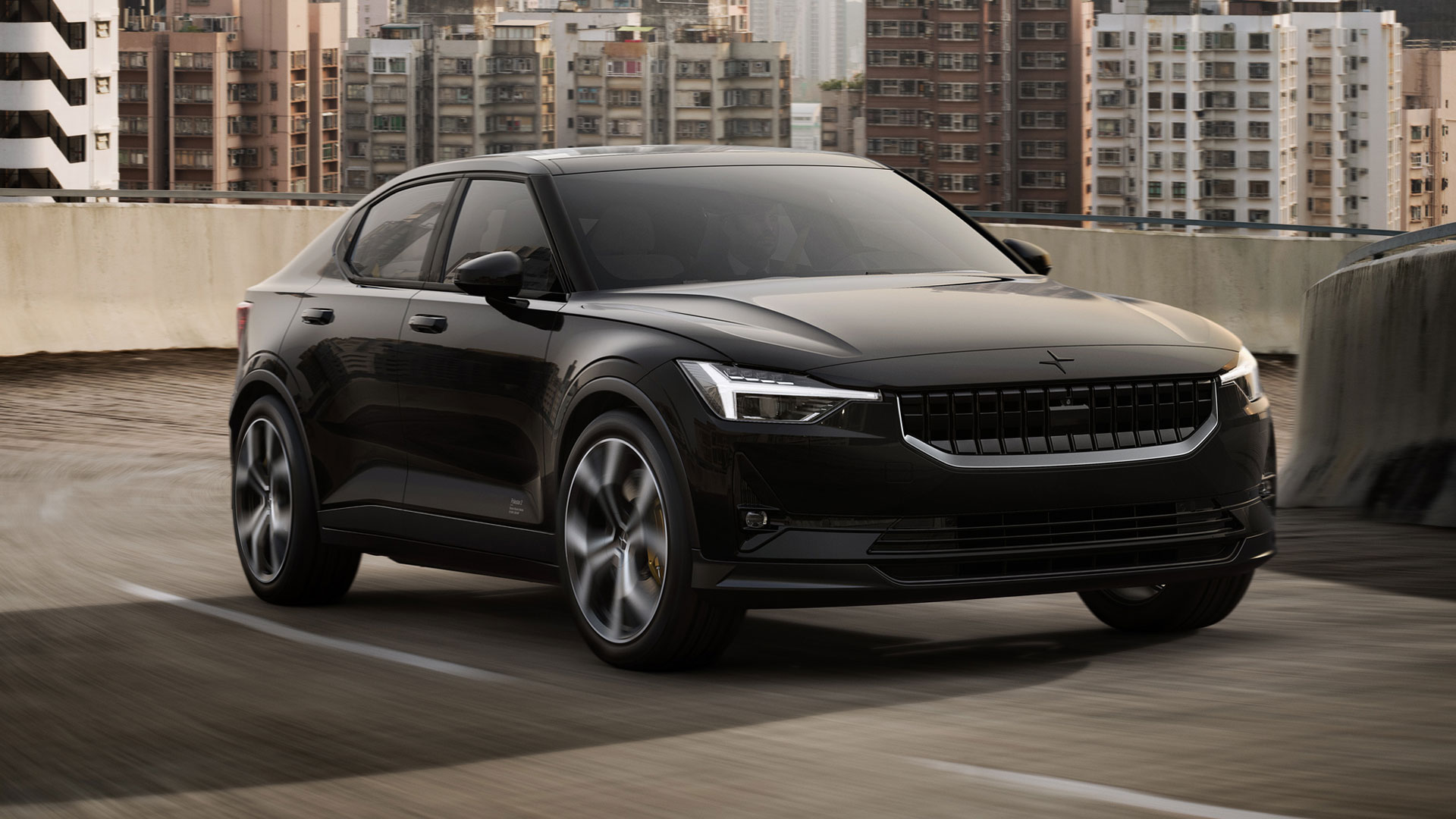
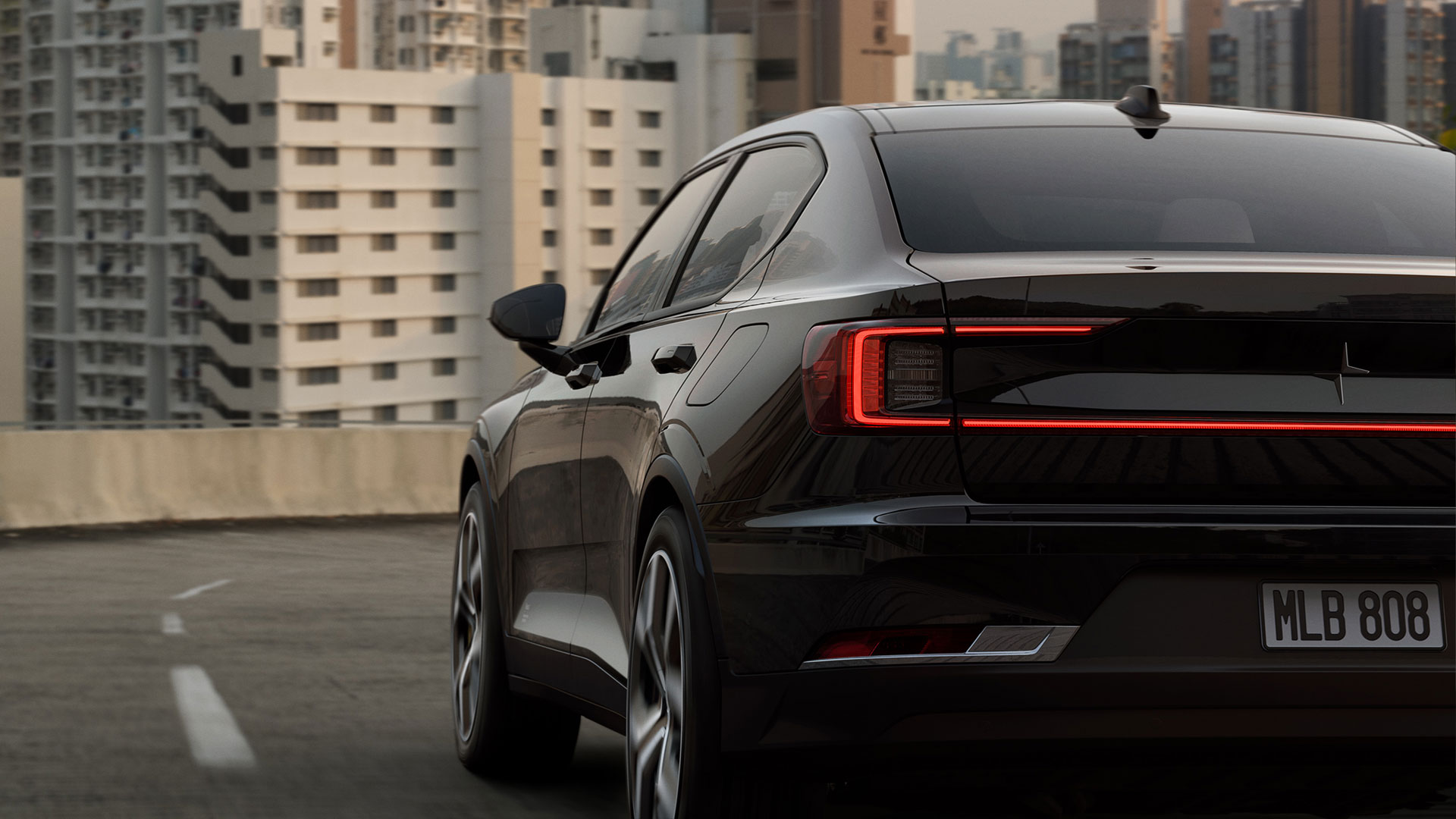
The all-electric Polestar 2 will cost £49,900 when it goes on sale in the UK next year.
As the name suggests, this is Polestar’s second vehicle, but unlike the Polestar 1, this new car will be available in right-hand-drive.
The 300kW Polestar 2 features an all-wheel-drive powertrain and a large 78kWh battery pack. The Swedish EV company, which is owned by Volvo and Geely, is targeting a range of 500km (310 miles).
Both AC and DC charging work with the car, with the Polestar 2 supplied with a 7-metre AC charging cord and a 4.5-metre DC lead for faster charging.
The Polestar 2 will be available via online sales only, and customers can pay a refundable £1,000 deposit to secure a place in the queue. The £49,900 price tag includes routine servicing and maintenance for three years plus pick-up and delivery.
A number of ‘Polestar Spaces‘ will open around the world where customers will be able to speak to specialists and take test drives in the next-generation EV. The first of these inner-city locations will open before the end of the year, with a further 50 ‘Spaces’ planned by the end of 2020.
The Polestar 2 is the first car to come with an infotainment system powered by Android, which offers the latest Google Assistant software. Fittingly, it has a large 11.15-inch touchscreen infotainment system, along with a 12.3-inch digital driver display.
There’s no start button in the Polestar 2: the car powers up as soon as the driver is seated, with their smartphone acting as a key. Wireless charging is fitted as standard.
Predictably, the Polestar 2 also comes with the latest safety equipment that will be familiar to Volvo drivers. Semi-autonomous driving is available via Pilot Assist.
Polestar launched in 2017 with the Polestar 1 – a low-volume hybrid GT with 600hp and an electric range of 150km (93 miles). The Polestar 2 is “designed to compete around the Tesla Model 3“ and will be joined by a Polestar 3 as an electric SUV.
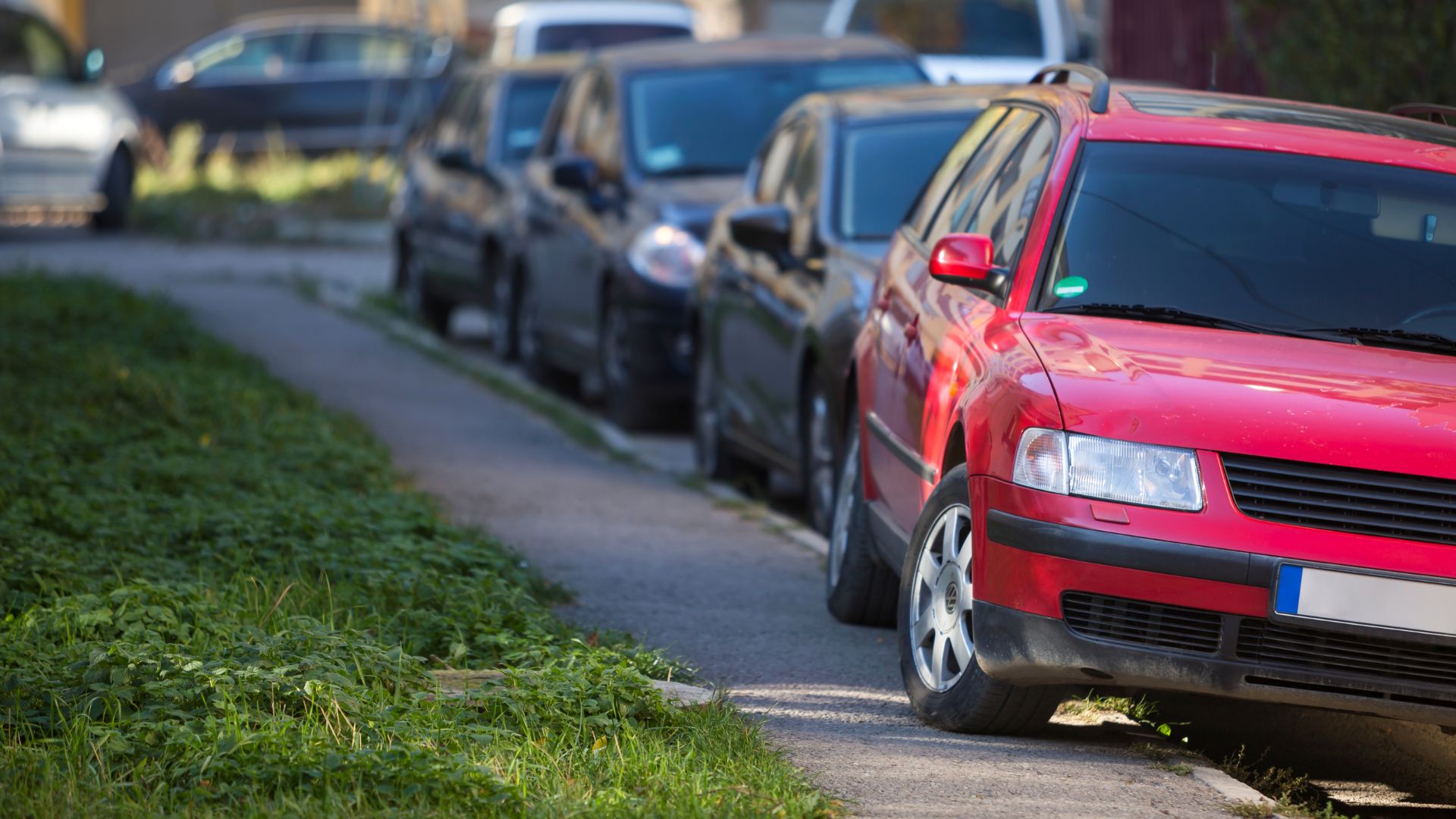
A leading group of cycling and walking organisations has backed calls for the government to introduce a ban on pavement parking.
Last month, the Transport Committee criticised the Department for Transport (DfT) for failing to take action on pavement parking, which, it says, is having a “detrimental effect on people’s lives and can lead to social isolation”.
The Walking and Cycling Alliance (WACA) – made up of the Bicycle Association, Cycling UK, The Ramblers, British Cycling, Living Streets and Sustrans – has lent its support to the MPs calling for a pavement parking ban.
“The Government needs to act urgently on the findings of the Transport Select Committee report, which is founded on thorough investigation and input from the general public,“ said John Irvin, chief executive of Living Streets.
“Cars parked on pavements force people with wheelchairs, parents with buggies and those living with sight loss into the carriageway and oncoming traffic.”
In 2015, the government promised to look into the issue of pavement parking in England, which has been illegal in London since 1974. Drivers can be fined up to £100, but boroughs can designate areas that are exempt from the pavement ban.
Pavement parking ban: background
Rule 244 of the Highway Code states:
‘You MUST NOT park partially or wholly on the pavement in London, and should not do so elsewhere unless signs permit it. Parking on the pavement can obstruct and seriously inconvenience pedestrians, people in wheelchairs or with visual impairments and people with prams or pushchairs.’
Note the use of ‘MUST NOT’ and ’should not’. One is an order backed by legislation, the other is a statement of advice.
However, Rule 242 states:
‘You MUST NOT leave your vehicle or trailer in a dangerous position or where it causes any unnecessary obstruction of the road.’
In other words, you could be issued with a fixed penalty notice (FPN) if your vehicle is deemed to be causing an obstruction. Research conducted by Guide Dogs found that justfive percent of drivers understand all aspects of the law on pavement parking.
Opponents to the ban argue that the UK’s narrow streets make it difficult for householders to find a parking space when there is no off-street parking nearby.
‘Deeply concerned‘
Lilian Greenwood, chair of the Transport Committee, said: “Pavement parking has a huge impact on people’s lives and their ability get around their communities. Motorists may feel they have no choice but to park on the pavement and many try to do so in a considerate way, but evidence to our inquiry revealed the impact on those with visual and mobility impairments and people with children.
“We are deeply concerned that the Government has failed to act on this issue, despite long-standing promises to do so. This is a thorny problem that may be difficult to resolve to the satisfaction of all, but the Government’s inaction has left communities blighted by unsightly and obstructive pavement parking and individuals afraid or unable to leave their homes or safely navigate the streets.“
The Transport Committee says local authorities could create exemptions if they choose to do so, but drivers would be left in no doubt that they would be committing an offence unless parking was expressly permitted.
‘Bureaucratic burdens‘
It wants the government to remove the ‘bureaucratic burdens’ imposed on local authorities to make it easier to put in place parking restrictions.
WACA says that people are being put at risk of injury and isolation by the government’s inactivity. It’s demanding urgent action, which includes the reversal of the recent rule-change allowing drivers to park on cycle lanes.
John Irvin added: “The Government recently changed the rules on parking on cycle lanes so that it is no longer an offence to park on those marked with solid white lines during their hours of operation.
“This change, made without notifying councils or the public, needs to be reversed. Until it is, it runs the risk of undermining the review into the Highway Code to improve cycle safety.”
 Nike and Volkswagen will collaborate on a coast-to-coast adventure, celebrating the origins of the famous sportswear brand.
  Founded in 1964 by Phil Knight and Bill Bowerman, Blue Ribbon Sports began as a distributor for imported footwear.
  The Blue Ribbon Sports tour kicks off on Saturday, October 5th 2019, before hitting the road for Chicago on October 12th. Nike and the ID Buzz Cargo will cross the finish line in New York City on October 15th.