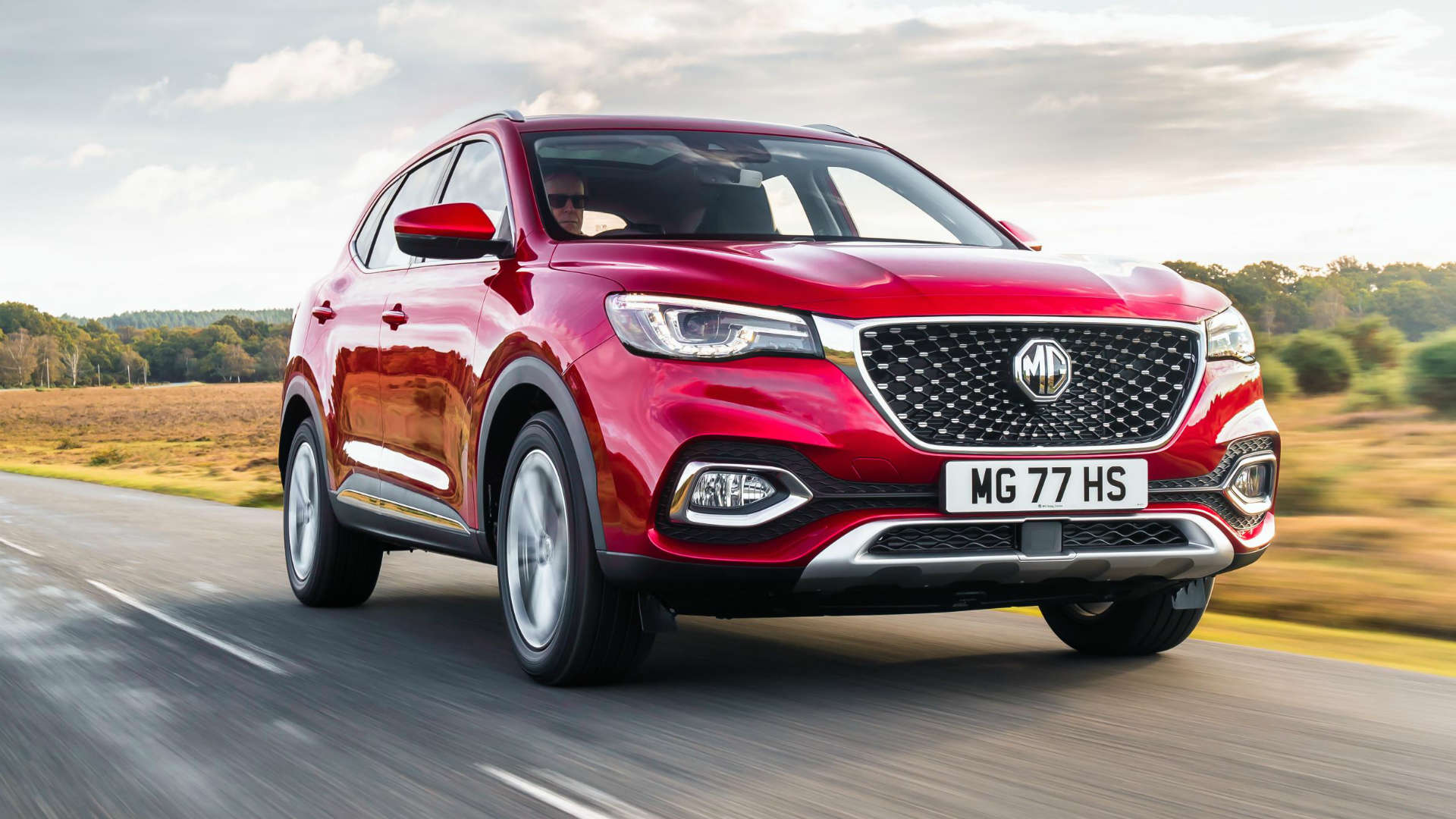
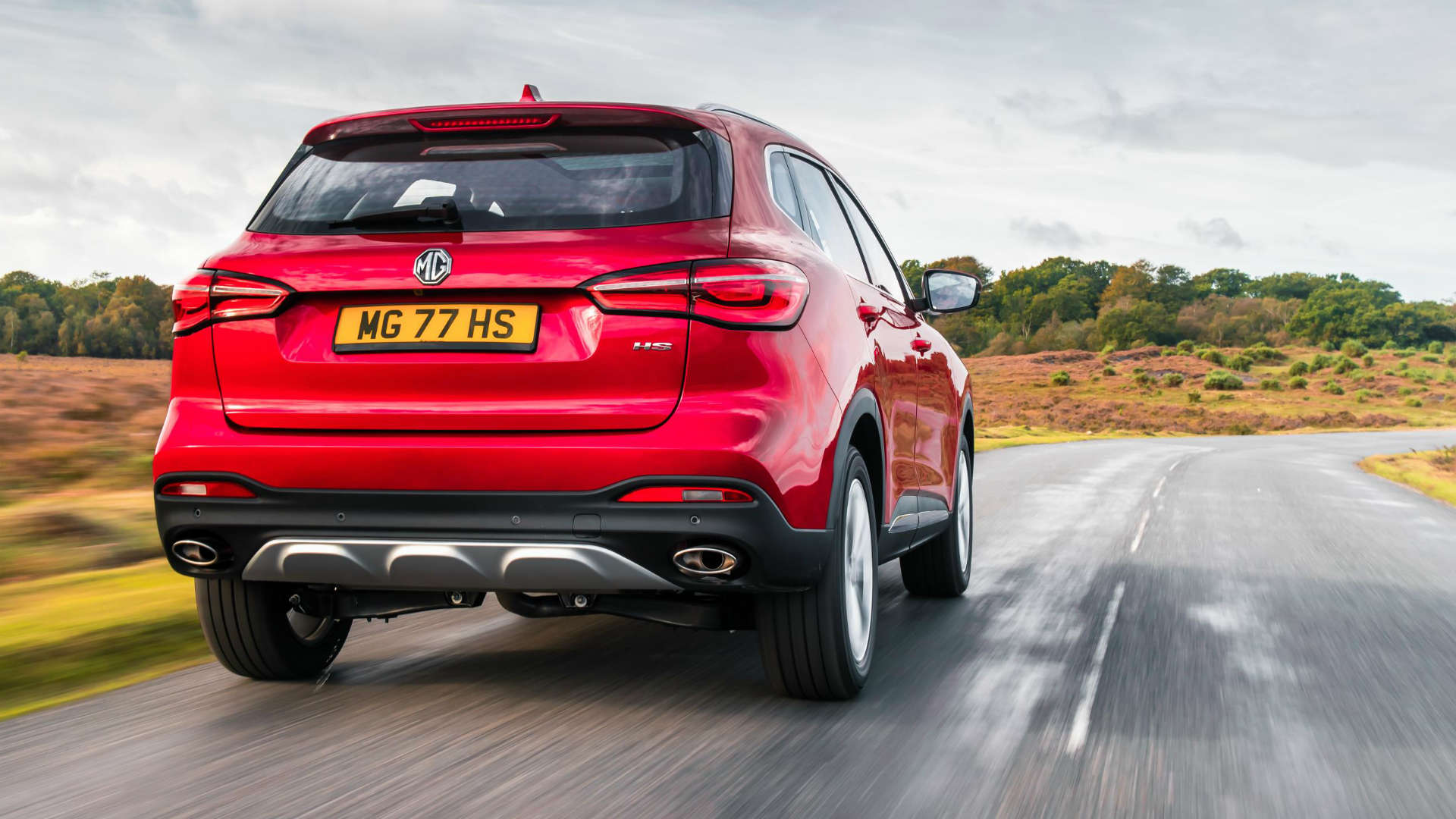
The new MG HS SUV will launch with a £17,995 price tag when deliveries start in November.
That’s roughly the price you’ll pay for an entry-level Juke, while the top-spec MG HS easily undercuts the most expensive version of Nissan’s small crossover. Exceptional value for money for a car that rivals the Nissan Qashqai from the class above.
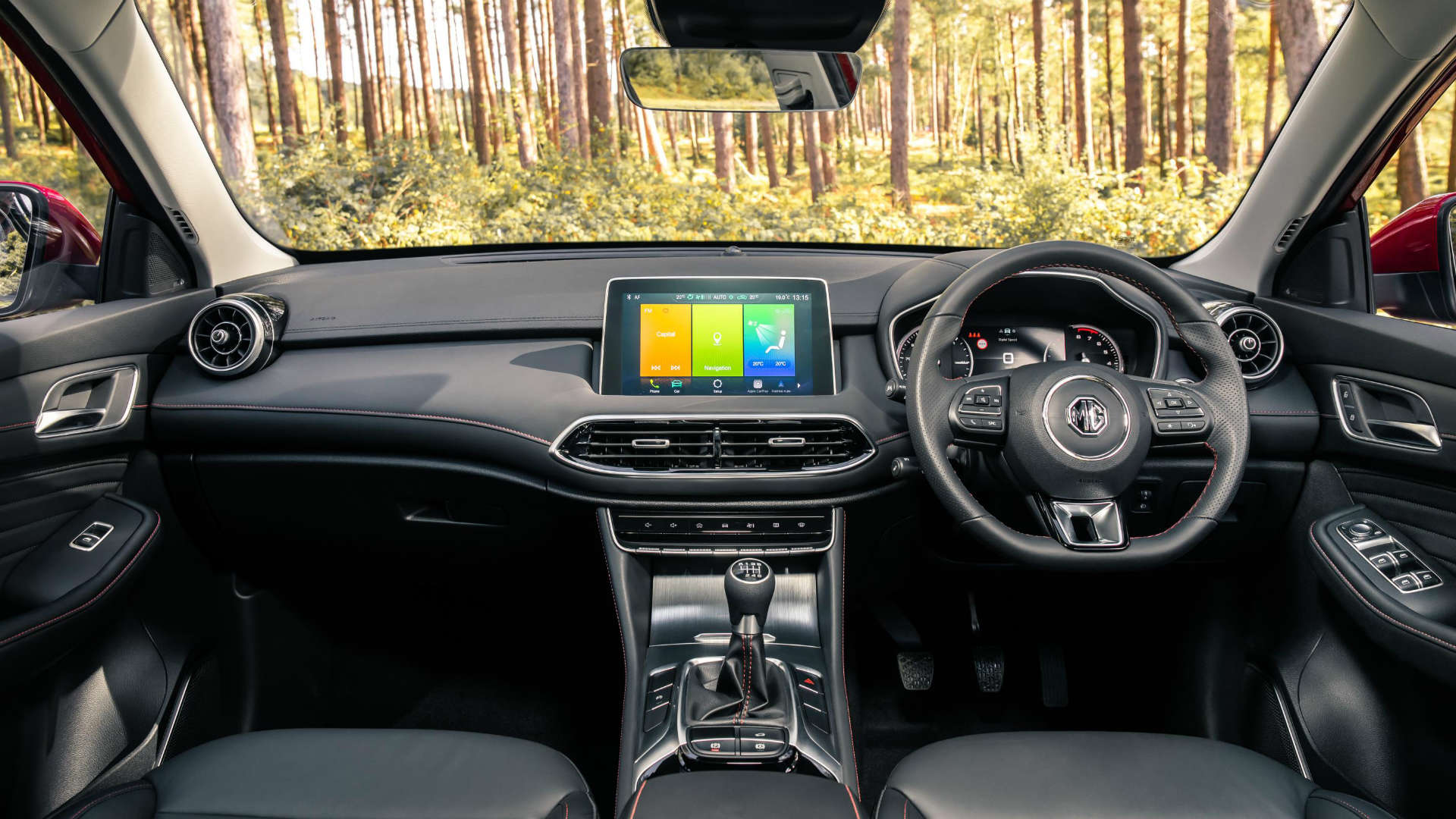
Standard spec includes 17-inch alloy wheels, keyless entry with push button start, a 10.1-inch colour touchscreen, Apple CarPlay, Android Auto and electric folding and heated door mirrors.
Moving up from the Explore trim to the mid-range Excite adds around £2,500 to the price and a rear parking camera, 18-inch alloy wheels, automatic wipers and sat-nav.
The top-spec Exclusive boasts a choice of two leather interiors, front and rear LED sequential indicators, electric and heated front seats, dual-zone climate control, ambient lighting and a panoramic sunroof.
A six-speed manual gearbox is fitted as standard, with a seven-speed DCT transmission available on Excite and Exclusive models. DCT models also feature a choice of driving modes and an electronic opening tailgate.
All models get an extensive list of safety equipment, including active emergency braking, adaptive cruise control, lane-keep assist, blind-spot detection and rear cross-traffic alert.
There’s no diesel option, so you’re limited to a 1.5-litre turbocharged petrol engine producing 162hp. Monthly PCP deals are to be announced.
Daniel Gregorious, head of sales & marketing at MG Motor UK said, “We’re absolutely delighted to bring all new MG HS to the UK. This car brings a whole new level of quality and refinement to the segment, wrapped-up in a sporty and affordable package
“All new MG HS models will appeal to families looking for a high-quality alternative to run-of-the-mill SUVs. This car delivers a combination of quality and value that only MG can achieve, and we’re delighted to add it to our growing range.”
For many of us, spending extra cash on a bigger set of wheels can cause a financial headache.
In the grand scheme of things – and the world of expensive optional extras – such things barely scratch the surface.
Here, we run through the craziest of options as devised by Leasing Options, and tell you what you could have bought instead…
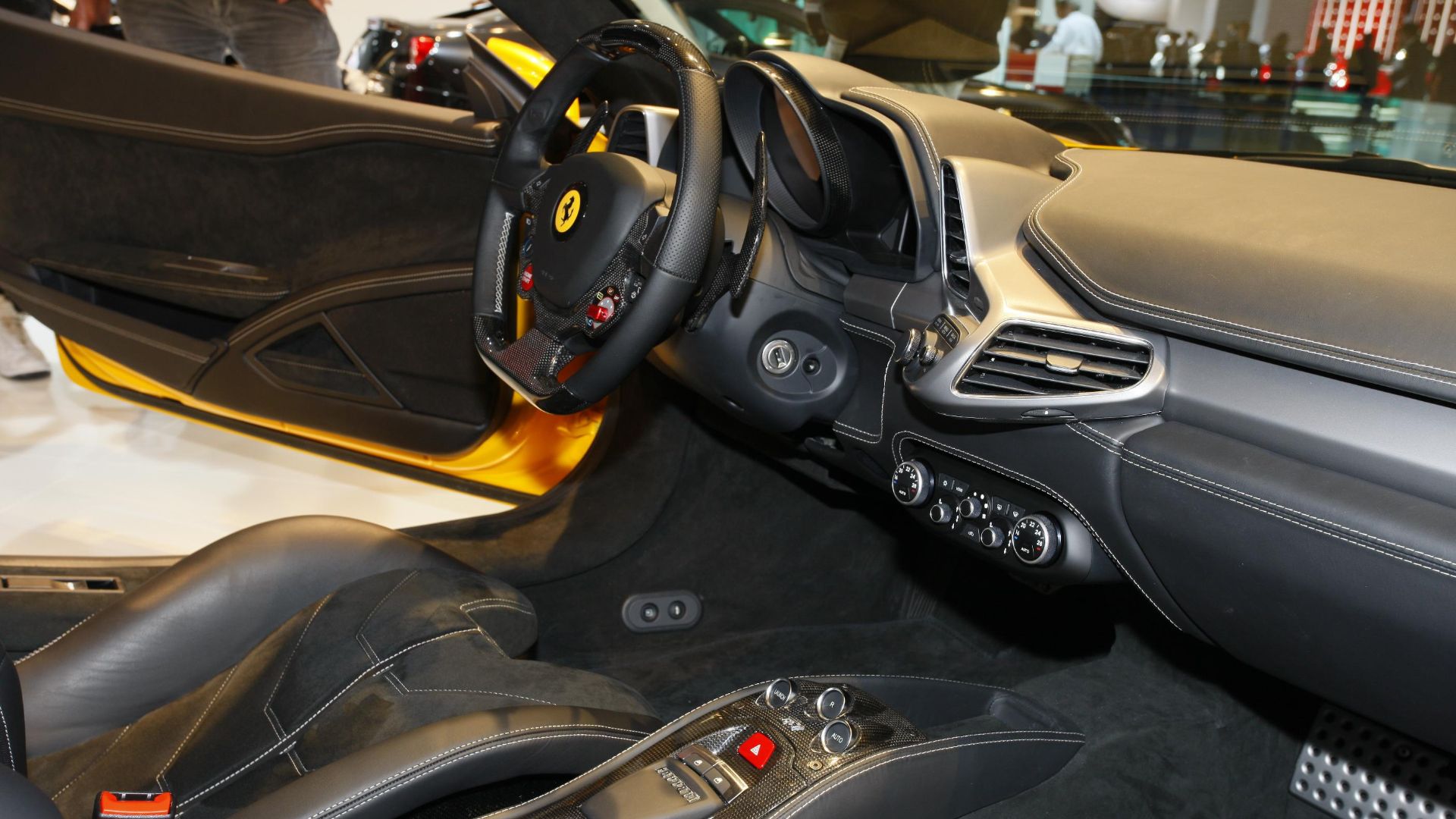
Ferrari 458 coloured seat belts
Ah, Ferrari: the champions of the extravagant options list. Nevermind the thousands you can wave goodbye to lavishing your car with carbon, Ferrari would happily relieve you of £700 for the privilege of having coloured seat belts. According to LeasingOptions, for that you could have 231 pints of beer, eight weekly food shops or 83 months of Netflix. But what would we spend it on?
We’d have…
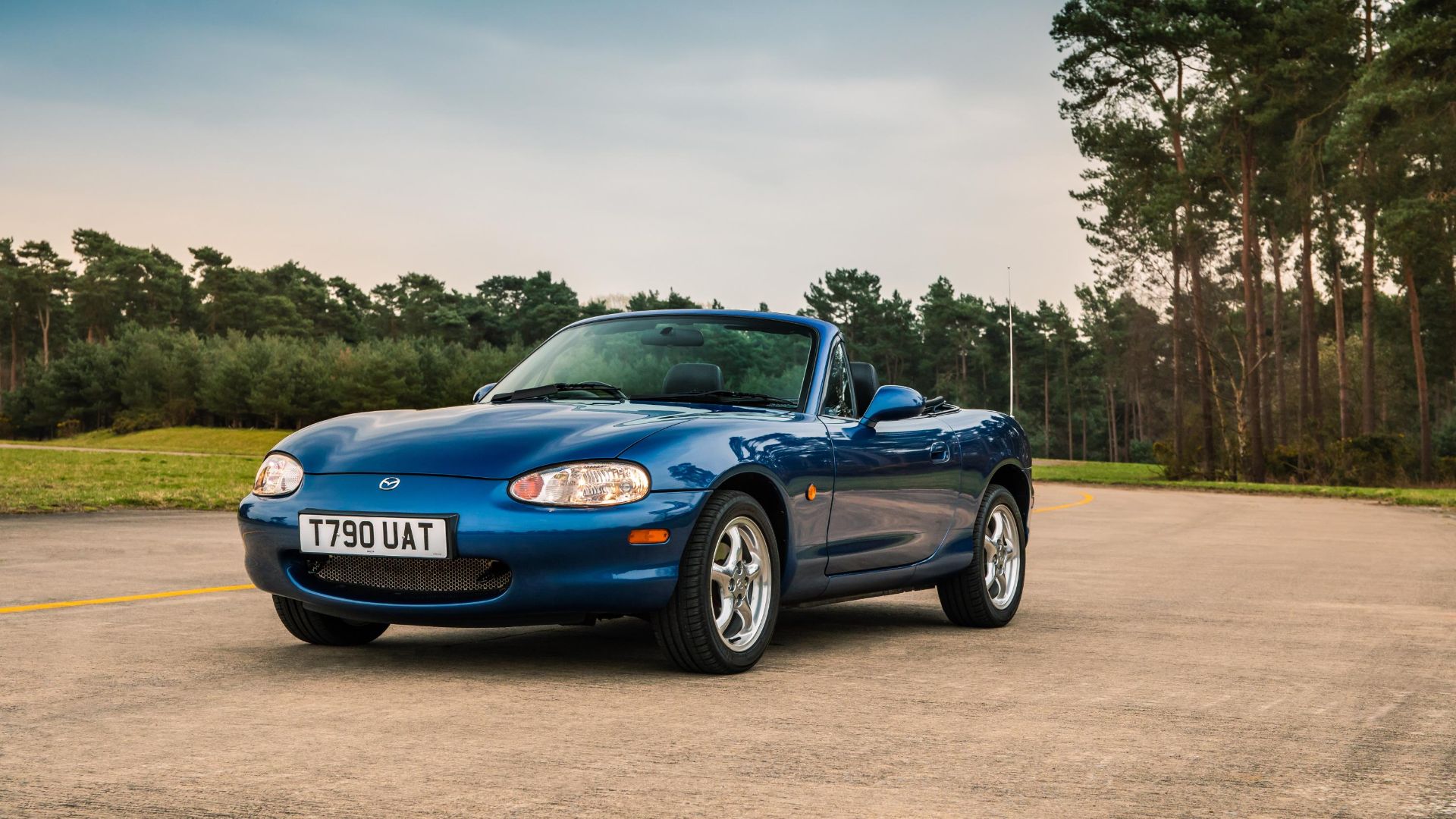
A Mazda MX-5. There are plenty of MX-5s around for a three-figure sum. Topless fun certainly sounds better than red seat belts…
Porsche 911 painted air vents
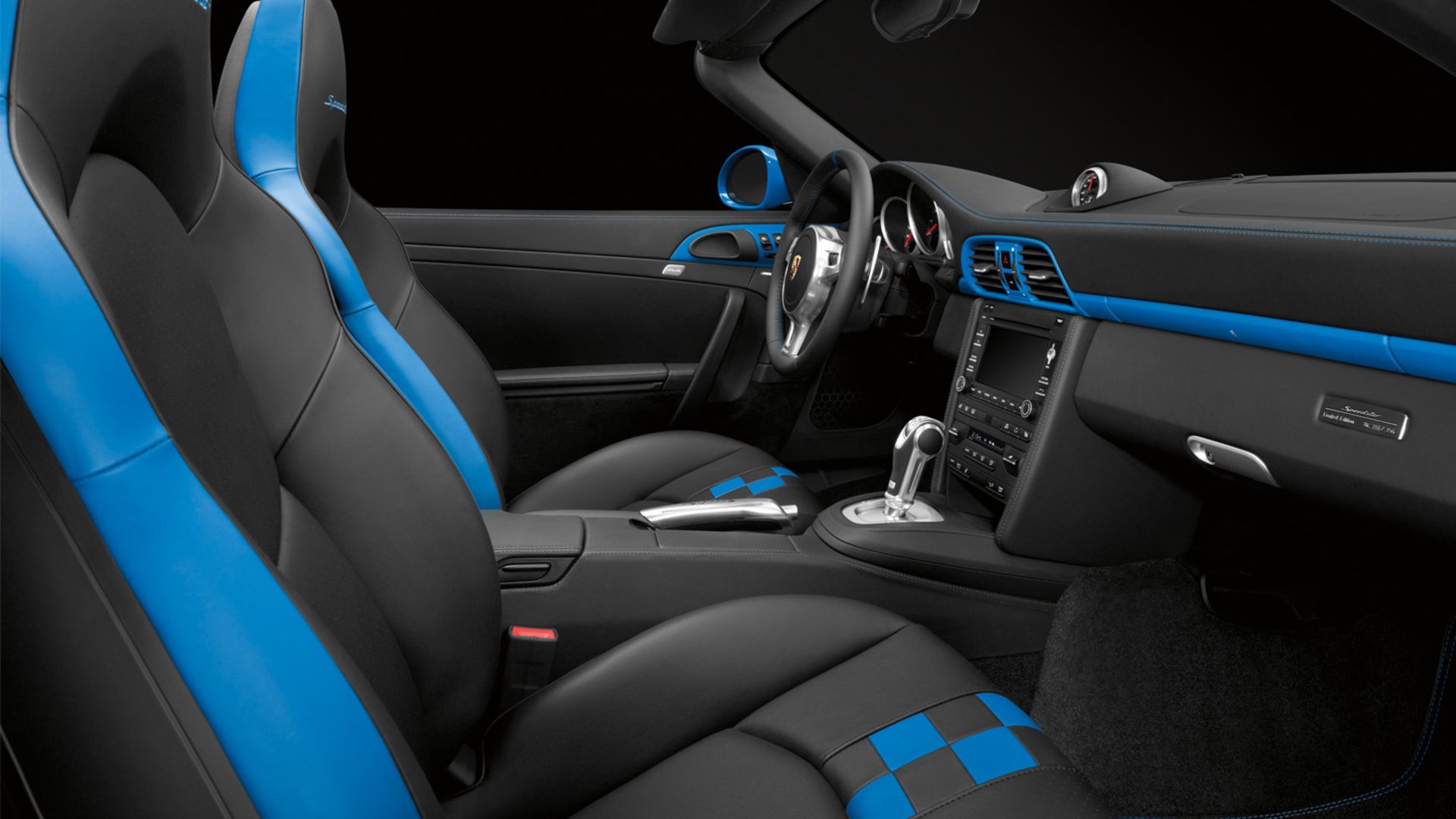
Porsche might have stolen Ferrari’s crown for extravagant extras. How does £1,400 for coloured air vents sound? Enough for a top-spec iPhone, bought, paid for and in your pocket.
We’d have…
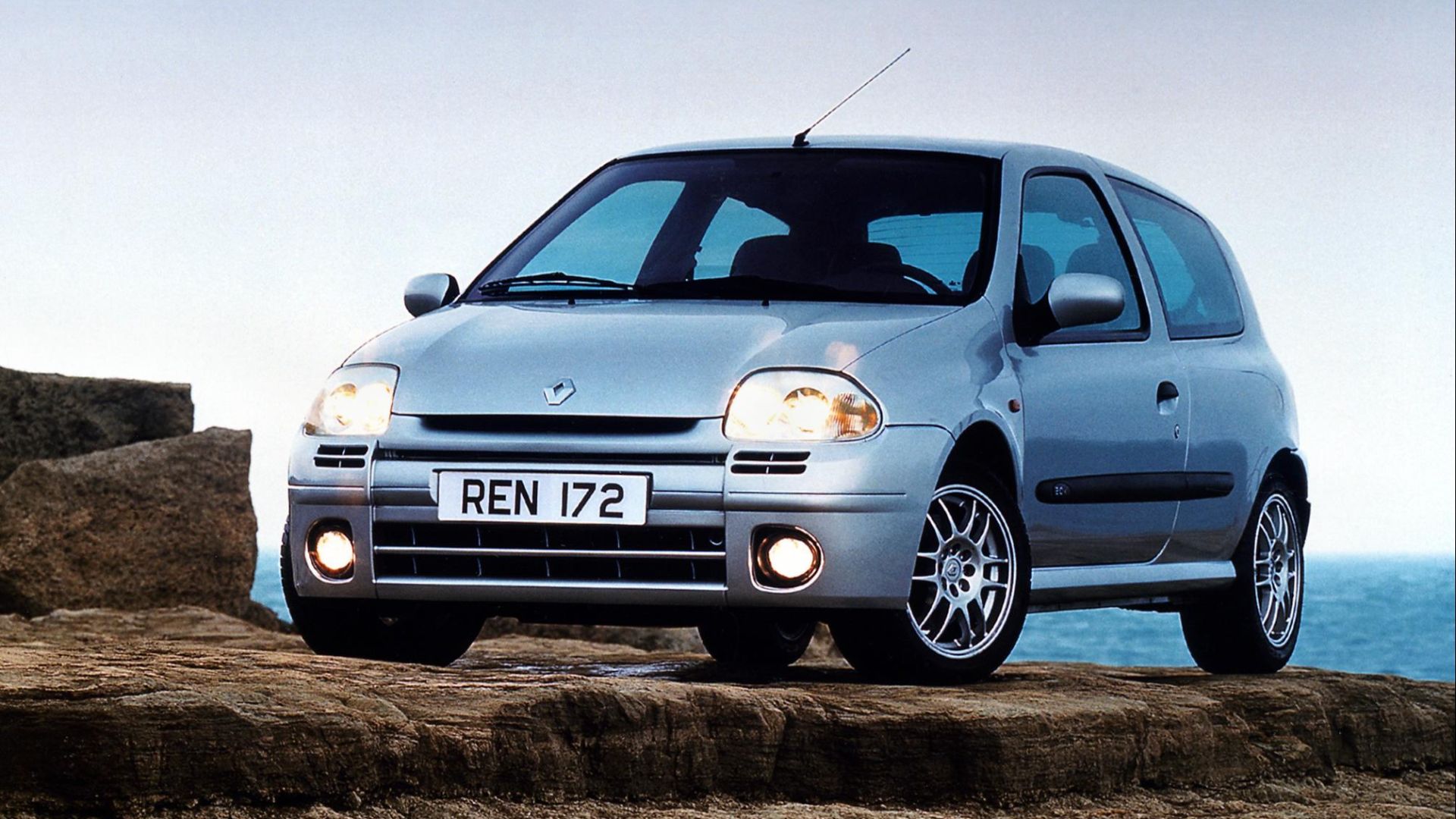
Or a Renault hot hatch. You can pick up a decent example of Renault’s early-2000s pocket rocket for four figures. That, or some body-coloured plastics in your new Porsche?
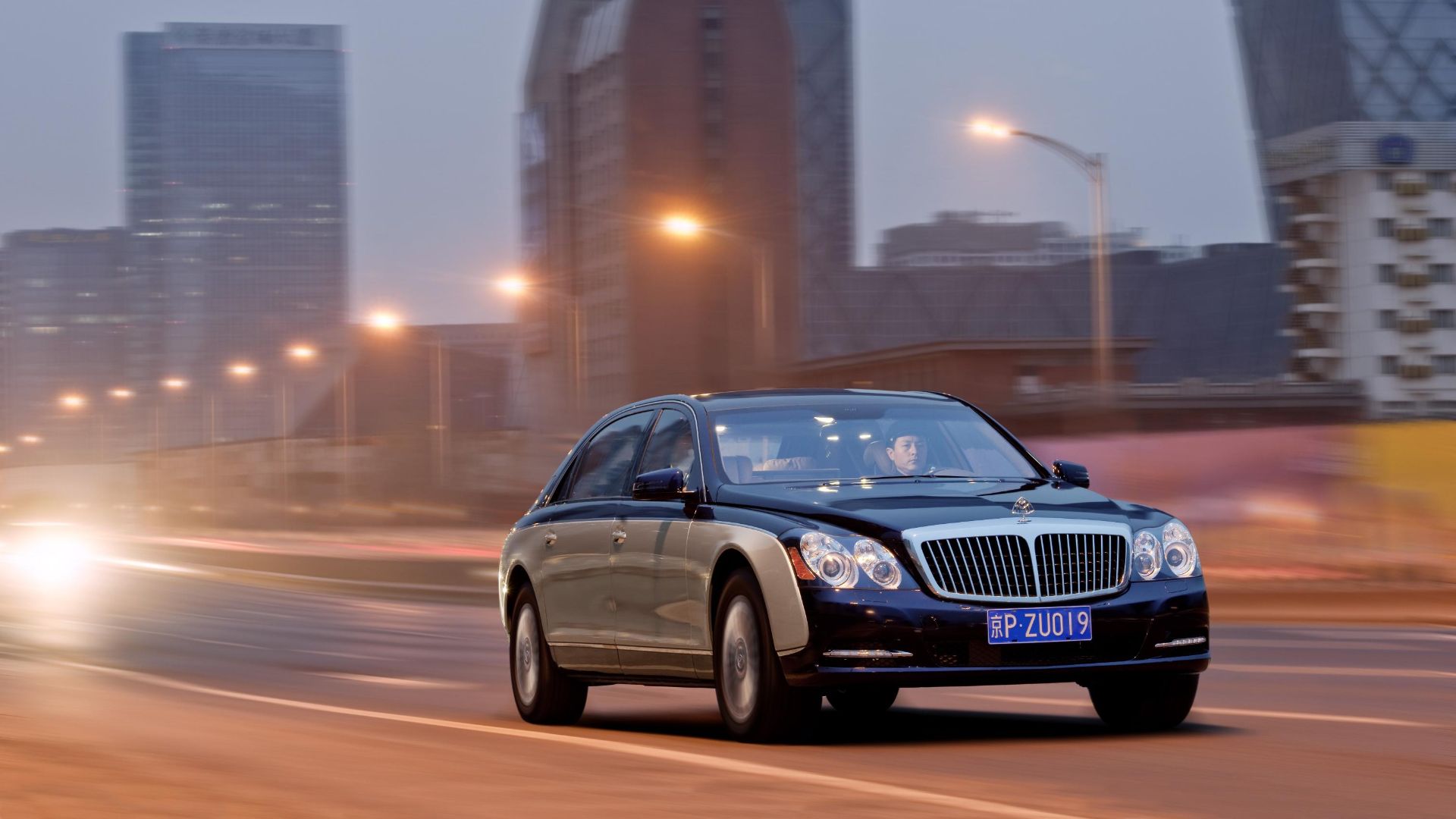
Mercedes-Maybach champagne flutes
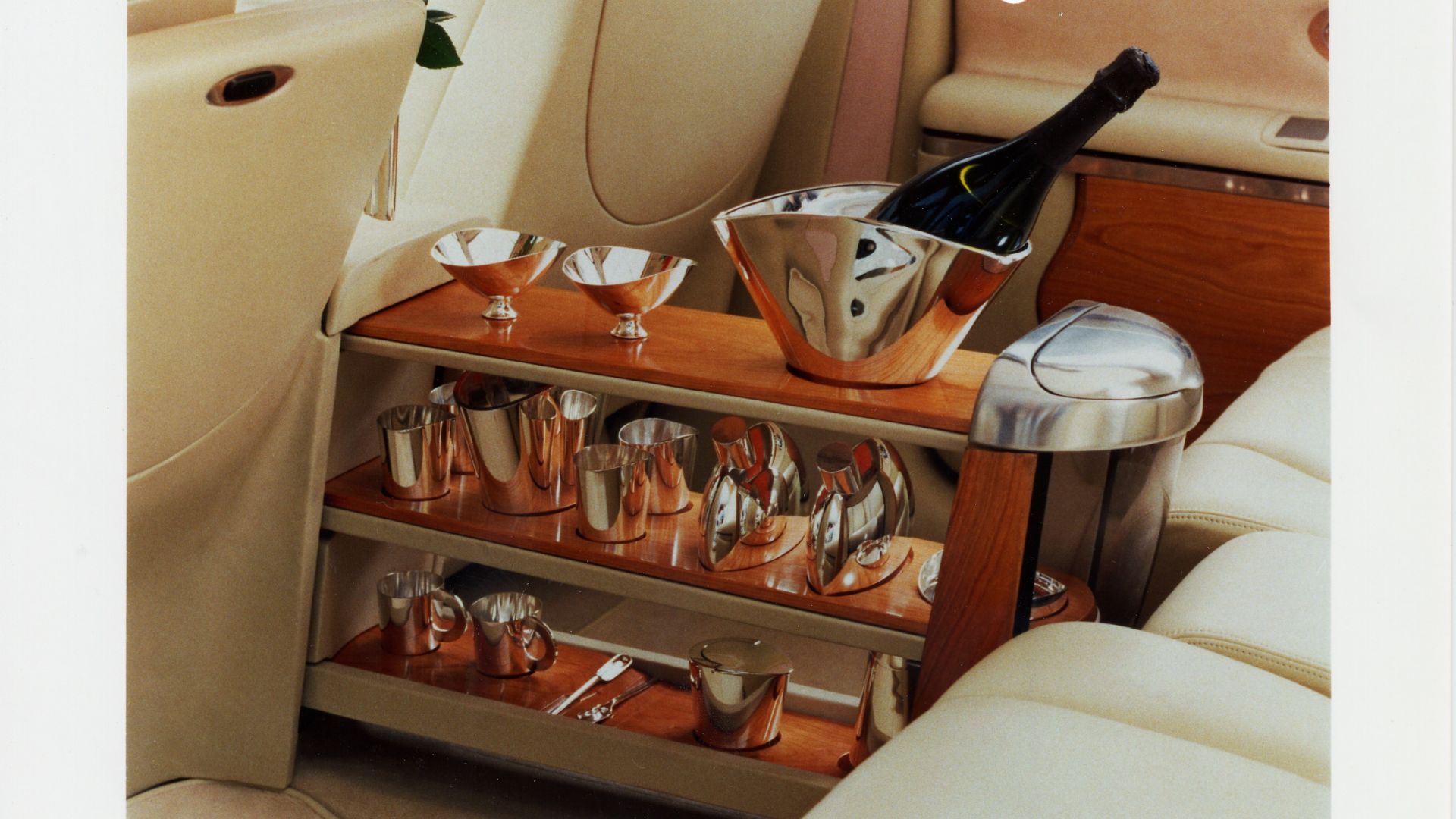
It’s getting gratuitous and we’re only on number 13 out of 15. When optioning your Mercedes-Maybach limousine, you can spend the equivalent of 260 bottles of wine on some fancy champagne flutes. In fairness, £2,600 for a set of crystal flutes isn’t completely outside the realms of believability.
We’d have…
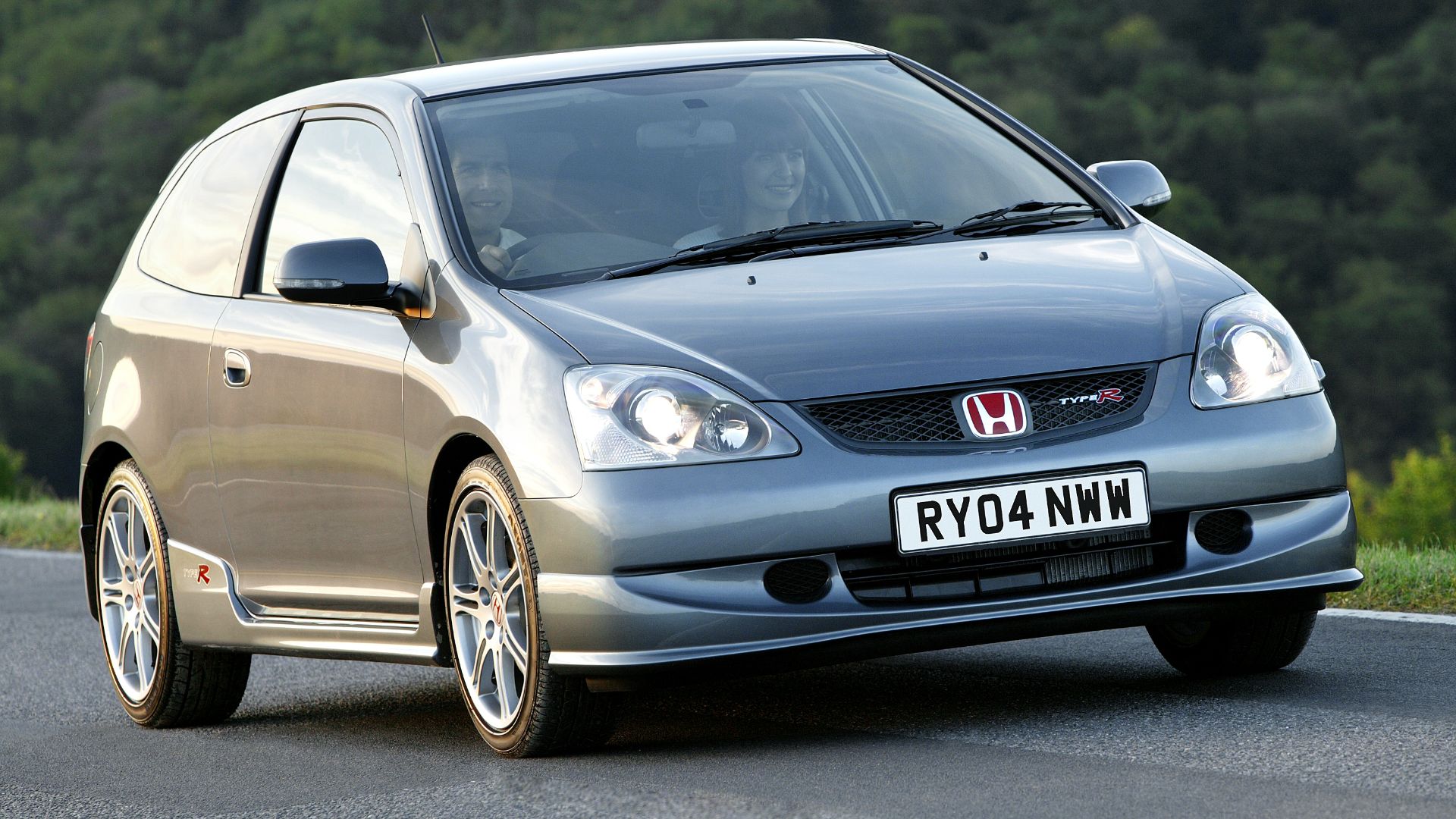
An EP3-generation Honda Civic Type R. Why swill champers in the back of your Maybach when you could be smashing the limiter at 8,800rpm in one of the coolest hot hatches ever made?
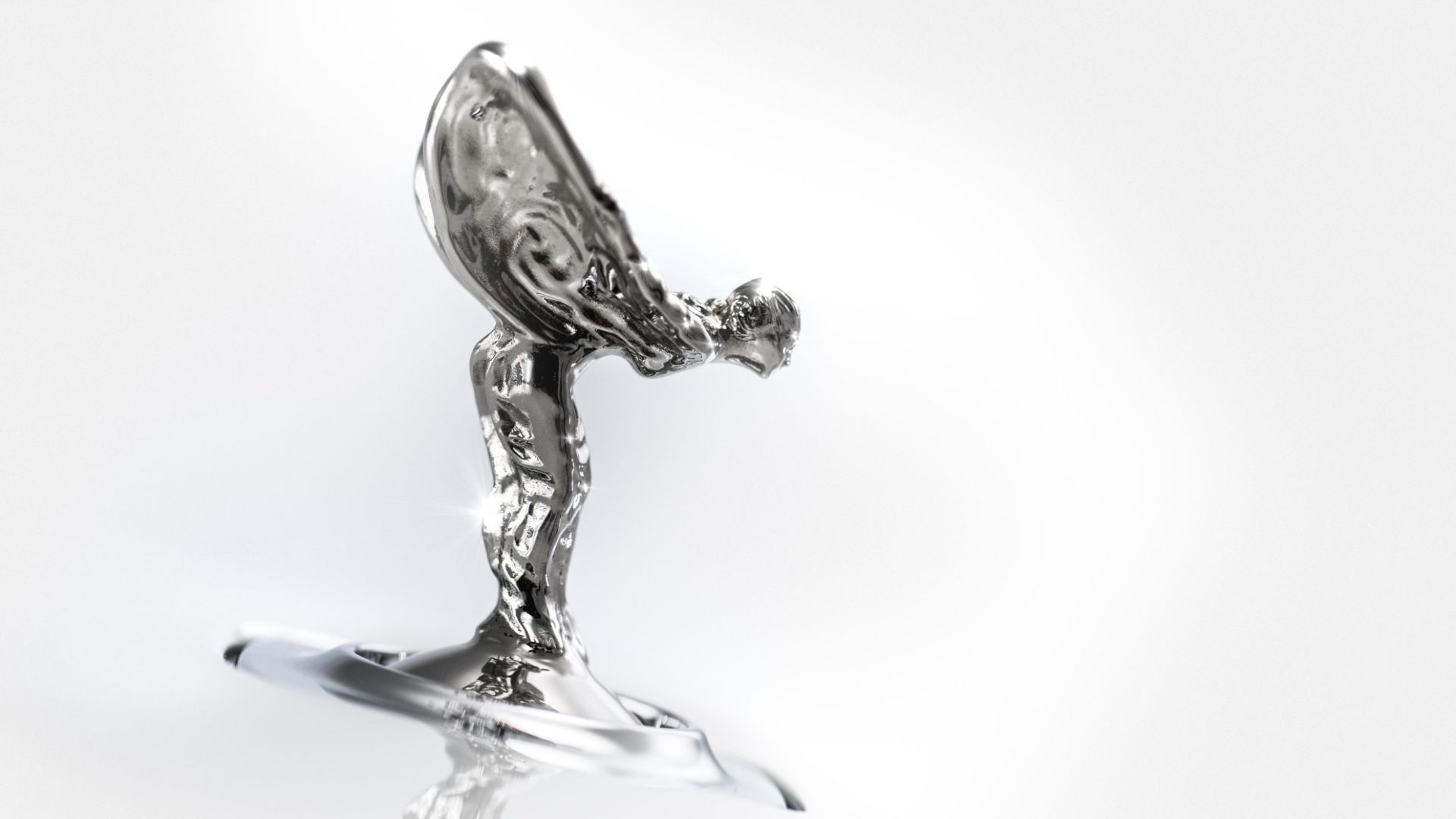
Rolls-Royce gold-plated Spirit of Ecstasy
When it comes to Rolls-Royces, if you have to ask… But since you are asking, gold-plating the Spirit of Ecstasy will set you back £7,500. For that, you could have a jolly long holiday on the other side of the world, or 2,307 pints of beer.
We’d have…
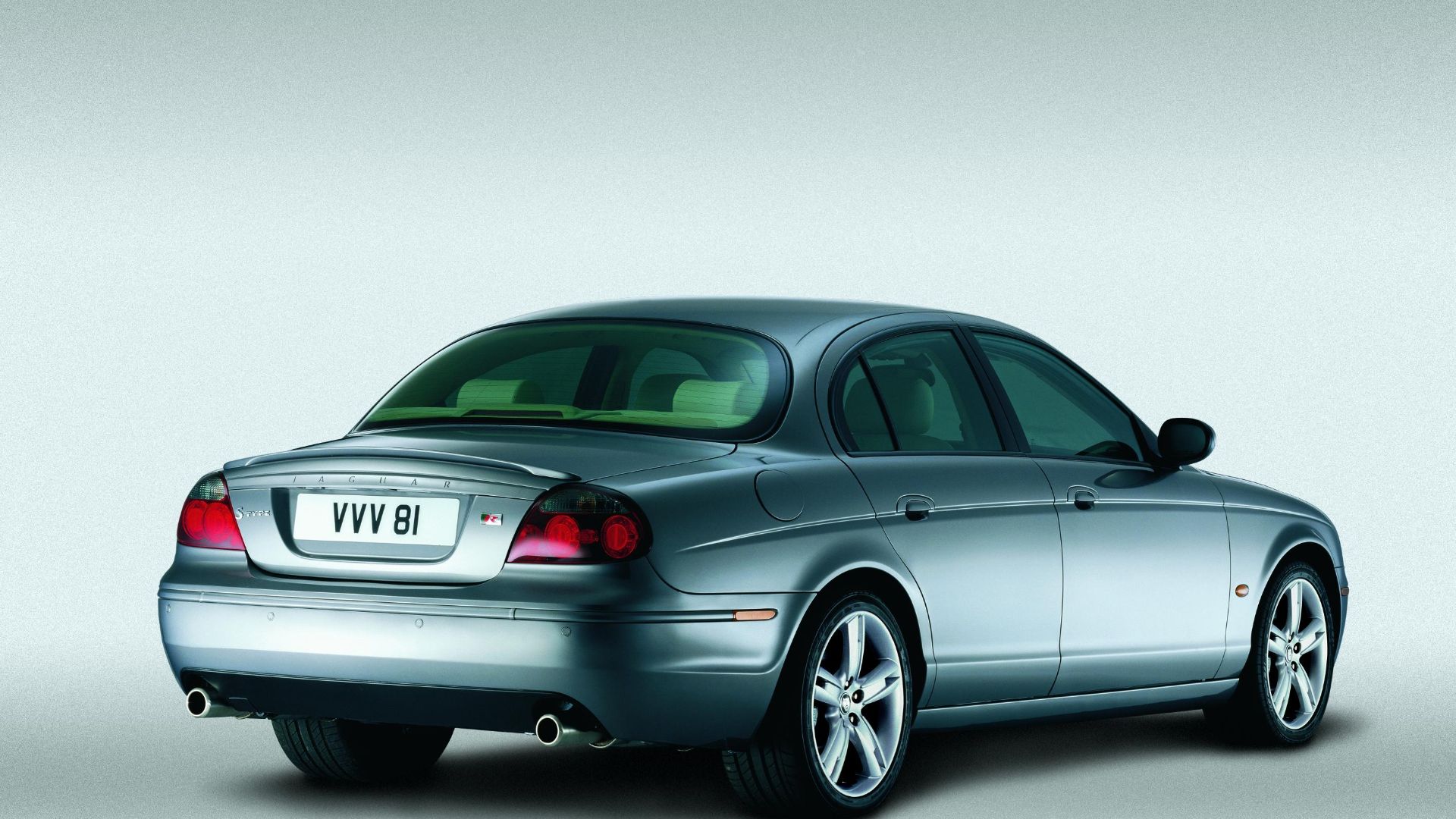
We’d go without the gold and stick £7,500 into a Jaguar S-Type R, for some supercharged V8 waft and skids.
Tesla Ludicrous mode
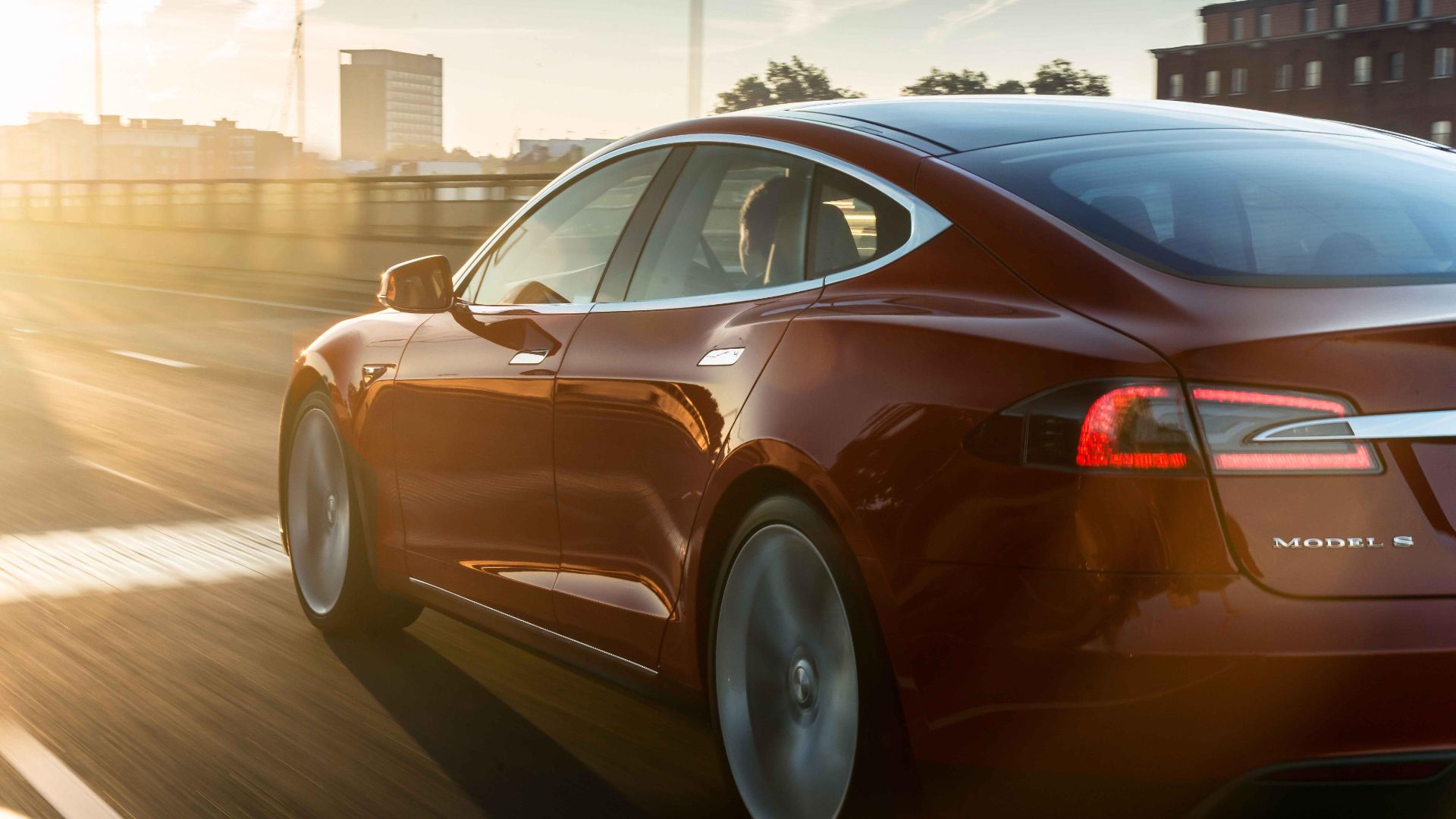
Here’s an interesting one. Short of anything you can touch or see, this next entry is purely software. Ludicrous Mode in a Tesla Model S will set you back £8,200. For that, you get a 20 percent boost in performance, with 60mph achievable in just 2.4 seconds. Or you could fly first class to Los Angeles and get a nice hotel room.
We’d have…
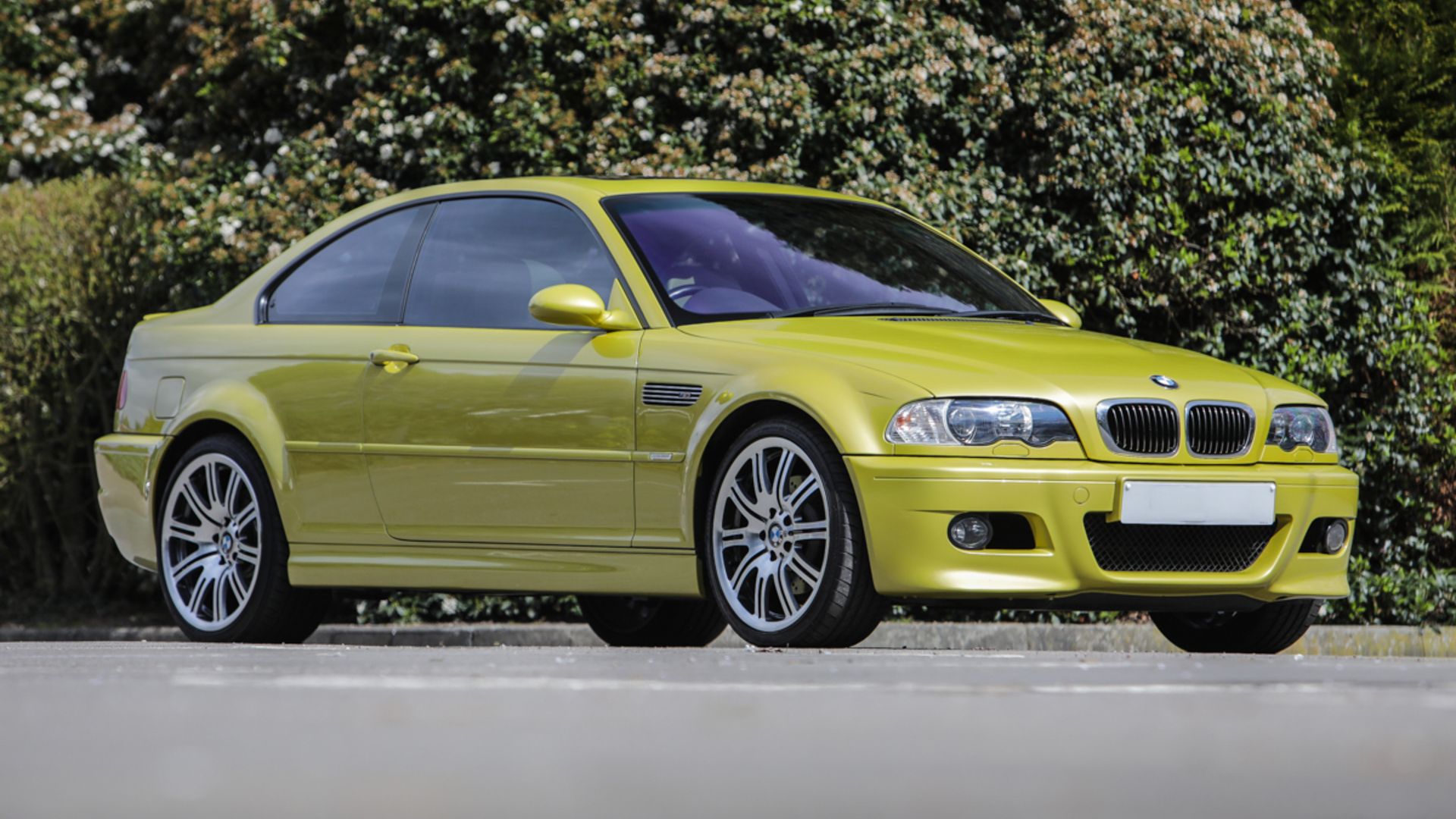
That said, we’d probably forgo the transatlantic trip in favour of one of the greatest performance cars ever made. Eight grand will get you in an E46 M3 in need of a bit of love.
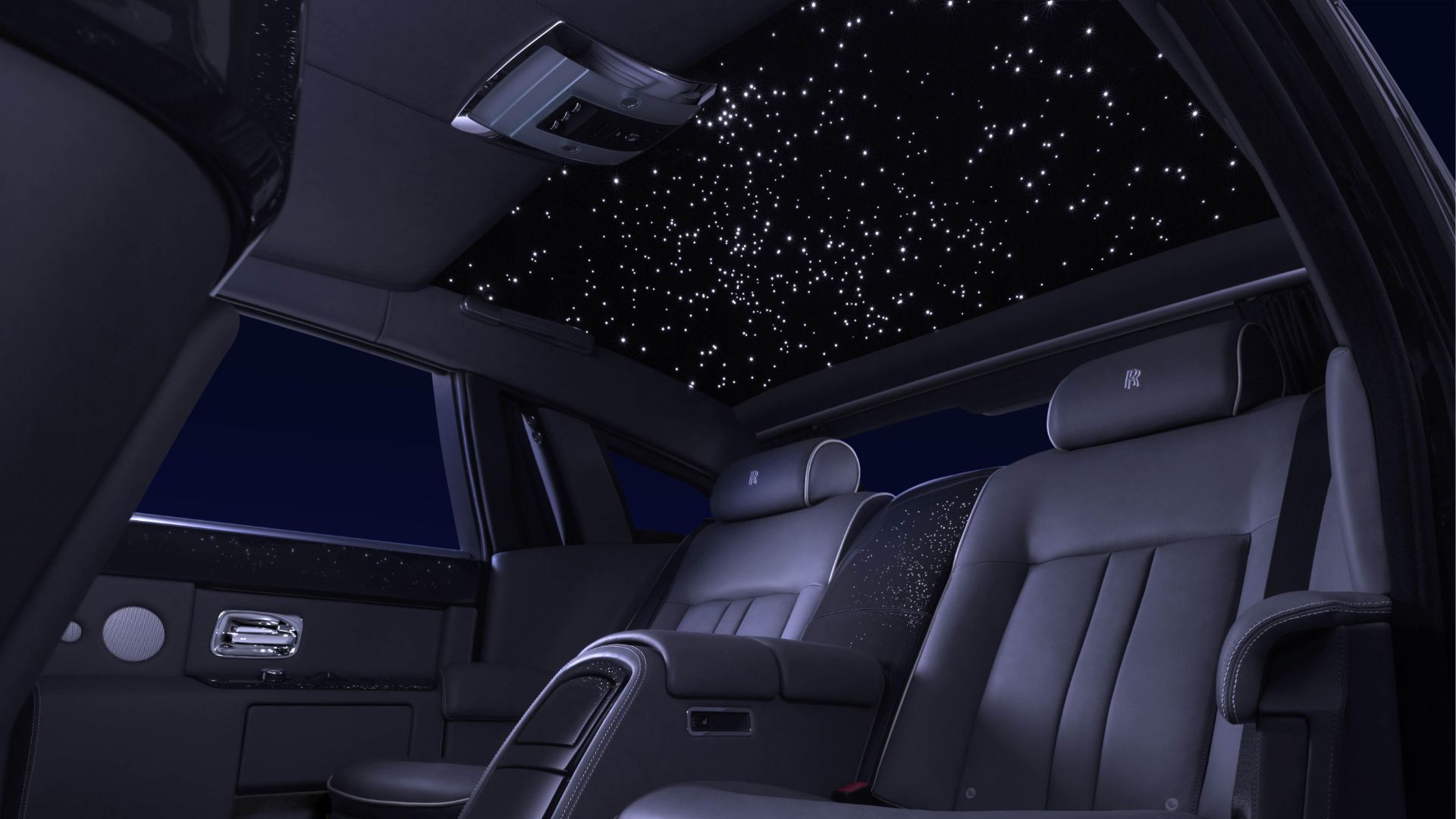
Rolls-Royce Phantom starlight headliner
This is probably one of the most famous optional extras ever made. Even though it’s £10,000, it’s pretty cool. You could order around 3,000 pints of beer for that.
We’d have…
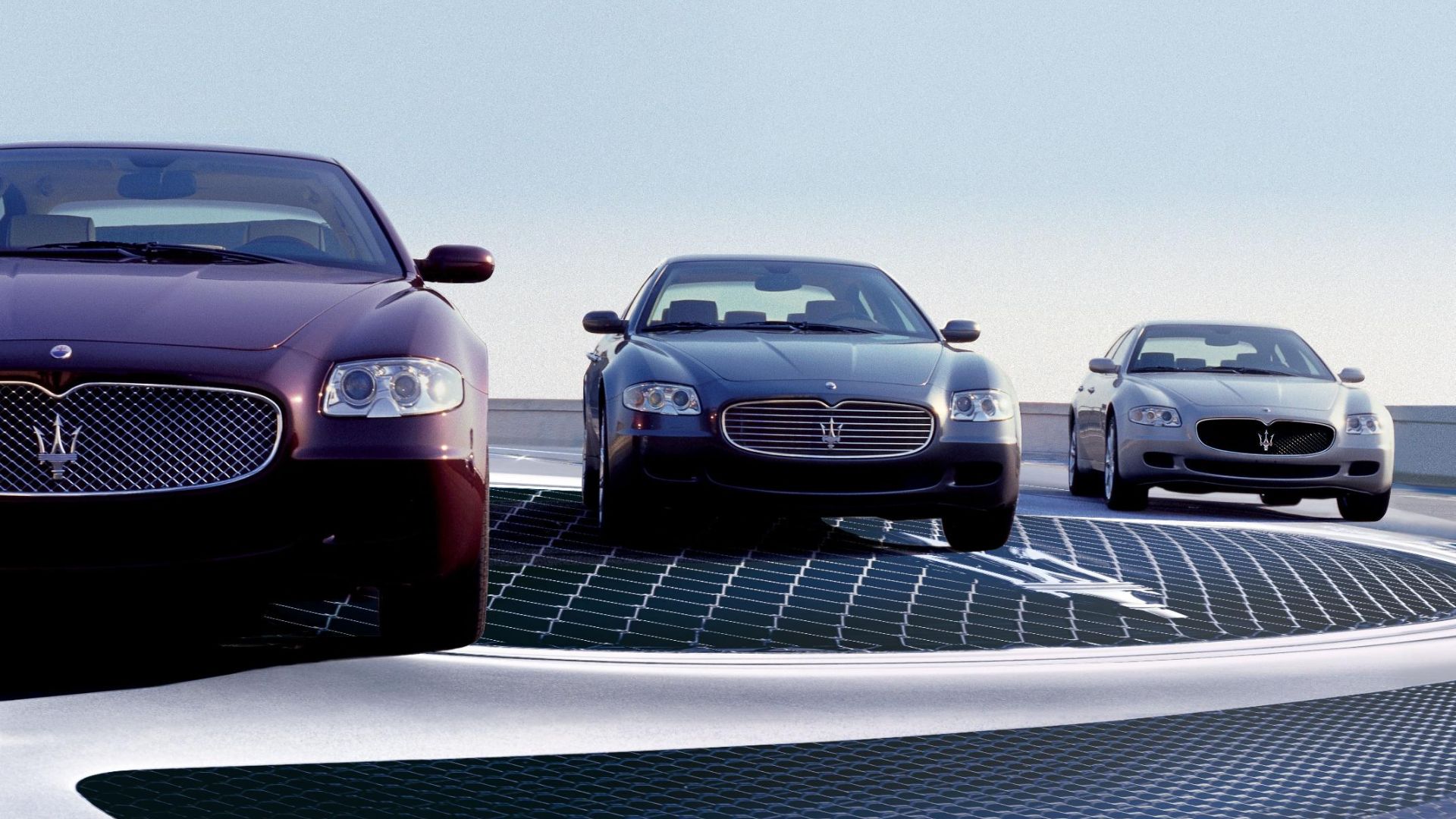
For ten grand, honestly, there are some real gems out there. For that, we’d get another stately limo: a Maserati Quattroporte. Cool as the headliner is, we’d take the Maser…
Lexus LS reclining back seats
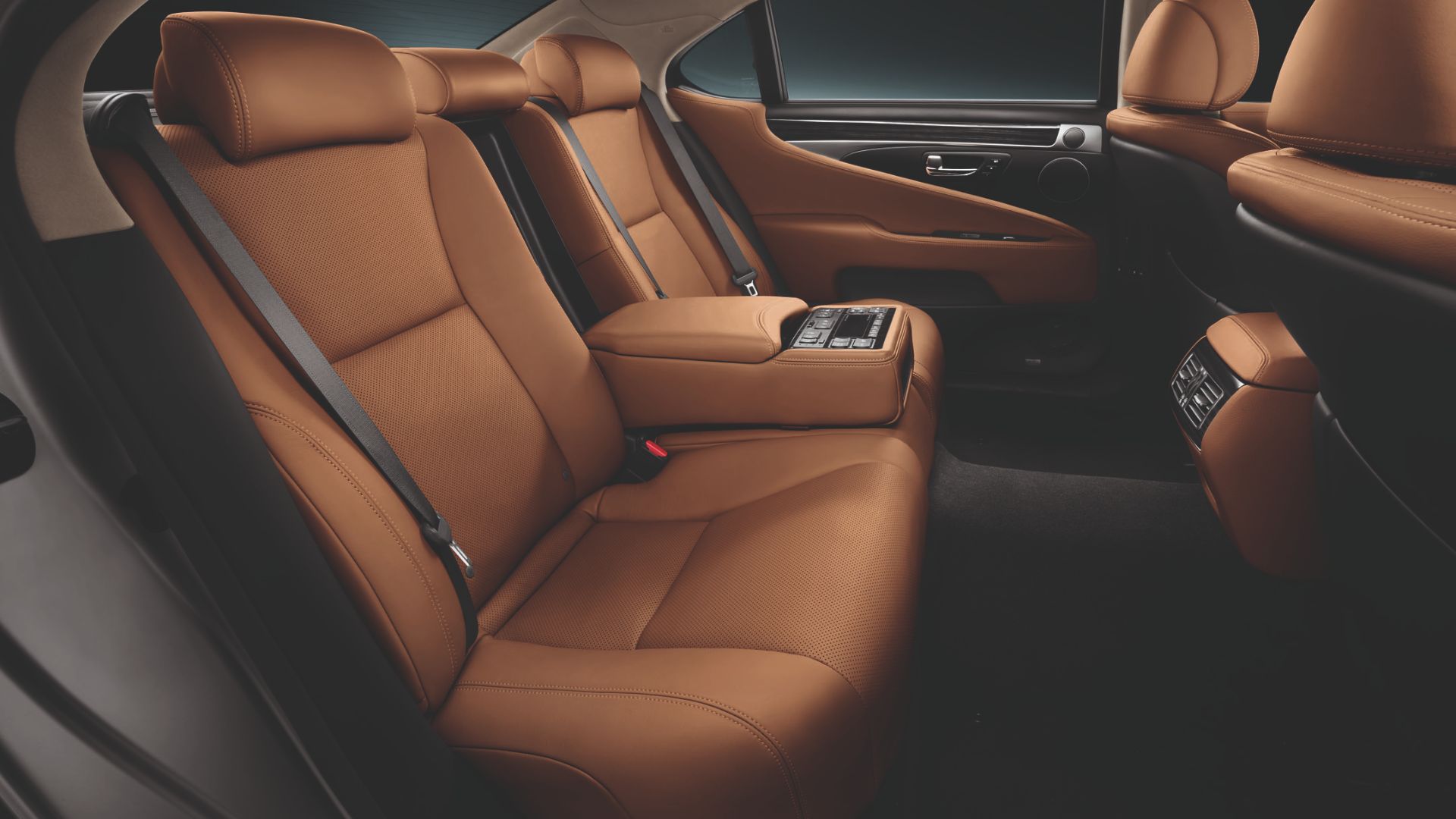
Though Lexus isn’t quite the prestigious marque that Rolls-Royce is, you can still pile five figures into a single option. £13,500 buys you reclining back seats in an LS limo.
We’d have…
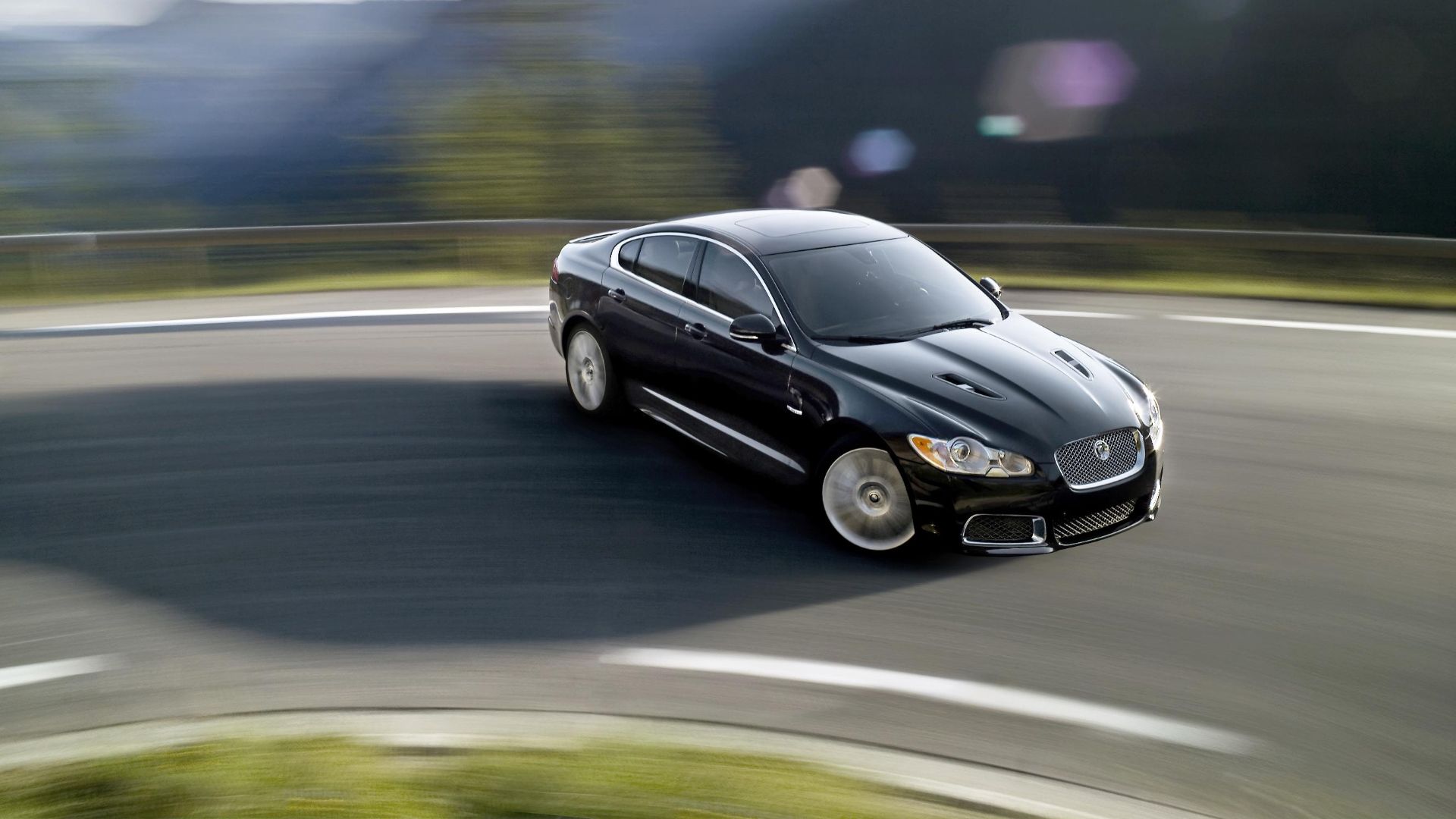
For us, however, it’d buy a 5.0-litre supercharged smoke machine from the Midlands. We’ll take a Jaguar XF-R over fancy back seats any day.
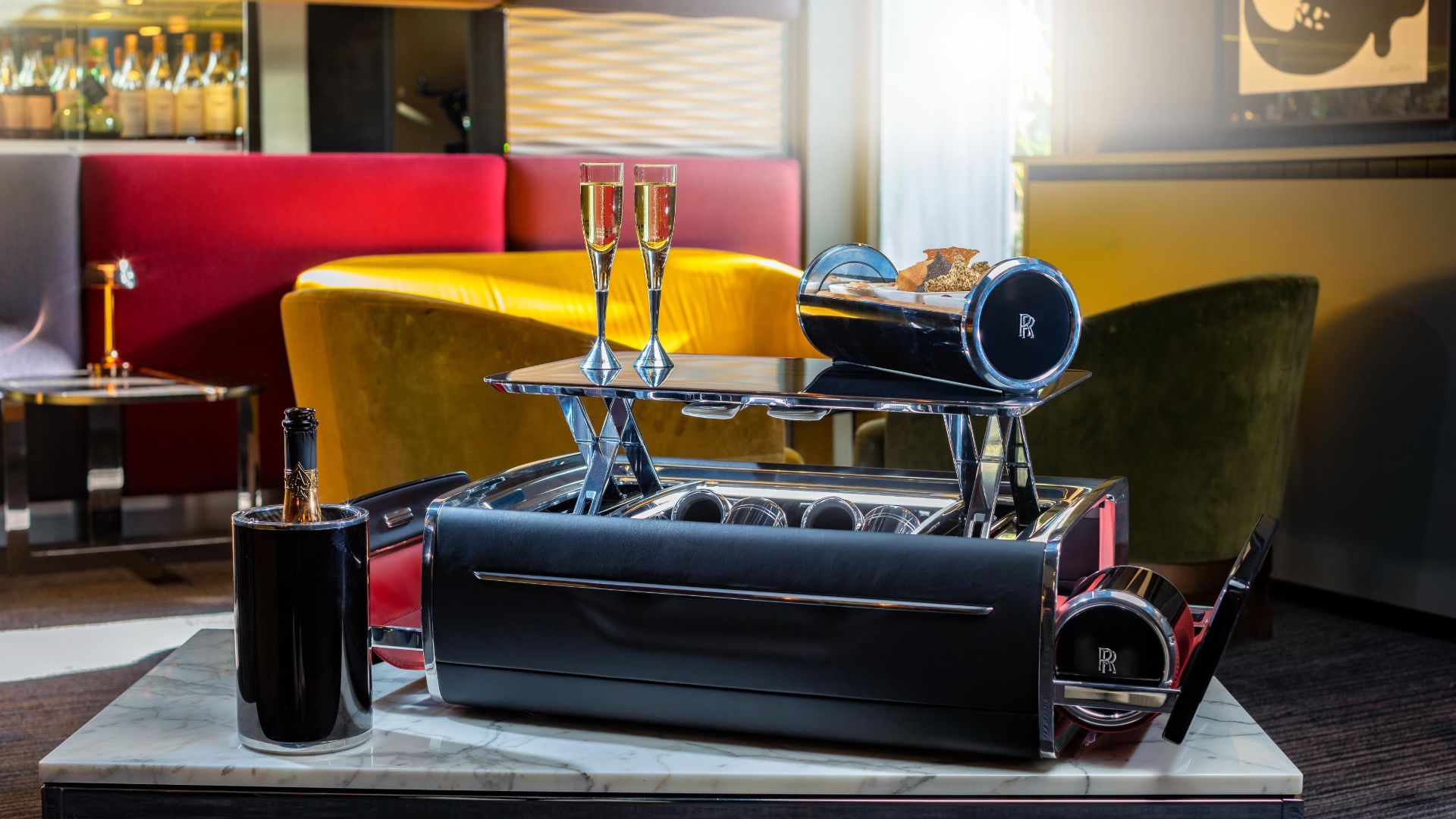
Rolls-Royce drinks cabinet
Luxury car manufacturers love providing ways for you to have a drink. For 16,000 of your hard-earned pounds, you could option a drinks cabinet for your Rolls-Royce.
We’d have…
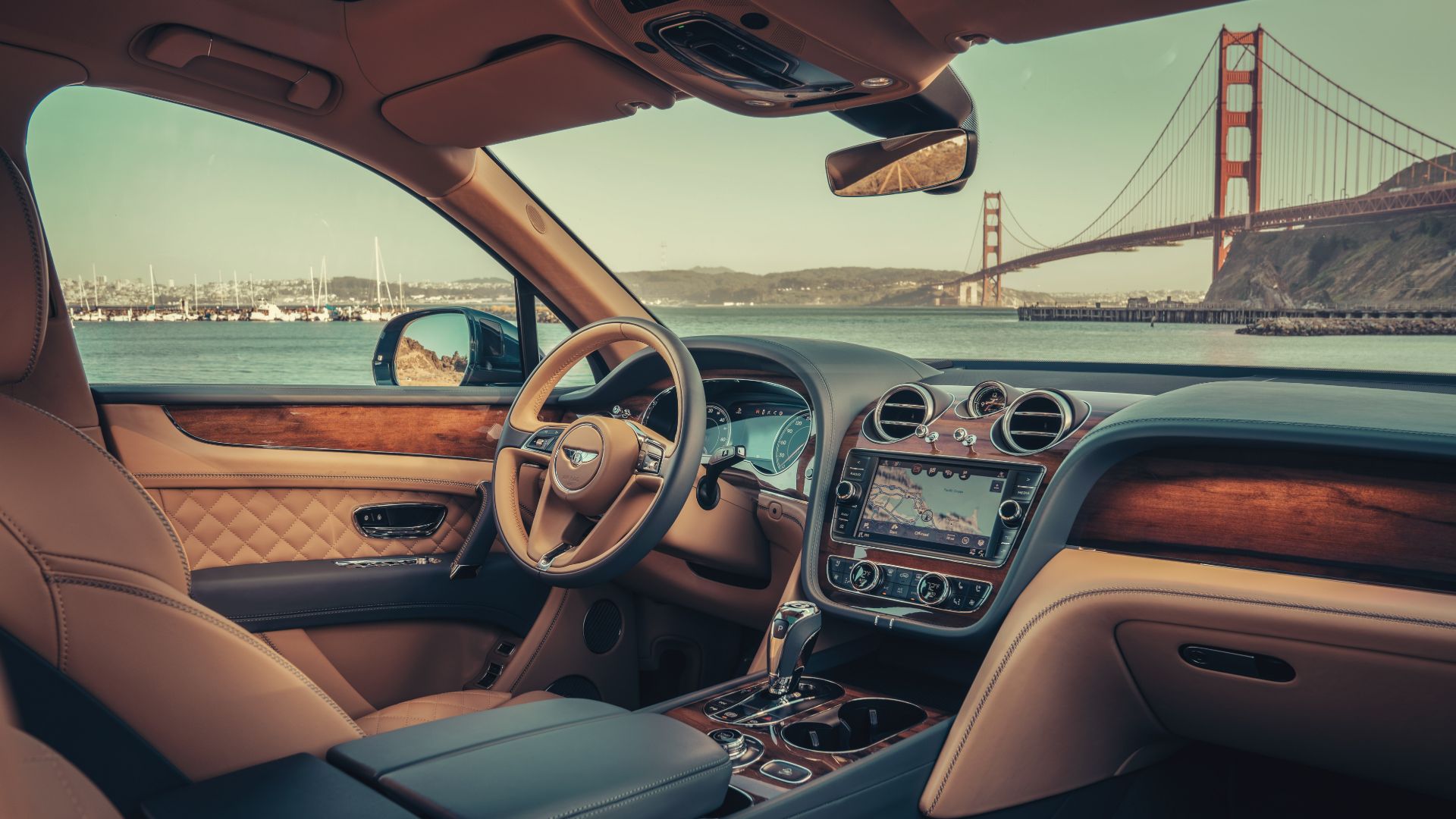
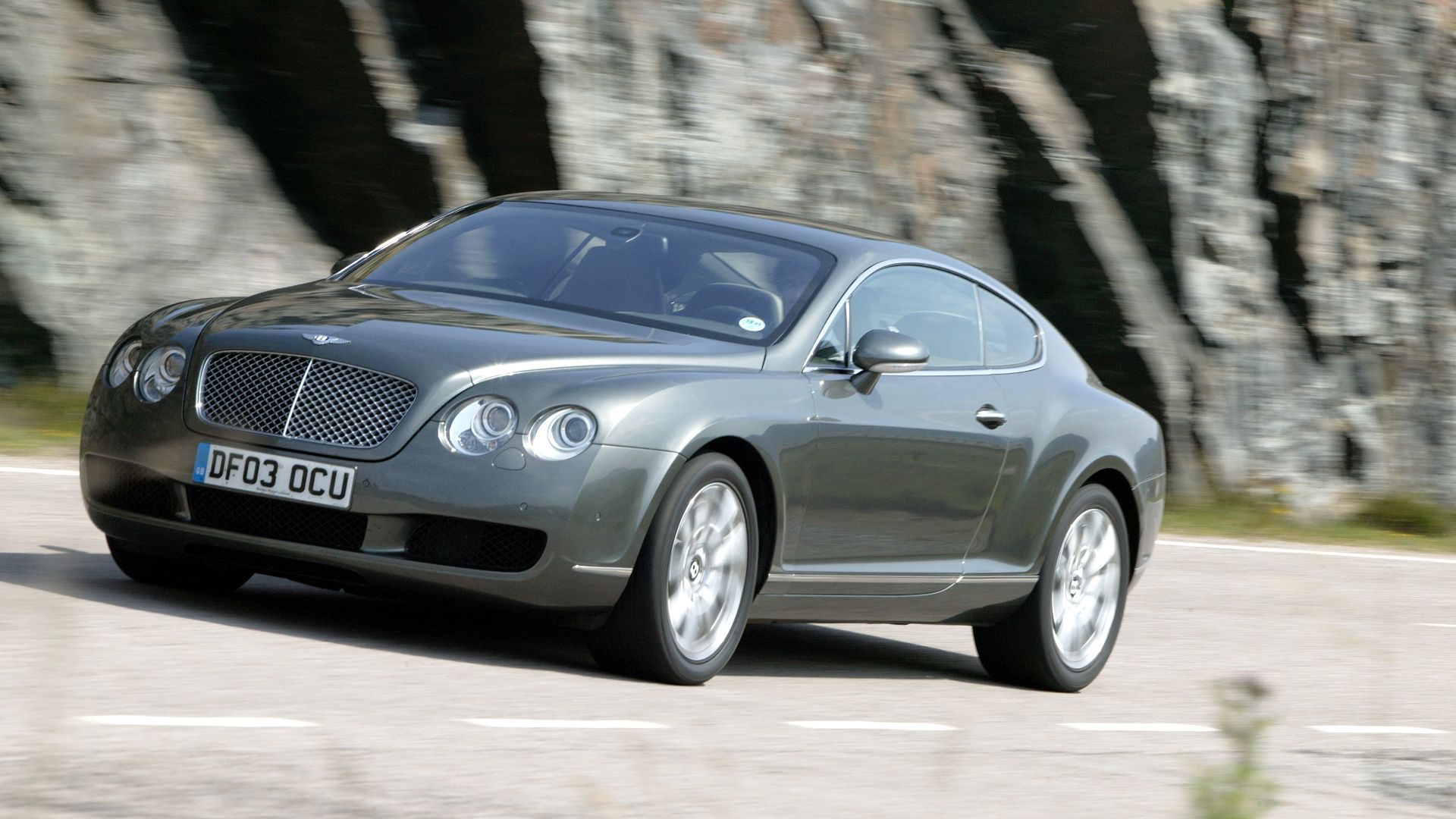
Or you could have an entire Bentley.
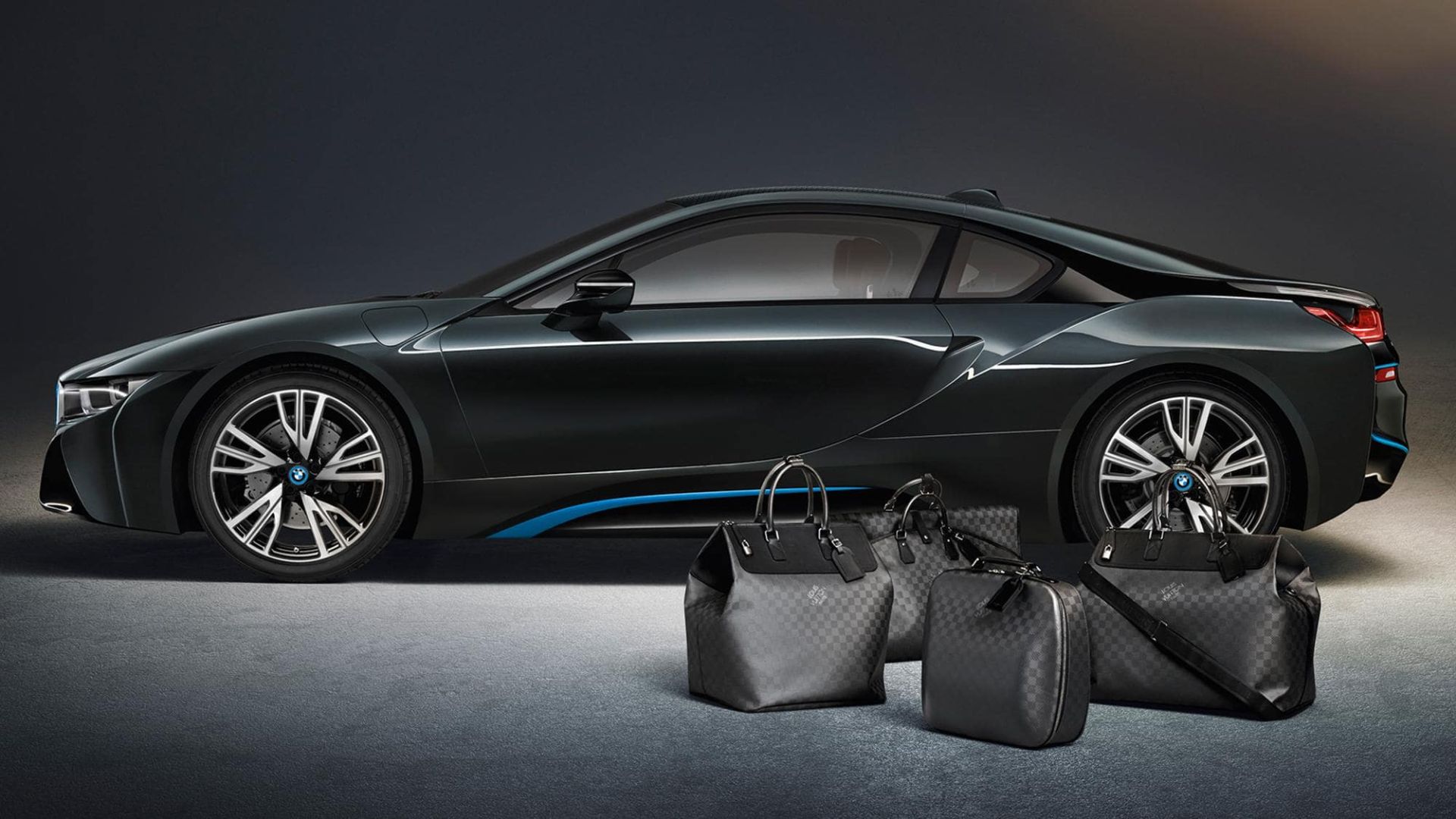
BMW i8 Louis Vuitton luggage set
For £16,500, you could have a high-end luggage set for your hybrid sports car. That’s well over ten percent of the cost of the car.
We’d have…
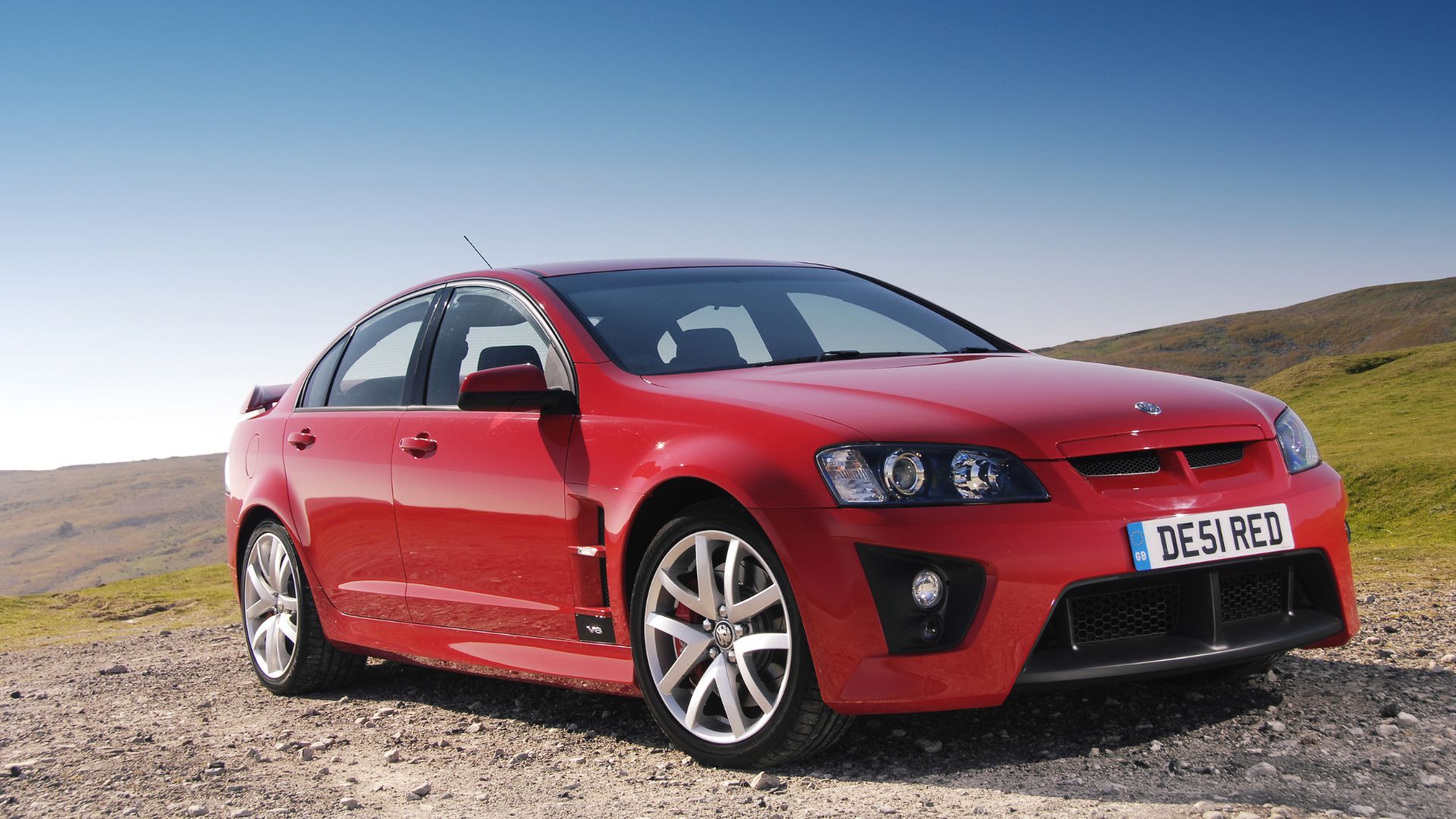
Money you could spend offsetting the carbon saved in the i8, by doing burnouts in a Vauxhall VXR8.
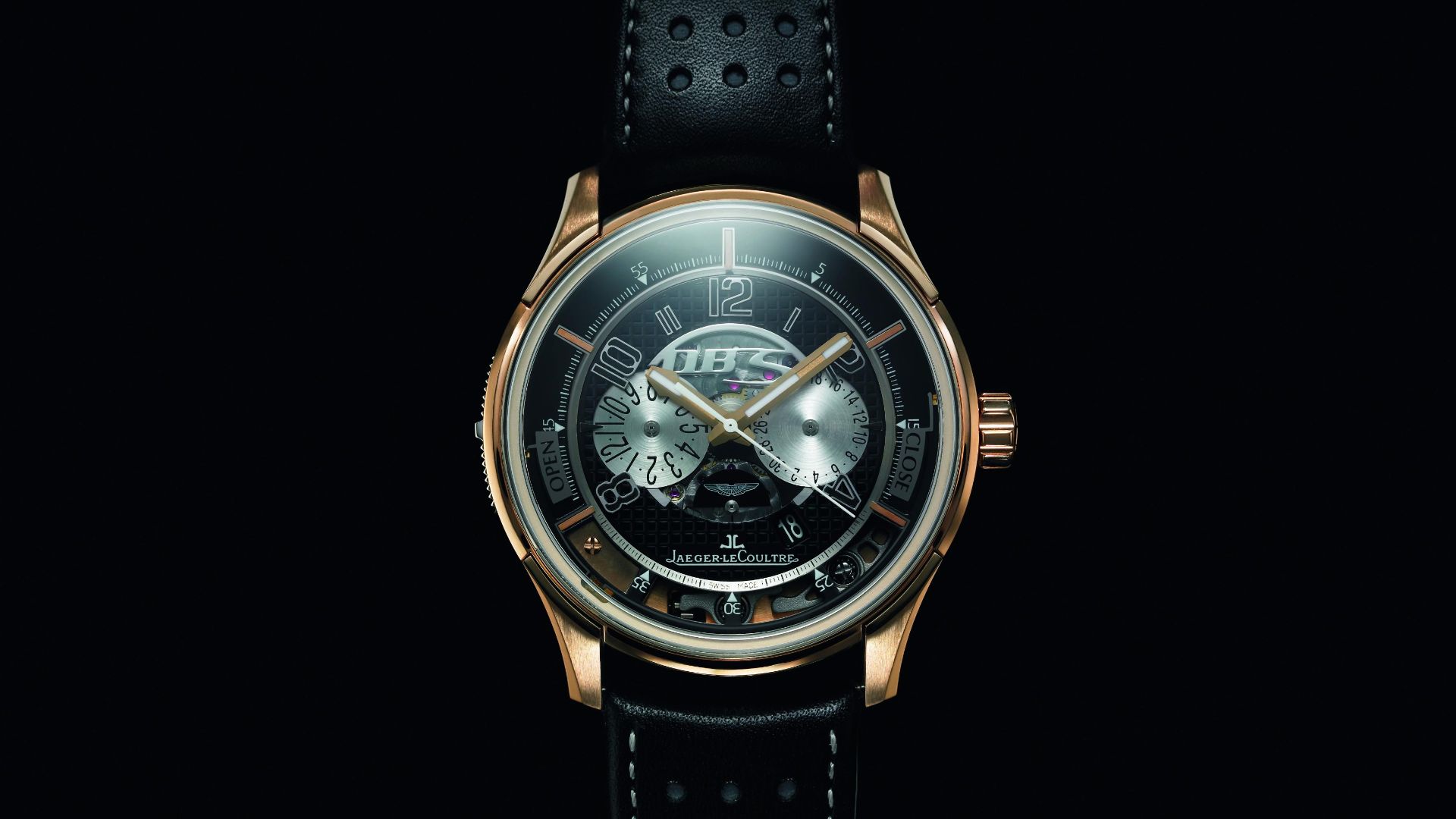
Aston Martin Jaeger-LeCoultre Transponder Watch
Unlock your Aston Martin with the world’s most expensive key. It’s also a very expensive watch. £25,000 lets you unlock your Aston with this blind piece of wristwear.
We’d have…
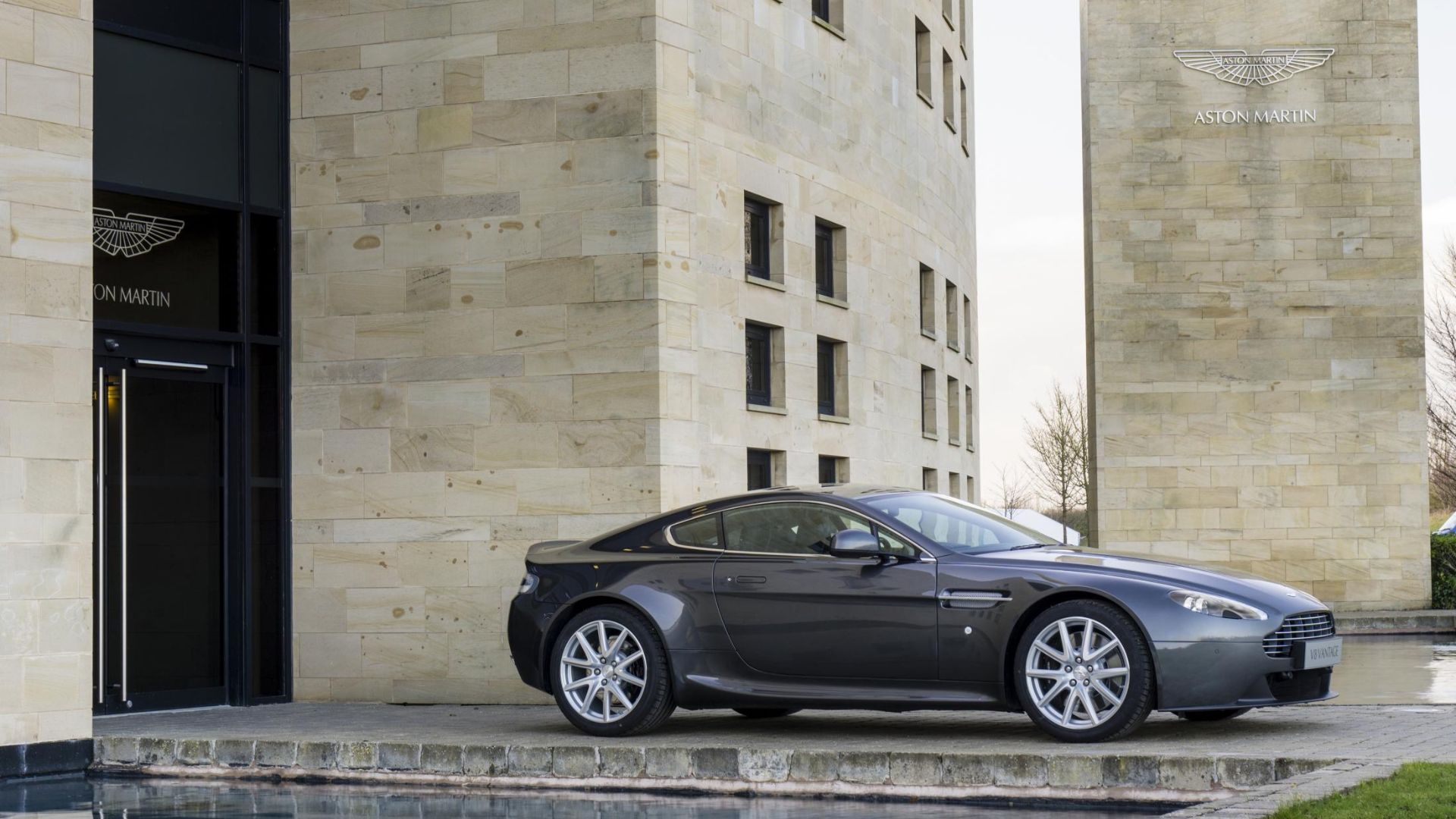
Or you could use the conventional ‘emotional control unit’ and have the choice between the Aston you’ve got and the Vantage you could buy with the £25,000 saving…
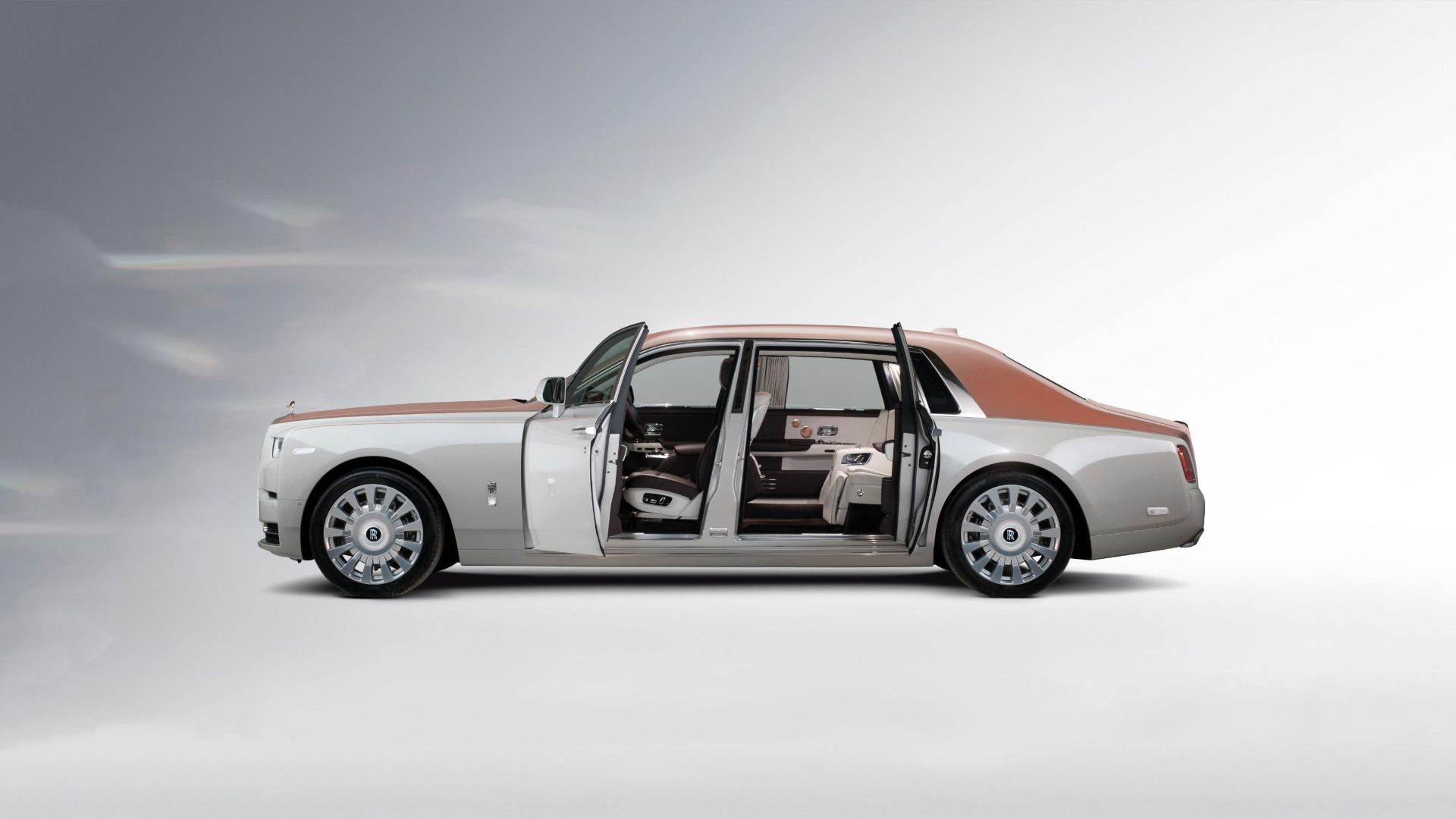
Rolls-Royce Phantom rear seat divider
To distance you from your driver, you can buy a divider to separate the front of your Rolls-Royce from the back. It’ll cost you £28,500.
We’d have…
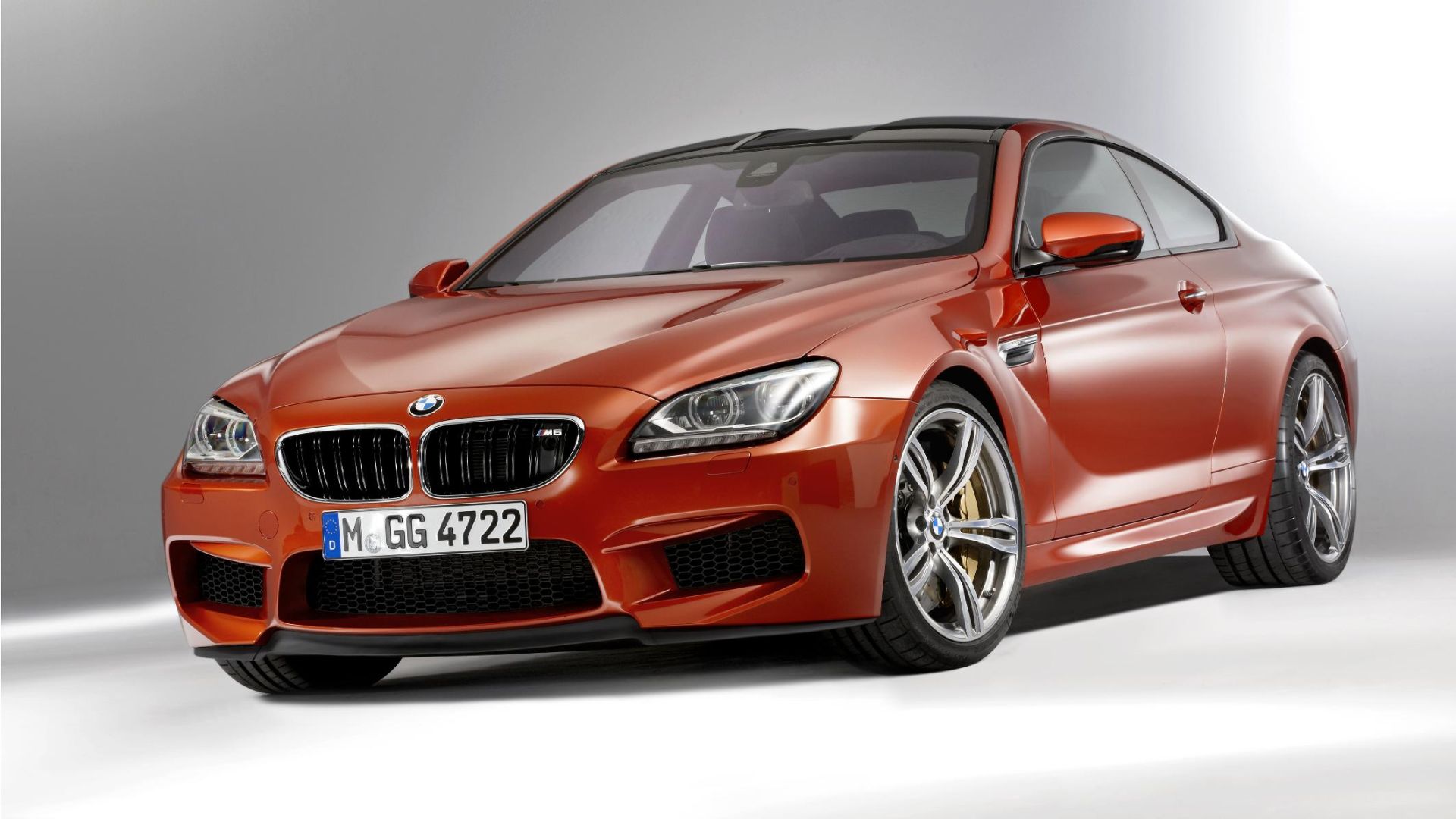
Keeping it in the BMW Group, how does an entire BMW M6 sound? Exclude your driver, by driving yourself…
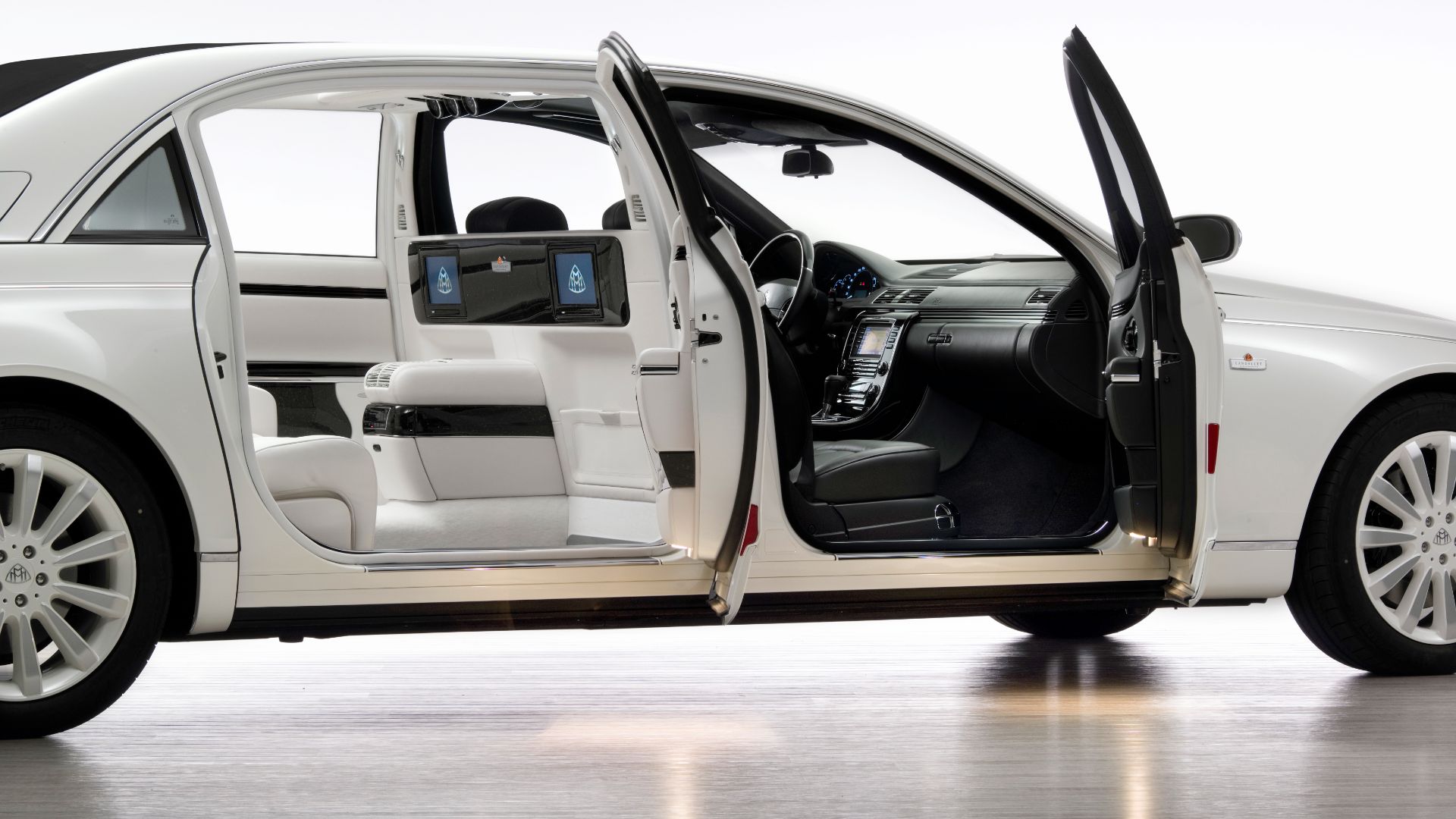
Mercedes-Maybach granite interior
We’re Bach in a Maybach, this time spending £49,500 on granite trim in a Mercedes-Maybach.
We’d have…
Or you could have an entire Mercedes-Maybach. Not a new one, obviously. Secondhand, for the price of a special trim in a new one, we can’t argue with that…
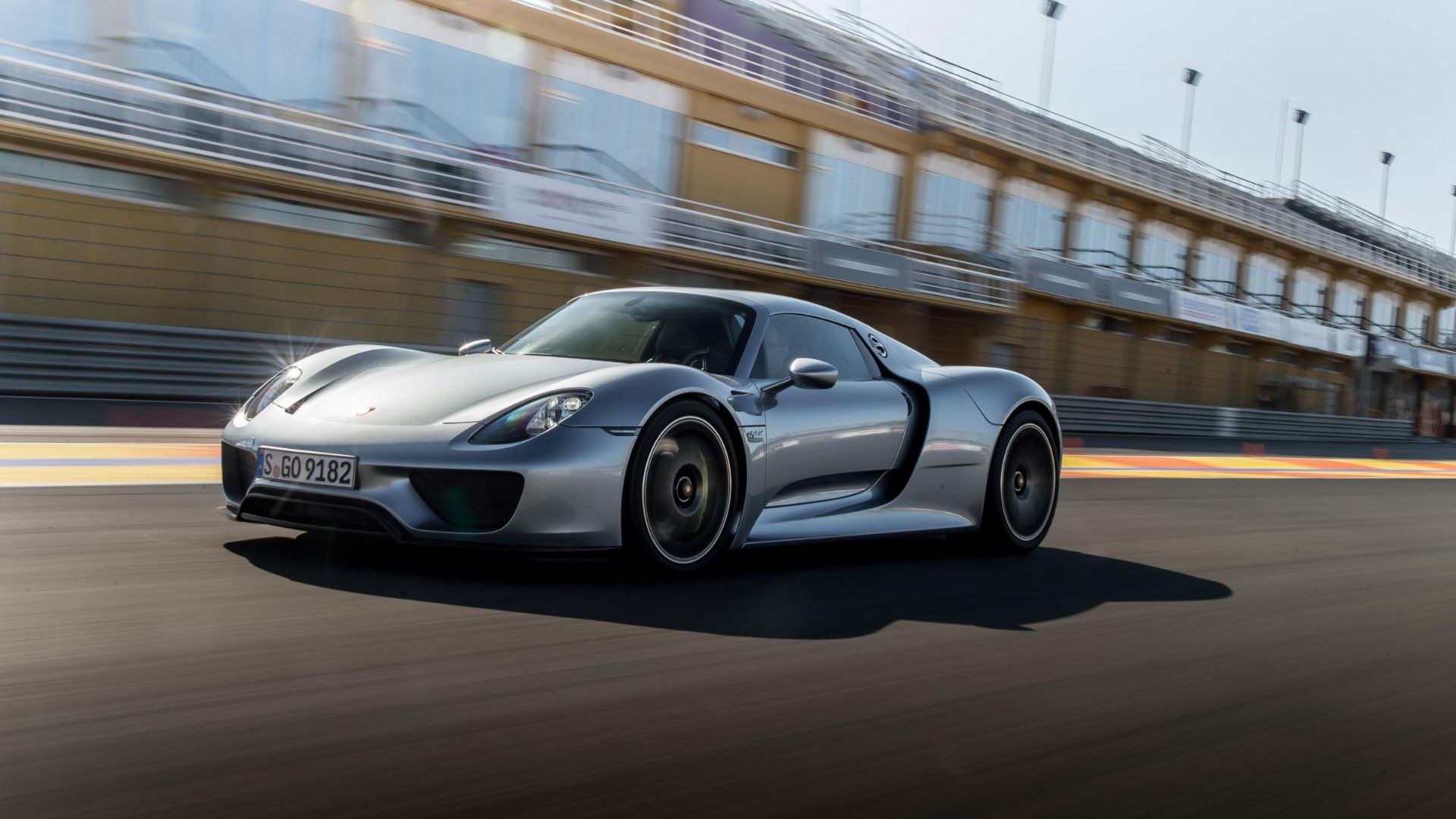
Porsche 918 Spyder liquid metal paint
We’re in the realms of hypercars now. On your £800,000 Porsche, you could option £52,000 liquid metal paint. Back on the beer analogy, that’ll get you 16,000 pints.
We’d have…
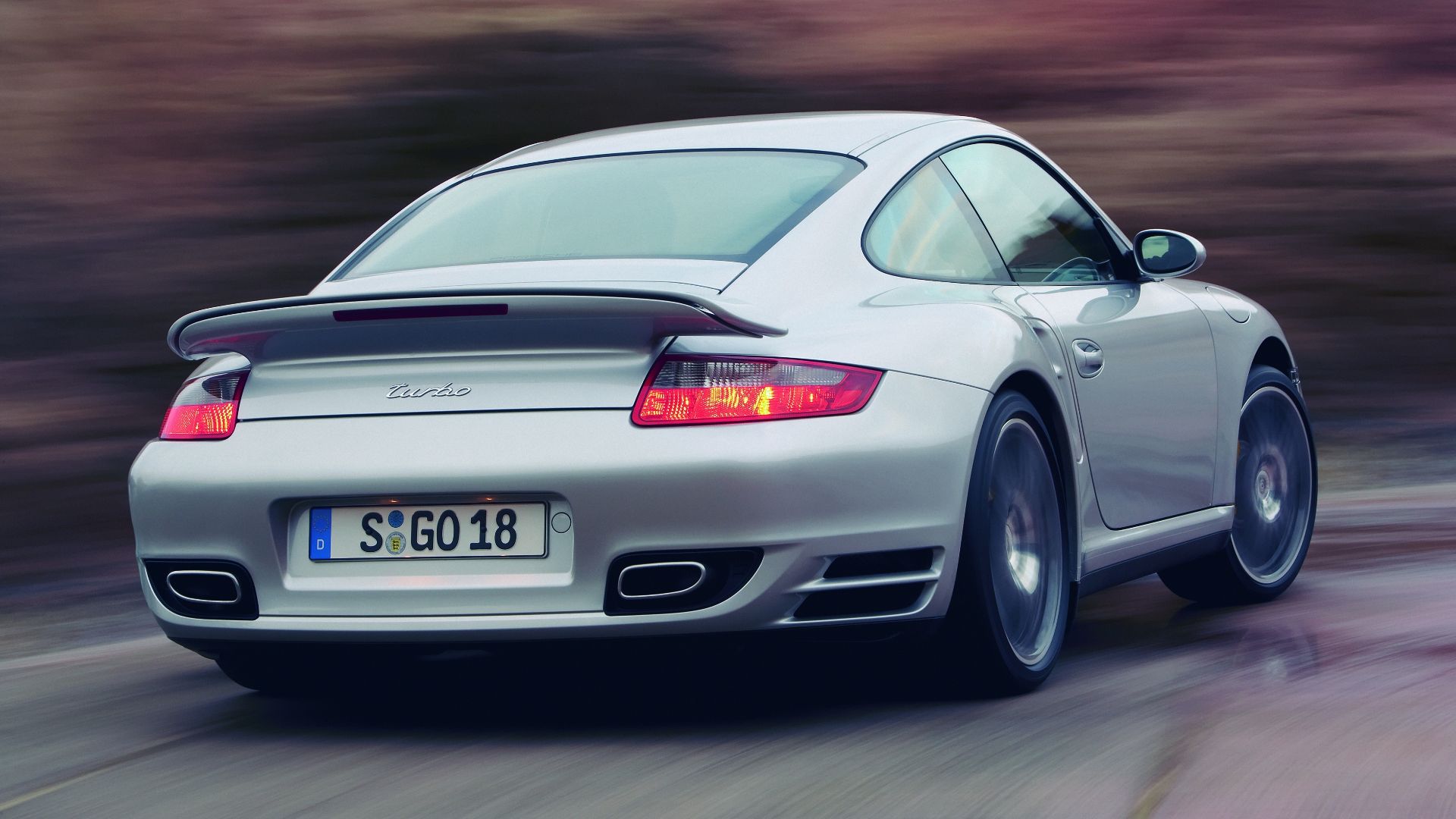
Or it’d buy you some other silver paint, with an entire Porsche 997 Turbo thrown in for free.
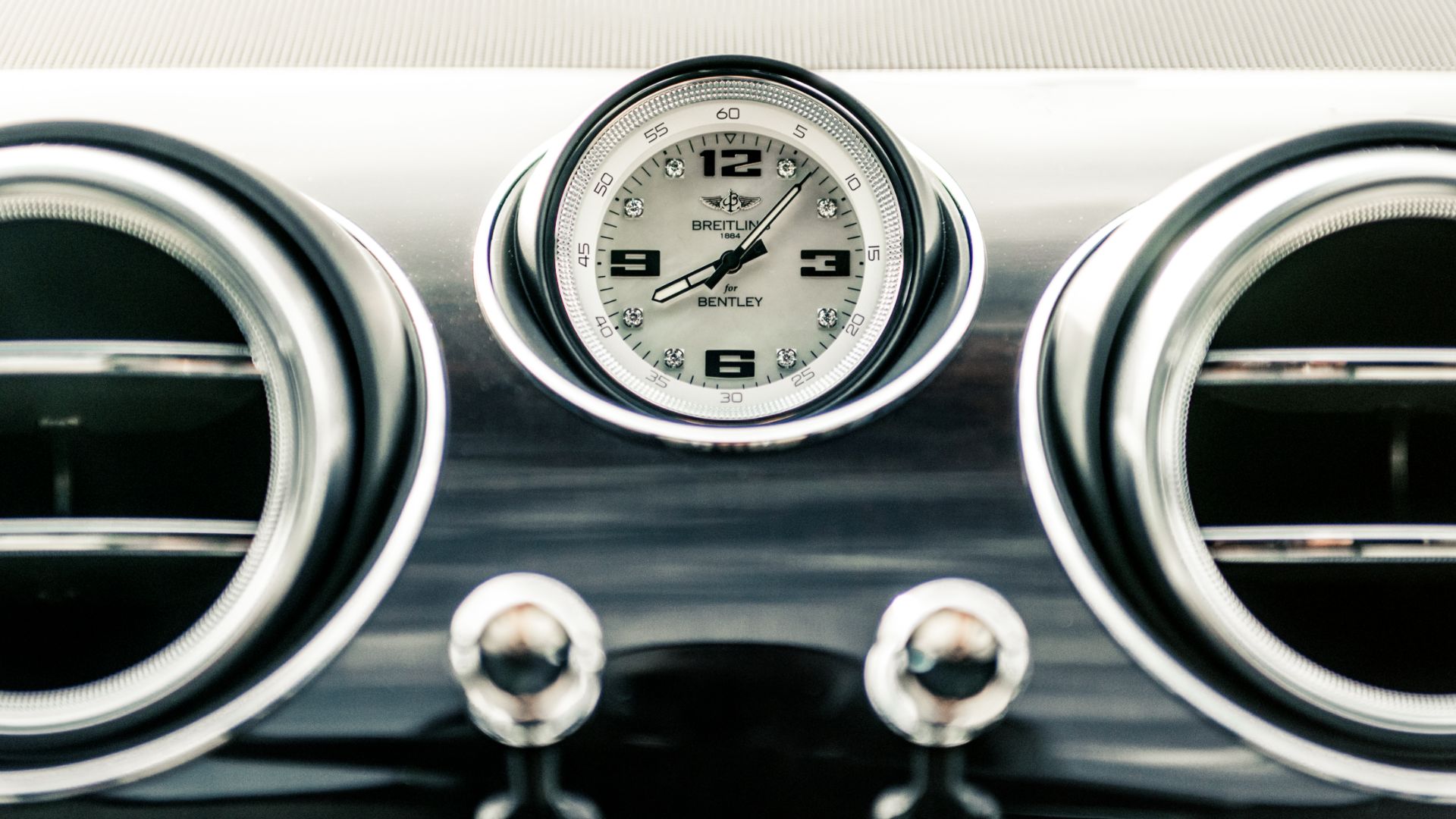
Bentley Bentayga Breitling clock
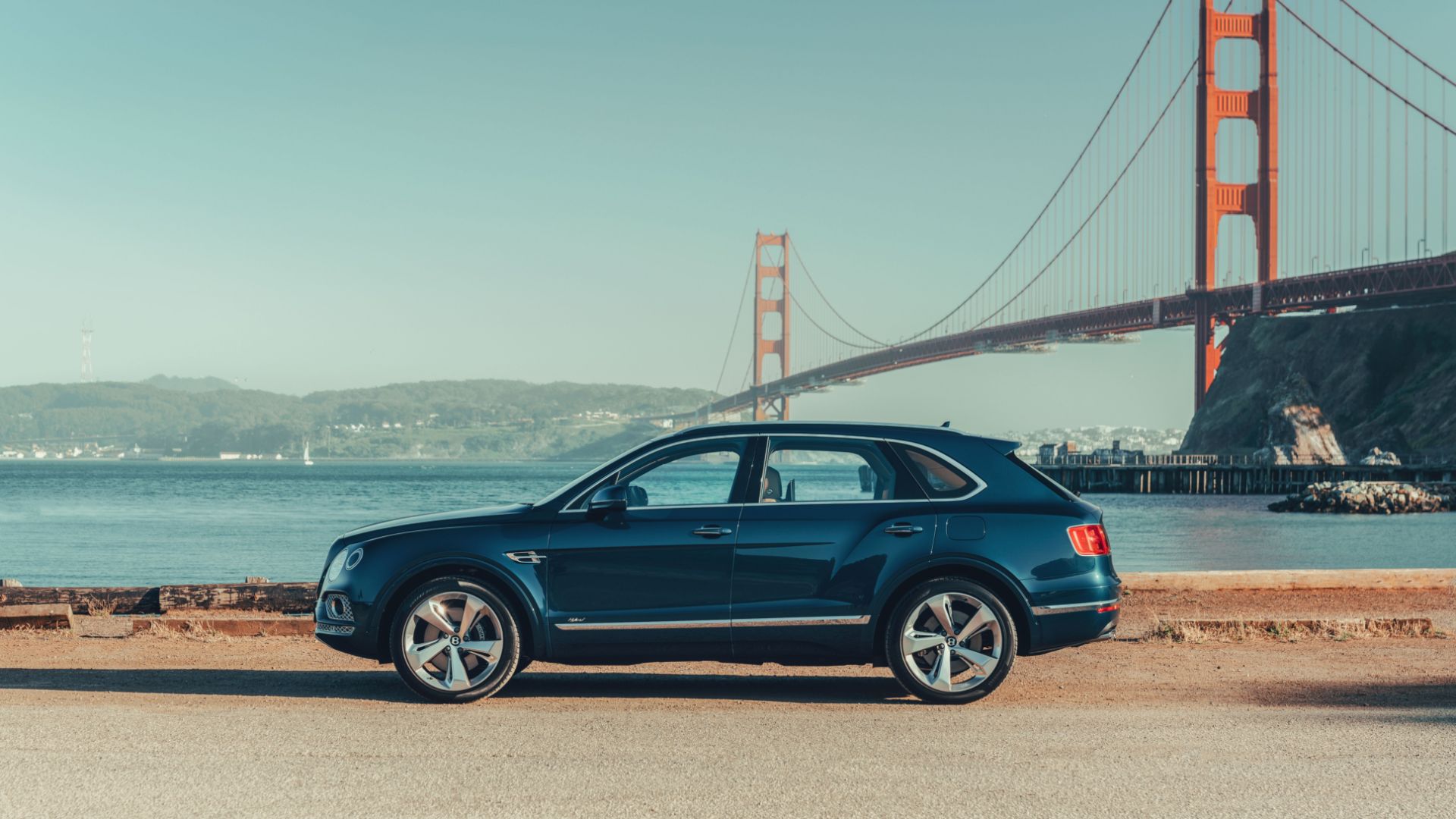
This one made headlines when the car was revealed. The Bentley Bentayga could be optioned with a £132,000 Breitling clock. LeasingOptions says you can pay a team of three people £35,000 a year, with change, just to tell you the time.
We’d have…
For the sake of the joke, we’ll say we’d spend it on an entire other Bentayga. Because you could.
Bugatti Veyron carbon finish
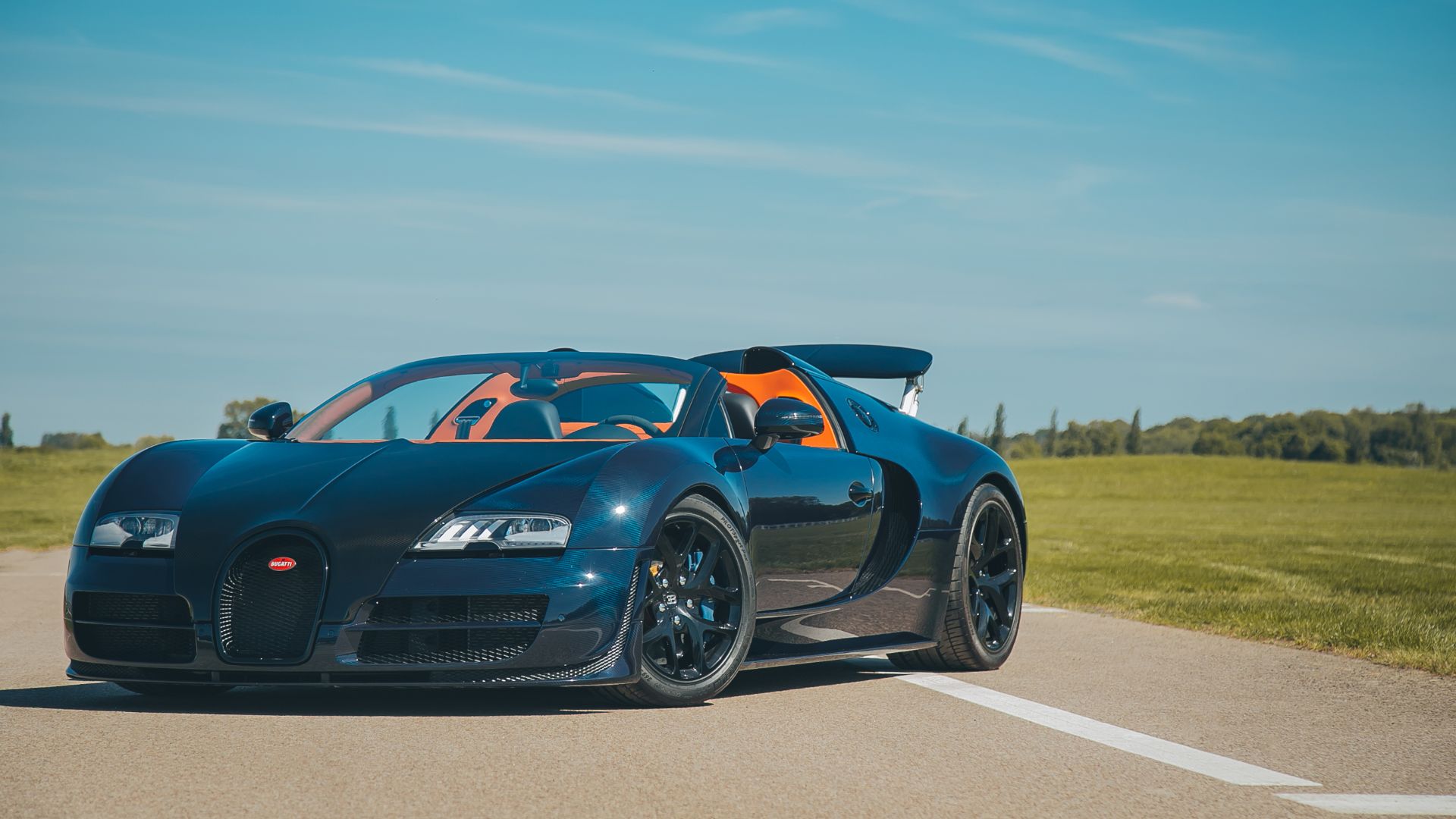
Finally, the winner. Of course it’s a Bugatti. If you wanted your Veyron hypercar to be finished in exposed carbon fibre, that’d set you back £250,000.
We’d have…
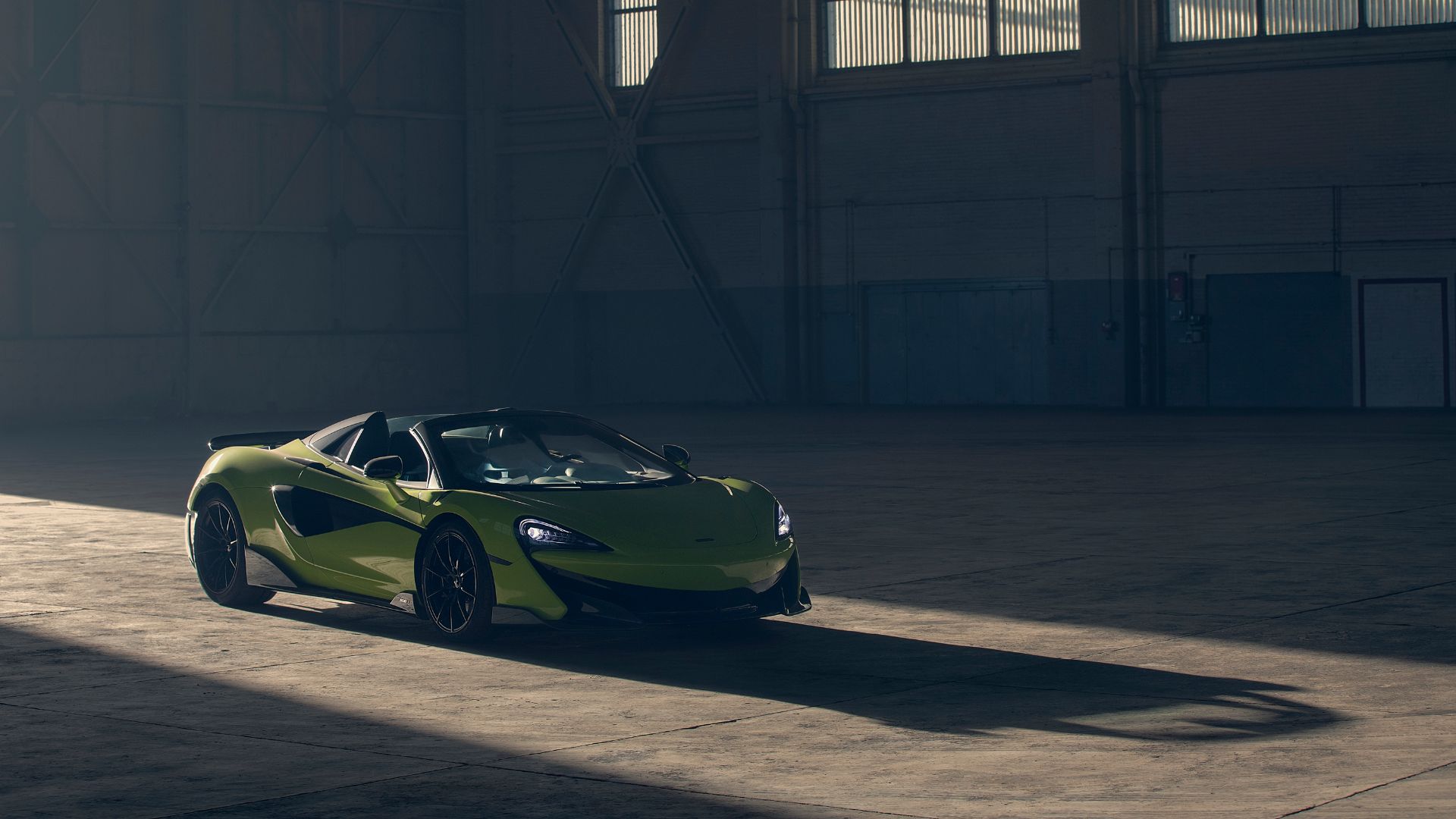
We’d keep the Veyron in a normal colour, and buy a McLaren 600LT Spider to park alongside it. Done, and done.
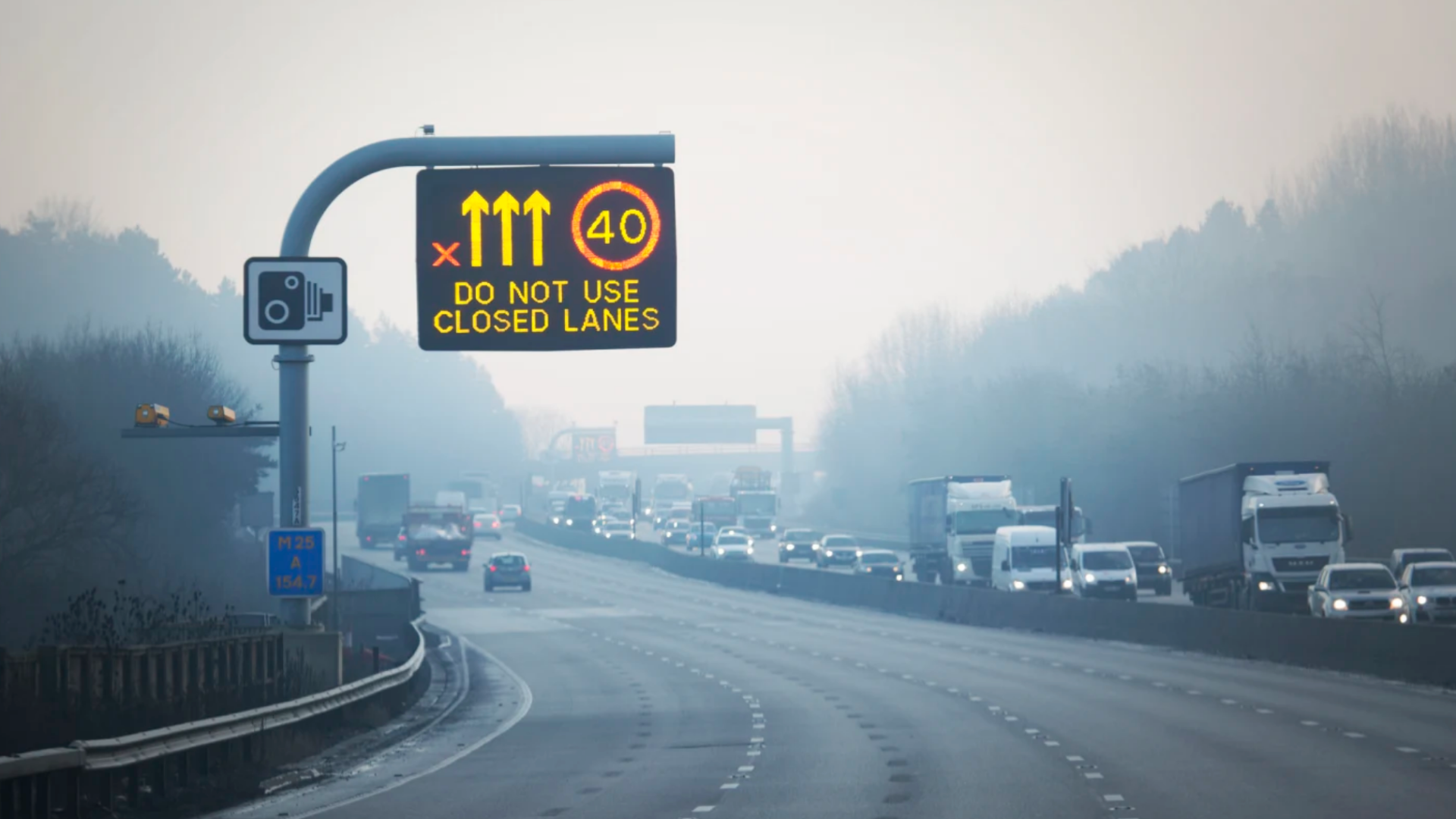
A road safety organisation has joined the calls to put the brakes on the rollout of smart motorways.
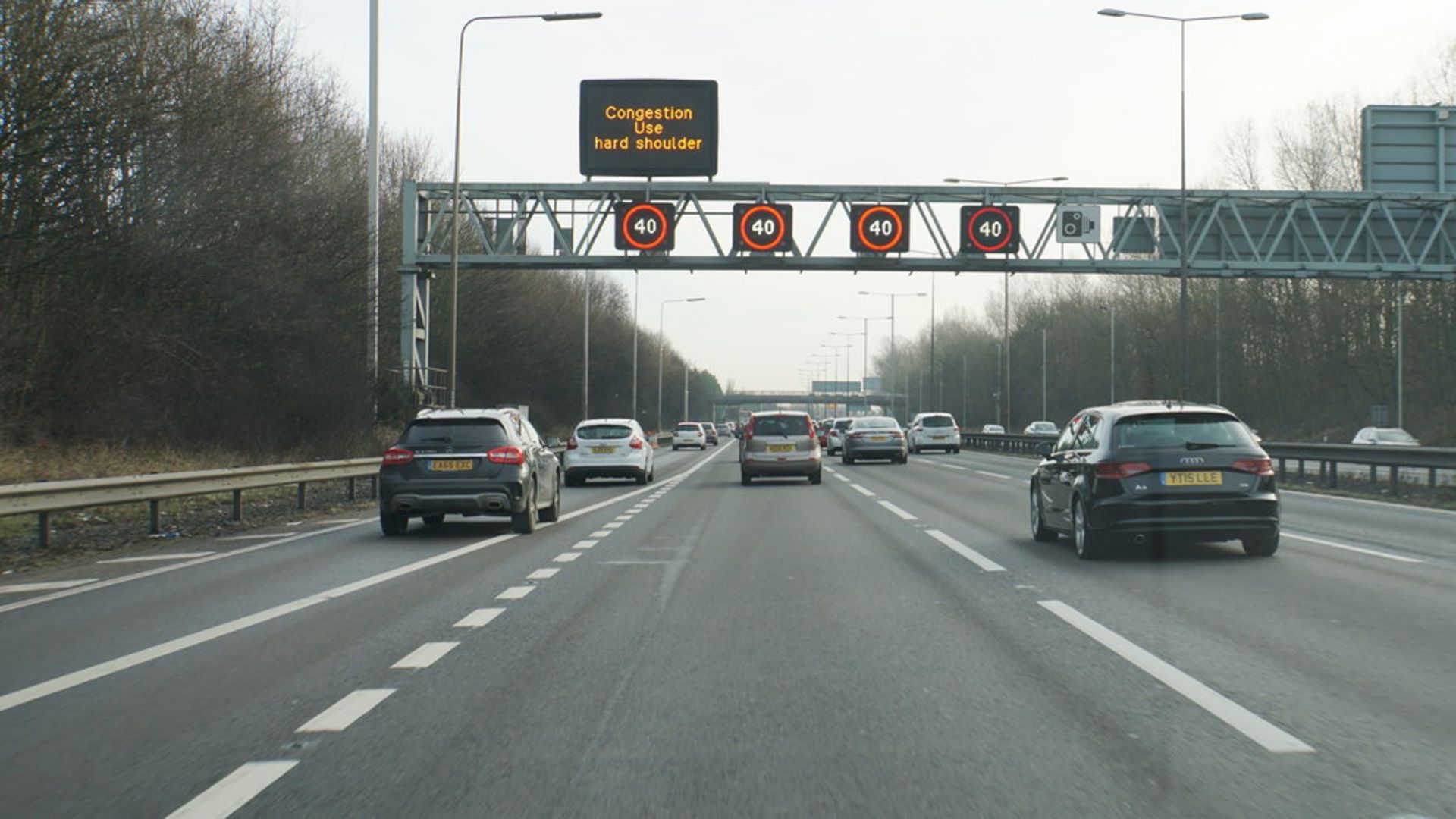
Some argue the absence of a hard shoulder makes smart motorways more dangerous than conventional motorways – a claim disputed by Highways England.
It says journey reliability has improved by 22 percent and personal injury accidents have reduced by more than a half since the introduction of the first smart motorway in 2006.
But Gem Motoring Assist is calling for smart motorways to be banned until a proper safety review has been carried out. It’s also demanding more refuge areas to provide a safe haven for stranded motorists.
‘Proper safety review’ is required
Gem road safety officer Neil Worth said: “Motorways may be the fastest roads we use, but they are statistically also the safest; and there are fewer collisions on motorways than on other roads.
“However, the high speeds used on motorways mean that when there is a crash, it is likely to be more serious. That’s why, on average, around one in 50 motorway collisions is fatal, compared with one in 70 on all other roads.
“We are also asking ministers and highways authorities specifically to call a halt to their rollout of smart motorways across the country until a proper review of safety has been completed and adequate refuge areas provided for drivers.
“In order to maximise safety, we also urge drivers to ensure they know the rules and signs relating to smart motorways, which are becoming more commonplace.”
‘Safest in the world’
Highways England insists smart motorways are safe and is investing around £3 billion in their rollout until 2020.
The agency faced criticism last month after a lorry ploughed into the back of a broken down vehicle in a stretch of hard shoulder being used as a live lane of the M1 near Chesterfield.
When asked about the dangers of smart motorways, a spokesperson for Highways England told Derbyshire Live that it would “never carry out a major improvement scheme” without being confident in maintaining its roads as “among the very safest in the world”.
“Smart motorways are good for drivers, adding vital extra lanes to some of our busiest motorways and making journeys safer and more reliable. As with other roads, we monitor the safety performance of smart motorways and are rolling out enhancements to improve the road user experience.“
Highways England has responded, saying its own assessment shows that accident and injury figures are falling. Collisions and casualties are, it says, 4.3 and 5.9 percent lower respectively than in 2017.
Emergency areas, slip-road hard shoulders and other places to stop in emergencies are located at least every 1.5 miles on all-lane running stretches of motorway. Highways England reiterated its commitment to reducing that distance to one mile from 2020.
“Safety is the top priority for Highways England and we urge everyone who uses our roads to make it theirs, too,” said Highways England head of road safety, Richard Leonard.
“Any death, on any type of road, is one too many. We’re working hard to improve England’s motorways and A-roads and we need your help. We all have a role to play to make sure we all get home, safe and well and we’re asking all drivers to make their own safety, and that of other people, the most important thing to think about when they travel. Remember to check your vehicle, obey all signs and think about other drivers.”
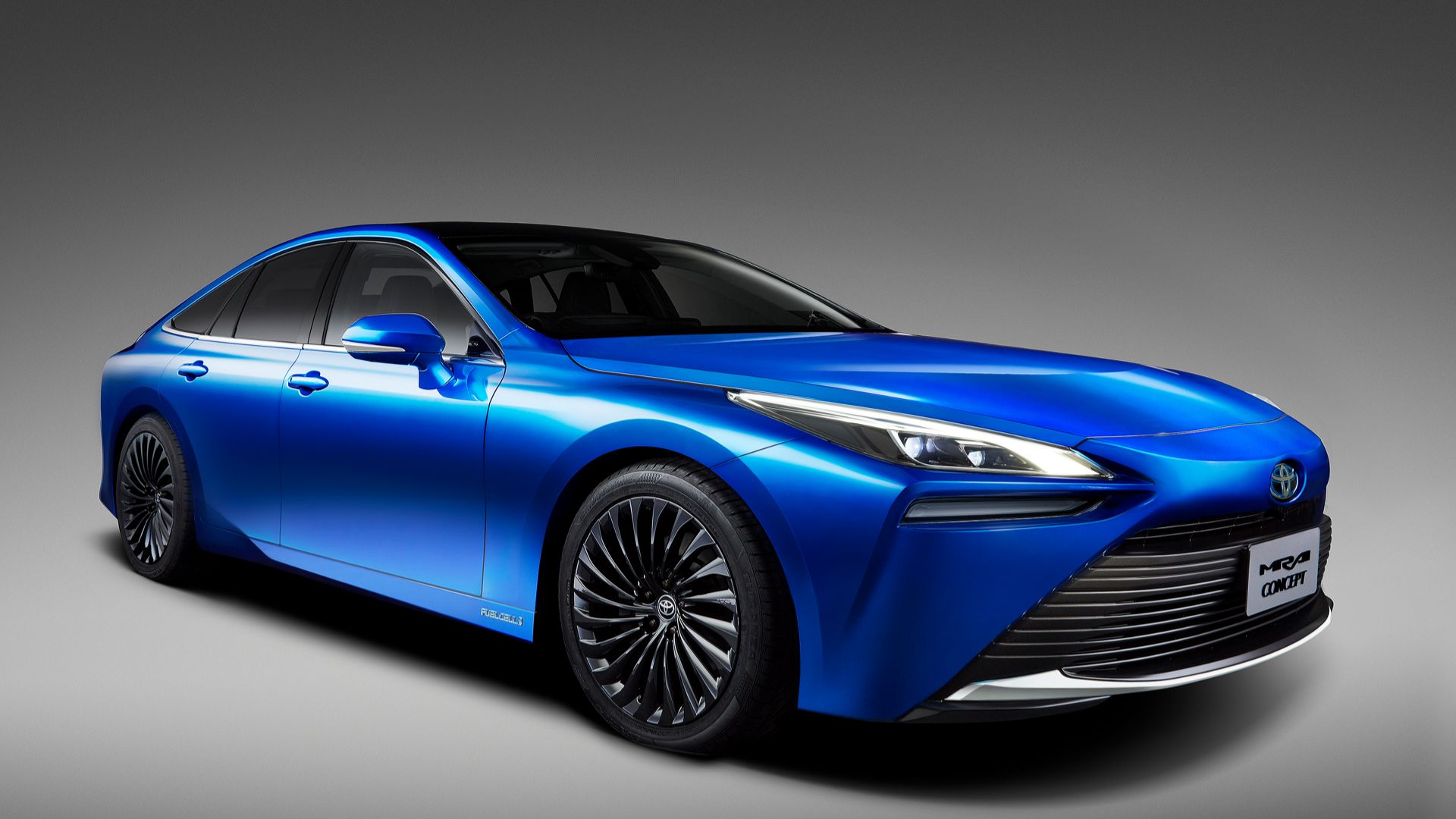
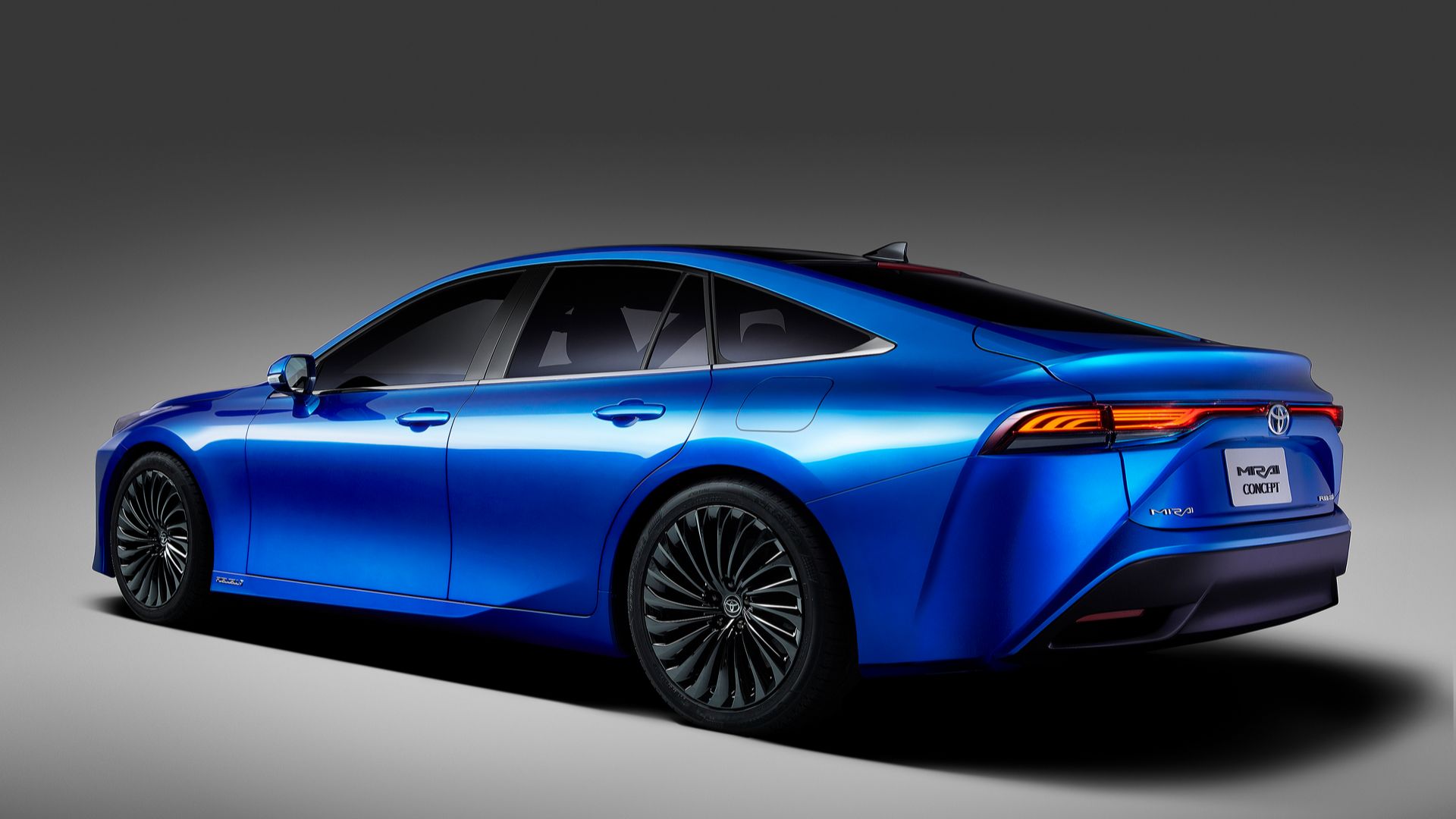
Toyota has revealed a concept version of its forthcoming hydrogen-powered Mirai, due to debut at the Tokyo Motor Show.
The second-generation Mirai promises a 30 percent greater range. And it’s a certified knockout to look at, too.
The Concept is apparently close to the production version, on sale in Japan next year – and in other markets soon afterwards.
2020 Mirai – ‘A car people will want to own’
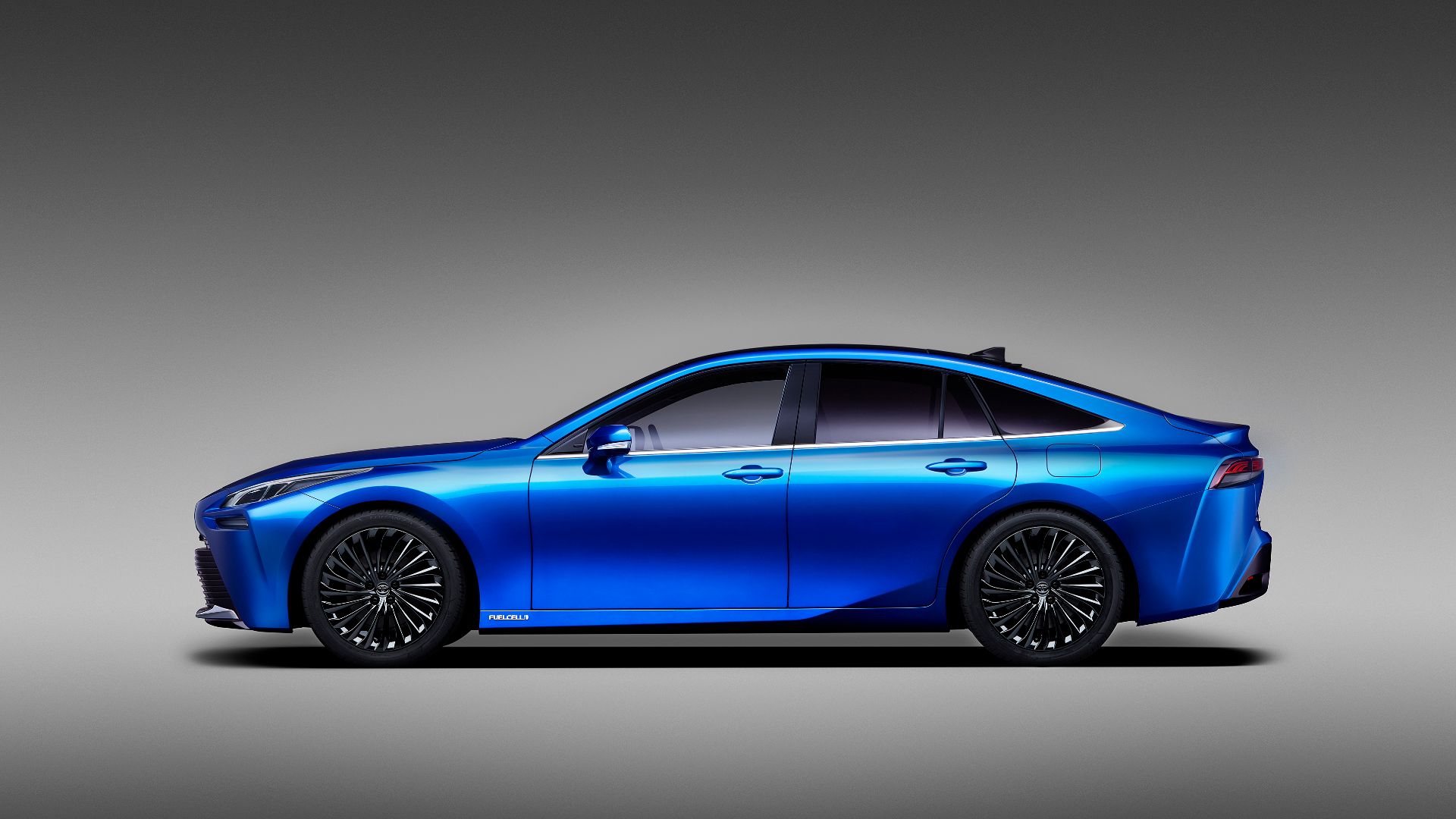
Toyota has departed from the slightly awkward design of 2014’s original Mirai with this sporty second-gen saloon.
It has cultivated a ‘sleek and powerful look’ using ‘low lines, elegant proportions, taut bodywork and large, 20-inch diameter wheels’. Truthfully, it could easily be badged a Lexus and wear an ‘F’ on the back. The new Mirai aims to show eco-friendliness doesn’t necessarily come at the expense of style.
“I want customers to say ‘I chose the Mirai not just because it’s an FCEV, but because I simply wanted this car; it just happens to be an FCEV,” explained chief engineer Yoshikazu Tanaka.
“We have pursued the goal of making a car that customers will feel they want to drive all time, a car that has an emotional and attractive design and the kind of dynamic and responsive performance that can bring a smile to the driver’s face.”
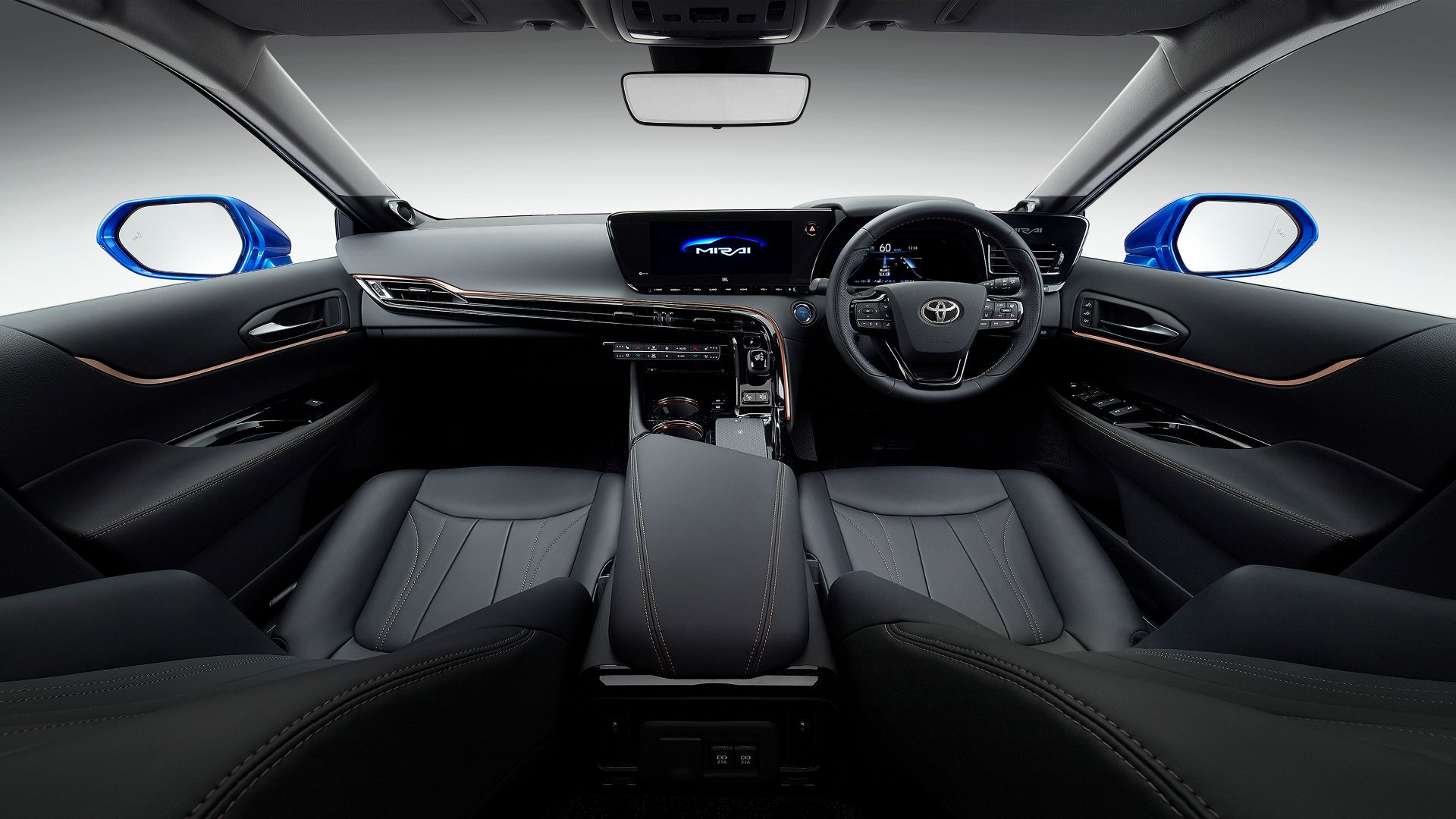
It’s no good having a drop-dead exterior without the cabin to back it up. As such, the inside of the Mirai concept borrows more than a little from stablemate Lexus. A large 12.3-inch centre display and wrap-around instrument panel blends high-tech appointment with driver focus.
Given the new Mirai’s low-slung silhouette, it might surprise you to learn that it’s more practical than the last car. It now seats five, rather than four.
Toyota is also targeting a 30 percent increase in driving range. This should be achievable through larger on-board hydrogen tanks and improvements in the fuel-cell system. The previous car was good for around 310 miles. Add 30 percent? An impressive 413 miles. Have that, Porsche Taycan.
Driving into the future
Toyota says the Mirai will have ‘light and easy handling on winding roads’. It also focused on the car’s throttle response, particularly its linearity, and a feeling of power ‘at all speeds’.
The new Mirai is a bit of a shocker, in the best sense. The last car tried to sell us hydrogen power, with style as the sacrifice. The new car looks hugely desirable, regardless of what is under the bonnet.
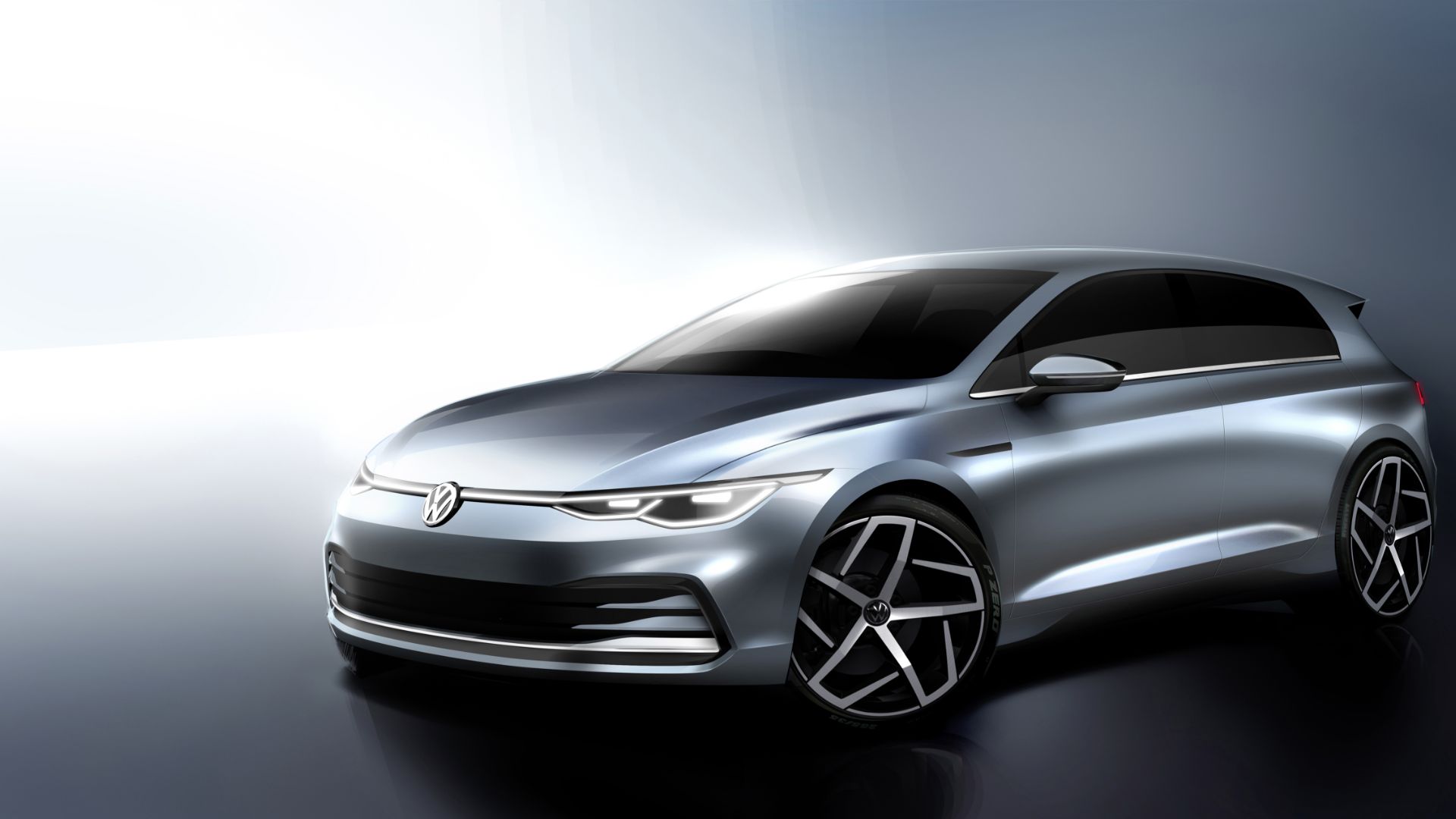
This has been a year of important new car debuts, from the Land Rover Defender to the Porsche Taycan. Volkswagen will deliver 2019’s final big-hitter on October 24, with the launch of the eighth-generation Golf.
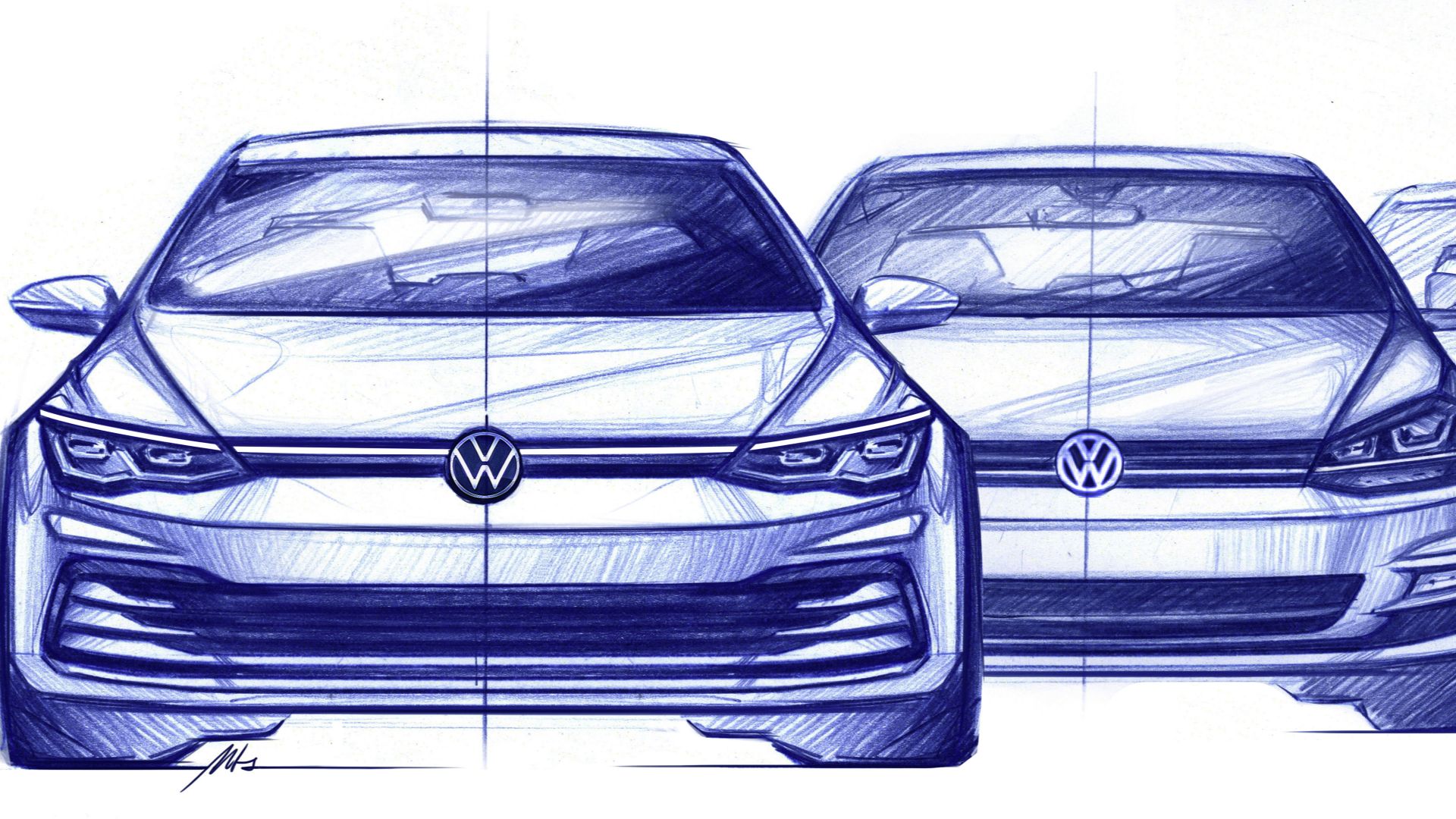
This sketch is our first preview of the highly-anticipated new model. Look past the pronounced haunches and enlarged wheels for an idea of the Mk8 Golf’s styling.
The design is, in Volkswagen’s words, ‘instantly recognisable as a Golf’, but ‘more dynamic than ever before’.
The car looks sleeker than the Mk7 it replaces, but still couldn’t be anything other than a Golf.
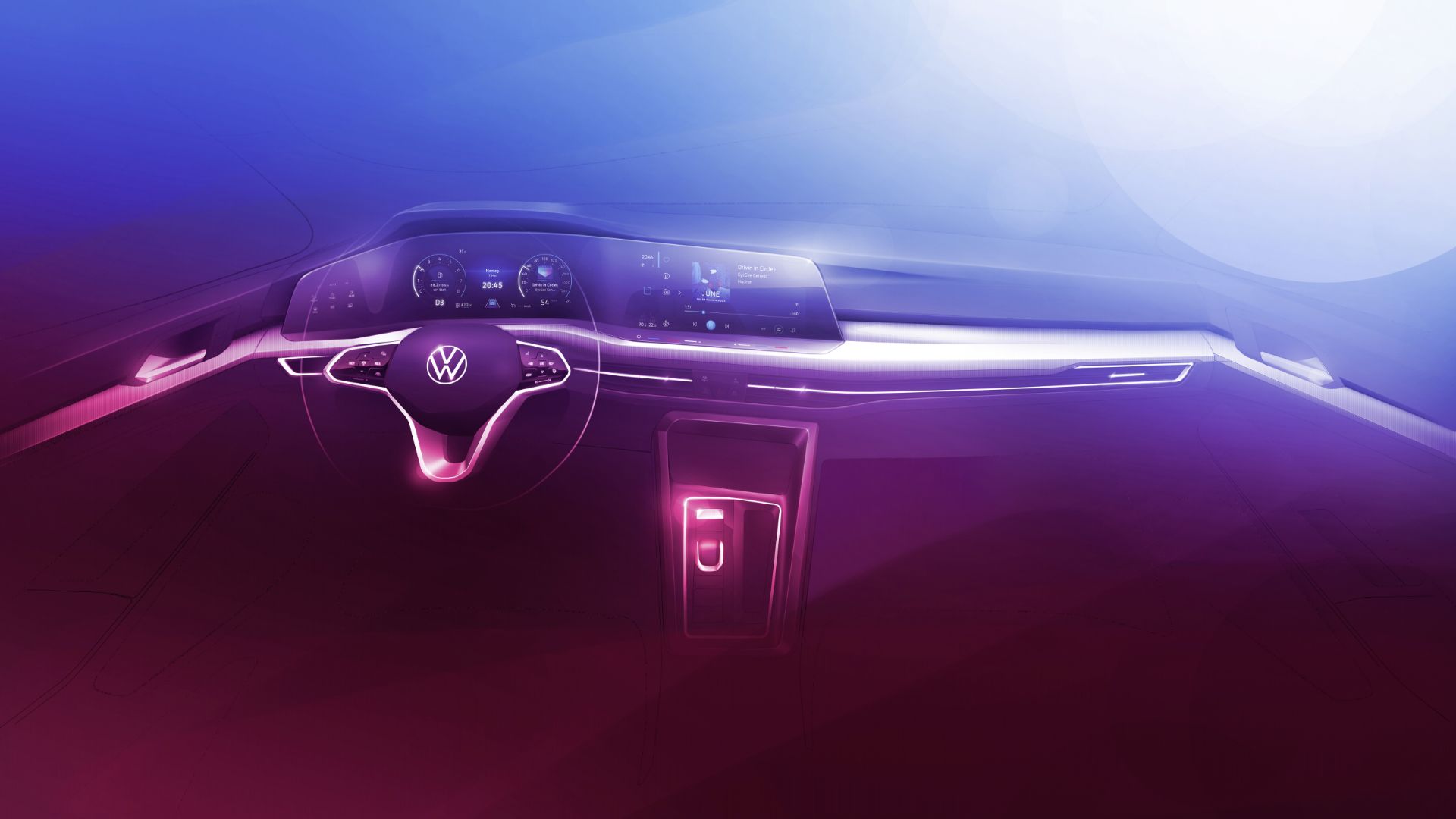
In the cabin, VW is doubling down on digital tech. It will be a ‘trendsetter in terms of its digtialised and connectivity-oriented interior world’. From what we can see, that means more screens and more touch-sensitive controls.
This is a crucial crossover point for the Golf. Since its inception eight generations and more than 40 years ago, the Golf has been the standard-setter for the family hatchback class. Rivals have come and gone, while the Golf has remained the consummate all-rounder.
Now, competition comes from rather closer to home, and we don’t just mean from elsewhere within the Volkswagen Group.
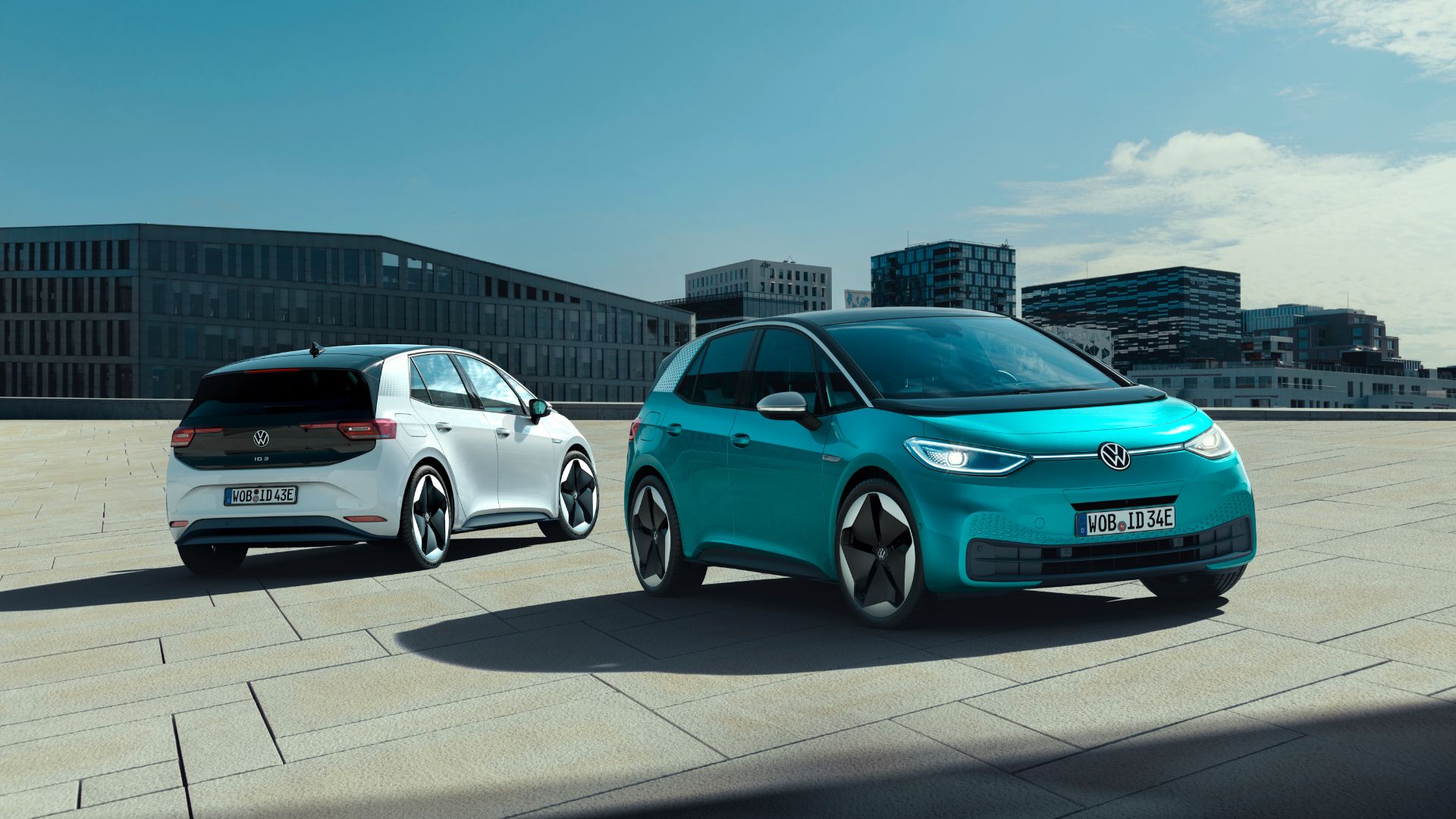
We refer, of course, to the ID.3. VW says the electric ID is the third chapter for the ‘people’s car’, following on from the Beetle and Golf as chapters one and two.
At the very least, the ID.3 will make any e-Golf replacement feel redundant. It’s going to be a fascinating couple of years, and an interesting launch for the Mk8 Golf.
The term game-changer is bandied about all too frequently, but it could be used to describe the original Volkswagen Golf. Not only did it usher in a new era of water-cooled hatchbacks for a company with a heritage of air-cooled saloons and trucks, but it changed the shape of modern motoring. To mark the arrival of the Mk8 Volkswagen Golf, we celebrate with a small selection of the car’s best strokes.
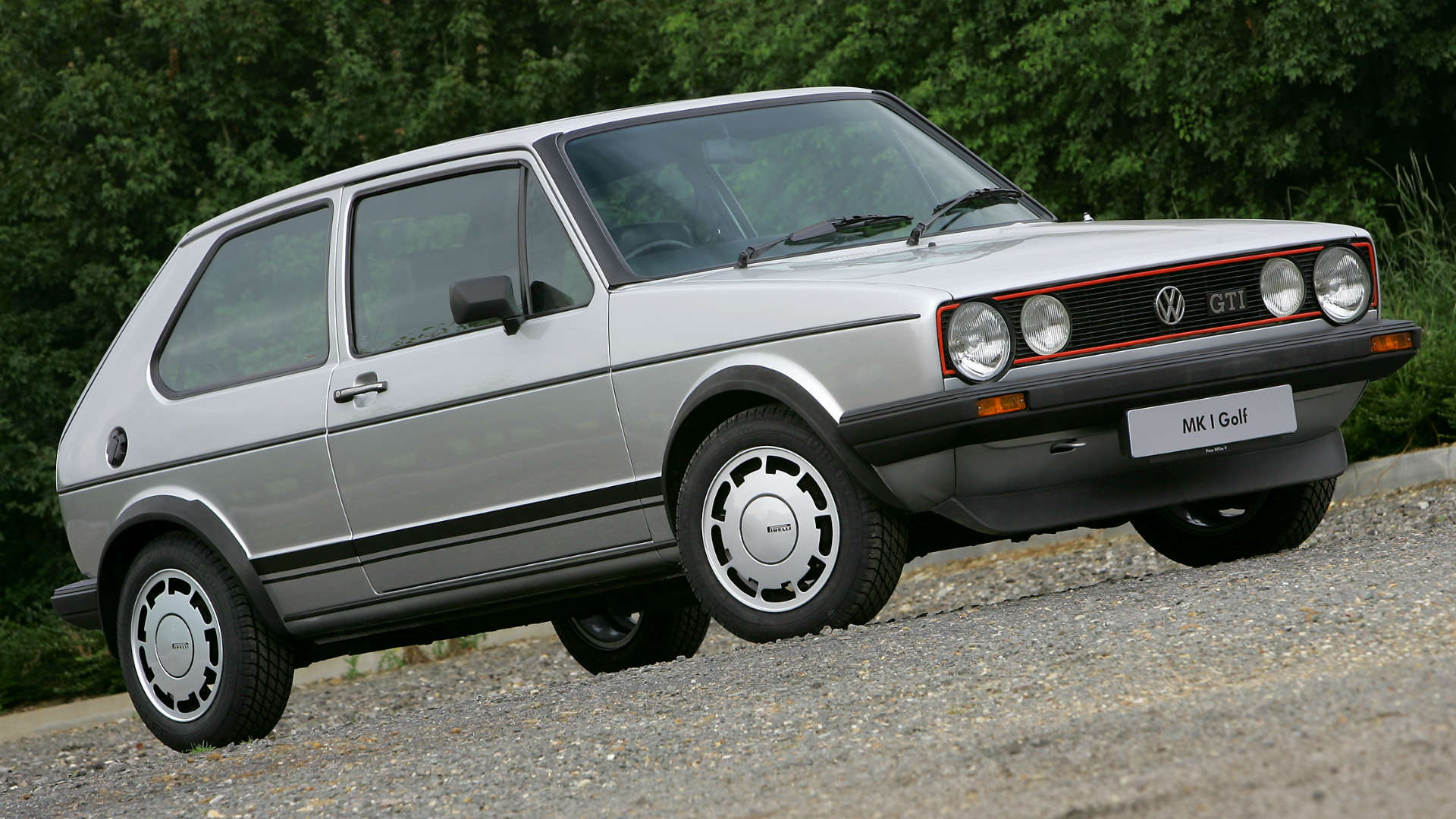
Volkswagen Golf GTI Mk1
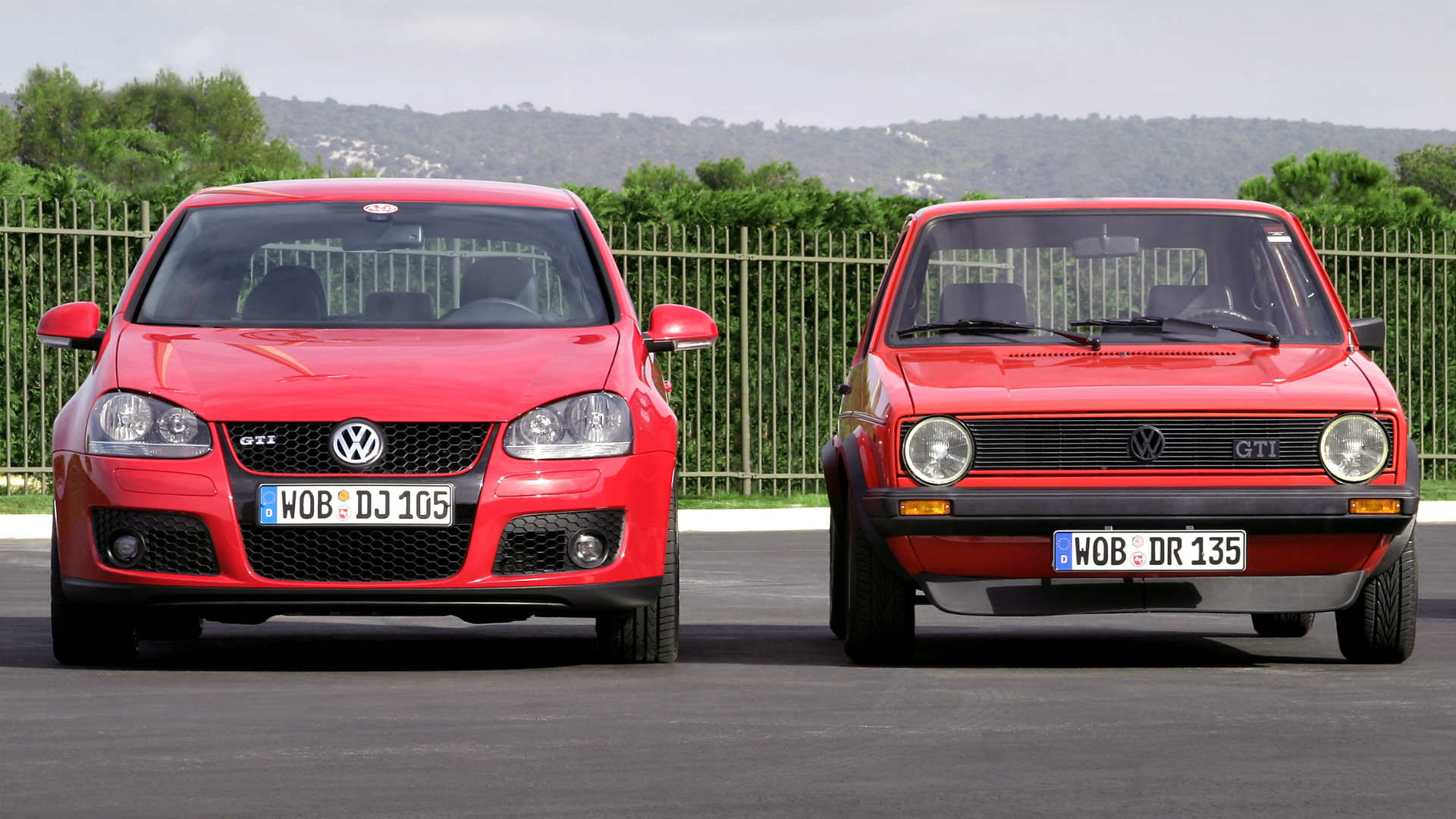
We start, perhaps predictably, at the beginning. Although the Volkswagen Golf arrived in 1974, we’d have to wait a year until the Golf GTI debuted at the Frankfurt Motor Show, with the first right-hand-drive models not appearing in the UK until 1979. It was worth the wait. Our Tim Pitt is a fan and former owner. Writing for Car, he said: “Today, ‘GTI’ is a brand, the badge that adorns a range of Volkswagens from the Up to Golf GTI Clubsport S. Yet everything harks back to the Mk1. It’s the archetypal hot hatch, and still an engaging, exciting driver’s car.”
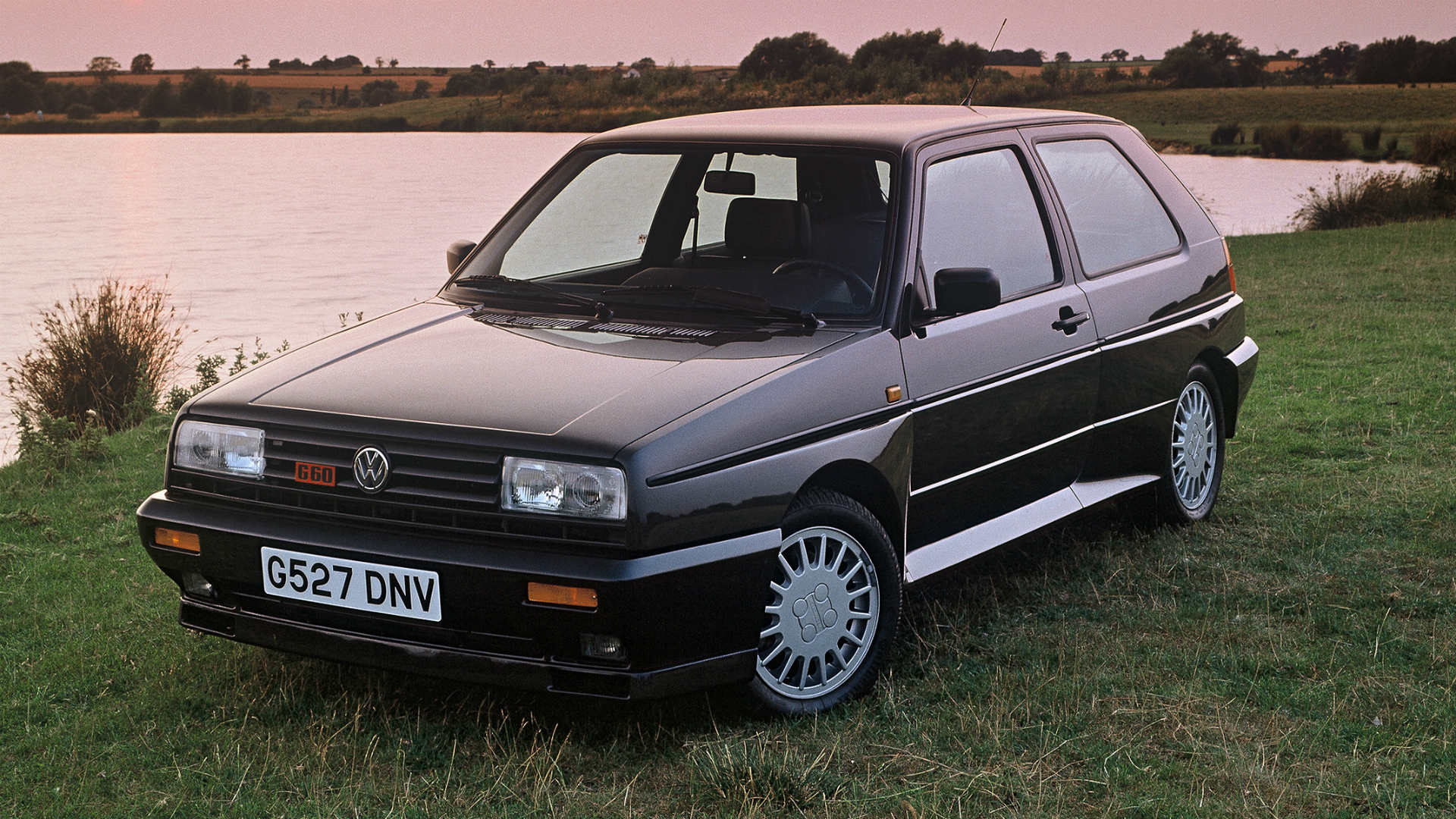
Volkswagen Golf Rallye
At the time of its launch, the Volkswagen Golf Rallye was the most powerful production Golf to date, but that was only half the story. Thanks to its Syncro four-wheel-drive system, it weighed a portly 230kg more than the contemporary Golf GTI 16v, which served to blunt its performance. According to Car, it was “As ugly as a Staffordshire bull terrier, but without the bite.” Time has been kind to the Rallye, mind. Your author owned one of the 80 UK-spec left-hand-drive models and still remembers the whine of the supercharger and the limpet-like all-weather grip.
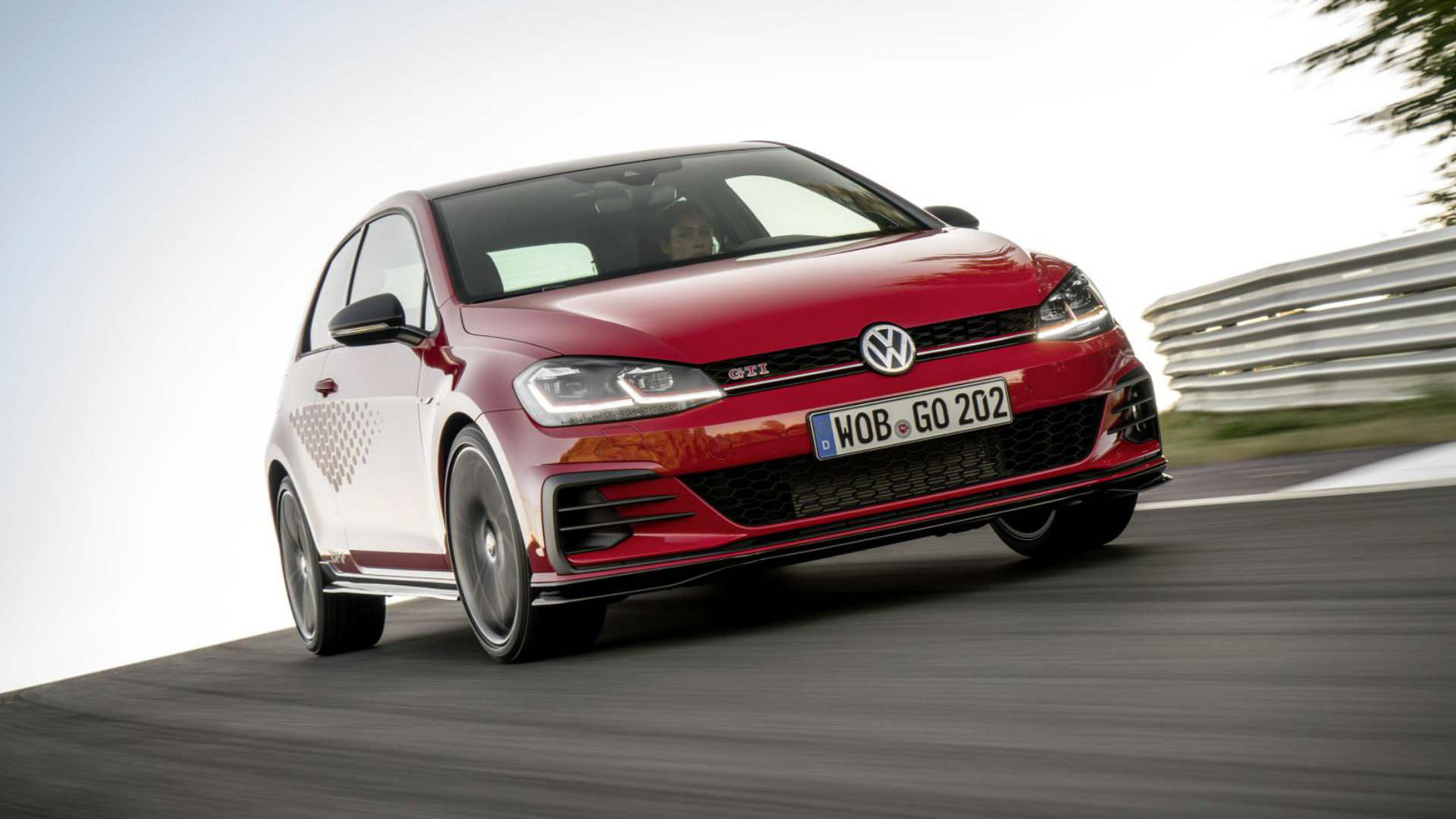
Volkswagen Golf GTI TCR
The Volkswagen Golf GTI TCR is the last hurrah for the Mk7.5 Golf, its name inspired by the Touring Car Racing series. It offers a 45hp boost over the Golf GTI Performance, but falls 10hp short of the Golf R, but that doesn’t mean it plays second fiddle to the all-weather hot hatch. Thanks to a raft of upgrades, it feels a tad more special than the R, especially if you opt for the Performance Pack. Having spent the day driving a TCR in Mid Wales, we think it’s a fitting send-off for the Mk7.5.
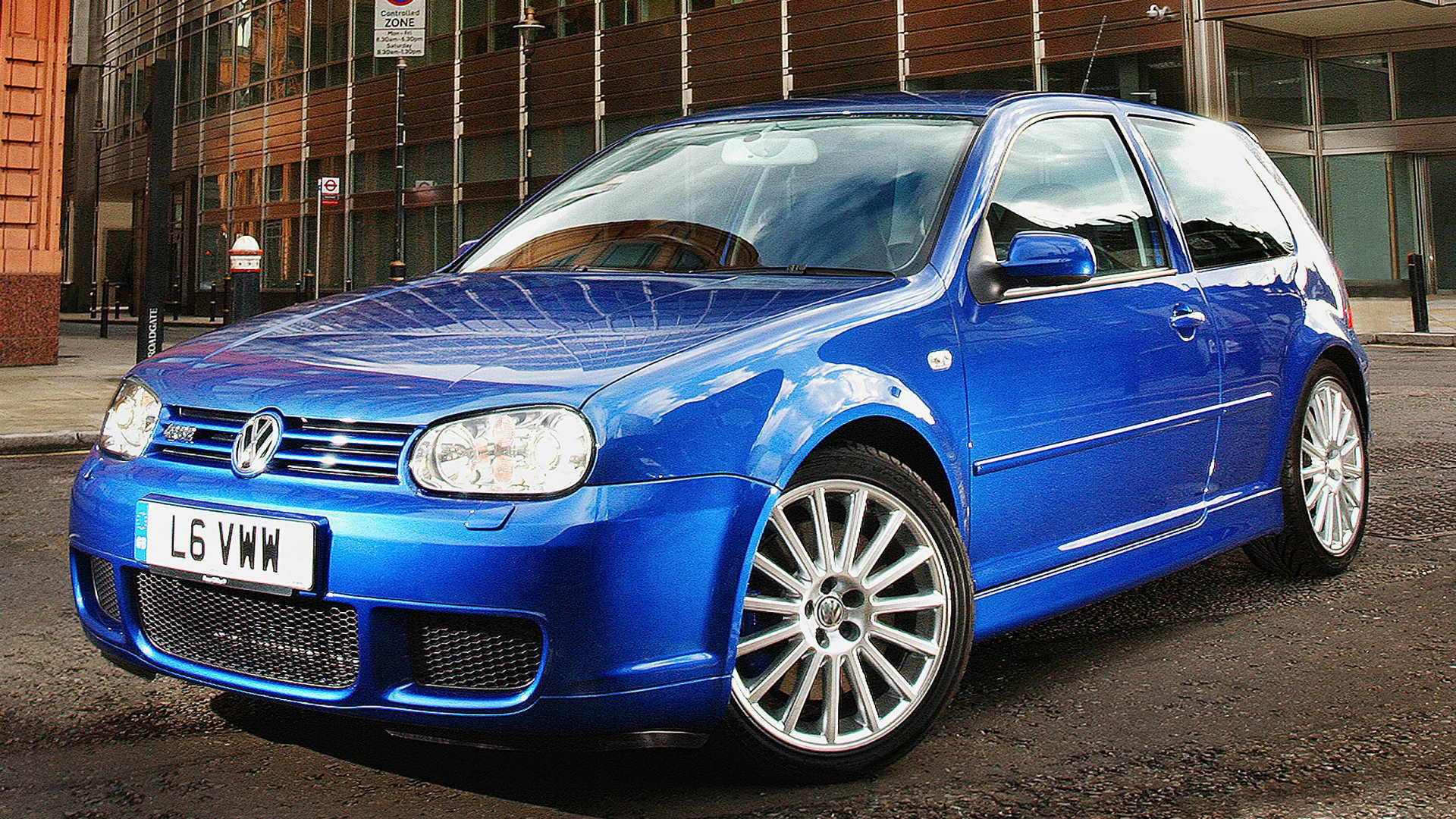
Volkswagen Golf R32
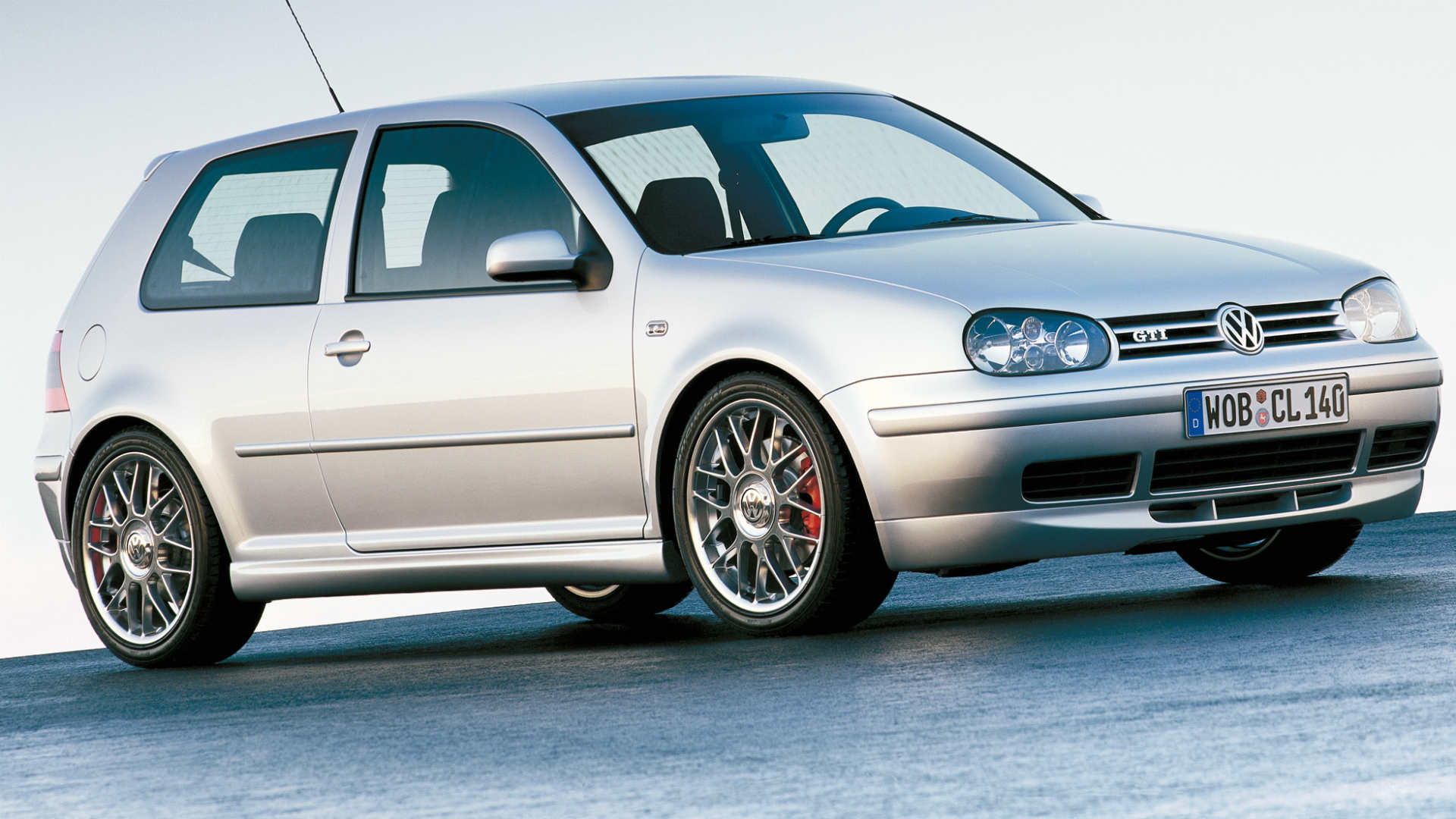
The Mk4 was a landmark car and represented a turning point for the Volkswagen Golf. Boss Ferdinand Piech pushed the hatchback further upmarket, helping it to become the default choice in a competitive segment. In truth, the Mk4 didn’t represent the GTI’s finest hour, but the R32 was in a different league. Launched at the Madrid Motor Show in 2002, the R32 was powered by a 3.2-litre narrow-angle V6 engine and driven by a sophisticated 4Motion system. It also heralded the arrival of Volkswagen’s Direct Shift Gearbox (DSG).
Volkswagen Golf Cross Country
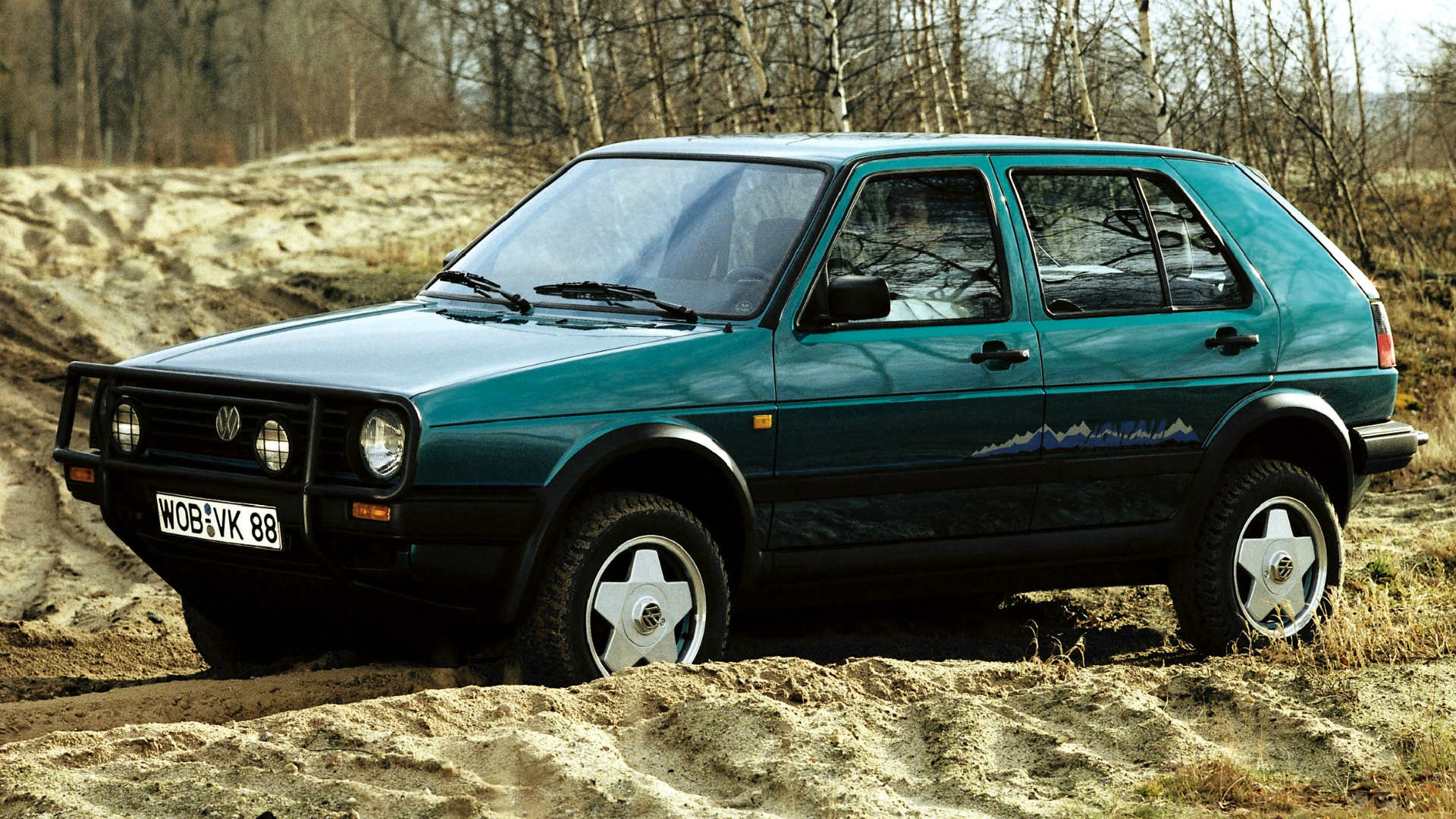
Not the greatest Volkswagen Golf as such, but the Cross Country deserves credit for being ahead of the curve. Launched as a concept at the 1989 Geneva Motor Show, the recipe for the Golf Cross Country will be familiar to today’s car buyers. Volkswagen entrusted Steyr-Daimler-Puch in Austria with the production of the go-anywhere Golf, which featured raised suspension, body armour and the Syncro four-wheel-drive system. It was a sales disaster, but it provided a brief glimpse into the future.
Volkswagen Golf GTI Mk5
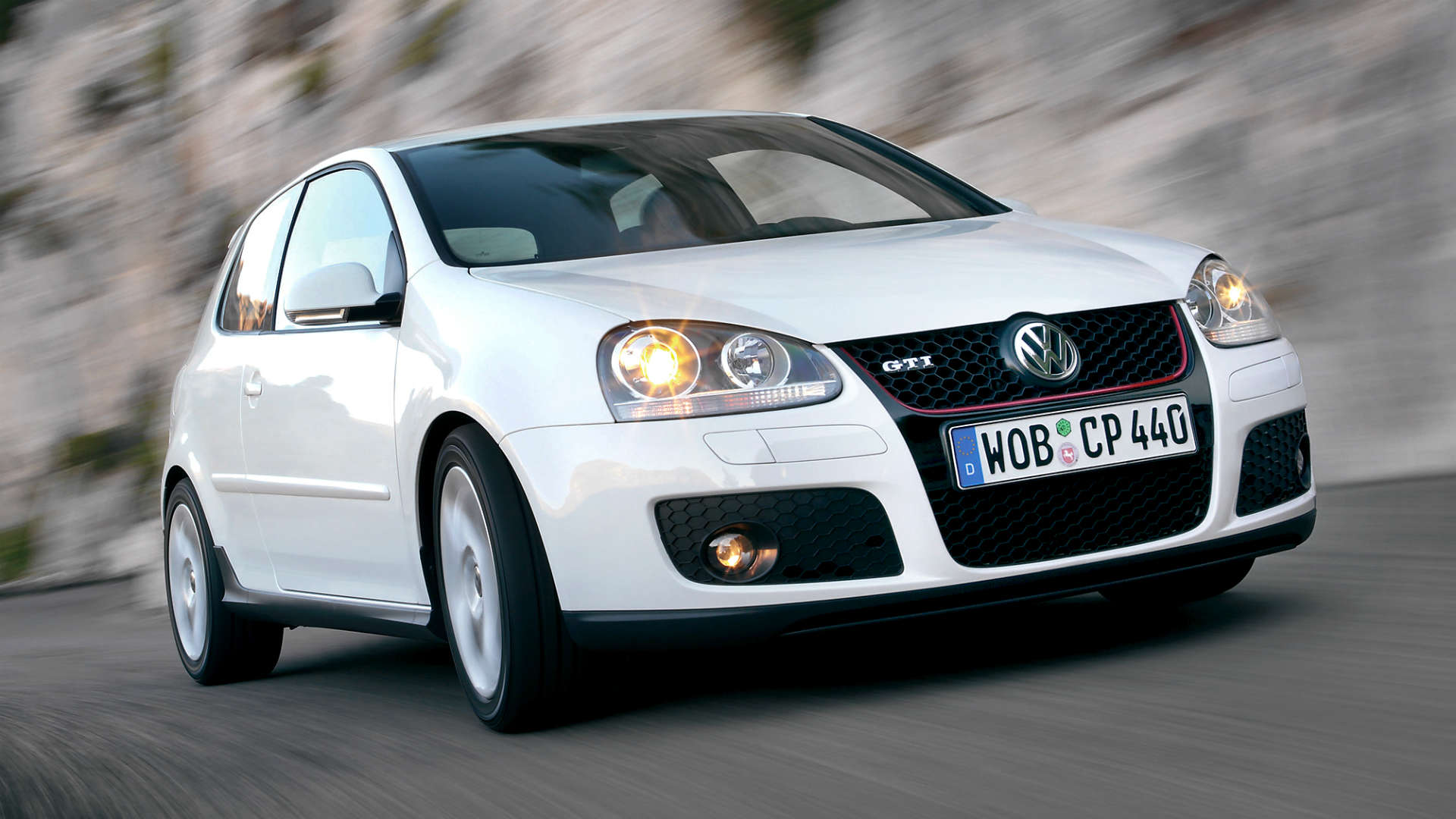
Volkswagen knew that it had dropped the ball with the Mk3 and Mk4 versions of the Golf GTI. A major rethink was required, which is why the GTI wasn’t launched alongside the standard Mk5 Golf, with Volkswagen choosing to unveil a ‘Concept GTI’ to generate interest. It worked: looking back, making such overt references to the Mk1 Golf GTI was a dangerous game. It’s just as well the Mk5 Golf GTI lived up to the hype.
Volkswagen Golf GTI Mk2
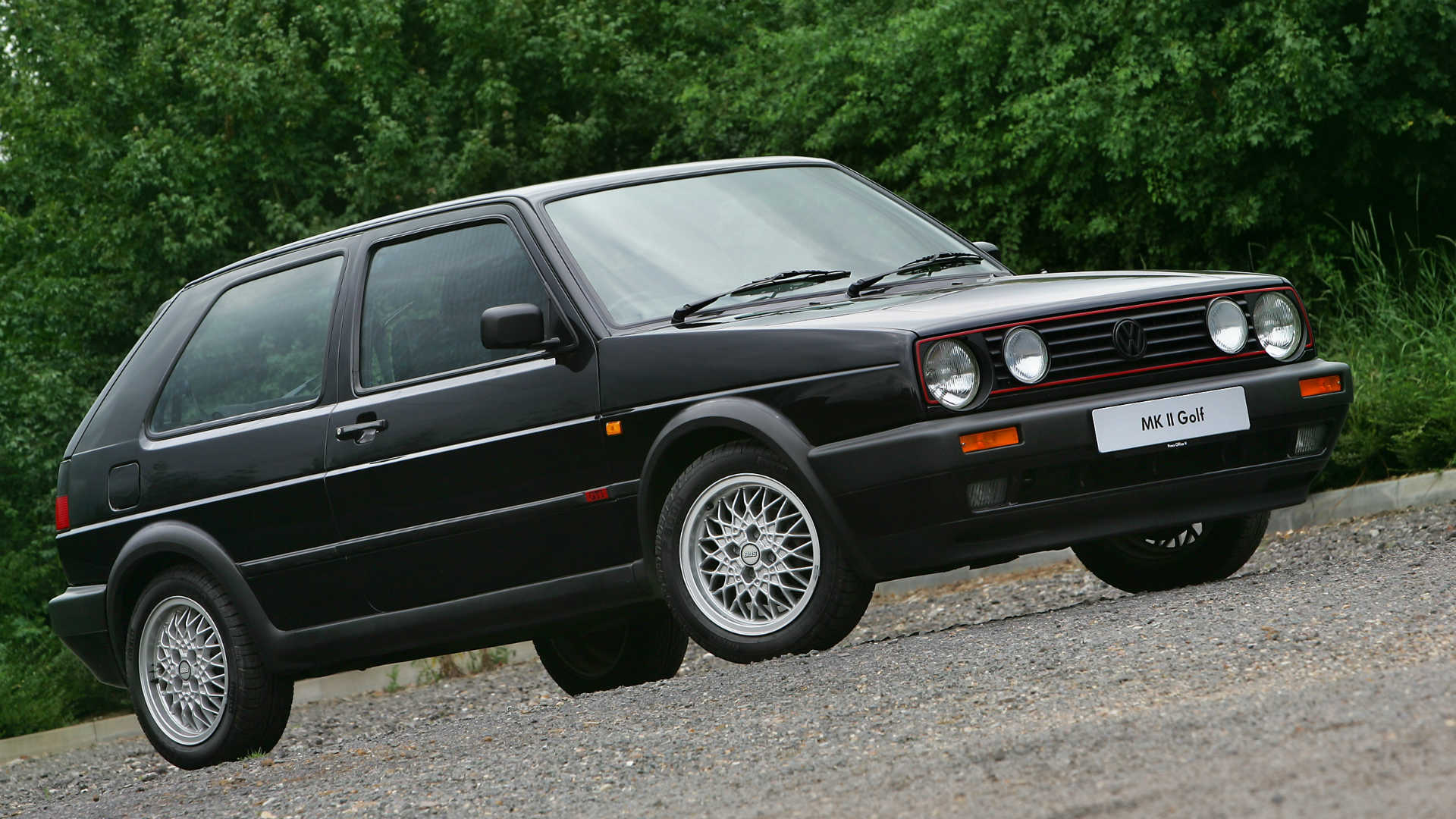
First came the Mk2 Golf GTI 8v. Then, when faced with a growing army of hot hatch rivals, Volkswagen responded with the launch of the Golf GTI 16v. It didn’t make the 8v redundant – some believe that it offers greater day to day driveability – but with 24 percent more power and 9 percent more torque, it became the most sought-after model in the range. It was also the quickest Golf GTI to date.
Volkswagen Golf VR6
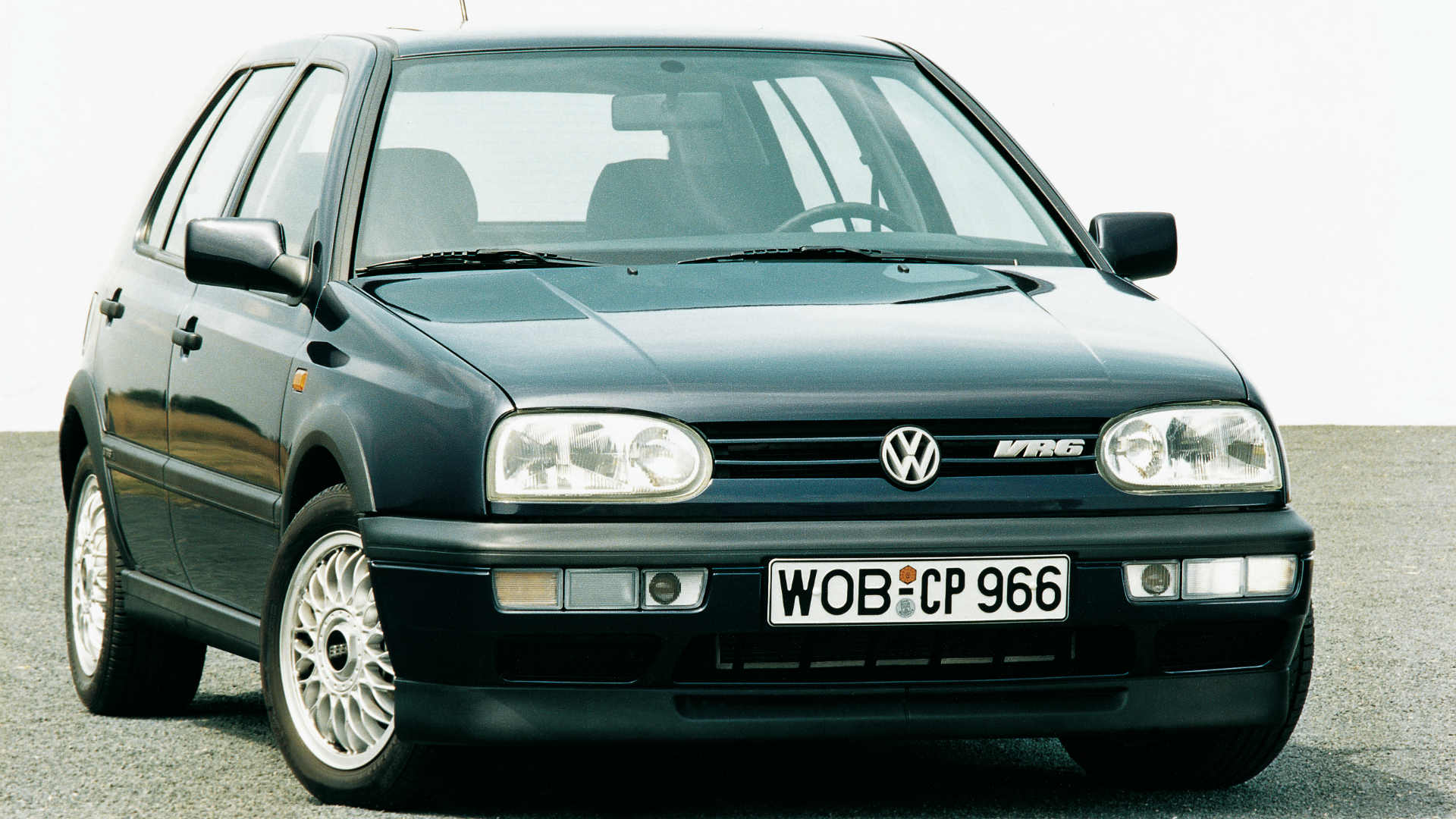
The Mk3 Golf gets a hard time in the media, and not all of it is justified. Even diehard Golf fans would be forced to admit that the Mk3 Golf wasn’t a high point for the badge, but the VR6 should be remembered with fondness. Although the six-cylinder engine debuted in the Passat, it was a first for a car in this class, and it gave the Golf grand tourer-like qualities. Volkswagen didn’t position it as a hot hatch, but as a relaxed, comfortable and rapid cruiser. Judged on these attributes, it’s a fine car, especially in Highline trim.
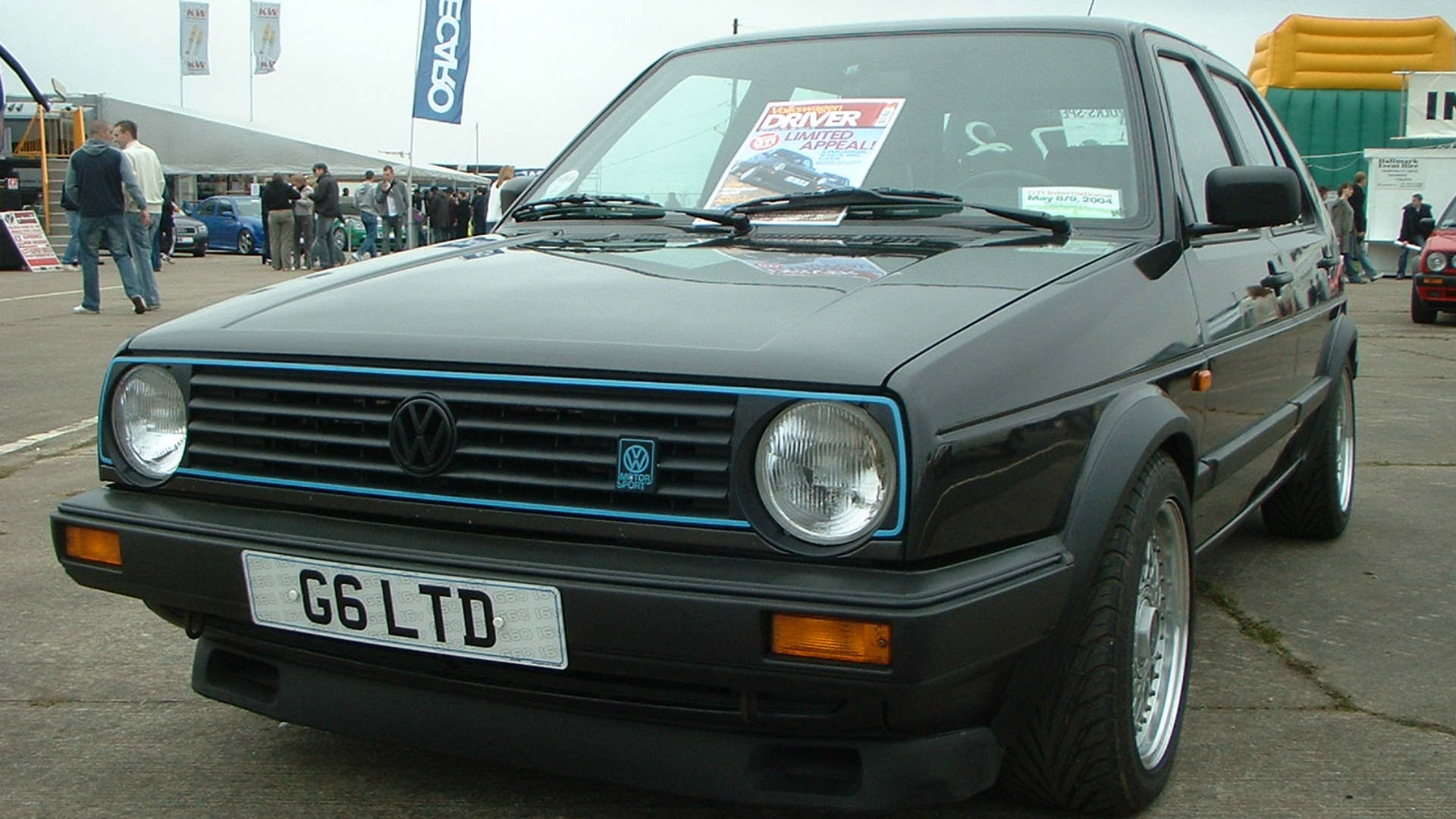
Volkswagen Golf G60 Limited
The Golf G60 Limited is essentially a five-door hatchback with the inner workings of the Rallye. Not to be confused with the more attainable (and excellent) Golf G60, the G60 Limited was handbuilt at Volkswagen Motorsport in Hannover at a rate of one a week. With a top speed of 140mph, it had genuine Q-car qualities, placing it at the top table of the performance car elite. Just 71 were built, making the Limited one of the most desirable Golfs on the planet.
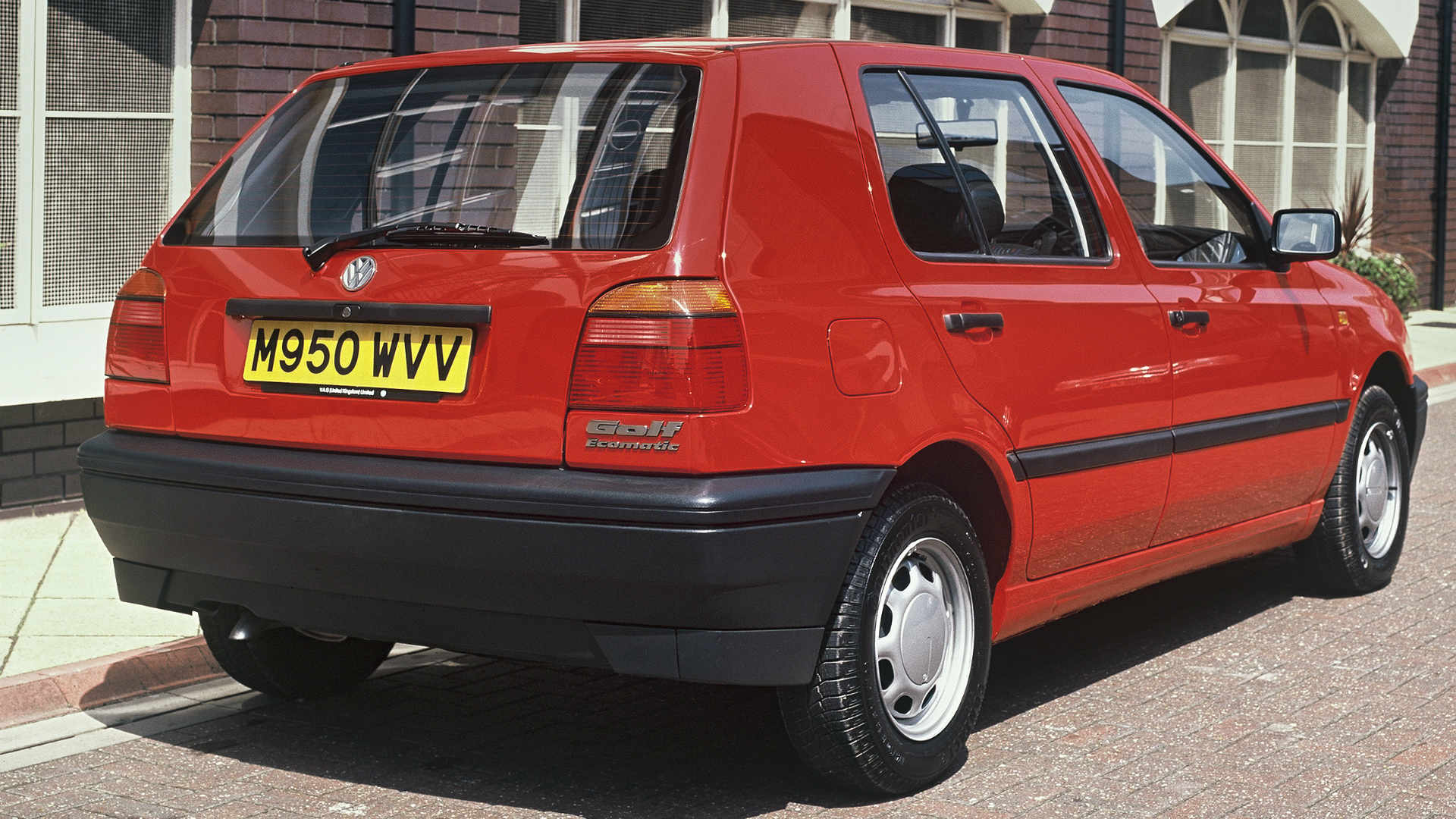
Volkswagen Golf Ecomatic
Much like the Golf Cross Country, the Golf Ecomatic was very much ahead of the curve. To reduce fuel consumption and cut emissions, the Ecomatic’s 1.9-litre diesel engine could cut out in traffic and when coasting. The driver simply lifted the throttle to cut the engine, with Volkswagen claiming a 22 percent improvement in fuel economy over a standard Golf with the same engine. By today’s standards, it was unsophisticated, but it paved the way for future stop-start systems.
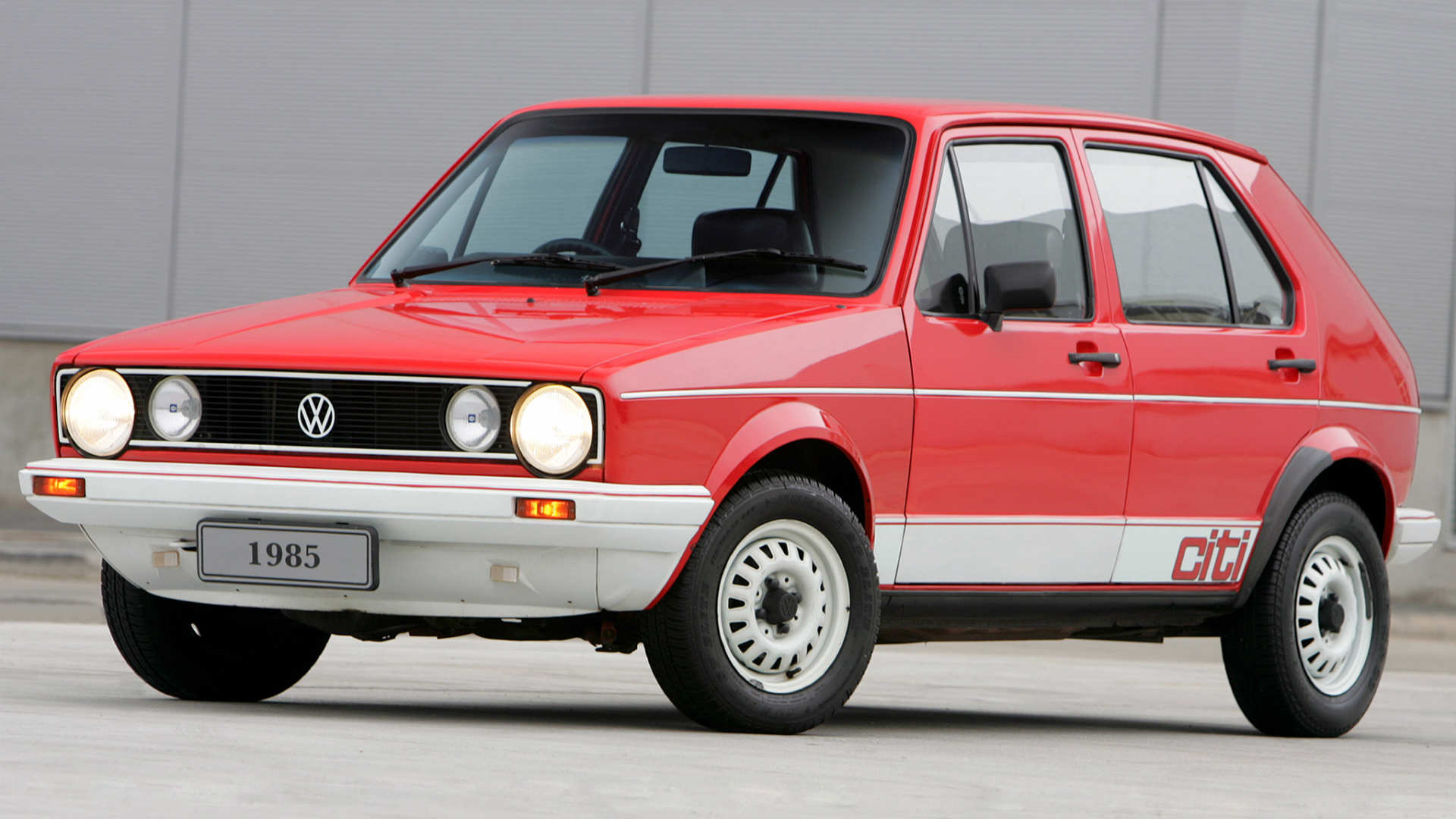
Volkswagen Citi Golf
The final Volkswagen Citi Golf rolled off the production line in 2009, a full 26 years after production of the Mk1 finished in Germany. A process of continual development kept the Golf current, although it lagged behind the safety and emissions standards laid out by European and U.S. markets. Not that this stopped the Citi Golf from becoming a cult favourite in South Africa, where some 377,500 cars were built.
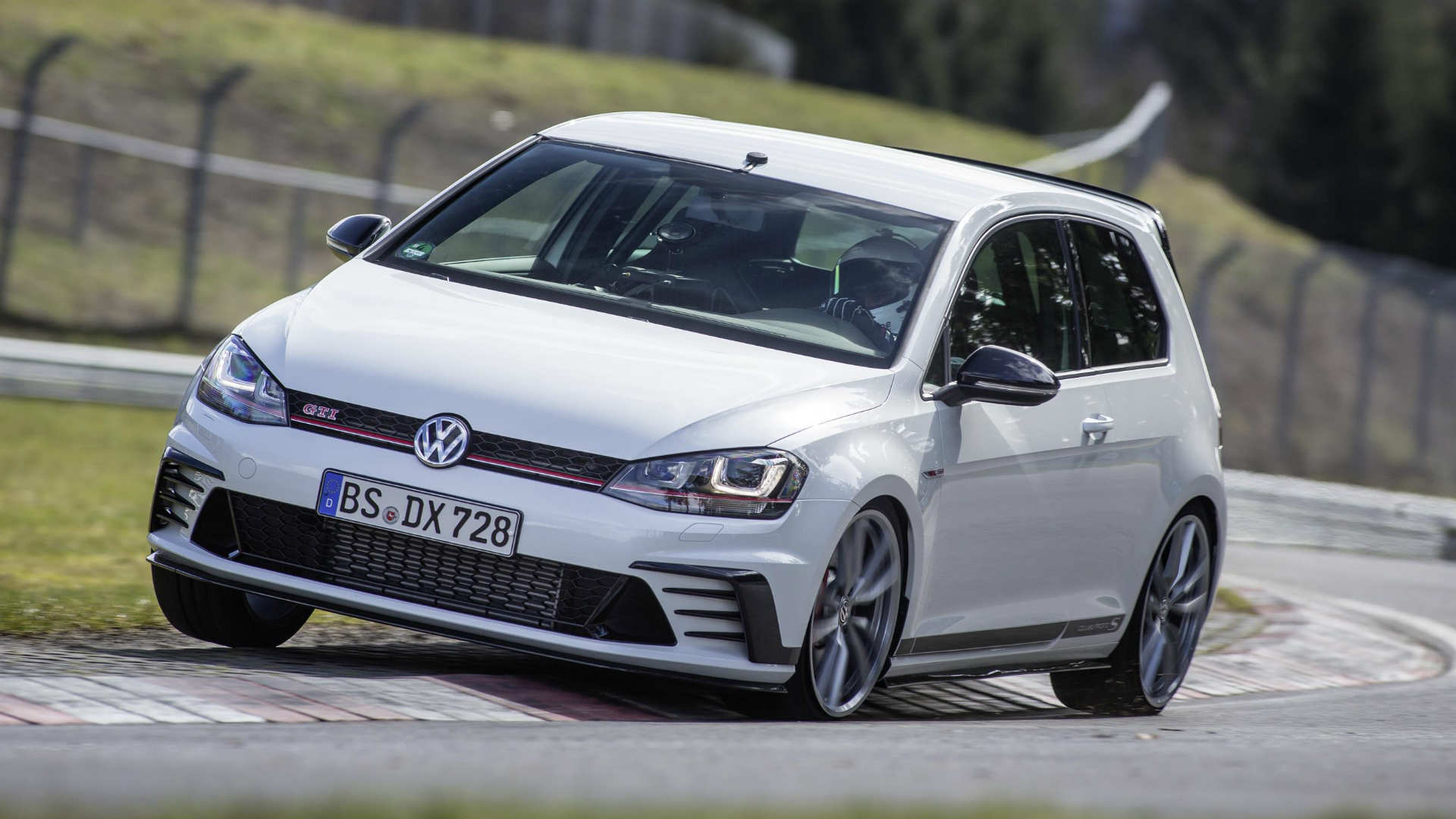
Volkswagen Golf GTI Clubsport S
“Yes, the Golf GTI Clubsport S is fantastic. The extent to which Volkswagen has created a fully-formed Golf GTI with such a breadth of talent that makes it so special. This is the fastest and most capable Golf GTI ever, but it’s still a Golf GTI. And it’s this approachability, combined with its speed and engagement, that makes it such an impressive achievement. It’s quite the 40th birthday celebration for the original hot hatch, that’s for sure.” Our review from 2016 pretty much sums it up.
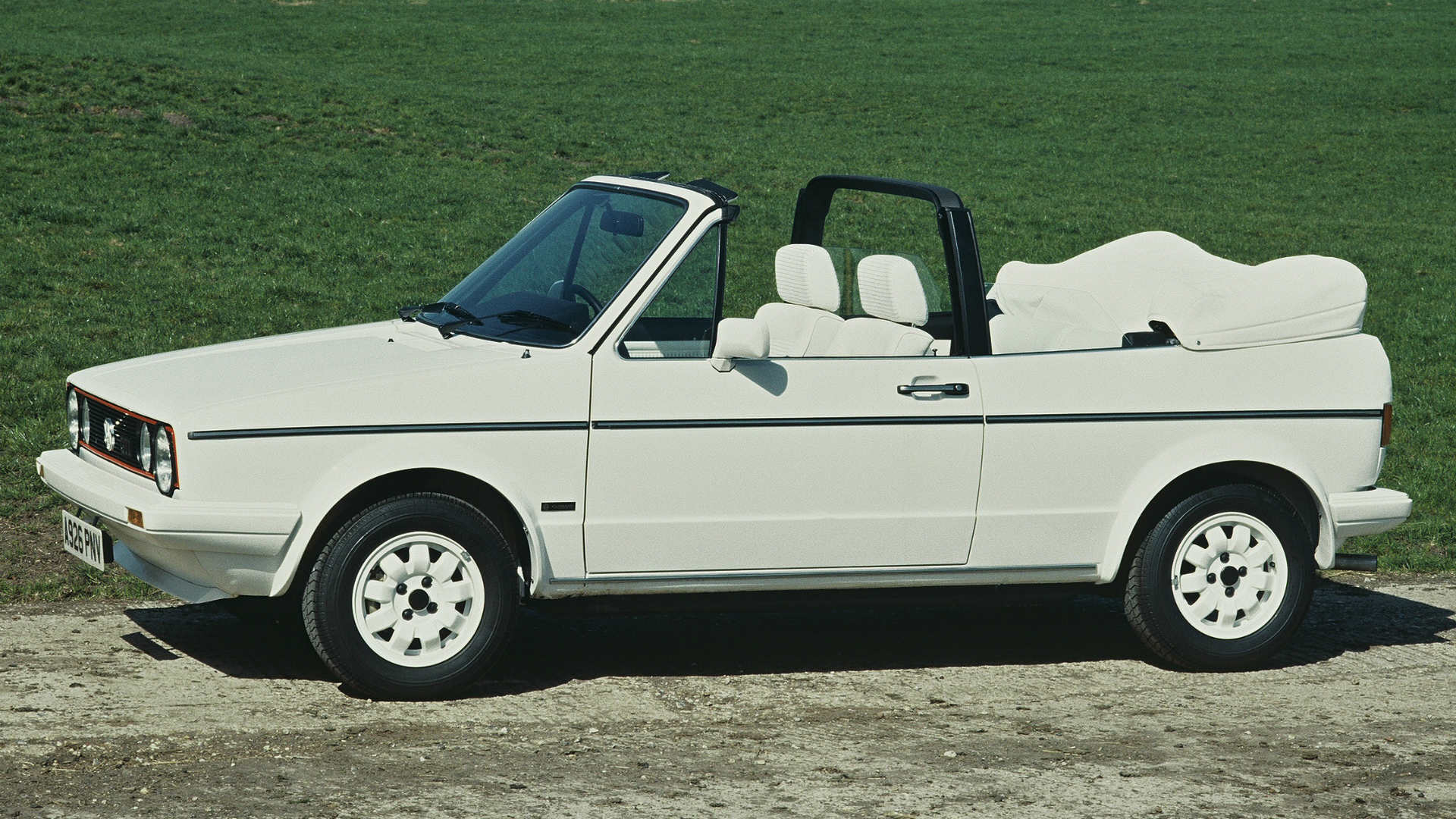
Volkswagen Golf Cabriolet Mk1
Aside from the Golf Cross Country, there’s been a strong emphasis on performance Golfs in this gallery. But the Golf is about so much more than B-road blasts and hot hatch thrills. An open version was never part of Volkswagen’s plans. Indeed, most analysts thought the market for convertibles had all but dried up. But Karmann had other ideas, which is why, after many years of development, the Golf Cabriolet debuted at the 1979 Geneva Motor Show. It outlived the Mk1, with production continuing until the launch of the Mk3 Golf in 1993.
Volkswagen Golf Anniversary
To celebrate the Golf GTI’s 25th anniversary, Volkswagen launched the aptly named Golf GTI Anniversary in 2002. Two versions were available – a 1.8-litre turbocharged petrol and a 1.9-litre diesel. The availability of an oil-burner reflected the changing nature of the hot hatch market, with diesel becoming the acceptable face of the performance car world. Highlights included 18-inch BBS alloys, Recaro seats and a golf ball-shaped gearknob.
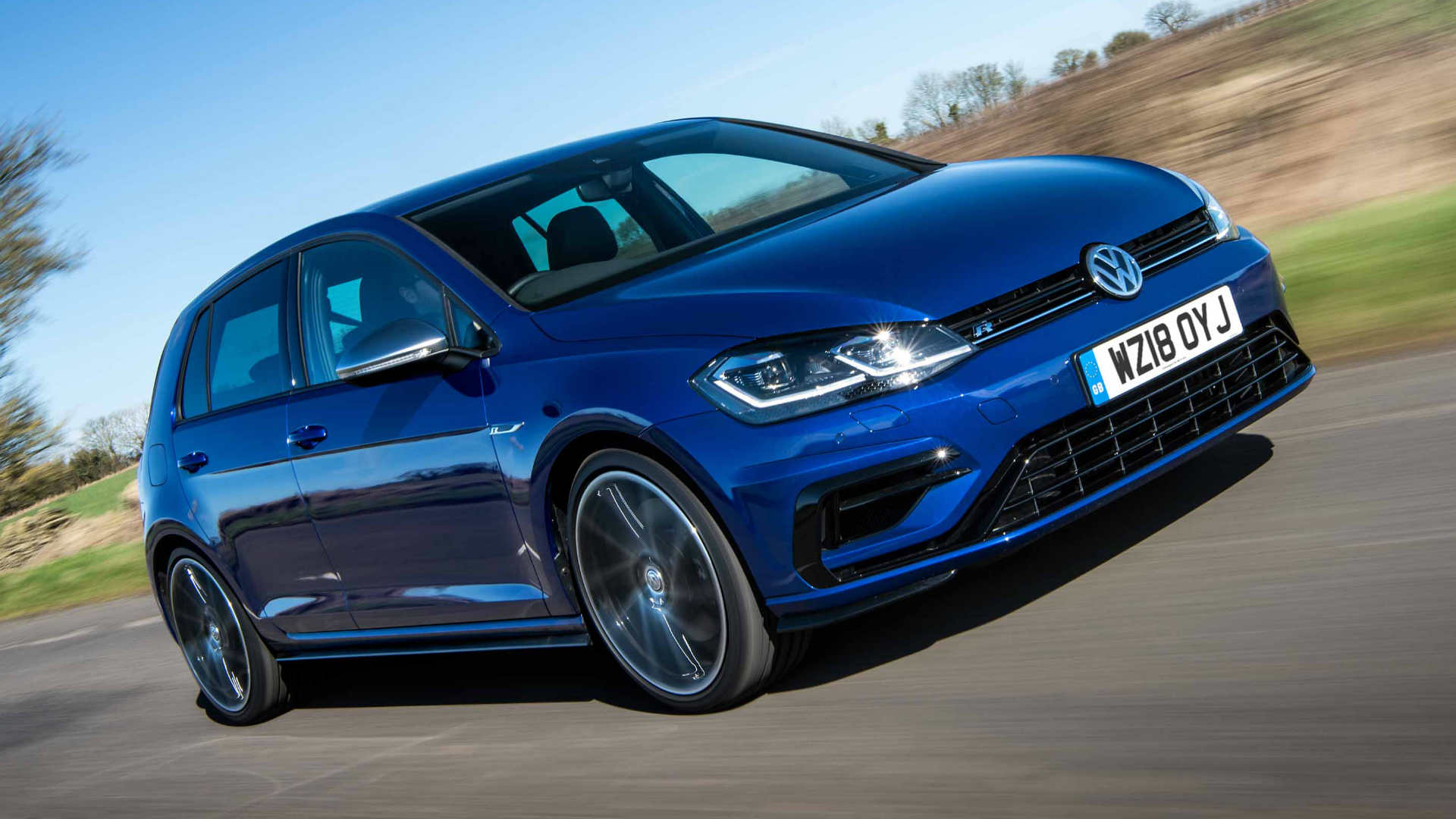
Volkswagen Golf R
Although it was tempting to include the likes of the Bon Jovi, Pink Floyd and Genesis special editions, we’ll conclude with the evergreen Golf R. It’s arguably the best hot hatch all-rounder you can buy, offering understated styling, a glorious engine and superb ride and handling. When the Mk7.5 bows out, who knows what will happen to the Golf R? Volkswagen has unveiled a new logo for its R sub-division, but is remaining tight-lipped over plans. We should hear more following the Mk8 Golf’s launch at the end of October.
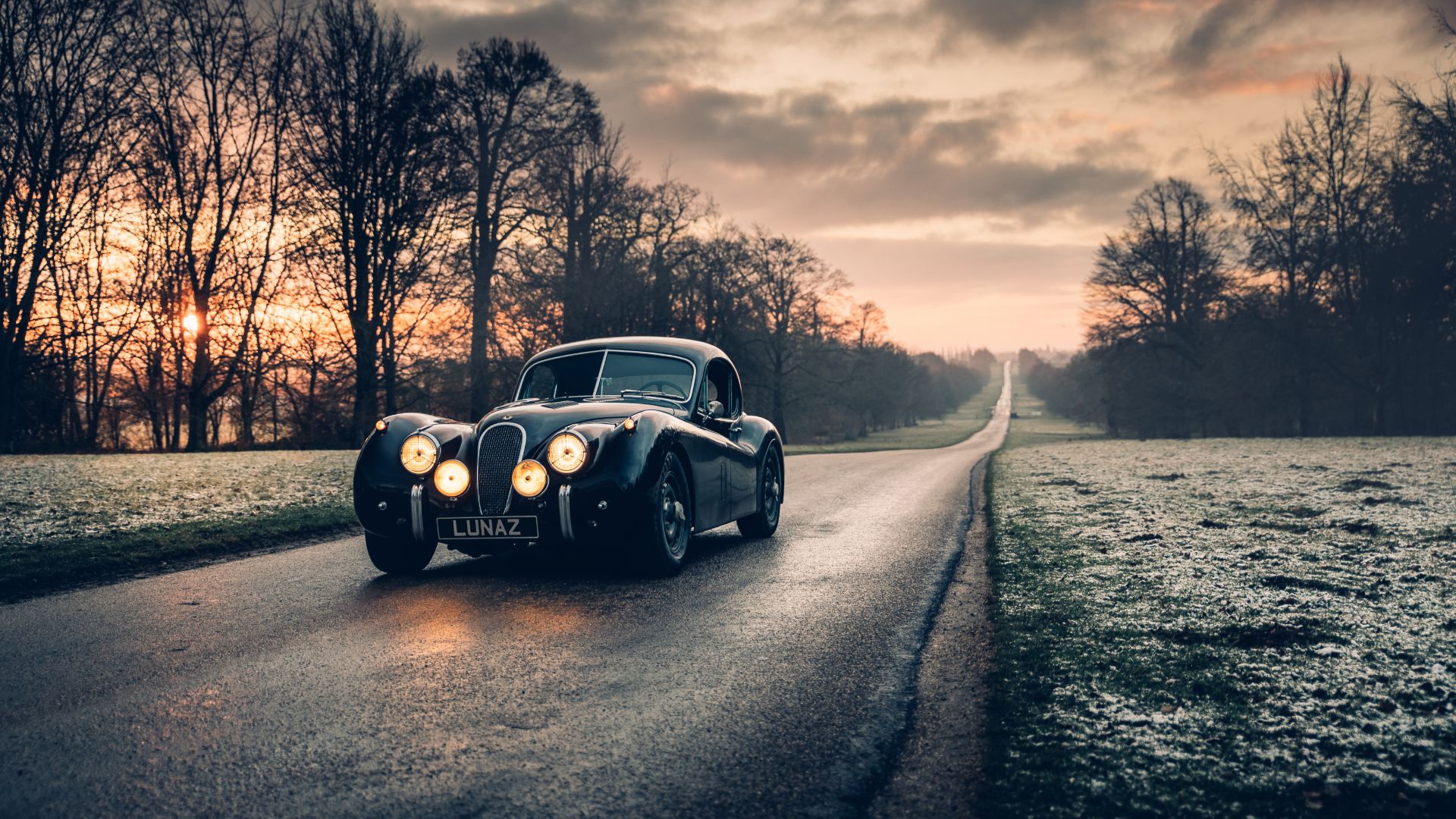
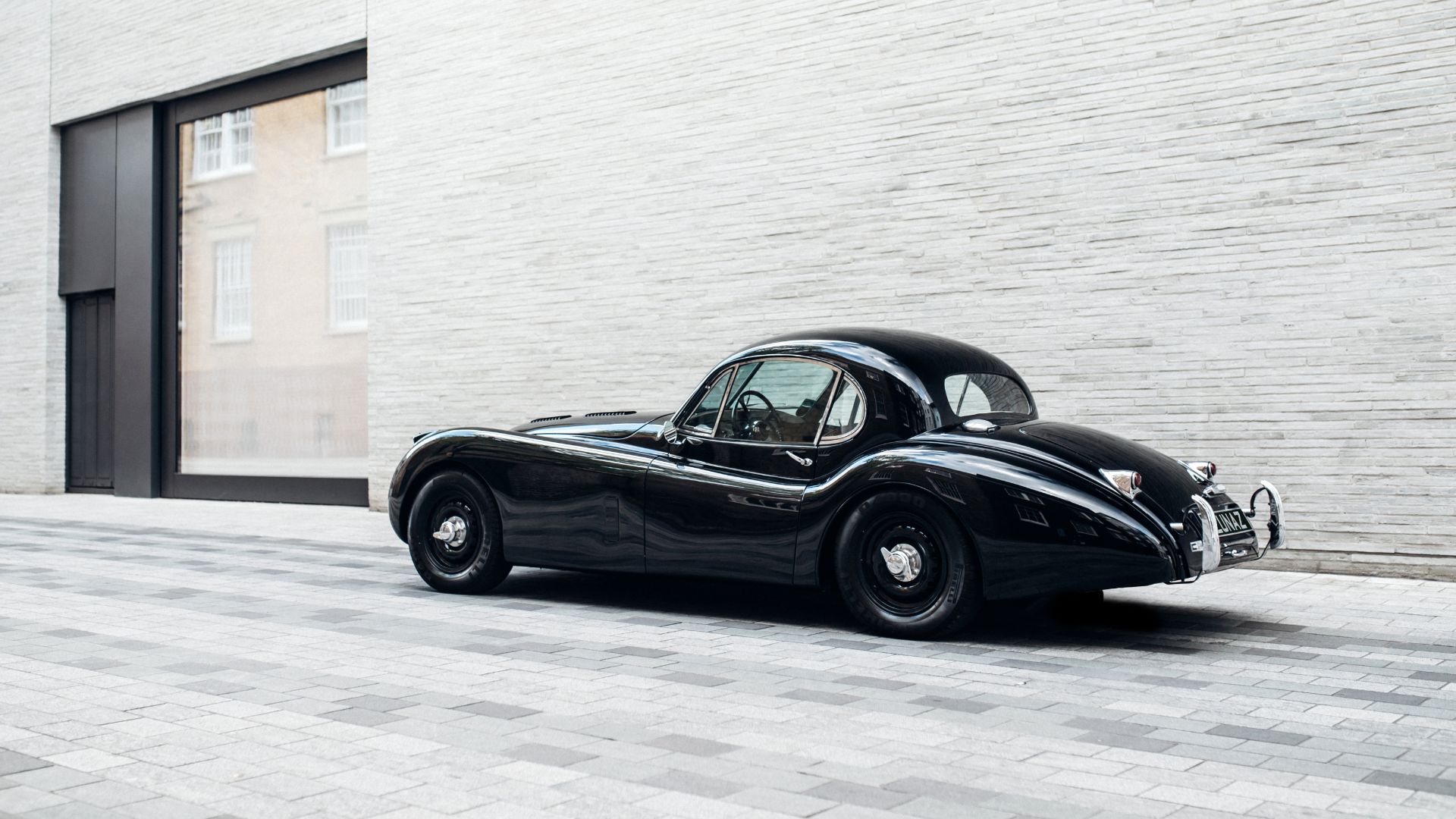
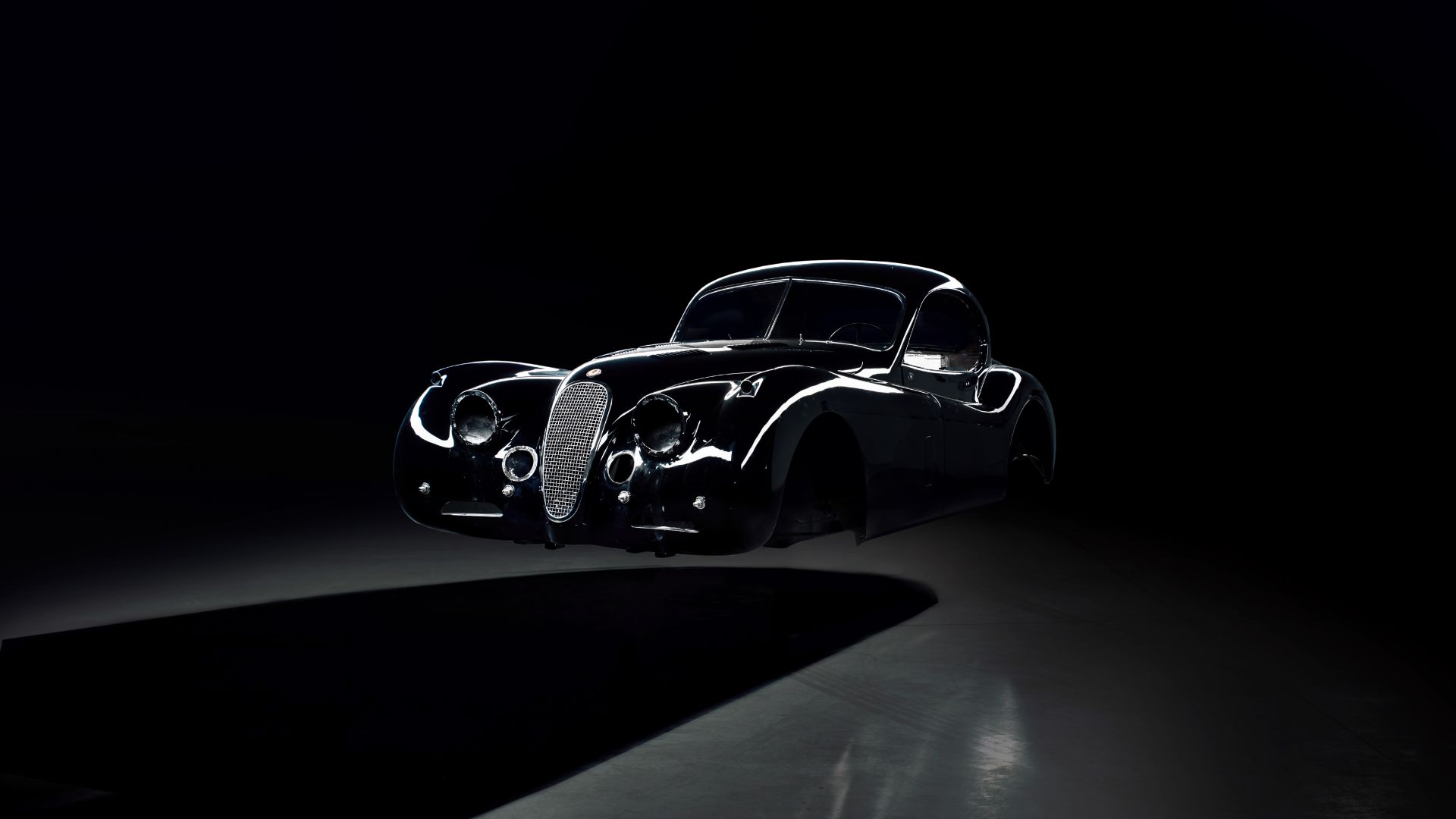
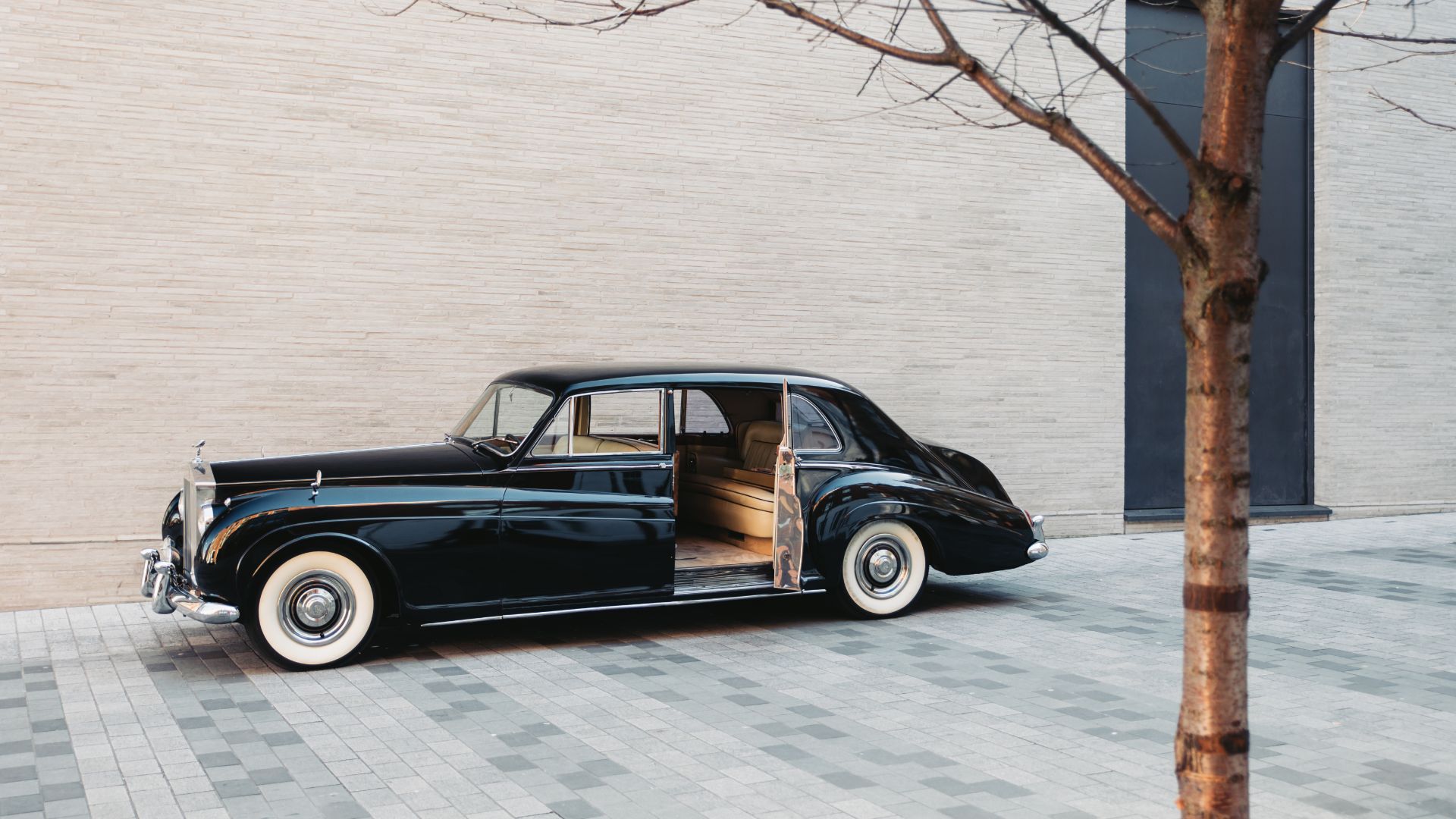
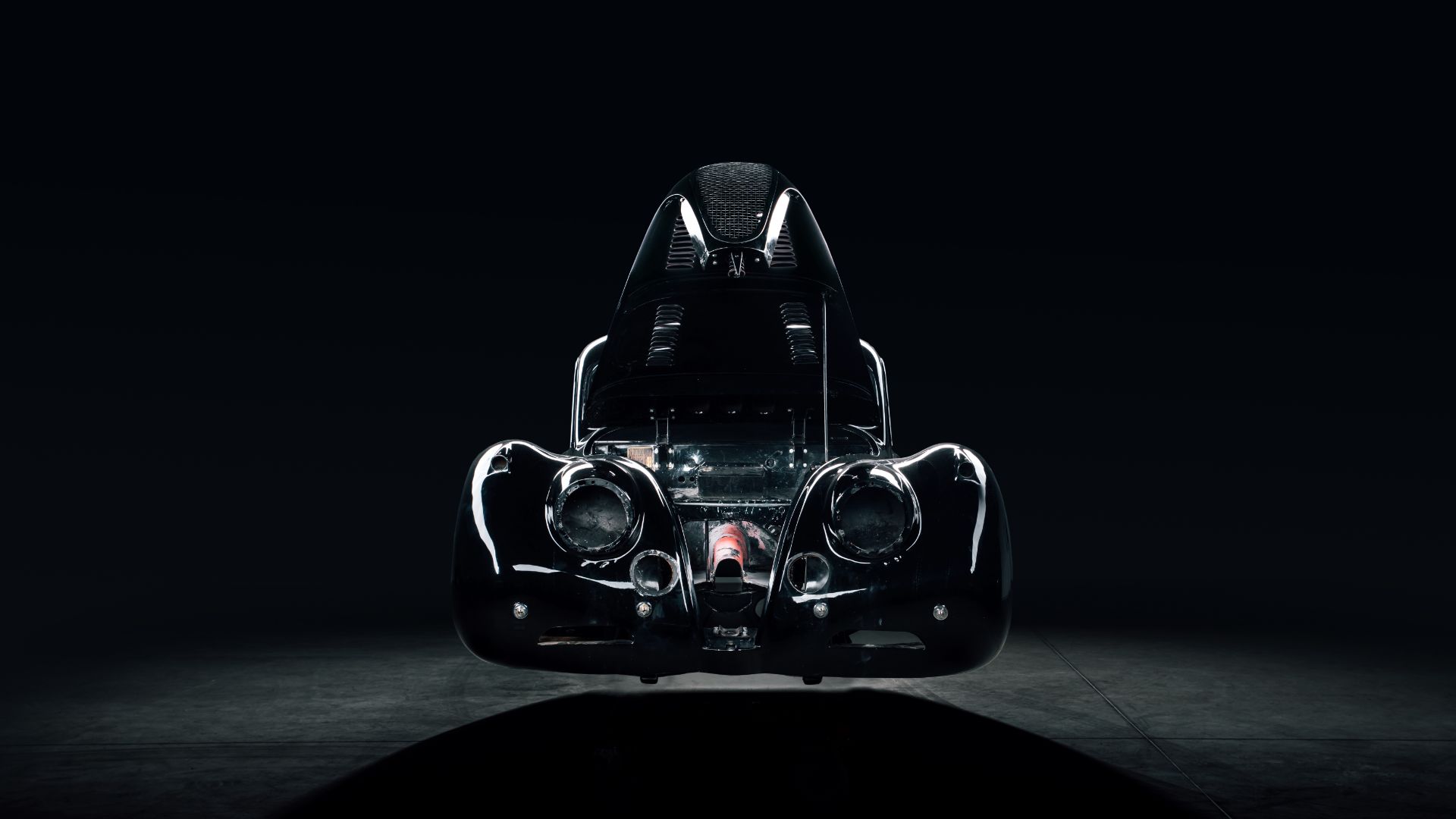
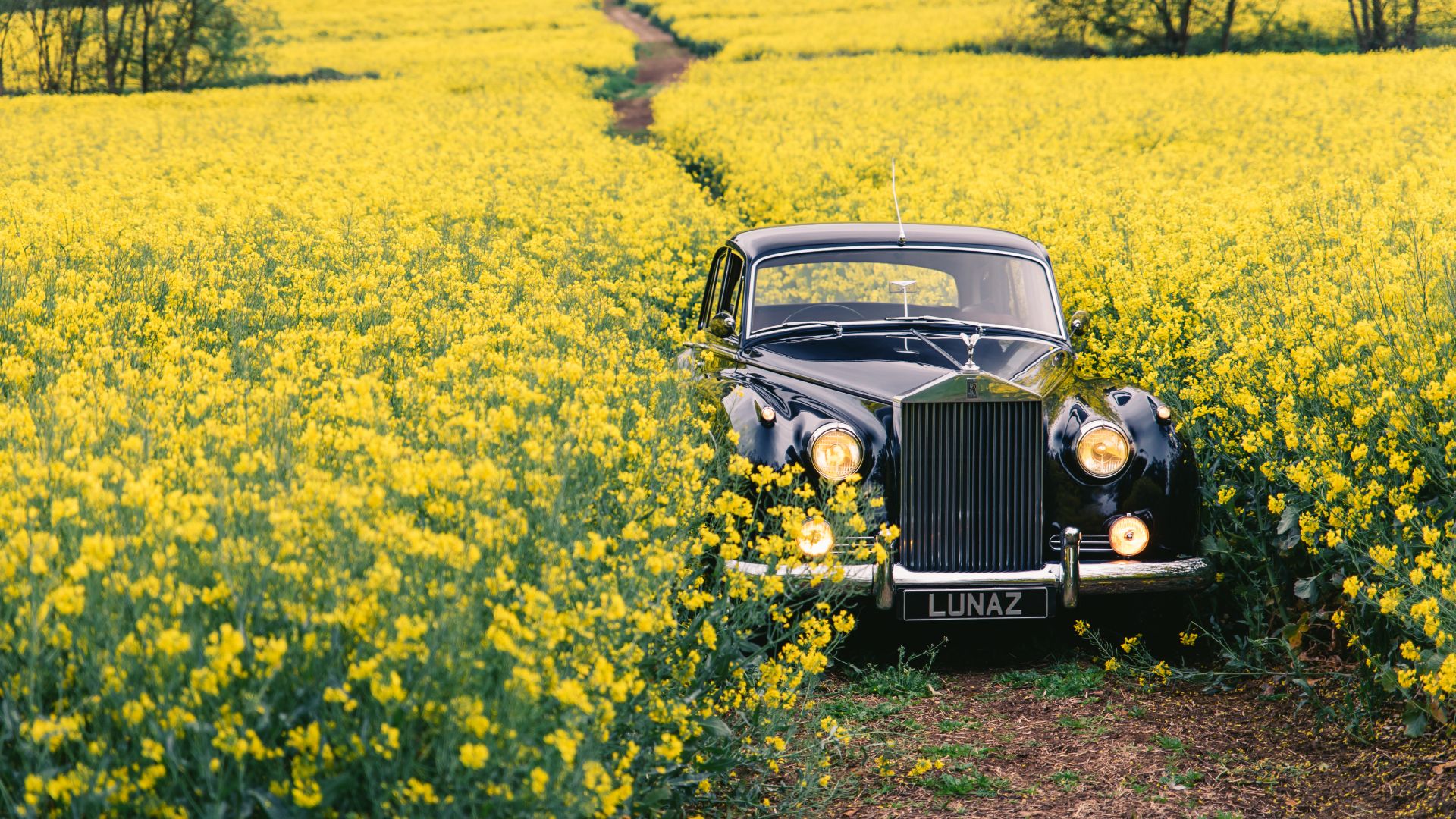
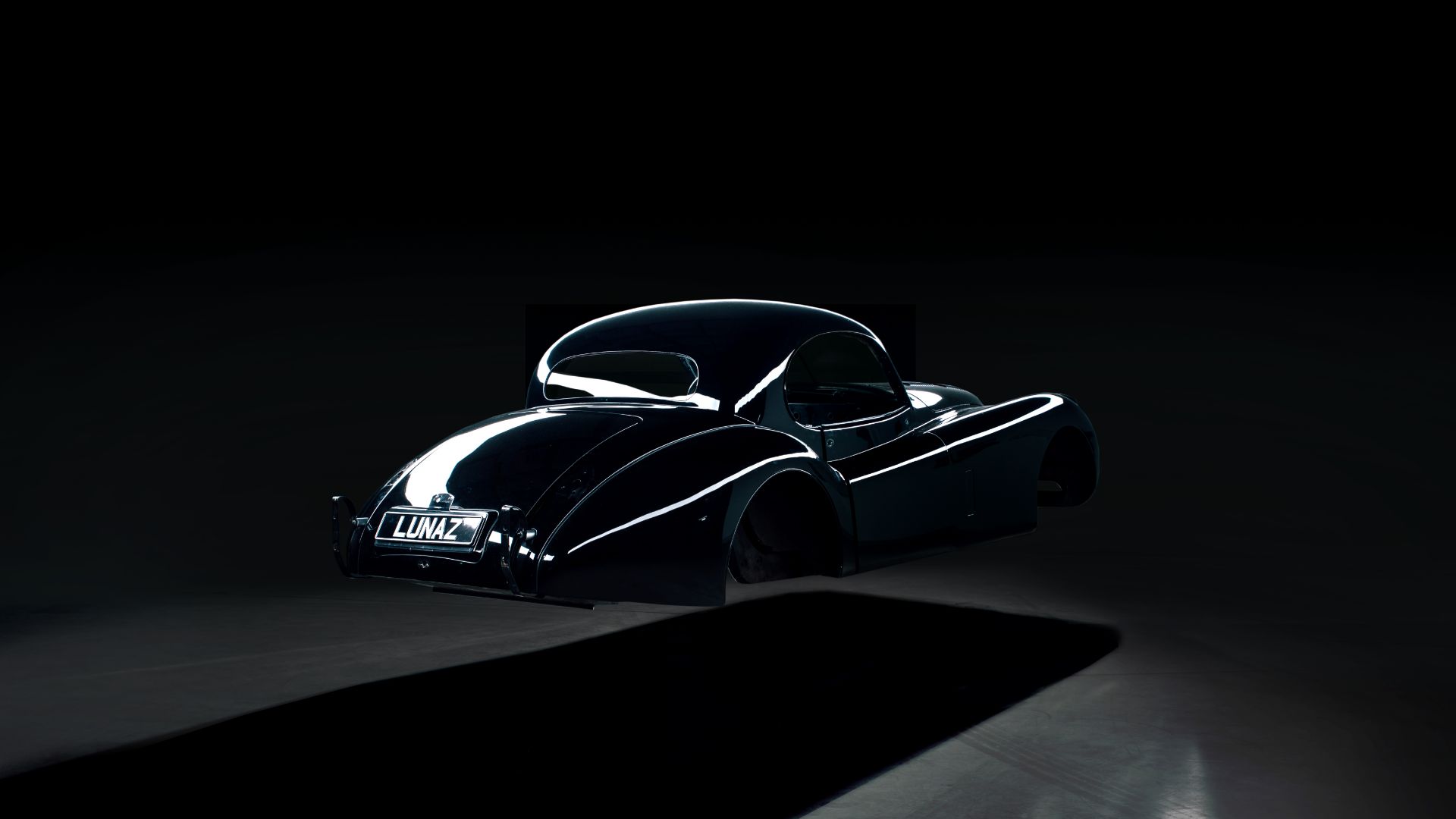
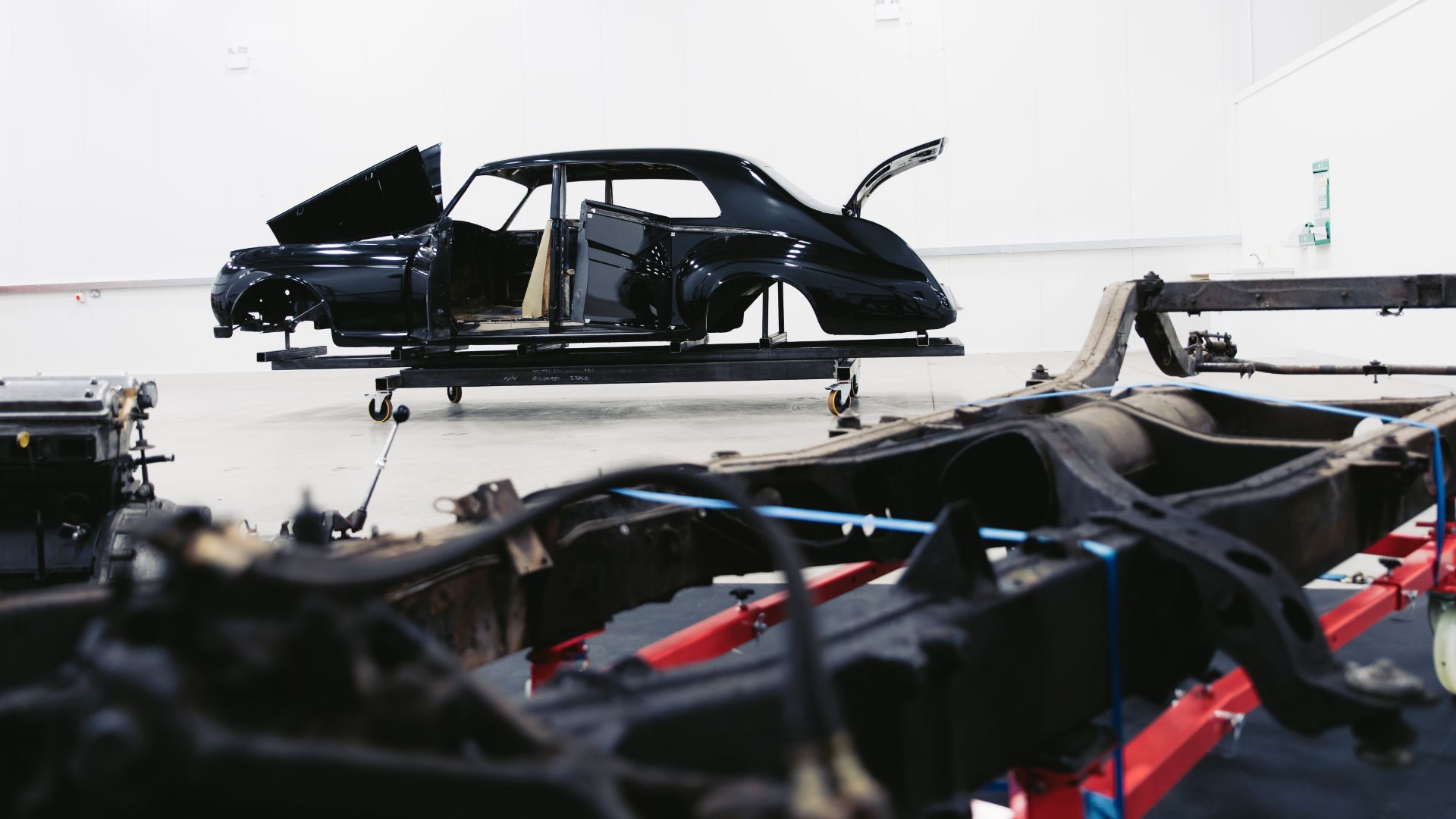
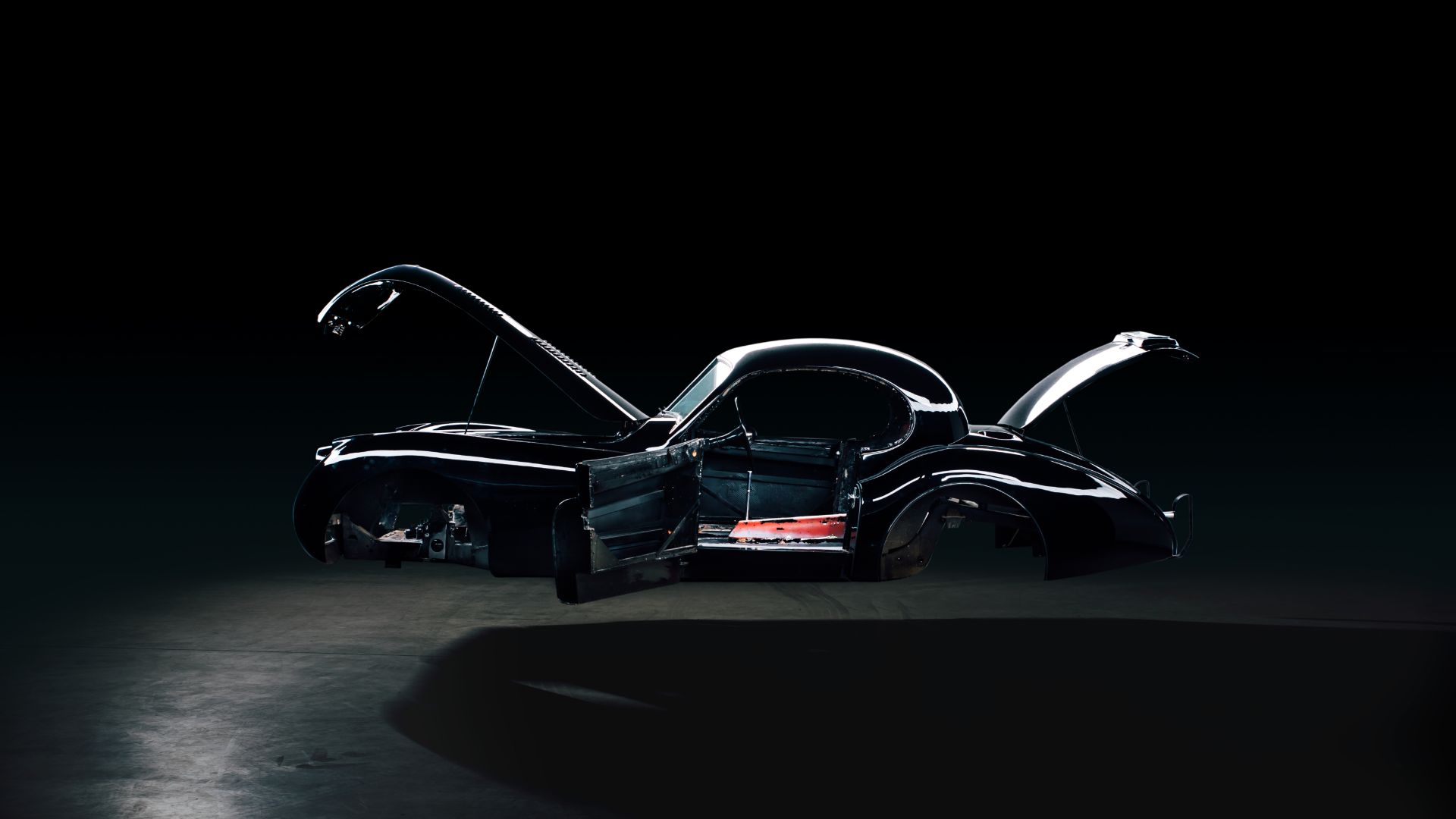
A new company aims to modify classic cars with 21st century electric power. The first car to get the silent treatment? A 1950s Jaguar XK120, and there are more to come.
Lunaz has pooled expertise from F1 racing, as well as high-end marques including Aston Martin and Ferrari, to develop new electric tech for classic cars. Its goal is to ‘answer questions of reliability, usability and sustainability with classic cars restored and converted to electric powertrains’. The project is overseen by former Renault F1 technical director, Jon Hilton.
“The Lunaz solution takes cars that are under threat and gives them new purpose,” said Hilton. “These cars will be true to the original in their aesthetic, peerless in their performance and effortless in their day-to-day use. To breathe new life into these classics represents vital engineering in the purest sense.”
As for power? Well, this Jaguar now offers 380hp and 516lb ft of torque from an 80kWh battery.
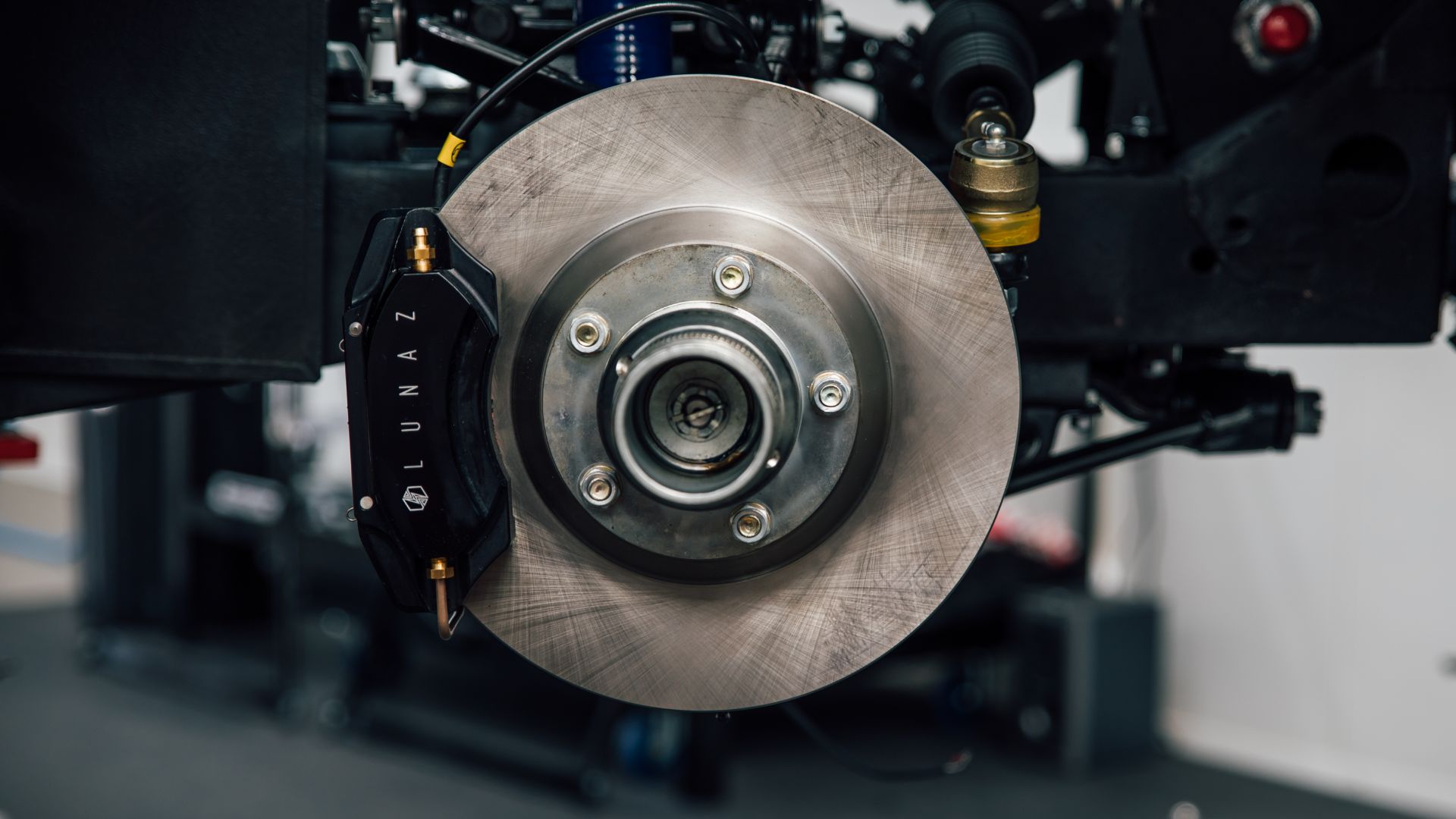
Every classic Lunaz electrifies will come with fast-charging capability and regenerative braking, so it’s a comprehensive job.
They also get some modern creature comforts, including traction control and cruise control. Of course, installation will be ‘sympathetic’ to the original car.
It’s not just a case of fitting a classic car with an electric powertrain. The cars themselves are restored to ‘better-than-new’ condition, with a price tag to match. Expect to pay upwards of £350,000, depending on the original car.
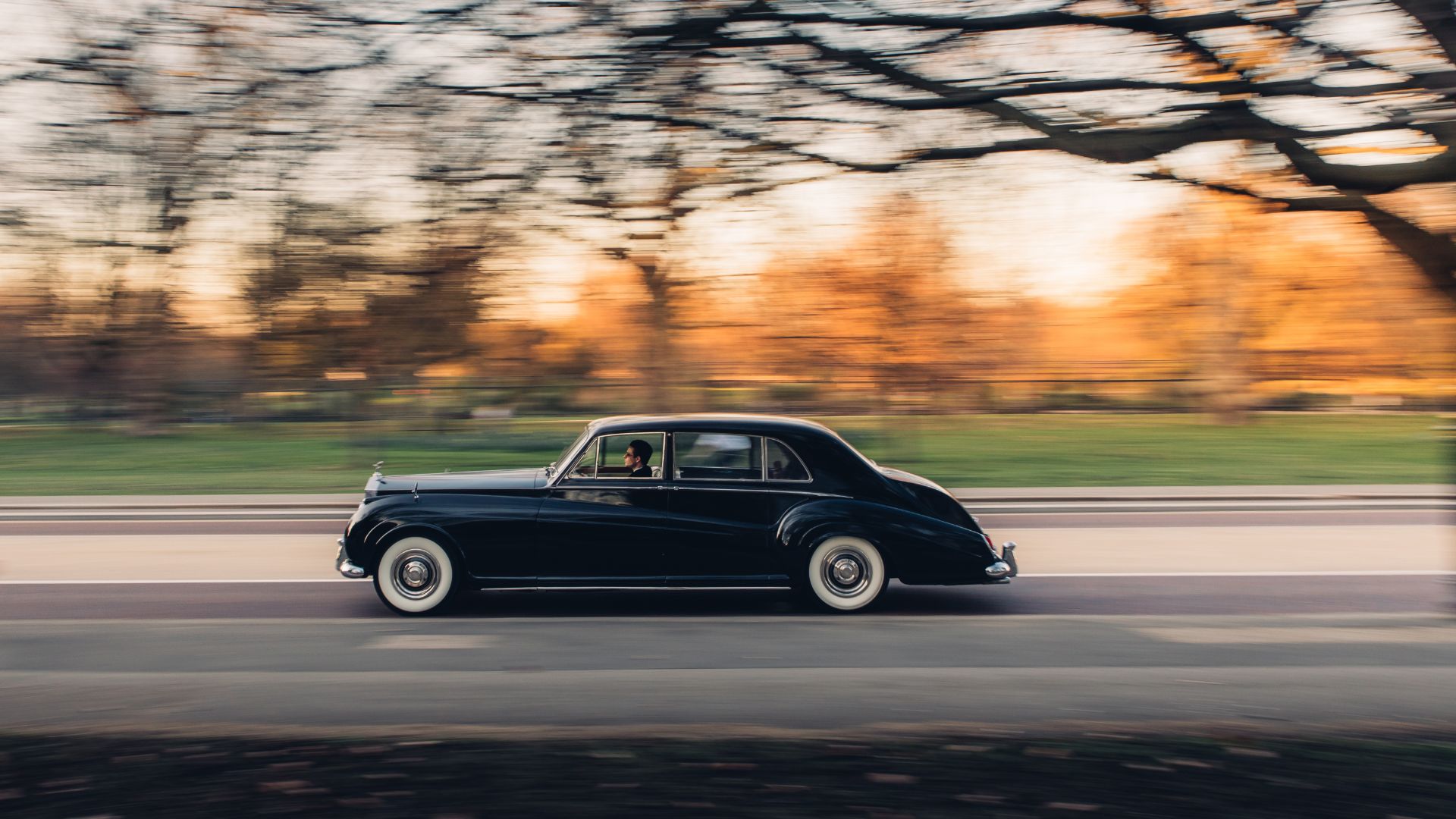
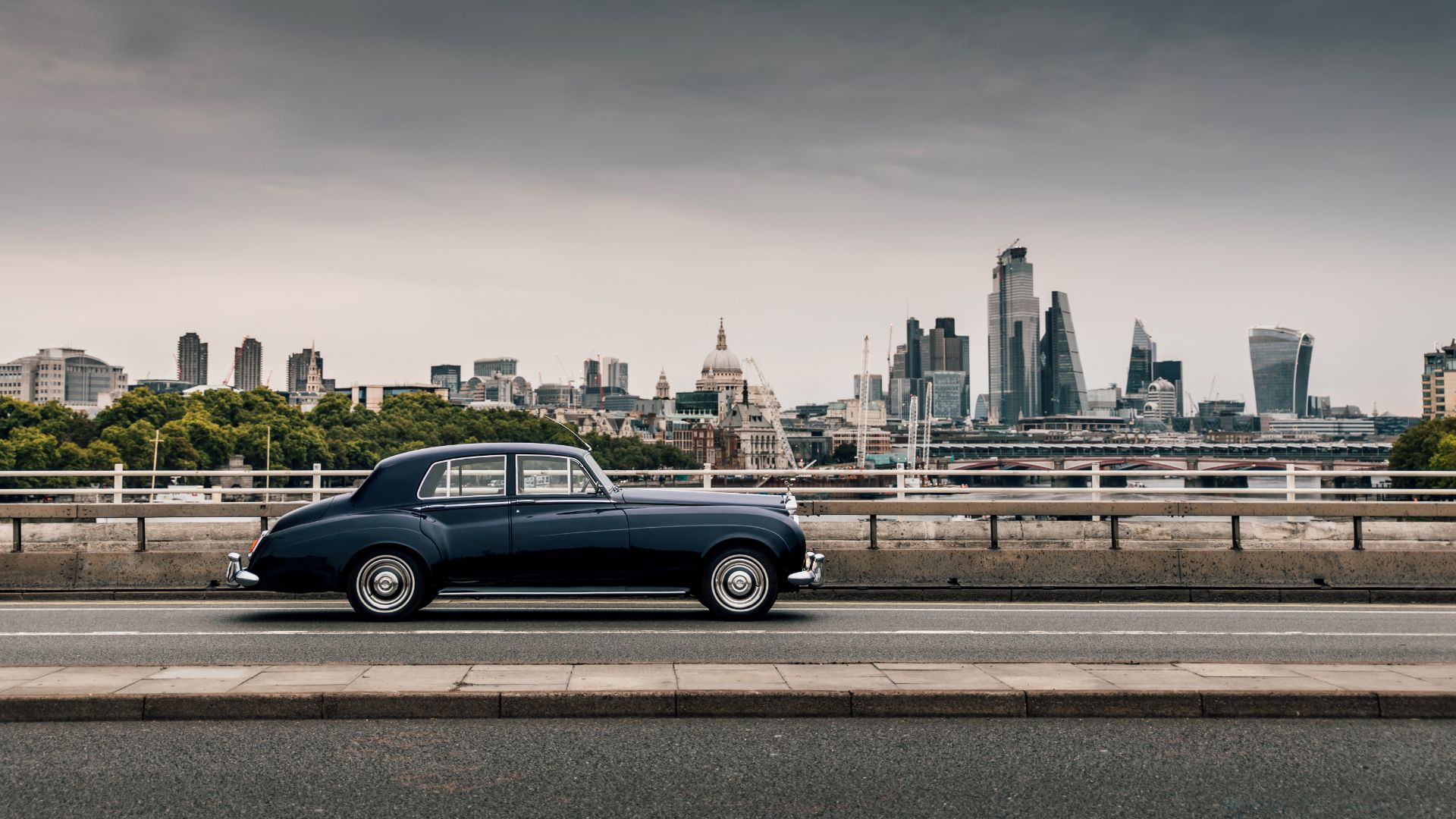
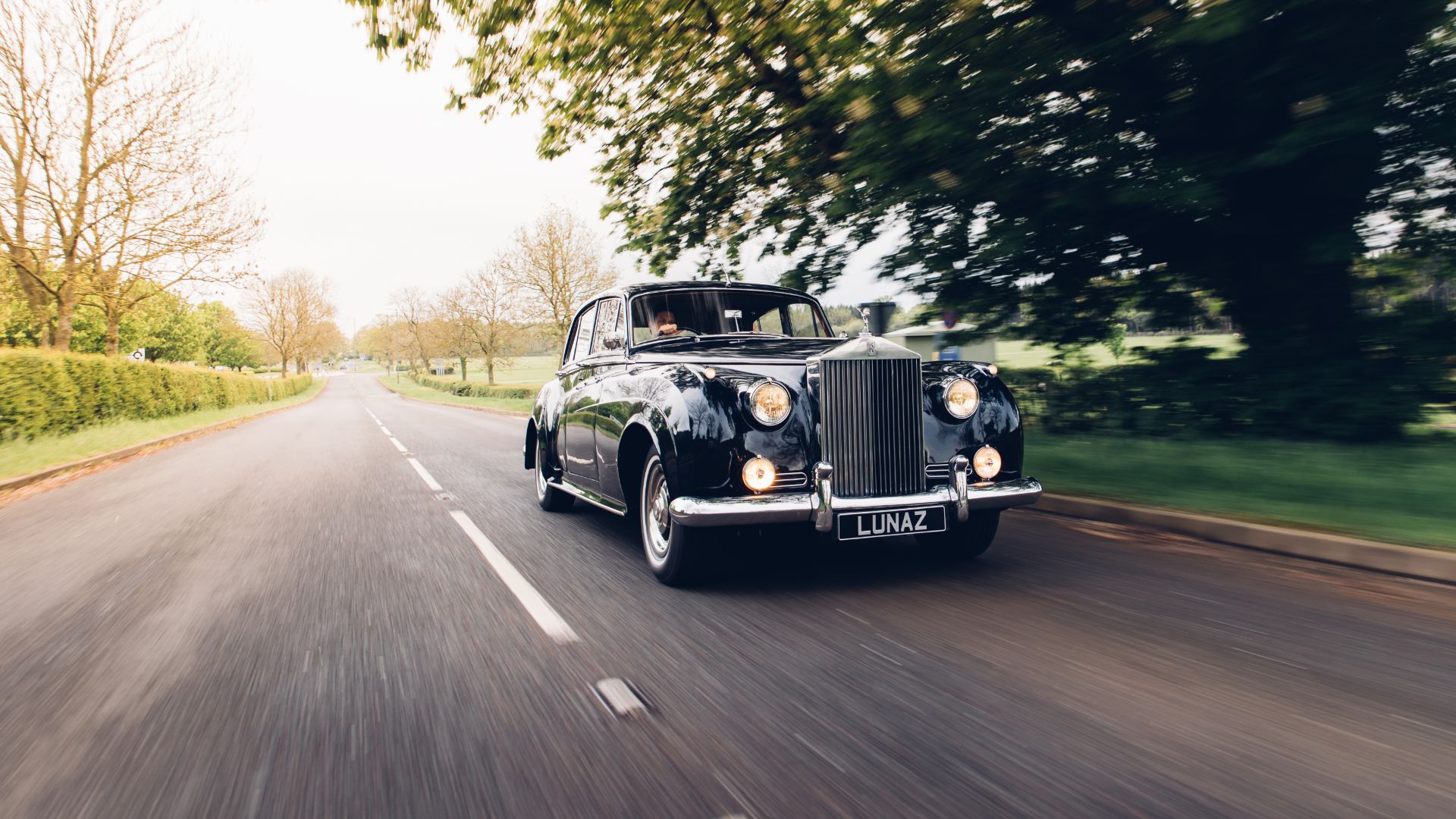
What comes next? Well, a Rolls-Royce Phantom and a Rolls-Royce Cloud are going through a similar process, and will soonjoin the Jaguar in the line-up. Beyond that? Watch this space…
Opinion: is electrifying classic cars wrong?
Could electric cars cause blackouts?
There is a lot to be said for originality in classic cars, but consider this: children today, and those yet to be born, will get ever-fewer chances to see these beautiful shapes on the road.
If modifying a classic means future generations take an interest, it gets a pass from us. Lunaz founder, David Lorenz, seems to agree:
“For Luna, my daughter, not to have access to a car like the Mercedes-Benz 190 SL when she is of driving age would be a tragedy. Without building Lunaz, this is the reality she faces.”
Then there’s the added usability. The ease and reliability of electric powertrains means these once-temperamental historic cars become turn-key commuters. Perhaps Lorenz explains it best:
“I wanted a car like a 1953 Jaguar to be my daily-driver. Lunaz takes a history we all love and gives it a bright future. We are innovating to create cars that are usable, dynamic and stand as the ultimate drivers’ classics.
“I want to respond to the demands of those drawn to the beauty and romance of classic cars, but reject them because the current proposition doesn’t align with their sensibilities and lifestyle requirements. Lunaz provides these people the perfect solution; a beautiful but usable, sustainable and reliable electric classic.”
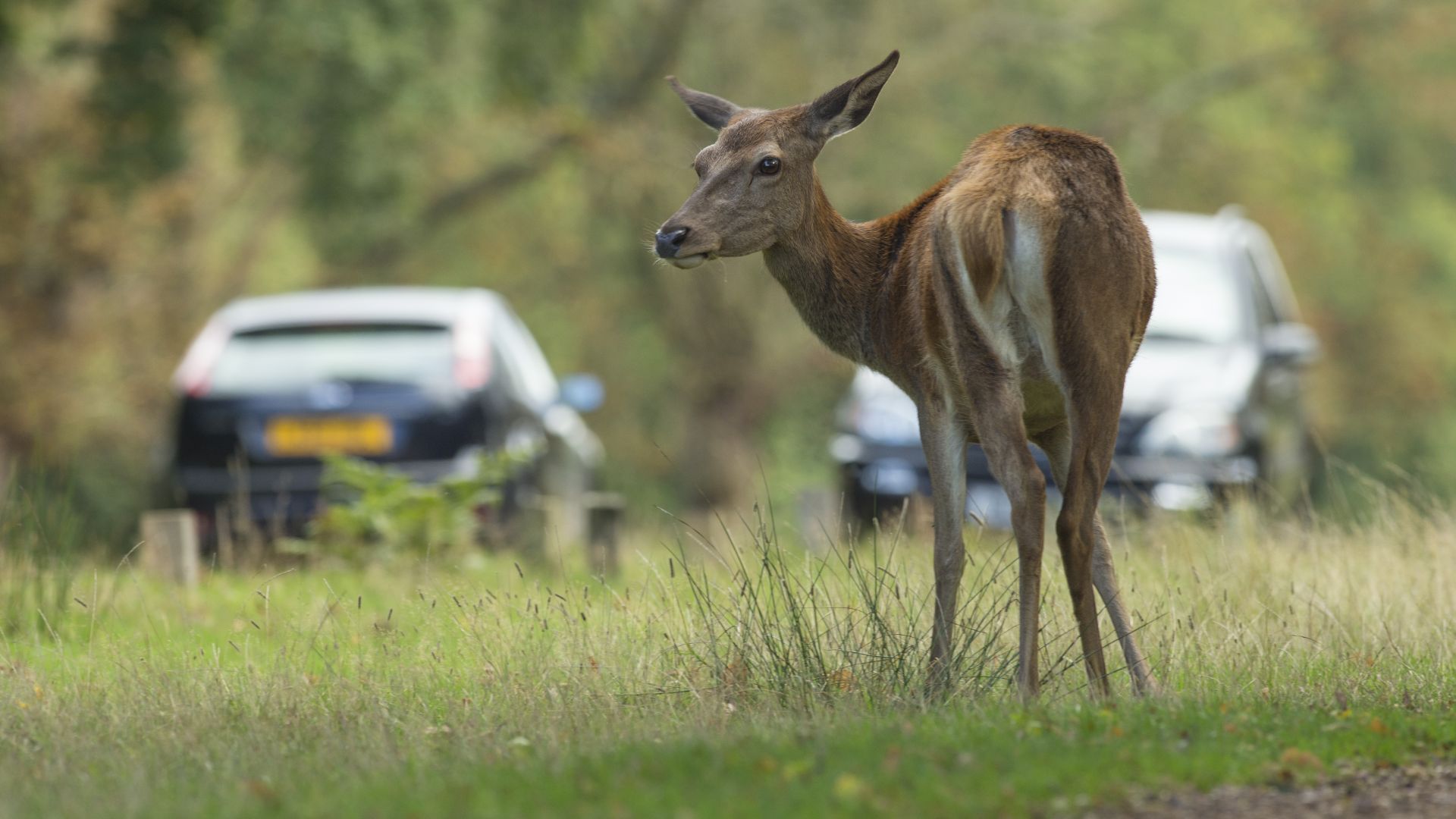
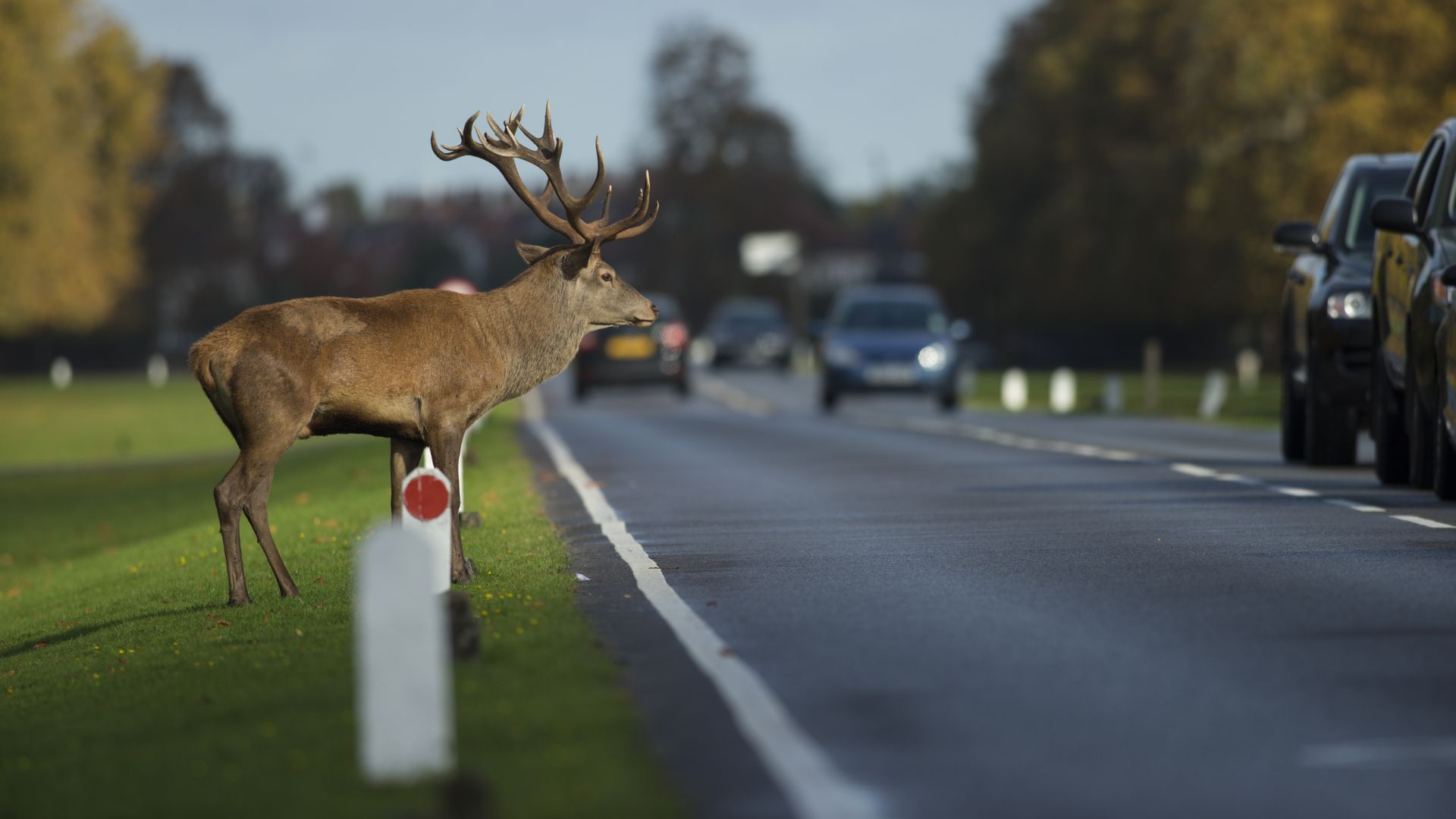
Deer can be particularly dangerous for drivers. They travel in groups, although not always close together. They are large and heavy, but very fast, and easily scared. So, what steps can you take to avoid hitting one?
We can evade accidents with the local wildlife in the same way we do with each other. It’s about existing skills and reflexes that should be constantly employed when driving. So says road safety organisation, IAM RoadSmart.
Could electric cars cause blackouts?
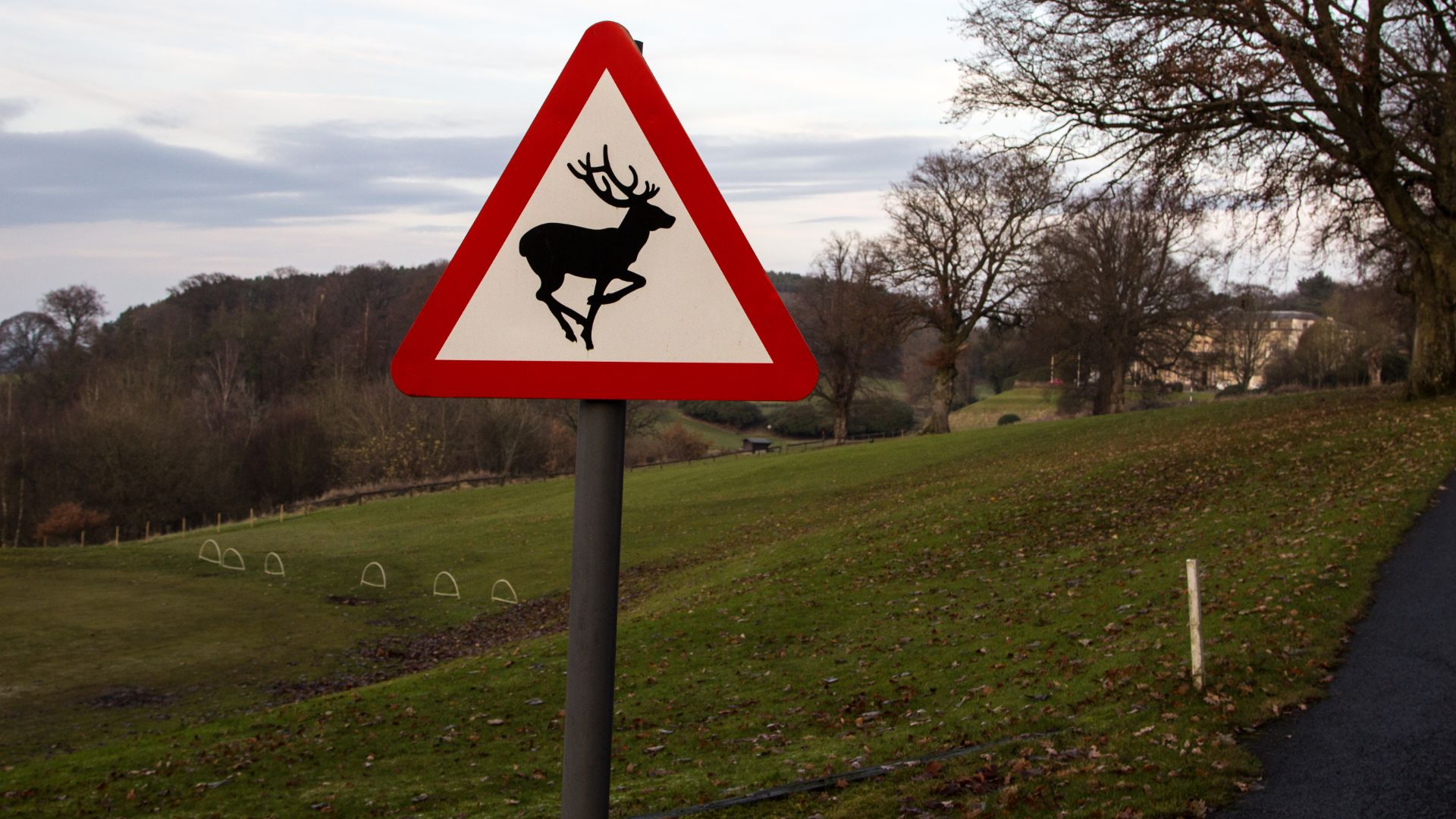
Slow down when you see signs warning of deer, and be on high alert. Think around the issue – if there’s one deer, there will likely be more, so remain vigilant.
Where possible, don’t swerve. The last thing you want is to lose control of your car. Given how unpredictable deer are, a swerve might not avoid a collision anyway. Keep your wits about you. Slamming on the brakes could pose a risk to cars behind you.
Extend a courtesy warning to other drivers if possible, with hazard lights and early braking.
If you collide with an animal, there are certain things you need to do.
Firstly, pull over. Make sure you are OK, and check the condition of your car. The latter point is important for when you want to move off.
Call the police and make the animal’s position known. Don’t approach it, though. It could still hurt you, itself, or other motorists. There’s little you can do to help it.
More than 360,000 driving licences withdrawn on medical grounds
“A collision with any animal is unpleasant and we should make every effort to avoid this,” said Richard Gladman, IAM RoadSmart’s head of driving and riding standards.
“A collision with something as large as a deer will be catastrophic. It will likely cause injury to vehicle occupants and itself. It will definitely cause damage to your vehicle – even if it’s as small as a Muntjac. Slow down a little and remember we are sharing the wildlife’s habitat and not the other way around.”
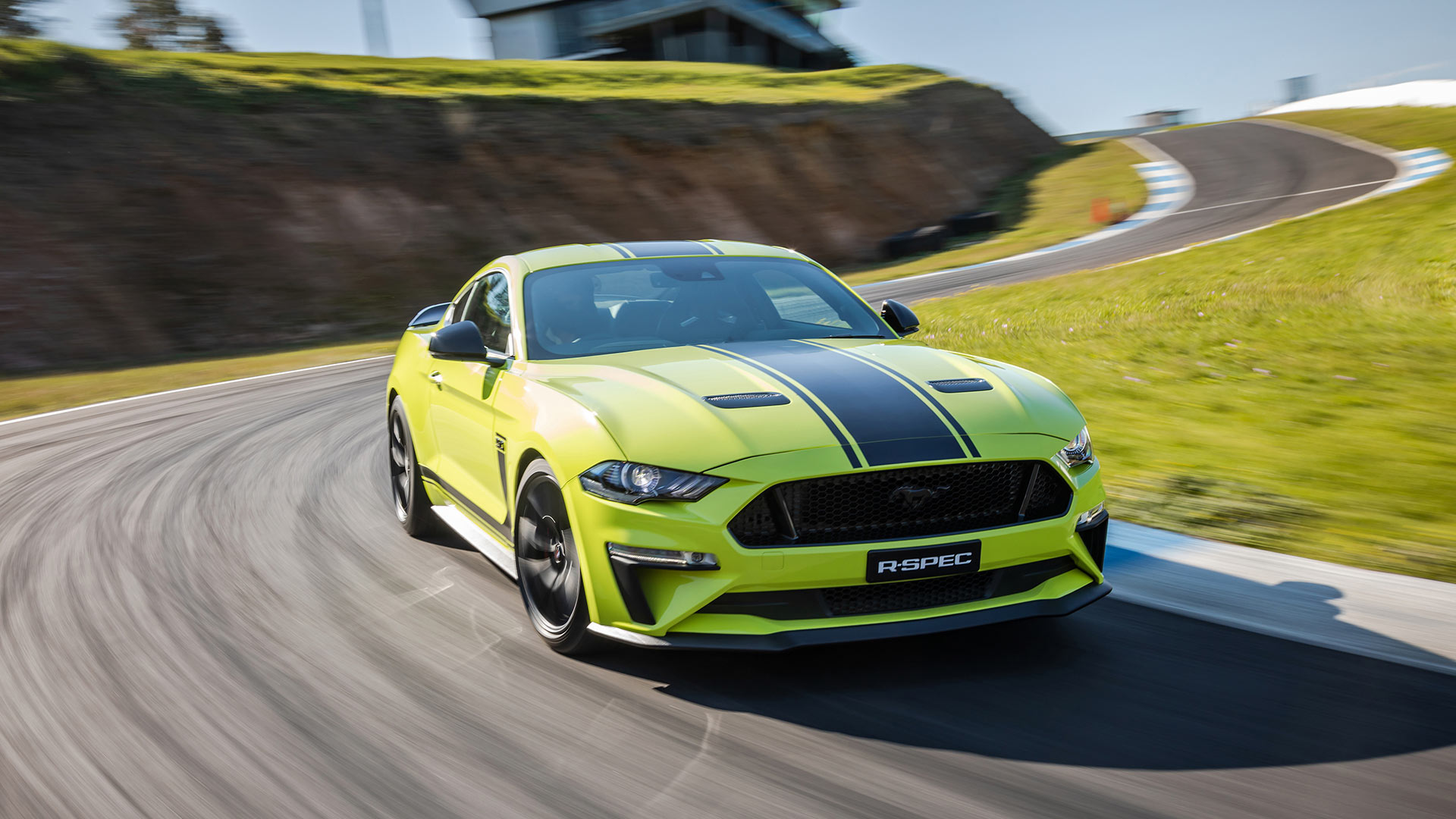
Ford has announced a special edition of the 5.0 V-8 Mustang, designed especially for performance fans in Australia.
Built in collaboration with tuning experts Herrod Performance, the new Mustang R-Spec has been created with a wealth of Ford Performance parts and experience.
It marks the first time a supercharged Mustang has been officially sold by Ford dealerships in Australia, and will come with a factory-backed five-year warranty.
Super ‘Stang
At the heart of the Mustang R-Spec is a Roush 2650 supercharger kit, attached to the regular 5.0-liter V-8 engine, along with a Herrod Performance exhaust system.
Ford Australia has not released performance figures for the R-Spec, other than stating it will be more than the 460 horsepower seen in the Mustang Bullitt. Roush typically quotes power outputs of 700 horsepower for Mustangs fitted with the company’s supercharger kit.
Also added to the R-Spec is a Ford Performance MagneRide Handling Pack, in combination with Ford Performance springs for a lowered ride height. A set of 19-inch Ford Performance alloy wheels are present, wrapped in Michelin Pilot Sport 4S rubber.
Stand out from the crowd
Ford has not held back on visual changes to the Mustang R-Spec, with matte-finish body stripes to the top of the car, and also hockey stripes to the sides. Gloss black has been used for the mirror caps, 5.0 badging, and rear spoiler. The exhaust tailpipes, hood vents, headlight surrounds, and front pony badge are black.
The interior features leather-trimmed Mustang GT seats, along with a Ford Performance gear shift knob. All 500 units of the R-Spec will be supplied with a manual six-speed transmission, and exclusively in the Fastback body shape.
Each R-Spec built will also feature a numbered plaque mounted on the dashboard, just in case buyers need a reminder of what they are driving.
King of the Hill
Prices for the Mustang R-Spec will begin at AUD $99,980 (USD $67,260), and will only offered to customers in Australia. Interested Ford fans will be able to place their orders from October 10th, with the first deliveries expected in early 2020.
Ford will also be showcasing the Mustang R-Spec at the famed Bathurst motorsport event this weekend. Local racing hero Dick Johnson will drive demonstration laps of the new car, ahead of the 2019 Supercheap Auto Bathurst 1000 race.
Ford Performance has dominated the 2019 Virgin Australia Supercars Championship with the Mustang, amassing an incredible 17 wins already. The Mustang Supercar also clinched the Manufacturers’ championship for the Blue Oval in July.
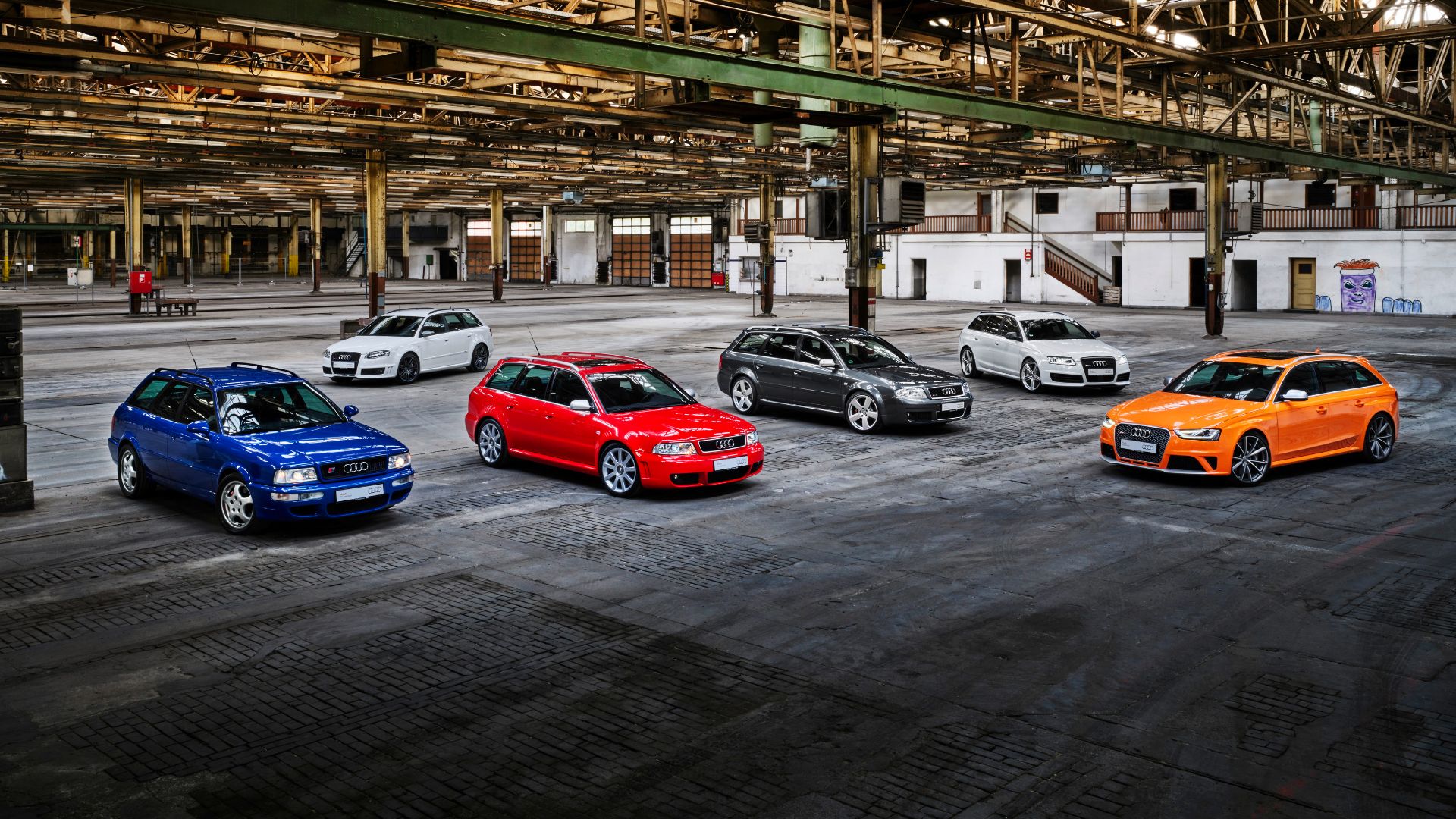
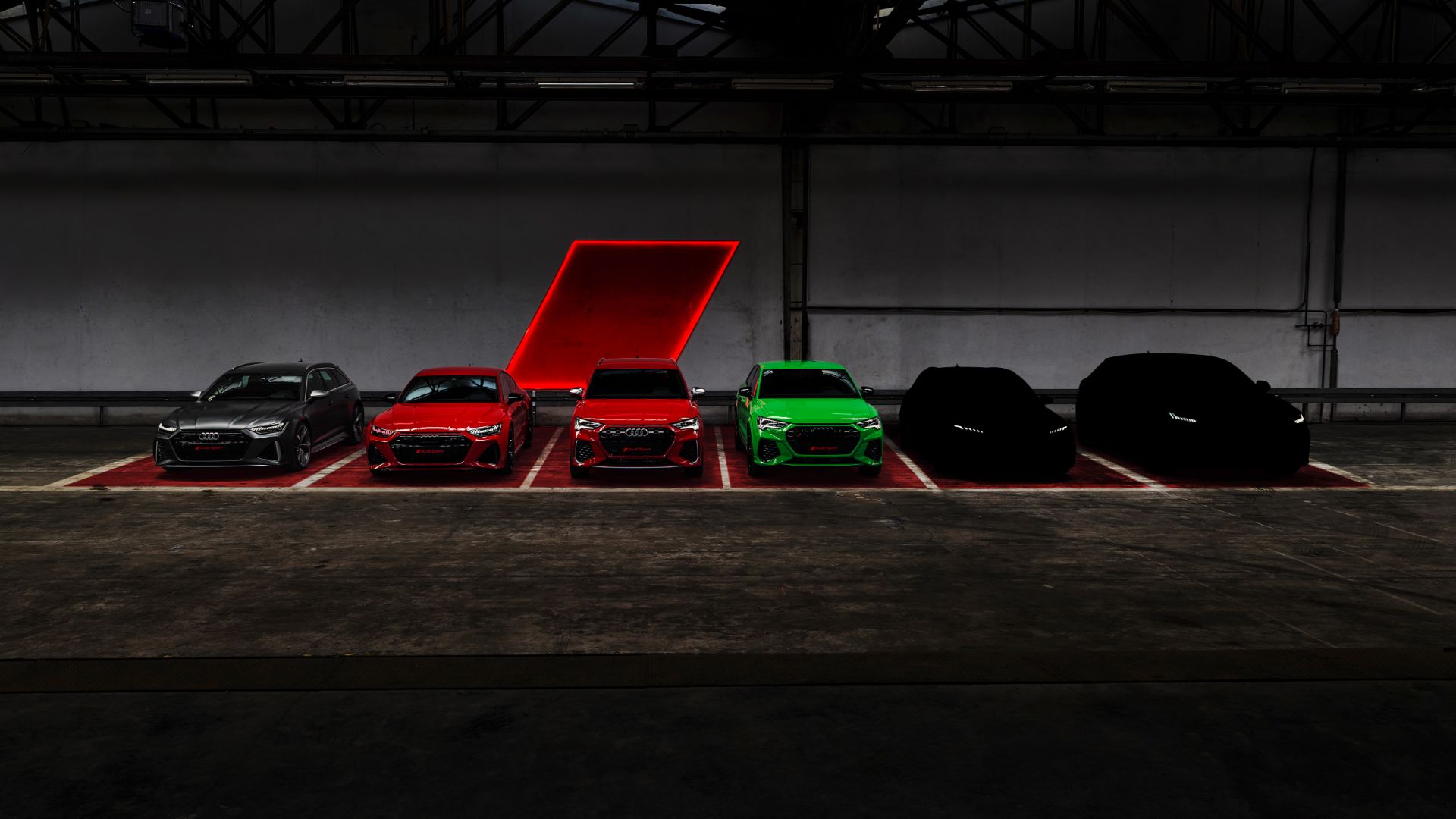
Audi’s RS-badged beasts have been roaming the autobahns and chasing down M cars since 1994. That’s 25 years of blistered arches, scowling snouts and bulbous bottoms, with a high-power wail of a soundtrack. We break down the history of the modern fast Audi.
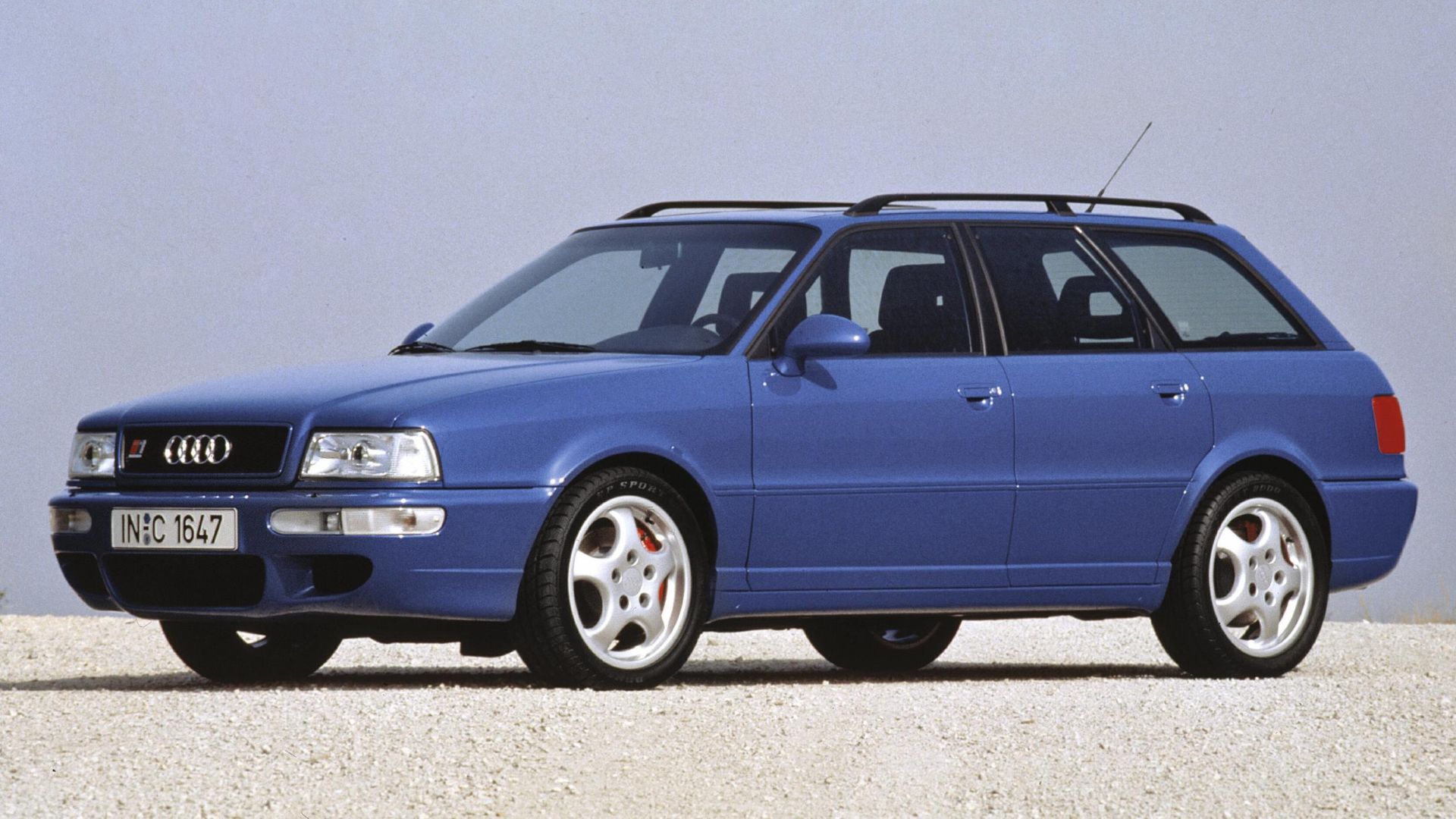
1994 Audi RS 2
With the help of Porsche, Audi brought its first RS-badged performance estate to the market, and the fast car world was changed forever. While 315hp from its 2.2-litre five-cylinder engine is modest by today’s standards, in 1994 the RS 2 was an angry ripsnorter of a thing.
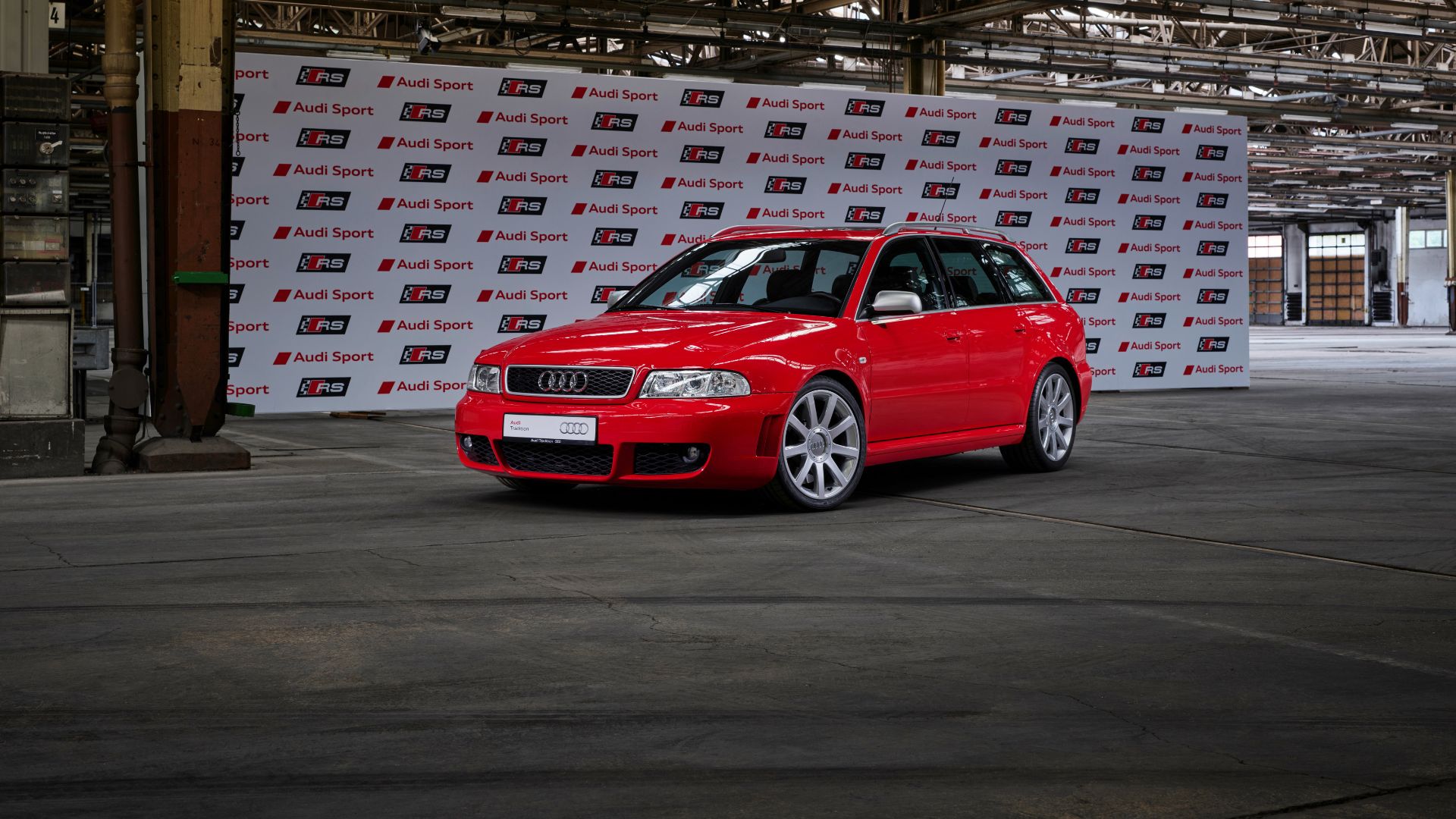
2000 Audi RS 4
The original RS 4 picked up where the RS 2 left off, and established how Audi’s RS cars would be tiered. Its 2.7-litre turbocharged V6 delivered a mighty 380hp – enough for the RS 4 to stand toe-to-toe with BMW’s M5, let alone the M3. Unlike the RS 2, the RS 4 was also available as a saloon.
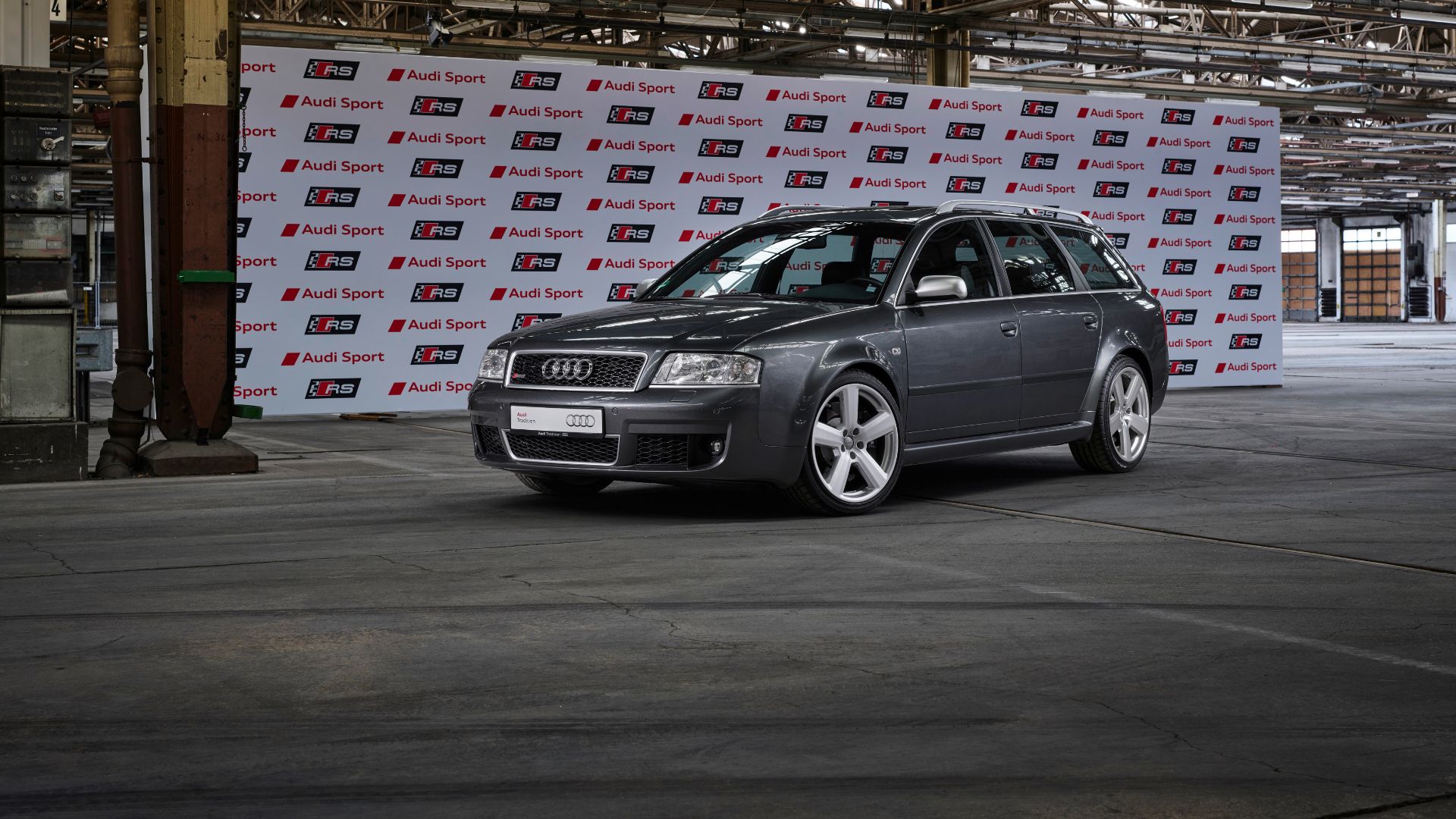
2002 Audi RS 6
The RS 6 has been a giantkiller since it was introduced. Packing 450hp in standard form from its twin-turbo V8, and 480hp in RS 6+ form, this thing could munch M5s on the way to nibbling at the heels of supercars. It was also available as a saloon.
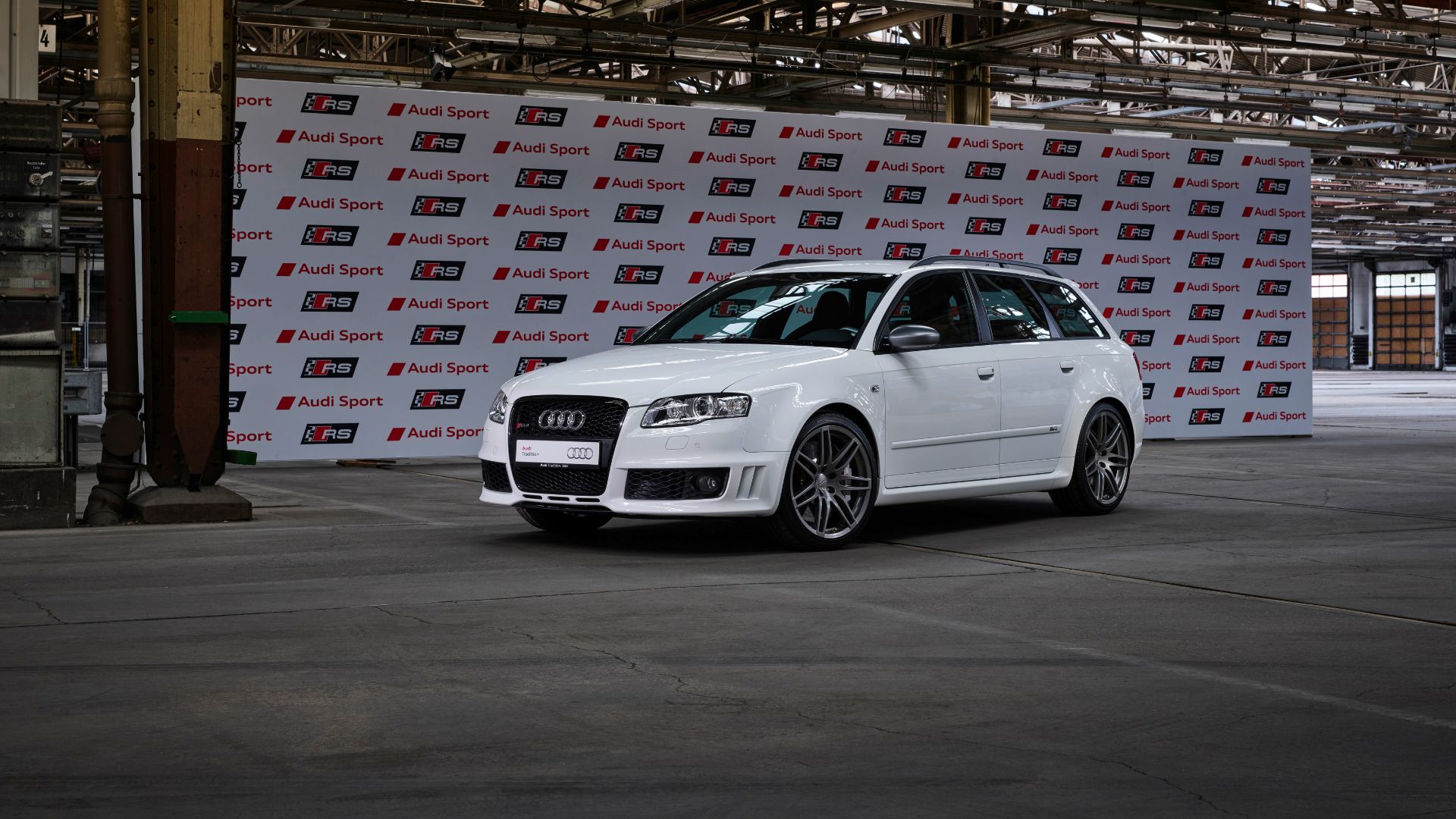
2005 Audi RS 4
But what fast Audis had yet to do, since the introduction of the RS 2, was deliver when it came to handling. Grip? They had bags of it. Balance? Not so much. Nose-heavy Audi RS cars loved to push. The RS 4 changed all that, delivering a balletic handling balance to go with that super-sweet singing 420hp 4.2-litre V8. In terms of styling, the RS 4 enhanced the steroidal RS look, and it was also the first appearance of the grille. The RS 4 was available as a saloon, Avant and a cabriolet.
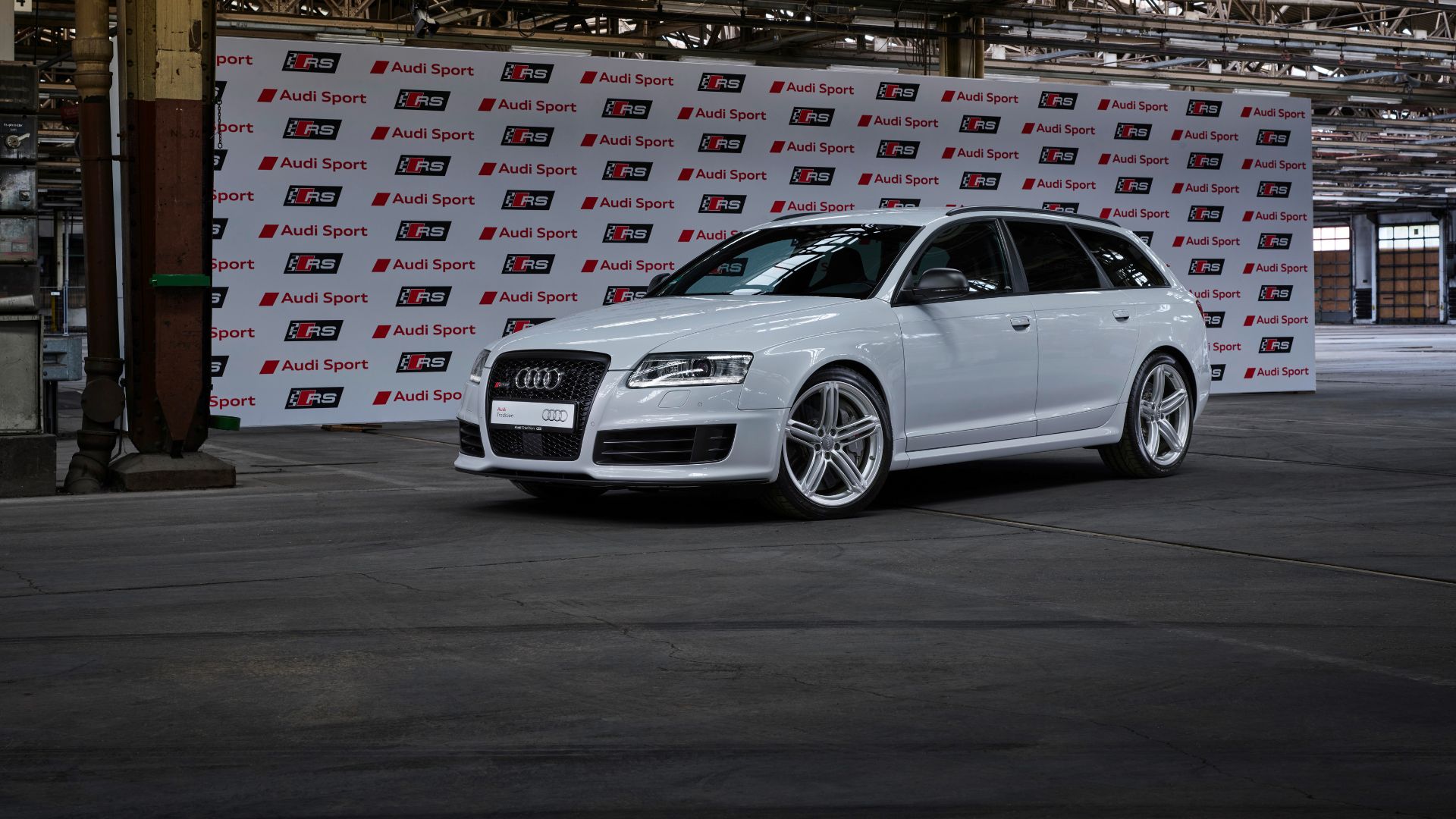
2008 Audi RS 6
The next RS 6 reverted to old habits. Big power – 580hp courtesy of a twin-turbo 5.2-litre V10, and brutally unsatisfying dynamics. It’ll obliterate most contemporary rivals point to point, but it’ll do so without delivering any feeling of satisfaction for the driver. It’ll easily push into understeer if you get too eager, too. Audi’s reputation for inconsistency was born with the second-generation RS 6, but lordy did it jelly your knees to look at. Yours in saloon or Avant format.
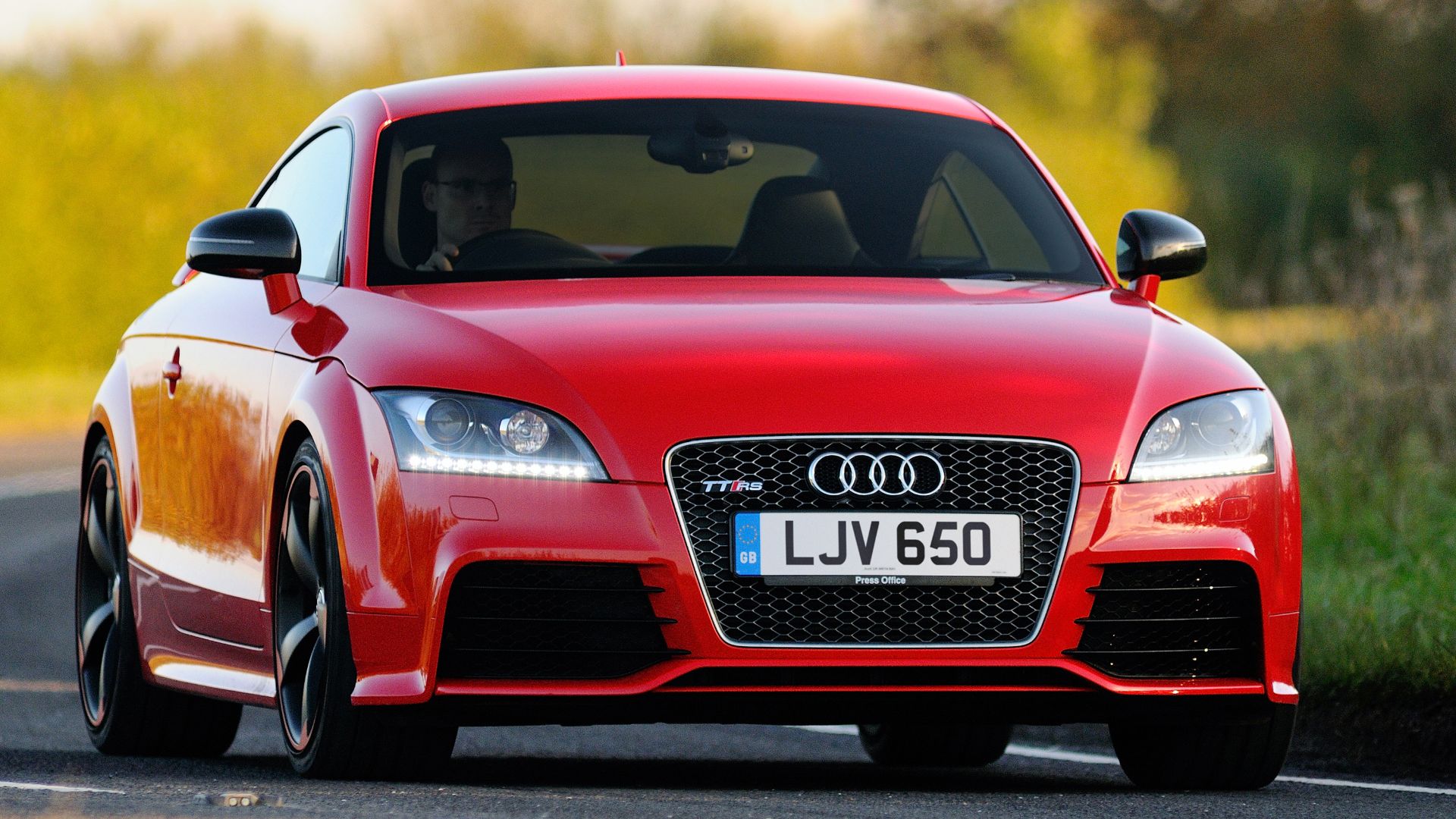
2009 Audi TT RS
A car we’d seemingly been waiting forever for – an RS version of the TT. The TT RS came along with looks to kill and an engine that thrilled. 2.5-litres of turbocharged five-cylinder power was a delight, but the warble was a distraction from a slightly underwhelming drive. Our advice? Get the roadster, to be closer to the sound.
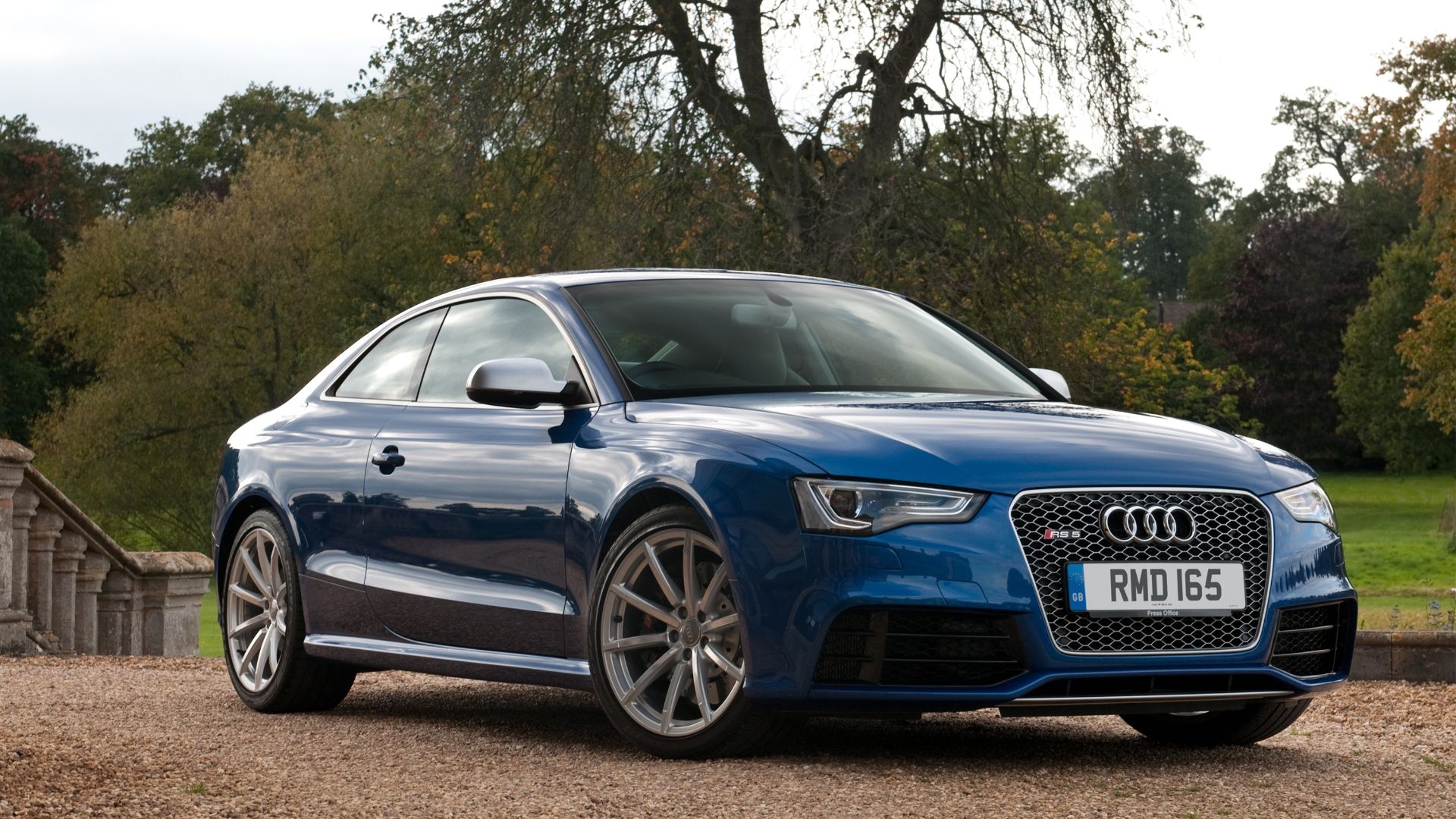
2010 Audi RS 5
The RS 5 was no M3 fighter when it came to dynamics, but you’d arguably take it on looks alone. The Cabriolet was the ultimate riviera cruiser.
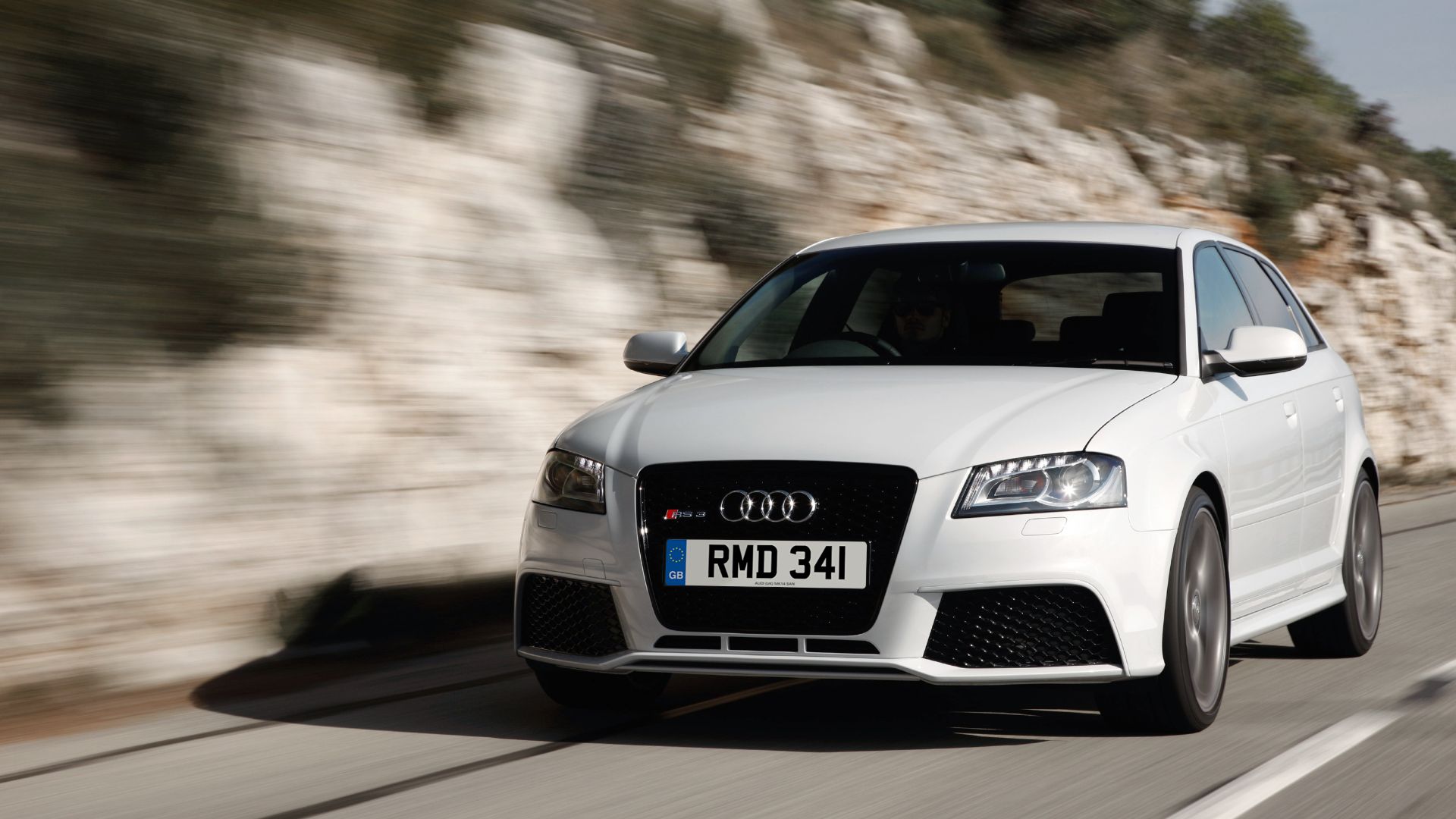
2011 Audi RS 3
Audi’s first hyper hatch picked up where the TT left off – five-pot power and a slightly disappointing drive. The engine is one of the modern greats though, and it survives to this day in current and future hot Audis. Praise be.
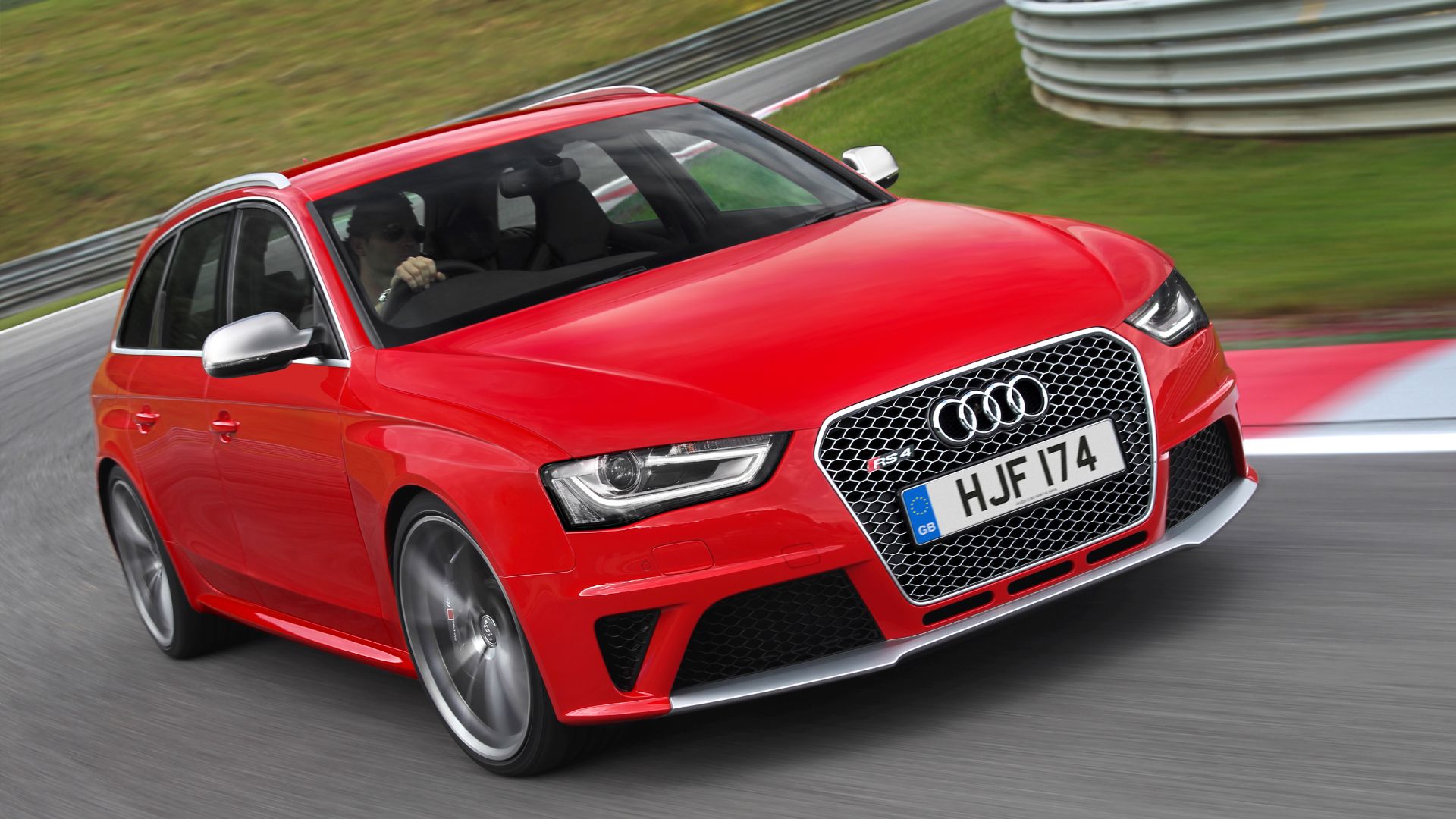
2012 Audi RS 4
In 2012, the mighty RS 4 made a return in wagon form only. It wasn’t quite as much of a standard-setter as its predecessor, but it was properly stylish. One thing Audi’s RS division has always nailed is style, never more so than with the B8 RS 4.
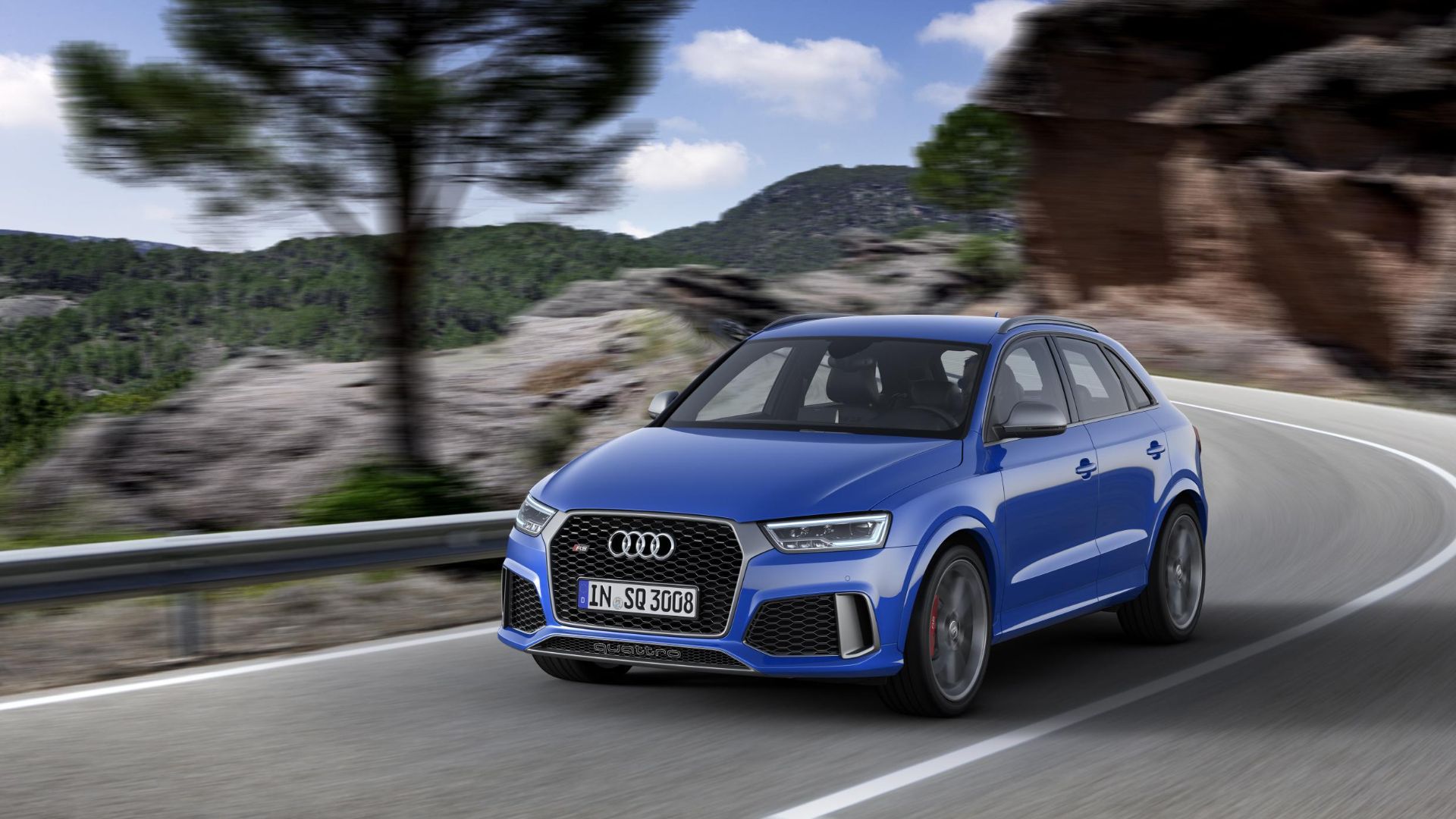
2013 Audi RS Q3
Then Audi changed the game, with an RS-powered crossover. Q3, the unassuming family mini SUV that it was, got swollen vents, a big oval exhaust and fabulous five-pot power. It even drove better than the RS 3 hatch.
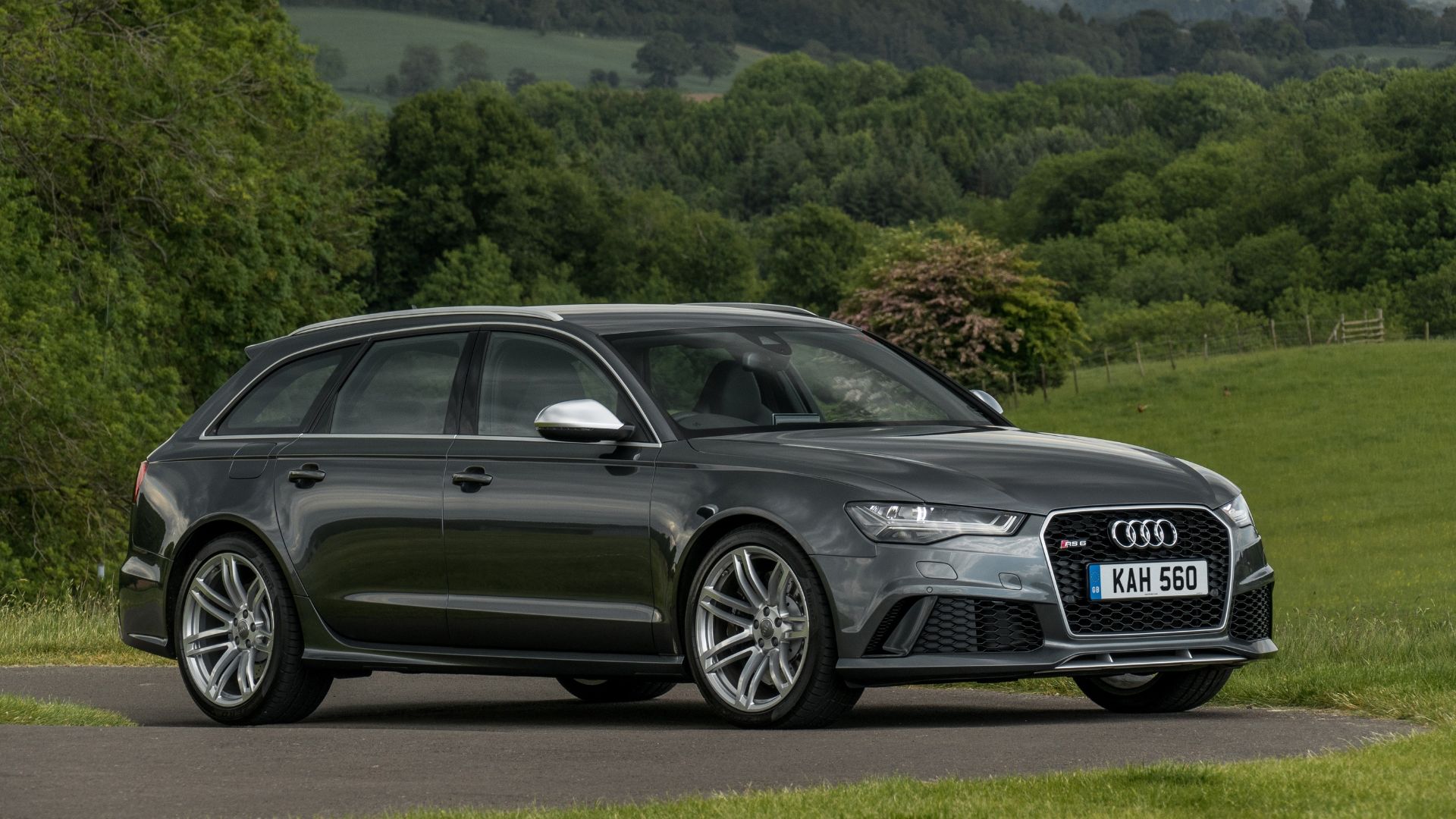
2013 Audi RS 6
With the 2013 RS 6, Audi got its mojo back. By far the best RS since 2005’s RS 4, this RS 6 downsized back to a twin-turbo V8, displacing four litres. It was also down on power, with 560hp, but was such a sweet drive. It was arguable the best-looking RS yet made, too. You’ll note, too, that this was the second RS car from Audi in 2013. With these two, Audi had begun its mission to deliver more RS to a power-hungry market.
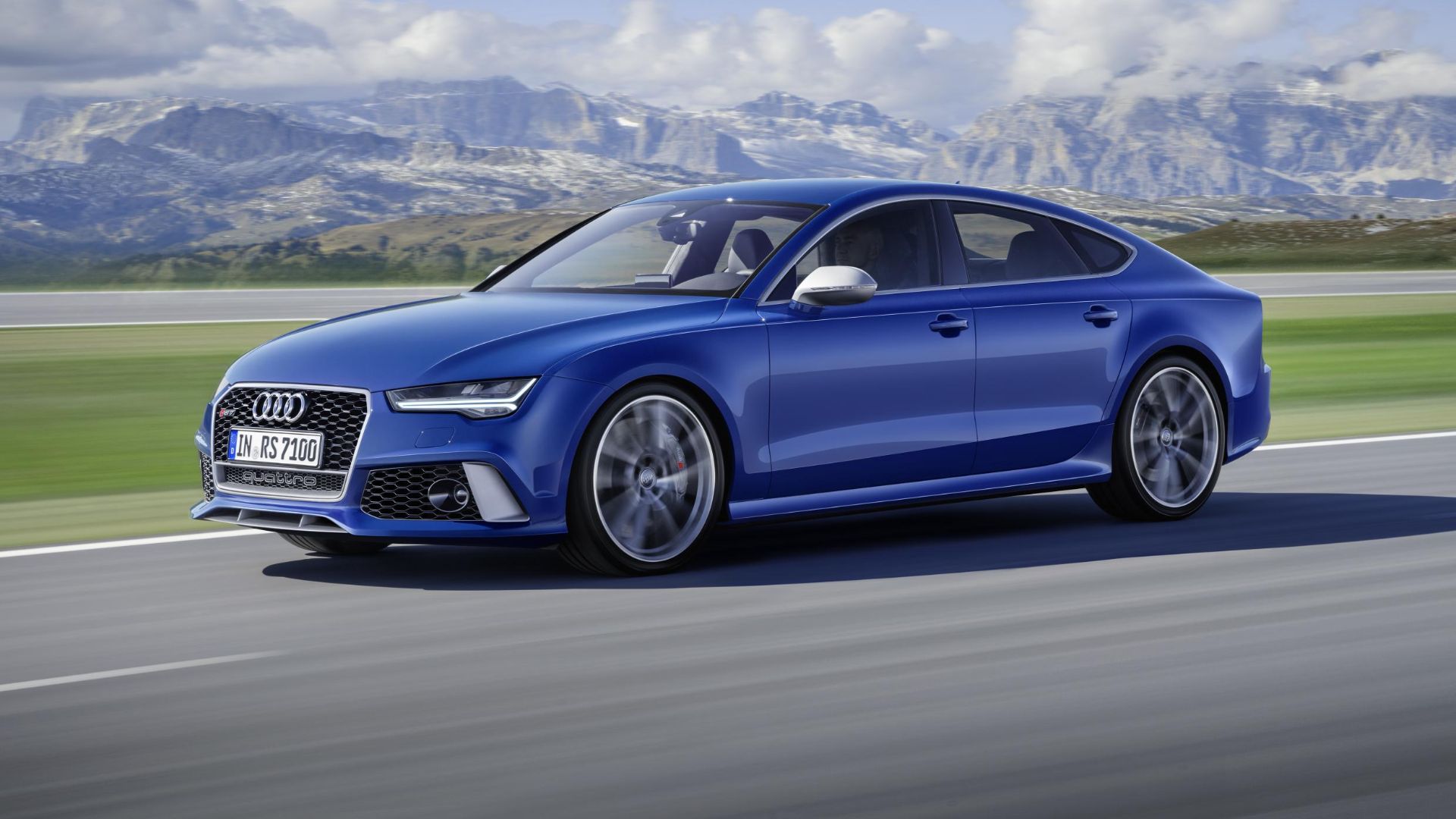
2013 Audi RS 7
Audi’s late-in-the-game answer to the AMG-powered Mercedes CLS was, like its RS 6 counterpart, an absolute rocket, but it lacked the versatility of its esteemed sibling. It replaced the option of an RS 6 saloon.
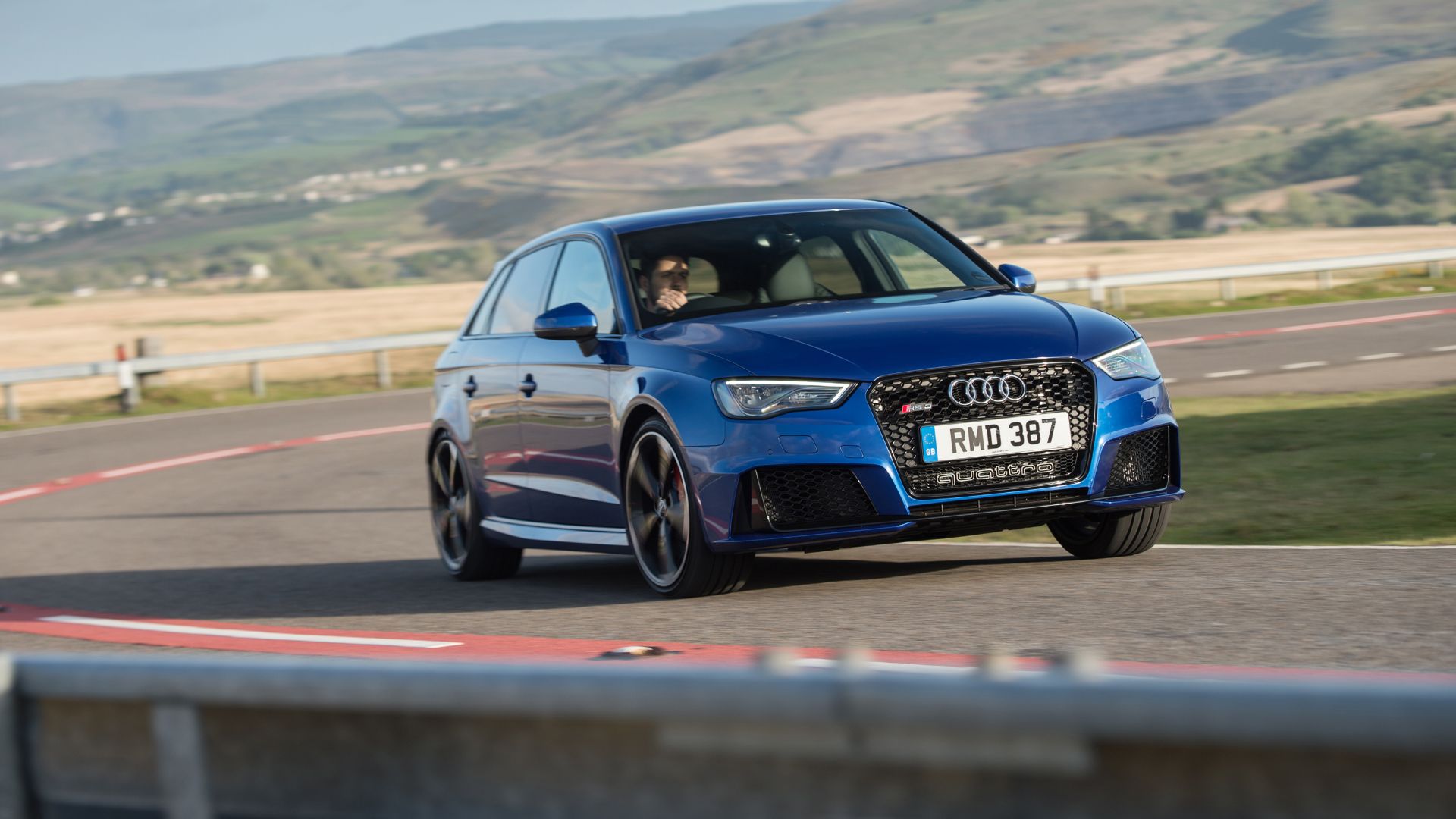
2015 Audi RS 3
In 2015, the RS 3 came of age. With the 2.5-litre turbo five cylinder and 360hp, the new RS 3 had the charming powerplant, but it now had a chassis with half a hope of complimenting it. It also looked absolutely spectacular, though it hadn’t reached the height of its aesthetic powers yet.
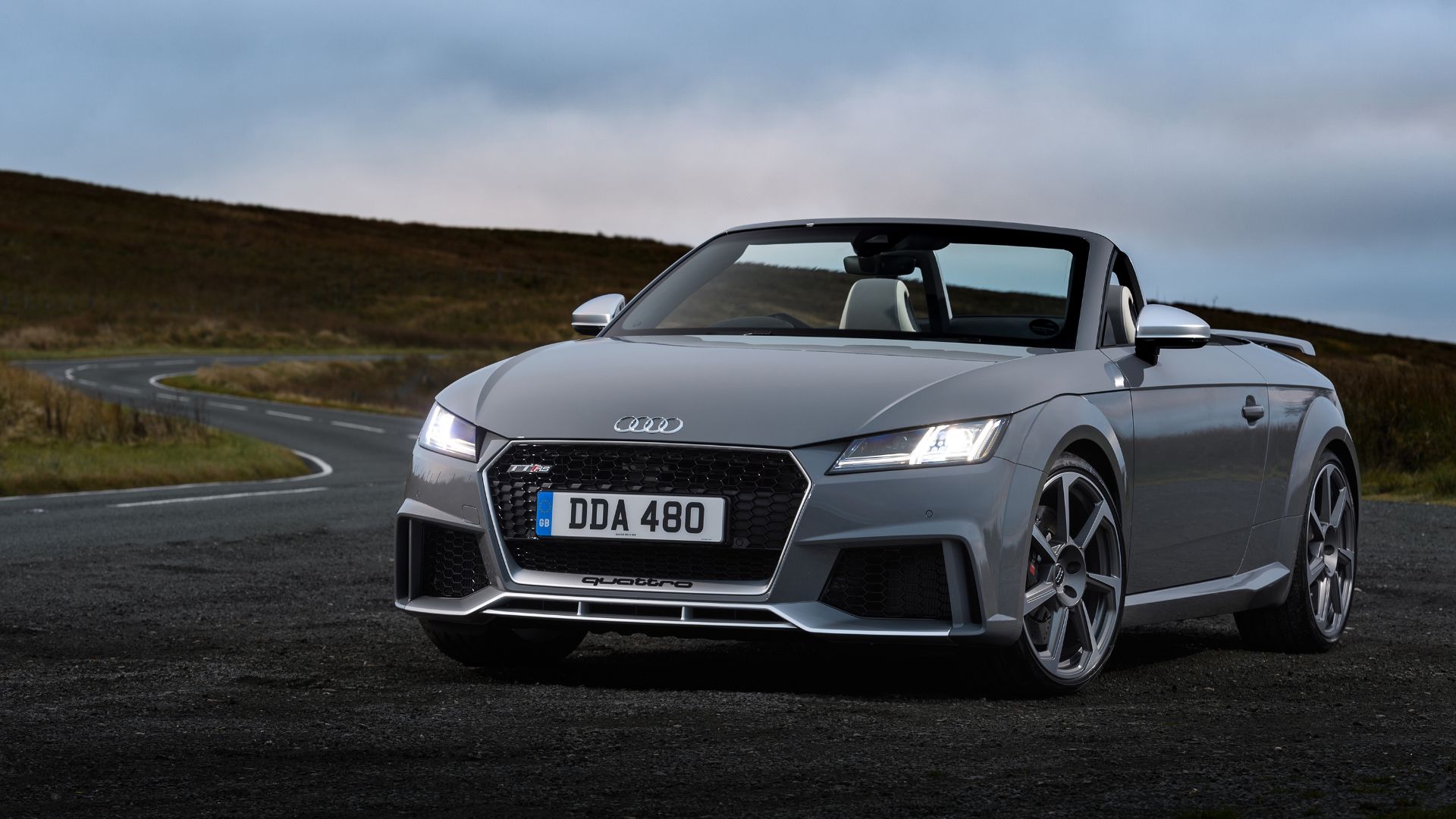
2016 Audi TT RS
With near-on 400hp, the TT RS, in coupe and roadster form, is a proper little supercar slayer. First-generation R8? Not a problem. Audi RS, as always, can keep supercars honest.
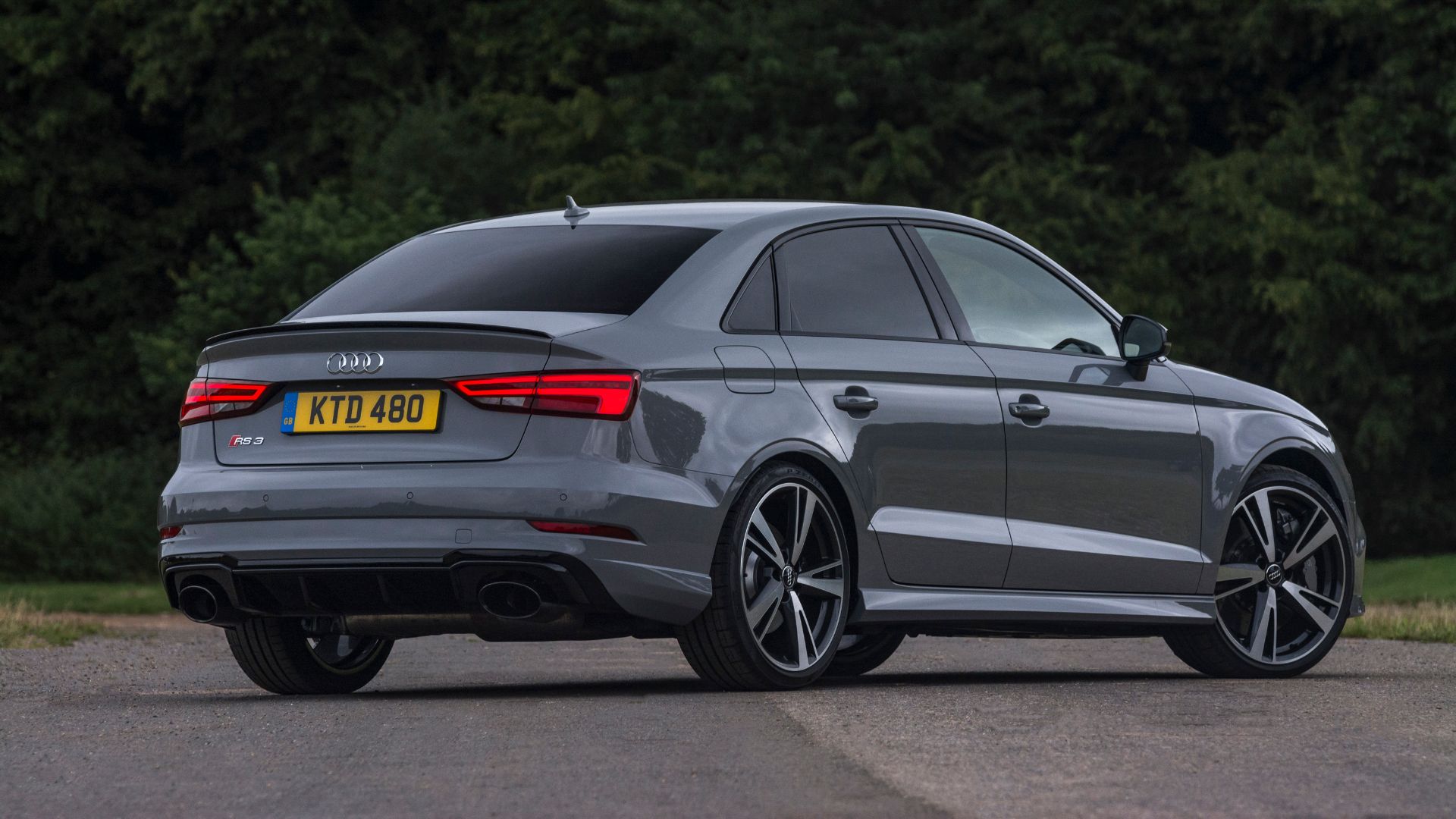
2017 Audi RS 3 Saloon
And now, one of the best-looking modern RS Audis. In fact, as of its release, the RS 3 saloon became the only RS 3 to have, in our opinion.
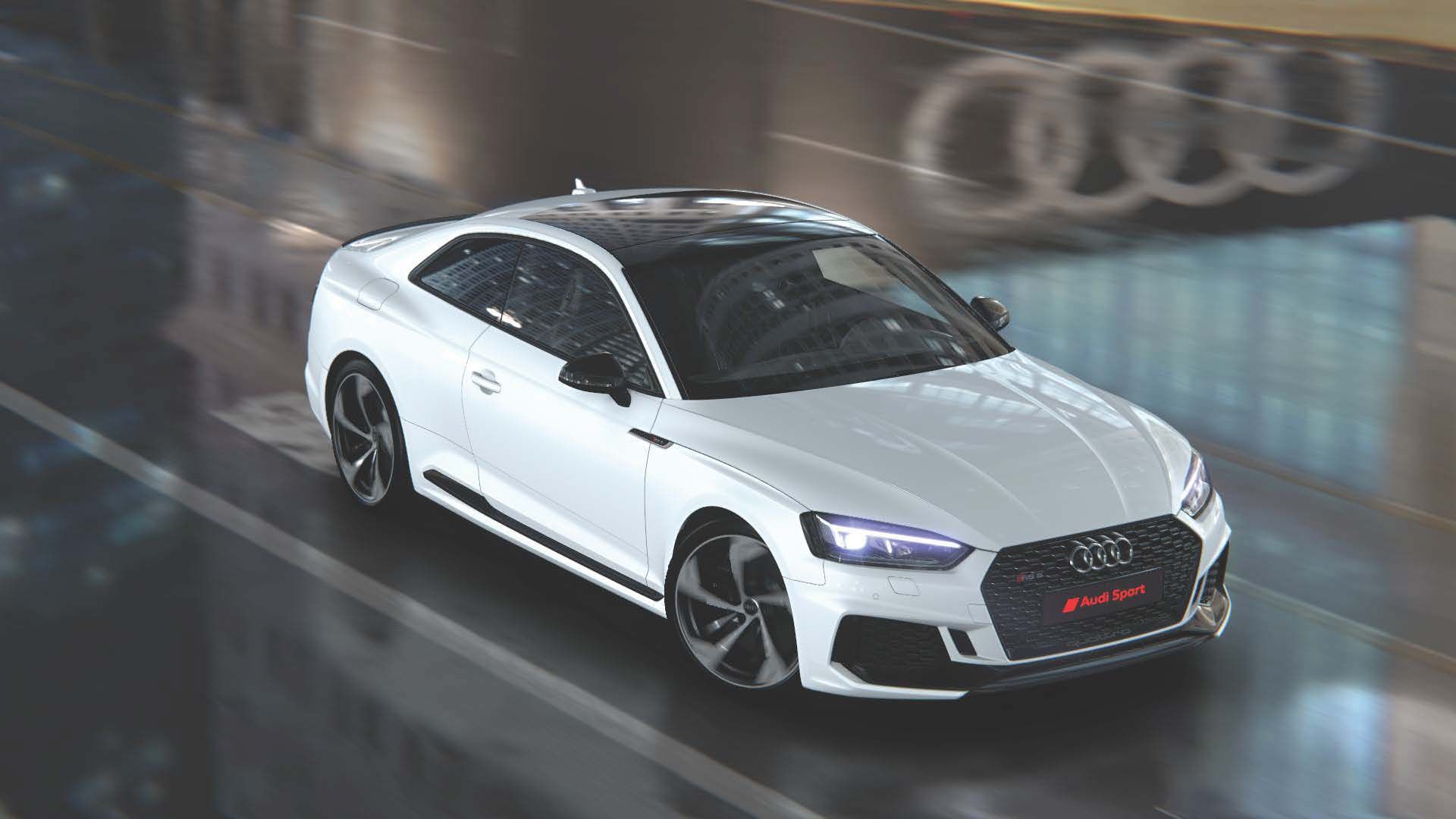
2017 Audi RS 5
While the last RS 5 was a bit of a posey beauty, this new one seems a bit more capable. The turbocharged V6 engine isn’t the heartthrob the old V8 was, but it’s devastatingly effective. It’s still a beauty, too.
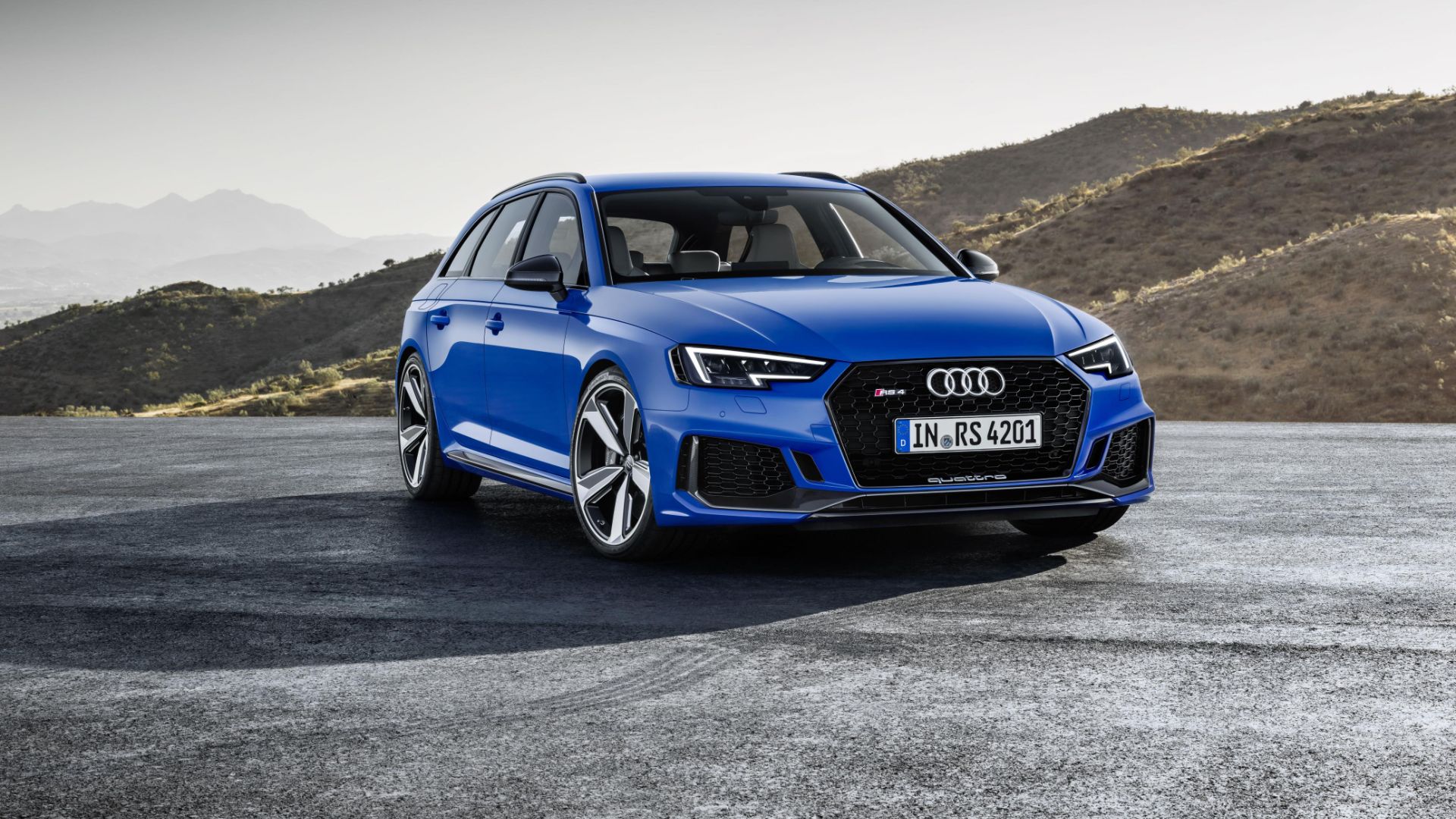
2017 Audi RS 4
As the new RS 4, which has the same powerplant, and has, in fact, just received a very slick facelift. It represents the definition of the ultimate daily, with its new versatile V6, by comparison to the fragile revvy old V8.
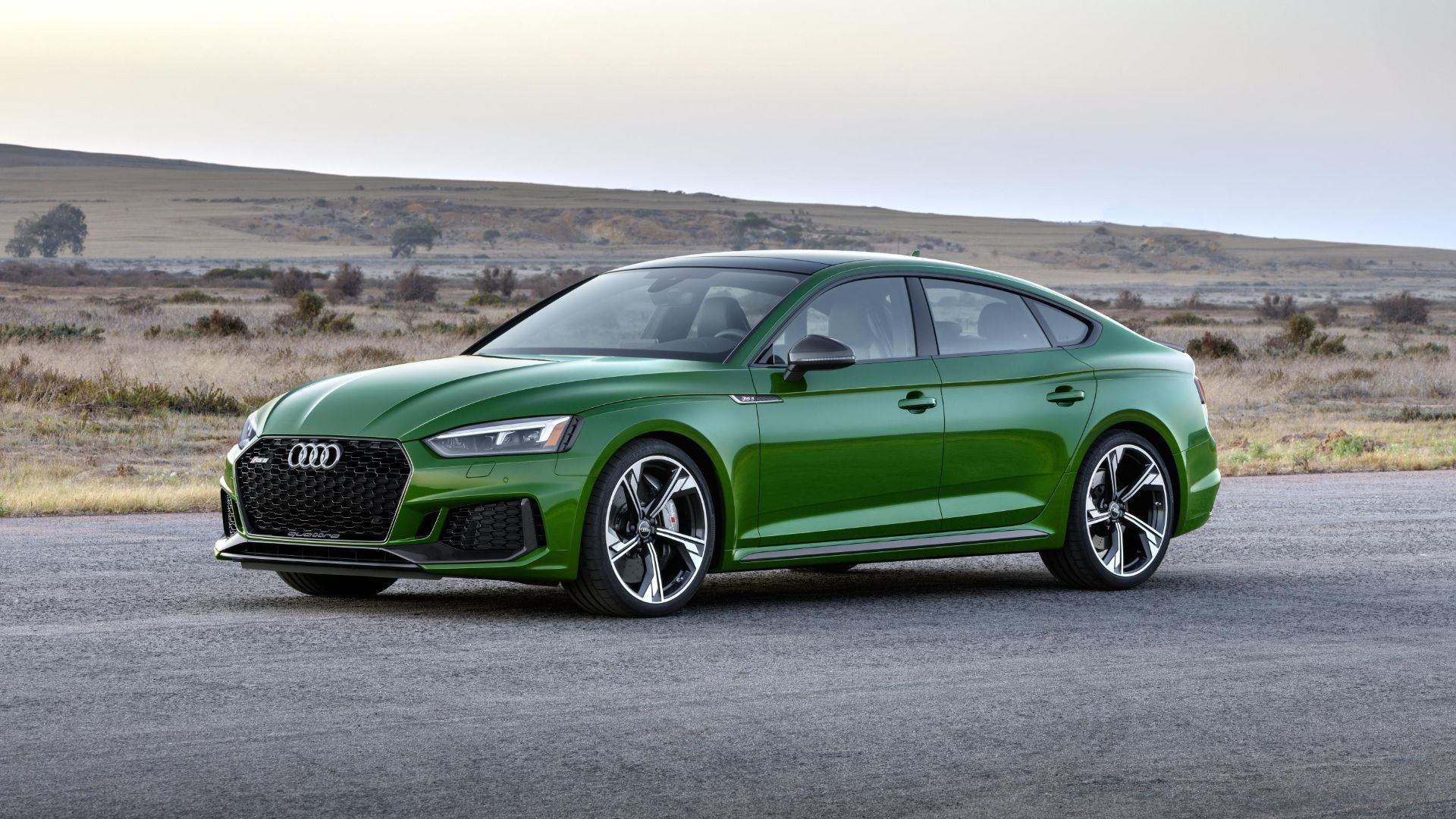
2018 Audi RS 5 Sportback
If the RS 4 is a bit too utilitarian for you, but the RS 5 coupe isn’t practical enough, Audi has the solution. Meet, for the first time, the RS 5 Sportback. Four doors, RS 5 styling, and a practical hatch. It’s almost a no-brainer.
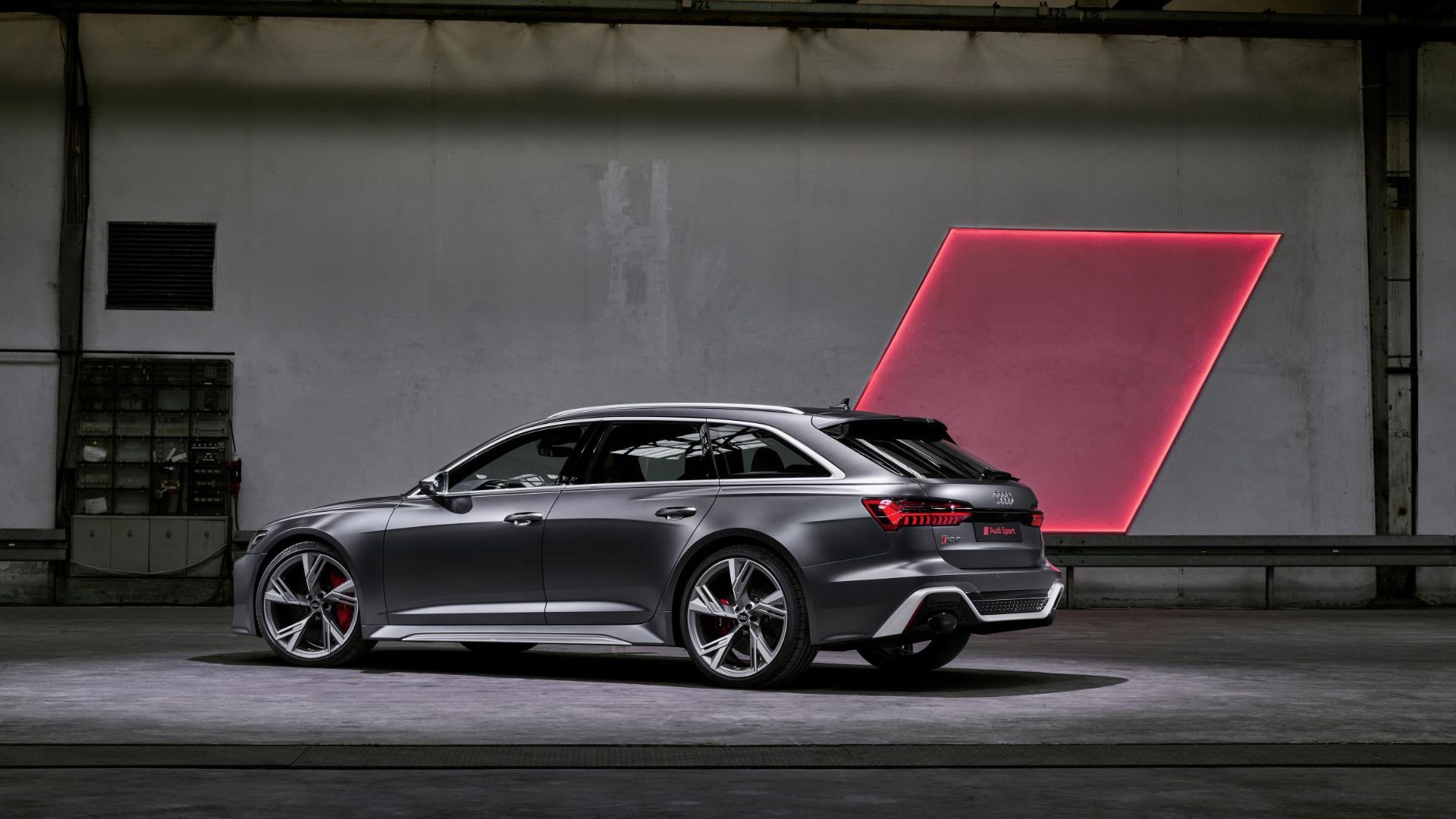
2019 Audi RS 6
Now then, the new generation of Audi RS is here. Mild-hybrid tech, four-wheel steering, and a new generation of ultra-sharp looks. Would it be an Audi RS if it wasn’t the best looking performance car in its segment?
2019 Audi RS 7
Yet again, there is a less practical and more expensive flavour, in the form of the RS 7. Note that the 6 has borrowed the 7’s sharper snout.
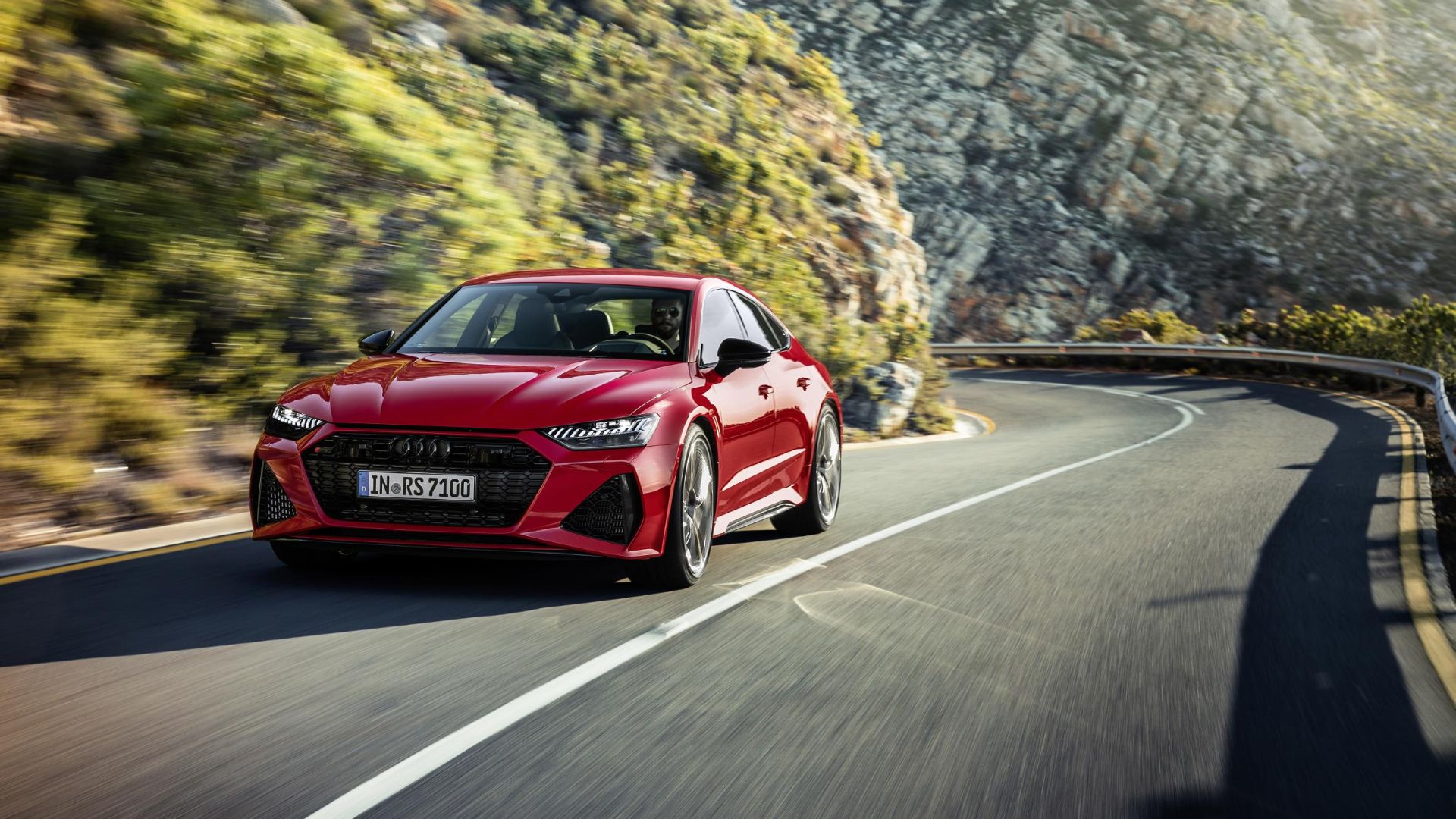
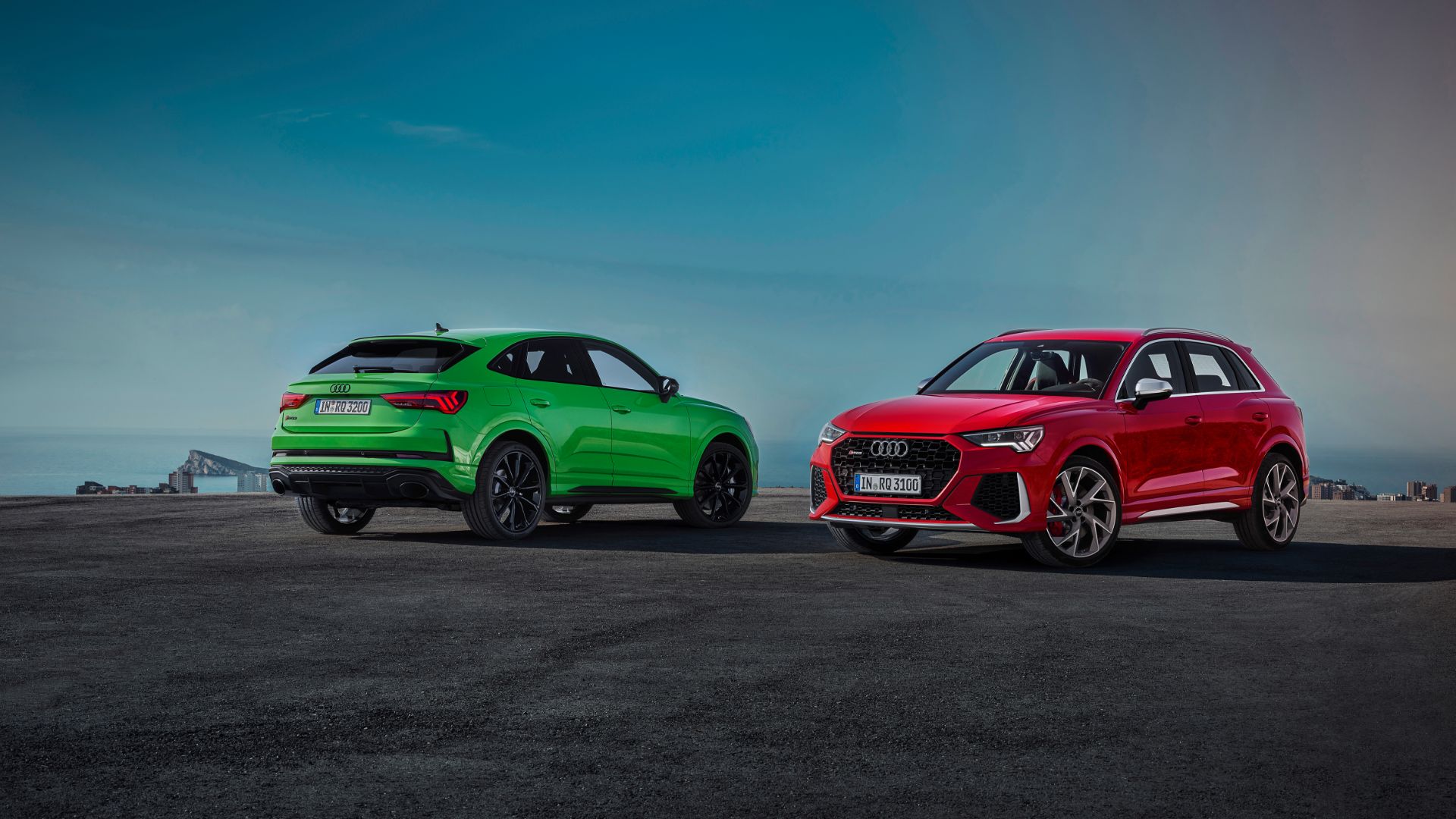
2019 Audi RS Q3
Finally, the latest version of the car that brought into question what should and shouldn’t get the Audi ‘RS’ treatment. The new one is available in both normal and ‘Sportback’ form. Praise be, though, the five-cylinder has survived. We look forward to the next RS 3…
2020 RS Q8
Speaking of which, the RS SUV train isn’t stopping any time soon. If commonly-spotted prototypes are any indication, an RS version of the Q8 is next on the docket for 2020.



 Ford has announced a
 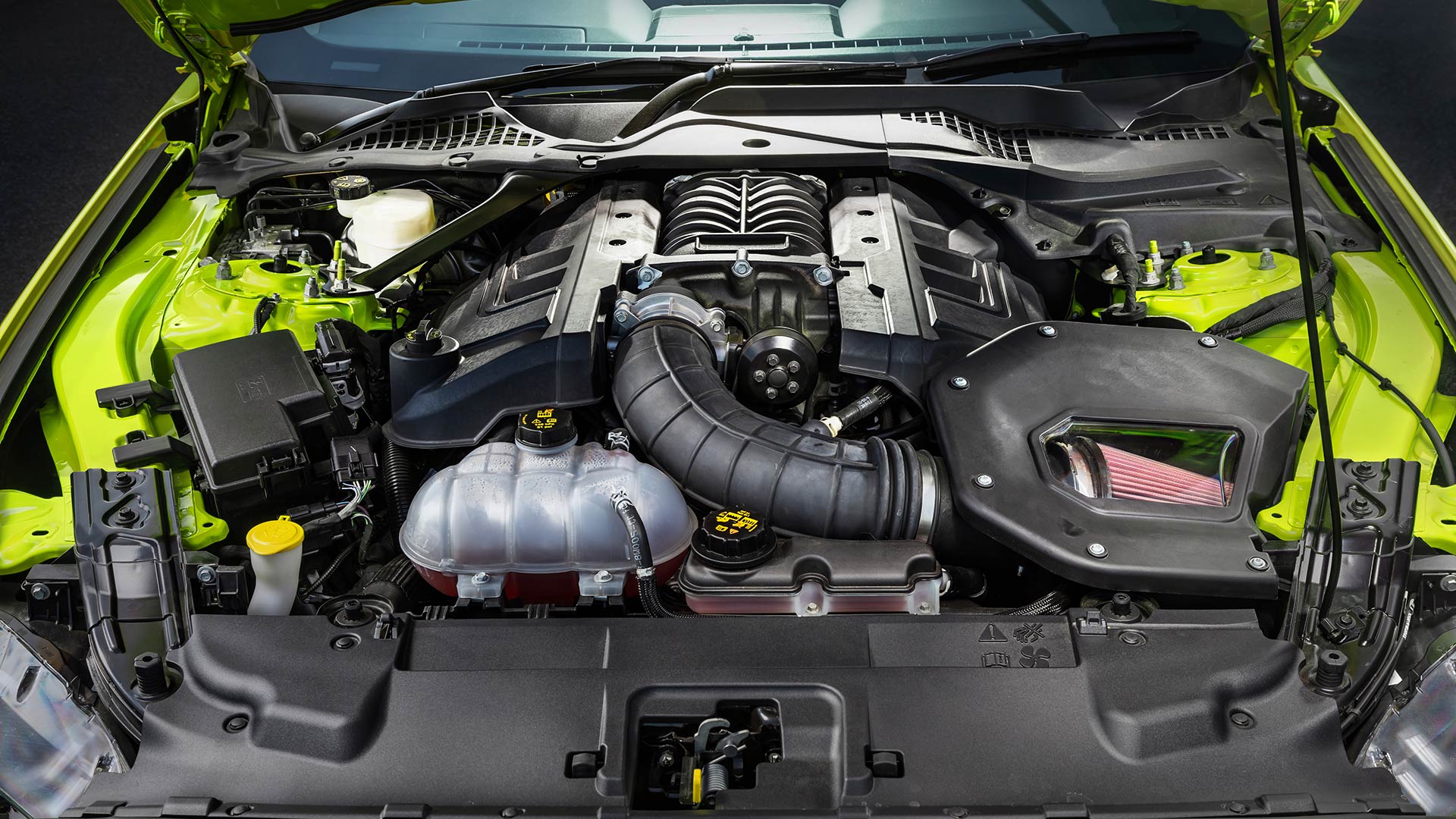 At the heart of the Mustang R-Spec is a
 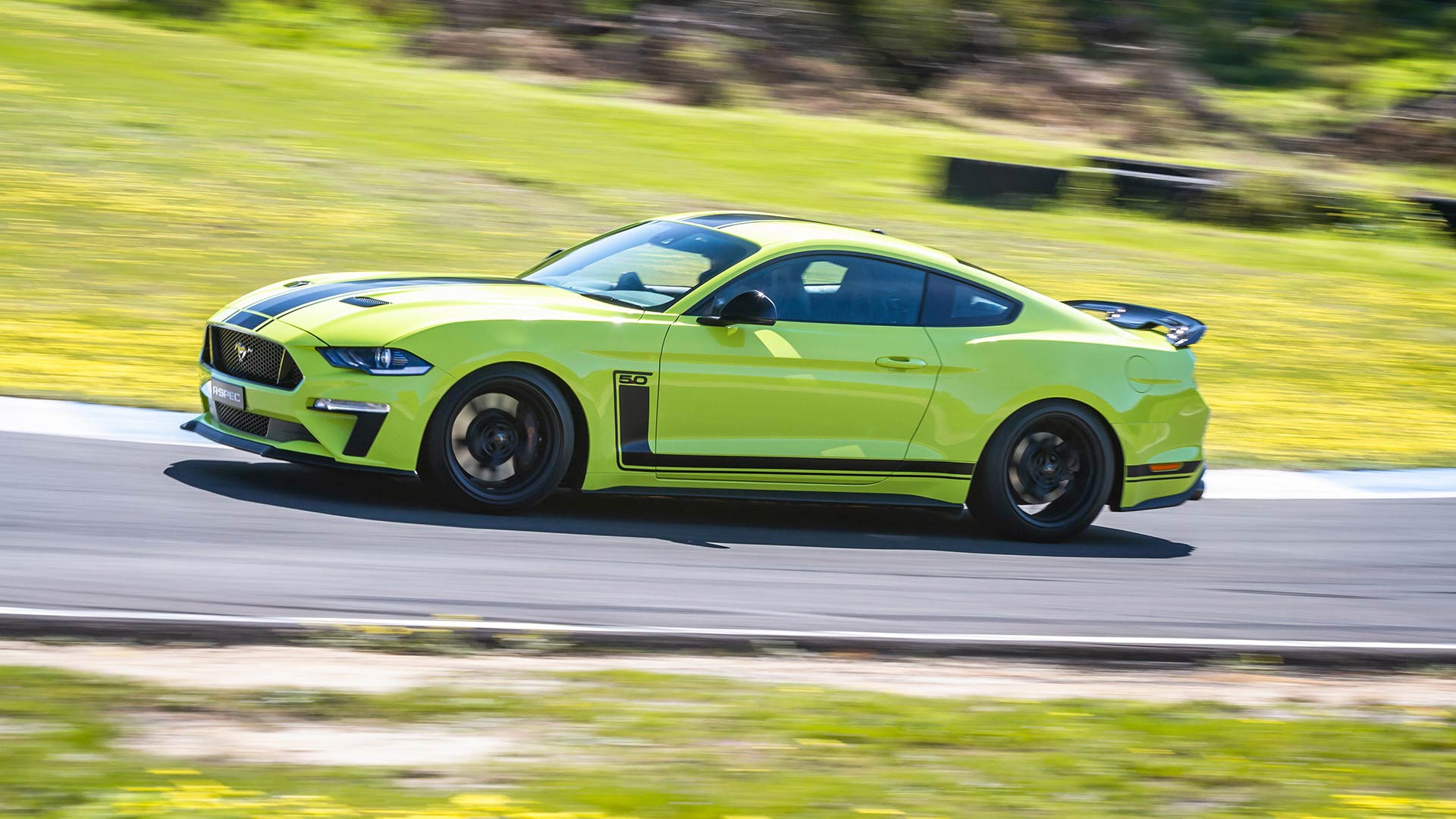 Ford has not held back on visual changes to the Mustang R-Spec, with matte-finish body stripes to the top of the car, and also hockey stripes to the sides. Gloss black has been used for the mirror caps, 5.0 badging, and rear spoiler. The exhaust tailpipes, hood vents, headlight surrounds, and front pony badge are black.
 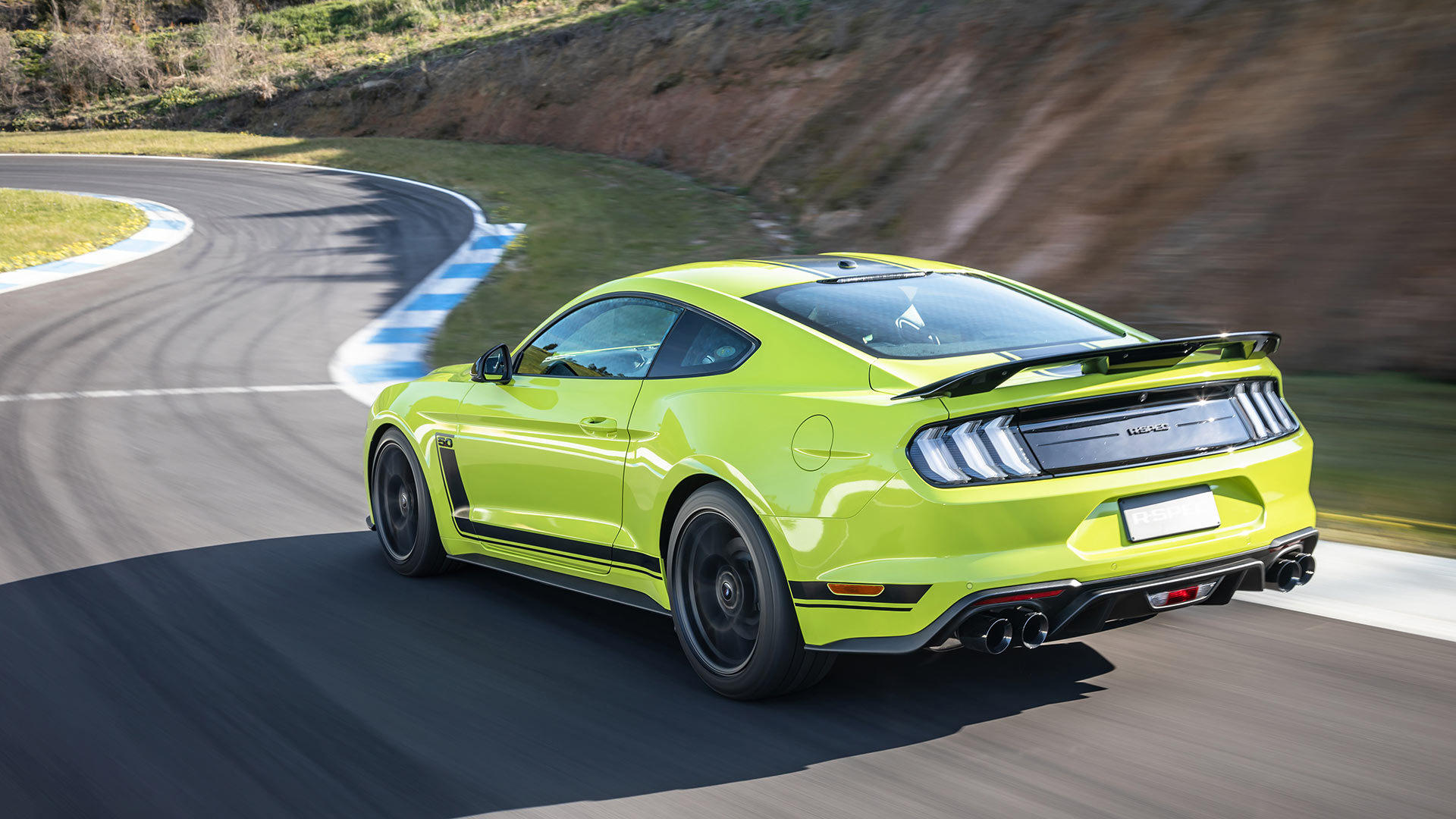 Prices for the Mustang R-Spec will begin at AUD $99,980 (USD $67,260), and will only offered to customers in Australia. Interested Ford fans will be able to place their orders from October 10th, with the first deliveries expected in early 2020.