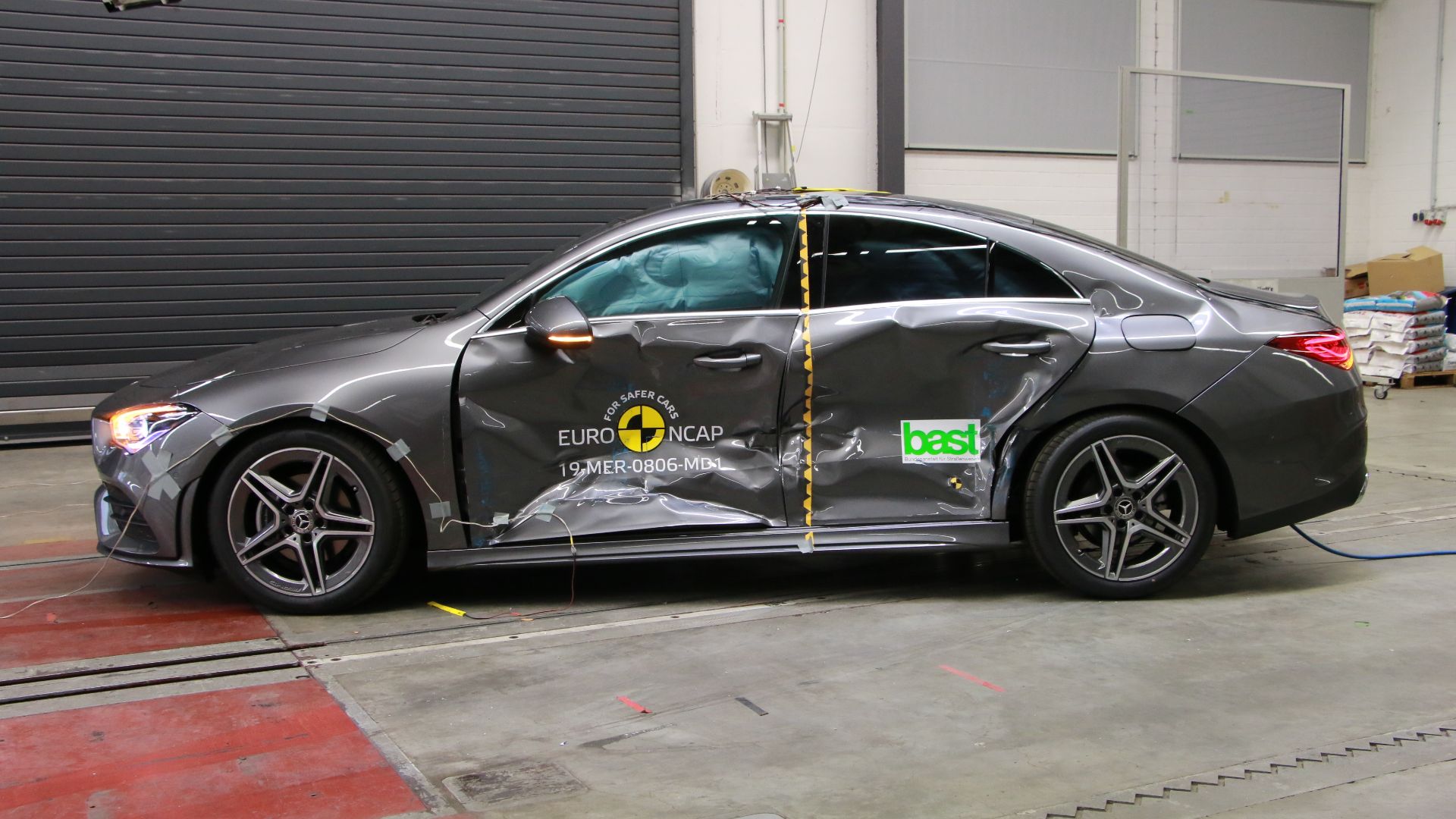
Car safety watchdog Euro NCAP has published a list of star performing cars from recent tests. Of the 55 new cars crashed last year, 41 earned a full five stars. That makes 2019 one of the most impressive years on record since Euro NCAP started testing.
So which cars stood out among such a broad selection of top performers? The Mercedes-Benz CLA gets a special shout-out for scoring more than 90 percent in three of the four categories. It delivered the best overall rating of the year, and was the first of six Mercedes models to get five stars.
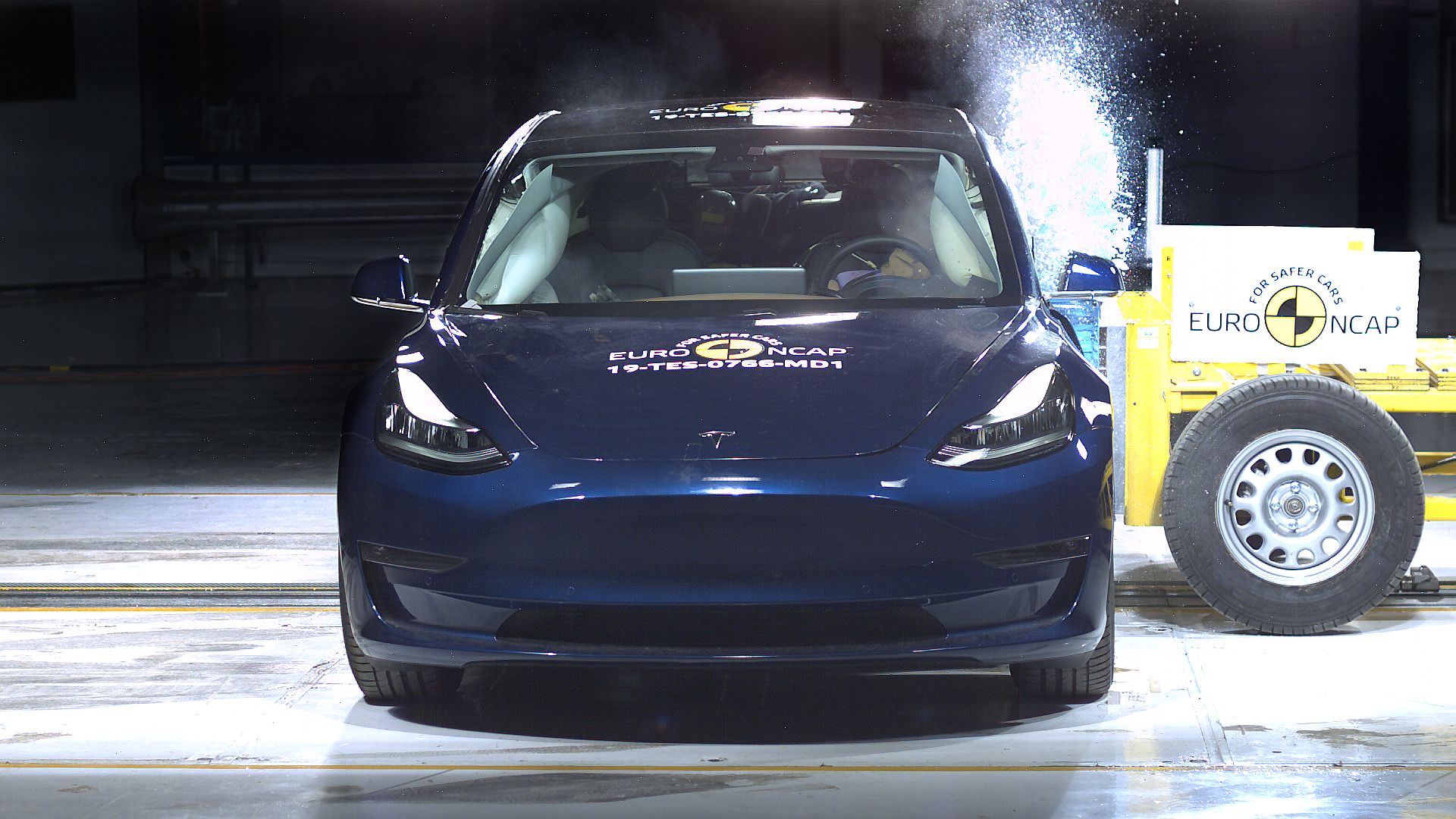
Also, 2019 was the year that two new models from Tesla were tested. The Model X and Model 3 both performed outstandingly. The X took best in class for the Large Off-Road category, beating the Seat Tarraco. The Model 3 took the top spot in the Electric and Hybrid class, in addition to holding the joint-best slot in Large Family, in tandem with the new BMW 3 Series.
The Model 3 and BMW 3 Series came out with identical scores, save for pedestrian protection and safety assist. The BMW edged the Tesla for pedestrian protection, while the Tesla nosed ahead for safety assist.
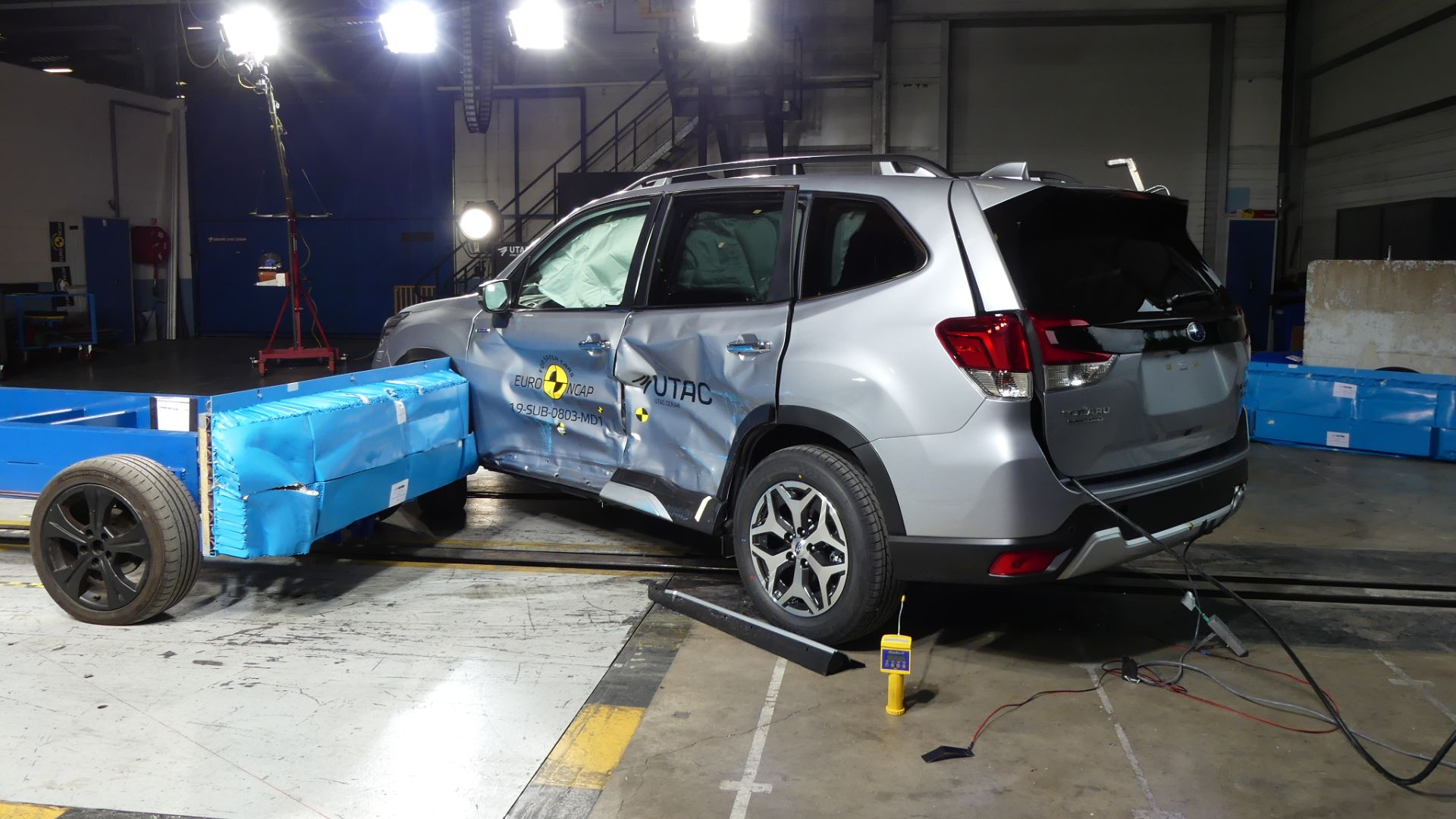
In the Small Off-Road and Small MPV classes, Subaru’s new Forester fended off stiff competition from the Mazda CX-30 and Volkswagen T-Cross.
Mazda had a good 2019 overall. Its new 3 family hatchback took second place behind the Mercedes CLA and was commended for ‘exceptional performance in adult occupant protection’.
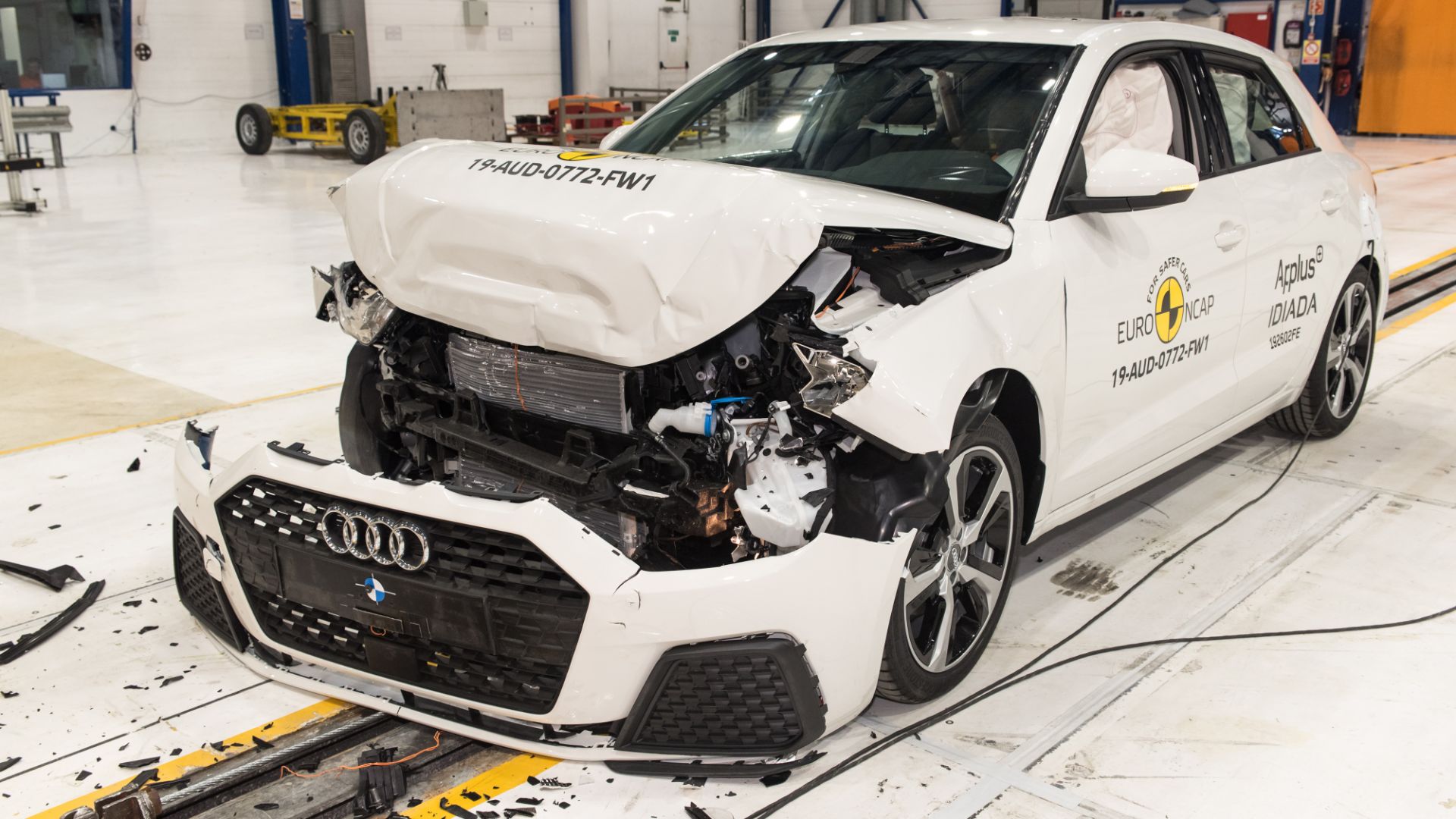
In the world of the supermini, 2019 was a busy year. The new Renault Clio and Audi A1 took joint top honours, beating the new Ford Puma.
The BMW Z4 was the only roadster to be tested in 2019. It put in what NCAP calls an ‘outstanding performance’, which ‘unquestionably has set a new safety benchmark for the segment’.
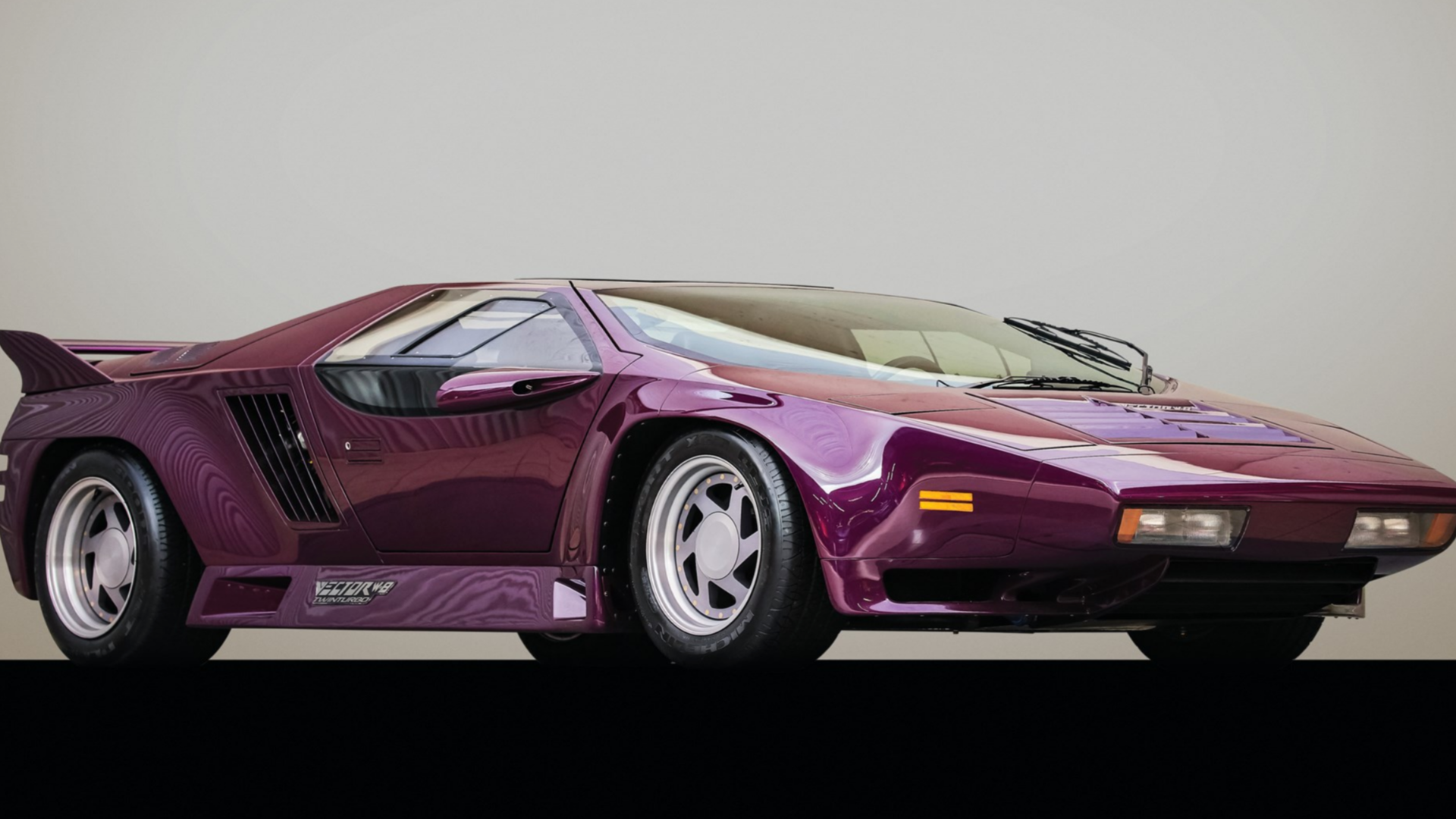
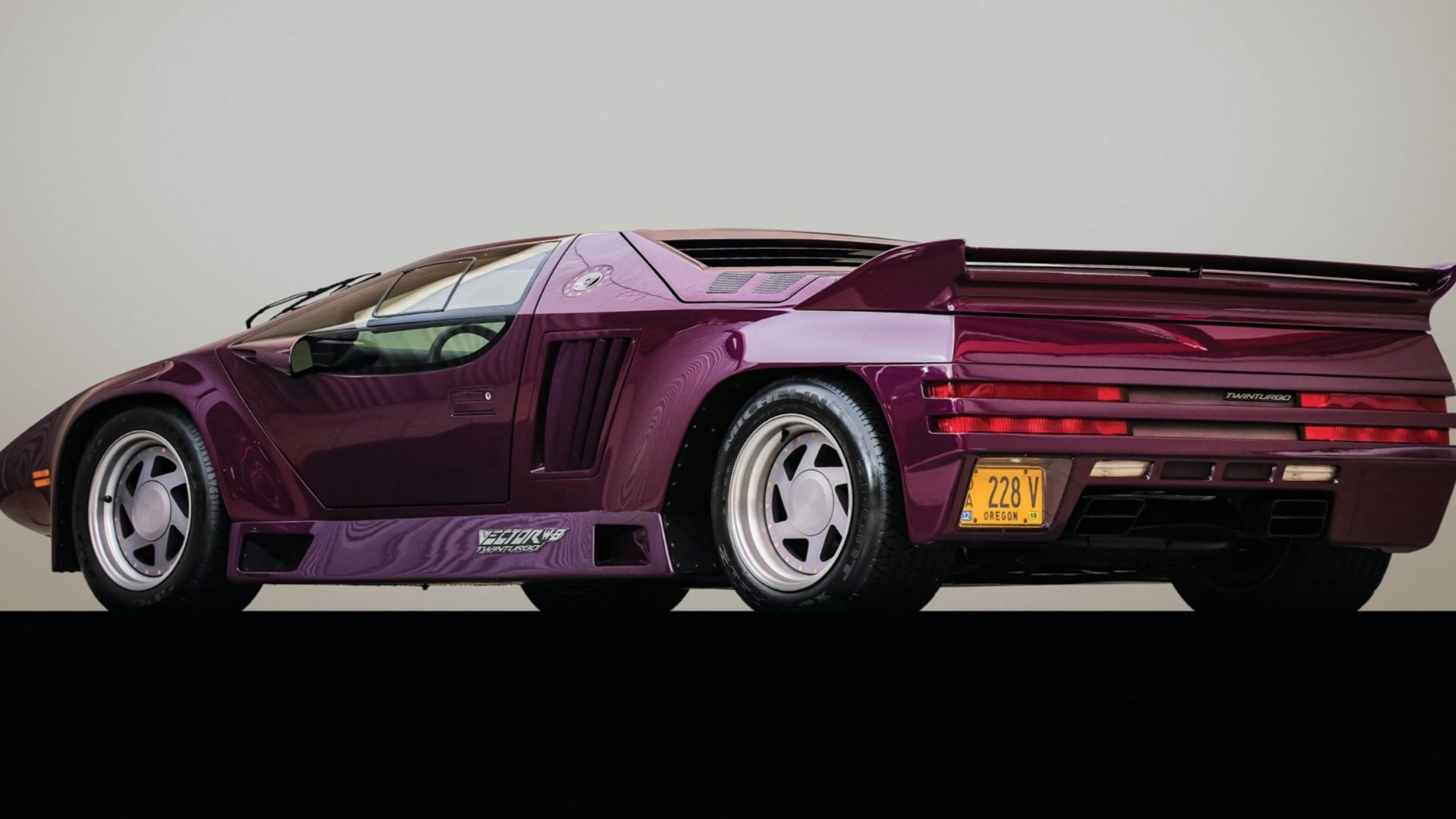
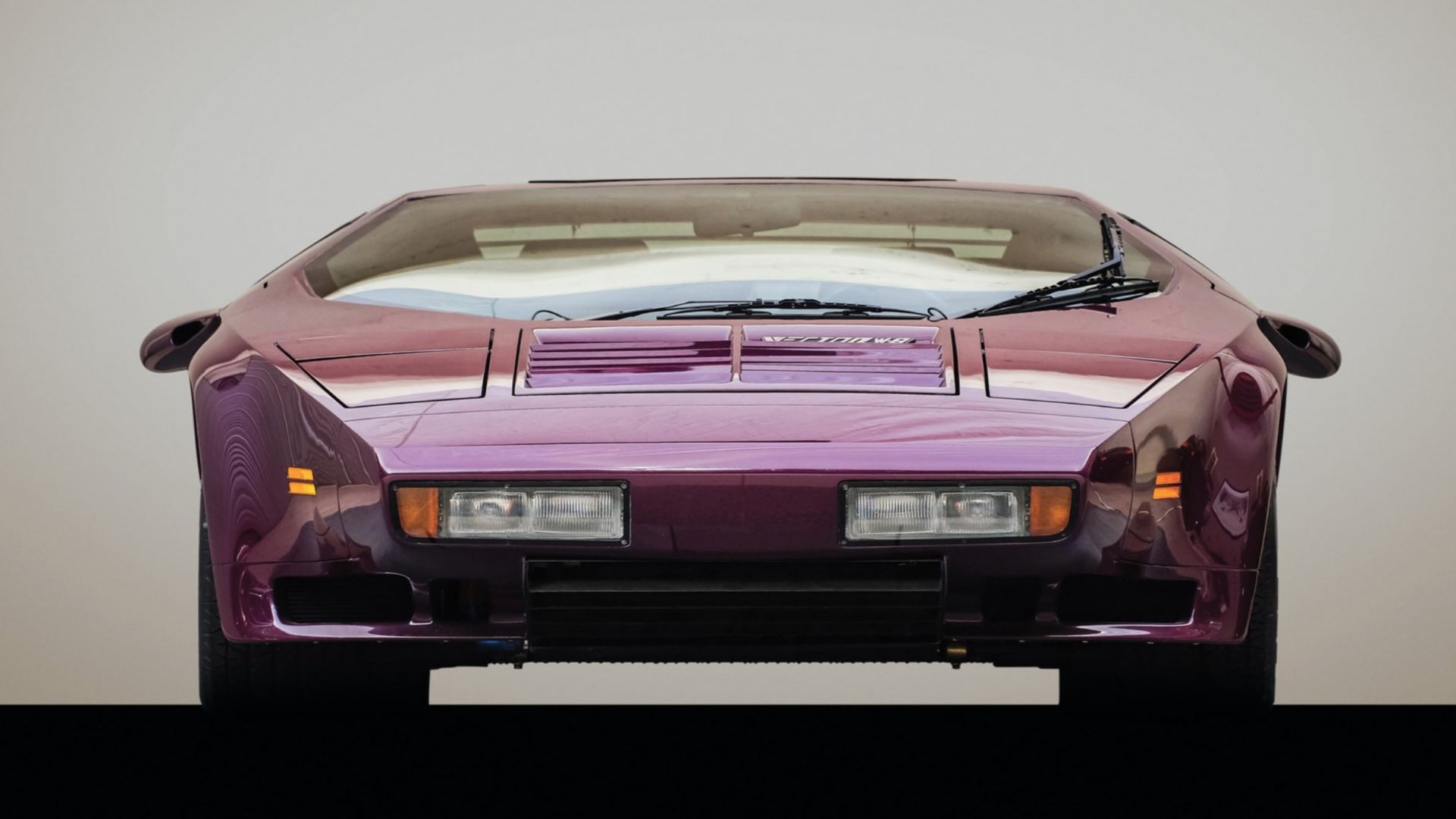
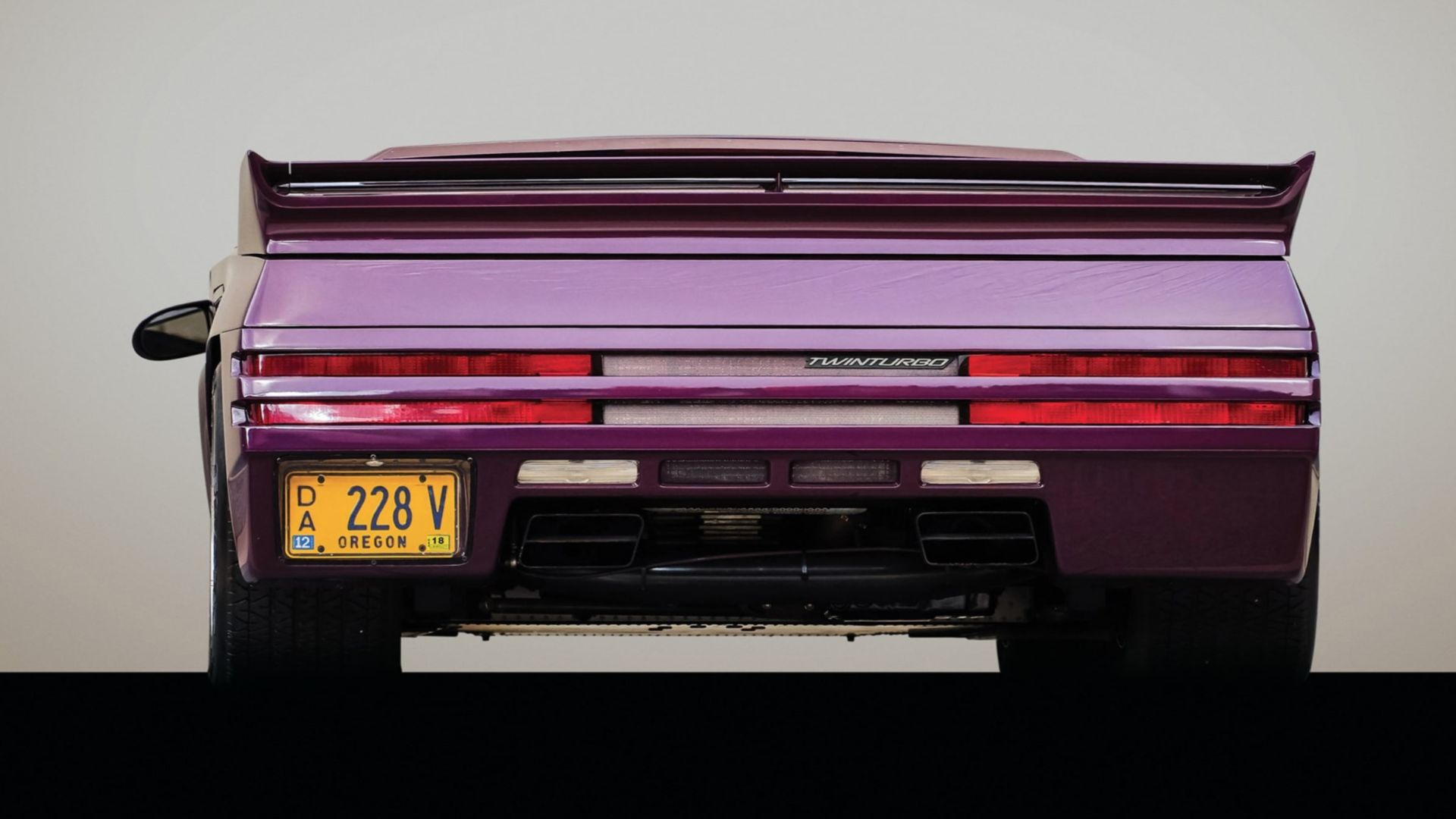
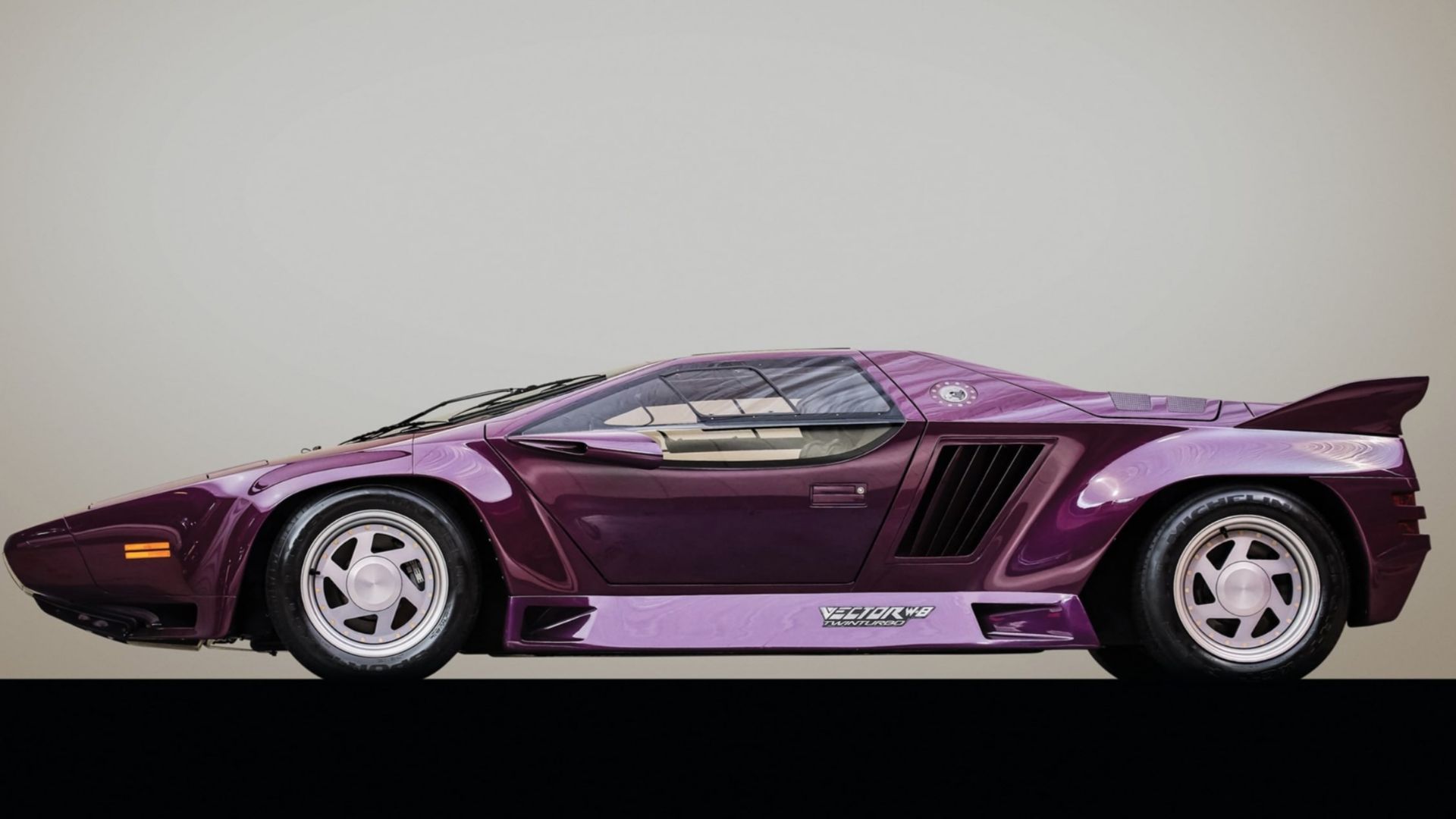
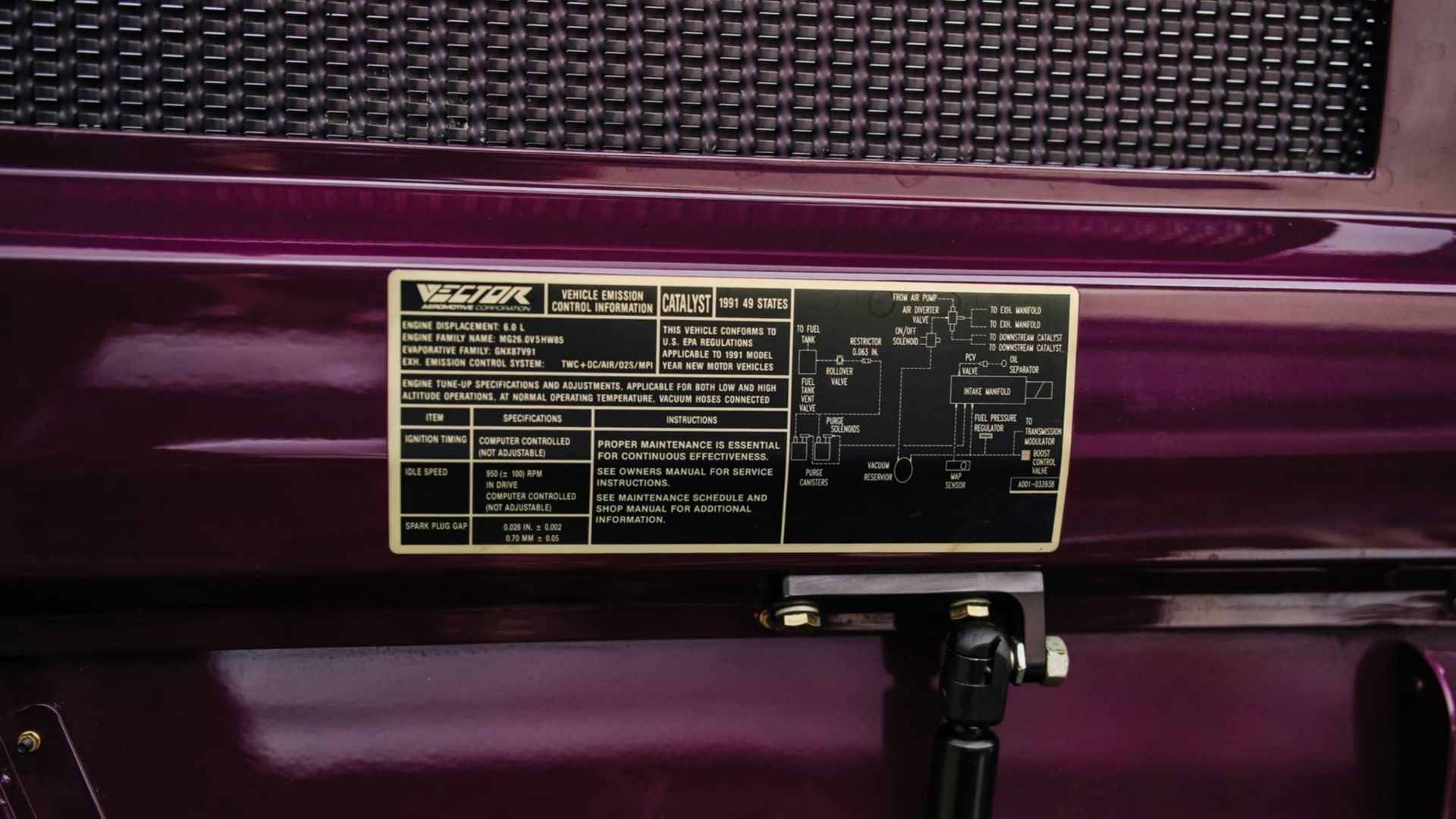
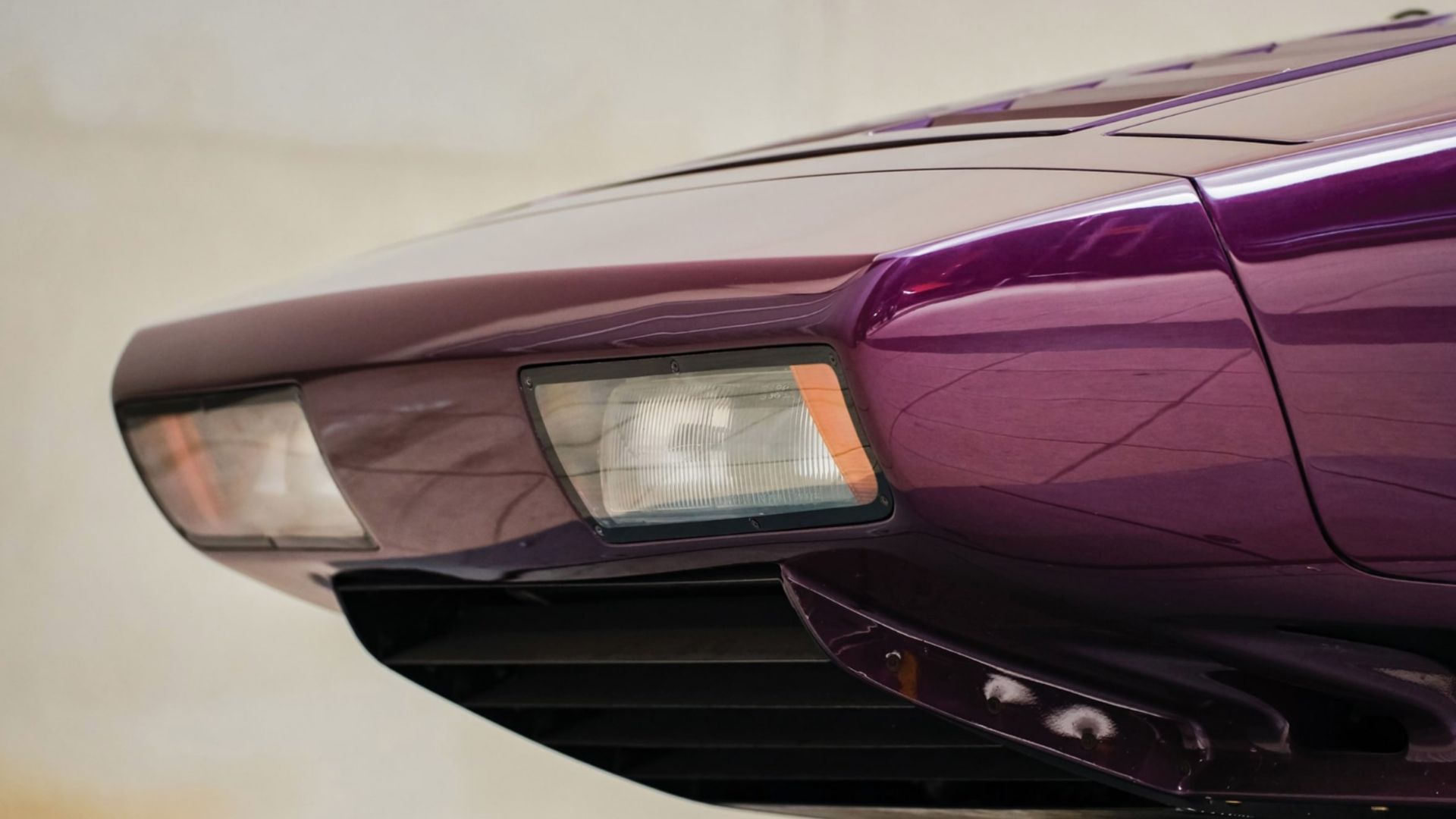
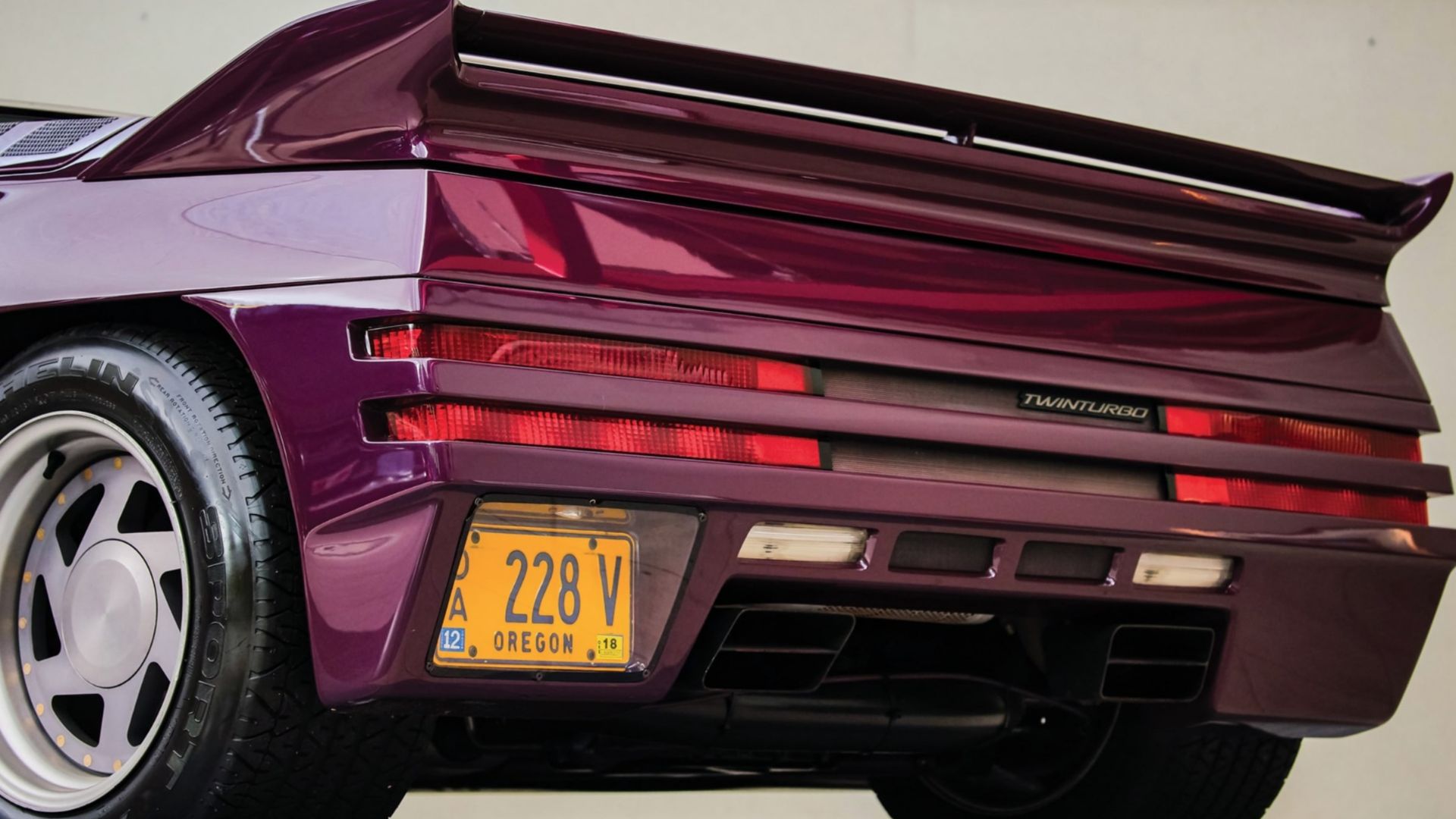
America’s craziest ever supercar is up for auction with RM Sotheby’s in Arizona later this month. The Vector W8 Twin Turbo could be yours for £230,000 ($300,000). That’s a quarter of what you’ll pay for a similarly aged – and much more common – Ferrari F40, making the Vector a bit of a bargain.
Offered from a private collection, this is number nine of just 17 produced in the late 1980s and early 1990s. It’s had one owner since 1991 and covered just 2,268 miles. When new, its original buyer paid £135,000 ($178,000).
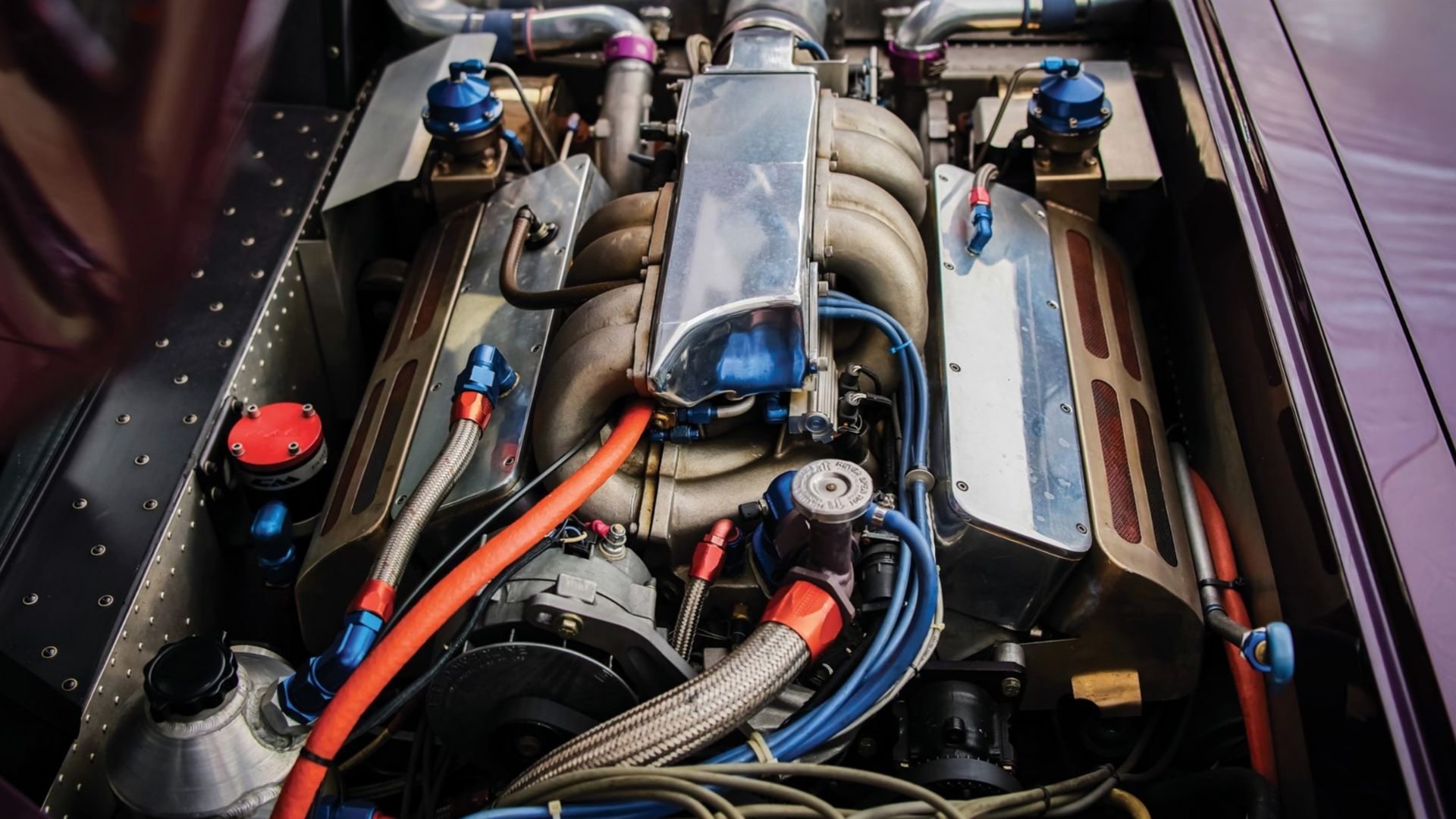
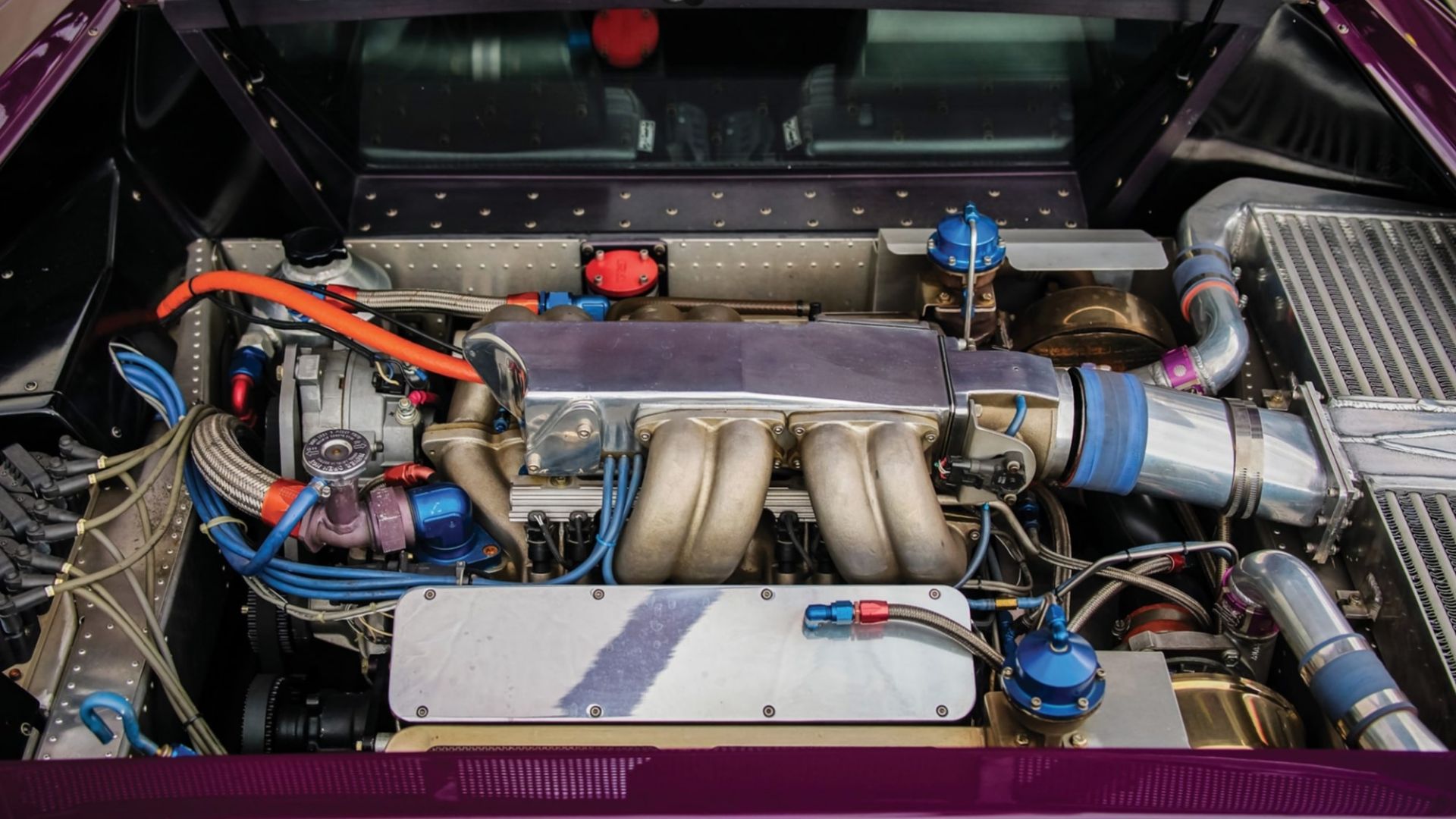
With a 6.0-litre twin turbo V8, the W8 produces 625hp. With some tuning, however, tests saw power boosted beyond 1,200hp.
Lamborghini patents revolutionary electric car tech with university
Standard performance figures were impressive enough, with a 0-62mph time of 4.2 seconds, and a claimed top speed of 242mph. A quarter-mile took 12 seconds, with a terminal speed of 124mph. That was amazing at the time, besting the Ferrari Testarossa by two seconds.
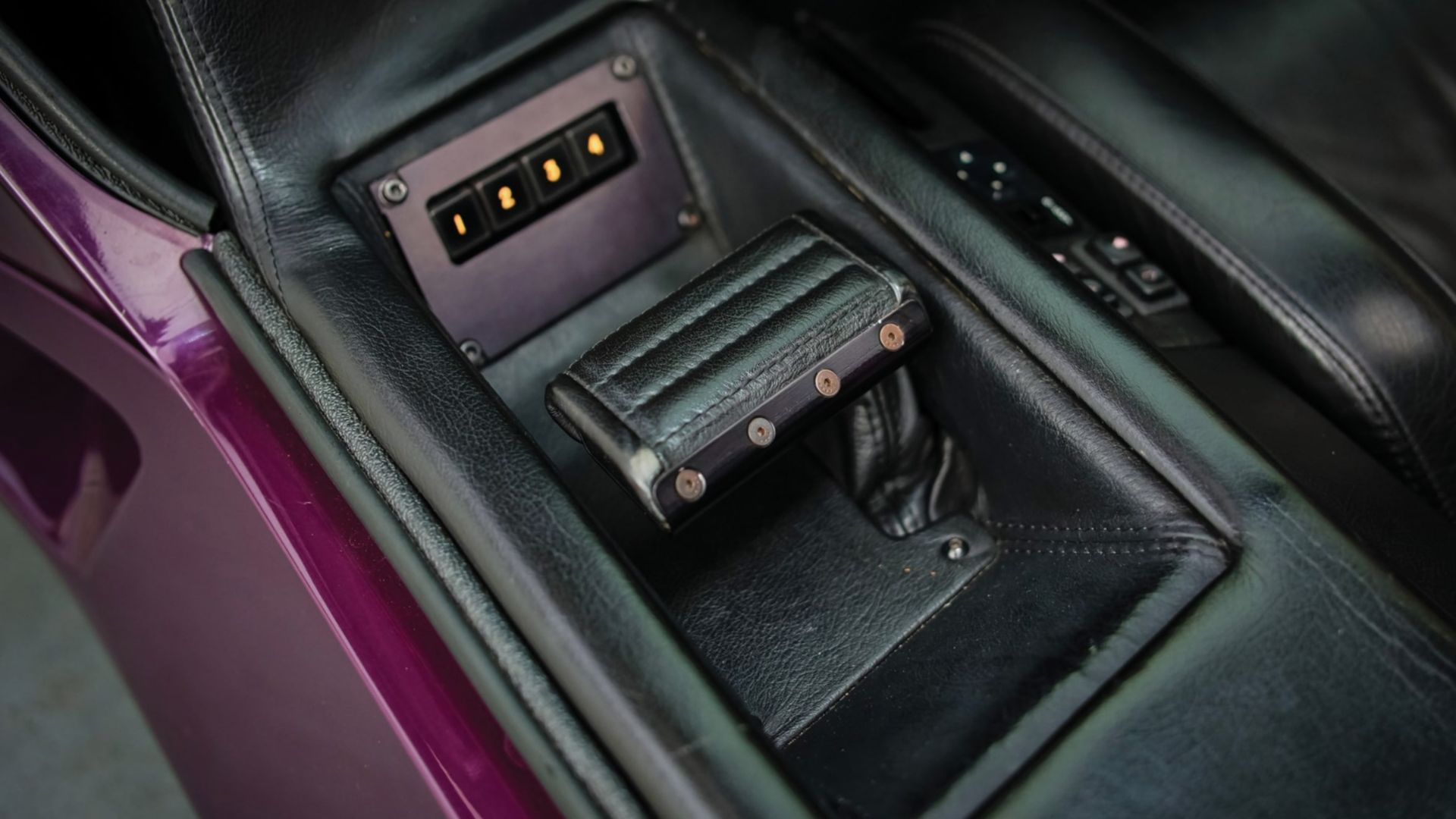
As well as its V8, the Vector borrows its three-speed automatic transmission from General Motors. Yes, a three-speed auto. Everything else is quite sophisticated, though.
And just look at the thing. It’s very much inspired by fighter jets, and intended to resemble one. Vector even called itself an ‘aeromotive’ company at the time.
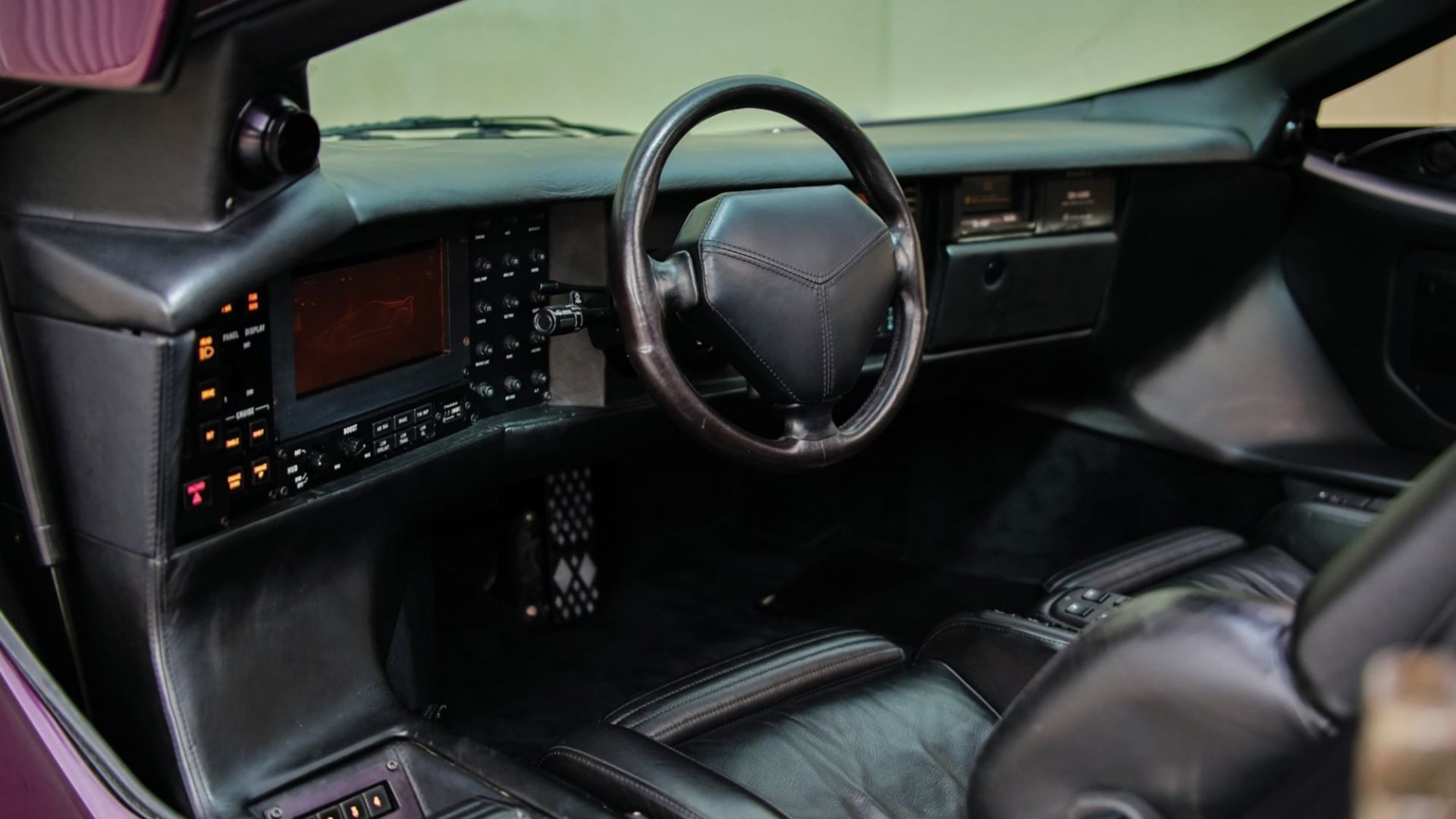
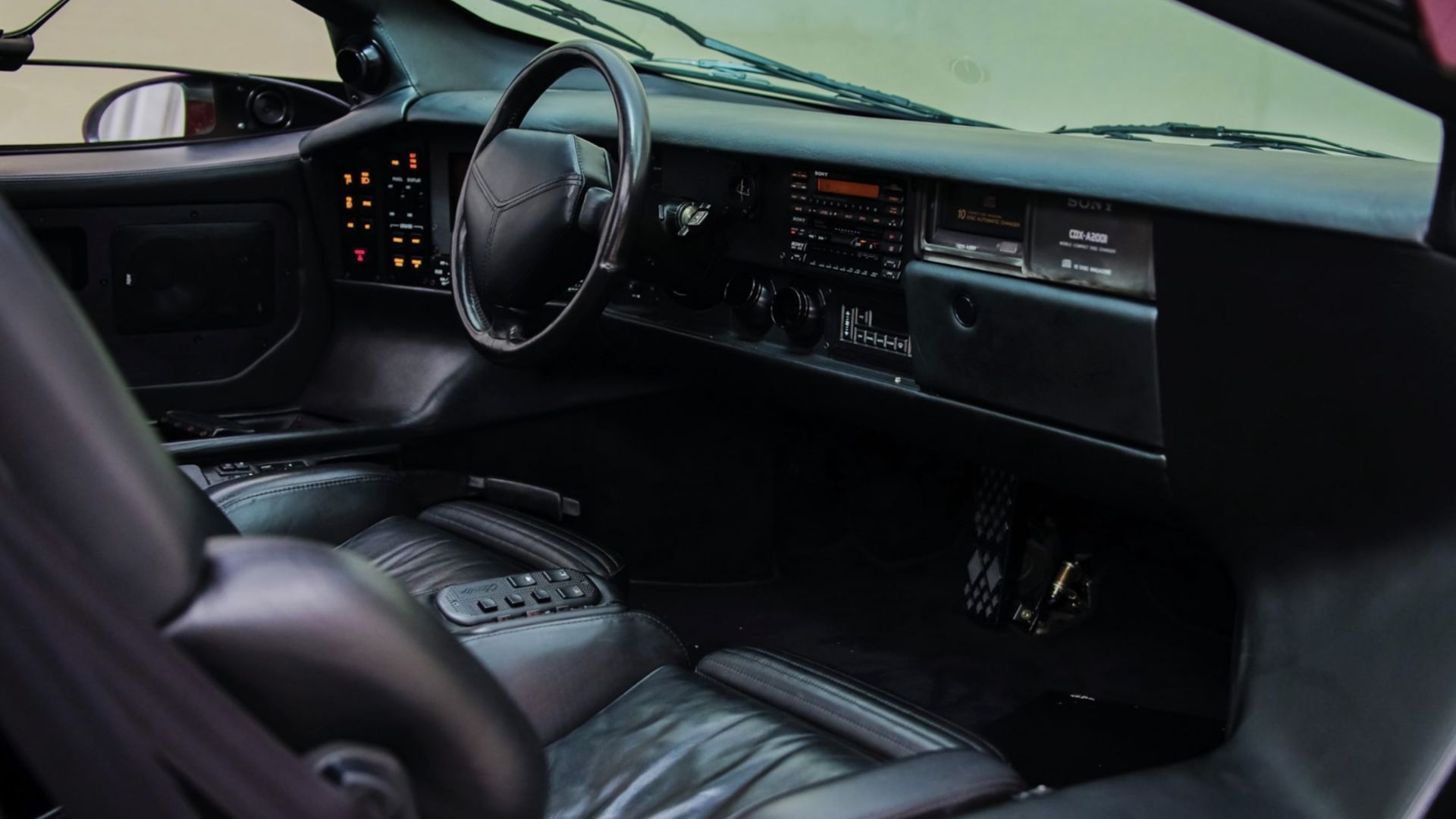
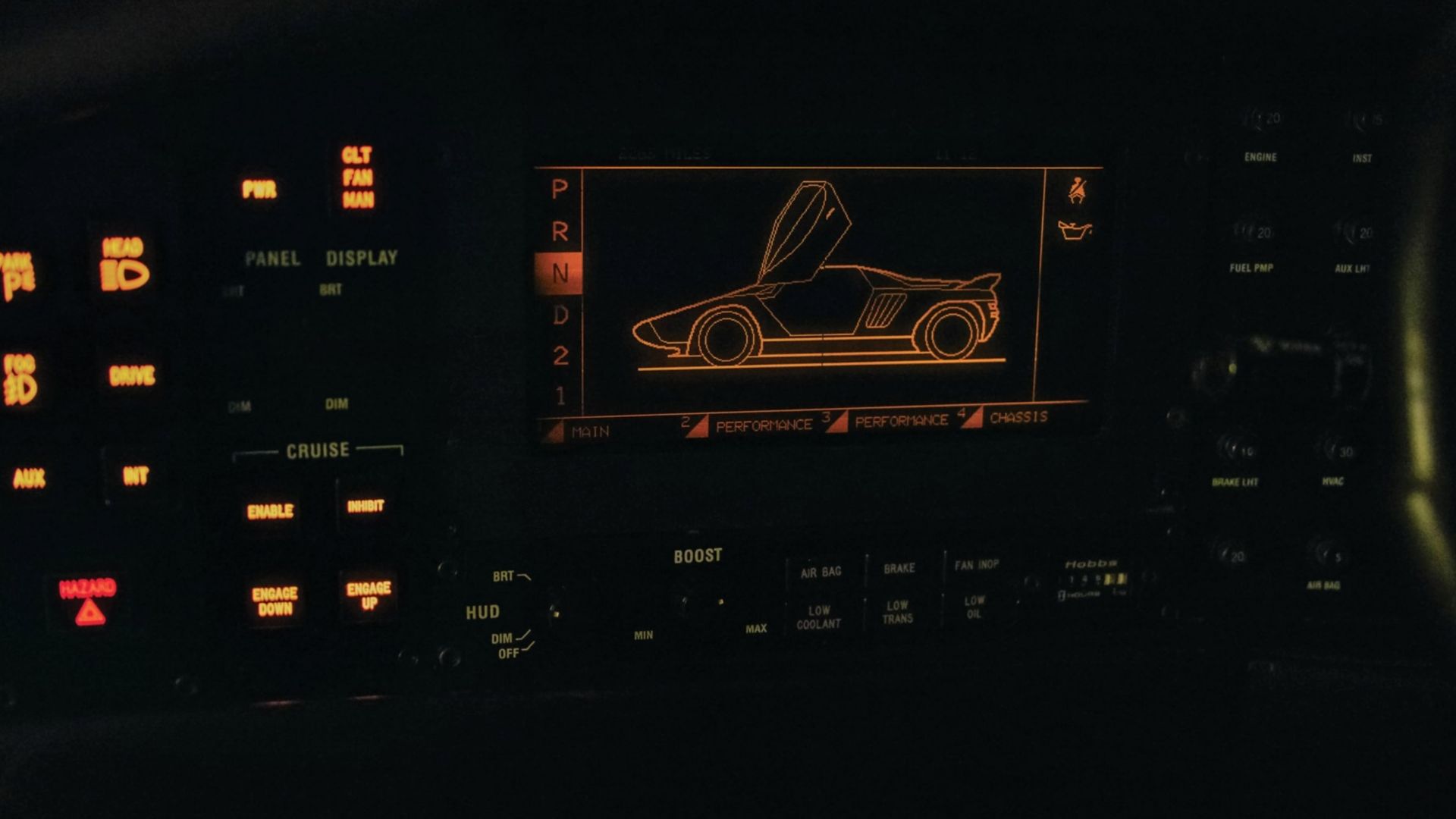
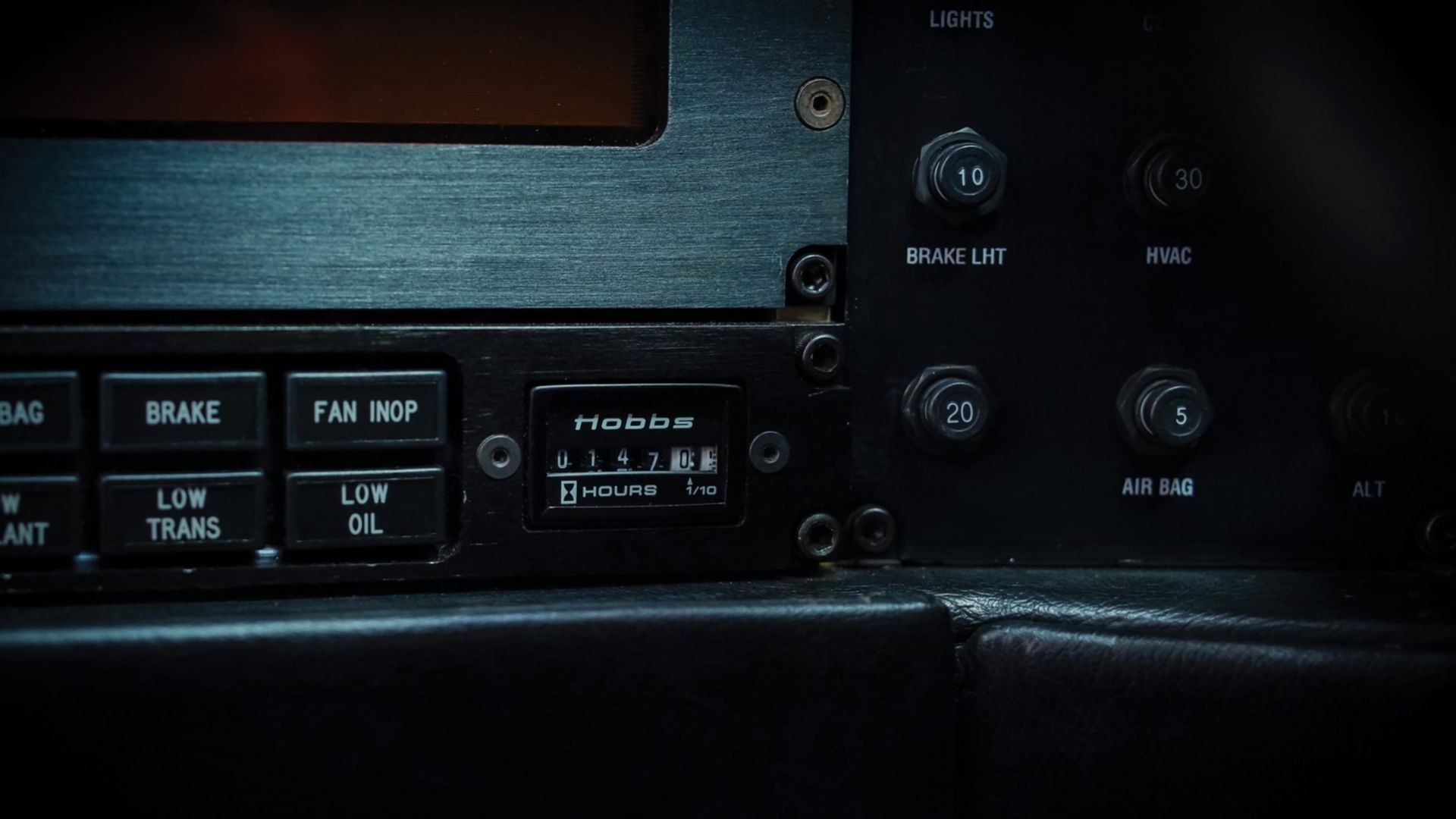
On the inside, the fighter jet theme continues, with toggles and displays not unlike what you’d find in a fighter cockpit. There’s even a big digital display, years before the infotainment screens of today. One readout shows how many hours the engine has been running, like those showing flight hours in aircraft.
Vector’s time in business was short-lived due to financial woes. No matter, according to founder Gerald Wiegart, who had achieved his goal of shocking the automotive industry.
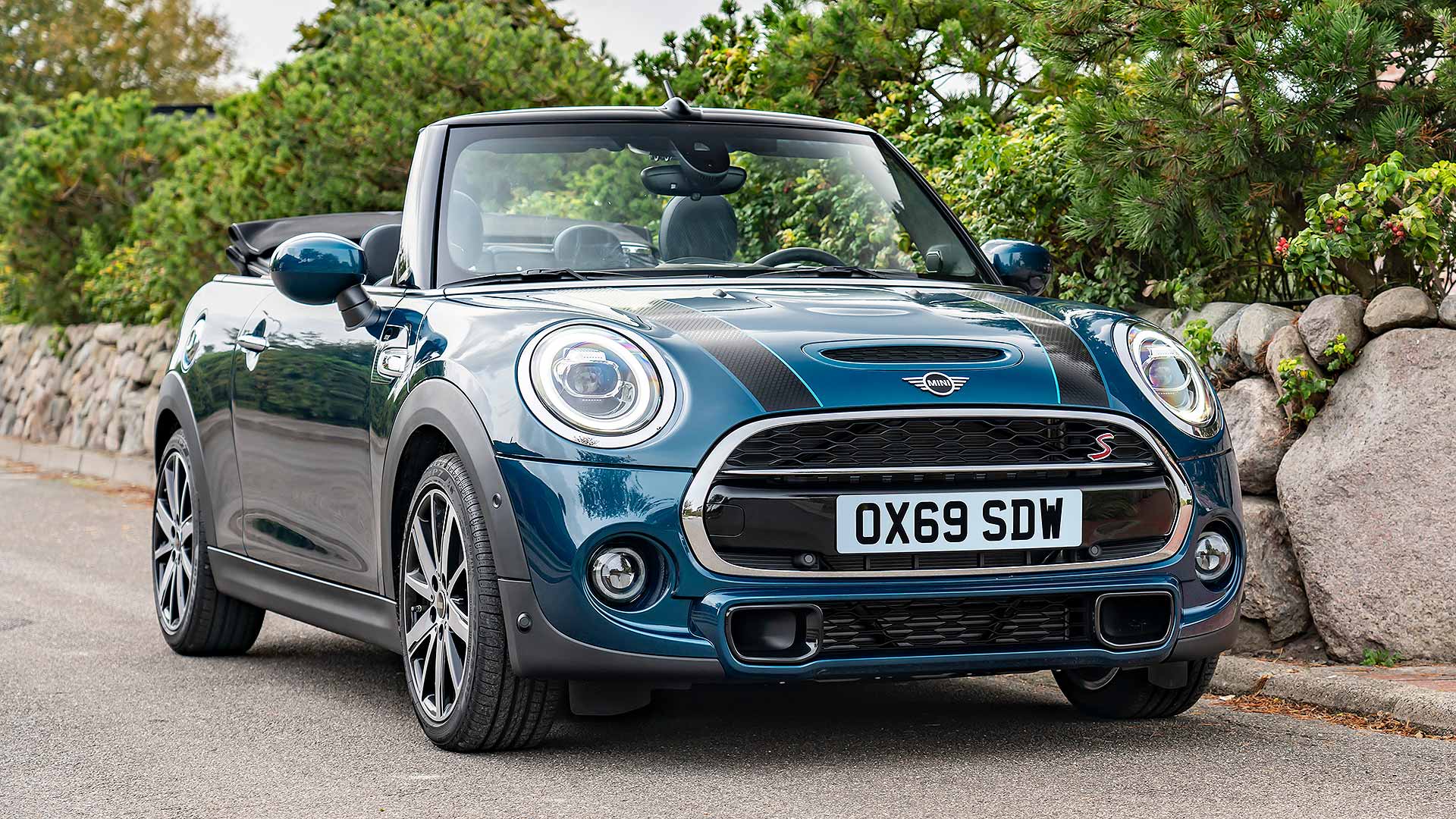
Whereas the 1995 Mini Sidewalk didn’t even have central locking or electric windows, the new special edition builds out modern Mini luxuries with an avalanche of extras.
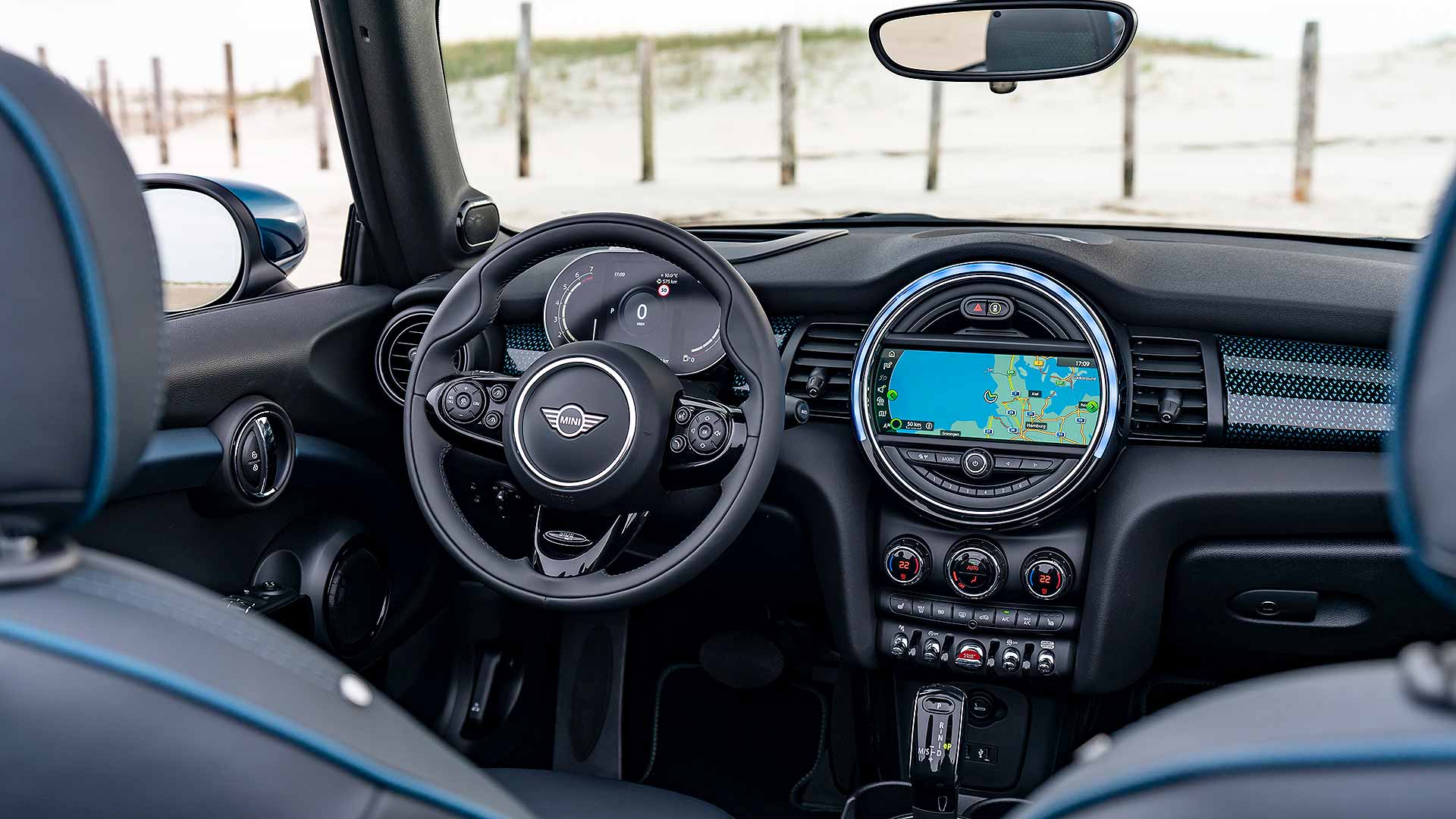
Fitted as standard is a head-up display, Harman Kardon premium audio, a seven-speed automatic gearbox with paddleshifters, plus touchscreen sat have with built in Amazon Alexa functionality.
Heated seats, rear-view camera and wireless smartphone charging are standard.
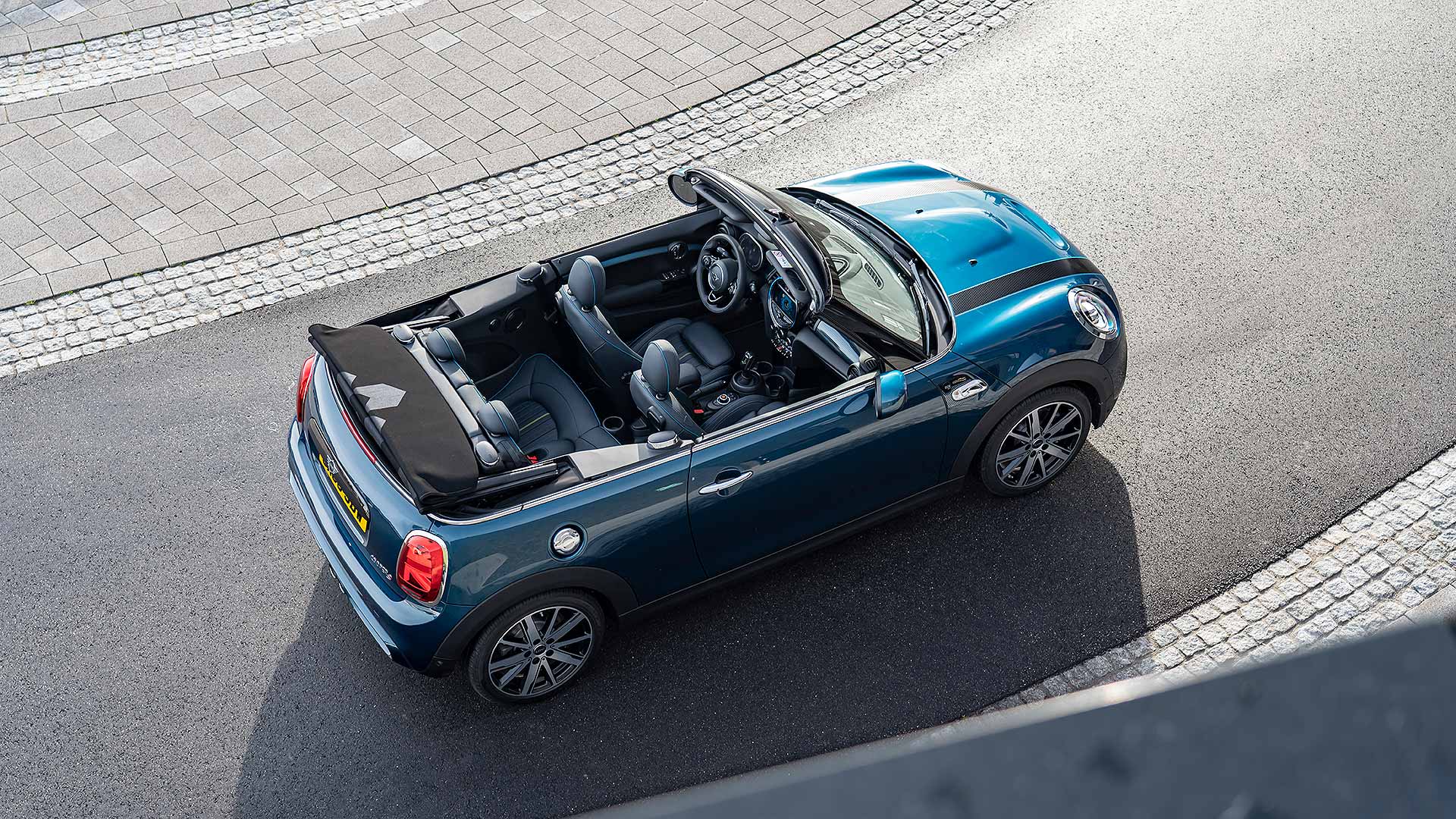
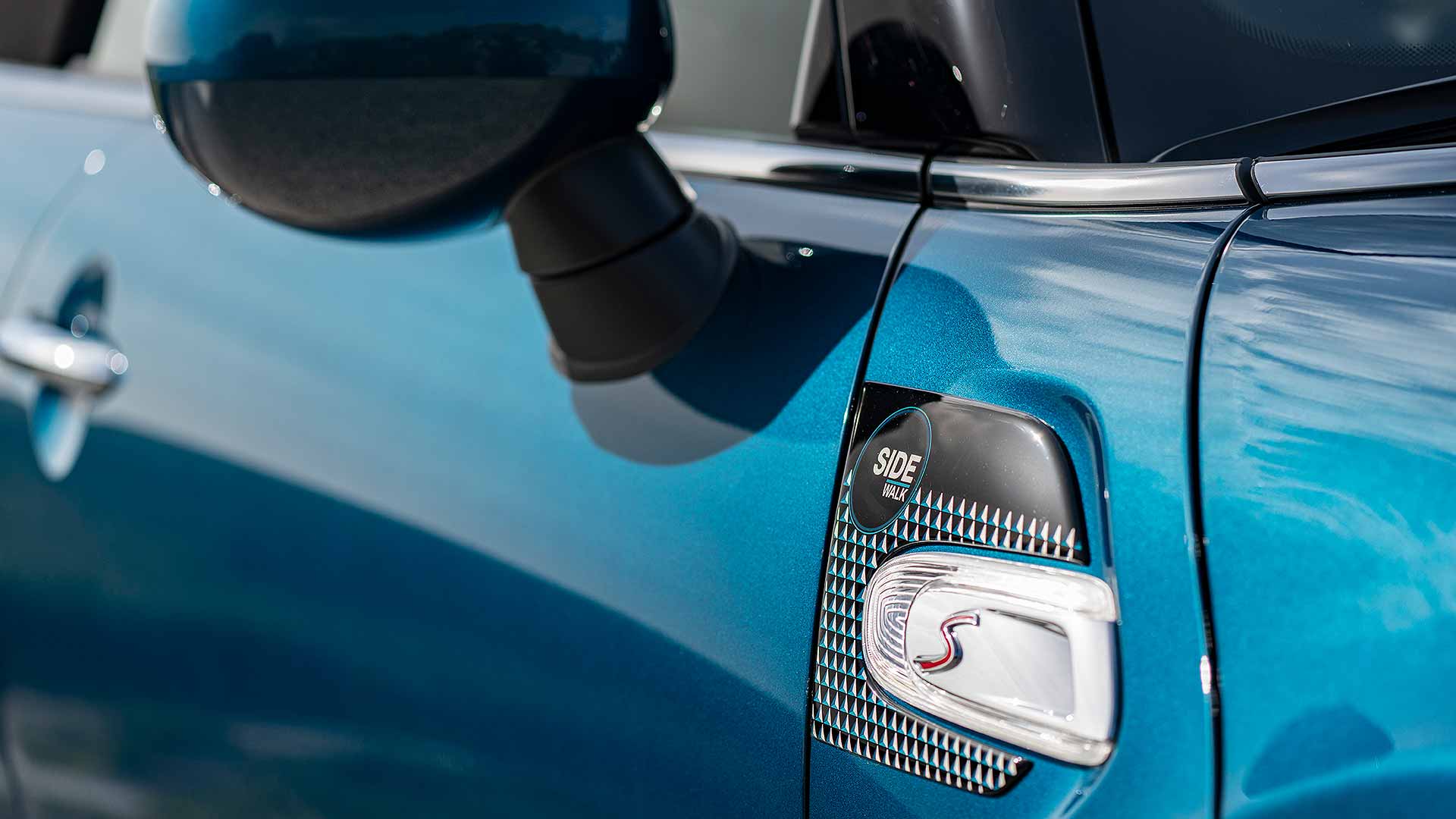
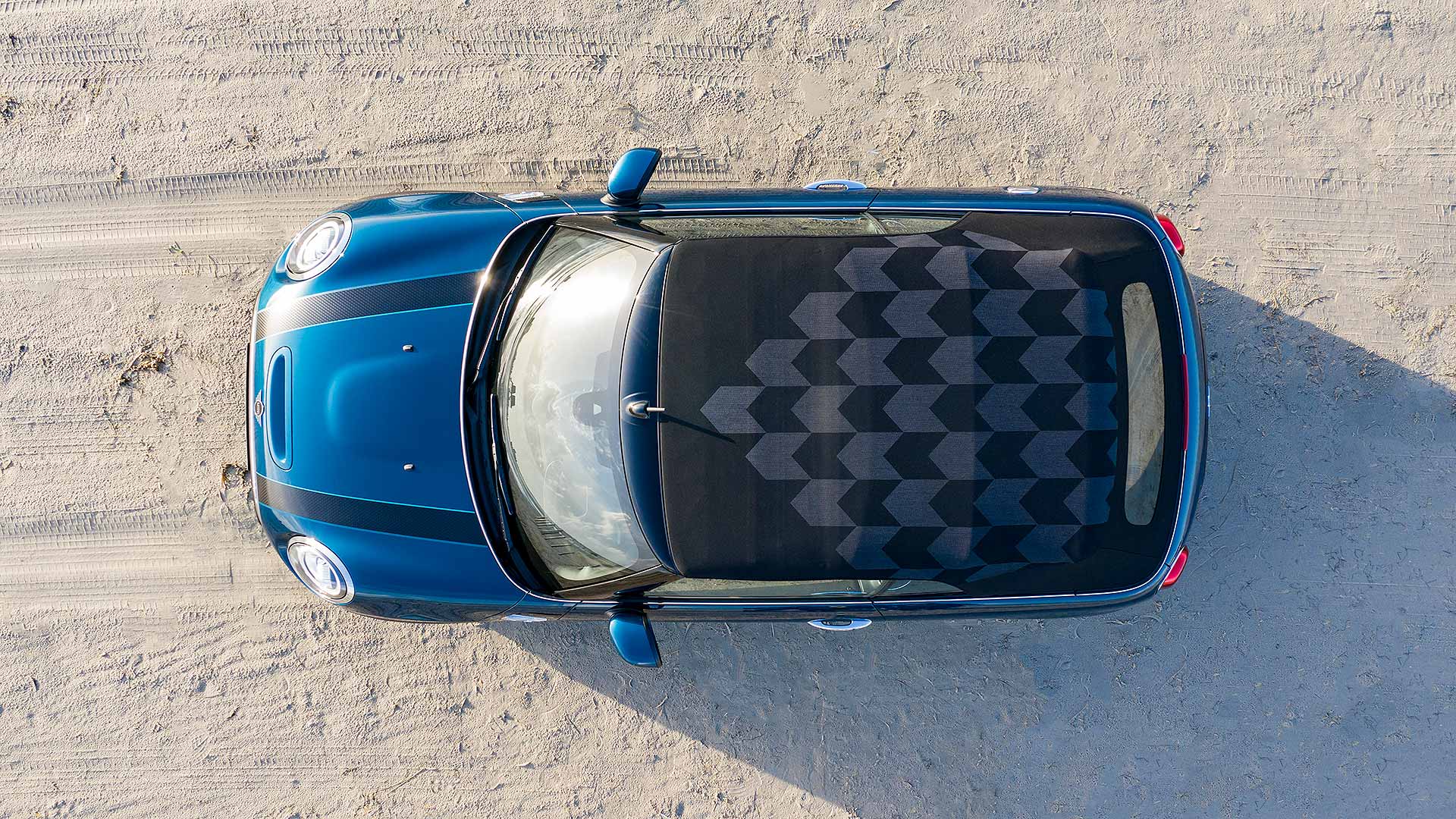
Mini’s given the Sidewalk Convertible a unique paint job, called Deep Laguna. There are also special pin-lined bonnet stripes and Sidewalk graphics on the side.
The electric convertible roof gets a bespoke ‘arrow’ design and the 17-inch two-tone alloys are unique.
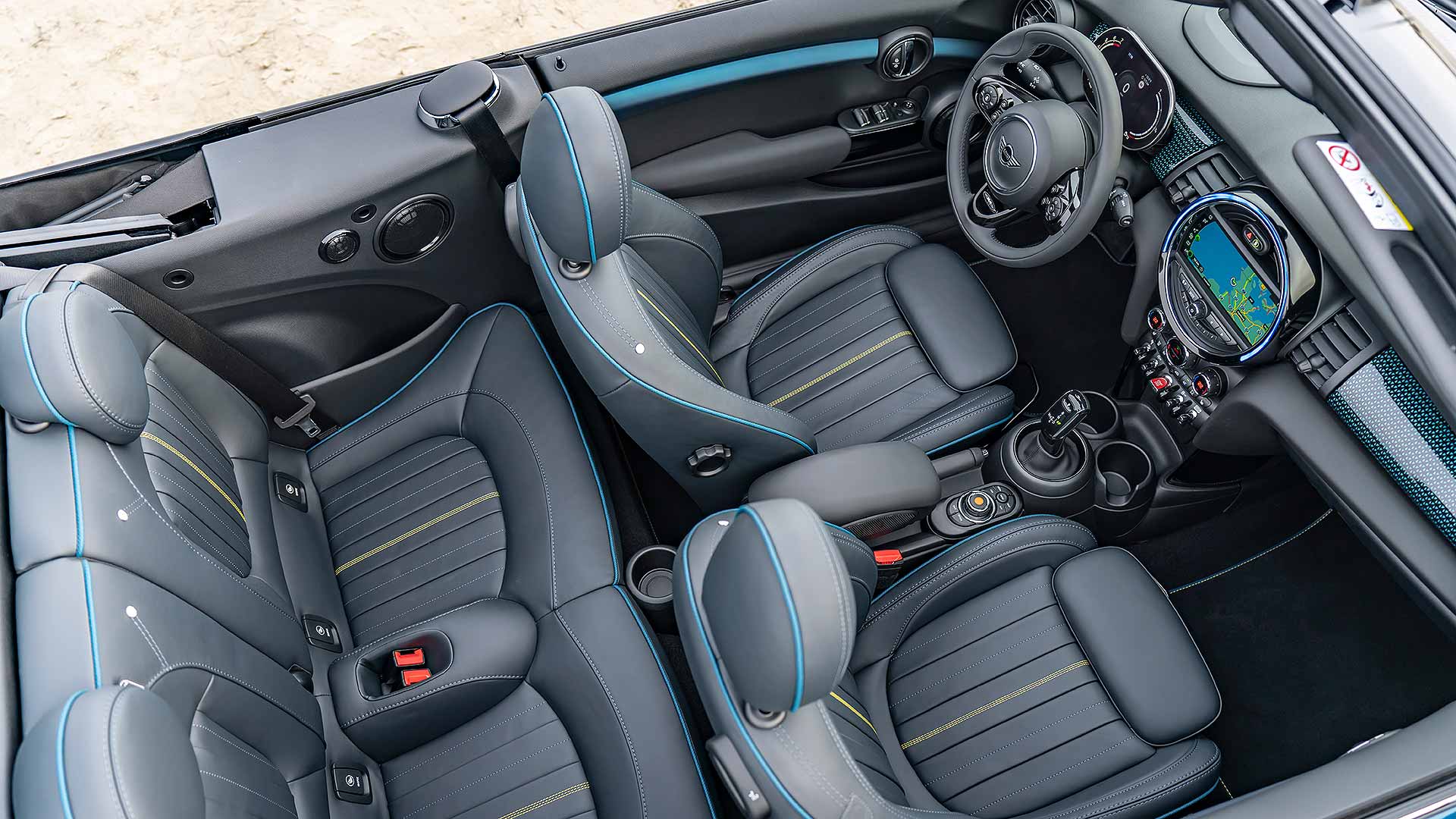
Inside, the firm’s best ‘Mini Yours’ leather covers the seats, which carry ‘Sidewalk’ badging and contrast blue and yellow seams. These carry through to the Sidewalk-branded steering wheel.
Mini’s even fitted unique piano black dash trim with contrast accents.
Keen to be one of the 150 British buyers of the limited-run Mini Sidewalk Convertible? Get your order in now while stocks last; production begins in March 2020, just in time for the new ’70-plate’ registration.
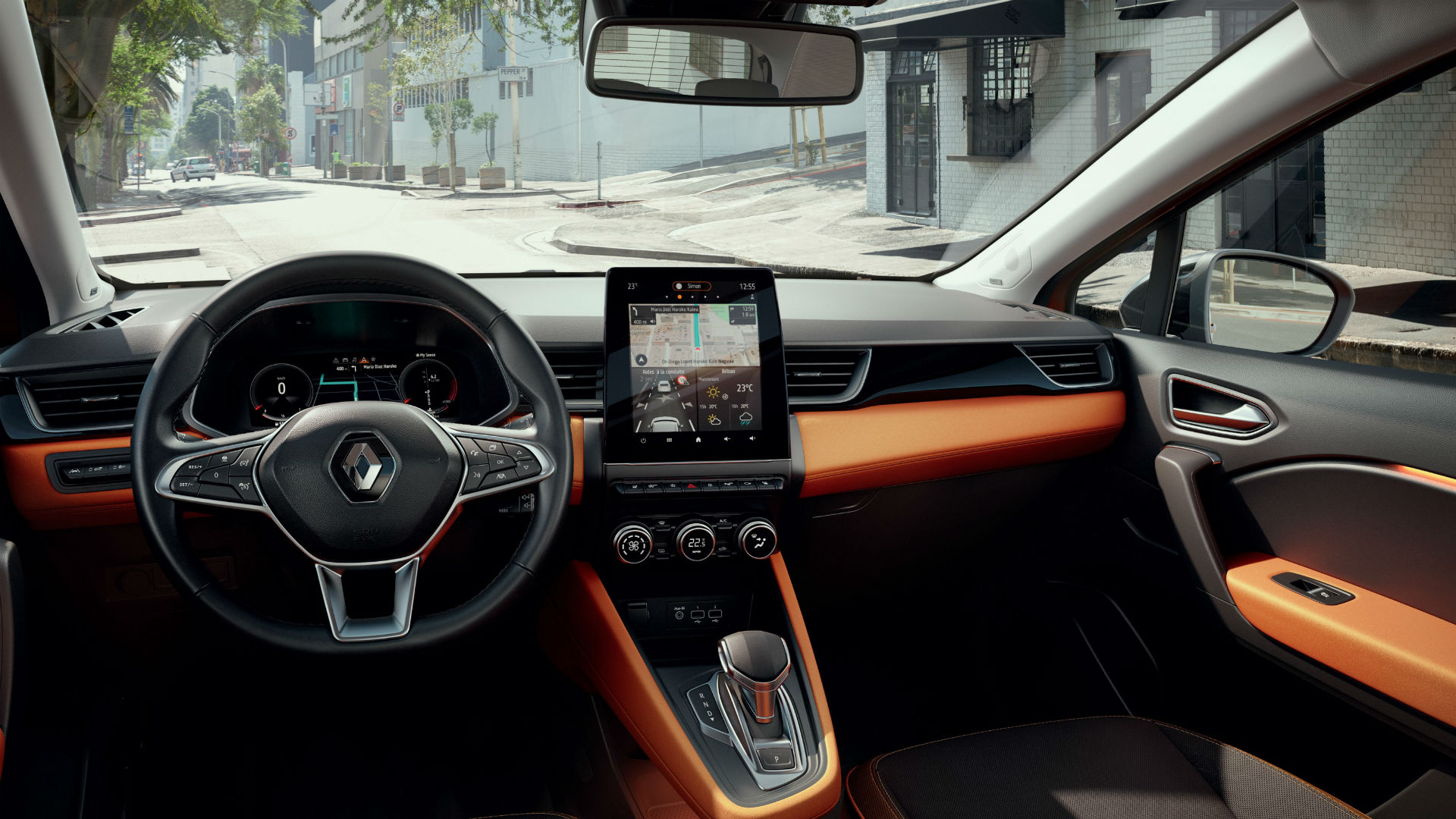
Owners of selected Renault cars can now control various objects of their home from inside their car.
New cars equipped with the latest Easy Link connected system will offer the service, which uses technology developed by Otodo, a French company specialising in smart homes.
As well as controlling household items, Renault owners will be able to send instructions from their home to a connected vehicle via a smartphone or connected speaker.
There are two available scenarios, with different instructions associated with each. These are:
Leaving Home – puts the home into ‘sleep’ mode. This could include switching the central heating to energy-saving mode, closing the shutters and turning off the lights
Arriving Home – ‘wakes’ the home. Drivers will be prompted to activate the scenarios based on the distance between the vehicle and home
Users must press ‘OK’ on the Renault’s touchscreen to activate a scenario. The instructions are sent to the home automatically and simultaneously.
Renault home tech a ‘trailblazing experience’
Jean-Francois Labal, marketing and partnership head for connected cars and services at Groupe Renault, said: “Cars need to blend into our digital lives. With this service, we’re offering our customers a trailblazing experience and a completely secure system to connect their home’s connected objects to their vehicle.
“The interface to set it up is very intuitive and it comes with two advantages: it’s automatic so it makes life simpler and it saves energy by switching lights and heating on and off as needed.”
Eric Denoyer, CEO at Otodo, added: “Our platform has enabled Groupe Renault to create a simple and universal link between smart cars and smart homes, that works across brands and technologies. Very soon, everyone will be able to use this platform to organise their daily life from their car.”
The connected technology will be previewed at CES Las Vegas from 7 to 10 January, before rolling out on the all-new Clio, Captur and Zoe electric car later in 2020.
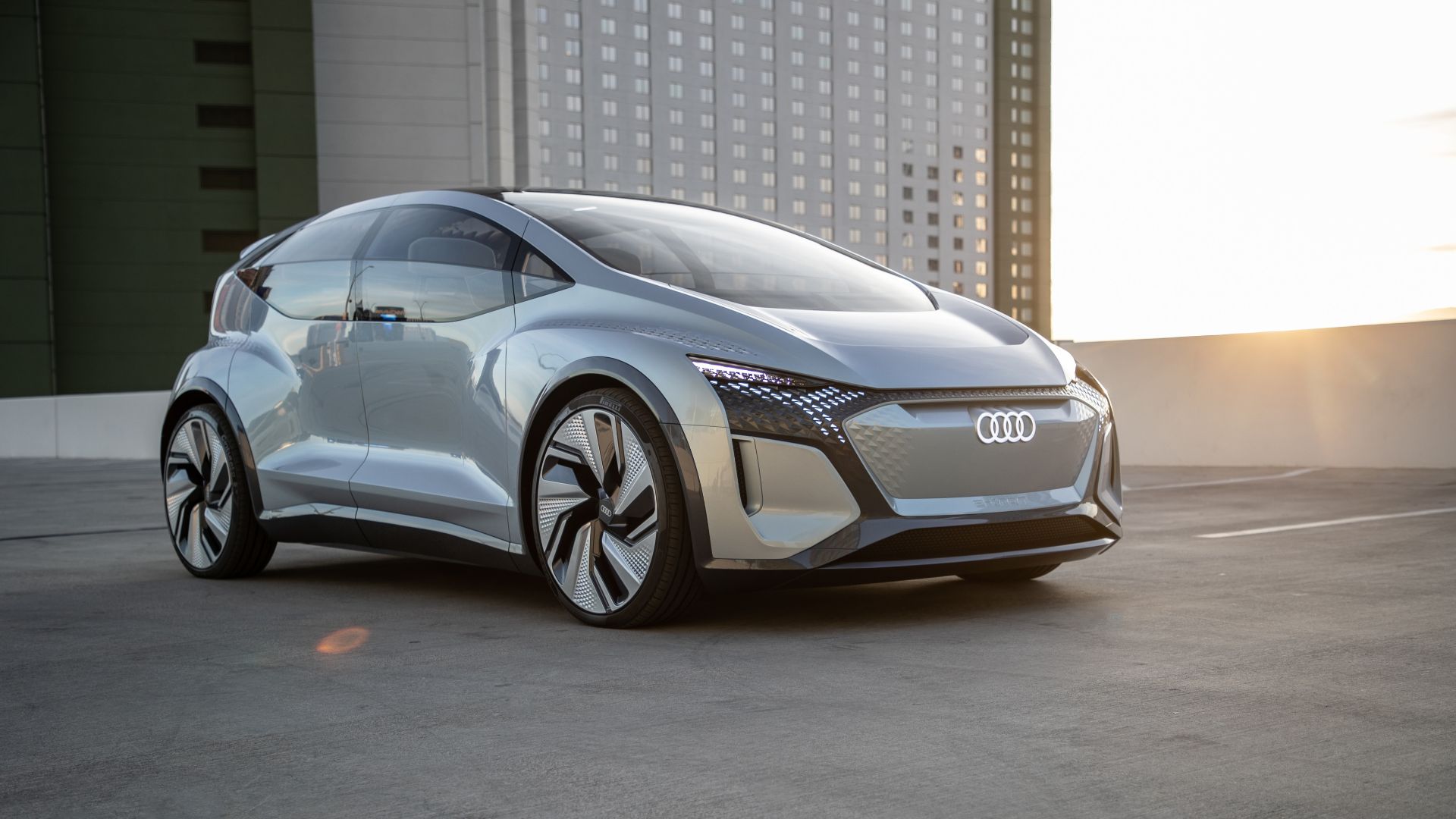
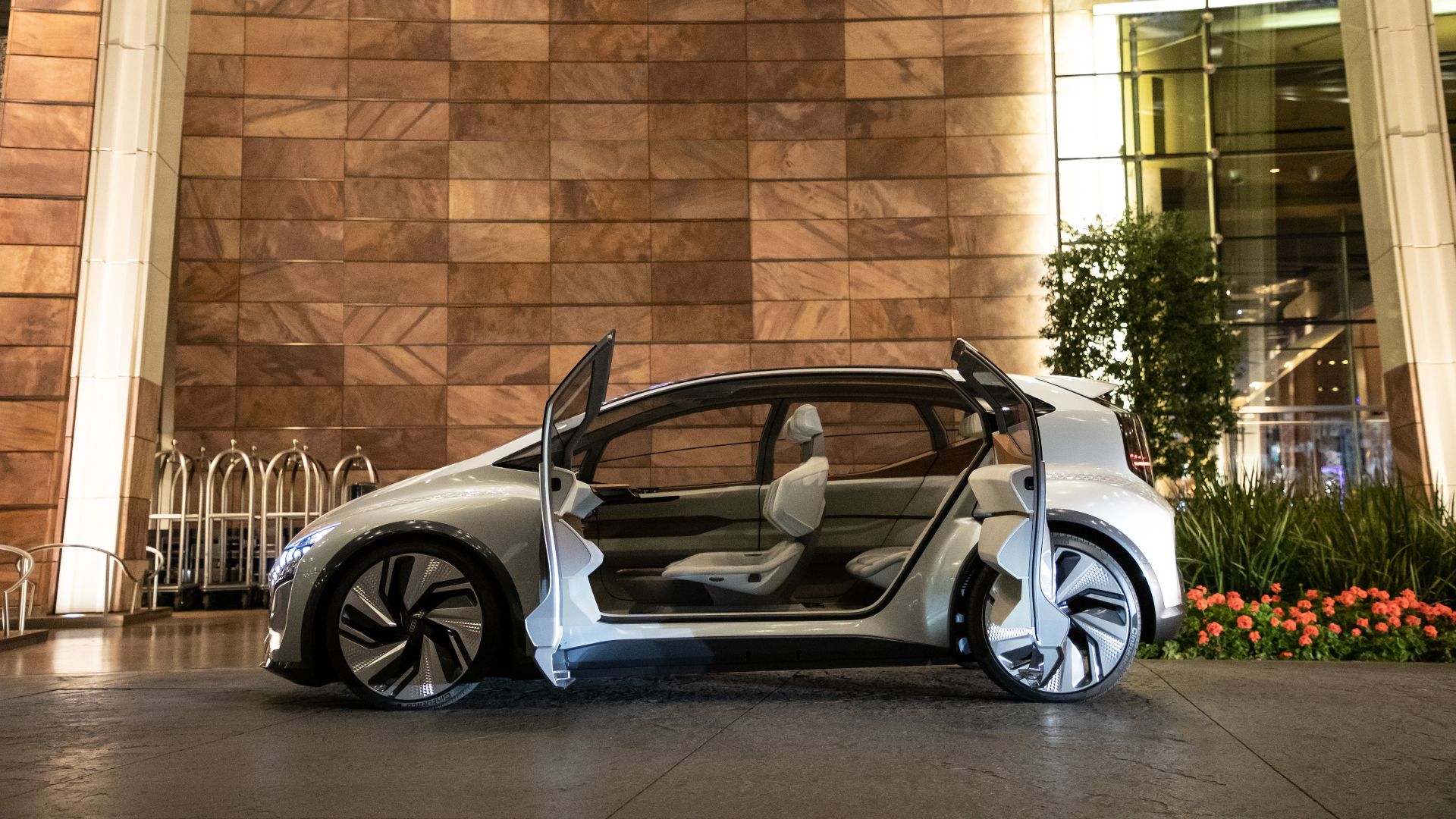
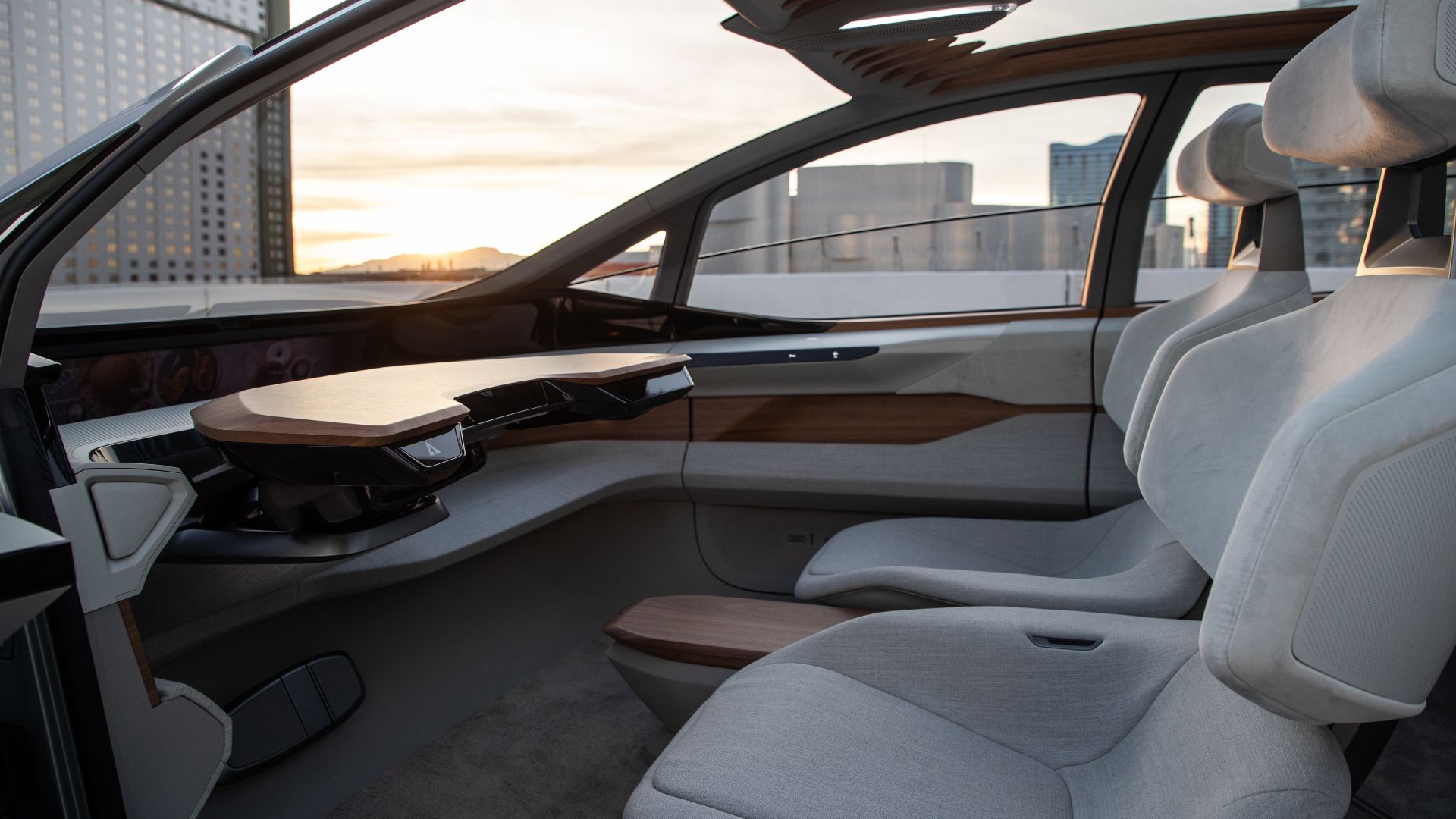
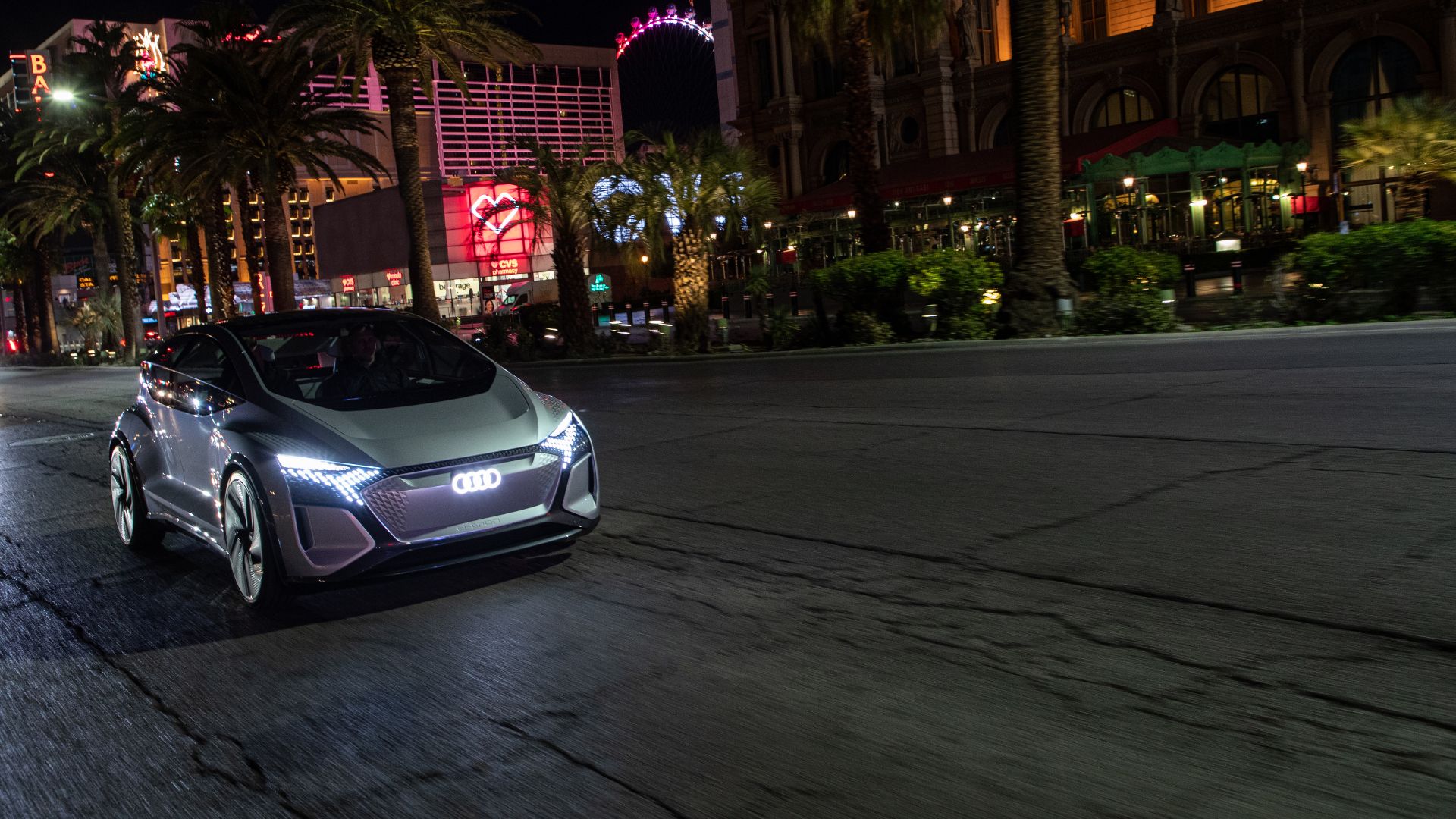
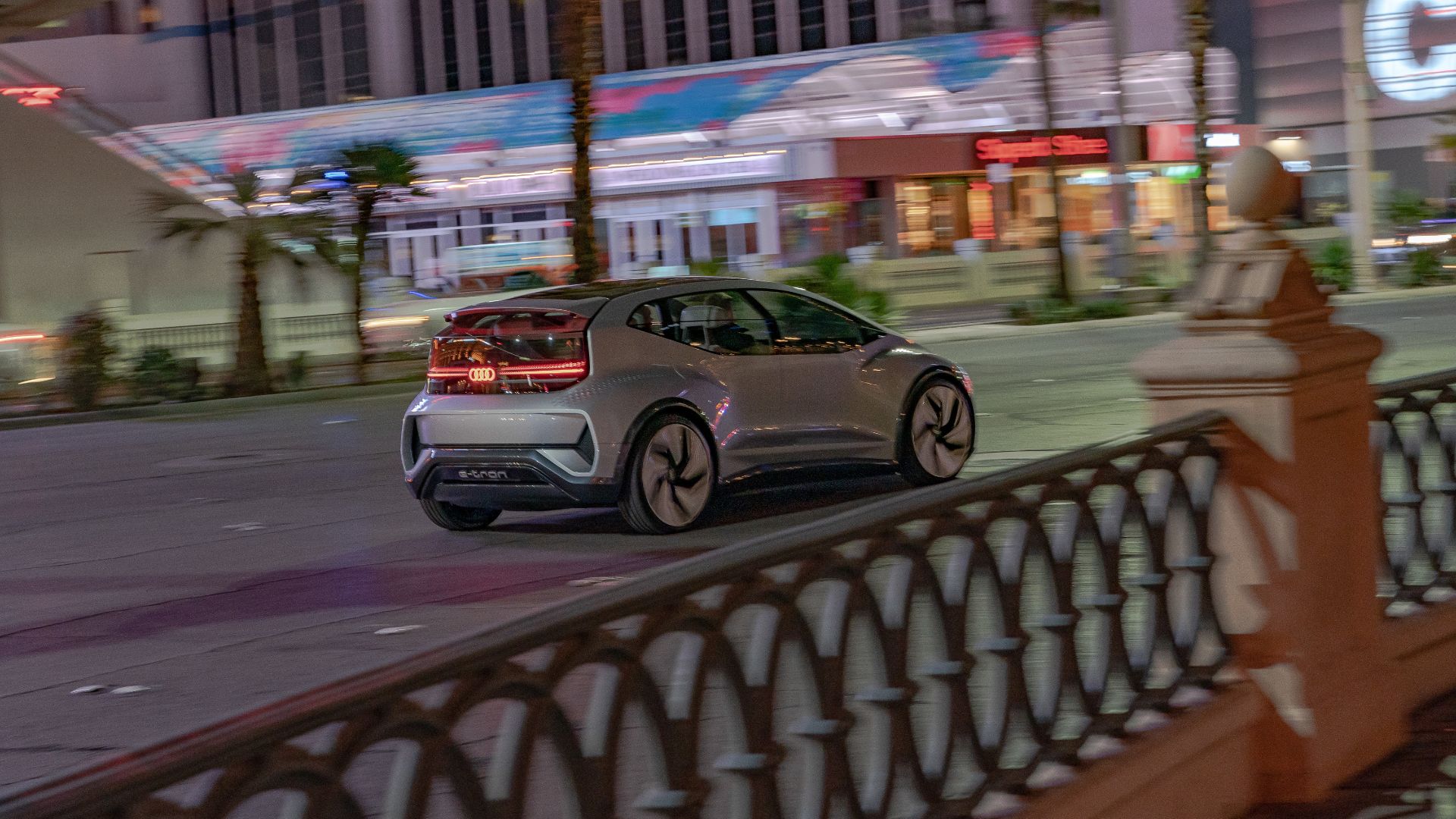
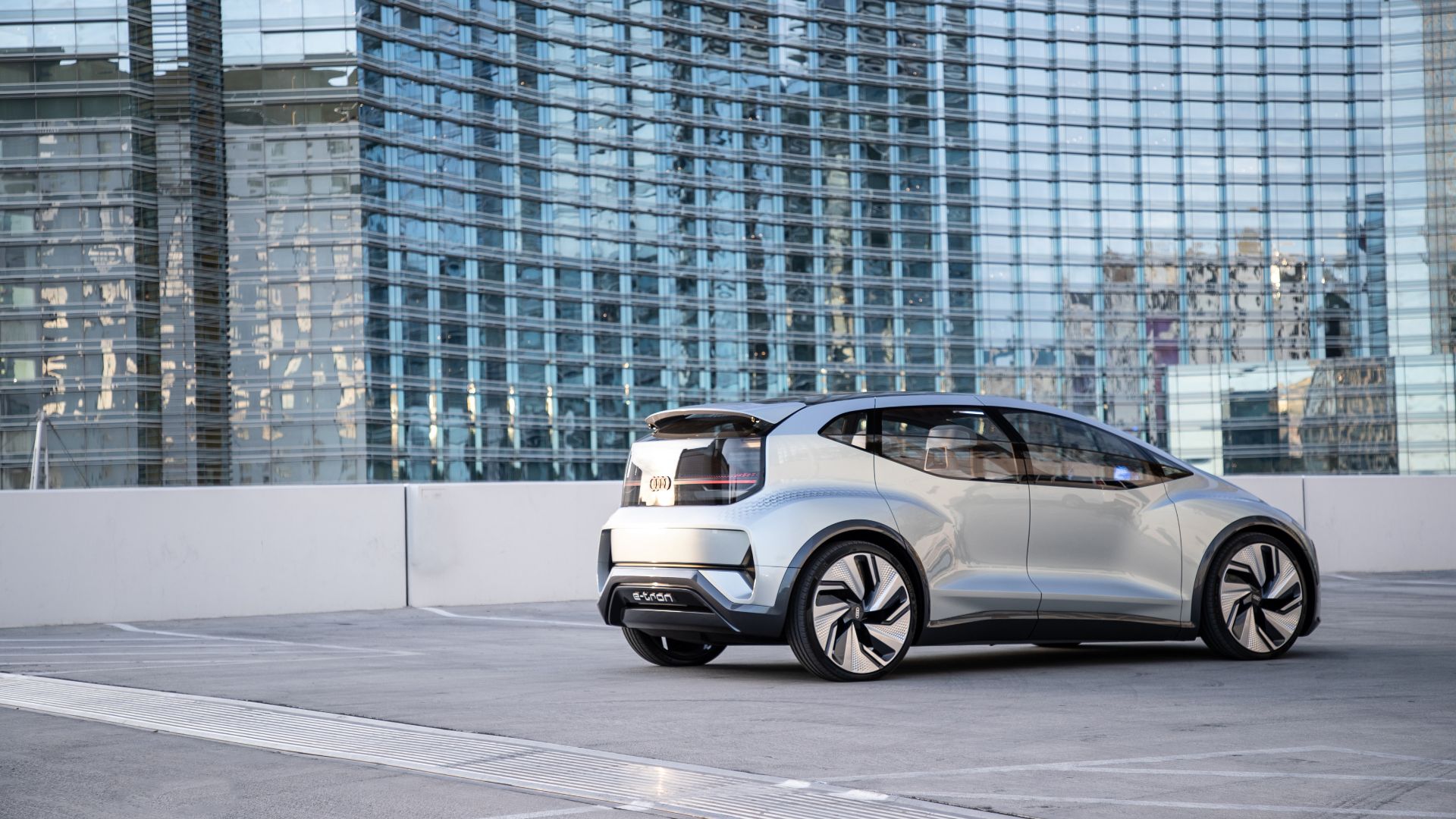
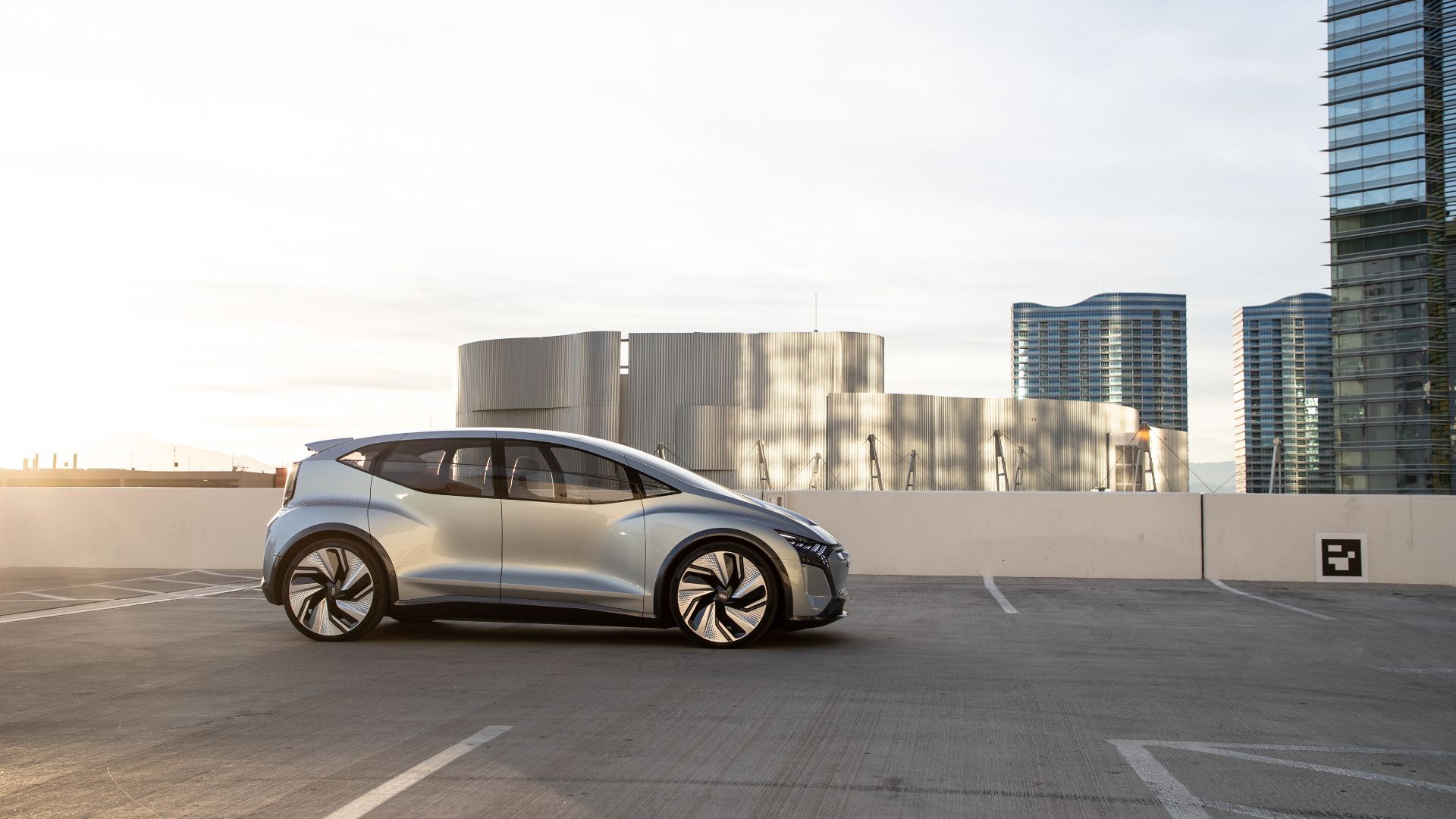
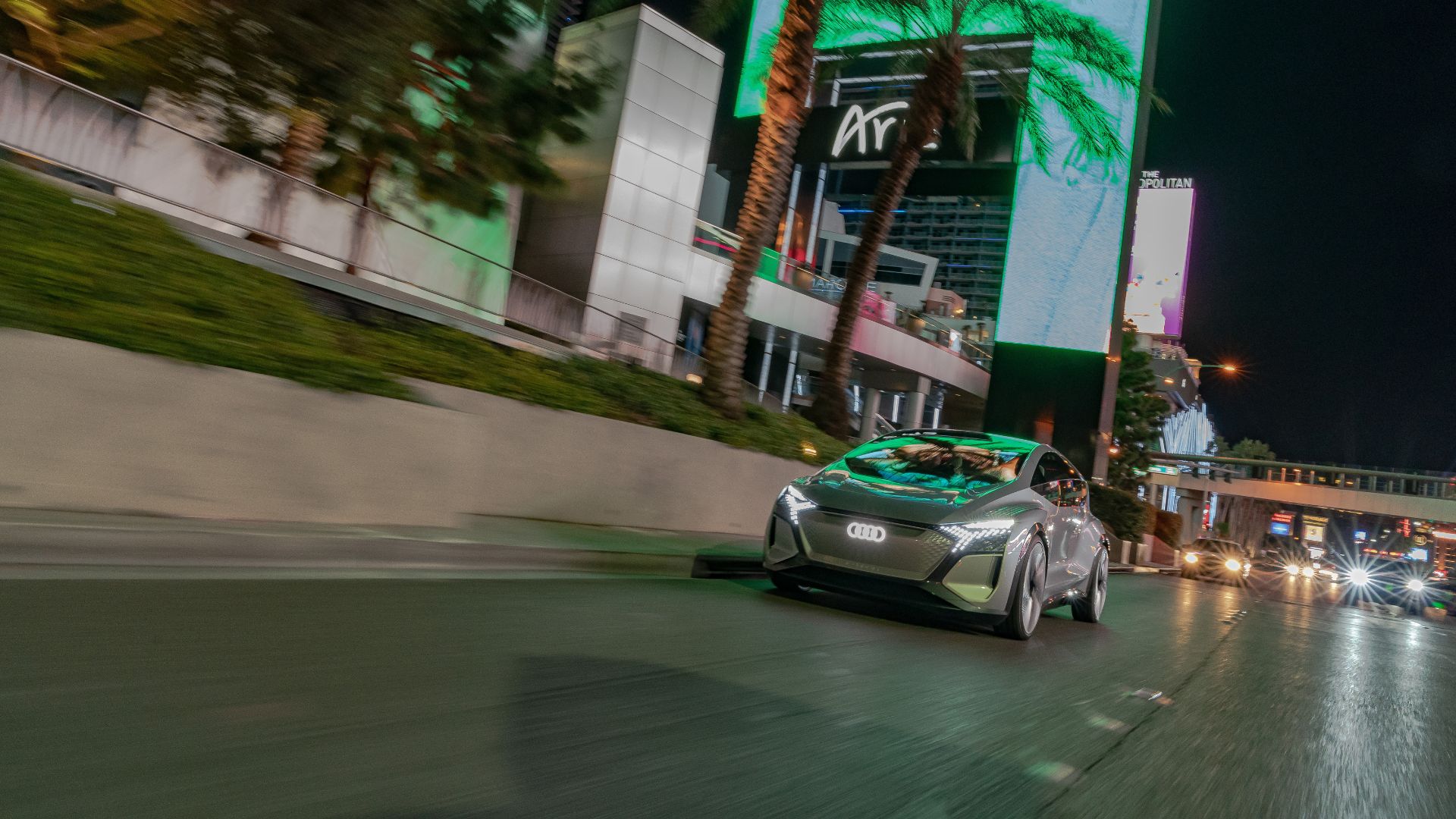
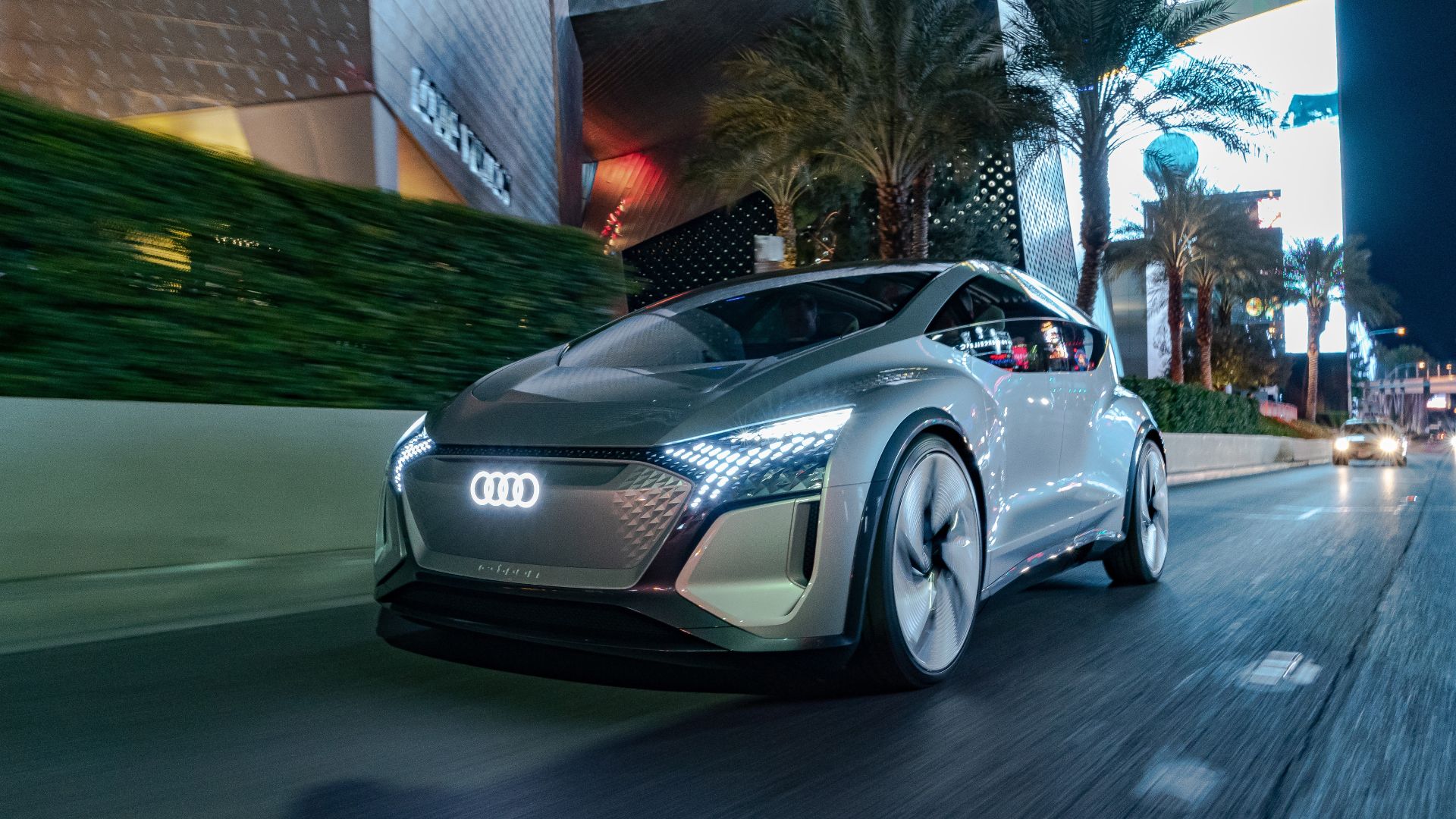
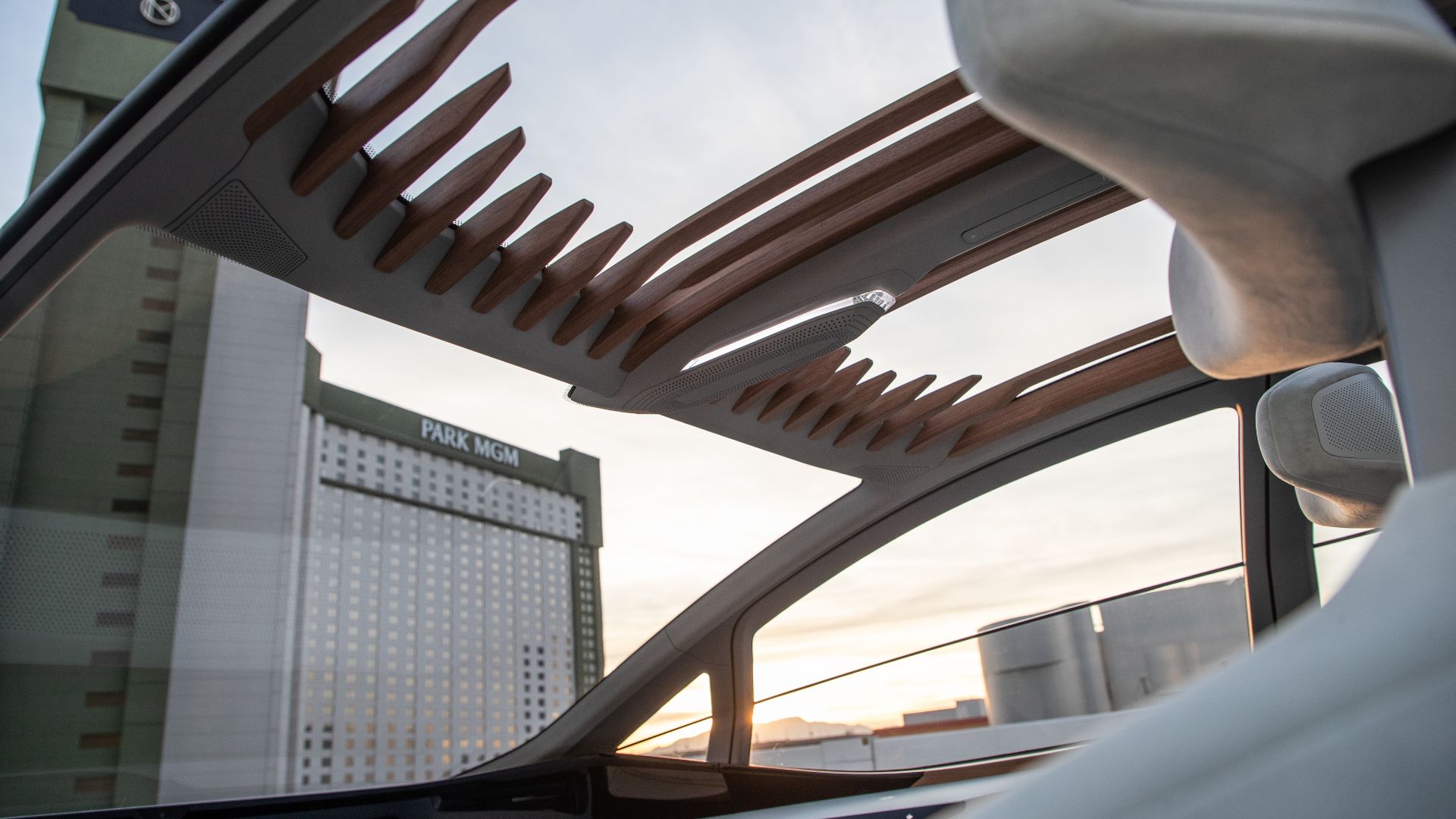
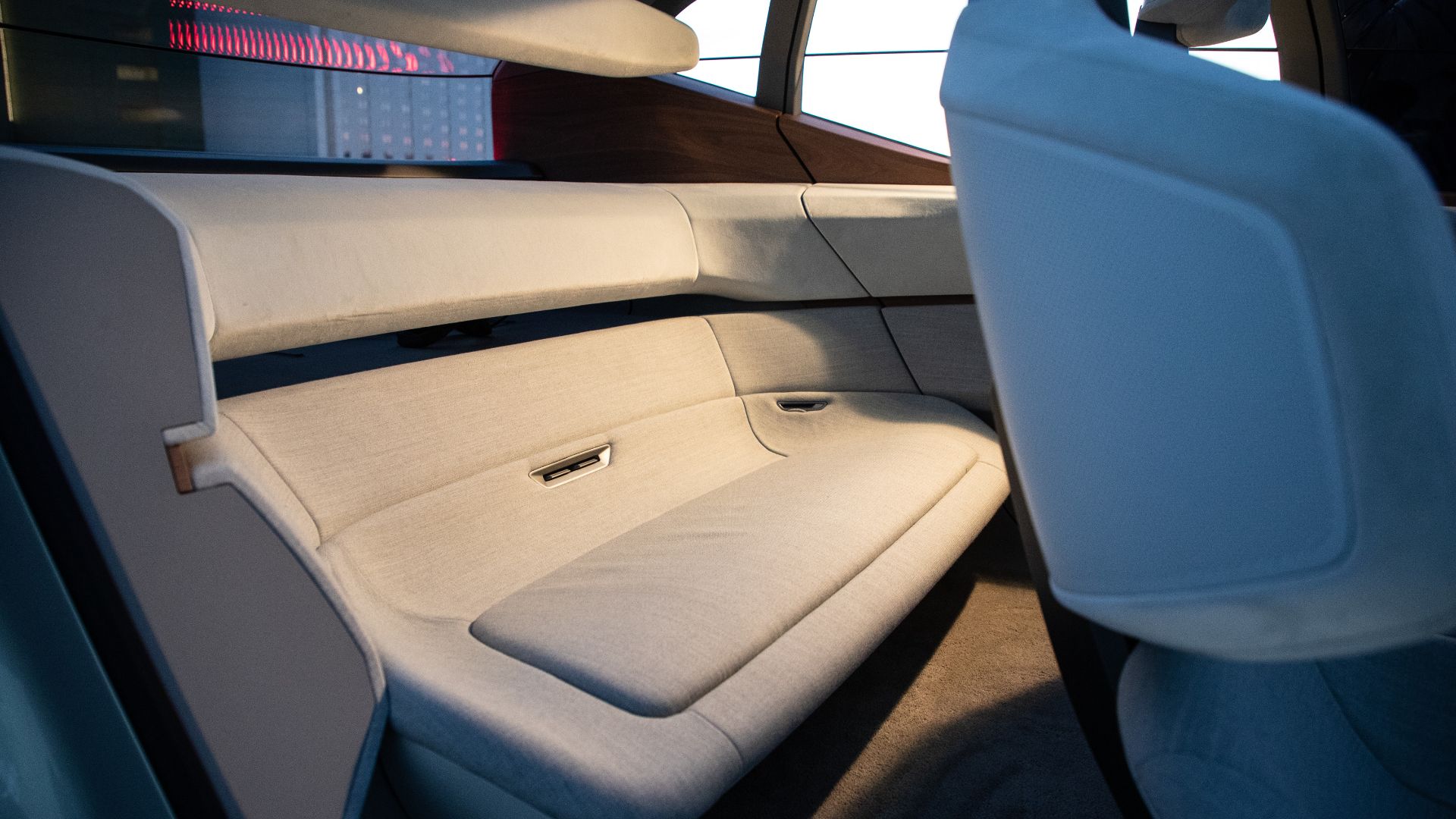
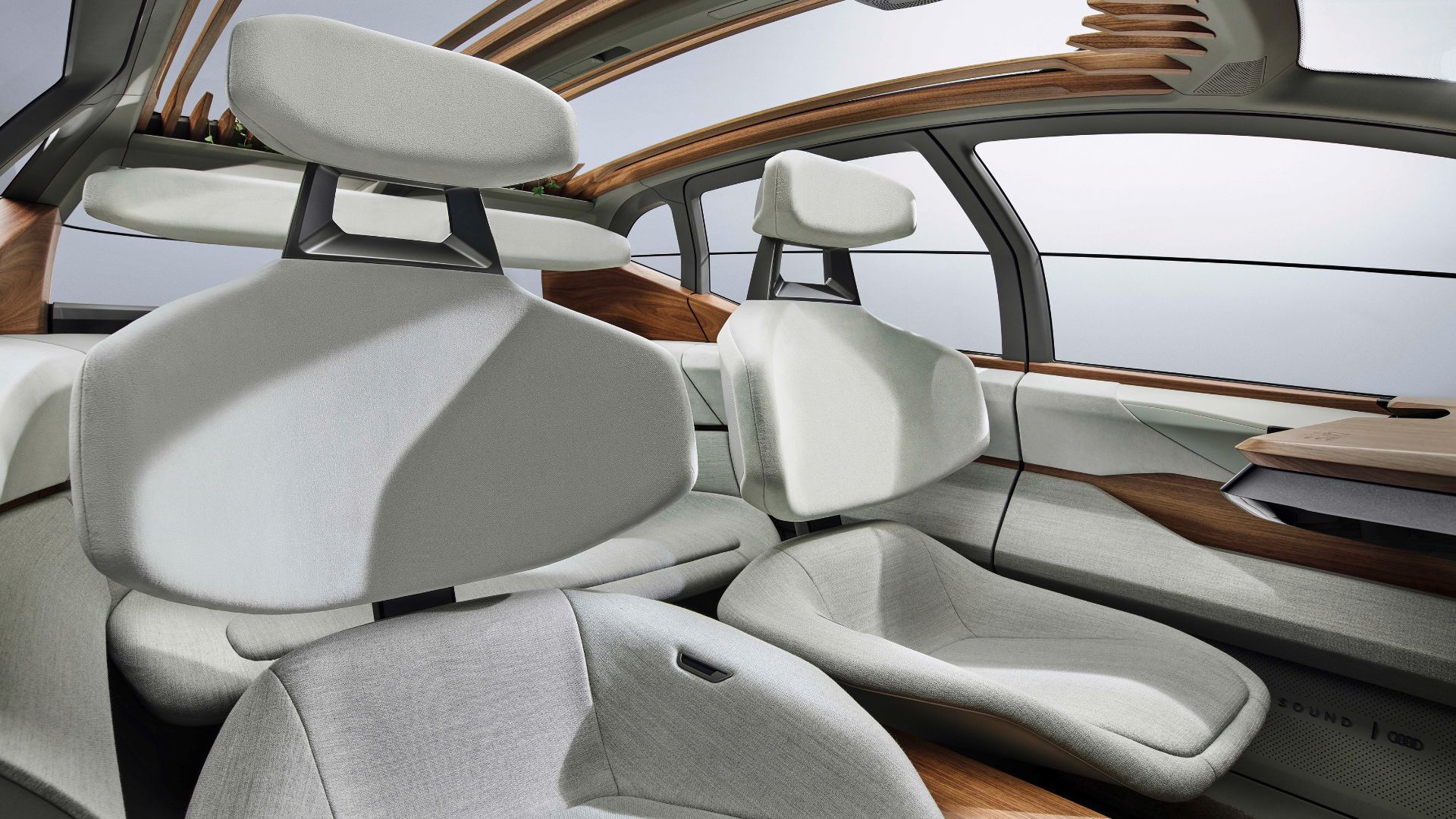
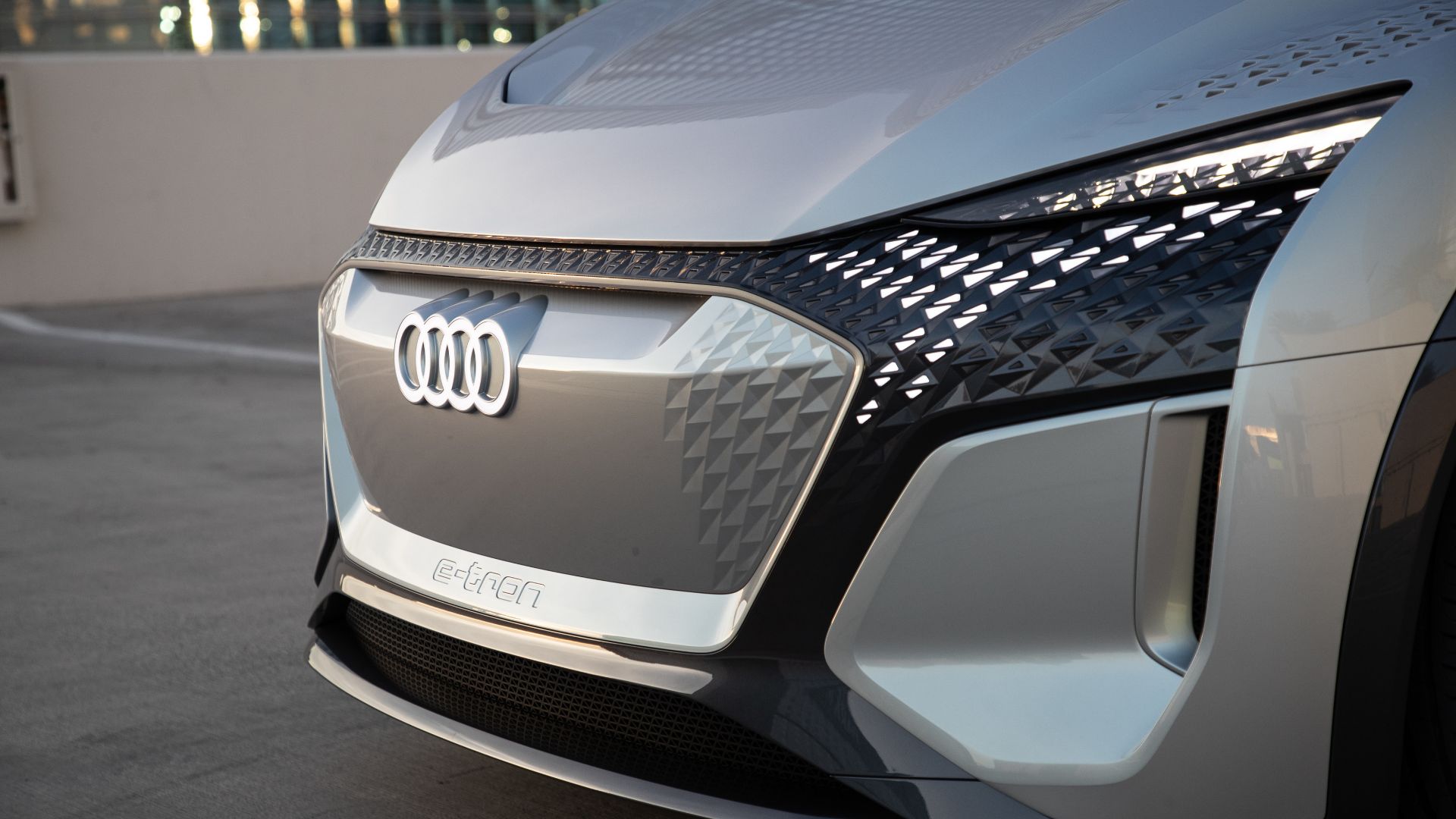
Audi is at the 2020 Consumer Electronics Show showing off its AI:ME fully-automated concept car. It’s a vision for an urban vehicle with a silhouette not dissimilar to the ground-breaking A2 of 20 years ago.
Described as a ‘third living space’ to go alongside the home and workplace, the AI:ME is designed to know its driver, using eye-tracking to enable tasks like ordering food.
Occupants can put on a pair of VR goggles for a wellness experience, taking them to fantastical places, like a flight over a mountain range. The simulation reacts to how the car is moving in real time, so the experience is fully integrated.
Clever though it was, we don’t remember the A2 coming with anything like the ‘Audi Intelligence Experience’. This is how the car learns about its user, their destinations, their habits and their preferences. It can monitor driving style and even vital bodily functions.
Over time, the car will be able to learn your preferred seat position, cabin climate and even which air freshener scent you prefer.
Audi has also developed what it calls ‘Human-Centric Lighting’, which changes based on how you feel. Tired drivers can be soothed with blue cool white light, which stimulates and invigorates.
The AI:ME features new screen technology, with transparent displays. A 15cm by 122cm transparent section is partially embedded into the instrument panel. It’s double-layered, with an OLED display and a black panel. The parts of the screen that aren’t being used to show information remain see-through, for an unobstructed view of the road.
Audi calls the AI:ME a ‘vision vehicle’, suggesting this reborn A2 isn’t something we can expect in 2021 or even 2022. It’s nice to see the marque re-visiting the footprint of one of its cleverest models, though.
The 2020 Consumer Electronics Show (CES) is underway, and now more than ever it’s where car companies go to show off technology, and technology companies go to show off cars. Toyota is going one better this year, proposing its plans for an entire city of the future.
Moreover, this isn’t just a concept. Toyota is going to build what it calls the ‘Woven City’ at the base of Mount Fuji in Japan.
The plan is for it to be a prototype for new cities. The 175-acre site will be a fully connected hydrogen-powered ecosystem, and a safe haven for the prototyping and testing of future technologies. Examples include autonomous mobility, robotics, smart homes, and artificial intelligence (AI).
Toyota wants to move 2,000 people in initially. These will include Toyota employees, families, retirees, retailers, scientists and industry partners. They’ll be able to enjoy robots in their homes, AI to monitor their health and fully-autonomous zero-emissions transport. Tropes of traditional cities will follow, including parks and areas for people to gather socially.
“Building a complete city from the ground up, even on a small scale like this, is a unique opportunity to develop future technologies, including a digital operating system for the city’s infrastructure,” said Akio Toyoda, president of Toyota Motor Corporation.
“With people, buildings and vehicles all connected and communicating with each other through data and sensors, we will be able to test connected AI technology… in both the virtual and the physical realms… maximising its potential.”
“We welcome all those inspired to improve the way we live in the future, to take advantage of this unique research ecosystem and join us in our quest to create an ever-better way of life and mobility for all.”
The city is being designed by Danish architect Bjarke Ingels. His previous efforts include Google’s Mountain View and London headquarters locations, as well as Lego House in Denmark. Toyota expects ground to be broken for the ‘Woven City’ in 2021.
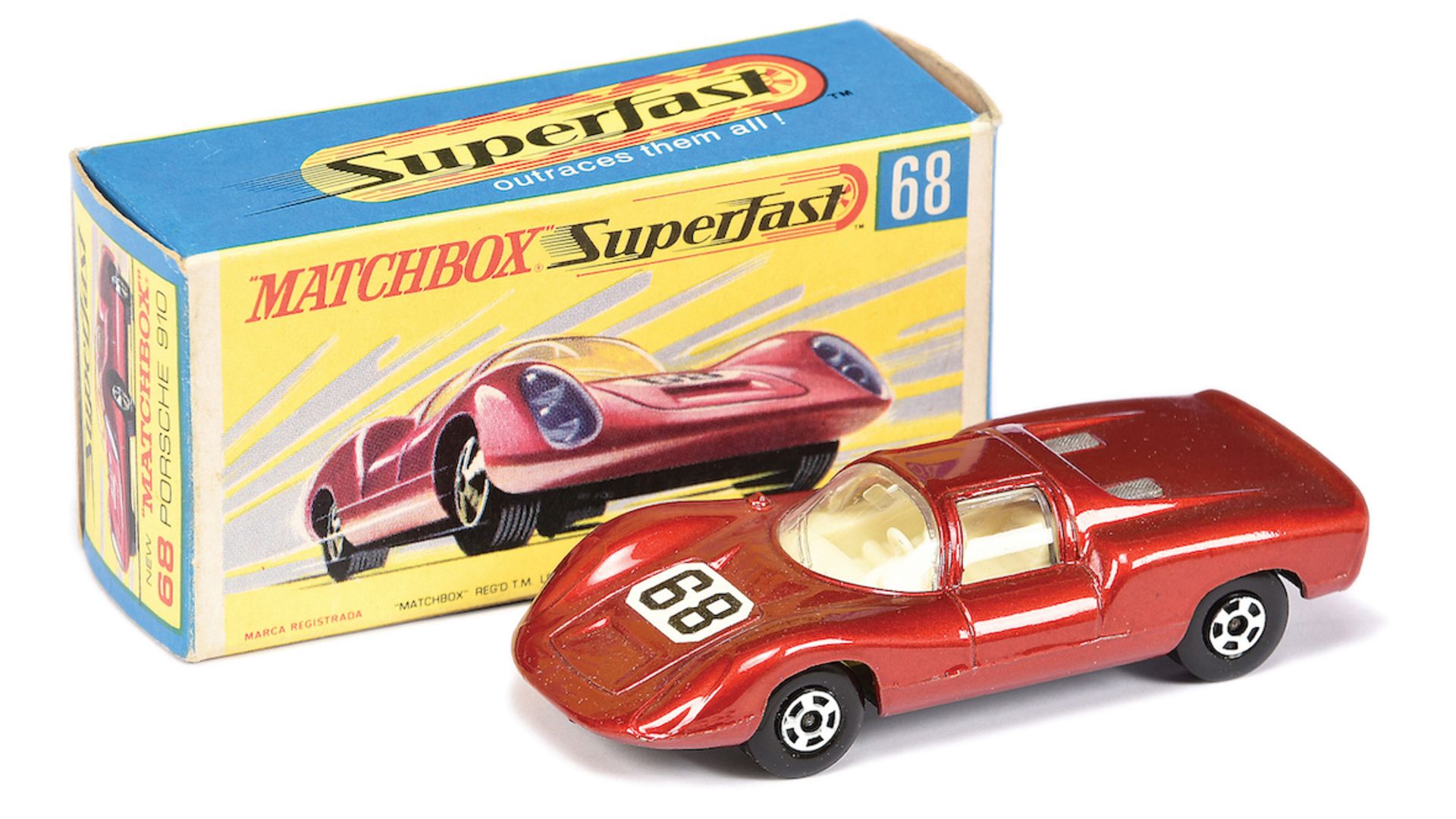
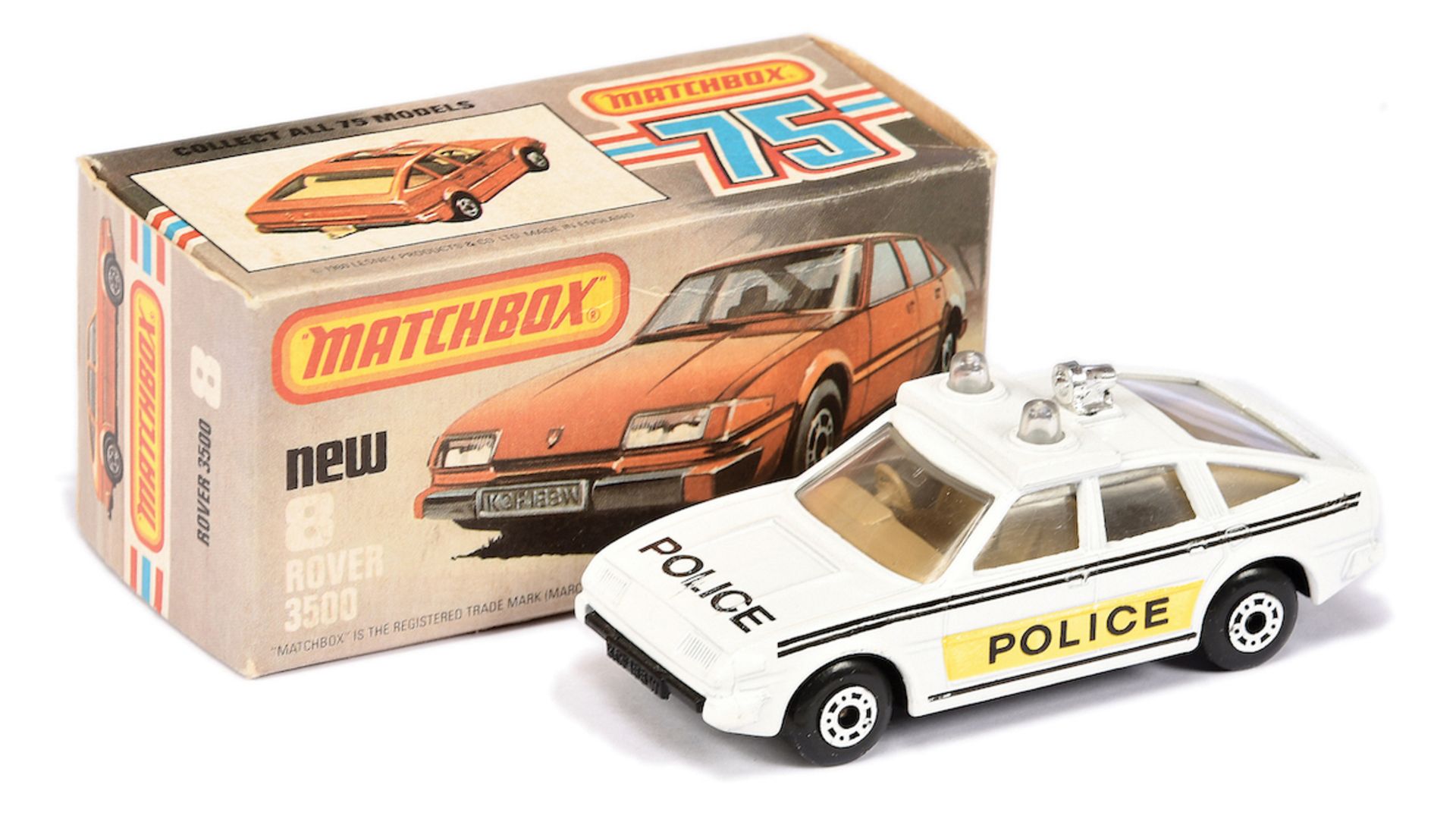
An incredible 3,000-strong collection of Matchbox toy cars has sold for £300,000. The owner, founder and chairman of H&H Classics Simon Hope, has built his 1:76 model collection over six decades.
All cars are immaculate, or very close. Simon says he wasn’t keen on rough play with them when younger. They were treasured, packaging and all, over the course of his time collecting. The full set is considered one of the most complete in the world, including some of the rarest cars.
Simon’s Matchbox collection started as a boy, with Christmas and birthday presents from family members. As he got older, however, he discovered the value of these motoring trinkets. That said, he simply bought the models he wanted, in the best condition he could.
The collection was sold over the course of three sales with Vectis of Thornaby in North Yorkshire.
“It was only when I got older that I realised there was actually a collecting scene out there, and information on rarer versions and colours,” Simon said.
“I never took part in that scene, preferring to simply track down the ones I wanted in perfect (or as near as possible) condition. It just grew and generally they were bought with amounts of money not missed at the time.”
Today, some of these cars fetch four figures. Highlights from this collection include a lime green ERF Dropside lorry that made £7,000 on its own. A green Ford kennel truck brought home £3,200, while a white Ford Mustang made £2,100.
Strike action could delay Volkswagen Group cars
Nearly half think electric cars should make engine noises
“There is a big market out there for items like this, particularly the models from the 1970s as these things do tend to be generational,” said Julian Royse, a specialist at Vectis.
“We find the demand far outstrips the supply and as such people will be very keen to get their hands on pieces which may not come up again in their lifetimes.
“This collection was astounding and and probably had the biggest range of any I’ve seen.”
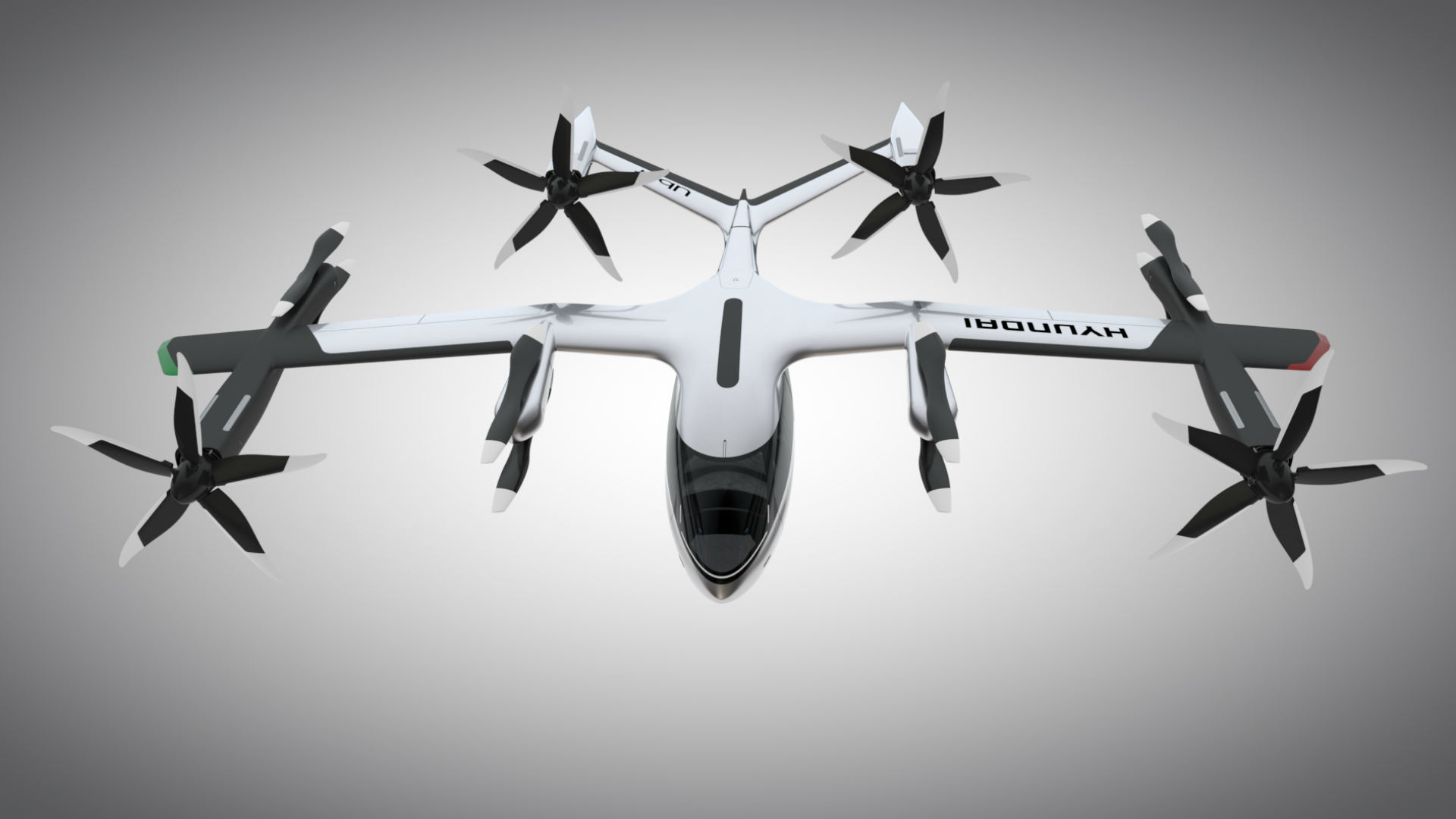
It previews a future ride-sharing taxi – and it could take flight as early as 2023. Demonstrations are expected later this year.
Hyundai will develop, manufacture and deploy the air taxis, with Uber handling the airspace support, connections to ground transportation, and customer interfaces via a ride-sharing network.
The all-electric S-A1 on show at CES has a cruising speed of 180mph, a cruising altitude of around 1,000-2,000ft above ground, and can travel up to 60 miles.
During peak hours it will require about five to seven minutes for recharging and is designed for vertical take-off. Although it will be piloted initially, the plan is for the S-A1 to become autonomous.
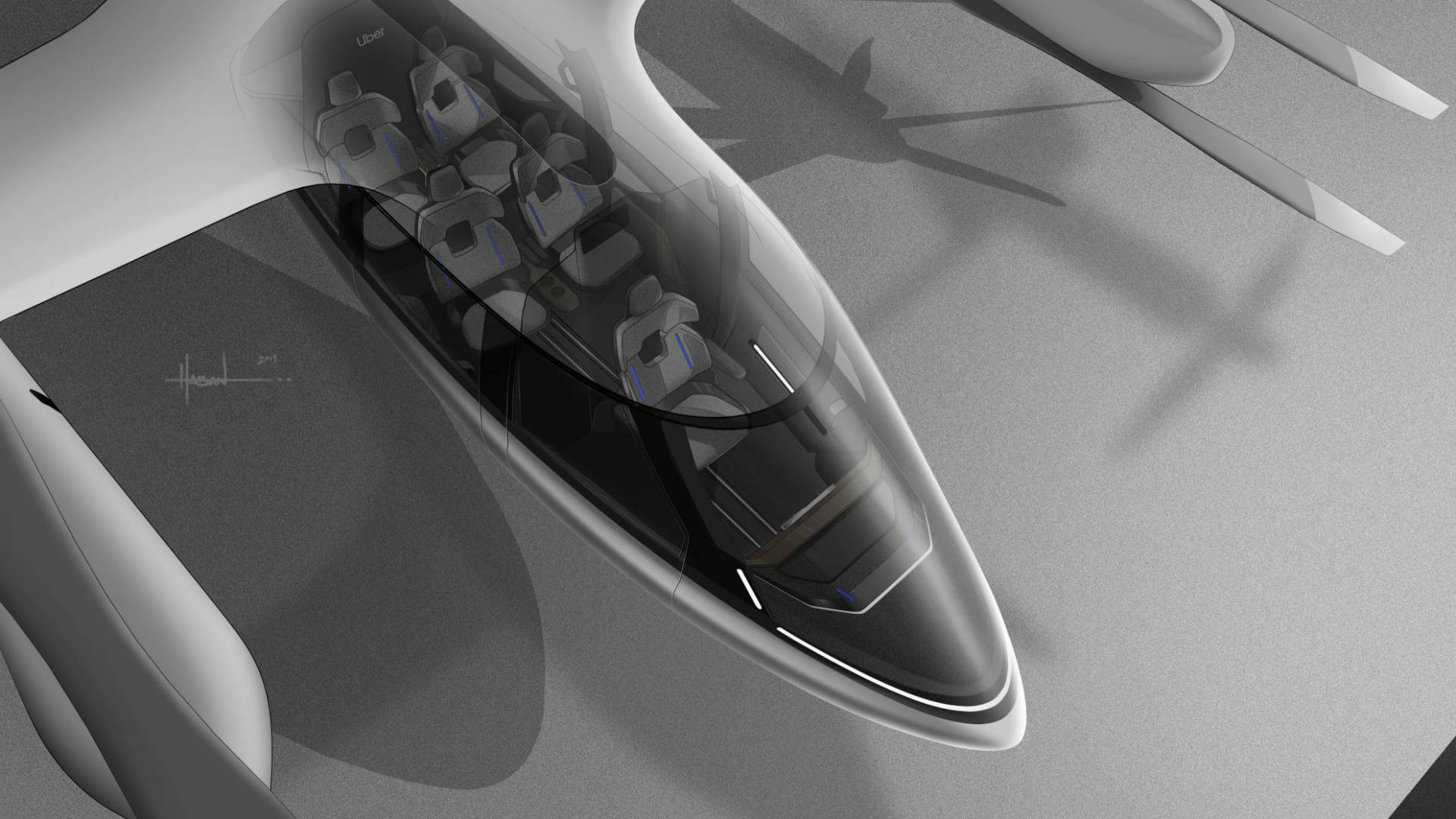
Inside, there’s seating for four passengers, with room for a personal bag or backpack. Hyundai says it will ‘avoid the dreaded middle seat’.
Uber says a production version could travel at speeds of up to 200mph and that, after several years on the market, a ride in an air taxi will cost the same as an UberX trip of the same distance.
‘Vitalise urban communities’
Jaiwon Shin, executive vice president and head of Hyundai’s Urban Air Mobility (UAM) division, said: “Our vision of UAM will transform the concept of urban transportation.
“We expect UAM to vitalise urban communities and provide more quality time to people. We are confident that Uber Elevate is the right partner to make this innovative product readily available to as many customers as possible.”
Eric Allison, head of Uber Elevate, added: ”Hyundai is our first vehicle partner with experience of manufacturing passenger cars on a global scale.
“We believe Hyundai has the potential to build Uber Air vehicles at rates unseen in the current aerospace industry, producing high quality, reliable aircraft at high volumes to drive down passenger costs per trip.
”Combining Hyundai’s manufacturing muscle with Uber’s technology platform represents a giant leap forward for launching a vibrant air taxi network in the coming years.”
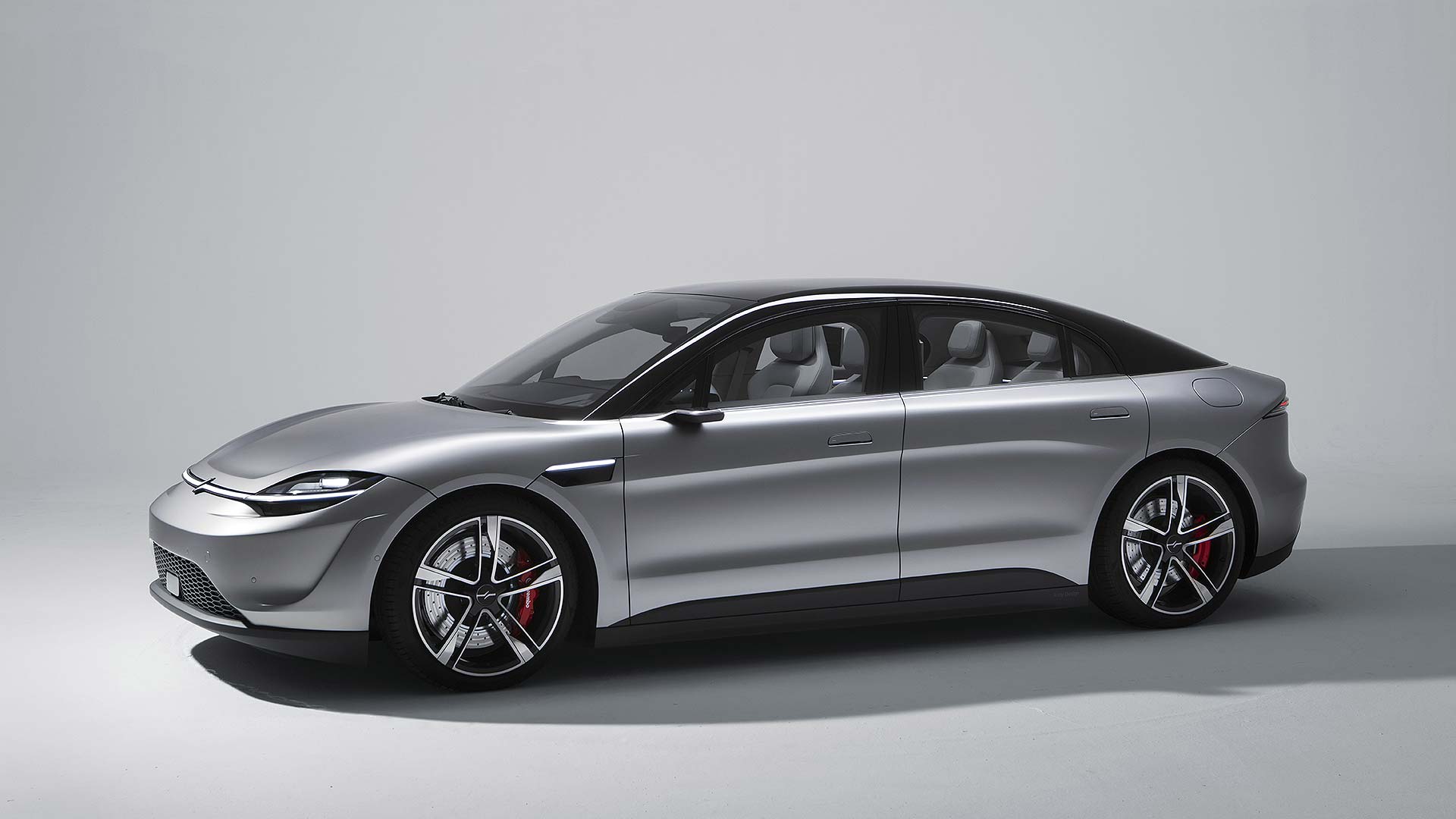
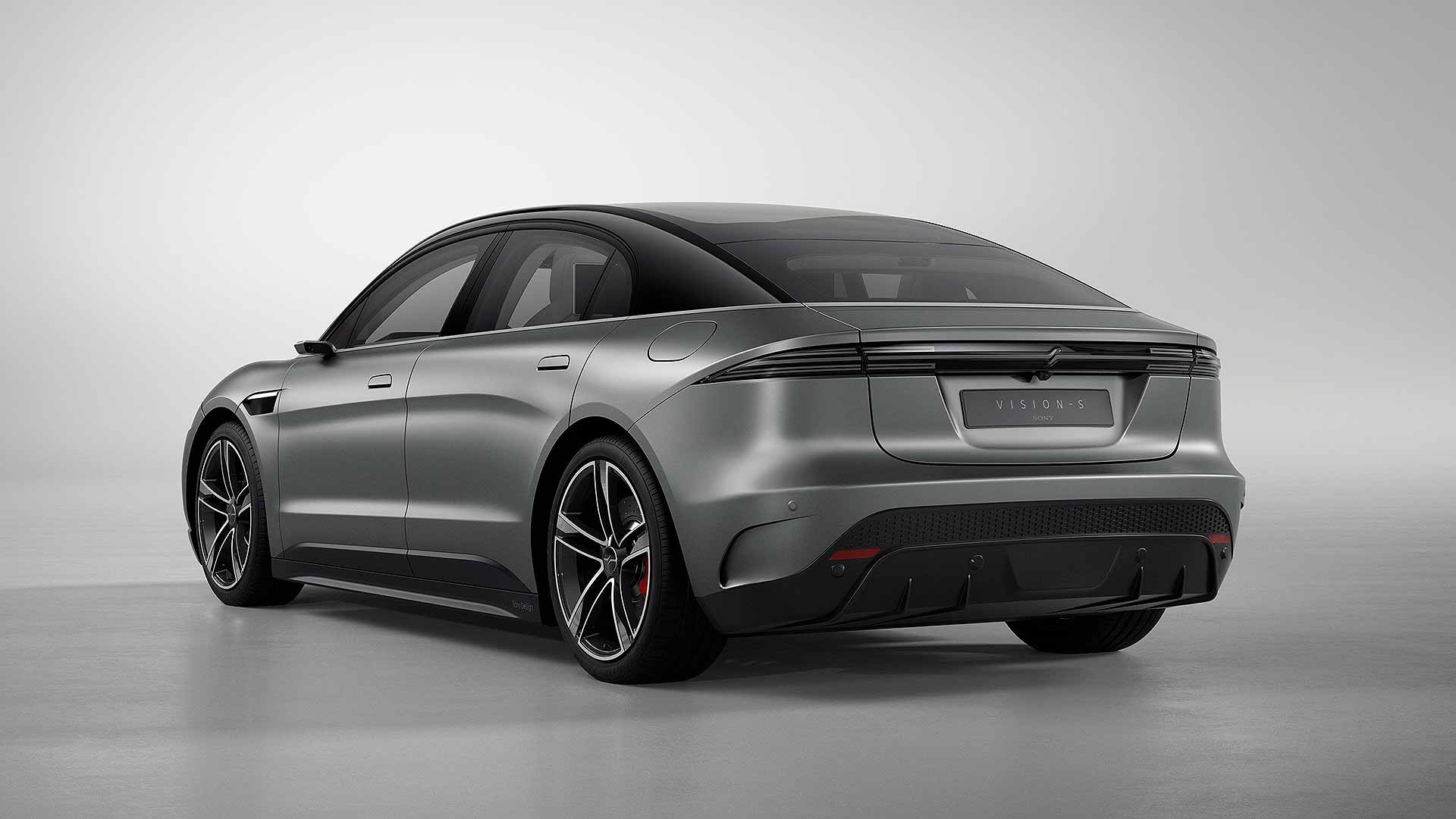
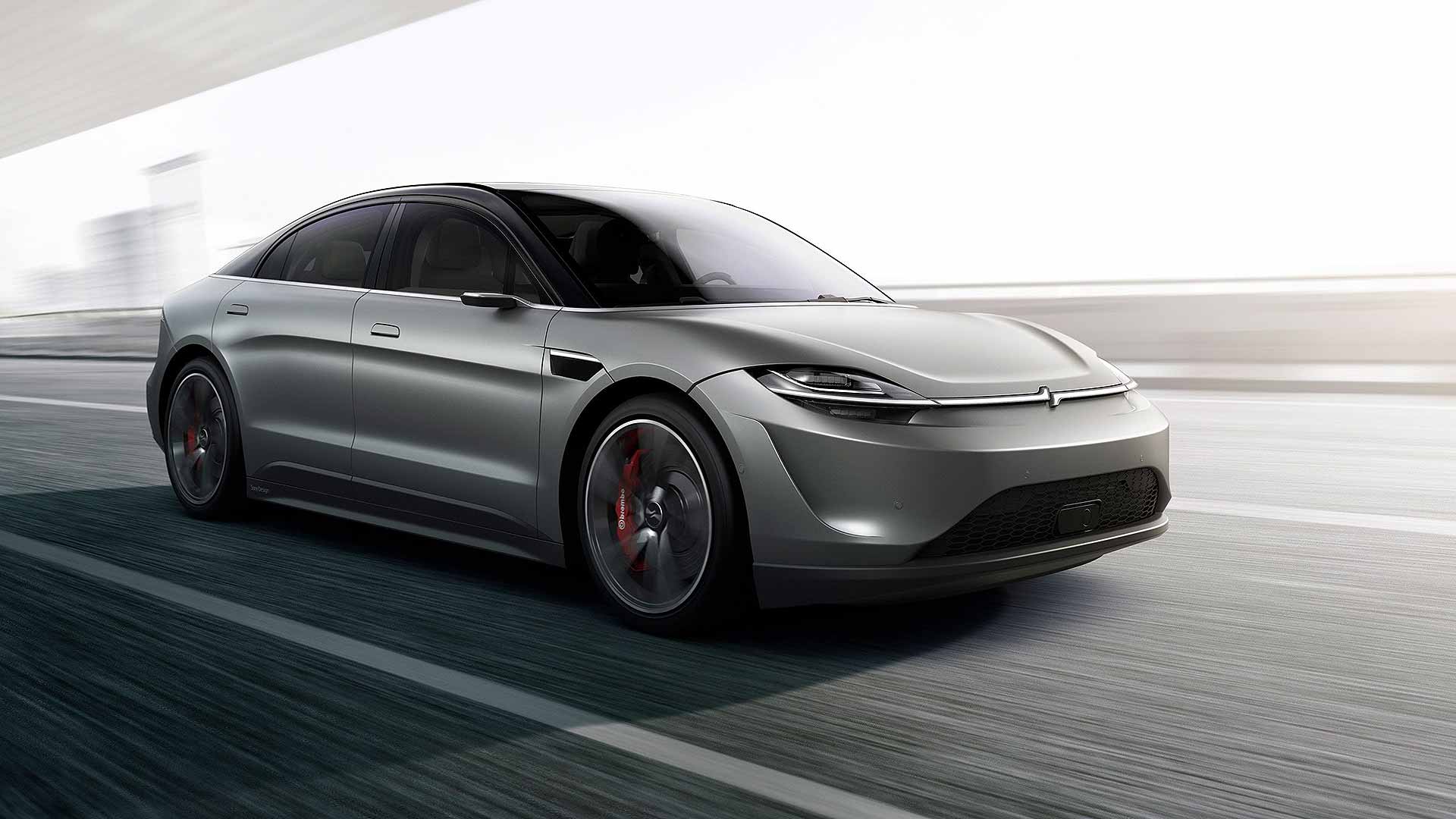
The Sony Vision-S is a surprise new electric concept car revealed at CES 2020 to showcase the Japanese giant’s vision of mobility in the future.
Driving onto the stage during its CES press conference, Sony corporation president and CEO Kenichiro Yoshida said the electric car had been developed because “I believe the next mega-trend will be mobility”.
Transport in the future will be as exciting as mobile has been for the past decade, he stated.
The Vision-S EV is therefore packed with gadgetry Sony believes will all feature in tomorrow’s cars, focused in three areas: safety, entertainment and adaptability.
Sony Vision-S: in detail
On the safety side, the Vision-S features no fewer than 33 sensors inside the vehicle. These include CMOS image sensors (usually seen in digital cameras) and ToF sensors (Time of Flight – the tech helps accurately judge distances between objects and the camera), to detect and recognise people both outside and in.
The array of sensors help provide “highly advanced driving support”: note, Sony is not describing it as a fully autonomous car. Instead, it gives the car a 360 degree ‘safety cocoon’, detecting risks almost before they occur.
The ToF sensors, adds Sony, also help optimise the infotainment system, giving the Vision-S ‘intuitive’ gesture control (rather than the somewhat basic / infuriating systems seen in some of today’s BMWs).
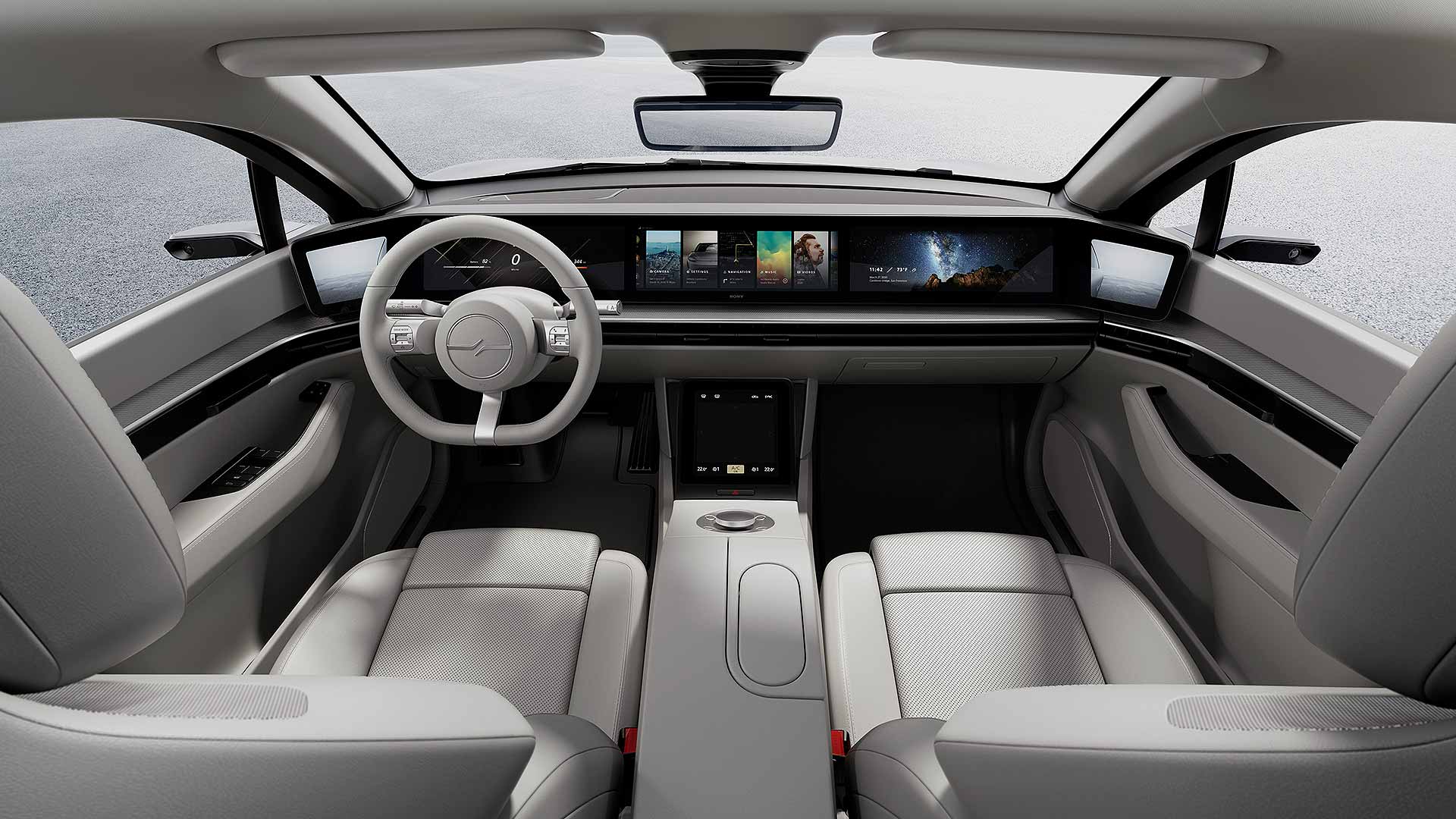
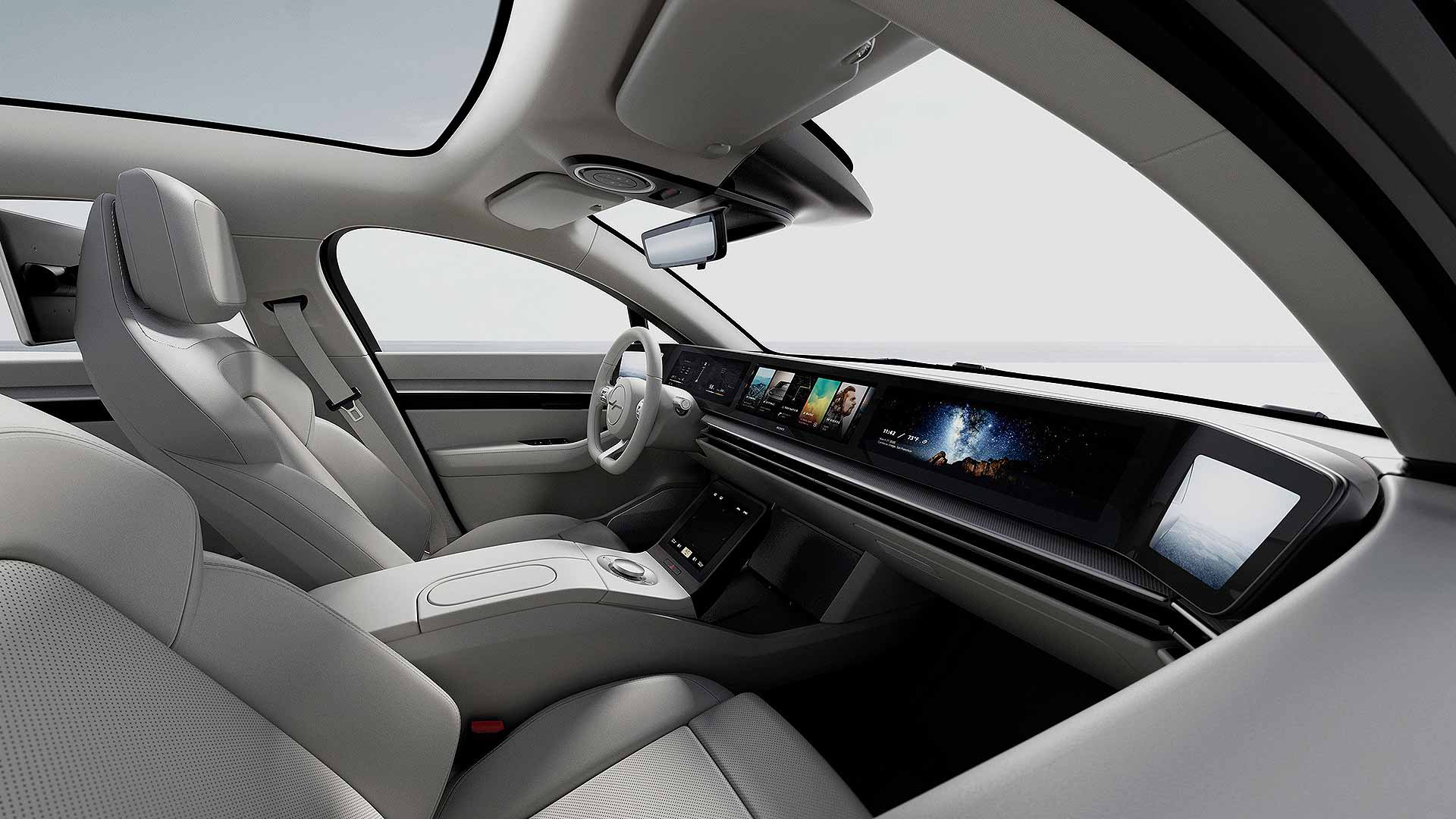
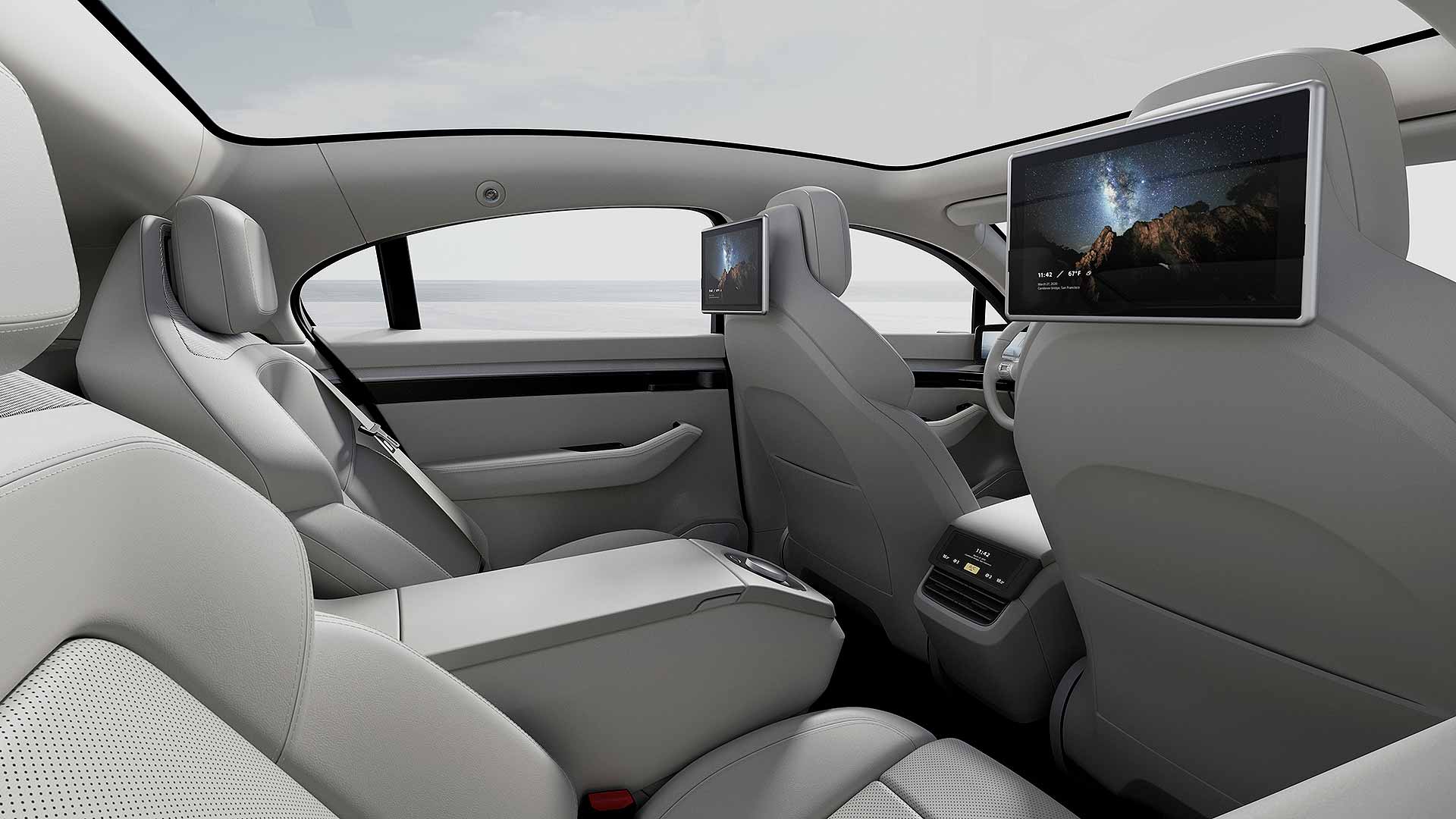
As for the infotainment screens, there are three high-resolution panoramic displays stretching the full width of the dashboard, flanked by digital rear-view screens at either end.
Sony calls the user interface “intuitive” and adds there is a ‘jog dial’ between the front seats for controlling the displays when the seats are fully reclined.
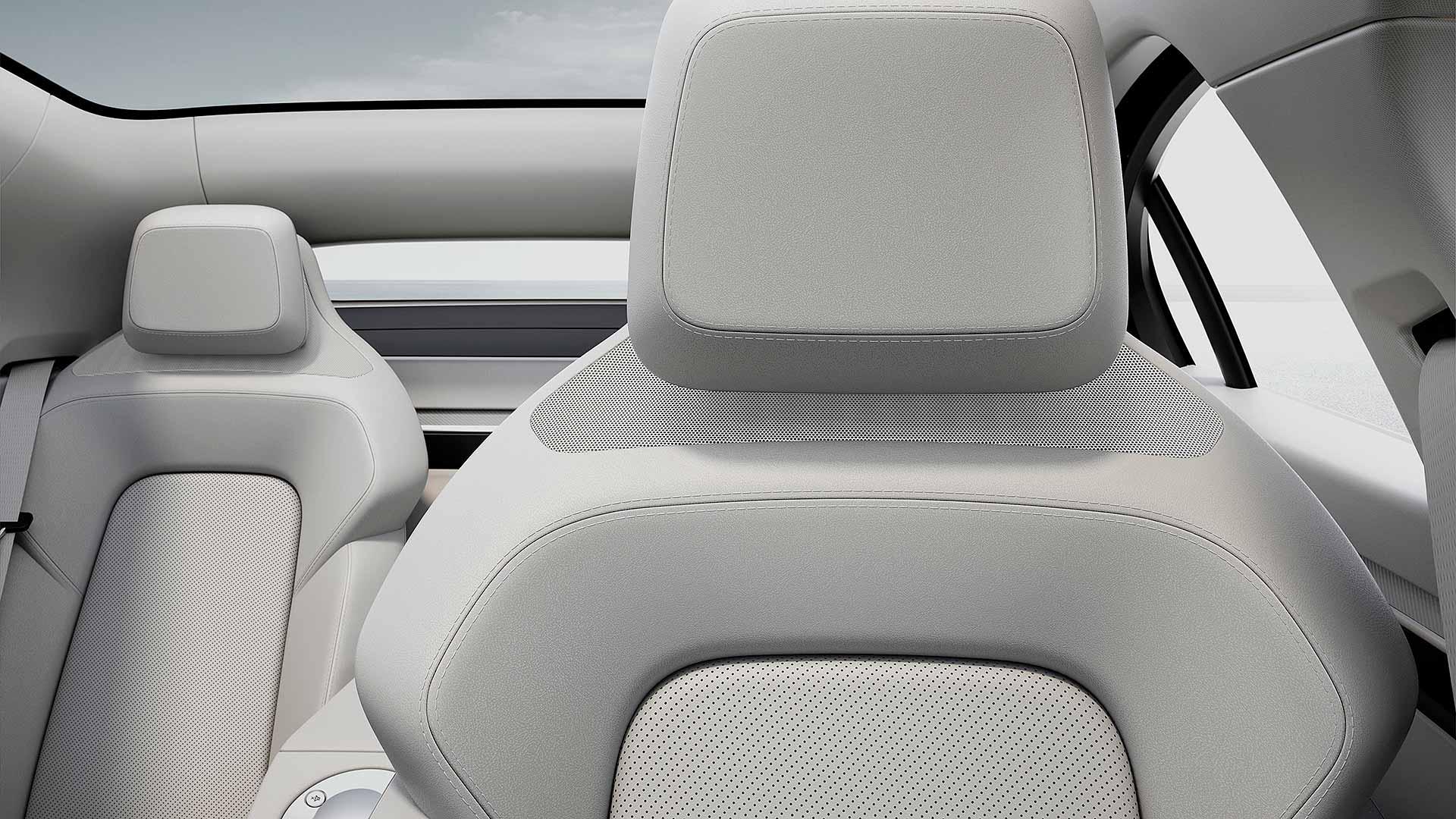
The Vision-S also features Sony ‘360 Reality Audio’ for rich audio fed through speakers built into each seat (yes, the rear two chairs, as well as the front).
The audio experience has been engineered from the ground up – the beauty of building your own car – and uses Sony’s own digital processing technology.
The Vision-S is a fully interconnected car, continually evolving via software-over-the-air (SOTA) updates. The firm wants to see the “continual evolution of cars via networks, and the creation of a car society in which each owner possesses a single vehicle for a long time, and minimises their environmental impact”.
In short, you won’t have to buy a new car every few years: your Sony Vision-S will develop and update itself for you. This is an interesting alternative to today’s auto industry model…
A seamless link between mobile devices and Sony’s mobility concept will see, for example, music on a smartphone automatically pass over to the car when the owner gets in. They’ll be able to autonomously summon it from their mobile device, too.
The interior will be fully personalised – and if a sleeping passenger is detected, the lights in their area will auto-dim and the climate control will set a suitable temperature.
Video: Sony Vision-S
Sony Vision-S: tech specs
Sony has developed the Vision-S with tech partners including Magna, Bosch, BlackBerry, Nvidia and Qualcomm. It’s a newly-designed EV platform with the ‘skateboard’ layout that’s becoming common for electric cars – it means multiple body styles can easily be created.
Sony references saloon cars, SUVs, MPVs and coupes.
There are two electric motors giving a total of 544 hp, and it’s good for 0-62 mph in 4.8 seconds and a top speed of 149 mph.
The Vision-S is 4,895 mm long and 1,900 mm wide: just a little bit smaller than a Tesla Model S, in other words.
We don’t know the capacity of the electric batteries, but we do know the Vision-S is, like most high-power electric cars, no lightweight: it weighs 2,350 kg.
There are no official plans for production, but you can bet many will be crossing their fingers. After all, it’s no mean feat to create a car as convincing-looking as this from scratch; as we go from Sony’s self-described mobile decade to the mobility decade, is it at least considering a mobility product of its own?
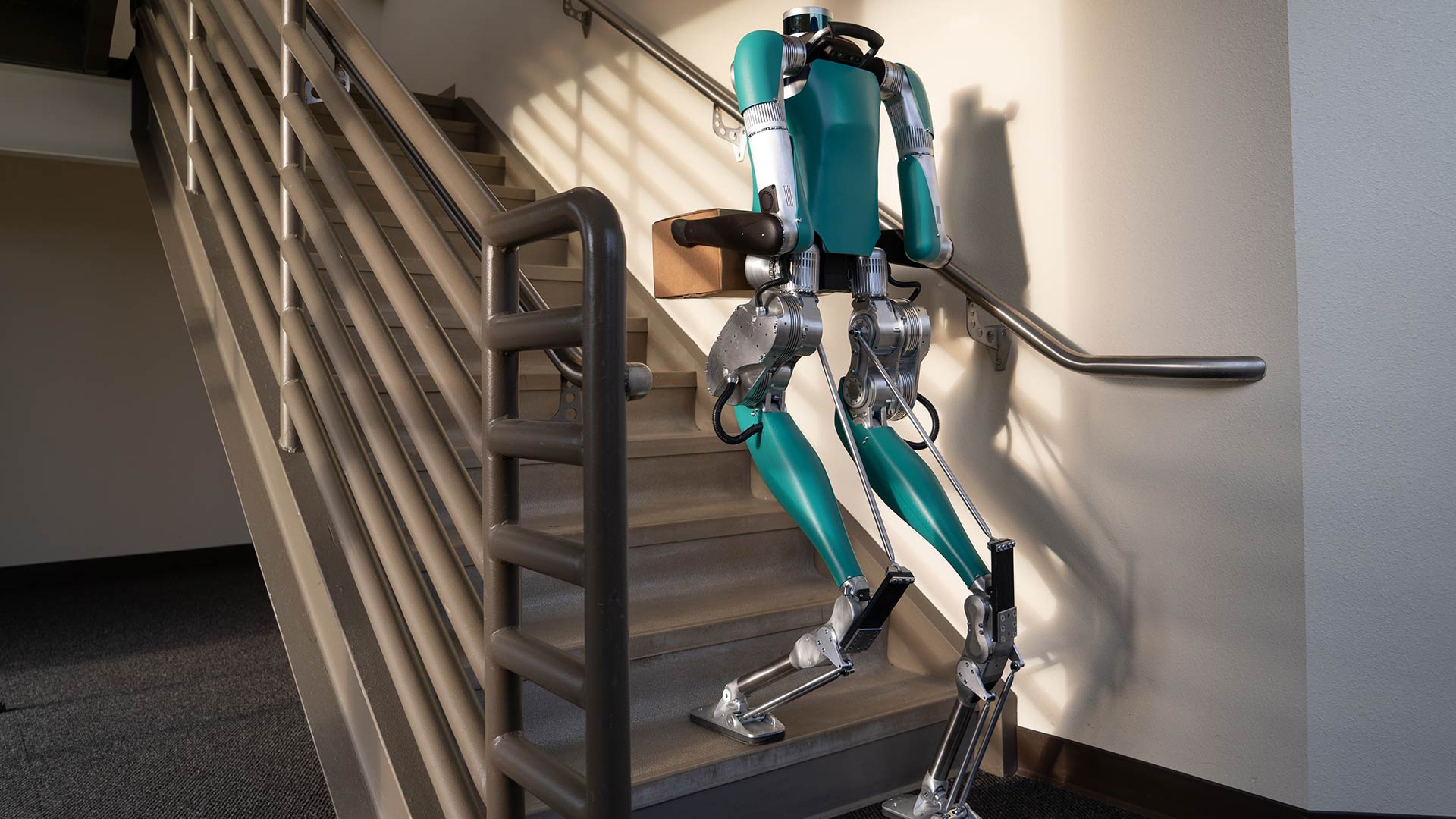
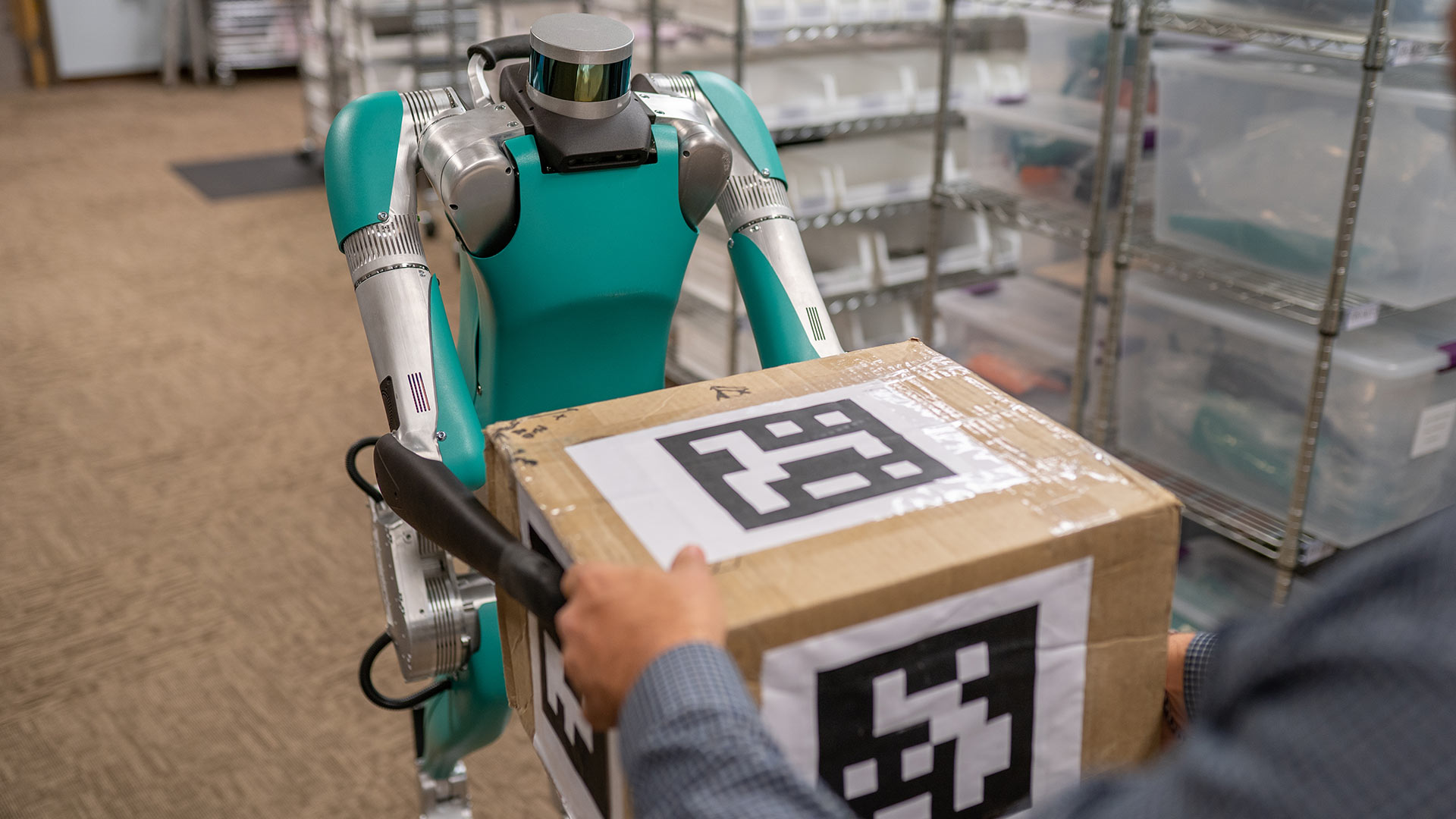
Robots able to carry boxes and walk on two legs like a human will play a part in helping Ford develop new ideas for its commercial vehicle range.
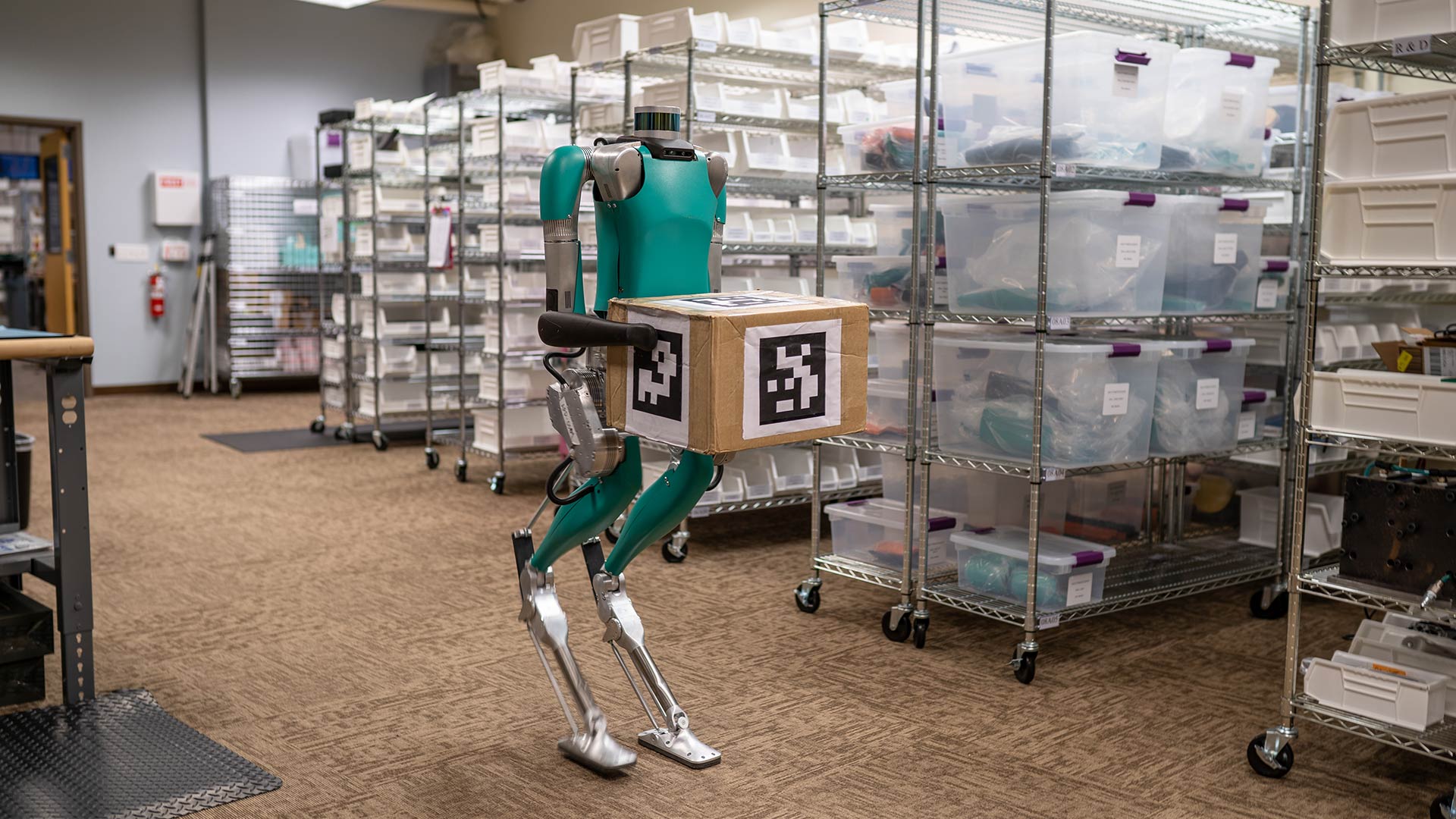
A partnership with Oregon-based Agility Robotics has seen Ford take delivery of the very first two production examples of the Digit robot.
Made with human-like arms and legs, Digit is designed to undertake logistics duties like delivering packages. For the Blue Oval, this offers opportunities in exploring how robots can be used to assist autonomous vehicles.
Final steps to parcel delivery
Part of the research will involve learning how Ford vehicles can ‘talk’ to Digit. This could mean sharing location data taken from Ford’s cloud-based maps, or using the vehicle to transmit images back to a base station.
The plans for Digit involve the robots undertaking ‘last-50-feet delivery’ package delivery work. In the future, a self-driving Ford vehicle could arrive outside your home, and then use a Digit robot to bring the parcel to your front door.
If something unexpected occurs, Digit is able to ask for help on what the best course of action should be. It can also follow the instructions on where to leave packages if the customer is not in, meaning a potential end to parcels flung over gates and fences.
More parcels, more possibilities
Digit’s design is a development of previous creations by Agility Robotics, which launched the ‘Cassie’ model in 2017. Advances in sensors, and even new feet, are said to have given Digit even greater flexibility for logistics use.
Ken Washington, vice president, Ford Research and Advanced Engineering, and Chief Technology Officer, commented that the growth of e-commerce should mean “robots will help our commercial customers build stronger businesses by making deliveries more efficient and affordable for all of us.”
Two pre-production versions of Digit will be on display at the Ford booth for CES 2020. Running from January 7th through January 10th, the Las Vegas show will see a number of automakers showing off innovations alongside established tech companies.