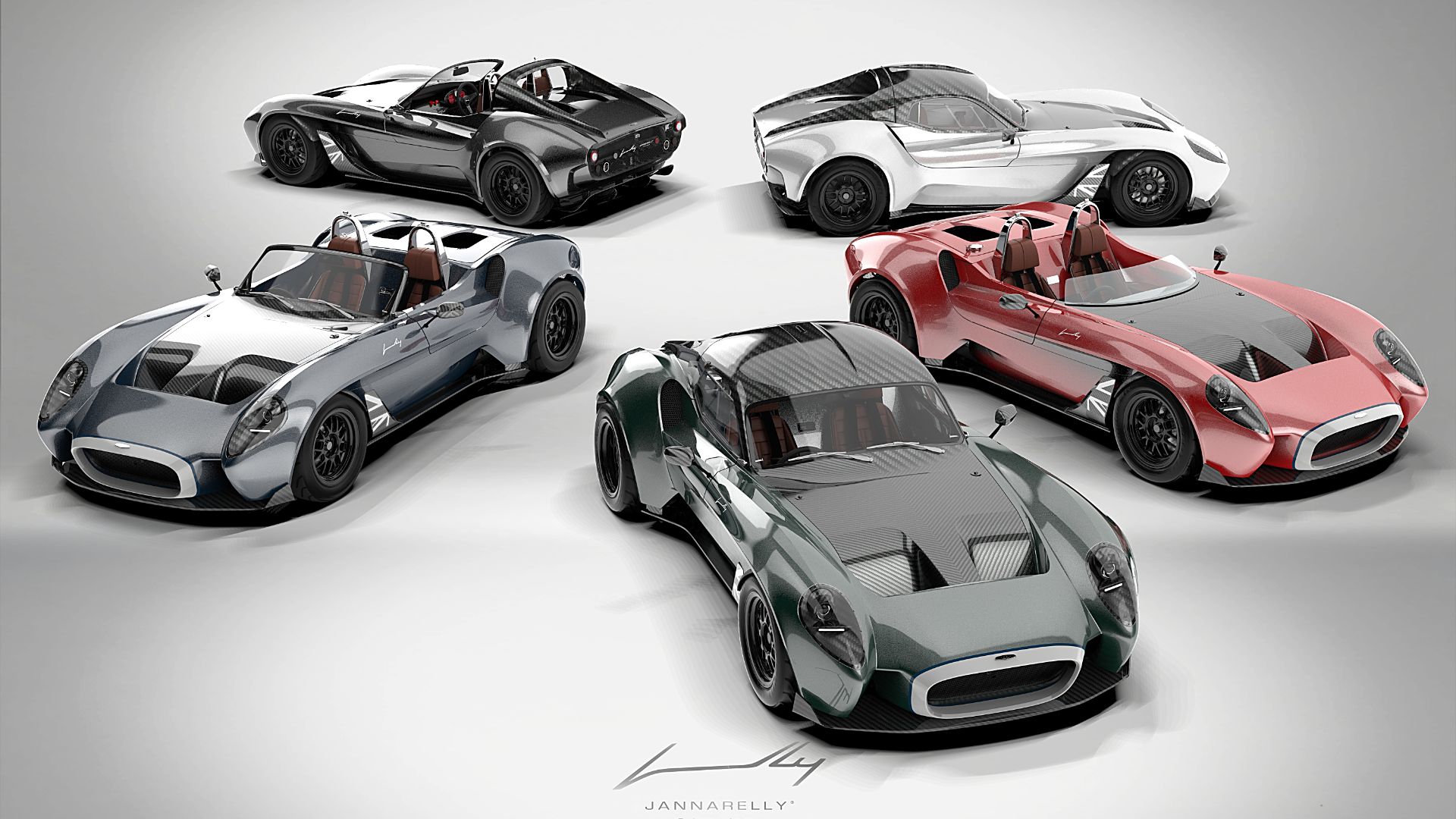
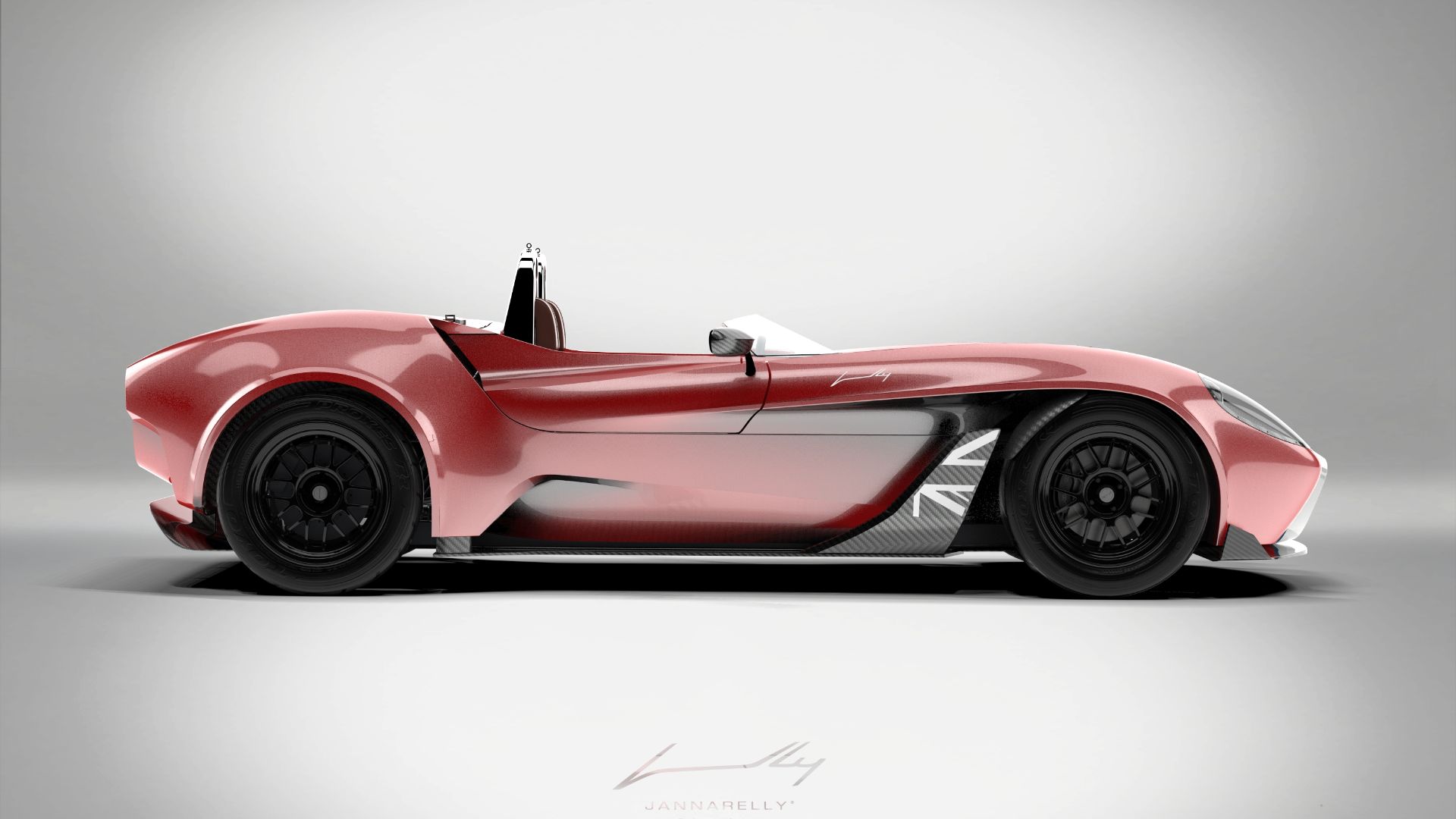
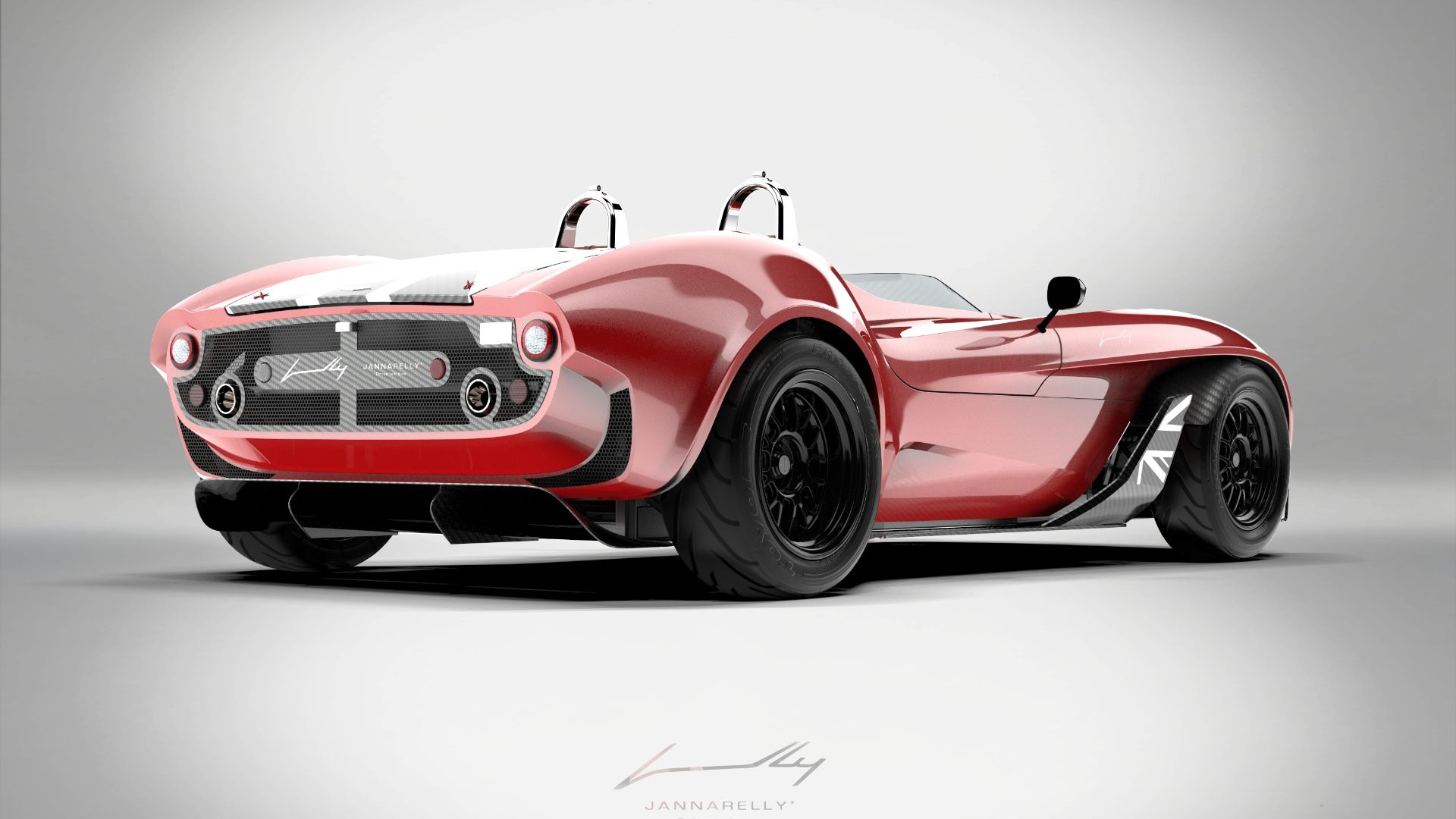
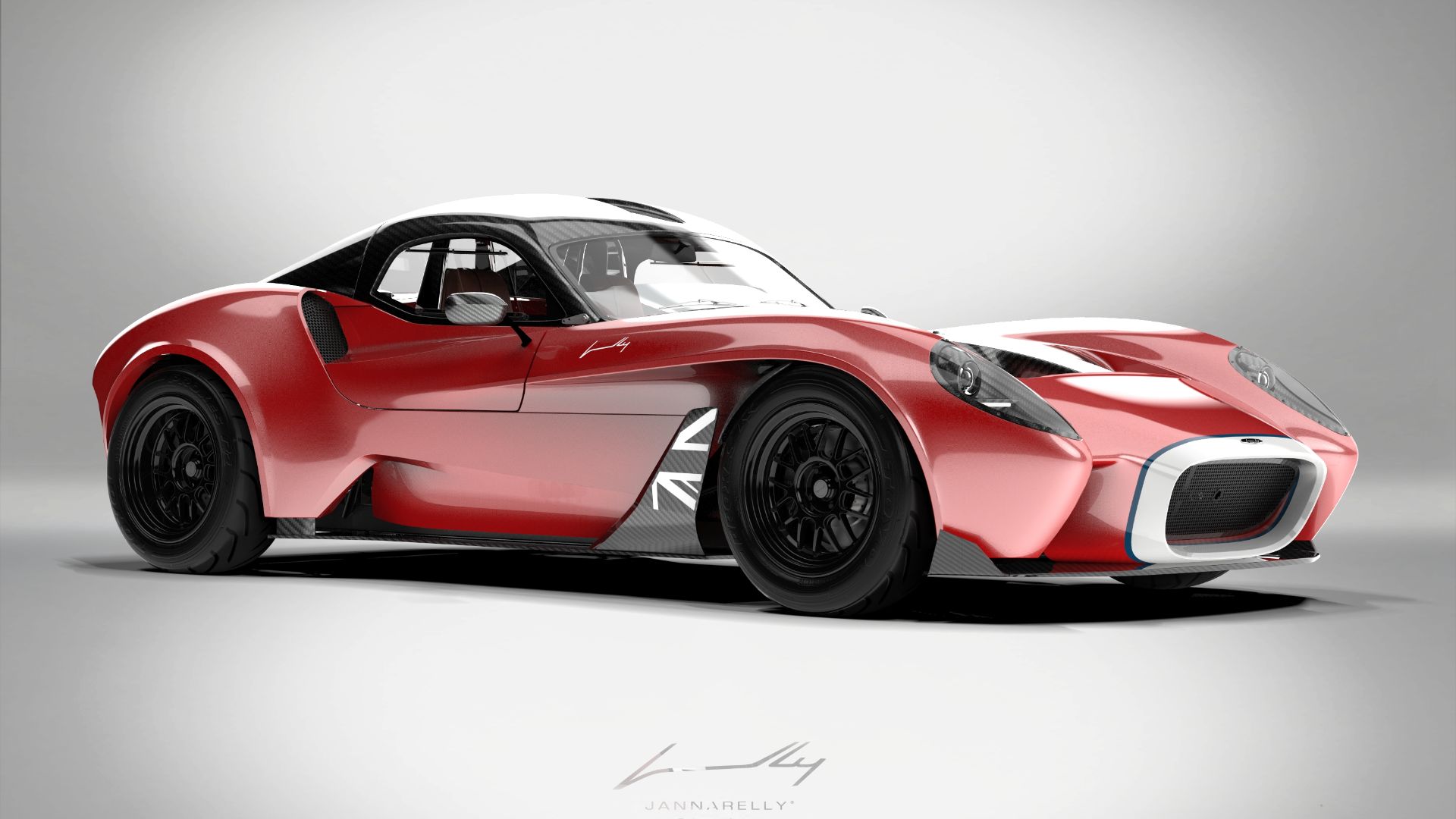
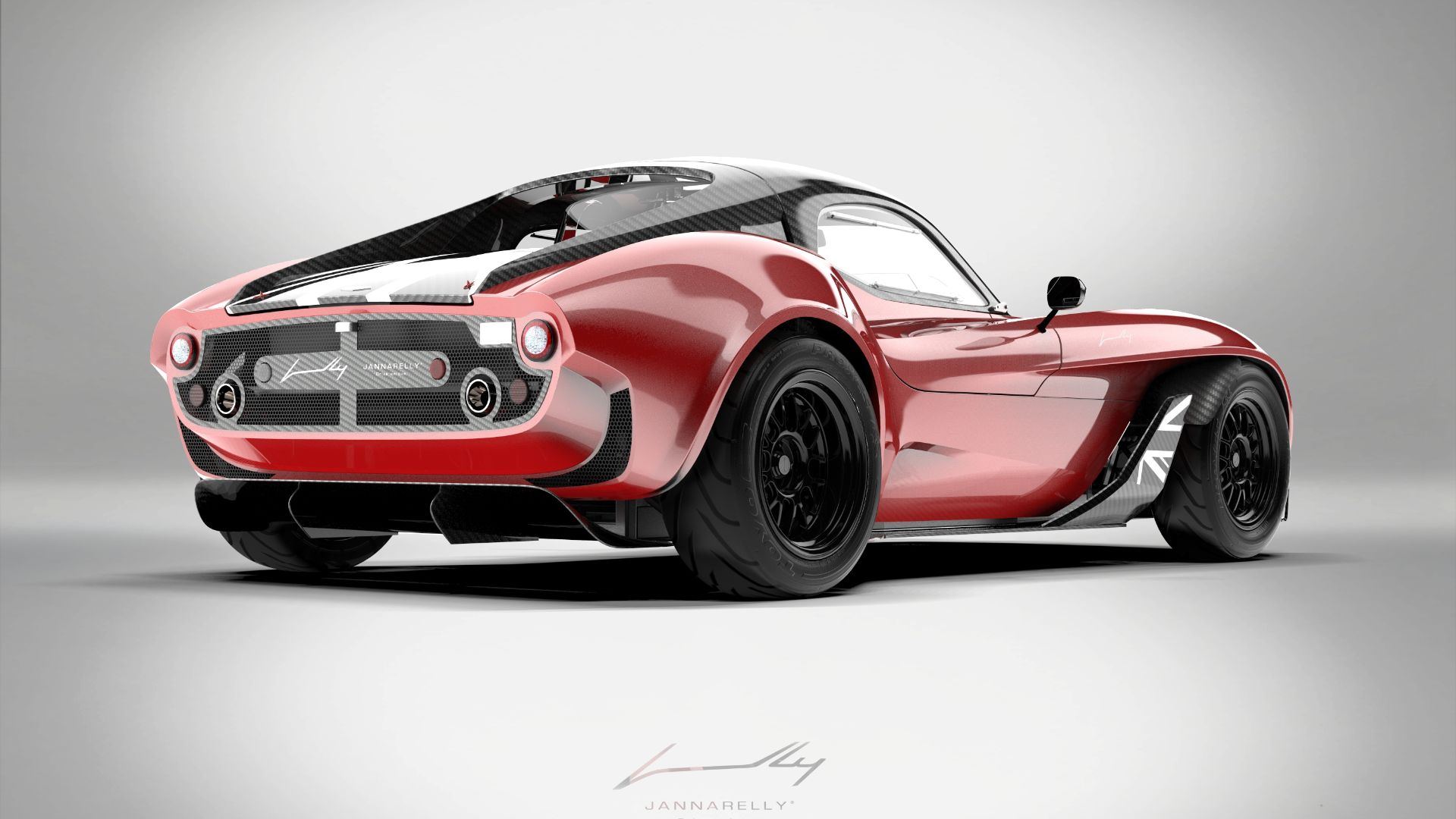
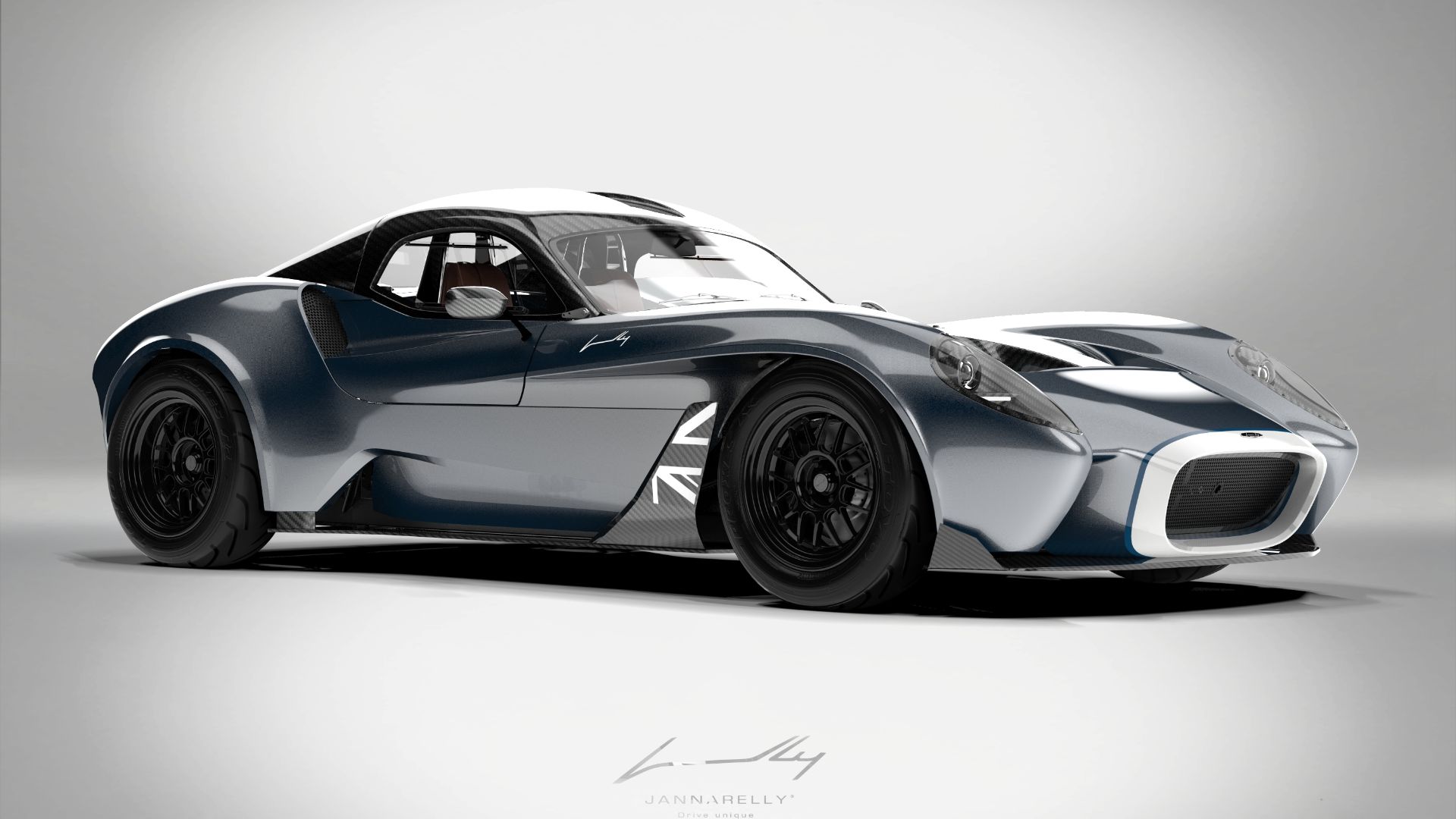
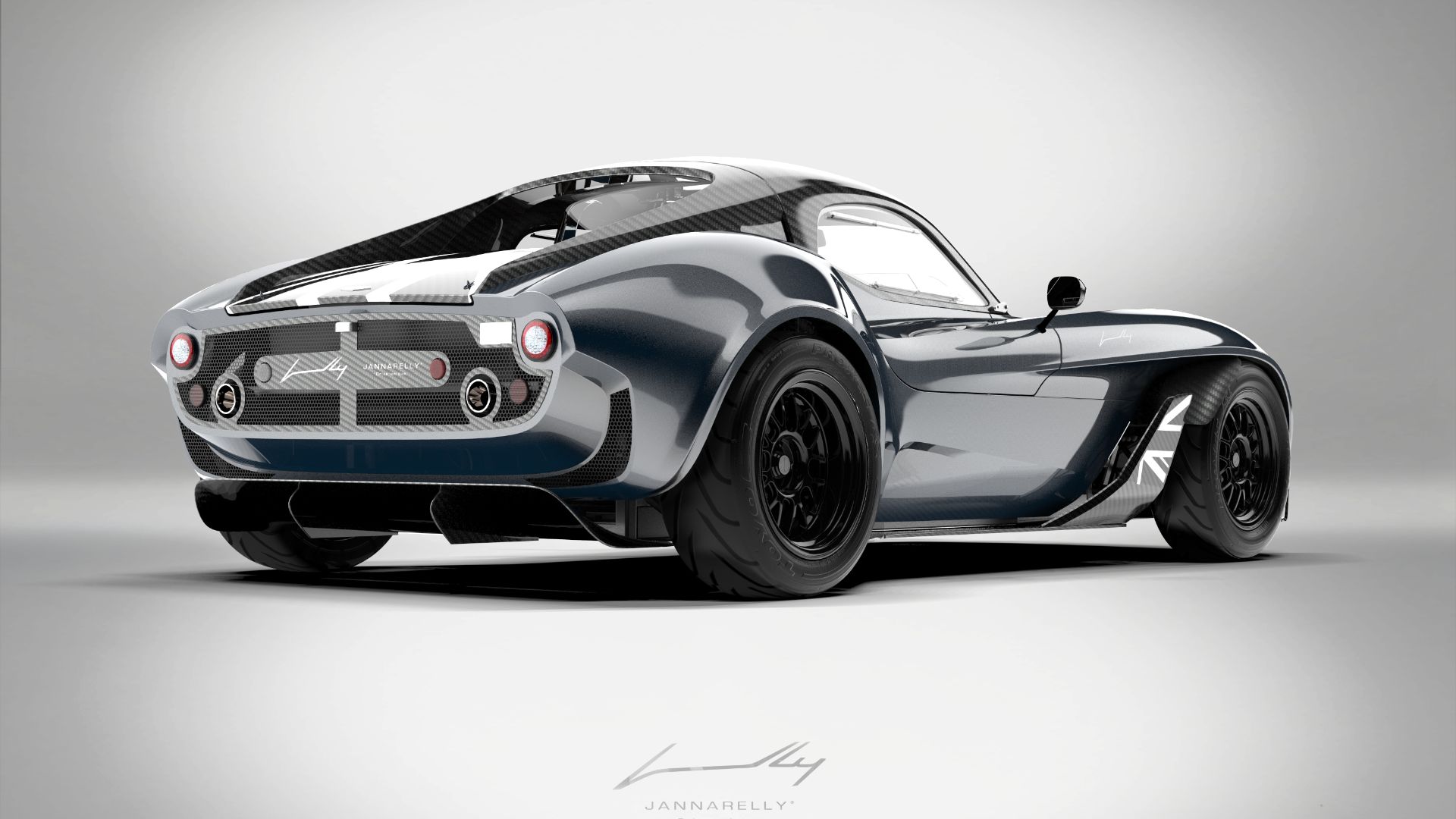
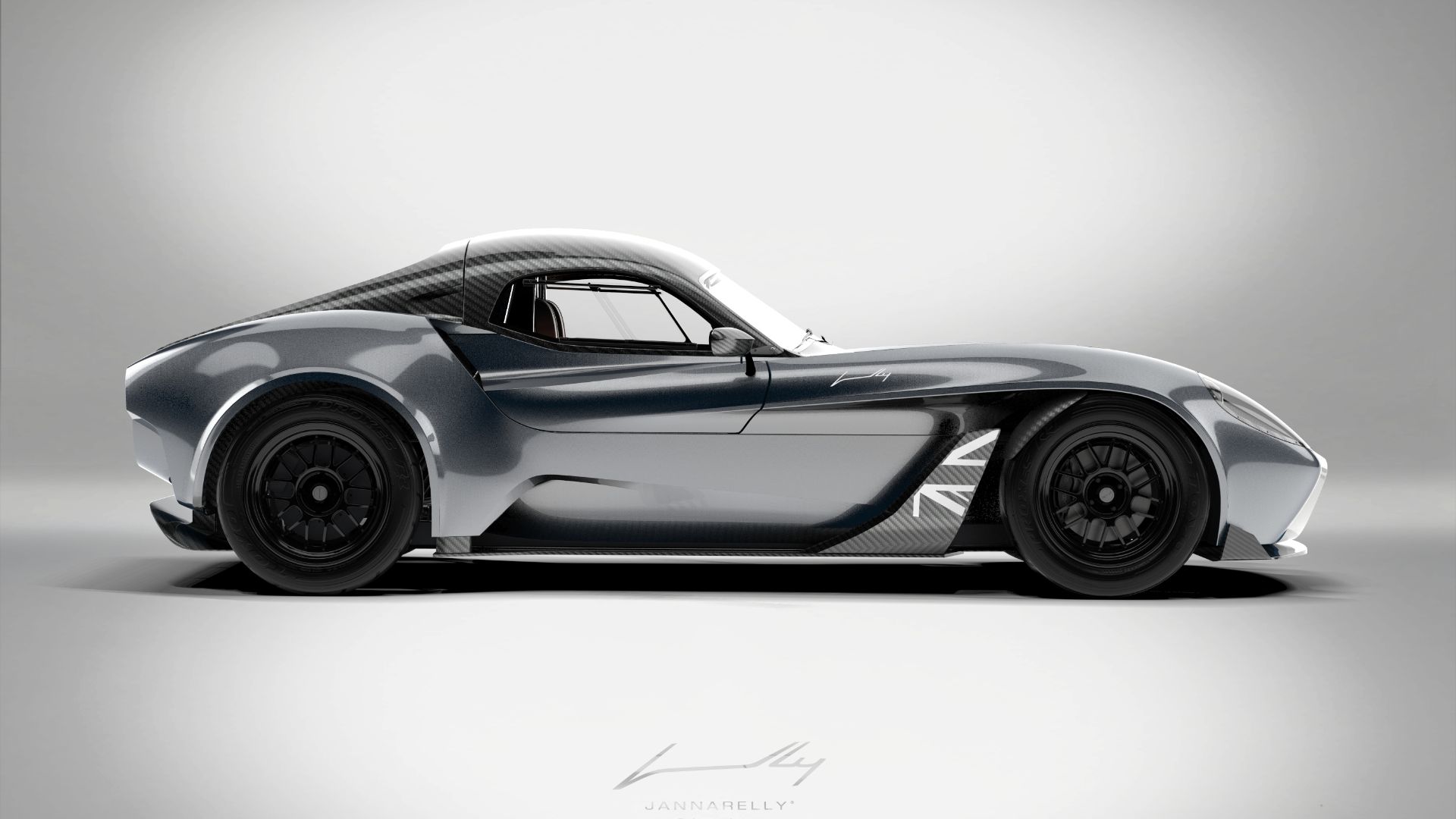
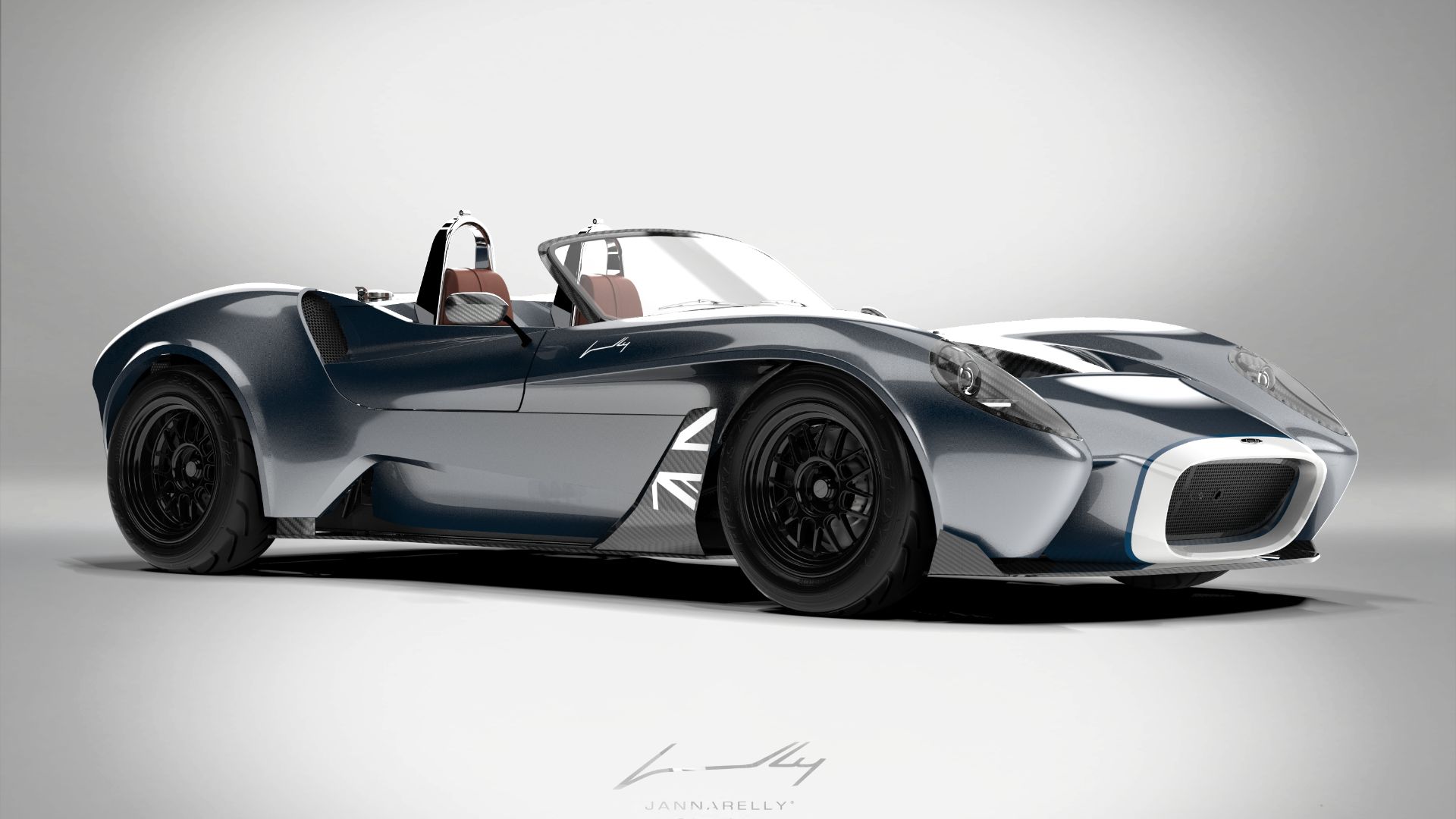
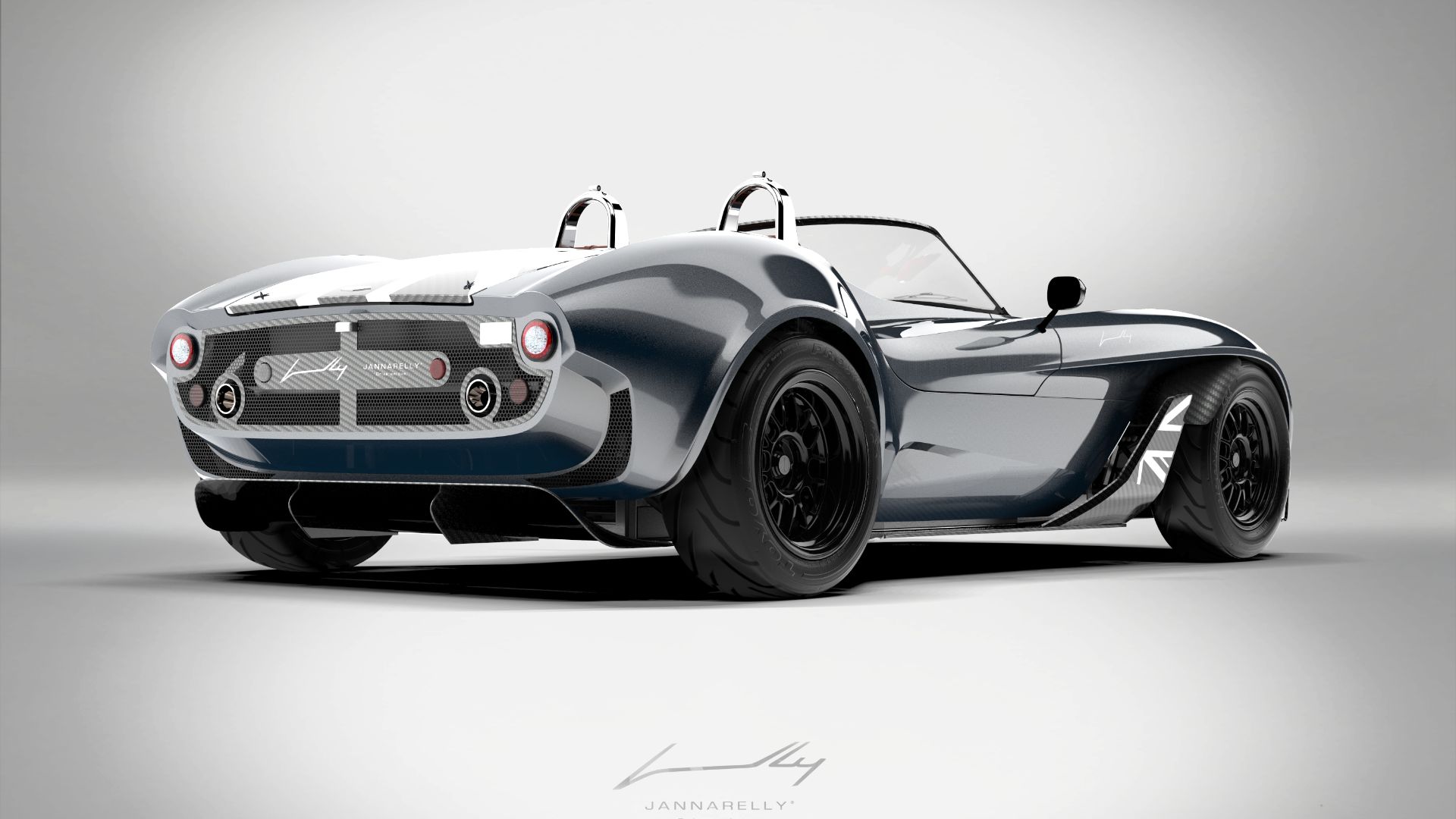
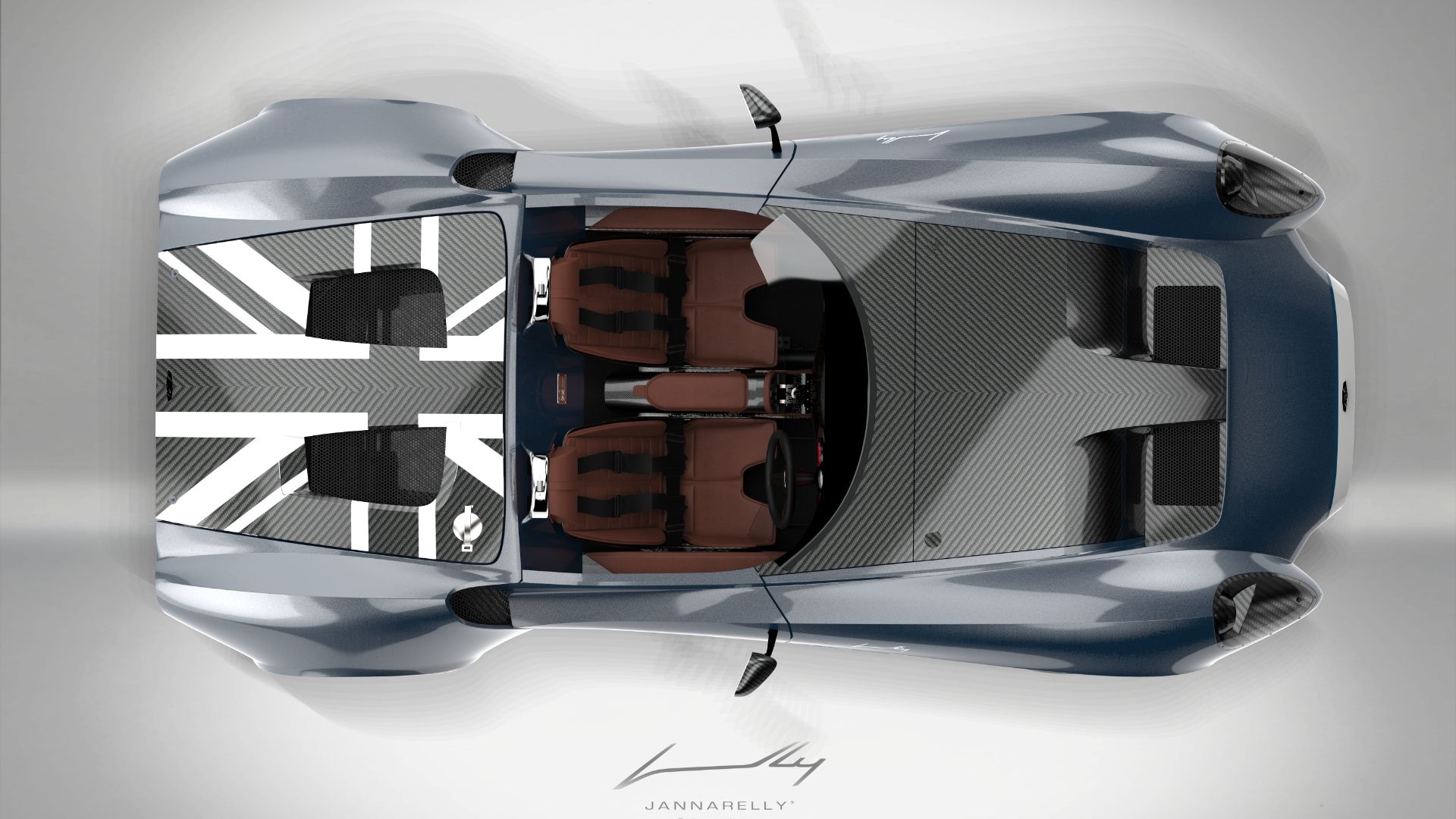
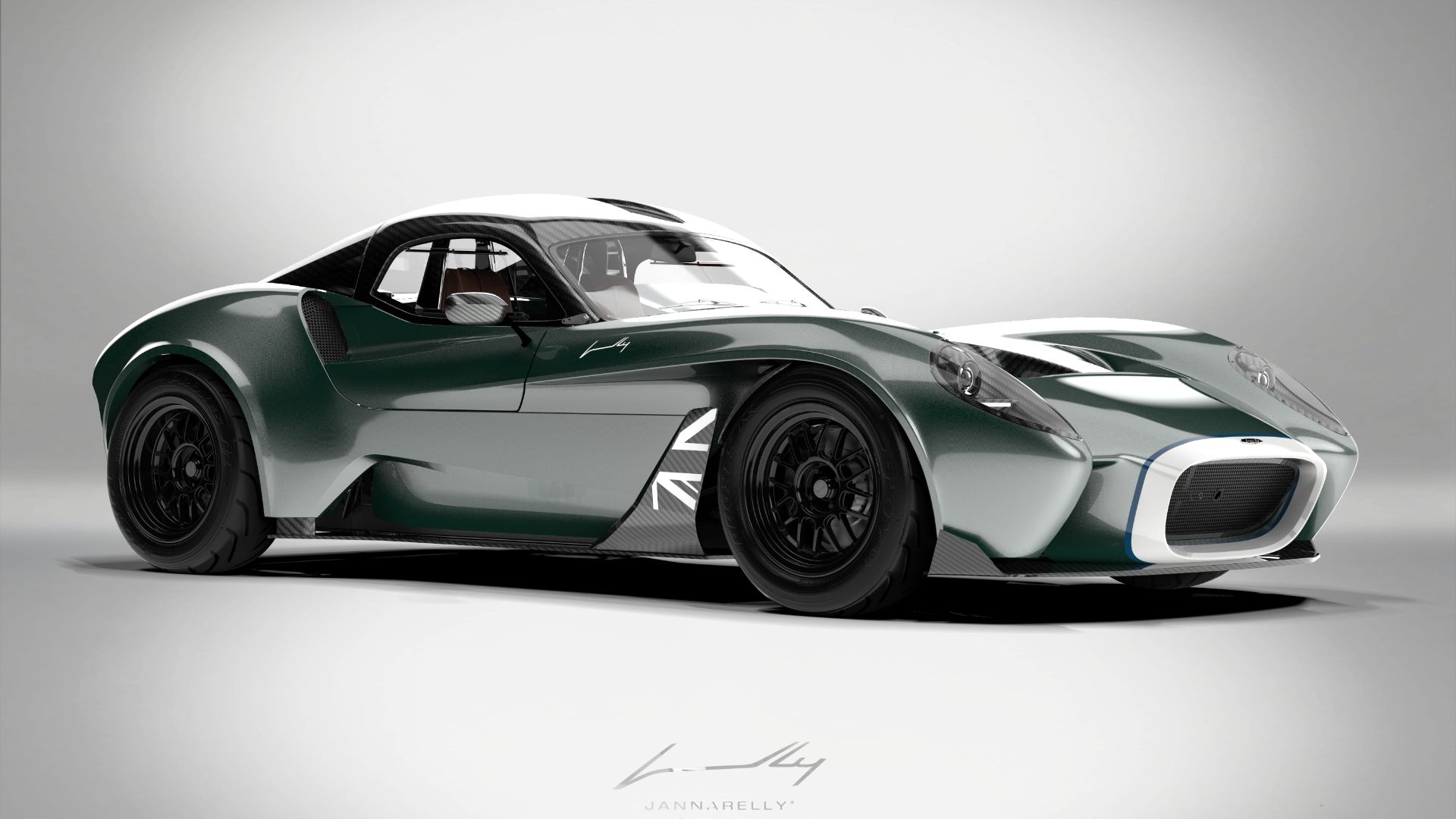
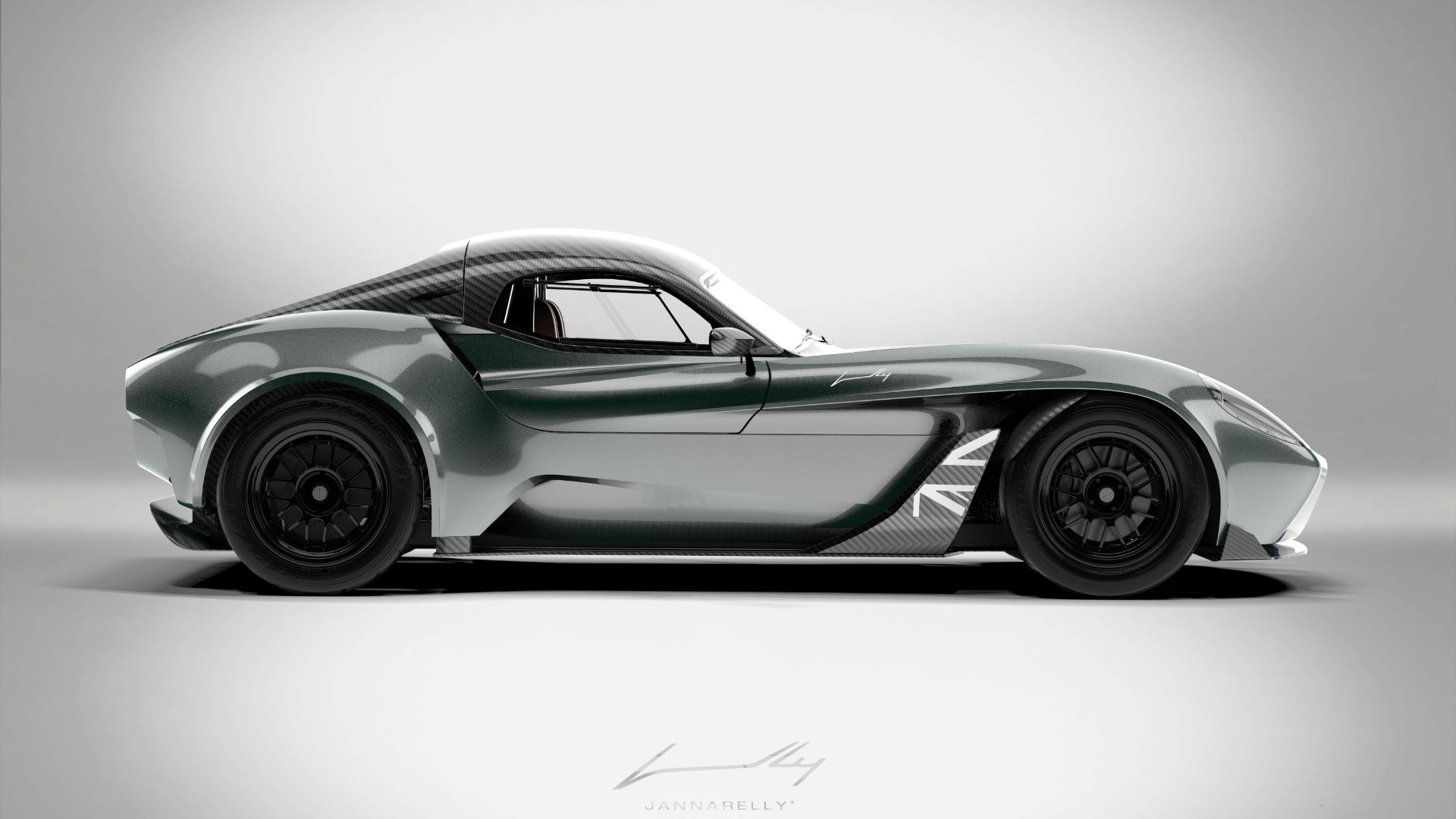
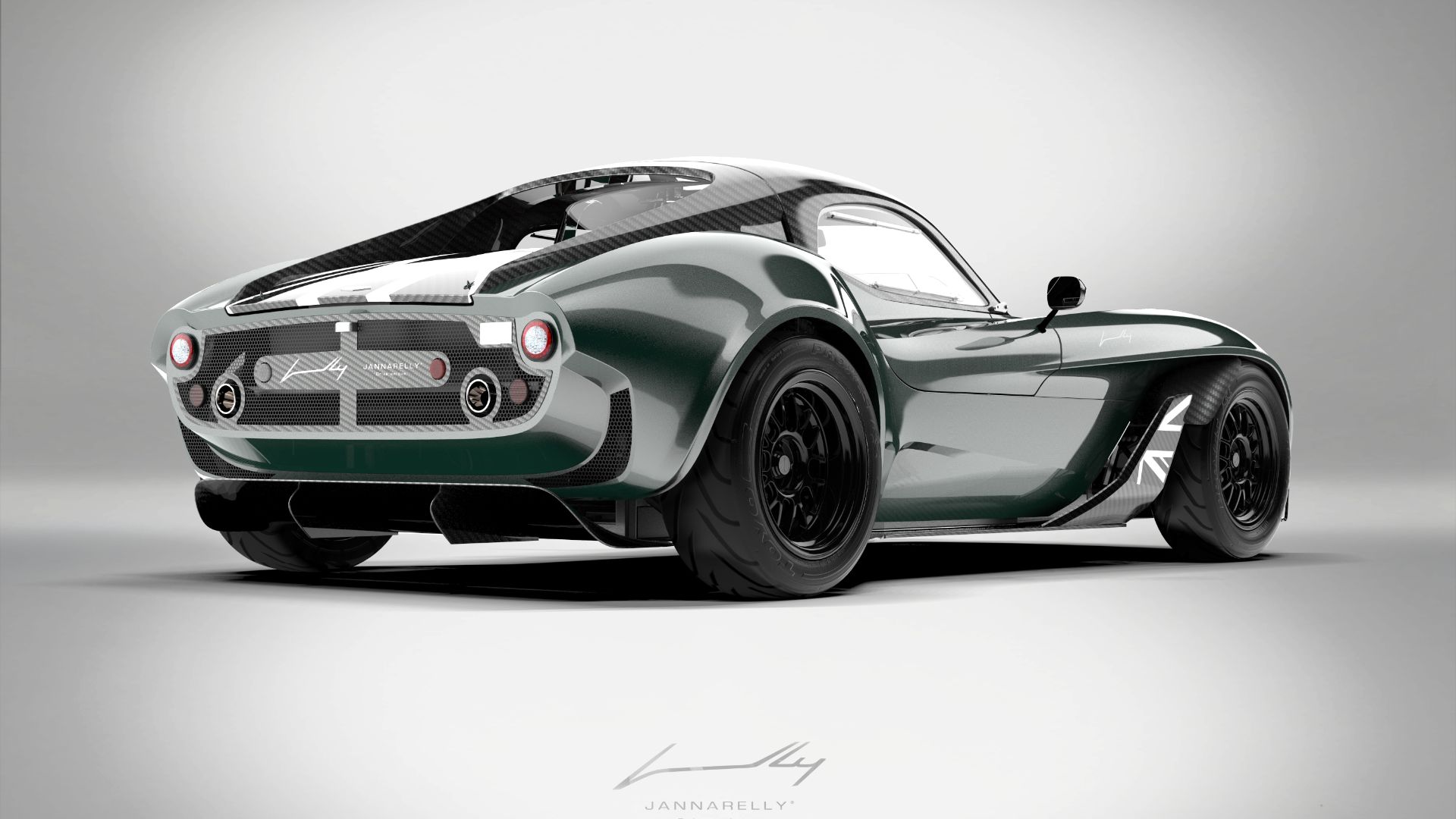
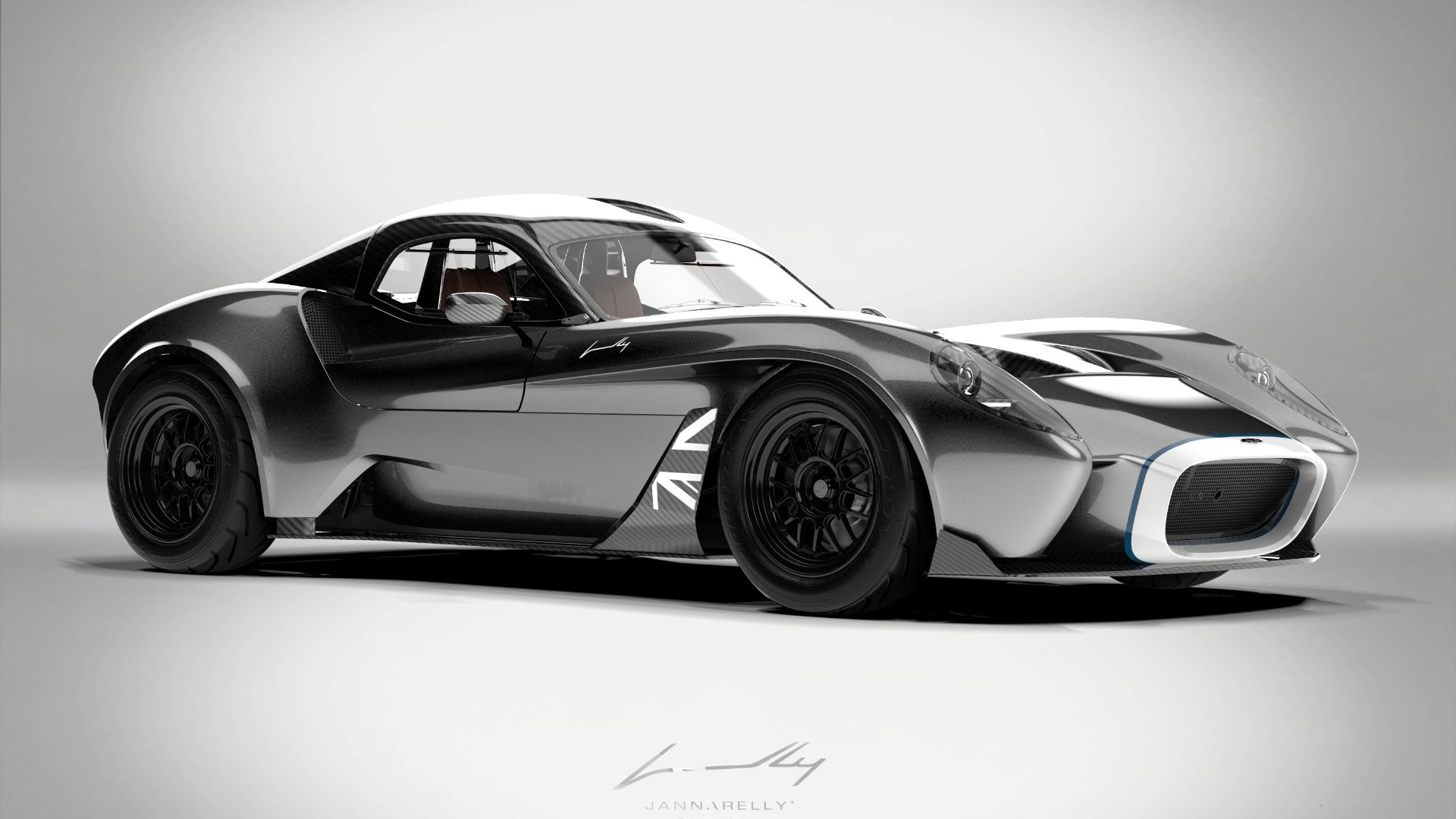
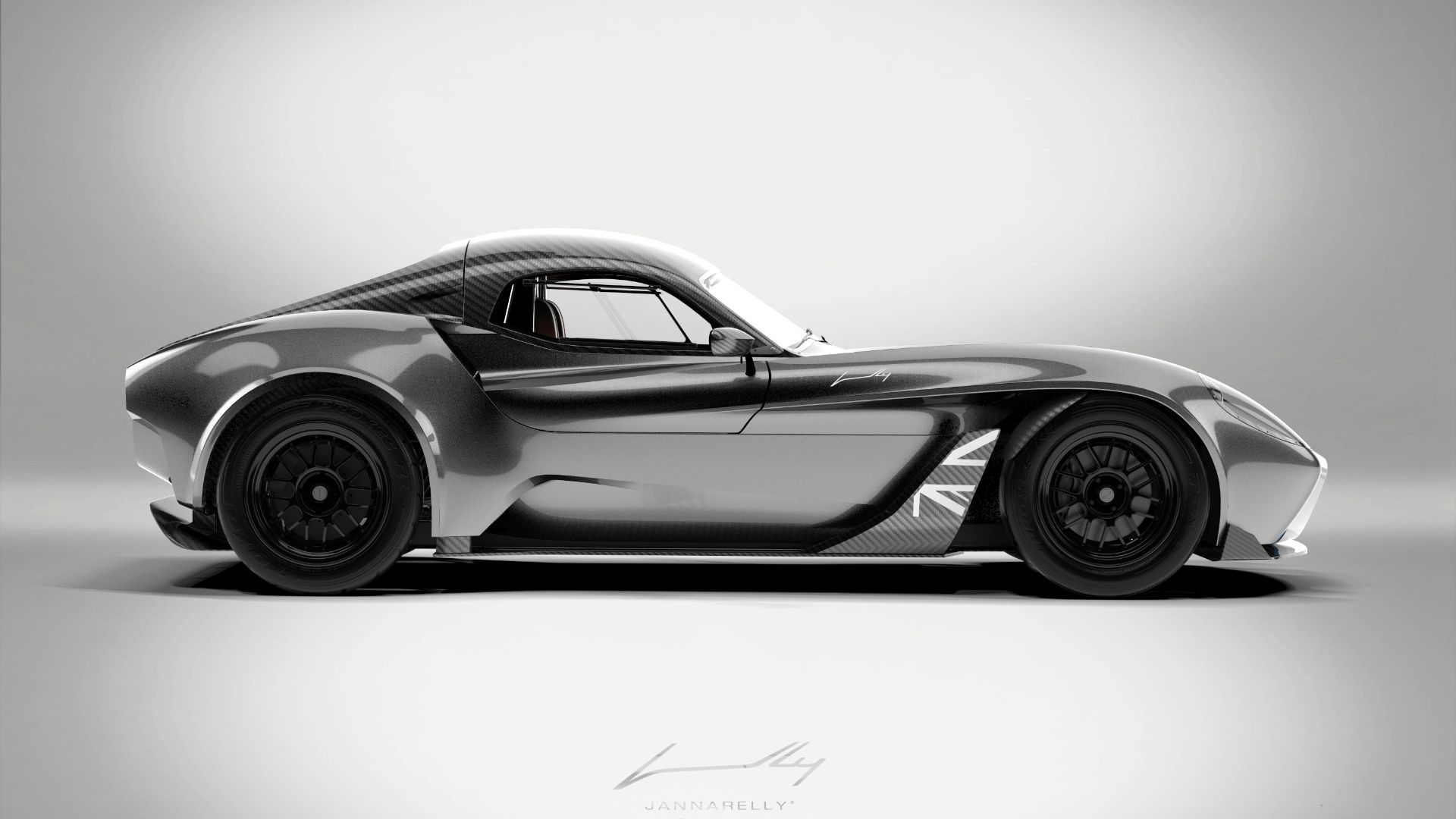
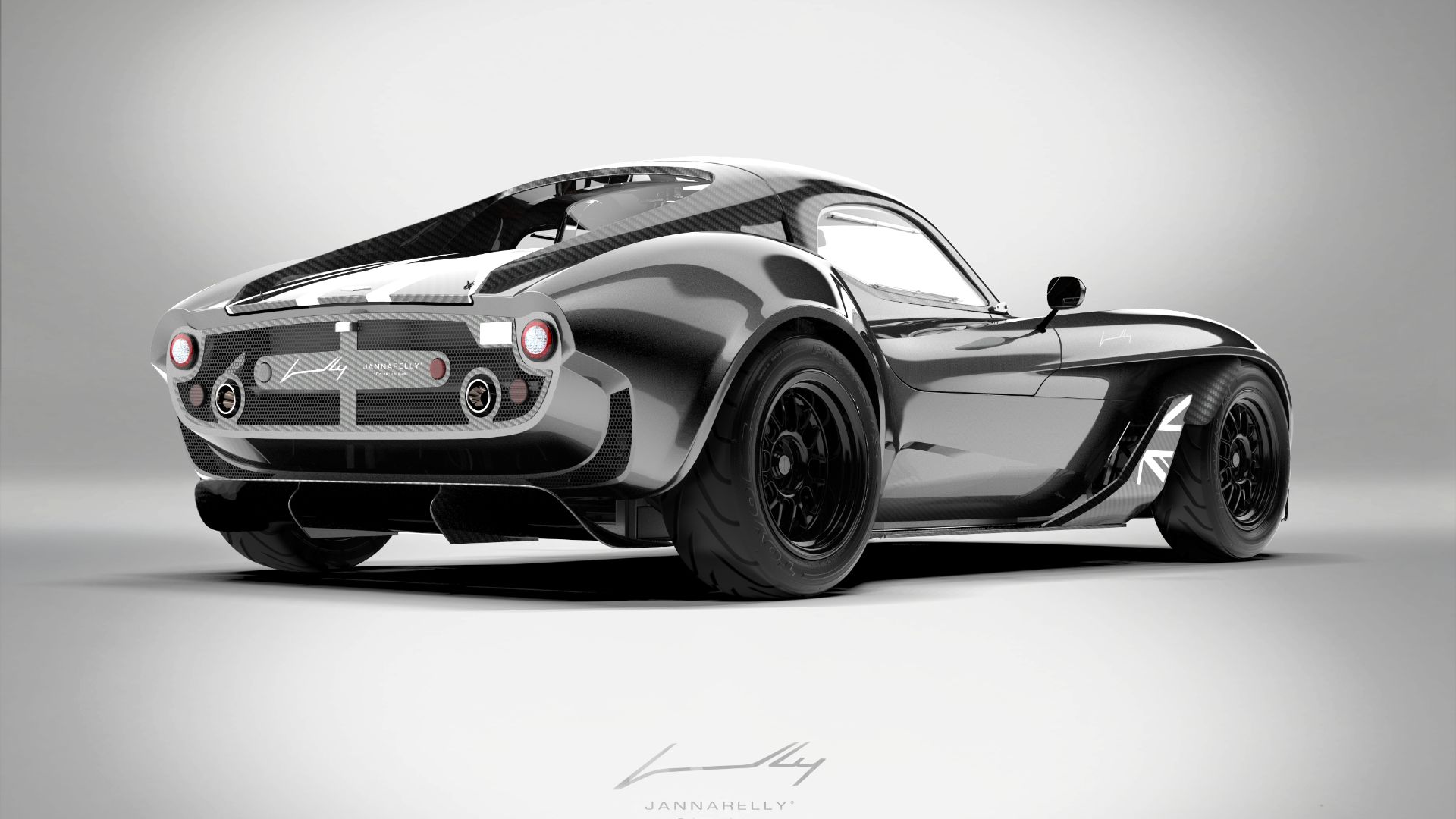
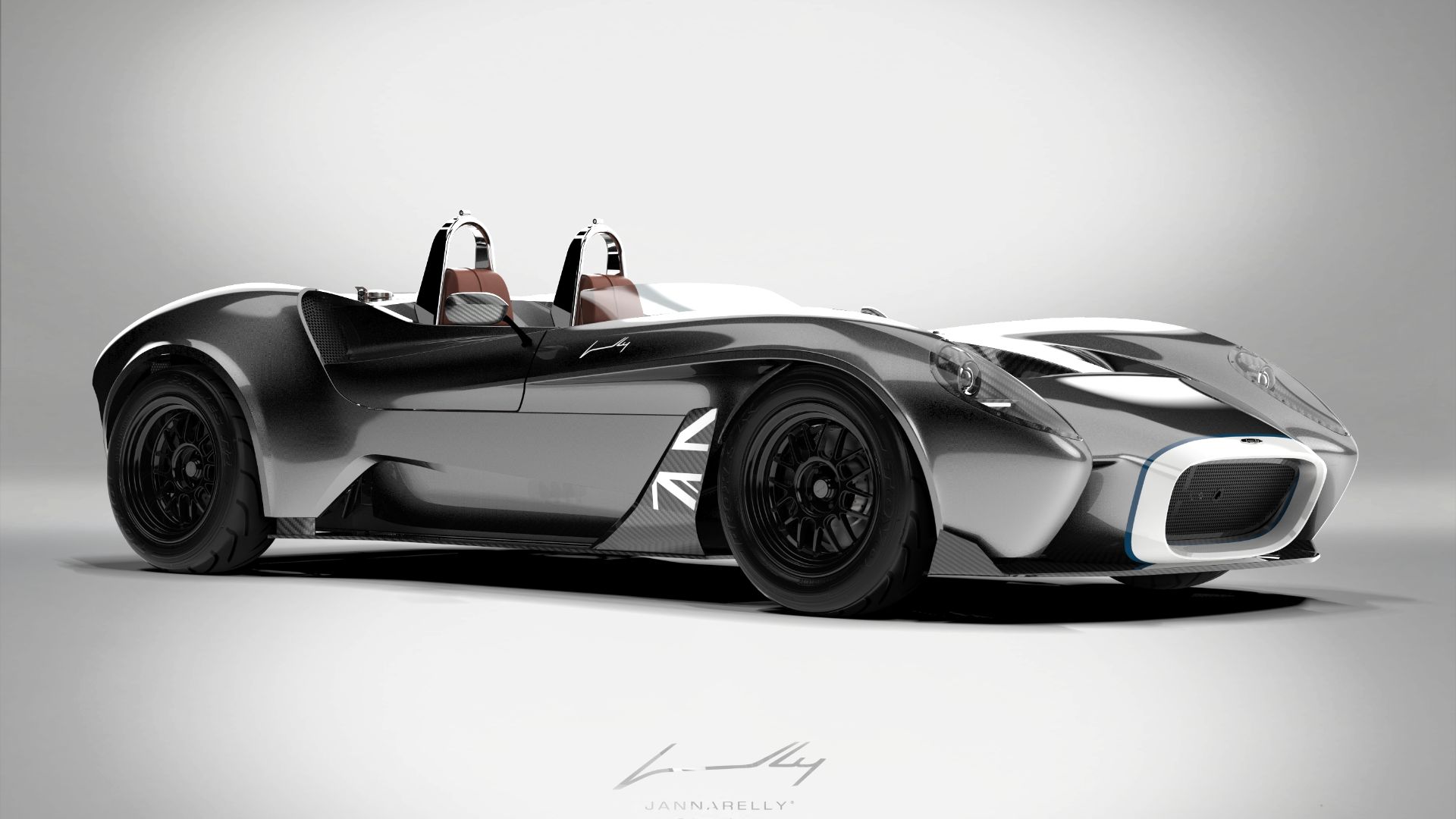
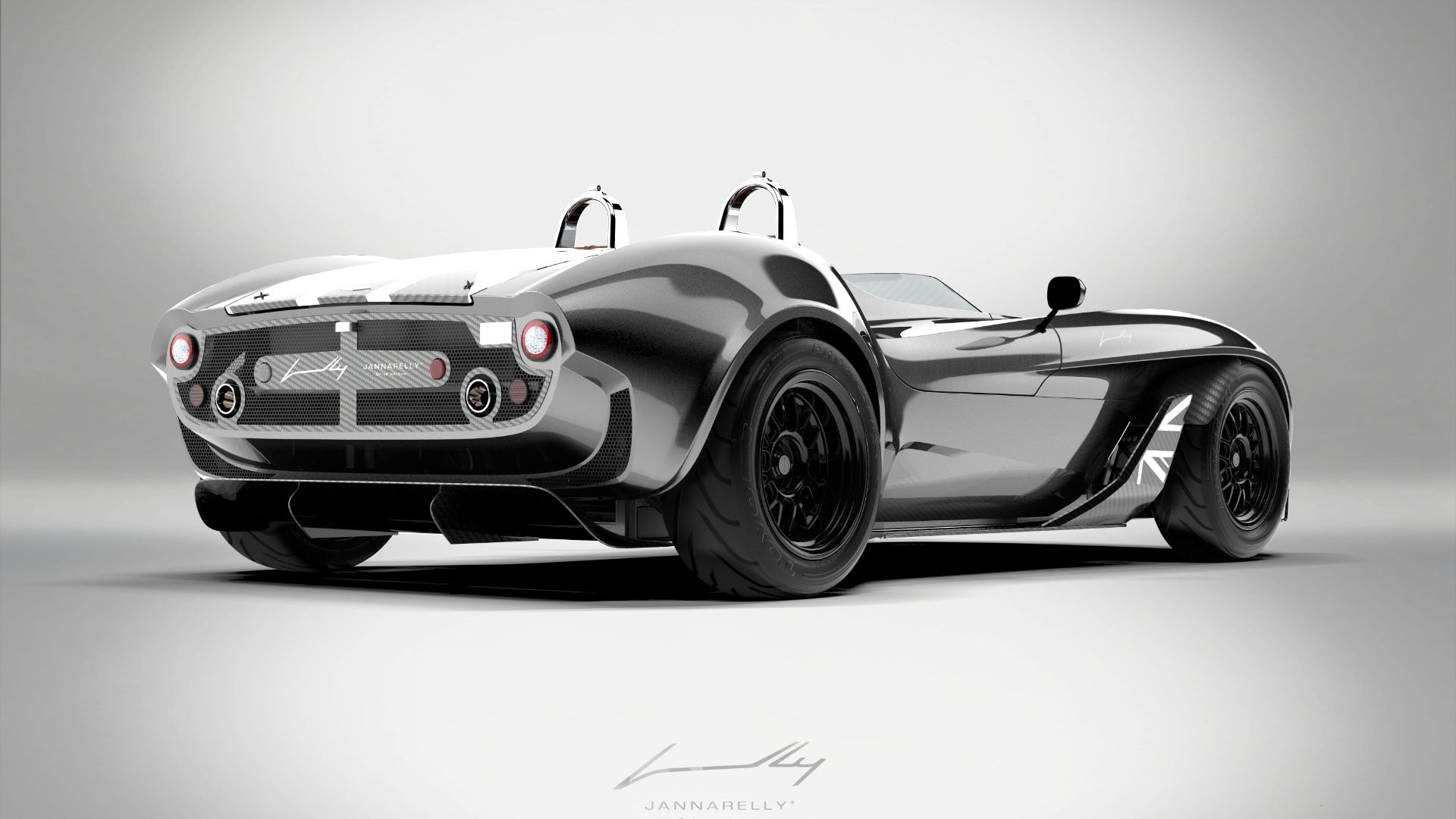
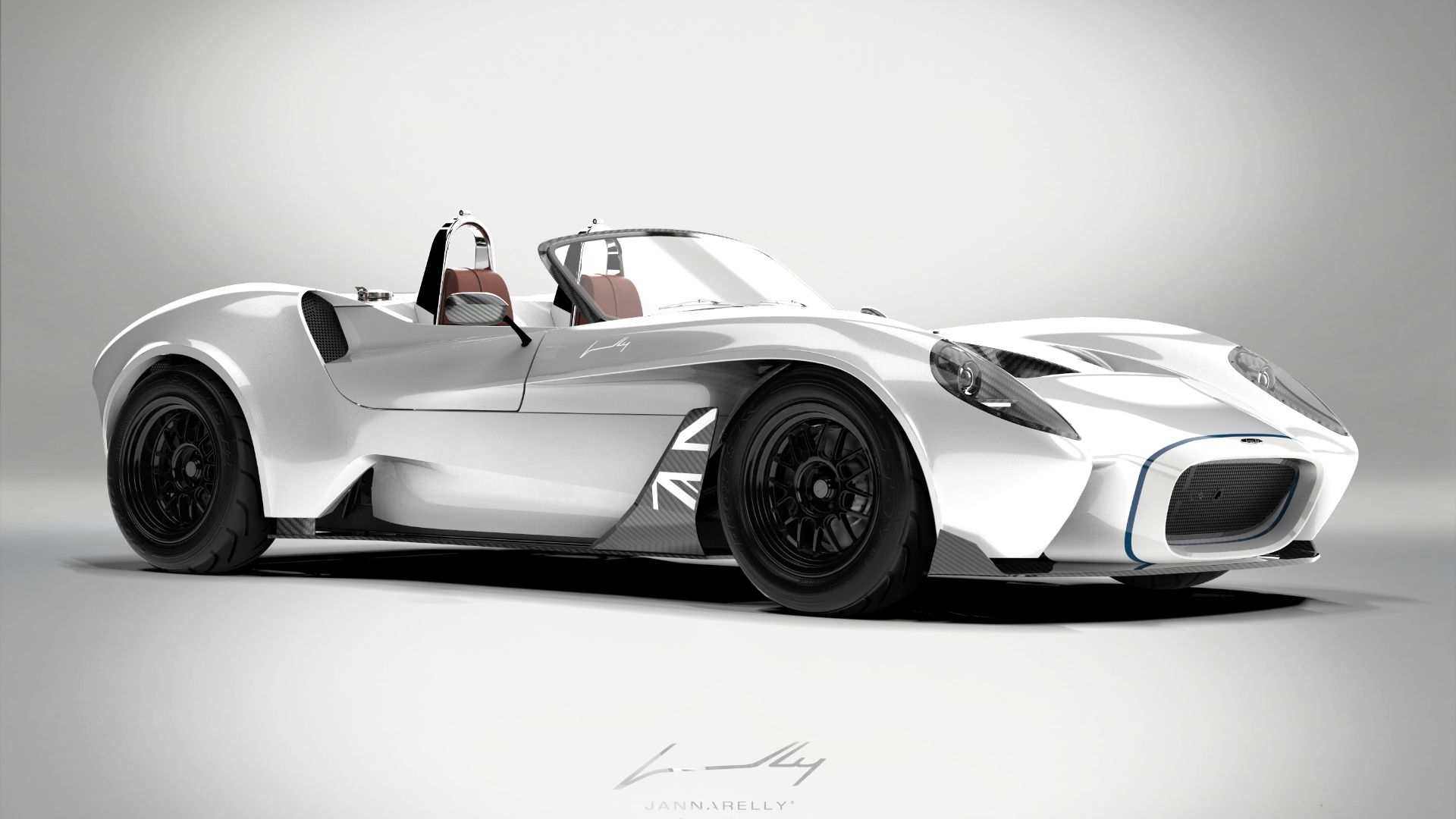
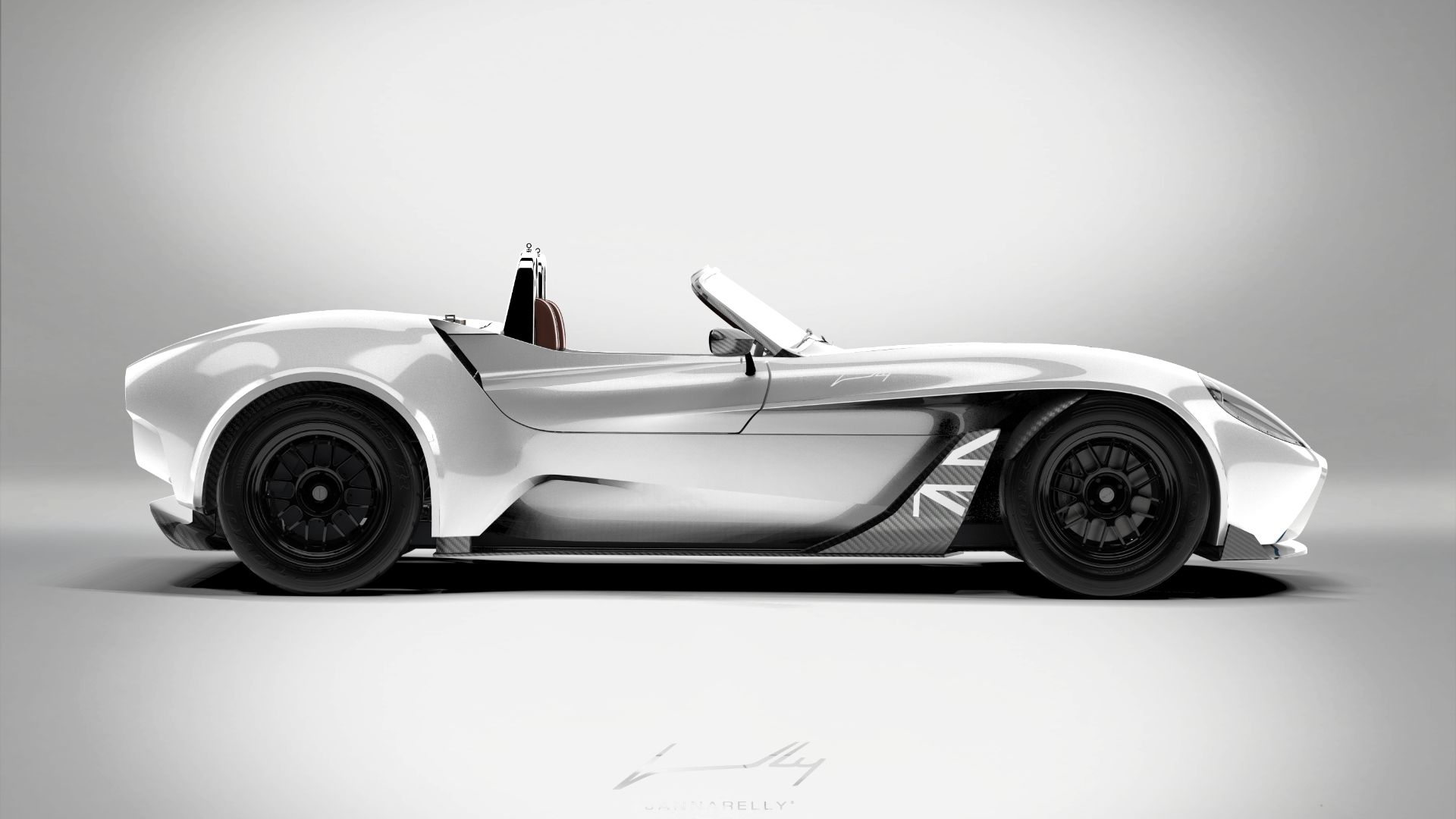
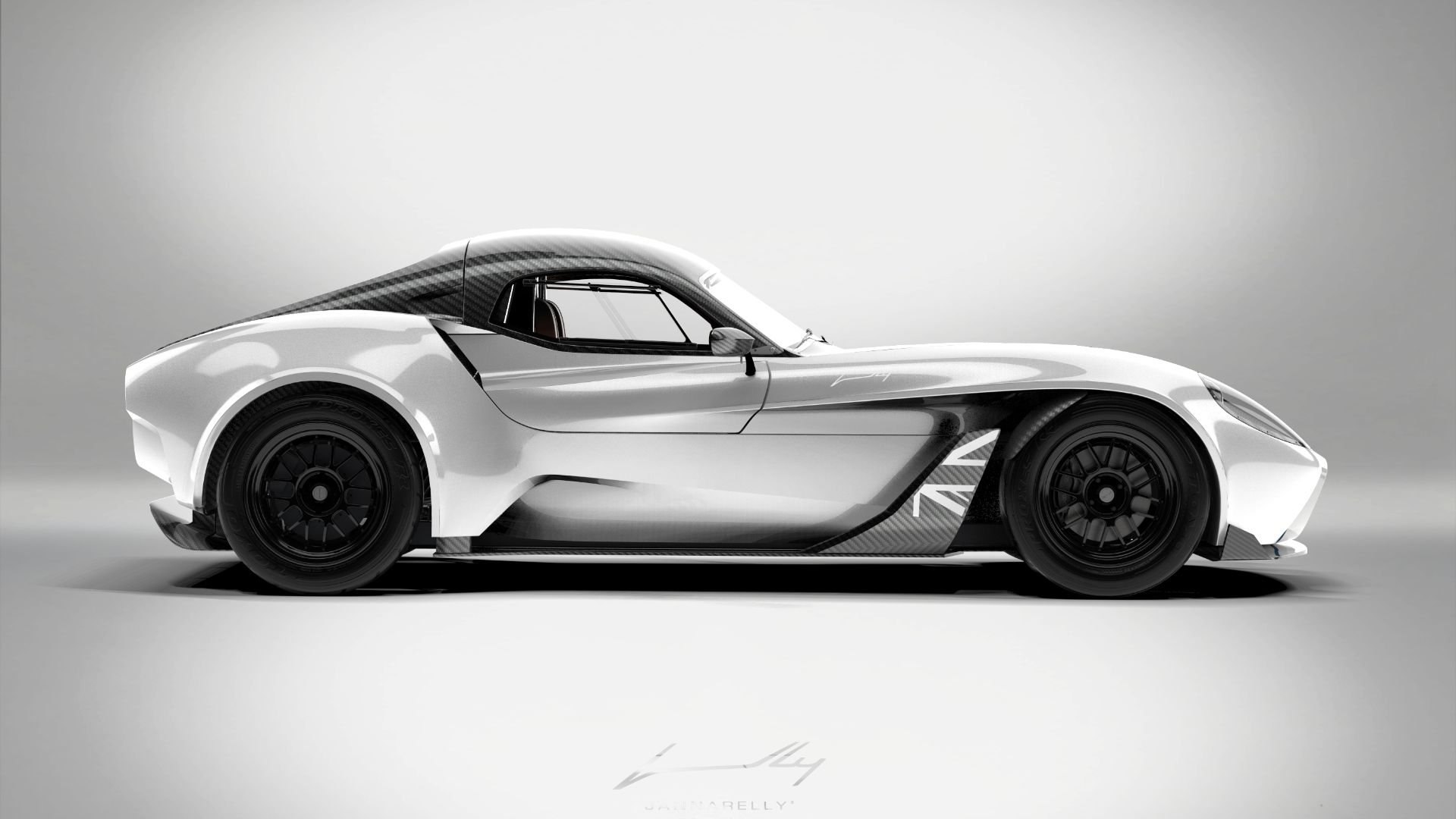
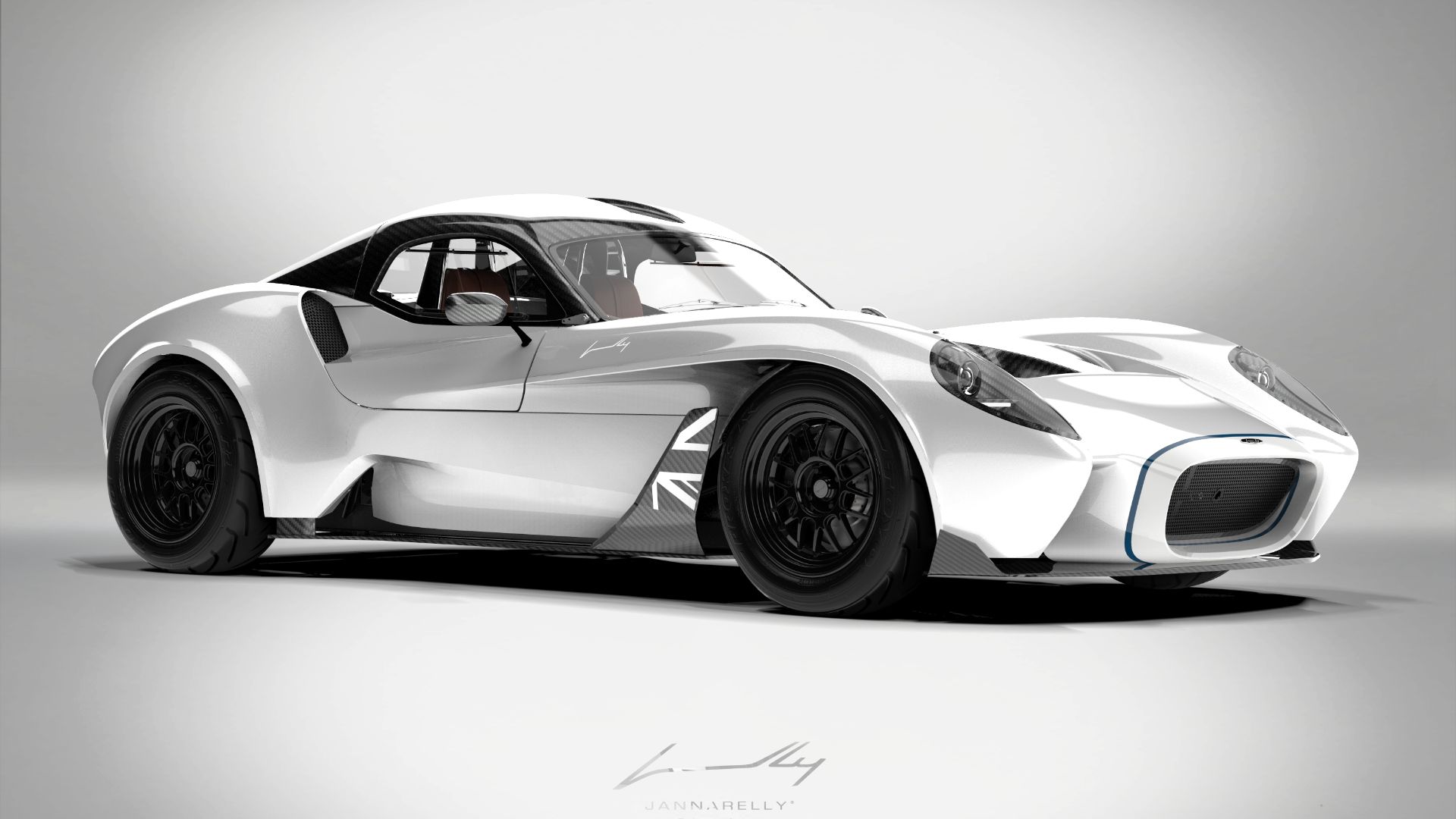
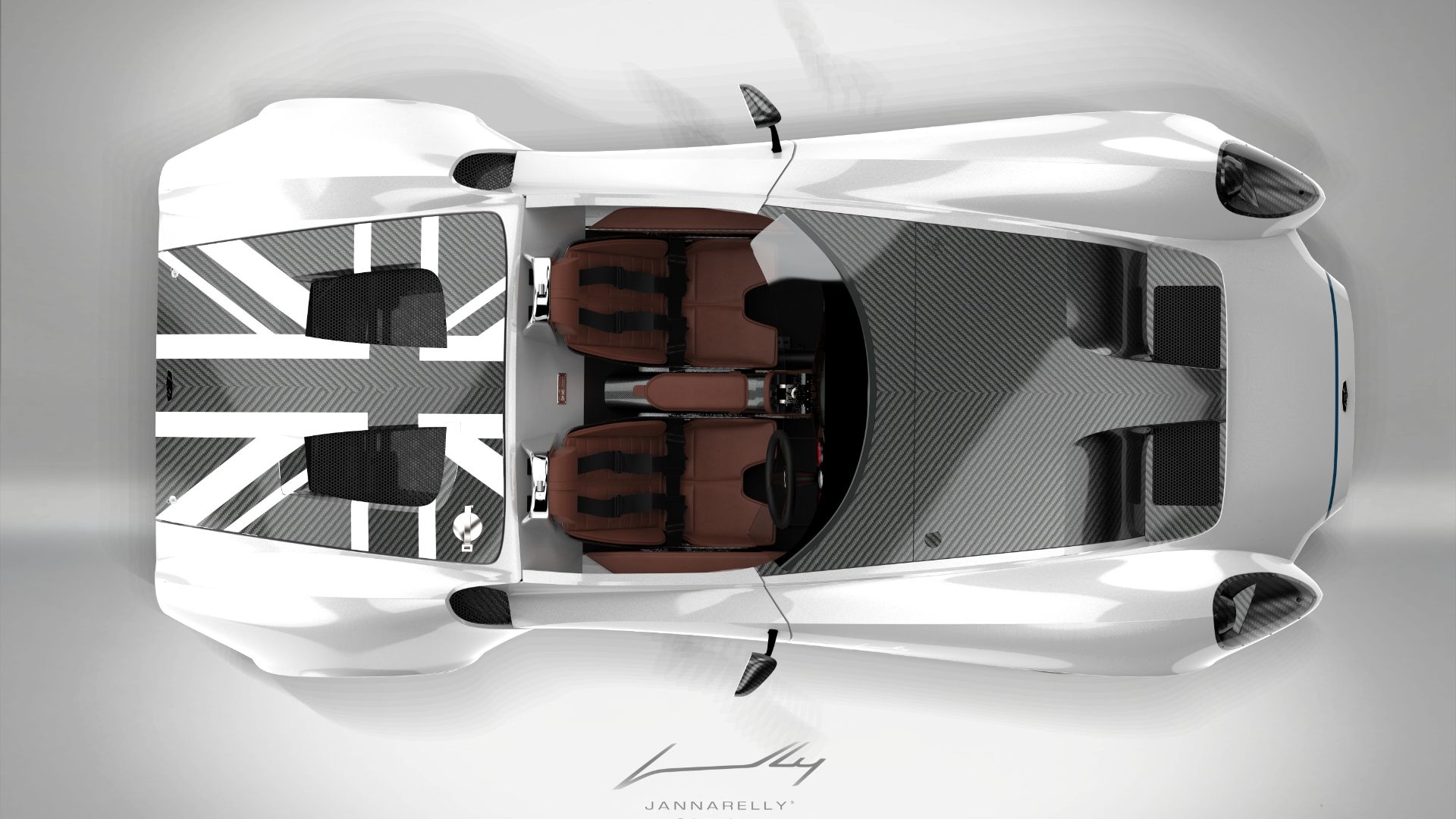
For those who find Aston Martin, Jaguar, Maserati and even the new TVR a little too mainstream, this is the Jannarelly Automotive Design-1. To celebrate its entry to the UK market, the company has unveiled a very patriotic UK Edition.
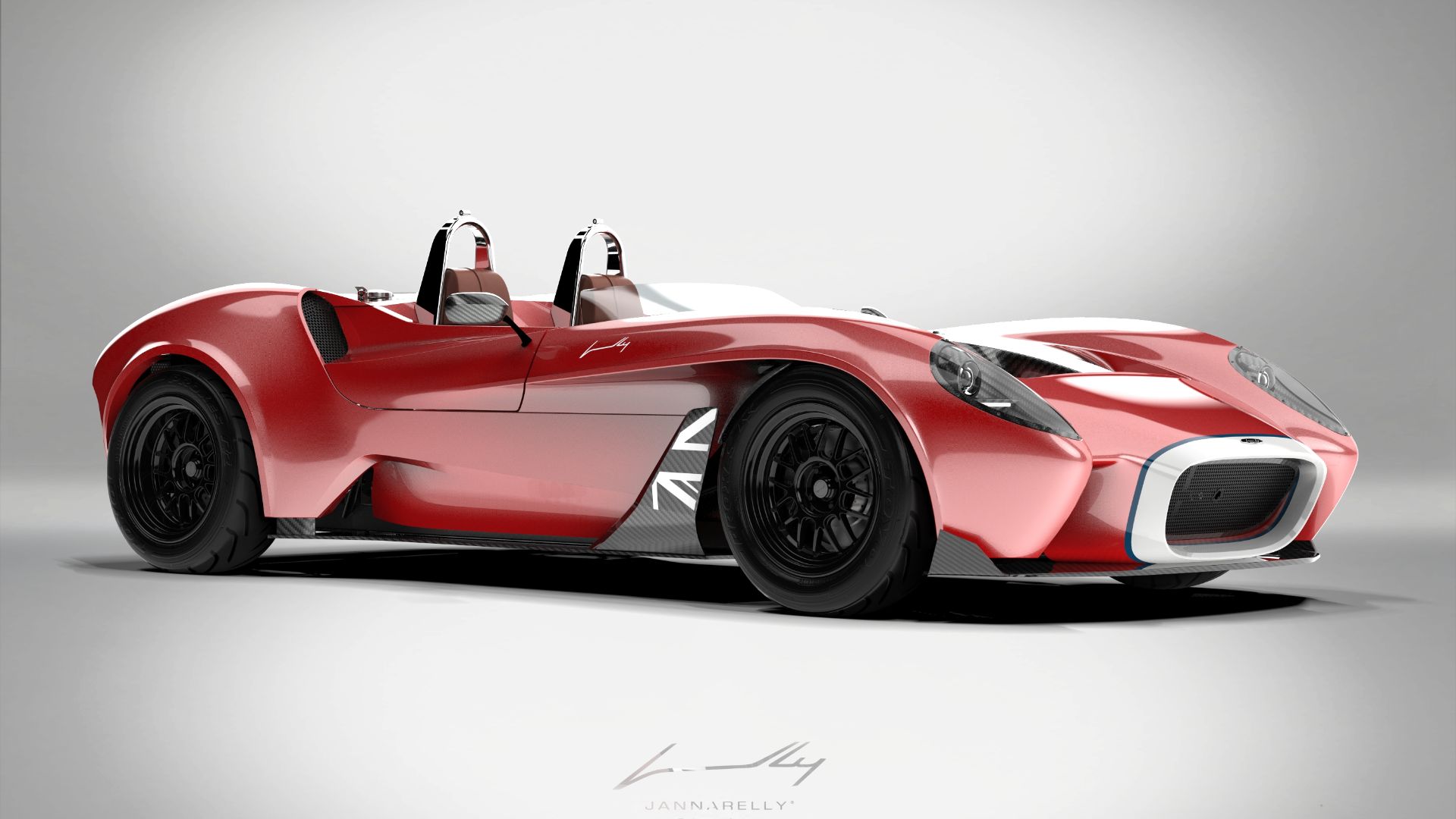
And it’s very patriotic. The white front grille surround takes influence from classic British racers. Colour options for the UK Edition include red, white, blue and green.
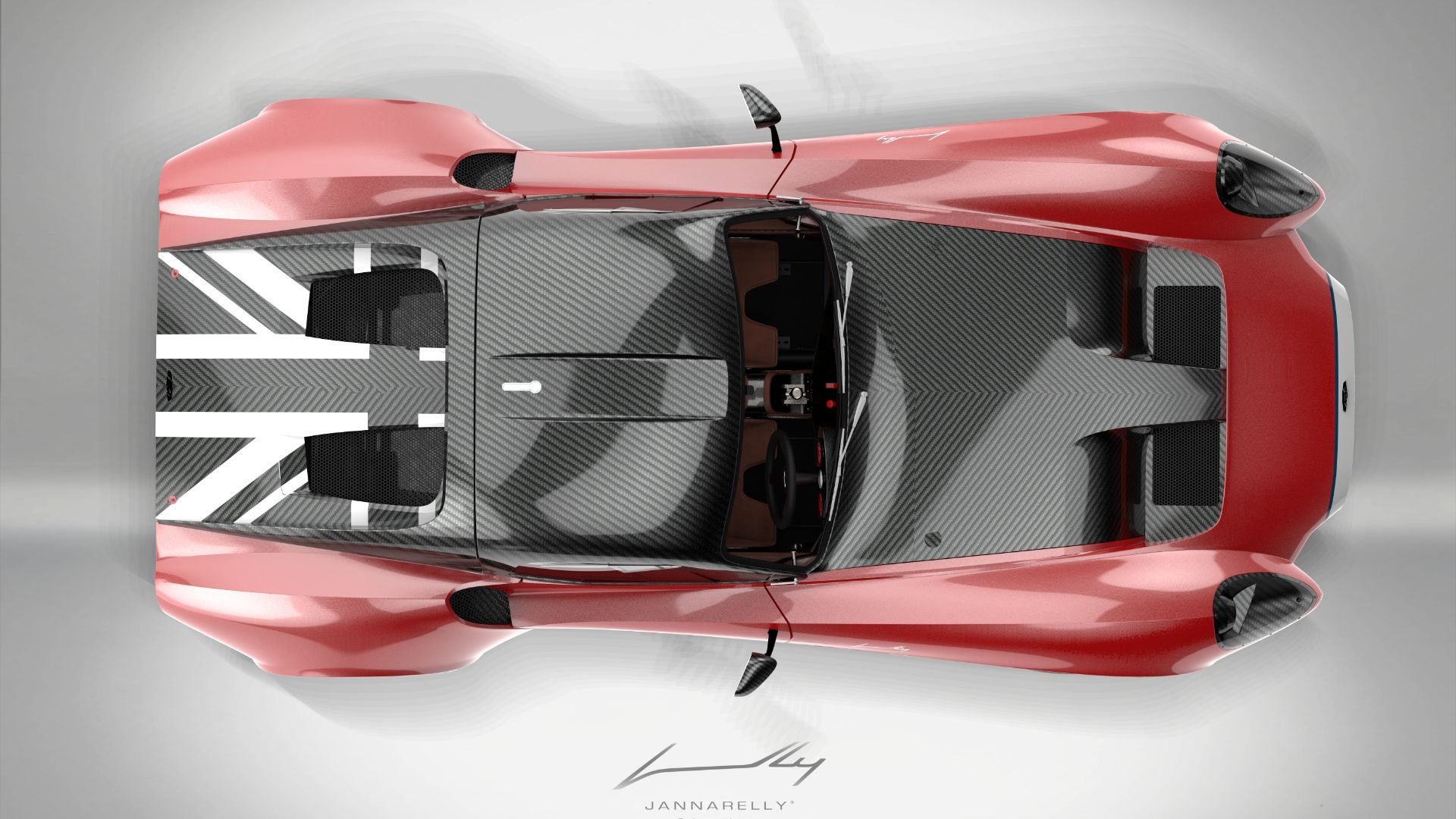
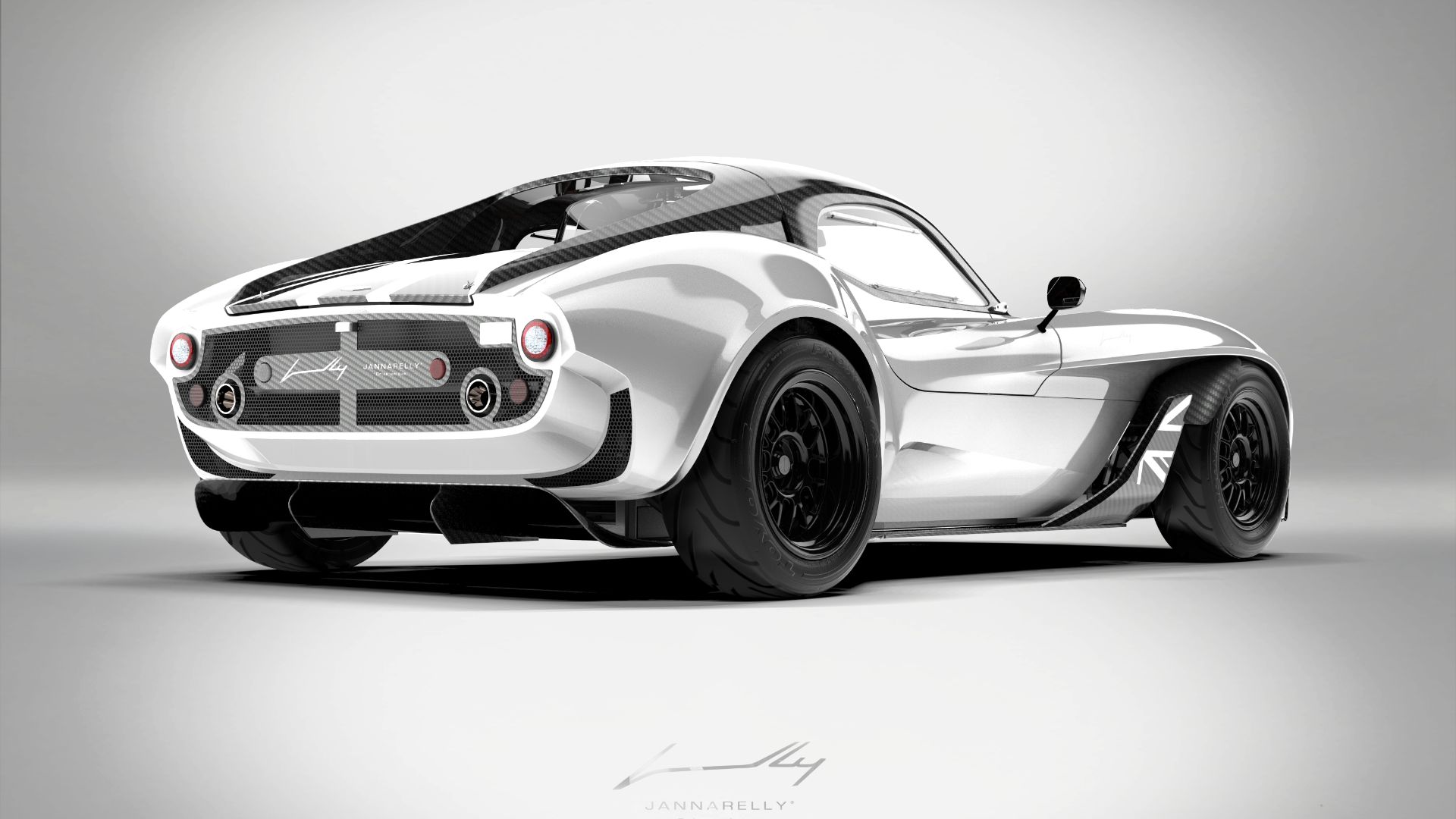
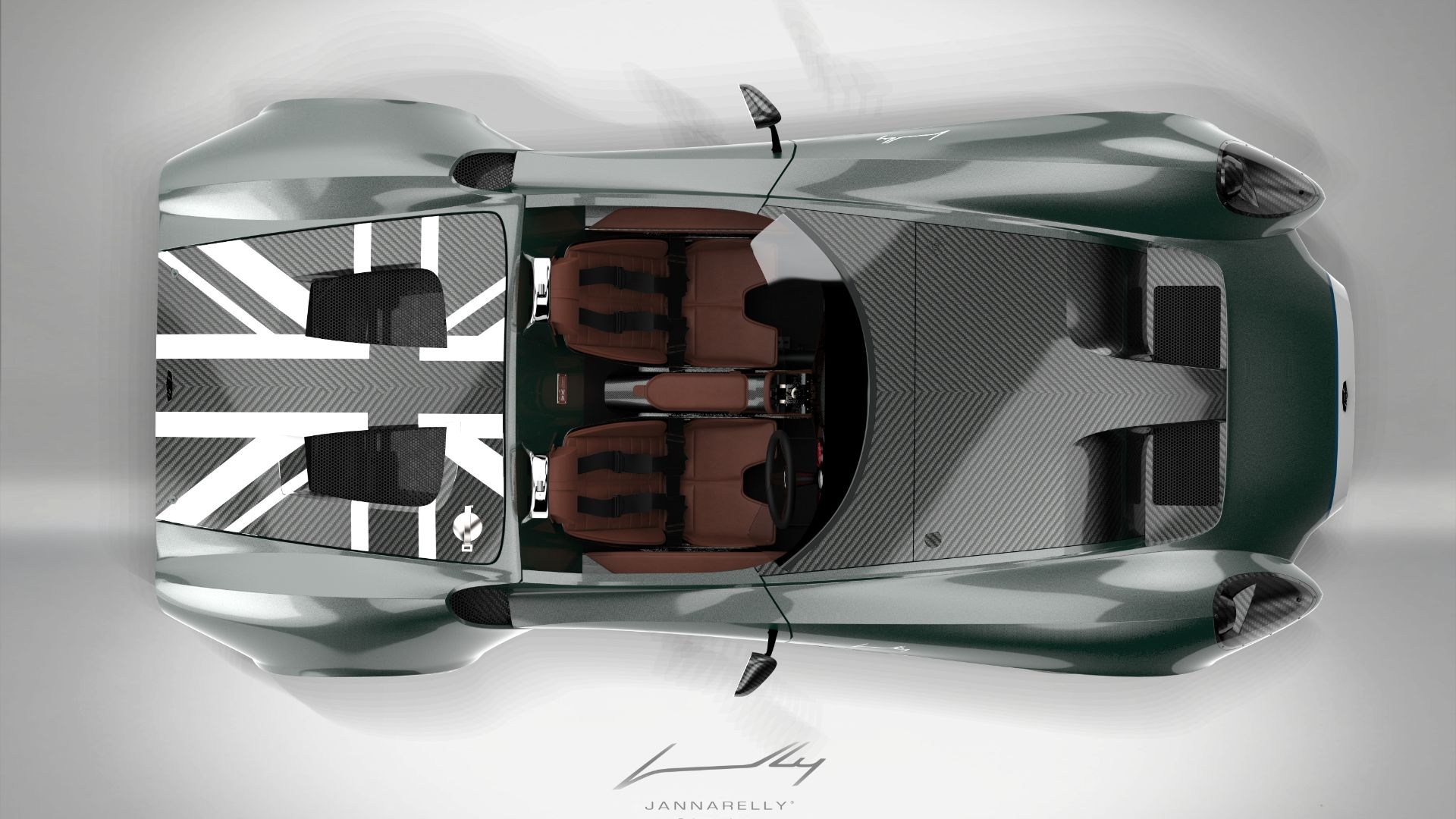
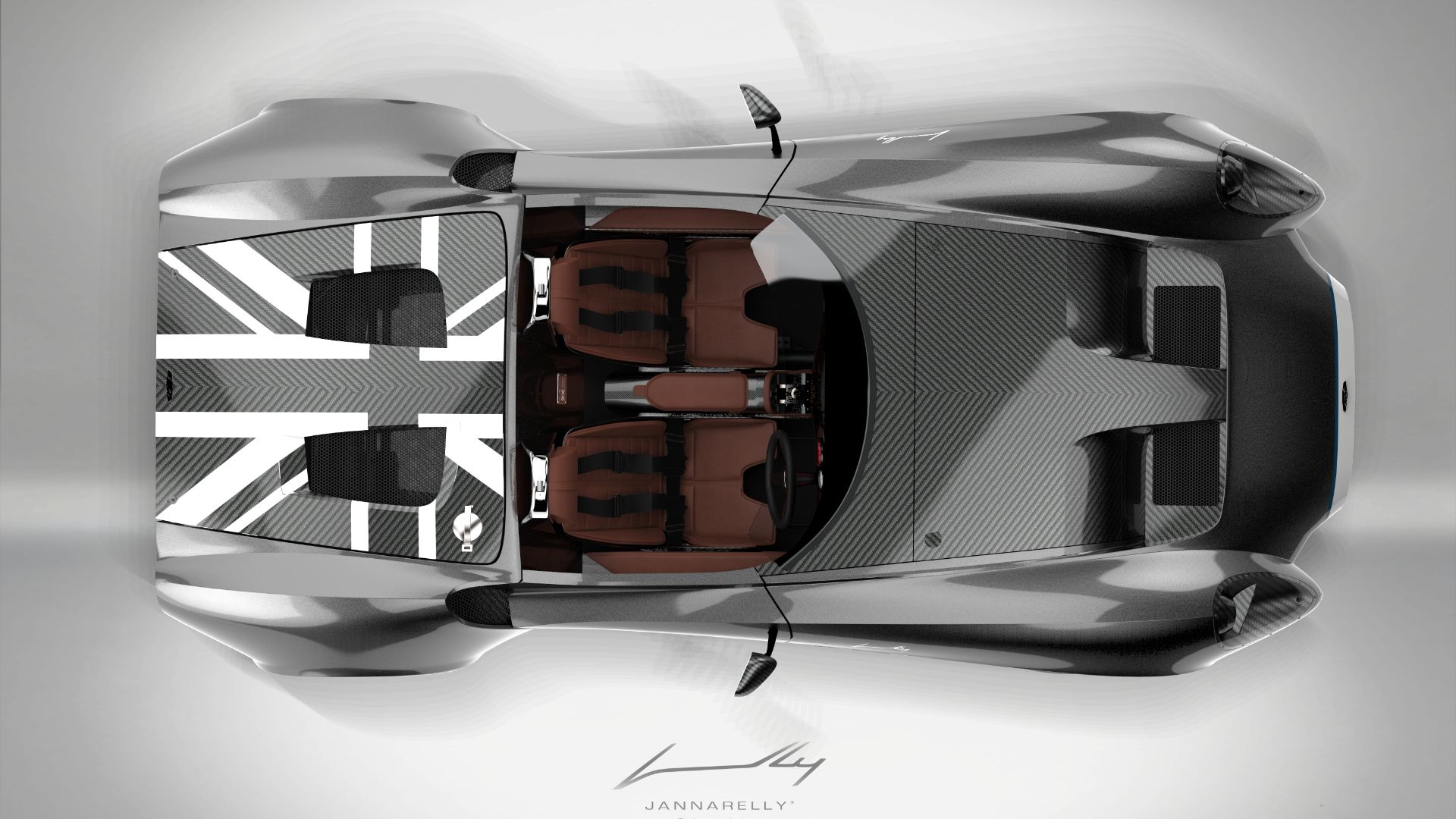
The carbon fibre engine cover is adorned with a Union Flag, while other decals of the flag can be seen on the carbon side blades. A UK Edition metal plaque also features on the five limited edition models.
“The UK is widely regarded to have one of the largest and most dedicated automotive communities in the world and it felt only right to recognise our entry into this historic market with a special edition of the Design-1,” said Anthony Jannarelly, co-founder of Jannarelly Automotive.
“The UK Edition cars truly reflect Britain’s extensive racing heritage but utilise the very best of modern materials to offer customers a classic car experience with 21st century engineering and design. We’re excited to welcome our UK Edition buyers to the Jannarelly family and look forward to seeing the cars out on the road.”
The mid-engined UK Edition is powered by a free-breathing 3.5-litre V6, with power going to the rear wheels via a six-speed manual gearbox. The UK Edition will set you back £115,549 and can be ordered either online or from Jannarelly’s London base.
If you love racing games, but feel your current living room setup lacks a little authenticity, this could be the solution.
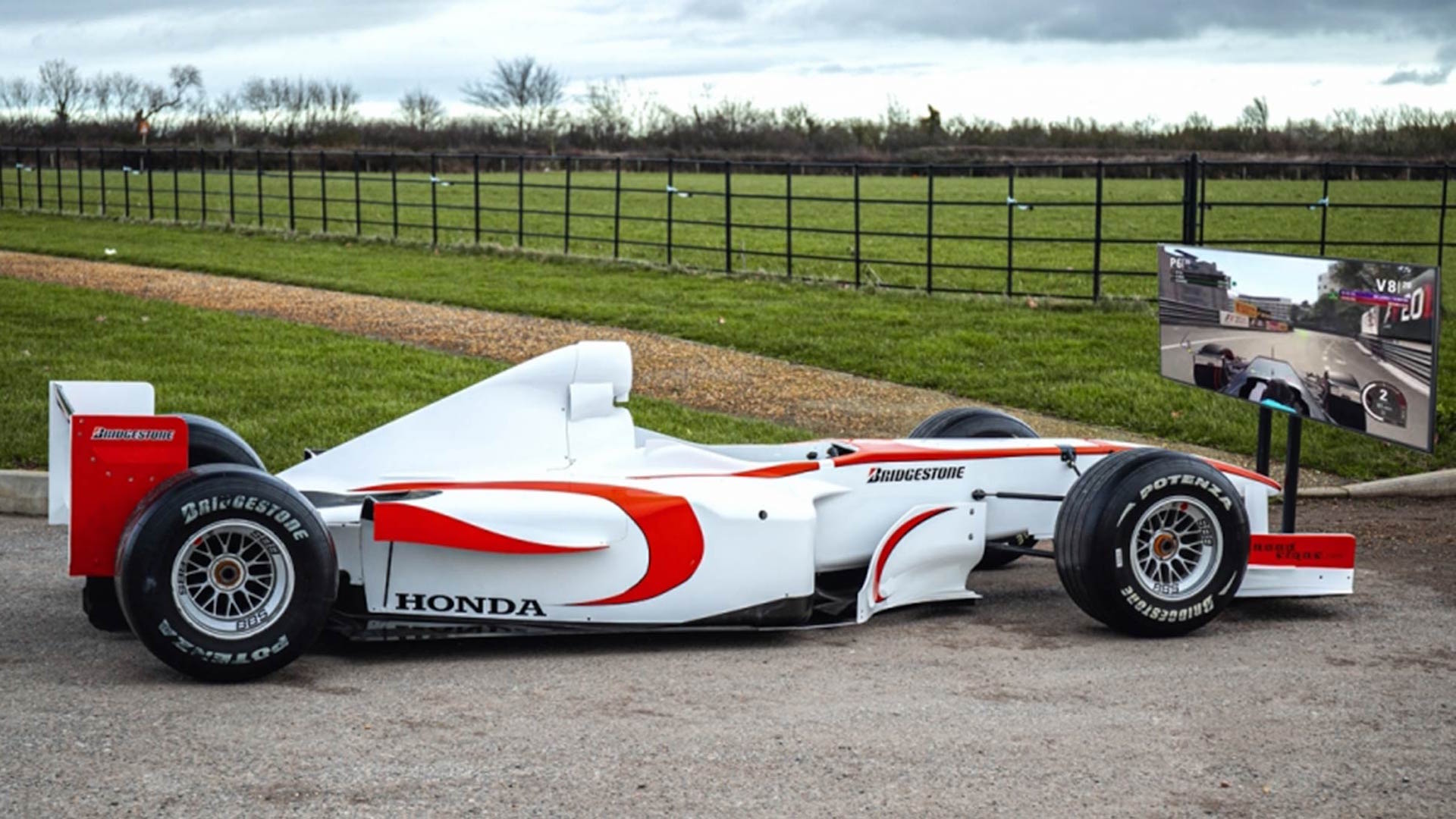
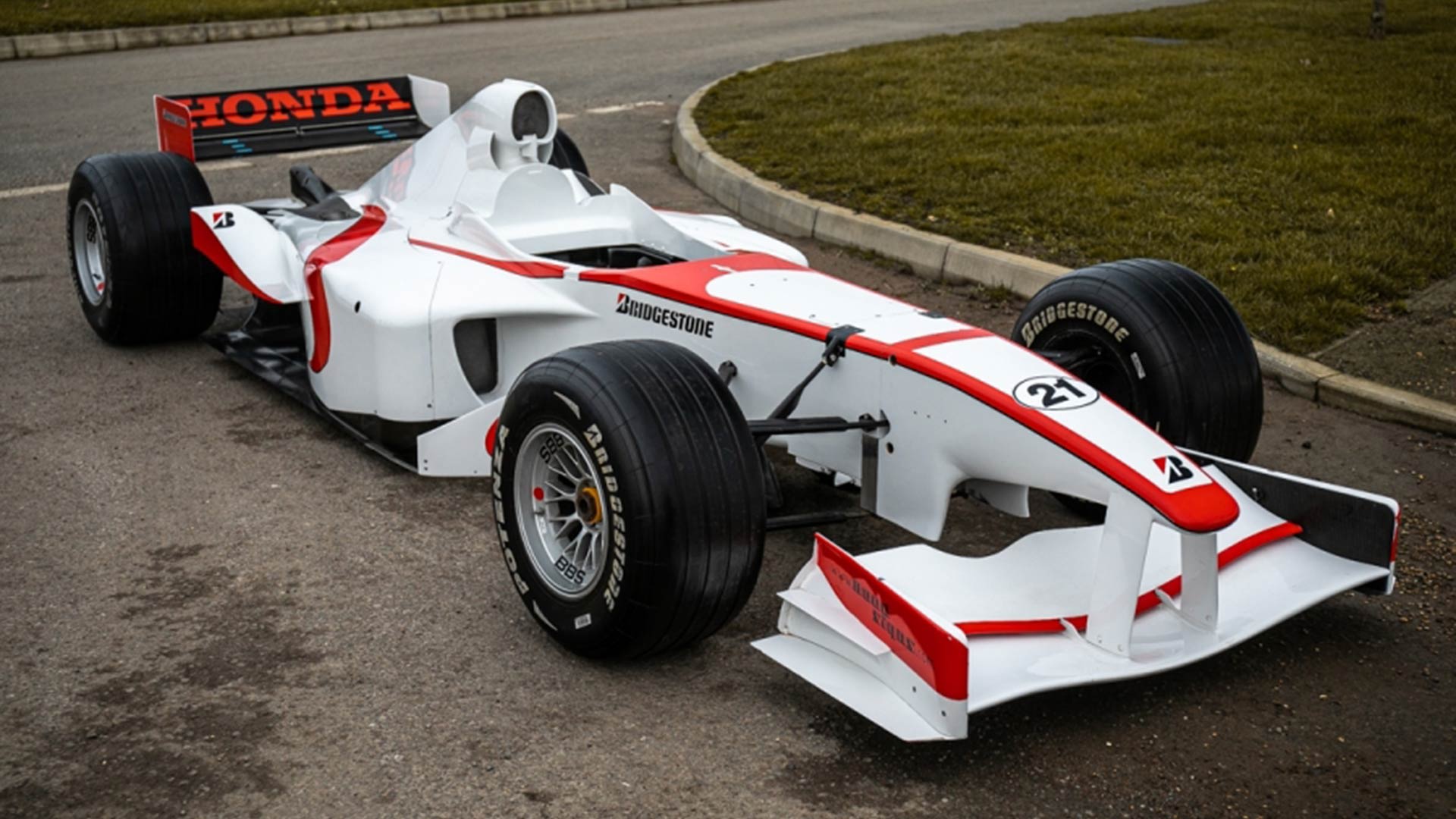
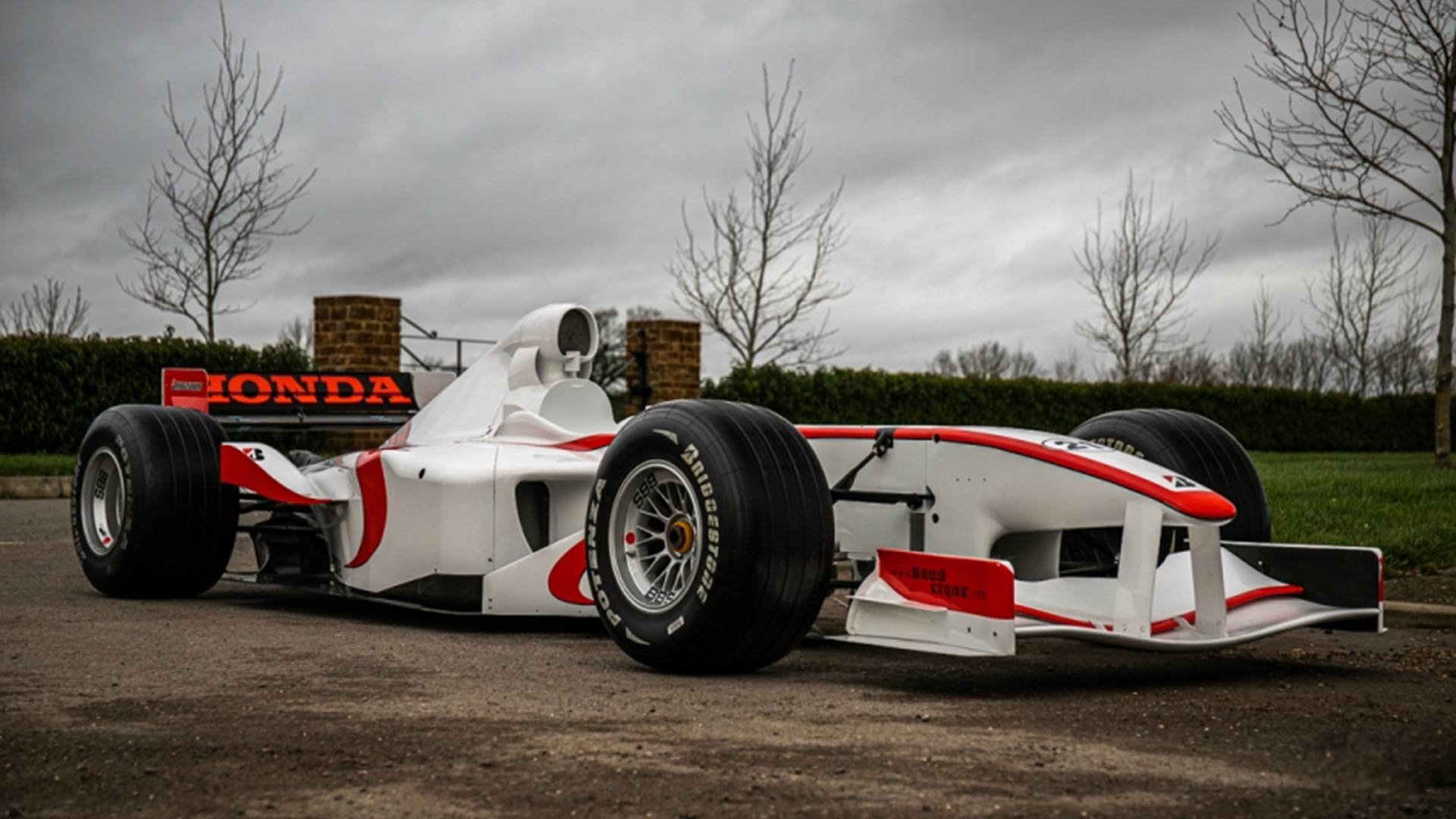
One of the lots listed at the forthcoming Race Retro Classic and Competition Car sale, organised by Silverstone Auctions, is a gaming simulator featuring a real ex-Formula 1 racing car.
Supplied with all the equipment needed to get playing, this could make for an intriguing business venture or extravagant F1 home indulgence.
Big dreams and rapid plans
The Formula 1 car in question was used by the short-lived Super Aguri F1 team during the 2006 season. Founded by 1990s F1 driver Aguri Suzuki, a deal to supply engines and other support by Honda helped prepare the team for competition.
Developed from a 2002 Arrows A23 chassis, and known as the SA05, the first Super Aguri car hit the track at the 2006 Bahrain Grand Prix. Driven by Japanese Takuma Sato and Yuji Ide, the SA05 was used for eleven rounds of the 2006 season.
Success was hard to find, with Ide replaced after four rounds by Frenchman Franck Montagny. Sato proved his ability, taking the Super Aguri SA05 to a respectable twelfth position at the 2006 Australian Grand Prix.
(Virtual) Reality bites back
Super Aguri launched a new chassis from the 2006 German Grand Prix onwards, leaving the SA05 redundant. The whole team would persevere until the middle of the 2008 season, where financial difficulties saw Super Aguri disappear from the grid.
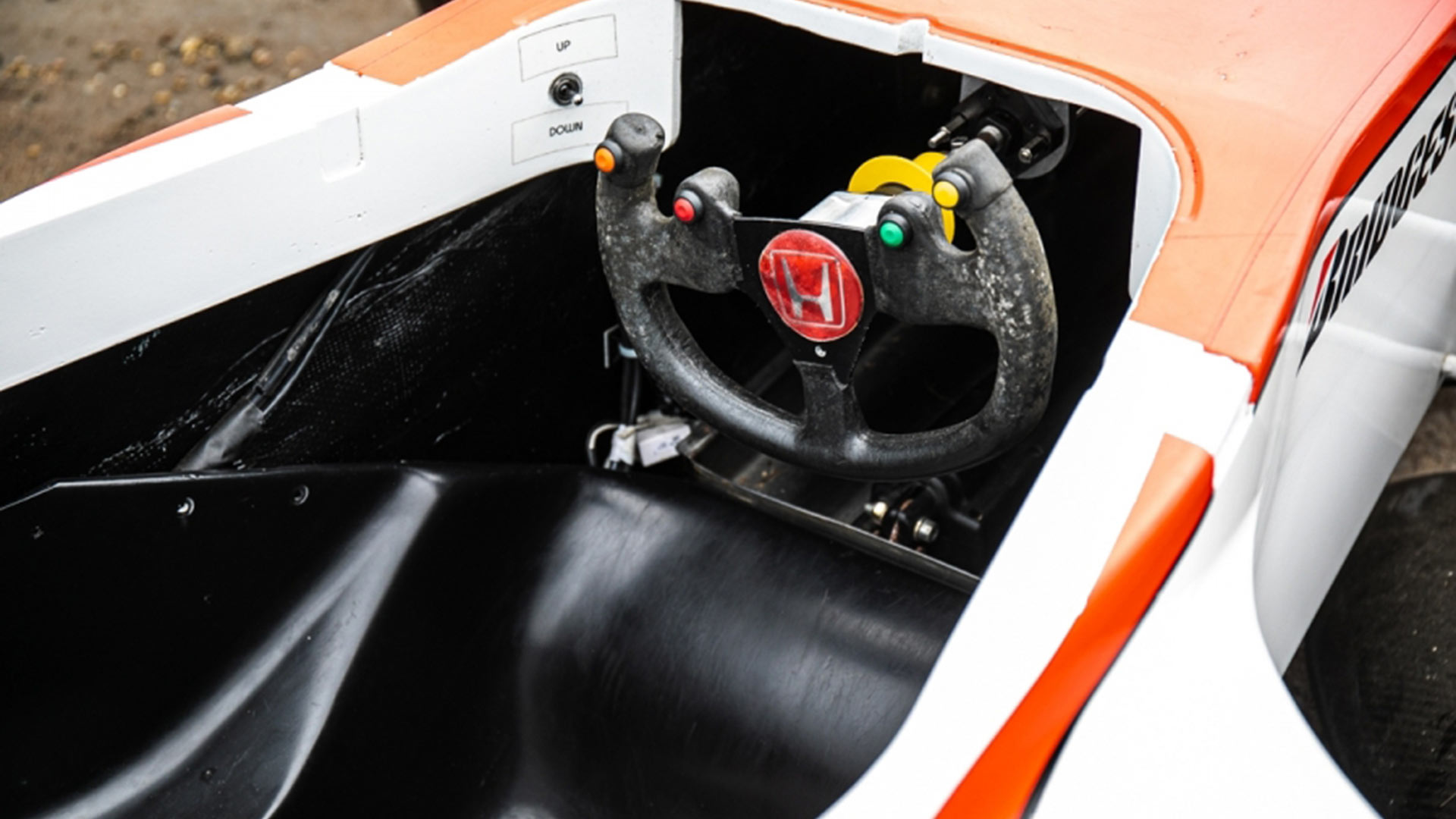
It meant this genuine ex-F1 chassis was transformed into a simulator, with an electrically adjustable force feedback steering wheel and pedals installed. The air intakes house speakers, delivering a full surround sound experience.
Silverstone Auctions are also keen to point out the simulator features a ‘wider’ tub chassis, helping accommodate those not quite racing driver-sized.
Playing for keeps
A 55-inch monitor is provided, connected to a modern laptop running the latest Codemasters F1 2019 racing game. We imagine enough tinkering could allow different games to be used as well.
Having been part of an ongoing commercial outfit, the F1 simulator is being sold with an enclosed Brian James double-axle trailer. The trailer has had four new tyres fitted, and has also been recently serviced.
Silverstone Auctions note that two events have already been booked in 2020 for the simulator, offering opportunities to continue the business usage.
Retro-spectacular
It leaves the winning bidder with the choice to make money, or simply have the Super Aguri as the elaborate centrepiece for a motorsport-themed entertainment room.
The Race Retro Competition and Classic Car Sale 2020 takes place from Friday February 21st, to Sunday 23rd. A number of intriguing lots have already been listed, including a rare Australian-specification Ford Escort RS2000.
Held at Stoneleigh Park near Coventry, the Race Retro show features live Group B rallying action, plus the chance to see legendary race cars up close.
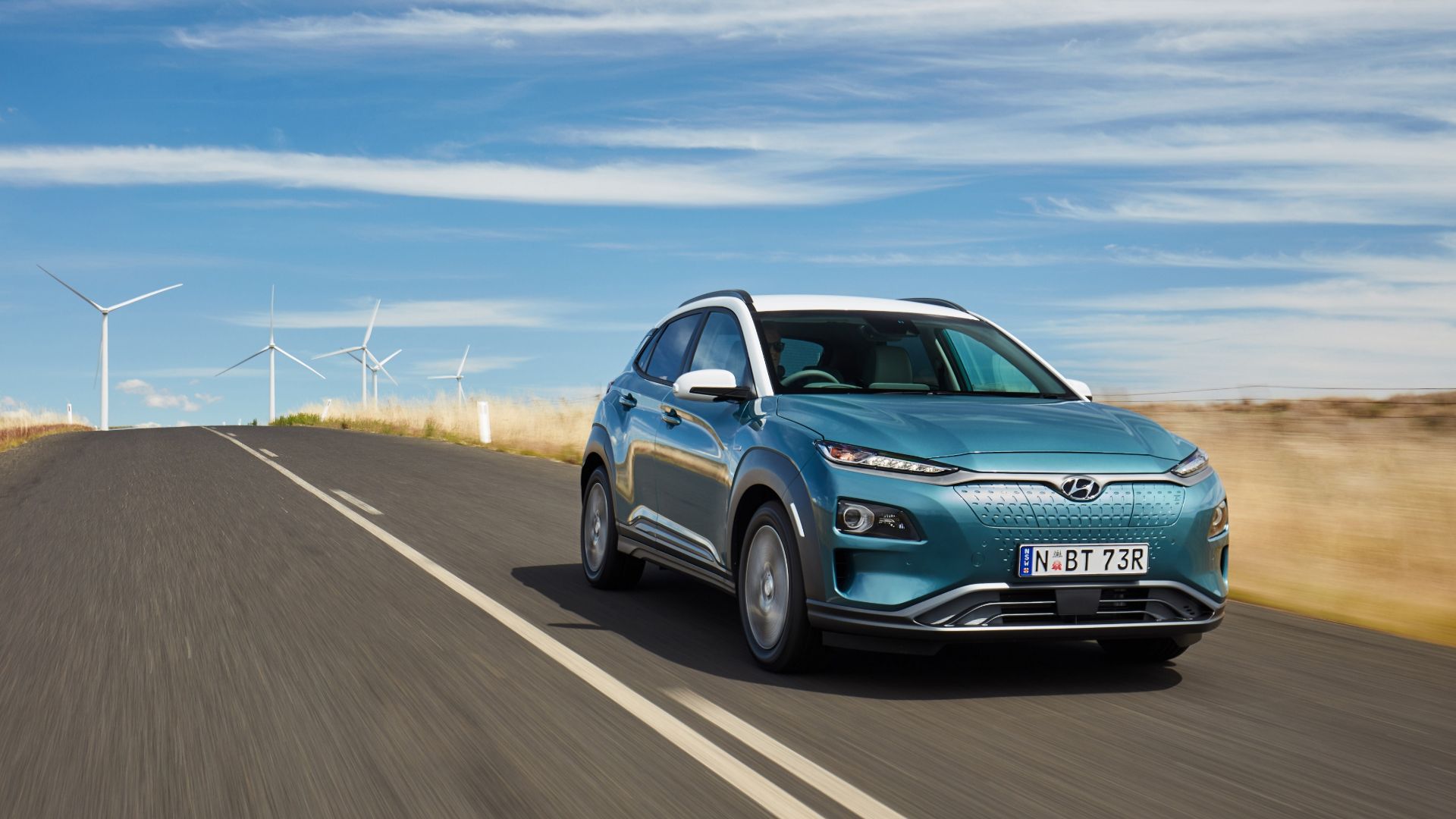
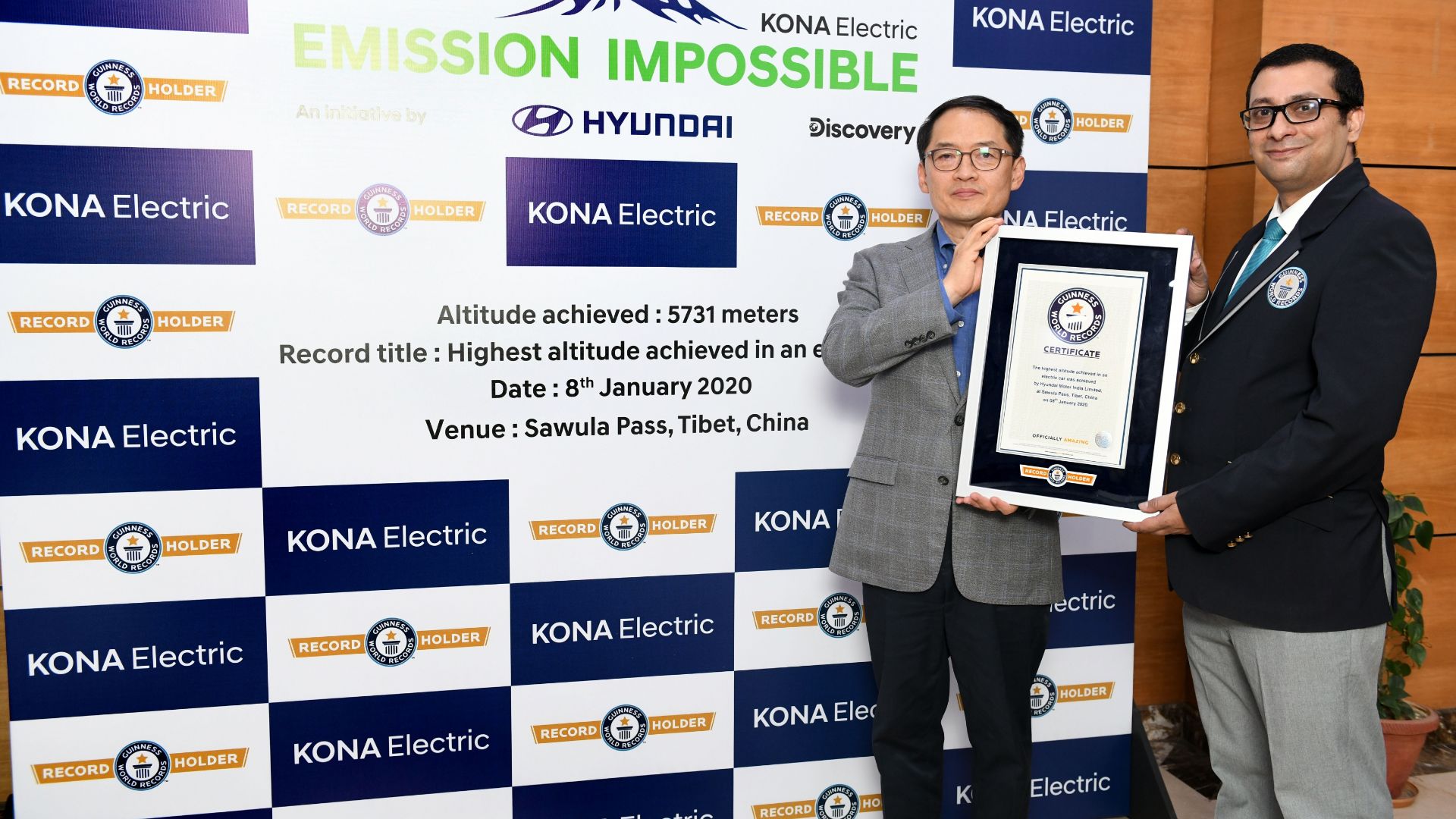
The Hyundai Kona EV how has Guinness world record to its name. It achieved the highest altitude ever reached by an electric car, climbing 5,731 metres up the Sawula Pass in Tibet.
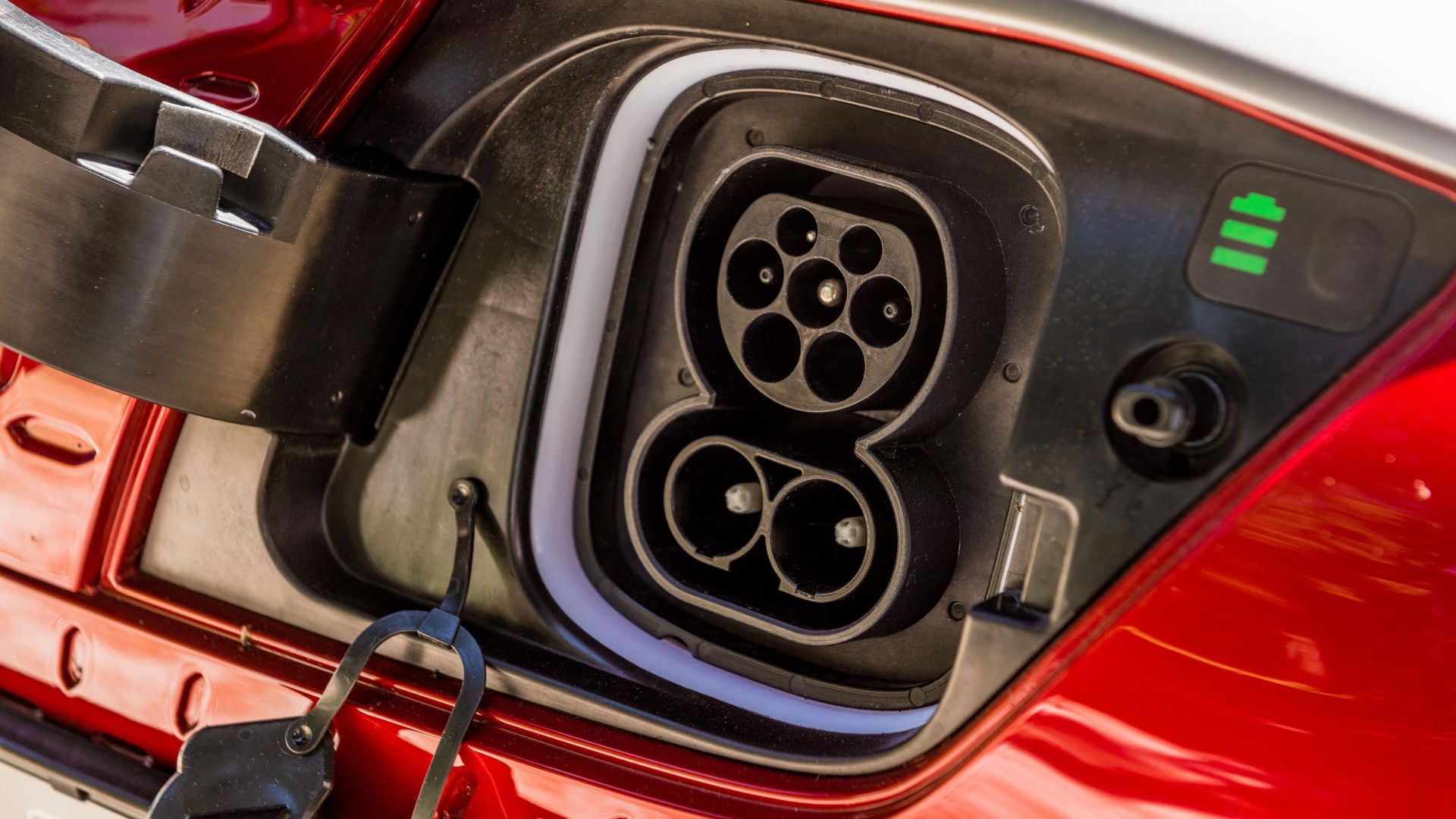
Overnight charging using the on-board portable charger kept the batteries topped up, but the Kona’s drivetrain was standard.
The previous EV record was 5,715 metres, set by the NIO ES8 in September 2018. It climbed to the Purog Kangri glacier in Tibet. The Kona hasn’t edged into the lead by much, but it’s a win nonetheless – and a world record.
“A new precedent has been set for the record as – highest altitude reached in an electric car,” said Mr. Rishi Nath, adjudicator for Guinness world records.
“I would like to congratulate Hyundai Motor India for having achieved this and setting new benchmark in the annals of history.”
The climb was a challenge in itself: low temperatures, icy roads and continuous snowfall tested the Kona and its driver as they made their way up the mountain.
However, one advantage EVs have at such altitudes is their lack of dependence on air. As the air thins, the efficiency and power output of an internal combustion engine diminishes.
“Hyundai Kona Electric making it to the prestigious Guinness world records feat is a very proud moment for everyone,” said Mr SS Kim, CEO of Hyundai Motor India.
“Kona Electric has brought electric revolution by demolishing various myths about electric vehicle and is a true expression of Hyundai’s spirit of staying ahead of the curve.”
Today, Blue Monday (20 January), is said to be the day of the year that we’re at our most glum. But does blue have to be tarnished with feelings of sadness? We reckon it’s one of the nicest colours for a car –and it’s experiencing something of a renaissance among buyers.
There’s evidence that 2020 will be the year for blue cars, too. For starters, it was the flavour of the month at the 2019 LA Motor Show, which closed out the last motoring year. From the Mustang Mach-E, to the Jeep Gladiator, it seemed that everything was blue on the show floor in LA.
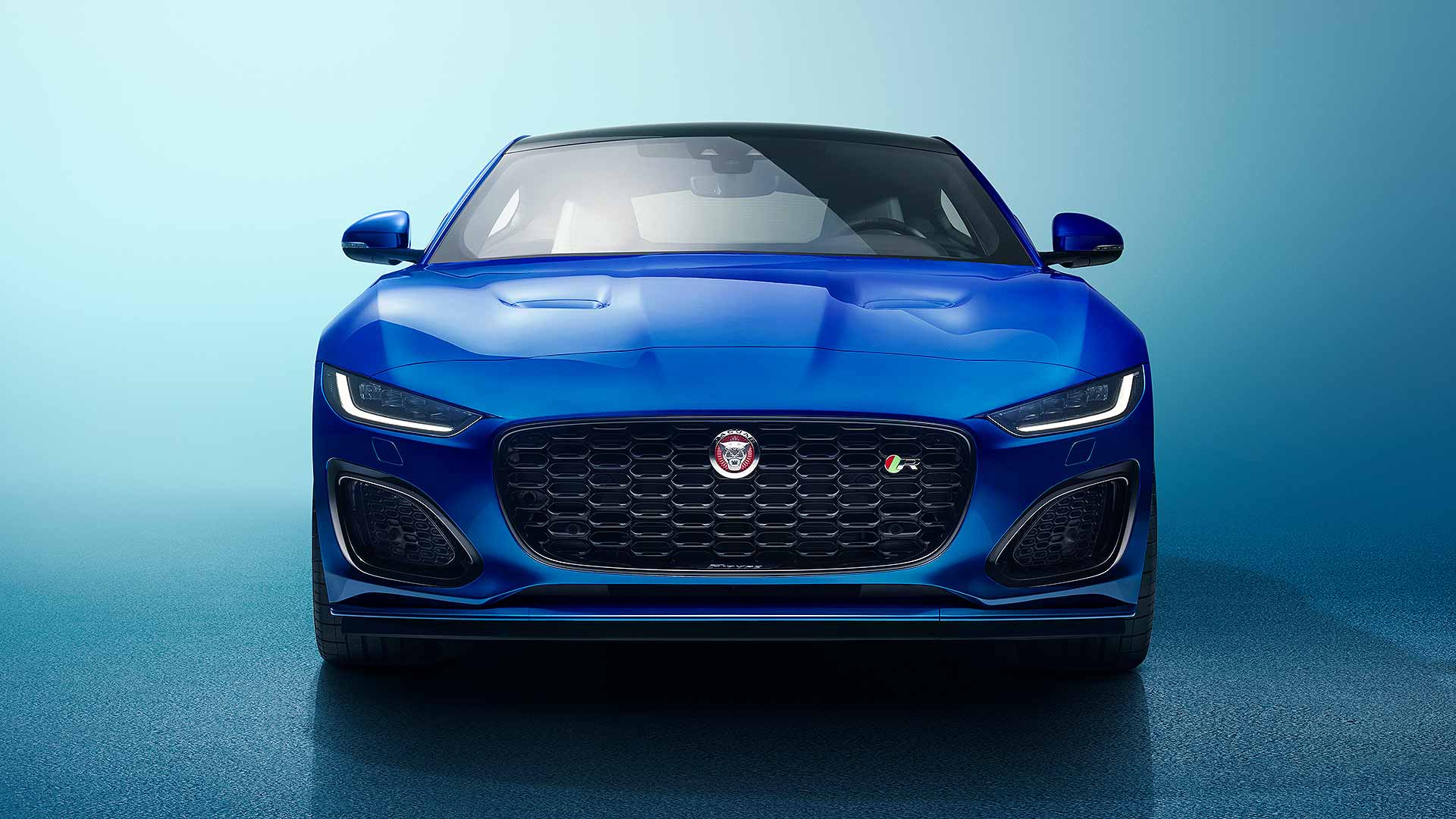
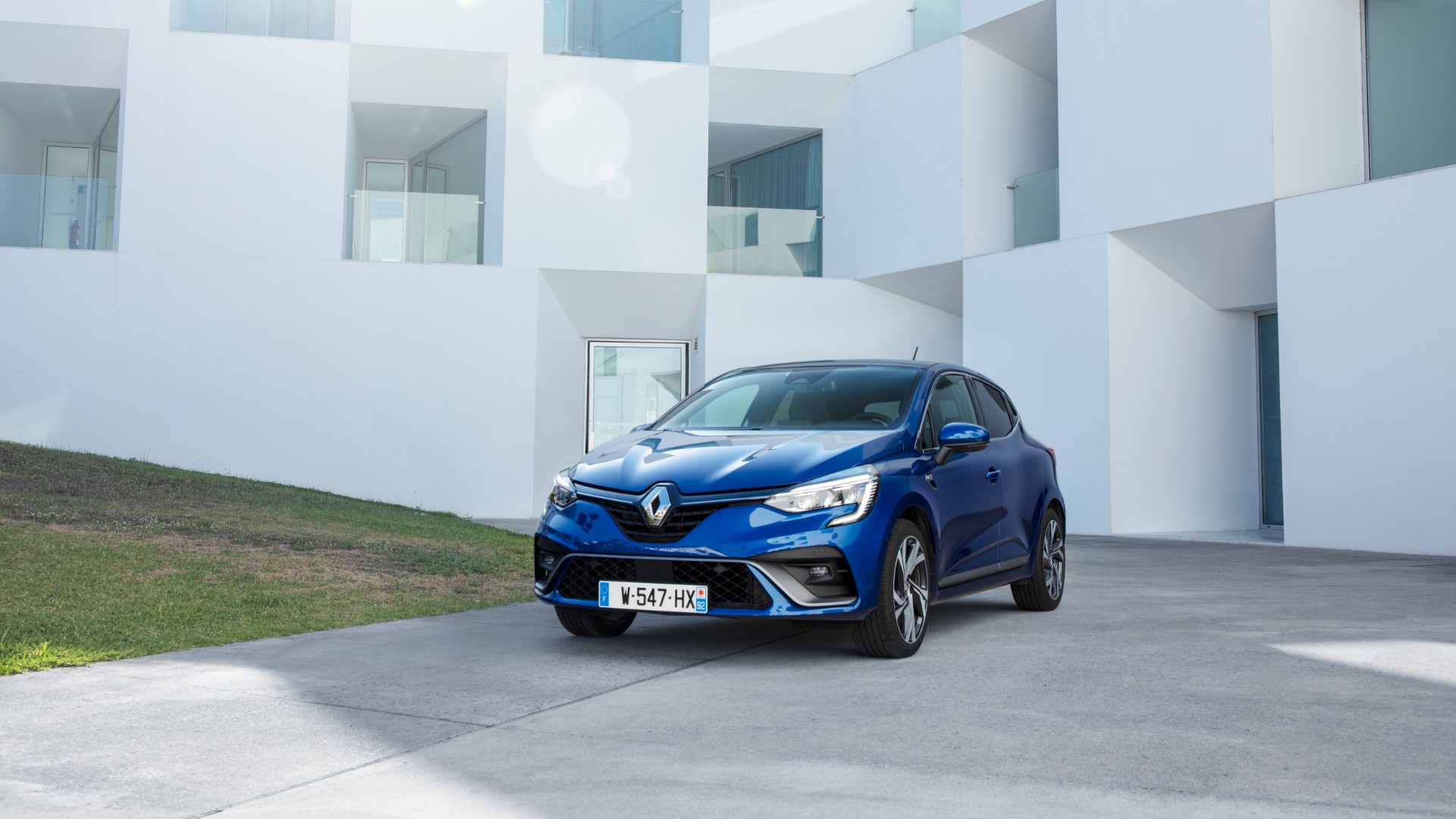
Outside of sunny California, a number of cars revealed in 2019 wore also blue, including the new comprehensively updated Jaguar F-Type, the Pininfarina Battista electric hypercar, new Renault Clio,and Ferrari F8 Tributo.
Blue is even the critic’s choice for 2020. The Pantone Color Institute has announced that Classic Blue is its colour of the year for 2020.
Classic Blue (19-4052) was commended for its reassuring qualities, being ‘suggestive of a sky at dusk’ and ‘imprinted in our psyches as a restful colour’ bringing ‘a sense of peace and tranquility to the human spirit, offering refuge’.
The artistic (if not colourful) language doesn’t stop there: “We are living in a time that requires trust and faith,” said Leatrice Eiseman, executive director of the Pantone Color Institute.
“It is this kind of constancy and confidence that is expressed by Pantone Classic Blue, a solid and dependable blue hue we can always rely on. Imbued with a deep resonance, Classic Blue provides an anchoring foundation. A boundless blue evocative of the vast and infinite evening sky.
“Classic Blue encourages us to look beyond the obvious to expand our thinking; challenging us to think more deeply, increase our perspective and open the flow of communication.”
Quite.
Blue by numbers
This BMW X7 is the premium pick-up we deserve
It’s more than 20 years since blue was the best-selling car colour in the UK. It slipped to second in 2000, just as Messrs Ryan, Webbe, Costa and James were about to storm the pop charts, sending teenage girls into a frenzy.
For blue (the colour), it was less a case of All Rise, and more one of Curtain Falls. Other Blue hits are available.
Figures from theSociety of Motor Manufacturers and Traders (SMMT) suggest that blue held on to second spot until 2005, when it dropped to third until 2010. In 2011 and 2012 it was fifth, but blue was notable for its absence in 2013. It returned to fourth spot in 2014, where it has remained ever since.
In 2018, 381,591 cars were registered in blue, which represents a 16.1 percent market share. It would take a massive shift for blue to break into the top three. The sombre hues of grey, black and white have been the dominant shades for nearly a decade.
Grey was the dominant colour in 2019 overall, but the signs were already there last year that blue was gearing up for a comeback. In third place, with 21 percent popularity, it wouldn’t take much for it to catch up with grey, at 22.1 percent market share. If it jumps 4.9 percent like it did from 2018 to 2019, it’s on to a winner.
In terms of segments, blue was the leader. It lead with a 24.5 percent market share with small cars, and a 28.6 percent market share with medium cars.
LA Blues
Maybe the car manufacturers were trying to tell us something at LA. Our man Richard’s postcards from Los Angeles paint a very blue picture. Forget Fifty Shades of Grey, LA is more like 25 shades of blue.
Leading the charge in LA was Lexus, with its drop-dead gorgeousLC 500 Convertible. It was painted in a glorious shade of Structural Blue, with a blue top thrown in for good measure.
Without going all M&S about this, Structural Blue is no ordinary paint colour. Good luck getting this one colour-matched at your local DIY store.
Lexus says it took 15 years to develop the colour, with its team drawing inspiration from the Morpho butterfly. The production process takes eight months, 12 production steps and 20 quality inspections.
You can read more about the paint here – it’s more interesting than it sounds – but one thing’s for sure: LC 500 drivers are going to fear stone chips like an ice cream seller fears the rain. Following a gritter lorry in a Structural Blue Lexus is a definite no-no.
More evidence of a blue renaissance comes from Alfa Romeo, with the 2020 Stelvio and Giulia showcasing a new Anodised Blue hue. It’s always slightly off-putting to see a Giulia Quadrifoglio in anything other than Alfa Red or Competizione Red, but it certainly wears it well.
Visions in Blue
Still not convinced that blue is the next big thing? The most eye-catching colour available on the Ford Mustang Mach-E is Grabber Blue Metallic, which just happens to be one of three colours available on the limited-run First Edition cars.
Here’s the thing: blue is a very flattering colour – it can work on cars of all shapes and sizes. From slab-sided SUVs to convertibles that look like they’ve been poured from a bottle, blue is light a little black dress: perfect for any occasion.
If car manufacturers are doing their bit to tempt you away from colours more akin to darkness, drizzle and electrical appliances, the least you can do is take the bait. Let’s make blue the number one hue in 2020…
The Defy 21 Land Rover Edition – which has taken four years to create – is limited to 250 pieces, with the arrival timed to coincide with the launch of the new Defender.
It’s not the first time Land Rover has worked with Zenith. In the past, the companies have collaborated to create the El Primero Range Rover, Chronomaster El Primero Range Rover Velar and Defy Classic Evoque watches.
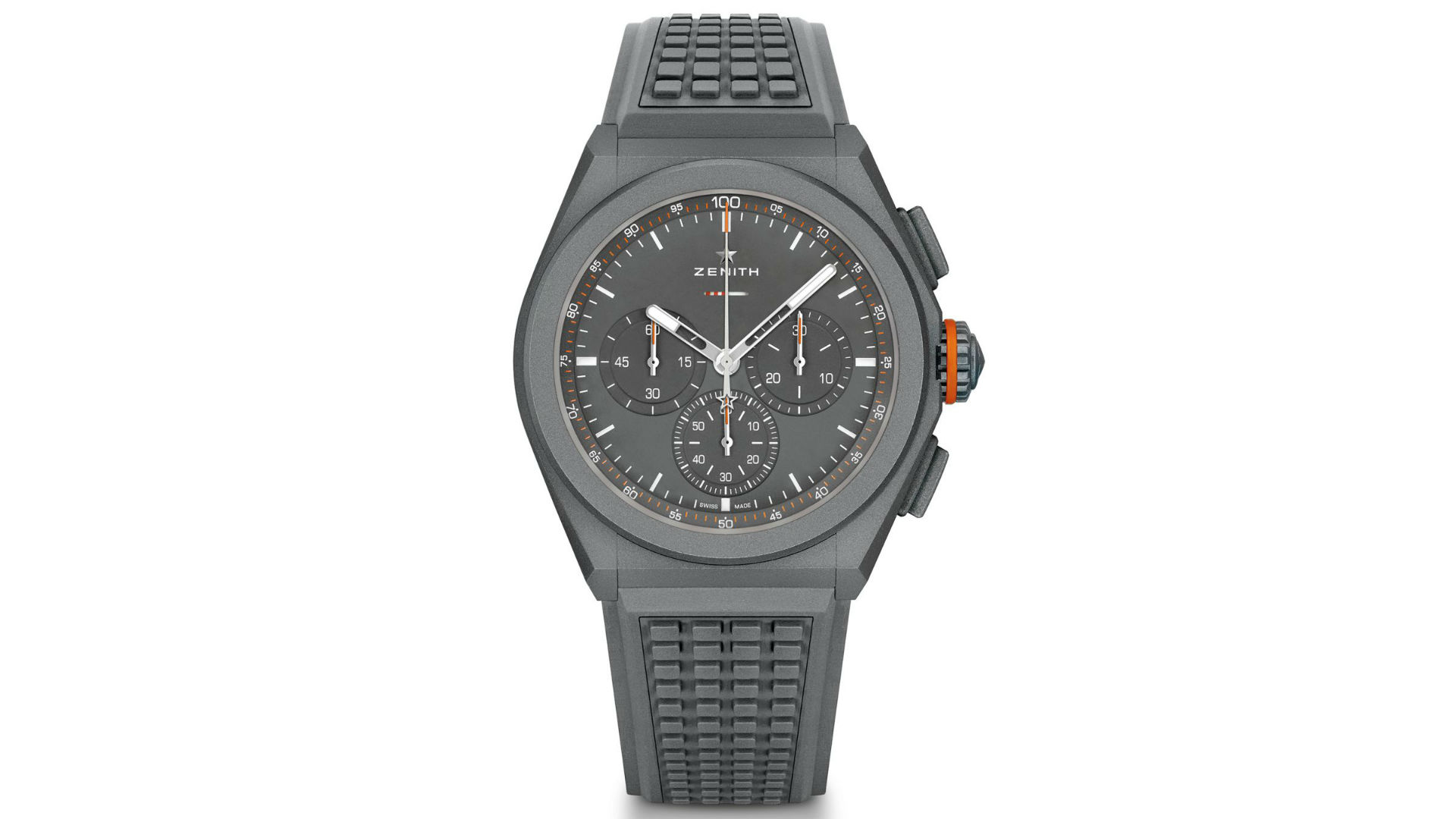
The Defender watch features a micro-blasted titanium case that absorbs light from all angles. The dial appears as one with the case with its muted matte grey colour to offer a ‘very different look to the open-dial standard versions of the Defy 21’ watch.
For the first time on a Defy 21, Zenith has fitted the Land Rover Edition with a linear power reserve window, shown below the Zenith logo.
’The best timepiece’
Turning the watch over reveals a miniaturised five-spoke Land Rover wheel, through which is a view of the El Primero 21 1/100sec movement with a custom oscillating weight.
There are two straps: ‘Adventure’, with an all-terrain textured rubber, and ‘Country’, which features a grey rubber strap with a fabric effect and orange stitching.
Professor Gerry McGovern, Land Rover chief creative officer, said: “For the next chapter in our partnership with Zenith we wanted a timepiece that captured the essence of the new Land Rover Defender: modern, durable and highly desirable.
”With subtle details that capture the character of new Defender, this for me is the best timepiece we have created with Zenith.”
Julian Tornare, CEO of Zenith, added: “Like the El Primero and its numerous versions through the years, the Land Rover Defender now enters a new era with a bold and distinctive character.
”Zenith’s Defy 21 Land Rover Edition chronograph also reinterprets the past in a forward-looking way, with an emphasis on durability, precision, comfort and bold design.”
Unique selling points of the Defender watch
1/100th of a second chronograph movement
Exclusive dynamic signature of one rotation per second
One escapement for the watch (36,000 VpH – 5 Hz);
One escapement for the chronograph (360,000 VpH – 50 Hz)
Timelab chronometer certified
Limited to 250 units
The Land Rover Defender watch costs 13,900 Swiss francs, which is around £11,000 at the current exchange rate.
A national housebuilder has launched a campaign to protect hedgehogs and other creatures.
Bovis has teamed up with the British Hedgehog Preservation Society (BHPS) to install ‘hedgehog highways‘ at its existing developments – as well as future developments wherever possible.
It is hoped that similar initiatives will help other small mammals, birds, frogs and insects.
Hedgehogs walk more than a mile every night, but their progress is being hampered by new developments, fences and other physical barriers. To this end, Bovis is creating holes at ground level to allow hedgehogs to pass freely.
Areas created by Bovis will be marked with a plaque, with the housebuilder also building hedgehog homes in green spaces.
Louise Macrae, Bovis Homes regional marketing manager, said: “We are proud to be the first housebuilder aiming to roll-out hedgehog highways as standard across current locations and our new developments, to help one of the nation’s favourite animals roam freely at night between gardens.
“As part of our new sustainability steering group, protecting hedgehogs and the environment is at the forefront of what we want to achieve and we are delighted to join forces with the British Hedgehog Preservation Society and take the lead in the housebuilding industry.
“Connectivity is vital to allow hedgehogs to find enough food, mates and shelter. There are many simple measures we can all take to help their numbers recover and ensuring easy access to our gardens is a very important step.”
Fay Vass, chief executive of BHPS, added: “We are delighted that Bovis Homes is making this important pledge to help our dwindling population of hedgehogs. Creating holes for hedgehogs in fences and walls is a simple step but it could have a huge impact on the amount of habitat available for hedgehogs following the development of a site.
“There are many small actions we can all take to help hedgehogs in our gardens and green spaces, and joined together those small actions can make a huge difference to a species under threat.”
How can you help hedgehogs?
You can encourage hedgehogs by putting a hedgehog home in your garden or a log pile. These provide natural food and shelter for our prickly friends..
Ponds are also suitable if there is an escape route in the form of a ramp or a sloping edge. Hedgehogs can swim but cannot escape steep, slippery-sided ponds.
When feeding hedgehogs, you’re advised to offer meaty cat or dog food, cat biscuits and water. Only offer water to drink – milk is not suitable as it can cause diarrhoea.
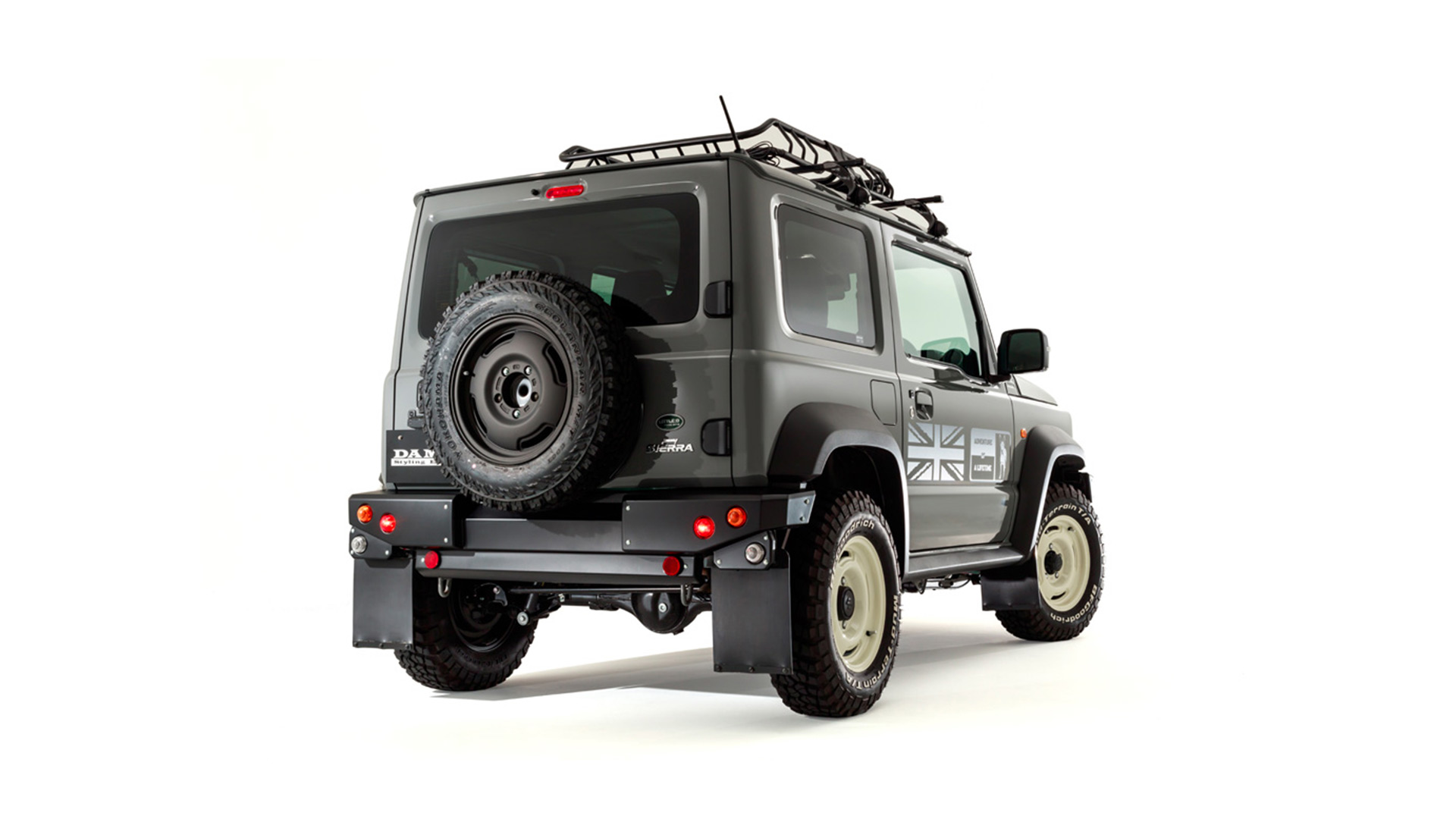
Love the new Suzuki Jimny, but want it to look just a little bit more like a classic Land Rover Defender?
Your wishes have been answered by Japanese tuning company Dream Automotive Development & Design (better known as DAMD), thanks to their latest product offering.
As reported by Wired.co.uk, DAMD now offer a special ‘Little D’ conversion kit for the latest Jimny, transforming it into a pint-sized replica of the famed Defender.
Defending the faith
With rugged styling, genuine off-road ability, and an overall air of utilitarianism the new Jimny is arguably already the spiritual successor to the original Defender.
Driving the Jimny when launched in October 2018, we said that it could “kick sand in the eyes of any crossover”, and was in the same league as the “Land Rover Defender, Jeep Wrangler and Mercedes-Benz G-Class” in the dirt.
Adding the DAMD Little D kit to the Jimny now means it can fully resemble the British icon that has helped inspire it, with a comprehensive body kit and a range of optional parts to complete the look.
The core Little D kit includes new bumpers front and rear, a replacement front grille, reshaped bonnet, and widened wheel arches. New lights are added to further the transformation, along with raised lettering to the leading edge of the bonnet.
DAMD also fits oversized mud flaps as part of the kit, and completes the shrunken Defender image with a green oval badge on the front grille.
Once fitted, the Little D kit lets the Jimny do a more than passable impersonation of the Defender. Further options include painted steel wheels, and seat covers finished in tweed-effect trim.
Gangsta’s Paradise in miniature
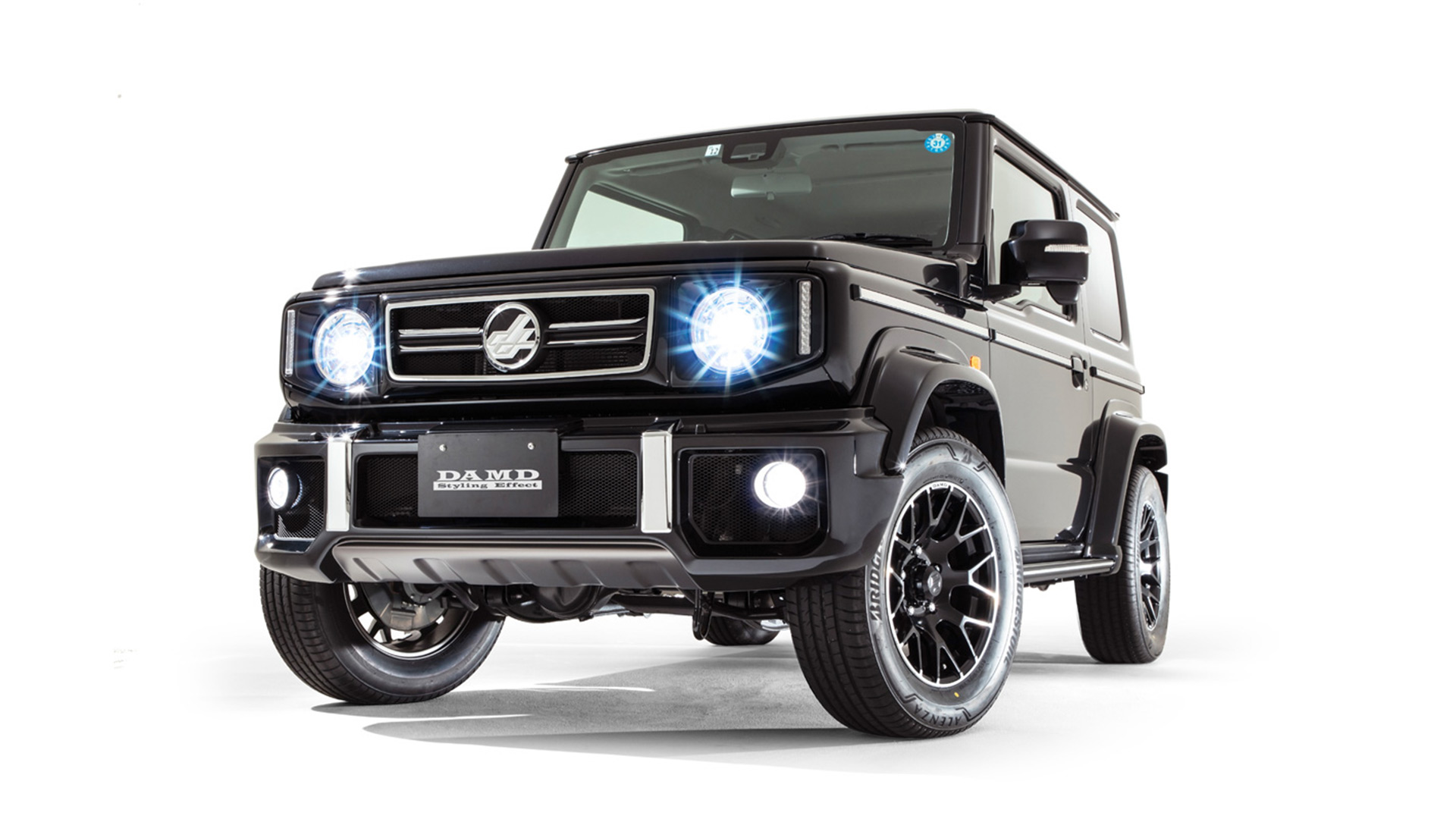
The Little D is not the only body kit offered by DAMD for the new Jimny. The company has also created the ‘Little G’ version, which apes the looks of the Mercedes-Benz G-Class.
As with the Defender version, turning your Jimny into a pimped-out Mercedes replica needs a new bumper, front grille, wheel arch extensions, and upgraded lights.
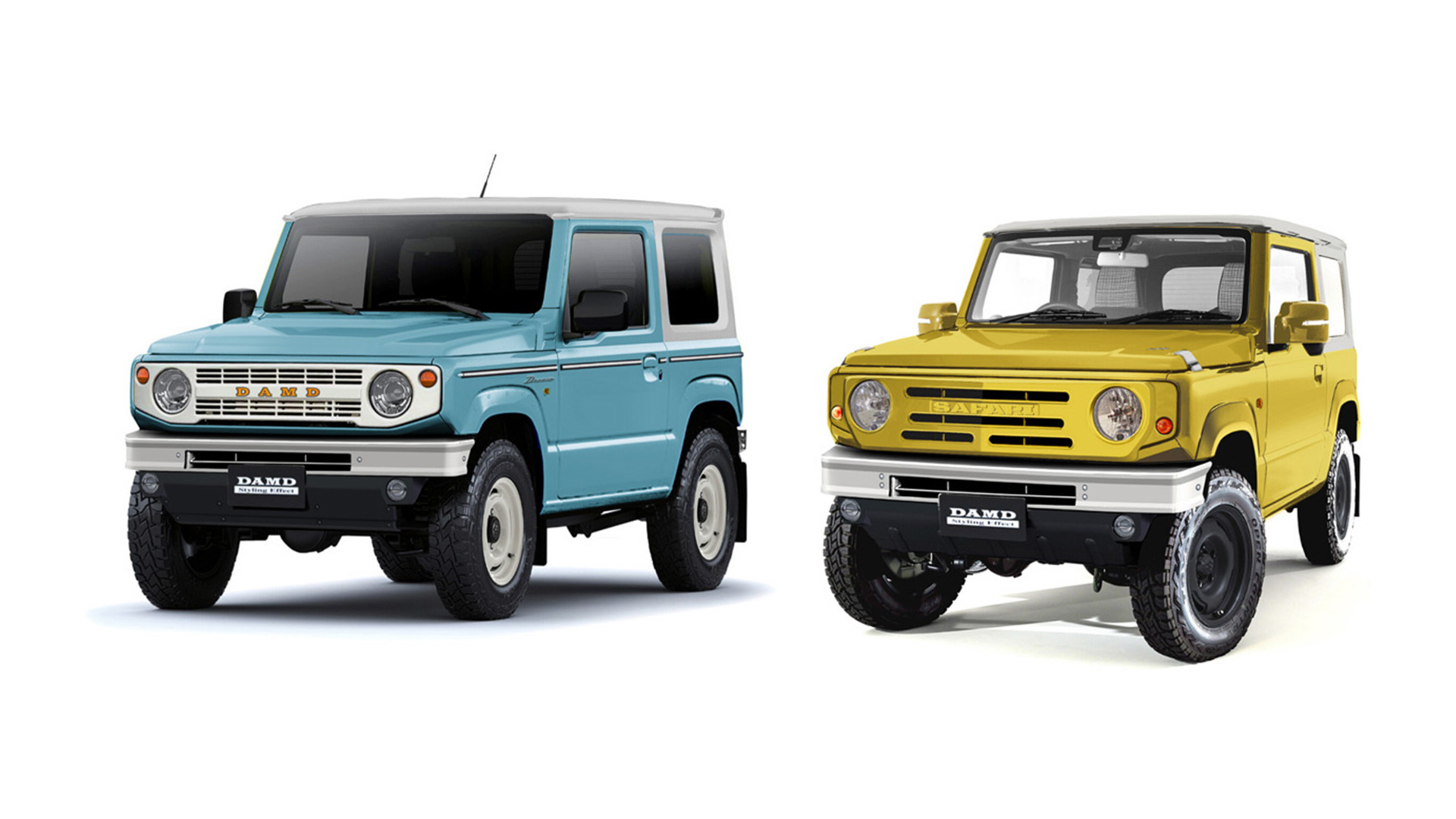
DAMD is also set to launch new Jimny body kits this year. The light blue ‘Dronco’ version is designed to replica the classic Ford Bronco, cleverly done just as collectors go into overdrive for the retro version. The yellow ‘Roots’ offering pays homage to the original Suzuki Jimny from the 1970s.
Prices for the Little D conversion kit begin at the equivalent of £1,750 plus taxes in Japan, rising to £3,200 should the special steel wheels be added.
DAMD’s UK importer, Sumo Power, states that buying the Little D kit here should cost £2,500 plus VAT and take up to four months to arrive. Add the inevitable cost of painting and fitting the kit, and it could easily push the cost of a £16,249 of a base Jimny to £20,000.
That still makes it cheaper than the G-Class inspired kit created by Kahn Design, and the Defender vibe seems perfectly suited to the nature of the Suzuki Jimny.
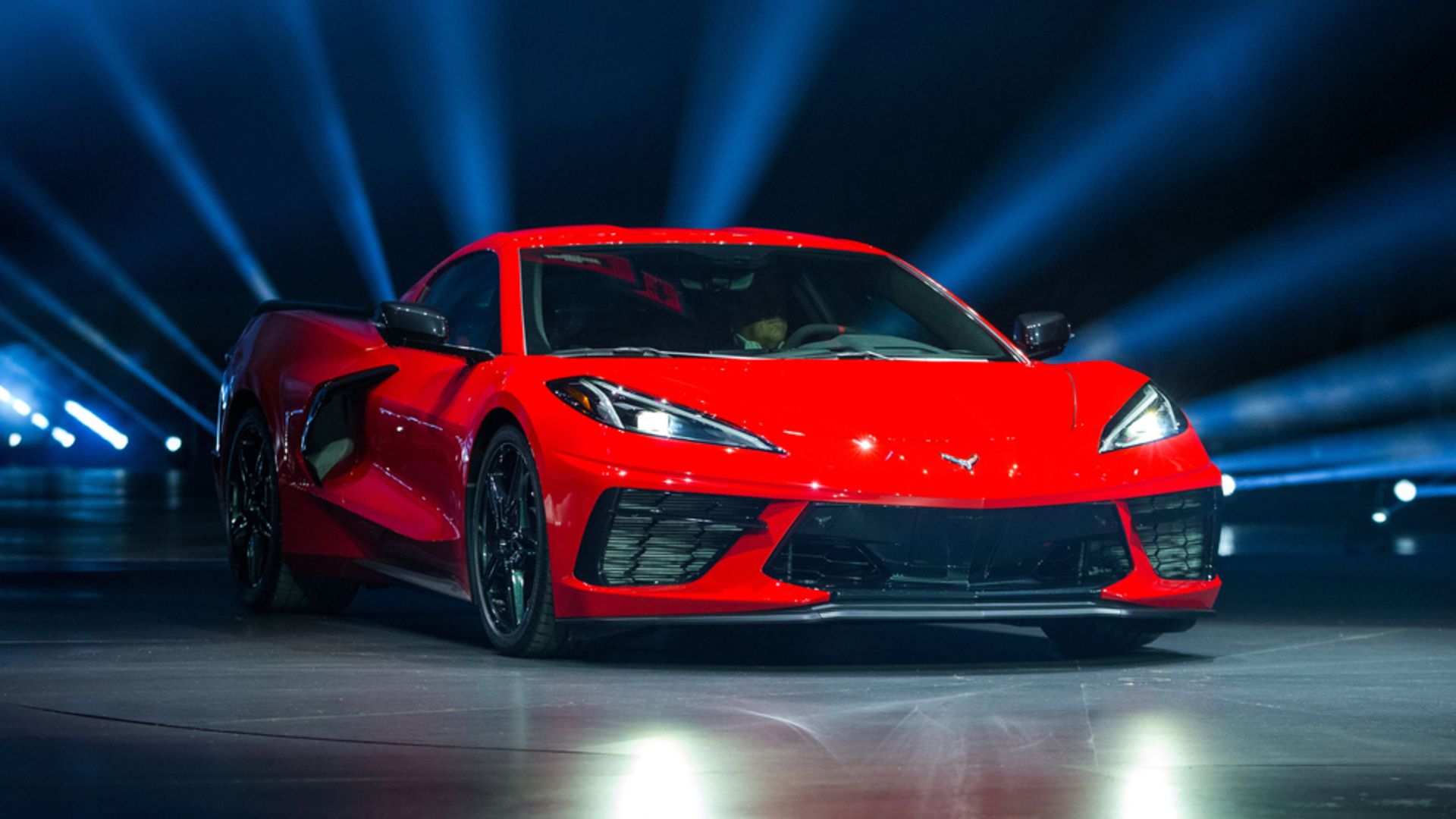
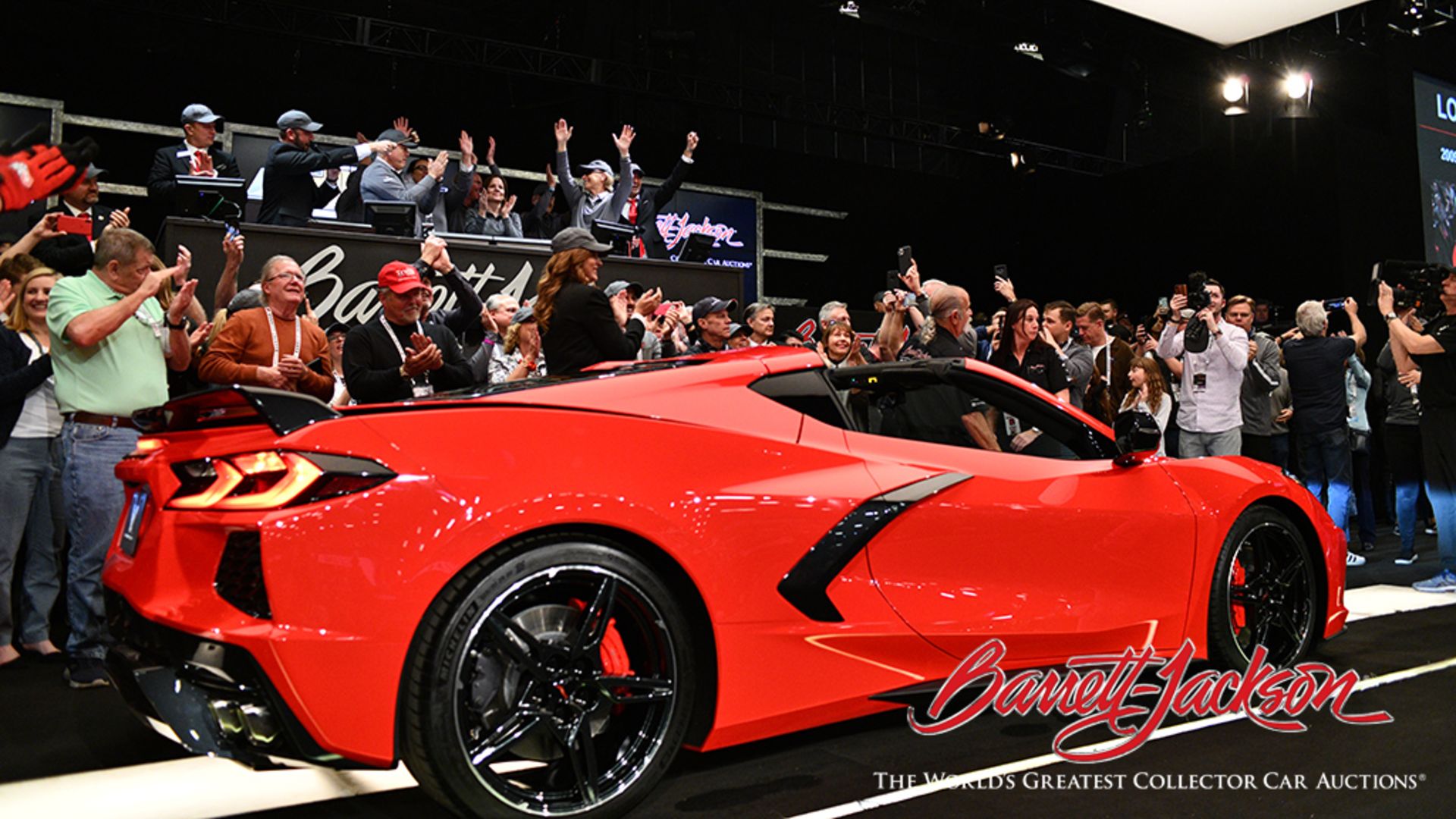
Described as “the most exciting moment of the day” for this weekend’s Barrett-Jackson Scottsdale auction was the sale of the very first C8 Corvette to roll off the production line.
And it didn’t disappoint.
Buyer and NASCAR team owner Rick Hendrick paid a pretty penny for the privilege of ownership of VIN 001. A cool $3 million (£2.3 million) bid won him the car.
It didn’t take long, either, with the Vette reaching a $1 million bid in under 15 seconds. It reached $2 million in under 25 seconds, and reached the $3 million figure, where it stayed, after 45 seconds.
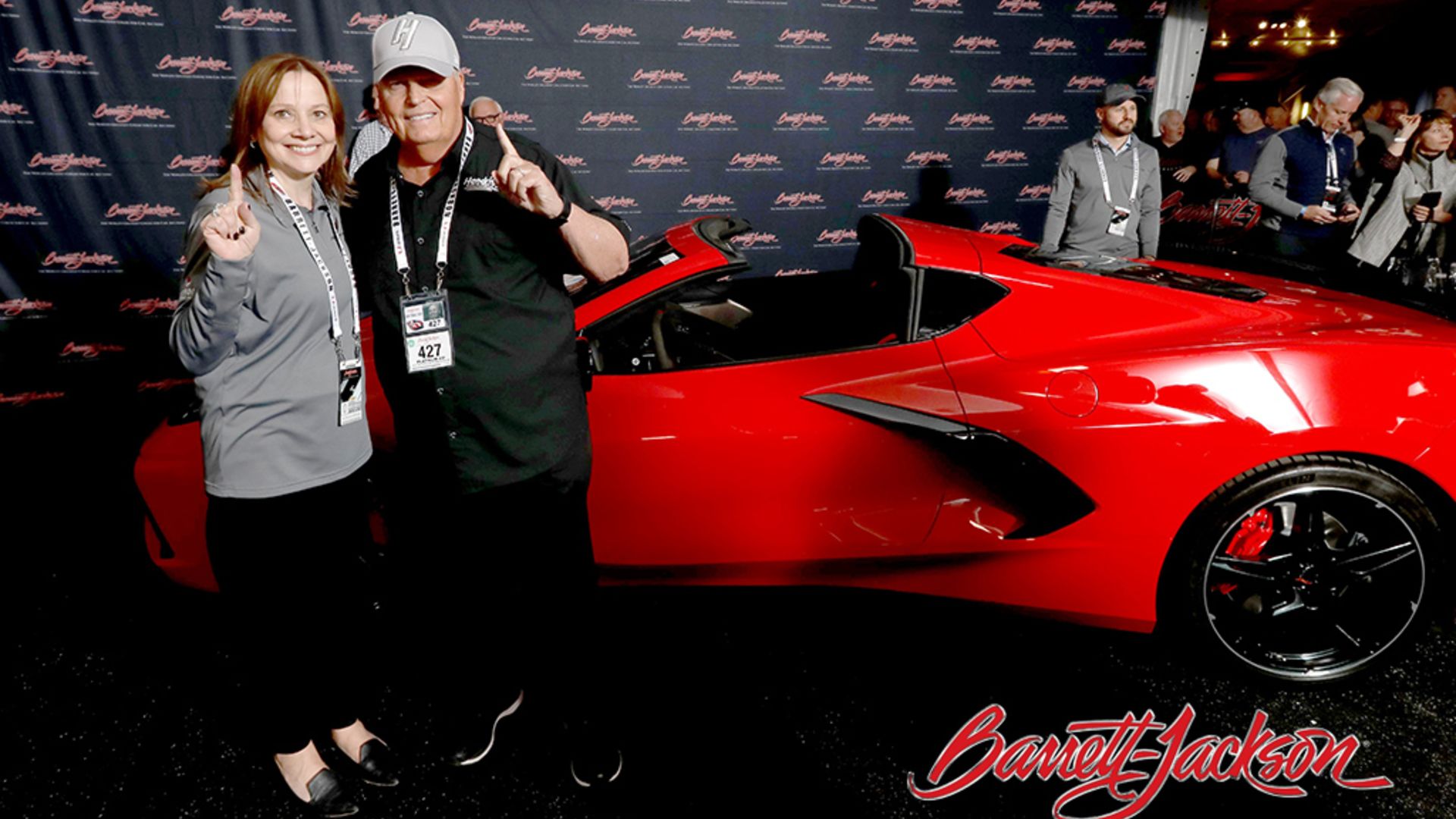
General Motors Chairman and CEO Mary Barra was on stage to congratulate Rick, and later took a photo opportunity with the new owner.
You might wonder if that’s a bit excessive for a car that, with any other VIN, might set you back $80,000. It is however a very special thing being the first, especially given the 60-odd years that Chevrolet has been toying with the idea of a mid-engined Corvette.
Most importantly, however, the money is going to a good cause, benefitting the Detroit Children’s Fund. Over the years, collaborations between General Motors and Barrett-Jackson have raised over $20 million for charitable causes. They can now add the heady $3 million hammer figure for C8 VIN 001 to that.
The new C8 Corvette mounts its 495hp 6.2-litre LT2 V8 behind the driver, putting power to the rear wheels exclusively through an eight-speed dual-clutch transmission.
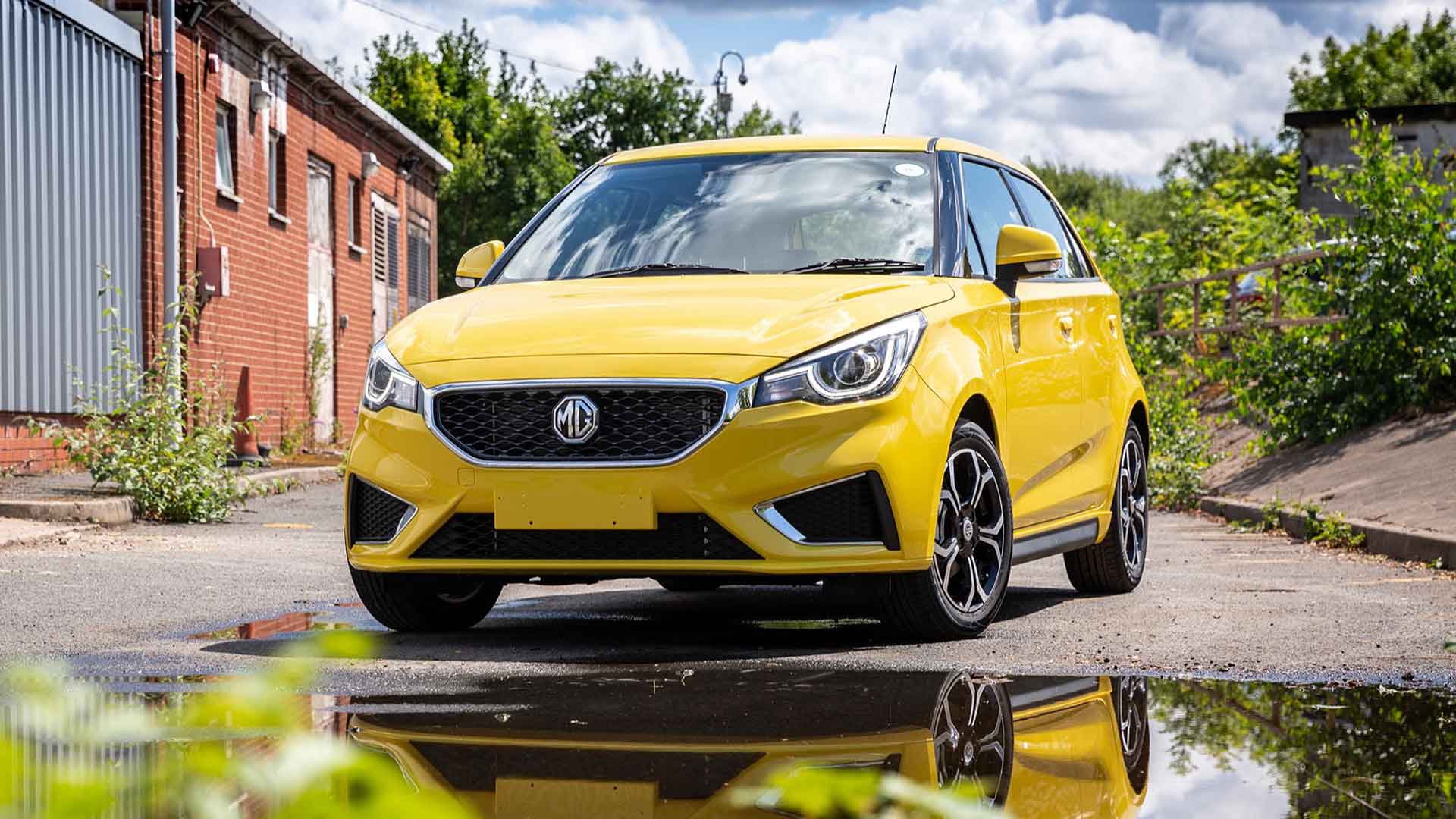
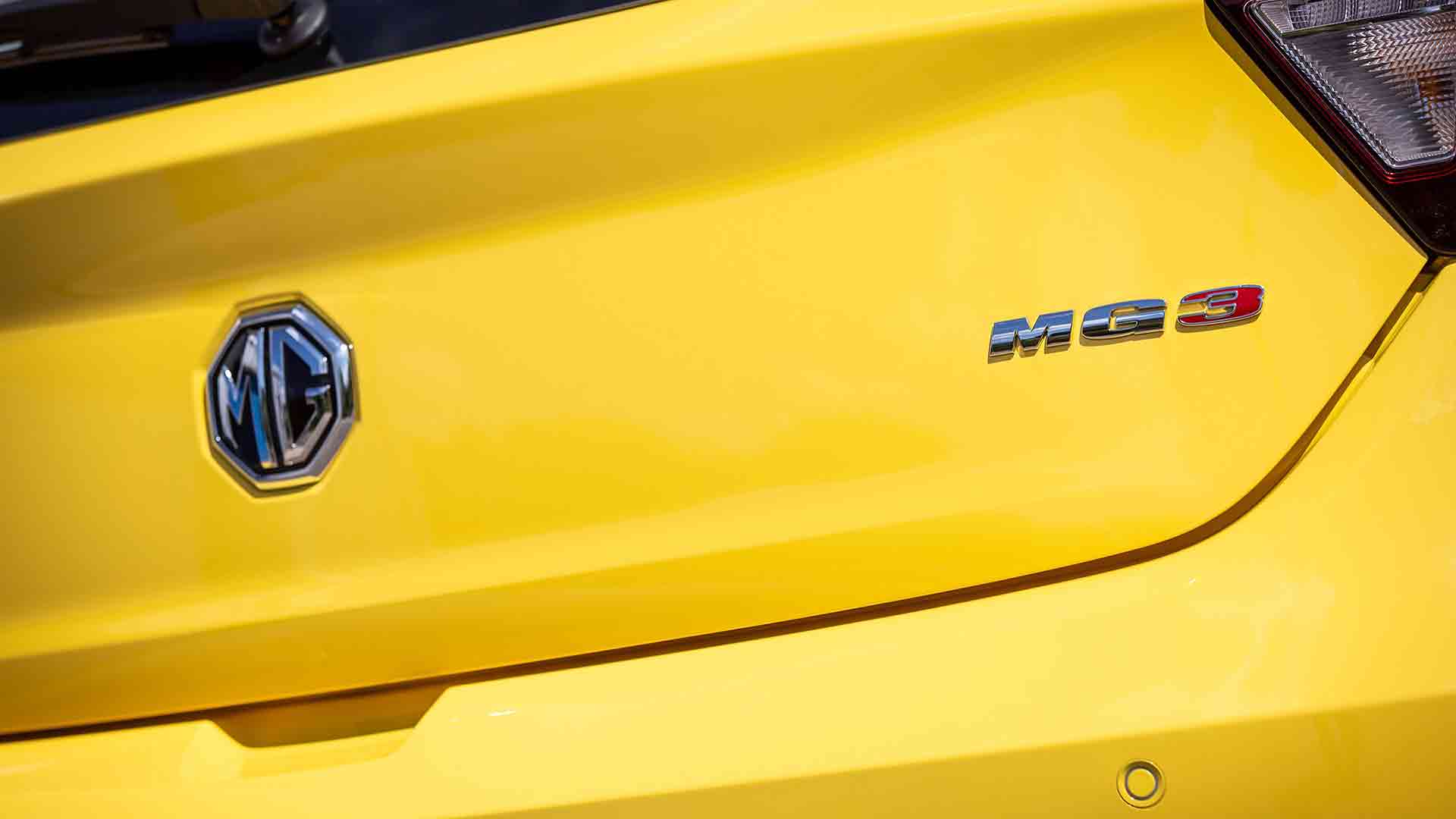
MG has further bolstered its value credentials with the launch of a new MG3 Exclusive Nav model that includes standard sat nav for a £12,995 on-the-road price.
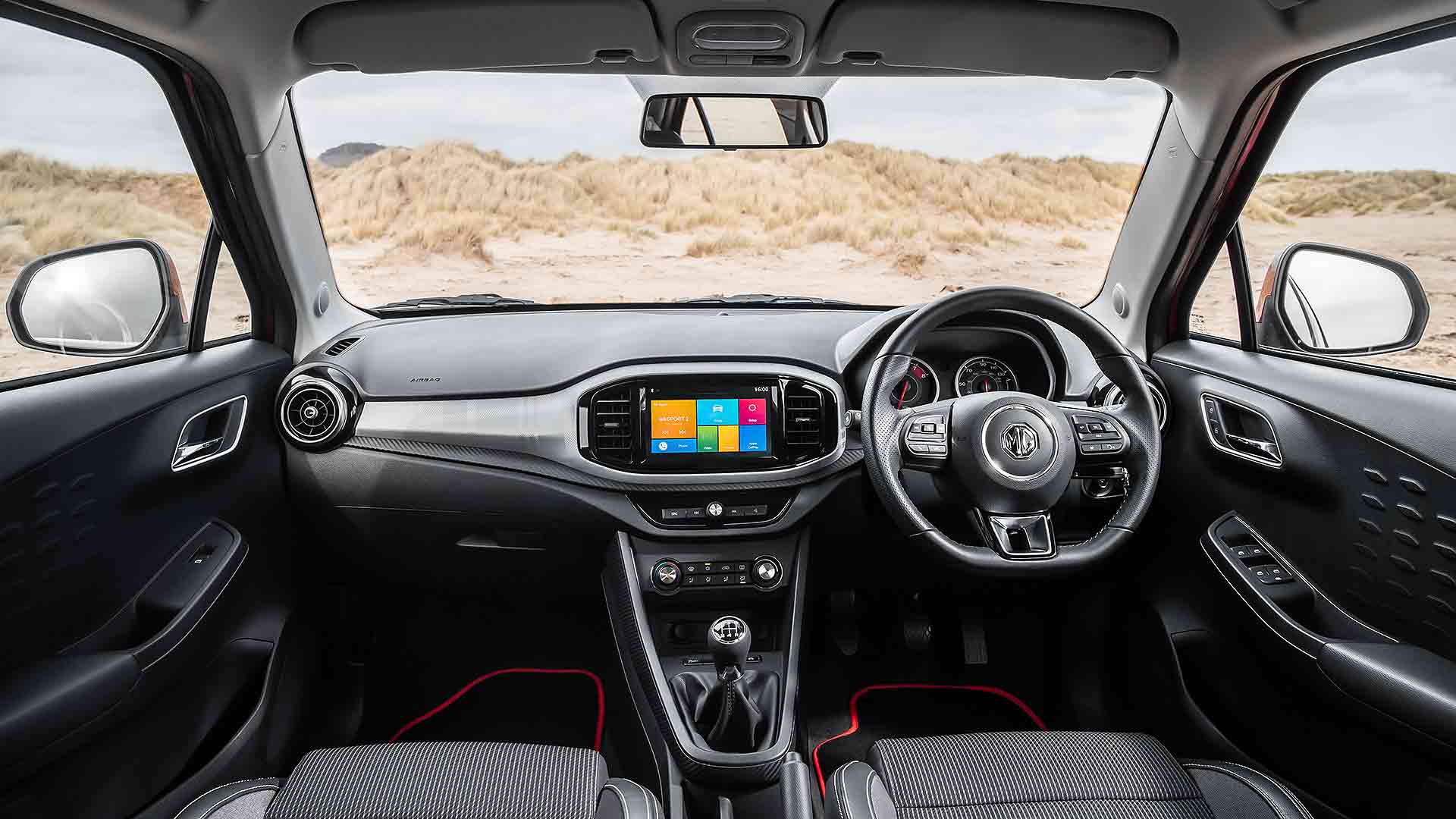
The new variant adds MG iGo satellite navigation to the 8.0-inch colour touchscreen infotainment system – which also features standard Bluetooth and Apple CarPlay.
93-year-old man trades in skateboard for MG3
A rear parking camera is standard, too.
MG’s head of sales and marketing Dan Gregarious said the introduction of the new variant follows analysis of customer needs and requirements.
“The introduction of the MG3 Exclusive Nav brings our smallest model in line with the rest of the MG line-up and further solidifies our promise to offer affordability without compromising on specification or quality.”
MG is also offering the new MG3 Exclusive Nav on a special PCP deal, which includes a £1,500 finance deposit contribution from the company.
And if that isn’t tempting, the alternative MG3 Excite variant can be bought on a four-year, zero-percent APR PCP deal.
MG’s £2,000 scrappage-style ‘Swappage’ deal continues too, giving an incentive to those looking to trade in cars older than seven years.
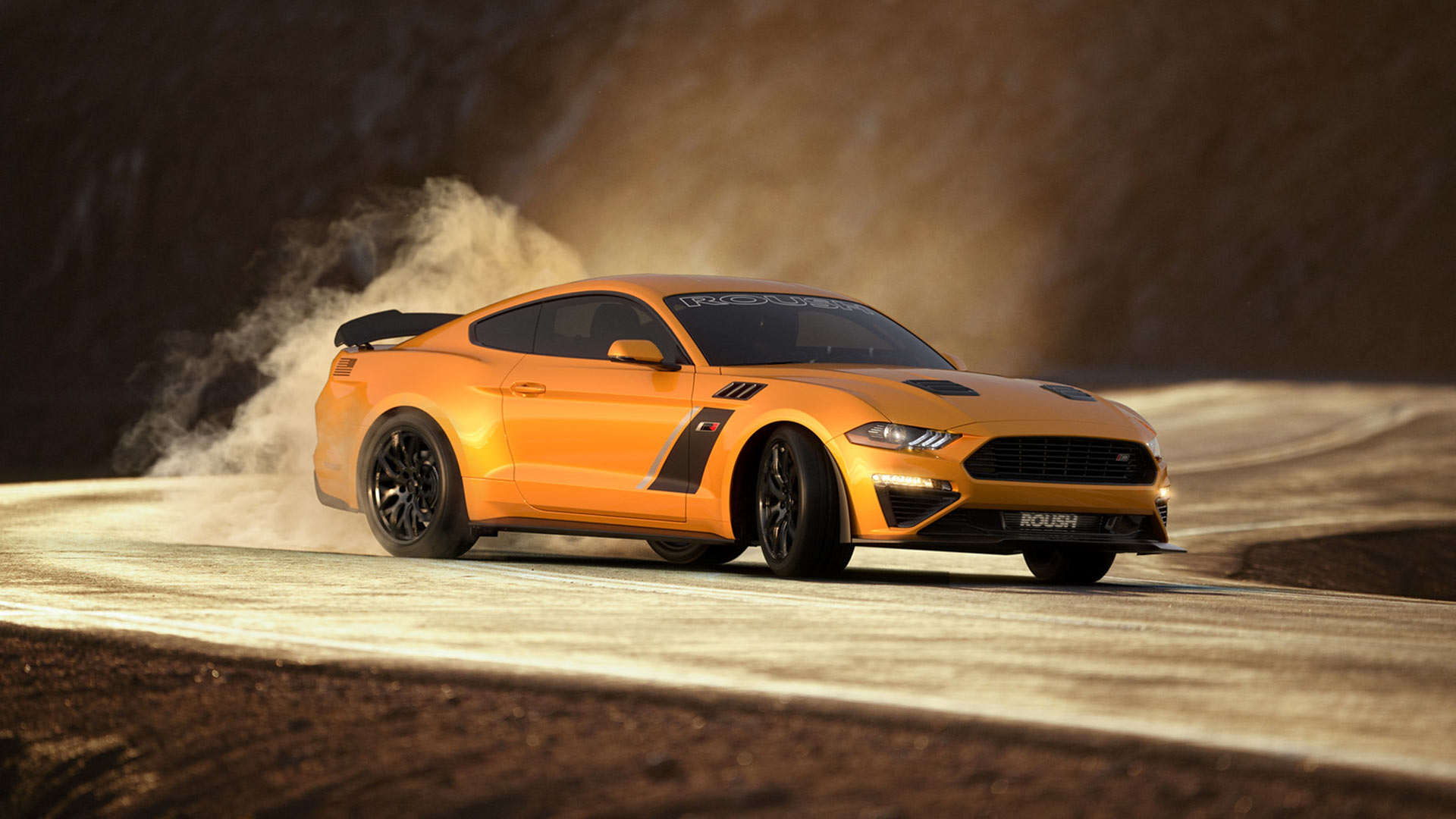
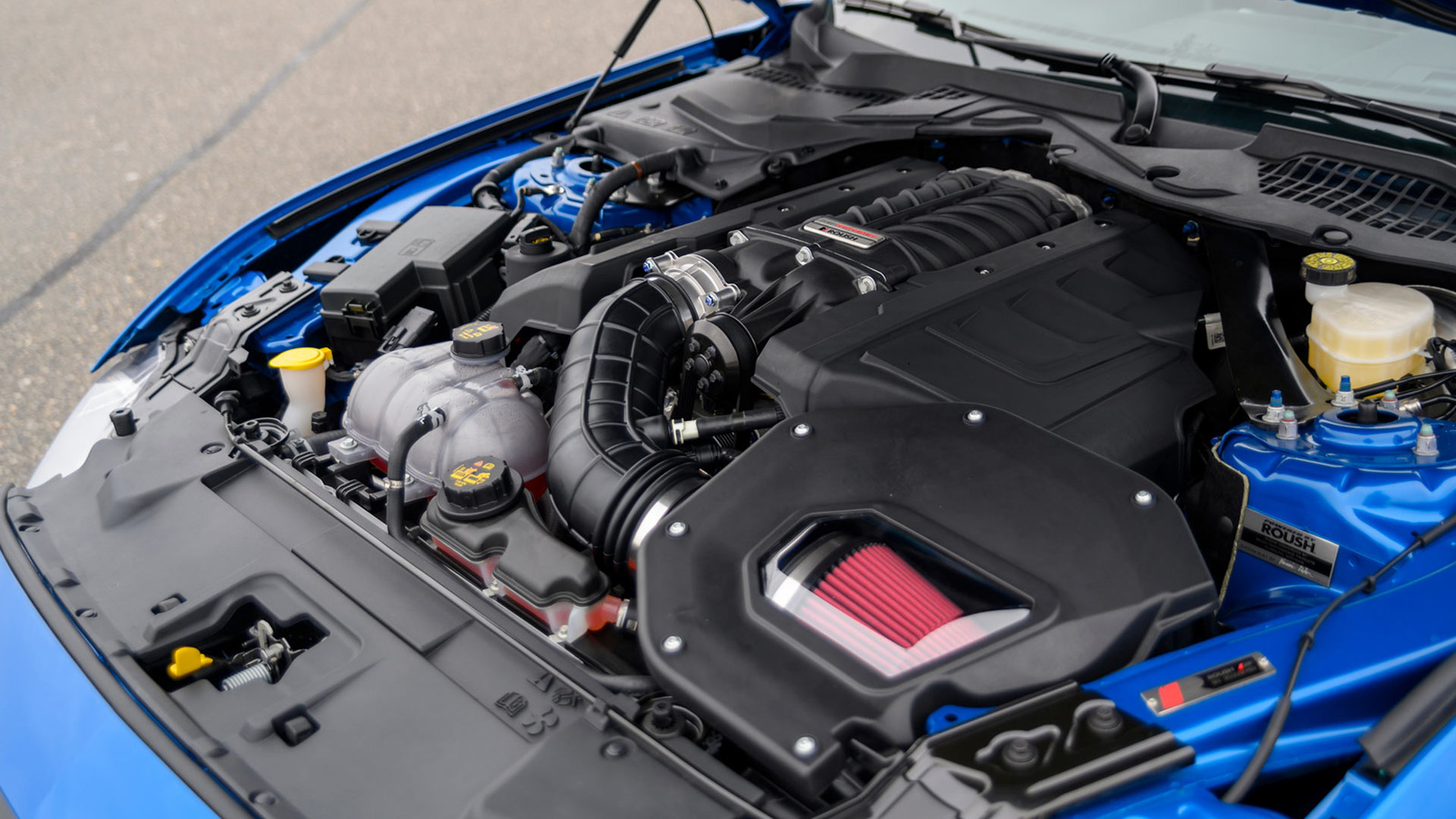
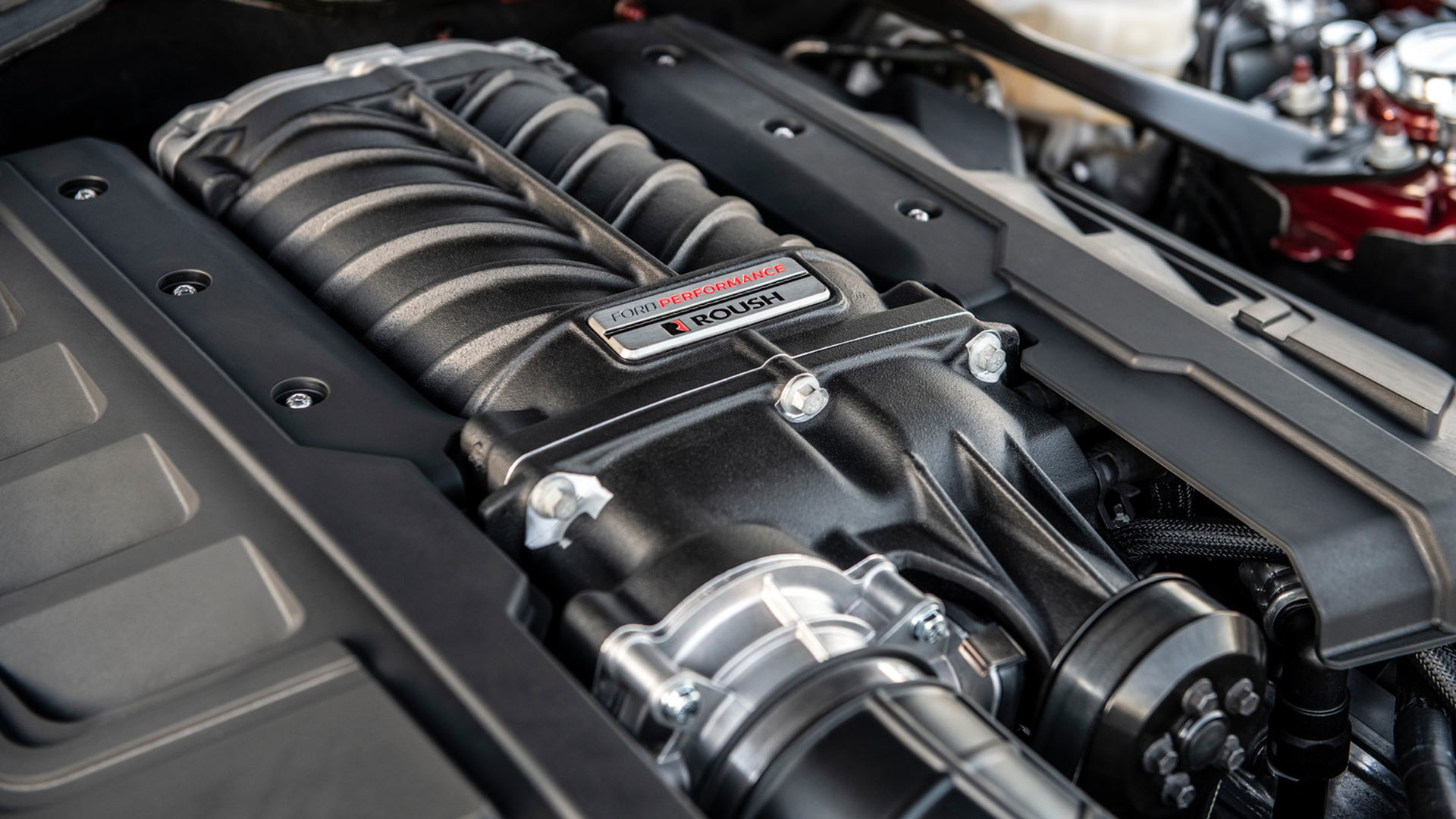
Ford tuning experts Roush Performance have announced details of their upgraded Phase 2 supercharger kit for V-8 Mustangs.
Designed to fit 2018 to 2020 ‘Stangs powered by the 5.0-liter V-8 ‘Coyote’ engine, Roush promises this is “the most powerful retail supercharger” made by the Michigan-based company.
With a claimed output of 750 horsepower, along with 670 lb-ft of torque, the new Phase 2 kit certainly has impressive numbers on its side.
Closing in on the GT500
The impressive new figures bring the can bring the output of a Roush-equipped Mustang close to the 760 horsepower found in the 2020 Ford Shelby GT500. Roush’s new ‘charger notably delivers more torque than the 625 lb-ft in the new $72,990 Shelby.
Previous Roush superchargers had seen a peak power of 727 horsepower, but new modifications have unlocked the extra output. Calibration settings for 93-octane fuel have made the biggest difference, along with a new low-temperature radiator to keep everything chilled.
According to Roush Performance, hundreds of hours of design and testing went into the new supercharger kit, which meets U.S. emissions regulations in all 50 states. Roush also states the kit can be combined with Mustangs using either the ten-speed automatic transmission, or the six-speed manual unit.
No fun for European Ford fans
However, those with latest European-specification ‘Stangs are out of luck. Due to the particulate filters fitted to comply with Euro 6.2 emission standards, the Roush Phase 2 kit cannot be used on those cars.
When fitted by a Ford dealership, or a certified technician, the supercharger comes with a 3-year / 36,000-mile limited powertrain warranty. The $7,999.00 kit comes with all the necessary hardware of the conversion, which Roush estimates requires eight hours to perform.
Ford fans with an existing Phase 1 Roush-supercharged Mustang have the option of buying an upgrade kit for $649. This includes the new low-temperature radiator, and the updated ECU software for 93-octane fuel.







 Love the new