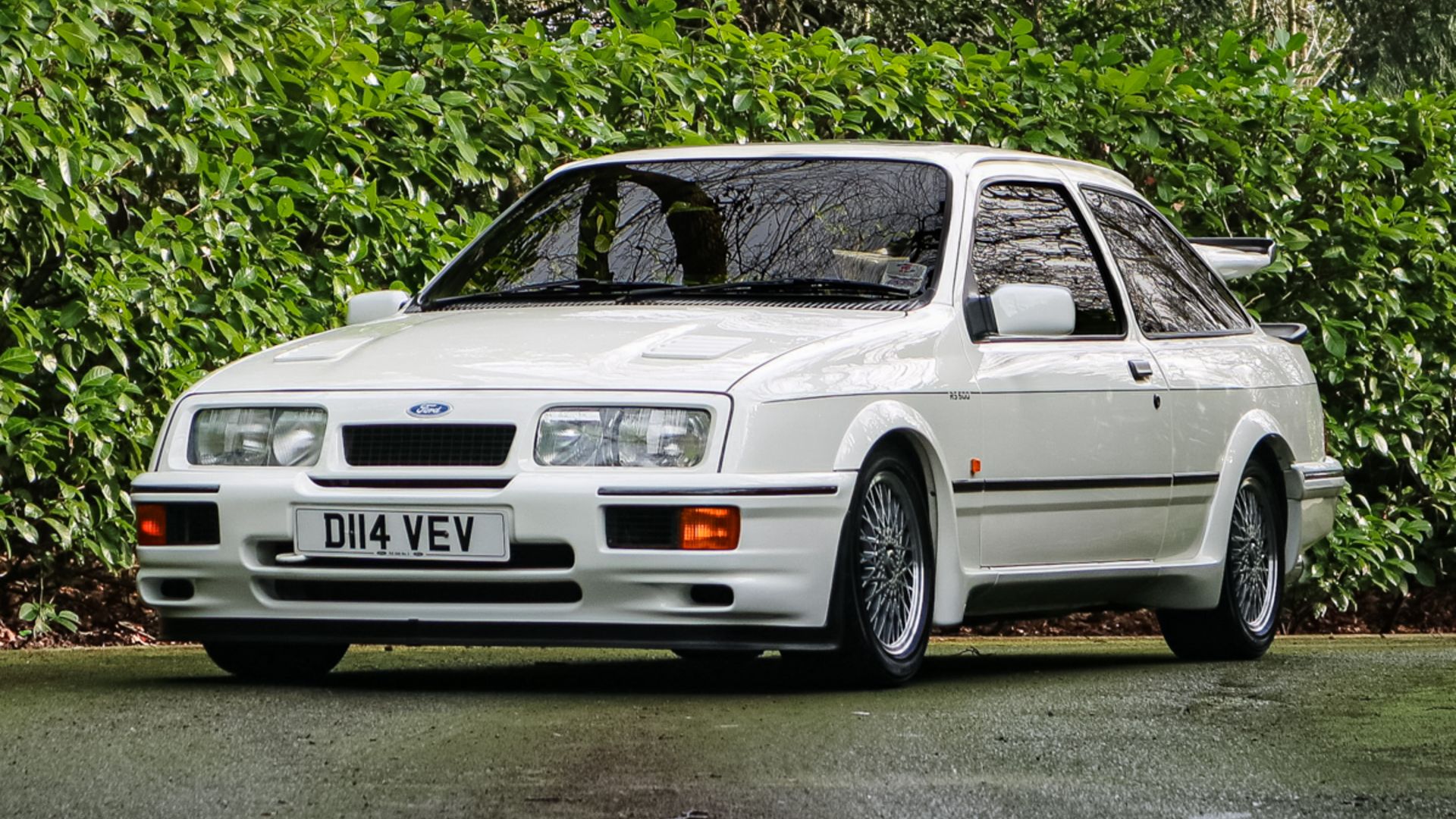
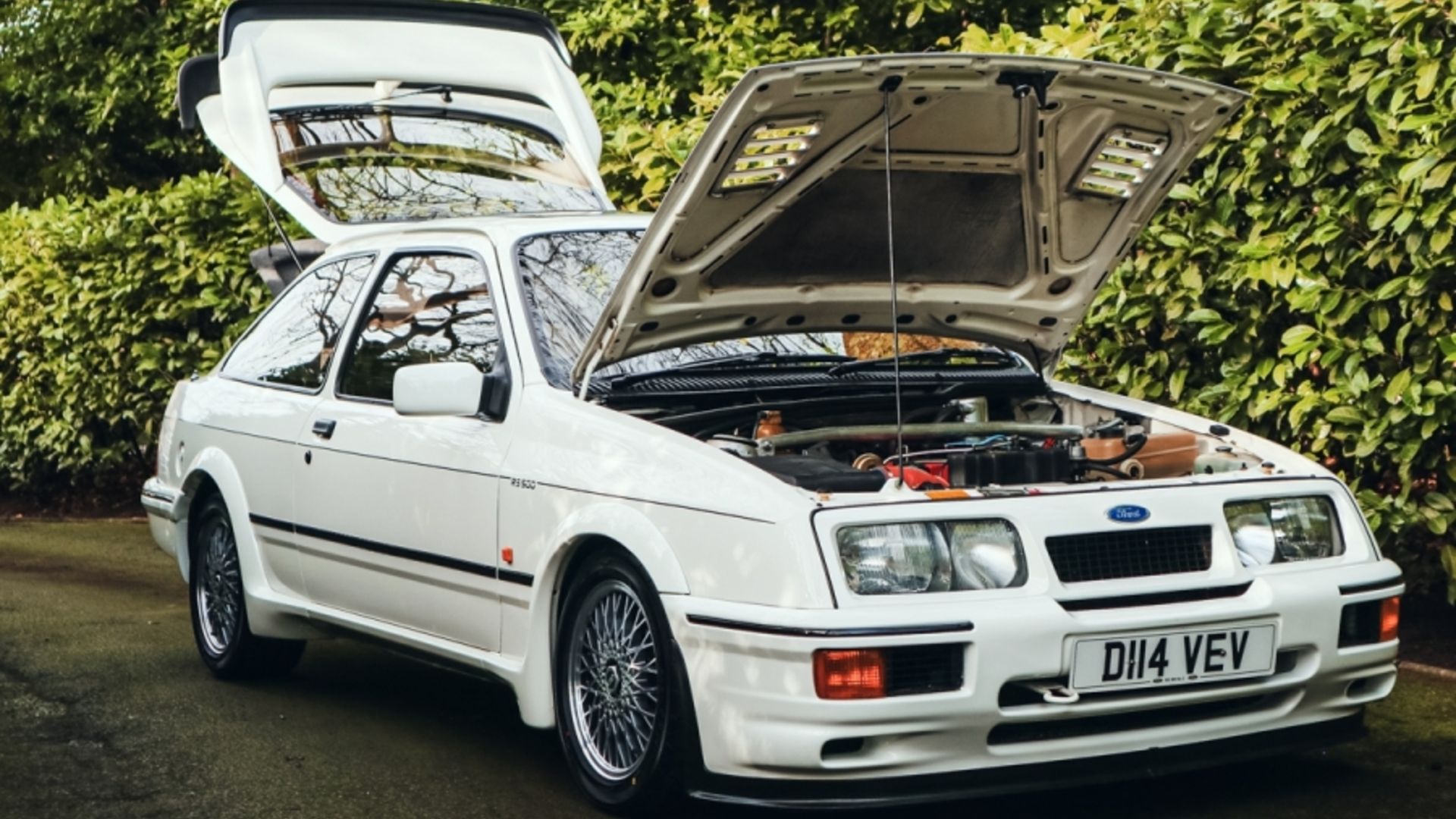
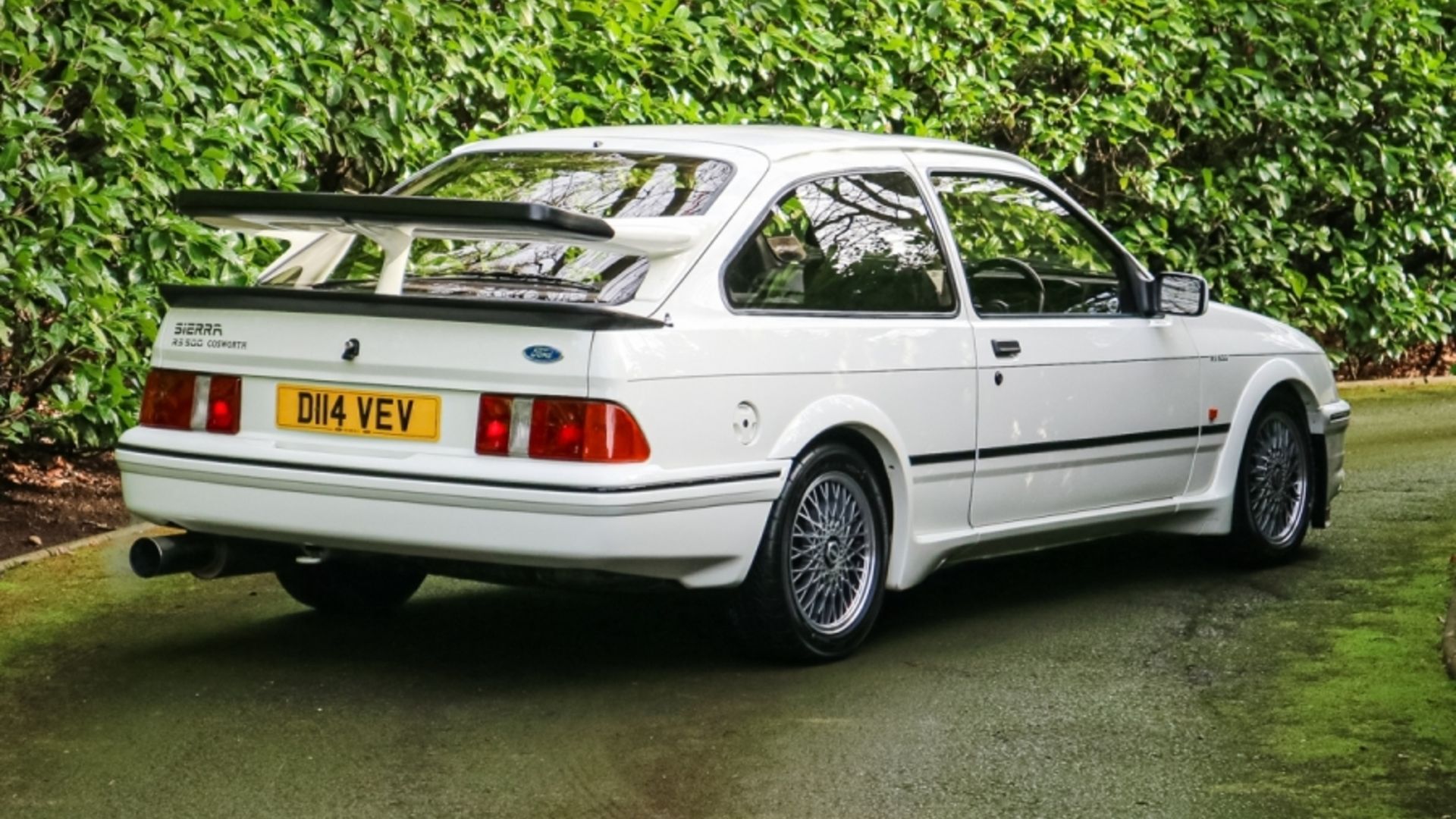
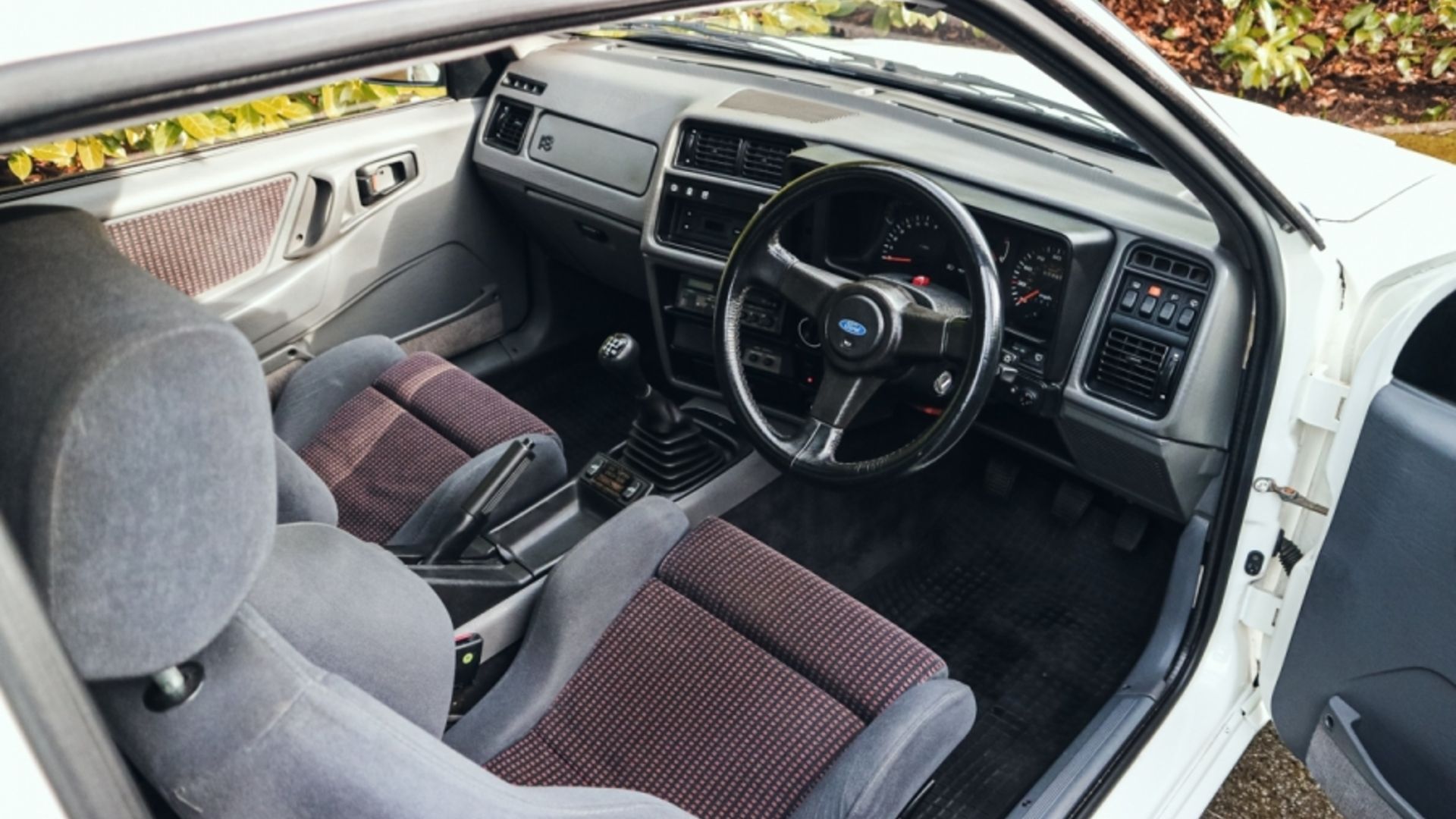
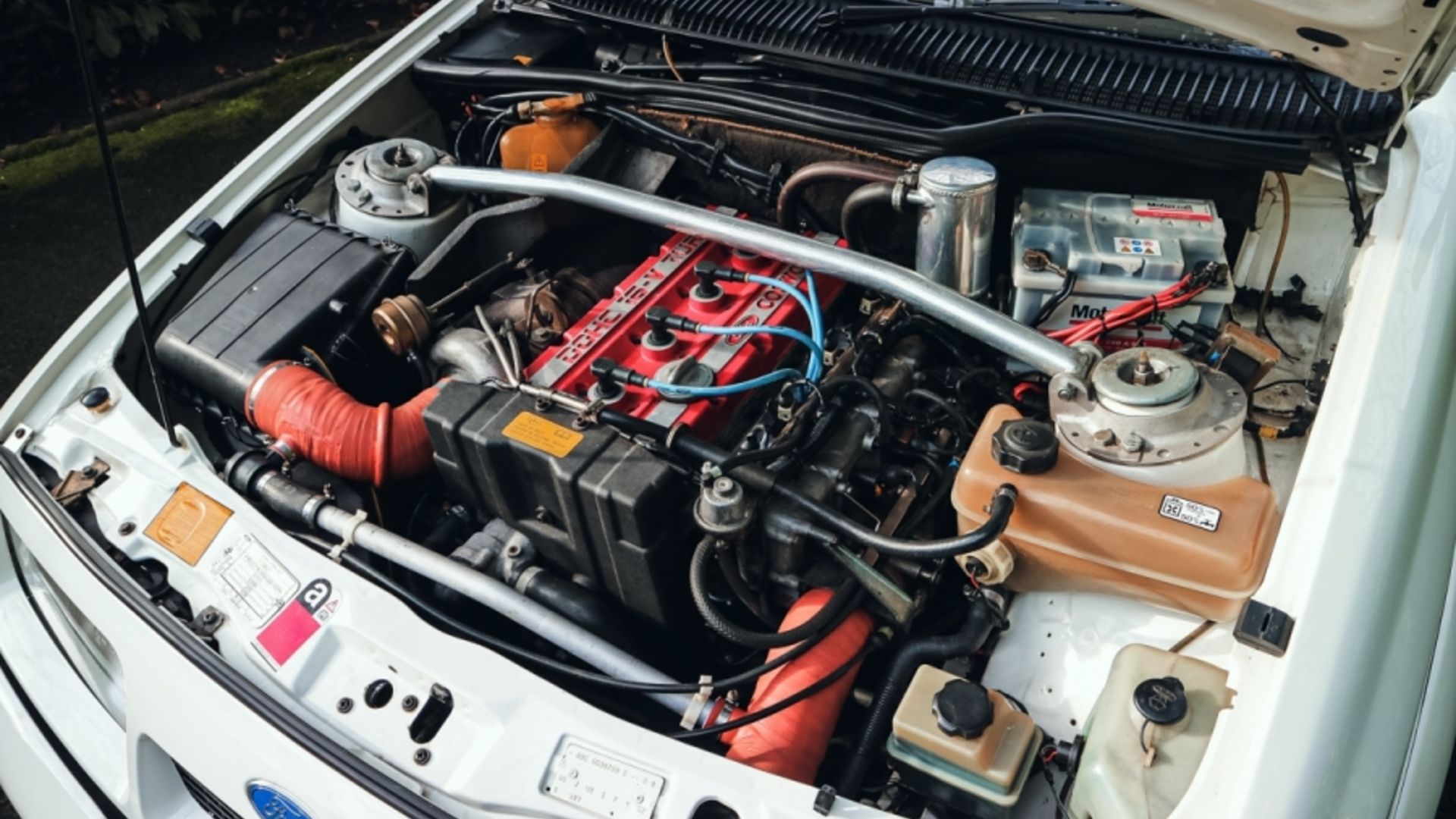
Fast Ford royalty is going under the hammer at the Silverstone Auctions Race Retro show sale. Any Sierra RS500 Cosworth is a valuable machine, but this specific example is especially significant. As chassis number 003, it’s one of the prototypes originally owned by Ford.
This car was integral to the genesis of the RS500. ‘D114 VEV’ was one of four Sierras used by Ford in the development of the iconic model and was used for testing the intercooler and turbo systems.
The car now features an Eggenberger Motorsport engine from Steve Soper’s own racing RS500. Once Soper returned the car, Ford swapped the engine from chassis number 010 to 003.
The body has done 69,000 verifiable miles, with certification from the RS500 Owners Club. The car is estimated to fetch between £60,000 and £70,000 when it goes under the hammer.
“These cars are very highly sought-after and this particular car, one of the first and with the provenance it has, will generate a lot of interest,” said Joe Watts of Silverstone Auctions. “It’s probably the best surviving prototype out there.”
Joining the Cosworth will be another fast Ford from a decade earlier: a 1978 Escort RS2000 Custom. Described as ‘fanatically original’, it has 64,450 miles on the clock and is unrestored, although it has recently been recommissioned. It’s estimated to make between £30,000 and £35,000.
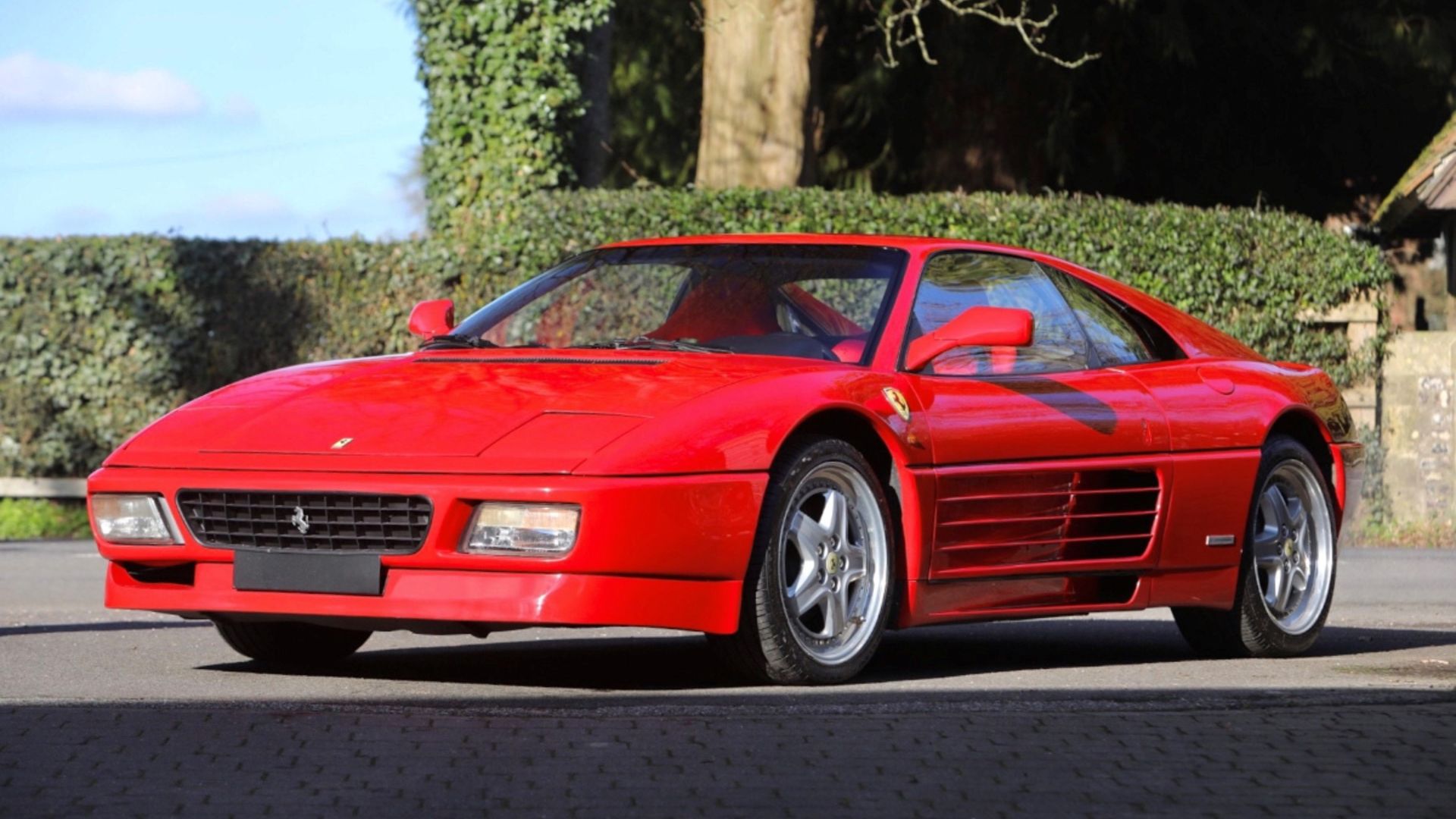
At the more exotic end of the spectrum is one of just 50 Ferrari 348 GT Competiziones. With F40 Evo-derived brakes, a lightweight 1,180kg kerb weight and just 14,500 miles, expected to pay between £120,000 and £150,000.
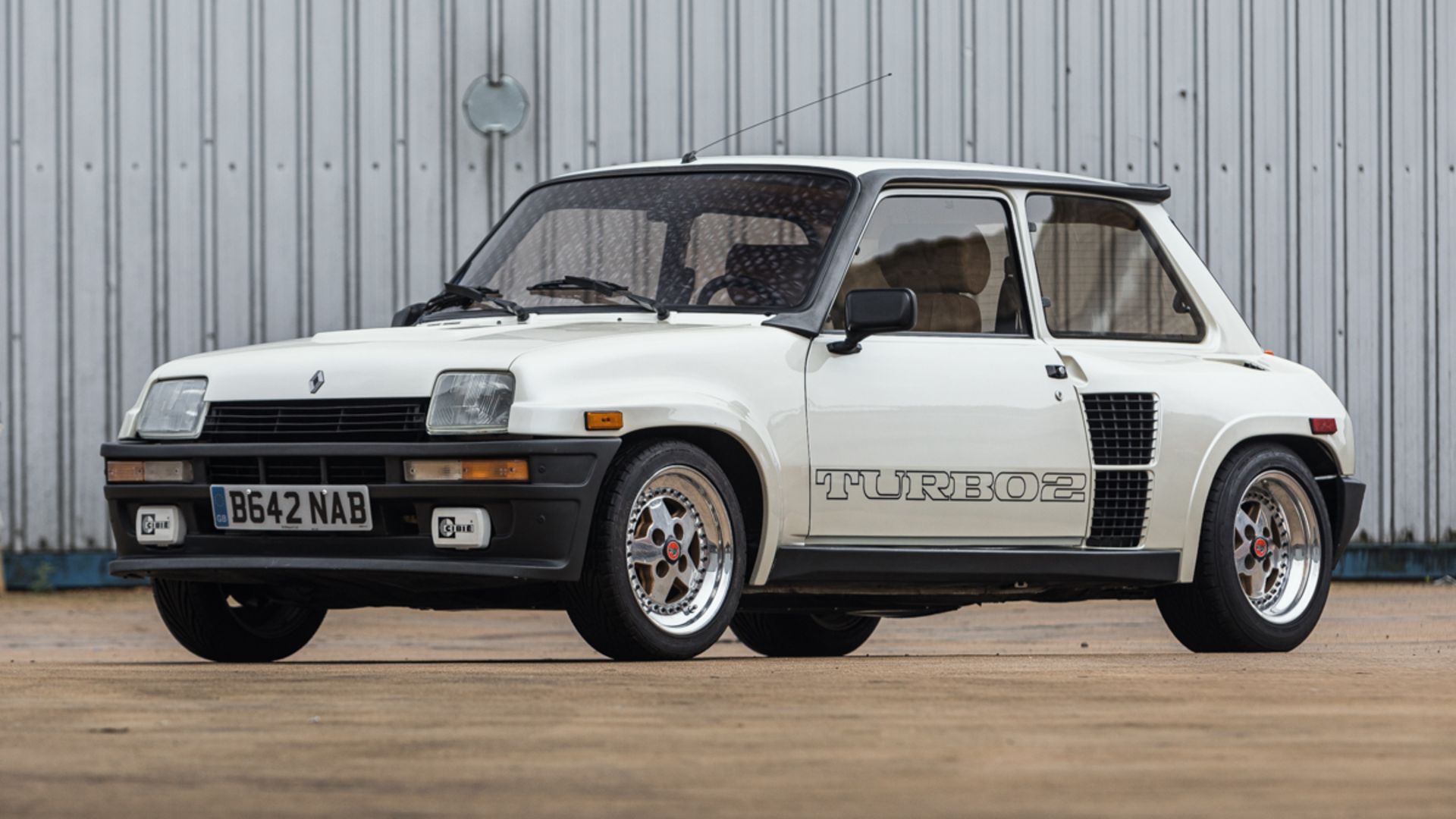
Finally, we circle back to another 1980s legend. For between £65,000 and £75,000, you could own a Renault 5 Turbo 2. With Gotti wheels and just 37,572 miles, it joins the Sierra as one of the great homologation specials.
New research has revealed that over half of British motorists think the knowledge base of Britain’s drivers is severely lacking.
Breakdown cover provider Green Flag has investigated which rules and myths of the road are confusing British motorists the most. Twenty-seven percent of motorists believe that driving naked is illegal. While not as extreme, the perfectly legal act of driving barefoot is believed to be illegal by 23 percent of motorists. In spite of neither being illegal specifically, you may still be prosecuted if your state of clothing or footwear is seen as impeding your ability to operate the car.
Conversely, there are also those motorists who are under cautious. Fourteen percent of motorists believe there is a ten percent leeway across all speed cameras. Another 16 percent believe that it’s perfectly legal to pull into the hard shoulder if you need the toilet.
The top ten driving misconceptions
Rank
Driving Misconceptions
1 (35 per cent)
It’s illegal to splash pedestrians while driving
2 (30 per cent)
It’s illegal to drive with headphones in
3 (27 per cent)
It’s illegal to drive naked
4 (23 per cent)
It’s illegal to drive wearing no footwear
5 (22 per cent)
It’s illegal to drive while wearing flip-flops
6 (21 per cent)
It’s illegal to drive with the light on in your car
7 (16 per cent)
It’s illegal for car passengers to drink an excessive amount of alcohol on a car journey
8 (12 per cent)
Men are more dangerous drivers
9 (11 per cent)
You can use your phone while your car is stationary in traffic/at traffic lights
10 (11 per cent)
If a speed camera doesn’t flash, it means you haven’t been caught
Tired drivers labelled a ‘significant safety threat’
Thirteen percent of motorists have admitted to being caught out by rules they weren’t fully up on. As for the most common things to be caught doing wrong? As you might imagine, speeding is up there, as is not wearing a seatbelt. Many are caught driving in bus lanes too.
Many Brits are repeat offenders, too. On average, three driving rules a month are knowingly broken by British drivers. Twenty-three percent admit to doing so at least once a week.
Avoiding driving myths and staying legal
Be cautious. If it sounds odd or illegal, the chances are it is. As an example, even though driving naked or barefoot isn’t, there are extenuating circumstances where you can be penilised.
Use the loo. Avoid risking illegal hard shoulder bathroom breaks by getting done what needs to be done, before you drive.
Avoid your phone altogether while behind the wheel. The only circumstance where you can use a phone in your car is when you’re pulled over and the car isn’t running.
Stick to speed limits. More often than not, speeding doesn’t pay. If you’re unsure of the limit, pull over and check.
Check the Highway Code. Reading the rules of the road can go a long way.
“Confusion is clearly rife among motorists when it comes to what they can and can’t do on the roads,” said Steve Fowler editor-in-chief at Auto Express.
“However, it’s everyone’s responsibility to know the laws of the land, so if you’re in any doubt it’s always best to check. Ultimately, the rules are there to keep drivers safe, which is the most important thing”.
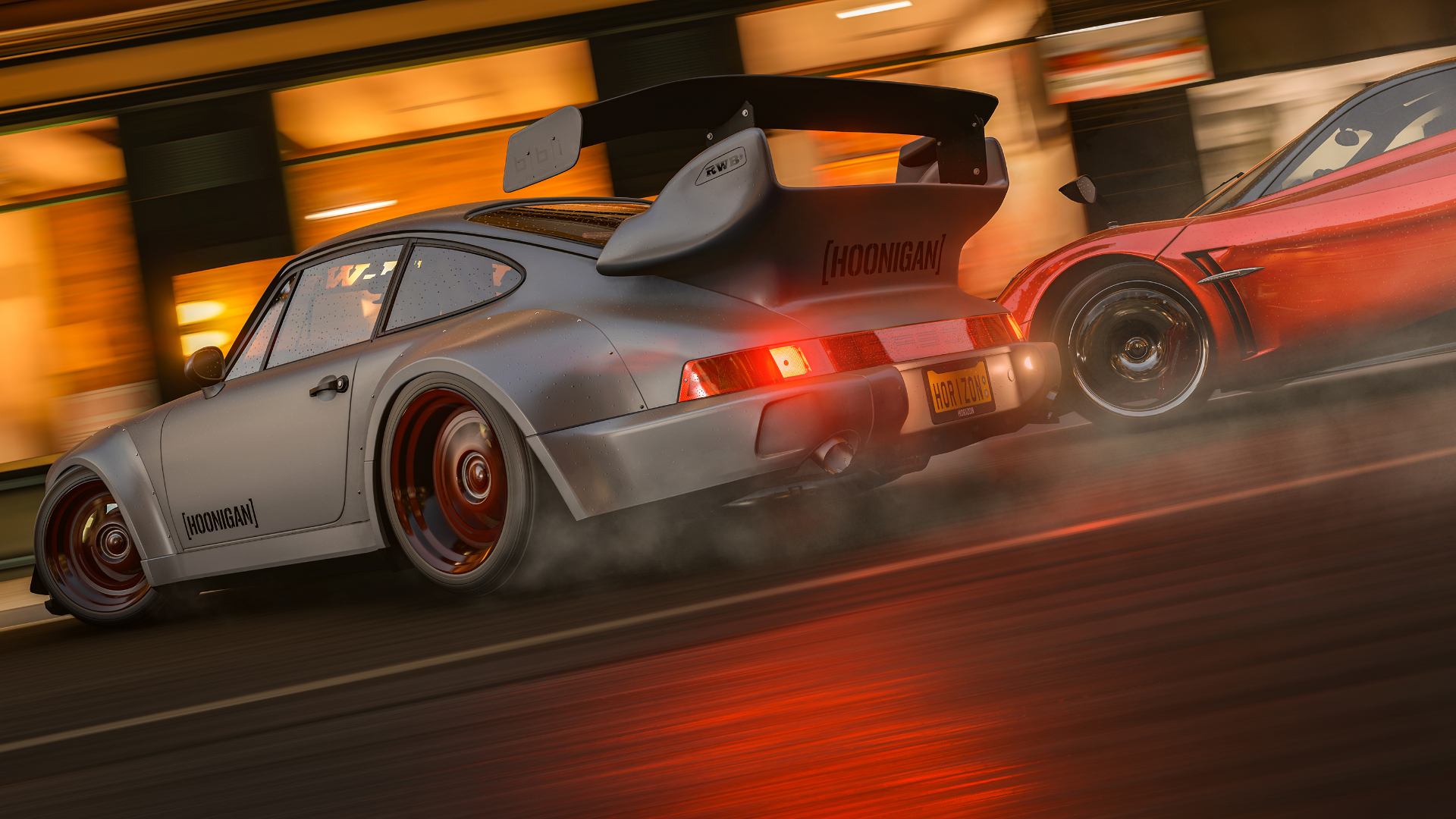
Rough Guides, a travel publisher from the UK, has released a book that details all the best things you can see and do in Microsoft Xbox One X-enhanced game titles. And among the many fantasy, shooter and adventure games, you’ll find the critically acclaimed open-world racer, Forza Horizon 4.
The Rough Guide to Xbox shows you the best roads and the unmissable sights in Forza Horizon 4, which is set in the United Kingdom. From Edinburgh Castle to Derwent Water to Astmoor – some of the north’s best scenery can be enjoyed in the game, in 4K resolution, from behind the wheel of your dream car.
“In-game travel and photography has become such a phenomenon that they had to make a guide to it. People take in-game photographs and videos of scenery so often now, it’s clear that people really do feel like they are visiting these worlds. They aren’t just playing these games for the characters, but also to explore the worlds as if they are travelling in it themselves.
“But this book isn’t just for gamers. We hope other people will be pick it up and be given a different perspective on gaming.”
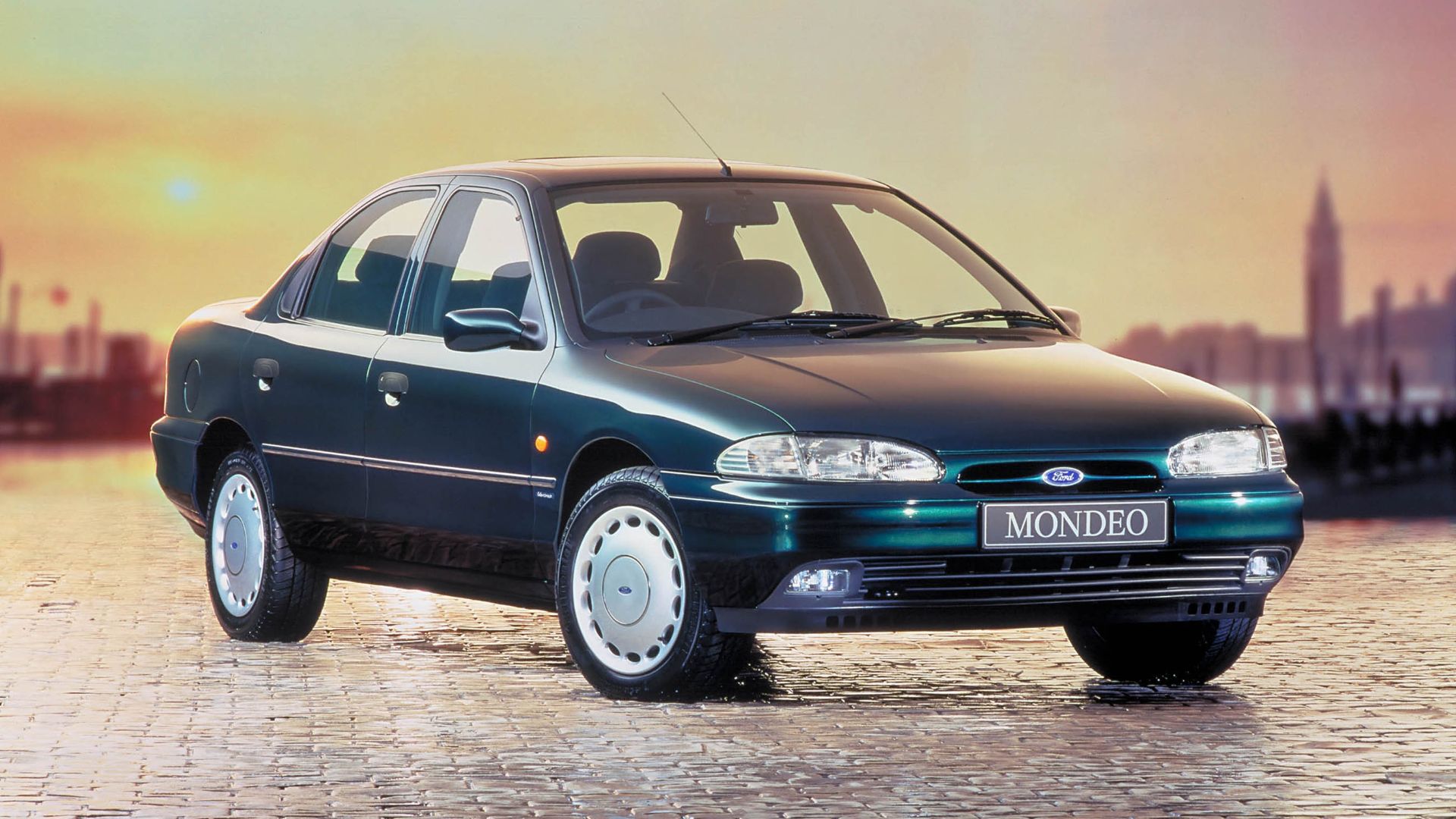
Today, if you said the car the latest BMW 3 Series had to beat was the Ford Mondeo, we’d laugh you back to 1998.
Such was the popularity of Ford’s resident repmobile back then, ‘Mondeo Man’ became shorthand for middle-management and middle-of-the-road. Meanwhile, the car proliferated on company car fleets and the driveways of aspirational workers country-wide.
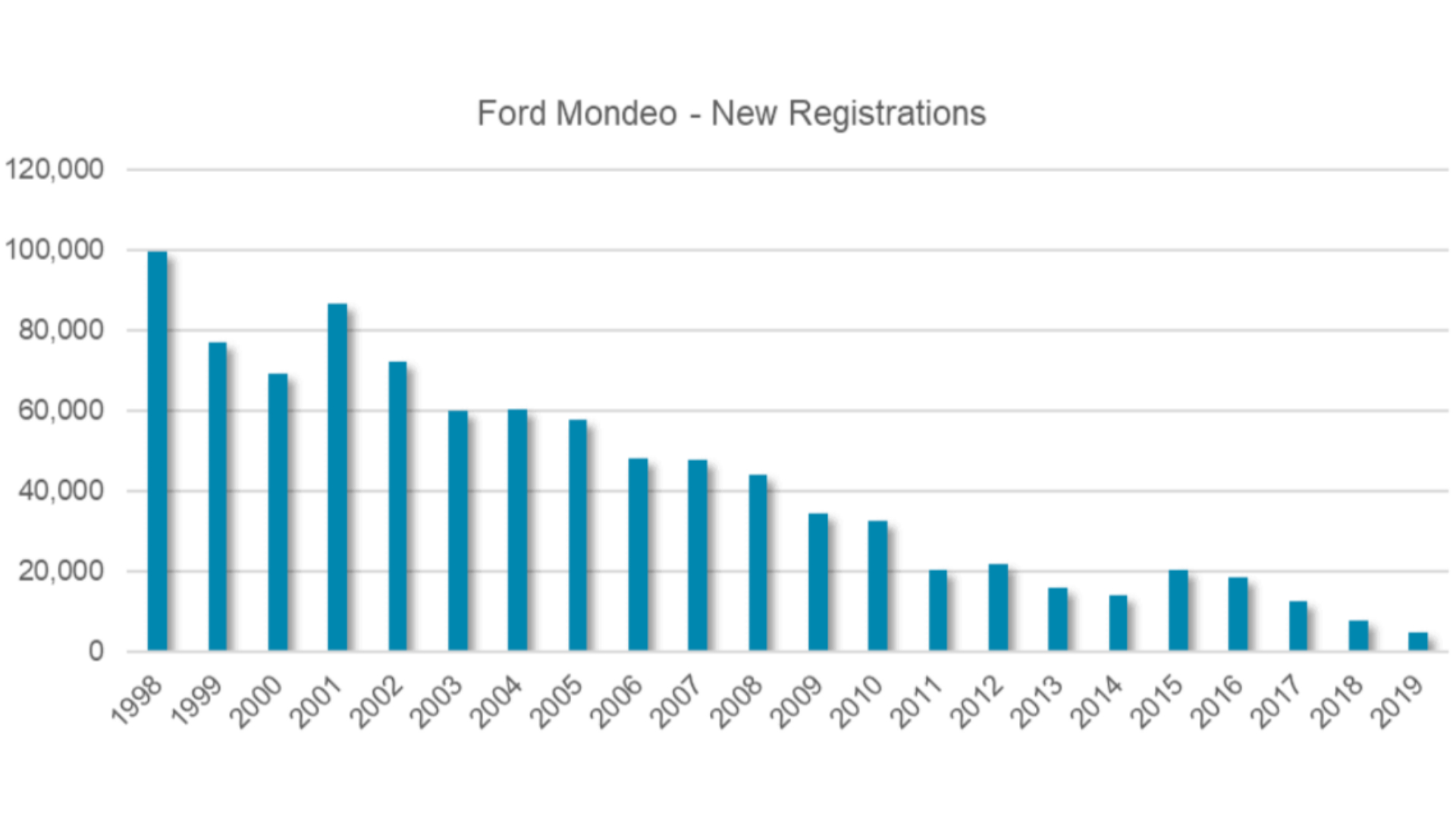
Twenty years ago, annual Mondeo registrations were upwards of 60,000, but already on the decline. Last year, just 5,000 new Ford Mondeos were sold. So what happened?
Attacked from within
Mk1 Ford Mondeo review: the ‘world car’ you should buy now
While it’s generally thought that once-premium cars entering the mainstream did most damage, other theories have been posited.
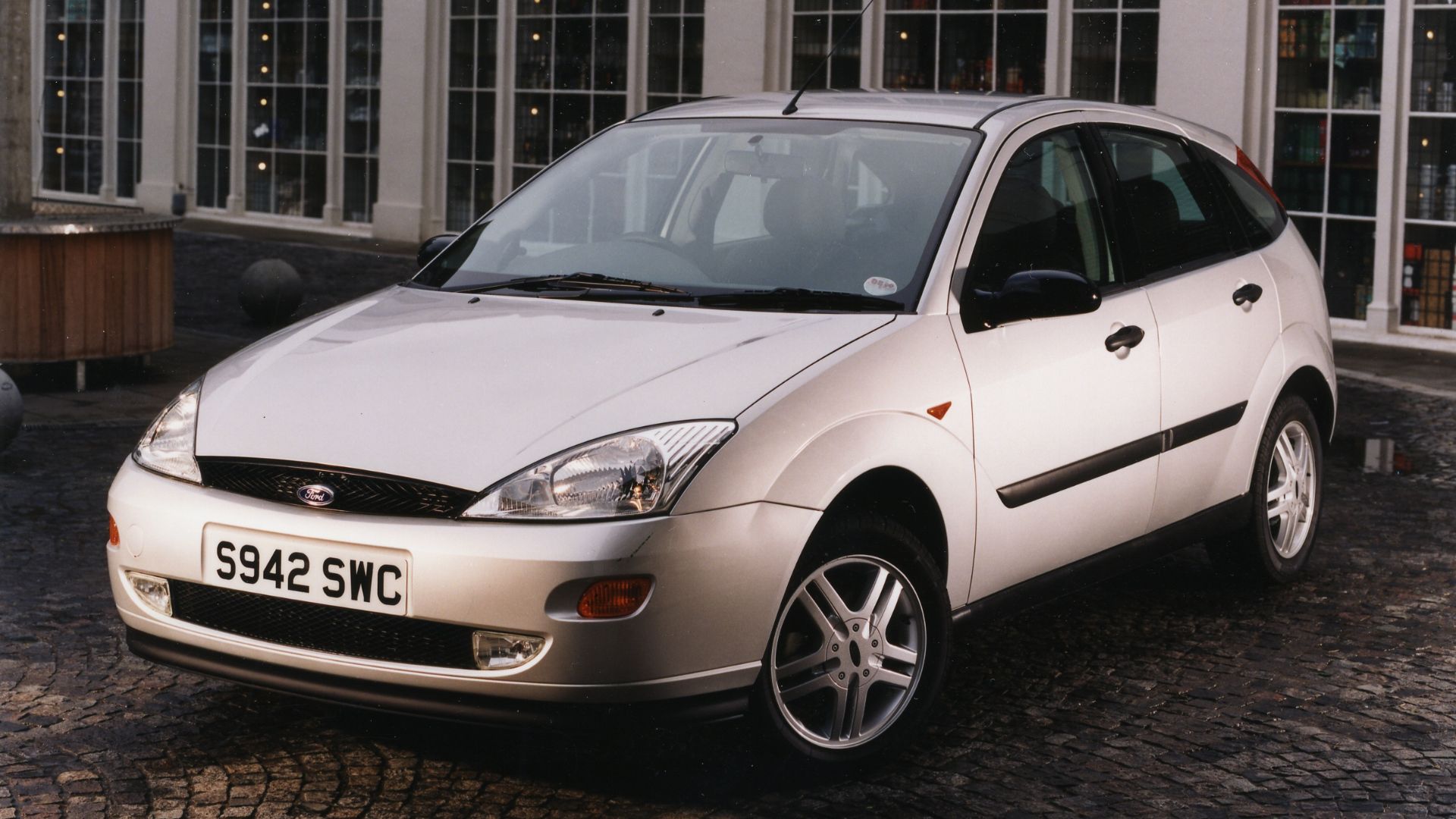
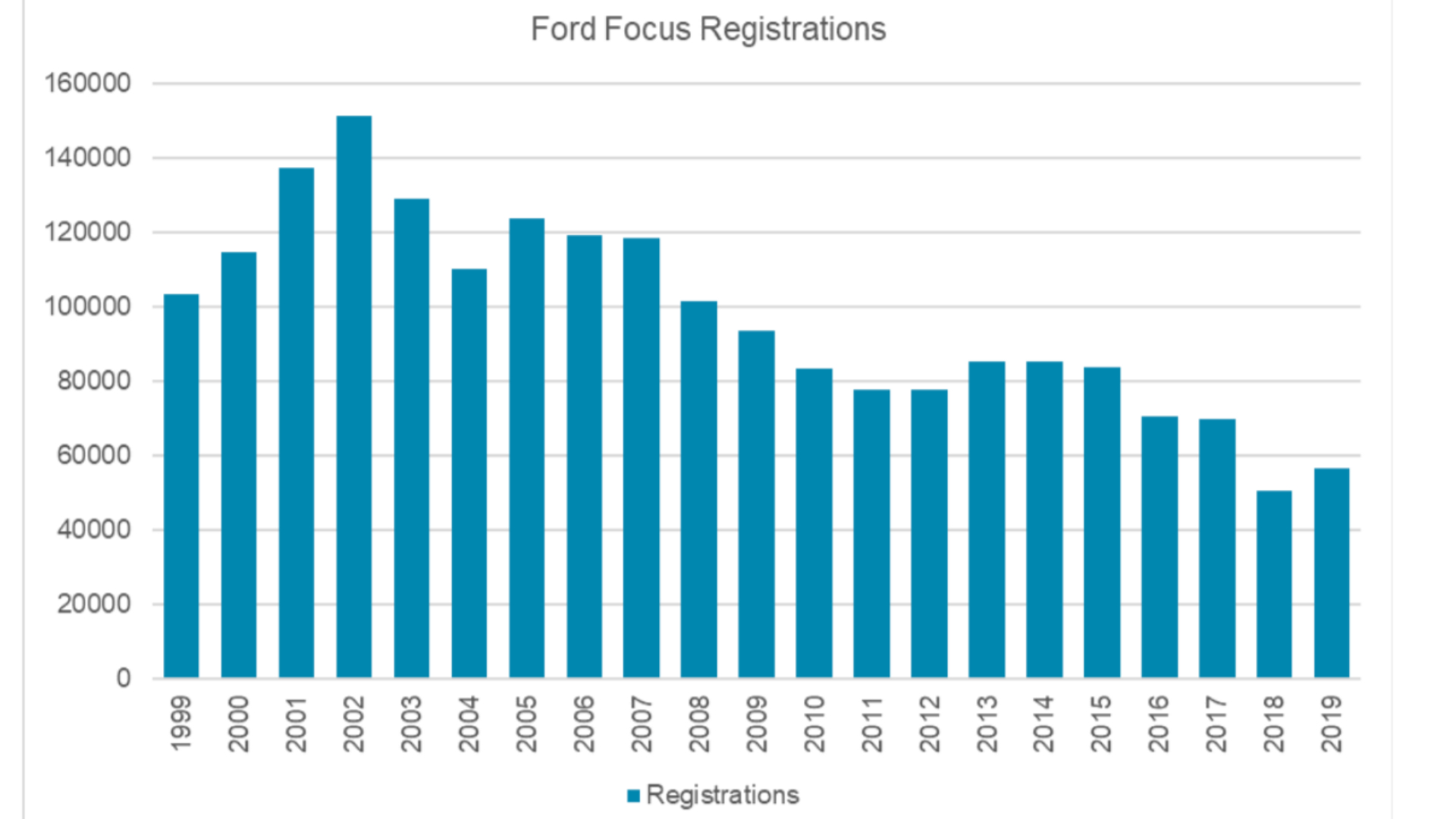
According to research by Glass’s, the Mondeo could have been cannibalised from within. Sales haven’t come within 15,000 of its 100,000 record year since 1998 – the year the revolutionary Ford Focus went on sale.
The Focus sold 100,000 in its first year, climbing to over 150,000 at its peak in 2002. Before 2018’s low of 50,000 registrations, it hadn’t dipped much below 80,000 since its debut. Mondeo Man, seemingly, looked to downsize.
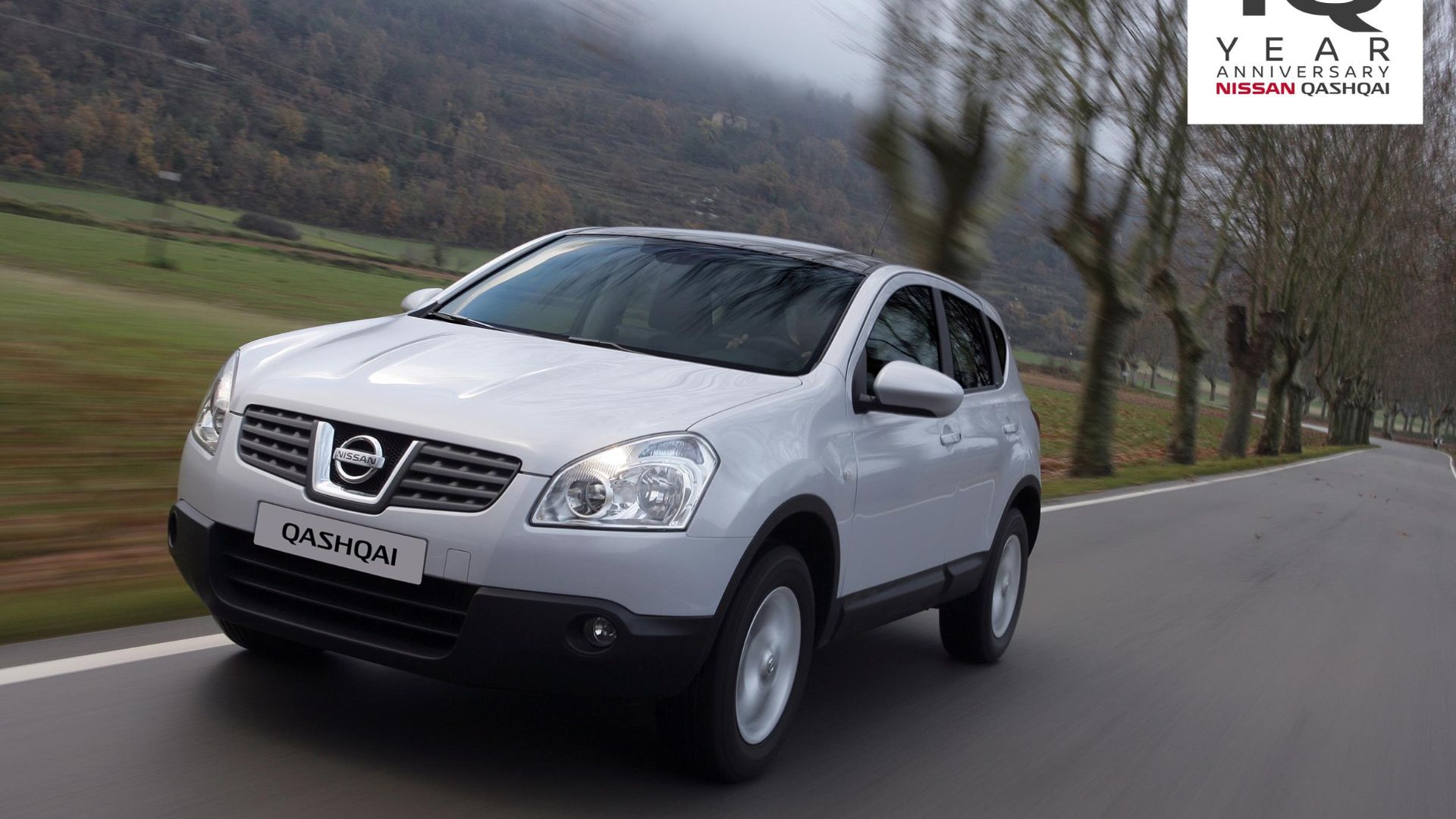
What also cannot be ignored when charting the demise of the Mondeo, and indeed the fall in popularity of the Focus, is the rise of the crossover. The year 2006 saw the introduction of the revolutionary Nissan Qashqai.
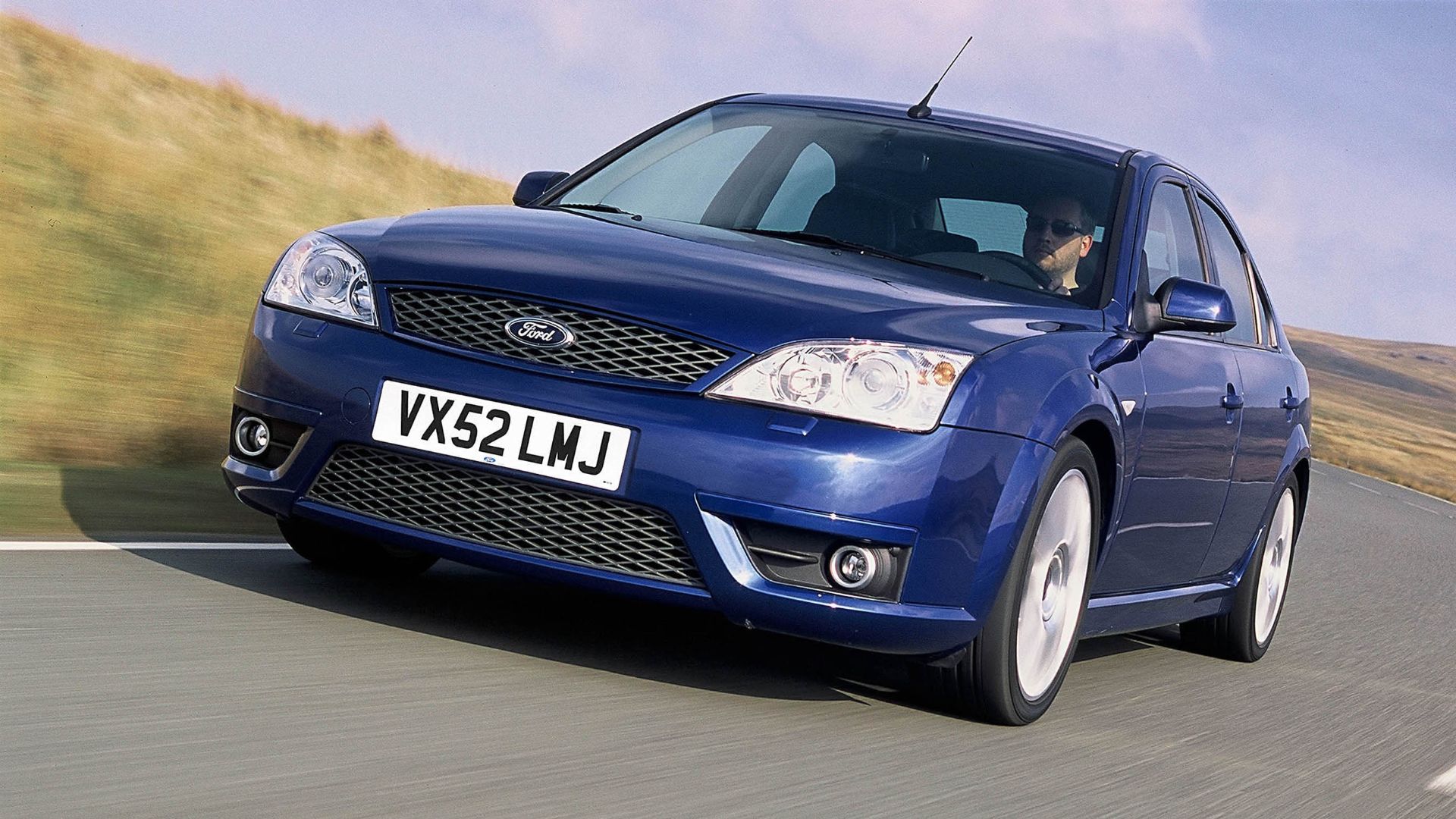
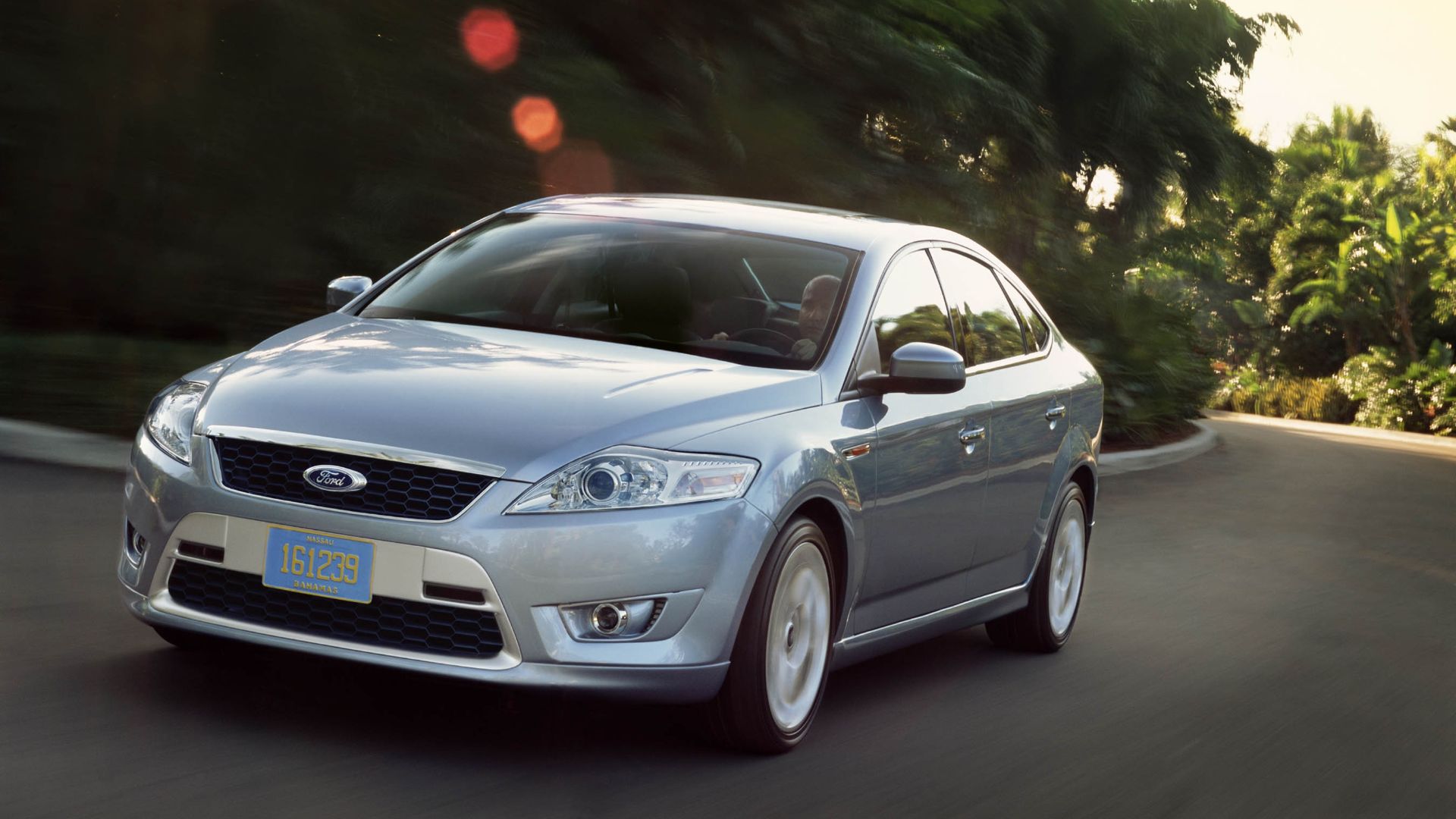
Both for the Mondeo and the Focus, 2007 subsequently saw a downturn in sales, in spite of Ford’s introduction of the fresh ‘Kinetic Design’ third-generation Mondeo. Not even putting Bond behind the wheel could save it from the rise of the high-risers.
The Qashqai sold like hotcakes, offering the high driving position and bulky presence of an SUV for family hatchback prices. The subsequent market saturation all but smothered the Mondeo and its D-segment kin.
Ford’s got in on the party, too, launching the Kuga in 2008. Today, it sells the Ecosport, Puma and Kuga SUVs. The traditional Mondeo soldiers on, but has been relegated to third-row in Ford dealers.
“Quite simply, a wider variety of models on offer and a more diverse range of body styles has turned the tide for what was a traditional market of hatchback and saloons in the UK,” says Jonathan Brown, car editor at Glass’s.
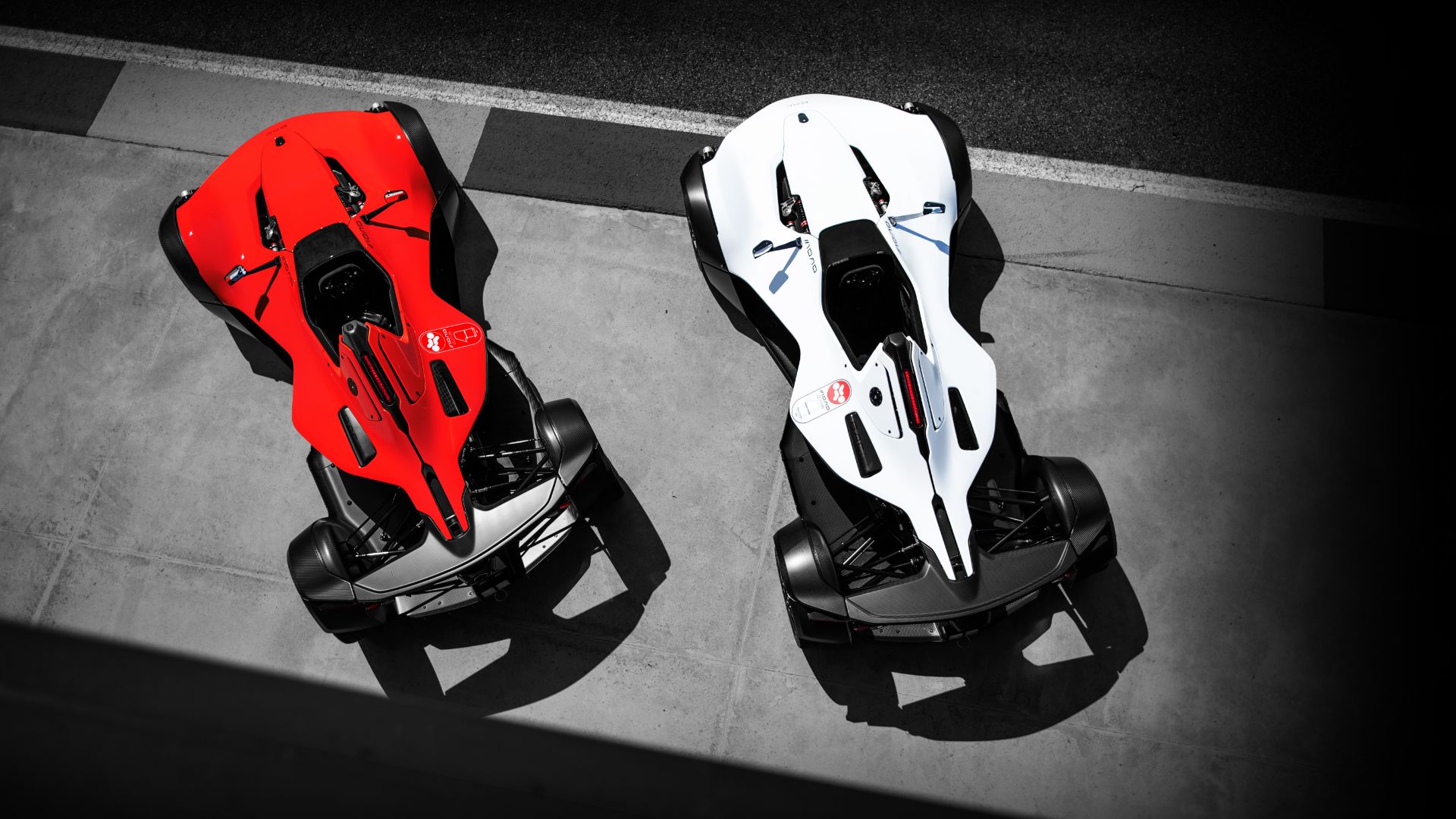
The Briggs Automotive Company (BAC) Mono changed the sports car game when it debuted nine years ago. Now, the world’s most selfish – and arguably most exciting – supercar is being replaced
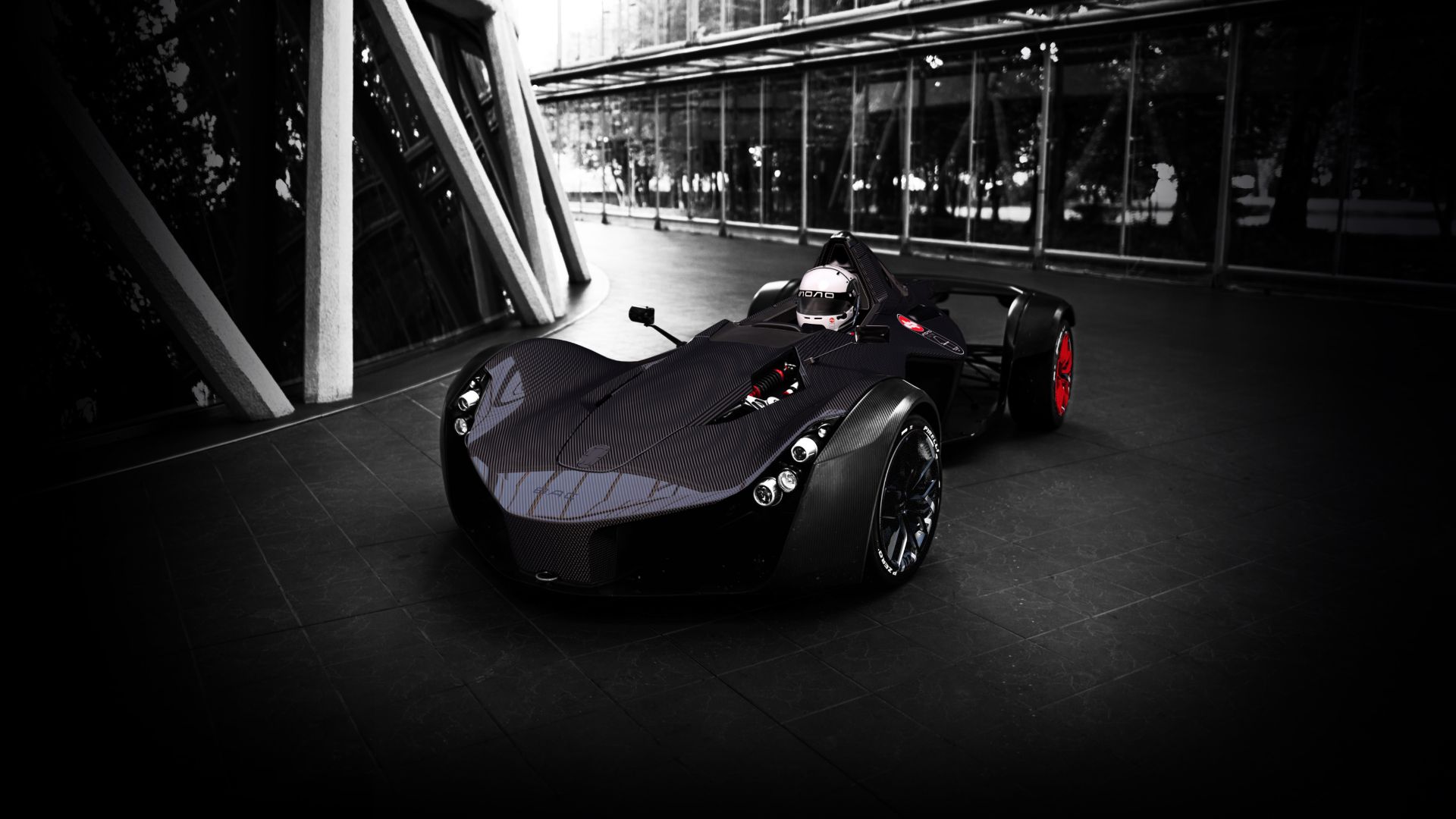
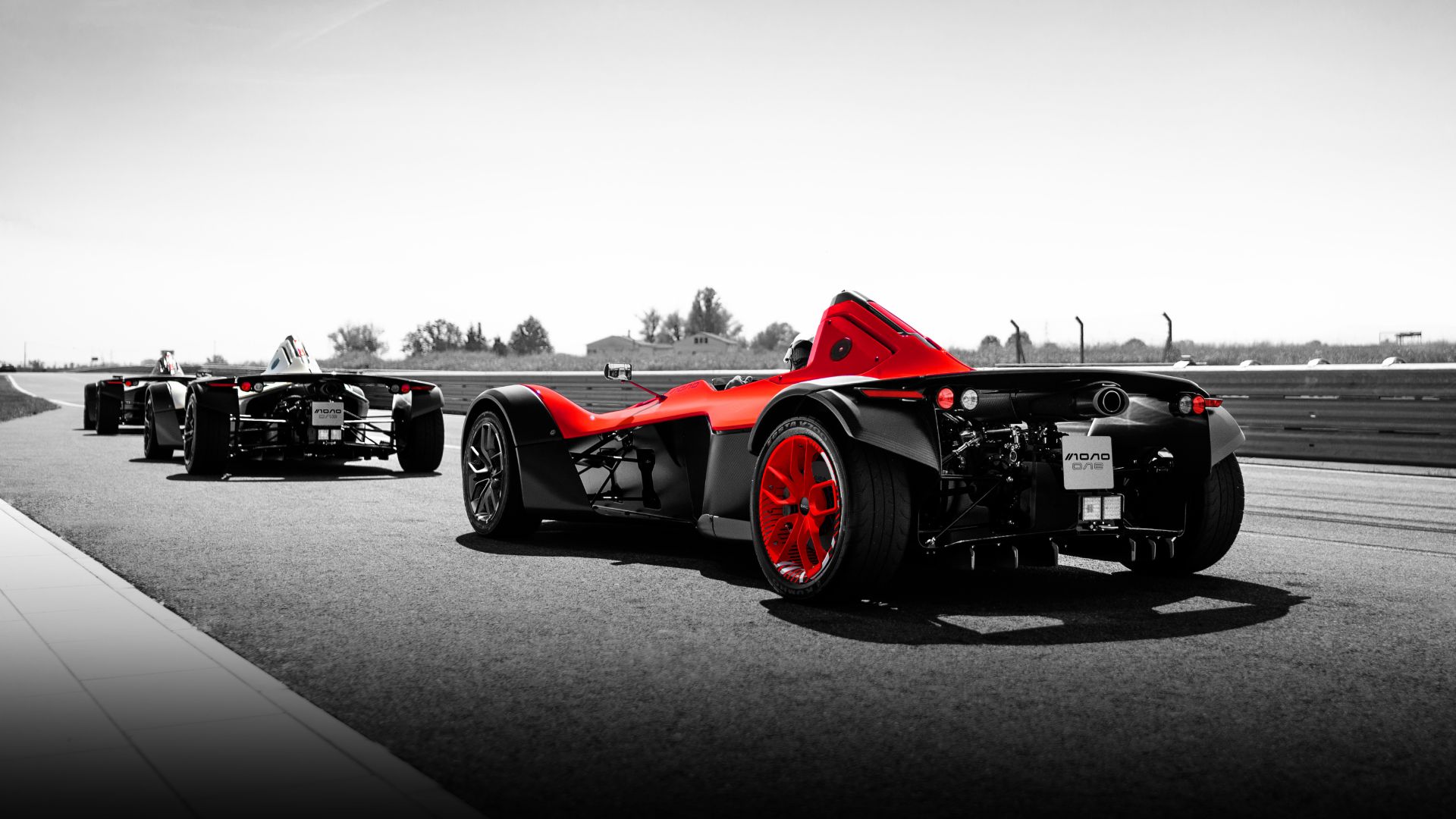
Not before the old model goes out with a bang, though. Meet the Mono One special edition.
Just three Mono Ones will be available, with white, black and red variants on offer (BAC’s corporate colours). The white especially, is an important specification for BAC. It’s how the car was launched back in 2011, and has proven to be the most popular colour for the single-seater.
Carbon black really does come with a capital ‘Carbon’, given the bodywork is exposed composite. The red, meanwhile, employs contrast white body details.
Each Mono One will have commemorative plaques, unique logos across the car and custom crash helmets. That’s on top of the Mono’s bespoke seat and wheel fitting, which each driver gets when buying the car. The Mono One can be yours from £158,950.
“Mono One marks the end of a truly incredible era for BAC and, of course, Mono,” said Ian Briggs, BAC co-founder and design director.
“We wanted to give Mono the perfect send-off and this car does exactly that – it’s super rare, with only three available, and has endless unique features that make it a serious proposition for collectors. It’s the last chance to own a future classic!
“When we first designed Mono and drew inspiration from Bjork’s video, we did so with a dream of sharing the experience with our close friends and having a lot of fun in the process – never could we have ever visualised our growth around the world and just how many remarkable garages Mono now finds itself part of.”
Unlike with a BMW 3 Series or Volkswagen Golf, there isn’t much to go on when speculating about a replacement for the Mono. Will BAC be moving the game on, or changing it completely? Judging by the little that Briggs has said, we expect evolution rather than revolution.
“It’s now time for a new generation of BAC Mono and a new bid for world domination. See you in Geneva.”
Think in terms of the jump from the last Ariel Atom to the current model. The concept is very much the same, but re-constituted for the modern era. We don’t have long to wait, though. The new car will debut at the Geneva Motor Show next month.
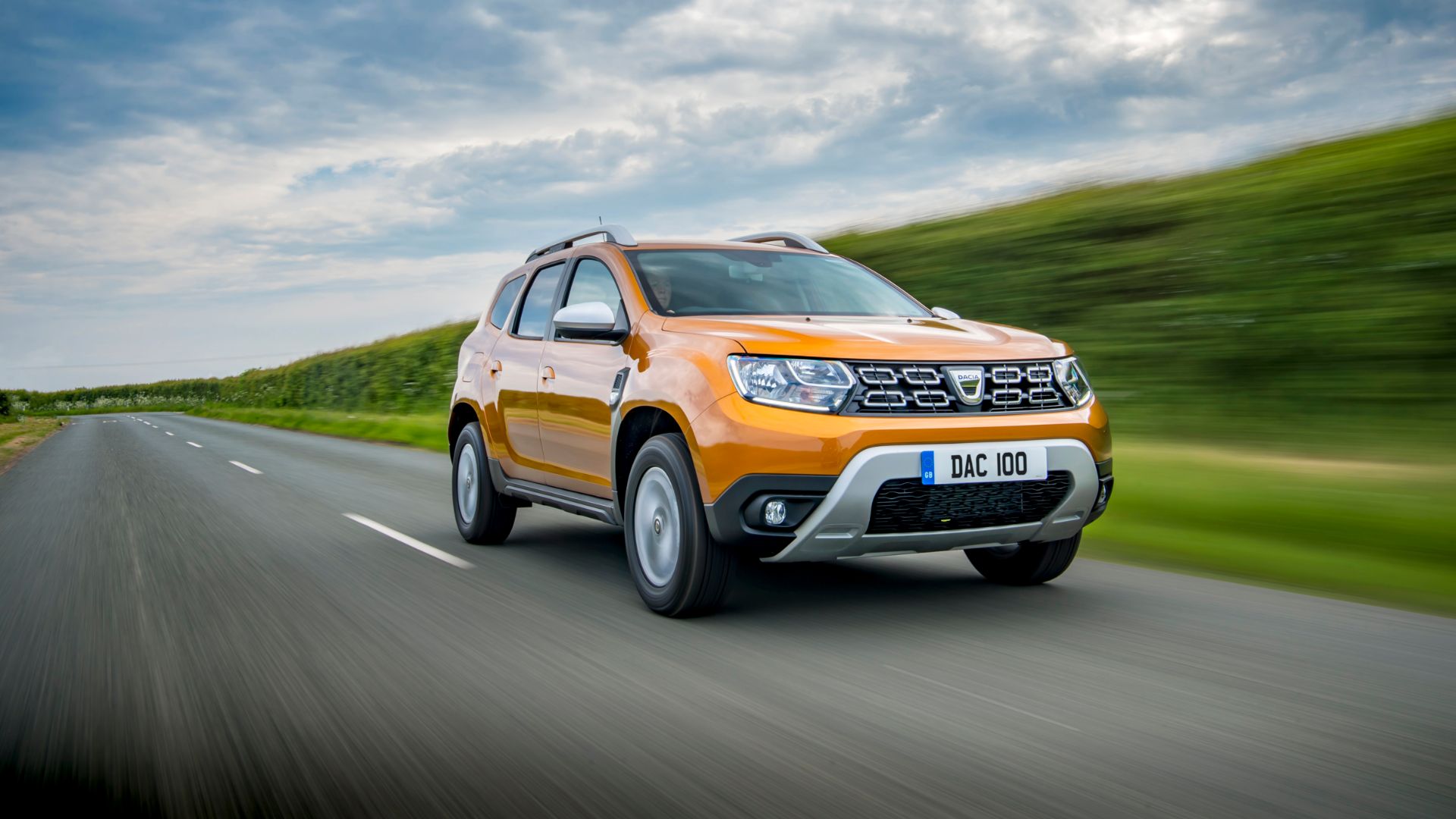
The entire Dacia Duster range now comes with a £750 deposit contribution on cars ordered before 31 March 2020.
It’s part of Dacia’s new finance offers for 2020, with the deposit contribution available when you buy a Duster on a four-year PCP deal. Monthly repayments start from just £139 for the entry-level Access model.
The mid-range Dacia Duster SE Twenty TCe 130 is available for £184 per month after a deposit of £1,807. The interest rate is 6.9 percent APR.
In SE Twenty trim, the Duster comes with 17-inch alloy wheels, a seven-inch touchscreen with sat-nav, Apple CarPlay, Android Auto, a multi-view camera and blind-spot warning.
Make mine a 99
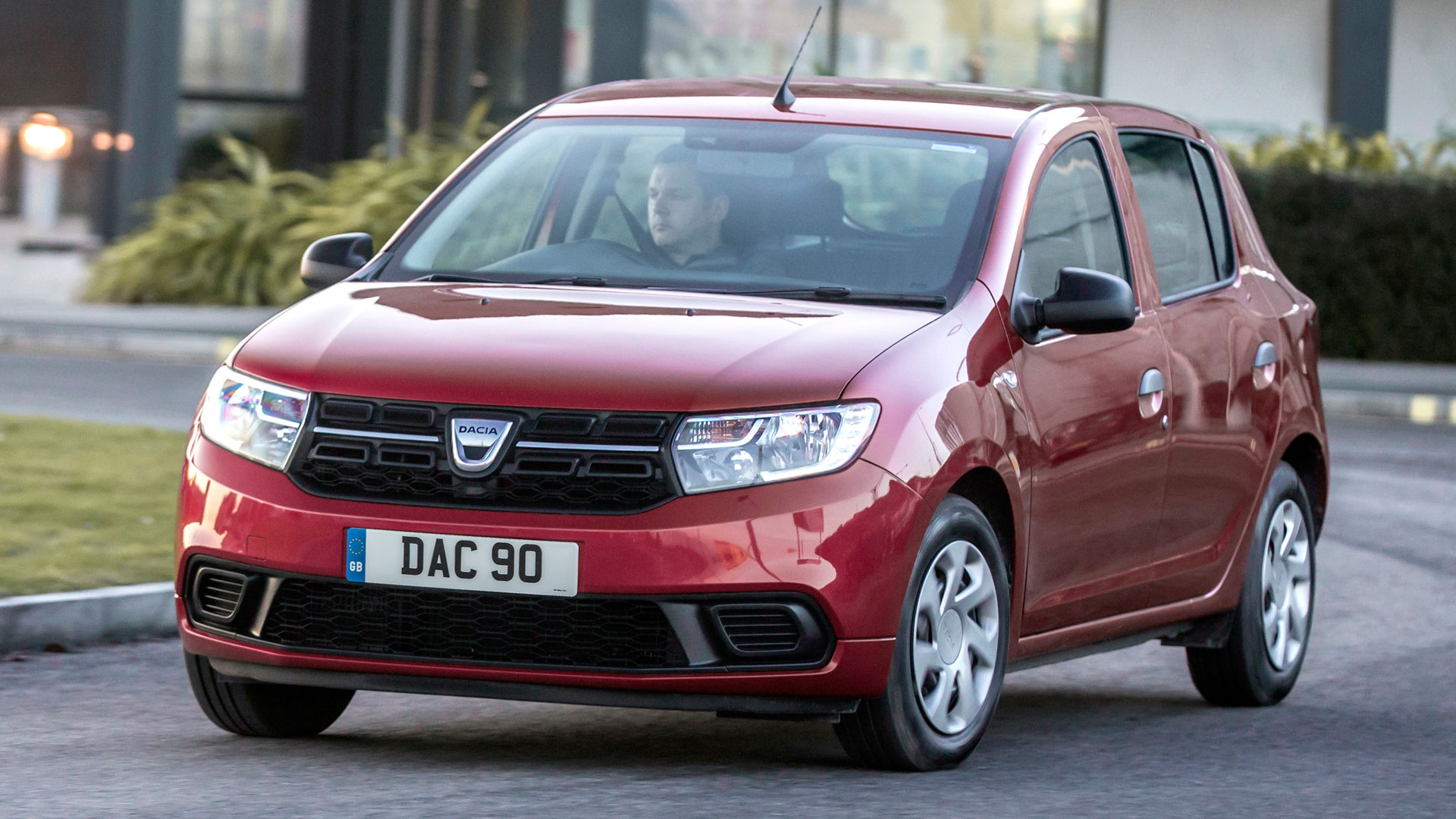
Meanwhile, the Dacia Sandero – Britain’s cheapest new car – is available for less than £100 a month on a four-year PCP deal.
The £99 deal is based on the entry-level Sandero Access, which might be a little too basic for most buyers. Although the steel wheels and unpainted bumpers aren’t deal-breakers, the absence of a radio, electric windows and air conditioning might be harder to live with.
Spending an extra £10 a month on the Sandero in Essential trim would be a wise move. At the very least, the Sandero Essential adds a radio, electric windows and air conditioning.
Finally, the Logan MCV and Logan MCV Stepway models are available for £119 and £189 per month respectively. The Logan MCV is Britain’s cheapest estate car and boasts a cavernous 573-litre boot.
Customers who own a car over six years old can also take advantage of Dacia’s ‘New for Old‘ scheme and save up to £1,000 on a new Dacia Duster and £500 if purchasing a Sandero, Sandero Stepway, Logan MCV or Logan MCV Stepway.
It might sound like stating the obvious, but sleep is the only effective way to prevent drowsy driving. Yet many of us take sleep for granted.
One American organisation claims that “global sleep problems might be causing more damage than terrorism.” It goes on to say that sleep deprivation “is similar to alcohol intoxication”. Although the statistics are focused on North America, they make for interesting reading.
But what about the other so-called cures for drowsy driving?
Lowering the car windows isn’t an effective means of staying awake behind the wheel, and yet 66 percent of UK drivers believe the myth is true.
That’s according to a survey conducted by the sleep and meditation app, Calm. It spoke to 4,337 British, American and French adults to explore the top 10 sleep myths. Opening the car windows topped the poll, but experts have warned that it doesn’t work.
Take a nap
The National Sleep Foundation says that turning up the radio, opening the window or setting the air-con to ‘chill’ don’t work and could be putting drivers at risk. “They are ineffective and can be dangerous to anyone who is driving while feeling drowsy or sleepy, as well as their passengers and others on the road.
“If you’re feeling tired while driving, pull off the road in a safe rest area and take a nap for 15-45 minutes.”
But that might not be enough. “Even a 20-minute power nap in a safe area will, at best, give you another 30 minutes of safe driving,” warns the American Sleep Association.
Coffee is a short-term fix
Drinking coffee is a short-term fix, but it needs around 30 minutes before taking effect.
“A good night’s sleep before your trip” is the best single prevention for drowsy driving, says the National Sleep Foundation.
Up to 25 percent of fatal accidents are caused by drivers who have fallen asleep at the wheel, with a worrying 13 percent of UK drivers admitting to falling asleep while driving.
“Some sleep myths are fairly harmless, while others are seriously dangerous,” said Alex Tew, co-founder of Calm.
Top 10 sleep myths and how many believe them
Rank
Sleep myth
% believing (UK)
1.
Lowering the car windows will help you stay awake when driving
66
2.
You should never wake a sleepwalker
48
3.
During sleep, your brain finally rests
48
4.
You swallow a few spiders every year while you sleep
32
5.
You only dream during very deep sleep
31
6.
If you’re struggling to sleep, it’s best to stay in bed
28
7.
You can catch up on missed sleep by sleeping in at weekends
20
8..
Alcohol before bed helps you sleep better
17
9.
Snoring is always harmless
25
10.
Eating cheese before bed increases the risk of nightmares
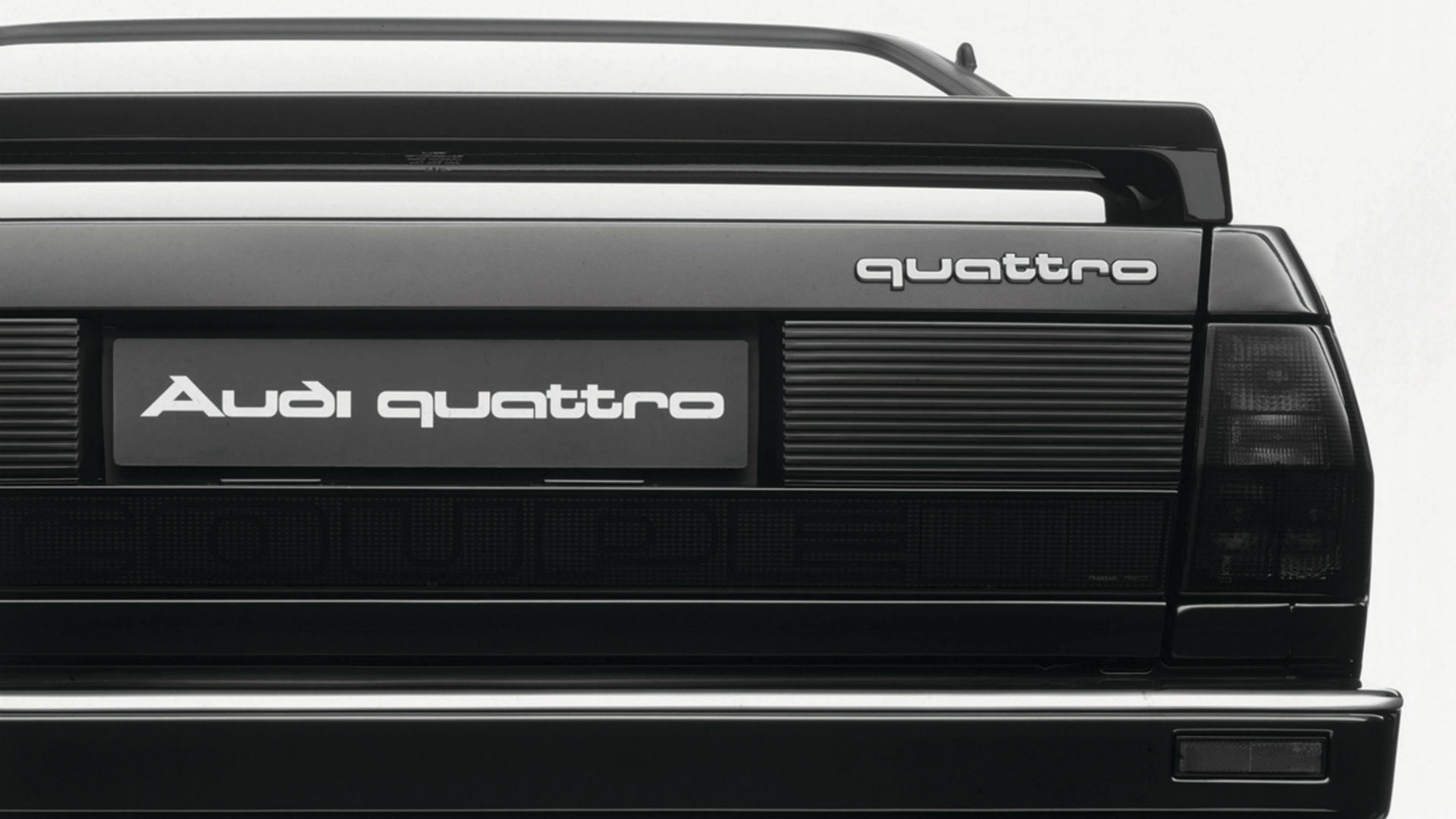
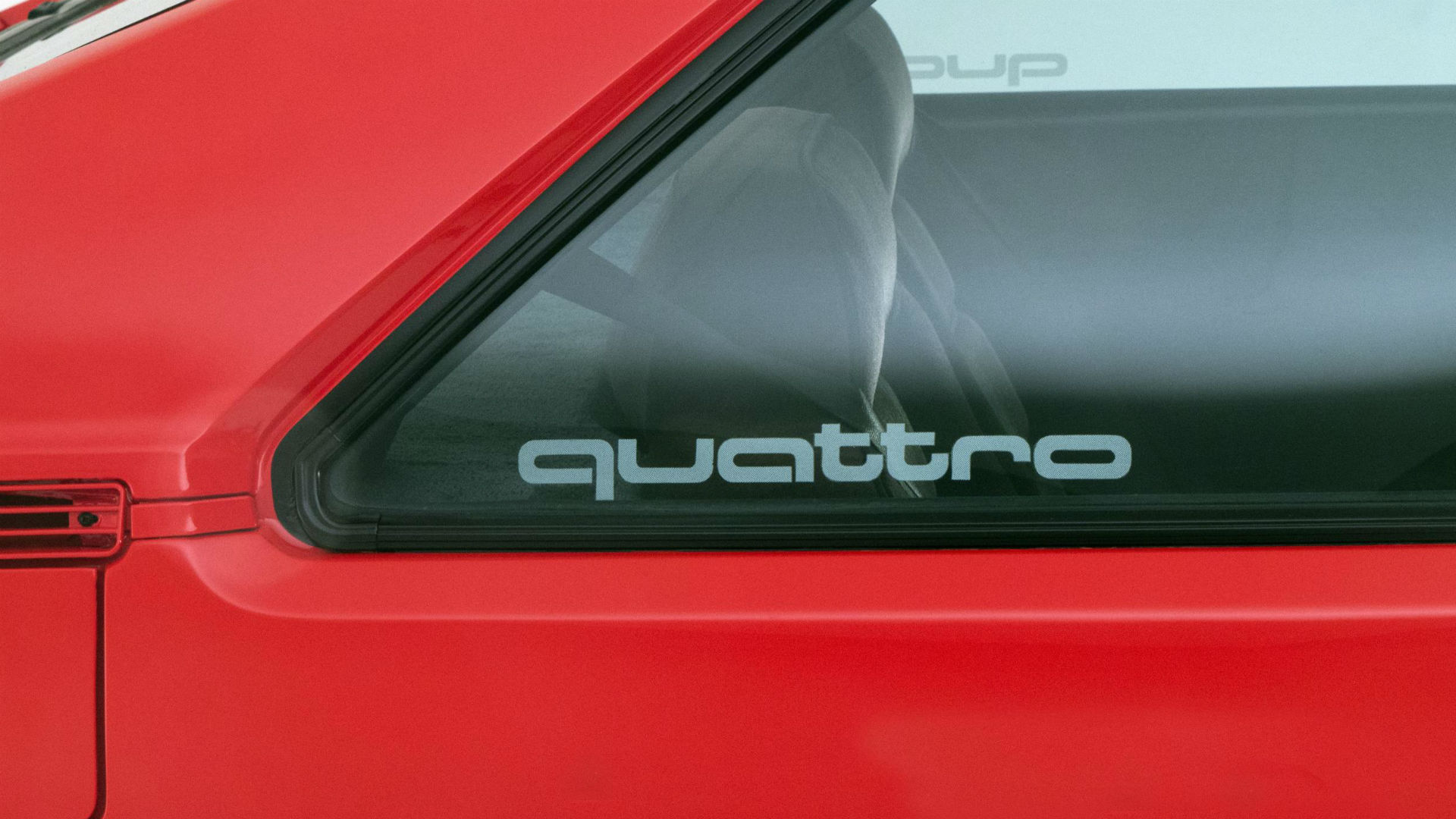
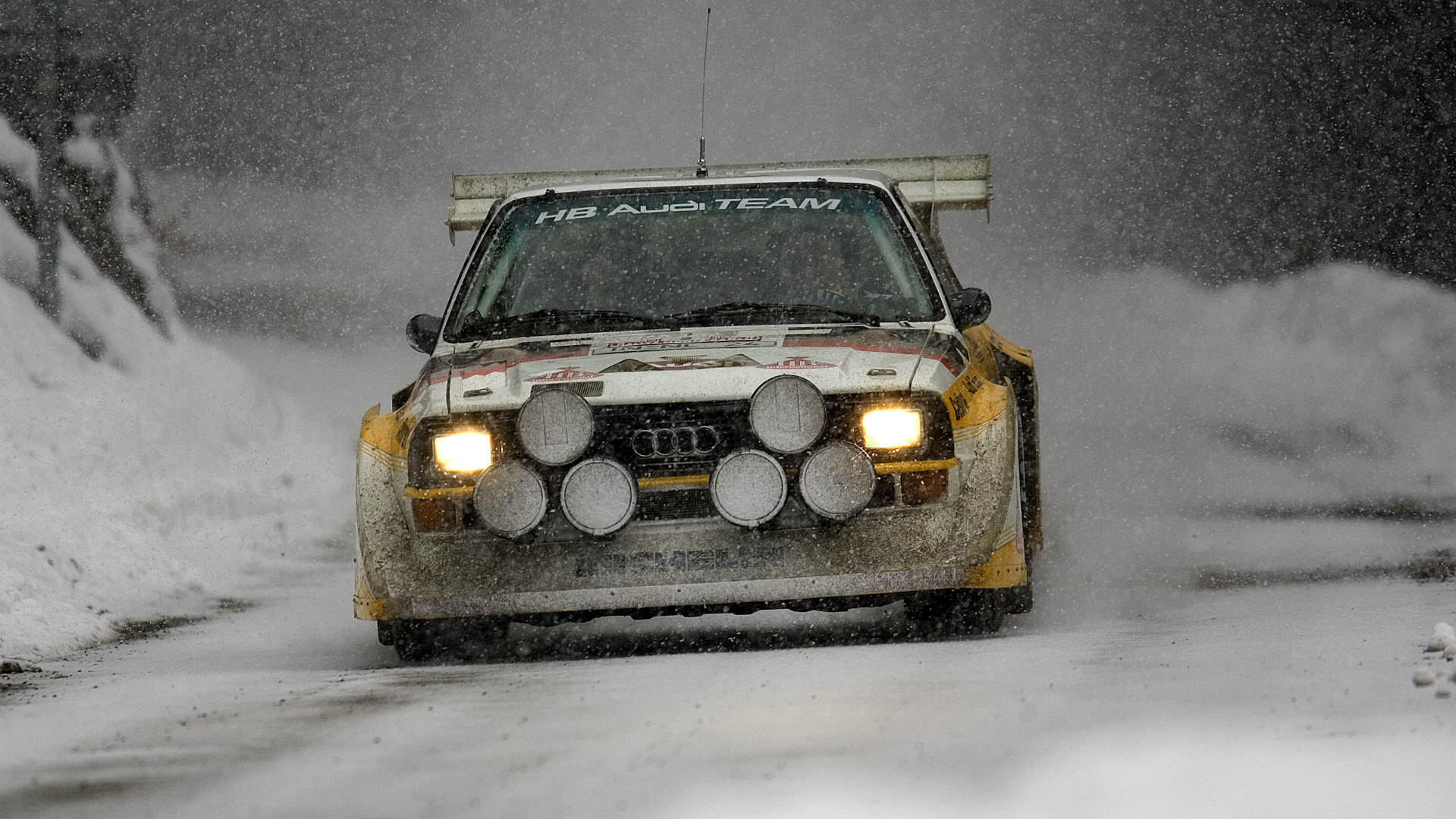
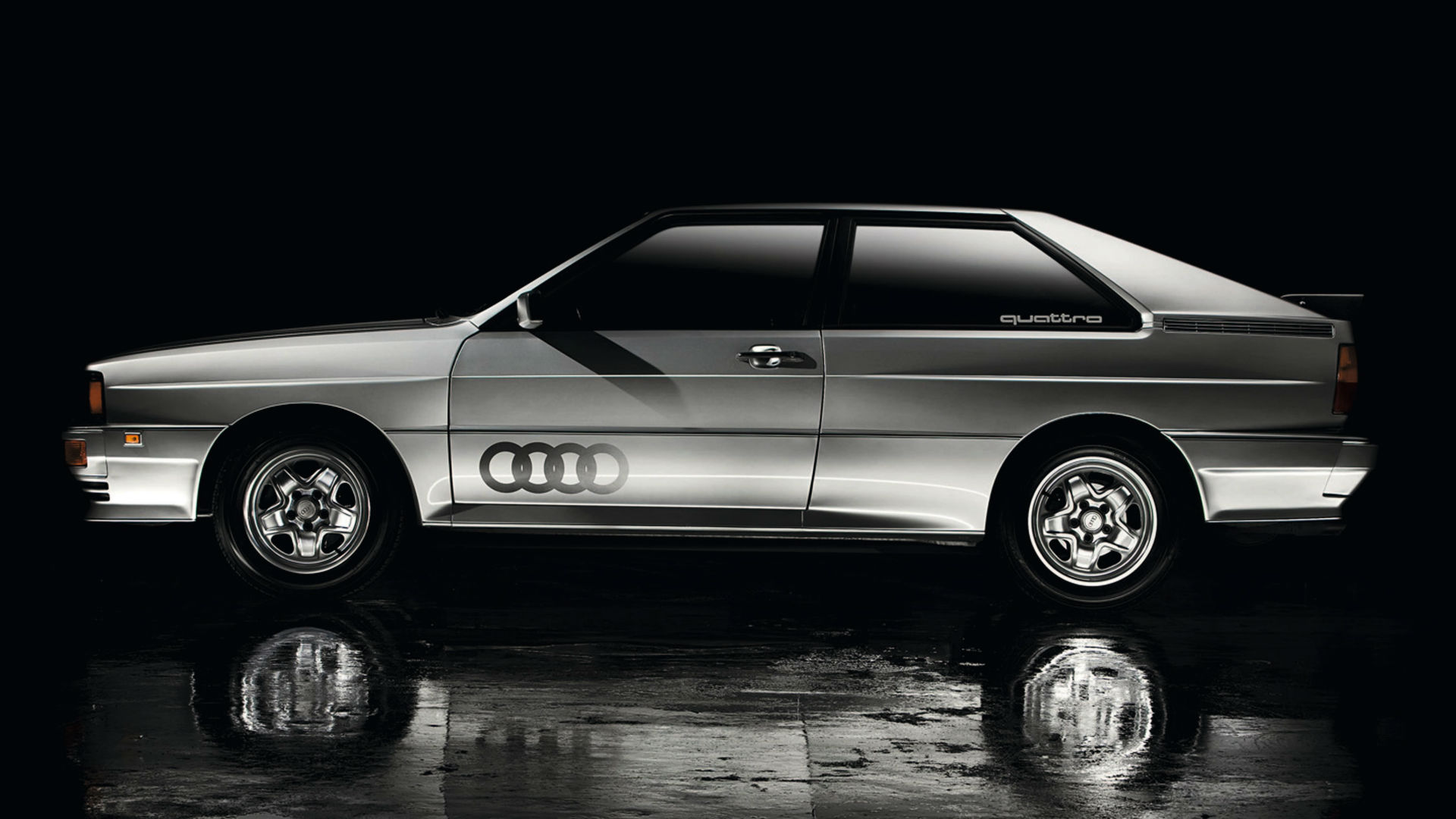
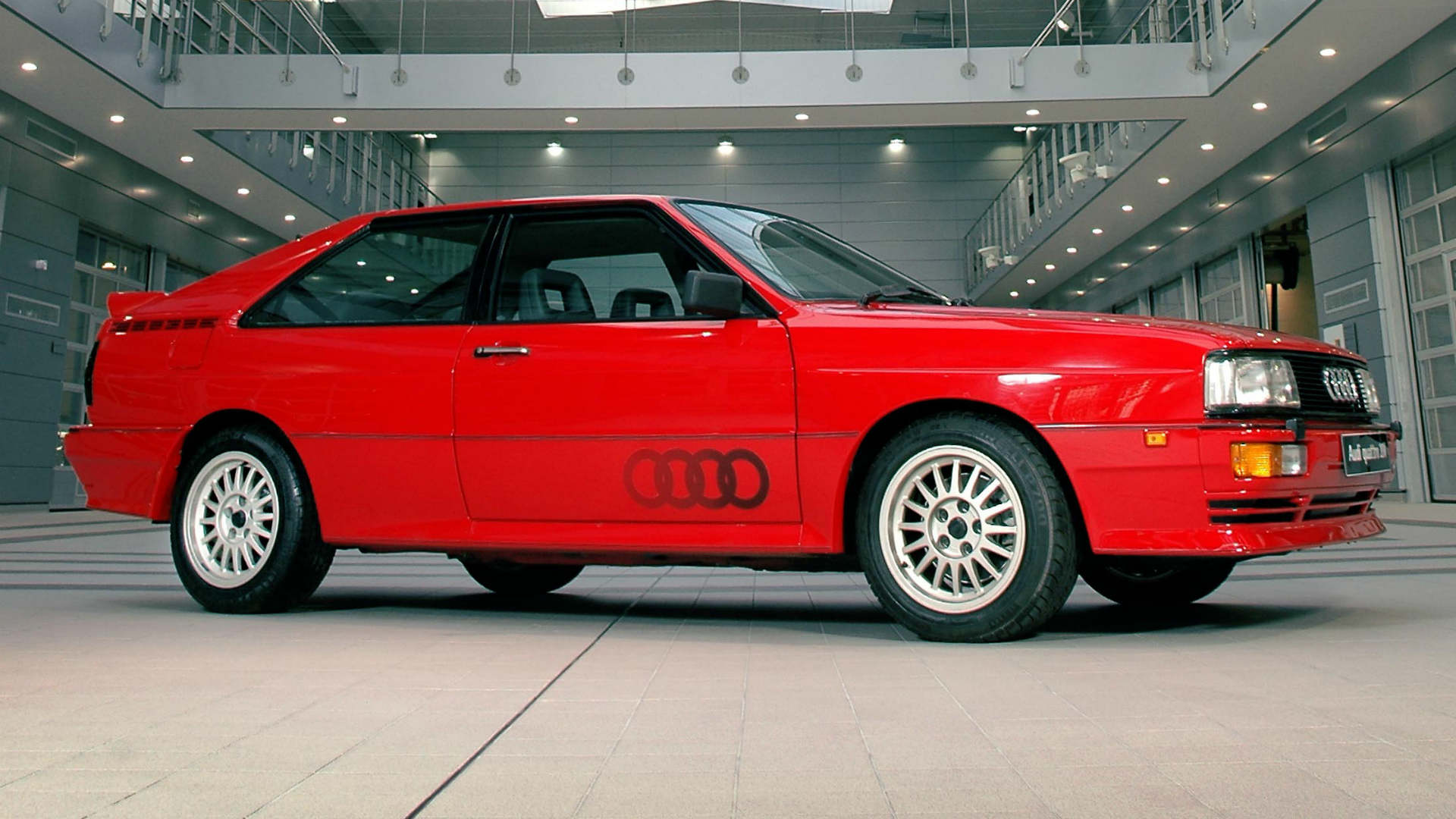
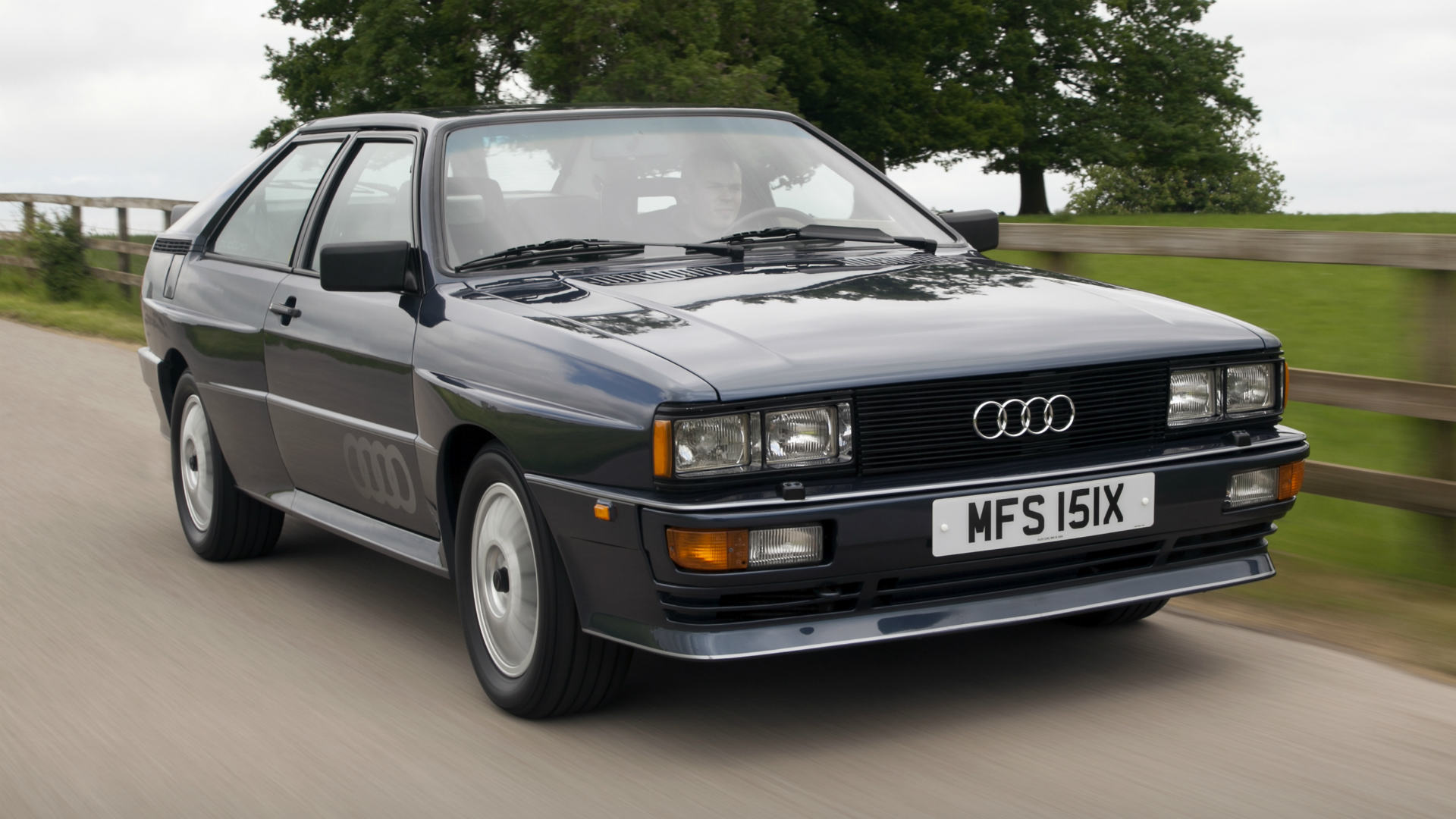
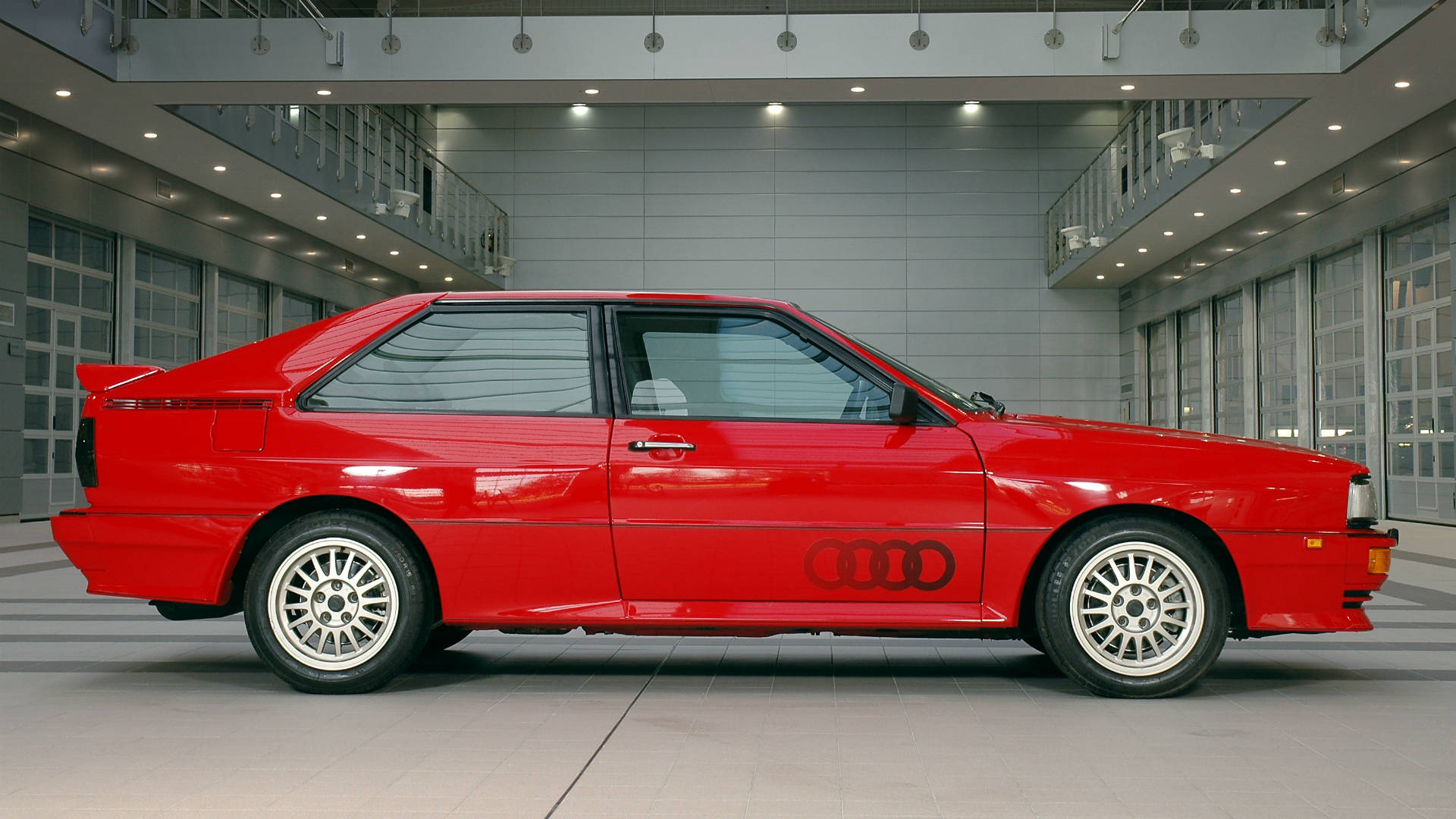
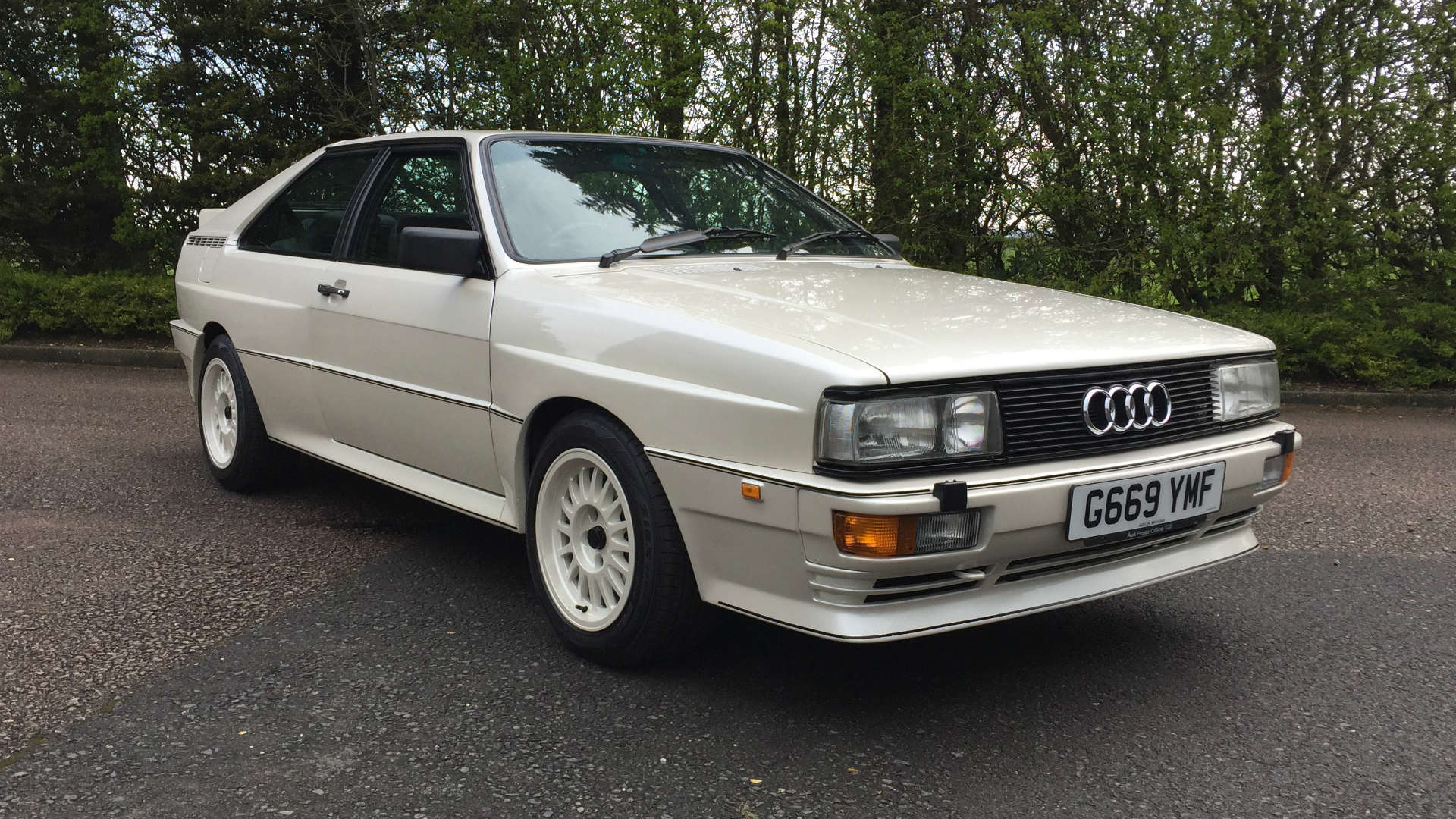
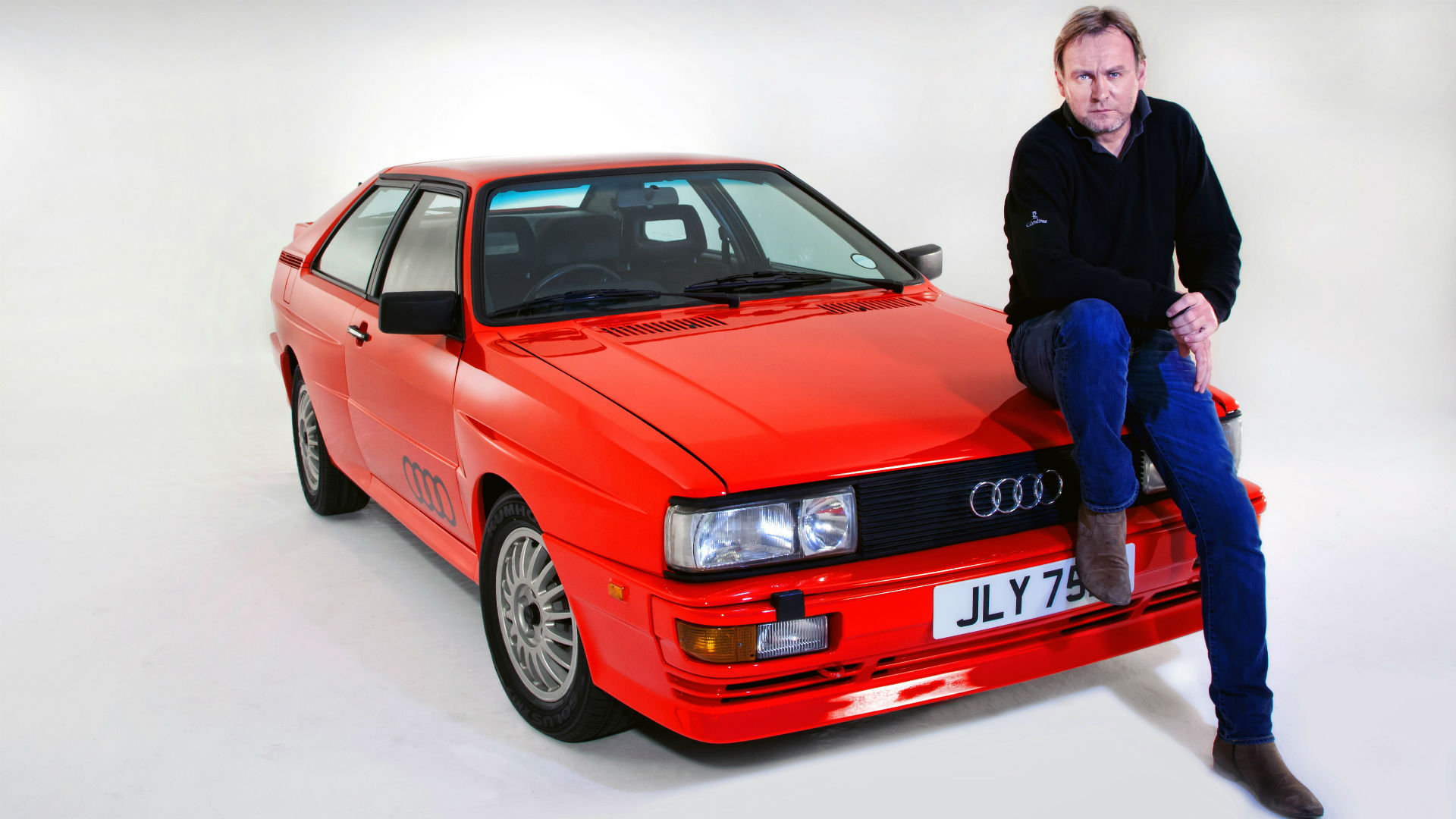
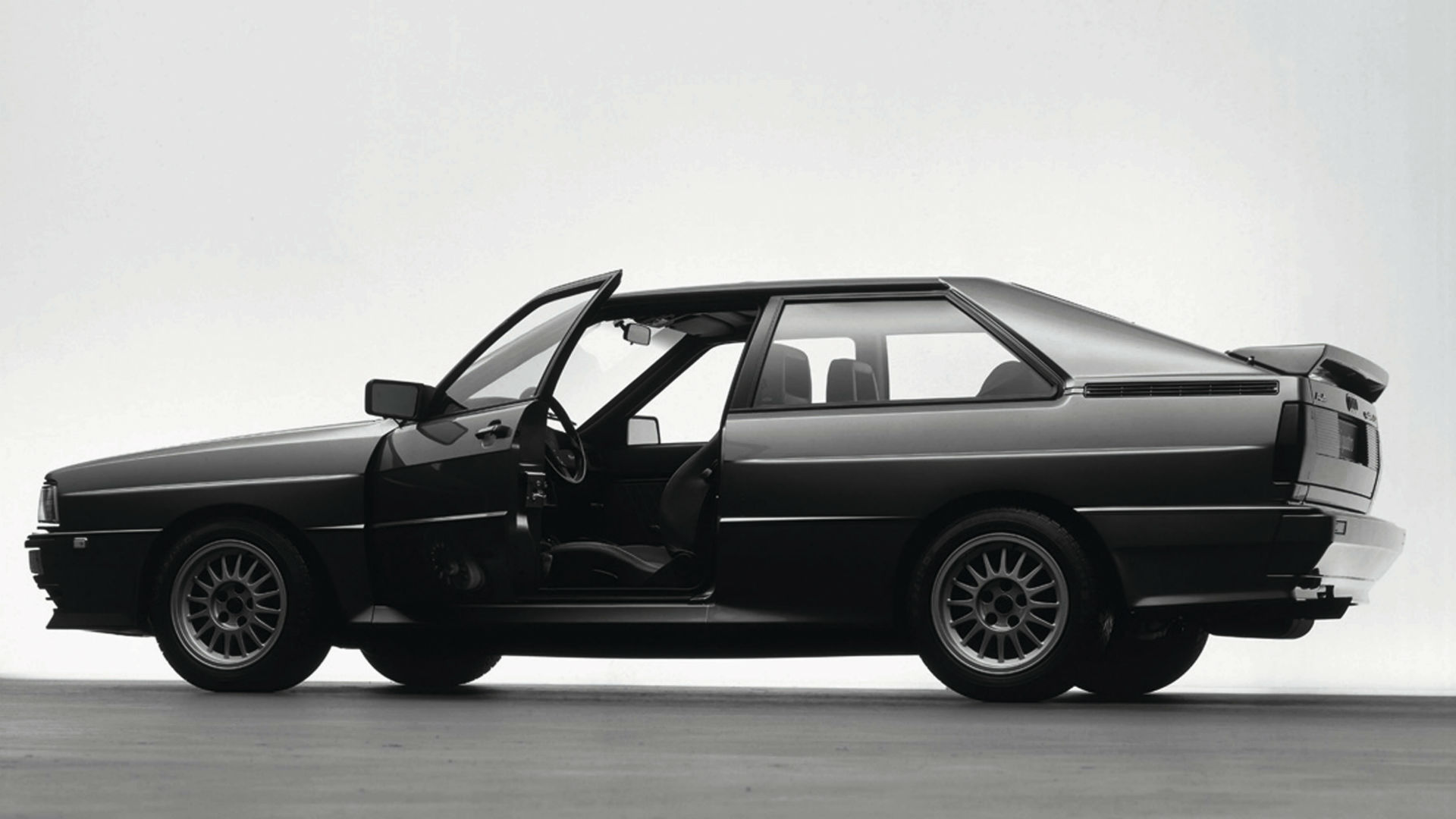
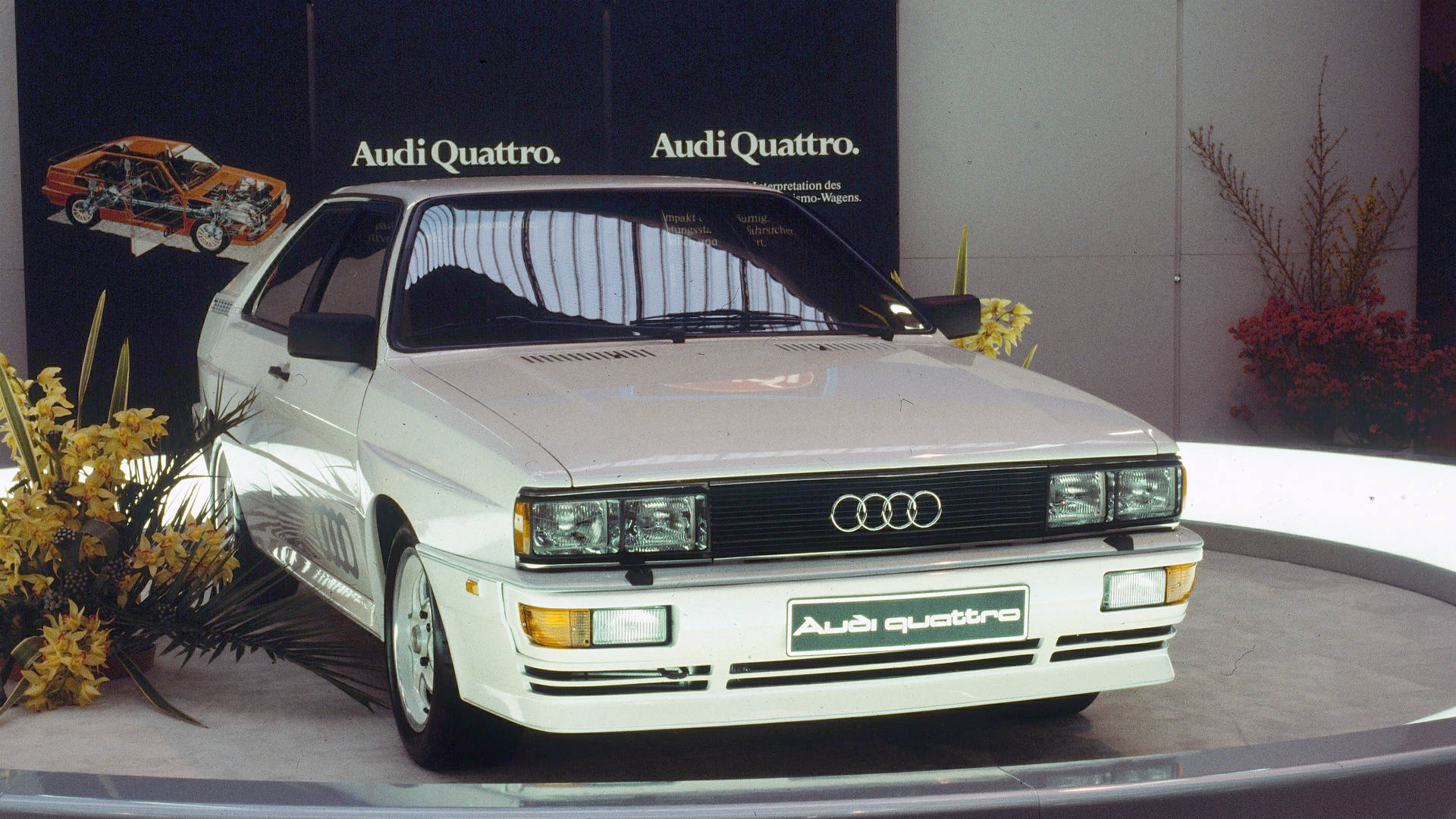
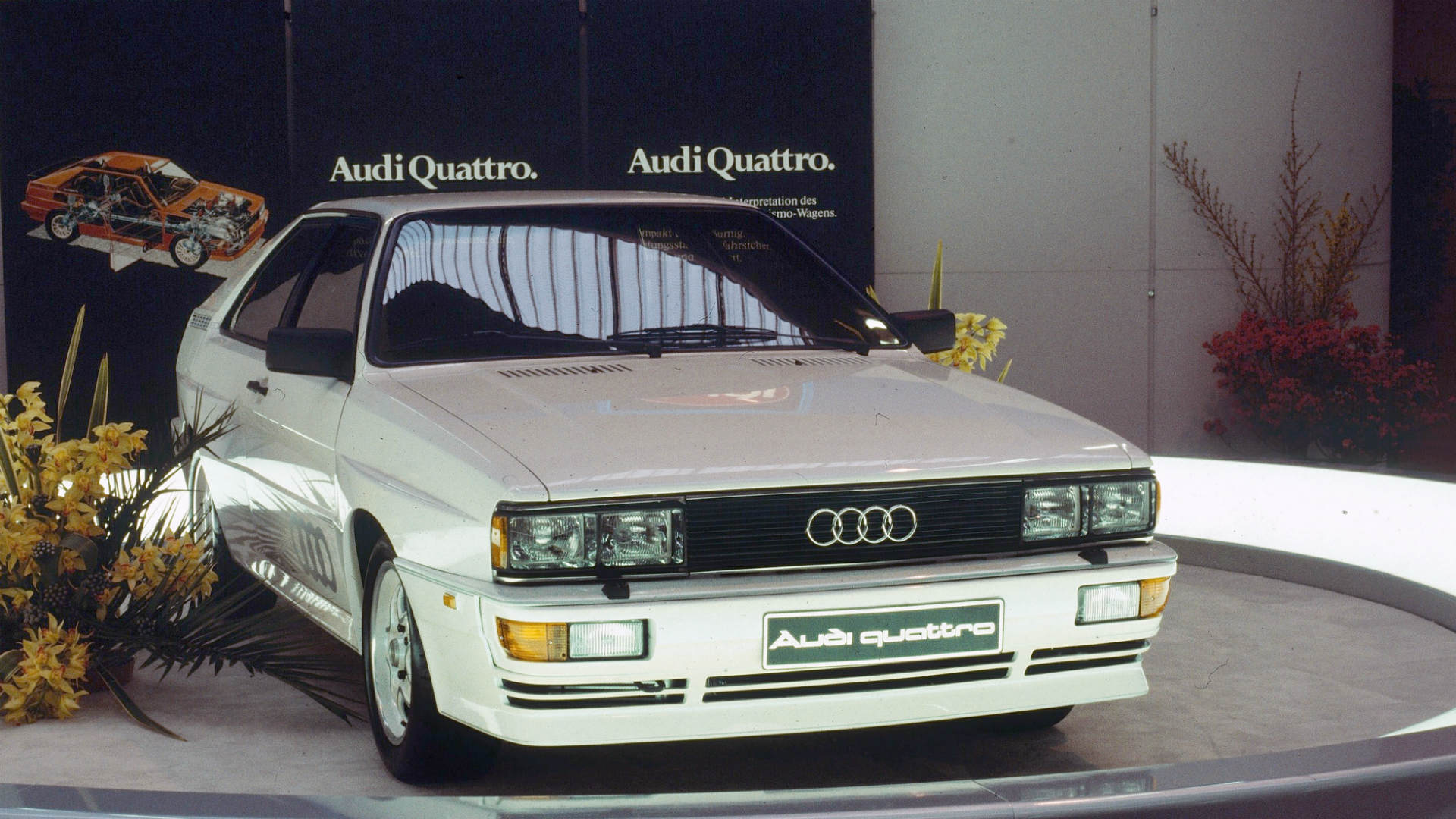
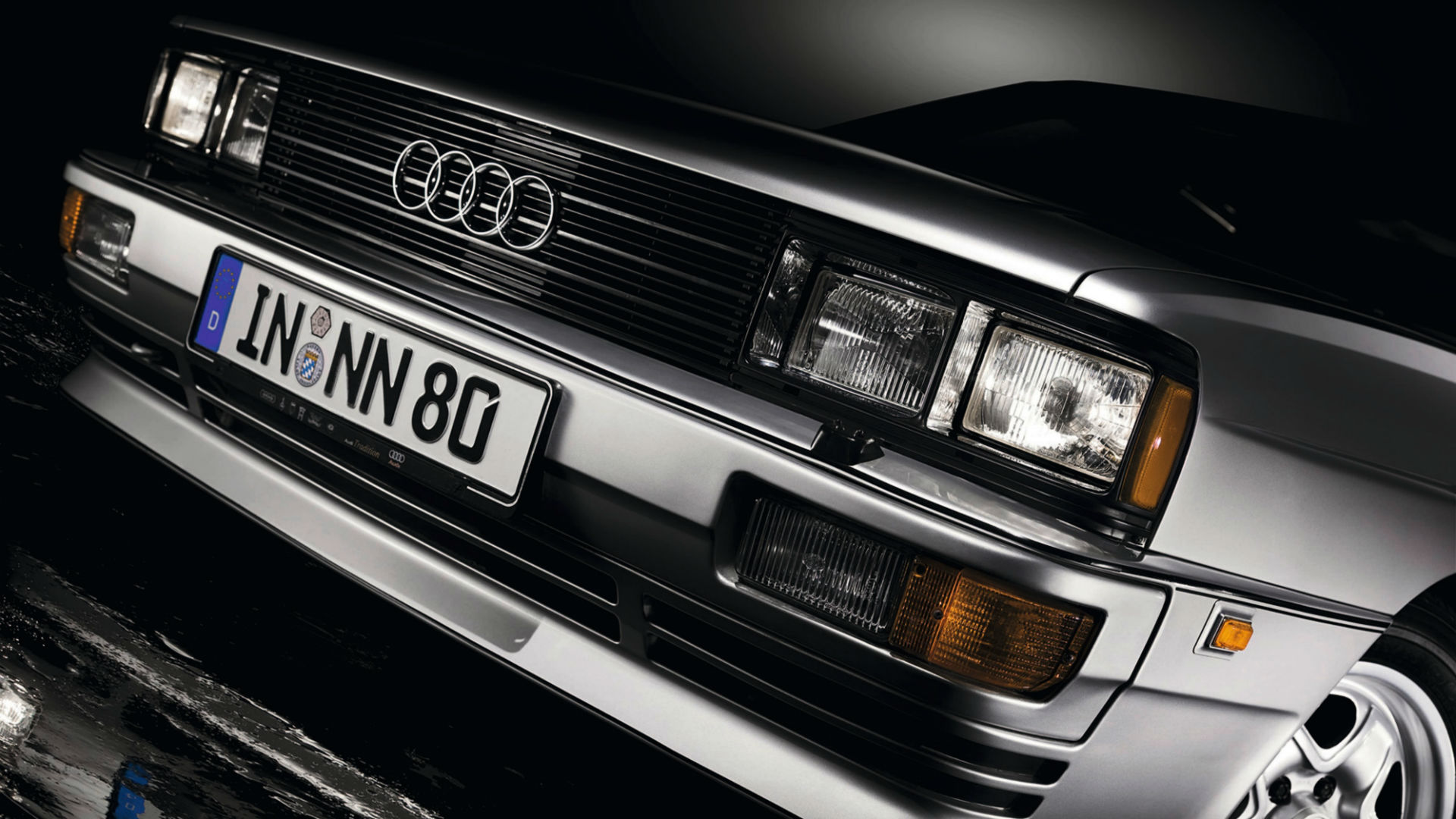
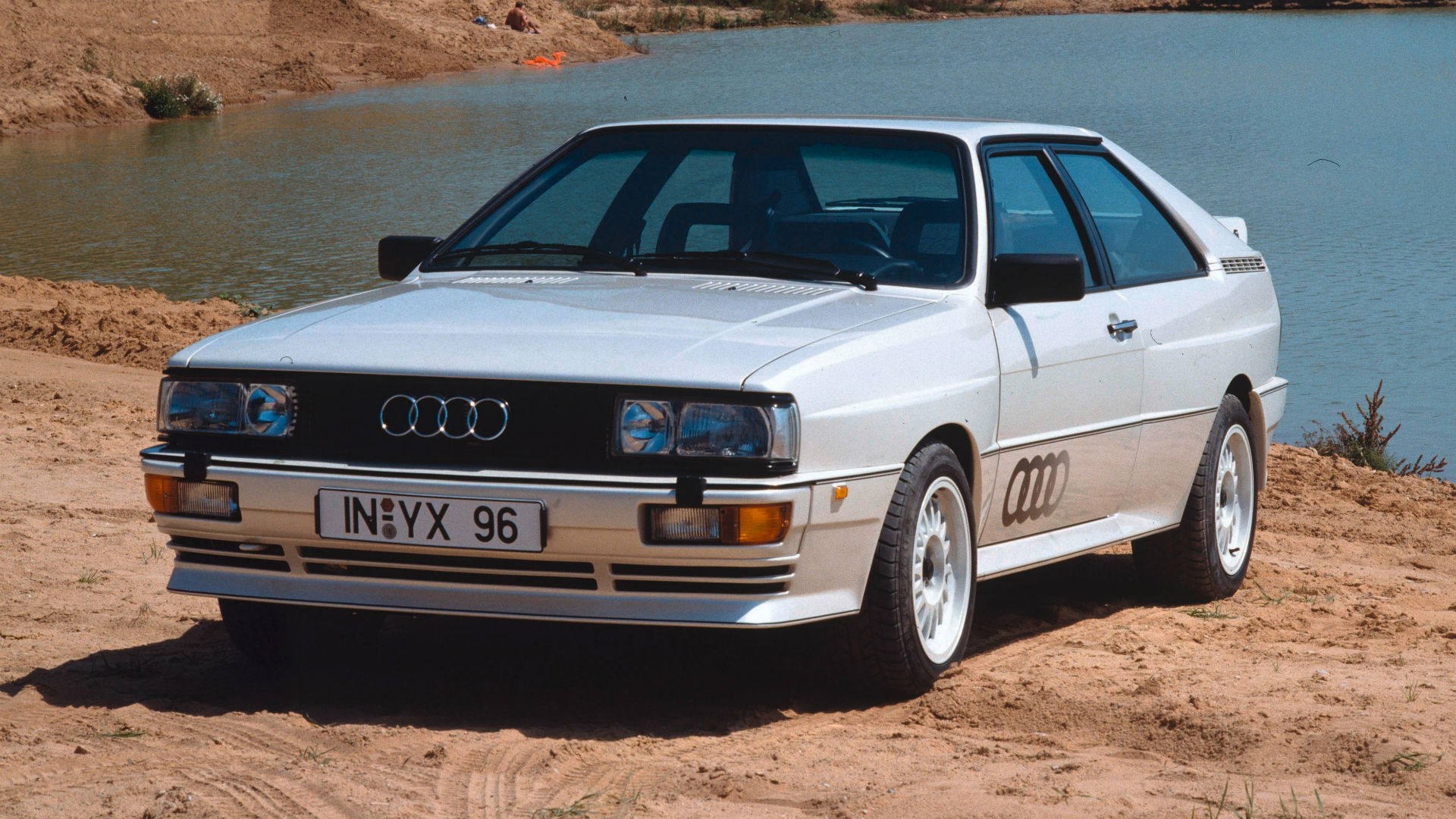
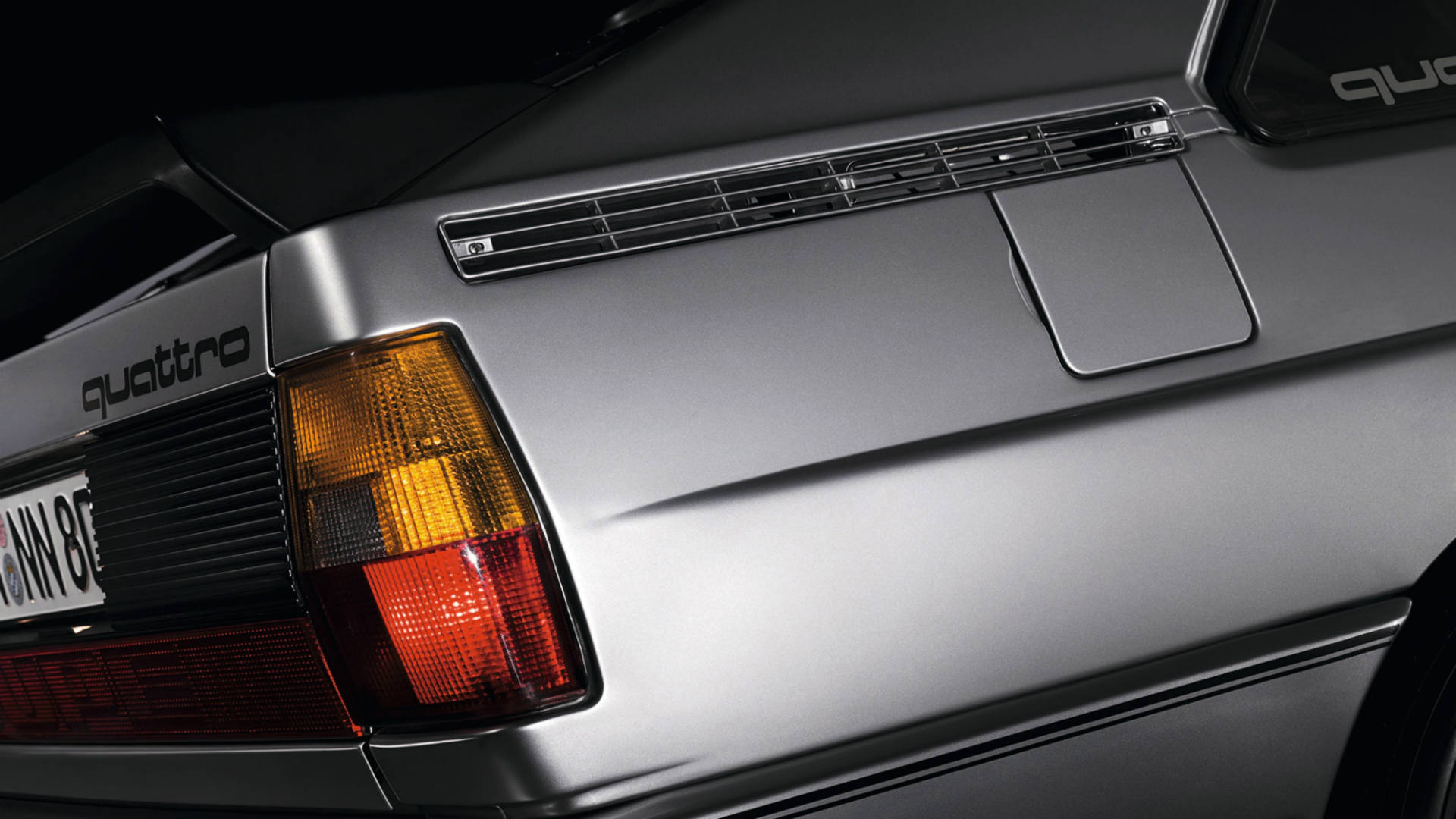
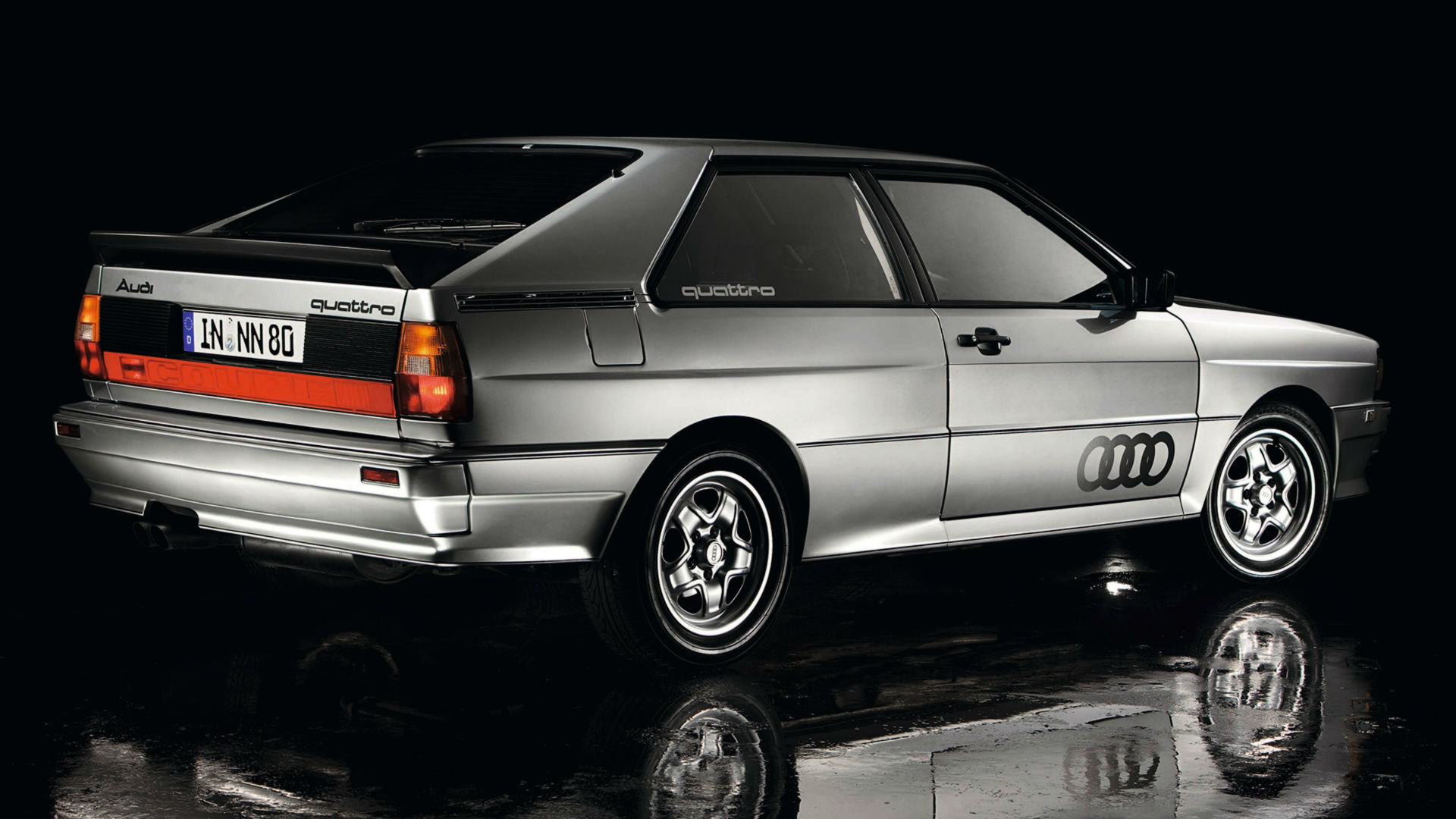
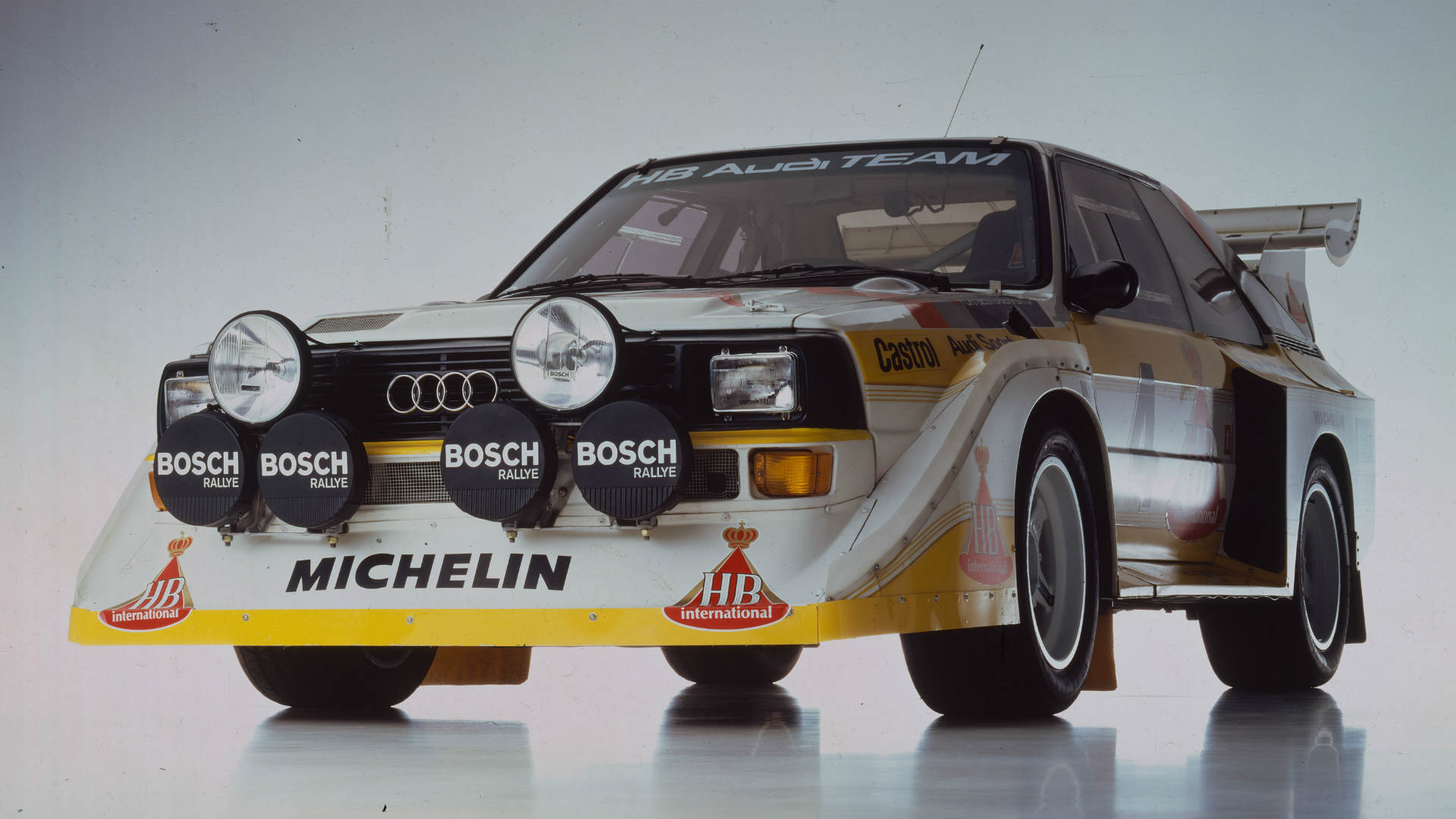
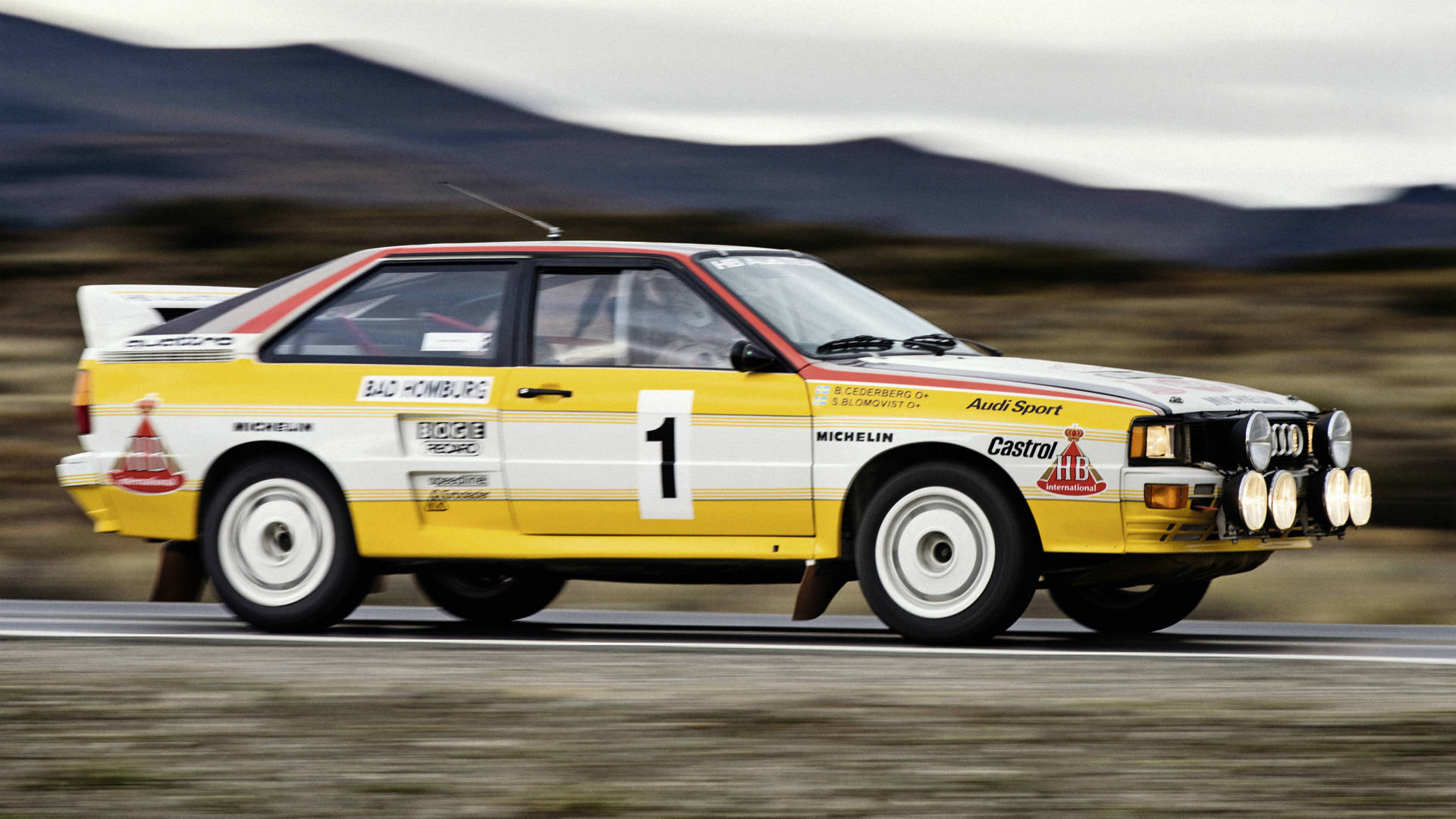
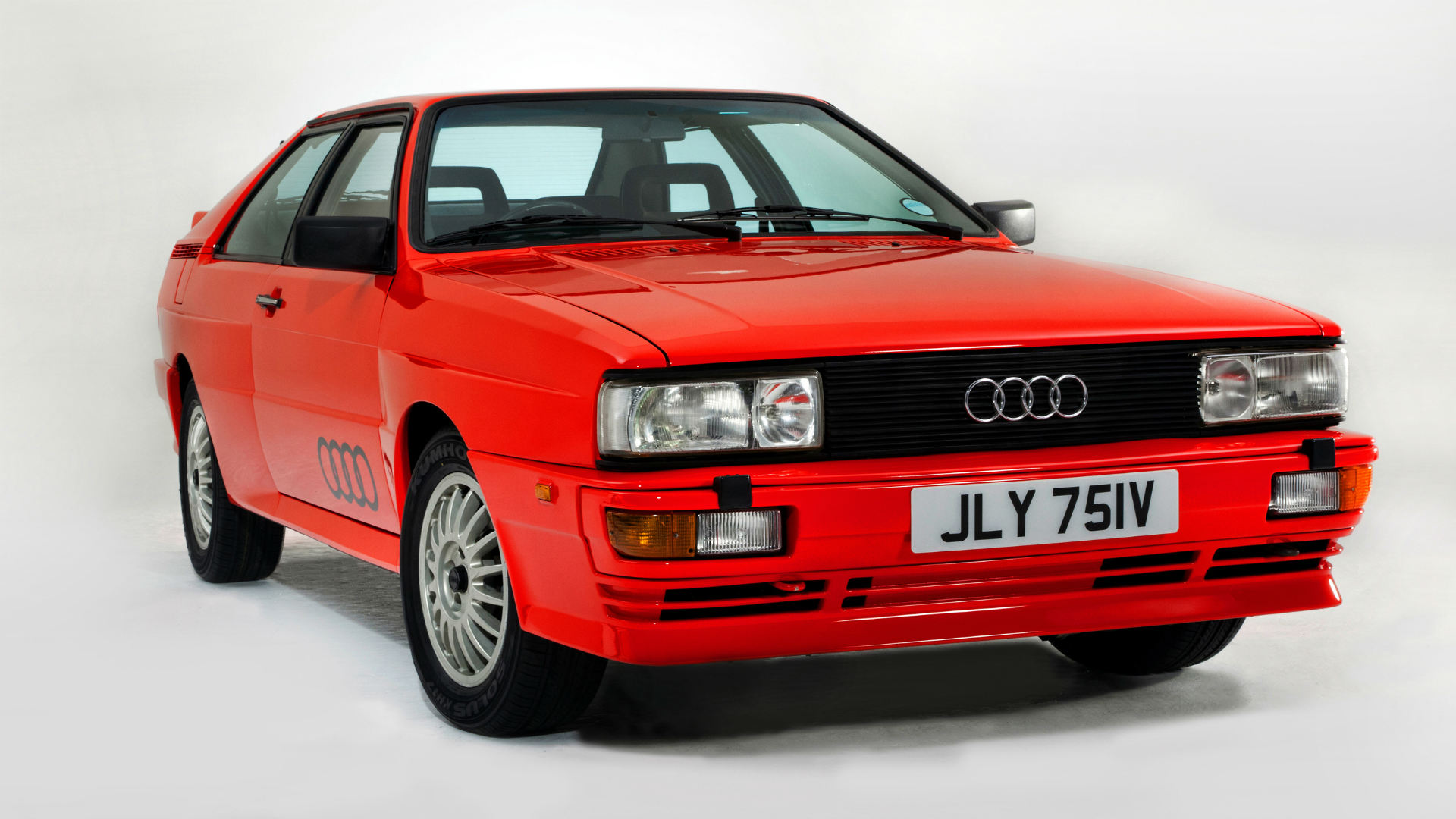
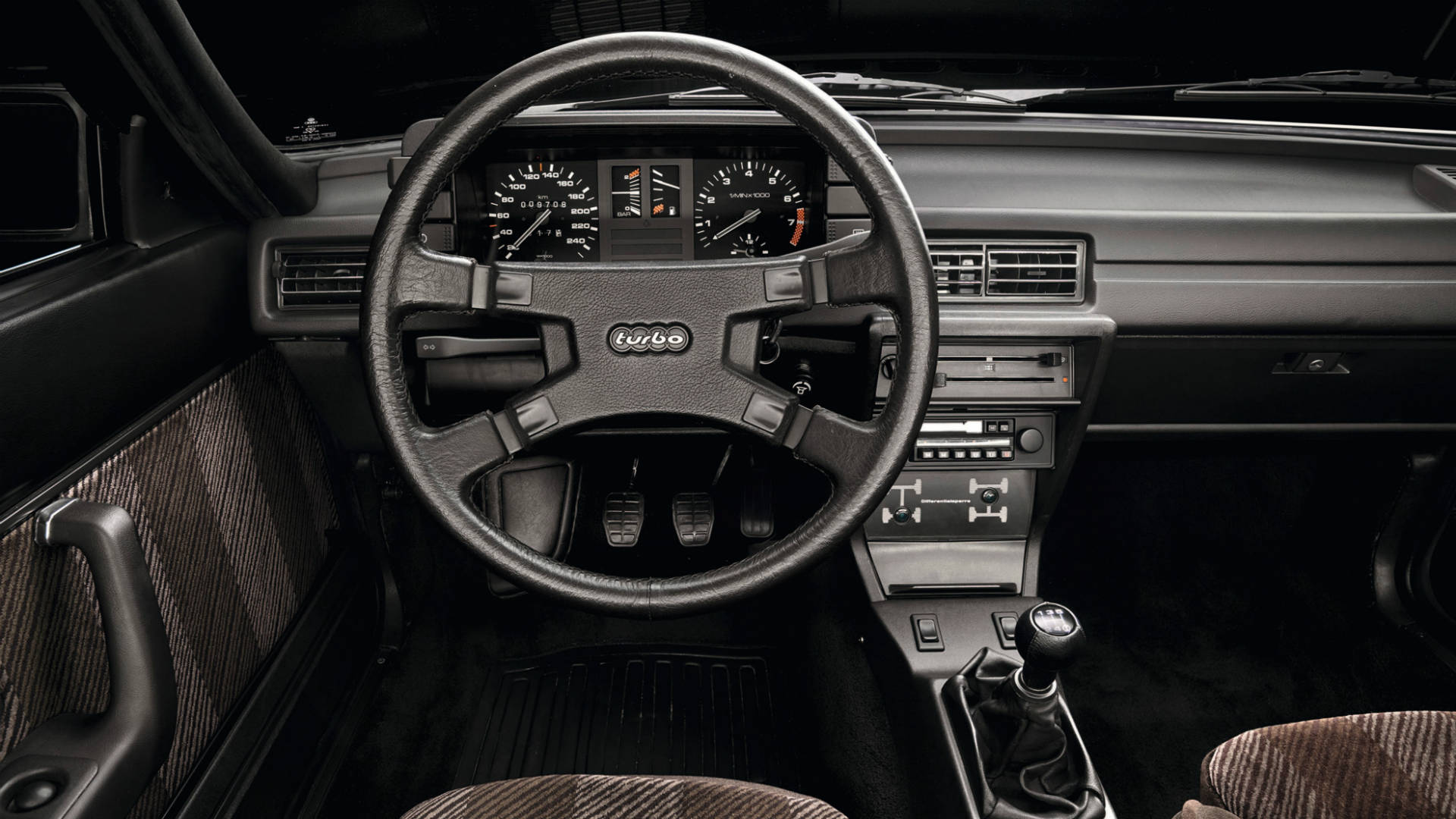
An automotive legend is celebrating its 40th anniversary in 2020. Yes, ‘legend’ is an overused word, but the Audi quattro (note the use of a lower case ‘q’) was a genuine game-changer, not just for the company, but for world rallying and the industry as a whole. To mark the occasion, some of the finest examples of the quattro will be showcased at the London Classic Car Show at the end of the month. To whet your appetite, here’s a very brief history of the car, along with details of the cars that will be on display at Olympia in London.
Lower case or upper case?
The editorial style guide demands the use of an uppercase Q when referring to the Audi quattro or the company’s four-wheel-drive system. But as it’s the car’s birthday, the editor might let this one slip through. Besides, having contacted Audi for clarification on the ‘q’ versus ‘Q’ debate, the Rally Group B Shrine website received a definitive response from the Audi Corporate Archives. ‘The official spelling is always quattro with a small ‘q’ referring to the car model’. Let’s see if the lowercase ‘q’ makes it beyond the subbing knife.
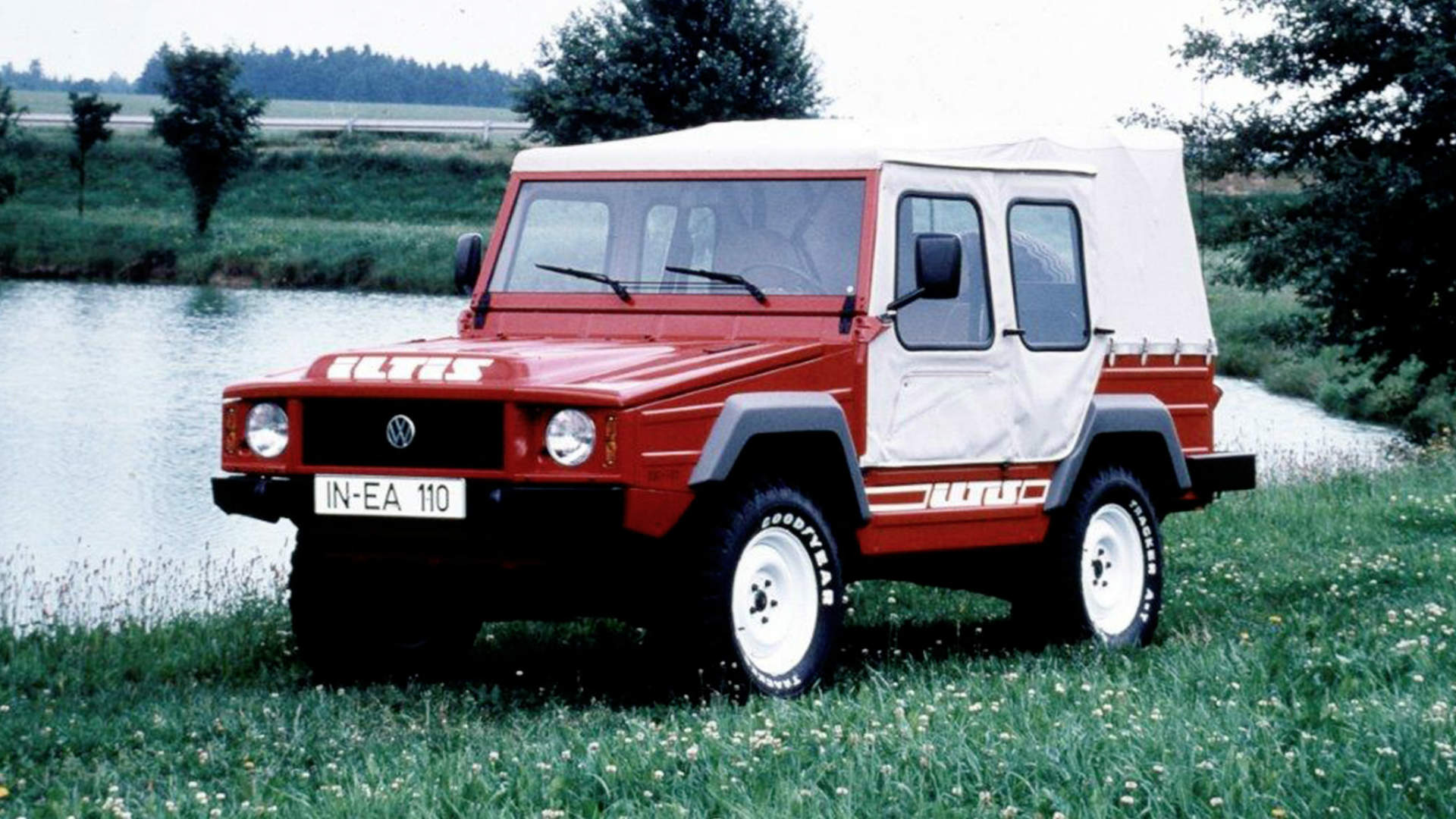
Volkswagen Iltis
The story of the Audi quattro begins in February 1977. The company’s chassis engineer, Jorg Bensinger, was in Finland sampling the off-road brilliance of the four-wheel-drive Volkswagen Iltis. The four-person military vehicle was developed for the German army and was built at Audi’s factory in Ingolstadt. Bensinger contacted Ferdinand Piech, then Audi’s technical director, with the idea of developing a four-wheel-drive version of the Audi 80.
From Finland to Austria and Switzerland
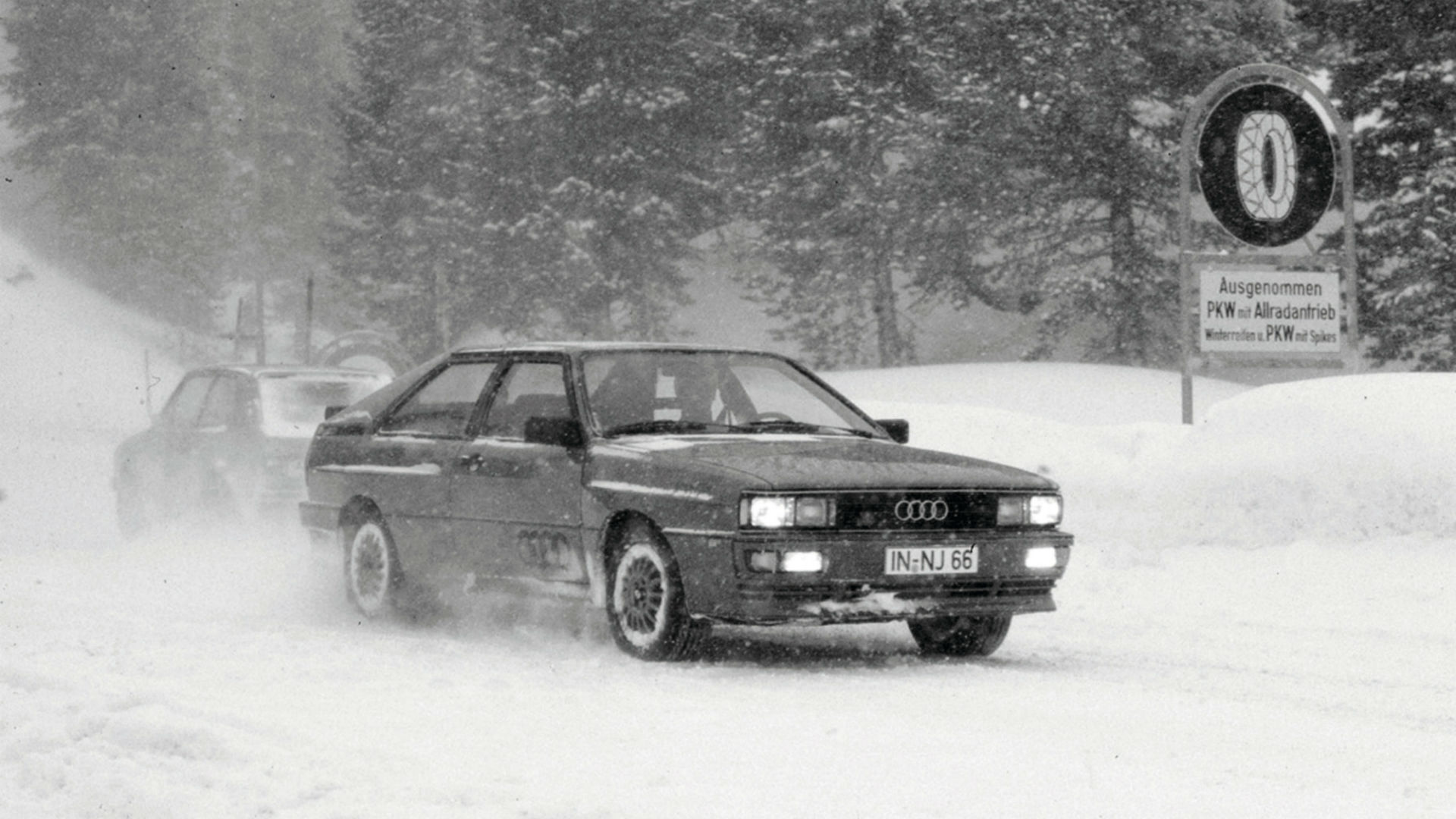
A four-wheel-drive passenger car would be groundbreaking. Although the Jensen FF of 1966 is credited with pioneering the concept, Audi took the technology to the masses. Project A1 was given the green light by the Audi board in September 1977 and given the number EA 262. Using the Volkswagen and Audi parts bins, not to mention the ingenuity of Bensinger’s team of engineers, a test vehicle was sent to the Turracher Hohe in Austria. It’s one of the steepest and highest roads in Europe, making it an ideal location for snow testing. The prototype was also given to the wife of Volkswagen’s development director for a shopping trip in Vienna. After she complained that the car was hard to park, the engineers added a centre differential.
Geneva Motor Show
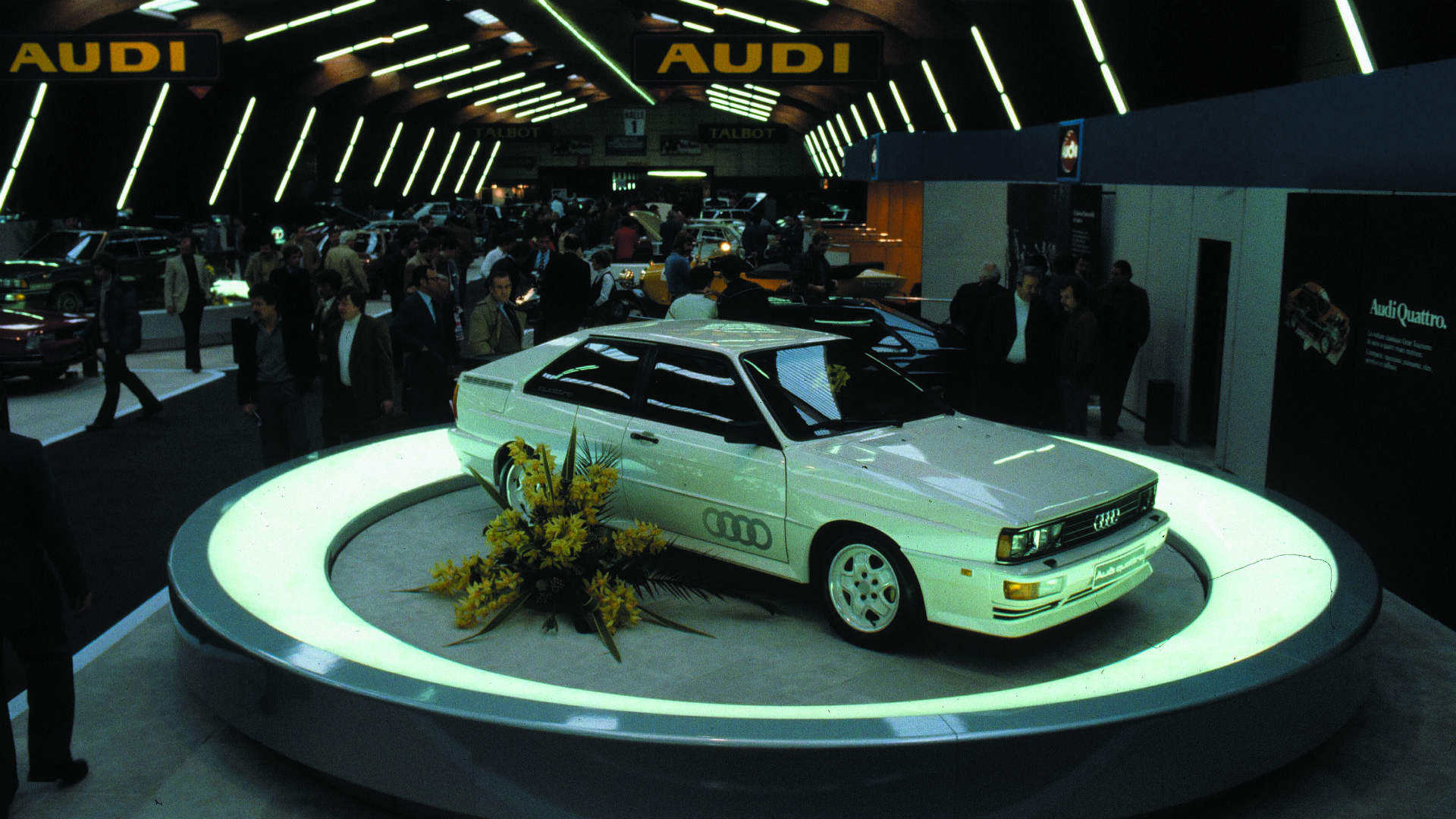
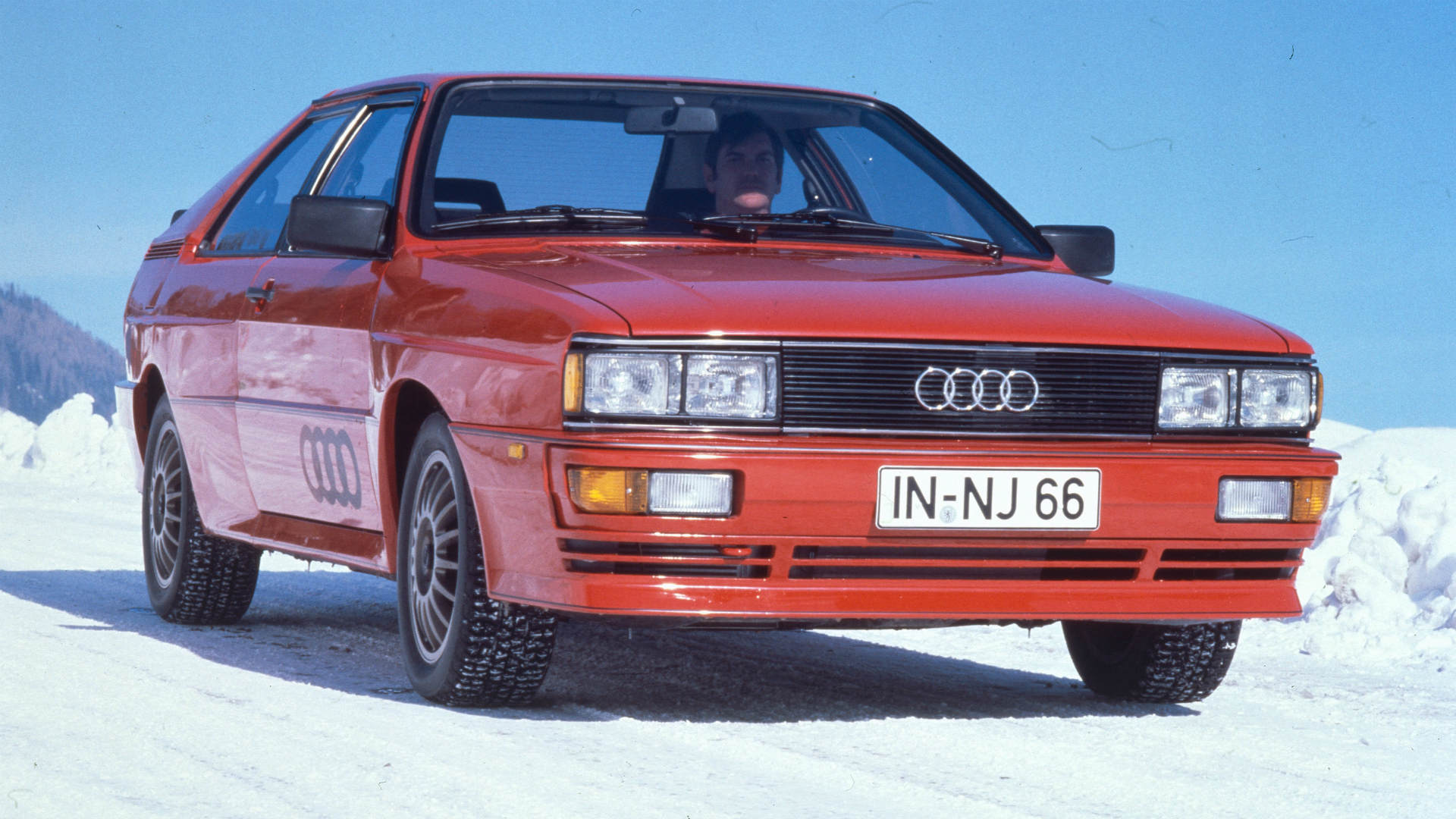
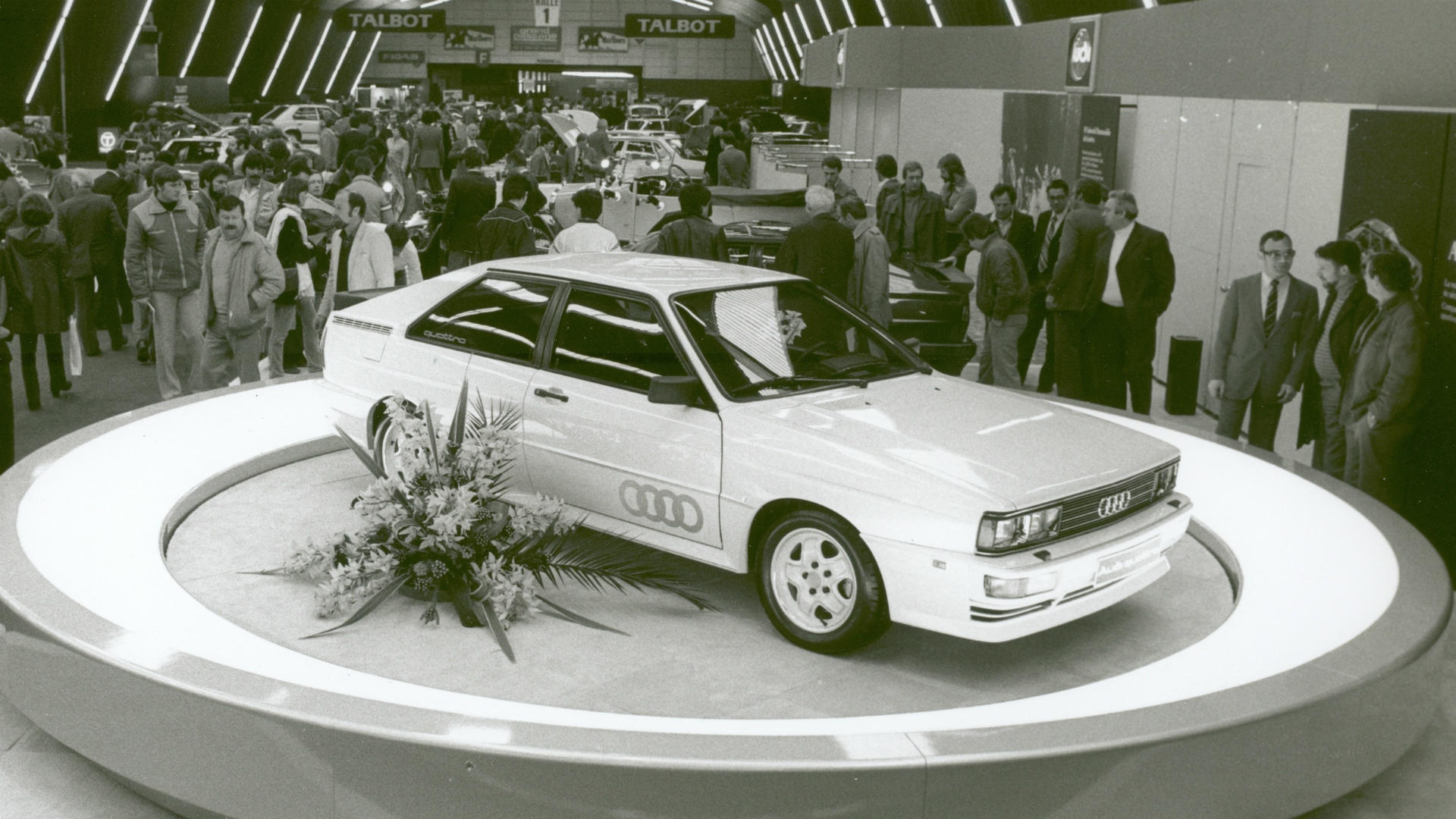
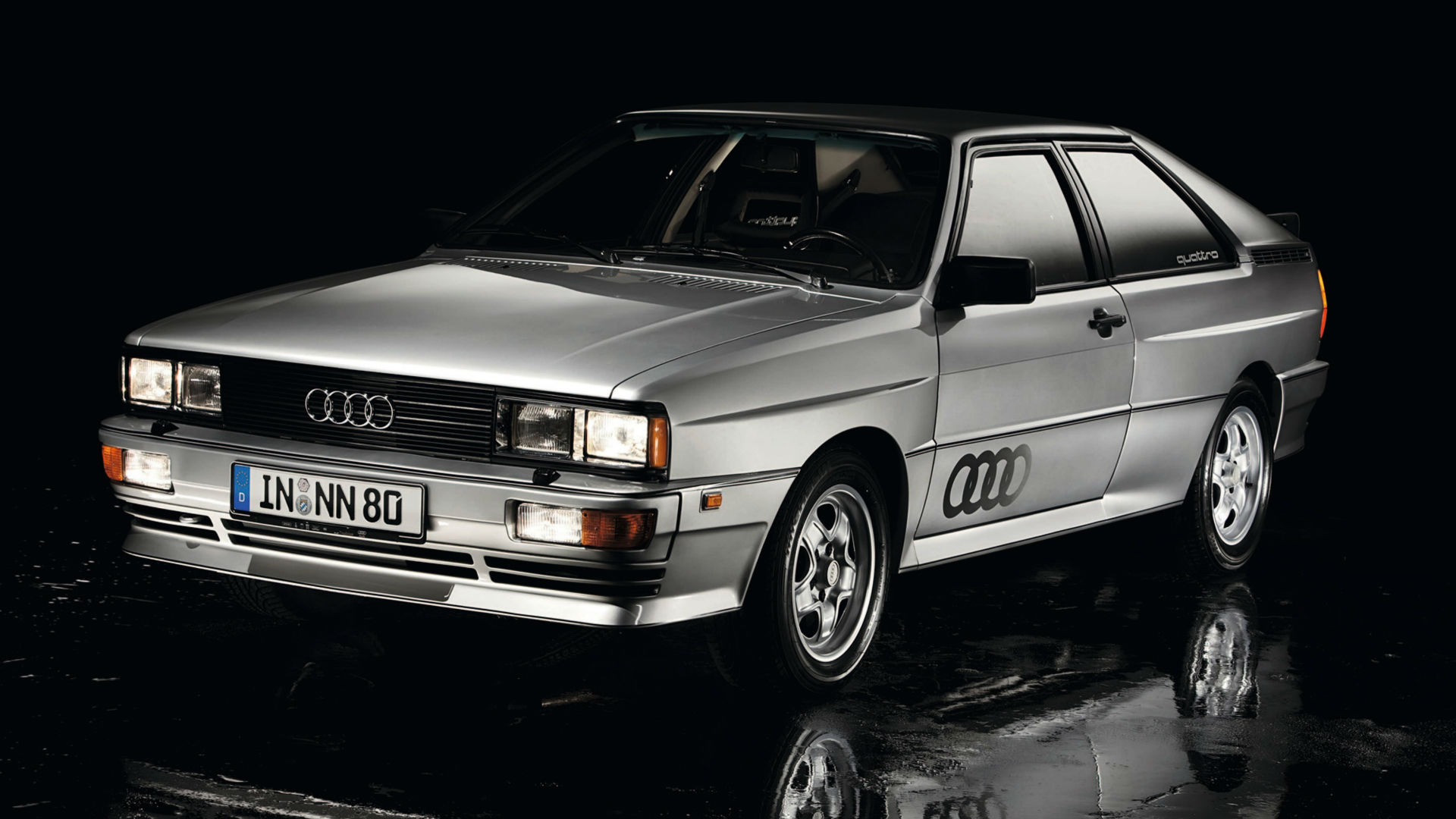
The production version made its debut at the 1980 Geneva Motor Show. The quattro redefined Audi, giving the company a glamorous edge, an enviable history in motorsport and highly marketable technology. The car was loosely based on the Audi 80, with power sourced from the 200 saloon’s 2.1-litre five-cylinder turbocharged engine. It produced 200hp, which was enough to propel the car to a top speed of 137mph, hitting 60mph in just 7.3 seconds. But the performance figures were only half the story, because few cars could match its cross-country pace. Even supercars were left trailing in its wake.
Motorsport
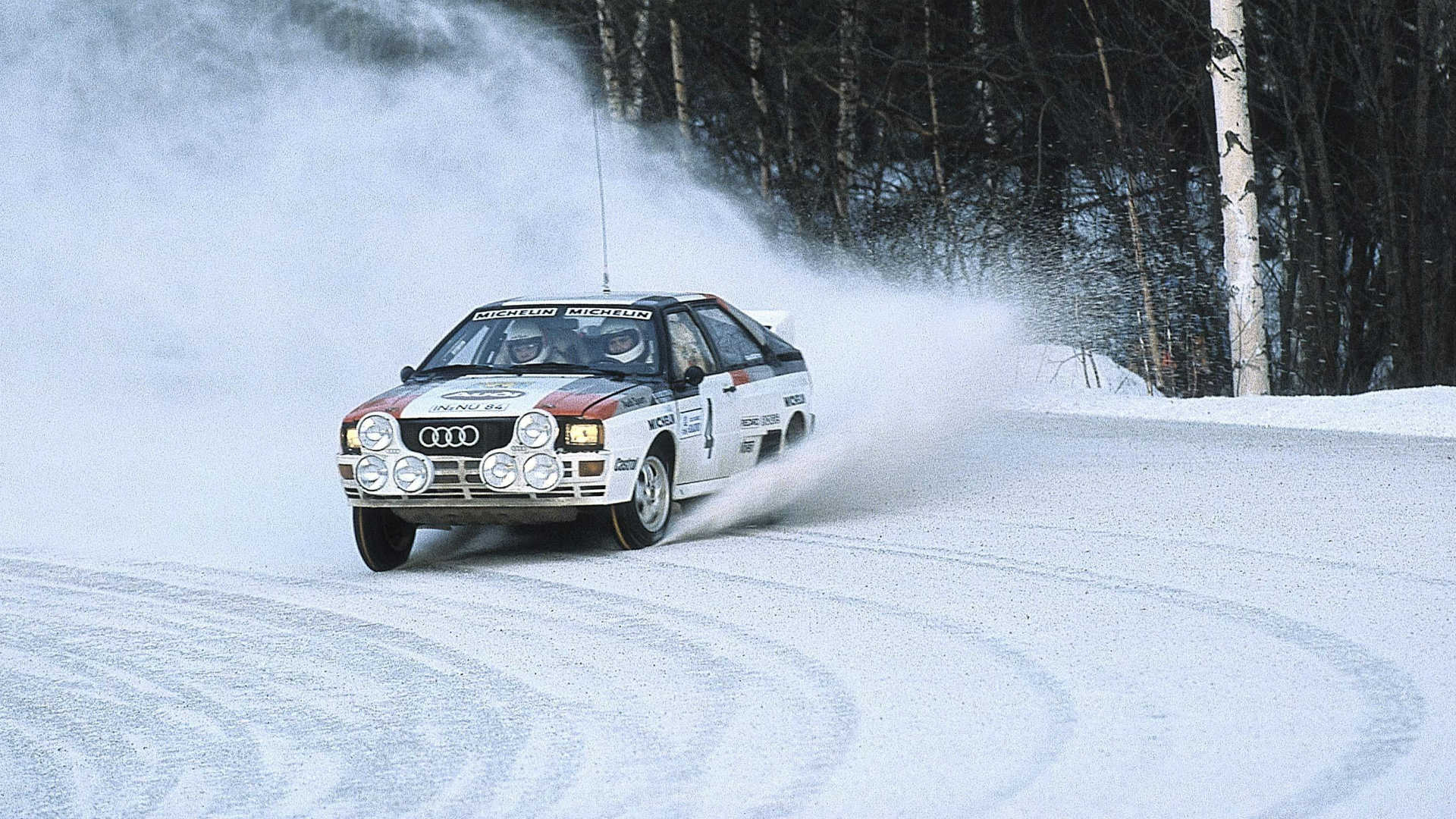
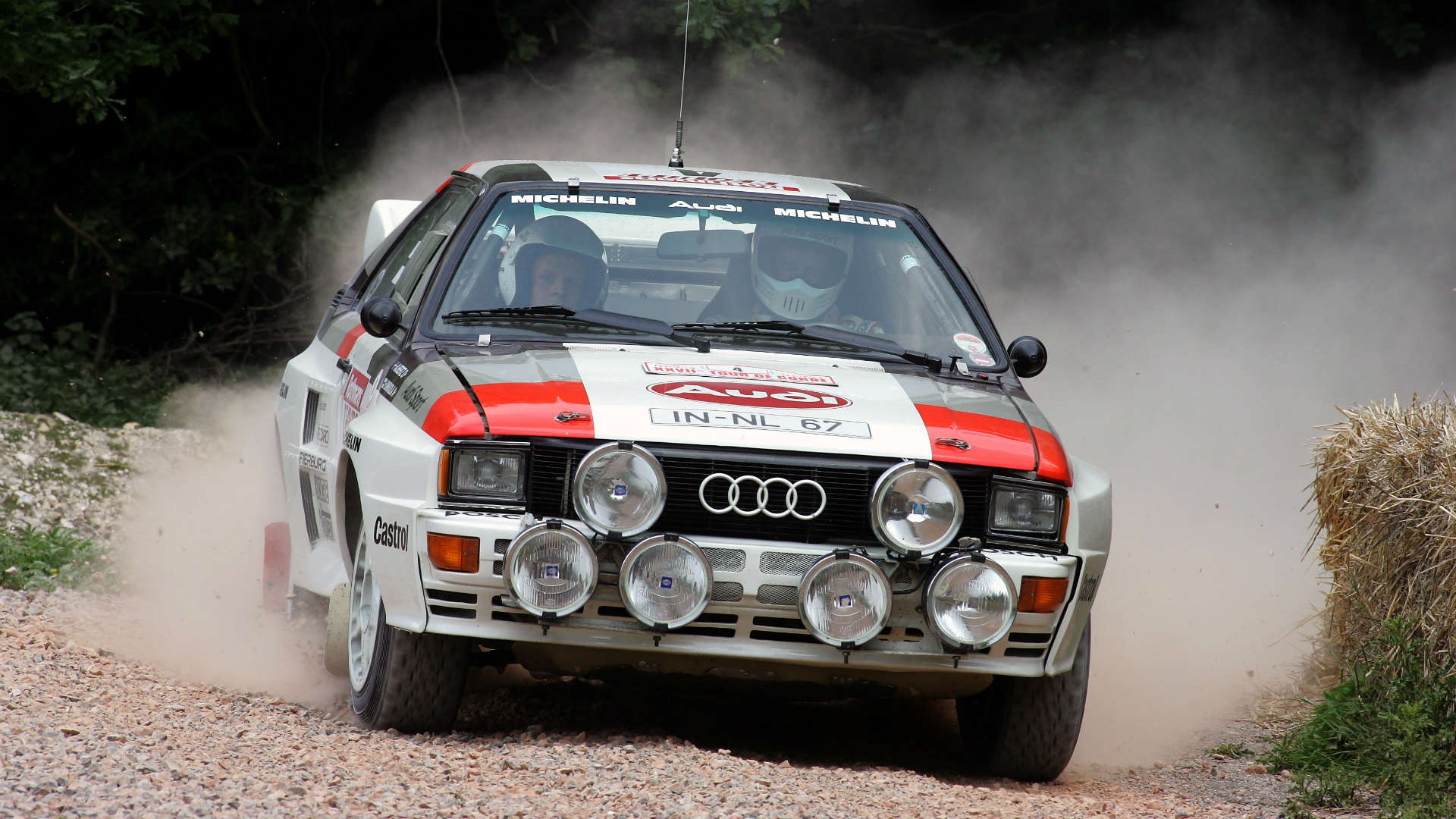
The first sign of Audi’s future domination of world rallying came at the 1980 Algarve Rally. The quattro appeared as a course car driven by Hannu Mikkola and unofficially finished the course almost half an hour earlier than the winner. In 1981, the Audi quattro won at its first attempt on the Austrian Rally, with Mikkola winning the first WRC event in Sweden. Also that year, Michele Mouton became the first woman to win a WRC race, with victory on the San Remo.
Motorsport
Things got even better in 1982, with Audi winning the WRC manufacturers’ title outright, with Walter Rohrl, Mouton and Mikkola completing a one-two-three. Mikkola won the drivers’ title in 1983, with Stig Blomqvist helping Audi to secure the manufacturers’ and drivers’ championships in 1984. The company also achieved a famous one-two-three in the Monte Carlo Rally.
Group B
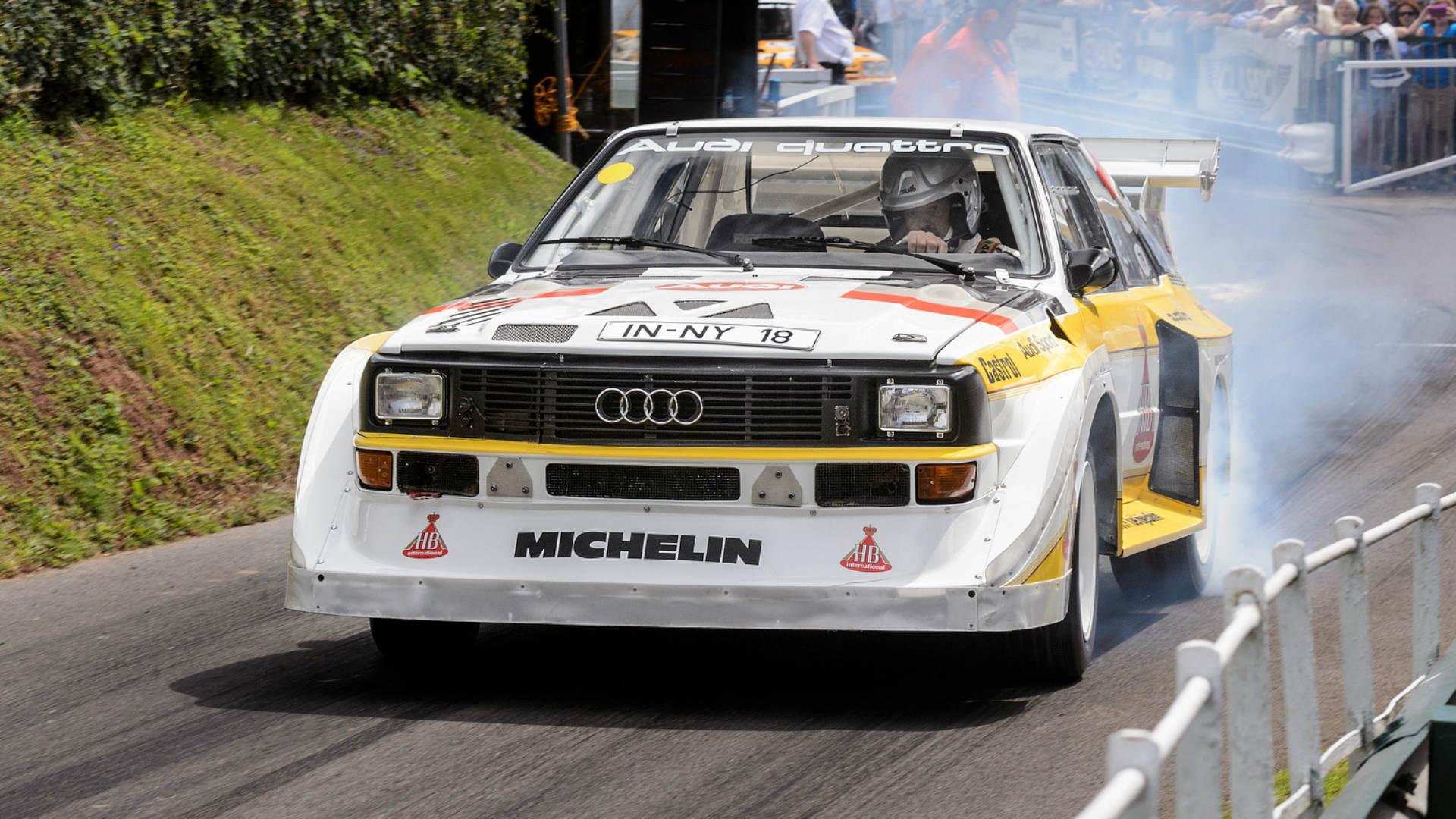
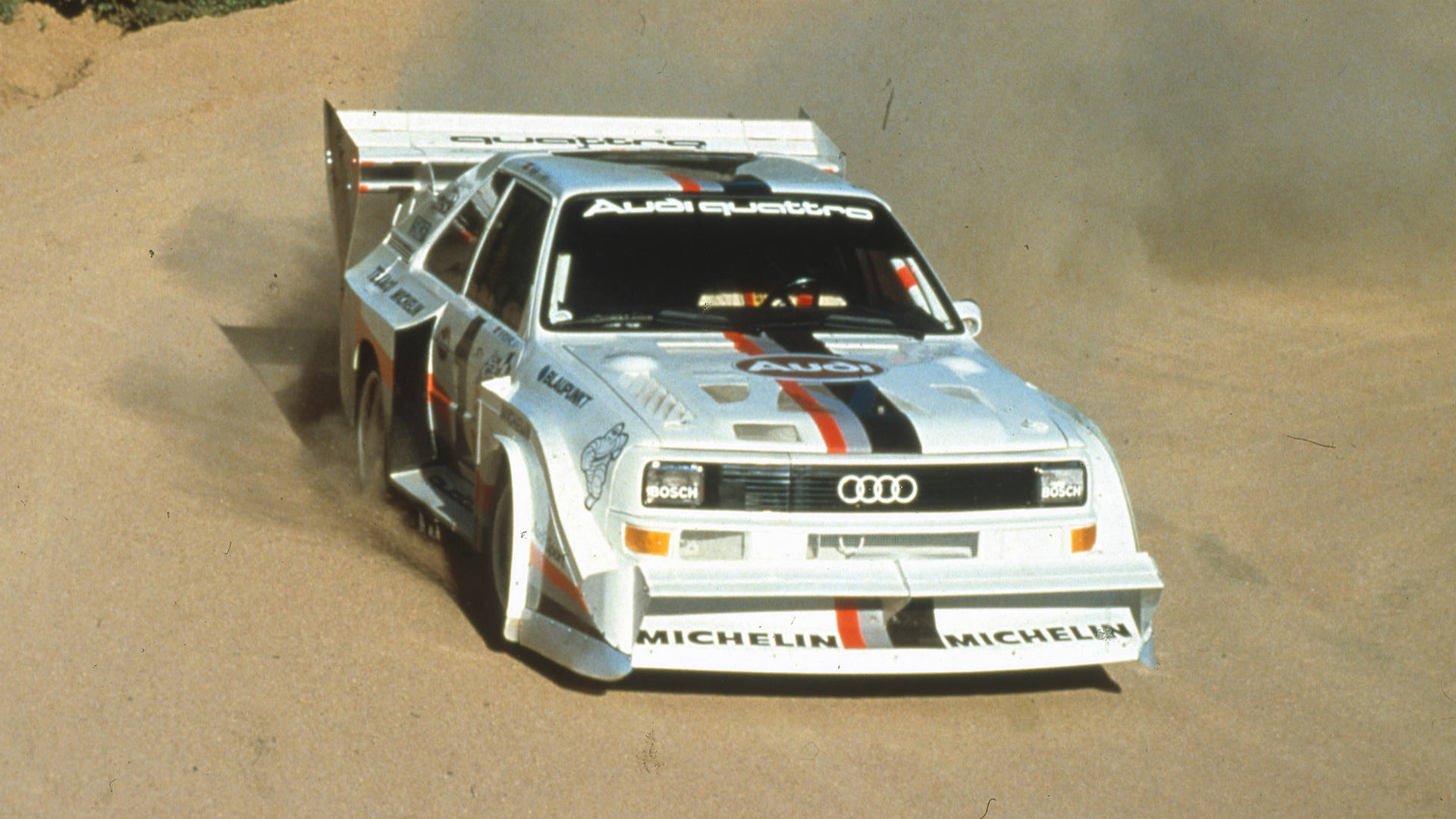
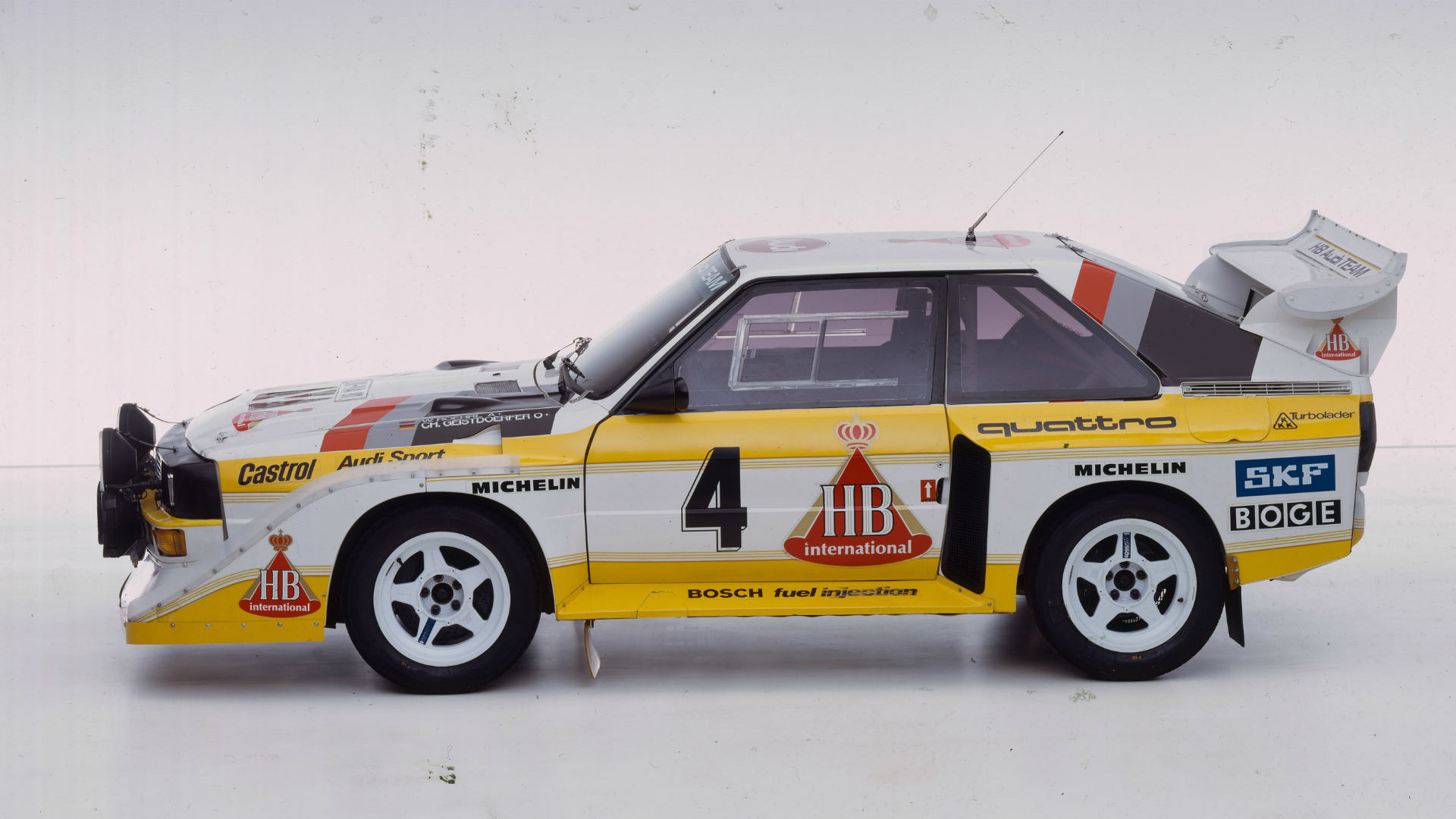
It wasn’t long before other manufacturers embraced the potential of four-wheel drive, which would chip away at Audi’s dominance. The introduction of Group B regulations made it easier for manufacturers to create purpose-built rally cars, which forced Audi to adapt the quattro. The result was the short-wheelbase Sport quattro S1, a car powered by a 20-valve engine developing more than 500hp. Although it took a couple of race wins, the Sport quattro S1 endured a largely unsuccessful career before Audi withdrew from Group B following the tragic events of the 1986 Portuguese Rally.
Pikes Peak
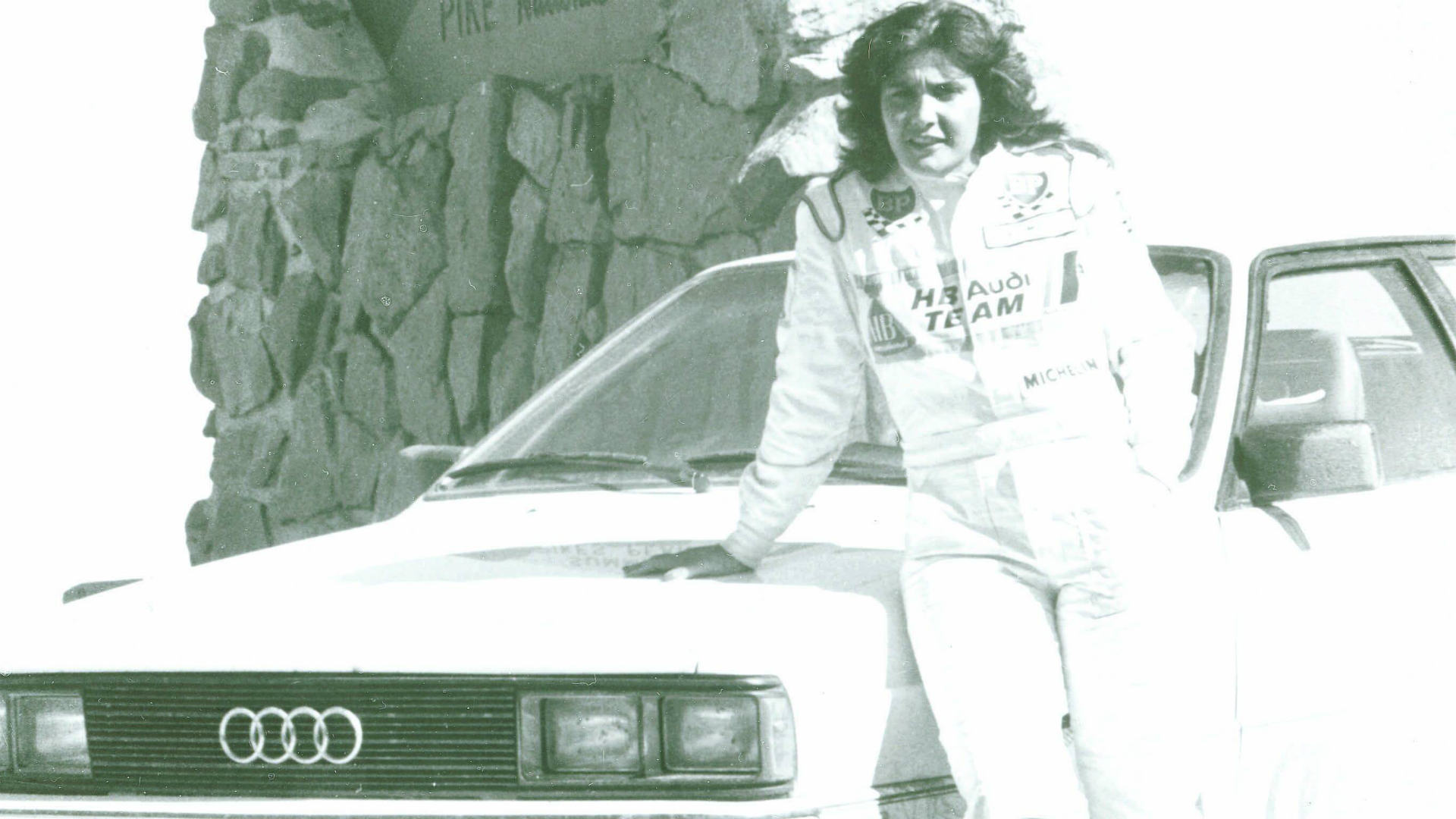
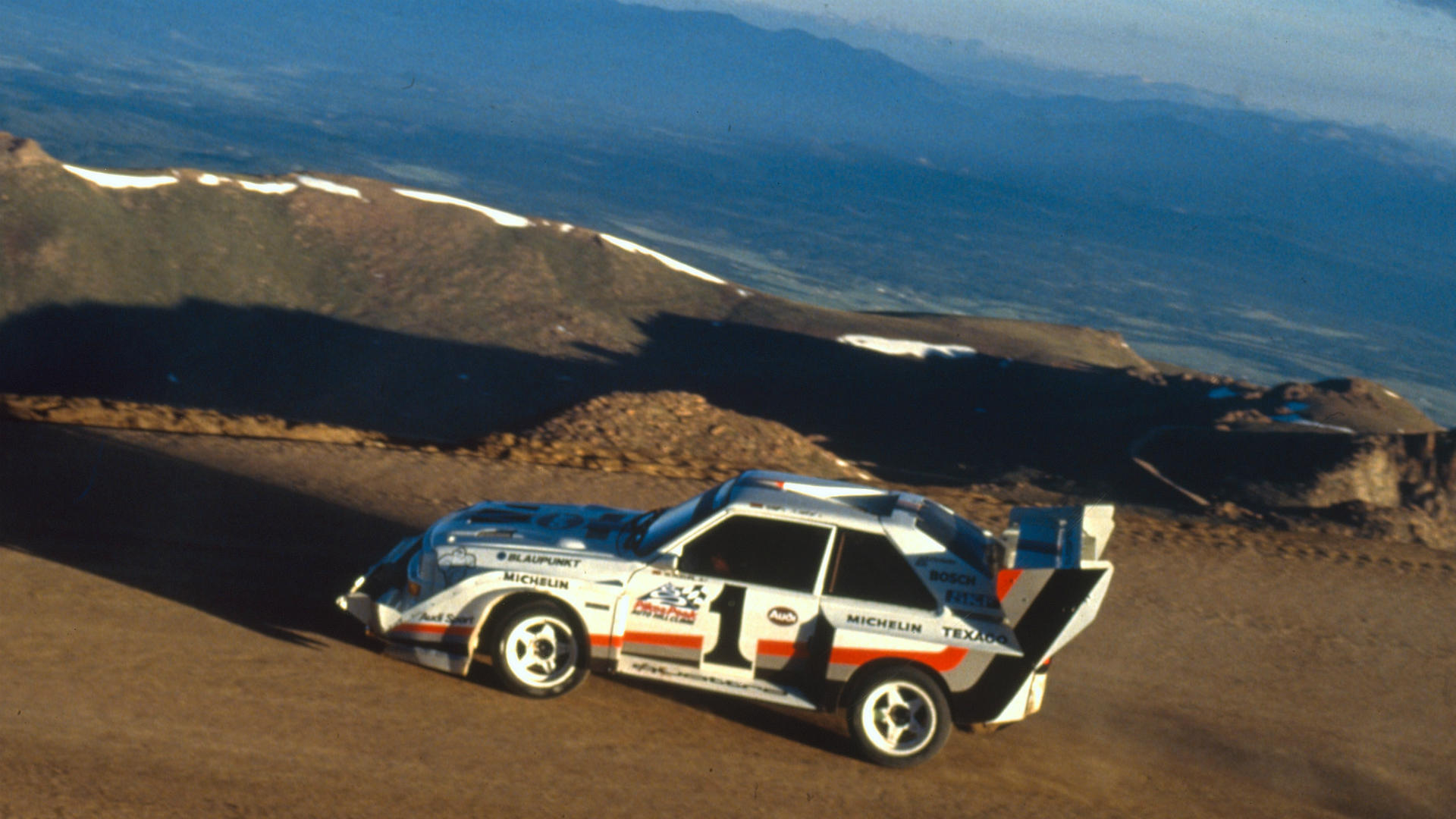
But that’s not before Audi showcased the effectiveness of the car at the Pikes Peak hillclimb in North America. First, Michele Mouton (pictured) won the event in 1985, before Walter Rohrl set a record time in 1987. Needless to say, the quattro’s success in motorsport had a positive effect on sales of the road-going versions.
The UK market
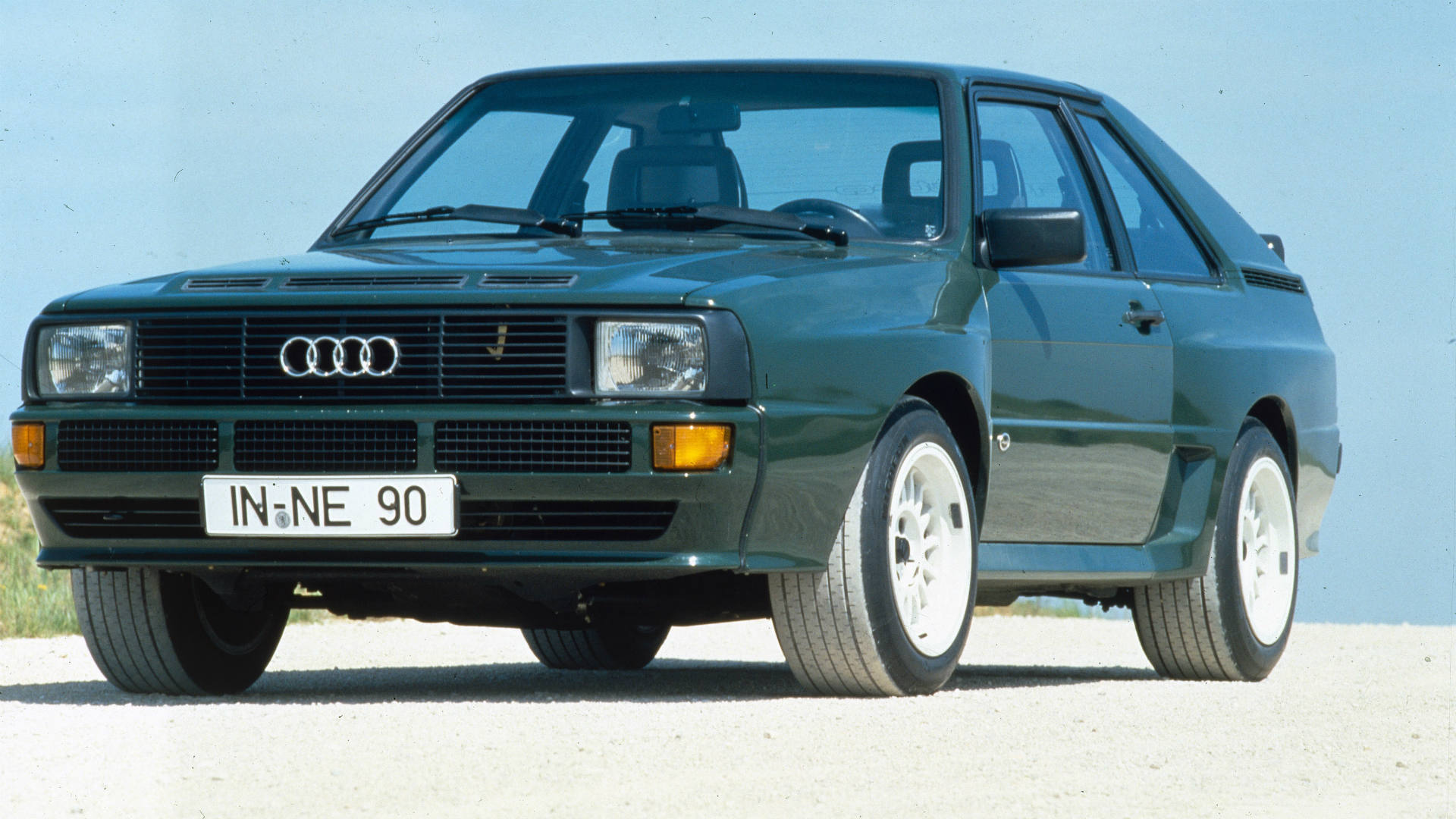
The first models arrived in the UK in March 1981, but the initial batch of quattros were all left-hand drive. In October 1982, Audi announced that it would be building right-hand-drive models for the UK market, although high prices meant that it remained out of reach to most buyers. The quad headlights disappeared for the 1983 model year, replaced by the less iconic but far more effective one-piece Cibie units.
Audi quattro 20v
In 1989, Audi launched the quattro 20v, complete with an all-aluminum engine using a four-valves-per-cylinder head. It was the best road-going quattro to date, with the 20v version benefiting from Audi’s exploits with the Group B car. Crucially, the central diff was replaced by an automatically locking Torsen unit. According to Evo, it was the diff the car had been waiting for. Bensinger said: “Had we known about the Torsen differential then, it almost certainly would have been on the original quattro.”
Audi Sport quattro
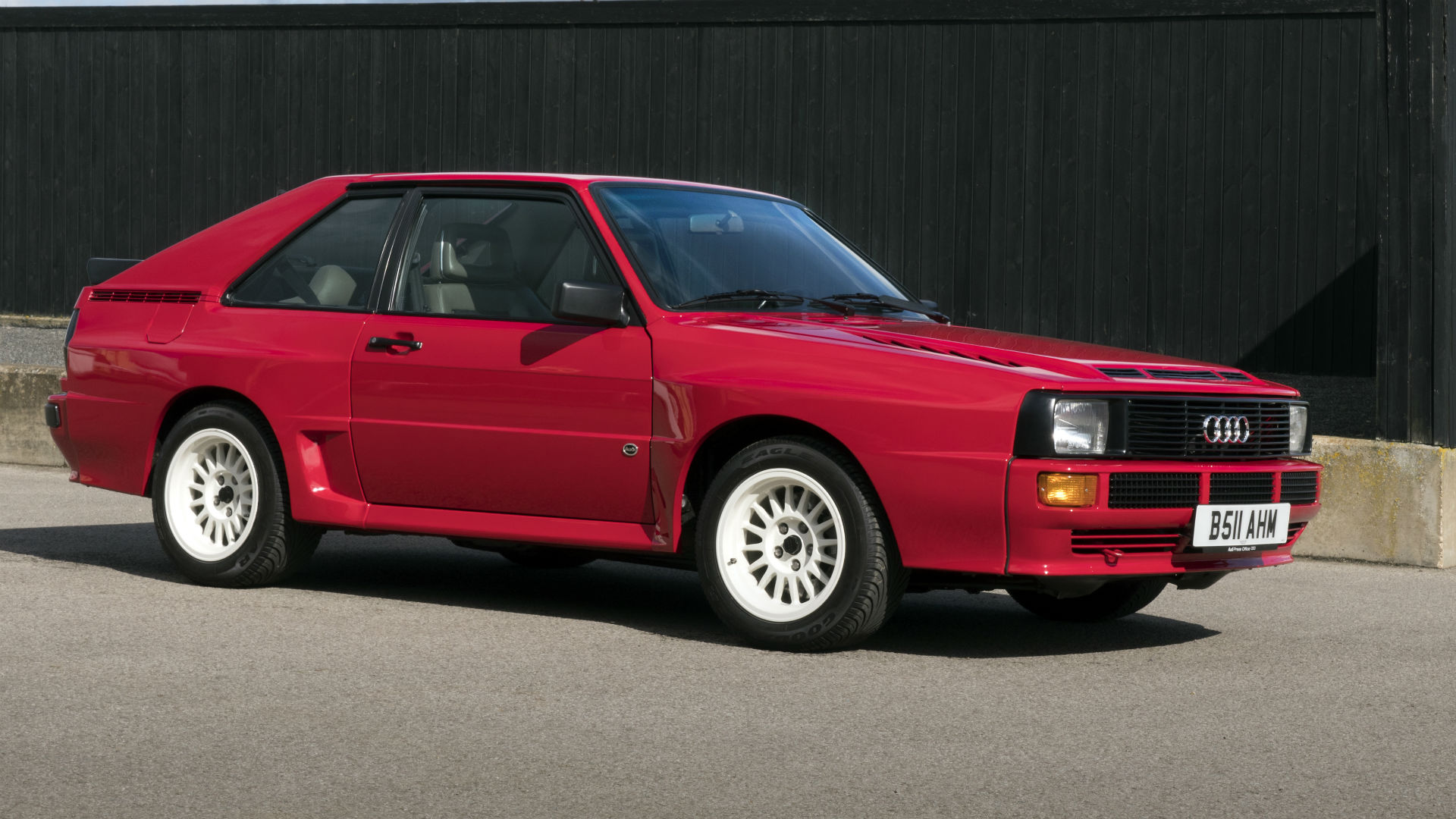
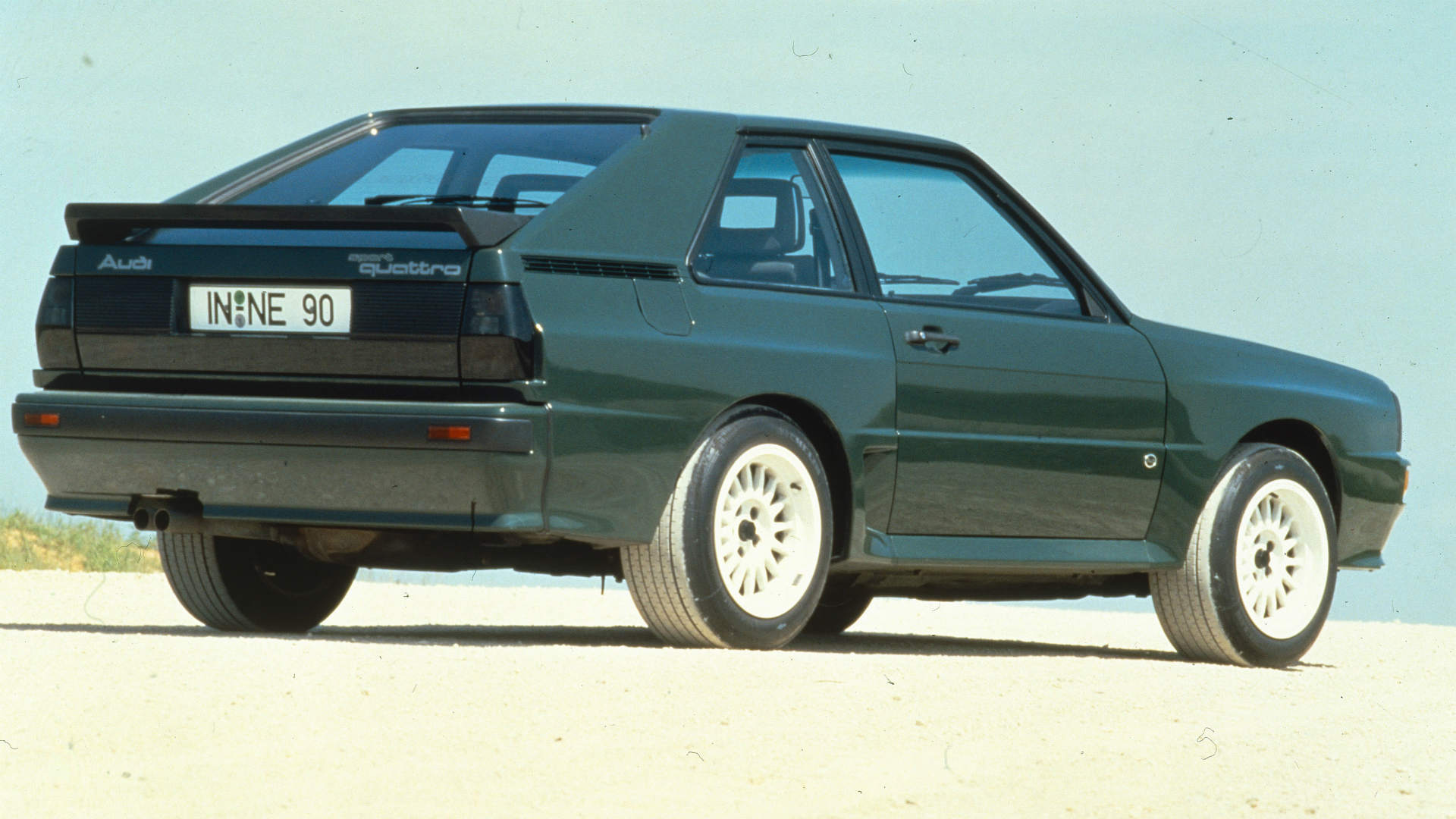
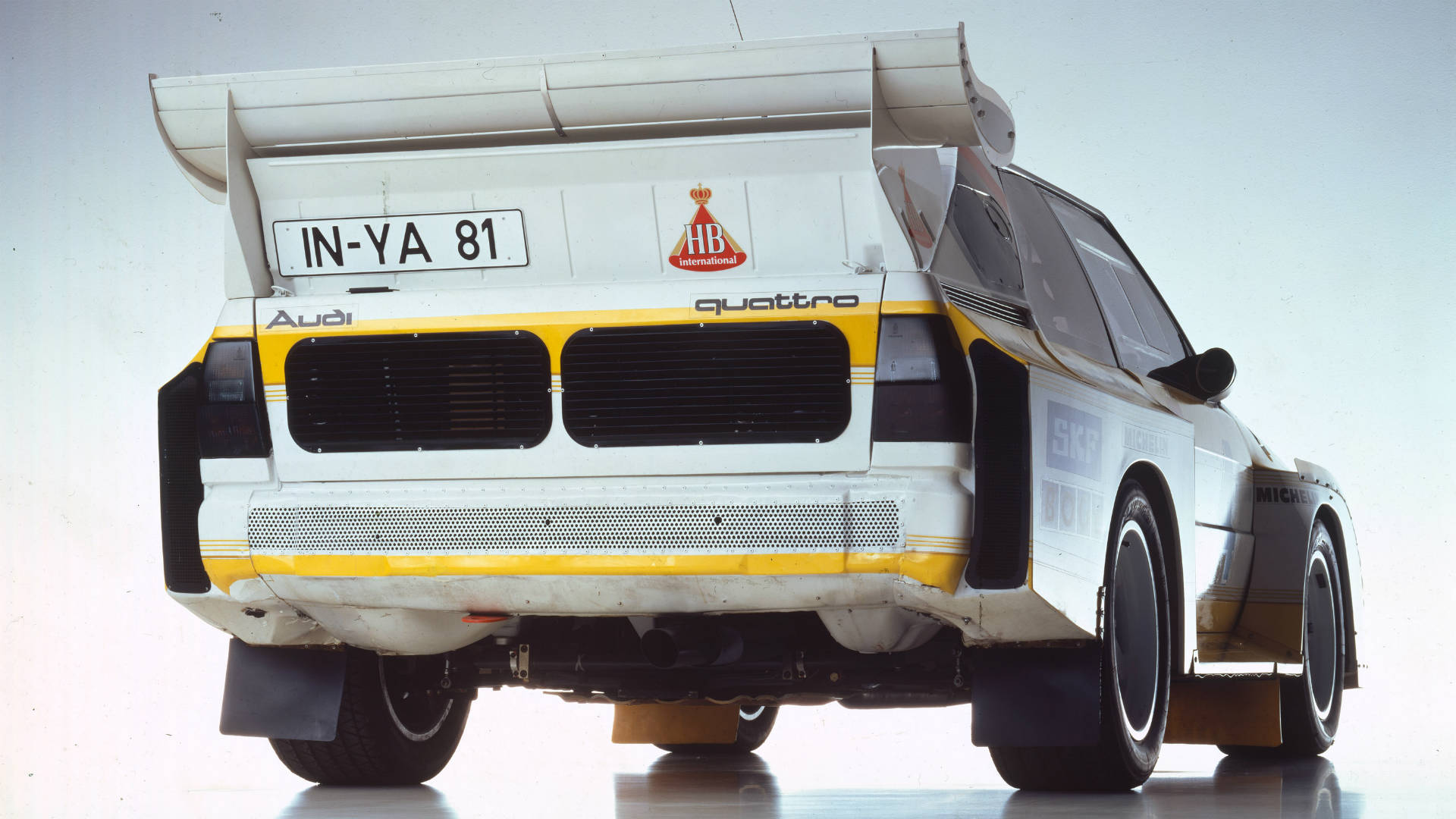
The other benefit of the S1 quattro was the creation of the road-going Audi Sport quattro. It was the most bonkers of the lot, with Audi building 224 to meet homologation rules. The shortening of the wheelbase gave it proper Group-B-for-the-road styling, and although the engine was downsized slightly, it could hit 60mph in 4.8 seconds and 100mph in 12.6 seconds.
Into the 90s
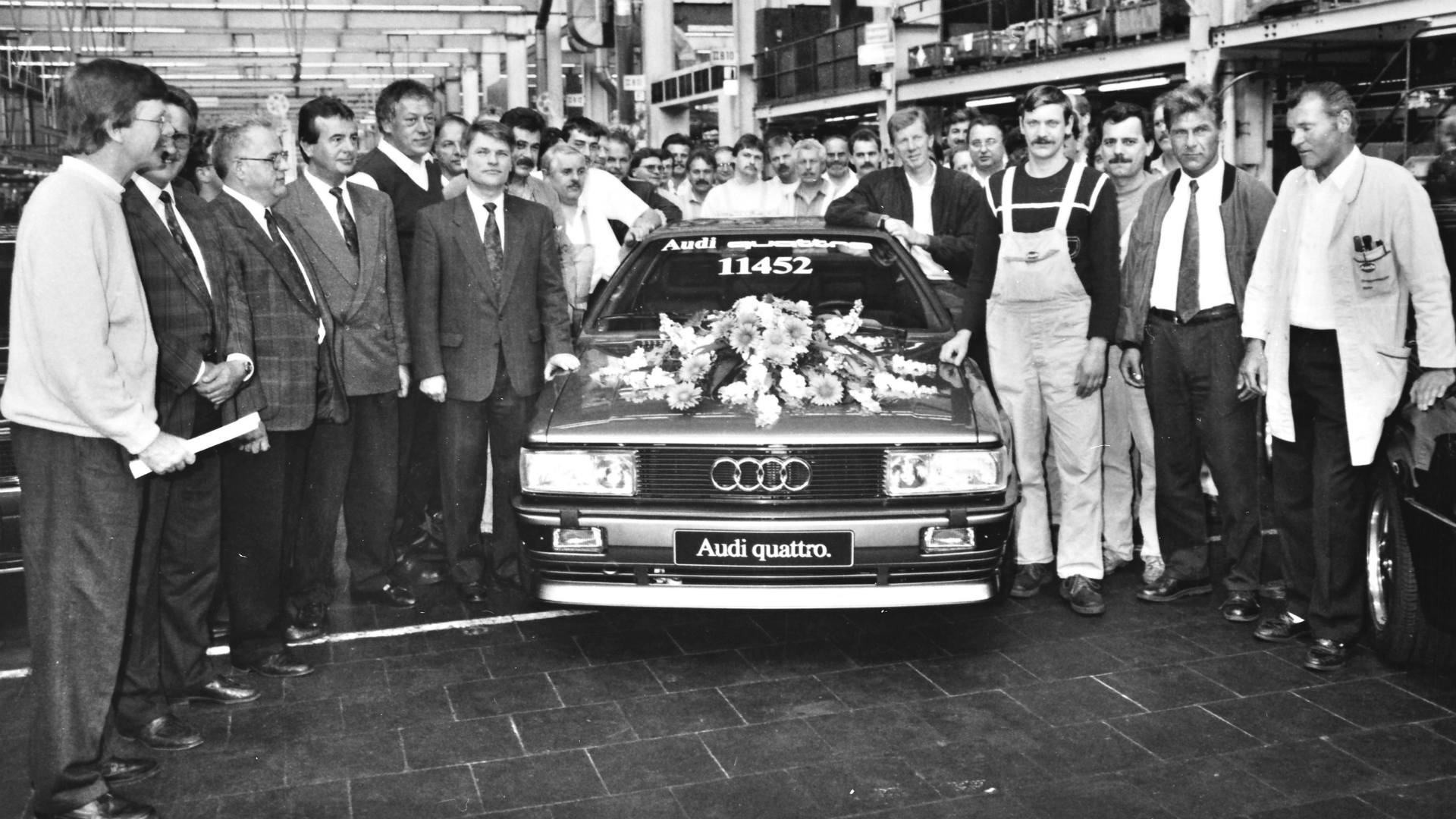
Although it was intended to be a low-volume model, quattro production lasted 11 years, with 11,452 cars built in the process. It left its mark on the world’s rally courses and the entire automotive industry. But what of its legacy?
Audi Coupe GT
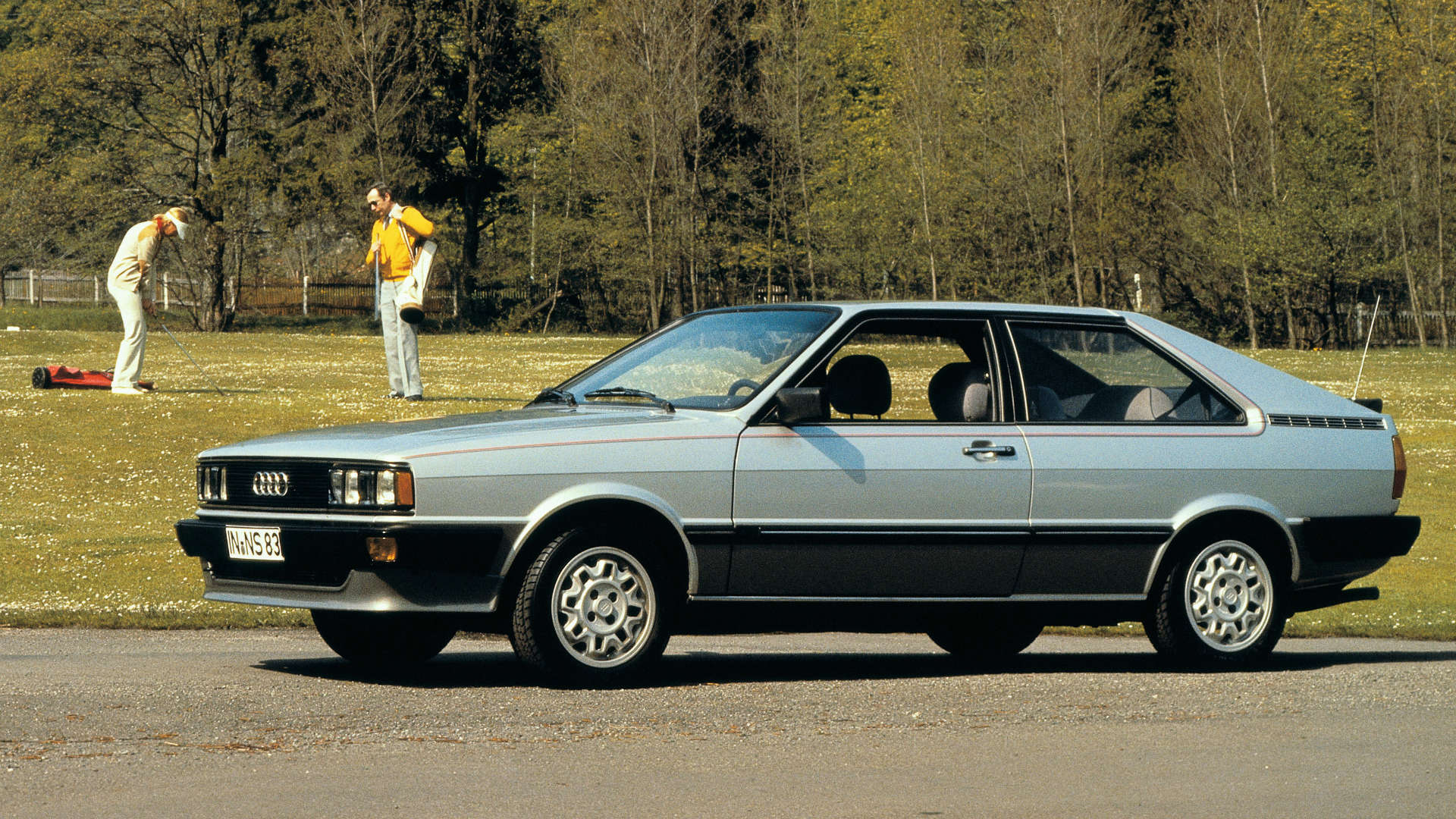
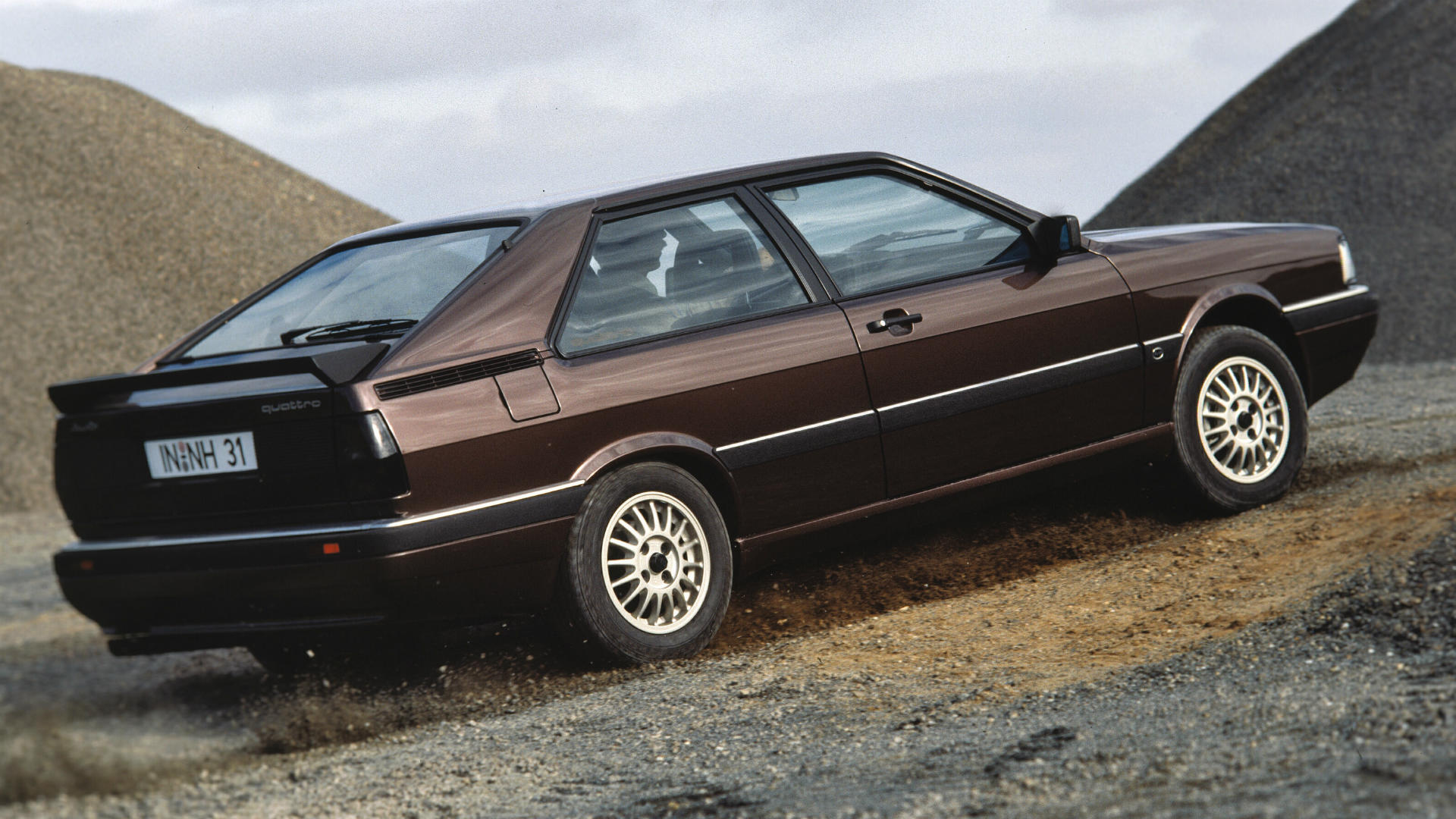
This is an interesting one. Although the Coupe GT is the car from which the Audi quattro was spawned, it actually arrived after the four-wheel-drive icon. It could be equipped with 4WD, but most left the factory with front-wheel-drive. Engines ranged from a 1.8-litre four-cylinder to a 2.3 five-cylinder, with enough space inside for four people and their luggage. It delivered the look of the full-fat quattro without the pedigree.
Four-wheel drive
Audi has built an entire brand on the strength of four-wheel drive. In Germany, around 50 percent of all Audis sold come with four-wheel drive and the system is also incredibly popular in the UK. To think that it all started with a rather humble military-grade Volkswagen back in the 1970s. Now it’s time to turn our attention to the five cars that will be on display at The London Classic Car Show.
1981 Audi quattro 10v
The cars on display are part of Audi UK’s heritage fleet. This is an early UK-specification model that was produced before right-hand-drive model development had been carried out. Alex Fisk, Audi UK digital PR manager, said: “Almost 40 years to the day since it was first seen by the public, we’ve chosen to celebrate the Audi quattro’s special milestone at The London Classic Car Show.”
1991 Audi quattro 20v
“Few cars are as iconic as the Audi quattro. Despite being produced in relatively low volumes, it had a huge impact on the automotive market and has left an even bigger impression on car aficionados,” said Bas Bungish, London Classic Car Show event director. This 1991 20v has been retained by Audi UK from new and remains unregistered.
1985 Audi S1 E2
This Audi S1 E2 represents the quattro in competition. The Sport quattro was driven by Stig Blomqvist in the 1985 Rally of the 1000 Lakes in Finland, and then to victory by German driver Walter Rohrl in the Semperit Rallye later that season. After an accident at the RAC Rally, it was rebuilt as a test car for the experimental PDK double-clutch transmission.
1985 Audi Sport quattro
This 1985 Audi Sport quattro was purchased from Audi AG in Germany as a demonstrator in 1985 and is one of 224 built. It was cosmetically restored a decade ago and has recently undergone a mechanical refresh.
1990 Audi quattro 20v
Finally, this 1990 Audi quattro 20v was acquired by Audi UK in the early 2000s and is used for media driving and display purposes. It’s said to be one of the heritage fleet’s hardest working cars.
Fire up the quattro!
We’ll end this very brief history of the Audi quattro with one of the car’s most famous helmsman outside the world of motorsport. If you’re fired up by the quattro, The London Classic Car Show will take place on 20-23 February 2023 at Olympia London. Tickets cost £25 for adults, £20 for children and £75 for a family of four.
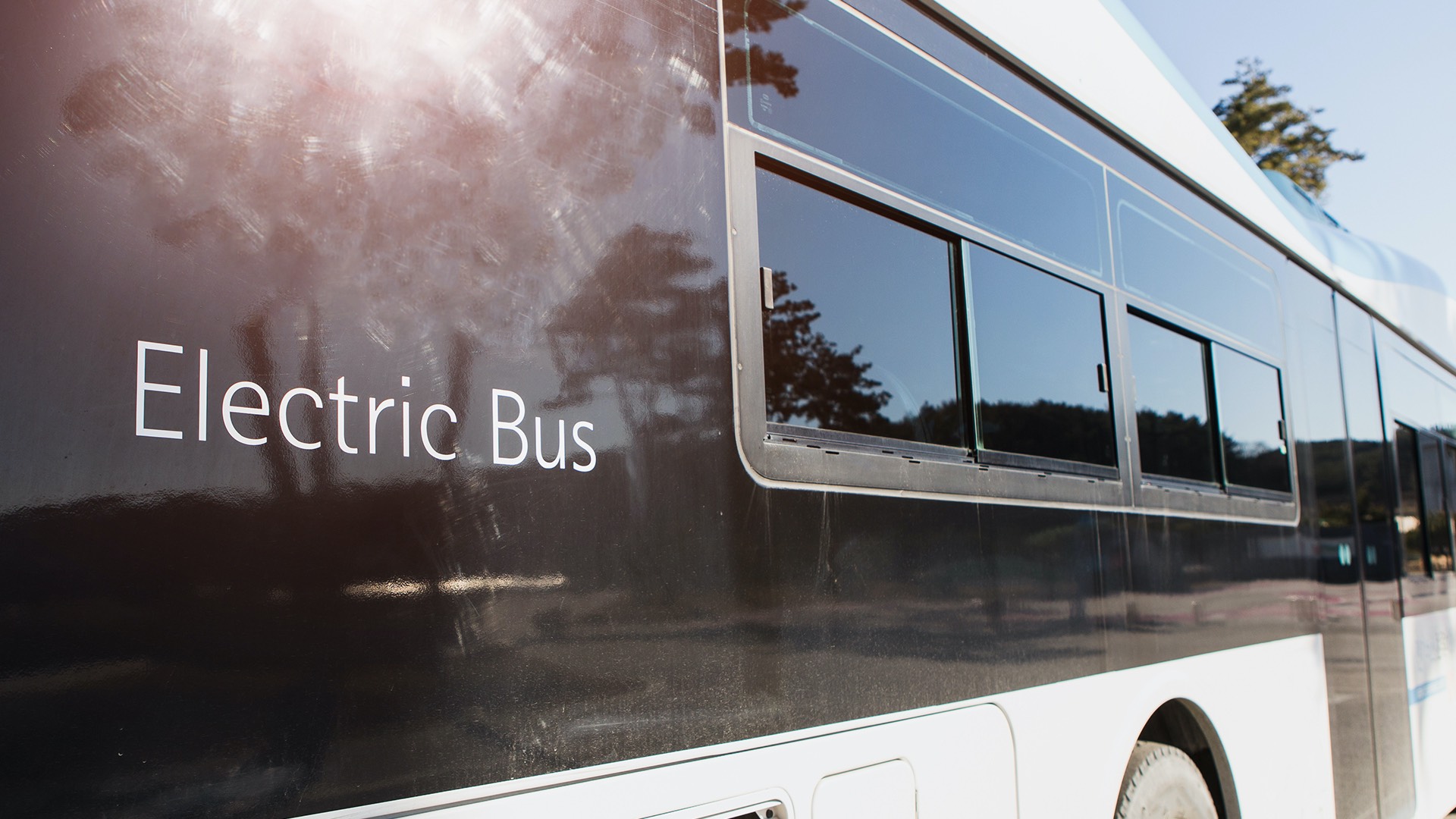
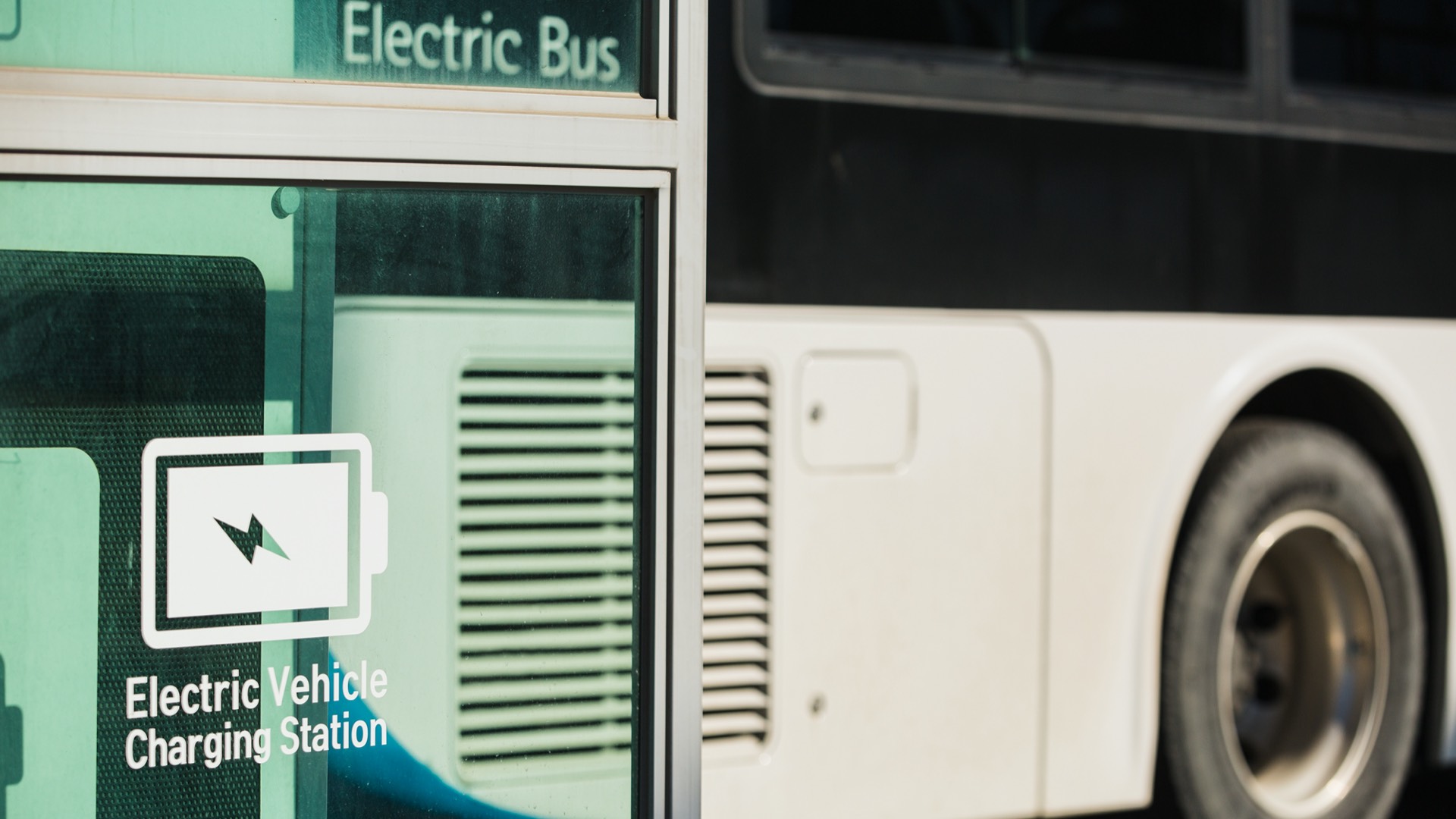
Local authorities are invited to apply to become the UK’s first all-electric bus town.
If successful, the winning council will receive up to £50 million to pay for a new fleet of electric buses. It’s part of the government’s plan for all UK buses to be fully electric by 2025.
The £50 million fund is part of a total £170 million allocated to improve services and make journeys greener and more reliable.
A £20 million pot is available for the trial of on-demand ride sharing services in rural and suburban areas. In theory, it means that people could catch a bus when and where they want it.
A further £30 million fund is available for local authorities to improve current bus services or restore those that have been lost. Passengers will also benefit from low-cost, high-frequency ‘Superbus’ services, like the one in Cornwall.
But it’s the all-electric bus town proposal that’s likely to grab the headlines. The Department for Transport (DfT) says it wants the winning bidder to act as a role model for other local authorities to follow.
‘All-electric bus town is just the start’
Transport secretary Grant Shapps said: “Buses carry more people than any other form of public transport in the UK, and with 200 electric buses able to offset 3,700 diesel cars, it is clear they have a crucial role to play in bringing down emissions.
“But Britain’s first all-electric bus town is just the start. Helping deliver on our manifesto promise, this £170 million package will help us to create communities which are cleaner, easier to get around and more environmentally friendly, speeding up journeys and making them more reliable.
“By focusing on efficient and affordable transport, we will make greener journeys the natural choice.”
The news has been welcomed by the Campaign for Better Transport. Chief executive Darren Shirley said: “This is an exciting opportunity to demonstrate the part buses can play in improving air quality in urban areas, increase the output from manufacturers, and contribute to cutting the UK’s carbon emissions.”
The Retromobile 2020 event is happening right now in Paris, France, with car fans coming together to celebrate the first major classic car show of the year.
French auction house Artcurial is in charge of the official Retromobile auction, and has an eclectic catalogue of cars, tractors, motorcycles, and even boats up for sale.
A large contingent of the cars on the auction list are recently discovered barn finds, or unrestored examples of rare models. We have profiled a selection of vehicles that are wearing their age and experience on show, ahead of the sale on Friday.
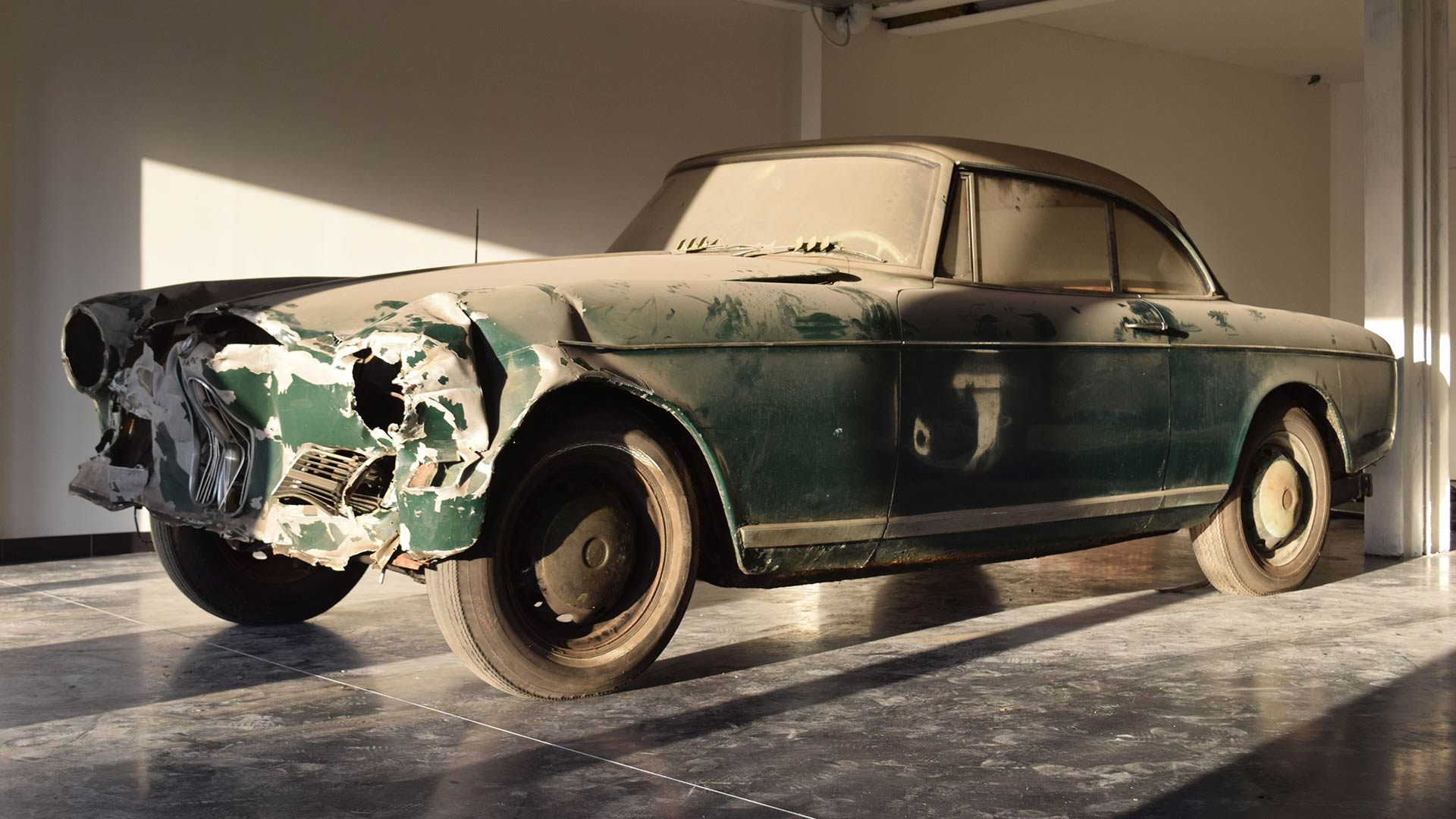
1959 BMW 503 Coupe
Developed alongside the famous BMW 507 roadster, the 503 was intended to help the company’s sales in the United States. Like the 507, the 503 was prohibitively expensive when launched. Only 413 examples were sold, leaving BMW suffering substantial losses.
Just 273 of those cars were coupe models like this one, powered by BMW’s 3.2-l V8 engine. Originally sold to a Belgian owner, the car was later bought by a doctor who suffered an accident whilst driving the 503 in 1976. The good doctor then traded the BMW in for a Jaguar, leaving the 503 to sit at a dealership until 2007 when it was bought by the current owner.
The engine is still said to turn, but clearly the bodywork is in need of some attention should this BMW want to hit the road again. Rarity means even this example could achieve $70,000 to $110,000 (£54,000 to £84,000) in Paris.
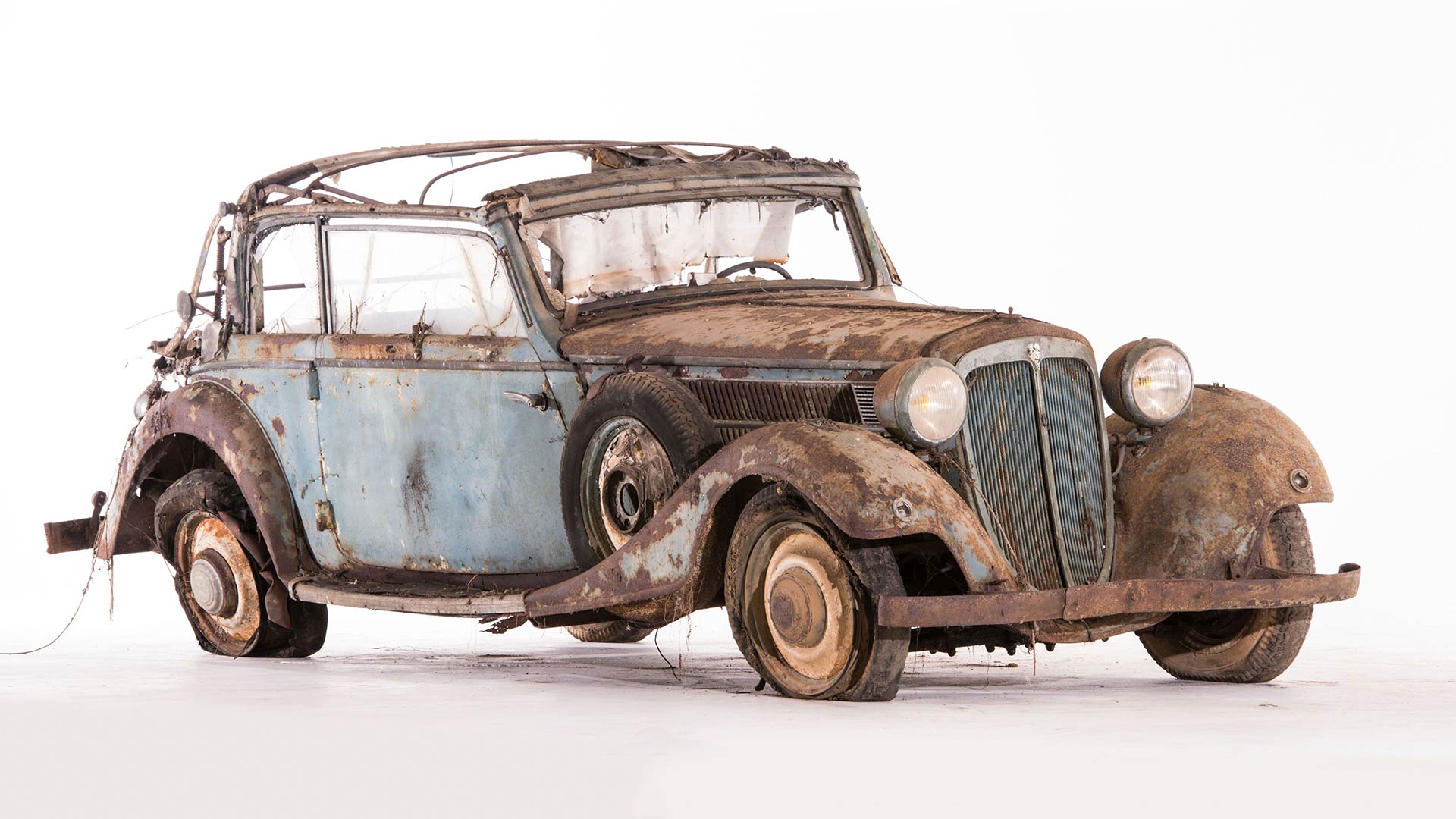
1936 Audi Front 225 Cabriolet
If repairing the previous BMW 503 seems too easy, then this vintage Audi Front should prove to be more of a challenge. Made when the Audi brand was still part of the Auto Union company, the Front was notable for making use of a front-wheel drive layout compared to its rear-wheel drive contemporaries.
A 2.25-l inline-six engine shows this to be a later version of the Front, which saw output rise to a rather modest 54 hp. Clearly in need of extensive repair and restoration, Artcurial notes that the original manufacturer’s plaque is missing, as is the dynamo.
Despite the condition, the car has been dry stored, and is expected to fetch $10,000 to $20,000 (£7,500 to £15,000) on the block.
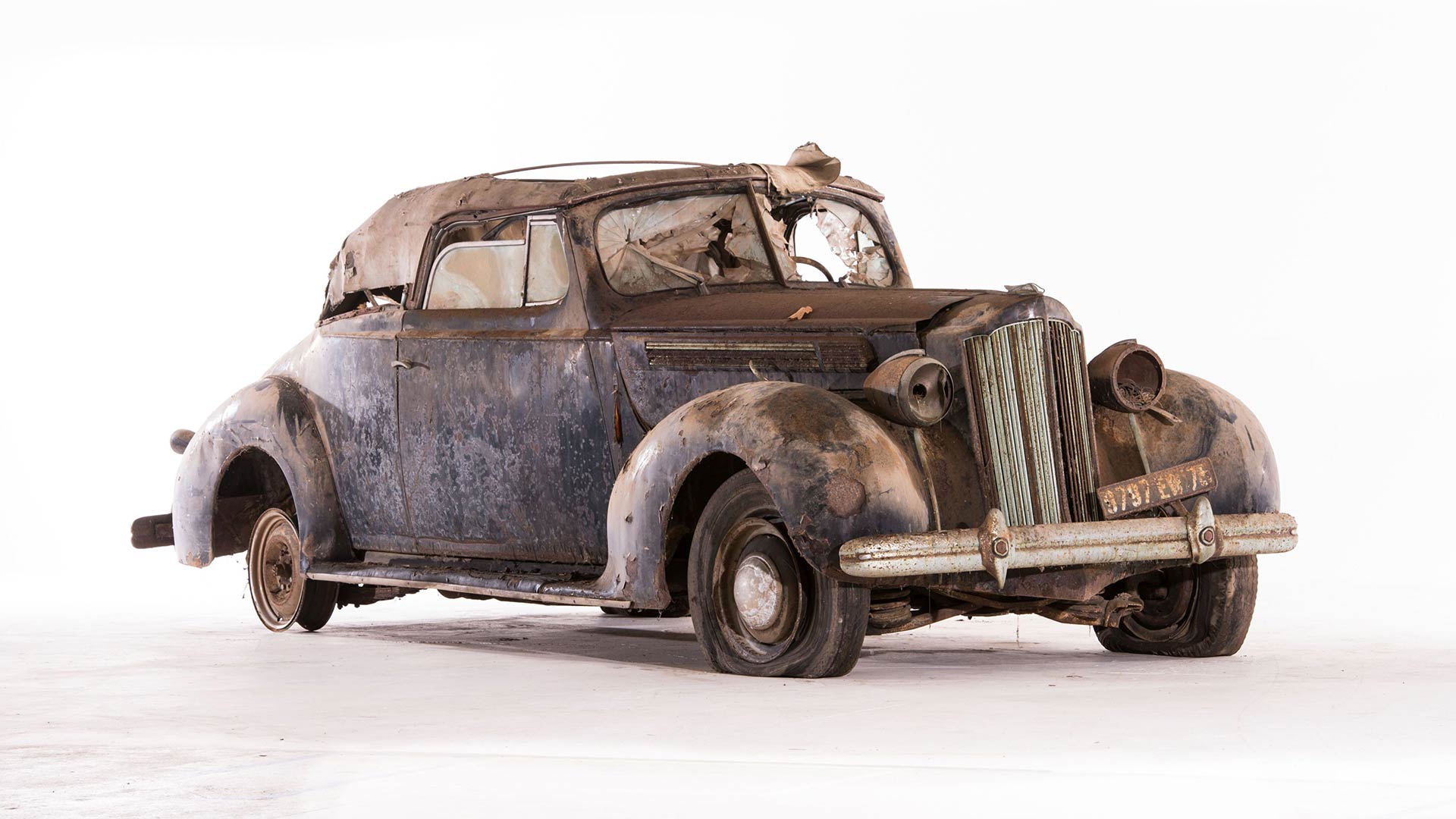
1938 Packard Super Eight Cabriolet
Another vehicle formerly part of the Roger Baillon Collection, this is noted to be an extremely rare European-specification of the Packard Super Eight. Based on the larger V12-powered models, the Super Eight made use of a 6.3-l inline-eight engine producing an impressive 145 hp.
The car on sale in Paris is noted to have been registered in the French capital as far back as 1956, with a speedometer in km/h showing its European specification. Like the Audi Front, it has been dry stored, with the burgundy leather interior noted to be in good condition. A cracked windscreen might not be the easiest replacement find, but the luggage rack and hood frame are all present.
Such rarity means the Packard could achieve $15,000 to $25,000 (£11,500 to £19,000) at auction.
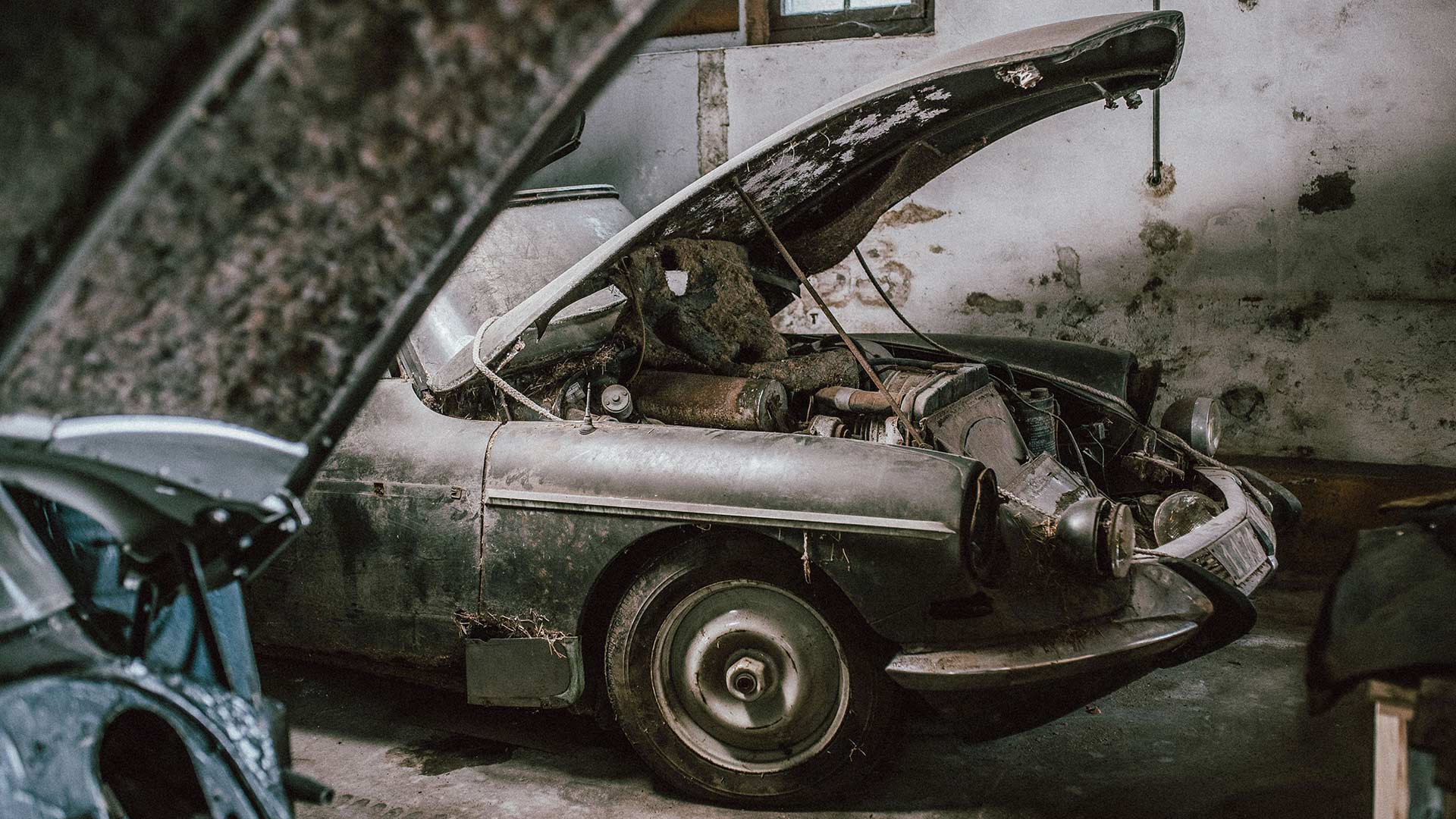
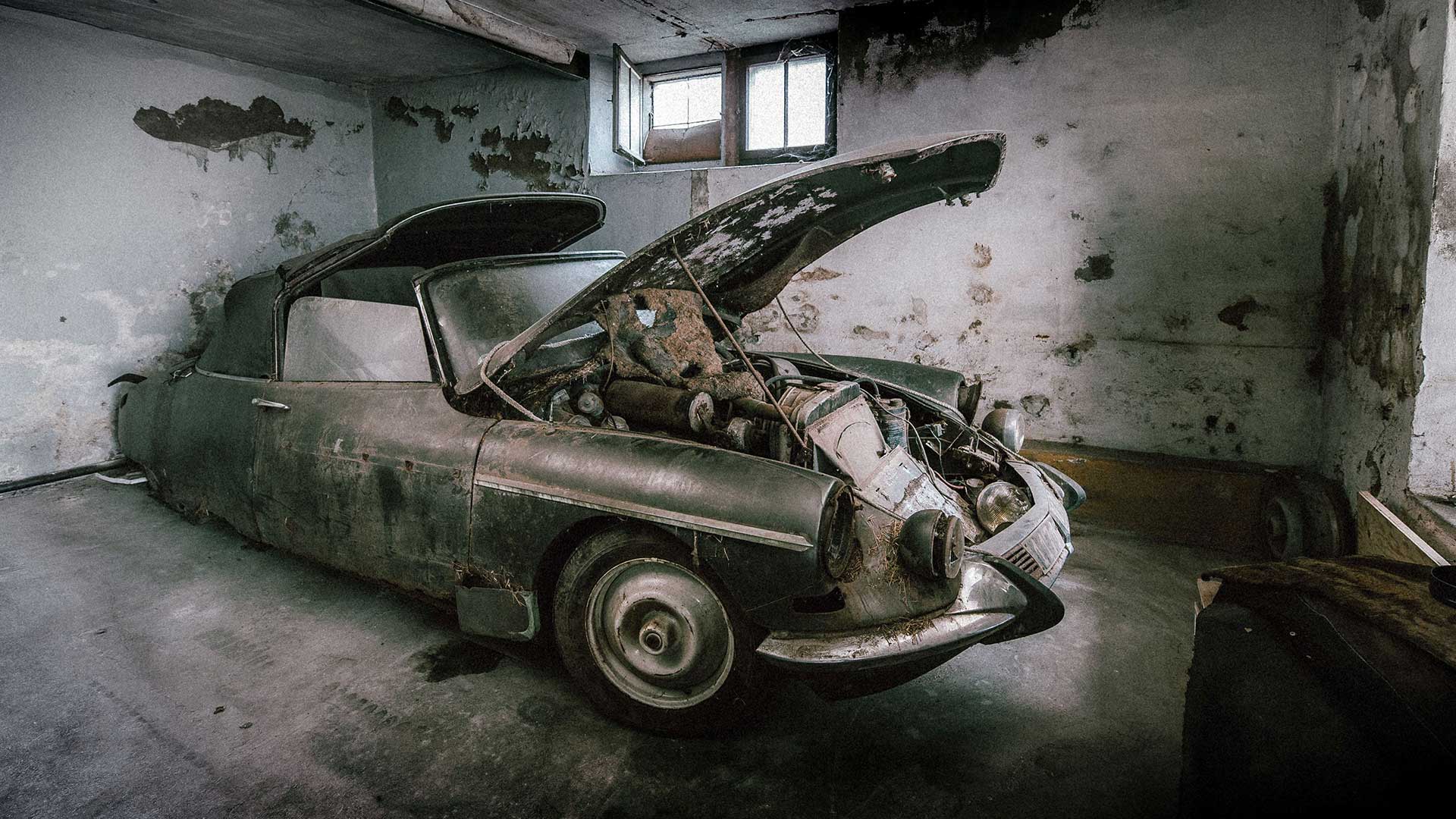
1965 Citroën DS 19 Cabriolet d’Usine
A genuine barn find example, there are perhaps very few Citroen DS models left in the world that have not been subject to some restoration work. This car is untouched from the 1970s, when the French owner laid the car up with plans to repair some accident damage. The repairs never came, and the DS went to the 2015 Retromobile auction in this state.
This is one of the last factory-built cabriolet models, making this already desirable car even more appealing to collectors. Quite clearly the DS will need substantial restoration work, including sorting the paintwork and repairing the crash damage from five decades ago.
Look beyond the dust and cobwebs, and an estimated sale price of $70,000 to $100,000 (£54,000 to £77,000) almost begins to make sense.
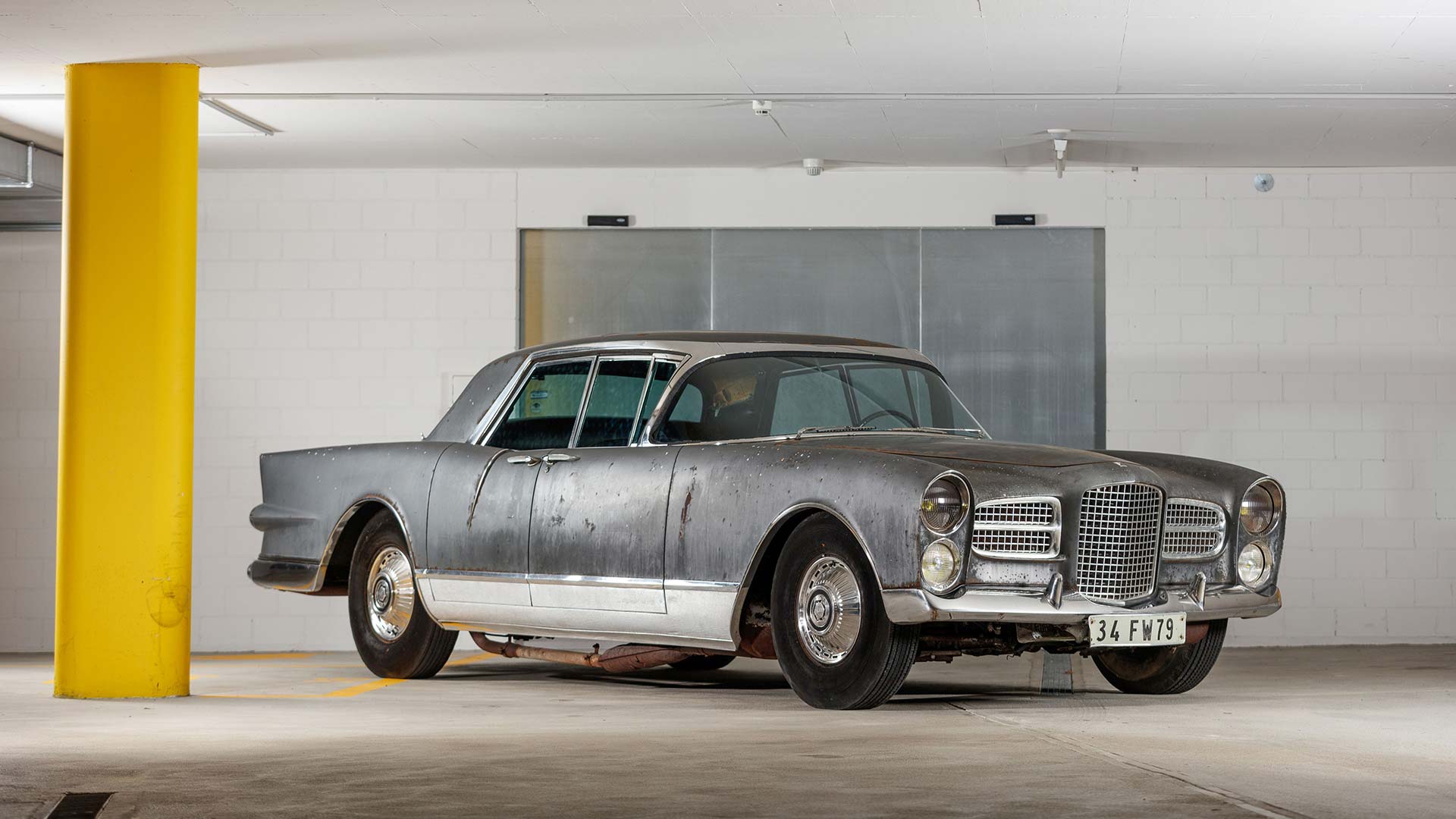
1960 Facel Vega Excellence
Anecdotally described as costing four-times the price of a contemporary Citroen DS when new, the Facel Vega Excellence was France’s premier luxury car of the 1950s and ‘60s. A connection with Chrysler saw a supply of large V8 engines, with this example powered by a 360 horsepower 361-cubic inch (5.9-l) unit.
A total of 153 examples were made between 1958 and 1964, with this car originally owned by an aristocratic Russian family. Acquired by Roger Baillon in late 1964, the car sat undiscovered until 2015. Although the exterior paintwork is noted to need attention, the interior is said to have been well maintained.
Having been left unused for so long, the big V8 engine is likely to need work. Estimated to fetch $100,000 to $160,000 (£77,000 to £123,000) on the block, it almost looks reasonable compared to the Citroen DS now.
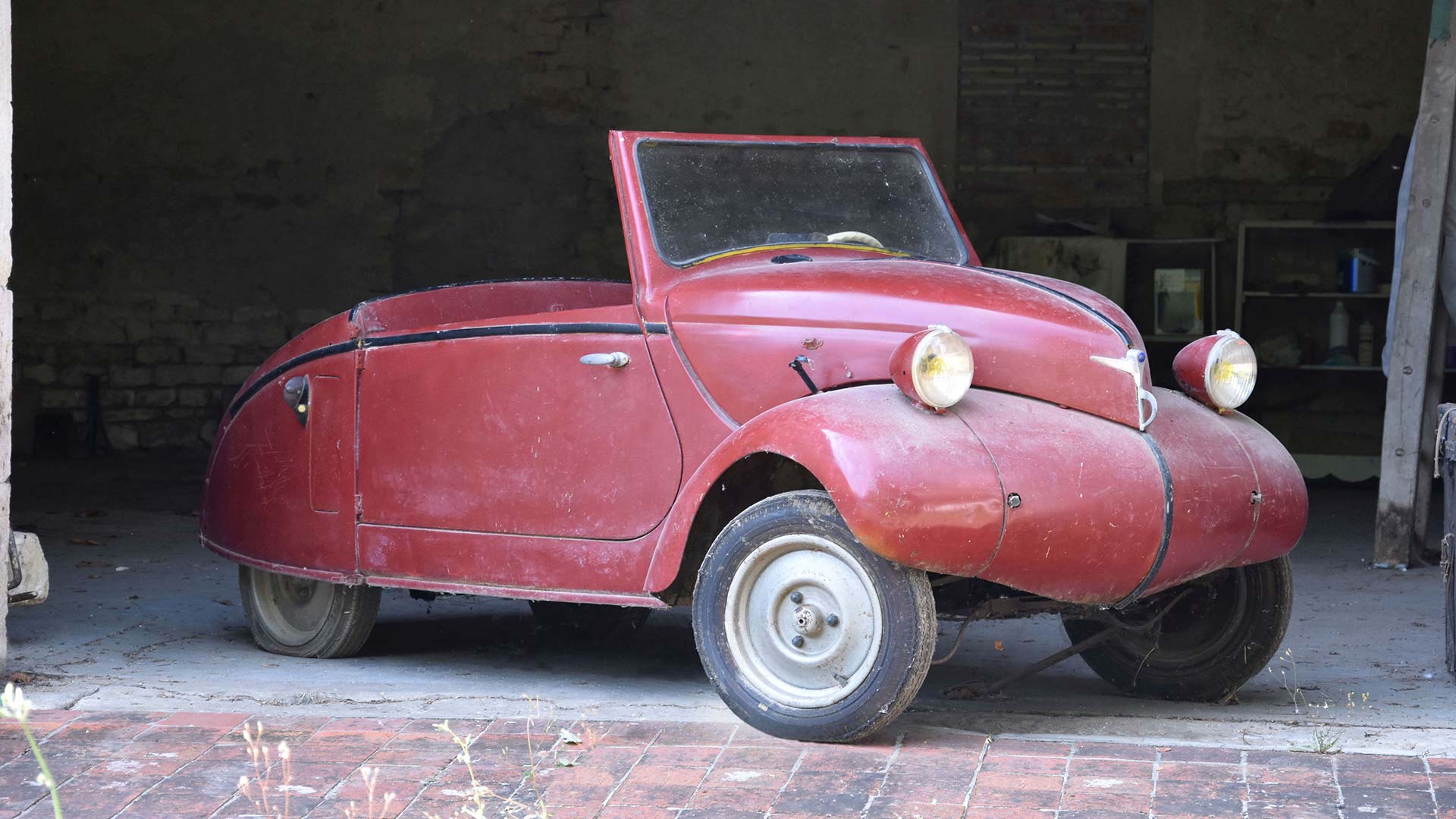
1947 Julien Type MM5
In the aftermath of the Second World War, French manufacturers were drawn to creating small economical cars. Automobiles Julien was one such company designing diminutive vehicles, led by famed engineer Maurice A. Julien. The MM5 was first shown at the 1946 Paris Motor Show, and featured intriguing design ideas such as the rear track being narrower than the front.
A single-cylinder two-stroke engine supplied a massive 10 hp, with a three-speed manual transmission sending power to the rear wheels. Only a handful of Type MM5s were created, with this example said to be in almost complete condition. Fittingly, the Julien comes with a small estimated auction price of $6,000 to $10,000 (£4,600 to £7,700).
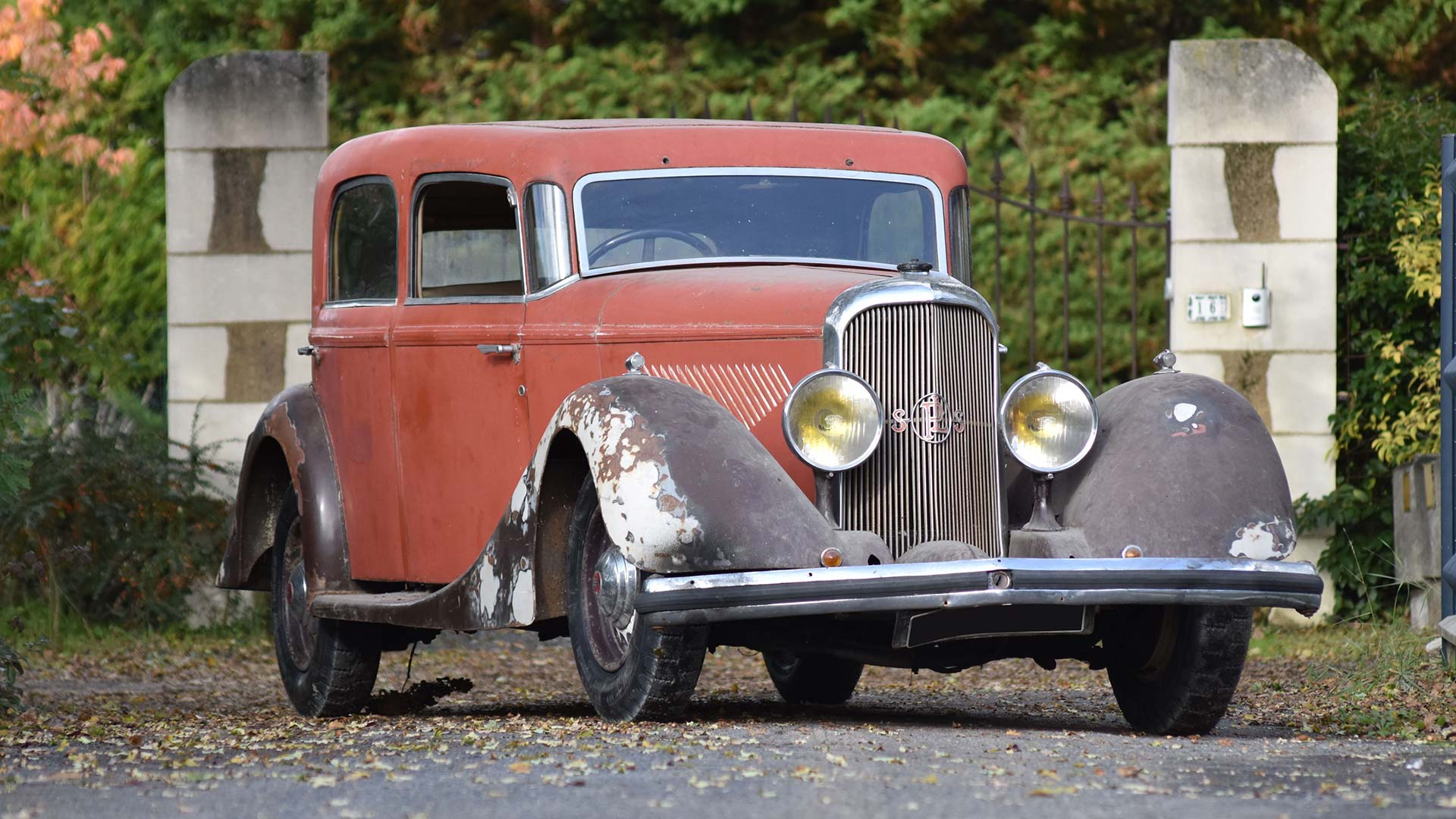
1936 Panhard et Levassor CS Special X73
Panhard et Levassor was one of the world’s earliest automakers, having first been established in 1887. Panhard’s luxury status even saw the company supply official cars to the French president, and the 1930 Paris Motor Show saw a new CS model unveiled.
The car up for auction is a later X73 version, which features a larger 2.8-l six-cylinder engine producing 80 hp. Most noticeable is the special three-piece panoramic front windshield, helping to eliminate blind spots. Currently owned by a French collector, the Panhard has been unrestored to preserve its aesthetic originality.
Given the incredible price Panhards sold for when new, paying $20,000 to $30,000 (£15,000 to £23,000) for this example now seems like a bargain.
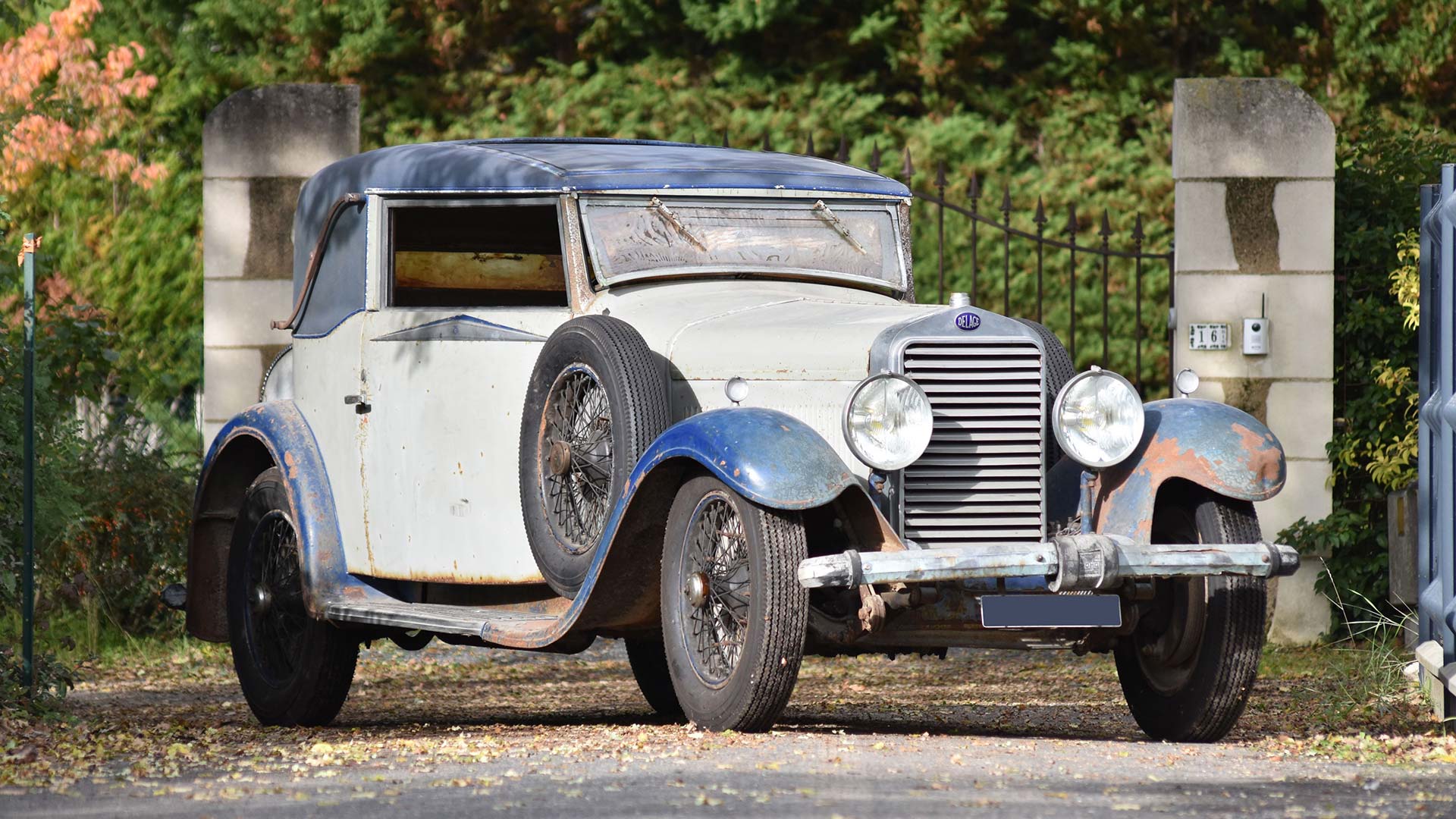
1929 Delage DM Faux-Cabriolet par Autobineau
Another early French manufacturer, Delage was founded in 1905 with just three employees. The company would go on to produce luxury road cars and a series of successful racing machines up until the 1950s.
Started in 1926, the Delage DM featured a six-cylinder engine with 17 hp. A later DMN model, the first lady owner of the car to be sold was fitted with a custom body by the Autobineau coachworks. Kept in original condition, the engine is noted to have seized but is mechanically complete.
Being an important item for collectors, this vintage model is expected to achieve $40,000 to $60,000 (£30,000 to £46,000) in Paris.
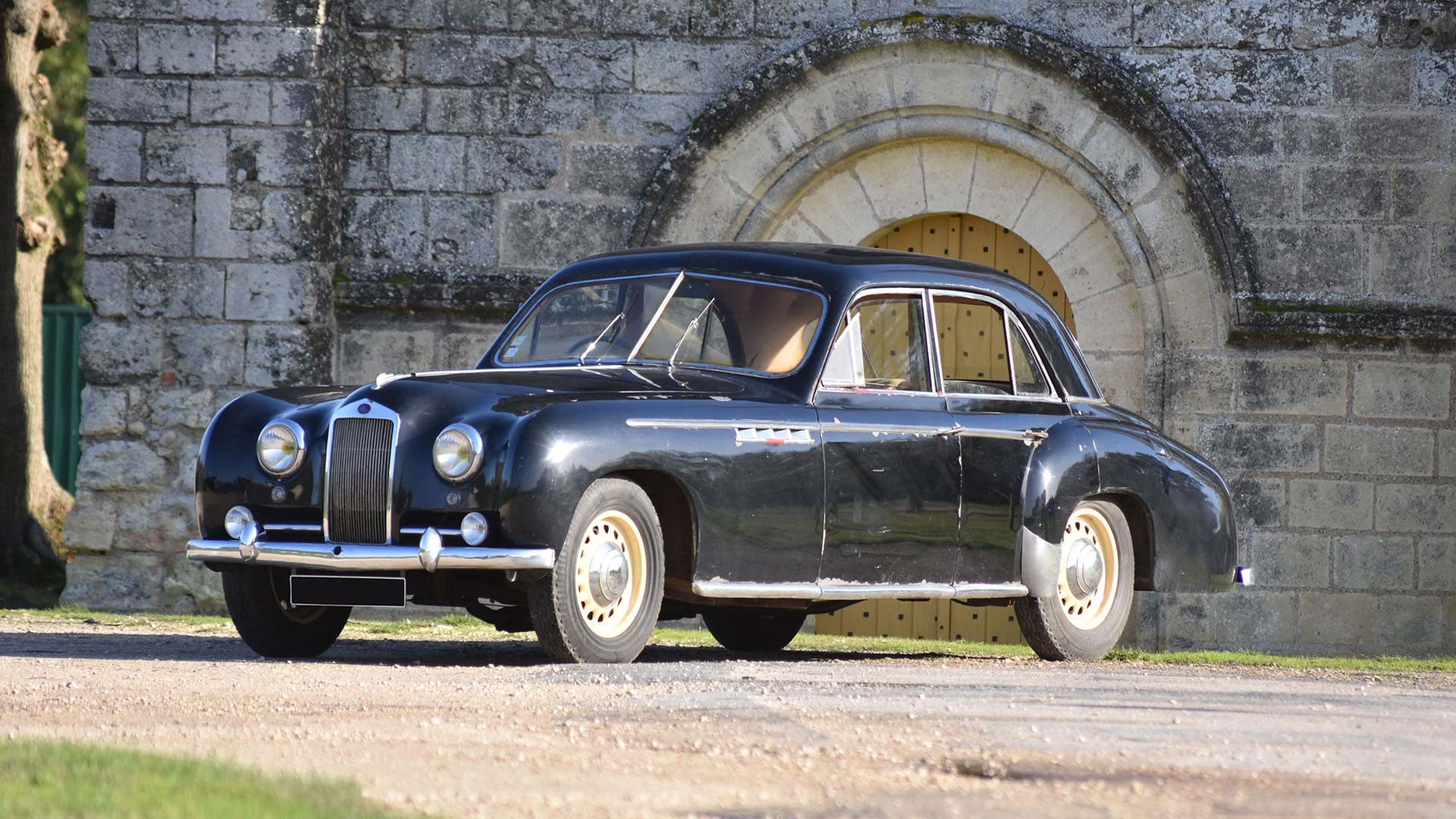
1954 Delage D6 3L Berline par Chapron
The Delage brand struggled after the Second World War, and found itself absorbed into the Hotchkiss company in 1953. It makes this D6 3L model to be one of the last Delage-badged cars to be produced, being delivered in February 1954 for the then President of the National Assembly of France, Edouard Herriot.
Although the exterior bodywork may appear a little tatty, when new it was finished in black with copper detailing. A brown leather interior was also chosen, whilst the 3.0-l 90 hp unit was the only engine choice available.
Seemingly only in need of moderate restoration, and with a famous original owner, the $25,000 to $35,000 (£19,000 to £27,000) estimate seems more than reasonable.
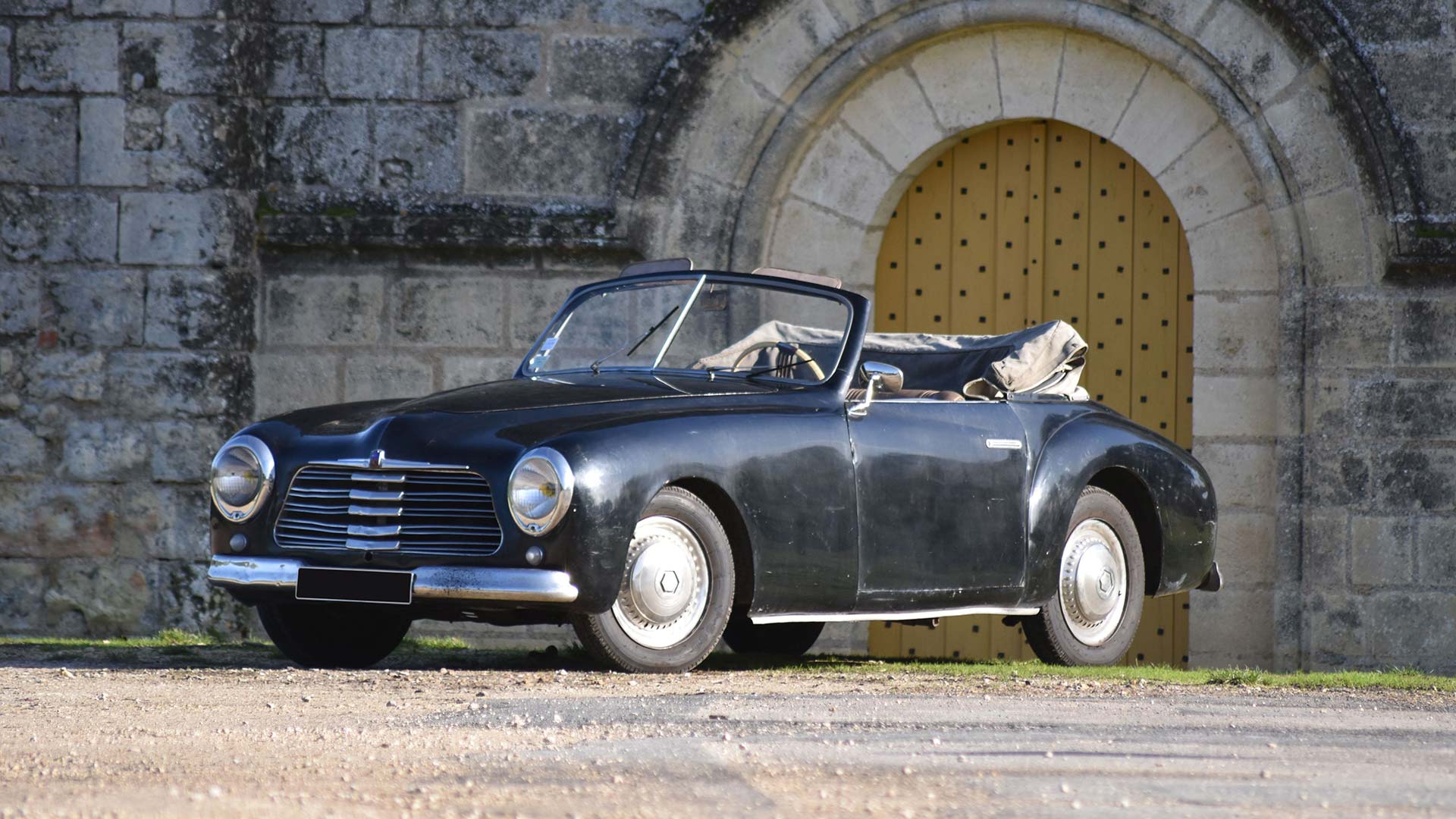
1951 Simca 8 Sport Cabriolet
Our continuing lesson in defunct French car manufacturers brings us to Simca. A subsidiary of Chrysler Europe in its later years, the Simca brand completely disappeared in 1978 when it was sold to Peugeot Citroen. Originally launched in 1937, the Simca 8 was based on the Fiat 508C.
A special concept Simca 8 Sport was created for the 1948 Paris Motor Show, with the styling undertaken by Pinin Farina. The successful reception saw the Simca 8 Sport pushed into production. This particular was bought new by a French family in 1951, who kept it in their ownership until 2008.
Some minor mechanical work aside, this 8 Sport Cabriolet is as original as when it first left the factory. A new owner would need to do little to enjoy this Simca, and need to spend around $40,000 to $60,000 (£30,000 to £46,000) at the Paris auction to get it.
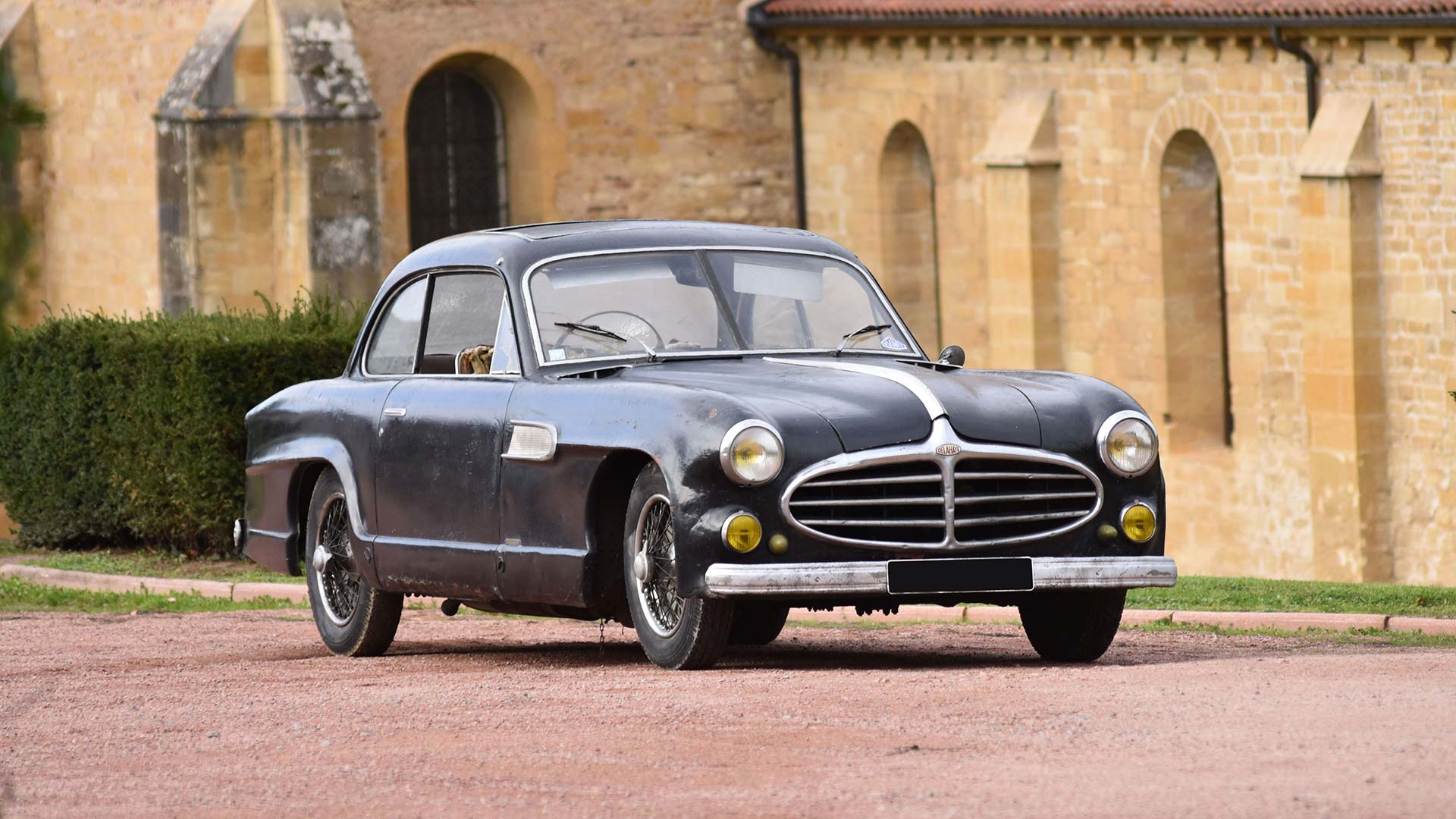
1953 Delahaye 235 Coach Letourneur et Marchand
Like Delage, the Delahaye brand was another French marque absorbed by Hotchkiss and placed into obscurity in the early 1950s. This beautiful 235 ‘Coach’ is one of only four ever created, making it an item for serious collectors of rare French cars.
Powered by a 3.2-l inline-six engine with 152 hp, the 235 was quick but also expensive compared to contemporary sports cars. This particular car appeared in the 1960 French film Zazie dans le Métro, but is now in need of sympathetic restoration inside and out.
Mechanically it is noted to still drive well, meaning a new owner could use their estimated $40,000 to $60,000 (£30,000 to £46,000) purchase immediately.
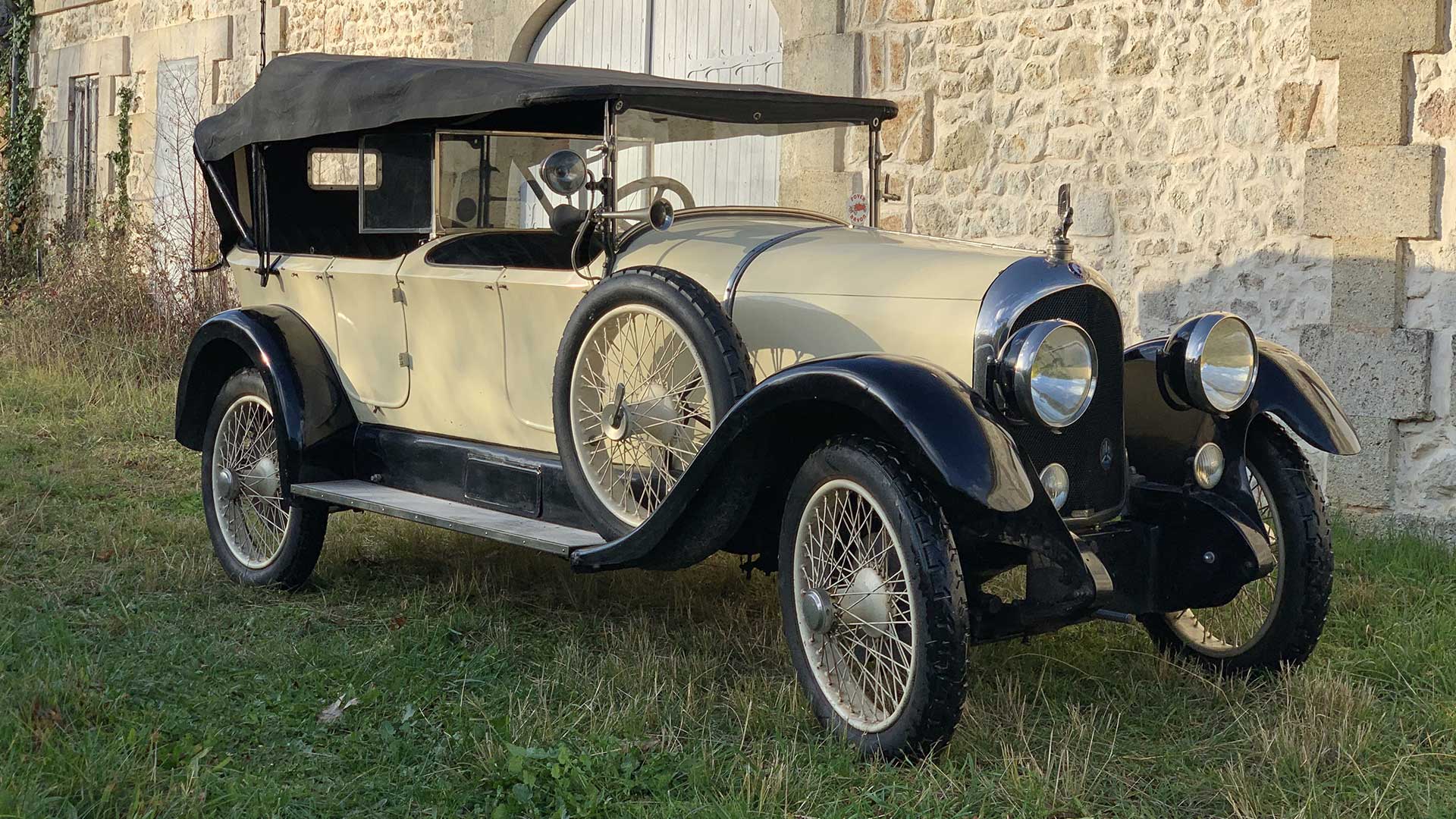
1922 Rolland-Pilain Type R
Known for producing impressive pre-war cars, the Rolland-Pilain company was founded in 1905, but ceased production in 1932. The Type R was launched in 1922, and featured a new 2.2-l four-cylinder engine producing 12 hp, plus hydraulic brakes all round. Rolland-Pilain entered the Type R in the 1923 Le Mans 24 Hours race, finishing 21st overall.
Acquired by the selling family in 1985, this Type R has undergone some maintenance work in the 1990s. Attention was also paid to the paintwork, but the car is ultimately still in original condition and in regular use.
A price of $30,000 to $50,000 (£23,000 to £38,000) would make it an interesting vintage acquisition.
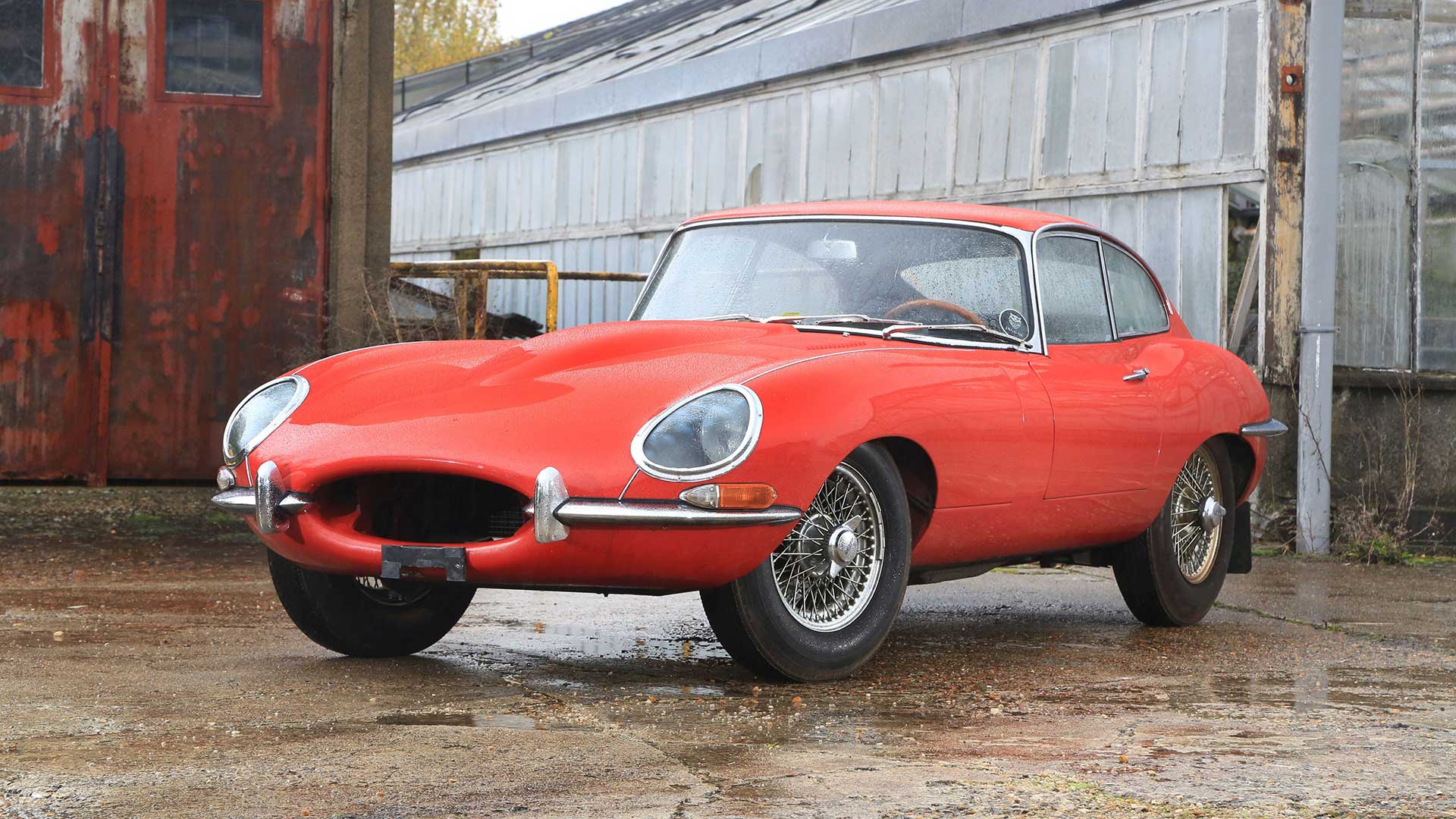
1965 Jaguar E-type 4.2
It might not be French, but the Jaguar E-type is still one of the most desirable classic sports cars anywhere in the world. The example up for auction at the Retromobile sale was sold to a Swedish buyer when new, and has remained in the same collection ever since. Ordered with an array of performance upgrades from the factory, this is a rather special 4.2-l E-type.
Supplied documentation even includes a sticker for the inline-six motor stating ‘Special Engine’, along with the sales invoice detailing the enhancements made. The car covered around 6,000 miles before being laid up in Stockholm for the winter of 1976.
Original paintwork and an unrefurbished interior make this an intriguing example for collectors. The estimated sale price of $120,000 to $180,000 (£92,000 to £138,000) is fair for such a unique E-type.
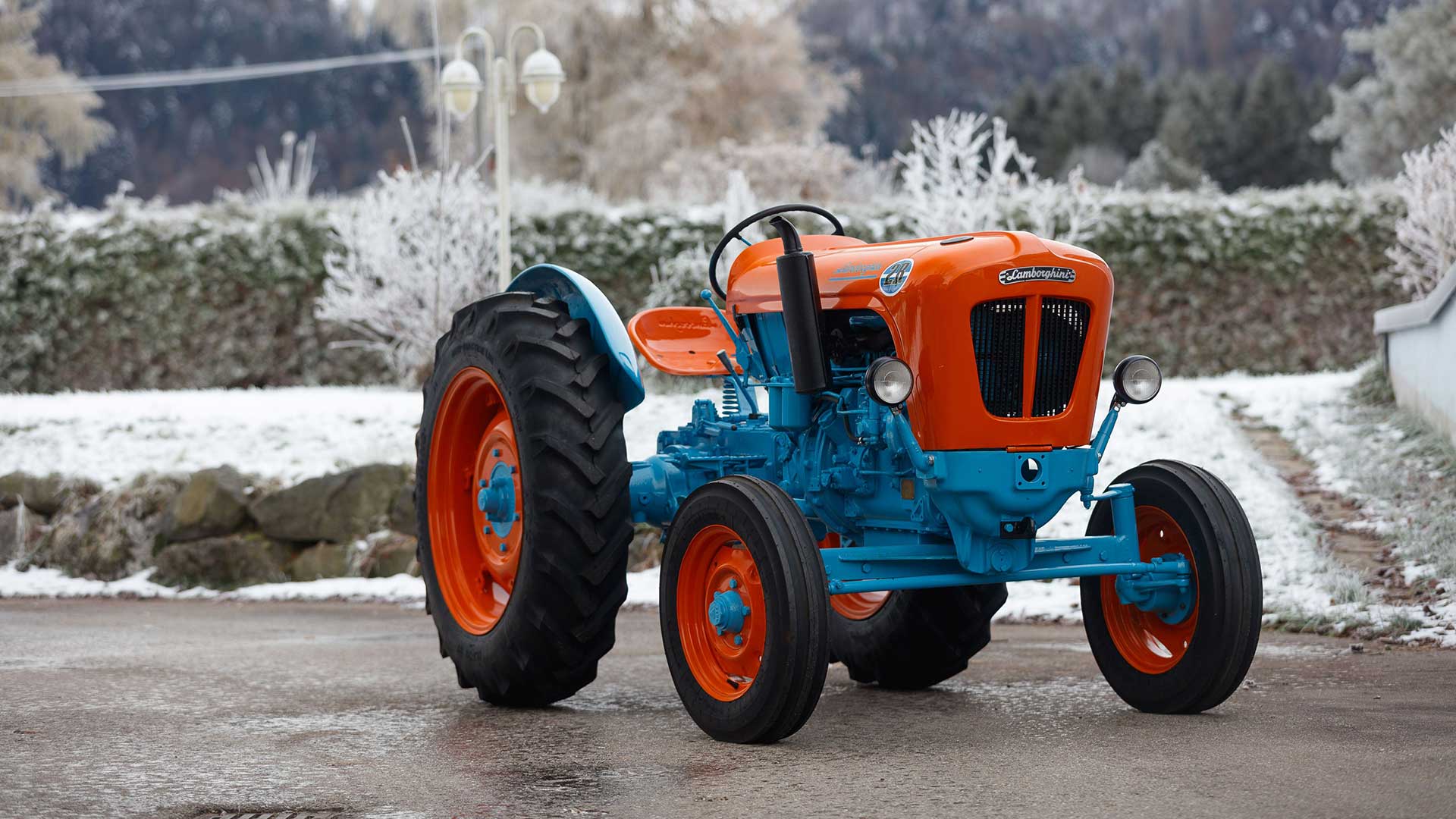
1962 Lamborghini 2 R Tractor
We may be pushing the boundaries of ‘barn find’ with this lot, but what other location would you realistically expect to find a tractor? This is not just any agricultural vehicle, but one with a Lamborghini badge. Ferruccio Lamborghini founded the company in 1948, and used its success to finance his creation of the sports car brand in 1963.
Unlike the later Lamborghini cars, this tractor does not have a V12 engine. Instead, it has a three-cylinder diesel engine, offering a modest 39 horsepower. A thorough restoration was undertaken by the seller in 2015, and the tractor has not been used since.
At an estimated $20,000 to $40,000 (£15,000 to £30,000), this is likely to be one the cheapest ways to buy a classic Lamborghini at auction.
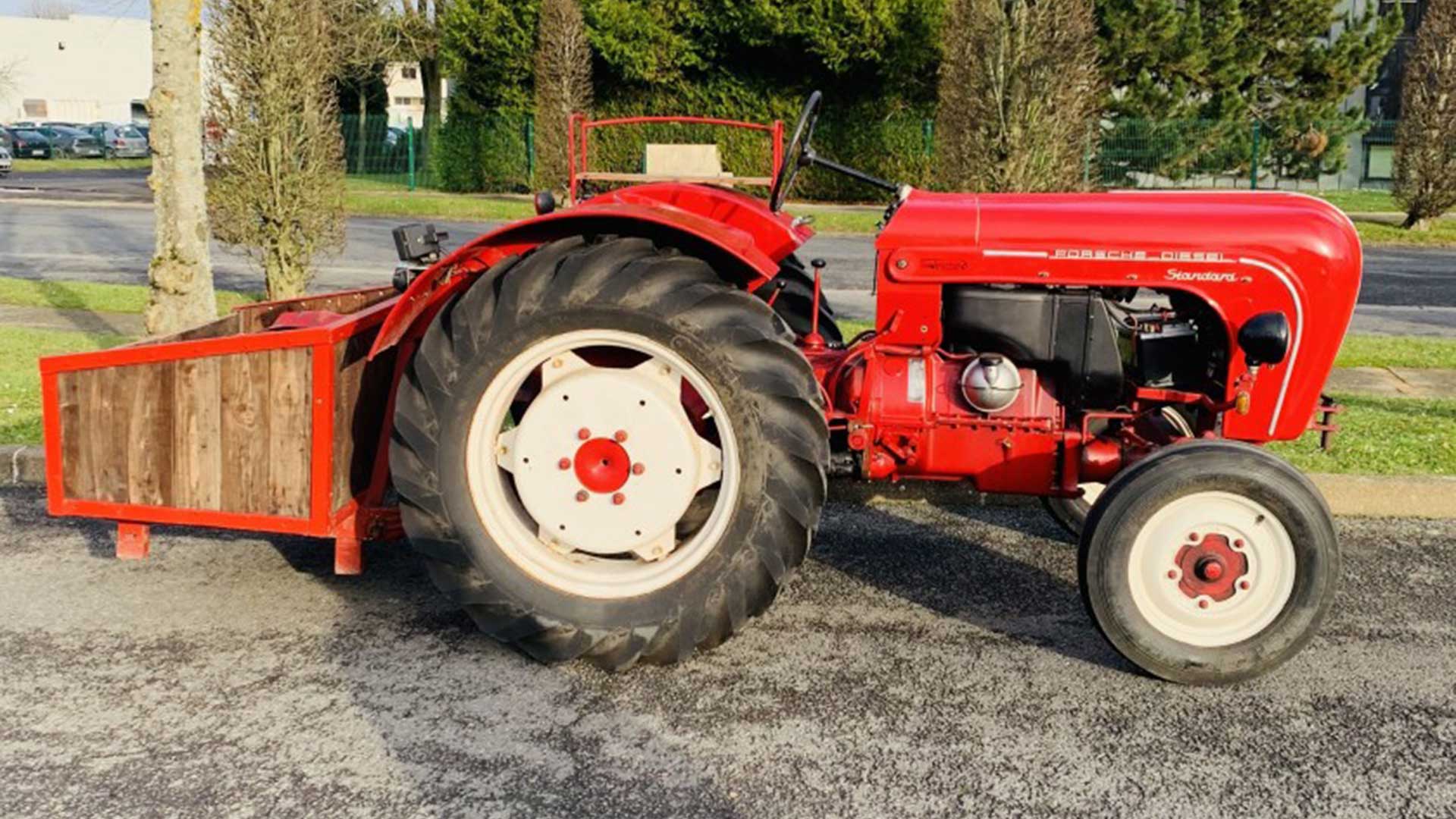
1959 Porsche-Diesel Standard 218
Porsche purists were a little upset when the company launched diesel versions of its SUV range. However, the brand had been used on thousands of diesel-powered vehicles decades before, with Porsche-Diesel tractors first being made in the 1930s.
This example is a later Standard 218 model, with 12,000 examples made between 1957 and 1963. An output of 28 horsepower is unlikely to challenge the latest Porsche 911 on a race track, but the Standard 218 would certainly have the advantage in a muddy field.
Artcurial estimates this tractor will sell for $20,000 to $30,000 (£15,000 to £23,000) at auction, making it the most affordable Porsche set to cross the block.