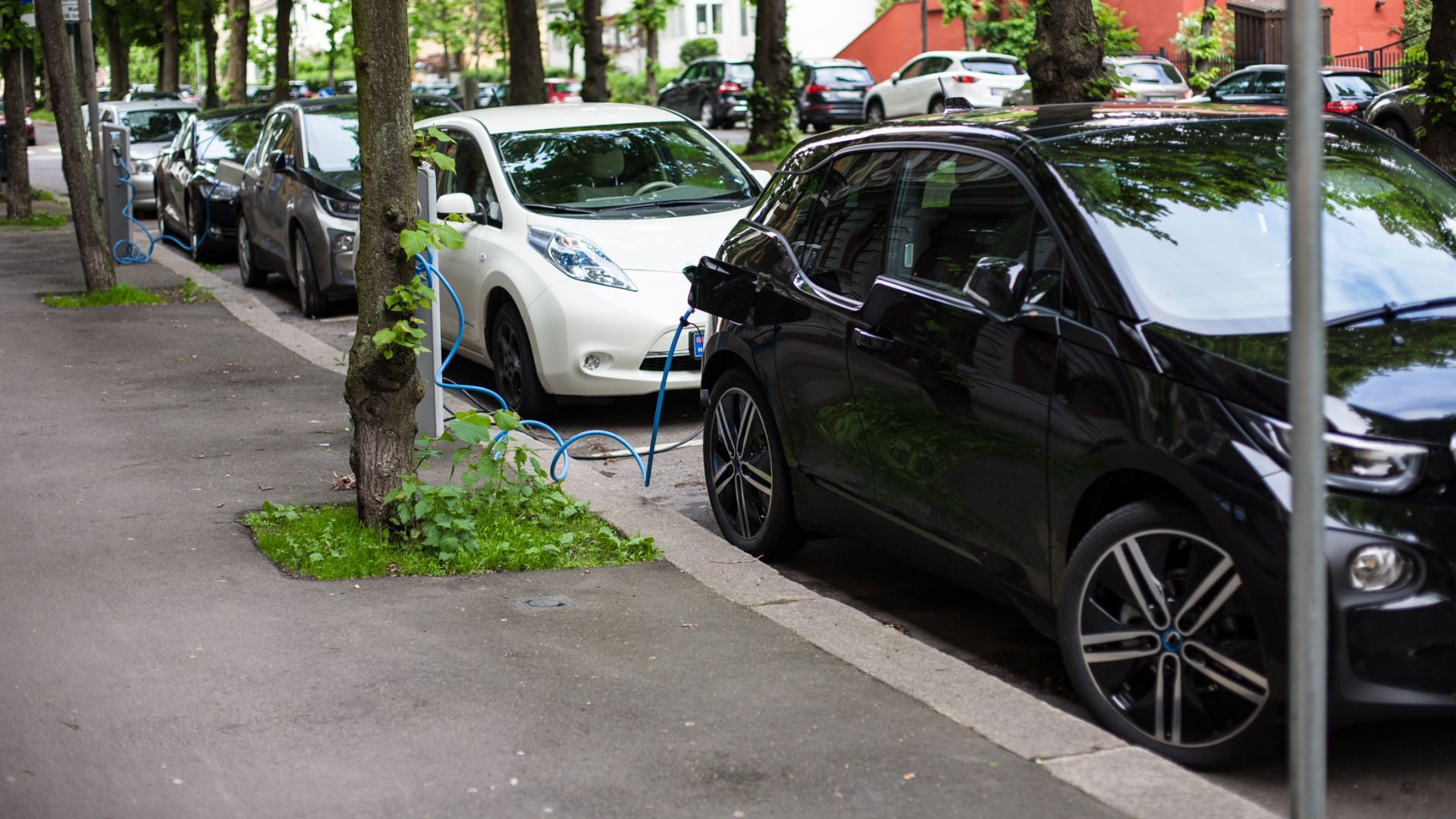
New research shows just 30 percent of people working in the automotive industry believe the UK government is doing enough to incentivise electric cars.
That’s according to a DNV GL survey of motoring manufacturers, charge point operators, power suppliers and investors. However, 69 percent still feel the ‘Road to Zero’ goal of half of new cars being ultra-low-emissions by 2030 is achievable.
Motorists could save £41,000 by switching to electric
In total, 48 percent said they’d consider buying an electric vehicle for their next car. However, 42 percent said ‘not now’.
That kind of reluctance is widespread across British car buyers. A 2019 survey by the Transport Research Laboratory found that just one in four people in the UK have a fully electric car on their shopping list for the next five years.
It’s also worth noting that the government Plug-in Car Grant is due to elapse at the end of March 2020. As yet, there has been no word on whether it will be extended, or what could replace it.
There’s even talk that it could be brought forward to as soon as 2030.
Car manufacturers have created their own incentives, with scrappage schemes and deposit contributions. And they have their own reasons to shift low- and zero-emissions cars, too. Soon, if the average emissions of their ranges exceed 95g/km CO2, they will face heavy fines.
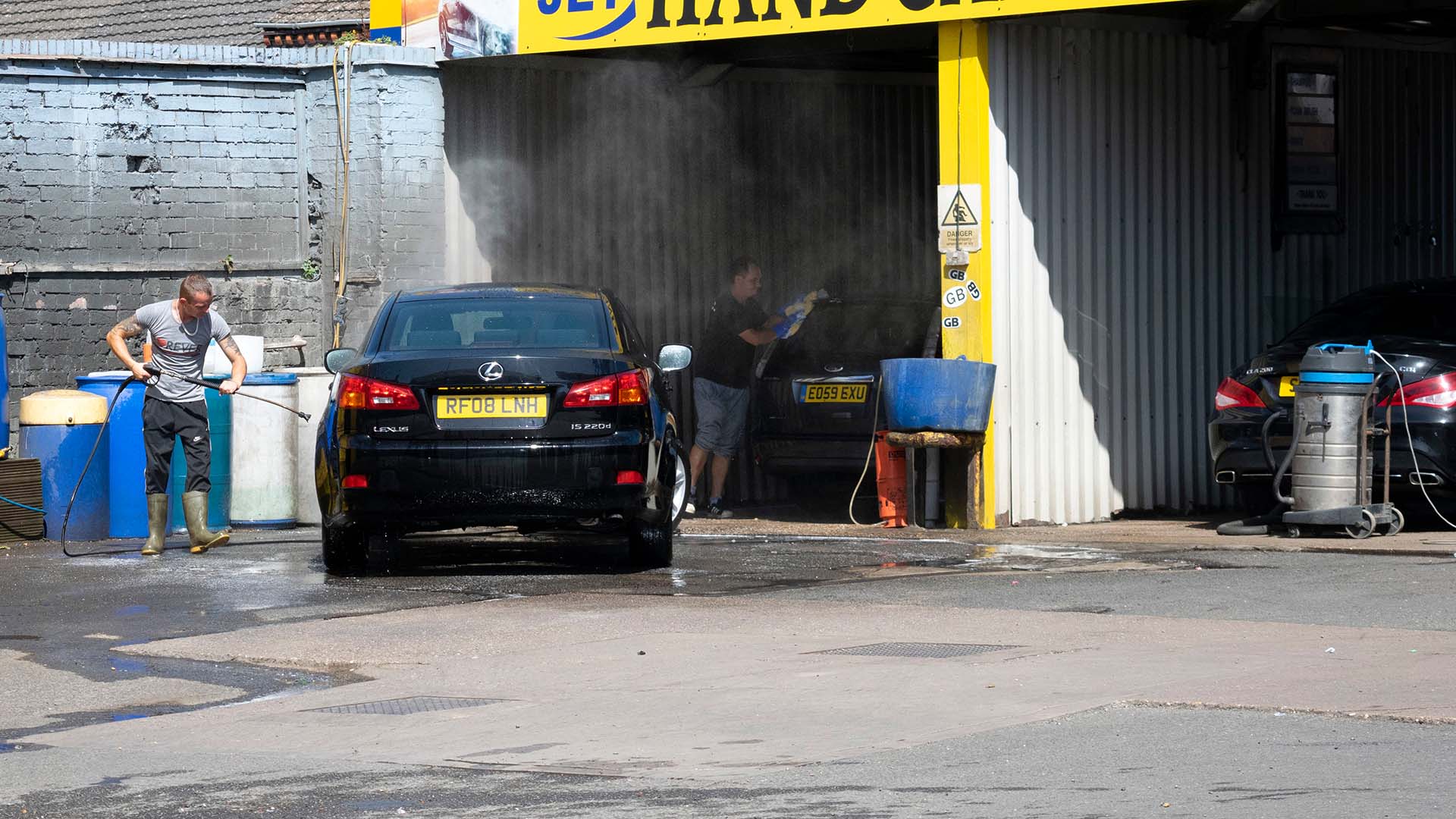
Non-compliance with labour regulations “is endemic in the hand car washing industry”. This is according to Matthew Taylor, the government’s interim director of labour market enforcement.
He was speaking at a Resolution Foundation labour market enforcement event in Westminster, where he called for “specific action and plan” to tackle the problems in the car washing sector.
A report in the FT says hand car washes have gained market share from machine car washes. They’re dominated by small operators employing eastern European migrants. The sector is rife with underpayment, the mistreatment of workers, health and safety failing and environmental issues.
A licensing scheme to protect car wash workers would be the first for the sector outside agriculture and food processing. The move would be welcomed by the car wash industry.
Research conducted for the Car Wash Association (CWA) confirmed that less than five percent of the 10,000 or more third-party hand car washes are located on operational forecourts. This means they are typically located on brownfield and greenfield sites, car parks of major retailers and disused forecourts.
The report in the FT points to a study of 45 car washes in Nottingham and Leicester. Many operated from unsuitable premises, which left dangerous chemicals flowing into nearby water courses. Staff were also provided with ineffective protective clothing and equipment when handling hazardous materials.
‘A serious social blight’
Brian Madderson, chairman of the Petrol Retailers and Car Wash Associations, said: “We are excited that government, through the Office for Labour Market Enforcement, is at last proposing practical measures to combat the fast growing, mostly illegal, trade of non-compliant hand car washes.
“It is a national disgrace that the UK has become the ‘go to’ country in Europe for non-compliant hand car washes that openly flout tax, labour abuse and environmental regulations. They are a serious social blight caused by ineffective enforcement and contrast starkly with countries like Germany, Austria and Benelux, which have virtually none.
“The sooner this new government tackles this issue, the sooner will our rivers and countryside be freed from toxic chemical waste and labour abuse will be eliminated. We enthusiastically welcome Mr Taylor’s call for a licensing scheme.”
Changes to the licensing of car washes would require ministerial action. The Home Office said it will ‘continue to work closely with law enforcement partners such as the GLAA (Gangmasters and Labour Abuse Authority) and businesses to prevent modern slavery and bring perpetrators to justice’.
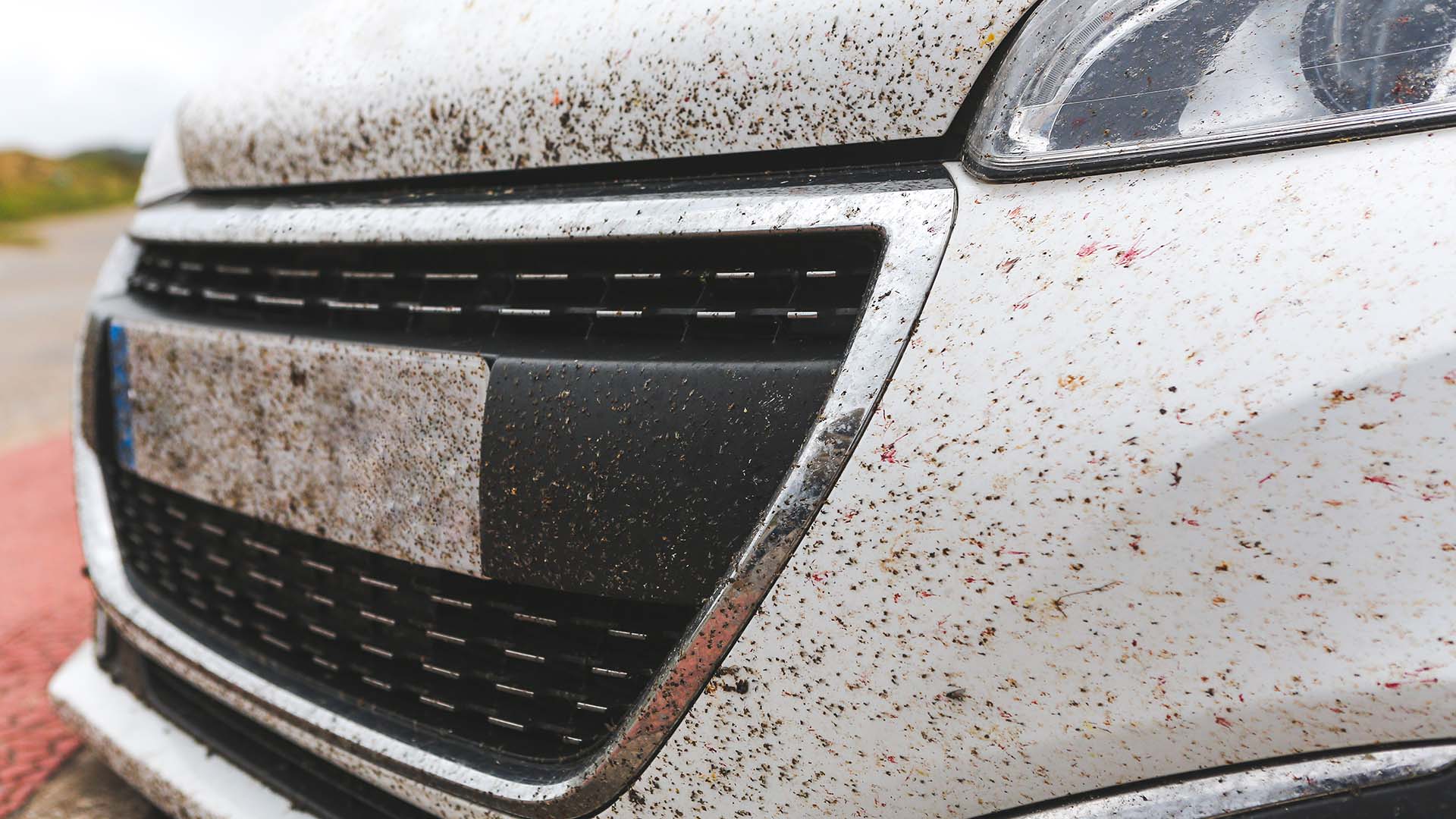
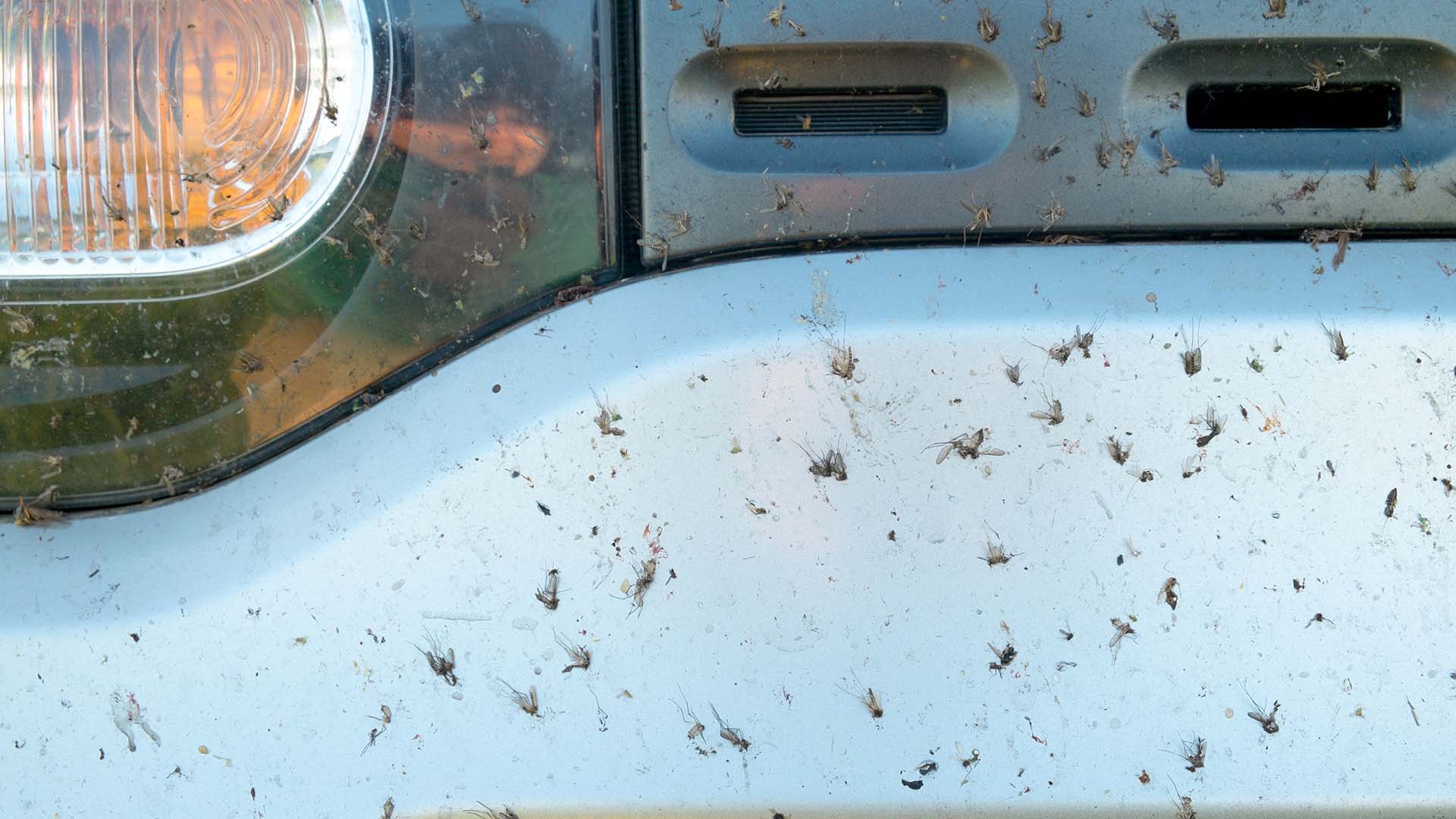
There were 50 percent fewer insects squashed on car number plates in 2019 than in 2004. That’s according to a study conducted in Kent.
By using so-called ‘splatometer’ sampling grids, Kent Wildlife Trust asked members of the public to record the number of insects squashed on their car’s registration plate. These figures were then compared to a similar study by the RSPB in 2004.
Overall, the ‘splat density’ has fallen from an average of 0.2 splats per mile to 0.1 splats per mile. This is a trend mirrored by other international studies, with intensive farming and our reliance on pesticides blamed for the decline.
It’s not that cars are responsible for killing fewer insects, it’s that there are fewer insects to kill. A recent report says the global decline in insects could have ‘potentially catastrophic’ consequences.
The report highlights the ‘windscreen phenomenon’ – a term given to the anecdotal observation that people tend to find fewer insects squashed on the windscreen. Why does this matter?
‘Foundation of life’
Speaking on Channel 4 News, Dr. Paul Tinsley-Marshall from Kent Wildlife Trust said: “Insects form the basis of many food webs – they’re the foundation of life on earth. Three-quarters of crops are pollinated by insects.
“Without insects, life on earth just couldn’t exist.”
Insects are the main food source for many birds, small mammals and fish. They’re also the critical component of ecosystems.
Campaign group Buglife points to figures that suggest 41 percent of the world’s insects species could be extinct within the next few decades.
‘We need to act immediately’
Professor Dave Goulson of the University of Sussex delivers a stark warning: “Right now, species are going extinct faster than they have done for 65 million years.
“This quiet decline of our insects is a catastrophe unravelling all around us right now. We need to act immediately, or else it will be too late.”
Clearly, action is required at a national and international level, but what can we do to help? Kent Wildlife Trust advises us to ‘stop’ and ‘start’ with these two simple actions:
STOP killing insects by reducing our use of pesticides where we live, work and farm.
START creating more insect-friendly habitats in towns, cities and the countryside.
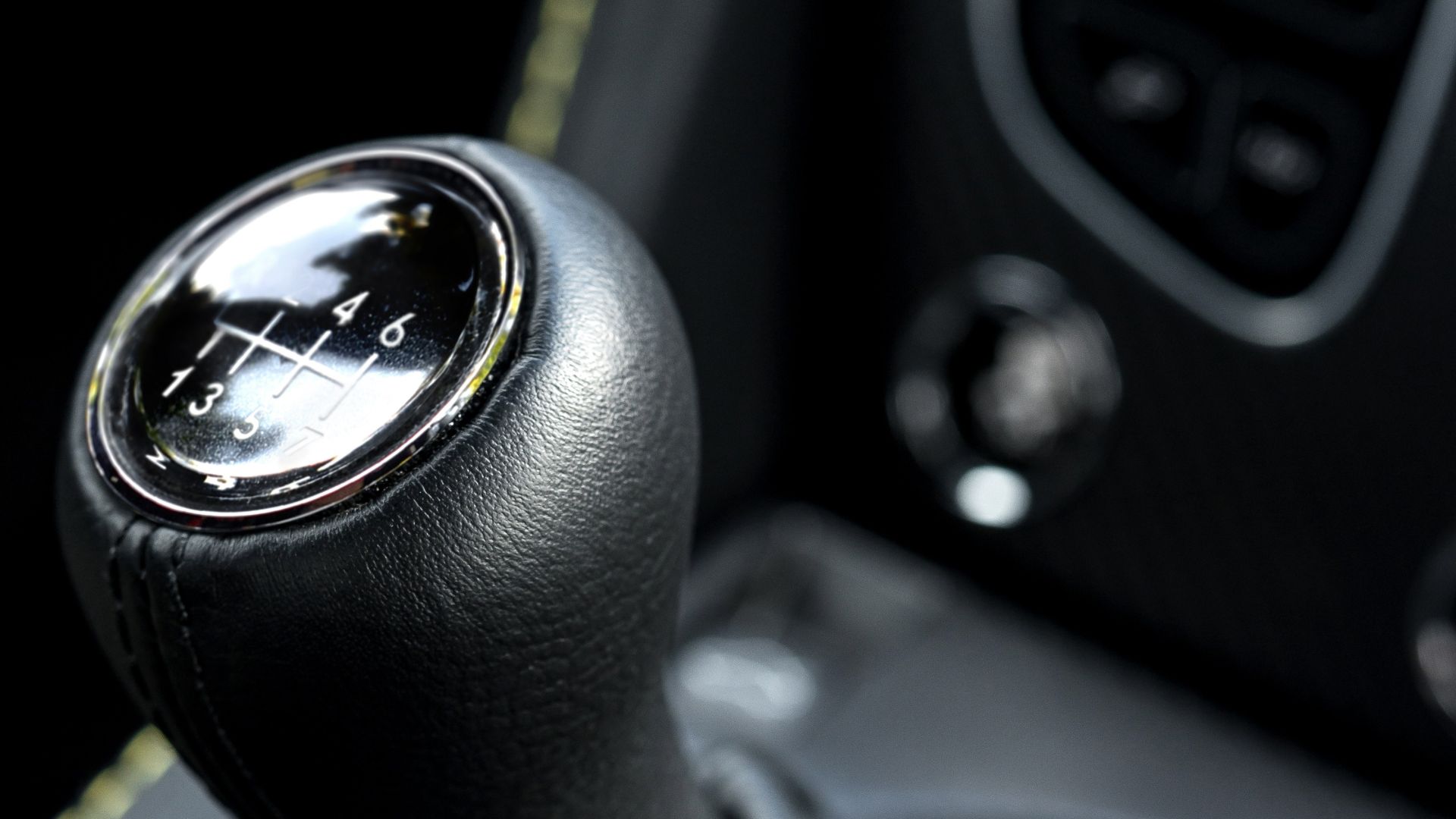
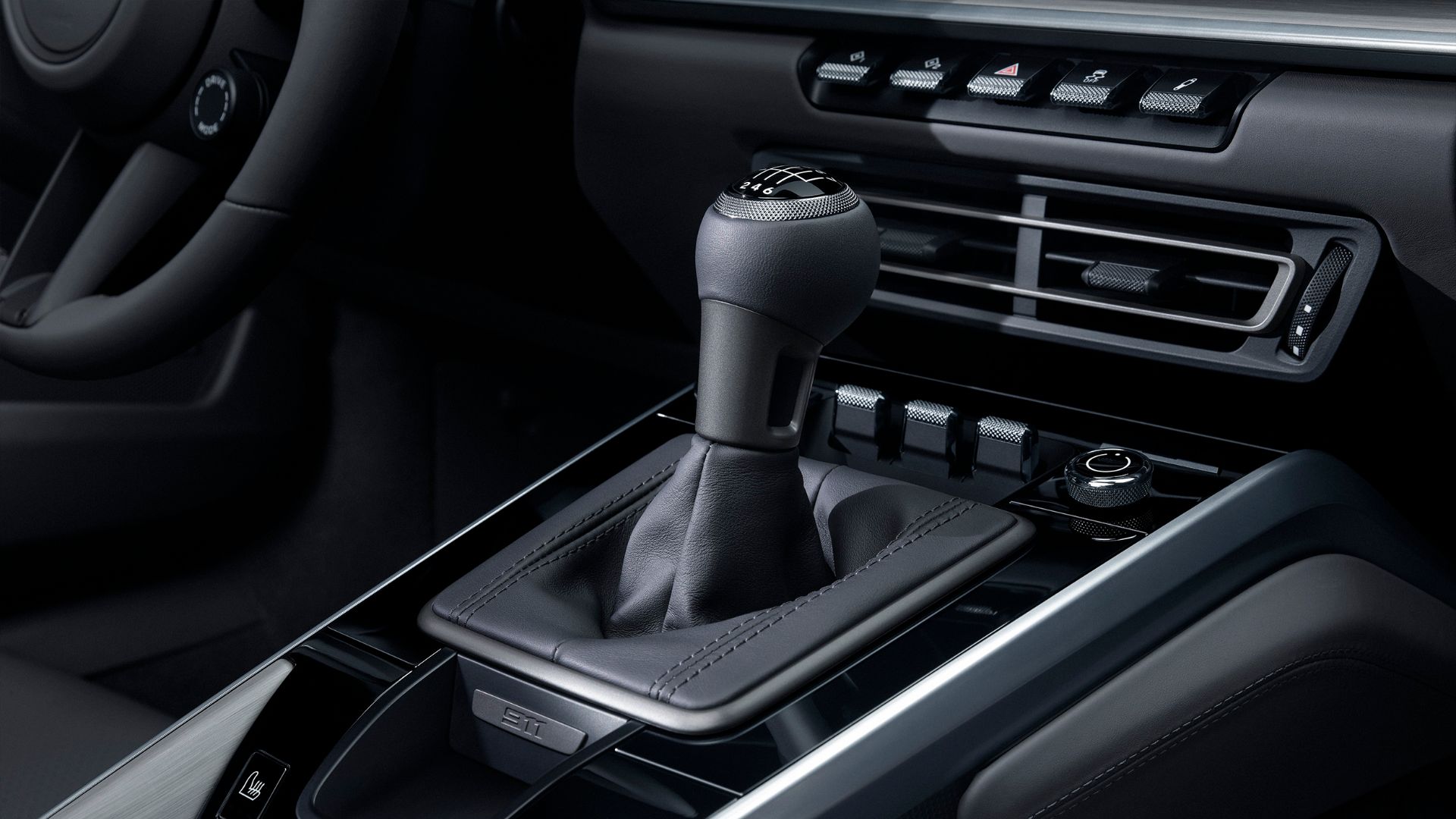
The ‘Save the manuals’ movement seemed to be gathering steam a little while ago. First, the Jaguar F-Type, then the Porsche 911 GT3 and, most recently, the Aston Martin Vantage, all got manual gearbox options where previously there wasn’t one.
Sadly, that could have been a bit of a smokescreen, at least in America. New figures show that electric cars outsold manuals there by 50 percent in 2019.
It’s a big lead with small numbers, however. Last year, manuals made up 1.1 percent of sales, while electric cars made up 1.6 percent. The trend-lines crossed in the third quarter of last year, following 2018 when manuals led at 1.6 percent, with EVs on 1.5 percent. Overall, US sales of electric cars totalled around 270,000 in 2019.
This isn’t to say that EVs have raced ahead either, rather that sales of manuals have slumped. The Power Information Network data, which was requested by Green Car Reports, actually suggests that EV sales almost plateaued last year.
The used car market ‘remained solid‘ in 2019
Motorists could save £41,000 by switching to electric
So what does this mean for manuals? Well, this is the US market, the market that popularised the automatic car.
It’s unsurprising that shock statistics about the stick shift’s demise should come first from the Land of the Free. As for Europe, we’re still clinging to our third pedal, especially with our taste for more compact cars.
These days, the automotive industry is littered with daft and unpronounceable names. No self-respecting crossover would leave a showroom without a random group of letters that would be worthy of a double word score on Scrabble. Here, we reveal 40 of the worst names from motoring history. We’ll spare you the trauma of seeing another Qashqai, Kadjar or Captur.
Skoda Enyaq
Skoda says the name of the Enyaq is derived from the Irish name ‘Enya’, meaning ‘source of life’. That’s as maybe, but as a name for a car, we wish it would sail away, sail away, sail away…
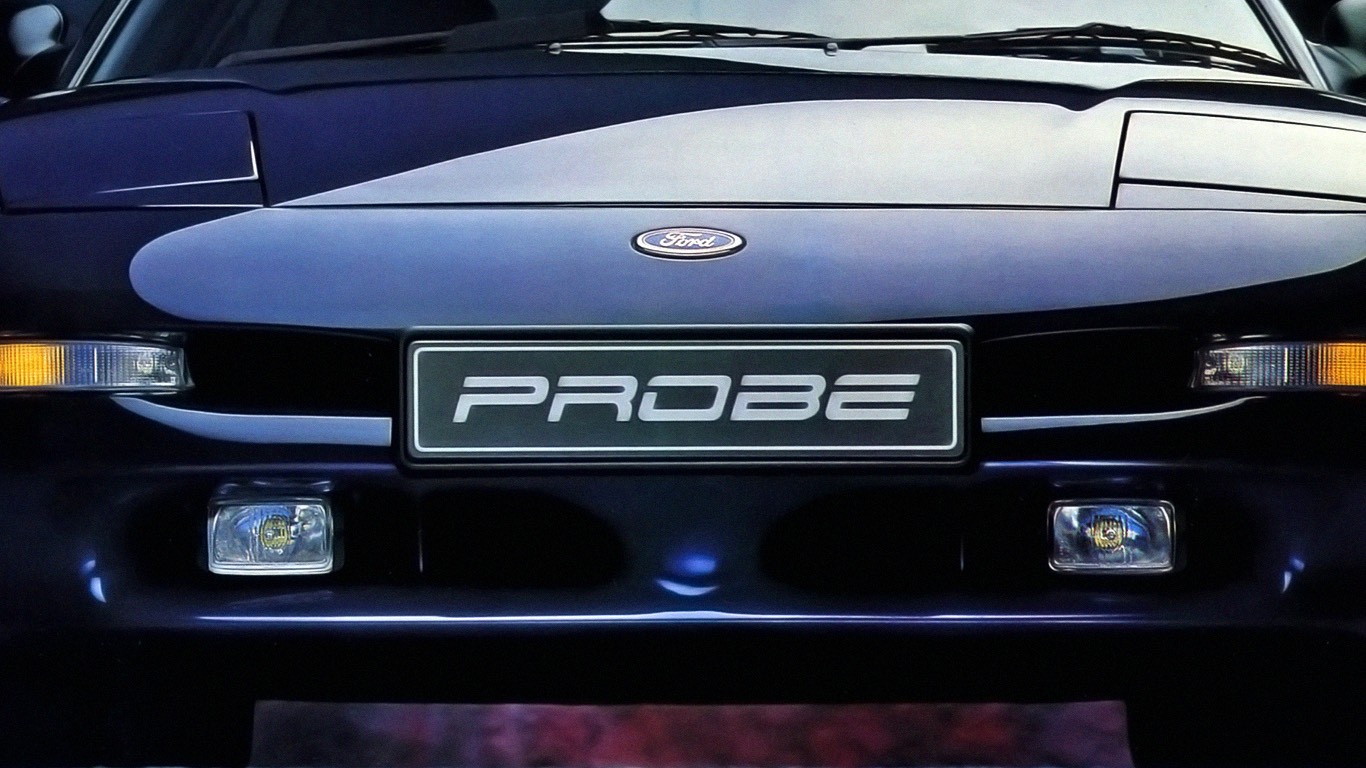
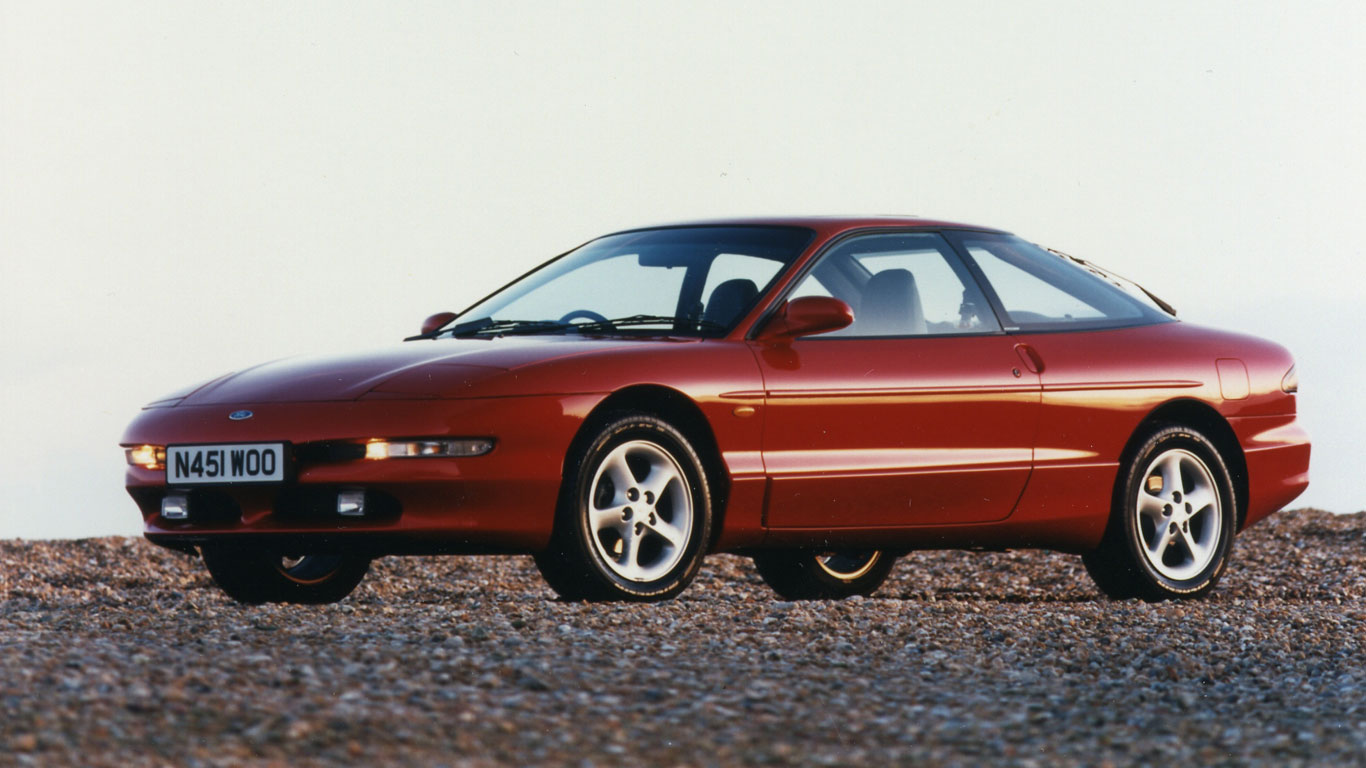
Ford Probe
What were they thinking? The Ford Probe. Really, Ford? REALLY?
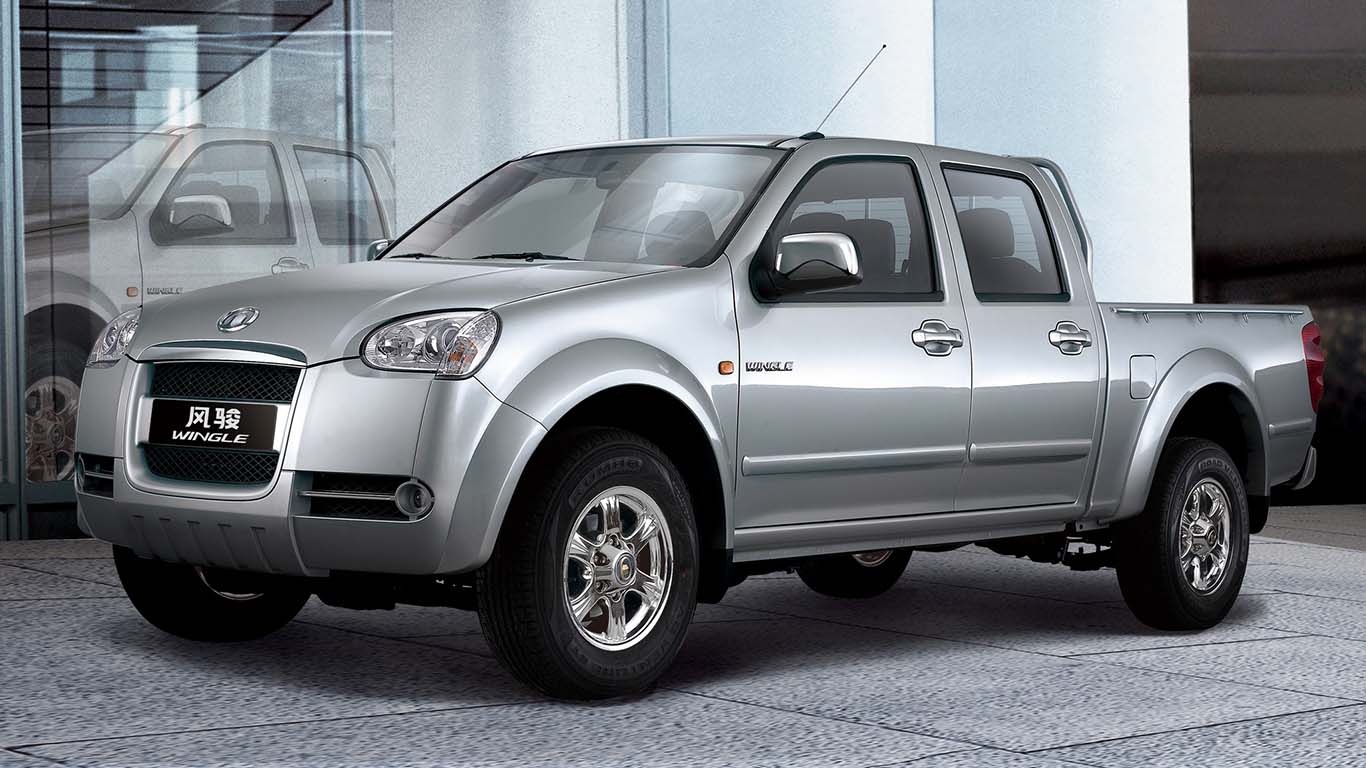
Great Wall Wingle
Head over to the Urban Dictionary to discover why Wingle isn’t a great name for a supposedly butch pick-up.
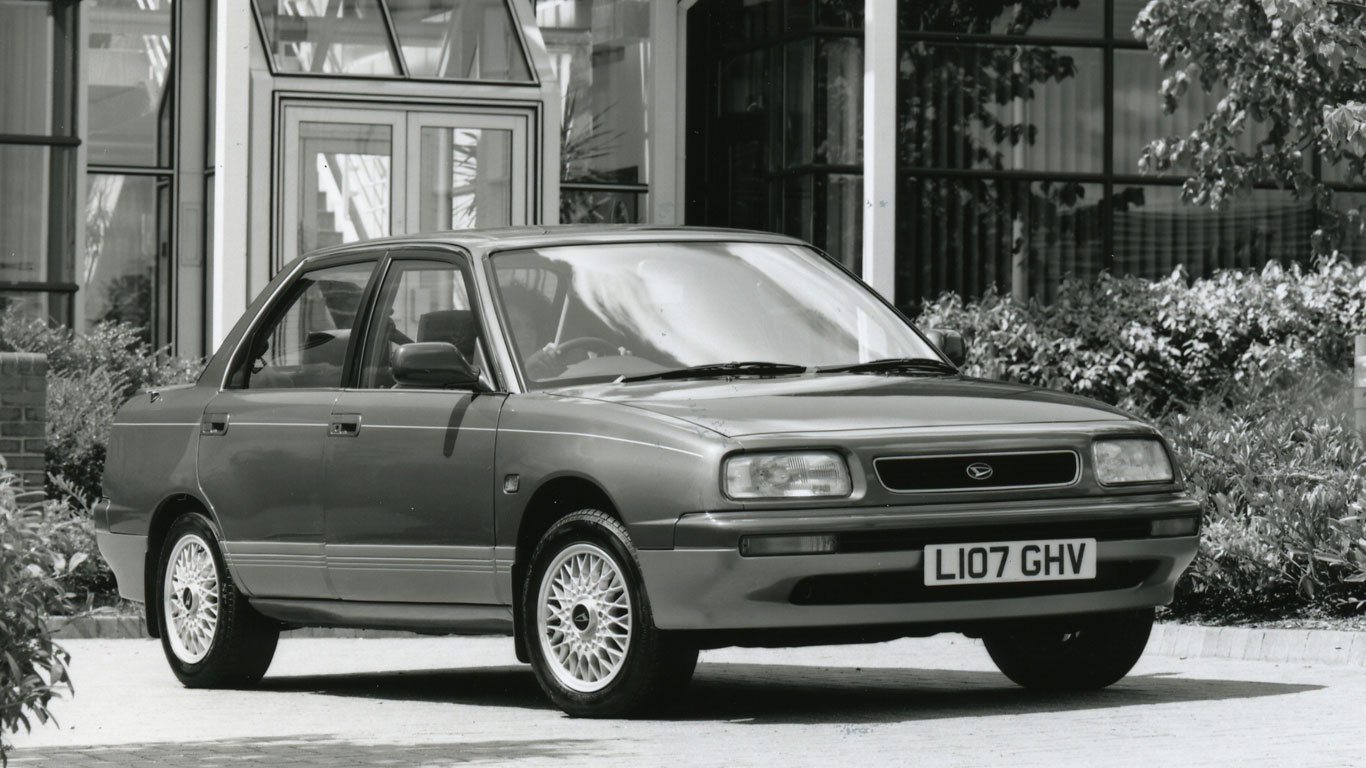
Daihatsu Applause
The Daihatsu Applause was little more than a mediocre car of the 1990s. Probably worthy of a slow hand clap, but a round of applause? Nope.
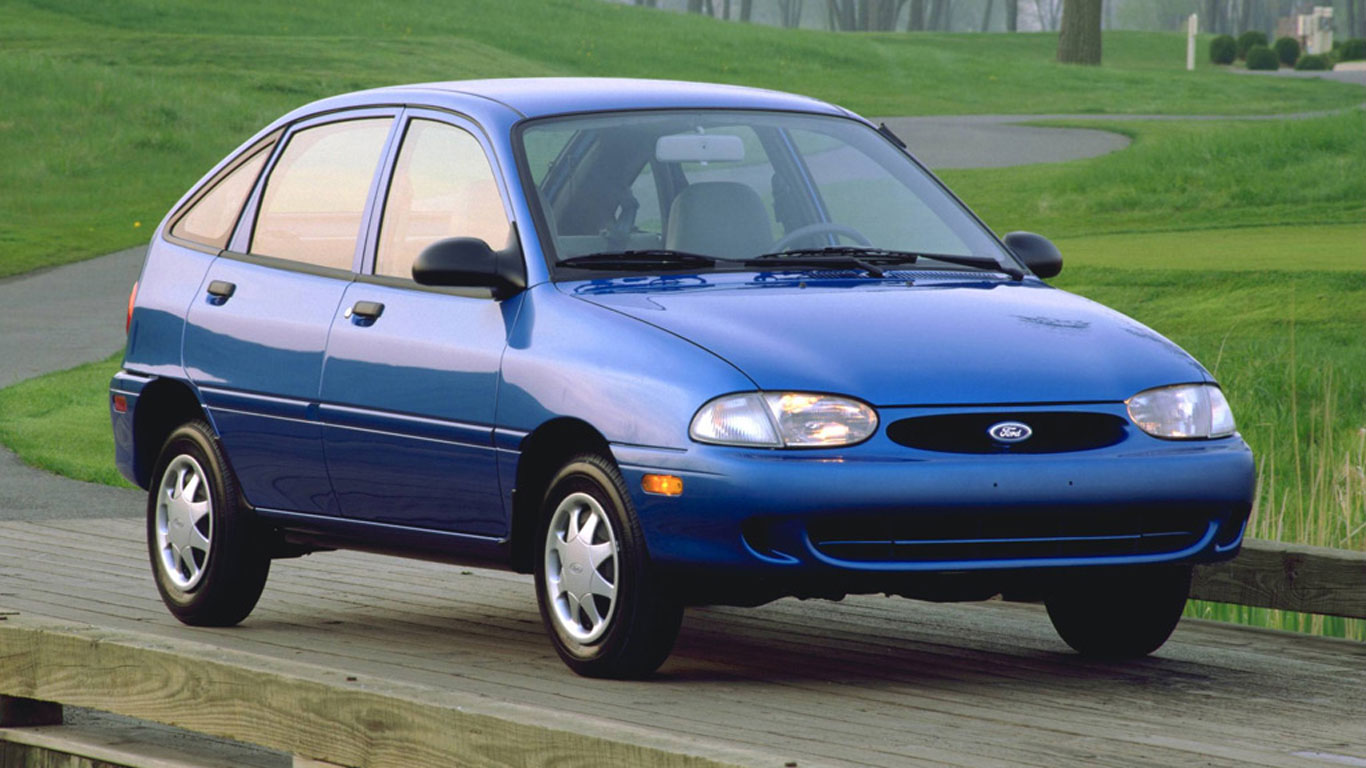
Ford Aspire
Would anyone really aspire to owning a car that looked like this? Of course they wouldn’t, so put away the book of motivational speaking, Ford.
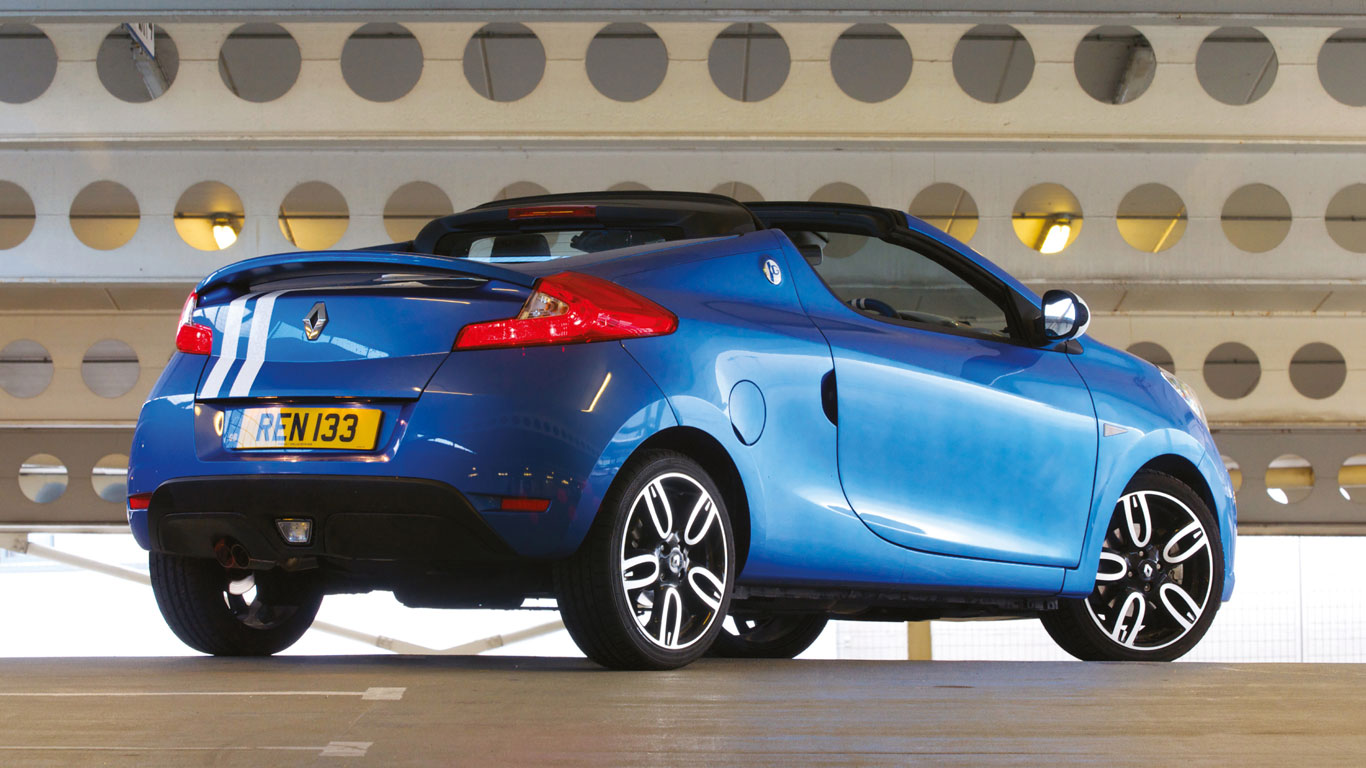
Renault Wind
Only the Brits would find this amusing. The idea of a car called the Wind appeals to our end-of-the-pier sense of humour.
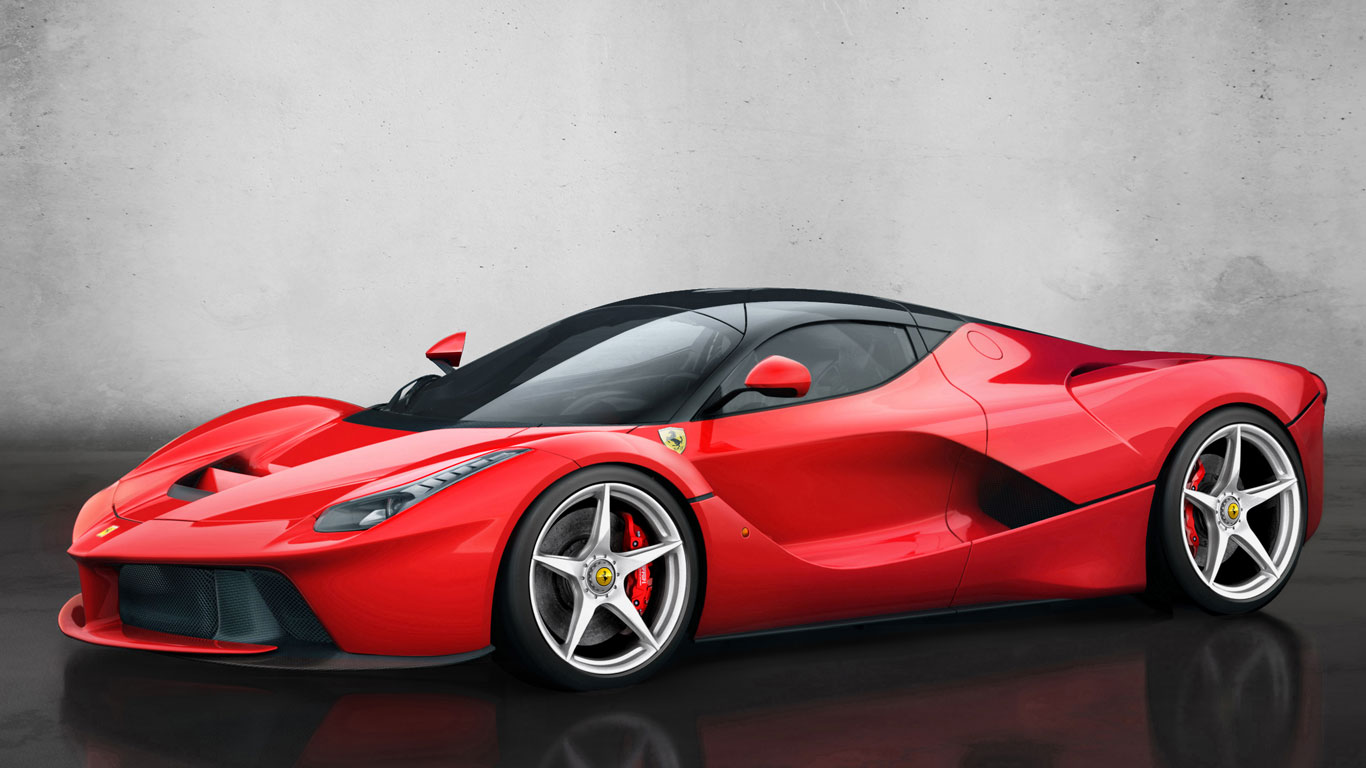
Ferrari LaFerrari
Even Ferrari can get it wrong. Essentially, this is called the ‘Ferrari The Ferrari’. It’s the kind of stunt you’d expect from a cosmetics firm. Not Ferrari.
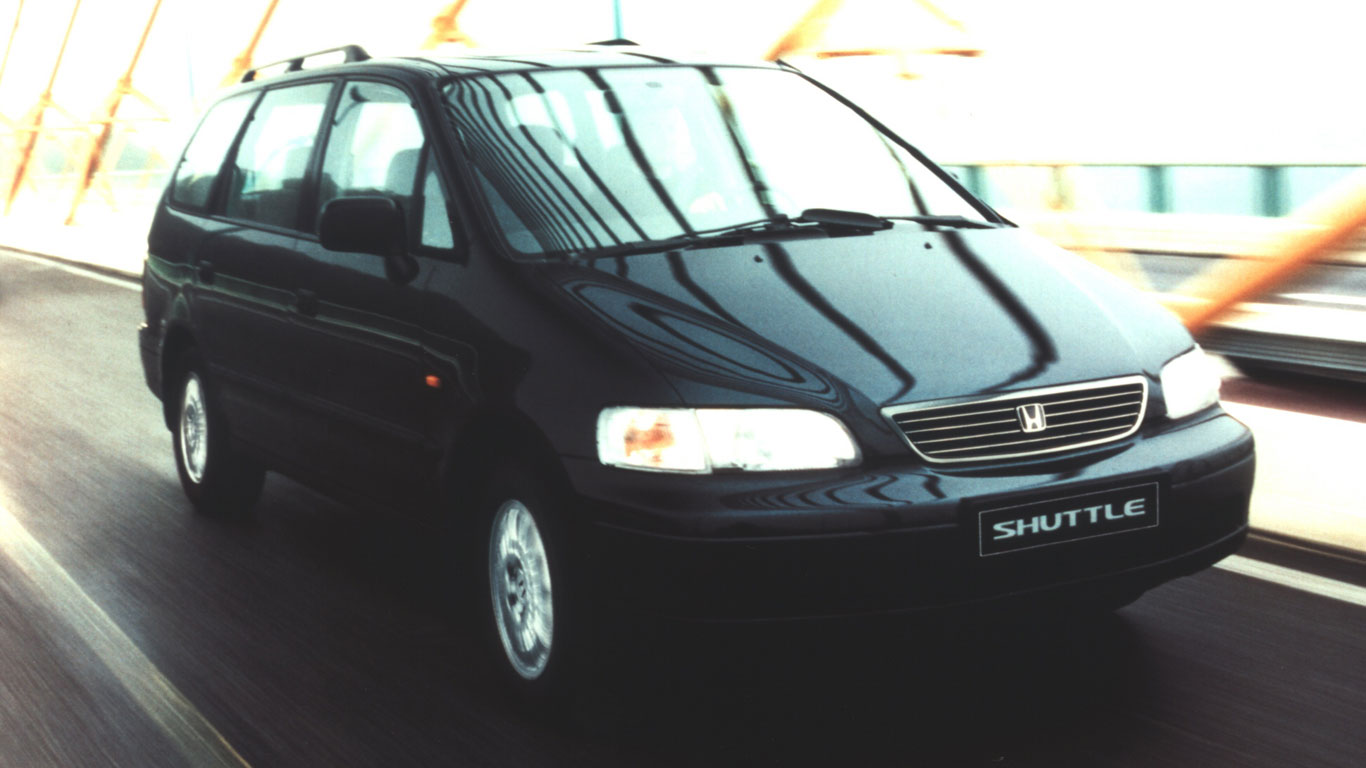
Honda Lagreat
Ah, that’s better. Give yourself a pat on the back if you owned a Honda Lagreat (known in the UK as the Shuttle) and called it Alexander.
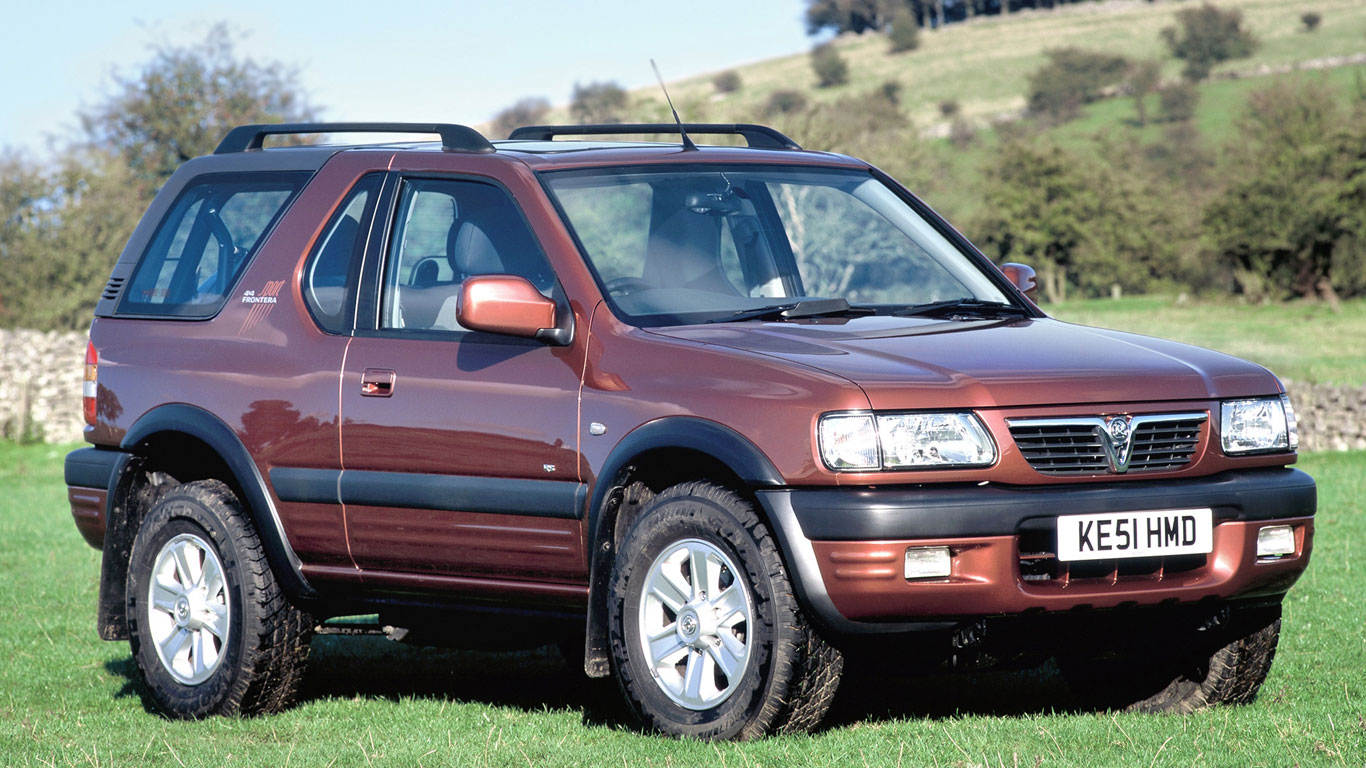
Isuzu Mysterious Utility Wizard
The ‘MU’ in Isuzu MU stands for Mysterious Utility. Quite where the Wizard bit came from is anyone’s guess. Sadly, in the UK we had to make do with the Vauxhall Frontera.
Daihatsu Naked
What do Avril Lavigne, Leona Lewis, Neneh Cherry, Reef and the Spice Girls all have in common? They’ve all written a song about the Daihatsu Naked. True dat.
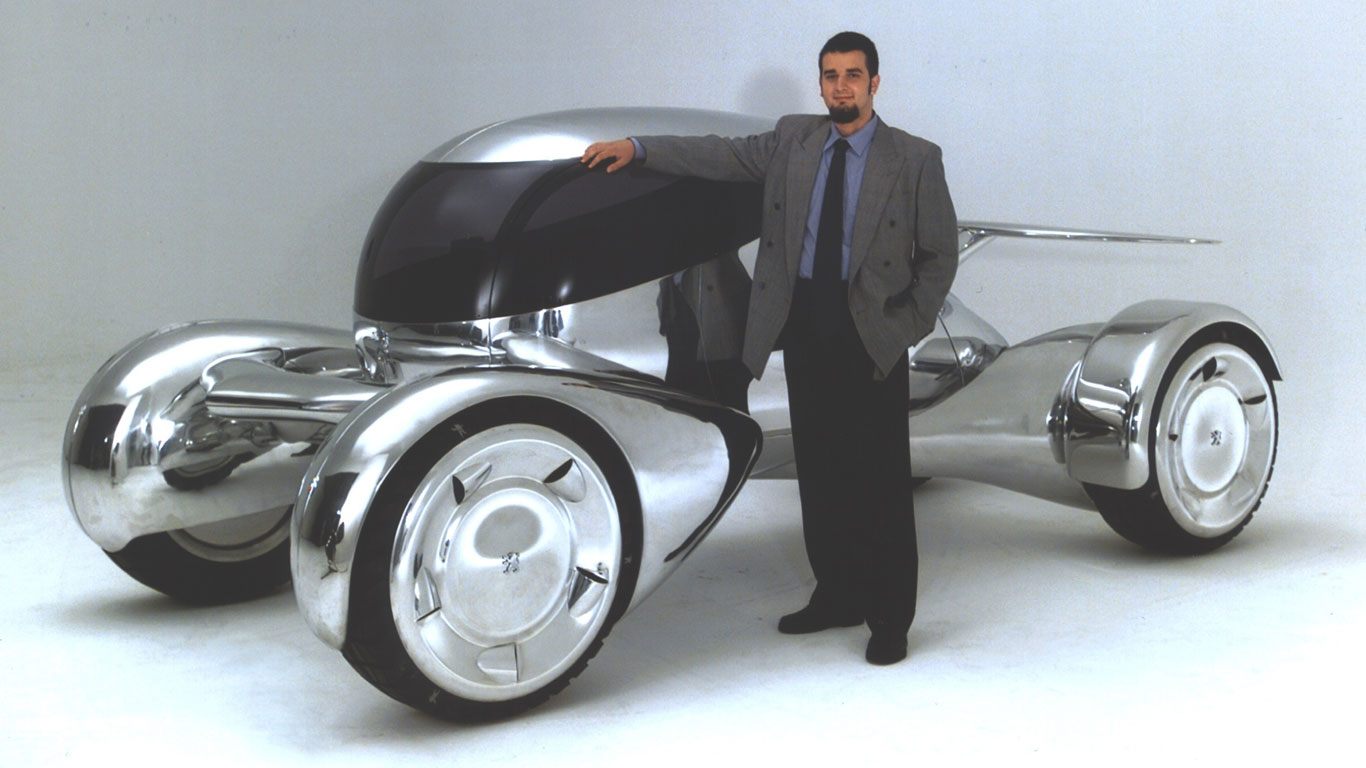
Peugeot Moonster
It’s a crazy concept, so we can kind of excuse the stupid name. But Moonster, really? Next you’ll be telling us about a Skoda Roomster. Oh, wait…
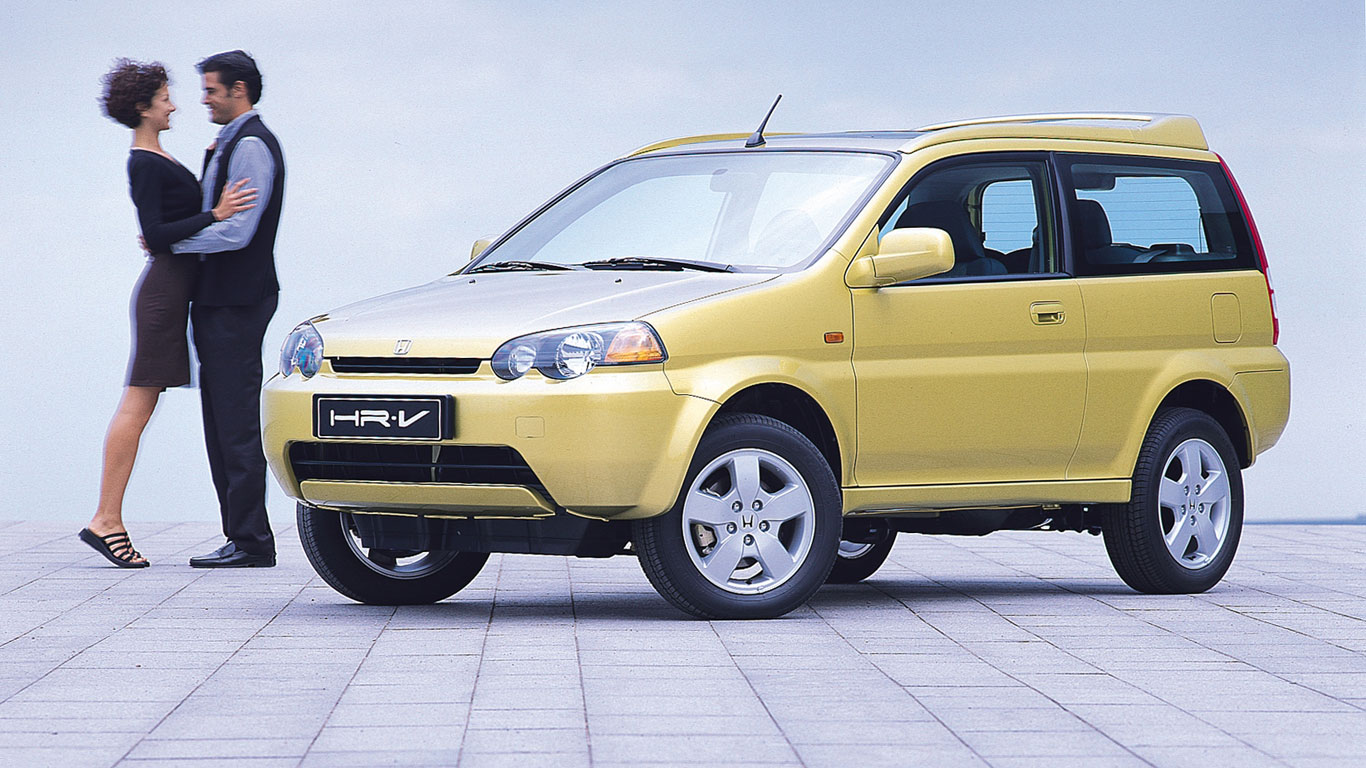
Honda Joy Machine
In order to appeal to a younger audience, Honda marketed the original HR-V as the Joy Machine. And you thought a Joy Machine was something you ordered from Ann Summers.
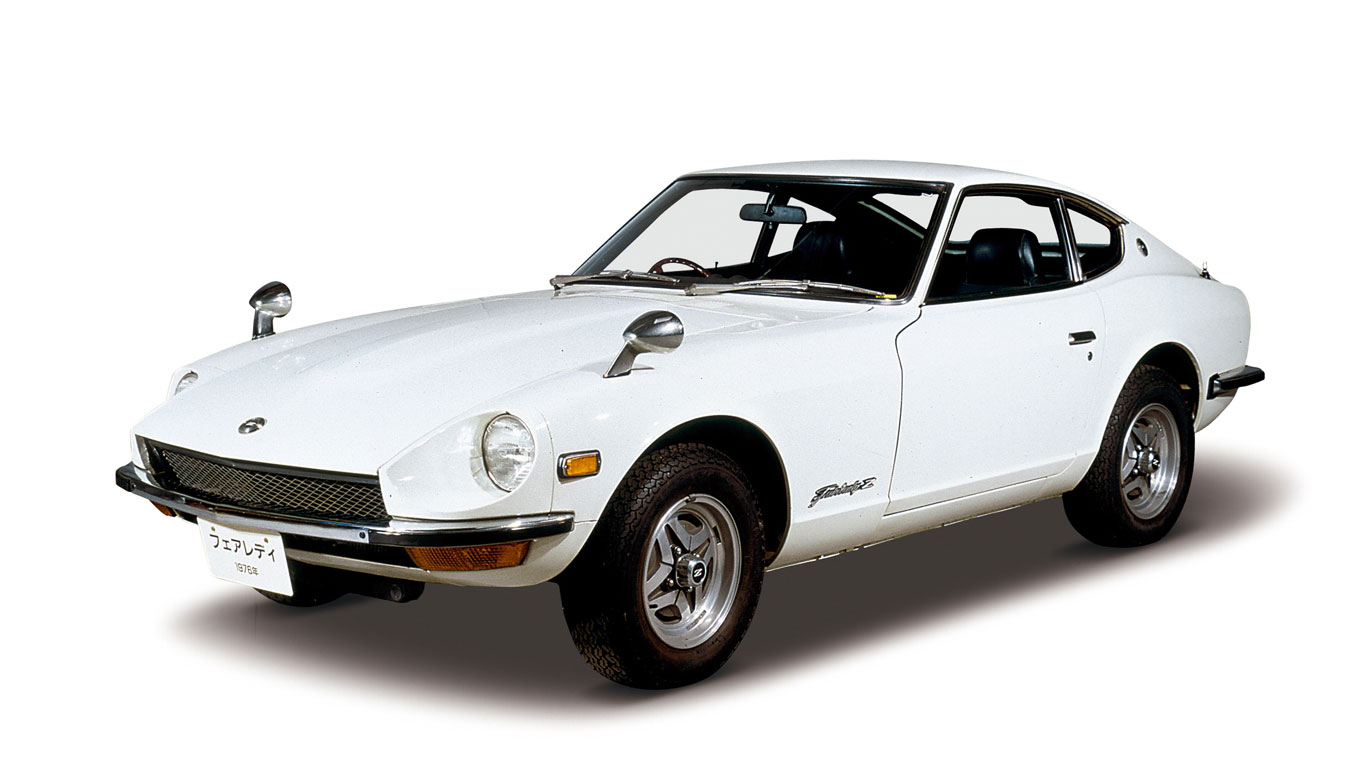
Datsun Fairlady
The Datsun Fairlady. Named in honour of a musical starring Audrey Hepburn. Probably.
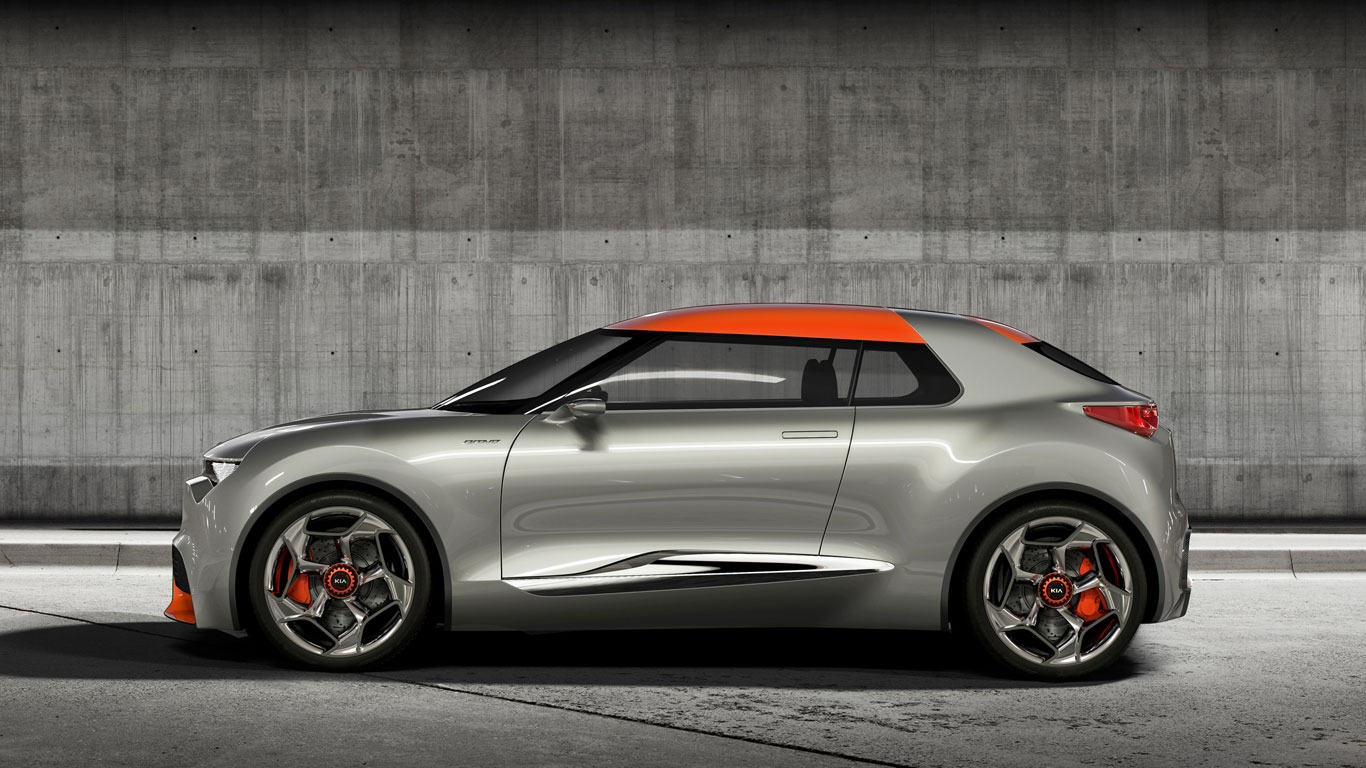
Kia Provo
Kia has given the world some pretty cool motor show concept cars in recent years. But the marketing team should have spent some time on Wikipedia before settling on this name.
Yamaha Pantryboy Supreme
It’s easy to find the Yamaha Pantryboy Supreme. Just take a look down aisle three, in the baking section, next to the ready-roll pastry.
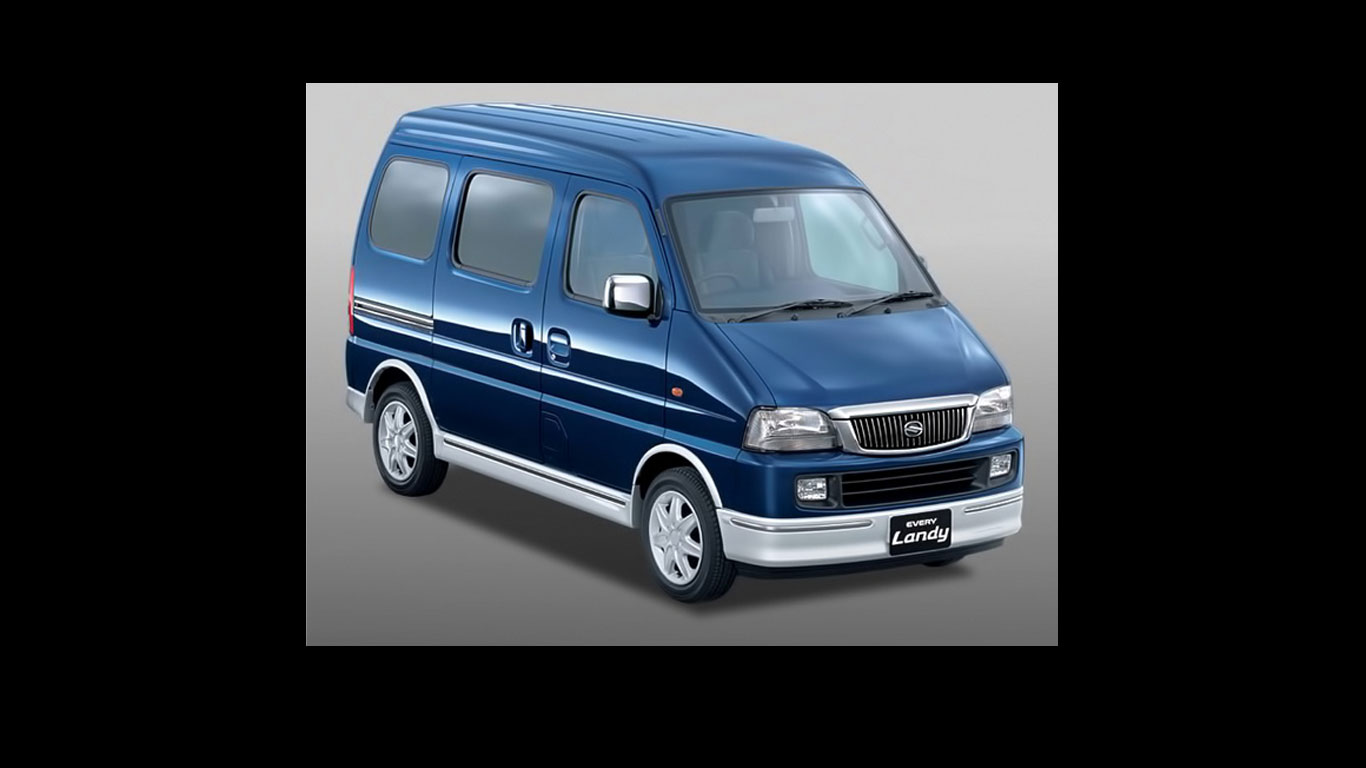
Suzuki Every Landy
The Suzuki Every was bad enough. But with the Suzuki Every Landy, you’re really spoiling us.
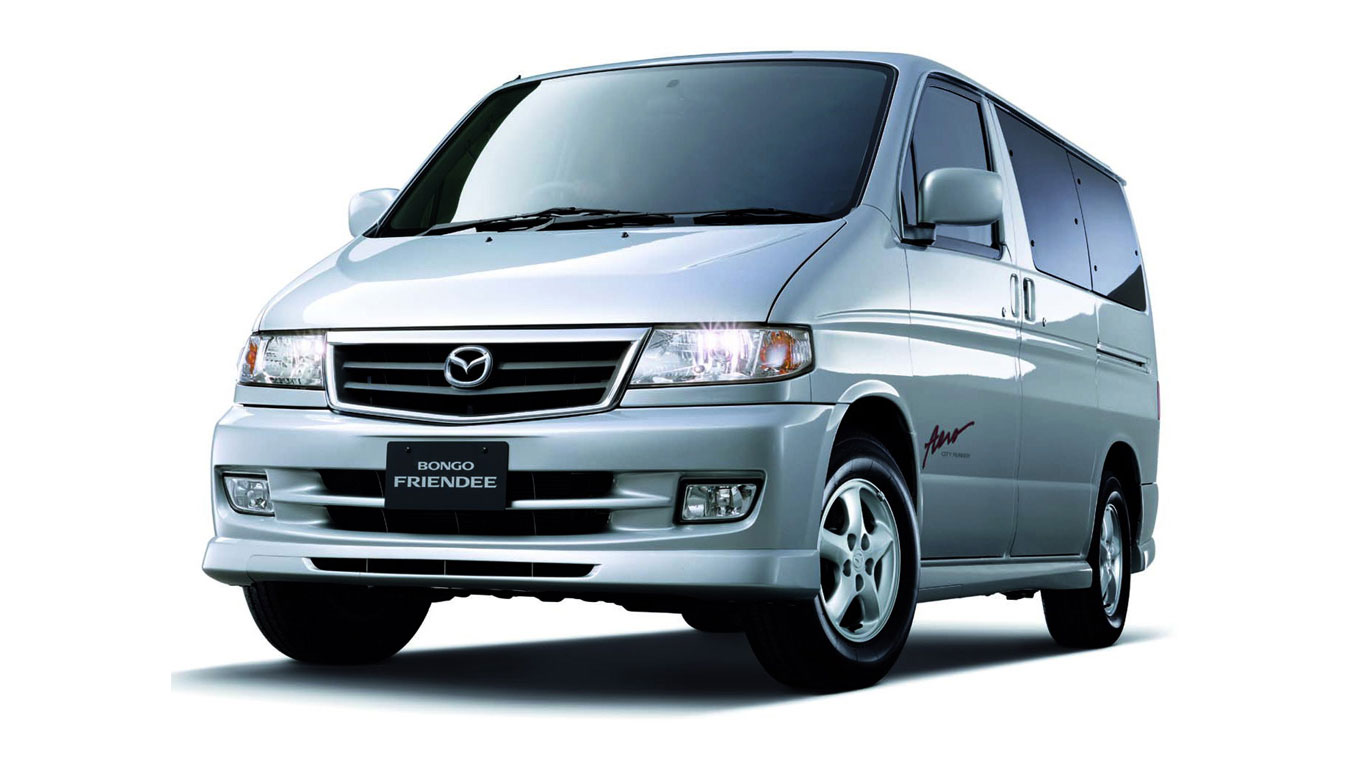
Mazda Bongo Friendee
Ah, everyone’s favourite stupid car name. The Mazda Bongo Friendee can often be seen surrounded by a haze of blue smoke in your local Morrisons car park.
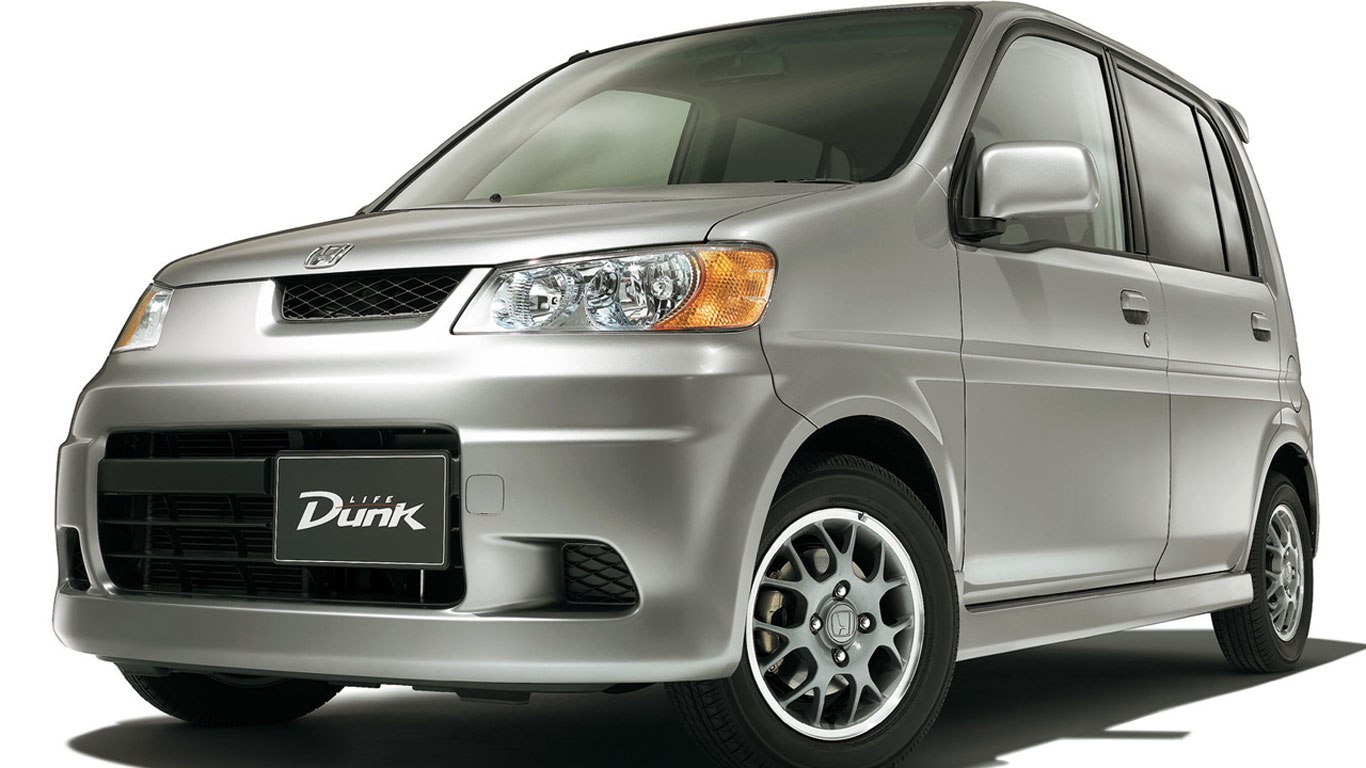
Honda Life Dunk
Well slam dunk the funk, it’s the Honda Life Dunk. Yep, we can rap with the best of them.
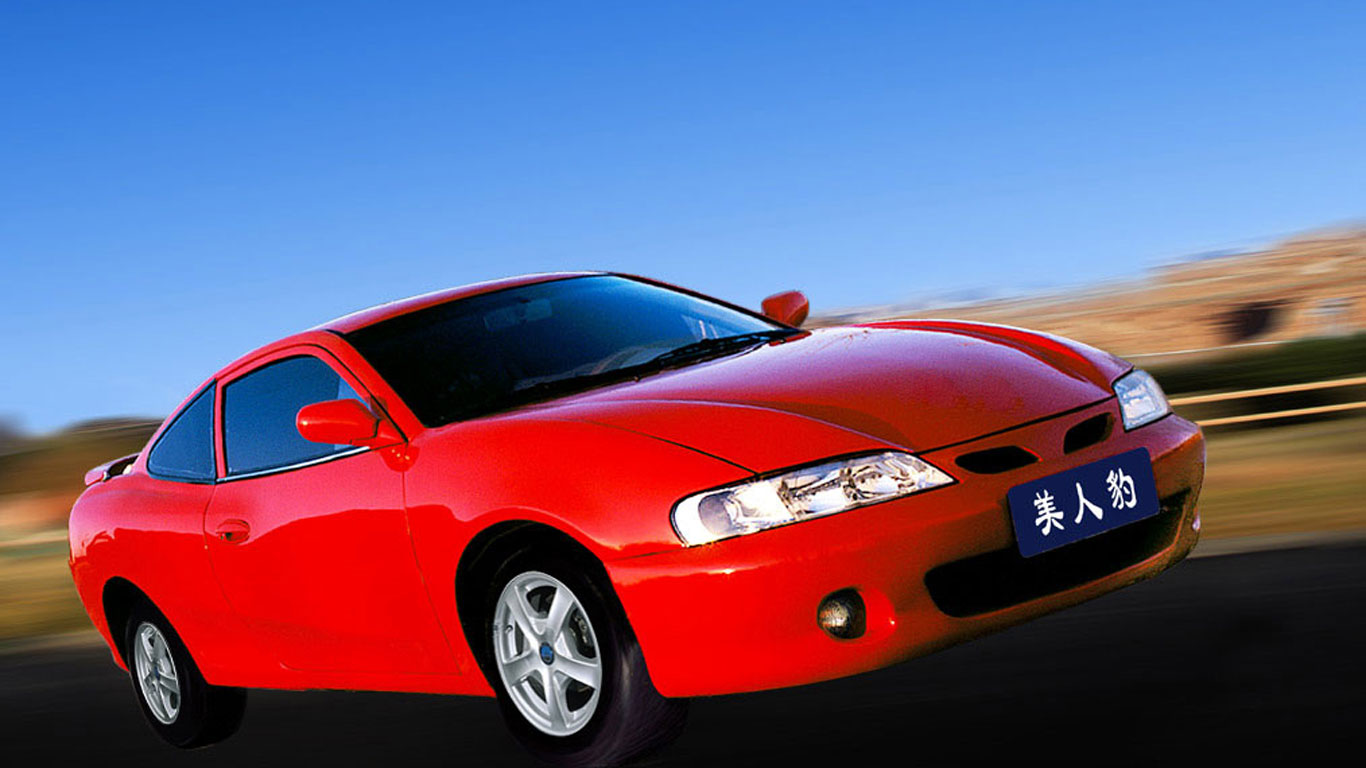
Geely Beauty Leopard
The Geely Beauty Leopard. Not to be confused with Brian Fantana’s Sex Panther eau de cologne – 60 percent of the time, it works every time.
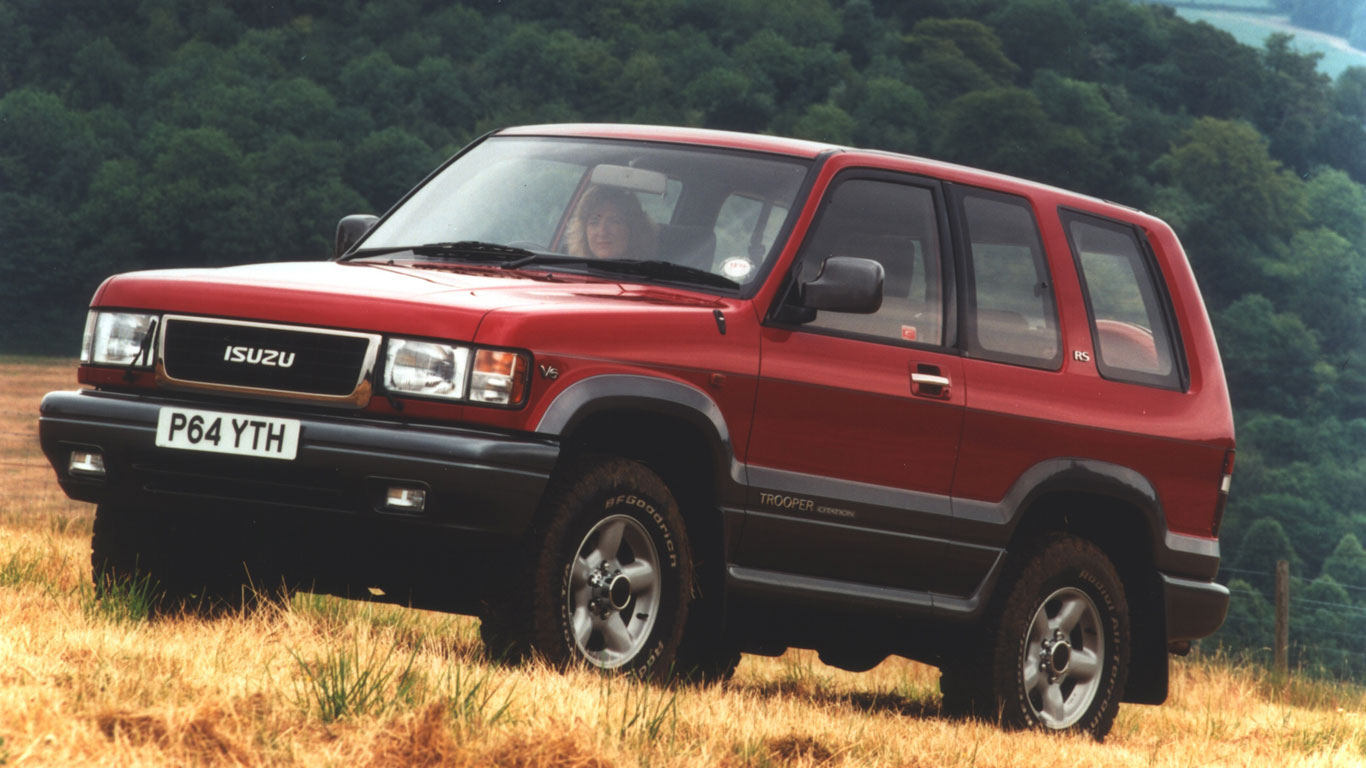
Isuzu Bighorn
You can understand why Isuzu would want to associate their rugged off-roader with a US canyon. But it kind of gets lost in translation. Hey, can anyone remember where I parked my bighorn?
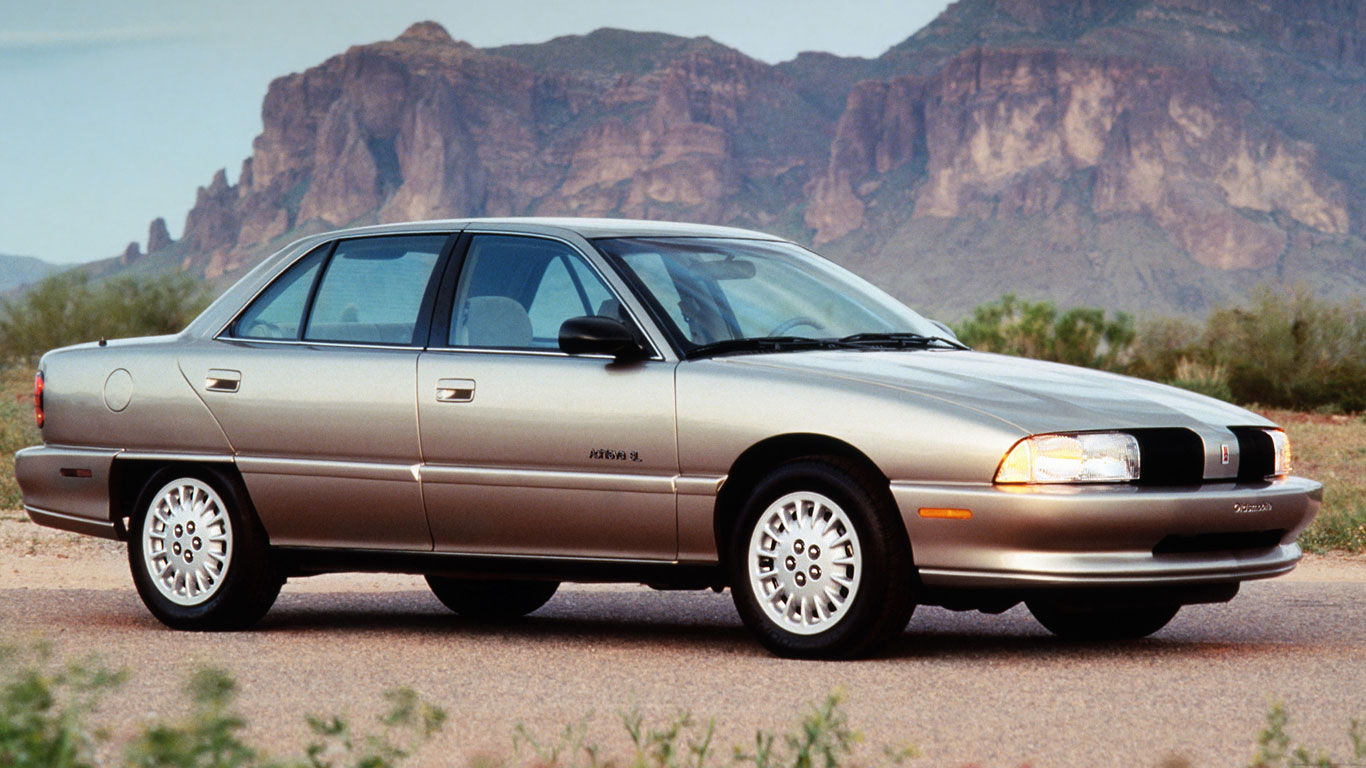
Oldsmobile Achieva
Straight out of the middle management textbook. The perfect car for over Achievas – it’s the new Oldsmobile.
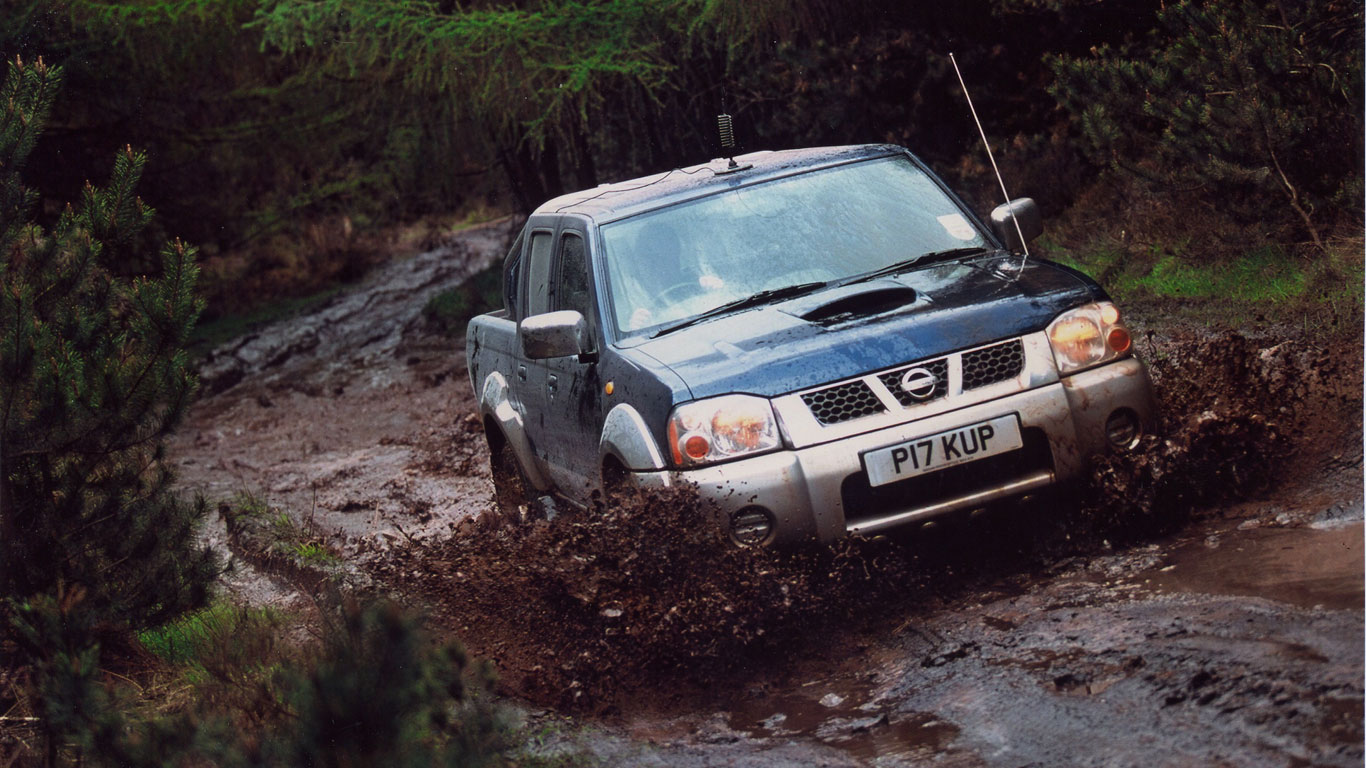
Nissan Hardbody
Again, this probably sounded sensible in the focus group. But announcing over dinner that you’ve just bought a Hardbody may result in a few titters.
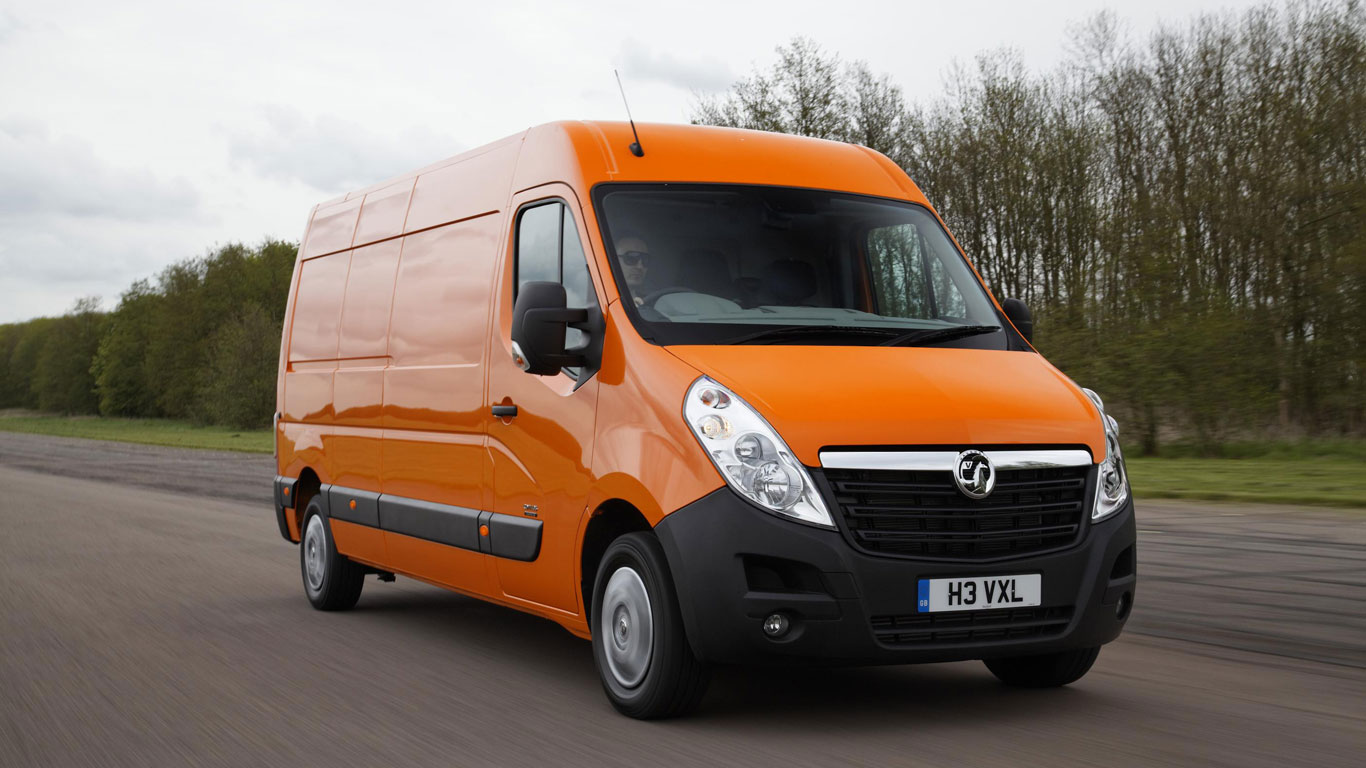
Vauxhall Movano and Vivaro
Vauxhall had clearly been watching too much of Vic and Bob’s Shooting Stars when they came up with the Movano and Vivaro names.
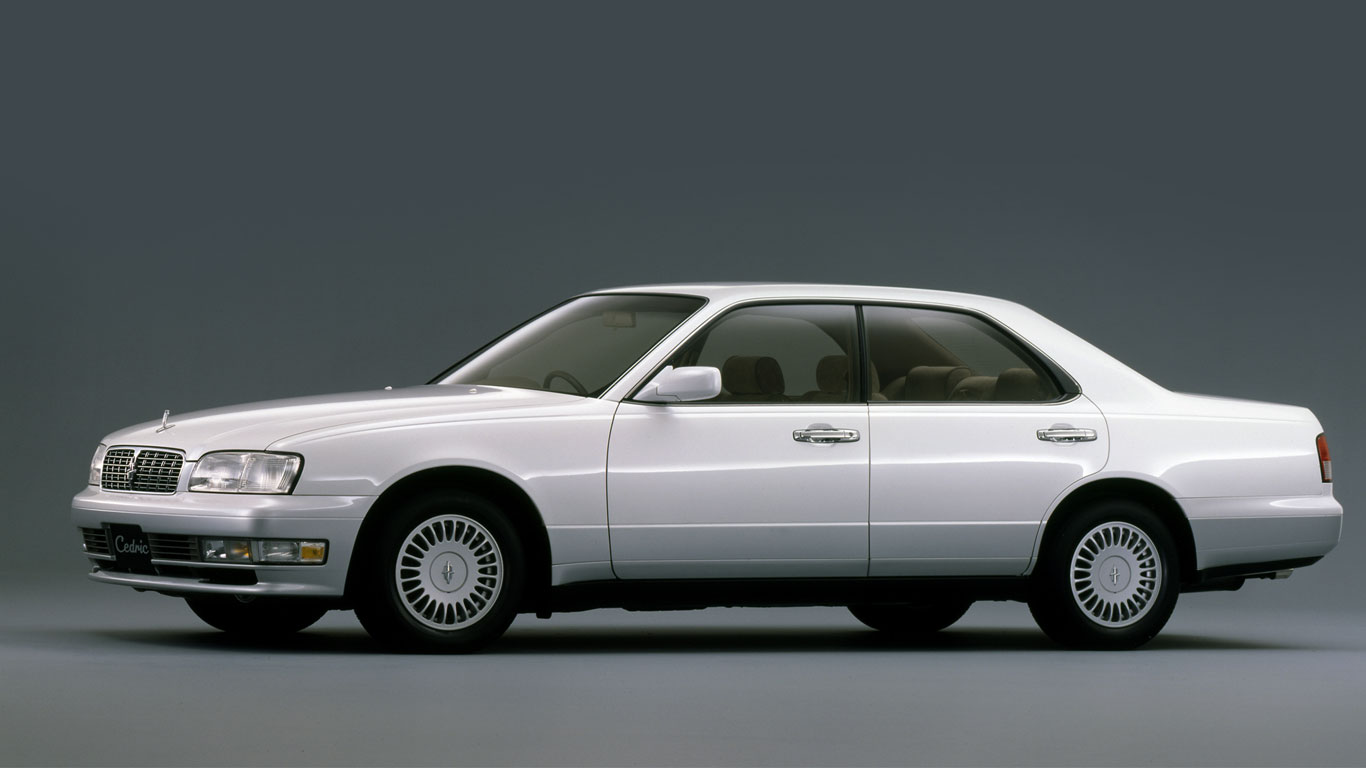
Nissan Cedric
Rumour has it the Nissan Cedric was going to be called the Nissan Terry in the UK…
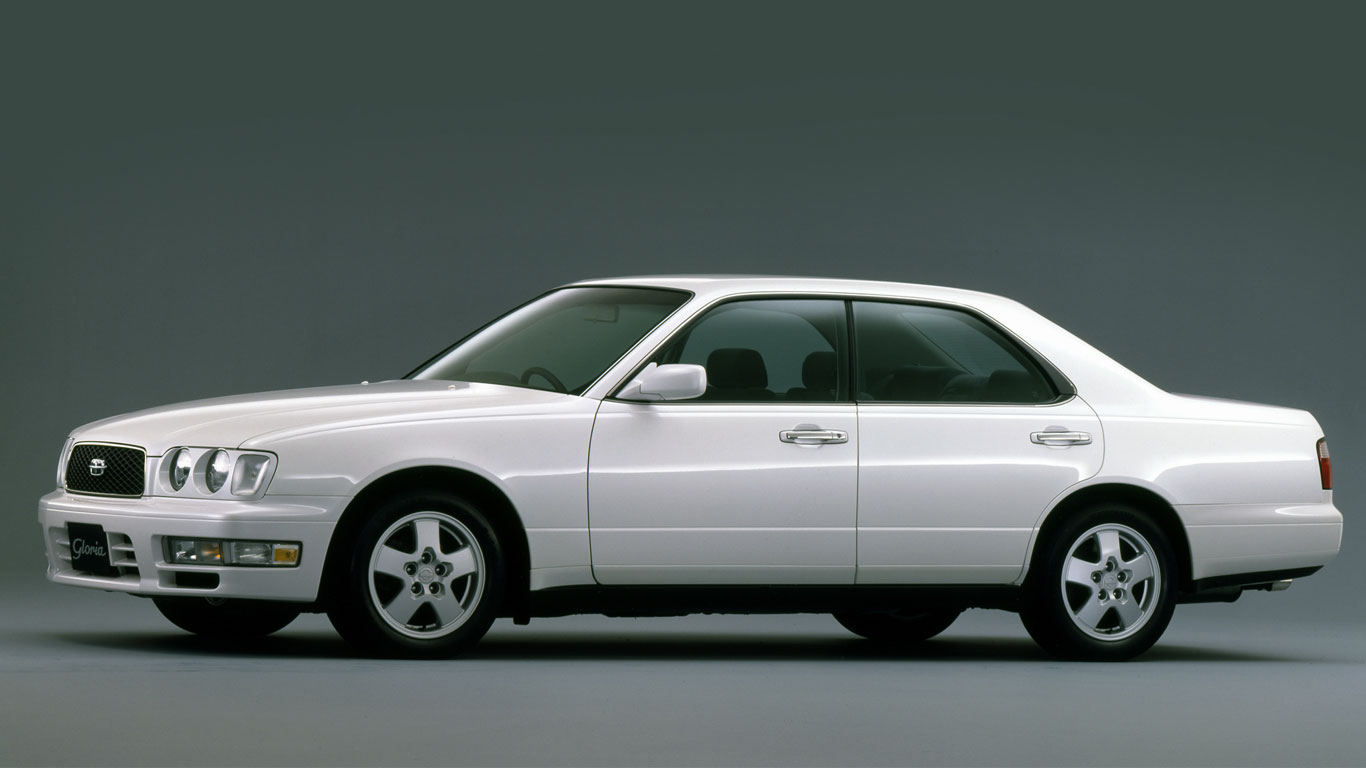
Nissan Gloria
And the Nissan Gloria would have been called the Nissan June.
Growler E 2011
Top Gear’s favourite: the Growler. And you thought the Swiss didn’t have a sense of humour.
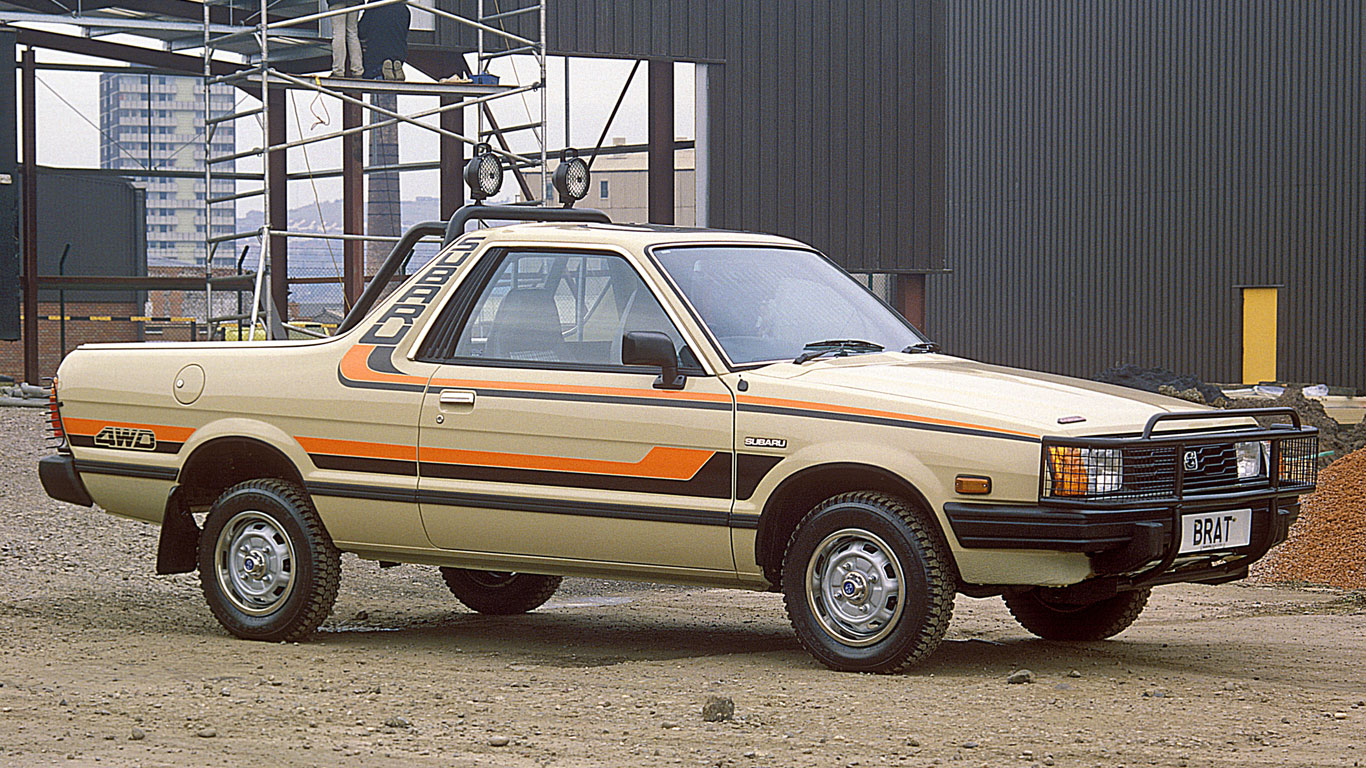
Subaru Brat
The Subaru Brat was OK until you damaged the bodywork. Then it became a Spoiled Brat.
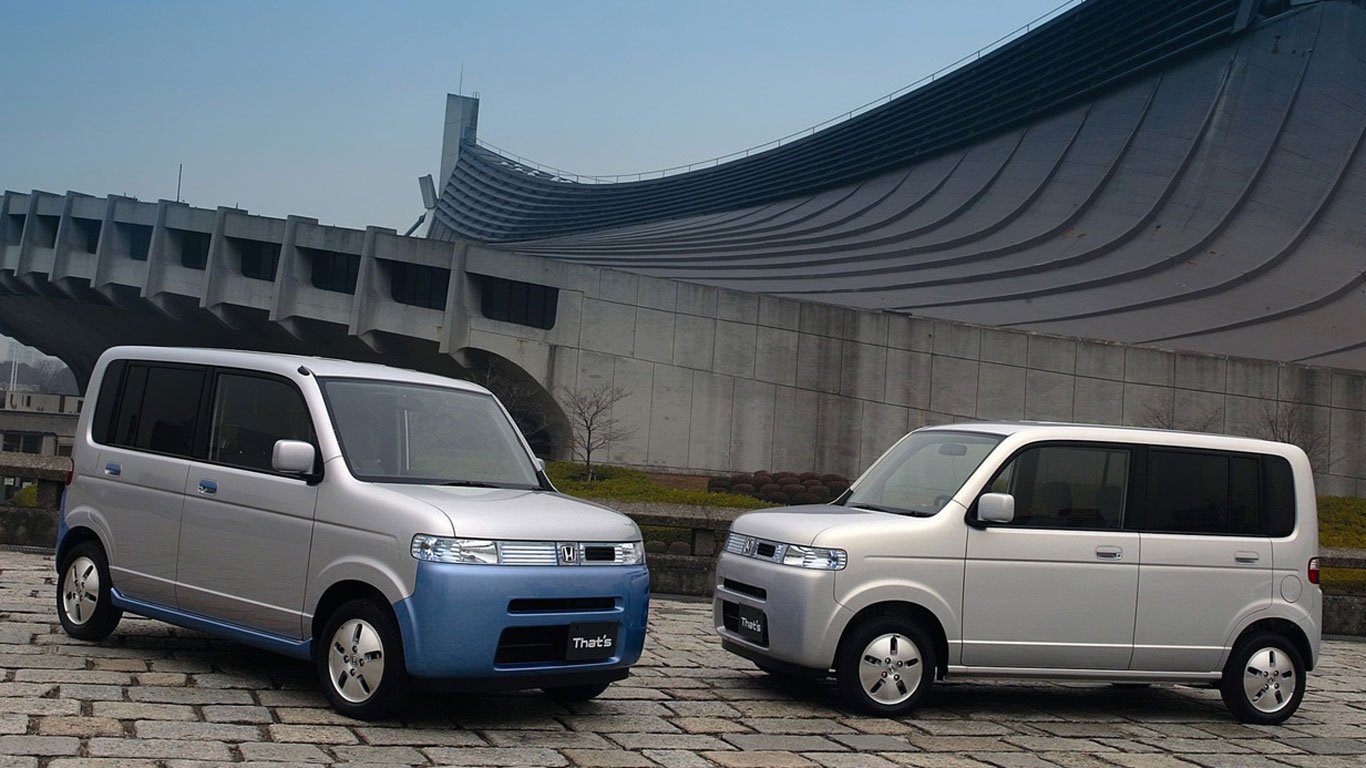
Honda That’s
Is that your car? No, that’s my car. Oh, never mind…
It’s reported that government ministers may bring forward the ban on sales of new petrol and diesel cars yet again. While originally set for 2040, it was recently moved to 2035. Now, a 2030 cut-off could be possible.
This follows yesterday’s rumours of a 2032 deadline, after transport secretary Grant Shapps discussed that possibility. Sources close to the Times newspaper have since confirmed that an earlier date of 2030 is on the cards.
The 2030 date isn’t plucked out of thin air, either. It’s the recommendation of the government’s expert advice group, the Committee on Climate Change. Ireland, the Netherlands, Sweden and Denmark all have their sights set on 2030, too.
The Department for Transport has said that it would be ‘consulting on a range of possible dates’. There was no comment on the possibility of a leap to 2030, however.
Troubling for the industry and consumers alike was the announcement that hybrid vehicles, plug-in or otherwise, would be included in the ban. Car sales website Auto Trader said the government is ‘changing the goalposts for manufacturers’ and that ‘2035 is a stretch, considering where we are today, let alone 2032’.
Motorists could save £41,000 by switching to electric
The AA has warned that putting drivers off hybrids could mean they stick to older, more polluting vehicles, limiting short-term emissions reductions.
As it stands, electric cars made up 1.6 percent of new car sales last year. Overall, electric cars are just 0.2 percent of the total population of cars on the road.
The government’s plug-in electric car grant of £3,500 is due to end after Match, with no hint of an extension.
Car buyers are very much aware of electric cars, though, and have their own ideas on when is best for them to switch. A survey recently revealed that many UK buyers want to go electric for their next car, with 11 percent of respondents saying so. That’s a rise from five percent in 2018 and six percent in 2019.
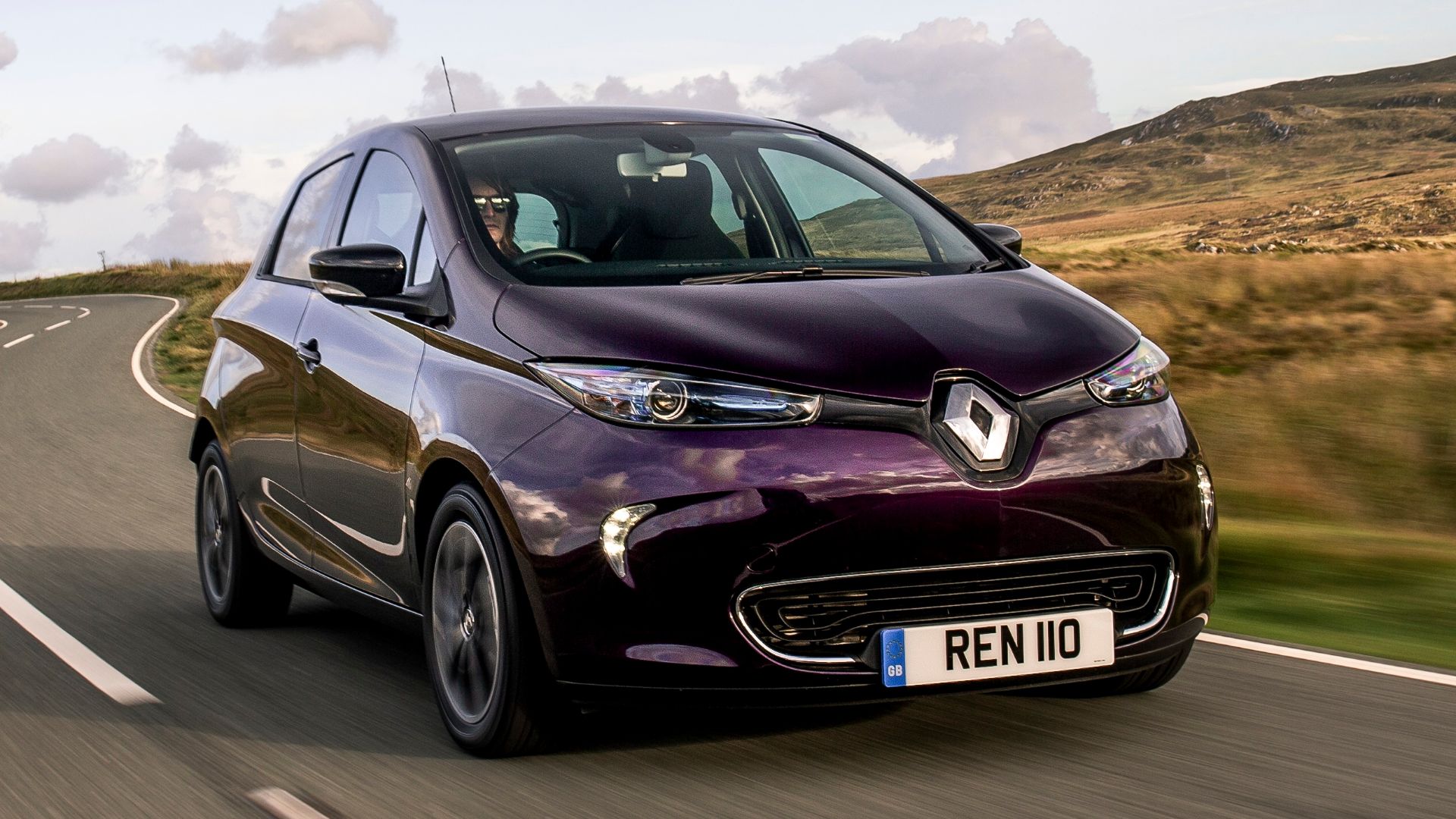
Just 48 percent that their next car would be petrol- or diesel-powered, compared with 63 percent in 2019 and 73 percent in 2018. Electric cars are becoming more popular in the second-hand market, too. Auto Trader has reported on multiple occasions that the Renault Zoe EV was the fastest seller on its site.
The consultation on bringing forward the ban will have to consider these trends. Exactly how quickly will new car buyers adapt of their own accord? What incentives will they need, and will the infrastructure, both in terms of charging and power generation, be ready in time? All of this comes into consideration when assessing what ‘as soon as is feasible’ means.
The latest update for the open-world Microsoft Xbox One racing game, Forza Horizon 4, sees a host of new vehicles added.
As part of the free Series 19 update for the game, five special new models have been included as prizes for various challenges.
Along with classic British vehicles, there is also a Japanese supercar, and even a Bugatti Chiron made out of Lego!
Specialist Division 1
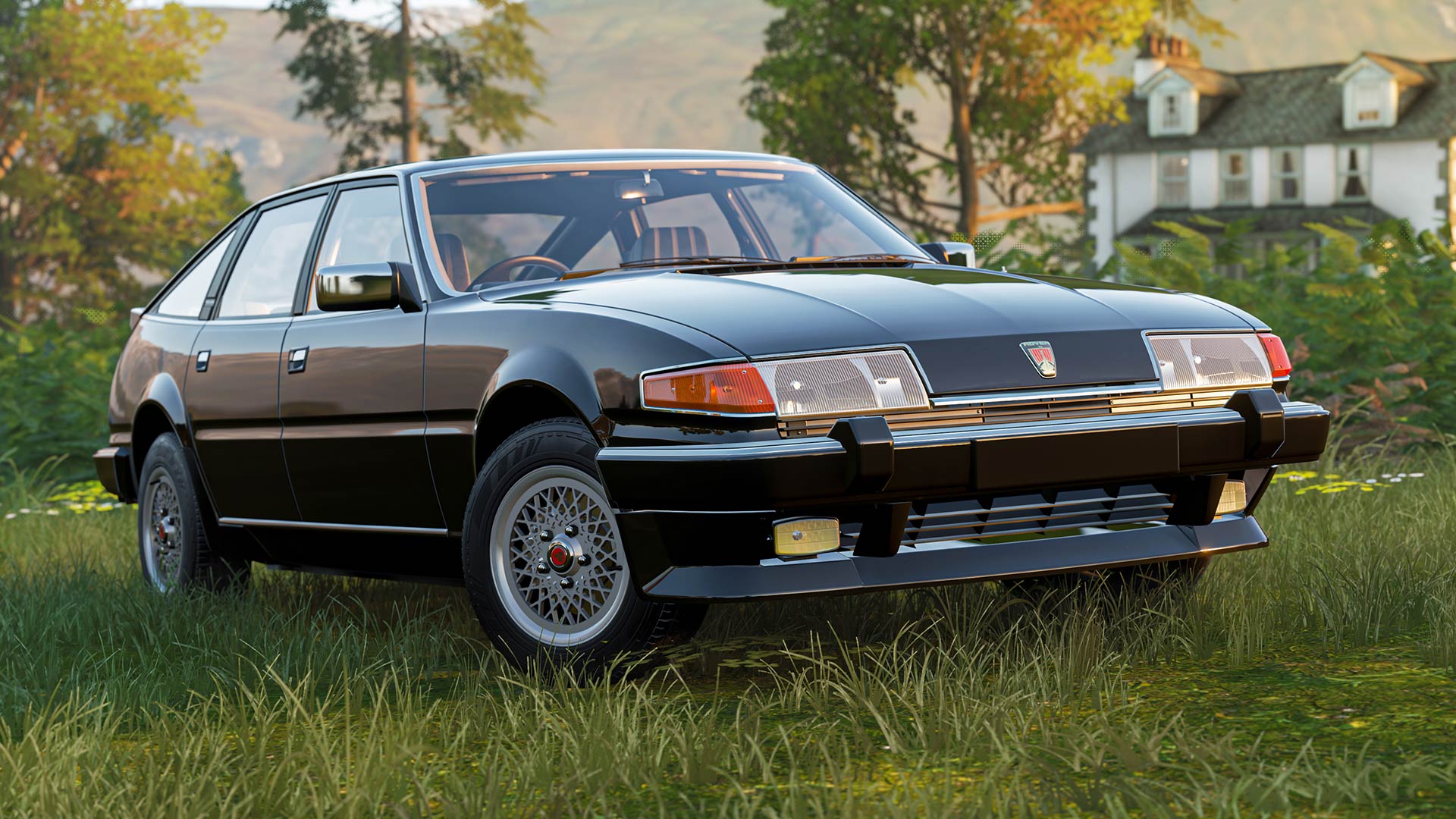
An icon of the British Leyland-era of Rover cars, the SD1 was produced in England between 1976 and 1986. The car included in Forza Horizon 4 is a later Vitesse model. This makes use of a 3.5-litre V8 engine with 190 hp.
It may have been an executive motor, yet the rear-wheel drive SD1 saw considerable motorsport success across the globe. Used in both rallying and touring car racing, achievements included winning the 1984 British Saloon Car Championship.
Forza Horizon racers will be able to get their hands on the SD1 by completing the “It’s Never Over With a Rover” seasonal championship in the game. Other paint choices are available, but brown seems most apt.
Supercars and even a Supervan
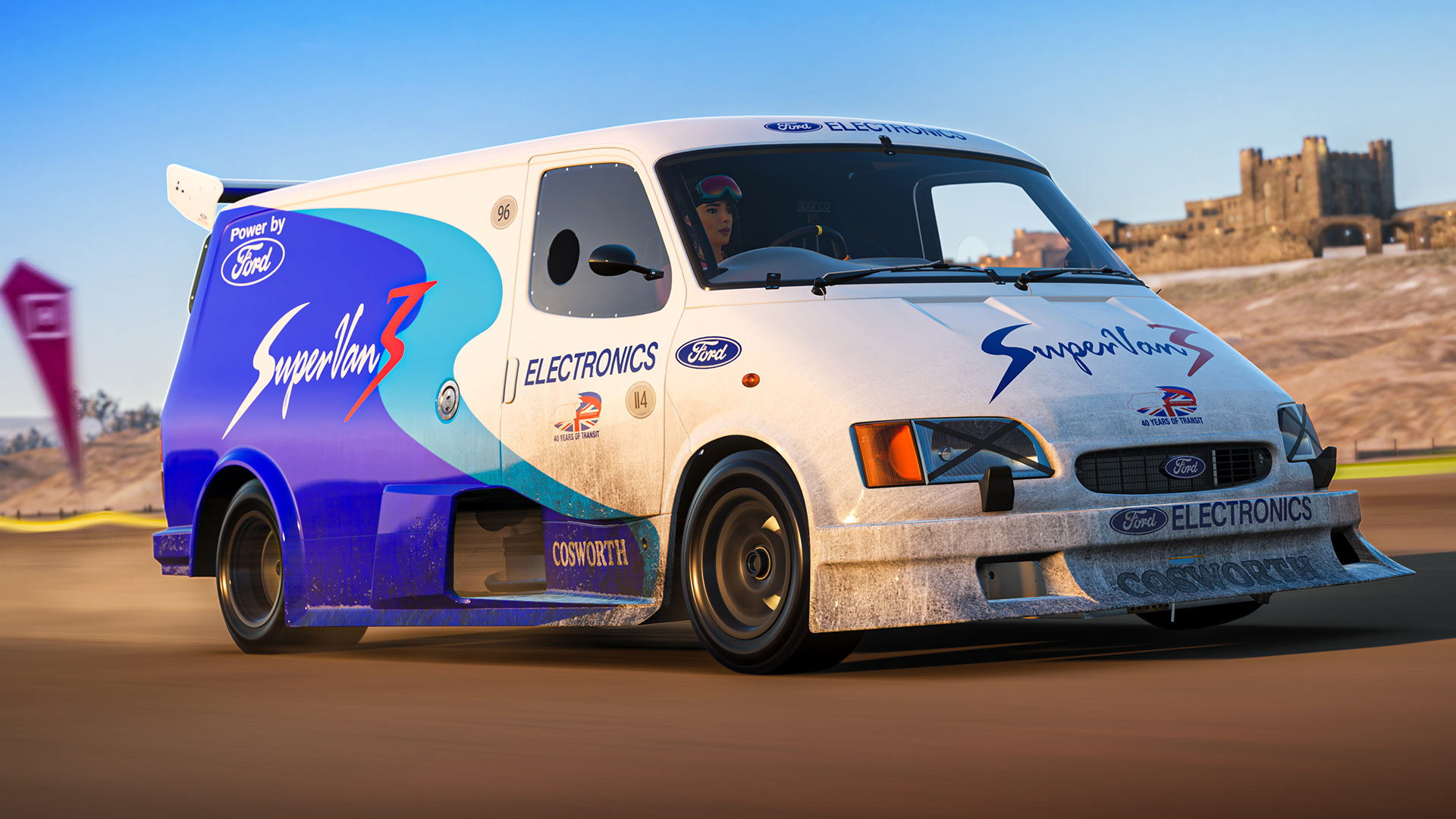
Another notable vehicle for the Series 19 update is the addition of the crazy Ford Transit Supervan 3. Ford may have made a number of Supervans, but this one from 1994 featured the Cosworth HB V8 engine used in a Benetton Formula 1 car.
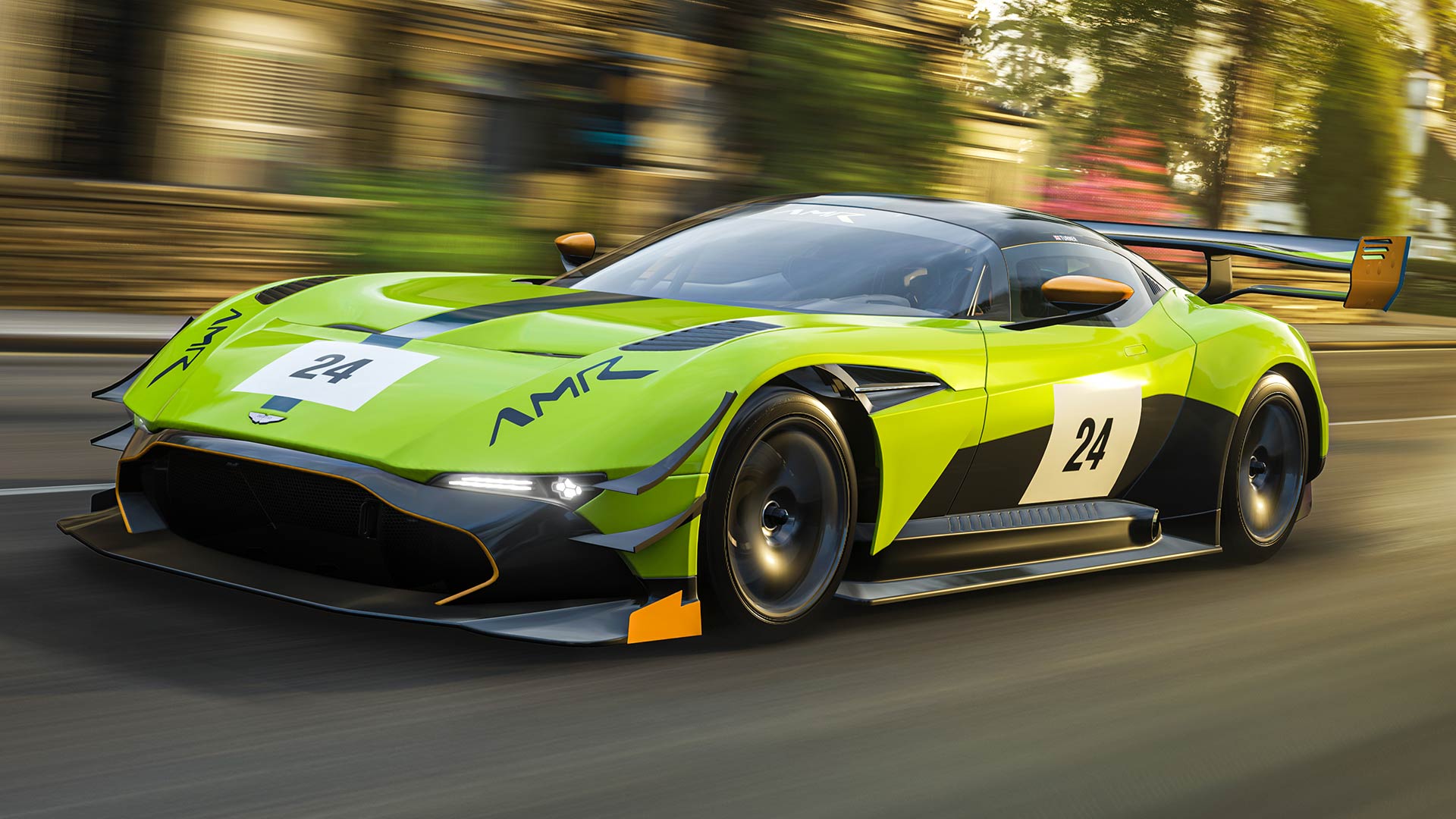
Also new is the ludicrous 2019 Aston Martin Vulcan AMR Pro. Horizon 4 has already included the regular Vulcan, but AMR Pro specification brings a 27 percent increase in downforce for the 820 hp supercar.
Slightly less mad, but still wonderful, is the 2010 Lexus LFA. Only 500 examples of the V10-powered coupe were made, meaning unlocking one in Forza Horizon 4 is a much easier way of getting behind the wheel.
New ways to be eliminated
The Eliminator mode, Horizon 4’s battle royale-style competition, has also gained a variety of extra vehicles to make use of.
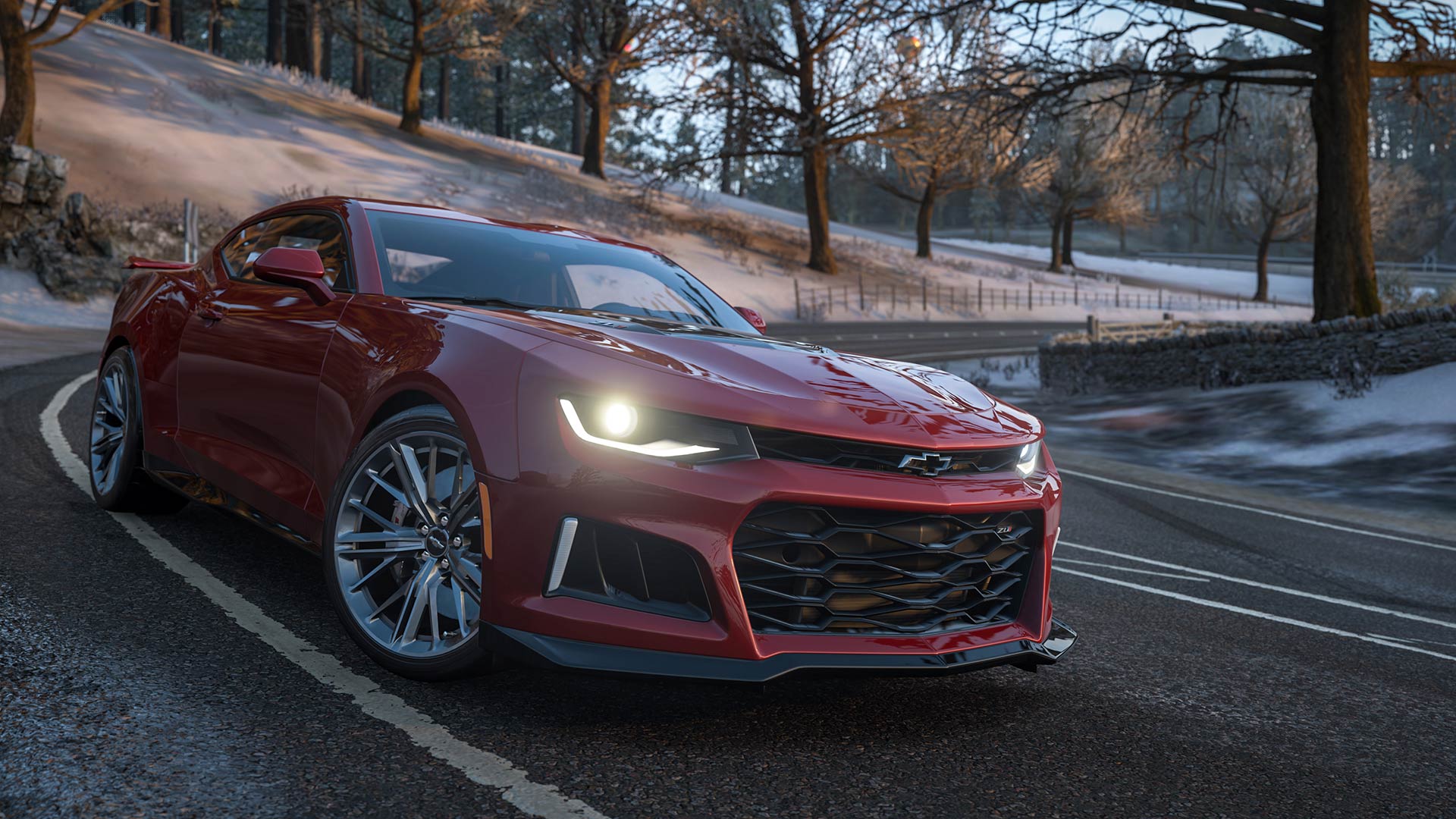
A total of 13 new models have been added. These range from the Ford Crown Victoria Police Interceptor, through to the Chevrolet Camaro ZL1 and Bugatti Veyron Super Sport.
All of the cars are fitted with performance upgrades for maximum potential, and come with patrol lights added as well.
Brick by brick
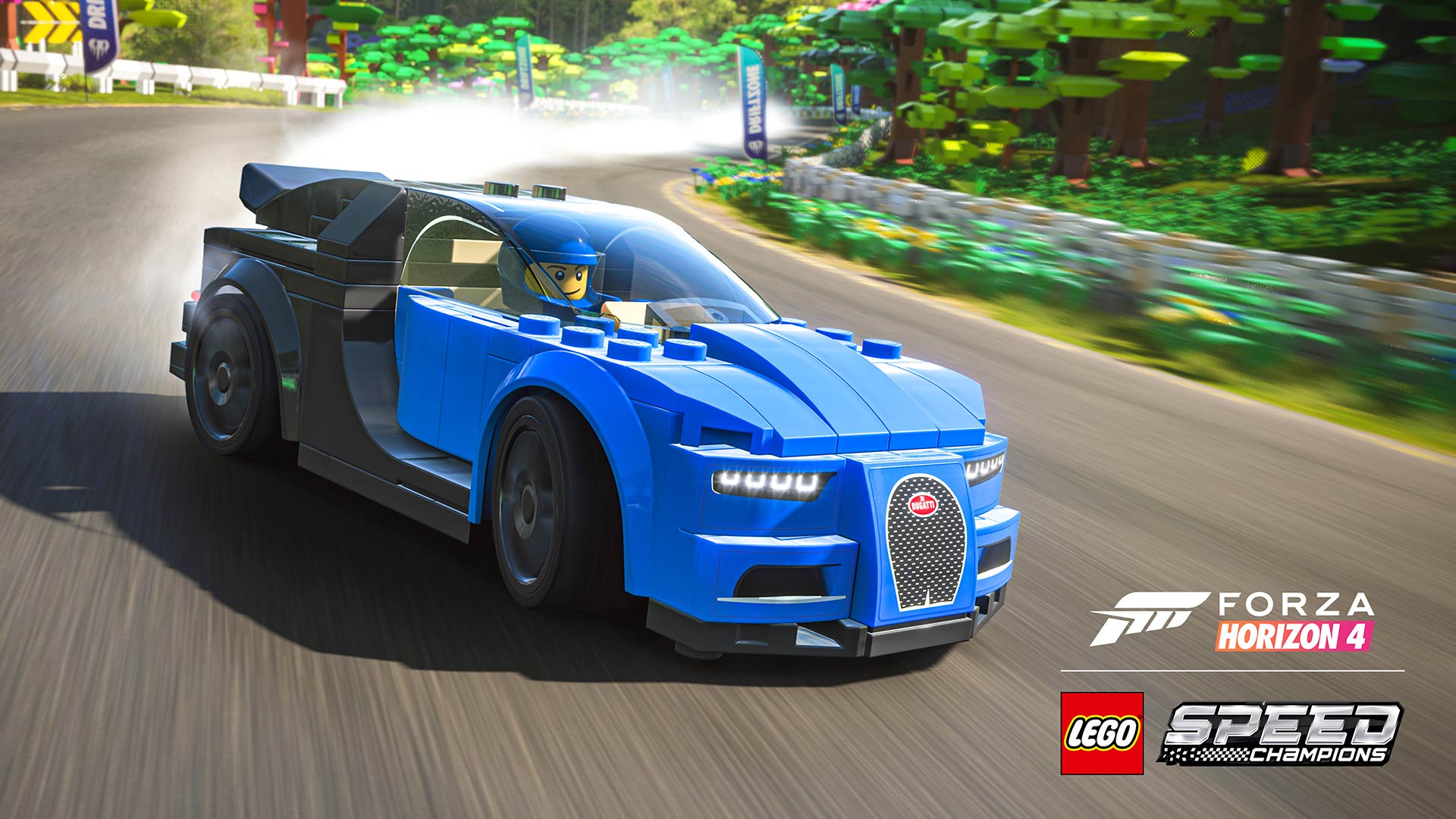
There is also another new Bugatti in Forza Horizon 4 this month. The Lego Speed Champions expansion pack gains a new model, and it is rather special.
Those who own the Lego add-on content get a new challenge this month. Completing it unlocks a Lego Bugatti Chiron. It joins the Ferrari F40 Competizione and McLaren Senna in the roster of brick-based supercars, and features notably fewer pieces than the full-size Lego version.
Other changes for Series 19 include a slew of system updates. These are aimed at making life more enjoyable for those playing the game. In particular, sharing custom liveries is said to be easier, whilst a patch has fixed various minor technical issues.
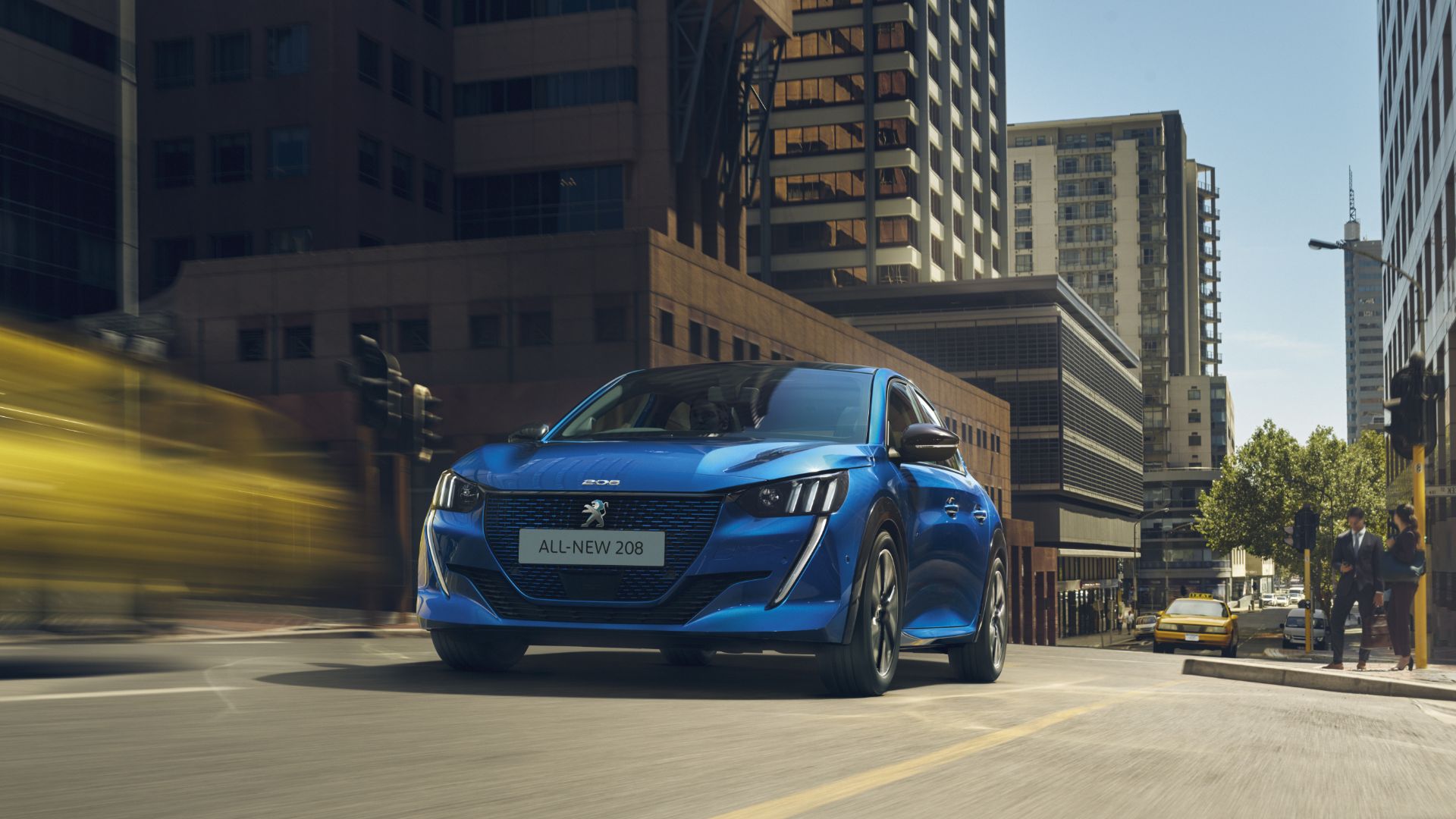
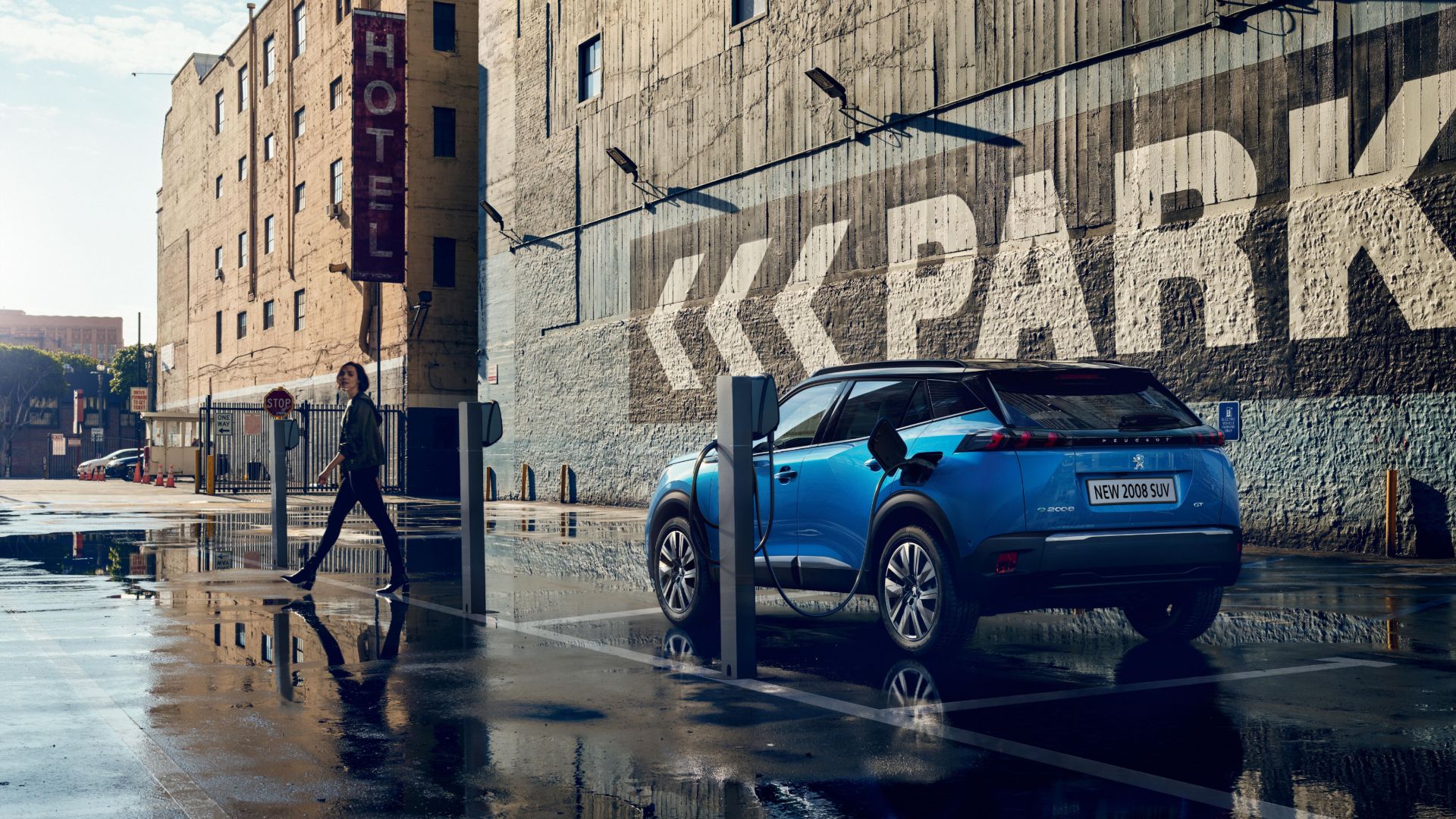
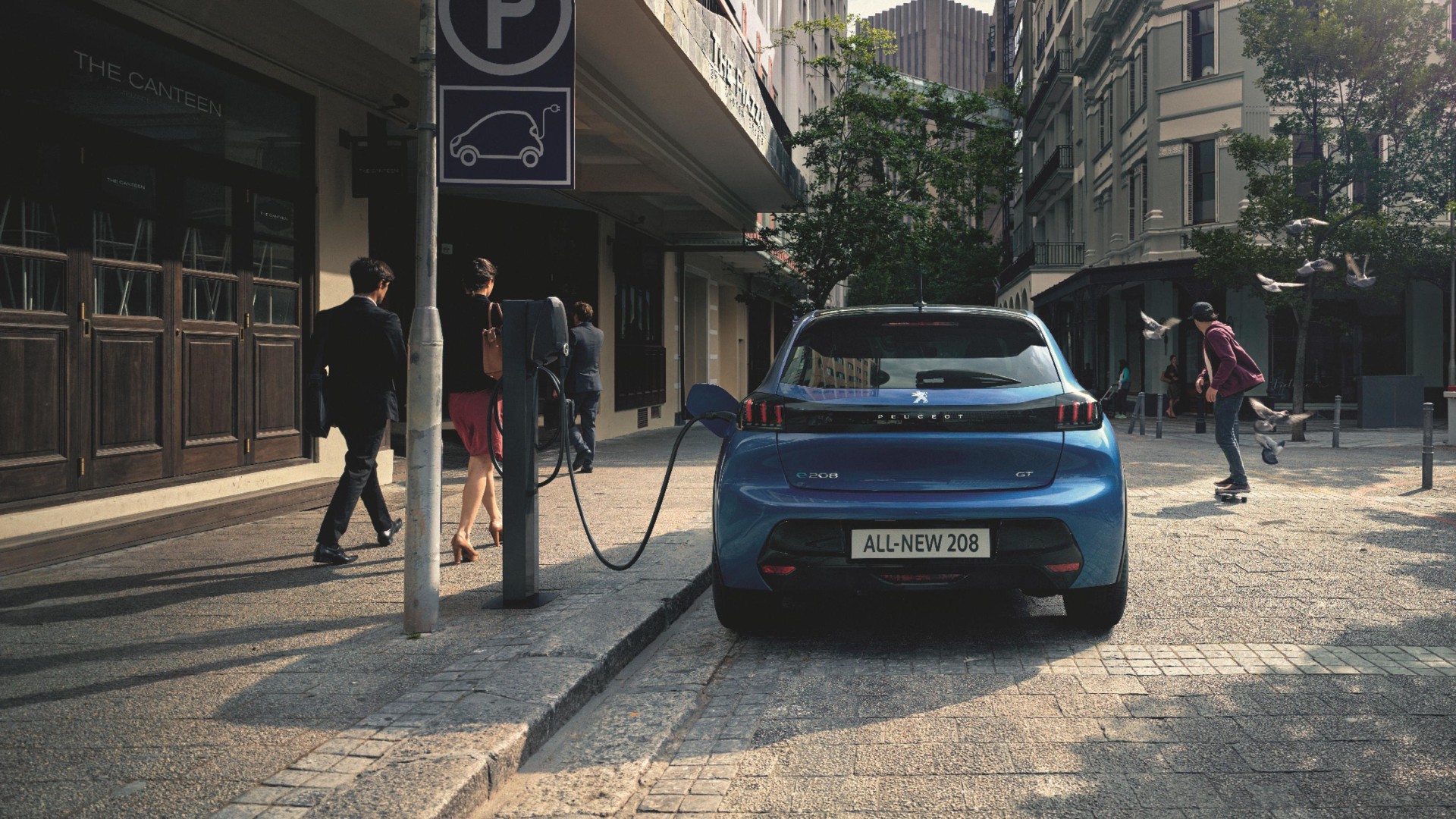
Peugeot is offering six months of free charging to buyers of its all-electric and plug-in hybrid models. The offer applies to everything from the new e-208 to the 3008 PHEV
The Polar Plus subscription gives electrified Peugeot buyers access to 7,000 charging points across the country. The company is rolling out 150kW DC rapid chargers, usable by Peugeot’s BEV models.
These will allow a 0-80 percent charge in just 30 minutes. Not all of Polar Plus’s chargers will be absolutely free to use, however. A select few will still charge at a rate of 12p per kWh.
Your Peugeot dealer will give you a key fob or RFID card to use with the charging points. This should simplify the process of plugging in and juicing up.
Once the six-month period is up, drivers will be able to continue their subscription for £7.85 per month. Alternatively, a per-use basis is available, with Polar Instant.
“With more than 7,000 public charging points across the UK, Peugeot’s collaboration with Polar Plus is a great way to encourage drivers to make the switch to electric vehicles,” said David Peel, managing director of Peugeot UK.
“One of the main hesitations around EVs is access to charging points, and drivers who subscribe to Polar Plus when buying a new fully-electric or plug-in hybrid Peugeot model will find it far easier to access the energy they need when travelling throughout the UK.”
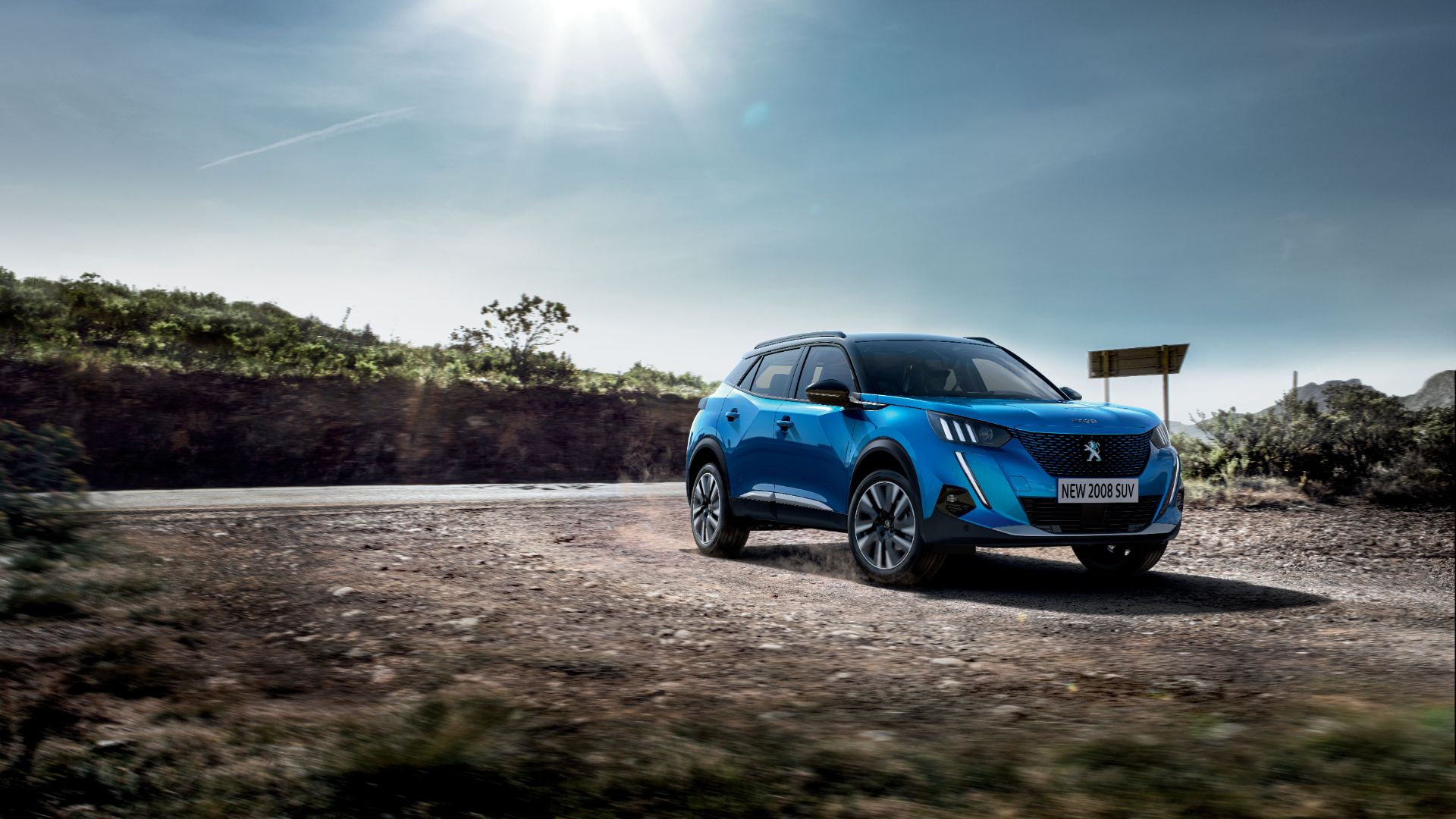
The electrified Peugeot range starts with the e-208, and continues through the e-2008 all-electric crossover, which is now available to order. PHEV versions of the 3008 SUV, 508 and 508 SW are also available. The e-208 is good for 217 miles of range, under the WLTP rating, while the 2008 can go 206 miles.
With two months to go until No Time To Die hits cinemas, we’ve got our first look at James Bond’s flagship ride.
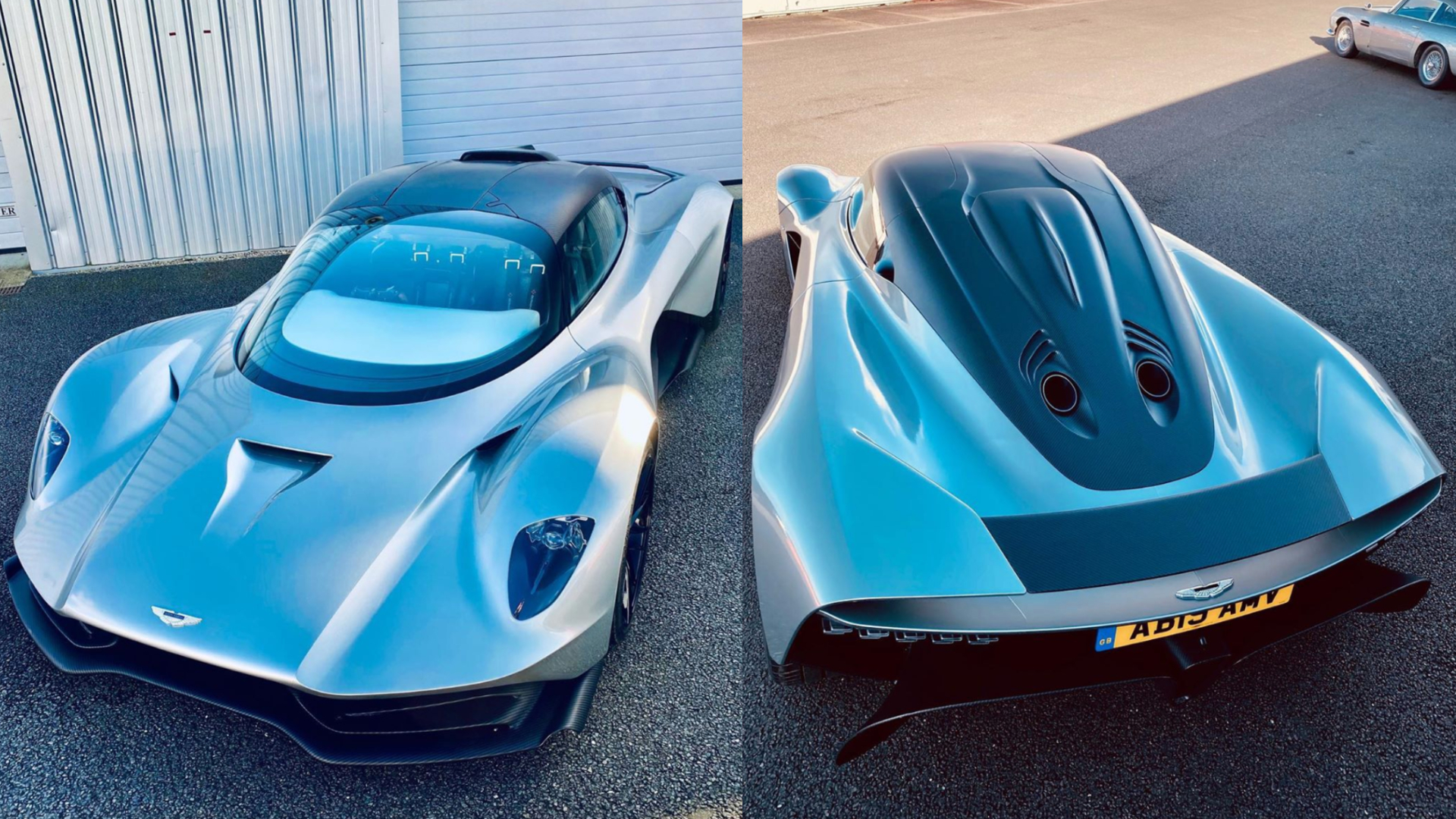
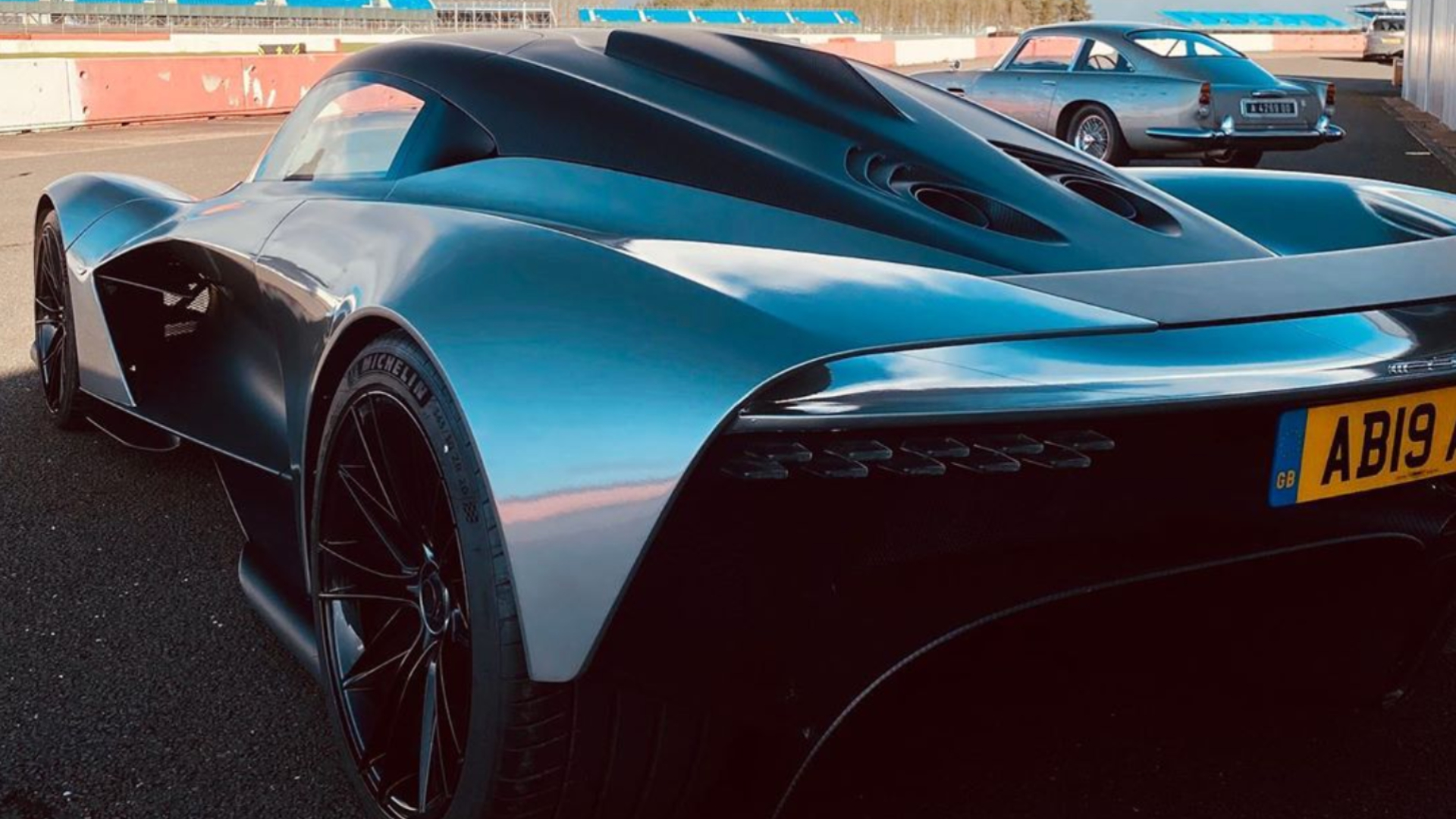
Blowing the DB10 of Spectre into the weeds is the Aston Martin Valhalla, with a hybrid twin-turbo V6 mounted in the middle and Valkyrie-influenced aerodynamics. This is 007’s first hypercar.
‘Bring it back in one piece‘
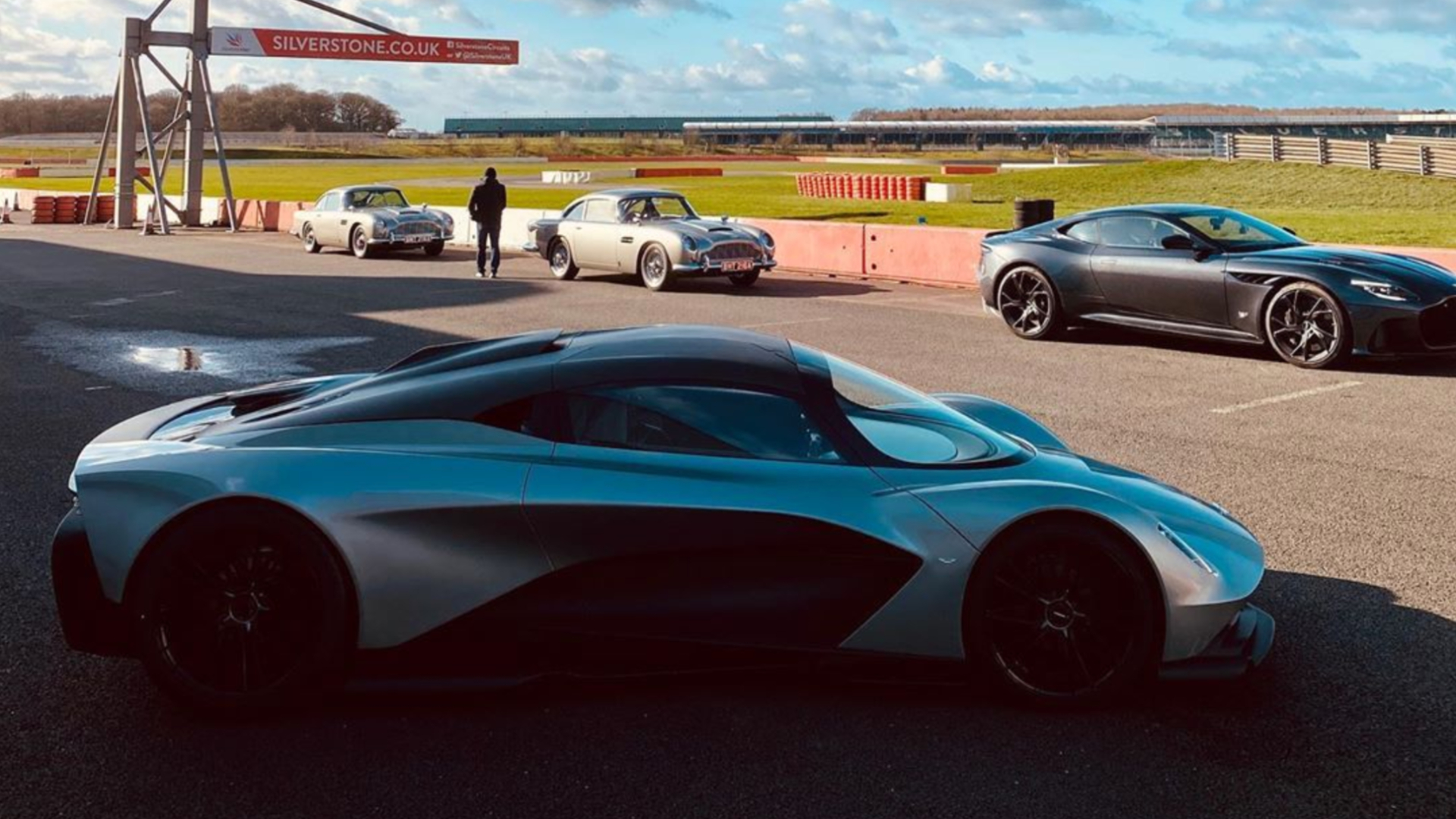
The tease came courtesy of Aston Martin director of design Miles Nurnberger, who posted pictures of the Valhalla on his Instagram at an event at Silverstone. How do we know this is the Bond car? Well, the first clue for us was the company it was keeping.
Joining it at the circuit, as pictured on Nurnberger’s Instagram, were the DB5 – complete with Bond-specific plate – the classic DBS V8, and the new DBS Superleggera, as driven by the ‘new 007’ played by Lashana Lynch. Of the group, the Valhalla is the only car not seen in the movie trailer.
Secondly, Nurnberger’s captions weren’t exactly subtle. “Straight from the movie set… 007”, and “Bring it back in one piece…” require little decryption or detective work.
Nurnburger also revealed that he got to drive “one of the DB5s from No Time To Die”, so there’s a definite Bond flavour to this event.
The only question that remains is what will the villains be driving, if Bond has a multi-million-pound prototype hypercar? Not even the Jaguar C-X75 from Spectre could hang with the Valhalla, we suspect. Plus, the Jag is a bit old hat now. We’ll leave you to wildly speculate.
We also wonder what gadgets the Valhalla will be packing. It’s a high tech thing in standard form. Quite where the machine guns are going to be packed in that shrink-wrapped body, we’re not sure.
We expect to get a quick look at the Valhalla in action when the final trailer drops in the coming weeks, immediately prior to the film’s release. Until now, this is our first and only look at Bond’s craziest and most expensive company car to date.
It’s coming up to a year since the Valhalla debuted at the Geneva Motor Show in 2019. Affectionately nicknamed ‘son of Valkyrie’ by Aston Martin, the marque’s second mid-engined hypercar is limited to 500 units. First deliveries aren’t expected for another two years at least.
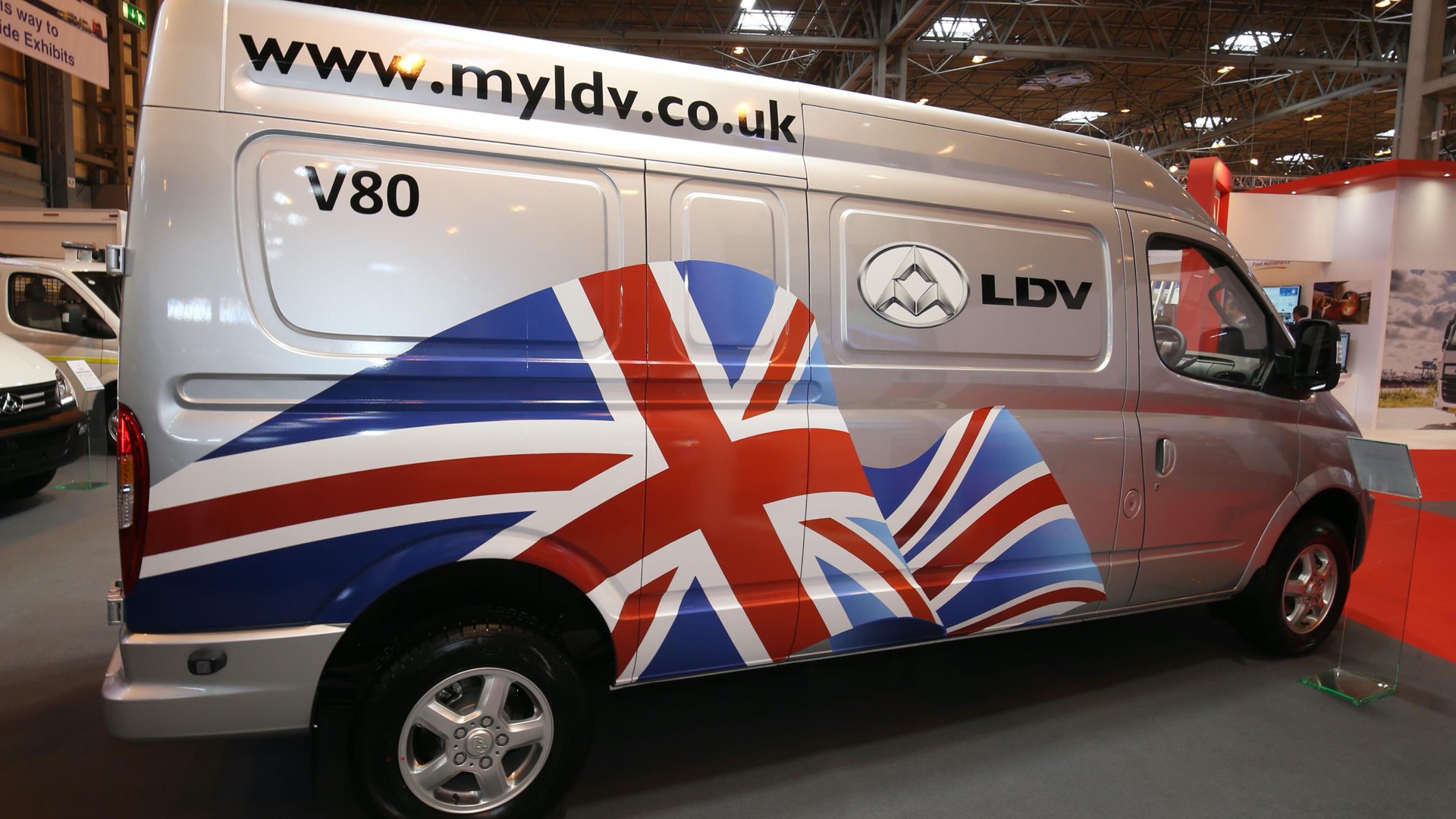
It’s one of the most famous commercial vehicle names in Britain, but the LDV brand is about to die – again. As of April 2020, LDV will rebrand as Maxus across right-hand-drive Europe.
In 1987, the Leyland Trucks division of Rover became Leyland DAF when it merged with the Dutch truck maker. Six years later it became an independent firm following a management buy-out. As the official LDV website points out, ‘the company has had many highs and lows’.
After going into administration, the company was purchased by Sun Capital Partners in 2005, before being acquired by the Russian company Gaz in 2006. Plans to increase production at its Birmingham plant and to create new export markets failed to materialise, and by 2008 the factory had closed. The intellectual property rights were sold to a Chinese firm in 2009, before they were acquired by SAIC Motor in 2009.
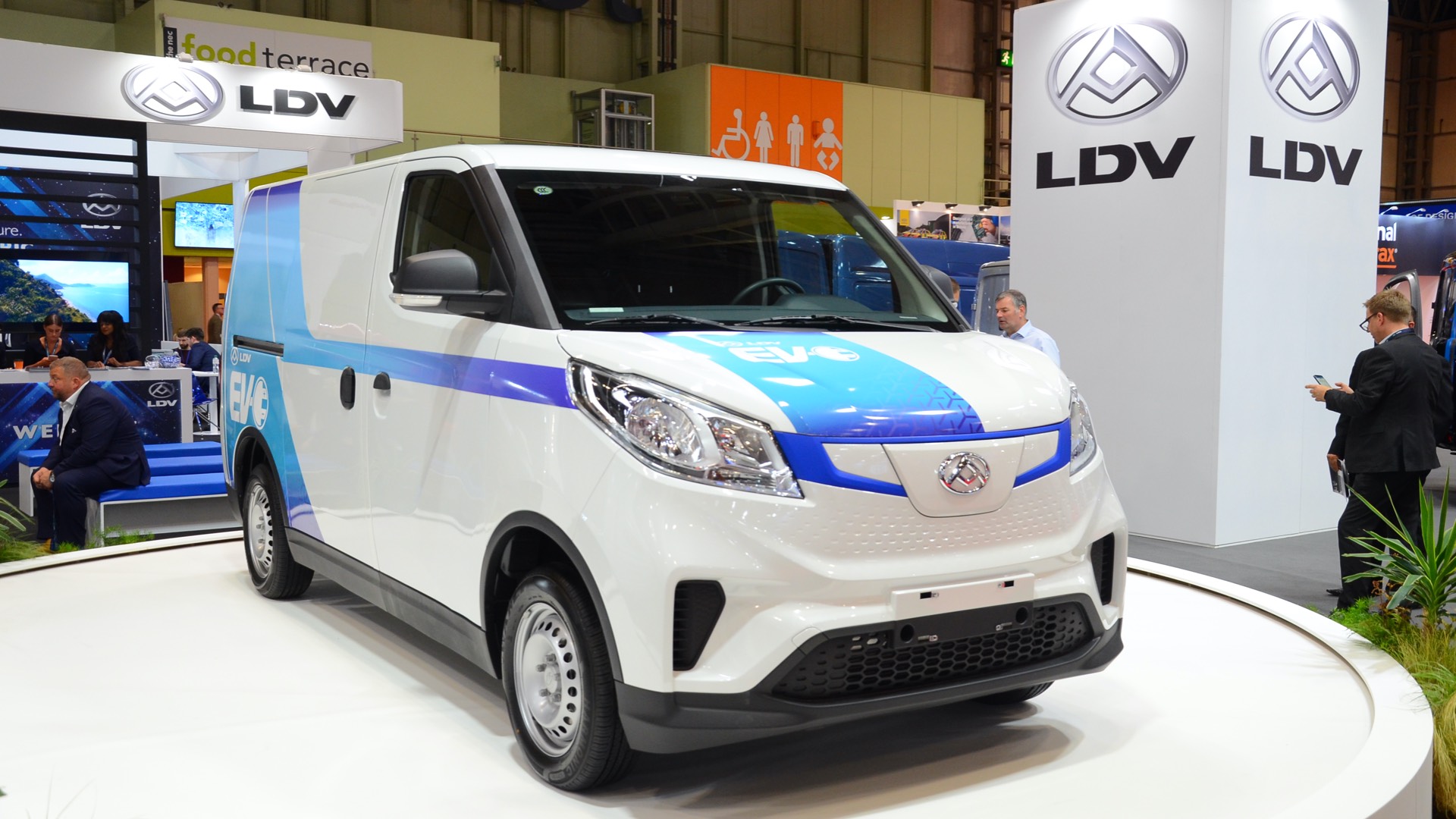
LDV builds a range of commercial vehicles, including panel vans, tippers, minibuses and EVs. UK distribution is handled by the Dublin-based Harris Group, which is also responsible for Ireland, Cyprus and Malta.
In left-hand-drive markets, such as Spain, Belgium and the Netherlands, the vans are distributed under the Maxus banner. Now, the LDV vans will be re-branded to follow suit.
‘Much-loved by many’
Denise Harris, CEO of The Harris Group, said: “When it comes to changing a brand name, you have to think very seriously about the benefits and also the possible consequences, and decide if it really is the right thing to do for the brand and the wider business. The LDV brand is much-loved by many loyal customers but, with the advent of new models on new platforms that will undoubtedly change brand perceptions, I am confident that the market will welcome the transition.
“As the Maxus brand grows, both in China and across Europe, and with more and more models and variants being introduced to the market, it makes sense for us to align with the global Maxus brand. As a company and main distributor, we are really excited to be part of this evolution and I think that our enhanced offering will inject new life into the LCV market.”
By 3 April, all elements of the rebrand will be complete, with new Maxus signage and collateral installed across dealerships. The company will also unveil two new commercial vehicles in 2020.
‘On another level’
Mark Barrett, general manager of Maxus UK and Ireland said: “2020 is going to be the brand’s biggest year ever with the impending launch of our game-changing diesel panel van, the Deliver 9 and the arrival to market of Maxus’ second EV model, the E Deliver 3, which was unveiled last year at the Commercial Vehicle Show.
“With cutting edge design, a brand-new platform and 2.0-litre engine, the LDV Deliver 9 will be the brand’s most comprehensive and versatile offering to date. Available in a choice of three lengths, three heights and a choice of front or rear wheel drive, this van really is on another level.”
Full details will be revealed at the Commercial Vehicle Show in April, when it will line up alongside the E Deliver 3.