Home Blog Page 275

Dead weight: The problem with plug-in hybrids

0

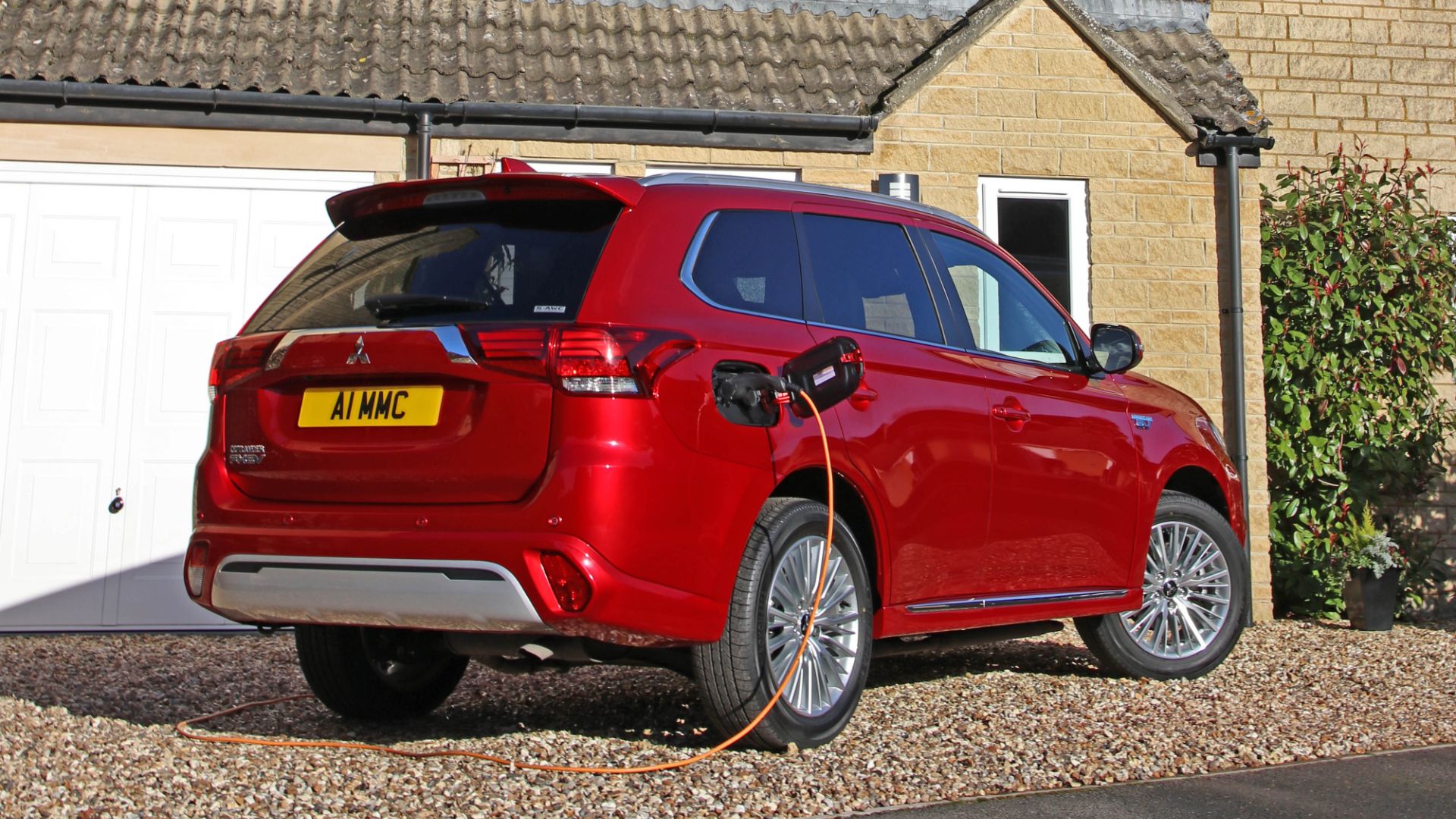
Mitsubishi Outlander PHEV

Plug-in hybrids took a blow recently when the government included their like, as well as conventional hybrids, in the 2035 ban of petrol and diesel-powered vehicles. Is the inclusion fair?

In terms of what they actually emit in so-called ‘real-world conditions’, quite possibly, in spite of the technology. New research has suggested that PHEVs emit as much as three-times their homologated figures for CO2, and consume three-times as much fuel, in ‘real-world’ conditions.

When it comes to petrol and diesel vehicles, ‘real world’ emissions and efficiency figures can be compared with figures reported from lab tests that are used to homologate them. Typically, those real-world figures are a small degree worse than those obtained in testing, due to varying conditions, performance and driving habits. That degree is a curiosity, rather than a serious issue. Indeed, some drivers can achieve better figures through careful driving.

In the case of PHEVs, the difference between testing and real-world figures can be stark. New research by The Miles Consultancy (TMC) indicates that the most popular PHEVs can triple the severity of their stated emissions and fuel consumption figures. Likewise, testing by Emissions Analytics, found alarmingly high consumption and emissions figures from PHEVs whose batteries were not charged.

Bad habits and dead weight – why PHEVs can perform so poorly in the real world

Mini Countryman PHEV charging in London

“On the evidence of our sample, one has to question whether some PHEVs ever see a charging cable,” Paul Hollock, TMC’s managing director commented.

“In a lot of cases, we see PHEVs never being charged, doing longer drives and this is not a good fit for a lot of car users.”

Imagine a driver of a conventional car had the option of tripling its efficiency but didn’t, either through laziness or a lack of awareness. This is more or less what is happening with many PHEVS. Using the plug-in element of a PHEV, keeping the battery charged to get those superb efficiency and emissions figures, is optional. Not charging doesn’t mean you’ll be stranded, so people can neglect to do so.

The problem is with driving habits and not the technology. Plugging in is an option, and one that isn’t always taken. Worse still, when it isn’t taken, you end up with an internal combustion vehicle, with the same or a similar engine as non-hybridised variants, lugging the extra weight of a hybrid system not in use.

  • Half of drivers want to buy an electrified car
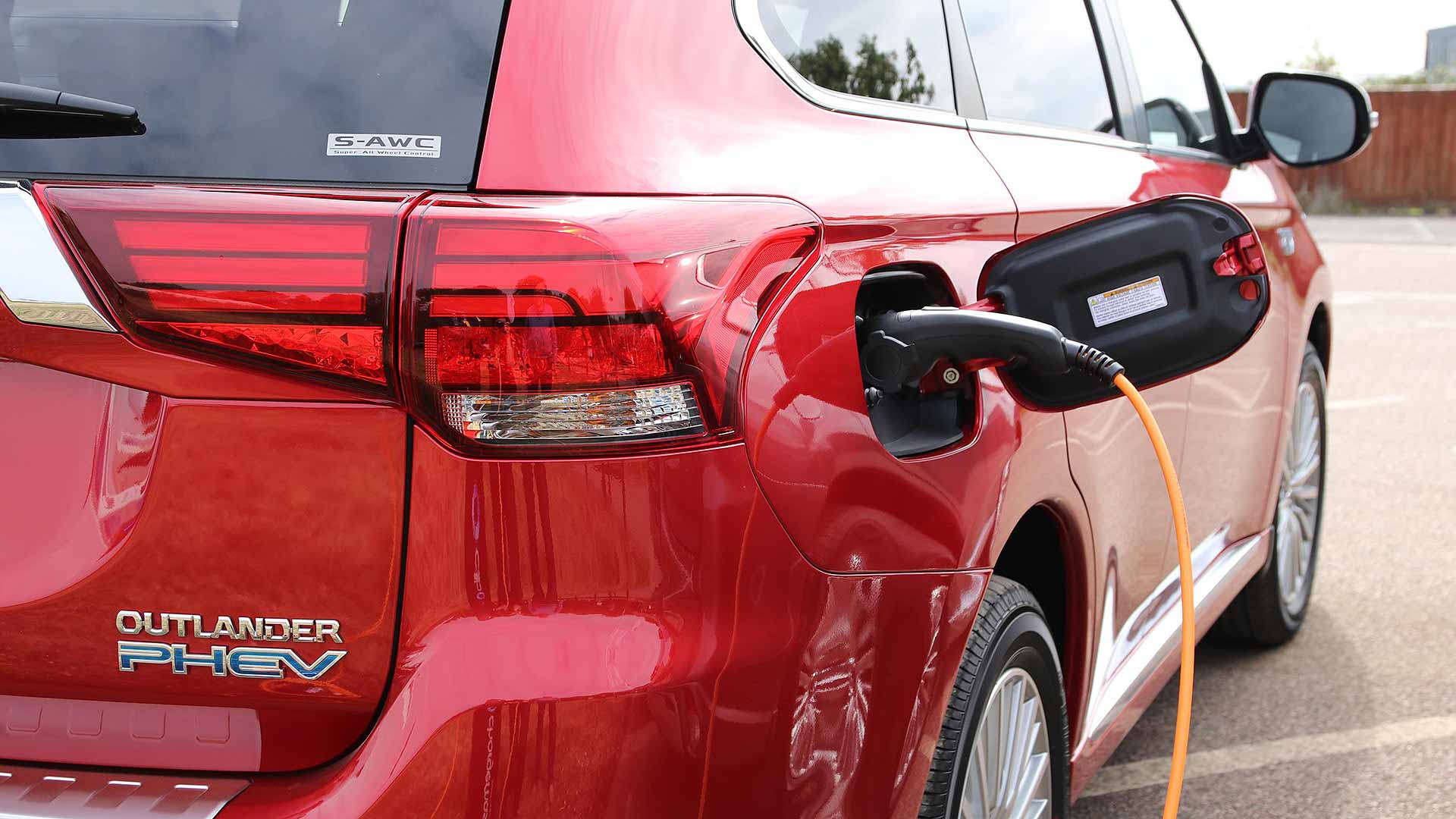
Mitsubishi Outlander PHEV

“This is all very confusing for motorists,” said Nick Molden, chief executive of Emissions Analytics.

“The problem is the official figures are very sensitive to assumptions about how PHEVs are being charged and driven.”

Proprietors of popular plug-in hybrid models responded to scepticism around their vehicles. A spokesman from Mitsubishi UK cited a survey of Outlander owners that found 96 percent charged at least once a week, and 68 percent charged every day. Even so, Mitsubishi itself recently announced a scheme to incentivise owners to plug-in, offering 10,000 free electric miles’ worth of charging. 

Kia, meanwhile, has emphasised that ultimately, ”responsibility lies with the owner, but used correctly, a PHEV will improve fuel economy and reduce tailpipe emissions”.

Driving right: Getting the most out of PHEVs, and whether they’re viable
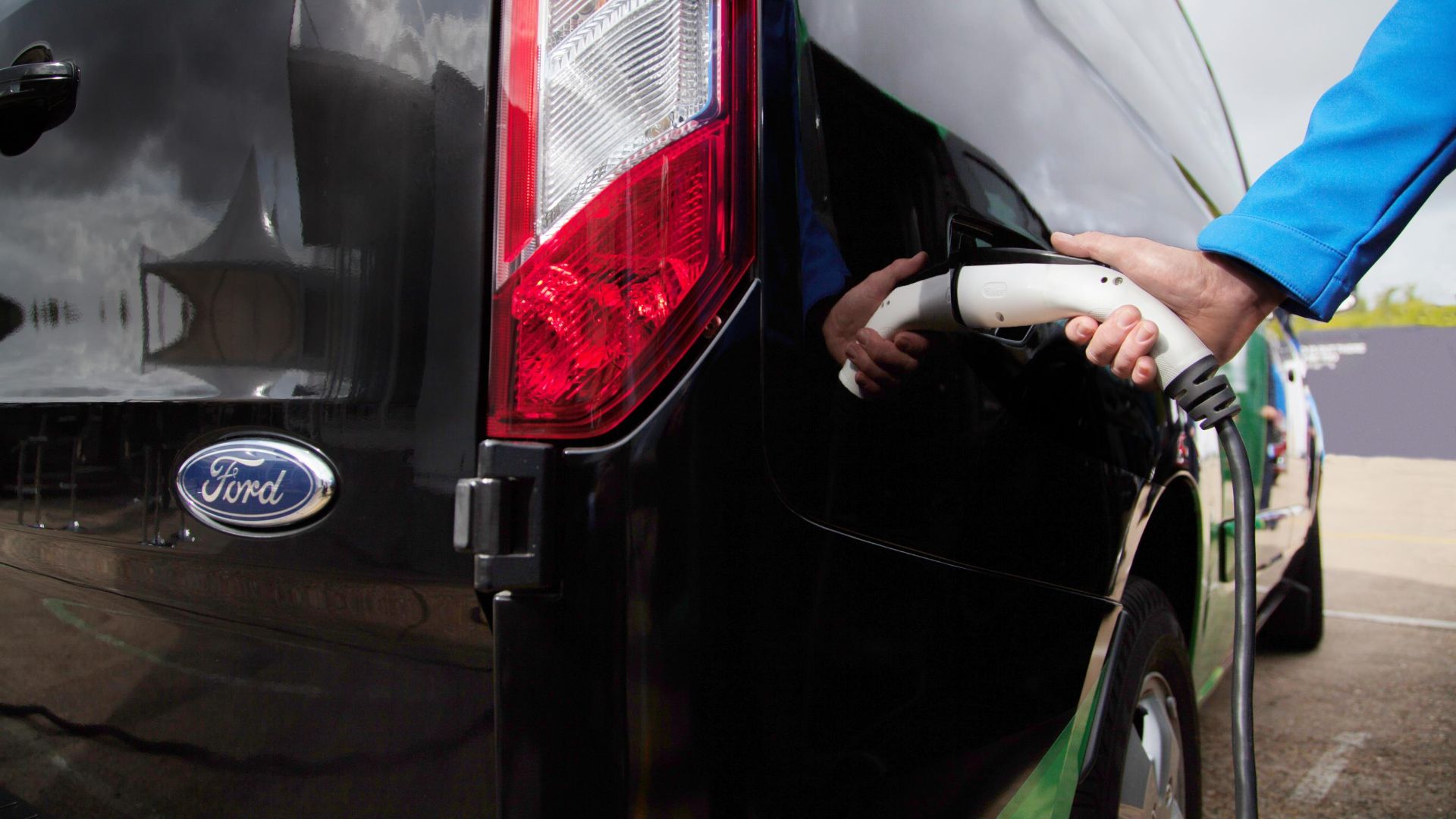
Ford Transit PHEV

Ultimately, be it an issue of education or laziness, the fact that PHEVs give drivers the option of not running them at maximum efficiency compromises their effectiveness. Their potential to offer a great compromise is known. If you’re a PHEV owner and you’re hot on plugging it in, then you’re doing it right. Unfortunately, the unpredictable human element is where they fall short.

In 2020, as the offering of competent viable longer-range fully electric vehicles flourishes, the question of PHEV’s real-world relevance to the cause of emissions and consumption reduction burns ever-more.

Mitsubishi Outlander PHEV sales buck downturn trend

“By the end of the year, most new models of fully-electric vehicle will be able to cover 150 miles on a single charge, and the need for plug-in hybrids will inevitably decline”, said Ewa Kmietowicz, transport team leader at the Committee on Climate Change.

Whether their inclusion in the ban is fair or not perhaps isn’t the question. For now, their effectiveness remains in doubt, given that the problem with plug-in hybrids is people.
Advertisement

‘Congestion-busting’ road in Cornwall gets green light

0

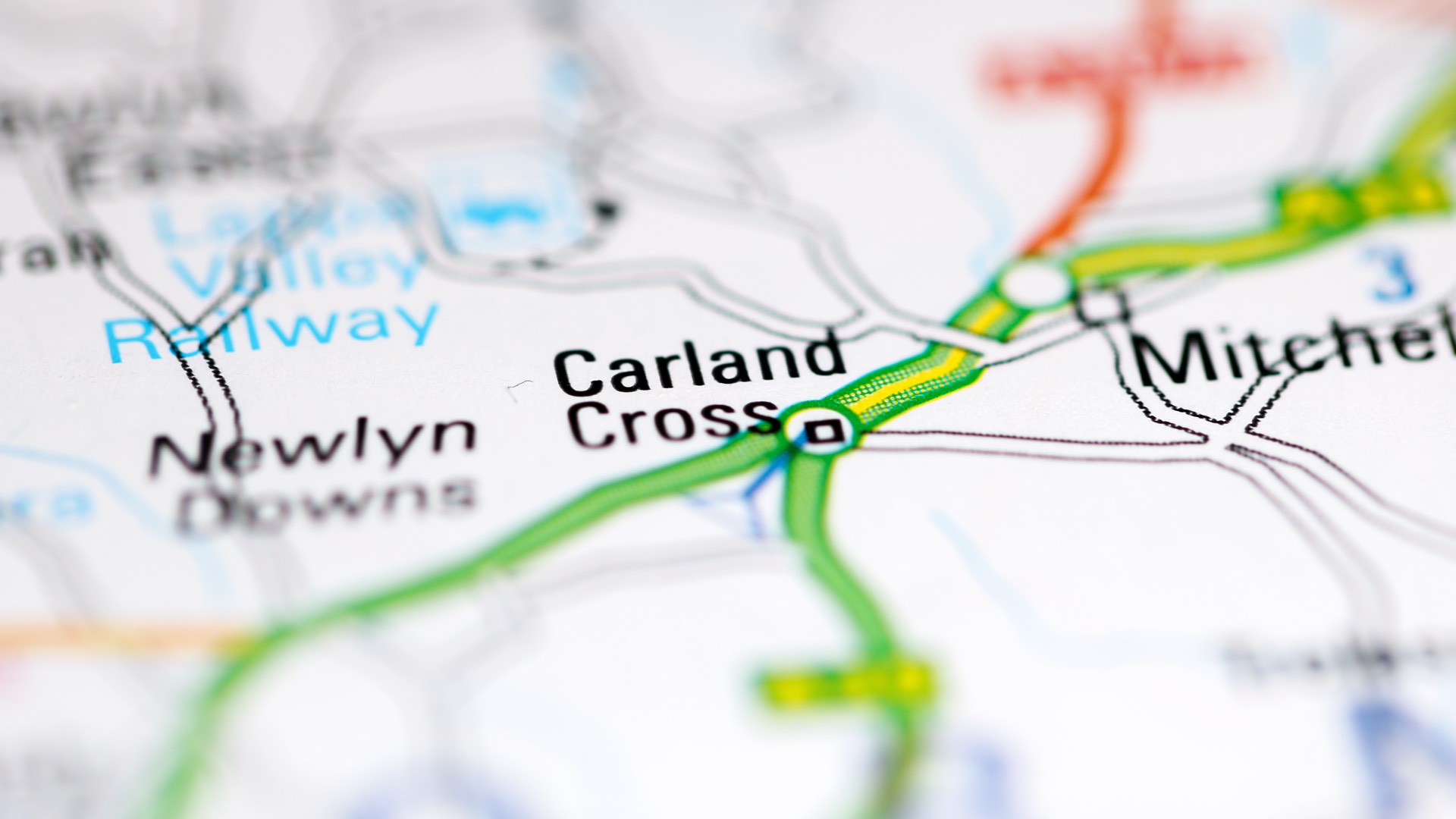
New road Carland Cross in Cornwall

The government has given the green light for work to start on a ‘congestion-busting and economy-boosting’ road scheme in Cornwall. It promises to bring relief to local residents, not to mention the millions of tourists who visit the county every year.

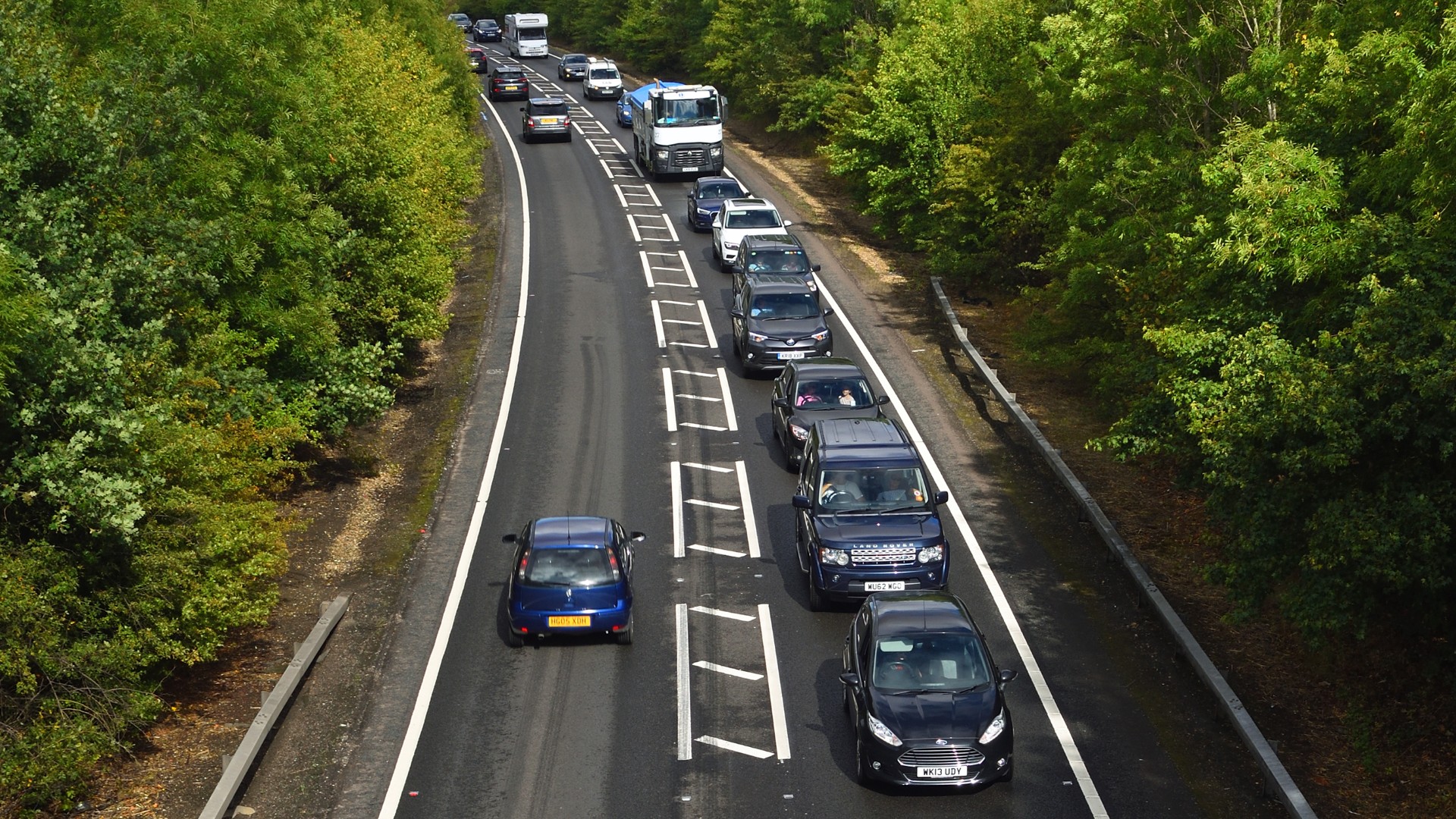
The single lane section between Carland Cross and Chiverton Cross is a notorious bottleneck, creating long delays at peak periods and during the summer. Now, Grant Shapps, the secretary of state for transport, has granted a Development Consent Order for work to start on a £290 million improvement scheme.

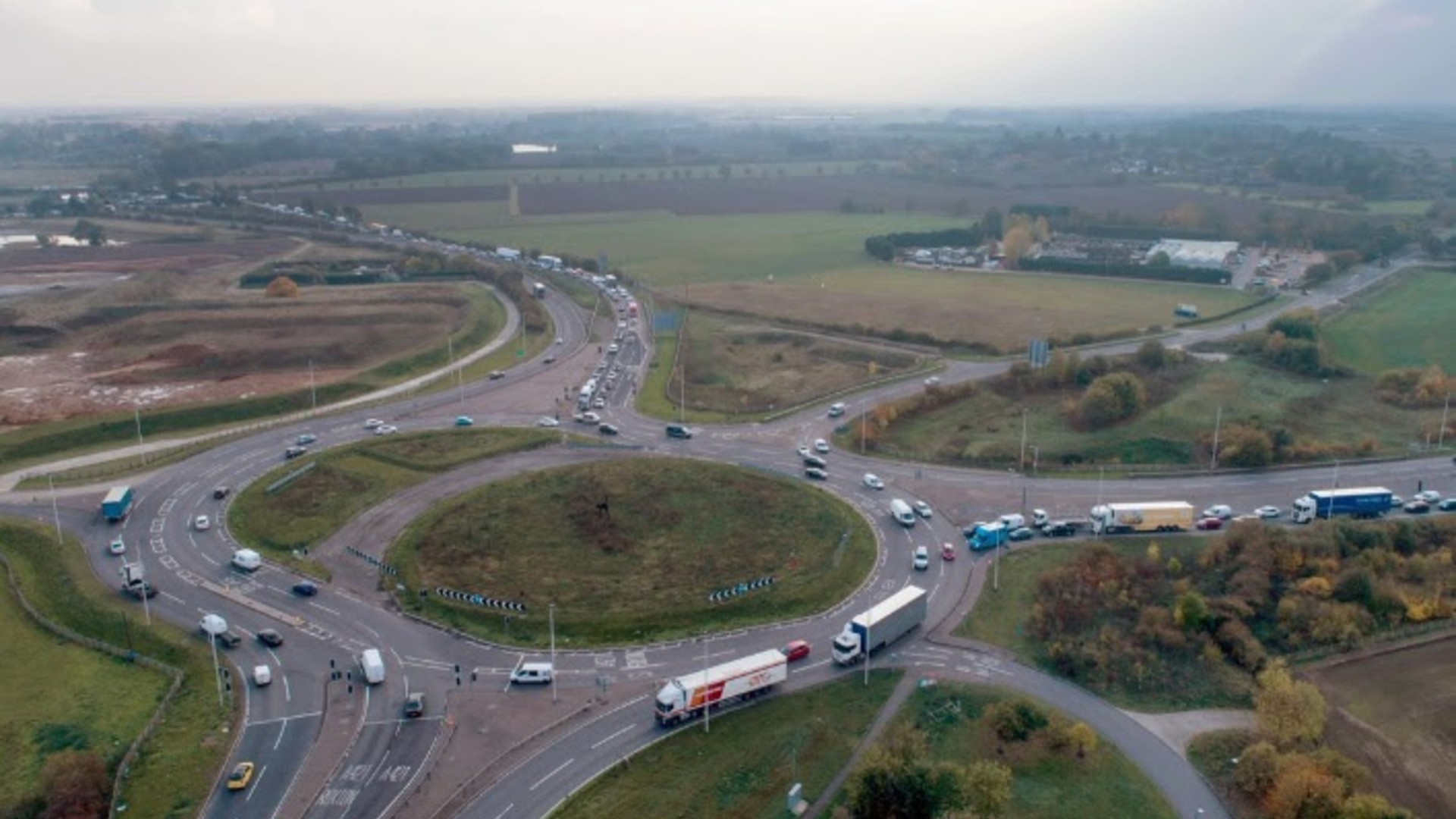
This follows the opening of a dual carriageway across Bodmin Moor at Temple in 2017, which removed another section of single carriageway between Scotland the far west of Cornwall. Bad weather meant the works finished a year behind schedule. The image below shows the congestion before the new road opened.

Work on the new 8.7-mile dual carriageway between Carland Cross and Chiverton Cross is expected to start later this year, with the route likely to be open to traffic in 2023. However, consent for the works is subject to a six-week period in which the decision may be challenged in the High Court.

Once completed, the new road scheme will include:

  • A 70mph dual carriageway
  • A two-level junction at Chiverton Cross
  • A partial junction at Chybuca
  • New bridges at Tolgroggan Farm, Pennycomequick Lane and over the Allet to Tresawsen road
  • A two-level junction at Carland Cross
  • Keeping the A30 as a local route

‘Vital upgrade of the A30’

Department for Transport policing review

Roads minister Baroness Vere said: “This government is committed to delivering an infrastructure revolution and levelling up access across the country.

“This vital upgrade of the A30 will improve safety, cut congestion, boost access for drivers on their daily commute and create better journeys for the surrounding communities.”

Highways England senior project manager Josh Hodder added: “We’re delighted to receive the secretary of state’s decision, which represents a major step in developing a scheme to help unlock congestion, promote economic growth and bring out better connectivity for local communities along the A30.

“Improving the A30 between Chiverton and Carland Cross is incredibly important for Cornwall’s future.

“It’s the only remaining stretch of single carriageway on the A30 between Camborne and the M5 at Exeter; journeys on this part of the road are regularly delayed, congestion often brings traffic to a standstill, and as a result the Cornish economy is being held back.”

The existing A30 will remain open while work on the new road takes place, although some delays are inevitable.

Advertisement

Coventry has appointed a Bicycle Mayor

0

Coventry has appointed a Bicycle Mayor

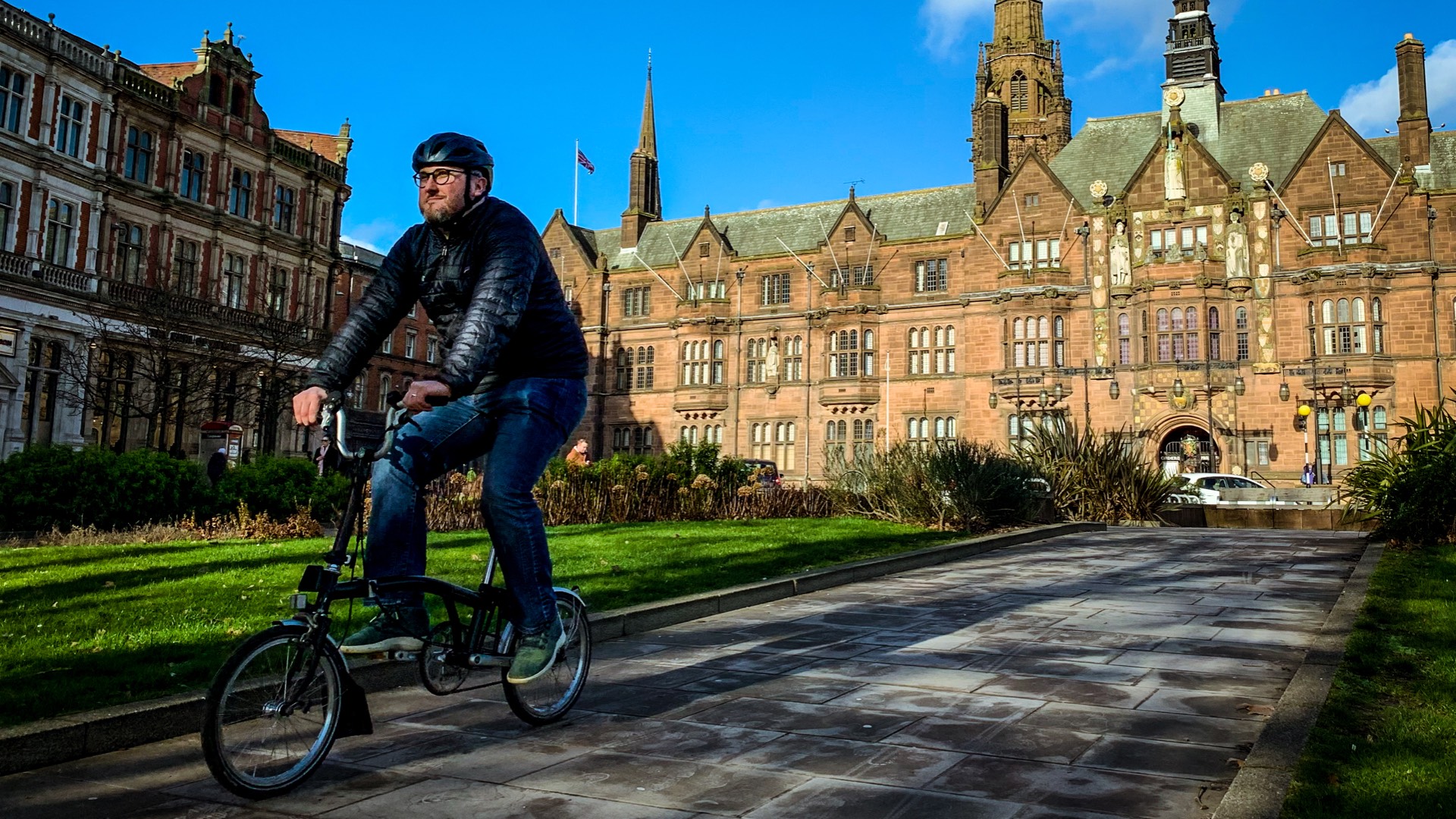
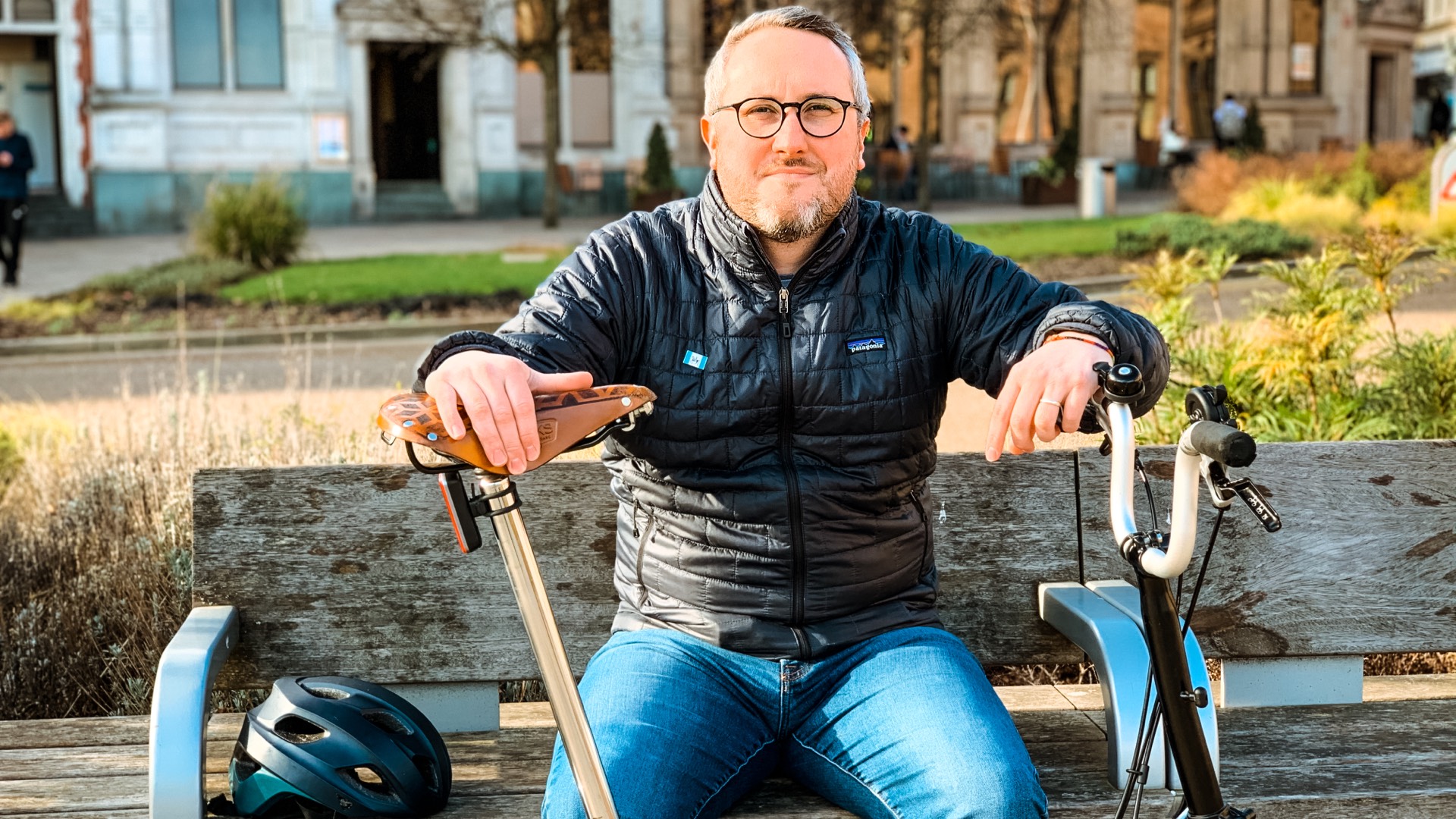
Communications boss Adam Tranter has been appointed Bicycle Mayor of Coventry. His aim: to help the UK’s ‘motor city’ reach its cycling potential.

Tranter is one of around 100 mayors on two wheels worldwide, including Richard Ingham, who was appointed Bicycle Mayor of Cumbria in 2019.

Although they aren’t part of local government, they help to promote the benefits of cycling, keeping two-wheeled matters in the spotlight.

The role has the backing of Sir Chris Hoy, who said: “There are few people who understand the importance of getting more people active than Adam. There are even fewer who have the practical experience and knowhow to bottle all that is great about cycling and take it to new cyclists.

“I look forward to seeing what Adam can achieve, getting more children cycling and continuing to raise awareness of the many benefits.”

Bicycle Mayors are elected for a period of two years and are asked to come up with three main objectives they will focus on during their mayorship. A Bicycle Mayor must listen to the needs of local people and implement new ideas according to those needs. The overall ambition is for 50 percent of all city trips to be taken by bike by 2030.

The newly appointed Bicycle Mayor says he has three priorities, namely:

  1. Work to ensure that Coventry meets its cycling potential; working with policymakers to ensure priority is given to cycling and active travel.
  2. Engage media and partners to better communicate and showcase the benefits of cycling for everybody in Coventry.
  3. Prioritise the implementation and promotion of initiatives that benefit the most vulnerable: children, people with special mobility needs, vulnerable road users and those affected most by pollution.

According to the TomTom Traffic Index, Coventry is the fastest growing city in terms of congestion. Studies show that 98 percent of monitored roads in the city have PM2.5 emissions above the World Health Organisation’s guidelines.

In 2017, 156 deaths in Coventry were related to PM2.5 – amounting to about one in every 18 deaths.

‘Holding power to account‘

Adam Tranter Bicycle Mayor

Adam Tranter said: “I am engaging with key stakeholders to outline my vision as Bicycle Mayor. It’s essential that this is a collaborative approach; I want to help bring together the best of Coventry and showcase what’s possible when you put people first.

“A key focus will be holding power to account in ensuring cycling and active travel are given the funding that’s needed to transform the number of people choosing cycling.

“Coventry had a strong association with the bicycle thanks to pioneers such as John Kemp Starley who invented the modern safety bicycle design in the city. Over a 100-year period there were more than 450 bicycle makers in Coventry but things then moved onto car manufacture and that industry still has a presence in the city today.

“These companies are important to the political landscape and local economy but there is currently no voice for cycling; we need to change that.

“We’re going to have to make some tough decisions in light of the climate emergency. We need to make cycling and walking the obvious choice for short journeys and reduce Coventry’s car dominance.

“Moving to electric vehicles isn’t going to stop congestion or help our city be more liveable and sociable.”

Advertisement

Five reasons why your car insurance will cost more in 2020

0

Motorists are being warned to expect an increase in the cost of car insurance in 2020. A ‘perfect storm of factors’ will put pressure on premiums, according to a leading price comparison website.

It says that insurance premiums will continue to rise throughout the year, pointing to five key factors behind the higher costs. Here, we reveal the five driving forces behind the inflated premiums, along with some of the ways you can offset the cost.

Car theft is on the up

There was a three percent increase in the number of vehicle offences in the year up to June 2019. This is mainly as a result of the increase in the number of vehicle thefts (up seven percent) and incidences of theft from a vehicle (up two percent).

The keyless car theft ‘epidemic’ is another factor. More expensive cars are being stolen, increasing the average claim for a stolen car to over £8,000 in Q2 2018. This is up from £3,500 in 2013 when records began.

How personal injury compensation is calculated

Personal injury claims

The Ogden discount rate is used to determine the amount insurers should pay as compensation to people who have suffered life-changing injuries. Because the compensation is paid in a lump sum, the amount is discounted to account for interest payments.

Government changes to the rate add to the cost for insurers, which is passed on to the motorists in the form of higher premiums.

Higher cost of repairs

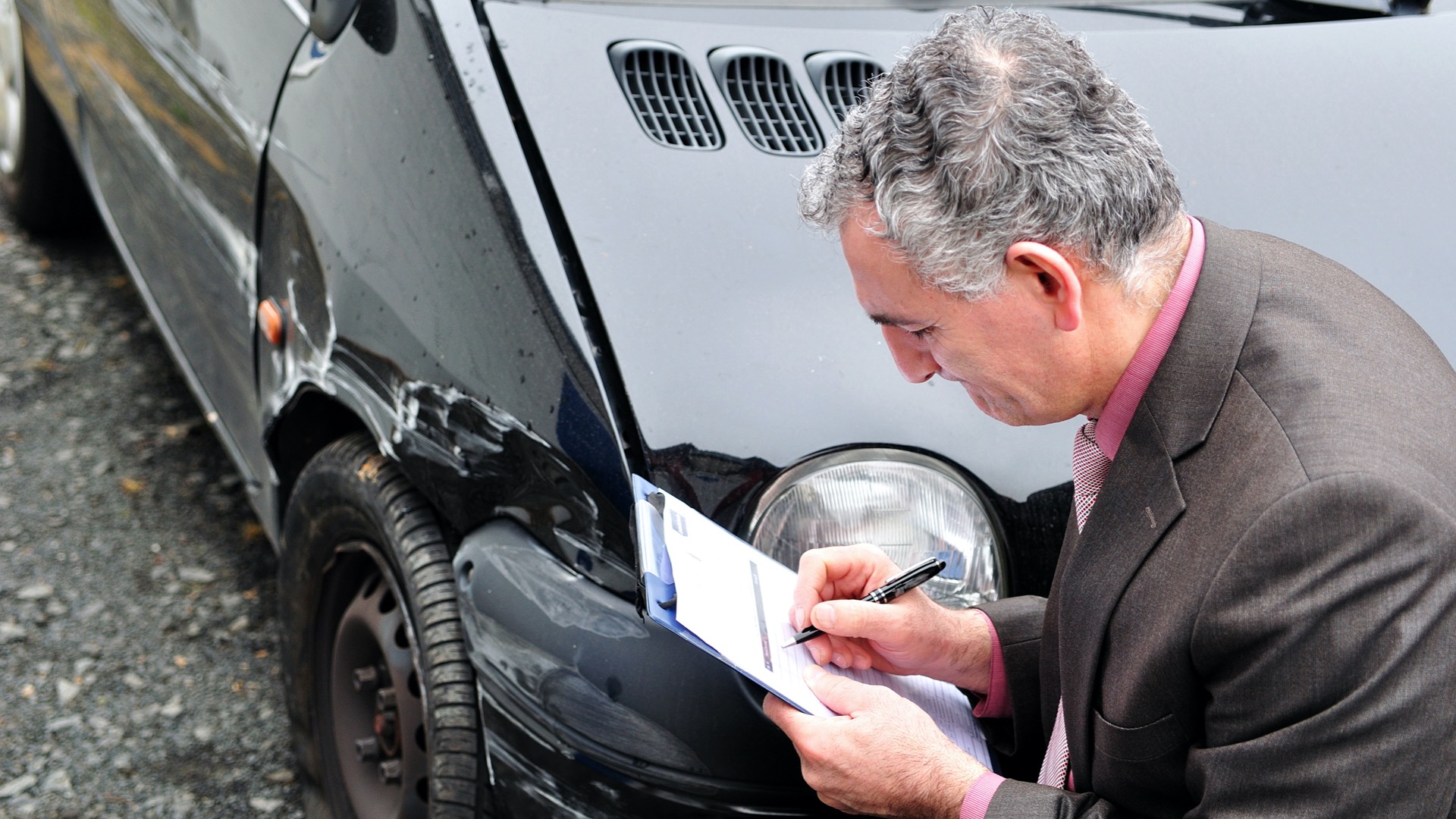
Cars have never been safer, but the plethora of safety assistance systems, connectivity and associated technology makes it more expensive to repair a car following an accident. Equipment such as radars, cameras and sensors tend to be located in vulnerable areas of the car, such as bumpers and grilles.

Insurers pay-out over £12 million a day to repair damaged vehicles. New technology has resulted in insurers categorising more vehicles as uneconomical to repair.

Brexit

The economic uncertainty has led to a fall in the value of the pound, increasing the cost of imported cars and replacement parts. This simply adds to the cost of vehicle repairs.

Insurance fraud

Car insurance fraud

Car insurance fraud remains a big issue. Although insurers use robust fraud detection systems, there are many incidences of policyholders providing false information and making false or exaggerated claims. There are also many cases of people staging crashes to make a personal injury claim.

‘Perfect storm of factors’

Lee Griffin, CEO of GoCompare Car Insurance said: “We’re expecting this year to be another challenging one for car insurers, with a perfect storm of factors coming together to put further pressure on premiums. In addition to rising claims costs, economic and political uncertainty, insurers may face regulatory measures to change their pricing practices as the Financial Conduct Authority publishes its report and remedies on making the car insurance market work better for customers.

“There are also concerns that as the government seeks to raise revenue, the rate of insurance premium tax (IPT) charged on car insurance – which currently stands at 12 percent, could come under the spotlight again, with some experts fearing it could rise to 20 percent in line with other insurances and VAT. The rate of IPT has been unchanged since June 2017, and hopefully this year won’t be the year it is reviewed upwards again.

“Rather than just sitting back and accepting a bigger bill for their car insurance, motorists should shop around to find cover at a good price, that suits their needs.”

How to get cheaper car insurance

Best car insurance companies

Regardless of where you live, what car you drive and what kind of cover you’re after, you should always shop around for a better deal. Figures released today show that letting your car insurance auto-renew will cost an average of £40. In some cases it could be as much as £125.

Here are 10 other ways to get cheaper car insurance:

  1. Pay annually – paying upfront will always be cheaper than paying monthly. Consider an interest-free credit card, but make sure you repay the full amount before the 0 percent offer ends.
  2. Increase your excess – choosing a higher voluntary excess will decrease the cost of your cover. But be warned: you’ll pay more in the event of a claim.
  3. Limit your mileage – don’t overestimate your annual mileage, as this will cost you money. Instead, calculate how many miles you expect to cover and then add a buffer to account for unforeseen circumstances.
  4. Choose the right vehiclea 1.0-litre city car is likely to be cheaper to insure than a 2.0-litre SUV. You might find that an older vehicle is cheaper to insure, especially if it doesn’t have the costly tech mentioned above. That said, some safety systems can help to lower a premium.
  5. Avoid modifications – altering the design and performance of your vehicle is likely to increase the cost of insurance. Everything from new alloy wheels to a new audio system is classed as a modification, so check with your insurance company before making changes.
  6. Improve your security – adding an alarm, immobiliser and locking wheel nuts could lower your premium. As an aside, think about adding a steering lock to provide some protection against opportunistic keyless car theft criminals.
  7. Choose the right policy – if you own a cheap car to drive to the railway station, do you need comprehensive cover? A third party, fire and theft policy should be cheaper.
  8. Consider your add-ons – see what’s included in your policy and whether you need any add-ons.
  9. Consider a telematics policy – fitting a ‘black box’ can make your car insurance cheaper, whatever your age, as long as you’re a careful driver.
  10. Look out for admin fees – some companies charge a fee for making adjustments to a policy. Paying £5 extra for a policy with no admin fees might be more cost-effective than going with a company that charges £50 to make minor adjustments.

For more ways to get cheaper car insurance, visit the GoCompare website. Meanwhile, for more motoring hints and tips, check out our advice section.

Advertisement

Replacement for notorious A428 ‘Black Cat’ roundabout gets public support

0

Public supports Black Cat roundabout upgrade

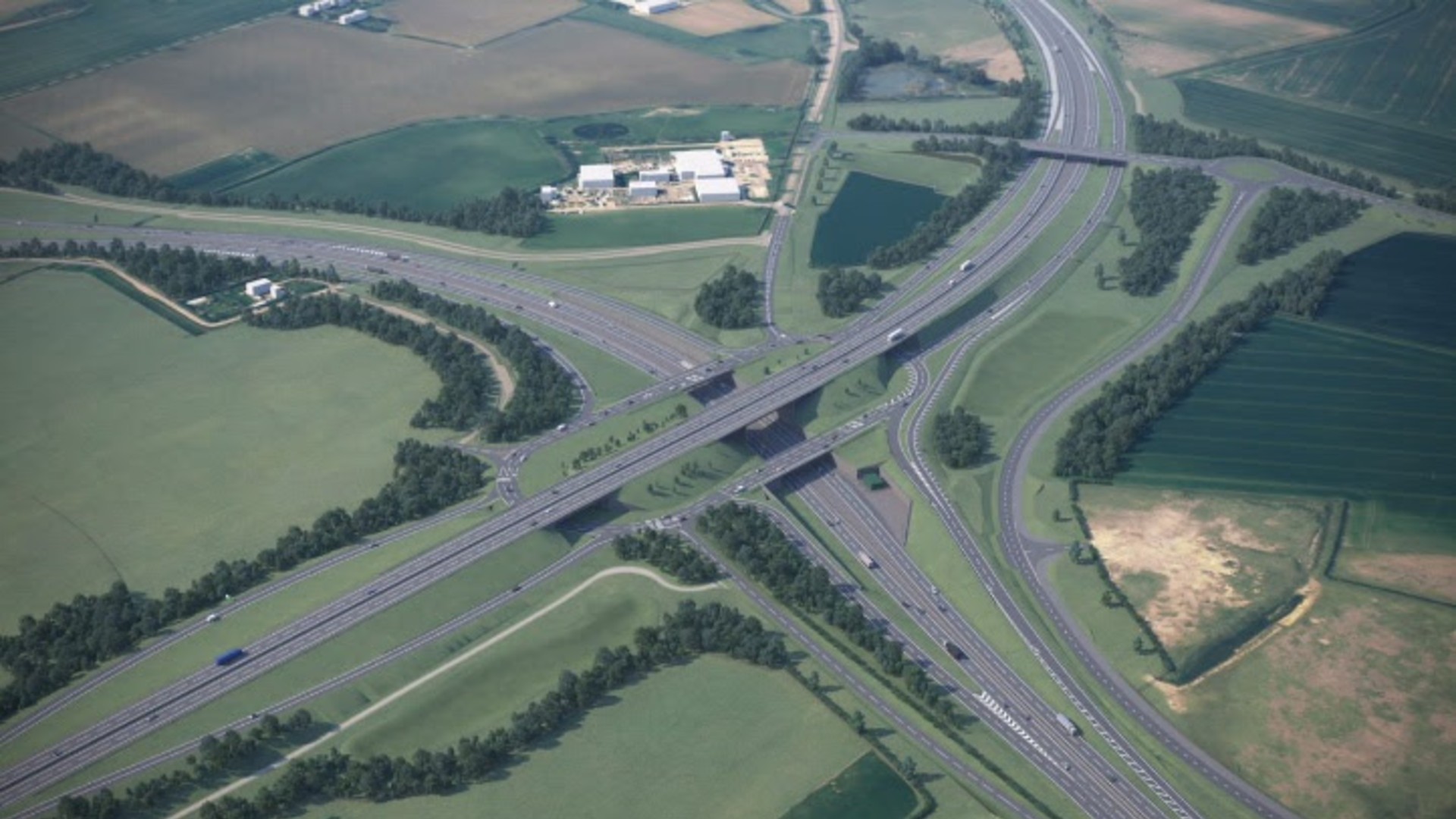
The public has voiced its support for proposals to replace the Black Cat roundabout with a new junction linked to a ten-mile stretch of dual carriageway.

A notorious congestion hotspot, including the Black Cat, is the last single-carriageway section of road between Milton Keynes and Cambridge. The ten-mile stretch would link the new junction with a redesigned Caxton Gibbet junction. 

Eight-eight percent of those who responded to the public consultation, including 2,500 programme attendees, 925 detailed responders, and thousands more online, gave their support for the new stretch of dual carriageway. Eighty-six percent approved of a new Black Cat junction, linking the A1 and A428 with free-flowing traffic. The general consensus was that the new carriageway and amendments would reduce journey times and traffic on local village roads.

Summary of responses

A428 uprade

  • 88 percent either support or strongly support the proposals for the alignment of the new dual carriageway.
  • 86 percent either support or strongly support the proposals for the refined design of the Black Cat junction.
  • 79 percent either support or strongly support the proposals for the Cambridge Road junction. 
  • 81 percent either support or strongly support the proposals for the Caxton Gibbet junction.
  • 73 percent either support or strongly support the proposed changes to the existing A428 junction at Eltisley. 
  • 67 percent either support or strongly support the proposed route for walkers, cyclists and horse riders.

“People across the region have expressed strong support for this project that will help to transform one of the East of England’s busiest sections of road,” said Lee Galloway, Highways England A428 programme lead.

A428 upgrade

“It will not only play a vital role in saving commuters up to 90 minutes on their journeys each week, but also help to unlock economic benefits for the area. We’ll now continue to develop the project design to make sure we maximise the benefits of the scheme while minimising the impacts on communities, drivers and the environment.”

Planning first, construction in 2022, opening in 2025/2026

Highways England will apply for planning consent this summer, following a concrete plan being fully ratified. Construction is planned to begin in 2022, and Highways England “remain[s] committed to opening the new road in 2025/26”.

Advertisement

See the Top Gear cars from the Nepal special at Beaulieu

0

Top Gear Nepal cars on display during February half term

The Renault 4 and Peugeot 106 Rallye from the Top Gear Nepal special can be seen at Beaulieu’s World of Top Gear display in the February half term. Fresh from their hour of fame on BBC Two, with Chris Harris and Paddy McGuinness behind the wheel, they’ll be on show from 15 to 23 February.

The small French firecrackers saw action and abuse in a journey across the Himalayas. They’ll be on display in as-returned condition. From missing bumpers, to a caking of Nepalese dust, they’re authentic victims of some classic Top Gear abuse, on the way from Kathmandu to the Forbidden City of Lo Manthang.

Top Gear Nepal cars on display during February half term

Abuse which courted controversy when the episode aired, especially over the televised torture of the 106 Rallye. This coveted hot hatch, that for some owners would never see a salty road, got torn to shreds. Arguments flew left and right. Some cried shame, while others congratulated the Top Gear trio on taking it on a proper adventure.

Chris Harris weighed in, clarifying that the car was a 160,000-miler. He also said the former owner was “totally relaxed” about how it was used.

Top Gear Nepal cars on display during February half term

“Anything but a collector’s item. Cars are for using and being involved in adventures” he concluded. He also clarified that the Renault 4 will “live to see another day”.

The general admission ticket to Beaulieu will get you entry to World of Top Gear, as well as the National Motor Museum, On Screen Cars, Palace House and the Secret Army Exhibition. There are plenty of hands-on activities for kids to enjoy in all of the above areas.

Advertisement

Top Gear moving to BBC One for the first time

0

Top Gear moves to BBC 1

Top Gear will be moving to BBC One from BBC Two for the first time. It’s in a bid to shore up the licence fee and to bring in a younger audience. The BBC hopes the move will build upon the success of the latest series. It’s not yet known if it will keep its Sunday air time.

Indeed, this is no desperate move to push a sinking ship. It’s currently bringing in the best viewing figures (4.3 million) since the departure of Jeremy Clarkson, Richard Hammond and James May in 2015.

The real challenge is capturing younger audiences, given their captivation with online streaming services such as Netflix. The BBC is facing a battle with the government over funding and the licence fee. 

The eye is on the long term. The typical TV-watching audience is ageing out. Now, the younger streaming generations make up more and more of the audience it should be targeting. Indeed, culture secretary Nicky Morgan has suggested that the TV licence could be scrapped beyond 2027. 

Top Gear could be a strong weapon in the BBC’s arsenal, given that it’s among BBC Two’s top four most popular shows among 16 to 34 year-olds. Top Gear is also a saleable asset for the BBC, given that it’s made by the commercial wing, BBC Studios, which exports the show around the world.

“The time is right to move the world’s best motor show to the nation’s most popular channel and bring it to an even broader audience on BBC One,” said director of BBC content Charlotte Moore.

“Freddie, Paddy and Chris have revitalised the hit series with their escapades and banter; and we couldn’t have asked for a better response to their series so far and the impact it’s had with young audiences.”

Top Gear moves to BBC 1

What about BBC Two? The channel will be losing a Sunday night staple with the move. BBC2 controller Patrick Holland doesn’t sound worried, however, praising the BBC TV ecosystem: “From Peaky Blinders to Line of Duty and now Top Gear, BBC Two is a place where unique shows can evolve and thrive before moving to even broader audiences on BBC One, it’s a vital part of the BBC portfolio.”

Advertisement

The 10 cheapest cars to insure in 2020

0

Every new car in the UK is given an insurance group ranging from one to 50. Although insurers can use their own system to assess risk, the lower the insurance group, the less you’ll pay for cover. Thanks to information provided by Confused.com, we can reveal the 10 cheapest cars to insure in 2020, with the results presented in no particular order.

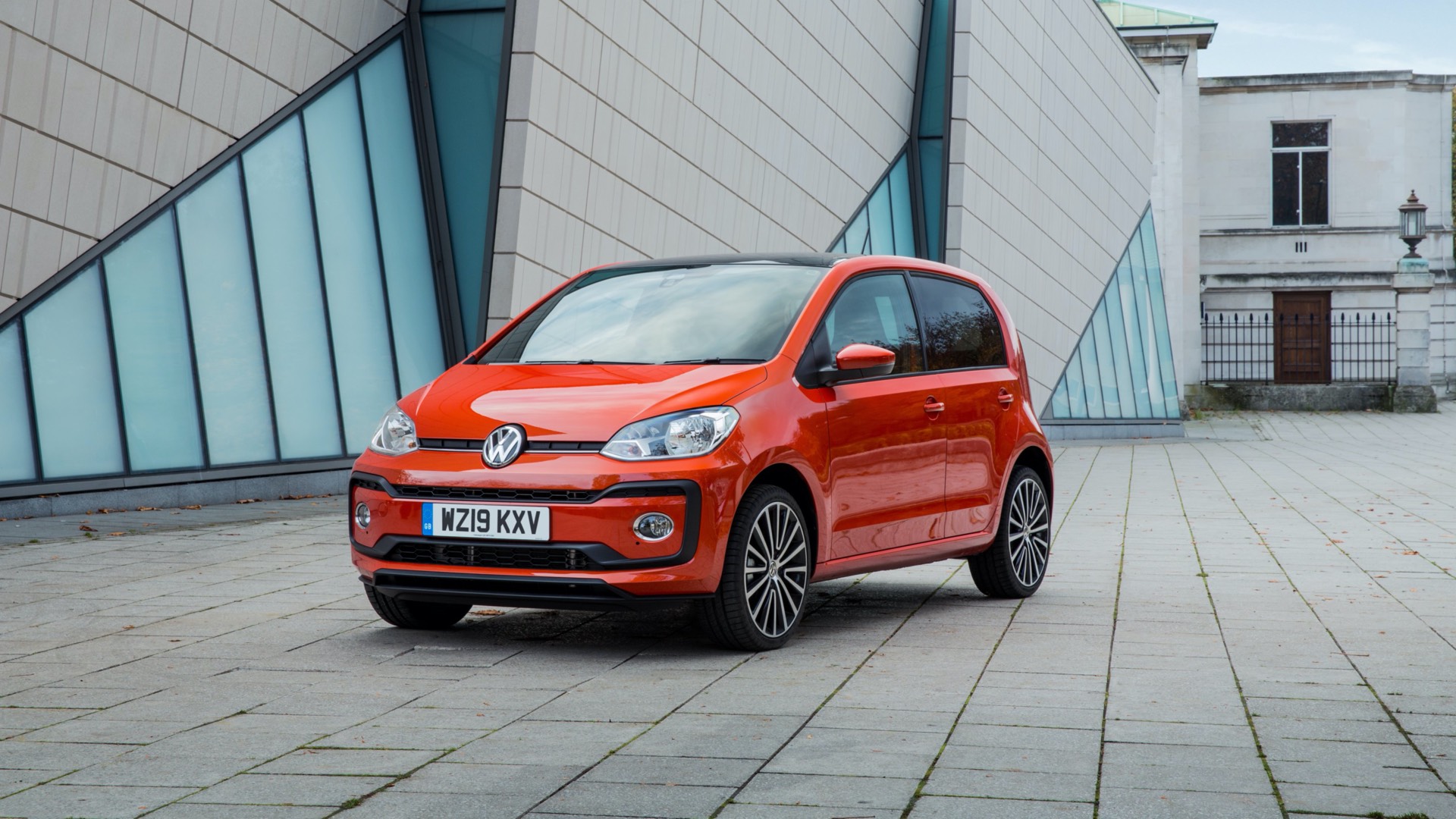
Volkswagen Up

Generally speaking, the following factors influence a car’s insurance group rating: performance, cost of repair, the car’s value, security and safety. A 1.0-litre city car will be far cheaper to insure than a 2.0-litre saloon. According to Confused.com, the Volkswagen Up is one of the cheapest to cover.

If you want to pay the least amount, opt for the Volkswagen Up with a 60hp 1.0-litre engine. These tend to fall into the lowest insurance group rating. Before you get any ideas, the Up GTI is a little more expensive to insure, with a group rating of 17.

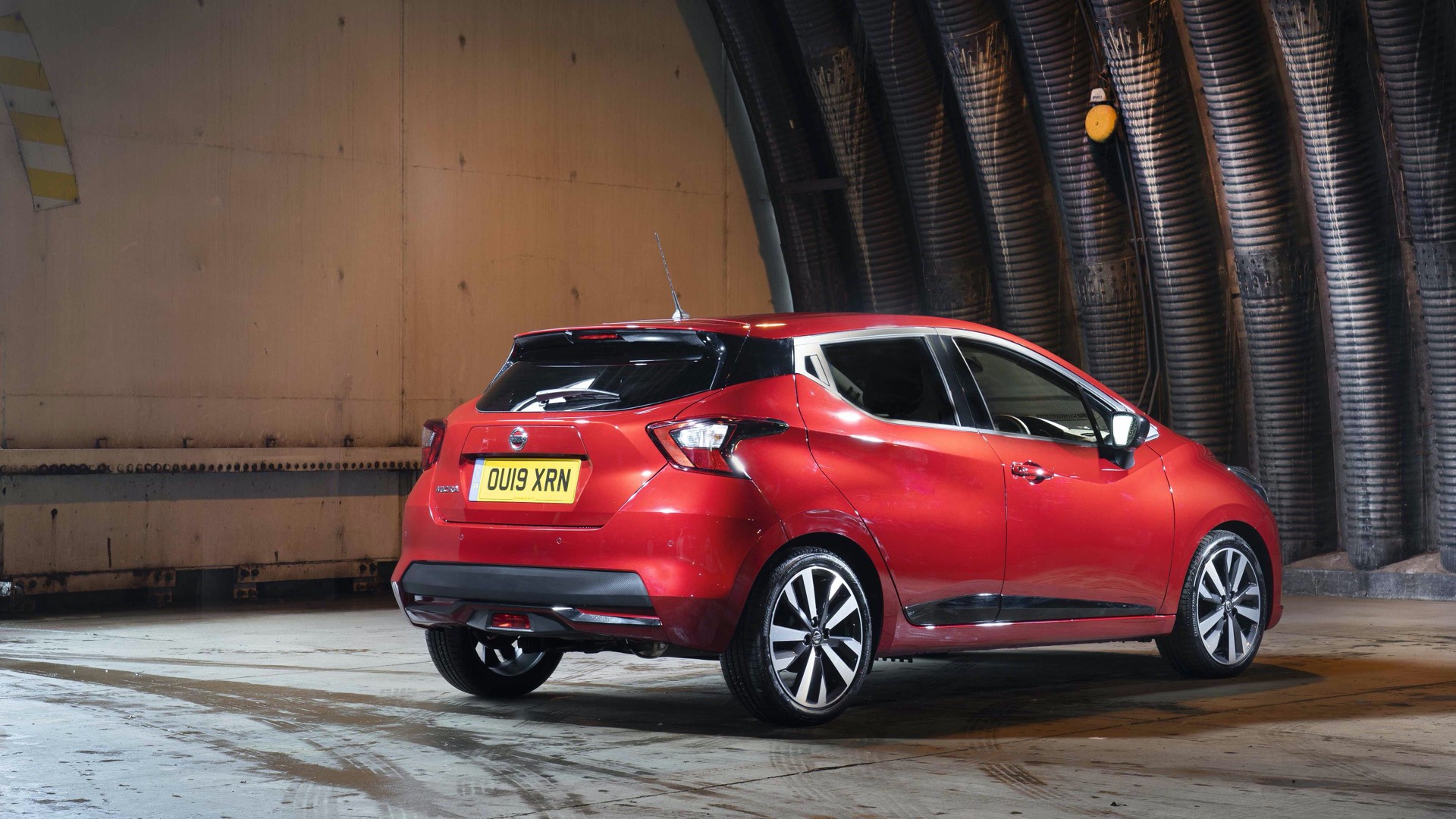
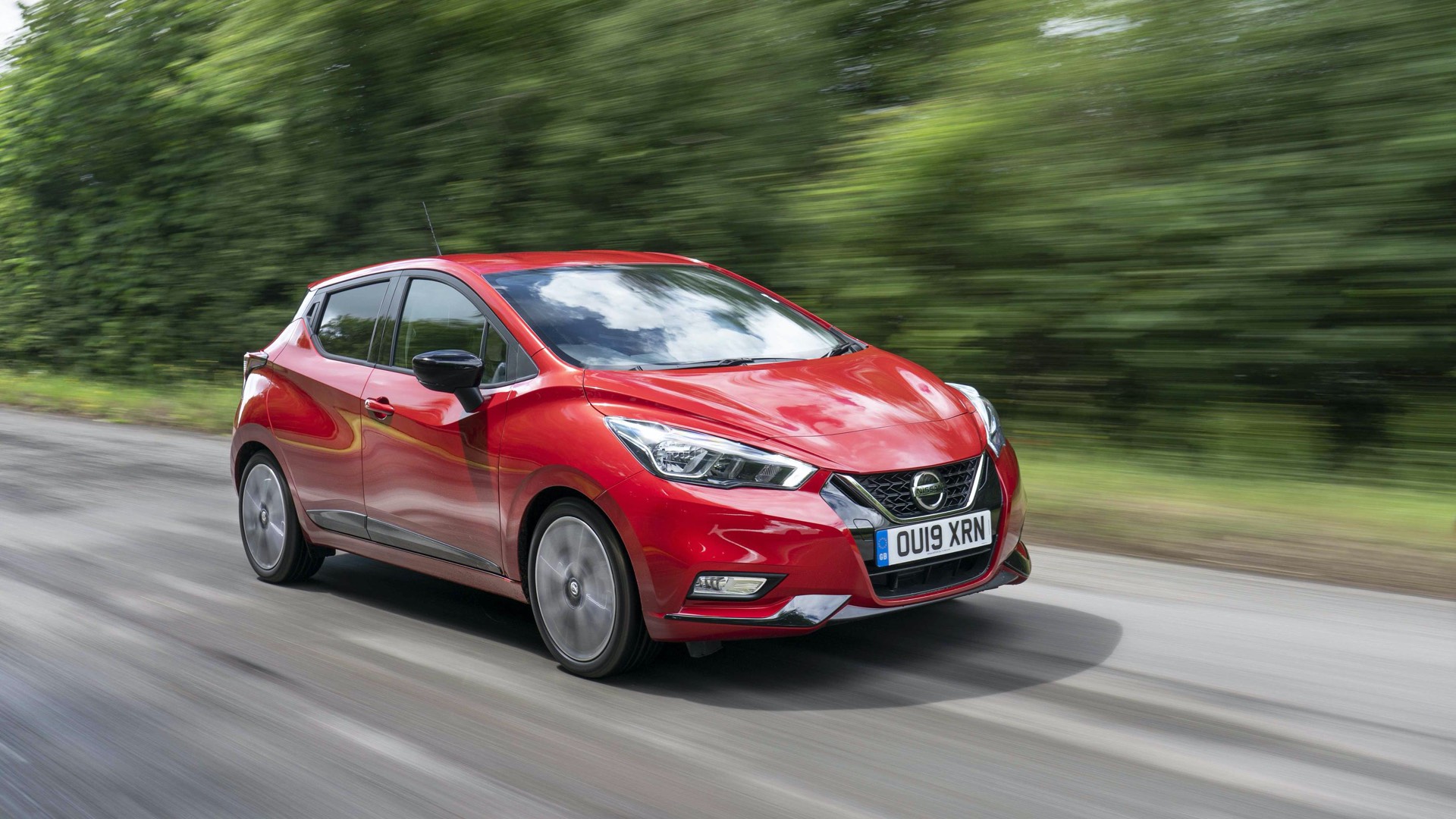
Nissan Micra

Even the entry-level Nissan Micra Visia+ comes with emergency braking with pedestrian recognition, which helps to keep the cost of the insurance to a minimum. It costs £14,190, but looks too much like a driving school car without alloy wheels. Upgrading to the Accenta adds 16-inch alloys, cruise control, Apple CarPlay and Android Auto.

All versions of the Nissan Micra slot into group one when powered by the 71hp 1.0-litre petrol engine, making this an ideal car if you’re hoping to build a decent no-claims bonus. You can expect a discount of 30 percent in return for a claim-free first year of driving.

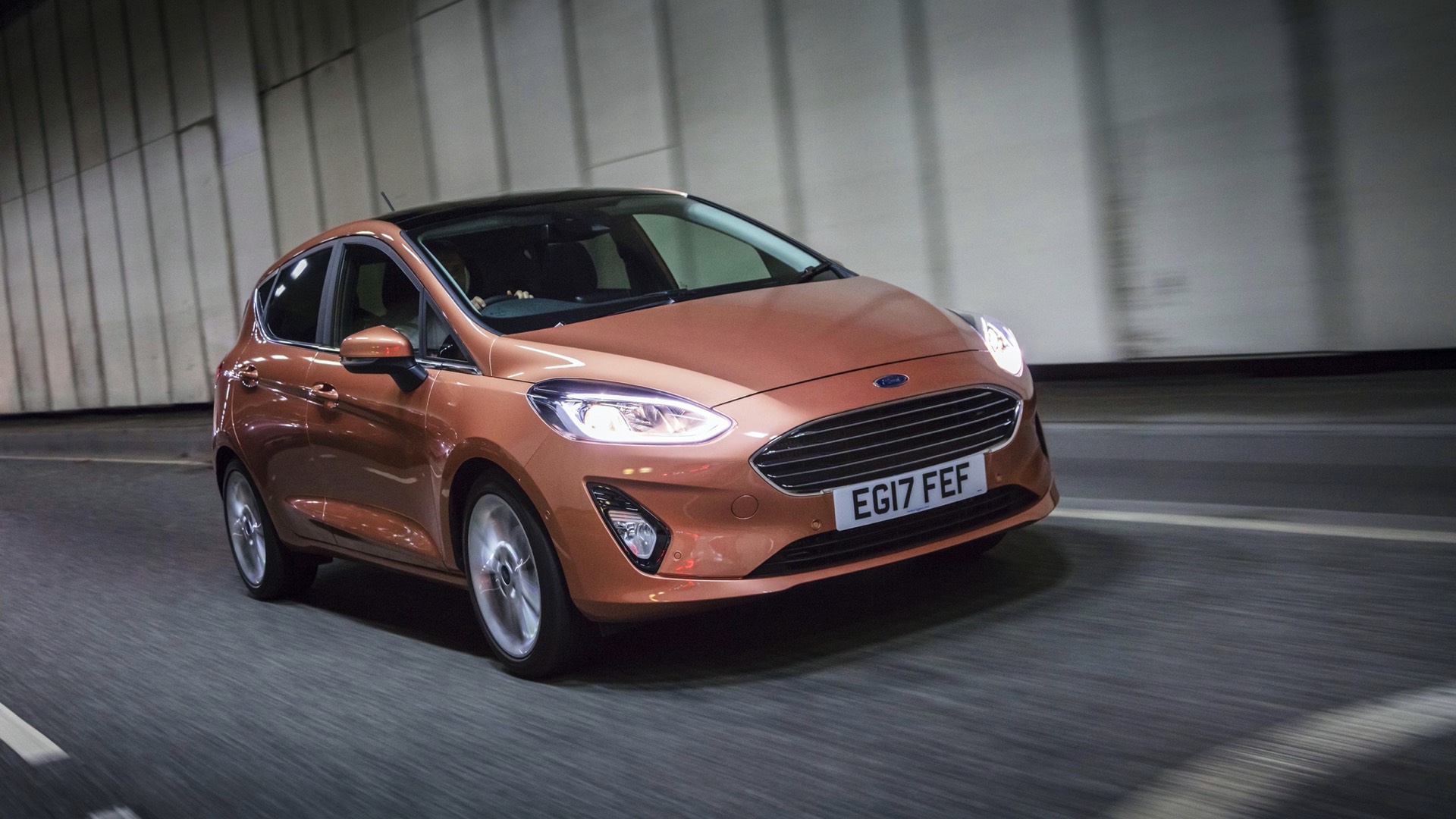
Ford Fiesta

Not only is the Ford Fiesta Britain’s most popular new car, it’s also one of the cheapest to insure. Three- and five-door versions are available, with prices starting from £16,115. You can also opt for a crossover-inspired Fiesta Active Edition or a sporty ST.

You won’t find a single Fiesta on the bottom rung of the insurance group ladder, but the now discontinued Fiesta Style slots into group two when powered by a 1.1-litre petrol engine. Opt for the same engine in what is now the entry-level Trend model and the insurance group jumps to four.

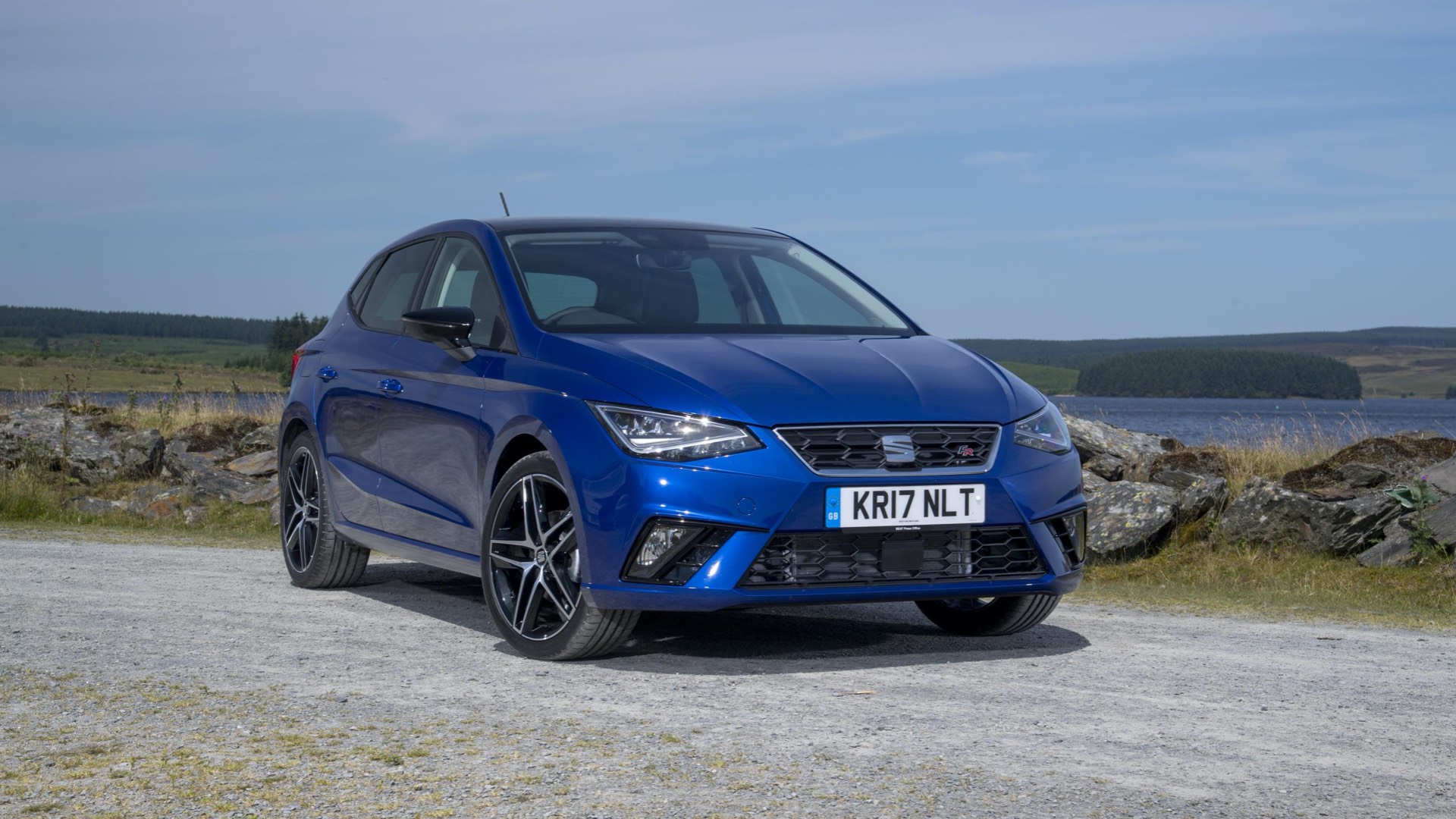
Seat Ibiza

Thanks to the way it looks and drives, the Seat Ibiza is a popular supermini for young drivers. The entry-level Ibiza SE costs £15,825 and offers 15-inch alloy wheels, a 6.5-inch touchscreen and LED daytime running lights. It’s essentially a Spanish Volkswagen Polo that looks better and is great to drive.

To pay the least amount for insurance you’ll need to opt for the Ibiza SE and the 75hp 1.0-litre petrol engine. All the other models are in a higher bracket, but if you’re after the style and aren’t too fussed about the poke, the 80hp Ibiza FR Sport slots into group five.

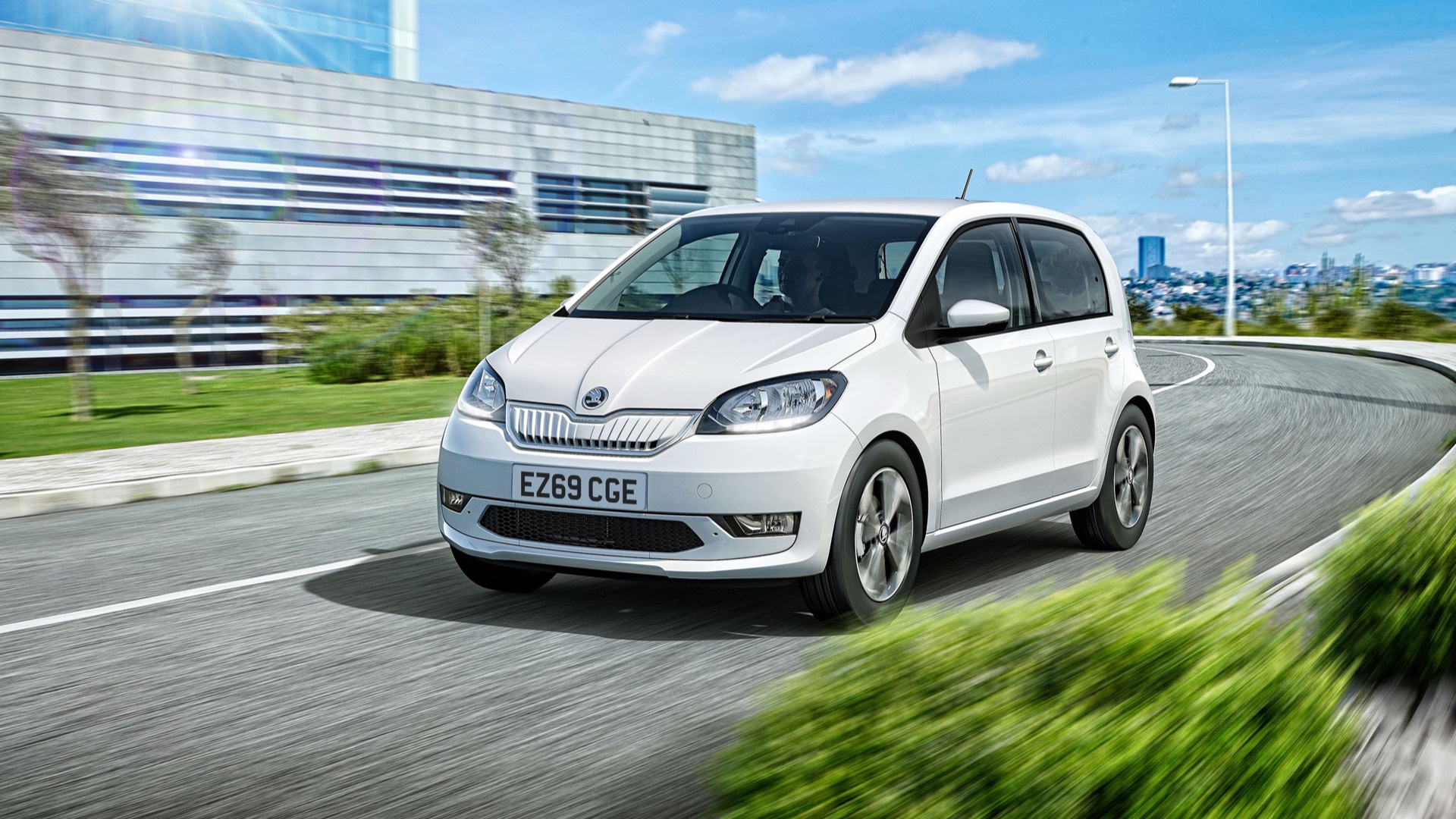
Skoda Citigo e iV

It’s quite a surprise to see the electric Skoda Citigo making this list, but it suggests that the overall cost of owning an EV is starting to come down. Prices start from just shy of £17,000, with up to 170 miles of range available.

Electric versions of the Skoda Citigo slot into insurance groups 11 and 12. Although you can no longer buy a new petrol version of the Citigo, finding a used example would make sense if you’re looking to minimise your costs. Some of the old 1.0-litre MPI versions fell into group one, making them inexpensive to insure.

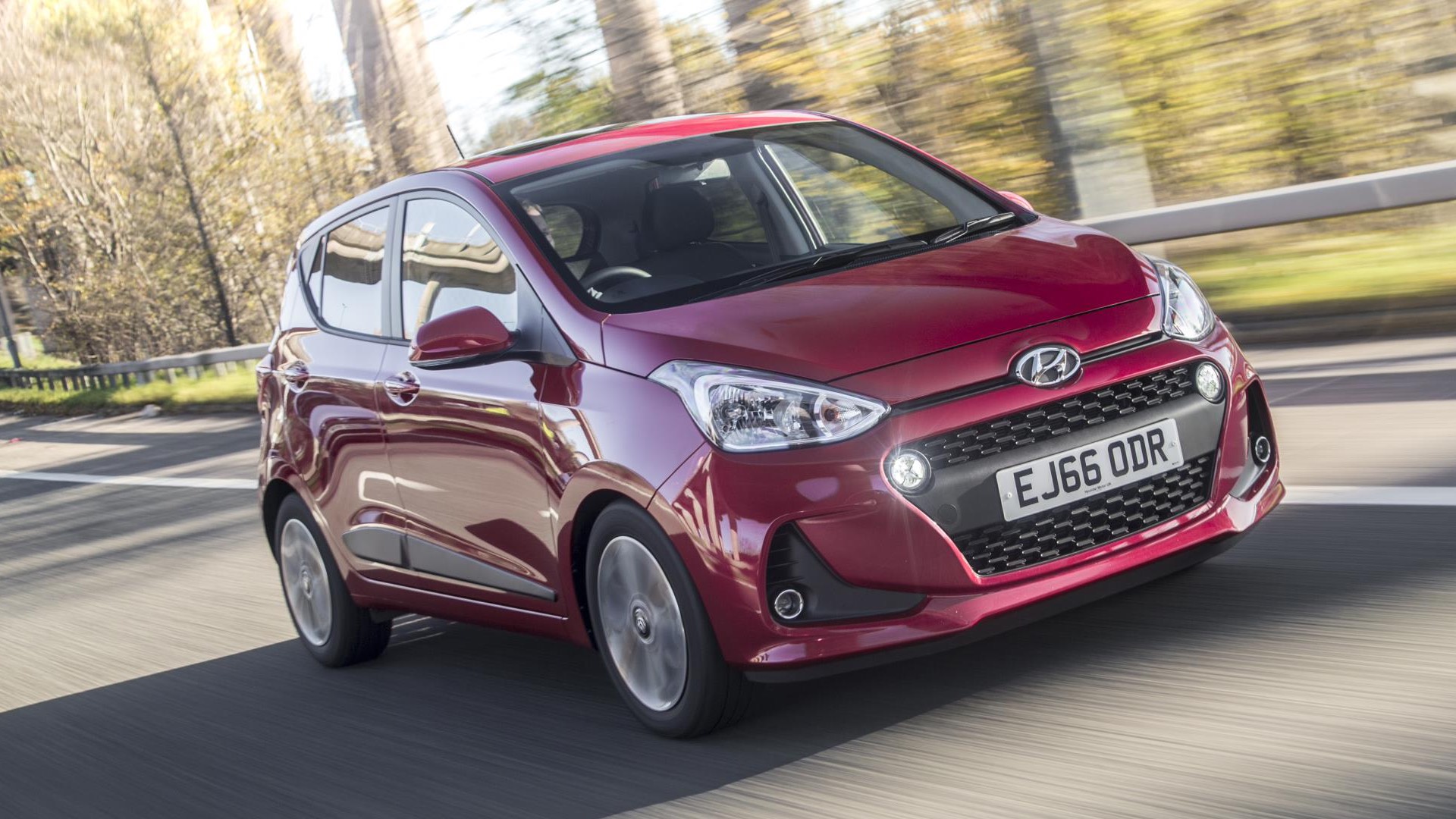
Hyundai i10

There’s a new and exciting* Hyundai i10 on the way, but it’s unlikely to be as cheap to insure as the outgoing version (pictured). That’s what happens when you get carried away with funky LED lights and bold alloy wheel designs. It’s also more expensive, with the cheapest model coming in at £12,500, rather than £10,000. In fairness, you do get more for your money.

*It’s not that exciting.

Helpfully, Hyundai lists the insurance group ratings on its website. To pay the minimum amount for cover, avoid the 1.2-litre engine and opt for the 1.0 version. The i10 1.0 S and SE slot into group two, while other models range from four to seven. The groups of the new i10 are likely to range from six to 11.

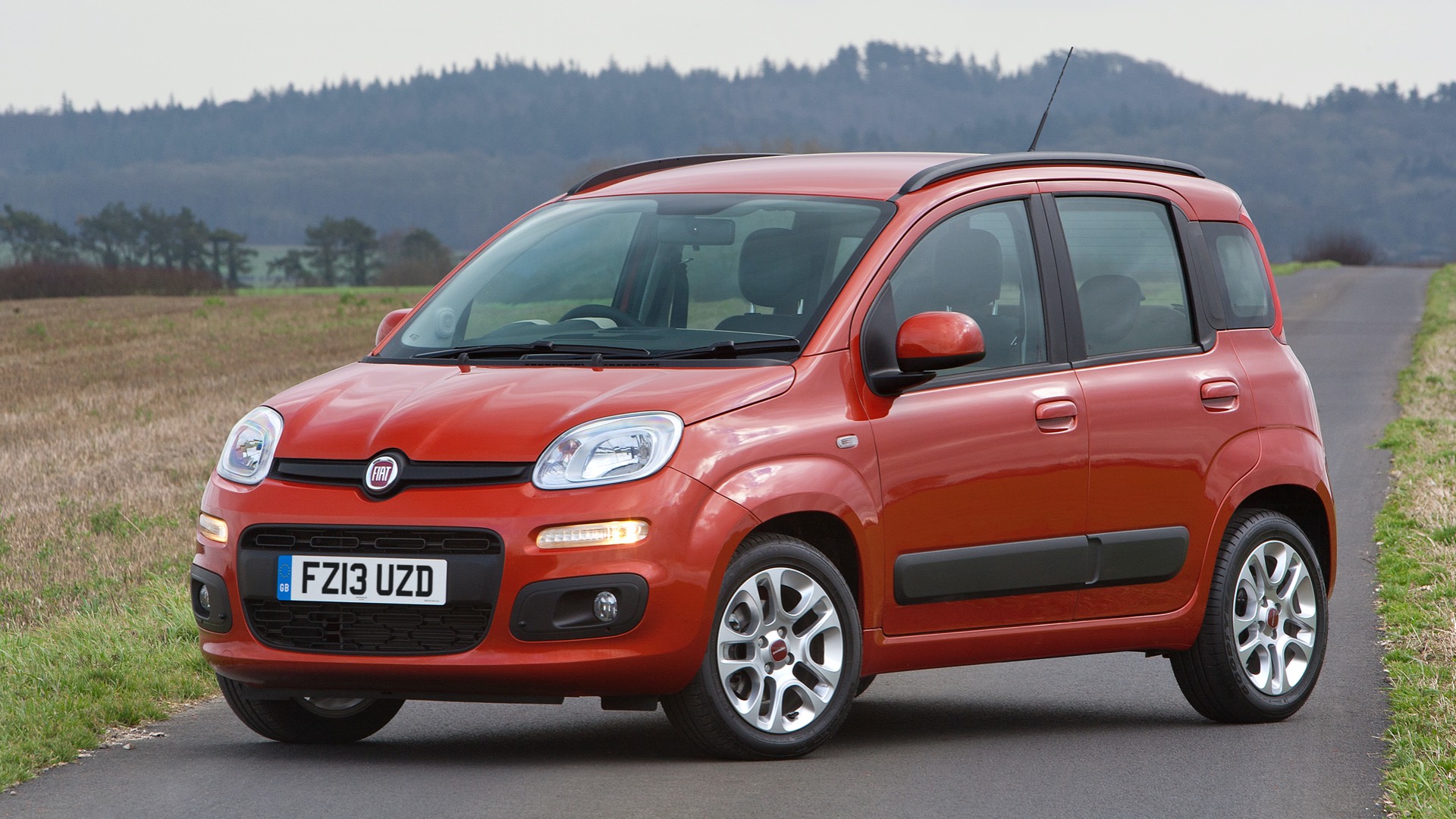
Fiat Panda

It’s getting increasingly difficult to recommend the Fiat Panda. While it remains a fun and practical city car, it just too long in the tooth to make it a viable prospect in 2020. The zero-star Euro NCAP safety rating doesn’t help its cause, but it does have cheap insurance on its side. Well, in theory…

To achieve the lowest insurance group rating of three, you need to opt for the basic Fiat Panda Pop with a 1.2-litre engine. The Pop trim is just too miserly for most, so you’ll probably end up paying more for cover. The new mild hybrid versions should slot into group six.

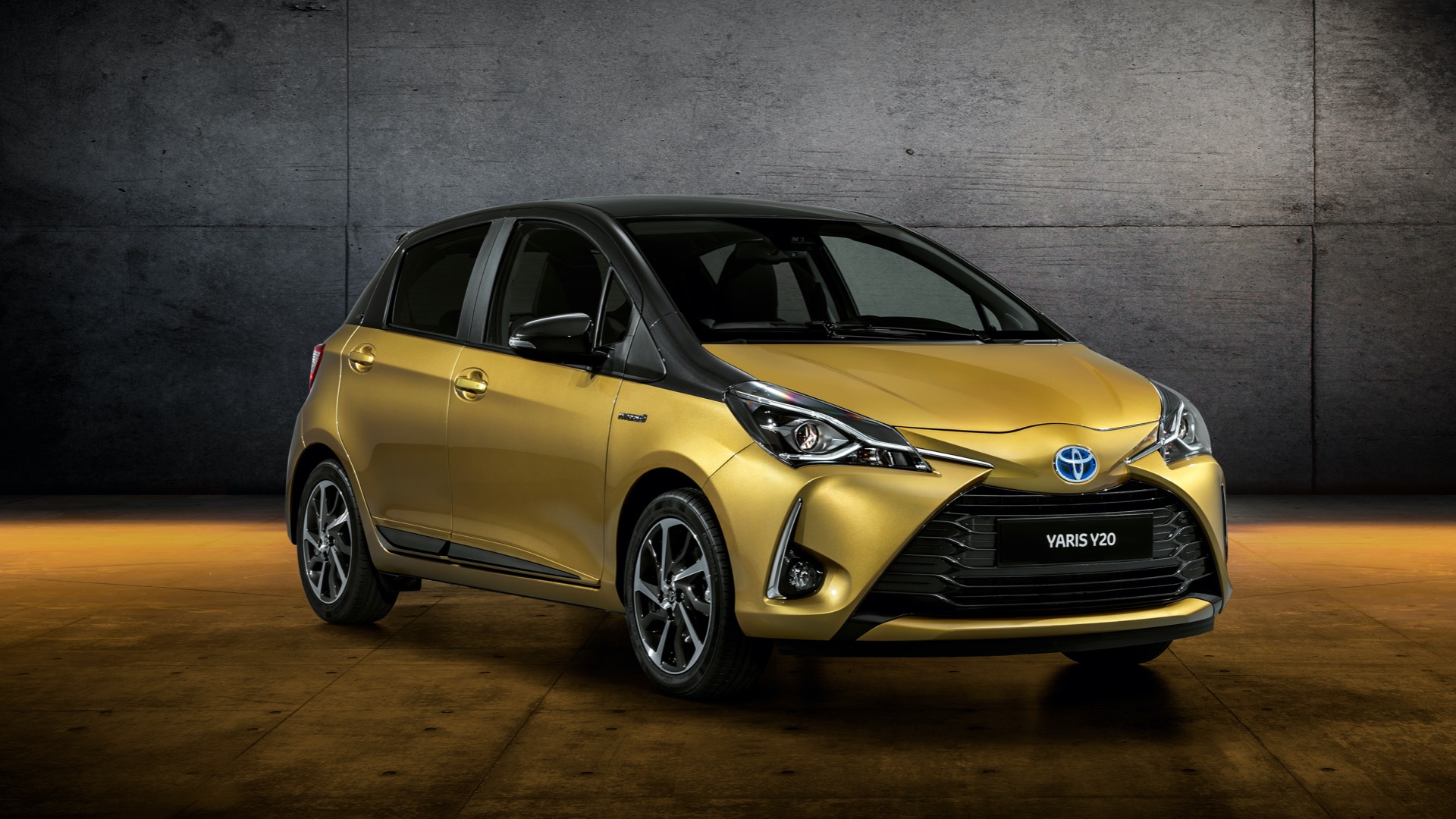
Toyota Yaris Y20

Toyota is celebrating 20 years of the Yaris with a Y20 special edition. It’s packed with standard equipment, including 16-inch alloy wheels, a seven-inch media display, reversing camera and heated door mirrors. Prices start from £16,770.

Of course, the group rating is only one influence on the cost of insurance. Your age will affect how much you pay, along with where your car is parked overnight and during the day, any previous convictions and how many miles you drive in a year.

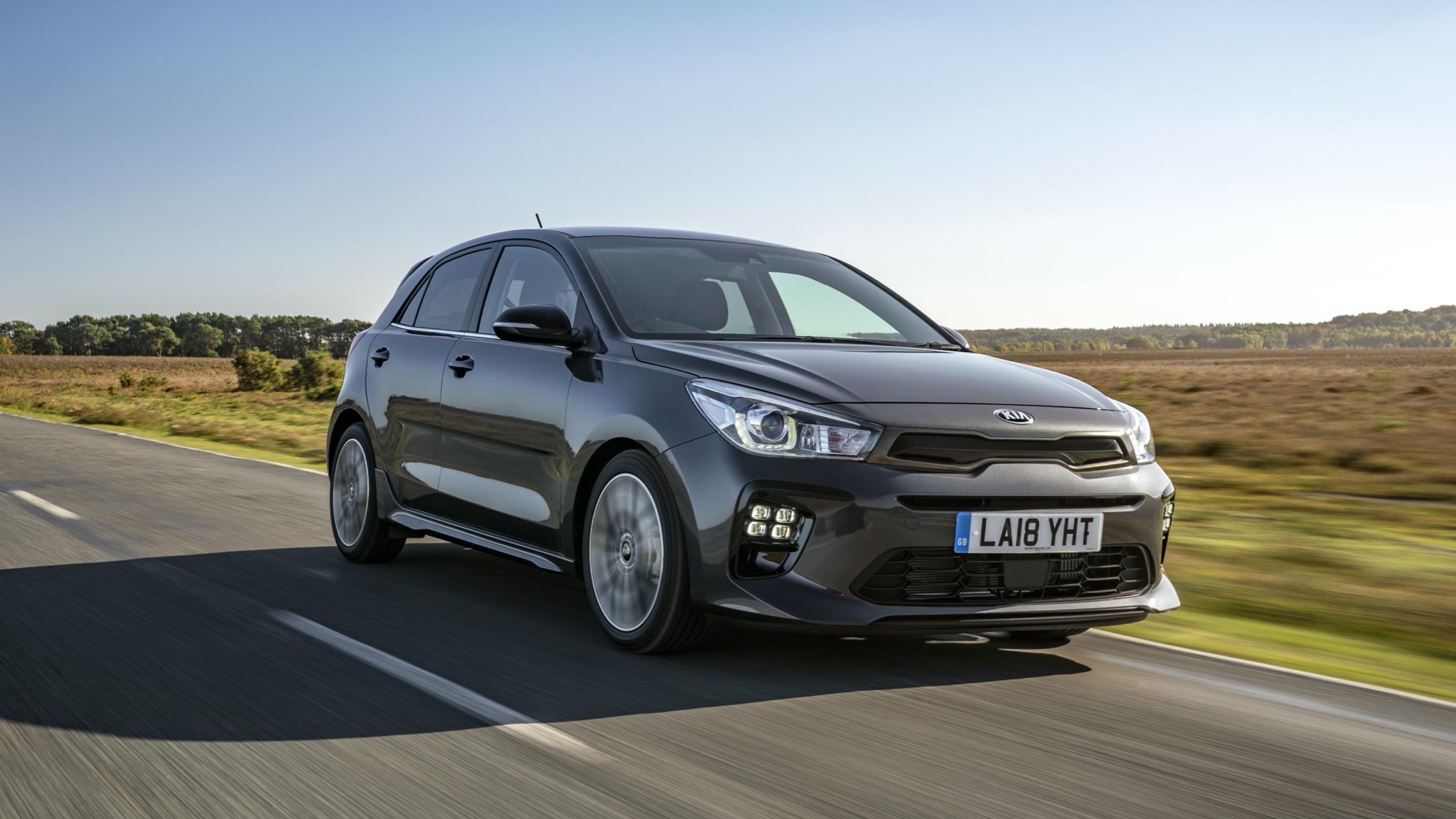
Kia Rio

If common sense is your thing, the Kia Rio is one of the best superminis you can buy. Prices start from just £13,000, all models are well-equipped, plus you benefit from Kia’s seven-year warranty. Even the flagship GT-Line S costs less than £18,500, making it a worthy alternative to the Ford Fiesta.

The Kia Rio highlights that opting for the entry-level model doesn’t always result in cheaper insurance. Although both cars are powered by the same petrol engine, the Rio 1 is group six, while the Rio 2 is group four. That’s thanks to the improved level of safety kit on the Rio 2.

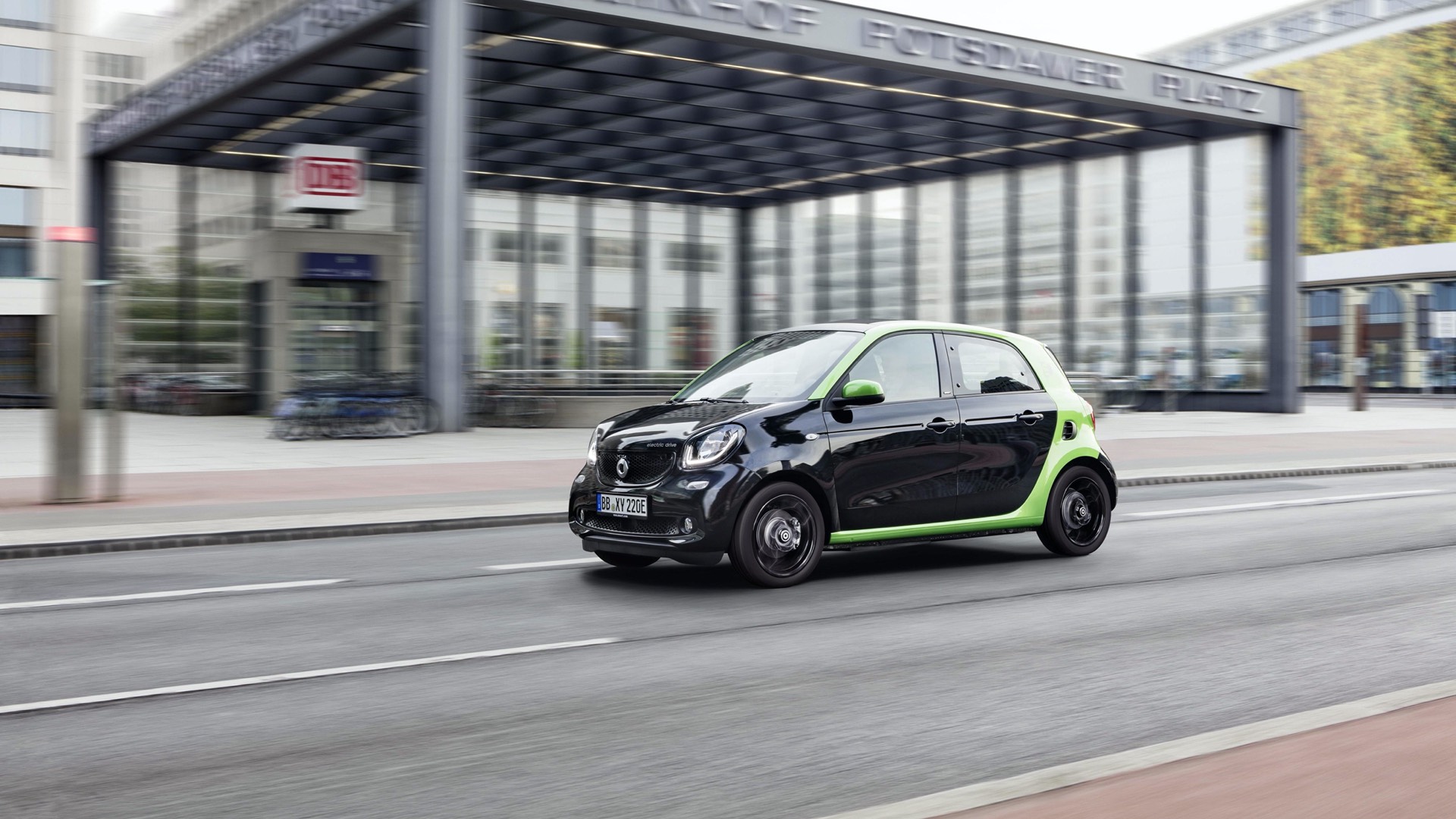
Smart EQ Forfour

Rob Griffin of Confused.com said: “We’ll all be driving electric vehicles one day – and this is a great example for those wanting a four-seater option for nipping around the city.” So now you know.

All versions of the Smart EQ Forfour slot into insurance group 11. The car delivers up to 70 miles of electric range, which is great if you’re ‘nipping around the city’. If you intend to venture further afield, the electric versions of the Vauxhall Corsa or Peugeot 208 might make more sense.

Advertisement

Drivers in Dorset targeted by smoking engine scam

0

oil and coolant scam

A coolant and oil scam is being used to target motorists selling cars in Dorset.

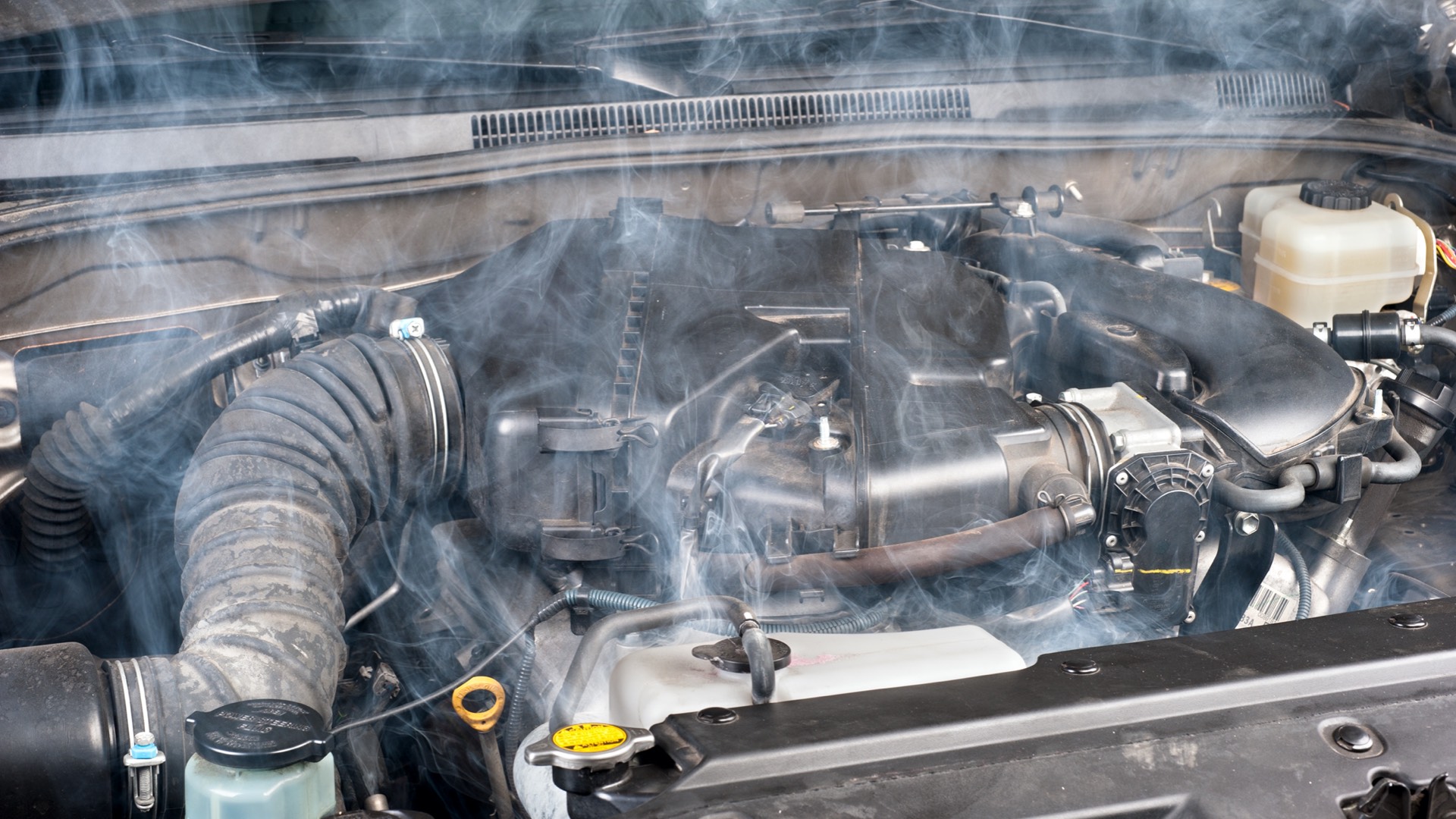
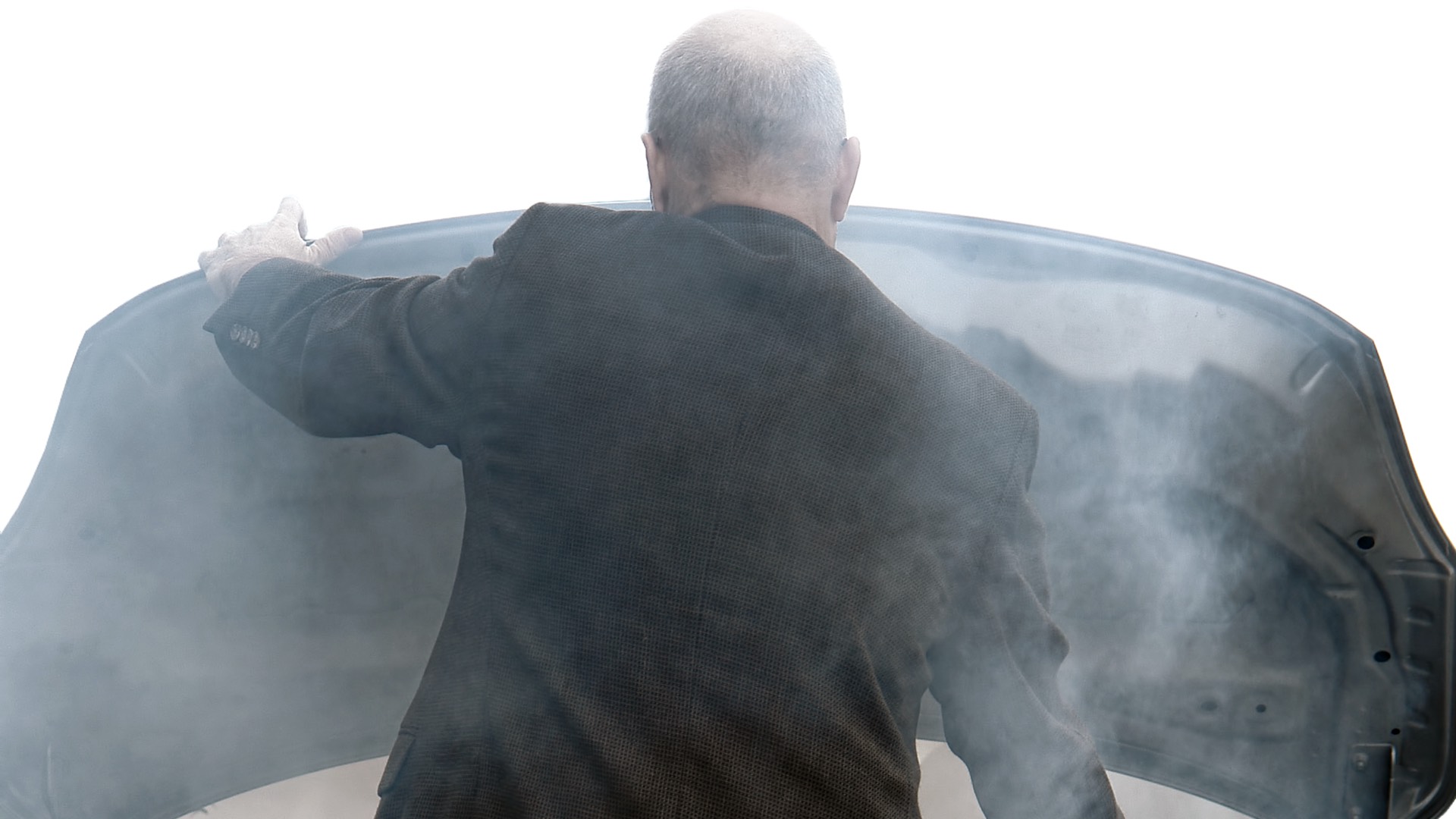
The scammers are arranging to view and purchase cars advertised on Gumtree and Auto Trader. Once at the seller’s address, they are pouring coolant over the engine to make it smoke. The aim is to offer the seller a lower price than advertised.

According to the Daily Echo, one victim was targeted when a scammer went inside his home to view the car’s paperwork. When he returned to his car, another man was looking under the bonnet.

When the car started smoking during a test drive, the victim was offered a lower price, which he refused. He took the car to a local garage where it was confirmed that coolant had been poured over the engine.

A similar incident took place at a pub in Dorset, where the scammers poured oil over an engine in an attempt to buy a car for a lower price. Once again, a local garage confirmed that there was nothing wrong with the engine.

Motorists in Dorset are being warned to look out for two men between the age of 40 and 50, one dressed in smart clothing and the other wearing a suit. A third person is described as a male teenager wearing a Superdry jacket. All three are described as being of Indian descent and driving a silver Audi.

smoking engine scam in Dorset

Police community support investigator Kate Hann of East Dorset Police, said: “I would like to hear from anyone who has put a car up for sale recently where the buyers have acted in a similar way, or recognises the men described from similar circumstances.

“I am also keen to remind anyone selling their car to be aware of anyone operating as described and report any suspicious activity to police.”

Last month, it was reported that motorists in the North West are being targeted by scammers using fake online adverts. Buyers are lured to various locations before being threatened with weapons

Advertisement

Revealed: The hardest place to pass the driving instructor test

0

hardest place to pass the driving instructor test

New research has revealed the hardest – and easiest – places for a would-be driving instructor to pass the instructor test.

The study used official Department for Transport (DfT) statistics for every UK test centre over the past decade. More specifically, it looked at the third part of the approved driving instructor (ADI) test.

It’s the last of three tests a trainee driving instructor must pass to qualify as an ADI. It tests an applicant’s ability to teach pupils.

On average, just six percent of the applicants who took the test at the Ashford (London) test centre passed, making it the toughest test centre in the UK. 

Things are no easier on the other side of London, with just 16 percent of would-be driving instructors passing their test in Sidcup. Two centres in Birmingham and one in Scotland complete the top five.

easiest place to pass driving instructor test

According to the research by AMT vehicle solutions, you have more chance of passing the test in Tunbridge Wells, where the 10-year pass rate is 71 percent.

AMT’s general manager Ian Wright said: “The fact that instructor pass rates at individual test centres vary by such huge margins will be shocking to many, as it suggests that the standards against which applicants are judged also differ.

“Normally, you would expect test centres’ results to vary around a common figure and for them to even out over time. The fact that these statistics are an average over the past ten years, yet are still so extreme, shows that the differences between centres are more permanent.

“There also appears to be no geographic trend. So are driving instructors in one location more capable than those in another? It’s something that, if I were learning to drive again, knowing this, I’d want to look into it.”

The 10 hardest centres to pass the instructor test

Rank Location and pass rate
1. Ashford (London) – 6 percent
2. Sidcup (London) – 16 percent
3. Sutton Coldfield (Birmingham) – 17 percent
4. Kingstanding (Birmingham) – 18 percent
5. Paisley (Renfrewshire) – 18 percent
6. Hendon (London) – 19 percent
7. Dunfermline (Fife) – 20 percent
8. Dundee (Scotland) – 20 percent
9. Aberdeen South (Scotland) – 20 percent
10. King’s Heath (Birmingham) – 21 percent

The 10 easiest centres to pass the instructor test

Rank Location
1. Tunbridge Wells (Kent) – 71 percent
2. York (North Yorkshire) – 69 percent
3. Bangor (Gwynedd) – 67 percent
4. Gosforth (Newcastle upon Tyne) – 67 percent
5. Livingston (West Lothian) – 67 percent
6. Pembroke Dock (Pembrokeshire) – 67 percent
7. Brislington (Bristol) – 63 percent
8. St Albans (Hertfordshire) – 63 percent
9. Chelmsford (Essex) – 61 percent
10. Letchworth (Hertfordshire) – 60 percent
Advertisement