Home Blog Page 258

Electric vehicles ARE cleaner than petrol cars, report claims

0

Driving test change for electric cars

Electric cars are less emission-intensive than their fossil fuel counterparts in the majority of countries. That’s according to scientists from the universities of Exeter, Nijmegen and Cambridge.

They found that in 95 percent of the world, driving an electric car is better for the climate than a conventional petrol car. It divided the world into 59 regions to account for differences in power generation and technology.

In 53 of these regions – including the whole of Europe, the U.S. and China – they found that electric cars and heat pumps are less emission-intensive. These 53 regions represent 95 percent of global transport and heating demand.

Some studies have questioned the effectiveness of electric cars in the challenge to reduce carbon emissions. Detractors have pointed to the energy consumed during electric vehicle production, along with the electricity used during recharging.

However, Dr Jean-Francois Mercure at the University of Exeter, said that the “last few debatable cases will soon disappear”.

The study projects that by 2050, every second car could be electric, helping to reduce CO2 emissions by up to 1.5 gigatons per year. This is the equivalent to the CO2 emissions of Russia.

It also claims that average lifetime emissions from electric cars are up to 70 percent lower than petrol in countries like Sweden and France, where most electricity is sourced from renewables and nuclear. In the UK, emissions from electric cars are 30 percent lower.

‘We should choose electric cars’

Making the switch to electric car

Dr Mercure said: “We started this work a few years ago, and policy-makers in the UK and abroad have shown a lot of interest in the results. The answer is clear: to reduce carbon emissions, we should choose electric cars and household heat pumps over fossil-fuel alternatives.

The lead author of the study, the University of Nijmegen’s Dr Florian Knobloch, added: “In other words, the idea that electric vehicles or electric heat pumps could increase emissions is essentially a myth. We’ve seen a lot of discussion about this recently, with lots of disinformation going around.

“Here is a definitive study that can dispel those myths. We have run the numbers for all around the world, looking at a whole range of cars and heating systems.

“Even in our worst-case scenario, there would be a reduction in emissions in almost all cases. This insight should be very useful for policy-makers.“

Switch to electric ‘without any regrets’
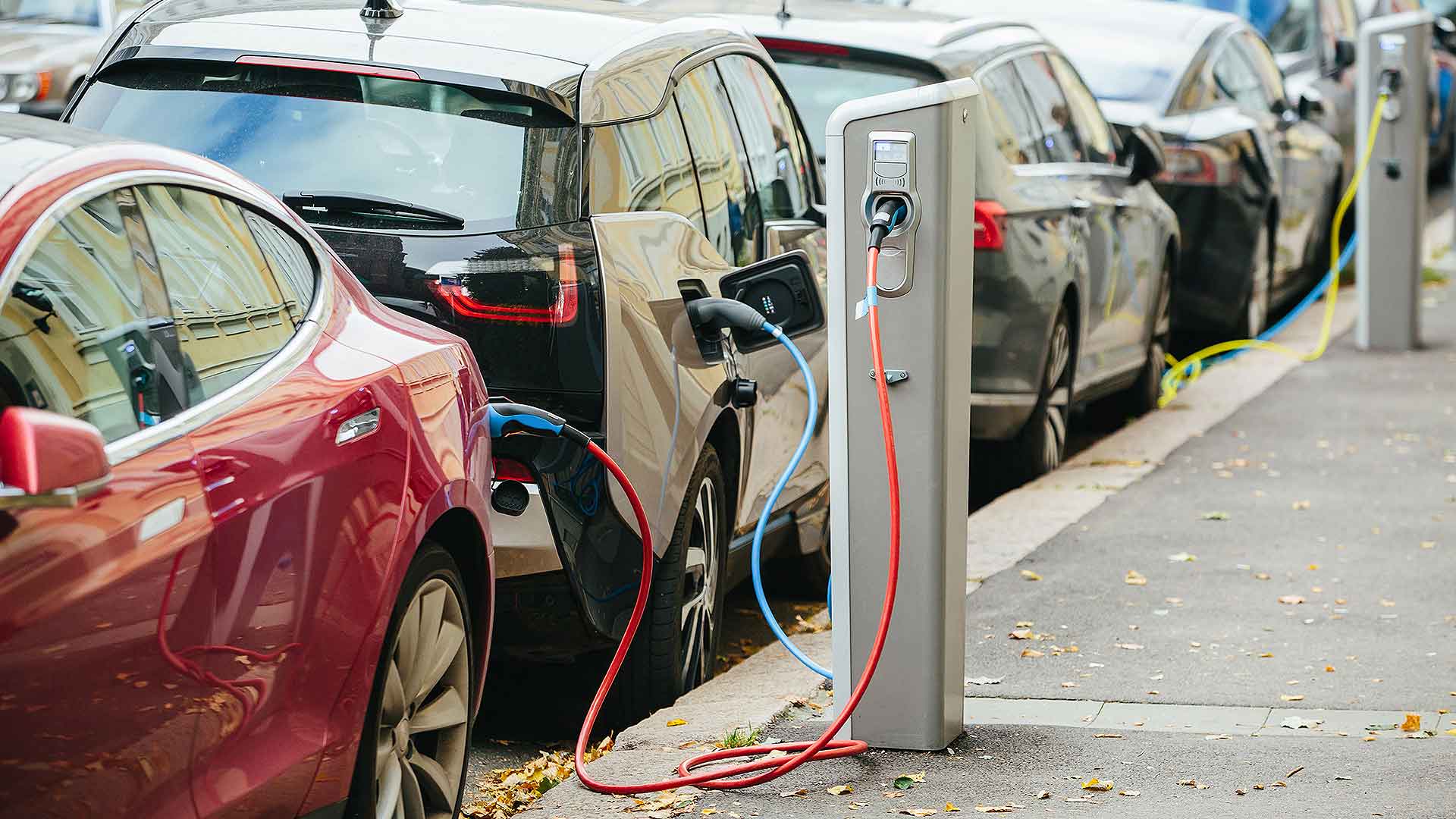
On-street electric car chargepoints

The electric car industry still faces many challenges if it’s to meet the study’s 2050 forecast. Many consumers perceive electric cars to be too expensive, although the launch of new EVs in 2020 will help to improve matters. There’s also the ongoing issue of range anxiety and a required shift in attitudes, not to mention the short- to medium-term effect of the coronavirus.

“Taking into account emissions from manufacturing and ongoing energy use, it’s clear that we should encourage the switch to electric cars and household heat pumps without any regrets,” Dr Knobloch concluded.

The paper published in Nature Sustainability can be accessed here.

ALSO READ

Ford Peace of Mind offer gives cashback to new car buyers

Britain has newer cars than every EU country – apart from one

‘Try before you buy’ EV scheme coming to UK cities
Advertisement

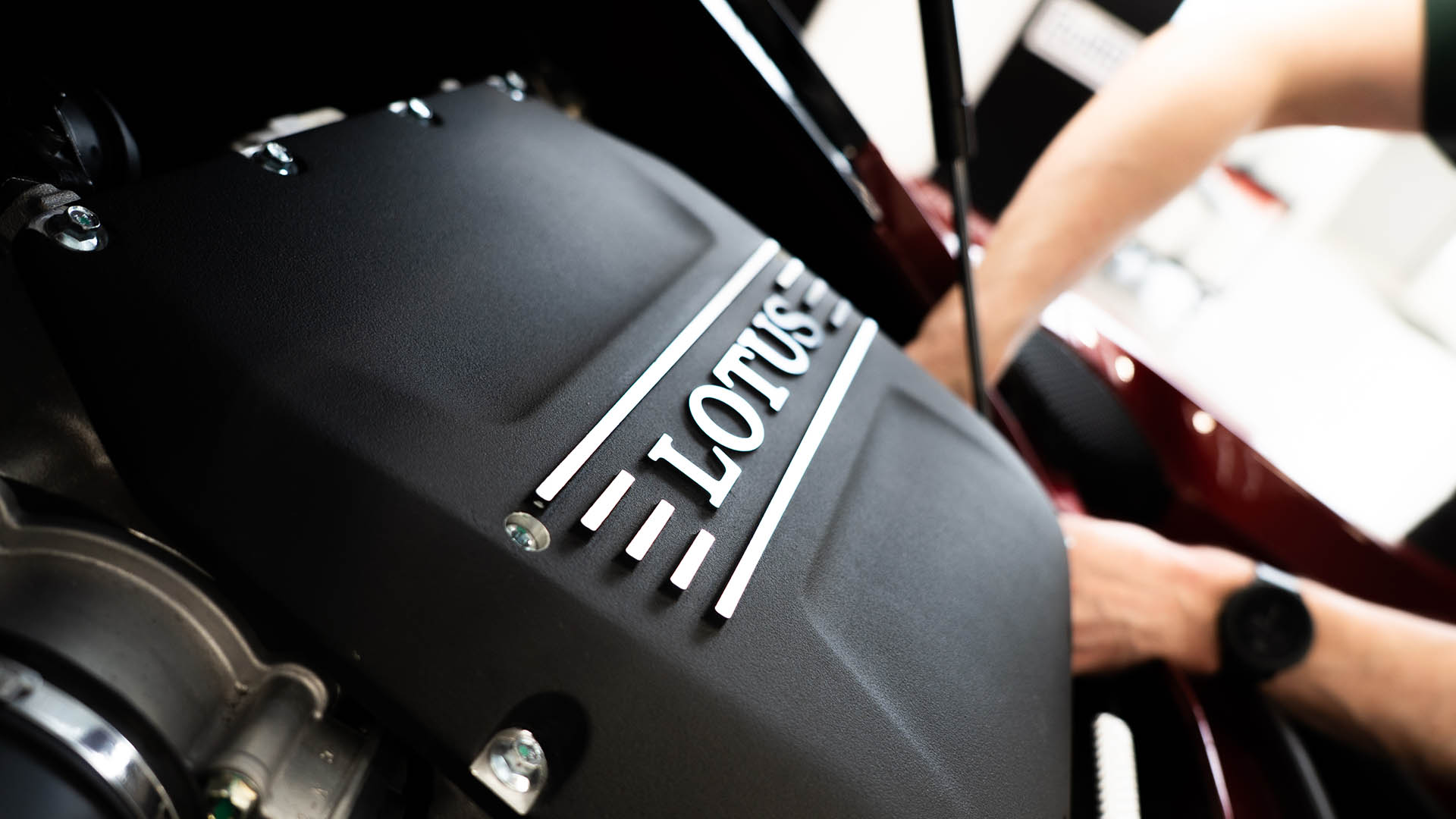
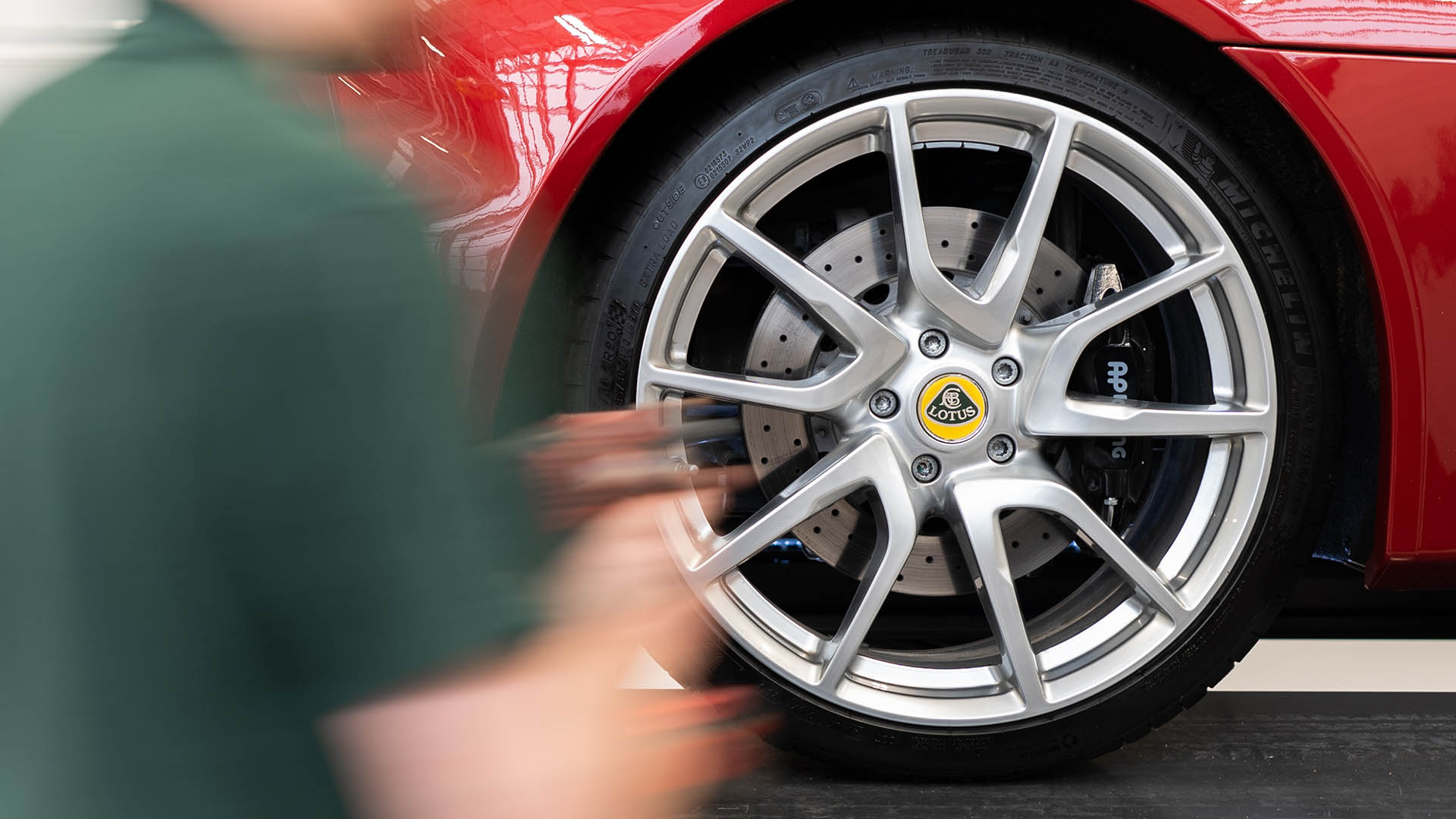
The cost of servicing a Lotus Elise has halved

0

Cost of servicing Lotus Elise halved

Lotus has cut the cost of servicing by an average of 37 percent across its range. As a result, it costs £270 for the first service on a Lotus Elise Sport 220 – down from £554.

The cost of servicing an Exige or Evora has also been reduced, with Lotus also slashing the cost of 50 regular servicing components. The list includes filters, plugs, drive belts and fluids. The price cuts are available at all 27 UK dealers, but Lotus says the initiative could be rolled out in other global markets.

The Lotus Elise Sport 220 is the company’s best-selling model. The entry-level Elise is powered by a 1.8-litre supercharged engine developing 217hp at 6,800rpm and 184lb ft of torque at 4,600rpm. As a result, the 924kg Lotus Elise will hit 60mph in 4.2 seconds, before reaching a top speed of 145mph.

Not that there’s anything ‘entry-level’ about the price. The Lotus Elise Sport 220 costs £41,665, which is around £8,000 less than the Elise Cup 250.

Finance on the Sport 220 is relatively affordable, but you’ll need to find a punchy £12,140 for the deposit. After that, you’ll pay £369 a month for four years, with an optional final payment of £16,323. Still, in this age of self-isolating and social distancing, a Lotus Elise is a fine way to get away from it all.

‘Driving down the cost of ownership’

Lotus slashes servicing costs

Indeed, Lotus says that residual values are on the up. Figures from CAP show that the value of a three-year-old Lotus Evora GT410 Sport have risen by 15 percent to 56 percent.

Cheaper servicing, more affordable parts and stronger residual values – still want that dull and boring compact crossover?

Chris Hinks, director of aftersales at Lotus, said: “This change is fantastic news for our customers, who can now benefit from the servicing expertise of a Lotus retailer for even less money. We’re driving down the cost of ownership and saving people money.”

Advertisement

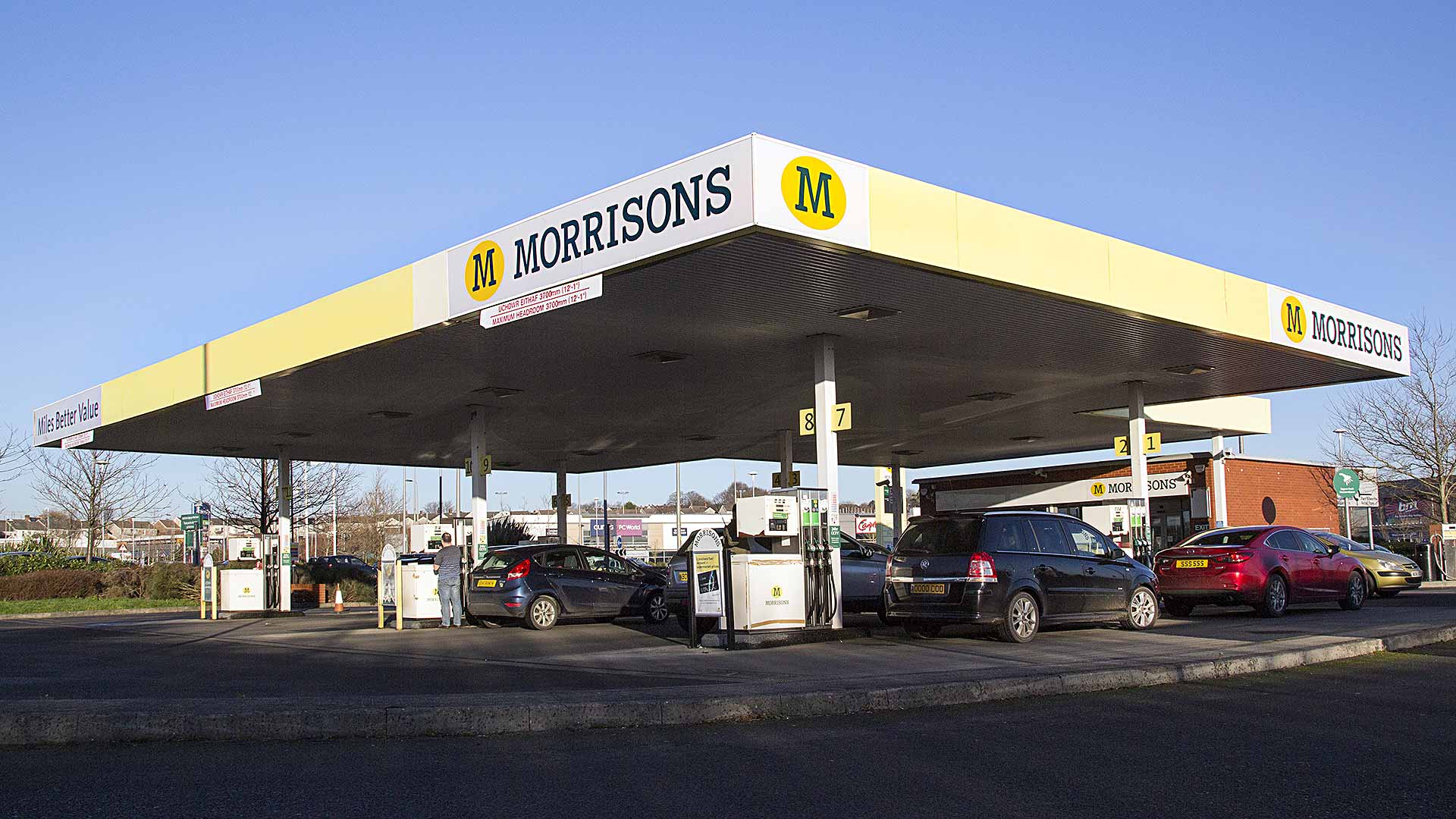
Morrisons announces biggest ever cut to fuel prices

0

Morrisons fuel filling station

Morrisons has announced a record-breaking 12p a litre cut to petrol prices as global oil prices fall due to the coronavirus crisis.

Diesel prices have also fallen by 8p a litre.

The reductions will take the price of petrol at supermarket forecourts to around 104p a litre, while diesel should fall to 111p a litre.

ALSO SEE: Do I still need a car or motorcycle MOT during the coronavirus crisis?

RAC fuel spokesman Simon Williams said the cuts are the largest the motoring organisation has ever seen from a fuel retailer.

“These unprecedented times are leading to unprecedented price cuts on fuel.

“These savings will directly benefit those people who continue to rely on their vehicles for essential journeys.”

Mr Williams did, however, urge motorists to heed government advice and “only travel if it absolutely needed”.

Darker side

Petrol prices will fall to a level last seen four years ago, said Mr Williams. Diesel will return to prices last seen in summer 2017.

“However, there is a darker side to these price cuts. Smaller independent forecourts who will already have been struggling due to a loss of trade recently will be extremely hard-pushed to reduce their prices at the present time with fewer people driving.

“It’s crucial they stay in business as they provide such an important service to drivers in parts of the country where the supermarkets have no footprint.”

Advertisement

Coronavirus: Speed awareness courses postponed for 12 weeks

0

Speed awareness courses cancelled amid coronavirus crisis

Speed awareness courses have been postponed amid coronavirus fears. This follows news of the suspension of driving and theory tests that we first reported last week. 

The UK Road Offender Education (UKROEd), which operates the speed awareness courses on behalf of the police, has suspended all classroom based courses for an initial period of 12 weeks, from 9am on Friday 20 March 2020.

In a statement, UKROEd said: “This is the right thing to do to help protect individual’s health and reduce the risk associated with a wider spread of the virus.”

It also said that it will work with police forces and course providers to “establish options to deal with drivers who have already been offered a course”.

The National Speed Awareness Course provides eligible offending drivers with a short course of training as an alternative to punishment for low-level speeding offences. Although a speed awareness costs around £100, you don’t have to pay the standard Fixed Penalty Notice and you won’t receive any points on your licence.

speed awareness courses cancelled

Anyone who is booked on a speed awareness course will be contacted by the police force or the course provider. UKROEd said that this is a “massive undertaking” and has asked drivers to remain patient while the relevant bodies “work through everything”.

Norfolk Road Safety has contacted everyone booked on a course. In an email, it said: We are contacting you to advise you that your NDORS (National Driver Offender Retraining Scheme) course has been cancelled. Unfortunately, due to the current situation with coronavirus, all courses for speed awareness… have been suspended for 12 weeks.

“We are working hard with police forces during this time and would ask that you please bear with us until we have further information regarding future bookings.”

In a statement on its website, Dorset Police has said: “With immediate effect all Dorset Police Driver Awareness Courses will not be postponed until further notice.”

Speed awareness course cancellation: will you get points?

smart motorway speed cameras one minute grace period

You have four months from the date on your letter to complete the course you’re eligible for. Obviously the 12-week period stated in the message we’ve seen equates to three months. That’s a substantial chunk of the leeway time.

We can’t say for certain what cancellations of speed awareness courses mean at this point, in terms of points on your driving licence. Although they shouldn’t translate into an automatic addition of points, it’s worth contacting the course provider and local constabulary that issued your penalty.

The message goes on to give the option of a full refund for the course, which you can request via email. However, if you do so, your details will be ‘passed back to the police’. 

Advertisement

Britain has newer cars than every European country – apart from one

0

New cars in Britain

The average age of a car in Great Britain is significantly newer than the vast majority of other European nations. This is according to figures released by the European Automobile Manufacturers Association (ACEA).

It found that, on average, the vehicle fleet in Britain is eight years old. Only Luxembourg – the fifth-wealthiest country in the world – has a newer fleet (6.4 years old).

Compare and contrast with Lithuania, where the average age is 16.9 years old. Similarly in Estonia, where the figure is 16.7, Romania (16.3) and Greece (15.7).

PCP, PPI and Scrappage

In Britain, new car sales have been boosted by the rise of affordable finance, with Personal Contract Purchase (PCP) deals putting new cars within reach of more people. In some cases, new cars are cheaper per month than a mobile phone contract, with some deals including zero- or very low-deposit options.

This comes amid a backdrop low interest rates, giving consumers no real incentive to save, along with the lump sums generated as a result of PPI payments. Why maintain an ageing vehicle when you can ‘own’ a vehicle under warranty and for a fixed monthly fee?

Scrappage is another factor. Not only does the promise of a generous part-exchange price increase the chances of another new car hitting the road, it has the double effect of removing an old vehicle from the system. This lowers the average age of Britain’s car fleet.

London scrappage scheme

But while cars are significantly newer in Britain, the reverse is true across the European Union. Figures from the European Environment Agency and IHS show that the average passenger car age in 2000 was around 7.5 years. By 2017, that number had risen to 12 years.

It’s clear that the increase in the number of EU members has played a part. Since 2004, 13 countries have joined the European Union, including many former Eastern Bloc nations. Here, there’s a strong reliance on older, less safe, and heavily polluting vehicles.

New car CO2 down

ACEA sees this as a potential problem for the EU. With manufacturers making huge strides in the fields of emissions and safety, consumers will be unable to see the full potential of these technologies if they hold on to their cars for longer. Average CO2 emissions of new cars have decreased from 172.2g/km in 2000, to 118.5g/km in 2017.

If consumers fail to embrace new cars, they’re not benefiting from the advanced safety systems, while countries and cities will struggle to meet stringent air quality targets.
“The premature phasing-out of removal of customer incentives seriously impacts the market uptake of alternative fuel vehicle vehicles,“ ACEA warns. It wants ‘consistent incentive schemes’ for passenger vehicles, including the revision of the European energy taxation system.

Combined, petrol and diesel account for 95.9 percent of the EU vehicle fleet. Meanwhile, the battery electric sector has secured a tiny 0.2 percent share of the fleet. ACEA says this is due to the high prices and ‘inconvenience’ issues, such as range anxiety.

Average age of the EU vehicle fleet

Country Average age of vehicle fleet
1. Luxembourg 6.4
2. Great Britain 8.0
3. Austria 8.2
4. Republic of Ireland 8.4
5. Denmark 8.5
6. France 9.0
= Belgium  9.0
8. Germany 9.5 
9. Sweden 9.6
10. Slovenia 10.1
11. Netherlands 11.0
12. Italy 12.0
13. Finland 12.1
14. Spain 12.4
15. Croatia 12.6
16. Portugal 12.9
17. Poland 13.9
= Slovakia 13.9
= Latvia 13.9
20. Hungary 14.2
21. Czech Republic 14.8
22. Greece 15.7
23. Romania 16.3
24. Lithuania 16.9

Source: ACEA, Vehicles in use – Europe 2019

Advertisement

These are the most popular supercars on Instagram

0

In the market for a fast car and keen to make a name for yourself? Join us as we count down the 15 most hashtagged exotics on Instagram, using data collated by MoneySuperMarket. These are the supercars for the social media savvy.

15. Ferrari F430 – 425,628 hashtags

In supercar terms, the F430 is getting on a bit, but the allure of the Ferrari badge hasn’t faded. We like the manual gearbox option, too. Even though it ceased production more than a decade ago, the F430 is ranked 15th among supercars on Instagram.

14. Pagani Huayra – 456,781 hashtags

The relatively unloved sequel to the Zonda, we’re surprised the Huayra beats the original Pagani onto this list. At its reveal in 2011, this multi-million-pound boutique beast was the must-have hypercar, with the likes of Kanye West getting behind the wheel. Once the Ferrari, McLaren and Porsche hybrids arrived a couple of years later, they rather stole the Huayra’s thunder.

13. Ford GT – 458,001 hashtags

The Ford GT still seems like the supercar of the moment, five years on from its reveal in North America. It’s arguably the only true ‘race car for the road’ on sale today – and looks incredible, too. It packs more presence than cars twice its price.

12. Lamborghini Murcielago – 483,561 hashtags

Like the F430, this is a bit of an ageing warrior. But like the Diablo and Countach before it, the Murcielago was the poster car for a generation. That happens to be the Instagram generation, so it stands to reason that the Murcielago holds some Insta-weight.

11. Ferrari 488 GTB – 635,589 hashtags

This mid-engined V8 prancing horse has only just been put out to pasture. As such, in the minds of many casual observers scrolling through Instagram posts, this is the latest and greatest. A strong presence on social media for the GTB seems guaranteed for years to come.

10. Bugatti Chiron – 663,093 hashtags

This is unequivocally the hypercar of the moment. Owning a Bugatti Chiron tells anyone and everyone that you’ve made it. The most recent variant also tells people that, should you wish – and given a straight enough stretch of road – you could top 300mph.

9. Bugatti Veyron – 821,706 hashtags

Capable of 300mph it may be, but the Chiron can’t escape the shadow of its predecessor: the epochal Bugatti Veyron. The original speed king for the new millennium, it outscores its successor on Instagram.

8. Honda NSX – 1,033,656 hashtags

The hybrid Honda from Japan does better still, online at least. With more than one million hashtags, there is a palpable buzz surrounding this electrified exotic.

7. Ferrari LaFerrari – 1,040,383 hashtags

Ferrari makes a triumphant return as we near the top of the list. The LaFerrari is still the jewel in the Italian marque’s crown. However, we wonder if that screaming V12 does as much for its Instagram presence as the fact that Justin Bieber is a fan.

6. McLaren P1 – 1,088,026 hashtags

Perhaps more legendary than the car itself was the rivalry the LaFerrari had with close contemporaries. It found a worthy foe in McLaren’s shrink-wrapped, aero-obsessed and electrified P1. Like its F1 ancestor, it cemented itself as one of the hypercar greats.

5. Lamborghini Gallardo – 1,246,387 hashtags

One of the most public automotive rivalries couldn’t topple the people’s Lamborghini. The Gallardo showed us what a mass-produced raging bull could look like. When production ended in 2013, more than 14,000 had been built. At the time, that was as many Gallardos as all the other Lamborghinis ever made.

4. Ferrari 458 Italia – 1,577,067 hashtags

Ferrari’s 458 is another supercar for the social media age. It performed like few others, dropped jaws with its looks and buckled knees with its noise. It’s surely part of the reason for the strict rules on how people drive their supercars in London.

3. Lamborghini Huracan – 2,454,737 hashtags

We’ve come a long way from the Murcielago and the F430 that started this list. With its monstrous V10 engine, the Huracan took the Gallardo’s mass appeal and modernised it. It opens the top three most Instagrammed supercars, breaking the two million mark.

2. Audi R8 – 3,101,951 hashtags

Its comparatively reserved German sibling ups the ante to more than three million. It just goes to show that style trumps flamboyance and that a familiar badge goes a long way. The R8 is perhaps the least exotic supercar on this list, but it finishes in second place, above Bugattis and a Pagani.

1. Lamborghini Aventador – 3,309,068 hashtags

Nonetheless, it can’t quite topple the Aventador: the king of supercars on Instagram. Not a single summer’s night goes by without central London streets echoing to the sound of an Aventador on the rev limiter, with all phone cameras aimed squarely in its direction.

Advertisement

Driving tests suspended for up to THREE MONTHS due to coronavirus

0

hardest place to pass the driving instructor test

Driving tests in England, Scotland and Wales have been suspended for up to three months. This is due to the unfolding coronavirus (COVID-19) situation.

The DVSA made the decision on Saturday 21 March. This was because tests involve extended close contact in vehicles. 

Motorcycle tests are also cancelled, along with lorry, coach and bus driving tests, plus Approved Driving Instructor tests and checks. 

However, plans are in place to provide tests for critical workers and they are advised to visit a new advice page on gov.uk

Critital workers include NHS staff and drivers delivering goods. 

ALSO SEE: London Congestion Charge and ULEZ suspended due to coronavirus

Anyone with a test booked will automatically get a refund. They will also receive an email from the DVSA to confirm this has been done.

It says that driving tests will be rebooked, free of charge, as soon as possible. Those who have had tests cancelled will get priority when testing resumes. 

Learner drivers will receive an email from the DVSA as soon as the test has been rearranged.

There are separate arrangements for Northern Ireland

Theory tests suspended

Driving theory tests have also been suspended, for one month up to and including 20 April 2020. 

Those who were due to attend a cancelled test will receive an email and an automatic refund (which may take a few weeks to arrive, advises the DVSA). 

New drivers can still book a theory test, but only on a date from 21 April 2020. 

‘Respect the unprecedented measures’

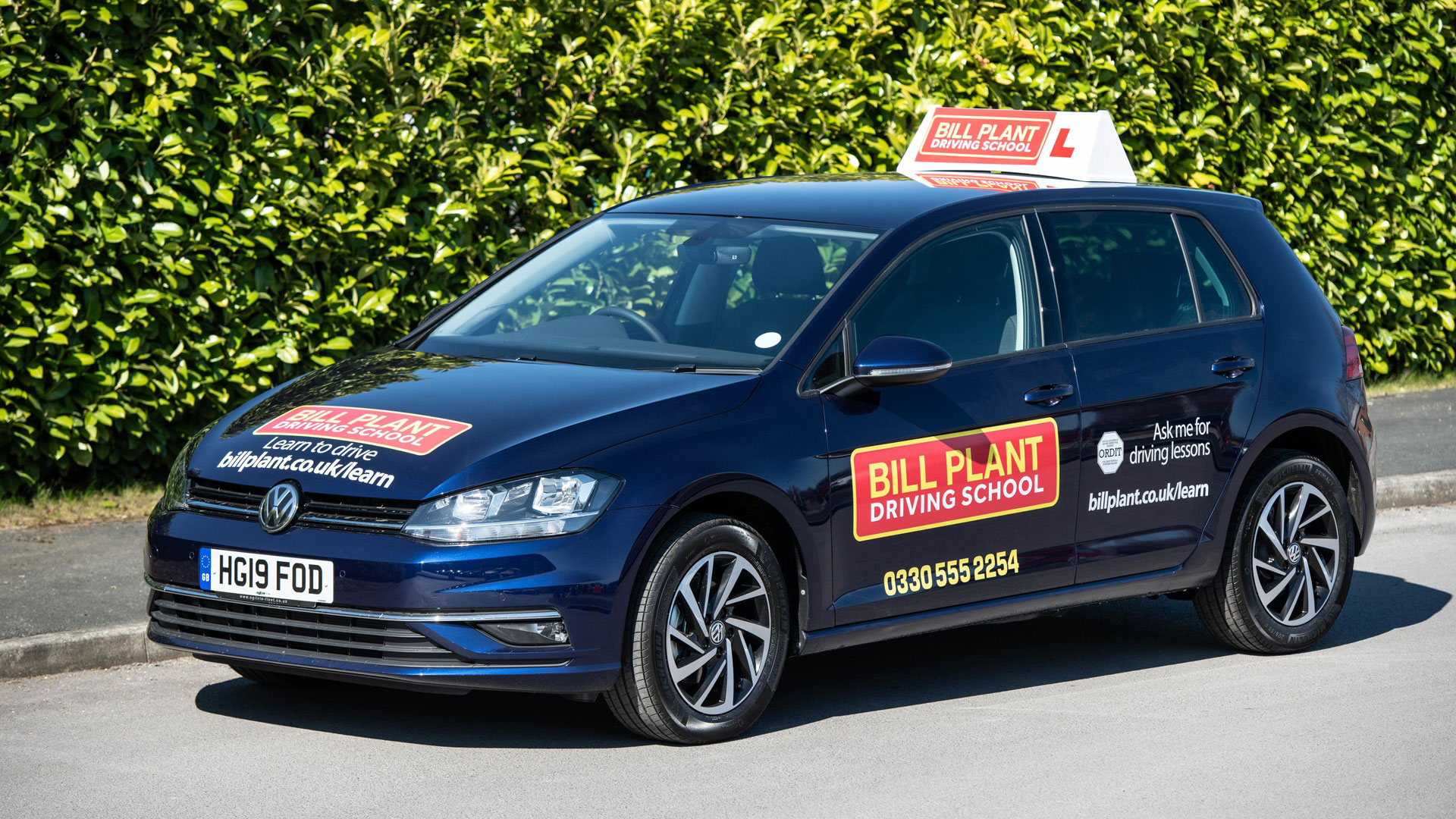
Bill Plant Driving School Volkswagen Golf

Tom Hixon, head of instructor support at Bill Plant Driving School, said: “We’re sure that there are many test-ready Britons around the UK that are going to be disappointed by this news.

“However, we all need to respect the unprecedented measures set by the DVSA via government advice due to the coronavirus outbreak.

“We trust the DVSA will take this time to consider their ongoing approach to driving tests moving forwards, and ensuring that the safety of the students, driving instructors and examiners is at the forefront of everything that happens.”

For the latest information, visit the page dedicated to coronavirus updates.

Advertisement

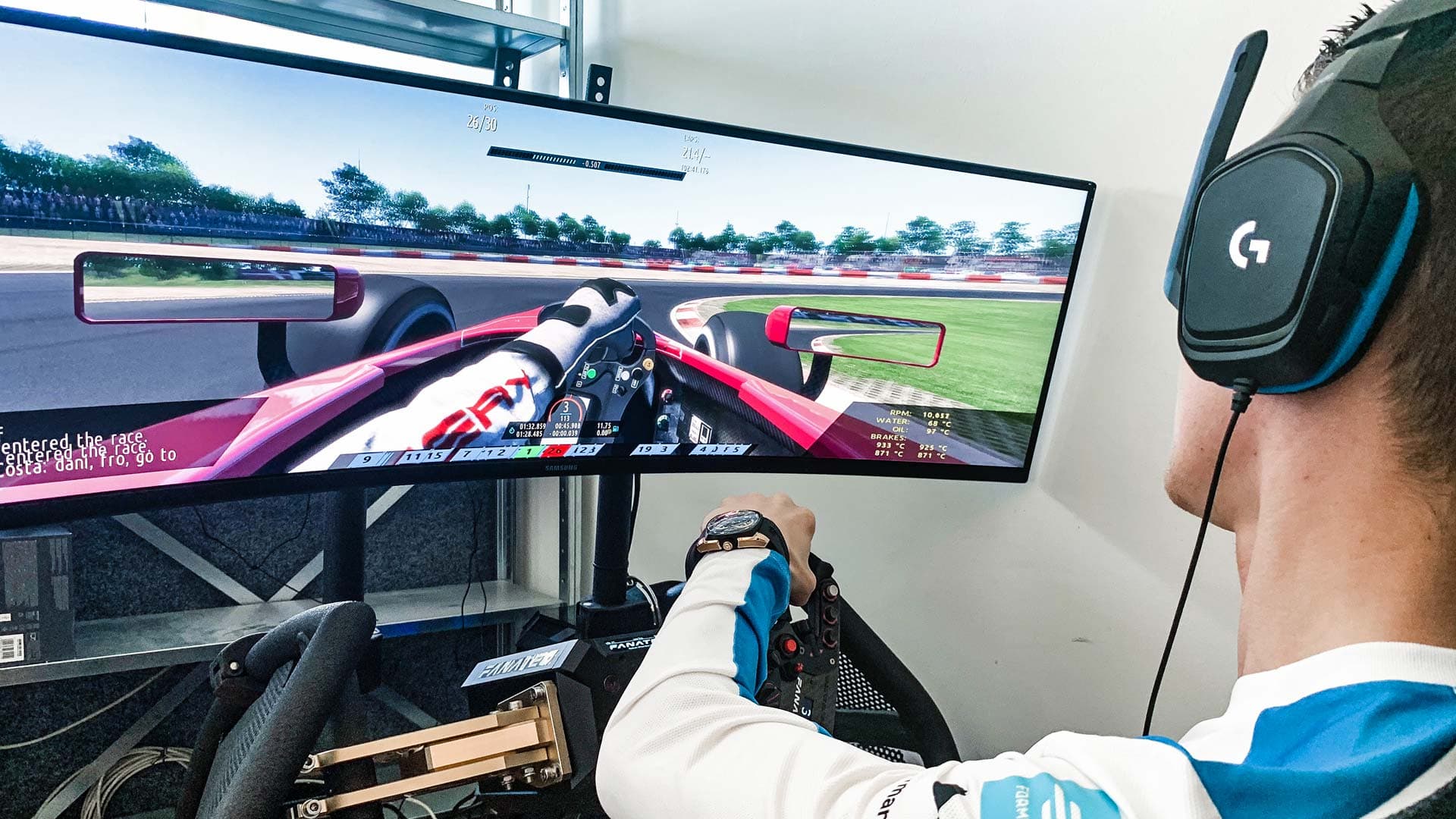
BMW Motorsport is sending 10 works drivers to race online this weekend

0

BMW Motorsport Super Sim Saturday

Global motorsport has been plunged into chaos, with coronavirus causing almost every competition to be postponed or cancelled. 

However, BMW Motorsport is not letting its roster of drivers spend the next few weeks with their feet up. 

Instead, the German company will be fielding 10 drivers in various esports races. It has taken BMW to rebrand Saturday 21st March as ‘Super Sim Saturday’.

A virtual Green Hell 

BMW Motorsport Super Sim Saturday

BMW Motorsport drivers from various racing disciplines will be split across three specific virtual competitions. All of this will be done from the comfort of the homes of the respective drivers. 

Jens Klingmann, Martin Tomczyk, Dan Harper, and Neil Verhagen will all take part in the inaugural Nürburgring Endurance Series race. A four hour around an online replica of the fearsome Nürburgring Nordschleife circuit will be contested by two virtual BMW Z4 GT4s. 

The Nürburgring race will be broadcast live on the VLN website, starting at 12 noon GMT. 

Online endurance racing is here

BMW Motorsport Super Sim Saturday

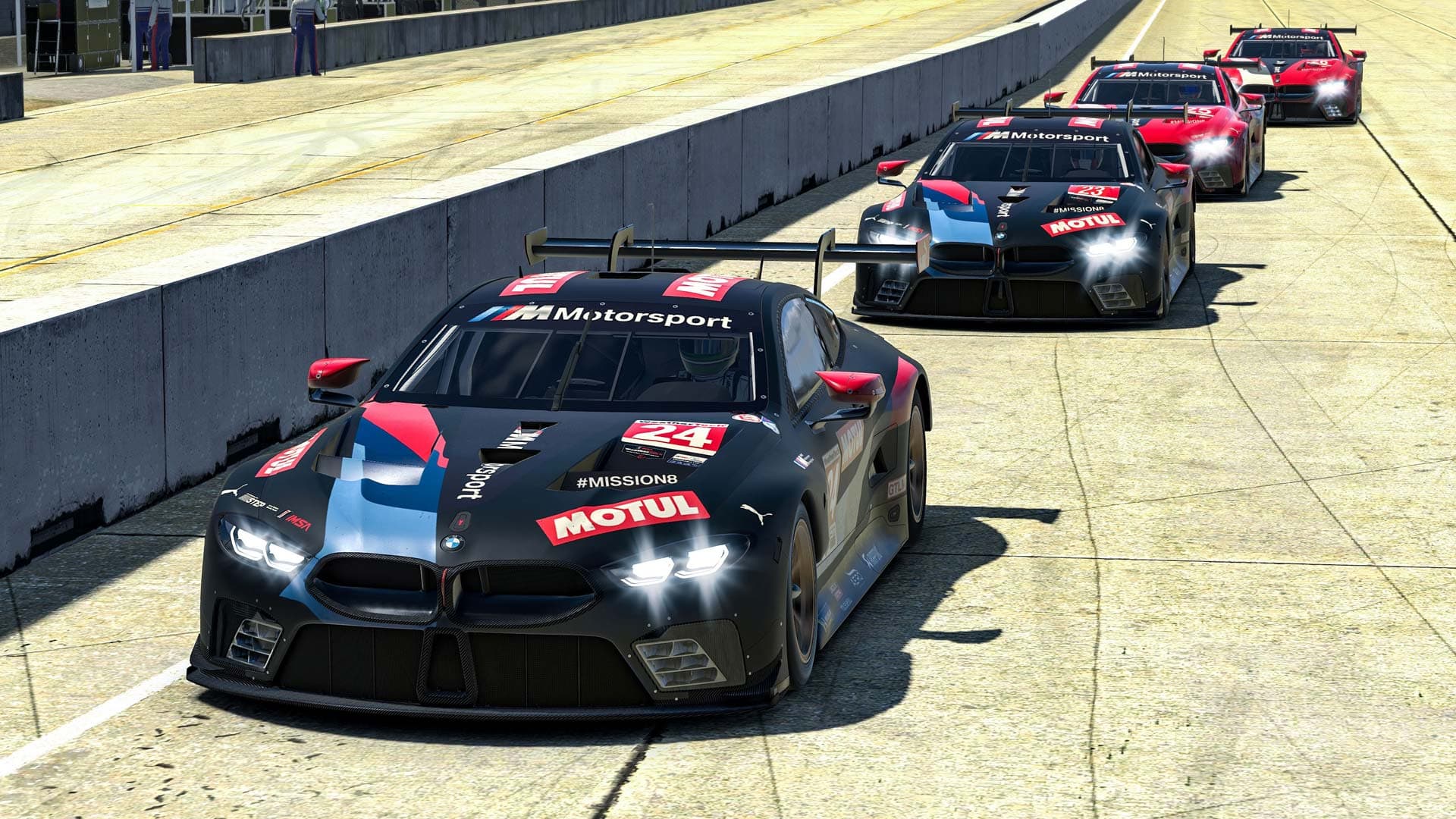
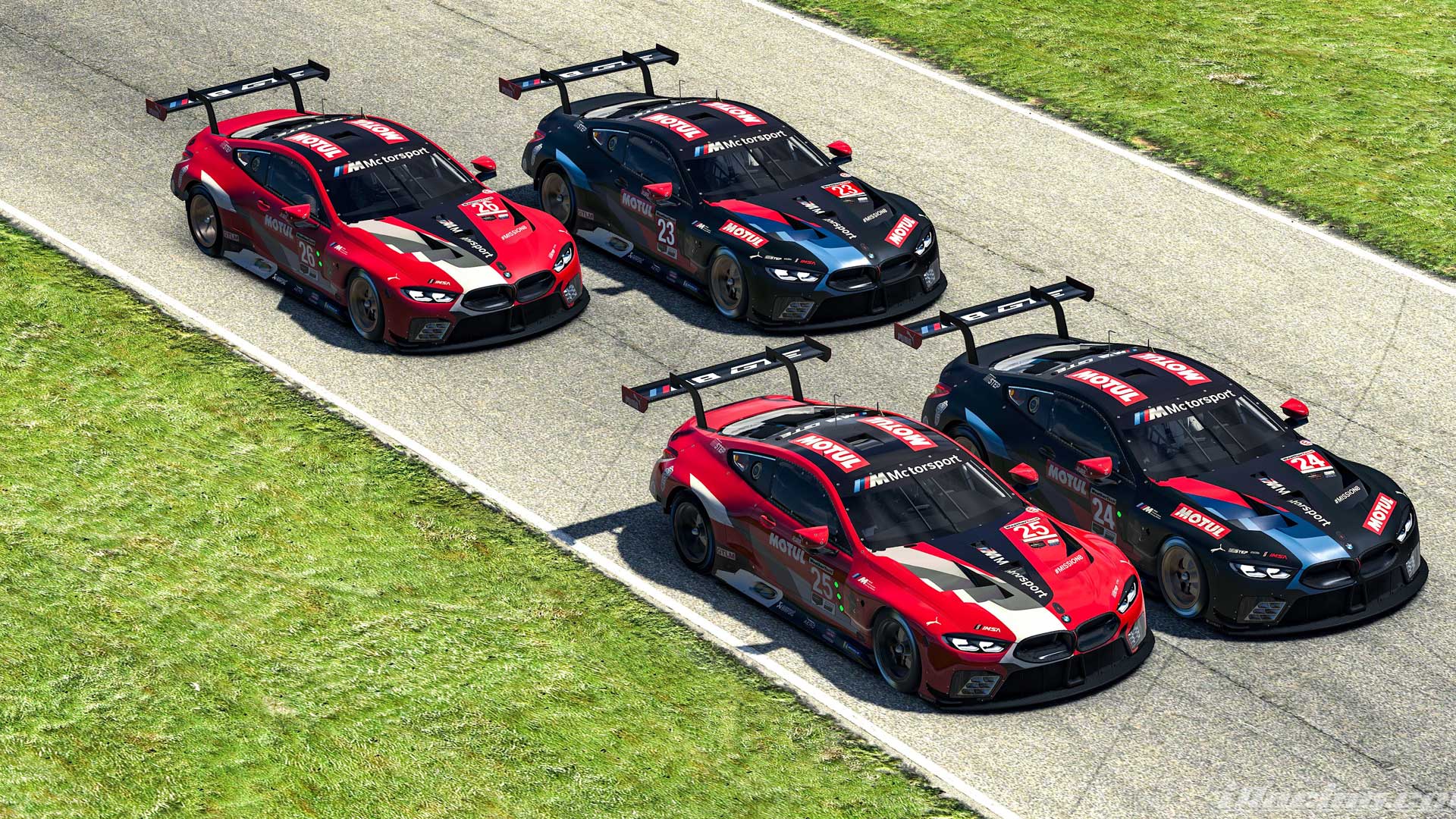
On the other side of a virtual Atlantic Ocean, the IMSA Super Sebring race will take the place of the postponed Sebring 12 Hours. 

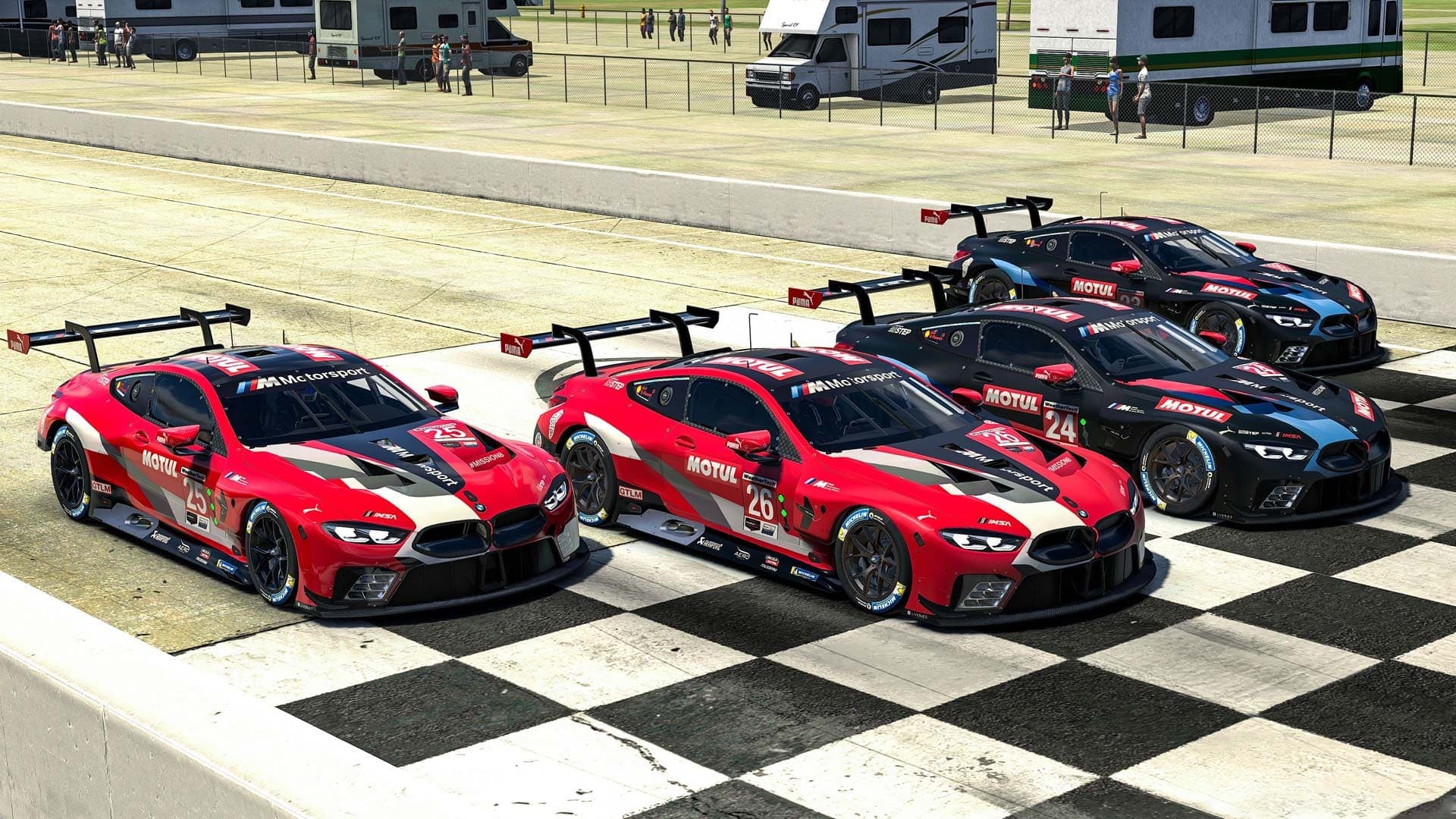
BMW will field four virtual M8 GTE race cars in the 90 minute race, which begins at 18:30 GMT. Hosted on the iRacing platform, fans will be able to watch via the iRacing eSports Network on YouTube

Representing BMW will be Bruno Spengler, Jesse Krohn, Colton Herta, and Nick Catsburg from BMW Team RLL. They will be joined by BMW M Customer Racing drivers Robby Foley, Tyler Cooke, and Sebastian Priaulx. 

The race is on, again

BMW Motorsport Super Sim Saturday

BMW i Andretti Motorsport driver Maximilian Günther, who races in Formula E, will also be in action on Saturday. Günther will take part in the second edition of The Race’s All-Star Esports Battle at 19:00 GMT, along with BMW DTM driver Philipp Eng.

Last weekend, Günther came second in a race for motorsport professionals, finishing just behind Red Bull Racing Formula 1 driver Max Verstappen. Günther commented that “last weekend was my first taste of eSports racing, and I can say without any doubt that I am hungry for more.”

Sim racing esports is already a major component of BMW Motorsport’s activities. Many of BMW’s real-world drivers take part in BMW’s SIM 120 Cup and SIM M2 Racing Cup competitions. It means they should be ready for action this weekend.

Advertisement

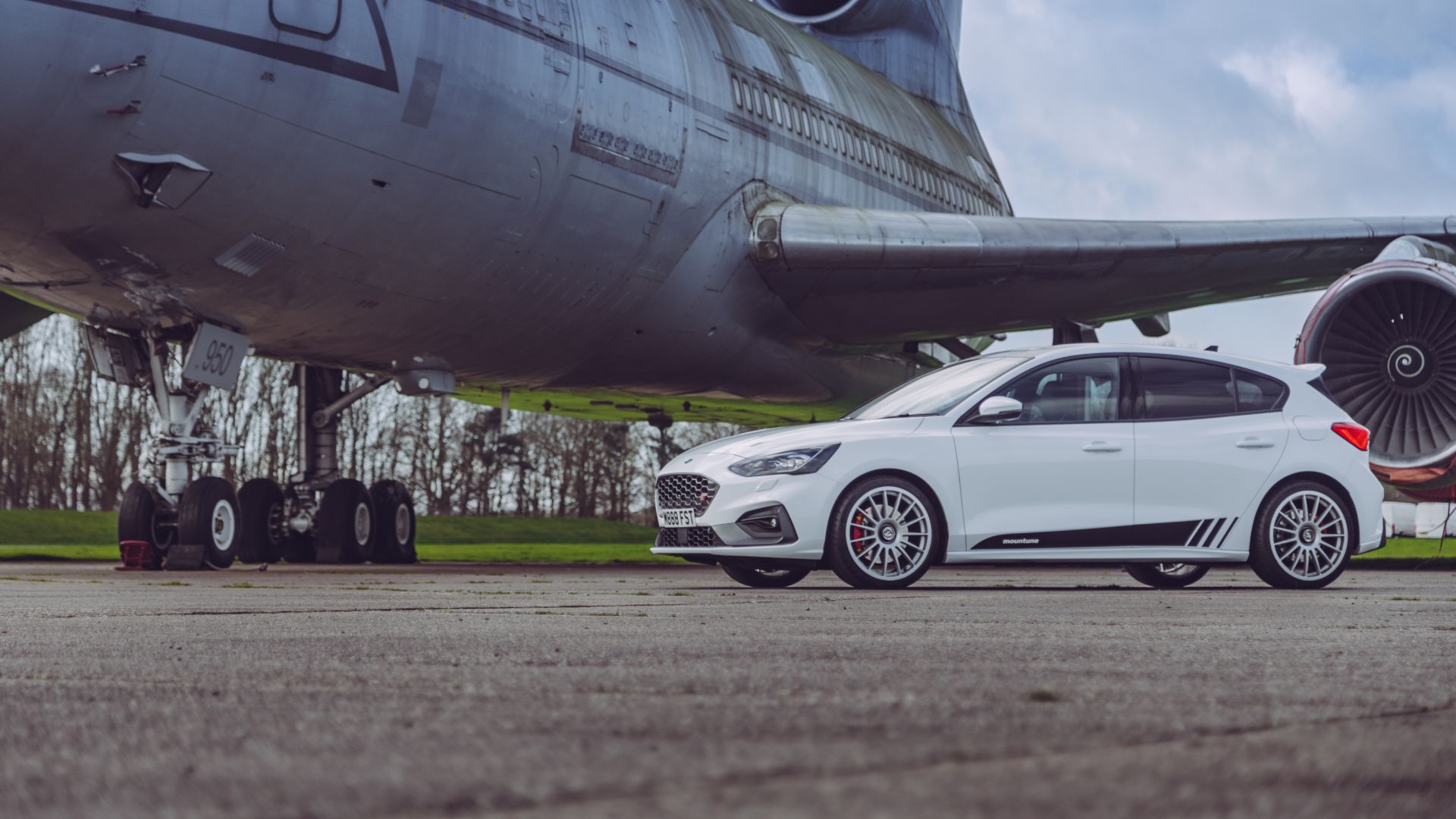
Mountune boosts new Ford Focus ST to 330hp

0

Ford Focus ST Mountune M330

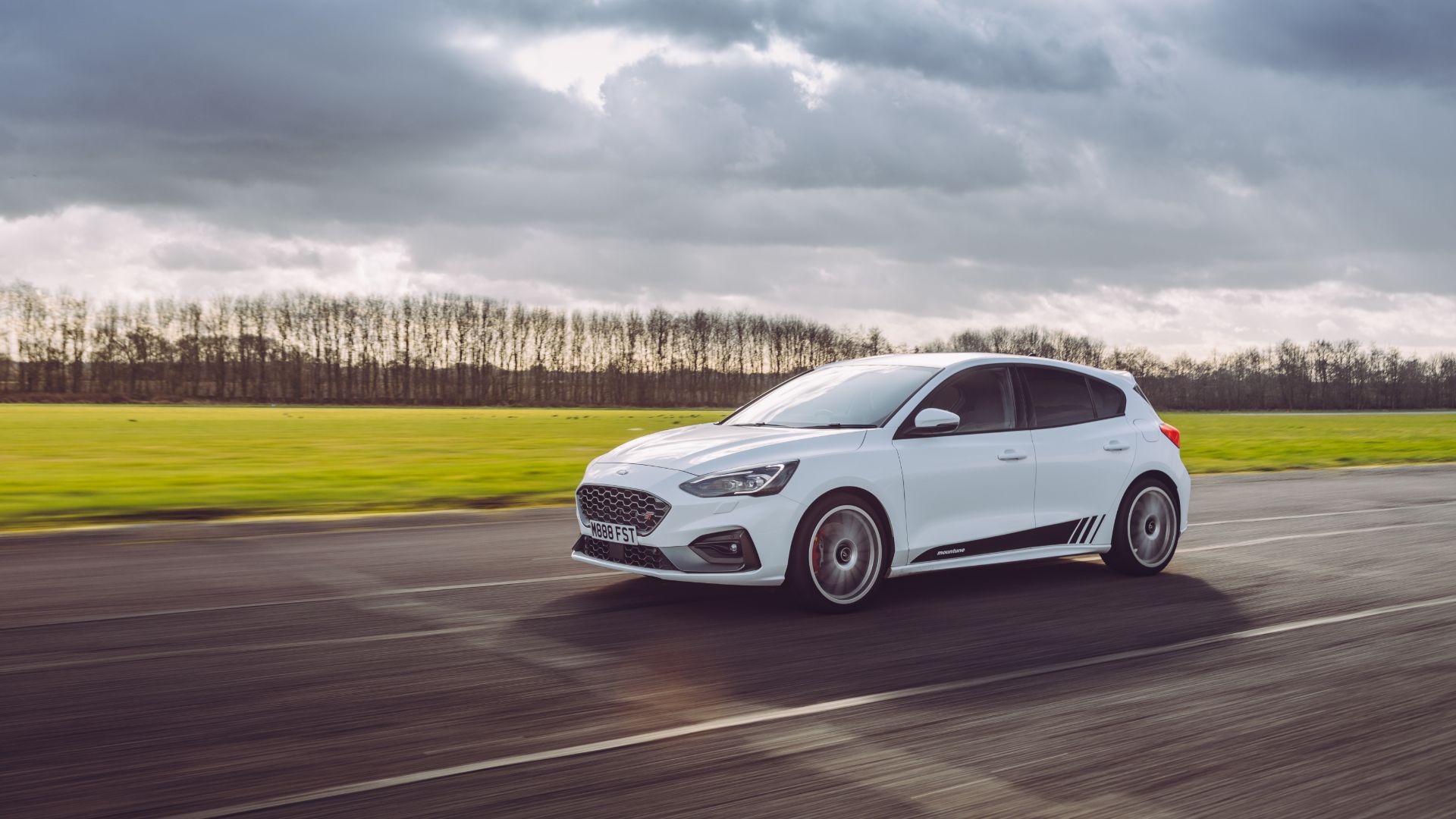
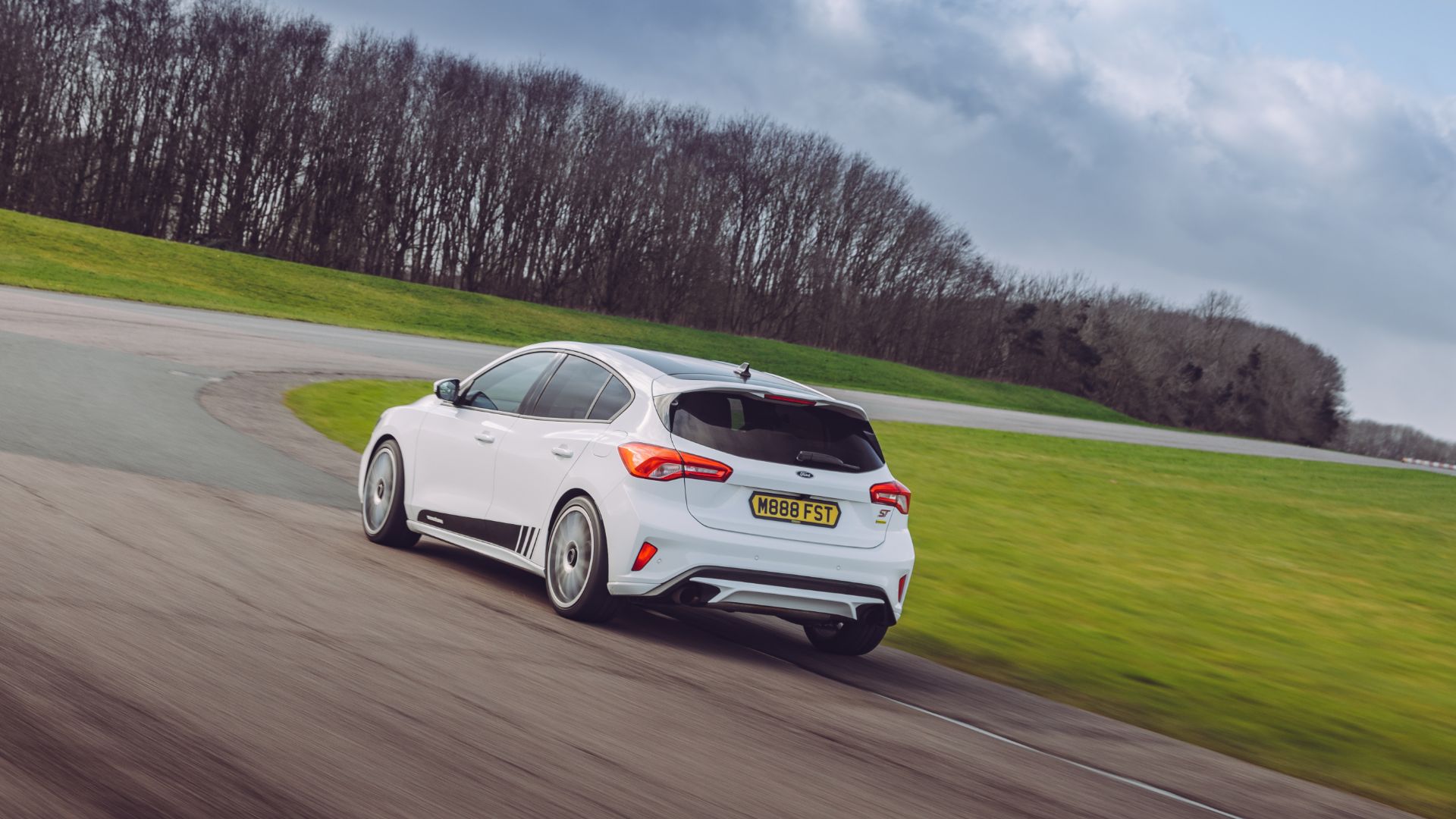
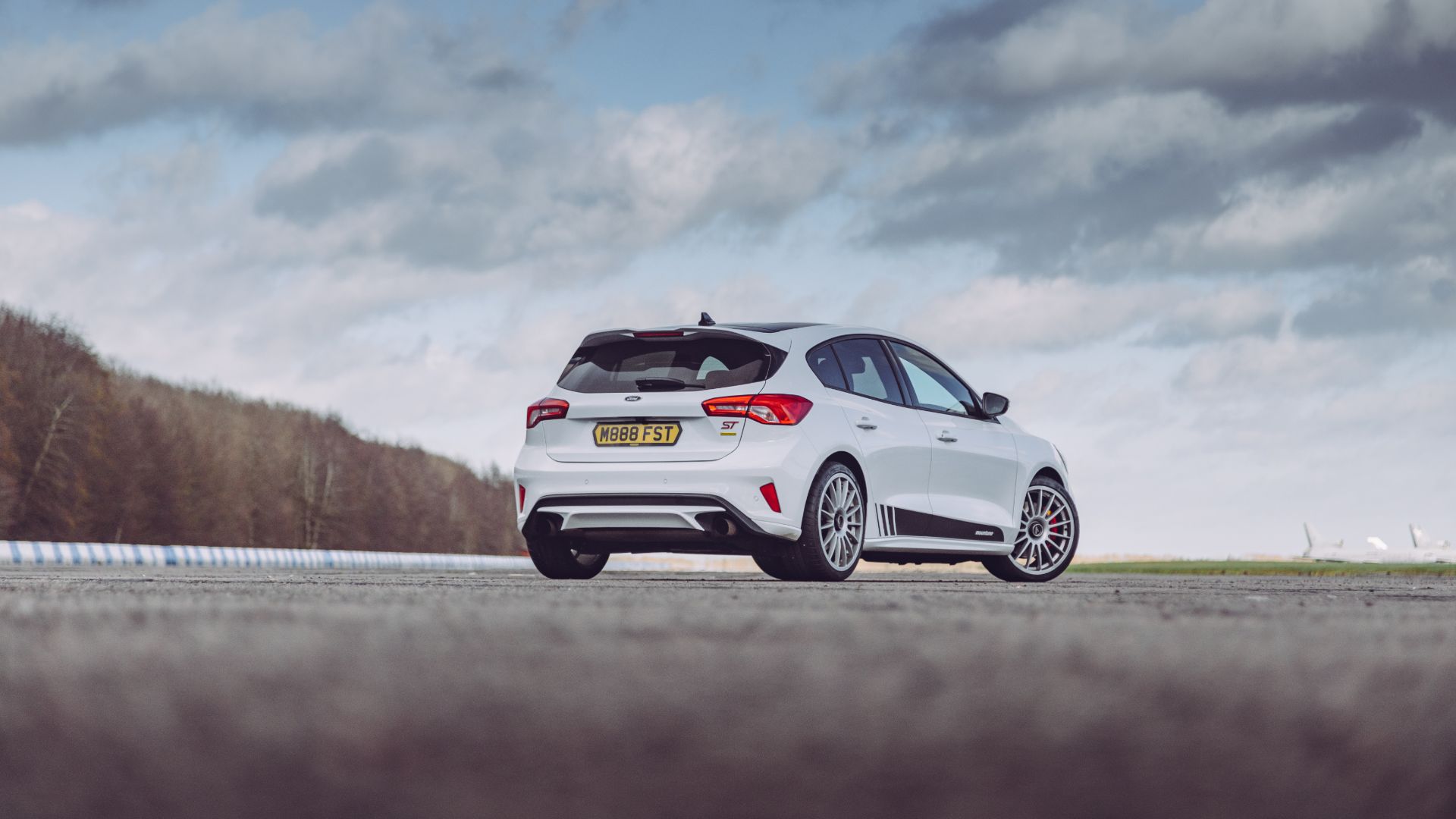
Mountune has squeezed a bit more power out of the new Ford Focus ST. The Focus ST M330 upgrade costs £599 and is available now

The extra power comes courtesy of a comprehensive remap via Smartflash technology, administered via a Bluetooth OBD adapter and a Smartflash app.

Ford Focus ST Mountune M330

Mountune describes the development of the tuning program as ‘akin to that of OEM’ (original equipment manufacturer). That means reliability and a usable feel are pretty well guaranteed.

The package increases power by 50hp to 330hp. And there are added features, too. There’s a no-lift gearshift feature , as well as an improved exhaust over-run. 

Mountune M330: ‘enhancing an already great car’

Ford Focus ST Mountune M330

“We’re delighted to finally launch the M330 package, enhancing power and performance on what is an already great car,” said Alec Pell-Johnson, director of Mountune Performance. 

“Both the M235 and M225 kits (for the Fiesta ST) have been hugely successful since they launched, with customers loving how easy it is to change the calibration of their car direct from their smartphone.

Smartflash is the future of calibration upgrades and we are looking forward to seeing how our customers receive our latest upgrade for the Mk4 Focus ST.”

Ford Focus ST Mountune M330

Three calibrations come with the Mountune M330 upgrade. Firstly, there’s the maximum power delivery, for the full 330hp.

Then there’s the stock calibration, which you can switch back to at any time. Finally there’s anti-theft, which immobilises the car.,

Below is the full list of items included with the M330 package. A high-flow panel filter is available, too:

  • Smartflash EVI Bluetooth OBD adapter
  • MTune Smartlash app, available for both Android and Apple
  • No-lift shift optimisation and enhanced exhaust over-run
  • Slippery mode is turned into ‘quiet sport mode’
  • Three calibrations: performance, stock and anti-theft
  • High-flow panel air filter
  • Mountune badge
  • Mountune zip-up shell case
Advertisement

NHS staff offered 75 percent discount on car insurance

0

NHS workers can get 75 percent rebate on temporary car insurance during covid crisis

A temporary car insurance provider has announced that working NHS staff will be eligible for a discount of 75 percent. This is in support of those working the frontline to combat the spread and impact of the coronavirus (COVID-19).

The new discount is in place from 19 March. It’s a specific aid to those NHS workers whose local links are limited or are trying to avoid public transport.

Coronavirus insurance discount for NHS workers

Insurance could be a financial blockade to these staff members getting into their own personal transport. To get the discount, applicants need only show photo proof of their NHS badge. They will be in line to receive a 75 percent refund on their policy. 

This temporary insurance provides cover for anything from one hour to 30 days.

When is the best time to renew car insurance

“As a nation we are indebted to the amazing frontline NHS staff working tirelessly round the clock to care for the country as we fight the coronavirus,” said Jean-Baptiste Limate, CEO of Veygo.

“To help ease any concerns over getting to and from work we are offering a 75 percent discount on our temporary car insurance policies. In the event public transport is limited, we want to ensure NHS staff can get to work safely.

“This may mean borrowing a car, car sharing with a colleague and sharing driving duties or driving to work in your own car. Our policies offer the protection for these unexpected circumstances, so they travel with peace of mind that themselves, their vehicle and other road users are covered.”

Advertisement