Home Blog Page 235

Google Maps update makes it even easier to use with Apple CarPlay

0
Google Maps Apple CarPlay Update

The latest version of the Google Maps navigation app is set to work even better with Apple CarPlay. 

Updates mean those with compatible iOS Apple devices will see Google Maps integrate with the CarPlay Dashboard view. 

Users will now be able to have Google Maps displayed side by side with other functions. This means Google’s navigation instructions alongside music choices and calendar appointments.

Freedom to choose your mapping solution

Google Maps Apple CarPlay Update

Until now, Apple CarPlay’s Dashboard setting was only compatible with Apple’s own Maps app. This forced drivers to choose between the neatness of the Dashboard display, or using third-party navigation apps like Google Maps separately. 

Apple released an update for CarPlay earlier this year, offering third-party developers the chance to work in Dashboard mode. However, it has taken Google until now to make the necessary changes to its own Maps application. 

Now that Google has taken the leap to making its own mapping app work with the CarPlay Dashboard, expect other third-party maps to follow.

Google Maps back on your wrist
Google Maps Apple CarPlay Update

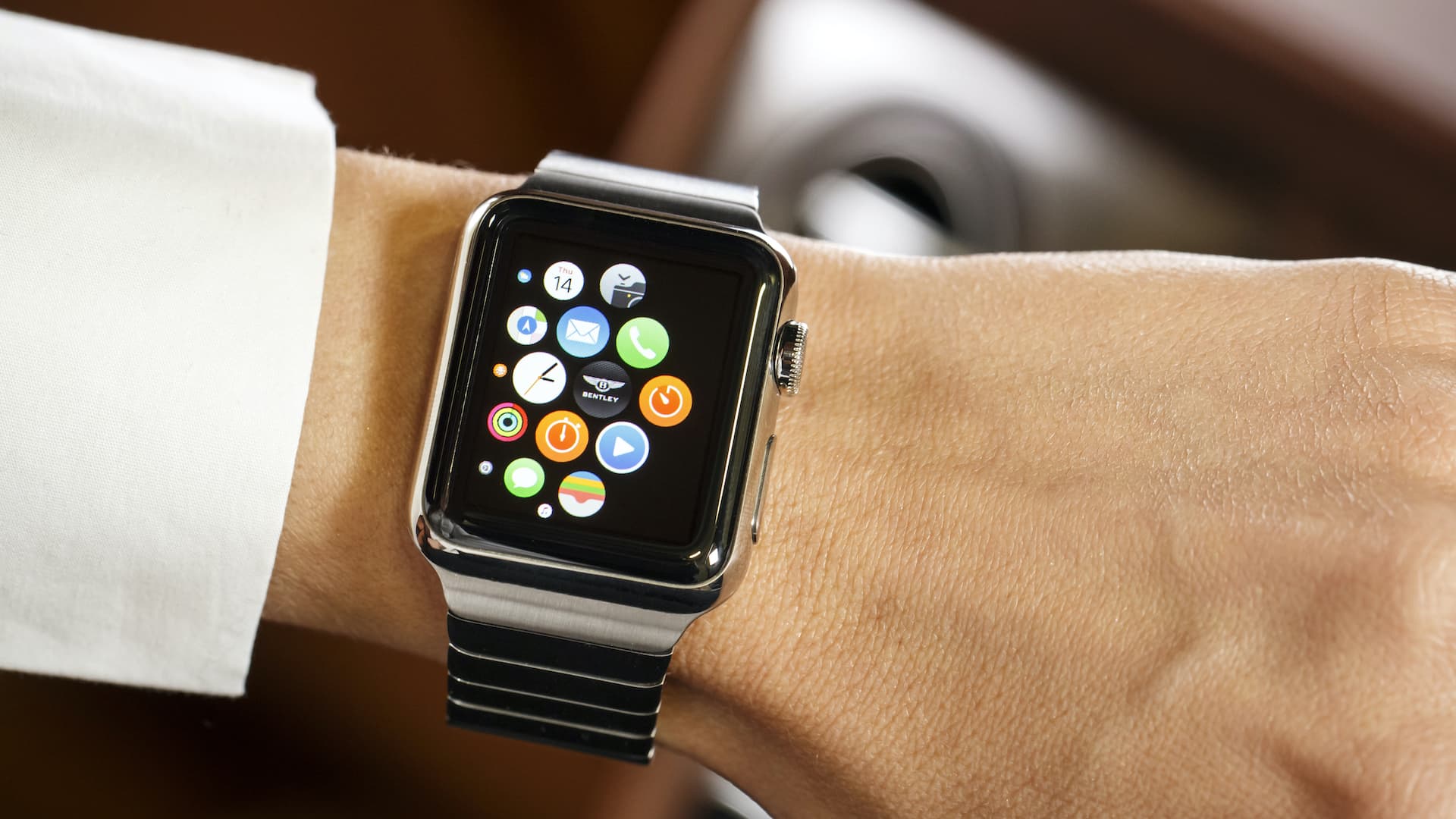
The latest update for Google Maps will also be of interest to Apple Watch wearers. 

Google dropped support for Apple’s smartwatch range in 2017, causing frustration for those who relied on its functionality. Now, Google will fully support the Apple Watch, offering step-by-step directions.

Users will be able to set saved destinations to quickly generate directions to, along with estimated journey times. Google Maps will tailor instructions depending on whether the user is travelling by car, bike, public transport, or on foot.

Updates for compatibility with Apple CarPlay are now live, whilst Apple Watch users should see changes made in the coming weeks.

ALSO READ

Revealed: the Apple CarPlay feature you can’t use yet

Mazda can retro-fit your old car with Apple CarPlay and Android Auto

Waze and Google Maps now in Apple CarPlay
Advertisement

Are these the most unusual road signs in Britain?

0
Campaign to sort road signs

A leasing company has identified what it believes are the most unusual road signs in Britain. It is urging motorists to “brush up on their road sign knowledge to avoid getting caught out”.

This comes as learner drivers prepare to take their driving test following the easing of lockdown measures. Driving test have restarted in England and will restart in Wales on Monday 17 August.

Driving tests remain suspended in Scotland. Theory tests have restarted in England, Scotland and Wales.

A spokesperson for LeaseVan.co.uk, the company behind the road sign research, said: “As drivers take to Britain’s roads for day trips and staycations, they may discover road signs they haven’t seen before.

“There really is a sign for every occasion, each one with the job of keeping roads, drivers and passengers safe. Many of the signs can be interpreted quite well – if you can hazard a guess you’re probably not far off – however some of the ones we’ve researched are a bit more obscure.”

Are you familiar with the following road signs?

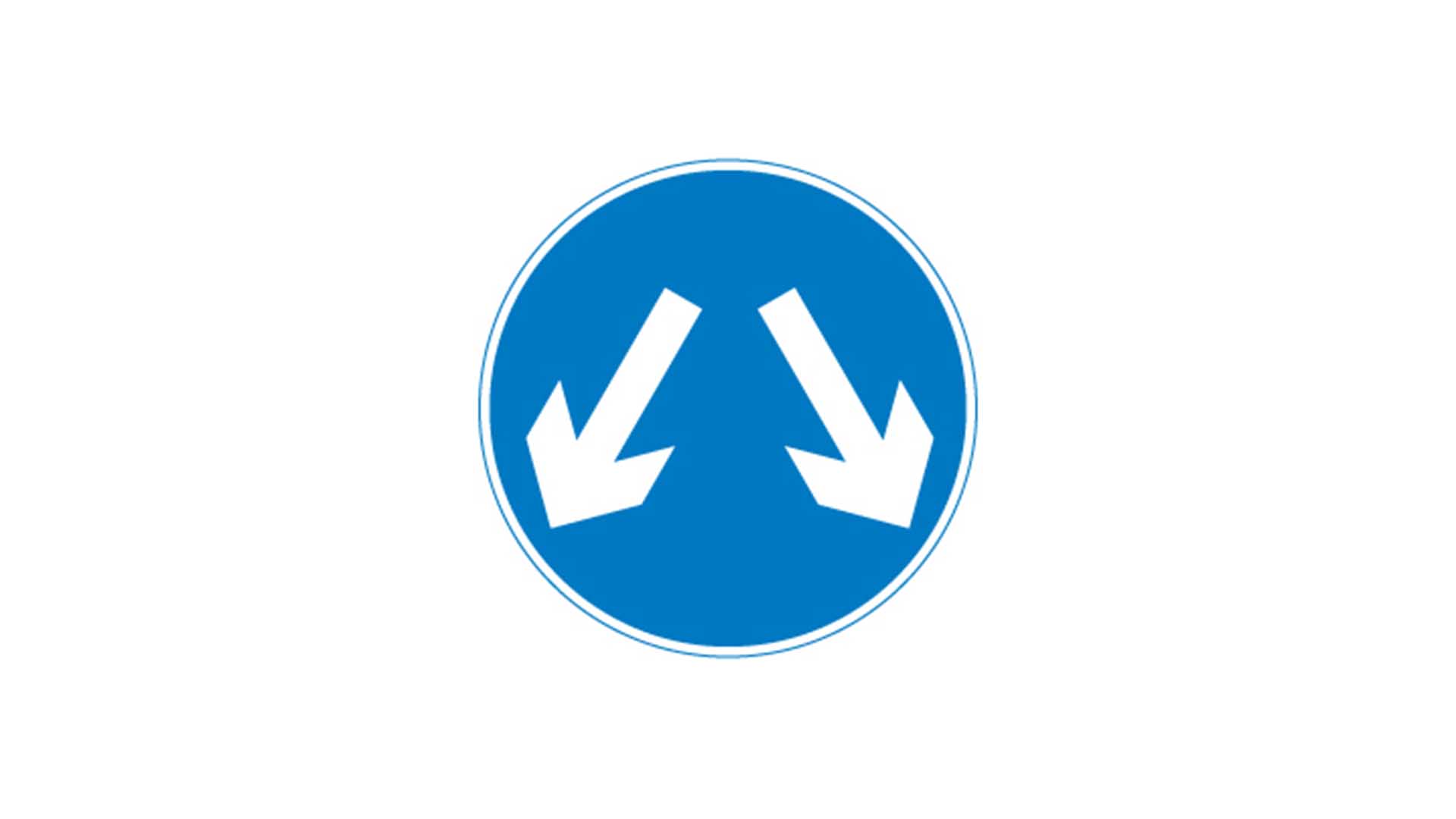
Traffic may reach the same destination by passing either side of the sign

Pass either side road sign

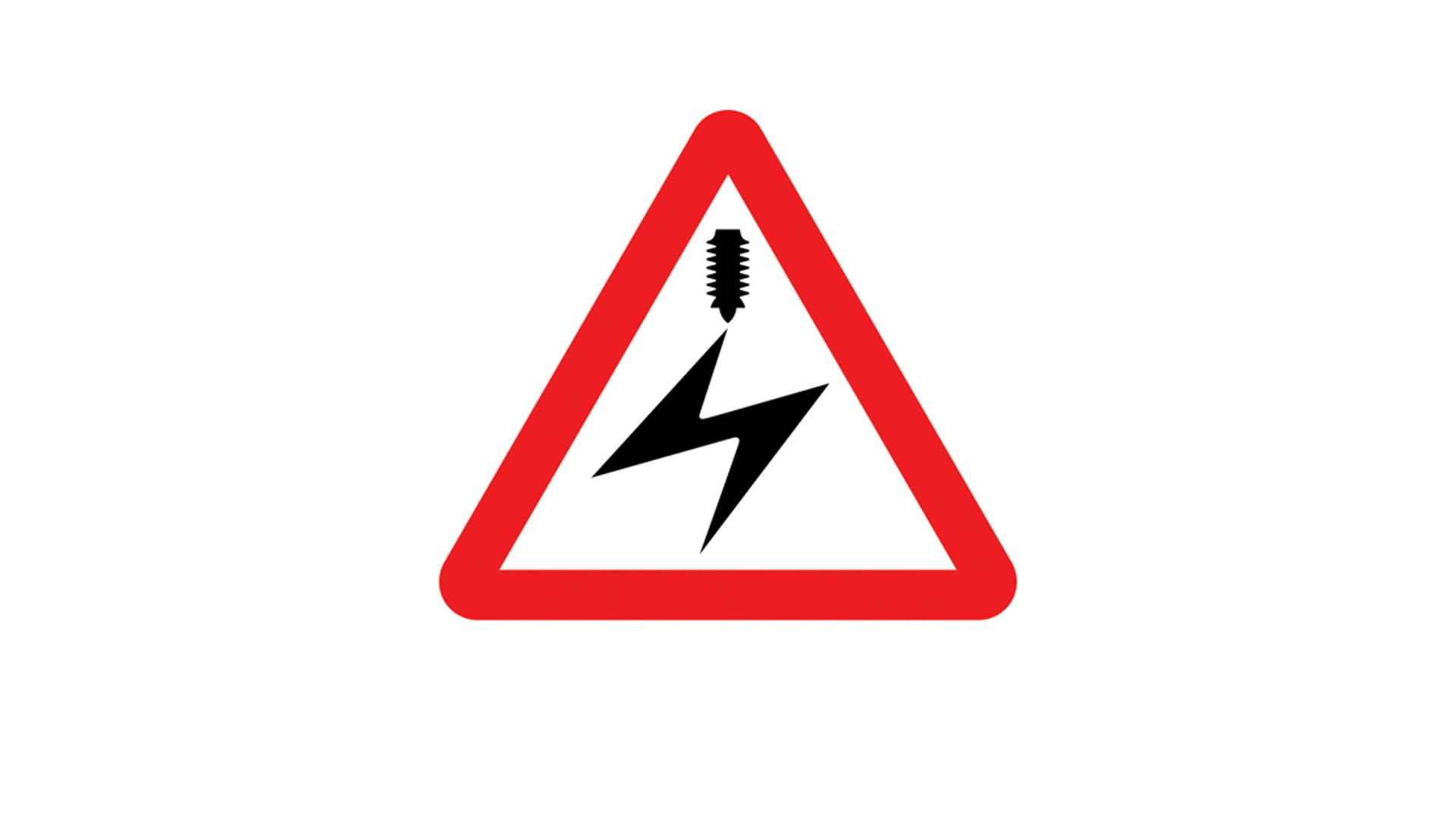
Electrified overhead cable ahead

Overhead electric cables road sign

Opening or swing bridge ahead

Opening or swing bridge ahead

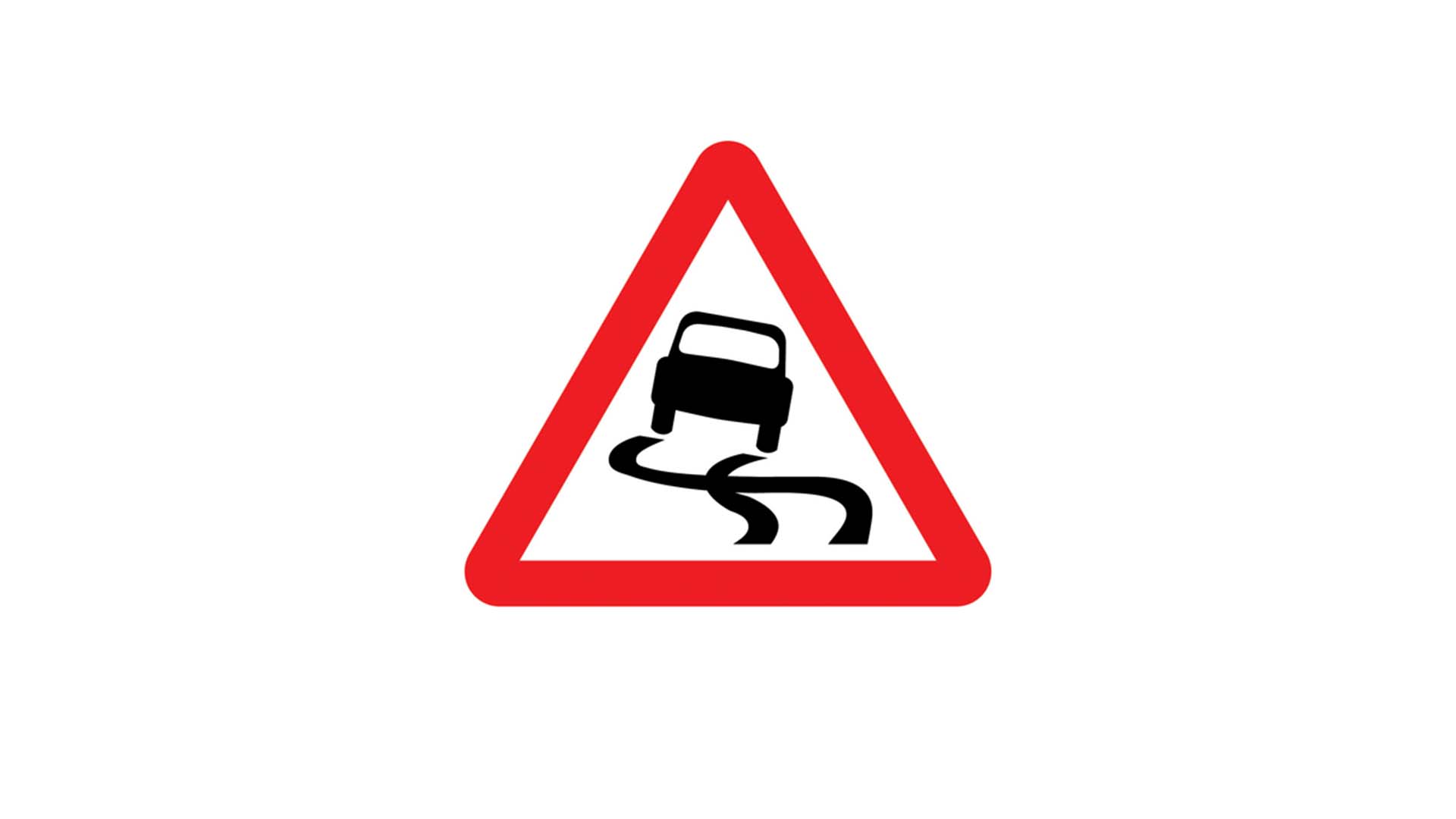
Slippery road ahead

Slippery road ahead

Wild animals likely to be in road ahead

Wild animals road sign

Vehicles carrying explosives prohibited

Vehicles carrying explosives prohibited

Slow moving military vehicles likely to be crossing or in the road

Slow moving military road signs

Risk of grounding at a railway or tramway level crossing or hump backed bridge

Risk of grounding road sign

Click here for more information on road signs and what they mean.

Advertisement

London is installing extra cameras for 2021’s expanded ULEZ

0
London ULEZ and Congestion Charge logo on road sign

Transport for London has begun installing 750 additional cameras to monitor motorists’ compliance with the extended Ultra Low Emission Zone which goes live in October 2021.

The 750 extra cameras will be in addition to the 650 cameras that already check for compliance with the current ULEZ Zone, which covers the same area as the London Congestion Charge zone.

The extended ULEZ will go far beyond this, reaching the North and South Circular.

This is 18 times larger than the current ULEZ – however, TfL officials say only 750 extra cameras are needed, thanks to smarter use of the monitoring tech.

Cameras will be prioritised at locations already used to monitor traffic, using existing lamp posts and traffic lights.

Tech company Siemens is building the cameras at its factory in Poole, Dorset.

Busy London road by evening

ULEZ schemes, says TfL, will reduce NOx emissions from road transport by 30 percent.

The central ULEZ has already cut roadside NOx by 44 percent – and although only 39 percent of cars complied in early 2017, more than 80 percent of cars are compliant (and therefore free to enter) today.

Surprisingly, this 80 percent compliance rate is expected to carry over to the extended scheme by October 2021, says TfL.

A £48m ULEZ scrappage scheme for those on low incomes, disabled motorists, small businesses and charities is expected to help here.

Up to £2,000 is available to take dirty older cars off the road, and £1,000 for motorcycles – and £12m has already been given out.

“The Ultra Low Emission Zone is the centre piece of our plans to clean up London’s air” said Shirley Rodrigues, deputy mayor for the environment.

“We have the boldest plans of any city on the planet and the ULEZ is exceeding expectations.”

ALSO READ

2021 London ULEZ expansion: motorists are already searching for compliant cars

London ULEZ: how to check if you need to pay

ULEZ scrappage schemes: how to save money on a new car

Advertisement

BMW adds Android Auto at last

0
BMW Android Auto

BMW has belatedly introduced Android Auto into its newest cars, five years after the technology first went live.

All new models from this summer will feature the Google smartphone-pairing tech, alongside the existing Apple CarPlay system.

What’s more, it is a wireless Android Auto system, which doesn’t need to be plugged in: owners simply place their device on the wireless smartphone charging pad.

Despite being slow with Android Auto, BMW was one of the first automotive brands to offer wireless Apple CarPlay.

Android Auto features include Google Assistant, Google Maps, WhatsApp, Spotify and Amazing Music. And not only is information displayed in the central screen, navigation directions are also shown in the instrument cluster and optional head-up display.

BMW only announced its decision to support Android Auto in December 2019, years after Hyundai became the first brand to offer it.

The functionality only works on the latest BMW Cockpit Operating System 7.0, which means factory-fresh cars and some earlier 2019 models.

Over-the-air updates should bring the technology to nearly-new models, while all BMWs leaving showrooms from this summer will be fitted with Android Auto tech.

BMW earlier caused controversy with Apple CarPlay by not fitting it for free and offering it as a subscription service instead.

Later, owners were given a free year before having to pay for it.

In late 2019, the car firm admitted defeat and started offering Apple CarPlay for free.

BMW is offering Android Auto for free.

ALSO READ

Android Auto 2019 update: what you need to know

BBC Sounds now Android Auto and Apple CarPlay compatible

Mazda can retro-fit your old car with Apple CarPlay and Android Auto

Advertisement

Young drivers targeted with new ‘fuss-free’ monthly car insurance

0
Young drivers can now benefit from flexible car insurance

A flexible new car insurance product promises to give young drivers the best prices and flexible cover without asking endless questions.

Dubbed a ‘fuss-free’ type of car insurance, LV’s Flow is targeting younger drivers who may find traditional products too complicated and expensive.

The online-only cover works by offering a fixed price for the first month, and then a guaranteed maximum price for the following three months.

There is no long-term commitment and motorists can change or even cancel their policy whenever they want – without incurring extra costs.

Flow is described by LV MD Heather Smith as car insurance that reflects the changes in how people buy products and services online.

“Flow gives drivers a simplified insurance experience, with a quick journey, competitive pricing and the flexibility to change their policy as and when they want to.

“Whatever drivers want to do – change the mileage, change the driver or even change the car – Flow means it can be done quickly and easily.”

Significantly, Flow customers are not penalised for not having a no-claims bonus – indeed, it is not even factored into the quote itself.

Premiums are instead based exclusively on their claims history and their specific circumstances.

Motorists are not asked never-ending questions either. Instead, they upload a picture of their driving licence and then answer 14 straightforward questions.

The company promises to then calculate “the best possible price”.

LV says the monthly car insurance product is the first in a number of services that will be offered as part of the Flow brand.

ALSO READ

The 10 cheapest cars for 17-year olds to insure

Popular car insurance myths: busted

How to save money on car insurance

Advertisement

Have petrol and diesel car sales already peaked due to coronavirus?

0
Vintage petrol station

New research suggests the coronavirus crisis means petrol and diesel car sales may have already peaked.

Sales of regular cars have collapsed during the Covid-19 pandemic, with registrations down nearly 40 percent in the first half of 2020.

Electric car sales were down too – but they fell at a slower rate. Indeed, in some markets, EVs actually recorded modest growth.

Annual car sales are not expected to return to the levels seen before coronavirus until 2024 – but this recovery will be driven by electric cars and plug-in hybrids, not by petrol and diesel motors.

Indeed, it is likely we have already seen the sales peak of regular non-electric cars.

Deloitte head of vehicles Jamie Hamilton said this has passed “relatively unnoticed.

“With total annual car sales unlikely to return to pre-pandemic levels until 2024, even if sales growth in the petrol and diesel market returns, it is likely to experience a decline in market share thereafter.”

Electric acceleration

Deloitte research indicates electric car sales are set to grow much faster than earlier predicted. By 2030, over 31 million battery electric and plug-in hybrid new cars will be sold globally.

That’s 10 million more cars than originally forecast.

Of this total, 81 percent of them will be pure electric cars – far outperforming their plug-in hybrid counterparts.

Deloitte’s Mr Hamilton says this acceleration is due to the cost of EVs falling, although barriers still remain in terms of driving range and a perceived lack of charging infrastructure.

The UK is, surprisingly, set to outperform the global market in terms of electric car sales, though.

Favourable government policies and awareness of climate change have already driven EV sales in Britain.

Now, the 2050 zero emissions target and 2035 ban on the sale of polluting vehicles is set to accelerate it further.

If the UK continues to invest in charging facilities to overcome customer concerns, electric cars could take a market share as high as 65 percent by 2030 – almost double the global average.  

ALSO READ

On a road trip? Your dog will need a break too

Why you should get your car MOT in August

Highway Code: cyclists could get priority on the roads

Advertisement

Surge in used car demand continues

0
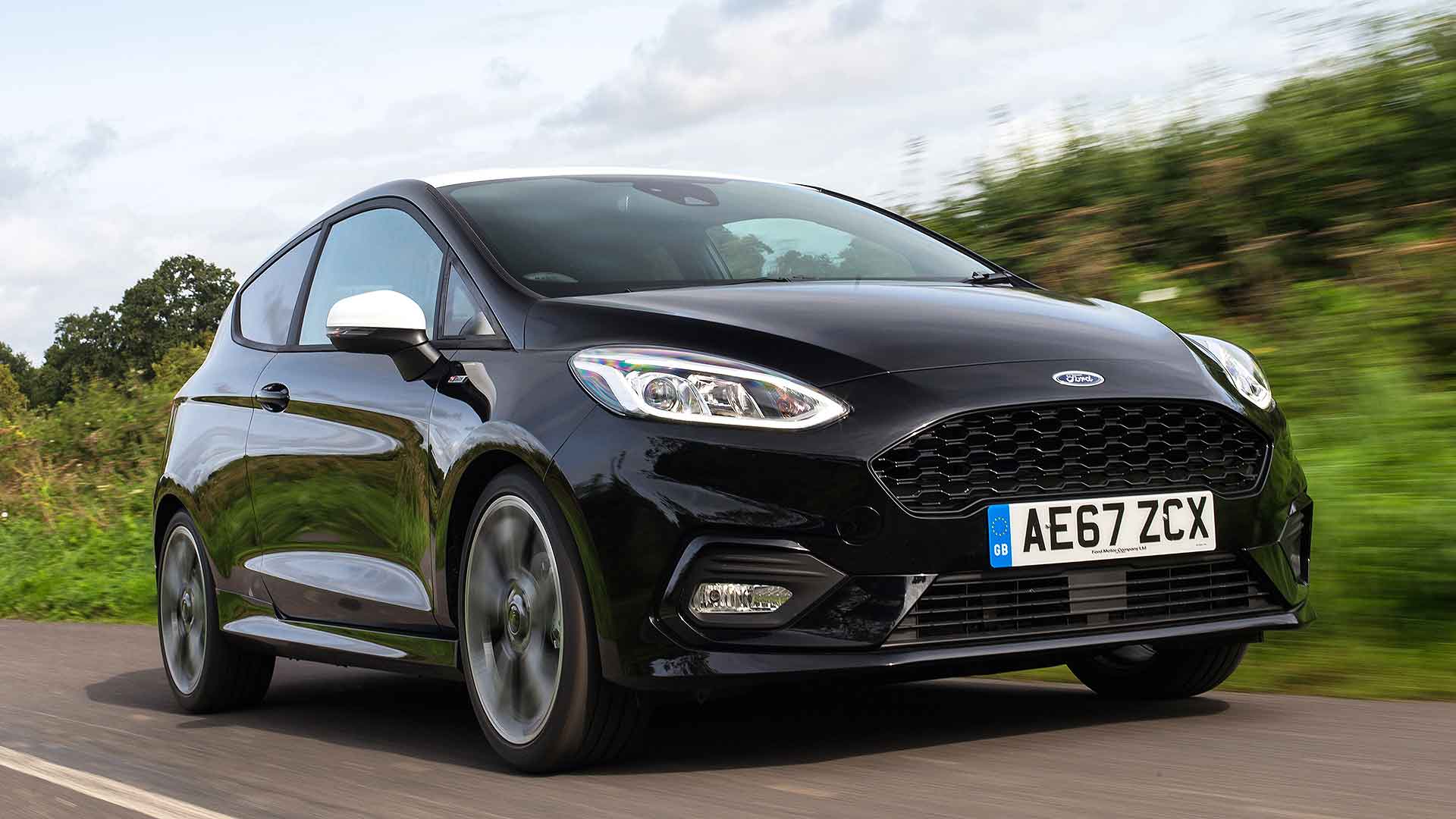
2017 Ford Fiesta

Used car demand has continued to surge since lockdown ended, resulting in used car prices growing at their fastest rate in almost two years.

The average used car now costs £13,888, reports Auto Trader, 4.6 percent more than this time last year.

It is the fourth month running that used car prices have risen.

Auto Trader data director Richard Walker said the increases are due to demand and supply being out of step – customers are out there, but the supply side has taken longer to emerge from lockdown.

While customer demand shows no signs of easing from its record levels, supply constraints are now easing, said Mr Walker.

“We expect the growth rate we’ve seen in recent months to stabilise somewhat, rather than continue to accelerate each month.”

Diesel up, electric down

Auto Trader data (based on analysis of 900,000 vehicles each month) shows it’s petrol cars that are driving prices up.

Average petrol prices rose 5.6 percent in July, although diesel car prices weren’t far behind with 4.1 percent growth.

Diesel car prices actually grew at the fastest rate in almost six years.

Surprisingly, electric car prices actually fell 4.3 percent, as supply starts to exceed demand.

Demand for EVs is up 75 percent in a year – but supply has outpaced this, increasing almost 88 percent.

The still-high price of the average used electric car is probably capping demand at the moment: it is £25,639, more than twice the price of the average petrol-engined car.

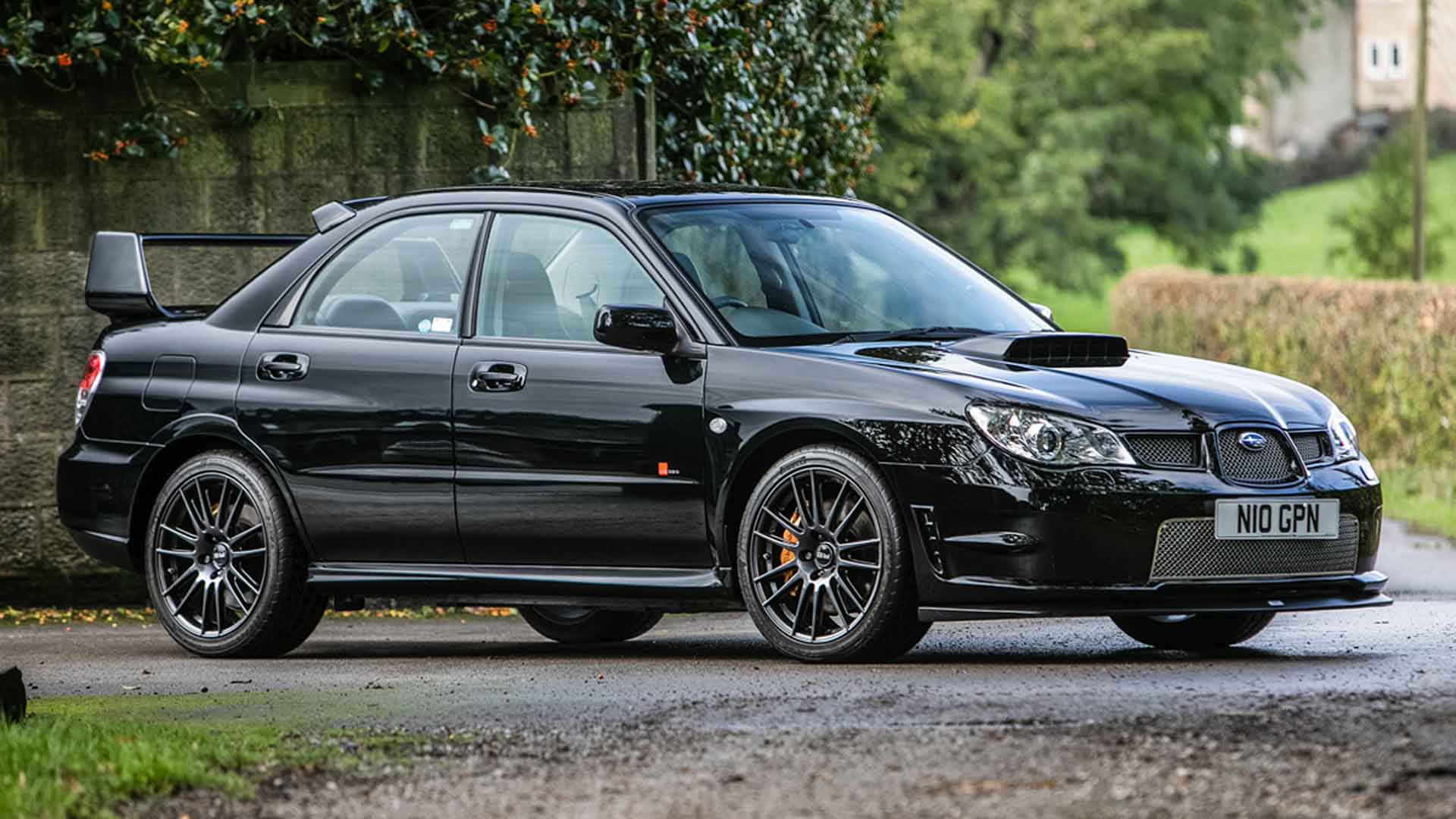
2007 Subaru Impreza RB320

Demand for electric cars is expected to grow as models start to become cheaper.

Auto Trader also found demand for vehicles aged 10-15 years surged 23 percent, helped by their affordability.

Ironically, this led prices to actually go up 10.4 percent, to over £4,200. This was not helped, adds Mr Walker by supply actually dropping 16 percent last month.

ALSO READ

Approved used schemes: what each car company offers

How to sell your car for the best price

Heycar used car marketplace launches in the UK

Advertisement

On a road trip? Your dog will need a break too

0
The dangers of dogs in hot cars

Highways England is urging drivers to consider the welfare of their dog on long journeys. This comes as millions of Brits are taking advantage of the easing of lockdown measures to go on a staycation.

Recent research suggests that a third of people are planning a staycation this year. Many of these holidaymakers will be taking a dog.

Highways England has therefore teamed up with the Driving with Dogs website to suggest some dog-friendly locations situated just off main tourist routes. Whether it’s a day out or a long journey to a holiday destinations, these places are perfect for your pooch.

Highways England head of road safety, Richard Leonard, said: “We want all our customers, including the four-legged ones, to arrive at their destinations safely this summer.

“I’d urge drivers to make sure they plan a break into longer trips as well as preparing for any journey, especially in hot weather, by stocking up on water and checking travel conditions before setting off.”

Dog-friendly locations close to main roads

  • A38, Plympton, Devon – Saltram House (National Trust). Dogs are welcome in the woods and parkland.
  • M5, junction 18, Bristol – Blaise Castle. Woodlands, meadows and limestone gorge spread over 650 acres.
  • M6, junction 5 or 7, Sutton Coldfield. Former deer park with 2,400 acres of open space, including seven lakes.
  • M60/M62, Greater Manchester – Heaton Park. Around 600 acres of parkland.
  • A46, Lincolnshire – Hartsholme Country Park and Swanholme Lakes local nature reserve.
  • A12, Blaxhall Common, Suffolk. A peaceful nature reserve.
  • M25, junction 8, Reigate, Surrey – North Downs Way and Gatton Park.

Top tips for travelling with a dog

Dog owners Mazda CX-5 Auto Trader

PDSA vet Anna Ewers Clark has advice for motorists travelling with a dog this summer. “As campsites, holiday homes and places where we can enjoy a day out begin to reopen, many of us will be planning days out and holidays in the UK.

“It’s important to remember to keep our pets safe and happy as we do that, especially if you’ll be spending a long time in the car.”

Advice from the PDSA includes:

  • Keep your dog restrained and secure in the car. A harness is recommended for large dogs, while carriers are suitable for small dogs.
  • Consider travel time. Keep travel as short as possible and plan rest breaks along the way.
  • Check the temperature in the back of the car. The back seat or boot can heat up very quickly, making it dangerously warm for your dog.
  • Put your dog on a lead before you open the car doors. Get them out of the car on the pavement side.
  • Carry plenty of drinking water and a bowl, even on short journeys.

If you’re planning a road trip this summer, click here to find out how to keep abreast of the latest traffic information.

ALSO READ

Cash for crash schemes ‘a real and growing threat’

New car sales rise for first time in 7 months

Fuel prices up for the second consecutive month

Advertisement

Crash for cash schemes are a ‘real and growing threat’

0
Crash for cash on the rise

So-called ‘crash for cash’ schemes, in which collisions are staged in order to file fraudulent insurance claims, are a ‘real and growing threat’. That’s according to a leading vehicle protection and management technology provider.

Indeed, figures from the industry body Cifas, suggest car insurance fraud is one of the fastest growing forms of insurance fraud in the UK. Crash for cash claims increased 45 percent in 2019 – well above the industry fraud average of 27 percent.

According to the Insurance Fraud Bureau (IFB), fraudulent claims cost around £340 million a year. Consumers will feel the effect of this in the form of higher insurance premiums.

Director of investigative services at AX, Neil Thomas, said: “Criminals will do anything to milk the motor industry and drivers, evolving their tactics to keep people guessing and avoid detection.

“We can’t completely stamp out their activities, but we can collectively do more to curtail what is a real and growing danger to drivers. Recent experience has shown how some criminals have used the Covid-19 pandemic lockdown to plan motor insurance frauds, and they are now intent on cashing in at the expense of innocent motorists.” 

What are ‘crash for cash’ schemes?

Crash for cash motor fraud

In simple terms, a crash for cash scheme involves the staging of a non-fault collision to file an insurance claim. There are three types of crash for cash schemes:

  • Staged collisions
    • Fraudsters damage vehicles to give the impression that a real crash has occurred. Examples include taking a sledgehammer to a car or purposely crashing two vehicles.
  • Ghost collisions
    • A fraudster submits a fictional insurance claim for a collision that never took place. This takes advantage of instances where claims aren’t investigated.
  • Induced collisions
    • Where a fraudster drivers in an erratic or manipulative way to engineer a crash. Examples include criminals letting somebody out of a junction only to crash into them, slamming on the brakes in front of an innocent motorist, or extorting cash from a driver rather than through an insurance company.

Guarding against crash for cash schemes

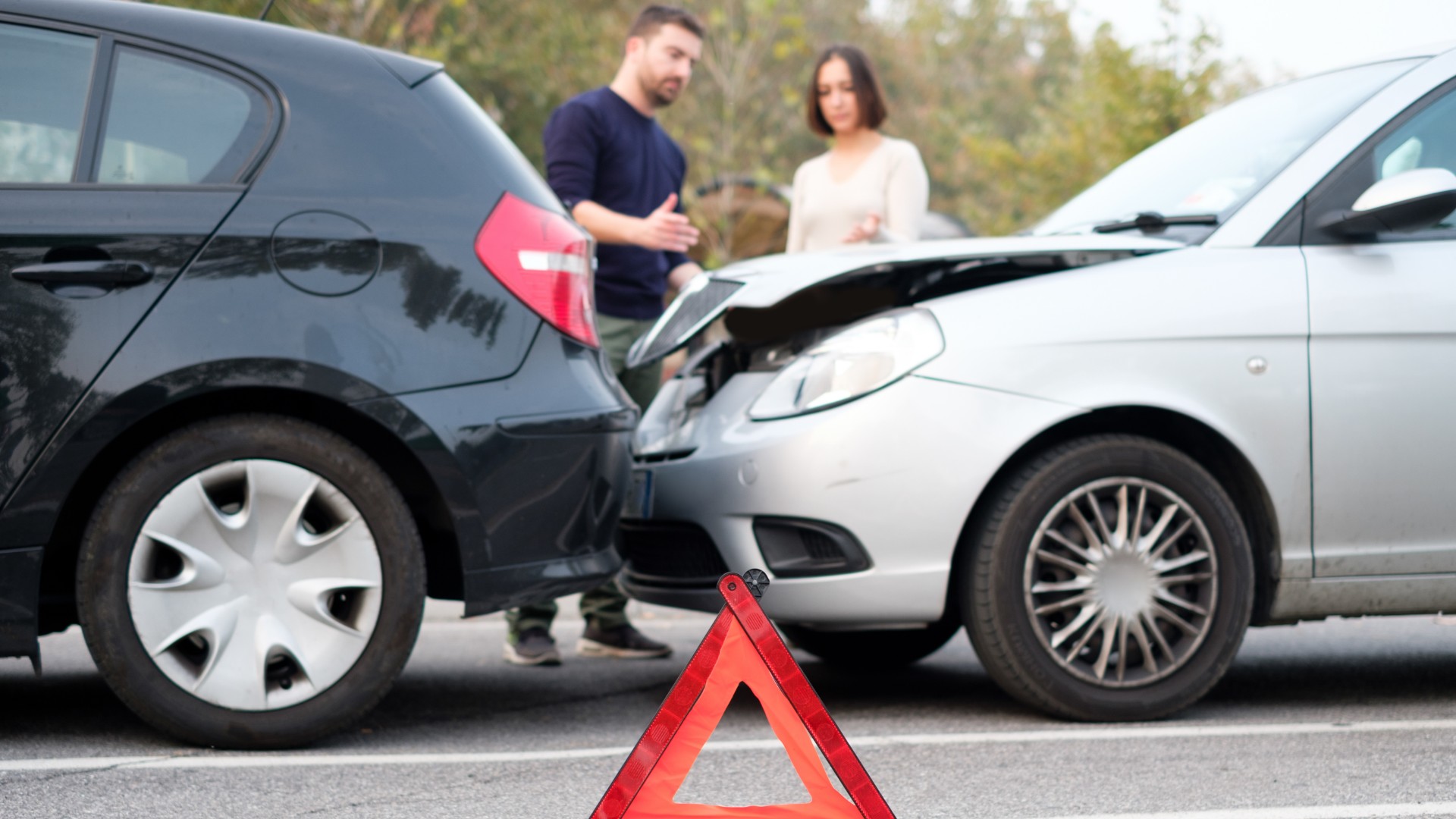
What to do when you have a car accident

AX has the following advice for drivers hoping to protect themselves against crash for cash schemes.

  • Recognise the warning signs
    • Many fraudsters will drive cars with previous rear-end damage or with the brake lights disabled. Also look out for erratic driving or passengers looking behind.
  • Investigate collisions and claims
    • Gather evidence from the crash scene. Make a note of the key facts and identify potential witnesses. It speaks volumes that such incidents are called a Road Traffic Collision (RTC) and not a Road Traffic Accident (RTA). Few, if any, collisions happen by accident.
  • Invest in a dashcam
    • A dashcam, vehicle tracking device or telematics can protect a driver against fraud.

Click here for more motoring help and advice.

Advertisement

New car sales rise for first time in 7 months

0
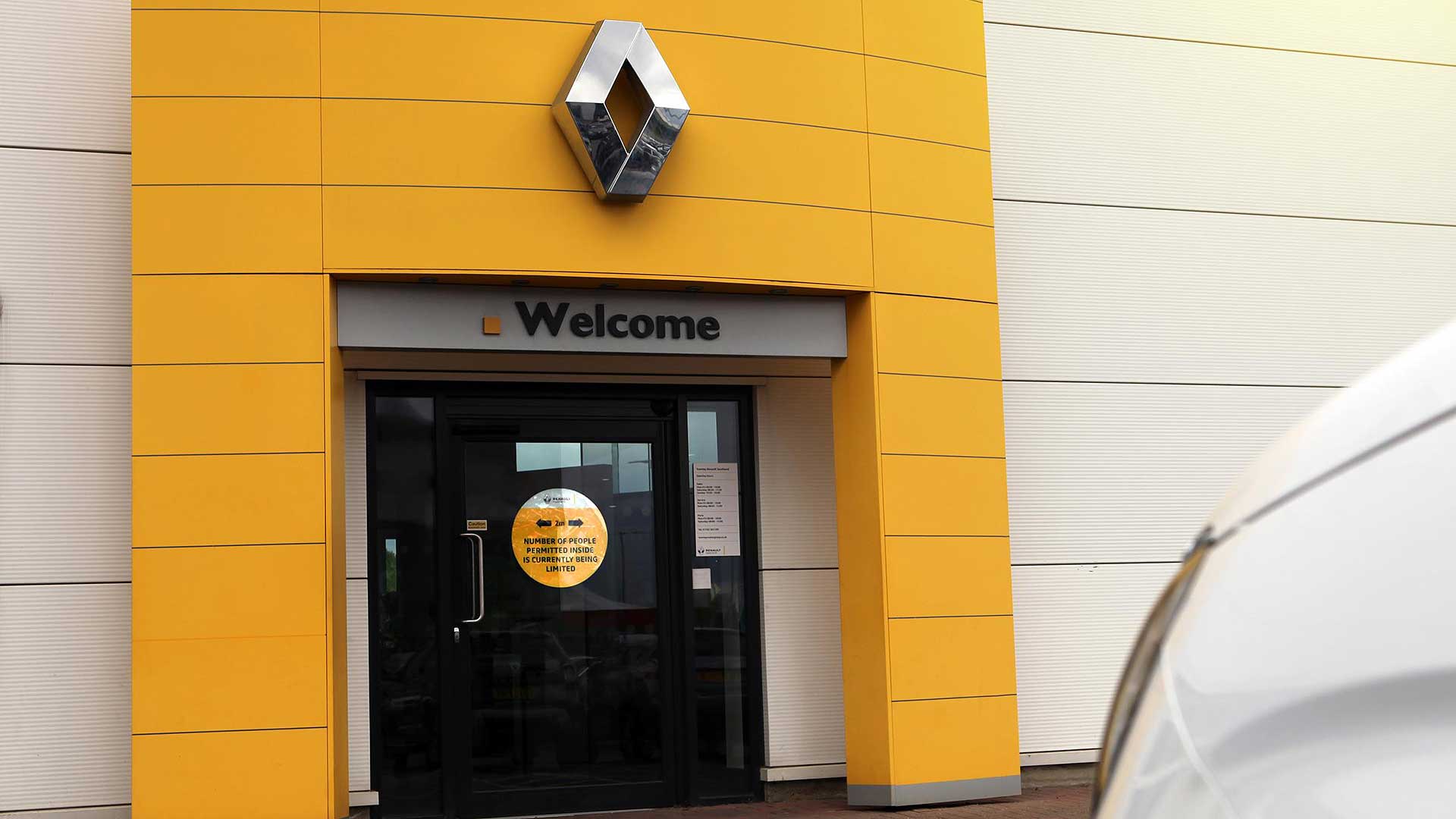
A Renault car dealer reopens with Covid-friendly measures

New car registrations grew 11.3 percent in July 2020 following the June reopening of dealerships in England, Northern Ireland, Wales and Scotland.

The June sales increase is the first since December 2019.

Dealership closures due to the coronavirus crisis have had a severe impact on new car registrations and deliveries. They fell 44 percent in March, 97 percent in April, 89 percent in May and 35 percent in June.

The Society of Motor Manufacturers and Traders says that despite the July recovery, year-to-date registrations are still down almost 42 percent.

‘Pent up demand’

Pent-up demand helped drive July new car registrations to 174,887 vehicles, says the SMMT.

Demand from private buyers was particularly strong, growing 20.4 percent. This was helped by strong finance incentives, with eight of the 10 top brands offering flexible finance initiatives including offset payments.

Fleet car sales, however, only grew 5.2 percent and business car sales actually fell 11.8 percent.

“July’s figures are positive, with a boost from demand pent up from earlier in the year and some attractive offers meaning there are some very good deals to be had,” said SMMT chief executive Mike Hawes.

“We must be cautious, however, as showrooms have only just fully reopened nationwide and there is still much uncertainty about the future.”

Mr Hawes said it will only become clear by the end of September whether the turnaround in new car registrations is part of a long-term trend.

Vauxhall Corsa

June 2020 best-selling cars

1: Vauxhall Corsa

2: Ford Fiesta

3: Ford Focus

4: Volkswagen Golf

5: Mercedes-Benz A-Class

6: Nissan Qashqai

7: Volkswagen Polo

8: Mini

9: Volkswagen Tiguan

10: Ford Kuga

ALSO READ

Car industry says new car scrappage-style stimulus ‘critical’

The cheapest new cars on sale

The cheapest new cars from £99 a month

Advertisement