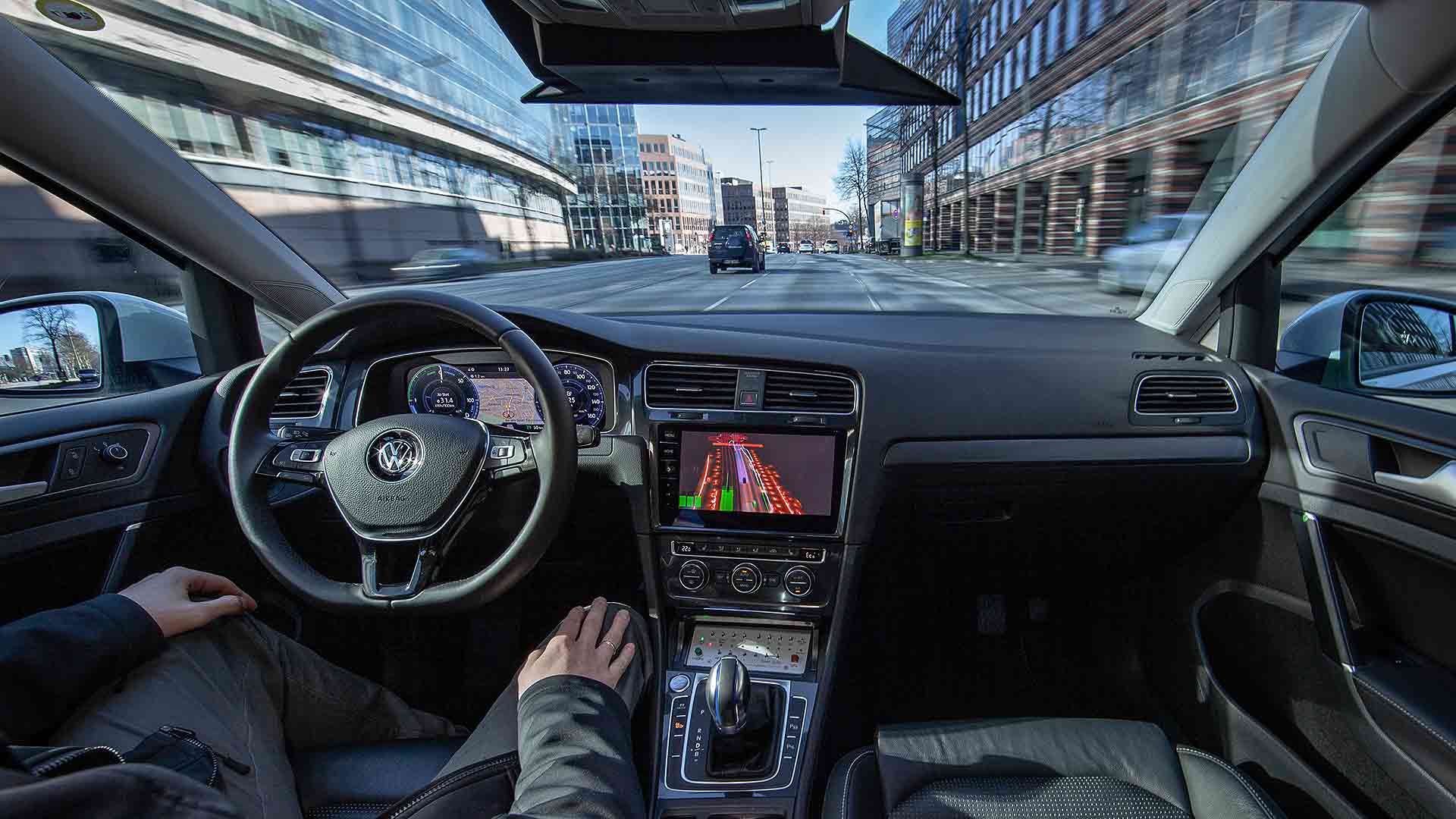
New data reveals that UK motorists have made major reductions to their average annual mileage.
The average distance driven is predicted to have declined by a third (33.9 percent) in the past 18 years.
While the impact of coronavirus plays a part in a drop this year, long-term patterns show a steady fall since 2002.
On a road to nowhere
ITS Telematics has analysed data from telematics devices – commonly known as black boxes – fitted to cars. These provide useful insights into the habits of UK drivers, and have shown a steady decrease in daily driving distances.
In 2002, UK motorists averaged 9,200 miles a year. This had fallen by 17.3 percent to 7,600 miles in 2018, with the effect of Covid-19 restrictions set to cause a further decline.
Based on the trends seen by ITS Telematics, average mileages for drivers in 2020 could be as low as 6,080.
The longer-term effects of Covid-19, such as move to home working for many, are yet to be seen. Swapping daily commutes for a short walk to the study or kitchen table will have a huge impact, however.
Different restrictions on travel
However, the reason for the sustained fall since 2002 could be linked to another modern trend. ITS Telematics has estimated that some 1.6 million motorists now drive cars on Private Contract Hire (PCH) agreements.
Contracts for these lease agreements come with restrictions on annual mileages. These are often combined with substantial penalties for exceeding the agreed distance.
Millions more drivers now use PCP (Personal Contract Purchase) finance to buy their cars. Such agreements also specify annual mileage limits, although penalties for exceeding these are typically less punitive than on lease agreements.
Choosing a lower annual mileage will frequently result in lower monthly payments with PCH and PCP deals.
It means motorists may be keeping their estimates low, then simply sticking to them.
The Fiat Tipo range has been facelifted with the addition of an SUV-style crossover model called the Tipo Cross headlining the refreshed range.
Raised suspension means the Tipo Cross sits almost 70mm higher off the ground than the regular Tipo.
It also gets chunkier bumpers with skid plates, side skirts and larger tyres. The Station Wagon estate also gains roof bars.
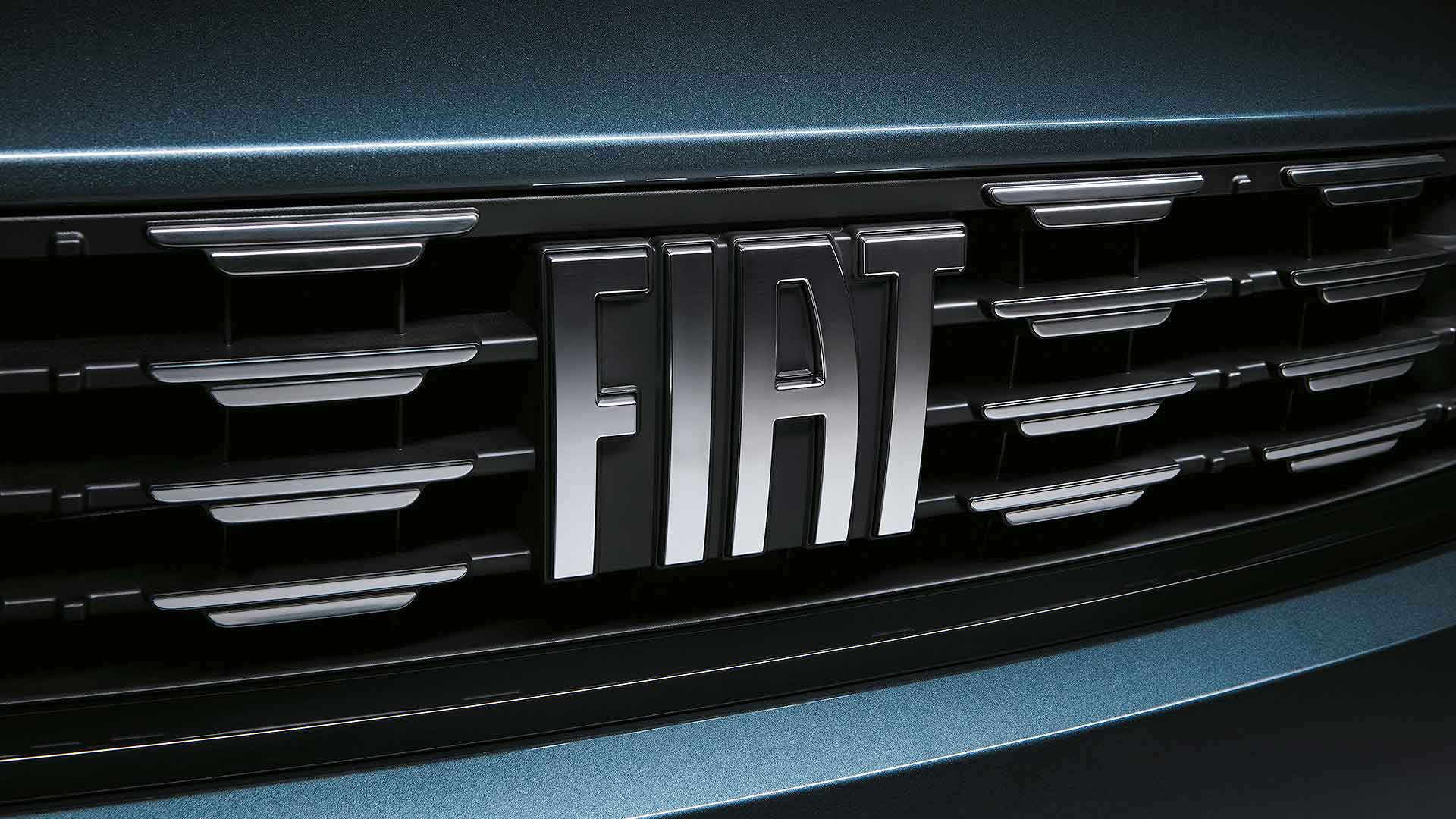
Fiat has updated the rest of the Tipo line too, with the most distinctive feature being the large ‘FIAT’ script in the front grille.
This explained Fiat brand president Olivier Francois to Motoring Research, is part of a strategy to strengthen the Fiat brand. In the future, all core Fiat models will carry the new script.
The new Fiat 500 range will be the exception, as it is a ‘brand within a brand’. This instead will instead carry the ‘500’ logo boldly in the grille, with the large FIAT wordmark at the rear.
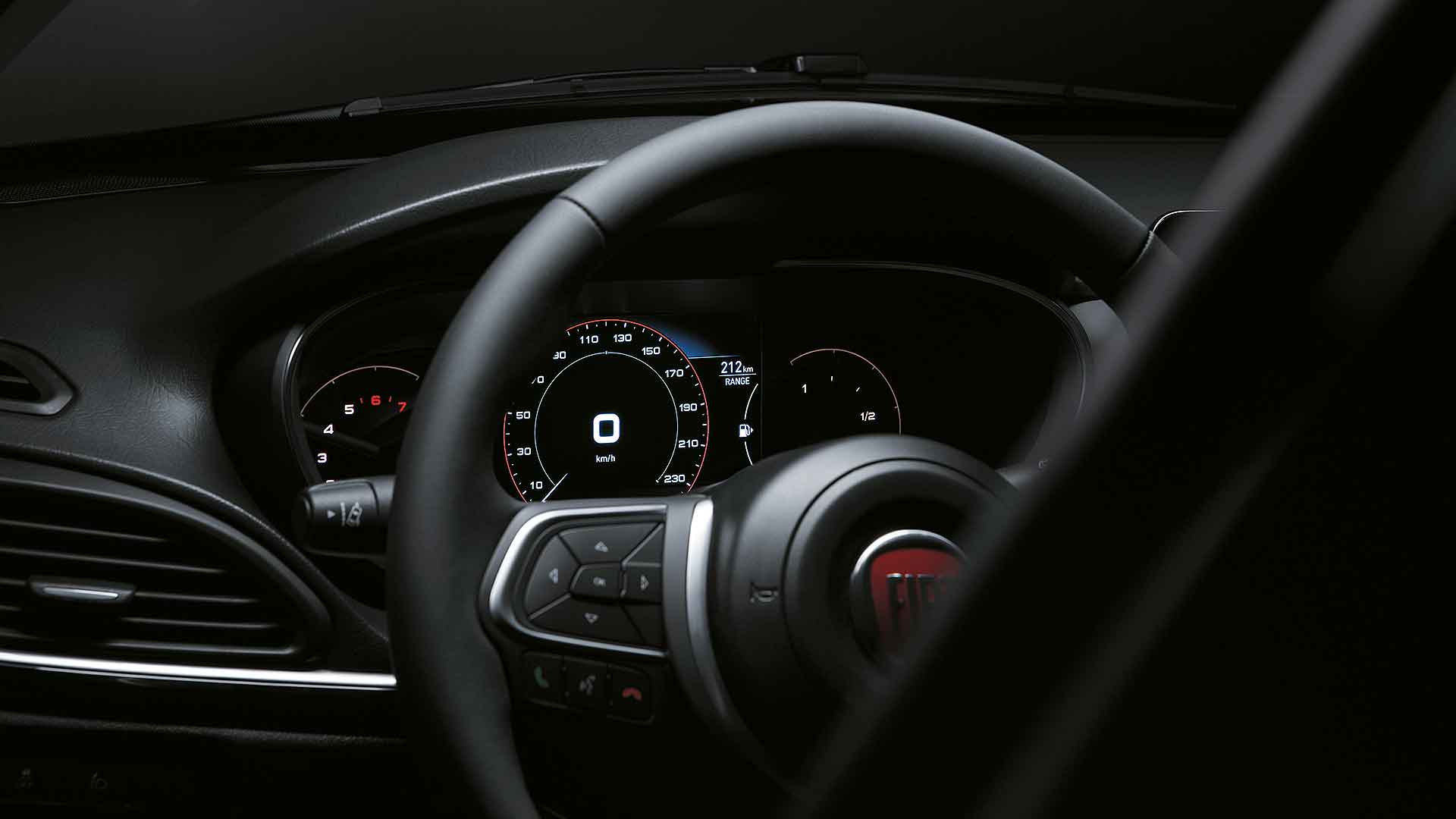
Fiat’s given the Tipo new bumpers, fresh headlights with full LED technology and, inside, a TFT digital cluster instead of analogue instruments.
Even the steering wheel has been redesigned, so it’s easier to see the instruments behind it.
Fiat says the engines have been updated too, and will release further technical information in November 2020.
The Fiat Tipo is a budget rival to family hatchbacks such as the Ford Focus and Volkswagen Golf. Prices currently start from just over £16,000; the cheapest Volkswagen Golf is £23,300.
The Polar Instant App didn’t live up to its name. At least, not the ‘Instant’ part…
Comments received from electric car drivers over the past year have included ‘Your pay-as-you-go app is sluggish’ and ‘I’ve been fighting for 20 mins with your buggy app’.
One user summed it up by saying simply ‘Your app is pretty terrible’.
Shiny ‘appy people
In response, the Polar app will be closed down from 1 December 2020. In its place comes a new BP Chargemaster app, available to download for both Apple and Android devices.
BP promises a ‘more intuitive interface, faster load times, fewer clicks and great new features’. The latter include being able to filter by EV connector type, speed and cost when searching for a charger.
You can also favourite your most-used charge points, making them easy to find within the app.
Polar: no need to bear it
If you’ve already signed up to Polar Plus or Polar Instant for charging, simply download the app and use your Polar email address to pull your details across automatically.
You’ll need to validate your email and set a new password, but then you should be good to go.
BP Chargemaster runs more than 7,000 EV charging points on the Polar network and is currently installing a network of powerful 150kW chargers.
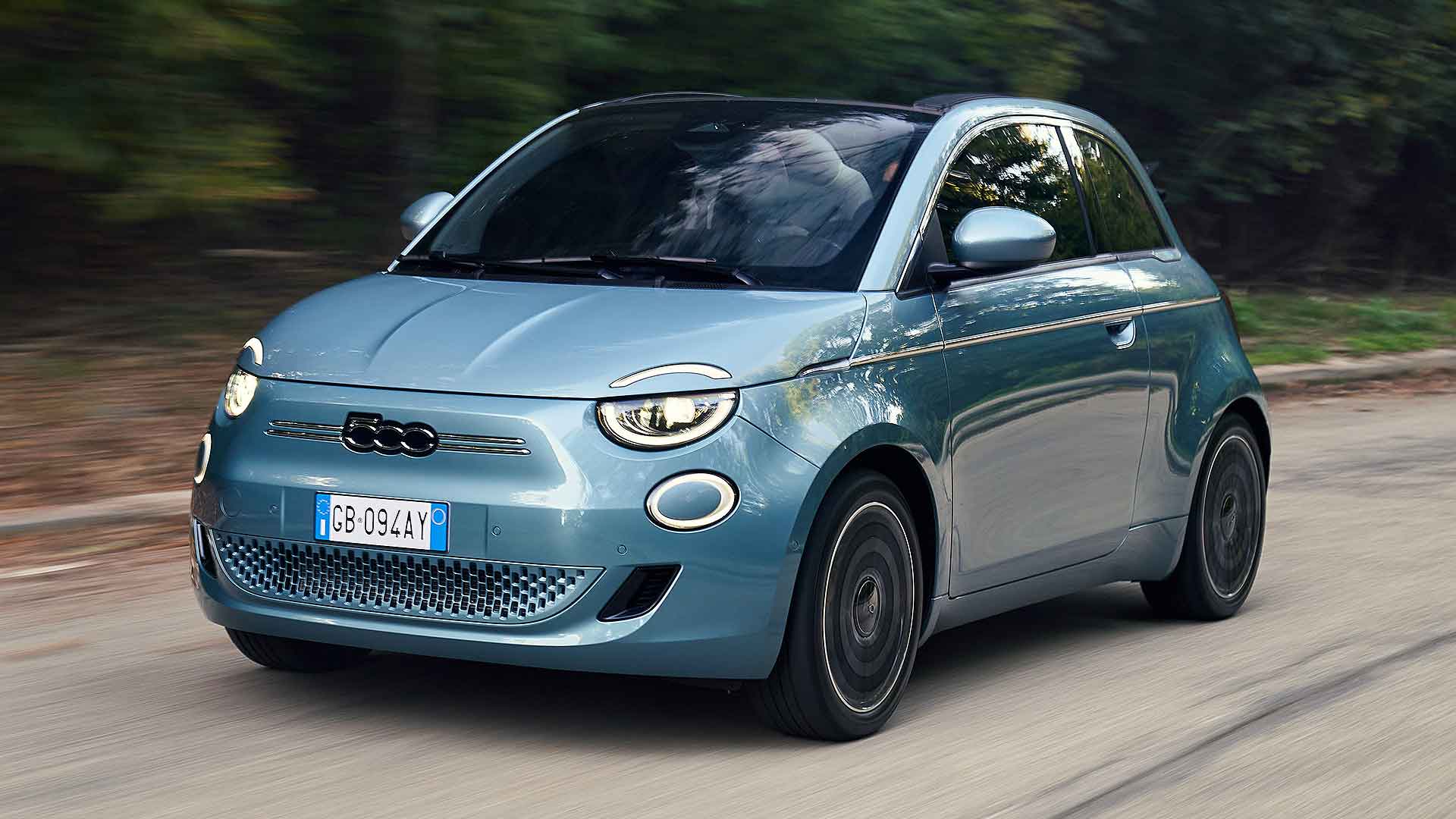
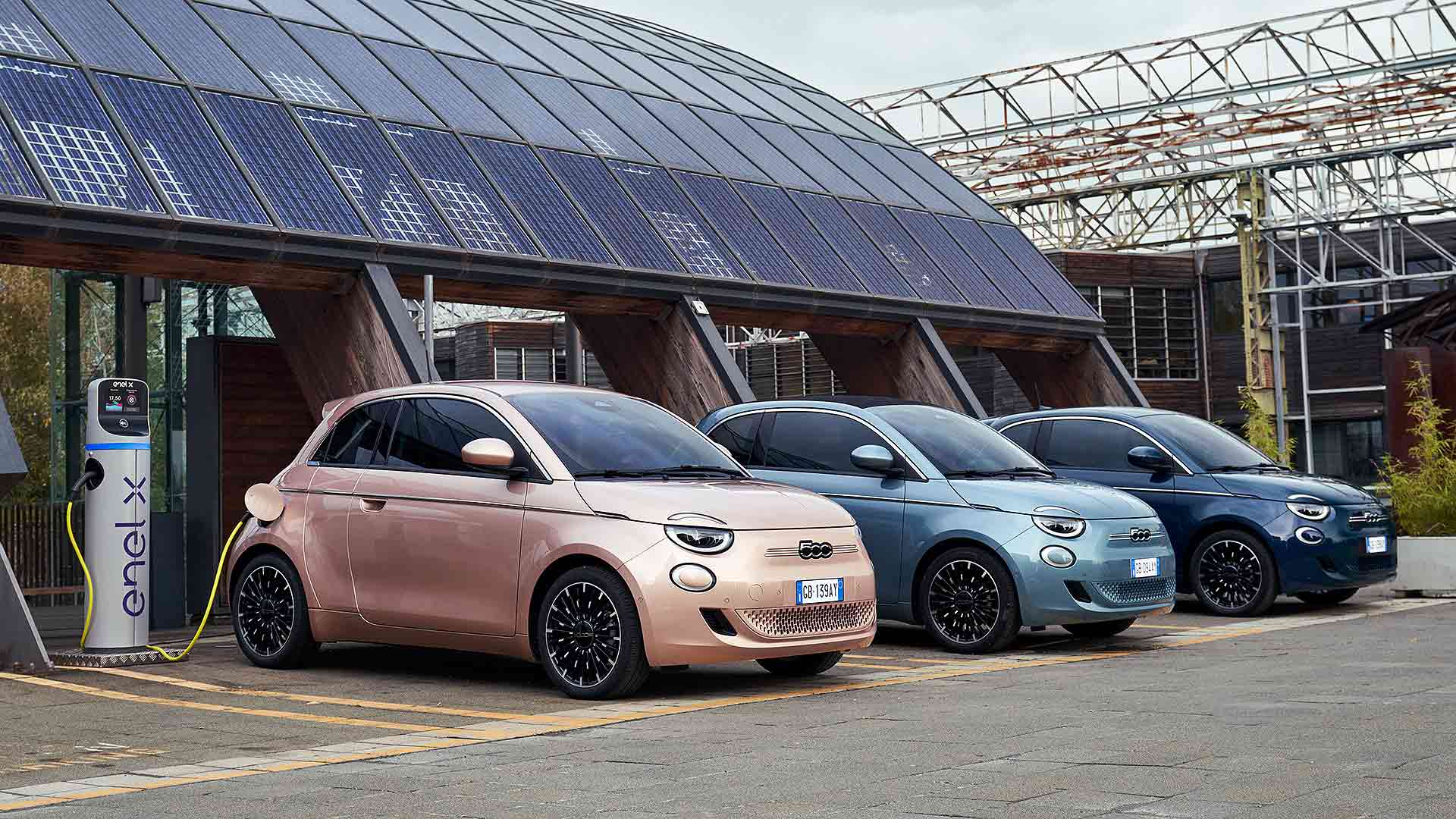
The new Fiat 500 has become fully-electric for 2021 and pricing will start from £19,995 once the Plug-in Car Grant is taken off.
Fiat will open ordering for the new 500 EV in December and is expecting first UK deliveries to begin in March 2021.
Both hatchback and open-roof cabrio bodystyles will be available, and Fiat is offering two different battery sizes for the new electric 500.
The car will be sold in three trim levels: Action, Passion and Icon.
Fiat is also weighing up the potential to introduce a unique ‘3+1’ version, with an extra mini door on one side to help rear passengers get in and out.
What is the range of the new electric Fiat 500?
Fiat offers two battery sizes with the new Tesla-inspired 500 EV. The basic battery is fitted to the cheapest £19,995 Action, and has a capacity of 23.8kWh.
This gives the entry-level electric Fiat 500 a range of 115 miles on the official WLTP test cycle.
Fiat calculates those who drive only in the city could get a range of more than 150 miles.
Passion and Icon models are fitted with a much larger 42kWh battery. This gives a range of up to 199 miles on the official WLTP test cycle.
Again, if drivers stick to lower-intensity city centre use, the range extends further – up to 285 miles, calculates Fiat.
How do you charge the new electric Fiat 500?
All electric Fiat 500 have a charging socket on the right rear panel.
Even the entry-level Action has a 50kW fast charging system as standard. Fiat says this delivers 30 miles of range in less than 10 minutes.
The mid-range 500 Passion and top-spec Icon have increased 85kW DC fast charging capability. Recharging the battery to 80 percent range takes 35 minutes; adding 30 miles of charge takes five minutes.
2021 Electric Fiat 500 features
The all-electric Fiat 500 is based on an entirely new platform, says Fiat. The battery is mounted in a bespoke cradle underneath the car so boot space shouldn’t be compromised.
Standard driver assist features include attention assist, lane control, traffic sign recognition and the all-important Autonomous Emergency Braking.
Fiat says the new electric 500 is the first car in its sector to be equipped with level 2 autonomy.
New Fiat 500 specs
Action – prices from £19,995
95hp electric motor
23.8kwh battery
0-62mph in 9.5 seconds
15-inch wheels
‘Smart audio’ smartphone cradle with Bluetooth connection linking to the speakers (use with a specific Fiat 500 app)
Two road safety organisations have said there are “no relevant arguments at all” for the “pointless practice” of turning the clocks back an hour in late October.
It is estimated there are 80 deaths and more than 200 serious injuries a year attributed to the October time change.
Three times as many children are injured on the way home from school than on the way to school – and more evening light would cut casualties.
GEM chief executive Neil Worth is now calling on the government to adopt a year-round Single/Double Summer Time, or SDST.
Mr Worth points to an earlier trial that ran in the late 1960s and early 1970s as evidence of how it would help road safety.
“An experiment to use year-round British Summer Time for three years from 1968 led to an 11 percent reduction in road casualties in England and Wales, as well as a 17 percent drop in Scotland.”
Experts even suggest there could be a 3 percent reduction in crime from abandoning the twice-yearly clock change.
Road safety charity IAM Roadsmart adds that £160 million could be saved for the economy too.
“The UK should at least set up a two-year trial to prove the benefits once and for all,” said the charity’s policy and research director Neil Greig.
“Stopping the change of clocks would be easy to implement and, without question, would save lives – there are no good road safety reasons why this isn’t happening.”
Remove all steam, mist, dirt and ice from lights, windows and mirrors
In fog or rain, used dipped headlights
Be ready for the effects of glare from low winter sun, especially in the late afternoon, where glare can leave you with no forward vision at all
Don’t delay switching on your lights. Even if you think it’s still light enough, you may be less visible to other road users – especially if you drive a dark-coloured vehicle
Check your children are wearing something that will help them be seen easily. Fluorescent, bright clothing works best, but reflective material is needed when it’s dark
Government plans to introduce automated driving on UK motorways in spring 2021 should be revised as lives could be put at risk.
Thatcham Research and the Association of British Insurers say current Automated Lane Keeping System technology has significant performance limitations.
The tech meets only two of Thatcham Research’s 12 key principles to guarantee safety. It is simply not safe enough to be classified as ‘Automated Driving’.
The plans, which would legally allow a driver to take their hands off the wheel and eyes off the road, should be delayed and further work should be done with the automotive industry before the technology is introduced onto UK roads.
“The government’s plan threatens safety,” said Thatcham Research director of research Matthew Avery.
“Motorists could feasibly watch television in their car from early next year because they believe their Automated Lane Keeping System can be completely trusted to do the job of a human driver.
Problem areas for the technology include debris in the carriageway, pedestrians on carriageways and red ‘X’ smart motorway lane closures.
Mr Avery is urging the government to instead classify the technology as ‘Assisted Driving’ which requires the driver to be fully engaged and ready to take over.
Today’s Assisted Driving sensors can only read up to 120 metres ahead. At motorway speeds, that gives a driver only four seconds to take back control in response to an incident.
Safety studies suggest drivers need more than 15 seconds (or 0.3 miles at motorway speeds) to re-engage and react to a hazard – way beyond the abilities of today’s technology.
The government plans are currently in consultation, which closes on 27 October 2020. Thatcham Research and the ABI will be making a joint submission to voice their concerns.
What3words navigation is to be added into 150 million cars around the world, including Ford, Volkswagen, BMW, Land Rover, Hyundai, Kia and more, in a new deal with the Here sat nav consortium.
The feature, which allows destinations to be set simply by entering three unique words, makes using in-car sat nav significantly easier.
Here is embedded into 4 in 5 new cars sold and the deal with What3words will significantly accelerate the roll-out of the function.
In cars fitted with voice assistants, What3words will allow motorists to set a sat nav destination simply by speaking three unique words.
What3words works by dividing the world into a precise grid of three-metre squares. Each has a unique combination of three unique words – a What3words address.
Here’s HQ, for example, is ///memory.traps.lease.
“Using a traditional address in a vehicle can be a bad experience,” said What3words CEO Chris Sheldrick.
“They are clunky and lengthy to type, and even a voice assistant will often mishear you.
“Once the address is accepted, it won’t take you to a precise location, such as the specific entrance you need: it’ll route you to where the pin drops – which is often the centre of the building.”
Here SVP Jorgen Behrens said the new functionality will “allow drivers to navigate easily in dense, urban environments with non-standard addressing schemes, or seamlessly get to any location – be it a local pub, or a trailhead”.
Here says adding the new What3words functionality is easy for car makers and sat nav suppliers.
Mr Sheldrick expect the function to now quickly start coming to both new cars and those already on the roads.
Growing demand for used cars has helped push up the UK inflation rate to 0.5 percent in September, up from 0.2 percent in August.
The Office of National Statistics says rising transport costs made the largest upwards contribution of 0.23 percentage points.
A rise in restaurant and café prices following the end of the Eat Out to Help Out scheme also contributed to the rise in the Consumer Prices Index.
Transport costs grew for the first time since March 2020, which the ONS says is a result of a larger contribution from the purchase of secondhand cars.
“Prices have potentially been boosted by increased demand as people reportedly look to reduce their reliance on public transport.”
Auto Trader has reported used car prices have risen consistently since the ending of lockdown restrictions.
Richard Walker, Auto Trader data and Insight director, explained: “Used car prices have been fuelled largely by the imbalance of supply and demand dynamics in the market.
“This demand is set to continue, driven, in part, by the growing aversion to public transport, which our research shows has increased to its highest point since we began tracking it at the beginning of the summer.
“So, whilst the rate of growth will likely begin to ease in line with typical seasonal trends, we don’t foresee any imminent factors which will significantly affect car prices during the remaining months of the year.”
Car retailer trade body the NFDA said an increase in disposable income for a number of consumers could also be helping drive robust used car demand.
Average petrol prices did rise slightly in September 2020, to 113.3p a litre, but this was still well below the 127.3p a litre recorded in September 2019.
Diesel stands at 118.2p compared to 131.8p in 2019.
Motorists are being warned to be vigilant against scammers and fraudsters during tightening lockdown measures.
The combination of economic uncertainty and fears of a second wave of the coronavirus pandemic means motorists are vulnerable to fraudulent activity. This comes as the Welsh Government announces a ‘circuit breaker lockdown’, which came into force at 6pm on Friday 23 October.
Earlier this year, the Driver and Vehicle Licensing Agency (DVLA) reminded motorists that the only official place to find its services is on GOV.UK. It warned of fake SORN websites using scam tactics to charge motorists for a service that is free.
As Ben Fletcher, director at the Insurance Fraud Bureau (IFB), explains, motorists are the group most likely to be targeted by fraudsters. He said: “Motor fraud is the most common type of insurance scam and the disruption of Covid-19 is sadly providing even more opportunities for fraudsters to target the public.
“We must do more which is why we’ve launched an industry-backed ad campaign called Stop the Scams to help the public spot signs of insurance fraud. If anyone has any information about a known or potential insurance scam they can report it to the IFB’s Cheatline – their information could help to launch an investigation.”
GoCompare has shared information on the most common scams to help motorists avoid falling victim to fraudsters.
Online sales and purchase scams
Fake listings are copied from legitimate adverts to attract buyers. Coronavirus restrictions are used as a reason for not viewing the car in person, with the fraudster offering to deliver the car on receipt of cleared funds. Needless to say, the car doesn’t materialise and the victim is left with nothing.
In another scam, used car sellers are targeted by fraudsters claiming they have an immediate buyer for the car. They ask for an upfront payment, which is refundable if the car doesn’t sell. The refund is never paid.
Insurance broker fraud
Motorists are lured into taking out forged or invalid insurance policies by the promise of cheap premiums. Victims are unaware they are not insured until they submit a claim or are stopped by the police for driving without insurance.
So-called ‘crash for cash’ schemes are collisions staged to file fraudulent insurance claims. There are three types of crash for cash scams: staged collisions, ghost collisions and induced collisions. In all cases, the aim is to make as much money as possible from exaggerated claims.
Fleur Lewis, head of fraud at GoCompare, said: “Covid-19 has changed the way we live and an increasing number of people are managing everyday activities, including shopping for goods and services, online – many for the first time. Criminals are exploiting the situation. Since lockdown was first introduced, there have been big increases in reports of cybercrime and other fraudulent activities.
“The new tightened lockdown rules introduced in a bid to prevent a second wave of the pandemic coupled with continued economic uncertainty, create perfect conditions for fraudulent activity. So, we’re urging people to be extra vigilant.
“Scams are becoming increasingly sophisticated and using the internet, criminals often conduct frauds by pretending to be a brand or an organisation you trust, which can make them difficult to spot. The good news is that from making sure the security on online devices are up to date to being able to recognise common tactics employed by fraudsters – there are steps you can take to help avoid falling victim to fraud.”
How to avoid falling victim to fraud
If a deal looks too good to be true, it probably is. Don’t be fooled by a car with a very low asking price or offers of cheap insurance on social media.
Don’t be pressured into accepting a time-limited offer.
Don’t respond to emails or texts asking for your personal details or banking information.
Think twice before sharing information on social media.
Update your devices and apps to the latest software to ensure you have the latest security updates.
Avoid clicking on links in emails.
Always ensure you use a secure website. Look for addresses beginning ‘https’ and not ’http’. Also look for the small padlock symbol. Click away if your browser displays a security alert.
If you suspect that you have been contacted by, or have fallen victim to a fraud, report it Action Fraud.
At the heart of the changes is the idea of a new road hierarchy. This would give vulnerable users like pedestrians, cyclists, and horse riders priority over motorists.
Research carried out by insurance company Admiral found that less than one-third (30 percent) of drivers agreed with the hierachy suggestion. Instead, those asked believed that all road users should remain equally ranked in the eyes of the Highway Code.
Somewhat unsuprisingly, close to two-thirds (60 percent) of cyclists believed that they, along with pedestrians and horse riders, should always be given an automatic right of way over motorists.
The survey also revealed that 60 percent of car drivers did not believe cyclists should be given priority at junctions. In addition, 1 in 4 motorists believe they deserve priority at junctions if they get there first.
Although not included in the DfT consultation, Admiral also asked questions about whether cyclists should be insured.
Three-quarters (75 percent) of all road users answered that third party insurance should be mandatory for cyclists. Car drivers (79 percent) favoured this idea marginally more than cyclists (60 percent) in the survey.
The study also unearthed worrying gaps in knowledge of the Highway Code. One in five cyclists believed riding on the pavement was legal, whilst 16 percent were unaware of the need to have lights fitted to a bike to ride at night.
Members of the public have until midnight on 27th October 2020 to share their own views on the DfT consultation.