Home Blog Page 504

The 10 most popular British-built cars in 2017

0

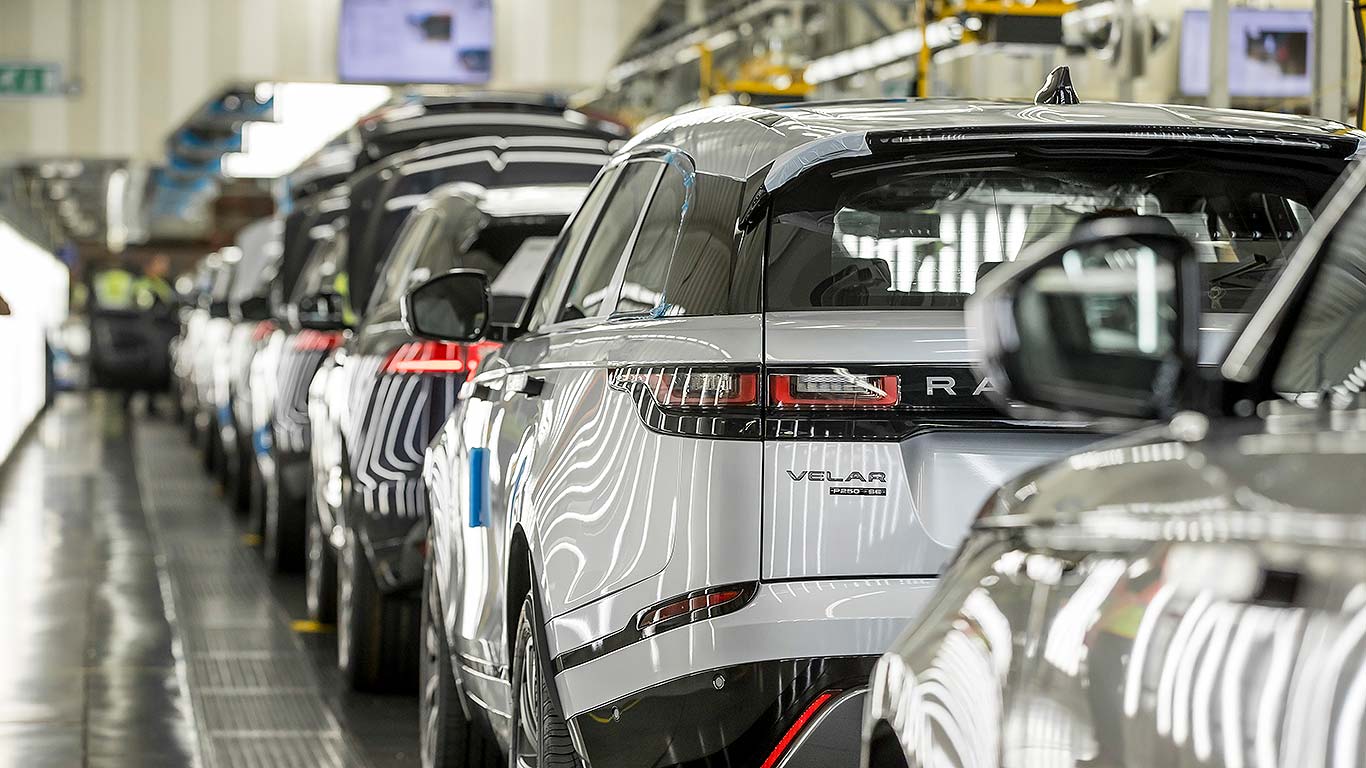
Jaguar Land Rover SolihullFirst, the bad news. Fewer cars were built in Britain during 2017, the first decline in UK car manufacturing for eight years, new figures from the Society of Motor Manufacturers and Traders (SMMT) reveal . A total of 1,671,166 cars were made here last year, 3 percent down on 2016 – but in more positive news, this is still the second-highest total in 17 years.

It’s British car buyers who are to blame for the decline. Last year, we bought almost 10 percent UK-made cars, and worryingly, the decline accelerated to almost 25 percent in December 2017. Exports were also down, but by a lesser 1.1 percent – although these too fell over 9 percent in December.

8 in 10 British-built cars are exported: in 2017, that equalled 1.3 million new cars. So which cars did Britain build most of in 2017? Here’s the countdown of the 10 most popular…

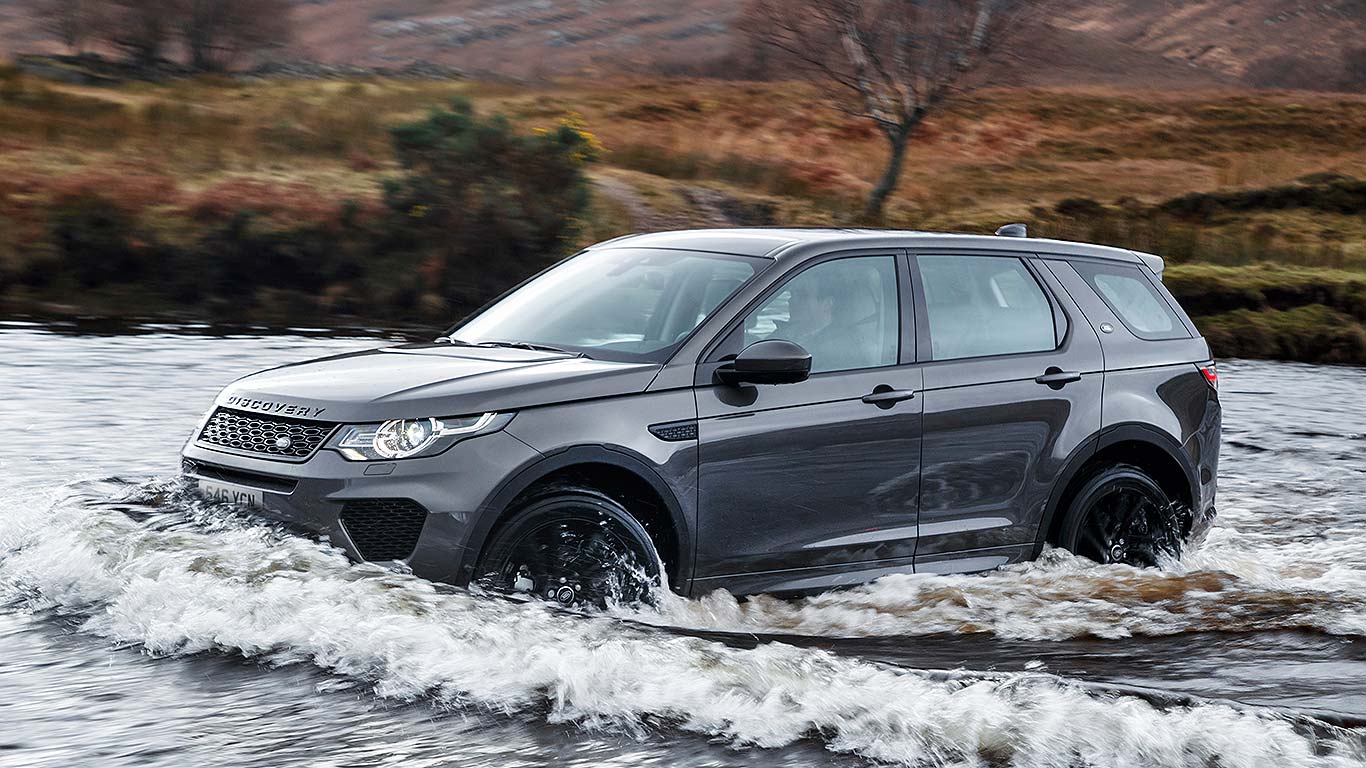
10: Land Rover Discovery Sport
Land Rover Discovery Sport

Built at Halewood in Liverpool, Land Rover’s seven-seat SUV is doing solid business, although is still not as popular as its ageing premium Range Rover sibling, up next…

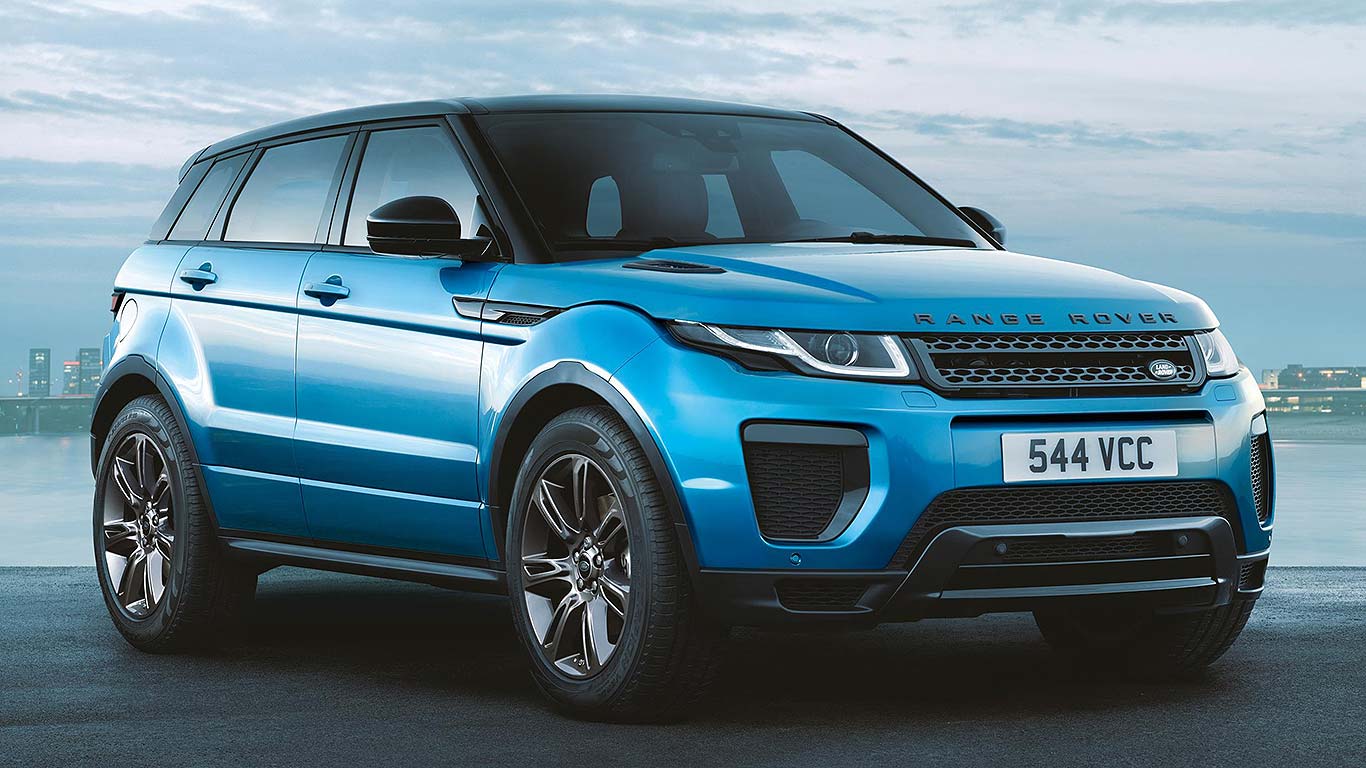
9: Range Rover Evoque
Range Rover Evoque

But how long can the Range Rover Evoque continue to defy the odds? Since its introduction in 2011, Halewood has operated 24/7, but Land Rover recently announced this is drawing to a close, as sales start to slow ahead of its replacement.

A new Range Rover Evoque is expected to be seen later in 2018, and hopefully the flat-out operation of the giant JLR plant near Liverpool will recommence…

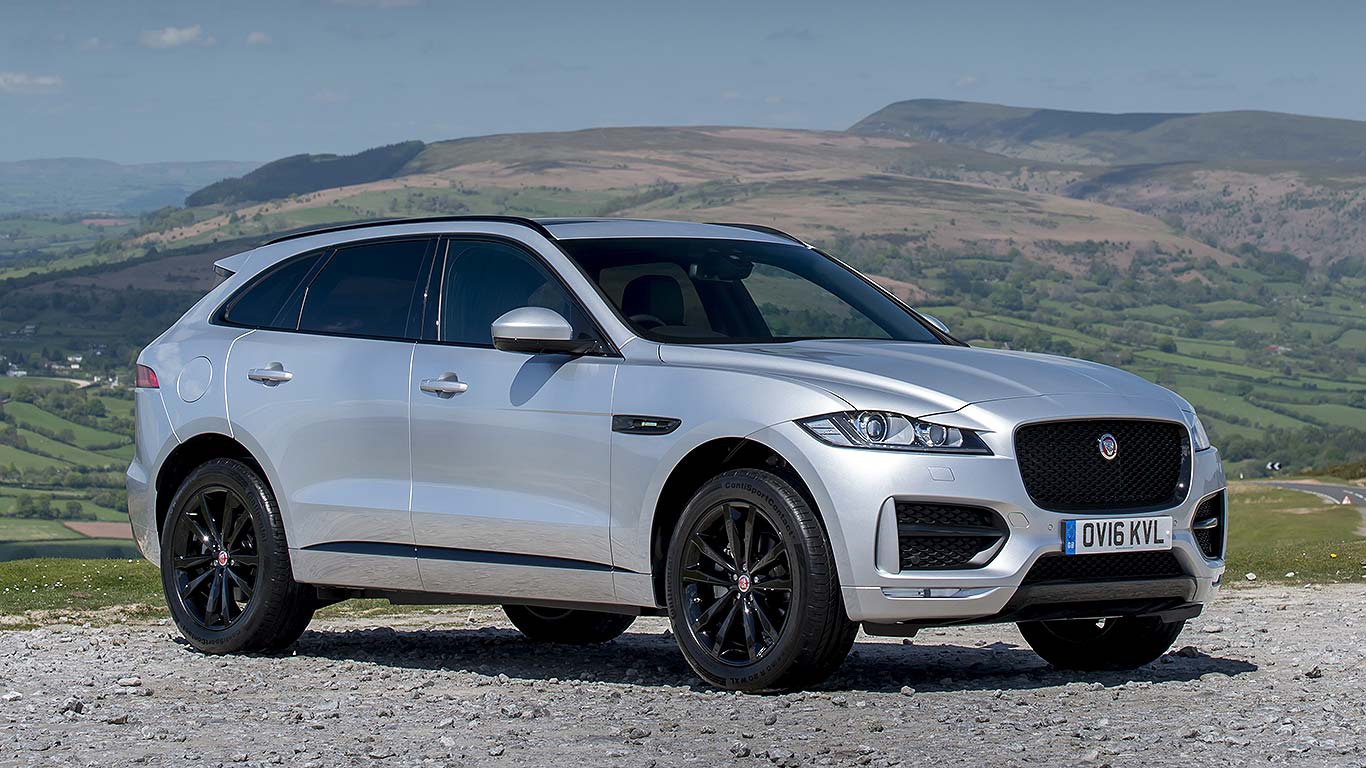
8: Jaguar F-Pace
Jaguar F-Pace

Jumping into eighth place is a Jaguar! The firm’s incredibly popular F-Pace is becoming the most successful, most significant Jag ever, and has at last put the brand on the map. It’s built in Solihull and this facility too is operating around the clock to meet demand.

It’s the reigning 2017 World Car of the Year, which boosted its success in 2017, and demand still shows little sign of tailing off in 2018.

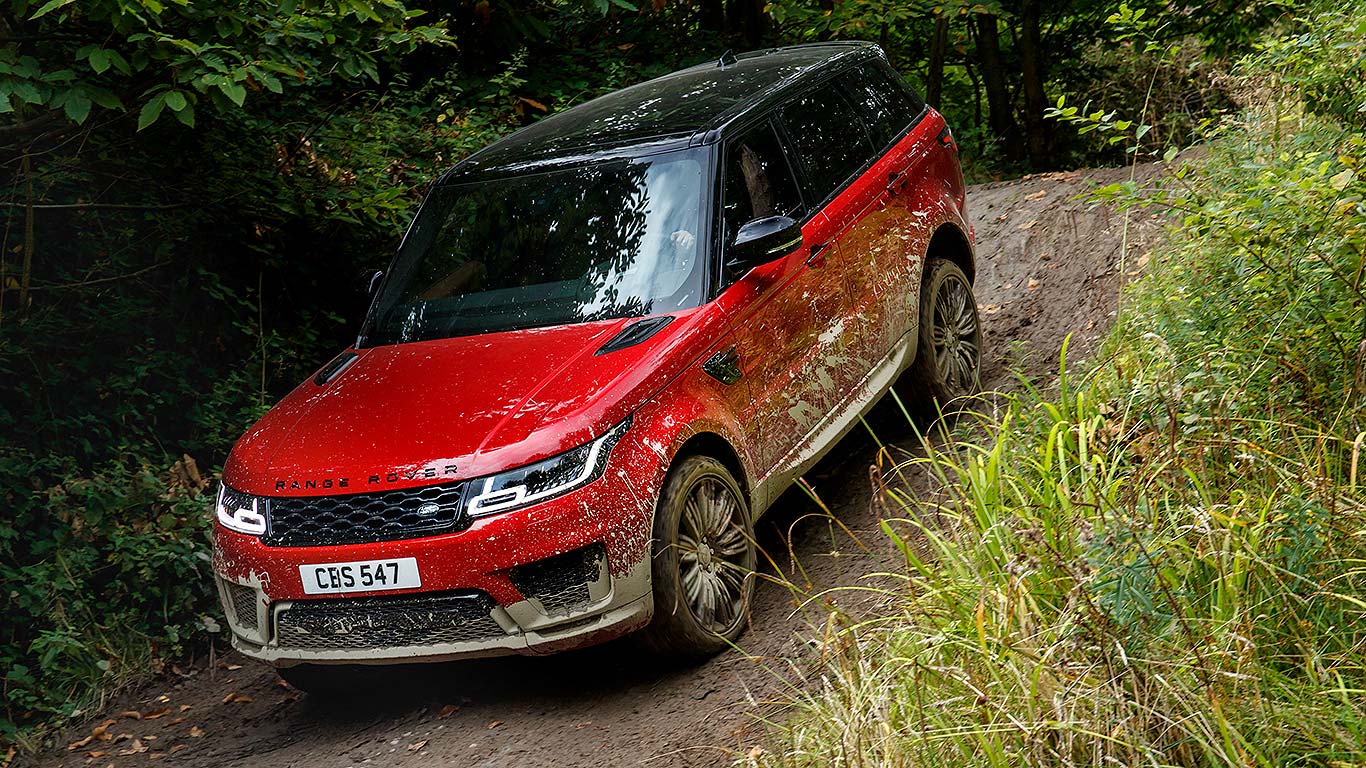
7: Range Rover Sport
Range Rover Sport

Said to be Jaguar Land Rover’s single most profitable model, the Range Rover Sport thrived for another year in 2017. It was facelifted later in the year and a plug-in hybrid is now available, further boosting the aluminium-built model’s green credentials.

6: Nissan Juke
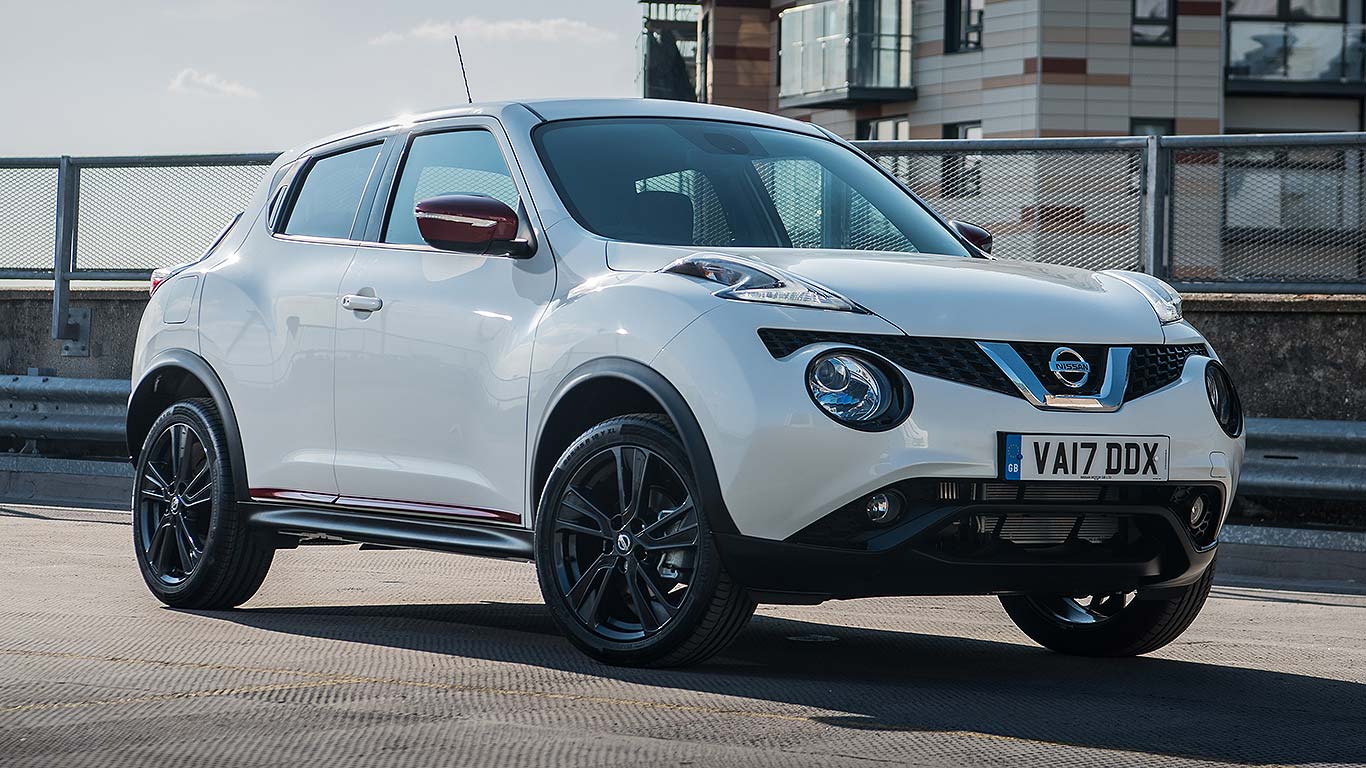
Nissan Juke

Nissan builds the Juke at its massive Sunderland plant, but the supermini-sized crossover is ageing badly, and demand is tailing off. We expect to see a new Juke in 2018 which again should restore the car’s fortunes – provided Nissan again gets the design right, that is.

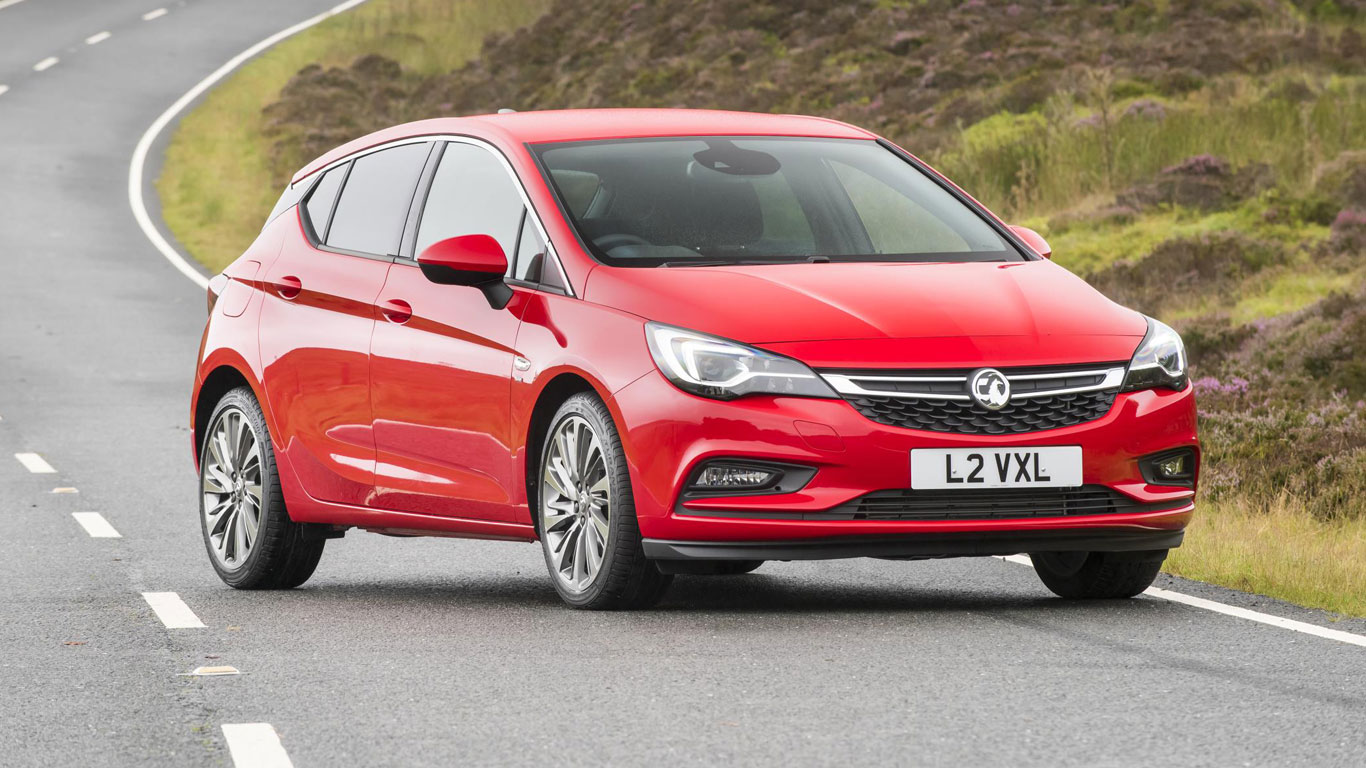
5: Vauxhall Astra
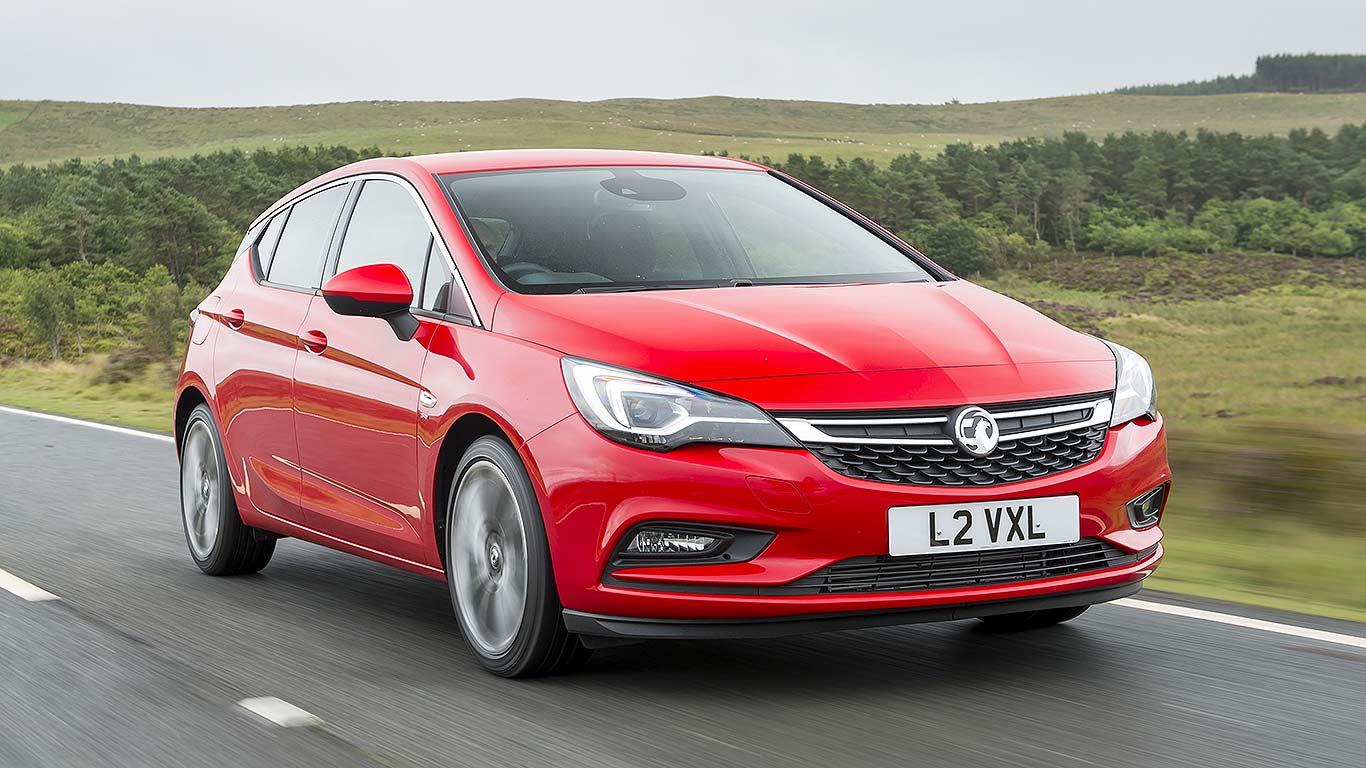
Vauxhall Astra

There’s much concern over Vauxhall’s Astra production plant in Ellesmere Port. A second round of redundancies has been announced as the facility ramps up efforts to prove its sustainability. The latest Astra is a good car, but the malaise of the brand is having a big effect on sales.

The future of this car plant is one to watch carefully – it’s probably the most under-threat automotive factory in Britain right now…

4: Toyota Auris
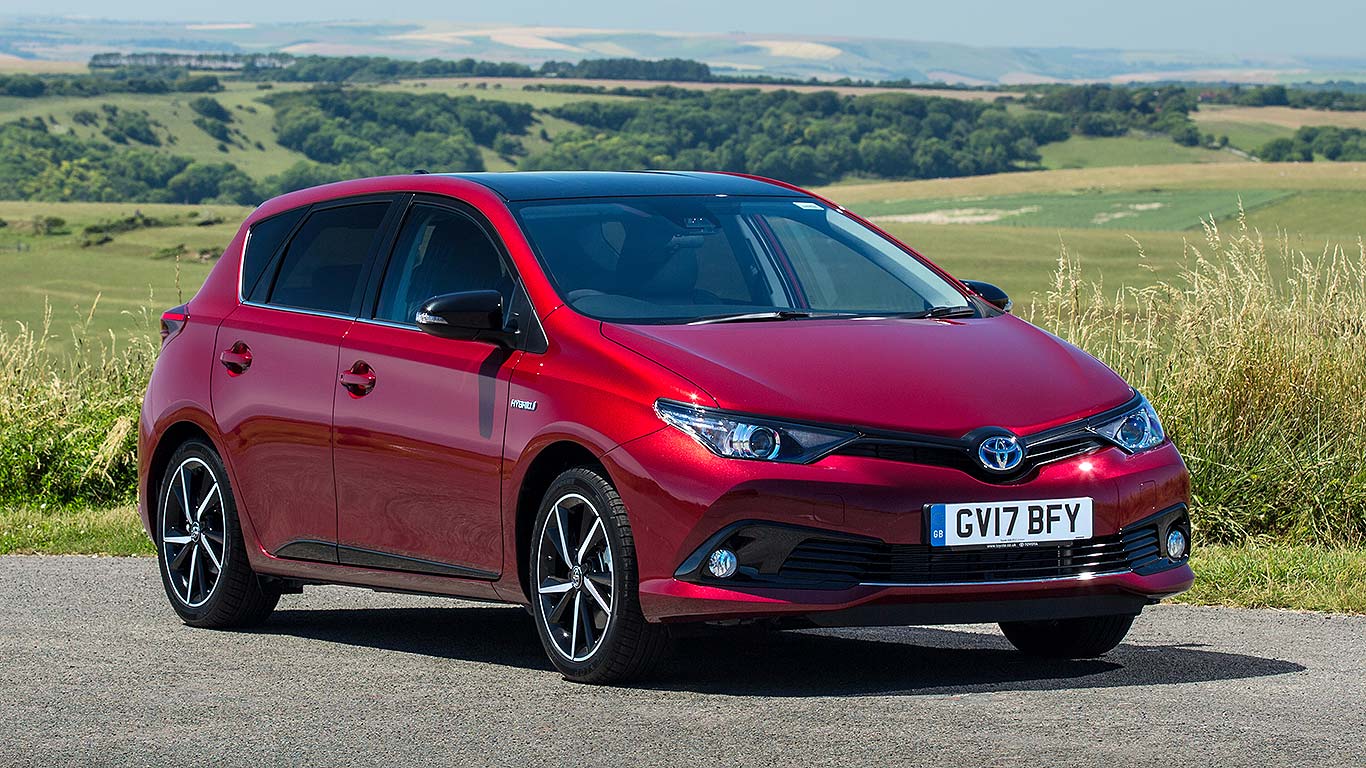
Toyota Auris

The ageing Auris is nearing replacement. Toyota has already announced its Burnaston, Derbyshire factory will make the new one, which is good news. This means there won’t be too much concern about dropping behind a Japanese arch-rival in the UK car production stakes…

3: Honda Civic
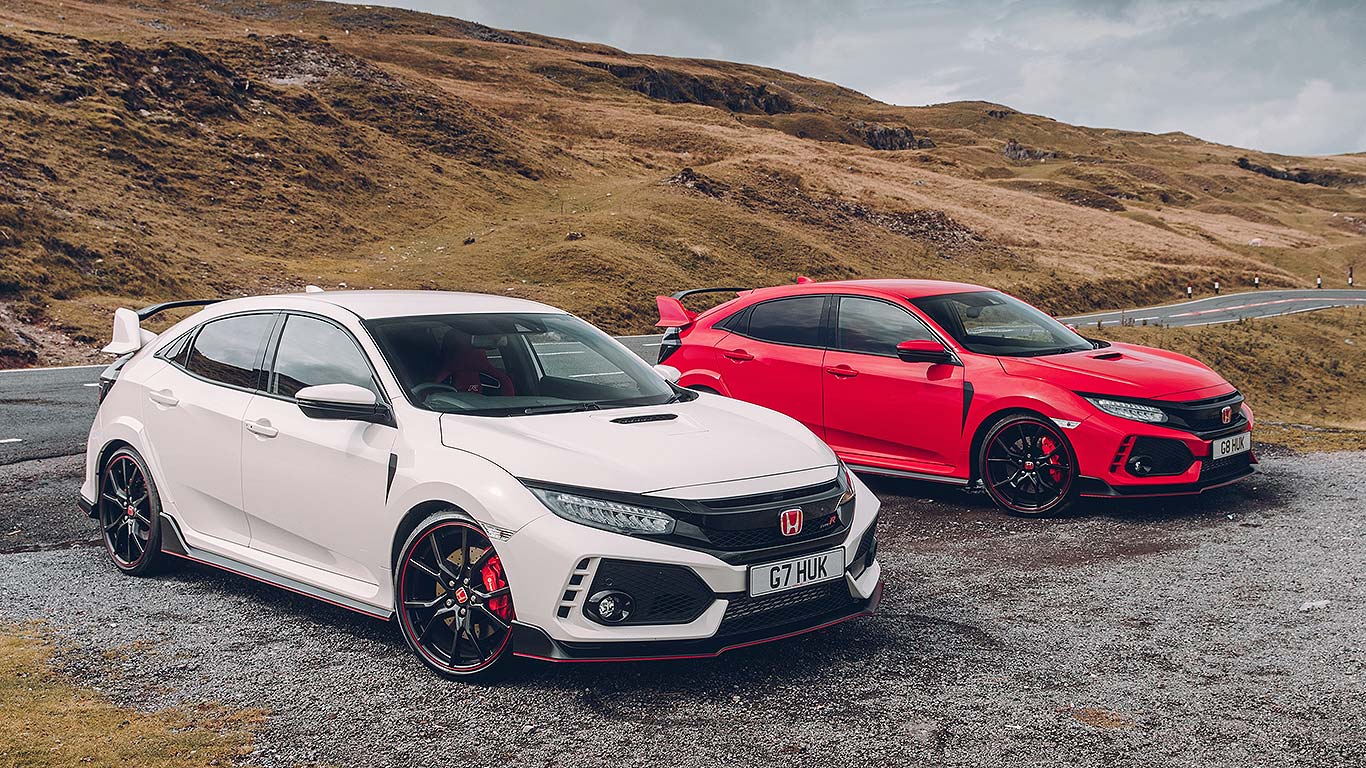
Honda Civic

The latest Honda Civic is proving to be a huge success, which is great news for the plant in Swindon. Half of all production is exported to the United States, such is North American demand for the new Civic, and the factory is back to operating at near-capacity.

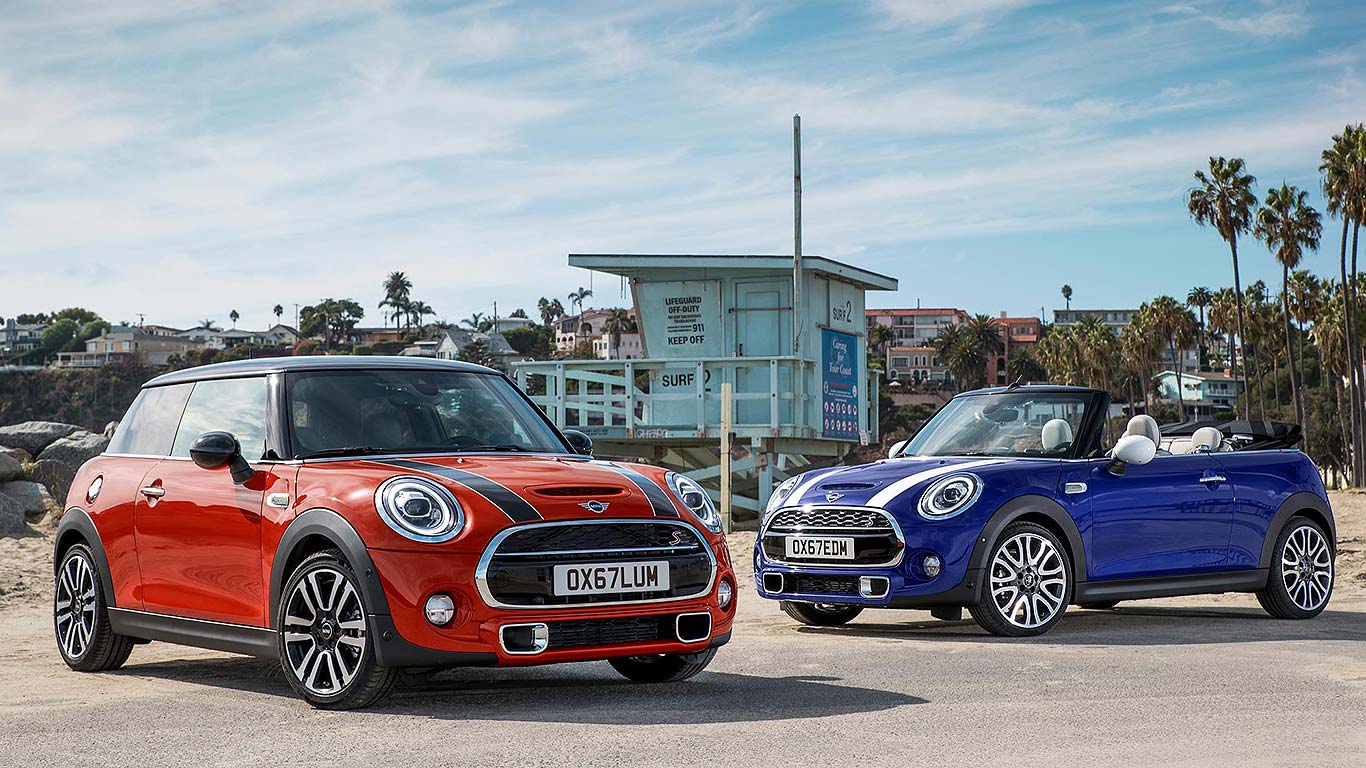
2: Mini
Mini

Mini enjoyed a solid year in 2017. Production was up slightly, and a new electric model was confirmed for the Plant Oxford factory, bringing sustainable models to its future roster.

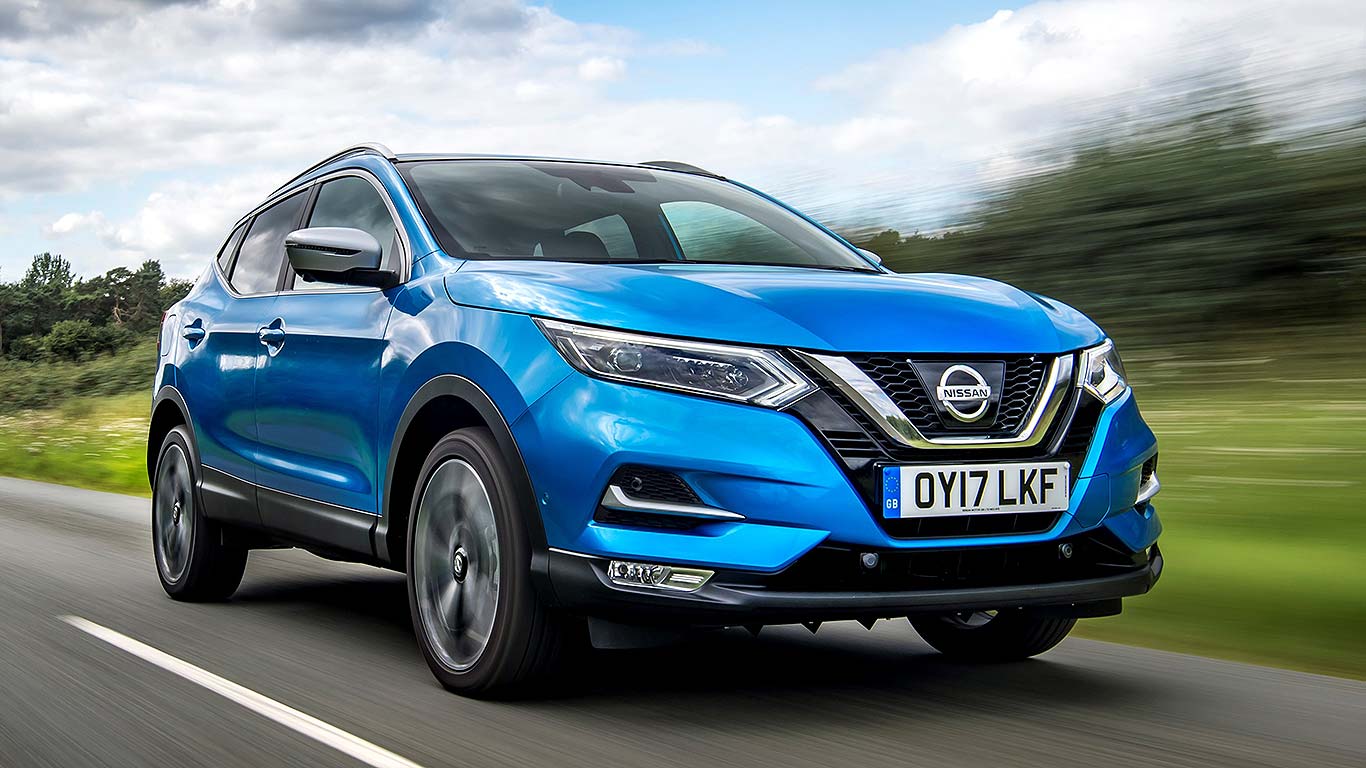
1: Nissan Qashqai
Nissan Qashqai

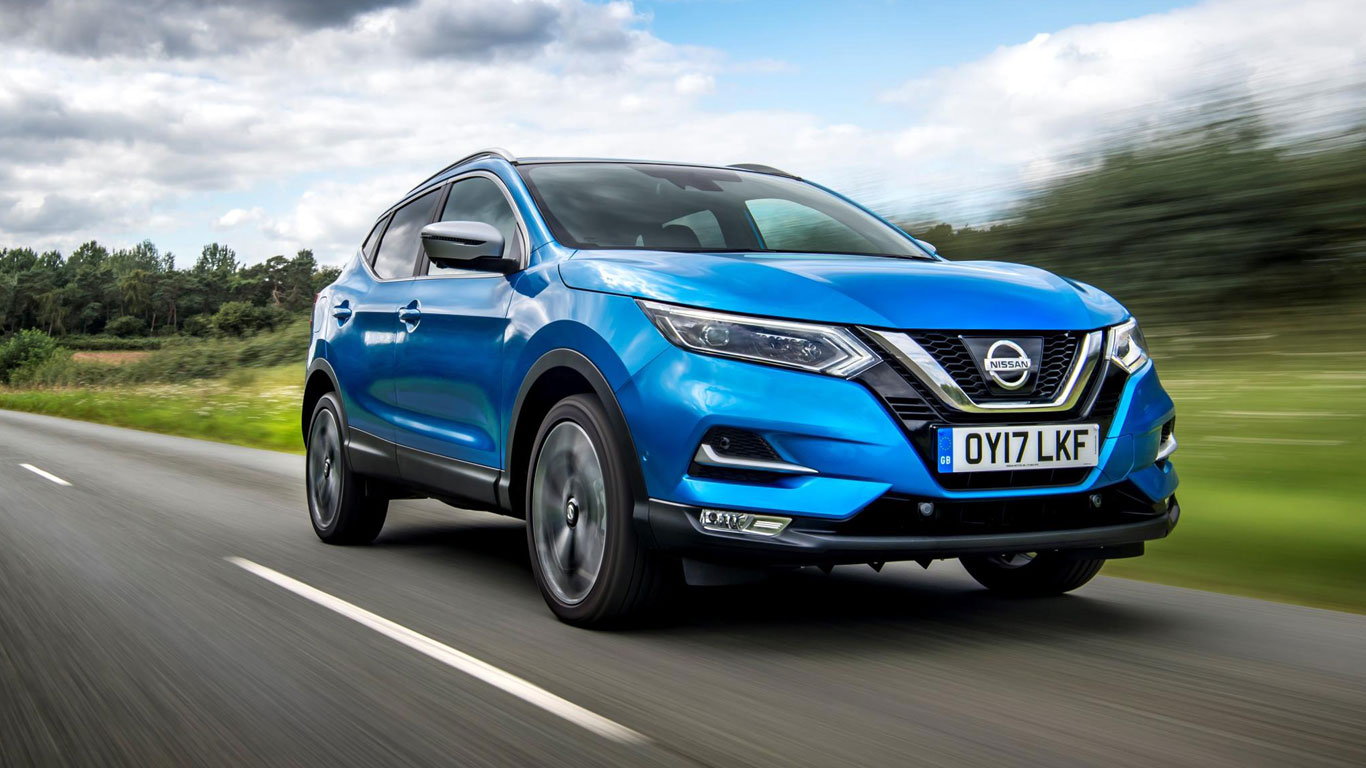
The Nissan Qashqai continued its reign as the car Britain builds in greater numbers than any other. A facelifted model was seamlessly launched in 2017 which, like all other Qashqais, was designed at the firm’s Paddington studio and engineered at its base in Cranfield, Bedfordshire.

That the Qashqai continues to be one of the best-selling cars for British buyers means it’s a success story both here and abroad. Long may it continue…

2017’s biggest car makers in Britain

So that’s the top 10 cars – how did that leave the brand rankings? Well, fittingly, Jaguar Land Rover came out top, as the car firm building most cars in Britain. It was down marginally, by 2.3 percent, as was the next-largest car firm, Nissan.

Mini was third, with a modest production increase, and Honda was boosted by over 22 percent by the success of the new Civic. Derbyshire’s Toyota, in contrast, was hobbled by the ageing Auris and Avensis – although Ellesmere Port’s Vauxhall has no such excuses, as the Astra is a relatively new model. Just what is going wrong at Vauxhall?

1: Jaguar Land Rover: 532,107 cars – DOWN 2.3 percent

2: Nissan: 495,206 cars – DOWN 2.4 percent

3: Mini: 218,885 cars – UP 3.8 percent

4: Honda: 164,160 cars – UP 22.4 percent

5: Toyota: 144,077 cars – DOWN 20.1 percent

6: Vauxhall: 92,164 cars – DOWN 22 percent

7: Specialists: 24,567 cars – DOWN 9.4 percent

The British car exporters

So where are all the cars built in Britain exported to? The EU is Britain’s single biggest trading partner, taking more than half the 1.3 million cars built here in 2017. The next biggest market is the US, although as the figures show below, this is way down on around 15 percent of cars made here…

Top 10 markets for British-built cars in 2017

1: 53.9% – EU

2: 15.7% – US

3: 7.5% – China

4: 2.9% – Australia

5: 2.6% – Turkey

6: 2.6% – Japan

7: 2.1% – Canada

8: 1.6% – South Korea

9: 1.2% – Russia

10: 0.9% – Israel

Britain in Europe

Which were the top EU countries for British cars? Leading the way is Germany, which is fitting, because many of the UK’s top 10 best-selling cars are actually built in Germany. Surprisingly, more British-built cars go to Belgium than the much larger market of Spain.

And what was the best-selling car in the best-selling country for British cars, Germany? Why, the Vauxhall Astra…

1: Germany

2: Italy

3: France

4: Belgium

5: Spain

The powerhouses of Britain

It wasn’t just cars built in Britain last year – and this was a real production highlight of 2017. 2.72 million of them were made in 2017, the biggest total ever, thanks to growth of 6.9 percent on 2016.

Big engine plants include Ford’s Dagenham and Bridgend, Toyota in Deeside BMW at Hams Hall and, of course, Jaguar Land Rover’s huge factory in Wolverhampton.

ALSO READ

Welsh hero Elfyn Evans wins Wales Rally GB 2017

Porsche celebrates British Le Mans winners with three special 911s

What does your old car say about you?
Advertisement

It’s back! Top Gear returns to our screens in the spring

0

Series 25 of Top Gear

It’s back… but not just yet. The BBC hasn’t confirmed the official air date for the next series of Top Gear, but with The Grand Tour finding its groove, the broadcaster will be keen to ensure it doesn’t get forgotten.

“The world’s biggest motoring show is back!” proclaims the press release, which appears to be a direct response to Jeremy Clarkson’s introduction to a recent episode of The Grand Tour, in which he declared it be “the world’s most exciting motoring show”.

But let’s not turn this series preview of Top Gear into a battle of handbags and a steak-infused fracas. Instead, let’s look forward to an old favourite returning to our screens on a Sunday evening. It’ll sure as hell be a welcome break from Strictly Come Ice Skating Midwives.

The BBC is calling it series 25 of Top Gear, which is a bit like the Premier League claiming there was no football before 1992. But, it is the 25th series since Clarkson and co. gave the show a much-needed reboot in 2002. Sorry Woollard, Goffey, Edmonds and Rippon.

So, what can we look forward to when Top Gear returns at some point in the spring? Quite a lot, if the teaser images and video are anything to go by. They have a lot to cram into six hour-long episodes.

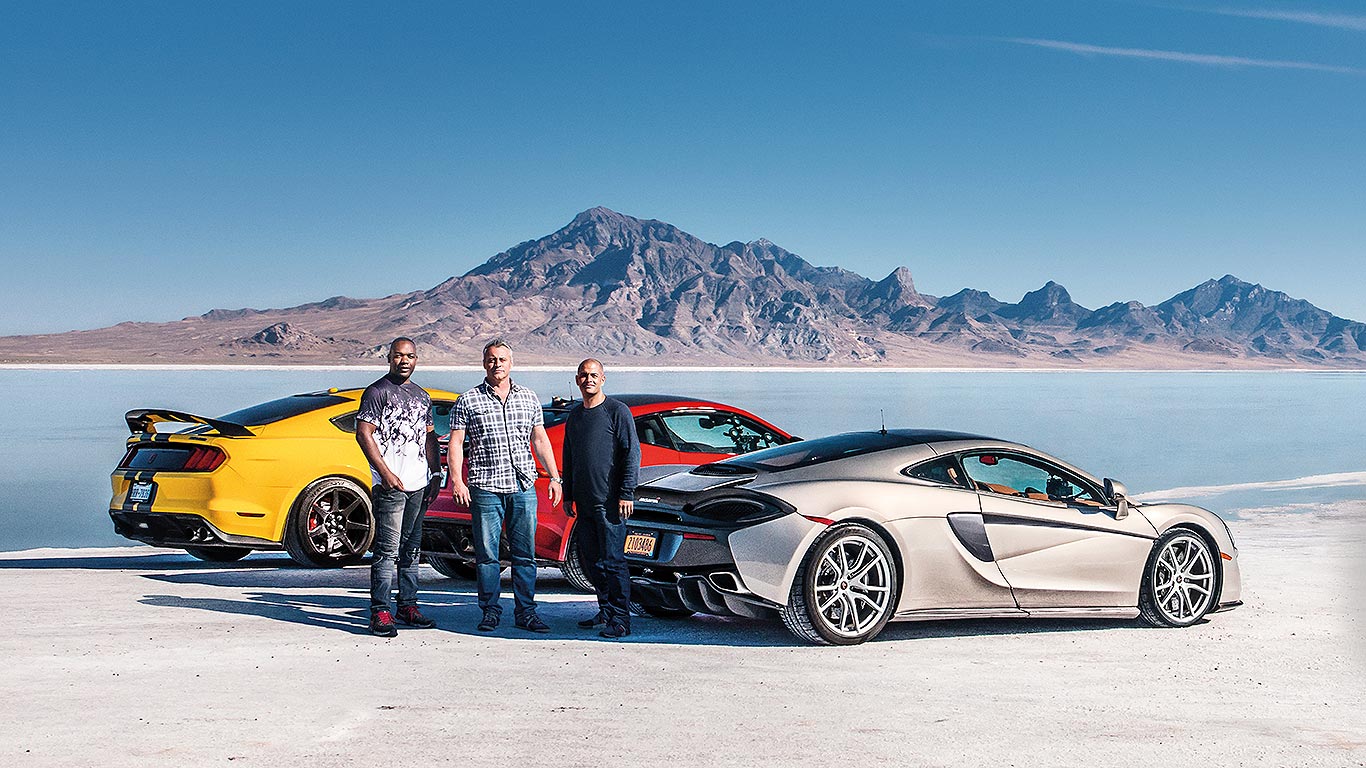
The group tests look interesting, with Matt LeBlanc, Chris Harris and Rory Reid driving across Utah in a Ford Mustang GT350R, Jaguar F-Type SVR and McLaren 570GT, and tackling the Burghley Horse Trials in an Alfa Romeo Stelvio, Volvo XC60 and Range Rover Velar.

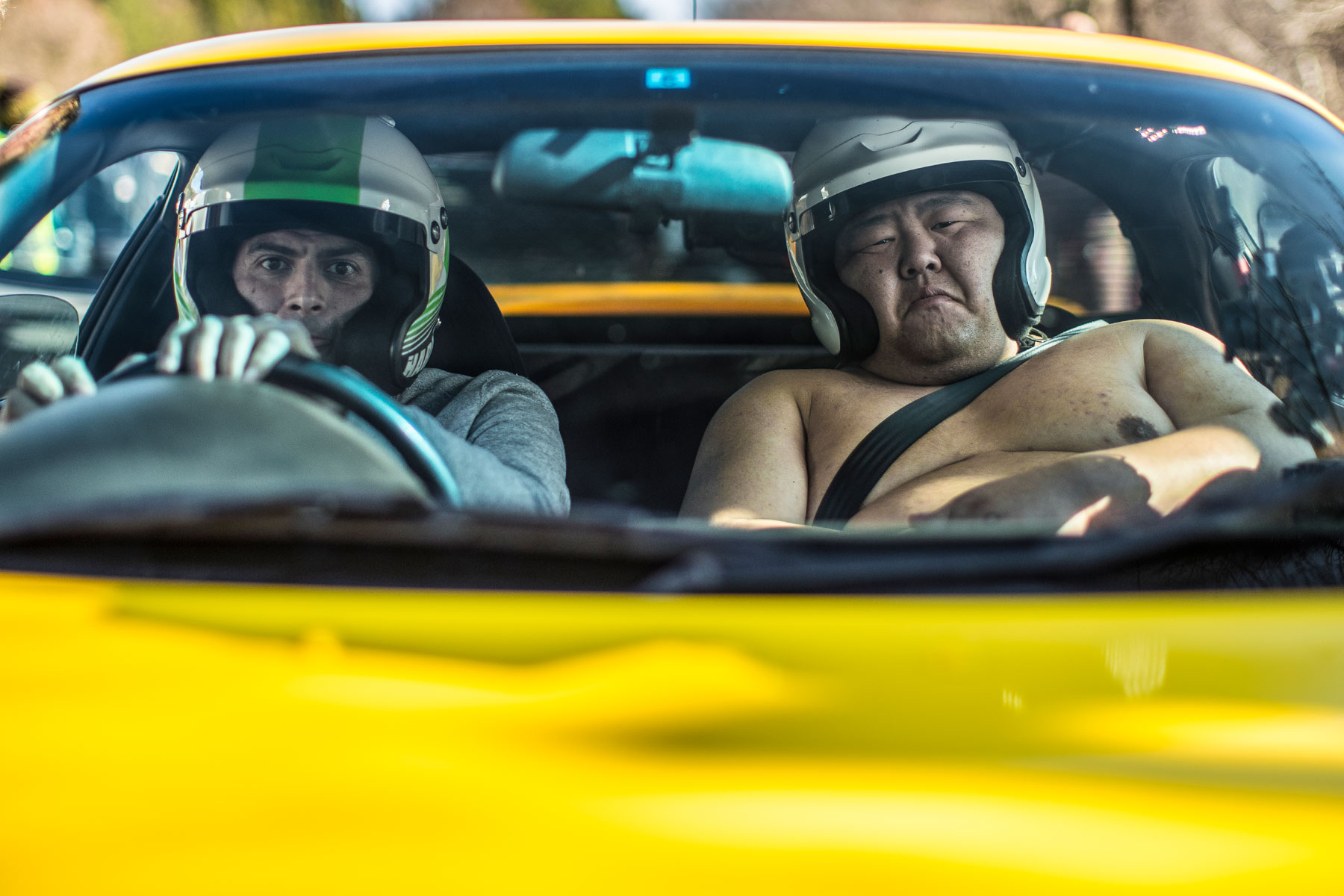
We’ll also see Chris Harris taking a sumo wrestler for a ride in Japan, Matt LeBlanc getting up to mischief with Ken Block (again), and Rory Reid dancing in a car.

“Who says we don’t do serious car reviews?” asks Matt LeBlanc at the beginning of the trailer, before we’re treated to 60 seconds of dirt, tyre smoke, hijinx and a Roller slamming into a fruit and veg stall. Oh, and not forgetting The Stig.

When is it back? Well, the final episode of series two of The Grand Tour airs on 16th February, so our guess would be 25th February at the earliest.

Clarkson, Hammond and May have hit some real high points in this series – the Lancia vs Audi feature is a good case in point – so the BBC has some catching up to do. Over to you, Le Blanc, Harris and Reid.

Read more

Advertisement

Revealed: Europe’s best-selling cars of 2017

0

European new car sales grew slightly in 2017The European new car market experienced modest growth in 2017, reveal latest figures from JATO Dynamics – and would have been better still if it weren’t for the declining UK market and a fast-growing distaste for diesel cars. 
Overall, 15.57 million cars were sold in Europe last year, a 3.1 percent increase on 2016. Thank Southern and Eastern Europe for this: the UK, in contrast, remains a “concern” and dragged down the otherwise-solid overall results. Britain is, remember, Europe’s second-largest new car market, behind Germany. 

Other trends were more universal. Just as in Britain, diesel market share fell by 7.9 percent (and a whopping 20.5 percent in December 2017): across Europe, it’s down to 43.7 percent, the lowest in a decade. Europe, don’t forget, is the world’s leading market for diesel cars. If the declines here continue, the fuel’s entire future may soon be in doubt. 

Petrol sales were boosted as a result – 760,000 more of them (growth of almost 11 percent) were sold in the EU last year. But that’s nothing compared to the growth of SUVs. 4.56 million were registered in Europe last year, almost a 20 percent rise on 2016.

As for alternative fuel cars such as hybrids, plug-in hybrids and EVs, they were up 46 percent, to take 4.8 percent of the overall European market. 

Along with the headline numbers, Europe’s favourite new cars of 2017 have been revealed. Using data supplied by JATO Dynamics, we run through the top 25 best-selling cars in Europe, along with figures that tell us if the cars are on the up or on the way down. The data is presented in reverse order.

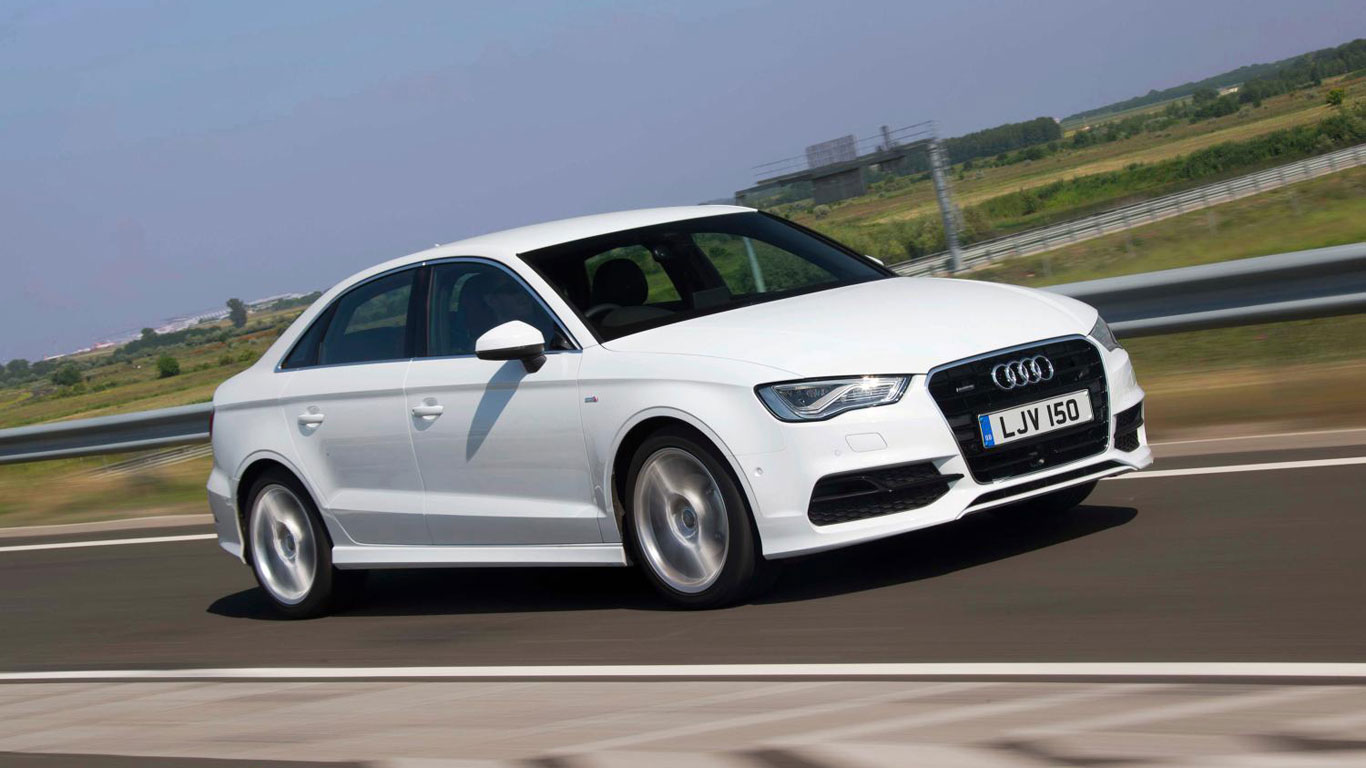
  1. Audi A3: 164,045 registrations

Audi A3

Change 2016 vs 2017: down 13.9%

A3 registrations were down 13.9 percent in 2016, but Audi’s volume hero just manages to hold on to a place in the top 25. A new-generation A3 will arrive in 2019, with Audi confirming that the three-door variant will be axed from the range.

  1. Peugeot 3008: 166,784 registrations

Change 2016 vs 2017: up 554.9%

We’re not going to pretend that this is anything other than a list of cars you’ll probably see on your European travels in 2018, but there are some genuinely impressive figures. Take the Peugeot 3008, which has seen registrations increase by 554.9 percent. Having an all-new and much improved model certainly helps.

  1. Renault Megane: 168,132 registrations

Change 2016 vs 2017: up 12.9%

The current Renault Megane arrived in 2016 as a long-overdue replacement for the ageing Mk3 Megane. The coupe and cabriolet versions are long gone, but you can still buy the five-door hatchback and Sport Tourer estate models in the UK, along with a four-door saloon in other European markets. The Renault Sport version will finally join the range in 2018.

  1. Vauxhall/Opel Mokka: 170,384 registrations

Change 2016 vs 2017: up 3.5%

The PSA Group has plans to make Vauxhall and Opel profitable, and cars like the Mokka X – along with the smaller Crossland X and larger Grandland X models – will be key to that success. In the UK, the Mokka X is priced from £19,000, but you’ll pay £27,000 for the Ultimate model.

  1. Mercedes-Benz C-Class: 176,705 registrations

Change 2016 vs 2017: up 0.2%

The Mercedes-Benz C-Class was the ninth most popular car in the UK in 2017, and the 21st across the whole of Europe. It’s a terrific result for a car with a premium badge and in a segment supposedly struggling in the wake of the continued rise of the crossover and SUV.

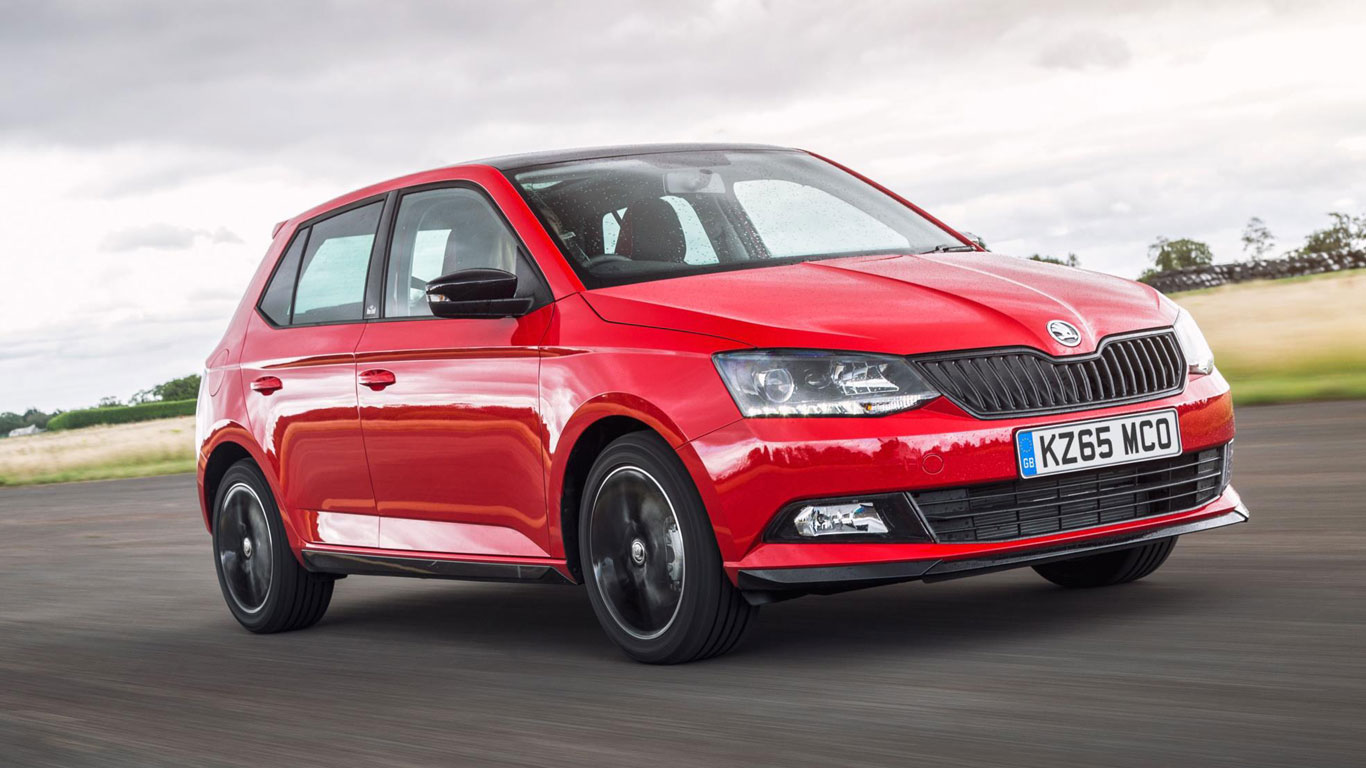
  1. Skoda Fabia: 180,136 registrations

Skoda Fabia

Change 2016 vs 2017: up 2.1%

Skoda will unveil a new Fabia at the 2017 Geneva Motor Show, but the outgoing model continues to put on a good show of strength. Since 1999, more than four million Fabias have been sold worldwide, with the current model accumulating sales in excess of 500,000. Amazingly, it’s not even Skoda’s most popular car.

  1. Peugeot 2008: 180,868 registrations

Change 2016 vs 2017: up 2.6%

The Peugeot 2008 was launched in 2013 and given a mid-life facelift in 2016. It must have worked, because registrations are up 2.6 percent to 180,868 in 2017. Prices start from £16,495, but you’ll pay upwards of £18,645 for the recently released Allure Premium trim, which offers £1,400 of equipment over the Allure model at a price increase of £800.

  1. Volkswagen Passat: 184,123 registrations

Change 2016 vs 2017: down 11.6%

Sales of the Volkswagen Passat are on the decline, which is hardly surprising for a car that dates back to 2014 in Europe. Volkswagen’s SUV offensive might also play a part, with the German manufacturer offering no fewer than four models, namely the T-Roc, Tiguan, Tiguan Allspace and Touareg. In this company the Passat feels so last year.

  1. Fiat Panda: 187,322 registrations

Change 2016 vs 2017: down 2.1%

Of all the cars in the top 25, the Fiat Panda is the one in need of a refresh. Amazingly, the current model dates back to the 2011 Frankfurt Motor Show, although we should see a facelift in 2018. For now, the Panda continues to punch above its weight, especially in Italy, where it has been the best-selling vehicle for six years in a row.

  1. Fiat 500: 189,928 registrations

Change 2016 vs 2017: up 3.5%

Meanwhile, the Fiat 500 is the fourth best-seller in Italy and the 16th in Europe as a whole. The popular city car was given a facelift in 2017, which has played a part in a small but significant increase in registrations.

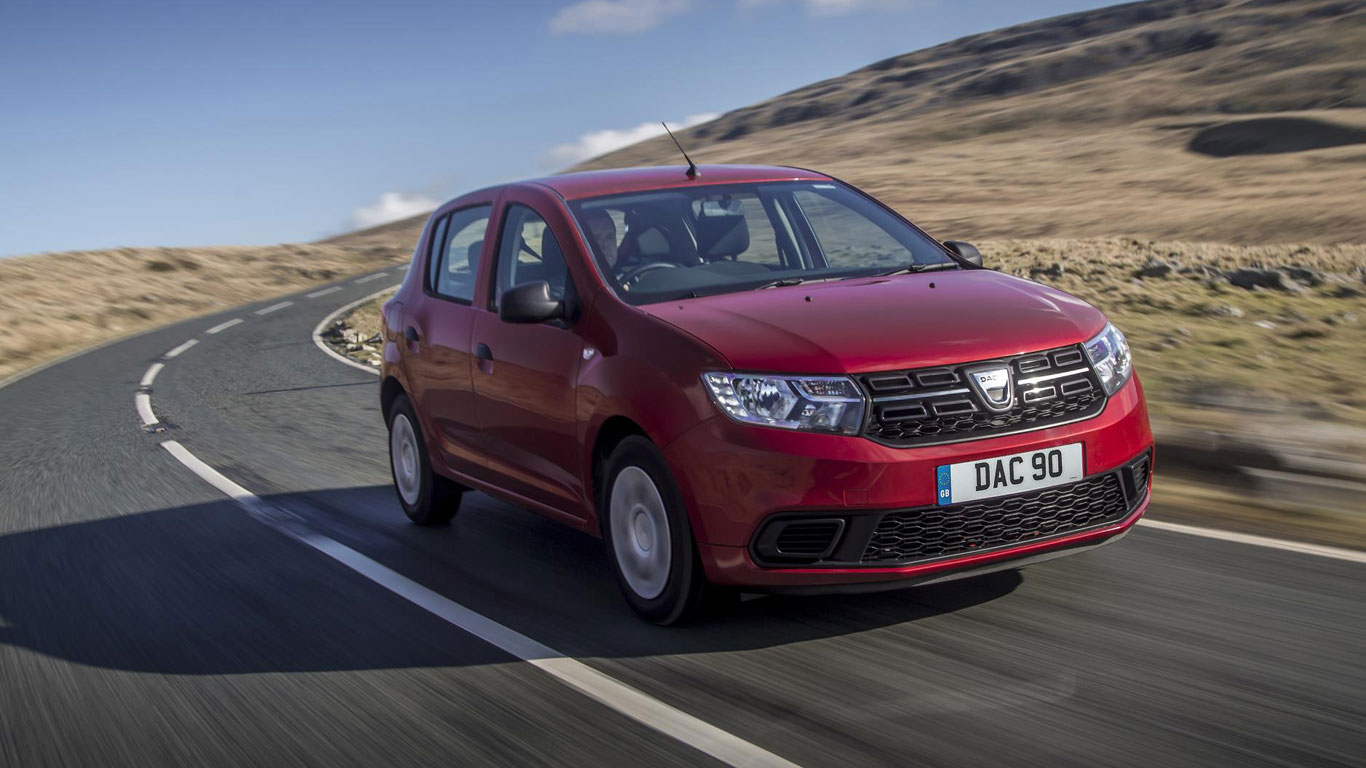
  1. Dacia Sandero: 196,067 registrations

Dacia Sandero

Change 2016 vs 2017: up 15.6%

Good news: Dacia Sandero registrations are up 15.6 percent, which is proof that Europeans love a good deal. The Sandero was given a facelift at the tail end of 2016, but the headline price of £5,995 remains.

  1. Toyota Yaris: 199,182 registrations

Change 2016 vs 2017: up 3.1%

In 2017, the Toyota Yaris was awarded a maximum five-star Euro NCAP safety rating, scoring 83 percent for adult occupant safety and 80 percent for child safety. Registrations fell just short of the 200,000 mark, but were up 3.1 percent year-on-year.

  1. Citroen C3: 207,299 registrations

Change 2016 vs 2017: up 54.2%

The new Citroen C3 arrived in UK showrooms in January 2017, so it had a full year to accumulate strong sales. It hasn’t disappointed, with registrations up 54.2 percent, which is the second highest figure in the top 25. Sales in 2018 will be bolstered by the arrival of the C3 Aircross.

  1. Renault Captur: 212,768 registrations

Change 2016 vs 2017: down 1.8%

It’s not great news for the Renault Captur, which records a 1.8 percent fall in registrations. That said, it remains the best-selling B-segment SUV in Europe for the second year in a row. It’s also Renault’s best-selling car in the UK.

  1. Ford Focus: 214,661 registrations

Change 2016 vs 2017: up 4%

A new Ford Focus will be unveiled in the spring, ahead of its launch in the summer. Ford has circulated an image of a test car wearing a #TimeToFocus hashtag as it builds some hype ahead of its arrival. Sales remain strong, even with a new version just around the corner.

  1. Vauxhall/Opel Astra: 217,813 registrations

Vauxhall Astra

Change 2016 vs 2017: down 13.8%

This is a miserable performance for the Astra, with registrations down 13.8 percent. It’s a thoroughly decent car, but it’s hard to see an improvement in 2018, not when a new Focus is being launched and the Volkswagen Golf continues to sell in big numbers. How long before the Astra slips below one of Vauxhall’s SUVs?

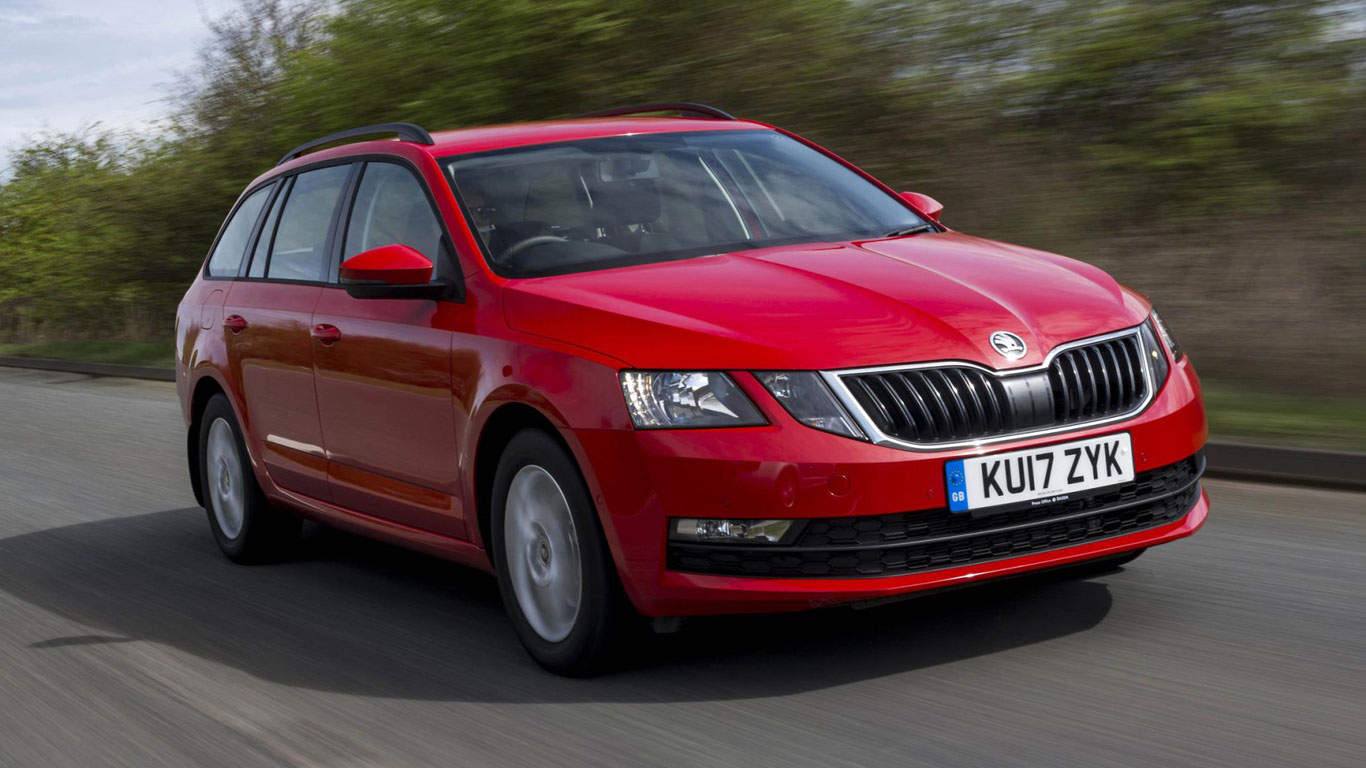
  1. Skoda Octavia: 230,116 registrations

Skoda Octavia

Change 2016 vs 2017: up 0.5%

Skoda delivered more than 1.2 million vehicles worldwide in 2017, the fourth time in a row the company has sold more than one million cars in a year. China was the most successful market, with Skoda shifting 325,000 units, while the UK was the fourth best with 80,100 registrations. Octavia sales were actually down 3.9 percent globally, but up 0.5 percent in Europe.

  1. Vauxhall/Opel Corsa: 232,738 registrations

Vauxhall Corsa

Change 2016 vs 2017: down 12%

We’ve got a while to wait before the launch of the all-new Corsa in 2019, so Vauxhall’s best-seller must soldier on for another year at the very least. The arrival of the new Ford Fiesta will have focused the minds of the people in charge at PSA.

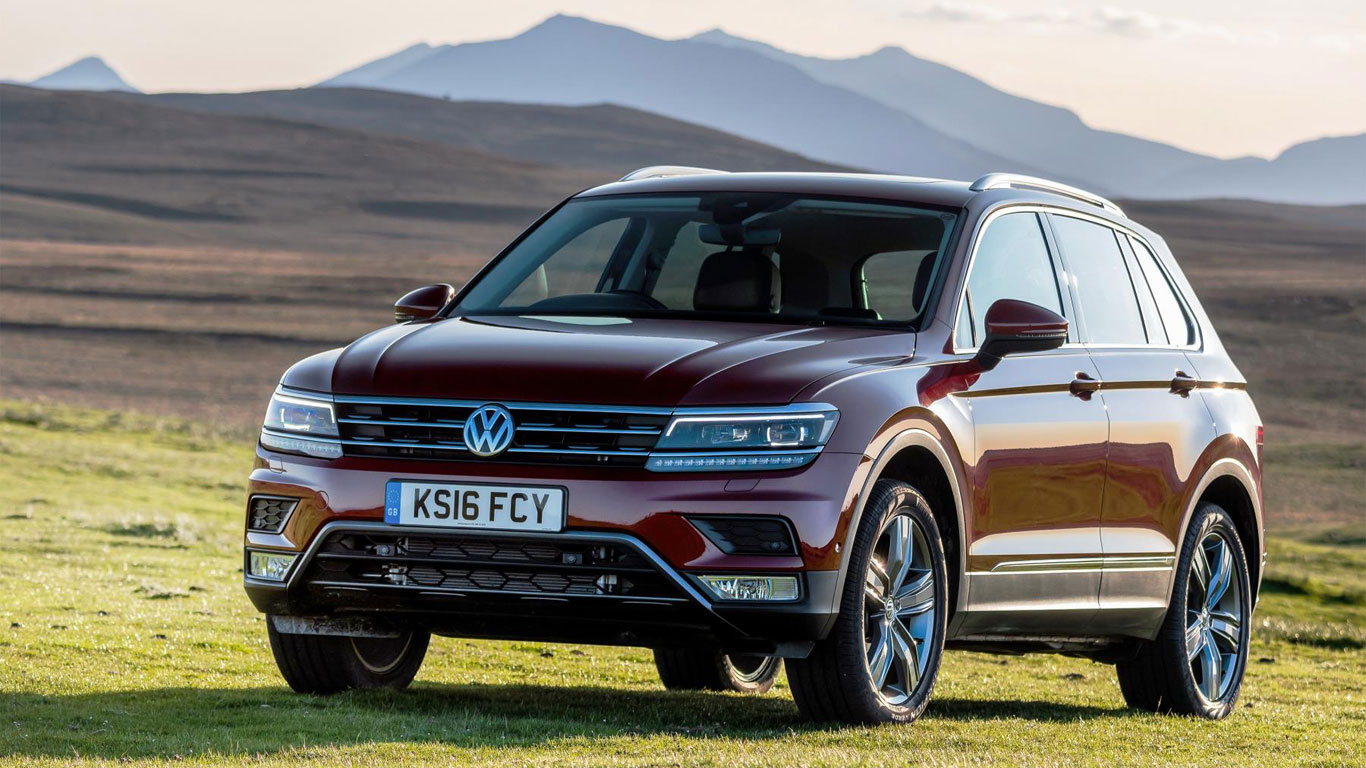
  1. Volkswagen Tiguan: 234,916 registrations

Volkswagen Tiguan

Change 2016 vs 2017: up 30.6%

What a difference a new model can make. The launch of a new Tiguan has resulted in a 30.6 percent increase in sales for the popular Volkswagen SUV, and we suspect the arrival of the more practical Tiguan Allspace will have a positive impact on registrations in 2018. Unless it simply robs sales from the standard Tiguan.

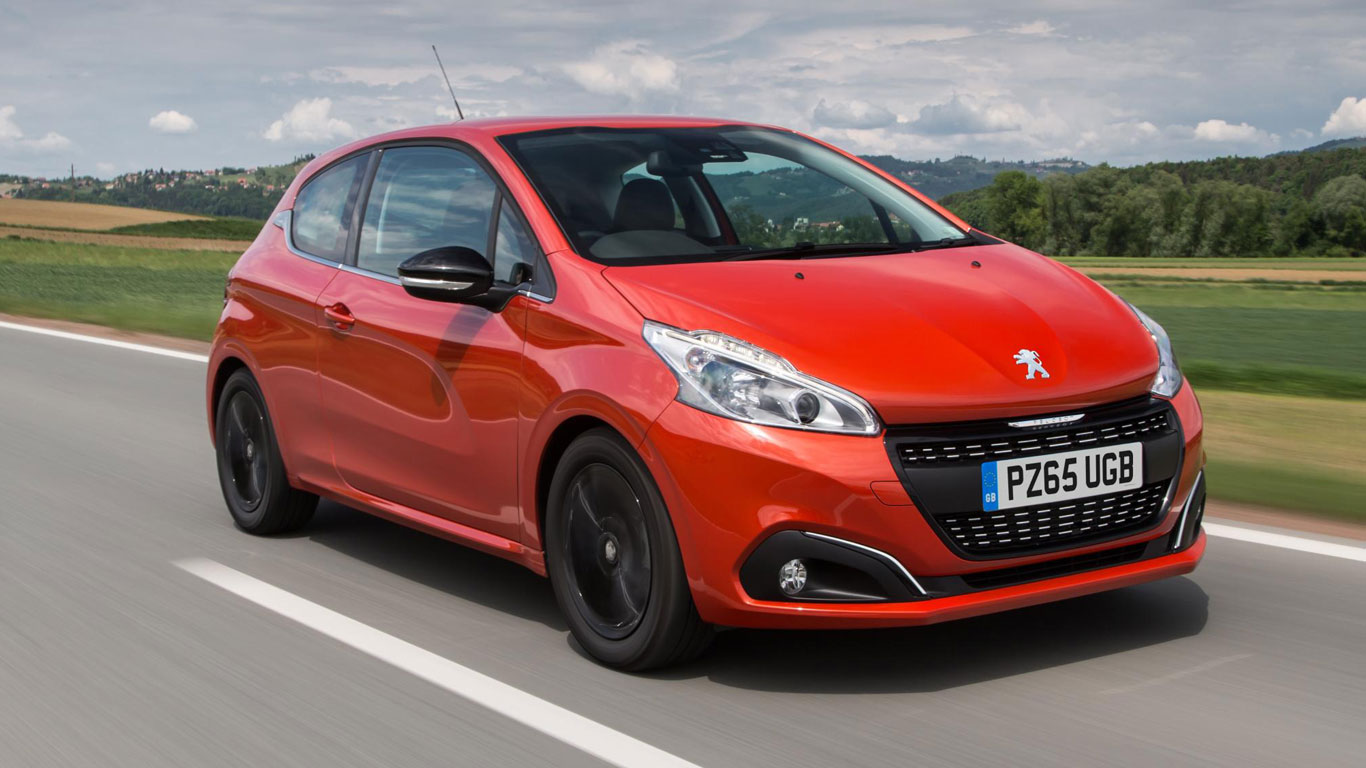
  1. Peugeot 208: 244,615 registrations

Peugeot 208

Change 2016 vs 2017: down 1.7%

Six of the cars in the top 10 saw a fall in registrations in 2017, including the Peugeot 208, which remains the brand’s best-selling car. UK prices start from £14,630 for the three-door Active, but a number of trim levels and personalisation packs are available.

  1. Nissan Qashqai: 247,939 registrations

Nissan X-Trail

Change 2016 vs 2017: up 6.2%

Into the top five, where we find Europe’s most popular crossover: the Nissan Qashqai. Even in the face of some fierce competition, the Qashqai goes from strength-to-strength, with registrations up 6.2 percent.

  1. Ford Fiesta: 254,539 registrations

Ford Fiesta

Change 2016 vs 2017: down 15%

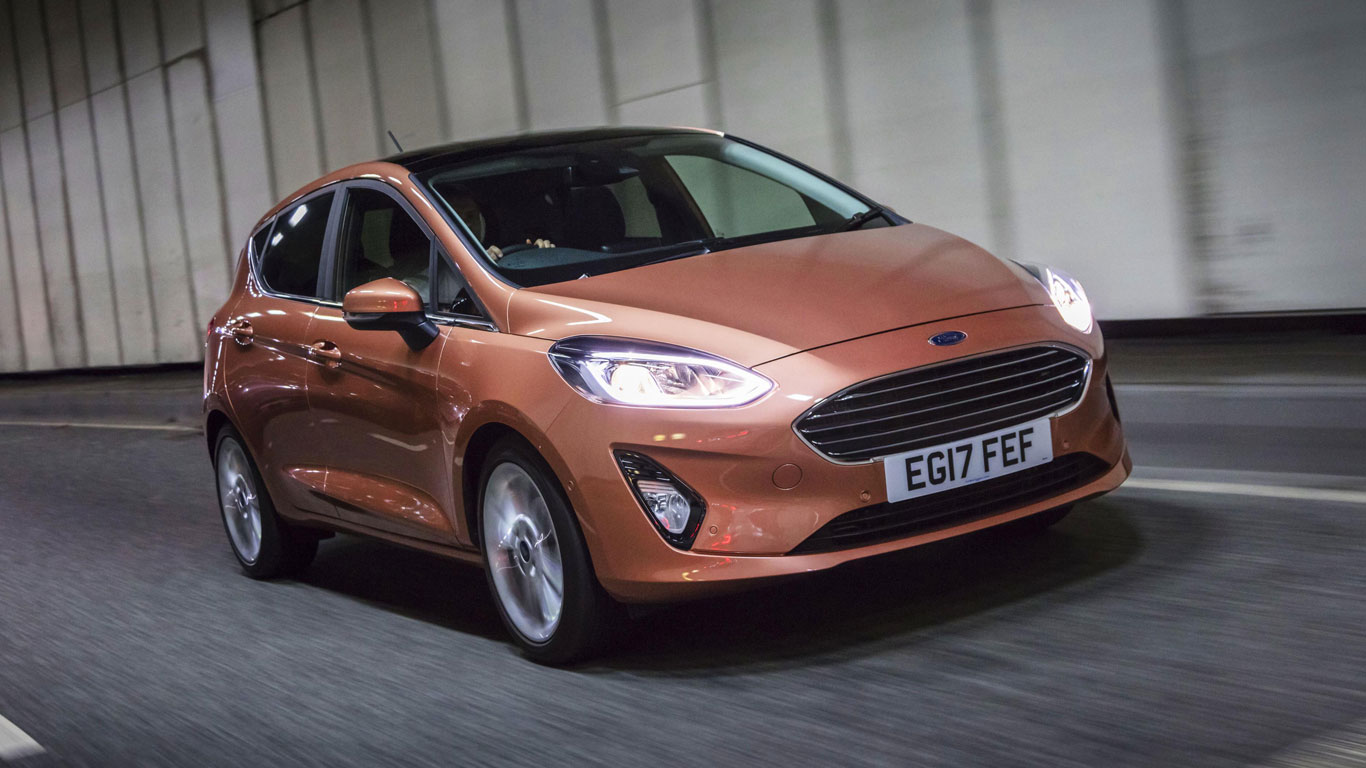
Britain’s best-selling car has to settle for fourth place in Europe, with registrations down 15 percent. The shift from the old to the new Fiesta would have played a part in the slump, so it will be interesting to see how the supermini does in 2018.

  1. Volkswagen Polo: 272,061 registrations

Volkswagen Polo

Change 2016 vs 2017: down 11.6%

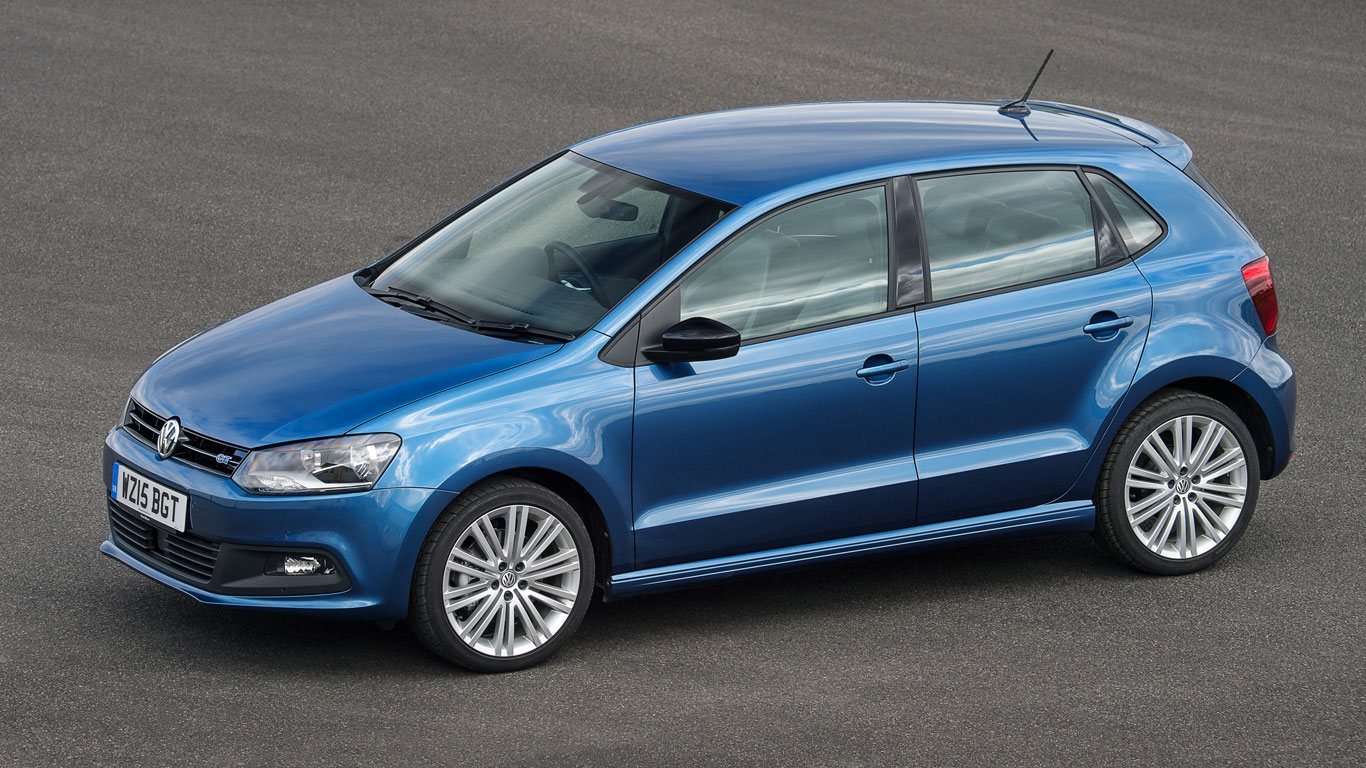
It’s no surprise to find the Volkswagen Polo on the slide, as many buyers will have been waiting for the all-new and much improved model. The new Polo is on sale now, with prices starting from £13,855.

  1. Renault Clio: 327,395 registrations

Renault Clio

Change 2016 vs 2017: up 4.1%

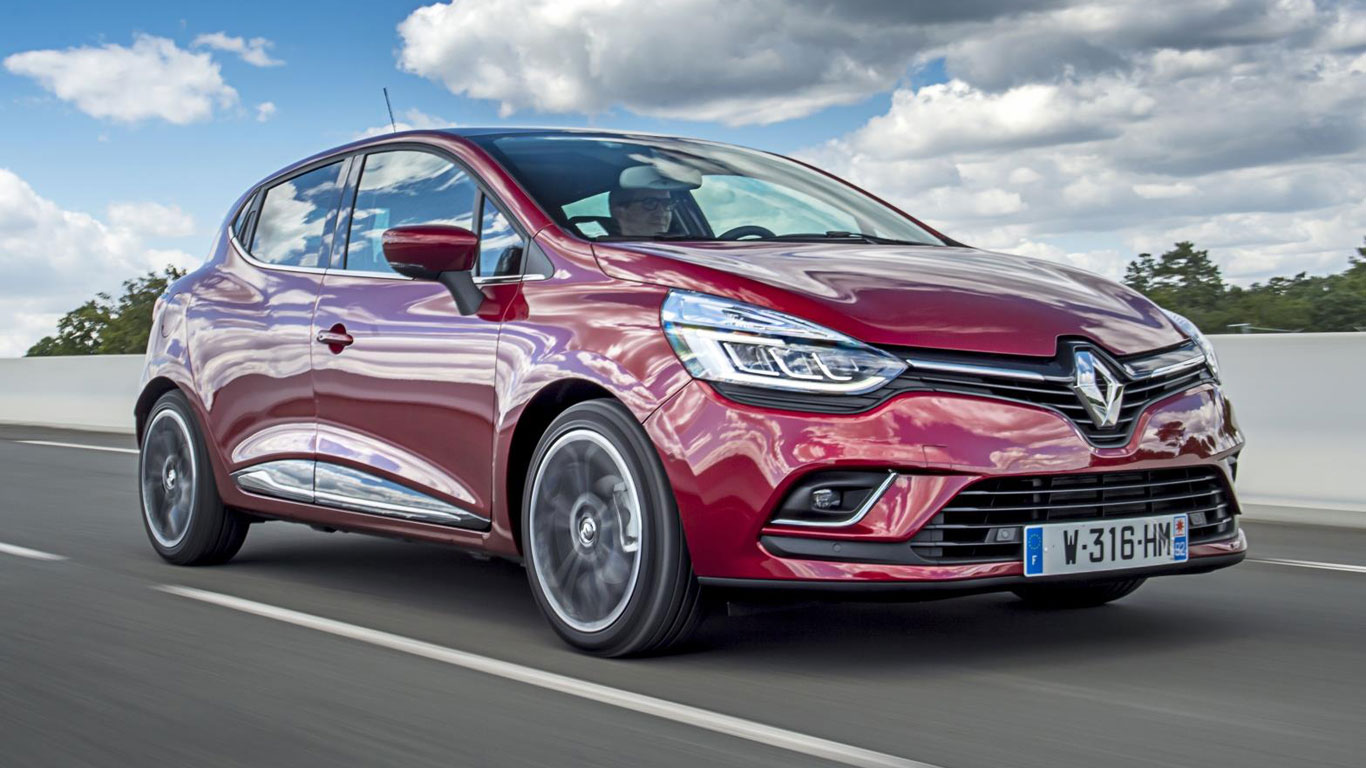
The Renault Clio didn’t even appear in the top 20 of the UK’s best-selling cars in 2017, so it might come as a surprise to find it performing so well in the rest of Europe. According to the Best Selling Cars Blog, the Clio is the best-seller in France for the 19th time in the past 26 years. It has been number one for seven years in a row, which is the longest run since the Renault 5 in the 70s and 80s. Go Clio!

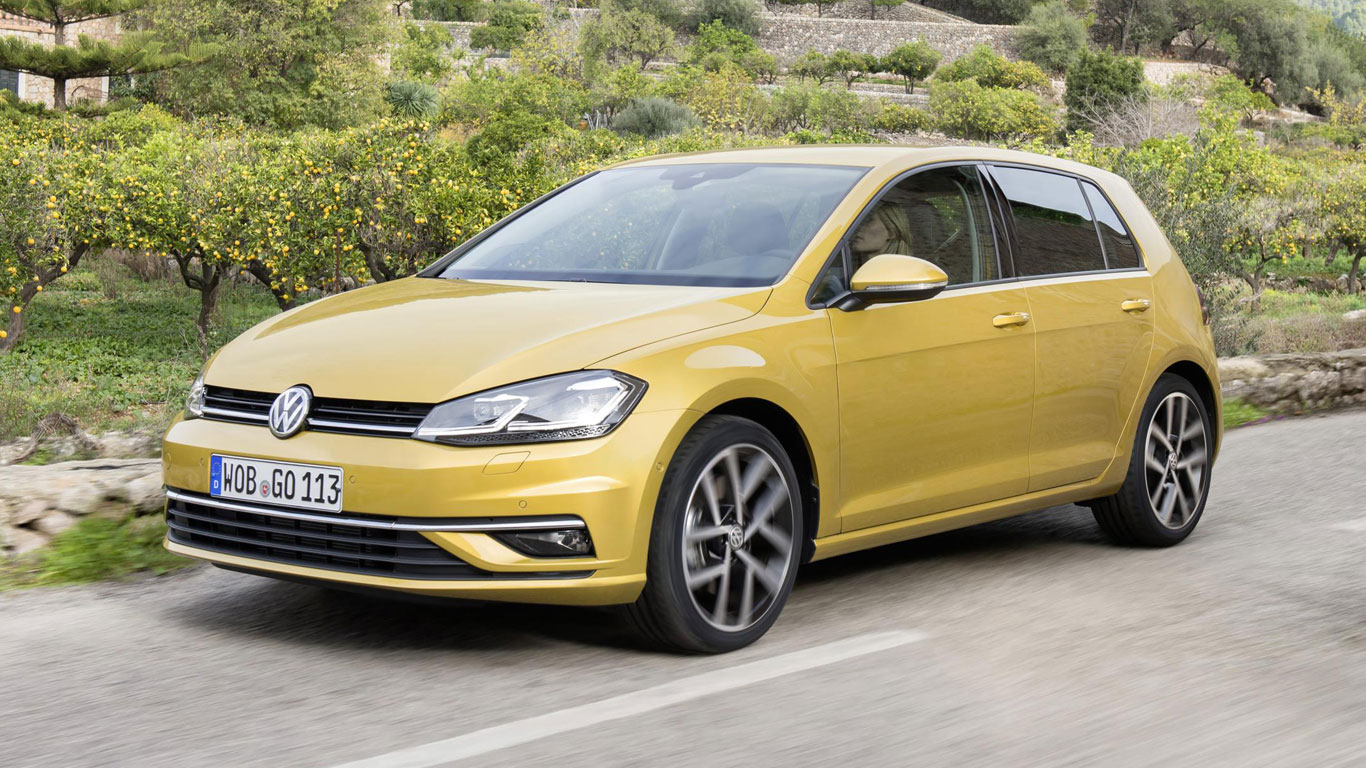
  1. Volkswagen Golf: 483,105 registrations

Volkswagen Golf

Change 2016 vs 2017: down 1.7%

But the runaway leader, by a country mile, is the Volkswagen Golf. Even with a slight downturn in registrations, the Golf is some 155,000 units stronger than the Clio, and it’s hard to see anything dethroning the evergreen Volkswagen in 2018.

Advertisement

Video: Lamborghini Urus SUV debuts in London

0

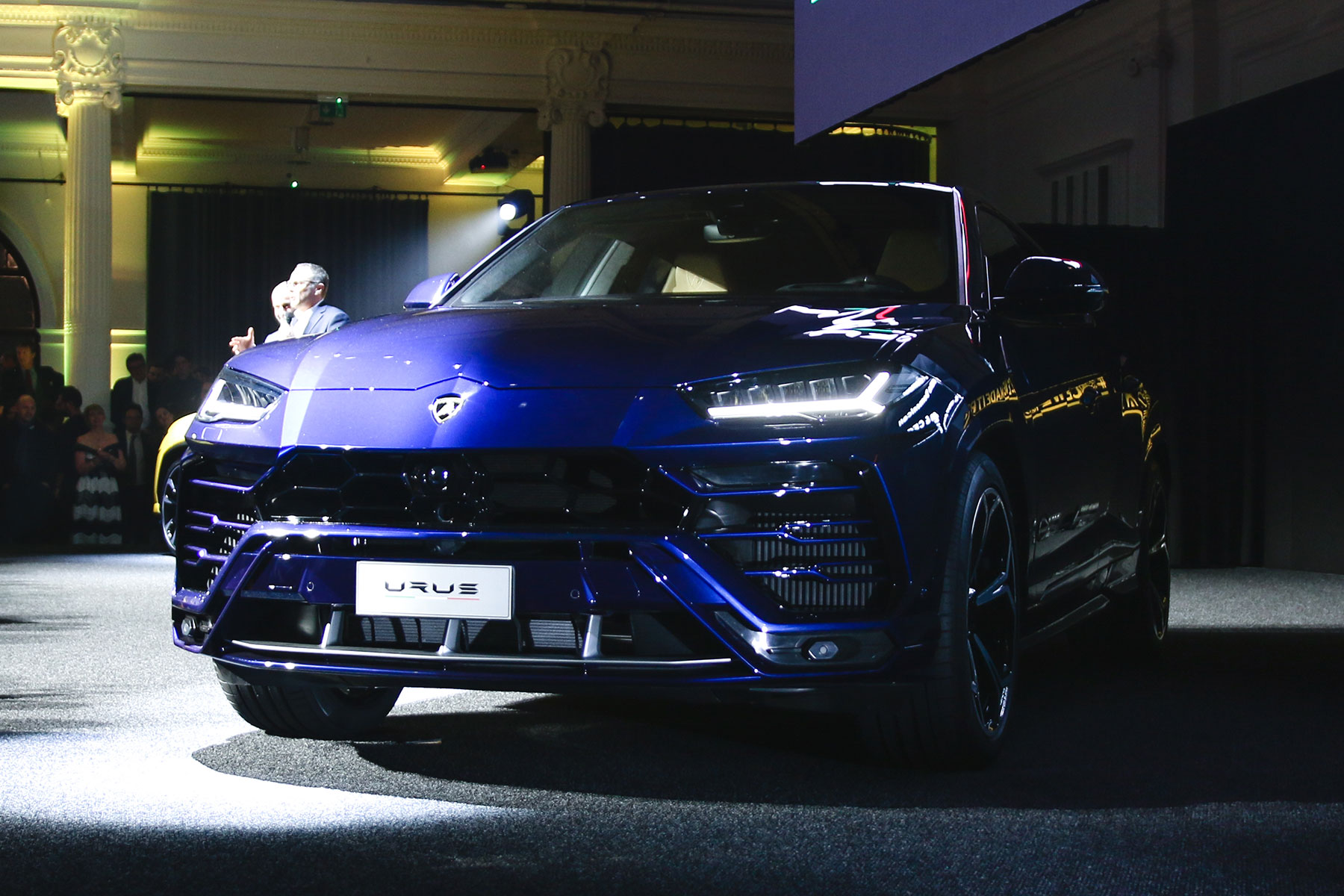
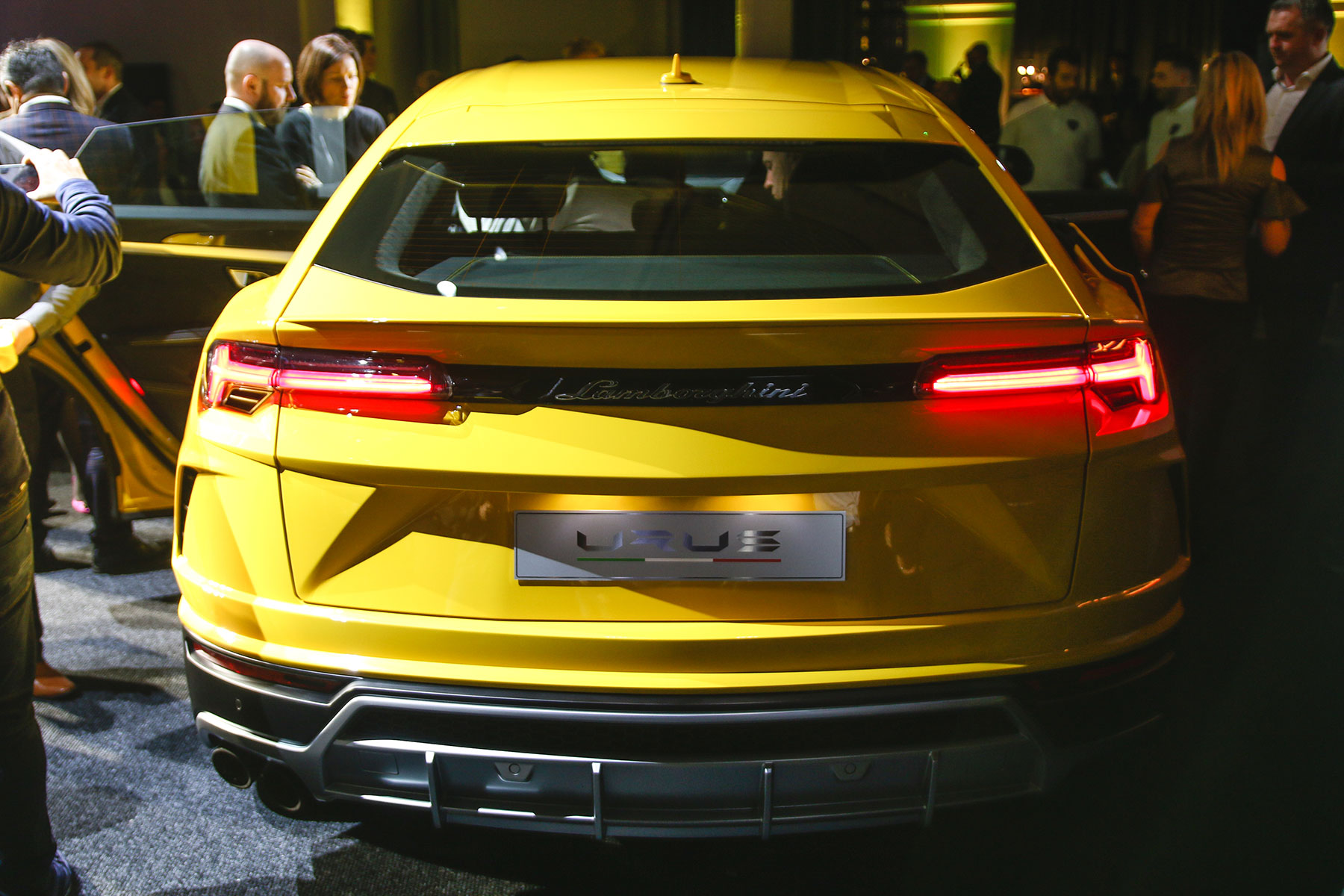
Lamborghini Urus

Meet the most controversial car of 2018. The Lamborghini Urus certainly isn’t a sports car – and it sure ain’t pretty – but this 650hp SUV promises to double Lambo sales.

Here’s everything you need to know about the new Urus – including our video tour from the exclusive London launch.

  • Lamborghini and university boffins create futuristic electric supercar

Video: Lamborghini Urus UK debut

Lamborghini has form with 4x4s. The original ‘Rambo Lambo’ was the LM002 of 1986, a road-legal military vehicle powered by a Countach-sourced V12.

The Urus is more Daniel Craig than Sly Stallone: a sporty crossover coupe, not a mud-n-guts off-roader. Its rivals include the Range Rover, Bentley Bentayga and Porsche Cayenne Turbo – plus the forthcoming Ferrari SUV, due in 2020.

Right-hand-drive deliveries start in late summer, with prices from around £165,000.

Angular and aggressive

Lamborghini Urus

The Urus is based on the Volkswagen Group’s MLB Evo platform, which underpins everything from the Audi A4 to the Bentley Bentayga.

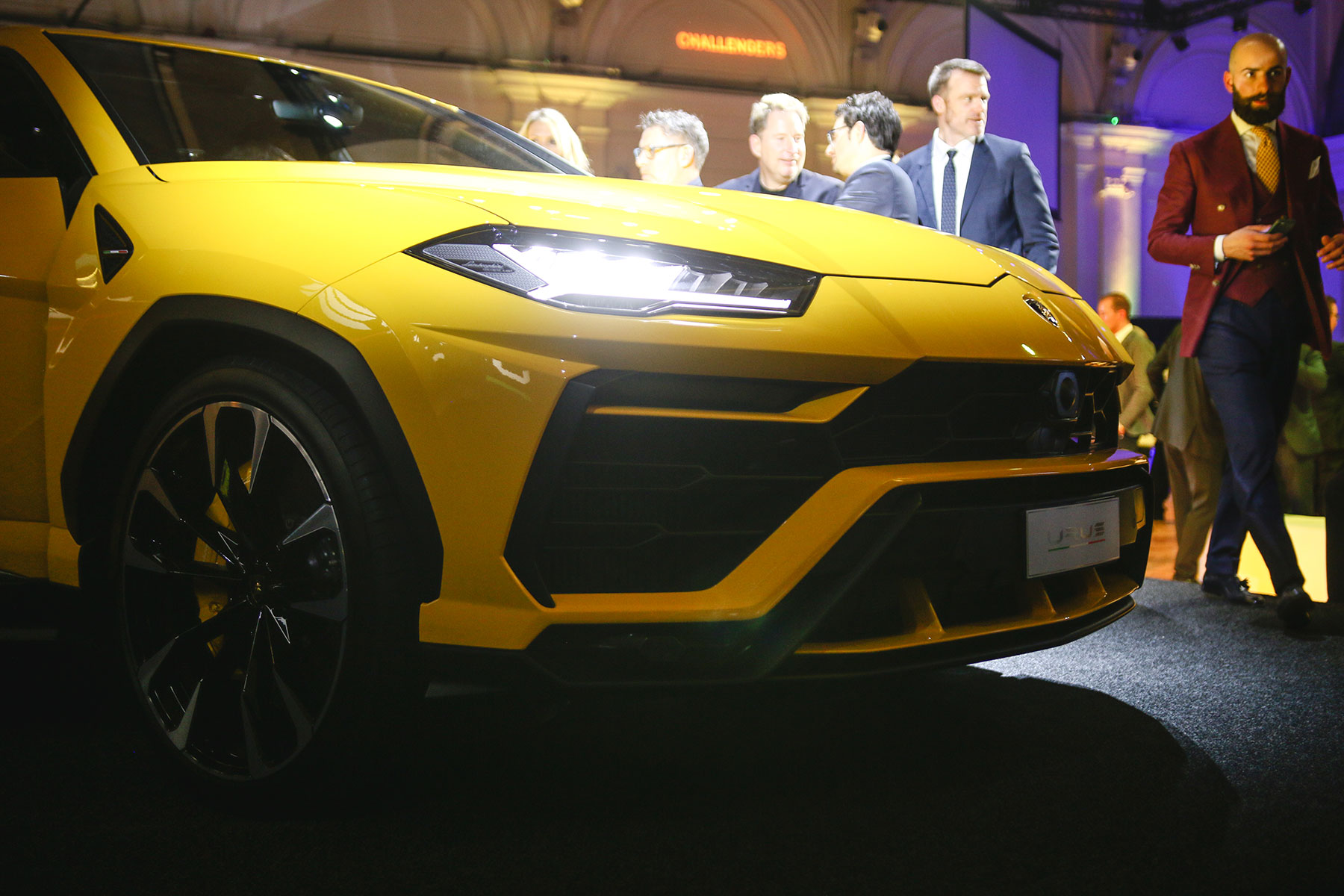
Its styling owes much to Lamborghini’s Huracan and Aventador supercars. Angular and aggressive, it’s a riot of sharp creases, muscular bulges and gaping air intakes, riding on huge 23-inch alloys with bespoke Pirelli rubber.

A tapering roofline augments the visual drama, although the Urus still has five doors: note the awkward placement of the rear door handle atop the wheelarch.

The first turbocharged Lamborghini

Lamborghini Urus

Sadly, the Urus doesn’t use the Huracan’s screaming, naturally-aspirated V10 – or indeed the Aventador’s majestic V12. But don’t worry, there isn’t a diesel version… yet.

Instead, this is Lamborghini’s first turbocharged production car. Its 4.0-litre twin-turbo V8 is mated to an eight-speed automatic gearbox and four-wheel drive.

Outputs are 650hp at 6,000rpm and 627lb ft of torque at 2,250rpm. In a car weighing a not-inconsiderable 2,200kg, that translates to 0-62mph in 3.6sec and a 189mph top speed. Fortunately, huge carbon-ceramic brakes are standard.

As for fuel economy and CO2 emissions, those figures haven’t been released yet. Reckon on 20mpg and 300g/km and you shouldn’t be disappointed.

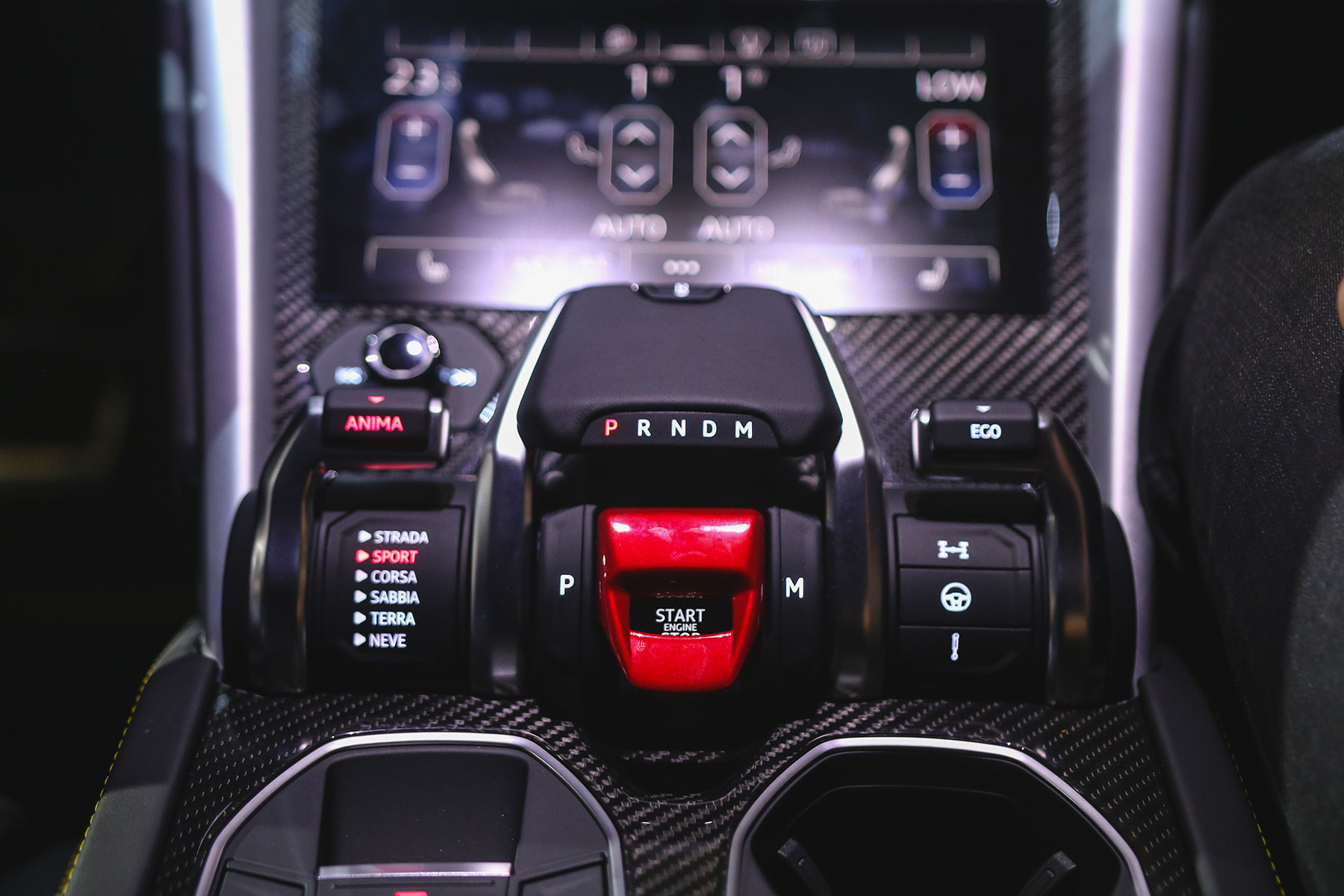
Six drive modes, from racetrack to snow

Lamborghini Urus

The Urus accommodates four, with a split/fold rear seat and 616 litres of luggage space. We’re not convinced the boot’s suede lining is entirely practical, though.

Drivers are offered a choice of six modes, from Corsa (track) to Neve (snow) and Sabbia (sand). Air suspension boosts ground clearance by up to 90mm in the off-road settings – perfect for those lofty Kensington kerbs.

The 4WD system has a sporty, rearward bias in normal conditions, with a Torsen differential to shuffle traction around when needed. Electromechanical anti-roll bars and rear-wheel steering should also help it handle like a Lamborghini.

Backwards step or brave new world? Look out for our first drive of the Lamborghini Urus later this spring.

Read more:

Advertisement

Revealed: the clever way you could save money on car insurance

0

Revealed: the genuinely clever way you could save money on car insurance

Car insurance premiums are on the upagain – and many of us are searching for ways to save cash on our renewal. Of course, there are the usual answers: using comparison sites, adding named drivers and even buying a lower-risk car; but one firm claims that its motor excess insurance could be a further way to save cash.

Essentially, motor excess insurance is an extra policy on top of your standard car insurance policy. While you’d usually have to pay a hefty insurance excess if involved in a crash deemed your fault, motor excess insurance will pay out in such a scenario to cover your excess, leaving you nothing more to pay (except, perhaps, increased premiums next year).

So how will paying more for an extra policy save you cash at renewal time? Ramping up your optional insurance excess will reduce your premium and, according to Questor Insurance, using its motor excess insurance cover could work out cheaper than simply reducing your excess.

It provides some examples, based on a policy for a 2016 Fiat Punto insured on a fully-comprehensive policy.

Example one is a 17-year-old driver with a £250 excess quoted at £2,005.85. If the excess amount is increased to £1,000, the insurance premium reduces to £1,742.92, equating to a 13 percent saving (£262.93). Insurance excess cover costs just £45.21, and will reduce that £1,000 premium to nothing.

Another example, involving a 60-year-old driver, saves more than £250. Seems pretty good on the face of it, doesn’t it?

The best way of deciding whether this ‘trick’ works for you is to get a few quotes and varying your excess. We can’t vouch for Questor Insurance, nor its motor excess insurance cover, so do your research and read the small print.

Read more:

Advertisement

2018 World Car Awards finalists revealed

0

What is 2018’s best new car in the world? We’re now a step closer to finding out as the finalists for the 2018 World Car Awards are revealed.

From a longlist of more than 30 vehicles (which included a lot of SUVs), 10 of the best newly-launched models will now go forward into another round of voting to decide the best of the best. Contenders for the World Urban Car, World Luxury Car, World Performance Car, World Green Car and World Car Design of the Year will also be voted on.

The results will be announced at the 2018 New York International Auto Show in April. Between now and then, the jurors need to decide: which of these cars deserves a 2018 World Car Awards gong?

The big prize is the World Car of the Year trophy. This year, 82 jurors from across the planet will decide the winner – it genuinely is a ‘world car’ prize. All cars must be on sale in at least two regions across the globe.

Last year, the Jaguar F-Pace was awarded the 2017 World Car of the Year prize. Since then, F-Pace sales have rocketed: car manufacturers see this award as one of the biggies, given its global recognition.

Which of these 10 cars deserves to win in 2018 though? Read on to see the contenders – and, as a World Car Awards Juror, also see my thoughts on why I think each car is in with a shot.  

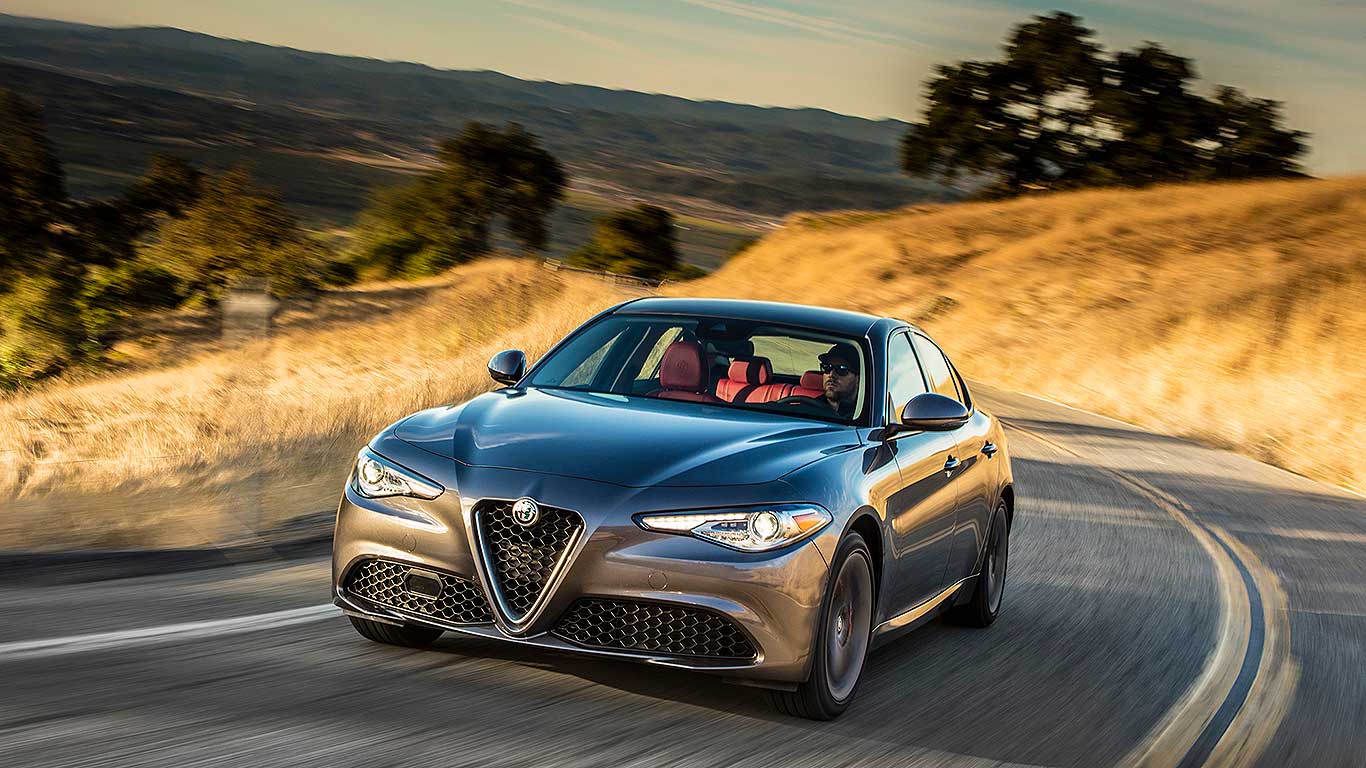
Alfa Romeo Giulia

Alfa’s sporty four-door rival to the BMW 3 Series is increasingly looking like a bit of a star player for the Italian firm. One of the keys to its big relaunch in the U.S., the Italians needed this car to be competitive, and it is. But can it go one better and win the overall 2018 World Car of the Year prize?

My thoughts: MiTo, Giulietta, 4C. Three contemporary Alfa Romeos, all of which are disappointing. The Giulia is different – a car that’s more than a match for its able German competition. Such is the emotional appeal of the brand, it’s in with a shot of a WCOTY gong. Just imagine Alfa’s cheer if it won…

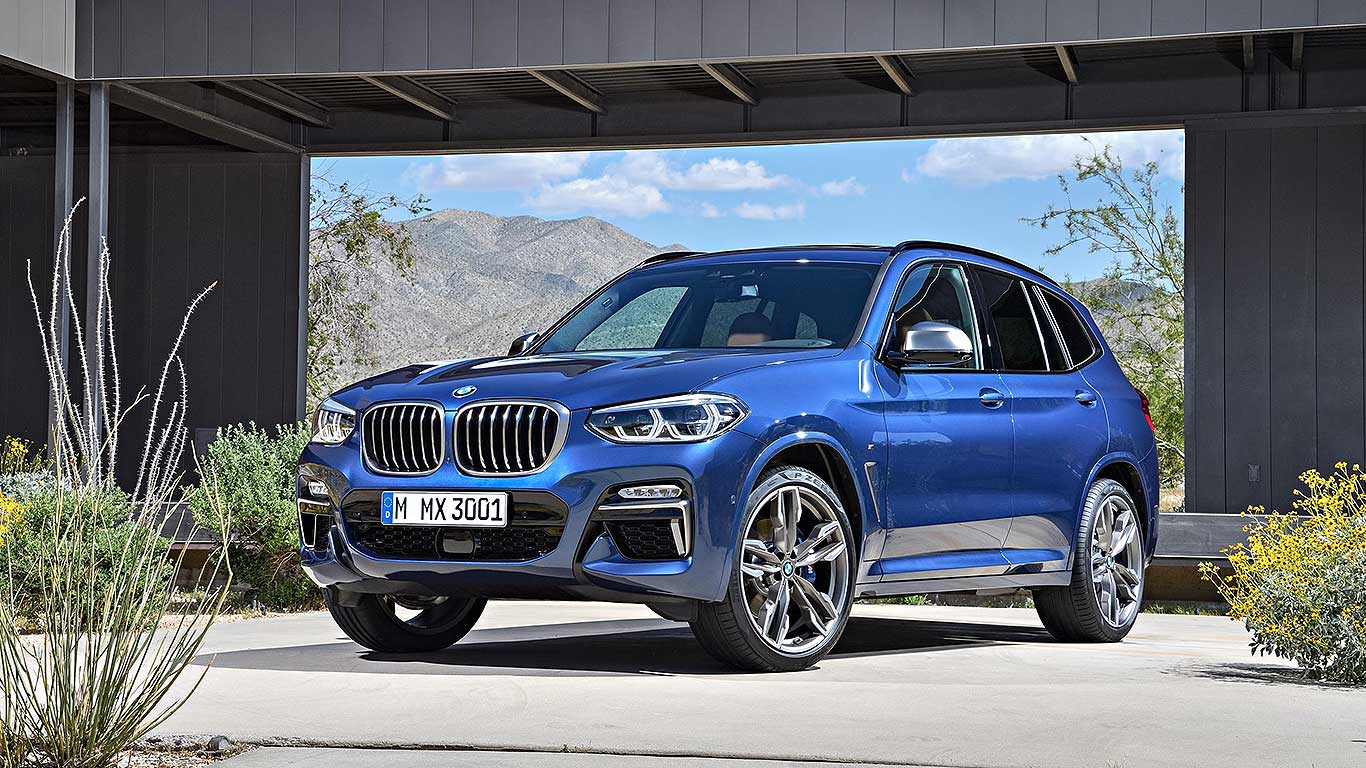
BMW X3

The first X3 looked good but had a cheap interior and intolerable ride quality. The second one was forgettable. At last, BMW’s got the X3 right, with all-round appeal making it a very strong family SUV contender. Third time lucky.

My thoughts: The new X3 is a commendable all-rounder, and the xDrive40i – the first ‘hot’ X3 – is a fun thing. There’s an all-electric version coming too. I just wonder if BMW couldn’t have been braver still with the styling.

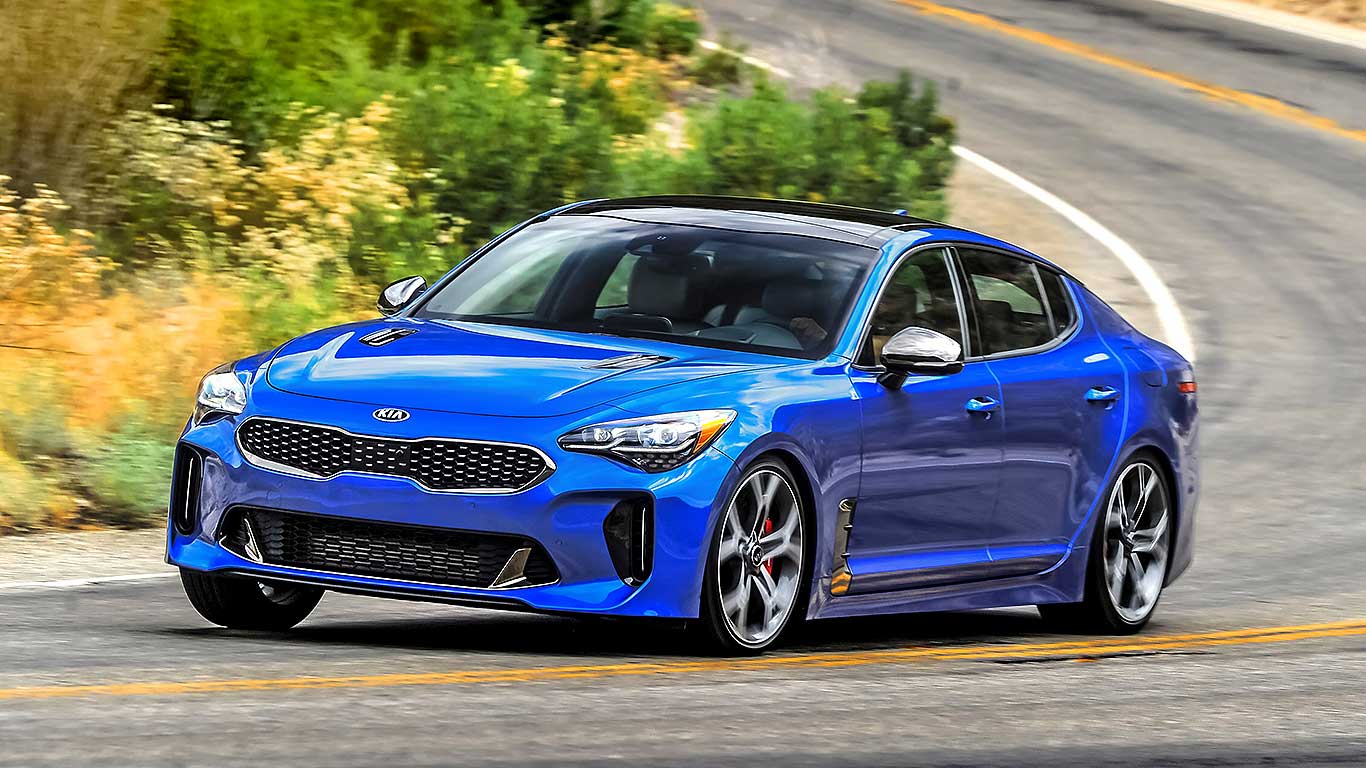
Kia Stinger

A quite extraordinary Kia surprise, one filling a niche normally occupied by cars such as the Audi A5 and S5 Sportback. Kia’s big four-door coupe looks smart, has a cracking interior and, in V6 turbo guise, drives with real verve. It’s a car that’s hard to fault, and one that’s certainly in with a shot of winning the WCOTY 2018 prize.

My thoughts: The Stinger didn’t disappoint. It’s as fun to drive as it is ravishing to look at. Kia paid big money to get the guy who used to make BMW M cars handle. His influence on this car is obvious and very, very welcome.

Land Rover Discovery

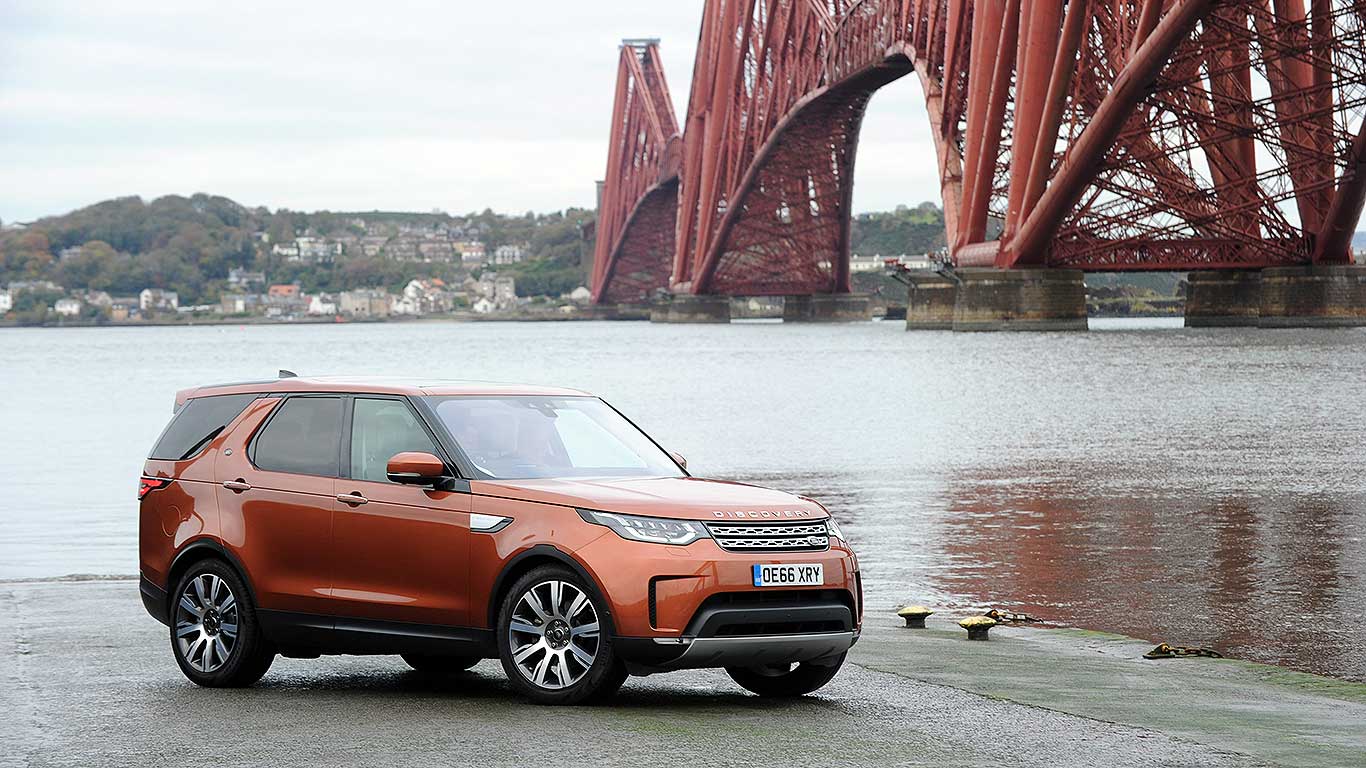
The big Land Rover Discovery has, for 2018, found some newfound Range Rover-like style. It’s now even more ferociously capable off road, and the classy interior is worlds apart from the old one. Practical enough for seven people, it’s just a pity aspects of the styling have proven controversial.

My thoughts: The new Land Rover Discovery provides a timely lesson to Land Rover. It replaced the boxy old Discovery 4 (LR2 in the U.S.) and immediately confused some with its softer styling and offset rear licence plate. It’s far from cheap either, although its all-round abilities go some way to justifying this.

Mazda CX-5

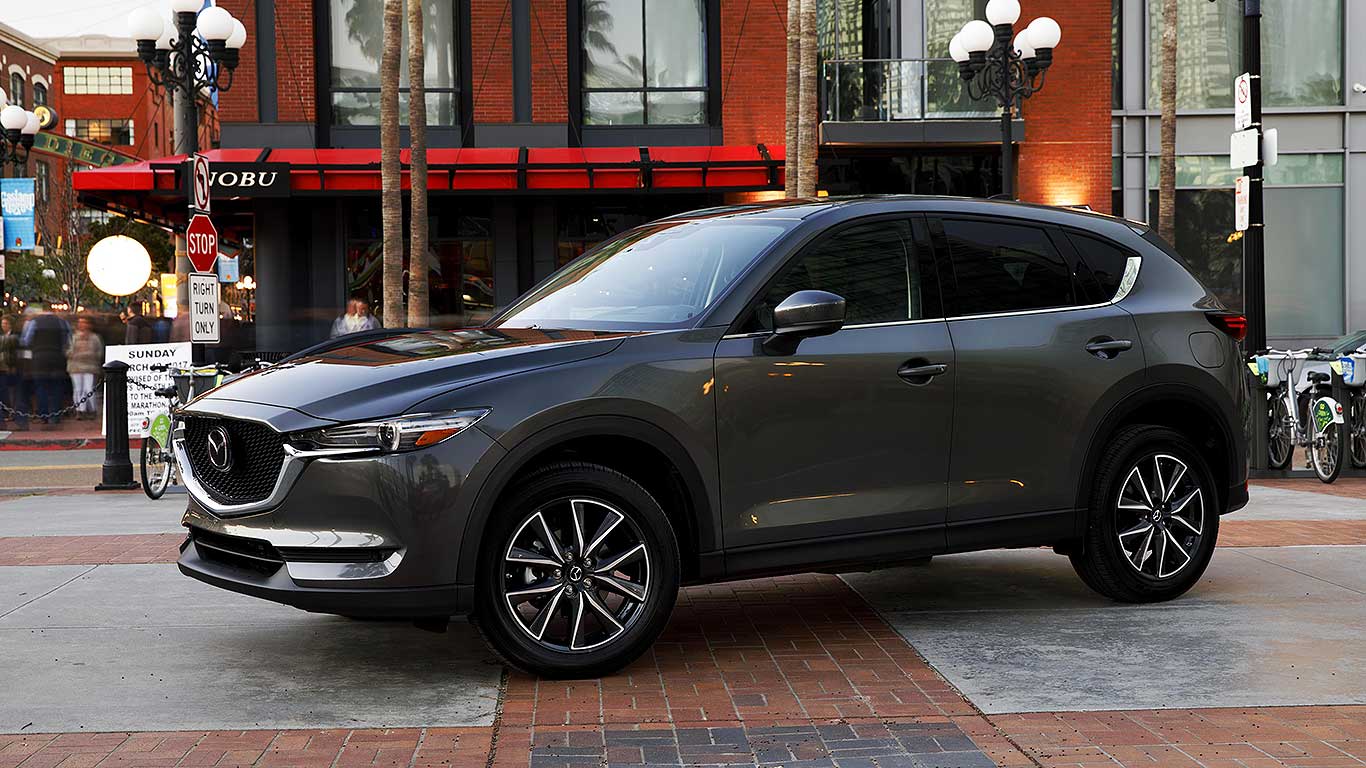
The previous Mazda CX-5 didn’t strike many people as a car in need of replacement. That didn’t stop the car-loving Japanese doing just that though, giving us a CX-5 even sharper, roomier, more refined and more fun to drive than before. No matter what continent you’re on, the CX-5 is a great five-seat mid-size SUV.

My thoughts: I drove it in LA and was impressed by its engaging handling, stylish looks and practical interior. Then I came back to the UK and swapped the North American petrol engine for a turbodiesel. It was, if anything, better still. This one’s definitely a contender.

Nissan Leaf

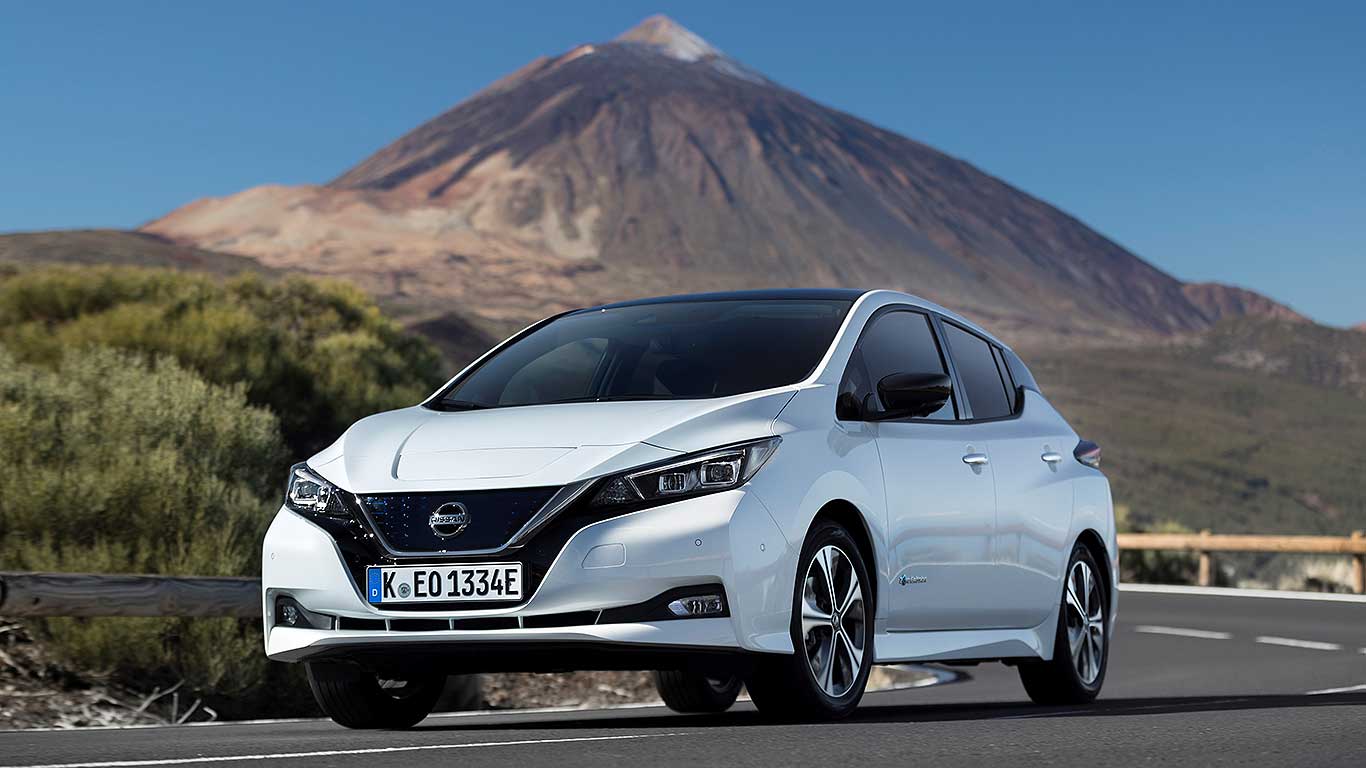
One of the most important new cars to launch this year, full stop. Nissan launched the affordable electric car sector with the original Leaf, and this second generation one aims to address everything it’s learnt about EVs to further extend its lead over rivals. The firm looks to have done just that, and more.

My thoughts: The original one had quirky, oddball styling. This one looks much more normal, with a crisp exterior and appealing cabin. The range is longer, it drives with greater engagement, is faster, charges up faster, has a bigger boot – yet somehow costs even less than the original. Bravo, Nissan.

Range Rover Velar

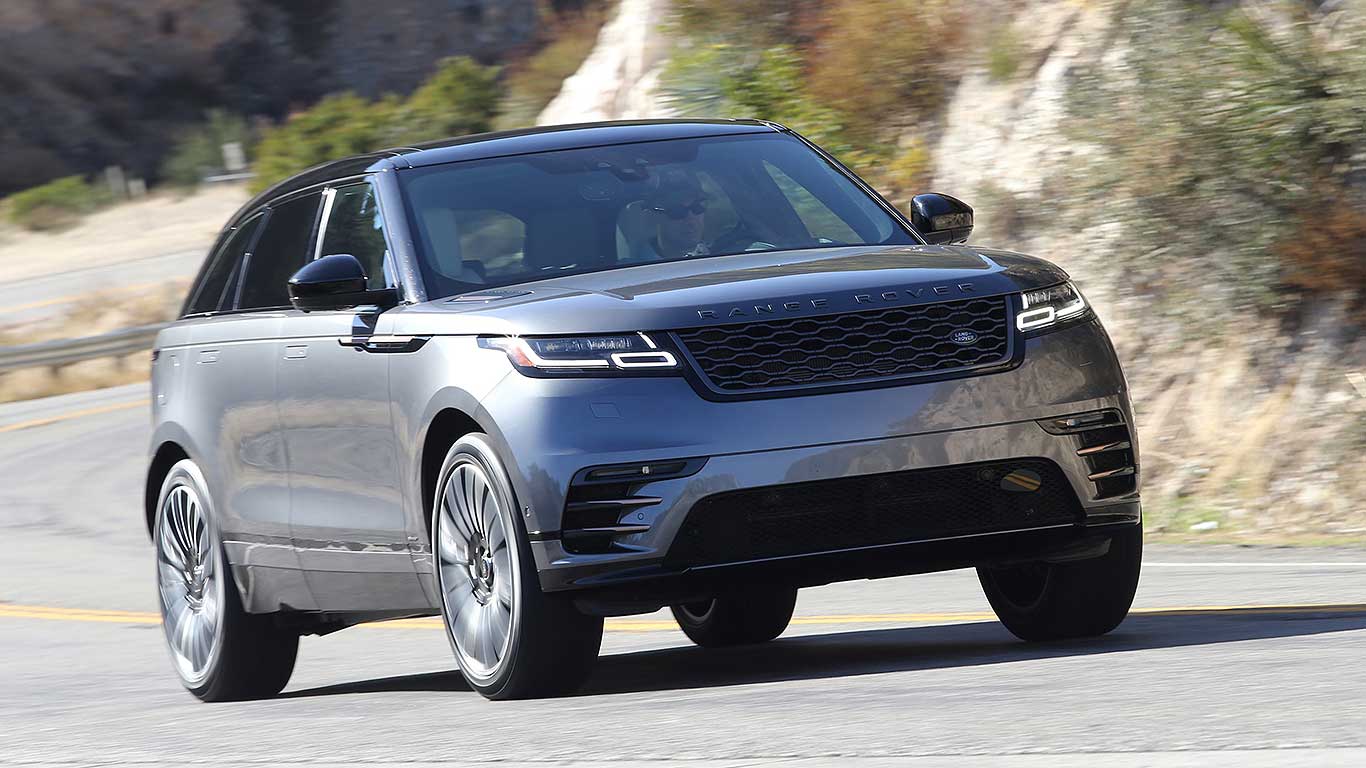
A Range Rover surprise. We didn’t expect the firm to launch an all-new model last year, but the Velar has slotted in neatly between posh Evoque and entry-level Range Rover Sport. The standout is how it looks, both outside and in, but it drives with easygoing elegance as well, with the refinement to back up its classy style.

My thoughts: Land Rover calls it a ‘white space car’. But it’s no mere white goods transport. OK, it doesn’t quite have the sparkle of the related Jaguar F-Pace behind the wheel, but its ultra-contemporary styling and brilliant interior makes up for this. Pity about prices that very quickly get very, very expensive indeed…

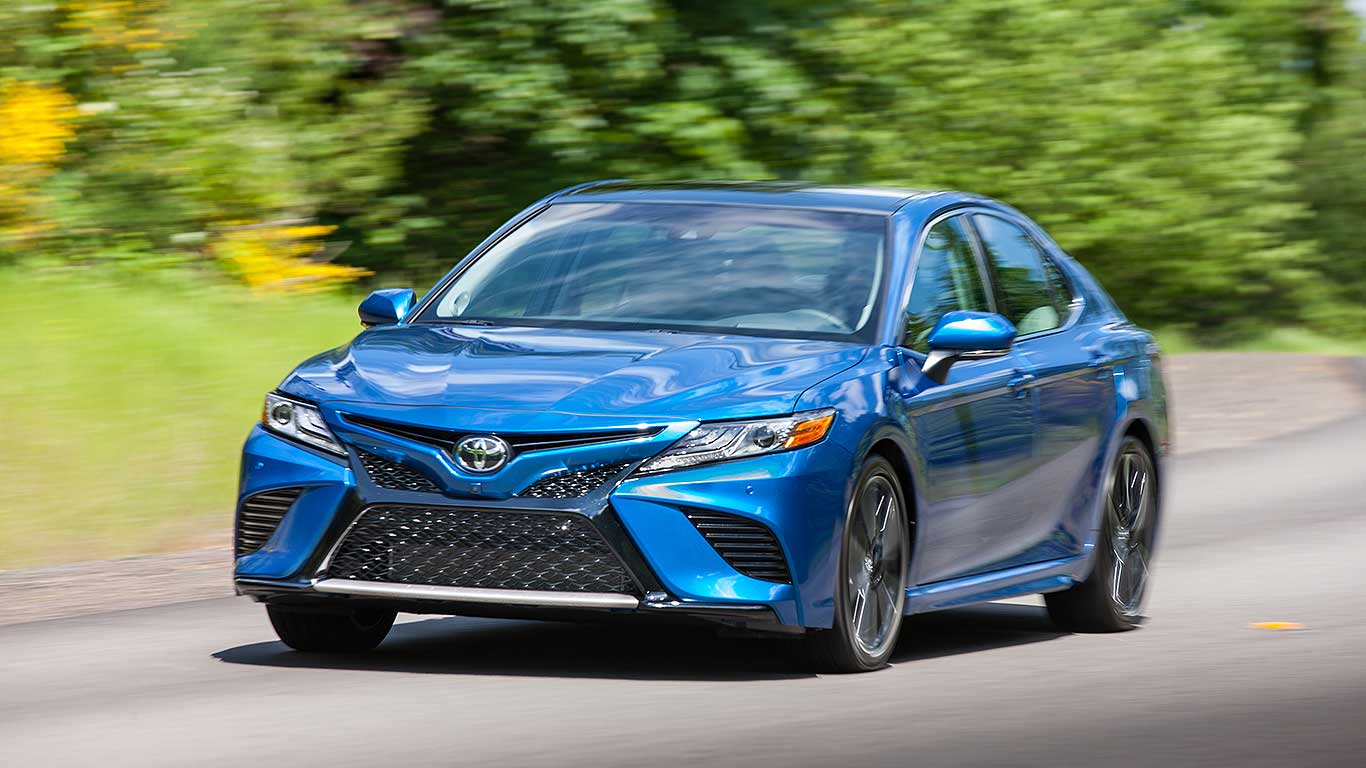
Toyota Camry

The North American best-seller gets a radical new look that gives it newfound attitude. The Camry backs it up with a tight drive as well, all enjoyed from a nice cabin.

My thoughts: The Camry’s done good. It’s no longer dull, formulaic three-box transport for those bored by anything to do with cars. But will its obvious focus on North America restrict its appeal in the rest of the globe?

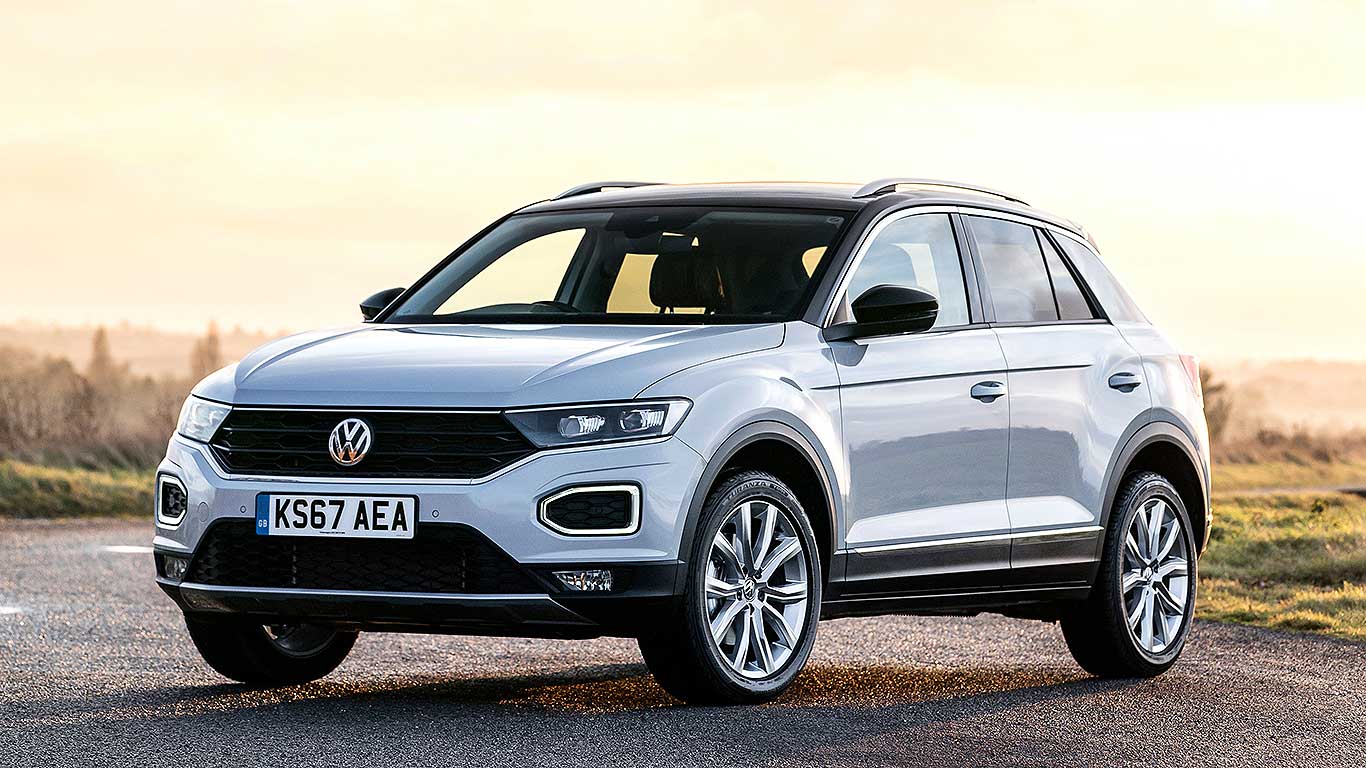
Volkswagen T-Roc

Volkswagen’s SUV frenzy continues. Fitting in below the Tiguan, and above the Golf, is the new T-Roc, a crossover billed as the modern-day SUV-themed interpretation of the original Scirocco coupe. It looks fantastic, has a typically sound VW interior and is an accomplished machine to drive.  

My thoughts: I like the T-Roc, a lot. It’s not the biggest of family-sized SUVs, but should still be big enough, and the fact this has helped keep prices in check means I expect it to be a top-10 best-seller in key markets sooner rather than later. It’s that good.

Volvo XC60

The replacement to the original and very long-running XC60 is a car designed very much in the modern Volvo way. But looking like a downsized XC90 is no bad thing, not least when it means you can charge more attainable prices so more people might be able to consider one.

My thoughts: Tight looks, a brilliant interior, family-friendly space for five and a drive that’s up there with the best of them, it’s not hard to see the appeal of the XC60. It’s a formidable challenger to an arch-rival that also appears in this top 10, the BMW X3. Any bets on which will come out on top?

But what about the other awards? Here are the finalists in the other World Car Awards gongs up for grabs. 

2018 World Urban Car

The World Urban Car was a new award for 2017. It’s focused on compact, practical, city-friendly all-rounders that are small but not too small, wieldy for the town but still decent on a longer run. This year’s shortlist sees regular supermini small cars do battle against B-SUV crossovers.

  • Ford Fiesta
  • Hyundai Kona
  • Nissan Micra
  • Suzuki Swift
  • Volkswagen Polo

2018 World Luxury Car

We can’t all be lucky enough to sit in a decadent Bentley, but some of us are still able to afford our own luxury car. Which are the top new arrivals in 2018? Here are the five contenders for the World Luxury Car prize.

  • Audi A8
  • BMW 6 Series Gran Turismo
  • Lexus LS
  • Porsche Cayenne
  • Porsche Panamera

2018 World Performance Car

For many, this is the most exciting category of all. Car makers are forever pushing the boundaries of performance and the front-runners for the 2018 prize are typically all machines that no enthusiast would turn down…

  • Alfa Romeo Giulia Quadrifoglio
  • Audi RS 3 Sedan
  • BMW M5
  • Honda Civic Type R
  • Lexus LC 500

2018 World Green Car

The importance of good green cars grows with every year. And so does car makers’ ability to build ever-more accomplished ones. Here’s what’s in the running for the 2018 World Green Car prize.

  • BMW 530e iPerformance
  • Chevrolet Cruze Diesel
  • Chrysler Pacifica Hybrid
  • Nissan Leaf

2018 World Car Design of the Year

The World Car Design of the Year is judged from a shortlist of five cars picked by a panel of renowned car designers. In the running this year are five standout new car designs.

  • Citroen C3 Aircross
  • Lexus LC 500
  • Range Rover Velar
  • Renault Alpine A110
  • Volvo XC60

What’s next?

Jurors now head into another round of voting, based upon more detailed testing of the finalists. The top three finalists in each category will be announced at the 2018 Geneva Motor Show in March, before the winners being revealed at NYIAS in April.

Advertisement

Range Rover SV Coupe announced for Geneva 2018

0

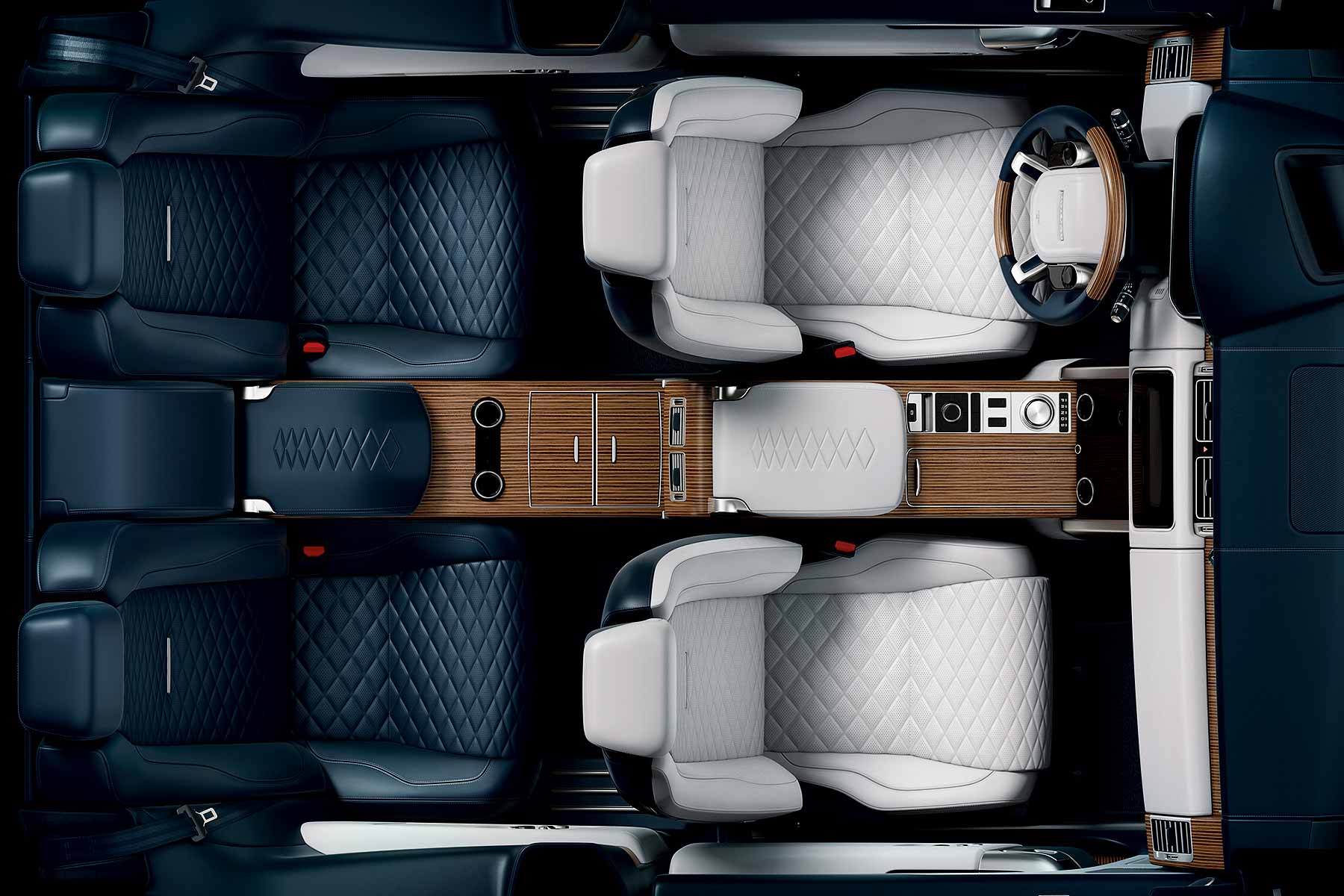
Range Rover SVCoupe interior

Land Rover has announced plans for a luxury SUV coupe to take on the likes of the BMW X6 and Mercedes GLE.

Set to be launched at this year’s Geneva Motor Show, the SV Coupe will be “a dramatic addition to the Range Rover portfolio”, says Land Rover.

  • 2004 Range Stormer: the first Range Rover Coupe was a retro concept

The ‘SV’ in its name is short for Special Vehicle Operations, the team at Land Rover that recently gave us the £150,000 Defender V8.

The Range Rover SV Coupe will be hand-assembled at the SV technical centre in Warwickshire, with production limited to just 999 for worldwide distribution. Going by the Defender V8’s price tag and the SV Coupe’s limited numbers, we reckon it might be a fair bit pricier than the likes of the BMW X6. Indeed, with the SVAutobiography starting at £167,850, could the coupe even take on the Lamborghini Urus?

Of course, Land Rover is keen to emphasise its heritage with the new SV Coupe. The Range Rover was originally available as a three-door model in 1970, and the more recent Range Stormer concept of 2004 was a three-door.

“Land Rover created the luxury SUV sector with Range Rover almost 50 years ago,” said Land Rover’s Special Operations managing director, John Edwards. “In launching the new Range Rover SV Coupe, we will offer clients an alluring combination of peerless luxury and rarity. Unveiling this special vehicle at Geneva International Motor Show in March, during Land Rover’s 70th Anniversary year, will be a defining moment for Land Rover, the Range Rover portfolio and Special Vehicle Operations.”

The only teaser pic revealed of the Range Rover SV Coupe so far shows a luxurious four-seat cabin, with an upmarket wooden centre console running alongside the transmission tunnel.

Design chief Gerry McGovern said: “The Range Rover SV Coupe is a highly compelling design with peerless refinement and uncompromised sophistication from its breathtaking exterior proportions to its sumptuous, beautifully appointed, interior. This is a vehicle that will resonate on an emotional level.”

We’ll see the Range Rover SV Coupe in the metal for the first time at this year’s Geneva Motor Show, which kicks off on 6 March. Motoring Research will be reporting live.

Read more:

Advertisement

Renault Clio Urban Nav special costs from £149 a month

0

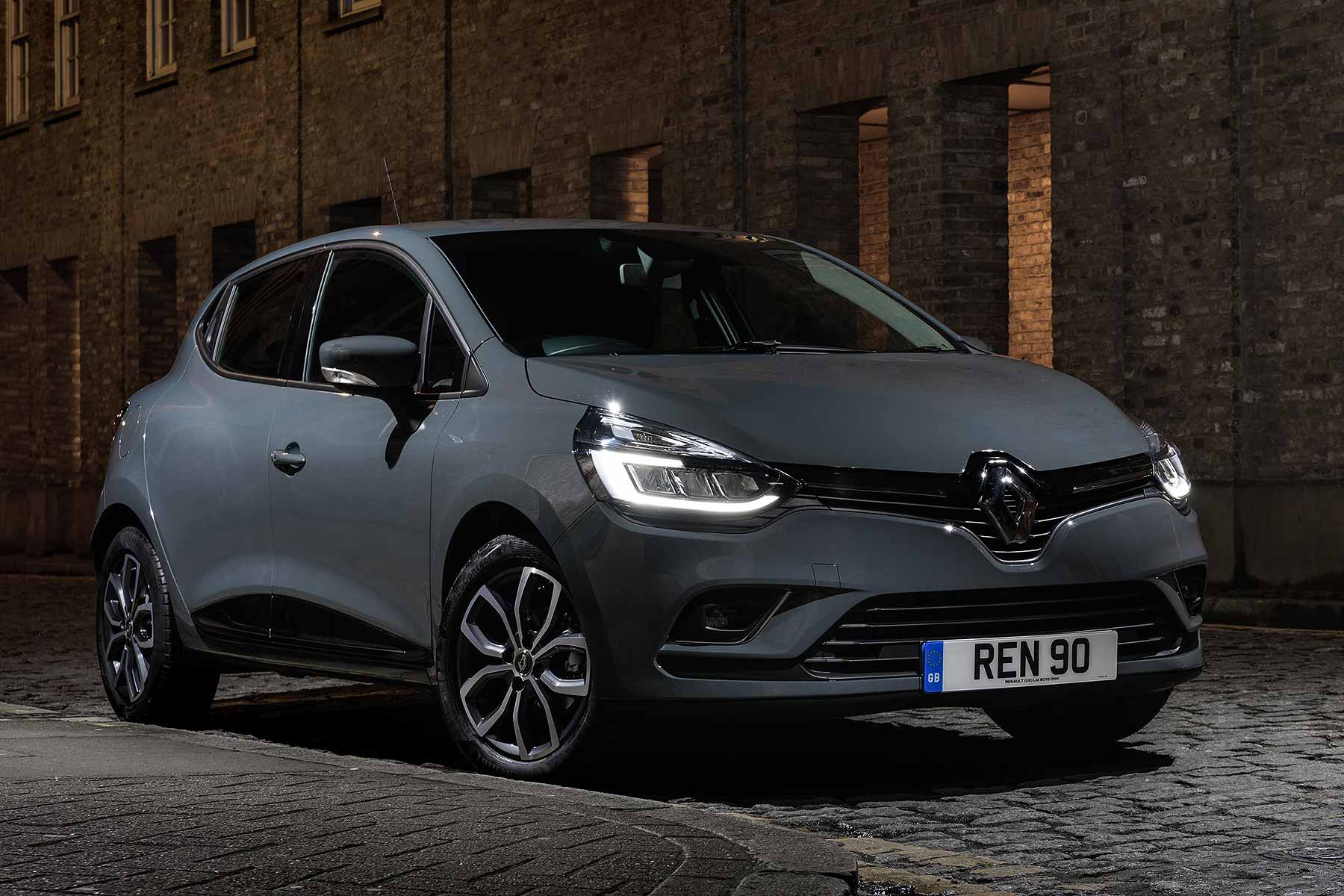
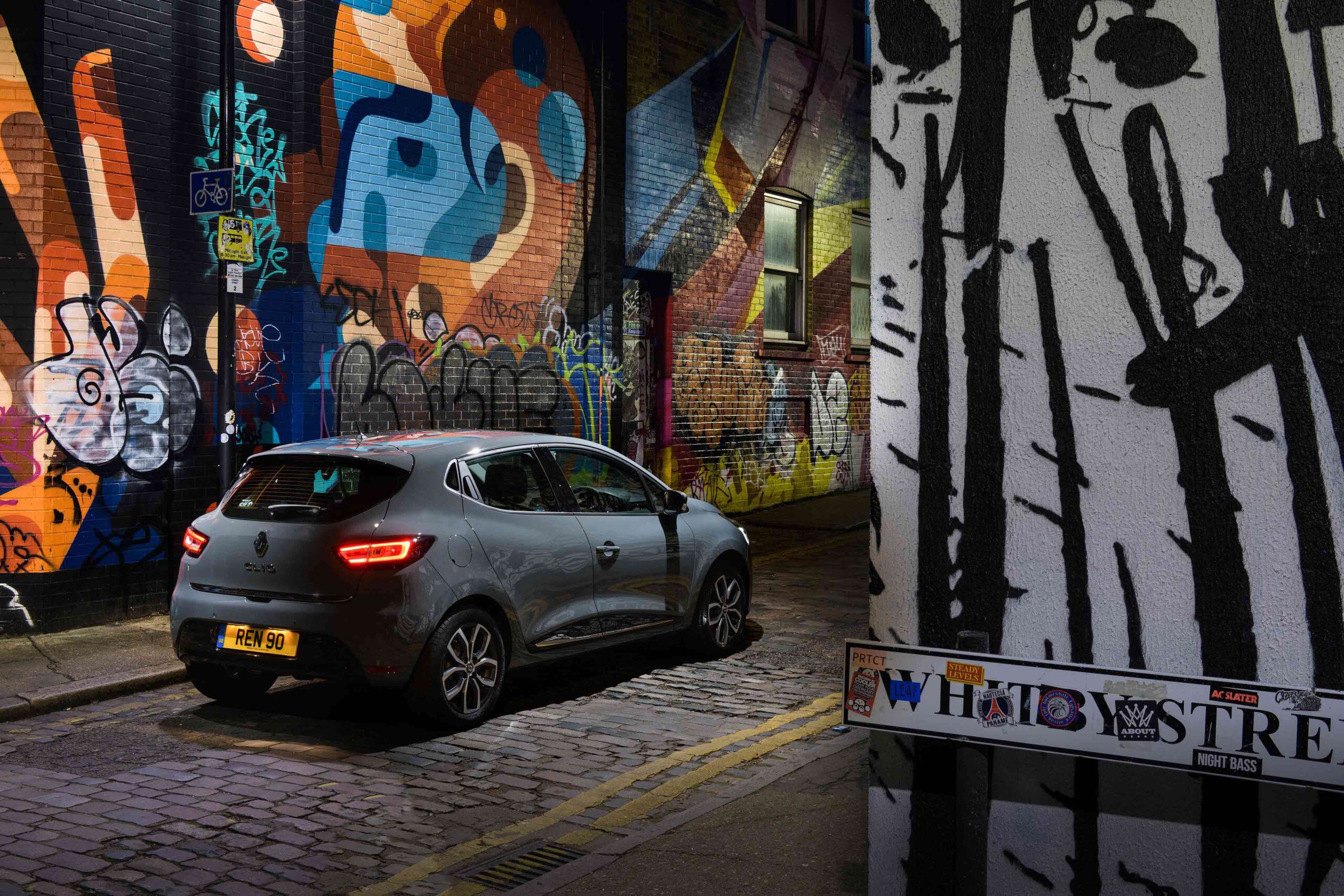
Renault Clio Urban Nav 2018Renault has launched a new special edition Clio called the Urban Nav. It’s based on the popular Dynamique Nav model, so includes TomTom sat nav as standard, but also adds 16-inch grey alloy wheels, full LED headlights and rear parking sensors.

The Urban Nav is finished in a special body colour called, fittingly, Urban grey.

Renault Clio Urban Nav 2018

Prices start from £16,225, which is £575 more than a Dynamique Nav – but Renault calculates the extra equipment is worth £1,265.

There’s more. Renault’s also pulled together a 0 percent finance PCP package; in return for a £5,030 deposit, customers can pay £149 a month for three years, with a final payment of £5,831. If they’re aged 21-75, they’ll also get a year’s free insurance.

The Urban Nav is available with a 0.9-litre TCe 90 turbo petrol engine for the £16,225 starter price. The 1.5-litre dCi 90 costs £17,625, and if it wasn’t for the fact it was also available with an auto (for, deep breath, £18,995), we’d question Renault’s logic in offering it at all.
Few people buy diesel superminis, yet alone in the current down-on-diesel climate. Besides, even the petrol does 60.1mpg.

Deliveries of the new Urban Nav begin in March – just in time for the new 18-plate registration.

Read more: 

Advertisement

Wayne Rooney forced to sell supercar after drink-drive ban

0

Wayne Rooney forced to flog supercar after drink-drive ban

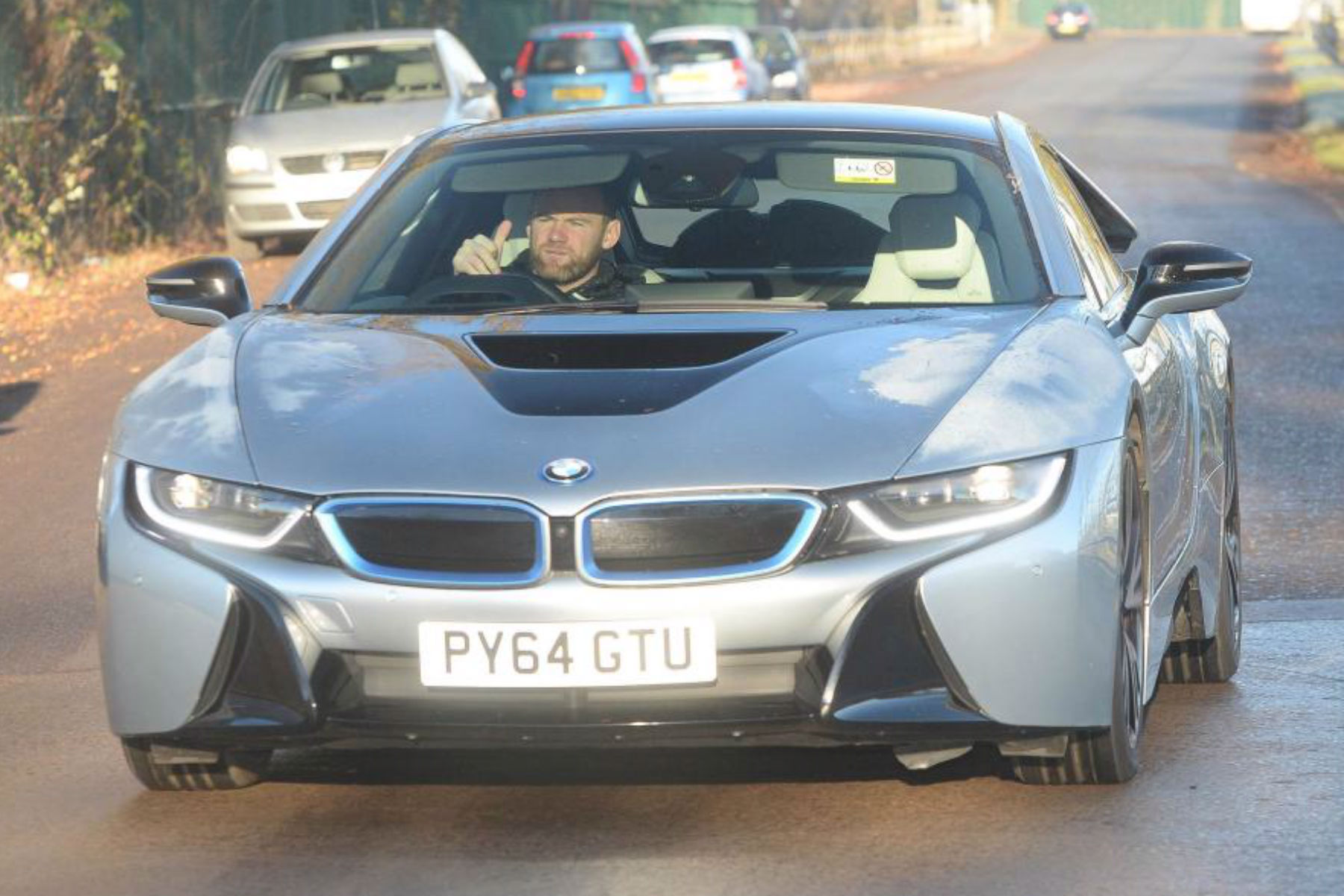
Former England football captain Wayne Rooney has been banned for driving for two years after being caught at nearly three times over the legal alcohol limit.

This has led to the Everton FC star – who described his actions as a ‘lack of judgement’ – returning his BMW i8 hybrid supercar to his local dealer and asking them to sell it on his behalf. It’s believed that the i8 could be one of a number of cars being sold by Rooney following his driving ban.

Auto Trader’s most popular hybrid cars (December 2017)
Toyota Auris Hybrid
Mercedes-Benz E-Class
Toyota Prius
Mitsubishi Outlander
Mercedes-Benz C-Class
Toyota Yaris Hybrid
Lexus IS300h
BMW 3 Series
Lexus CT200h
Toyota RAV4 Hybrid

The silver BMW i8 is listed on Auto Trader for £64,995 at a BMW dealership in Blackpool. It’s showing less than 8,000 miles on the clock, meaning Rooney’s averaged less than 3,000 miles a year since it was bought new in 2015.

“It’s refreshing to see a footballer driving a hybrid, rather than a Chelsea tractor or gas-guzzling supercar, and even more so to see a footballer’s car in a sober colour,” said Auto Trader’s editorial director, Erin Baker.

“The trend with more premiership stars plugging-in also reflects the wider UK car market. On Auto Trader’s marketplace in December searches for electric vehicles increased by 56 percent year-on-year – with hybrid vehicles also showing a substantial 50 percent rise from buyers exploring newer fuel types.”

The BMW i8 – which will have cost around £112,000 when new – combines a downsized turbocharged three-cylinder petrol engine with two electric motors. It can hit 62mph in 4.4 seconds

Leicester City FC made the news in 2016 when its chairman famously bought its championship-winning team their own fleet of BMW i8s.

Read more:

Advertisement

These secondhand diesels are most likely to go expensively wrong

0

These secondhand diesels are most likely to go expensively wrong

Secondhand diesel cars are three times more likely to go wrong – and when they do, they cost 20 percent more to fix on average.

That’s according to data revealed today by car warranty firm, MotorEasy. The company analysed 30,000 policies for three- to eight-year-old vehicles and found the average repair bill for a diesel car was £517 – compared with £433 for a petrol.

It says that engine faults are “far more prevalent in diesels than petrol cars”, with the biggest bill for a faulty diesel coming to an eye-watering £4,030.80.

Diesel cars are less reliable than petrols for more than seven in 10 manufacturers (71%), with Alfa Romeo diesels faring the worst against their petrol counterparts – and experiencing a fault almost four times as often.

Secondhand Skodas are the most reliable diesels, according to MotorEasy, with a failure rate of nine percent.

The 10 least reliable secondhand diesels 

Make Average diesel failure rate
Audi 26%
Mini 26% 
Vauxhall 26% 
Mercedes-Benz 27% 
Kia 29% 
Mazda 33%
Saab 33%
Mitsubishi 36%
Land Rover 41%
Alfa Romeo 47%

The manufacturers with highest average diesel engine repair costs compared to their petrol counterparts were Alfa Romeo, Kia and Mazda.

The higher rate of diesel engine failures is mainly because they’re under more pressure than petrol counterparts, says the warranty firm. Diesel units rely on self-compression, meaning that fuel is compressed to a much greater extent, putting more pressure on internal engine parts.

Curiously, petrol-powered BMWs experienced faults 60 percent more frequently than the equivalent diesels. Audis, Skodas, Minis and Peugeots also bucked the trend.

“Diesels experience many more small problems than petrol cars,” said MotorEasy founder, Duncan McClure Fisher. “They are less reliable and, when a big item goes wrong, it costs a lot more to put right.

“If you’re still considering a used diesel car, our advice is to avoid high-mileage examples, particularly if you are only driving low mileage or doing city driving.”

What is a DPF?

Many issues related to diesel cars can be related to its ‘diesel particulate filter’, or DPF.

Mandatory on all new diesels since 2009, DPFs capture dirty particulate matter from the exhaust. This is stored until it’s burned off – usually by driving at motorway speeds to allow the exhaust to reach a higher temperature.

Problems arise when the DPF gets blocked, usually because the car’s been driven for lots of short, urban journeys, which means the stored particulate matter hasn’t been burnt off.

Although there was a period when simply removing the DPF was common, this is now illegal – with fines of up to £1,000 and £2,500 for vans enforceable.

Advertisement