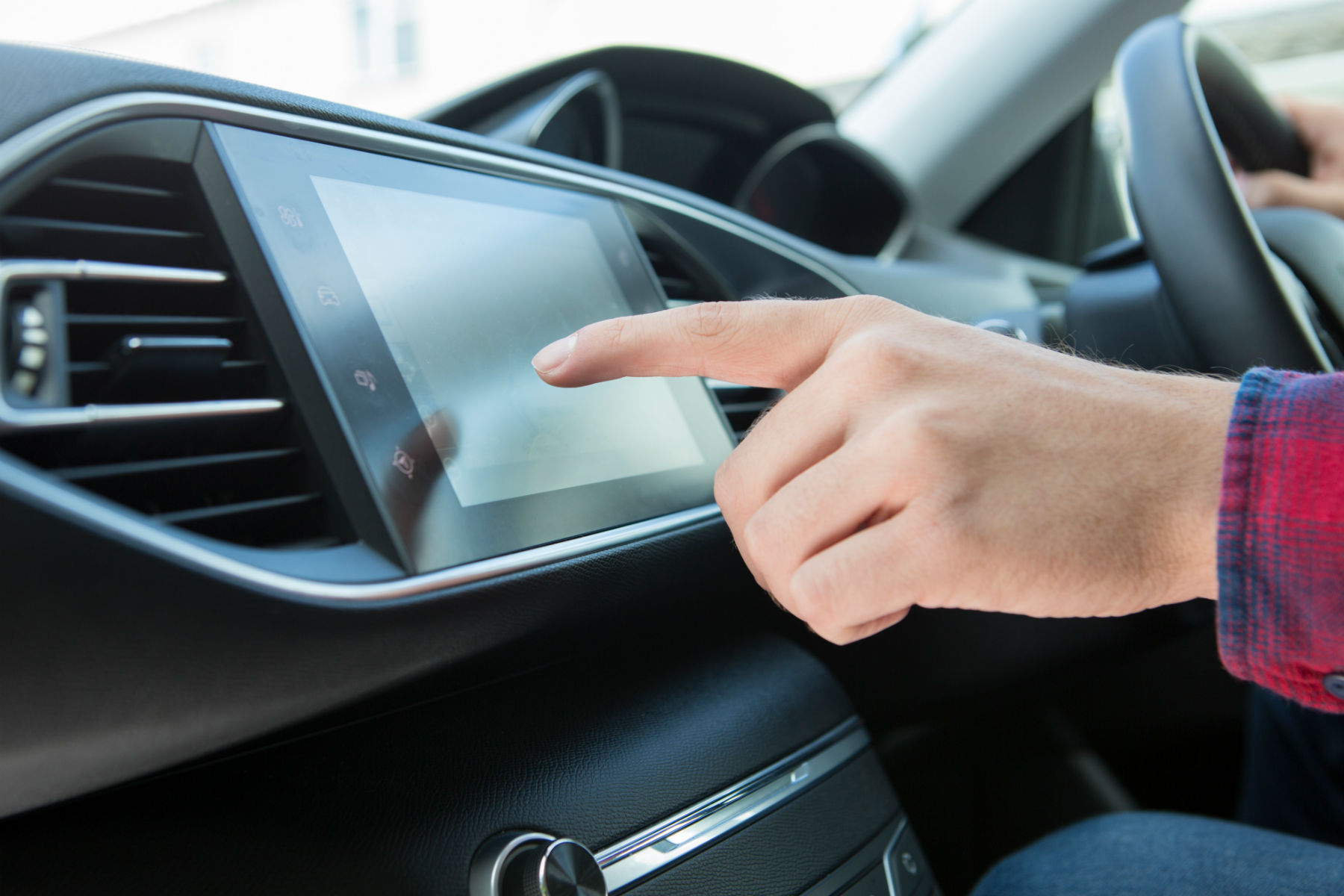
You wouldn’t sell your mobile phone without giving it a hard reset to clear important data such as call records and messages – but many company car drivers are happy to hand their vehicles back without removing such information.
Until now, firms that handle the remarketing of secondhand cars haven’t been under any pressure to delete these records, meaning they could soon be passed onto the car’s second owner. However, new data protection rules set to be introduced in May 2018 could give remarketers a headache, the Vehicle Remarketing Association (VRA) has warned.
“Anyone who has bought a used car in the last few years will know data such as satnav and phone records from the previous owner is often not removed when a vehicle is sold,” said the VRA’s deputy chair, Sam Watkins.
“It’s probably a good idea in general that this data should be deleted – it provides a very good indication of a person’s movements, work and social activities – but GDPR [General Data Protection Regulation] makes it a legal responsibility. At some point in the supply chain, it has to be deleted. The question is – who should be responsible for doing this?”
General Data Protection Regulation will replace the Data Protection Act 1998 in May 2018. It is European legislation designed to unify the separate EU member states’ regulations and to give people living in the EU more control over their personal data. It’s fundamentally the same as the Data Protection Act, but with a higher degree of emphasis on accountability and transparency.
“We have been aware of the GDPR legislation for some time and preparing for this legislation in a number of areas,” said Tim Bailey, fleet services director at Auxillis Services, a vehicle rental company providing replacement vehicle services. “Since the end of last year, on collection of vehicles from our customers, we remove all previous sat nav and in-car phone records as a matter of course. Given the varying methods employed by the manufacturers, this is no easy task, but is essential nevertheless.
“Any record that can be tied back to an individual needs to be dealt with in accordance with GDPR and your company’s resultant control policies.”
Deleting all sat-nav and phone records from your car can be a fairly simple task, depending on the car. Consult your owner’s manual for detailed advice – and let us know how easy it is with your car.