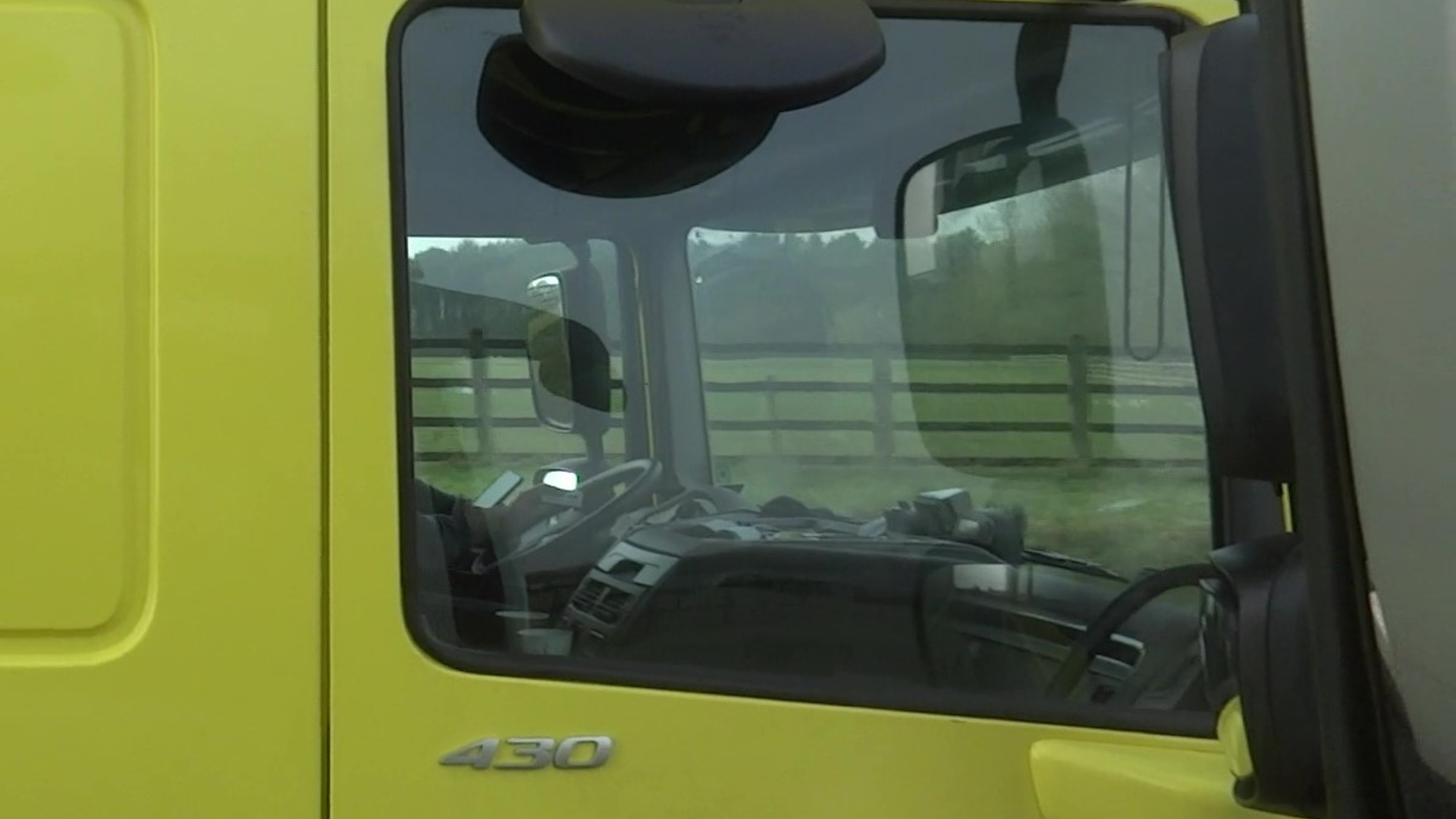
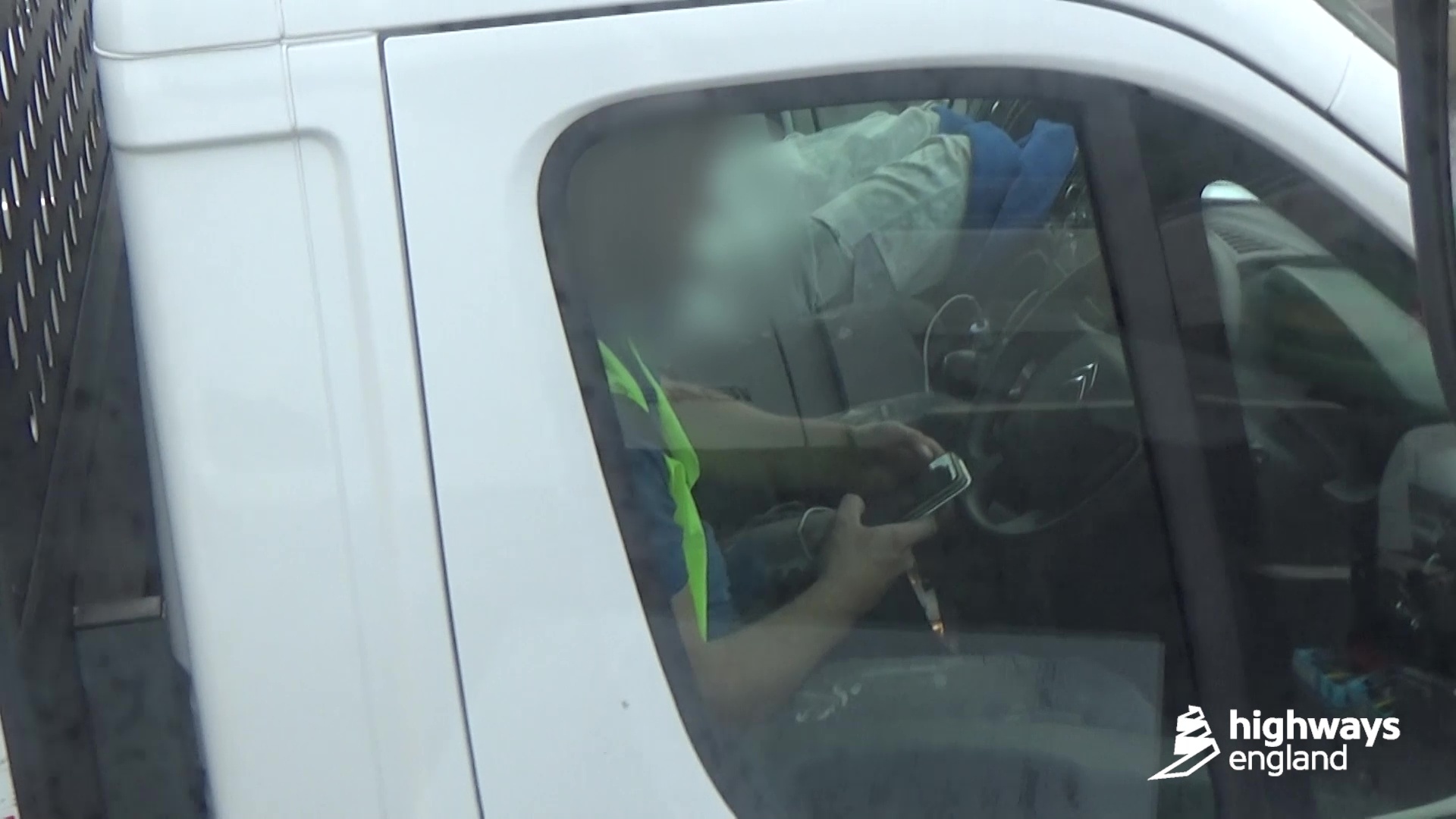
A truck driver has been caught driving with no hands on the wheel. Instead of steering his HGV, he was busy with a smartphone in one hand, and a credit card in the other.
How do we know this? Becuase it was caught on film by an unmarked ‘Supercab’ following it along the M40 near Leamington Spa.
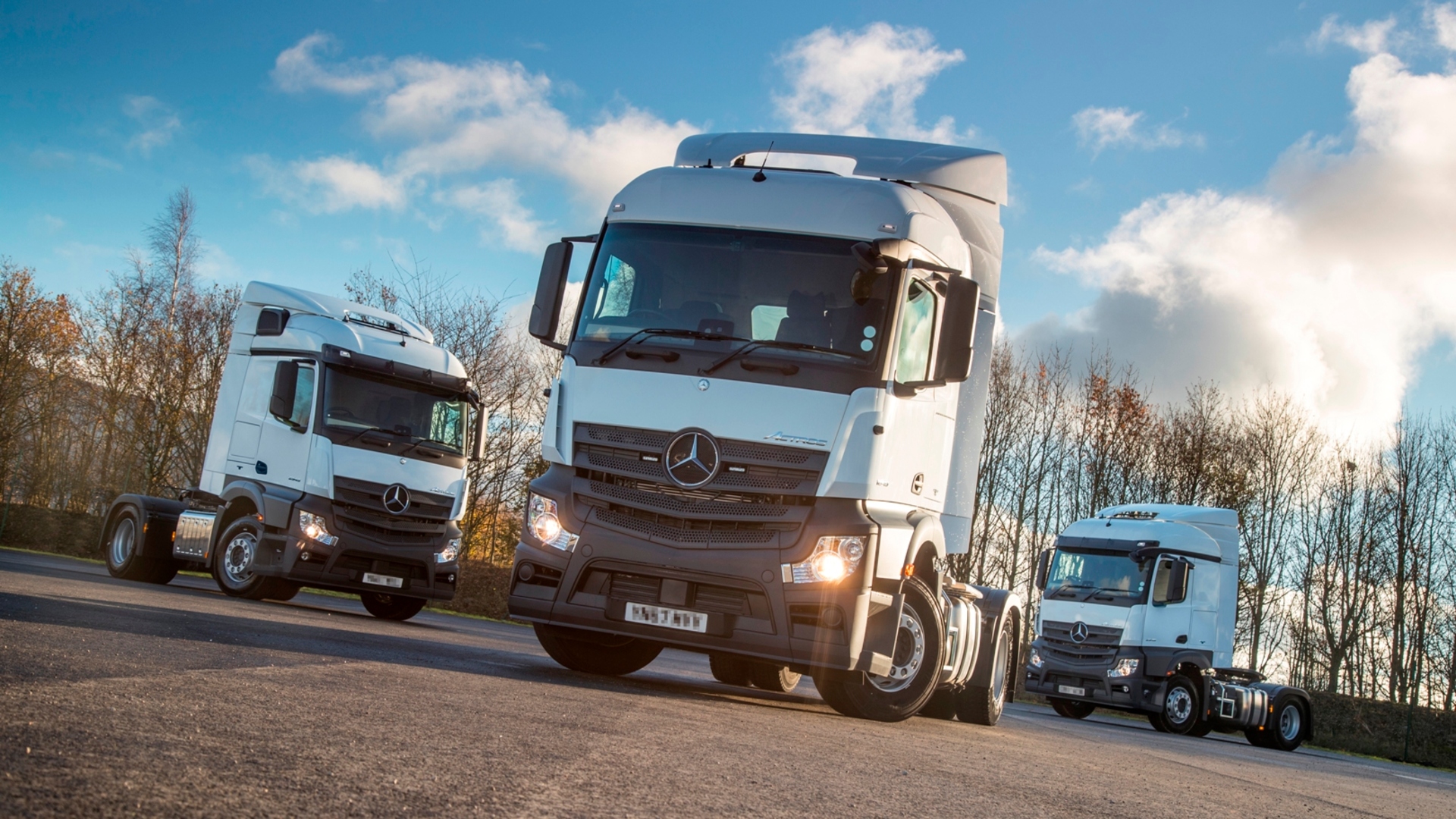
Equipped with CCTV to capture errant truckers, the Supercab is one of three Highways England’s undercover lorries monitoring ‘taller’ vehicles. Regular vehicles are too low to see into the cabs and spot wayward driving.
These Supercabs have been operating for the past year, as part of ‘Operation Tramline’. Over 3,500 offences have been recorded by the 29 Police forces making use of them.
Of these, 1,062 drivers have been caught using a mobile phone, similar to the shocking case above. On a related note, 262 were ‘not in proper control of the vehicle. Just 118 were caught speeding, but as many as 1,195 drivers were not wearing a seatbelt.
Of those 3,500-plus offences, there have been 73 prosecutions made as a direct result of the work of the Supercabs, as well as 462 penalty charge notices issued.
“Operation Tramline is a successful collaboration between the police and Highways England,” said Chief Constable Anthony Bangham, National Police Chiefs’ Council Lead for Roads Policing.
“We remain committed to tackling those who take unnecessary risks with their own safety and the safety of others on our roads by allowing themselves to be distracted while driving. The consequences of these actions are often devastating.
“We will continue to work alongside Highways England on Operation Tramline and will prosecute drivers who ignore the risks.”
Supercabs: the Police’s secret weapon
‘Supercab’ is no overstatement about these machines. While the three Supercabs don’t come with a Lamborghini badge, they do come specially equipped to go to work, at speed, helping police Britain’s motorways and A roads.
They’re de-restricted, being able to speed right up to the normal national speed limit, making them quicker than any other lorry on the road. They also have flashing lights ready to go, should the Police find themselves in an emergency situation.
“We introduced the three new HGV Supercabs last year to help keep the roads safe and tackle dangerous driving by people who have either got into bad habits or are simply ignoring the law,” said Richard Leonard, Head of Road Safety at Highways England.
“The cabs have helped to identify over 3,000 unsafe drivers over the past year.” Leonard added he hoped they would “encourage everyone to think about what more they could do to improve how they drive”.
One of the most iconic names in Japanese motoring history is back. Yes, the fifth-generation Toyota Supra is finally here as of its reveal in full at the 2019 Detroit Auto Show, after a 17-year hiatus. The first drives are taking place and we’ll give our verdict on the new GR Supra imminently. Can it live up to the hype?
The Supra’s ancestors include some of Japan’s most legendary performance cars. The brawny six-cylinder sports coupé first debuted in 1978, then the last Supra rolled off the production line in 2002 after 593,337 had been made. Toyota Supra, this is your life, so far…
A40: the first generation
The first incarnation of Toyota’s ultimate sports coupé was actually a more powerful version of the smaller Celica. First called Celica XX, and powered by a 2.0-litre six-cylinder engine, the XX was launched in 1978. The Supra badge would arrive a year later.
The Celica XX hit the US in 1979, and was christened Celica Supra to avoid a naming clash with a brand of beer. The legend was born. Engine size grew to 2.6 litres, but power was just 110hp. With a 0-60mph time of 10.2 seconds, it was a little more slack than super, and definitely not an out-and-out sports car.
The original Celica Supra continued for another two years, aimed at the luxury end of the coupé market. Its smooth straight-six engines and high-end trappings provided Toyota with a grand tourer to take on Datsun’s established range of Z-cars.
A60: the second generation
July 1981 saw the arrival of the second-generation Celica Supra (still christened Celica XX in Japan). More angular than its predecessor, the new car was the same as the third-generation Celica from the B-pillar backwards.
As before, though, the Supra’s longer front end allowed Toyota to drop in six-cylinder engines, including its new 145hp, 2.8-litre 5M-GE unit. A five-speed transmission was standard. Contemporary Celicas, meanwhile, still had two fewer cylinders.
Independent rear suspension, flared wheelarches and pop-up headlights gave an air of supremacy over the first-generation Supra, while ‘Performance Type’ (P-Type) and ‘Luxury Type’ (L-Type) models offered differing levels of equipment.
The Supra arrived in Europe in August 1982 and Toyota only brought 100 cars per month to the UK. Priced just above entry-level Porsche 924s, the Japanese car shared the German model’s front-engine, rear-wheel-drive ‘transaxle’ layout.
The second generation of Toyota’s big sports coupé also enjoyed success in the British Saloon Car Championship and Ulster Rally, campaigned by motorsport stars such as Win Percy, Barry Sheene and Per Eklund.
A70: the third generation
The third iteration of the Supra landed in August 1985, and moved the car on style-wise. More curvy lines lent the car an elegant, more grown-up look. The Supra also finally diverged from its Celica heritage, gaining a platform all its own.
Technically, the car had moved on, too. Part-aluminium double wishbone suspension featured on every corner, attached to links that filtered vibrations entering the interior. Toyota Electronically Modulated Suspension (TEMS) was available on some models, with ABS braking across the range.
In 1986, the Supra added another string to its bow. A removable targa top pandered to fresh-air fanciers who appealed for a hair-ruffling version of the Toyota coupé when it first appeared. Targa-topped US models gained the enticing ‘Sport Roof’ moniker.
Dependent on market, six-cylinder engines from 2.0 to 3.0 litres were available in the Mk3 Supra. Top of the tree from 1987 was a 235hp turbo. At long last, the Supra had the go to match its show: 0-60mph took 6.4 seconds.
The Supra got even hotter in 1988. The 270hp Turbo A was built to homologate the car for Group A racing in domestic and European touring car series, as well as the World Rally Championship. The limited-edition Supra 3.0 GT Turbo A was the period’s fastest Japanese production car. Zero to 60mph took just 5.0 seconds, and the 3.0 GT Turbo romped to 167mph.
An optional White Pack made the Supra brighter than the rising sun, while in 1991 Toyota dropped its JZ engine – which would also appear in its successor – into the Supra to create a 276hp powerhouse. It needed to move the game on thanks to the arrival of competitors such as the Honda NSX, Mazda RX-7 ‘FD’, and Nissan 300ZX.
A80: the fourth generation
Production of the A70 Supra ended in 1992. The fourth-generation A80 car was unveiled at the 1993 Chicago motor show, and was the culmination of four years of development. A more slippery shape with an optional rear spoiler signalled its performance potential.
Like the A70, the A80 Supra was leaner in its construction – even the carpet fibres and rear spoiler were hollow to shed weight – but was also more powerful than ever before. A naturally-aspirated or twin-blower 3.0-litre JZ engine gave between 220hp and 326hp. The six-speed Turbo gave true supercar-bothering performance.
So powerful was the new Supra, even rivals such as the Porsche 911 Carrera had problems keeping up. Brits and Europeans were only offered turbocharged models, and it’s easy to see why they shaded their German rival: the benchmark 0-60mph sprint was dispatched in a scorching 4.6 seconds.
With the Mk4, motorsport was once again on the agenda. The most competitive generation, the A80 did stints at Le Mans, Pikes Peak, mountain races in Switzerland, the US SCCA series, and was a leader in the All-Japan GT Championships from 1995 to 2003. In 2007, a modified Super GT car became the first hybrid to win a motor race: the 500bhp Denso SARD Supra HV-R took victory in the Tokachi 24-Hour endurance event.
Perhaps the fourth-generation Supra’s biggest claim to fame was to embed itself in the minds of car enthusiasts via its appearance in myriad computer games, including the legendary Gran Turismo and Need for Speed series. The A80 was also a big screen star, featuring in the first The Fast and the Furious film of 2001. The ride of Brian O’Conner, played by Paul Walker, the 700hp be-winged orange Supra inspired a host of copycat cars.
Even though UK sales had stopped in 1996, US drivers could still get their hands on a Supra until 1998. Costly upcoming emission regulations finally killed the Supra in 2002, the Japanese market not able to reverse an ever-decreasing annual sales tally. The Supra joined its Celica and MR2 relatives in Toyota’s sports coupé scrapyard.
The Toyota Supra is revived
However, in 2014, Toyota hinted at a return of its icon. Designed by Toyota’s Calty Design Research facility in Newport Beach, California, the FT-1 concept debuted at the North American International Auto Show in Detroit. In a case of life simulating art – and with a link to the A80 – the FT-1 also appeared in Gran Turismo 6 and the virtual car was used to pitch the concept to Toyota president Akio Toyoda.
The FT-1 (Future Toyota 1) was said to herald the ‘most capable, most exciting generation of vehicles the company has ever produced’. Billed as the ‘ultimate world-class sports car’ and ‘a true enthusiast track car in the iconic lineage of 2000 GT and Supra’, the FT-1 whipped up a frenzy among Supra fans.
2018 Geneva show star
The fifth-generation of Toyota’s range-topping sports coupé was shown as a thinly-veiled ‘modern racing concept’ at the 2018 Geneva Motor Show. We knew the GR Supra Racing Concept was the finished article, albeit with race-spec body addenda. It looks ready to take to the grid at Le Mans and battle GTE-class monsters.
The return of an icon
The new Supra was finally revealed in January 2019. It made its in-the-metal debut at the Detroit Motor Show. It’s twinned with the new BMW Z4 – including engines, transmission and much of the cabin – and there were questions over whether it would wind up being a bit too ‘BMW’. Enthusiasts also worried whether the legendary 2JZ-equipped A80 would find a true successor in the new car.
Going racing… again
Toyota wants the new Supra to win on the racetrack, just as previous generations did. This Supra GT4 Concept was unveiled at the Geneva Motor Show, as a preview for a racer that could go toe-to-toe with Aston Martin, Porsche and McLaren in GT4 racing.
A Supra… NASCAR?
Yes, you read that right. ‘Race on Sunday, sell on Monday’ isn’t dead, especially in America. Toyota knows this, and as a truly global car, the Supra has to conform to certain market tastes. That’s led to this rather interesting creation: a NASCAR in a Supra suit. Spot the differences between it and the GR Supra Racing Concept…
2019’s Suprastar sports car?
Now, the Supra is out in the world and Motoring Research is getting behind the wheel of the new Supra. Will it be as the detractors say – a thinly-veiled re-badged Z4? Or will it be a sports car befitting the legendary name? We’ll let you know very soon…
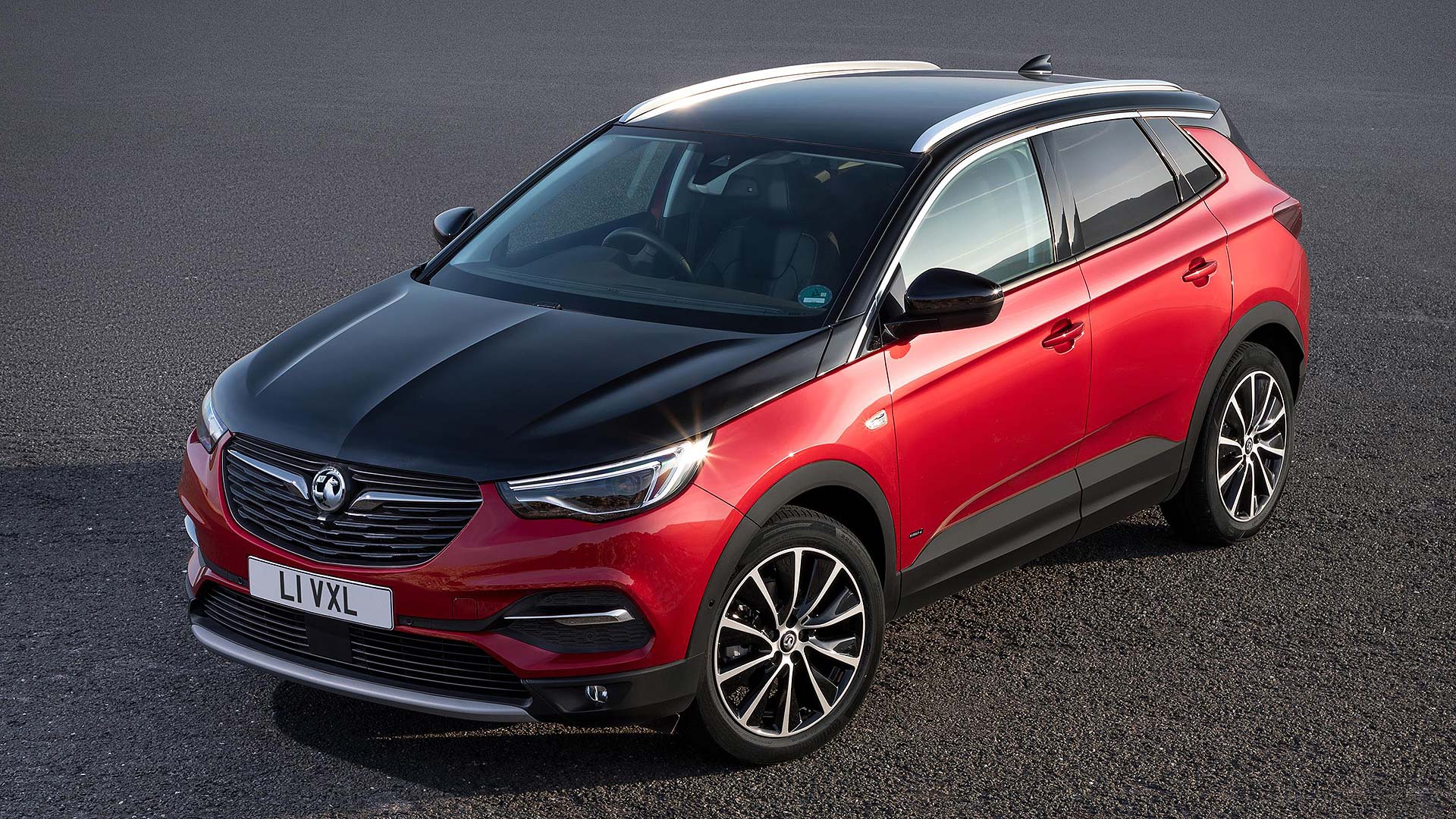
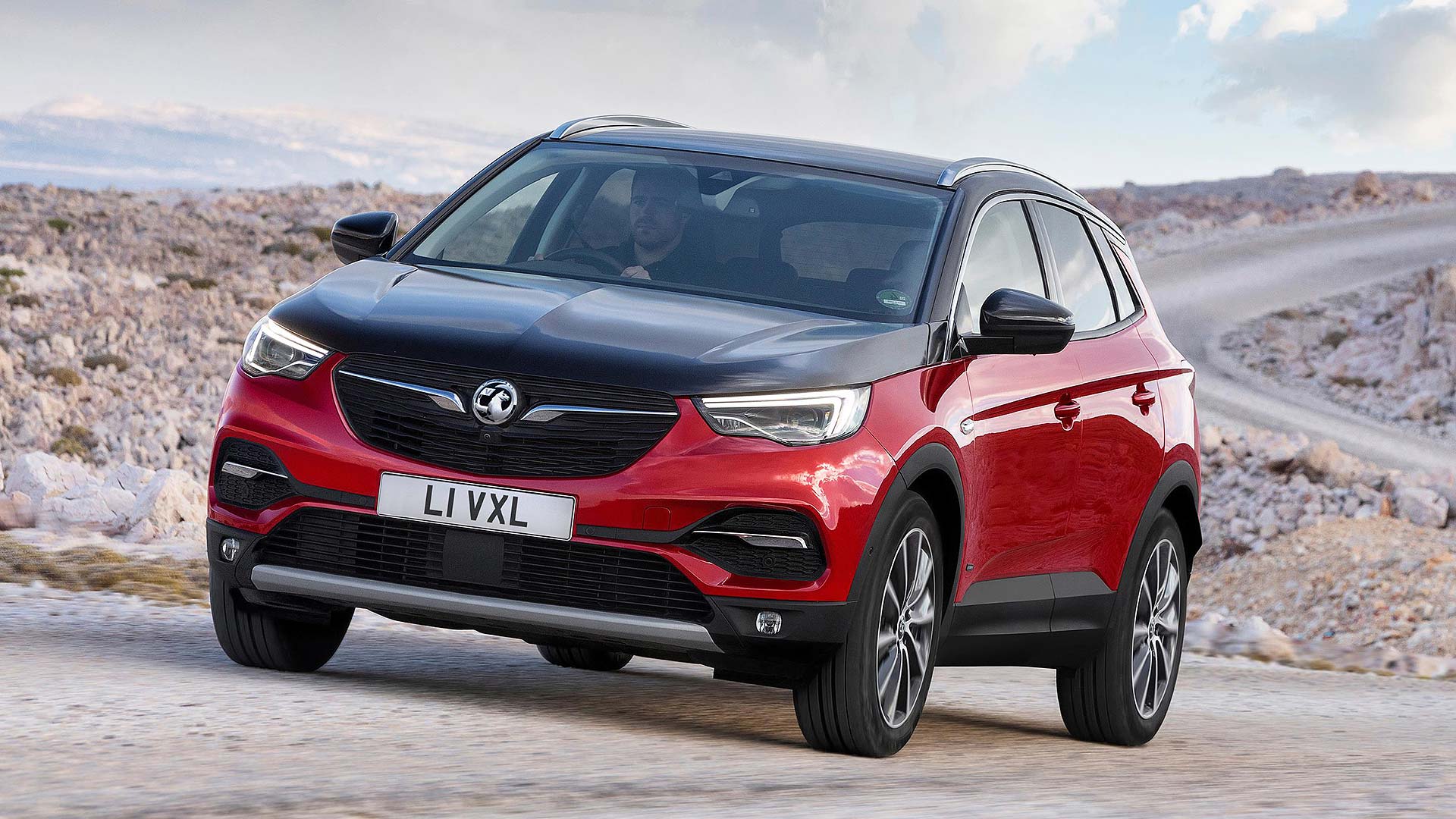
The British brand’s first ever plug-in car, it pairs a 200 horsepower 1.6-litre turbo petrol engine with TWO electric motors. Combined, these put out 109 horsepower, and are powered by a 13.2 kWh lithium ion battery.
The overall package delivers an impressive combination of 300 horsepower, four-wheel drive traction, 128 mpg and CO2 emissions of 49 g/km.
Vauxhall has fitted an eight-speed automatic gearbox to the engine; this contains one of the two electric motors. The second is mounted in the back, driving the rear wheels, but only ‘on demand’. It doesn’t run when not required, saving power and battery range.
The Grandland X Hybrid4 has a pure electric mode. If the battery is fully charged, it has a range of 30 miles, in ‘electric’ mode. The most efficient mode, however, is ‘hybrid’, which constantly switches between engine and electric drive.
Fast-chargers can be used (if PHEV drivers are not banned from using them, that is…), to rapidly top up the battery. Even using a 7.4 kW wallbox, a full recharge takes less than two hours.
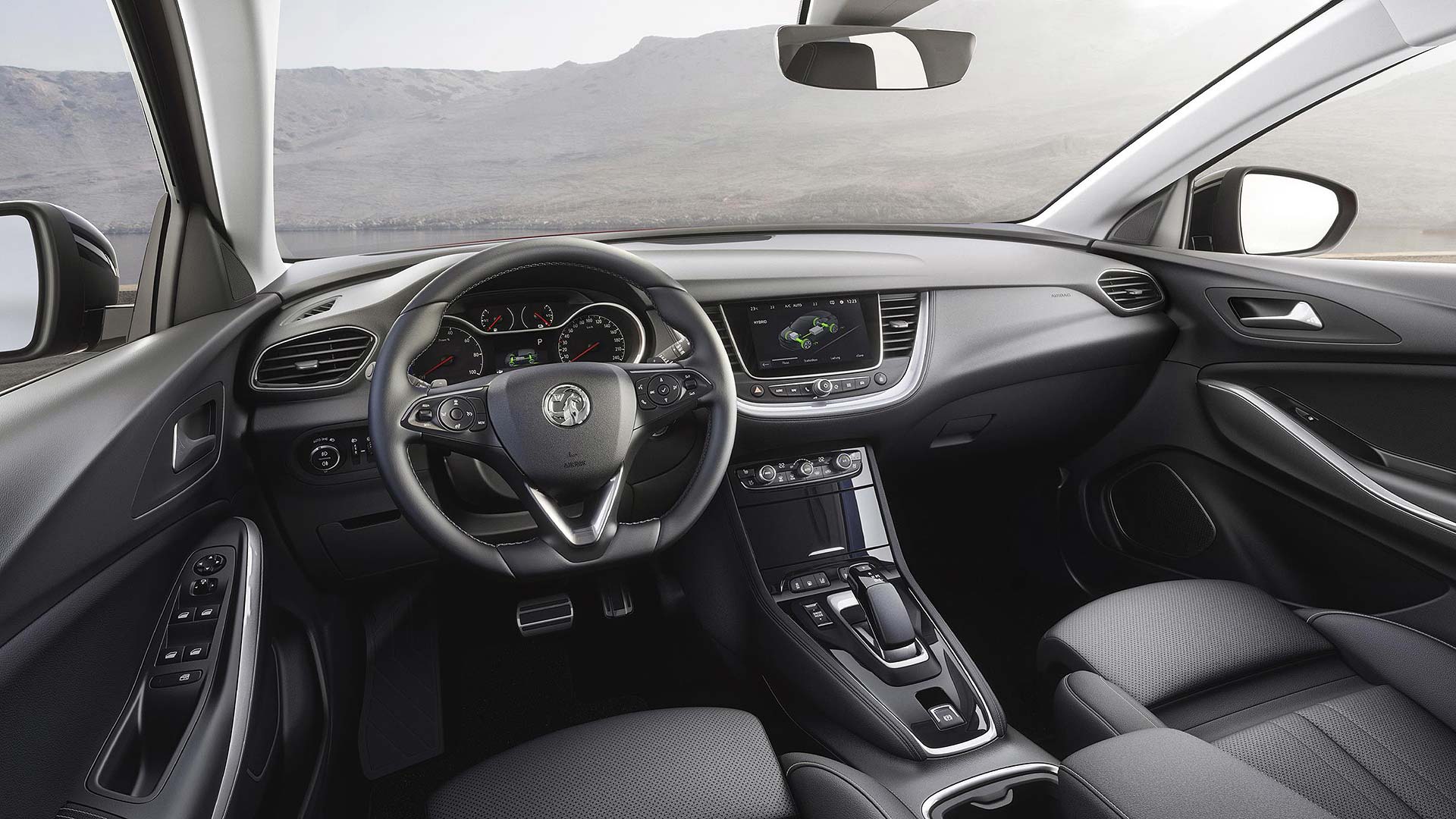
Sat nav is fitted as standard, and includes a mode that can guide drivers to the nearest charging station. Journeys can be planned to include charge stations en route, and Grandland X Hybrid4 owners will benefit from membership of Vauxhall Free2Move Services – opening up 85,000 charging points across Europe.
Vauxhall says the Grandland X Hybrid4 is quickly going to set a trend within its range. By 2024, every car it sells will be electrified – and fully electric cars are also part of this plan, with the first Vauxhall Corsa EV opening for ordering before the year is out.
Hopefully, the arrival of new models such as the Grandland X Hybrid4 can help turn around a decline in British plug-in hybrid sales: last month, they were down by more than 34 percent.
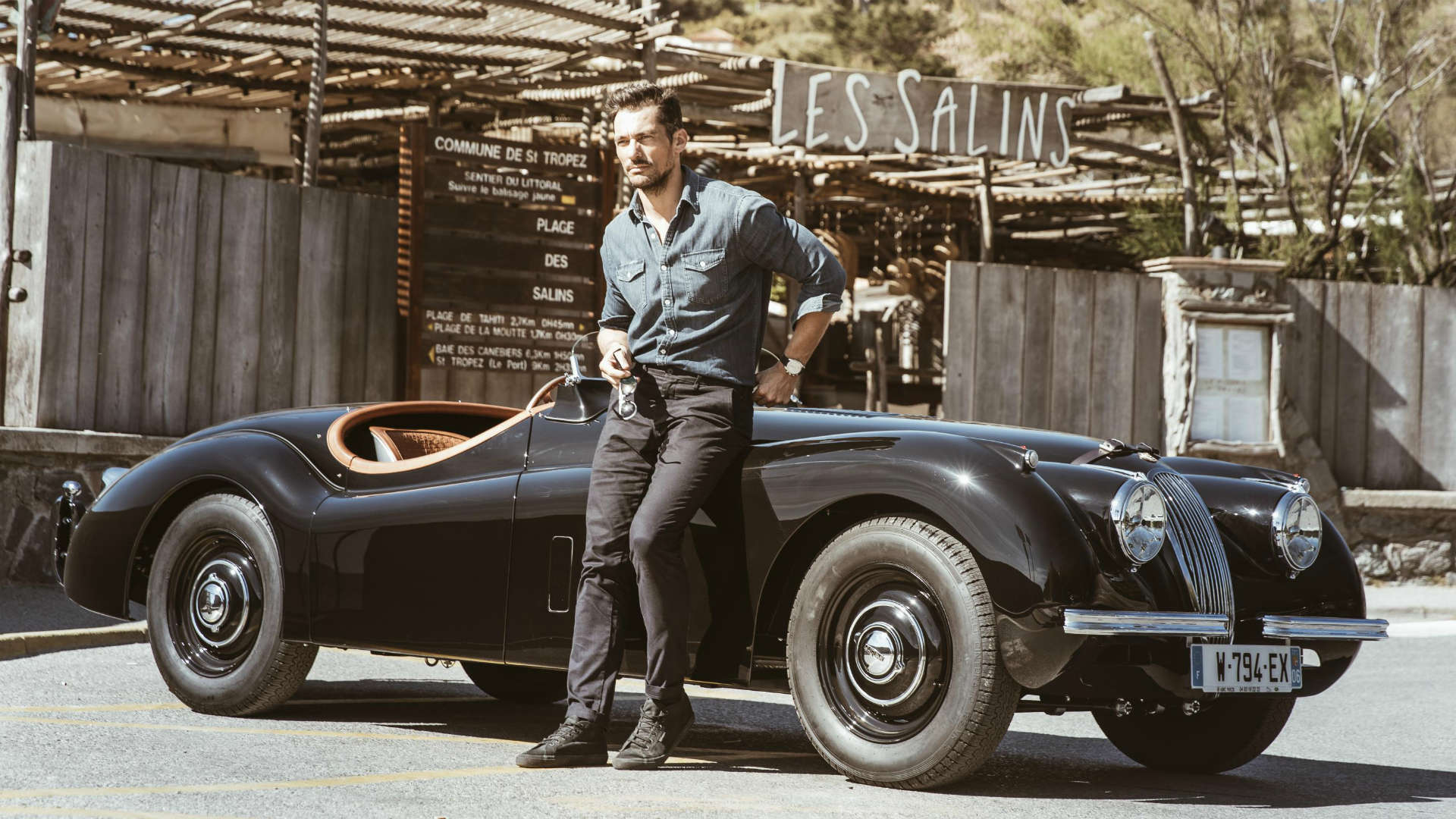
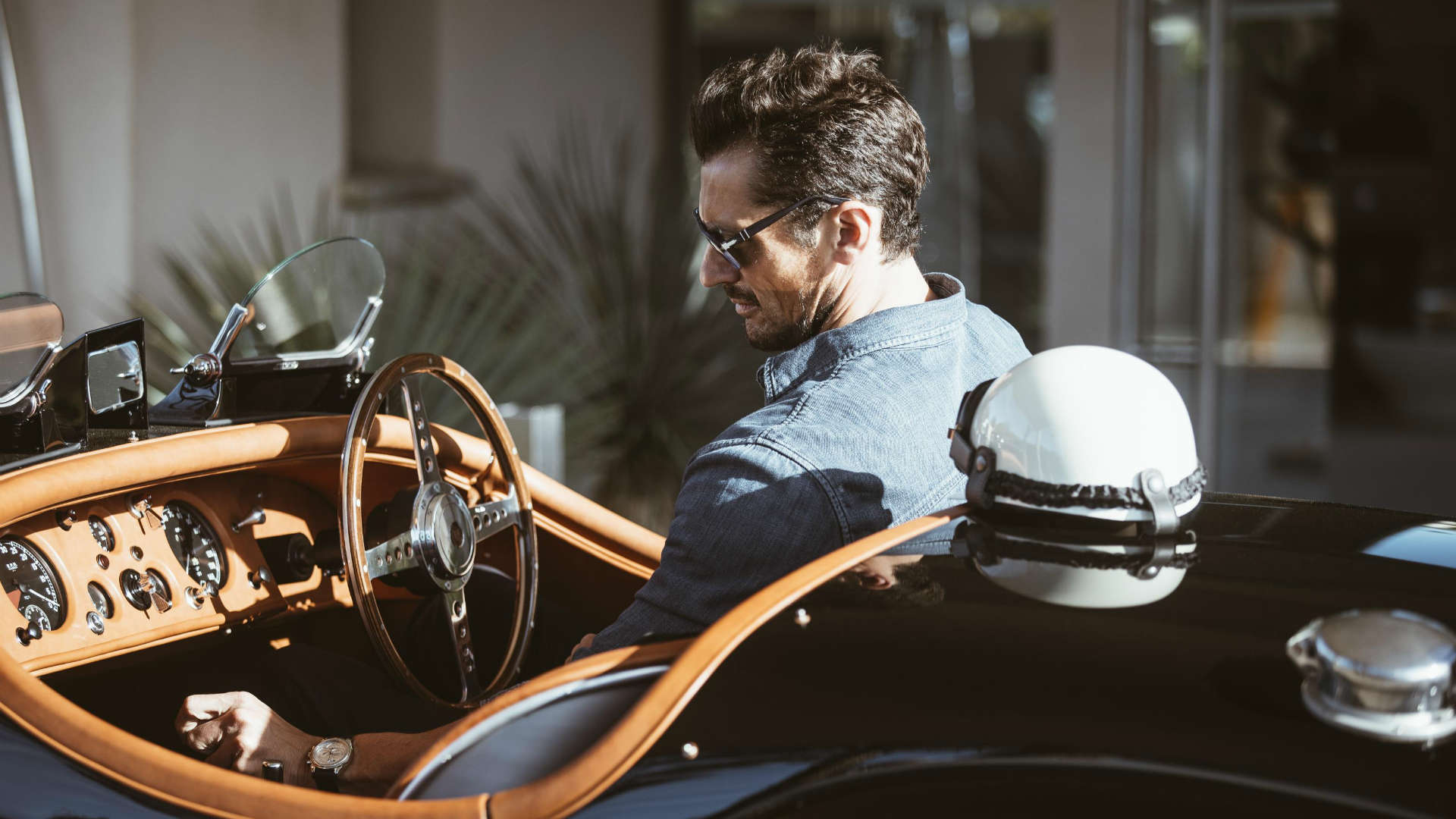
David Gandy is quite a good looking chap. He also looks half-decent in a pair of M&S undies. And now, he’s has taken delivery of a bespoke Jaguar XK120.
Life must be pretty tough for the male model.
Having taken part in the Mille Miglia, Gandy commissioned Jaguar Classic to source and restore an XK120 for use in classic motorsport events. The result is a specification inspired by the original XK120 Lightweight.
The project started with the sourcing of a 1954 base car from California and finished after 11 months and 2,700 hours. Everything was completed at Jaguar Classic’s Classic Works facility in Warwickshire.
To make it race-ready, the team boosted the performance of the 3.4-litre straight-six engine from 180hp to 225hp and added a new exhaust system with dual pipes. Further upgrades include a racing-style four-speed gearbox, disc brakes with four-pot calipers at the front, and fully adjustable dampers.
Gandy – who is worth an estimated £12.5 million – has made a living out of looking good and once said that “anyone can have a body like mine, but it’s hard work”. Needless to say, the XK120’s body had to live up to Gandy’s high standards.
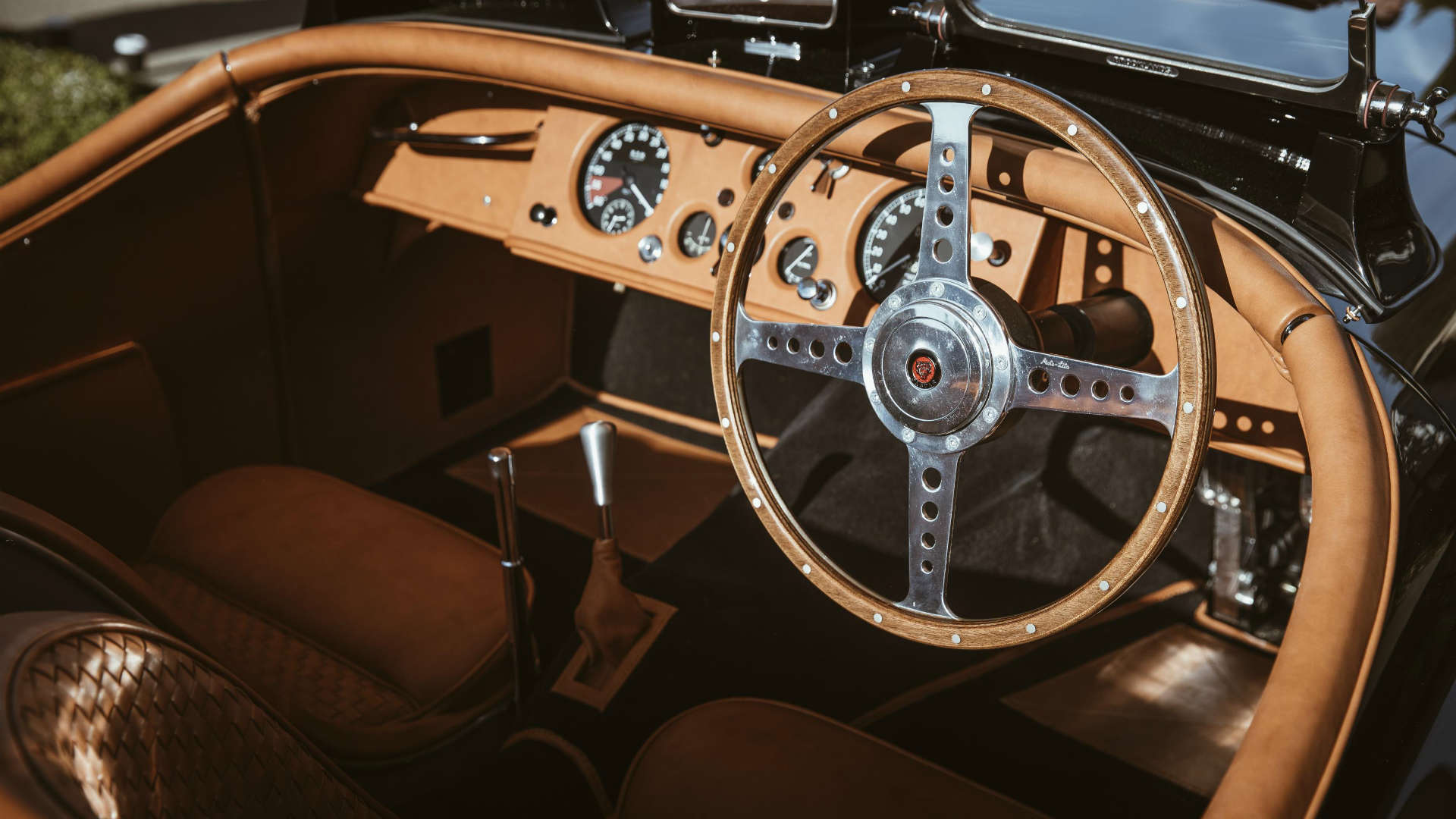
Which is why the bespoke XK120 is finished in solid black, made up of 13 litres and four coats of paint. Also note the use of a flip-top fuel cap, plus twin aero screens, a tip of the hat to the XK120 Lightweight.
Inside, Jaguar Classic removed one of the batteries behind the driver’s seat to free up space for Gandy’s 6ft 2inch frame, while a smaller steering wheel has been used to free up legroom. The seats are finished in Aged Saddle tan leather with a bespoke lattice design.
David Gandy, said: “Having driven a Jaguar XK120 at the Mille Miglia in 2013 and 2014, I knew that I wanted to own one of these incredibly special cars. The team at Jaguar Classic have done such a remarkable job engineering this car and executing everything that I asked for and it was amazing to have such an in-depth involvement in its creation.”
Calum McKechnie, head of Jaguar Classic, said: “This unique XK120 showcases the expertise, skill and craftmanship that Jaguar Classic makes available for all of its customers. Not only were we able to bring this iconic sports car back to life mechanically, but the attention to detail and the bespoke design of the interior sets David’s car apart.”
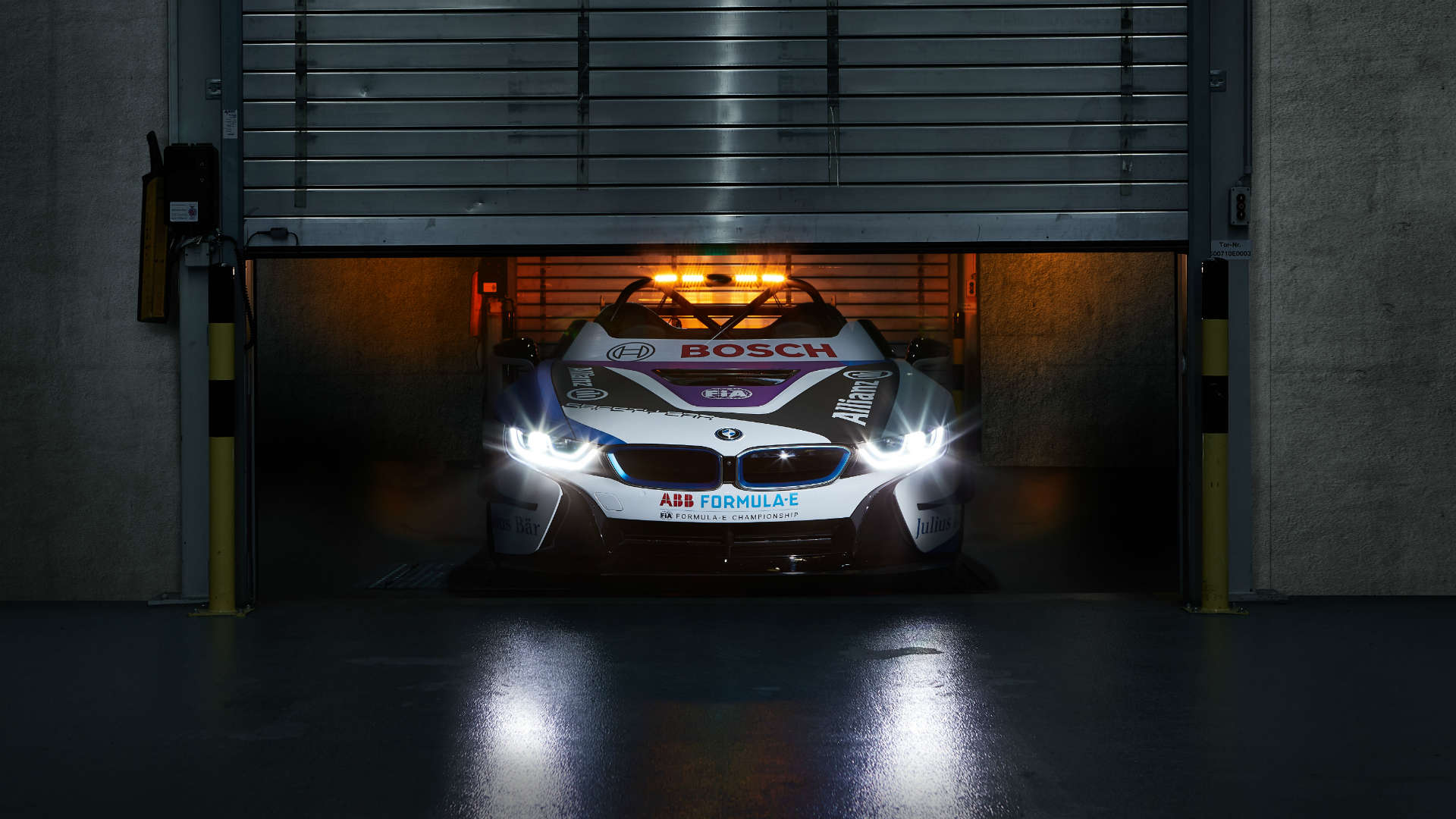
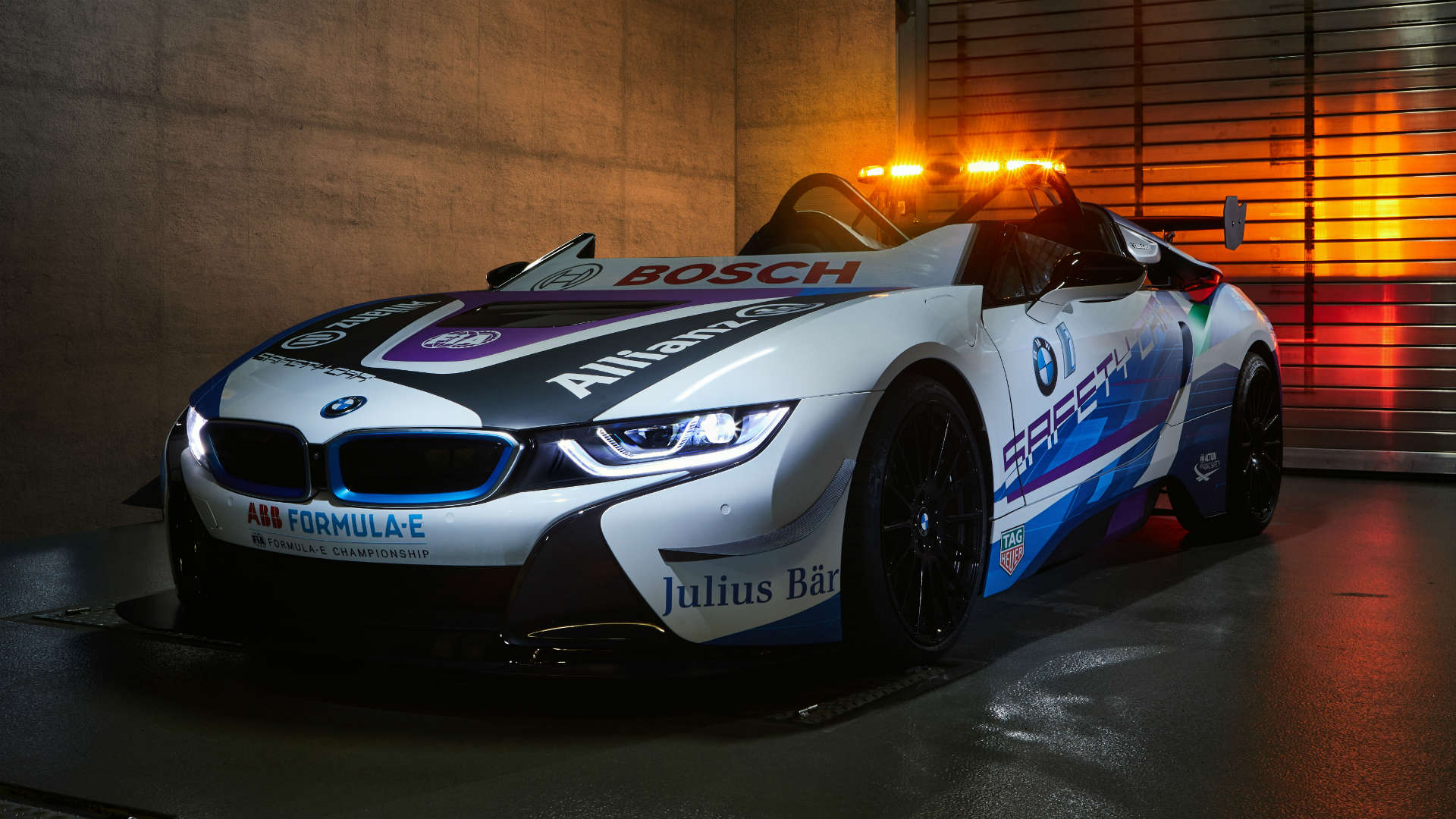
The new BMW i8 Roadster unveiled at the Monaco E-Prix for the Formula E championship is the world’s first open cockpit safety car.
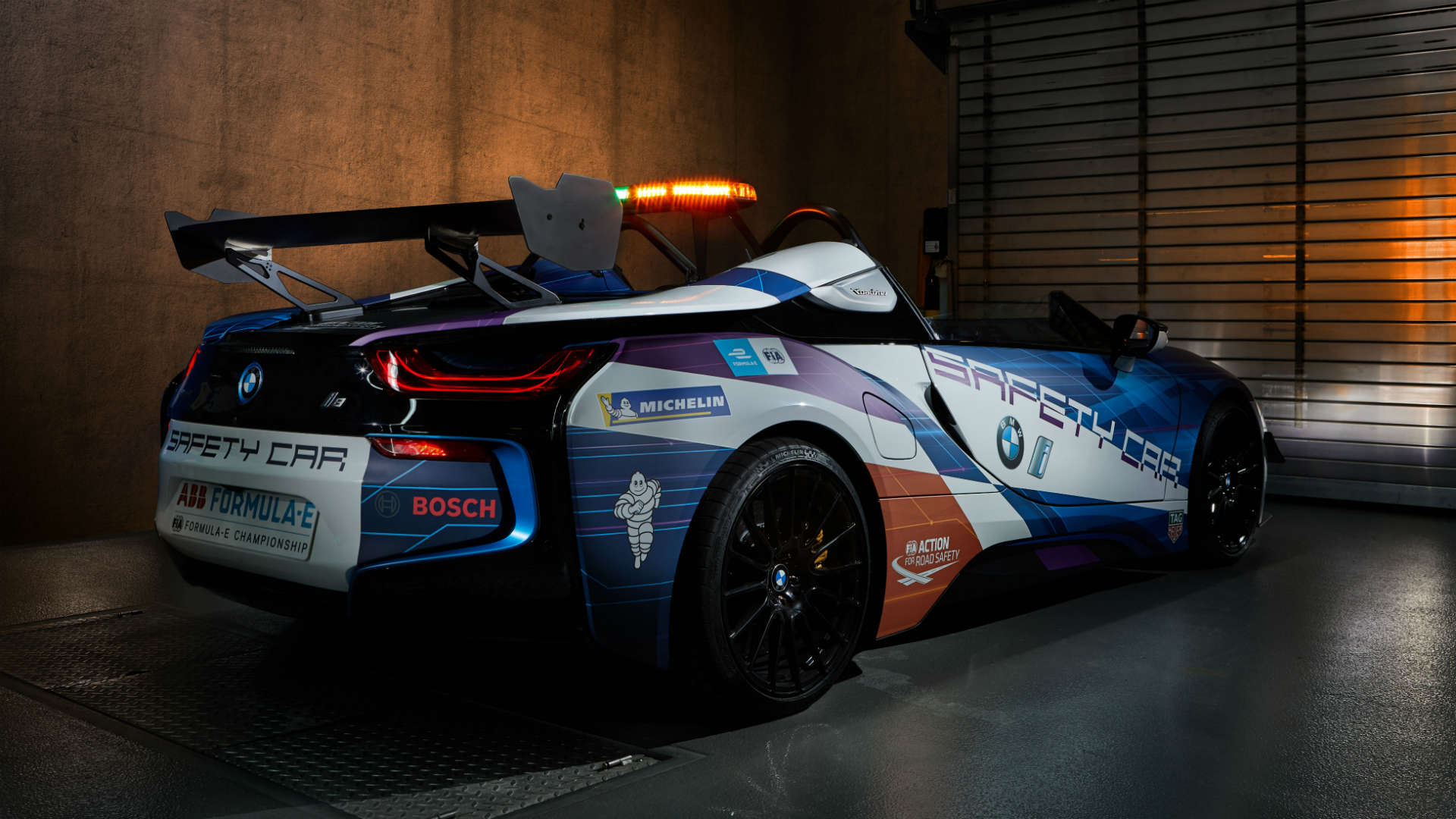
BMW says no major modifications were necessary, but as is obvious from the photos, the i8 Roadster is not what you’d call stock.
For a start, the windscreen is shorter than the production model, while the rear wing creates a spectacle, even in the glamorous surroundings of Monte Carlo.
A centre of gravity 15 millimetres lower than the standard i8 Roadster, M carbon ceramic brakes, an FIA-approved roll bar and a front splitter complete the makeover, creating what BMW calls ‘the perfect basis for a safety car’.
The usual safety car kit includes a light bar above the rear wing, a communication and GPS antennas, a comms system in the cockpit, and a rear-view camera.
The overall effect is something that wouldn’t look out of place in a Hot Wheels blister pack, thanks in part to a livery that combines blue, purple, orange and green. You can decide whether or not the end result is a success. It certainly stands out, which is kind of the point of a safety car…
Formula E founder and CEO Alejandro Agag said: “The BMW i8 Roadster safety car has a striking design – something which differentiates it from anything we’ve seen before, and what better setting for its presentation than at the Monaco E-Prix.
“BMW has been a partner since the inaugural season, and their continued support as a vehicle partner and now as a team shows their commitment to electric mobility.”
Jean-Eric Vergne won the Monaco E-Prix and now tops the Formula E drivers’ championship. The next race takes place in Berlin on 25 May.
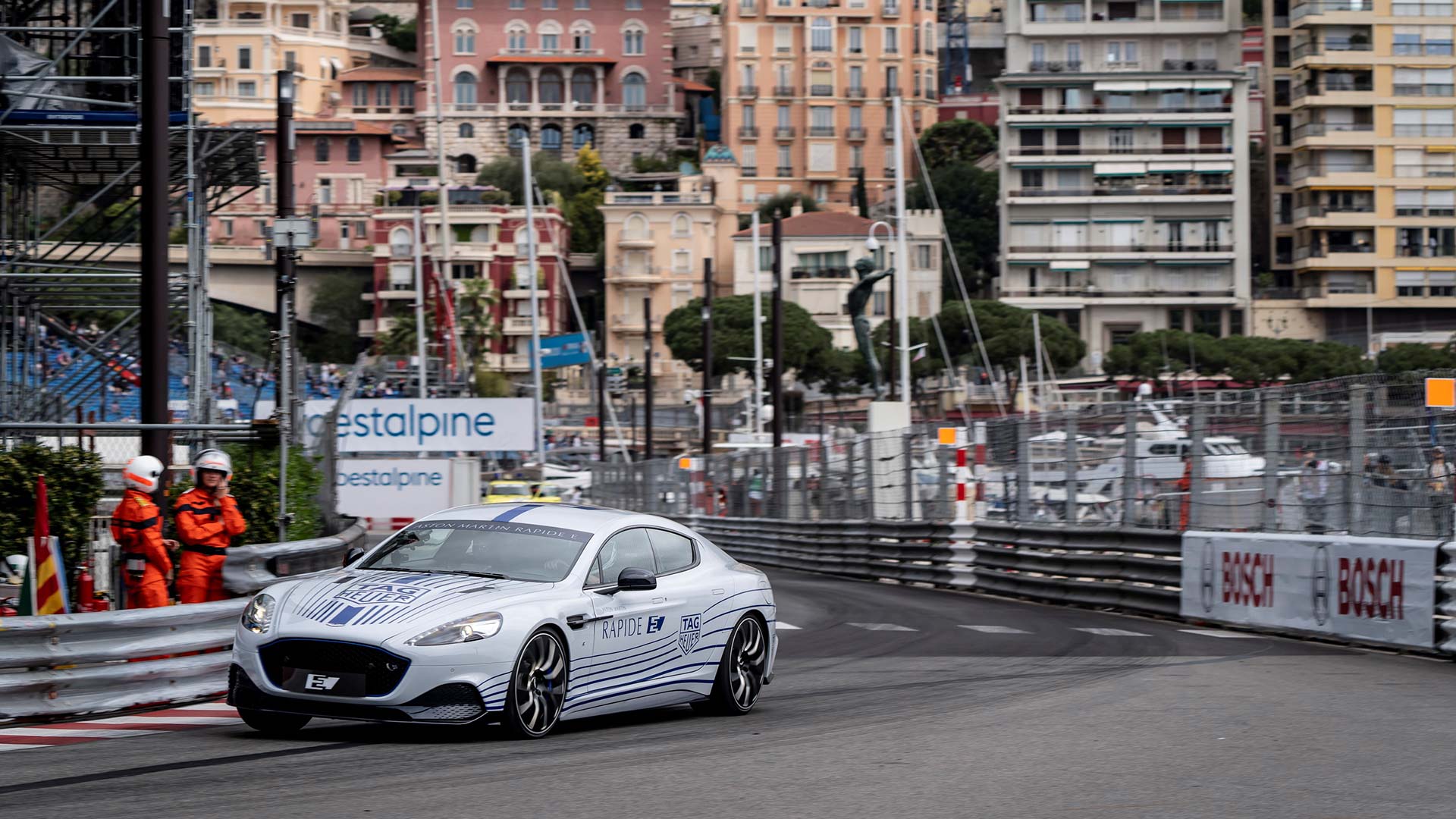
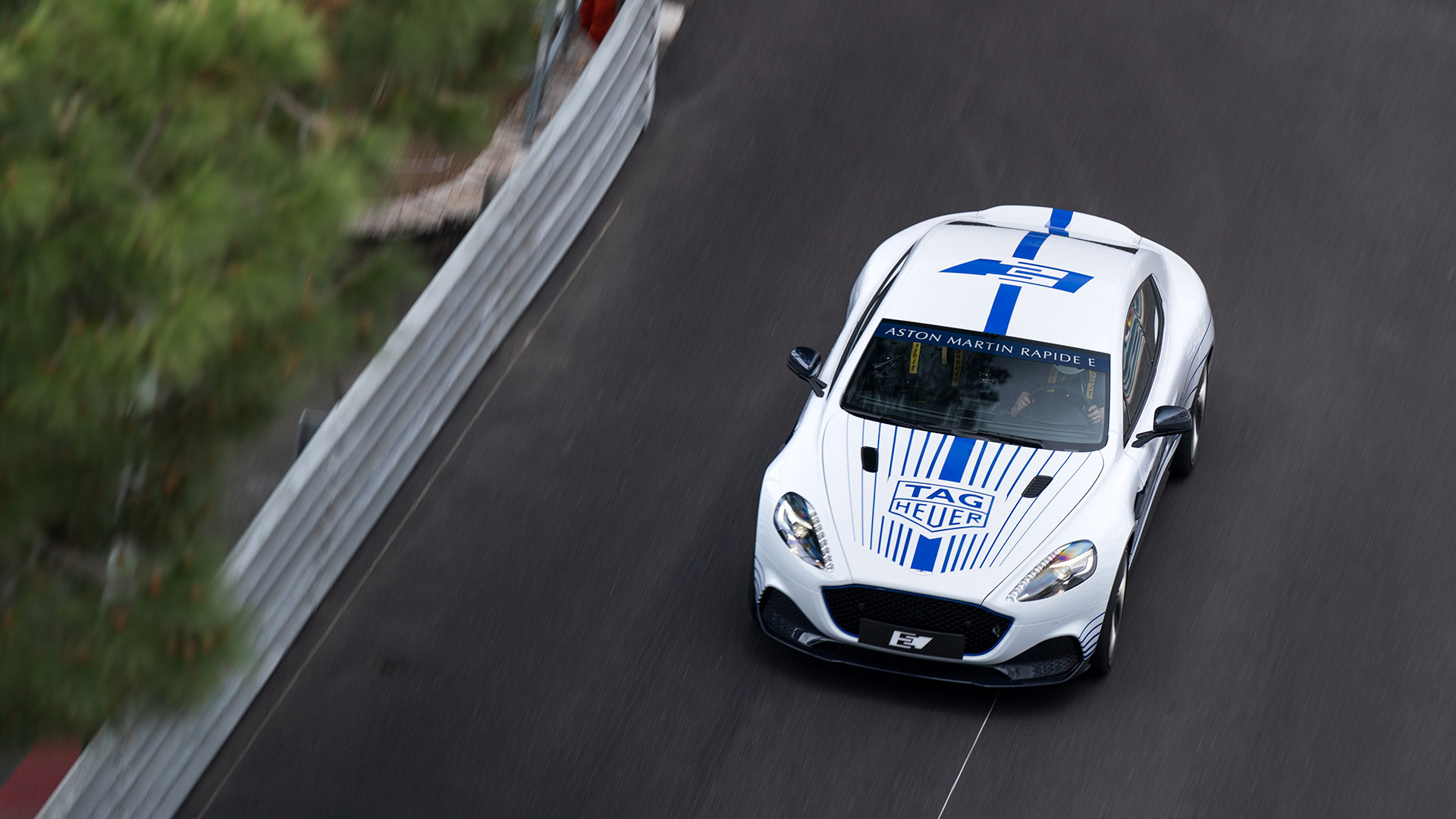
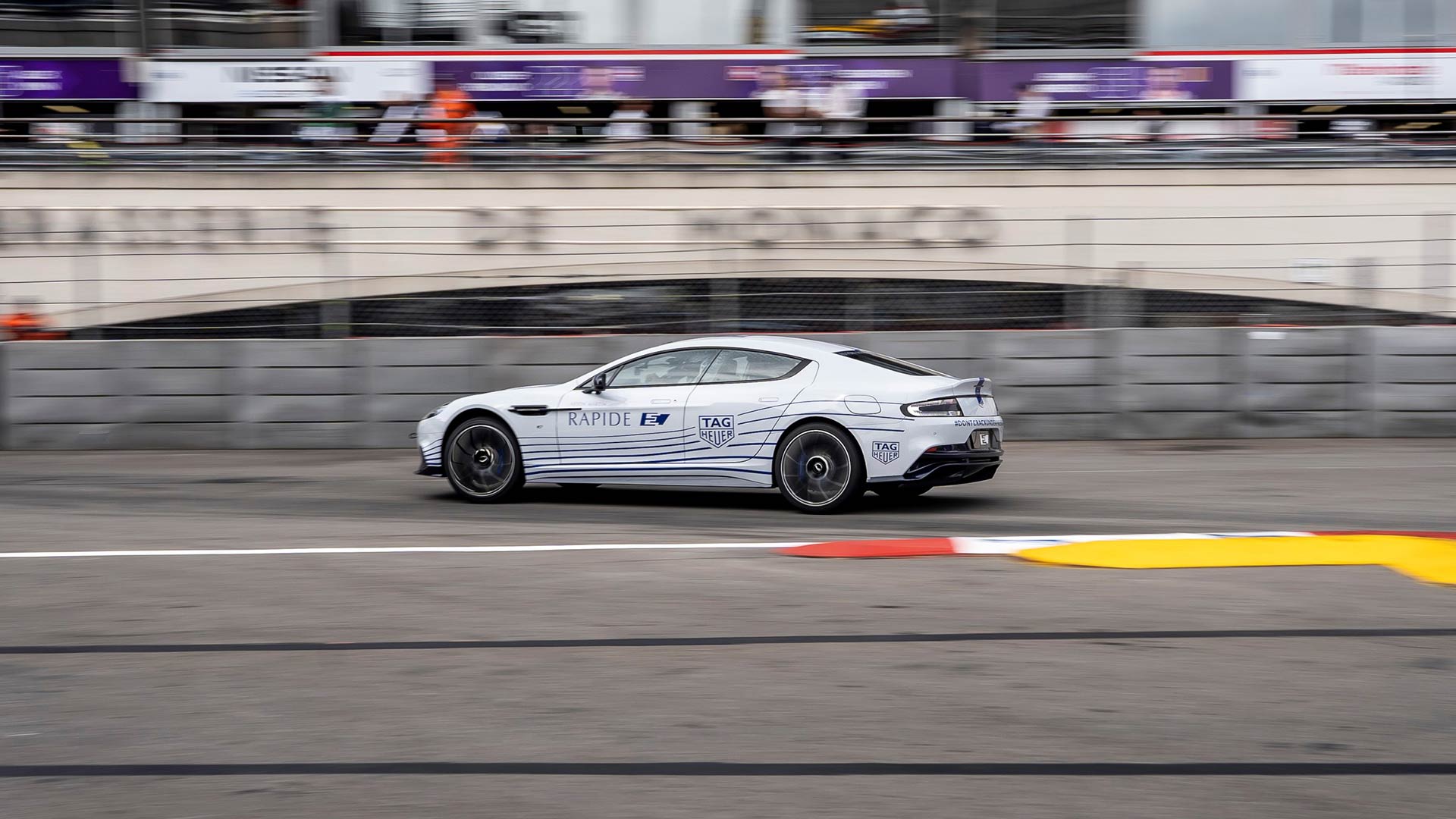
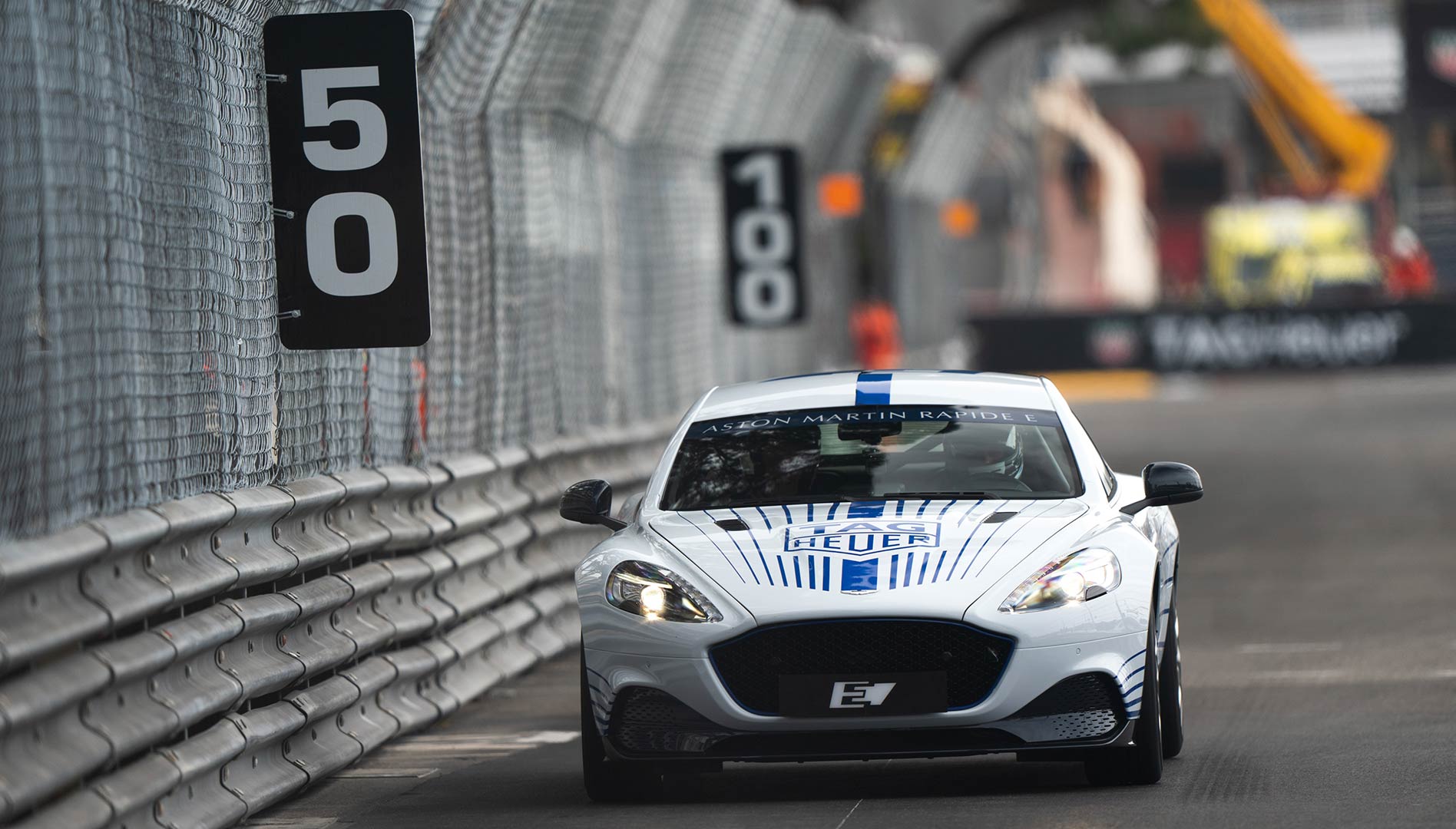
The first all-electric Aston Martin has taken to the streets of Monaco for a dynamic debut, demonstrating the quick progress made on the limited-edition model.
Aptly, the Rapide E hit the tarmac ahead of the latest round in the 2018-19 Formula E Championship, proving a neat link between road and race car technology.
Williams Advanced Engineering, the high-tech offshoot of the legendary Williams Formula 1 racing team, has been supplying battery packs for Formula E since the series began.
In fact, Williams has received a Queen’s Award for Enterprise due to its battery technology work, and recently won a contract to supply the first electric touring car series with components.
All charged up
The Oxfordshire-based company has also worked in partnership with Aston Martin on the development of the Rapide E, bringing its battery technology experience to the project.
Replacing the existing the 6.0-litre V12 engine in the regular Aston Martin Rapide, along with the associated ancillaries, has not been the simplest of tasks with bespoke solutions needed.
However, the efforts of both companies have resulted in a battery-powered Aston, which still manages to retain the performance of the petrol-engined original.
Plug in, baby
Featuring a 65kWh battery pack where the V12 engine and gearbox used to reside, the Rapide E has two electric motors driving the rear wheels.
Combined together, the two motors produce a total of 612hp, along with a tyre-shredding 701lb-ft of torque.
With such a level of performance on offer, it perhaps seems right that Aston Martin enlisted the help of Aston Martin works driver, and 24 Hours of Le Mans winner, Darren Turner to thread the Rapide E between the unforgiving Monaco barriers.
Act now, supplies are running out!
Speaking after his trip around the Monaco circuit, Turner commented: “I’ve had the privilege to join the Aston Martin engineering team at various stages of the car’s development and the performance that’s on offer in Rapide E really is incredible. The car has the kind of torque and punch that you’d expect from an EV, but they’ve really worked hard to retain the dynamic characteristics of what makes an Aston Martin special.”
Due to the bespoke components involved, production of the Rapide E has been limited to just 155 units. Following the official launch at last month’s Shanghai Auto Show demand has been high, but some cars are still available.
Aston has not released pricing for the Rapide E, but does plan to begin production at the new St Athans factory at the end of 2019.
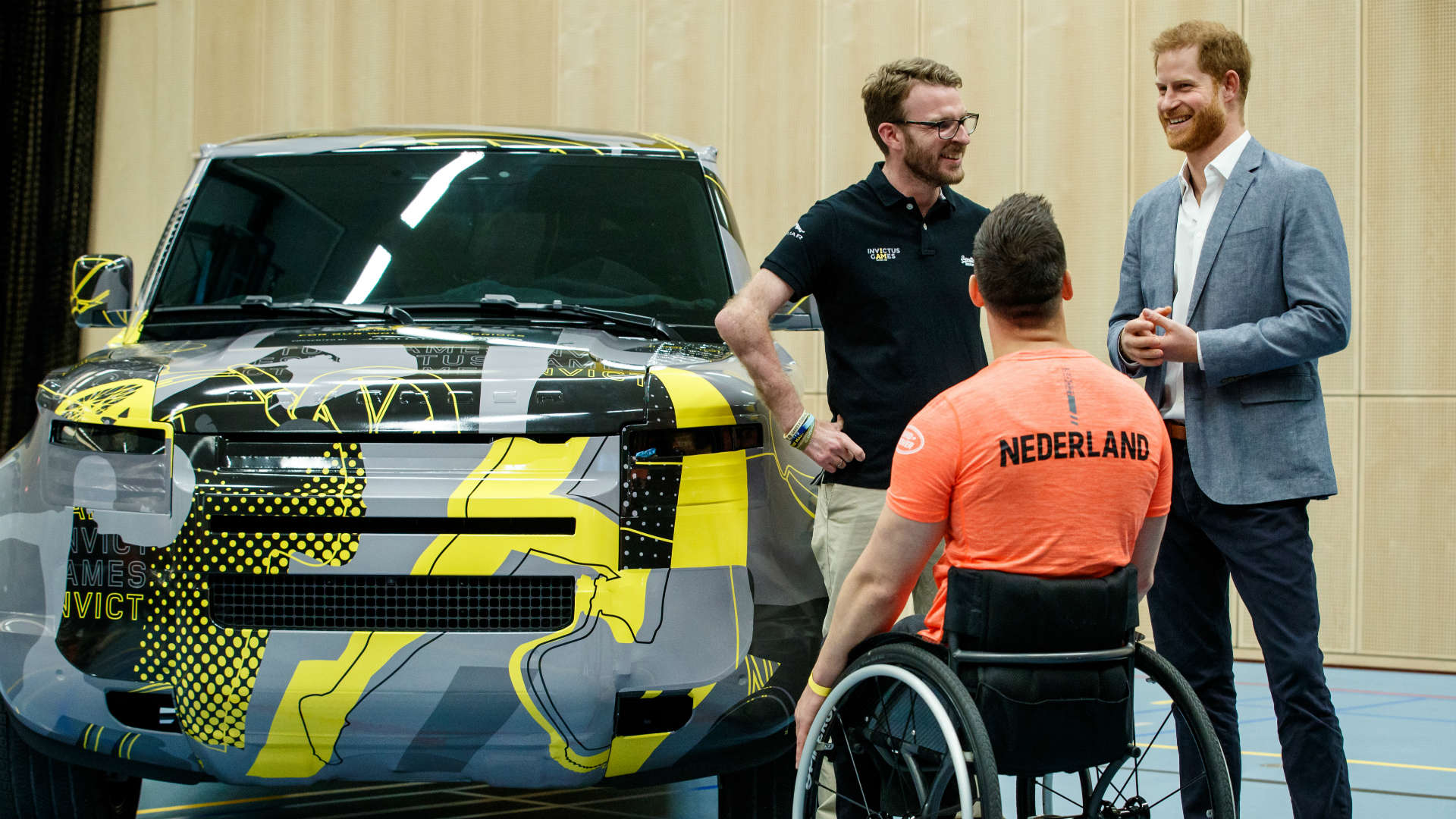
The Duke of Sussex took time out from his busy schedule as a new dad to grab an exclusive look at the new Land Rover Defender. Maybe he was eyeing up potential transport for his wife Meghan and son Archie.
Prince Harry was in the Netherlands for a preview of the Invictus Games, which will take place in The Hague in May 2020. The Duke is a patron of the Invictus Games Foundations, while Jaguar Land Rover has been a partner since the inaugural Games in London in 2014.
The new Defender gets its world premiere later this year, but the Duke was given a tour of a prototype wrapped in Invictus Games-themed camouflage.
Competitors at next year’s event will be among the first people in the world to drive the new Defender when they tackle the Jaguar Land Rover Driving Challenge for the opening medals of the Games.
Last month, Land Rover released a series of teaser shots to mark World Land Rover Day, with the pictures showing short- and long-wheelbase versions in action both on- and off-road.
The prototype fleet has completed almost 750,000 miles of testing across the world, but although the Defender has been designed and developed in Britain, the production base is at a new facility in Slovakia.
Testing and teasing will be complete by the time the Invictus Games get underway in May 2020. Prof Dr Ralf Speth, Jaguar Land Rover CEO, said: “Everyone at Jaguar Land Rover is hugely passionate about the Invictus Games. We are delighted to continue as presenting partner for 2020.
“Having been to the US, Canada and Australia, we are excited to welcome this inspirational event back to Europe. I am so proud the competitors will be among the first people in the world to drive the new Defender when they compete in the Jaguar Land Rover Driving Challenge in The Hague.”
Anyone interested in purchasing a new Defender should register their interest via the Land Rover website. Queue jumping won’t be allowed, unless you happen to be the Duke or Duchess of Sussex.
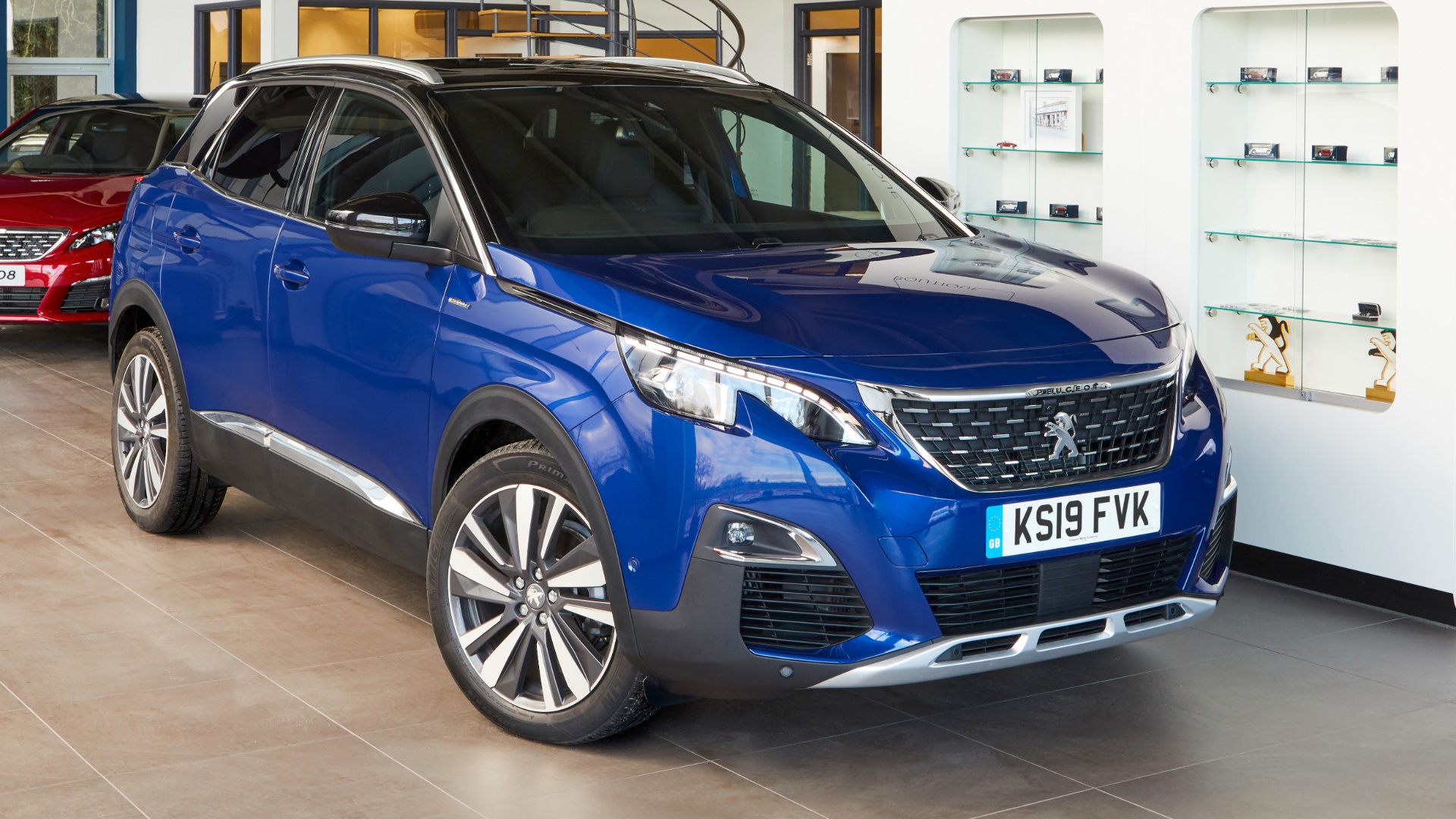
The Peugeot 3008 has been named New Car of the Year at the Auto Trader New Car Awards. Rather than relying on a judging panel, Auto Trader interviewed 63,000 car owners and asked them to rate their cars across 16 different criteria. Although the 3008 is the nation’s favourite, there are another 18 awards for you to enjoy. Brace yourself, we’re going in…
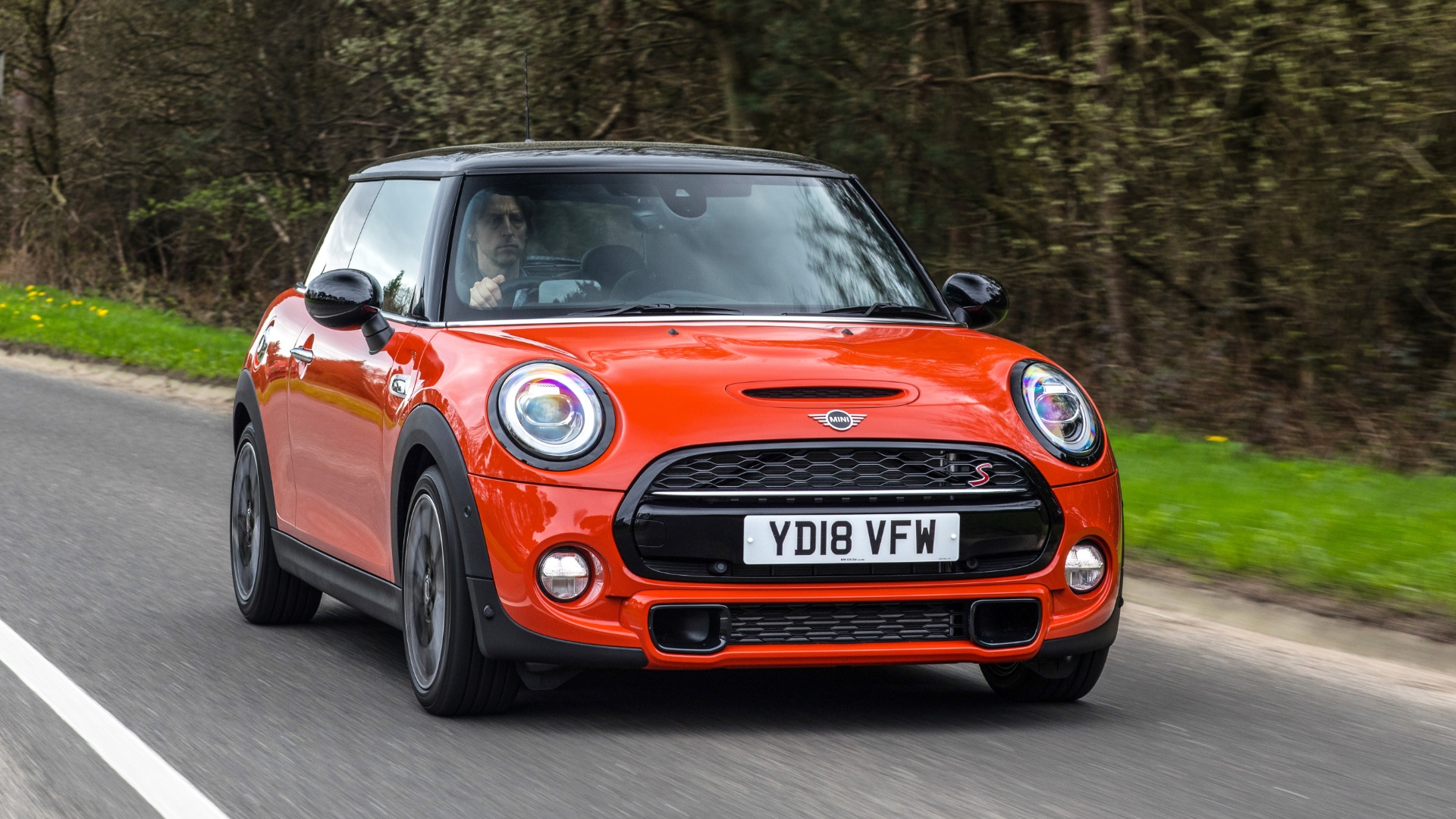
Most Fun Car to Drive – Mini Hatch
Presumably because the Auto Trader respondents have never taken a new Vauxhall Corsa to a McDonald’s car park and stuck a pair of trays under the back wheels, the Mini Hatch gets the award for the Most Fun Car to Drive. #gokarthandling
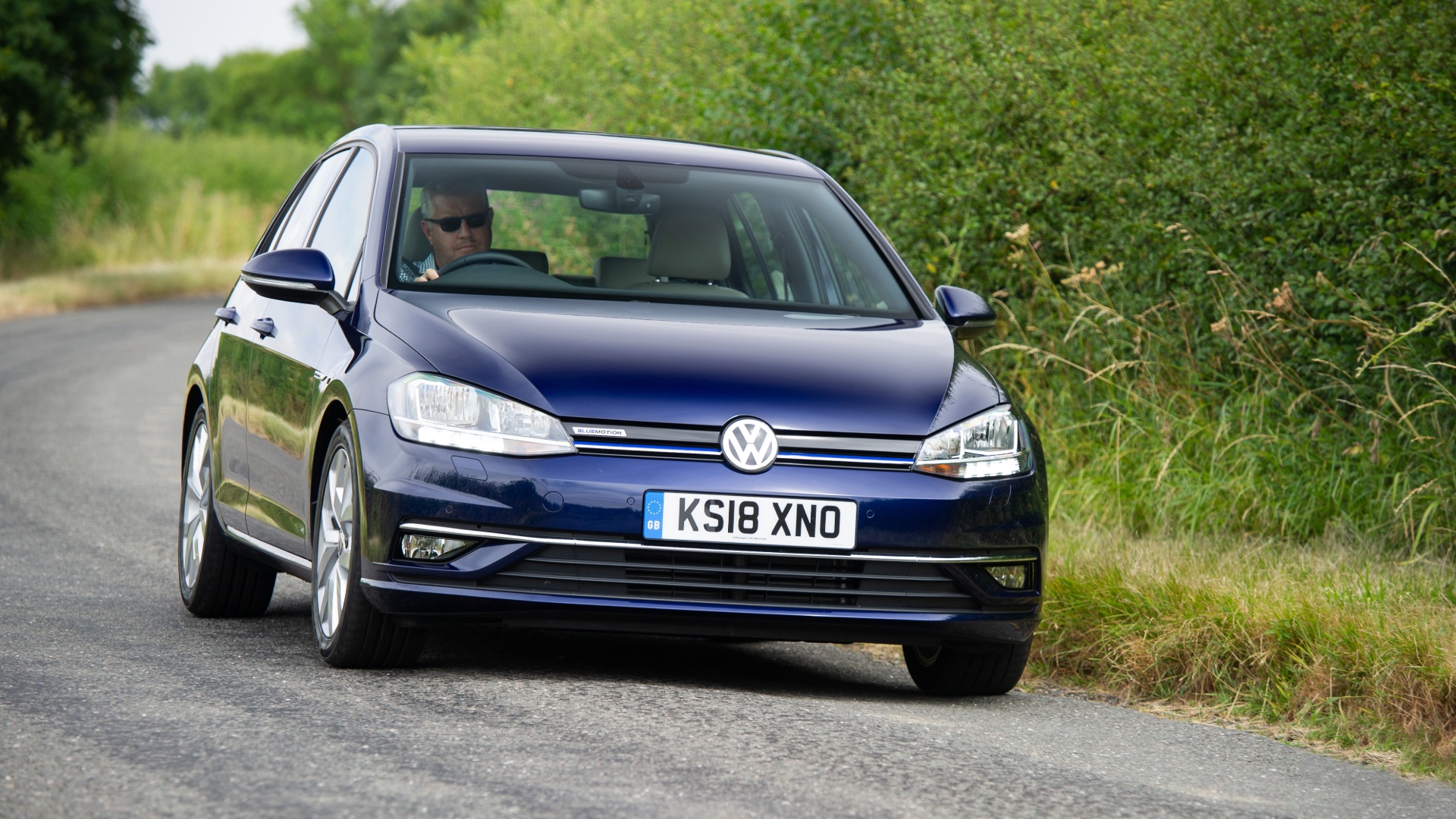
Best Car for New Drivers – Volkswagen Golf
Back in the day, a new driver would be happy with a barely legal Ford Fiesta and a Goodmans stereo. But times change, which is why the Volkswagen Golf is named the Best Car for New Drivers.
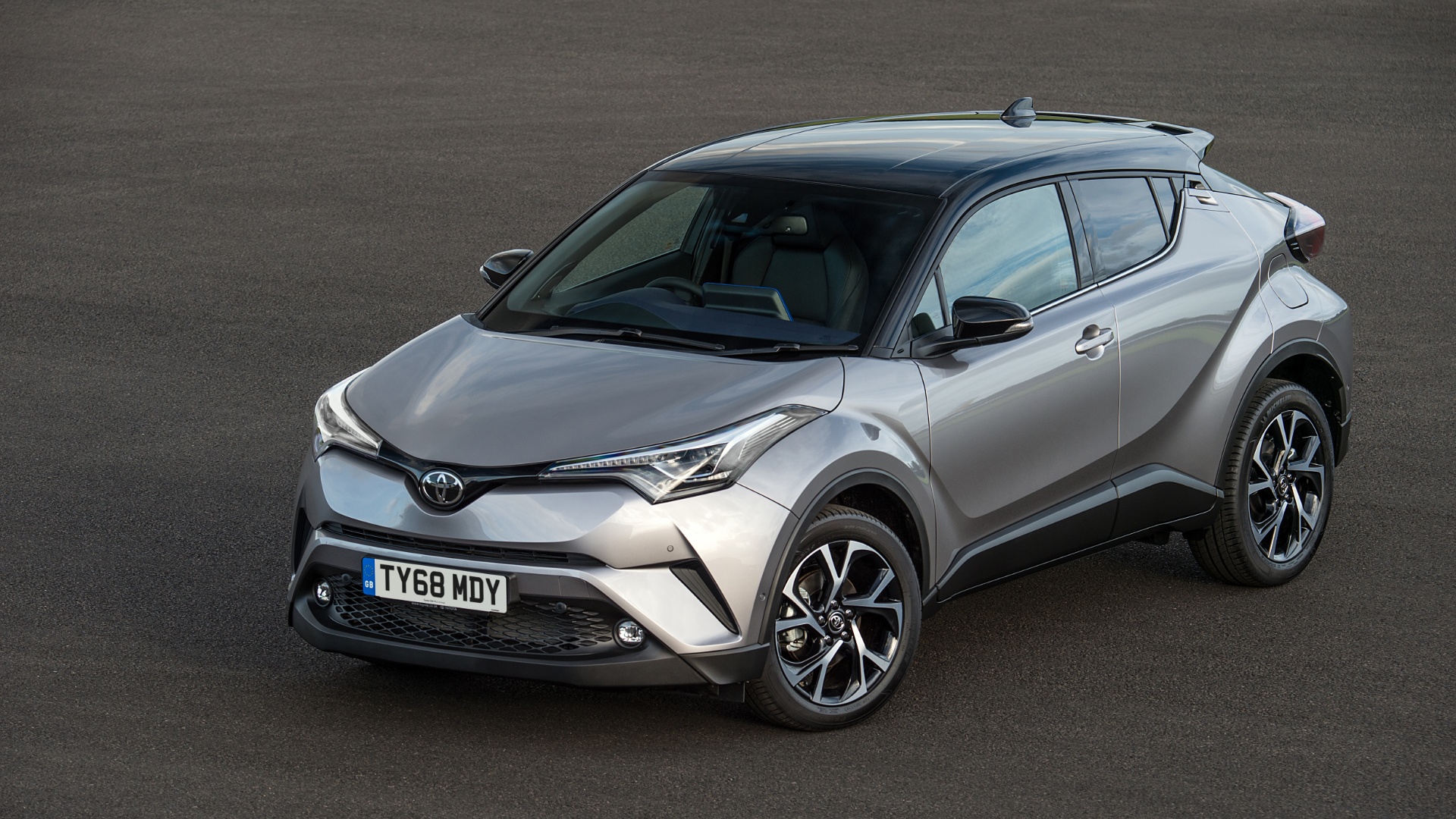
Best Car for City Drivers – Toyota C-HR
Erin Baker, Auto Trader editorial director, said: “The Toyota C-HR ranked top for its reliability among city drivers, and owners highlighted one of the most important considerations when shopping for a city car – how easy it is to park.” A reversing camera is standard across the range.
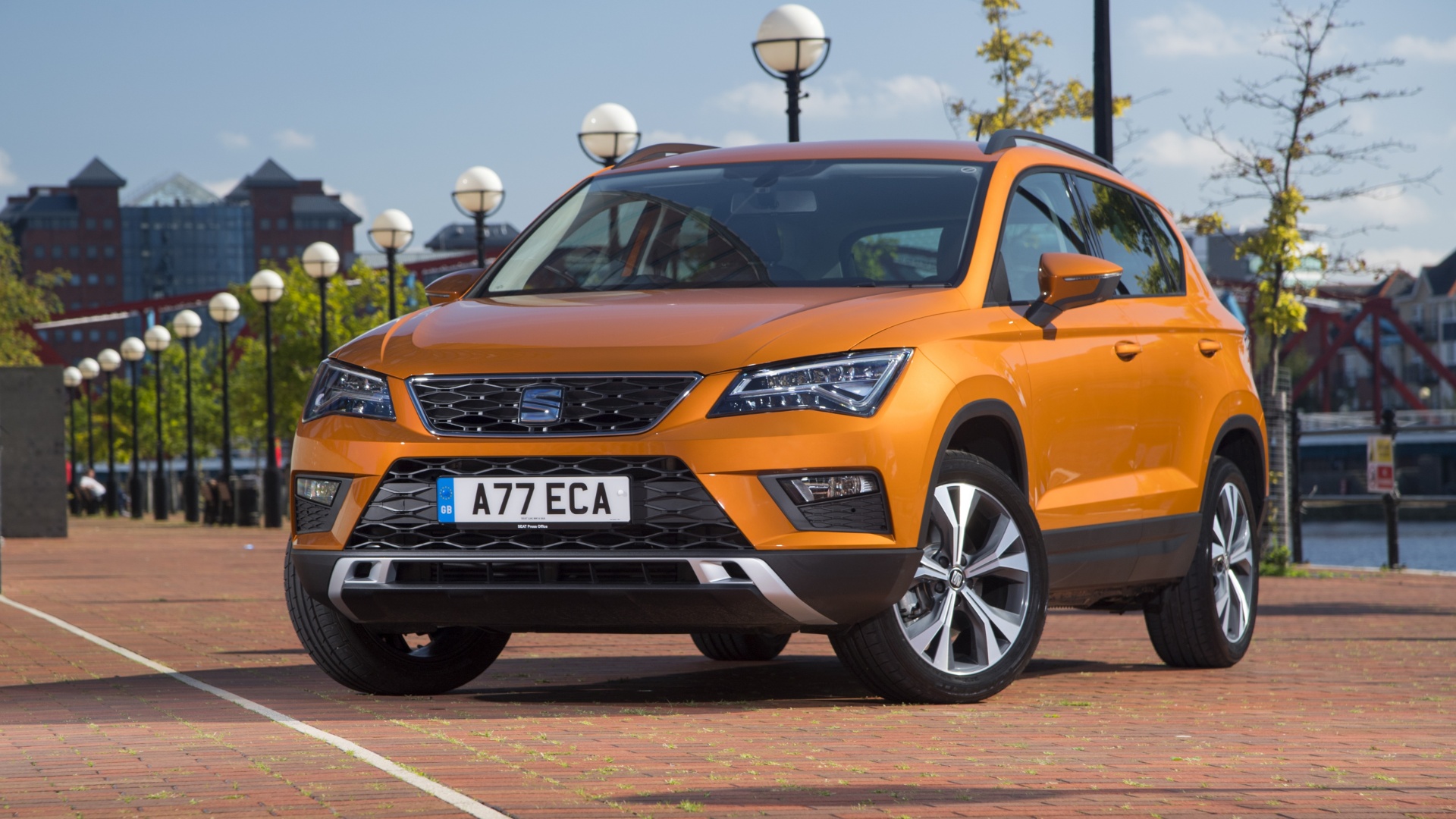
Best Car for Families – Seat Ateca
Seat is fortunate that Volvo no longer builds the 240 GLT wagon, because the big Swede – with a roof rack and a tin of travel sweets in the glovebox – is the Best Car for Families. As it is, the Ateca takes the award.
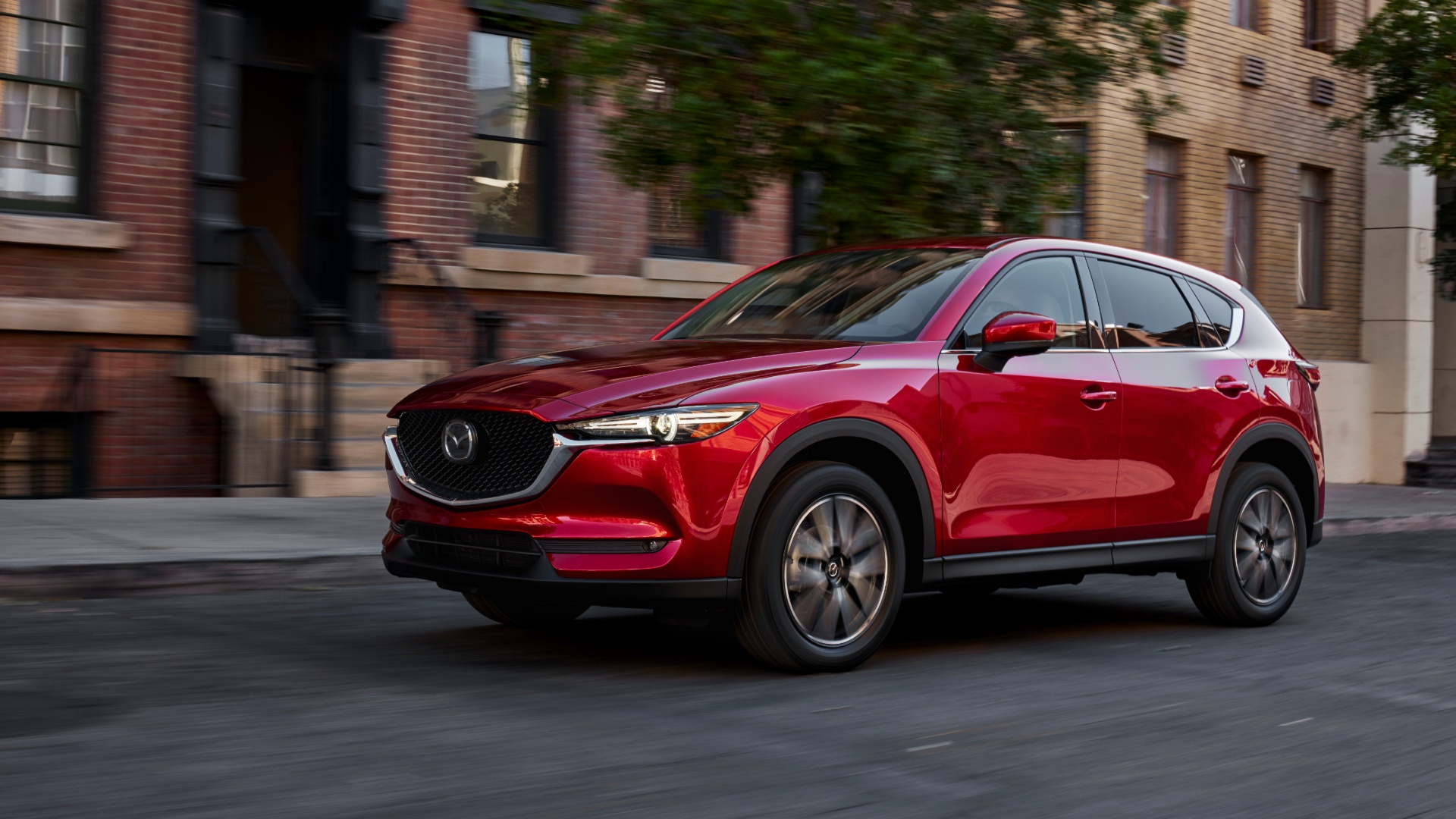
Best Car for Dog Owners – Mazda CX-5
Thanks to its cabin space, safety, how good it is to drive, the availability of a dog guard and the option of a boot mat and bumper protector, the Mazda CX-5 is named the Best Car for Dog Owners. Which is all well and good, but did anybody ask the dogs?
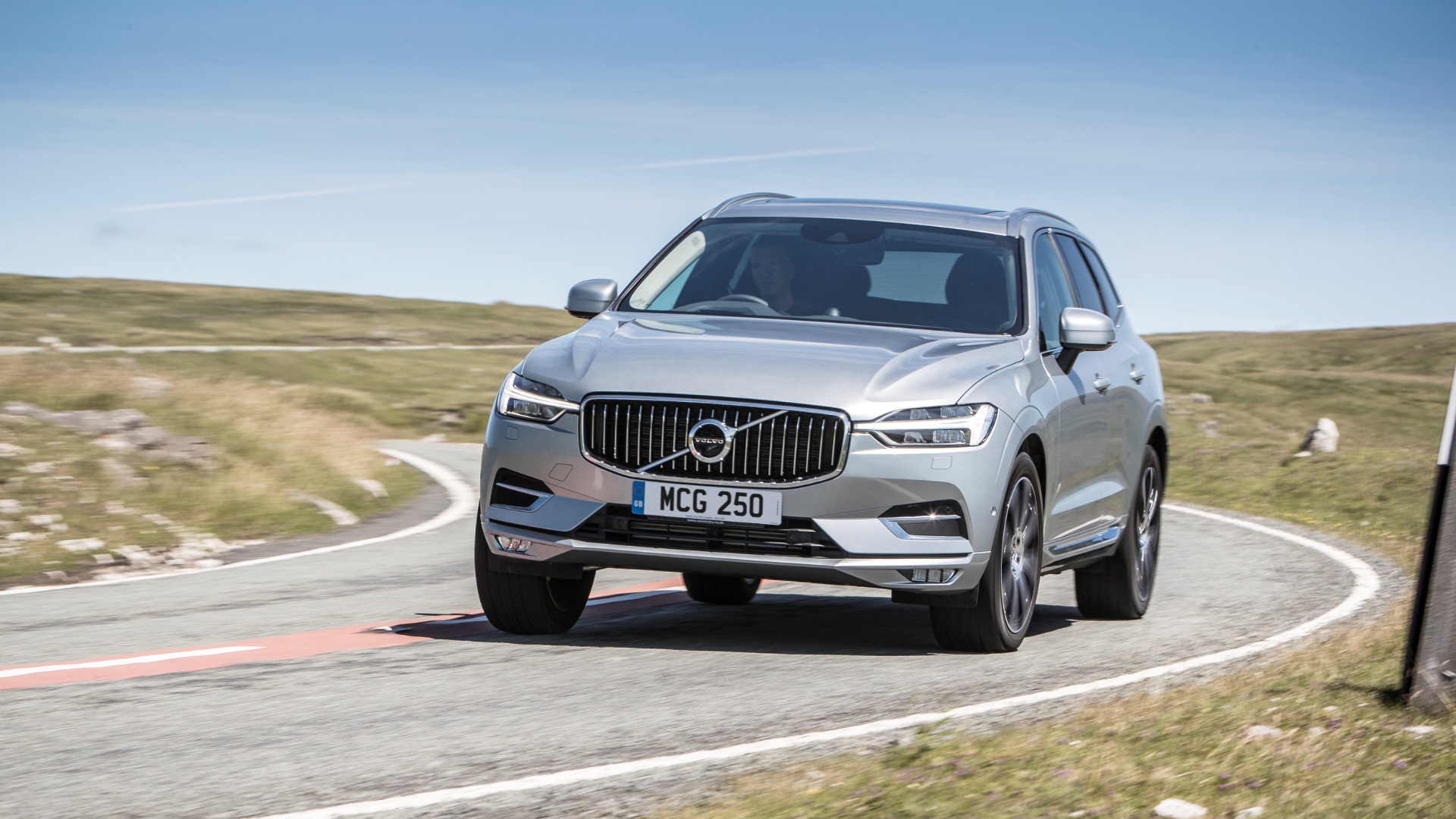
Best Car for Long Distances – Volvo XC60
For us, the Best Car for Long Distances is a chauffeur-driven limo with a fully-stacked fridge and a seat massaging function. We must be in the minority, because the Volvo XC60 grabs the laurels. Erin Baker praised its “very nice interior”.
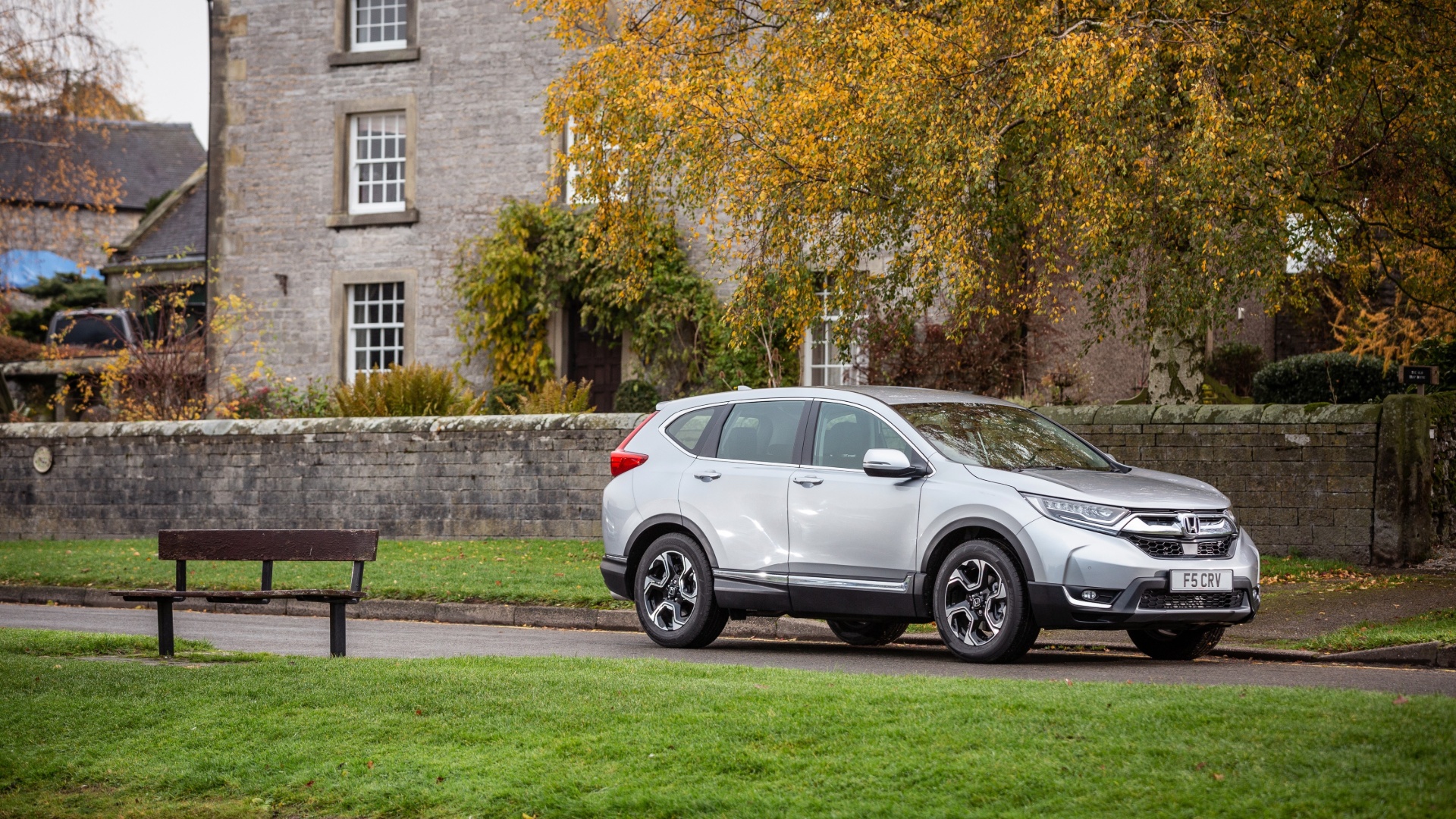
Best Car Launched in the Last Year – Honda CR-V
Having won this award, Honda UK tweeted: “We are over the moon to have come away with ‘Best Car Launched in the Last Year’ for the incredible #CRV”. The CR-V is Honda’s first advanced hybrid SUV in Europe.
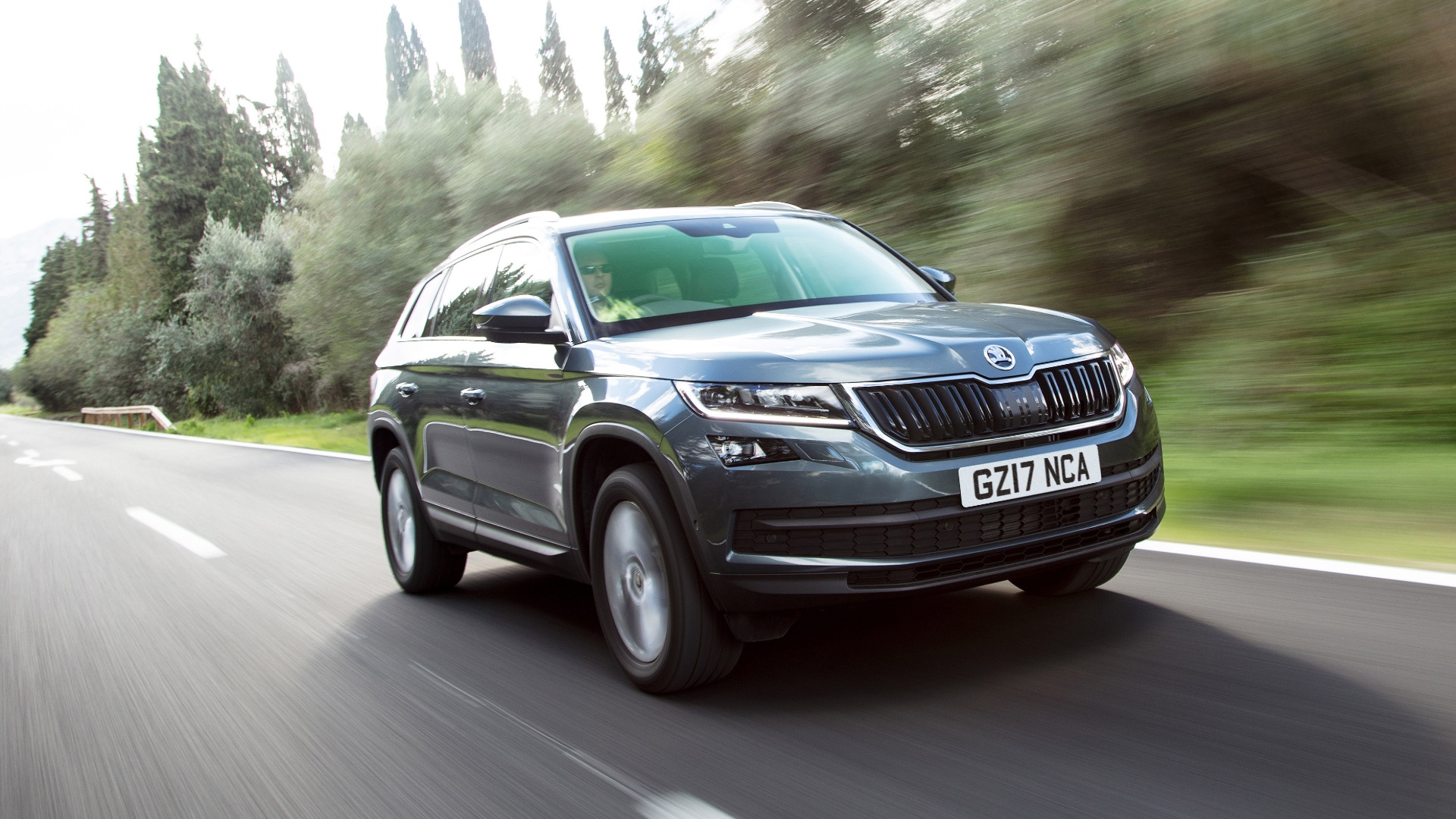
Best Seven-Seater – Skoda Kodiaq
Speaking about the Skoda SUV, Auto Trader’s Erin Baker said: “The Kodiaq ranked highly for ease of making use of all its space and how nice it is to drive.” Which is nice. Nice.
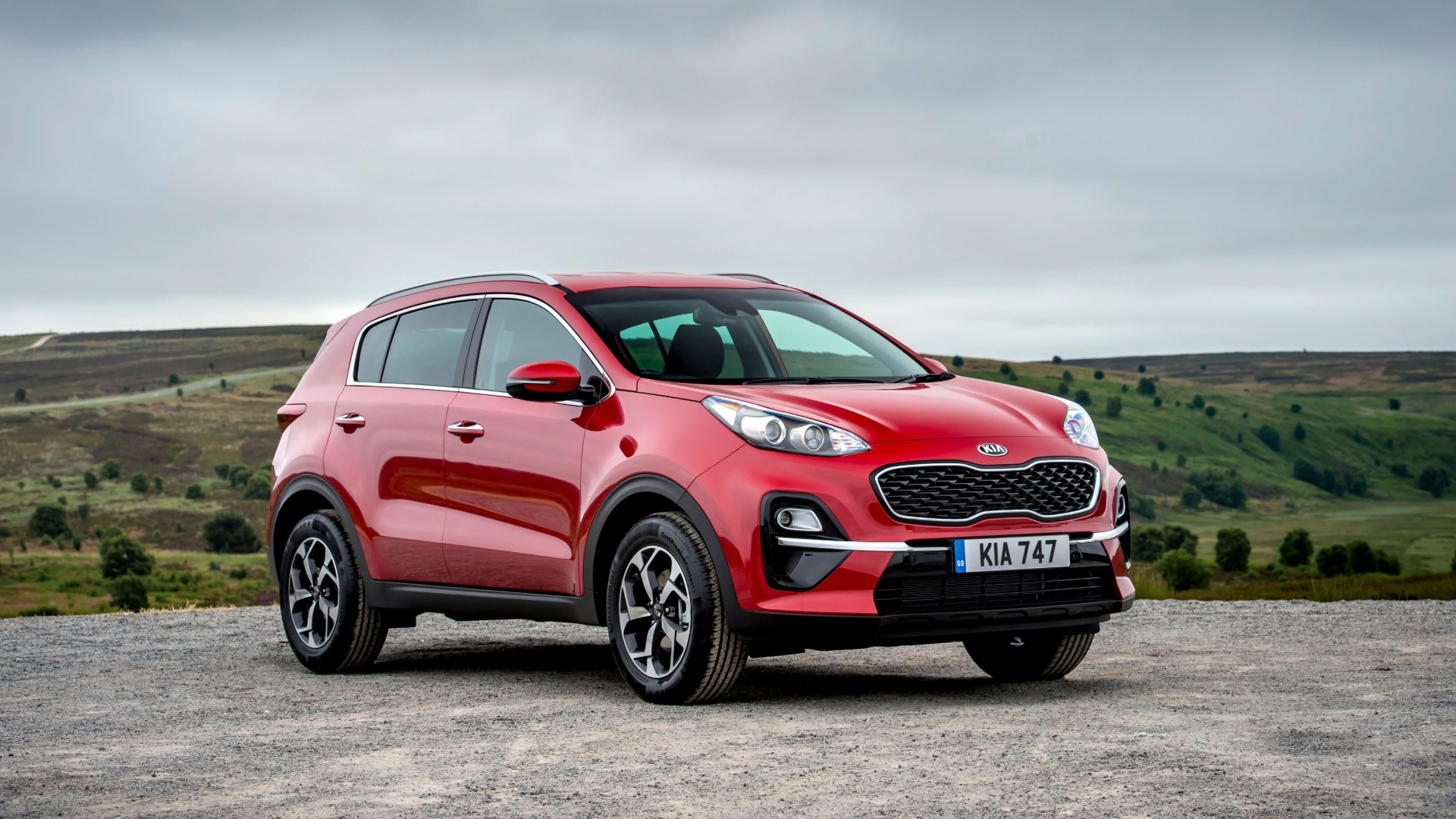
Best Car for Towing: Kia Sportage
Fresh from winning Crossover of the Year at the Honest John Awards, the Kia Sportage has been named Best Car for Towing by Auto Trader. Handy, if you’re lining up a tug-of-war contest against a local Mercedes Unimog.
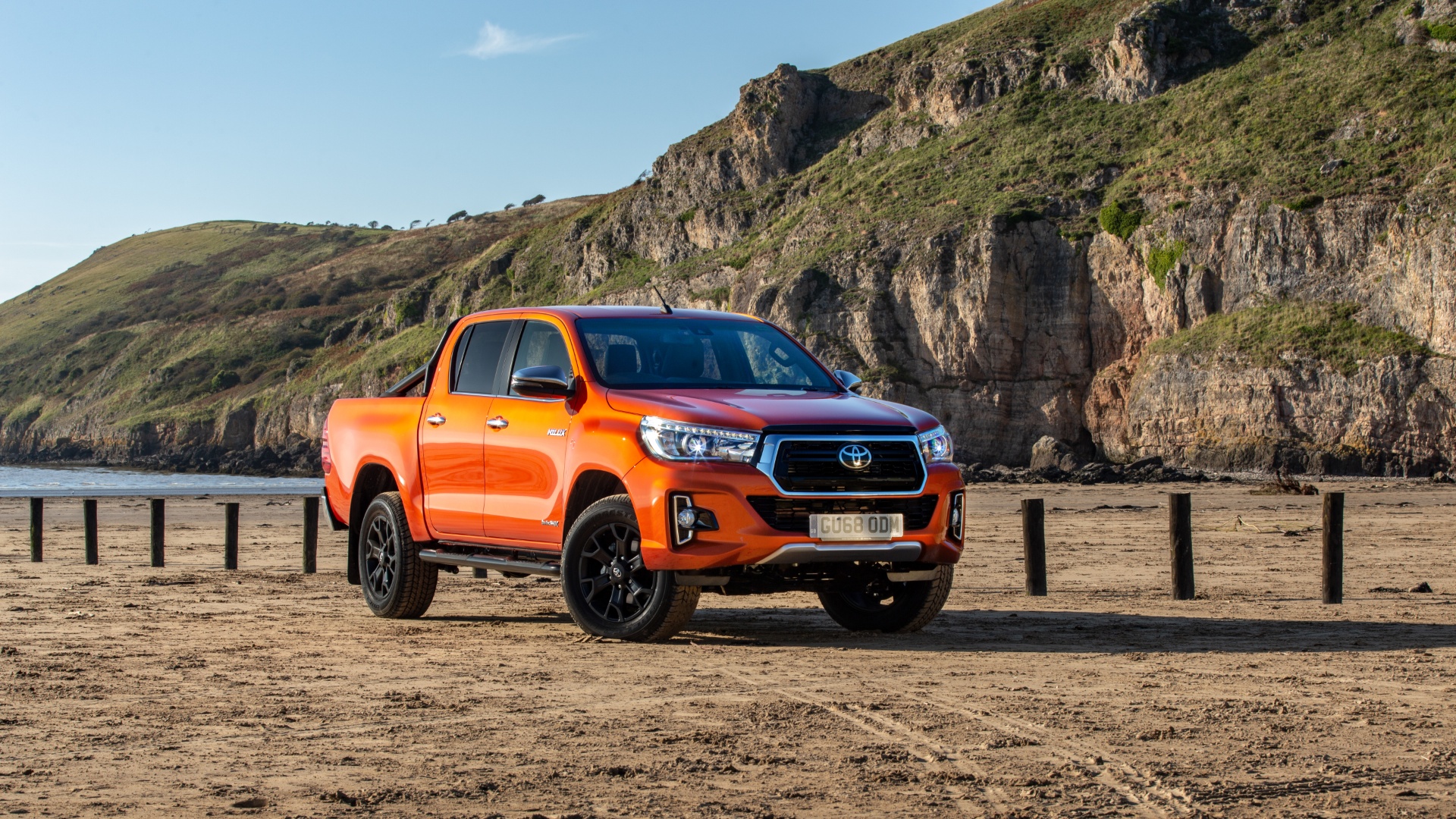
Best Pick-up – Toyota Hilux
Erin Baker said: “Hilux scored highest for power and durability – crucial for pick-up drivers.” Baker also praised the Toyota’s reliability, styling and off-road capabilities. Mind you, when you offer a trim level called ‘Invincible’, there can be only one winner.
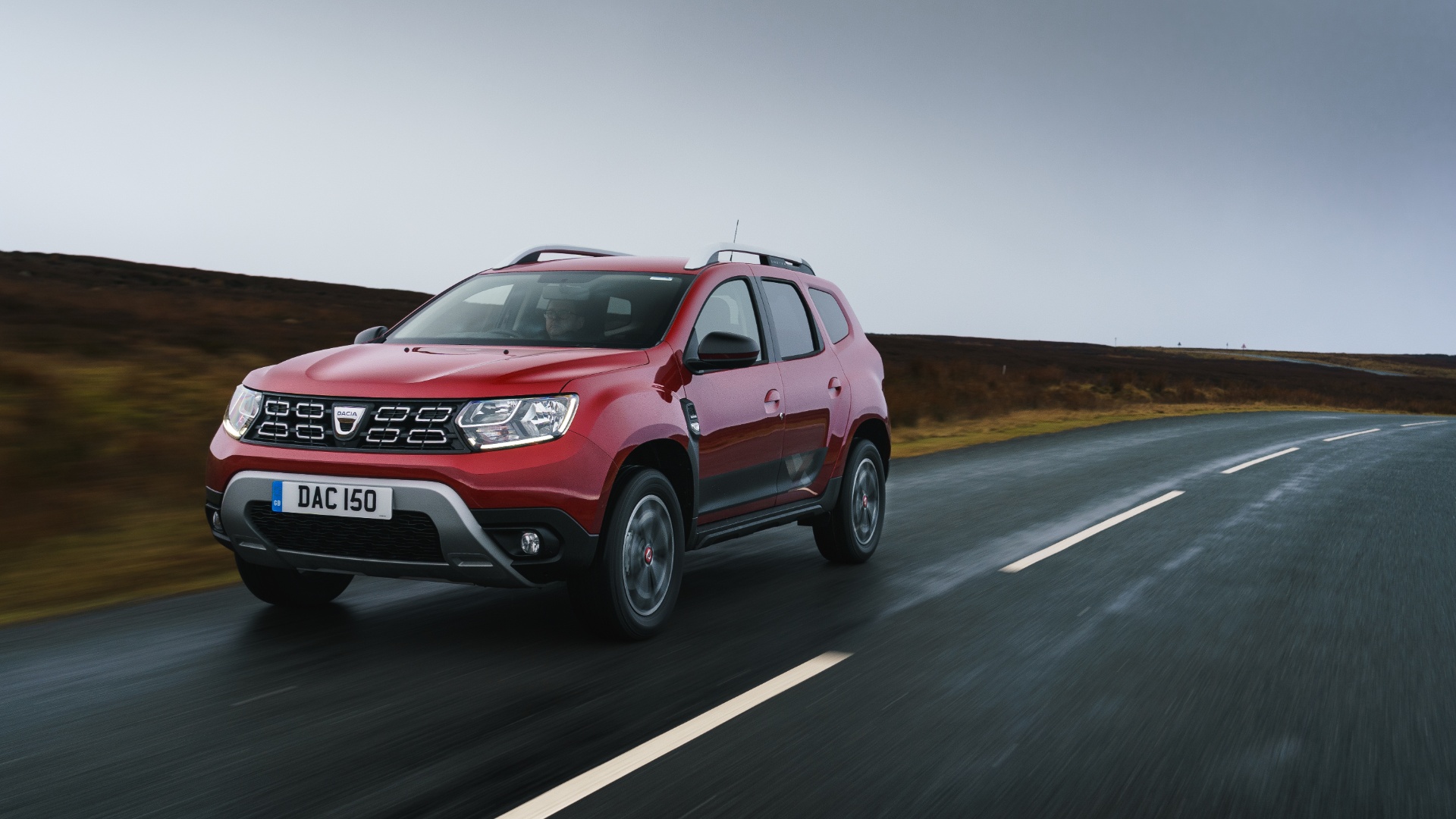
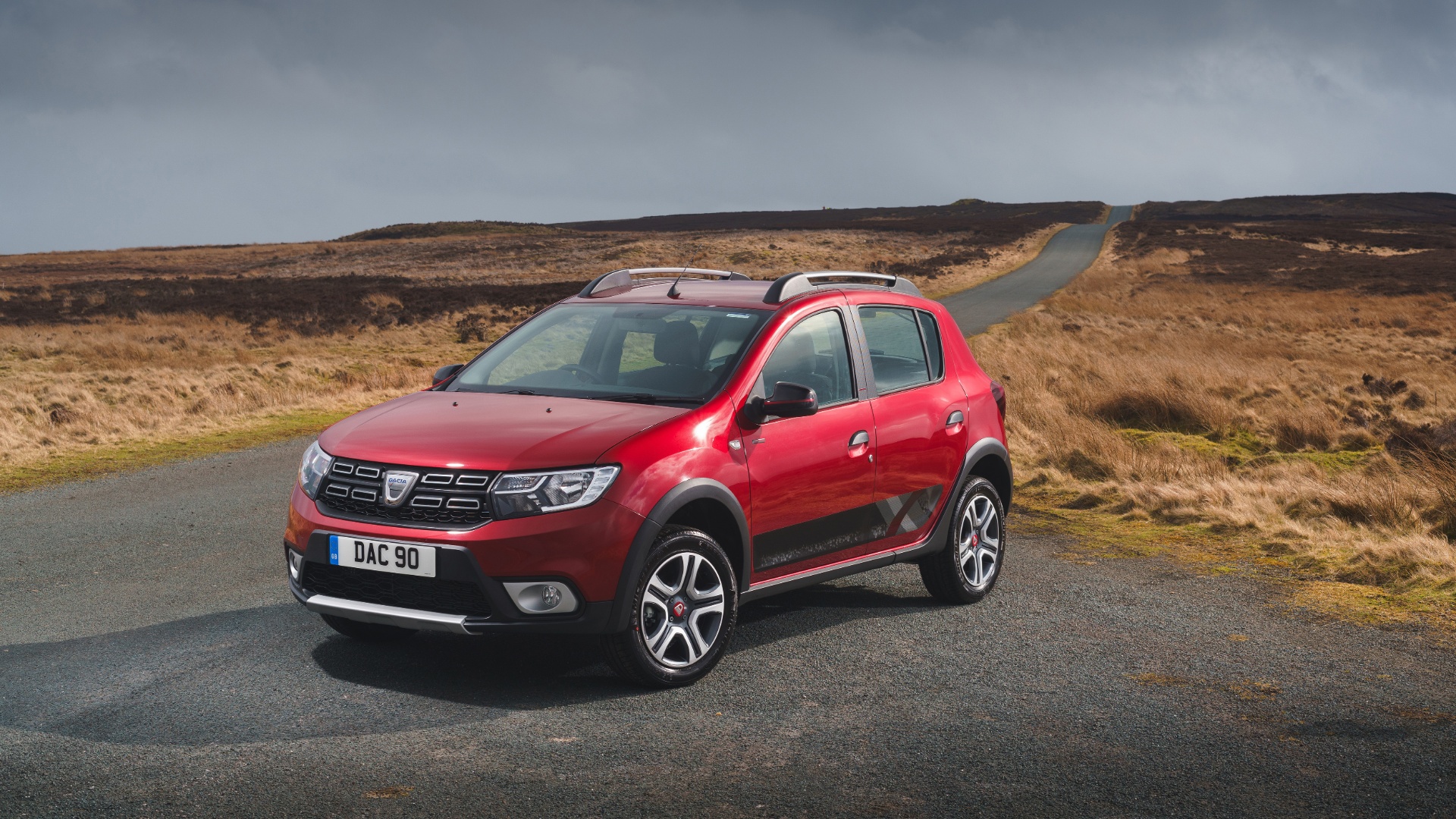
Best Value New Car – Dacia Duster
You can buy a new Dacia Duster for as little as £9,995, so it certainly has price on its side. But there’s more to good value than a low price. Ivan Aistrop, Auto Trader road test editor, said: “No other car company can offer you such a large amount of metal for such an aggressive price.”
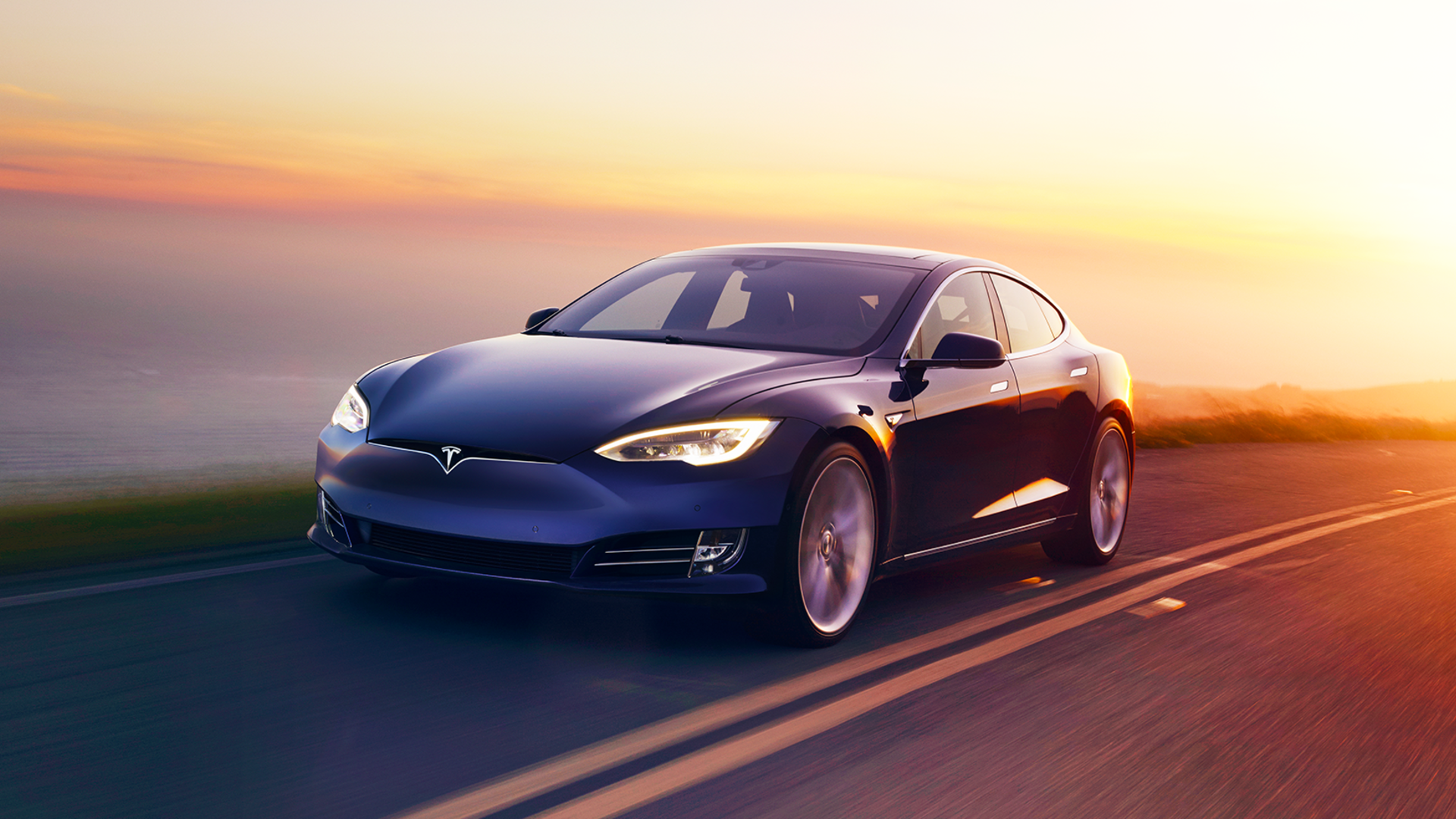
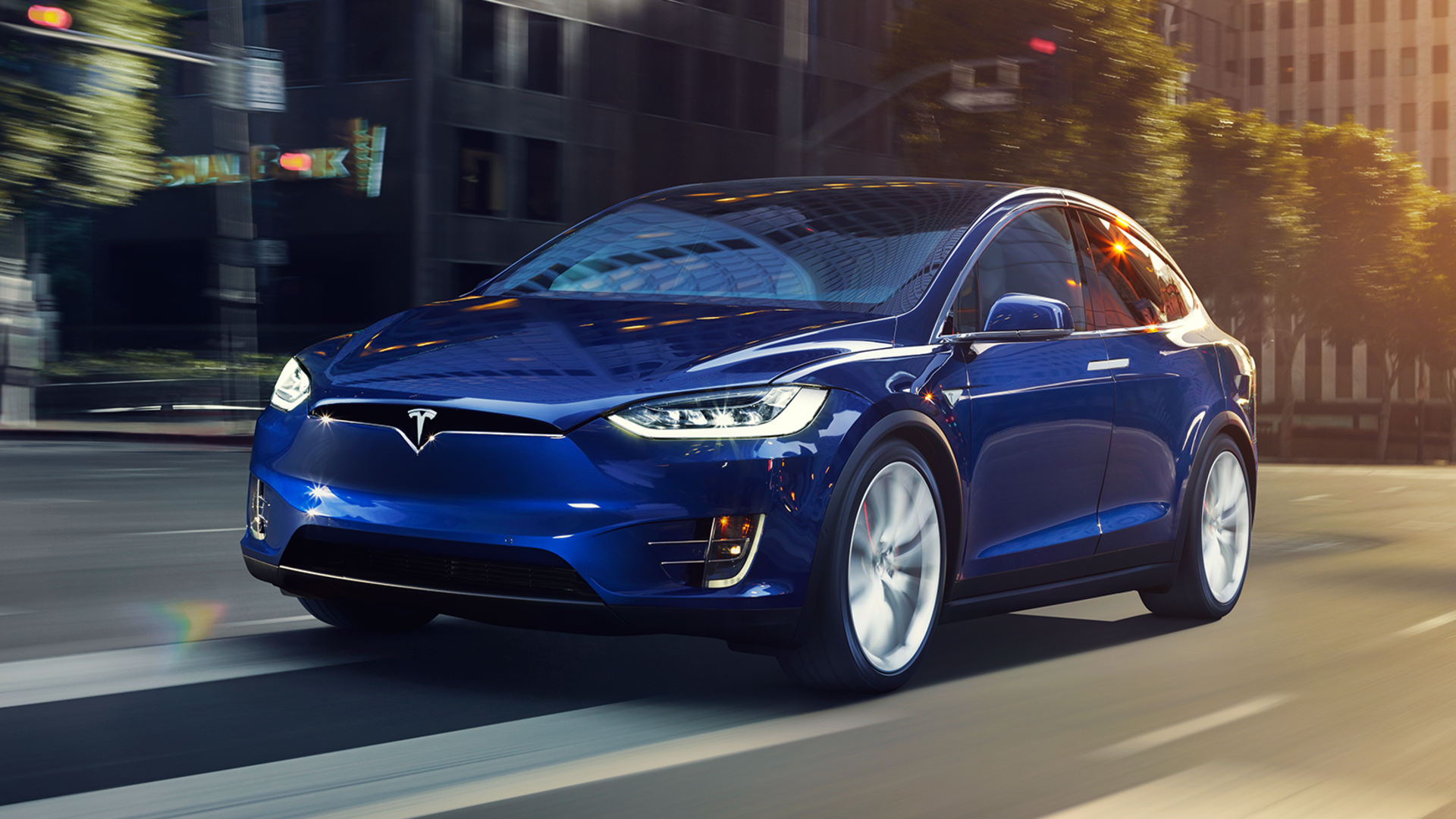
Best Green Car – Tesla Model S
No, the Best Green Car isn’t a Porsche 911 GT3 RS in Lizard Green. Instead, the Tesla Model S takes the plaudits. Even with a growing number of electric cars hitting the market, the Model S still manages to capture the public’s imagination like no other EV.
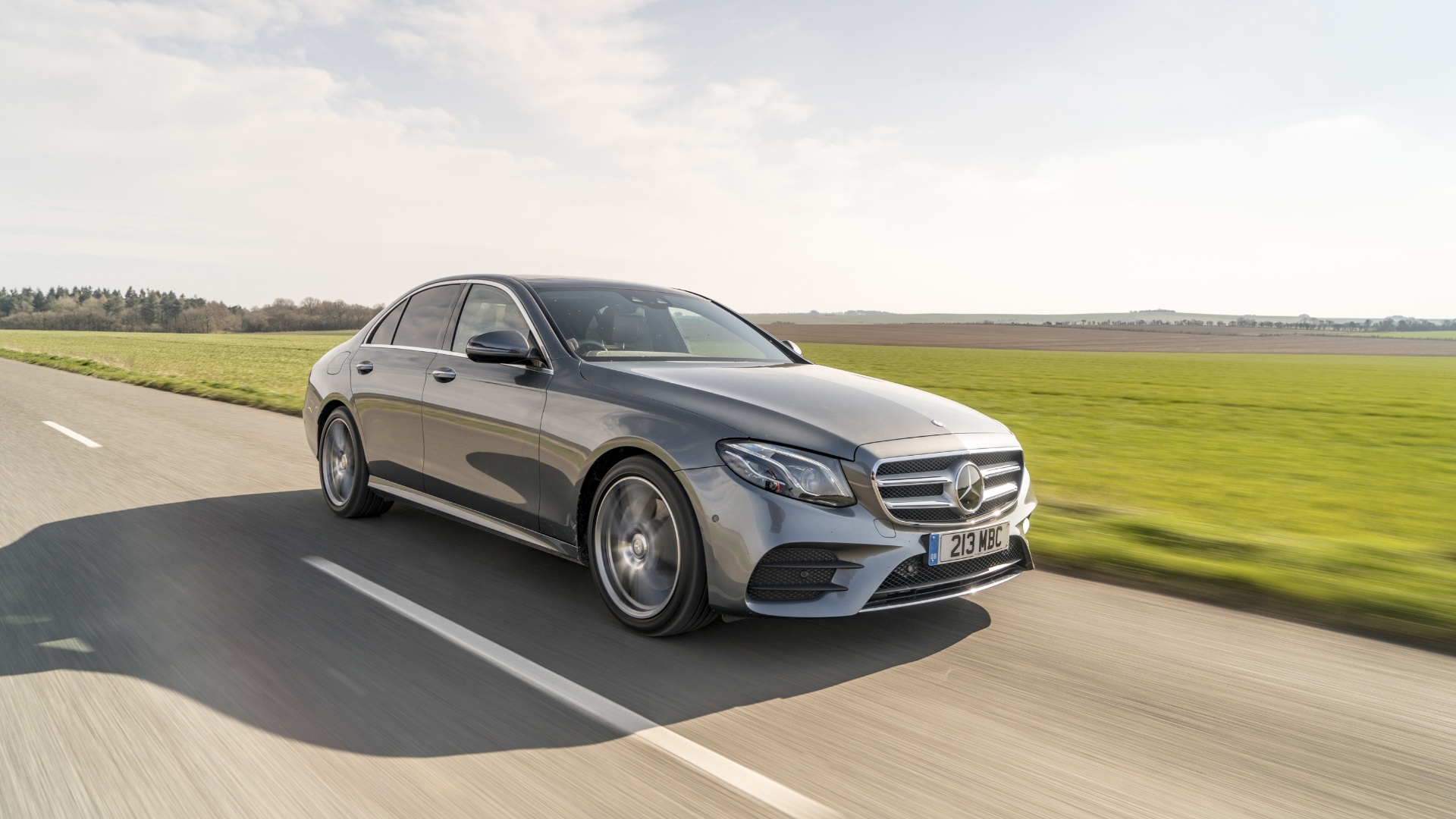
Most Recommended Car – Mercedes-Benz E-Class
Auto Trader added six new categories this year, including ‘Most Recommended Car’. Ian Plummer, Auto Trader director, said: “Revealingly, this year’s results mirror what we’re seeing elsewhere on our marketplace: the growing appetite for SUVs and crossovers.” While this might be the case, the Mercedes-Benz E-Class is the most recommended car.
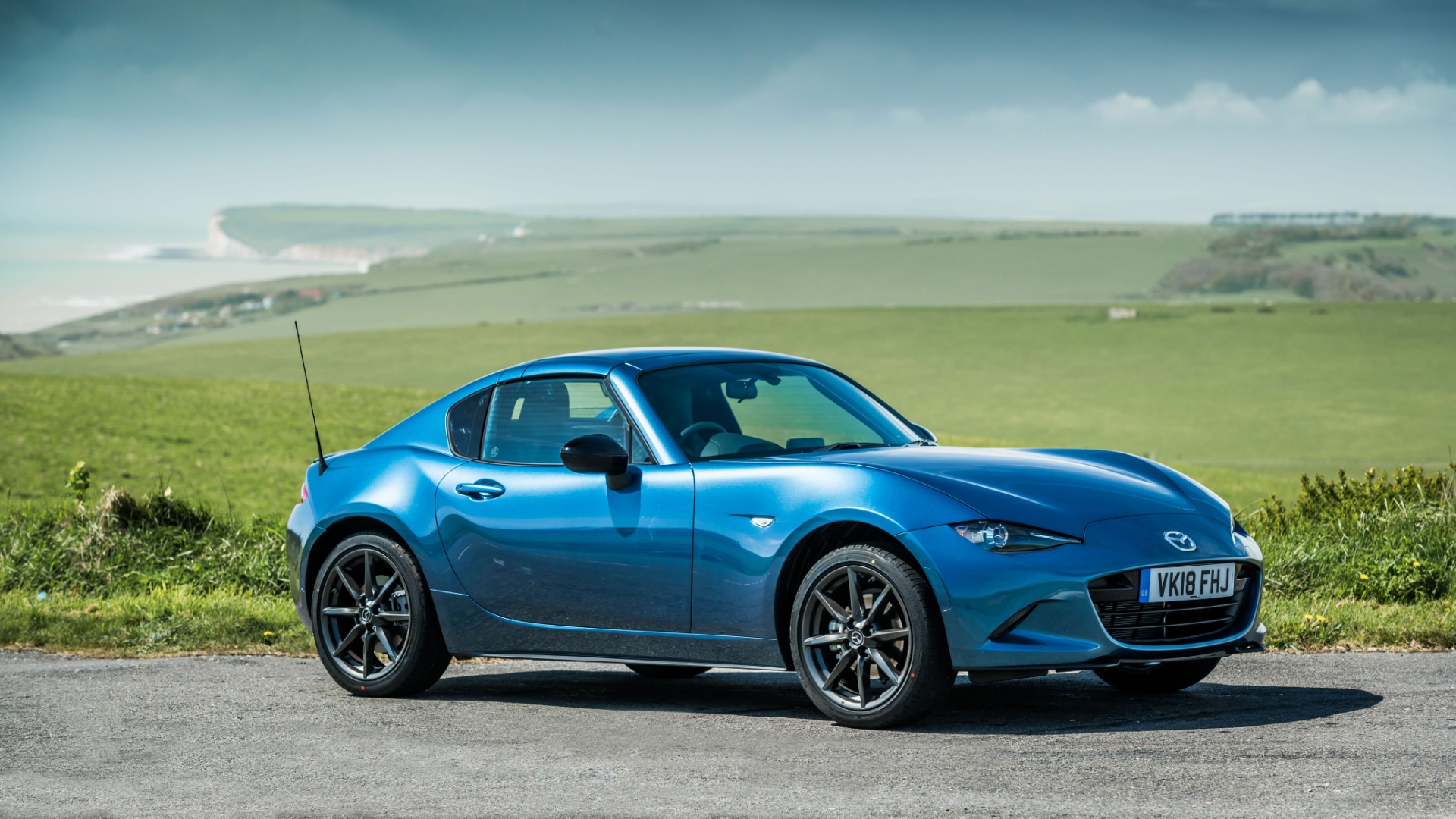
Most Loved Car – Mazda MX-5 RF
Here’s another new category for 2019, with the Mazda MX-5 RF named Most Loved Car at the Auto Trader New Car Awards. We wonder if more new awards will be added in 2020. May we suggest ‘Best Car for Goats’, ‘Best Cupholders’ and ‘Infotainment Screen Least Likely to Make You Yearn for Analogue Buttons and Switches’.
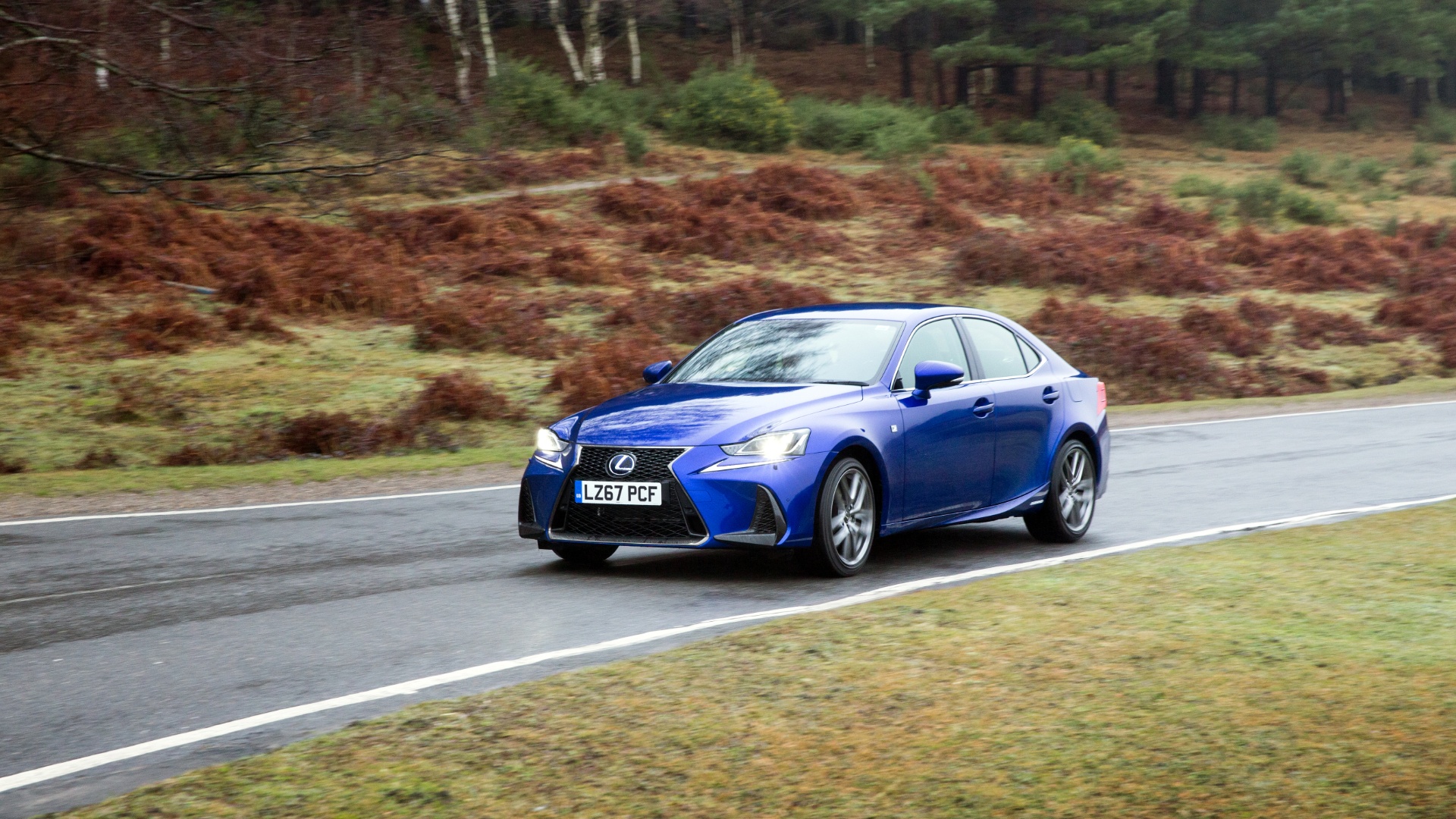
Most Reliable Car Brand – Lexus
Lexus is named the Most Reliable Car Brand for the second year running, with Erin Baker saying: “It comes as no surprise that Lexus has been voted as the most reliable car brand.” Just think of all the money Lexus owners save on AA membership.
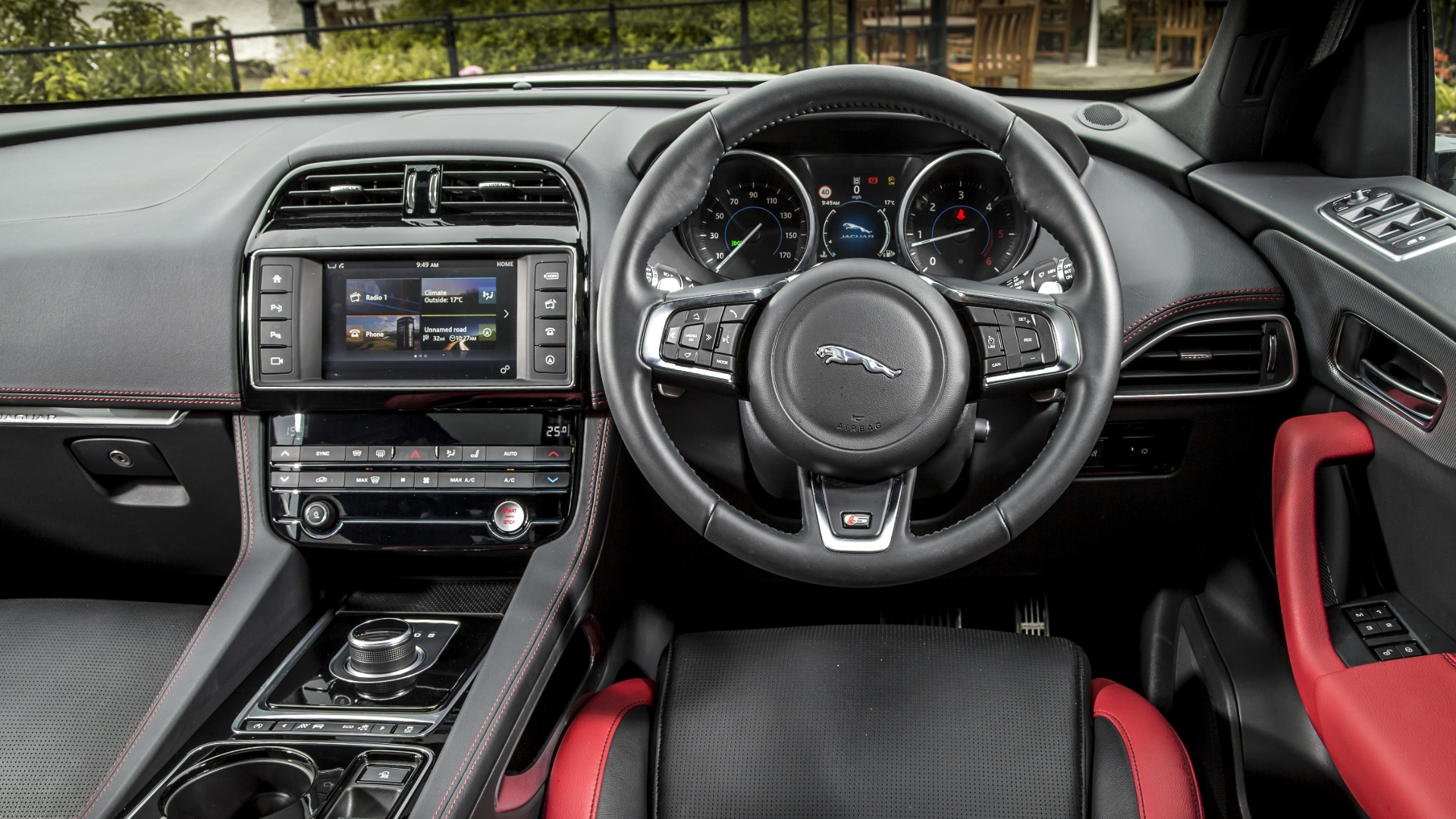
Car Brand with the Best Features – Jaguar
“Jaguar is the car brand with the features,” said Erin Baker. The company was praised for its connectivity, rear-seat TVs, Meridian audio systems, enhanced security and advanced safety systems. Remember when styling, comfort and performance were Jaguar’s best features?
Best Value Car Brand – Dacia
With many brands pushing further upmarket, Dacia is free to dominate the value end of the market. Offering a range with the cheapest hatchback, estate car and SUV is a good place to start, which is why it is named Best Value Car Brand.
Most Loved Car Brand – Tesla
We finish with Tesla, which is the Most Loved Car Brand. Ian Plummer said: “This is our third annual New Car Awards and 2019 marks a significant leap forward in terms of its scale. Rather than relying on an expert judging panel our winners are determined by the real-world insight from over 63,000 car owners, making them the most accurate industry measure of which brands and models are meeting the genuine needs of today’s car buyers. A huge congratulations are in order for all of this year’s very worthy winners.”
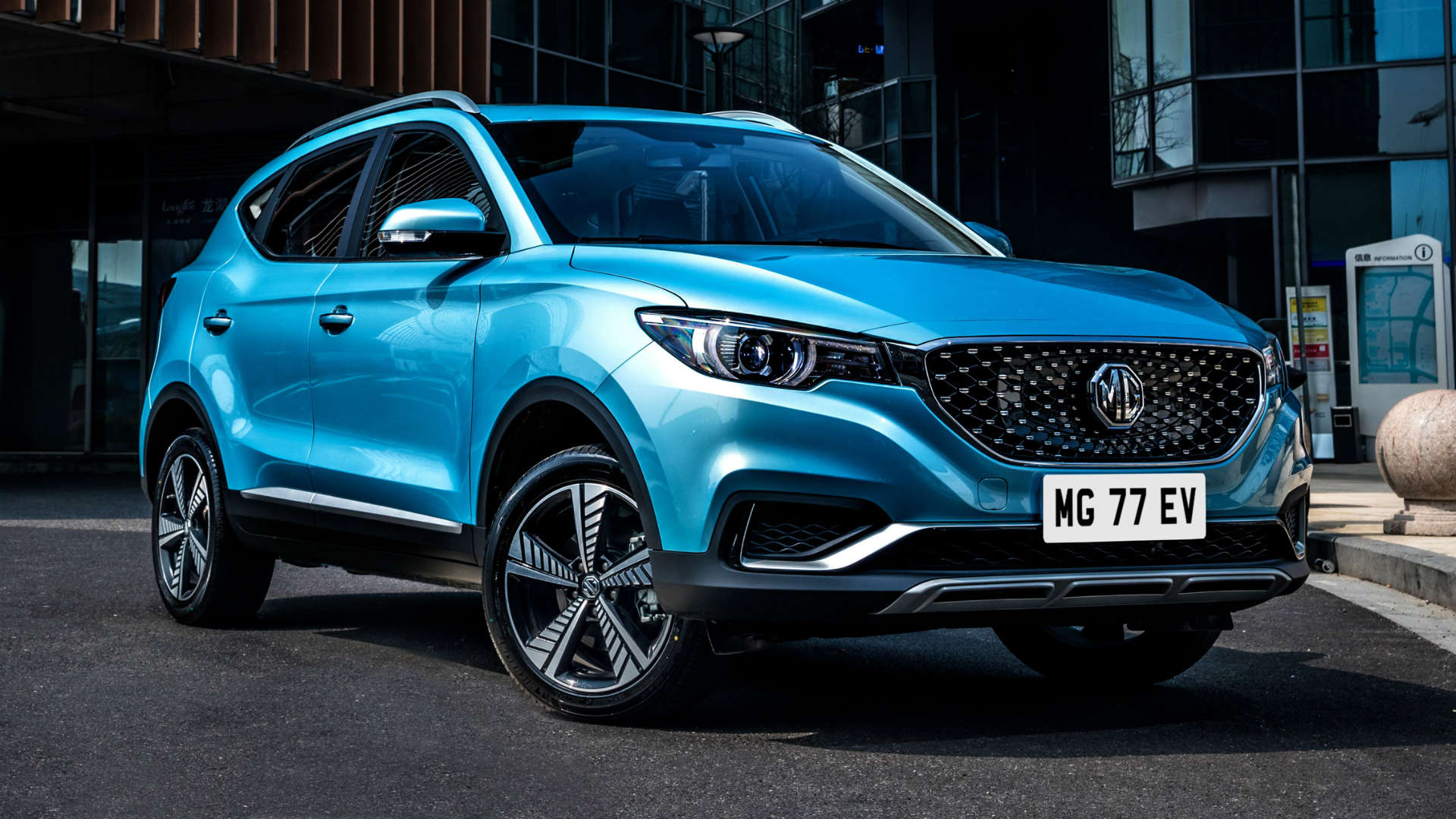
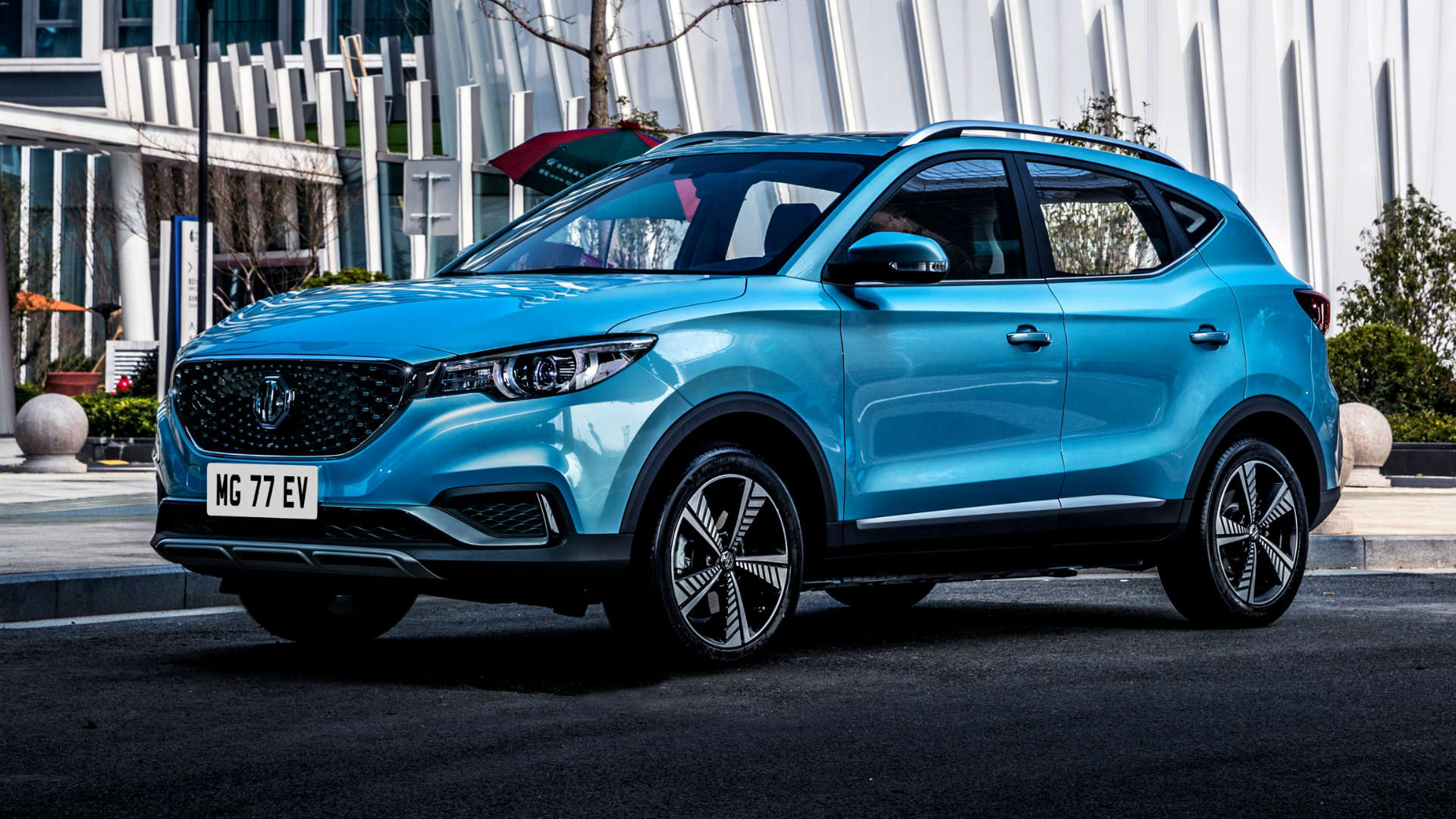
Two months after it was first announced, the MG ZS EV will make its UK and European debut at the London Motor Show.
It’s the latest in a long line of electric cars to hit the market in 2019, with MG saying it has received 800 expressions of interest for its first full-electric vehicle.
Although MG hasn’t released any performance or efficiency data, the ZS EV is expected to use the same electric powertrain as the MG eZS on sale in China.
This means the Hyundai Kona EV and Kia e-Niro rival could achieve 170 miles on a single charge, sprinting to 31mph in 3.1 seconds. An 80 percent charge will be available in 30 minutes.
It’ll be sold alongside the standard MG ZS, which is offered with a choice of two petrol engines. Prices start from £12,495, but the ZS EV is likely to cost around £25,000 after the Government Plug-in Car Grant (PiCG).
Daniel Gregorious, head of sales and marketing at MG Motor UK, said: “The arrival of the ZS EV represents the start of MG’s long-term brand and product expansion plan and we are delighted to be able to share it with the British public for the first time.
“The arrival of the ZS EV adds a new dimension to the car market by offering high-tech zero-emissions transport to a broader cross-section of buyers.
“The initial interest in ZS EV is extremely encouraging and confirms that car buyers are looking for a practical, versatile and stylish electric vehicle. It will also be the most high-tech MG yet. Following this, we will move to the next phase of our launch plan, by opening our order book at the show.
“Interested buyers can place a holding deposit on the stand to reserve their place on the waiting list.”
Pricing and full specification will be confirmed prior to the on-sale date of 1 September 2019.
Ford Performance had high hopes for the all-new V8 Mustang in its debut season of the Virgin Australian Supercars Championship.
However, we’re not sure even Ford could have predicted the level of dominance from the Supercar ‘Stang so far.
Of the 12 races held, Ford Mustang GTs have topped the podium an incredible 11 times. The 2018 Drivers’ Championship winner Scott McLaughlin has taken eight of those wins alone, and he looks set to carry on doing the same.
The latest rounds in Perth, Western Australia, saw the DJR Penske Shell V-Power Racing Mustangs take two more victories beneath the floodlights.
Racing at night seemingly had no effect the Mustang’s performance, with the Fords taking a commanding 1-2-3 result in the first race of the weekend.
Fabian Coulthard led home the pack, with DJR Penske teammate McLaughlin in second place. Tickford Racing’s Chaz Mostert completed the race 11 podium.
Race 12 saw Scott McLaughlin re-establish his dominance, taking another win to increase his career total to 33 victories, and extending his lead in the 2019 Drivers’ Championship fight.
Predicting a Mustang frenzy at the Western Australia rounds should have been easy, given that McLaughlin secured pole position for both races. He also managed to set a new lap record around the Perth circuit in the process.
However, not everyone is pleased with the Blue Oval’s success in 2019, with the technical department of the Australian Supercars Championship requiring Ford teams to make changes to the Mustang.
Ahead of the two Perth races, those teams fielding the Mustang were told to alter the size of the rear-wing endplates, along with making other mandatory aerodynamic tweaks.
This was intended to keep the racing in the Supercars Championship as close as possible, and ensure even parity with the rival Holdens and Nissans. But it was a move that seemingly had little effect.
Earlier in the season, changes were also made to the Mustang’s centre of gravity, despite the design of the car having been tested and homologated by series organisers and other rival manufacturers.
Mark Rushbrook, global director of motorsport at Ford Performance, commented: “We have worked so hard alongside Shell V-Power Racing and Tickford Racing, so to come to Perth and see Mustang in such competitive form is such a great feeling.”
As the alterations imposed by the Supercars technical team failed to dampen the abilities of the Mustang in Perth, the question will be whether more drastic measures will be necessary.
With 19 races still left in the Australian Supercars calendar, including the legendary Bathurst 1000 endurance event in October, there is time left for further attempts to slow the Mustang down.
Whether on-track, or in the scrutineering office, we can certainly expect the Ford Performance Mustang to keep grabbing headlines Down Under in 2019.


 Vauxhall is joining the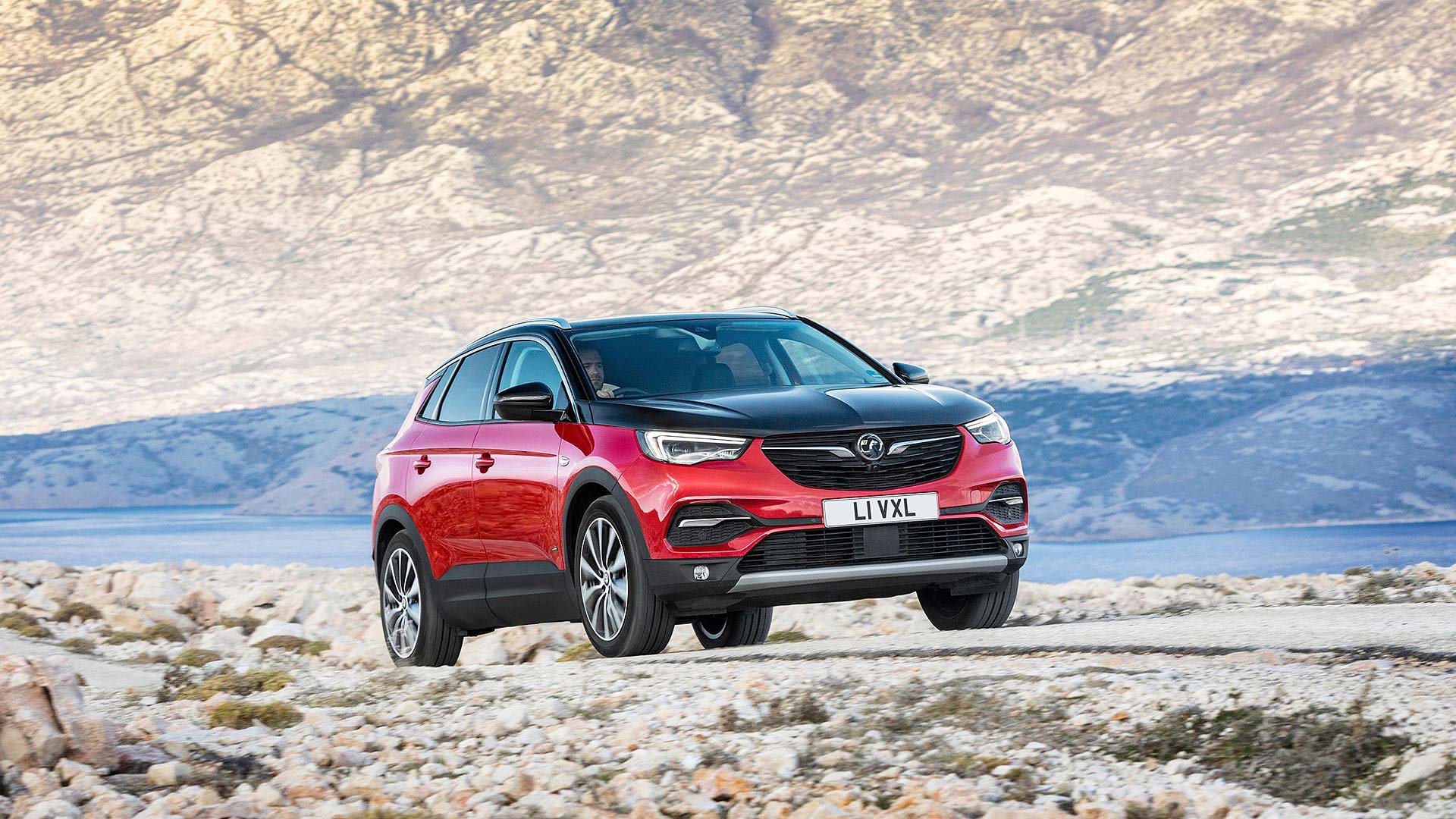
 The first
  The Oxfordshire-based company has also worked in partnership with Aston Martin on the development of the Rapide E, bringing its battery technology experience to the project.
 Featuring a 65kWh battery pack where the V12 engine and gearbox used to reside, the Rapide E has two electric motors driving the rear wheels.
 Speaking after his trip around the Monaco circuit, Turner commented: “I’ve had the privilege to join the Aston Martin engineering team at various stages of the car’s development and the performance that’s on offer in Rapide E really is incredible. The car has the kind of torque and punch that you’d expect from an EV, but they’ve really worked hard to retain the dynamic characteristics of what makes an Aston Martin special.”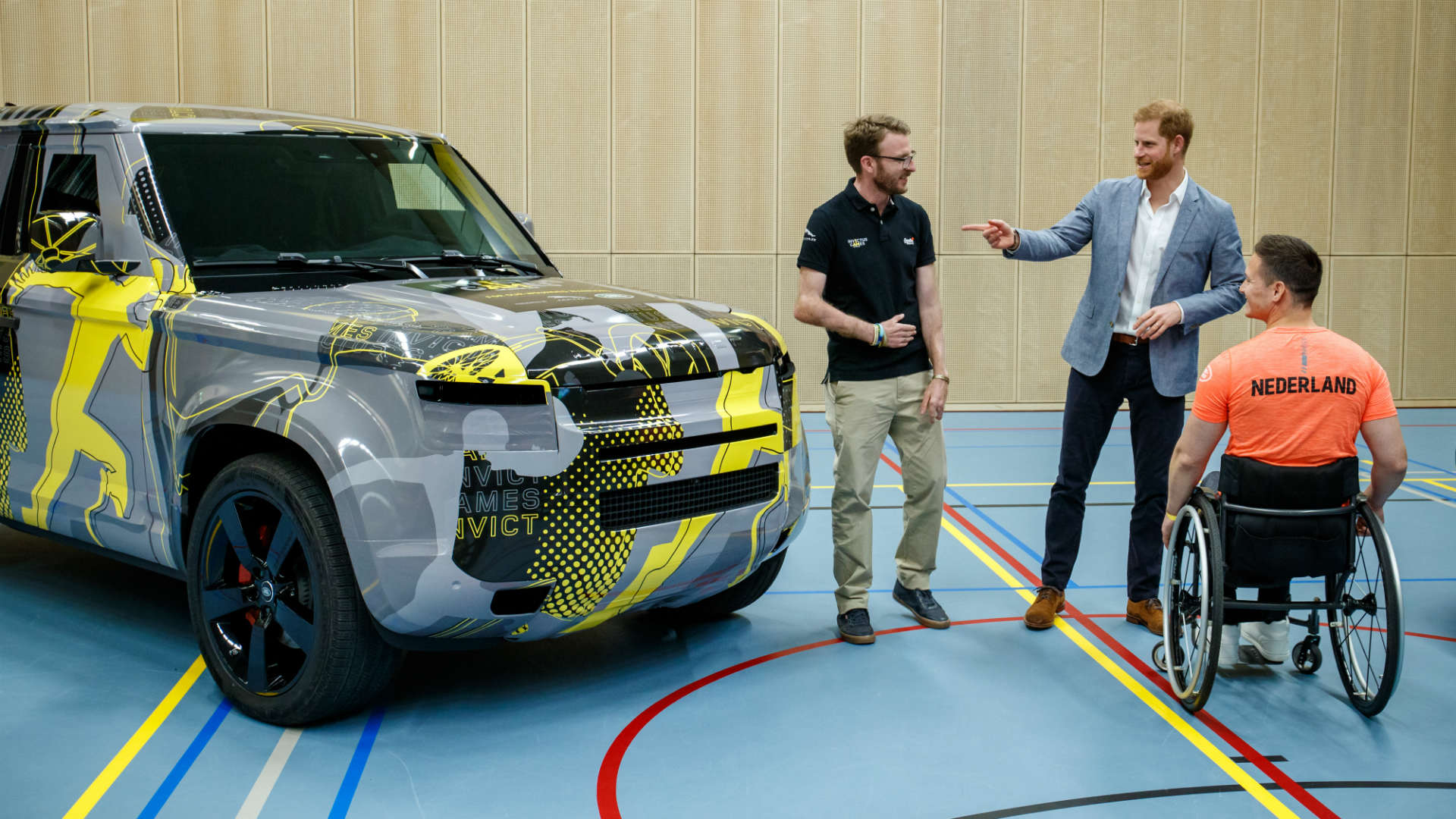
 Ford Performance had high hopes for the all-new V8 Mustang in its debut season of the Virgin Australian Supercars Championship.
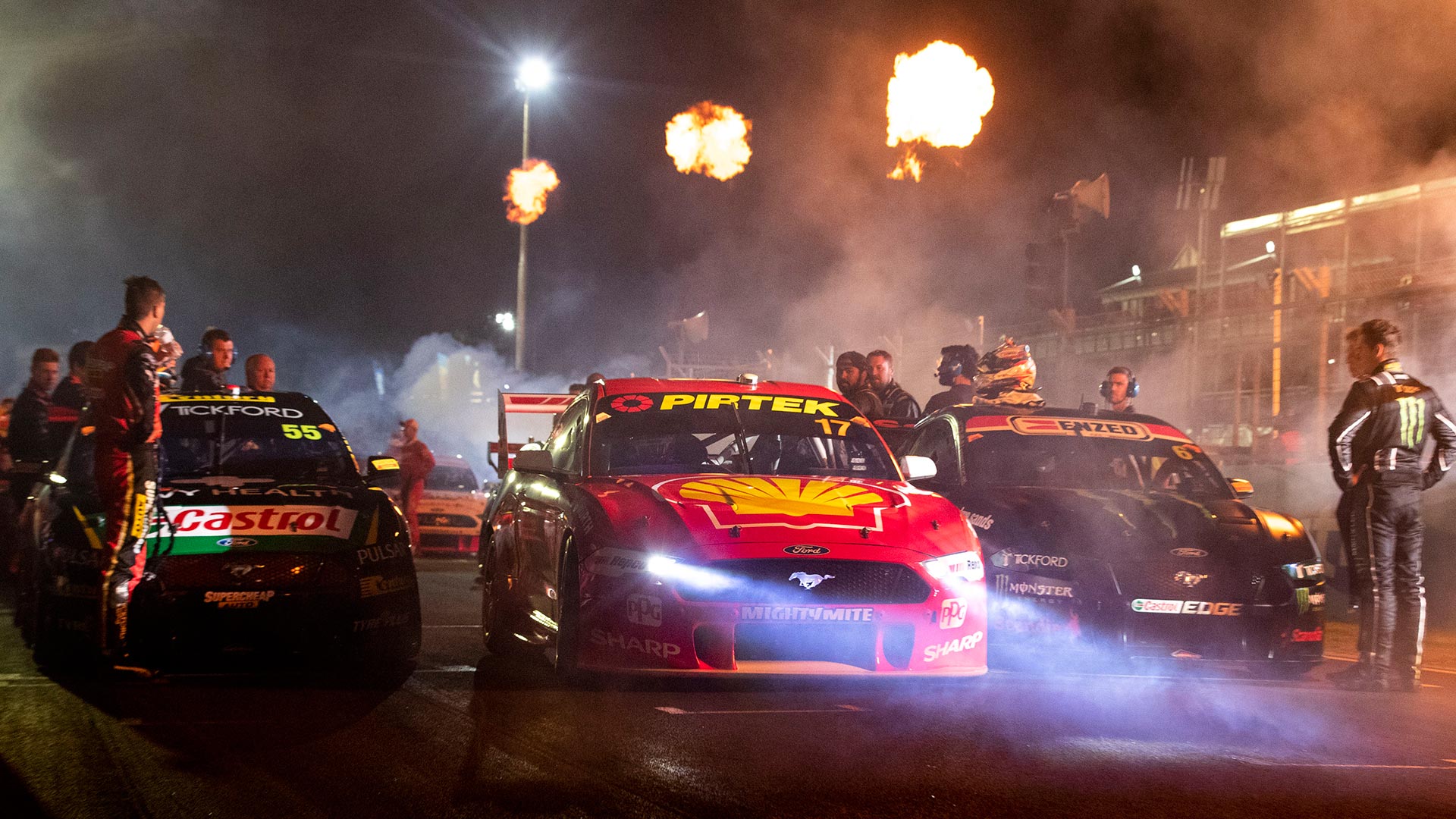 The latest rounds in Perth, Western Australia, saw the DJR Penske Shell V-Power Racing Mustangs take two more victories beneath the floodlights.
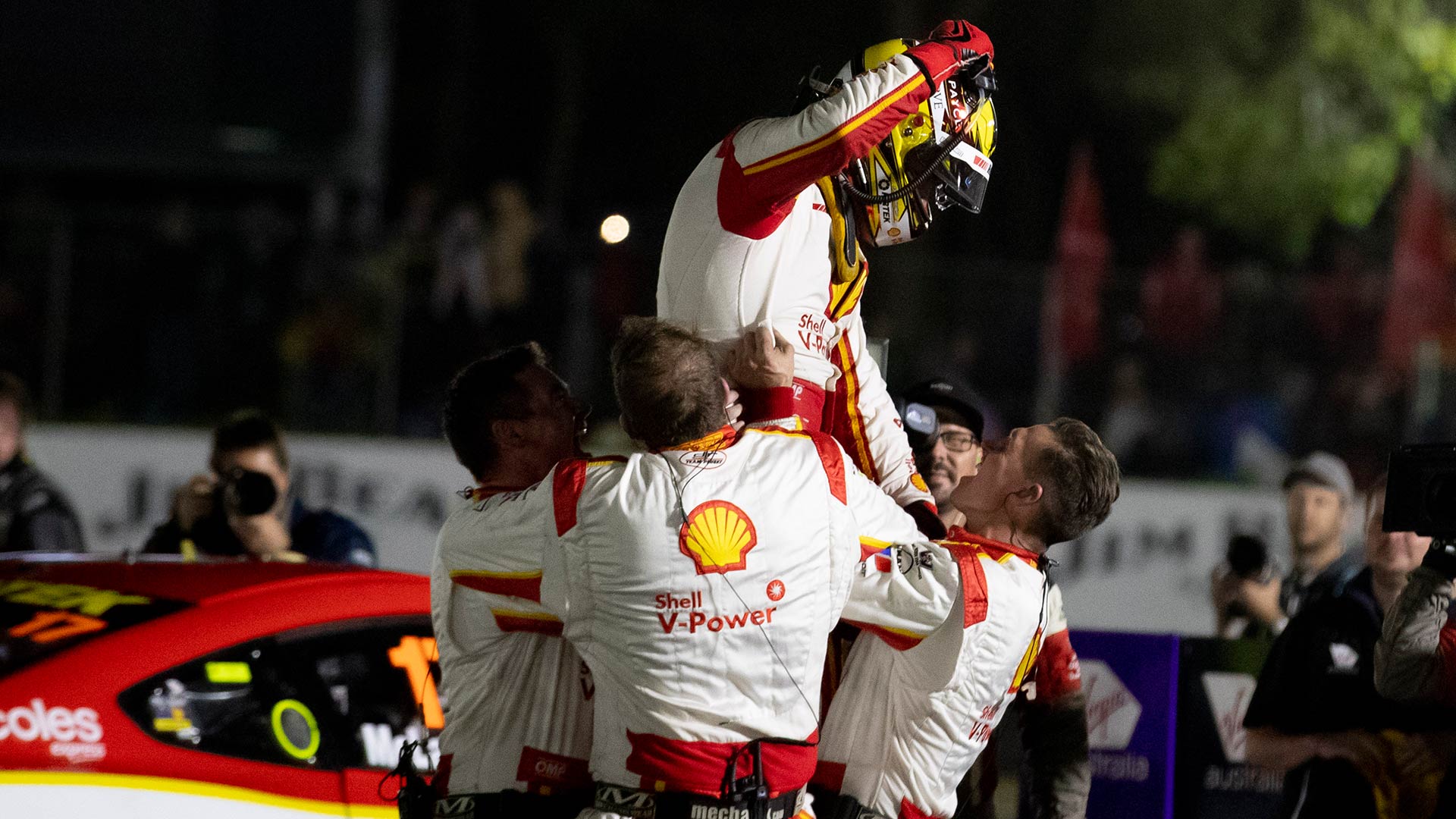 Race 12 saw Scott McLaughlin re-establish his dominance, taking another win to increase his career total to 33 victories, and extending his lead in the 2019 Drivers’ Championship fight.
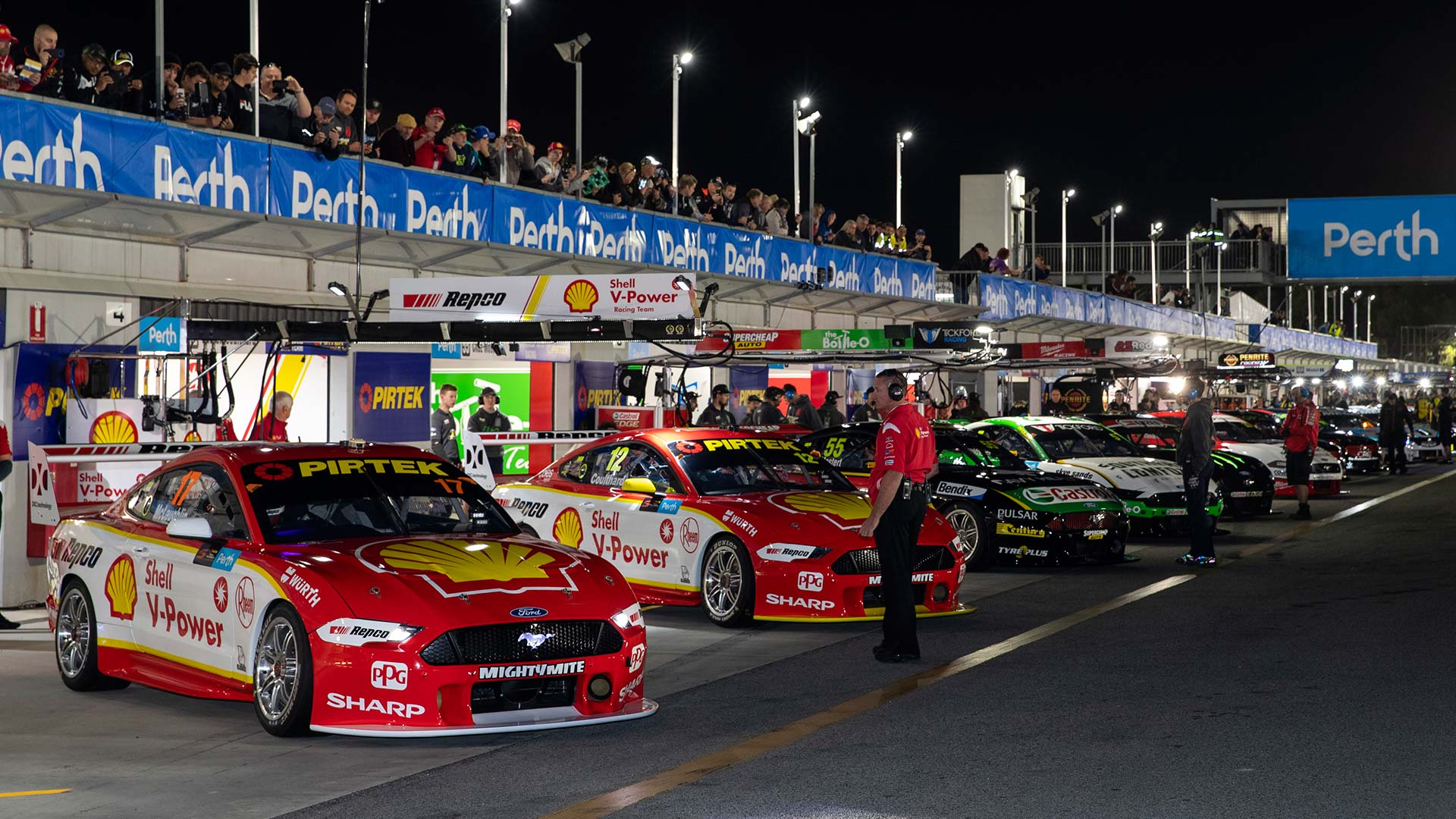 Ahead of the two Perth races, those teams
 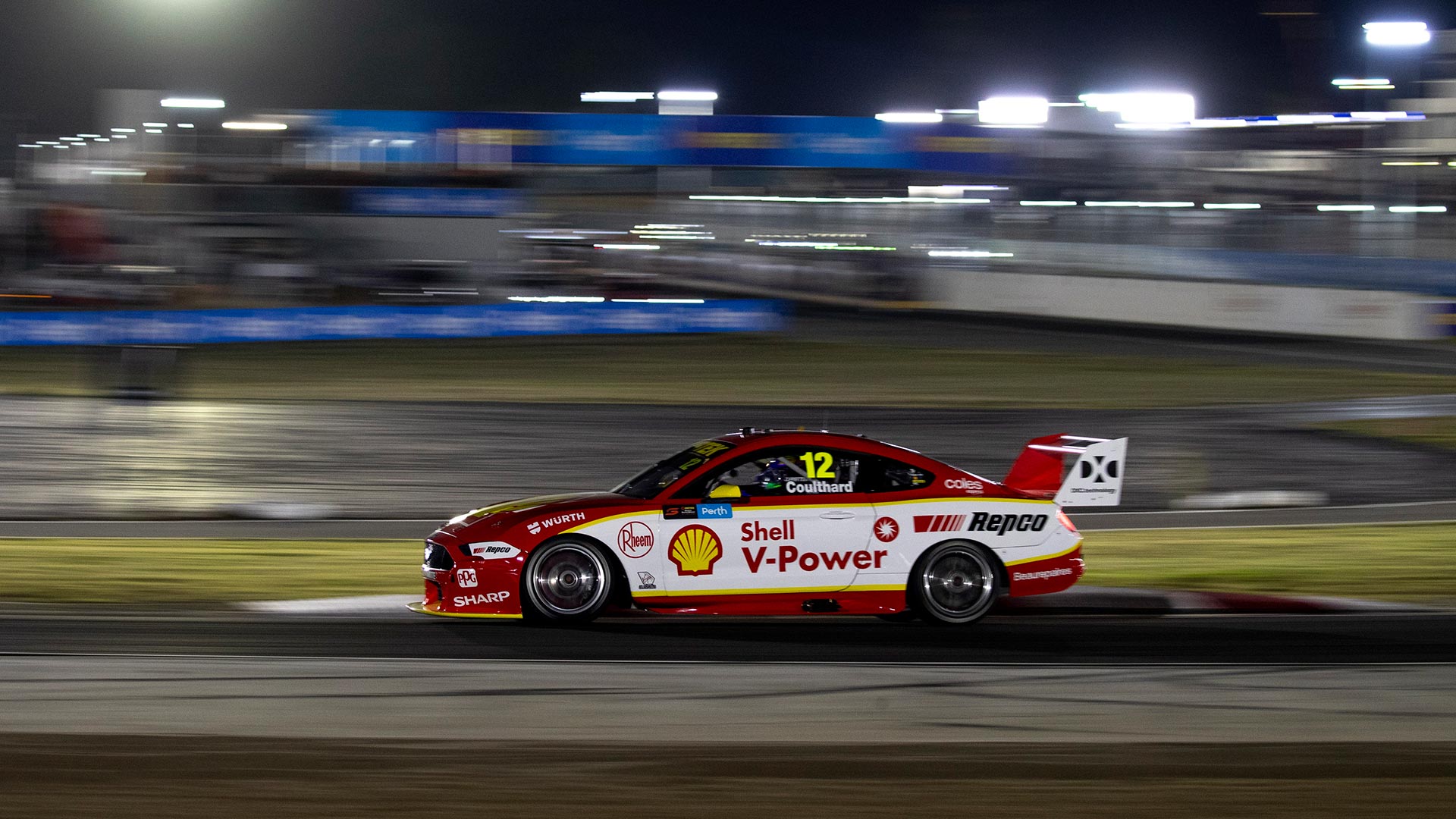 Mark Rushbrook, global director of motorsport at Ford Performance, commented: “We have worked so hard alongside Shell V-Power Racing and Tickford Racing, so to come to Perth and see Mustang in such competitive form is such a great feeling.”