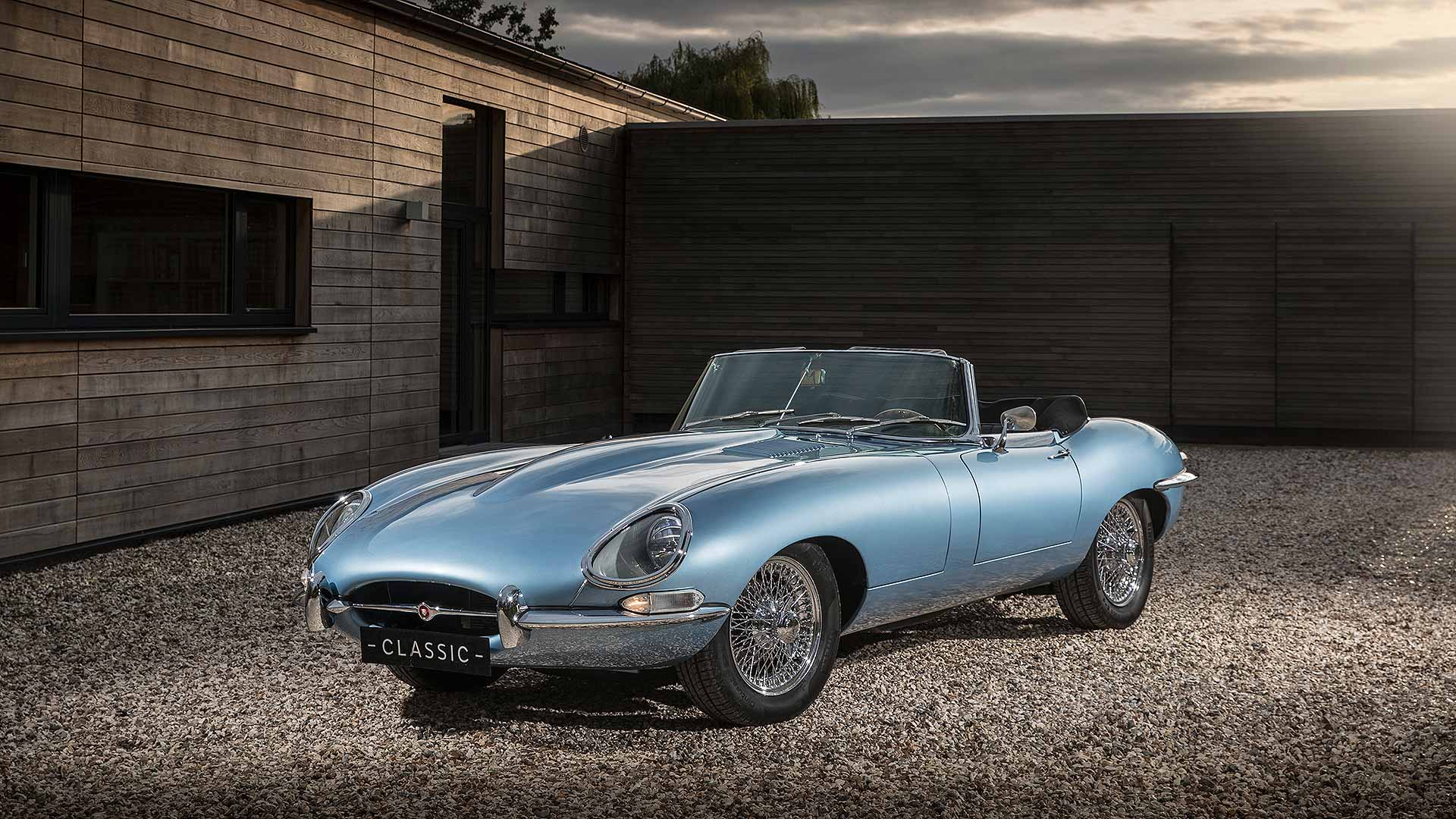
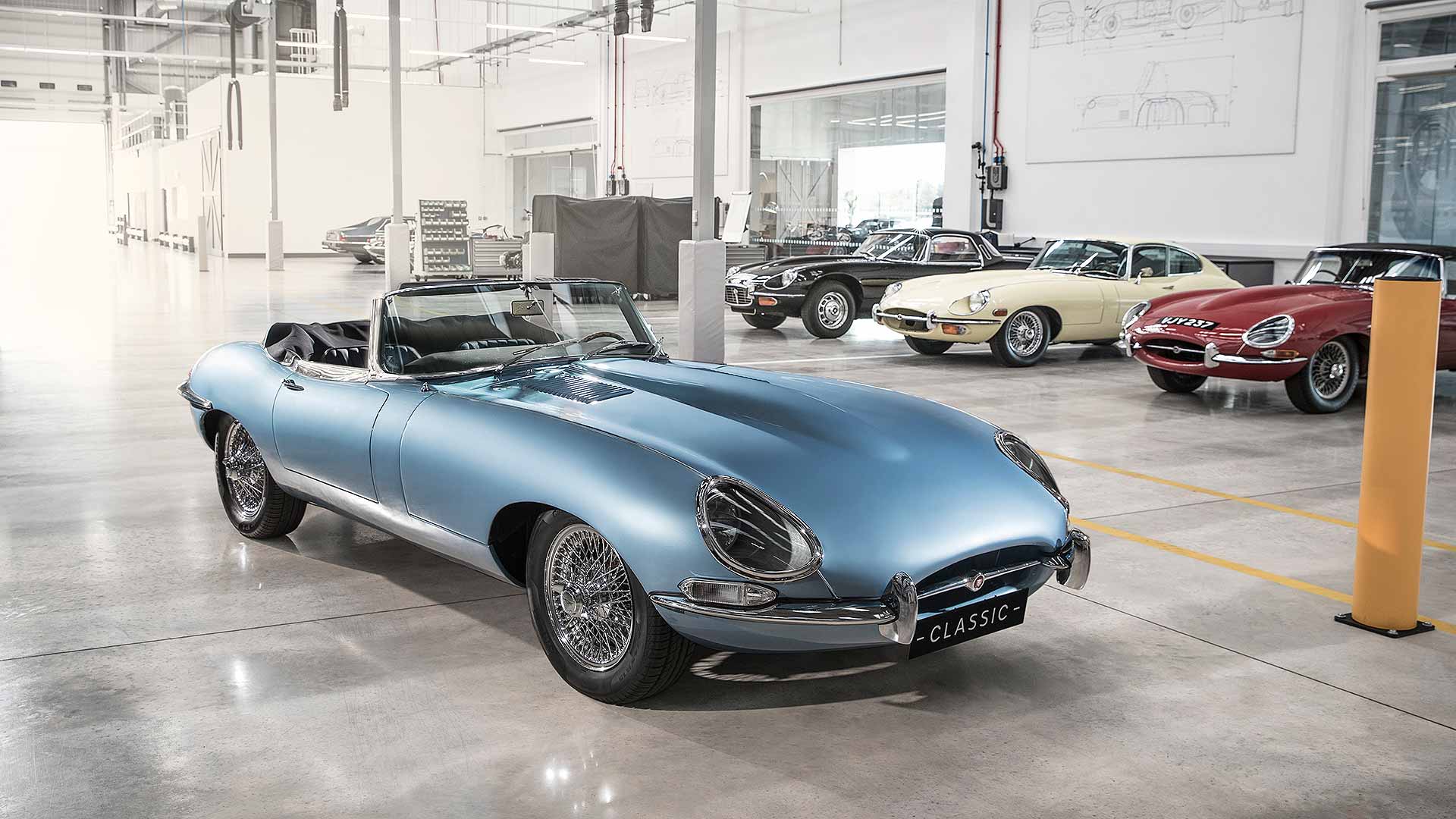
Deliveries of the £350,000 car were originally scheduled to begin in summer 2020. Jaguar started taking expressions of interest in summer 2018, and even set up a dedicated email address for potential buyers: zero@jaguarlandrover.com.
Owners who expressed interest have now been contacted: “It is with regret that I inform you that we have taken a difficult decision to pause the development of the production vehicle for the time being.”
It also won the ‘Best use of electricity since the light bulb’ prize at the 2018 GQ Awards.
“Jaguar Classic will continue to monitor the external environment, the speed of EV development and demand from the customer base around the world,” added the firm in a statement.
The development of the E-type Zero’s EV technology is already, it admitted, in an “advanced” state.
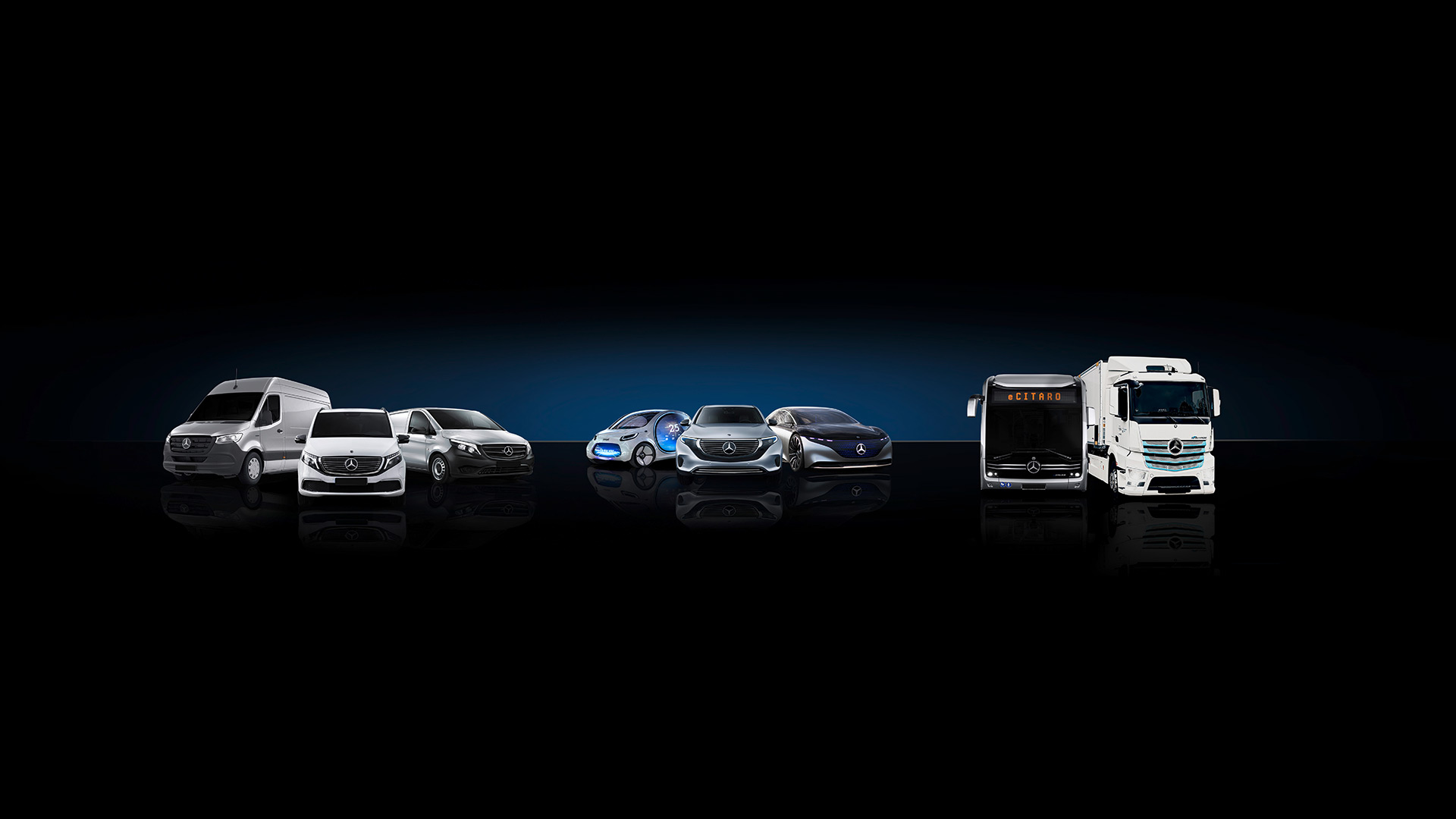
Daimler, the parent company of Mercedes-Benz, has announced plans to reduce its number of employees by the end of 2022.
The number of job cuts will total at least 10,000, with the company also pledging to reduce the amount of management roles by ten percent.
Reducing headcount is just part of the changes planned by Daimler, which will also see efforts made to improve efficiency and reduce overall costs.
Daimler admits that the automotive industry is currently in a period of the “biggest transformation” in history, with the effects of electrification and developments in ownership patterns.
Covering the various brands of Mercedes-Benz and Daimler, the company currently employs almost 300,000 people around the world. Reducing employee numbers will see Daimler save €1.4 billion by the end of 2022, which is important given the company saw a reduction in profits during 2018.
At present, Daimler has a commitment with trade unions to protect jobs in Germany until at least 2029. The company will therefore rely on natural staff turnover, part-time retirement, and voluntary redundancies to help reduce headcount.
More than half of all Daimler employees are currently based in Germany, whilst 26,000 are employed by the company in the United States.
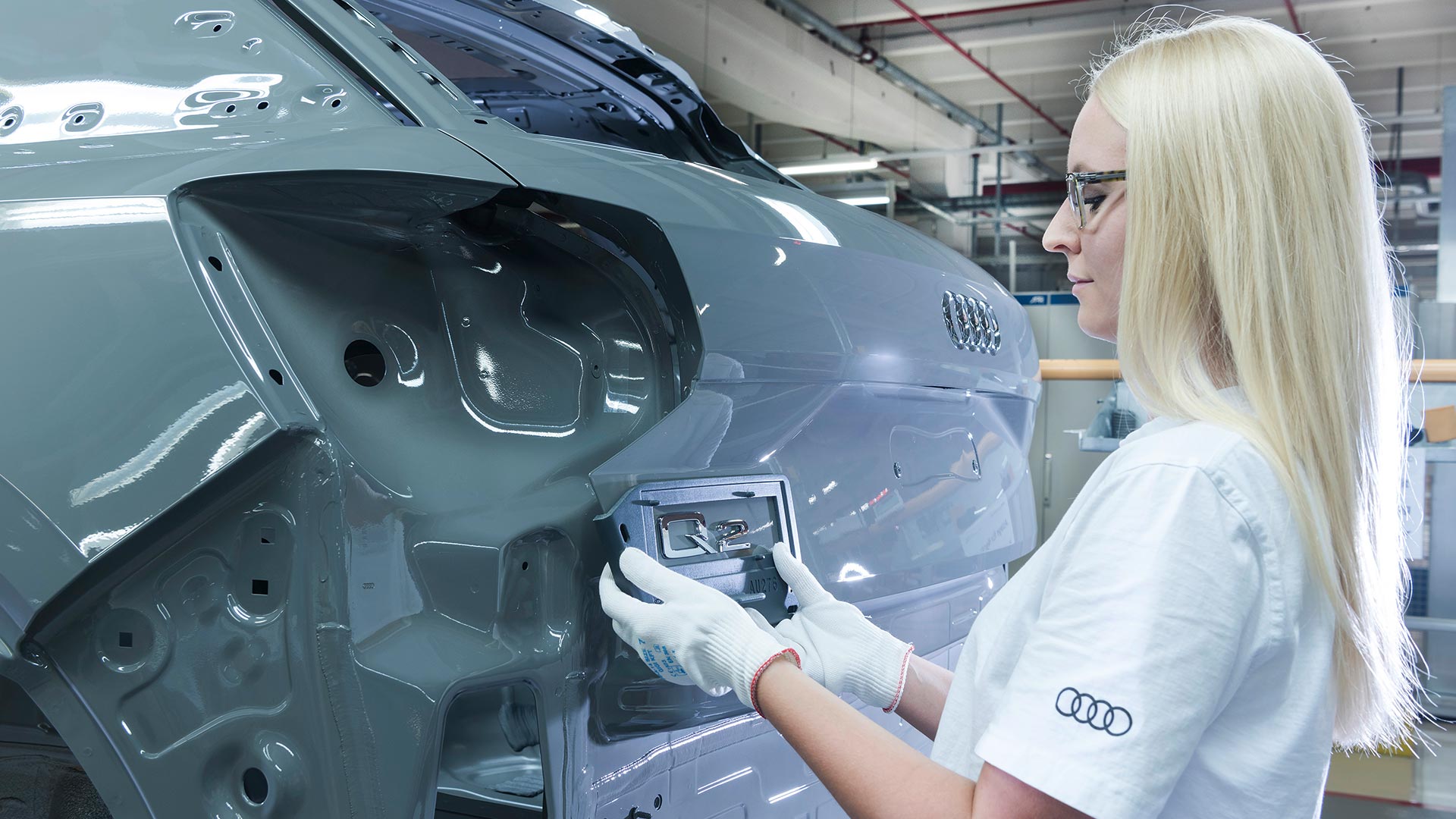
Daimler is not the only German manufacturer looking to reduce staff numbers. Audi AG announced earlier this week that it will reduce its total number of employees by 9,500 by 2025.
Audi has also agreed to guarantee German jobs until 2029, meaning it too will be reliant on natural turnover and early retirement options. At the same time, the company will also seek to create 2,000 new jobs in digital technology and electrification.
These new jobs will be key to Audi’s future, as it plans to transform factories in Ingolstadt and Neckarsulm into producers of electric vehicles. Some €300 million will be spent by Audi to ensure the company can meet increased demand for full-electric cars.
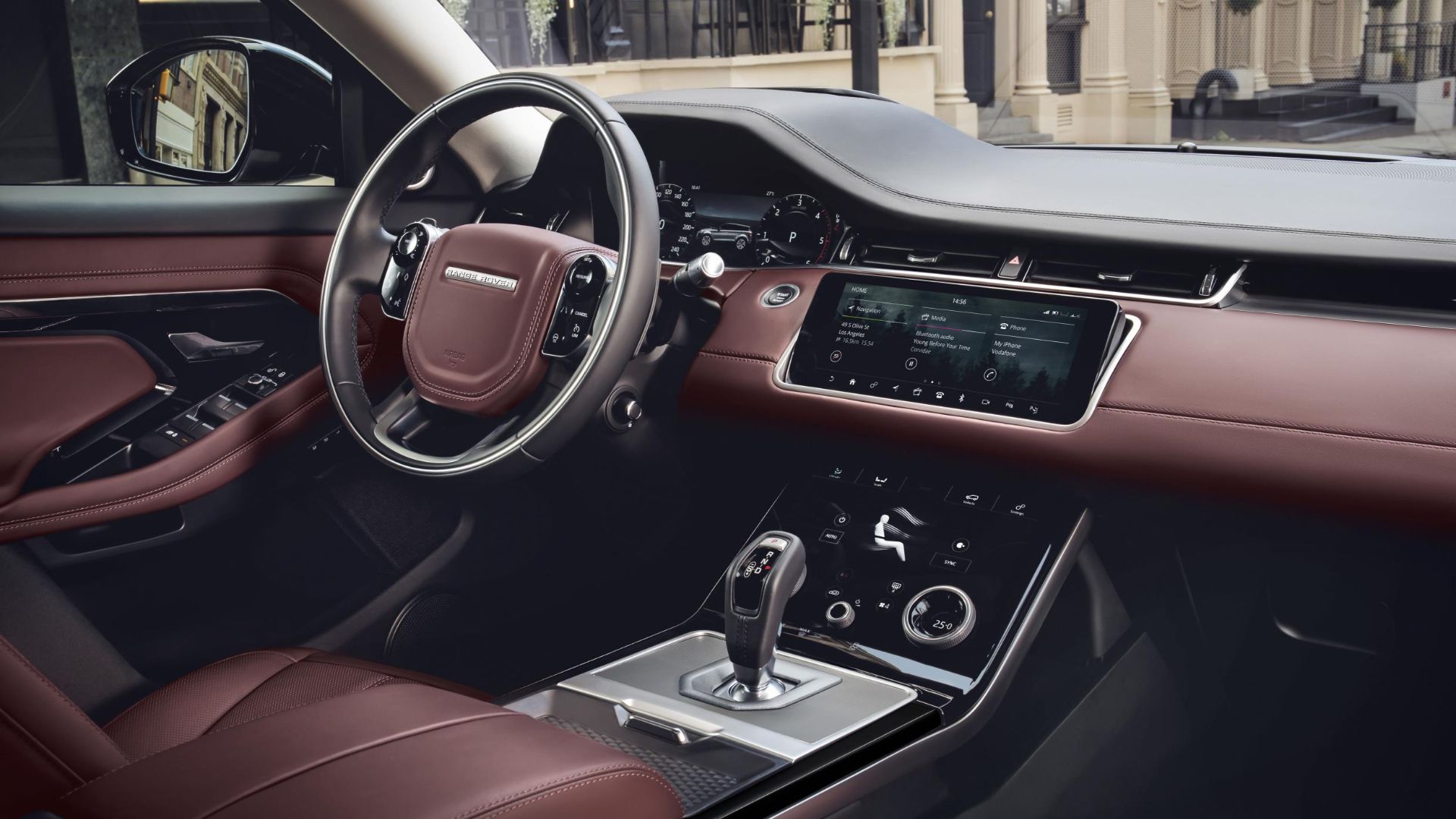
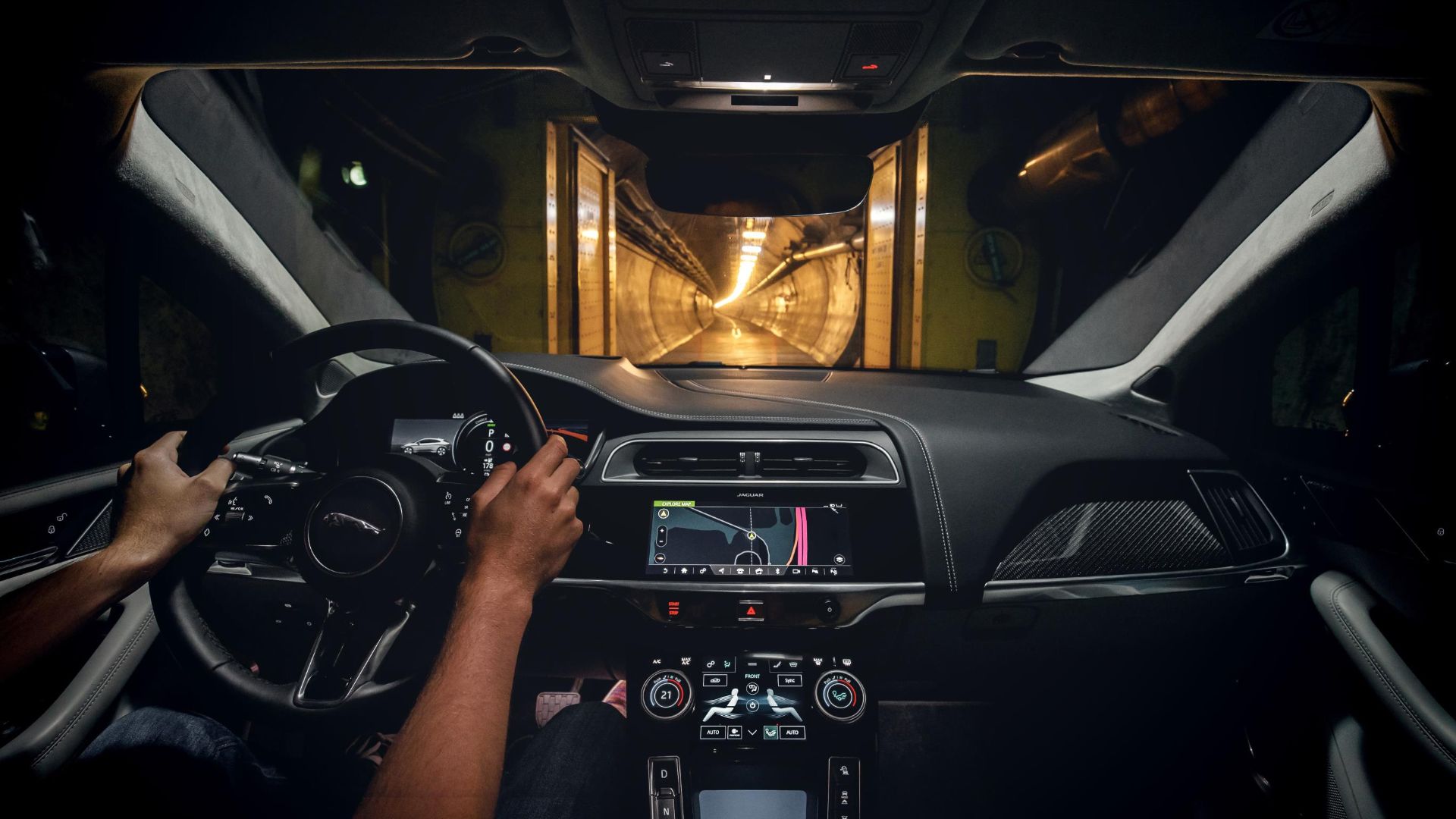
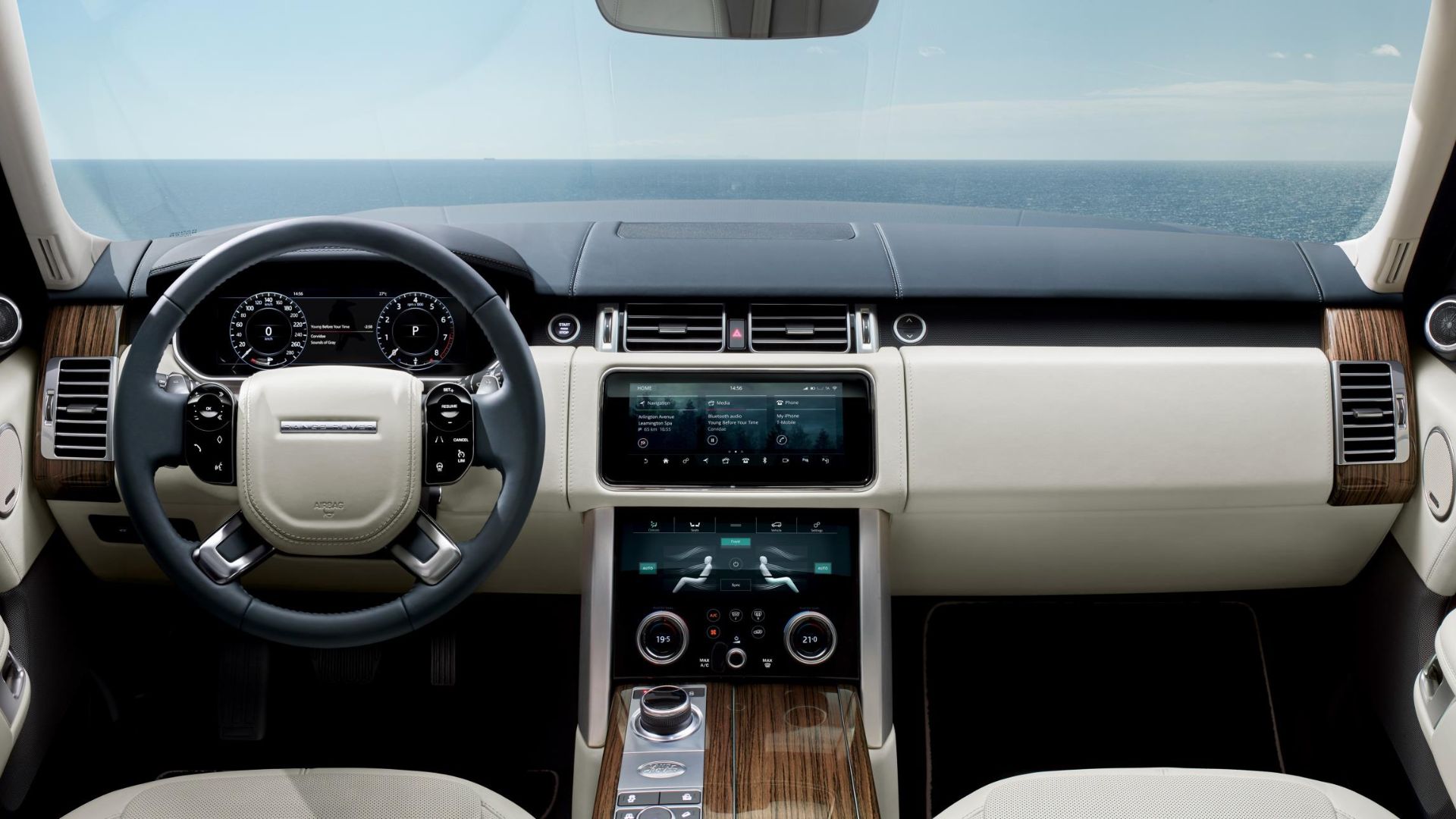
Jaguar Land Rover (JLR) has announced every new car it sells will have Software-Over-The-Air (SOTA) capability as standard. Drivers will be able to receive software patches and updates wherever they are, without having to return to a dealer.
This means the Touch Pro and Touch Pro Duo infotainment systems that feature in current JLR models will be able to remain up-to-date. The feature was highlighted on the new Land Rover Defender, but will now be available across all Jaguars and Land Rovers.
The idea of over-the-air software updates was popularised by Tesla. Now, the likes of JLR and Porsche are implementing similar tech.
“We are passionate about creating and delivering the latest technology to our customers,” said Nick Rogers, director of product engineering at Jaguar Land Rover.
“Building on the connected capability of our new Defender, we have made our pioneering software-over-the-air capability for infotainment updates standard on all our new vehicles.”
Jag queens: Jaguar teams up with drag acts for charity
Most impressive, perhaps, is the fact that newer JLR cars are eligible for a free update. Half a million cars sold since 2016 should be able to receive the complimentary update at a dealer, then become SOTA-capable.
“Of course, we want our existing customers to benefit from the latest connected features as well,” Rogers followed.
“Which is why we are offering them a complimentary upgrade to enable this capability on their vehicles too, together with the latest updates for their infotainment systems.”
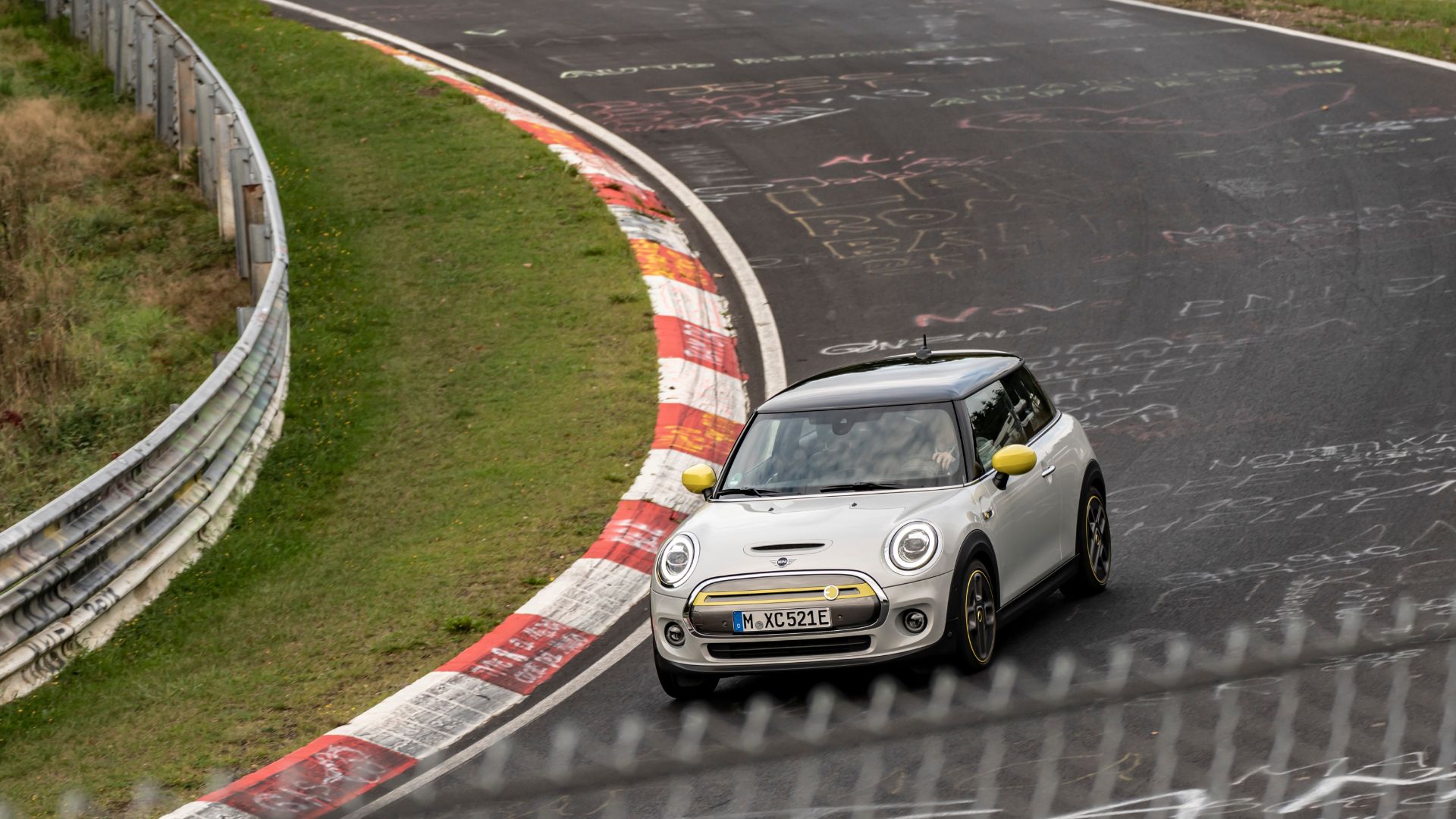
BMW Group is teaming up with Chinese car manufacturer Great Wall for a new factory, plus the ongoing development of electric cars. The plant in China will produce future fully-electric models from Mini.
“Today we are taking the next step in our collaboration,” said Klaus Fröhlich, head of development at BMW.
“With the BMW Group as a pioneer in the field of electromobility and Great Wall as a major player and expert in industrialisation in the Chinese market, we are joining forces for development and production of the future electric Mini and new Great Wall models.”
The joint venture is called Spotlight Automotive Limited. The plant will be able to produce 160,000 cars a year, employ around 3,000 people and mean a joint investment of £550 million.
That doesn’t necessarily mean Mini’s Oxford home is being retired. In BMW’s words, ‘Mini Plant Oxford will remain the heart and home of Mini manufacturing, while the Spotlight Automotive joint venture will provide additional capacity and flexibility’.
“This joint venture will enable us to produce a larger number of Mini-brand fully electric vehicles at attractive conditions for the world market,” Dr. Nicolas Peter, head of finance at BMW.
“This is also an important strategic step for the Mini brand. The joint venture with Great Wall underlines the enormous importance of the Chinese market for us.”
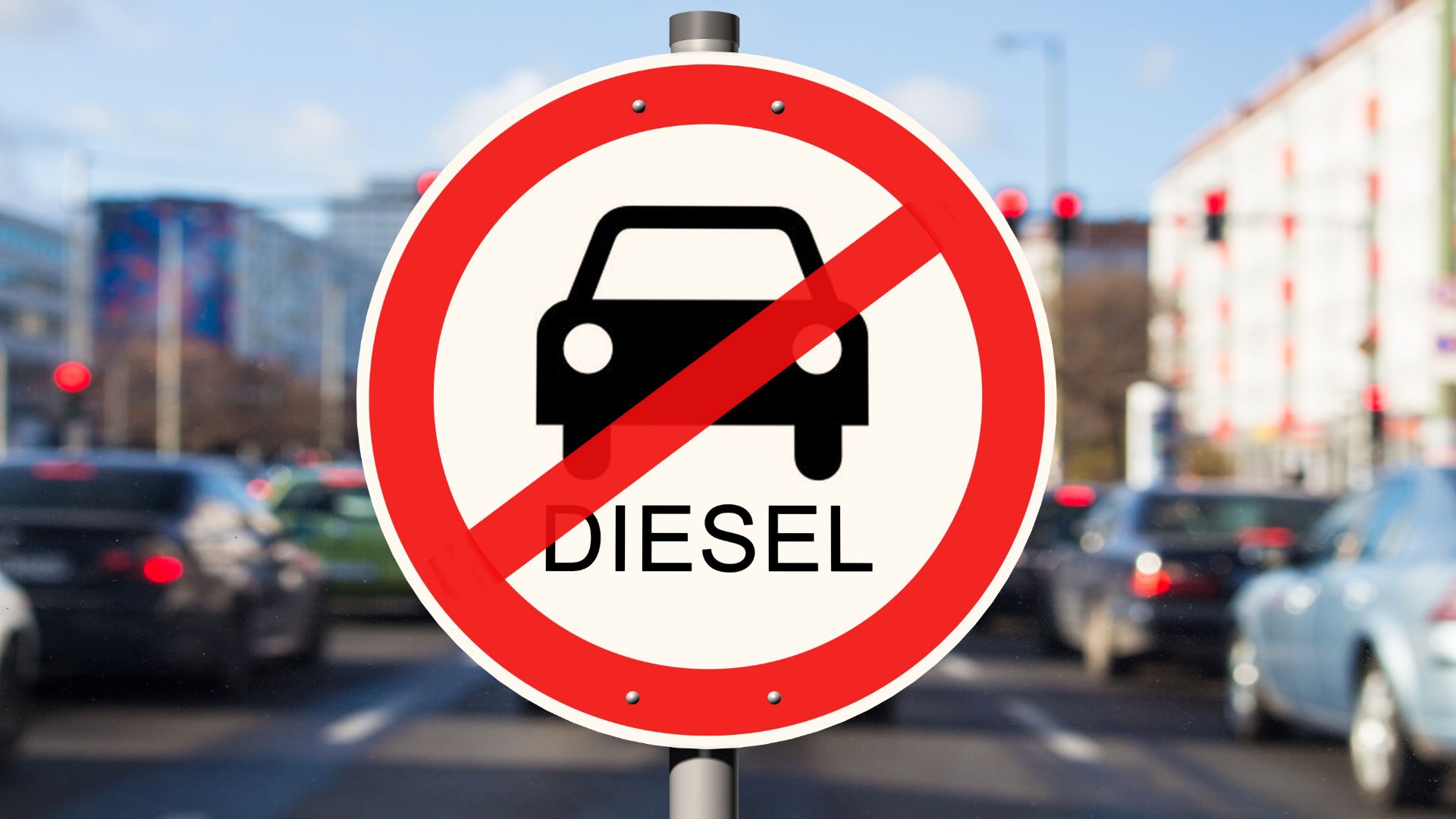
Diesel’s difficult journey over the last few years may be about to come to a head, with some claiming 2020 will be ‘make or break’ for the under-fire fuel.
However, the question of whether modern ‘clean’ diesels are being treated fairly remains. Will the ongoing PR war against it kill them off regardless?
Are mobile phones worse for the planet than cars?
“We seem to have arrived at a point in time where, in terms of public perception, any nuance surrounding the diesel debate has disappeared almost completely,” said Peter Golding, managing director at FleetCheck.
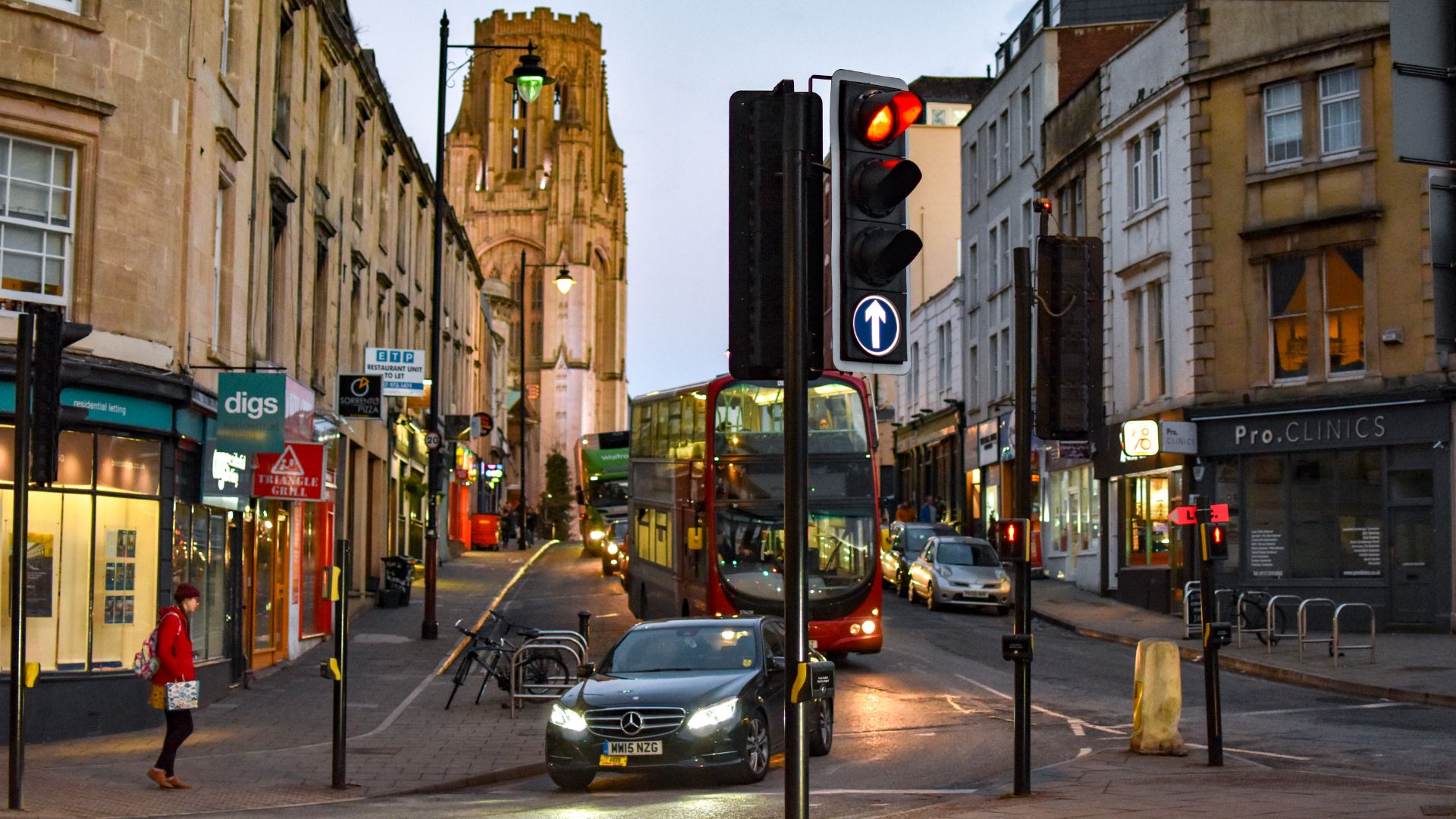
“Probably the best example of this is the blanket diesel ban that is going to be applied in Bristol city centre. Older petrol cars that probably have markedly worse emissions than the latest RDE2 diesels will be allowed in.
“It makes little sense and helps to create the impression that whatever technological advances are now made with diesel, its ongoing demonisation might be inevitable.”
RDE2 engine standards are, Golding claims, forcing diesel engines to reach emissions standards on an even footing with petrol engines, but with the CO2 benefits that diesel has always had. With this in mind, there is now the question of whether the ongoing assault on diesel is misguided.
“In a sense, the next 12 months could prove to be something of a make-or-break period for diesel. If its reputation doesn’t make something of a recovery with the new technology coming online, then it may never do so.”
Should SUVs be banned from company car fleets to cut CO2?
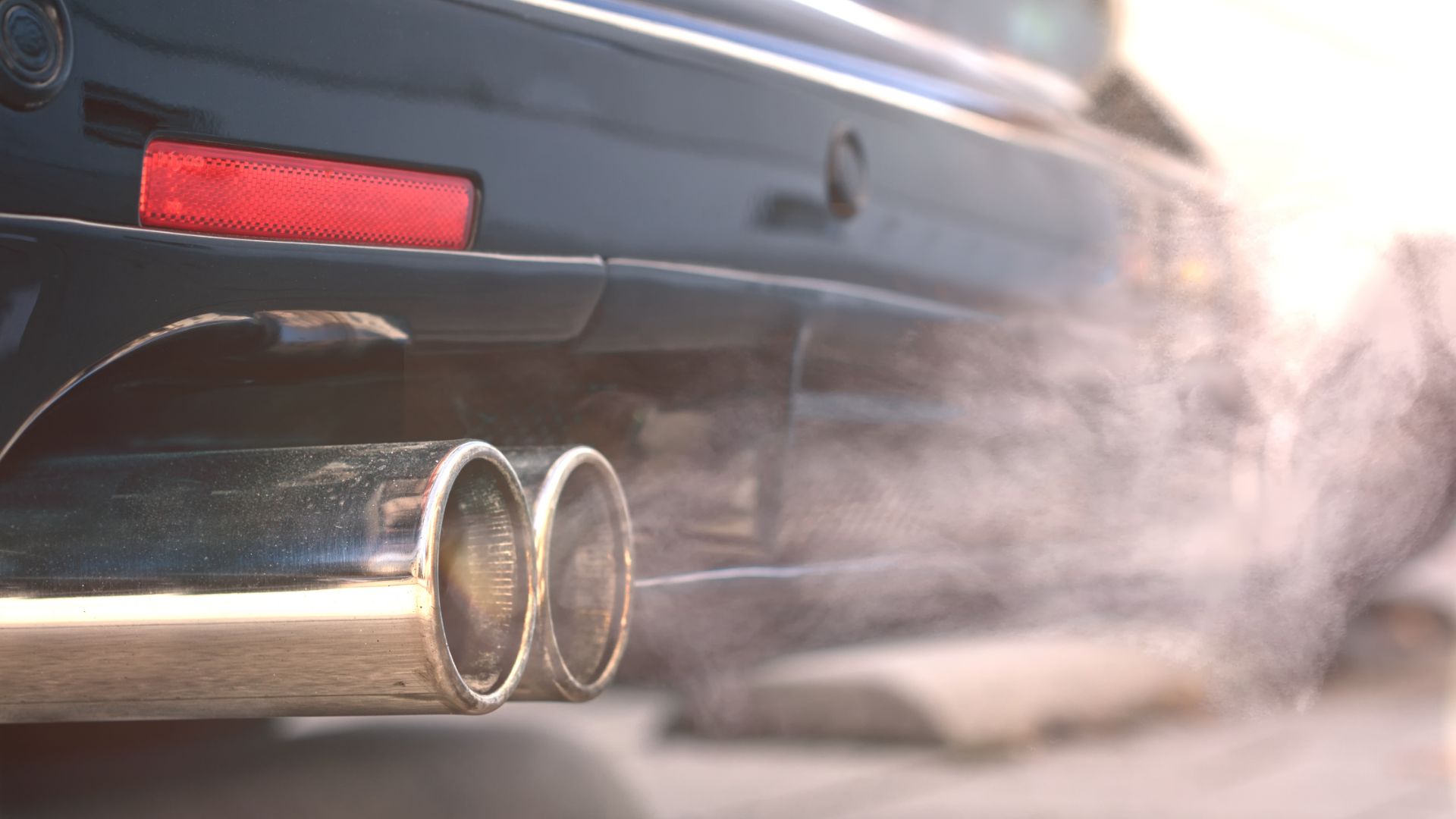
Traditionally, diesel engines were promoted over petrol to reduce CO2 emissions, which are related to climate change. The modern issue with diesel is nitrogen oxide (NOx), which relates to air quality. There is worry that the recent exodus to petrol could exacerbate the CO2 issue, especially in combination with the rise in popularity of heavy SUVs.
“One of the reasons that we are in the current position is because legislators long concentrated on CO2 emissions to the detriment of other environmental measures. Obsessing over diesel risks taking a similarly narrow view with similar results,” continued Golding.
“Air quality is obviously a major concern and ensuring that sensible measures are taken that make sense and bring about real change is too important not to be taken seriously. That means taking a wider view on environmental matters.”
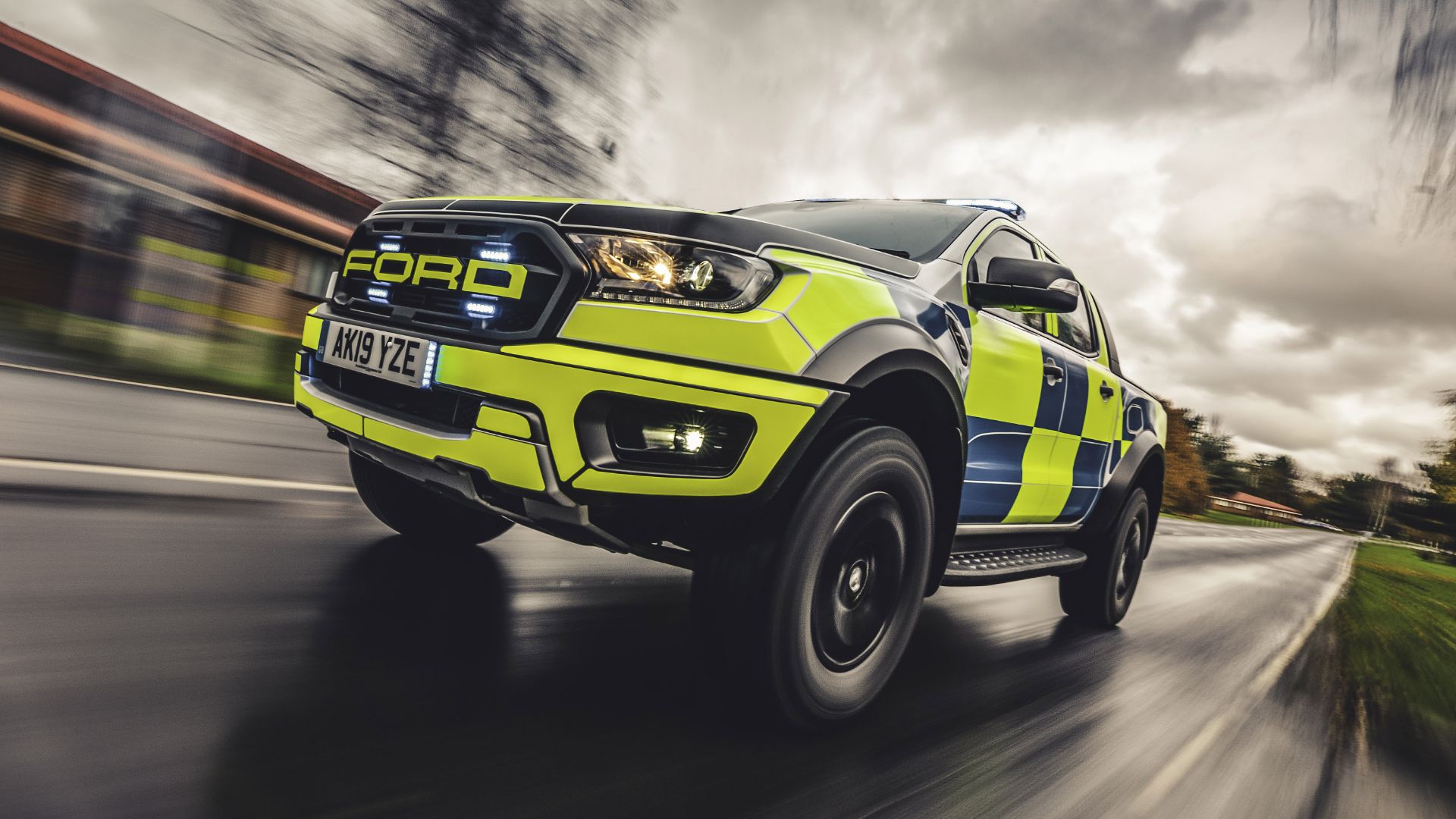
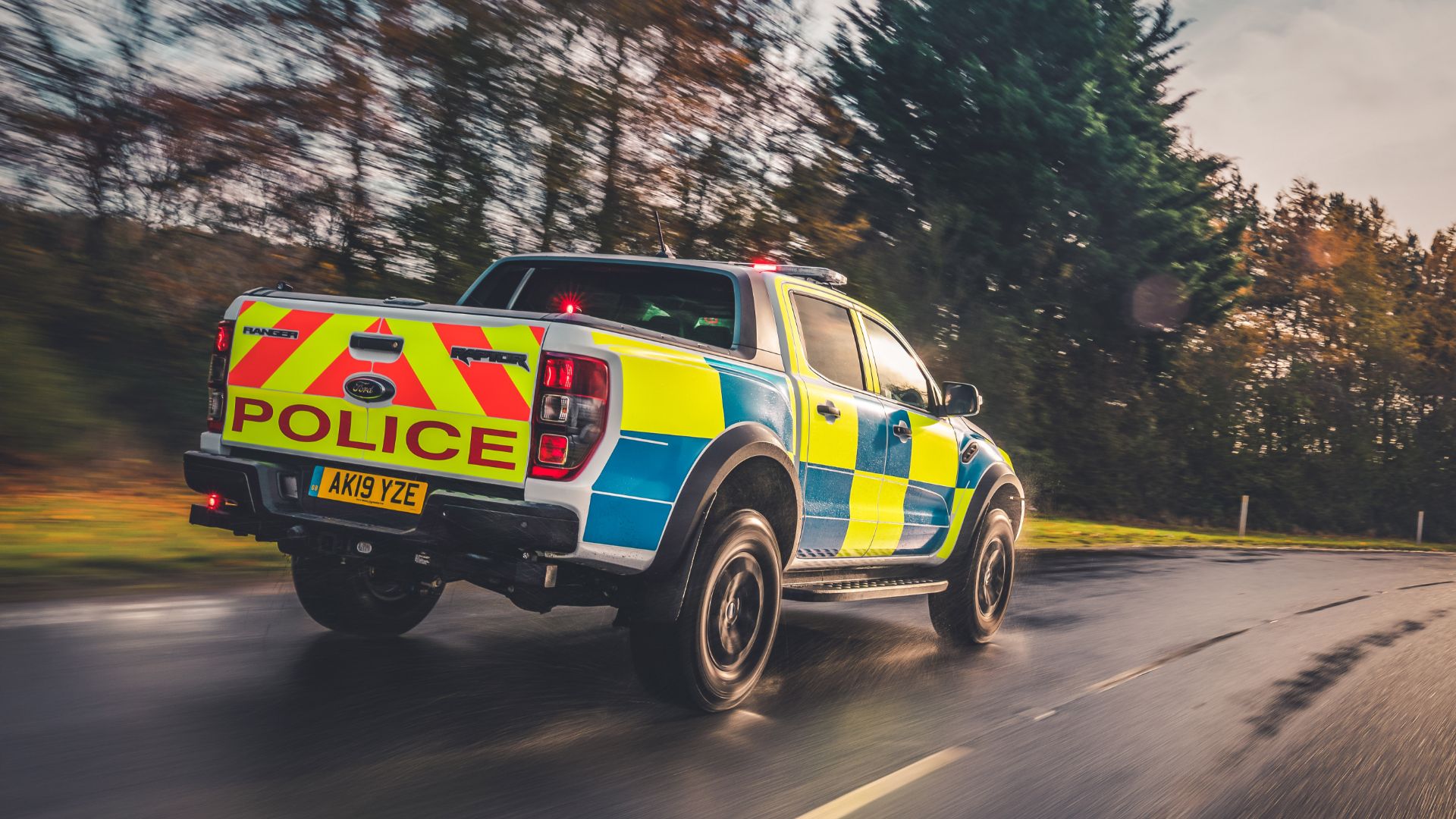
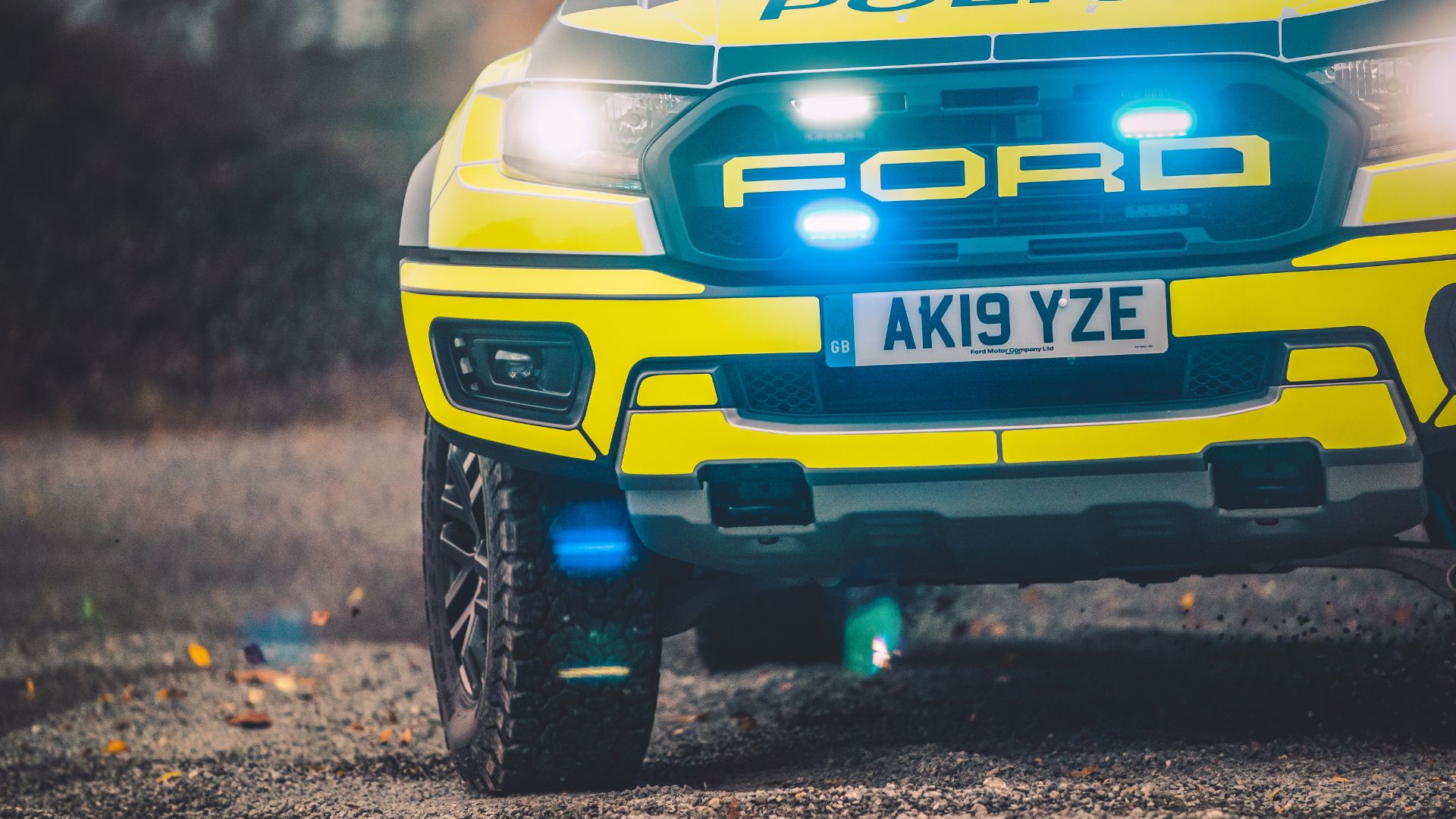
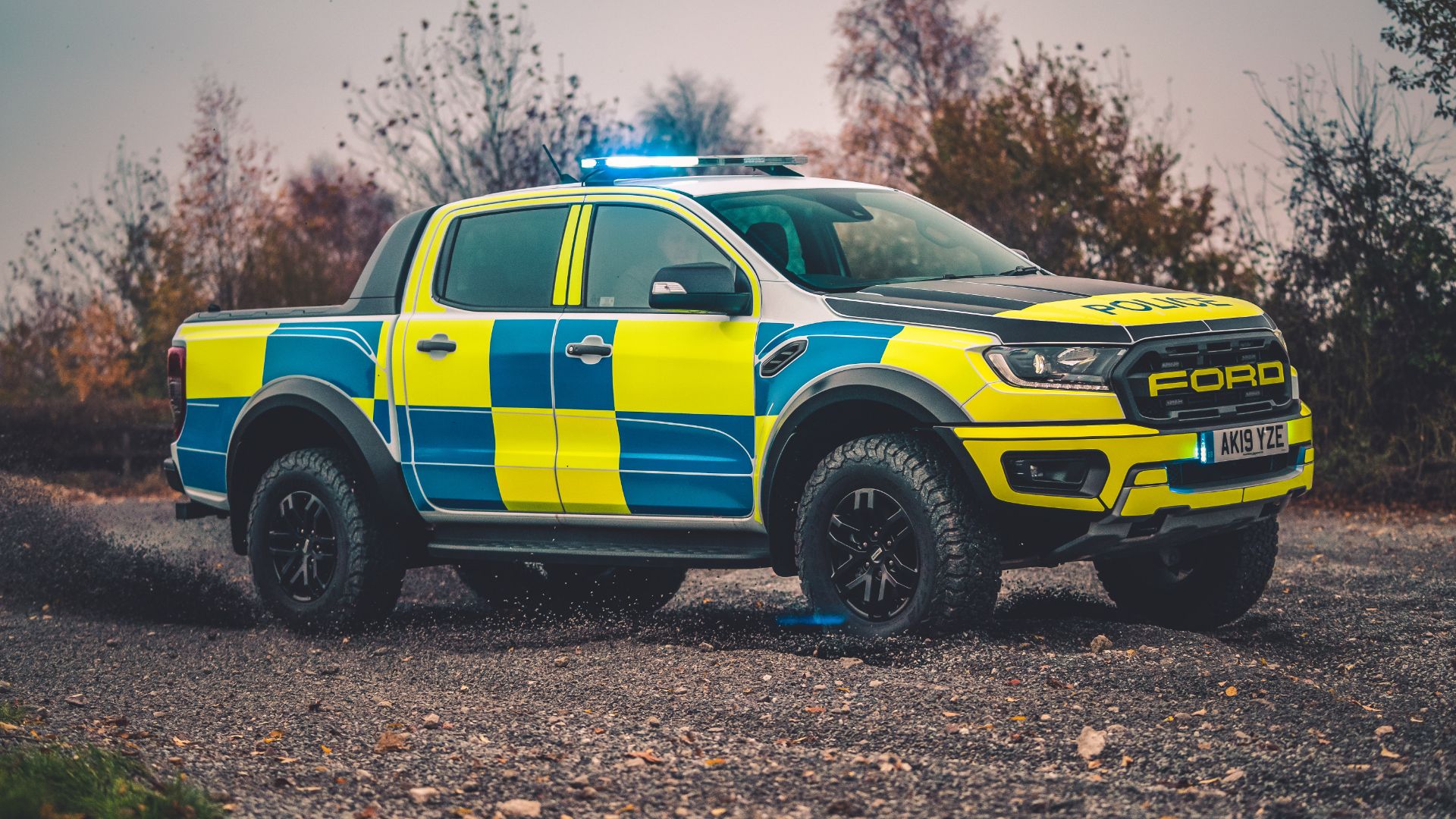
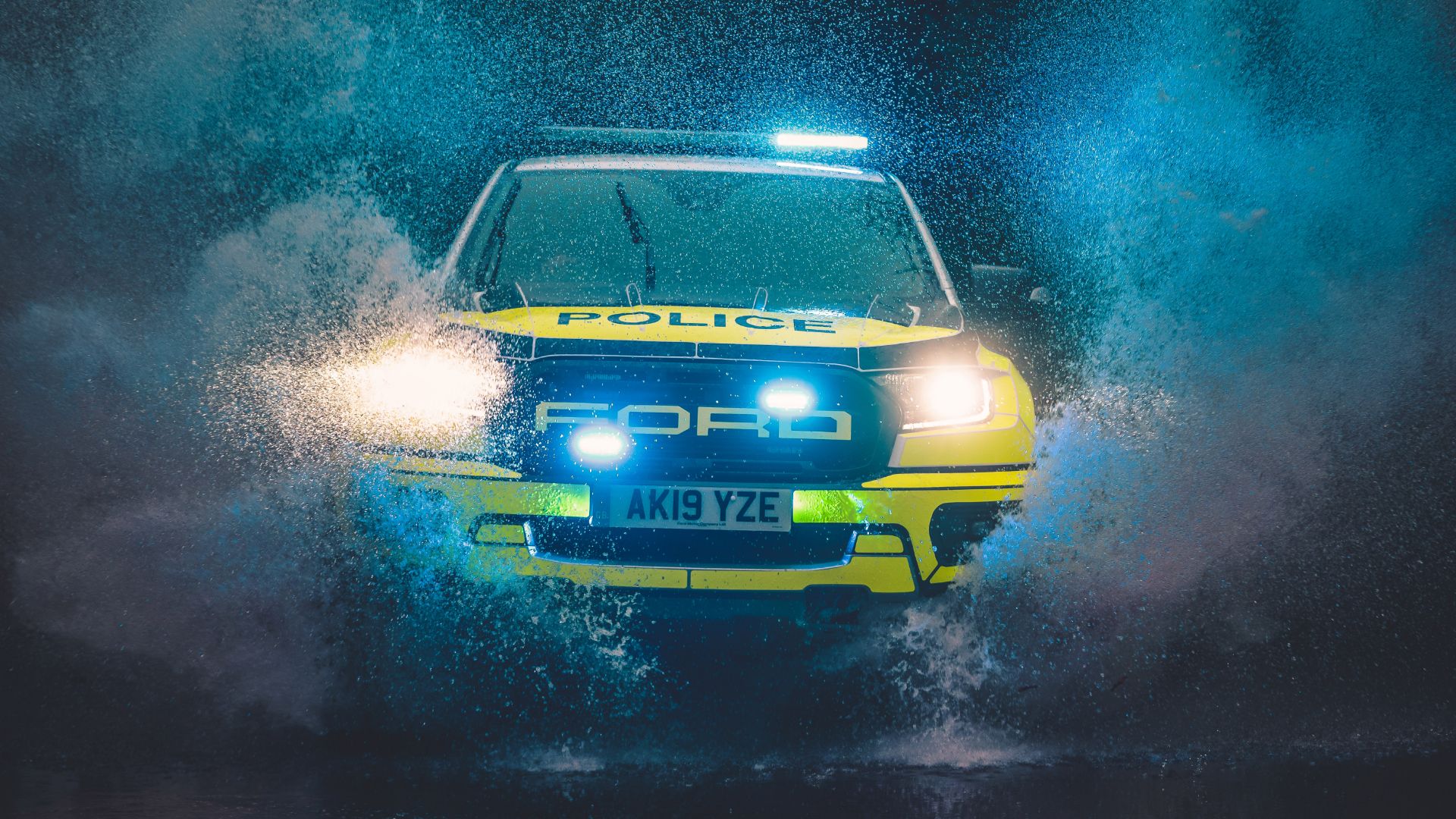
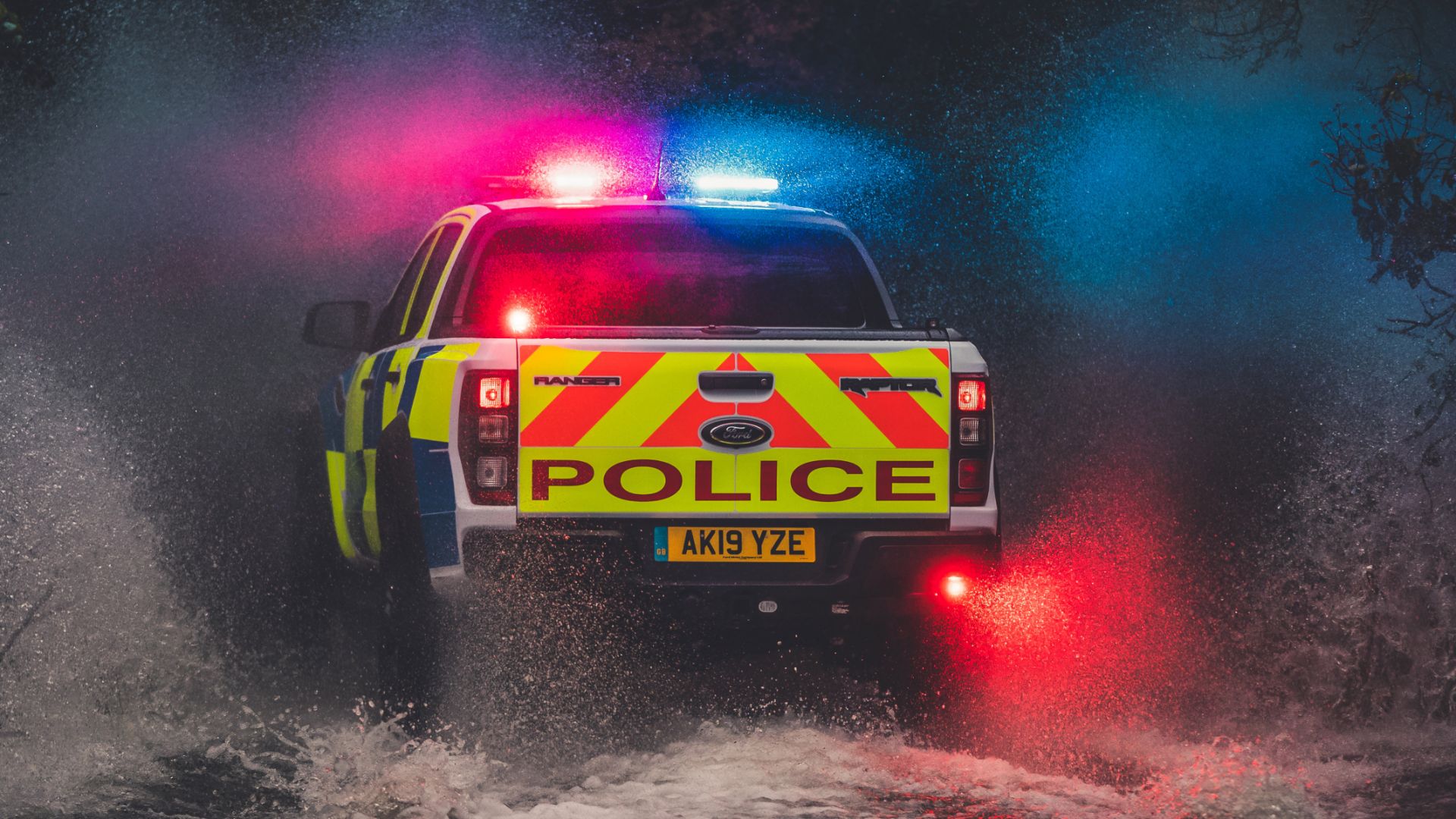
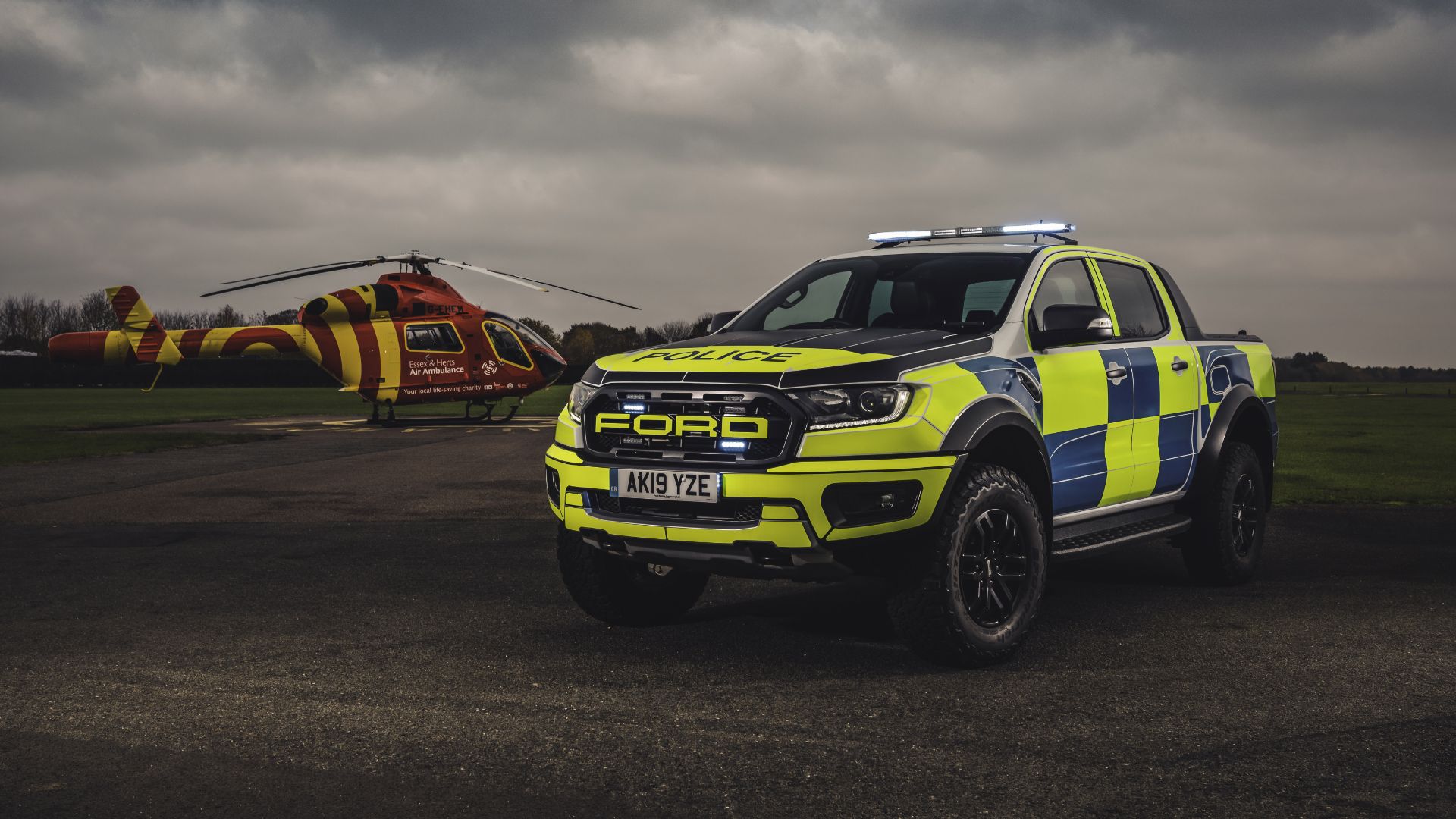
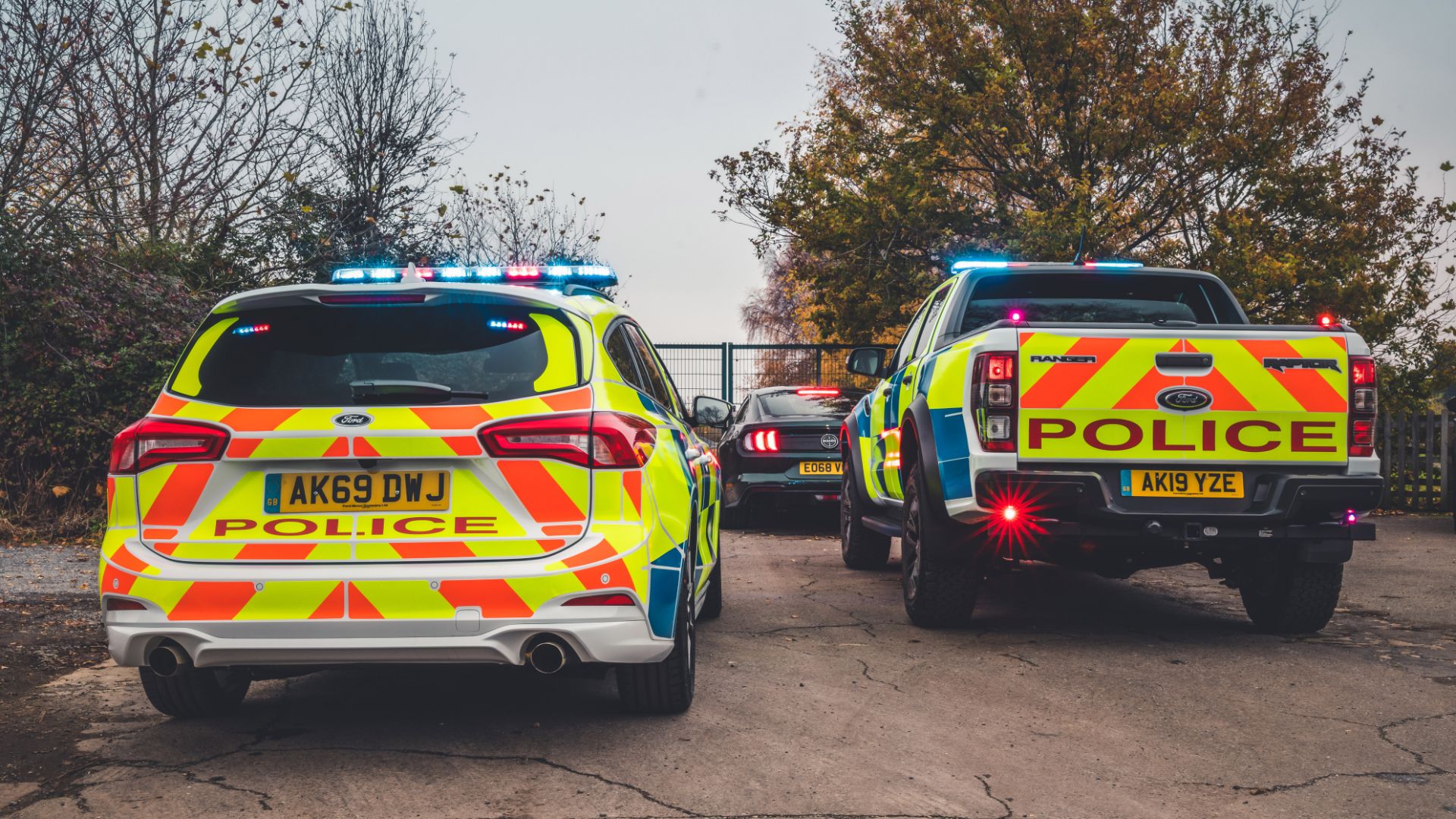
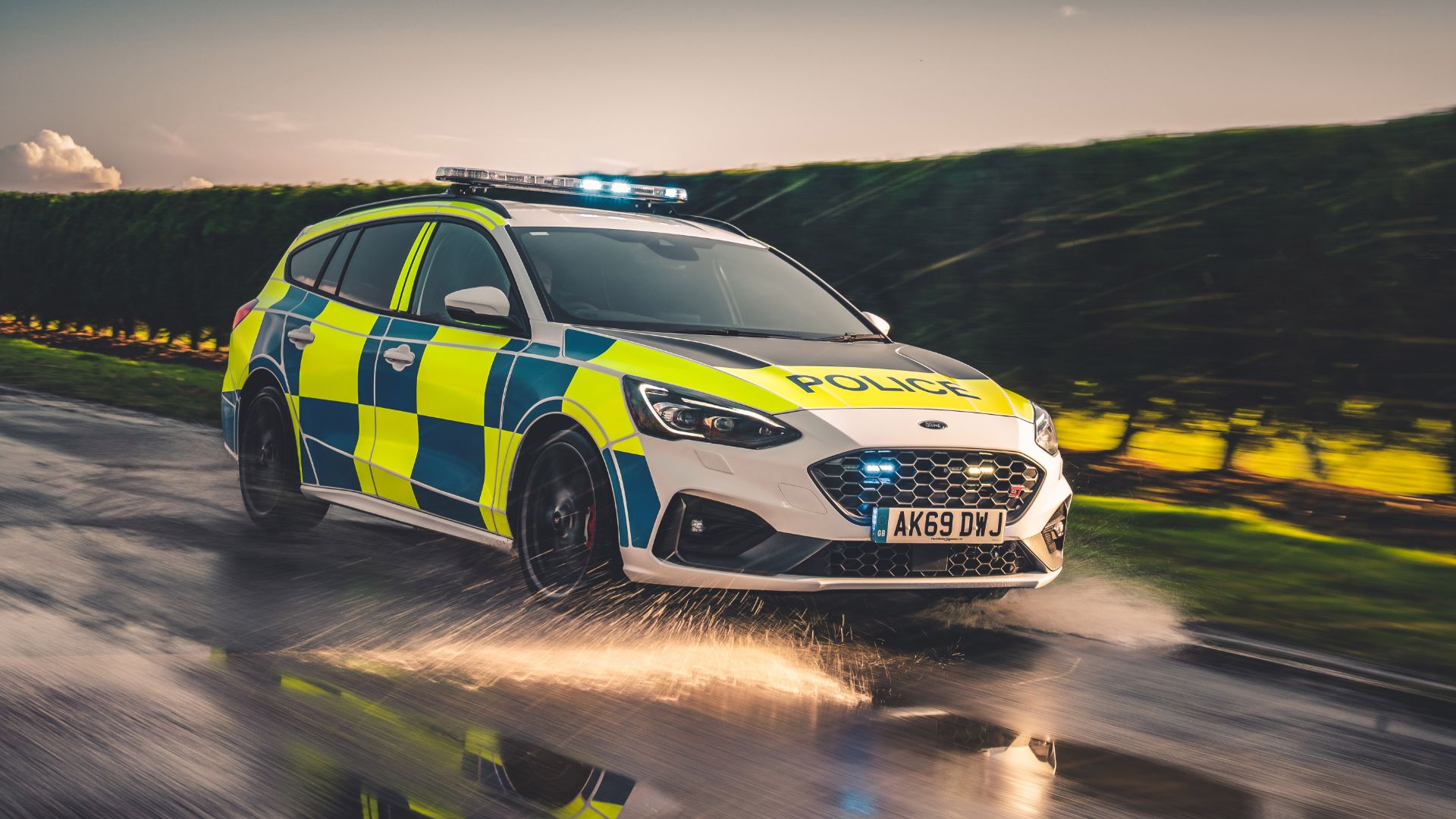
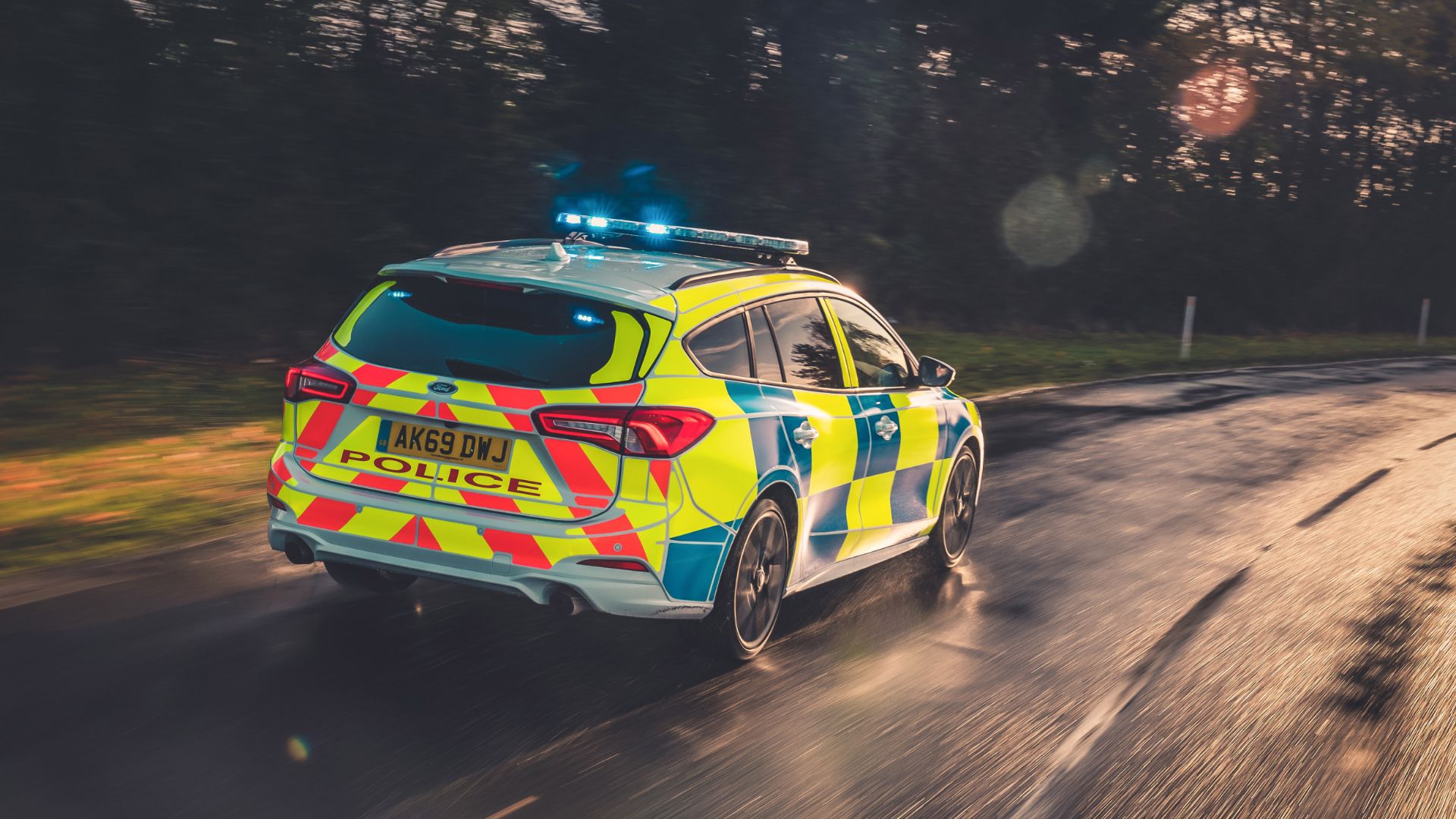
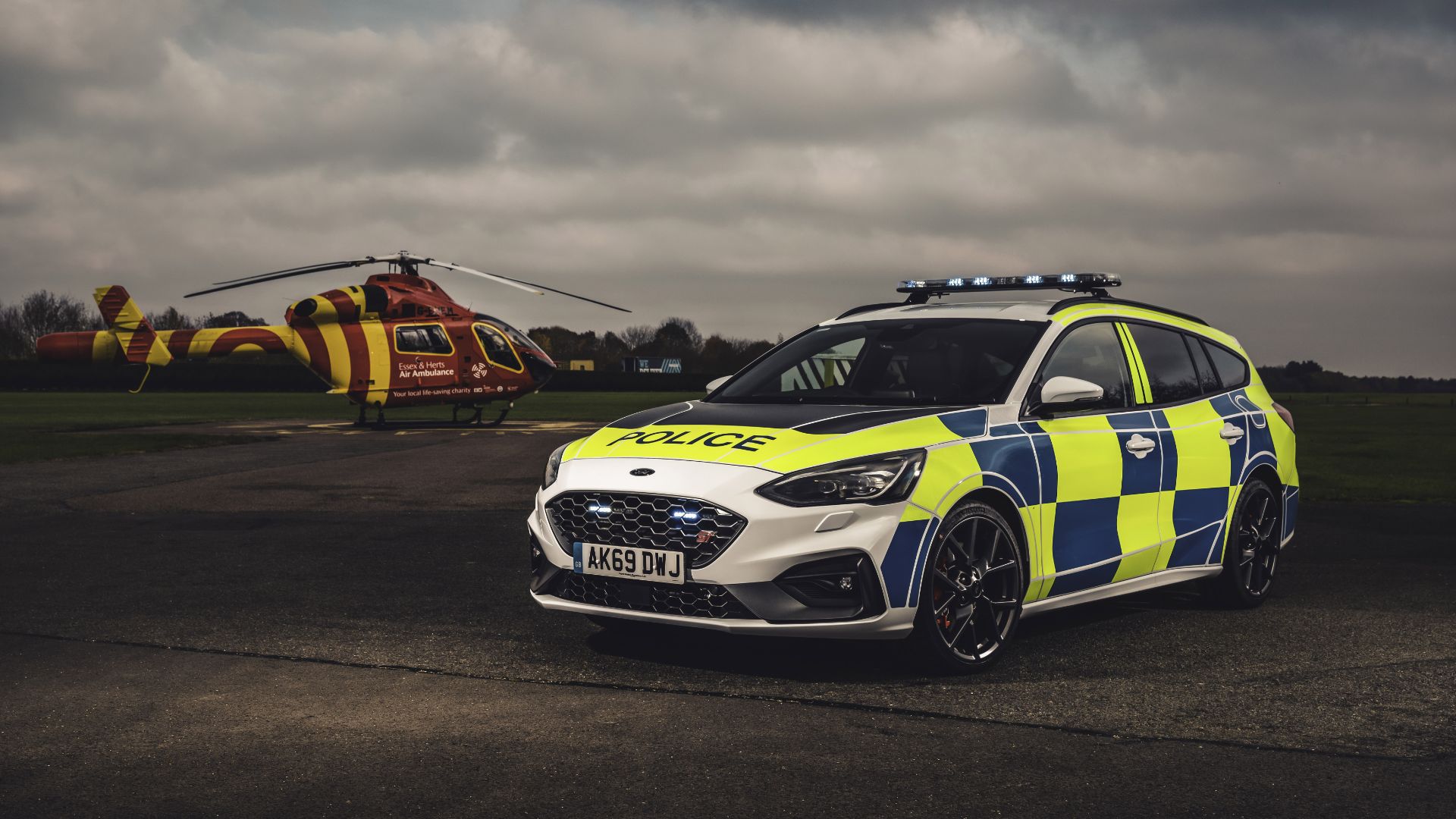
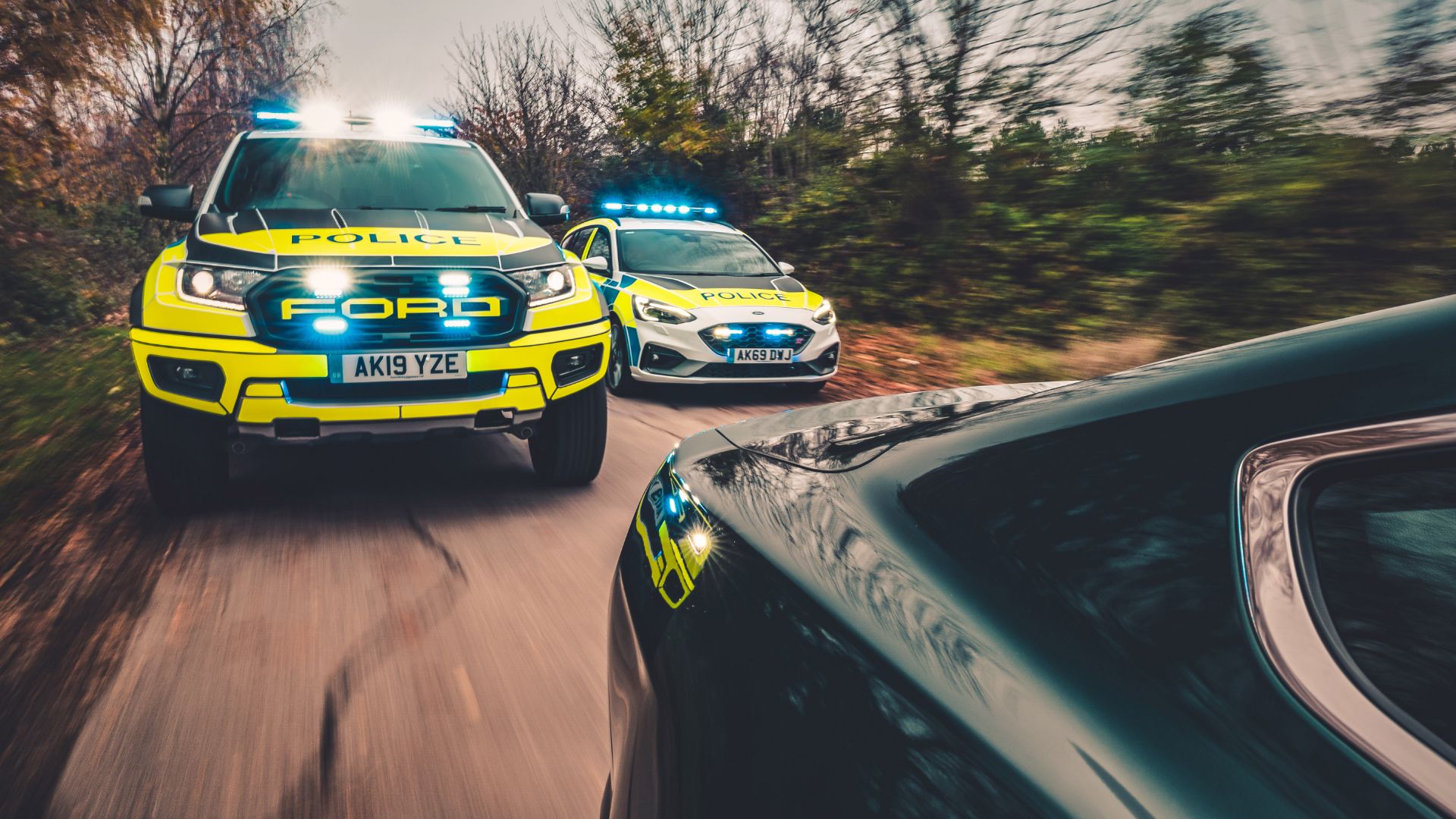
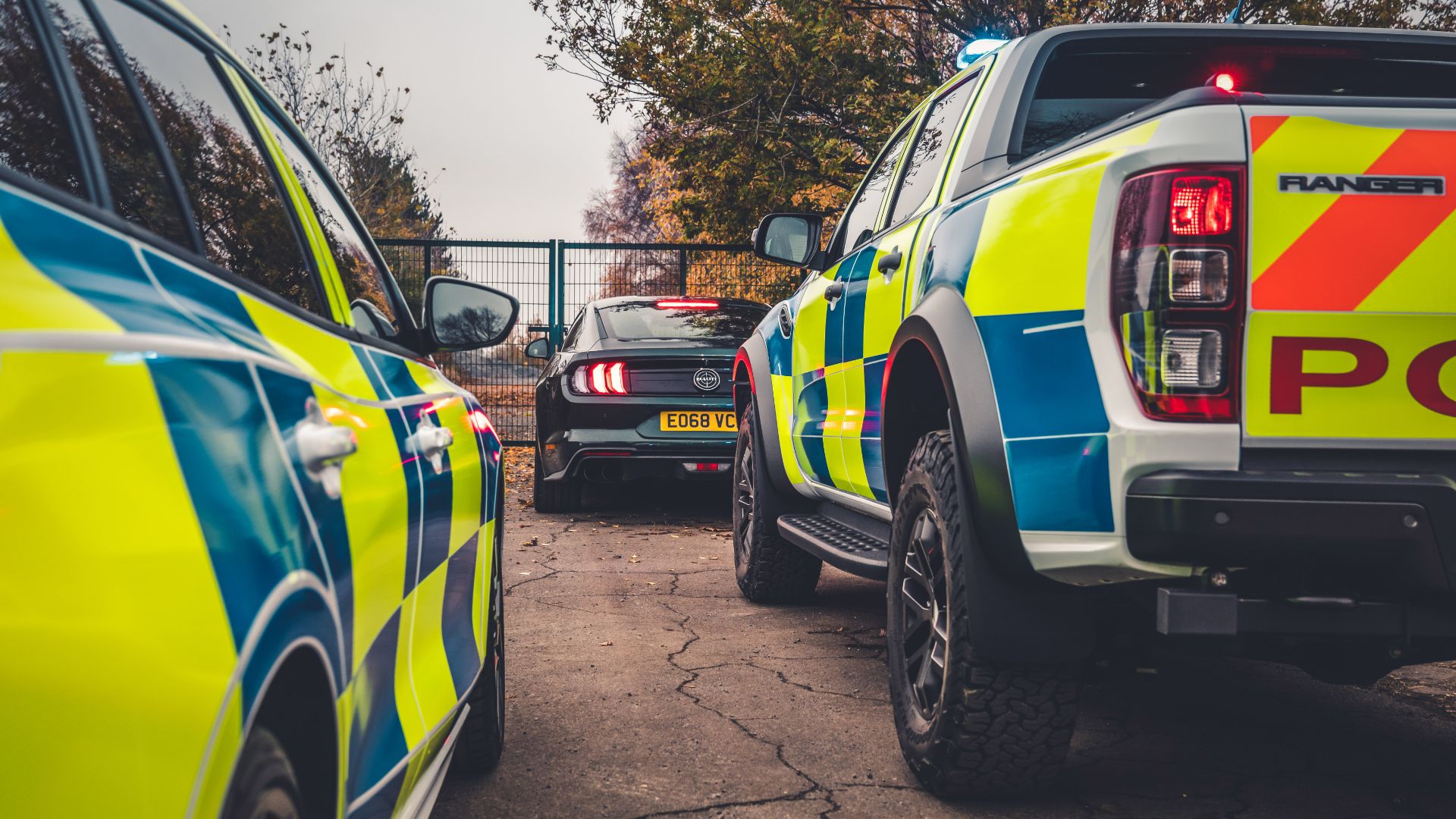
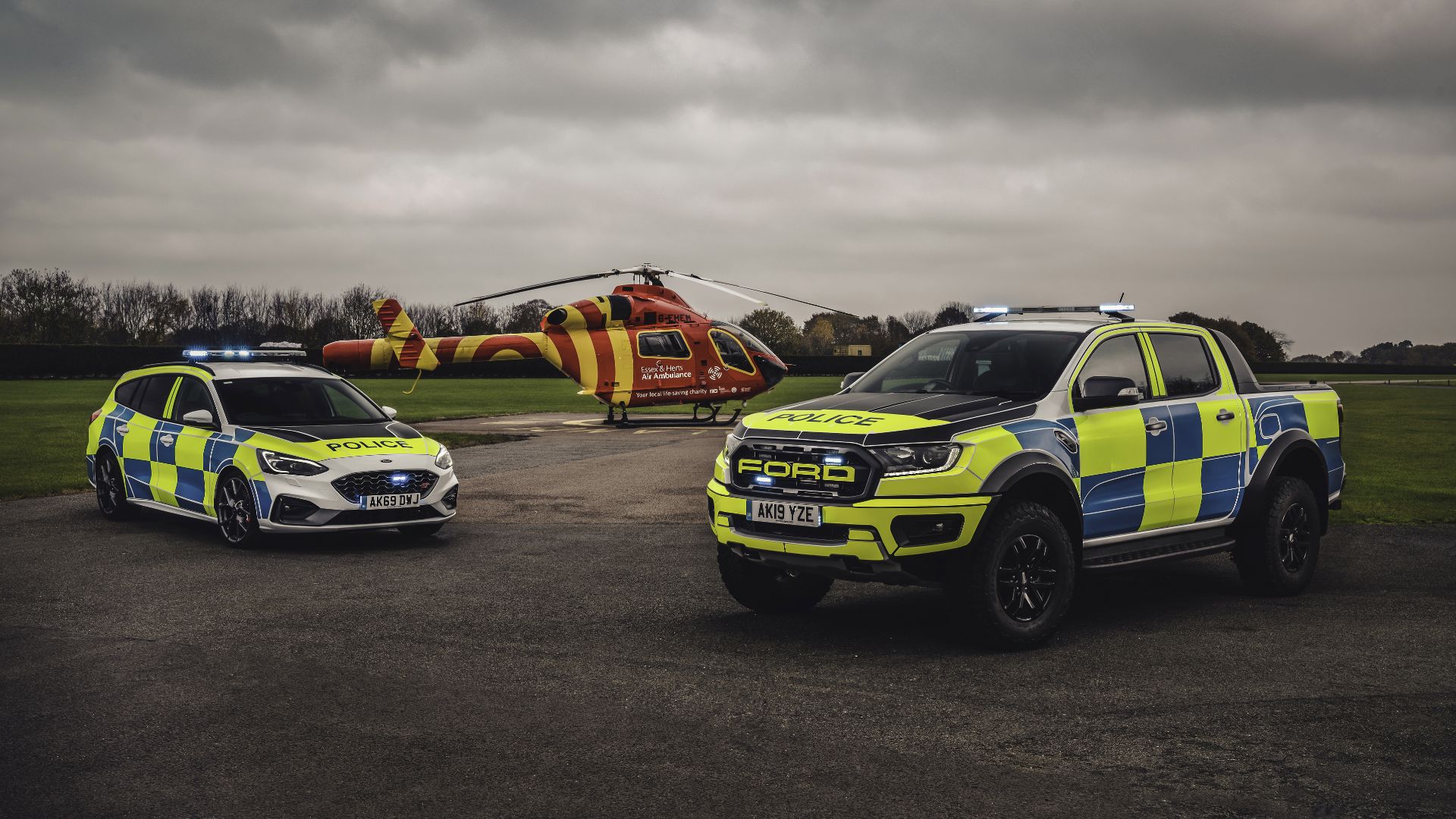
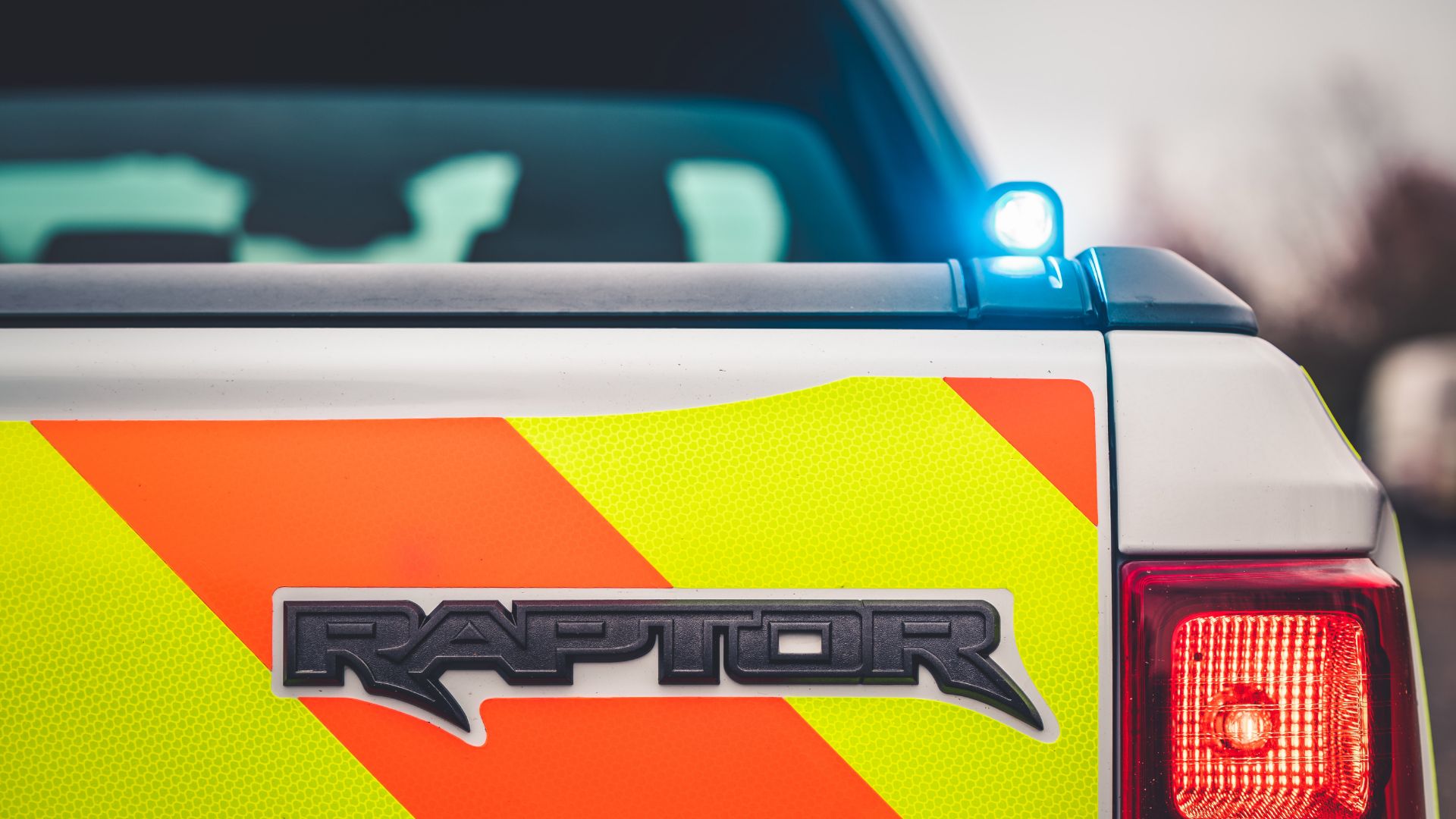
The Ford Ranger Raptor is joining the police. The Baja-bashing pick-up will see action in South Wales, as officers evaluate whether it’s up to the task of crime-fighting.
The Raptor is uniquely equipped for law enforcement, especially when it comes to leaving the smoothness and security of Tarmac behind. With its race-spec Fox shocks, off-road tyres and Baja mode, there’s no place for miscreants to flee.
As such, Wales is perhaps the perfect proving ground for the Raptor, being one of the UK’s most rural areas. The police Raptors could very well see action sliding across fields and dodging sheep in pursuit of criminals.
We’ve experienced the potential of the Raptor first-hand at the launch in Morocco. In his review, Tim Pitt said: “When it comes to rough terrain – the sort that makes the surface of the moon look hospitable – it’s almost without equal.
“Where gaudy SUVs kerb their 21-inch alloys then promptly admit defeat, the ultimate Ranger, like a cartoon superhero, blasts gleefully into the distance.”
A time zone or three away from Wales, we’ll grant you. But if it can handle the sun-scorched dunes of Morocco, it’ll be fine in the Welsh uplands.
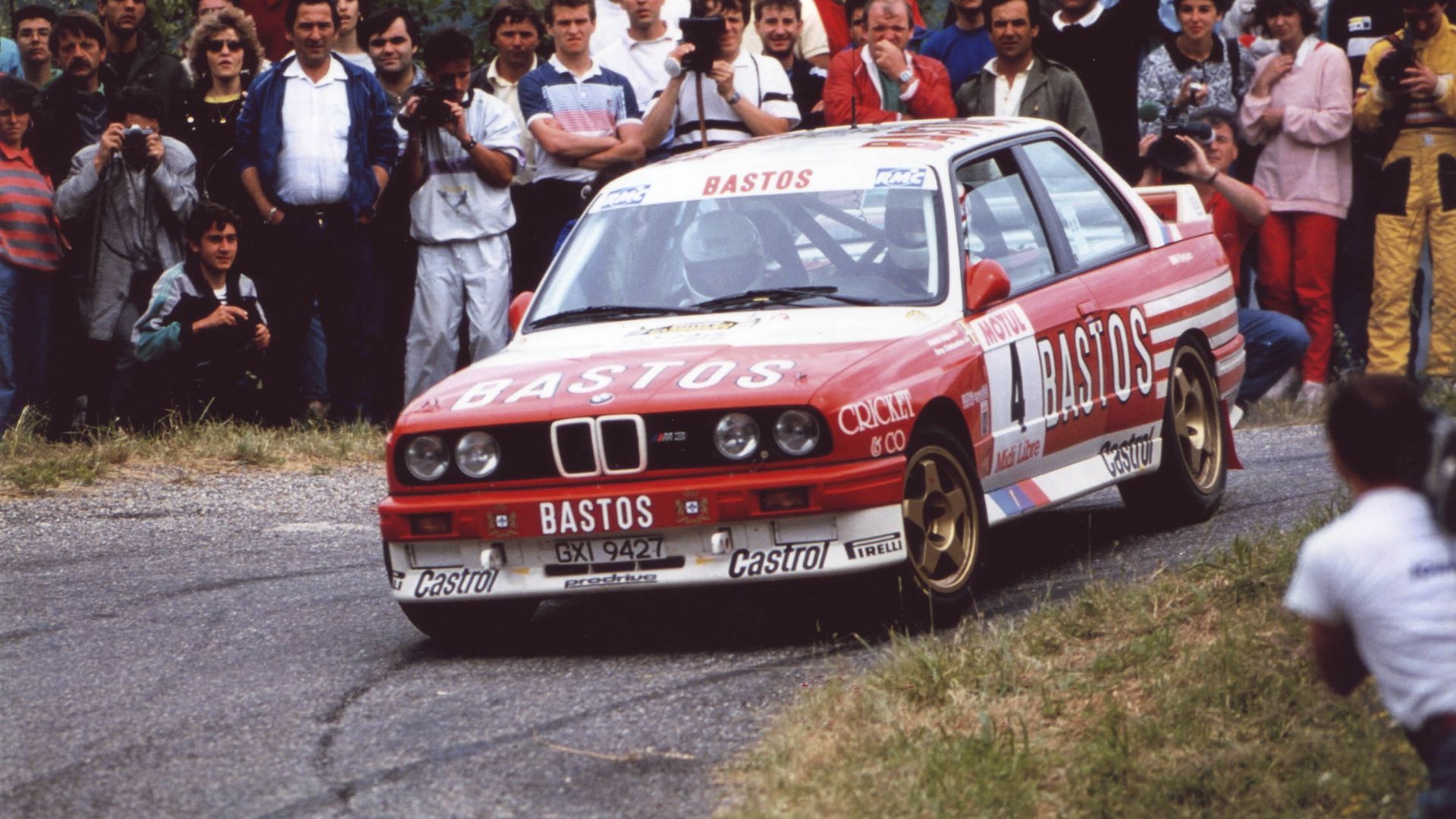
Prodrive is one of the most best-known and most successful racing car preparation outfits ever. It has built more than 1,100 race and rally cars, from Le Mans-winning Aston Martins to WRC-winning Subaru Imprezas. Now, to cater to its storied 35-year history, the company has launched Prodrive Legends, a programme is dedicated to restoring and running legacy racers.
“Many of these cars are now appreciating classics with immense value to their passionate owners,” said Paul Howarth, head of motorsport operations at Prodrive.
“With the formation of Prodrive Legends, owners can now bring the cars home to the same company – and even many of the same people – who originally designed and built them and took them to multiple wins.”
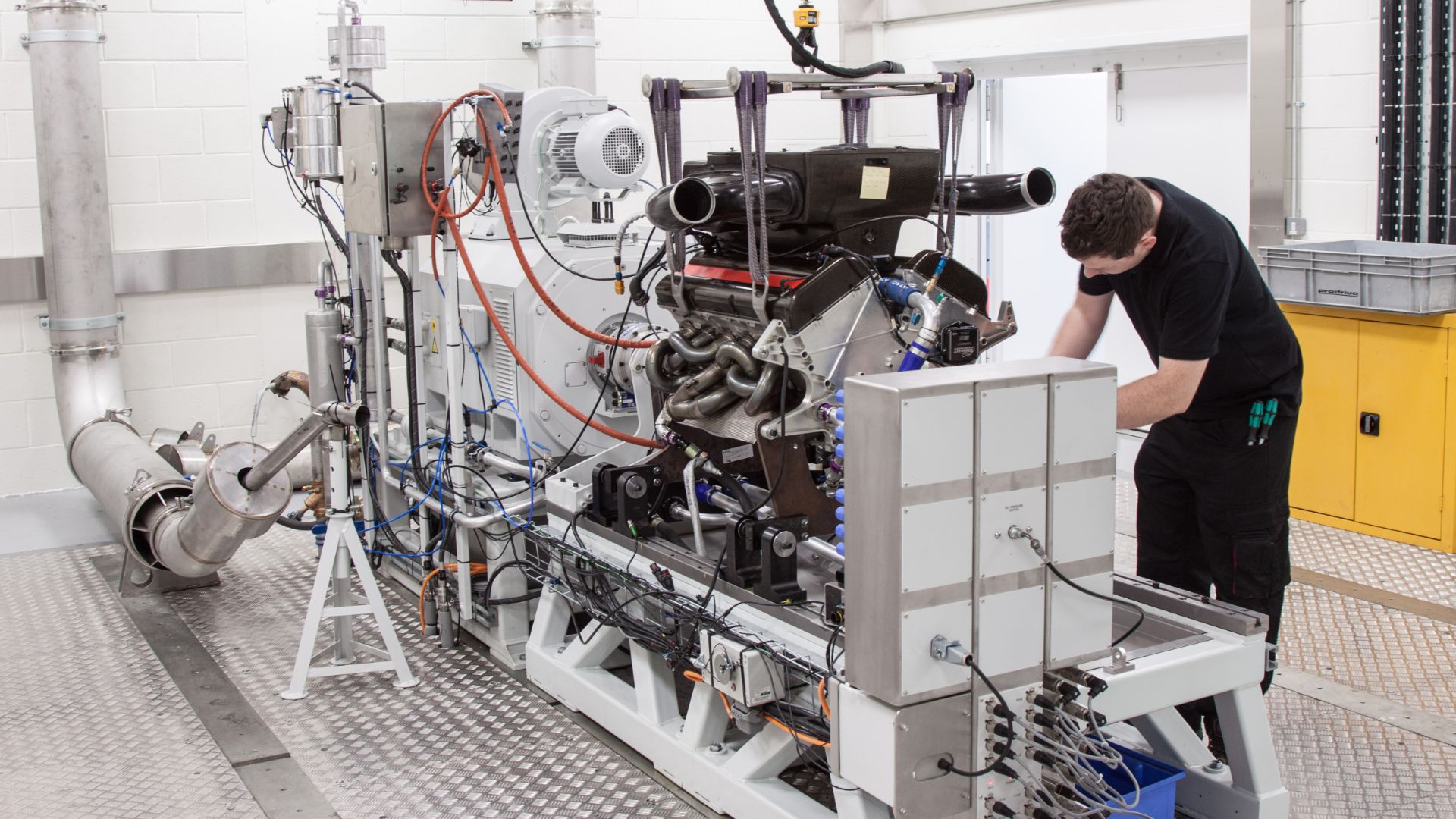
The Legends programme only covers Prodrive-built cars and includes a fixed-price authentication service to document your chassis as genuine. It also includes factory-spec engine rebuilds at the company’s new powertrain centre.
You can have everything from a quick race preparation to a ground-up restoration. Think of it as Prodrive’s very own Ferrari Classiche service.
“Quite simply, there is nobody in a better position to rebuild a Prodrive car. We literally know them inside out. Many of the people we have on the Prodrive Legends team built the cars originally,” continued Howarth.
“What’s more, we have all the original build data and also hold the rights to reproduce key parts of the cars, while sourcing genuine components doesn’t pose an issue thanks to the network of contacts we have established. The level of our work pays dividends for customers who wish to compete and those that see it as an investment. Any car that leaves us will be turnkey and ready to run competitively.
“For those that wish to optimise the value of their car, as well as its performance, having Prodrive Legends authenticate and rebuild it ensures that it meets market expectations, where only the cars with the most impeccable provenance command the highest prices.”
Prodrive is also well known in the road car arena; its sporting touch was bestowed upon rare special editions from Aston Martin, Alfa Romeo, Subaru, Mazda and more.
Prodrive even came close to selling its own car with 2006’s Subaru-powered P2, but it wasn’t to be.
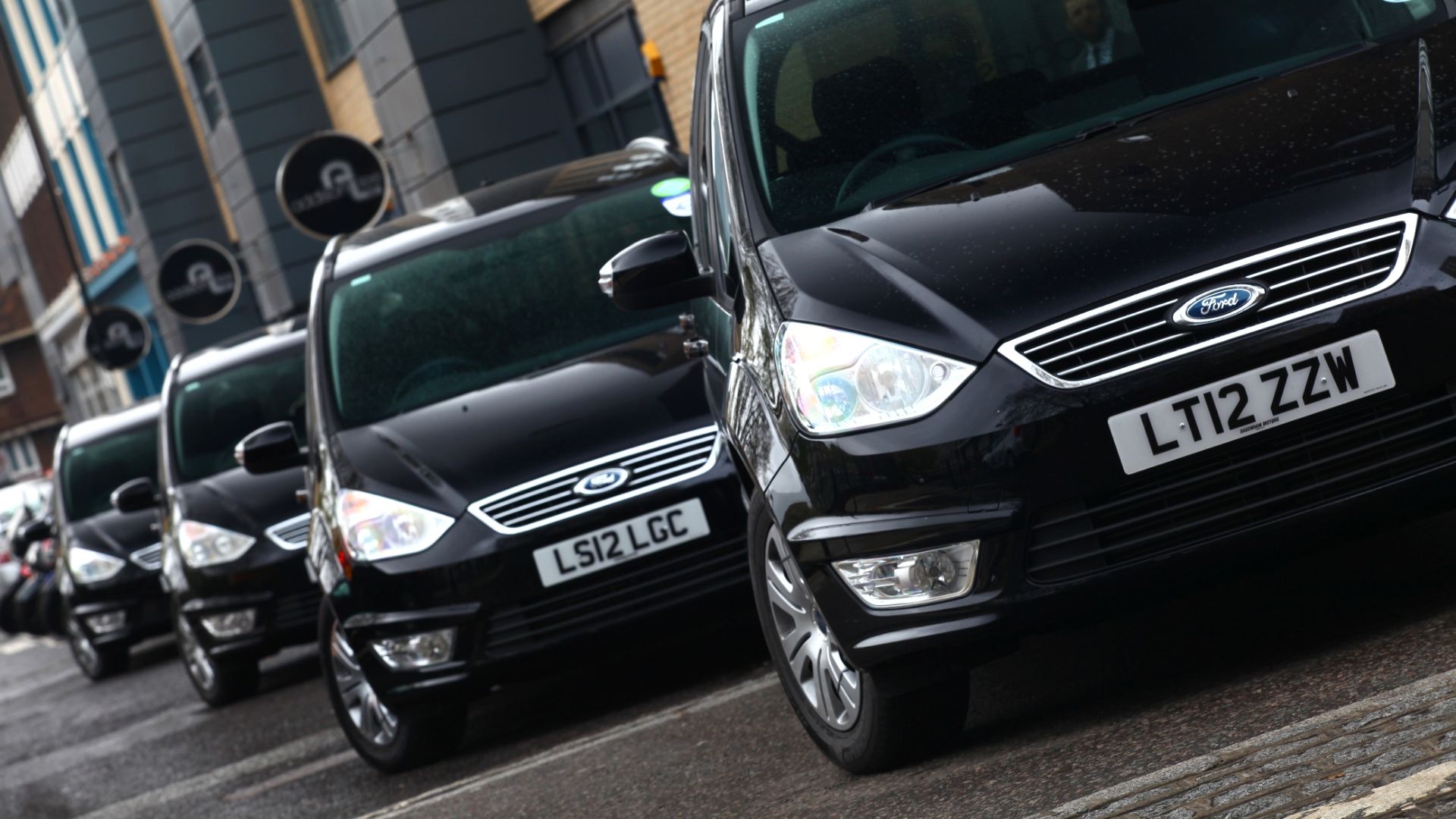
With the demise of Uber in London on the horizon, commuters and tourists will be looking for a different solution. We recently rounded up some of the available taxi alternatives – now we can reveal which services are most popular.
The data comes from Taxi2Airport.com and is based on the online search volume each generates. It’s worth mentioning, however, that this is country-wide search data, not London-centric.
By some margin, Addison Lee leads, with an average 119,770 searches per month over a 12-month period. We noted Addison Lee as a premium alternative, with a reputation for higher pricing and a more corporate customer base. It has more than twice the online traffic of the second-placed taxi provider.
Electric Audi E-Tron SUV joins London taxi fleet
This is why Uber’s London licence ends TODAY
In second is Blablacar, with 56,550 searches per month on average, while Viavan follows in third with 30,540. In fourth is long-standing Gett, with 13,780 country-wide searches.
Following fifth-placed MyTaxi’s 11,500 search figure are Bolt (10,650), Kabbee (5,870), Wheely (5,450) and Kapten (4,590), which we listed as options to fill to the potential vacuum left by Uber in London.
For now, though, it seems the alternative at the forefront of most British ride-hailers’ minds is Addison Lee. It even features in the lyrics of popular London musicians Not3s and J Hus (rhe former actually has a song titled ‘Addison Lee’).
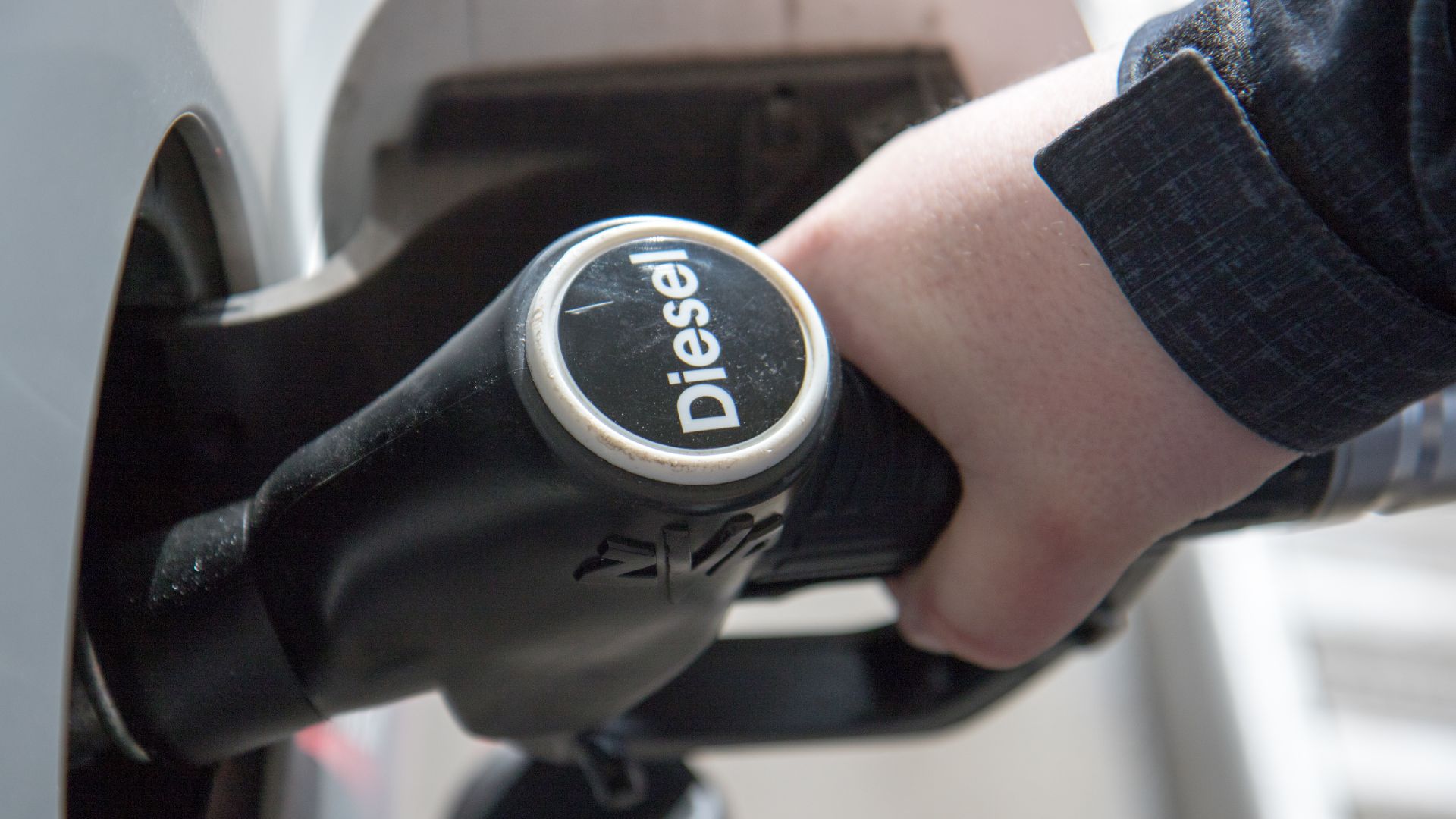
The question over what fuel type should power your next car can get confusing. From grams per kilometre, to NOx, to CO2, understanding the best fuel for our cars is a tall order.
Adding to the confusion is electric cars. If you can’t tell the difference between a kilowatt and a kilobyte (the latter is a measurement of digital file sizes), a different way of comparing is needed.
So here’s a comparison in language everyone can understand. How far can you go on five pounds?
How far can you go on £5?
Carwow has compared exactly how far you can get on £5, in terms of petrol, diesel, electricity, and indeed public transport.
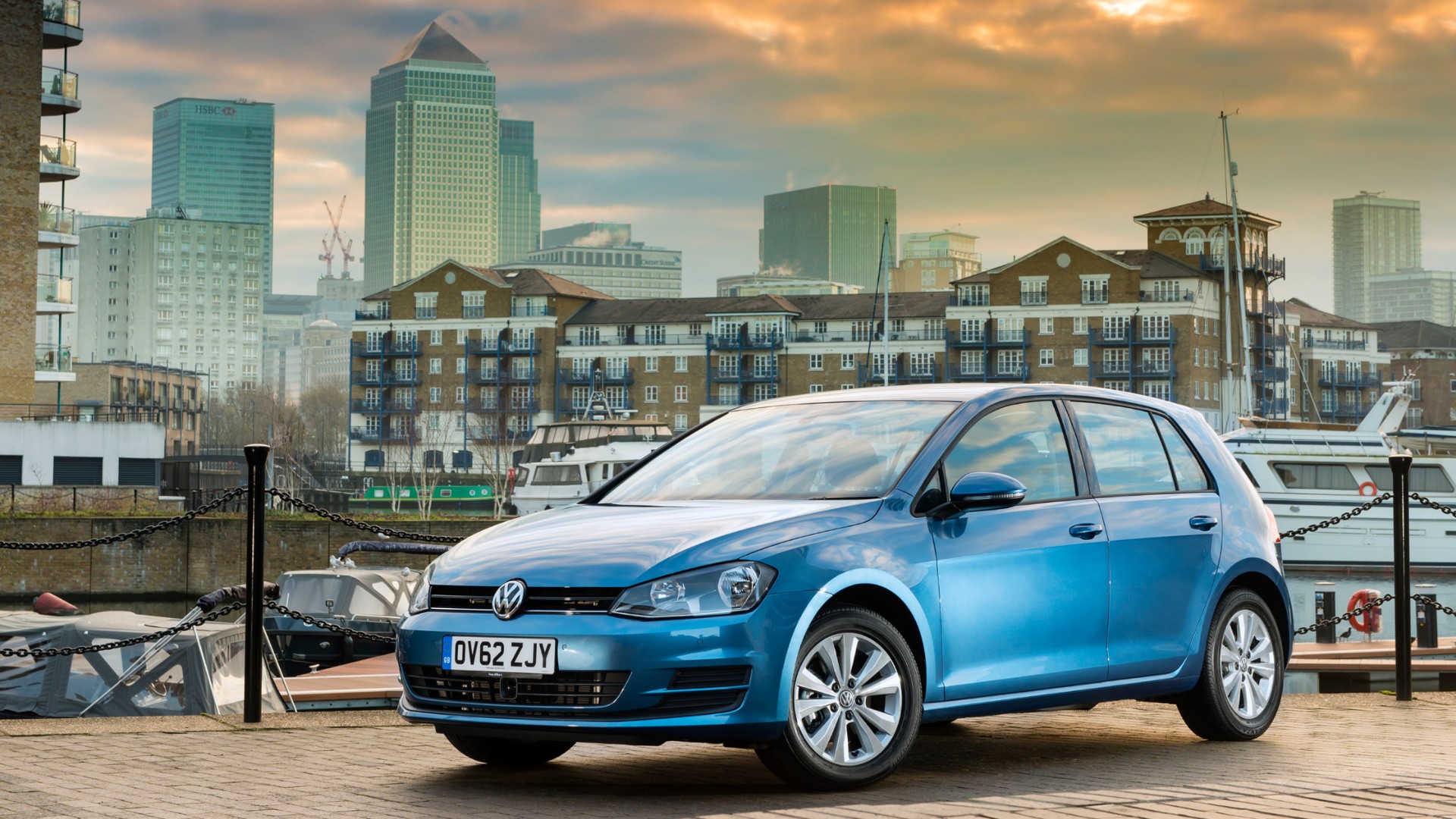
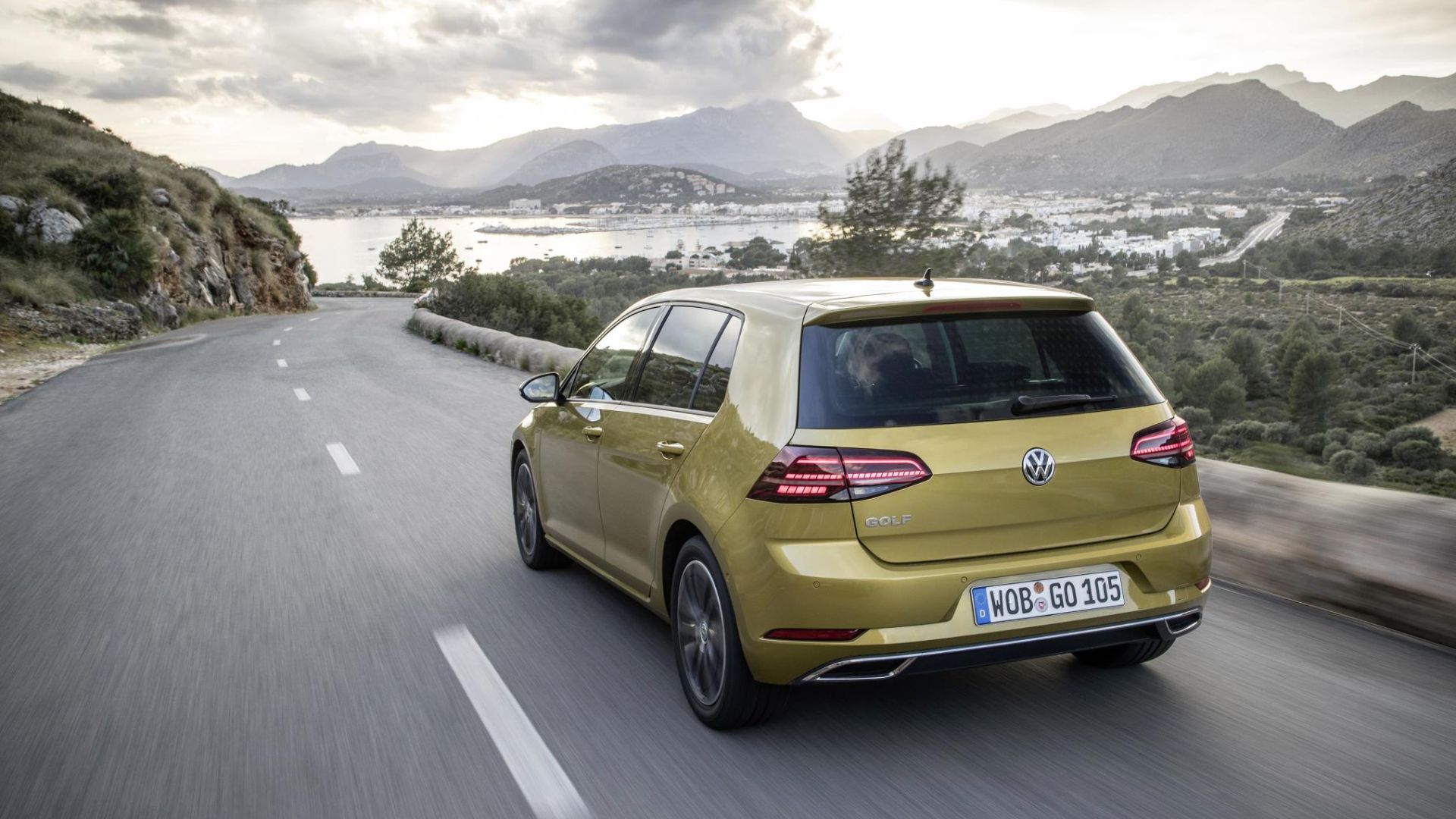
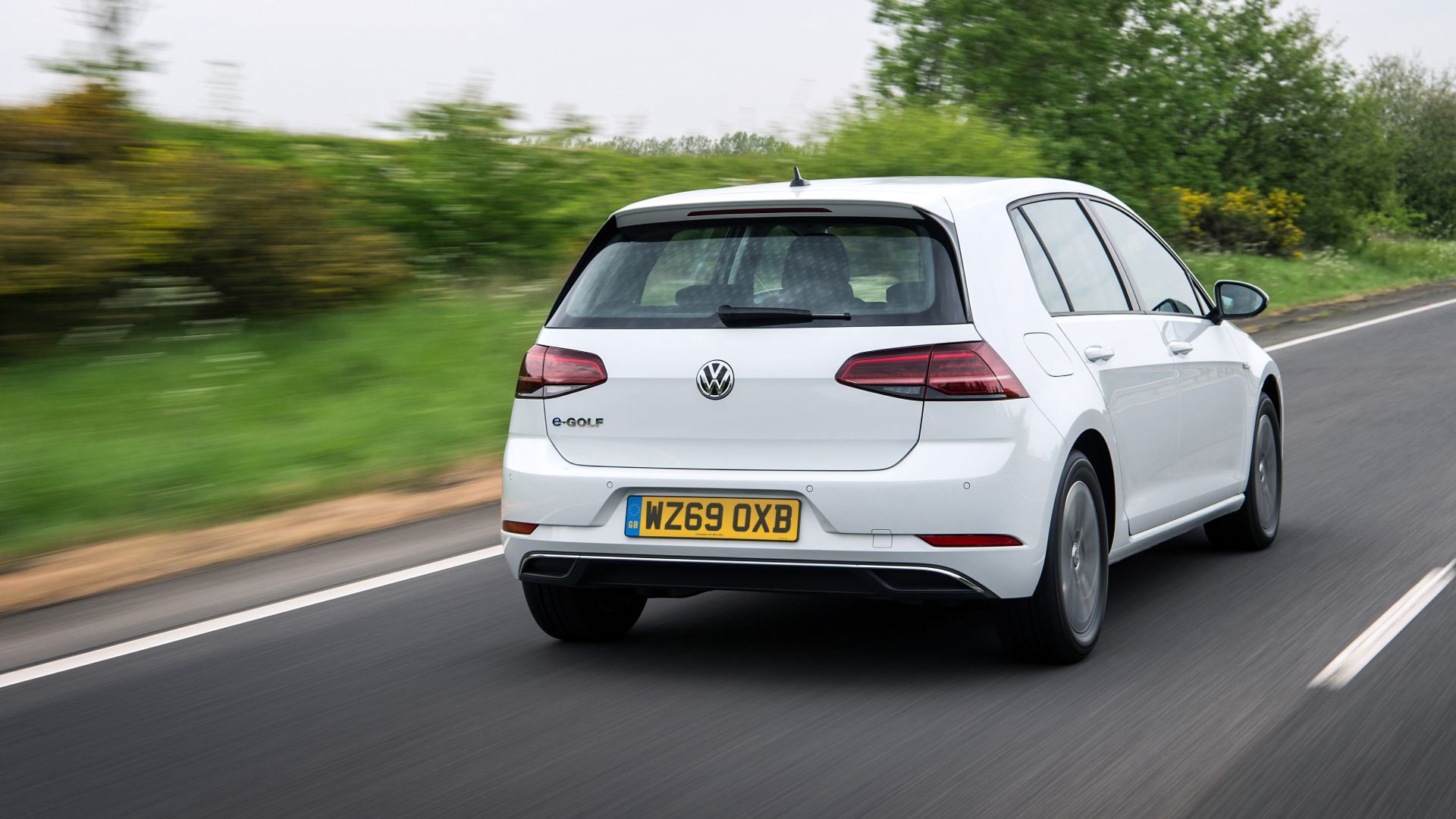
The car buying platform established the average costs of each by comparing fuel and public transport costs in 10 of the UK’s major cities. Figures for respective variants of the Volkswagen Golf were used. What did the researchers find?
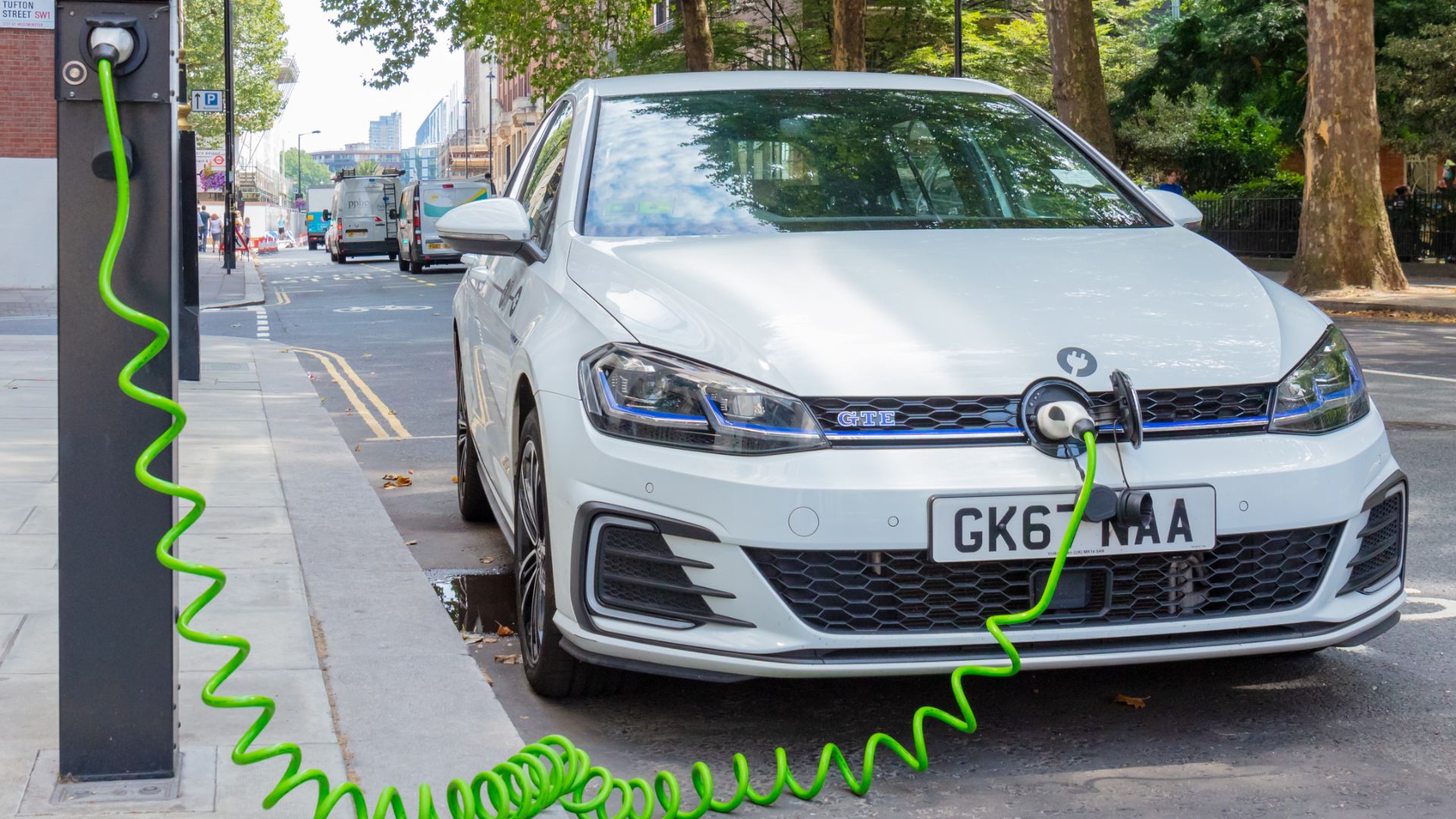
Leading the way is electric. Charge your electric car to the value of £5, and you’ll go 102 miles on average. That’s good news for the 35 percent of Brits who say their biggest worry is getting stranded in an electric car.
Just as the cost of a litre of petrol varies from station to station, so too can the cost of electricity – often far more so. The methodology uses ‘regional electricity prices’ to establish price per KWH, combining that with the Golf’s distance driven per kWh to establish the per-£5 mileage value.
Compare that to second-placed diesel, and you’re nearly DOUBLING your distance. Put in £5 of diesel and on average, you’ll go around 56.5 miles.
Things get worse from there for petrol, the train and the bus. On average, £5 takes you 49.6 miles in a petrol car, 20 miles on a train and just 12.6 miles via bus.
“Some people might be surprised to see that you can travel pretty much double the distance in an electric car than you can with diesel or petrol, but you can’t argue with the data,” said Mat Watson of Carwow.
“That said, ‘range anxiety’ is understandable, particularly as the main battery operated tech the average person will be familiar with is the mobile phone. The good news is there are already more charging stations than petrol stations in the UK, a fact almost half of the country (49 percent) are unaware of.
“Undoubtedly more needs to be done when it comes to educating people about electric cars, their benefits and their feasibility.”
Watson conceded the decision to buy an alternative fuel vehicle will be a personal one, based on where you live and how much local investment there has been to charging infrastructure. “The roll-out has not been even,” but progress is being made.
“We hope our findings will help, because it really does seem that in years to come, we could be together in electric dreams.”
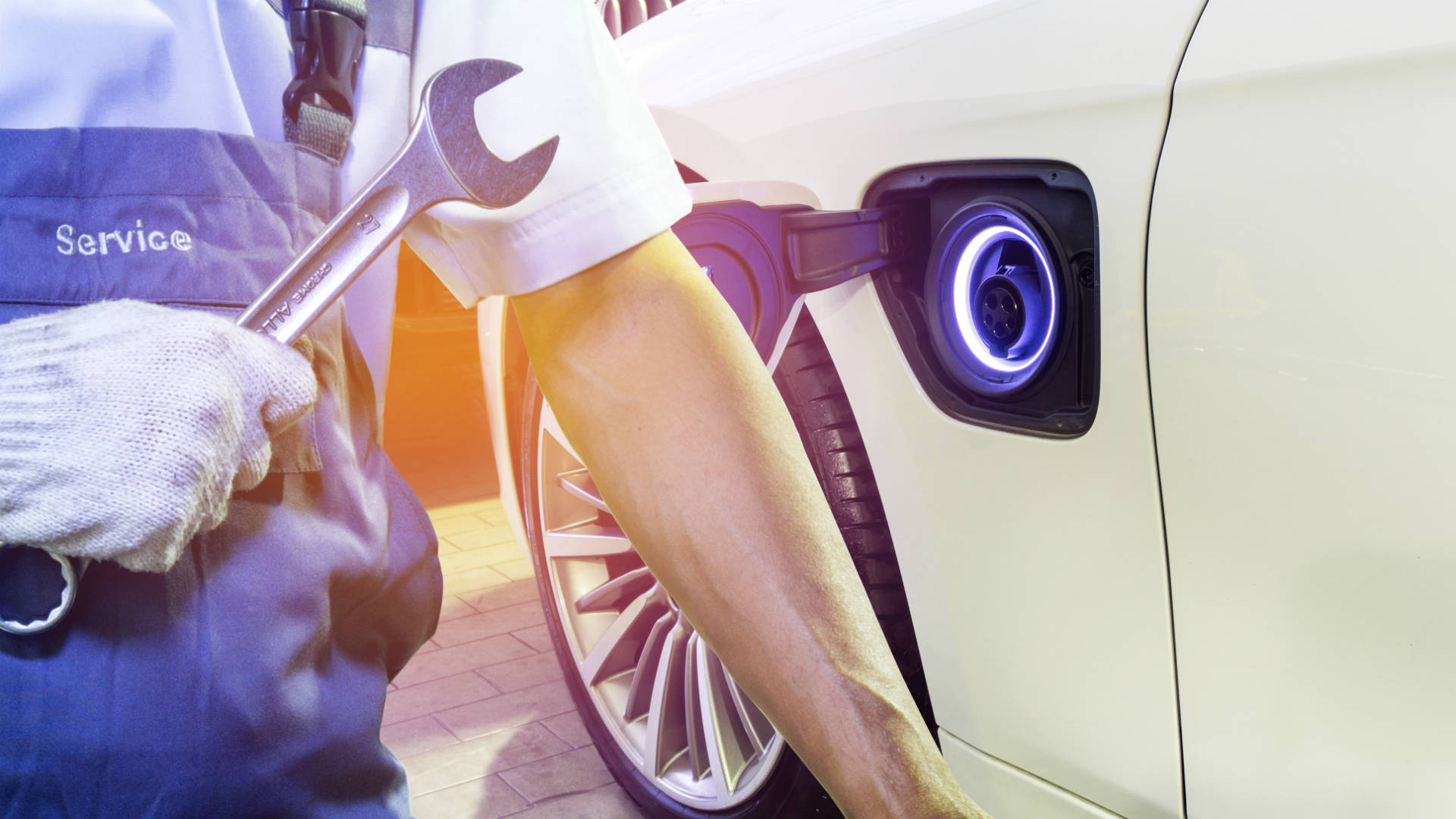
A new service will make it easier for motorists to find a garage to repair and service their electric car.
The Motor Ombudsman has added a new layer to its online Garage Finder service. With the help of a dedicated symbol, EV owners can find local accredited businesses.
This follows a recent survey that found 84 percent of people would not know where to take an electric vehicle for servicing.
Bill Fennell, chief ombudsman and managing director at The Motor Ombudsman, said: “Sales of electric vehicles are fast gathering pace, and they all need to be serviced and maintained in accordance with recommended manufacturer guidelines.
“Our research showed that there was an inherent need to make it quicker and easier for repairers to make motorists aware that they can service electric vehicles, and for owners to be able to easily find a business where they can take their car in.
“The new facility on our Garage Finder responds to both of these requirements, and therefore we expect it to be an extremely popular addition.”
Bright sparks
The Motor Ombudsman’s survey of 1,903 motorists highlighted a lack of understanding of how an annual service for an electric vehicle differs to that of a conventional car.
Only 12 percent said they would be able to distinguish between the two.
Two-thirds of those surveyed were able to correctly identify that brakes and tyres would be checked during an annual service. Meanwhile, 60 percent correctly identified that the suspension would looked at, and 63 percent were aware that wipers are part of a service.
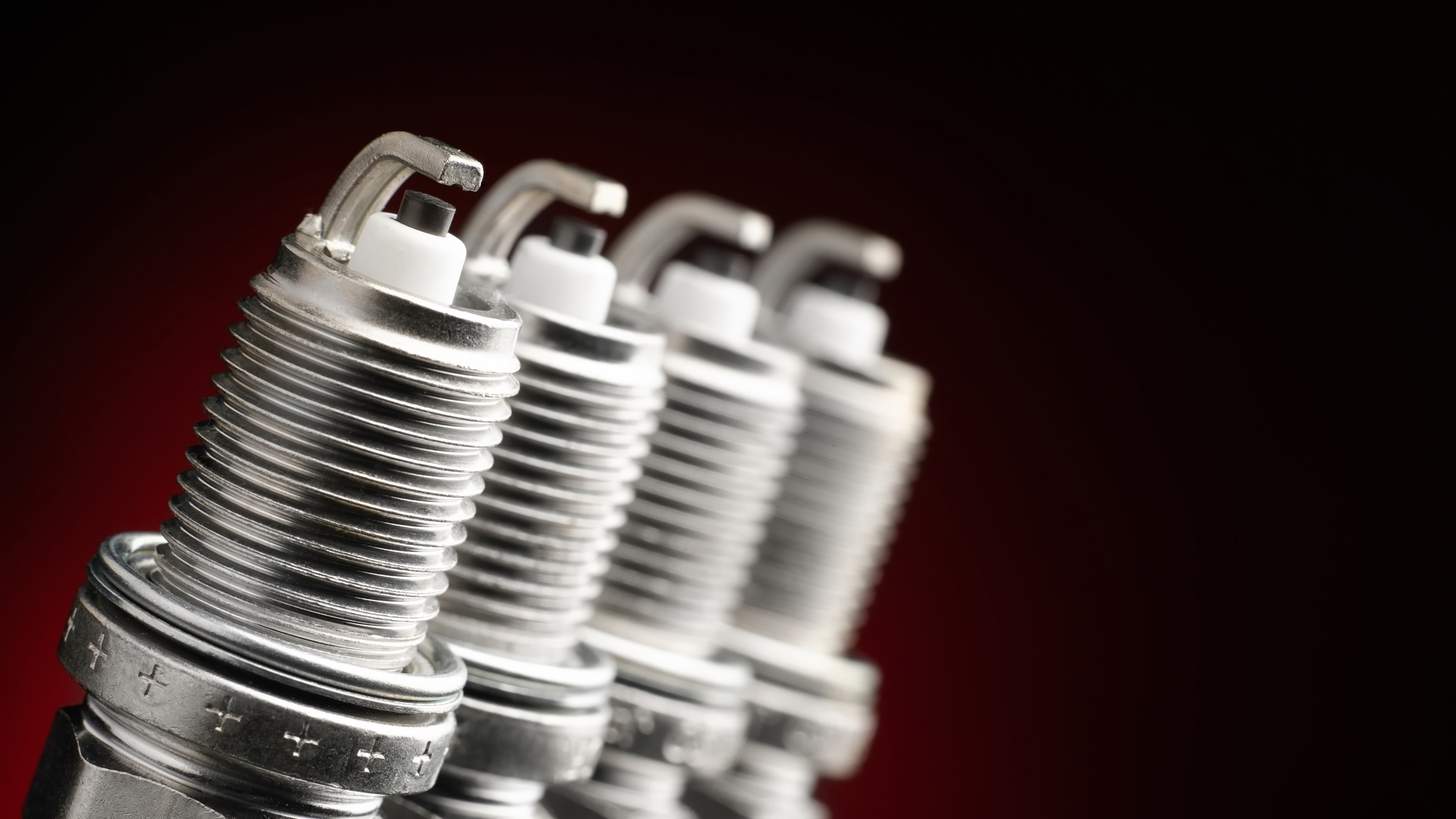
In contrast, 40 percent incorrectly said the air filter would be checked. An oil change was mentioned by 30 percent of the respondents, while the car’s timing belt (29 percent), emissions (26 percent) and spark plugs (26 percent) were also mentioned.






 The question over