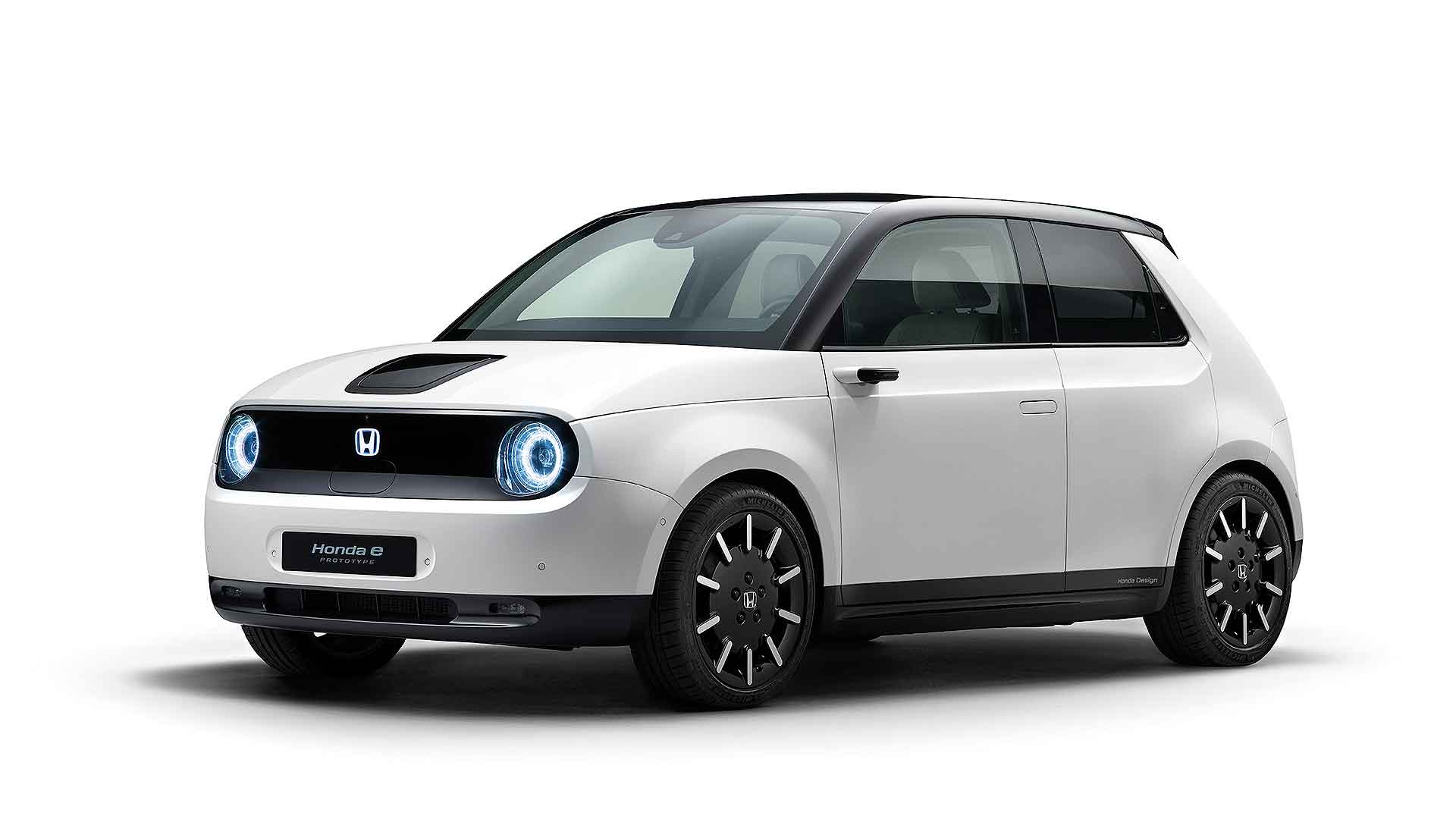
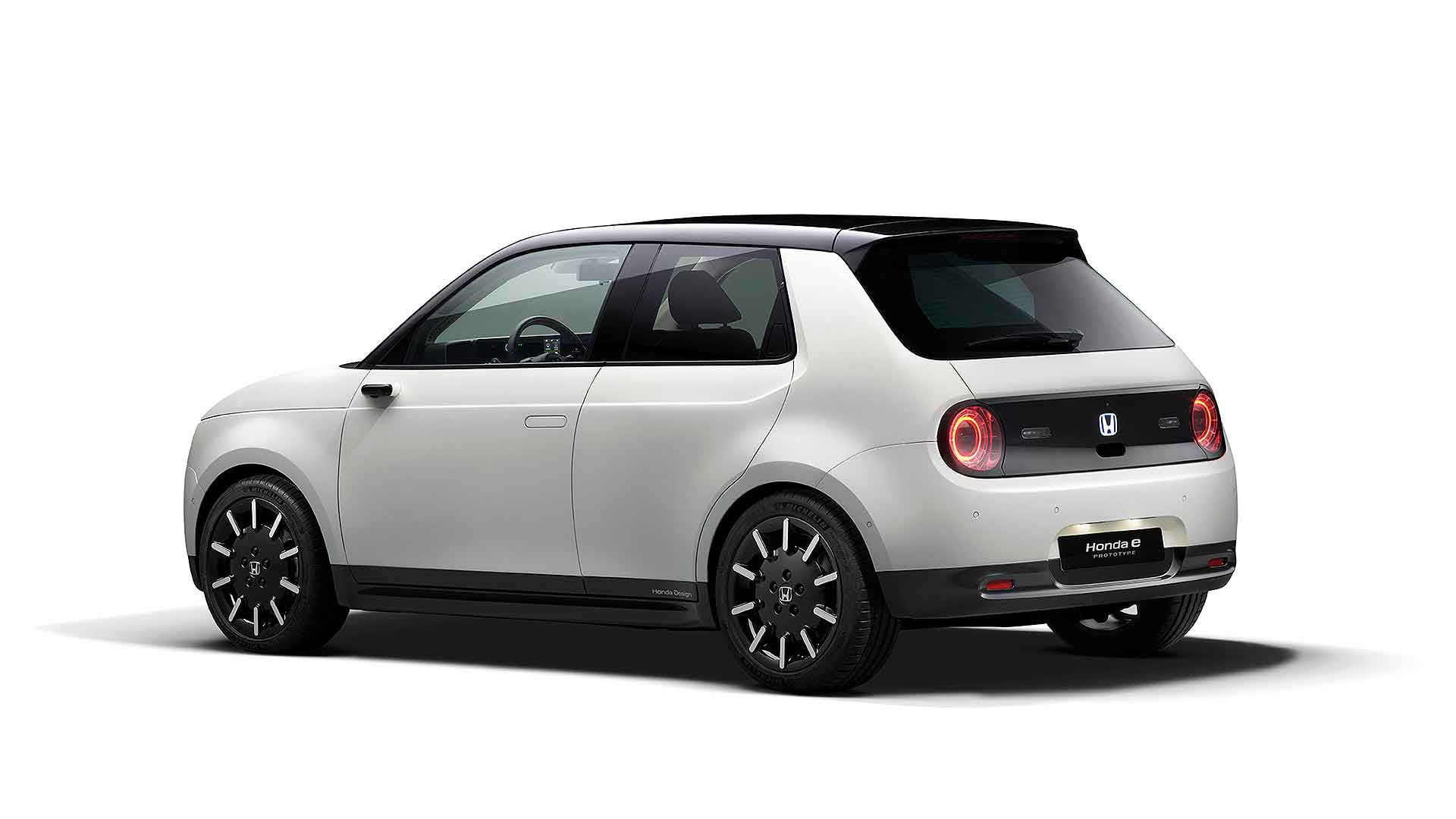
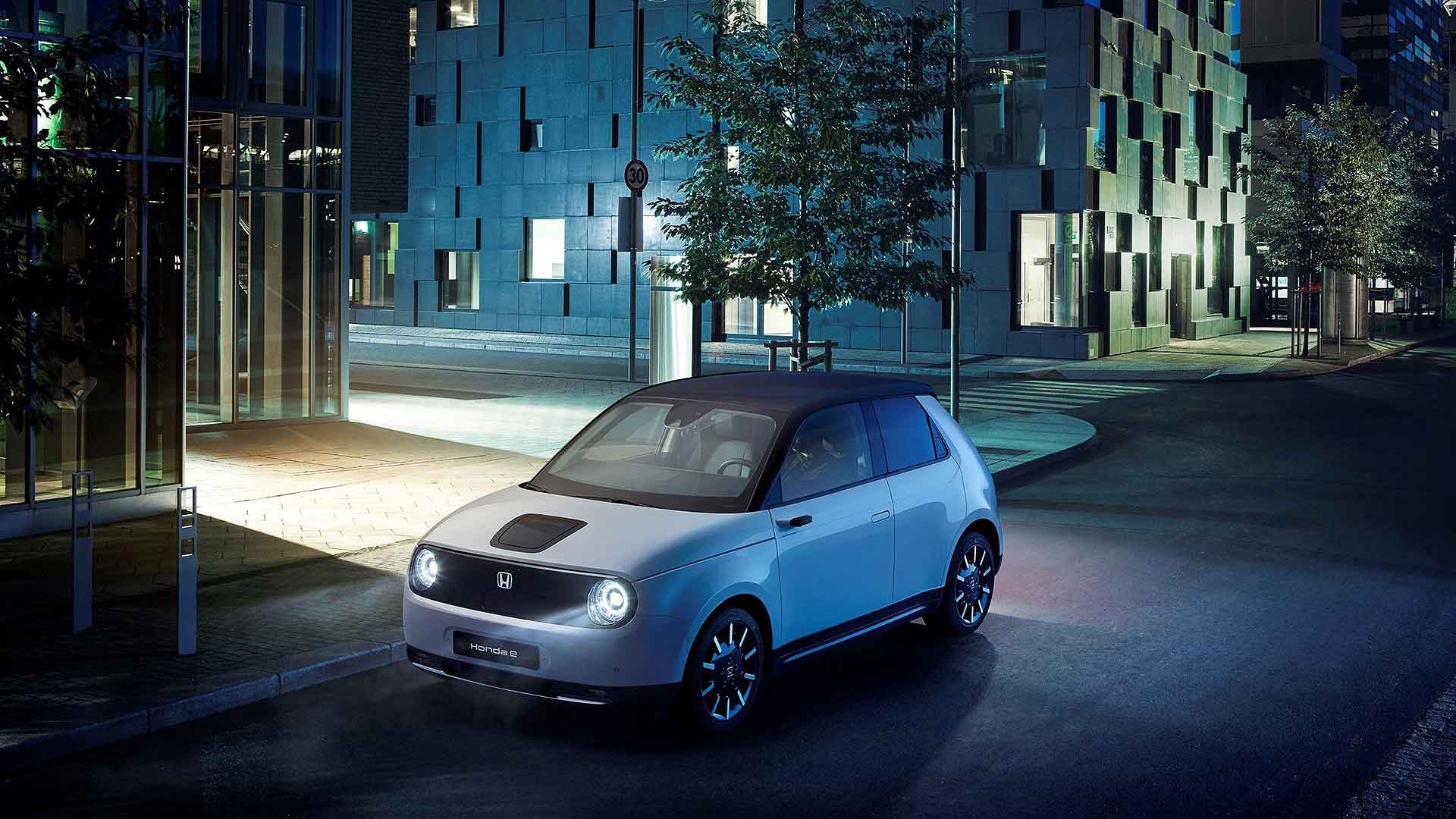
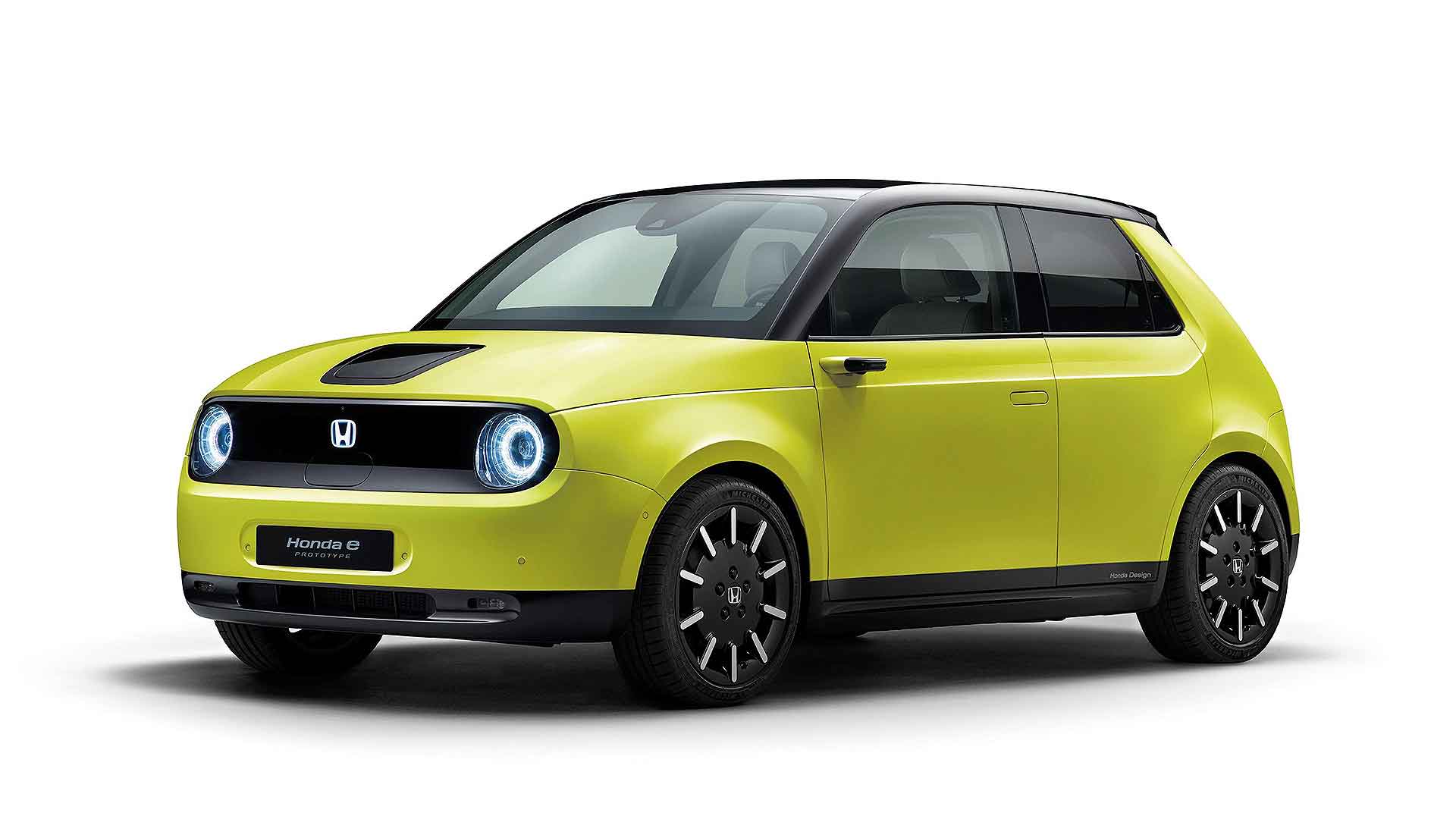
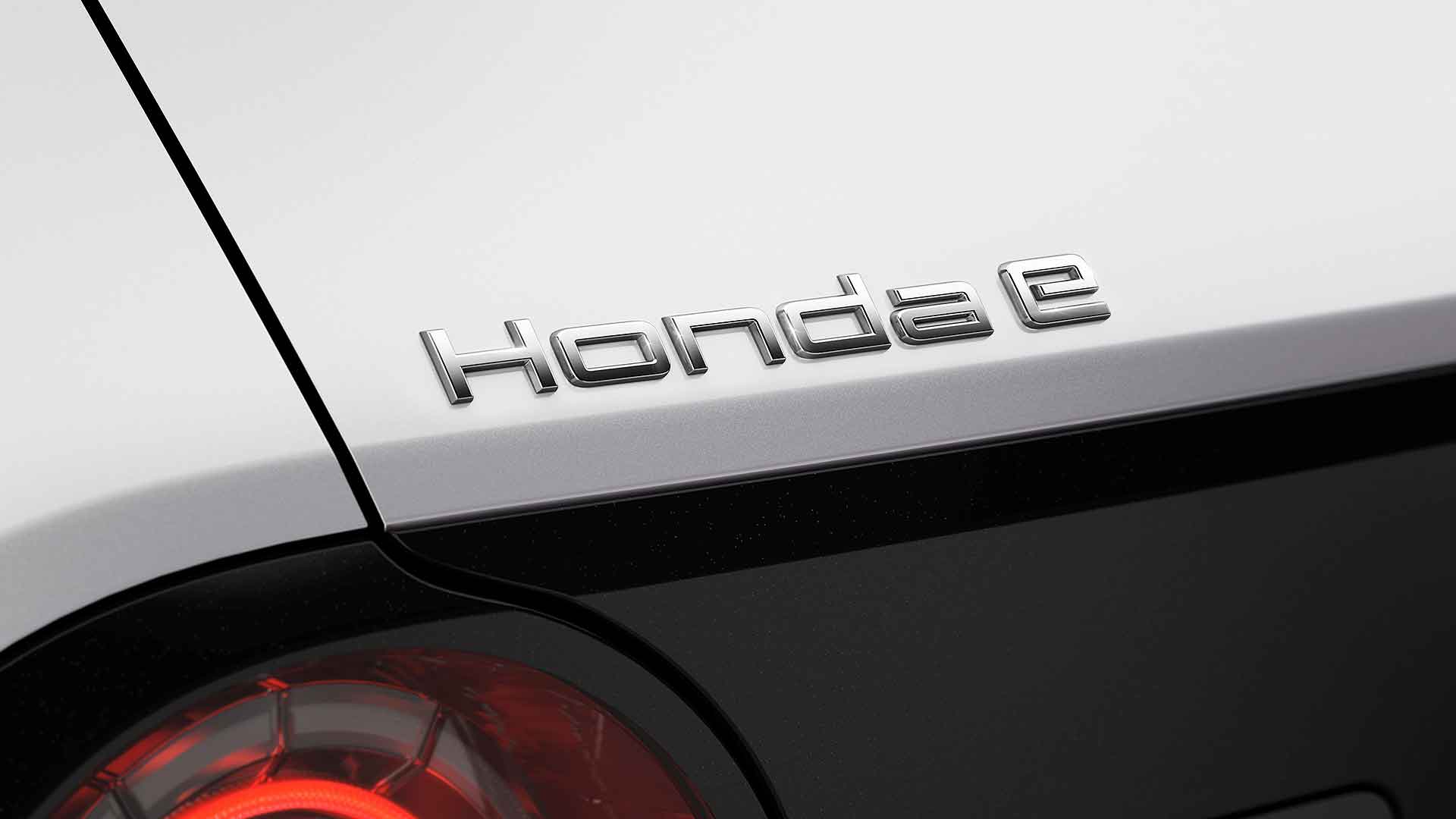
Eight months ago, almost to the day, I put down an £800 deposit on a Honda e. I admit it was – and still is – a bit of a punt. No one had driven one, few had actually seen one, and the price was supremely vague: maybe in the sub-£30k region.
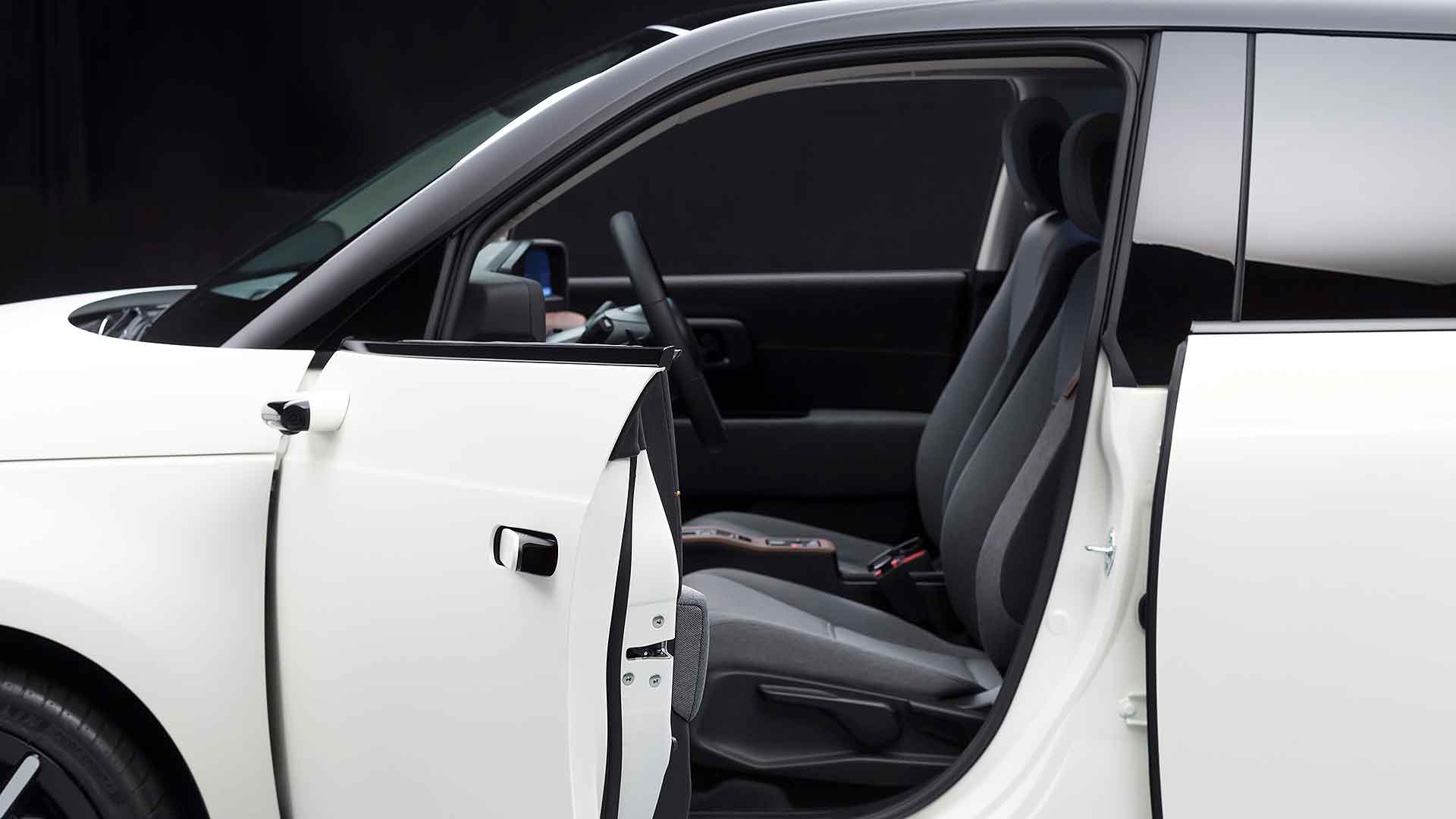
Yet thanks to some masterful PR, the world’s media had already become terribly excited about Honda’s first electric car. It was small and oh-so-cute. Despite the obvious expense, Honda had instilled the idea that this was the iPhone of electric vehicles, so price wouldn’t be an issue. It had TV CAMERAS FOR DOOR MIRRORS, for heavens sake! Isn’t that what everyone was gagging for?
For me the purchase seemed low-risk. My deposit was fully refundable, but last September that was returned to me after I paid a ‘proper’ deposit with my local dealer, Norton Way Honda. This £500 is more of a commitment, it seems.
Only one of the five colours offered, Charge Yellow, doesn’t incur an additional £550 charge, but yellow is way too lurid for my wife, so we’re going for Platinum Pearl White. There wasn’t much more to choose in September, except 17-inch wheels were included with the launch edition spec if we wanted them. I see now that leather and other packs have been added to the list, but we weren’t offered these. Anyway, cloth seats seem more in keeping with the whole electric car ethos.
Will I still be happy with my somewhat impetuous decision? Will the range be enough? Is the car comfortable? And as the first prototypes were shown to the world some two years ago, does the march of progress mean the Honda e has already been overtaken by the competition?
The last point is important. I am buying the top Advance model largely because I’d have to wait longer for the standard car, which seems better value at £26,160. For the price of the Honda e Advance, I could instead buy a Volkswagen ID.3, which looks nice, is roomier and goes further. And that’s just one of many electric cars to come.
But I have bought into whole idea of owning a Honda-e, and I am not having second thoughts. Especially not now I’ve read Richard’s generally very enthusiastic review. He concludes by saying ‘It’s an innovative and authentically unique electric car that, yes, only Honda could make. And, to its core audience and far-sighted early adopters, all the better for it.’
I’ve certainly been an early adopter this time. But I have a feeling I won’t regret that decision when my Honda e arrives this summer. I can’t wait.
After years on life support, Lotus is on the brink of something big. In 2017, this iconic British brand was taken over by Geely, the Chinese automotive giant that also owns Volvo. The new flagship Lotus Evija – the world’s most powerful road car – was revealed last summer and ambitious plans are afoot for a whole range of sports and luxury cars. We visit the Lotus factory at Hethel, Norfolk, and speak to CEO Phil Popham about what comes next.
Tell us about your career so far.
I joined the motor industry straight from university in 1988 – as a graduate trainee at Land Rover. I spent 25 years there, including stints in South Africa and the USA, with my final nine years on the executive committee. In 2014, I moved to [luxury yacht maker] Sunseeker, another famous British brand. The business was facing some headwinds, so to speak, but I led a turnaround back into profit. Then, in October 2018, I started here at Lotus.
What attracted you to the top job at Lotus?
The opportunity to rejuvenate Lotus was one I couldn’t turn down. I had an Esprit on my bedroom wall as a teenager and the brand has such a rich heritage The commitment and investment from Geely certainly attracted me, and indeed others from premium automotive backgrounds. We’ve got a really exciting business plan. Also, once you’ve been in the motor industry, as I have for most of my career, it’s in your blood. There’s something very special about it.
I was on the board with Chery Automobile at Land Rover, and Sunseeker is owned by Wanda Group, so I have experience of working with Chinese companies. But I did my due-diligence before starting this role, flying to Hangzhou and meeting the senior team at Geely. The chairman, Li Shufu, has so much enthusiasm for the brand and the commitment of the senior team was obvious. The backing of the fastest-growing automotive company in the world – not just in terms of investment, but also capability and technology – is hugely beneficial for Lotus.
How will Lotus develop under Geely ownership?
Volvo is the obvious case-study here. It’s been very successful under Geely, but remains as Swedish as it ever was. The London Electric Vehicle Company [LEVC, maker of the London black cab] is another Geely brand that has flourished. And the same will be true for Lotus. In terms of working together, we use video conferencing a lot and I visit China four times a year. We have access to a sweet shop of resources. But Lotus contributes to the group, too – with our expertise in lightweighting, aerodynamics and chassis dynamics.
How would you define the brand values of Lotus?
We’ve done a lot of work on the DNA of the brand. Going back to the days of Colin Chapman, we are pioneering, intuitive and innovative. Our British heritage is important, too. The ‘For The Drivers’ tagline is more than just a marketing statement; it also defines how we develop new models. Lotus is all about the enjoyment of driving.
How is the £2 million Lotus Evija relevant to the real world?
Obviously, the Evija isn’t a volume product. But it makes a statement that Lotus is back, and showcases the capability we have here at Hethel. It’s the first all-British electric hypercar: sensational in terms of design, but also technology. It will inform our design language for the future – and electrification is also a statement about where Lotus is going.
Our next sports car will have an internal combustion engine and arrive towards the end of 2020. Beyond that, every new Lotus models will offer electrification, which means great benefits for packaging and weight distribution. We have many people working on new platforms, including at our new engineering office in Warwick, but they typically take at least four years to develop. For now, Lotus is focused on sports cars, although we believe the brand has enough strength and equity to move into other segments.
Will consultancy still be an important part of Lotus’ business?
Absolutely. We will do some work for Geely, but the aim for the consultancy arm is to work for other businesses, including outside the car industry. Our capabilities are relevant in many sectors: the recent collaboration with Hope on the Great Britain track team bike for the 2020 Tokyo Olympics, for example.
Any chance of a return to F1 racing – or perhaps Formula E?
I’m not ruling anything out. Our first offering will be the Evora GT4, the prototype of which went up the hill at Goodwood last summer. That will race this year in a customer series. Formula One is incredibly expensive and our focus, at the moment, is on producing new platforms and new cars. Competitive racing is something we want to be part of in the future, though.
How about a renewed association between Lotus and James Bond?
Ha! We’ve been in a couple of movies so far and it’s a great British institution. Certainly, there’s a great fit between Bond and a British brand like Lotus. But there are no concrete plans at present.
Now for the long commute from Hethel to home.
I’m taking this Elise 250 Cup for the week – will be the first time I’ve properly spent time with one. pic.twitter.com/Iw4gjXyIV8
I try not to draw comparators. Lotus is unique as a brand and we don’t want to be followers, we want to be pioneers. The one that often gets quoted to me is Porsche. It has been very successful at having a distinct identity, growing as a business and making money. We’ve got aspirations to grow as they have, but we’ll do things our own way.
Where do you see Lotus in 10 years’ time?
We actually have a plan called Vision 80, which takes us to our 80th anniversary in 2028. By then, I hope people will be using Lotus as a case study for a good car business. We’ll certainly produce a series of cars in different sectors. But I’m absolutely adamant that, both in terms of how they look and how they perform, they will stay true to the Lotus DNA.
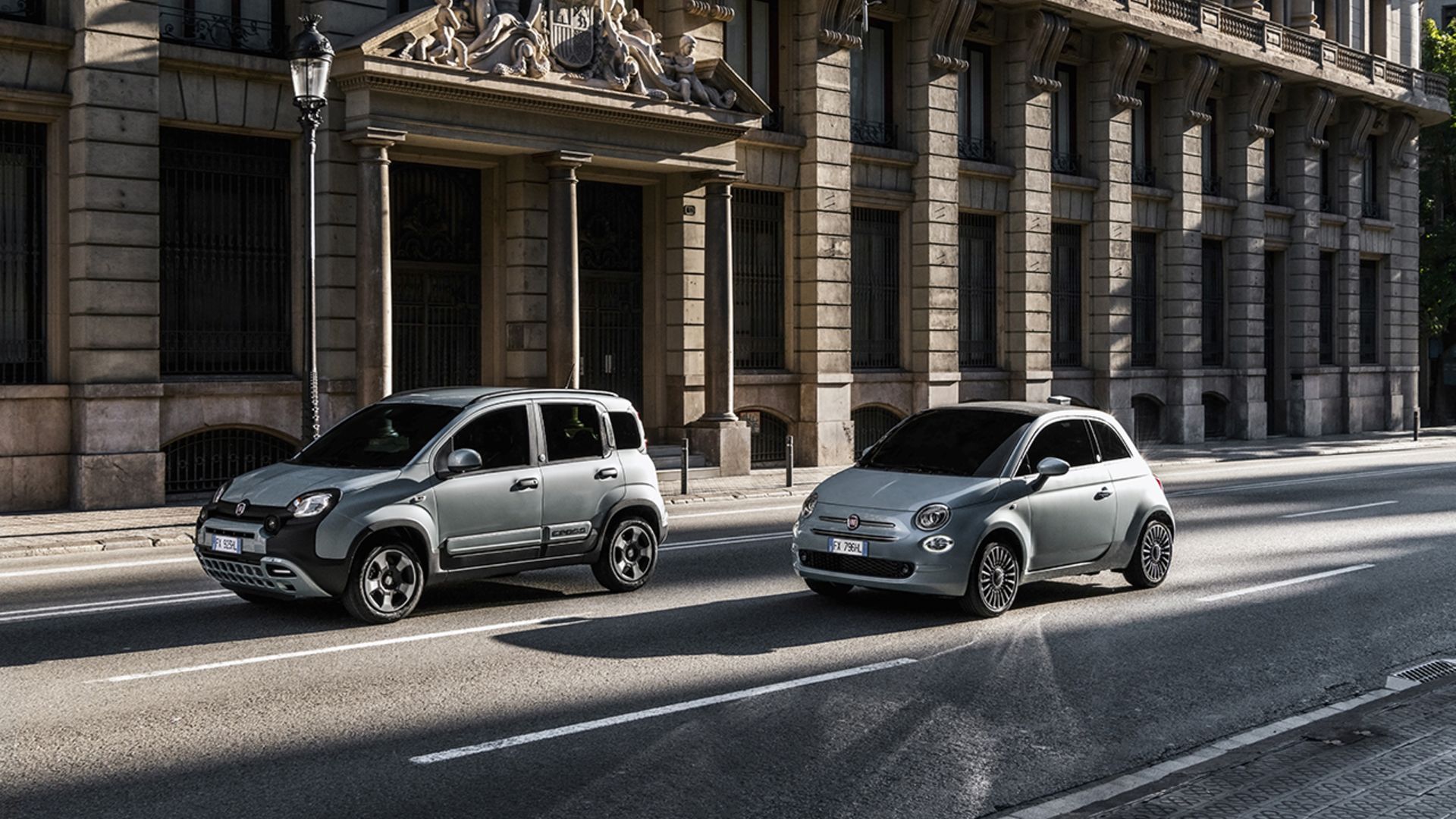
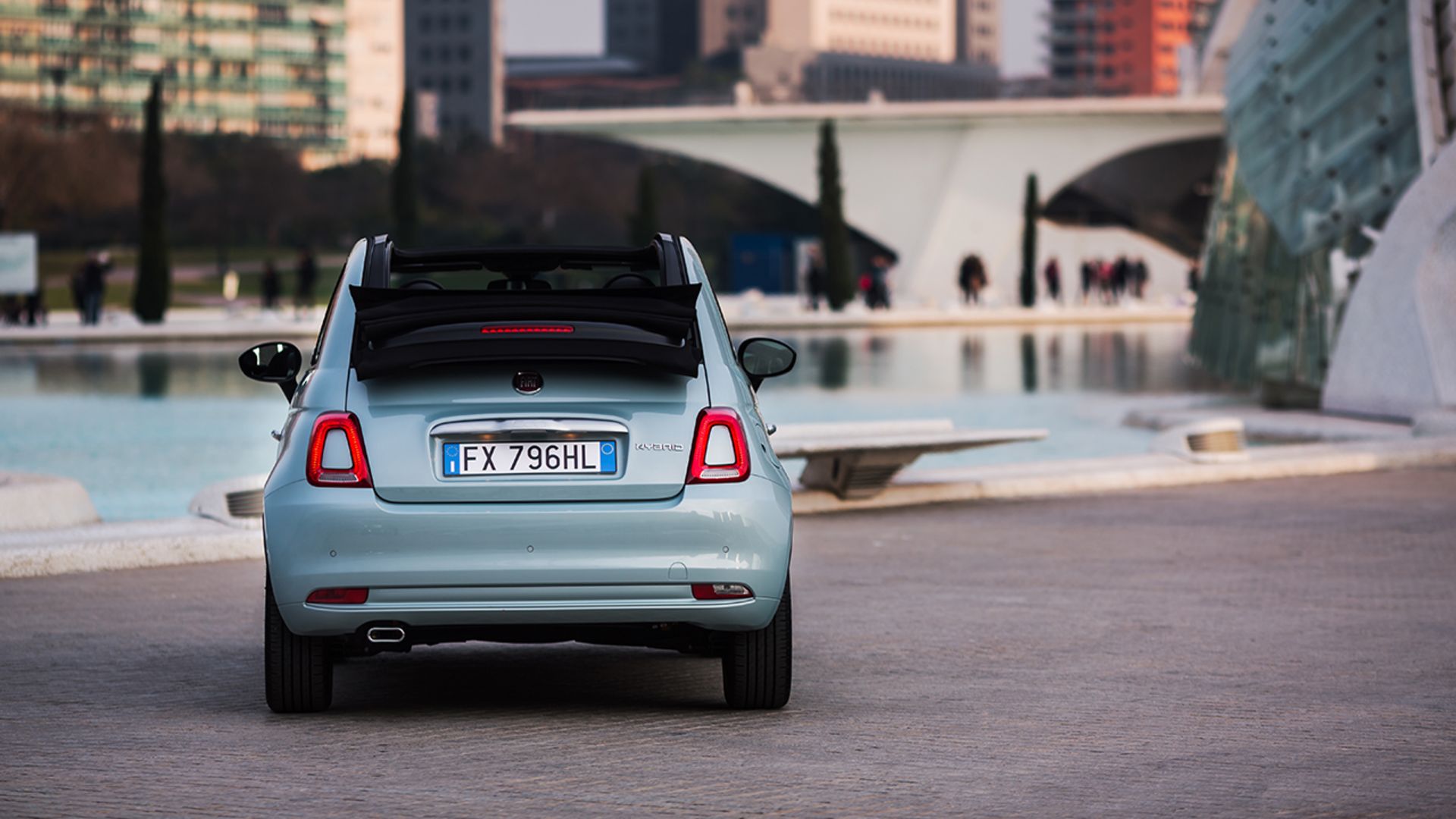
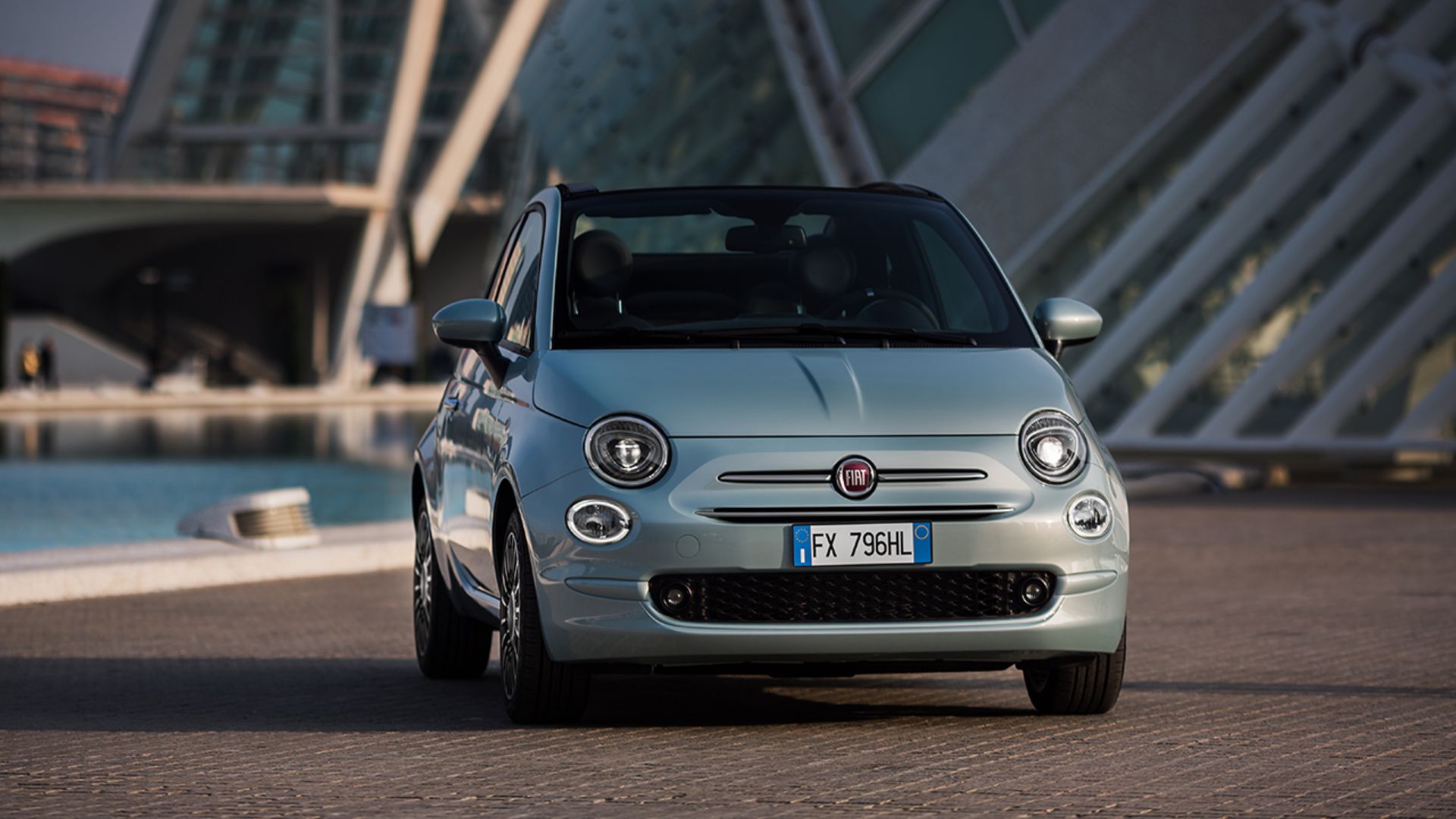
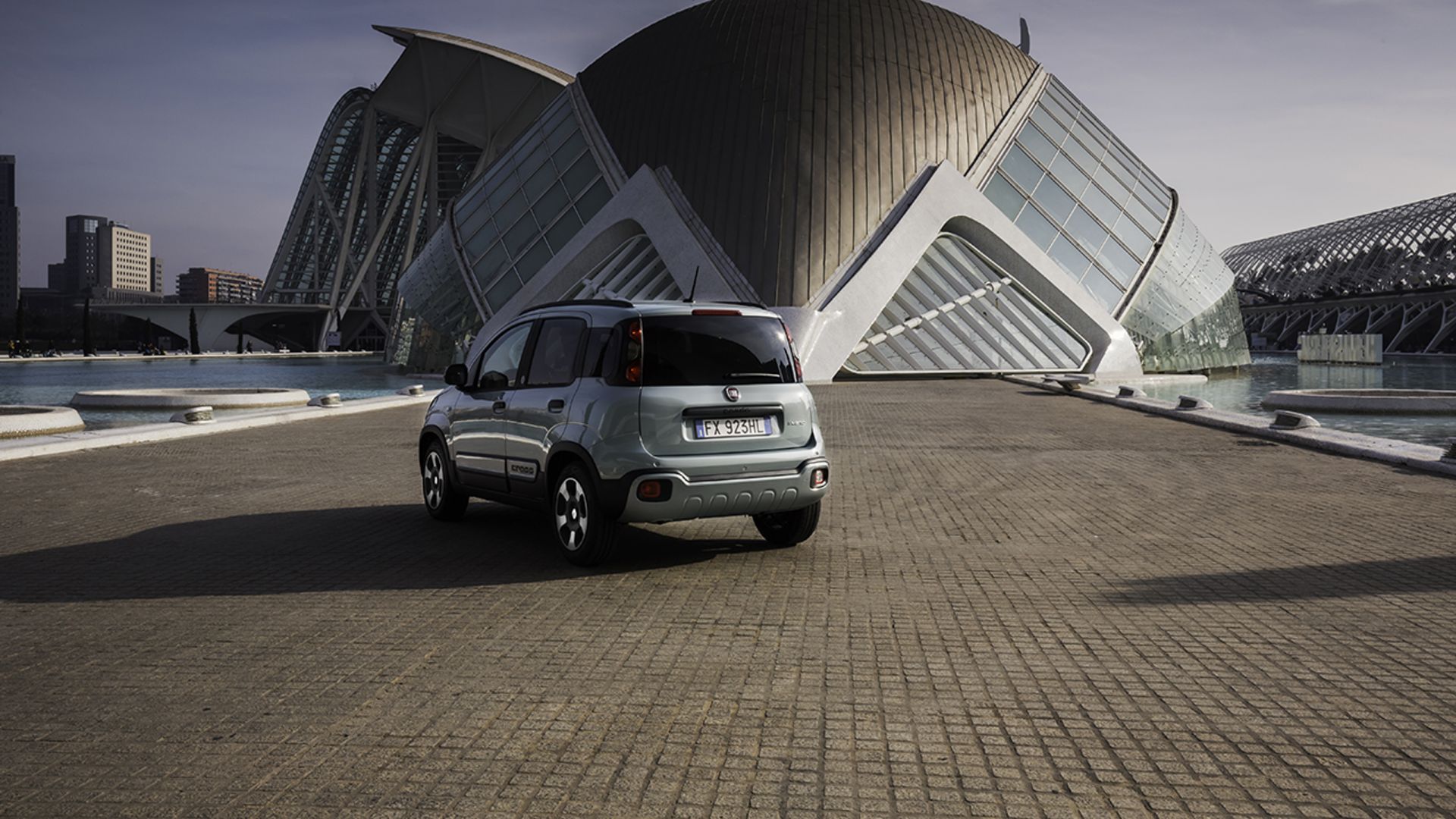
Fiat has revealed pricing for the mild hybrid variants of its small cars, including the hot cakes-seller 500, and the boxy Panda. The former will be arriving in showrooms in February 2020, while the Panda will follow in March.
The 500 will be available from a very reasonable £12,665, and the Panda will start at £13,855.
However, Hybrid Launch Editions offer something a bit more posh. Exclusive to these versions are the new Dew Green paint, and a new material for the seats made of recycled plastic.
They’ll be available from £16,795, and £14,385 respectively for the 500 and the Panda.
The update is a welcome one, as the 2020 95g/km fleet emissions limit kicks into action, and Fiat’s small big-sellers grow ever-longer in the tooth. At present, the marque shifts around 400,000 of the two every year.
The mild hybrid system is a 12-volt belt-integrated starter generator electric motor (commonly called ‘BSG’) and a lithium battery combined with the 1.0-litre three-cylinder ‘FireFly’ motor. It matches the outgoing 1.2-litre engine on power, with 70hp on tap.
However, it’s said to significantly reduce CO2 emissions, by 30 percent. The 500 mild hybrid produces 88g/km of CO2 on the old NEDC2 cycle, and the Panda 89g/km. The 500 and the Panda will return 53.3 and 49.6mpg respectively.
Prices for the Honda e electric car start from £29,660 – or, with the £3,500 government Plug-in Car Grant factored in, from £26,160.
Early reservation-holders, however, don’t want to pay that: they are eager to pay even more to secure the top-spec Honda e Advance variant, rather than the basic entry-grade car.
Indeed, revealed Honda at the launch event for the new Honda e, 9 in 10 UK orders to date are for the Advance model, which will cost £28,660 once the Plug-in Car Grant is taken off.
Hundreds of buyers, said Honda head of car Phil Webb, have put down an £800 deposit to be the first in line for the new EV, even before they’ve even seen or driven it.
Thousands more have shared their details with Honda to hear more about the e when it arrives in UK retailers this summer.
While some have expressed surprise at the price of the Honda e, given its compact size and 136-mile range, early adopters seem not to be worried.
Most are taking the invoice price to over £29,000 by adding on special paint: Webb said the vivid Charge Yellow was proving particularly popular.
The firm asks for a 23 percent deposit (from just under £6,000) and the deal is over 37 months, at 5.9 percent representative APR.
Finance prices include the Plug-in Car Grant, which Honda assumes the e will qualify for: at the moment, it is awaiting formal confirmation from the government that the car will be included in the scheme.
It anticipates to receive confirmation some time in January 2020.
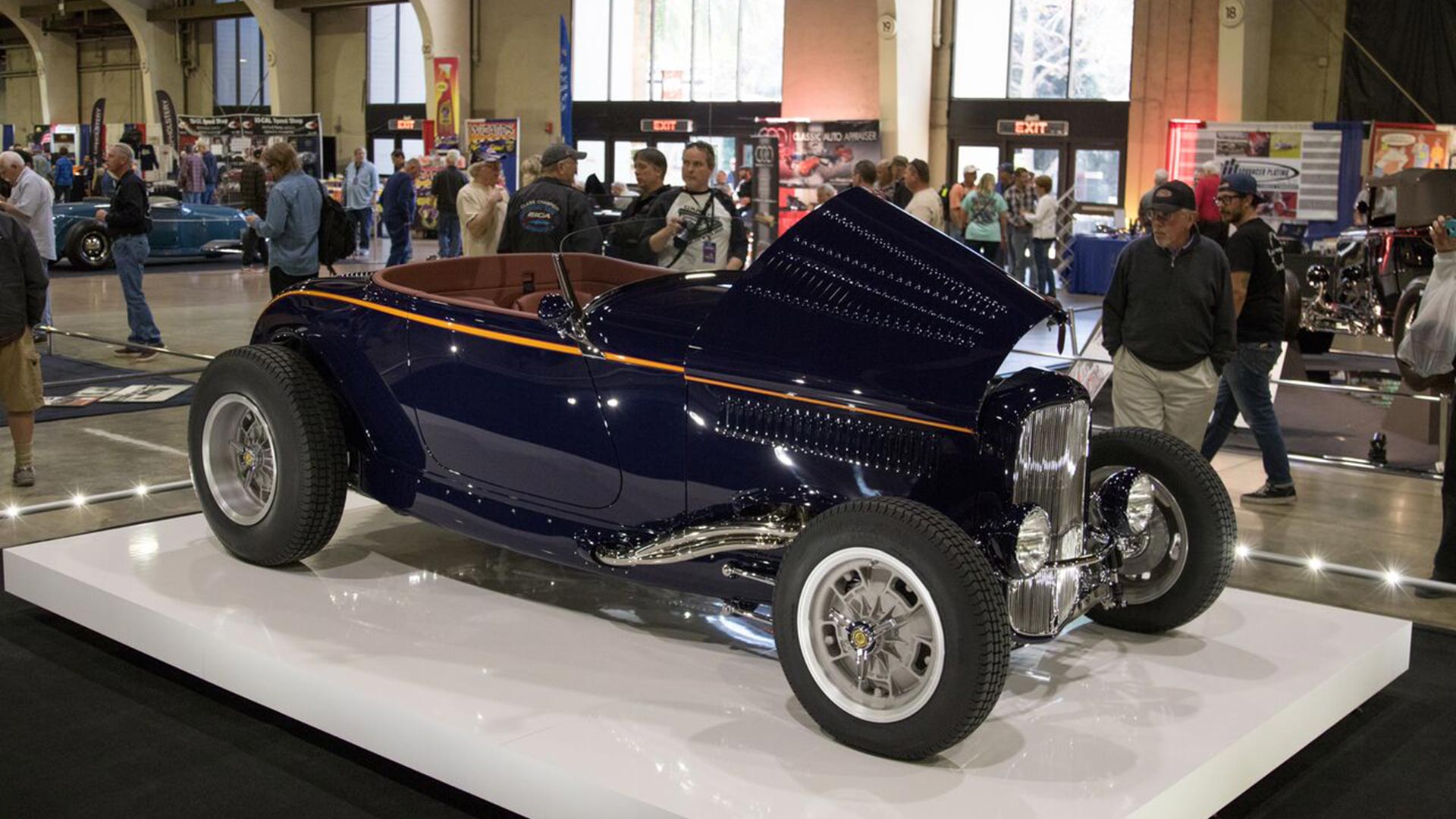
The 71st annual hot rod event branded the ‘Daddy of Them All’ takes place in California this weekend, with fans visiting from across the globe.
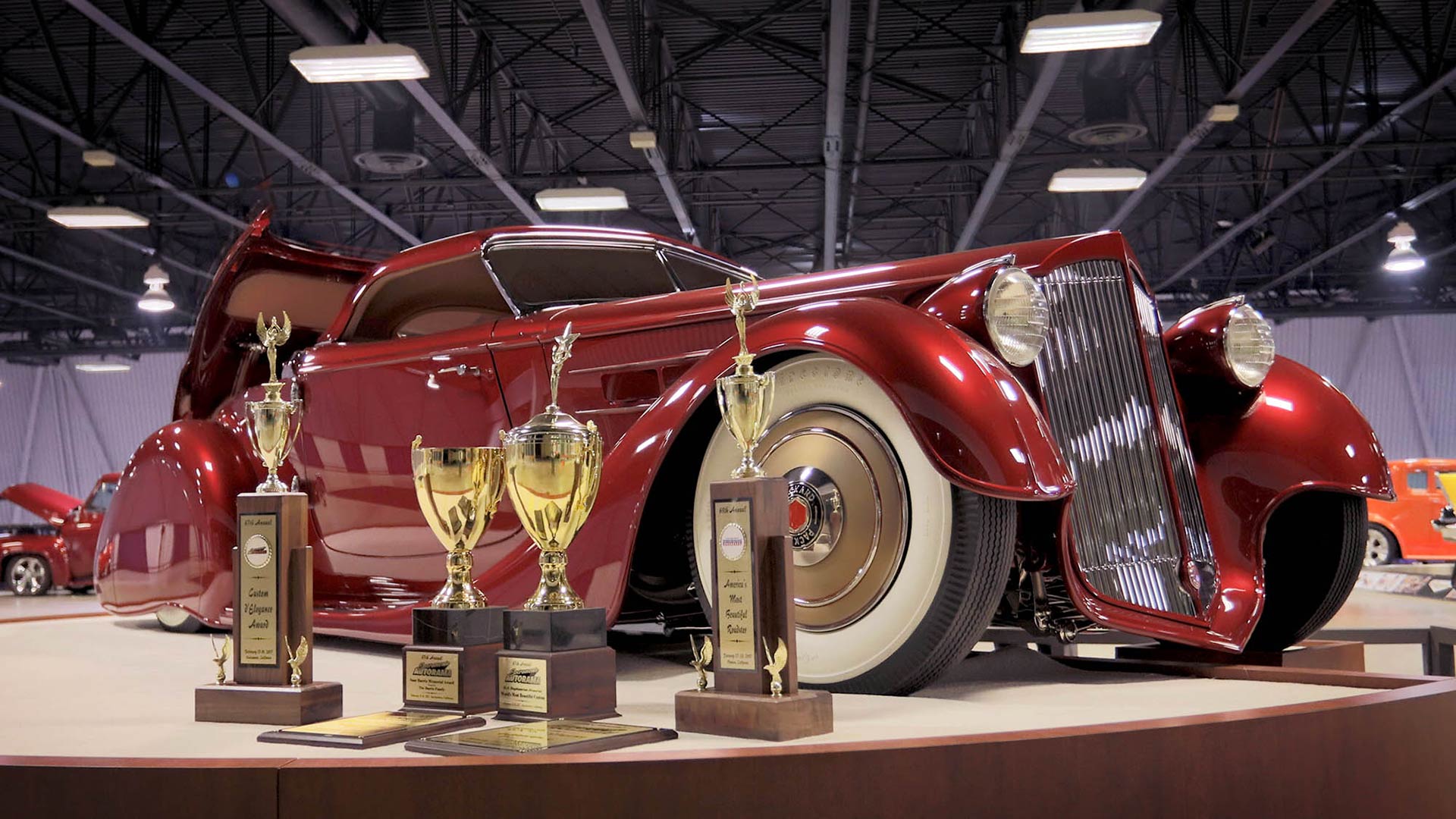
Being held at the Fairplex in Pomona, the 2020 Grand National Roadster Show (GNRS) will cram in hundreds of hot rods, lowriders, and custom classics.
Along with dishing out the famed 9-foot tall trophy for America’s Most Beautiful Roadster, the GNRS will also see the debut of an updated legendary car.
Living history a quarter-mile at a time
First held in 1949, the Grand National Roadster Show has become one of the oldest events in the United States dedicated to custom cars.
Intended to celebrate the best in hot rodding design and builds, this year’s show will pay particular attention to the drag racing scene. A special exhibit titled ‘Drag Racing Then and Now’ will highlight the advances made in the quest for ultimate straight line performance.
The exhibition will cover the early dragsters, through to modern Funny Cars and Pro Stock vehicles. A 200mph street-legal 1956 Chevrolet known as ‘Creamsicle’, plus the car driven by Shirley Muldowney to become the first woman to win the NHRA Top Fuel Championship will be on show.
An icon of the hot rod world
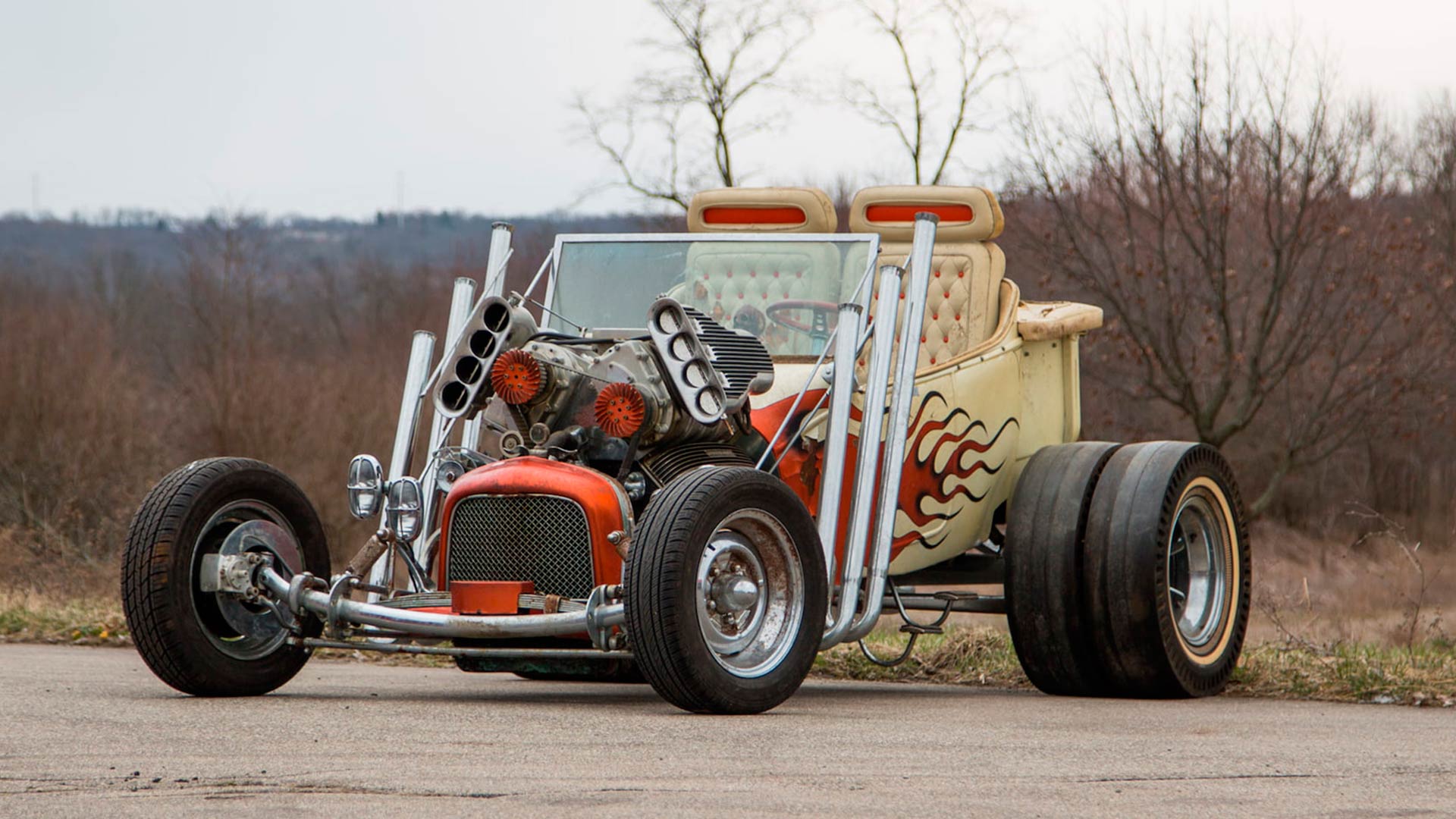
One of the most important cars set to feature at this year’s Grand National Roadster Show is ‘Kookie’s Kar’, the iconic Ford T-Bucket built by Norm Grabowkski. Acknowledged as one of the most influential cars in hot rodding history, this was the starting point for the T-Bucket phase.
Finished by Grabowski in 1955, the car found fame in 1958 appearing in the detective TV show 77 Sunset Strip. The car was sold into a private collection, where it remained until 2018 when it appeared at the Mecum Indy auction.
Bought for an impressive $484,000, Kookie’s Kar has been subject to restoration work to return it to how it appeared on the TV show. The GNRS will mark the first public debut of the restored rod.
Greatest hot rods on earth
Organized by Rod Shows, the Grand National Roadster Show is one of two major indoor custom car events held on the West Coast each year.
John Buck, producer of the GNRS, commented that a commitment to quality “has drawn cars from around the globe to participate” and that the 2020 show will have “some of the greatest hot rods of all time”.
The gates for the GNRS open at midday on Friday, January 23rd, with the show continuing through until Sunday, January 26th. Tickets begin from $10 per day for children, rising to $30 for adults.
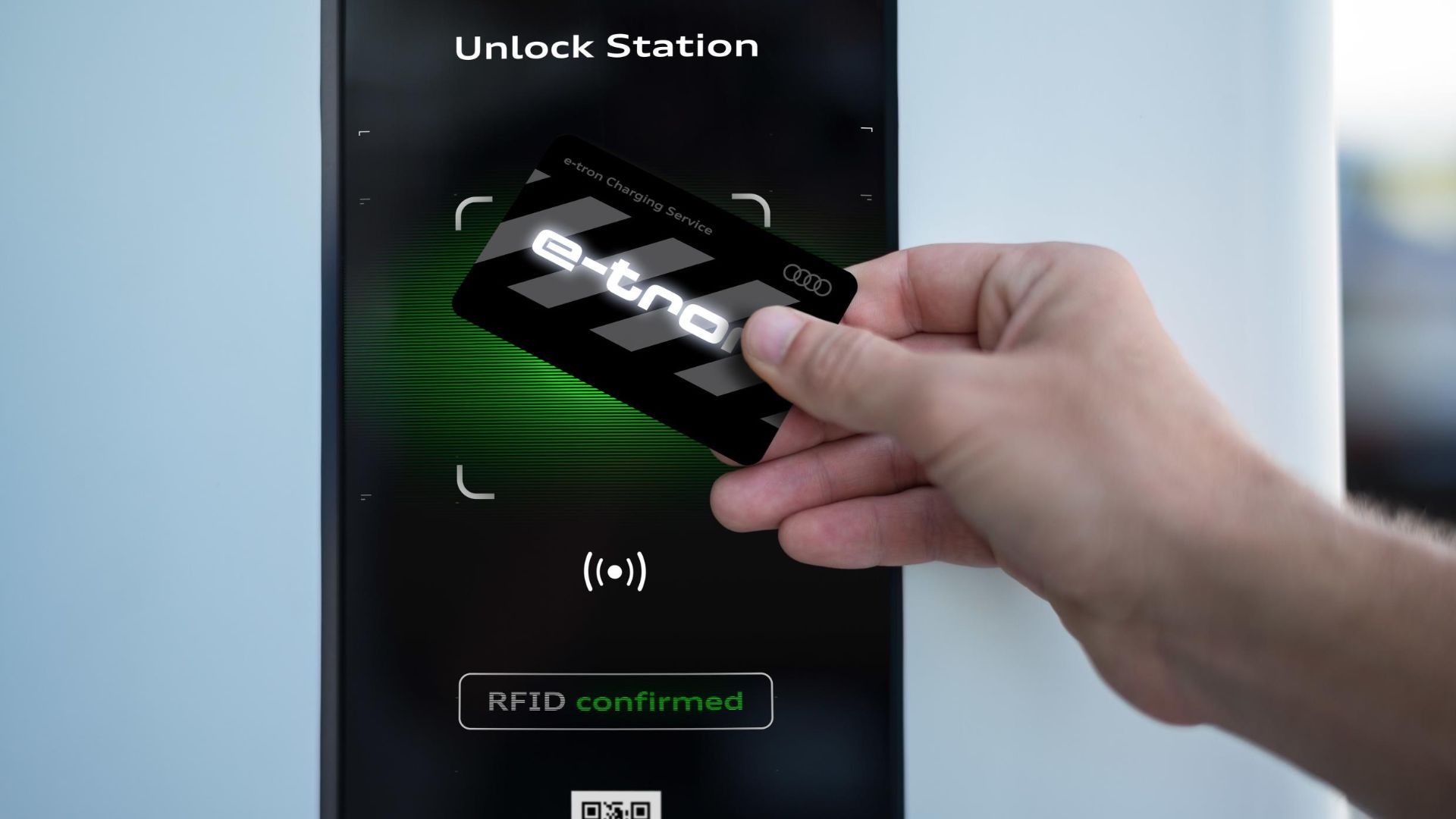
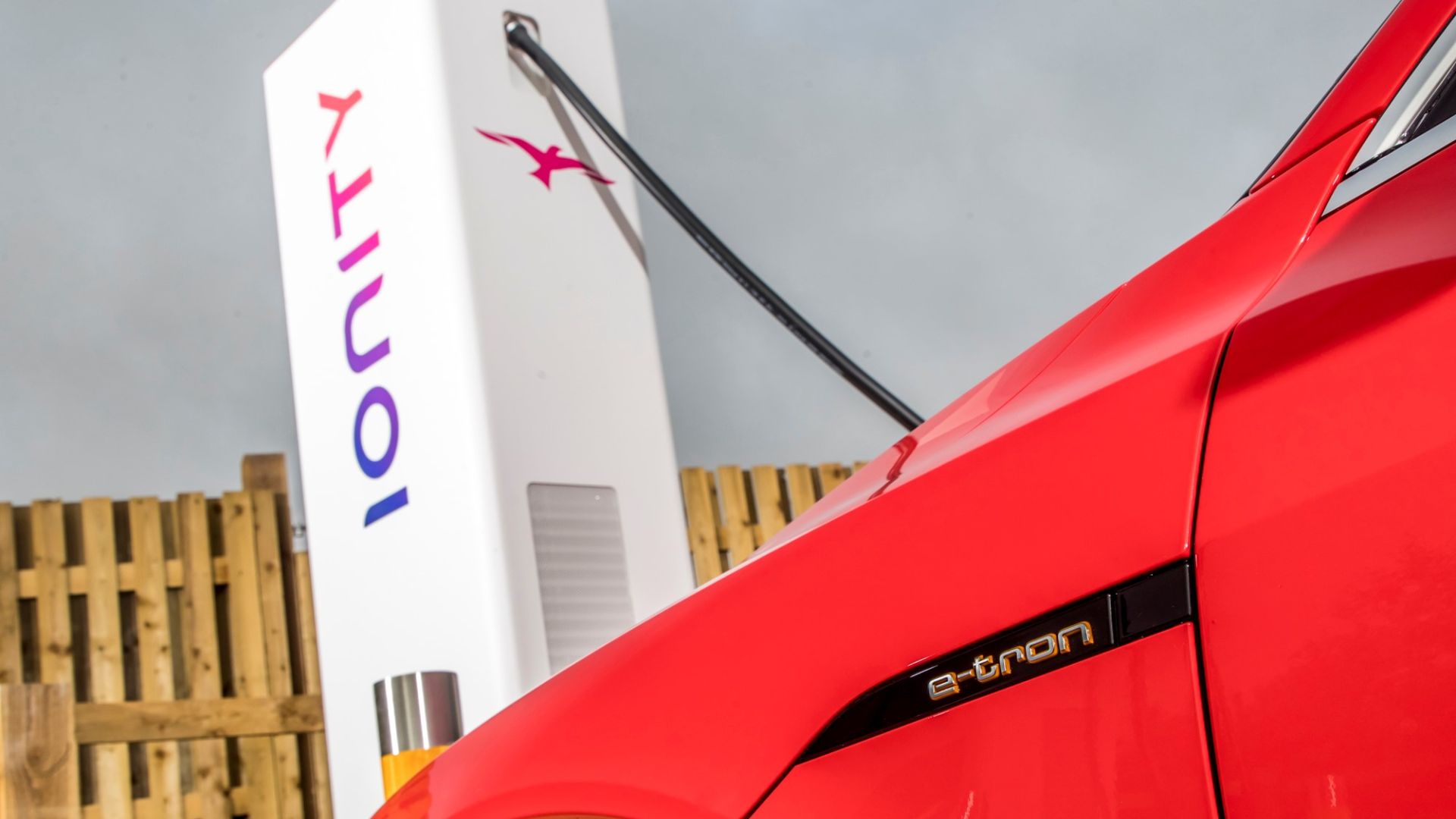
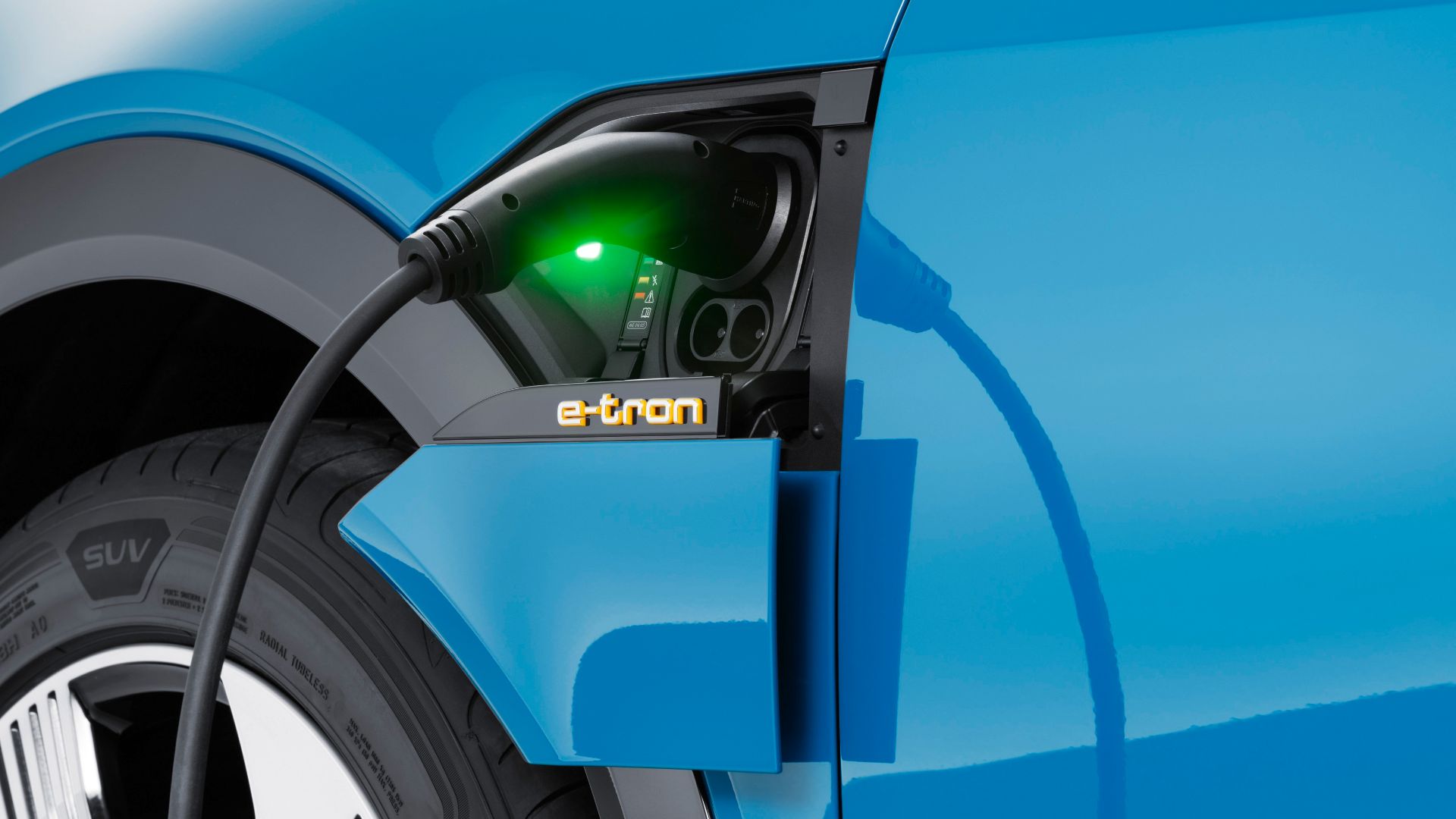
Audi has launched a new E-Tron Charging Service for owners of plug-in models. The service will allow drivers to plug and pay at a variety of charging points, using a variety of networks, using one RFID card. This negates the need for multiple subscriptions, apps and accounts. Audi calls it “the convenience of consolidation”.
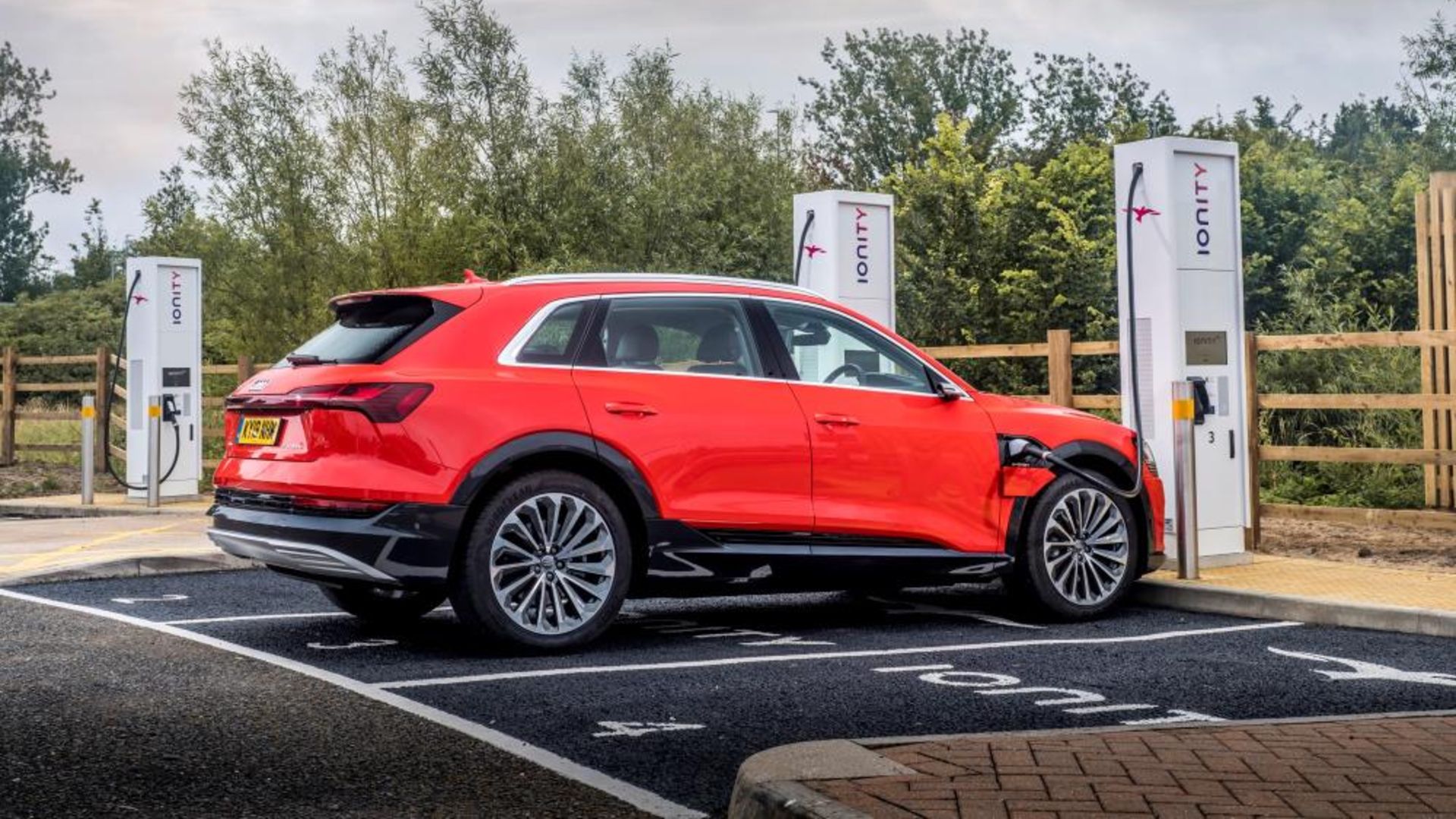
At present, Audi has 18 UK companies on board. Needless to say, Ionity is involved. It’s joined by Pod Point, Source London, Instavolt and more. A single monthly invoice is generated, based on two fixed tariffs. The Charging Service will charge the user’s account based on their usage without any input.
“The general perception of EV charging is that it is confusing and inconvenient, and we want to help to gradually dispel that belief,” said Andrew Doyle, director of Audi UK.
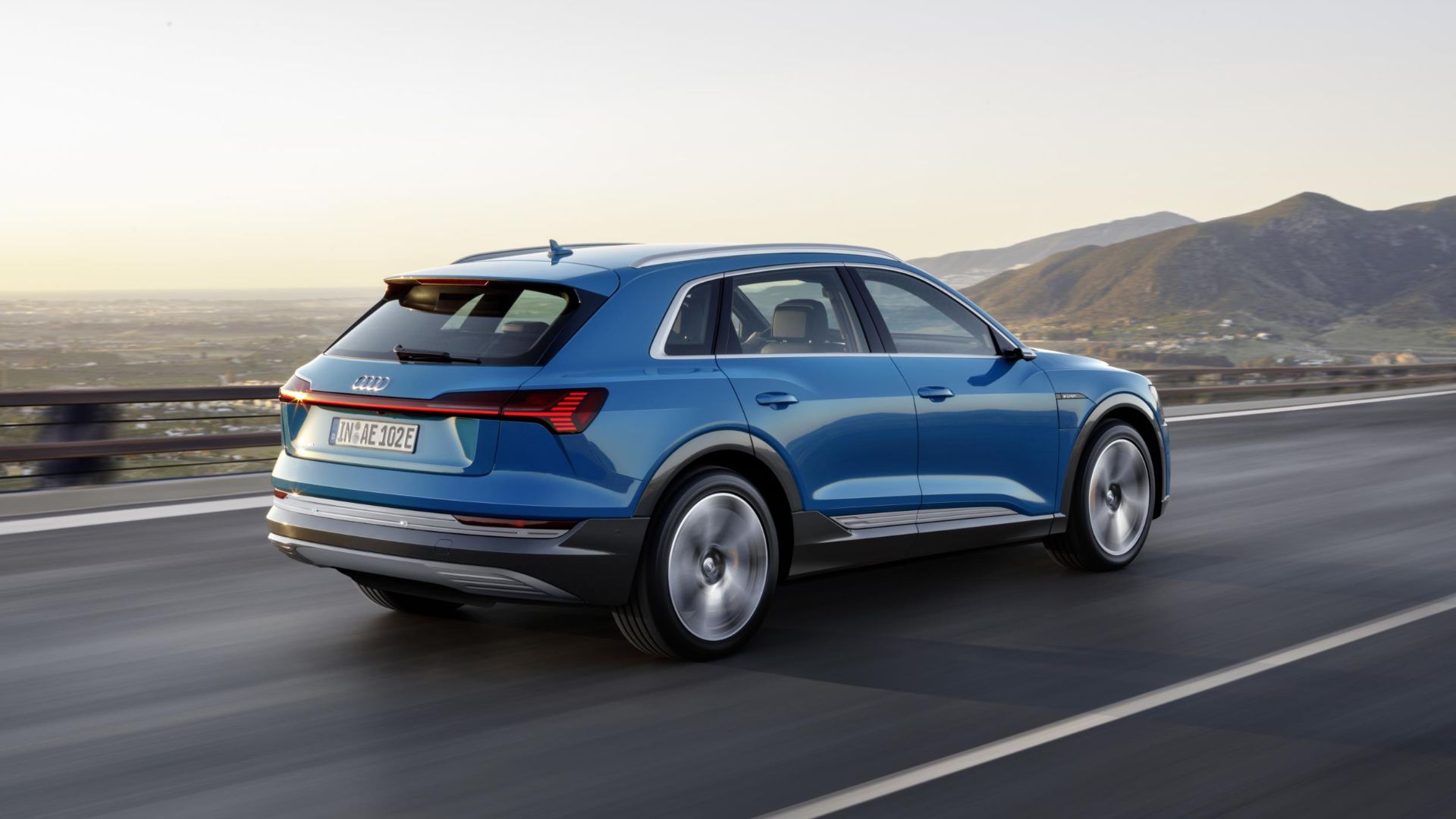
“We started by equipping the E-Tron with the potential for fast charging at up to 150kW, and are now removing another layer of complexity for our EV owners by streamlining the end-to-end process, from charging activation to invoicing, with this new service.”
Two tariffs are tailored towards two different kinds of users. The first is the City tariff. Audi says it’s best-suited to plug-in hybrid owners driving short distances. The base rate is £4.95 per month, with customers paying standard rates of 30p per kWh for AC charging, or 39p per kWh for DC fast-charging.
Rates at other points can vary. Using the E-Tron Charging Services card at free charge point, as you’d hope, incurs no charge, but you can still use the card to activate the charge point instead of needing a dedicated account like so many do.
Transit tariff – save 60 percent over the standard Ionity rate
The Transit tariff is for more hardcore EV drivers, specifically owners of E-Tron models. £16.95 gets you the fastest charging available across Europe, at a rate of 150kW from Ionity chargers specifically. An E-Tron can be replenished to 80 percent inside 30 minutes, at a rate of 28p per kWh. The savings are significant, with a 60 percent reduction versus what you’d pay as standard with Ionity.
E-Tron owners will also get the Transit tariff for free for the first year. Pricing for the everything else, remains the same as it is on the City tariff.
This is the appeal of Audi’s new charging service. Pull up to a participating charge point, tap your card at the point of authorisation and charge away.
No accounts or detail entries required. What’s good for E-Tron owners is that the sat-nav should be able to identify eligible charging points.
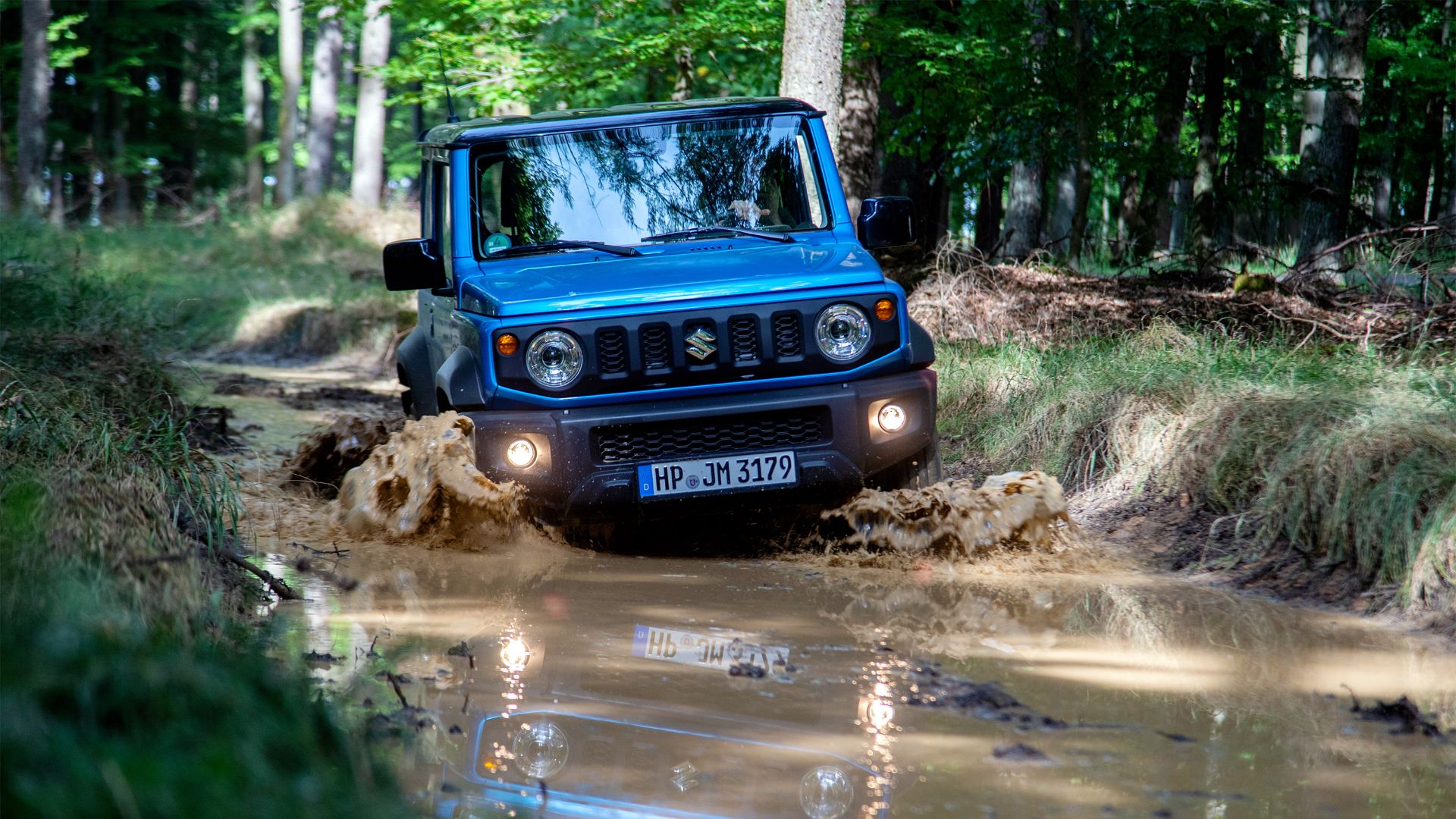
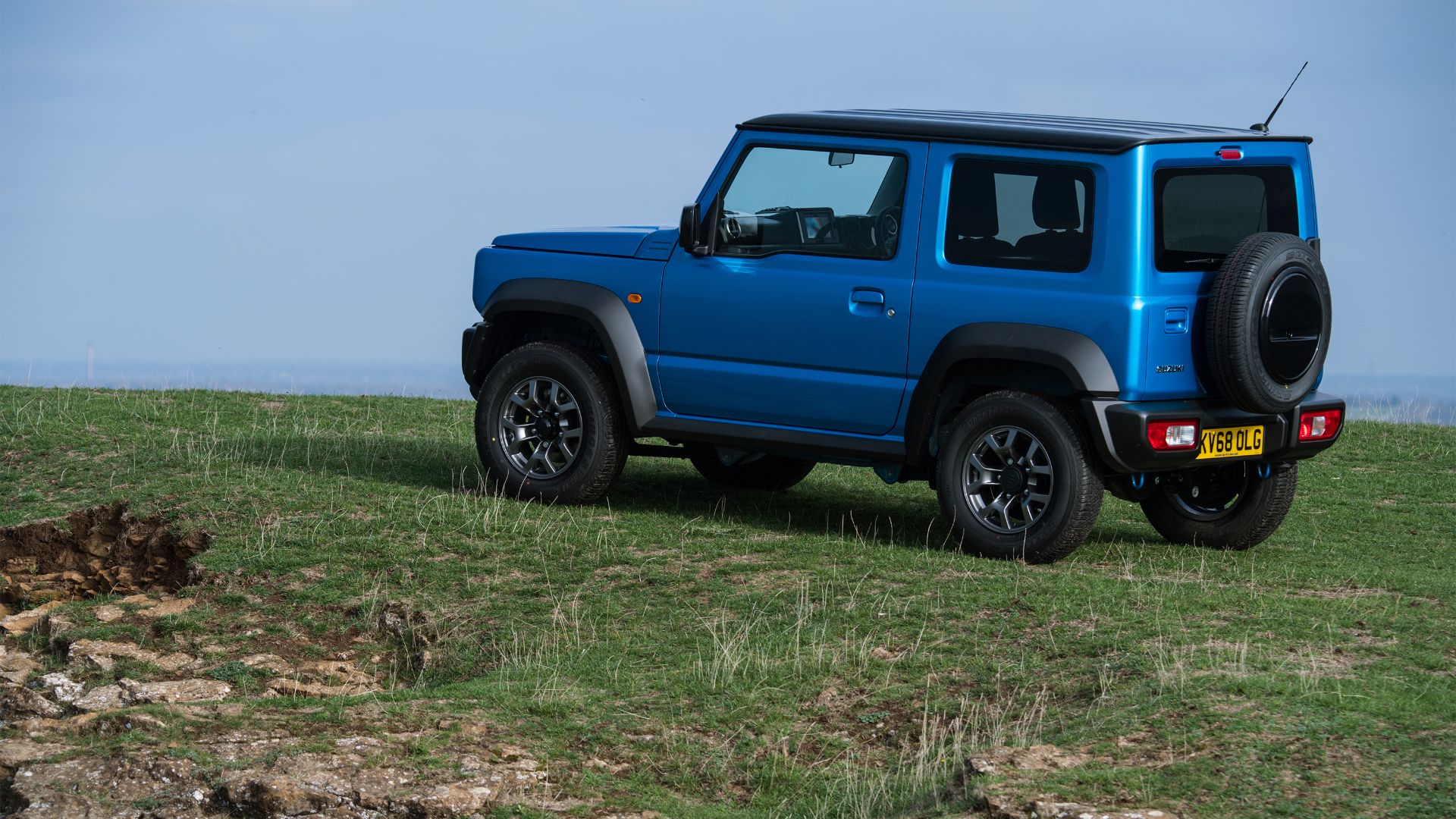
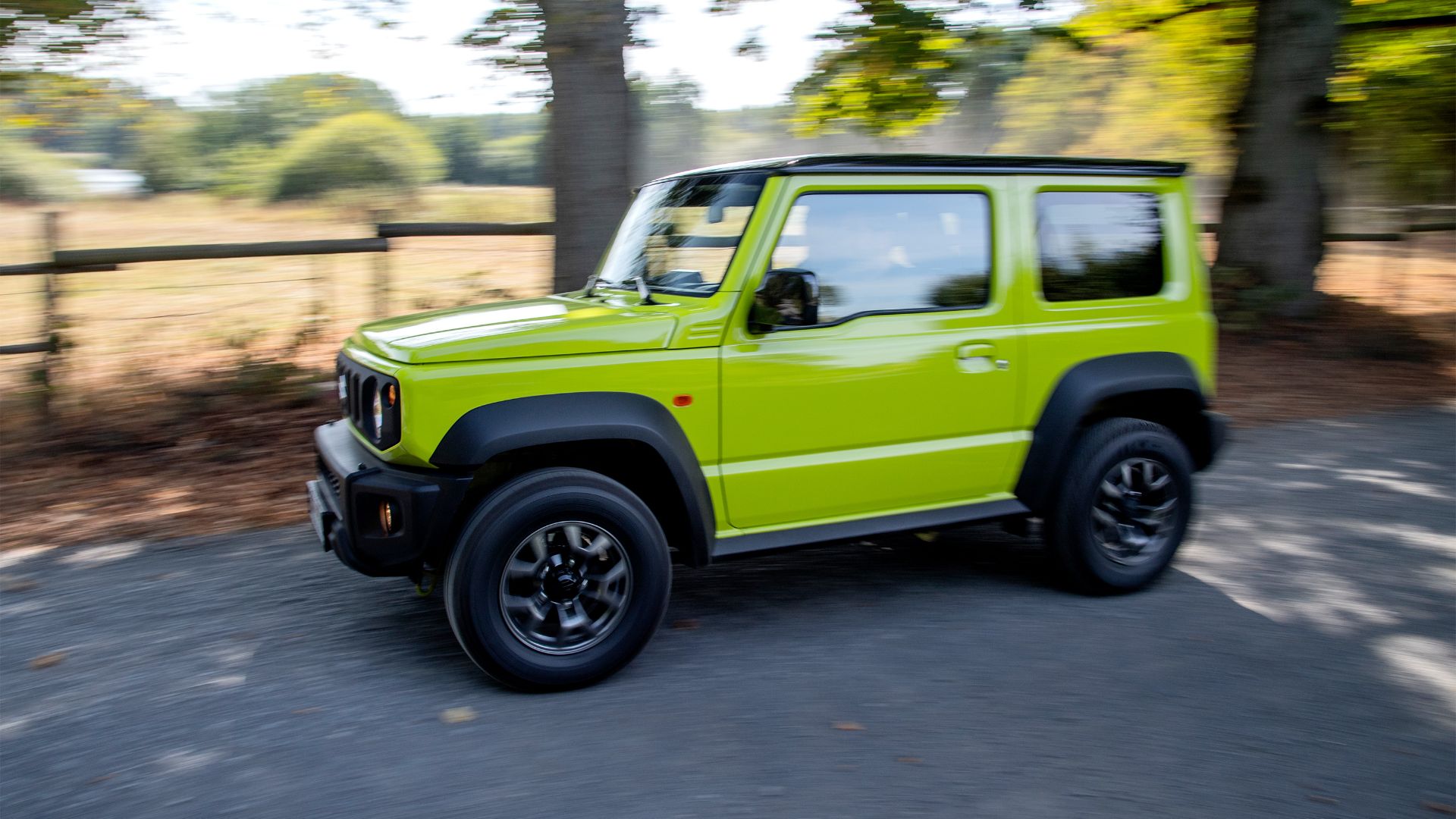
Incoming EU emissions laws have led Suzuki to stall Jimny sales in Europe. Supply of the Jimny SUV was already restricted, given the negative impact the car has on average fleet emissions. Dealers have been instructed to stop taking orders and, while supply will continue throughout 2020, it will only be in ‘very limited numbers’.
At present, the Jimny’s 1.5-litre naturally aspirated four-cylinder engine produces 170g/km of CO2 when paired with an automatic gearbox. That’s more than the 370hp 3.0-litre turbocharged six-cylinder BMW M340i. The manual Jimny emits 154g/km.
The rest of the Suzuki range should be getting some form of electrification soon, with 12- and 48-volt mild hybrid systems being introduced, and a more efficient engine may follow for the Jimny.
According to Autocar India, Suzuki may continue selling the car under the guise of an ‘N1’ commercial vehicle in 2021. This means it will go without back seats, but also won’t need to comply with the 95g/km EU fleet CO2 average rule.
Suzuki’s official statement reads: ‘Following on from recent media speculation and reports of the future of the Jimny model in Europe, Suzuki GB PLC would like to confirm that the model will remain on sale in the UK in very limited numbers throughout 2020’.
Come 2021, average fleet emissions for larger car companies in Europe have to be below 95g/km. That means, in a very simplified example, if Suzuki sells two cars, with one being zero-emissions and the other emitting 150g/km, its fleet average will be 75g/km. If fleet averages are above 95g/km, carmakers will incur fines.
It is this method of averaging that has caused Suzuki to limit the number of Jimnys sold in the UK from its introduction.
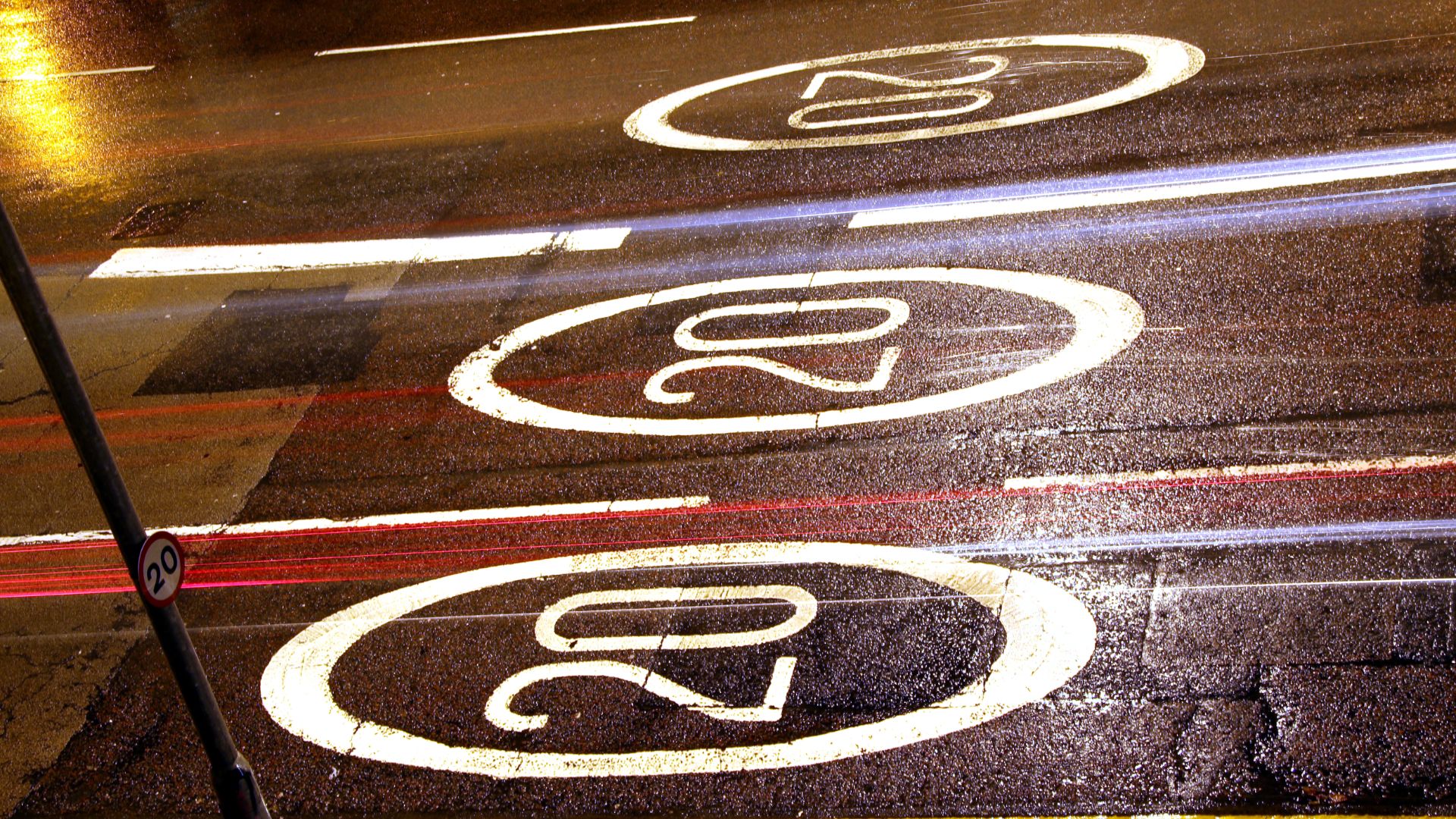
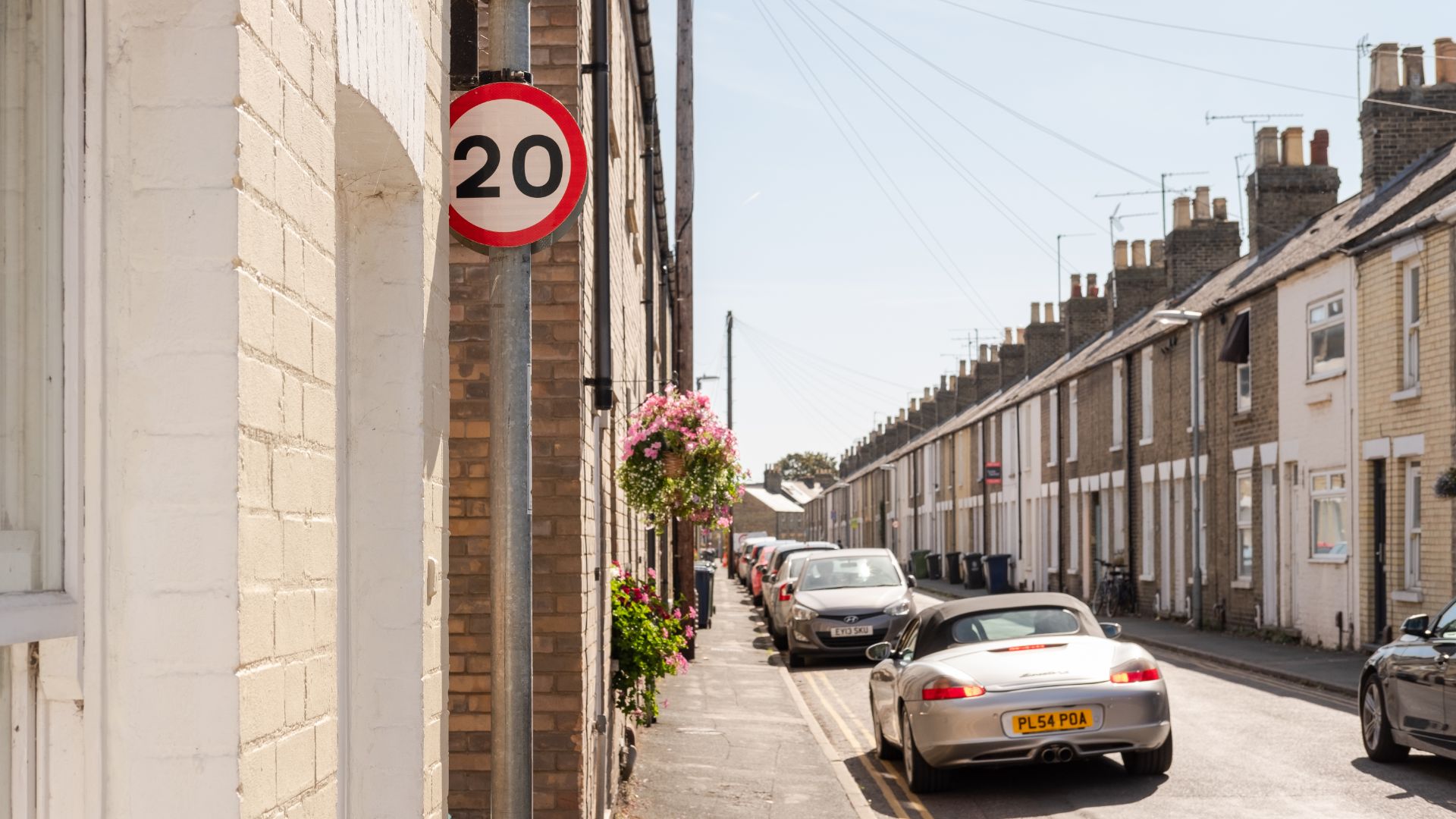
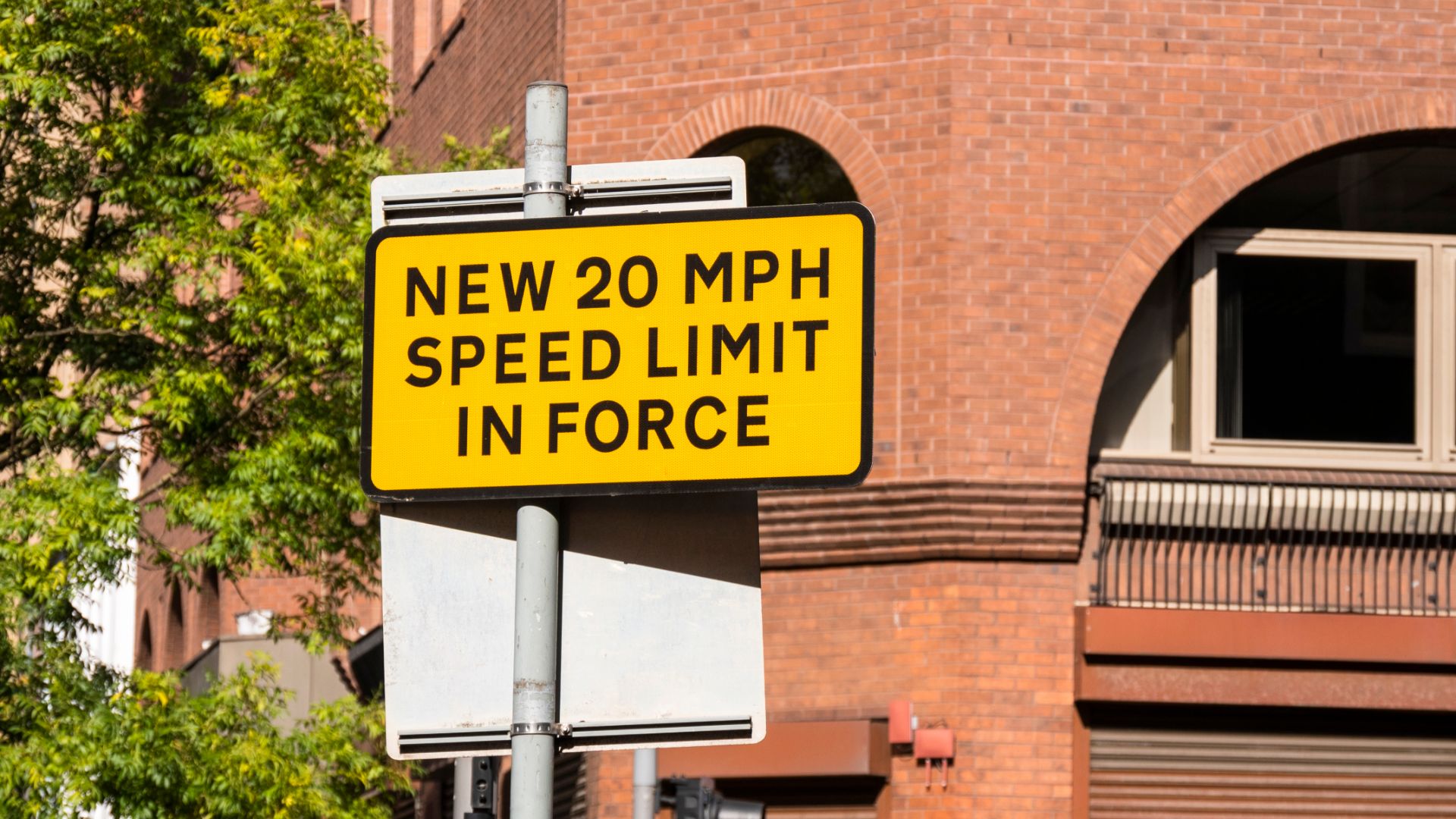
New plans agreed by councils will see a 20mph speed limit implemented across the majority of roads in Glasgow. Residential streets, the city centre and other main shopping areas will be the primary focus for the limit.
The goal is to improve safety in pedestrian and cycling hotspots, reduce noise and cut congestion.
It will also help towards Glasgow’s goal of achieving net-zero carbon emissions by 2030. A similar measure was recently approved in Essex, with a 70mph limit being dropped to 50mph to cut pollution.
Research cited by councillor Anna Richardson, city convener for sustainability and carbon reduction, has found that 20mph limits result in a 31 percent reduction of incidents.
“It’s well known that lower speeds reduce the risk of accidents, but also reduce the severity of any injuries suffered by those involved,” she followed.
“Safer roads will make walking and cycling a much more attractive option for getting around the city. Many cities across the country are introducing a widespread 20mph limit and the evidence that’s being gathered shows that the impact on journey times for cars and buses has been minimal.”
82 percent of drivers make test-fail errors AFTER passing
Streets that don’t get the 20mph limit will retain a 30mph maximum. The plan is now going through the statutory traffic regulation process and should be fully implemented after four years.
Currently, around 179 miles of Glasgow’s streets are limited to 20mph. Under the new plan, that could jump to over 870 miles, as residential streets are added wholesale to the tally.
The expansion of the new limit is expected to cost around £4.35 million. After a recent relaxation of the rules on traffic calming, that’s significantly reduced from the initial forecast of around £25 million.
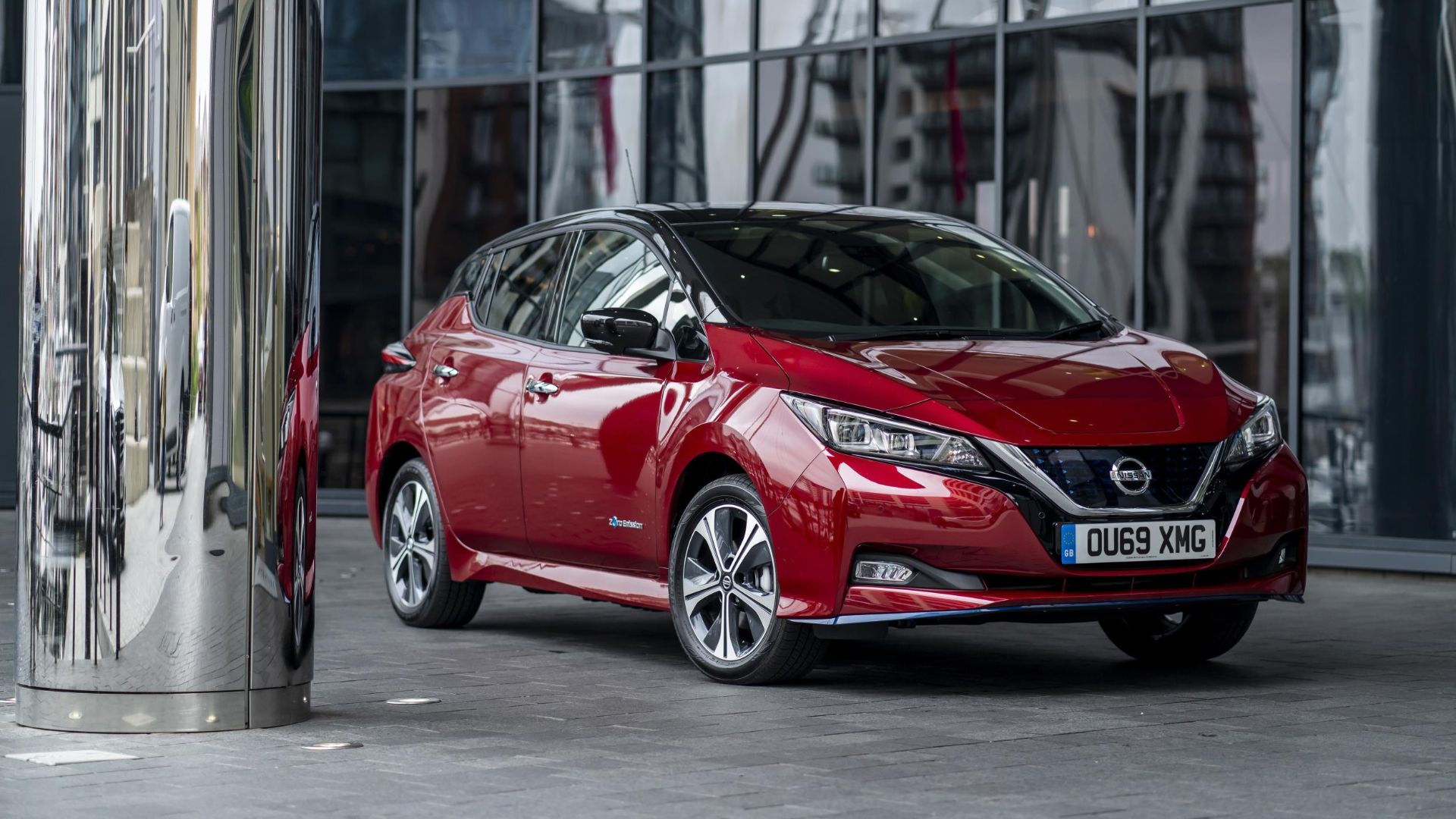
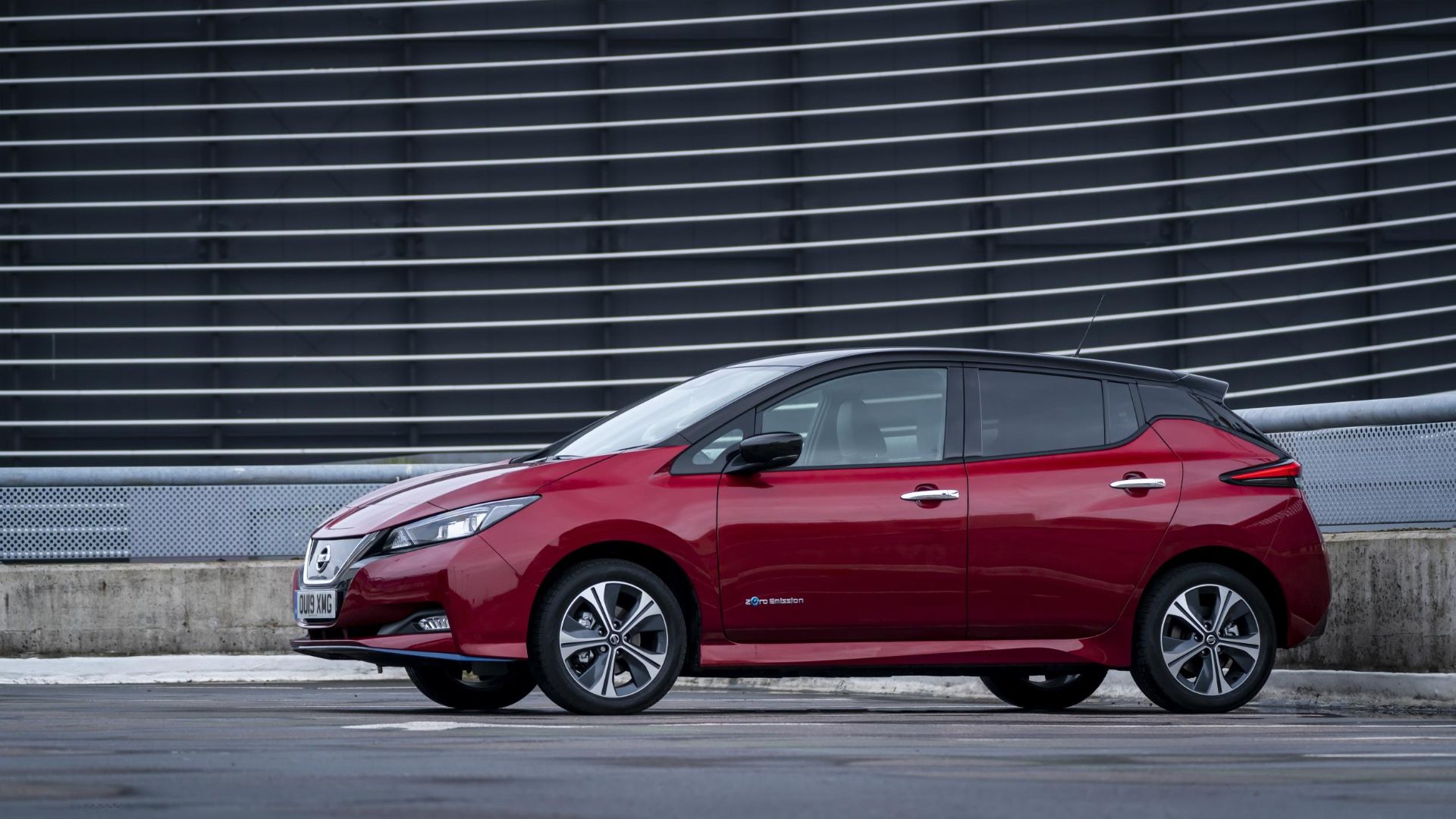
Nissan has signed a deal for up to 2,000 Leafs to be made available for Uber drivers in London. The move is a big step towards the ride-hailing company’s goal of making its entire London fleet electric from 2025.
The Leafs will be offered to app-using drivers as a part of the company’s ‘Clean Air Plan’, which launched a year ago. Nissan will also give Uber a dedicated EV education programme, a special price and a marketing plan to help accelerate EV uptake. At present, Uber has 45,000 drivers working in London.
Not fare: taxi costs to rise 21 percent if Uber leaves London
“Through innovation and collaboration, companies like Nissan and Uber can tackle the challenges of advancing personal urban mobility, whilst also improving air quality in our major cities,” said Andrew Humberstone, managing director of Nissan GB.
“As the UK’s best-selling EV, the Nissan Leaf is the perfect vehicle to support Uber’s ambition of a 100 percent electric fleet in London for 2025.”
The Clean Air Alan is designed to help Uber drivers move to EVs. A clean air fee of 15p per mile is added to all London journeys, which goes towards helping drivers with the cost of adopting one.
The company raised £80 million in the first year, while a further £200 million or more is expected over the coming years.
The plan is expected to save Uber drivers an average of £4,500 on the cost of switching to an EV. So far, 900,000 Uber journeys have been in EVs, an increase of 350 percent on 2018. On average, 500 drivers a week are using EVs exclusively.
“Our bold vision for London is for every driver on the Uber app to use an all-electric vehicle by 2025,” said Jamie Heywood, regional manager for Uber in northern and eastern Europe.
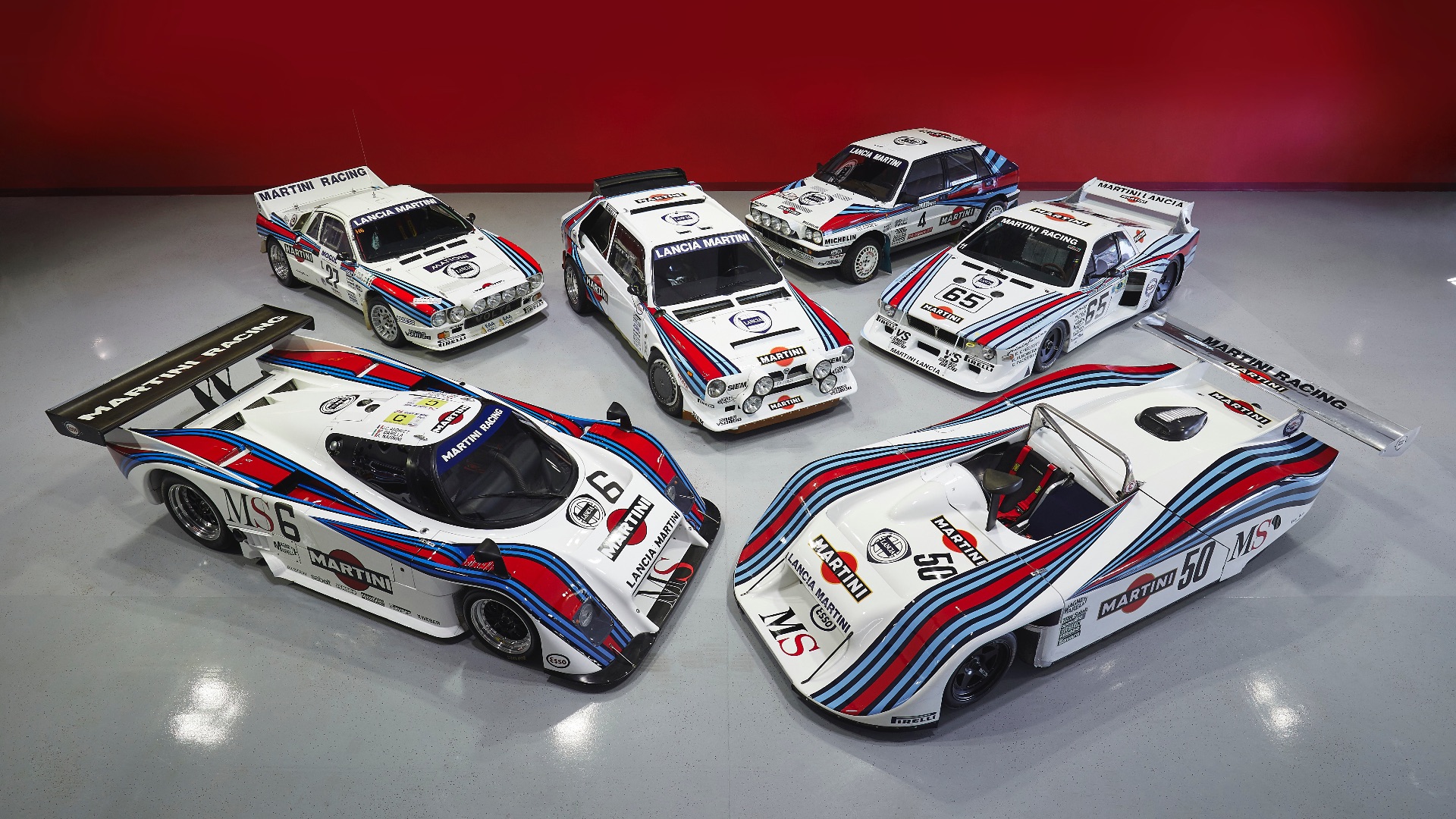
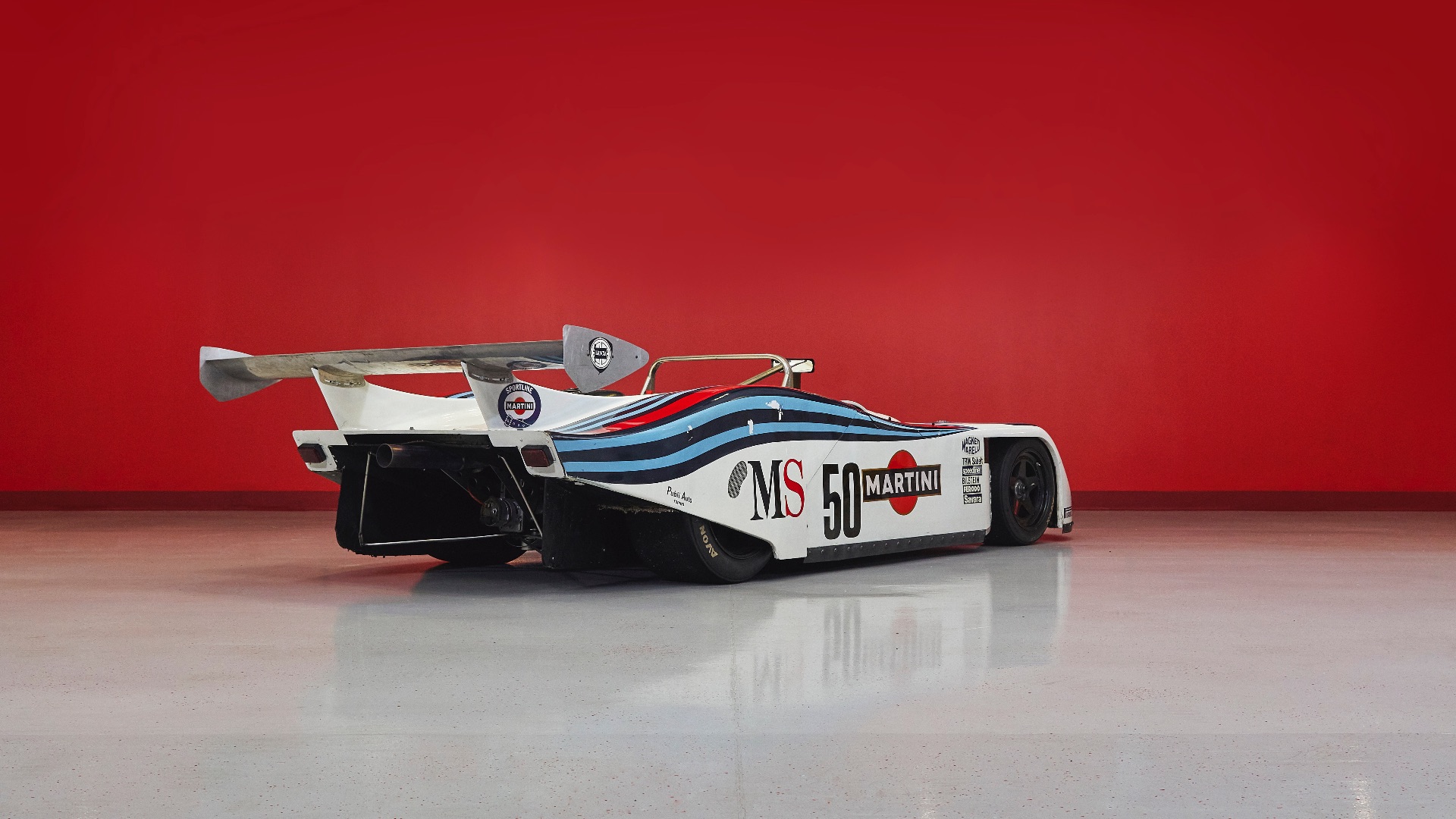
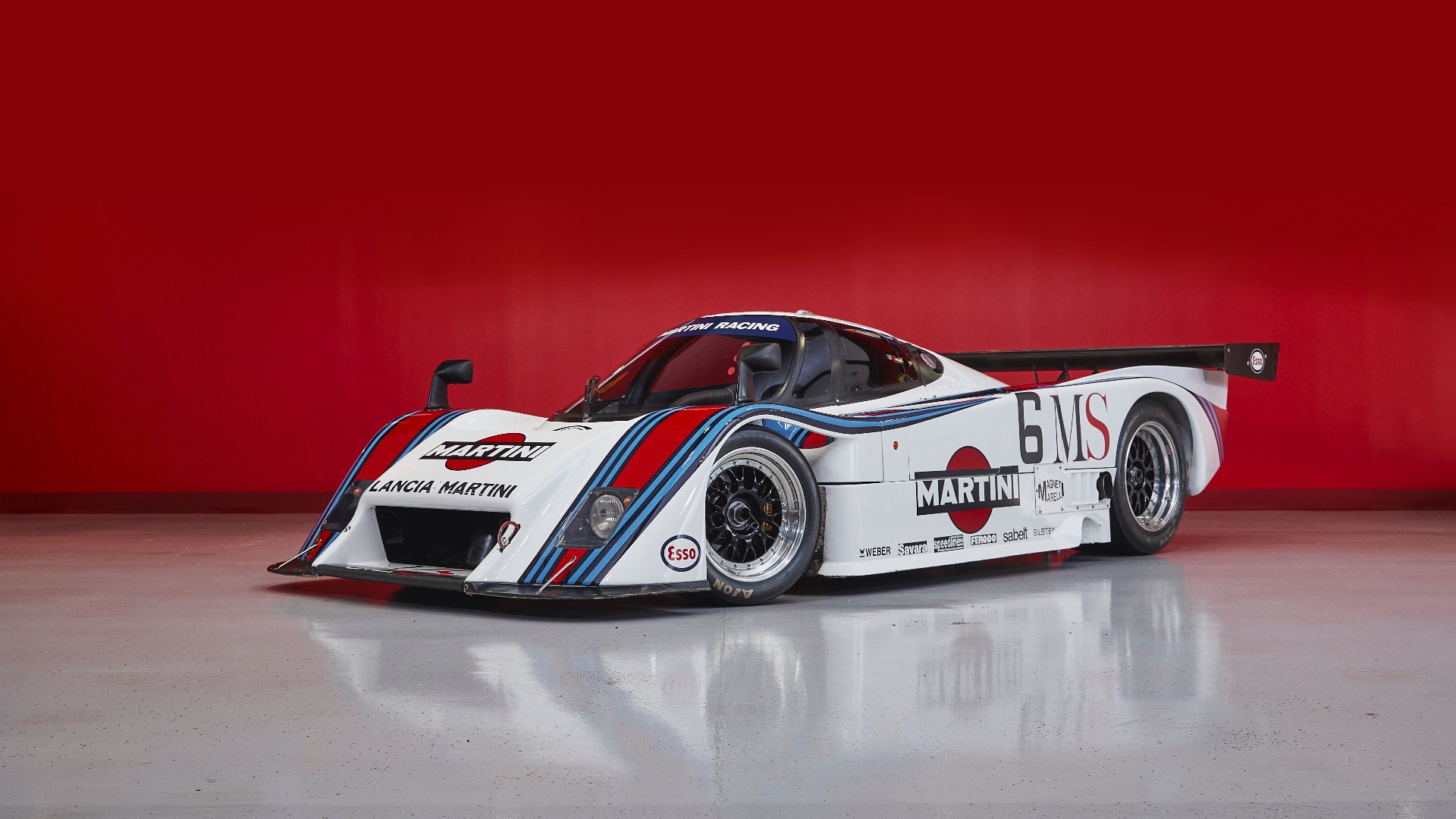
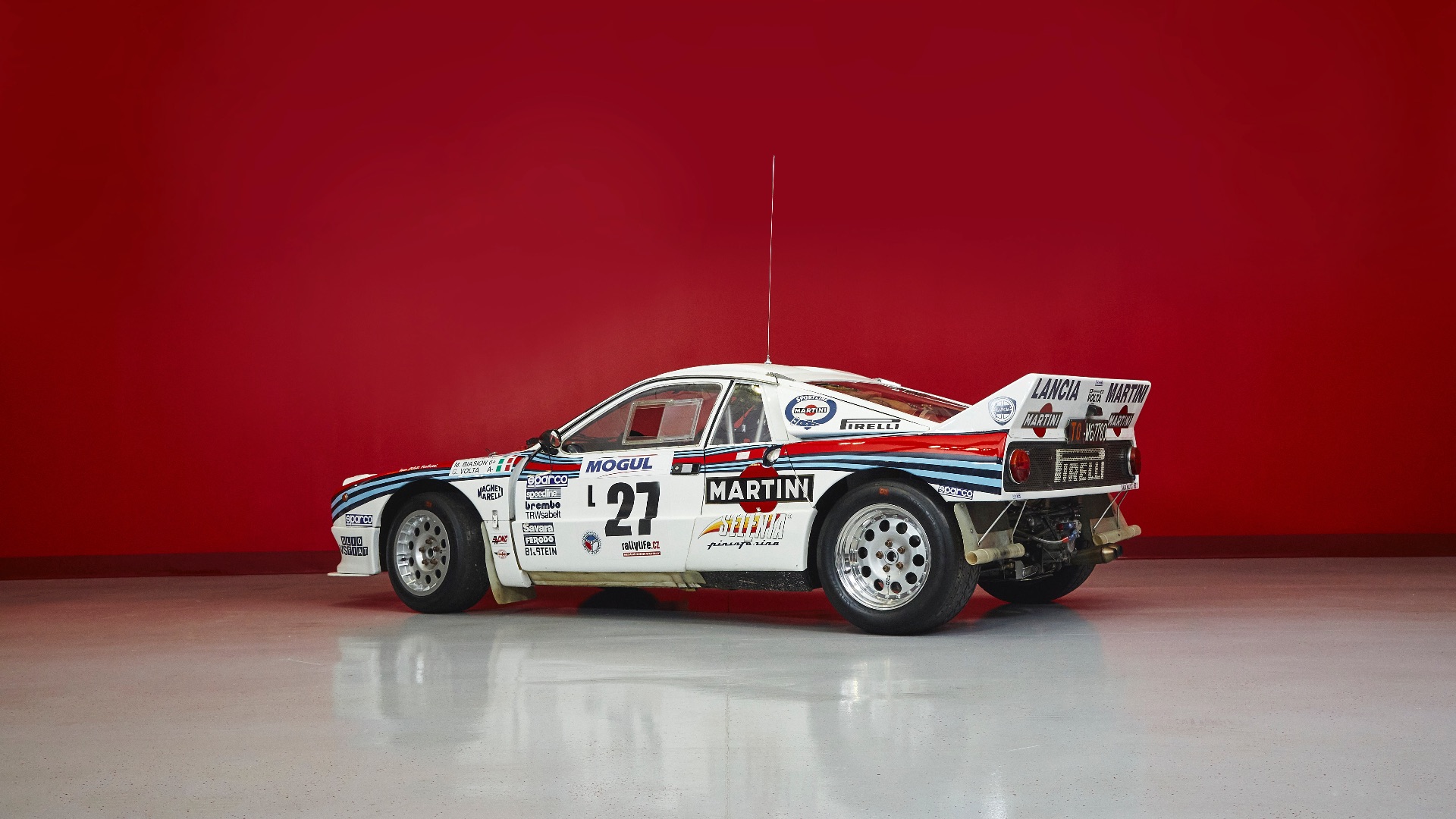
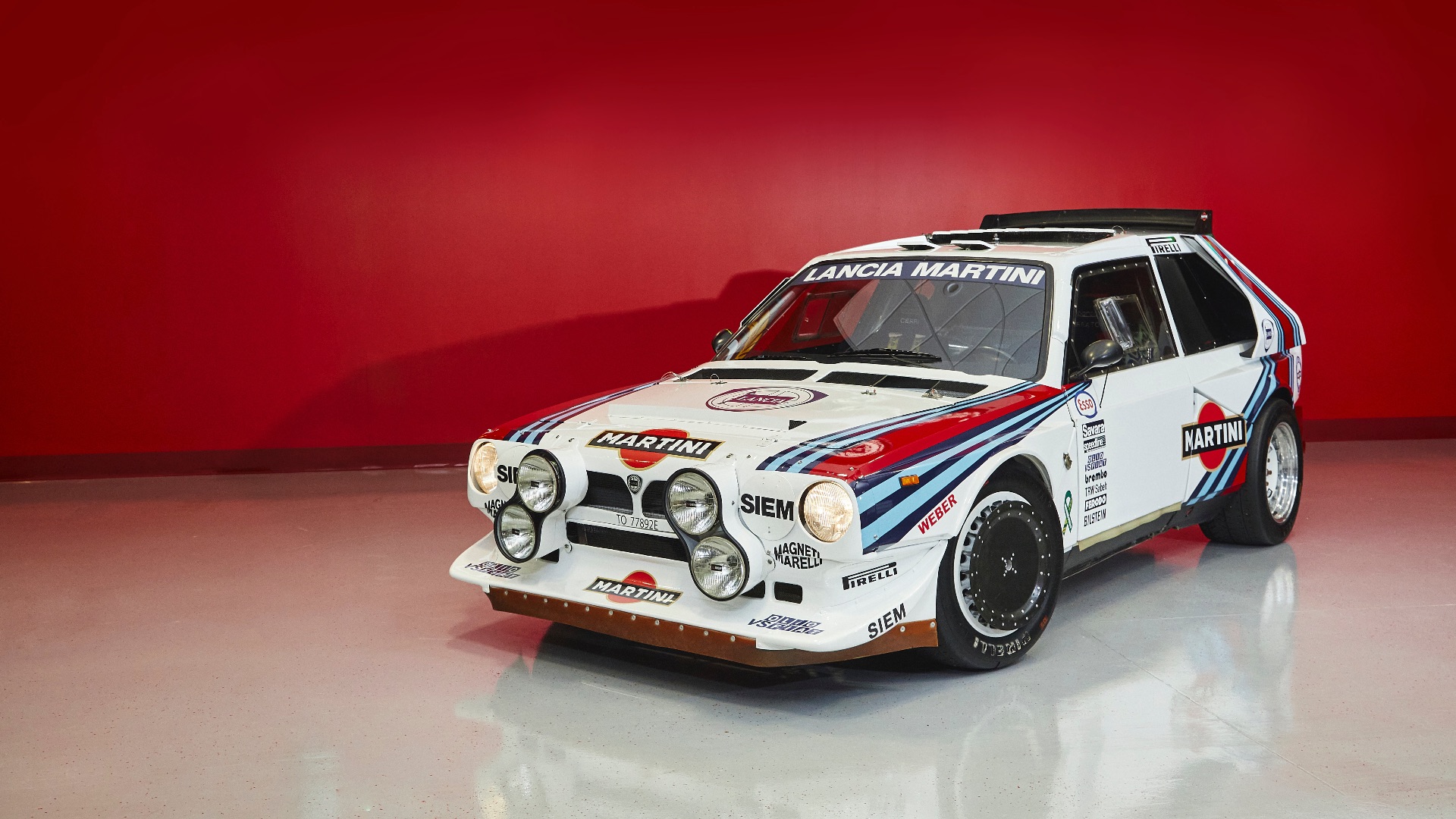
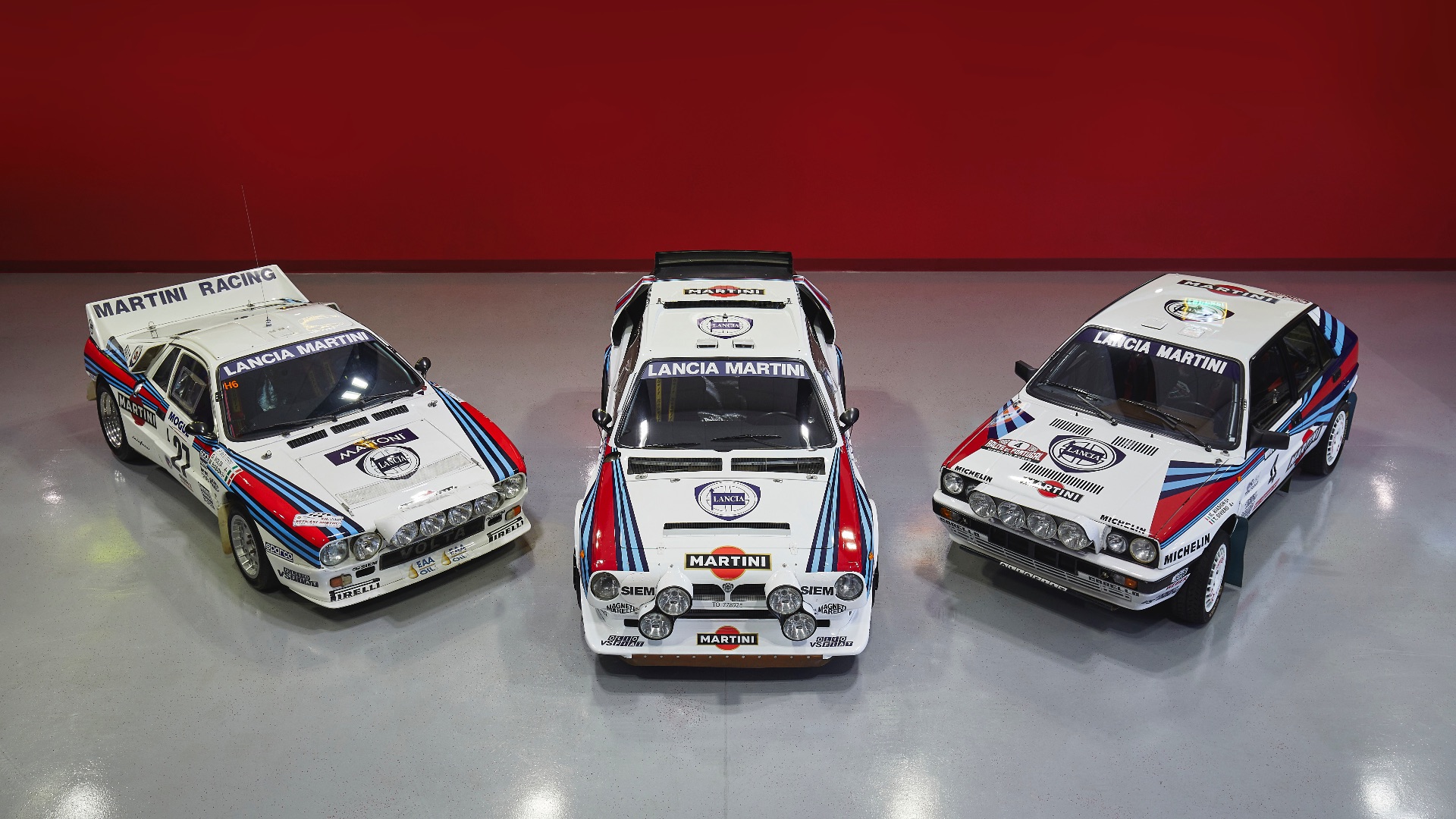
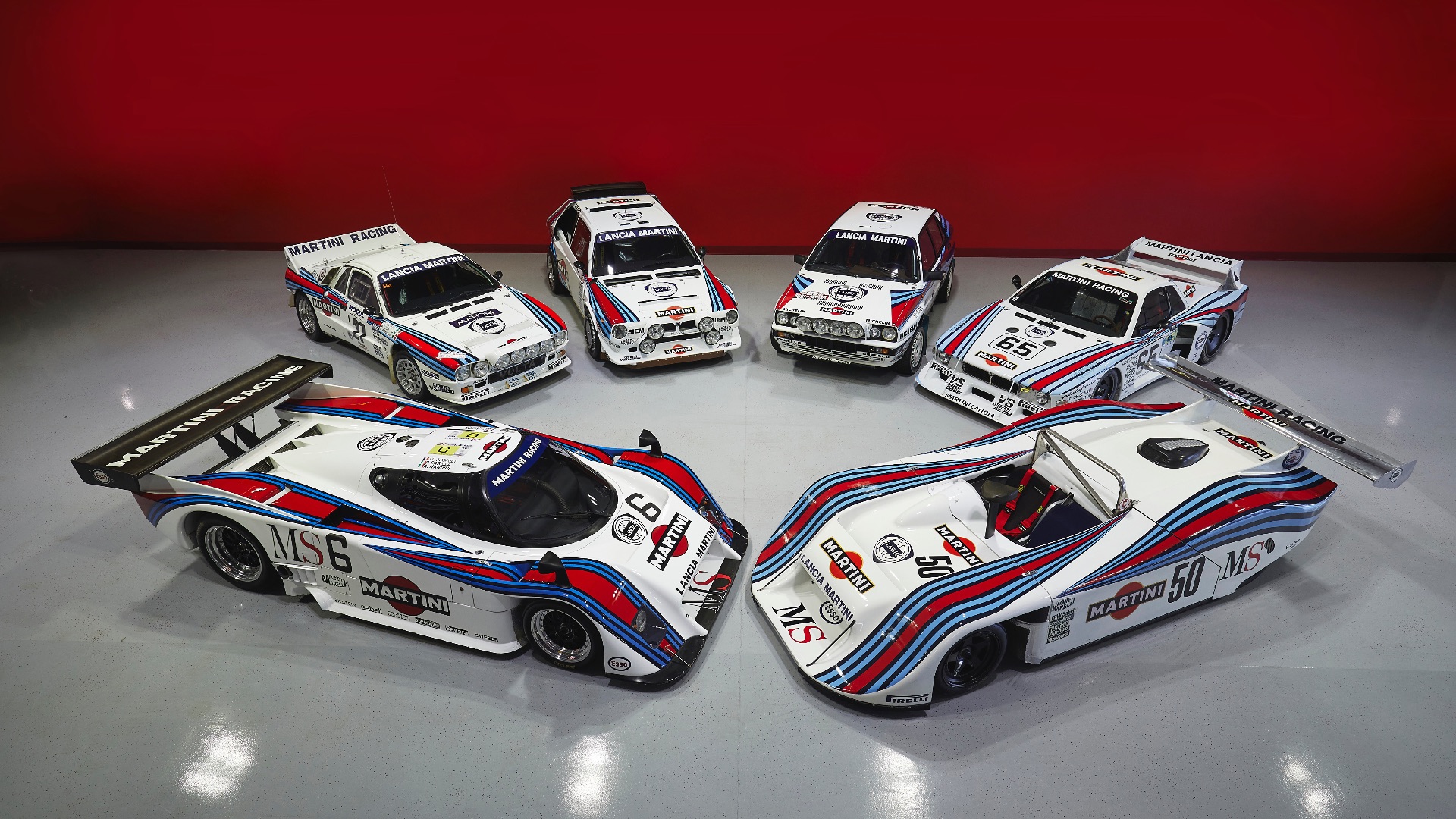
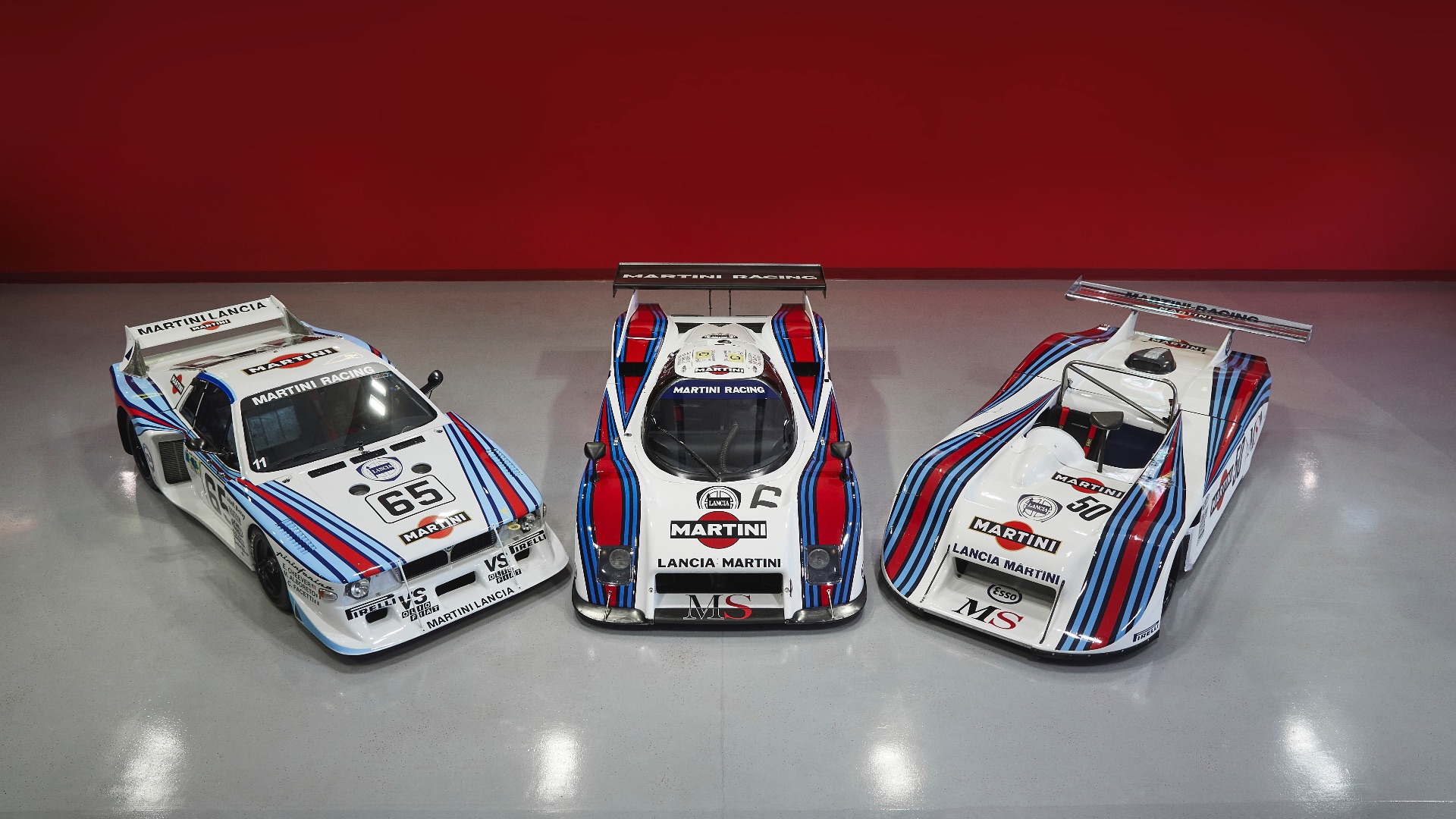
Lancia was once a motorsport superpower. From Le Mans to rallying, in the 1980s there wasn’t a race worth watching without a Martini-liveried Lancia putting in a shift. Now, Girardo & Co is offering an unprecedented collection of Martini Lancias for sale, priced at $7.5 million (£5.7 million). We look at the cars in detail, including period photos of these amazing machines in action.
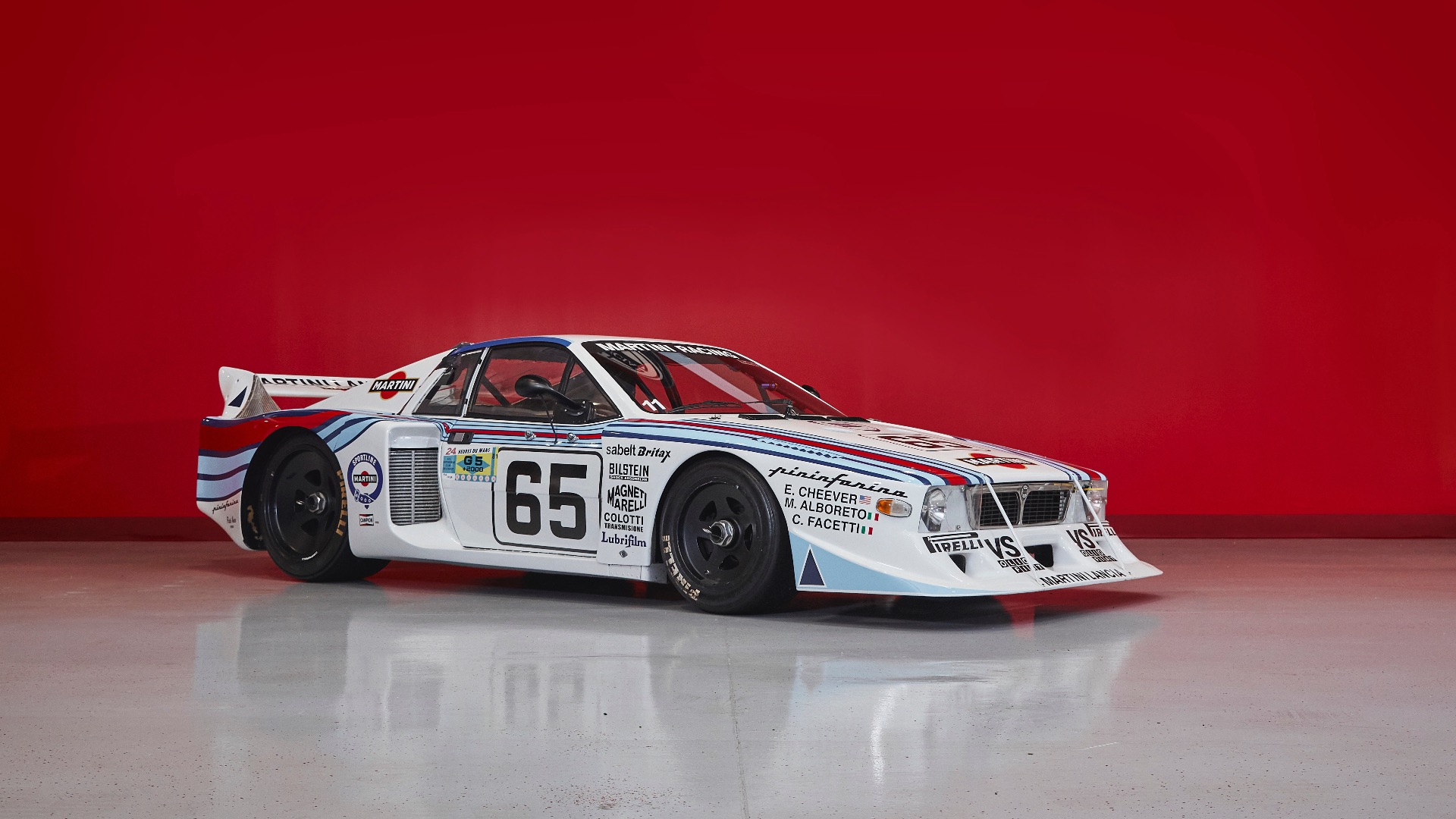
Lancia Beta Montecarlo
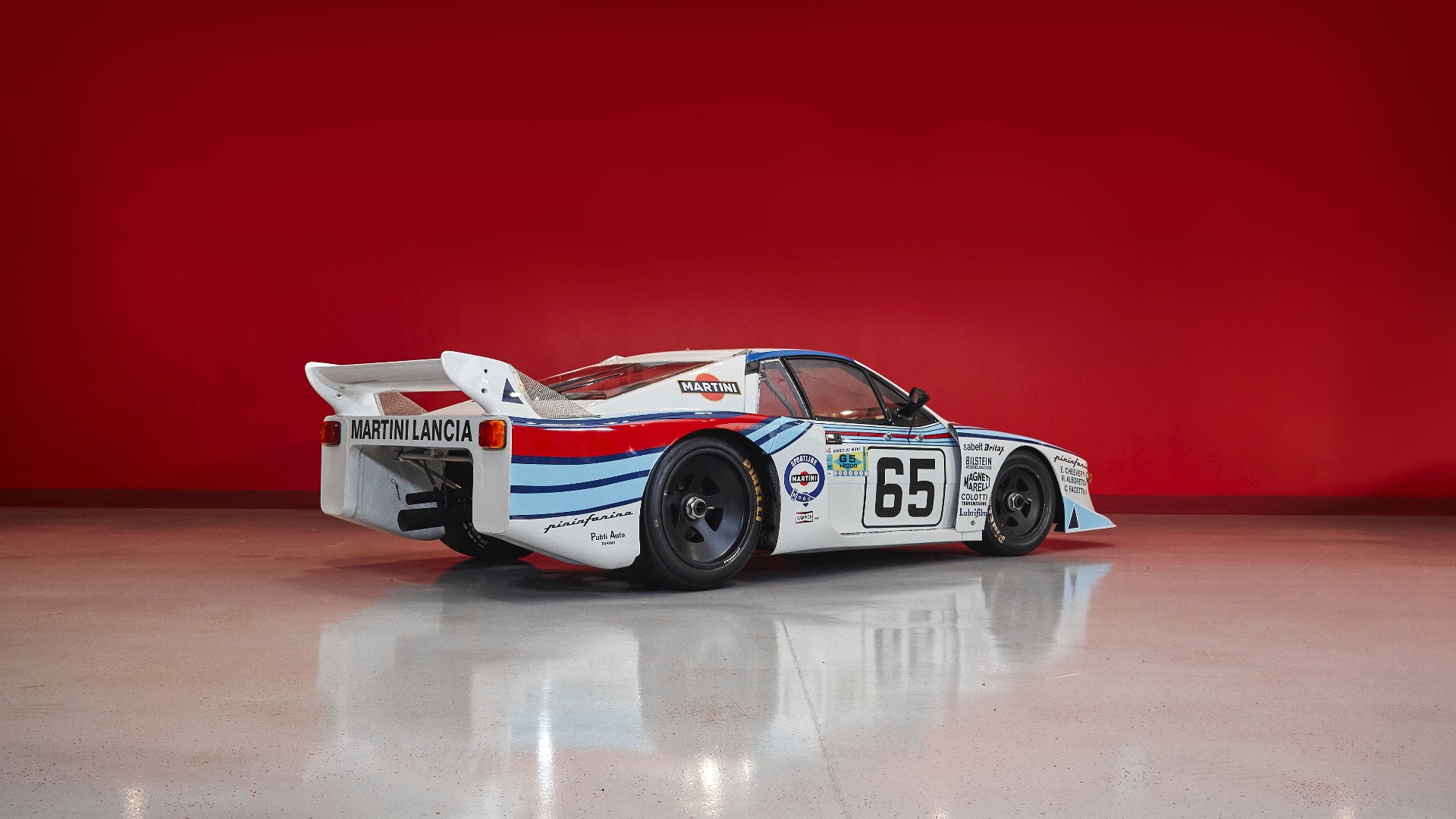
This was Lancia’s submission to the Group 5 special production class of sports racers in the late 1970s and early 80s. Based on the diminutive Montecarlo road car – albeit very loosely – it was the marque’s first entry into racing for eight years when it debuted in 1979. A fan-favourite today, it rarely met the challenge of Porsche’s dominant 935.
This car, chassis 1009, was also the first works Lancia to race at Le Mans since the 1950s. It won its under-2.0-litre class in both 1981 and 1982.
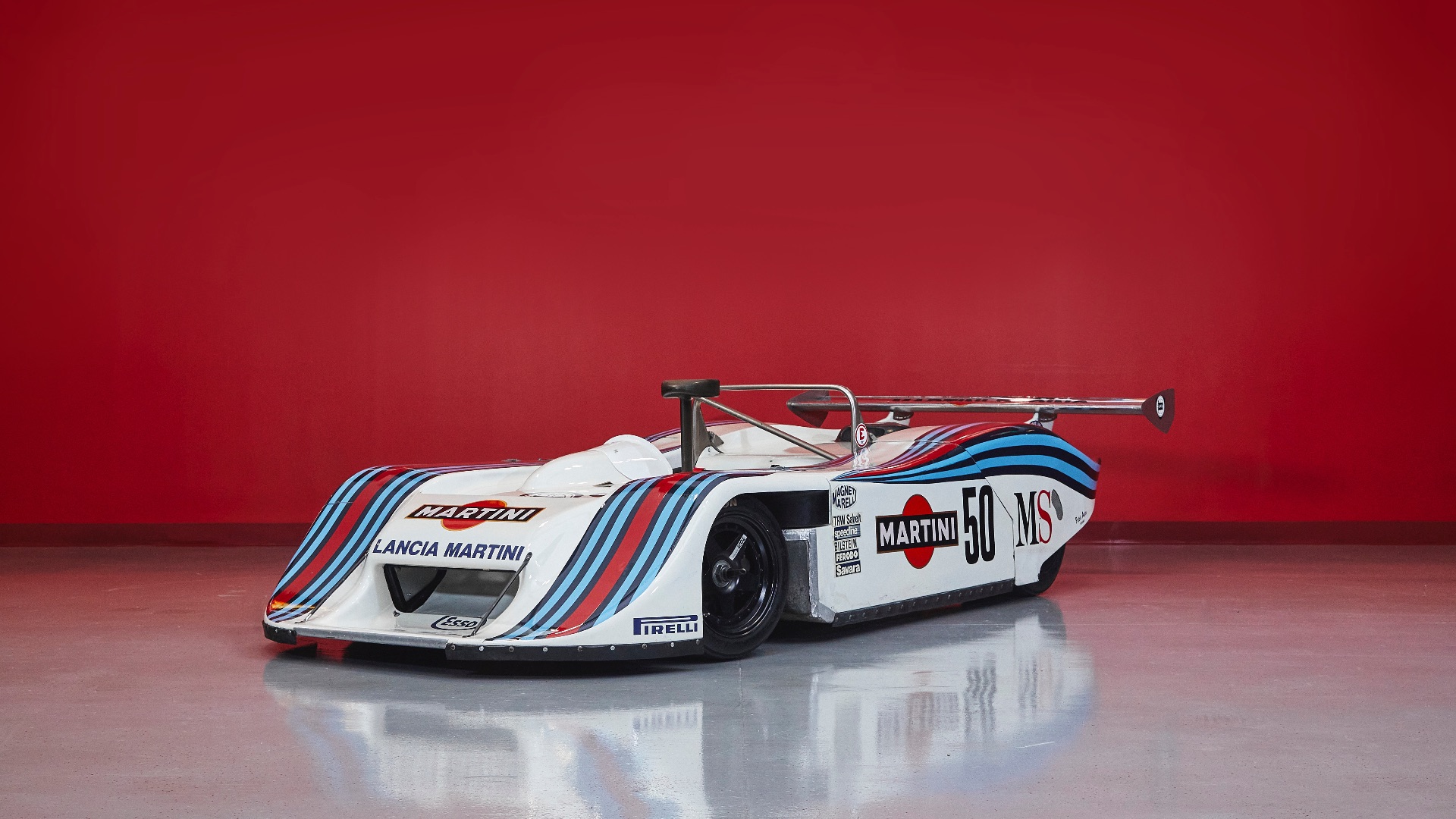
Lancia LC1
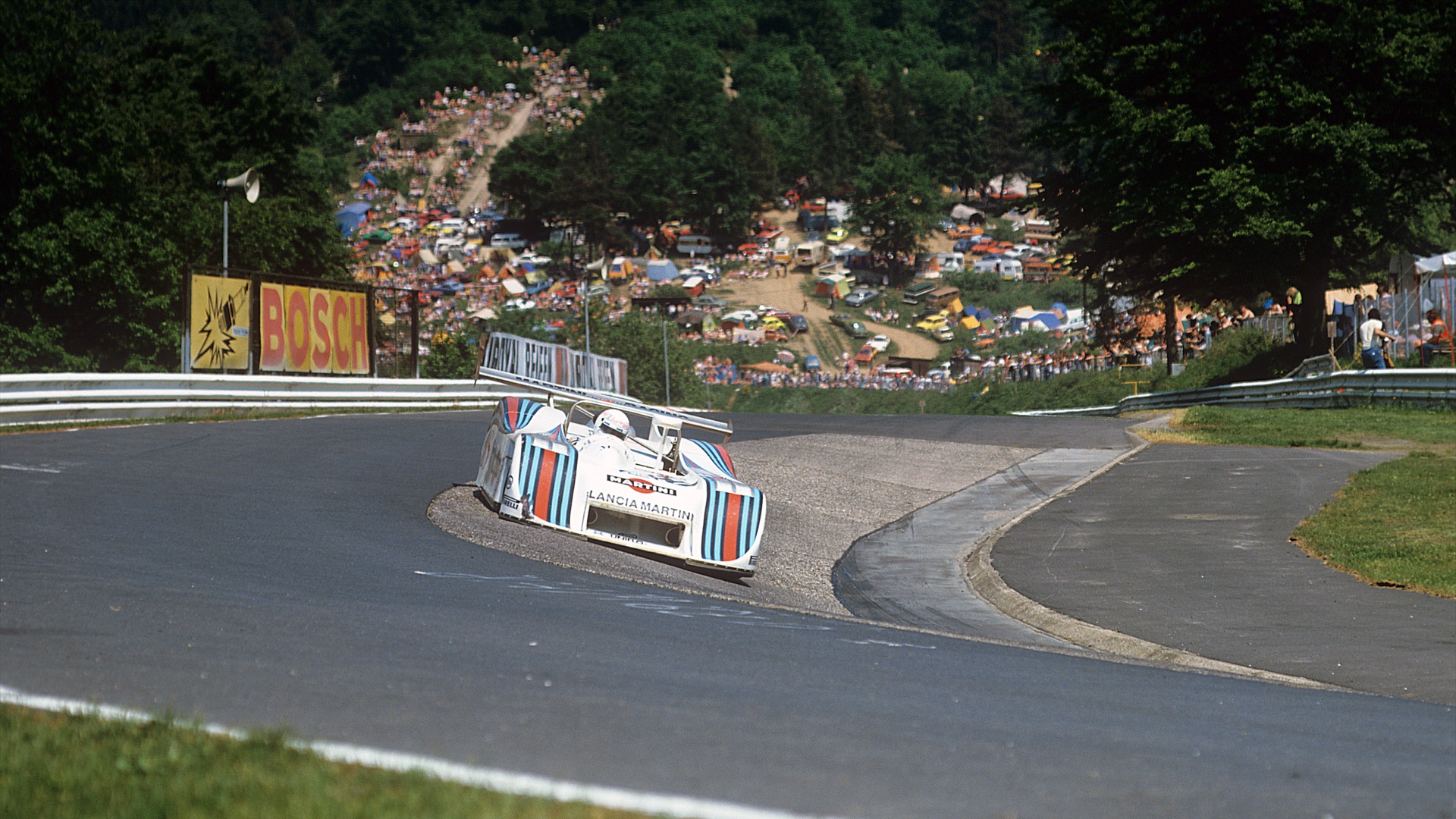
The Beta’s reign was short-lived, as Group 5 special production made way for Group 6 dedicated prototypes. The LC1 was Lancia’s entry, installing a 400hp+ Abarth 1.4-litre turbocharged engine in a lightweight open-top chassis.
This LC1 was a force to be reckoned with, scoring an overall win at the 1982 Nurburgring 1,000km, with F1 aces Michele Alboreto and Riccardo Patrese at the helm.
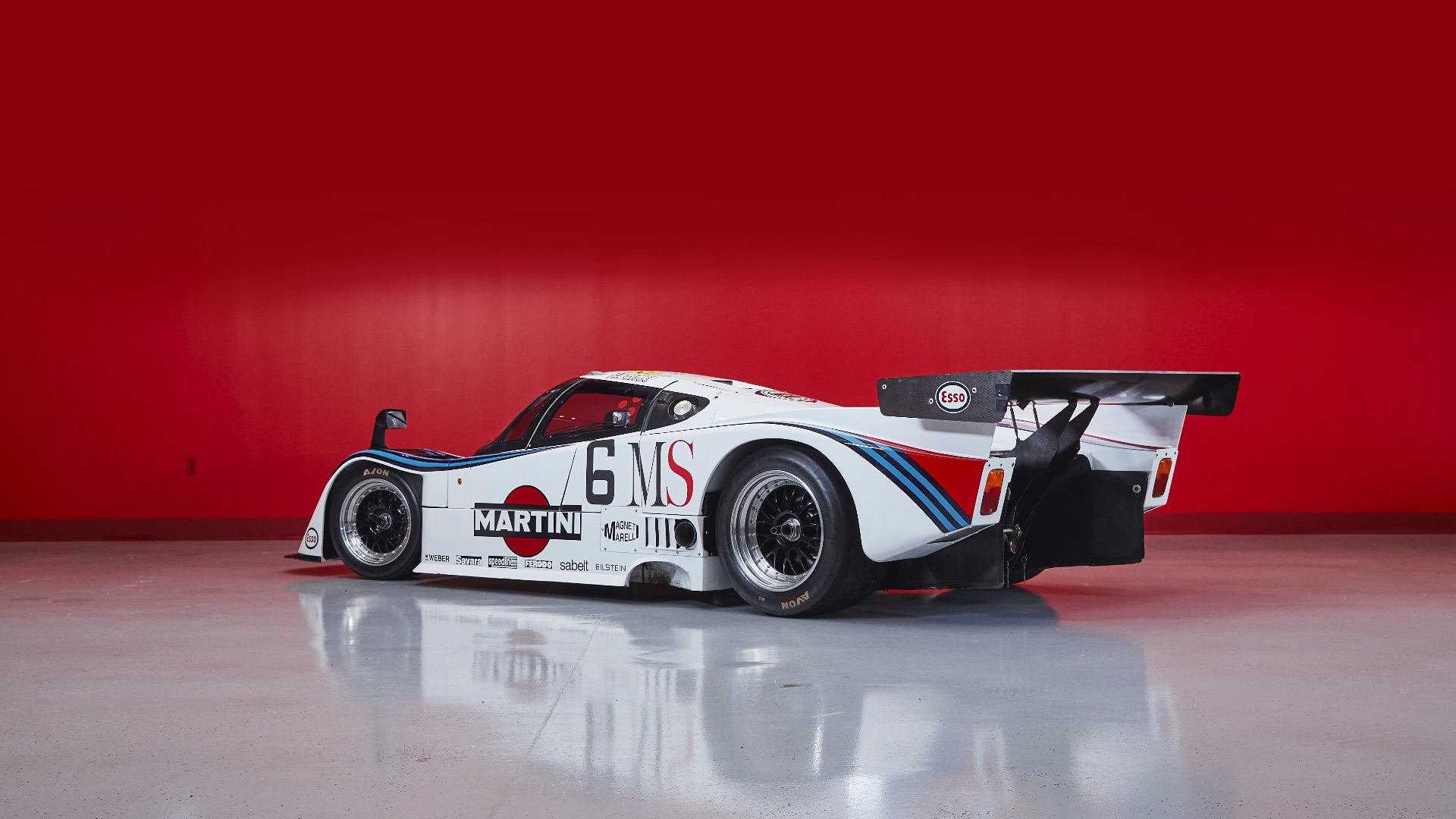
Lancia LC2
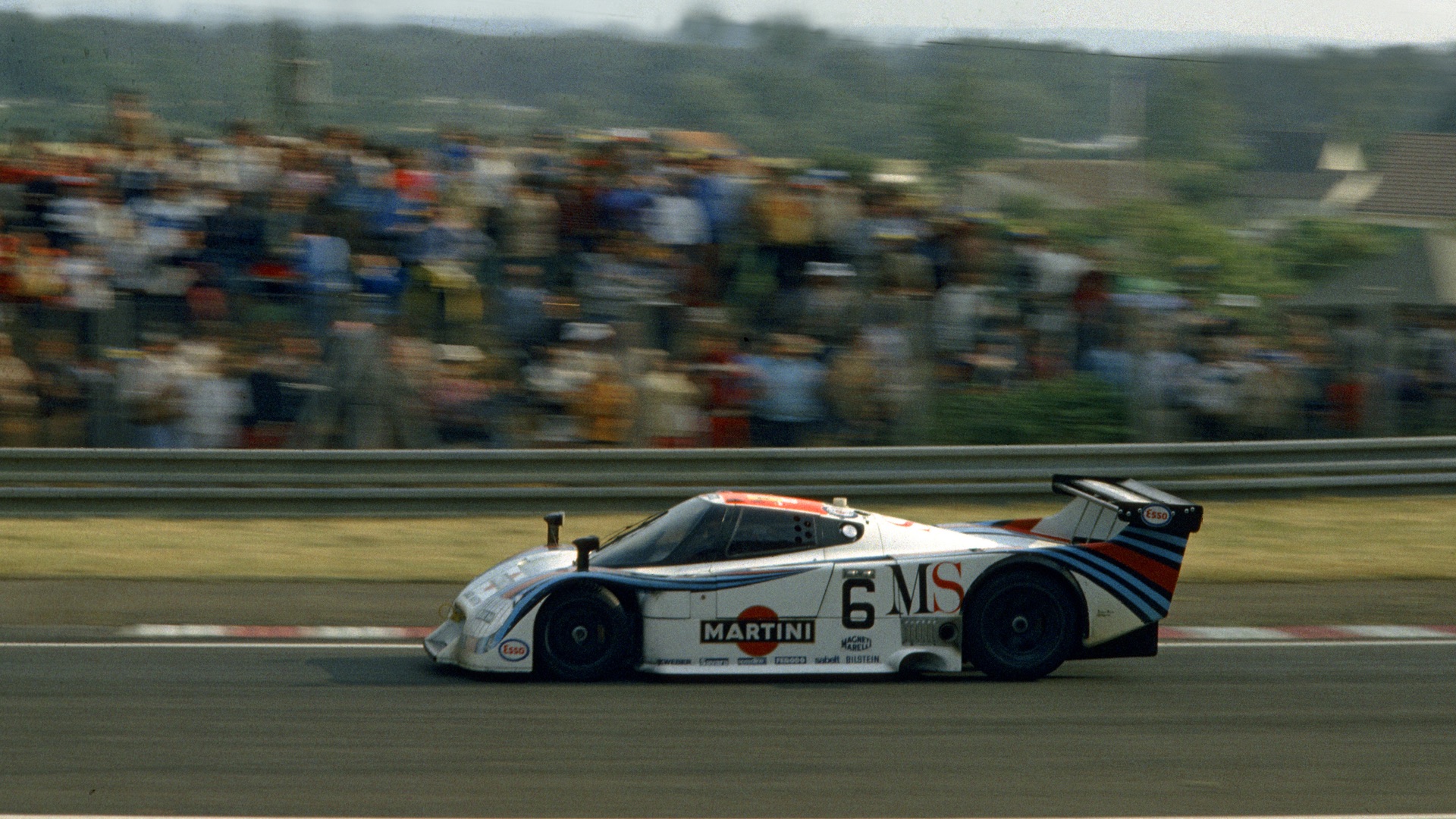
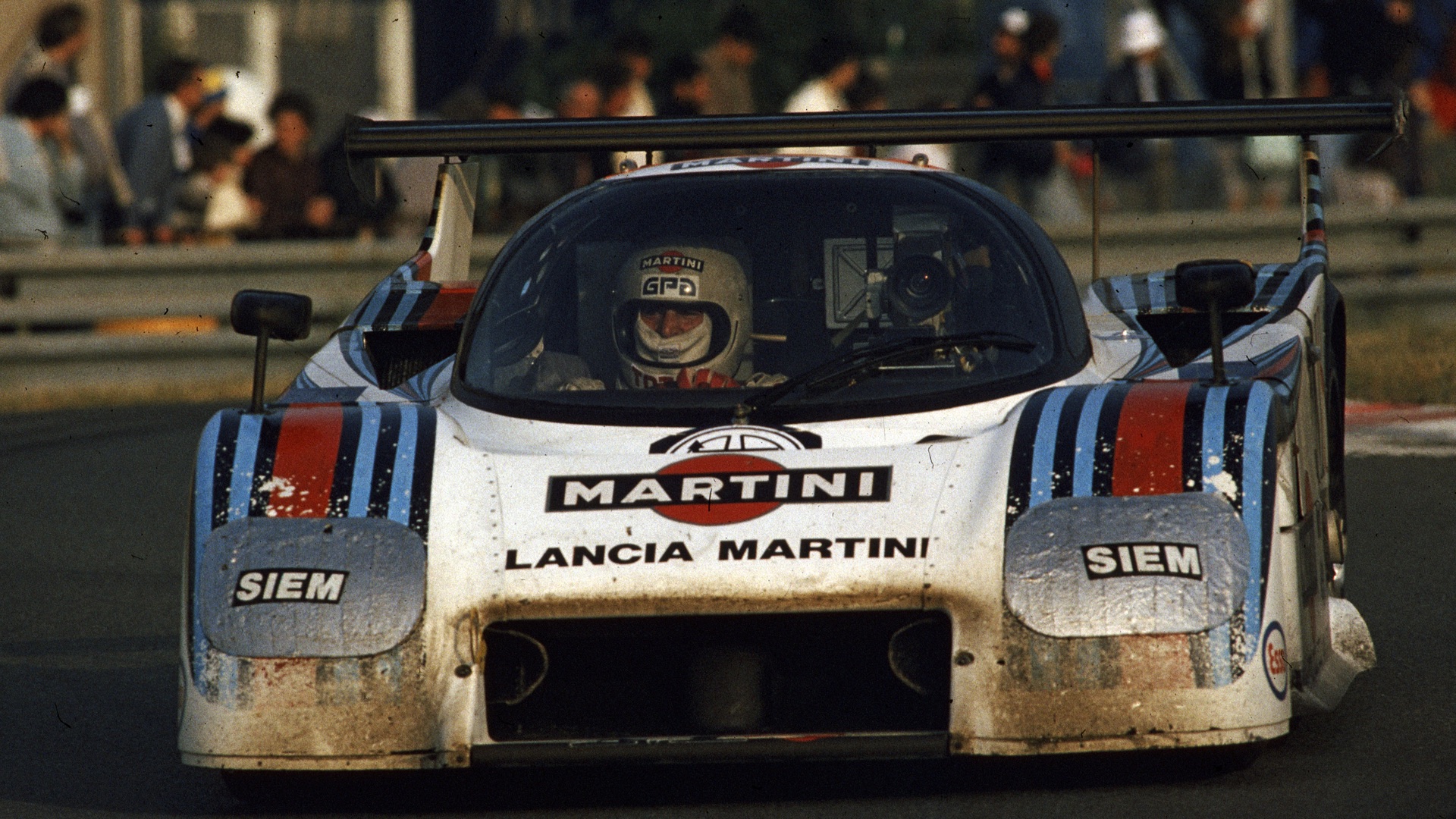
The LC2 took things up a notch in 1983. Now in the monstrous Group C class, it ditched the four-cylinder turbo for a Ferrari V8 with two KKK turbochargers. It was good for 850hp in qualifying trim, but still wasn’t quite up to the might of Porsche’s legendary 956.
This car is actually the first LC2 made, for the 1983 season. It didn’t get off to a flying start, crashing out at Monza and retiring from Le Mans with turbo failure. Ever the underdog but hugely desirable, it’s one of the coolest pieces in the Campion Collection.
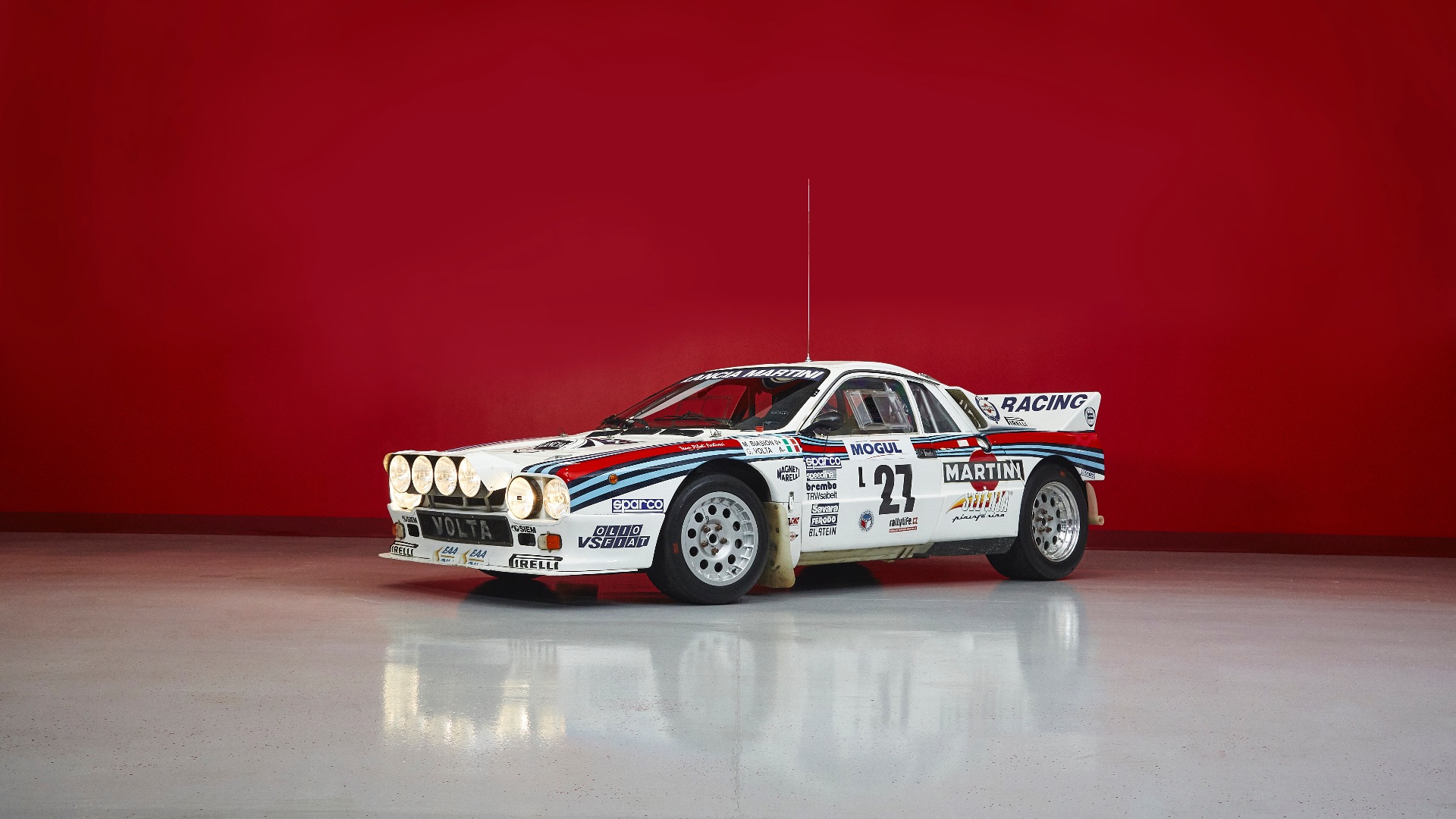
Lancia 037 Evo 2
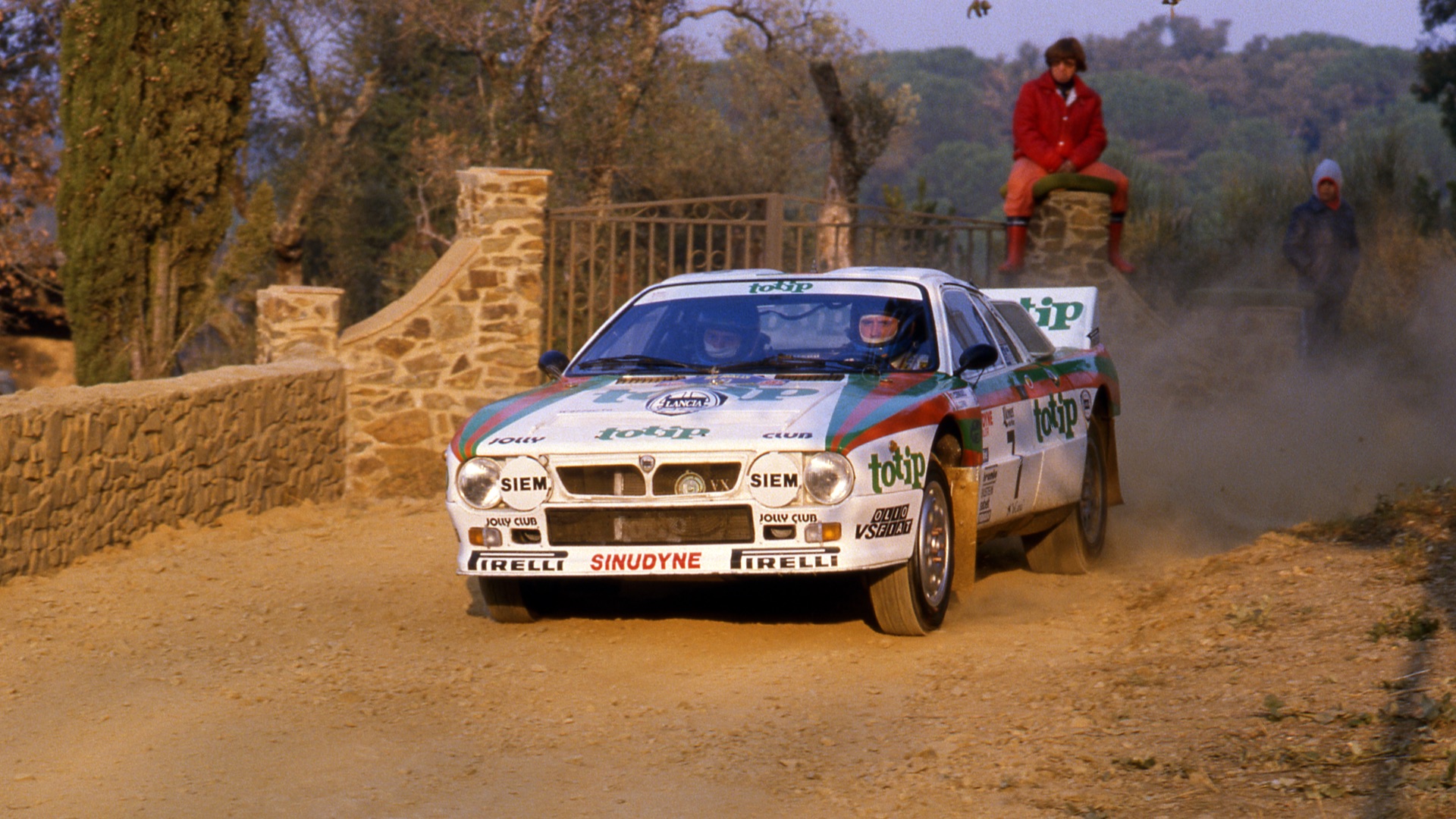
Off the racetracks and into the wilderness, Lancia was a rallying superpower in the 80s. Like the Beta, the 037 also used the Montecarlo as a base, but to much greater effect. It won the 1983 World Rally Championship for Lancia, beating the legendary Audi Quattro.
However, the tide turned a year later, as all-wheel-drive started to dominate rallying. That’s why this particular car, a 1984 Evo 2, didn’t find the success of its 1983 predecessor.
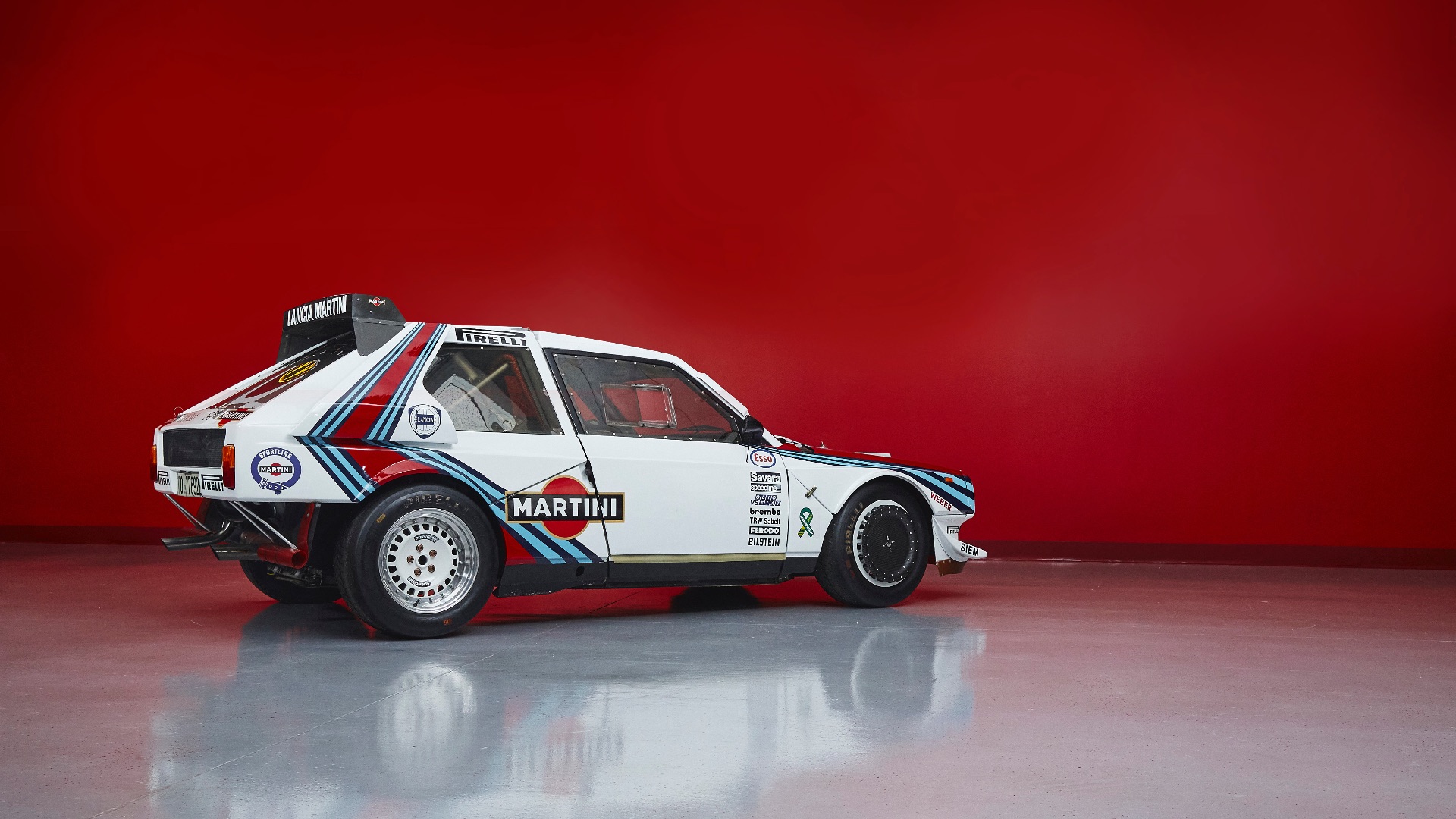
Lancia Delta S4
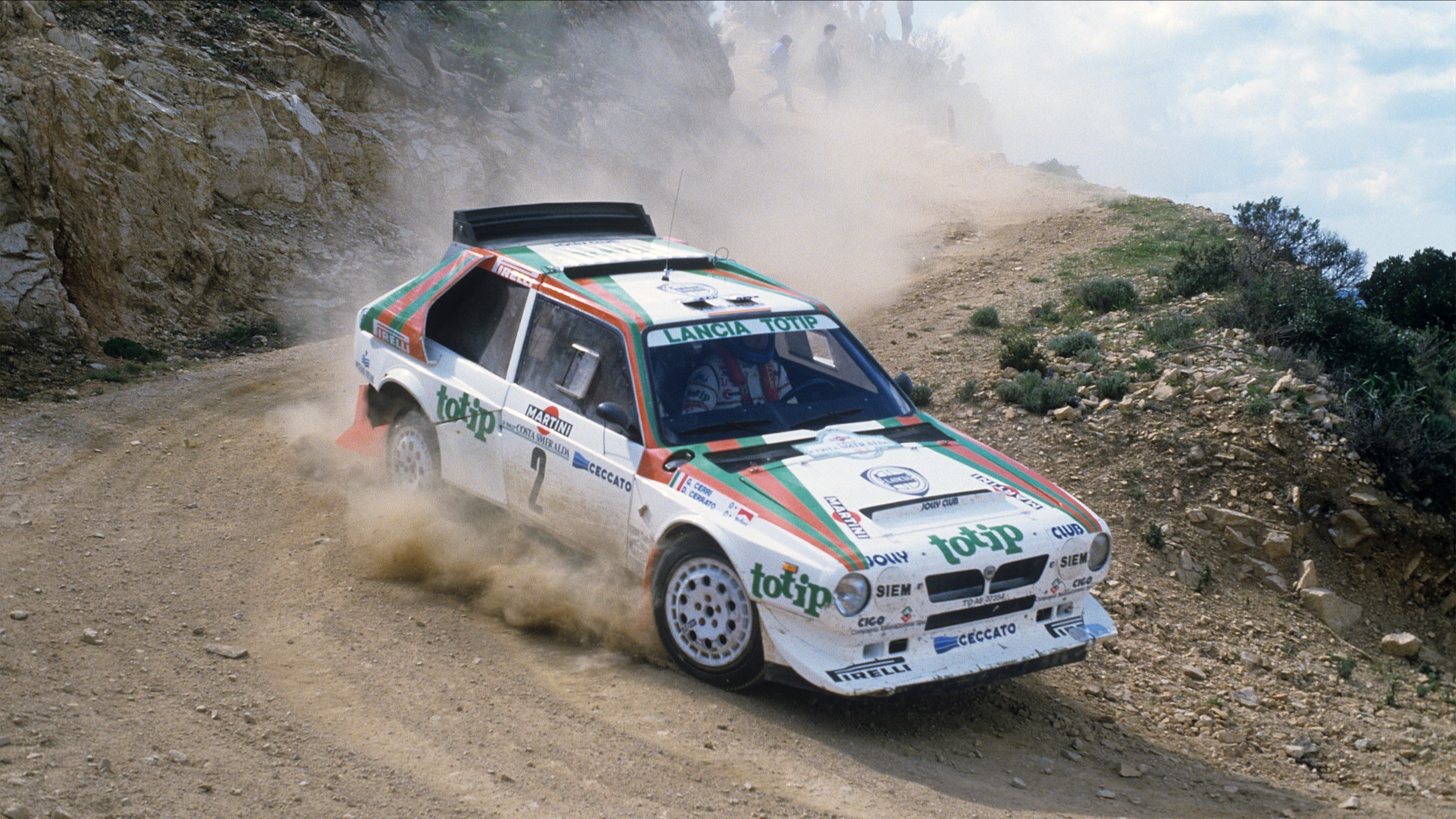
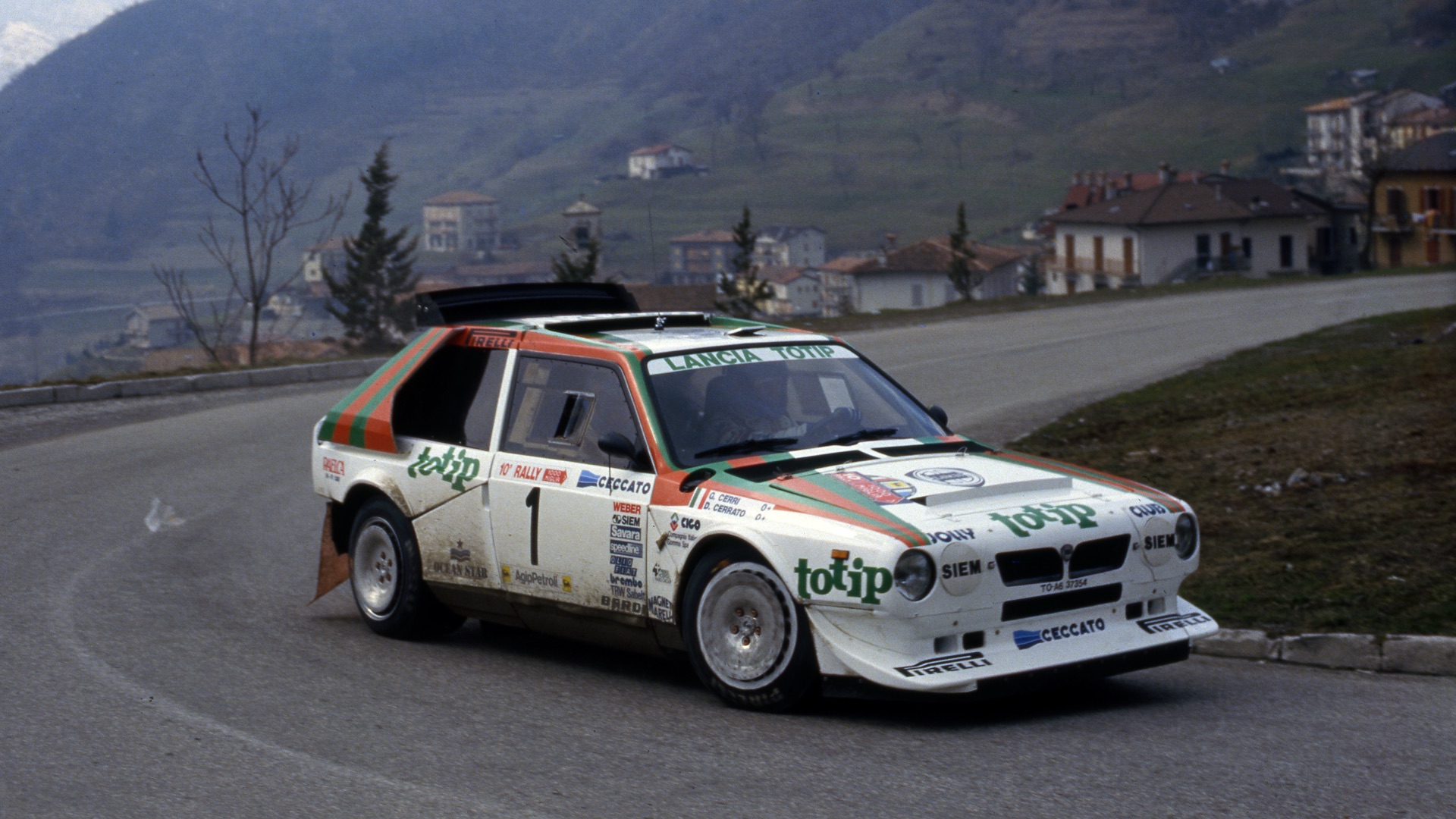
The Delta S4 was Lancia’s all-wheel-drive answer, turning an agreeable hatchback into a turbocharged and supercharged mutant. All in, the Delta S4 racked up five rally wins during 1985 and 1986. It’s also infamous for being the car that ended Group B rallying. The class was abolished after a fatal accident with an S4 in 1986, which claimed the lives of Henri Toivonen and Sergio Cresto.
This particular car won the 1986 Rally 1,000 Miglia with reigning European Rally Champion Dario Cerrato at the wheel. World Rally Champions Markku Alen and Miki Biasion also tested in car number 208.
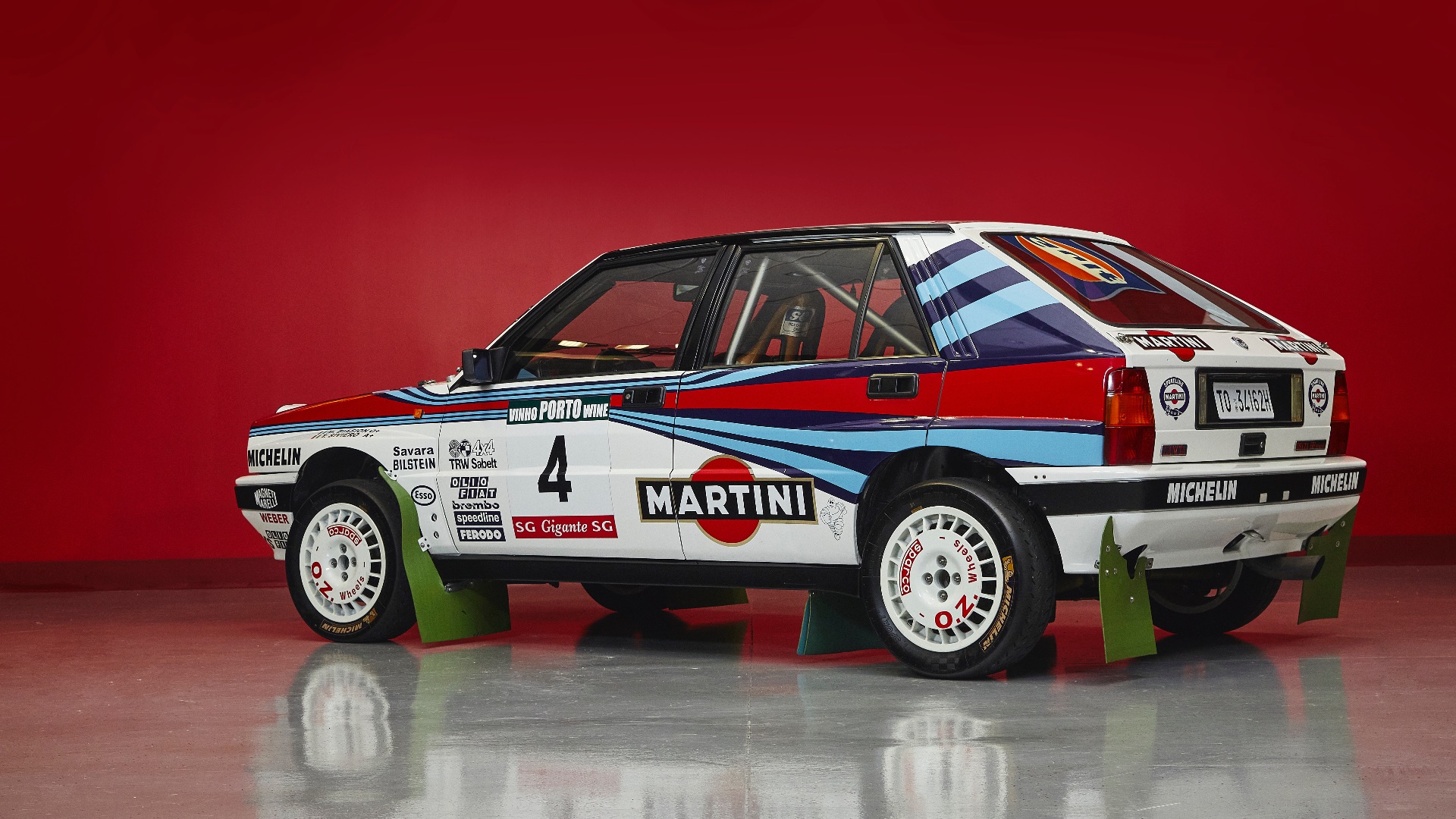
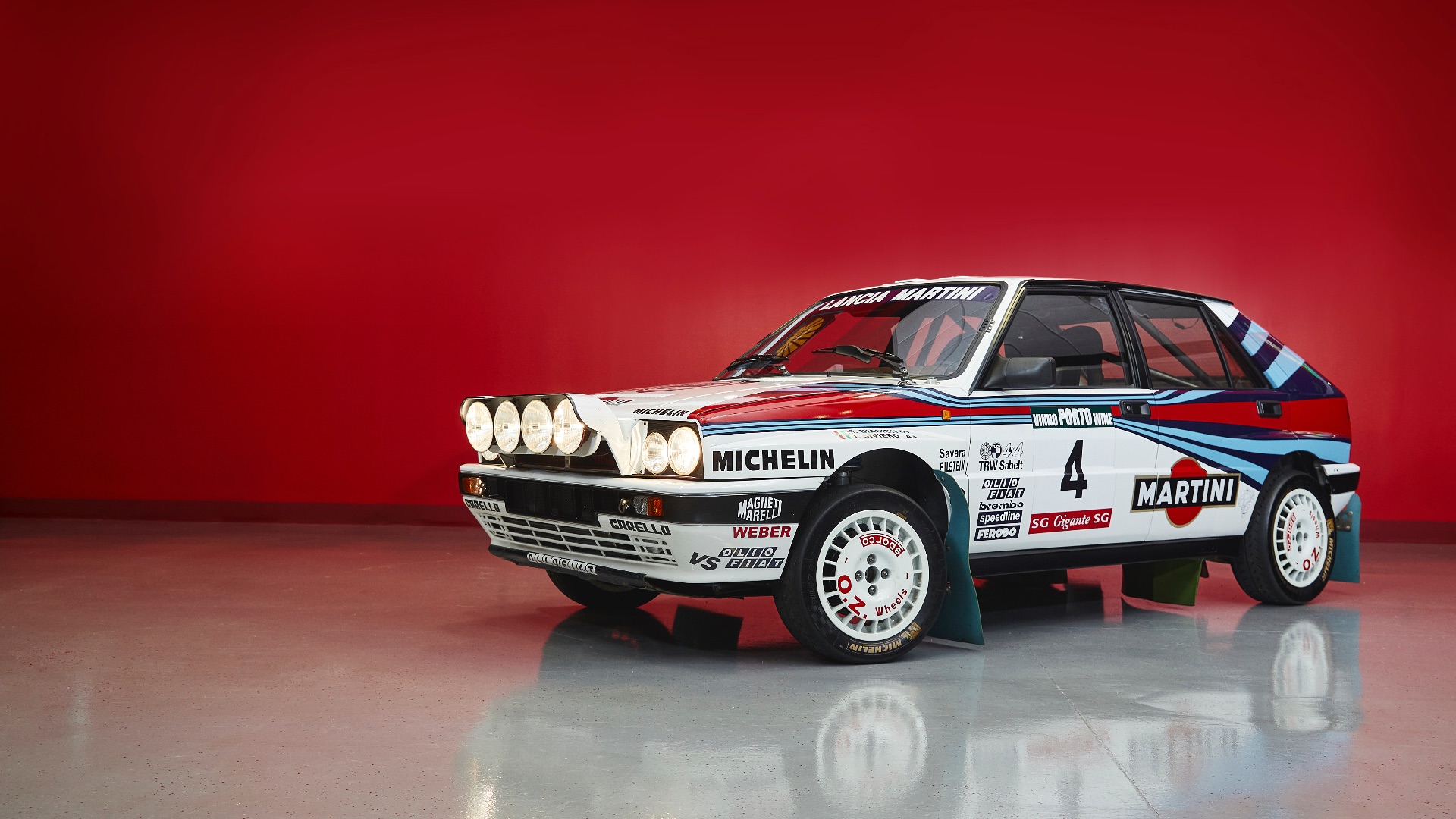
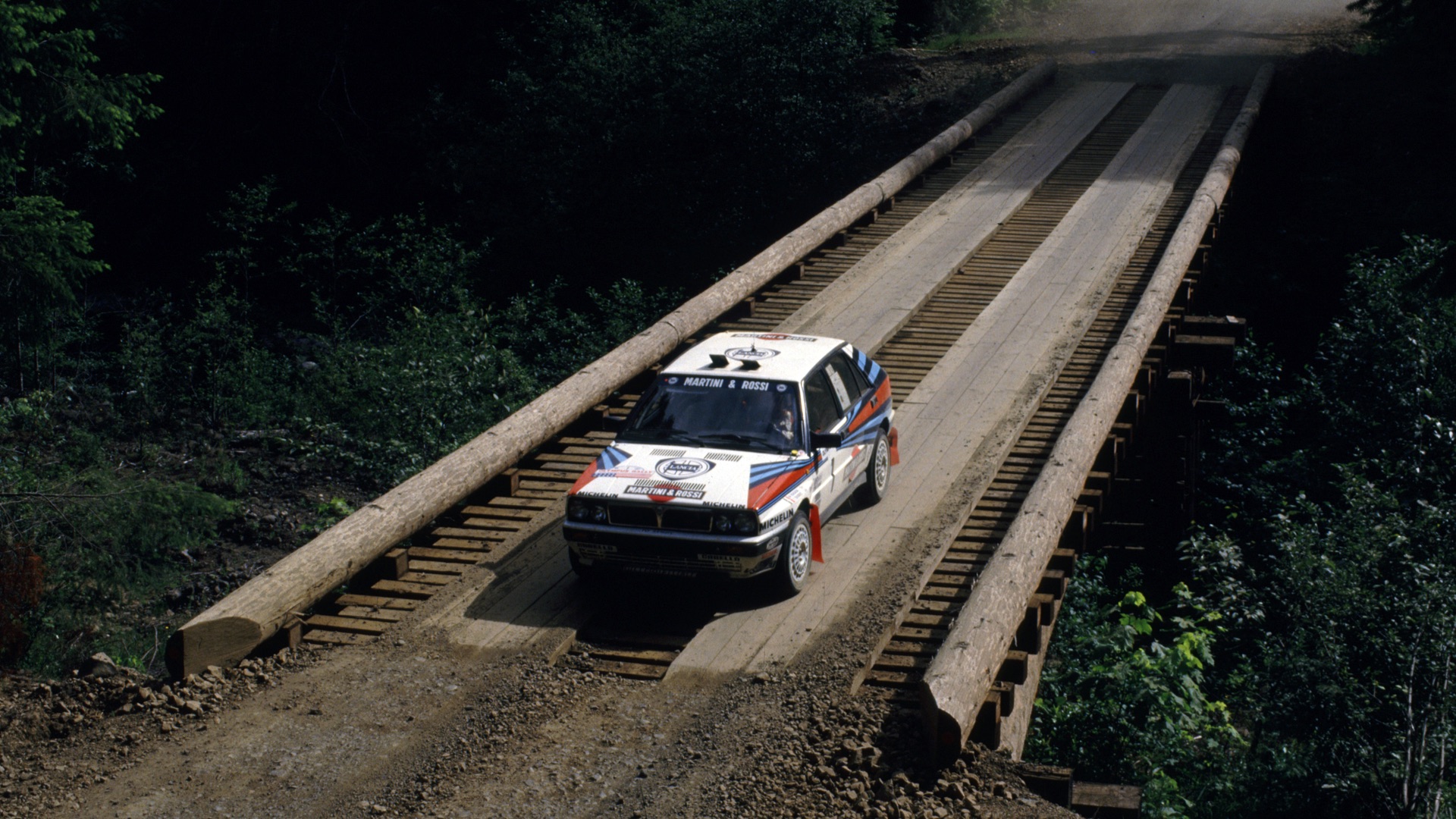
Lancia Delta HF Integrale
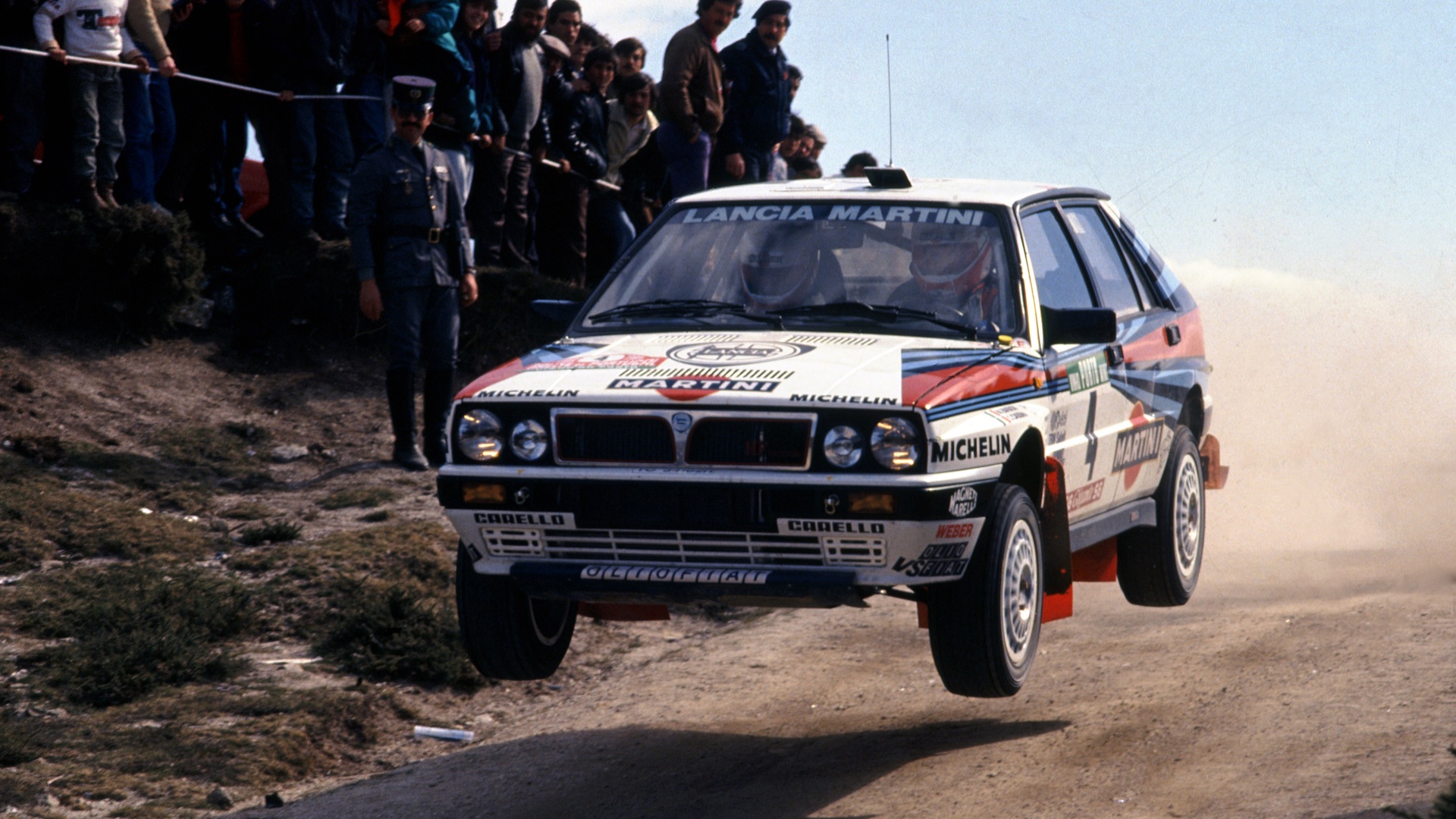
Now, perhaps the most famous racing Lancia. The post-S4 years for the Delta were fruitful, as the marque hit the ground running in the new Group A category. Juha Kankkunen and Miki Biasion took overall championship victories in 1987, 1988 and 1989.
This car, a 1988 Delta HF Integrale, helped Miki Biasion on his way to the top. It took overall victories at the Portugal Rally and USA Rally in 1988, helping Miki to a drivers’ championship and Lancia to the manufacturers’ championship. Lancia racing at its peak?