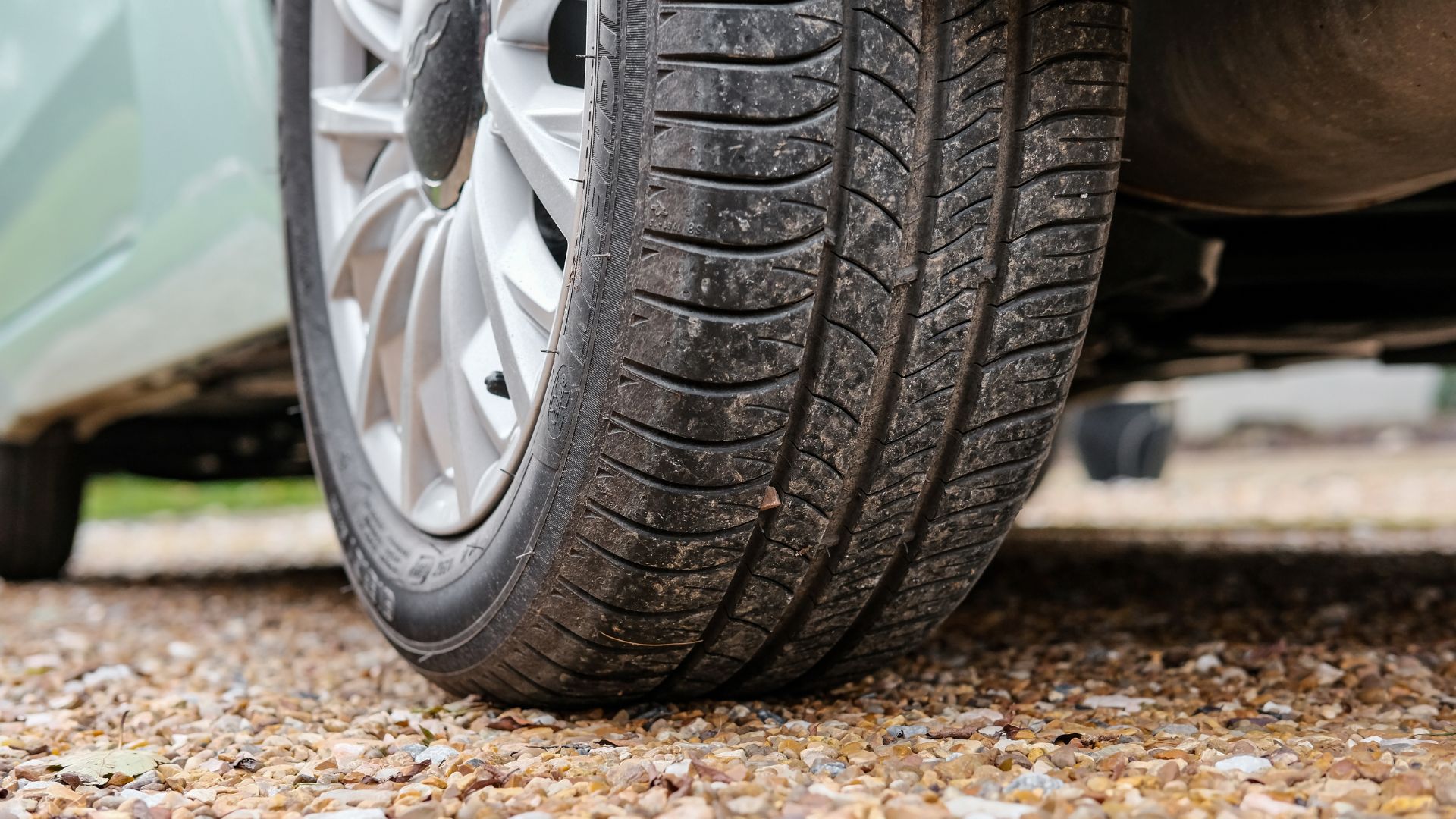
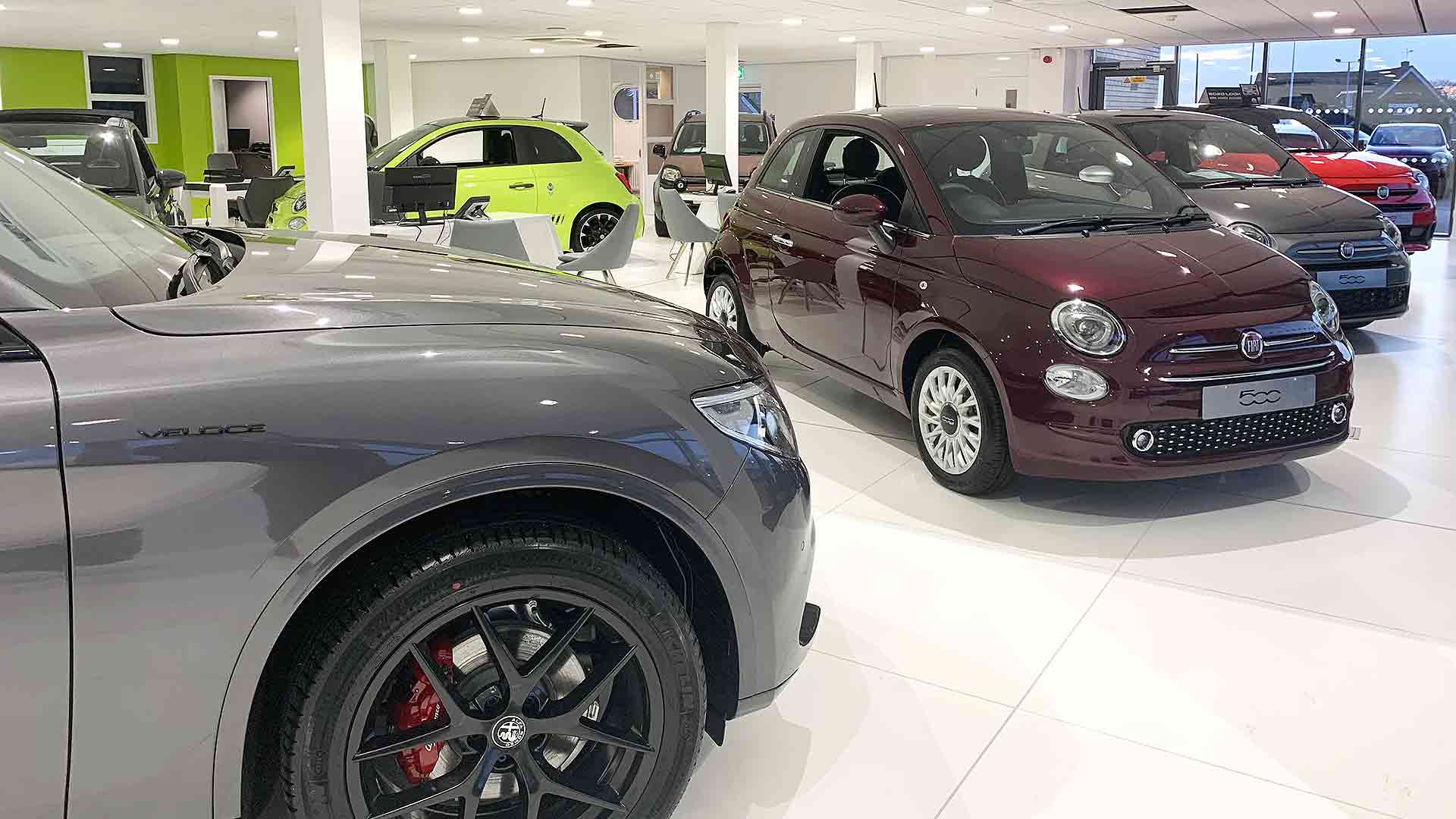
The 2022 Porsche 911 GT3 has just set a new Nurburgring lap time, but HRE is already envisaging how it could look with retro-inspired wheels.
Renders of the track-orientated 992-generation Porsche have been created to promote the company’s new Forged Monoblok Rim (FMR) technology.
The images are perfect for those hoping to customise their 503 hp GT3 with fresh alloy wheels, but who want to envisage it first.
Inspired by iconic retro style
California-based HRE promises that the new FMR construction method allows the strength of a one-piece alloy wheel, but with the classic style of a two-piece design.
Previously offered for HRE’s modern-looking S1SC range of wheels, FMR technology is now used on its Vintage and Classic ranges.
The Vintage Series of wheels are said to evoke retro supercars of the 1970s and 1980s. However, unlike the old-school versions, the FMR designs offer greater stiffness and reduced unsprung weight.
HRE President and CEO, Alan Peltier, said the launch of new FMR technology raises the performance of “these heritage designs to the modern-day levels HRE is known for”.
Modern custom creations
All of HRE’s wheels are produced in-house, at the firm’s factory in San Diego, CA. Aerospace-grade 6061-T6 forged aluminum is used to create the wheels, with each set custom-built to the buyer’s requirements.
More than 70 different color finishes are listed on the HRE website, meaning there is no shortage of personalization options.
Due to the custom nature of the new FMR wheels, HRE has not released prices. All wheels do at least come with a lifetime structural warranty, and a two-year warranty for the finish.
With deliveries of the new Porsche 911 GT3 set to begin later this year, there is time to start planning your new rims now.
Every one of the 800-or-so Morgans built annually is covetable and collectable: a classic in waiting. The Plus 8 you see here, however, is particularly special – and is now a permanent exhibit at the factory museum. But first, I was granted one exclusive last blast.
When the Plus 8 was launched in 1968, Stanley Kubrick was busy wowing cinema-goers with 2001: A Space Odyssey. Few could have guessed that Morgan’s retro roadster, its design already harking back to the 1955 4/4, would live beyond the movie’s sci-fi future.
This car is the last Plus 8 roadster: the final page in a story that spans 51 years (excluding an eight-year hiatus when Morgan switched from Rover to BMW engines). And while it isn’t quite the last V8 – Morgan will build nine special edition Plus 8 GTR coupes later this year – it clearly deserves a suitable send-off.
Wood you believe it?
Before that, I’m treated to the famous Morgan Motor Company factory tour. PR man James Gilbert’s abundant enthusiasm is infectious, and he’s evidently on first-name terms with everyone who works here. We start in the chassis section, moving literally downhill to bodywork, then paint, then trim and final assembly.
The wood shop – where frames are painstakingly hand-cut, shaped and assembled – is where most Morgans really take shape. “We only use English ash,” explains James, “we tried French and Belgian wood, but fragments of First World War shrapnel kept damaging our tools.”
At one end of the room, the huge rear wheelarch press resembles something from the industrial revolution, its iron clamps bending planks of wood into a perfect curve. At the other, what first appears to be a coffee machine is actually a 3D printer, used for making prototype parts. The juxtaposition of old and new is fascinating.
Adjacent to the final assembly area, I spot Morgan’s one-off SP1 – a ‘Special Projects’ hot rod created for a wealthy African customer. It’s a reminder that every car here is built-to-order and bespoke, with almost unlimited options available (if your pockets are deep enough).
Tangled up in blue
The final Plus 8 isn’t for sale, but rest assured it wouldn’t be cheap either. Reckon on roughly £126,000 after VAT, says James.
I find the car parked beside the factory entrance, where another tour group has already stopped to admire its low-slung lines. That eye-popping paint colour is BMW Azul Blue, a shade usually seen on the M3 and M4. Together with matte-black alloys, which look like they belong on a salt-flats racer, it’s about as far from the traditional ‘BRG and wires’ look as possible.
There is a nod to heritage in the ‘MMC II’ number plate, though. The Malvern equivalent of Porsche’s ‘911 HUL’, it’s been worn by many significant Morgans over the years, including the car Peter Morgan himself drives in a photo that hangs in reception.
Ready to rumble
Twisting open the Land Rover Defender door lock, I fold my frame carefully through the shallow door aperture. Once inside, the Morgan feels snug rather than spacious, and there’s virtually no room for luggage. However, it doesn’t lack creature comforts, including heated seats – a real boon on a frosty January afternoon.
You sit low, with legs outstretched and the airbagged wheel pulled unusually close. It’s the opposite of the stereotypical ‘long arms, short legs’ driving position beloved of classic Italian cars, and takes some getting used to.
Quality is impressive, with none of the rough edges you might expect from a low-volume marque. Only the parts-bin plastic column stalks jar a little.
Looking out through the letterbox-shaped windscreen with its three tiny wipers, I drink in the view along that long, louvred bonnet. And things only get better when I press the start button and the 4.8-litre BMW V8 coughs into life. Its rambunctious rumble stops the tour party in their tracks.
Heading for the hills
Moseying through town, the Plus 8 wins an appreciative nod from an elderly gent at the bus stop, then a van driver gives a thumbs-up. I already feel like something of a local hero.
This car has a six-speed manual transmission, rather than the popular six-speed auto, but the engine’s brawny 370lb ft of torque means you can cruise almost everywhere in fourth gear. Stick it in sixth at 20mph and it’ll pull cleanly – all the way to its 155mph maximum.
Climbing into the snow-capped hills, the road finally clears and I flatten my right foot. With 367hp and a kerb weight of just 1,220kg, the Plus 8 feels indecently quick. Nigh-on supercar-quick. The challenge, as I’ll discover, is keeping it in a straight line.
Thunderstruck
Morgan quotes a 0-62mph time of just 4.5 seconds. And on a dry summer day, I’ve no doubt the Plus 8 could achieve that.
However, ‘my’ car is fitted with track-focused Yokohama AD08R tyres, which look like cut slicks and severely dislike damp, freezing roads. Act the yob and it’ll spin its rear wheels in first, second and third gears. A degree of delicacy is therefore required, particularly in a car with zero electronic safety aids.
Thankfully, there’s nothing delicate about the noise. It swells from a low, resonating thud to a full-blooded howl. The V8 sucks in fuel like a giant gargling with gravel, its four exhausts popping on the over-run like artillery fire. No BMW ever sounded like this.
Picture perfect
No BMW looks like this either, at least not since the days of the classic 328. WIth its voluptuous curves and delicate chrome details, the Plus 8 looks perfectly at home in the English countryside.
Nonetheless, snapper Bradley isn’t convinced and demands I brave the elements by lowering the roof. This requires unfastening several catches on each side, and needs to be done from outside the car.
For the full wind-in-the-face effect, I also use an allen key to detach the flimsy side screens, storing them in the boot of Bradley’s Corsa.
Clambering in and out for photo duties feels an effort, but I’m thankful the Morgan has power steering – unlike the workout-weighted AR Plus 4 I drove a few years ago.
Baby’s got the bends
With the winter sun beginning its slow descent, there’s time for a brief blat around the Malvern Hills before I point the Plus 8’s prow towards home.
The lack of grip on near-freezing roads is front-and-centre in my mind, but swift, communicative steering and a balanced, relatively benign chassis mean there are no sudden surprises. Grab the Morgan by the lapels and it rewards with a drive that’s both physical and pulse-spikingly visceral.
The downside, though, is ‘retro’ ride quality. The Plus 8’s suspension bucks and bounces over ridges and is easily unsettled by mid-corner bumps. It’s nowhere near as sophisticated as modern sports cars – nor indeed its Plus Six successor.
Highway to home
Pulling over to raise the roof, my head is spinning with an odd mix of brain-freeze and giddy euphoria. An altogether different drive is ahead, however: back to Surrey via the M4 and M25. How will the Morgan cope in the ‘real world’?
Not brilliantly, as it happens. The sliding plastic windows are draughty, the wide tyres roar, the blare of the V8 becomes tiresome over time and the 90s-spec Alpine CD player is almost inaudible over the din. To top it all, it’s started to snow steadily.
Fortunately, other drivers keep my spirits up by waving and honking their horns. Following a tunnel of tail lights through the darkness, I’m reminded of something James said earlier: “The least suitable cars are the most fun for road trips”. He has a point. A long haul in a Nissan Micra feels inconsequential. This is an adventure.
Slip-sliding away
The final part of my drive is on rural roads dusted by snow. I’m driving on tip-toes: a bit scared, sensing every shimmy and squirm, determined to keep this unique piece of British motoring heritage intact. By the time I arrive home, I’m utterly exhausted.
The Plus 8 closes a long chapter in Morgan history. The Plus Six (and less powerful Plus Four) that replace it look virtually identical, but are vastly more modern underneath.
Our last moments were dark, frosty and a little fraught, but I’ll always picture the Plus 8 roaring into a sepia-tinged sunset. It has gone, but it won’t be forgotten – certainly not by me.
The average compulsory car insurance excess has risen by 47 percent in the last 12 months. That’s according to new research by a price comparison website.
It found that the average policy excess for theft claims has increased from £182 in 2020 to £267 this year.
There are smaller increases for non-theft claims, too. The average compulsory excess payable for accidental damage has risen from £185 to £234, while fire claims have gone up from £179 in 2020 to £226 in 2021.
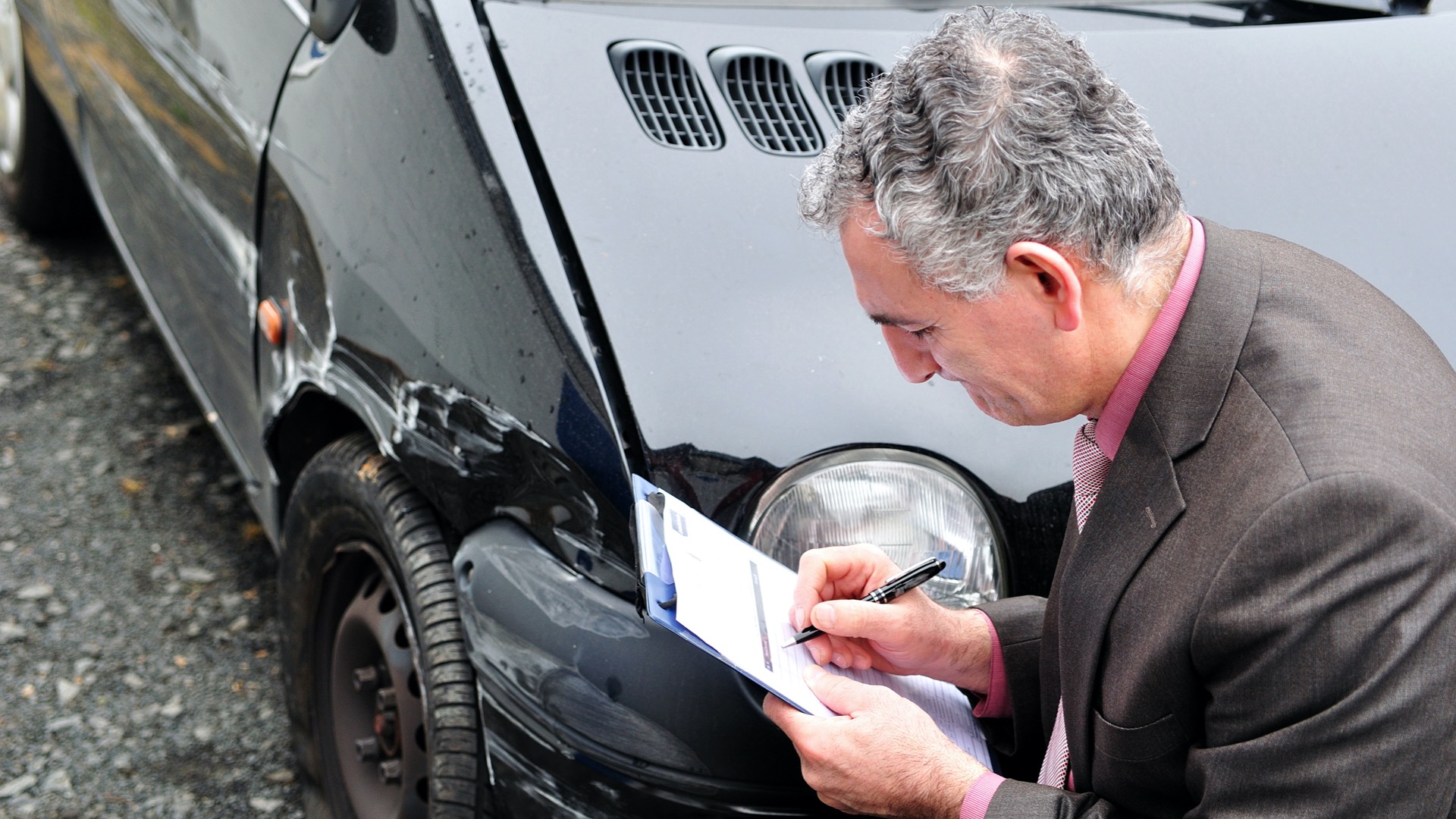
The excess is the amount you’ll pay if you make a claim on your car insurance. There are two types: voluntary and compulsory. If the voluntary excess is £200 and the compulsory excess is £250, you’ll pay £450 towards the claim. An insurance company will only settle a claim once the excess has been paid, regardless of who is at fault.
A voluntary excess is the amount you’re prepared to pay in the event of a claim. Paying a higher amount could reduce the cost of your car insurance, but this isn’t always the case.
Compulsory excesses, set by the insurer, depend on the type of claim, the policyholder’s age and driving experience, and the type of car. Young and inexperienced drivers often pay an additional compulsory excess on top of the policy’s standard excess.
‘Excesses can be a hidden cost’
Leo Griffin, CEO and founder of GoCompare, said: “When it comes to arranging their car insurance this year, many drivers will understandably be really focused on headline price. But it is important take a minute and check exactly what cover you’ve got and consider the total cost of the policy. Excesses can be a hidden cost. They can seem complicated and most people tend not to think about what will happen when they make a claim. But we are urging people to check their excesses this year, as they are going up.
“We’re also concerned that some drivers might agree to a higher voluntary excess, as a way of reducing their premium, without fully considering the full amount they may need to contribute in the event of a claim. Some drivers may be committing to a higher proportion of claims’ costs than they can afford. Volunteering to taking a higher excess only leads to a saving if you don’t need to make a claim.”
Research in 2020 found that excesses exceeding £3,000 were being quoted on older cars, despite the fact that the write-off value would be significantly lower. In the event of a total loss, the driver would receive nothing.
The ongoing coronavirus lockdown may mean your car doesn’t get driven for weeks at a time.
In this guide, we’ll explain how to keep it safe and roadworthy for essential journeys – and for when the lockdown lifts.
The basis for this advice comes from Euro Car Parts, but we’ve added some pointers of our own.
Protect against bad weather
The first point is that your car needs protection from bad weather, particularly as winter drags on
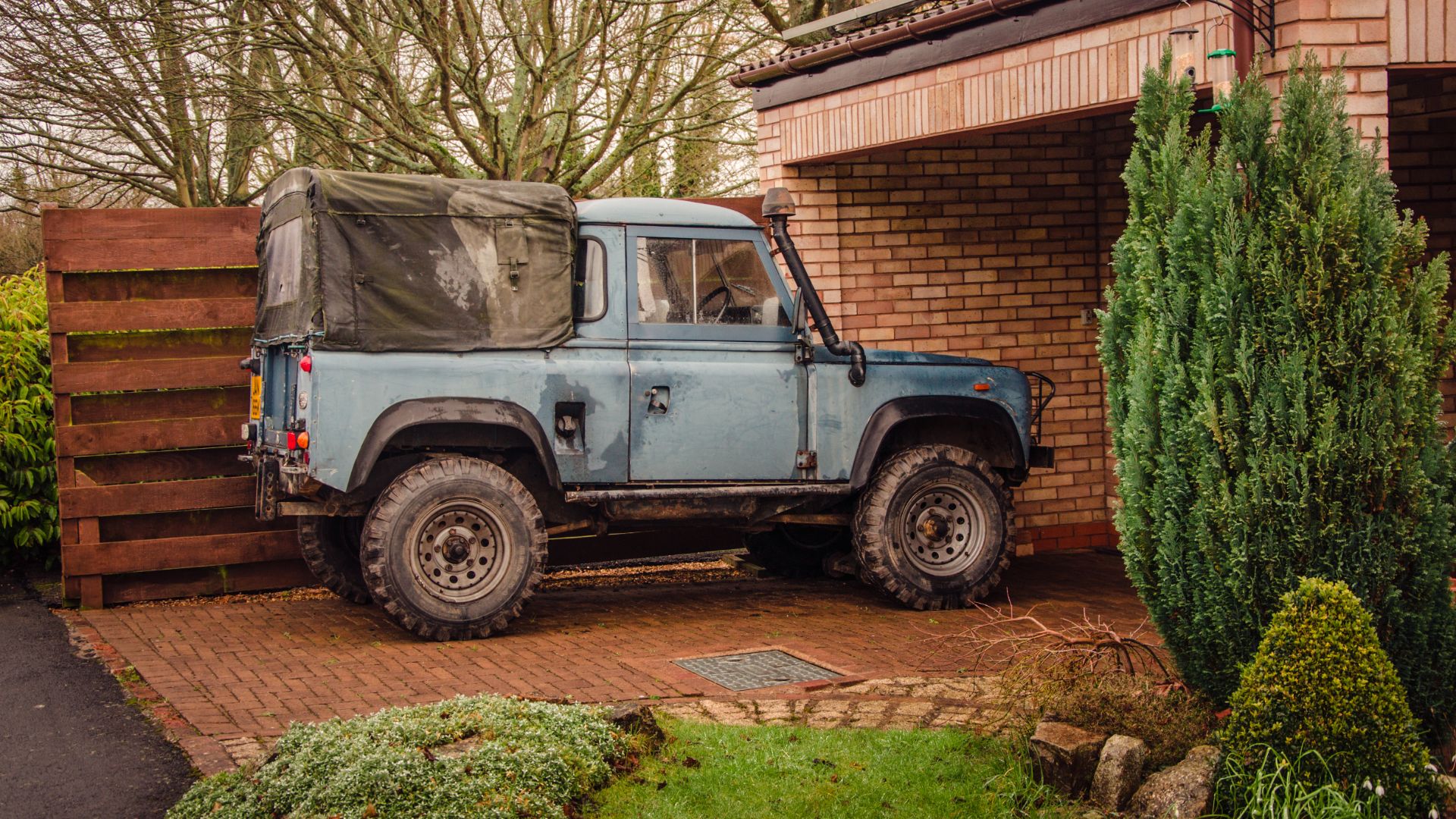
Older or classic cars in particular don’t take well to a battering from the elements. If possible, parking in a dry, sheltered location – such as a garage – is best.
A car cover may be a worthwhile investment, too, if a garage or canopy is unavailable.
Clean your car before storing it
A proper clean will do your car good. Leaving grime on the bodywork – especially at this time of year, when it may be covered in road salt – can cause damage over time.
It sounds odd, but you should also clean your tyres. This will get brake shavings, grease and mud off, all of which can lead the rubber to degrade.
When it comes to washing, use the two-bucket method (one for shampoo, the other for rinsing the wash mitt), rinse the car with free-flowing water and dry it with a chamois for a tidy finish.
As well as being good for your car, this is a productive task to keep you busy at home.
Clean and protect the interior
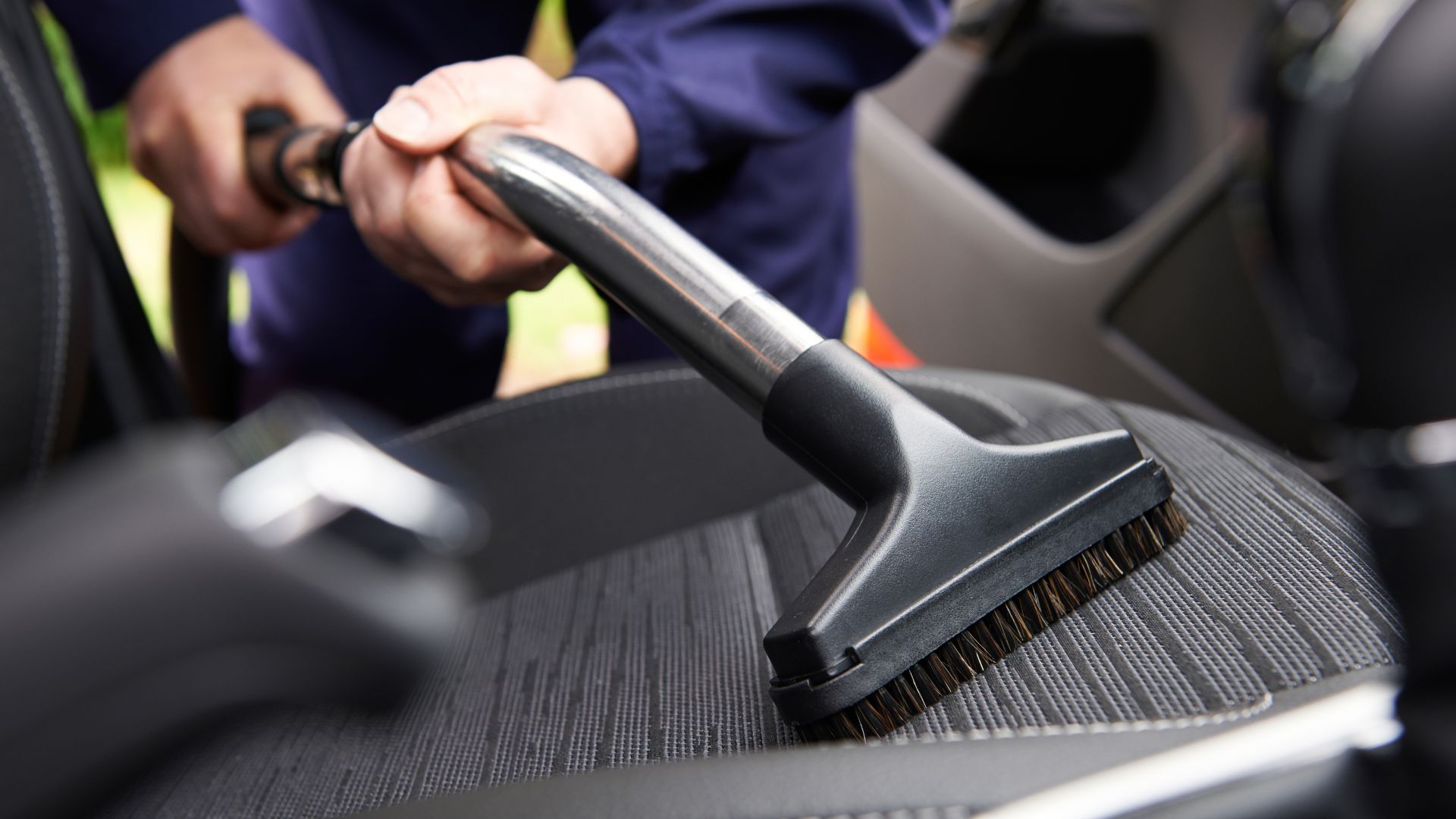
Your car interior can be a petri dish for dangerous micro-organisms, including the coronavirus. Give the interior a spring clean while you’re in lockdown.
It’ll stave off bad odours that you don’t want to smell on your return – and prevent damage to cabin materials.
Using a sunny day to air the car can really help as well. It’s surprising how quickly damp, and eventually mould, can build up in a car that doesn’t move. Put some moisture-absorbing silica gel in there for good measure.
Tyres, handbrake and more
There are little things you can do that make a big difference to your car’s condition.
Firstly, leave it in gear, with chocks behind the wheels instead of the handbrake on. This will save your handbrake cable from stretching, and your brakes from binding over long periods.
Secondly, keep the car topped up with fuel. This will prevent moisture from developing in the tank and leading to rust.
Finally, pump your tyres up to avoid flat spots developing if the car isn’t being used.
Keep your battery charged
Indeed, the best thing you can do when leaving your car for long periods, is not actually leave it. Running your car’s engine will help keep the battery charged, but you should only drive during the lockdown if strictly necessary.
The most common failure on cars that stand for a while is a flat battery. Left flat, batteries can develop dead cells, with a replacement costing at least £50.
If you have one, plug in a trickle charger to keep the battery topped up.
Aston Martin Formula One Team driver Sebastian Vettel is preparing for the new season with a clearout of his garage.
The four-time F1 World Champion is selling eight cars from his Swiss-based collection. All of them are currently listed for sale with renowned supercar dealer, Tom Hartley Jnr.
As a notably private driver, eschewing social media, these cars offer a rare insight into what the German keeps to drive for himself.
2016 Ferrari LaFerrari
Vettel spent six seasons in F1 driving for Scuderia Ferrari, hoping to emulate the success of Michael Schumacher. However, the dominance of Mercedes, and Lewis Hamilton, prevented Vettel from adding to his title haul with the Italians.
An acrimonious split with the team may have persuaded Vettel to part ways with some of his Ferraris. That includes this late LaFerrari, which he personally ordered from new.
The 950hp LaFerrari has been driven just 300 miles by Vettel, although he has kept the service book up to date. Finished in Rosso Corsa (racing red) with a black interior, the seat headrests feature the Vettel logo.
2004 Ferrari Enzo
Not originally bought by Vettel, this Ferrari Enzo was first owned by a German collector. The F1 driver later added it to his own garage, with seemingly little use during his tenure.
One of only 400 examples made, and fitted with a 651hp 6.0-litre V12 engine, the Enzo reaches a top speed in excess of 200mph.
However, when your ‘day job’ involves driving an F1 car, Vettel can perhaps be forgiven for the Enzo having only covered 1,100 miles.
1996 Ferrari F50
As perhaps the closest embodiment of a Ferrari F1 car for the road, it makes sense that Vettel would have an F50 in his collection. First delivered to a collector in Denmark, Vettel bought the car in 2015 after his first season with Ferrari.
The 4.7-litre V12 engine in the F50 was developed from a unit used in Ferrari’s 1990 Formula 1 car. Producing 512hp, and bolted to a central carbon fibre monocoque chassis, the 200mph F50 delivers extreme performance.
Like Vettel’s other Ferrari hypercars, it’s finished in Rosso Corsa, and has seen limited use. All the original service records and handbooks have been kept with the car, with 4,312 miles on the odometer.
2016 Ferrari F12tdf
The newest Ferrari being sold by Vettel, the 33-year-old driver actually had a hand in launching the F12tdf. It was unveiled to the tifosi at the Finali Mondiali event in 2015, driven by both Vettel and Kimi Raikkonen.
Vettel would set laps around the Mugello circuit, demonstrating just what the 769hp F12tdf could do. Although he did not buy the exact car used on the day, the Giallo (yellow) example is very similar.
Along with the bold exterior paint, Vettel also specified carbon fibre detailing for the interior, along with his trademark logo on the seat headrests.
Tom Hartley Jnr has placed a £725,000 asking price on the F12tdf.
2015 Ferrari 458 Speciale
This is notable for being the first new Ferrari Sebastian Vettel ordered, and is fitted with a number of bespoke options. These include the special metallic black paint, a grey racing stripe, and plenty of carbon fibre detailing.
Those special Vettel-logoed headrests also make an appearance, of course. Powered by a 4.5-litre V8, the 458 Speciale delivers 597hp in total. A more modest £350,000 should secure this one.
Vettel has made a conscious decision to remove a number of Ferraris from his fleet. We will have to wait and see whether he replaces them with an array of Aston Martins instead.
2009 Mercedes-Benz SL65 AMG Black Series
Despite Vettel battling with Mercedes-Benz F1 cars on track for the past six seasons, he has no qualms about including them in his collection. Making this car more special is the fact it was gifted to him after winning the first Abu Dhabi Grand Prix in 2009.
The most powerful road-going Mercedes-Benz when new, the SL65 AMG Black Series was launched in 2008. Output from its twin-turbocharged V12 engine was boosted to 670hp, with over 200mph possible.
Ditching the folding roof for a fixed carbon fibre item helped save plenty of weight over the regular SL65 AMG, too.
Limited production numbers and a special owner mean an asking price of £275,000 for the mega Merc.
2010 Mercedes-Benz SLS AMG
Used as the official Formula 1 safety car between 2010 and 2012, Vettel will have spent a considerable amount of time staring at the back end of a Mercedes-Benz SLS AMG. The marketing clearly paid off, as he ordered one for himself.
Vettel opted for the pricey Magno Matte designo paint choice, along with carbon ceramic brakes and a carbon fibre interior package. There is also a Bang & Olufsen sound system, for when the noise of the 6.3-litre V8 becomes too much.
Showing that Vettel takes care of his collection, all the service documents and handbooks are included with the car. It’s priced at £175,000.
2002 BMW Z8 Roadster
Vettel is noted to be a fan of James Bond movies, so having a BMW Z8 in his collection should not be a surprise. The retro-styled BMW made a major appearance in The World Is Not Enough, released a few months before the Z8 went on sale.
Powered by the 4.9-litre V8 engine from the contemporary BMW M5, the 395hp Z8 is a muscular roadster. Vettel’s example was delivered to an American buyer when new, before being imported to Switzerland in 2015.
Of all of the cars up for sale, this one has seen the most use, with 13,000 miles recorded. It is, however, in superb condition, and comes with a £175,000 asking price.
ALSO READ:
Lewis Hamilton’s dad is selling this amazing collection of classic cars
A Maserati Quattroporte formerly owned by Sir Elton John is expected to fetch between £15,000 and £40,000 in an online auction. That’s a rather broad price range and a punchy upper estimate.
A case of the auctioneers hedging their bets? The pre-sale estimate is based on the provenance of celebrity ownership and the market’s willingness to pay extra for the link to Sir Elton John. If the current Auto Trader listings are to be believed, a 2005 Maserati Quattroporte is worth between £10,000 and £15,000.
Armed with a budget of £40,000, you could drive away in a Quattroporte that’s only just out of warranty. But you’d just have to sacrifice the Sir Elton John connection.
In 2001, 19 cars from Sir Elton John’s collection were sold at auction, all of them making more than the pre-auction estimates. The list included a Jaguar XJ220 (sold for £234,740), Rolls-Royce Phantom VI (£223,750) and Bentley S1 Continental Fastback (£196,250).
The Maserati Quattroporte (MV139) was registered in 2005, two years after its debut at the 2003 Frankfurt Motor Show. Sir Elton John added a number of extras, including a rear DVD player, games input, two headphones, remote control and a six-CD changer.
‘Dear Mr John’
To provide evidence of the celebrity ownership, the car comes with an official Maserati welcome letter addressed to ‘Mr John’ and a copy of the original V5 registration certificate. A man of impeccable taste, Sir Elton John specced his Quattroporte in Verdi Deep Emerald Green metallic flake finish and Biscuit leather.
Executive GT trim means it comes with Alcantara interior roof lining; ventilated, adaptive and massaging rear seats; rear air conditioning controls, veneered retractable rear tables and curtain shades on the rear windows.
Under the bonnet you’ll find a 4.2-litre V8 engine with around 29,000 miles on the clock. The vendor bought the car in 2006, at which point it had covered just 1,000 miles.
‘A very special opportunity’
Tristan Judge, director of The Market, said: “Sir Elton John is a national treasure and a global superstar, who has impeccable taste when it comes to buying cars. Indeed, the car is in excellent condition and has evidentially been treated like a celebrity itself over the years.”
“This is a very special opportunity for worlds to collide for enthusiasts of both music and collectible cars, grabbing themselves a genuine piece of memorabilia. The vehicle’s new owner will be able to enjoy the kind of luxury drive you can expect from a top-of-the-range Italian beauty, as well as revel in the history this car has had in the hands of a music icon.”
The auction will start on 18 February and end on 25 February. We’re patting ourselves on the back for resisting the temptation to litter this story with Sir Elton John song references.
Since inventing the crossover SUV, Nissan has sold more than three million Qashqais. Now, 13 years after the original, the third-generation 2021 version aims to continue that success story.
Derived from a lightweight, all-new platform, the latest Qashqai has been designed and engineered in the UK – and will also be built here, at the firm’s giant Sunderland factory.
The new Qashqai is longer, wider and taller than the current model, and now wears alloy wheels up to 20 inches in size. There are 11 body colours, plus an additional five two-tone combinations.
The decision to ditch diesel was deliberate, said product planning chief Marco Fioravanti: “We are convinced our new offer will be better for European customers”. He promised Motoring Research that customers “are going to love” the engines available.
“The new Qashqai is going to change what customers can expect from a family car,” said Nissan chairman Gianluca de Ficchy. “Comfort, refinement and technology will be comparable with upper segment vehicles, while the driving experience will satisfy drivers and passengers alike.”
Deliveries begin in summer 2021, with prices to be confirmed: the current Qashqai costs from £23,550.
New Qashqai design
The Qashqai’s new design is based around taut lines and a more muscular appearance.
Surfaces have been simplified and bold, powerful volumes emphasised. With a longer wheelbase and wider body, Nissan says it appears more purposeful on the road.
But it hasn’t grown too much, adds the firm. It maintains a ‘just right’ size, measuring just over 4.4 metres long.
At the front, there’s a big ‘V-Motion’ chrome grille, inset with satin chrome. Slim LED headlights flank it, and improvements in manufacturing technology mean ultra-thin panel gaps for a premium appearance.
There’s a single ‘fast line’ at the side, giving a strong shoulder for the new Qashqai. It is pulled in towards the rear to emphasise the trademark chunky wheelarches.
In a notable weight-saving measure, the front and rear doors, front wings and bonnet are all made of aluminium, while the tailgate is made from composite materials.
The body is 60kg lighter and – in good news for ride, handling and refinement – 41 percent stiffer.
New Qashqai interior
Nissan is promising a standard-setting interior with more premium materials and improved tech.
White ambient lighting is used throughout and ergonomics have been improved so it’s easier to operate. It is an “exceptional experience” said Mr Fioravanti, which “engenders a feeling of well-being”.
The central touchscreen has grown to 9.0 inches and the display is much higher resolution, plus there’s a new 12.3-inch HD TFT instrument cluster. This is multi-configurable and has a ‘Kiriko’ cut-glass texture background for an added luxury touch.
There’s also a 10.8-inch head-up display available, the biggest in the segment, which projects navigation, driver assistance and road information.
New Qashqai practicality
The new Qashqai has a wider windscreen, thinner front pillars and door mirrors actually mounted on the doors, rather than the pillars, which all gives a clearer view out. This, of course, is enhanced by the high-up crossover SUV stance.
There’s 28mm more knee room in the rear, and more overall distance between front and rear passengers. Headroom is improved by 15mm, too.
It’s easier to step in and out than before – useful for tight parking spaces, says Nissan – and the doors can now open up to 85 degrees, making it easier to install child seats.
The tailgate is now powered and hands-free, and boot space is improved by more than 50 litres. Nissan says this is thanks to new rear suspension, which has allowed it to lower the boot floor by 20mm, so it will also be easier to load.
The well-loved flexibility features of the old model have been kept, including the boot floor boards with carpet on one side and tough plastic on the other.
New Qashqai engines
The engine range from launch will comprise solely the 1.3-litre DiG-T mild hybrid petrol, offered in 140hp and 158hp guises.
The 140hp engine has a six-speed manual gearbox and front-wheel drive, while the 158hp version has a choice of manual or Xtronic CVT automatic transmissions, plus front-wheel drive or four-wheel drive.
Speaking to Motoring Research, Mr Wright insisted the new CVT gearbox, with two oil pumps instead of one, will deliver a more pleasant experience and less of the ‘slipping clutch’ effect that motorists find unappealing.
“It’s a much more natural gearbox – it feels like a DCT [dual-clutch transmission] and gets away from simply sitting at high revs until the driver lifts off the accelerator,” he explained.
Standard 12v mild hybrid tech means the engine shuts down at speeds of 11mph and below, while power from the lithium-ion battery boosts acceleration between 12mph and 68mph. This takes load off the engine and improves fuel economy.
Nissan e-Power hybrid
Nissan wants electrified cars, such as hybrids and plug-in hybrids, to comprise one in two of its sales by 2023, and the top-selling Qashqai will be key to that.
The e-Power engine option goes on sale in 2022 and is technology “never before seen in Europe”.
It comprises an ingenious 157hp 1.5-litre variable compression ratio petrol engine and a powerful 140kW (190hp) electric motor.
Nissan says the combination gives a driving experience similar to that of a pure electric car – because the petrol engine is only used to generate electricity and never directly drives the wheels.
It’s the electric motor that is connected to the wheels, meaning e-Power has an instant EV-like feel, with lots of pulling power and rapid acceleration.
As the engine has been decoupled, it can always run in its most fuel-efficient range – something aided by the variable compression ratio tech – which Nissan promises will deliver significant fuel economy improvements.
It can function for a mile or so as a pure EV, and also has a similar e-Pedal function to the Nissan Leaf electric car, allowing drivers to accelerate and decelerate using only the accelerator pedal.
Nissan says up to 90 percent of everyday driving can be done without actually pressing the brake pedal.
“We also have a button that switches it onto pure electric mode,” said Mr Fioravanti. “It’s called ‘Quiet Mode’: we don’t call it ‘EV Mode’ as e-Power is always in EV mode.”
I’d argue the Series 2 Jaguar XJ coupe is one of the most attractive Jaguars ever made. Controversial, I know, when we’re talking about the company that produced the E-Type.
But the Series 2 came from a different era: an era of British Leyland, strikes and a reputation for poor build quality. The fact that such beauty emerged from such rocky times makes me even more determined to own one.
One Jaguar that’s closer to my budget, however, is the later XJ40. Although many surviving examples are looking a bit neglected, the XJ40 is an underrated design. Its boxy styling is very much of its time, despite being unmistakably a Jag.
Rearguard action
While it had Jaguar’s trademark sloping boot, legend suggests this wasn’t meant to be quite so droopy. Apparently, a full-size clay model was being transported to another part of the factory for measuring, when the boot sagged by about three quarters of an inch.
Saggy bottom or not, how attractive would an XJ40 coupe version have been? After all, it was considered on more than one occasion.
The XJ40 was in development for decades. Mooted since at least the early 1970s, it eventually arrived in 1986, and during that time there’d been no shortage of designs considered for the car meant to modernise Jaguar.
Initially, many designs were much less, well, Jag than the XJ40 turned out to be, with submissions from several Italian design houses: Pininfarina, Bertone and Ital.
While the idea for an XJ40 coupe didn’t initially get further than a clay model, the above pictures tweeted by former Jaguar designer Cliff Ruddell give an indication of what an XJ40 coupe could have looked like.
A one-off prototype
It was late 1993 – close to the end of XJ40 production – before the public was finally given an idea of how an XJ40 coupe might have looked.
A one-off two-door prototype, based on the V12, was built by Jaguar’s Special Vehicle Operations department in Coventry. It used a shortened XJ40 platform.
Despite never being a serious proposition (the XJ40 was about to be replaced by the X300), it was a major undertaking. The exhaust was shortened and a new propshaft was fabricated, ensuring the car was a running prototype.
What might have been
The XJ40 coupe (the only one ever made) was eventually registered for road use in 1995 and revealed at the 60 years of Jaguar celebration at the NEC in Birmingham.
As JLR pulls the plug on the proposed all-electric XJ, it’s sobering to look back on another XJ that could have been. The XJ40 coupe is now owned by Jaguar Heritage and part of the Collections Centre in Gaydon.
Retailers are reporting new car orders for the new March 21-series registration plate are down by as much as half as a 39.5 percent sales decline in January 2021 looks set to continue.
There are early signs of a similar decline in February 2021.
Automotive service company Cox Automotive surveyed car retailers and 3 in 4 reported a downturn in forward orders for March 2021 of between 10 percent and 50 percent, compared to 2020.
“Q1 is a critical period” said Cox Automotive strategy director Philip Nothard, “and it’s vital that showrooms are able to re-open as soon as possible.”
However, lockdown isn’t the only challenge faced by car dealers – and may actually be masking some of the other issues.
There are issues with new car supply related to the Brexit deal, said Mr Nothard, “with border frictions continuing and many industry leaders indicating there is no easy fix.
“This has been compounded by a global microchip shortage which continues to hamper and increasing number of manufacturer production lines.
“The disruption will soon impact new vehicle supply in the global market.”
Despite a 14.9 percent fall in sales last year, the sector “outperformed expectations,” said Mr Nothard, and actually partly recovered towards the end of the year.
“Changing consumer habits saw an increased demand for used cars that continues into this year.
“With the market already undergoing a shift towards digital retail prior to the pandemic, retailers were able to swing their focus to e-commerce remarkably quickly and capitalise on this demand.
“It’s encouraging to see many retailers have quickly adapted to the current conditions and perform well against the odds.”
The all-new Honda HR-V has been revealed in Japan with a bold, futuristic new look and an all-hybrid range of engines.
Honda is promising class-leading space, better infotainment and “significantly improved comfort levels”.
The small SUV rival to the Nissan Juke and Ford Puma will go on sale in Europe towards the end of 2021.
It’s the distinctive styling that is the new HR-V’s biggest talking point. Like the futuristic Honda eelectric car, the look is clean, minimalist and simple.
The front end is pure, with a semi-closed grille panel, and styling details on the side have been paired right back (even the rear doorhandles are hidden).
At the rear, there are slim 3D-effect tail lamps, and contrast roof colours are available. Honda will also offer a huge panoramic glass roof.
Honda calls it a “seamless, clean, modern design philosophy… which follows the key concepts of function and beauty”.
Inside, it again follows the Honda e and latest Jazz (from which it shares underpinnings).
The premium-look dashboard is similarly clean, with tactile, upmarket detailing and a central infotainment screen that includes Apple CarPlay.
There’s a clever new “air diffusion system” for the climate control that creates a curtain of fresh air behind and above passengers from L-shaped vents located at either side of the dashboard.
Smart packaging of major components – including a centrally-located fuel tank – means the Honda Magic seats can be retained. These both fold-flat and flip-up.
The claim of class-leading interior space means “four adults are able to sit in maximum comfort”.
The new HR-V will use the same two-motor hybrid set-up as the Jazz supermini. This clever system sees the petrol engine drive a generator, not the wheels. It sends electricity to another drive motor, which means it doesn’t even need a traditional gearbox.
The system is designed to mimic an EV whenever it can, boosting engine-off mode and cutting fuel consumption.
The arrival of the new car in the UK towards the end of 2021, won’t come too soon for Honda retailers.
The current model has now been withdrawn from sale after production ended – leaving Honda with just four new cars in its range: Jazz, Honda e, CR-V and Civic.
Production of the Civic at the Swindon factory ends in summer 2021, although the car is expected to remain on sale until well into 2022 ahead of an all-new model arriving.