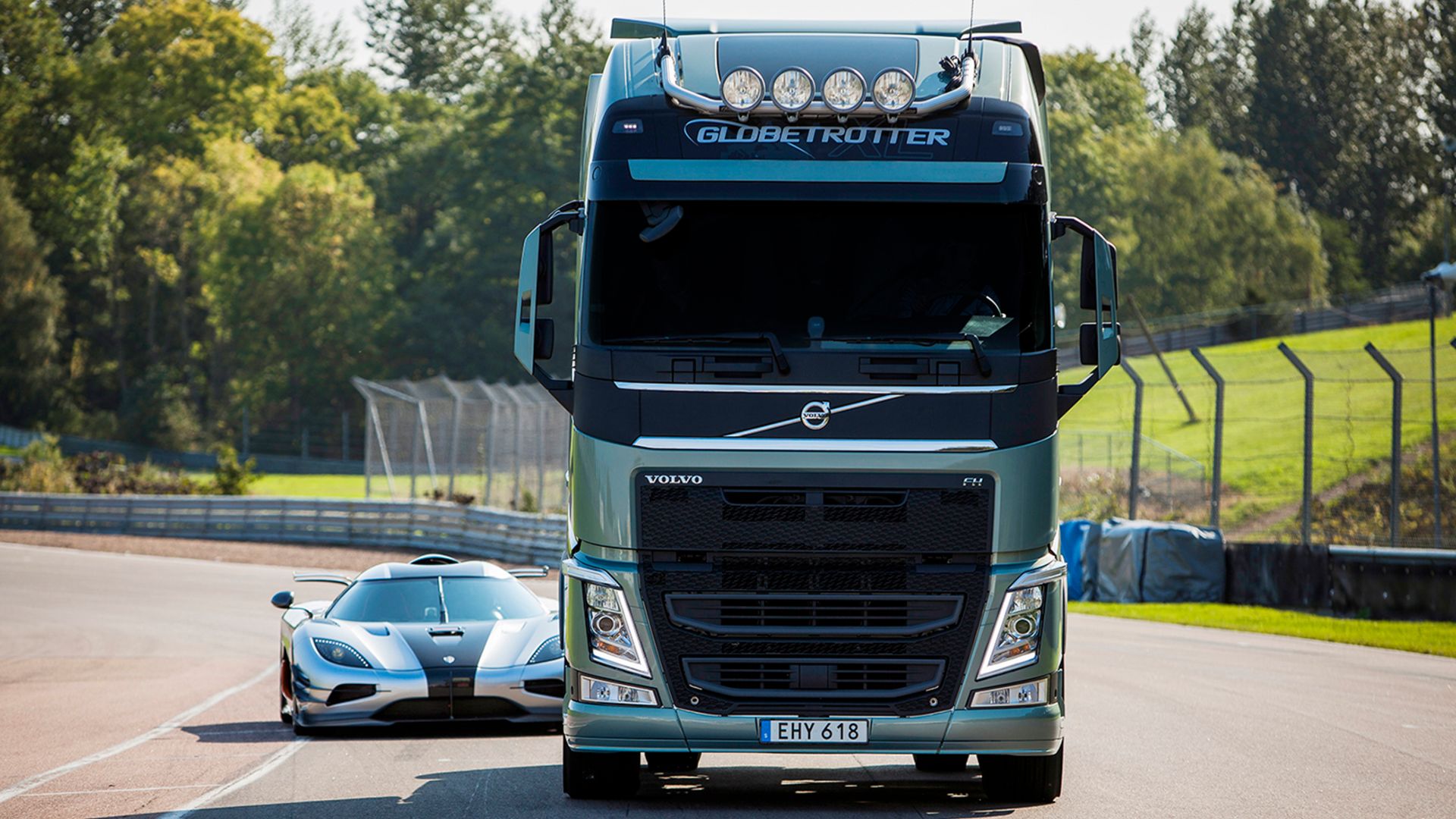
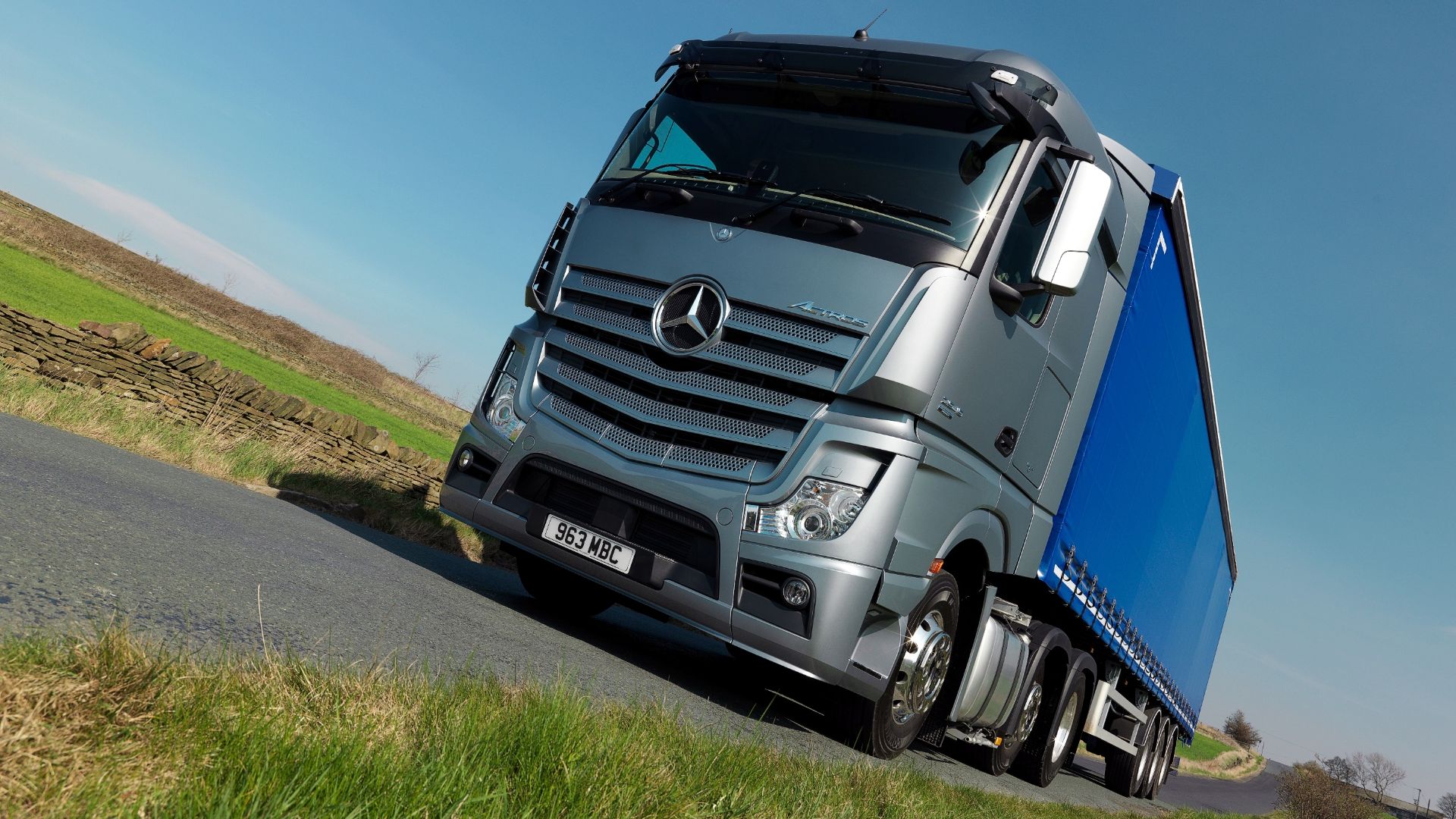
London’s Direct Vision Standard (DVS) for HGVs will be rolling out this autumn, with the goal of improving road safety for everyone. How? Getting blind spot-riddled HGVs up to a base standard for operation on urban streets, or banning them altogether.
If successful, the scheme will be rolled out country-wide, and even across the world.
How dangerous are HGVs on urban streets?
What’s the big deal, though? Well, alarming statistics have inspired this move. Despite making up just four percent of miles driven in London, HGVs are responsive for 63 percent of fatal collisions with cyclists, and as many as 25 percent of pedestrian deaths.
Based on those numbers, poor visibility for truck drivers in the capital is little short of a crisis.
How does DVS work?
The vehicles will be judged with a rating of between zero and five, for how much the operator can see directly out of the vehicle without relying on mirrors and cameras. Permits will need to be awarded to vehicles with an insufficient rating in order for them to be allowed in London.
What can be done to fix them?
And you can only get one of those permits by improving your vehicles safety rating. By Transport for London’s reckoning, as many as 35,000 of the 188,000 HGVs operating in the London will be banned by October 2020. That’s when zero-rated trucks’ time is up.
By 2024, only three-star vehicles or above will be allowed to drive in the city, at which point it’s expected up to 94,000 vehicles will be banned.
Getting a safety permit
The above safety permit can be earned via a variety of measures to improve driver visibility and therefore, pedestrian safety. More comprehensive mirrors, a battery of cameras with screens and warning chimes for pedestrians are on a list of utilities that can be retrofitted in order to improve a HGV’s safety rating.
Tesla has finally announced the long-awaited arrival of the $35,000 ‘entry-level’ Model 3 electric car. This is the model that the firm hopes further accelerate sales of its in-demand Nissan Leaf rival.
However, while some are crunching the numbers and predicting a £26,400 price by the time the car reaches the UK, Elon Musk has warned things won’t be quite so straightforward.
Base Model 3 available in Europe in ~6 months, Asia 6 to 8 months. Latter contingent on Shanghai Gigafactory. Country-specific taxes & import duties mean price may be 25% or more above US number.
This equals a predicted entry price of £33,000, rather than £26,400.
Tesla has ace up its sleeve, though: the remarkable performance of the Model 3. Even the entry-level car will do 0-60mph in 5.6 seconds – that’s faster than many sporty hot hatchbacks (which can also cost upwards of £30,000…). It’s also considerably quicker than all direct rivals.
The 220-mile range isn’t quite as good as the £32,995 Kia e-Niro: that car has a 282-mile range. But the Model 3 is currently tested to the tougher U.S. EPA standard; by the time it’s put through Europe’s WLTP test, the gap to the e-Niro may be narrowed.
Tesla also offers a Model 3 Standard Range Plus variant: 6 percent more money (around £1,500) buys 9 percent more range, plus a power boost and better interior spec.
The sub-£30,000 Model 3?
There coudl be yet another card up Tesla’s sleeve, too: the Government Plug-in Car Grant. This is worth £3,500. Subtract it from Elon’s indicated price and, lo, you have a sub-£30,000 Tesla Model 3.
If the firm really can deliver that headline-grabbing price, Tesla and Elon Musk really will have done something remarkable.
Suddenly, those early deposit-holders will be feeling very chuffed with themselves indeed…
The expense of getting on the road as a young driver is well known, but how much does it actually cost to pass your test, buy a car and then drive it for a year? According to Admiral, it’s as much as £9,136.
Getting your licence
Learning is a big one. You’re typically looking at £24 per hour to get behind the wheel with an instructor. Intriguingly, the UK is the fifth-cheapest country on Earth in which to learn to drive.
A provisional licence costing £34 plus 47 lessons with an instructor means you’re paying £1,247 just to get to your first test. If you pass, that’s £62 on top. If you fail, you’re in for more lessons again.
That’s not taking into account the £23 cost of a theory test. Just under half of all drivers under 25 passed first time, with it taking two attempts on average.
Insurance costs
This will have inspired a good few gasps over the years for young drivers. At present, the average insurance premium for a 17 year-old is a lofty £1,889.
In spite of efforts in recent years to bridge the car insurance gender gap, the gulf is still more than £600 on average. Men between 17 and 20 are paying out around £2,294, versus £1,660 for women.
Buying your first car
According to Admiral, over half of young drivers (under 25) borrow money to buy their cars, with a monthly budget of between £200 and £300. Nearly a quarter of those who borrowed money to buy cars said they’d be happy to pay more than £500 per month.
In total, with your £1,200 on learning (assuming you pass first time) added on to the £1,900 average insurance cost, you’ve got £3,100’s worth of bills before buying the car.
Couple that with a year’s worth of car payments at £300 per month, with around £2,000 as a deposit, and you’re up to £8,000 already, without any maintenance and other unexpected bills.
Getting on the road for less
There are plenty of ways you can get on the road for less as a young driver. An intensive one-week course can be had for comfortably less than £1,000. That’s the cost of your lessons, provisional and your test covered.
You could also fit a black box to make your insurance cheaper. And you could buy a ‘proper first car’ – i.e. a banger for a few hundred quid. Where there’s a will, there’s a way to save.
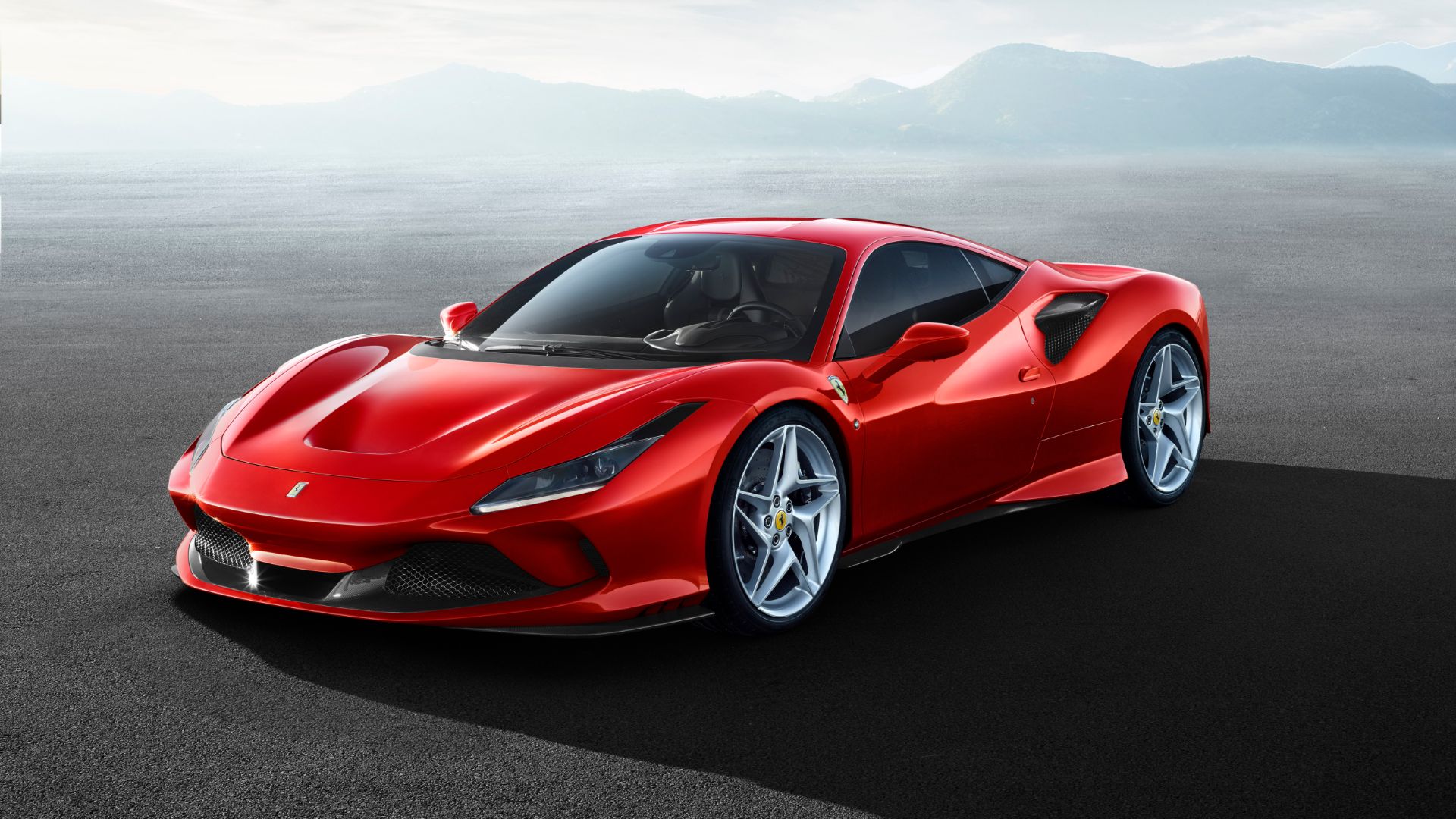
The Ferrari 488 GTB’s successor has been revealed. Meet the new 710hp F8 Tributo, due to debut at the 2019 Geneva Motor Show
Let’s get something clear straight away. No, it’s not a hybrid. Yes, it appears to be based on an architecture that goes back to the 458 of 2009. And no, it isn’t any more powerful than the 488 Pista.
Also, while the ‘Tributo’ name sounds like it should be attached to something limited-run or one-off, this is a series production car.
A ‘Tributo’ to the Ferrari V8
Now let’s look at the numbers. Packing a 3.9-litre twin-turbo V8, the F8 matches the 488 Pista with its 710hp output – and is nearly 50hp up on the 488 GTB.
Ferrari makes a great deal of fuss about this award-winning engine, with the car’s name referencing the three-time ‘Best Engine’ award winner. It’ll crack 62mph in 2.9 seconds and match the Pista’s 211mph top end.
Weight down, aero up
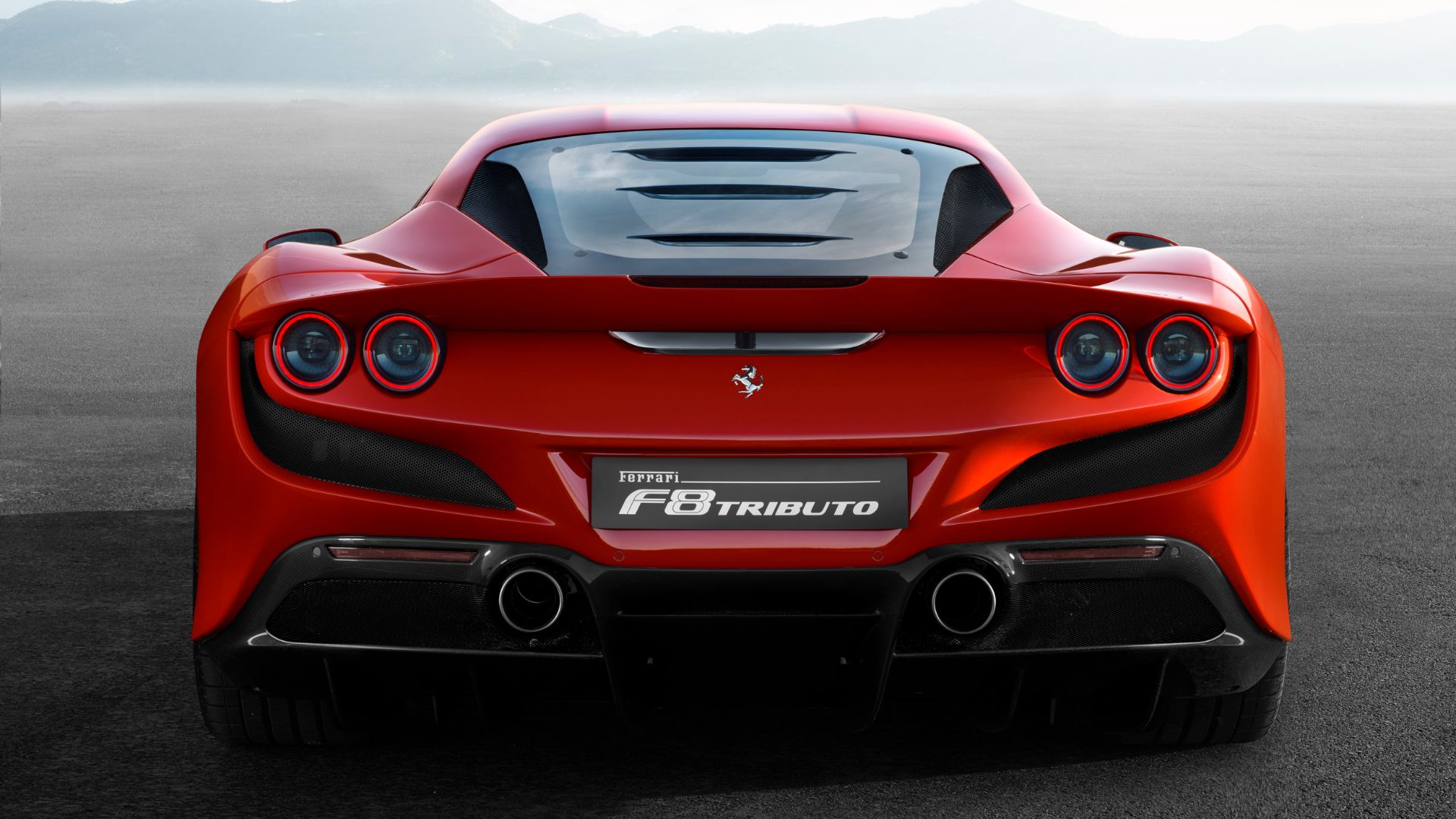
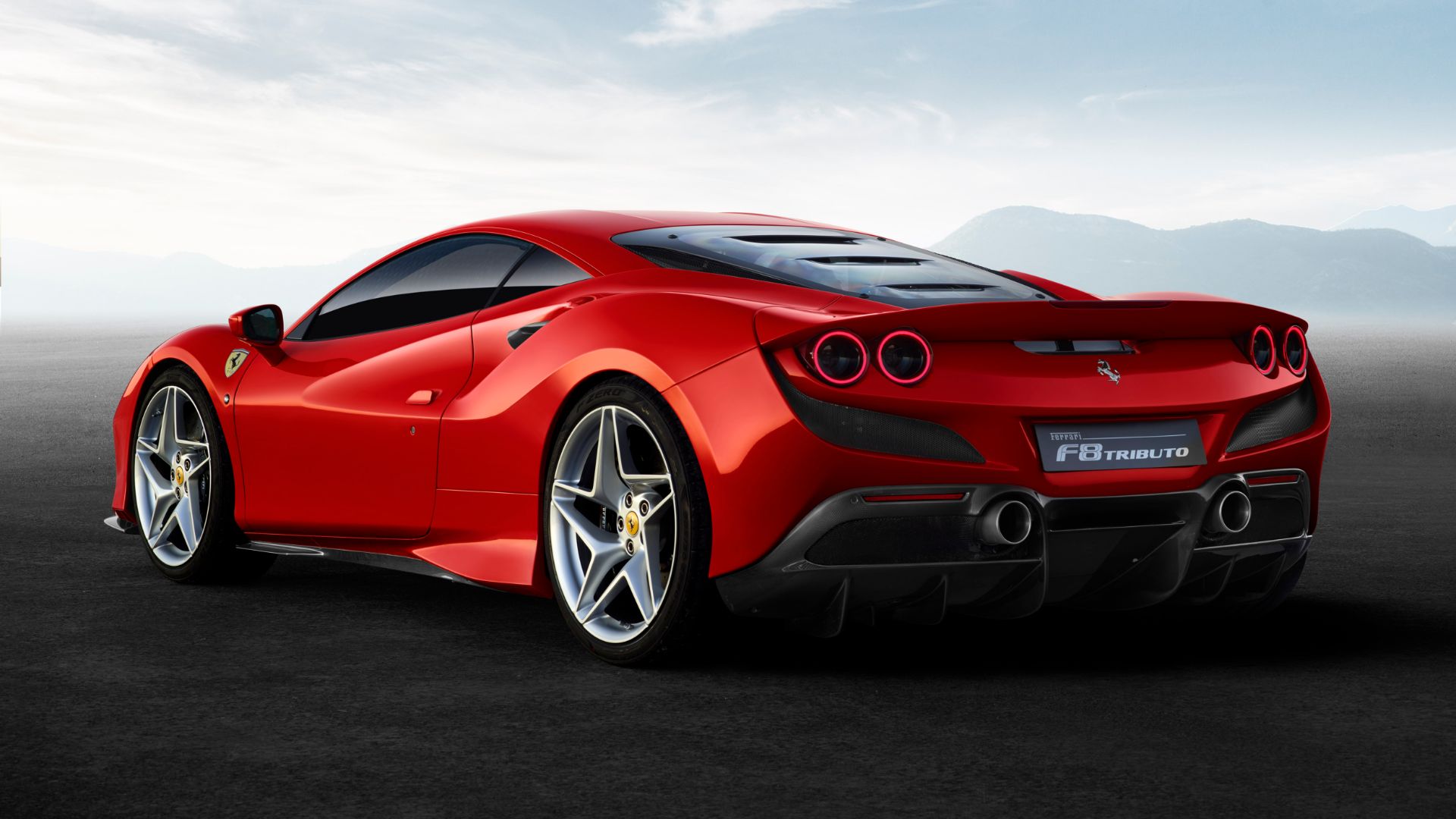
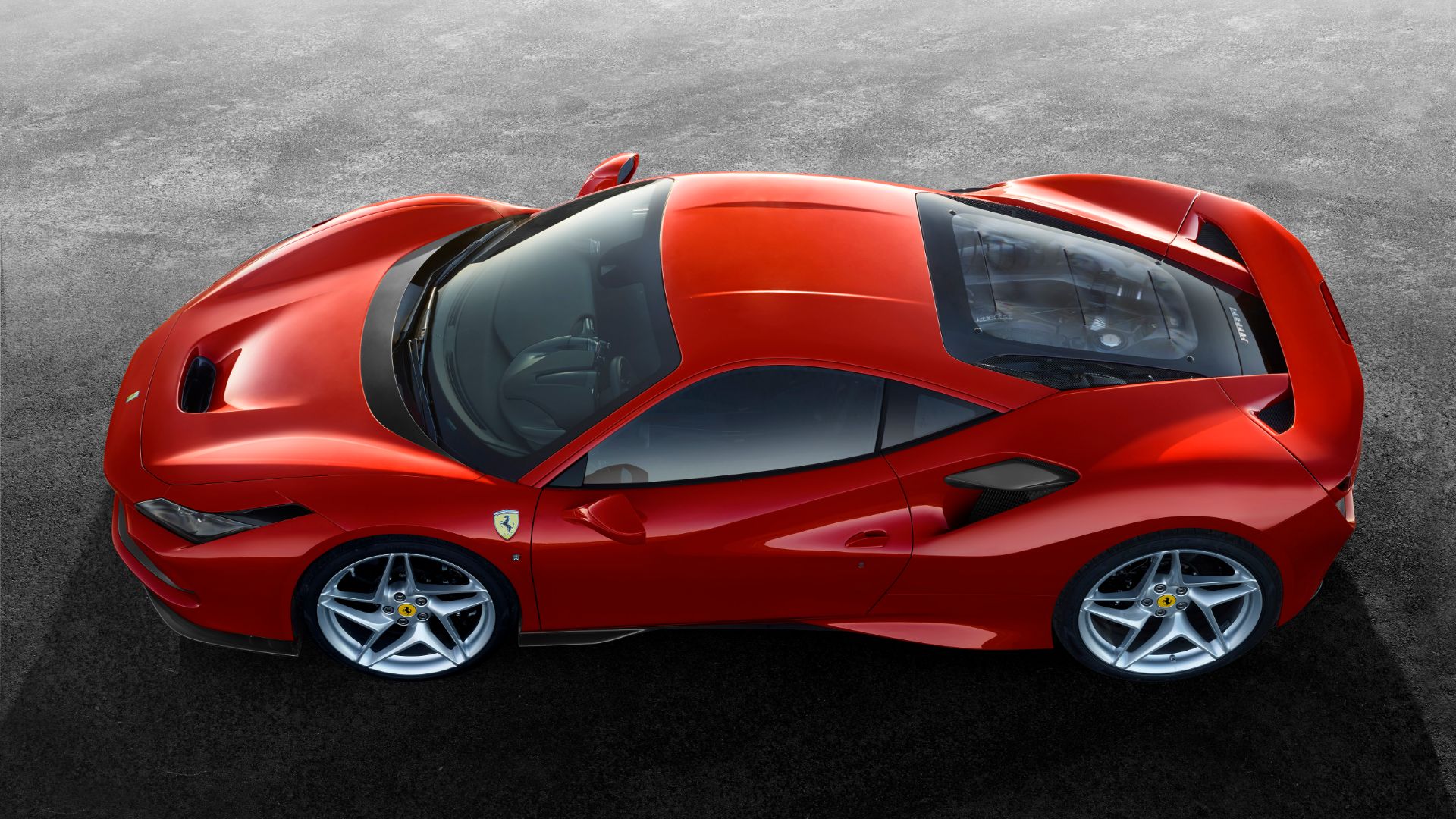
The F8 Tributo has lost 40kg versus the 488 it replaces, while the new bodywork improves aero efficiency by 10 percent. Notice the louvred engine window at the rear: a reference to possibly the greatest ever V8 Ferrari – the F40.
The slats also help extract hot air from the engine bay without interrupting the efficiency of the ‘blown spoiler’. This aerodynamic aid has been ‘further evolved to increase downforce generated at the rear’.
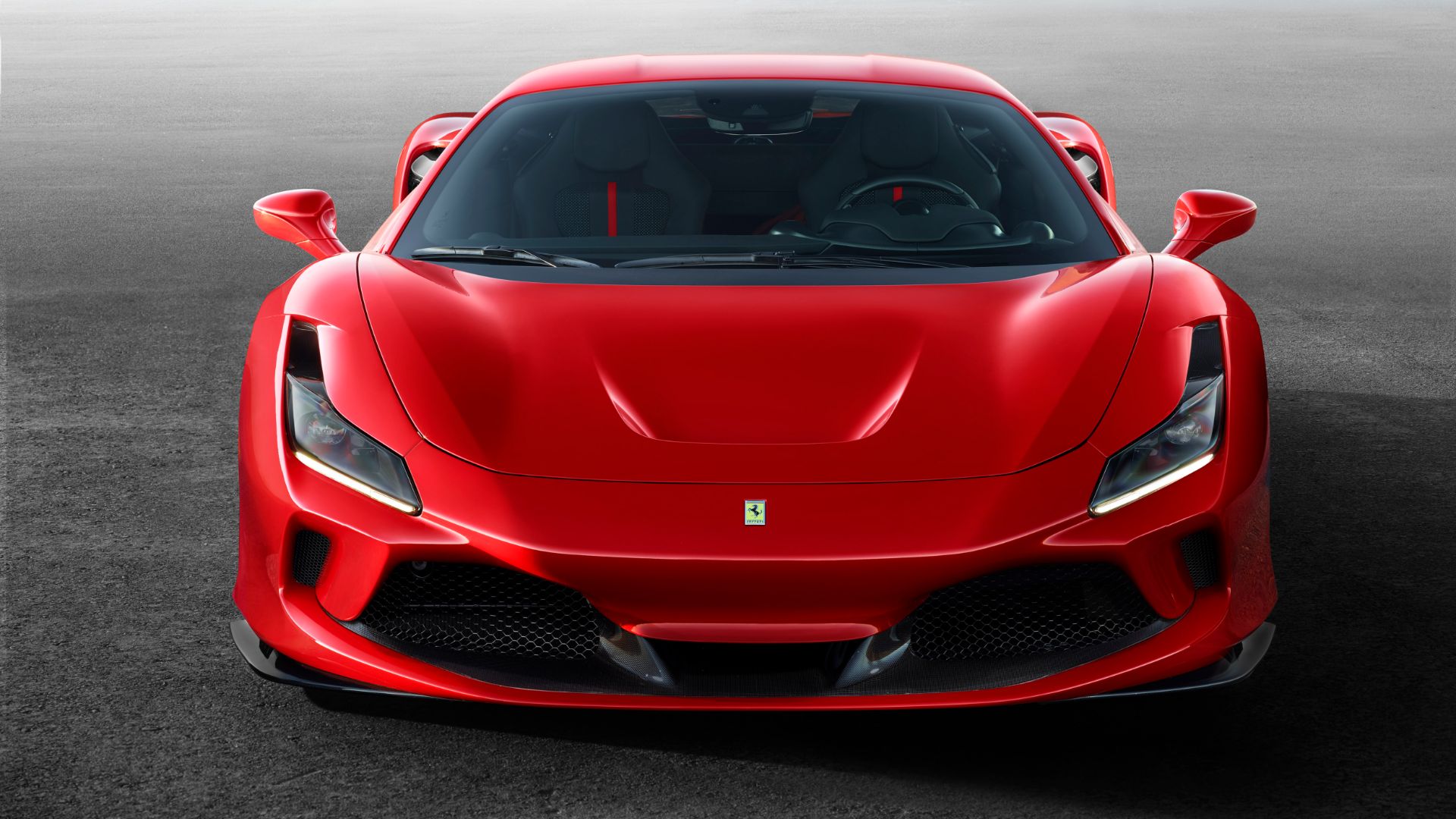
The front features a new S-Duct (the vent in the bonnet), which increases front-end downforce by 15 percent.
A ‘Ferrari Styling Centre’ overhaul
There are plenty of giveaways that this is not an all-new car, but a close relation to the 488 GTB and 458. However, the F8 moves the styling and aero game on a long way.
Praise be, the four-rear-light Ferrari look is back on mid-engined Berlinettas, for the first time since the F430 of 2004. Everything is evolved from the Pista and, indeed, from the racetrack, albeit toned down here.
There’s no getting away from that classically sleek silhouette, though. We also note a few styling hints from the 458 MM Speciale one-off. And the horizontal LED lights mimic those seen on the Ferrari FXX-K hypercar, with vents above to carry over lines from the 488.
Inside the new mid-engined Ferrari
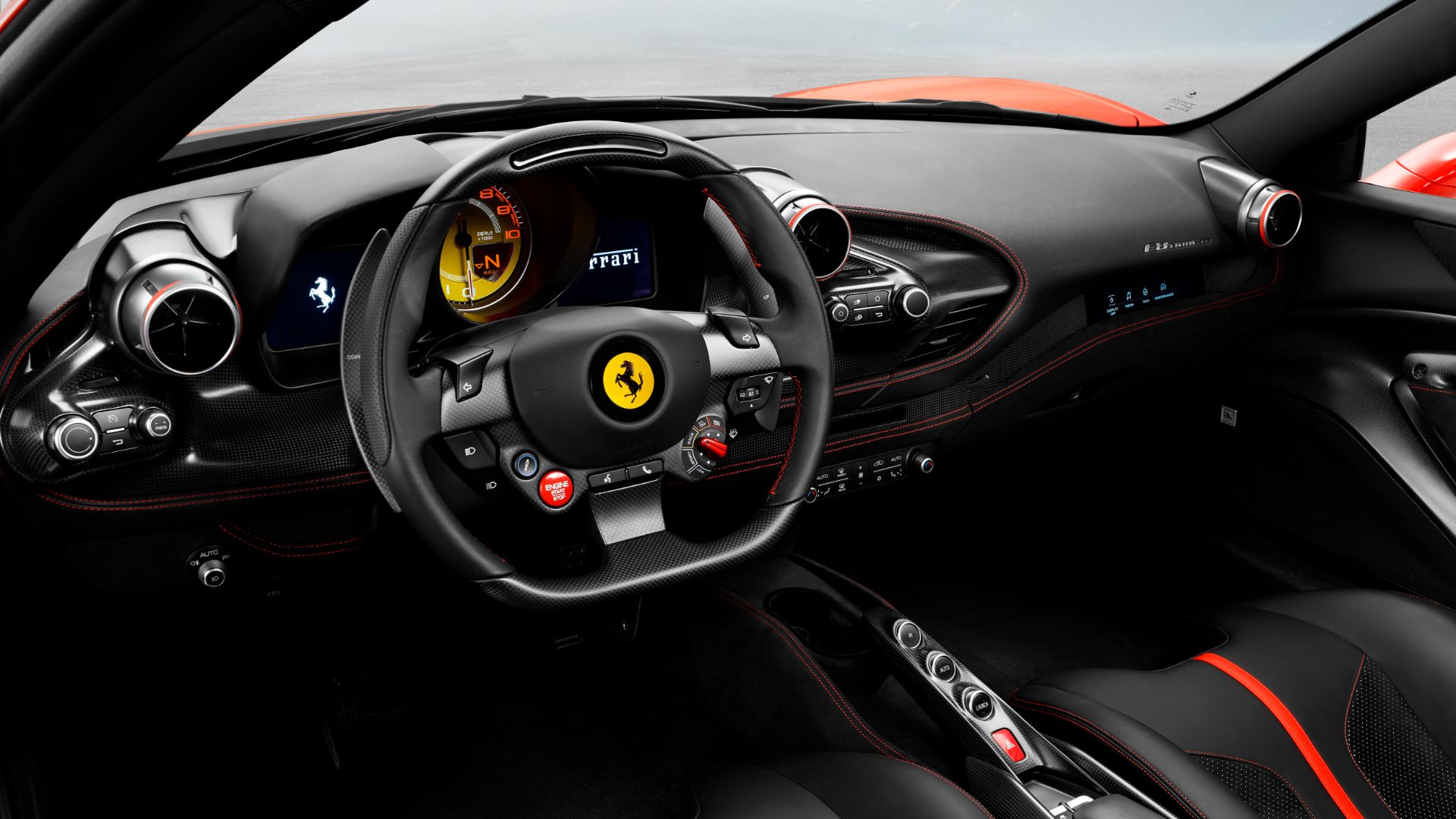
Inside is where the biggest update was needed over the 488. Happily, the F8 moves the game on just enough.
The new-style Ferrari wheel with a more compact airbag appears alongside a redesigned dashboard. The weird trapezoidal vents are gone, for a start, in favour of more traditional circular items.
All in all, the F8 Tributo is a nice styling step-on for the 488 GTB, with Pista power, updated aero and a much-needed lift for the interior.
It’s not the leap into the future that we were expecting, but it does give a fitting nod to Ferrari greats of the past. We’re in no doubt it’ll take the fight to the new Lamborghini Huracan Evo and McLaren 720S.
We can’t wait to see it in the metal at the 2019 Geneva Motor Show
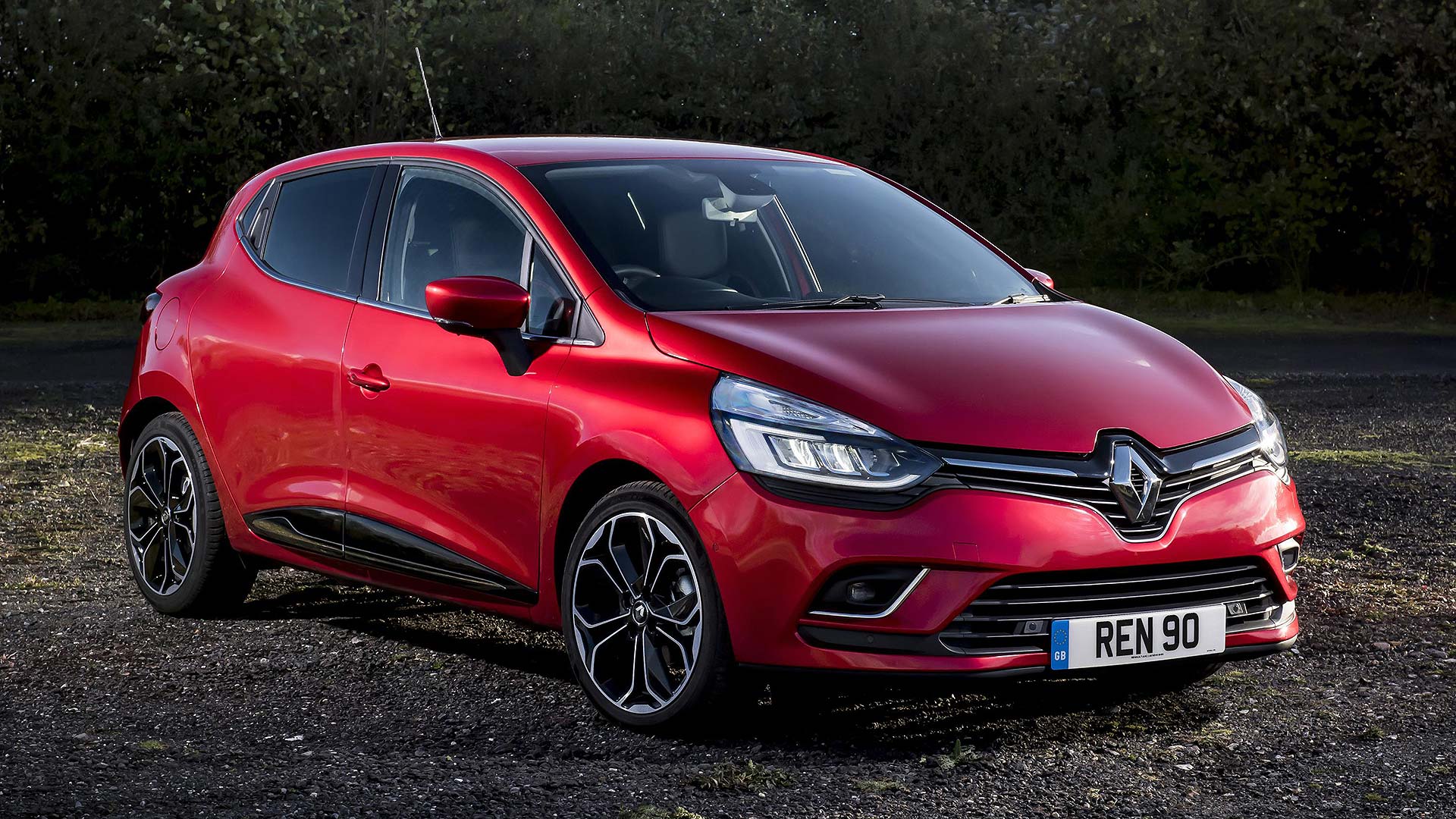
A diesel Renault Clio emits 20 times more NOx pollution in real-world town and city driving than a diesel Land Rover Discovery, a new independent test called the AIR Index has revealed.
The new standardised rating system for air quality has been developed to clean up confusion around vehicle nitrogen oxide (NOx) emissions, and highlight the worst polluters.
The big surprise from the launch tests is that the large 3.0-litre TD6 Discovery is so much cleaner than the diesel Clio, a far smaller model with an engine half the size, weighing almost half as much.
Inspired by the independent Euro NCAP testing regime, the founders of the AIR Index hope the new ratings will have a similar effect on real-world car emissions.
They also hope it will help policy makers when formulating clean air policies for towns and cities.
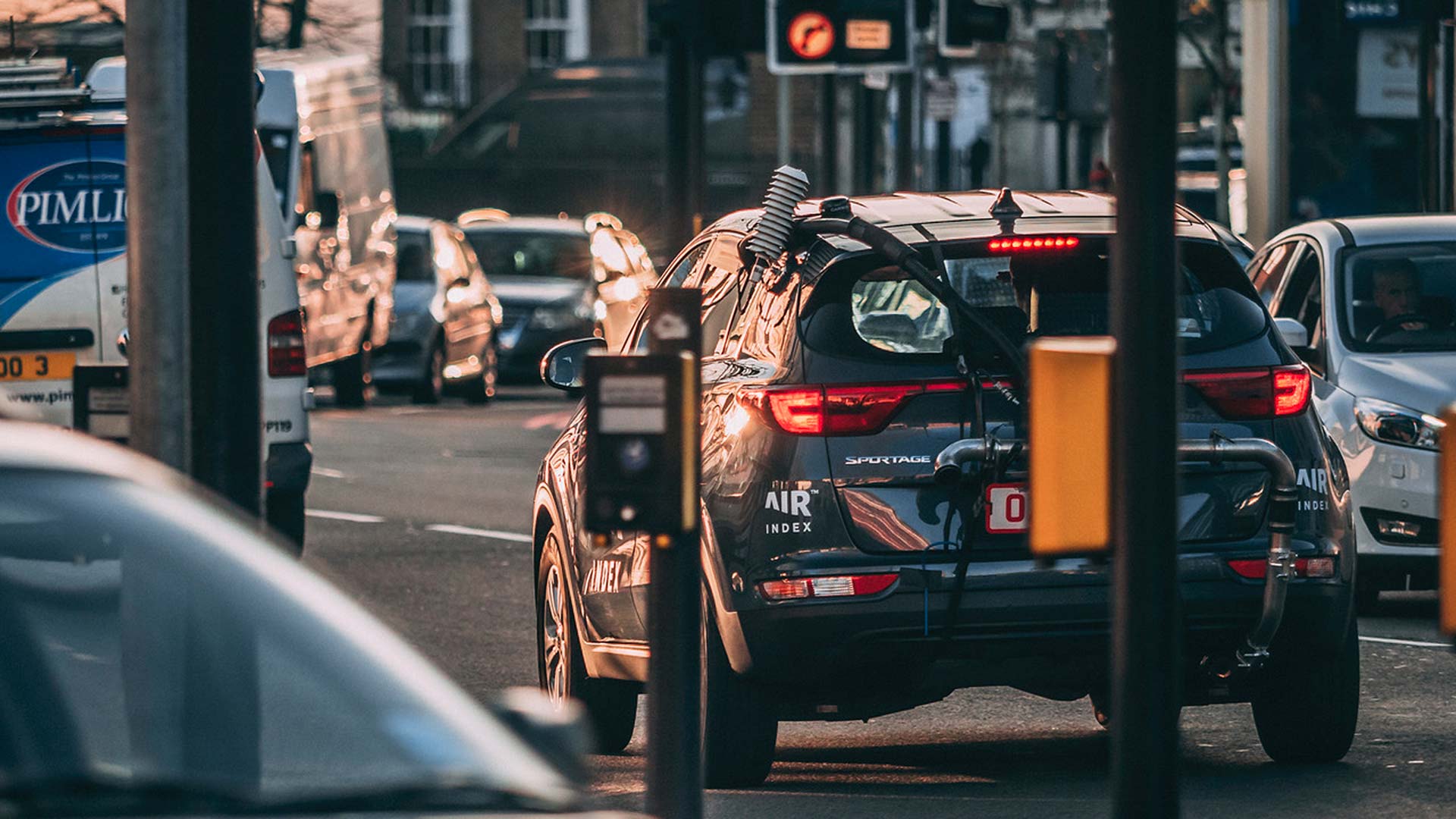
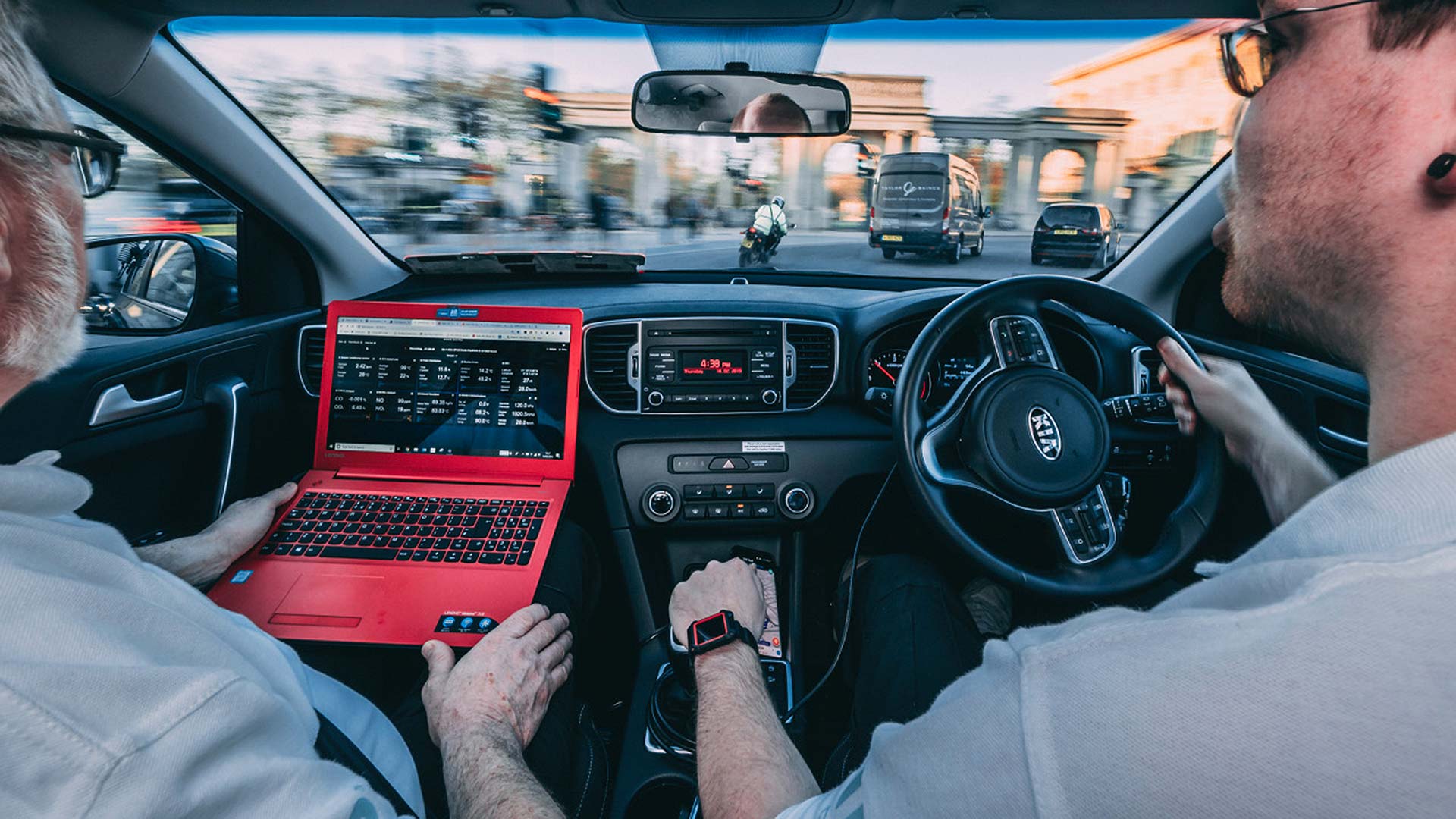
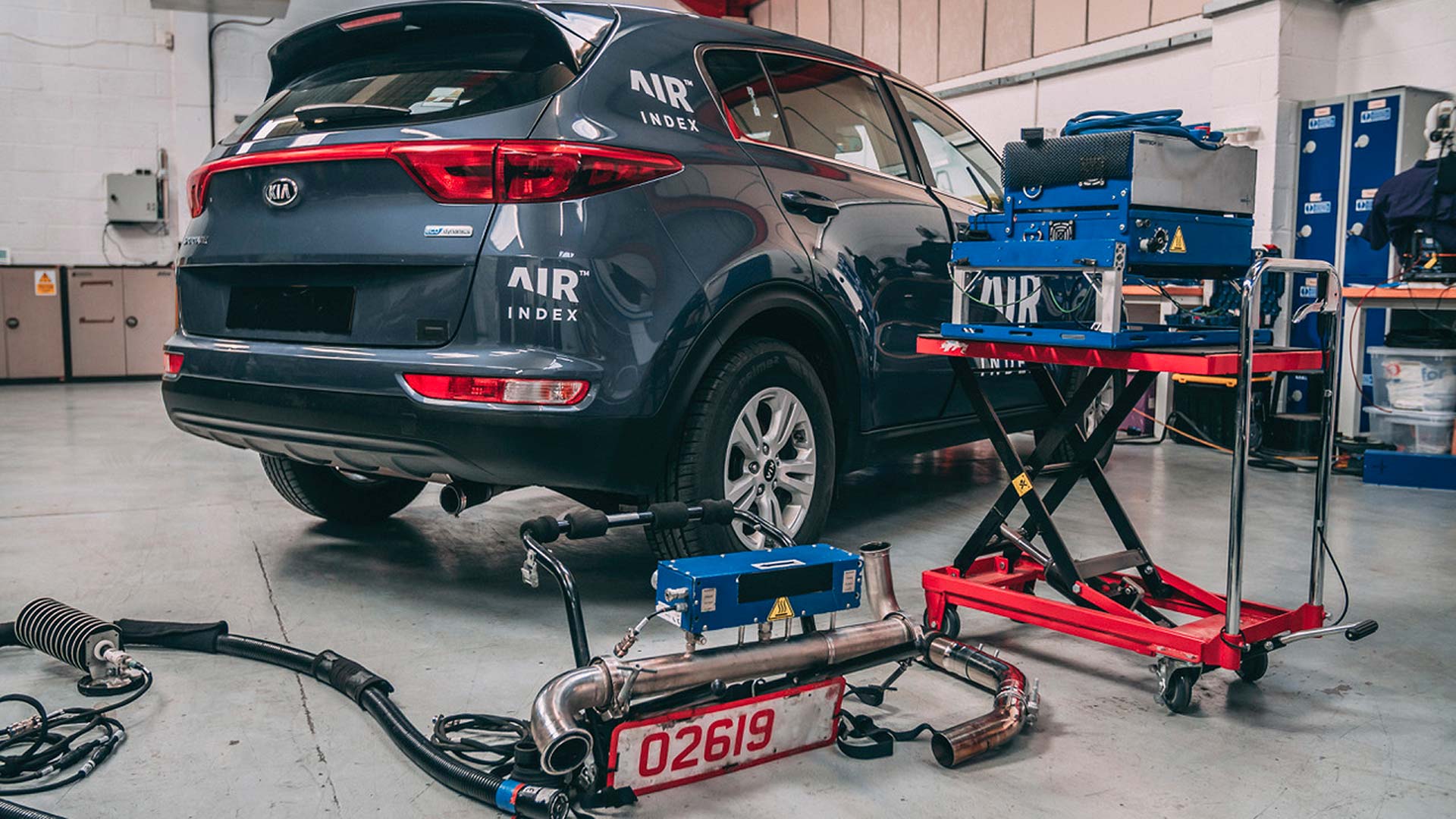
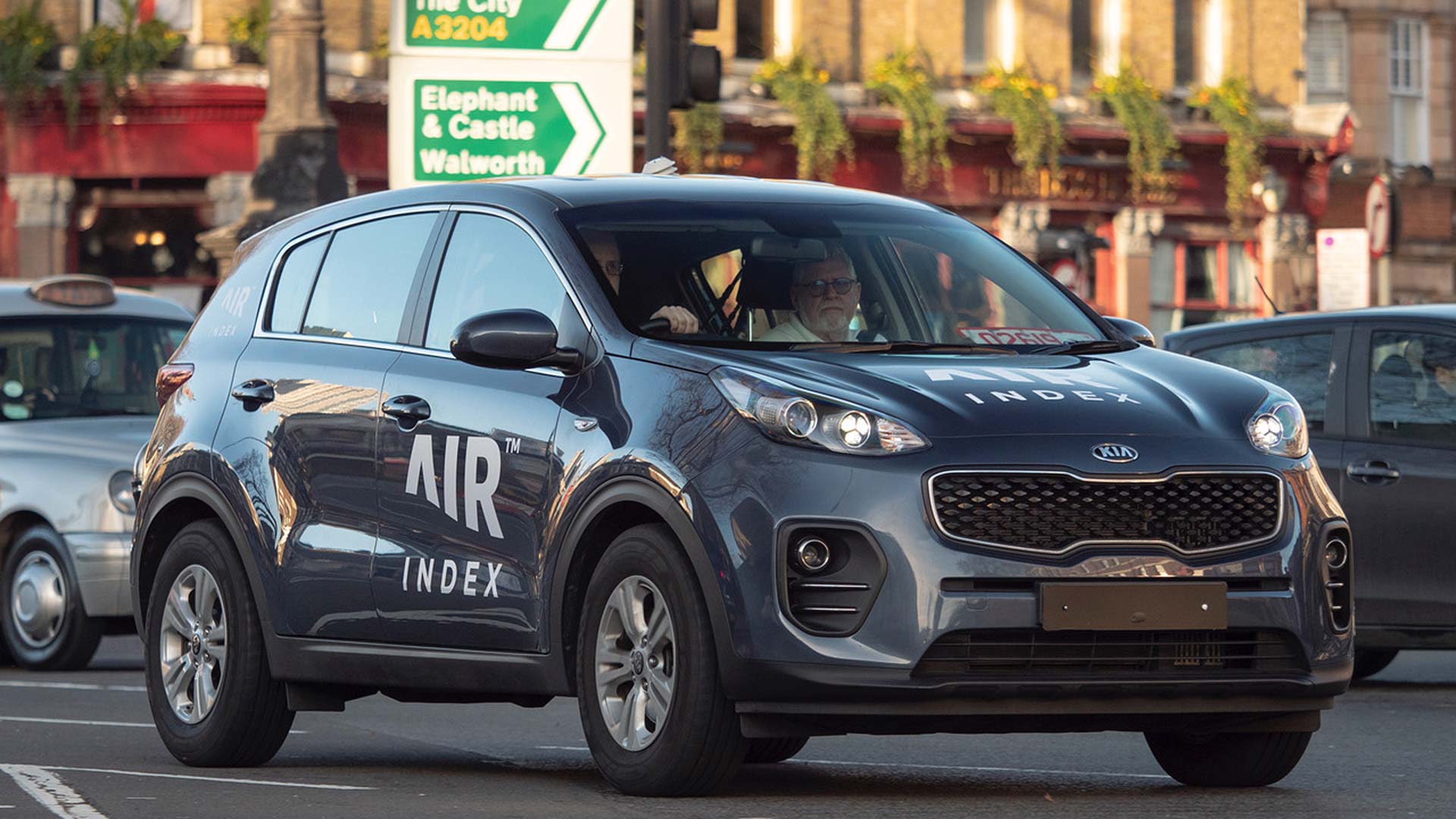
Instead of testing in labs, the AIR Index is conducted by on-road driving. The testing is described as “scientifically robust” according to new internationally-agreed methodology. It is a development of an earlier ranking called the EQUA Index.
AIR Index: how it works
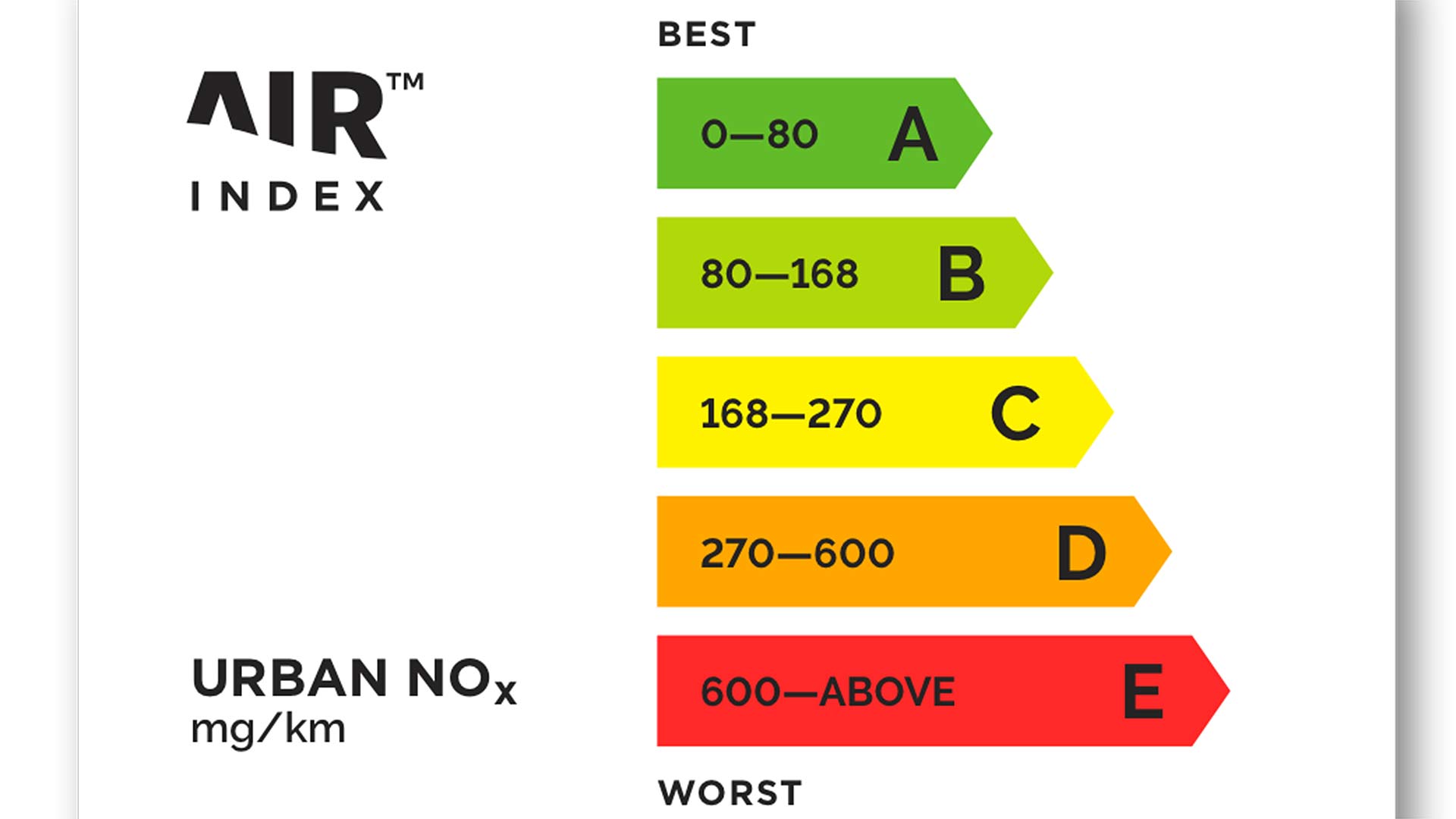
The AIR Index is a colour-coded scale from A to E, based on those used for consumer white goods, and already used to show new car CO2 emissions.
An ‘A’ rating in the AIR Index equals NOx emissions of between 0 and 80mg/km. The official legal limit for new car NOx emissions is 80mk/km for diesel, 60mg/km for petrol cars.
In other words, any car that doesn’t get an ‘A’ rating exceeds official lab-tested NOx limits in real-world driving.
The worst, an ‘E’ rating, represents NOx emissions of 600mg/km or more. This shows just how much NOx pollution the 2017 Renault Clio actually emitted in real-world driving – and how unexpectedly green the Discovery was.
“It proves that not all ‘Chelsea tractors’ are dirty polluting machines,” said a spokesman. “It finally offers clarity.”
The AIR Index operates independently and is intended to support the latest WLTP and RDE ‘real-world emissions’ scale, which is scheduled to go live in September 2019. This only gives a ‘pass’ or ‘fail’ score: AIR is much more granular – and, added the spokesman, doesn’t simply look at brand new cars.
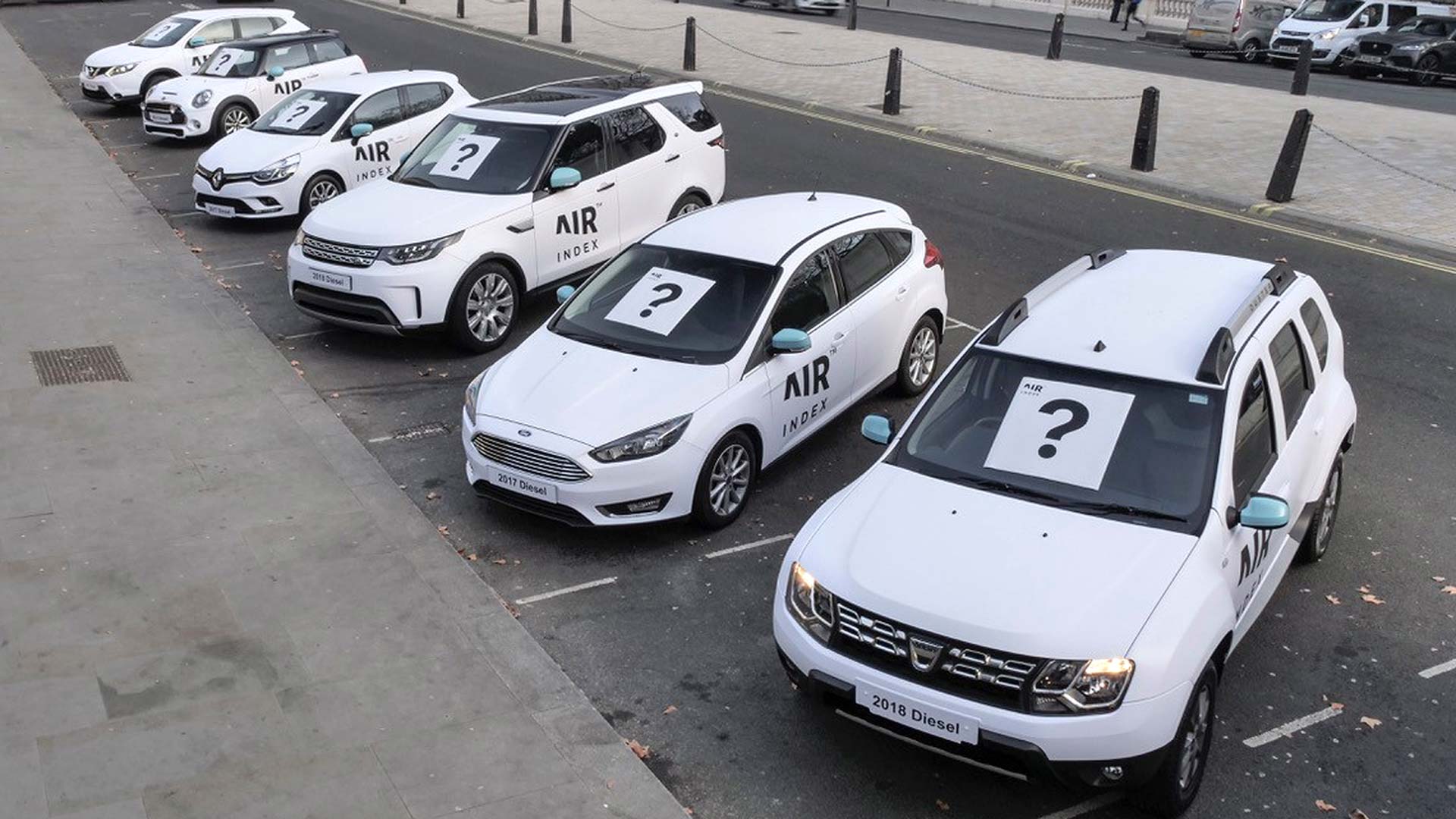
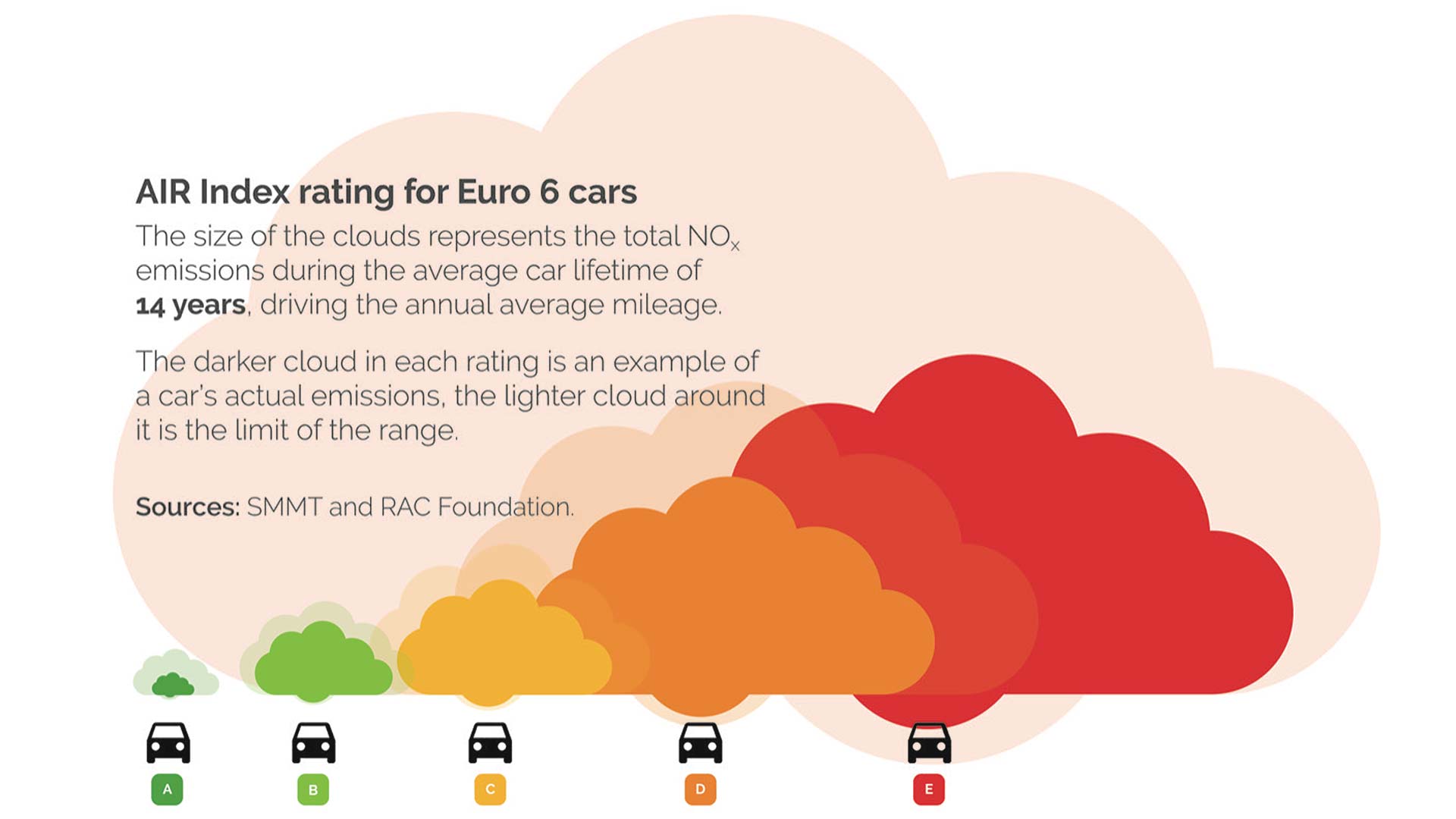
Ratings for a total of six cars have been revealed as part of the AIR Index launch. They represent a cross-section of cars, both small and large, diesel and petrol. All meet the latest Euro 6 emissions standard.
AIR Index rating: launch tests
2018 Land Rover Discovery 3.0 TD6 (diesel): A
2017 Nissan Qashqai 1.2 DiG-T (petrol): B
2015 Mini Cooper SD (diesel): C
2018 Dacia Duster 1.5 dCi (diesel): D
2017 Ford Focus 1.5 TDCi (diesel): D
2017 Renault Clio 1.5 dCi (diesel): E
‘Game changer’
“The AIR Index is a game changer,” said co-founder Massimo Fedeli. “It gives easy to understand, at-a-glance information on actual vehicle emissions in towns and cities.
“It provides car buyer with the answer they need to make the right purchasing choices, it makes the industry accountable to produce cleaner cars and gives cities and policy makers the accurate data to create fair policies.”
Dan Carder led the West Virginia University team that uncovered the Volkswagen emissions cheating scandal, and has endorsed the new rating. “If the AIR Index had been implemented 15 years ago, dieselgate would likely not have happened.”
Porsche has just announced that the next-generation Macan SUV, coming in 2021, will be electric-only.
That means no petrol, no diesel, no hybrid. Electric only. And we think that’s a great idea.
Better performance, better looking
An electric Macan makes sense. Firstly, the shape of small SUVs is conducive to electric powertrains. There’s plenty of room for batteries, and lowering the centre of gravity would be no bad thing.
More freedom to style and shape the body wouldn’t hurt either. There’s no way current crossovers will get worse in terms of looks or handling if they go electric-only.
But better than Tesla?
Imagine, if you will, a smaller Tesla Model X, with more range and quicker charging. It has also exchanged silly doors for Porsche badges, Porsche styling and indeed Porsche build quality. And it costs £30,000 less.
That sounds like a pretty appealing package to us.
Better than the current four-cylinder
The four-cylinder engine at the bottom of the current Macan range simply isn’t enough. It sounds asthmatic and has nowhere near the get-up-and-go you expect of a Porsche.
There’s no joy lost in exchanging it for electric motors and an 80kwh bank of batteries. You can bet the electric Macan won’t hang about.
More range than petrol?
There probably won’t be any economy or range lost either. We estimated we’d get a maximum of 450 miles out of a tank in the four-cylinder Macan when tested.
That was based on it achieving a deeply unimpressive 30mpg. Even that proved ambitious at times.
We’d wager that the next-generation electric Macan will get very close and possibly surpass that range, with performance to frighten a Macan Turbo. Indeed, it’s due to get a version of the 800-volt technology we’ll see in the Taycan later this year.
We hope we’re not being optimistic with our number plucking. An electric Macan that can do all of the above sounds like Porsche-badged perfection in an Elon Musk electric utopia.
It’s time for electric cars without caveats. And if anyone can do that, it’s Porsche.
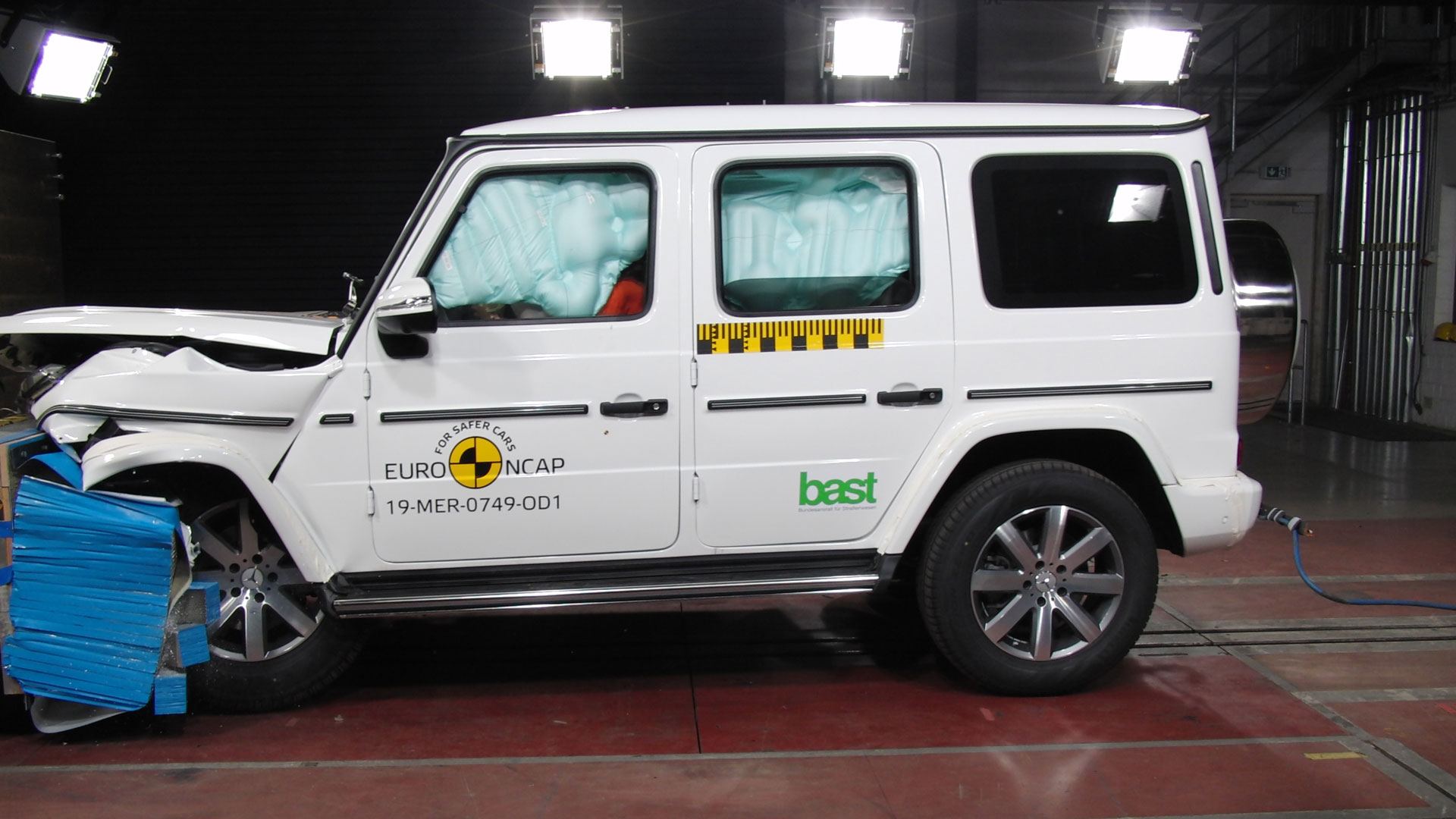
The new Mercedes-Benz G-Class is one of three new SUVs to be awarded a maximum five-star safety rating by Euro NCAP – highlighting the reinvention of this iconic off-roader.
What’s even more impressive is that the G-Class – a left-hand-drive G 350d – was subjected to Euro NCAP’s more stringent protocols of 2019, making a five-star rating harder to achieve than last year.
The Mercedes scored 90 percent for adult occupant safety, 83 percent for child occupant safety, 78 percent for vulnerable road users, and 72 percent for safety assist technology.
Seat’s new seven-seat SUV, the Tarraco, delivered an even better performance, scoring a near-perfect 97 percent for adult occupant safety. For child safety, pedestrian safety and technology, the Tarraco scored 84 percent, 79 percent and 79 percent respectively.
What makes this all the more impressive is that the Tarraco shares its platform with the Kodiaq, with the Skoda receiving lower scores in every category when it was crash tested in 2017.
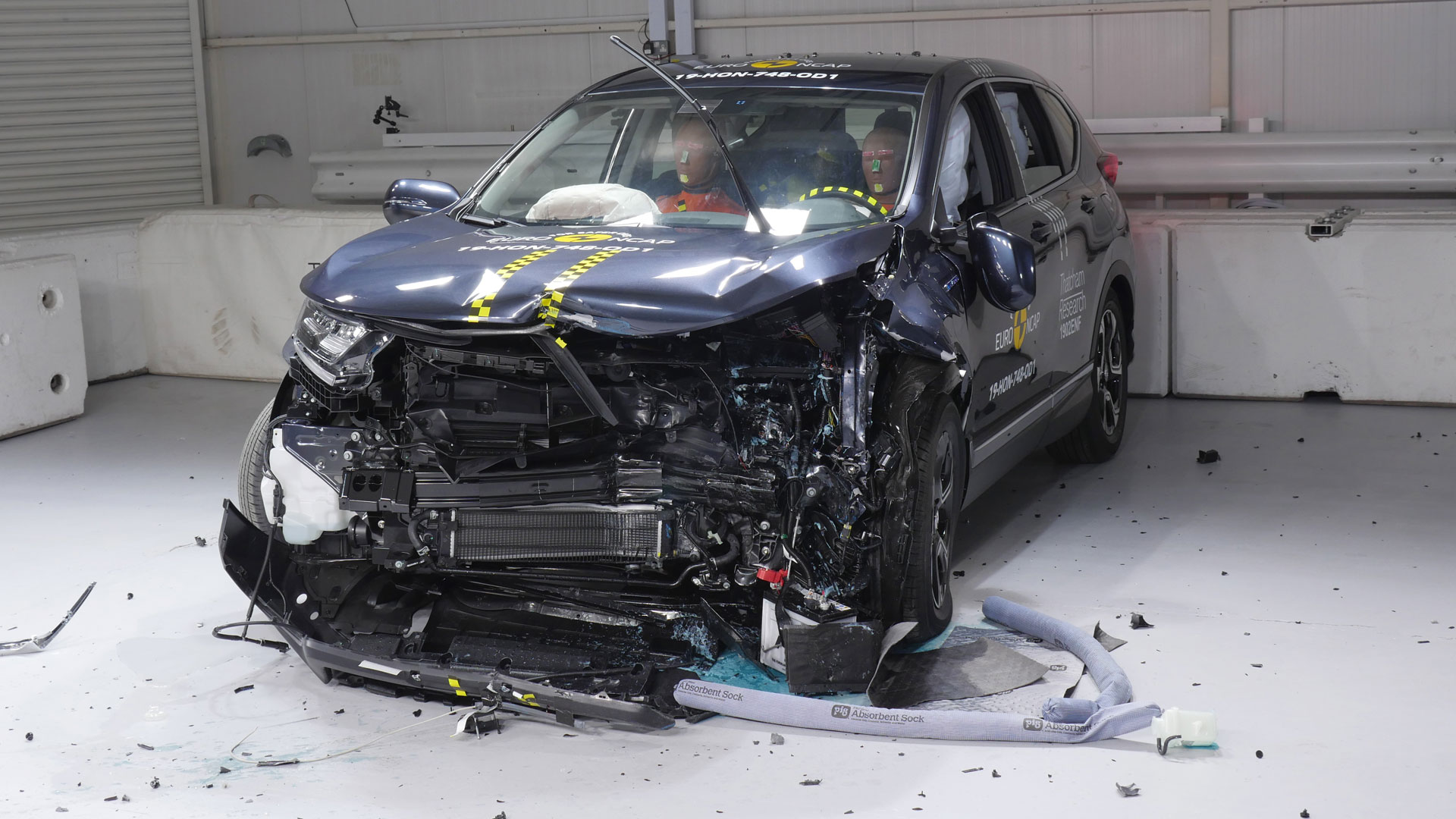
Finally, the new Honda CR-V is awarded a maximum five-star rating, scoring 93 percent for adult safety, 83 percent for child safety, 70 percent for vulnerable road users and 76 percent for safety assist technology.
The power of consumer testing
Michiel van Ratingen, secretary general of Euro NCAP, said, “Here we have three new vehicles, competing in the same segment and getting top safety ratings.
“That’s impressive enough, but the fact that all three off-roaders are equipped with pedestrian and cyclist AEB systems really demonstrates the power of consumer testing not only to encourage better performance but also to promote new technologies as standard-fit across Europe.”
Last year, the Mercedes-Benz A-Class was named the safest small family car by Euro NCAP, with the Lexus ES scooping the award in the large family car and hybrid/electric categories. The Hyundai Nexo was the safest large off-road car of 2018.
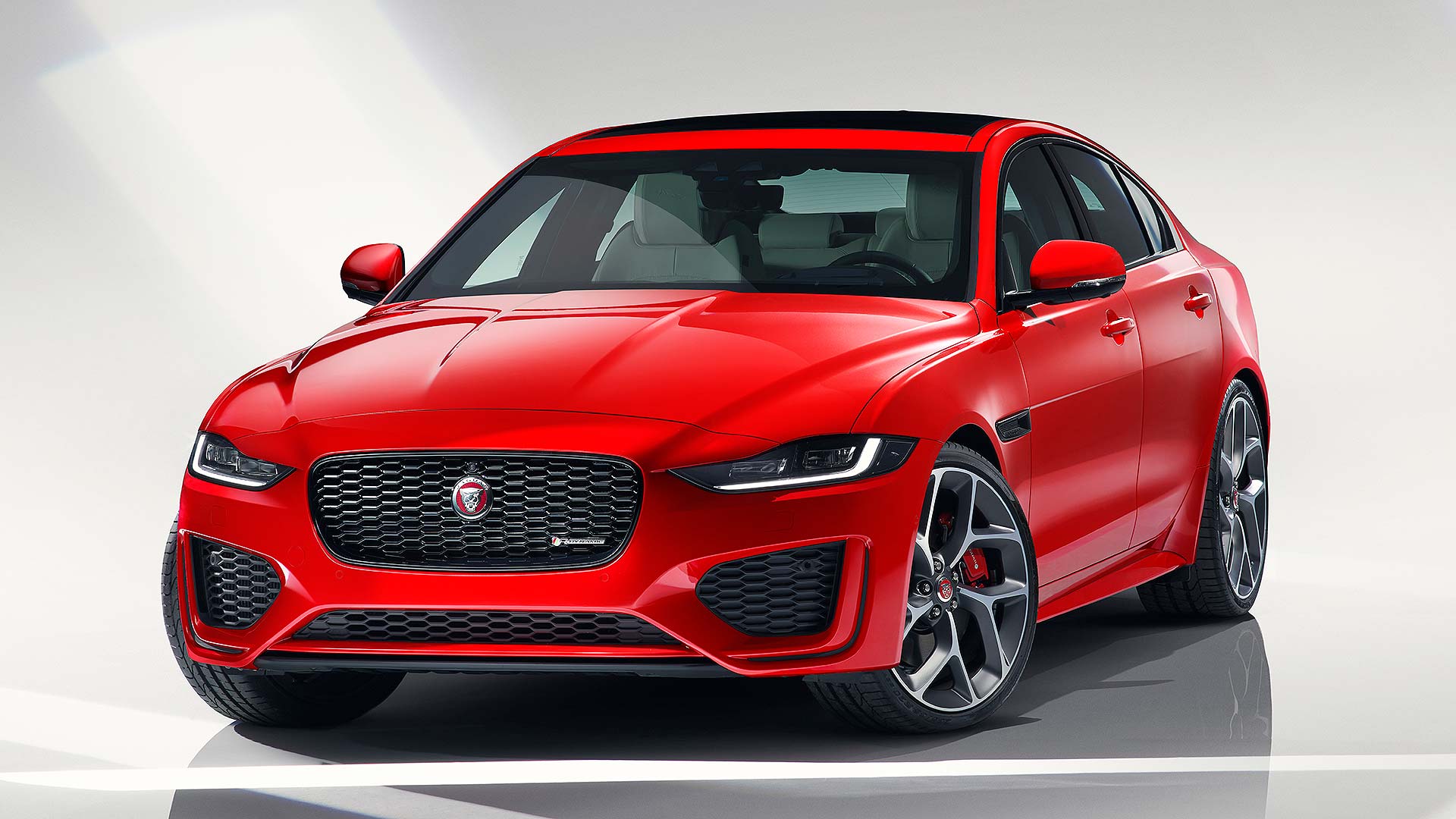
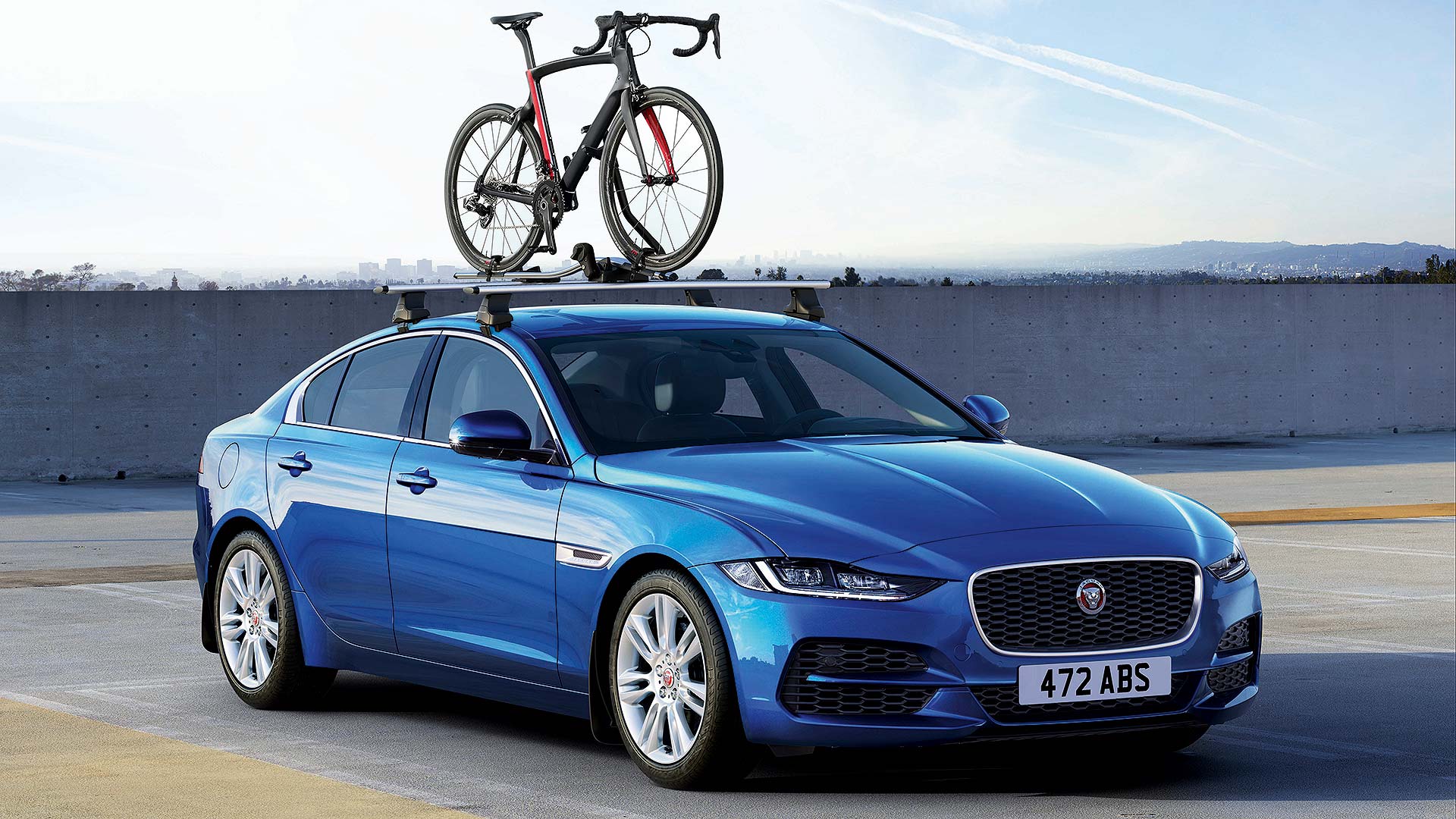
Jaguar is aiming to turn around the fortunes of its BMW 3 Series-rivalling XE saloon with interior tech borrowed from the I-Pace electric SUV and a diesel engine that’s cleaner than every single rival.
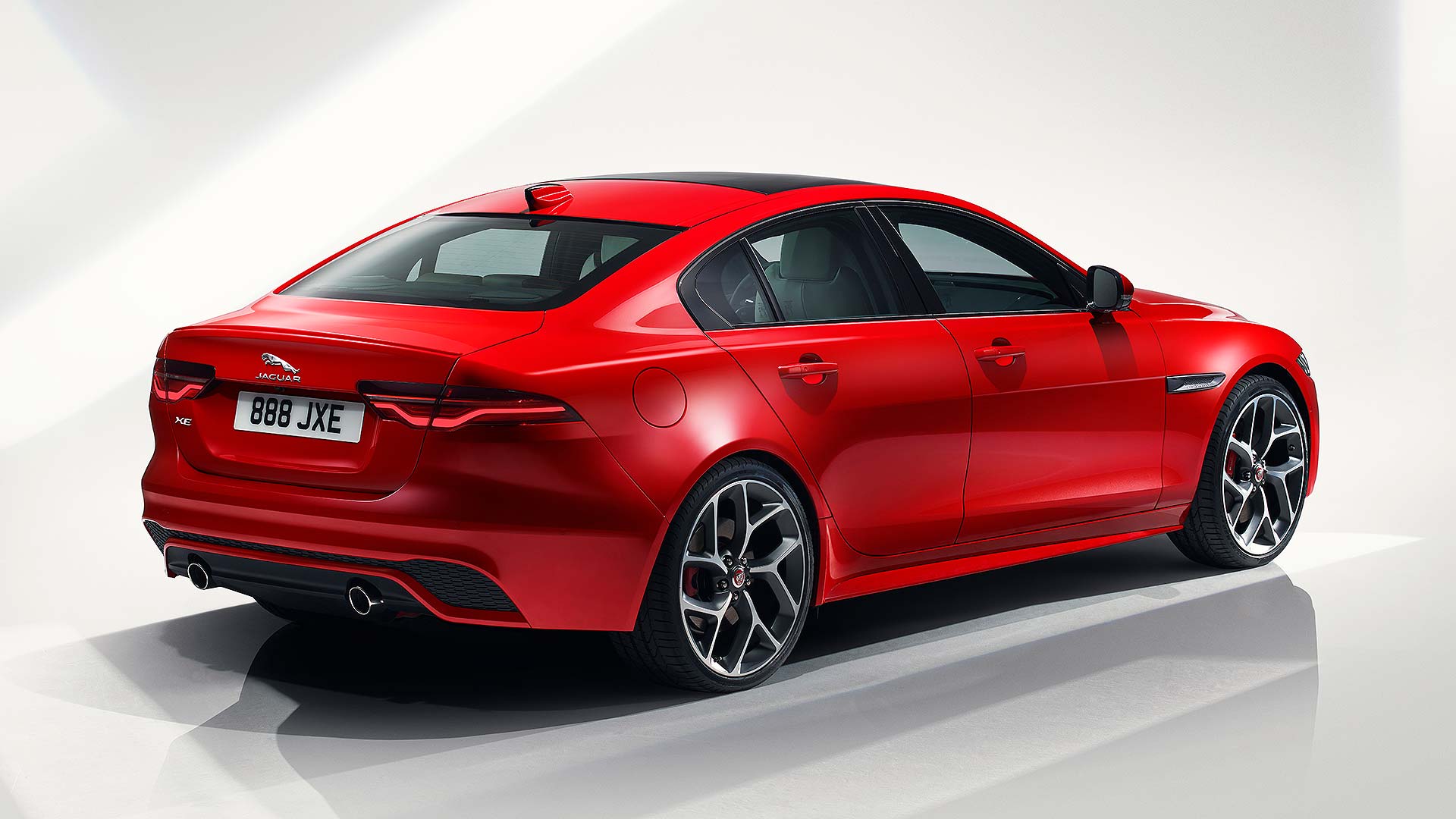
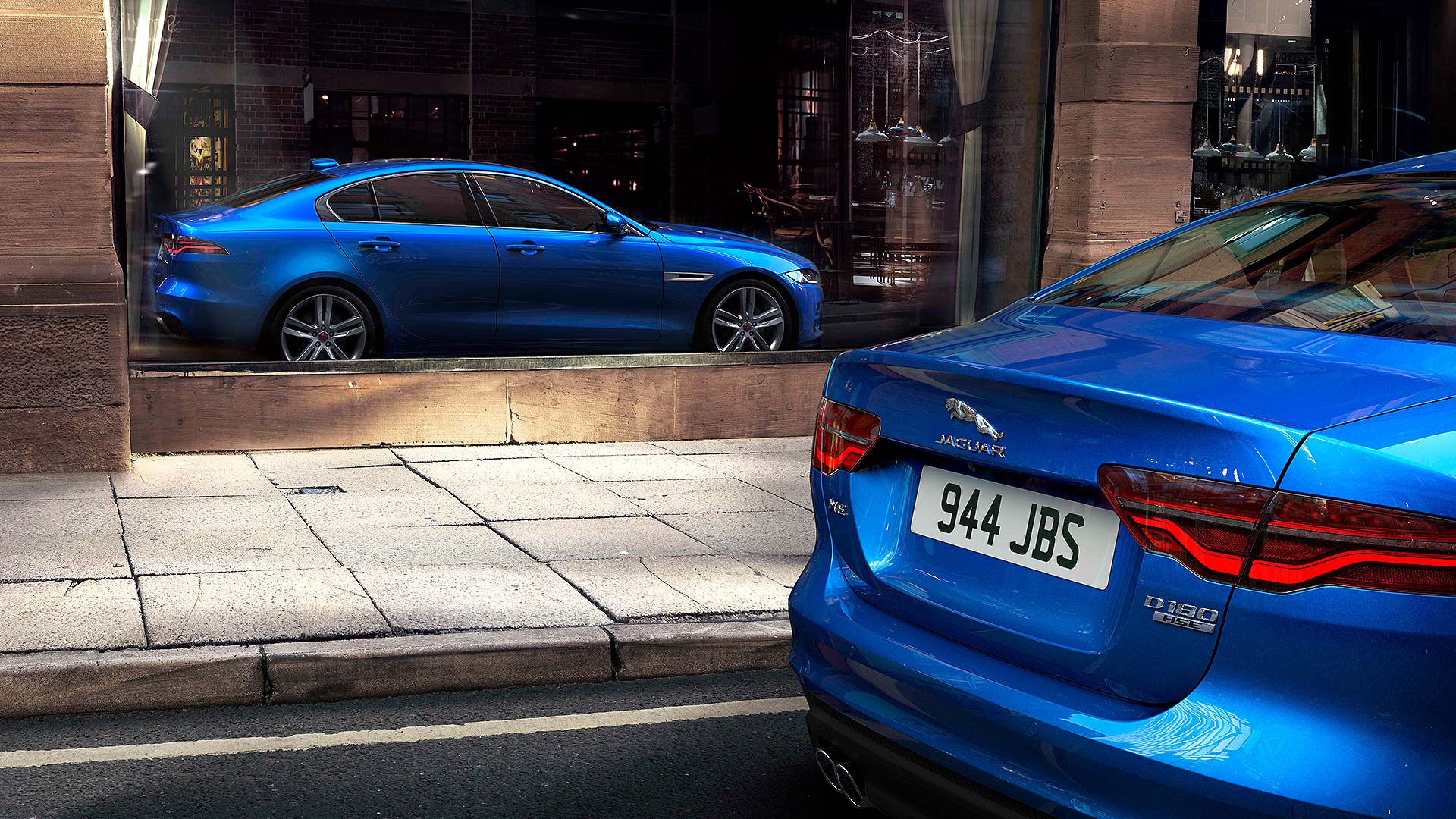
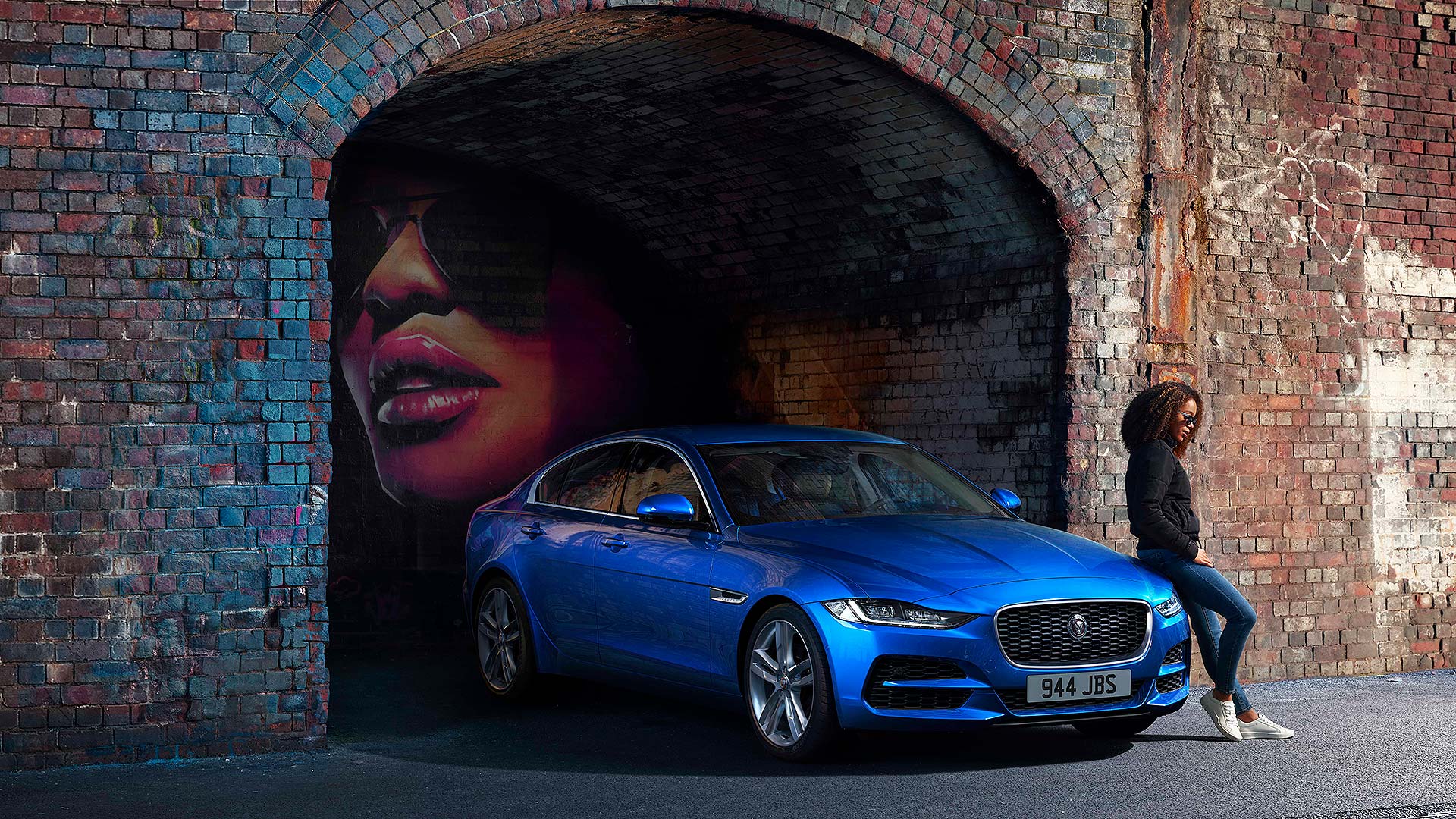
Revealed in London at The Bike Shed in Shoreditch, the 20MY Jaguar XE (that’s 2020 model year, although it’s on sale right now) at first glance doesn’t look all that different.
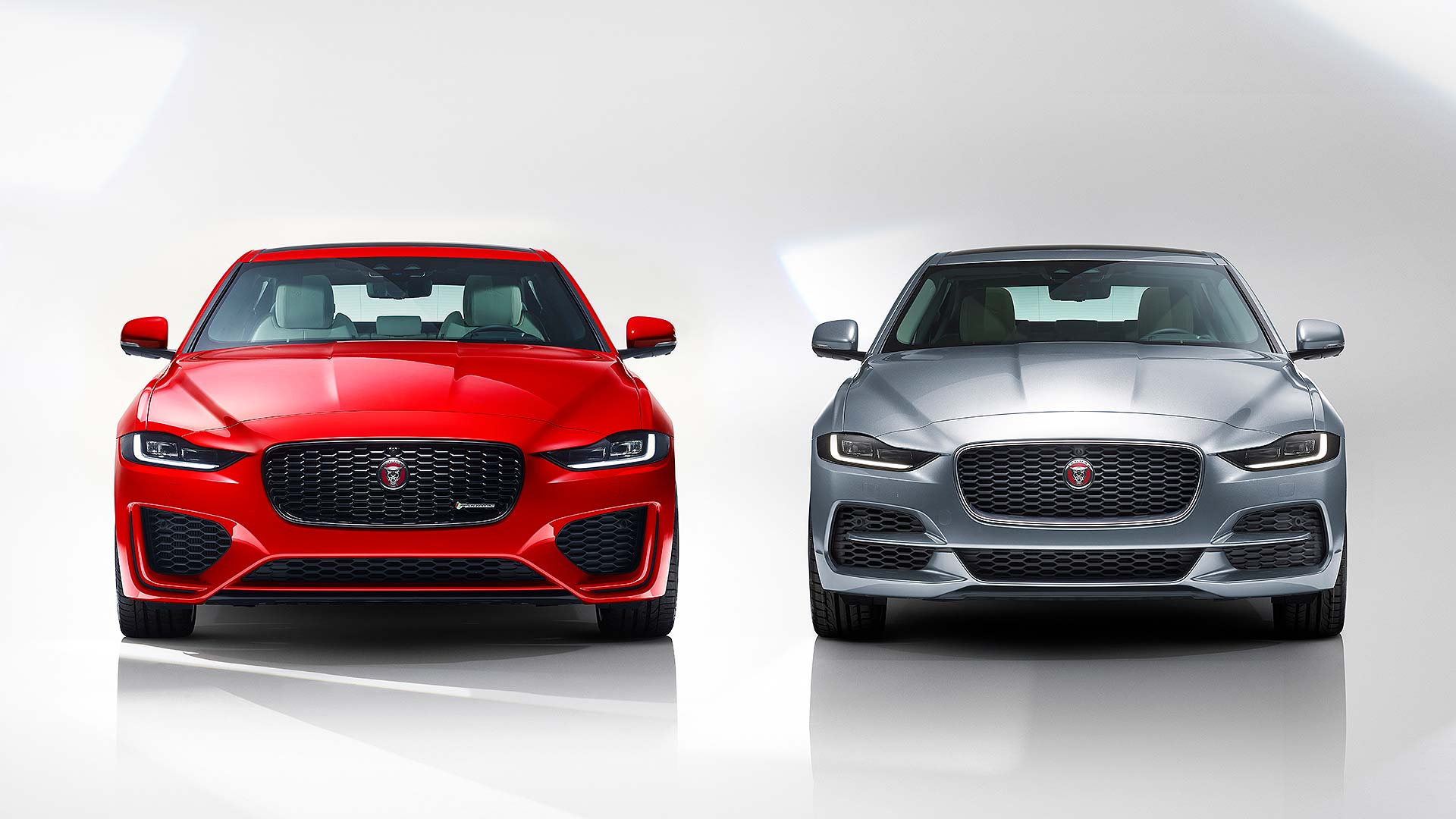
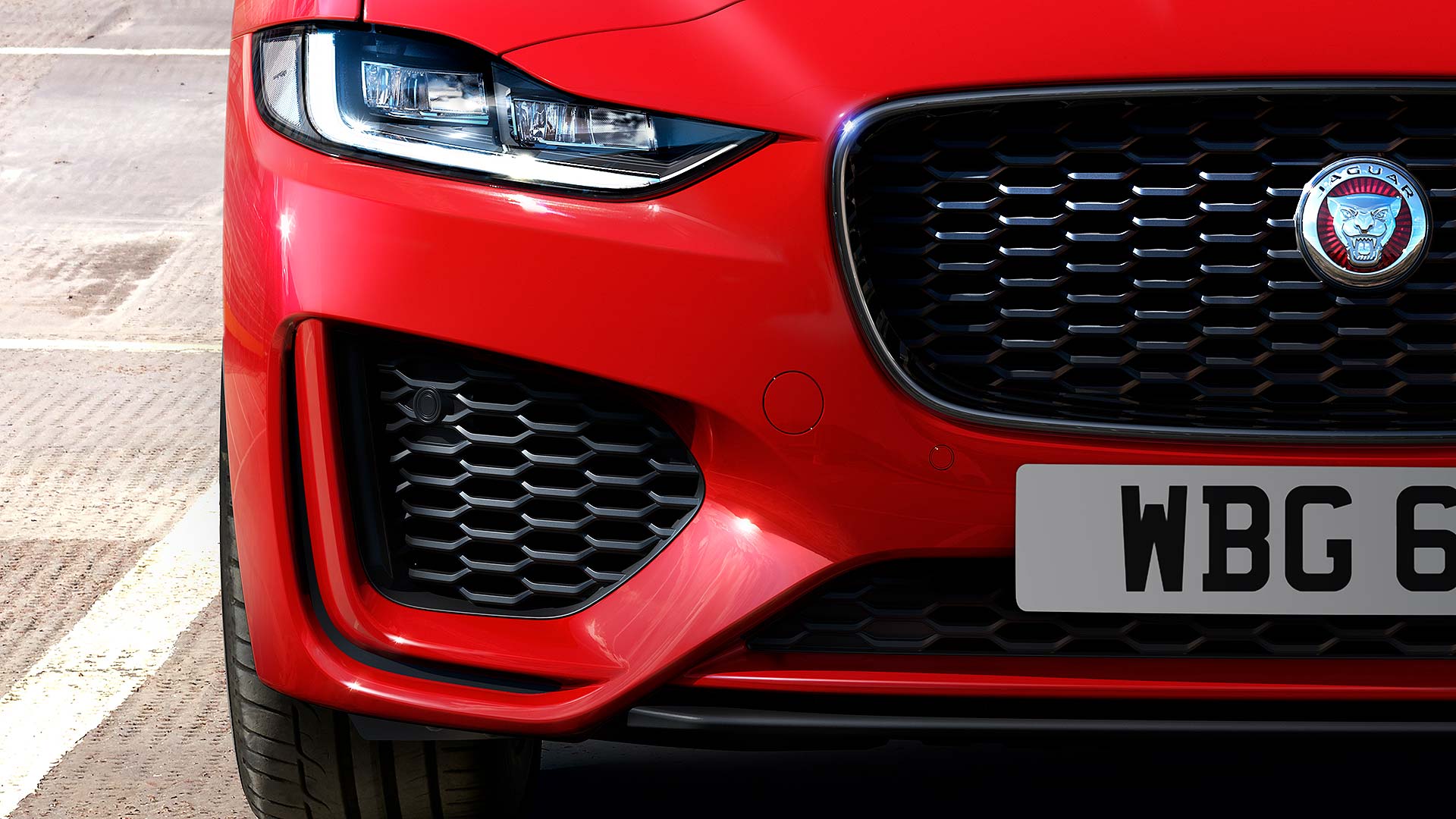
Jaguar admits styling changes are restricted to new bumpers front and rear, dark-tint tail lamps with a new LED lighting pattern, plus full LED headlights with their own fresh LED running light design. The cutouts in the front bumper are wider and lower, making the XE look wider, and the graphics are more distinctive from a distance (or in a rear-view mirror).
The chassis is largely unchanged too, with just a few tweaks to make the XE a little bit sharper and smoother-riding. “We really focused on the things that mattered to our customers,” said Jaguar Land Rover MD Rawdon Glover. Updates to the exterior and chassis are thus “subtle”.
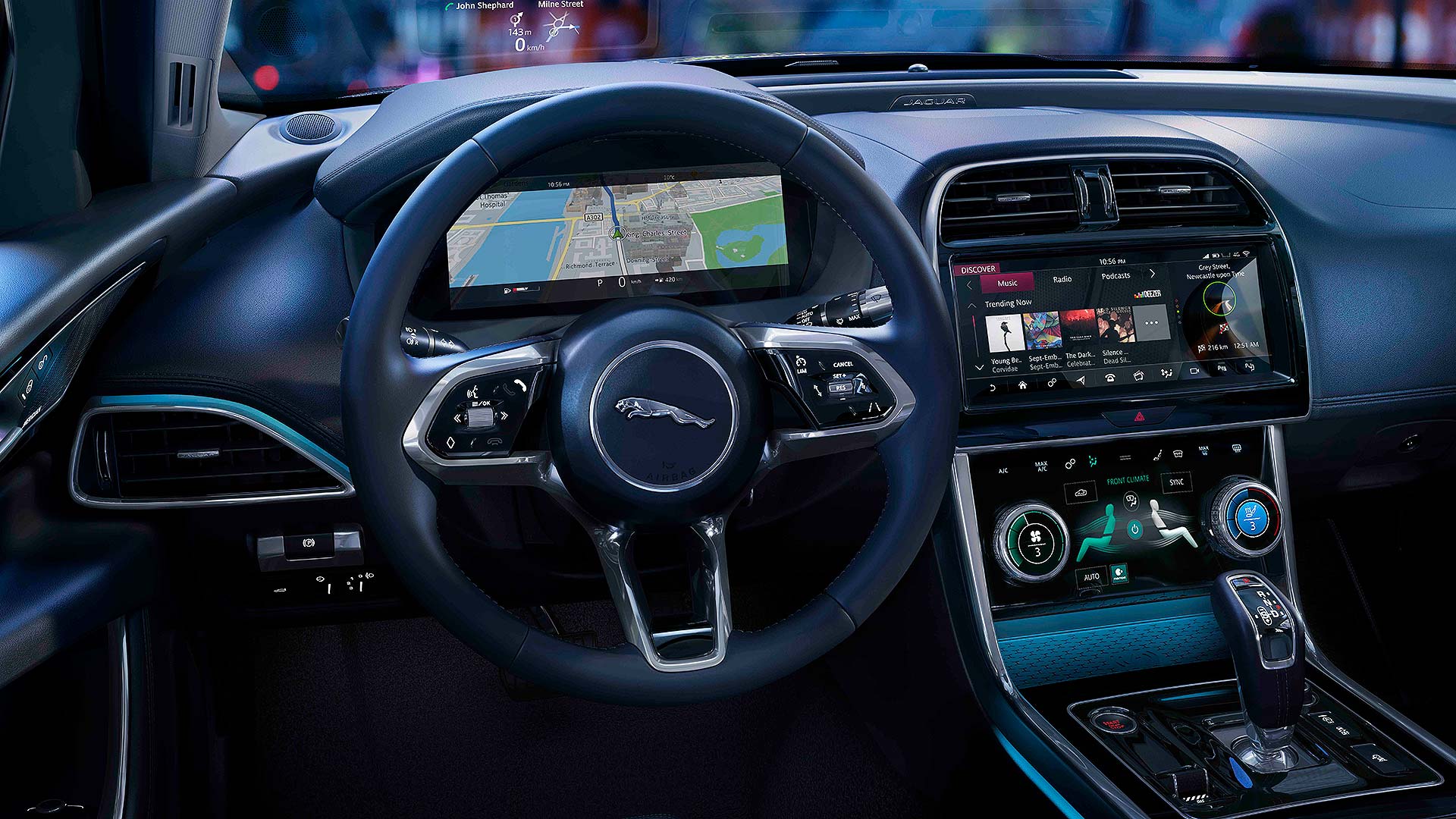
Inside is where the big news is, with a set of changes “completely transforming it from the outgoing model”. And not before time: the sub-par interior was always a key weakness of the original XE.
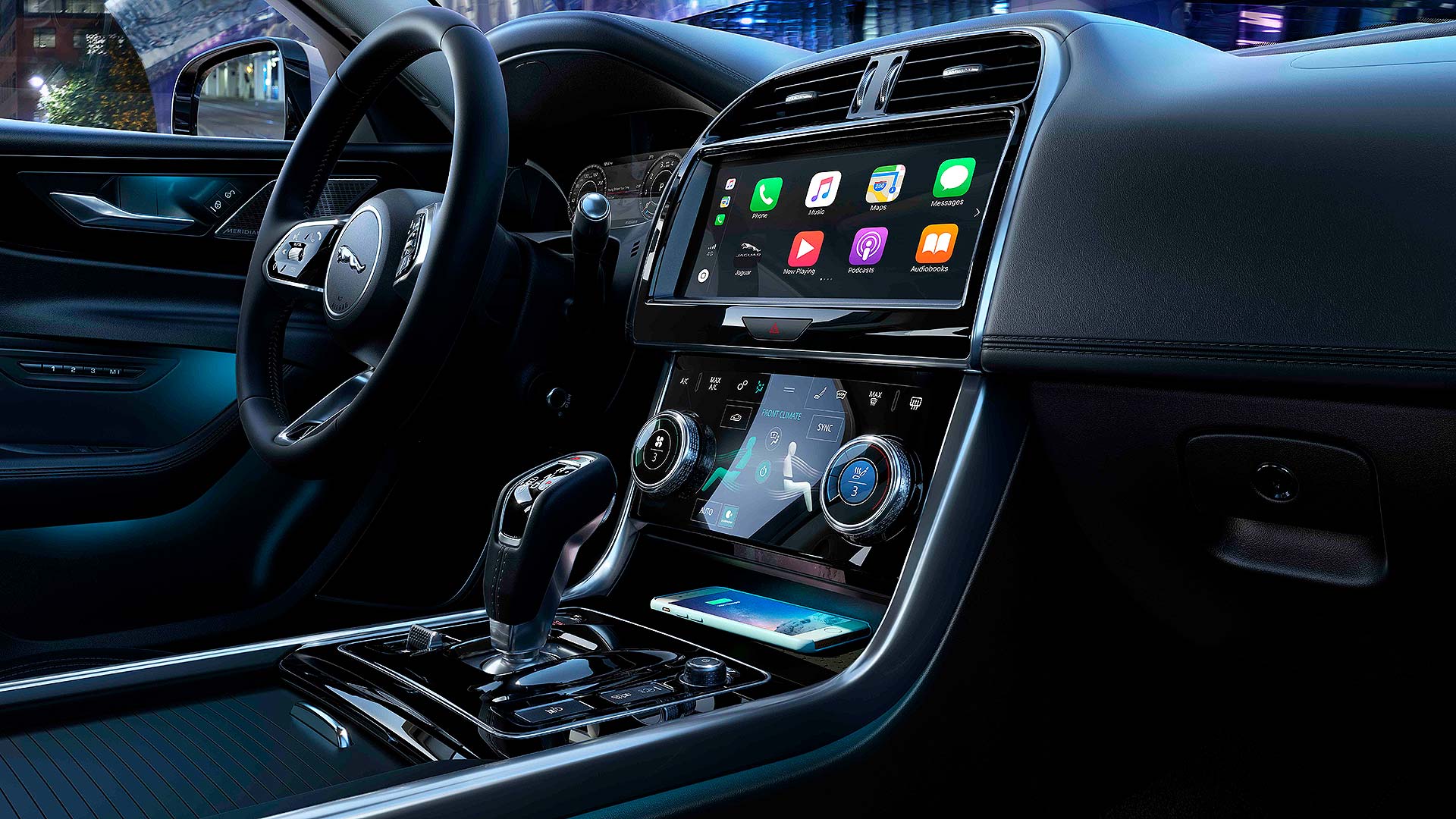
Described as all-new by Jaguar, the centrepiece of the interior is the new Touch Pro Duo ‘twin-screen’ setup in the centre console. Nabbed from the I-Pace, this is leagues ahead of the plasticky climate control setup on the old XE. The HD infotainment screen also now comes with Apple CarPlay, at long last.
There’s a steering wheel from the I-Pace, with touch-sensitive controls, plus a 12.3-inch driver display also nabbed from the electric SUV. The gearshifter, meanwhile, is taken from the Jaguar F-Type sports car: all 20MY Jaguar XE are automatics.
Jaguar promises “extensive use of soft-touch materials, premium veneers and all-new door trims that improve usability and practicality”. It still won’t be the roomiest of cars in the rear seats, but at least it’s a nice place for those in the front to sit in.
Video:
Clean diesel
Big news for company car drivers is the new XE D180 RWD version: it’s the first 2.0-litre turbodiesel to be RDE2 NOx compliant. What does this mean? Exhaust emissions as clean as a petrol car – and a 4 percent saving on company car tax.
Private buyers also enjoy a first-year saving on VED road tax. No rival is yet available with an RDE2 diesel engine, giving Jaguar a handy advantage in a hotly-fought market.
Jaguar adds that diesel haters now have little to dislike. The clean diesel is as green as a petrol, gives 25 percent better fuel economy and emits 15 per less CO2. Drive over 12,000 miles a year? Diesel is the most cost-effective solution for you.
Also available in the new XE are 2.0-litre petrol engines in either 250hp or 200hp guise; they’re labelled P250 and P300. With optional four-wheel drive fitted, the P300 does 0-62mph in 5.7 seconds.
Jaguar XE 20MY: prices and specs
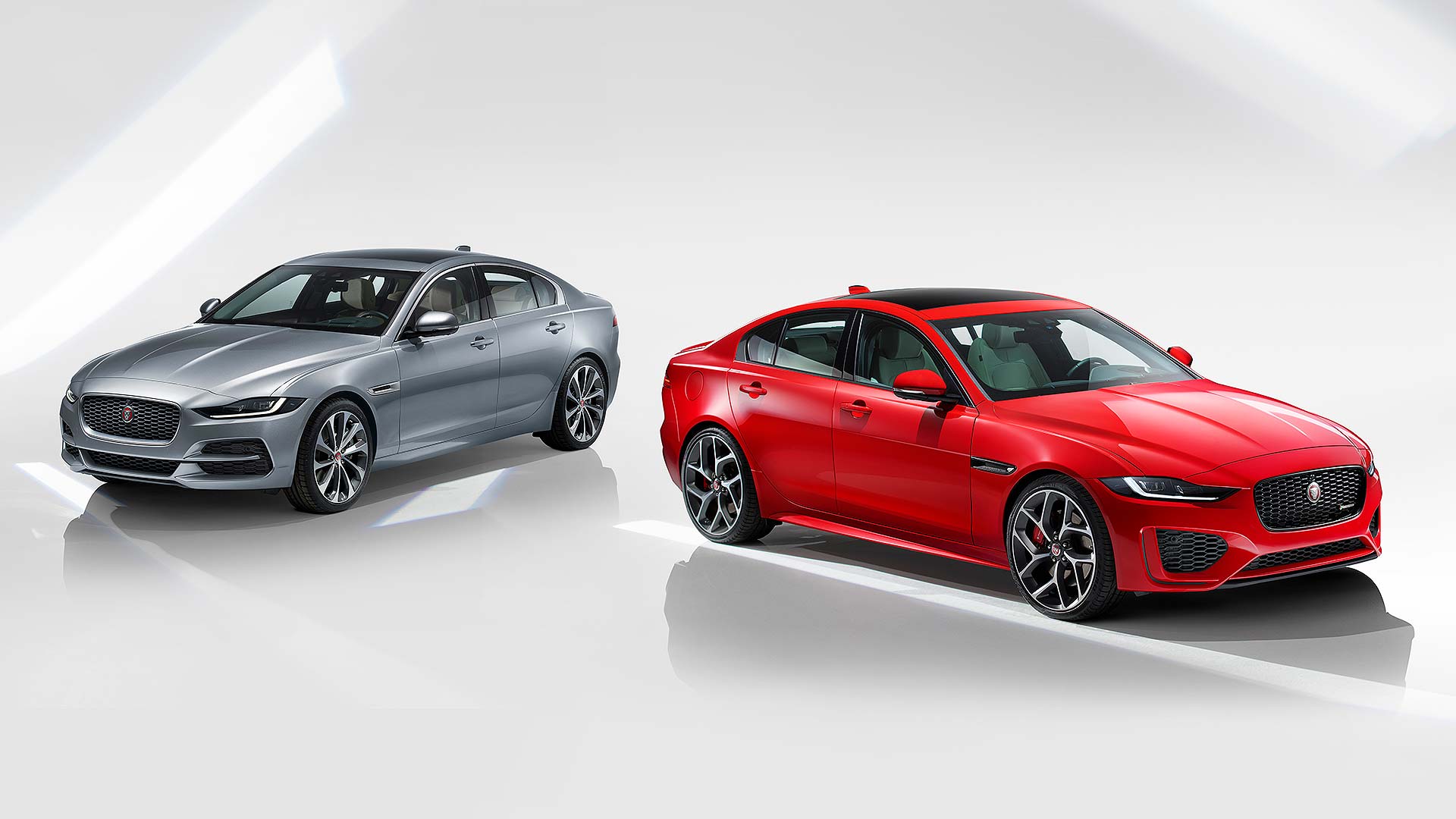
Jaguar XE prices start from £33,915 and it’s offered in a simpler line-up of S, SE and HSE trim levels. For each grade, a sporty-look R-Dynamic pack can be added on (the red car above is R-Dynamic): this has performance exterior design tweaks, sports seats with contrast stitching, and satin chrome gearshift paddles.
Every new Jaguar XE comes as standard with 18-inch alloys, leather seats with electric operation, LED headlights, front and rear parking sensors, a rear camera and lane-keep assist.
Jaguar has crunched the numbers and says the new car is better value than before. The D180 R-Dynamic S, at £36,145, costs £670 less than the old XE R-Sport… even better, it has £1,100 of extra kit, making a total saving of £1,770.
The New Jaguar XE is available to order now, with deliveries expected from the summer. Just don’t expect to see it at the Geneva Motor Show next week, if you’re heading over: neither Jaguar nor Land Rover are attending – and they’re not the only ones…
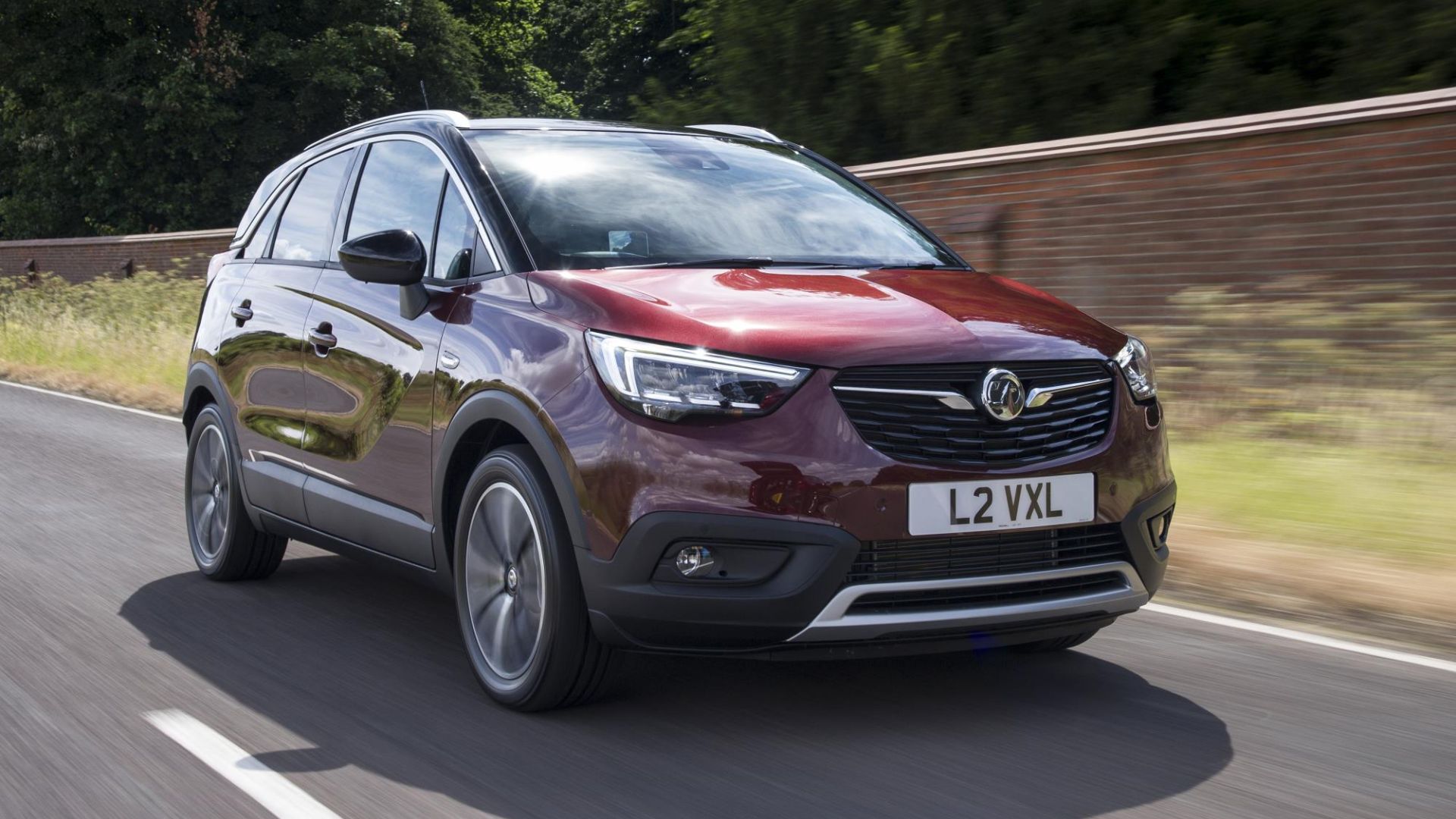
In the summer of last year it was reported, to the surprise of many, that Vauxhall/Opel was returning to profit under new PSA Peugeot/Citroen ownership.
This was a quick turnaround following PSA’s acquisition of the two marques from General Motors not two years previously. Final numbers indicate that Vauxhall/Opel’s profit margin was 4.7 percent in 2018.
Brexit confidence
Peugeot, Citroen and DS, meanwhile, have doubled profits in the UK since the Brexit vote two years ago. Indeed, chairman Carlos Tavares isn’t worried about Brexit, saying “Vauxhall is warm to the hearts of UK consumers. Maybe we are the ones who have the best opportunity out of it”.
That doesn’t necessarily secure the safety of the Ellesmere Port plant, though. Tavares is no stranger to making difficult choices in the pursuit of progress: “If we have to make tough decisions, we will”.
Going global
With revenue up 18.9 percent compared with 2017 (at more than £63 million), PSA Group is now looking to go global. Just two years after Opel was withdrawn from Russia, there are plans to return. This is part of a strategy to increase sales outside Europe by 50 percent, which also includes Citroen heading to India.
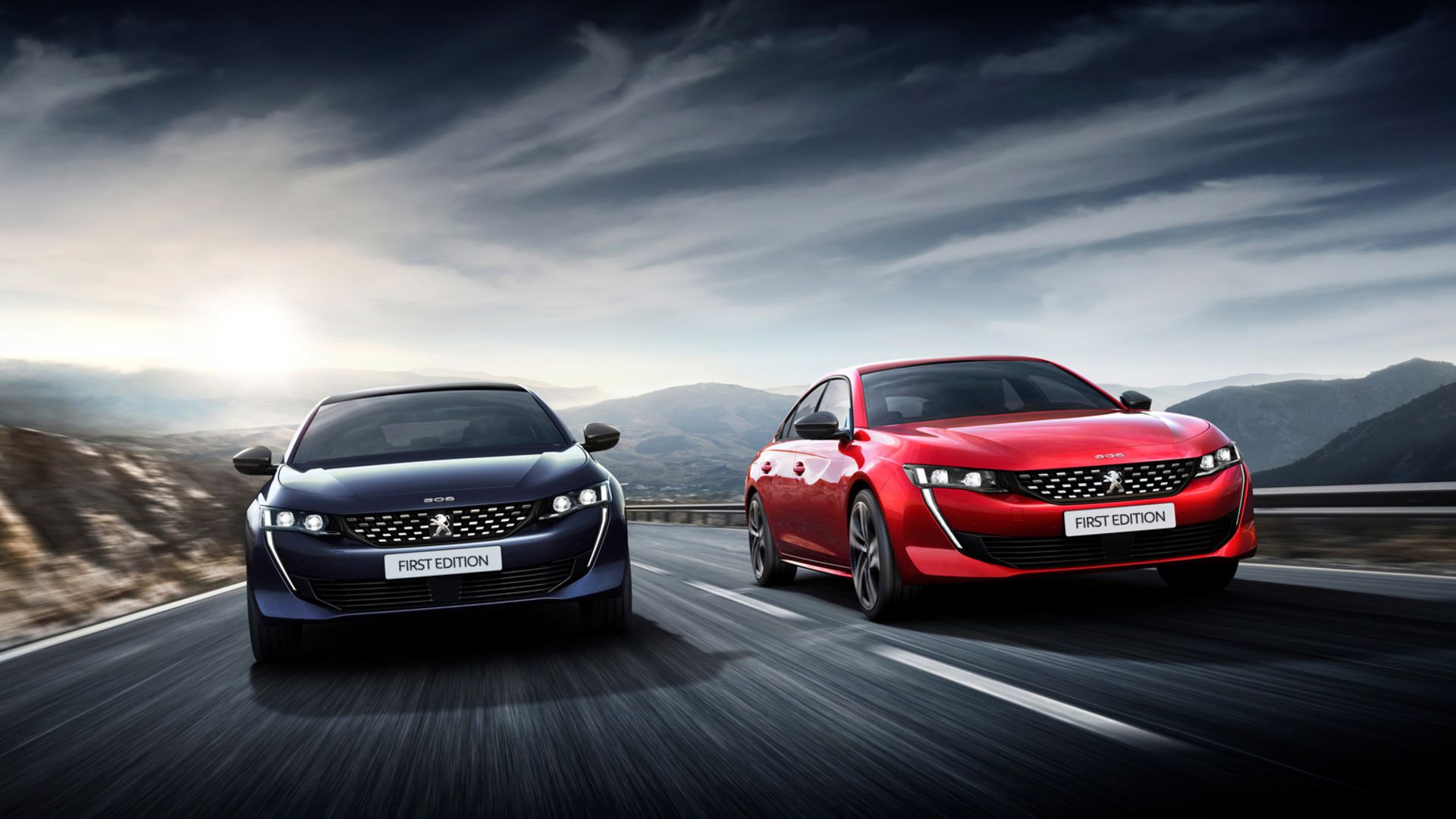
By far the most interesting facet of PSA’s future expansion, however, is the plan to reintroduce Peugeot to North America. We never thought we’d see the day where a Peugeot 508 vs.Toyota Camry twin-test was a possibility in Automobile magazine.
Overall, the group aims to launch 116 new models by 2021. A Core Energy Strategy will also see 50 percent of the Group’s offerings electrified by 2021, with 100 percent targeted for 2025.
This will be the fifth year in a row that Carlos Tavares has delivered impressive results for the Peugeot Citroen Group. What’s the secret to his success?
Agility is a word that keeps popping up, as a descriptor for the Group’s ability to adapt to new challenges. Tavares claims that “we will be continuing our Darwinian transformation and approaching each challenge as an opportunity to stand out against our competitors”.
Independent car buying website Carwow has developed a tool to predict Brexit price rises for individual car manufacturers.
On average, it says, new car prices will rise by £8,000 if no deal is reached between Britain and the EU.
That doesn’t mean that middling Ford Fiesta is going to leap from £16,000 to £24,000, of course. The £8,000 figure mostly refers to premium models, which will be the most affected by the EU exit.
Premium jumps
After March 29th, cars from marques such as Volvo, BMW, Mercedes-Benz, Alfa Romeo, Volkswagen, Fiat and Audi could be around 22 percent more expensive.
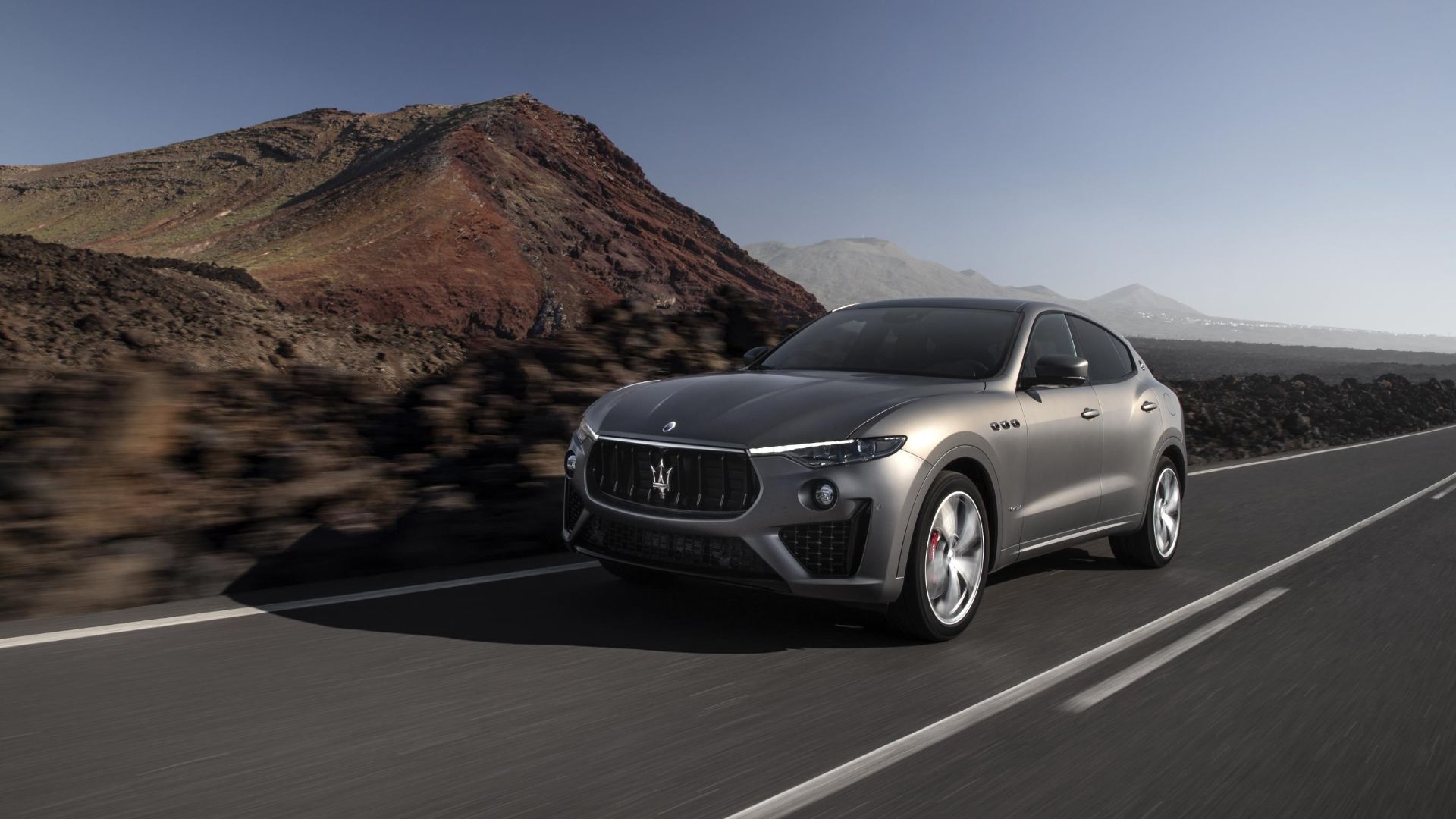
For a Maserati that costs £67,000 at present, a £14,000 increase is on the cards. And the Alpine A110 is expected to jump by £10,000.
As for more affordable cars, there’s better news. While there are rises predicted, cars from Nissan, Ford, Mini and Vauxhall will likely only increase by about three percent.
A typical new Ford is due to set you back an extra £727, according to the prediction tool. A new Mini is predicted to cost an extra £644, while a new Vauxhall will be £631 more.
The tool is a response to Carwow research that revealed only seven percent of Brits are prepared to pay more for a new car post-Brexit. On the plus side, there could be some superb deals over the next five weeks.
One thing is certain. If you’re in the market for a new car, your best bet is to buy now and make sure your delivery date is before 29 March. If not, buy straight off a forecourt. Uncertain times are ahead…
 Tesla has finally announced the long-awaited arrival of the $35,000 ‘entry-level’ Model 3 electric car. This is the model that the firm hopes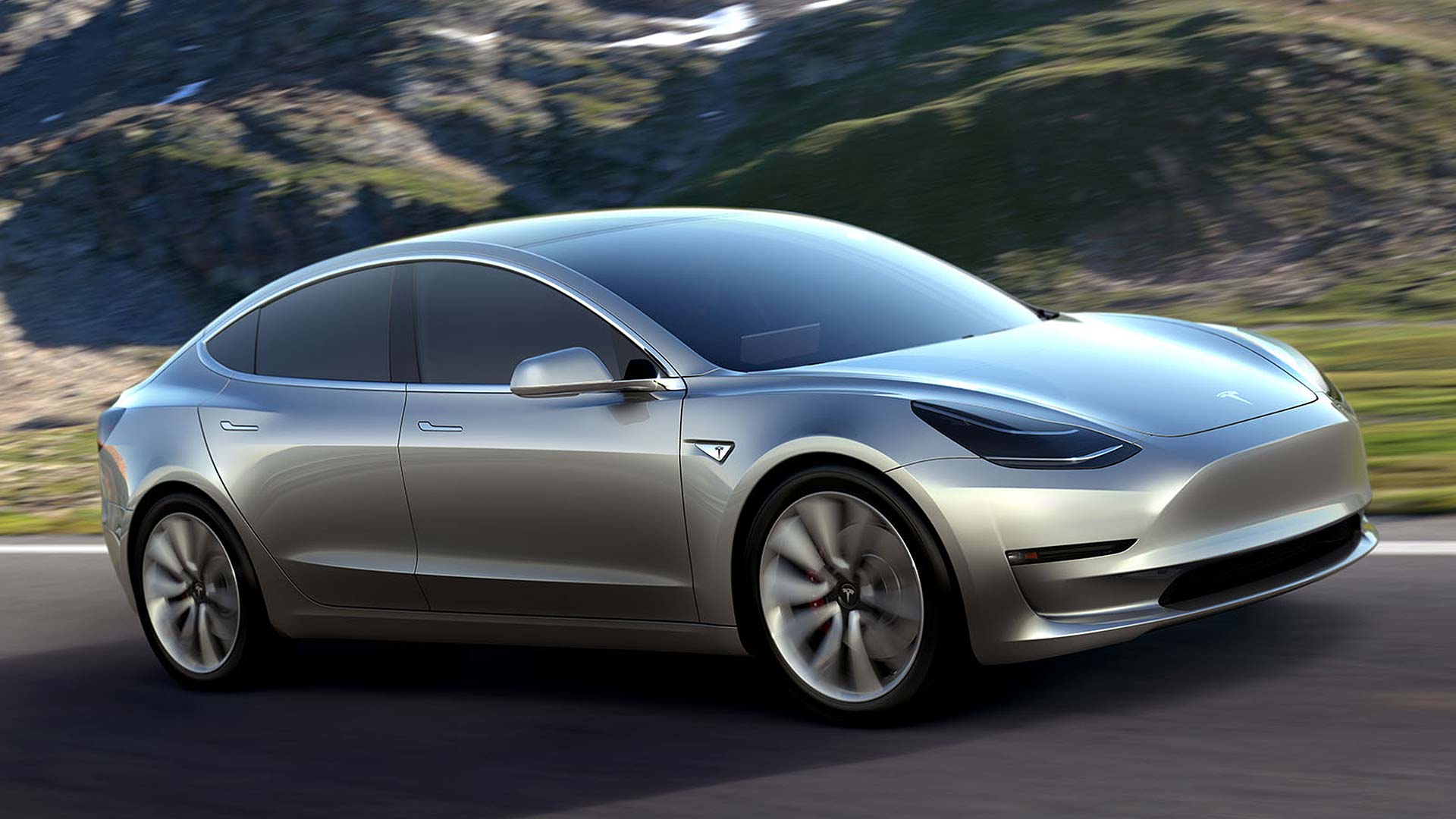

 A diesel Renault Clio emits 20 times more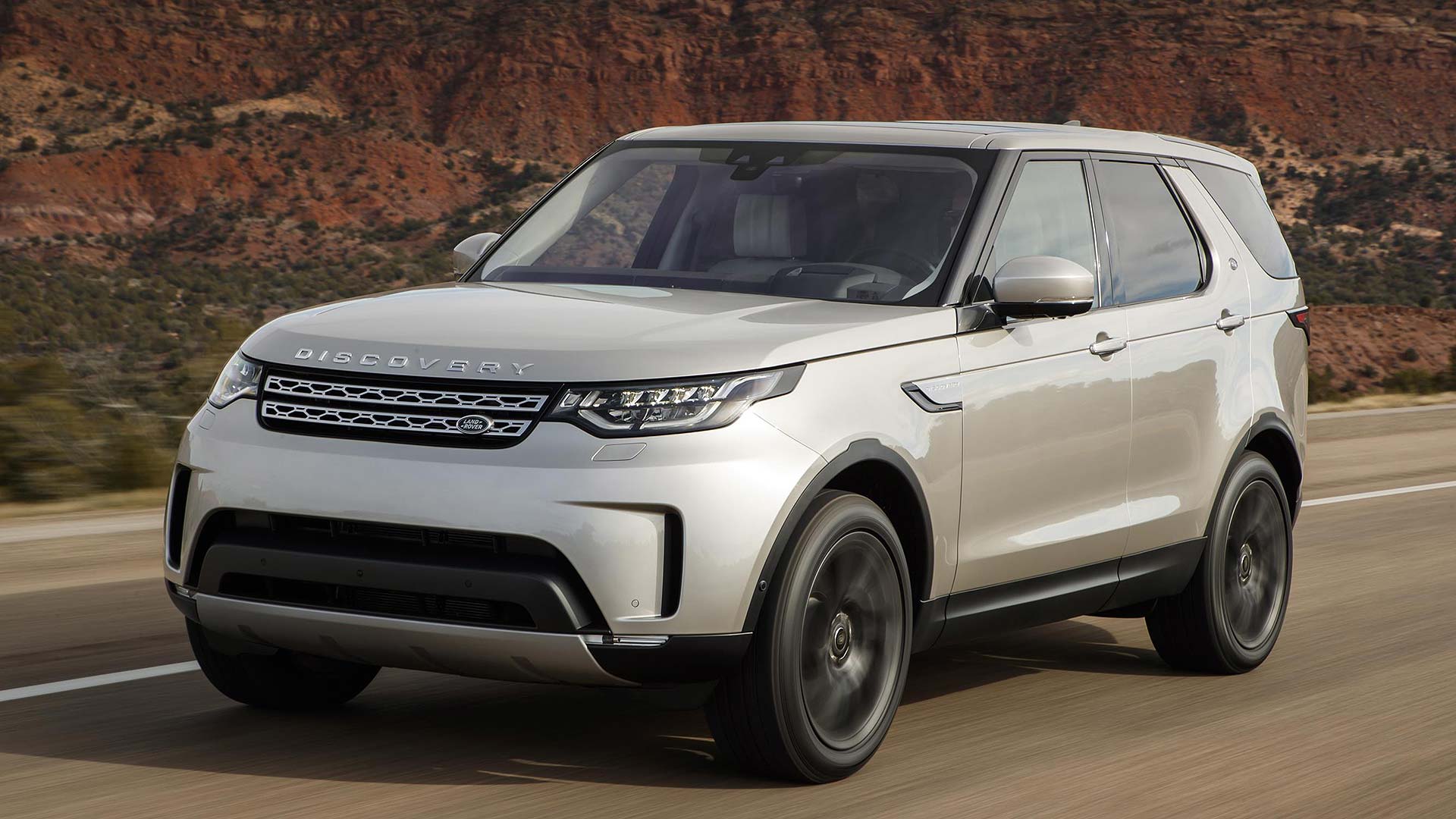
 Jaguar is aiming to turn around the fortunes of its