Home Blog Page 383

New Vauxhall Corsa revealed – and it’s going ELECTRIC

0

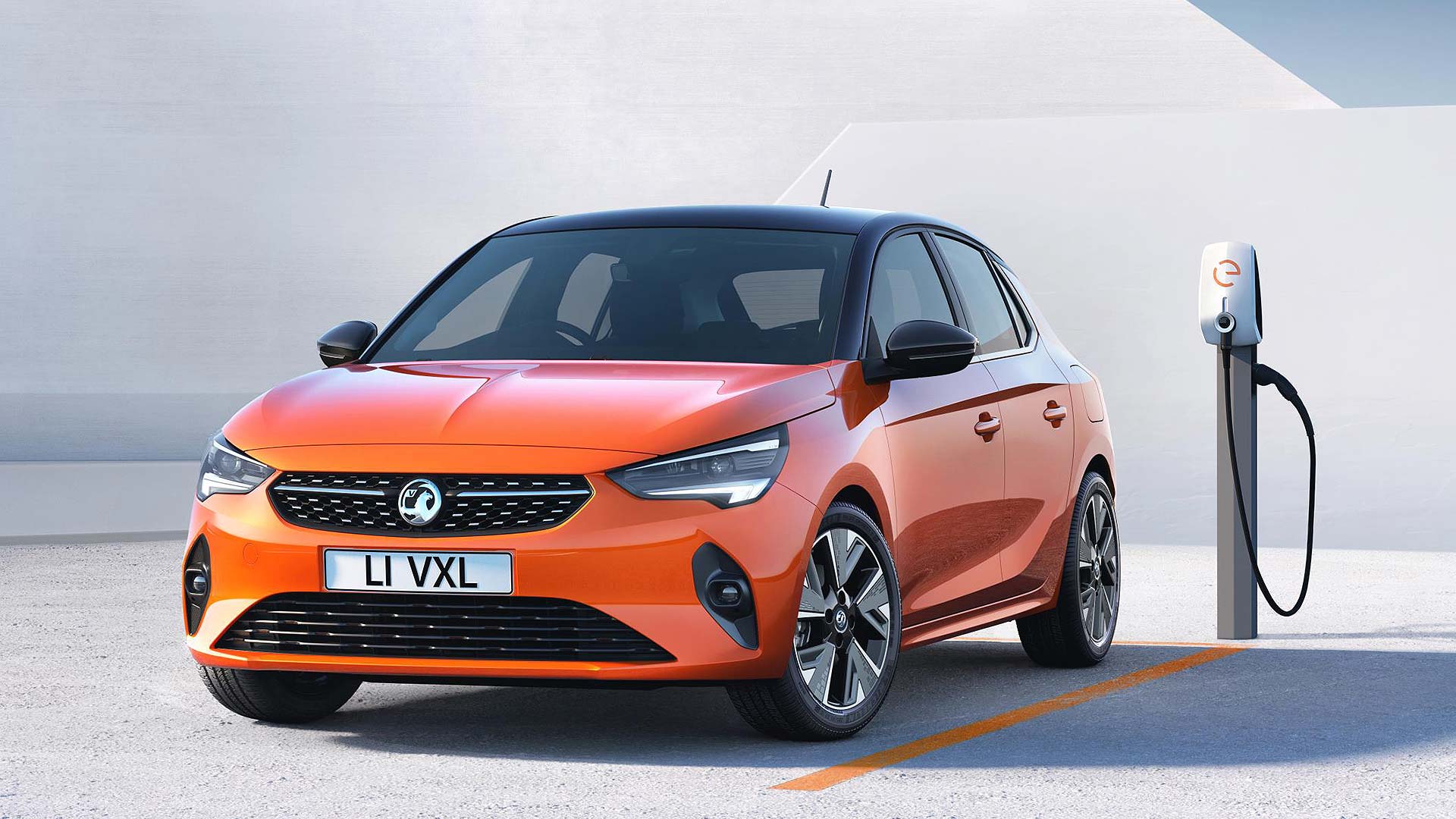
New Vauxhall Corsa-e first lookVauxhall has revealed the new Corsa, due on sale later in 2019, in all-electric Corsa-e guise – instantly transforming the fortunes of the popular but dated supermini.

The first all-electric Vauxhall to launch, the new Corsa-e will have a range of 205 miles, and will able to use rapid chargers for 30-minute battery charges.

It will also do 0-62mph in 8.1 seconds and accelerate from zero to 30mph in just three seconds.
New Vauxhall Corsa-e first look

Vauxhall says the 50 kWh battery’s 205-mile official range can be extended by a further 40 percent by using a special eco mode. This will give owners more than 80 extra miles.

But if you’re not ready to go all-electric just yet, don’t worry. Regular petrol and diesel versions of the new Corsa will also be launched soon – and be on sale later in 2019.

Crucial Corsa
New Vauxhall Corsa-e first look

The Corsa is an extremely important car for Vauxhall: for years, it has been the firm’s best-seller. Last year, it was Britain’s third best-selling car, with almost 53,000 (including the extraordinarily good value Corsa Griffin) finding new homes.

In total, 2.1 million Corsas have been sold in Britain since it replaced the Nova in 1993.

However, it’s an ageing car these days. The current car is effectively a facelift of the version launched in 2006 – 13 years ago. This all-new one is desperately overdue – and is therefore going to be a bit of a revolution for owners of the current Corsa.

Corsa design
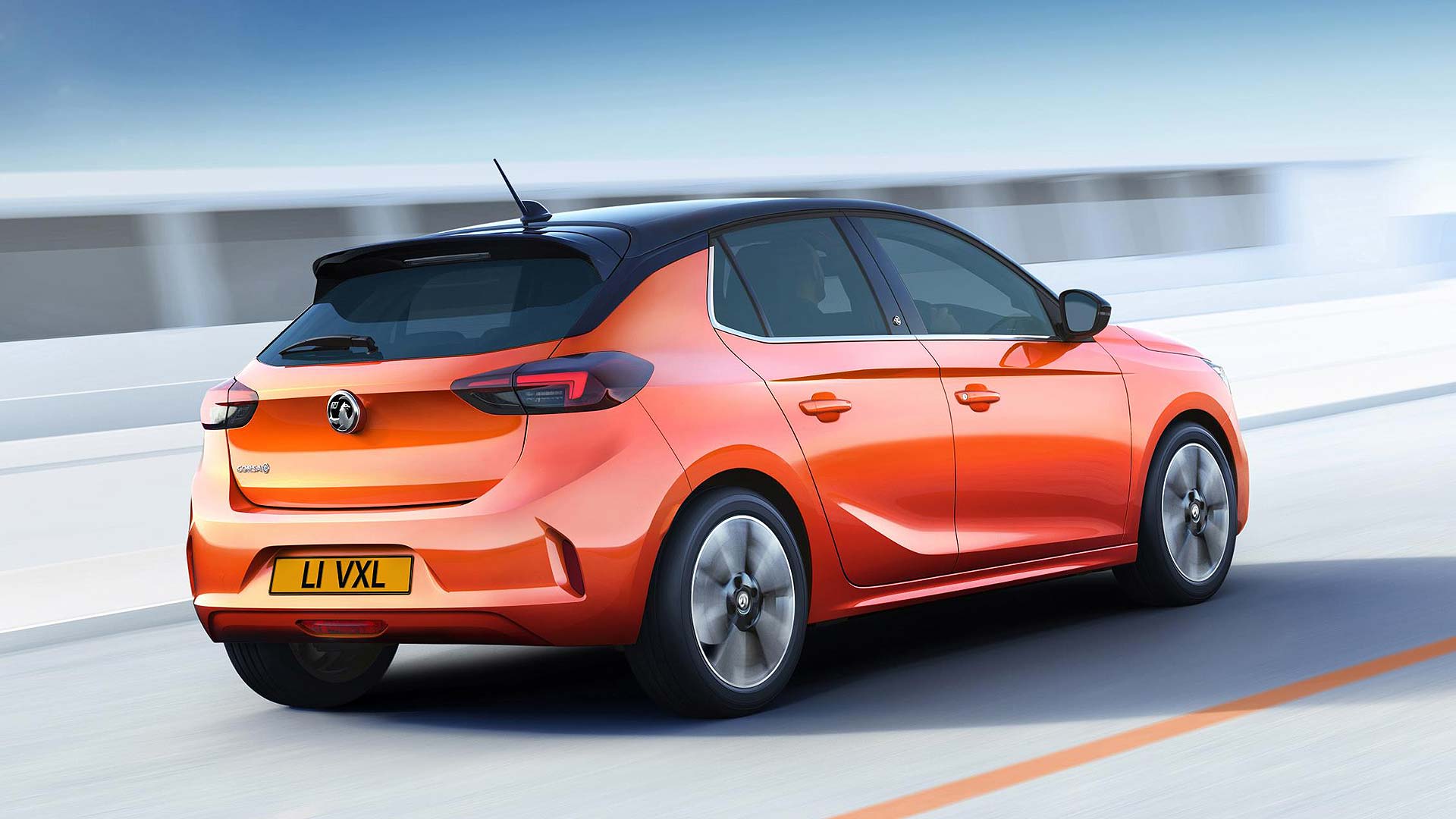
New Vauxhall Corsa-e first look

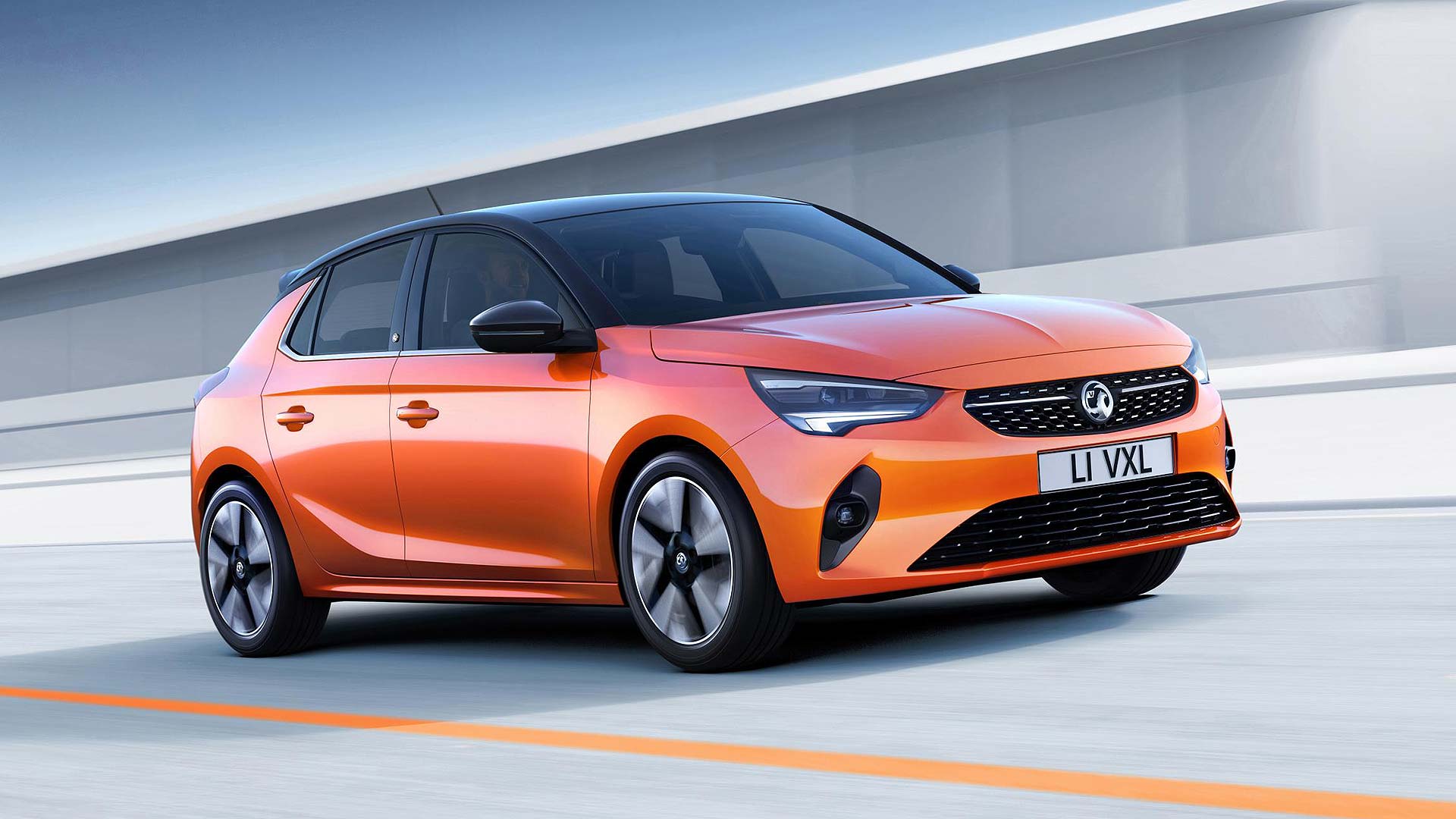
The new Corsa and Corsa-e (which will be visually almost identical) have a clean, solid design that’s sleeker and more modern than the current car.

The wheelbase is longer, overhangs are shorter and a stretched, wrapover bonnet removes the traces of ‘mini people carrier’ seen in the current one.
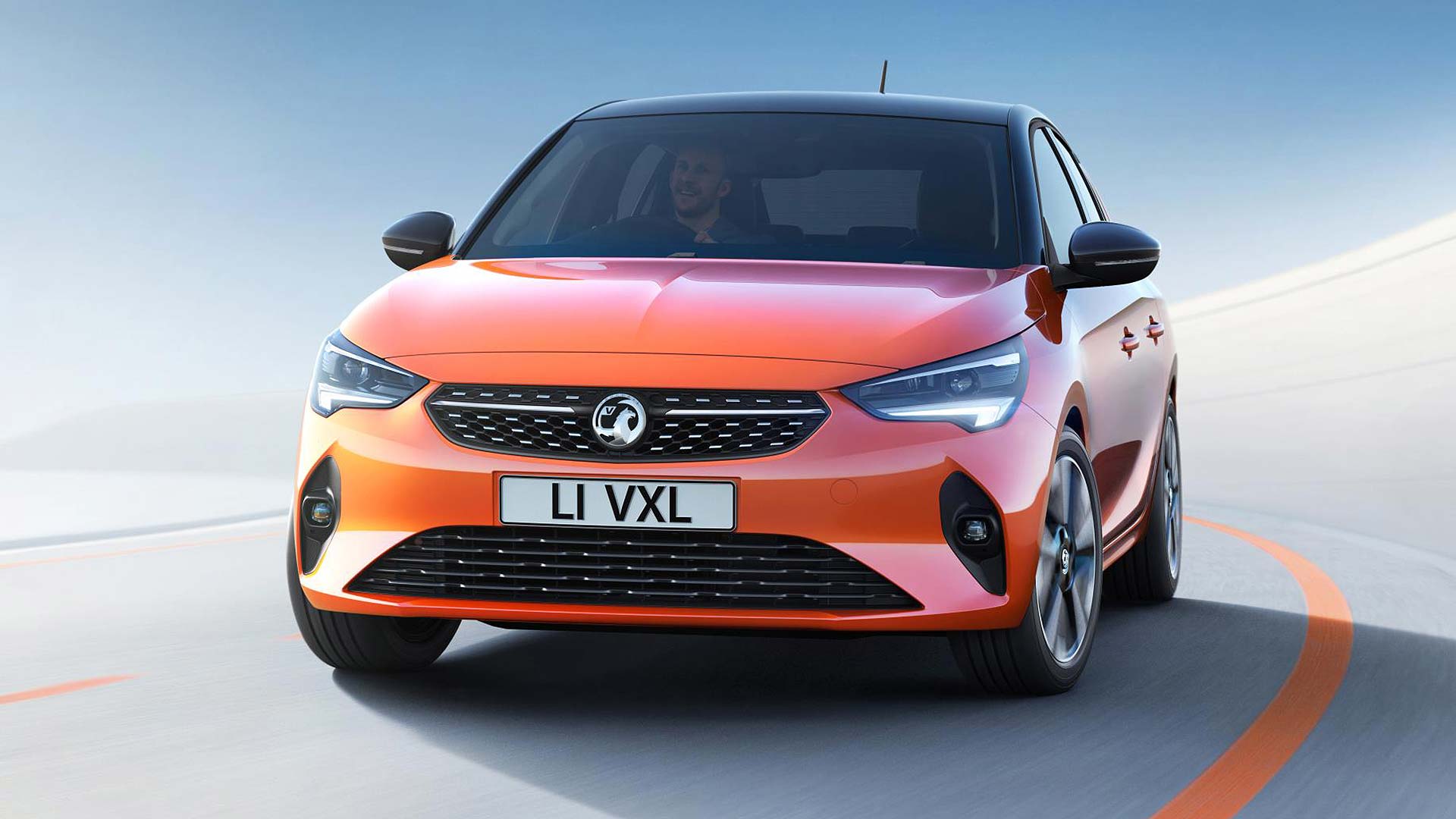
New Vauxhall Corsa-e first look

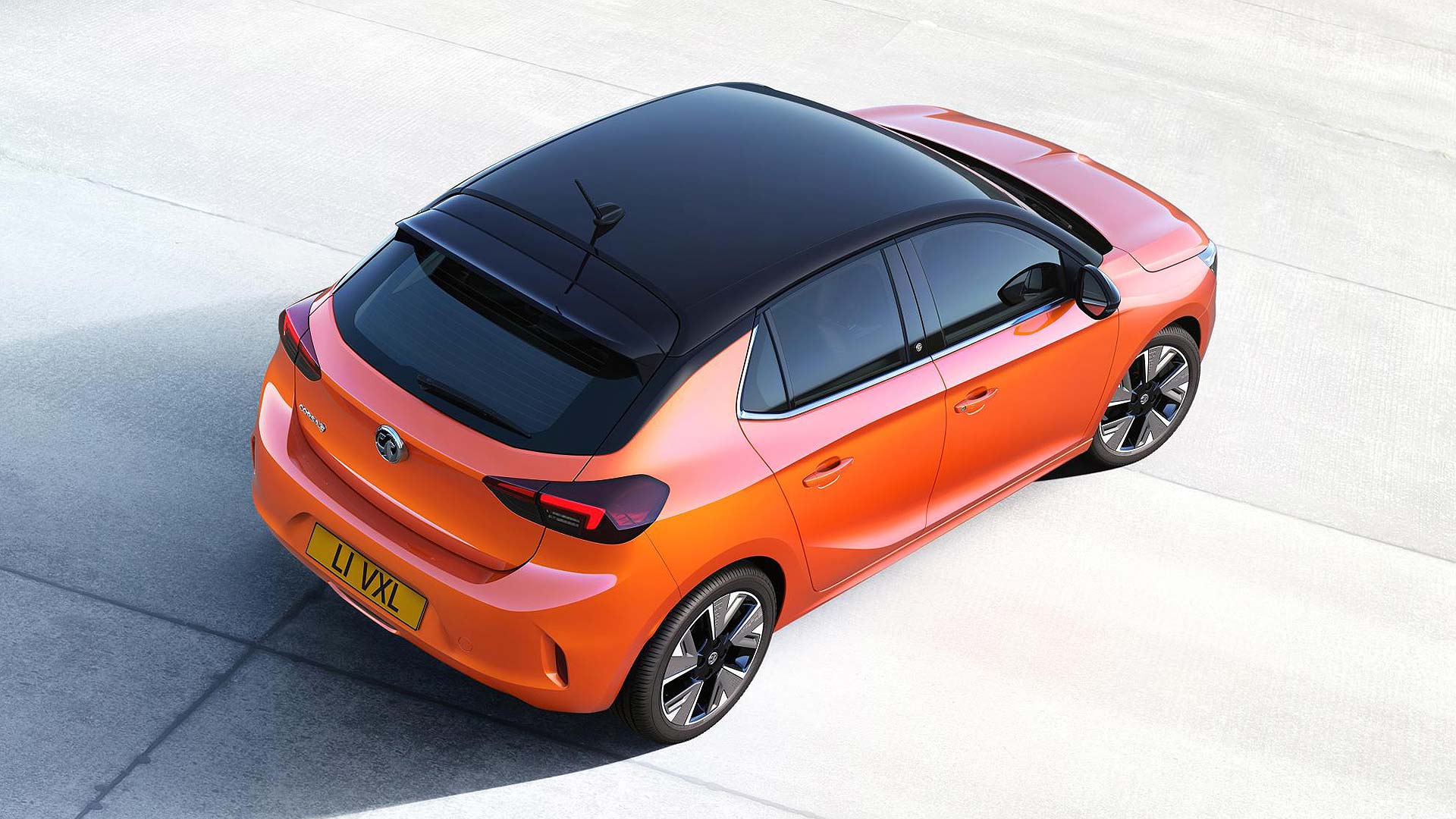
A strong, tapering shoulder-line and the familiar lower Vauxhall ‘swoosh’ define the sides, and subtly muscular rear haunches are a contemporary touch. The contrast roof colour will be an option from launch.

Inside, the interior is transformed, with an available 10-inch touchscreen sitting high and proud on the dashboard. It will have both Apple Carplay and Android Auto connectiveity, and will be a feature on most grades of new Corsa above the base level. Even base cars get a seven-inch touchscreen, though.
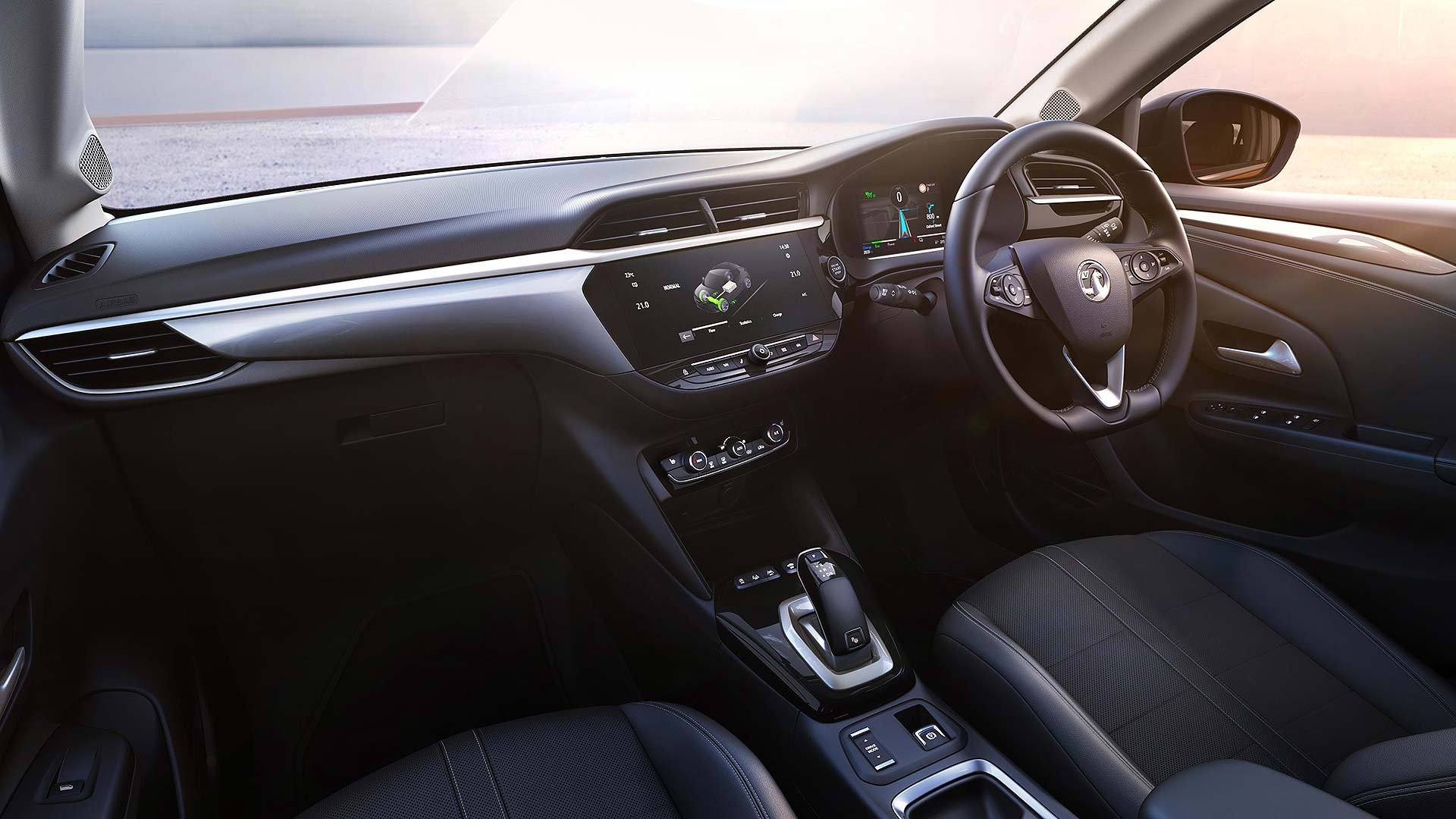
New Vauxhall Corsa-e first look

Adaptive radar cruise control, blind-spot alert, lane-keep assist, traffic-sign recognition, voice recognition, emergency braking and a drowsy driver warning buzzer are other high-tech features coming to the new Corsa.

The new model will even have an autonomous parking gadget and a panoramic rear-view camera that increases rear visibility by 180 percent (it’s able to show approaching traffic from the sides of the car).
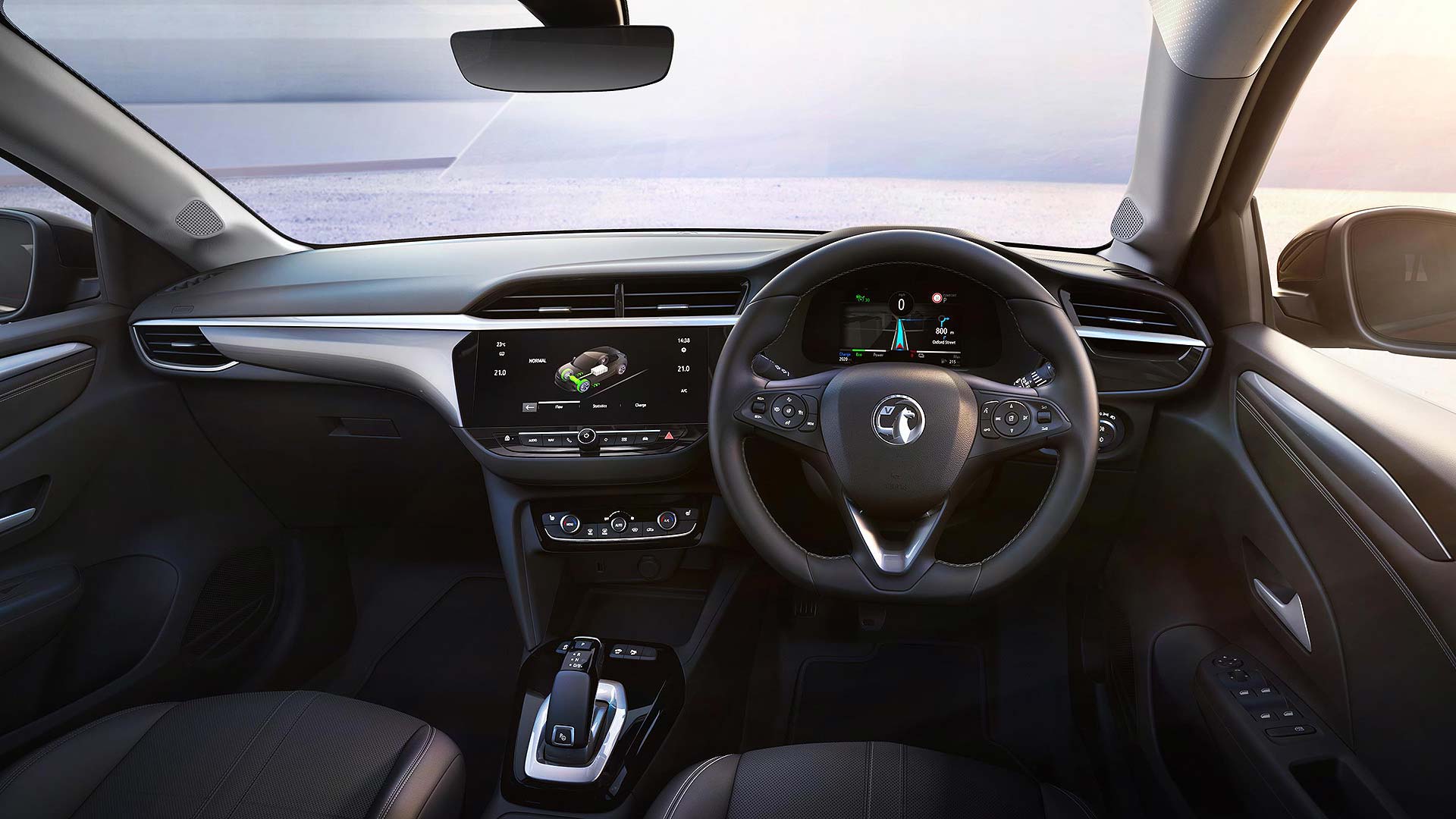
New Vauxhall Corsa-e first look

Vauxhall will now roll out more information about the new Corsa and Corsa-e in coming weeks, ahead of its motor show debut in Frankfurt this autumn. Ordering will open this year too, with first deliveries towards the end of 2019.

Watch out, Ford Fiesta…
Advertisement

New ‘junior’ Brabham supercar will take on McLaren

0

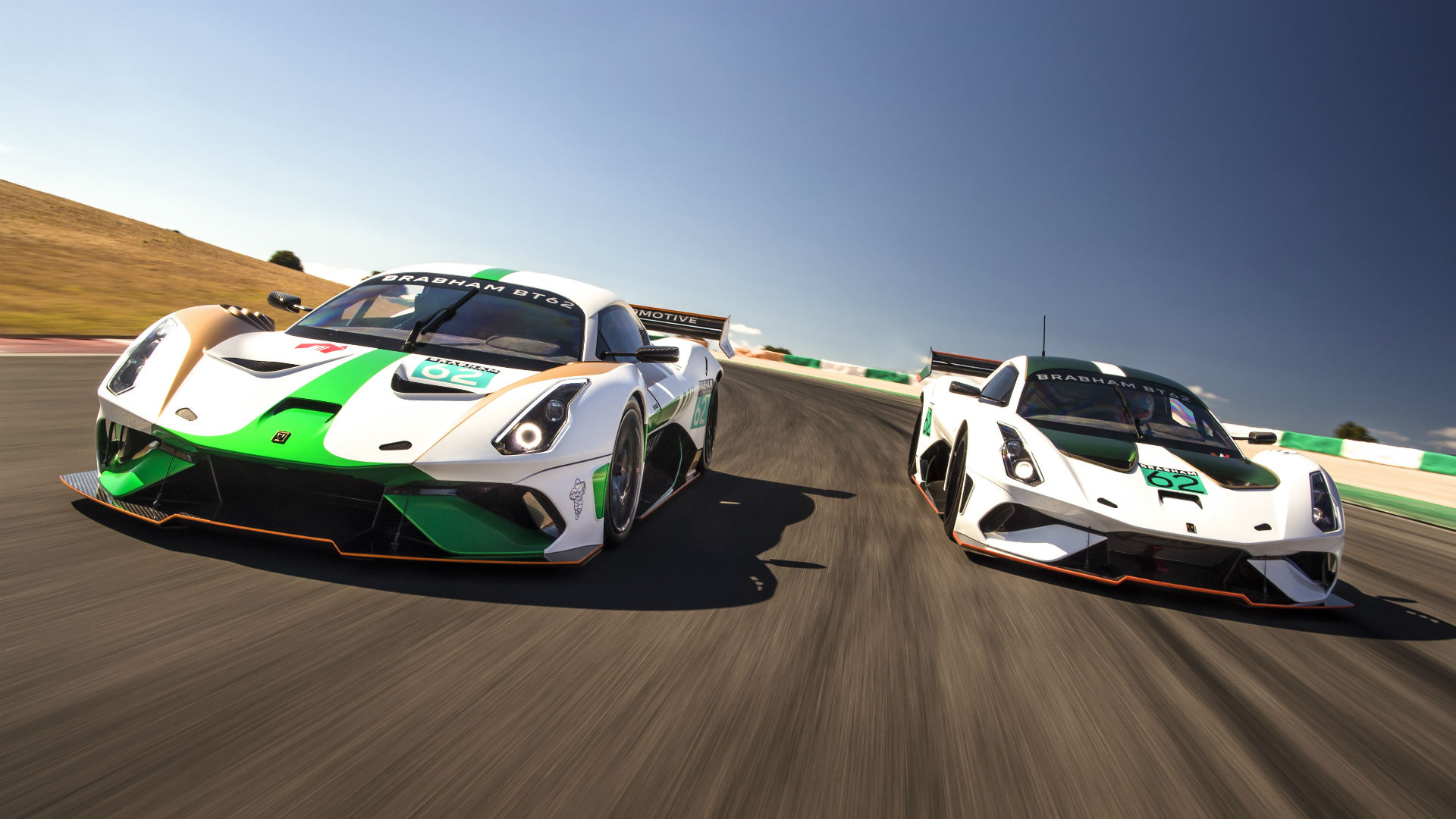
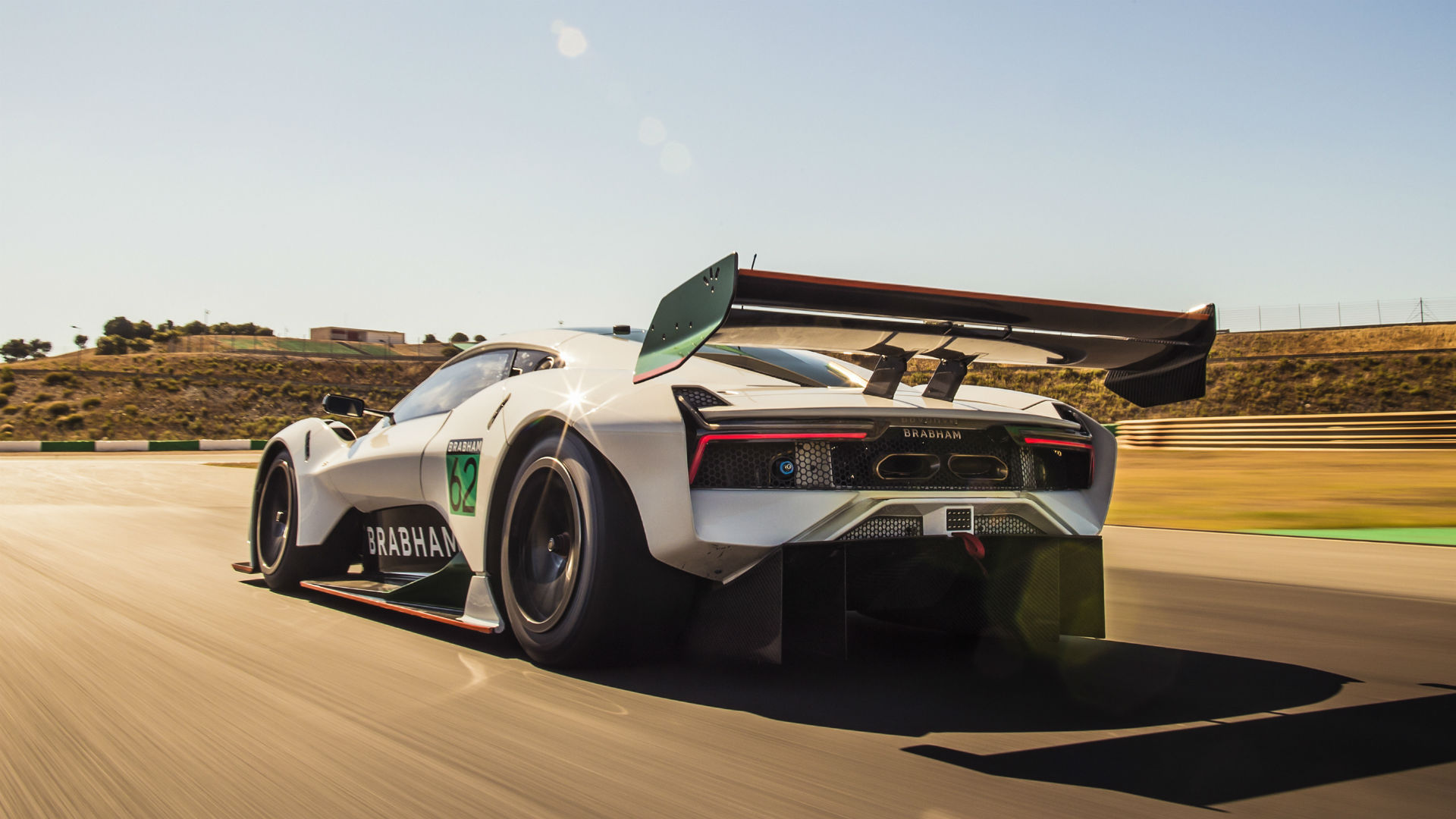
Brabham BT62Brabham will follow up its BT62 hypercar with a more affordable, higher-volume model. Development of the as-yet-unnamed supercar, which will be more refined and road-oriented than the BT62, is already underway.
Dan Marks, commercial director at Brabham, told us: “We’re not going down the McLaren route and building 6,000 cars each year – we don’t want to lose our focus. Between 100 and 200 cars per annum sounds right.”

  • Video: Brabham BT62 revealed in London

That’s a significant increase versus just 70 examples of the £1.2 million ($1.5 million) BT62 (pictured), but Marks is confident the Anglo-Australian company will rise to the challenge. “The investment group behind Brabham already owns a carbon-composite shop and a commercial vehicle firm, so we have plenty of resources in-house,” he explains. 

‘A road car that’s well-suited to the track’

Brabham BT62

While he refused to divulge many details, Marks confirmed the new Brabham will be “a road car that’s well-suited to the track”. The BT62, by contrast is a barely-disguised World Endurance Championship (WEC) racer with 1,200kg (2,650 pounds) of downforce and slick tyres (the company offers a ‘road-compliant’ version with treaded rubber, door locks and a lift-kit for an additional £150,000 or $190,000).

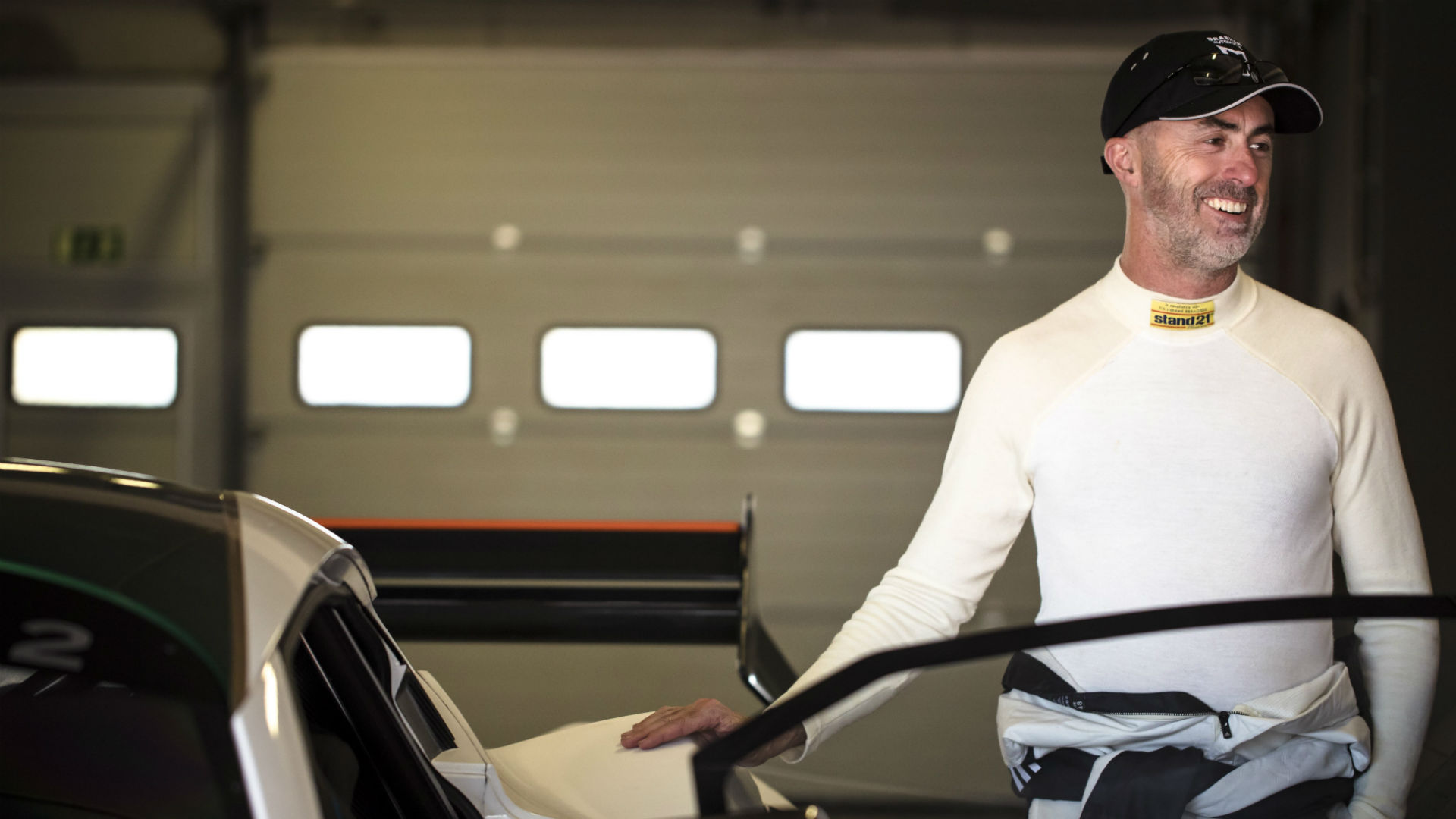
Brabham Automotive was founded by multiple Le Mans winner David Brabham and is based in Adelaide, Australia, where the new car will be built. It may – taking a leaf out of McLaren’s book – use a version of the existing 5.4-litre naturally-aspirated V8, which makes 710 horsepower and 492 lb ft of torque in the BT62. However, ever-tightening emissions legislation means a hybrid petrol/electric powertrain is also possible. 

In modern supercar style, a huge range of personalisation options will be offered. “We can do bespoke carbon fibre with a customer’s initials shaped into the weave,” says Marks. “The sky is the limit”. Brabham may offer a range of racing-inspired liveries, too – including the green/gold of Dan Gurney’s 1964 BT7 and the red/black/blue of Niki Lauda’s 1978 BT46B.

‘On a journey to 2022’

David Brabham

As for rivals, Marks refuses to be drawn, but it’s likely the Brabham will be benchmarked against other track-ready supercars such as the Ferrari 488 Pista, McLaren Senna and forthcoming Aston Martin AM-RB 003. It certainly won’t be a “blank canvas, no compromise” machine like the BT62.

We’ll have more details of the new Brabham soon, but the finished article isn’t likely to be ready for another three years. “We’re on journey to 2022,” says Marks, “when the BT62 will compete in WEC events – and at Le Mans. Much our our effort is concentrated on that right now.”

Building supercars is a cutthroat business: many have tried and failed. But Brabham already has money and engineering expertise, along with the kudos of one of the greatest names in motorsport. Don’t bet against it.

Advertisement

NCP makes £700,000 a year from drivers without change

0

Driver paying for parking at NCP car park

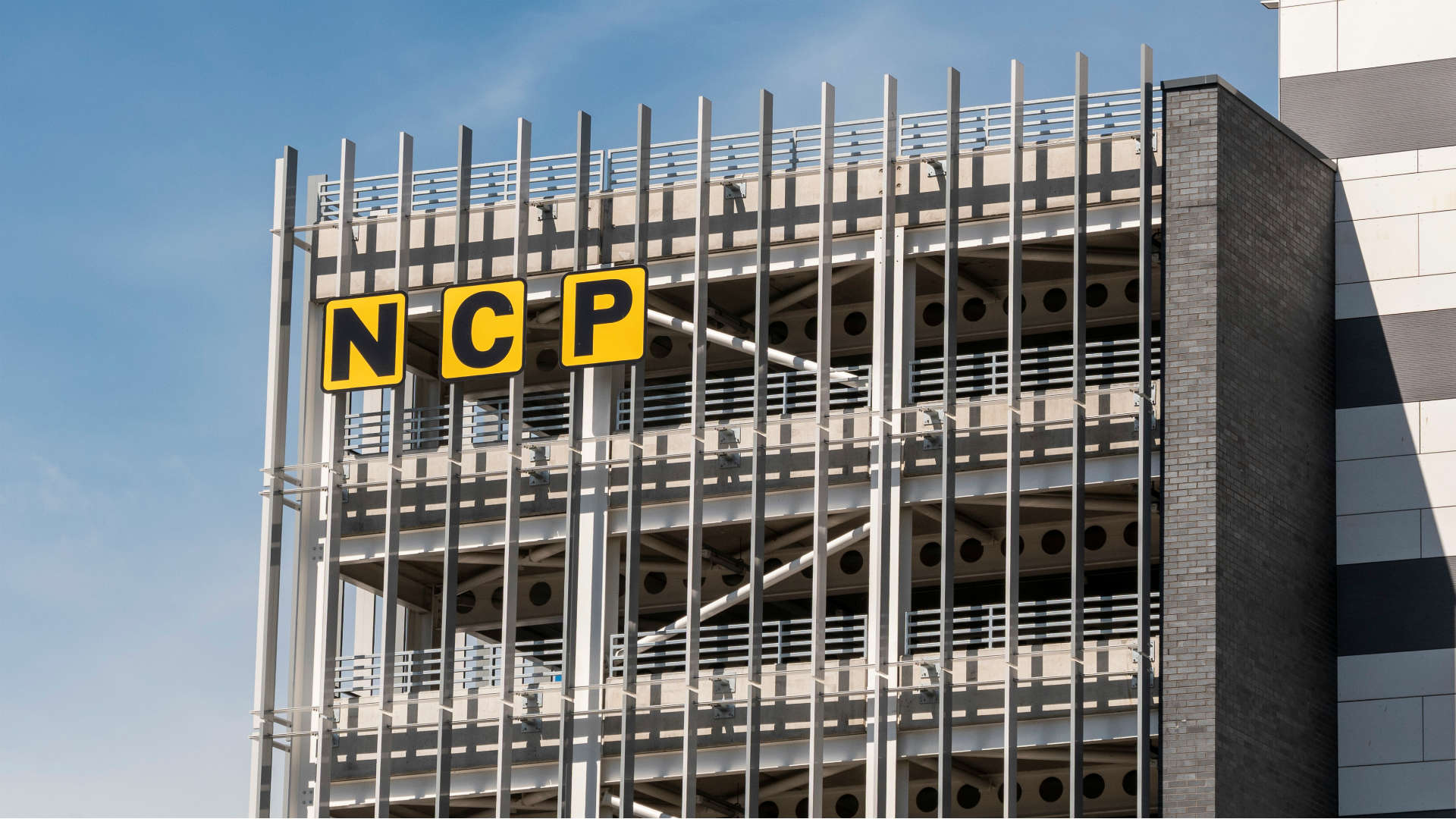
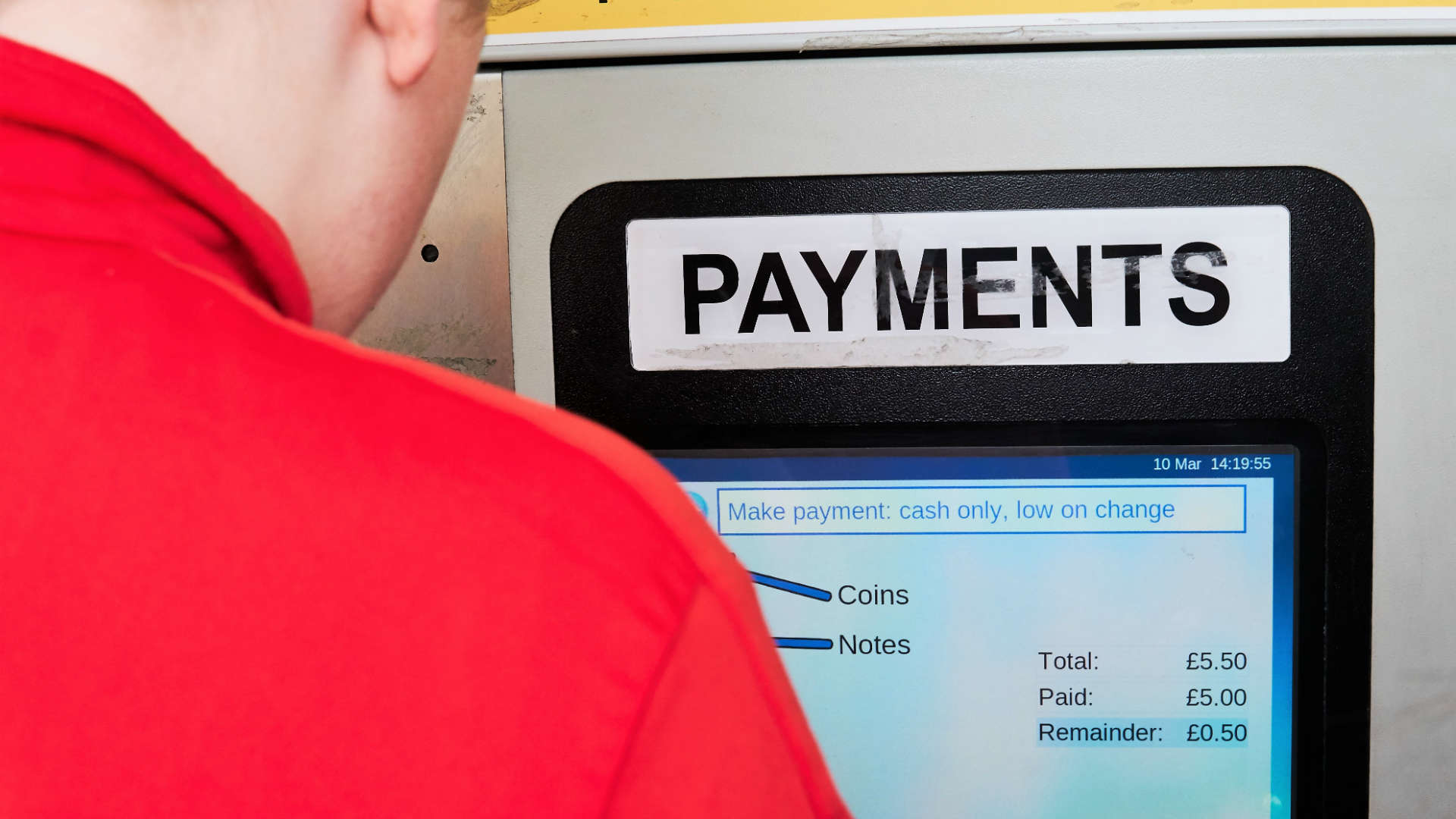
Car parking firm NCP has raked in nearly £700,000 a year from drivers who don’t have the correct change, a court has heard.

The parking giant kept more than £2 million in overpayments from drivers between 2009 and 2012, which it received in car parks where its ticket machines did not give change.

The figure was revealed in a High Court case where the company was fighting to prevent HMRC taking 20 percent of the cash in VAT.

Lawyers argued that NCP should not have to pay VAT on overpayments because it was not providing a service in return for the cash.

NCP parking overpayments case

Lord Justice Newey, ruling on the case with Lord Justice Patten and Lord Justice Males dismissed the claim, stating that any overpayment should be deemed the fee the driver paid to park.

Using an example of a motorist paying for an hour’s parking at £1.40 with a pound coin and 50p piece, Lord Justice Newey said: “I consider that if a customer pays £1.50, that amount is the value given by the customer and received by the supplier in return for the right to park.”

The taxman took £488,669 in VAT from the country’s biggest car park operator for overpayments made by customers between June 2009 and December 2012.

This was 20 percent of a total £2.44 million of overpayments made to NCP in that period, which equates to more than £681,000 a year. 

‘Utter contempt’

Pete Williams, a spokesperson for the RAC, said: “Everyone who has been unlucky enough to be fleeced in such a way by the car park operator will view this appeal with utter contempt.”

Edmund King, AA president, added: “The best way out of this would be to give motorists change in the first place.

“Drivers who have wanted to give left-over parking time to another motorist but been prevented by measures to stop tickets being transferred will have a wry smile on their face when they hear this court ruling.”

NCP hasn’t commented on the High Court ruling.

Advertisement

Porsche launches new 3D augmented reality smartphone app

0

Porsche AR 3D Configurator AppCreating your ideal sports car using an online configurator has become even more realistic with a new smartphone app from Porsche.

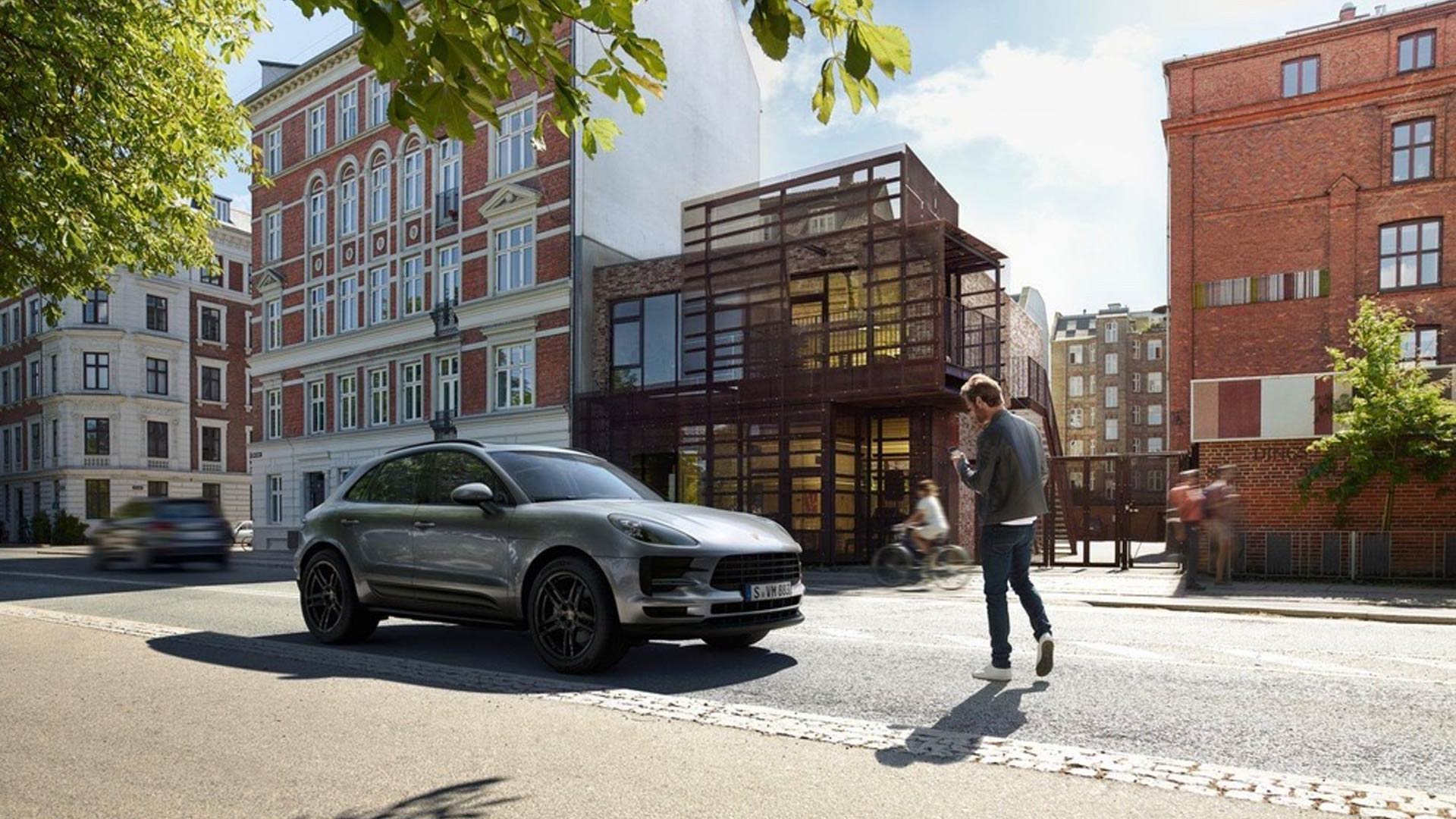
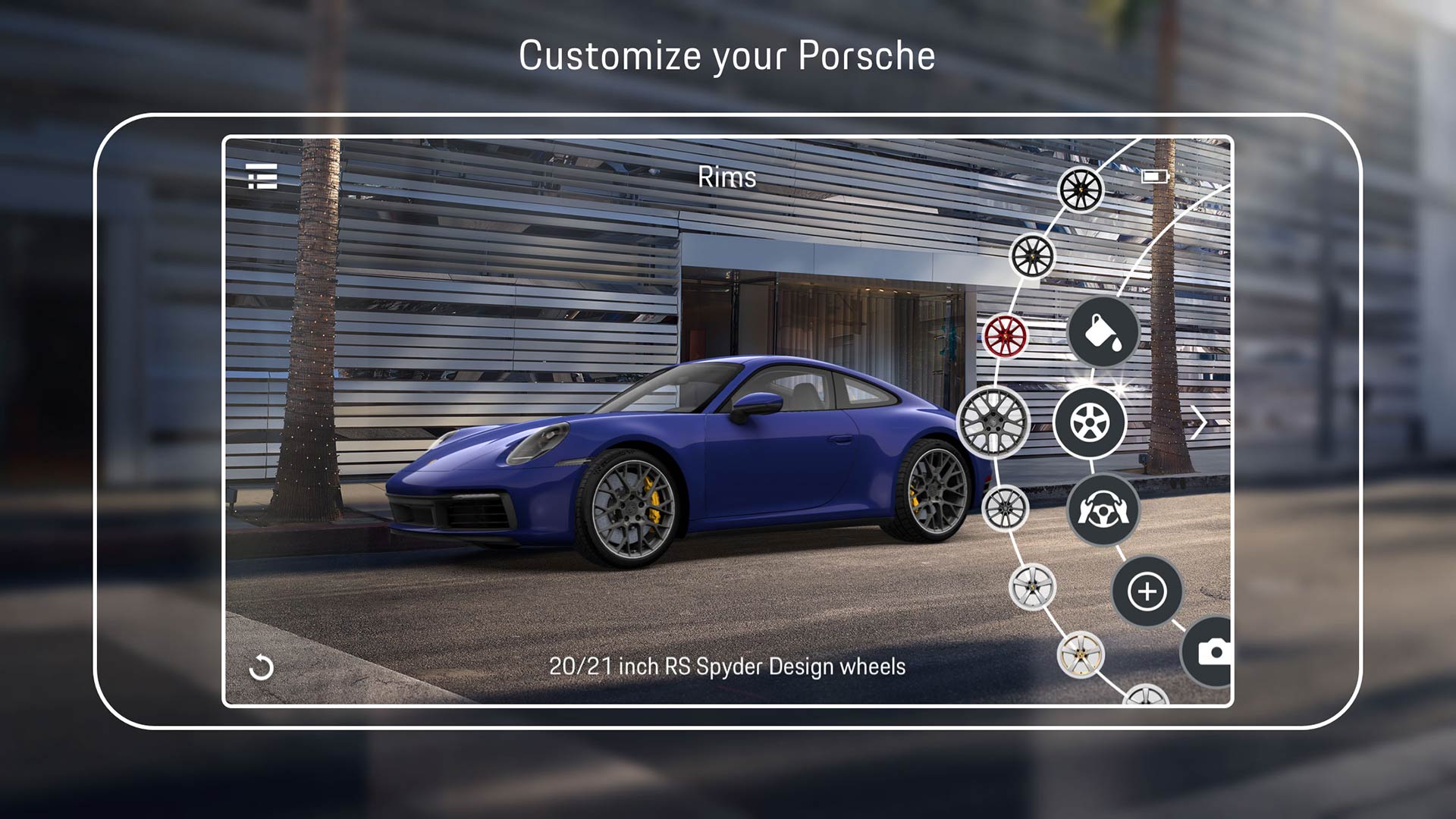
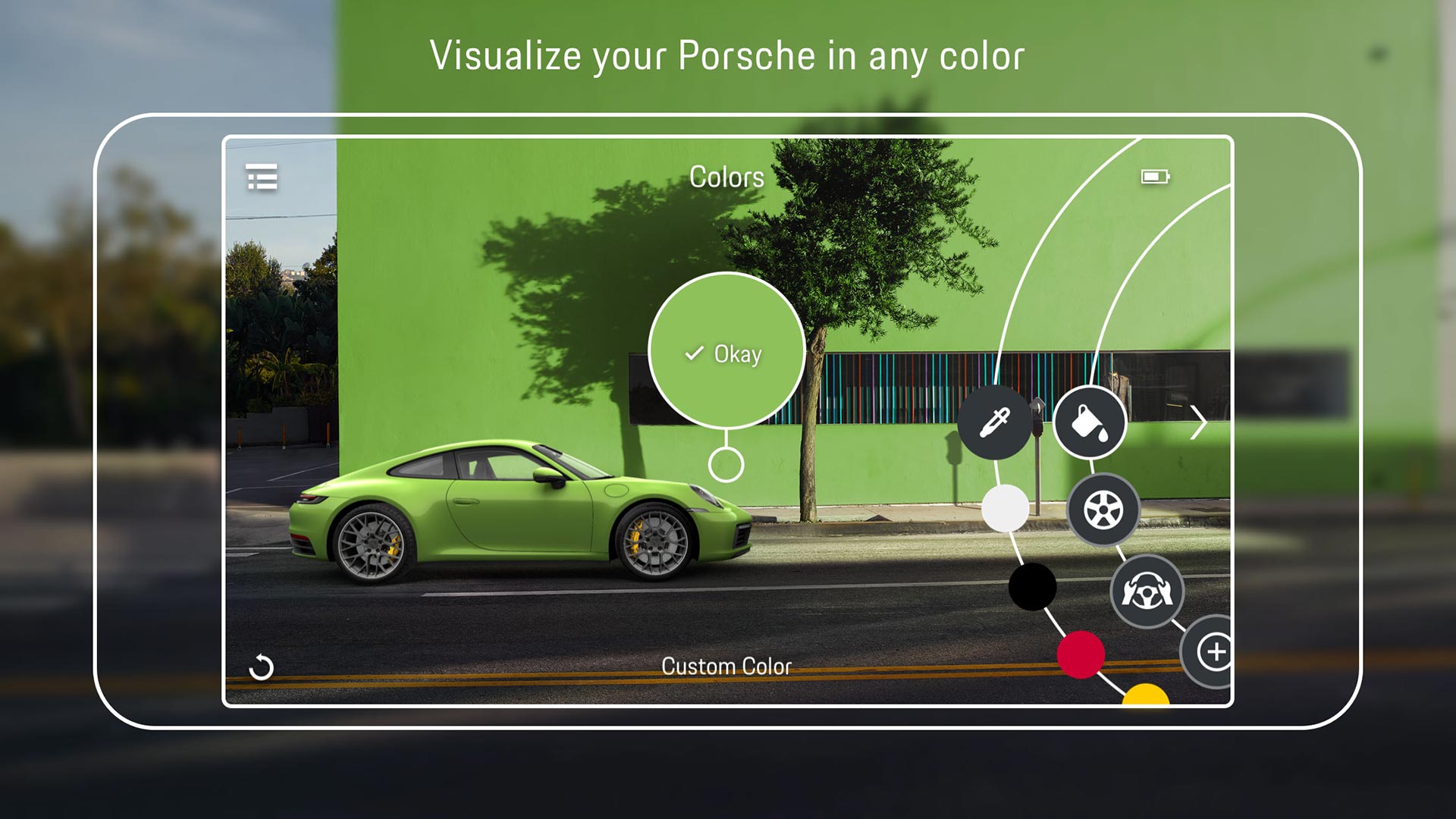
The AR Visualizer App allows a three-dimensional photorealistic image of your perfect Porsche to be generated right before your eyes.

It means you could envisage how it looks parked outside your home, or even inside your living room. All the app needs is a flat surface to create the 3D image.

Dream machines

Porsche AR 3D Configurator AppThe new app includes all the features found in the regular Porsche configurator, which is offered through the company’s website.
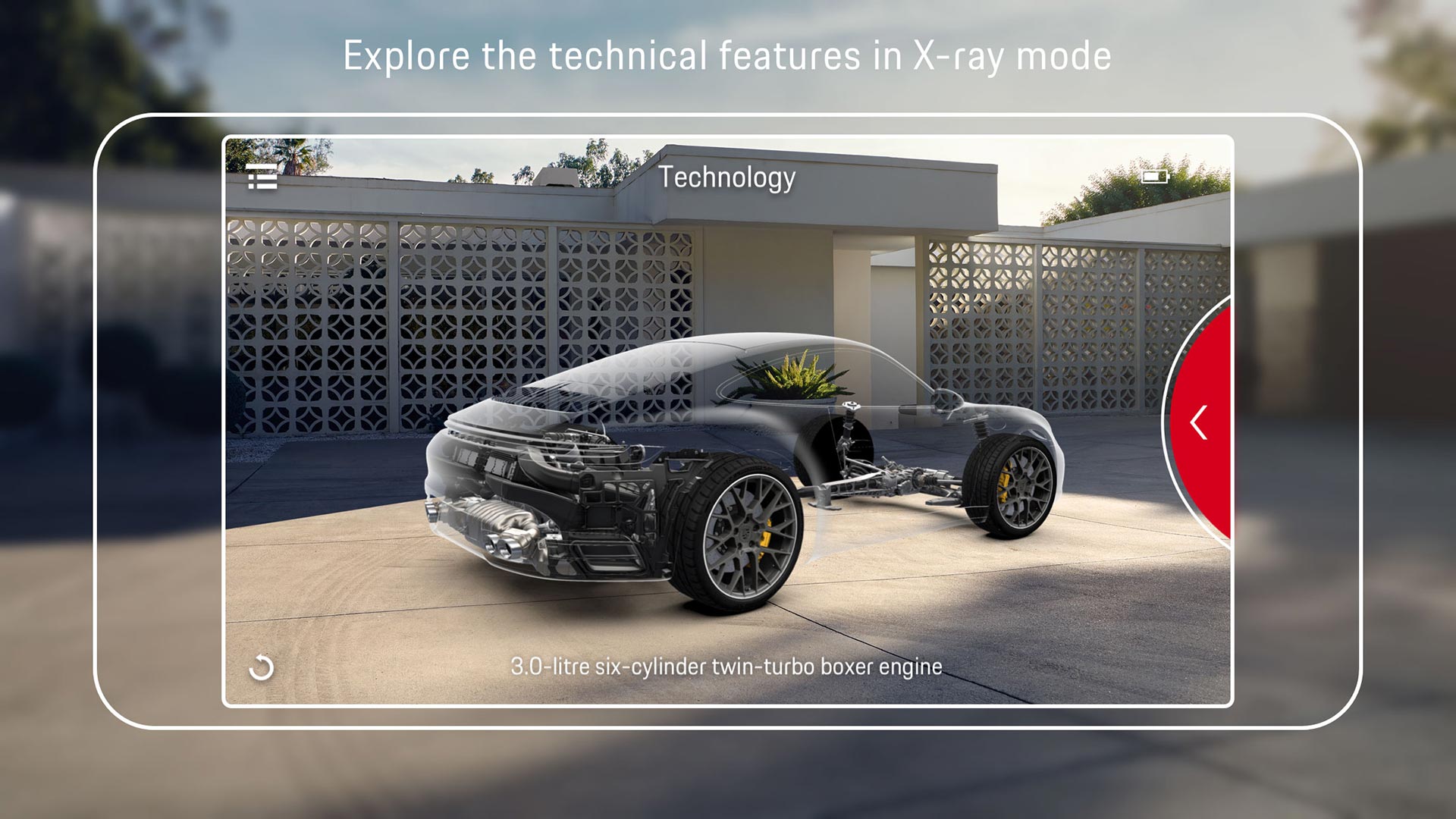
This means endless debates about which paint choice is the best, or trying to work out exactly which set of alloy wheels your Stuttgart dream machine must have.

Customers can still make use of the usual website-based configurator, but then send their completed car to the app for the full augmented reality effect.

X-Ray specs

Porsche AR 3D Configurator App

As an added bonus, the AR app also includes a new ‘highlight’ feature. This creates an X-ray-style cutout view of the selected car, showing users exactly where key technical details are hidden. It means future 911 owners can prove the latest sports car from Zuffenhausen is still very much rear-engined.

At present, the AR app can be used with the latest 911 Carrera S and 4S, along with the Mission-E concept car. The latter will be replaced with the finished production version of all-electric Taycan once it is revealed.

There’s an app for that

Porsche AR 3D Configurator AppPorsche also promises to have the entire model range available for use with the app by the end of 2019, meaning Macan and Cayenne customers will have to wait a little longer.
Available to download for both Apple iOS and Android devices now, the augmented reality app is the latest in a series of smartphone offerings from Porsche. Last year, the company launched the Porsche Charging Services app, aimed at helping drivers of plug-in hybrid or fully-electric cars find charging points.

Earlier this year, Porsche also revealed a vehicle rental smartphone app, offering access to a subscription service in partnership with tech company, Cluno.

Advertisement

Video: World’s oldest Porsche could sell for £15 million

0

World's oldest Porsche

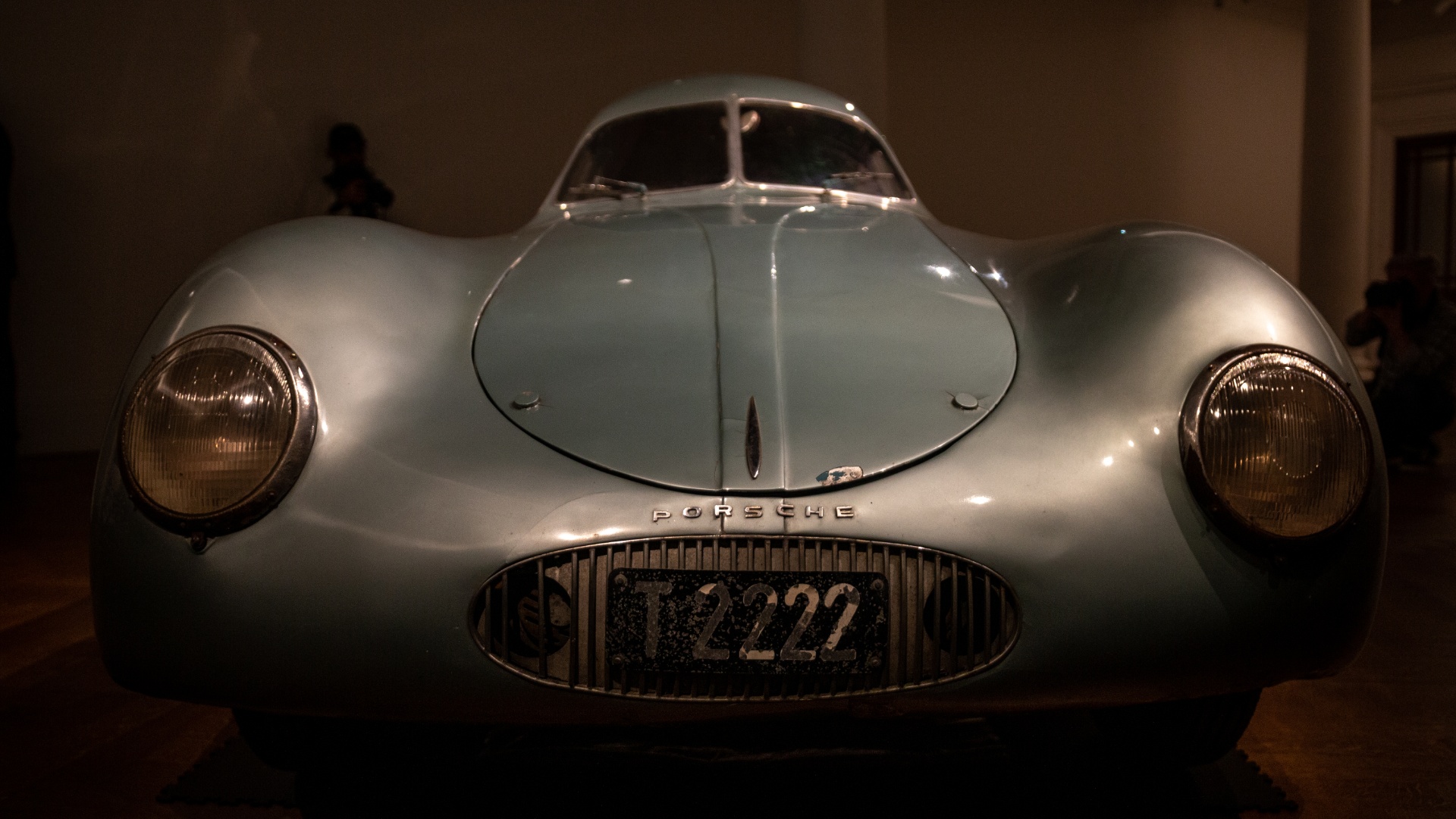
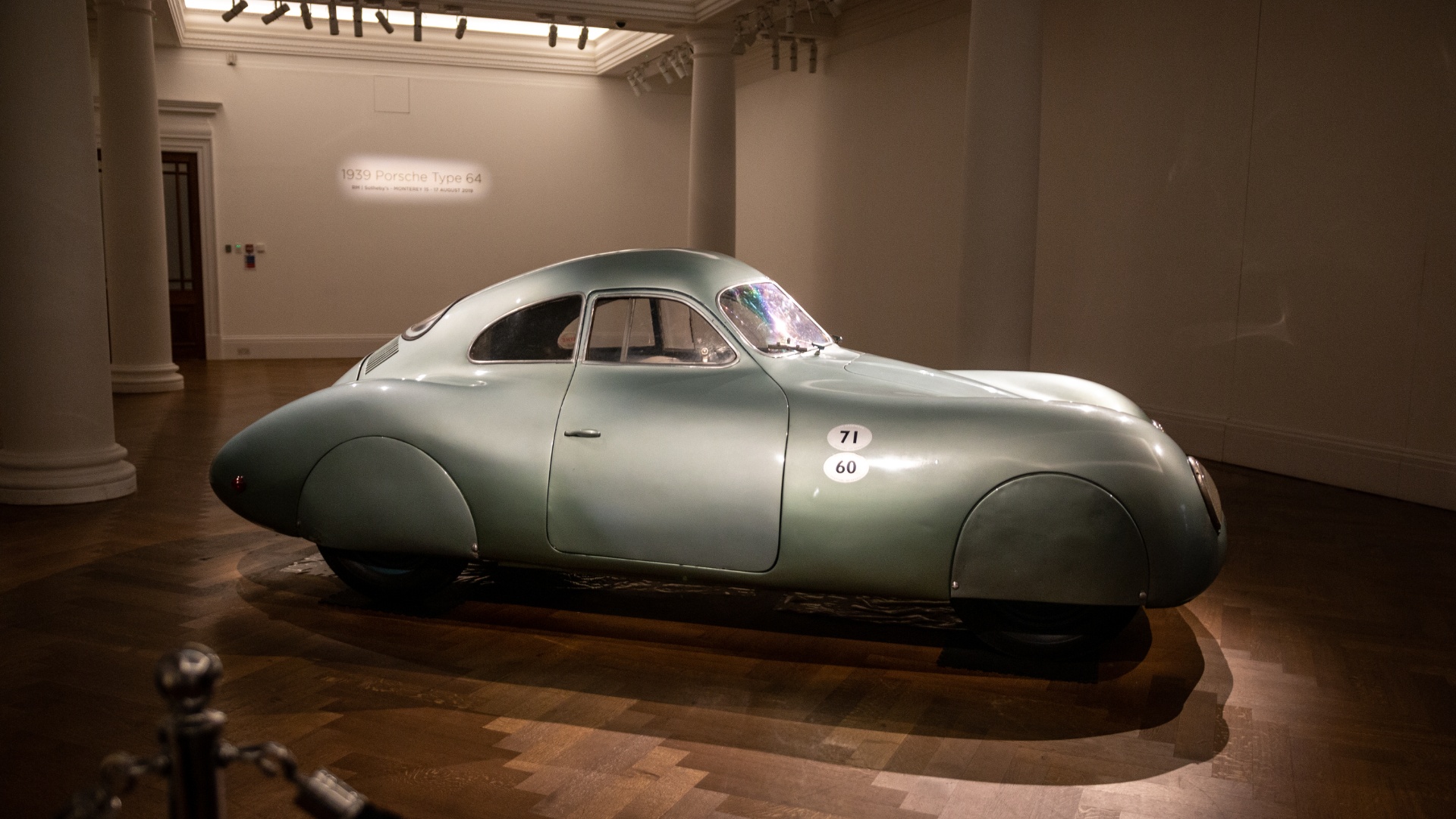
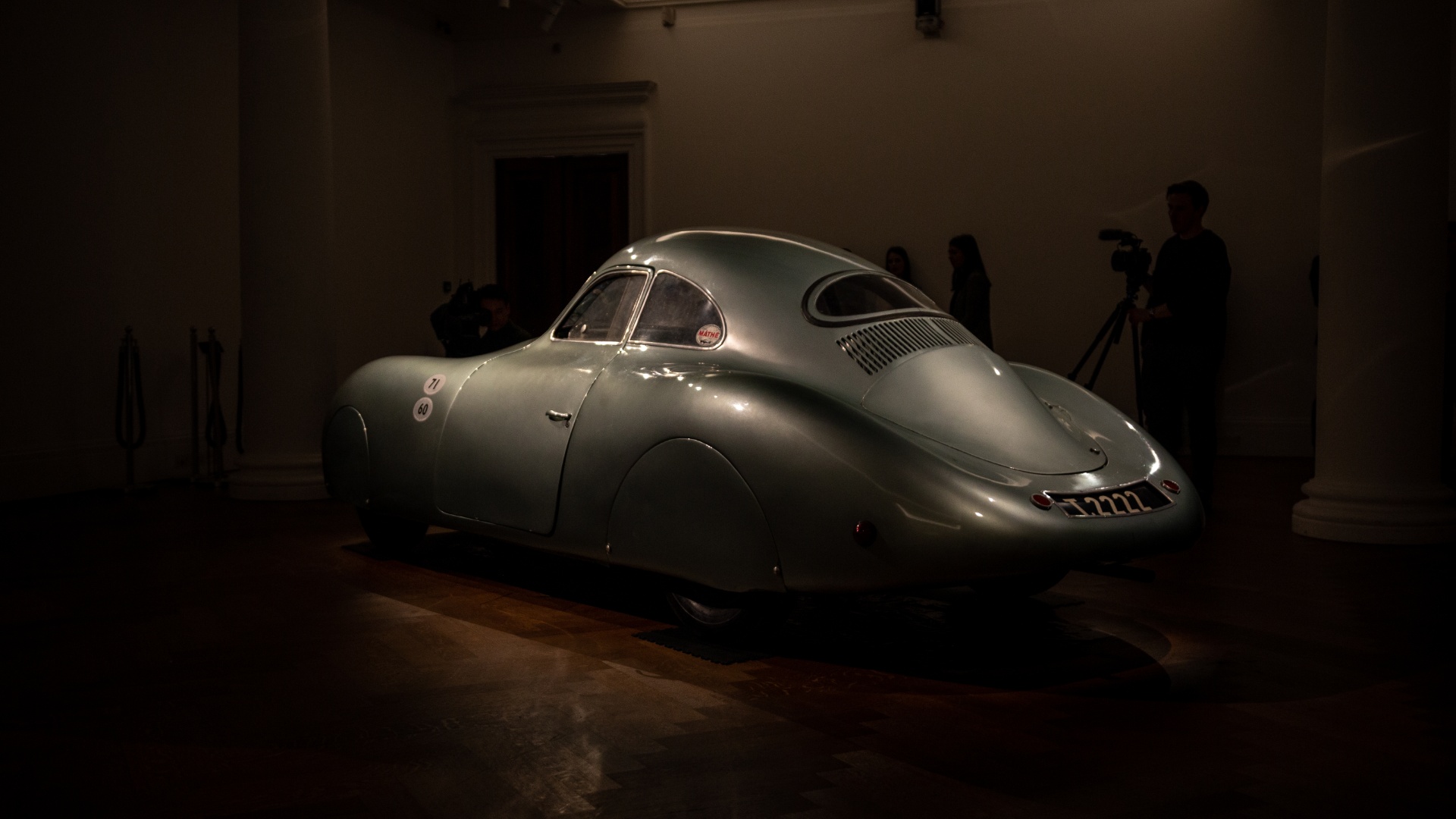
The Type 64 is the oldest surviving and, according to RM Sotheby’s, the ‘most historically significant’ Porsche in the world. Which means you’ll have to dig deep when it goes under the hammer in Monterey.

Ferdinand Porsche designed the Type 64 for the 1,500km Berlin to Rome race in September 1939. It was based on the KdF-Wagen – later known as the Beetle – and would be used to promote Germany’s new Autobahn system.

Three cars were commissioned, but just one Type 64 was completed before war was declared and the race was cancelled. The government turned its attention to the production of military vehicles, with the car becoming the property of the German labour front.

Genesis, chapter one

Porsche Type 64 chassis three

Undeterred, Ferdinand’s son Ferry built two more examples, one of which didn’t survive the war. Type 64 number three – the car headed to the Monterey sale in August – was completed in June 1940 using the chassis of the first car, which had been damaged following an accident with the MD of Volkswagen.

For a while, the Type 64 was used as a personal car by Ferdinand and Ferry, and was kept alongside the second Type 64 at the family estate in Zell-am-See. Ferry applied the company name to the bonnet and had the car registered in Austria.

In 1947, a young Pinin Farina was commissioned to restore the Type 64 ahead of its appearance alongside the Type 356 roadster on the roads around Innsbruck. 

Porsche Type 64 engine

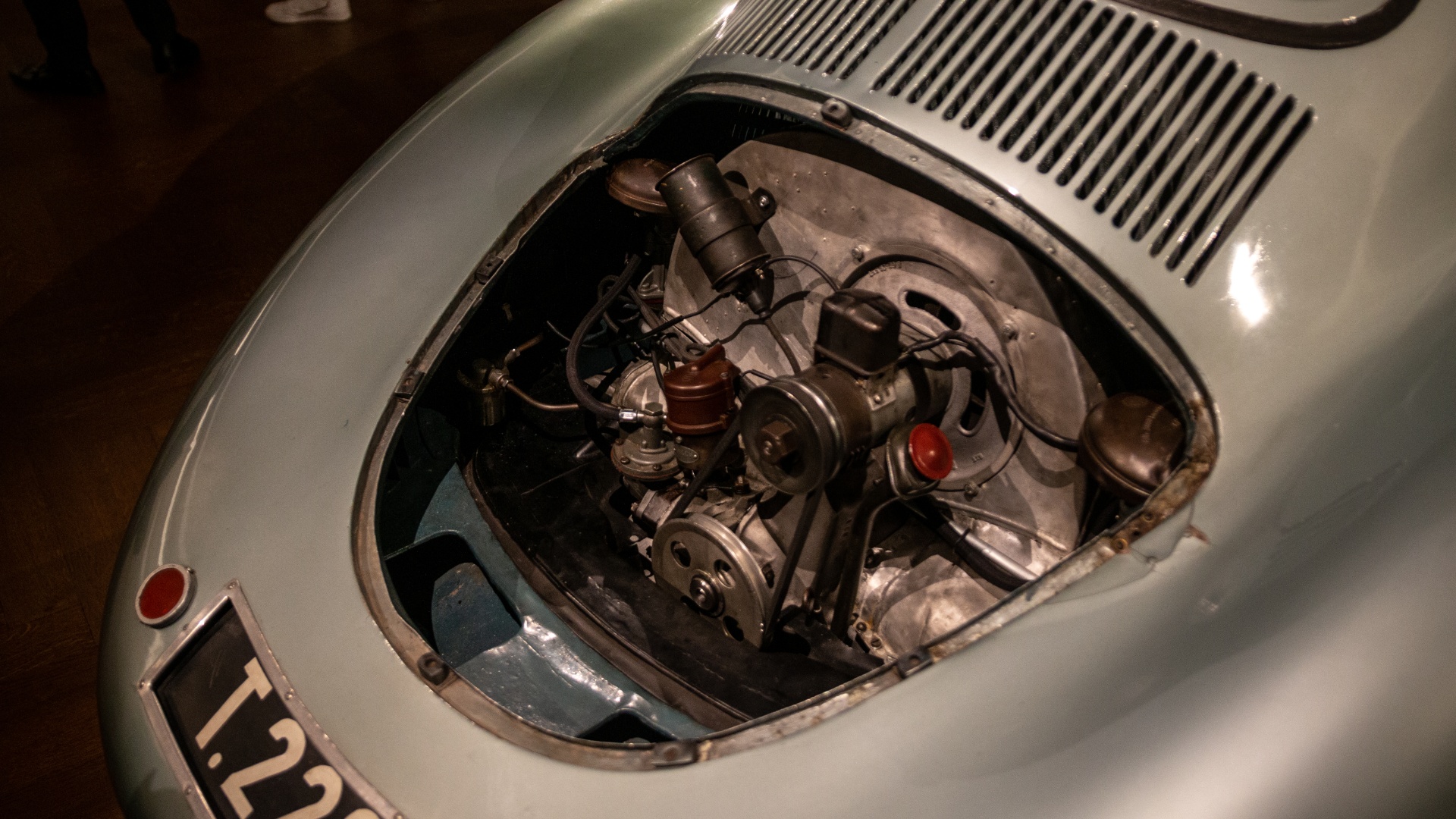
The link to the 356 – and therefore the entire history of Porsche – is that the same group of engineers worked on both cars. This is the genesis of Porsche: the birth of an automotive icon.

Austrian privateer Otto Mathé purchased the car in 1949 and subsequently enjoyed a successful racing career throughout the 1950s. He must have loved it, because he kept hold of the Type 64 until his death in 1995.

Its next owner was Porsche historian and specialist Dr Thomas Gruber, who took the car to various racing events, including Goodwood.

Video: Porsche Type 64

‘Sit in the seat of Porsche’

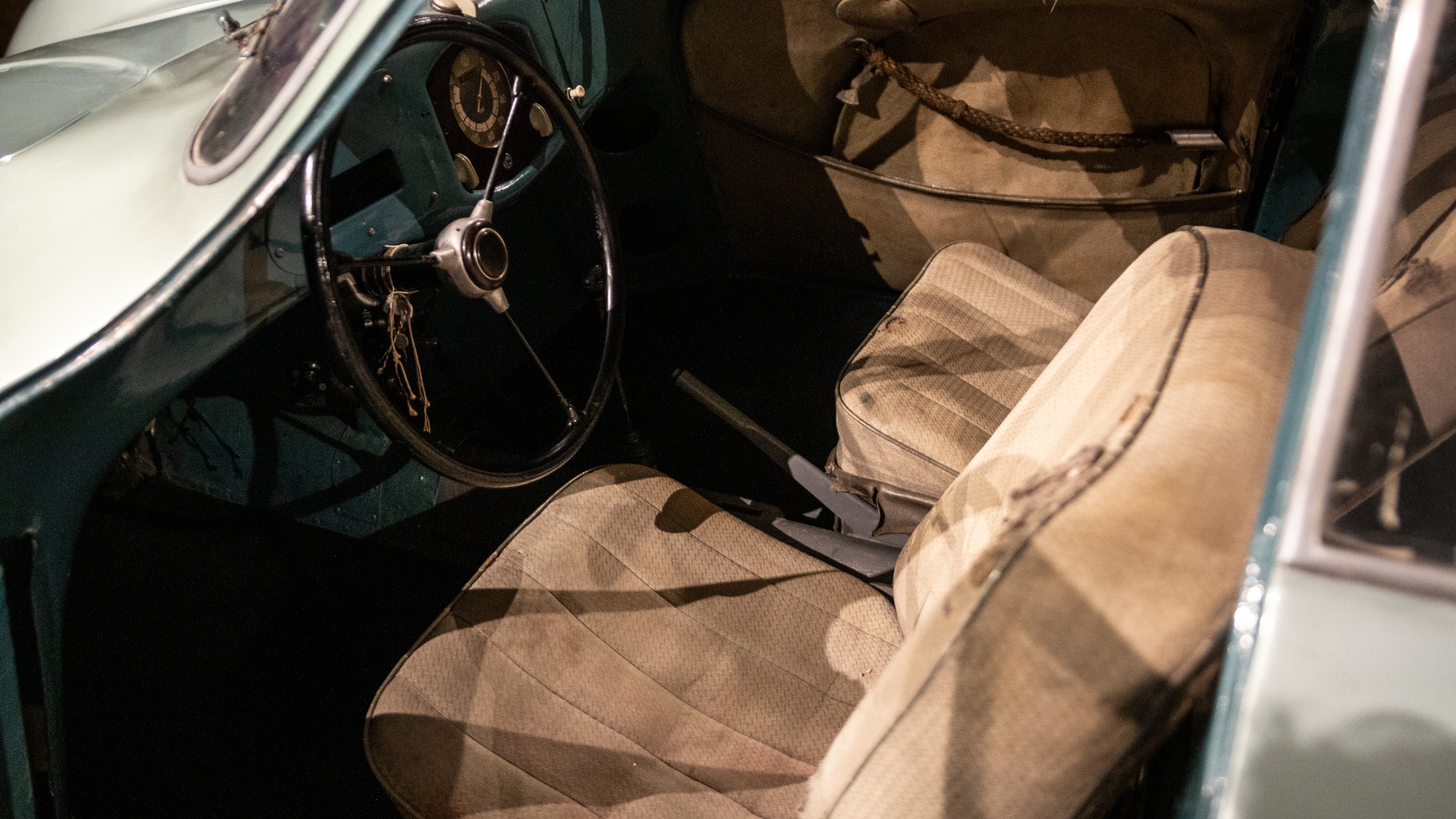
Porsche Type 64 seat

Marcus Görig, car specialist at RM Sotheby’s, said: “Without the Type 64, there would be no Porsche 356, no 550, no 911.

“This is Porsche’s origin story, the car that birthed the company’s legend, and it offers collectors what is likely an unrepeatable opportunity to sit in the seat of Ferdinand and Ferry Porsche.

“With this car, the new owner will not only be invited to the first row of every Porsche event worldwide—they will be the first row!”

Porsche Type 64 auction

The 1939 Porsche Type 64 is the headline act at the RM Sotheby’s Monterey sale in August. It comes with spare parts, period images, historic documentation and the bragging rights associated with owning the most important Porsche in the world.

As for the price: you can bank on parting with at least $20 million (£15 million) for the honour of owning what Andy Prill, a marque specialist, has labelled “the most historically significant of all Porsche cars”.

Advertisement

New electric car study reveals buyer ‘tipping points’

0

electric vehicle adoption tipping points

Just one in four people would consider buying an EV in the next five years, according to a Consumers, Vehicles and Energy Integration (CVEI) study into the adoption of electric cars and plug-in hybrids (PHEVs).

The research, conducted by the Transport Research Laboratory (TRL), reveals the ‘tipping points’ for when mainstream consumers are likely to adopt fully electric vehicles and PHEVs, with information gathered from vehicles and charge points for 584,000 miles of journeys and 15,700 charge events.

As part of the study, British motorists were given three different Volkswagen Golfs to drive for four days each: an electric e-Golf, a Golf GTE plug-in hybrid and a GT Edition.

The drivers were interviewed after the study, with 75 percent of them claiming they would not consider buying a fully electric vehicle within the next five years.

Rapid chargers will up the pace

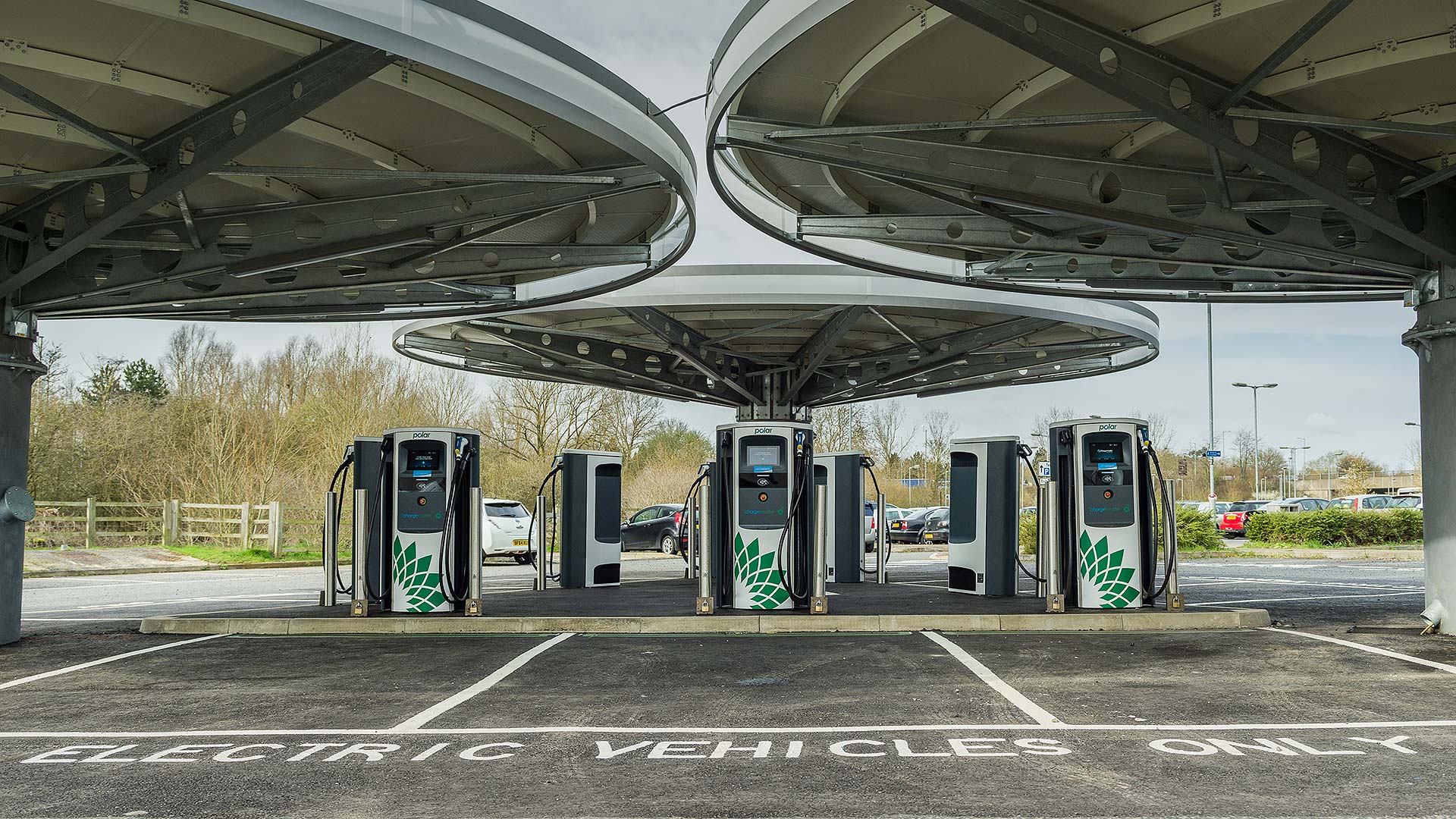
BP Chargemaster rapid charging hub at Milton Keynes Coachway

But some of the other key findings painted a brighter picture for the adoption of electric vehicles. These include:

  • Fifty percent of consumers said they would choose a PHEV as a main or second car, or an electric vehicle as a second car, within the next five years.
  • Fifty percent of consumers would consider an electric vehicle as a main car if its range increased to 200 miles; increasing to 90 percent if the range was 300 miles.
  • Consumer adoption can be encouraged by the provision of rapid chargers every 20 miles on motorways and A-roads, along with the roll-out of 150kW chargers.
  • Direct financial incentives are critical to electric car adoption, with grants rated as the most important.

Adoption dictated by consumer demand

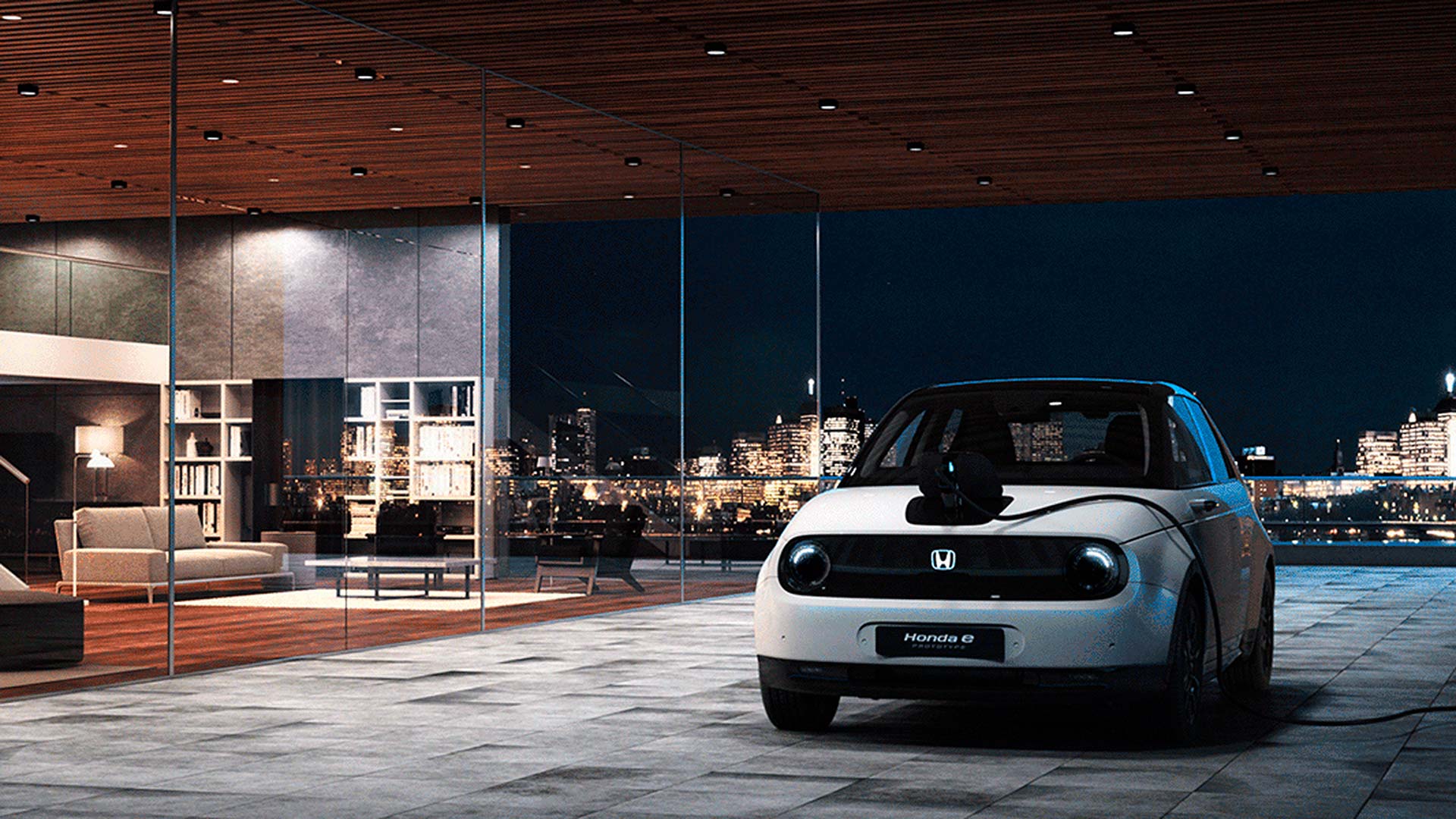
Honda e electric city car

Dr Neale Kinnear, head of behavioural science at TRL, said: “The need for cleaner, more efficient modes of travel is increasingly required to meet objectives such as the Road to Zero. However, the pace of this change will ultimately be dictated by consumer demand.

“With this ground-breaking CVEI project, TRL and its partners are providing vital evidence proving the mass market is willing to make the switch to electric vehicles, within particular parameters. The detailed findings will help inform UK and European policy and industry, including what is required by the energy sector to enable it to successfully contend with the resultant significant increase in electricity demand.”

Hannah Al-Katib, CVEI project manager, added: “This innovative project has required the expertise of a wide range of partners in order to deliver findings that will have real-world impact. As well as the data generated from this project, the unique challenges of delivering these ambitious and complex trials has provided insights into the types of challenges we face in transitioning to a future of zero emission vehicles.”

Advertisement

Audi Q5 plug-in hybrid offers 26-mile electric range

0

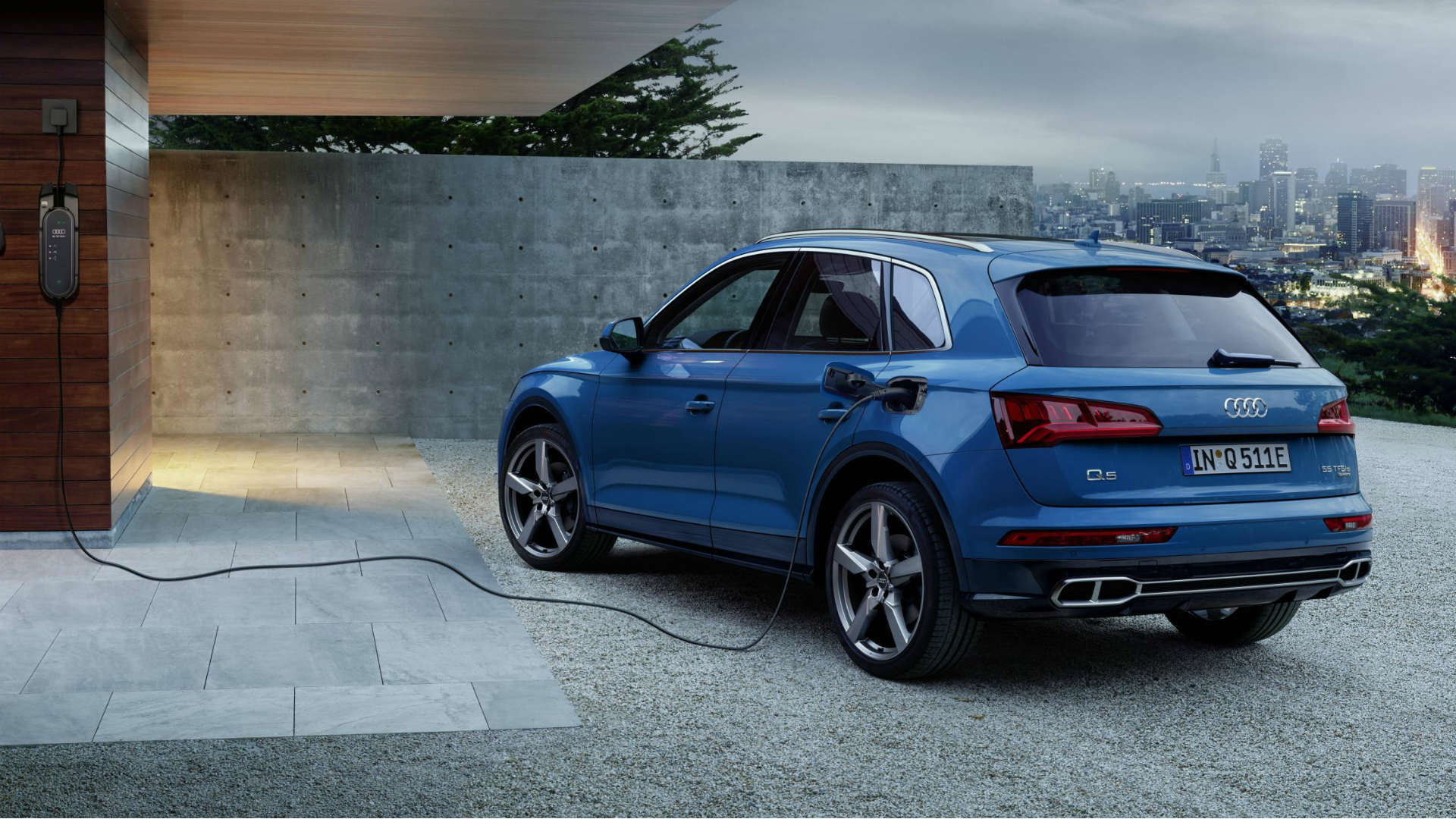
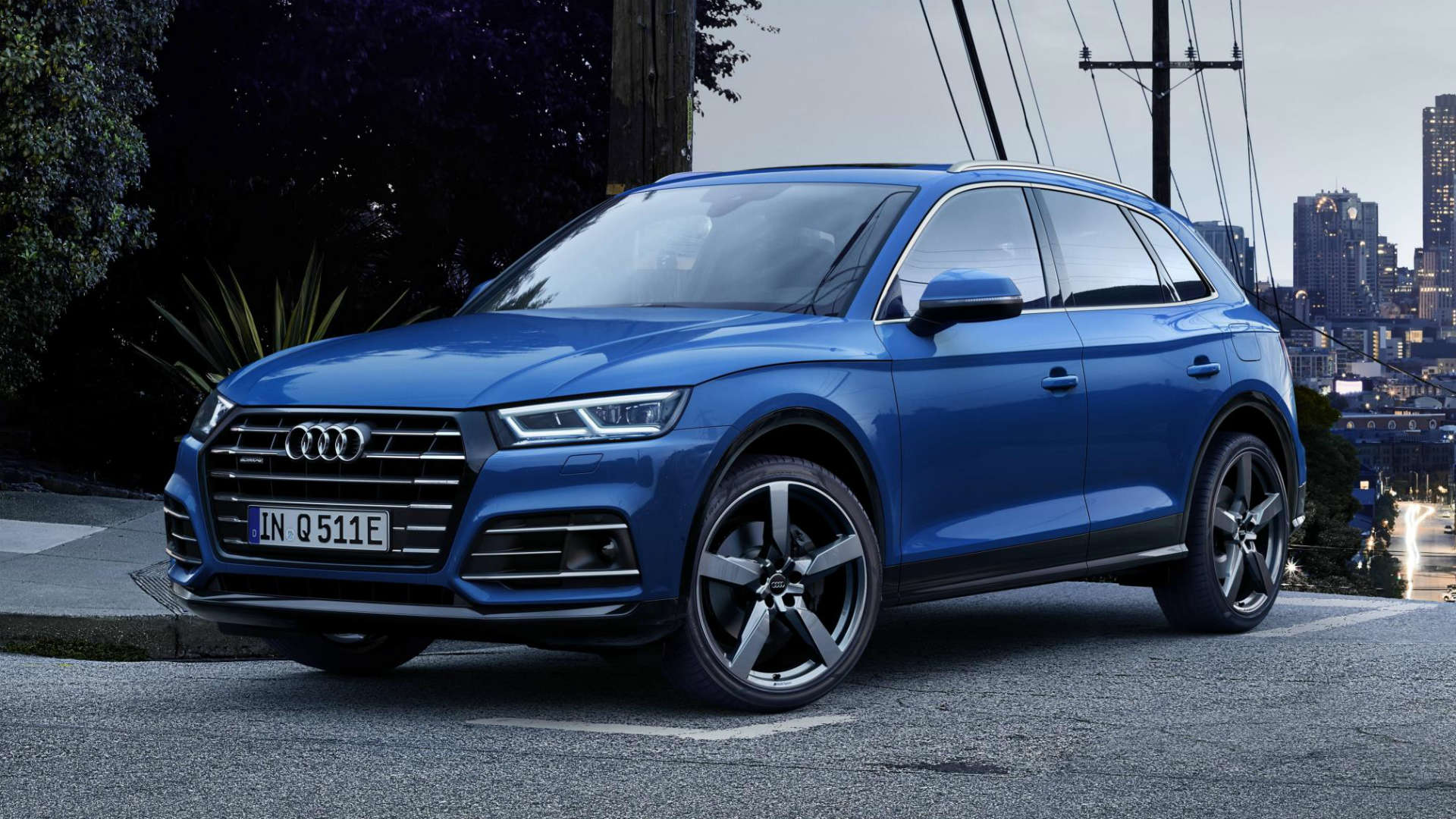
Audi Q5 plug-in hybrid

If you’re not ready to take the plunge on a EV, but fancy completing your commute on electric power, the new Audi Q5 plug-in hybrid will be of interest.

The Audi Q5 55 TFSI e – to give the SUV it’s long and convoluted name – pairs a 2.0-litre petrol engine with an electric motor to deliver 26 miles of range.

Useful for zero-emissions zones, then, but the Q5 plug-in hybrid can also hit 84mph in electric mode, plus a top speed of 148mph with help from the 252hp and 273lb ft petrol engine.

113mpg and 49g/km CO2

Audi Q5 55 TFSI E

Crucially, the WLTP-certified economy is 113mpg, corresponding to CO2 emissions of 49g/km: the figures of most interest to plug-in hybrid (PHEV) buyers.

It’s the first time that Audi’s efficiency-optimised Quattro all-wheel-drive tech has been used in combination with an electric motor, with the system functioning in front-wheel drive when possible to save fuel.

A predictive efficiency assistant (PEA) uses data from the navigation database and the distance to the vehicle ahead to select between freewheeling with the engine switched off and coasting recuperation.

There are three driving modes – Hybrid, EV and Battery Hold – with EV mode the default setting each time the vehicle is started.

Deliveries by the end of 2019

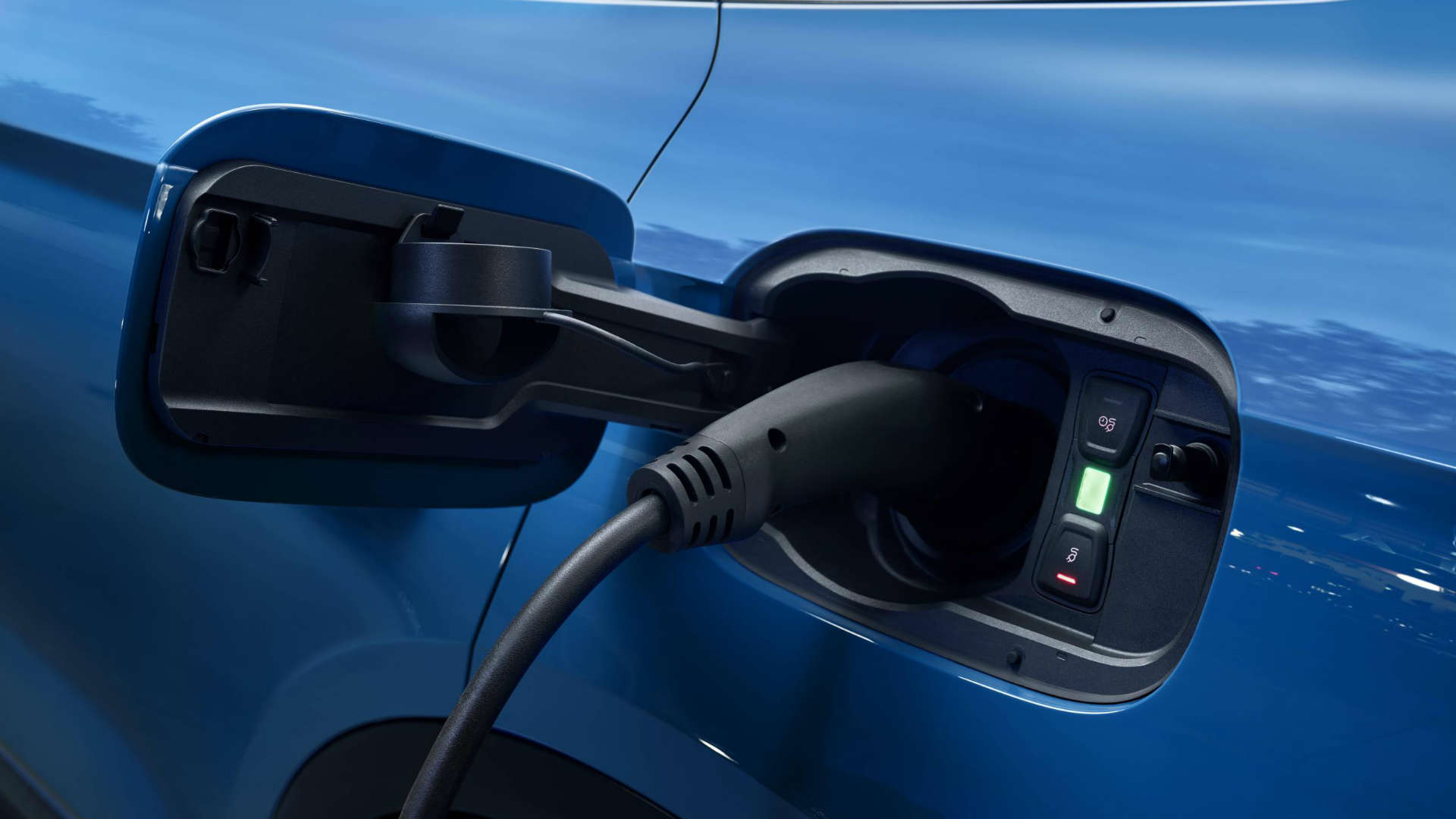
Audi Q5 plug-in hybrid socket

The Q5 plug-in hybrid is supplied with a compact charging system comprising cables for household and industrial outlets, plus a control unit. There’s also a Mode 3 cable with a Type 2 plug for use at public charging stations.

Standard kit includes LED headlights with high-beam assist, 20-inch alloy wheels, electric adjustable sports seats with massage function, three-zone climate control and Audi’s Virtual Cockpit dashboard display.

Customers can order an Audi Q5 plug-in hybrid in June, with deliveries expected by the end of the year. Prices will start from around £55,000.

Advertisement

Hump day: the story of the Porsche Speedster

0

Porsche Speedster history

Most iconic cars have a father (or mother) figure. An individual with the spark of an idea and the determination to see it through. In the case of the Porsche Speedster, that man was Max Hoffman.

The Austrian-born and New York-based car importer was responsible for the US introduction of countless European cars, not to mention the production of vehicles tailored to American audiences. One such car was the Porsche Speedster.

The Speedster story begins in 1950 when a Swiss journalist named Max Troesch showed Hoffman images of the first Porsche 356. He immediately ordered a pair, before travelling to the Paris Motor Show to meet Ferdinand Porsche.

Coming to America

Porsche Speedster

The pair shook hands on a deal to export 15 more cars to the US, with Hoffman becoming the factory’s unofficial man in America. In 1952, while dining at a New York restaurant, Hoffman convinced Ferry Porsche that his company needed a crest. Ferry grabbed a napkin and proceeded to draw a logo complete with stag horns and prancing horse from Stuttgart’s coat of arms. A brand identity was born.

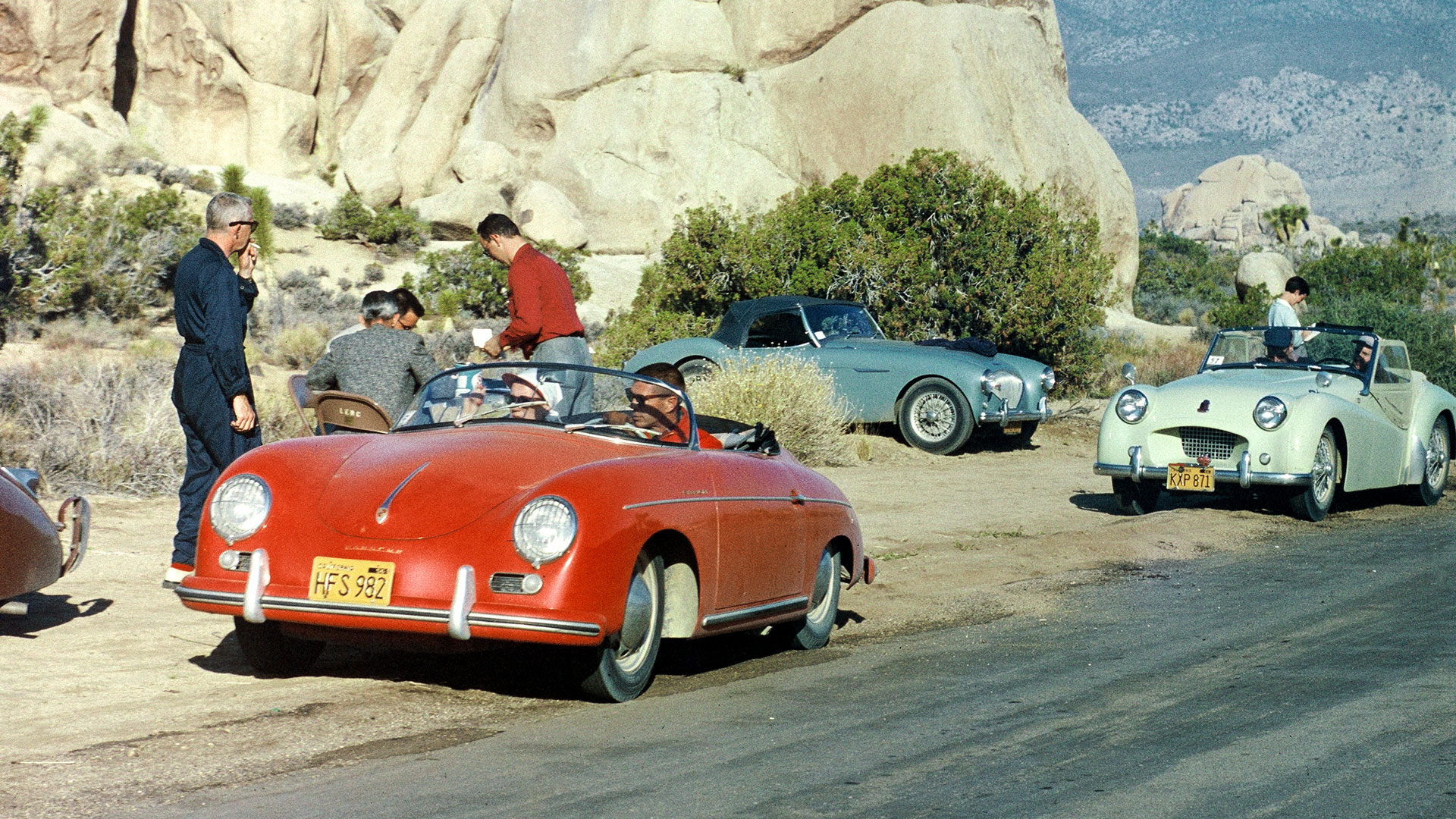
Hoffman was a huge fan of the Porsche 356 and he used the car to compete in numerous events around the US, which did a great deal for the company’s image. “On the 1951 Mount Equinox Hillclimb, I drove a Porsche cabriolet over a course with two miles of snow at the end. I was so fast, Briggs Cunningham claimed my time was impossible and forced the organisers to make me drive it again,” Hoffman told Panorama magazine shortly before his death in 1981.

But Hoffman saw a need for a lightweight and inexpensive variant of the 356. Taking his cue from the 356 America Roadster, an exclusive sports car developed for the US market, Hoffman requested an inexpensive, stripped-back Porsche with a price tag of less than $3,000.

Porsche Speedster in America

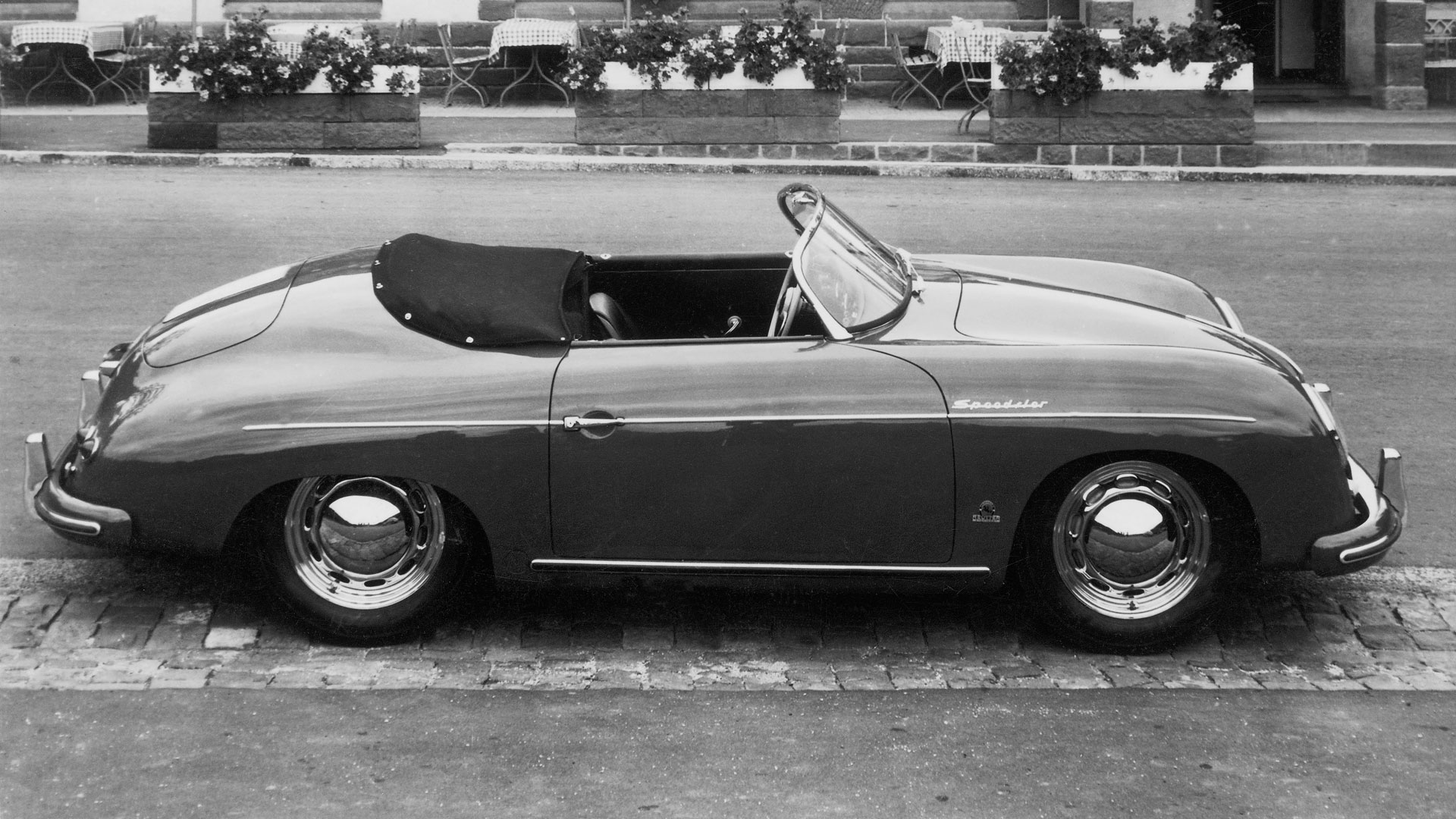
The result was the Porsche 356 Speedster, and the beginning of a bloodline stretching to the current day. The Speedster combined the sheet steel body of the cabriolet with a raked windscreen, reduced equipment and a rain top. It sold for just $2,995 and was popular in the sunny states, particularly Southern California.

It won many admirers, including Hollywood icon James Dean, and further generations of the 356 Speedster were developed. The model reached its pinnacle with the 356 A 1500 GS Carrera GT Speedster: the first production Porsche to hit a top speed of 200km/h (124mph).

Lean or mean?

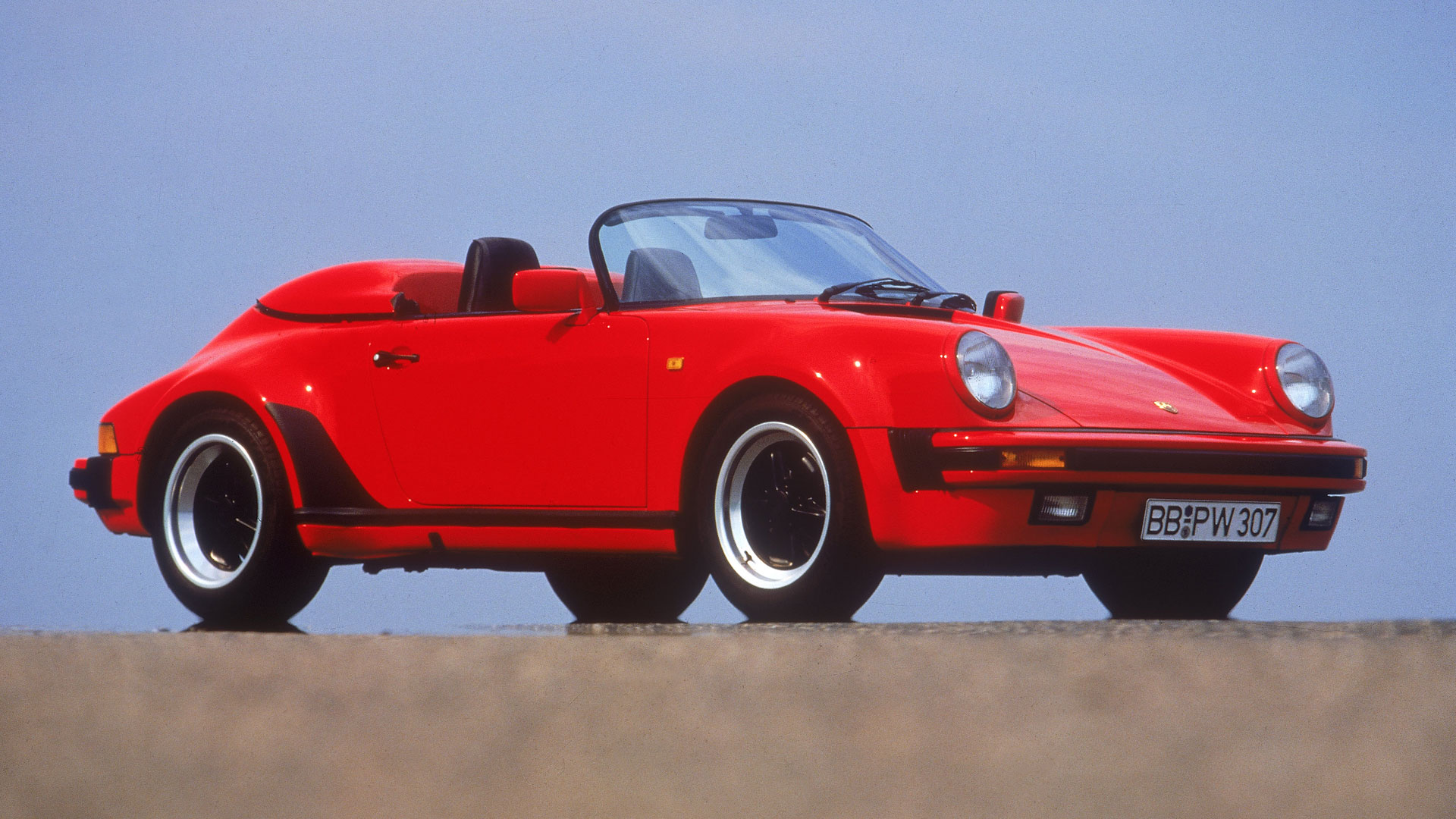
Production finished in 1958, and we’d have to wait three decades before the launch of a successor. It arrived in 1988 and was based on the 231hp 911 Carrera, featuring a wide ‘Turbo’ look. The removable windscreen was shortened and a manually operated rain top disappeared below a large plastic ‘bubble’ painted in the vehicle colour.

Porsche 911 Speedster G-Series

A leaner non-Turbo body was also available, but just 161 of these were built out of a total of 2,103 G-series Speedsters.

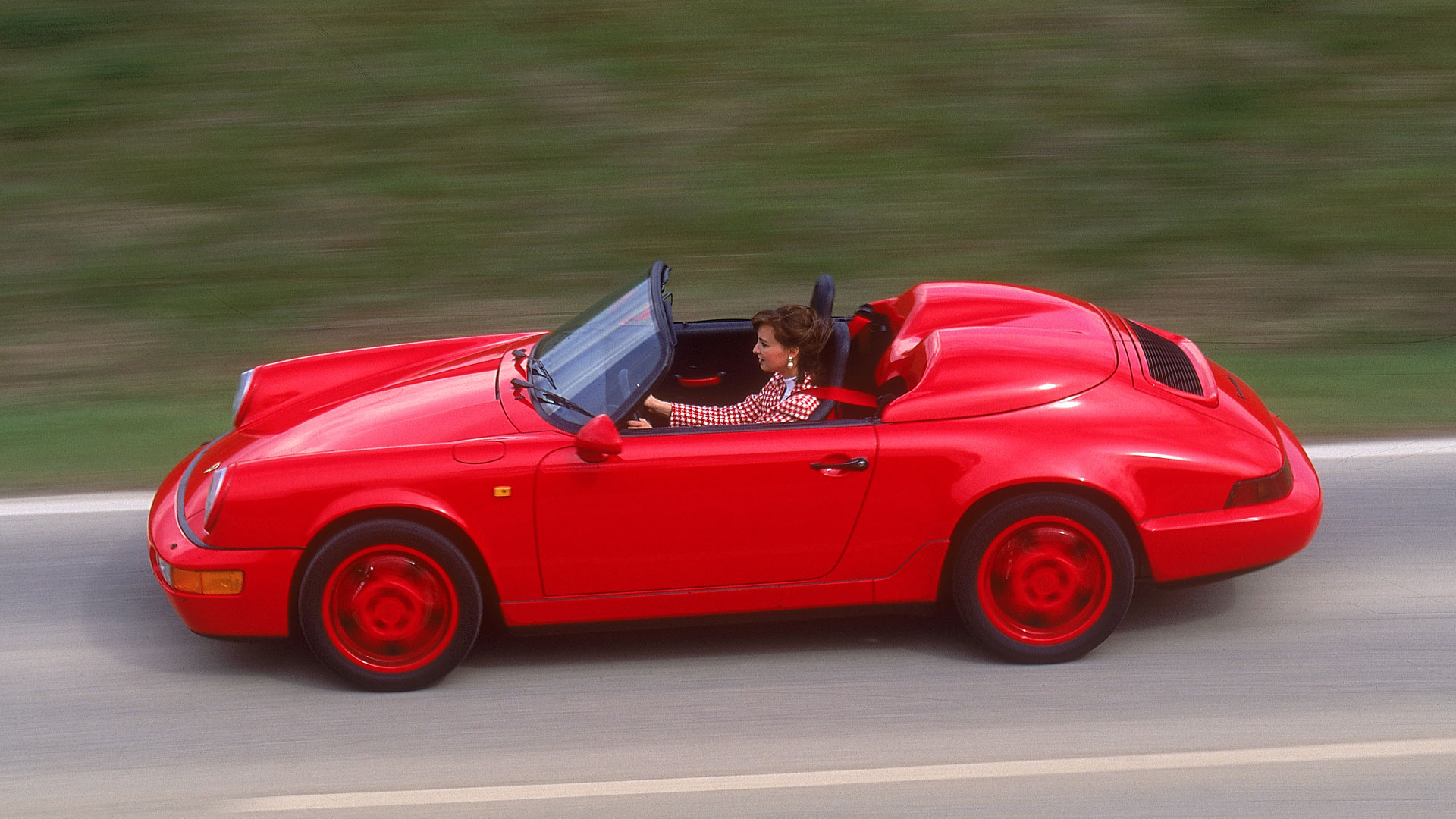
Both options were available on the 964 Carrera Speedster produced in 1992 and 1993, but while 930 units were ‘lean-bodied’, a mere 15 were built with the wider Turbo body. Highlights include a revamped roof mechanism for easier opening and closing, plus bucket seats from the Carrera RS painted in the vehicle colour.

Next up was one of the rarest Porsche cars ever built: the 993 Speedster. Just two were built: one for Ferdinand Alexander Porsche and the other for the US actor Jerry Seinfeld.

Porsche 911 Speedster

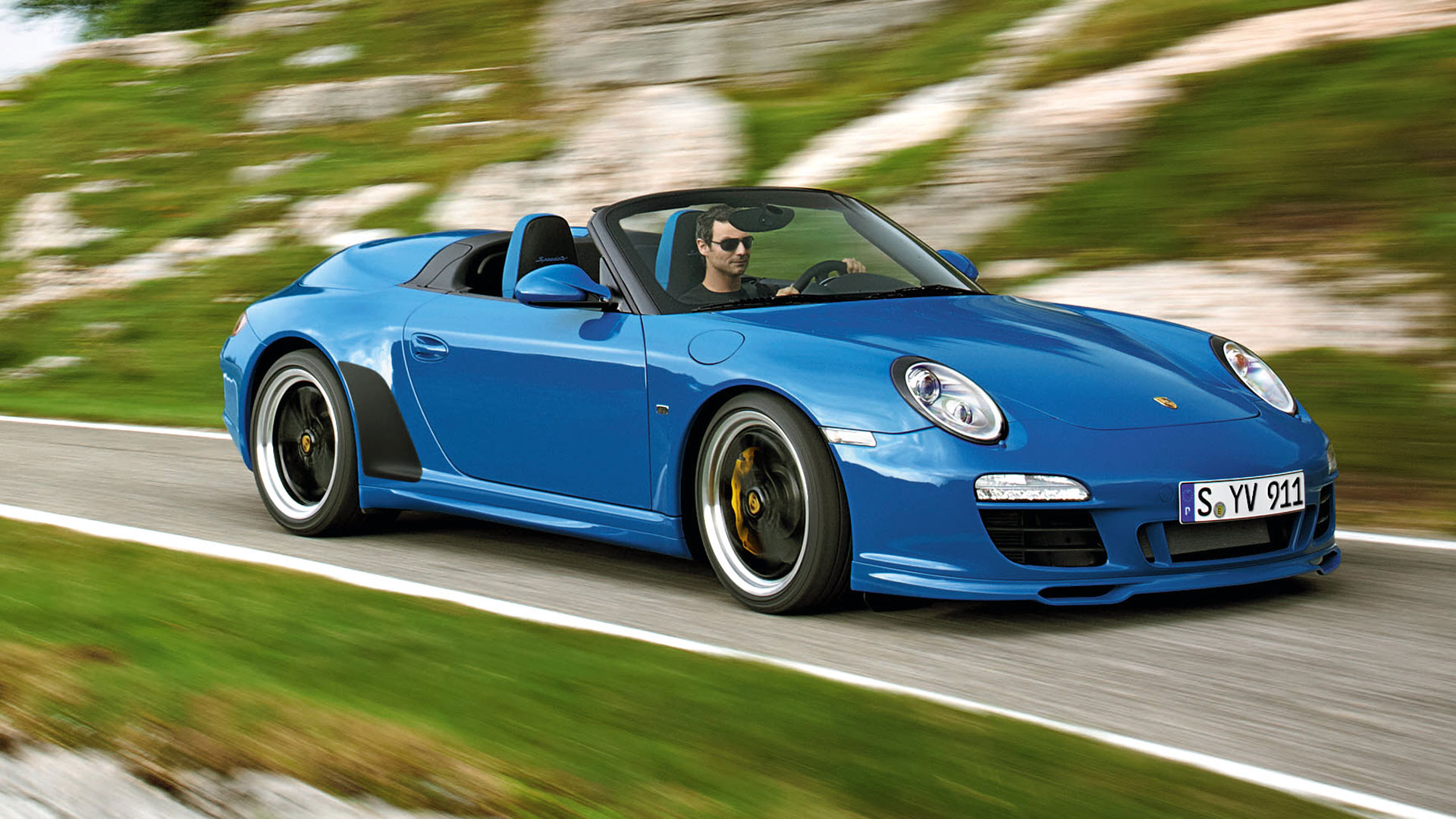
Porsche fans would have to wait a while before the arrival of the next Speedster, but it came in 2010 with the launch of the 997 variant. The traditional lower, more raked windscreen was present and correct, along with the evocative ‘double-bubble’ rear deck. Fittingly, just 356 units were produced.

One vision

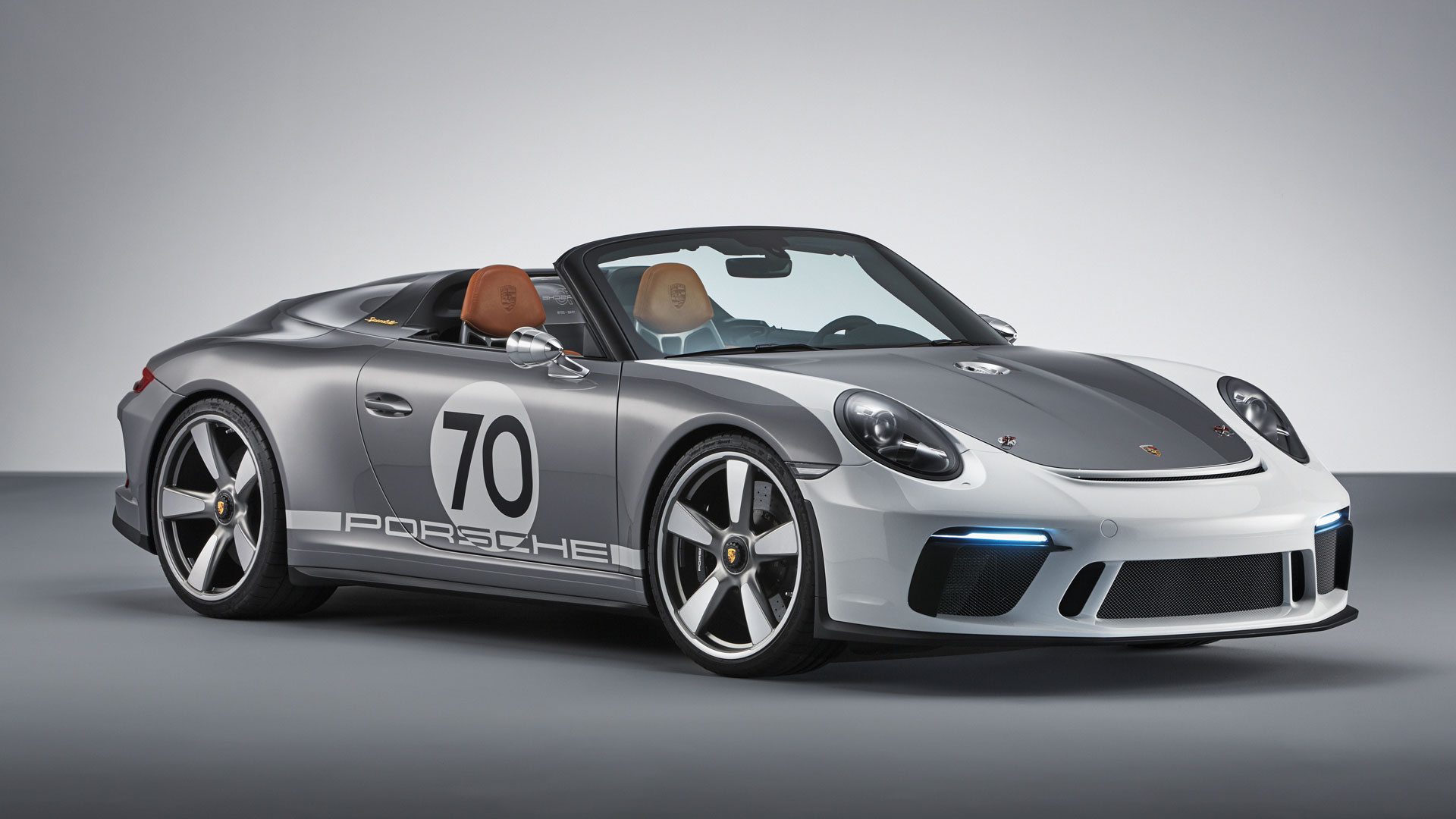
All of which brings us back to the present day and the launch of the latest Porsche Speedster. Built to celebrate 70 years of Porsche – and to line the coffers in Stuttgart – it’s the last hurrah for the 991.2 generation 911 and a fitting tribute to the 50s original.

In many ways, it stays true to Hoffman’s vision, but there are a couple of key differences. While the Speedster for California dreamers was available to all, just 1,948 of these tribute acts are available (and they’ve all been snapped up).

Porsche 991 Speedster

Secondly, you can forget the ‘sub-3k’ price tag, because the 2019 Porsche 911 Speedster costs upwards of £211,599.

The alternative is to pick up an older model, although Speedsters don’t come cheap. At last year’s RM Sotheby’s Porsche 70th Anniversary Auction, a 1994 911 Speedster sold for $190,400 (£150,131), while a restoration-ready 356 A 1600 Super Speedster sold for $307,500 (£242,465).

Advertisement

Traffic alert: Britain’s five busiest road sections revealed

0

M25 motorway

The government has revealed the five busiest road sections in Great Britain, and it won’t surprise you to discover that four of them are on the M25.

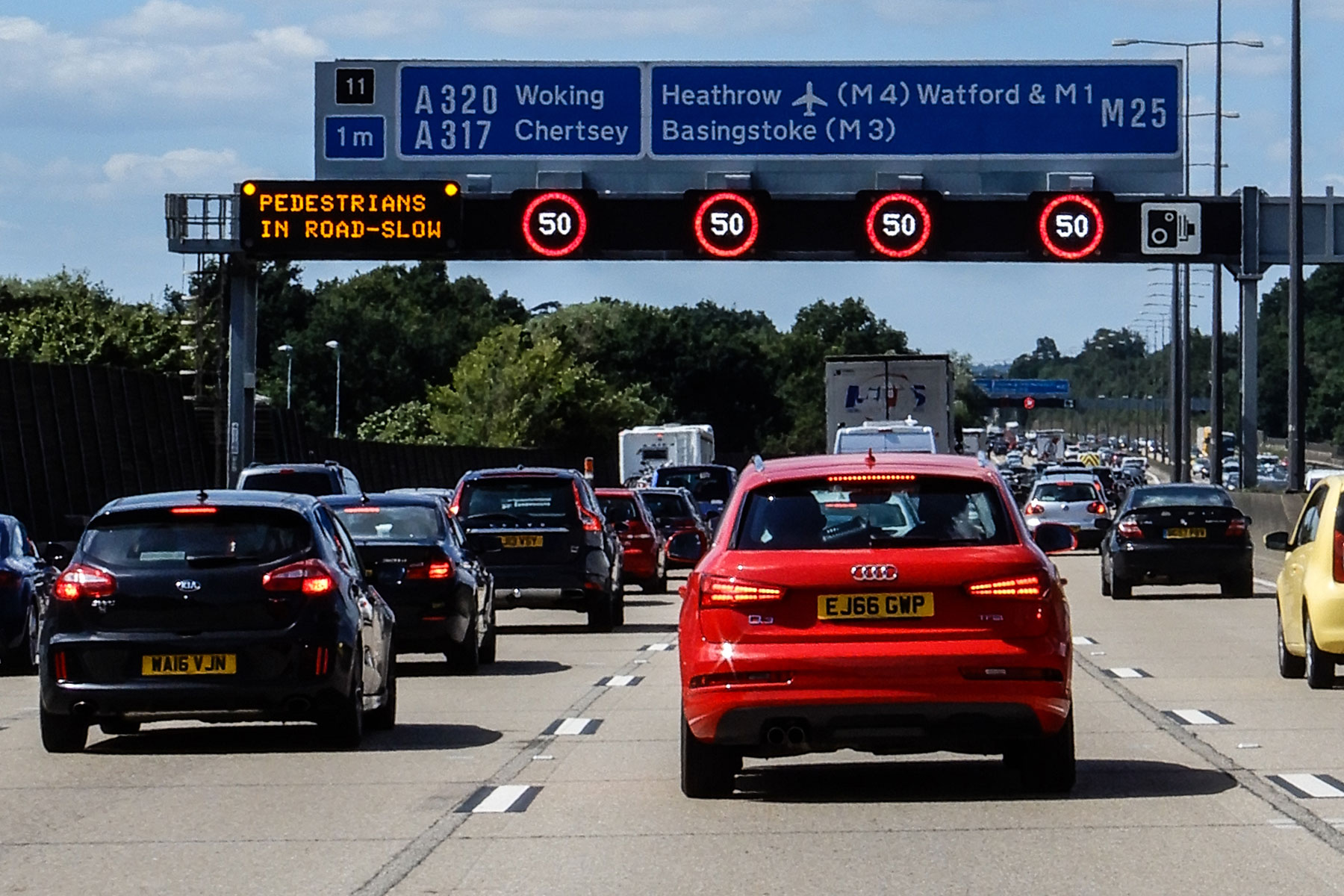
Predictably, the stretch linking junction 14 at Heathrow Airport with the M4 at junction 15 is the most congested, with 219,000 vehicles using the section EVERY DAY in 2018.

Junction 13 at Staines to junction 14 is the next busiest road with 206,000 vehicles, with junction 15 to junction 16 for the M40 motorway next up with 201,000 vehicles.

The section linking junctions 12 and 13 completes the misery for motorists forced to use the M25 on a daily basis, with 193,000 vehicles hitting the short section every day.

Only the M1 between junction 9 for Rebourn and junction 8 for Hemel Hempstead manages to muscle in on the M25’s dominance, with 184,000 vehicles using the stretch of motorway in Hertfordshire.

Commuters on the M25

The figures were taken by an analysis of the Strategic Road Network (SRN), which is made up of motorways and major trunk roads managed by Highways England, or equivalent truck road networks in the devolved administrations.

Amazingly, although the SRN makes up just 2.4 percent of England’s road network, it carried 34 percent of all motorised traffic in England.

Even more amazing – if you enjoy road statistics – is the fact that, at a national level, 85 percent of Britain’s traffic was on England’s roads in 2018. If you need a break, head to Scotland or Wales…

Of the five local authorities in England with the highest levels of traffic, three are in the South East (Hampshire, Kent and Surrey), and the other two are in the East of England region (Essex and Hertfordshire).

But motor vehicle traffic is up across almost the entire country, with the South West showing the biggest increase since 1993 (39 percent), followed by Scotland and East of England (both up 37 percent).

Only Greater London bucked the trend, with traffic down 4 percent, presumably a symptom of anti-car legislation, expensive parking and the use of public transport.

If you’ve had enough of traffic congestion, we can recommend some terrific roads in Scotland and Wales. Alternatively, check out our list of the quietest A-roads in the country.

Advertisement

Special Aston Martin DBS pays tribute to James Bond

0

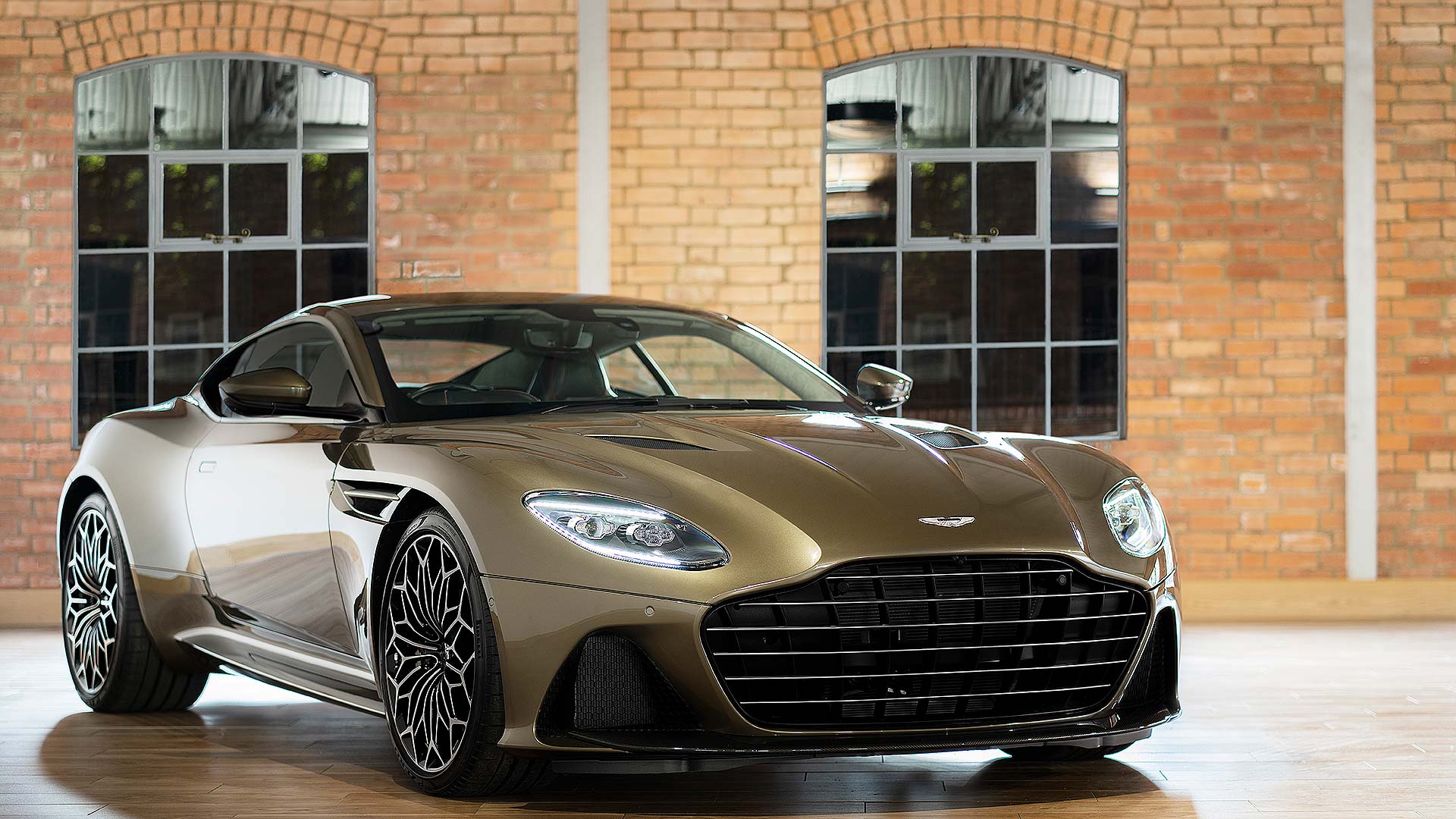
Aston Martin OHMSS DBS SuperleggeraAston Martin continues its relationship with the James Bond movie franchise with the new DBS Superleggera OHMSS edition.
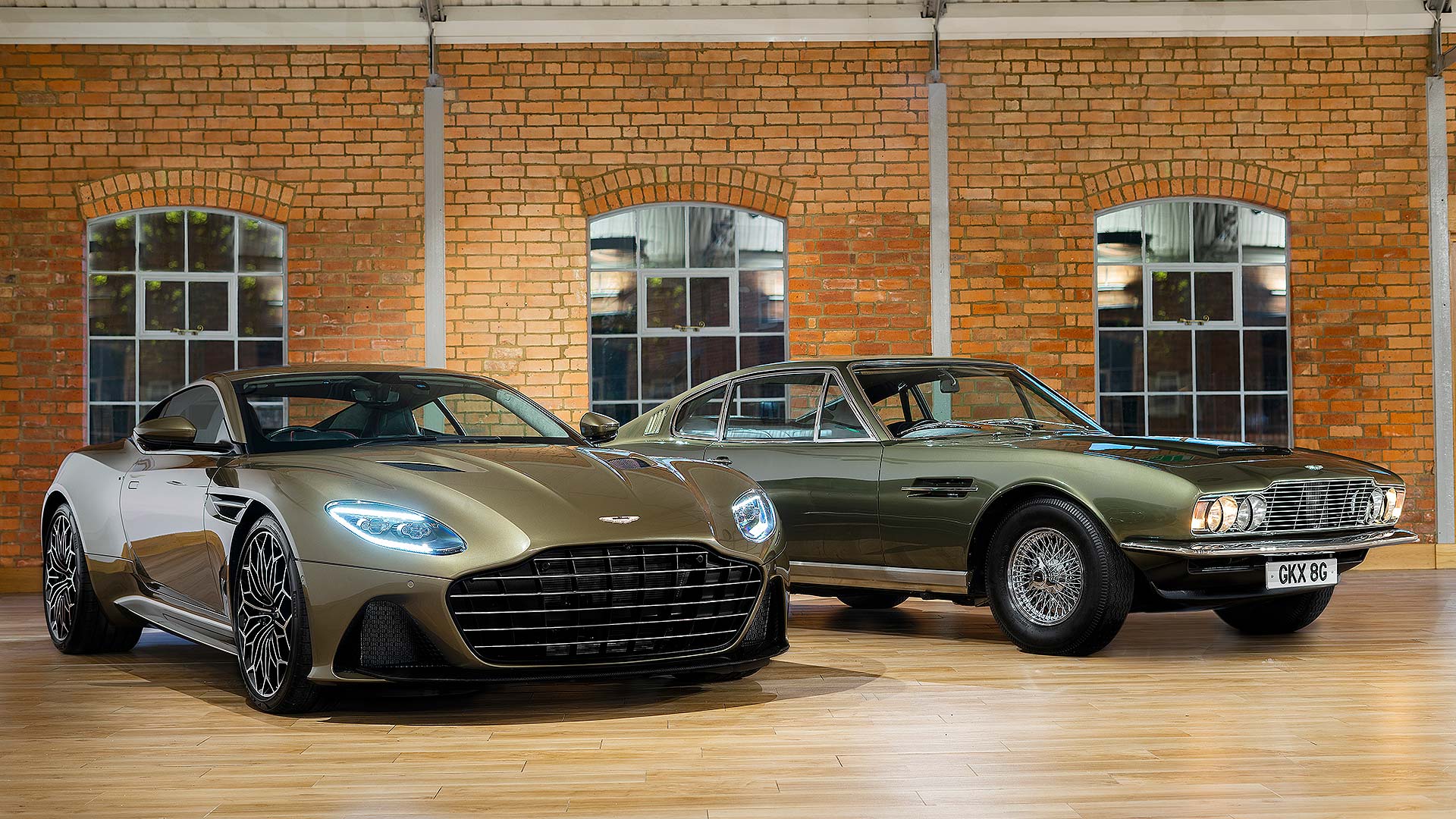
Not quite the catchy title you’d expect for a V12 supercar? Well, we’ve cracked the code: it stands for On Her Majesty’s Secret Service.

More Bond Aston Martins on Motoring Research:

Why the special edition? Well, 2019 marks 50 years since production began on the film, so Aston Martin is producing 50 OHMSS Edition DBS Superleggeras to celebrate.

Aston Martin OHMSS DBS Superleggera

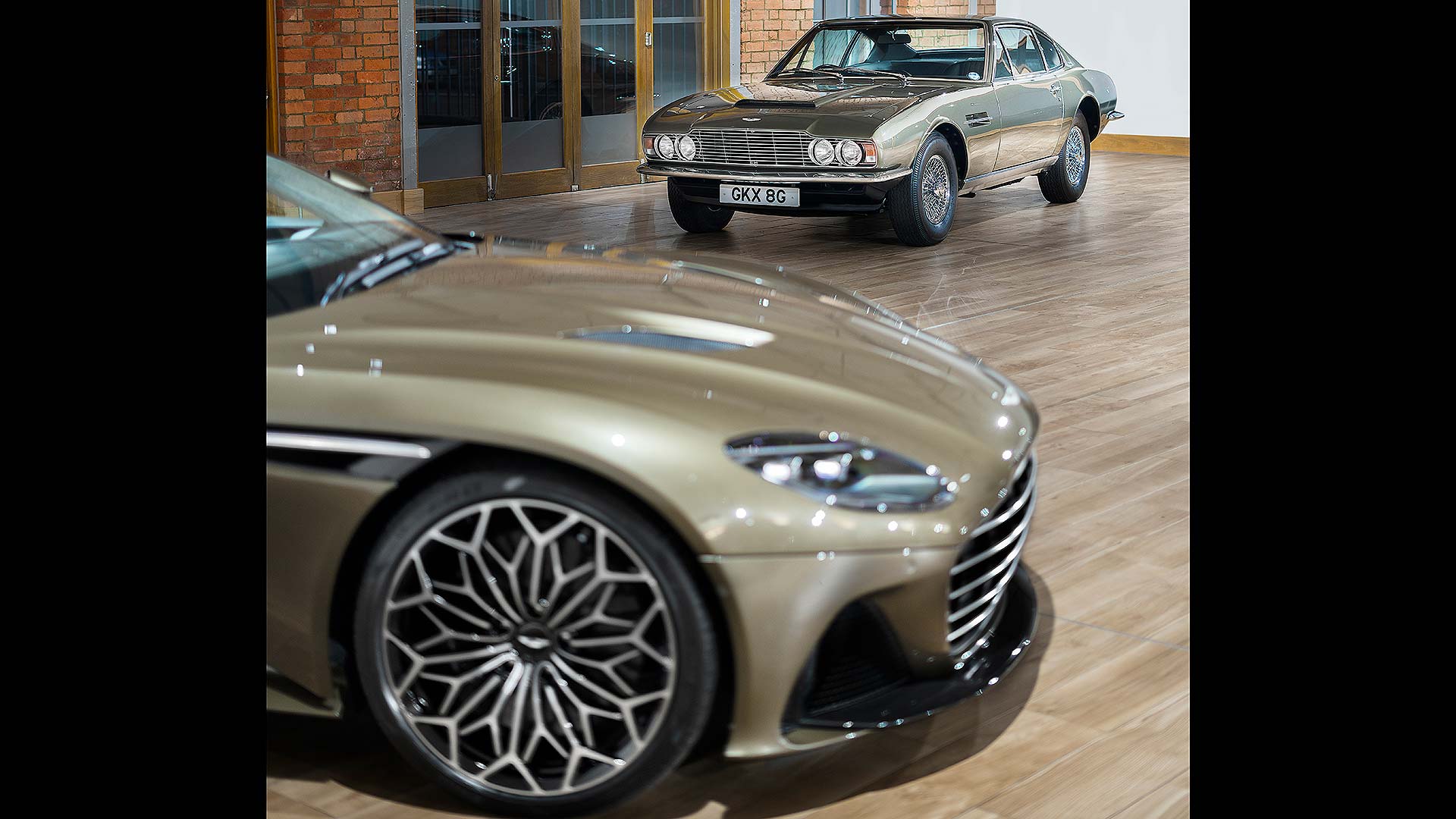
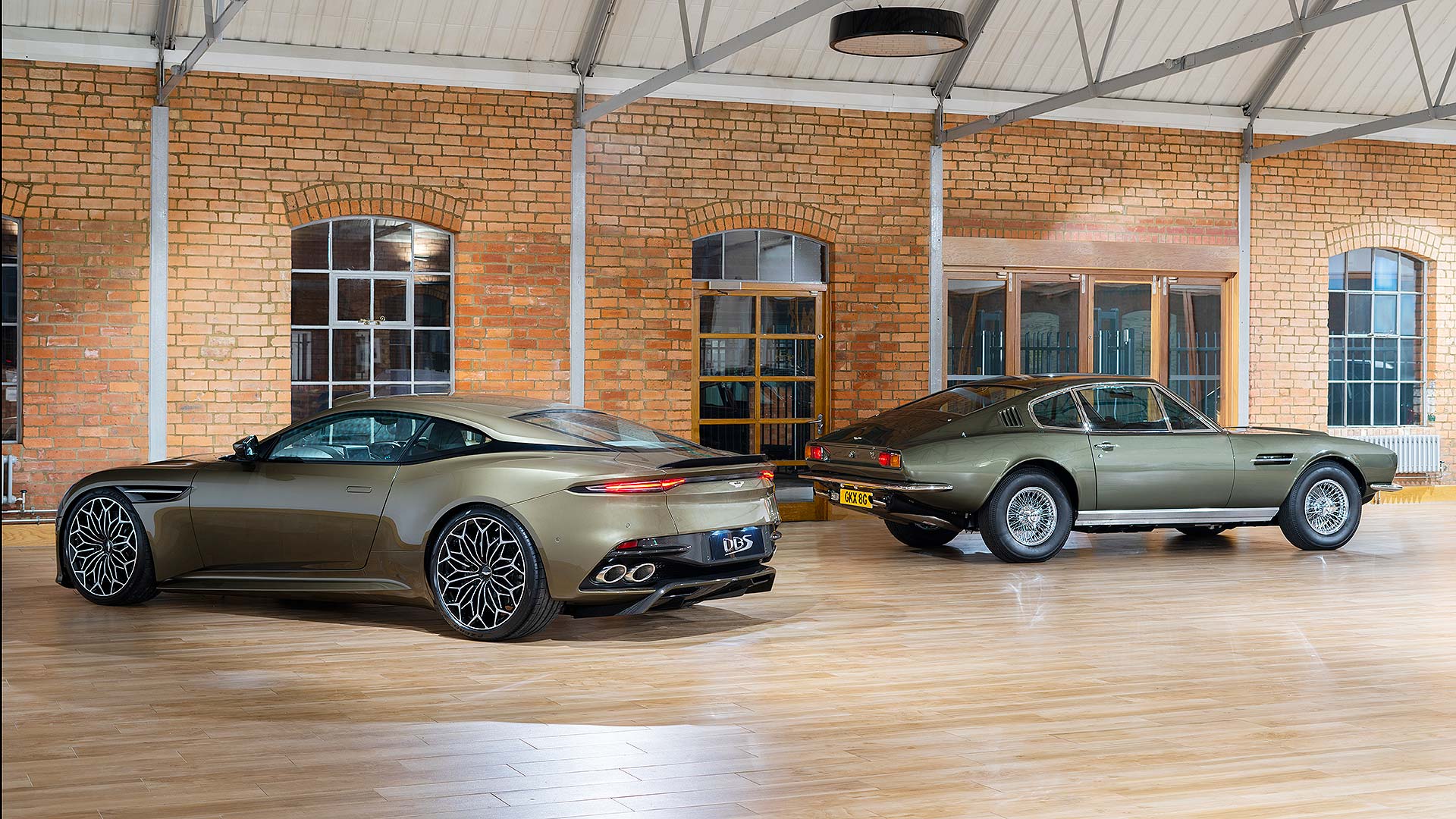
To recap, On Her Majesty’s Secret Service features one of the most underrated automotive cameos in a Bond film. Everyone remembers the DB5, but in 1969, 007 enlisted the services of a tricked-out Olive Green DBS V8.

Old-school style: new-school supercar

Aston Martin OHMSS DBS Superleggera

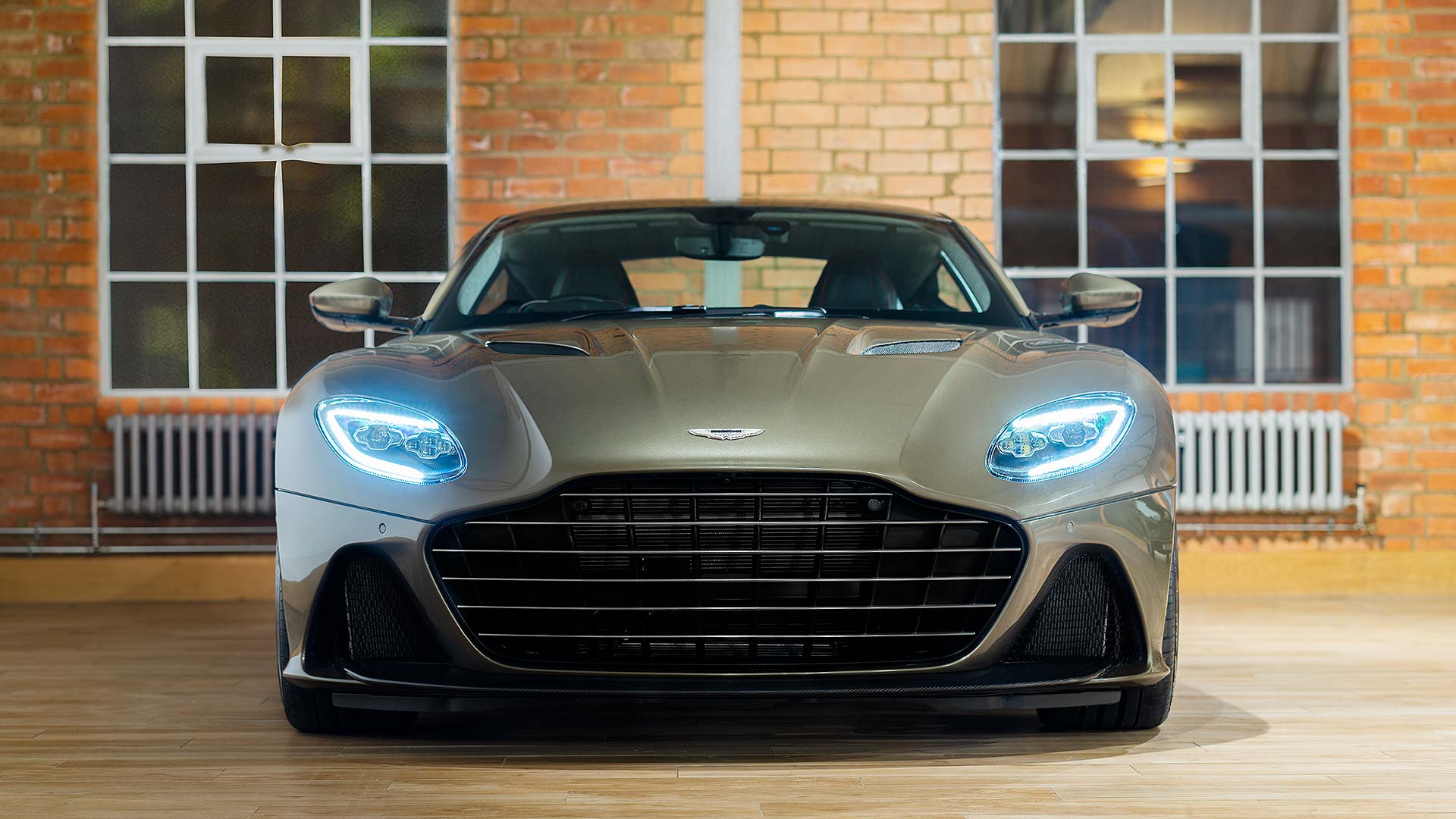
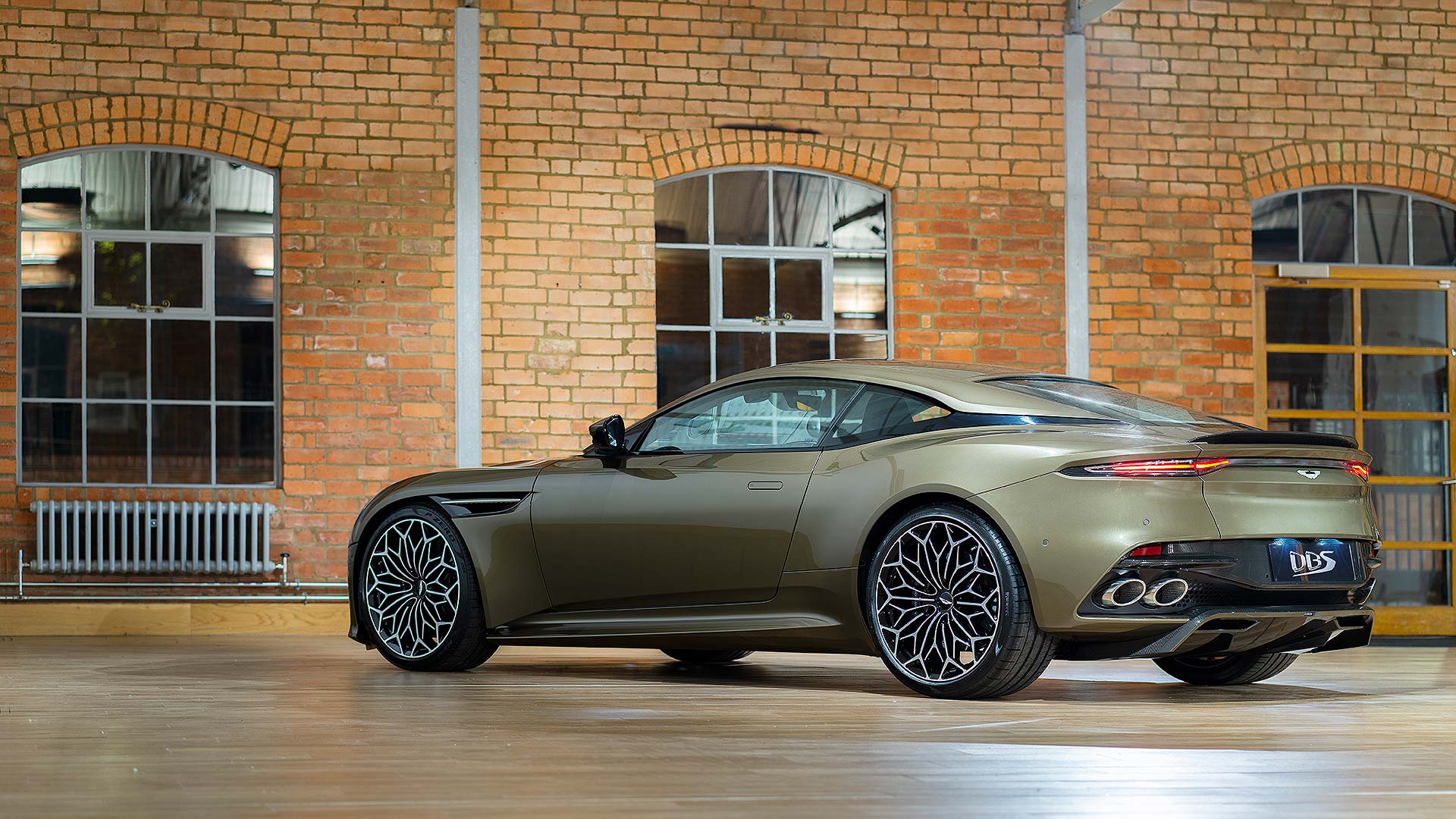
You’ll be able to tell an OHMSS apart by its special alloys, which pay tribute to the wire wheels on the original DBS, as well as a traditional slatted grille – a homage to the original’s mouth-spanning metalwork.

“The DBS Superleggera is a muscular car that commands attention, but the Olive Green gives it a subtlety that belies the beast beneath,” said Aston Martin vice president Marek Reichman of the car’s distinctive colour.

The devil’s in the details

Aston Martin OHMSS DBS Superleggera

Up-close, you’ll note the roof is body-colored and the brightwork is, well, bright. Even the lamp units at the front feature a lighter plastic material inside.

Many modern cars darken a lot of what was once chromed or brushed aluminum. Not here: along with the new grille, the exhaust tips are chromed.

Aston Martin OHMSS DBS Superleggera

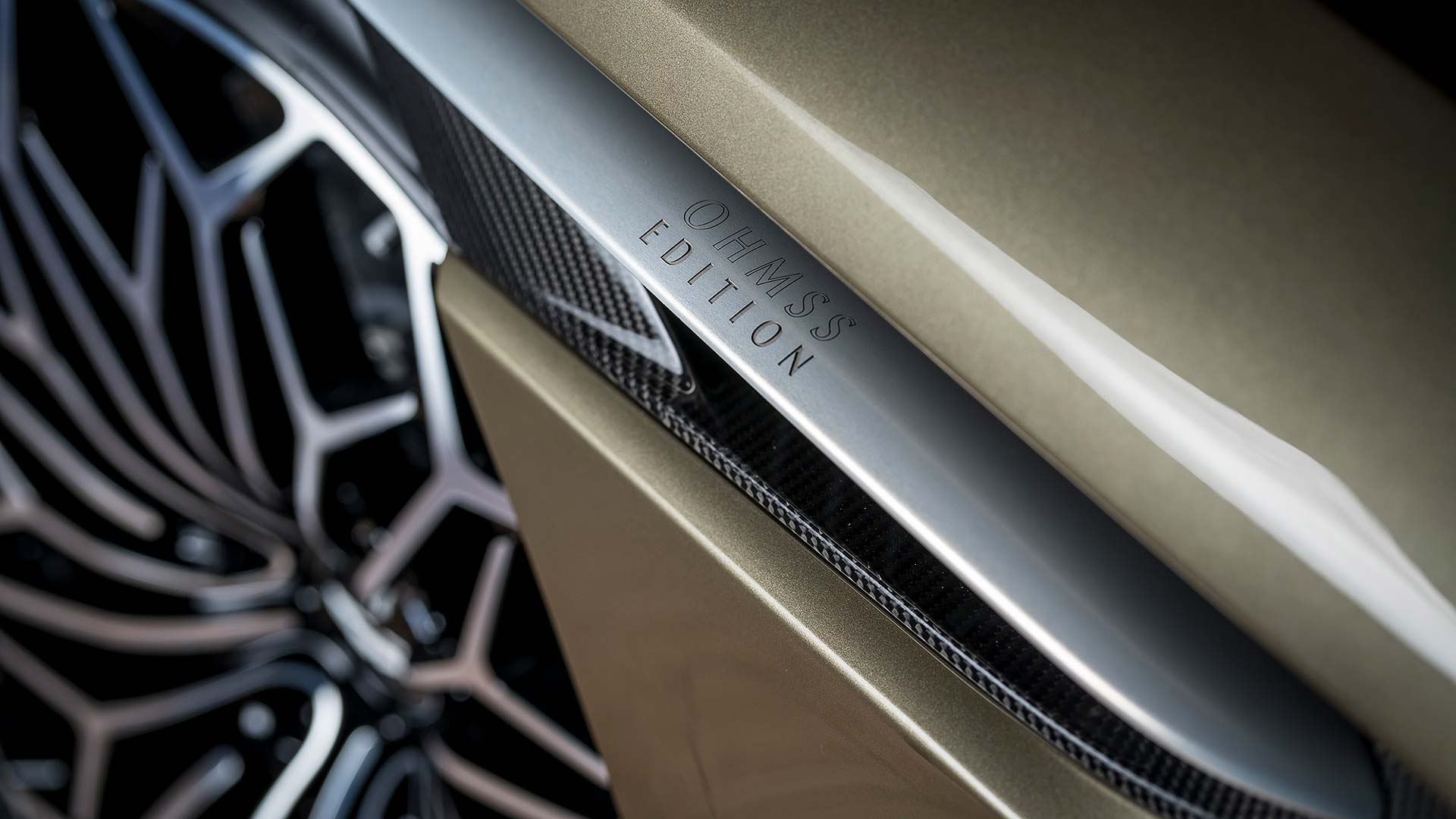
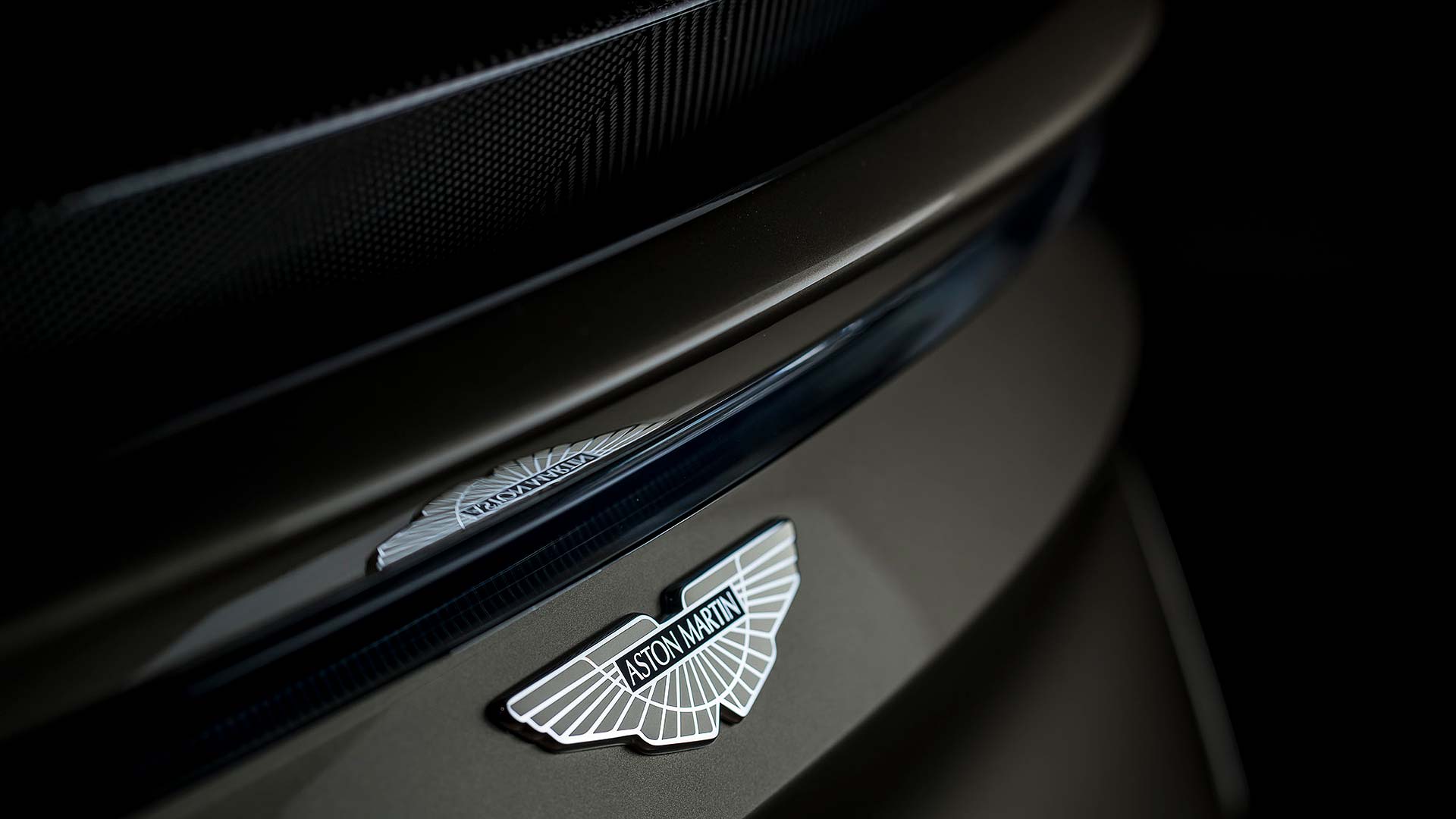
The side strakes are brushed alloy set in carbon fibre, with ‘OHMSS EDITION’ etched in to the metal. Just because this is a homage to a classic, it doesn’t mean you escape lashings of carbon…

For Your Eyes Only

Aston Martin OHMSS DBS Superleggera

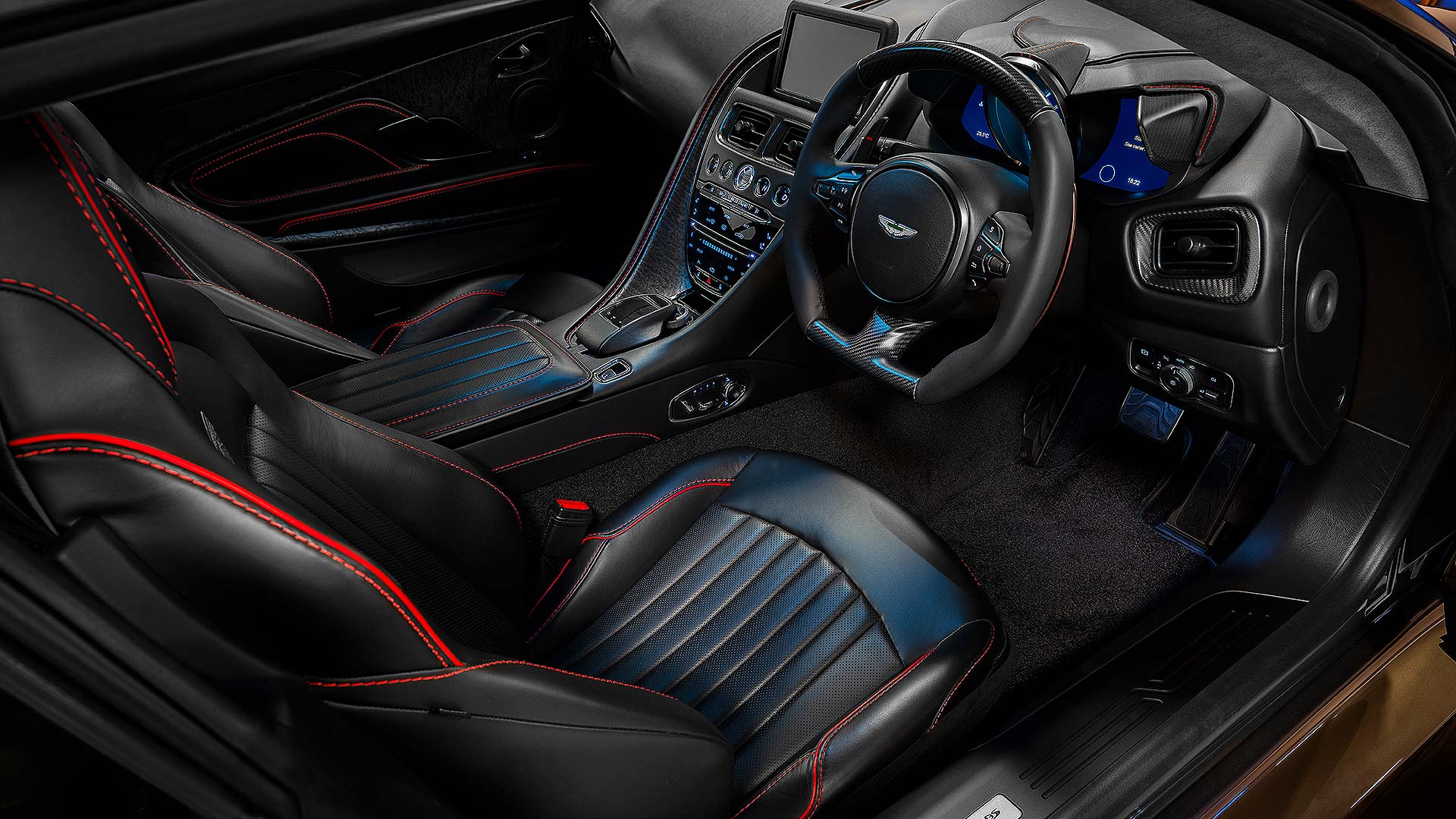
On the inside, this very special DBS is colored to match the 1969 car, with pure black leather and grey-blend Alcantara (man-made suede).

Flashes of red pay tribute to the red-trimmed glovebox of Bond’s original DBS, which carried his telescopic rifle. These include the stitching, leather pipework, carbon gearshift paddles and door pockets.

There’s also ‘007 OHMSS Edition’ red embroidery, with the iconic swirling gun barrel featured above.

Shaken not stirred

Aston Martin OHMSS DBS Superleggera

Optional on the OHMSS is a bespoke drinks case that fits perfectly in the boot, with space within for two bottles of champagne and four flutes. Black on the outside and red within, it’s also a nod to Bond’s gun-holding glovebox.

Even the price pays homage to the world’s most famous secret agent. You might need to be On Her Majesty’s Secret Service to afford it, too. Yours, Mr Bond, for £300,007, and not a penny less, with delivery expected towards the end of 2019.

The boss’s stamp of approval

Aston Martin OHMSS DBS Superleggera

“Aston Martin is synonymous with James Bond and the DBS from On Her Majesty’s Secret Service has provided great inspiration to the team tasked with creating this very special edition,” said Aston Martin CEO, Andy Palmer.

Aston Martin OHMSS DBS Superleggera

“This new DBS Superleggera will be an extremely distinguished ‘brute in a suit’, designed to capture the essence of the iconic DBS from the 1969 film, but with a 5.2-liter twin-turbo V12!”

Needless to say, this isn’t the first time a special Aston has been created in tribute to 007. The DBS OHMSS joins the (ongoing) DB5 continuation and the 2015 DB9 GT Bond Edition.

Aston Martin DB9 Bond Edition

Advertisement