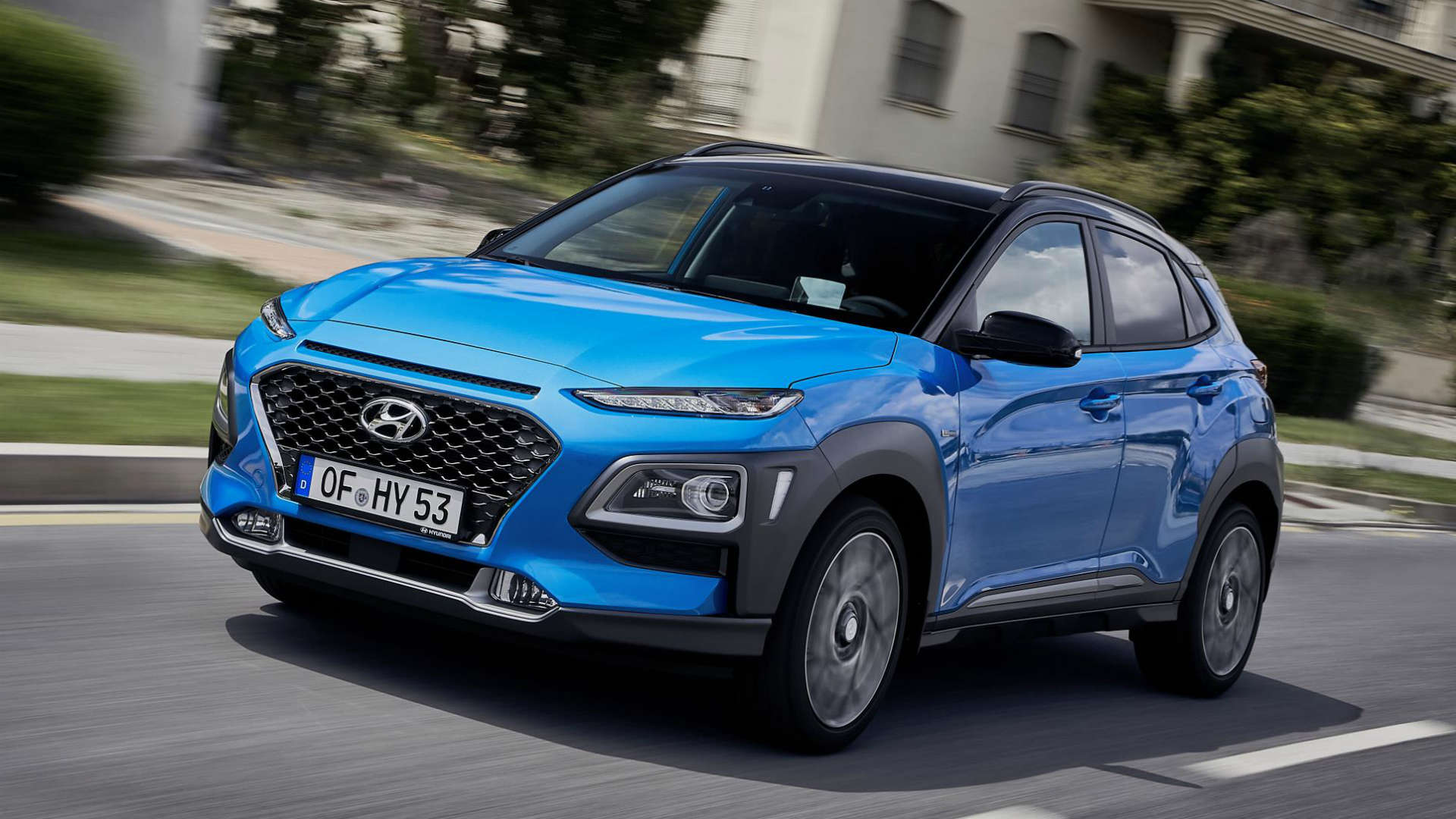
‘Will there be a Hyundai Kona hybrid?’ and ‘Does the Hyundai Kona come in a hybrid?’ are two popular questions on Google right now.
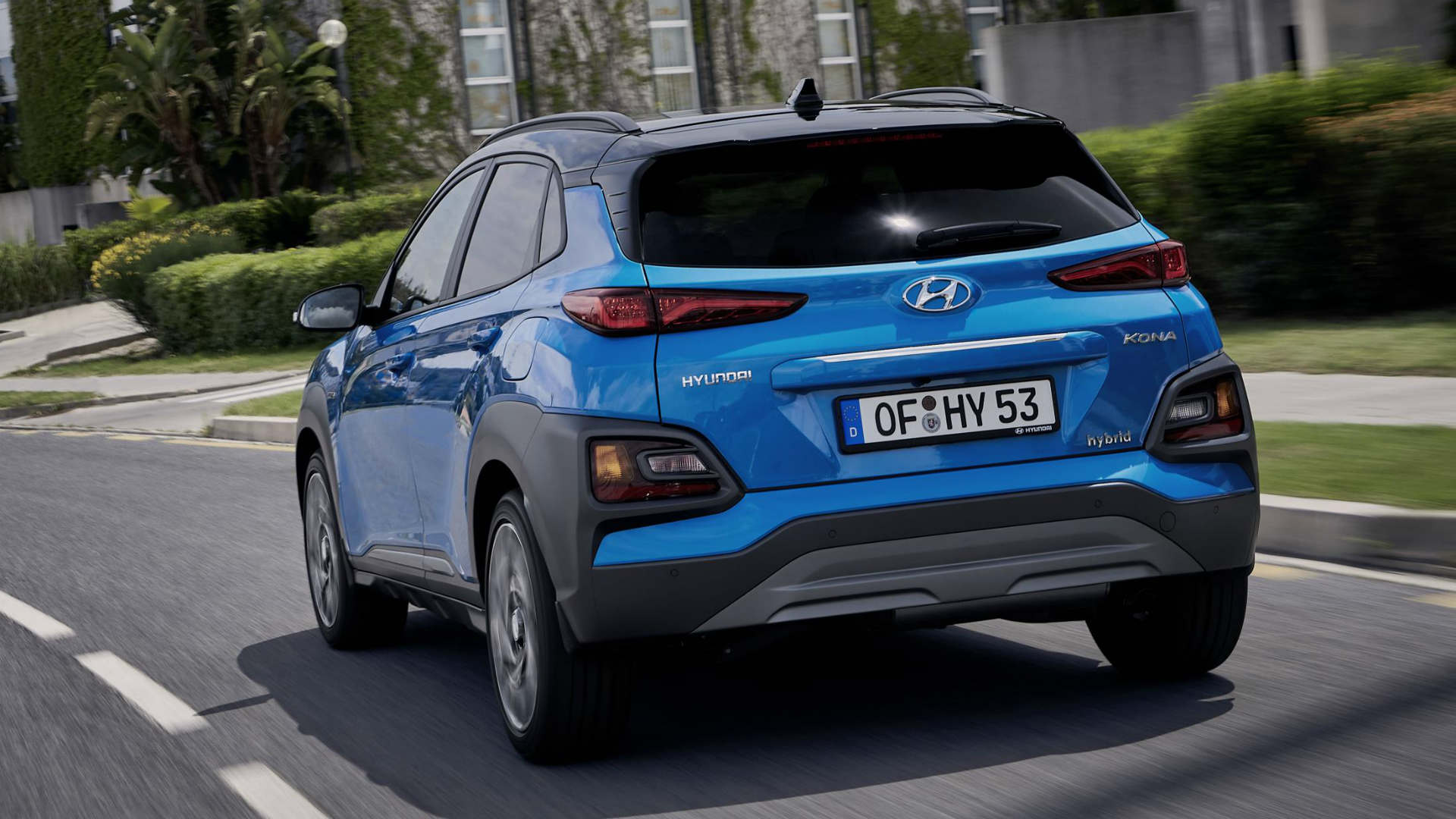
It didn’t, but it does now, with Hyundai releasing details of the all-new Kona Hybrid.
Hyundai’s first sub-compact SUV arrived in 2017, with the Kona Electric debuting a year later. Nearly 120,000 have been sold in Europe, with buyers seemingly won over by the fact that the Kona was developed as an SUV from the ground up, rather than sharing its underpinnings with a hatchback.
66mpg and 99g/km CO2
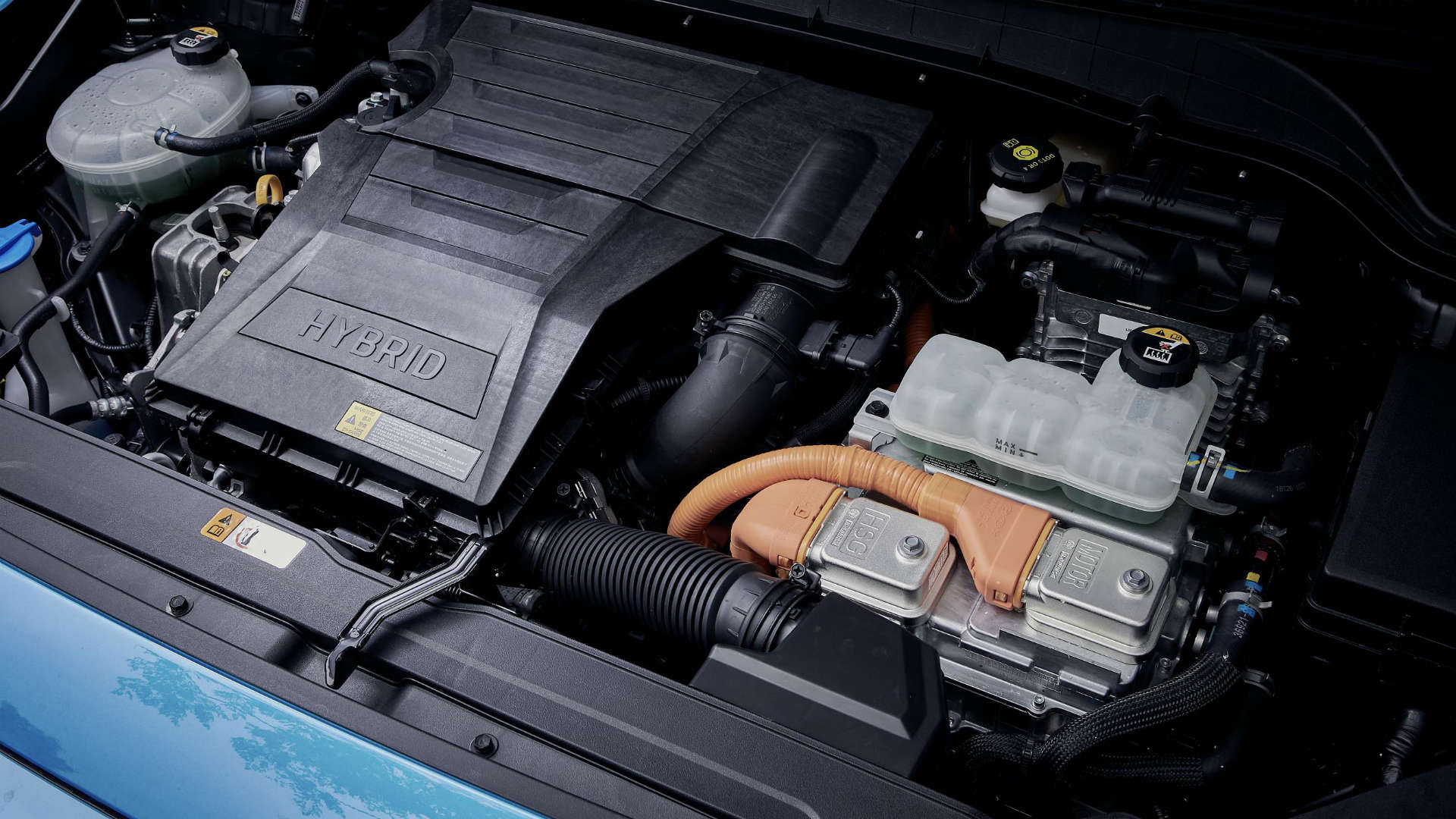
The Kona Hybrid is powered by a 1.6-litre four-cylinder petrol engine developing 105hp and 108lb ft of torque. It’s joined by a 43.5hp electric motor to deliver a combined output of 141hp and 195lb ft of torque.
Power is fed to the front wheels via a six-speed dual clutch transmission, with the Kona Hybrid hitting 62mph in 11.2 seconds on 16-inch wheels or 11.6 seconds on 18-inch rims. Top speed is 99mph, regardless of wheel size.
Hyundai is targeting CO2 emissions of 99g/km and fuel economy of 66mpg, but we’ll know precise figures closer to the Kona Hybrid’s launch in August.
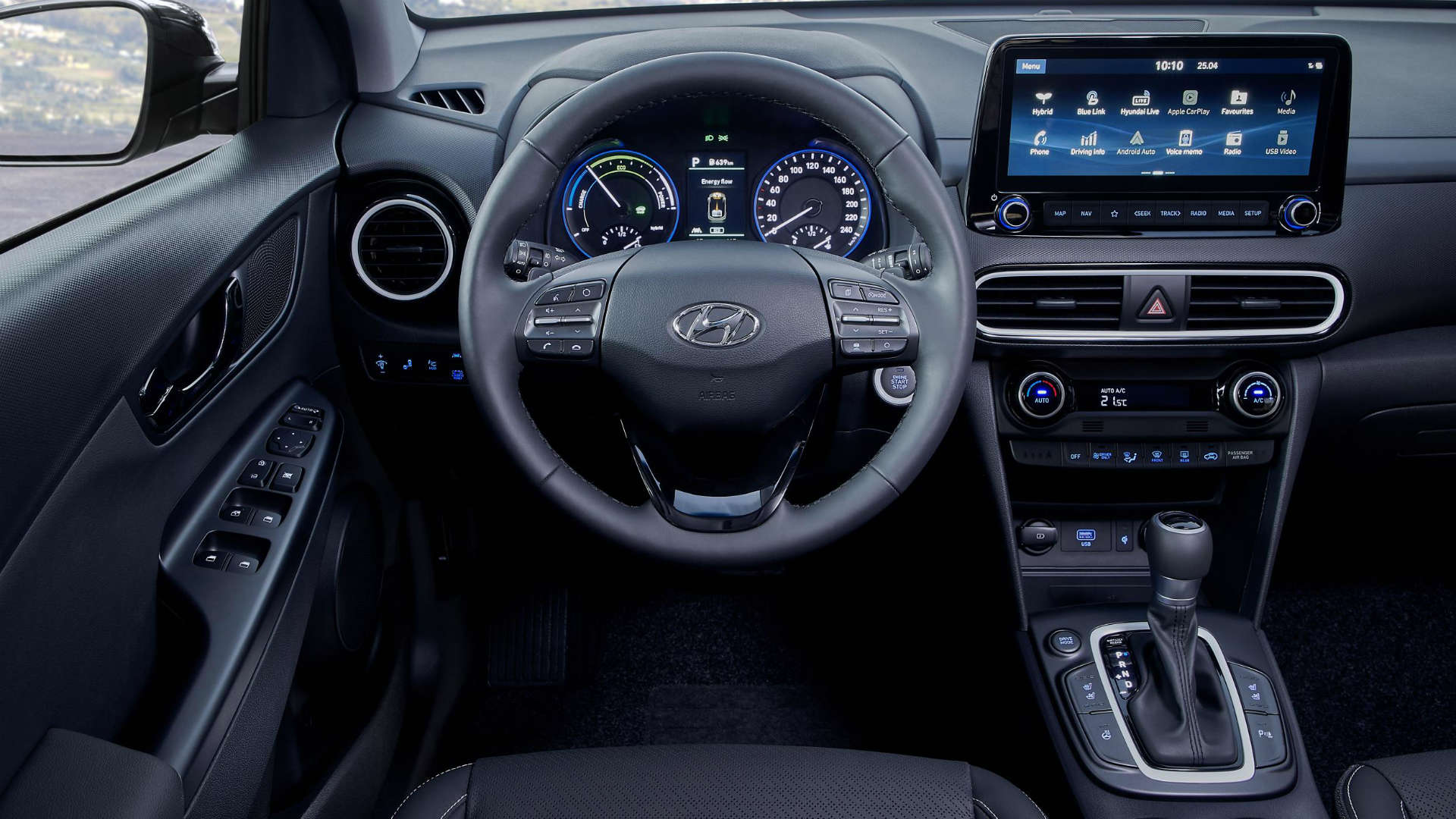
As standard, the Hyundai Kona Hybrid will come with a 7-inch display, but a 10.25-inch split-touchscreen will be an option. All models will feature Apple Carplay and Android Auto, with a wireless charging pad available as an upgrade.
The eye-catching launch colour of Blue Lagoon (as seen here), will be joined by seven other exterior hues, with the Hybrid offered with a choice two wheel designs, both of which are unique to the car.
Hyundai’s SmartSense safety pack is standard and includes front collision warning and avoidance assist with pedestrian and cyclist detection. Adaptive cruise control is an option.
Cars fitted with the 10.25-inch display will feature an Eco-Driving Assist System designed to improve fuel economy. It analyses road information from the navigation system to notify the driver when deceleration is imminent.
Hyundai says that the system reduces fuel consumption and minimises brake usage. A Predictive Energy Management system manages charging and discharging of the battery to maximise the battery usage.
We’ll bring you more information on the Hyundai Kona Hybrid, along with driving impressions, in the summer.
Motorists are calling for new legislation to deal with the rising number of cyclists on the roads, with some calling for bicycles to be fitted with licence plates.
The internet is awash with ‘car driver vs cyclist’ dash- and head-cam videos, with motorists believing that a licence plate would make the cyclist more identifiable.
More than half (53 percent) of the 2,000 people surveyed said that cyclists should also be required to hold a licence, while 44 percent want them to pay Vehicle Excise Duty (VED). Given the fact that bicycles produce zero emissions, the price of VED would be… nothing, right? Just checking.
Furthermore, 59 percent of motorists think that all cycles and electric bikes should be required to pass an annual safety inspection, along the same lines as the MOT test.
Around 25 million people either own or have access to a bicycle in the UK, with around four percent of commutes in England completed on two wheels.
It’s during the morning and evening commutes when ‘car vs bike’ flashpoints tend to occur, when stress levels are high and the roads are most congested.
The survey revealed that 60 percent of motorists believe there are too many cyclists on main roads, with 45 percent saying bicycles should be banned from A-roads. Two-fifths think that cyclists should be banned from narrow roads.
For its part, Cycling UK believes that “the behaviour and attitudes of some road users, sub-standard highway layout and motor traffic volume and speed all conspire to make cycling feel and look more dangerous than it actually is.”
Creating tension
Ben Wooltorton, CEO of InsuretheGap, said: “The explosion in bike usage in recent years is good news for the environment and should also help to ease congestion in urban areas if managed correctly.
“However, our survey picked up a definite feeling among motorists that they are often held to higher standards than their fellow road users when it comes to adherence to the Highway Code”.
“Roads, particularly in towns, are increasingly being used as ‘shared spaces’ and it’s important that legislation, infrastructure planning and funding take into account the views, requirements and safety of all road users, otherwise this tension between different groups is almost inevitable.
“Our survey also particularly highlighted that motorists are concerned about road funding, safety and also insurance, which isn’t currently compulsory for cyclists, unlike most other road users.”
The decline of diesel new car registrations continued unabated in May 2019 with latest data showing an 18.3 percent fall in sales.
The share of new diesel cars is now well under 30 percent, with petrol car sales now making up almost two in three new car registrations.
Diesel registrations have declined for an incredible 26 consecutive months.
Overall new car registrations were down 4.6 percent in May, which the Society of Motor Manufacturers and Traders (SMMT) blamed on the underlying economic and political instability.
“Confusing policy messages and changes to incentives continue to affect consumer and business confidence,” said SMMT chief executive Mike Hawes, “causing drivers to keep hold of their older, more polluting vehicles for longer.”
Anti-diesel sentiment is being compounded by forthcoming low-emission zones, which is also affecting buyer confidence – despite the latest diesel being “safer and cleaner than ever before and will not face charger or restrictions anywhere in the UK”.
Battery electric new car registrations did rise a hefty 34.6 percent, but they still only comprise 1.1 percent of sales.
In the overall car brand rankings, it was a Ford one-two, with the Fiesta in a clear lead at the top of the best-sellers list.
Volkswagen had three cars in the top 10 list, while a strong performance by the Mercedes A-Class saw it jump ahead of the Nissan Qashqai to become Britain’s fifth best-selling car so far in 2019.
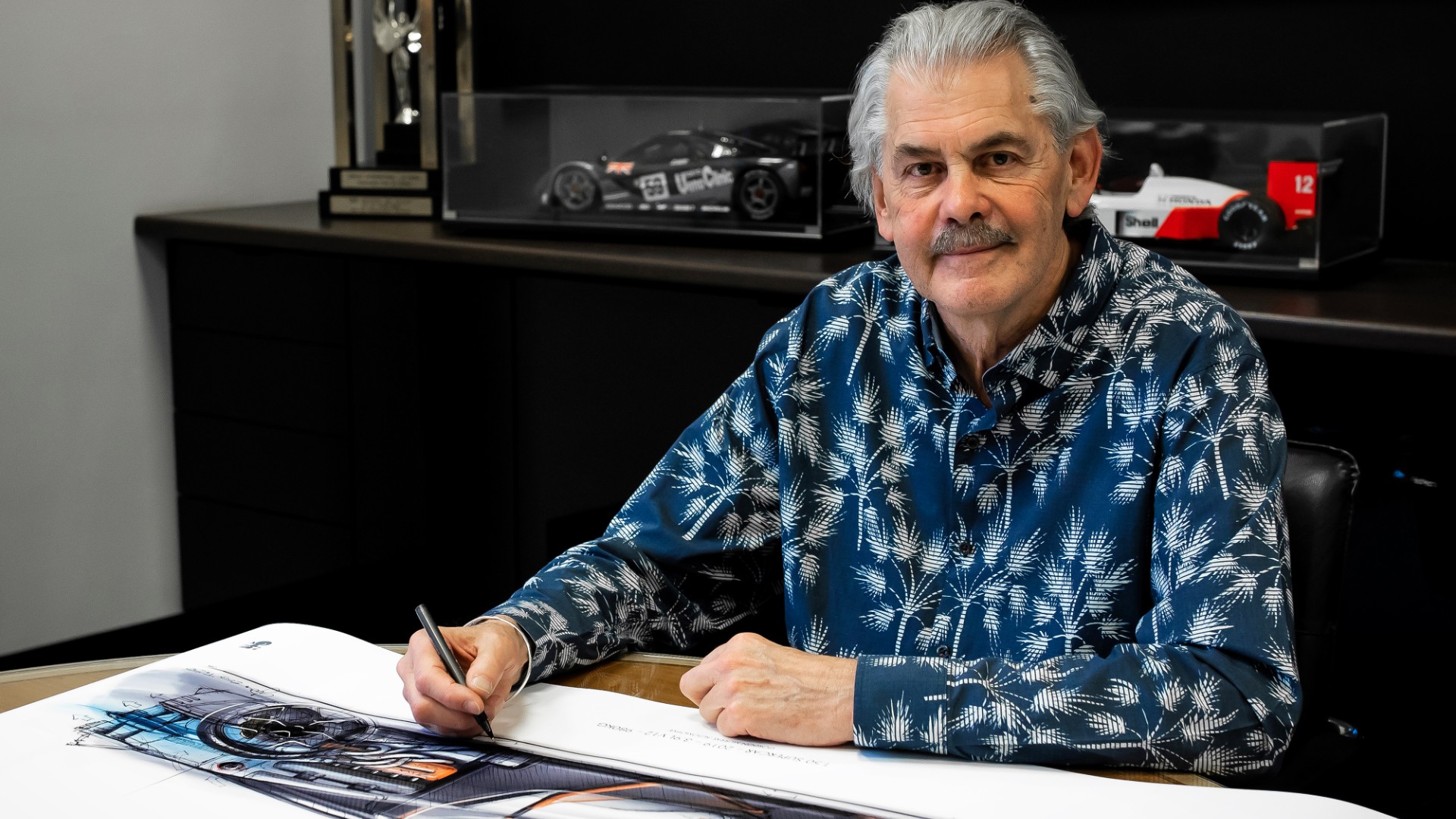
Gordon Murray Automotive (GAM) has unveiled plans for its much anticipated T.50 supercar.
Not a very exciting name? Well, it’s difficult to capture ‘spiritual successor to the McLaren F1 in every way’ without calling it ‘McLaren F1’, but that could be a mess, legally speaking. T.50 actually refers to the fact that it’s the 50th in an illustrious line of cars designed by Murray, that all bore a ’T’ designation.
Gordon Murray Automotive T.50: A McLaren F1 for 2022
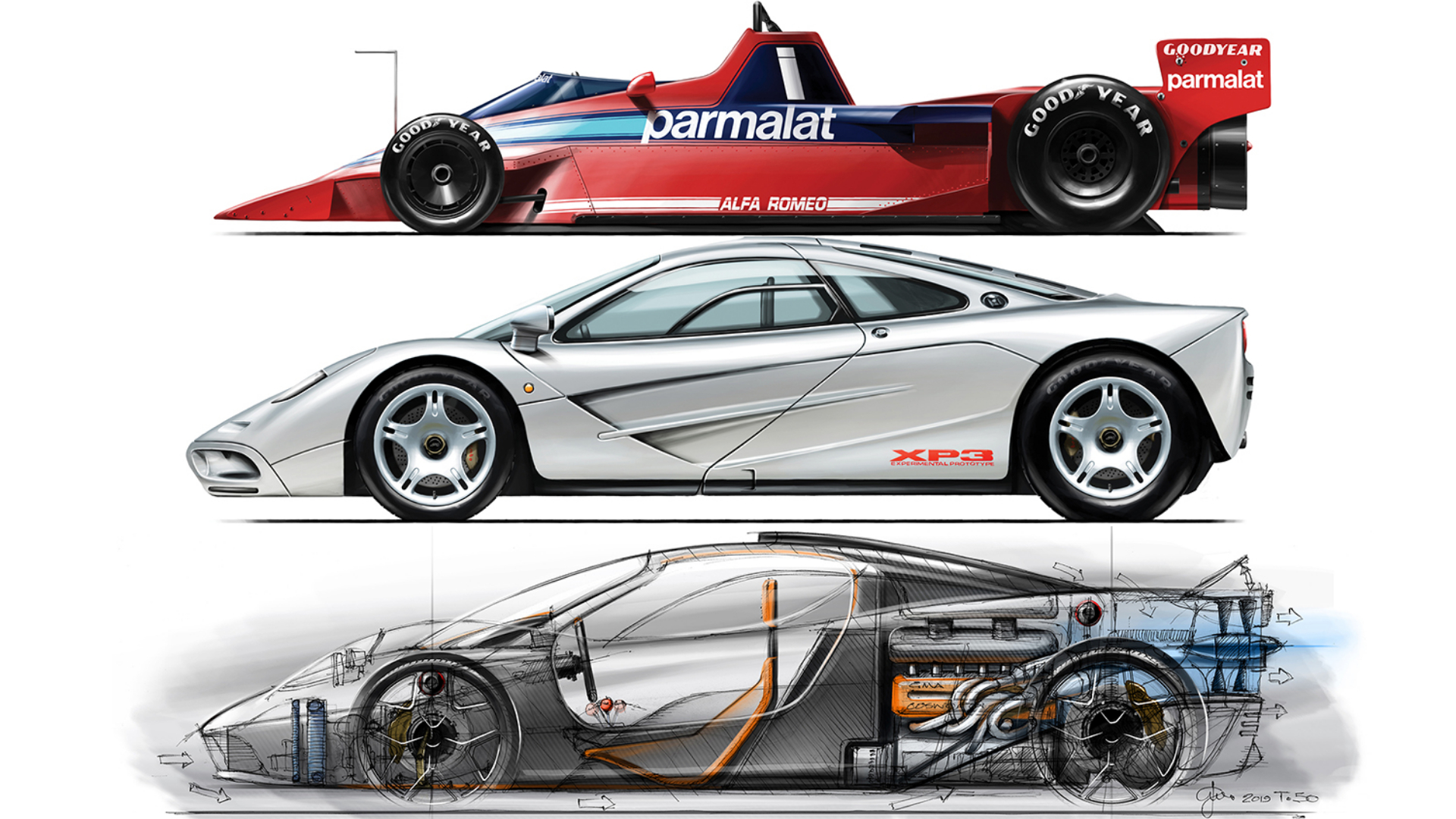
When we say ‘every way’, we mean it. Just looking at the silhouette of the sketch, you can see the F1’s diminutive proportions have been carried over.
You can see the central-seat layout and an engine in the middle, with six visible snakes of metal billowing out from the bottom of it. With that, let’s go through the specs. They are… tantalising.
12,100rpm V12 power, manual gearbox
So here are all the juicy details. The car will be powered by an all-new Cosworth-developed 3.9-litre naturally-aspirated V12 engine, packing 650hp, that will rev to 12,100rpm and send power to the back wheels via a manual shift H-pattern gearbox.
“By working with the team at Cosworth Powertrain we have created the greatest naturally-aspirated engine ever designed for the road. It is the highest revving, highest power density, lightest and fastest-responding naturally-aspirated V12 ever made for a road car.”
Weight is claimed to be a scarcely believable 980 kilograms, achieved with ‘a focus on minimising the weight of every component’. It ought to take up no more space on the road than a Porsche 911, but still be comfortable and relatively practical. Seating for three and a reasonable amount of luggage space will be part of how it will ‘set new standards for supercar packaging’.
“Automotive enthusiasts and road-test editors have discussed the concept of ‘peak supercar’ for some time,” said Gordon Murray.
“The reality of chasing top speeds only adds weight, notably through ever-more powerful engines, which increase the requirement for larger, heavier ancillaries. We are taking a very different approach.”
‘The most advanced aerodynamics ever seen on a road car’
As a world-renowned aerodynamicist, Gordon Murray will be ensuring the T.50 cuts through the air as efficiently and quickly as possible. The car will take ‘Murray’s ground-effect innovations to an all-new level with intelligent management of underbody airflow couple with a 400mm fan at the rear’.
That’s right, as well as an F1 successor, GMA is building a successor to the famous Brabham fan car…
With cars like the Aston Martin Valkyrie getting ready to roll, it’s rather bold to claim that this car will have ‘absolutely the most advanced aerodynamics ever seen on a road car’. But this is Gordon Murray we’re talking about.
We reckon this car has every chance of being the ‘purest, lightest, most driver-focused supercar ever built’.
When will the T.50 be out and how much is it?
Deliveries are expected to commence in early 2022, close to 30 years on from when Murray was deep into the development process of the F1.
The price? Well, back in the 1990s, the F1’s sticker was an unimaginable £635,000. That’s equivalent to over £1.2million in today’s money, with inflation. So what will the T.50 cost? Add another million to that, for a cool £2.2million. Not beyond the realms of belief in today’s hypercar market.
With just 100 to be made, and the promise of a true McLaren F1 successor with Gordon Murray at the helm, we can’t see this car being a bad investment…
“An unflinching dedication to light-weighting, highly-advanced active aerodynamics and world-leading standards of advanced engineering will ensure the T.50 rewrites the supercar rulebook.
“Our experienced team is applying the same uncompromising approach to design and engineering that shaped every facet of the F1, and they are able to deliver substantial improvements over that car in every meaningful way.”
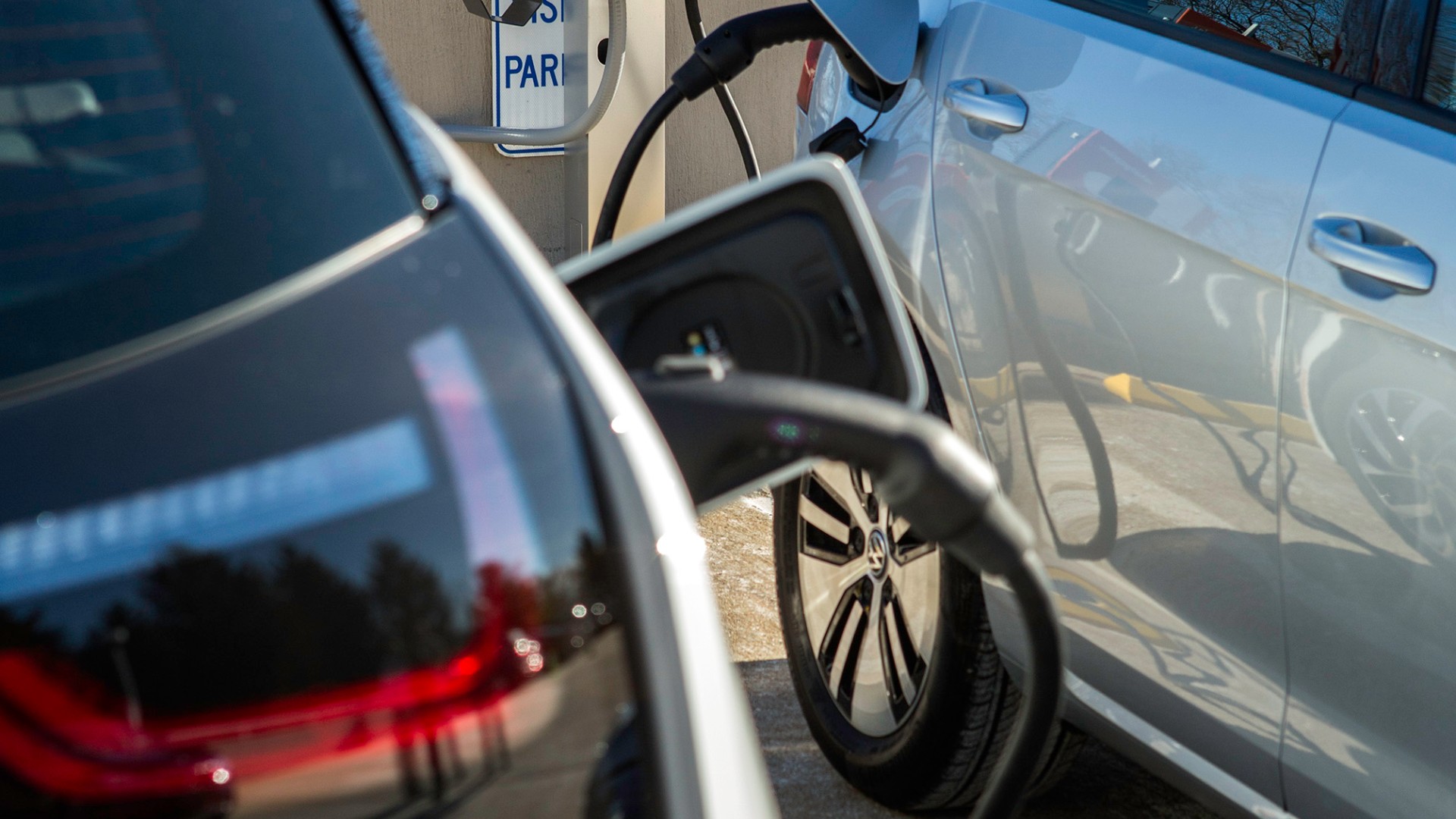
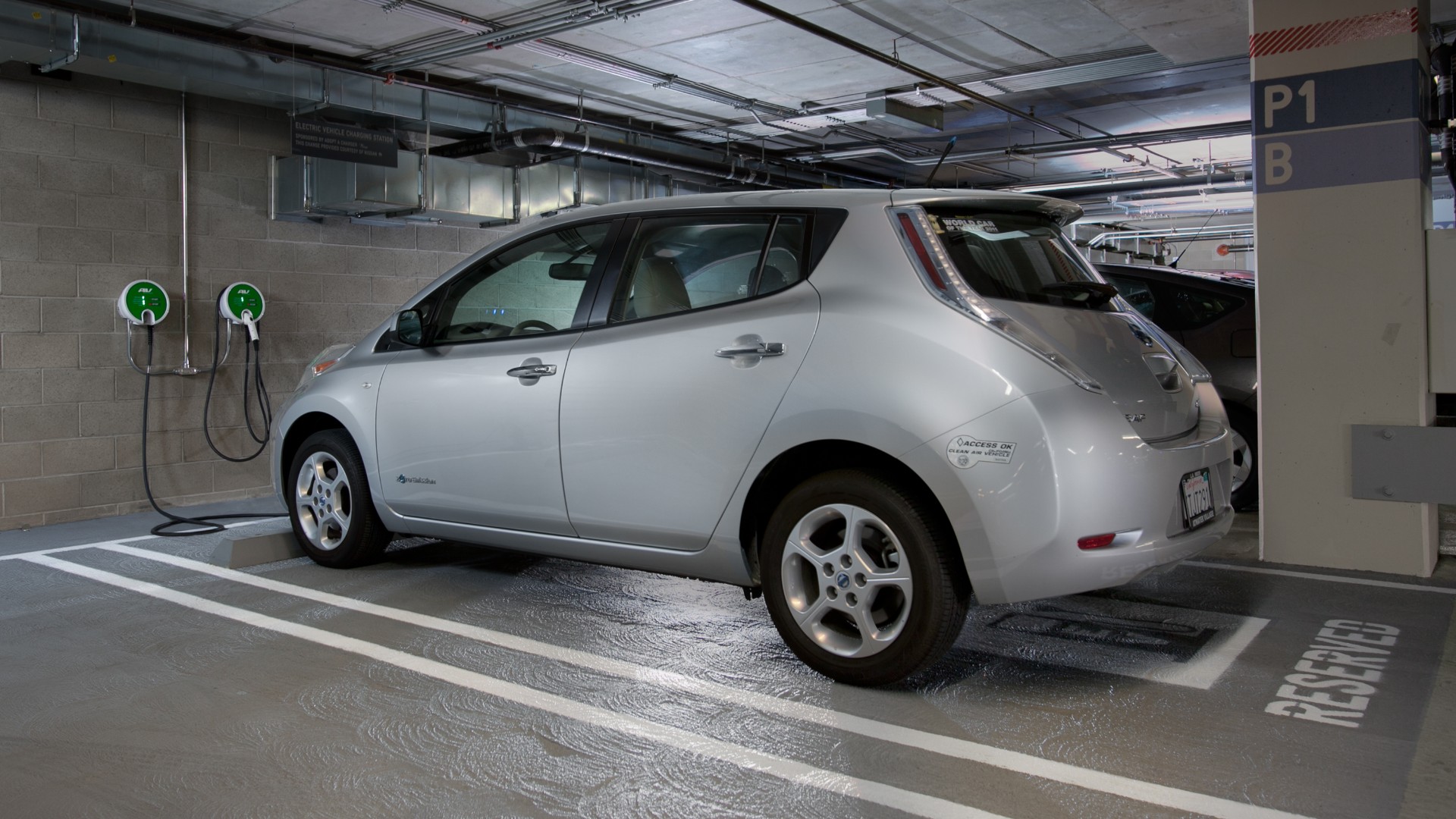
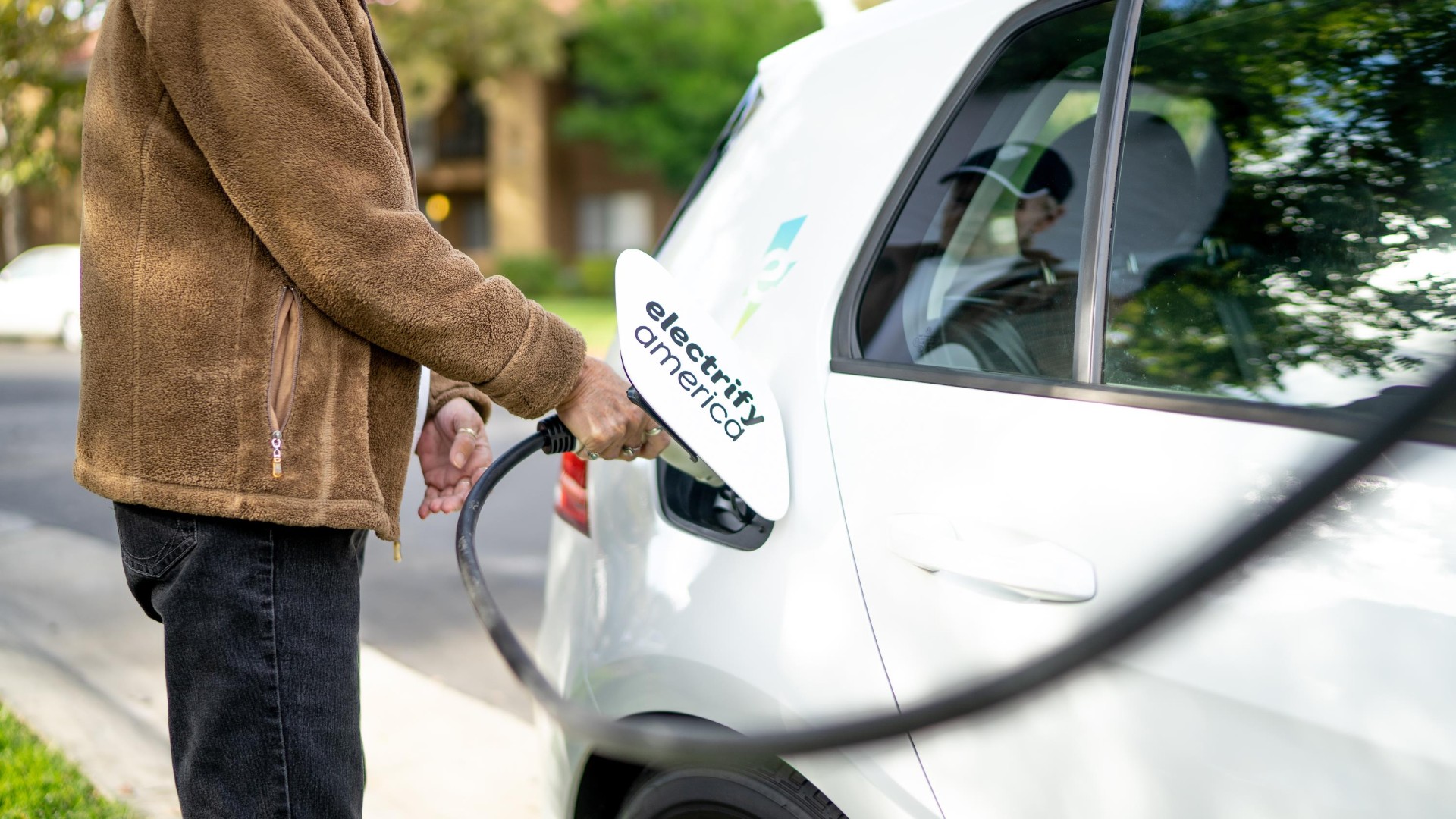
A survey of 1,500 electric vehicle drivers reveals the lengths owners go to in order to charge their vehicles. The study from Electrical Safety First also shows up some dangerous trends.
Seventy four percent of respondents said a lack of public charging points near where they live has led them to run extension leads from their houses. Of that group, 75 percent said they’d used multiple extension leads linked in ‘daisy chains’. This practice can cause electric shocks and even fires.
Three-quarters of respondents said they’d been forced to use extension leads from mains sockets away from home when taking longer trips, while 45 percent said they’d done this more than once.
A total of 90 percent of respondents also admitted that they knew these leads weren’t appropriate for use outside. More than half who had used extension leads said they’d left them out in the rain.
“Our research shows a direct link between a lack of electric vehicle infrastructure and vehicle owners charging dangerously,” said Martyn Allen, technical Director at Electrical Safety First.
“A modern Britain also needs to be a safe one and Electrical Safety First is urging the government and local authorities to ensure that the infrastructure is in place to support the rapid increase in numbers of electric vehicles on our roads.
“With regards to consumers, we warn EV users against giving in to temptation to use standard domestic extension leads to charge their vehicles outside, and never to ‘daisy-chain’ them together.
“We recommend taking advantage of the Government’s grant scheme, which will contribute towards the cost of a specially designed home charging point. This is safer than charging from the mains using a standard extension lead.”
Overall, Department for Transport data in combination with numbers from Zap-Map reveal that the growth in registration of plug-in vehicles has occurred at nearly six times the rate of the charging infrastructure to support them.
Since 2014, charging location numbers have grown by 105 percent, compared with a growth in plug-in vehicle registrations of 617 percent.
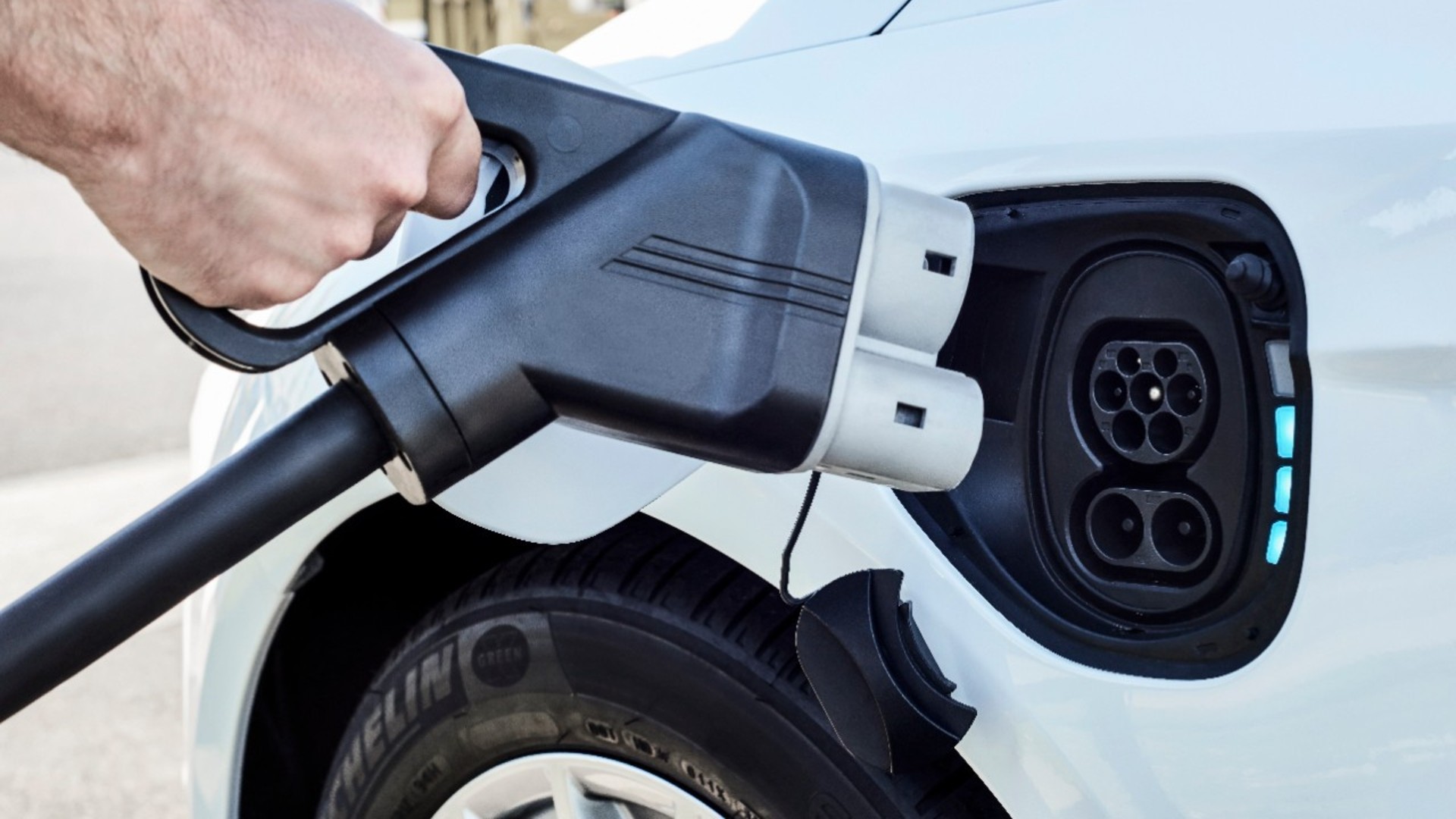
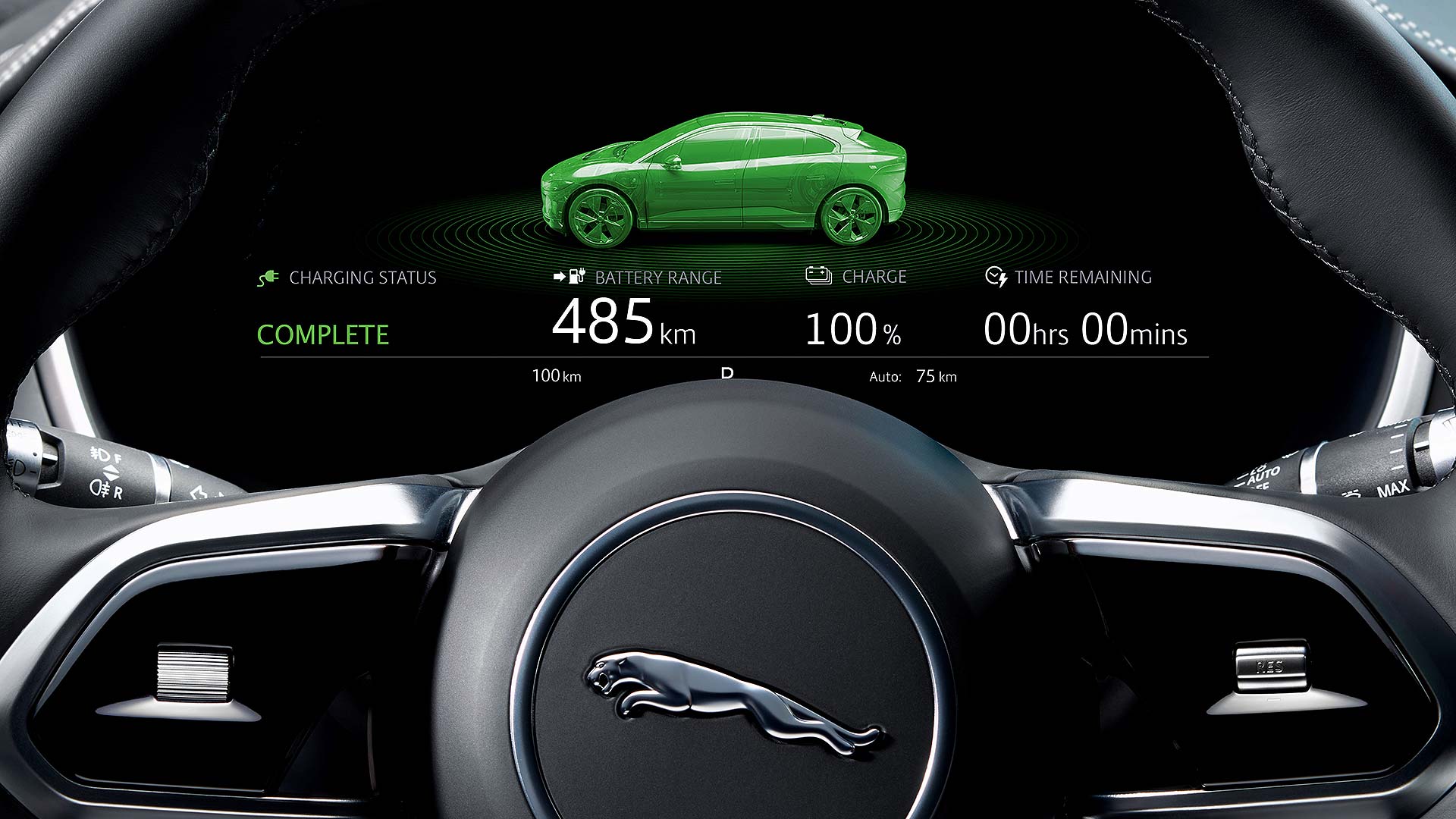
BMW and Jaguar Land Rover are to co-develop next-generation electric motors and drive systems, the two firms have revealed in a surprise announcement.
A joint engineering team will develop the new Electric Drive Units (EDUs) and they will be built in each firm’s manufacturing facilities – including the JLR Engine Manufacturing Centre in Wolverhampton.
The companies will concentrate on developing the motors “to deliver the specific characteristics required for their respective range of products”. The joint team will be based in Munich.
JLR engineering director Nick Rogers revealed the partnership with BMW Group will help the British firm rise to the challenge of taking electric cars mainstream.
“We’ve proven we can build world-beating electric cars, but now we need to scale the technology to support the next generation of Jaguar and Land Rover products.
“It was clear from discussions with BMW Group that both companies’ requirements for next generation EDUs to support this transition have significant overlap making for a mutually beneficial collaboration.”
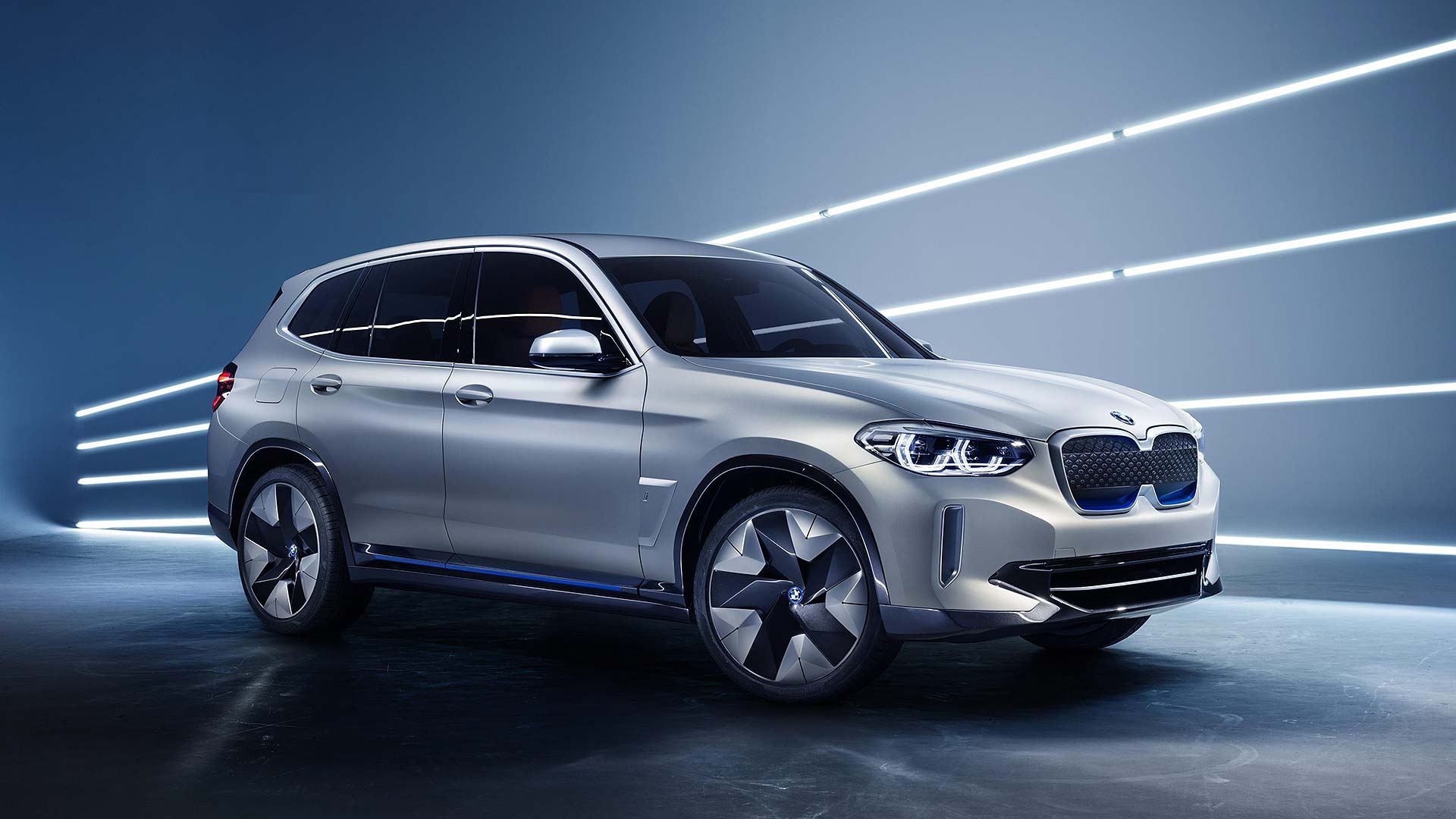
In a statement, BMW said its fifth generation eDrive system, dubbed ‘Gen 5’, will be launched in the BMW iX3 electric car (pictured above in concept form).
“The Gen 5 electric drive unit will be the propulsion system upon which subsequent evolutions launched together with Jaguar Land Rover will be based.”
By working together, the two firms will benefit from shared R&D and production planning costs, as well as economies of scale in buying components from suppliers.
“Together, we have the opportunity to cater more effectively for customer needs by shortening development time and bringing vehicles and state-of-the-art technologies more rapidly to market,” said BWM board member for development, Klaus Frohlich.
The Pacific Northwest is said to love station wagons, and the upcoming Mecum Auctions sale in Portland, Oregon is doing nothing to dispel the myth.
Up to 500 collector cars are scheduled to roll across the block on June 21st to 22nd, and a variety of classic wagons are already filling up the lot list.
Below are five estates making their way along the Oregon Trail, and proving that the fondness for wagons is still alive and well in Cascadia.
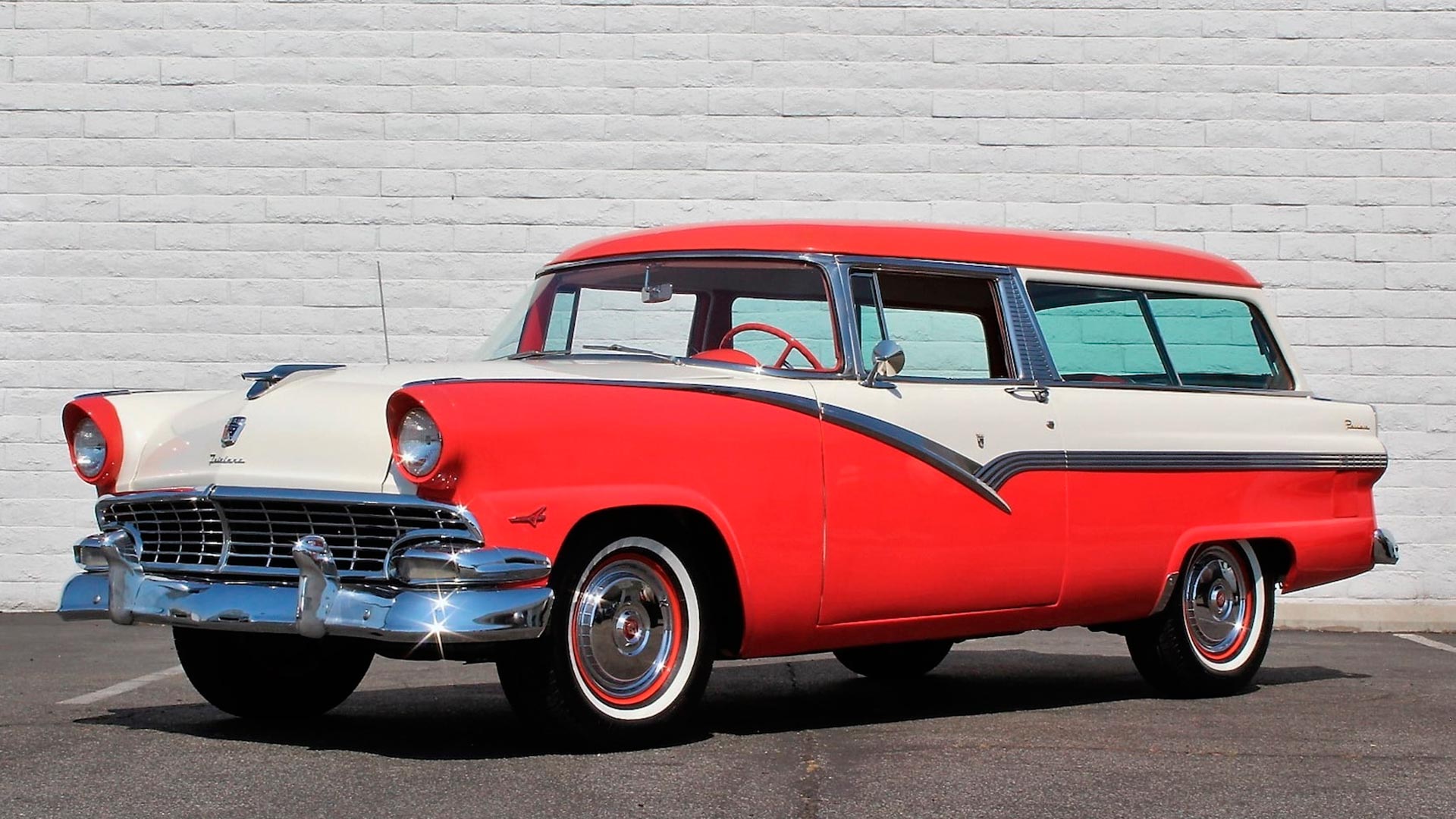
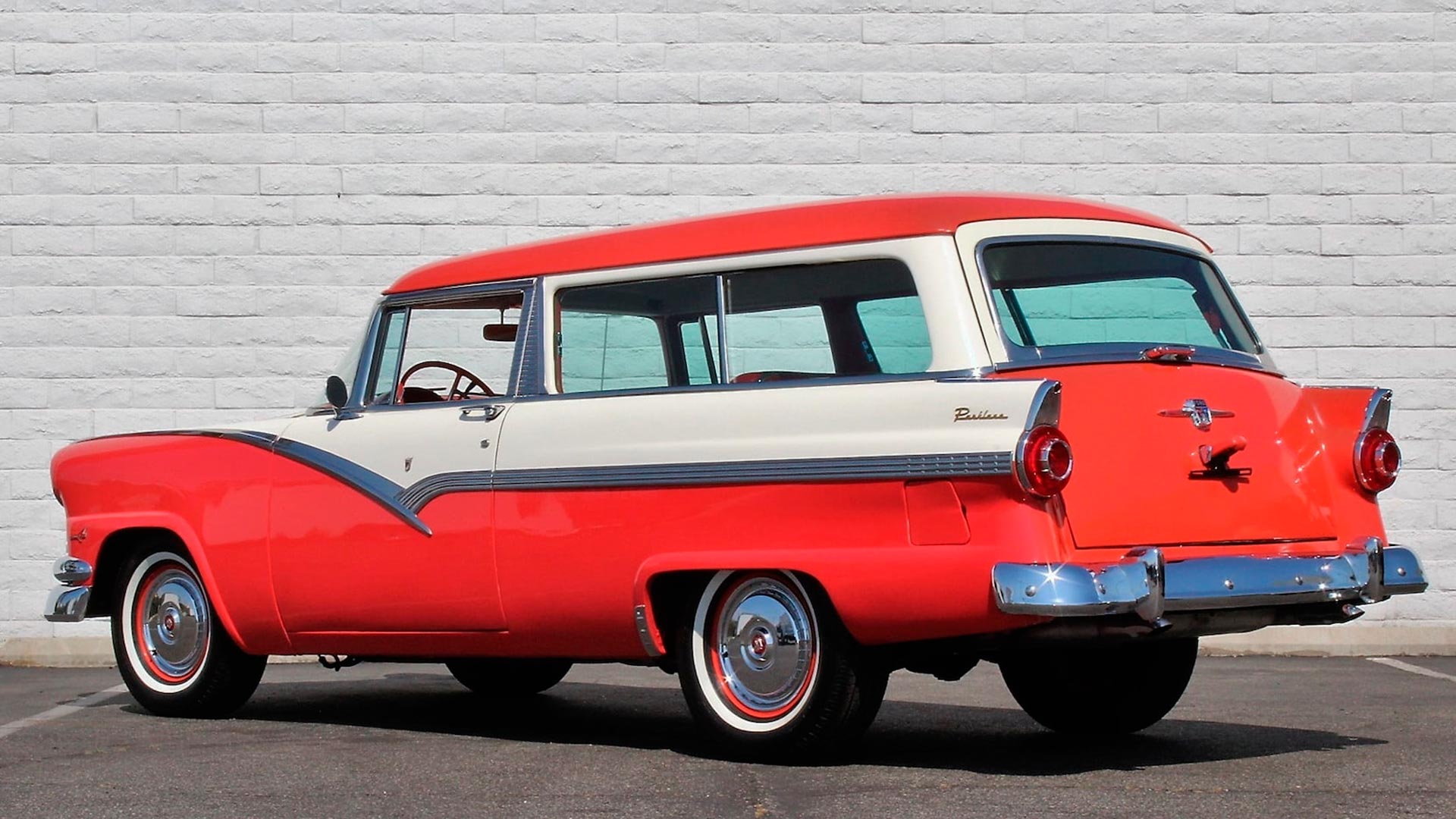
Lot F198 – 1956 Ford Parklane
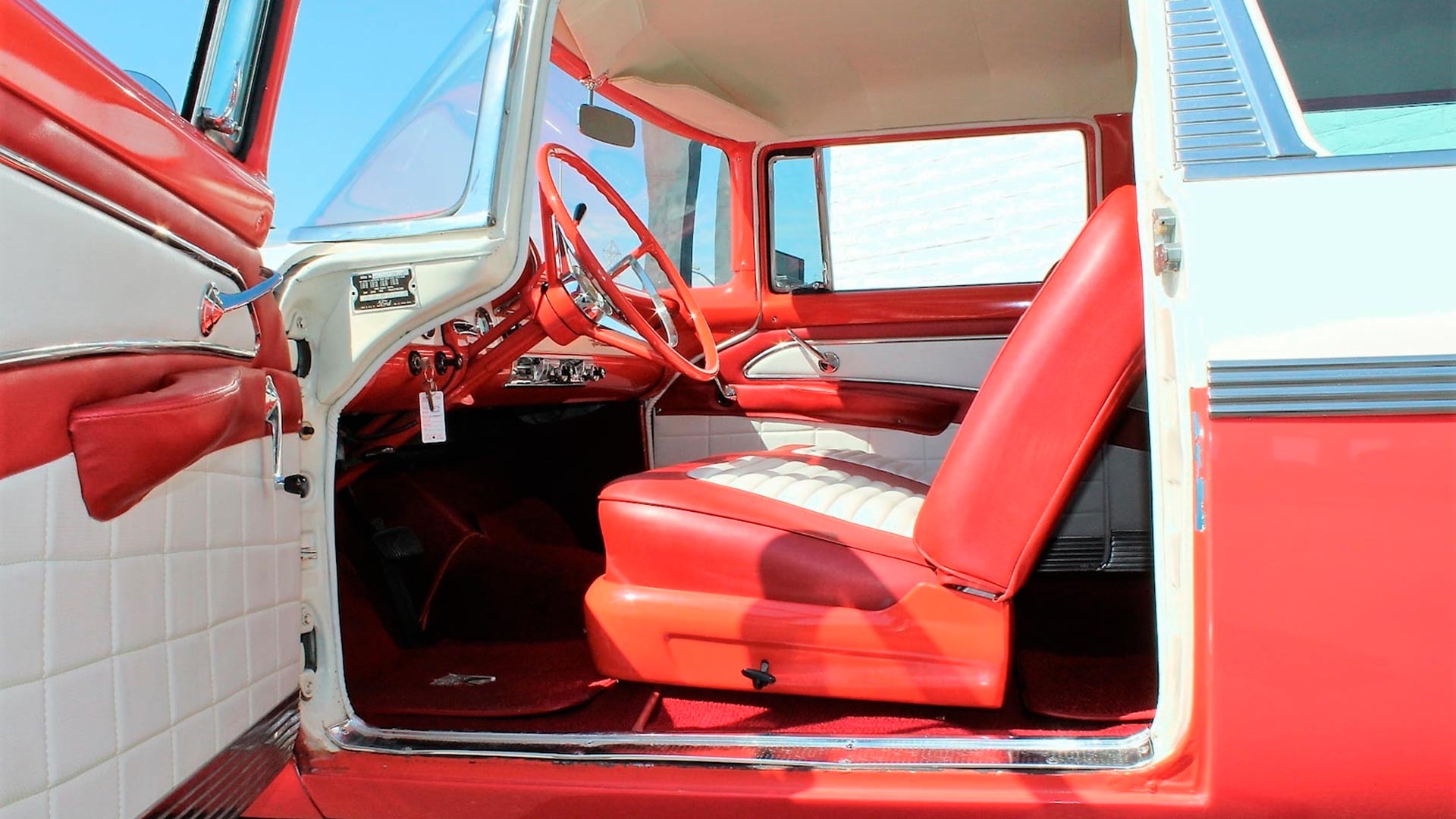
Built for one year only, the two-door Ford Parklane was equivalent to the full-size Fairlane luxury offerings. That meant an upmarket six-seater interior, along with the same brightwork attached to the bodywork as the Fairlane.
Ford had launched the Parklane in response to the ‘55 Chevrolet Nomad, but abandoned production due to a lukewarm reception. It makes this car just one of 15,186 built during that single year.
This car has the 292-cubic inch ‘Thunderbird’ V-8 engine, rated at 202 horsepower when it left the factory. Driving the rear wheels is a Ford-O-matic transmission, whilst the engine bay features chrome elements from a 1957 Thunderbird.
The eye-catching red and white theme continues throughout the interior, adding to the 1950’s vibe. The relative rarity means this could be an interesting alternative to contemporary choices such as the Fairlane or Thunderbird.
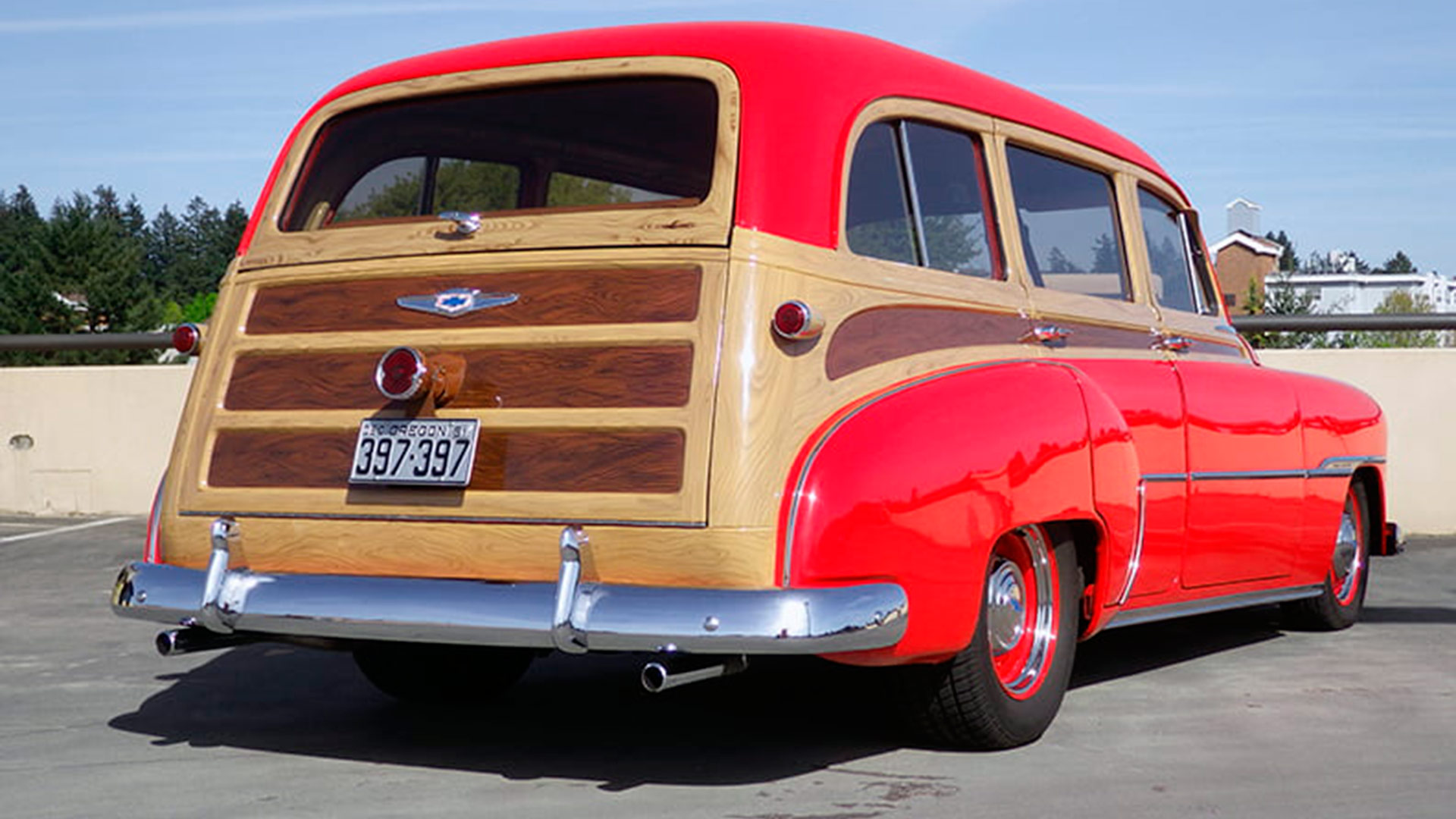
Lot S45 – 1951 Chevrolet Deluxe Wagon
Although the Nomad may be the Chevrolet wagon from the 1950s which gets all the attention, General Motors was building estates years before the two-door hero appeared.
Positioned at the higher-end of the Chevrolet range, Deluxe models included a full range of two- and four-door body styles. Capable of seating up to eight, the rear seats could be removed from the station wagon version for extra cargo space.
Whilst period Deluxe cars featured six-cylinder engines, this car has rather more power under the hood. A 350-cubic inch V-8 has been lifted from a 1969 Chevrolet Nova, along with the front suspension and automatic transmission, making it a real custom machine.
The three-row original seating is retained, giving the future owner the chance to scare multiple people at the same time. This particular car has been a winner at the Forest Grove Concours d’Elegance event, along with picking up other best modified awards.
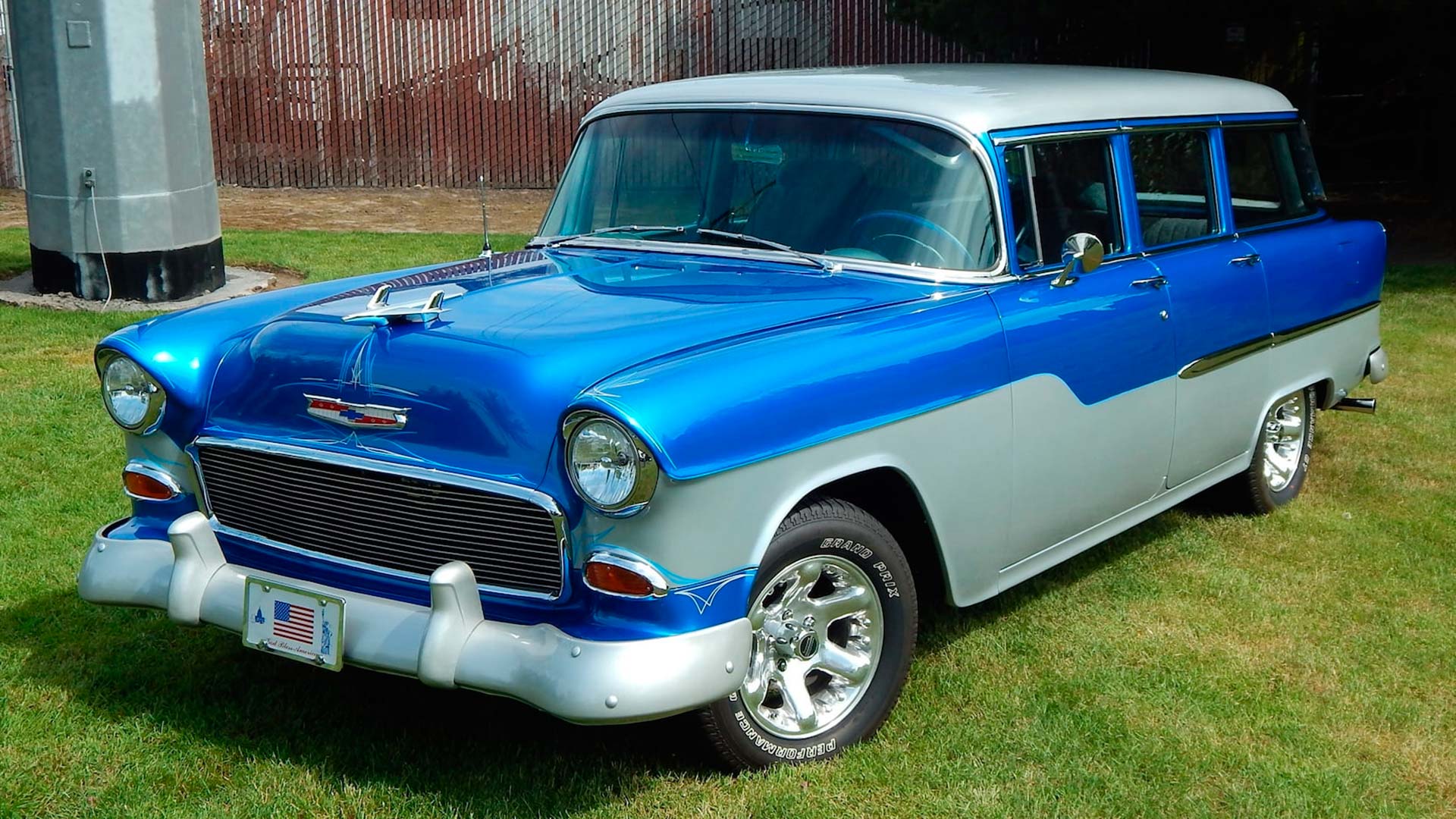
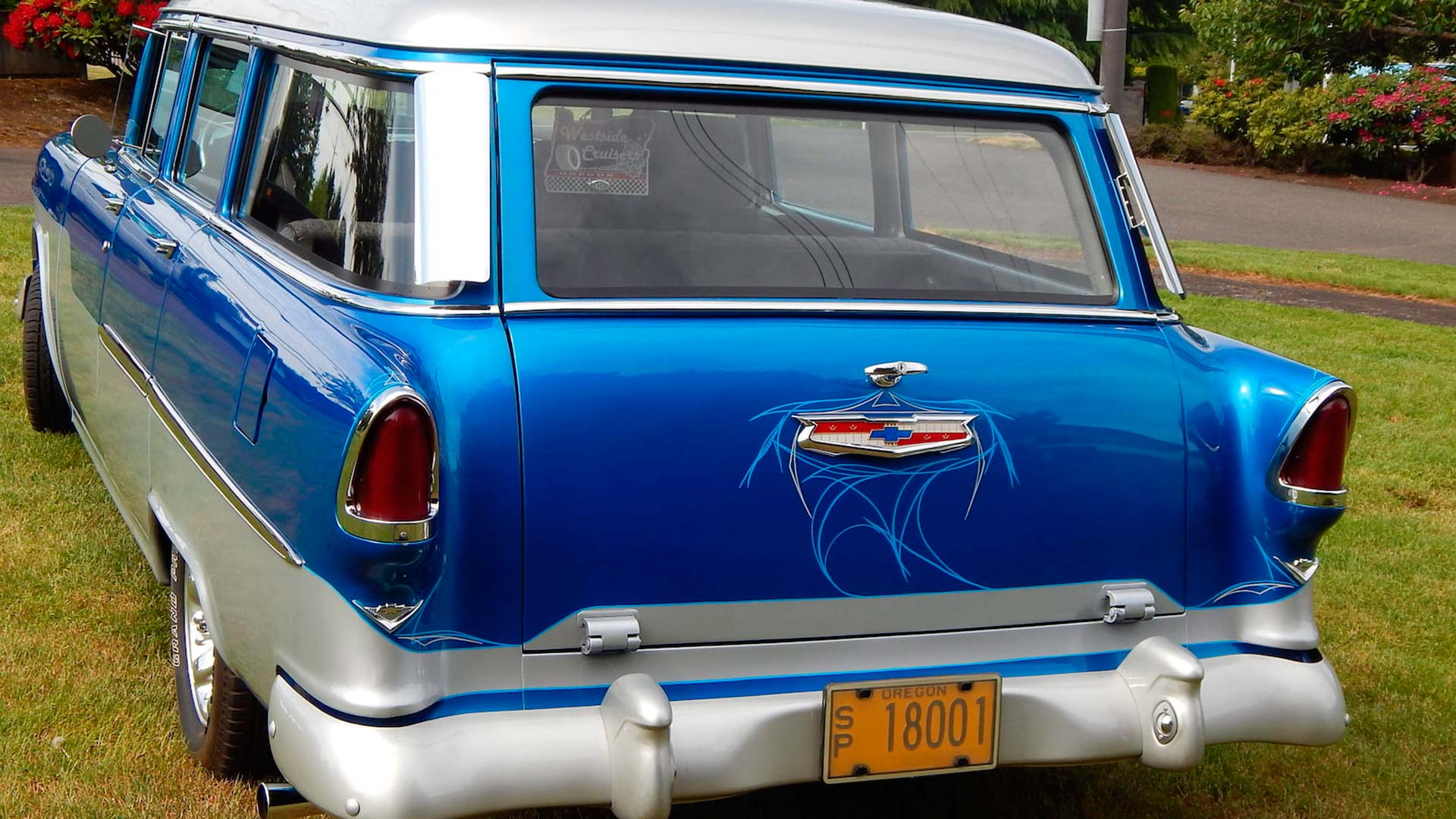
Lot S36 – 1955 Chevrolet 210 Wagon
No detail has been left untouched on this four-door 210 station wagon, with an obvious custom style of its own. Subject to a full restoration, the current owner has added a number of important upgrades and options to this car.
A 283-cubic inch V-8 from a 1959 Corvette provides the horsepower, with an Edelbrock 4-barrel carburettor and intake also added. The distributor and coil pack have been upgraded, along with ‘ram horn’ exhaust manifolds.
An impressive digital dash adds functionality but retains classic looks, whilst the steering wheel has been finished to match the exterior paintwork. Retrimmed throughout in gray cloth, the interior has room for six.
Launched in 1955, the second-generation Chevrolet 210 range saw the launch of a new chassis, along with the introduction of the small-block V-8 engine.
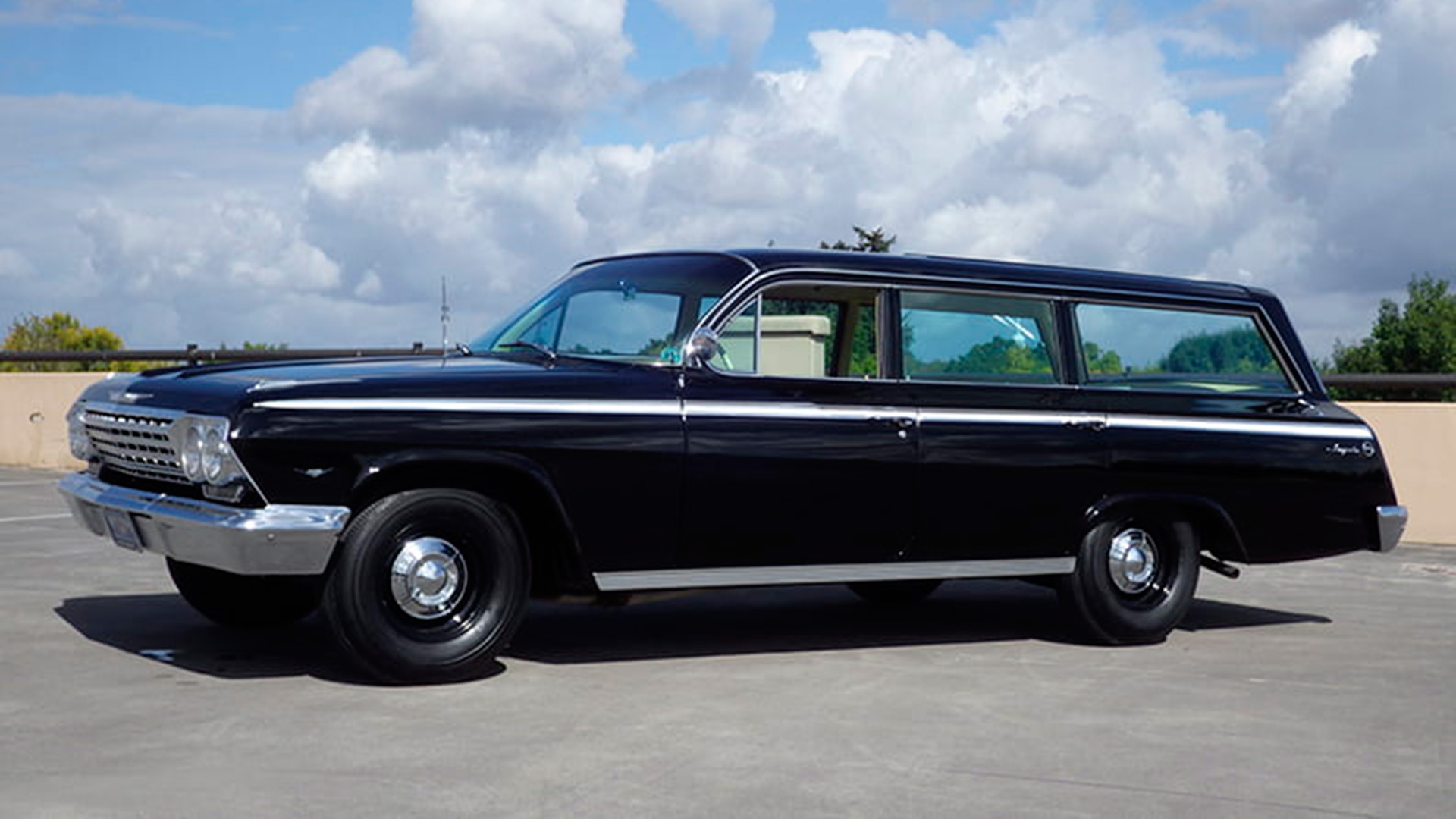
Lot S65 – 1962 Chevrolet Impala Wagon
Mecum Auctions currently has few details on this Impala station wagon. Most important is that this has covered just 16,545 miles in more than five decades, and is in unrestored form.
The latter is especially impressive, given that this Chevy looks to be in superb condition from the supplied photographs. Inside, it certainly looks like a car which has covered an average of less than 300 miles each year.
Beneath the hood is what looks to be a 283-cubic inch ‘Turbo Fire’ V-8 engine. That would mean a total of 170 horsepower, with a focus more on fuel economy rather than outright performance.
Chevrolet offered the Impala station wagon in both six- and nine-seater layouts, with this example being the slightly less accommodating version. Buyers of the 1962 model were surely delighted with the standard-fit electric clock, back-up lights, and extra-long arm rests.
Lot F86 1956 Ford Squire
Don’t be fooled by the name. This is not a full-size Ford Country Squire that has somehow shrunk in Pacific Northwest precipitation.
Ford UK, perhaps inspired by their bigger American cousins, sold the Squire estate between 1955 and 1959. With two-doors and four seats, the Squire was a more practical variant of the 100E sedan.
Whilst it may have imitated real woodie wagons with timber trim, performance was still suitably European. Just 36 horsepower came from the 1.1-liter four-cylinder engine, driving the rear wheels through a three-speed manual transmission.
Top speed was recorded as 70mph, with acceleration best measured using a calendar. It might not be quick, but it would certainly make a quirky addition to any car collection. Oh, and that vintage luggage rack is also included in the sale!
We’ll have to wait and see which station wagon brings the most money, when bidding opens on Friday June 21st at the Portland Expo Center.
The proposed merger of Fiat Chrysler (FCA) and Renault would create an automotive powerhouse, as two giants of the motoring world join forces to take on the likes of Volkswagen, Toyota and General Motors. The new company would be a “world leader in the rapidly changing automotive industry with a strong position in transforming technologies, including electrification and autonomous driving”, said FCA in a statement. Using data supplied by Focus2move, we can reveal the best-selling car brands of the year so far. All figures are for the first four months of 2019.
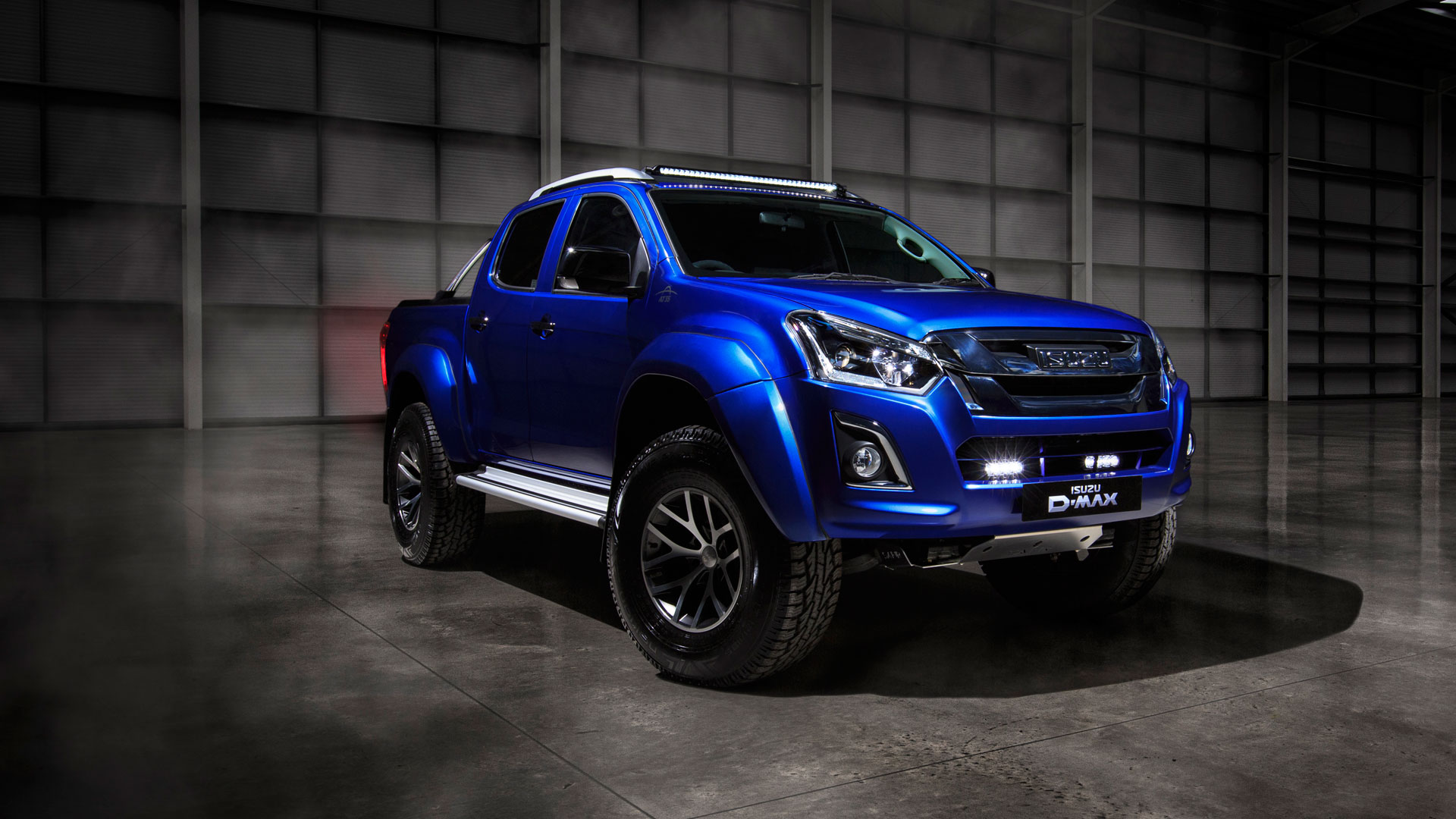
25. Isuzu Motors
Isuzu Motors just creeps into the top 25 with year-to-date sales of 116,930. The company is most famous for the D-Max pick-up, which is popular in the UK in both the commercial and lifestyle sectors.
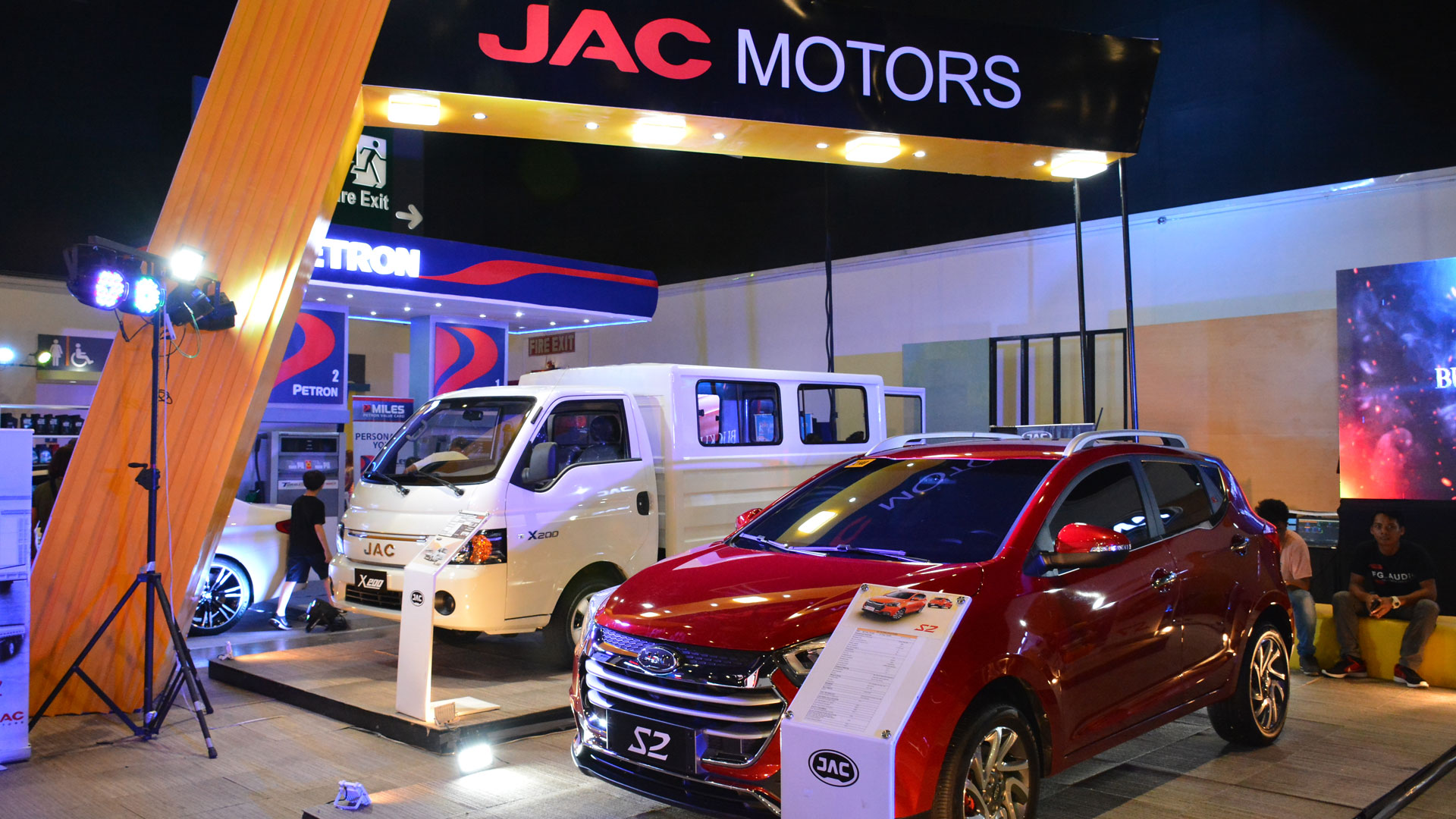
24. JAC Motors
Anhui Jianghuai Automobile (JAC) Group is a Chinese state-owned car manufacturer which was ranked 50th among the top 100 global automobile brands in 2018. It expects sales of new energy vehicles to account for 20 percent of its total sales volume by 2020 and 30 percent by 2025. Year-to-date sales are down 24.6 percent.
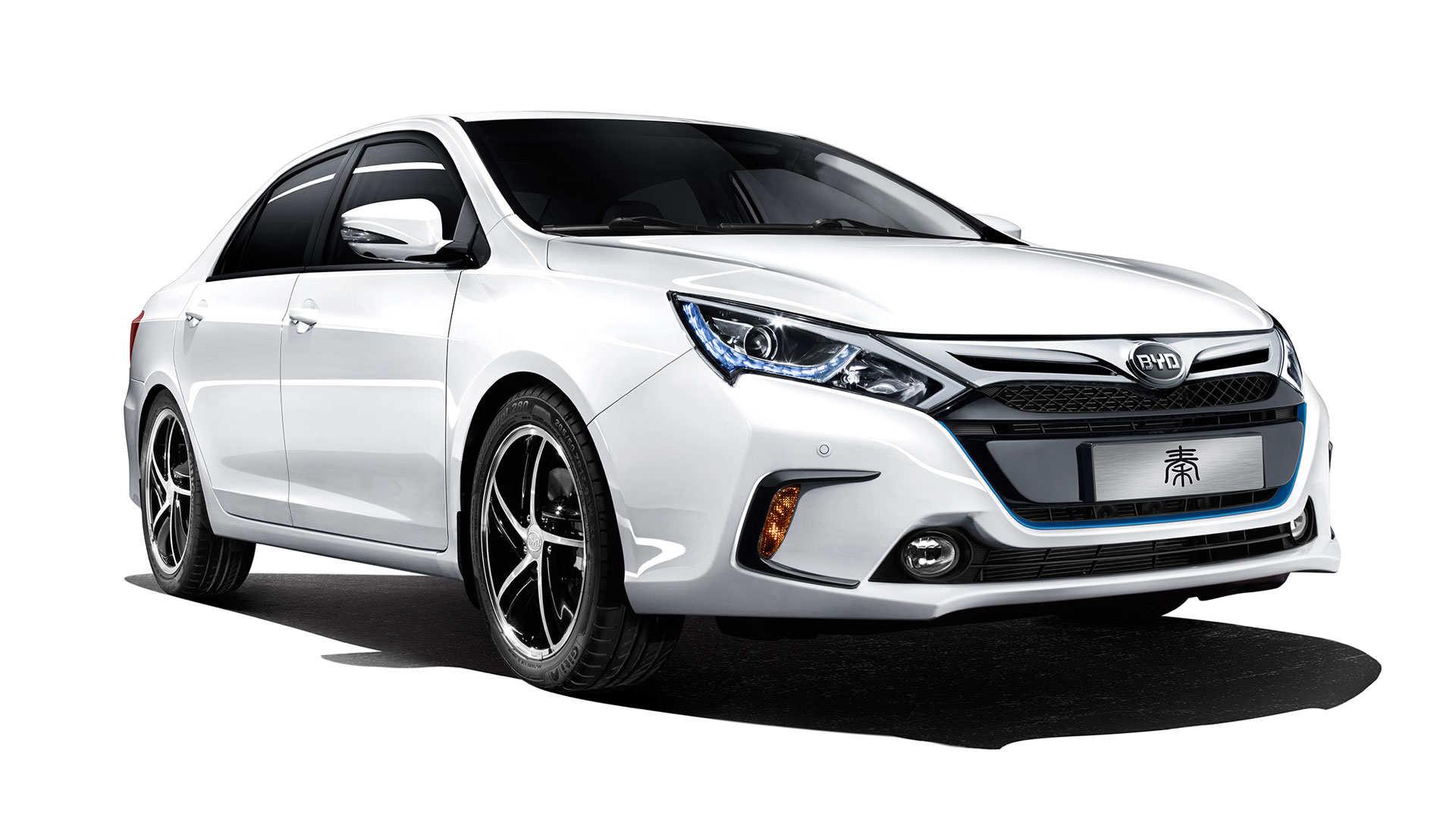
23. BYD Auto
BYD – or Build Your Dreams – is the world’s number one producer of plug-in vehicles globally, employing a quarter of a million people and shifting up to 30,000 pure EVs or plug-in hybrids in China every month. So far this year, BYD has shifted 153,182 cars, including 35,654 in April alone.
22. Chery Automobile
Chinese state-owned car manufacturer Chery is reportedly in talks with Tata Motors regarding a joint venture enabling it to enter the Indian market. The Chinese firm already has a similar relationship with Tata-owned Jaguar Land Rover. Chery has sold 189,249 cars in 2019.
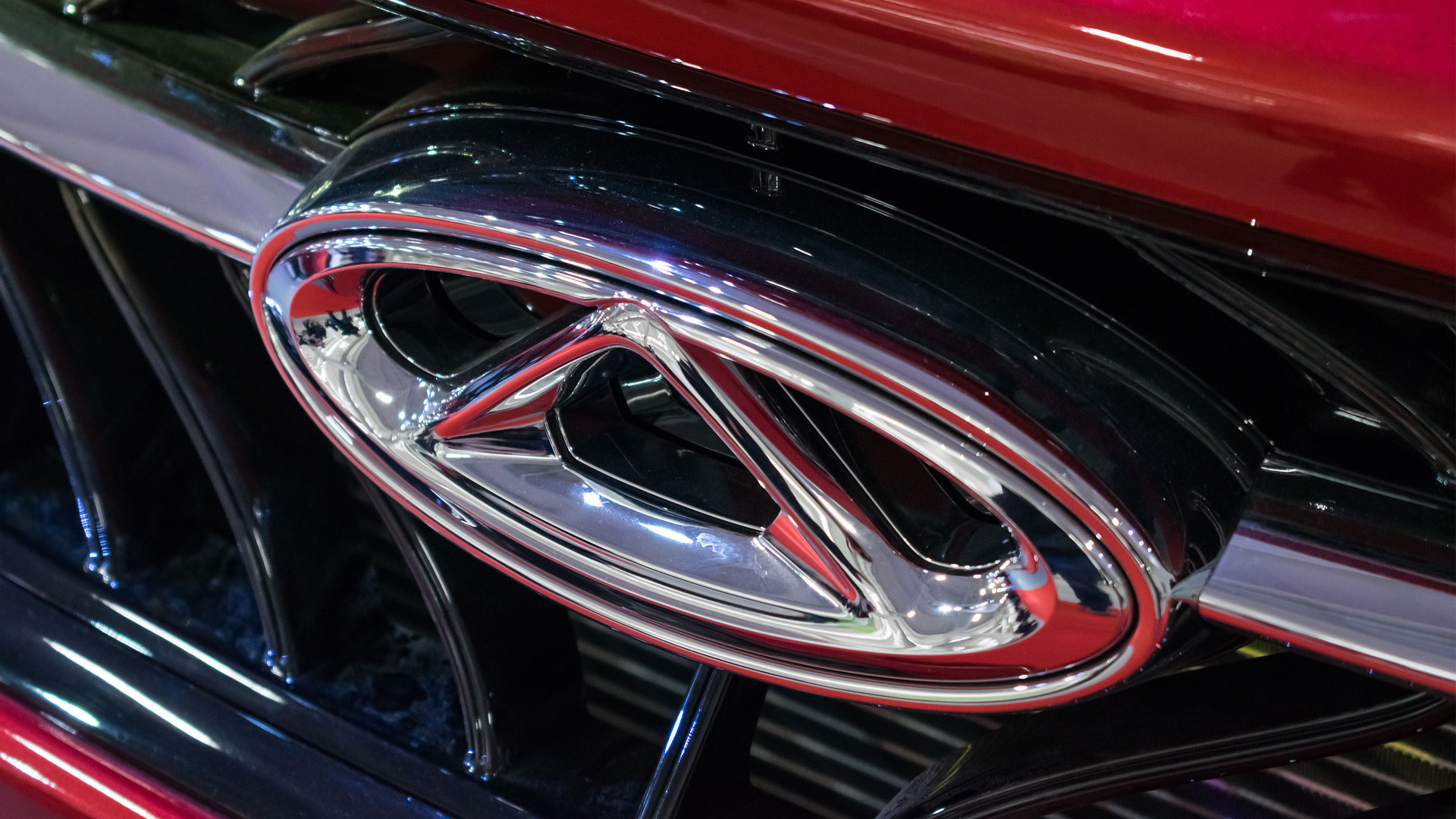
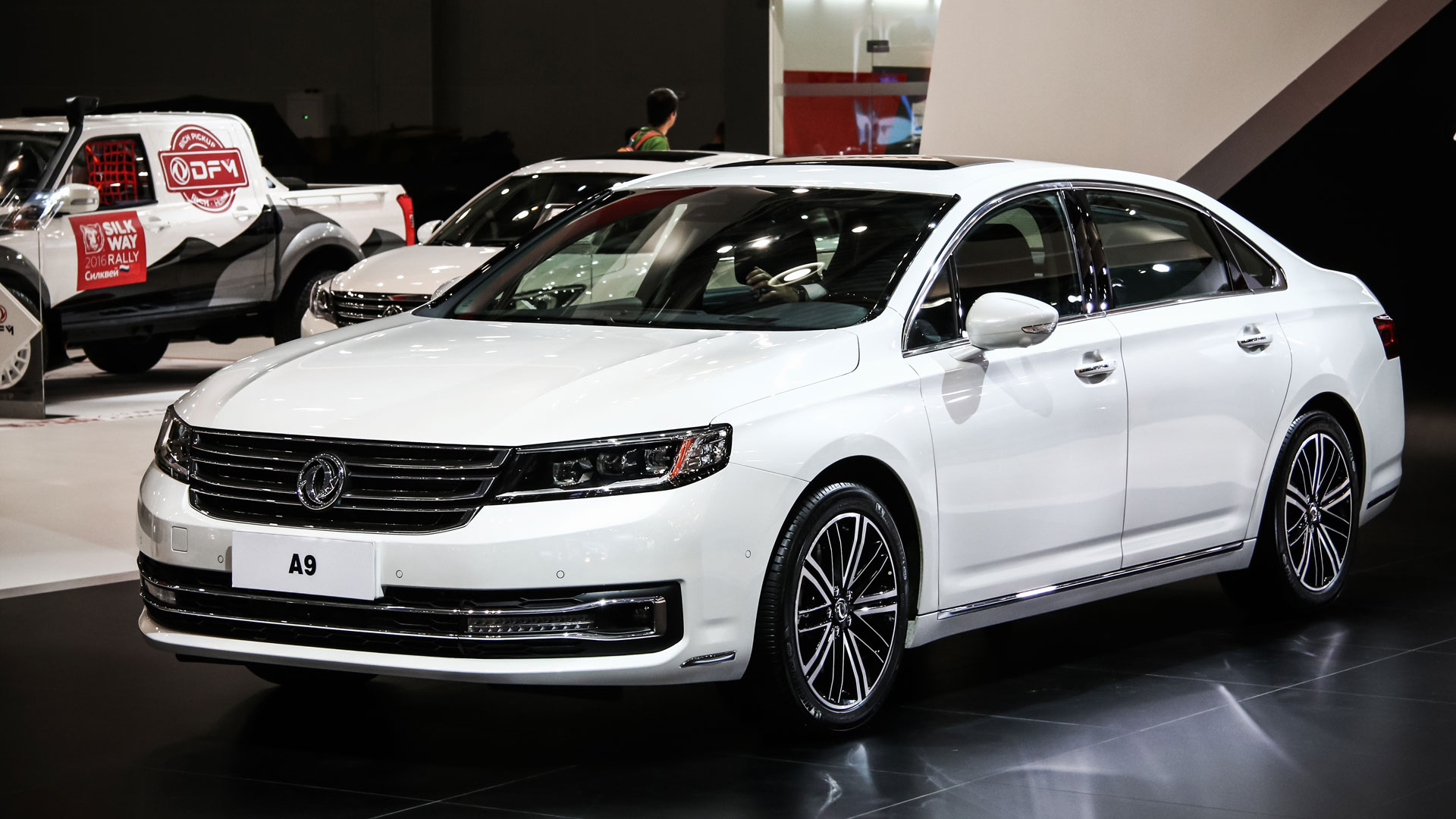
21. Dongfeng Motor
Dongfeng Motor is having a terrible year, slipping from 17th overall in 2018 to 21st so far in 2019. Year-to-date sales are down 44.1 percent to 223,439, but it has just announced sales of 13,549 in May, which is slightly up on May 2018.
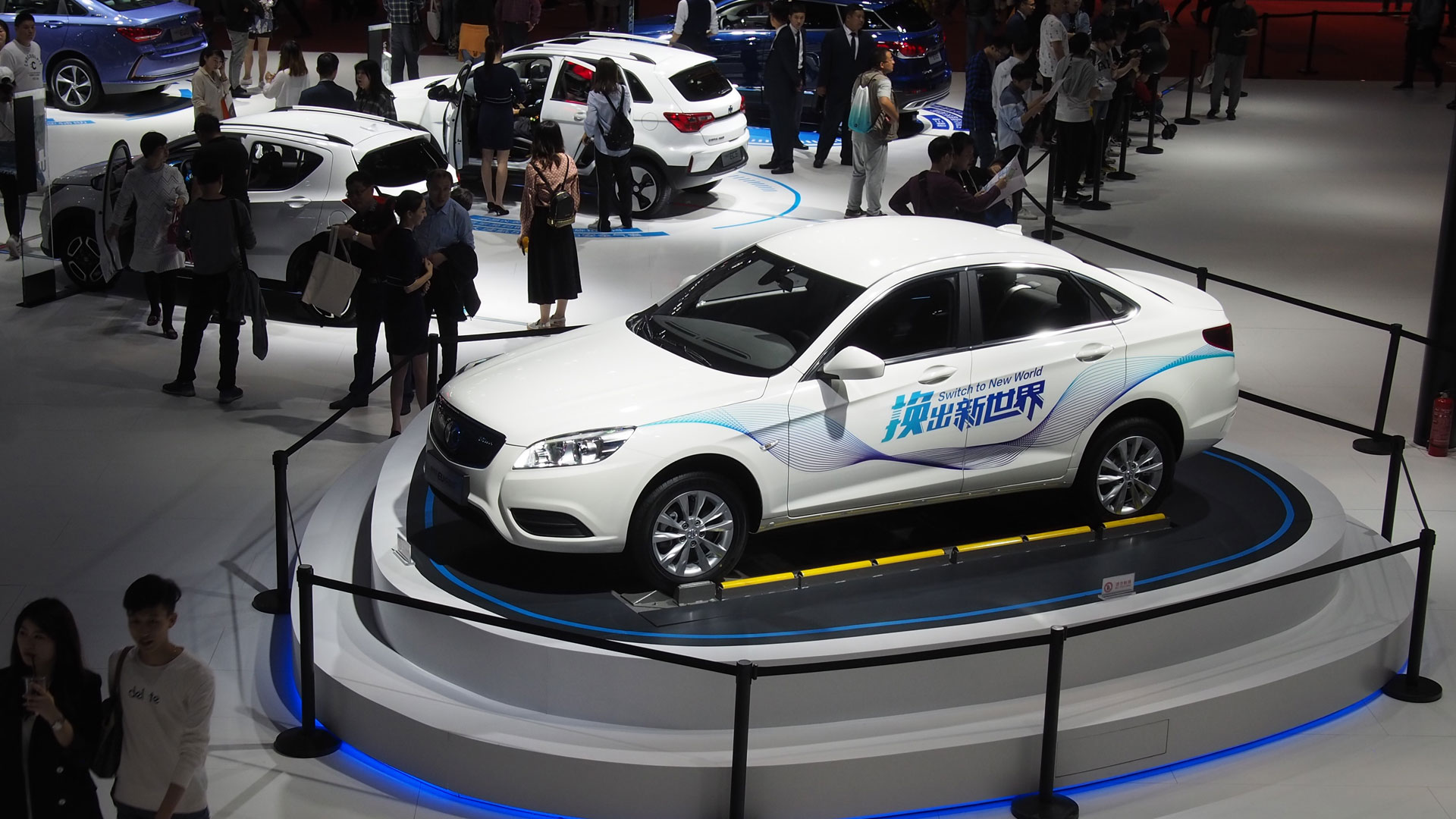
20. BAIC Group
BAIC Group – or Beijing Automotive Industry Holding Co. Ltd – is a Chinese state-owned holding company of several car manufacturers with year-to-date sales of 256,323. This is down 20.9 percent on the same period in 2018. According to some sources, BAIC is hoping to secure a five percent stake in Daimler.
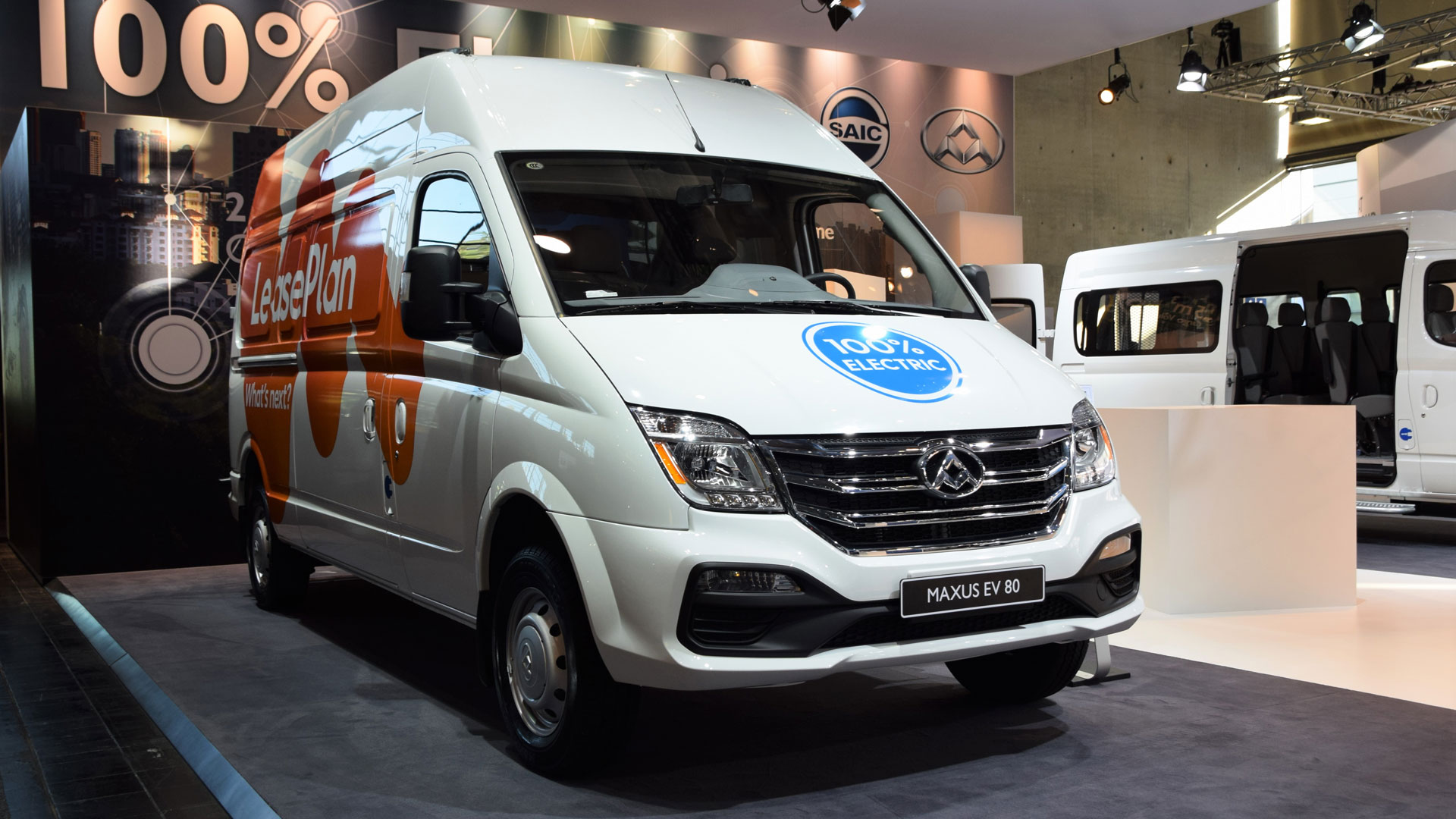
19. SAIC Motor
SAIC will be best known to UK consumers for its ownership of MG and Roewe. MG unveiled its first fully electric car at the London Motor Show, with the ZS EV hitting the streets later this year. MG has sold 272,747 cars in 2019.
18. Tata
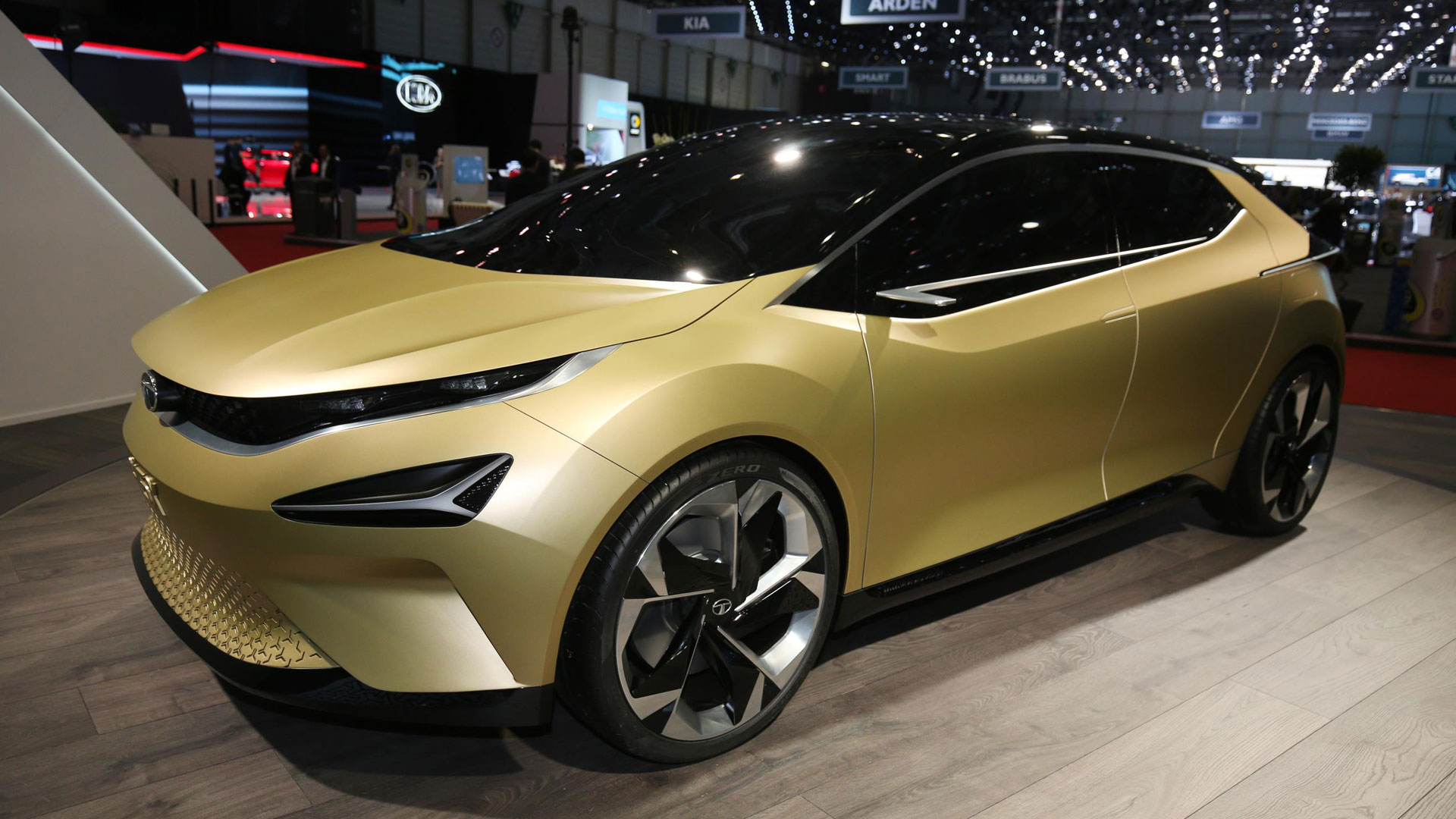
Tata is a huge multinational conglomerate with fingers in many pies, boasting companies in aerospace, defence, steel, financial services and telecommunications. With year-to-date automotive sales of 273,221, Tata is ranked 18th on the list of best-selling car brands.
17. Great Wall
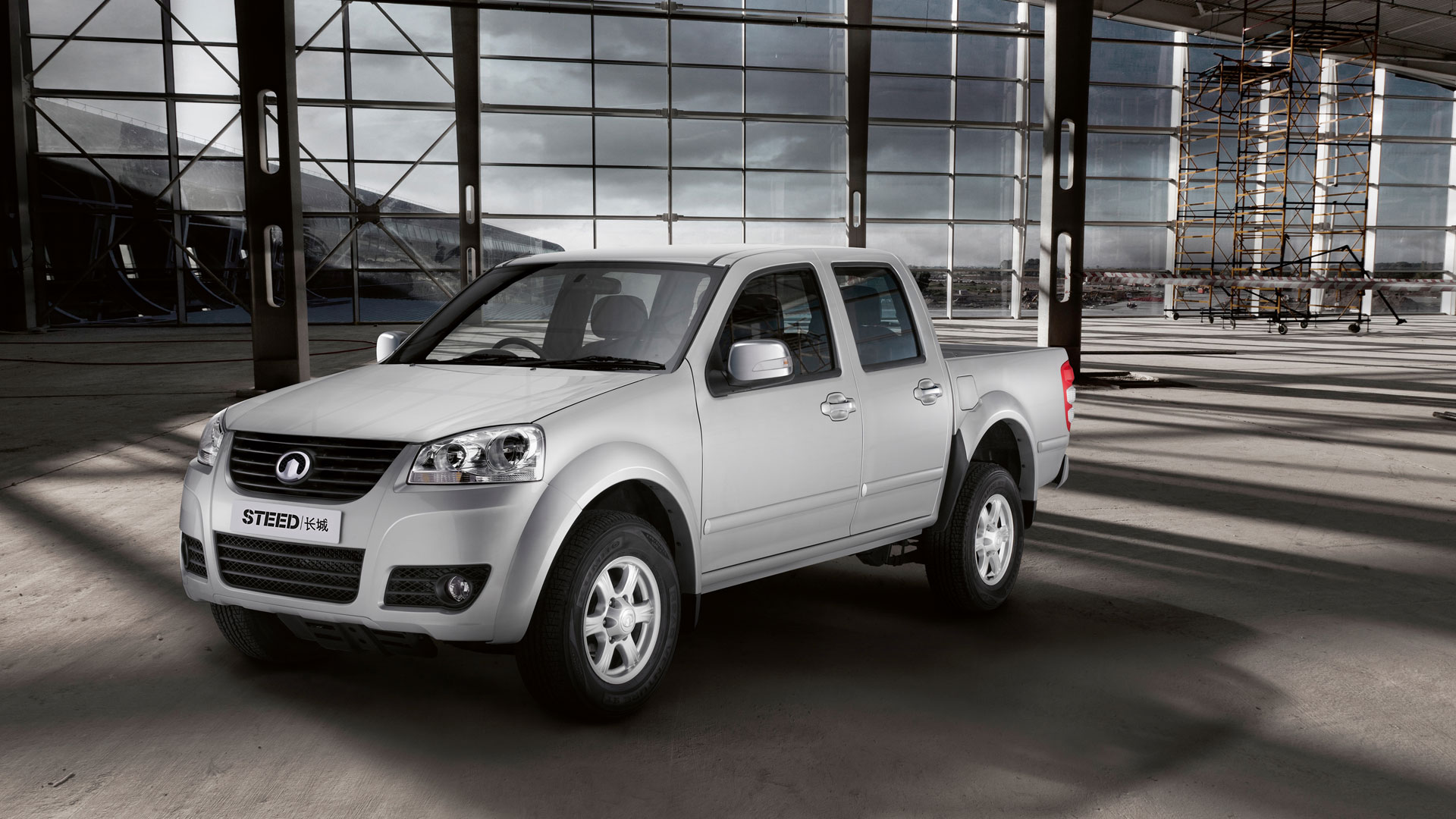
UK consumers might recognise the Great Wall name from the budget-driven Steed pick-up, but the Chinese company is a big player on the world stage. Indeed, Great Wall is China’s largest SUV and pick-up manufacturer, with year-to-date sales of 310,833.
16. Subaru
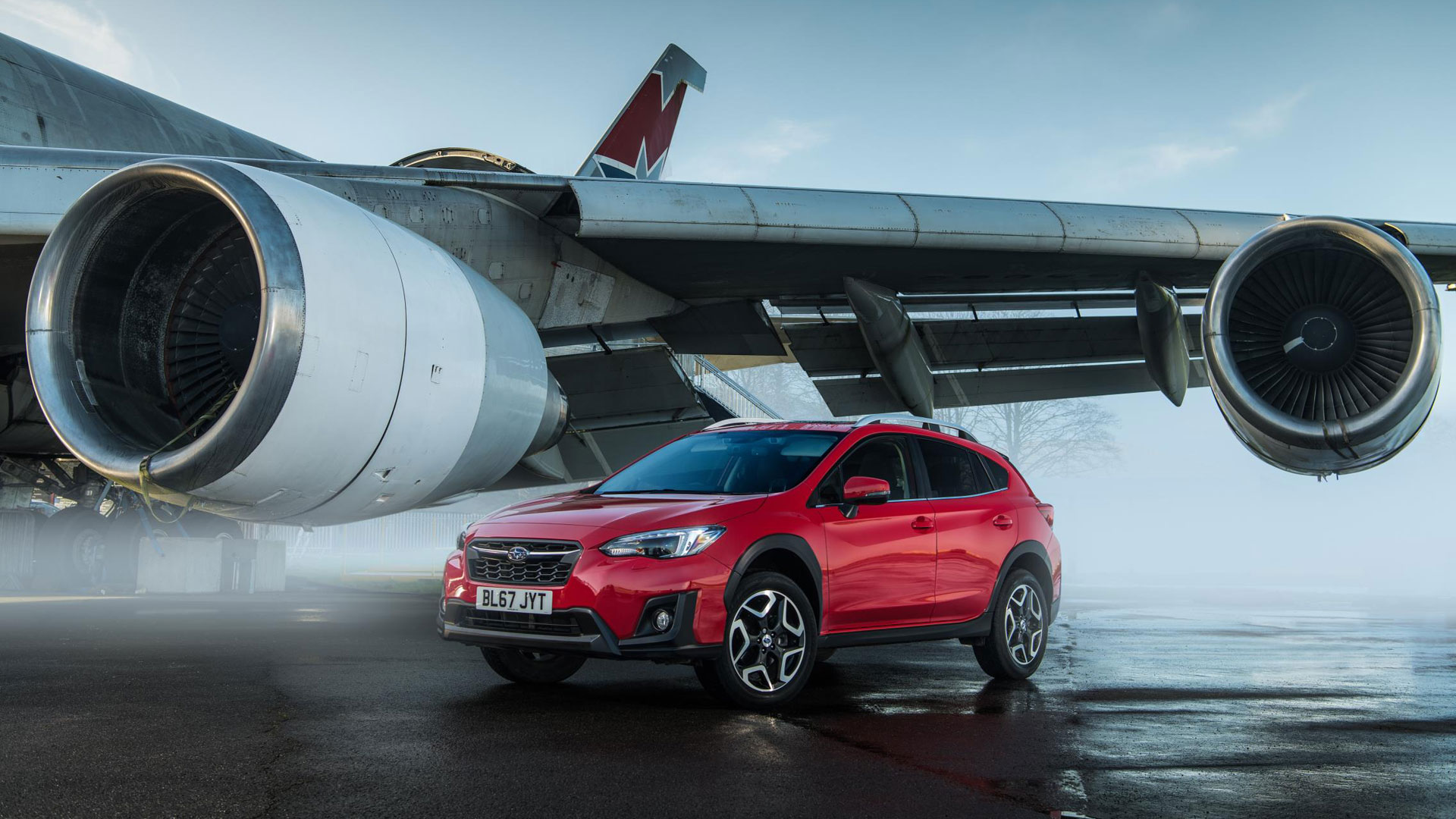
Subaru occupies a small niche in the UK, but with sales of 316,783, it’s ranked number 16 in the world. The company is hugely successful in the US, where the number of vehicles in operation has more than doubled in the past six years. Subaru reckons it will have around five million cars on US roads by 2024.
15. Changan
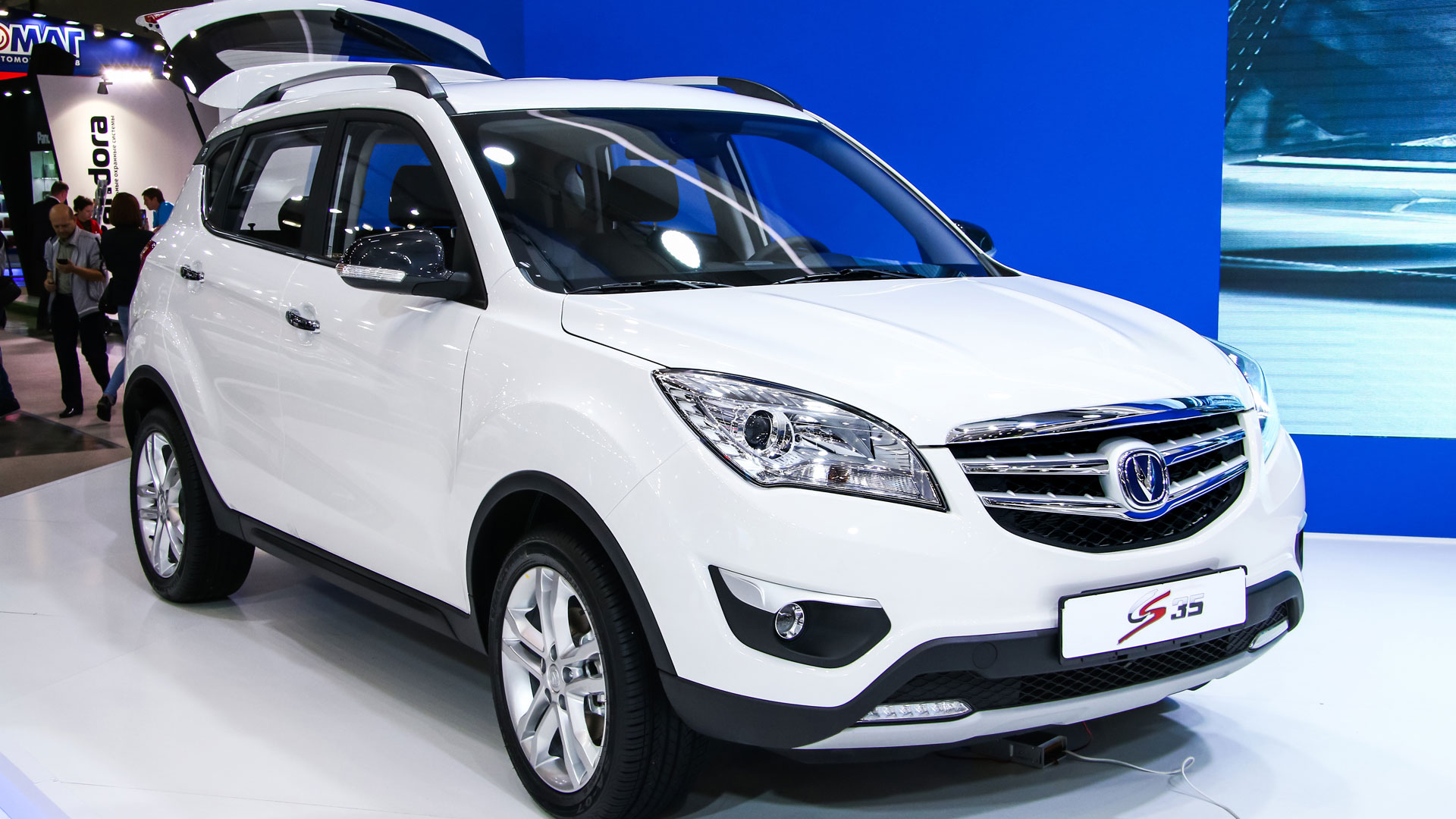
The Chinese state-owned Changan Automobile Group sells cars under the Changan brand and operates joint ventures with Ford, PSA, Mazda and Suzuki. It has sold 394,245 cars in 2019, but was recently forced to recall 19,070 Changan Ford Escorts due to a risk of fire in defective starter motors.
14. Mazda
We’re getting into the big numbers now, with Mazda the last company on the list to record sales of sub 500,000 so far in 2019. The Japanese firm has shifted 484,335, which is 11.7 percent down on the same period in 2018.
13. Geely Group
We recently ran a feature on Geely as it’s probably the biggest automotive brand you haven’t heard of. The Chinese giant – which owns the likes of Volvo, Lotus, Polestar and Proton – has sold 711,150 vehicles in 2019.
12. BMW
With year-to-date sales of 827,050, BMW enjoys a global market share of three percent. This puts it just behind its primary German rival…
11. Daimler
Dieter Zetsche has stepped down from his role of CEO of Daimler AG, with Ola Kaellenius taking the reins. The new CEO said he will cut development costs of new Mercedes cars by a significant amount and will forge new alliances to improve margins. Sales are down 3.9 percent to 848,252.
10. Suzuki
Suzuki Corporation sales are down seven percent to 862,400, with the company losing ground in India and Pakistan. On the plus side, sales are up 30 percent in Mexico.
9. PSA Group
The PSA Group – which includes Peugeot, Citroen, DS, Opel and Vauxhall – has seen sales drop 12.3 percent to 1,154,494. The company is performing well in Spain and Italy, but sales are falling in Iran and China.
8. FCA Group
From a portfolio perspective the FCA Group is huge, featuring the likes of Fiat, Chrysler, Dodge, Ram, Jeep and Alfa Romeo. But 2019 sales are down 6.8 percent to 1,406,670, which means the Renault merger could provide a much needed shot in the arm.
7. Honda Motor
The news at Honda is more positive, with 2019 sales up three percent to 1,573,457. Honda Motor Group also includes the U.S. arm Acura, but its best markets are India and China.
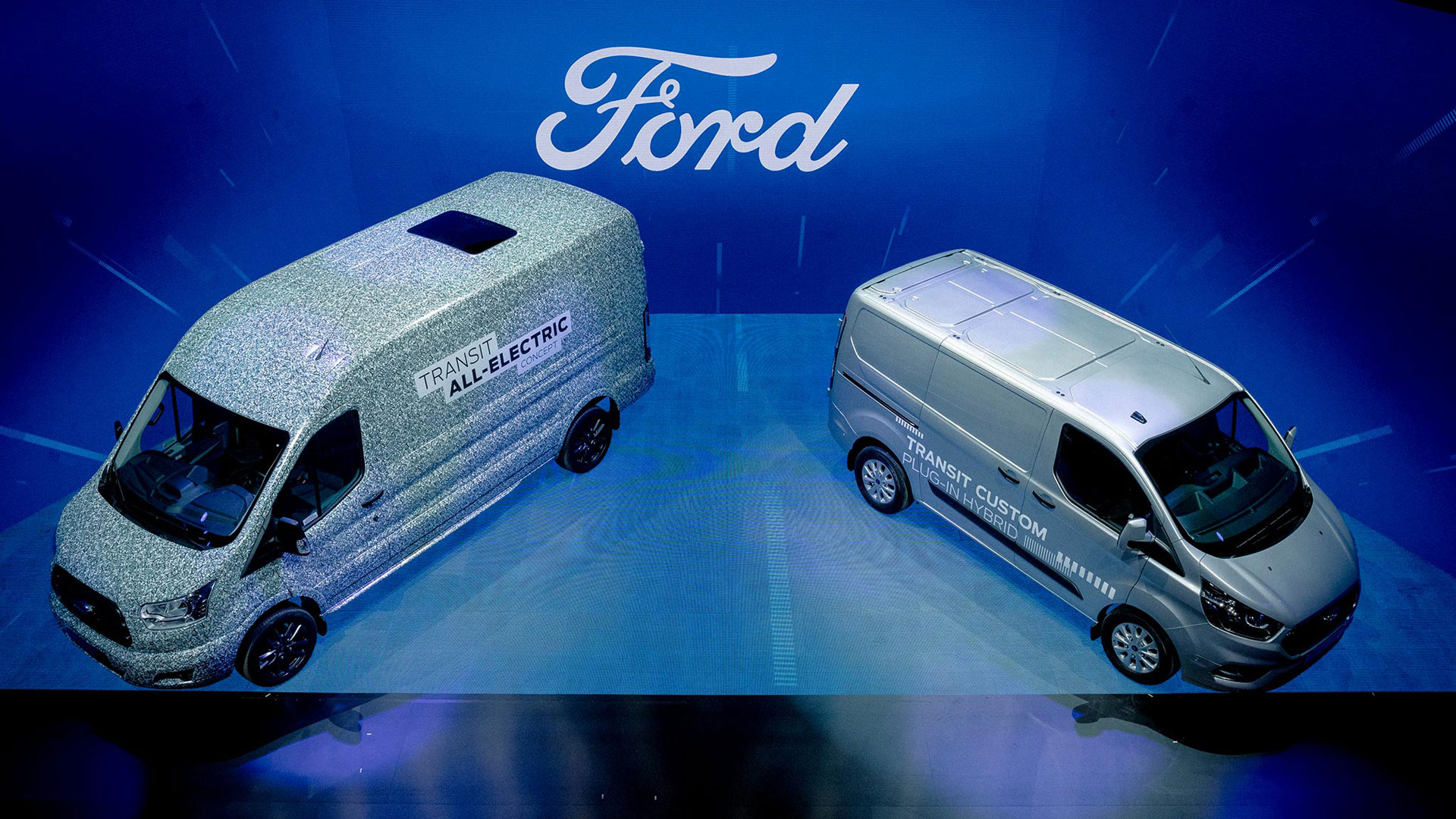
6. Ford Group
Ford sales are down 11.8 percent to 1,622,419, with the company struggling to perform in China and the UK.
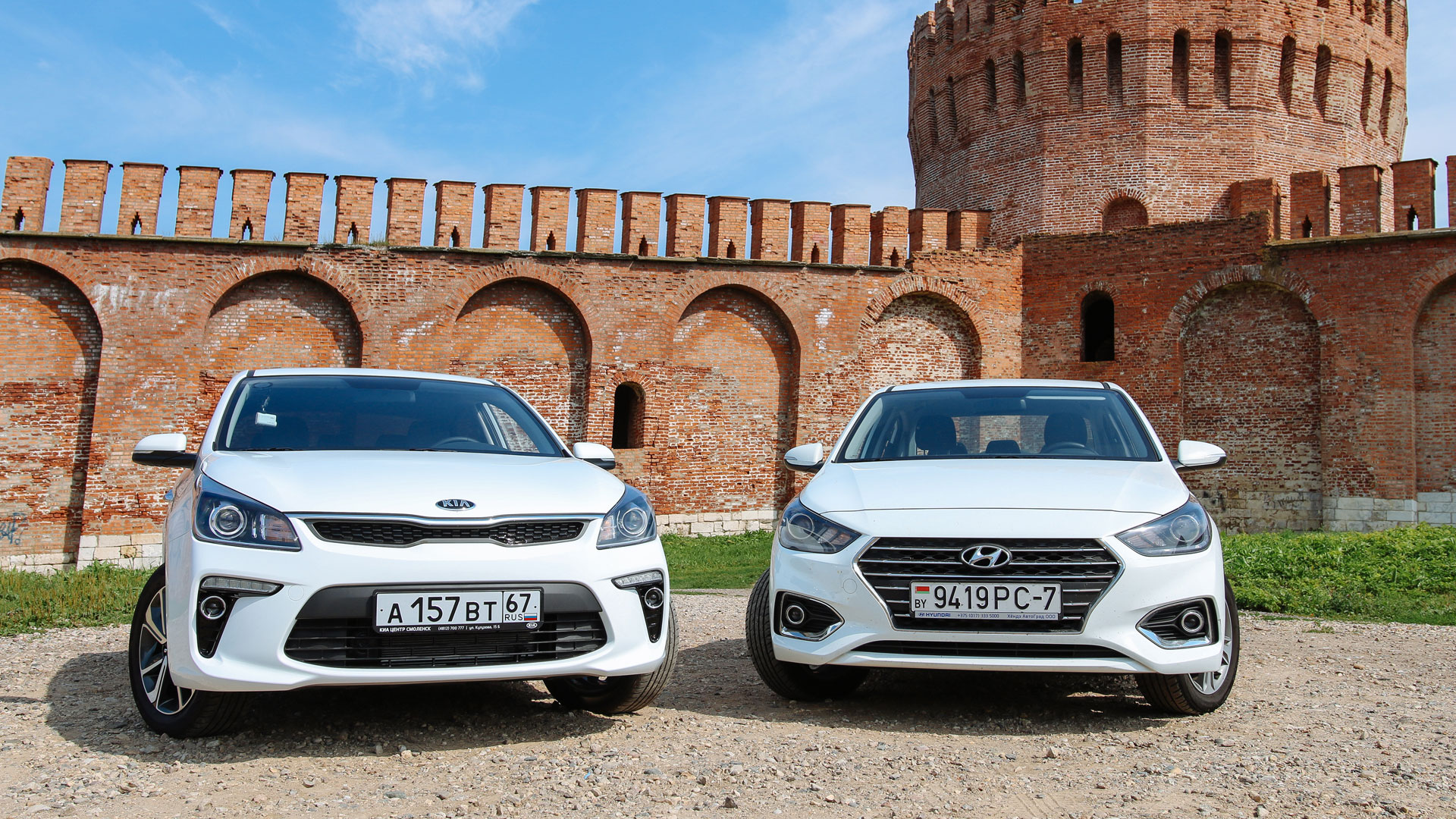
5. Hyundai and Kia
Collectively, Hyundai, Kia and Genesis have amassed sales of 2,292,599 in 2019, a fall of 4.2 percent. Hyundai Group is performing well in Saudi Arabia, but has seen a steep decline in sales in China.
4. General Motors
General Motors has seen a woeful 14.8 percent decline in sales in 2019, but with Hyundai failing to capitalise, the American giant retains its fourth spot. GM, which has sold 2,463,971 cars so far, is struggling in China, Canada and Mexico, but performing better in Brazil and South Korea.
3. Renault-Nissan-Mitsubishi-Alliance
If this company joins forces with FCA, the combined sales will put it at the top of the global sales chart. For now, it must settle for third, with sales down 6.9 percent to 2,992,471. It’s doing well in the U.S. and Spain, but sales are down in China and Mexico.
2. Toyota Motor Corporation
The Toyota Motor Corporation, which also includes Lexus and Daihatsu, has sold 3,115,343 cars in 2019, an increase of 1.2 percent. Focus2move says the growth is being driven by strong sales in China, Thailand and Saudi Arabia.
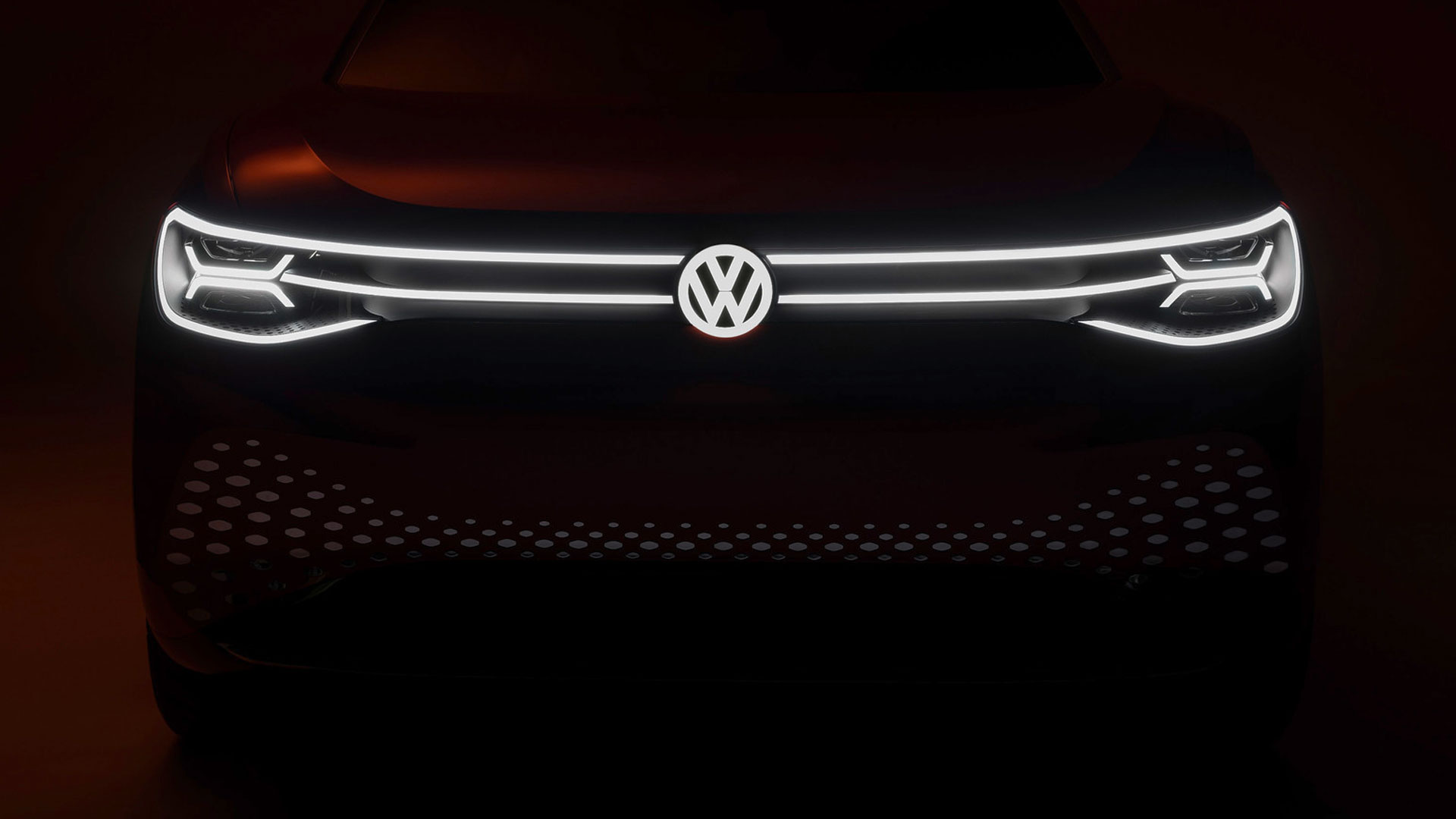
1. Volkswagen Group
No prizes for guessing the company at the top of the tree, with the mighty Volkswagen Group shifting 3,296,440 cars in 2019. But it’s not all good news, mind, and with sales down seven percent, there’s nothing to say Toyota won’t overtake VW at some point in 2019. There’s also the FCA and Renault merger to consider…
All figures provided by Focus2move are correct at the time of writing.
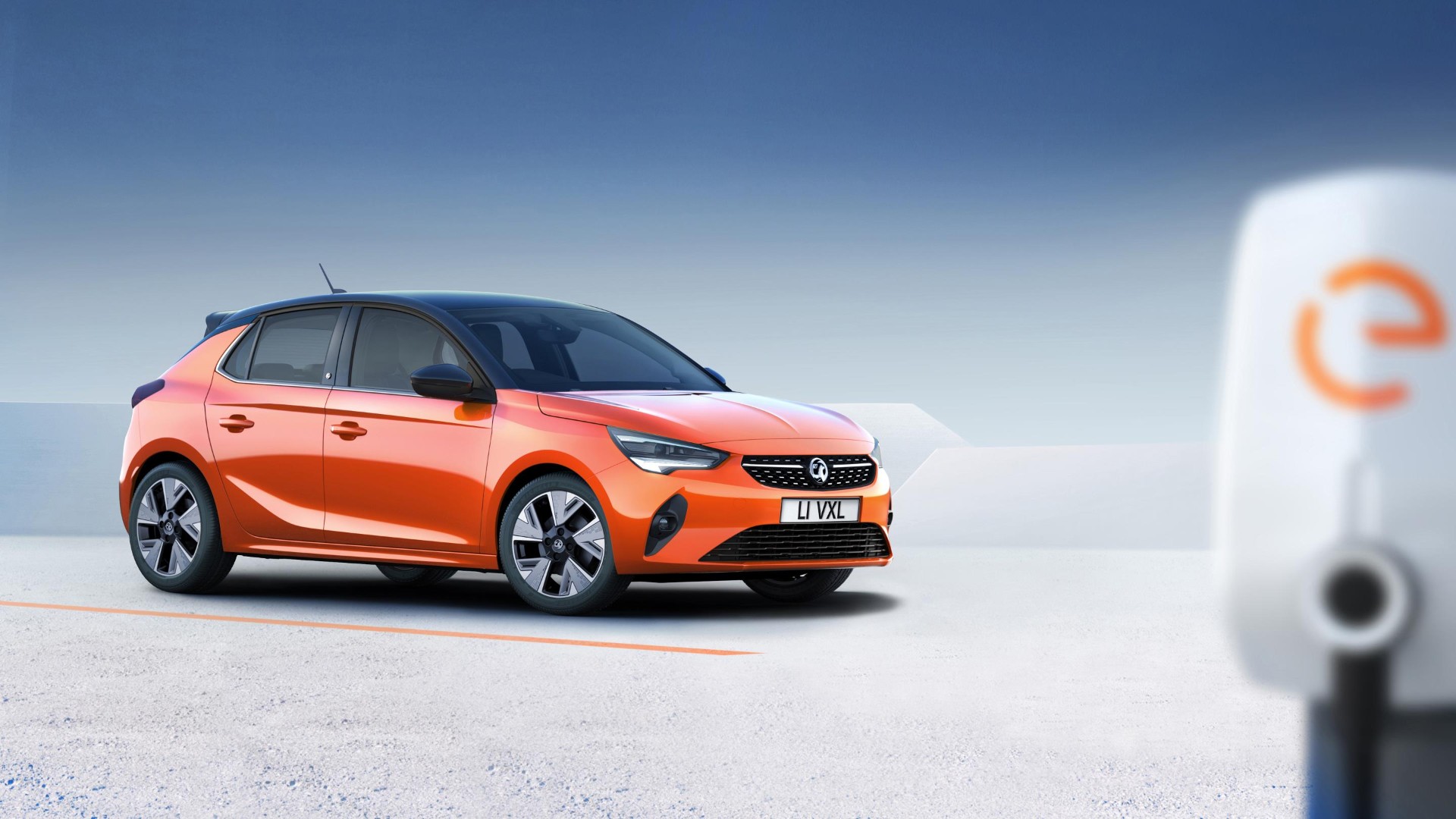
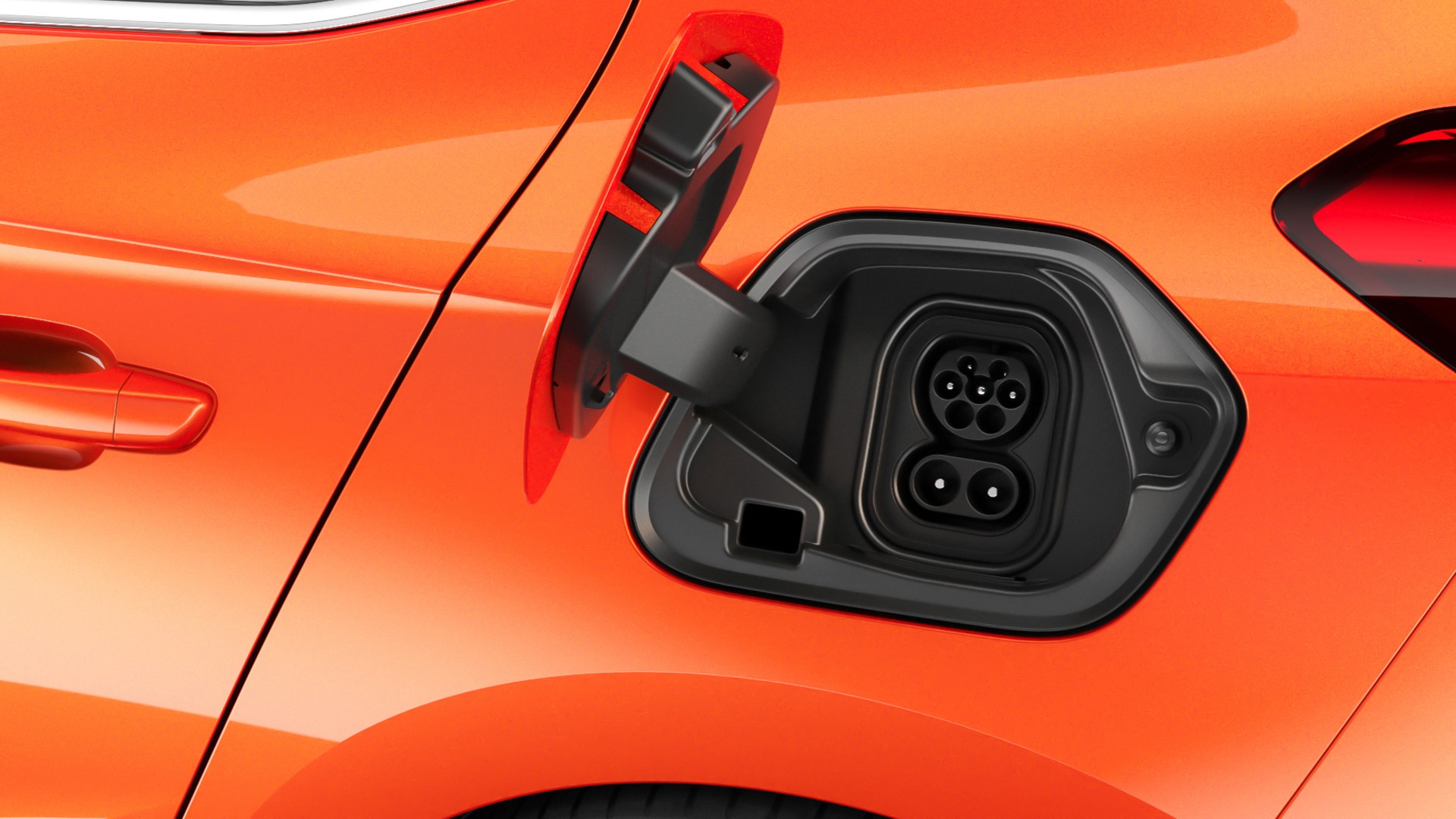
The all-electric version of the new Vauxhall Corsa is now available to order. Don’t expect to receive your new car until 2020, though.
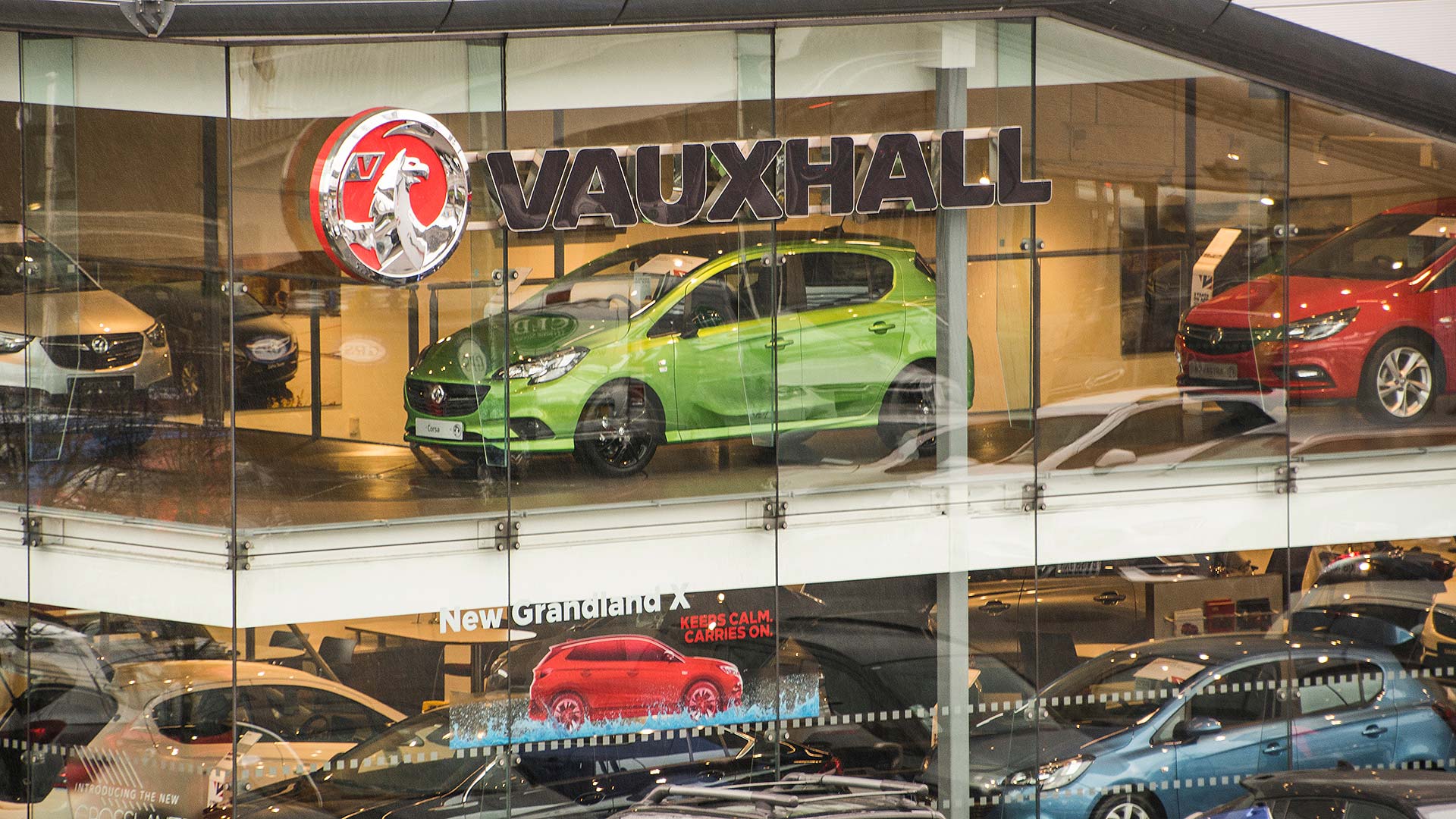
The Corsa-e is the ‘flag-bearer for a completely new Corsa range’, which Vauxhall wants to ‘normalise electric car ownership’. A good start is accessibility: the Corsa-e will cost from £26,490 (after the government electric car grant), but you can reserve one now from £500. The first 500 reservations will also receive a free home charging kit.
That seems steep, but all electric Corsas will come well-equipped, with standard features including sat-nav, LED headlights, parking sensors, a DAB radio and a seven-inch touchscreen.
You can drive a Corsa-e from £270 per month on PCP, over a 47-month period, with a £5,549 deposit payment.
The Corsa-e’s battery is warrantied to deliver 70 percent or more of its capacity up to 100,000 miles or eight years. The 50kWh unit is good for 205 miles of range and can be recharged to 80 percent capacity (using a public fast-charger) in as little as 30 minutes.
In terms of power, the Corsa-e has 136hp and can reach 62mph in 8.1 seconds.
The new Corsa, along with the all-electric Corsa-e, will debut in the metal at Frankfurt Motor Show in September. First deliveries will start next year, after series production begins in January.
Will this be the model to popularise the electric car? We suspect it may get in a tussle with the new electric Peugeot 208 for that honour.
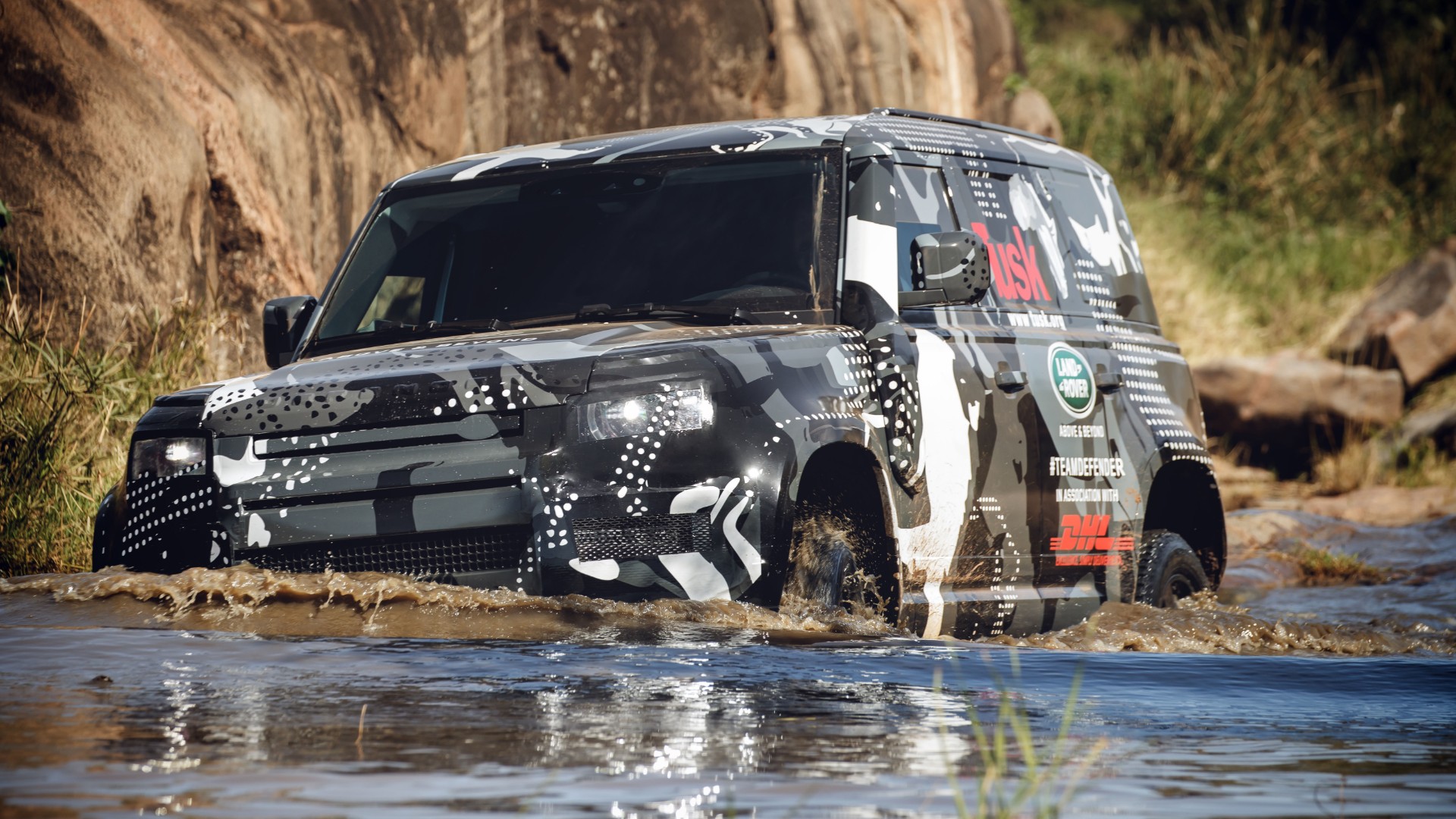
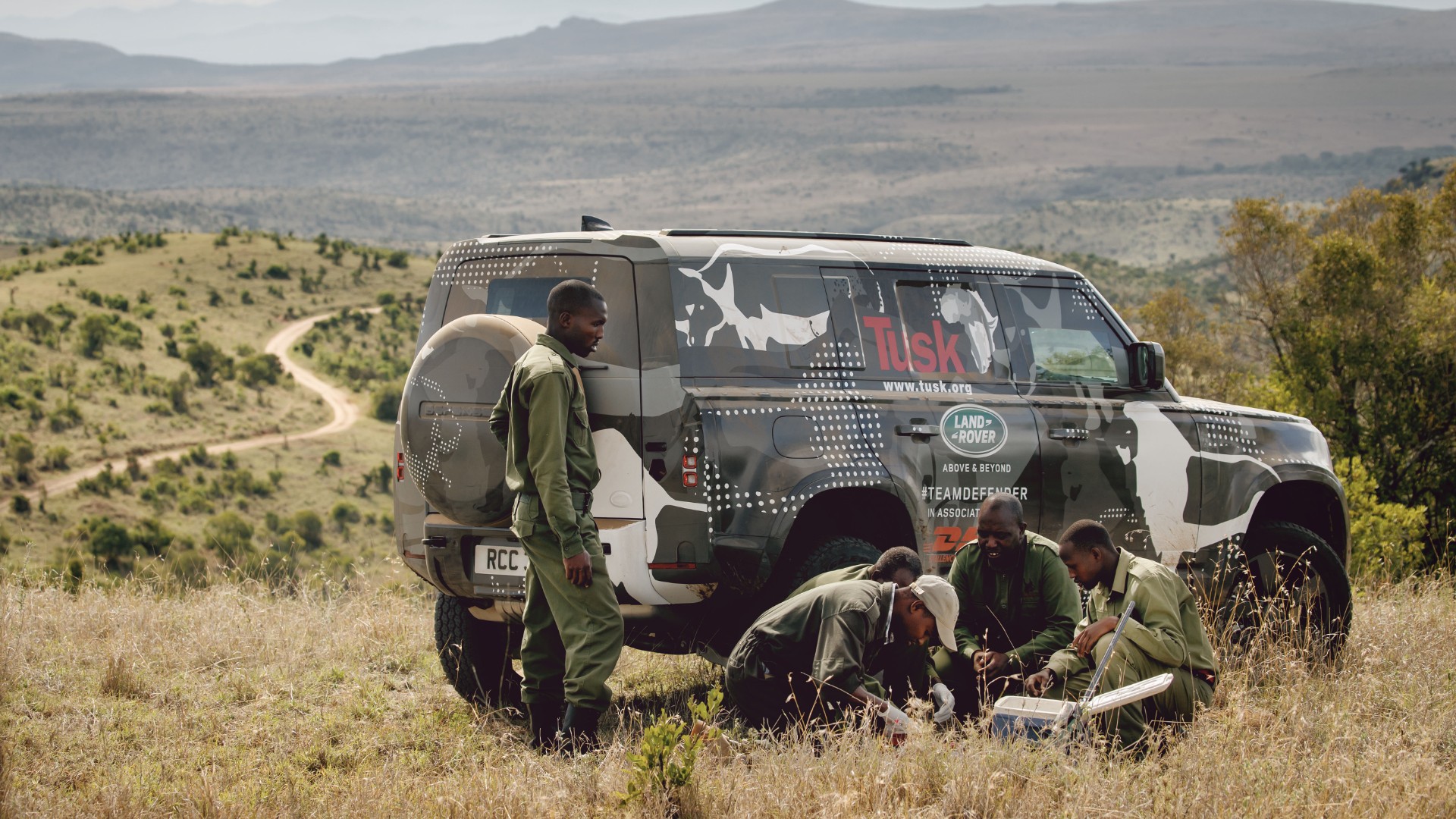
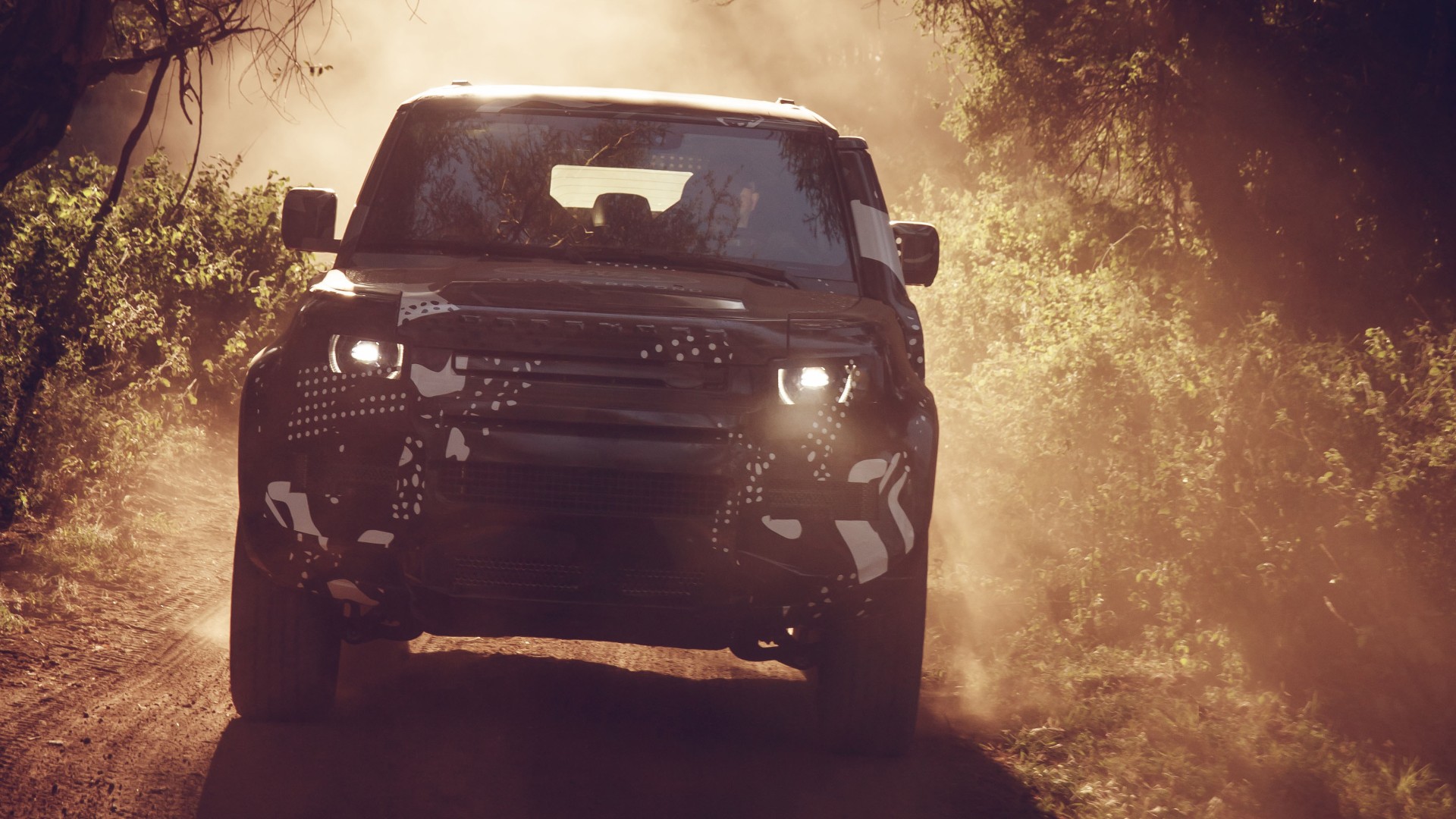
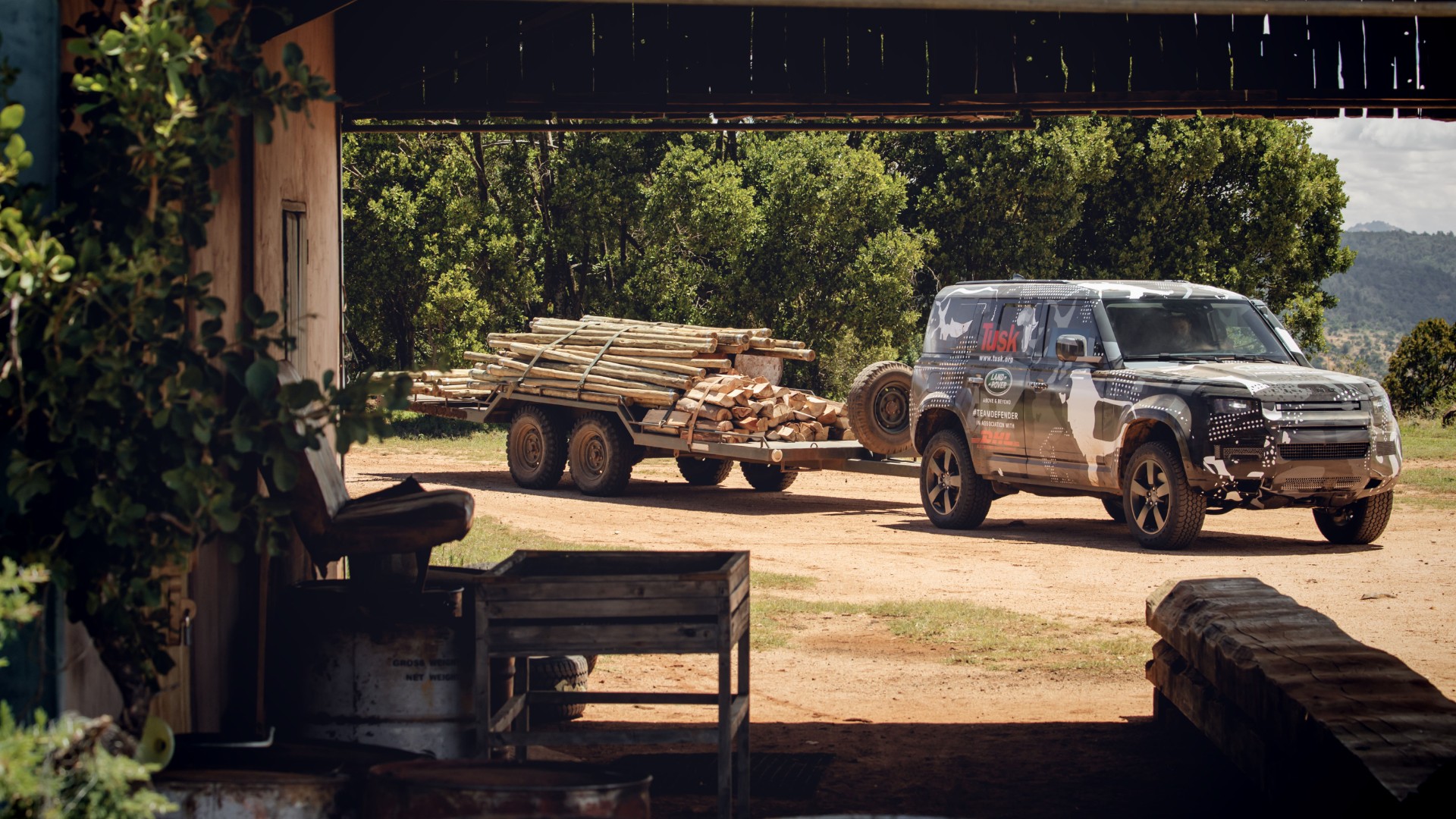
A prototype new Land Rover Defender has completed its testing programme with the Tusk Trust in Kenya.
The 4×4 has been helping the charity with lion conservation, tracking down a male that needed his inoperative tracking collar replaced.
Tusk operatives were furnished with a Defender prototype decked out in a unique camouflage to suit the territory. The car came with a snorkel air intake to help it traverse tough terrain, ford rivers and pull trailers, all inside the 14,000-hectare Borana Conservancy.
“This year marks Tusk’s Year of the Lion,” said Charles Mayhew MBE, chief executive of the Tusk Trust.
“Our aim is to raise awareness of the alarming decline in lion populations across Africa. Fortunately, within the Borana Conservancy, there are a number of prides of lion, and tracking and monitoring their movements across this vast and tough environment is vital in order to protect them and reduce any conflict with neighbouring communities.
“The new Defender took everything in its stride, from deep river wading to climbing rocky trails.”
Any worries that the new Defender won’t be battle-hardened like the original should be quelled, at least in part.
“We are now in the advanced stages of the new Defender’s testing and development phase,” said Nick Collins of Jaguar Land Rover.
“Working with our partners at Tusk in Kenya enabled us to gather valuable performance data. The Borana reserve features a wide range of challenging environments, making it a perfect place to test to the extreme the all-terrain attributes of the new Defender.”
The new Defender is expected to debut by the end of this year, and will come in a multitude of body styles.
Whether the new car becomes the backbone of UK infrastructure that the old one was, remains to be seen. Evidently, Land Rover is readying it for more than the school run…



 The
The 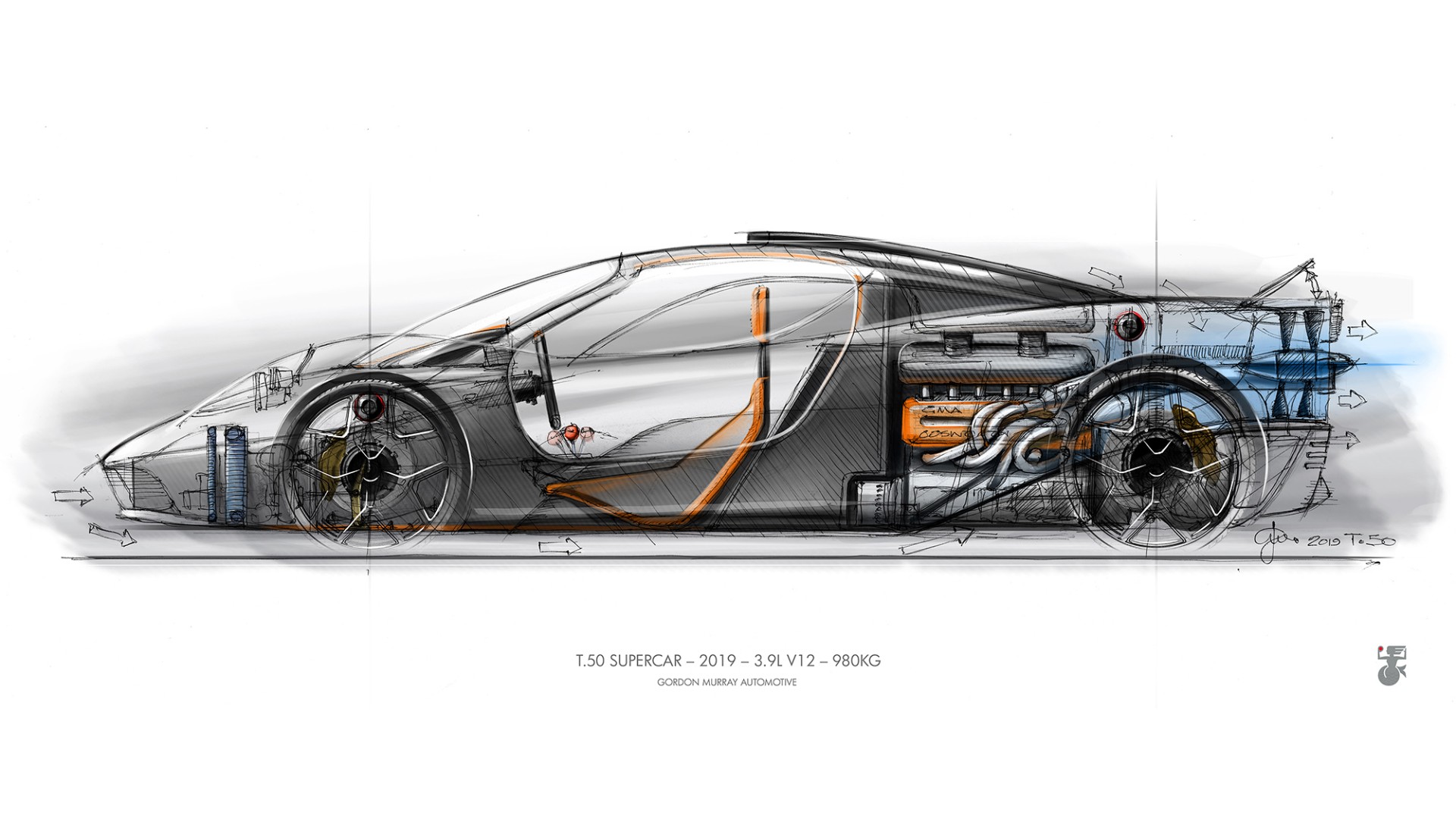
 BMW and Jaguar Land Rover are to co-develop next-generation electric motors and drive systems, the two firms have revealed in a surprise announcement.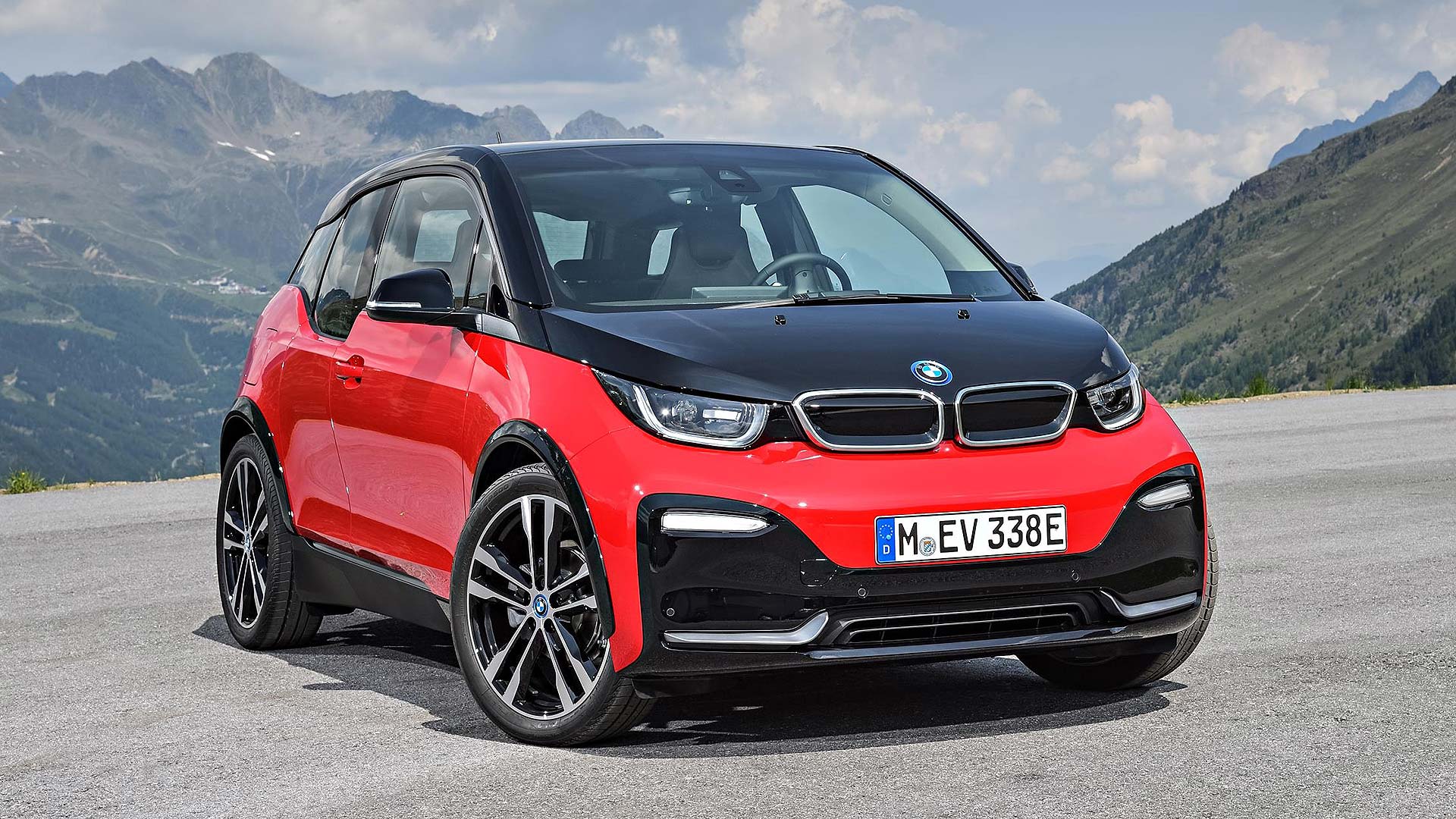
 Built for one year only, the two-door Ford Parklane was equivalent to the full-size Fairlane luxury offerings. That meant an upmarket six-seater interior, along with the same brightwork attached to the bodywork as the Fairlane.
 This
This 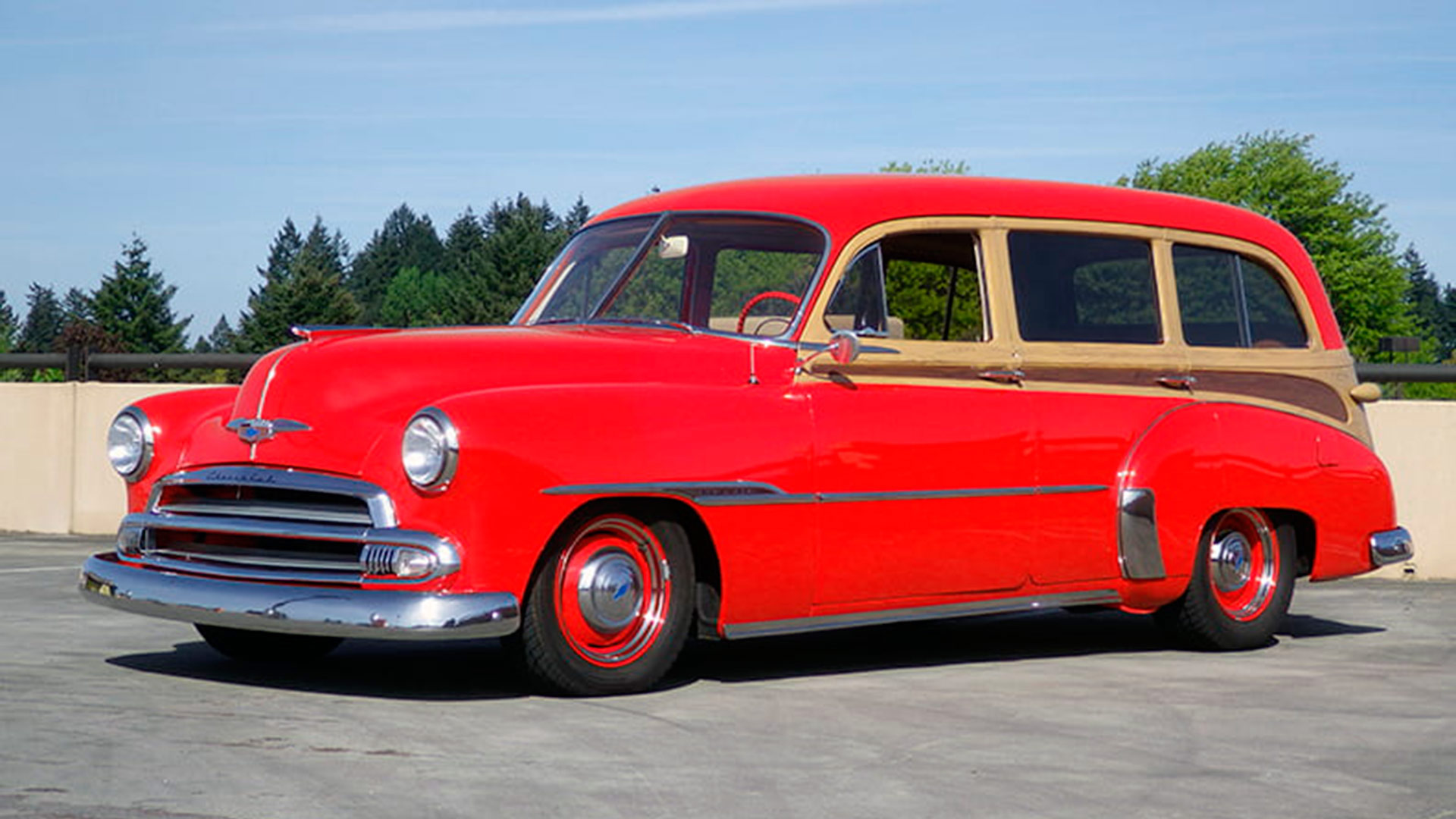 Although the Nomad may be the Chevrolet wagon from the 1950s which gets all the attention, General Motors was building estates years before the two-door hero appeared.
 Whilst period Deluxe cars featured six-cylinder engines,
  No detail has been left untouched on this four-door
  An impressive digital dash adds functionality but retains classic looks, whilst the steering wheel has been finished to match the exterior paintwork. Retrimmed throughout in gray cloth, the interior has room for six.
 Mecum Auctions currently has few details on this Impala station wagon. Most important is that this has covered just 16,545 miles in more than five decades, and is in unrestored form.
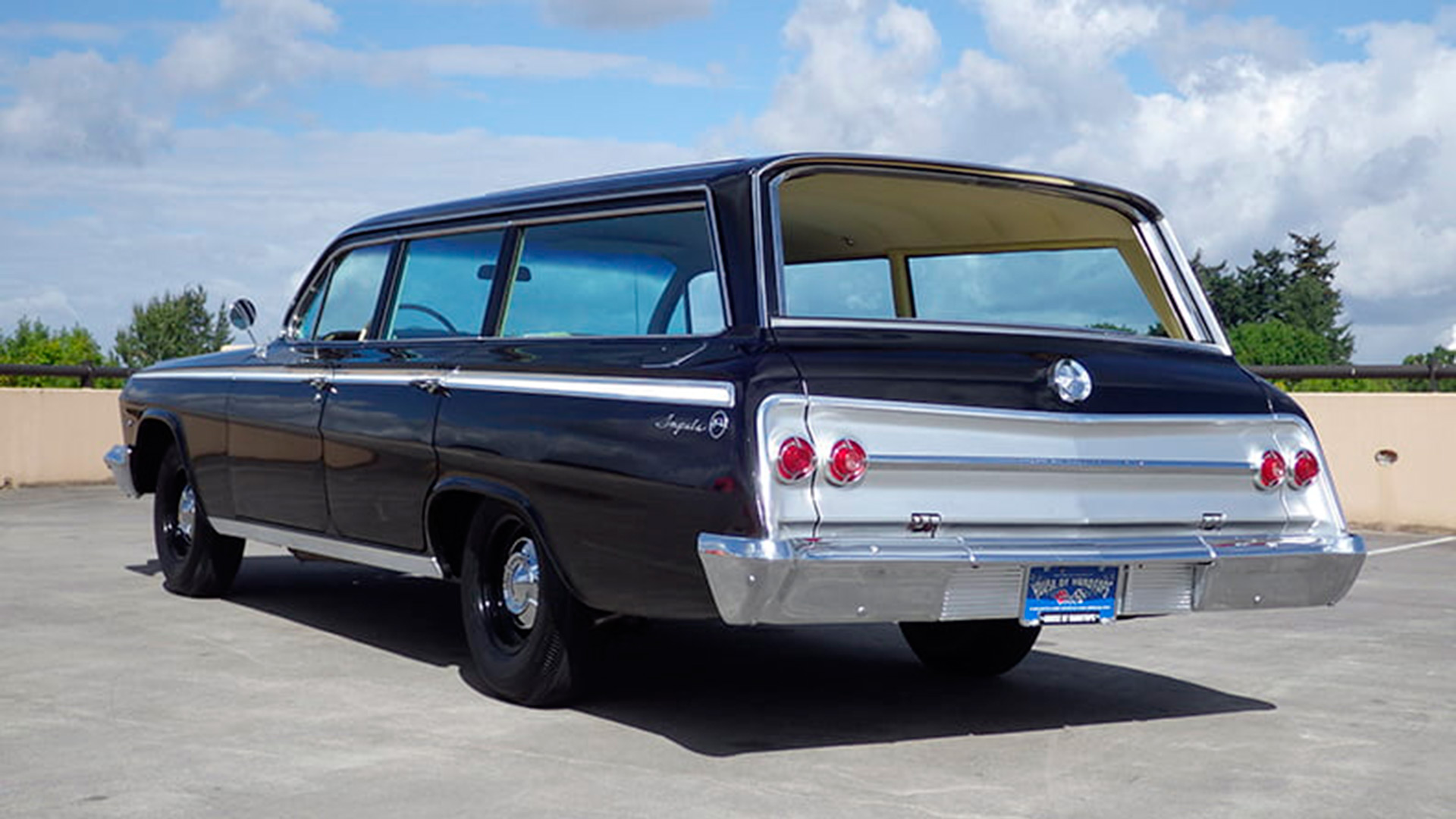 Beneath the hood is what looks to be a 283-cubic inch ‘Turbo Fire’ V-8 engine. That would mean a total of 170 horsepower, with a focus more on fuel economy rather than outright performance.
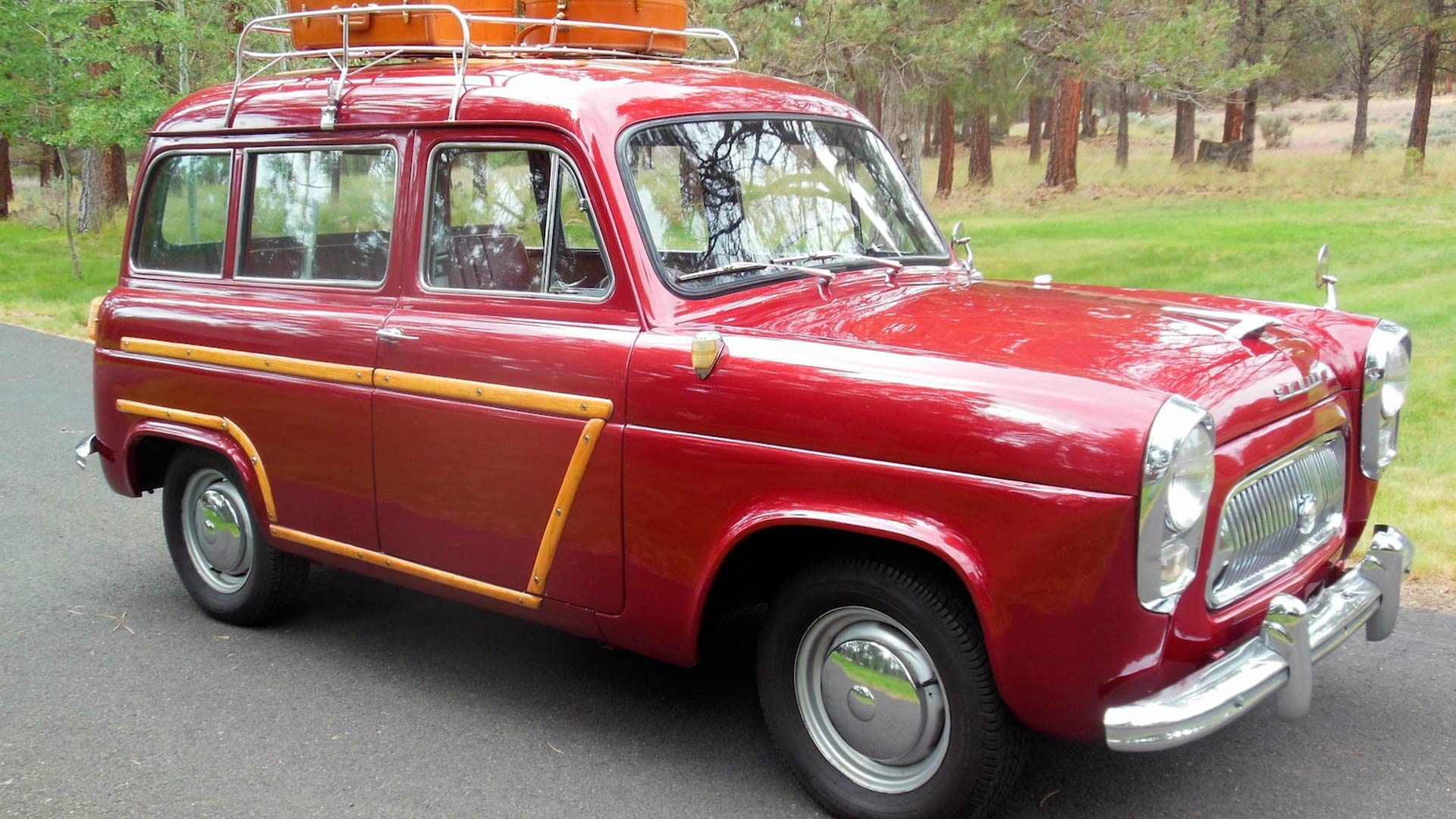 Don’t be fooled by the name. This is not a full-size Ford Country Squire that has somehow shrunk in Pacific Northwest precipitation.
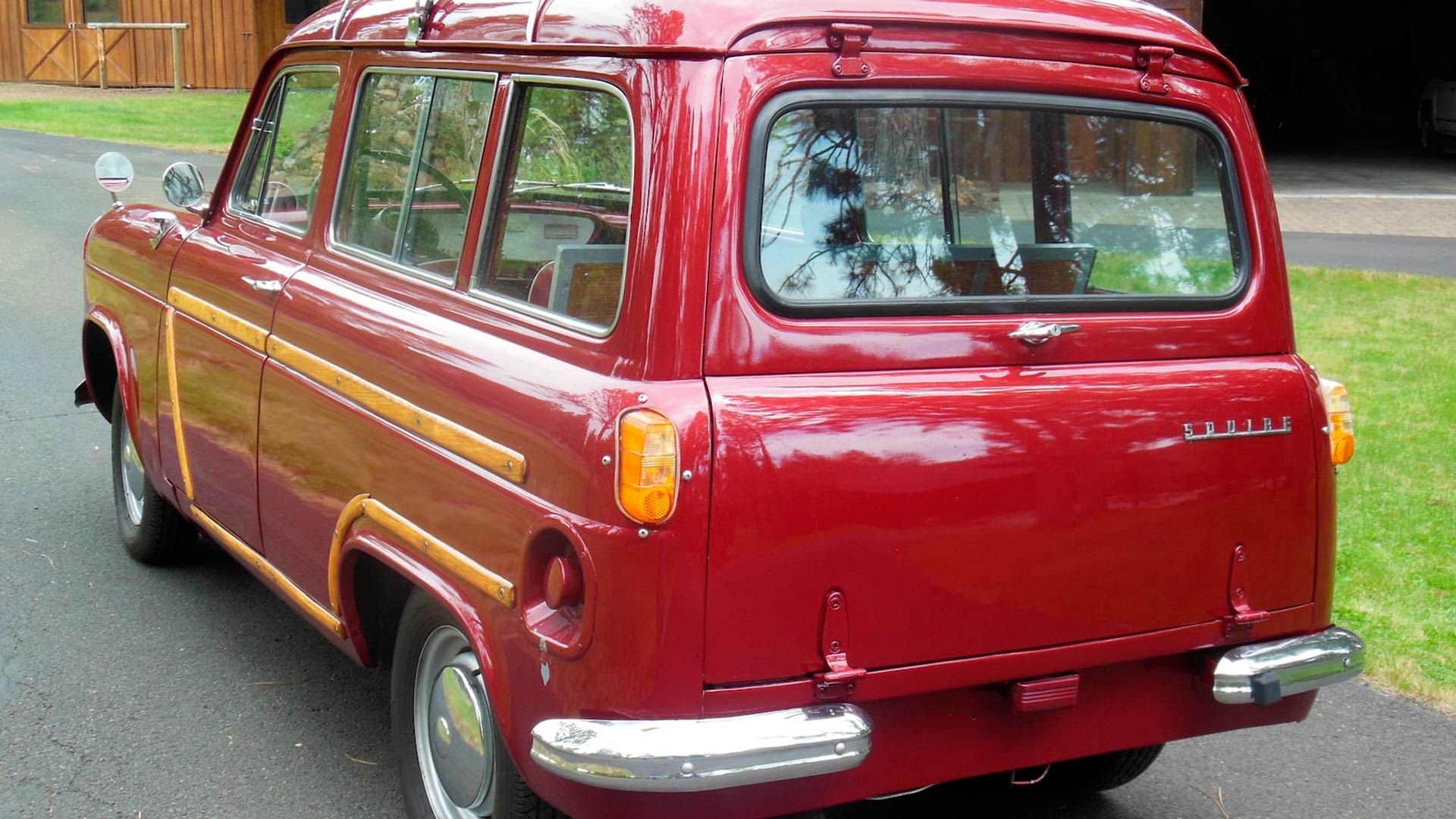 Whilst it may have imitated real woodie wagons with timber trim, performance was still suitably European. Just 36 horsepower came from the 1.1-liter four-cylinder engine, driving the rear wheels through a three-speed manual transmission.