Home Blog Page 374

Classic German cars that could make you money

0

Classic German cars

In 2010, Südwestbank launched a classic car index to compare the performance of South German classic cars with other forms of investment. The index includes 20 classics built by Mercedes-Benz, Porsche, BMW and Opel, with the bank reporting that demand for historic vehicles remains high. Here, we reveal the performance of 16 of the classics, highlighting the increase in values since 2005.

Mercedes-Benz 230 SL (W113)
Classic German cars

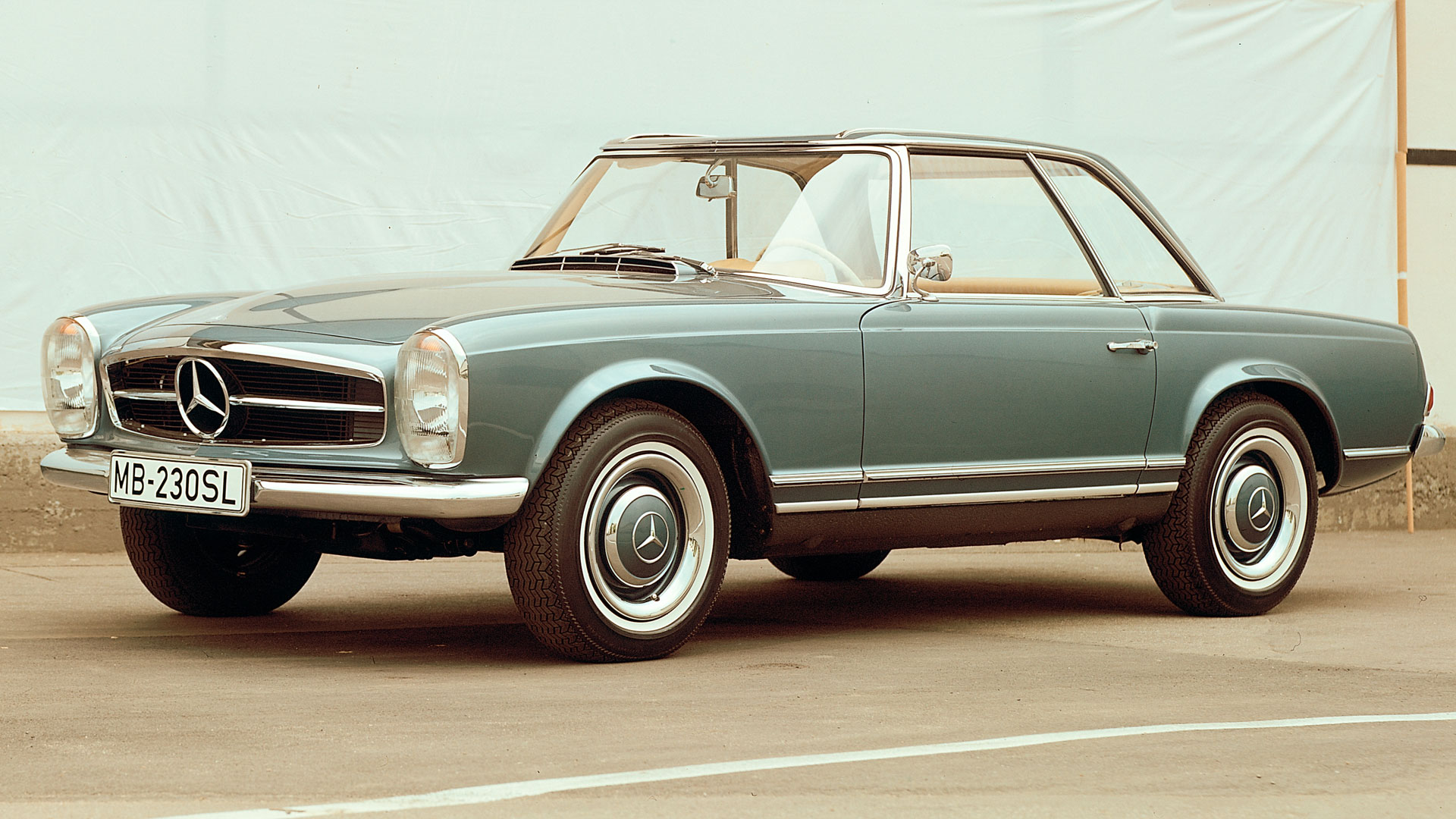
As the bank points out, past performance is not a reliable indicator of future trends, but with a valuation of €56,000 (£50,000), the value of Mercedes-Benz 230 SL ‘Pagoda’ has increased by 119.61 percent since 2005.

Mercedes-Benz 280 SL (R107)
Classic German cars

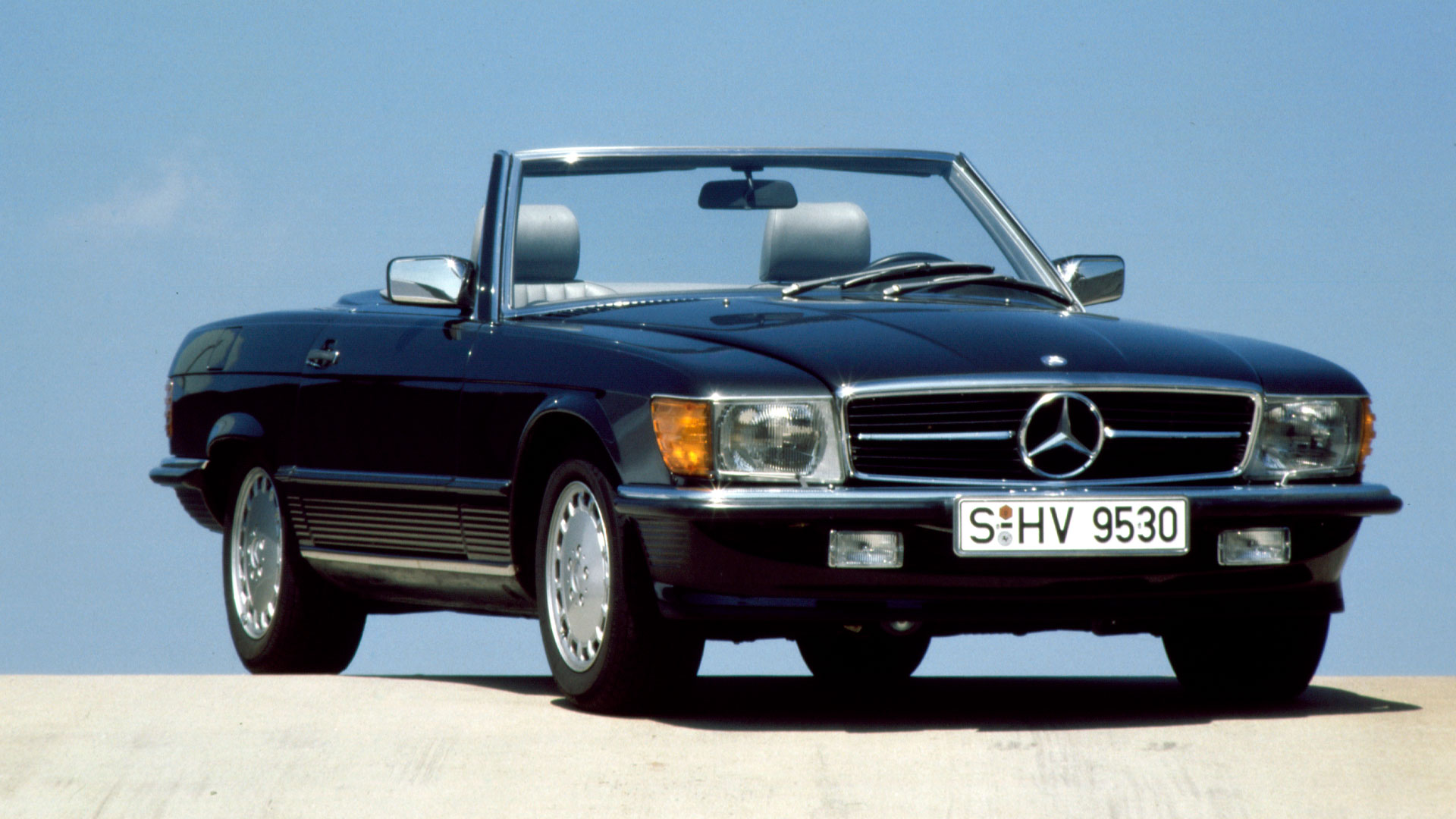
Interestingly, the German leading index DAX has risen by 148.09 percent since 2005, but the Südwestbank classic car index gained 453.98 percent in the same period. Today, a Mercedes-Benz 280 SL is worth €22,500 (£20,000) – an increase of 136.84 percent since 2005.

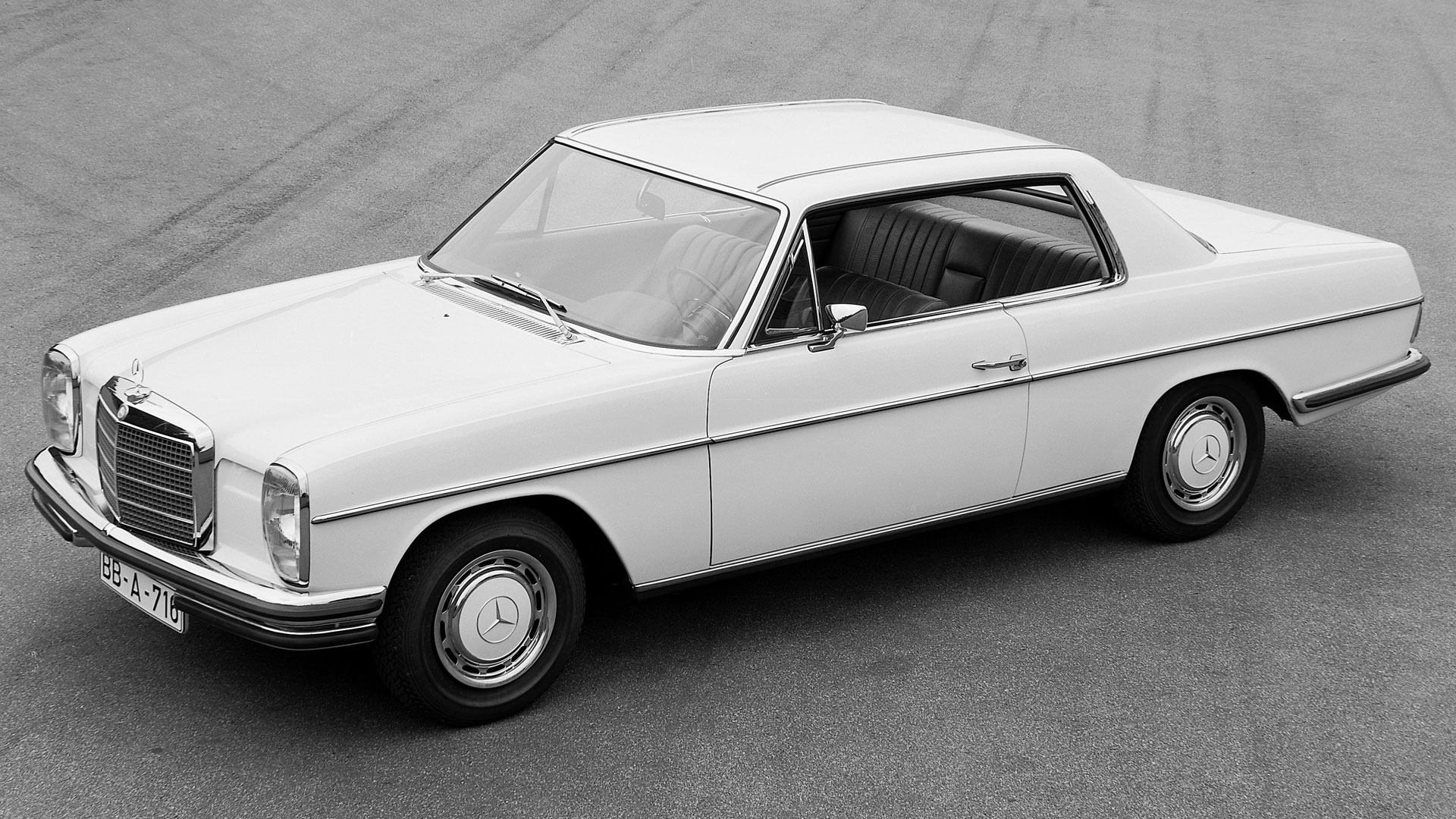
Mercedes-Benz 250 CE
Classic German cars

Jens Berner, classic car expert at Südwestbank, said: “From a return point of view, the purchase of a classic car only makes sense from a price of around 100,000 euros. So the experts of the Südwestbank advise investing in classic cars only as a mixture of the total assets.” The 250 CE is worth €12,500 (£11,000) – an increase of 151 percent.

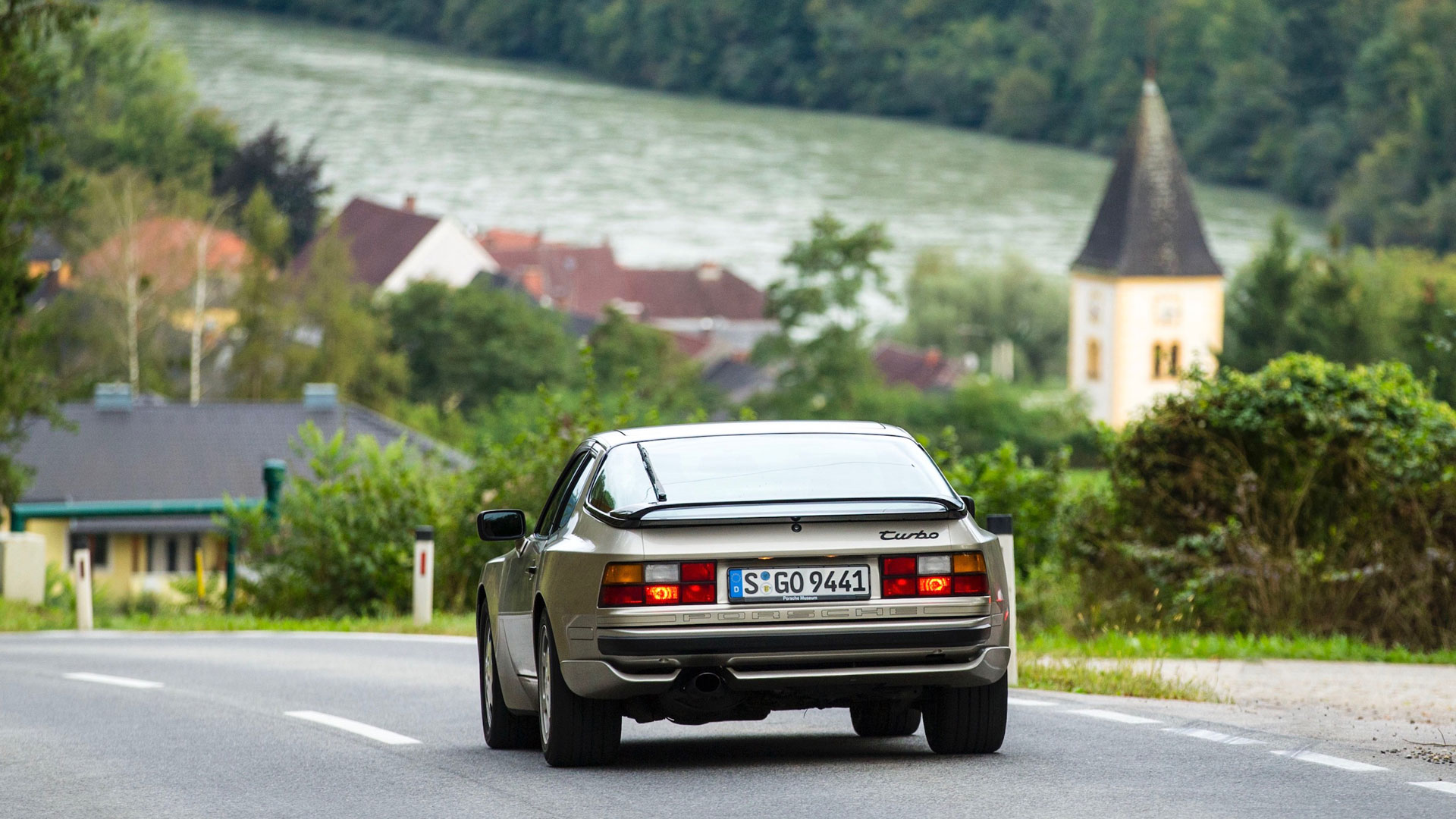
Porsche 944
Classic German cars

The Porsche 944 is one of just two cars in the classic car index to be worth less than €10,000, according to Südwestbank. That said, at €9,850 (£8,700), the 944 is still worth 181.43 percent more today than it was in 2005.

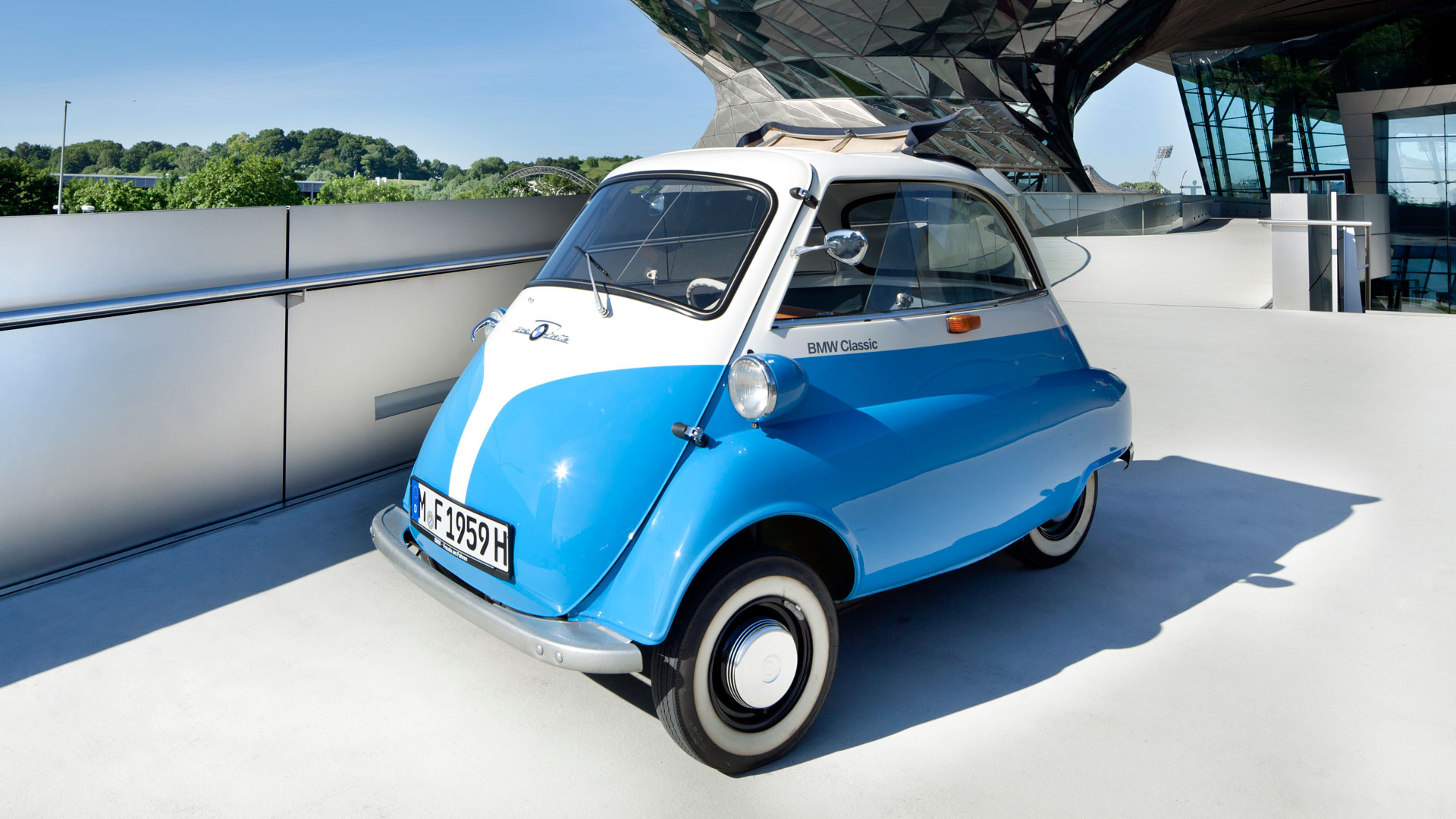
BMW Isetta 250
Classic German cars

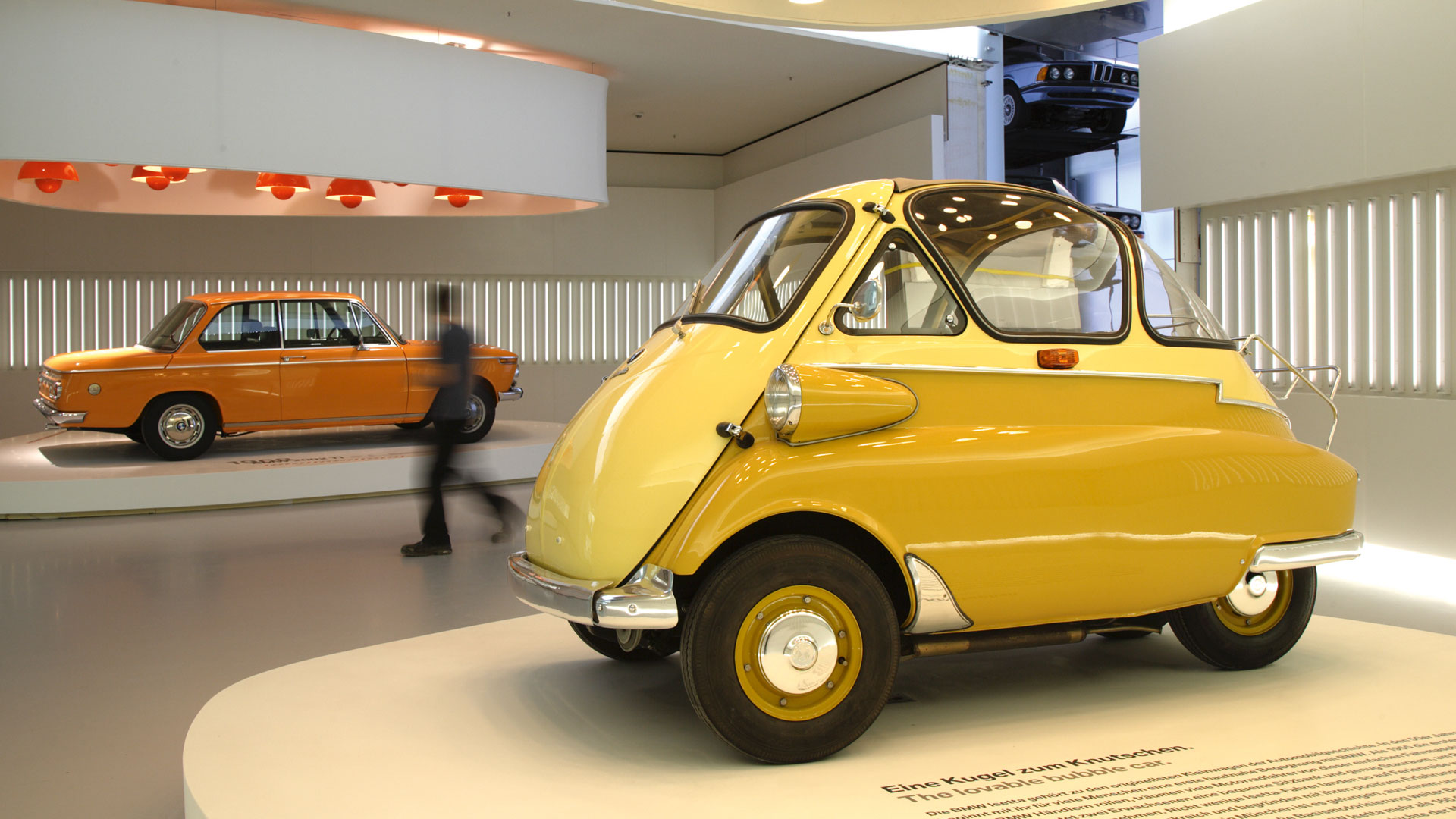
The calculation is based on an evaluation of the price data of the specialist car magazine Motor Klassik. The little BMW Isetta 250 is worth €14,800 (£13,000) today, an increase of 196 percent. Not bad for a microcar.

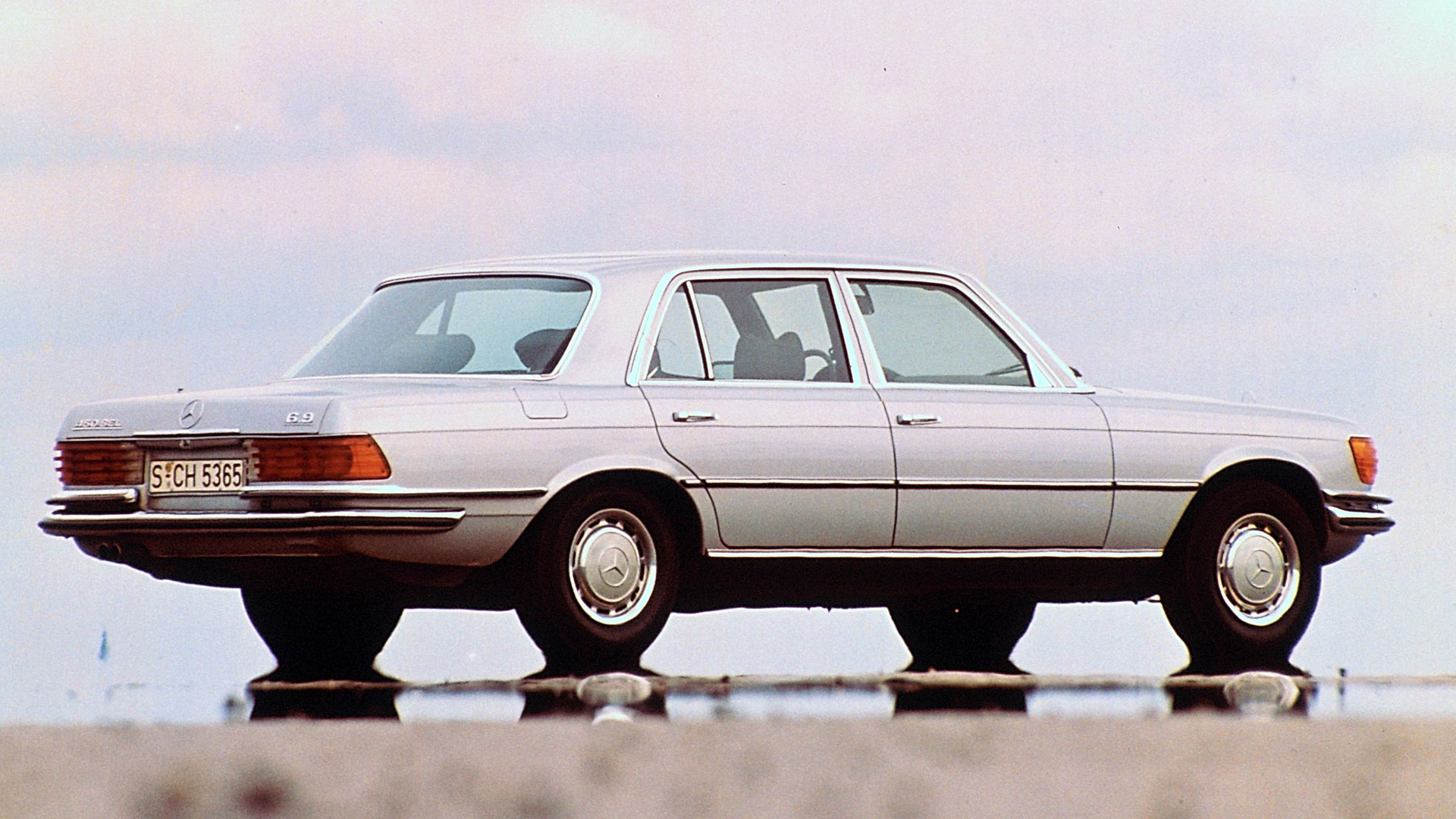
Mercedes-Benz 450 SEL (W116)
Classic German cars

In relative terms, the mighty 6.9-litre Mercedes-Benz 450 SEL remains a bargain, with an index price of €14,900 (£13,000). That’s a small price to pay for what was, at its unveiling in 1974, one of the most advanced vehicles on the planet.

Mercedes-Benz 190 SL (W121)
Classic German cars

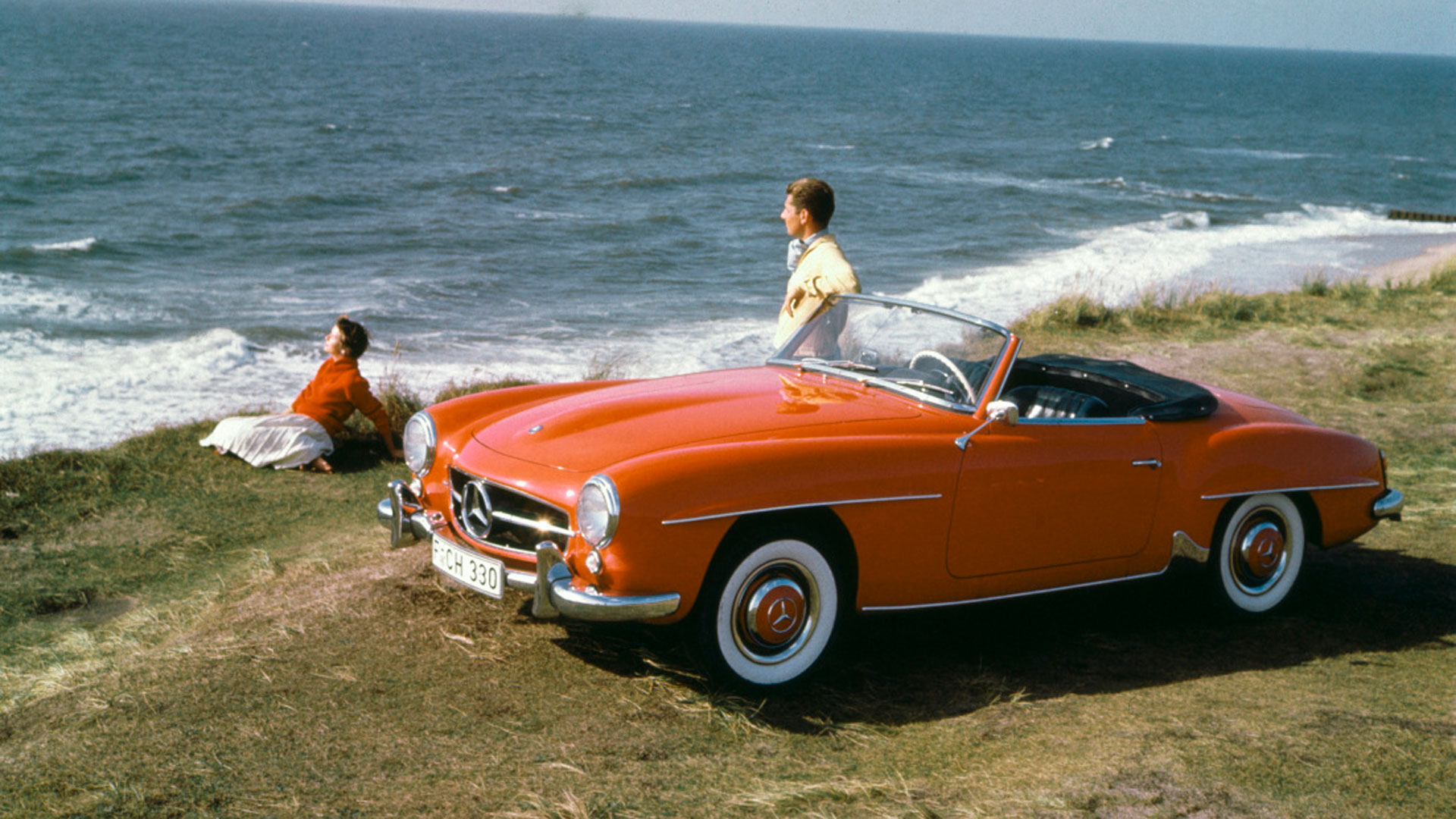
Values of the Mercedes-Benz 190 SL are hovering around the magic €100,000 mark quoted by Südwestbank as being worthy of an investment. Today, you’ll pay around €99,500 (£88,000), which is 201.52 percent more than you’d have paid in 2005.

Porsche 356 C
Classic German cars

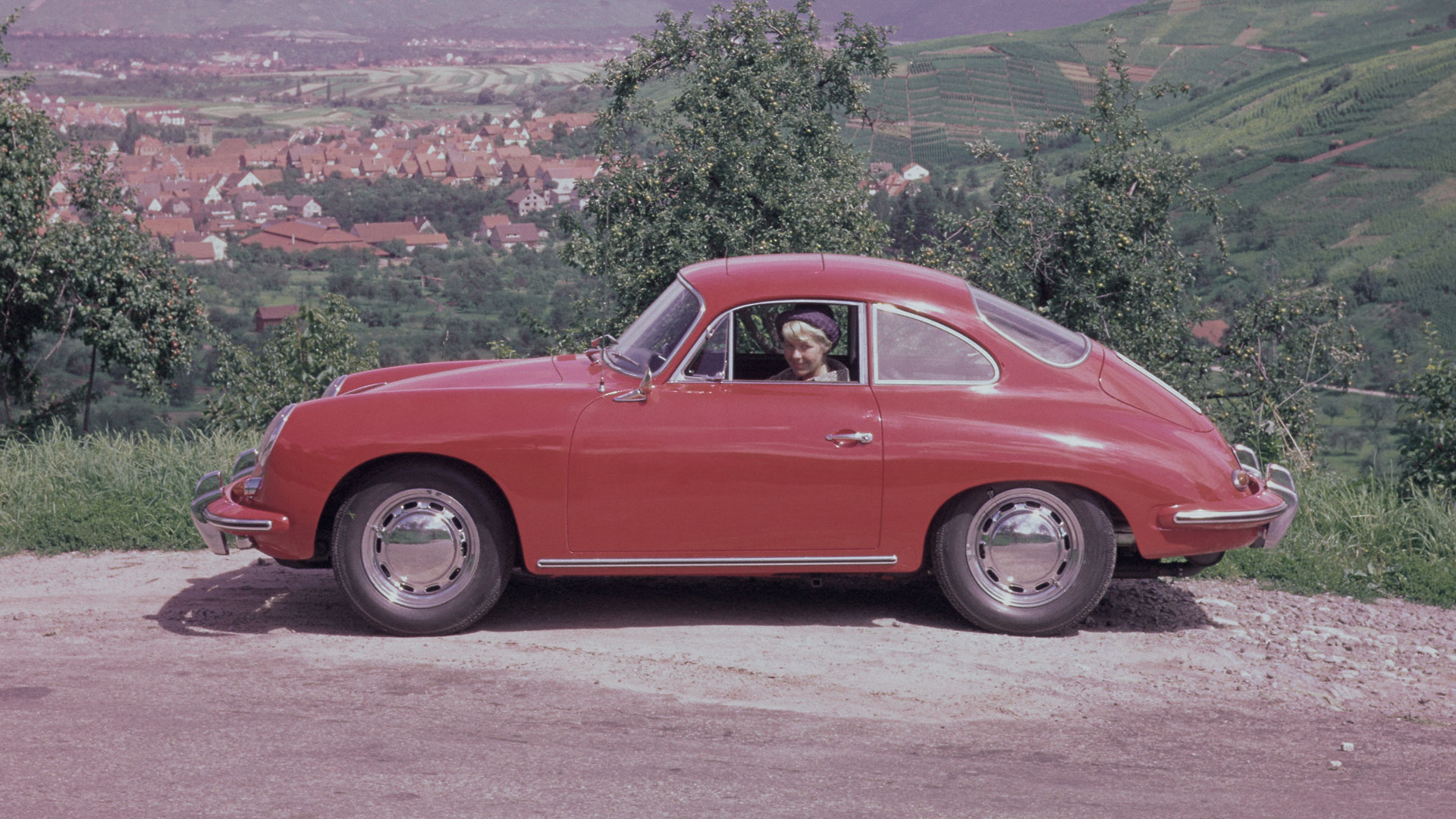
We should point out the realities of relying on a classic car to provide a decent return on your investment. Because while you can sit back and watch your stocks and shares make a mint (or not), keeping a classic car in good condition requires time, effort and cash. So while a Porsche 356 C might be worth 215.91 percent more than the price you paid in 2005, you would have splashed out on insurance, maintenance and fuel.

Opel Kadett C GT/E
Classic German cars

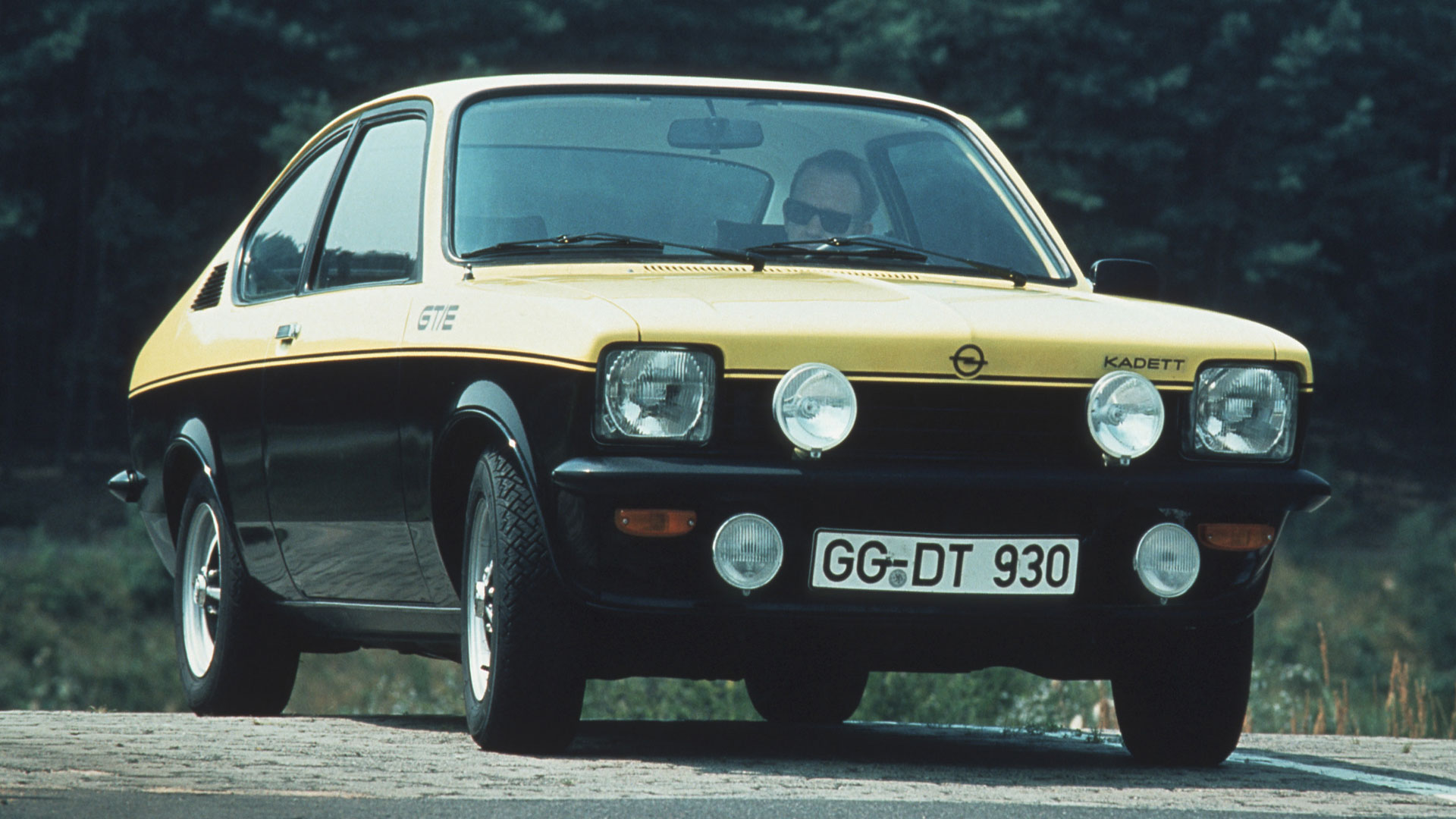
There’s also the stark reality that the bottom could fall out of the classic car market. It’s happened before and it could happen again. Meanwhile, cars like the Opel Kadett GT/E are riding on a crest of nostalgia, with modern buyers reliving their youth courtesy of the cars driven by their parents. A €12,100 (£11,000) valuation represents a 222.67 percent growth.

Porsche 911 SC 3.0
Classic German cars

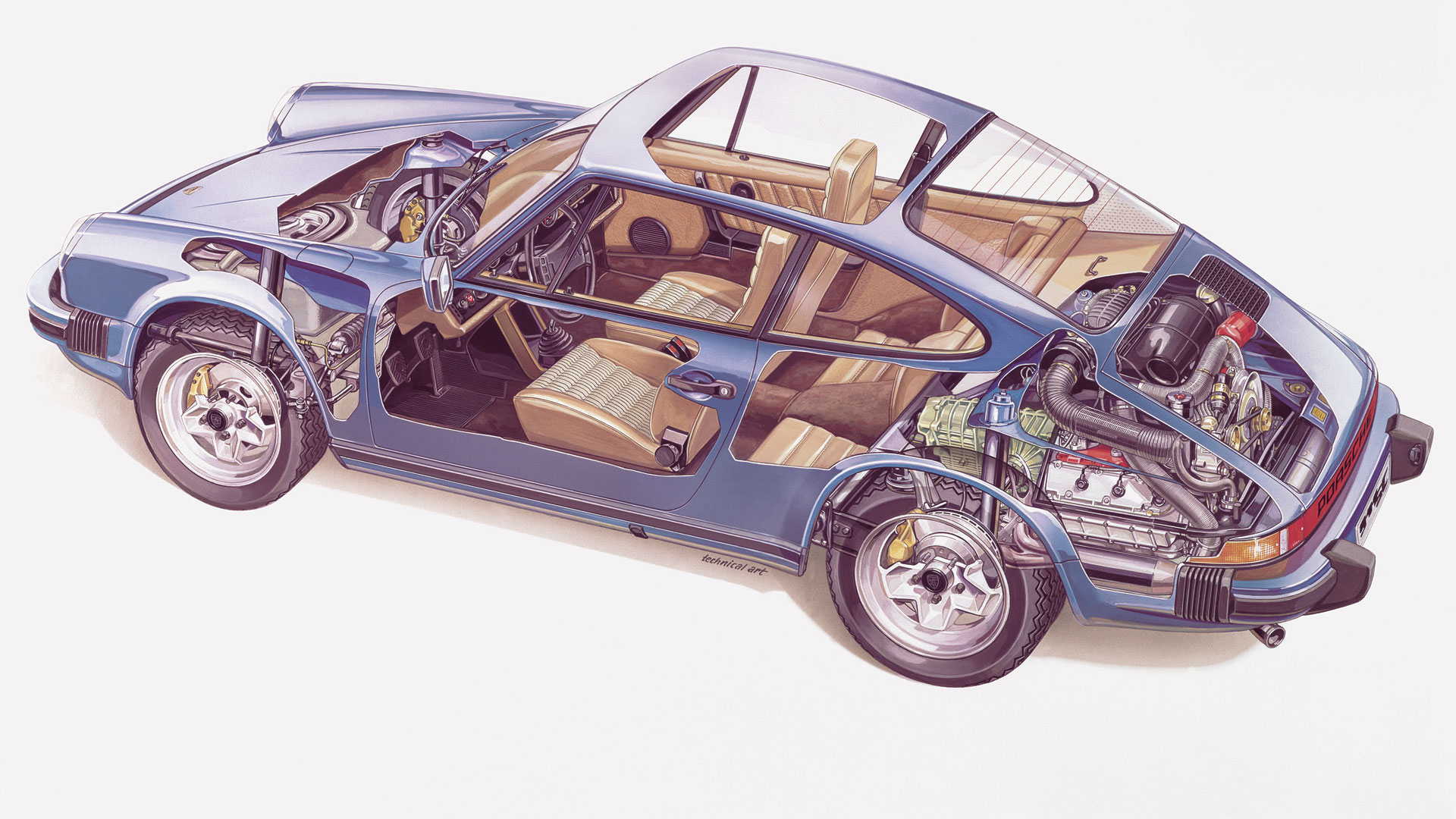
You also need the money to invest in the car, the expertise required to buy the right one, and somewhere to store the car. You’ll make the most money if the mileage is kept low. The Porsche 911 SC 3.0 from 1977 to 1980 is worth €35,500 (£31,000) – an increase of 222.73 percent.

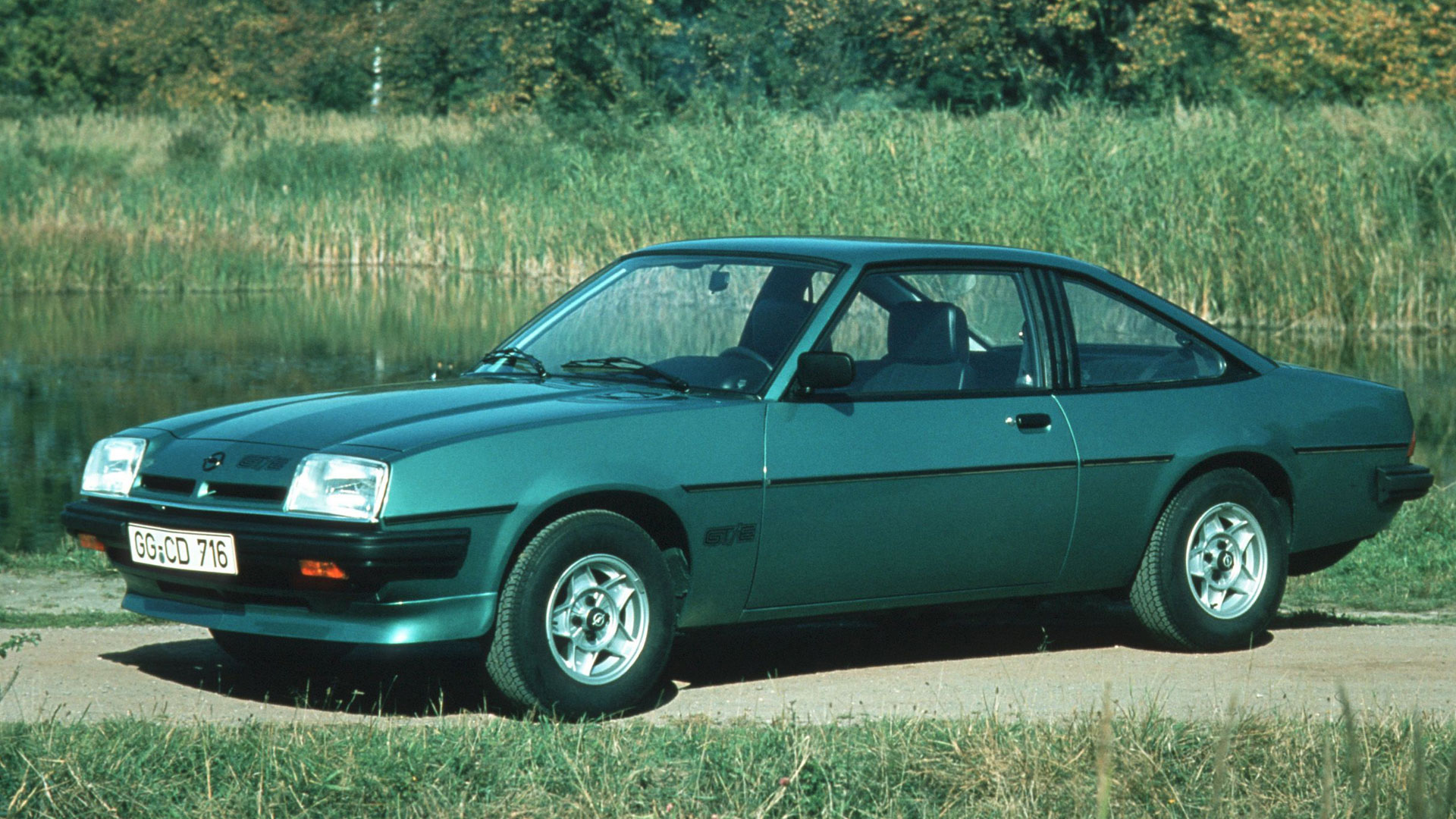
Opel Manta B GT/E
Classic German cars

The cheapest vehicle in the classic car index also happens to be one of the coolest. The second-generation Manta GT/E was Opel’s answer to the Ford Capri, and it’s worth around €8,650 (£7,700) in Germany. That’s an increase of 284.44 percent. Manta, Manta, Manta!

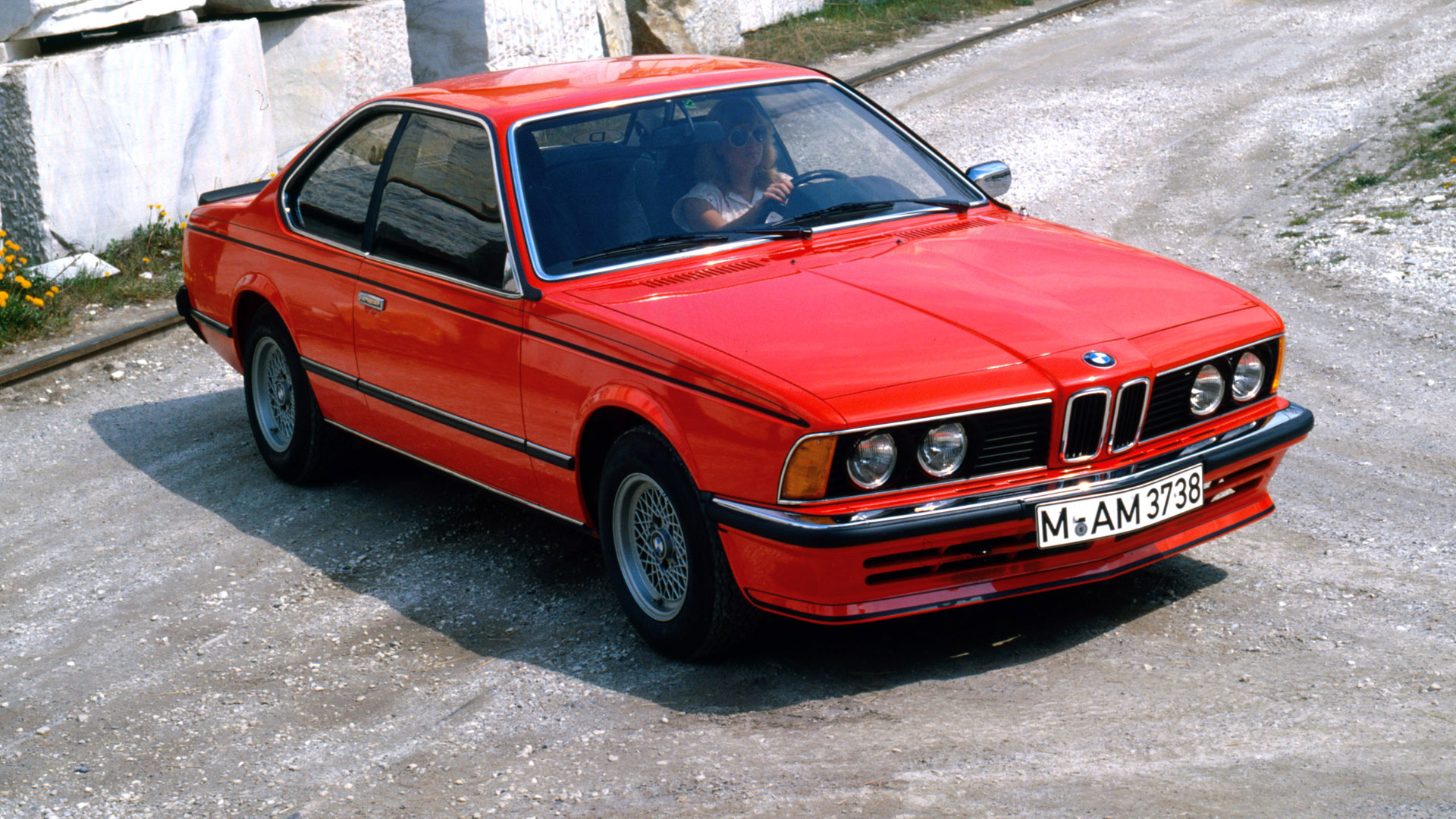
BMW 635 CSI
Classic German cars

If we could ‘do a Cher’ and turn back time, we’d definitely go back to 2005 to buy the following five cars. The value of a BMW 653 CSI has increased by 330.59 percent to €18,300 (£16,000) …

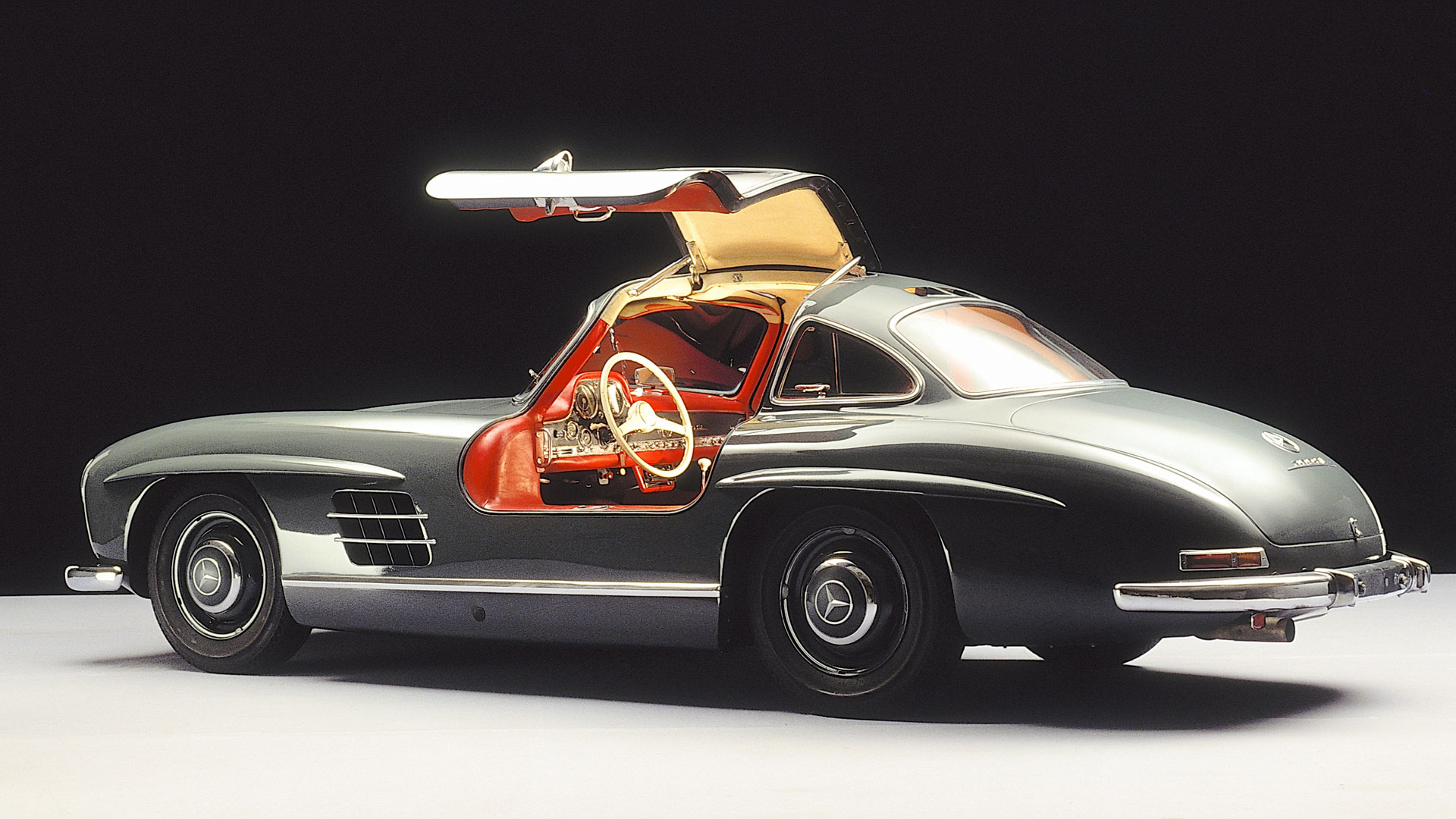
Mercedes-Benz 300 SL
Classic German cars

While you’ll pay a massive €966,000 (£850,000) for the iconic Mercedes-Benz 300 SL – an increase of 360 percent. At such a high price, is there room for further growth?

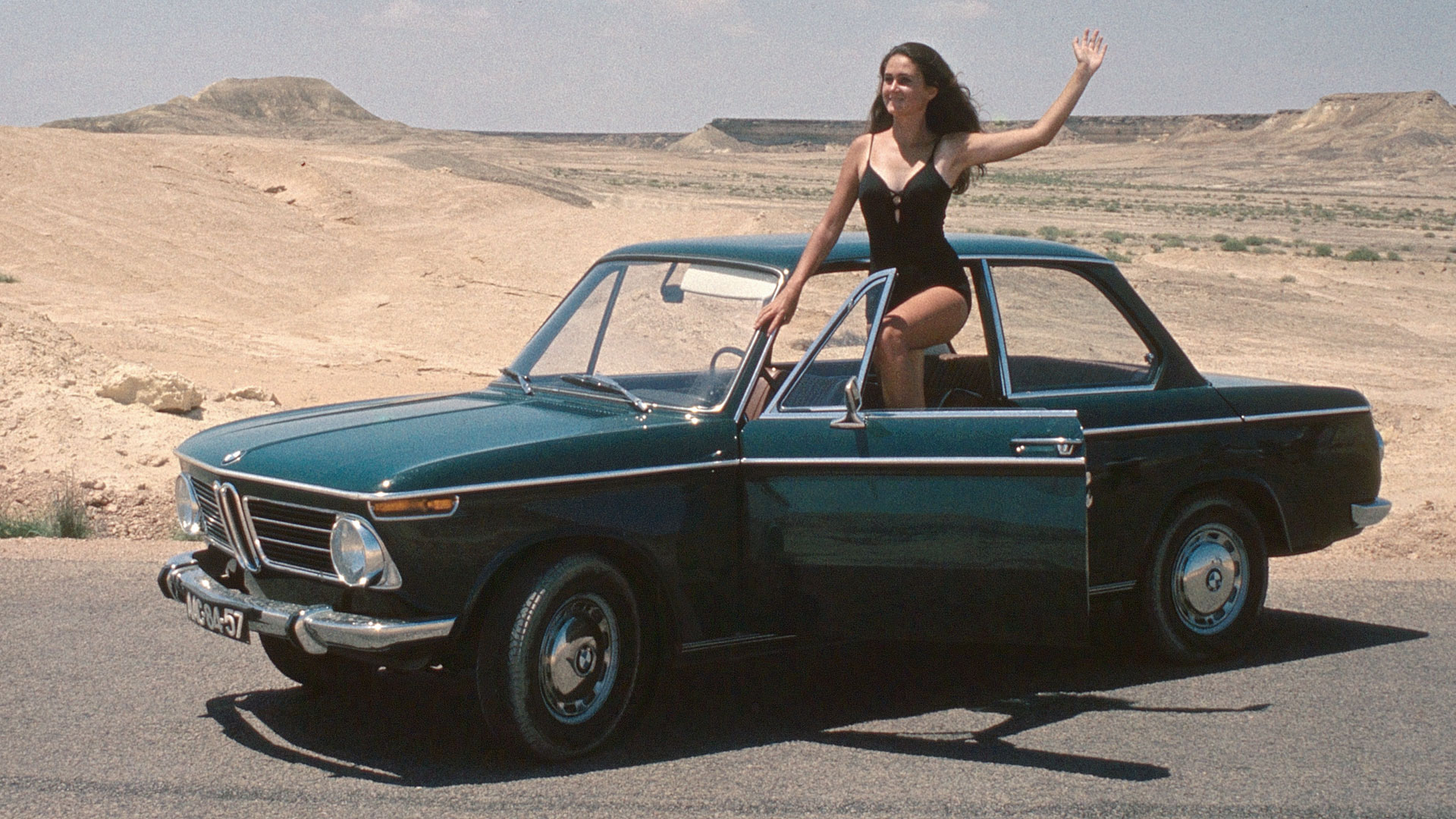
BMW 2002
Classic German cars

But while you’ll require around a million euros to secure some ‘gullwing’ action, the BMW 2002 is a tad more affordable. Furthermore, with an increase of 395 percent, the return on investment is actually better than the 300 SL.

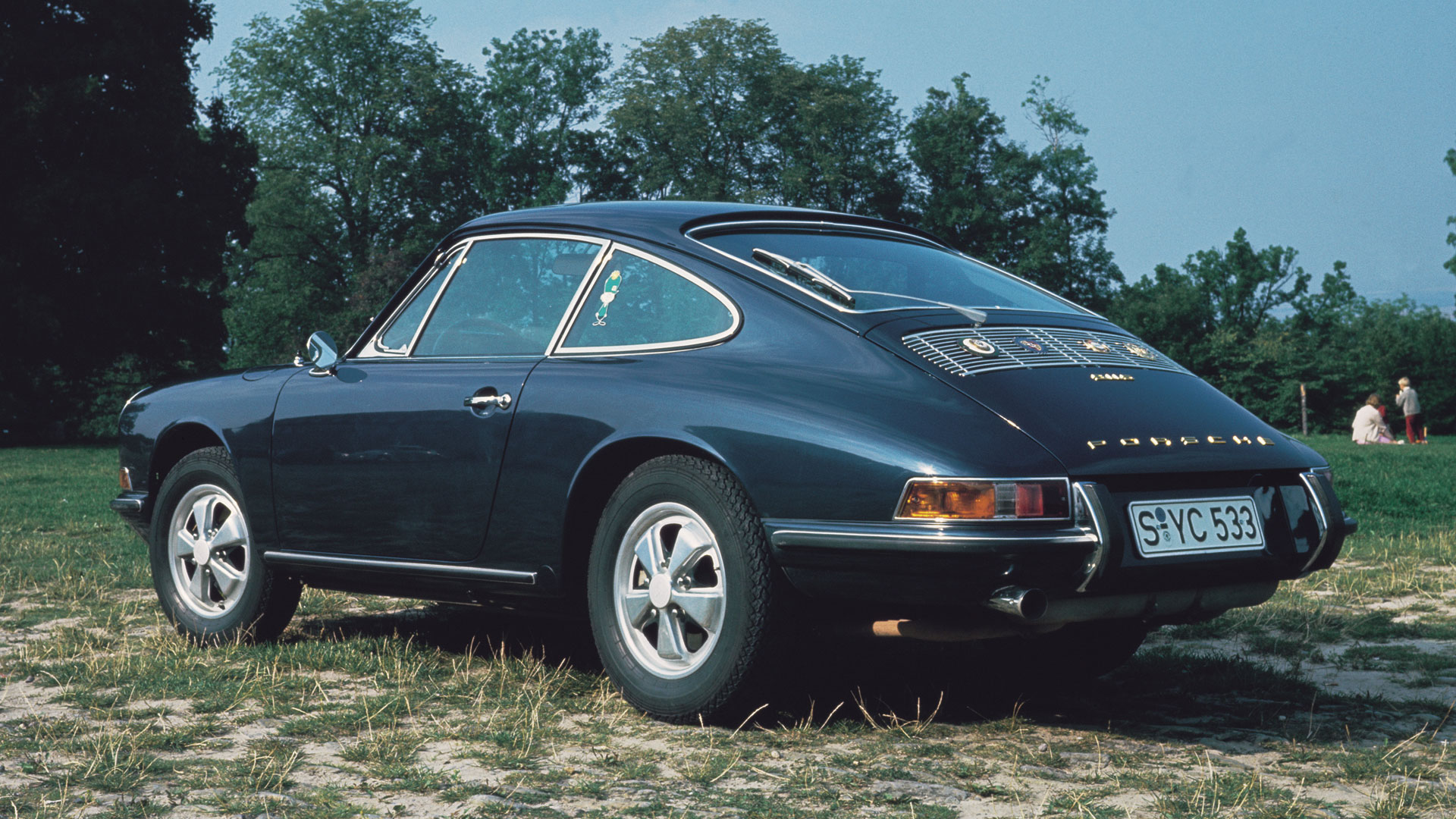
Porsche 911
Classic German cars

Like fast Fords and Peugeot 205 GTIs, the values of classic Porsche 911s have been on the rise for a while, but a 740.63 percent increase for the 911 (1964 to 1967) is eye-watering all the same.

BMW 507

Classic German cars

If you bought a BMW 507 in 2005, give yourself a pat on the back and treat yourself to a nice holiday in Bavaria. Values are up 812.70 percent since 2005, with a 507 costing around €1,725,000 (£1,500,000) in 2019.
Advertisement

Is petrolgate the new dieselgate scandal?

0

Petrolgate scandalA ‘major discrepancy’ between official petrol car CO2 emissions and real-life on-road testing has led an independent emissions testing agency to warn of an emerging ‘petrolgate’ scandal.

Emissions Analytics has discovered ‘unusual discrepancies’ during testing of petrol cars, which could suggest some firms are already manipulating strict new WLTP emissions and economy tests.

Official CO2 figures for petrol cars tested by the firm are ‘significantly underestimating the real-world emissions’. It suggests a 24 percent difference between official CO2 figures and real-world tests.

Is petrolgate the new dieselgate?

Four years ago, university researchers uncovered a similar difference when testing diesel Volkswagens, in what was quickly dubbed the ‘dieselgate’ scandal.

Ironically, real-world testing of the latest diesel cars shows they are broadly in line with official CO2 figures.


What are carmakers being accused of?

Emissions Analytics says ‘optimisation of the lab-based WLTP test has already set in, with carmakers adapting petrol vehicles to perform better in the WLTP test than they do on the road’. 

Under the tougher WLTP test, CO2 values for diesel cars tested by the firm rose over the older, discredited NEDC test, to 175g/km. This is close to the Emissions Analytics ‘real world’ average of 173g/km. 

But the figure for petrol cars actually fell to 151g/km CO2. This is far below the Emissions Analytics figure of 185g/km. 

“With the increased market share of petrol vehicles post-dieselgate, reduced CO2 emissions from these vehicles make the most impact in meeting fleet average emissions targets,” said Emissions Analytics CEO, Nick Molden

“This would make WLTP questionable as a source for gathering actionable data.”

An overly-complex switch to new WLTP economy and emissions testing is helping disguise the trend, “making it hard for any consumer to know what to believe,” added Molden.

Manufacturers may have got their house in order over diesel, he said, but “the same cannot be said for petrol.

“The reasons for this discrepancy bring back worrying echoes of the previous, discredited official rating system.”


Customer confusion

Official fuel economy and CO2 figures are in a “confusing phase” as car makers switch from the old NEDC test to the new WLTP test.

All new cars sold should now be certified to the latest WLTP test. Published fuel economy figures are based on the WLTP test.

Bizarrely, though, average CO2 figures are still based on the old, far more lenient NEDC test – and are not due to switch over until 2021.

“Unquestionably, this means the system is still open to manipulation,” said Molden. It “leads to consumer confusion, which is hardly what you might expect almost four years on from dieselgate.”

Molden says independent real-world testing of new car economy and emissions is “urgently required to address the shortfalls of the testing framework”.

Advertisement

Volvo wants to make cars safer for cyclists

0

Volvo testing helmets for cyclist safety

As part of its vision to ensure that nobody receives more than light bruising on the roads of the world, Volvo is turning its attention to the safety of cyclists.

The carmaker is collaborating with Swedish sports and safety brand POC to conduct a series of crash tests of bike helmets against cars. This groundbreaking research aims to further protect cyclists, it says.

Accidents involving cars and bikes often lead to serious injury or death, which is why Volvo has invested so much in the safety of road users on two wheels. Its cyclist detection system with full auto brake uses cameras and radars to detect cyclists, warning the driver and applying the brakes if necessary.

Bike helmet safety testing in Gothenburg

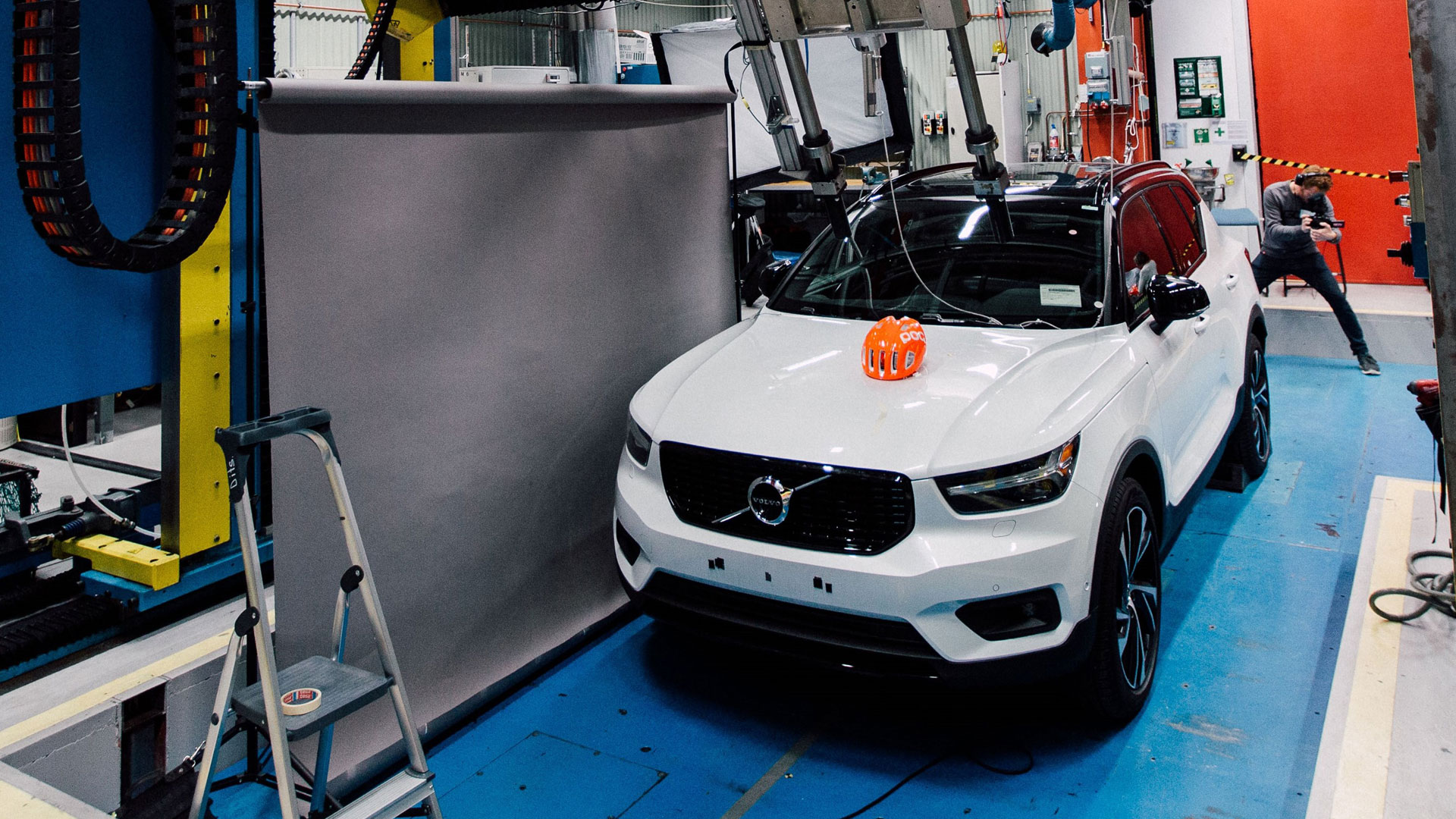
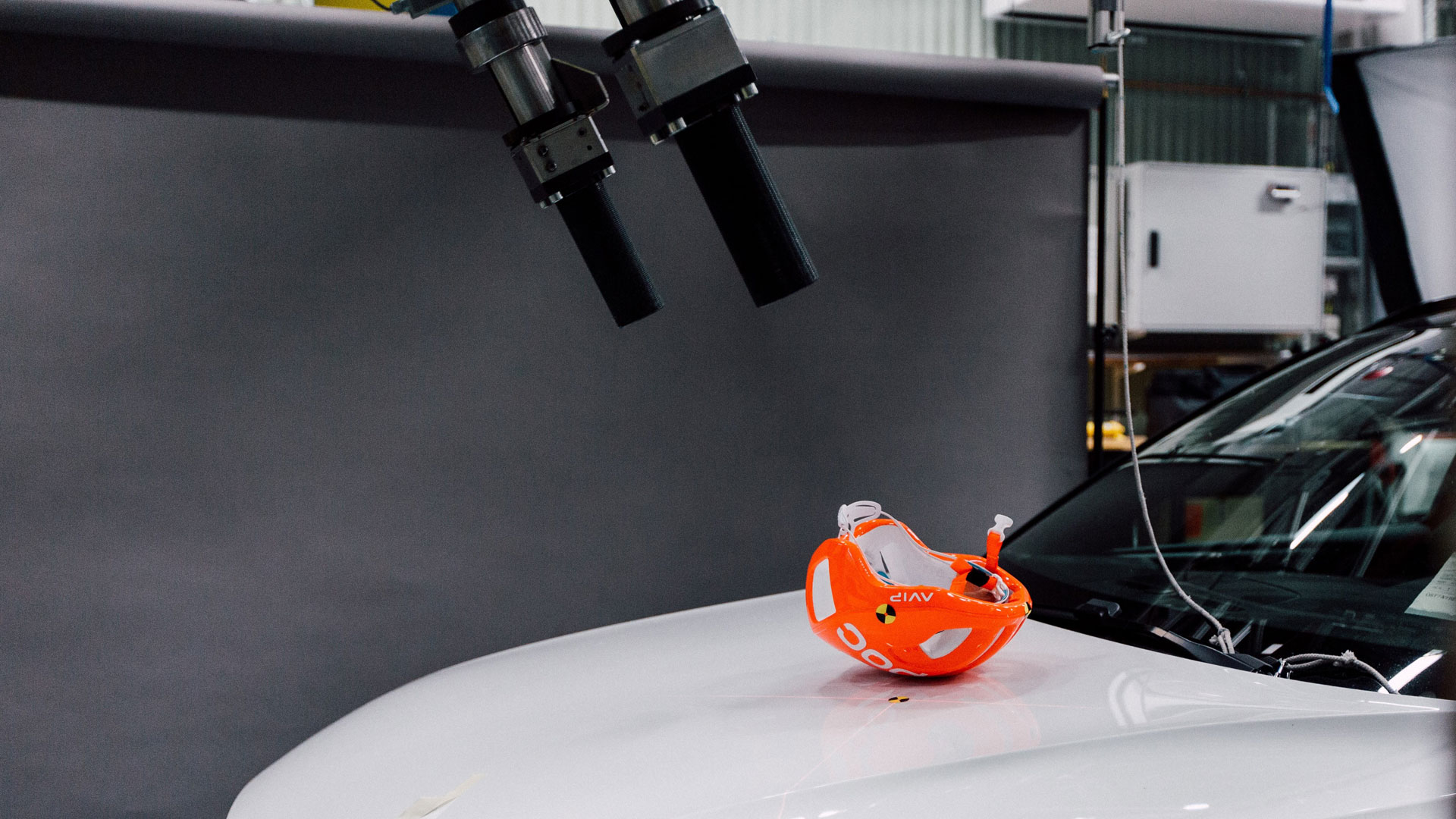
These new tests will be conducted in Gothenburg, where crash dummies wearing POC bike helmets will be launched at different areas of a Volvo’s bonnet. Different speeds and angles will be used for various measurements.

Current bike helmet testing procedures are “fairly rudimentary”, says Volvo, “involving helmets being dropped from different heights on either a flat or an angled surface, and do not take into account vehicle to bike accidents”.

Previously, Volvo has worked with POC on a pilot to connect cycle helmets with cars in an attempt to avoid accidents.

‘We go beyond ratings’

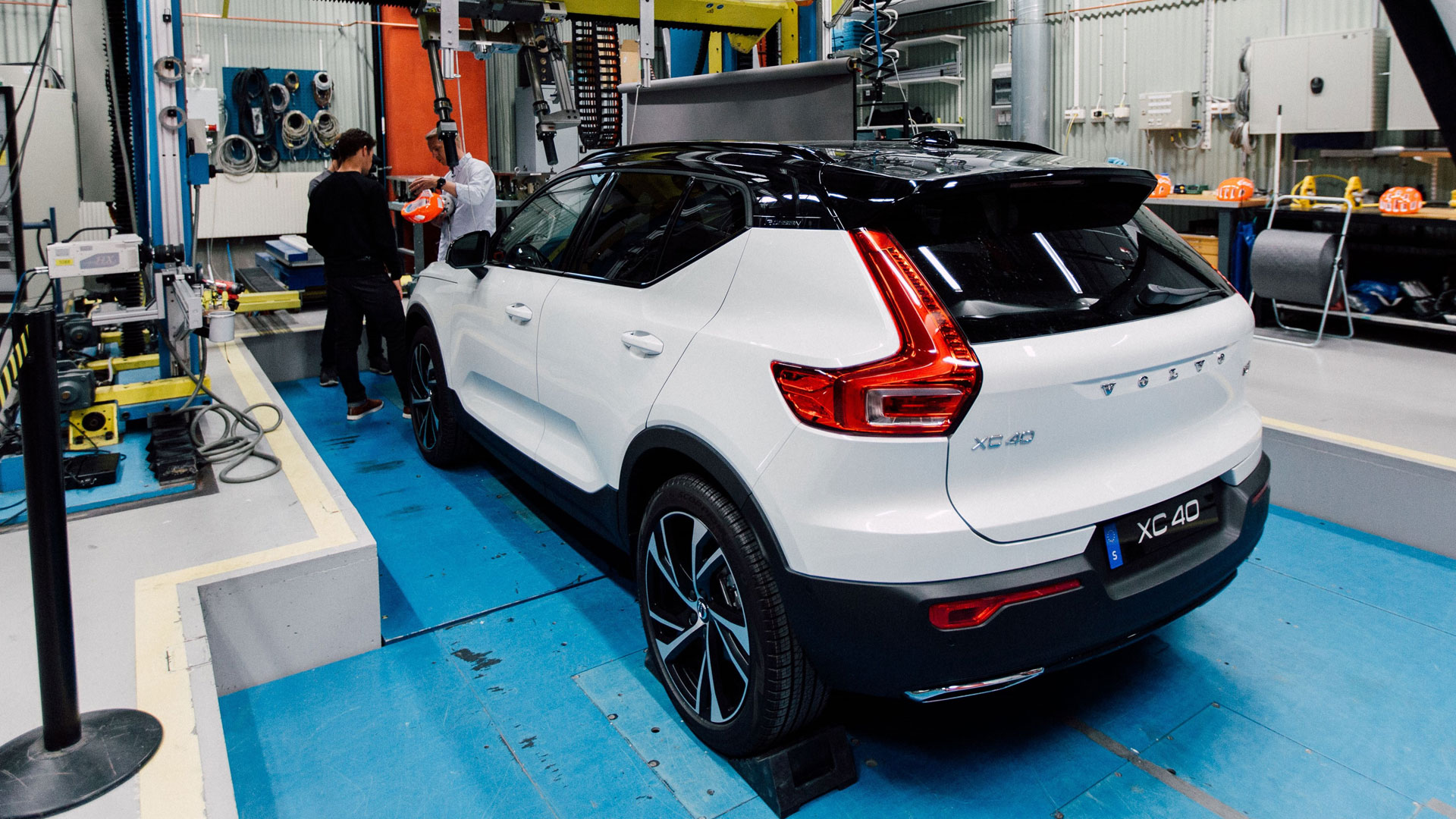
Volvo XC40 cyclist safety

Malin Ekholm, head of Volvo’s safety centre, said: “We often develop new testing methods for challenging traffic scenarios. Our aim is not only to meet legal requirements or pass rating tests. Instead, we go beyond ratings, using real traffic situations to develop technology that further improves safety.”

Oscar Huss, head of product development at POC, added: “By working closely with scientific leaders in the POC Lab we strive to lead the way in introducing new safety ideas.

“Certification standards are essential, but they should never limit our willingness to look beyond their parameters to find better and more innovative ways to reduce the consequences of accidents.”

It is hoped that the test results will enable POC to design and manufacturer safer cycle helmets while providing Volvo with valuable insight into how car bonnets and bumpers should be designed.

Advertisement

Toyota and Subaru to develop new electric car platform

0

Toyota and Subaru to develop electric car

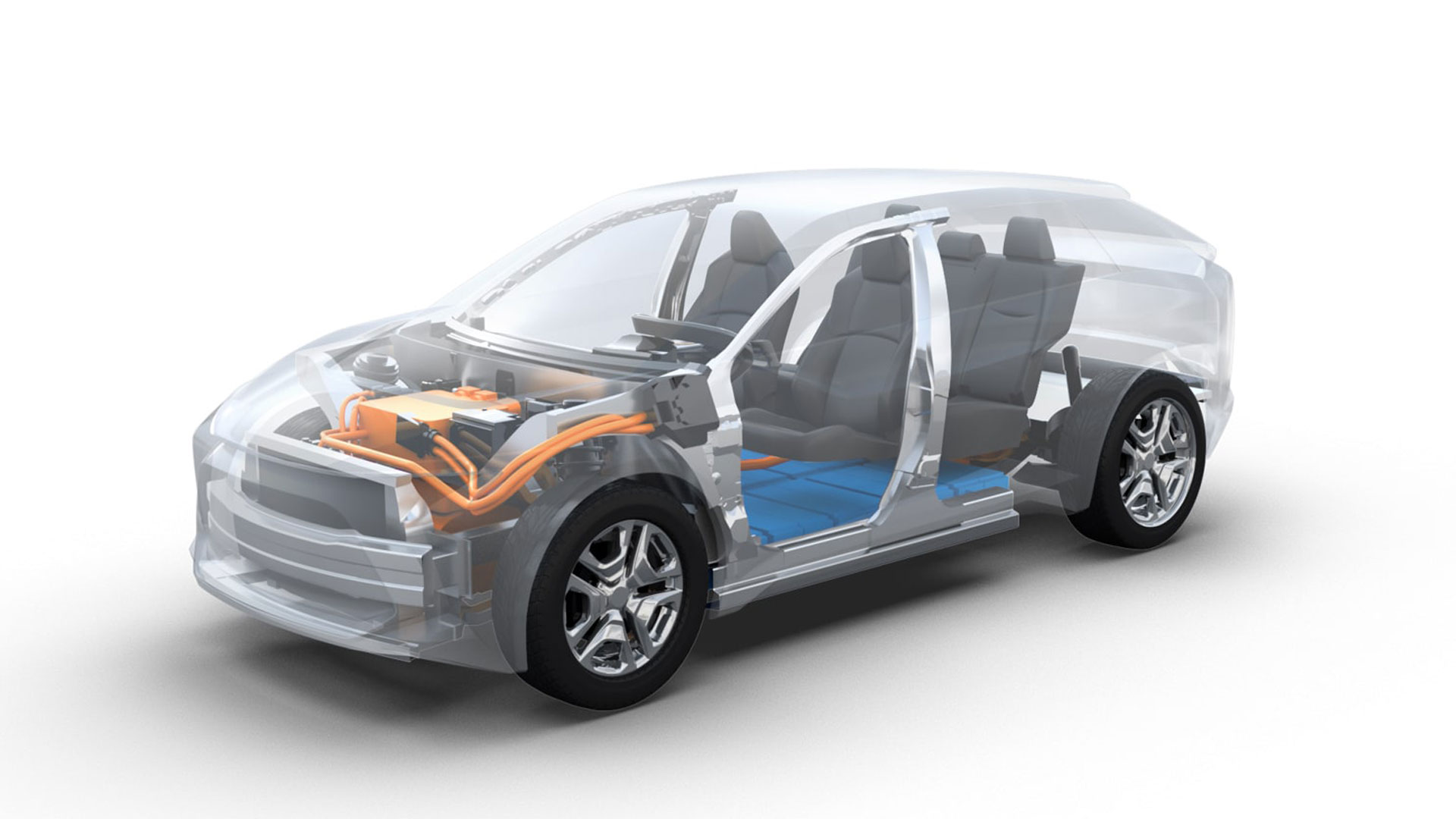
Toyota and Subaru have agreed to jointly develop a new all-electric platform for mid-size and large passenger vehicles.

In a statement, Toyota said the “two companies will apply Subaru’s all-wheel-drive technologies and Toyota’s vehicle electrification technologies”.

The Japanese companies signed an agreement in 2005, with the joint development of the Toyota GT86 and Subaru BRZ the most high-profile result of the partnership.

Toyota said both companies “are required to conduct technological development with a sense of speed across a broader-than-ever spectrum of initiatives”, with all-electric vehicles and self-driving cars requiring a huge amount of investment.

Subaru Crosstrek Hybrid

Subaru used Toyota’s plug-in hybrid knowledge during the development of the Crosstrek Hybrid in the United States, but is in desperate need of an all-electric vehicle ahead of the expected surge in demand for EVs.

It also needs to mirror its success in the US with stronger sales in Europe. Subaru of America sold 680,135 vehicles in 2018 – its best-ever year – with its Indiana plant producing its fourth millionth car in April 2019. 

Toyota has been at the forefront of the hybrid and plug-in hybrid sectors since the launch of the Prius in 1997, but it has fallen behind its key rivals in the race to bring all-electric vehicles to the market.

‘Crossing over industrial boundaries’

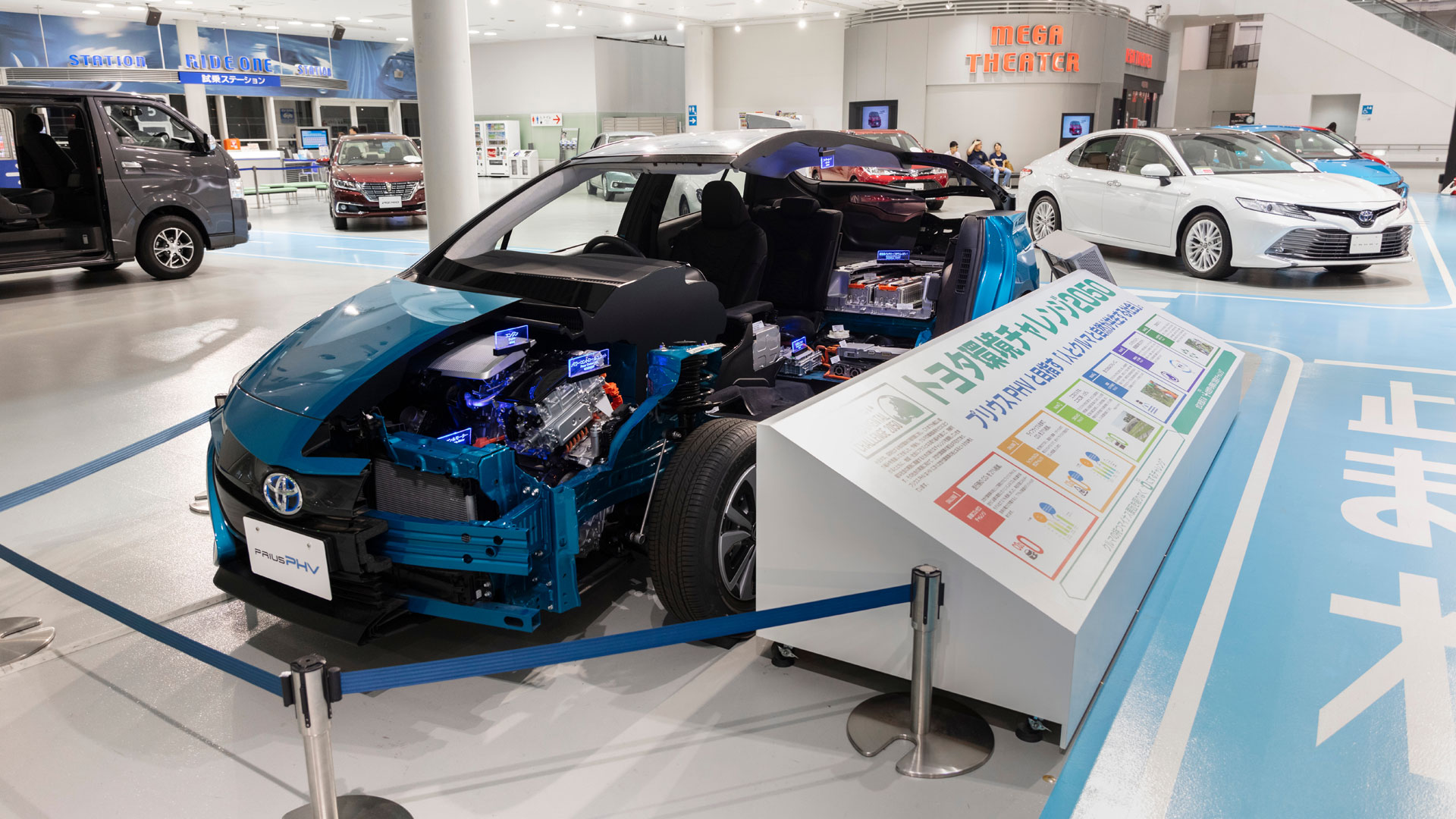
Toyota Prius PHV cutaway

“It is necessary to pursue a business model that goes beyond convention, crossing over industrial boundaries together with various types of other entities that share their aspirations”, said Toyota in a statement.

Subaru added: “Following this agreement with Toyota, Subaru will now shift its existing BEV (battery electric vehicle) development resources to this new joint project. Within this new framework, Subaru will continue its efforts to create an attractive BEV SUV for our customers, while improving efficiencies in terms of engineering, development, purchasing, and other areas through the new joint project.”

The platform will accommodate multiple vehicle types, including C- and D-segment class saloons and SUVs, with the first vehicle expected to be a C-segment SUV sold under each company’s own brand.

ALSO READ

Jaguar F-Pace 300 Sport and Chequered Flag special editions revealed

Jaguar UK sales boom thanks to E-Pace SUV

Ford Ranger Raptor off-road in Morocco

Advertisement

Londoners facing blanket 20mph speed limit

0

Plans to introduce 20mph speed limit in central London

A consultation on plans to introduce a 20mph speed limit in central London has been launched by Transport for London (TfL).

If the scheme goes ahead, 20mph limits would be introduced along 5.5 miles of main roads, including Millbank, Albert Embankment, Victoria Embankment and Borough High Street. The limit would apply to all roads within the Congestion Charge Zone (CCZ), plus Aldgate Gyratory, which is on the boundary of the CCZ, rather than in it.

Lower speed limits are “vital to protect people walking, cycling and riding motorcycles”, said TfL.

Along with 20mph speed limit signs and road markings, TfL plans to raise the height of pedestrian crossings in seven high-risk locations, while speed cameras within the CCZ will be adjusted to 20mph. An army of mobile speed cameras will be deployed to keep drivers in line.

In 2017/18, 155,729 motorists were ‘processed’ by the Metropolitan Police for speeding-related offences, including 42,771 on 20mph limit roads. 

‘The evidence is clear’

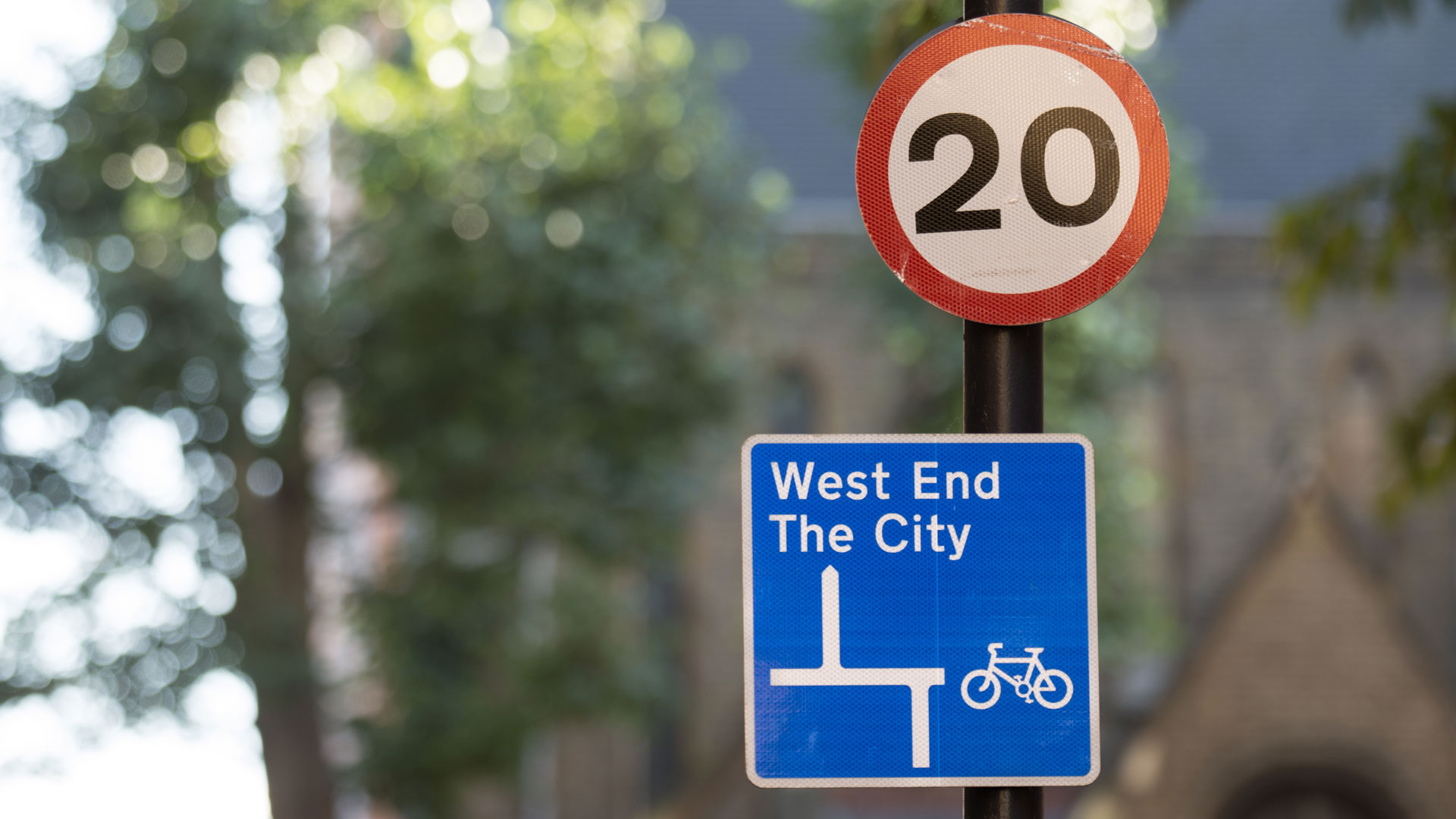
20mph speed limit sign

Mayor of London Sadiq Khan said: “Each year more than 4,000 people are killed or seriously injured on London’s streets. The evidence is clear – lowering speeds on the most dangerous roads saves lives.

“The proposed 20mph speed limit on TfL roads within the Congestion Charge Zone and at Aldgate Gyratory will protect people walking and cycling and other road users in the busiest part of the capital.”

Over the next five years, TfL is proposing to introduce lower speed limits across 93 miles of its road network to “reduce road danger and save lives”.

Stephen Edwards, director of policy and communications at Living Streets said: “It’s vital that people realise the facts around 20mph. If a pedestrian is struck by a vehicle at 20mph they have a 97 percent chance of survival. This reduces with every mile driven faster.

“Living Streets champions a change in legislation to set 20mph as the default speed limit in built-up areas. Lower speeds are an essential part of liveable neighbourhoods. The consultation and implementation plan TfL have devised are a great step forward for London.”

Which roads are included in the 20mph proposal?

Speedcurb camera on Millbank in Westminster

  • Albert Embankment
  • Lambeth Palace Road
  • Lambeth Bridge
  • Millbank
  • Victoria Embankment
  • Upper Thames Street
  • Lower Thames Street
  • Tower Hill
  • Aldgate Gyratory including Leman Street, Prescot Street, Mansell Street, Minories and Goodman’s Yard
  • Borough High Street
  • Great Dover Street
  • Blackfriars Road
  • Part of Druid Street (between Tower Bridge Road and Crucifix Lane)
  • Crucifix Lane
  • Part of Bermondsey Street (between Crucifix Lane and Tooley Street)
  • Part of Queen Elizabeth Street (between Tooley Street and Tower Bridge Road)

Londoners have until 10 July to take part in the public consultation. 

Advertisement

Cruise ships more polluting than 260 MILLION European cars

0

Cruise ships more polluting than ALL European cars

Ships operated by the world’s largest luxury cruise operator emitted nearly 10 TIMES more sulphur oxide (SOx) around Europe’s coastline than all 260 million European cars in 2017.

Carnival Corporation, which operates 47 cruise ships, is the worst offender, followed by Roya Caribbean Cruises, the second largest operator, which emits SOx levels four times worse than the European car fleet.

This report by Transport & Environment revealed that Spain, Italy and Greece are the countries most at risk, followed by France and Norway. As major tourist destinations, these countries are exposed to dangerous levels of SOx air pollution from cruise liners, but less stringent marine sulphur fuel standards allow ships to burn the most sulphurous fuel along their coasts.

Aurora cruise ship Southampton

Closer to home, Southampton is named as the fifth most cruise ship-polluted European port, behind Barcelona, Palma Mallorca, Venice and Civitavecchia.

Some of the figures are startling. In Marseille, for example, the Transport & Environment report found that 57 cruise ships emitted as much nitrogen oxide (NOx) as one-quarter of the city’s 340,000 passenger cars in 2017.

In Norway, Denmark, Greece, Croatia and Malta, a handful of cruise ships are responsible for more NOx than the majority of their domestic car fleets.

Europe should implement a zero-emissions port standard, says the report, along with extending the emission control areas currently in place only in the North and Baltic Seas and the English Channel. 

‘This is unacceptable’

Costa Magica cruise ship Stockholm

Faig Abbasov, shipping policy manager at Transport & Environment, said: “Luxury cruise ships are floating cities powered by some of the dirtiest fuel possible. Cities are rightly banning dirty diesel cars but they’re giving a free pass to cruise companies that spew out toxic fumes that do immeasurable harm both to those on board and on nearby shores. This is unacceptable.“

“There are enough mature technologies to clean up cruise ships. Shore-side electricity can help cut in-port emissions, batteries are a solution for shorter distances and hydrogen technology can power even the biggest cruise ships. The cruise sector [is] apparently not willing to make the shift voluntarily, so we need governments to step in and mandate zero emissions standards.”

The Carnival Corporation brand portfolio includes Princess Cruises, Holland America Line, Seabourn, Cunard, AIDA Cruises, Costa and P&O Cruises. It also operates 25 ships under its own brand and carried over 4.7 million guests in 2016 – the most of any individual cruise brand.

Princess Cruises Bahamas

In 2016, Princess Cruises agreed to pay a $40 million penalty for illegally dumping oil-contaminated waste into the sea and attempts by employees to cover it up.

But the operator continued to pollute the seas, including the discharging of plastic into waters in the Bahamas. On Monday, Carnival and Princess were ordered to pay an additional $20 million penalty, reports the New York Times.

The company said: “Carnival Corporation remains committed to environmental excellence and protecting the environment in which we live, work and travel. Our aspiration is to leave the places we touch even better than when we first arrived.”

Advertisement

Drivers demand tougher penalties for mobile phone use

0

Calls for increased penalties for using phone while driving

A poll by car supermarket Motorpoint found that 86 percent of motorists want penalties for those using their phone behind the wheel increased.

At present, you can expect at a minimum £200 on-the-spot fine and six points on your licence if caught. This – more severe – punishment was introduced in March 2017.

New drivers face an instant ban if they’re caught using a phone while driving.

Calls for increased penalties for using phone while driving

Further penalties are possible if the case is taken to court or if there are related offences. You can get a maximum fine of £1,000 and a driving ban if the case goes to court.

The issue has hit the headlines again thanks to former England footballer David Beckham. He was recently banned for six months and fined £750 for using his mobile phone while drivers in London. He joins more 8,000 motorists each year with a similar conviction.Calls for increased penalties for using phone while driving

“The dangers of using your mobile phone while driving are well-documented, but even though the penalties for doing so have been toughened up in recent years, they don’t seem to be proving a sufficient deterrent based on recent statistics – even with the widespread availability of integrated hands free technology in most cars,” said Mark Carpenter, MD of Motorpoint.

“It’s clear from the results of our new poll that other road users would like to see more powers given to the authorities to ensure the message gets through to drivers that holding your mobile phone while behind the wheel is simply no longer acceptable in 2019 and anyone who continues to do so can expect to receive even harsher punishments.”

Advertisement

Jaguar XE SV Project 8 Touring is a Q-car collectable

0

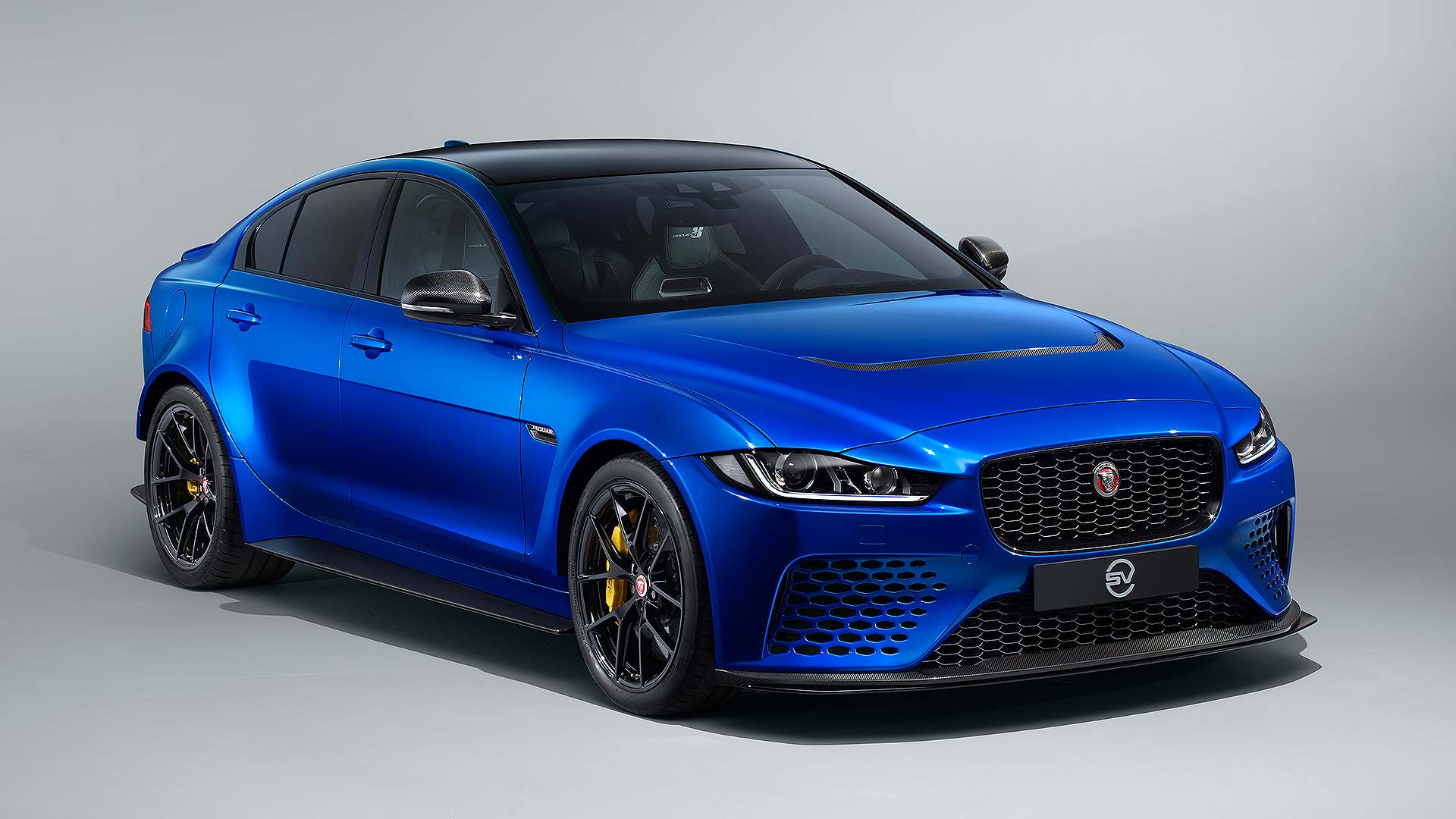
Jaguar XE SV Project 8 TouringThe Jaguar XE SV Project 8 is the most extreme iteration of XE on sale – but for some, it seems the performance four-door might be just a little too on the wild side.

For such shy and retiring types, Jaguar has launched a limited run of ‘discreet’ Project 8, with a smaller rear wing, more subtle colour options – and no garish body graphics.

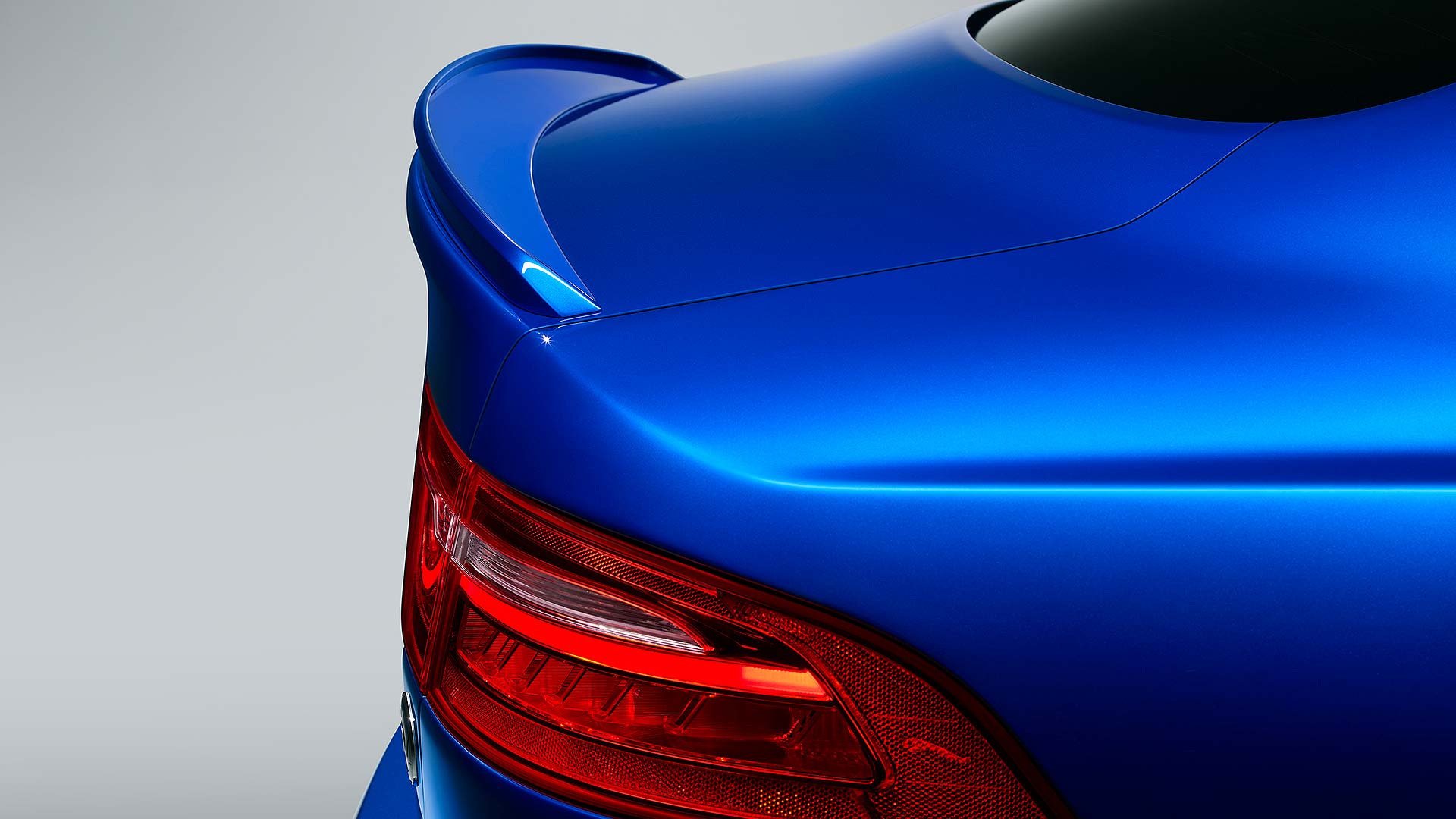
Out goes the adjustable carbonfibre rear spoiler and in comes a fixed Gurney-type device – balanced by a fixed front splitter instead of the full-fat adjustable one.

Jaguar XE SV Project 8 Touring

Only 15 Jaguar Project 8 Touring will be built, making them the rarest of all the £149,995 race-honed performance saloons. Each will come in four-seat configuration, with a choice of four colours:

  • Valencia Orange
  • Velocity Blue
  • Corris Grey Satin
  • British Racing Green

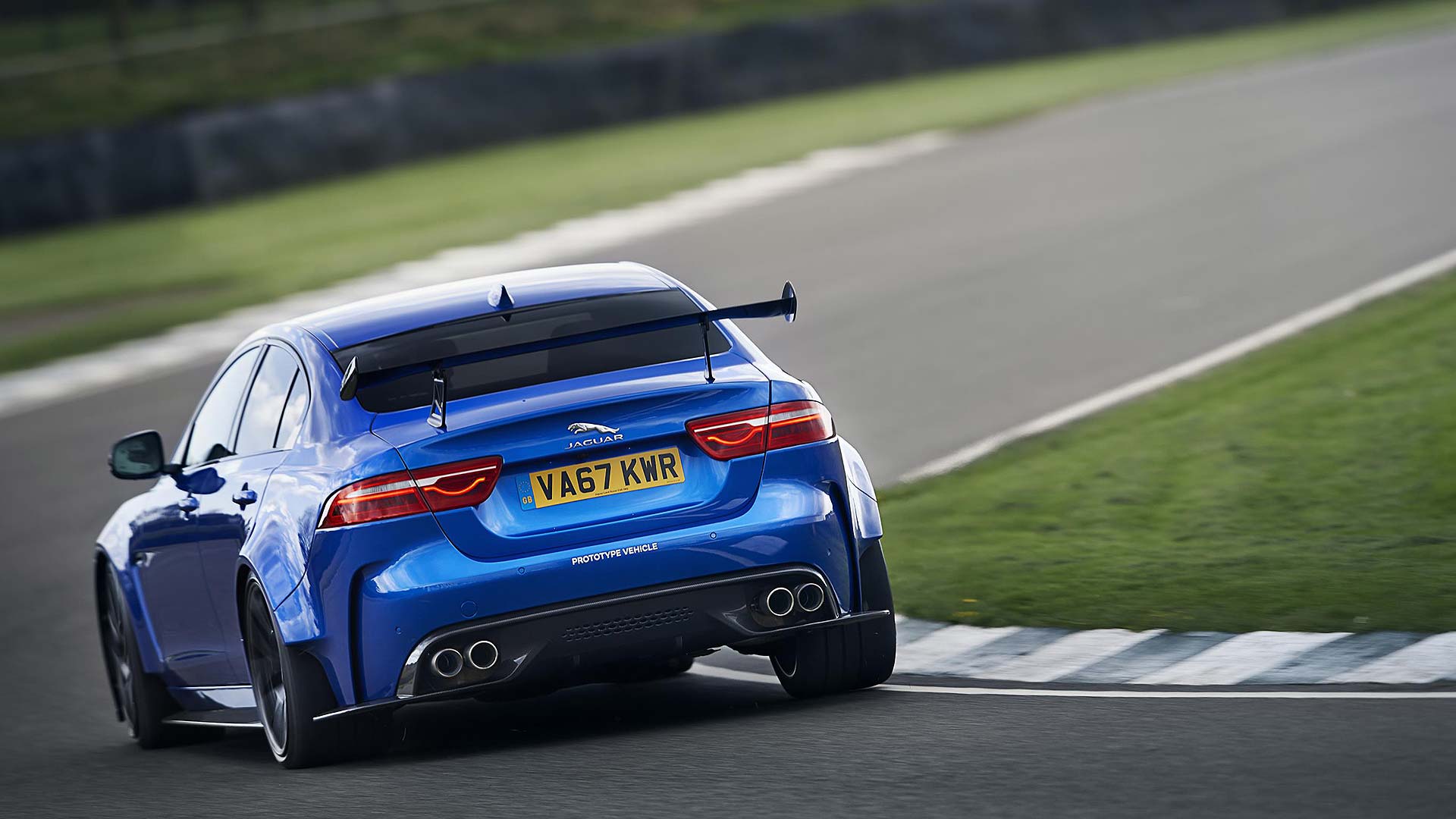
Jaguar calls it a more “covert design that belies the… track-honed performance capabilities”. These include production sedan lap records for the regular car (pictured below) at the Nürburgring, Dubai Autodrome and Laguna Seca.

Jaguar XE SV Project 8

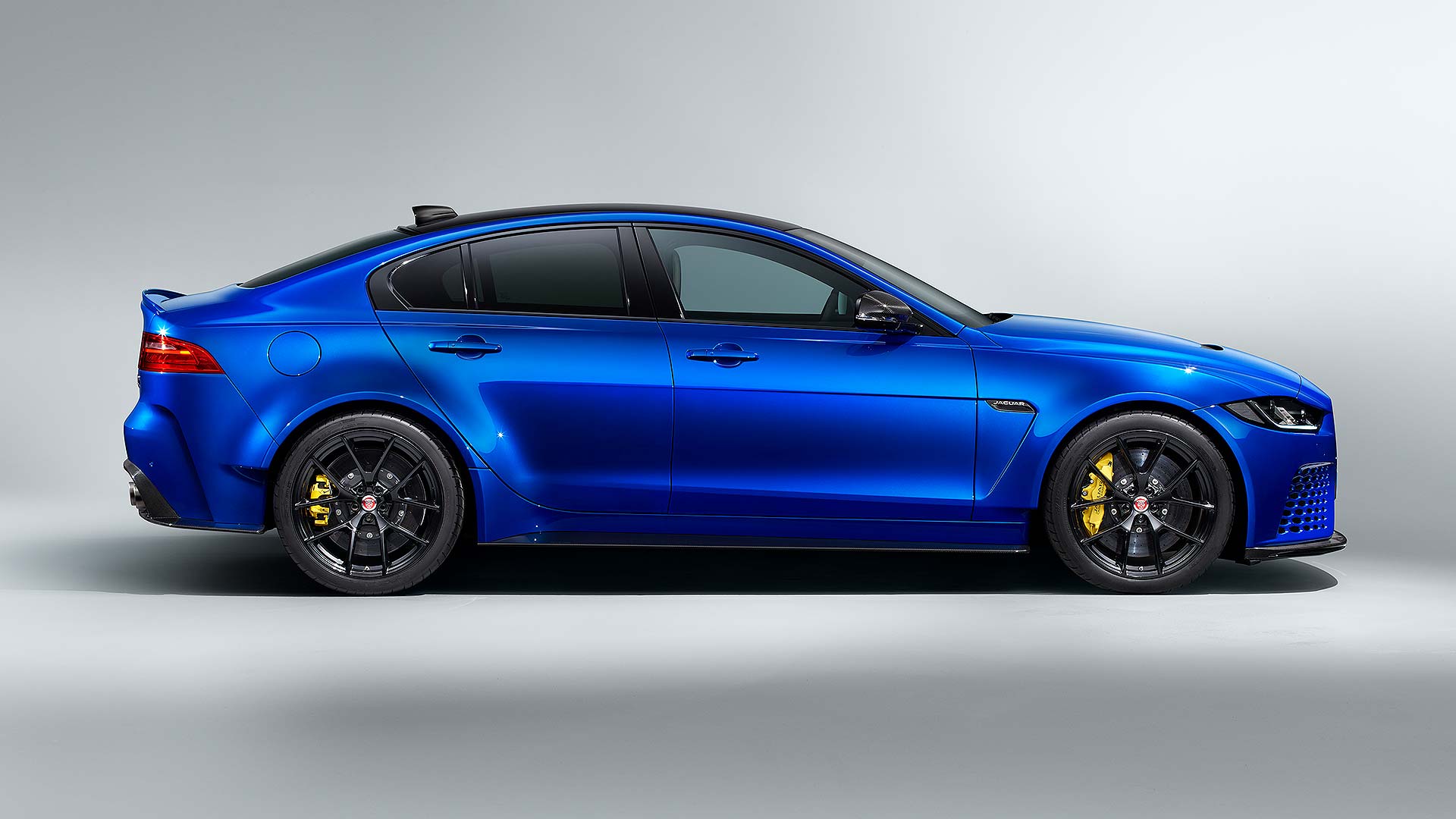
And although it’s more discreet-looking, the Project 8 Touring (again, pictured below) is still fast: it does 0-62mph in 3.7 seconds and only an electronic limiter stops it going at more than 186mph.

Jaguar XE SV Project 8 Touring

Jamal Hameedi, engineering director at Jaguar Special Vehicle Operations, said: “Project 8 has received outstanding critical acclaim since its launch, demonstrating the Special Vehicle Operations team’s ability to create a compact Jaguar sedan with supercar-rivalling performance.

“Touring specification extends the appeal of Project 8 to performance car enthusiasts and collectors who prefer a more discreet appearance, without compromising its driver-focused on-road dynamics.”

Jaguar Project 8: the full-fat version

Advertisement

Drivers paying over £12 million in SORN fines

0

Drivers SORN insurance fines

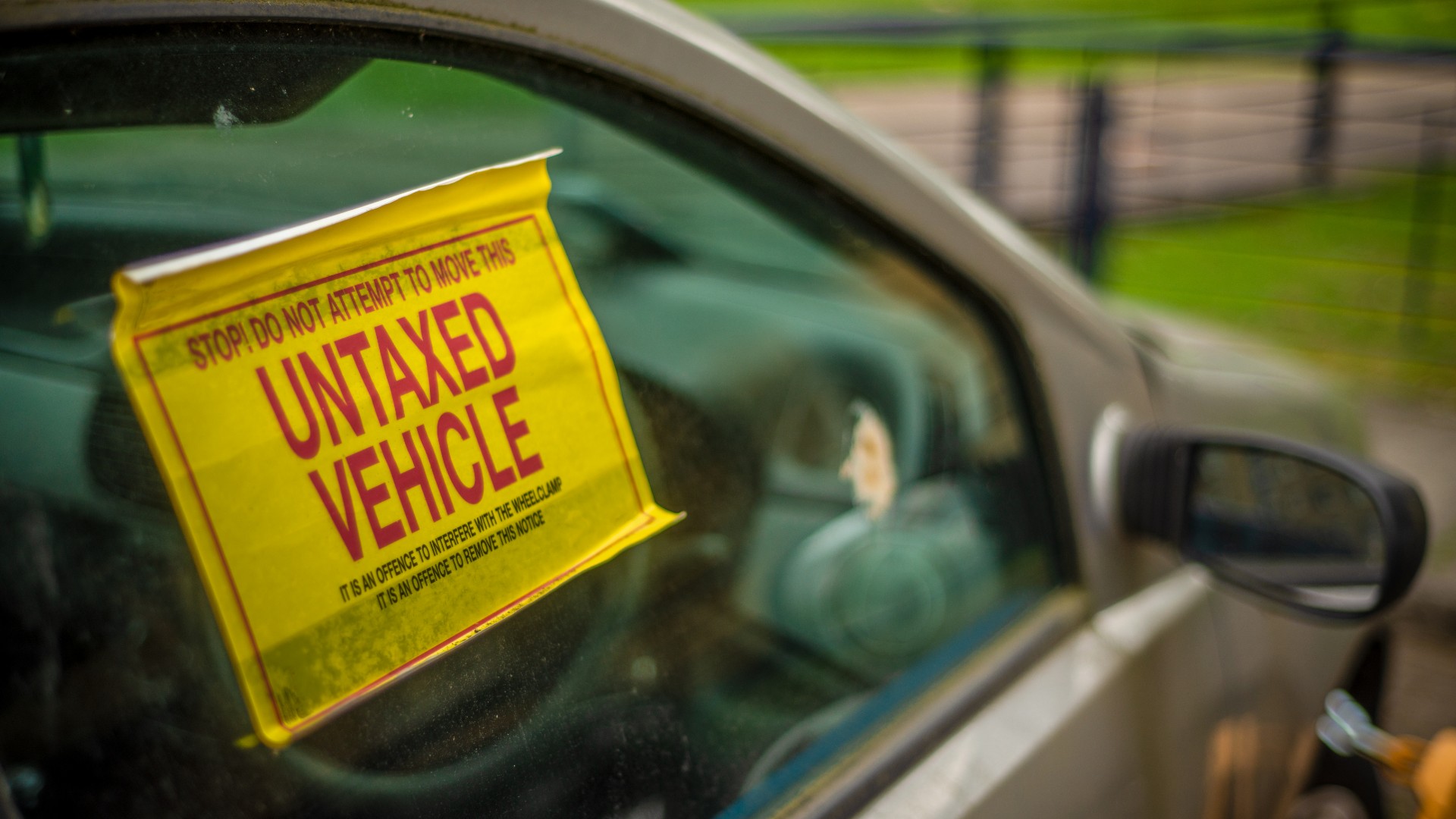
Drivers paid out £12.4 million last year for failing to declare cars that are off the road and uninsured as SORN (Statutory Off-Road Notification). More than 73,400 also went to court for keeping a vehicle incorrectly registered.

The cost of a fixed penalty notice is £100. The average cost per person for drivers going to court was £205. If SORN is not filed for a car, then the law says it must be taxed and insured.

Drivers are finding themselves in hot water when they do not SORN their cars, even when not using them on the road. This all adds up to a 78 percent rise in offenders and fines compared with five years ago.

More than 169,000 motorists were held to account for insurance-related infringements last year, to the tune of £52 million in fines, according to Kwik Fit. That’s up 26 percent on 2013’s 134,000 figure, and around £20 million.

Many are simply unaware, but there is a significant proportion who are deliberately breaking the law. In total, 95,000 of the cases were against motorists driving a vehicle without insurance.

In terms of where is the worst for insurance crime, Sussex has seen a dramatic increase between 2013 and 2018. A figure of 2,319 cases in 2013 rose massively to 18,495 in 2018. Meanwhile, North Yorkshire is 42 percent down, from 1,337 in 2013 to 777 in 2018.

Drivers SORN insurance fines

“Many drivers may assume that the offence of not meeting insurance requirements is due to making unapproved modifications or not maintaining their car properly, but in the majority of offences this is not the case,” said Roger Griggs, communications director at Kwik Fit.

”Drivers who decide not to use their car and take it car off road temporarily, for whatever reason, must ensure that they register a SORN with the DVLA.

“It is also vital to note that SORNs need to be renewed each year to ensure drivers keep within regulations. Registering a SORN is free, and as we have seen from our analysis, failing to do so can prove very costly.”

Advertisement

Young male drivers are by far the most dangerous, says insurance data

0

Young male drivers most dangerous on UK roads

Young male drivers pose the highest risk on the road, according to new data collated by Insurethebox.

New drivers, in general, are three times more likely to crash within the first three months of their policy than the final three months.

Young males, however, were caught speeding 56 percent more than young females of the same age and experience. The figures are extrapolated from 4.5 million miles of driving data.

Young male drivers most dangerous on UK roadsInsurethebox’s info supports the ‘Think!’ campaign from the Department of Transport, which aims to highlight the different driving scenarios that new drivers might find challenging.

These included night driving and country roads – both of which are unlikely to have featured in a new driver’s tuition as a learner.

Insurethebox found that, in spite of just four percent of road use being between midnight and 5am, this is when 23 percent of accident alerts have occurred. Younger males do 28 percent more driving during these hours than women.

Country roads are where 25 percent of all fatal accidents occur, and are where younger drivers are 30 percent more likely to have an accident if they speed. Younger drivers were found to spend a higher amount of time on country roads than the national average.

“The recent campaign from Think! was a great reminder for new motorists of the risks of speeding, driving at night and driving on country roads,” said Simon Rewell of Insurethebox.

Young male drivers most dangerous on UK roads

“A driver’s first year after passing is the ideal time to create safe driving habits. Our goal is to empower young motorists to take control of their driving behaviour by working with them to understand the risks they’re taking.

“We proactively communicate with our drivers who speed and this award-winning communications programme has resulted in a 28% reduction in speeding instances among the highest risk drivers. For young drivers accident frequency has reduced by nine percent.”

Advertisement