Vauxhall owner Groupe PSA has announced the next Astra will be made, as today, at two plants. One of them will be Russelsheim in Germany.
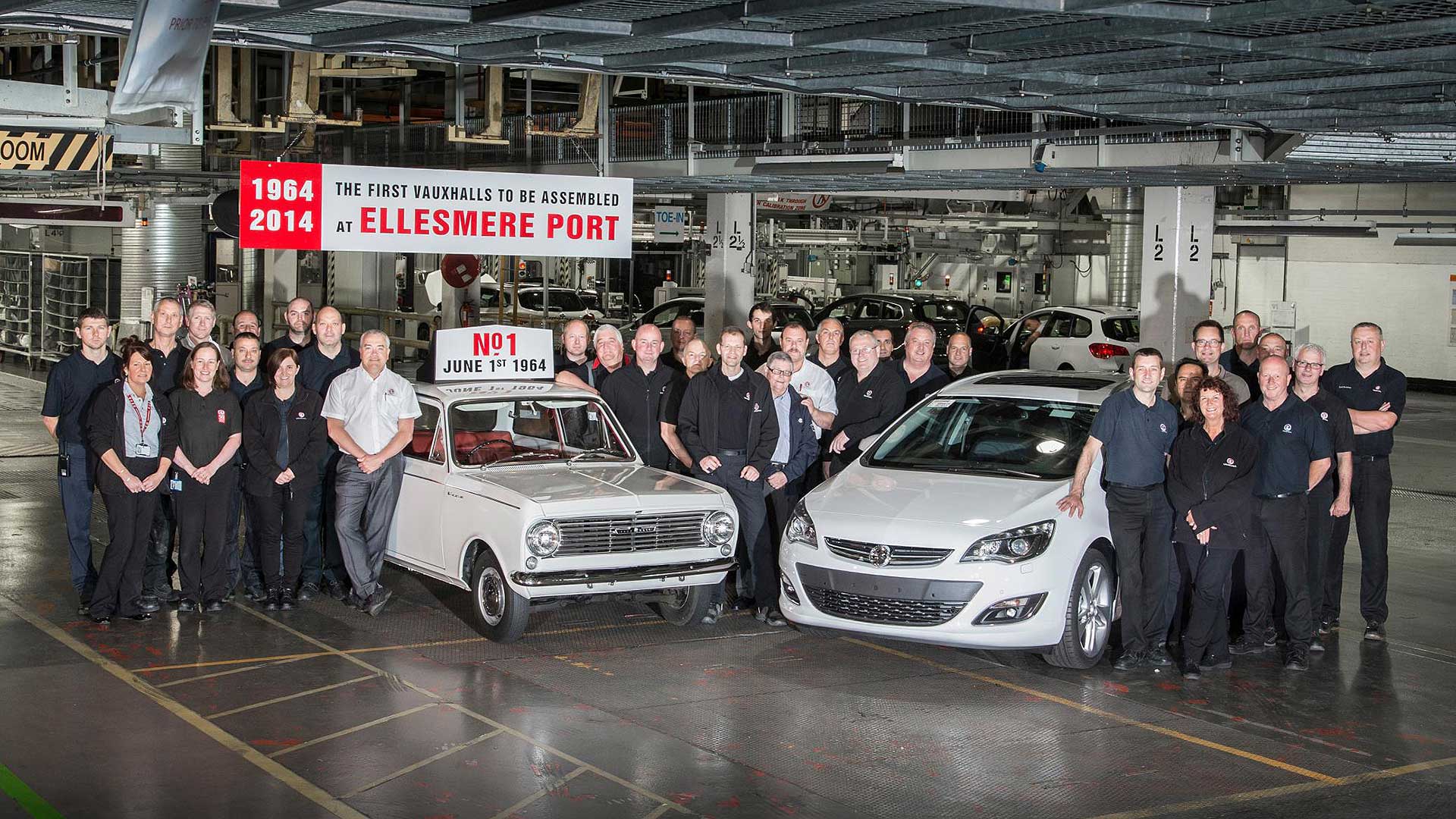
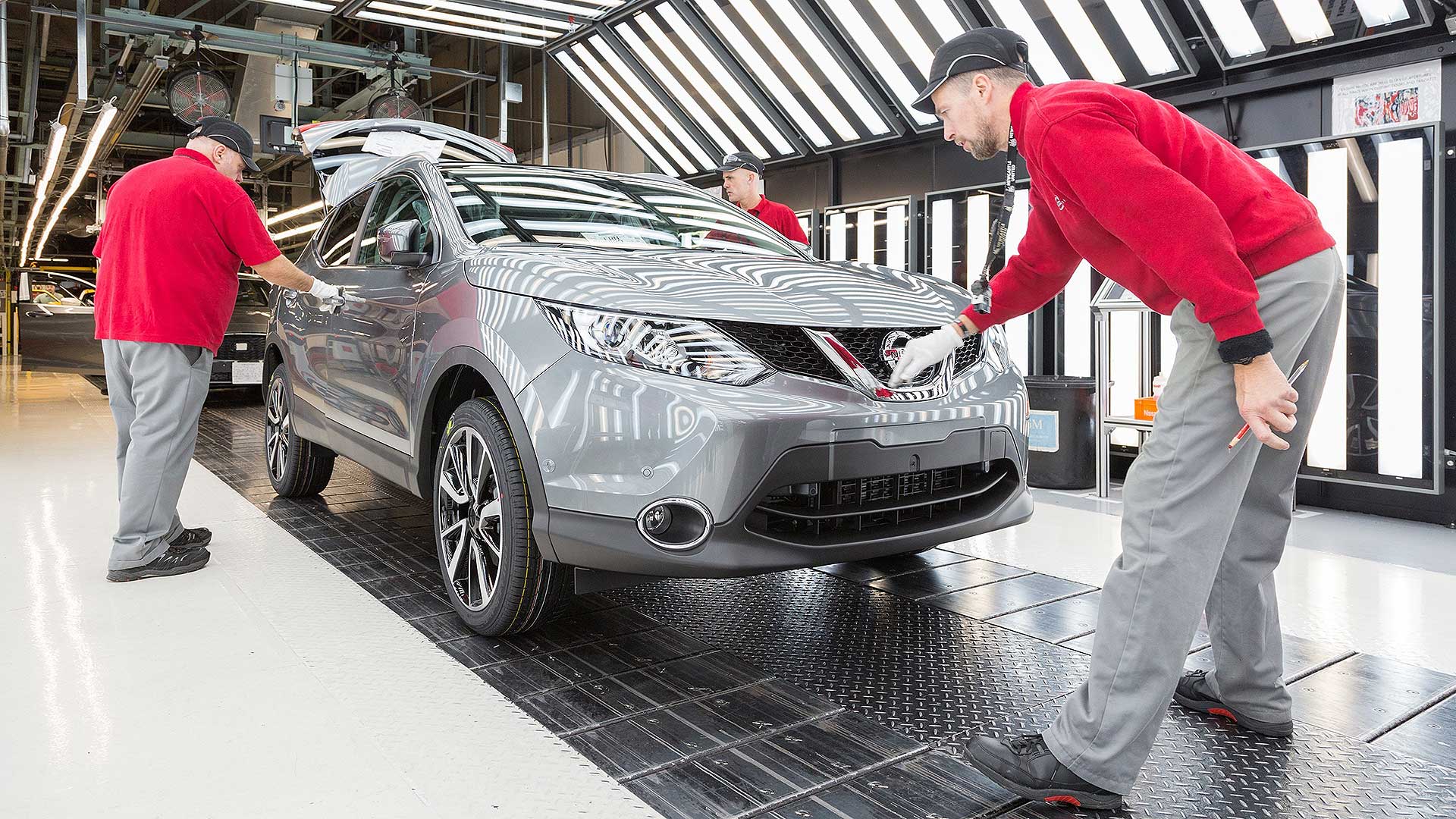
However, Gliwice in Poland, which builds today’s car, is set to lose the Astra production deal – as the thriving Groupe PSA has chosen to keep Ellesmere Port instead.
This will be seen as a major vote of confidence for the UK automotive industry, if Britain is able to meet the French-owned company’s conditions.
The firm wants to see the final terms of the UK’s exit from the EU first. This is seen as a coded warning that a no-deal Brexit will lead to no new Astra deal for Ellesmere Port.
Groupe PSA also wants the Unite trade union to accept the New Vehicle Agreement, which the two have been negotiating.
This second condition is thus seen as less troublesome than the first. Unite has already expressed its desire to see no-deal Brexit taken off the table.
‘This news demonstrates the continuous effort and commitment of Groupe PSA to Vauxhall Motors,’ said the firm in a statement.
Mike Hawes, chief executive of trade body the Society of Motor Manufacturers and Traders (SMMT) welcomed the news, albeit with caution. “This latest news is potentially hugely positive but reinforces what we have been saying all along.
“The threat alone of a ‘no deal’ Brexit is preventing companies from committing to investment in the UK.
“Thousands of jobs depend on us getting a deal so we can retain our competitiveness and regain our global reputation.”
The current Vauxhall Astra is mid-way through its lifecycle; a facelift is expected later this year. It is expected to be replaced in 2021.
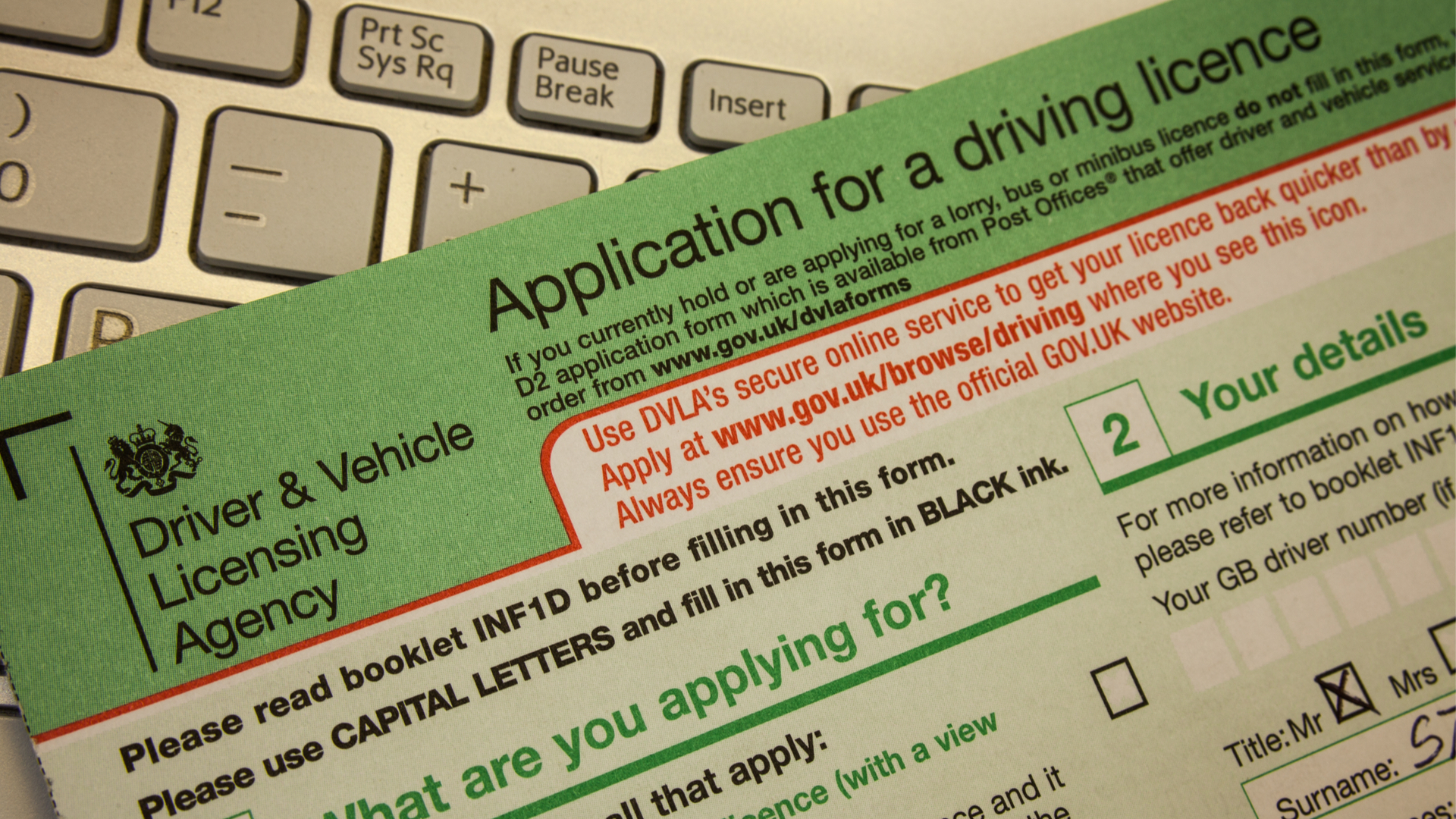
Around 1.2 million drivers paid too much for their driving licence in 2018, according to figures released by the DVLA.
It’s cheaper to apply online for a provisional licence or to renew an existing driving licence, but many motorists choose to post their applications to the DVLA instead.
It means that British motorists missed out on savings of nearly £5 million by not using the online services, although only a fifth of provisional licence applications were sent using the traditional method.
Meanwhile, around 50 percent of renewals were submitted online.
A provisional licence costs £43 by post – £9 more than online. Renewals cost £17 by post and £14 online.
‘Cheaper and quicker’
DVLA chief executive Julie Lennard said: “Each year, more and more people are choosing to use our online services and it is always cheaper and quicker to renew your driving licence on GOV.UK.
It’s also the quickest way for those who have lost or misplaced their licence to apply for a replacement.”
How to apply for a provisional driving licence
Drivers who apply online should only use GOV.UK so they can be sure of dealing with DVLA directly and paying the lowest price for services that carry a fee.
To apply for a provisional driving licence, you must be at least 15 years and 9 months old and be able to read a number plate from 20 metres away.
If you are aged 70 or over, you can renew for free by using the following link.
Remember to only use GOV.UK to apply for, or to renew, your driving licence. There are many third party websites masquerading as the official government website.
These often charge an additional fee for services that are either free or cost significantly less via the official channels…
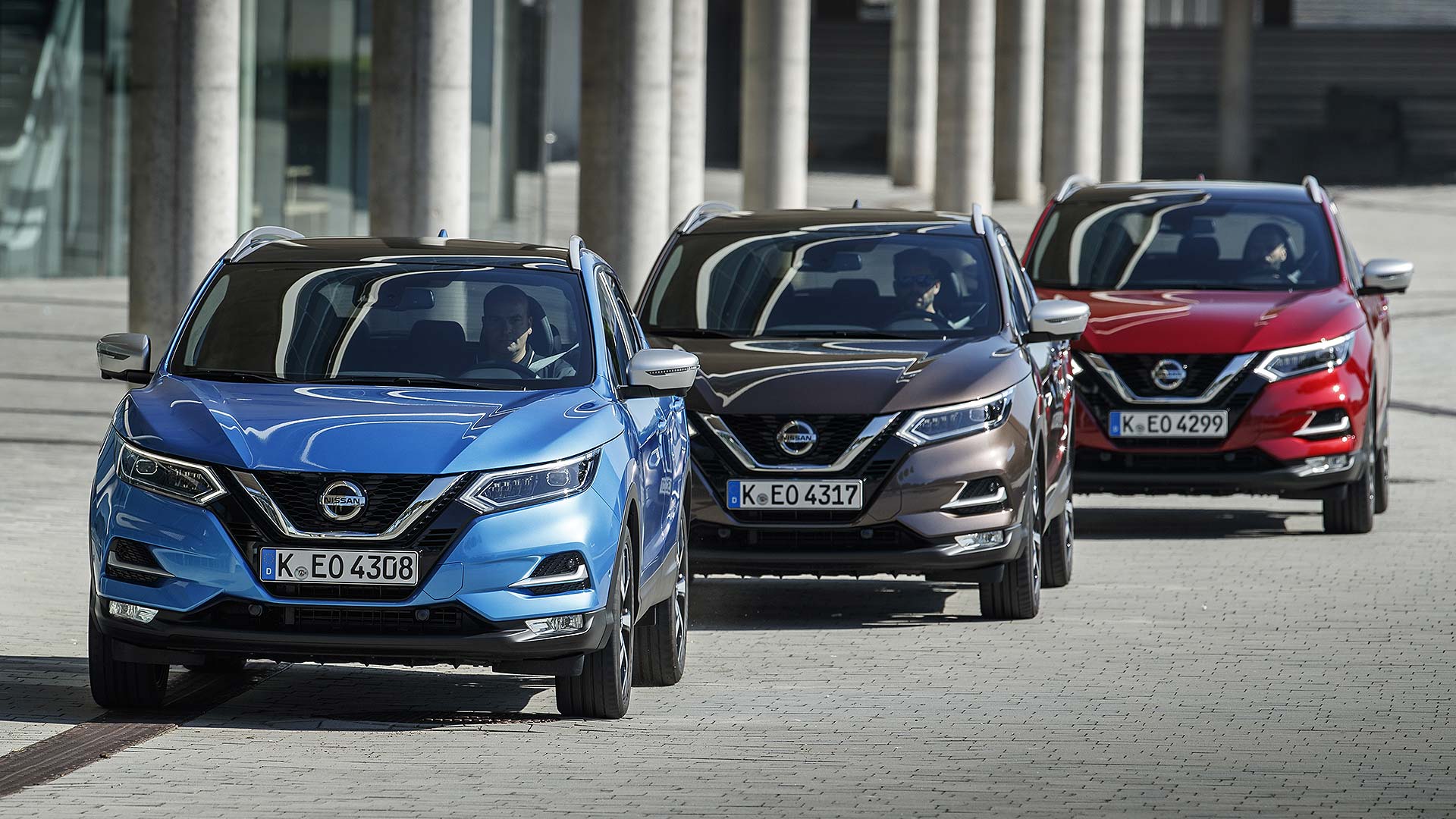
Used during single-lane driving, the system maintains the car’s lane position and distance from the vehicle in front, edging the UK’s best-selling crossover a step closer to self-driving autonomy.
According to Nissan, ProPilot is the “first step on the journey towards autonomous driving” and is designed to be a ‘hands on, eyes on’ technology.
In other words: the driver remains in control and responsible for the vehicle at all times.
ProPilot is designed for low-speed congestion and high-speed cruising, with Nissan claiming it “liberates drivers from some of the more mundane elements of motoring”.
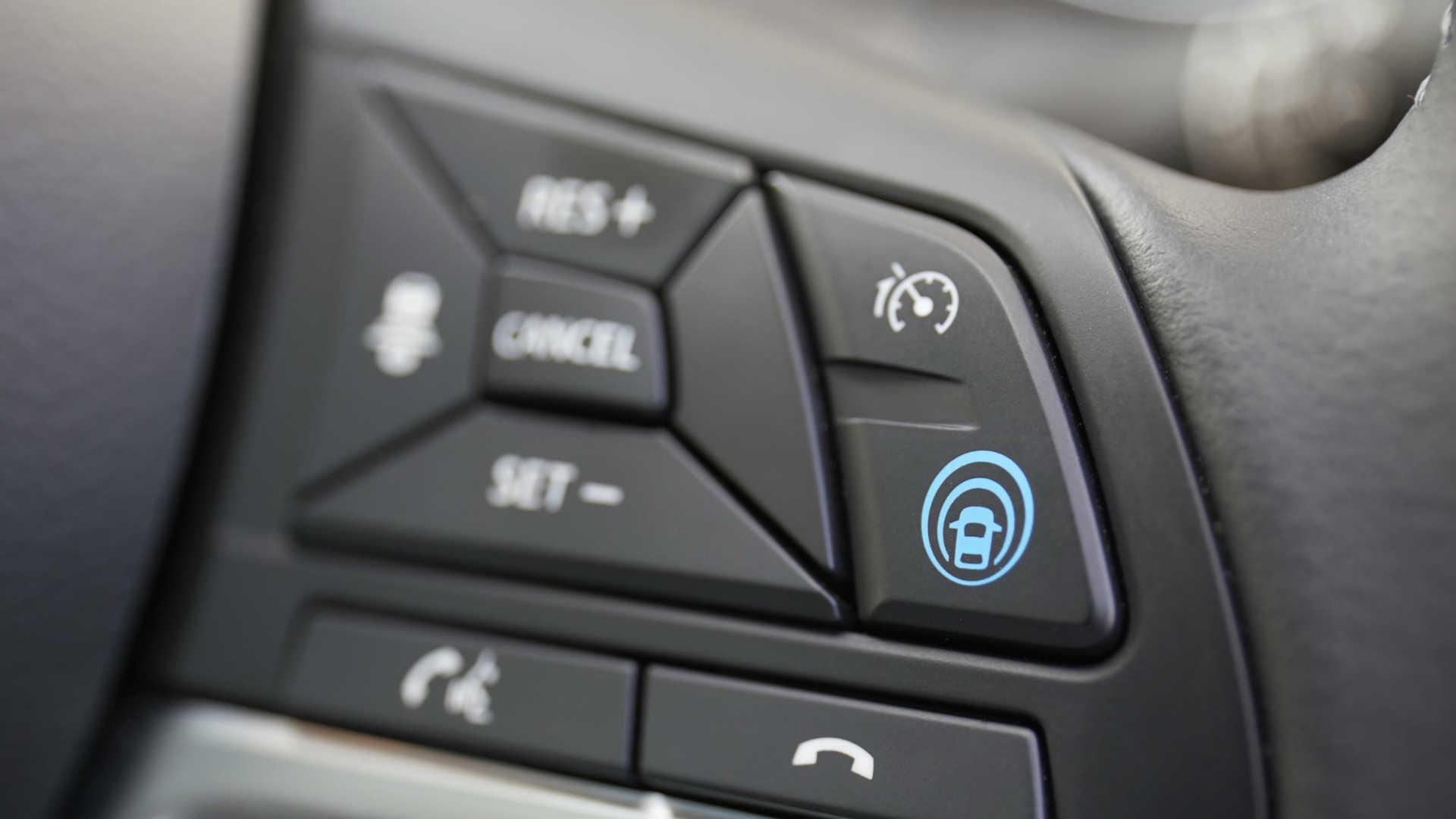
It’s activated via a ProPilot button on the right of the Qashqai’s steering wheel, with the ‘SET’ button used to maintain the current speed and a safe distance from the vehicle in front.
The Qashqai will slow to a complete stop if the traffic conditions require, before pulling away if the car is stationary for three seconds or less. If the wait is longer, the driver can continue by using the ‘RESUME’ button or tapping the accelerator.
‘Confidence, control and enjoyment’
Kalyana Sivagnanam, managing director Nissan GB, said; “The Nissan Qashqai has always been a leader in terms of innovative design and technologies that enhance the ownership experience.
“Our advanced ProPilot drive assistance adds a greater level of confidence, control and enjoyment to the UK’s best-selling crossover.”
ProPilot is currently available on the Leaf and Qashqai in the UK, with the X-Trail set to receive the technology later in 2019.
On N-Connecta grades, ProPilot is a £595 option, but the technology is standard on Tekna and Tekna+ grades. For Qashqais with a manual gearbox a Drive Assist Pack is available as standard on Tekna and Tekna+, and as a £595 option on N-Connecta models.
Drive Assist Pack is essentially ProPilot ‘lite’, with the system not featuring the stop/resume function.
ProPilot debuted on the Nissan Serena in Japan in 2016, and since then more than 350,000 vehicles have left the factory equipped with the technology. It is available on the all-electric Nissan Leaf as well.
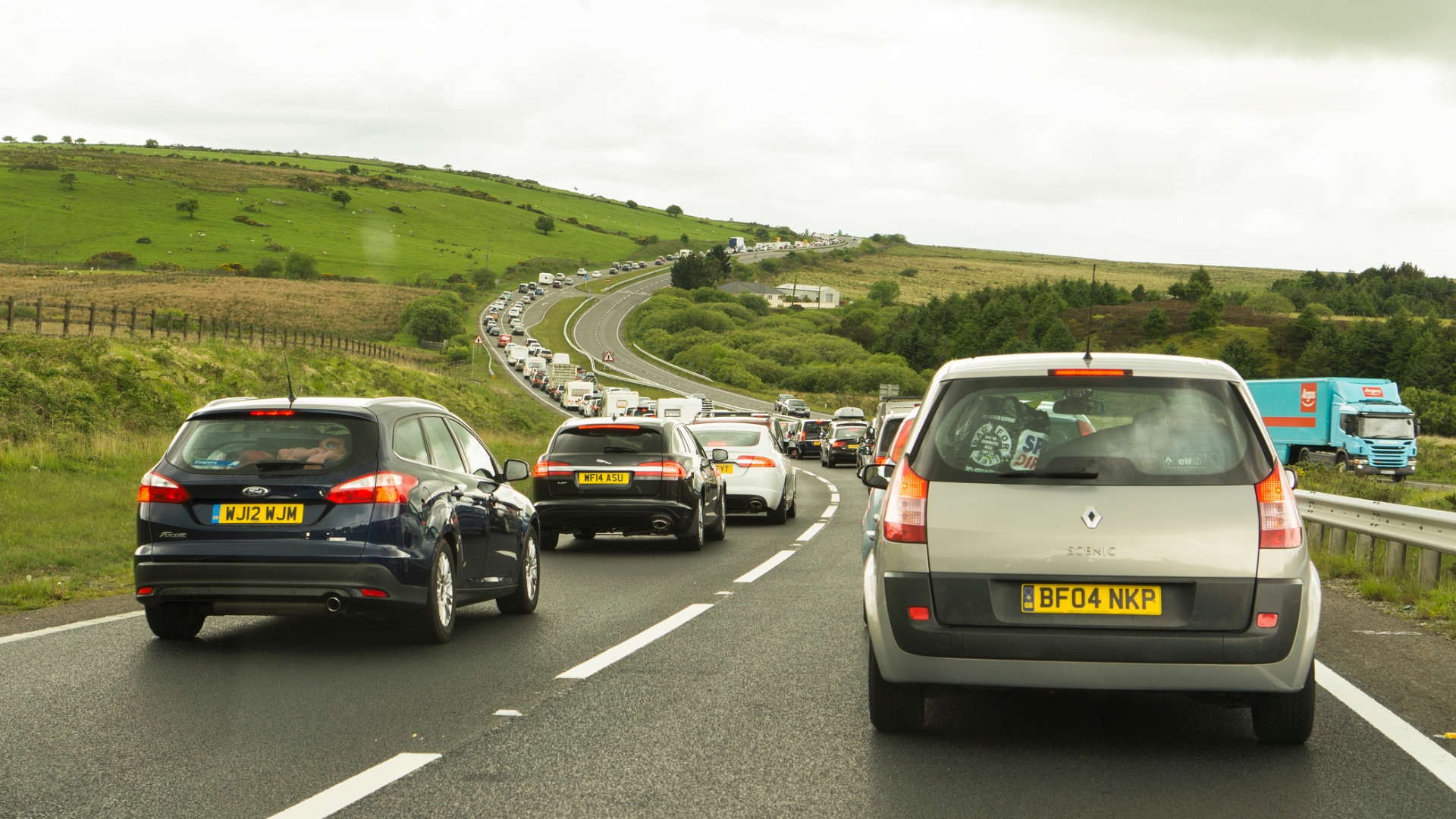
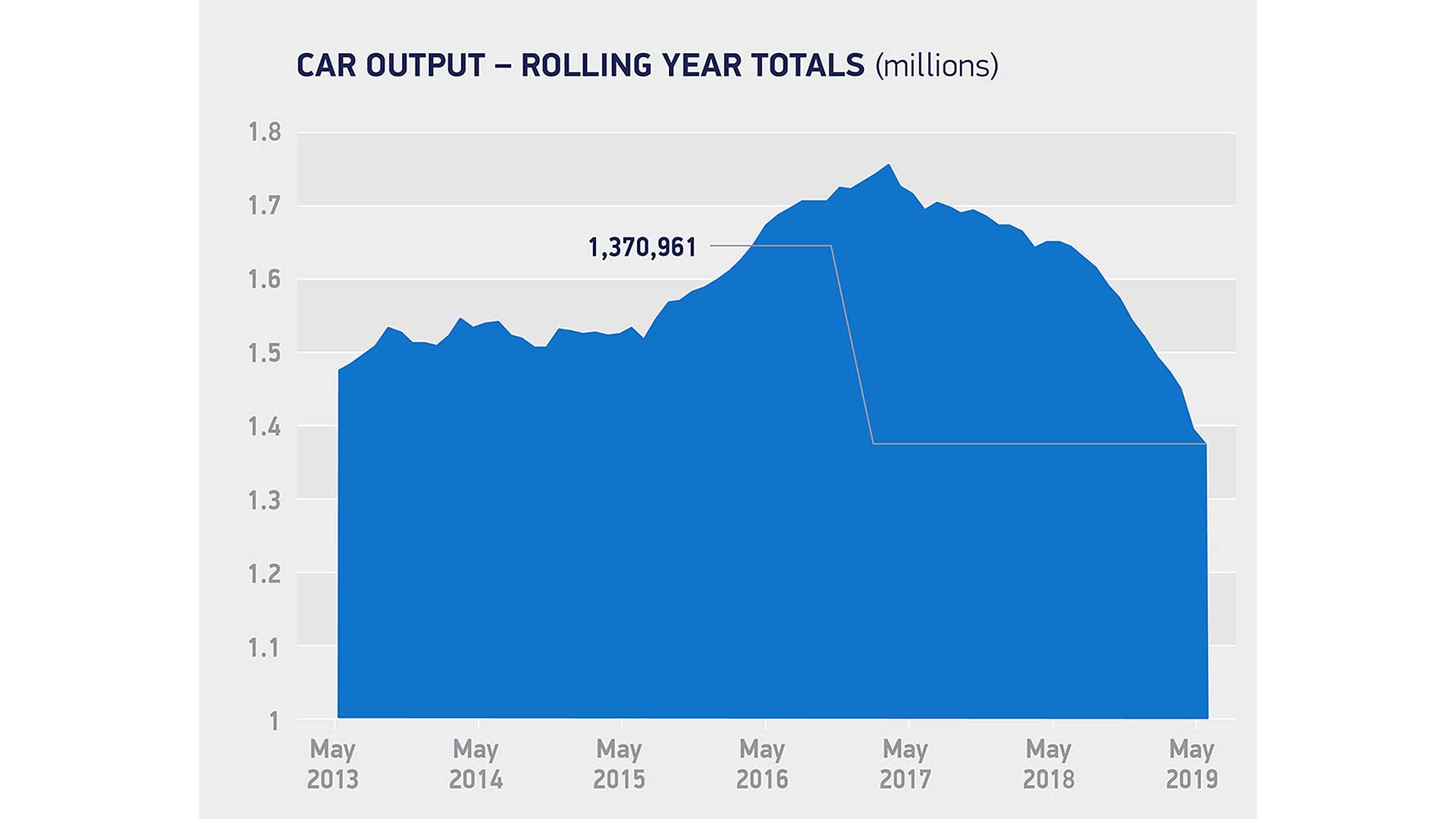
Output from British car factories fell 15.5 percent in May 2019, meaning UK automotive manufacturing has now declined for a full year without break.
More than 21,000 fewer cars left UK car factories during May, with exports down 12.6 percent and British cars for British buyers falling by over a quarter.
So far in 2019, car production in the UK is down 21 percent, to 1,370,961 cars. This is the lowest running total for six years.
The Society of Motor Manufacturers and Traders (SMMT) said the latest figures were proof of the importance of securing a Brexit deal without delay.
Exports account for over eight in 10 UK-made cars, and most cars are sent to Europe.
“Twelve consecutive months of decline for UK car manufacturing is a serious concern,” said SMMT chief executive Mike Hawes.
“The sector is facing multiple seismic challenges simultaneously: technological, environmental and economic.
“The ongoing political instability and uncertainty over our future overseas trade relationships, most notably with Europe, is not helping… a brighter future is only possible if we secure a deal that can help us regain our reputation as an attractive location for automotive investment.
A flagship store in the heart of Sydney’s central marked the start of Hyundai’s luxury Genesis brand in Australia with strong intentions.
The launch is part of plans to push the upmarket name to more locations. Genesis models are currently only sold in selected areas, and Australia becomes the first market to receive cars in right-hand drive.
A pair of saloons are the first models on sale, but Hyundai has ambitious plans for the Genesis label, with more cars to follow.
Premium lifestyle experience
The roll-out of Genesis in Australia more resembles the launch of a technology brand, rather than a traditional car company.
Somewhat ironically, the Genesis store is located on the pedestrianised Pitt Street Mall in the centre of Sydney. A giant spiral staircase is surrounded by a showpiece curved LED screen, hoping to maintain the premium experience.
Although potential customers can meet with Genesis Experience Executives in store, the company aims to make the car buying process even easier through online sales.
Buyers can have a car to test drive brought directly to their home, configure and order a car online, and have their new Genesis handed over at a convenient location. Servicing and maintenance is also handled by a concierge service.
Sporty or luxurious?
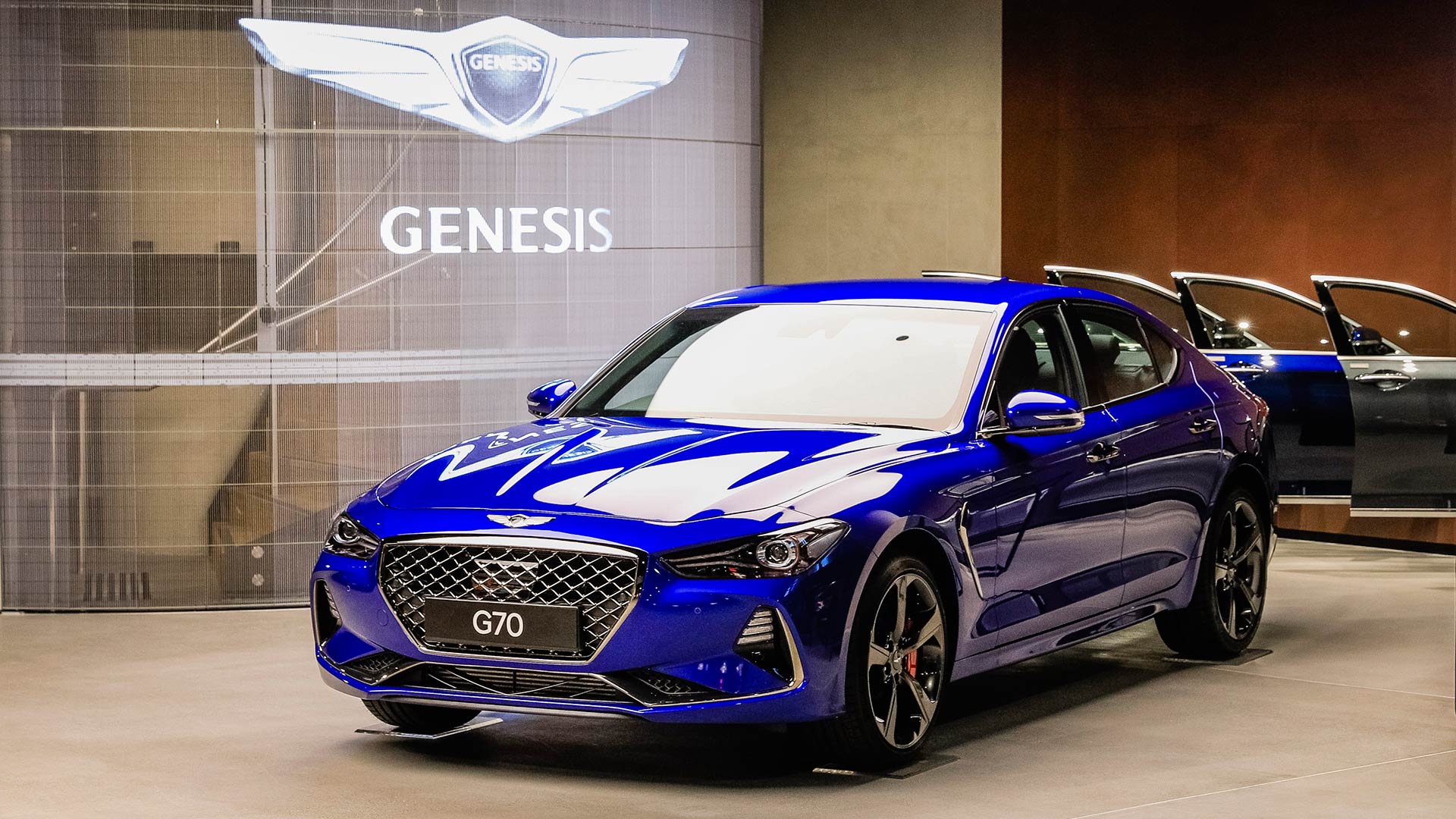
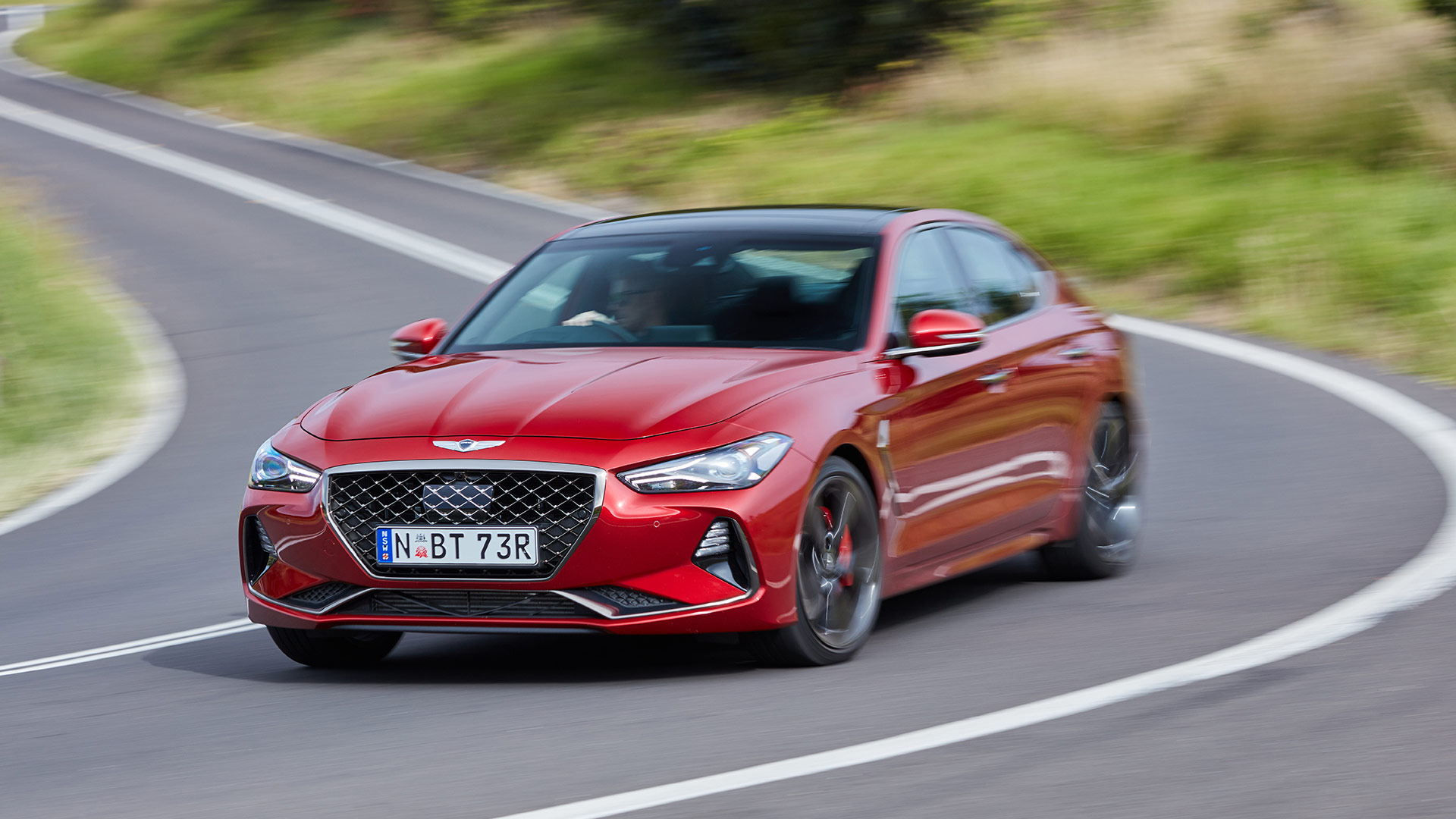
Kicking off the right-hand drive Genesis range in Australia is the G70 sports saloon. Designed to compete with the BMW 3 Series and Mercedes-Benz C-Class, the G70 collected the prize for 2019 North American Car of the Year.
Related to the popular Kia Stinger, the G70 is offered in both rear- and all-wheel drive formats. A 2.0-litre turbocharged four-cylinder engine is standard, with the option of a more powerful 3.3-litre twin-turbocharged V6 available.
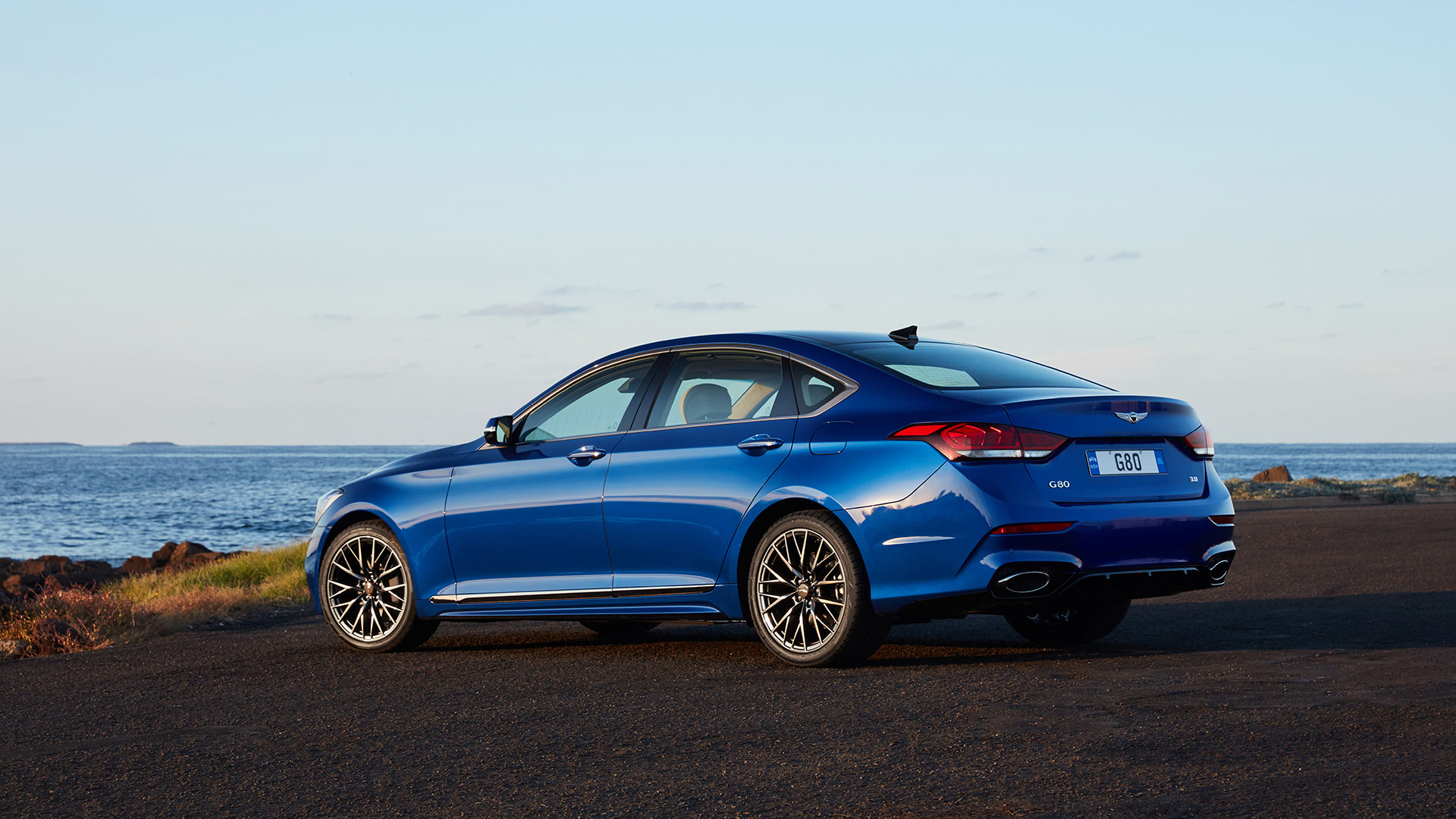
Also hitting showrooms is the larger Genesis G80 saloon. Offered with a 3.8-litre V6 engine, Australian buyers are currently denied the more powerful 5.0-litre V8 version of the G80 sold in other markets.
Intended to be a refined executive four-door, the G80 includes features like LED headlights, a 17-speaker audio system, and an Australian-market tuned adaptive suspension system.
Just the beginning
Both the G70 and G80 come with a five-year/unlimited mileage warranty, combined with five years of servicing and roadside assistance as standard. Drivers also get updates to sat nav maps for five years, too.
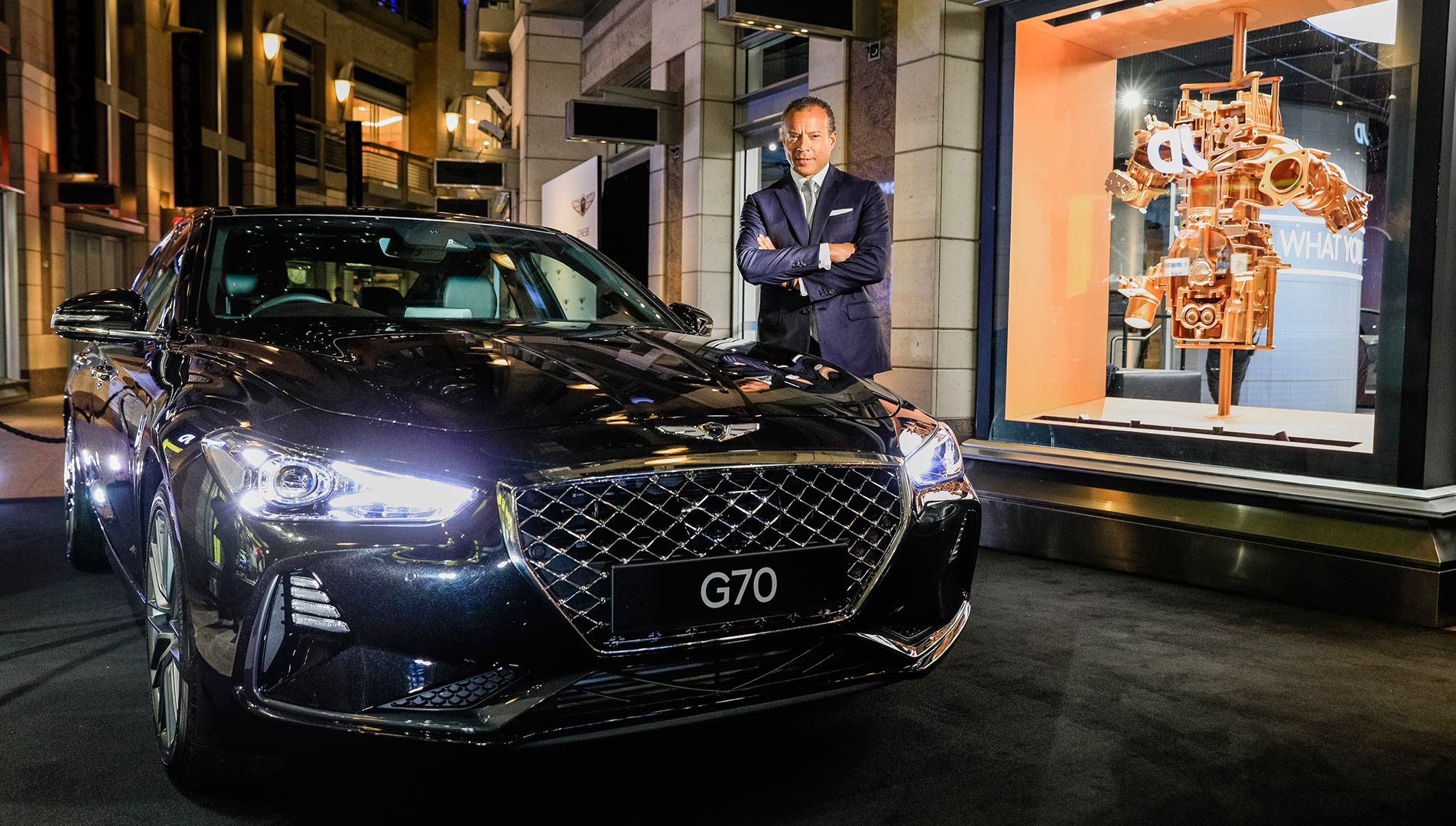
Opening the flagship Sydney Studio, Executive Vice President, Global Head of the Genesis Brand, Manfred Fitzgerald noted that the store “ushers in a new exclusive way to buy and own a luxury car, providing customers with all-encompassing premium ownership experience”.
The company has also confirmed that an SUV model will join the Genesis range in Australia by 2020.
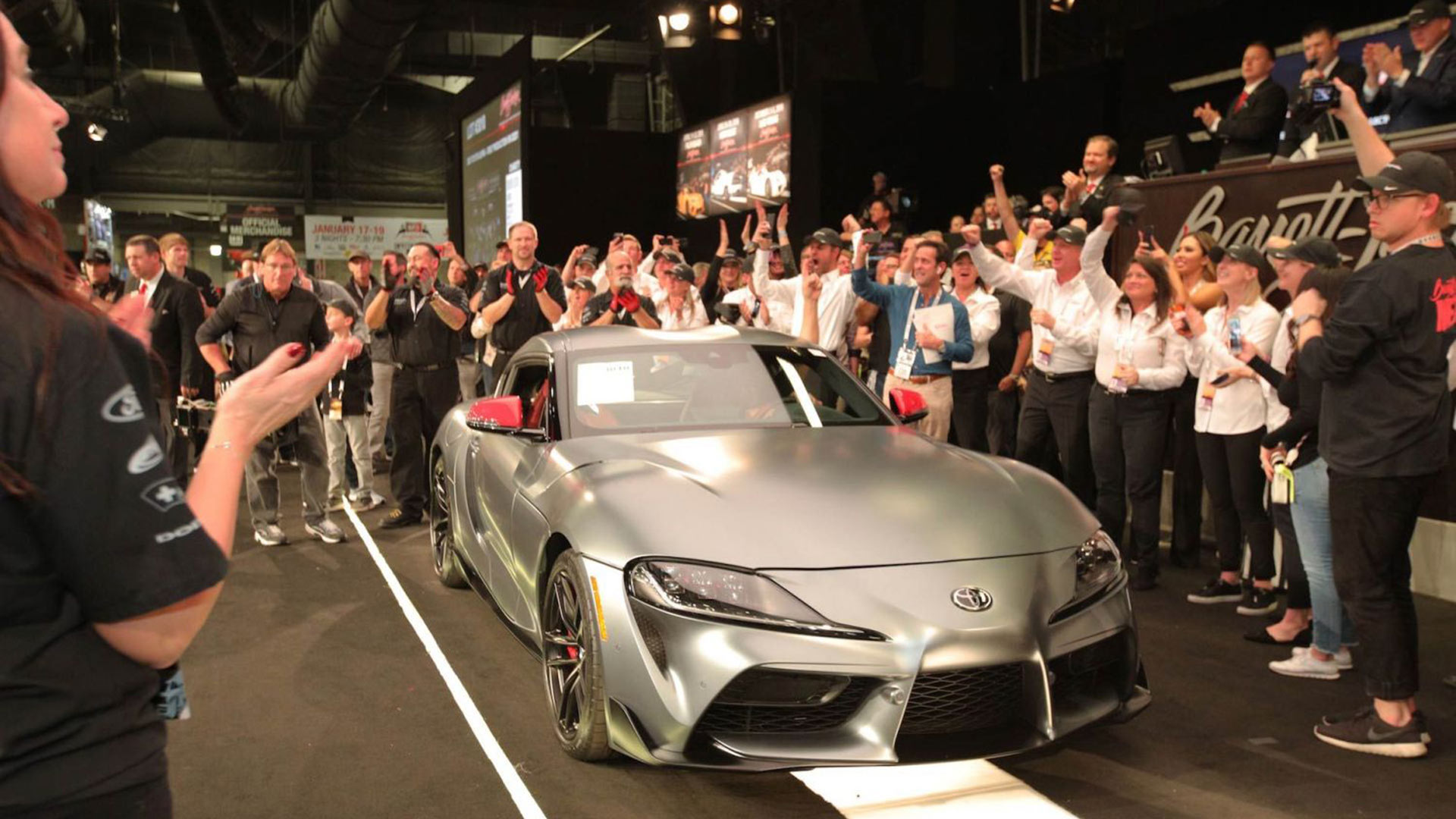
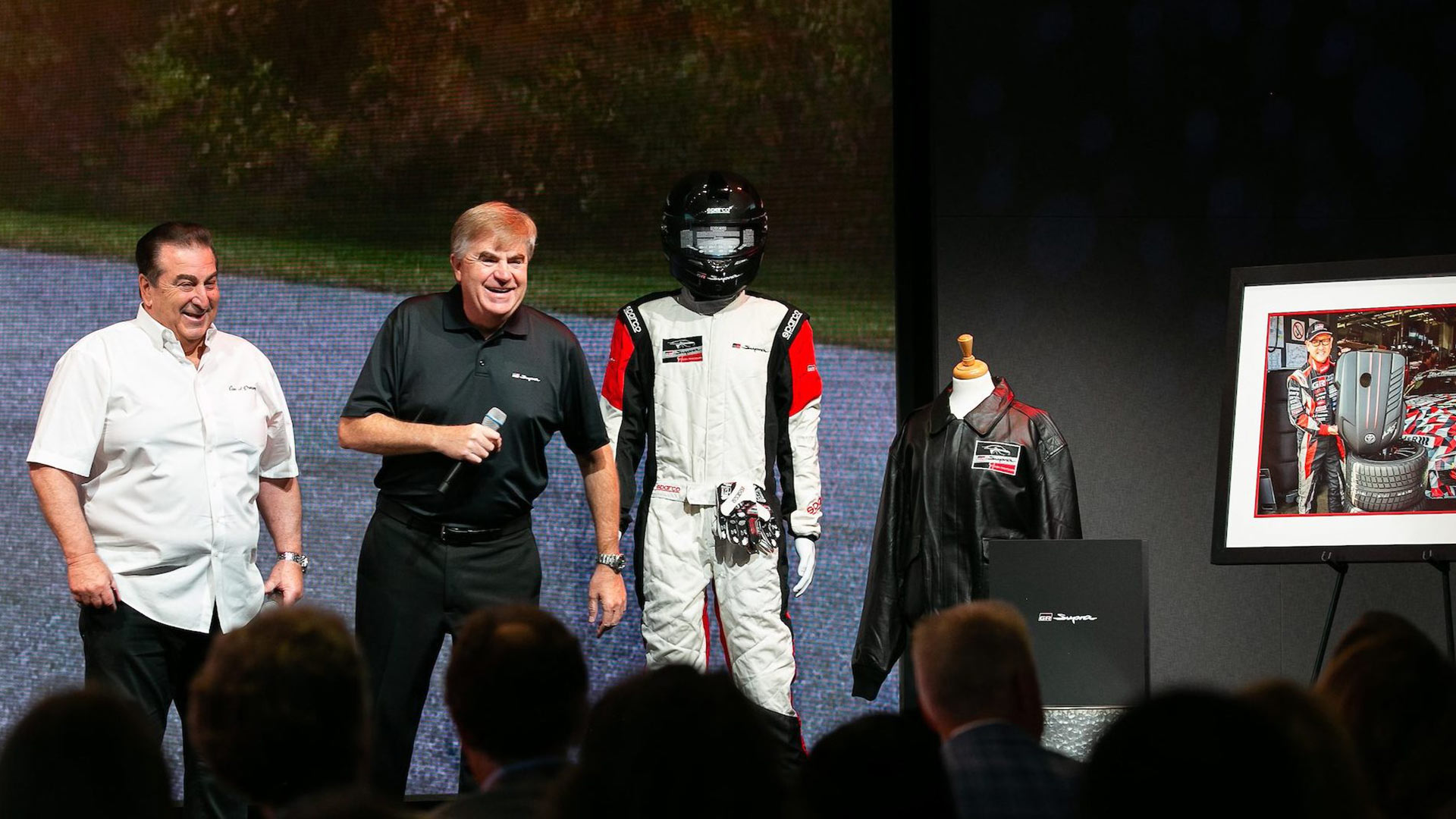
The winning bidder for the very first 2020 Toyota GR Supra to leave the production line has now taken delivery of his special car.
John Staluppi, President and CEO of the Auto Atlantic Group of dealerships, plus an avid car collector, has had to wait six long months.
Staluppi’s winning bid of $2.1 million (£1.55 million) was enough to secure the car at the Barrett-Jackson Scottsdale auction back in January.
Although the $2.1 million figure may be enough to buy 42 regular production GR Supras, the car Staluppi now has is rather special.
It wears a VIN which ends in ‘20201’ to denote that it was the first fifth-generation Supra to be built for the 2020 model year.
‘Global Supra #1’ also wears special matte exterior paint, combined with red door mirror caps and a set of gloss black alloy wheels. A red interior is also part of the package.
Staluppi also collected a variety of other special items along with the first GR Supra. Bob Carter, Toyota executive vice president of sales, presented Staluppi with his new car and his accompanying goodies.
These included a custom-created Toyota race suit, a VIP track day experience, and a photo signed by Toyota Motor Corporation President Akio Toyoda. The engine cover of the GR Supra was also signed by Toyoda-san.
Most important of all in the process was the money raised for charity. Proceeds from the $2.1 million hammer price will be split between the American Heart Foundation, along with the Bob Woodruff Foundation.
Just a few years ago, Volvo was a minor player in the premium car sector. Its biggest hit, the XC90 large SUV, was ageing badly, and other models such as the S60 and V70 were off the pace.
Even its best-selling car, the XC60 mid-size SUV, was ready for replacement, while its newest model, the V40, was basically a Ford Focus in drag.
Today, Volvo is a different company.
It started with the all-new XC90, a radical reinvention that took everyone by surprise and set the template for everything since.
The XC90 was stylish, sophisticated and a quantum leap on in terms of quality and ability – suddenly a fierce rival to alternatives from Audi, BMW and Mercedes-Benz.
Hit after hit has followed: the S90 and V90, XC60, XC40, S60 and V60. Volvo has replaced almost its entire model range, with only the V40 waiting for reinvention.
Geely gave Volvo serious financial backing, scrutinised its development plans, but then seemed happy to oversee things from afar. Geely didn’t interfere and Volvo has thrived.
The Geely magic has since benefited another company on its knees: the London Taxi International.
Geely rescued it, renamed it the London Electric Vehicle Company (LEVC), and funded development of a plug-in hybrid taxi that London cabbies, a notoriously tough audience to please, are raving about.
LEVC is now planning to do the same in the commercial vehicle sector with a plug-in hybrid van.
It seems, if Geely commits to a company, it’s sure to prosper.
Lotus sunbeam
And the latest company set to demonstrate the Geely magic? Lotus. Next month, it will reveal a brand new £1 million-plus electric hypercar.
Next year, it will start replacing its current dated (albeit still brilliant) sports cars. It is even likely to make an SUV (although the company has yet to confirm this).
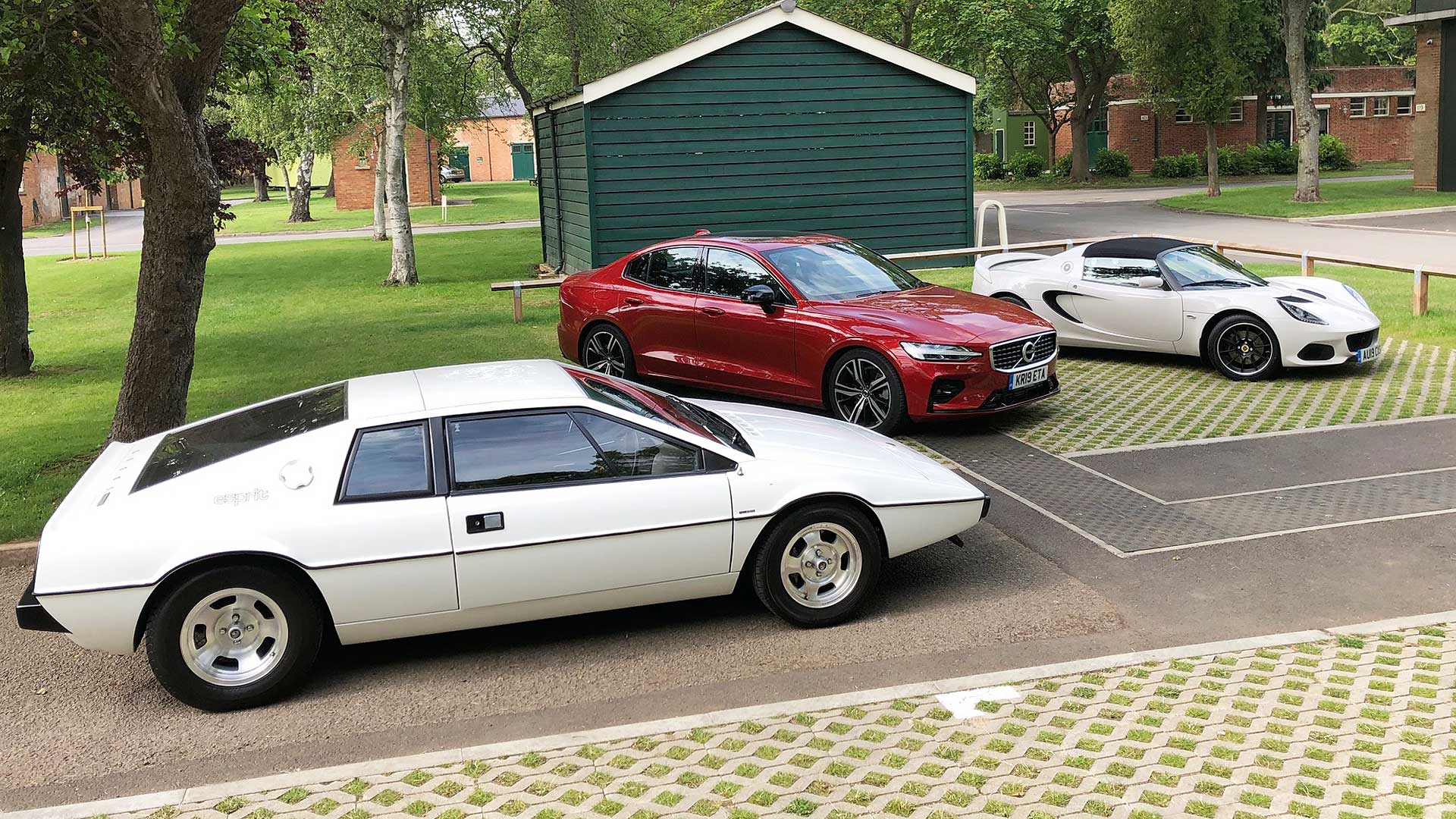
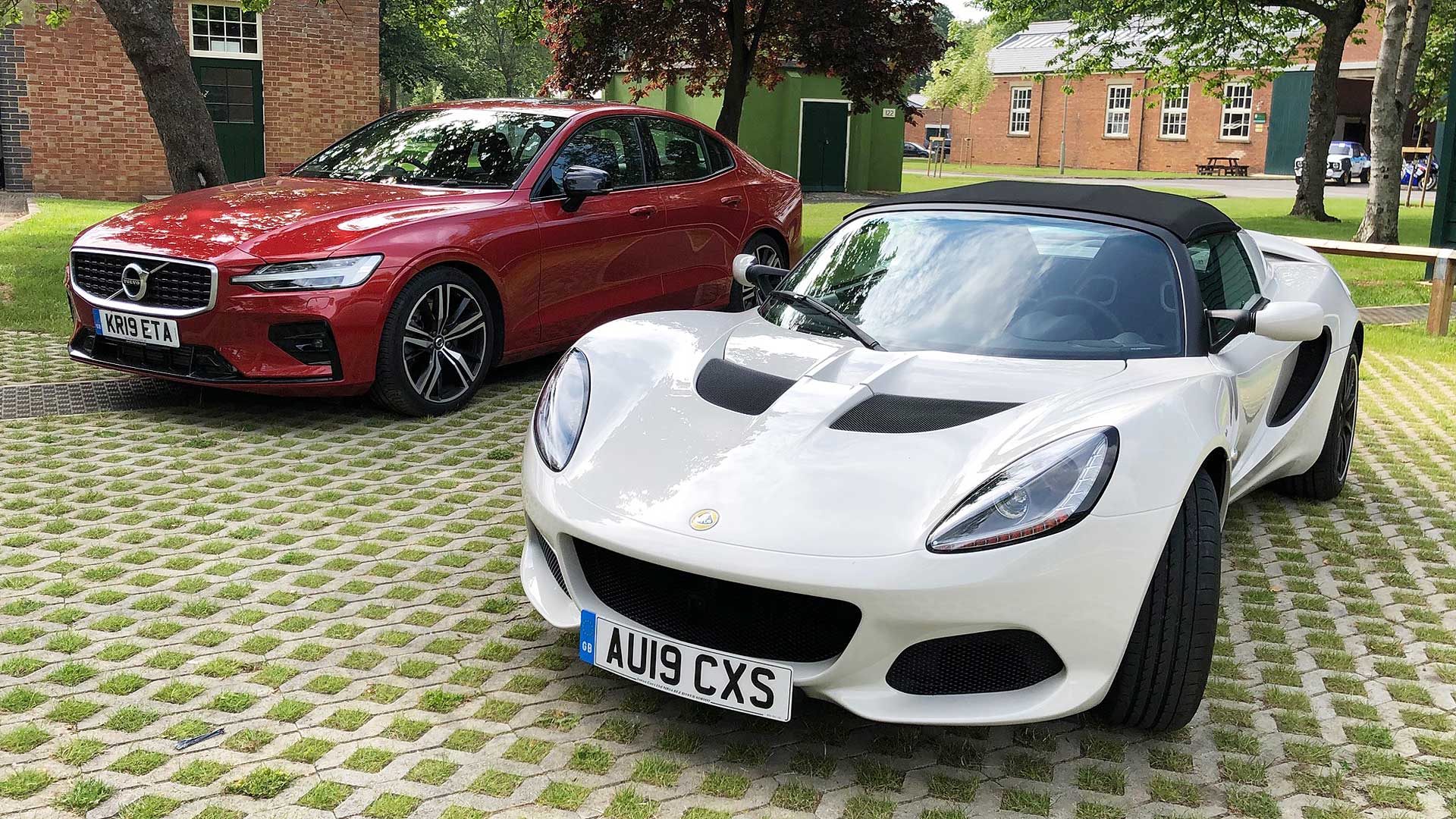
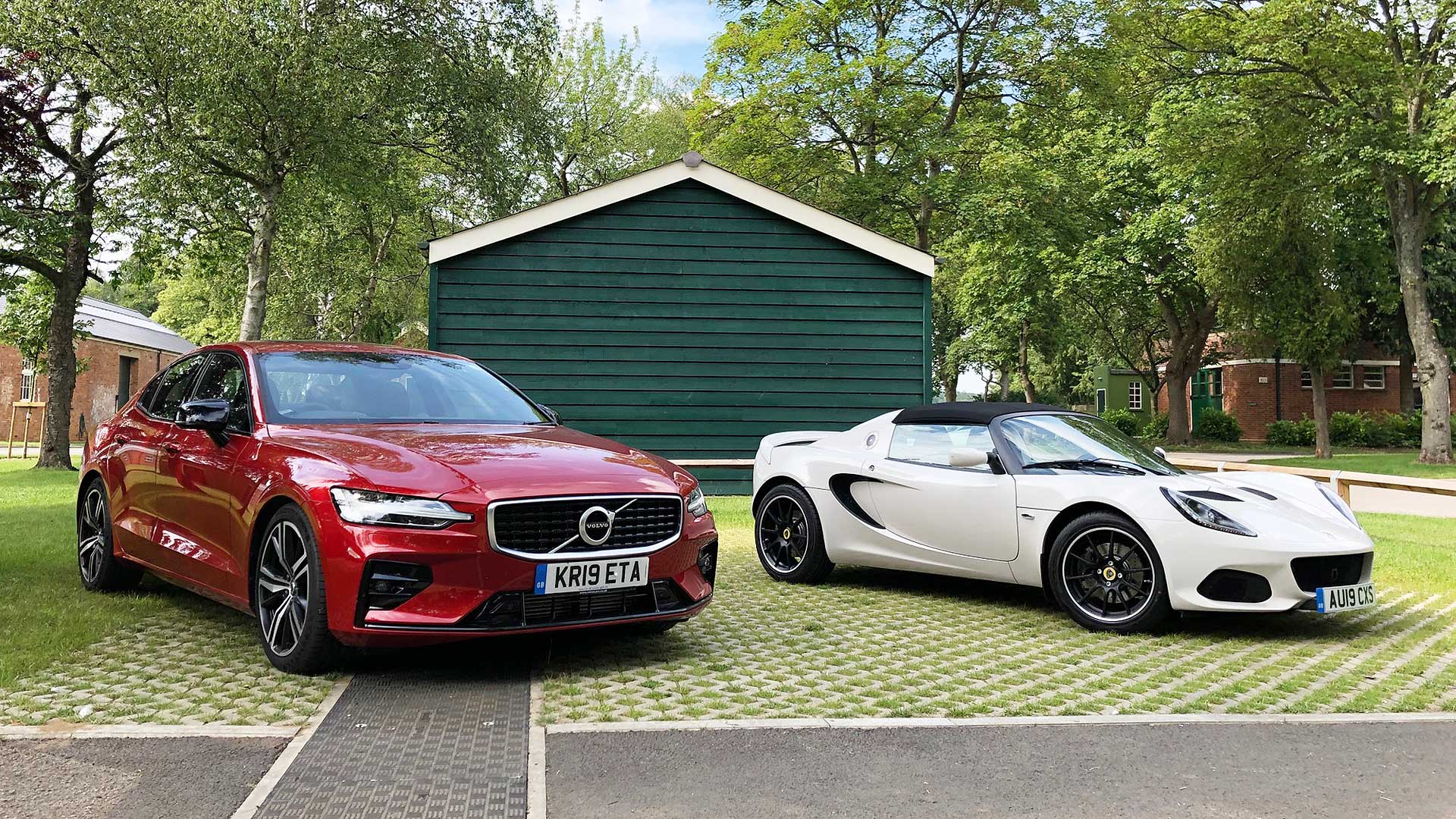
I visited Lotus this week, to drive some of its current cars. The mood amongst the team? Buoyant. It is already seeing what Geely is bringing to the firm, and can’t wait to start talking about new products.
As I drove home in a Volvo test car – the excellent new S60, a convincing BMW 3 Series rival at last – I got it, too.
Watch Lotus with interest: it’s getting ready to do a Volvo.
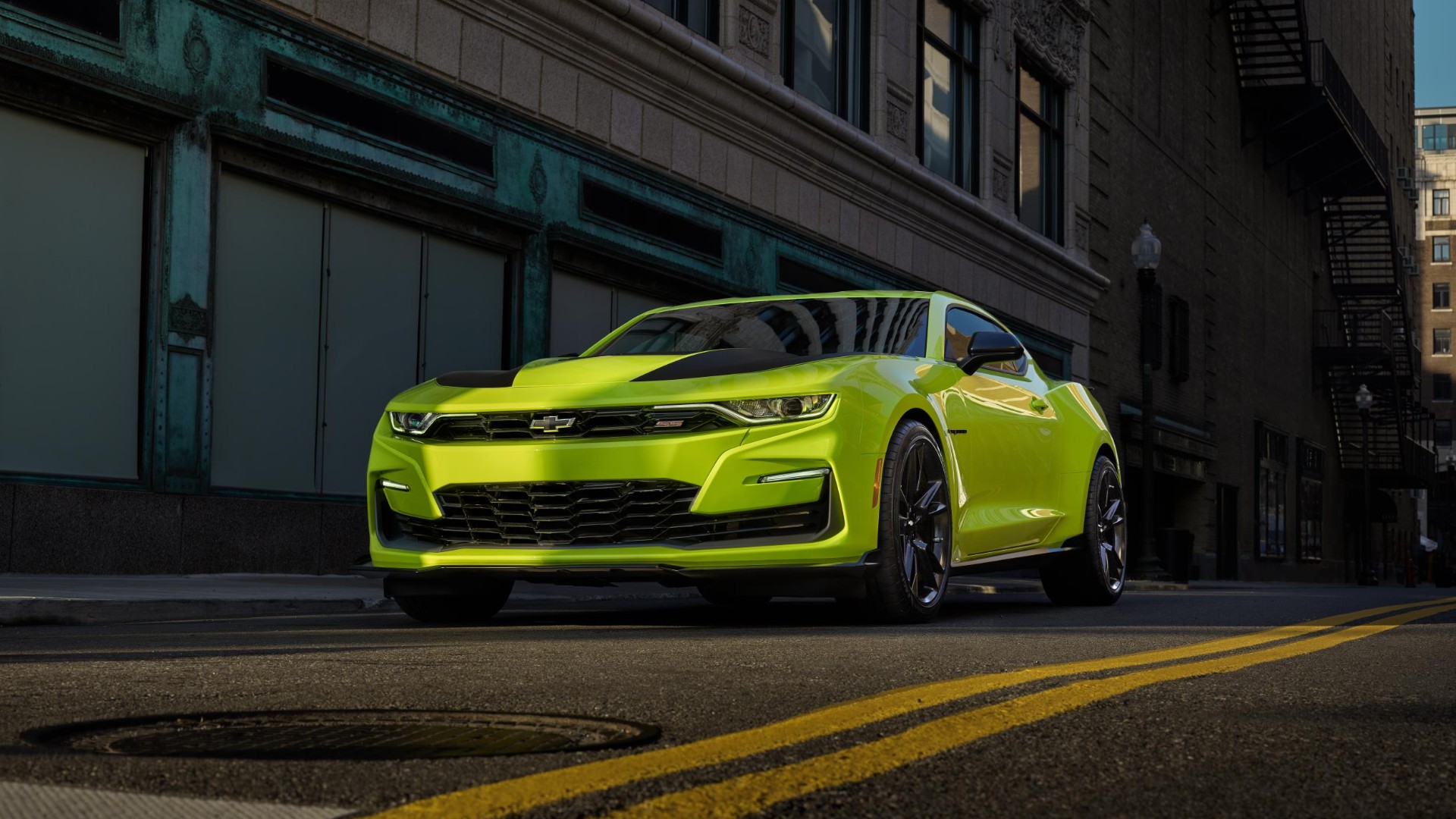
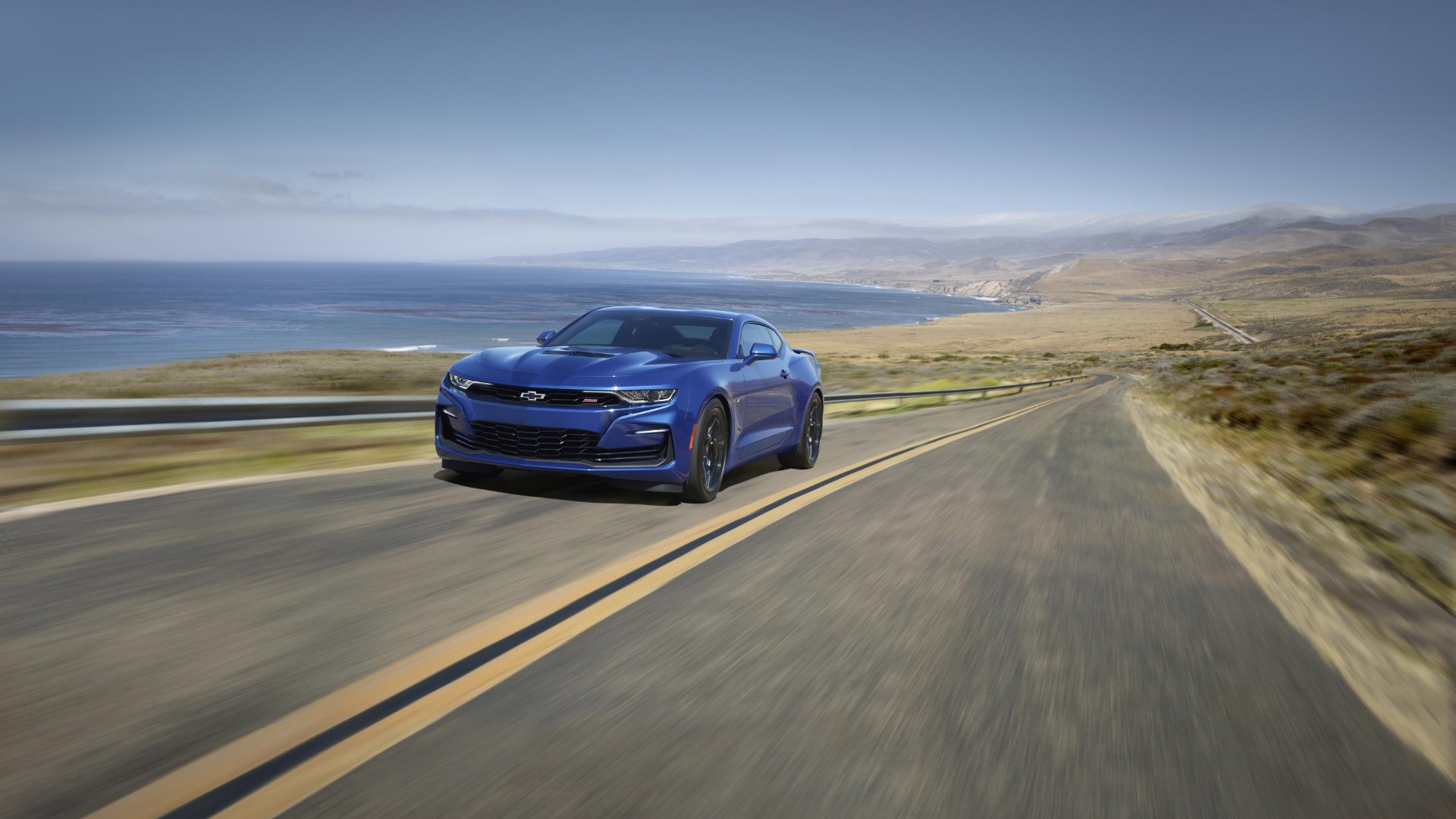
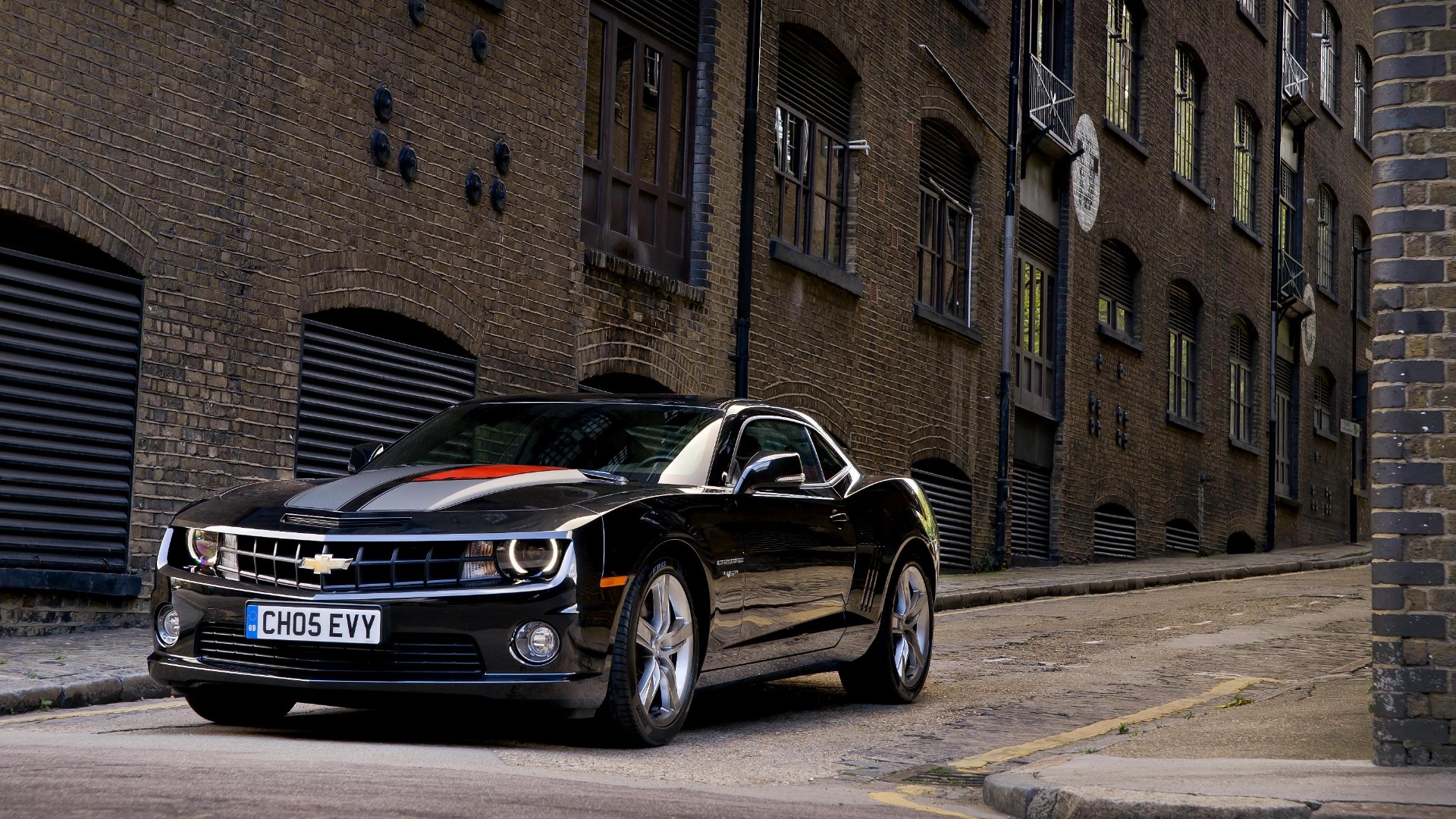
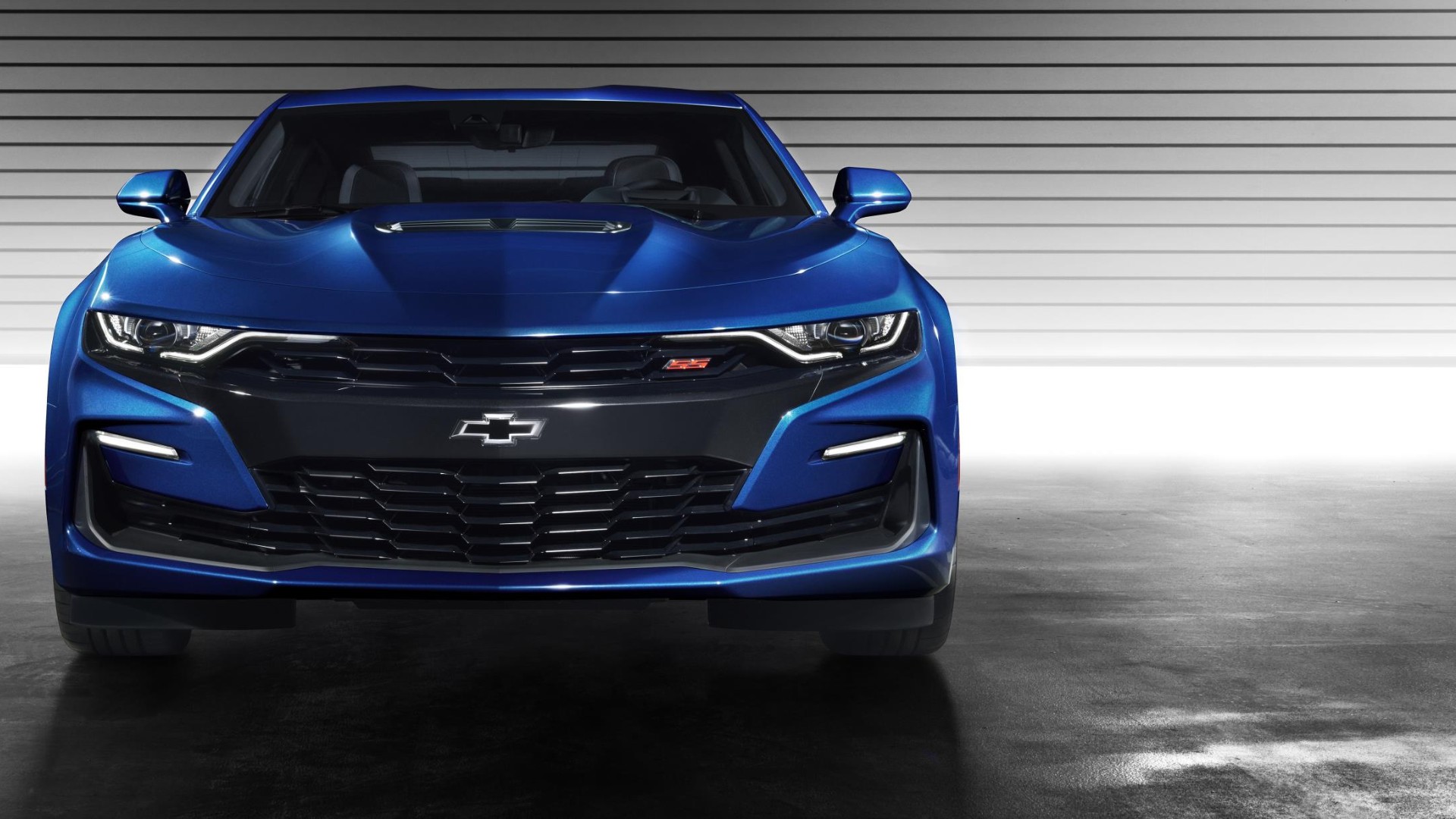
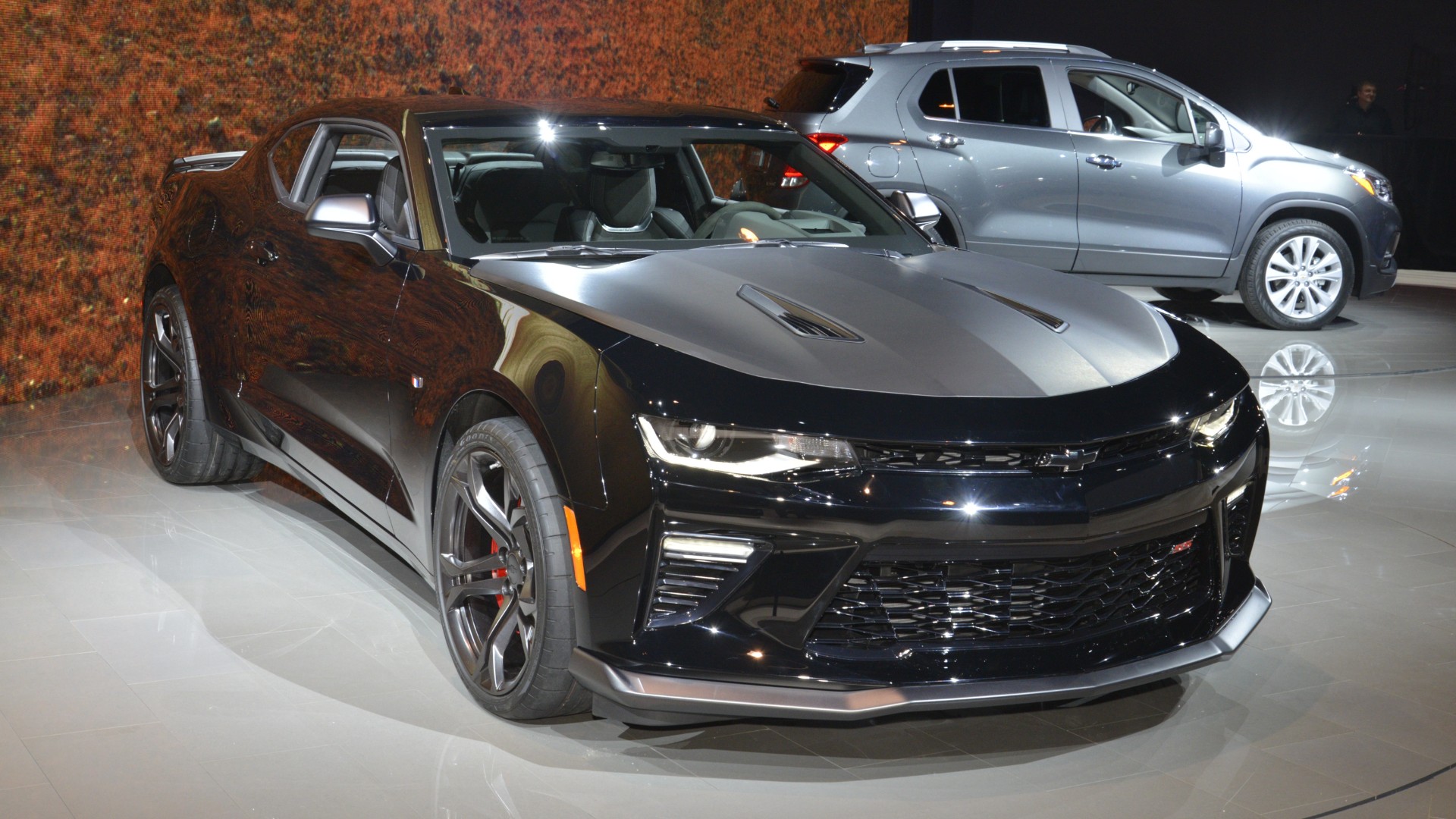
Chevrolet could end production of its iconic Camaro muscle car in 2023.
Although the Camaro is much-loved by fans, poor sales may force the American marque to cross a seventh-generation car off the development docket.
Anonymous sources inside GM told Muscle Cars & Trucks that development of a seventh-generation car has been ‘suspended’.
The rumours come despite the fact that an updated Alpha platform is ready (under the skin of the newly-revealed Cadillac CT4 and CT5) and could form the basis of a new Camaro.
If the Camaro name is indeed ‘likely to be shelved’ in 2023, it won’t be the first time. There was an eight-year production gap between the fourth- and fifth-generation cars.
The former, known by enthusiasts as the last ‘F body’, died in 2002. A new-generation car was teased by a retro concept that appeared in the Transformers film in 2007, with the production version following in 2009.
GM had fallen on very hard times at that point, but the Camaro brought some welcome good news. The hype around Transformers and excitement for the return of a classic nameplate with retro looks and monster performance fuelled a sales boom.
Chevy regularly shifted more than 80,000 units a year during fifth-gen Camaro production. The sixth-generation car, which debuted in 2015, hasn’t done so well. Last year just 51,000 Camaros were sold, down on the previous year’s near-68,000 figure.
Why isn’t the Camaro selling?
The gen-six, while a good performance machine, doesn’t have the viability of a proper pony car. It’s got the V8 and the handling, but it’s not very practical, difficult to see out of and, in SS V8 form, quite expensive.
Then there is the styling. It was a polarising thing on release, if not offensive-looking. The recent facelift, though, has to be one of the worst received in the entire history of the car.
Apart from that, perhaps people have had their fill. Retro styling is very familiar now, and the new car made a slightly odd go of further modernisation.
Then again, the success of Dodge’s Challenger – a car as old as the hills – says otherwise. It has retained a very old-school and simple bravado, while the Camaro (and to a lesser extent, the Ford Mustang), have become a bit fussy. Plus, it’s the powerhouse poster car where 707hp is third-best.
Whatever happens, if it happens, we’ll be sad if the Camaro goes. Not that we got it officially in the UK anyway…
Fraudsters are employing a new tactic in their pursuit of a quick – and dangerous – buck, warns claims expert AX.
‘Hide and crash’ involves the criminal’s car hiding in your blind-spot, then accelerating abruptly, swerving in and slamming on the brakes.
Their aim is to get you to crash into the back of them. Generally speaking, it’s always the person behind who’s considered at fault, hence the fraudsters’ focus.
“This new tactic is a dangerous progression of the existing ‘slam on’ approach,” explains Neil Thomas, director of investigative services at AX.
“Criminals can take cover in a driver’s blind-spot, wait for the ideal moment, then accelerate and move into their pathway before slamming on the brakes.”
The top five tactics to induce accidents
Motor fraud costs drivers and insurers £340 million every year. Hide and crash is, in fact, an evolution of existing tactics used by criminals to put themselves at the blameless end of a smash.
This involves someone flashing to let you out, only for them to accelerate and hit you. Because you’re being let out, it’s the other driver’s right of way, and therefore technically not his or her fault.
3. Crash for ready cash
This involves employing any of these tactics and more and then asking for cash to fix their car
4. Hide and crash
Hiding in the driver’s blind-spot, then accelerating, swerving in front and braking hard.
5. Hire and crash
The fraudster hires a car and stages an accident with a friend.
Where is most at risk for motor fraud?
Anywhere where you might find yourself encroaching on another driver’s right of way is a risk. This includes most roundabouts, especially those without CCTV, traffic lights and side road turnings.
Motorways, particularly when they’re busy, are popular for traditional ‘slam on’ tactics. This takes advantage of the automatic presumption of fault and the high speeds on motorways. It’s also hidden in the hustle and bustle.
Protecting yourself against fraudulent crashes
Dash cams can be a huge ally in the fight against motor fraud.
Double-check every move you make, especially when being ‘let out’. If you take your time, someone who is genuinely letting you out might move on. A fraudster could well linger, frustratedly gesturing for you to go.
Watch for passengers in the car in front of you looking back, too. This can be a sign that they’re getting ready for a ‘slam on’.
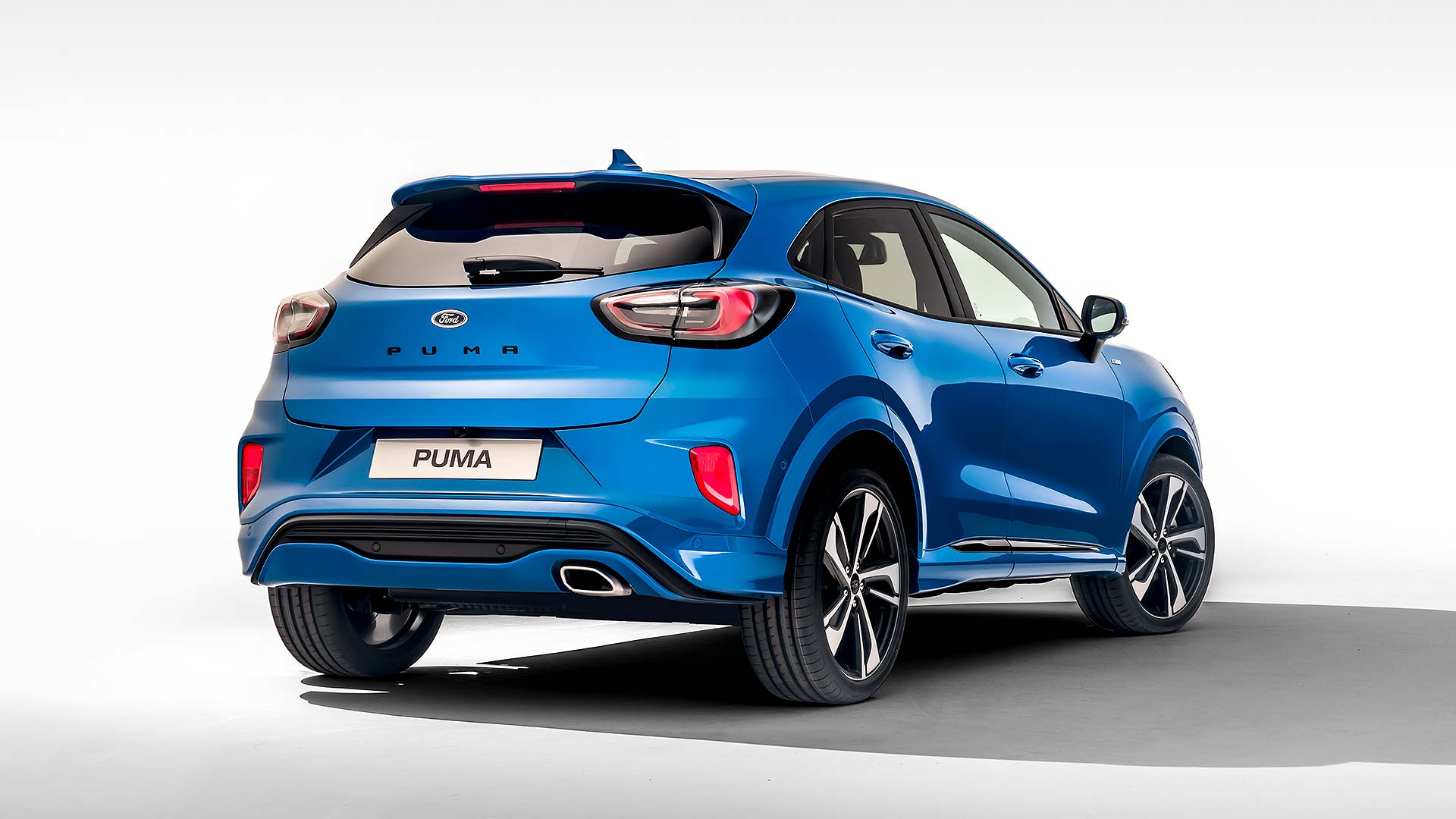
The Ford Puma is back. But before you get carried away with thoughts of Steve McQueen, Tiff Needell terrorising fellow Top Gear presenters and front-wheel-drive coupes, the new Puma is a small SUV. Like the old Puma, it’s based on the Ford Fiesta, but aside from the name, that’s where the similarities end. But the return of the much-loved name got us thinking about other cars that have returned from the dead.
The last Ford Puma was, quite simply, one of the best handling front-wheel-drive cars ever built. Pick of the engines was the 1.7-litre unit co-developed with Yamaha, but the Puma also featured a delightful gearbox, complete with a terrific gear knob. No other small coupe could touch it – the car, not the knob – which meant the Puma appealed to both fashion-led buyers and keen drivers.
Toyota Supra
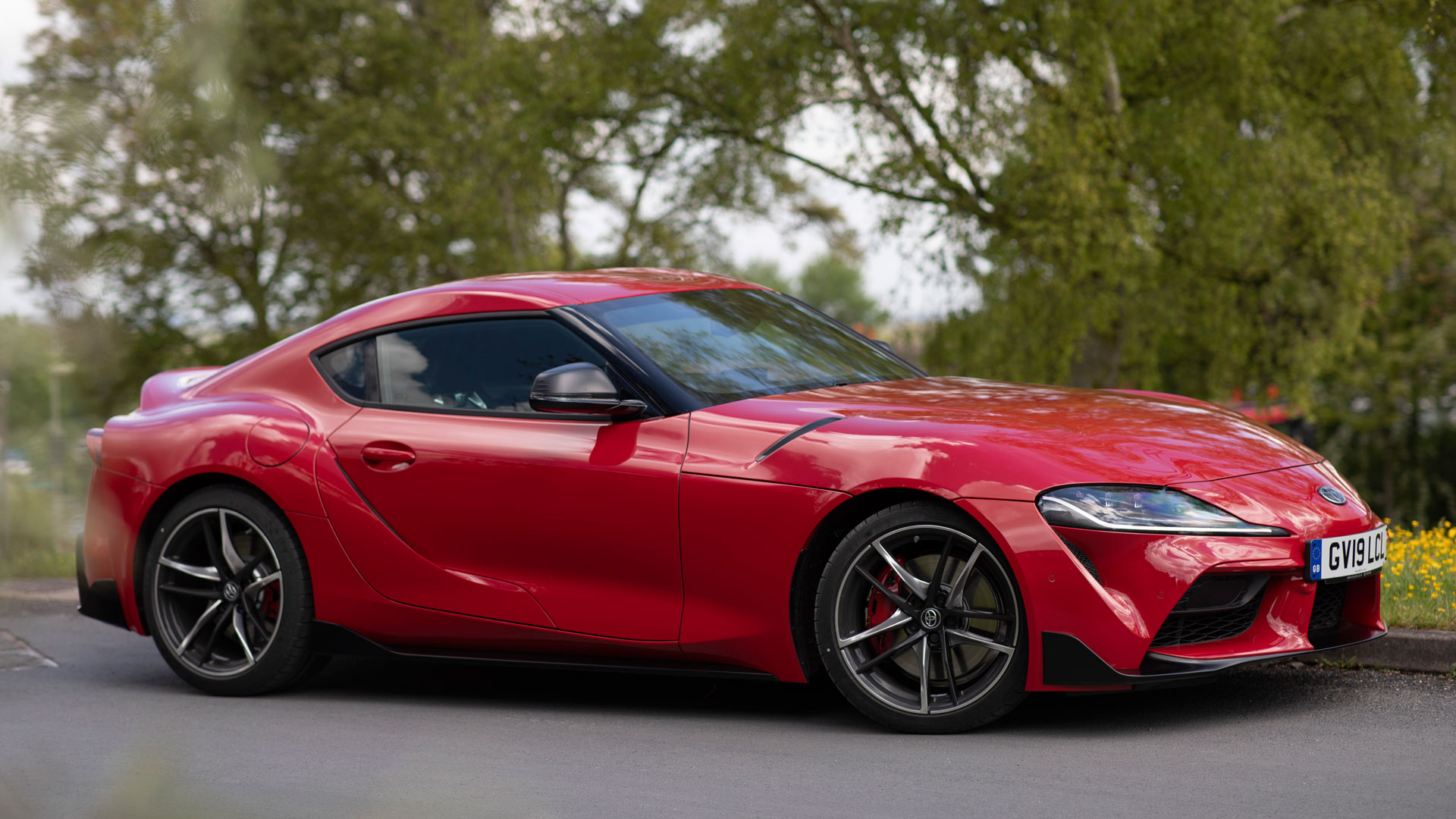
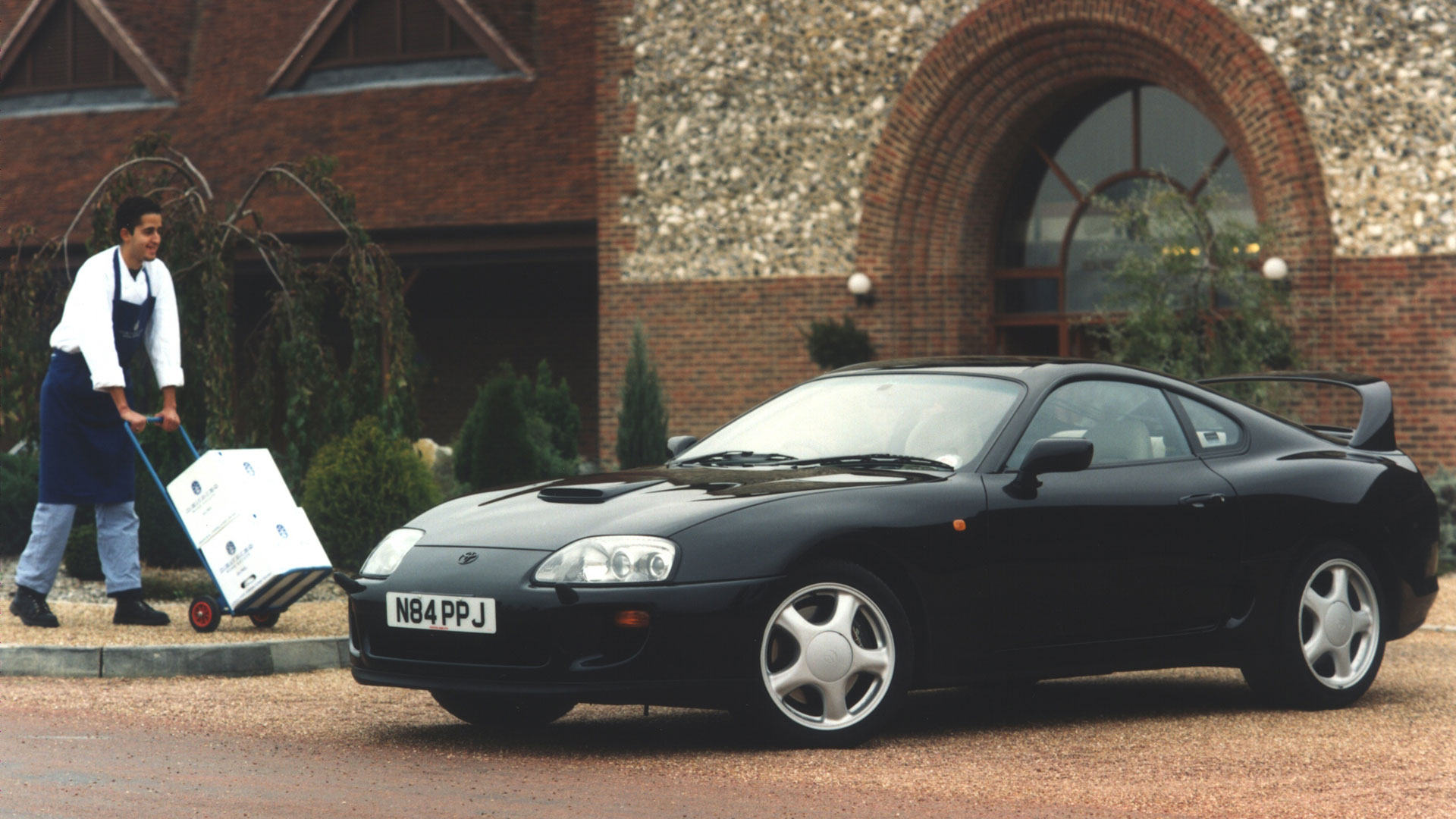
But while Ford has transformed the Puma from a cute coupe to a crossover, Toyota hasn’t messed with the Supra formula. The new car may borrow much from its sibling the BMW Z4 – including engines – but this rear-drive sports car is a near figure-for-figure copy of its predecessor.
And by figure-for-figure, we mean they both produce near-on the same power and share the same footprint. Back in 1993, 320hp+ was not to be sniffed at. You could see off the top end of the Porsche 911 range with that. Today, it’s more Cayman than 911 territory, but we’re pleased that Toyota didn’t disappear down the horsepower wars rabbit hole.
Alpine A110
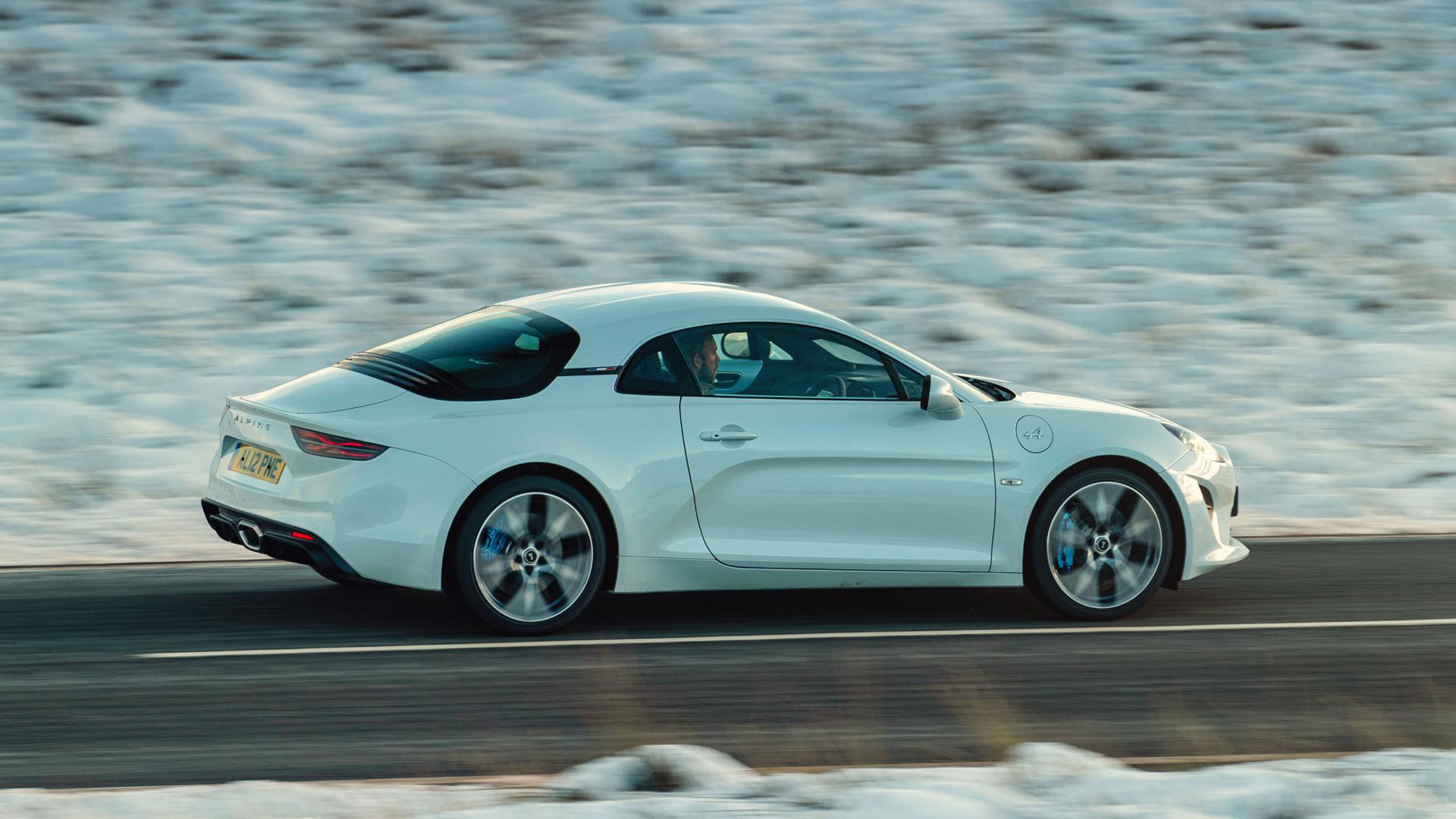
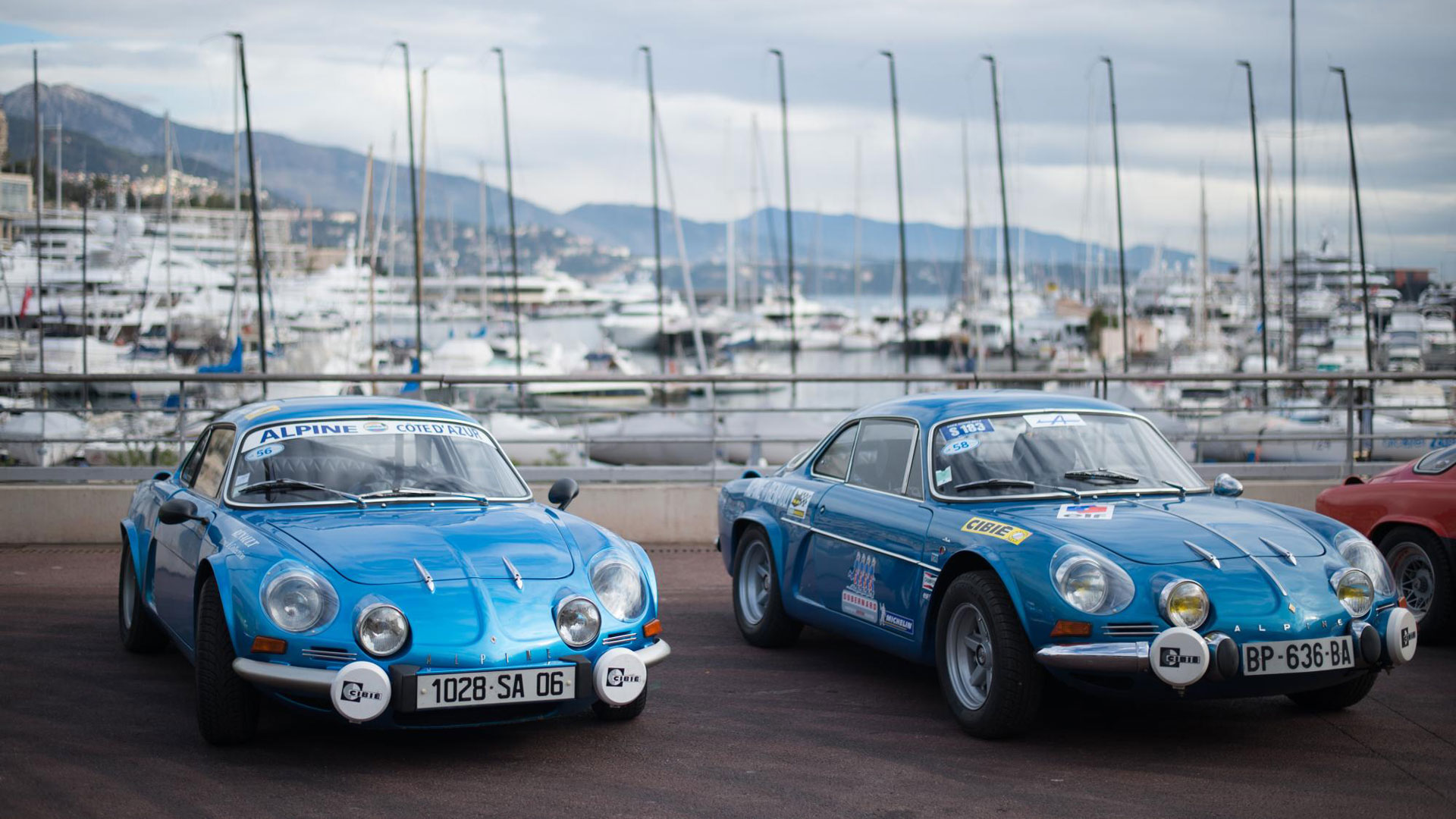
Alpine took a similar approach for its resurrection. It’s a back-from-the-dead double-whammy, as both the Alpine name and the A110 model return. The new car is so good, it came within a count-back of beating the Jaguar I-Pace to the 2019 European Car of the Year crown.
The new A110 has a lot to live up to. This lightweight sports car tore up the rally stages, to claim the first World Rally Championship in 1973. The new car apes the original’s style as well as its less-is-more ethos.
Ford Galaxy
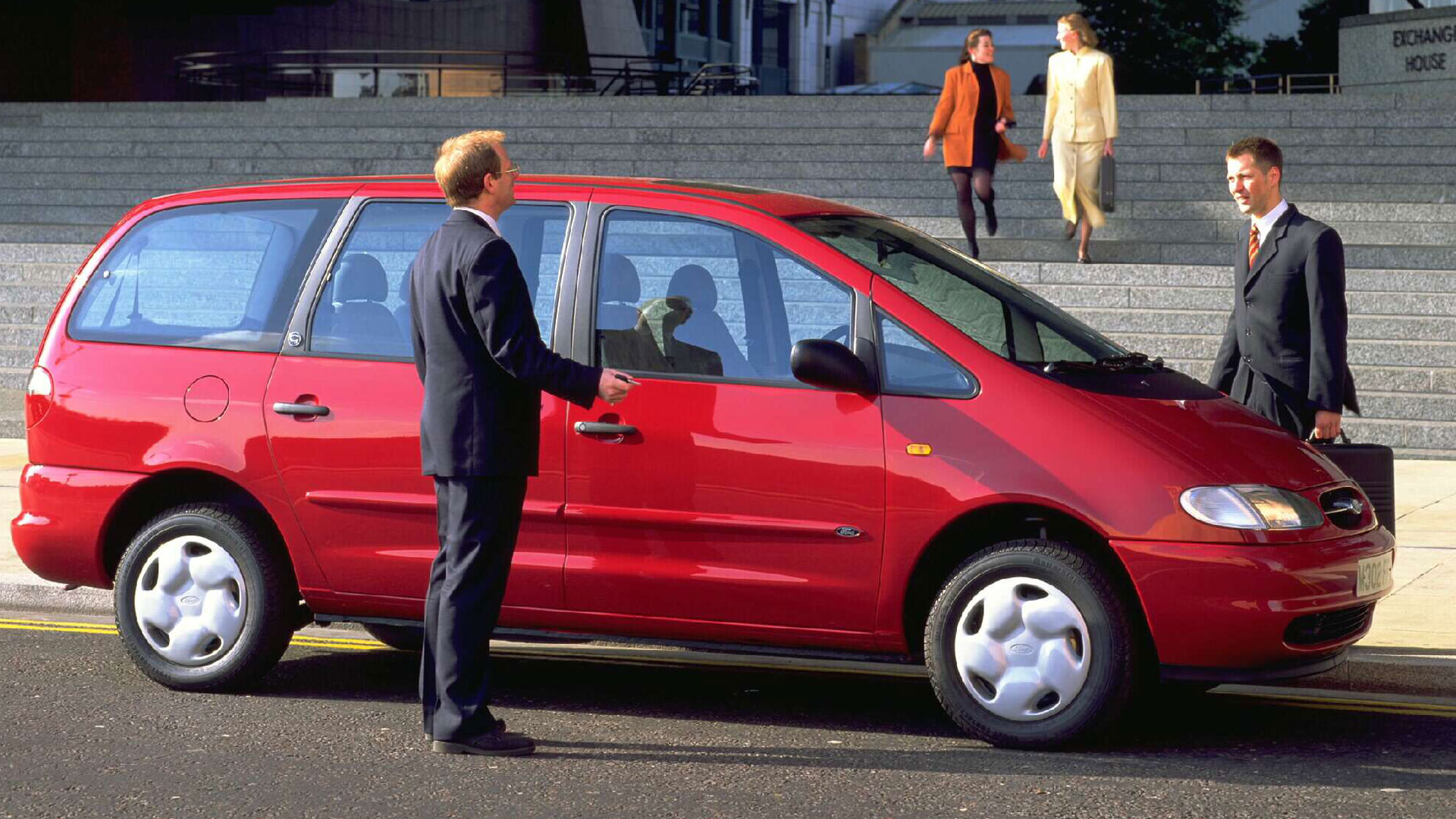
Technically, the Galaxy doesn’t succeed the Galaxie, even in name. The Galaxy arrived at the height of the MPV revolution in the 1990s, sharing underpinnings with the Volkswagen Sharan and Seat Alhambra. It was a perfectly competent but not particularly inspiring machine.
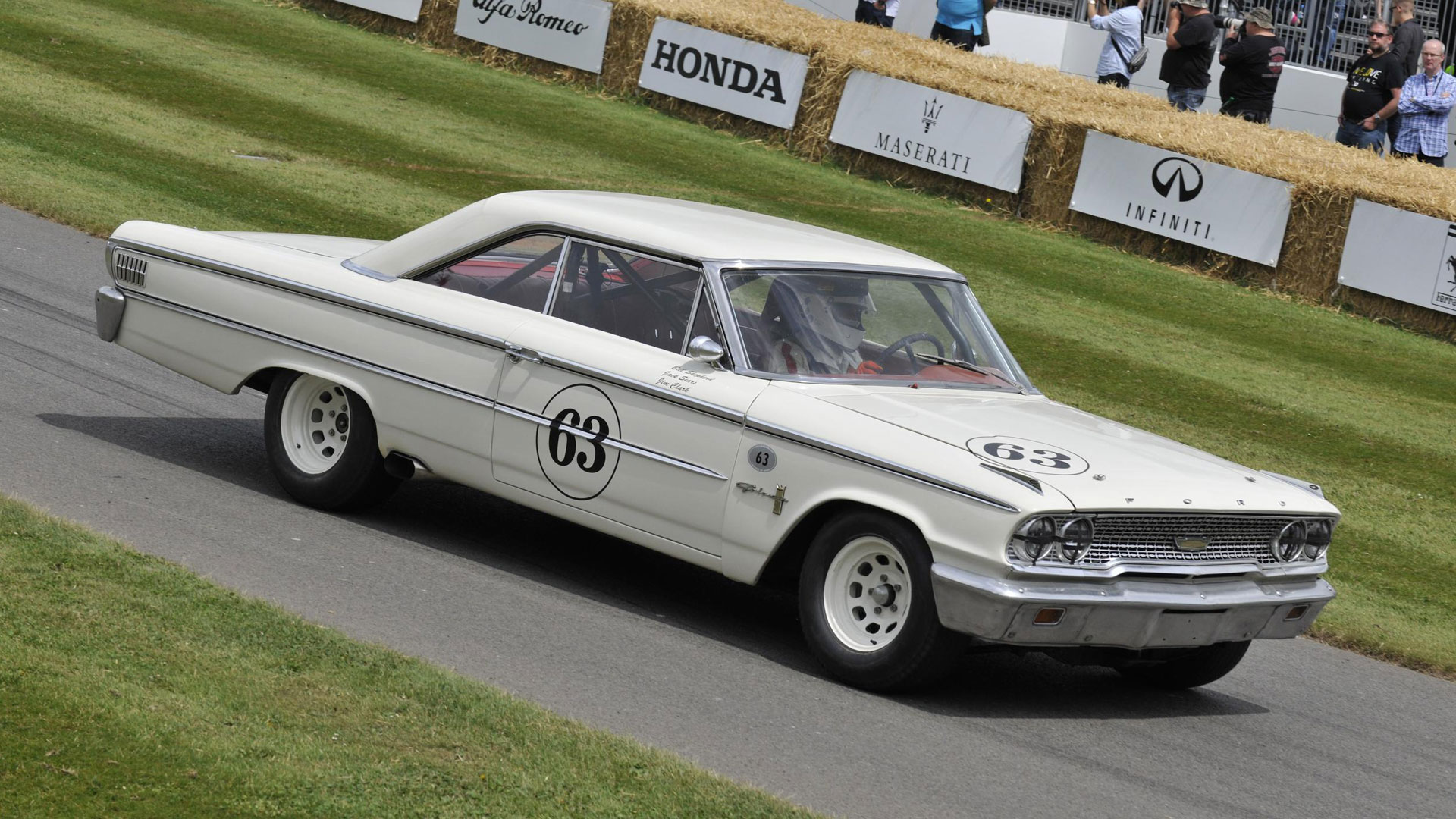
The humble MPV is not to be confused with the earlier Ford Galaxie. More than a spelling change, this Galaxie was a monstrous luxury saloon and coupe from the 1960s that turned its hand to NASCAR and various other race disciplines. You won’t find a 7.0-litre V8 under the ‘hood’ of the modern-day MPV, that’s for sure…
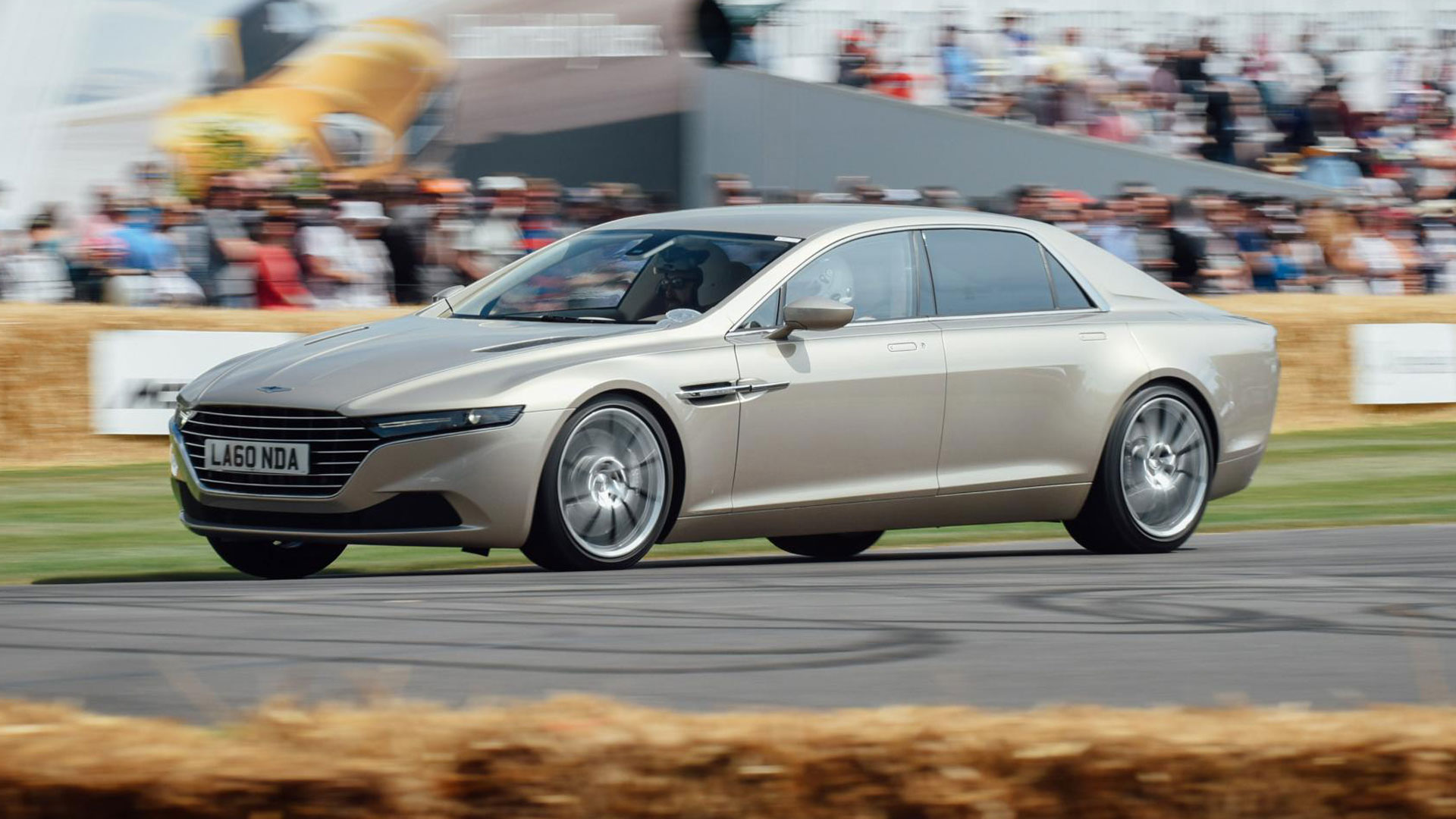
Aston Martin Lagonda
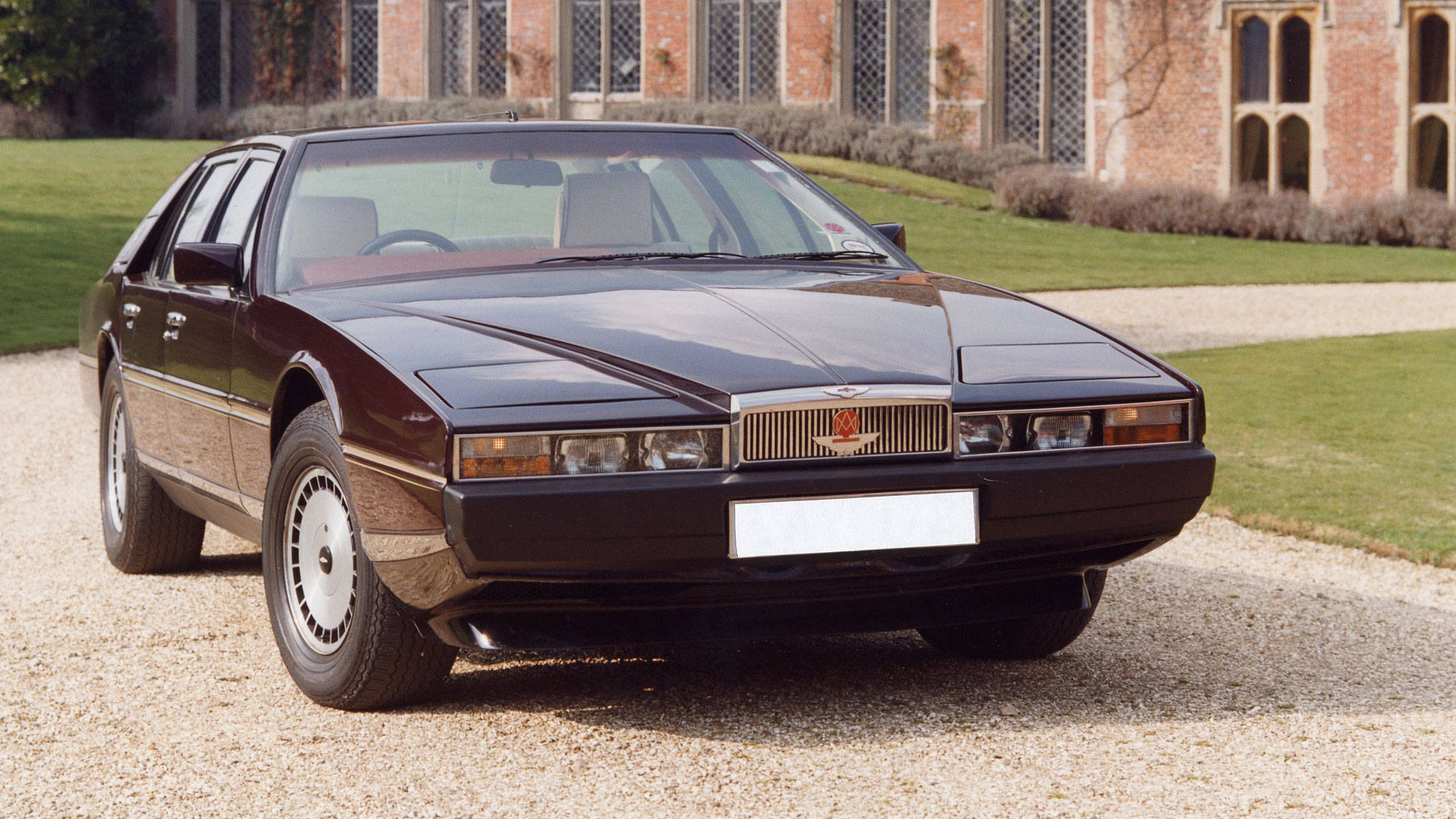
The Aston Martin Lagonda Series 2 turns 43 this year, but it still looks futuristic today. This utterly ridiculous and mad luxury saloon must have made a Rolls-Royce Shadow resemble a horse and cart in its day.
Now, Lagonda is on its way back, albeit as a standalone car marque. Still, it retains the pro-futurist vibe of the 70s wedge, claiming to be the world’s first all-electric luxury car brand. We can’t wait to see the first cars on the road, but in the meantime, here’s the Aston Martin Lagonda Taraf at Goodwood.
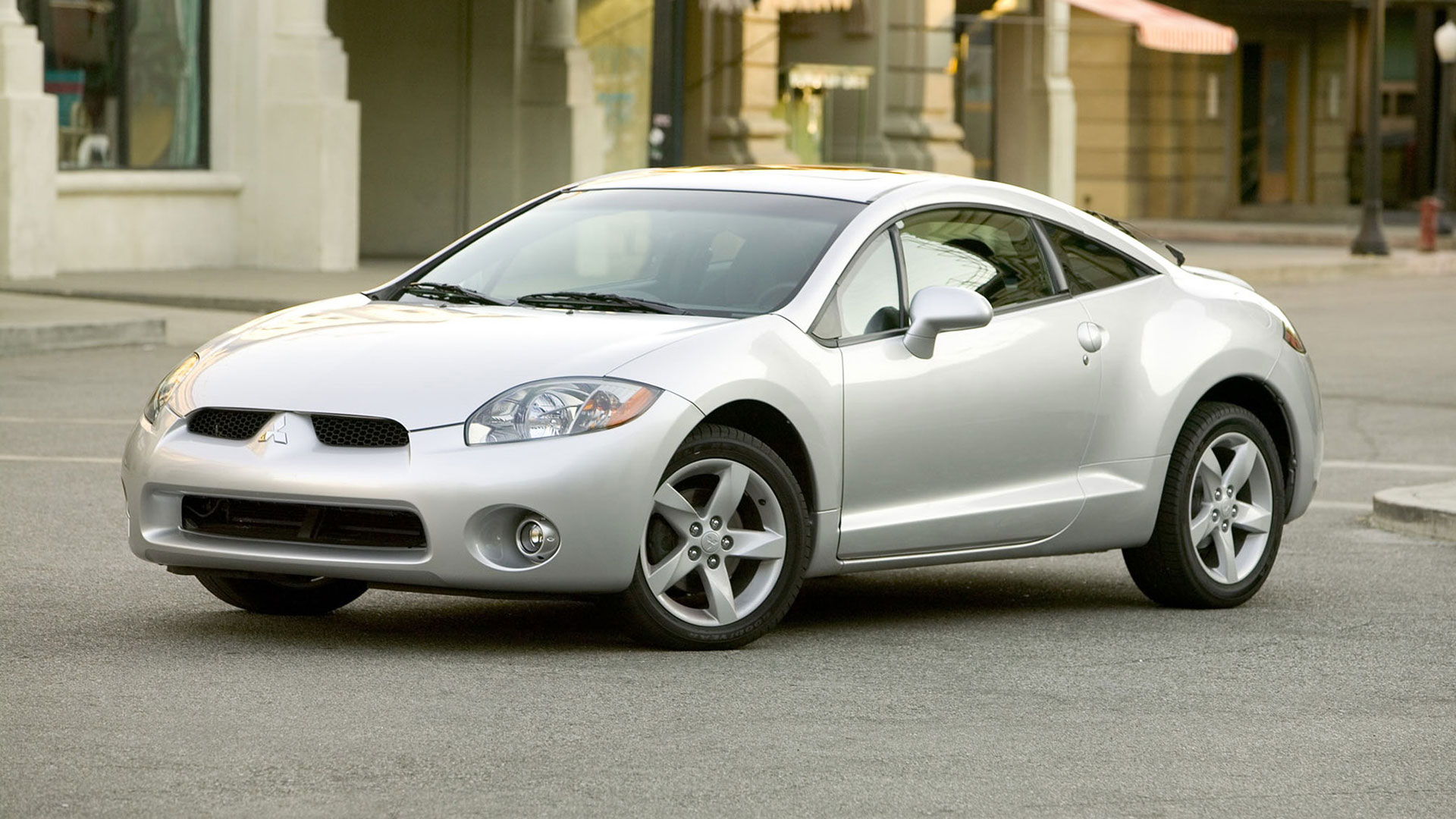
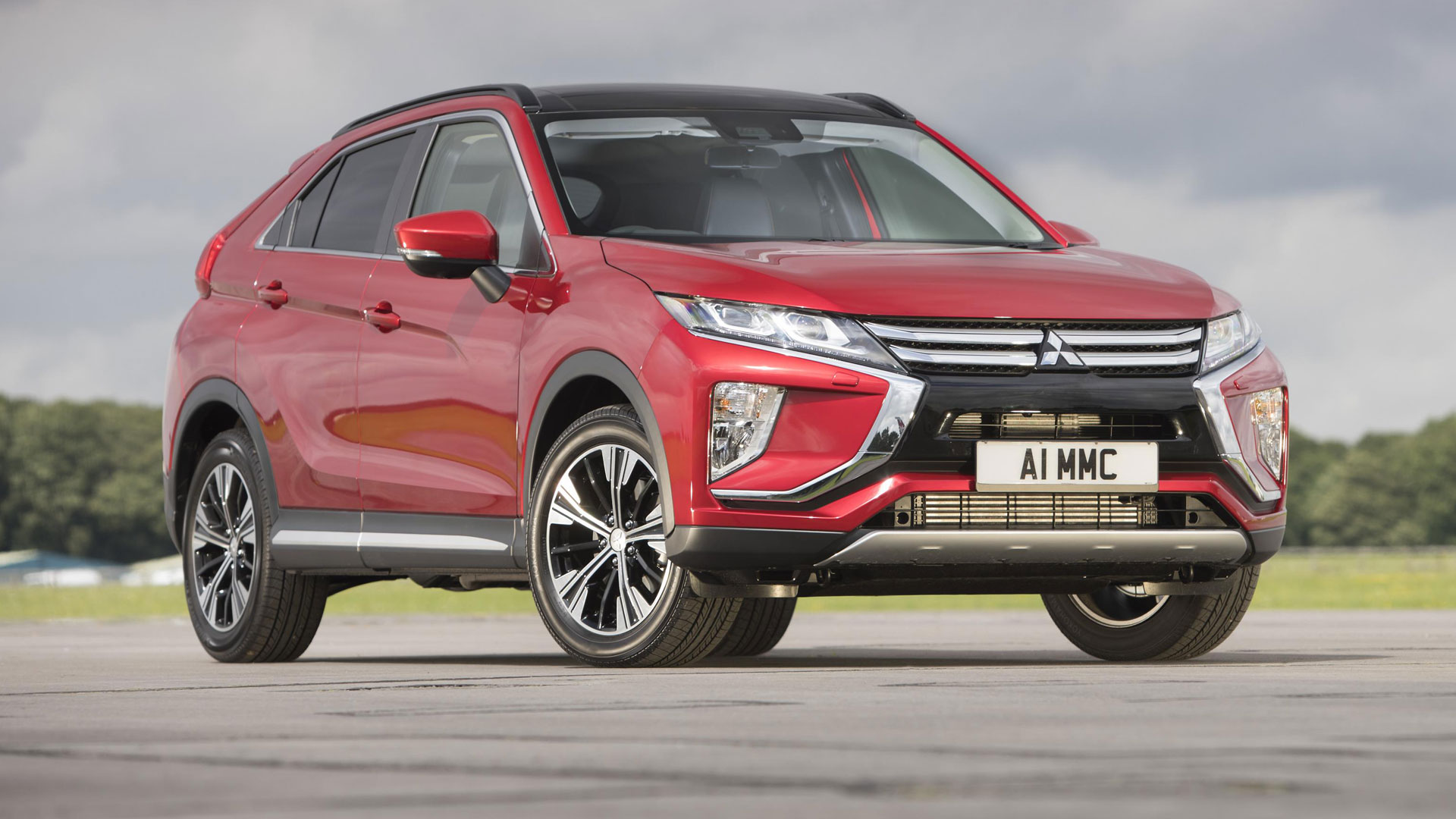
Mitsubishi Eclipse
Being front-wheel-drive, the Mitsubishi Eclipse wasn’t the sharpest coupe in the toolbox, but it shot to fame thanks to the Fast & Furious franchise.
Meanwhile, the new interpretation of the Eclipse is unlikely to shoot to fame in any shape or form. This paint-by-numbers crossover feels like a bit of a wasted use of the Eclipse badge, especially given the name’s illustrious past.
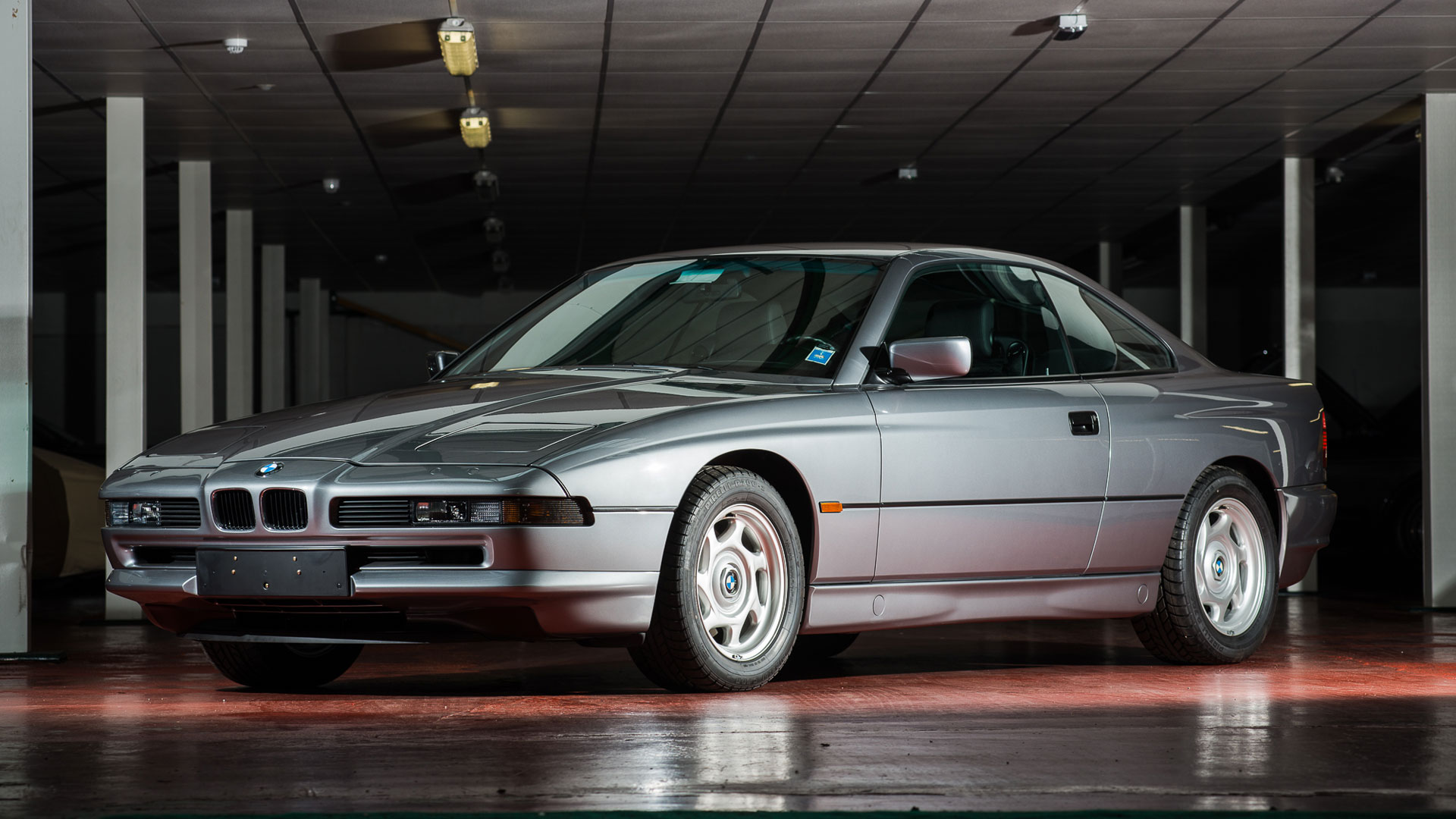
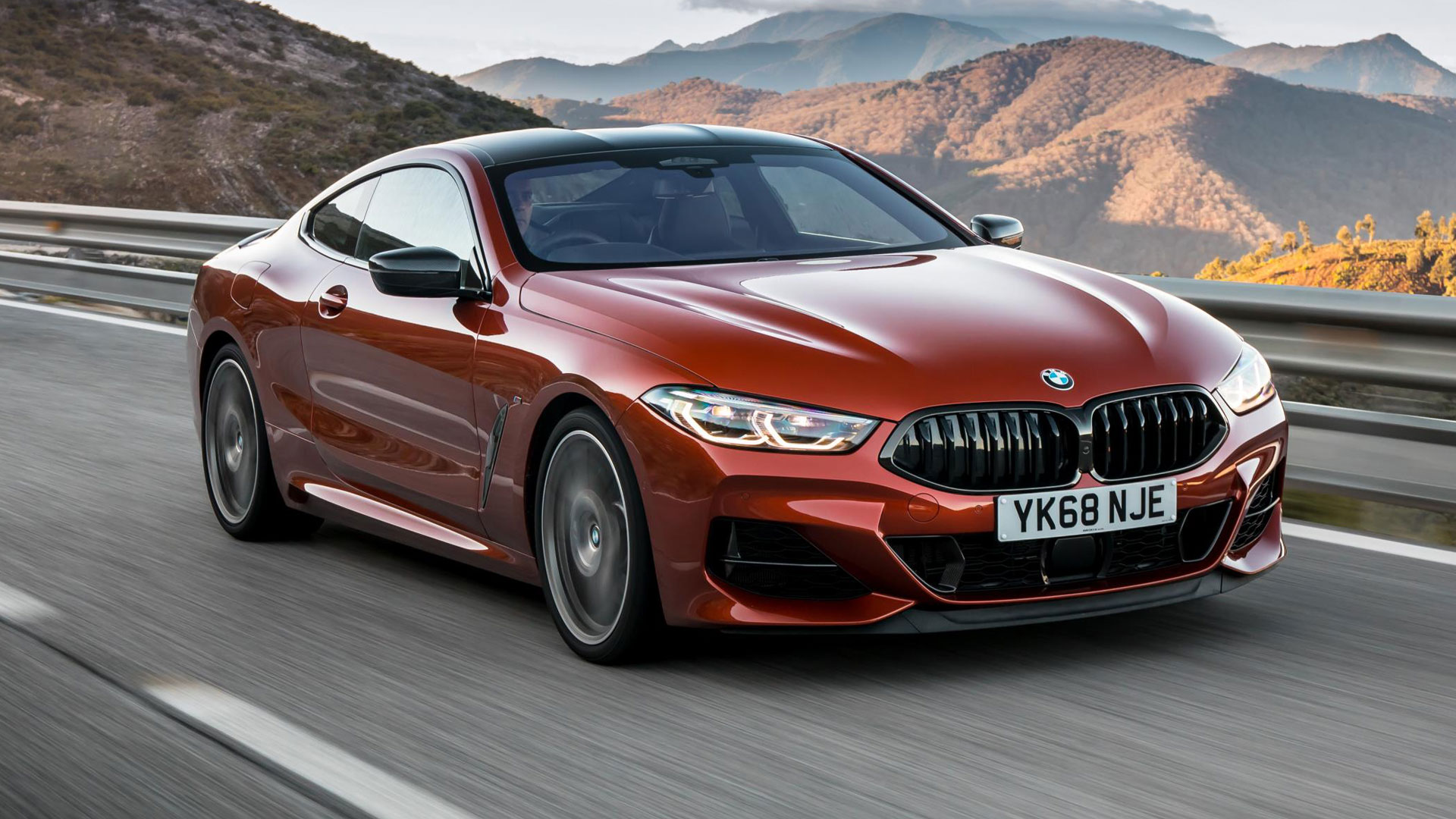
BMW 8 Series
First shown at the 1989 Frankfurt Motor Show, the BMW 850i followed the 750i saloon as the second post-war German car to be powered by a 12-cylinder engine. It made a great first impression – by the summer of 1990, it was reported that the entire production of 10,000 to 12,000 units had been sold until 1993 – but the 8 Series never really fulfilled its undoubted potential.
Which is partly why the 8 Series range was dormant for 20 years following the end of production in 1999. But now it’s back, with the new 8 Series boasting an eye-catching design and a bespoke interior. Coupe and convertible versions are available, with prices starting from £76,295.
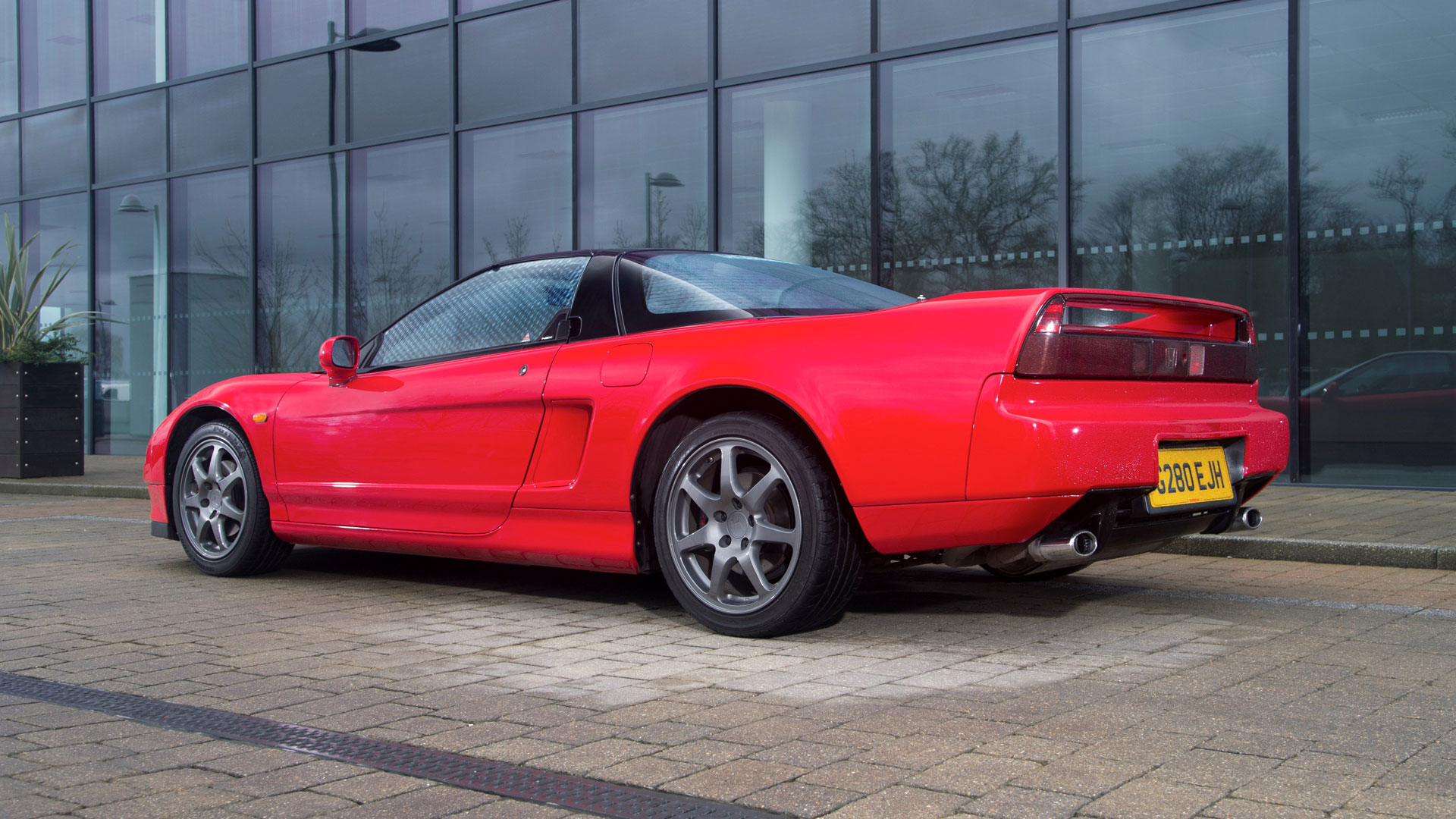
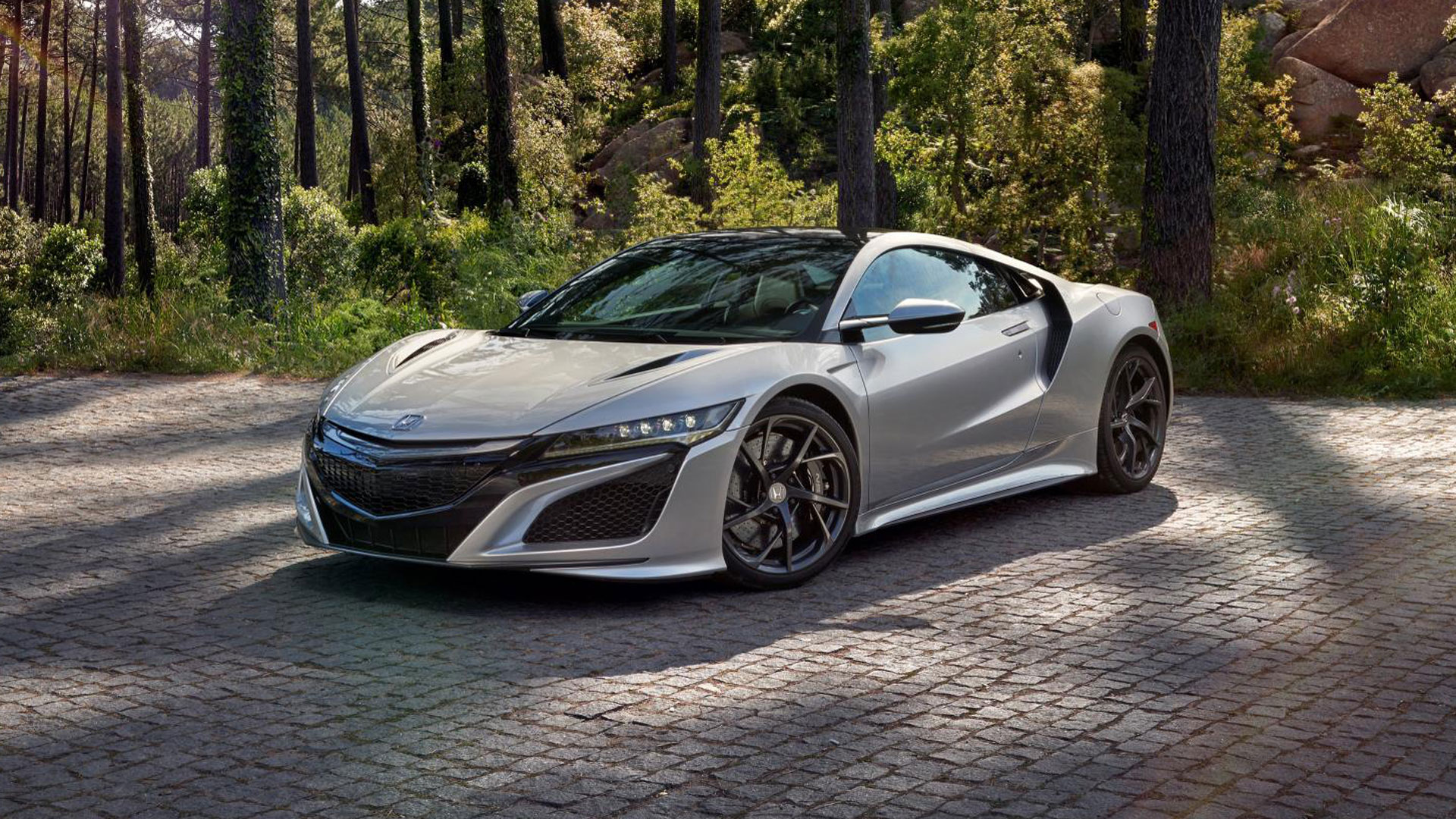
Honda NSX
The original ‘everyday supercar’, the Honda NSX proved that cars of this ilk needn’t be badly built or hard to drive. Launched in 1990, the NSX enjoyed a 15-year production run, before the badge was put out to pasture for more than two decades.
If the original NSX was an analogue affair, the new version is more digital. With a combined output of 581hp from its V6 engine, the new NSX can hit 62mph in a hypercar-baiting 2.9 seconds. In the words of our Tim Pitt, “it’s as straightforward to drive as a Civic or Jazz, yet it still inspires reverence on the right road”.
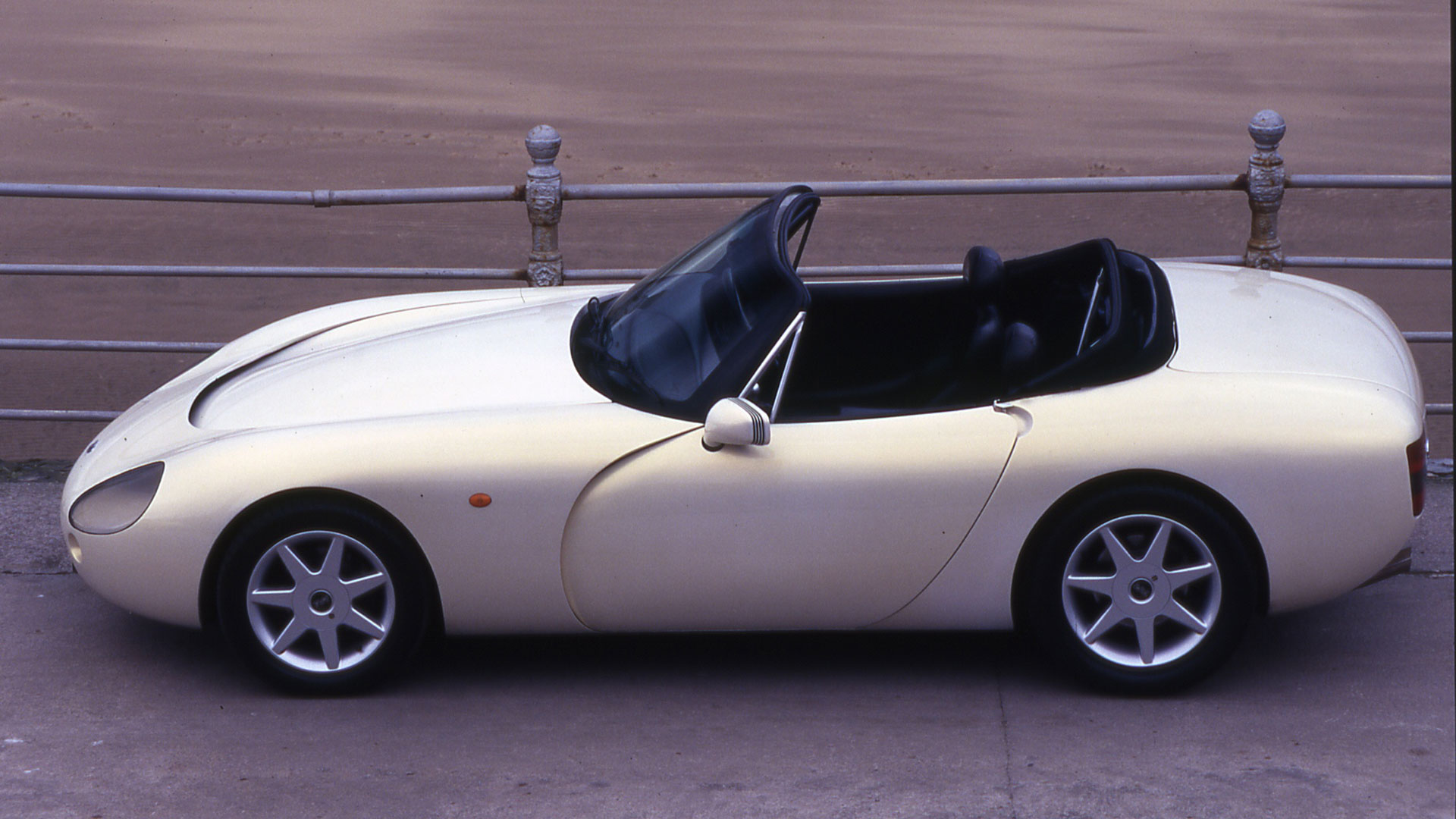
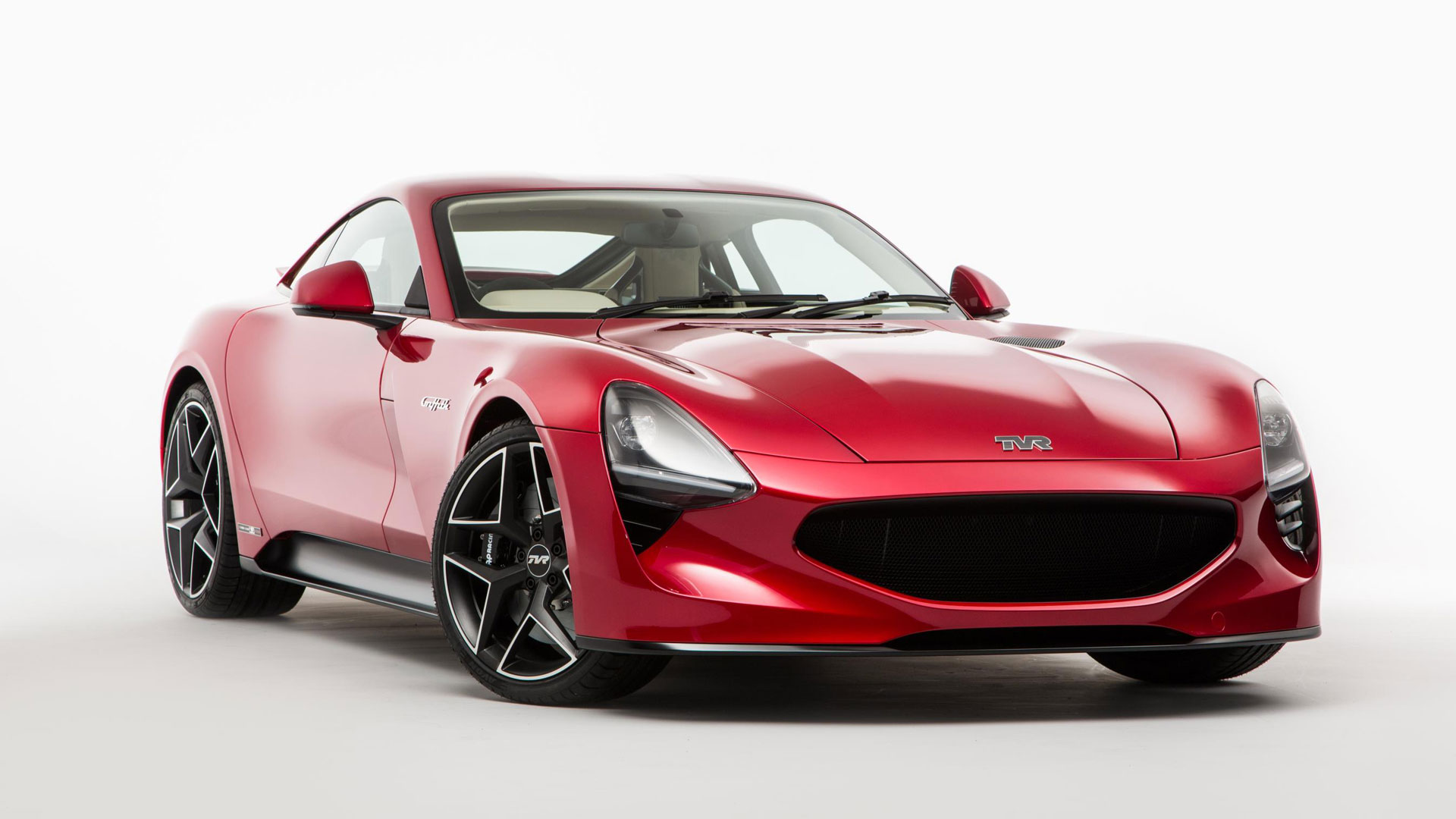
TVR Griffith
According to the TVR Car Club, an order was taken every eight minutes following the unveiling of the Griffith at the 1990 Birmingham Motor Show. Hardly surprising, given the classic sports car styling, the thunderous V8 under the bonnet and the supercar-taming pace. Just over 600 were built in 1992, with production continuing into the new millennium.
The second coming of the TVR Griffith arrived in 2017, with power sourced from a Cosworth-tuned 5.0-litre V8 engine. The new Griffith features Gordon Murray’s iStream architecture and weighs just 1,250kg. Sadly, a production delay means that the new TVR is unlikely to hit the road until 2020 at the earliest.
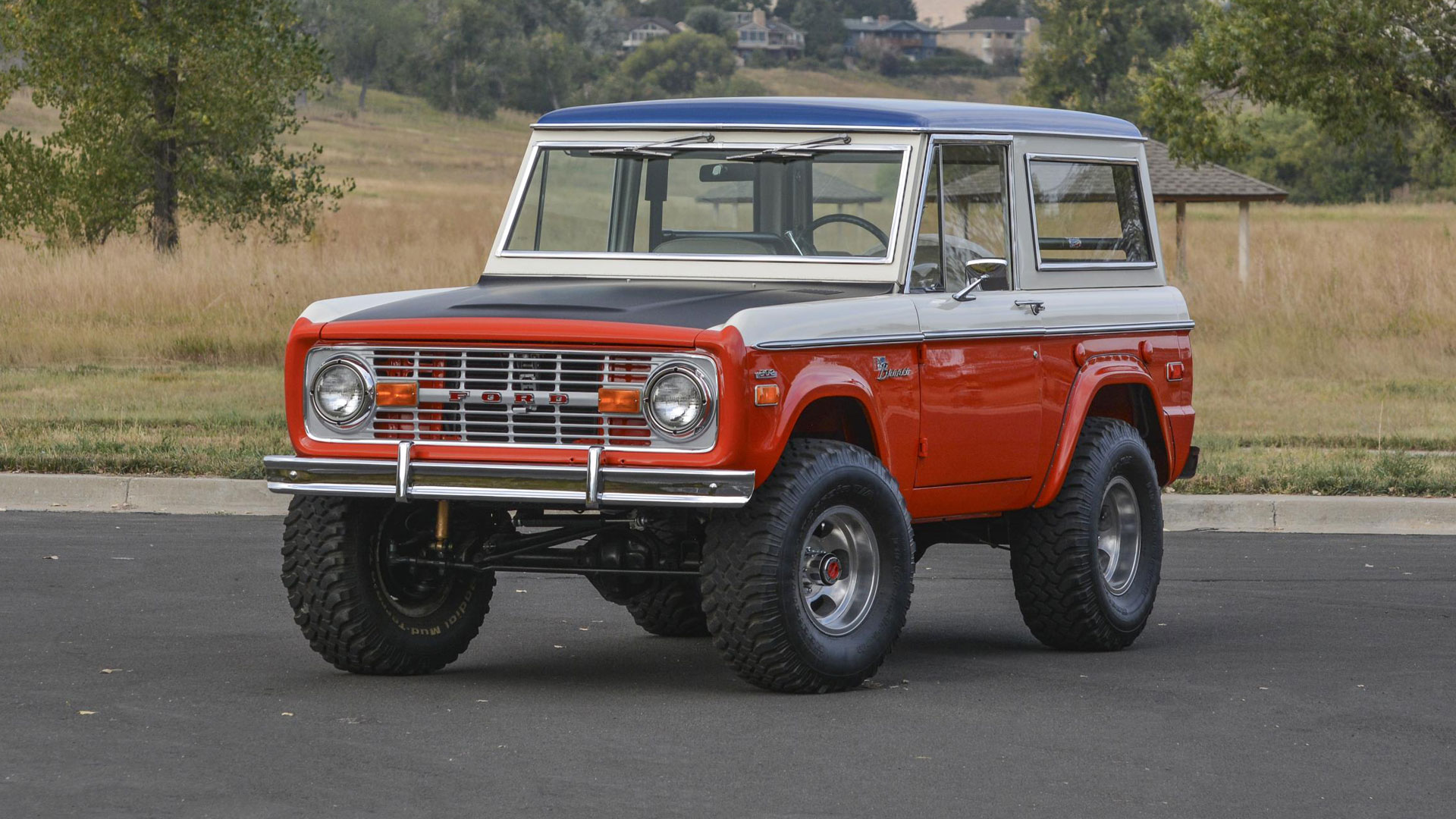
Ford Bronco
Launched in 1965, the Ford Bronco enjoyed a three-decade production run before bowing out in 1996. Conceived as a ‘modern-day symbol for the American cowboy’, the Bronco achieved immortality following the OJ Simpson car chase in 1994.
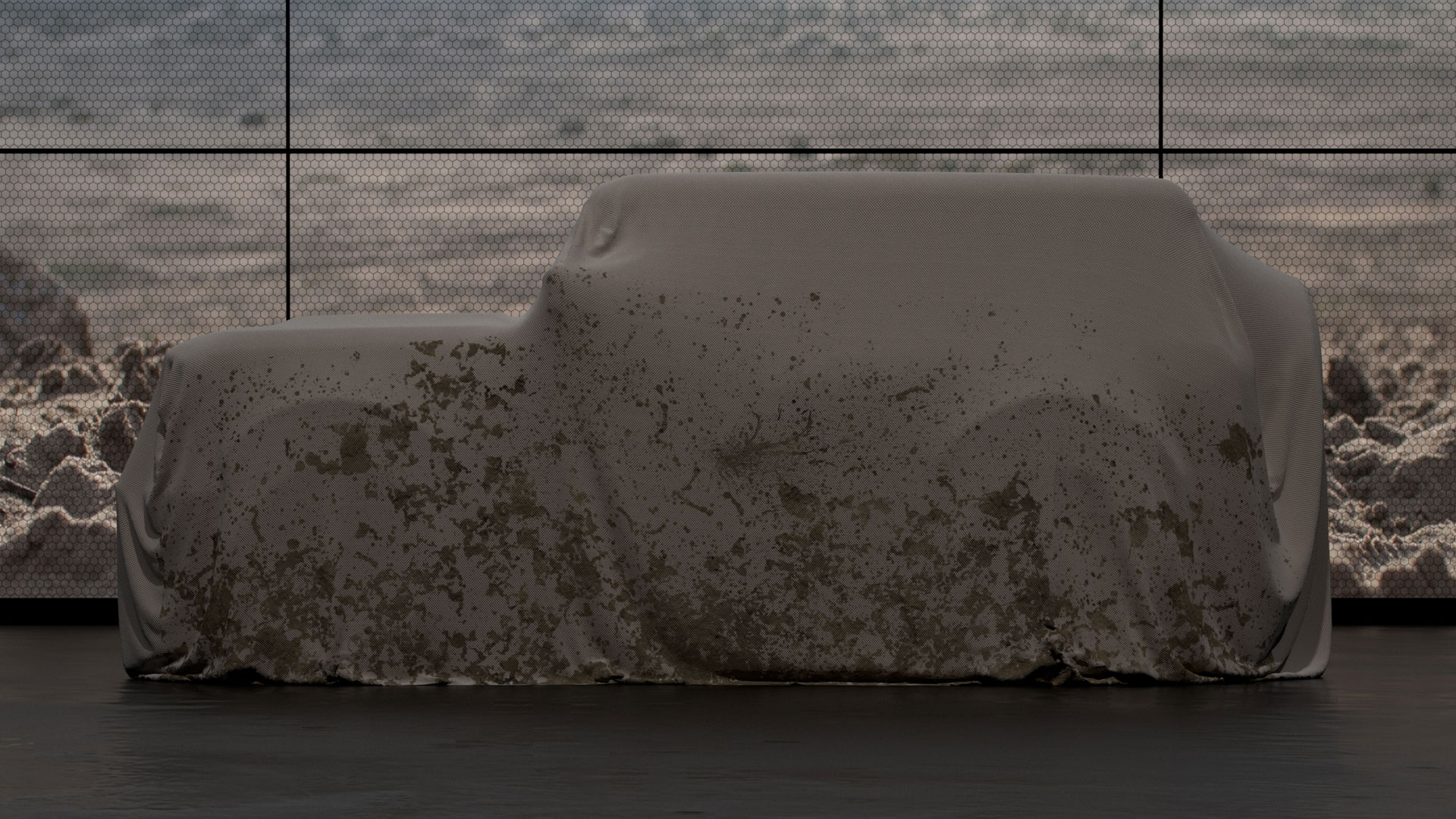
Ford announced the Bronco’s return in 2017, with the new SUV expected to hit the streets in 2020. It’s likely to feature a removable roof and doors, along with the option of a hybrid powertrain. We’re not sure about modern-day American cowboys, but we expect to see a number of former Bronco orders forming a disorderly queue for a slice of nostalgia.
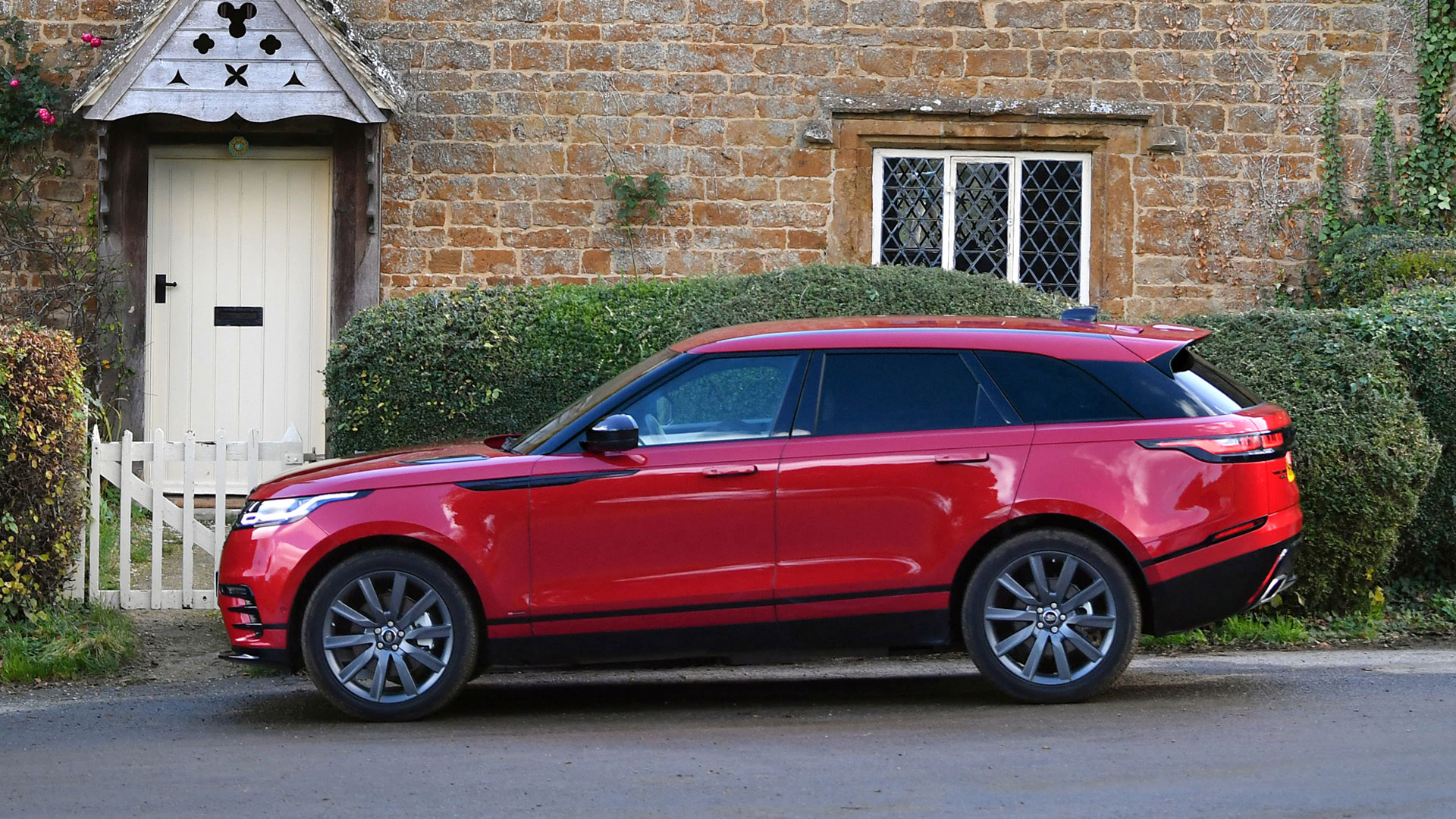
Range Rover Velar
The Range Rover Velar might be the most stylish SUV in the Land Rover range, but its name is steeped in history. From a product perspective, it sits between the Evoque and Range Rover Sport, with prices starting from a little over £45,000.
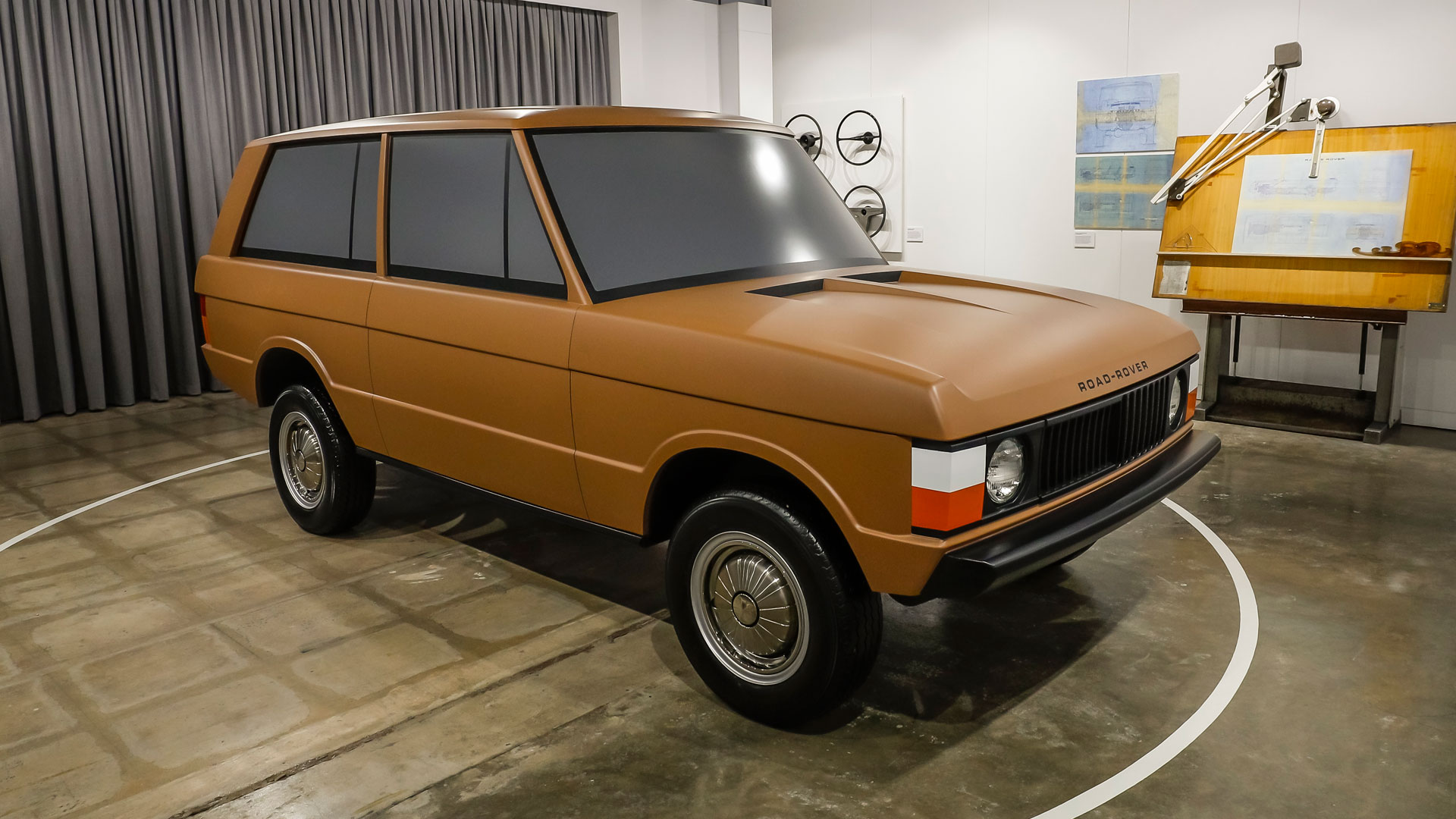
The Velar’s styling might be ultra-modern, but its name is a link back to the earliest days of Range Rover. The Velar name was used for the secret prototype built in 1967, ahead of the Range Rover’s launch in 1970. “We wanted to develop a more comfortable on-road Land Rover that would combine the comfort of the Rover with the Land Rover 4×4 capability,” said Roger Crathorne, also known as ‘Mr Land Rover’.
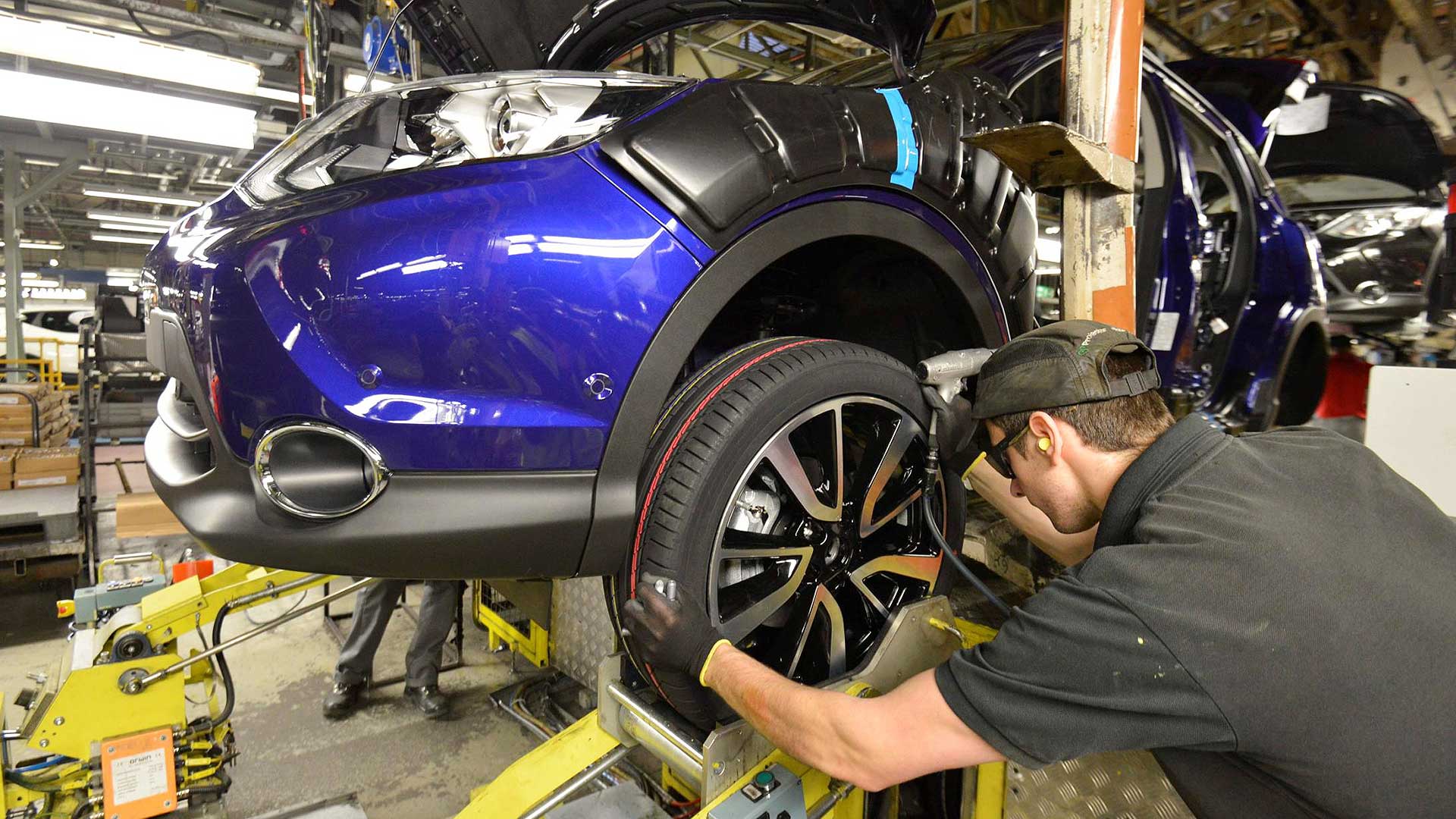
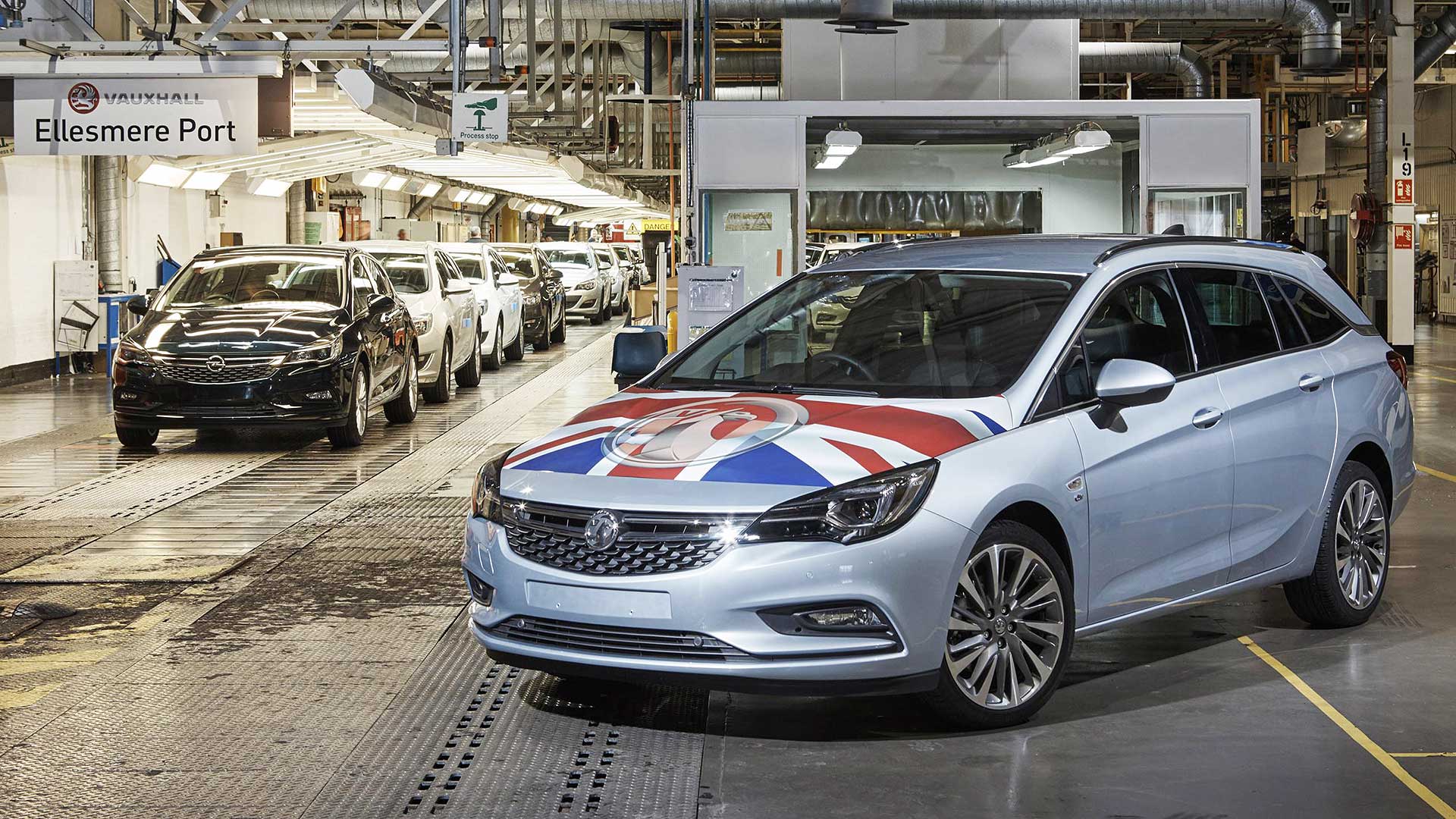 The next-generation Vauxhall Astra will continue to be built at the firm’s Ellesmere Port, Cheshire plant – if the UK can agree a favourable post-Brexit deal.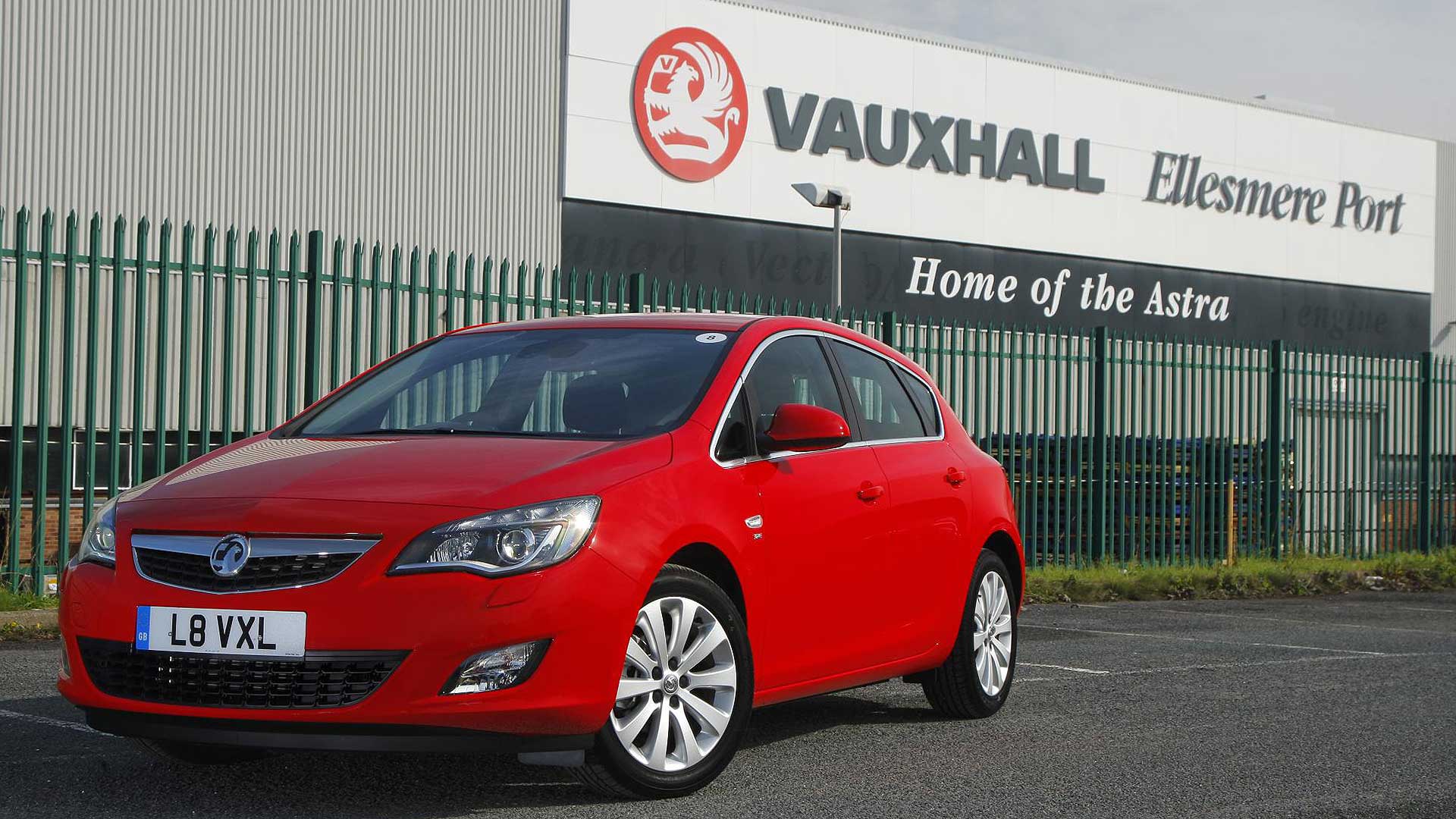


 A flagship store in the heart of Sydney’s central marked the start of Hyundai’s luxury
  The roll-out of Genesis in Australia more resembles the launch of a technology brand, rather than a traditional car company.
  Kicking off the right-hand drive Genesis range in Australia is the G70 sports saloon. Designed to compete with the BMW 3 Series and Mercedes-Benz C-Class, the G70 collected the prize for 2019 North American
  Both the G70 and G80 come with a five-year/unlimited mileage warranty, combined with five years of servicing and roadside assistance as standard. Drivers also get updates to sat nav maps for five years, too.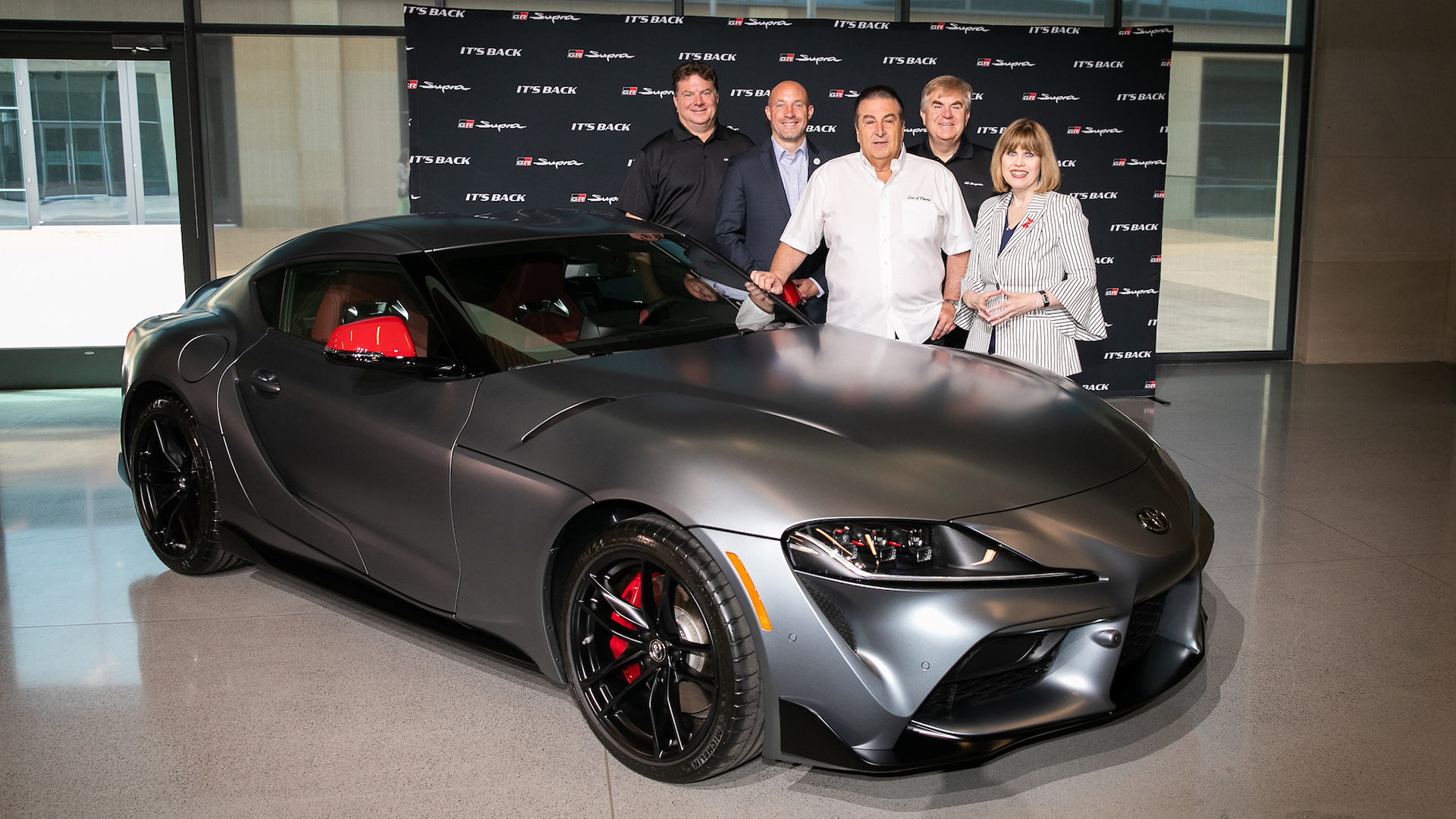
 Just a few years ago,