The government has made it a lot easier to get your local road closed to make a ‘play street’.
The phenomenon of making ‘play streets’ out of roads by closing them is a relatively new one, and increasingly popular. Some close-knit communities hold regular events in their streets. With cars temporarily banned, people are free to roam and mingle, and children are free to play.
Play streets can be used for anything from sporting events to community gatherings. It’s a concept being pushed by the government and community organisations alike.
In an update to existing guidelines, the Department for Transport has now given councils powers to make ’special event’ orders on request. Roads can be closed for ‘play’, without the need for advertising.
Councils can also use single consent applications for multiple ‘play’ days over a 12-month period. Individual applications for each closer are no longer necessary.
“Play streets offer wonderful opportunities for children to get outdoors and for families and communities to get together,” said Roads Minister Baroness Vere.
“A generation ago, it was common to see young people playing out in the street but today it can be a rare sight.
“That’s why I’m delighted to be making it easier for those who want to create Play Streets, boosting the health and wellbeing of children, families and communities.”
“We are delighted that the government has now issued guidance for councils to support play streets,” said Alice Ferguson, Director of Playing Out.
“Children need the chance to play out freely near home, as was the norm a generation ago. Heavy traffic and other conditions have made this increasingly difficult.”
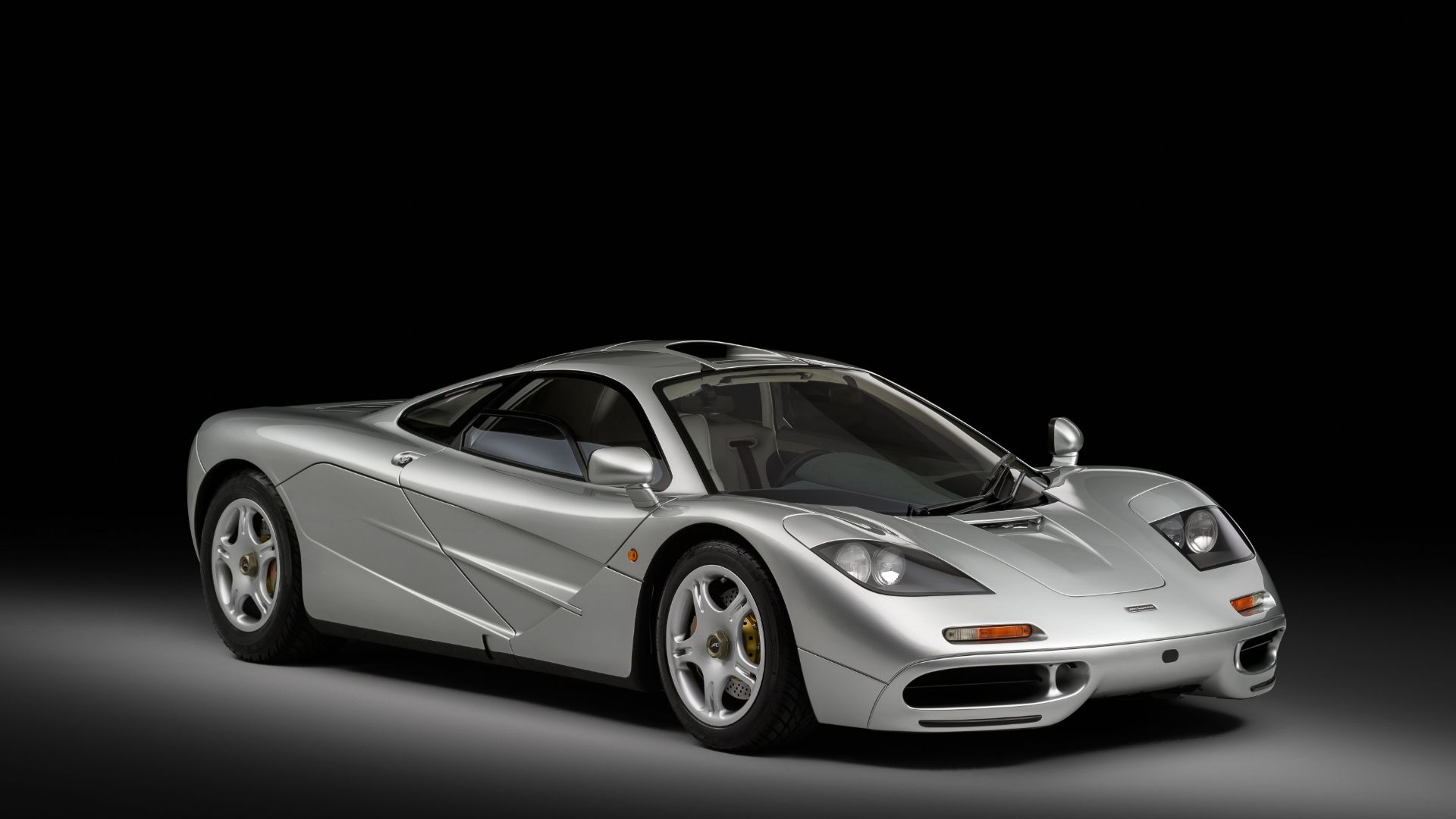
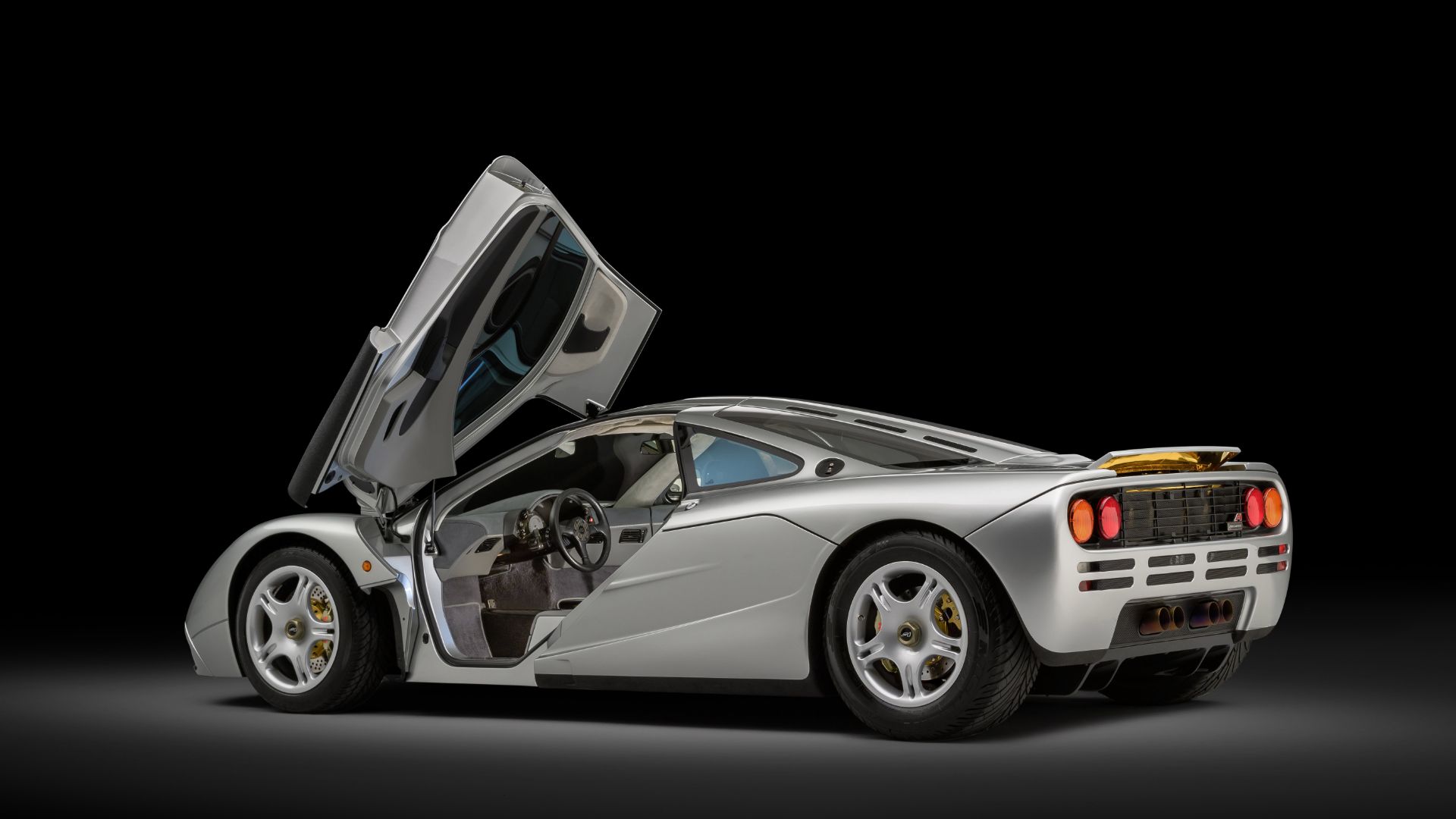
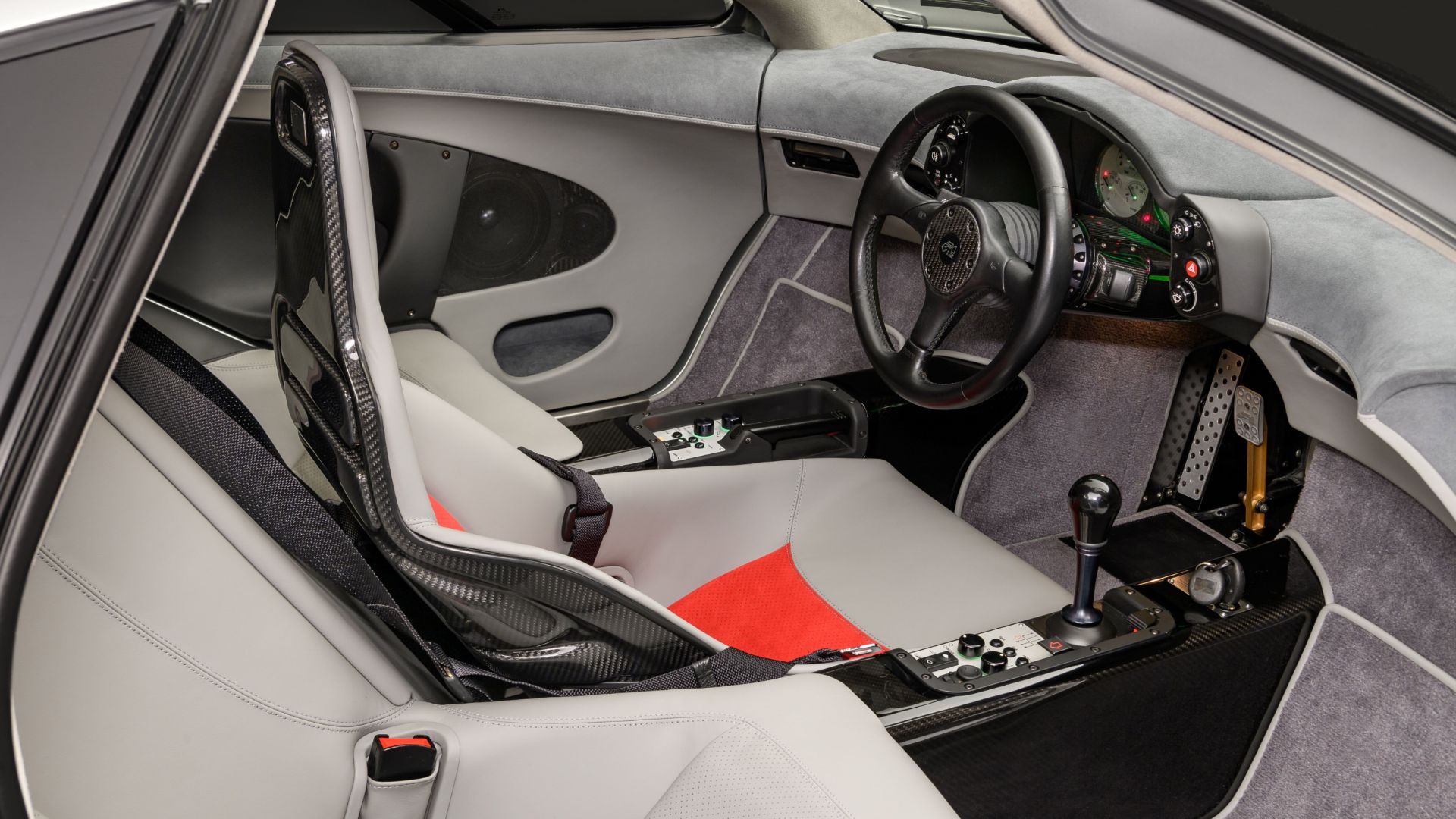
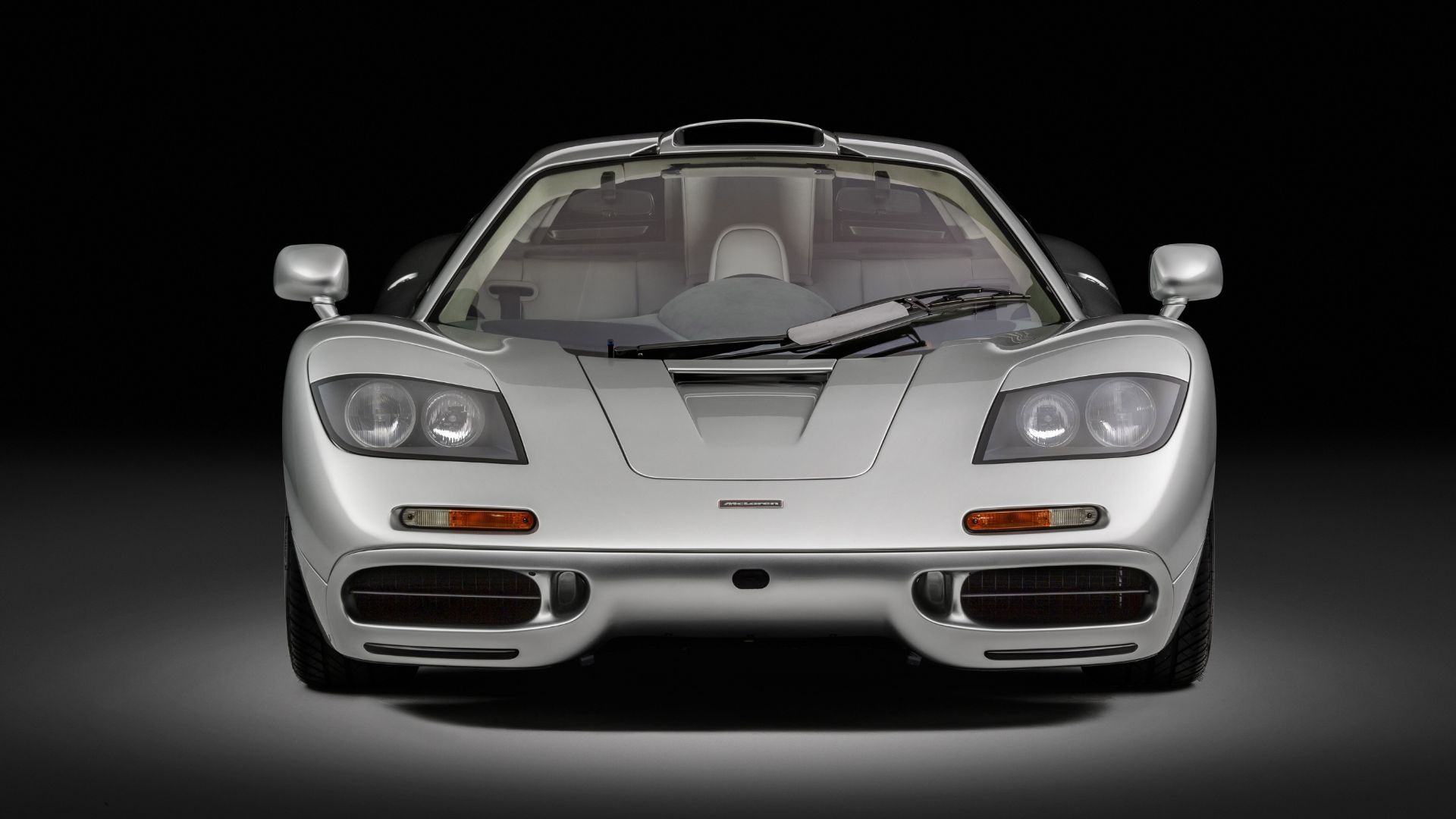
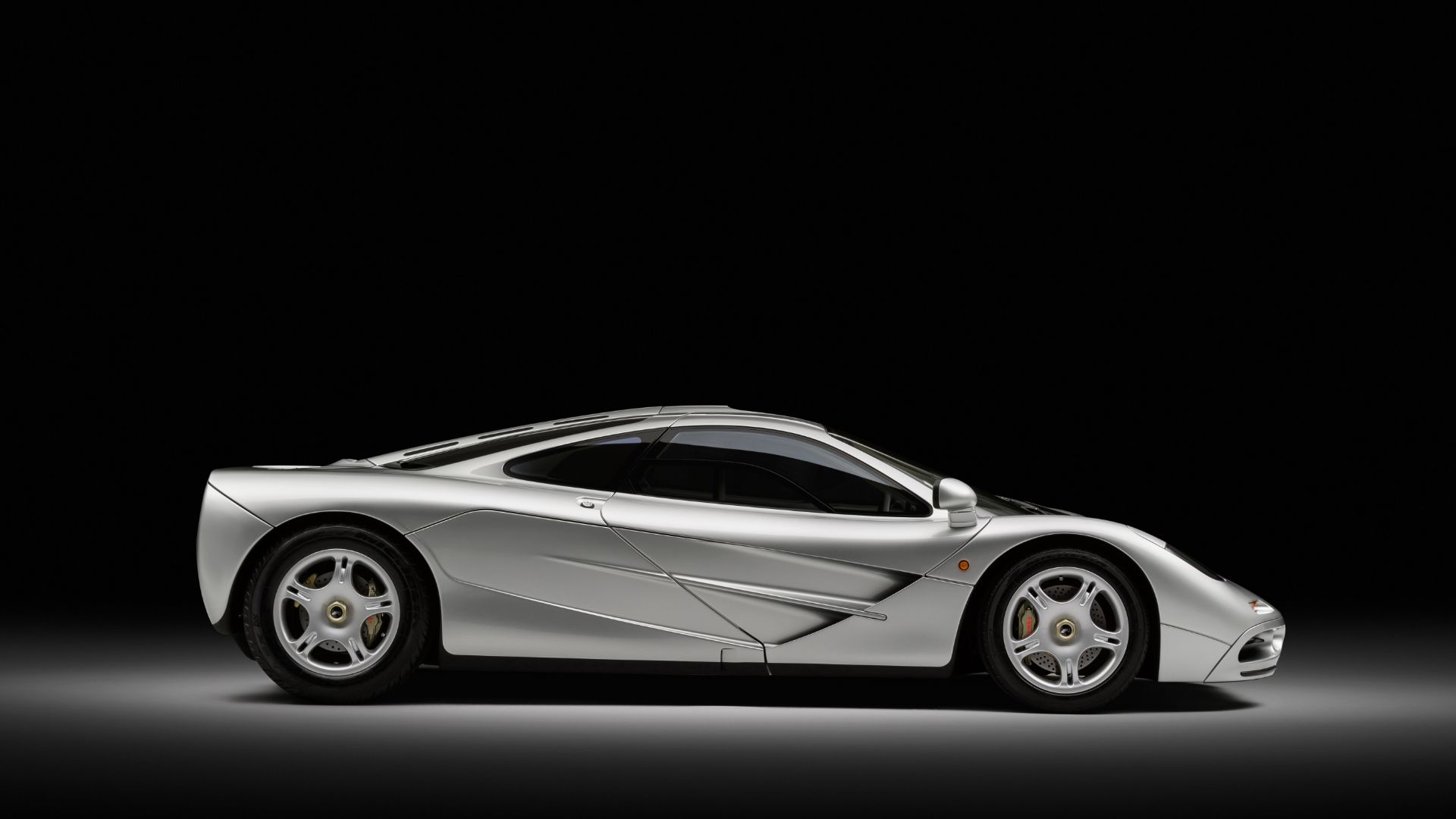
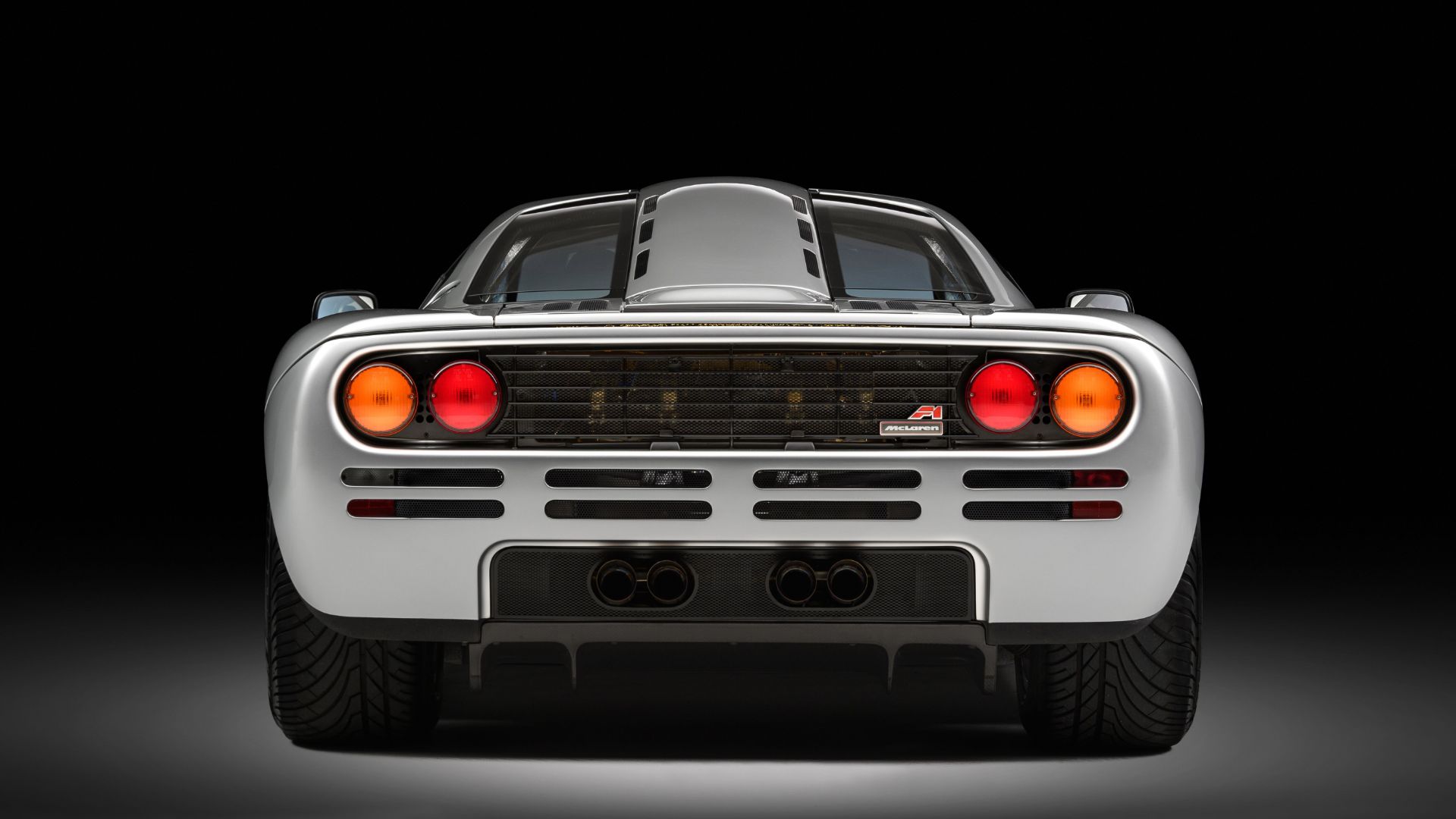
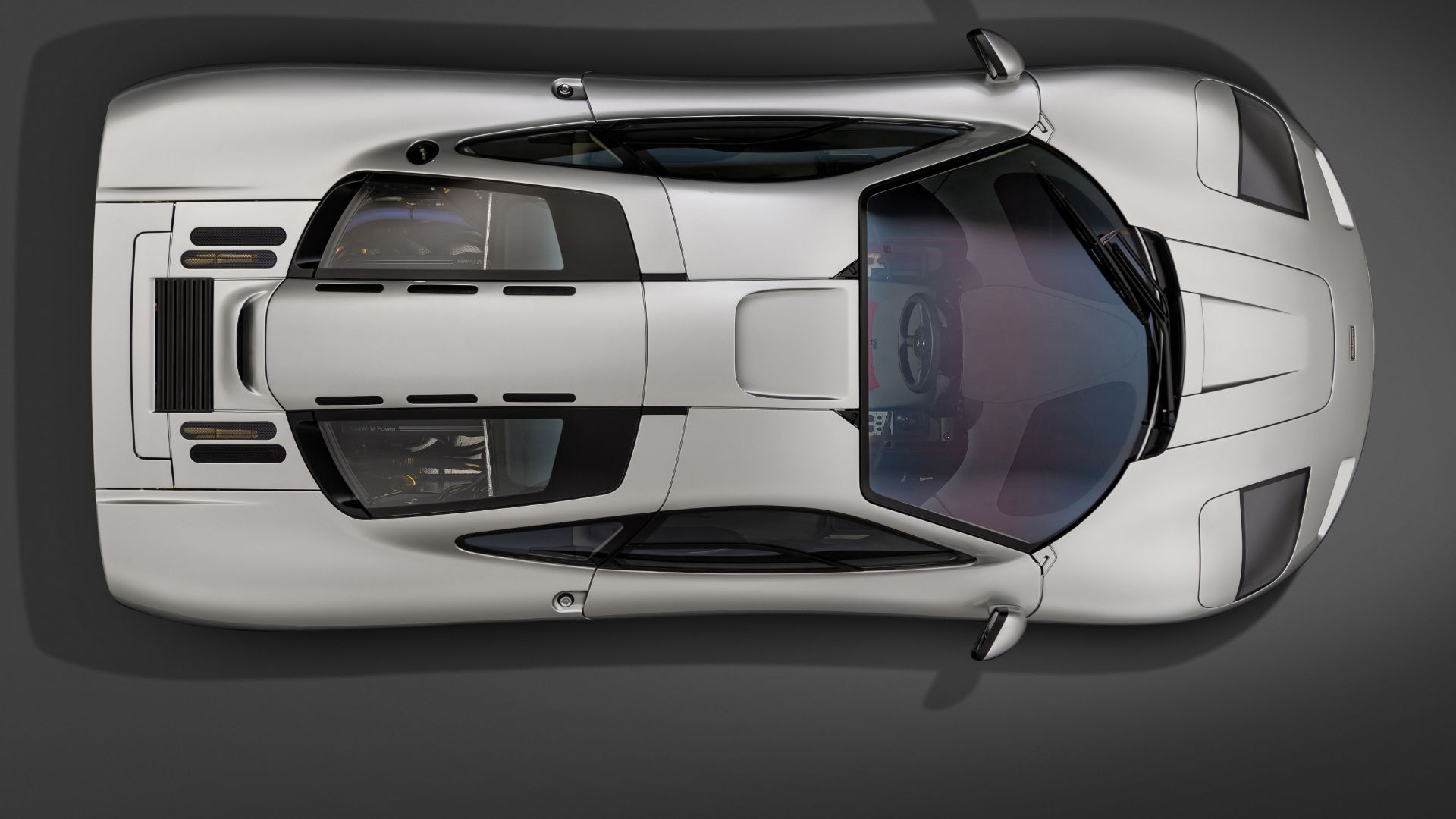
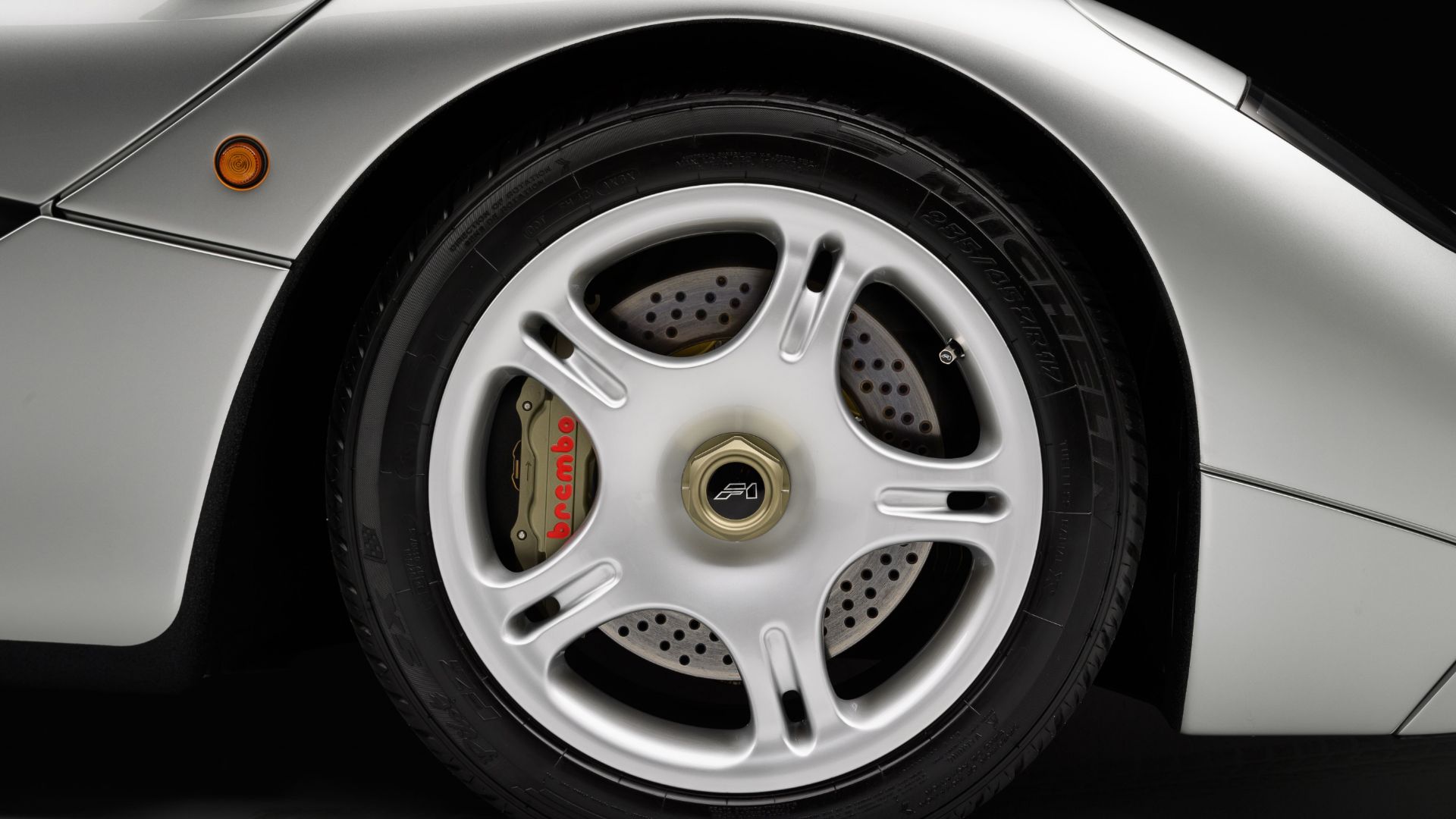
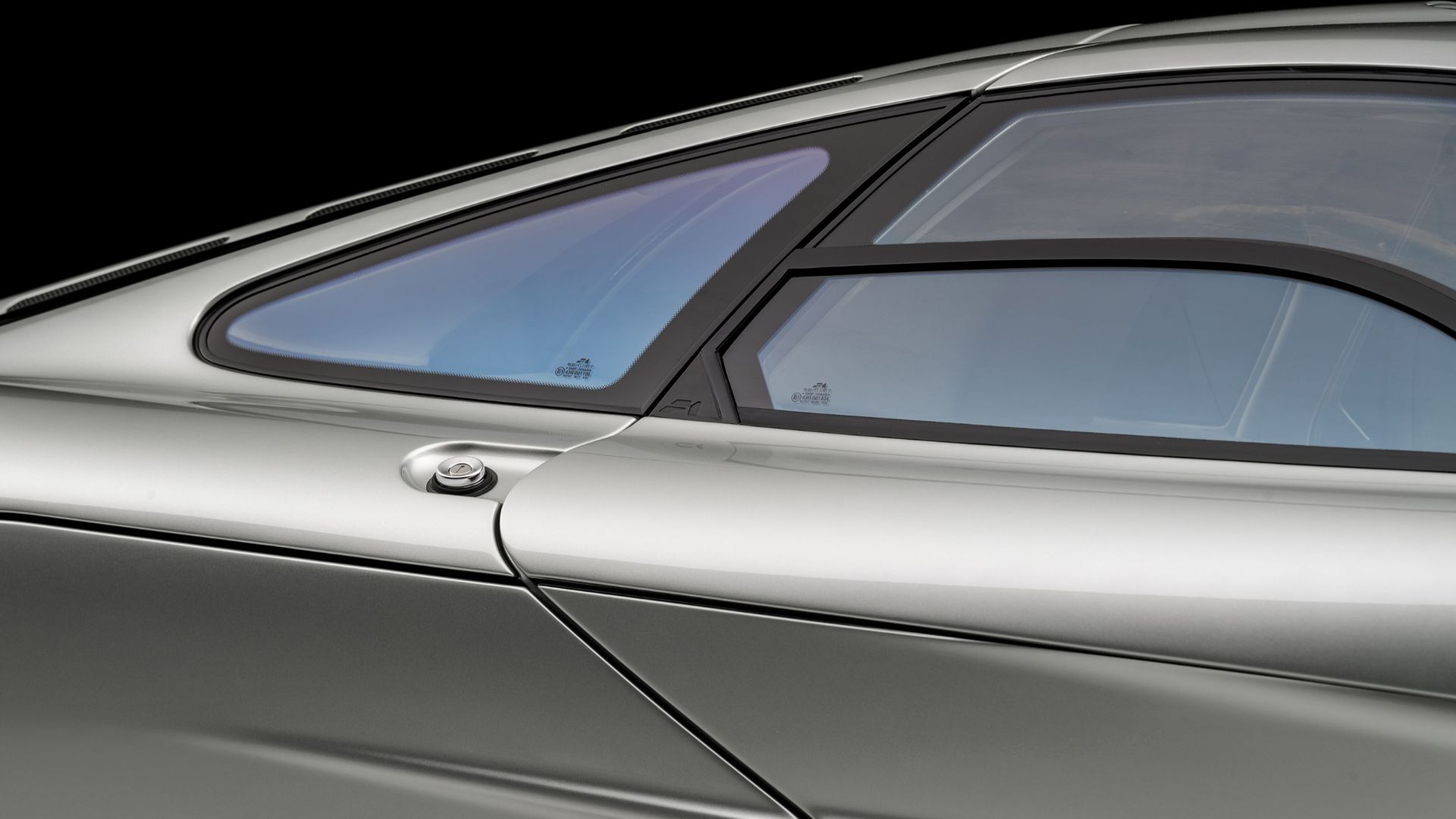
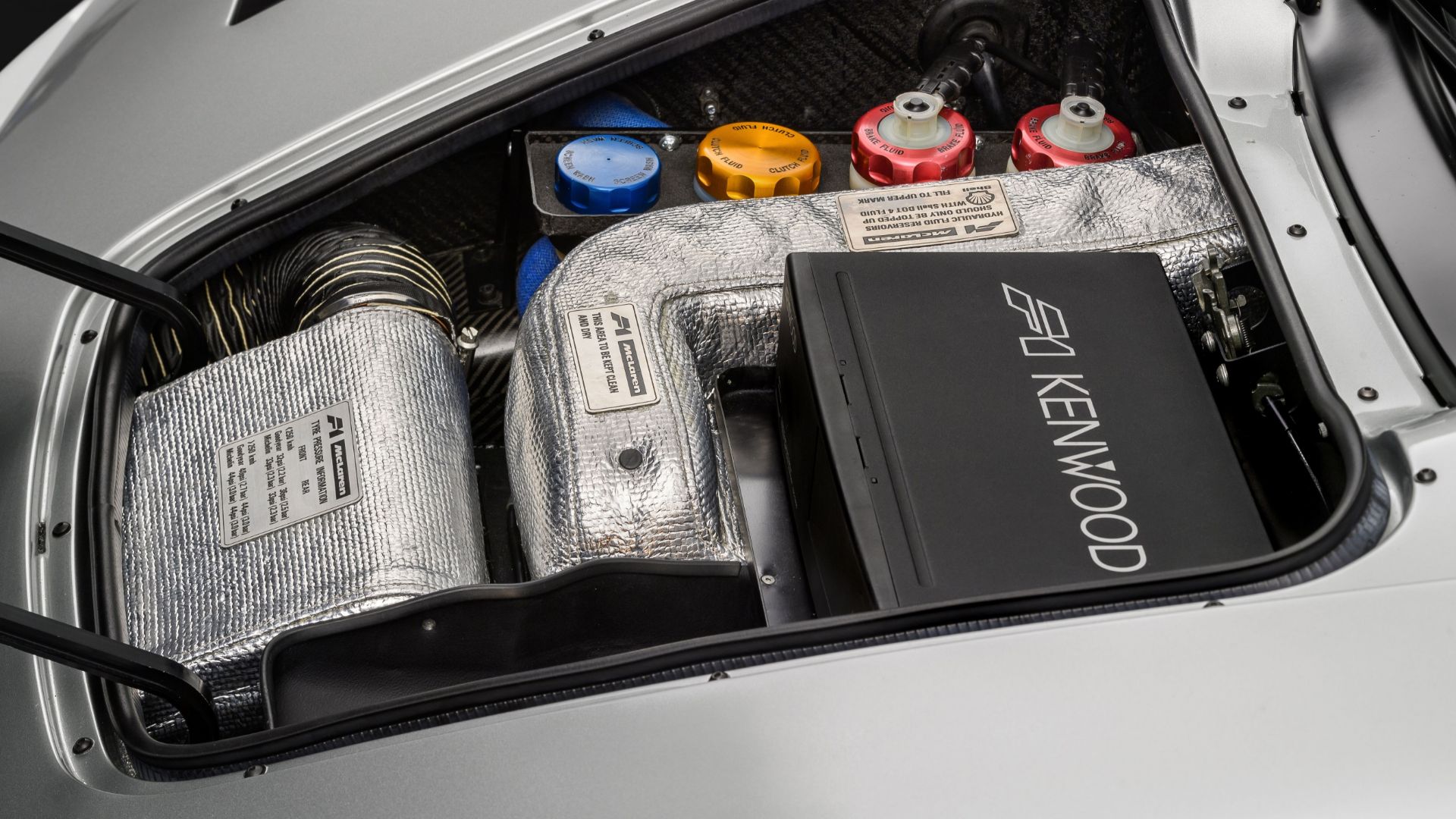
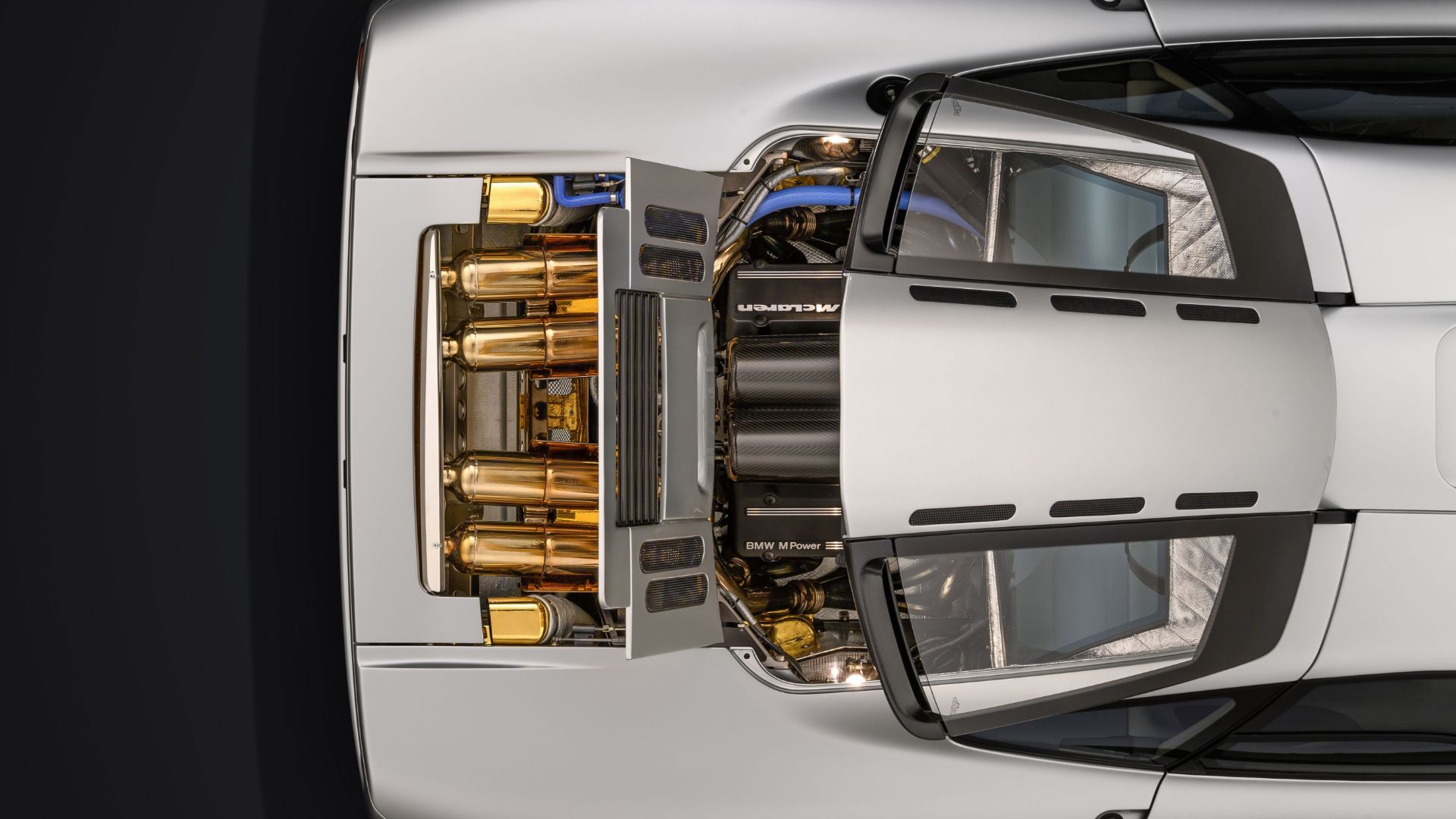
McLaren is flexing its official Certification program by MSO again this year, by showing off chassis F1 #63in a freshly-restored and newly-certified state. You can see it in person at Hampton Court Concours d’Elegance 2019 next week.
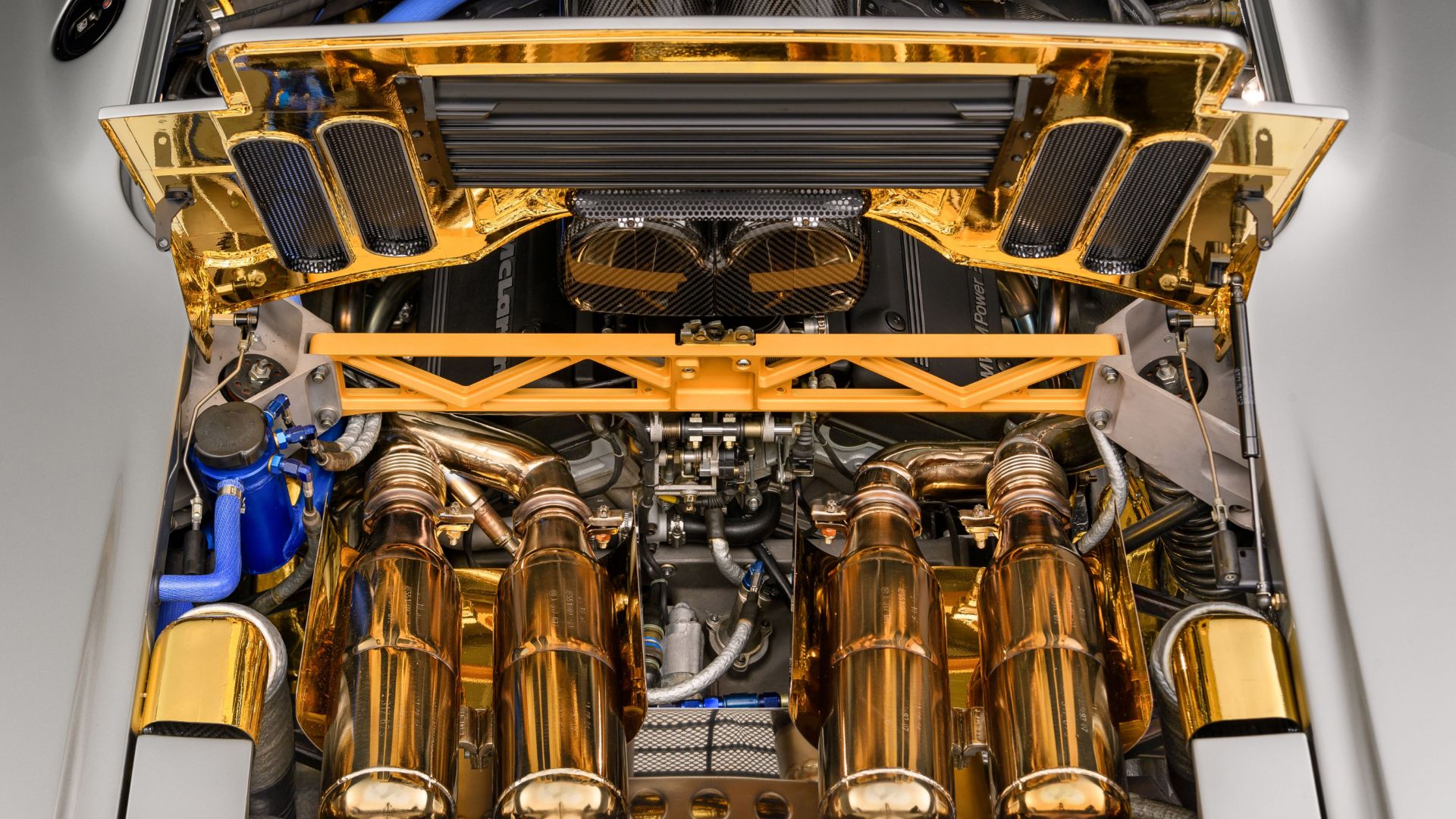
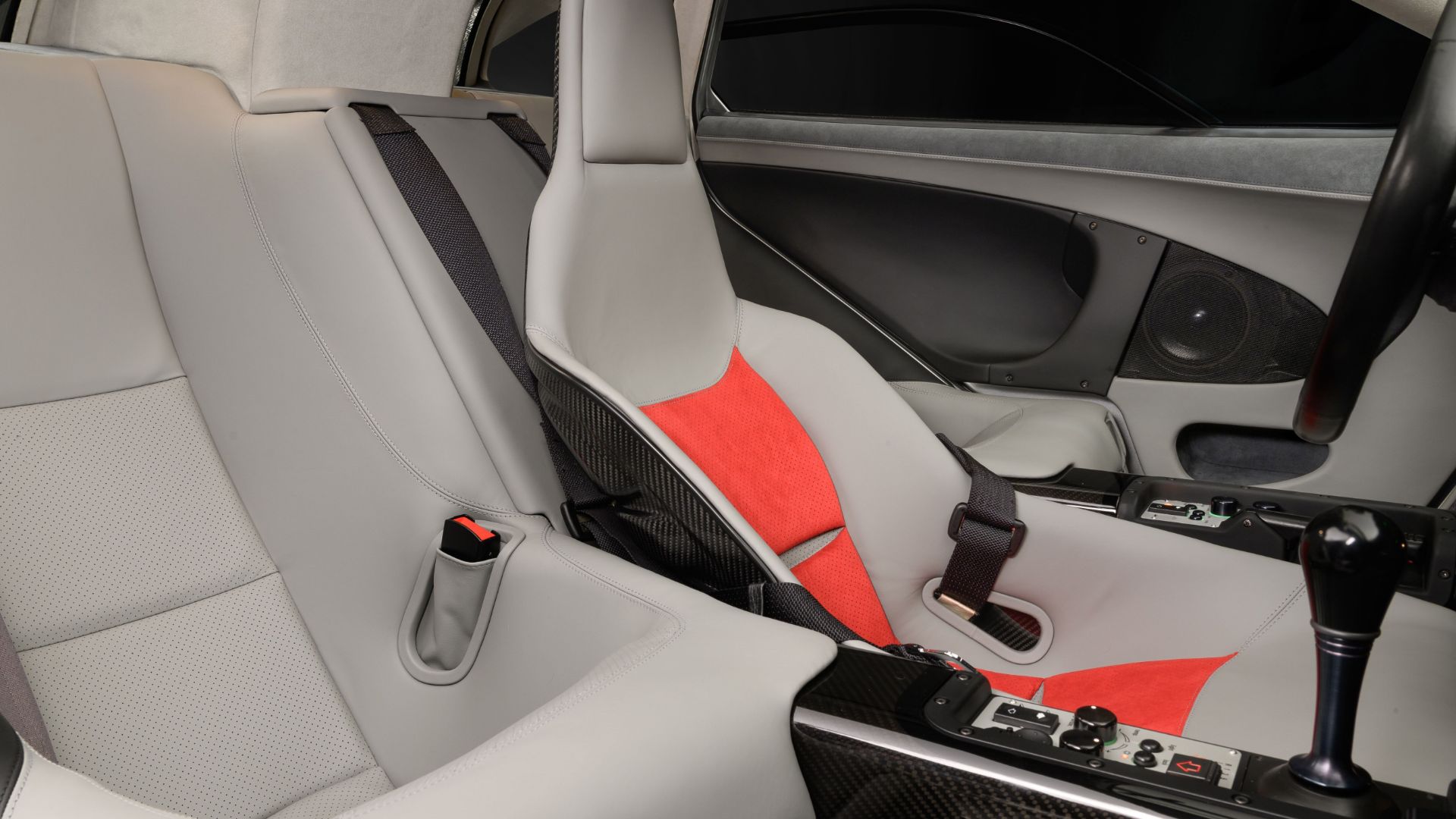
The restoration took 18 months, and involved a full engine and transmission rebuild, and a complete interior retrim.
On the inside, new leather and alcantara trim is complemented by a new steering wheel taken from MSO’s stockpile of original parts. The owner kept the original wheel as a memento – so cool.
Revealed: the cheapest way to own a new McLaren 720S
Following the rebuild, the BMW V12 engine was even dyno-tested to make sure it produced figures befitting an F1.
Other parts were also sent back to their original suppliers for refurbishment and rebuild. The dampers went back to Bilstein while the driveshafts and hubs were also refreshed by their original supplier.
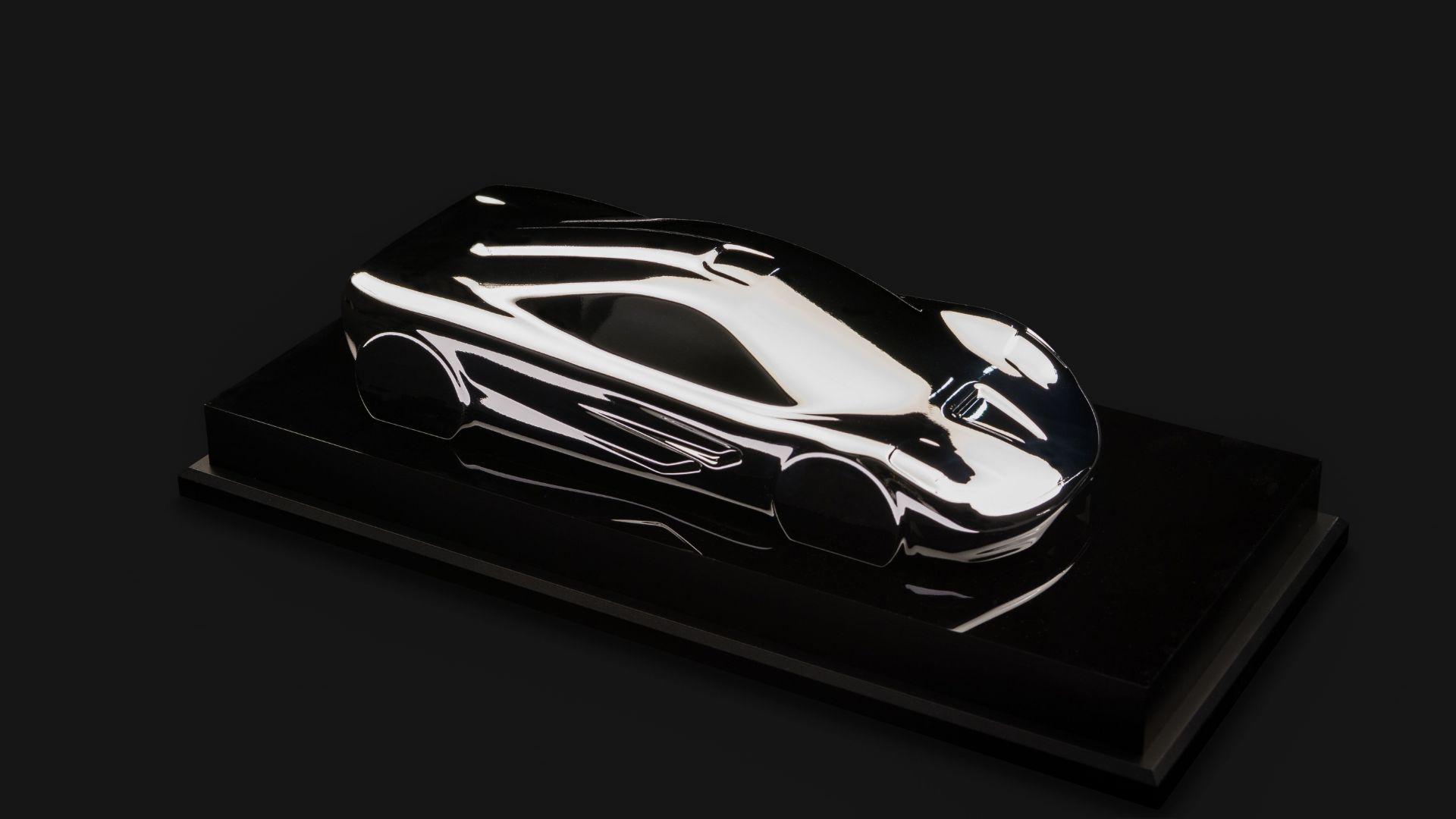
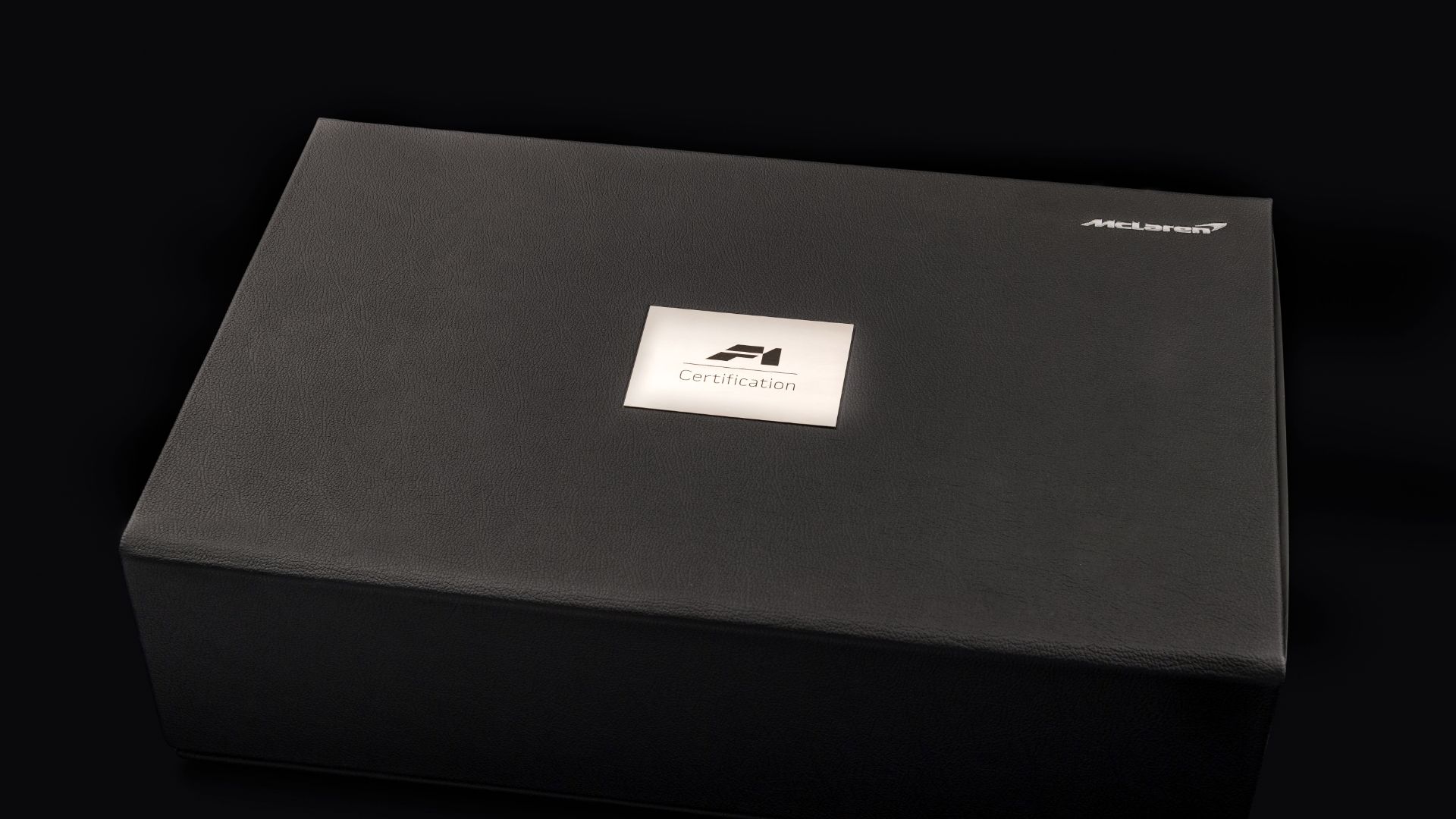
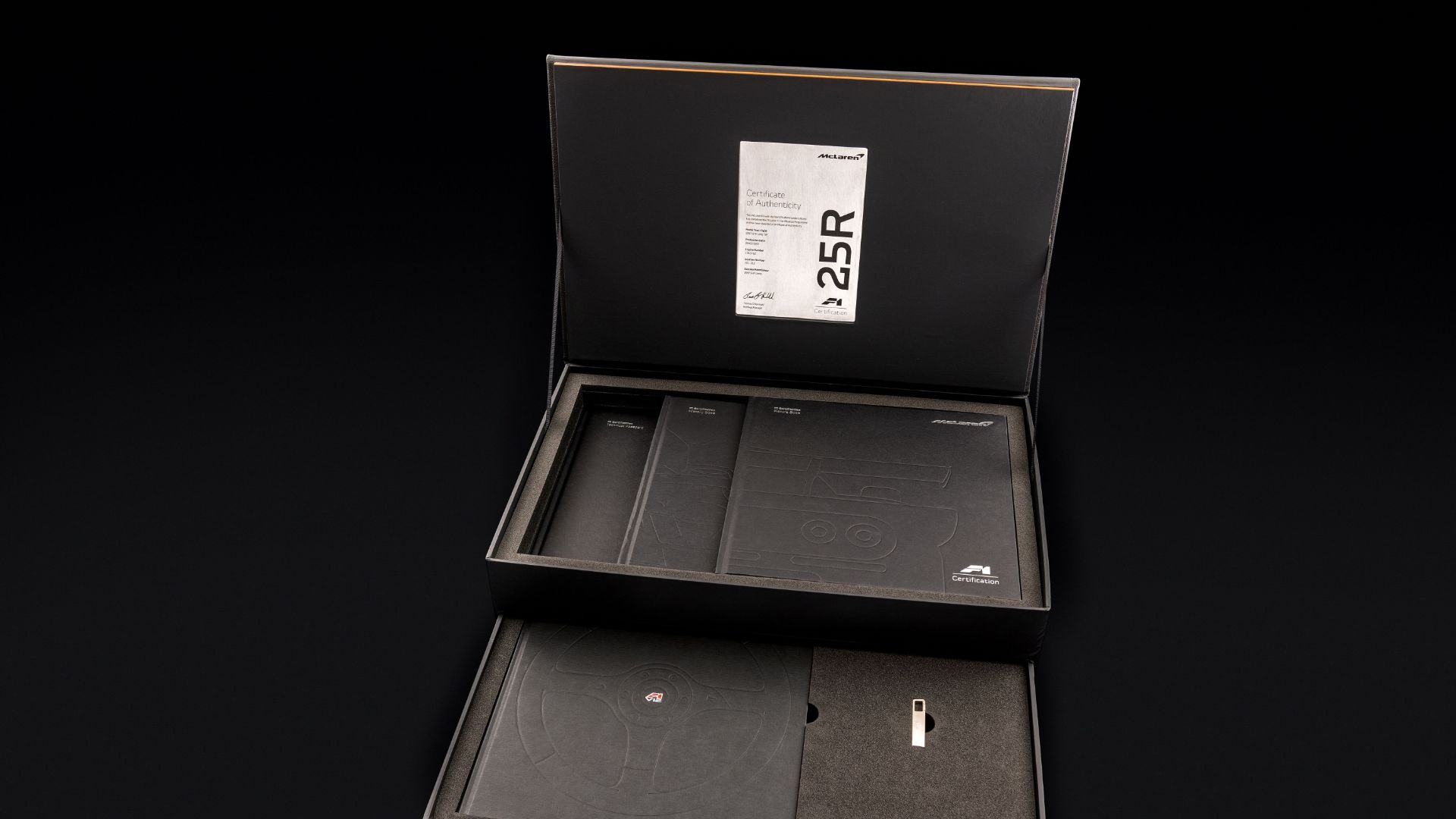
The result, after those 18 months, and 3,000 man-hours, is a near good-as-new McLaren F1, track-proven and complete with a certificate of authenticity and history file. The owner even got a scale model created from a laser scan of the car.
MSO’s certified program is pretty well the closest thing anyone will get to experiencing taking delivery of a brand new McLaren F1. The catch is that you have to own one to send in for a restoration in the first place…
“Just 12 months ago we announced the MSO McLaren F1 Heritage programme with the unveiling of F1 25R, resplendent in Gulf Racing Colours”, said Ansar Ali, Managing Director, McLaren Special Operations.
“Following an extensive restoration, which was very much a labour of love for our team, it’s an honour to now display chassis 63 at the Hampton Court Concours d’Elegance.
“With the work the team has carried out, this car will continue to fulfil the original brief for the McLaren F1; to create the world’s finest road car.”
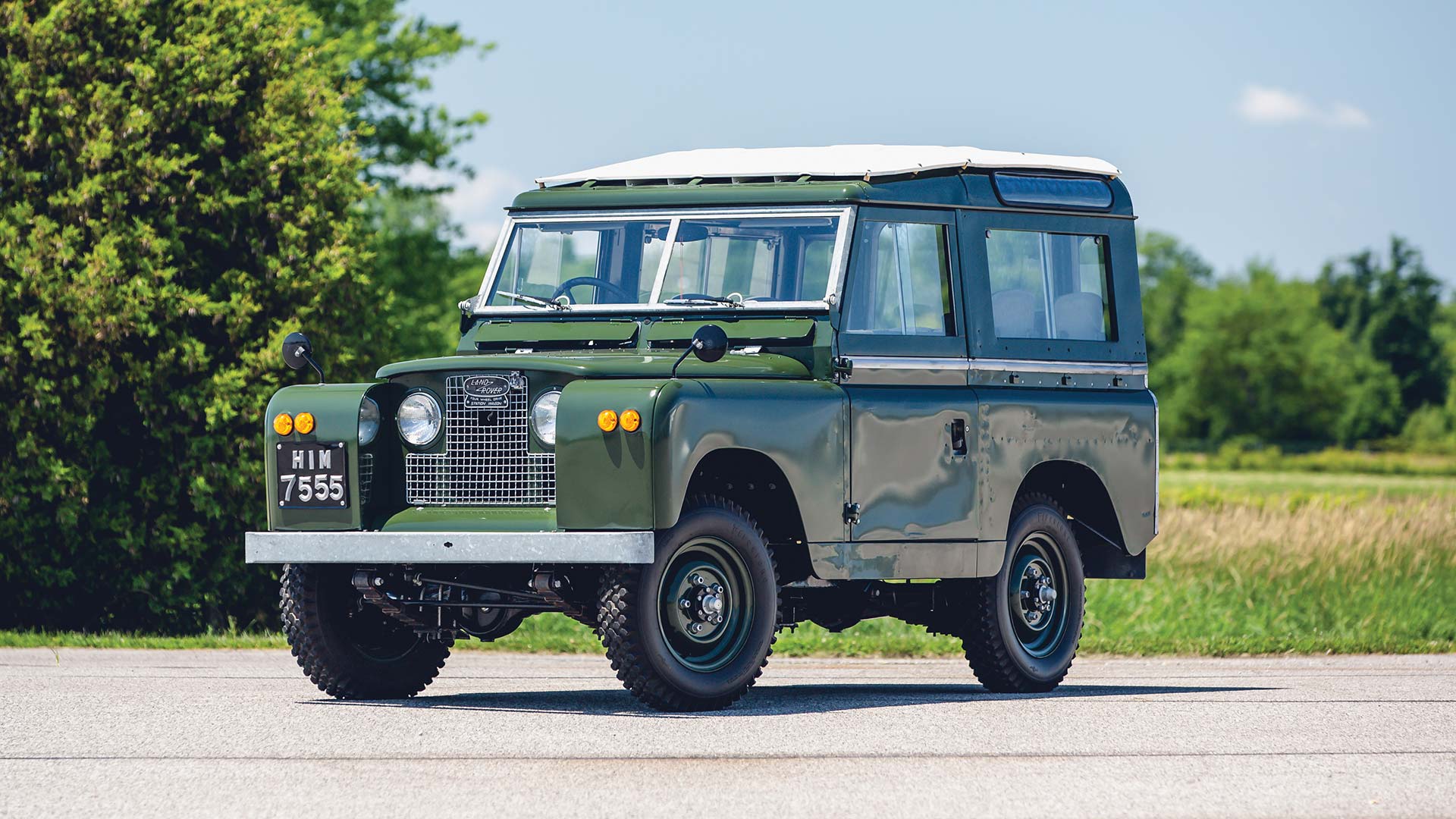
Many cars come to auction with celebrity ownership stories. But very few will have ownership provenance like this humble Land Rover.
Forget being part of a collection owned by a sports star or musician. This 1966 Series IIA was originally the property of His Holiness the 14th Dalai Lama.
It was even used as his official vehicle during the early years of his exile to India, and this special vehicle will soon be available for auction.
Holy roller
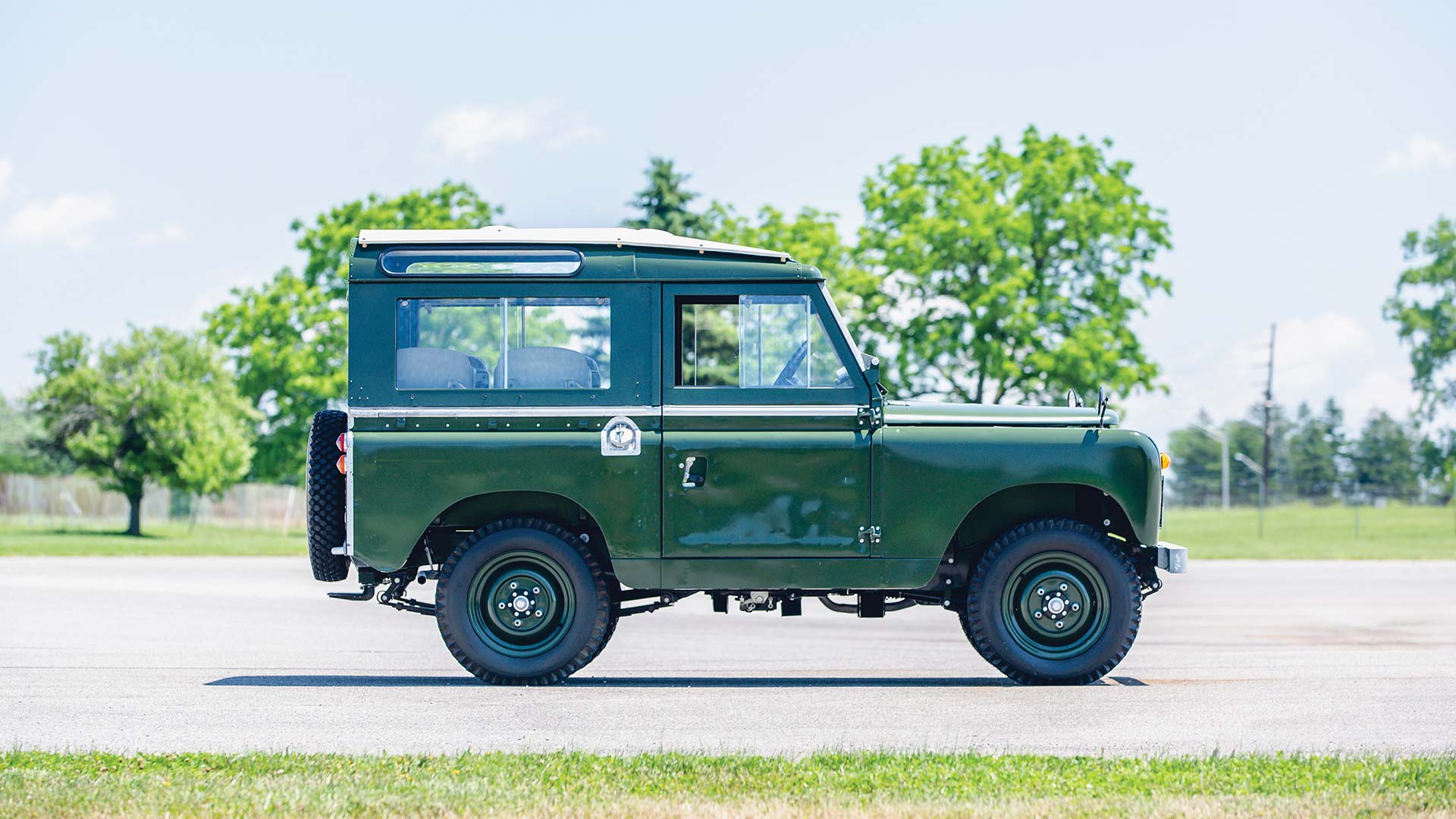
Built in February 1966, the 88-inch short-wheelbase station wagon was delivered to Nepal the same month.
There it entered ownership of the Dalai Lama, and became his personal vehicle. Based on the documents shown by RM Sotheby’s, the name of His Holiness, Jetsun Jamphel Ngawang Lobsang Yeshe Tenzin Gyatso, does appears on Indian registration documents.
Befitting the leader of Tibetan Buddhism, the Dalai Lama did not drive the Land Rover himself. Instead, his brother (Tenzin Cheogyal) took responsibility for ferrying him around the rocky roads of the Dharamsala region of India.
For a decade the Series IIA was put to use in the hills of India, whilst the Dalai Lama remained exiled from Tibet. Tenzin Cheogyal was in charge of maintaining the Land Rover and its four-cylinder engine.
Even after His Holiness had stopped using the Series IIA, Tenzin Cheogyal and his family continued to keep it running until 2005.
Then the four-wheel drive vehicle was donated to the Dalai Lama Foundation in Palo Alto, California in December 2005. The aim was to help raise funds for Tibetan refugees living in the United States.
Reborn from the original
Upon arrival in California, it became clear that the Land Rover was in need of restoration work to capture its original glory.
Worked on by Land Rover specialists throughout 2006, the final bill for repairs came to an impressive $49,000 (£40,000). This included bringing the classic Bronze Green paint scheme back to life.
Tenzin Cheogyal had preserved the original seats, interior parts, and even the tires from when the vehicle was new, adding to its history.
Due to the incredible ownership lineage of this particular Series IIA, it has been the cover star of Land Rover Lifestyle magazine. Original documents, including the insurance policy listing His Holiness as the owner are included as part of the sale.
The Series IIA is set to be sold at the RM Sotheby’s Auburn Fall sale, held at Auburn Auction Park in Auburn, Indiana.
Crossing the block on Saturday August 31st, bidding is expected to be high for the chance to own this unique vehicle.
If you’re considering an electric car, you might be getting tangled up in the various charge point types. Unfortunately, there’s no industry standard for these, so it pays to do a little homework before you buy an EV.
There are three types of electric car charge points: rapid, fast and slow. The names represent the charging speed, with power measured in kilowatts (kW). Here, we provide a brief description of the three different charge points and the associated connectors.
Rapid chargers
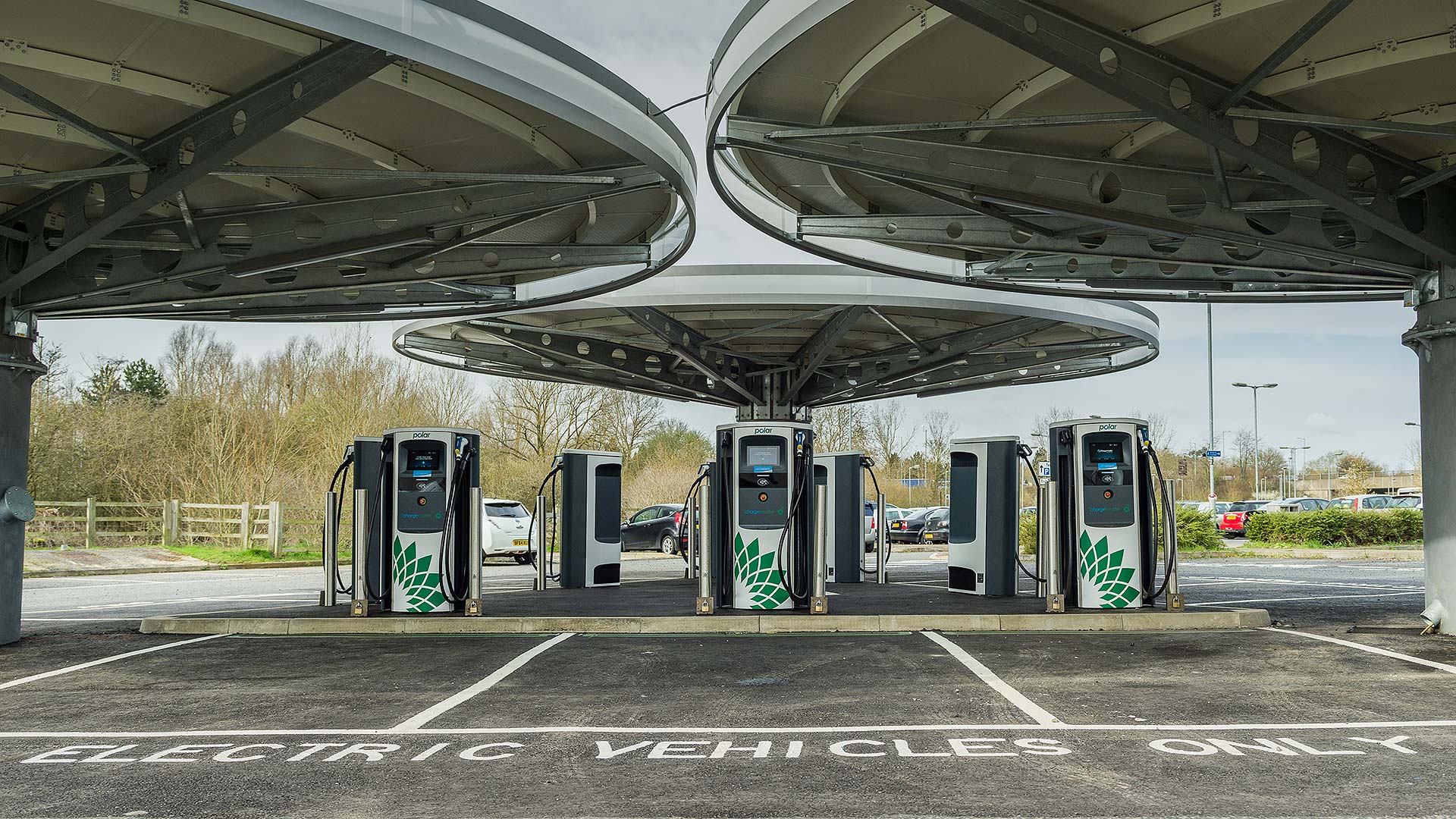
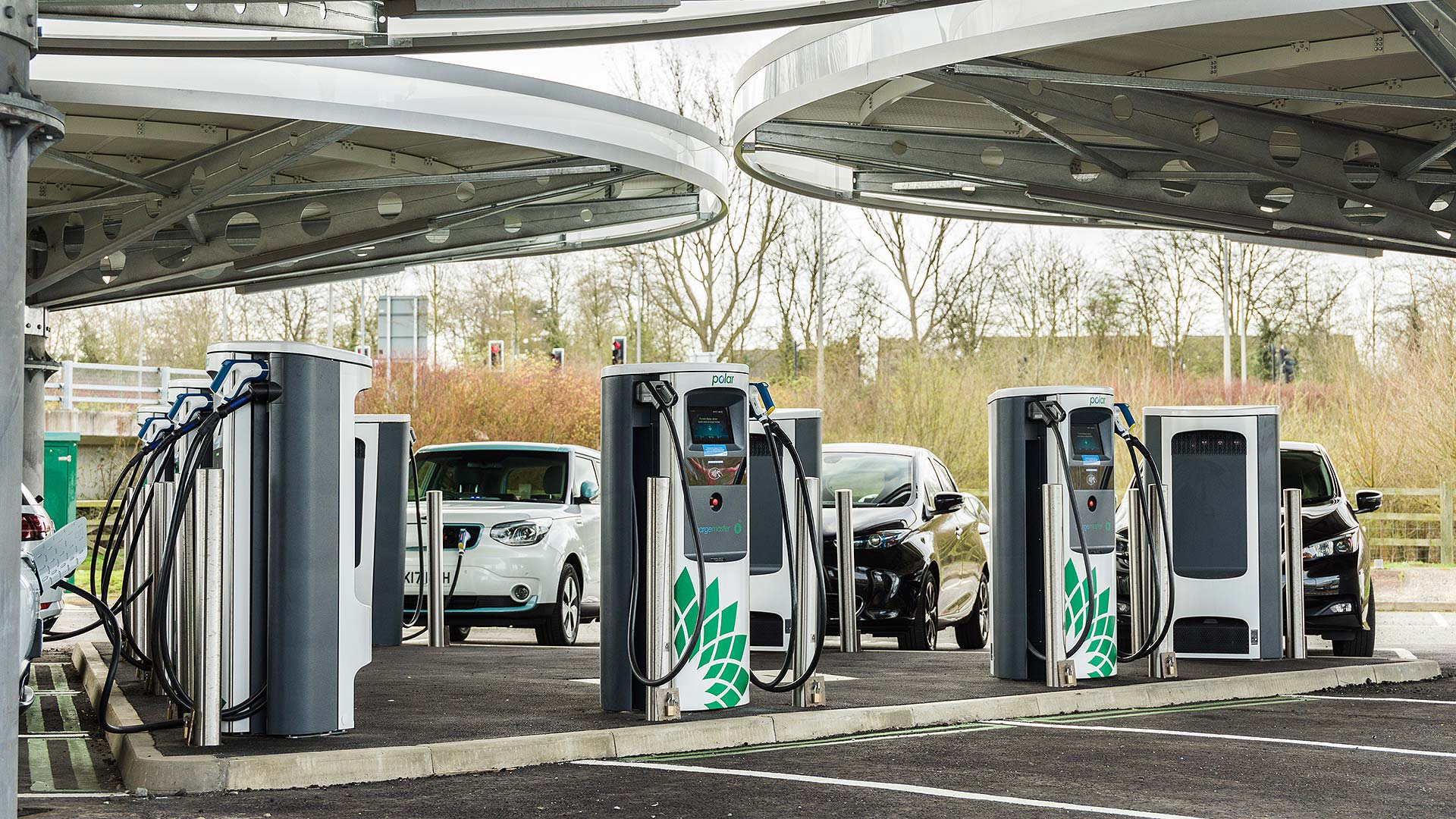
You’ll find rapid chargers at motorway service stations and close to major roads. As the name suggests, these provide the quickest charging time, recharging batteries up to 80 percent in just 20 to 40 minutes.
Manufacturers and press articles will often refer to an ‘80 percent’ charge in electric car literature as chargers have an automatic cut-off at this point. The reason is to protect the life of the battery.
You’ll find three different types of rapid charging in the UK: rapid AC (alternating current), rapid DC (direct current) and the Tesla Supercharger. The charging ranges from 43kW to 120kW, depending on the connector type.
The cable is tethered to the charging unit and only cars with rapid-charging capability can use the machines.
Rapid AC chargers use a Type 2 connector to will deliver power at 43kW, with the car’s onboard rectifier converting AC into DC. The Renault Zoe and Renault Kangoo ZE are examples of cars using rapid AC.
Rapid DC delivers power at 50kW straight to the electric car, bypassing the converter, making it quicker than rapid AC. There are three connectors: CHAdeMO (Charge de Move), CCS (Combined Charging System) and Tesla Type 2.
Cars with a CHAdeMO connector include the new Nissan Leaf and Kia Soul EV. Those with a CCS connector include the BMW i3, Hyundai Kona, Hyundai Ioniq and Jaguar I-Pace. As the name suggests, the Tesla Type 2 unit uses a Type 2 connector, but delivers charge at 120kW for Tesla vehicles only.
In the future, we can look forward to 150kW and 300kW chargers, which will deliver incredibly quick charging times.
Fast chargers
You’ll find fast chargers in locations where cars tend to be parked for longer periods of time, such as car parks, supermarkets, leisure centres and retail outlets. All fast chargers draw AC current from the grid and use the car’s onboard converter to turn it into DC.
This is the most common charger type, and almost all EVs can use fast charge points, with the network featuring both tethered and untethered units.
The majority of fast chargers are untethered and deliver power at 7kW, with a 30kWh battery recharged in 3-5 hours. A more powerful 22kW charger will do the same in just 1-2 hours.
Most EV owners will find a Type 2 connector in the boot, giving them full access to the fast charger network. Other fast chargers use a Type 1 connector (7kW) or Commando (7-22kW). Tesla ‘Destination’ chargers deliver 11kW to 22kW of power.
Slow chargers
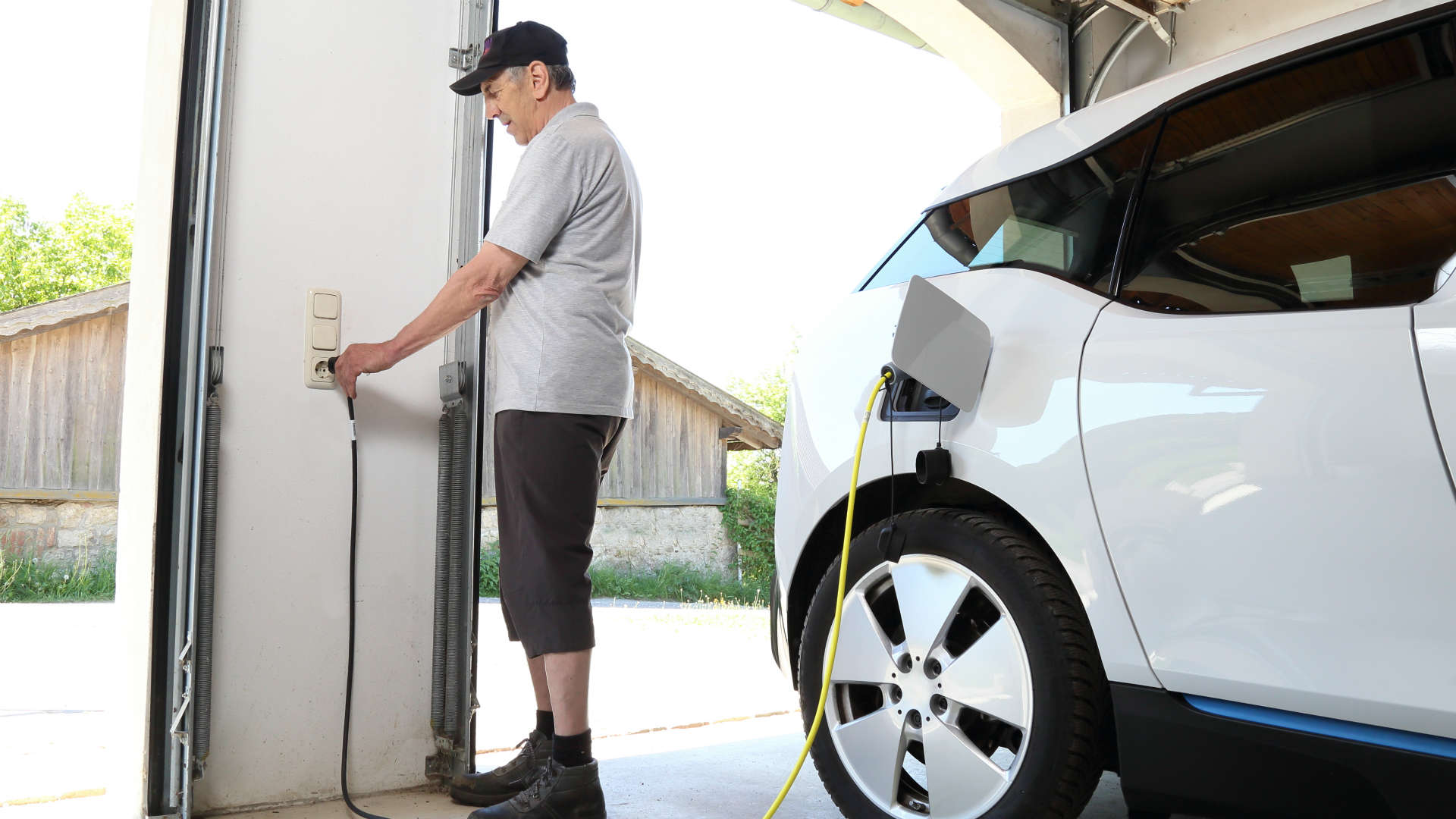
Slow chargers tend to be found in homes and offices, where a car can be left on charge overnight or during the working day. Most are 3kW, but some lamp-post installations will charge at 6kW.
Charging can be carried out by a standard three-pin socket, but the installation of a charging unit is highly recommended. There are three connector types: Type 1, Type 2 and Commando. All of these deliver power at 3kW, and it will typically take up to 12 hours to charge an electric car.
To find a charge point near you, visit Zap-Map.com.
Porsche has announced the expansion of its vehicle subscription and rental schemes to four new cities across North America.
The news follows an 18-month pilot scheme, undertaken in Atlanta, Georgia, which saw more than 1 million miles driven. In addition, 80 percent of users in the trial period were new to the Porsche brand.
Now San Diego, Las Vegas, Phoenix and Toronto residents will all be able to access Porsche Passport and Porsche Drive.
Passport to a new motoring lifestyle
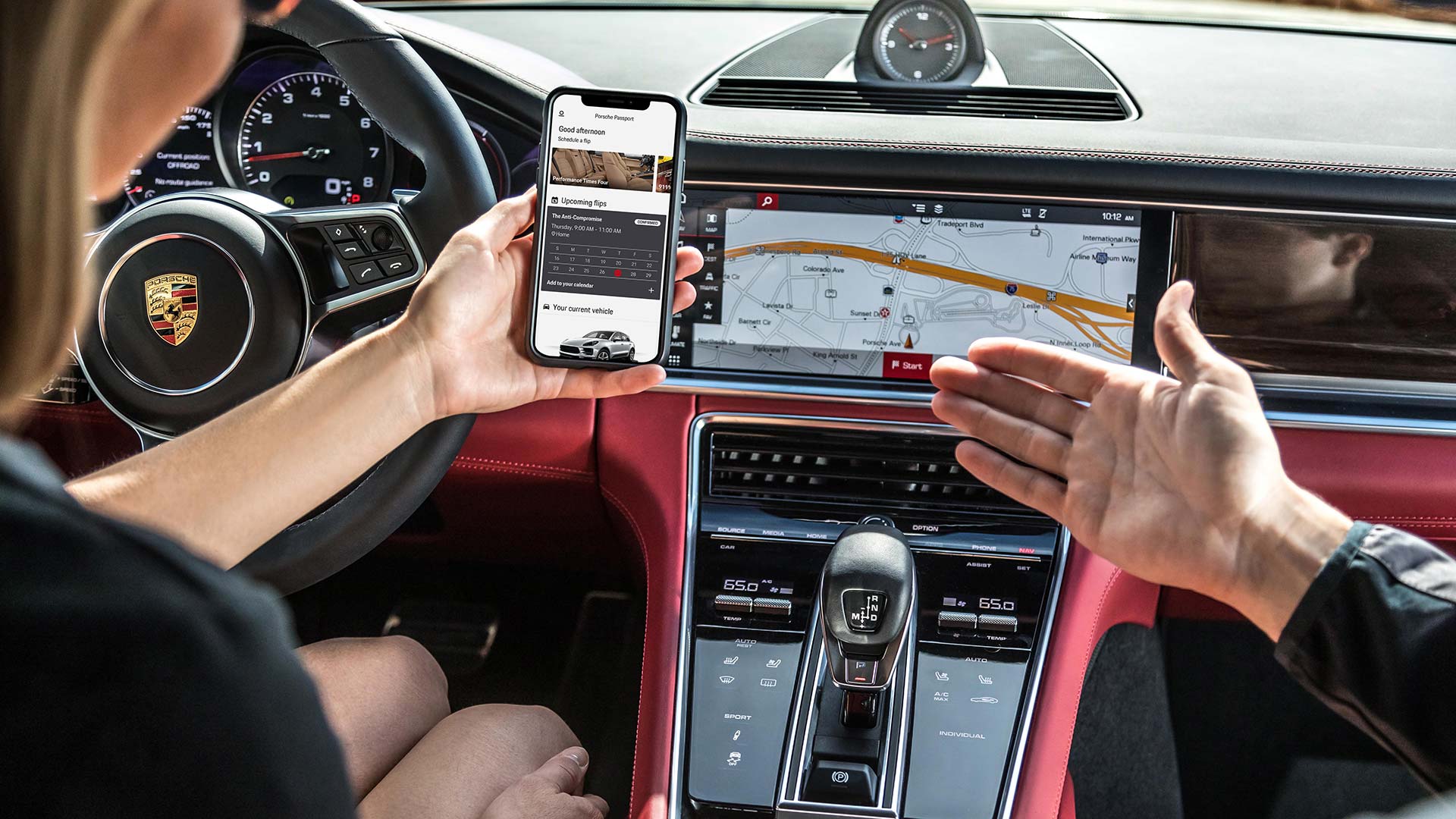
Porsche Passport is the company’s monthly subscription service. Users can reserve a range of Porsche cars via a smartphone app, and swap their ride as many times as they like.
Cars are then delivered to the user by a concierge, and collected when they are finished with it. The aim is to offer drivers the flexibility to use a car which meets their changing needs.
Passport subscriptions start at $2,100 per month for ‘Launch’ specification cars. This set of six cars includes the 718 Cayman and Panamera.
Upgrading to the $3,100 per month ‘Accelerate’ plan opens up the potential for seven more cars, which includes the Porsche 911 Carrera.
Get ready for date night in style
By contrast, Porsche Drive is aimed at short-term rental users who may need a Porsche for a few hours or days.
Porsche believes that this could be for useful for weekend getaways, or even just making ‘date night’ extra special.
As with Porsche Passport, rental users can have cars delivered and collected to locations which suit them best.
Increasing the options
Expanding these two programmes in North America adds to the growing number of options for people to drive a Porsche. In California, Porsche worked with car-sharing outfit Turo to offer the Porsche Host service.
Klaus Zellmer, President and CEO of PCNA, commented that the expansion is important “because consumers increasingly want more flexibility, more individual choice, and to have this on their mobile devices.
“We want these consumers to have the same superb level of Porsche experience that we provide for our customers who buy or lease”.
New research has found that driving with an unrestrained pet in the car results in increased levels of stress and distraction.
More worryingly, the survey data, released to coincide with International Dog Day 2019, discovered that unsafe driving activities more than doubled with a free-roaming pet.
This comes despite the fact the survey showed substantial numbers of pet owners would splash out on expensive birthday presents, or even parties, for their beloved animals.
Distracted and dangerous
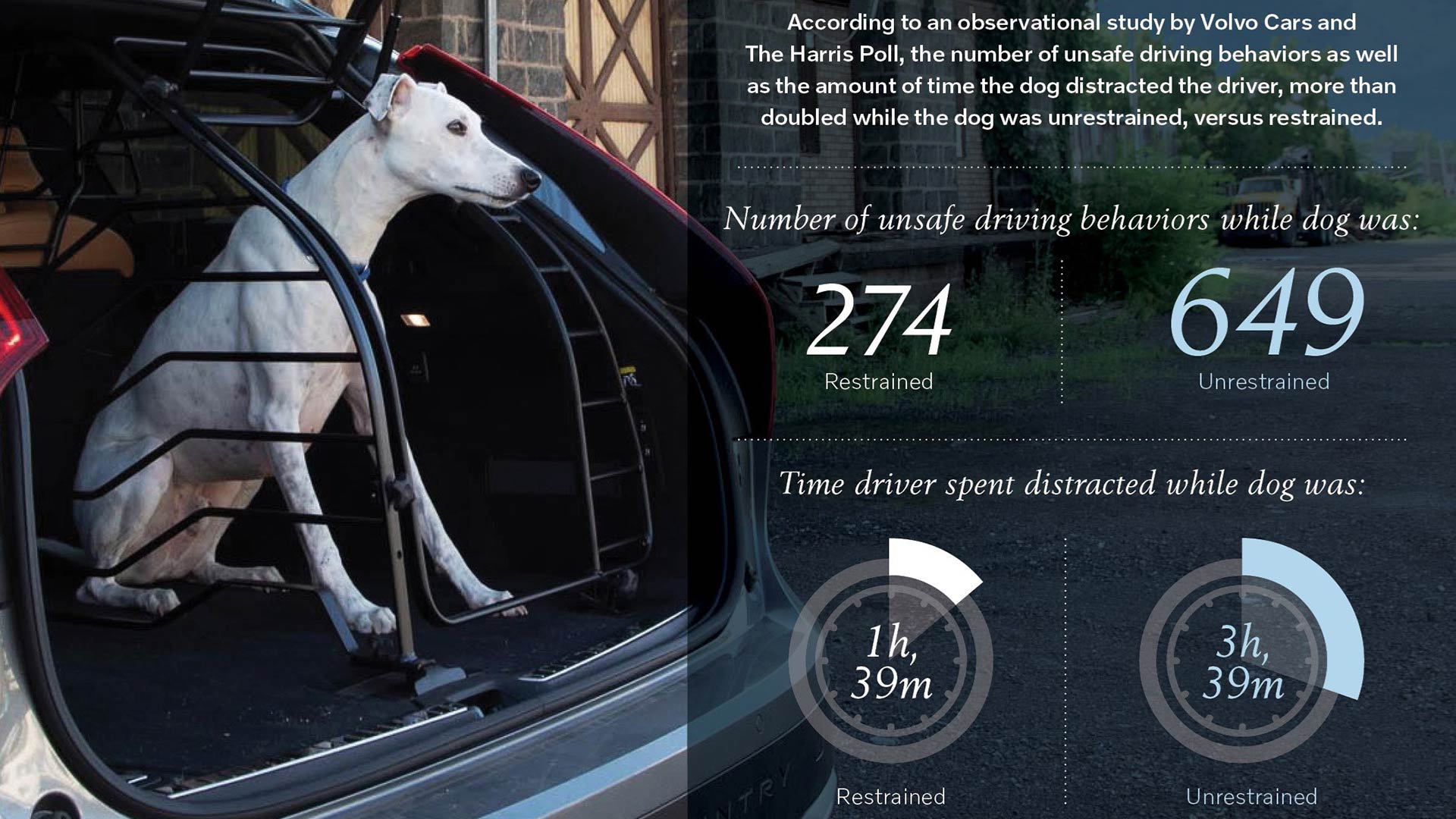
Undertaken by Volvo USA and The Harris Poll, some 2,000 drivers responded to the online survey. A further 15 were then chosen to be observed by researchers, lifting the lid on the impact pets have on driving.
Where dogs were allowed to roam free in the cabin, the observed incidences of unsafe driving more than doubled. By comparison, just 274 instances were seen when dogs were properly restrained, compared to 649 examples for those with pets loose in the car.
Drivers were also much more likely to be distracted behind the wheel with a free-roaming pet in the car. With dogs restrained, drivers were distracted for an average of 1 hour 39 minutes, compared to 3 hours 39 minutes for those unrestrained.
A stressful situation for all concerned
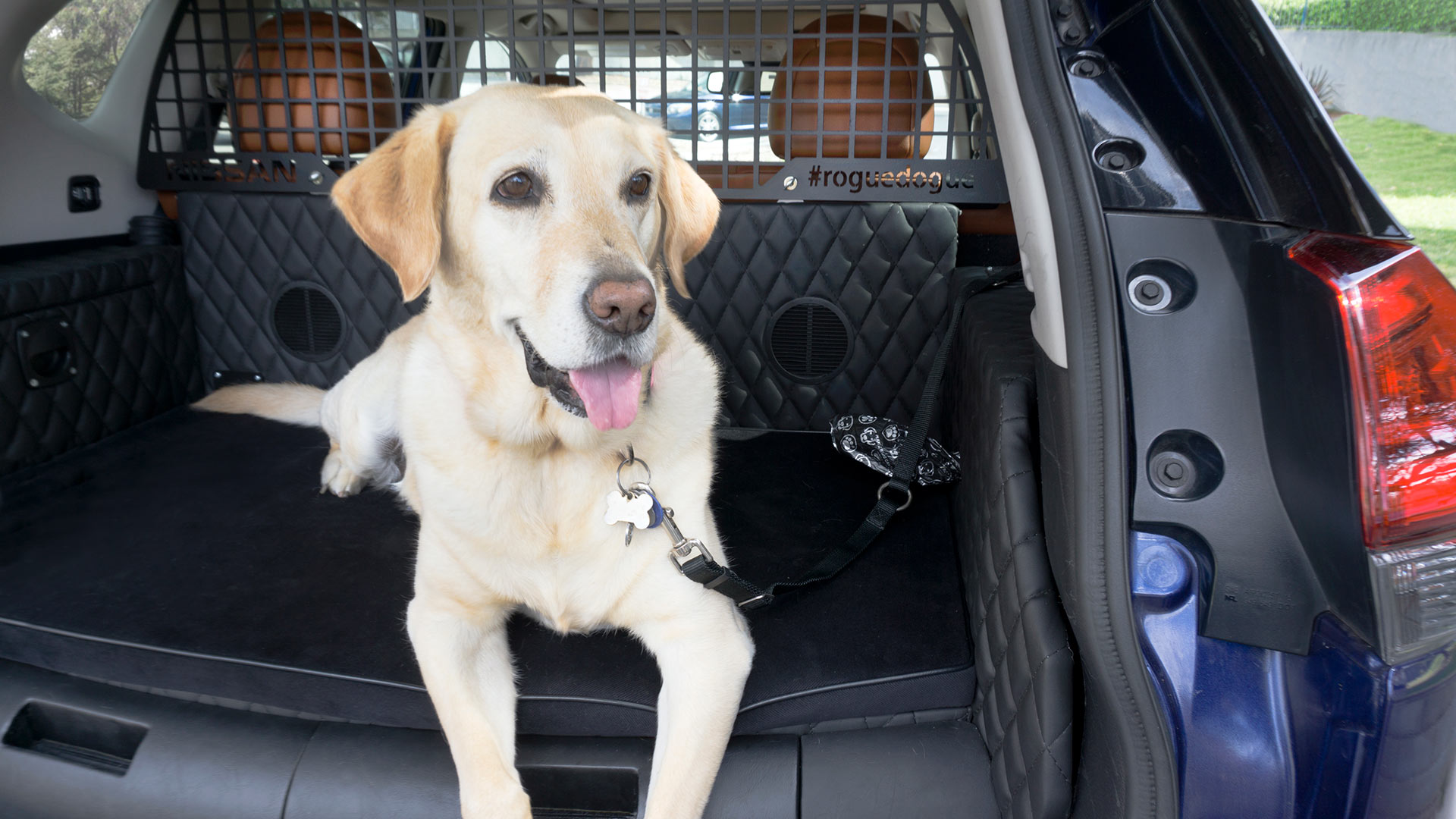
The research found that allowing pets to travel unrestrained had an impact on the stress levels of animals as well as humans.
Heart rates for both increased, with unrestrained dogs being measured with a heart rate 7 beats per minute faster than restrained hounds. Their human companions also demonstrated up to a 34 beats per minute reduction when their dogs were buckled in.
It should perhaps be no surprise that 77 percent of respondents felt dog safety was not a priority for drivers. Conversely, some 32 percent said they had left their pet at home because they did not believe their car was safe enough to transport them.
Potentially devastating consequences
If causing their pets additional stress is not enough to cause drivers to invest in pet safety, Dr. Elisa Mazzaferro, Staff Criticalist, Cornell University Veterinary Specialists, has a warning for pet owners.
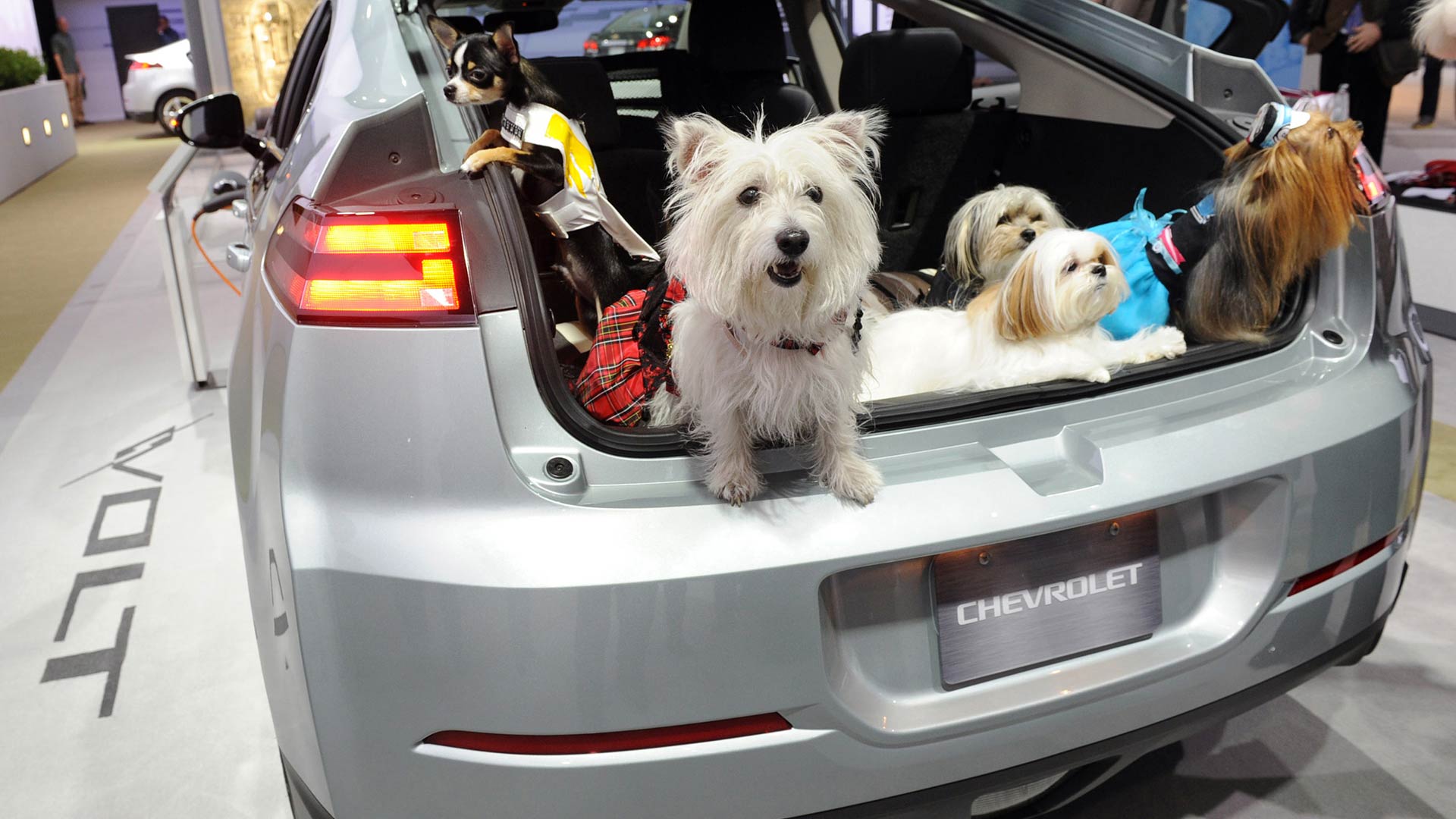
Dr. Mazzaferro commented that whilst having: “pets roaming around the car can be cute and convenient, it poses serious risk for both drivers and their pets, both in terms of causing distractions and increasing the chances of serious injury in the event of an accident”.
Like many manufacturers, Volvo offers a dedicated range of pet accessories designed to help safely transport furry friends. This includes dog harnesses, safety gates, load compartment dividers, and protective grilles.
Performance BMWs will always be desirable, but some are even more appealing to collectors.
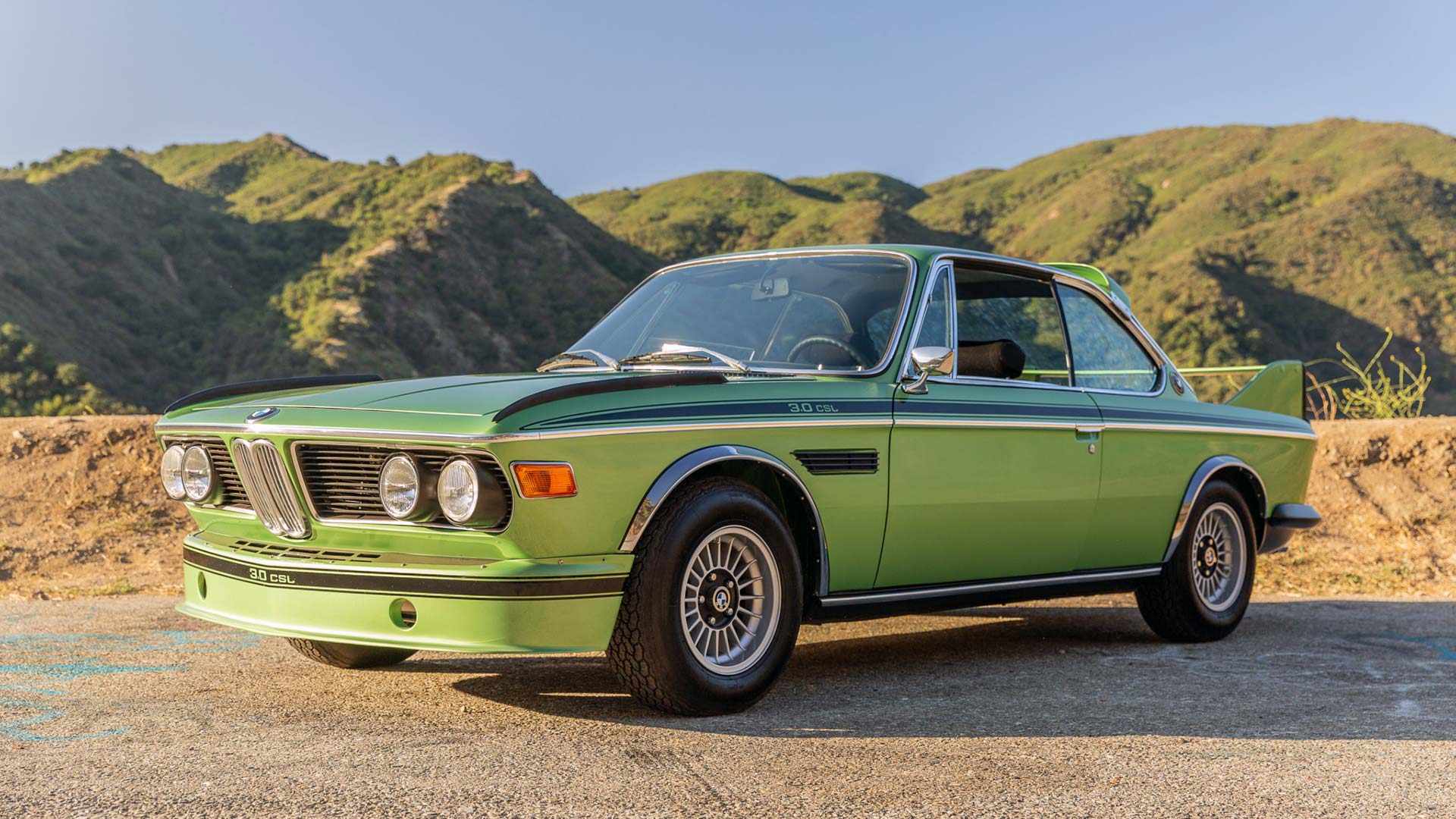
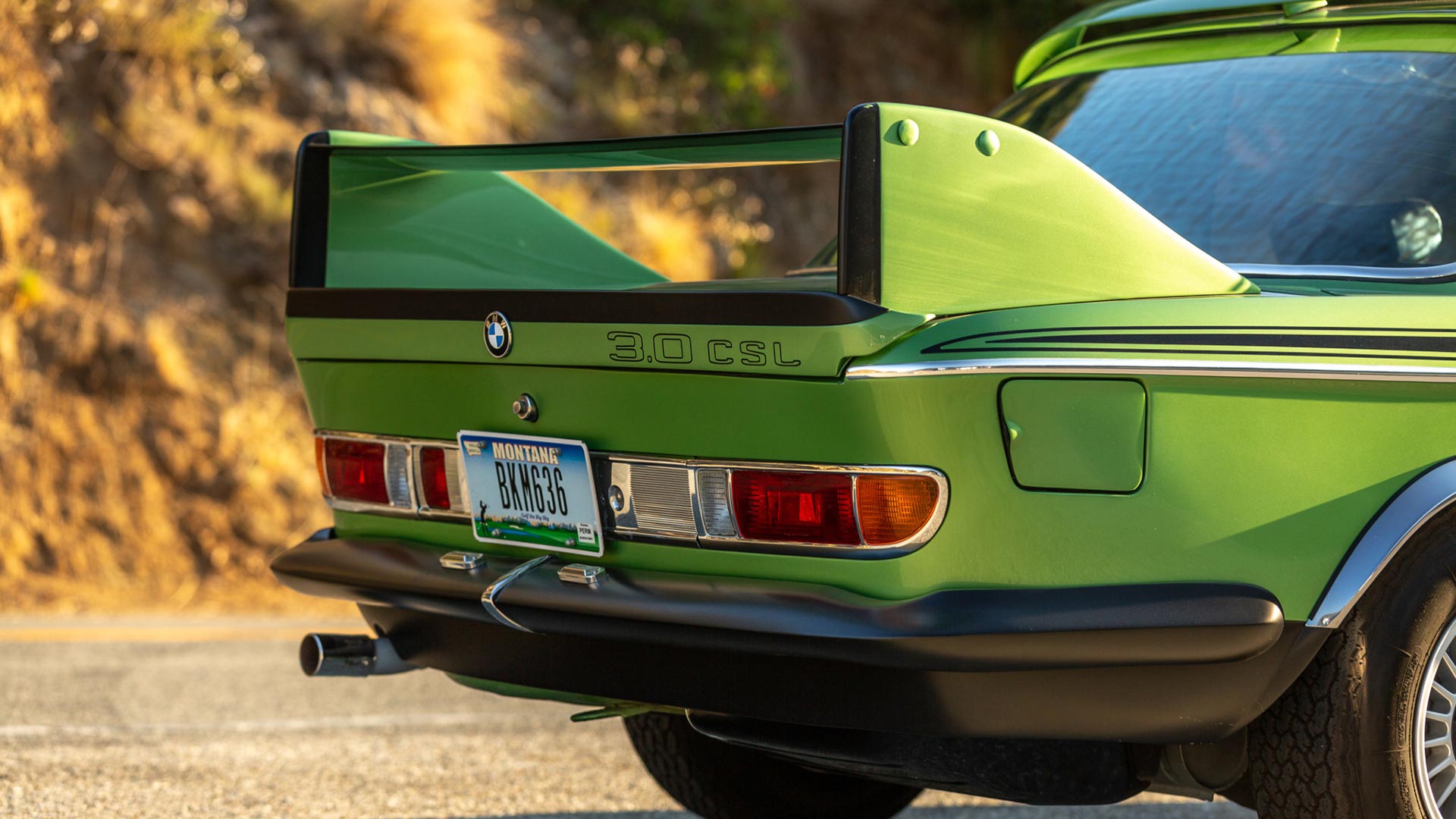
This 1974 CSL ‘Batmobile’ coupe, currently available on auction website Bring a Trailer, is one of those cars.
From the dramatic bodywork, to the eye-searing paint and retro-tastic interior, this special machine has true motorsport pedigree.
Homologation creation
First launched to the world in 1972, the 3.0 CSL was made to let BMW go racing in the European Touring Car Championship.
Developed by what would become BMW M GmbH, engineers worked with Stuttgart University to create the aggressive body kit. The end result created the ‘Batmobile’ nickname, such were the dramatic fins, wings, and spoilers attached to the regular 3.0 CS coupe shape.
Offered as an option for road cars, the extra aerodynamic goodies were reportedly supplied in the trunk of German models, to be fitted post-purchase.
More power, less weight
Along with the bodywork, BMW also worked to remove weight from the normal CS coupe. Thinner steel was used for the chassis, whilst the doors, hood, and trunk lid were all made from lightweight aluminum.
Even perspex was used for the side windows, helping BMW shaving more than 300 lb from the normal production car.
Factory power initially came from a 3.0-liter inline-six engine, producing 206 horsepower. Later cars would gain a larger 3.2-liter unit, and both made use of a four-speed manual transmission connected to a limited-slip differential.
Jolly green giant
Beneath the hood of this particular CSL is now a rebuilt 3.2-liter inline-six engine. Built by Terry Tinney Performance Motors of Livermore, California, only a few hundred miles are said to have been covered since installation.
The car was subject to a full bare metal respray in 2015, using the correct shade of the vivid Taiga Metallic green paint. Some bodywork was also replaced at the time to deal with rust issues.
A BMW Classics Certificate confirms the car as being one of the four originally produced in Taiga Metallic, plus its build date of May 2nd 1974.
Keeping it retro
Inside the CSL is a reminder of the homologation origins of this competition crusader. Fixed-back Scheel bucket seats are trimmed in black fabric, with Coco checkered mats cover the lightweight factory carpets.
An original Petri three-spoke steering wheel has been kept, as have the wooden trim inserts which cover the dashboard and door panels.
Included in the dashboard is a tachometer that redlines at 6,400 rpm, along with an odometer showing 46,000 miles. The total mileage for the car is noted as being unknown.
Green with envy
With just over 1,200 examples of the CSL built between 1972 and 1975, this is already a rare machine. That only 57 ‘Series 2’ models – offered in different paint schemes – left the factory makes in even scarcer to own.
Add in the fact this car won first place at the 2015 Legends of the Autobahn show, and took third-in-class at the 2019 San Marino Motor Classic, and it becomes a great example.
Bidding on Bring a Trailer finishes on Thursday August 29th, and is likely to attract a substantial sum of money to capture this Incredible Hulk.
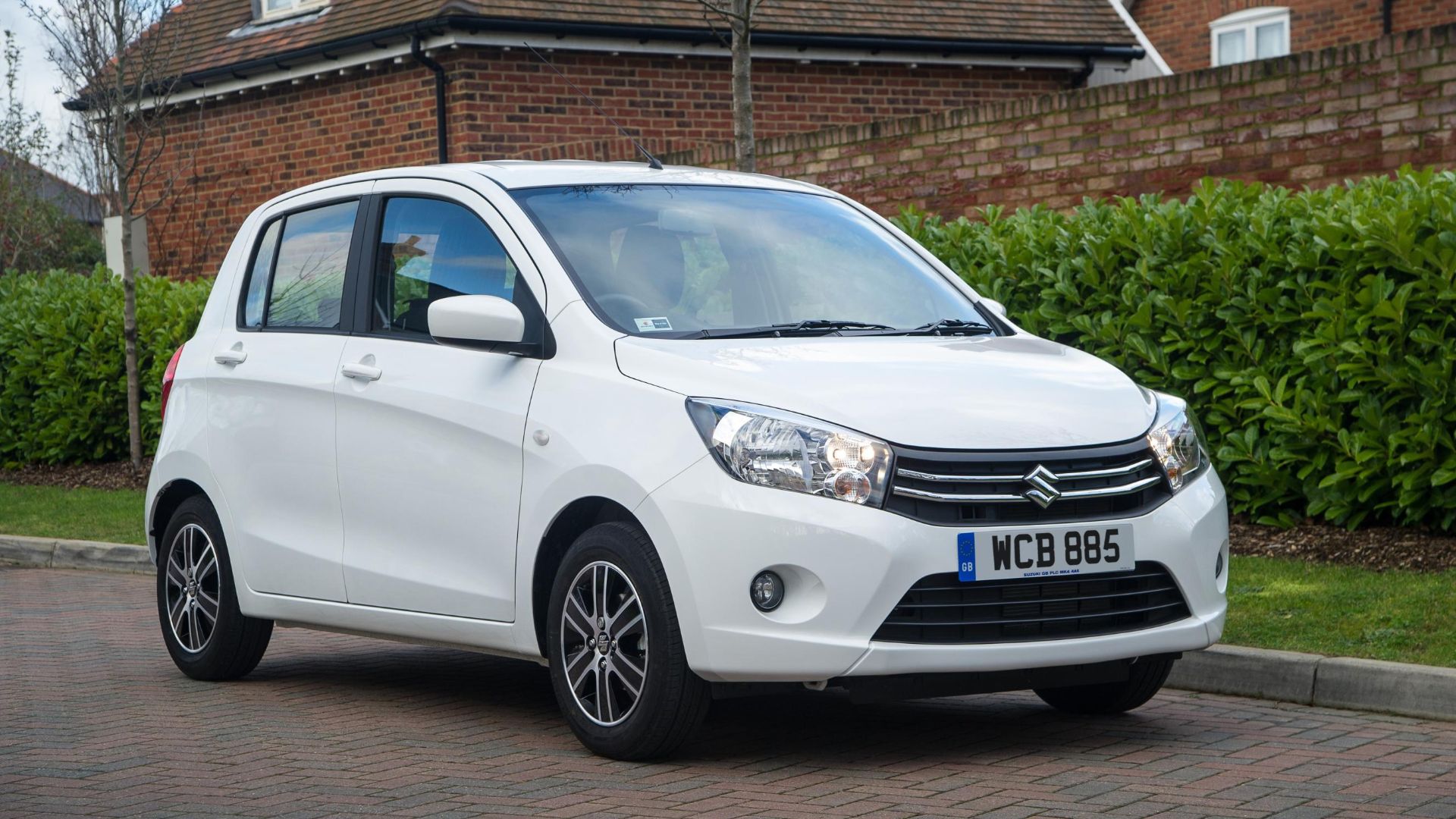
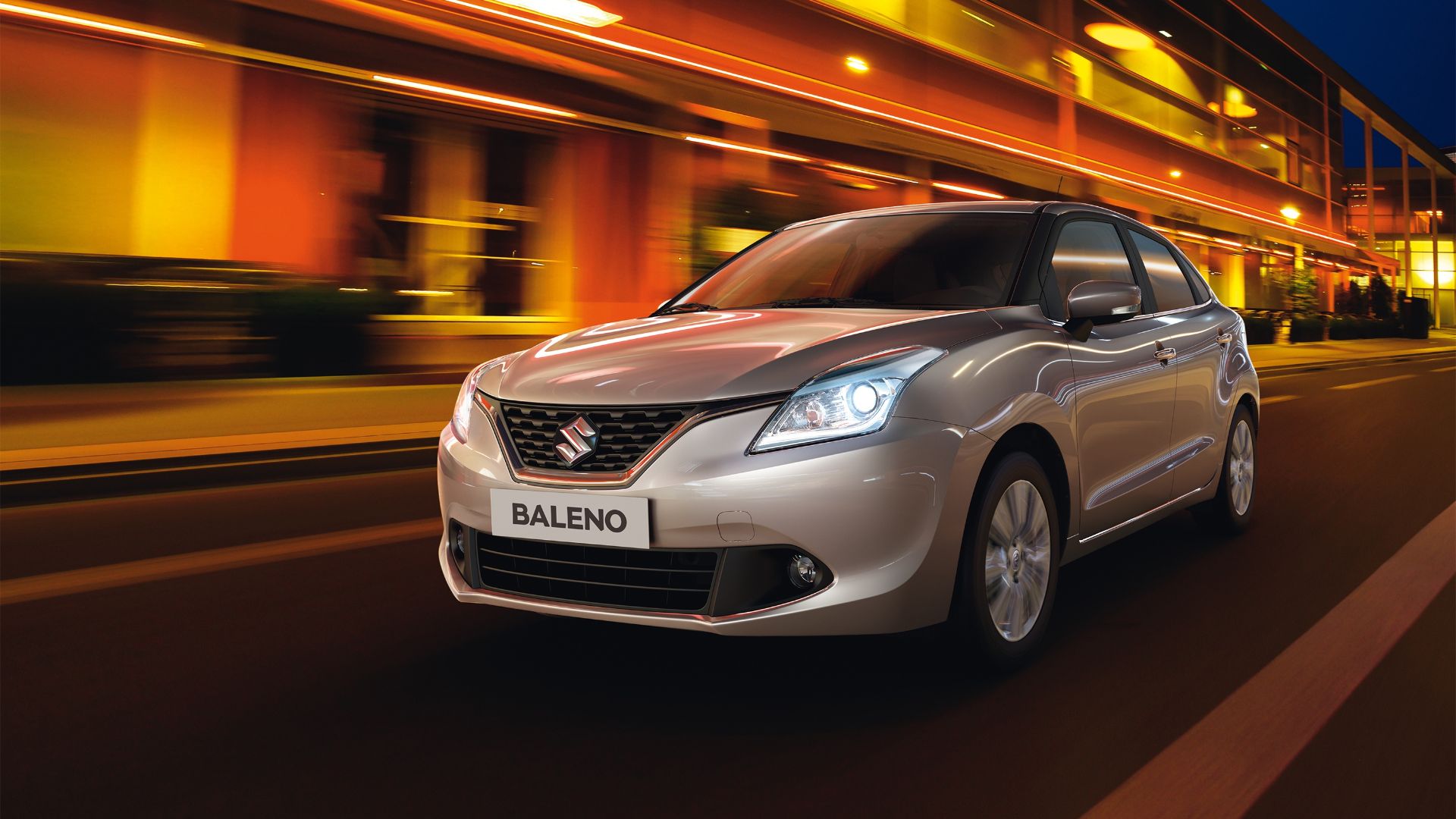
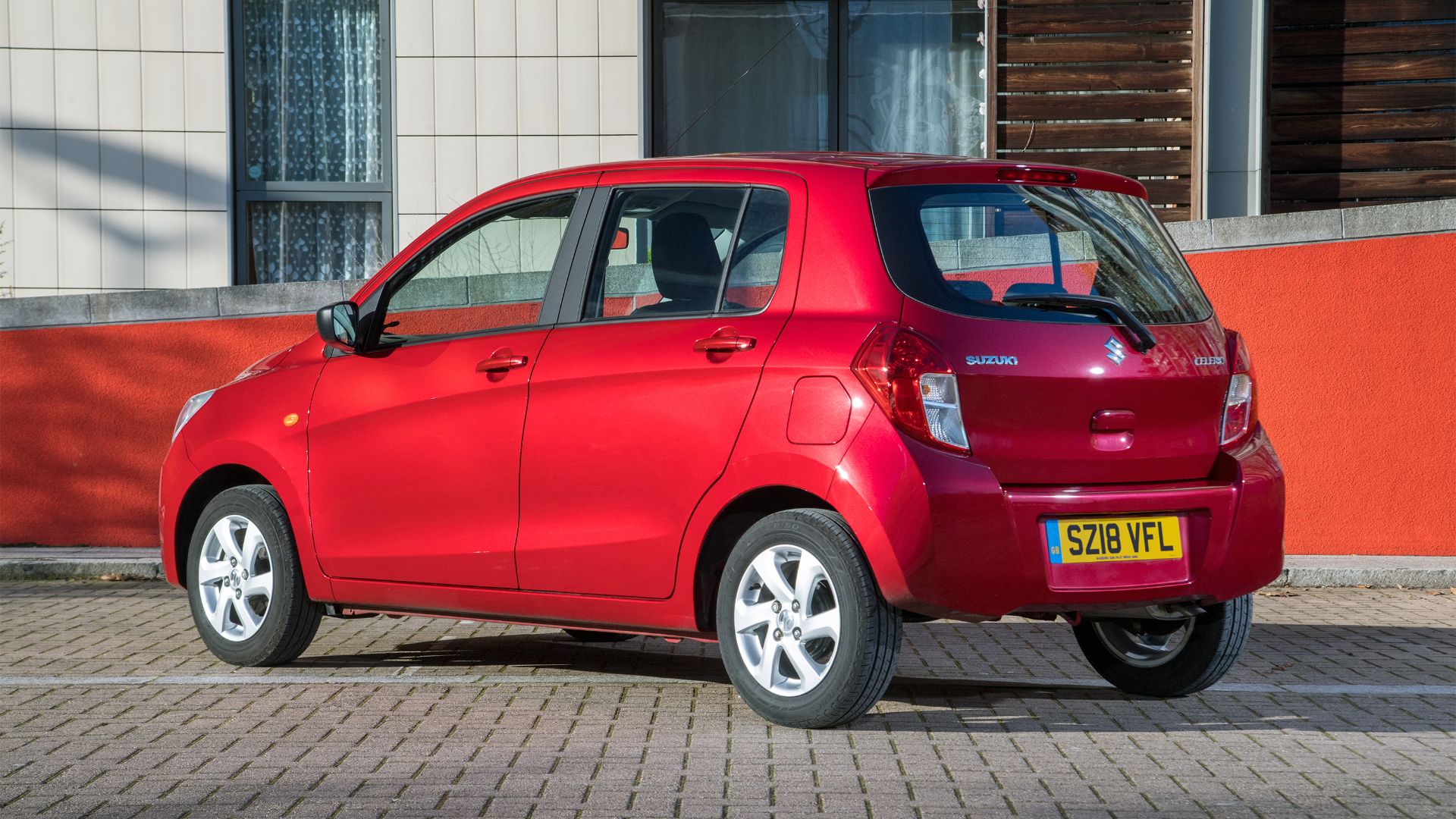
A moment’s silence, please: the Suzuki Celerio is being withdrawn from the UK market. New examples of the Celerio city car, along with the larger Suzuki Baleno hatchback, will no longer be supplied to Suzuki showrooms after August.
‘Suzuki GB PLC is refocusing its model range to cater for the high popularity of its best-selling UK models, which are Ignis, Swift, S-Cross and Vitara,’ said a statement.
‘This has resulted in sales of Celerio and Baleno being discontinued for the UK only.’
Sales of the Celerio and Baleno have been disappointing compared with other cars in the Suzuki range. In addition, the move also helps the company meet future emissions targets: ‘Suzuki is also preparing its range line-up for future emission regulations in 2020, of which details will be confirmed and announced in the future.’
If you simply must have a Celerio or Baleno, dealers should have pre-registered and nearly-new stock into September 2019.
The Celerio had a difficult life from day one. Vegetable-related jokes about its name aside, there was a well-known brake failure issue soon after its launch.
Suzuki acted swiftly to fix this, but the car’s reputation never fully recovered.
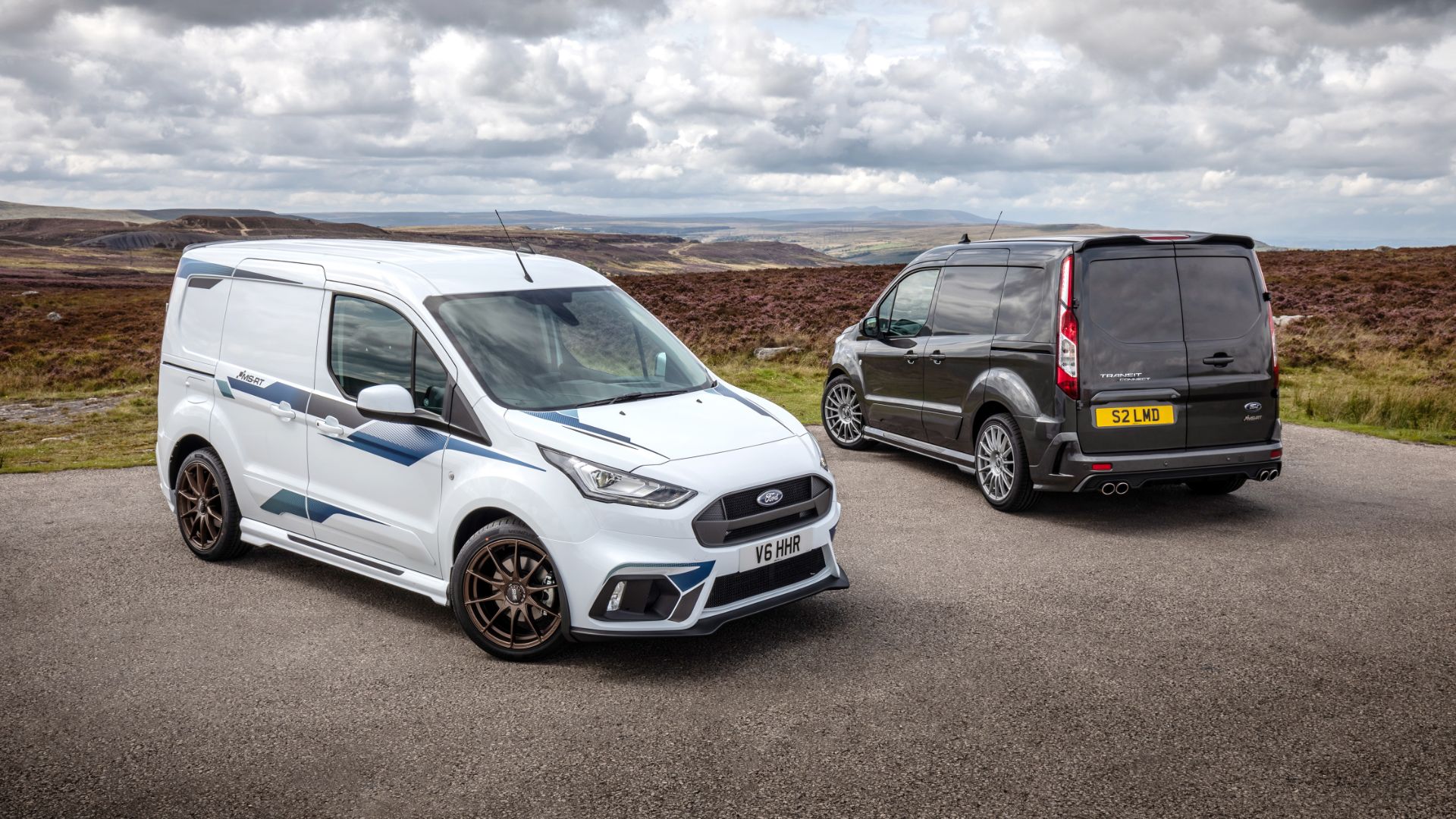
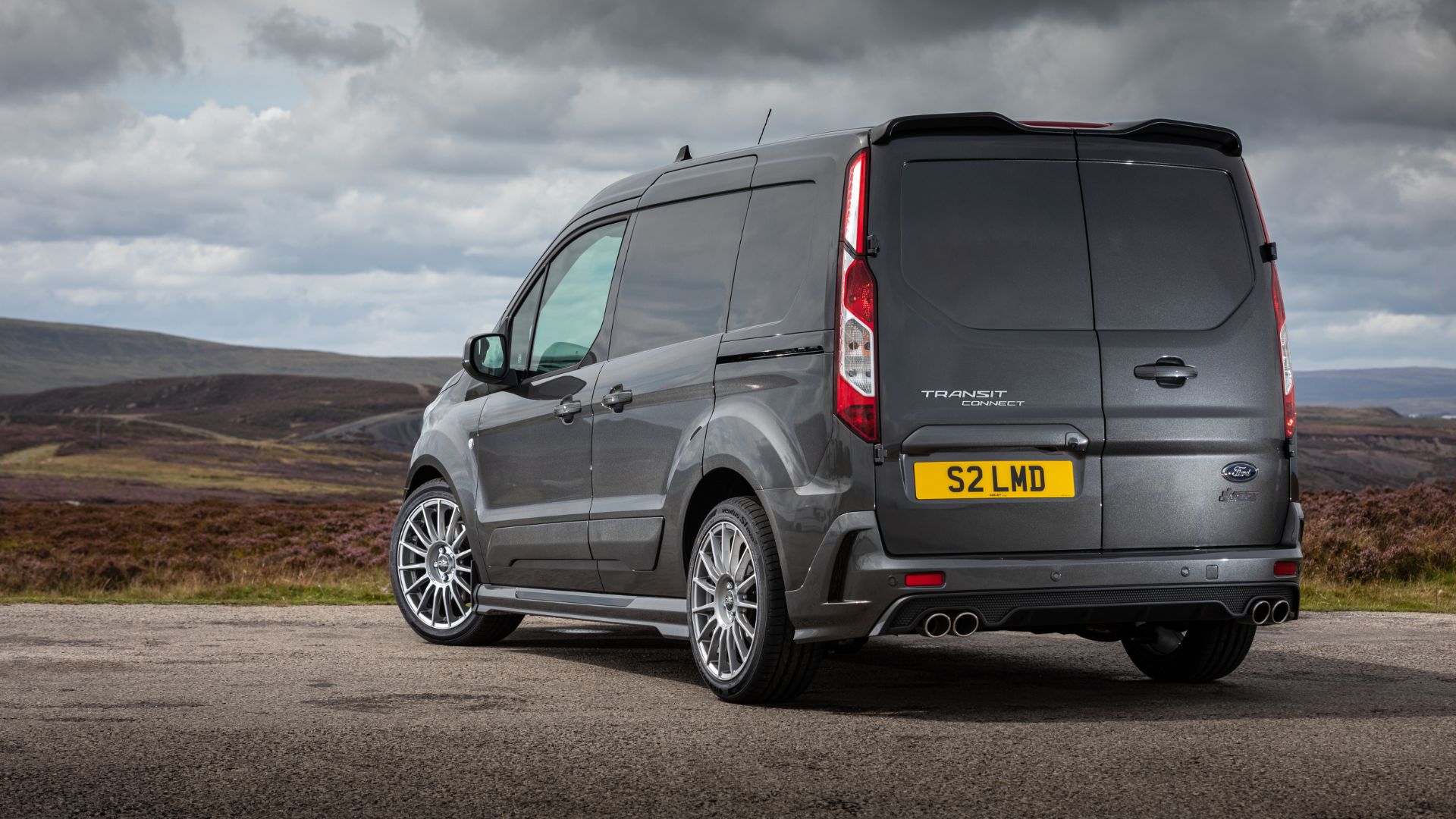
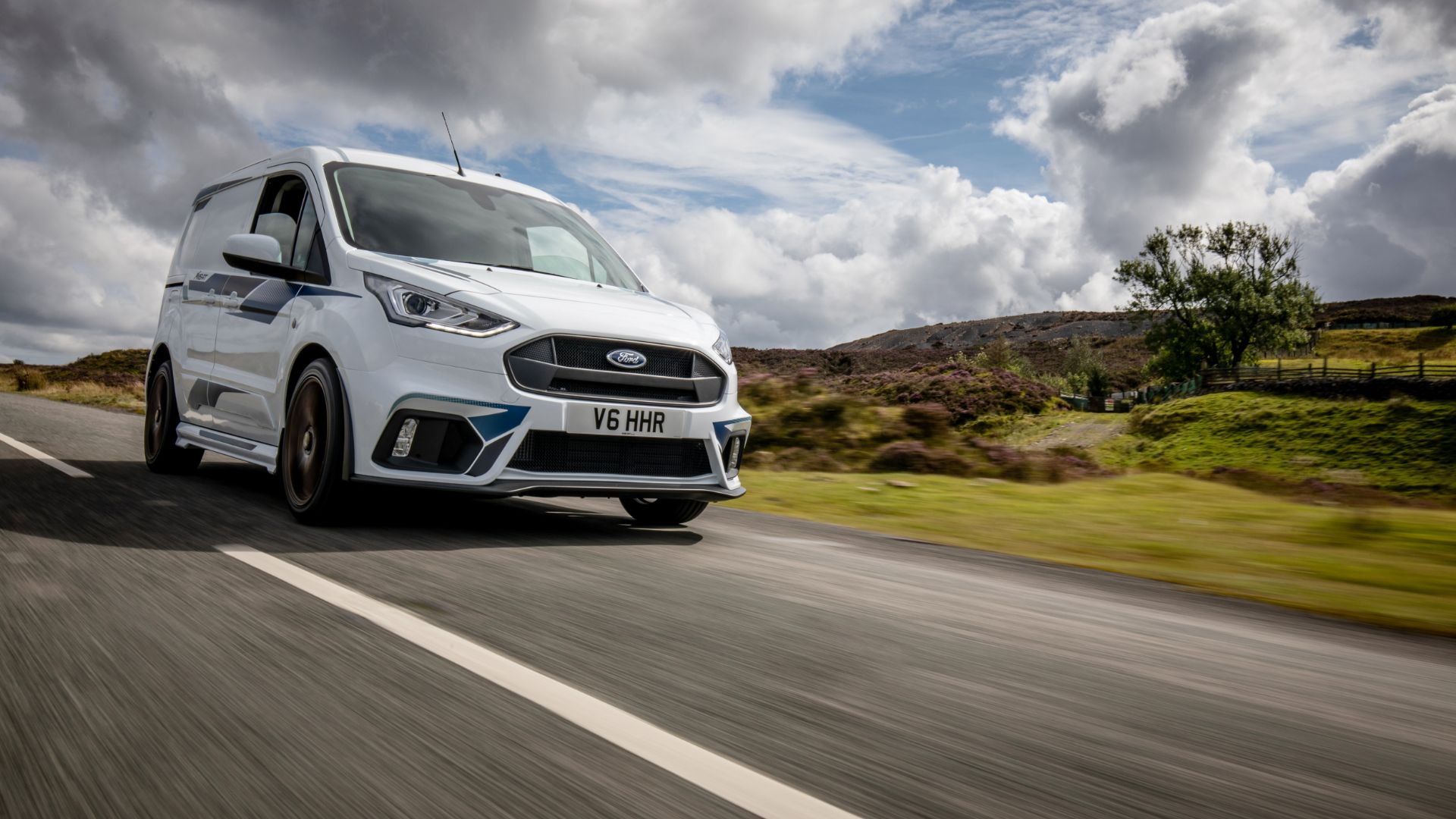
Tuning company MS-RT has revealed its sporty take on the Ford Transit Connect.
Like the larger Transit Custom that MS-RT revealed in 2018, the Connect features an aggressive styling kit to help it stand out.
A jutting front splitter and bumper with large intake grilles redefine the van’s front end. You’ll also spot side skirts and a new rear bumper, diffuser and roof spoiler.
Van drivers are paying £600k a year in loading bay fines
The kit is manufactured on-site at MS-RT’s Pontypool facility in South Wales. Complementing the new bodywork is a set of 18-inch OZ Racing alloys, which you can order in silver or bronze.
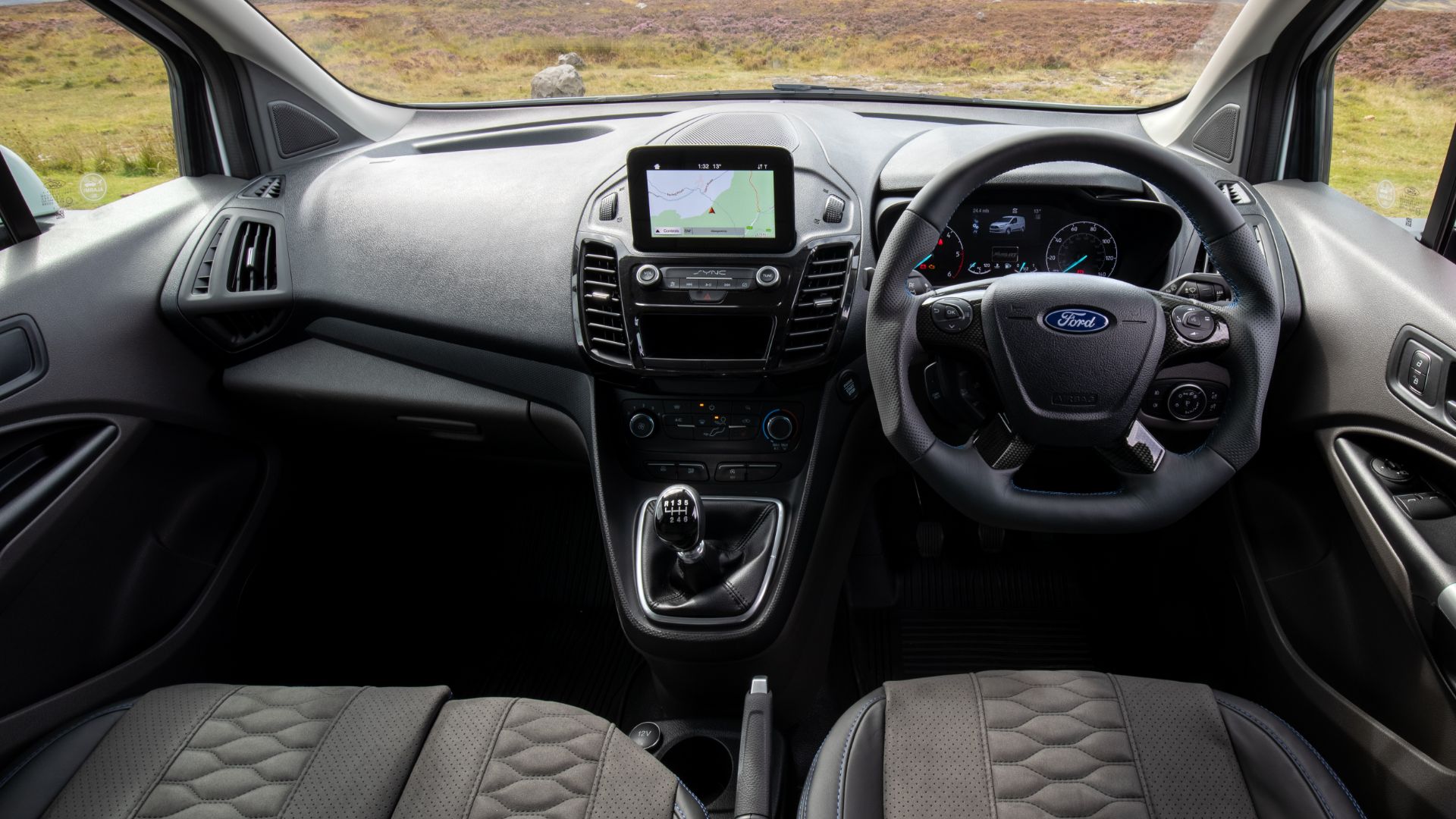
Giving the Transit Connect a bit more vocal range is a new stainless steel sports exhaust. Its cabin is spruced up with leather and suede trim, plus a carbon-embellished steering wheel.
As MS-RT works with Ford’s rally division, there is a nod of approval from the Blue Oval. All MS-RT Transit Connects will be warrantied to three years or 100,000 miles.
So what will this tastier Transit cost you? It starts from £23,995 with a manual gearbox, or £24,995 with an auto, although both those prices exclude VAT. Add the optional sticker pack, black exhaust tips and a full carbon wheel and that price swells further.
We’d consider paying extra for the bronze wheels and fruity app-controlled exhaust.
For sale: One Direction’s amazing customised tour van
Orders will start arriving in September, but if the Connect doesn’t quite meet your needs, double-cab and long-wheelbase versions will follow before long.
“We’ve enjoyed unprecedented success with the MS-RT Transit Custom, with the order books completely full since launch,” said MS-RT director, Edward Davies.
“Our customers absolutely love their vans and the uniqueness of them, so we expect that the Connect will develop a similar following among those who want a commercial vehicle with genuine motorsport heritage, fantastic sports styling and a full manufacturer-backed warranty. We can’t wait to deliver the first Launch Edition models later this year.”
With Matt Damon and Christian Bale due to star in the upcoming ‘Ford v Ferrari’ feature film, we take a look at the on-track history that led to this famous feud. This is the tale of when Detroit fought Maranello at Le Mans.
The start of the ordeal
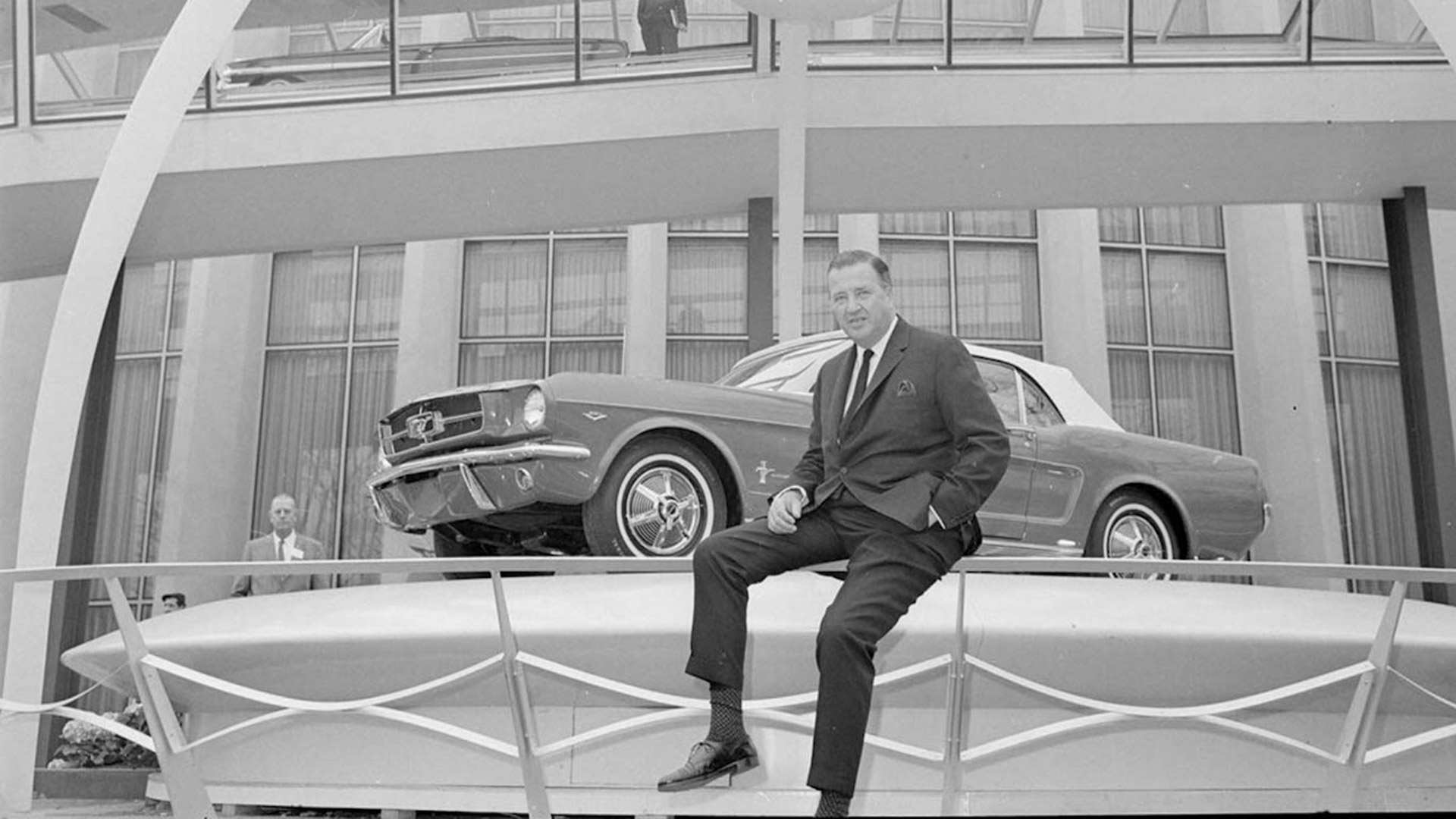
It counts as one of the most notorious stories in motorsport, and it all began due to a dispute between Henry Ford II and Enzo Ferrari.
Ford had looked to buy the Italian manufacturer during 1963, yet found Ferrari unwilling to step away from the Indianapolis 500. This would have placed the two brands in direct competition on track.
As a result, the deal failed. Henry Ford II then directed his company to enact revenge on Ferrari at Le Mans.
Ferrari was the class act to beat at Le Mans
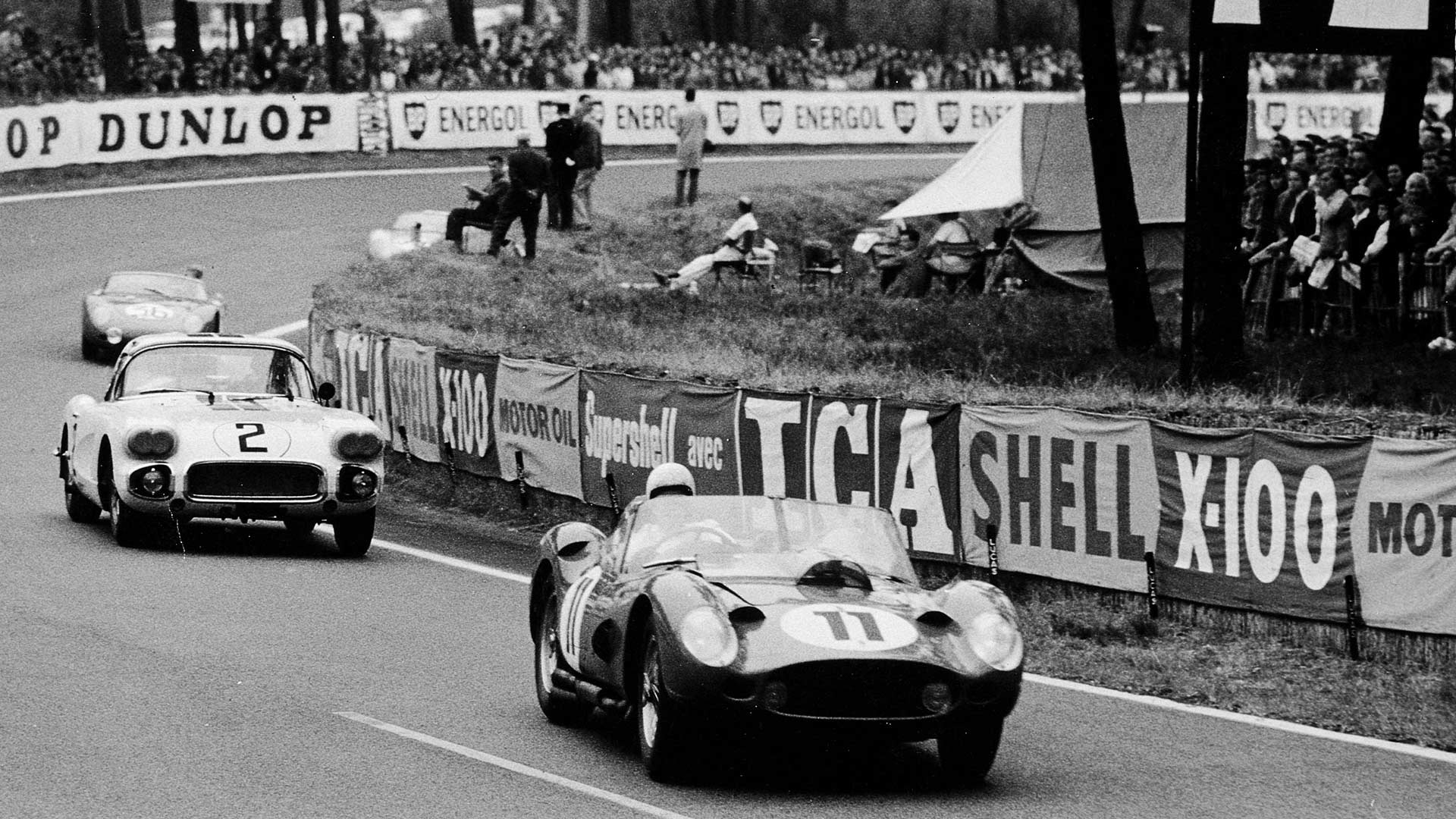
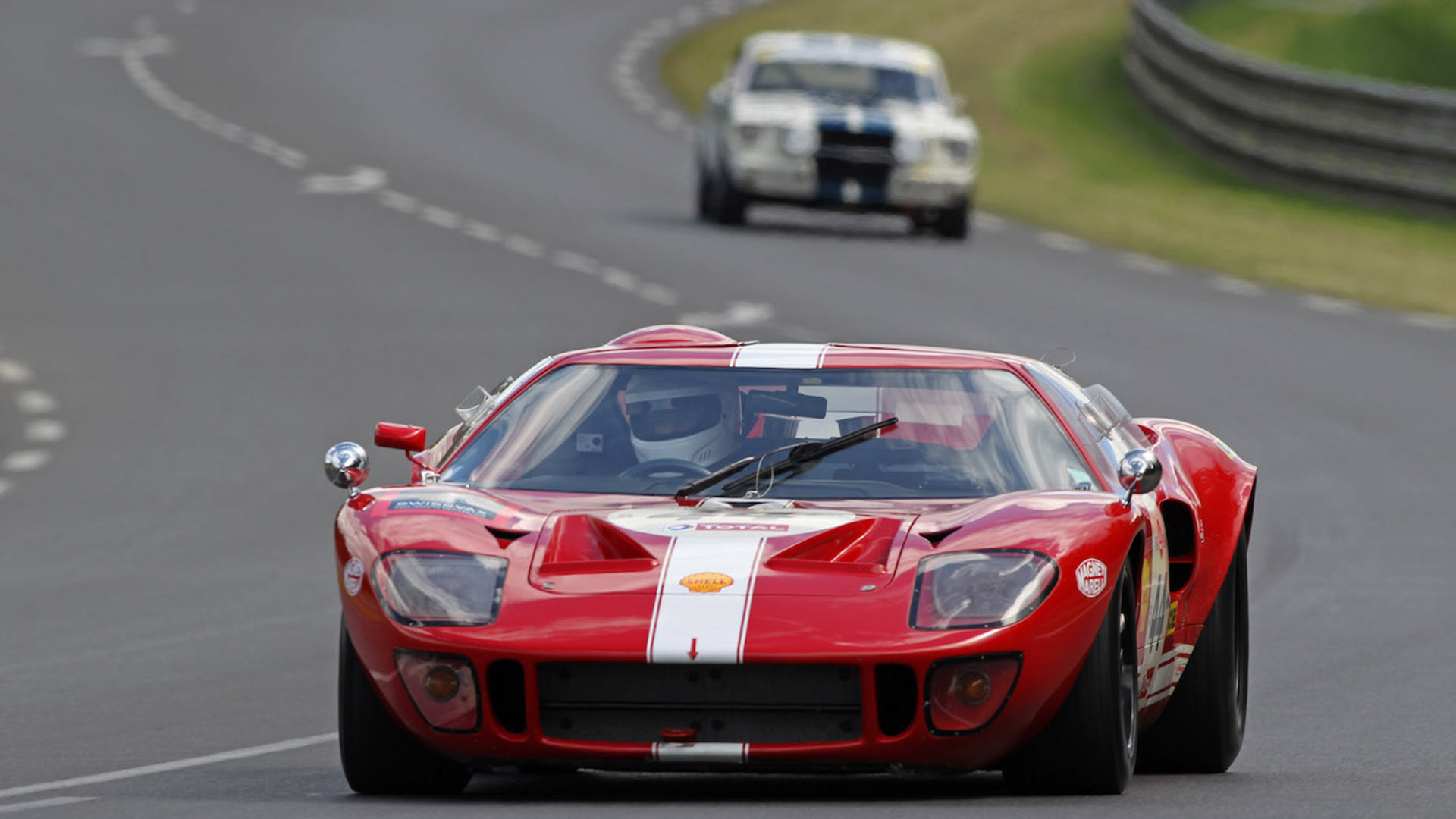
The Italian brand had established total dominance at Le Mans during the 1960s. Cars wearing the famous Prancing Horse badge had won every edition of the 24 hour race from 1960 onwards.
This included two victories taken by Belgian driver Oliver Gendebien, pictured here behind the wheel of a Ferrari 250 TR 59/60 on his way to glory in 1960. Beating the Scuderia was going to take serious commitment and engineering effort from Ford.
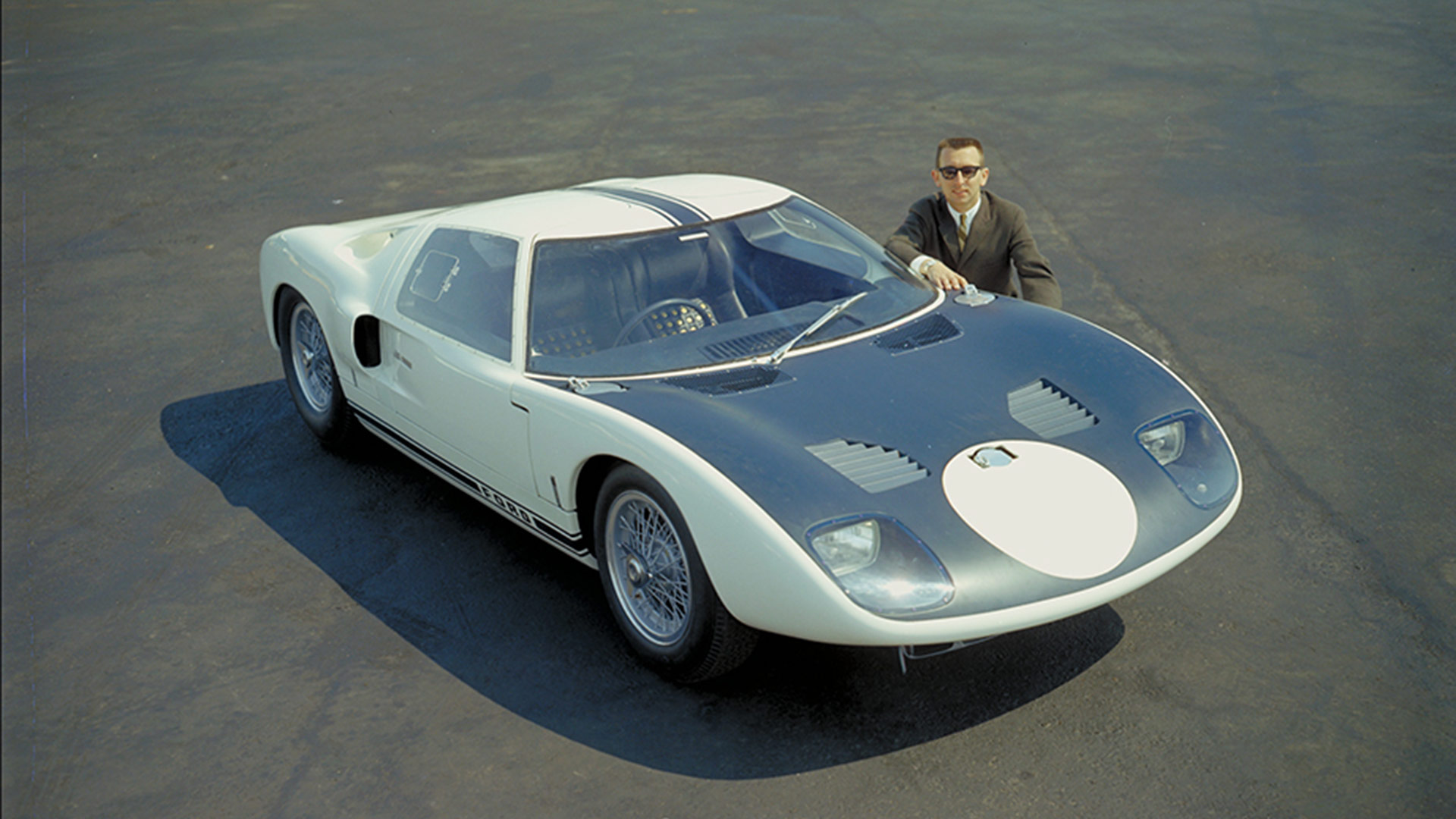
1964 Ford GT40 prototype
Ford initially courted Lola Cars, Lotus, and Cooper for a partner to build the new Le Mans racer. Lola was eventually chosen, partly because the Lola Mk 6 race car already made use of a Ford V8 engine.
Lola donated two Mk 6 chassis from its factory in Slough, while Ford set about creating a team to develop and build its new race machine.
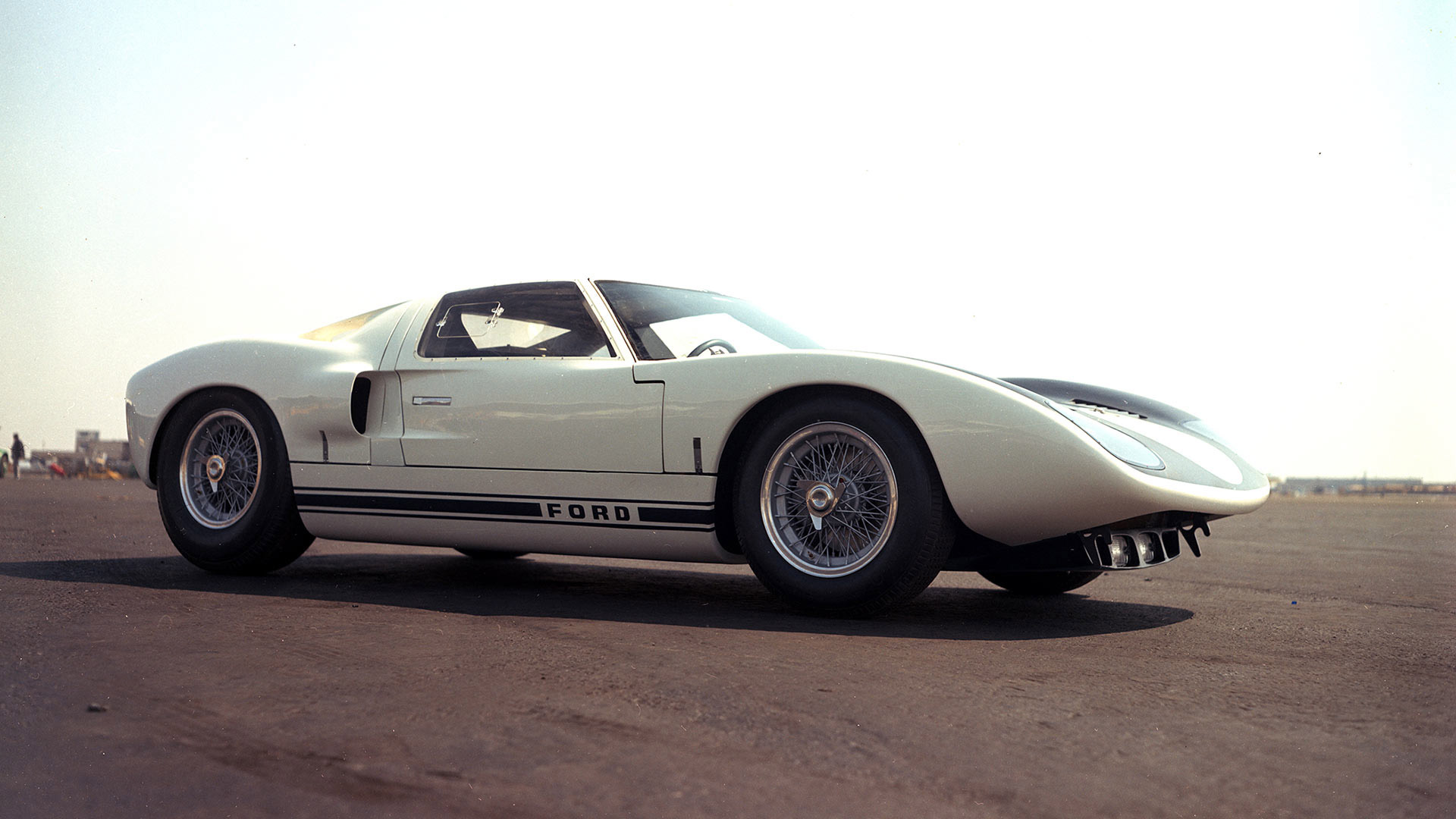
1964 Ford GT40 prototype
The newly created Ford Advanced Vehicles team set about the development of a new racer, based at its own British factory.
Early prototypes of the GT40 made use of a mid-mounted 255 cubic inch (4.2-litre) Ford V8, whilst later finished cars would feature a 289 cubic inch (4.7-litre) unit. Famously, the GT40 name came from the overall height of the new race car being just 40 inches.
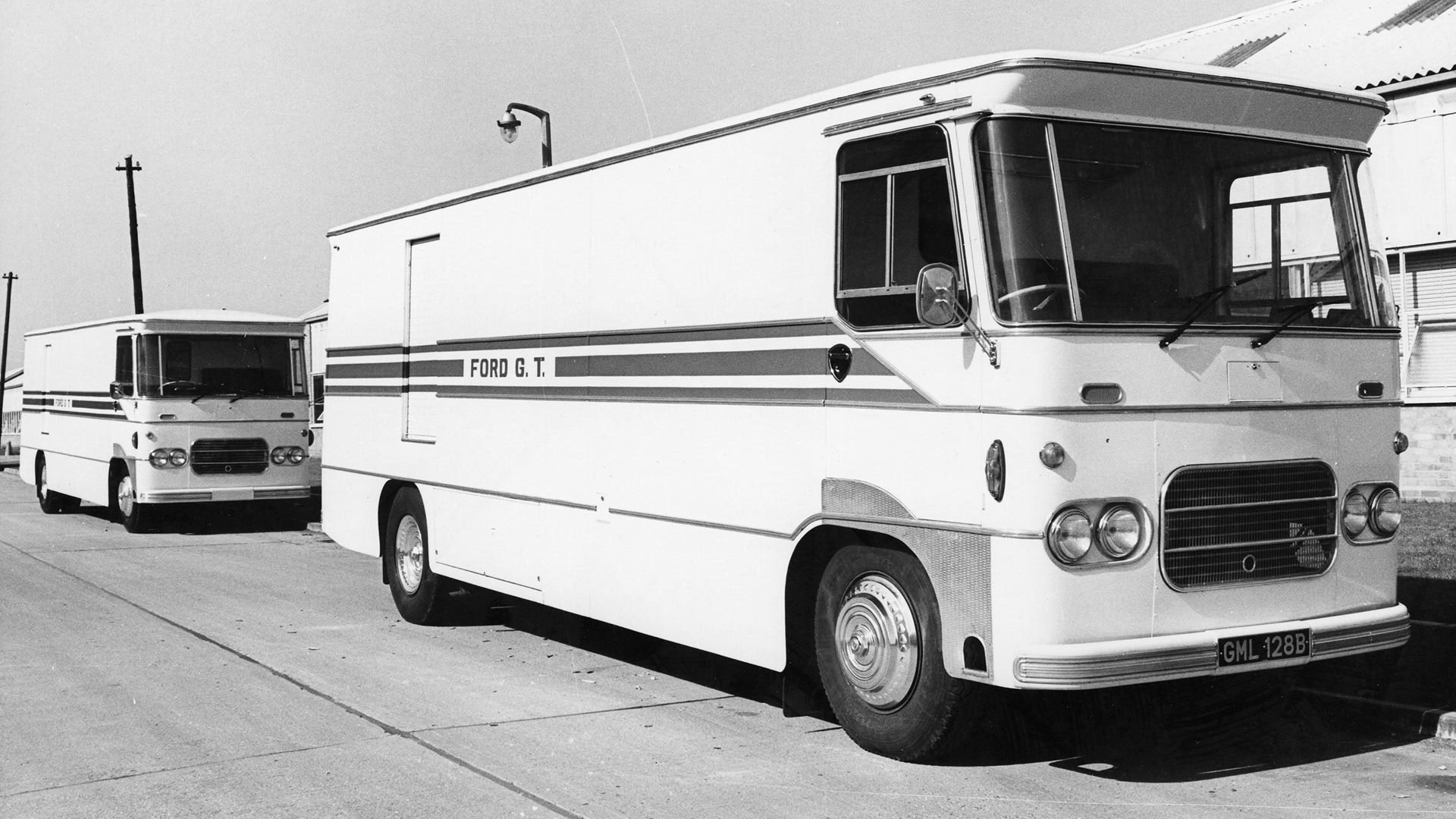
Ford GT40 team transporters ready for the off
Ford had taken only seven months to create the new GT40, with the completed car being shown to journalists on April 1st 1964. John Wyer was put in charge of running the Ford Advanced Vehicles team for the year.
The rush to get the new cars finished meant the GT40 would miss the season-opening Sebring 12 Hours race. Instead, the inaugural use of the car in anger would be at the first Le Mans test, less than three weeks after the cars were presented to the media.
1964 becomes a year to quickly forget
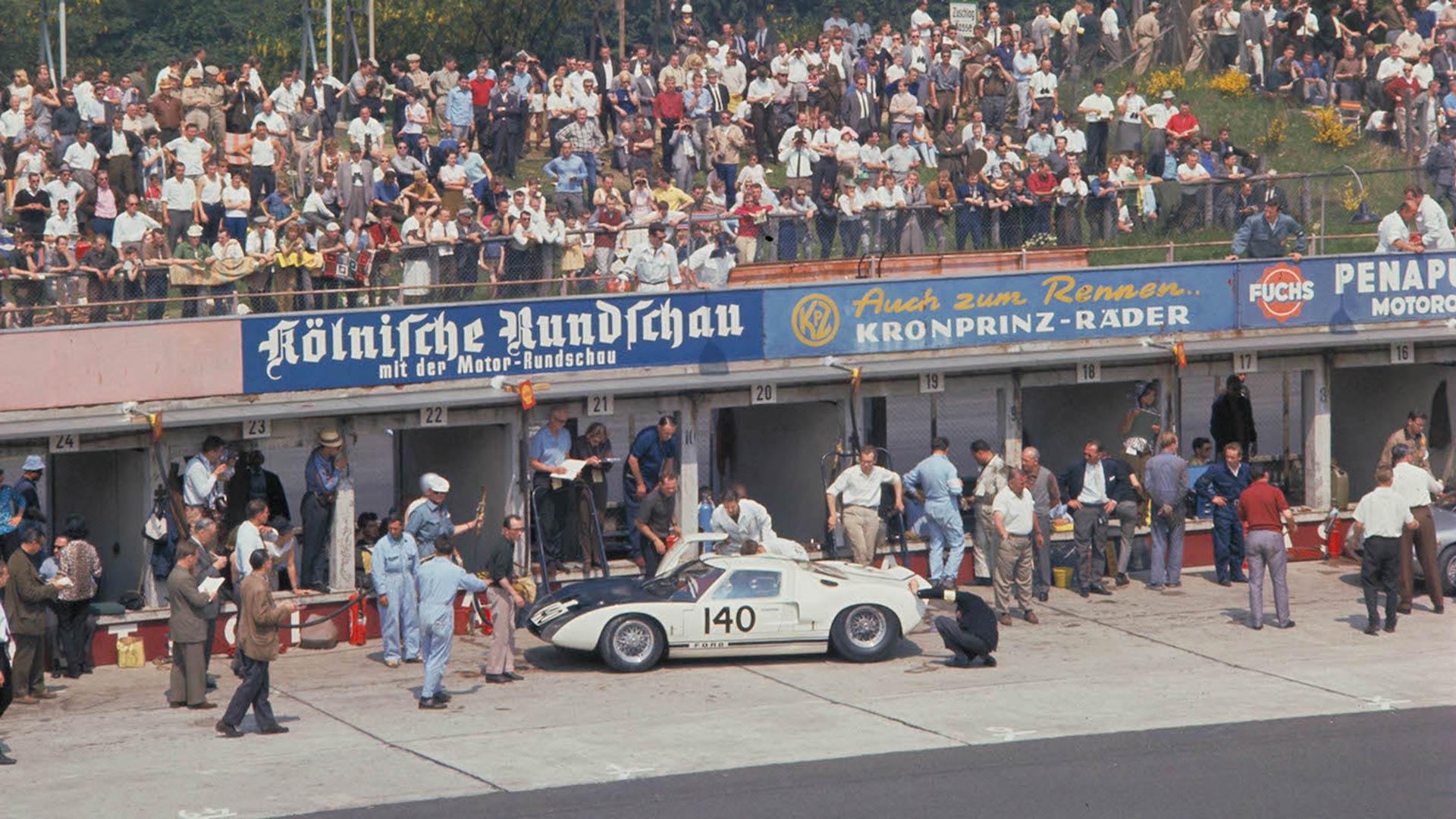
Making a race debut at the gruelling Nürburging 1,000km in 1964, the driver pairing of Phil Hill and Bruce McLaren managed to qualify second on the grid. However, a suspension failure meant the GT40 failed to finish the race.
This would set the tone for the year, with 1964 at Le Mans a dismal failure. All three of the Fords would retire with mechanical issues, while Ferrari clocked up another win.
1965 shows promising signs for the future
After the disappointment of 1964, Ford switched management of the GT40 to Carroll Shelby for 1965. This came after his notable successes with the Ford-powered Daytona Coupe.
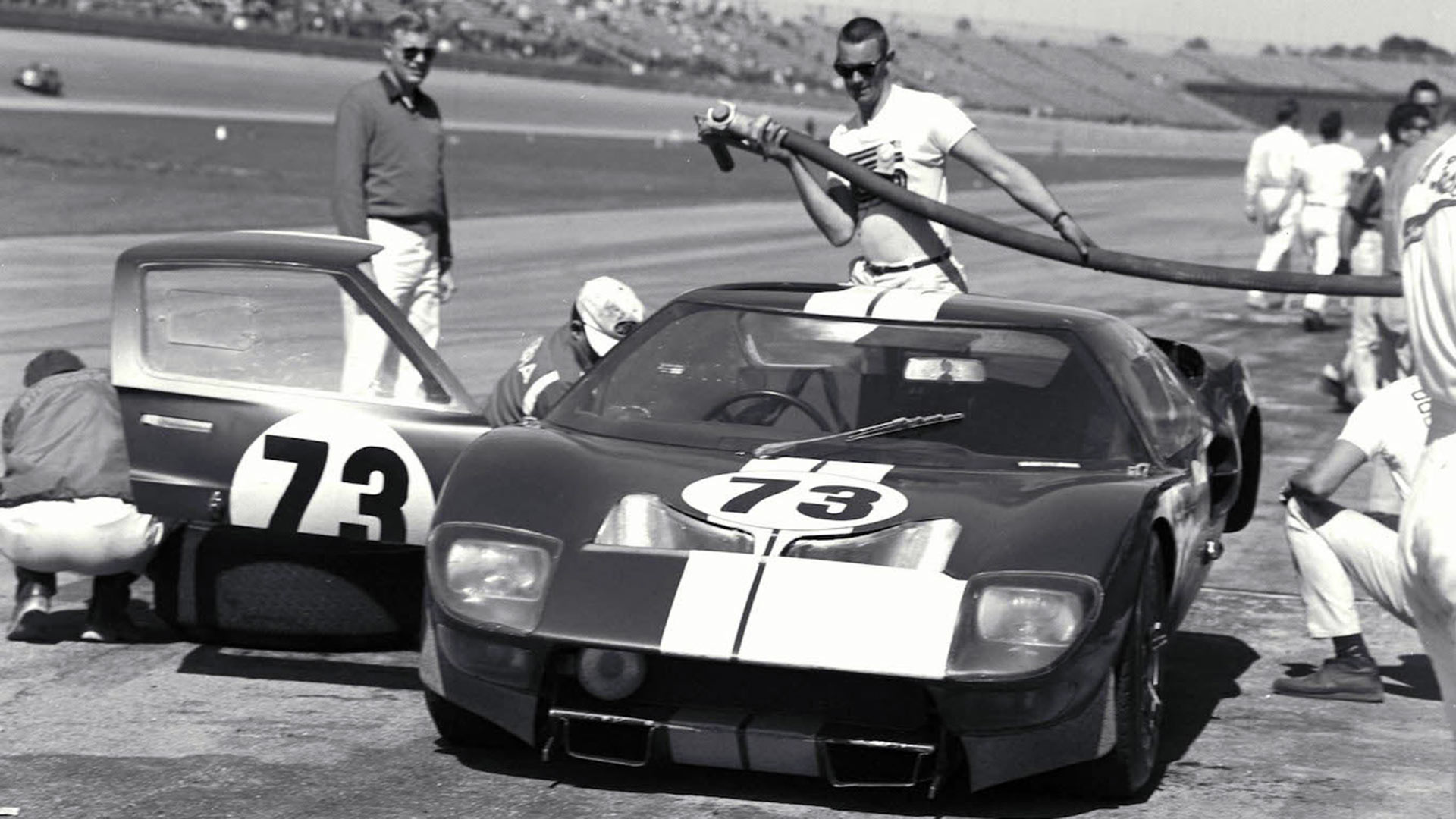
Victory came immediately, with a win for Ken Miles and Lloyd Ruby at the Daytona 2,000km race, with Bob Bondurant and Richie Ginther taking third in a sister GT40.
Yet the remainder of 1965 would prove fruitless, with no more wins for Ford. Le Mans would again see all the GT40s fail to make the finish.
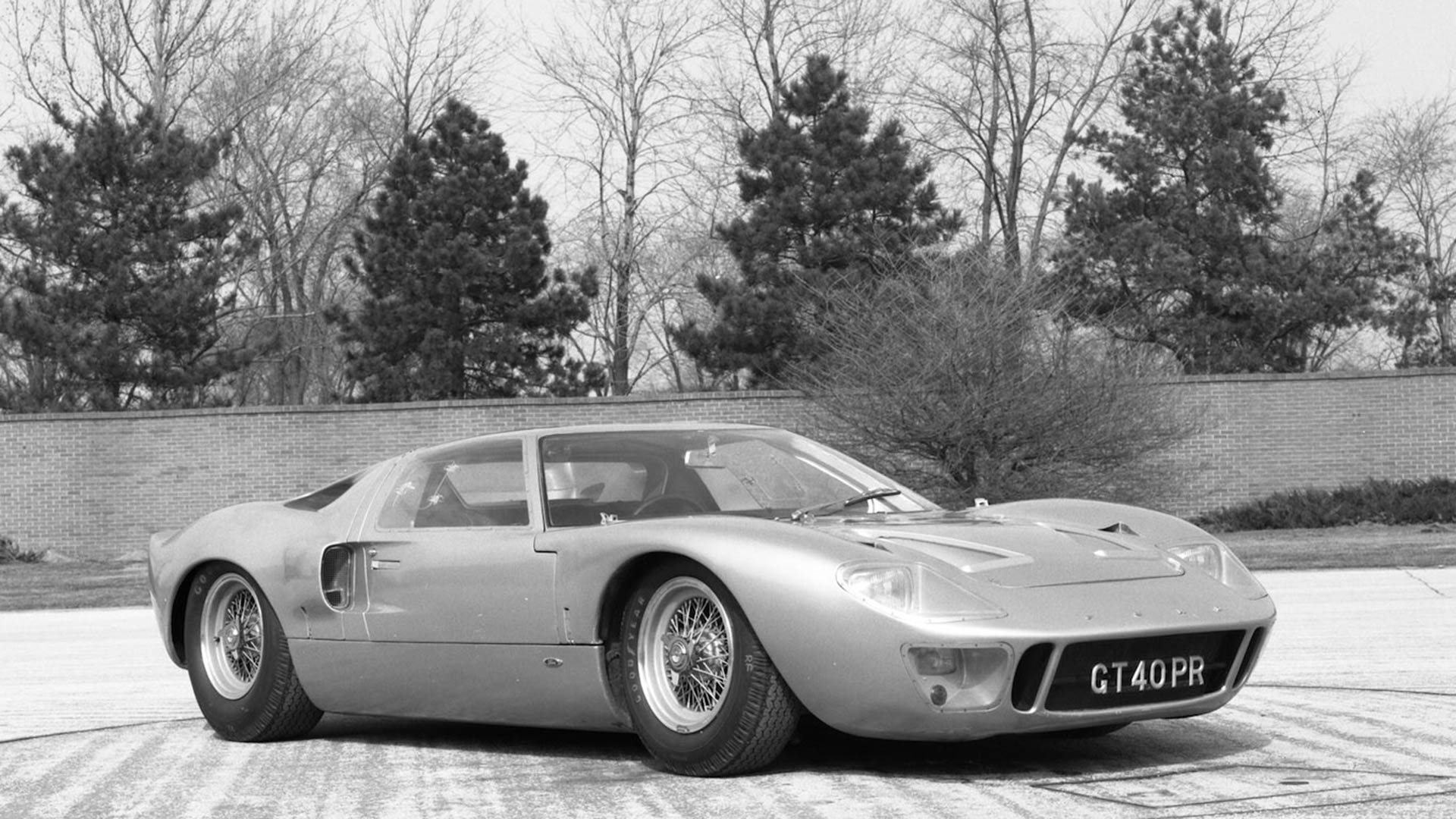
1966 Ford GT40 Mk I road car
Whilst the early GT40s might not have proved to be successful on track, road car versions still rolled out of the factory, with the first example delivered to the United States in early 1966.
The Mk I road cars featured softer suspension, quieter exhausts, plus options such as air-conditioning and leather seats. However, they still featured a 335hp V8 engine.
A new hope: the 1966 Ford GT40 Mk II
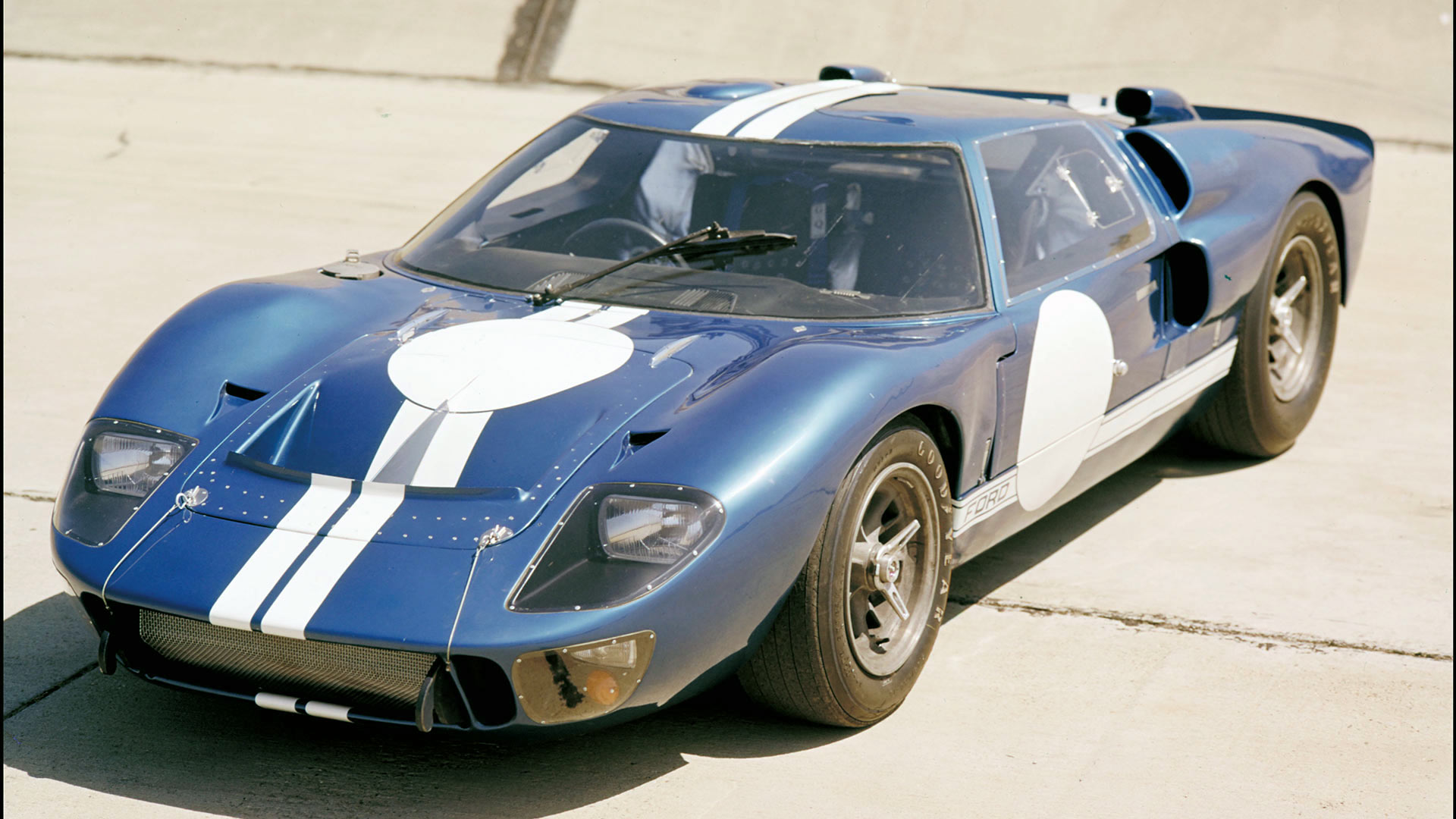
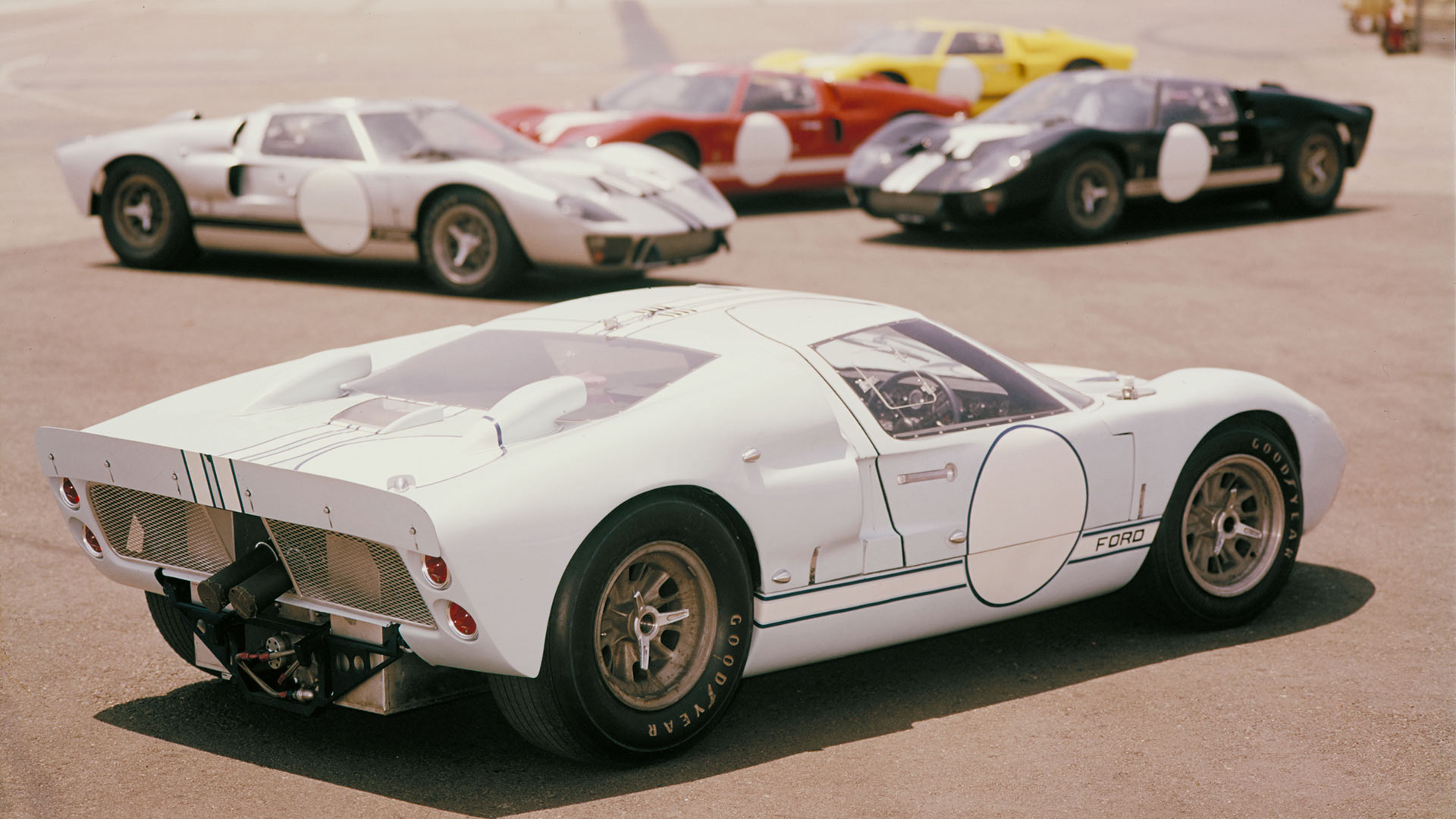
Whereas the Mk II may have looked similar to its predecessor, beneath the bodywork was a host of changes. In came a 427 cubic inch (7.0-litre) Ford FE engine, with an exhaust system nicknamed ‘a bundle of snakes’ for its elaborate design.
Kar-Kraft also modified the chassis from the original British-designed Mk I version, using higher strength steel. Extra robustness was added with upgraded suspension components, while a strengthened gearbox was also used. This featured just four speeds, instead of the five cogs found in the Mk I.
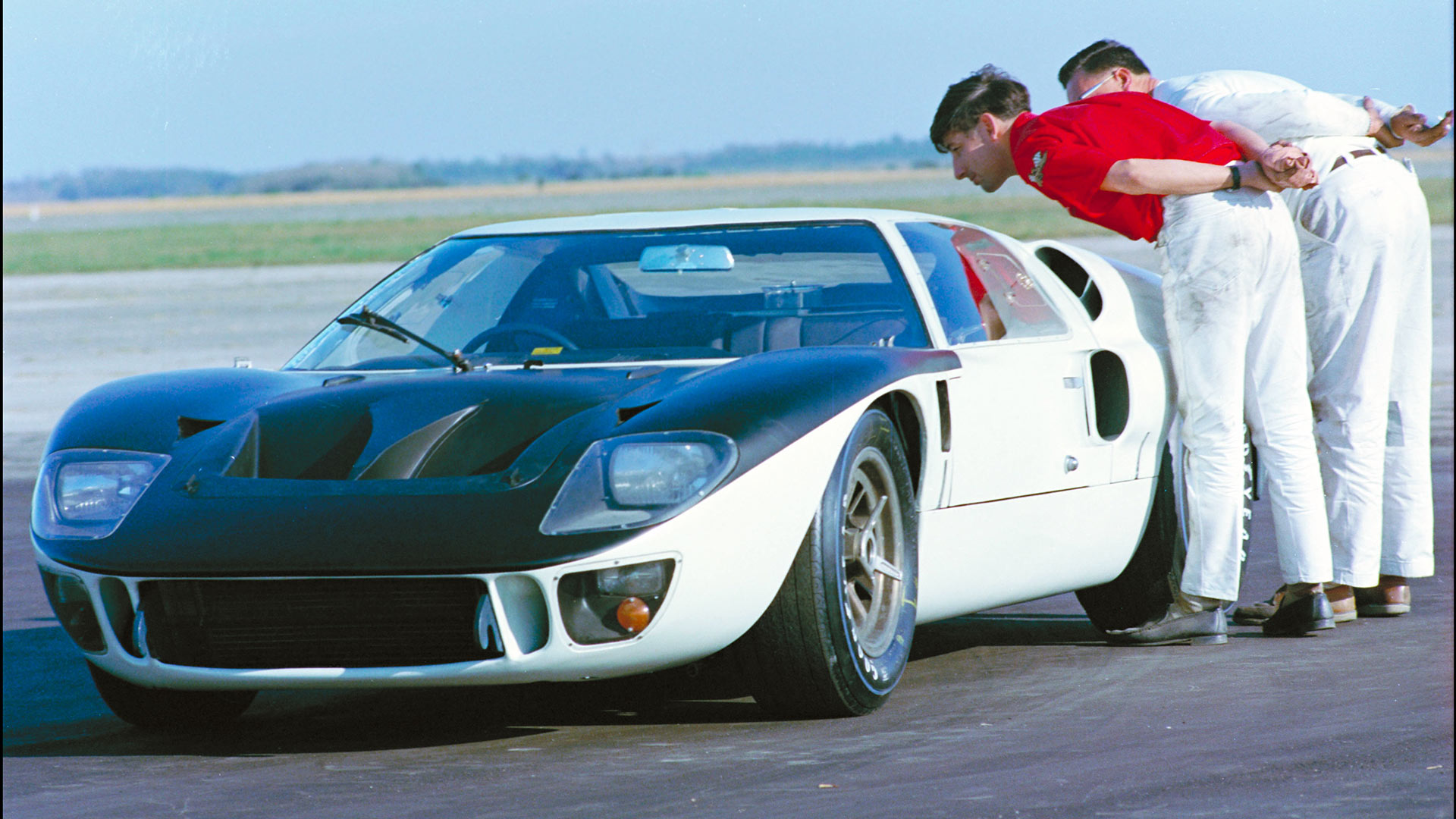
1966 Ford GT40 Mk II
Ford also dismissed Carrol Shelby as overall manager for the GT40 programme. Instead, priority was given to the Holman-Moody outfit who were responsible for running Ford’s NASCAR efforts. Henry Ford II was adamant that the GT40 must win in 1966.
However, the Shelby American team did continue as an official factory outfit, retaining Ken Miles as one of their drivers. The new GT40s would finish 1-2-3-5 in the ’66 Daytona 24 Hours, proving the changes were right and setting Ford on the path to glory.
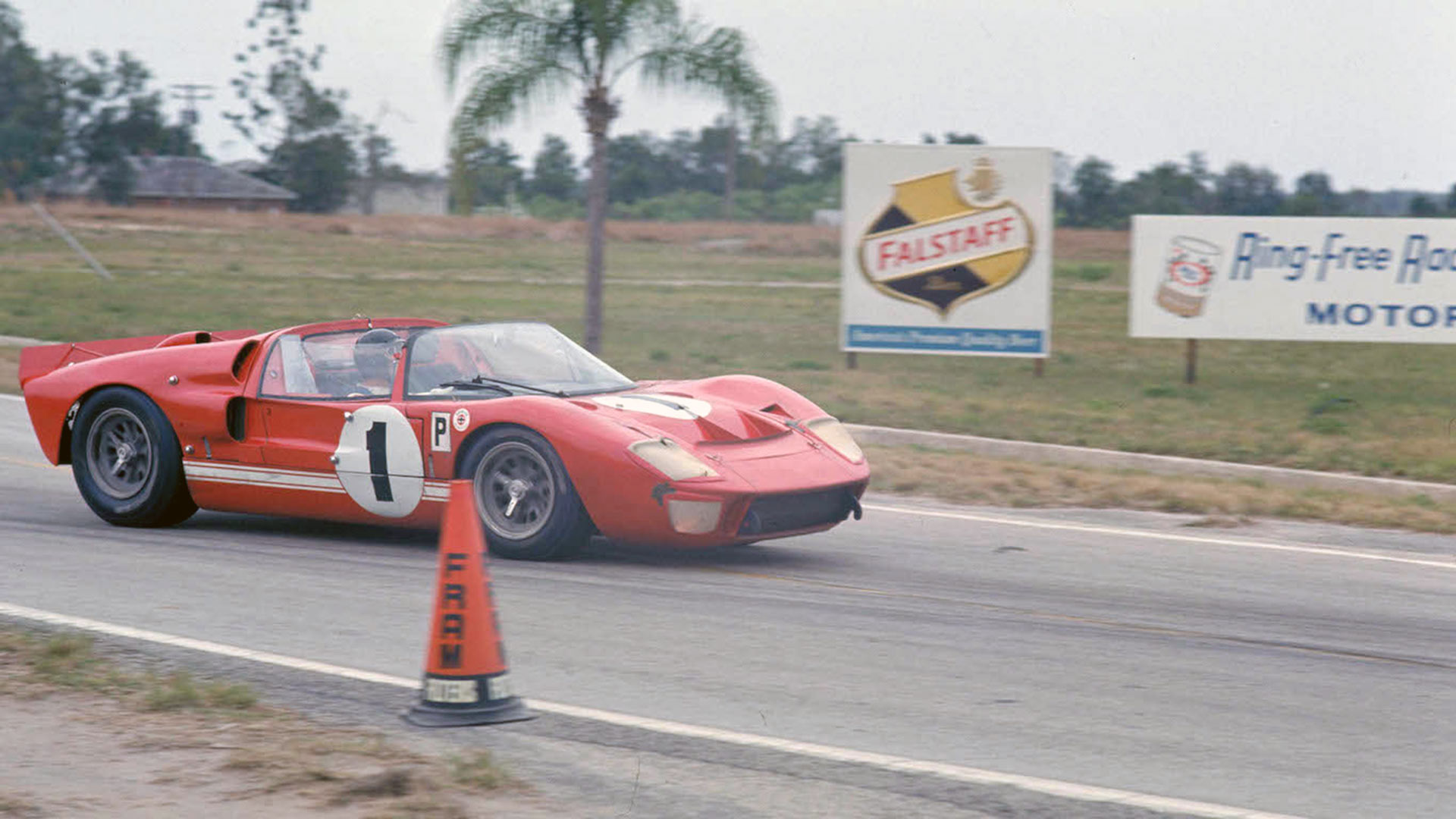
1966 Ford GT40 Mk II ‘X-1’ Roadster
Ford also experimented with a potential for an open-top version of the GT40 during the 1966 season. Initially created for Bruce McLaren Racing in 1965 with a low-drag windscreen, on return to Ford the one-off roadster was updated to Mk II specification for Shelby American.
It’s only race event came at the 1966 12 Hours of Sebring where, after experimenting with automatic gearboxes during practice, a manual transmission was fitted for the race. When the engine of the lead GT40 Mk II seized, the ‘X-1’ Roadster of Miles and Ruby slipped through to victory.
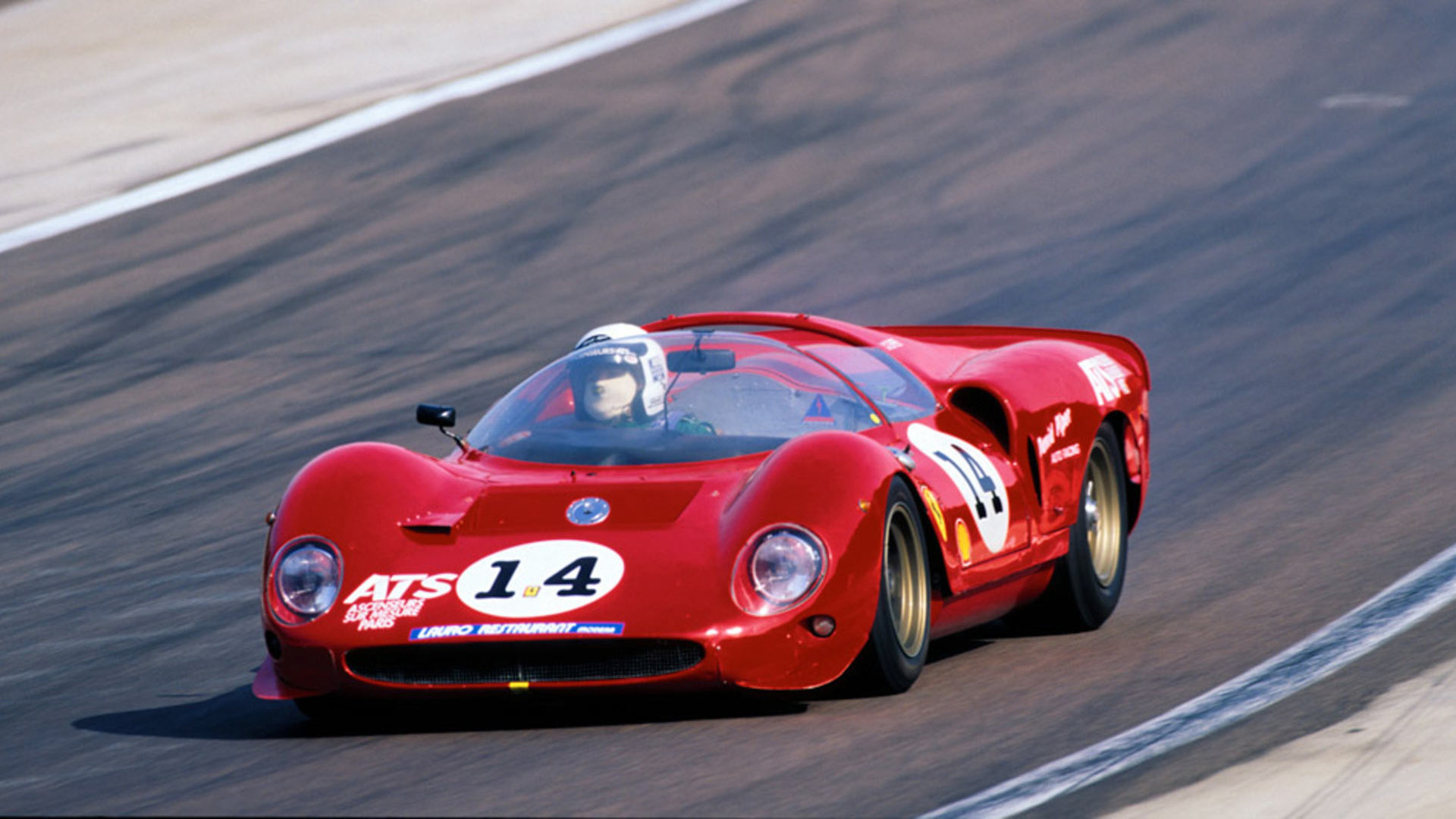
1966 Ferrari 330 P3
With all the attention now on winning the Le Mans 24 Hours, Ford would face tough competition at the 1966 race.
Ferrari had updated its line of prototype racers, creating the new 330 P3. Thanks to fuel injection it now had more horsepower, and was built in both closed- and open-cockpit versions for the epic endurance event.
1966 Porsche 906/6 LH
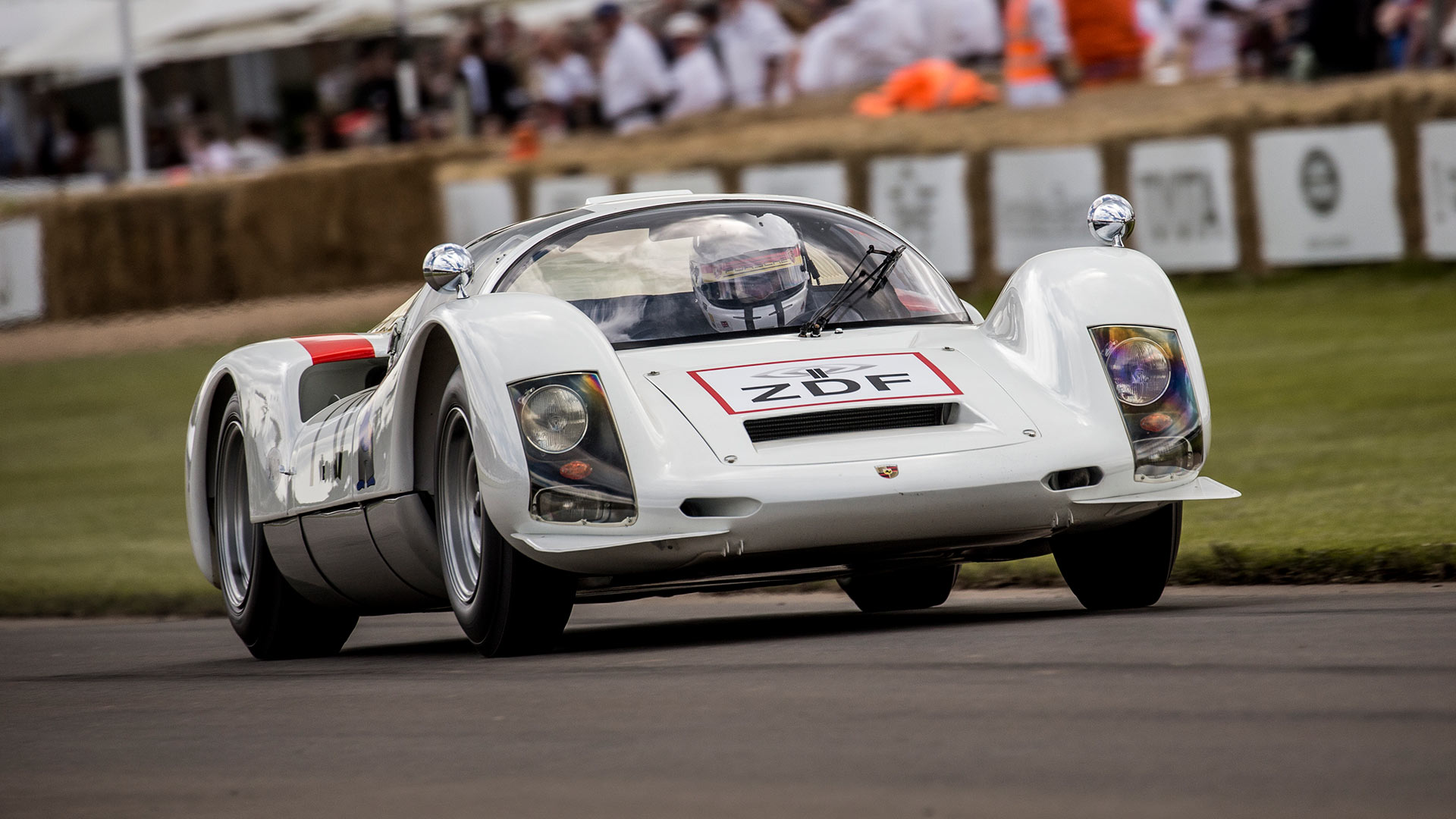
Although Ford and Ferrari were the main contenders in 1966, Porsche would also enter a small army of 906 racers at Le Mans.
A total of six 906 machines would contest the race, including three of the brand-new LH ‘lang heck’ prototype versions. Recent victory on the Targa Florio showed the potential of the Porsche.
Strength in numbers
Keen to beat Ferrari at its own game, Ford entered a total of 15 Mk II GT40s for Le Mans in 1966. Eight were accepted for the race, with Shelby American running three cars. Holman-Moody also fielded another trio, whilst Alan Mann Racing would be responsible for the final two Mk II machines.
Qualifying demonstrated the performance of the GT40 Mk II, with the top four places all taken by Fords. With all eight GT40s inside the top 12, the strategy of total domination looked to be working.
Drama on the road to tomorrow
Ratcheting up the pressure on the Ford teams was Henry Ford II, acting as official starter for Le Mans in 1966. After the first lap his cars were in the lead, but the coming hours would see tense battle between Ford and Ferrari.
Overnight rain dampened the performance advantage of the big V8 engine in the Fords. However, the Ferrari prototypes began to suffer from overheating, dropping them out of contention.
Controversial photo finish for the win
By halfway through the race, Ford MK IIs occupied the top four positions, with Mk I GT40s occupying 5th and 6th. Yet even then, victory was far from secure. The no.3 Mk II, driven by Dan Gurney, blew a head gasket from racing too hard with the no.1 car of Ken Miles and Denny Hulme.
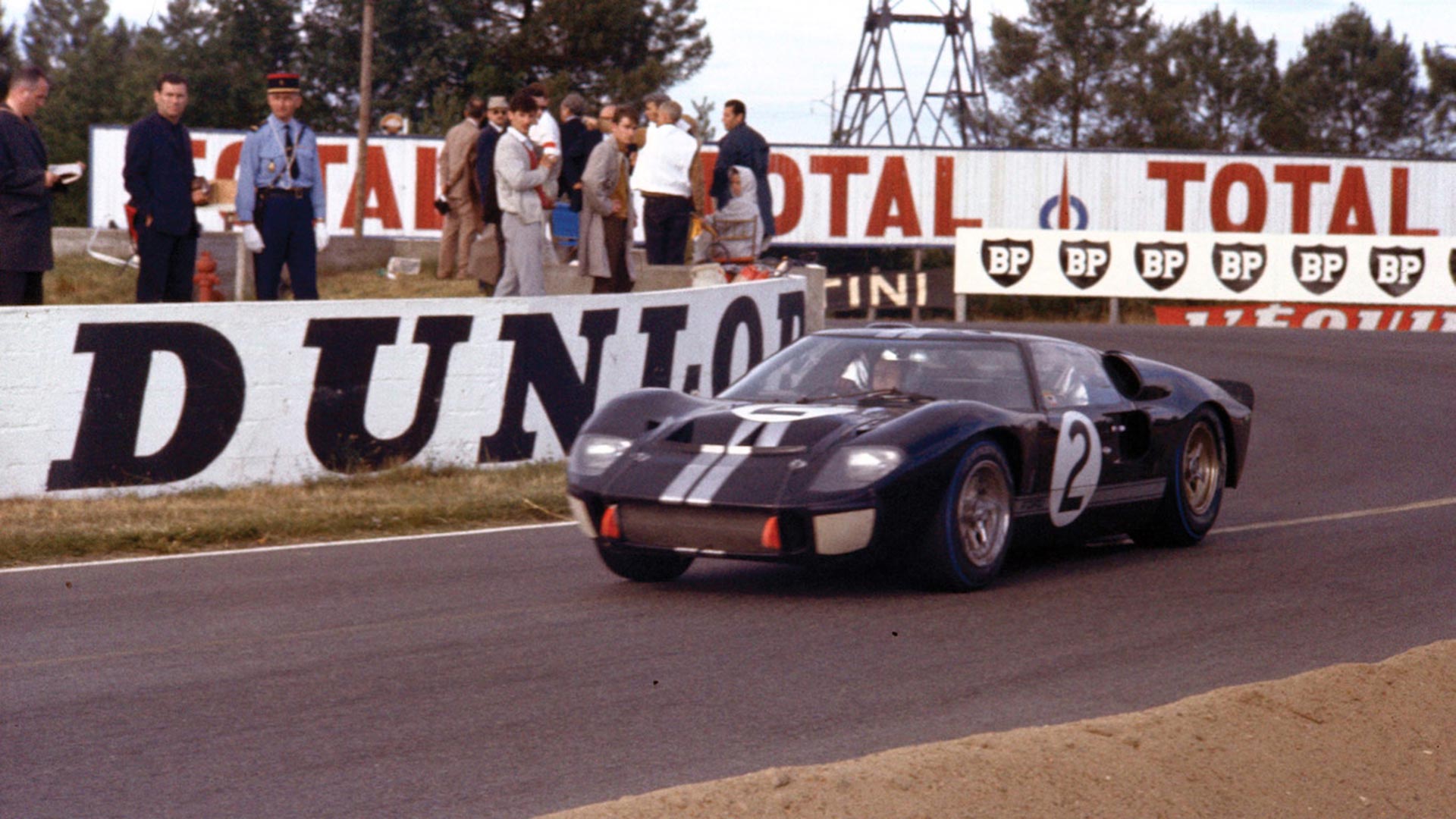
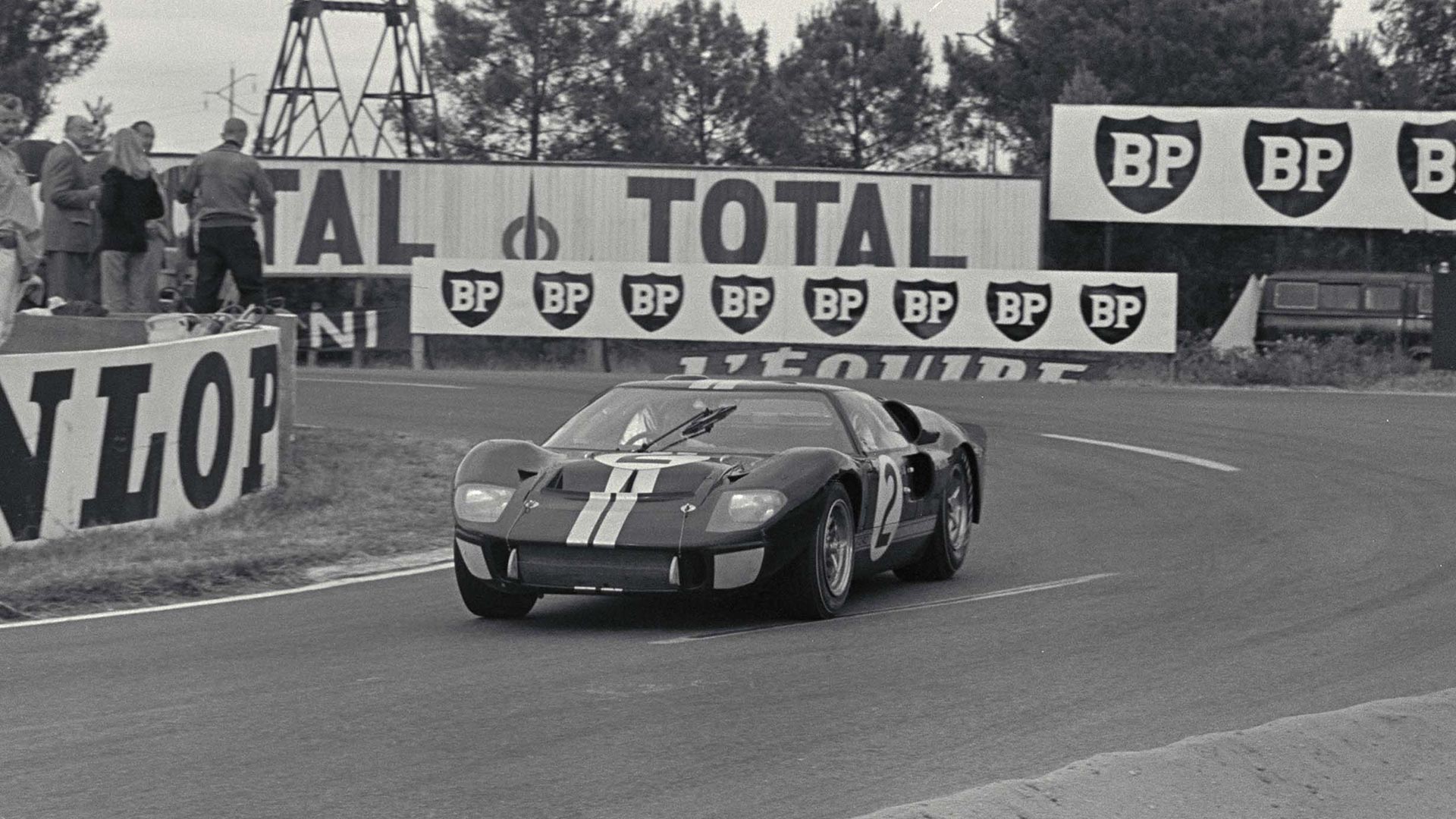
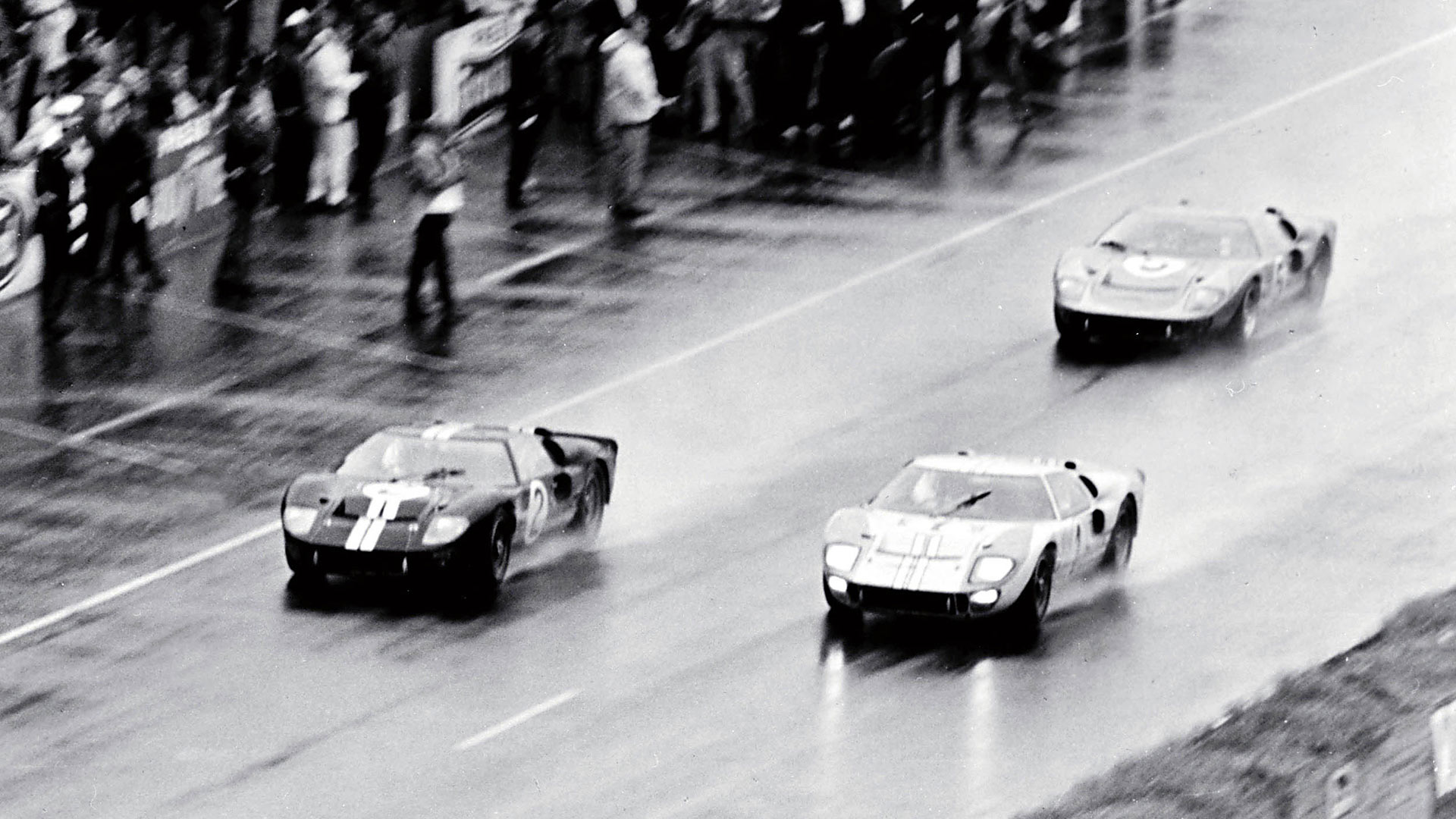
By late morning Mk II GT40s occupied the top three positions, and Ford Racing director Leo Bebbe attempted to engineer a dead heat at the end of the race. Ken Miles was told to slow down to allow the no.2 car of Bruce McLaren and Chris Amon to catch up.
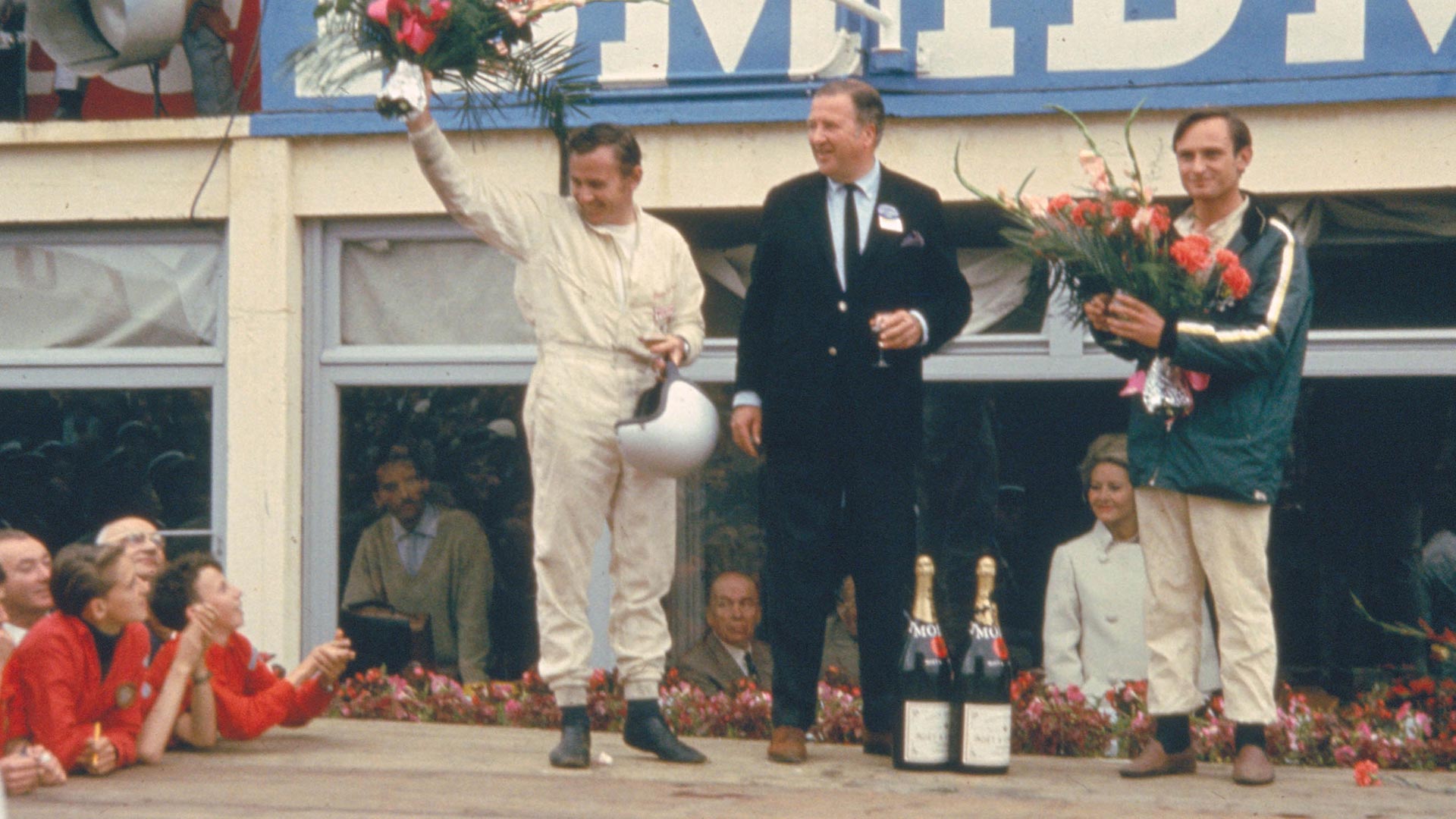
Miles was reported to be unhappy with the contrived photo finish, and lifted off just as the cars reached the finish line. This handed the McLaren/Amon car victory, with Fords filling the other podium places.
Mission accomplished for Ford at Le Mans
In just three years Henry Ford II had achieved his goal of beating Ferrari at Le Mans. The Italian company would never take an outright win at the French event again, with the Blue Oval ready to keep coming back.
Ford would go on to claim the P2 category of the 1966 World Sportscar Championship, further cementing its dominance.
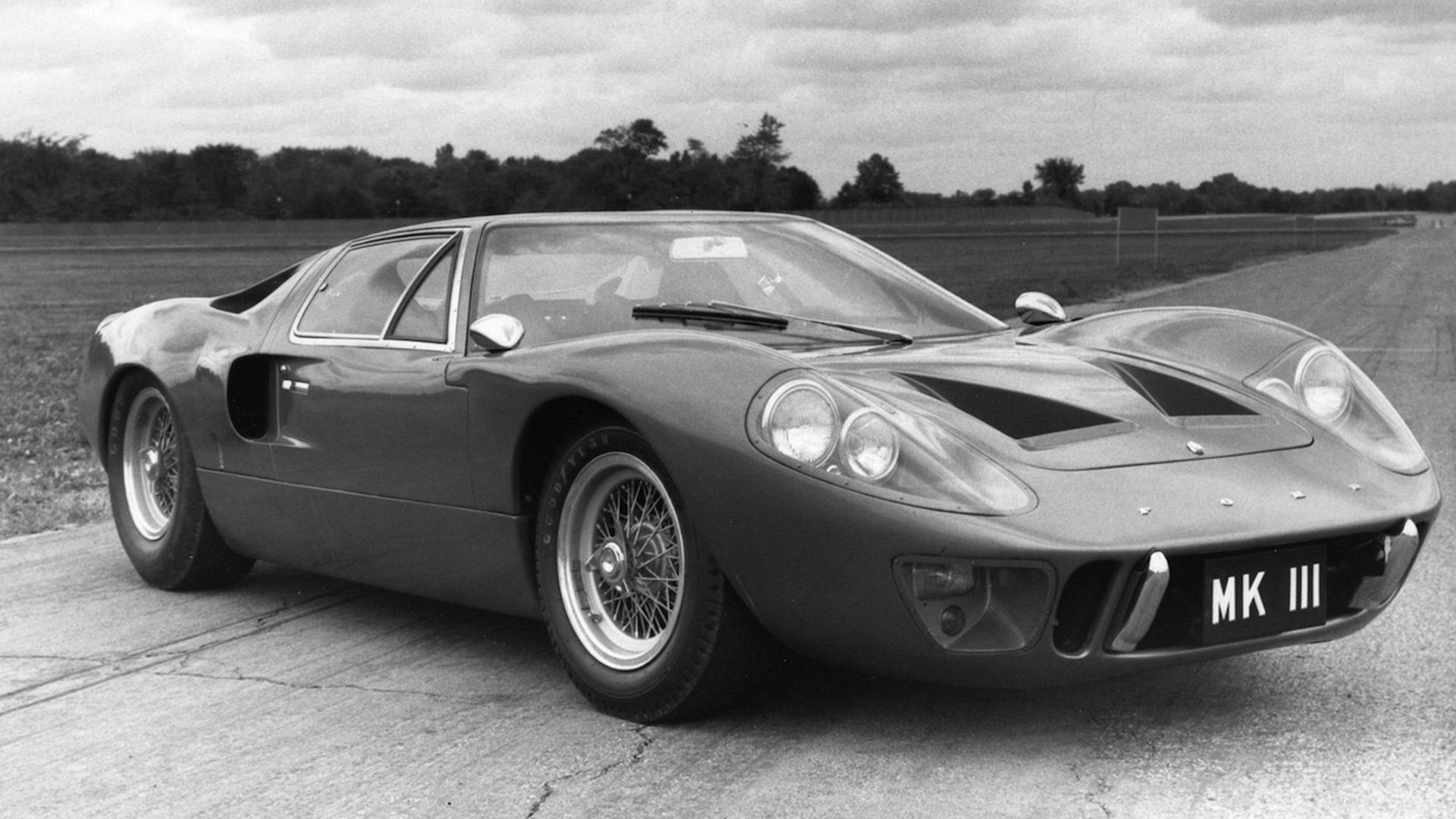
1967 Ford GT40 Mk III road car
With the GT40 race car cleaning up on track, a bespoke road-going version was now being readied for the street. Unlike previous road-legal GT40s, the Mk III had specific features to make it suited to the highway.
An elongated rear gave access to a luggage compartment, whilst the bumpers gained small chrome overriders. Unlike the race cars, there was no bigger engine, with power still coming from the 289 cubic inch (4.2-litre) V8. Only seven examples of the Mk III were built, with just three in right-hand drive.
Tragedy of the 1967 Ford GT40 J-car
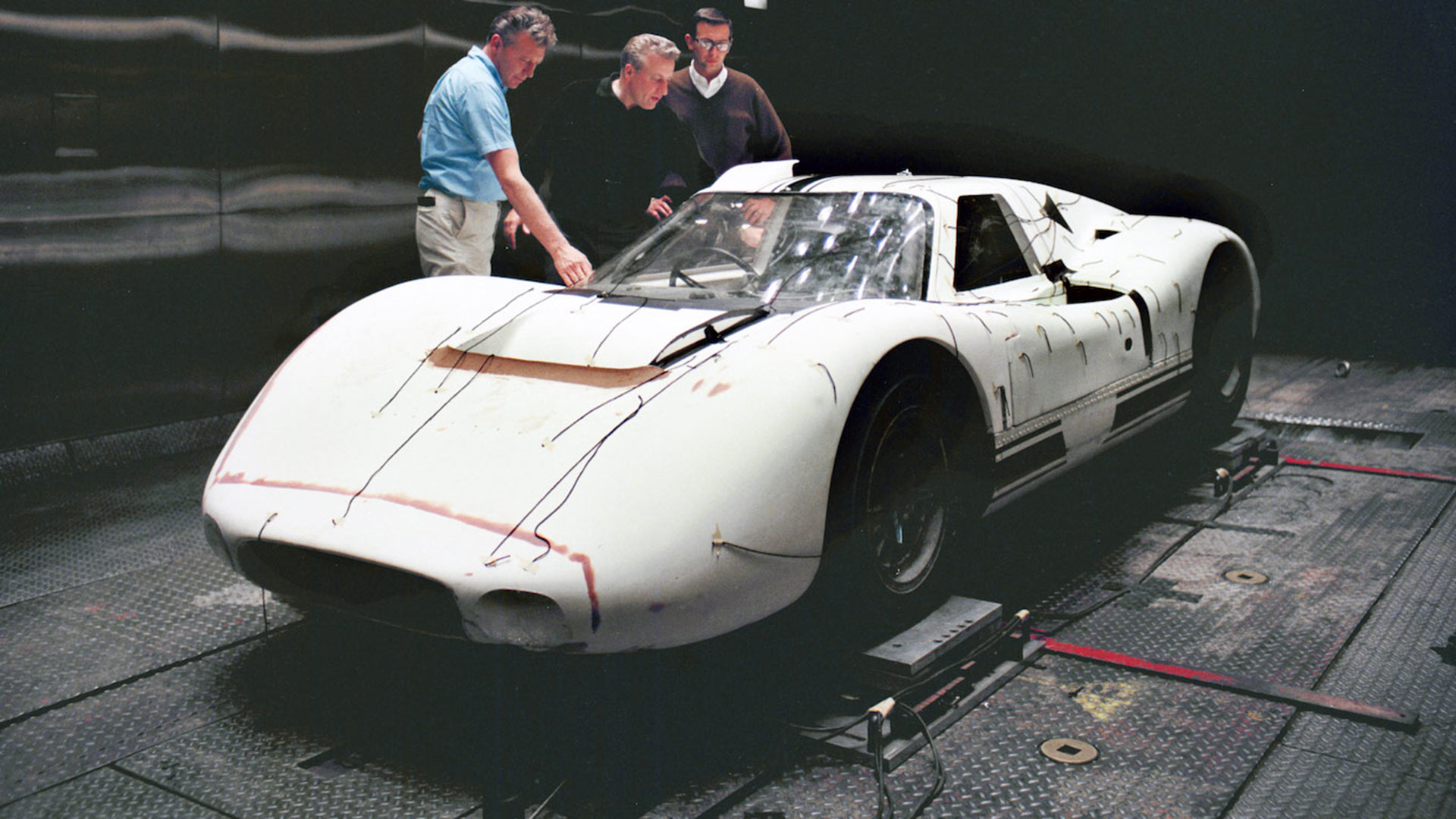
Despite the success of the Mk II GT40, Ford didn’t rest on its laurels and set about developing the car even further. With power now sufficient, experimental aerodynamic changes to maximise the muscle were made throughout 1966 and 1967, along with a lightened chassis.
Tragedy struck during a test session, when Ken Miles was killed in a high-speed accident at Riverside International Raceway, with blame laid at the lack of downforce from the aero modifications.
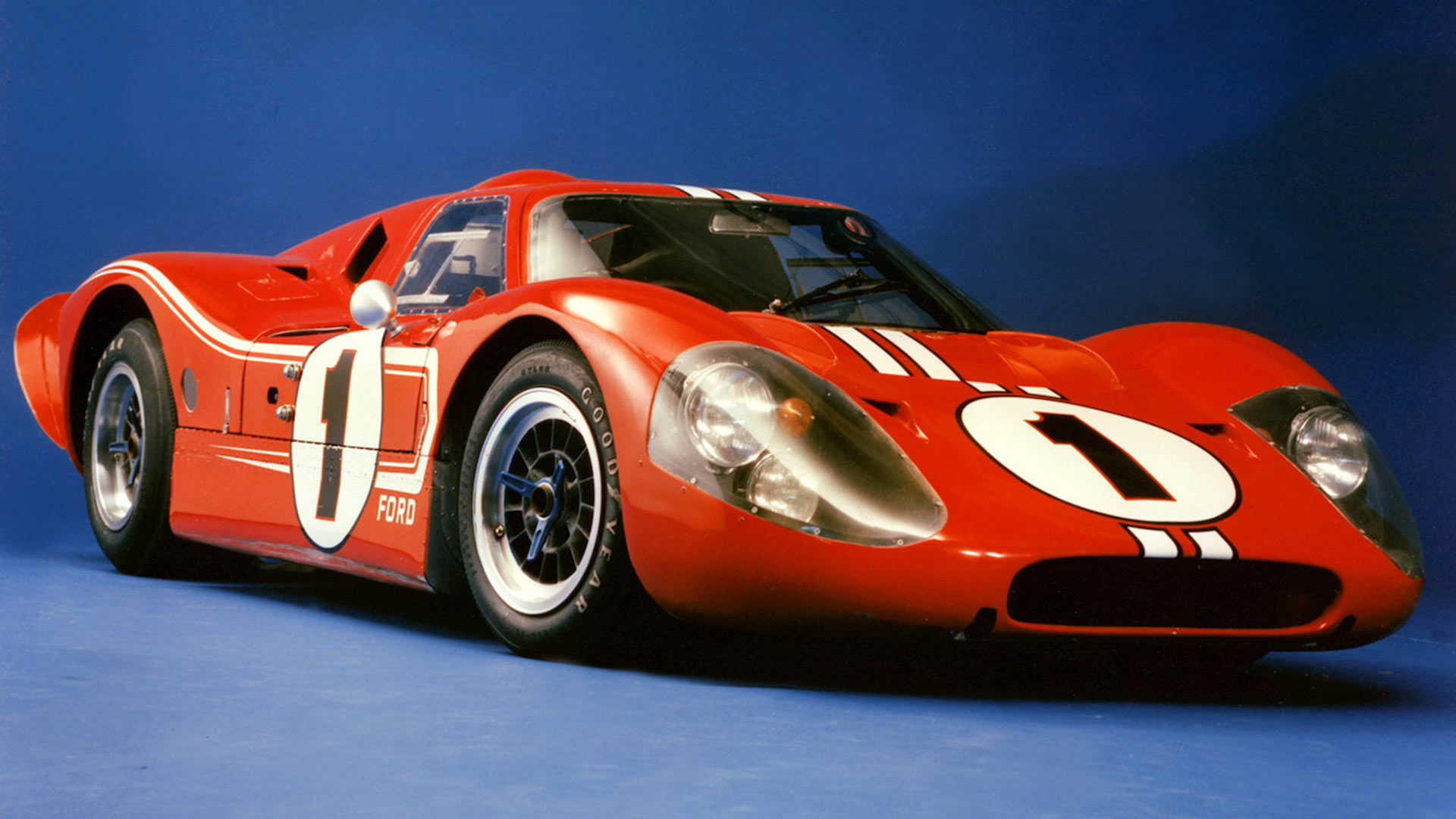
1967 Ford GT40 Mk IV
The experimental flat-topped roof of the J-car was dropped, but the resulting Mk IV still managed to look distinctive. Lengthened and streamlined to achieve a higher top speed, the Mk IV also featured the lightened chassis.
The death of Ken Miles was not in vain, with a high-strength roll cage also being fitted. Although the Mk IV only entered two races, it claimed a 100% success rate with victories in the 1967 12 Hours of Sebring and 24 Hours of Le Mans.
1968 Ford GT40 Mk I Le Mans
Concerned by the high speeds seen during the 1967 24 Hours of Le Mans, for 1968 engine sizes were capped at 5.0 litres for cars in the Sports class by the FIA. This ruled out the Mk II and Mk IV versions of the GT40, but meant the earlier, smaller-engined Mk I was still eligible.
Now with reliability on its side, the Mk I took overall victory in 1968 driven by Pedro Rodriguez and Lucien Bianchi. It would repeat the same feat in 1969 with Jackie Ickx and Jackie Oliver driving, taking the total number of outright Le Mans wins for the GT40 to four in a row.
Ford GT wins 2016 Le Mans 24 Hours
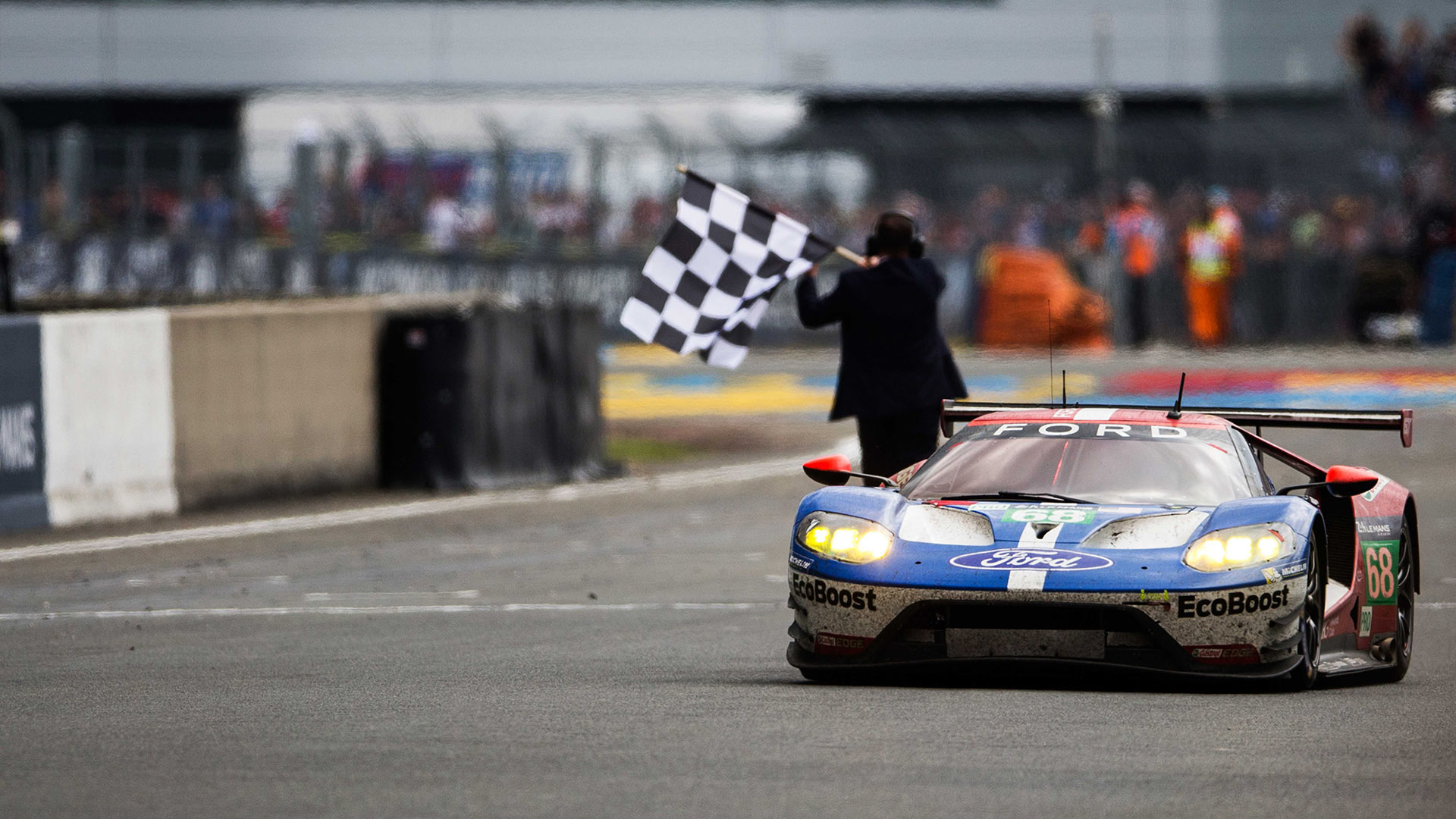
Fast forward several decades and Ford found once again on the top step of the podium at Le Mans.
Living up to the reputation of its GT40 predecessors, the new GT race car, ran by Chip Ganassi Racing, took an impressive victory at Le Mans in 2016 in the LMGTE Pro class. Coming exactly 50 years after the first Le Mans win for the GT40, Ford was unsurprisingly ecstatic about the result.
2017 Ford GT ‘66 Heritage Edition
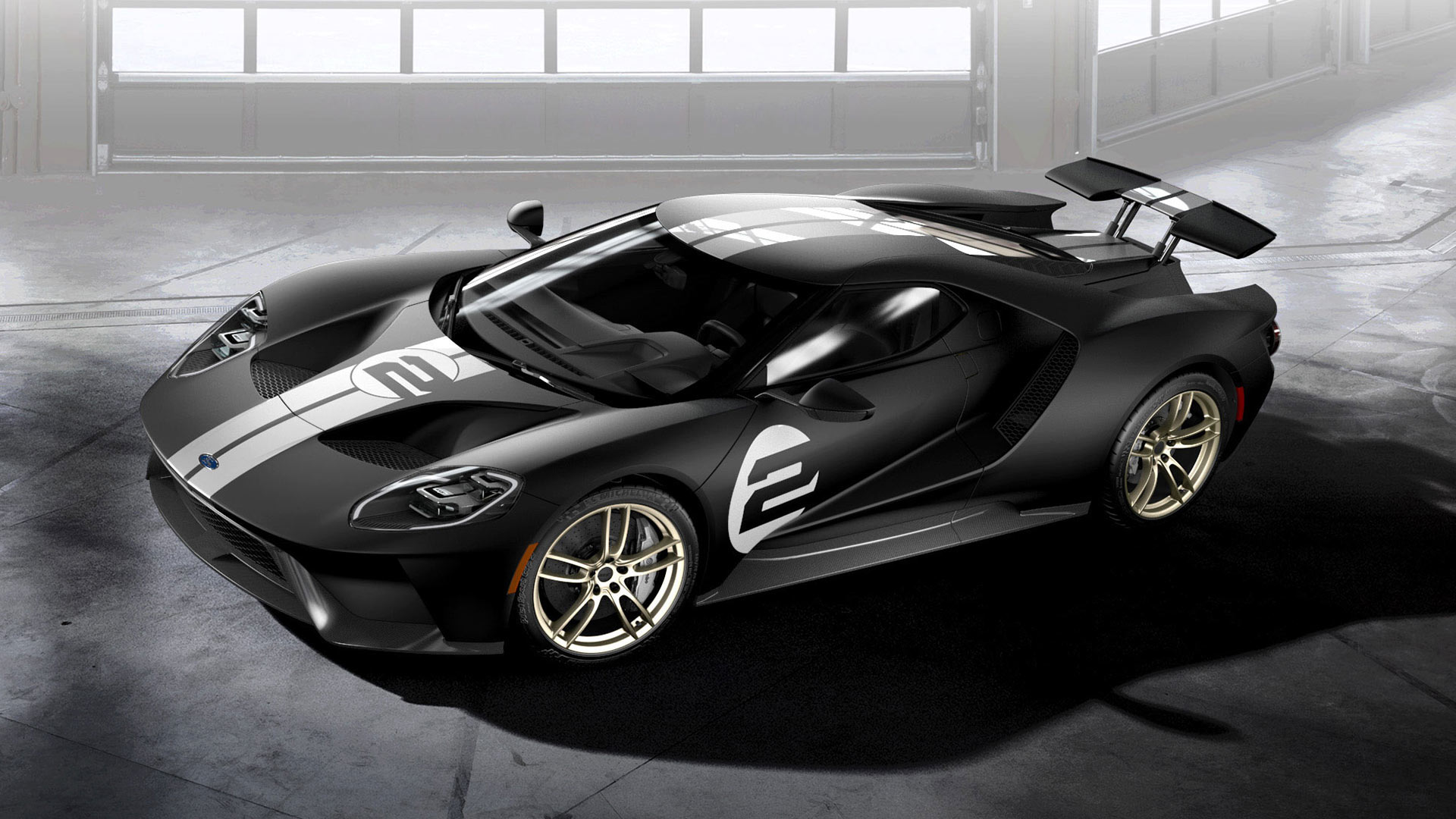
To mark the Le Mans wins 50th anniversary, Ford also announced a special edition of a car that hadn’t even actually started production yet. Remembering that historic 1-2-3 victory at the Circuit du Sarthe in 1966, the Heritage Edition featured a colour scheme inspired by the no.2 GT40 driven by Chris Amon and Bruce McLaren.
A Shadow Black exterior – available in either gloss or matte finish – was combined with silver stripes and alloy wheels in gold satin. Inside is a leather-wrapped steering wheel, along with extra carbon fibre and a limited edition plaque.
Ford captures the Le Mans-winning GT40 in Lego
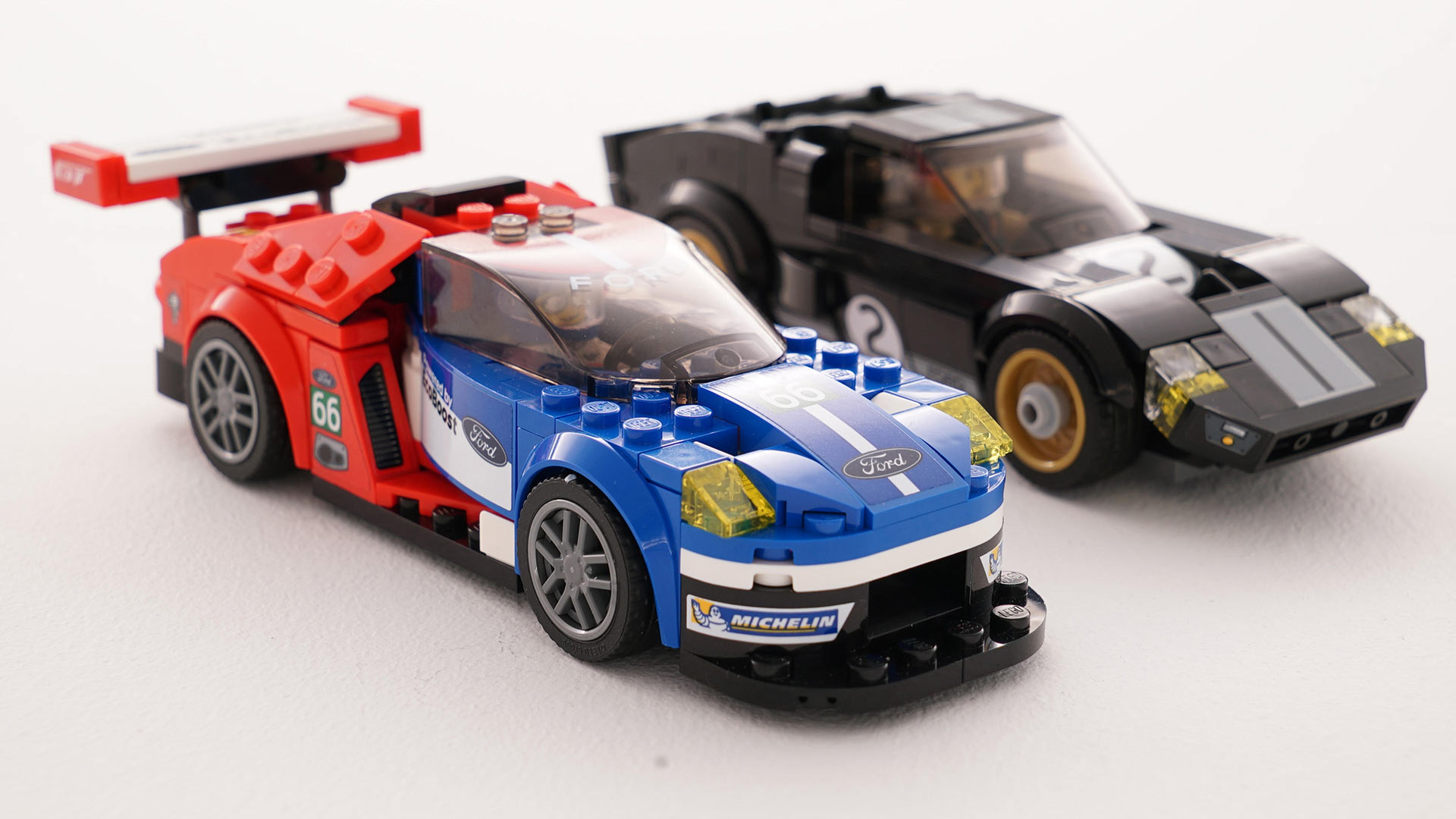
Along with the modern interpretation of the successful 1966 GT40, Ford also created a miniature Lego version. This had the benefit of being considerably cheaper than the full-size GT supercar, and produced in much larger numbers.
Paired with a Lego version of the 2016 Le Mans-winning Ford GT, the classic 1966 GT40 also comes with a retro driver minifigure. Fans can decide for themselves whether they want it to be Chris Amon or Bruce McLaren.
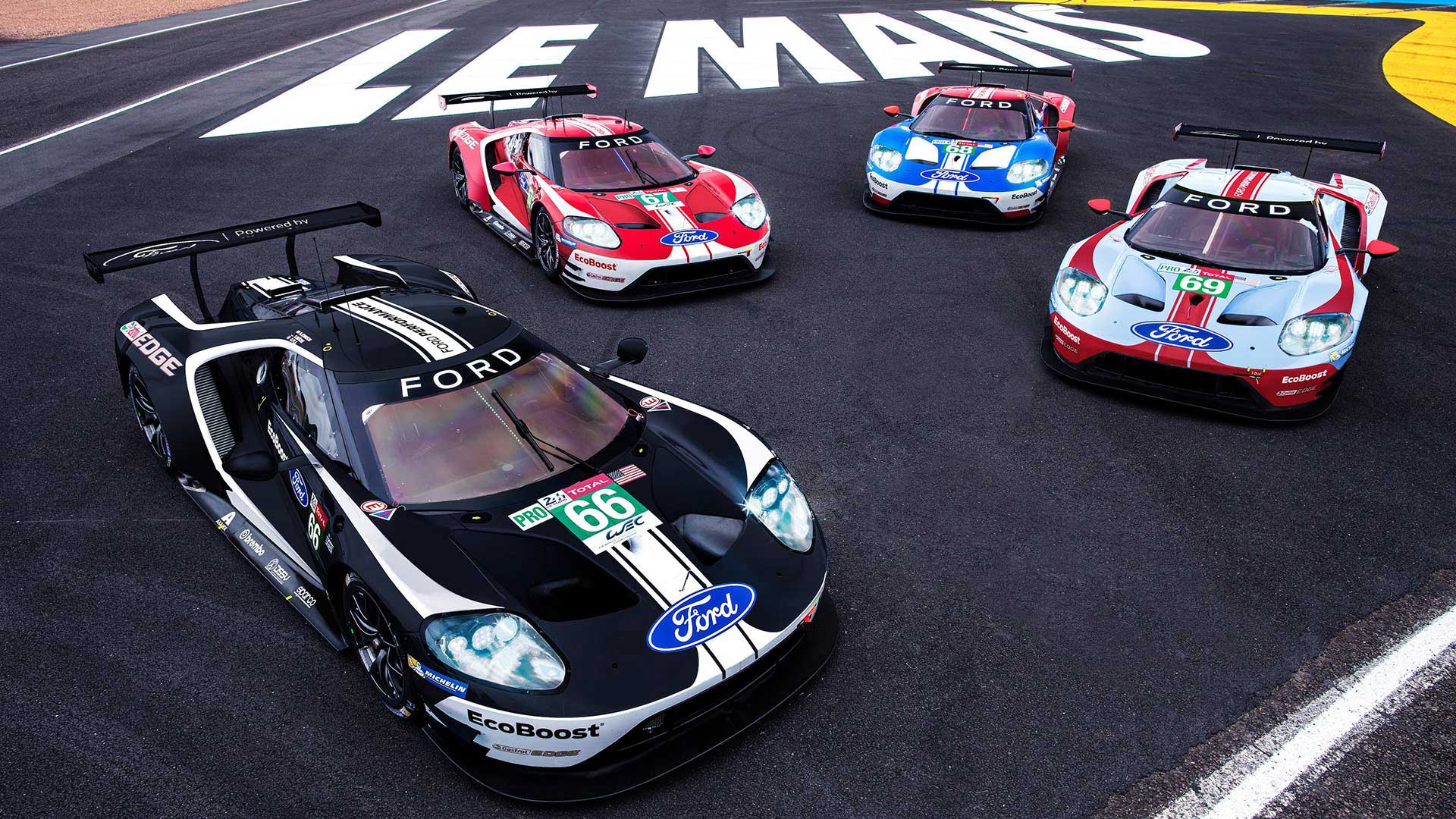
2019 Ford at Le Mans with historic liveries
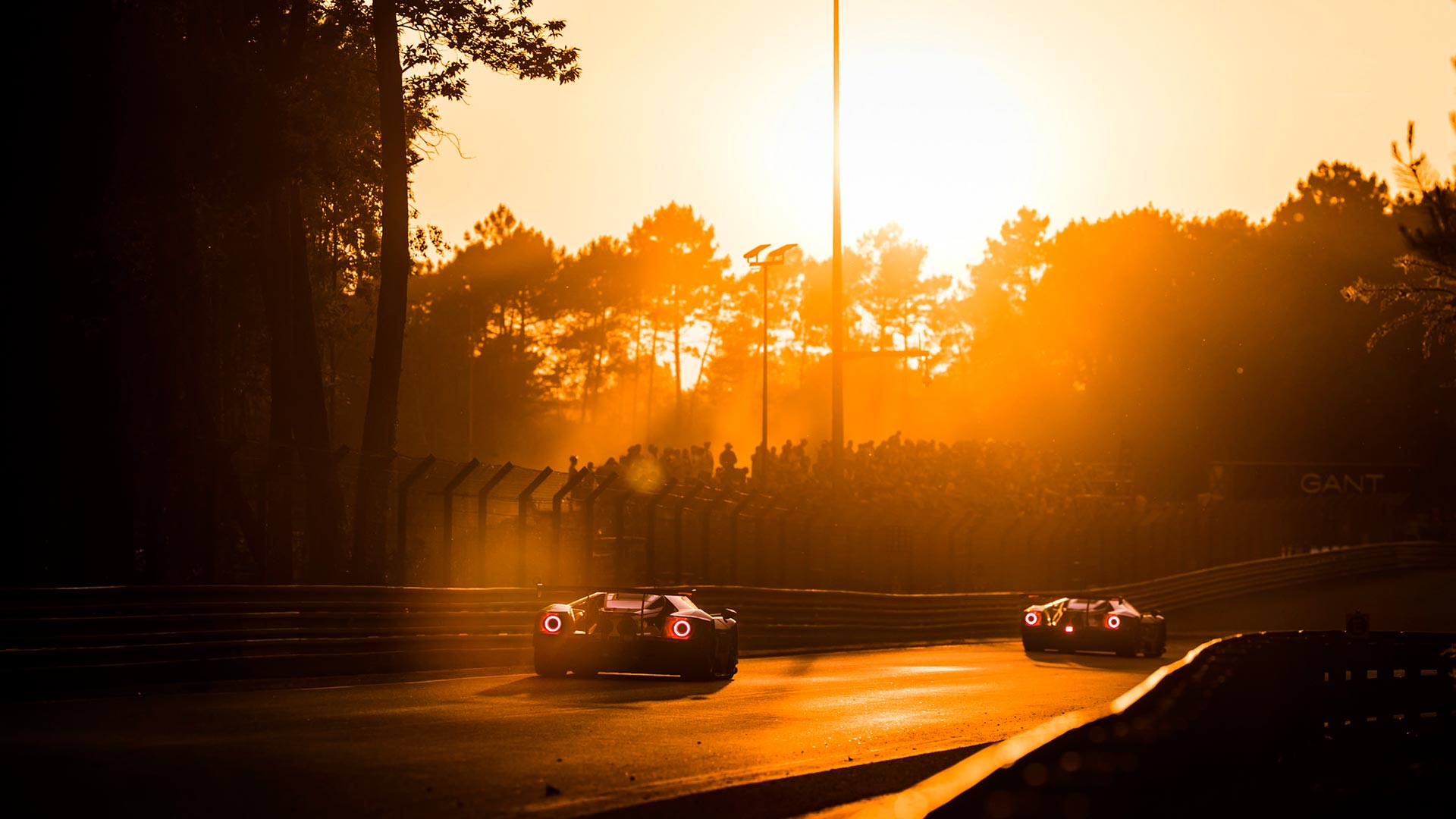
Ford contested the Le Mans 24 Hour race again each year until 2019, which marked the final year of competition for the GT racer. However, the Chip Ganassi Team would be unable to replicate the success seen in 2016.
Not even racing with retro-inspired liveries for the 2019 edition of the 24 Hours race was enough to help clinch LMGTE Pro victory. Ford would manage fourth in class, with Ferrari taking first place on the podium.
Sunset on the Ford GT Le Mans project
In fact, Ferrari has continued to dominate the World GT Manufacturers’ Championship since 2012, taking five titles in seven seasons. It means that more than 55 years after Henry Ford II declared war on the Ferrari at Le Mans, the battle is still seemingly far from over.
The scheduled cinematic release date for ‘Ford v Ferrari’ is now November 15th 2019. It means only a few more months of waiting for fans to witness the recreation of this special chapter in motorsport history.


 Many cars come to auction with celebrity ownership stories. But very few will have ownership provenance like this humble Land Rover.
  Built in February 1966, the 88-inch short-wheelbase station wagon was delivered to Nepal the same month.
 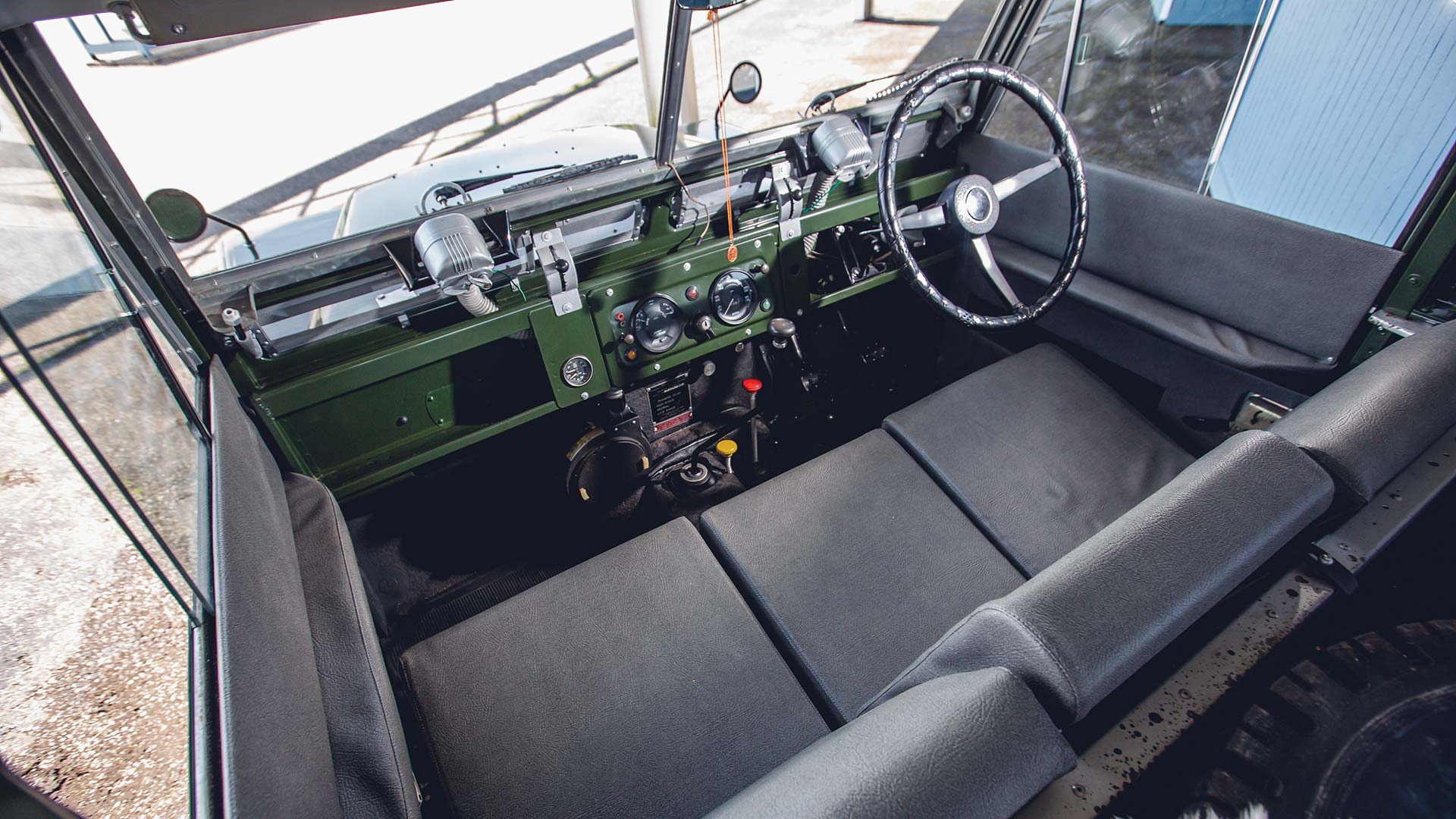 For a decade the Series IIA was put to use in the hills of India, whilst the Dalai Lama remained exiled from Tibet. Tenzin Cheogyal was in charge of maintaining the Land Rover and its four-cylinder engine.
 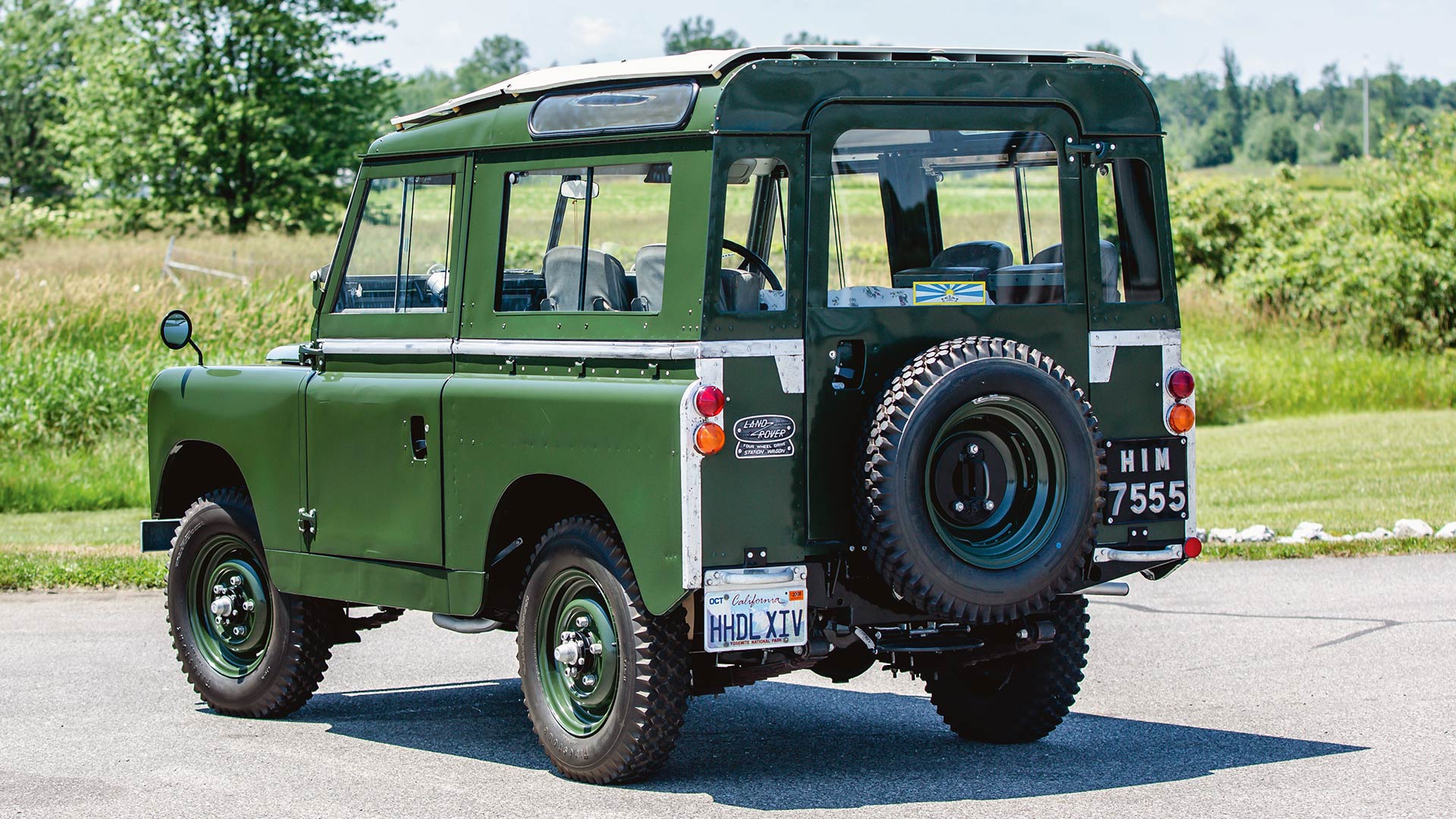 Upon arrival in California, it became clear that the Land Rover was in need of restoration work to capture its original glory.
 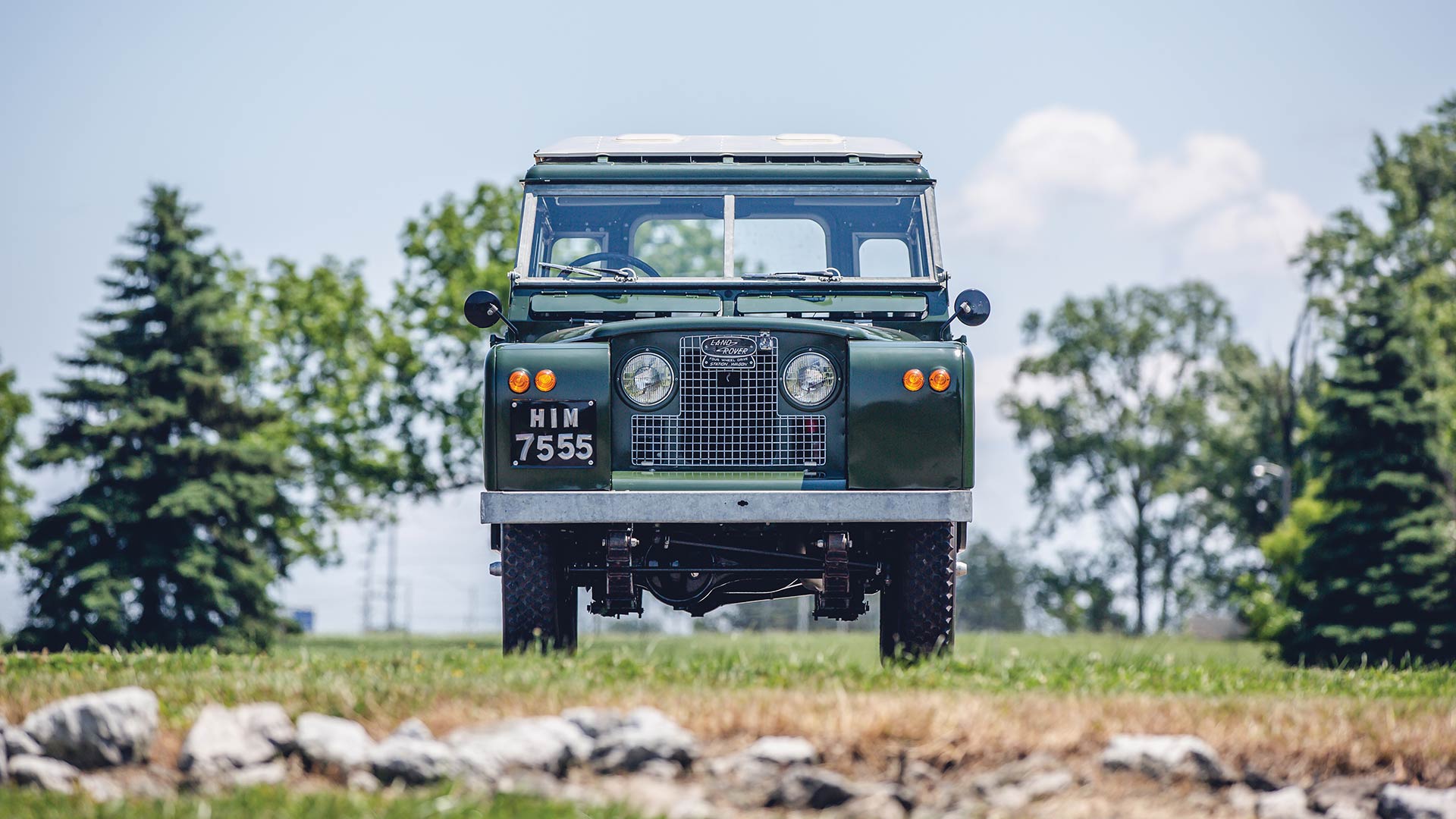 Due to the incredible ownership lineage of this particular Series IIA, it has been the cover star of Land Rover Lifestyle magazine. Original documents, including the insurance policy listing His Holiness as the owner are included as part of the sale.

 Porsche has announced the expansion of its vehicle subscription and rental schemes to four new cities across North America.
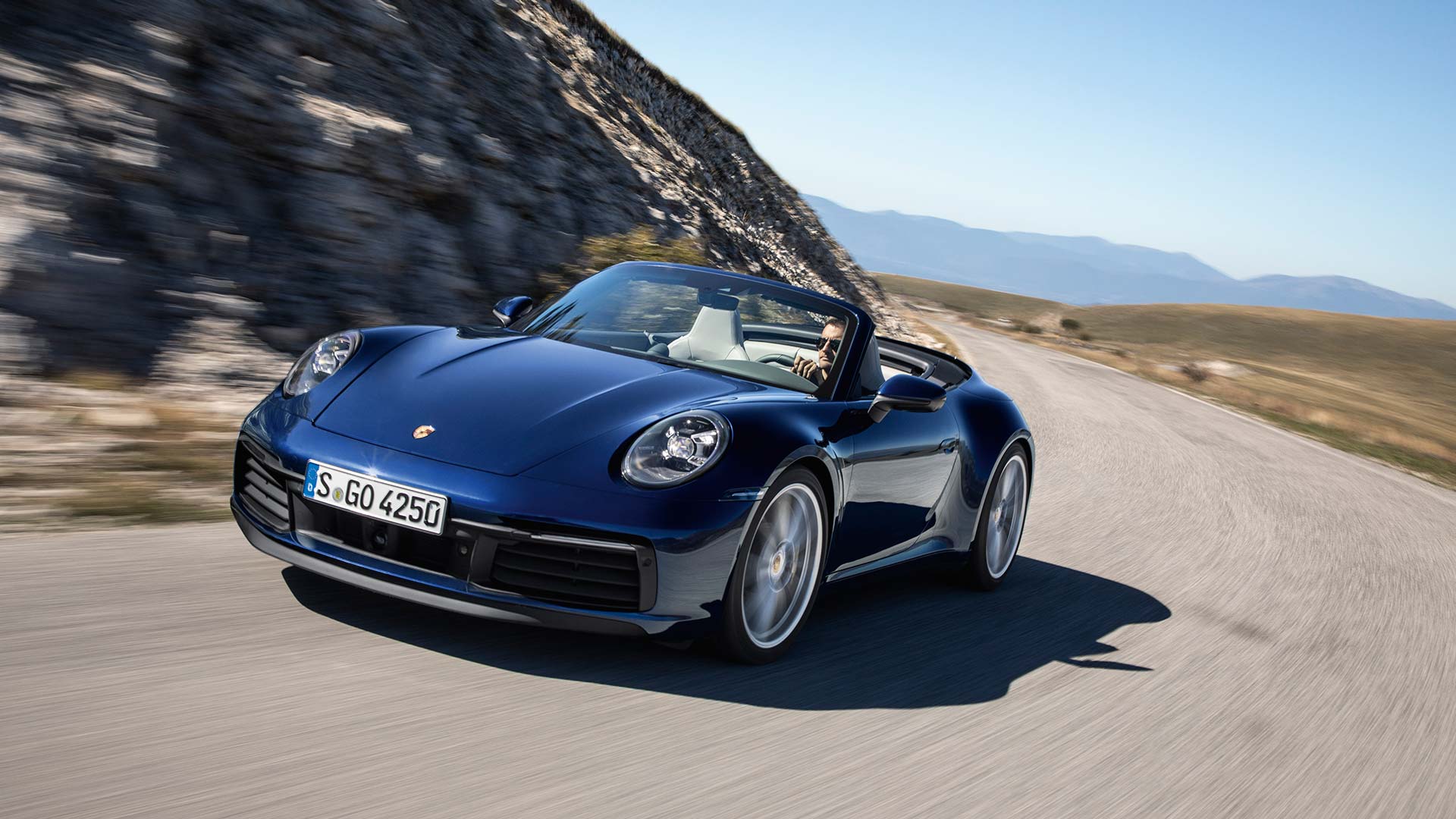 Porsche Passport is the company’s monthly subscription service. Users can reserve a range of Porsche cars via a
 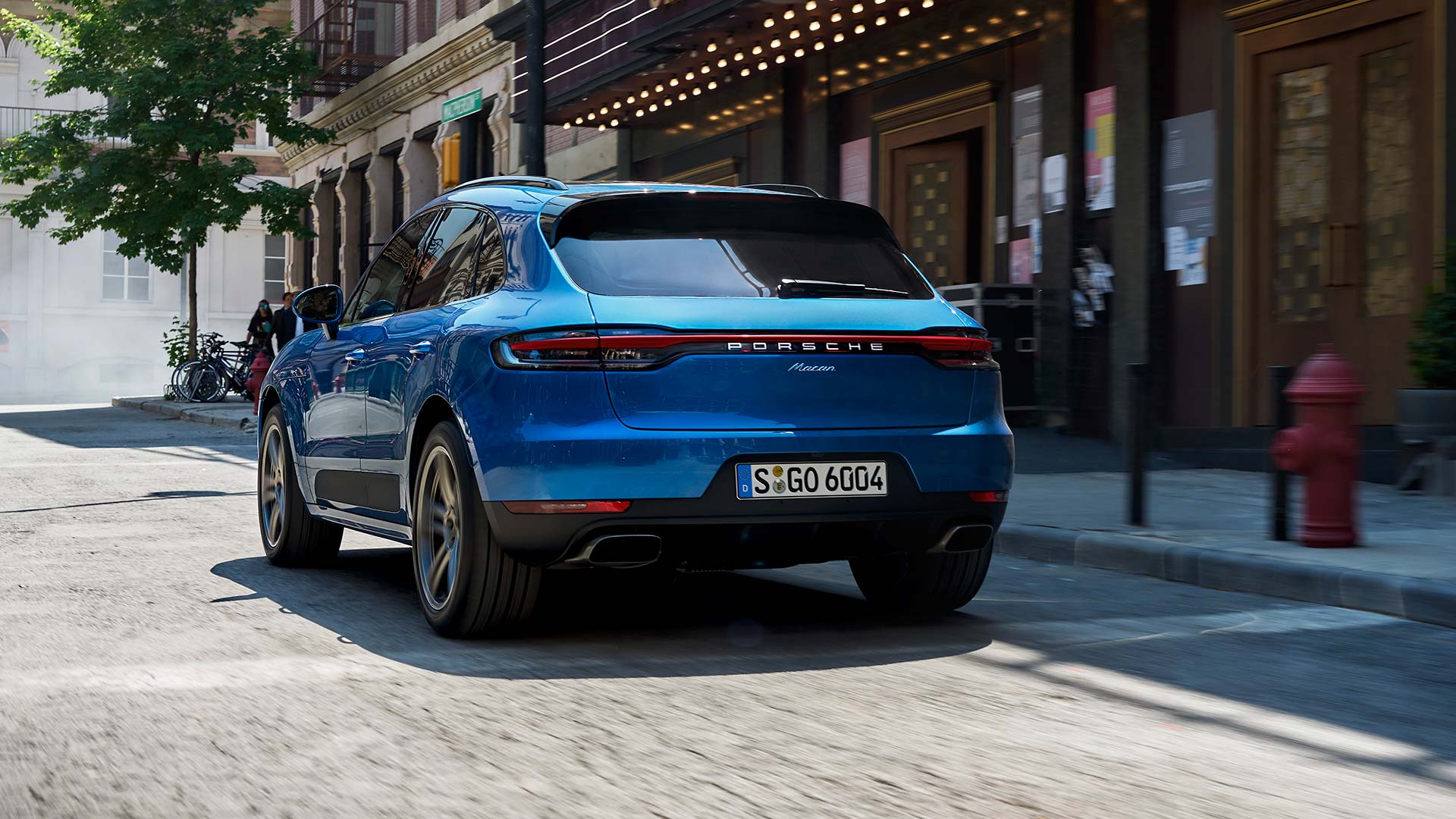 By contrast, Porsche Drive is aimed at short-term rental users who may need a Porsche for a few hours or days.
 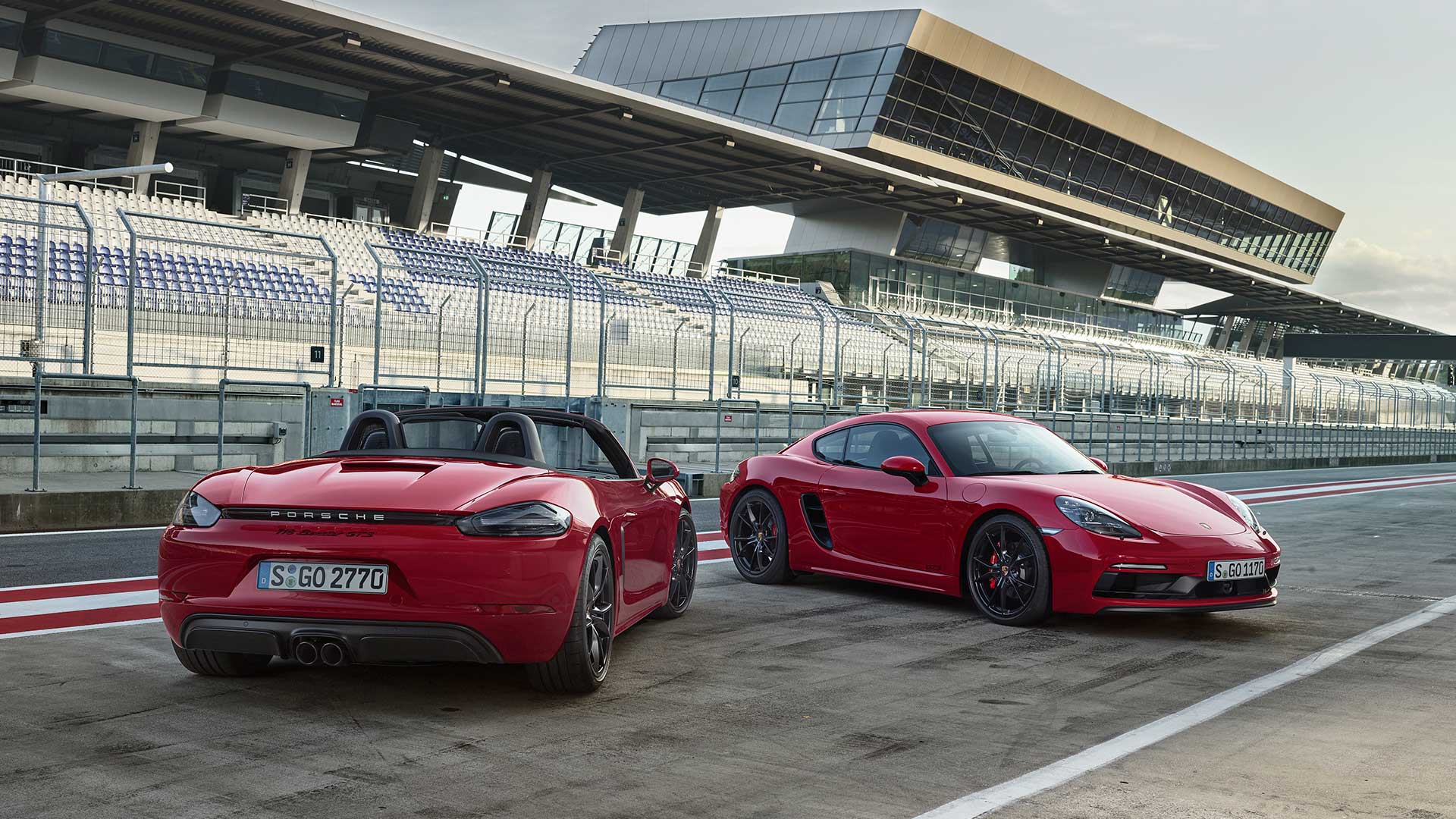 Expanding these two programmes in North America adds to the growing number of options for people to drive a Porsche. In California, Porsche worked with car-sharing outfit Turo to offer the Porsche Host service.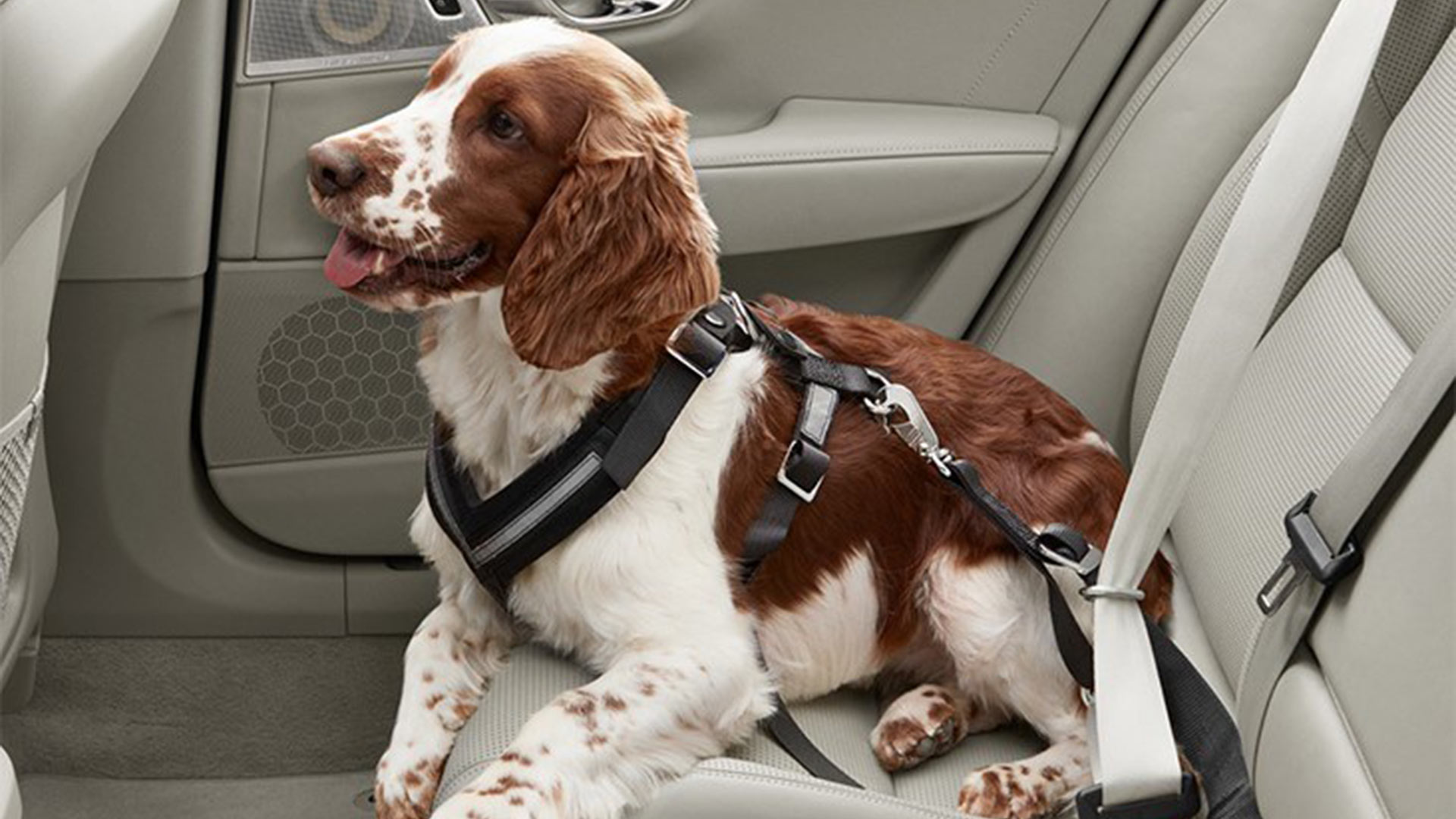
 Undertaken by Volvo USA and The Harris Poll, some 2,000 drivers responded to the online survey. A further 15 were then chosen to be observed by researchers, lifting the lid on the impact pets have on driving.
  The research found that allowing pets to travel unrestrained had an impact on the stress levels of animals as well as humans.
 If causing their pets additional stress is not enough to cause drivers to invest in pet safety, Dr. Elisa Mazzaferro, Staff Criticalist, Cornell University Veterinary Specialists, has a warning for pet owners.
  Performance BMWs will always be desirable,
 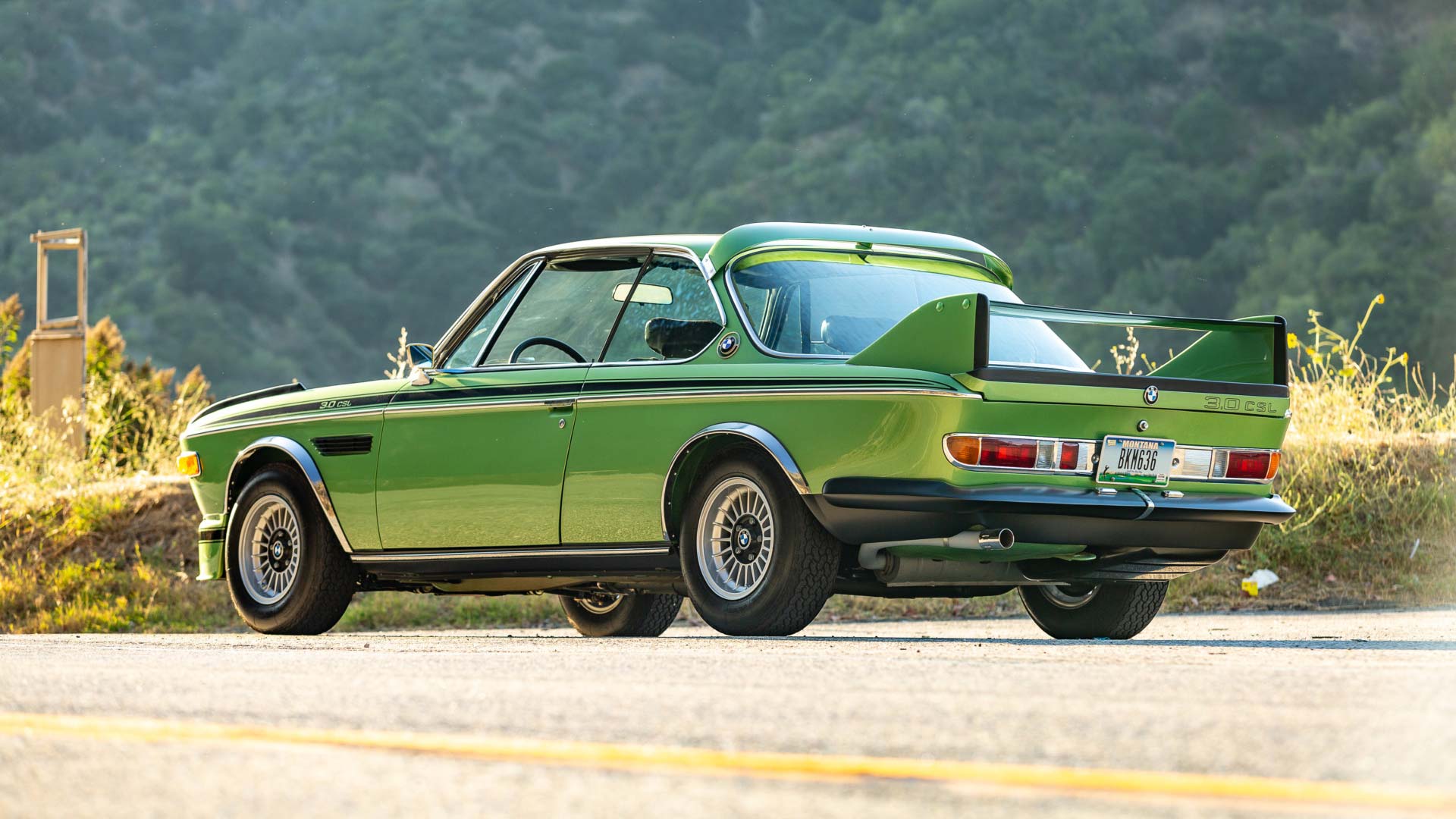 First launched to the world in 1972, the 3.0 CSL was made to let BMW go racing in the European Touring Car Championship.
 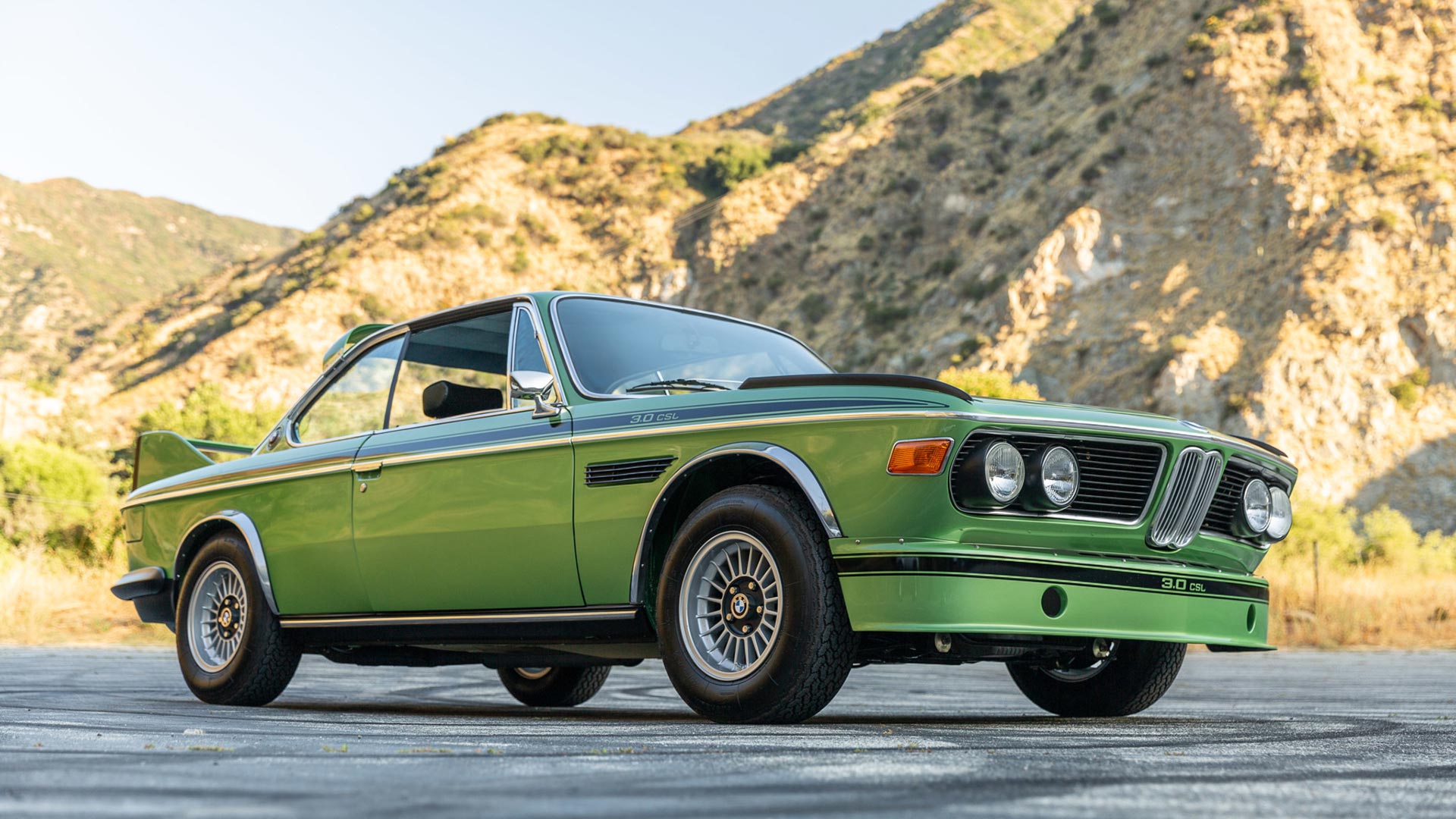 Along with the bodywork, BMW also worked to remove weight from the normal CS coupe. Thinner steel was used for the chassis, whilst the doors, hood, and trunk lid were all made from lightweight aluminum.
 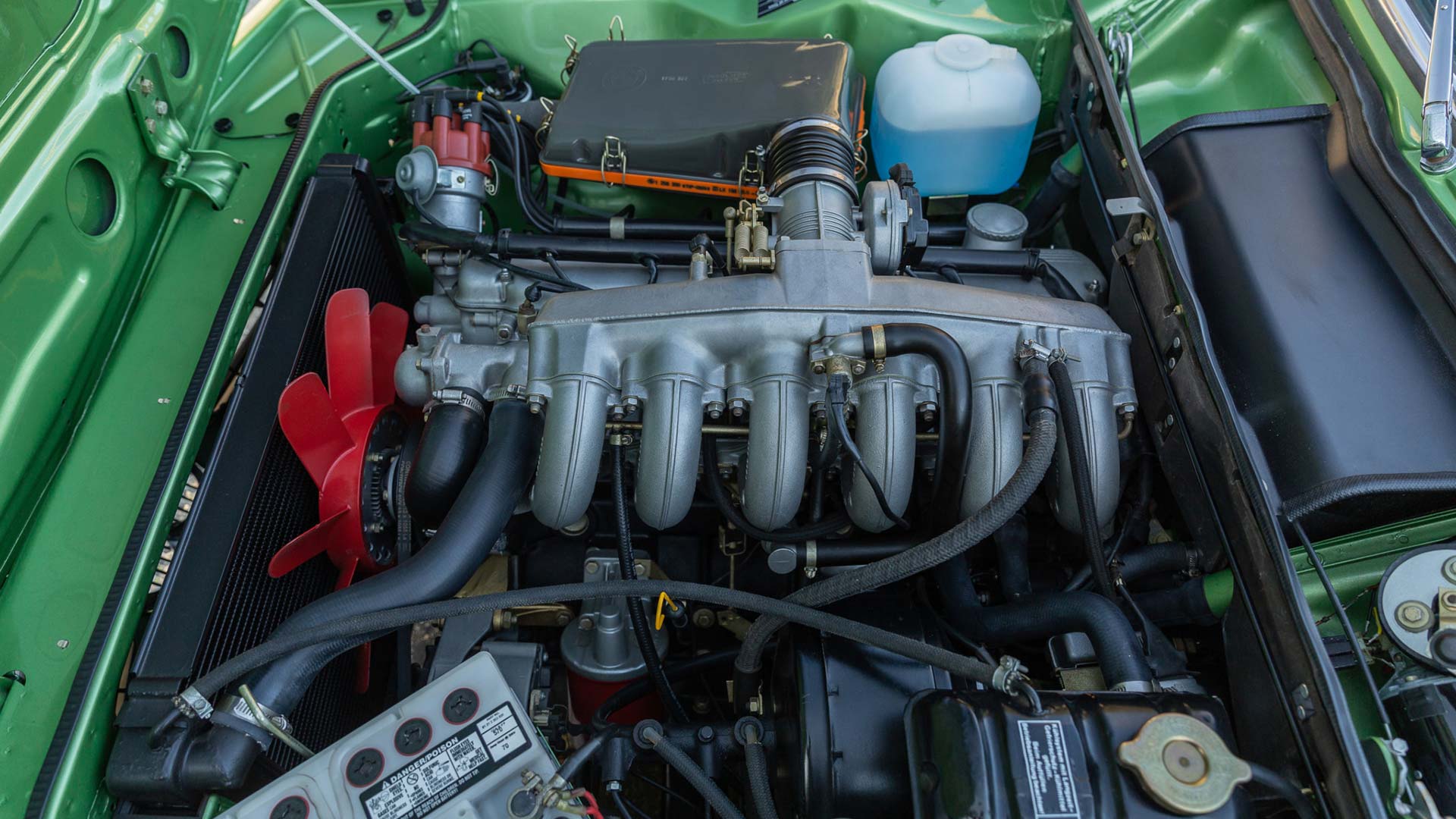 Beneath the hood of this particular CSL is now a rebuilt 3.2-liter inline-six engine. Built by Terry Tinney Performance Motors of Livermore, California, only a few hundred miles are said to have been covered since installation.
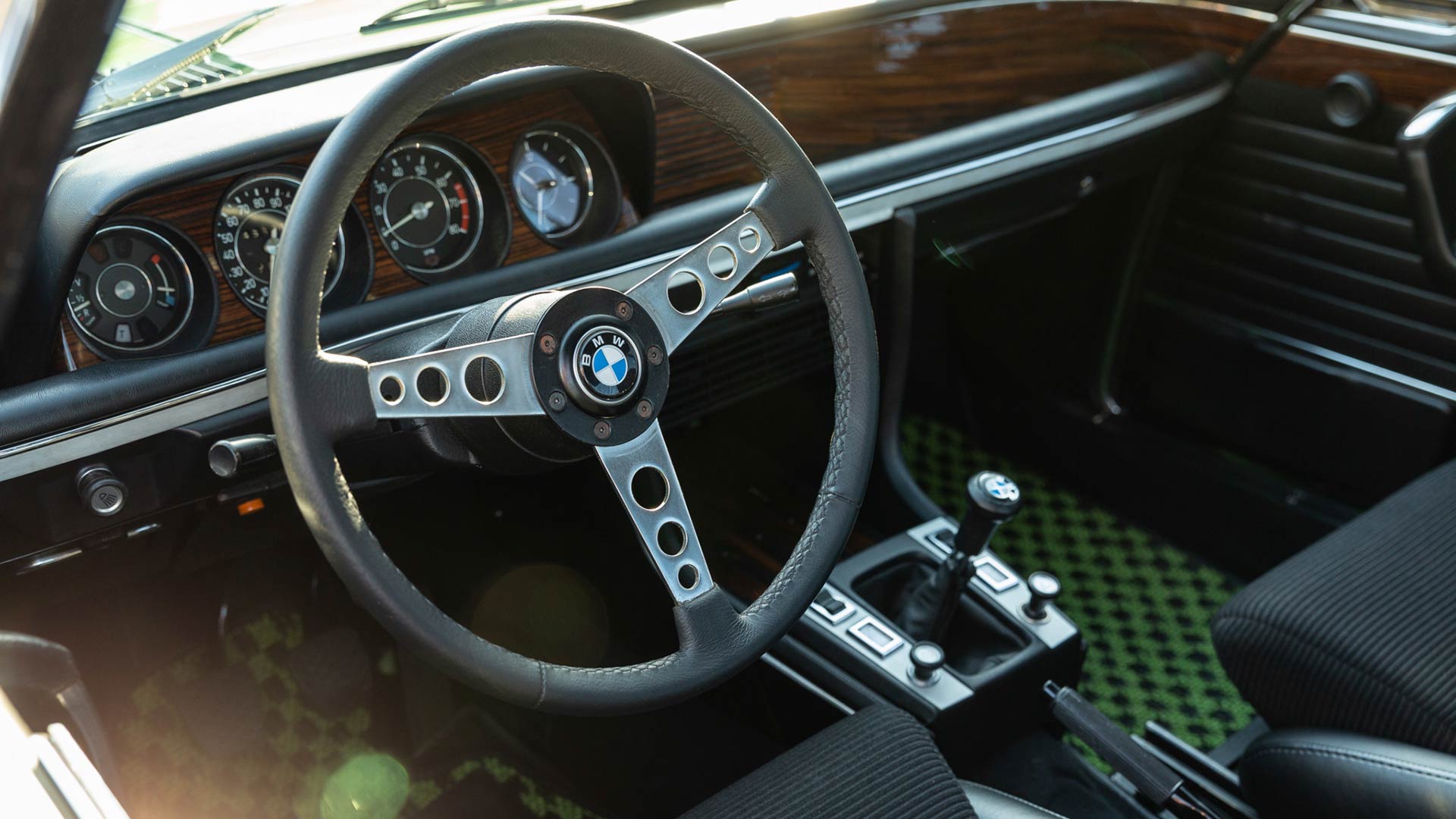 Inside the CSL is a reminder of the homologation origins of this competition crusader. Fixed-back Scheel bucket seats are trimmed in black fabric, with Coco checkered mats cover the lightweight factory carpets.
 With just over 1,200 examples of the CSL built between 1972 and 1975, this is already a rare machine. That only 57 ‘Series 2’ models – offered in different paint schemes – left the factory makes in even scarcer to own.