Home Blog Page 337

Opinion: You wait years for a new Land Rover Defender…

0

Classic Land Rover Defender Works V8_170118_24

“We’re dropping the S from SUV,” said Ineos Automotive’s commercial director Mark Tennant. “This is going to be a Marmite design, a bit anti-trend. Grenadier is going to be an uncompromising 4×4.” Sound familiar? 

The event today in London, where I heard confirmation Ineos isn’t simply going to build an all-new 4×4 but is going to assemble it in Wales, couldn’t have been better timed.

Less than a week ago, I was over in Frankfurt, standing in the crowd as cheers, whoops and applause welcomed the new Land Rover Defender. That’s an icon reinvented, a 21st century version of the original. Someone I was speaking to thought it was the concept car on the stand, and gasped when I said it was actually on sale.
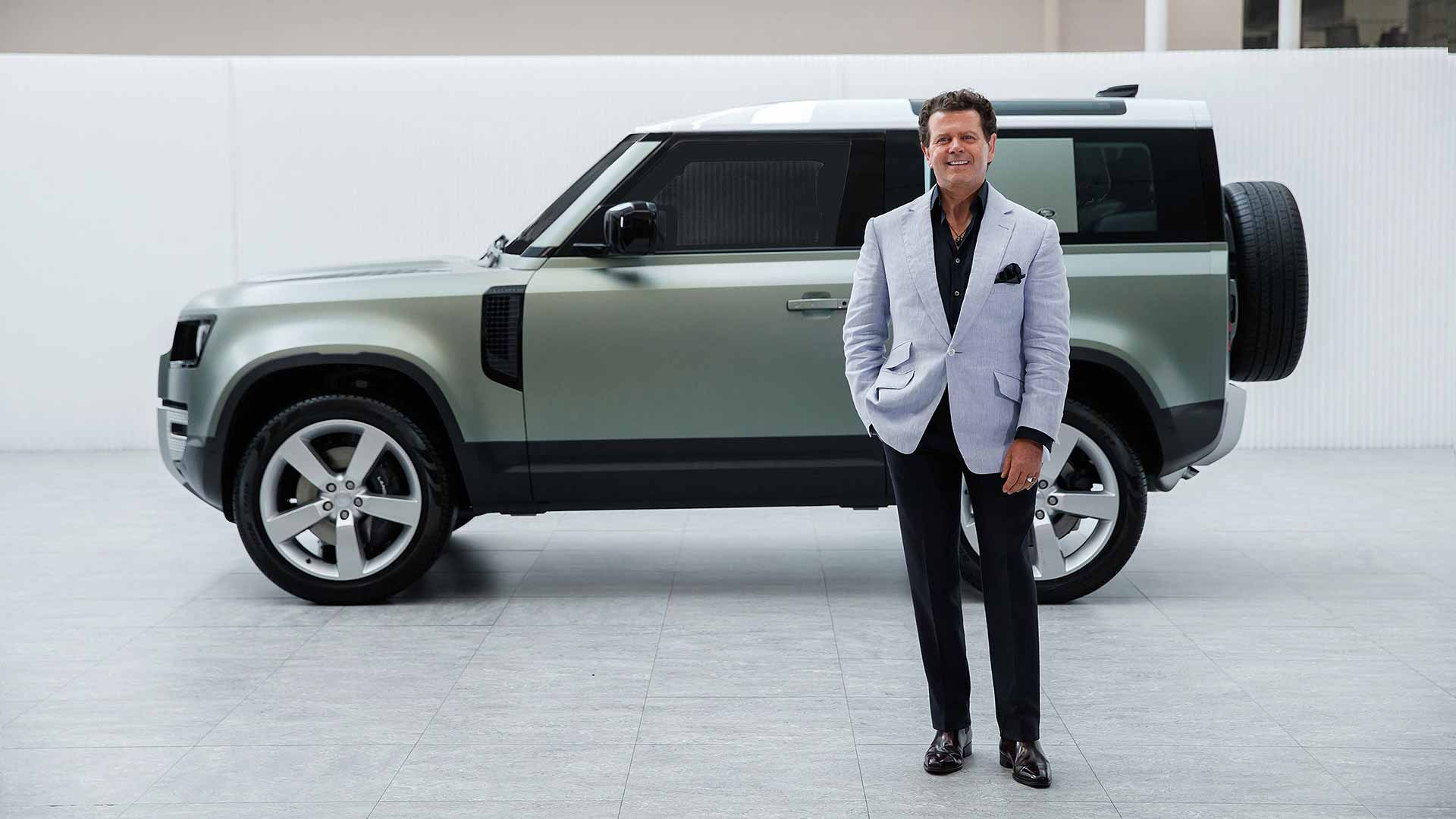
New Land Rover Defender design director Gerry McGovern

It’s on sale for £45k, though. The smaller 90 is going to be around £40k, and you can bet most sold will be £50k and up. It’s that sort of machine – a wonderful possession… that many may not bear to put to work.

After the original Defender died, buyers switched to double cab pickups, a market that nudges 50,000 a year in the UK. It’s these people, and not new Defender buyers, that Ineos Automotive is going after with the Grenadier.

Hence the perfect timing. Land Rover is making the future, but the Grenadier will ensure those looking to do something the Defender was originally designed for won’t be left out. Farmers will surely queue up to push the considerable design tolerances of Grenadier. Fleets such as the Forestry Commission will use Grenadier like any other tool on the job: a piece of work equipment, to respect, but not love.

Some, of course, will never see a hard day’s graft in their lives. They’ll plough posh Wilton Road in London, where you’ll find the Grenadier pub after which this 4×4 is named.

But because it’s designed first and foremost to work for a living – and because it’s likely to cost tens of thousands less than the Defender – Grenadier seems set to do just that.

Ineos Automotive Bridgend factory - artist's impression

In being so proudly ‘UV’, Grenadier Defender might just complement the sleek new Defender uncommonly well. It’s even going to be built in Wales. And on which Anglesey beach was the concept for the original Series Land Rover sketched out? You’ve got it.

We’ve already got one new-age Defender. We don’t need another.

But a new iteration of the original Defender, with an accessible price tag to boot? Now you’re onto something, Ineos…
Advertisement

Revealed: the most likely reasons for failing the driving test

0

Reasons we fail driving tests

A Freedom of Information request to the DVSA has uncovered the most common reasons why learners fail their driving tests.

The information, acquired by Hippo Leasing, makes for interesting reading. Topping the list was pulling out of junctions safely, causing a fail on observation. Across the country, a total of 167,100 serious or dangerous faults were issued based on this.

Observations in general got learner drivers in trouble, with attentiveness to the mirrors coming in second as a reason for failure, with 139,883 faults issued.

Reasons we fail driving tests

In third, turning right at junctions was a fault noted 77,590 times. Steering control resulted in 73,715 faults for fourth place. And traffic light responses were next, with 72,110 faults.

Learners’ inability to move off, road positioning, reverse parking and responses to road signs fill up the rest of the top 10.

Shockingly, 577 faults were issued last year because a learner’s eyesight was too poor to drive. This is tested by being asked to read a number plate from 20 metres. 

As for the only fault that was issued precisely zero times? That’ll be for promptness on a controlled stop. It seems UK learners’ reaction times are on the money when it comes to the emergency stop.

  • Learner drivers in the south pay 70 percent more

Reasons we fail driving tests

“At the end of 2017, the DVSA introduced changes to the practical driving test to increase driver safety and the quality of training in light of the troubling statistic that road collisions remain the biggest killer of young people in the UK,” said Tom Preston, MD of Hippo Leasing.

“Driving test faults reflect the factors which cause the most accidents on the road. Observation is the most common factor, according to the DfT.

“So while over 167,000 learners failed their practical test last year for this very reason, it’s important candidates learn from their mistakes to keep themselves and others safe once they’re qualified to drive.”

Advertisement

Ineos Automotive to build new Grenadier 4×4 in WALES

0
Artist's impression of the Ineos Automotive Bridgend factory
Artist’s impression of the Ineos Automotive Bridgend factory

Sir Jim Ratcliffe, Britain’s richest man, has given the green light to a tough, go-anywhere 4×4 called Grenadier that will be built in Wales and debut in 2021.

The new Ineos Automotive Grenadier, a vehicle inspired by the demise of the original Land Rover Defender, will create up to 500 jobs at a new factory in Bridgend. Ford currently builds engines in the region, but is closing the site in September 2020.

Ineos Automotive hopes to tap into this automotive expertise in recruiting for its new greenfield factory.

Artist's impression of the Ineos Automotive Bridgend factory

Prime Minister Boris Johnson has welcomed the announcement, calling it a “vote of confidence in UK expertise [which] keeps our status as pioneers of new vehicle technology”.

Ineos Group chairman Sir Jim Ratcliffe said the decision to build the Grenadier in the UK “is a significant expression of confidence in British manufacturing, which has always been at the heart of what Ineos stands for”.

The Grenadier name has been chosen via an online poll. The Grenadier pub on London’s Wilton Road was where Sir Jim first announced the new project to the world.

A total of £600 million will be invested in Ineos Automotive to create the Grenadier. The company aims to sell it globally as well as in the UK, with the U.S. a particular focus.

‘Genuine utility vehicle’

Ineos Automotive Grenadier logo

In a private briefing, commercial director Mark Tennant said the new 4×4 “will take the S out of SUV”. It will be a genuine utility vehicle, and there will be nothing sporting about it.

He told Motoring Research it will not be as cheap as the original Land Rover Defender, but won’t be as expensive as the new Defender, which is priced from £45,000 in launch 110 guise.

The final design, which has already been frozen, will be revealed in 12 months’ time, he said. “We will make a virtue of boxiness. This vehicle is about simplicity, of ‘less is more’.

“It has been very well received in focus groups.”

Ineos Automotive wants to make 25,000 Grenadiers in the medium term. Building up to this figure will take a few years. Bosses admitted they could grow this further if there was strong market demand for the new 4×4.

An ‘open source’ approach to engineering sees the firm working in partnership with engineering specialists. BMW is supplying latest-generation 3.0-litre turbo petrol and diesel engines, while a company in Austria is developing the chassis.

Ineos Automotive is building its own box frame ladder chassis, though, investing in a new site in Portugal to assemble and paint the bodies. Up to 500 jobs will be created there, too.

The bodies will be shipped to Wales, along with engines from Austria and other parts from European suppliers, for full assembly in Bridgend.

In making the project public today, Tennant said it would enable the company to start approaching local suppliers, to see if they could produce parts for the new Grenadier.

Localising the production of, for example, seats would help further grow the jobs creation potential in the UK, and south Wales in particular.

The Grenadier will be an ultra-tough 4×4 with a one-tonne payload and 3.5-tonne towing capacity. The  company hopes to draw those who need a genuine working vehicle – such as farmers and the Forestry Commission – who are underserved by new vehicle options.

Optimised for hard work

The demise of the original Land Rover Defender left a gap in the market that is currently being filled by double cab pick-ups. Ineos Automotive says the Grenadier will be more capable and better-optimised to hard work.

In the U.S., Tennant feels it can compete with America’s best-selling vehicle, the Ford F-150 truck, as well as the more spiritually-aligned Jeep Wrangler and Gladiator.

The company is already planning for the future. “This will be the first Ineos Automotive vehicle, but not the last,” said Tennant.

He said the company is working flat-out to a 2021 reveal. Ineos sponsors the Americas Cup boat race and “it would be nice to have prototypes to use in Auckland in March 2021”.

It is even planning zero-emissions alternative fuel versions – not battery electric vehicles, but using hydrogen fuel cells. “We could have one by 2026,” said engineering director Dirk Heilmann. “Will we, though? I can’t say… although the technology [to do it] is already here today.

“We are already Europe’s largest producer of hydrogen,” added Tennant.  

Advertisement

Bicycles ‘should be fitted with indicators’ say safety experts

0

Do bicycles need indicators?

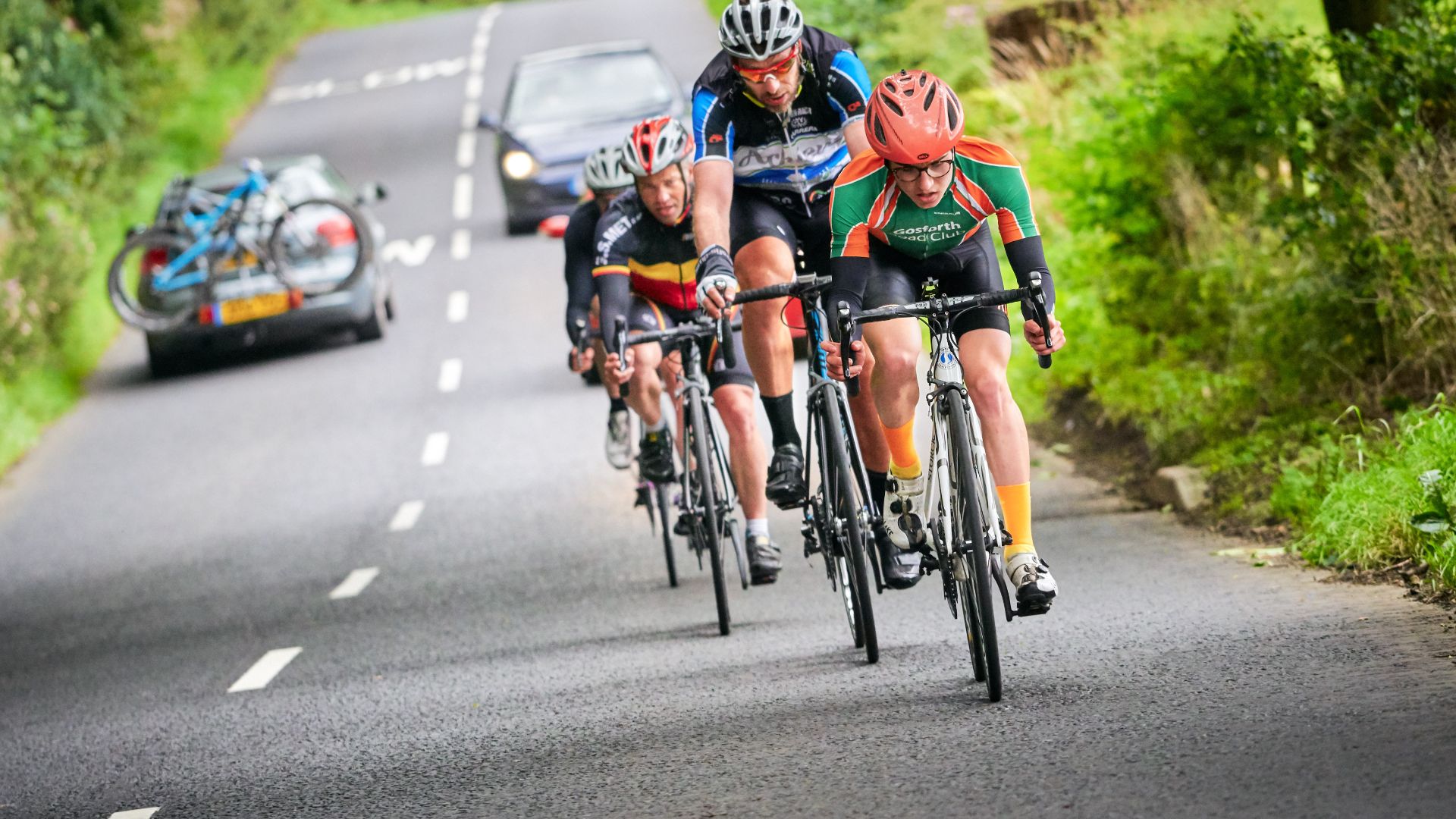
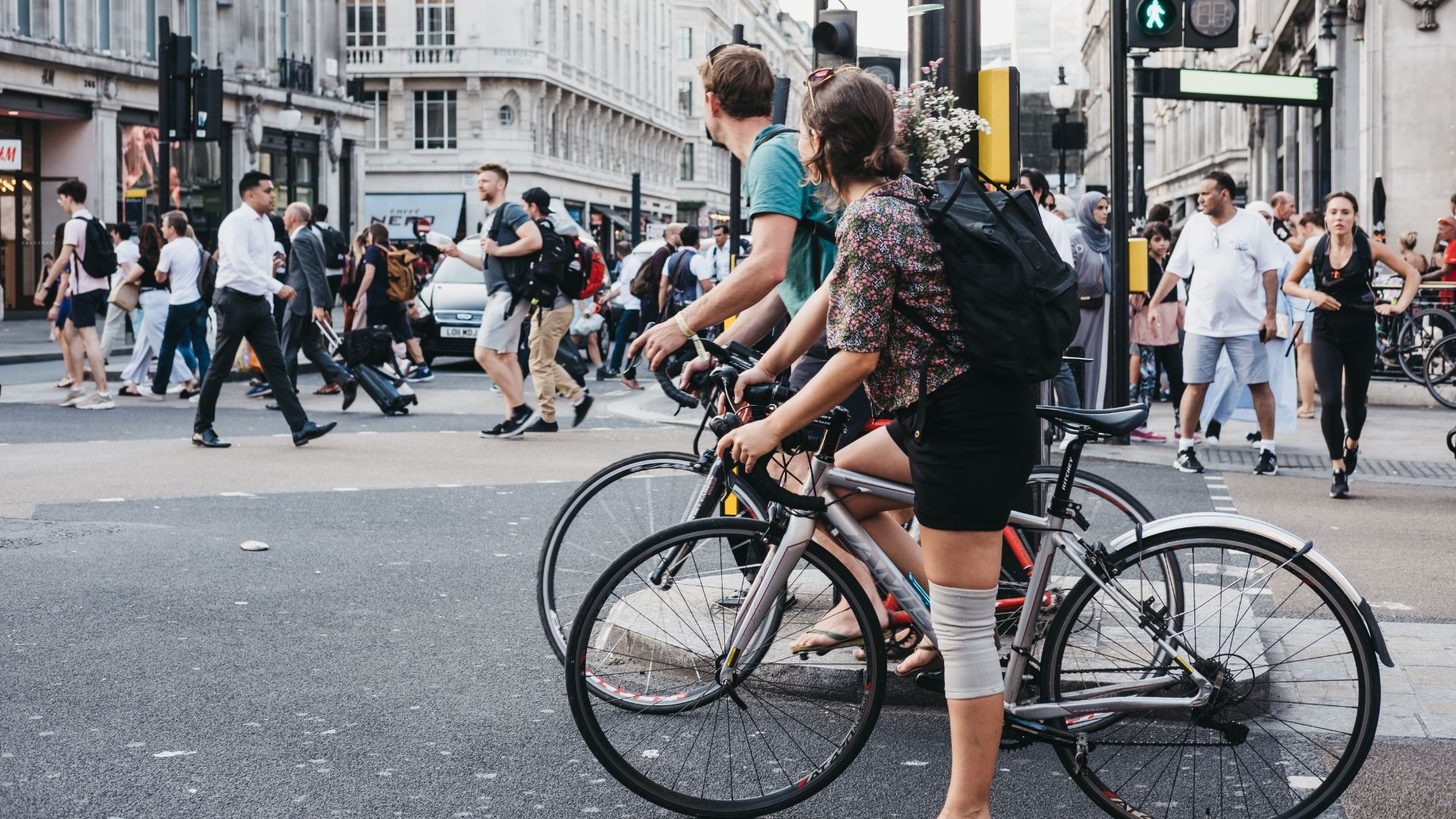
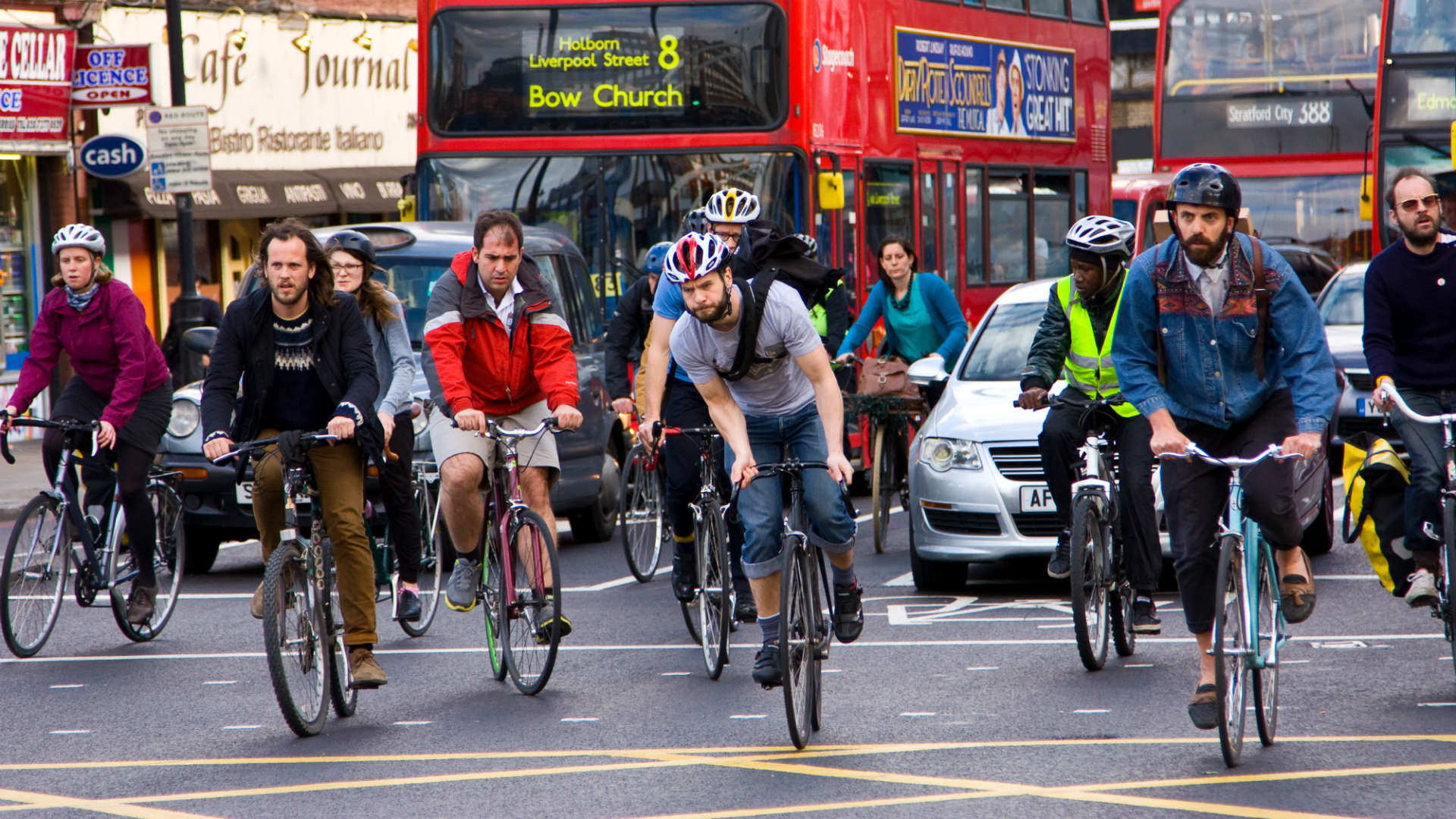
A team of health and safety experts is calling for bicycles to be fitted with indicators, to improve cyclist safety by making their manoeuvres more visible.

It would help cyclists avoid what Protecting.co.uk calls ‘the curse of SMIDSY – “sorry mate, I didn’t see you”.

“We say that anything that makes a cyclist more visible and ends the curse of the SMIDSY accident has to be a good thing,” said Protecting spokesperson Mark Hall.

Do bicycles need indicators?

RoSPA figures reveal 102 cyclists were killed on British roads in 2016, while over 18,000 were injured.

According to government figures, the number of cyclists killed or seriously injured increased by 17 percent between 2008 and 2018.

A survey of cyclists that also own cars found that 65 percent support indicators on bicycles. Some riders are particularly supportive of the bike indicator idea:

“I’ve had a good three, four accidents where the driver’s given me the whole SMIDSY thing – he claimed he never saw me – what’s better than a great big flashing light?” said Jim, a cyclist respondent from Southampton.

“Great idea at night,” said Helen, a cyclist respondent from Derbyshire. “They might even think I’m a motorbike and give me a lot more space.”

Do bicycles need indicators?

Others don’t believe that bicycles are the issue. “Bike riders have never been more visible these days,” said an unnamed respondent.

“Their bikes are lit up like Christmas trees, and we’re all dressed in hi-visibility gear that’s brighter than the sun. Perhaps it’s terrible drivers who are to blame.”

“The stats bear out the fact that motorists just don’t pay enough attention to cyclists, bikers and pedestrians, day after day,” said another. “We don’t need another gimmick just to make it look like something is being done.”

Drivers think bicycles should have licence plates

In response, Hall claims that indicators are another box ticked in the argument against drivers who claim they can’t see bicycle riders.

“Most cyclists want to be seen on the roads, and they know that they need to defend themselves from poor drivers.

“For the sake of beating those SMIDSY types, indicators have got to be a good thing.”

Advertisement

France abandons ‘controversial’ breathalyser law for drivers

0

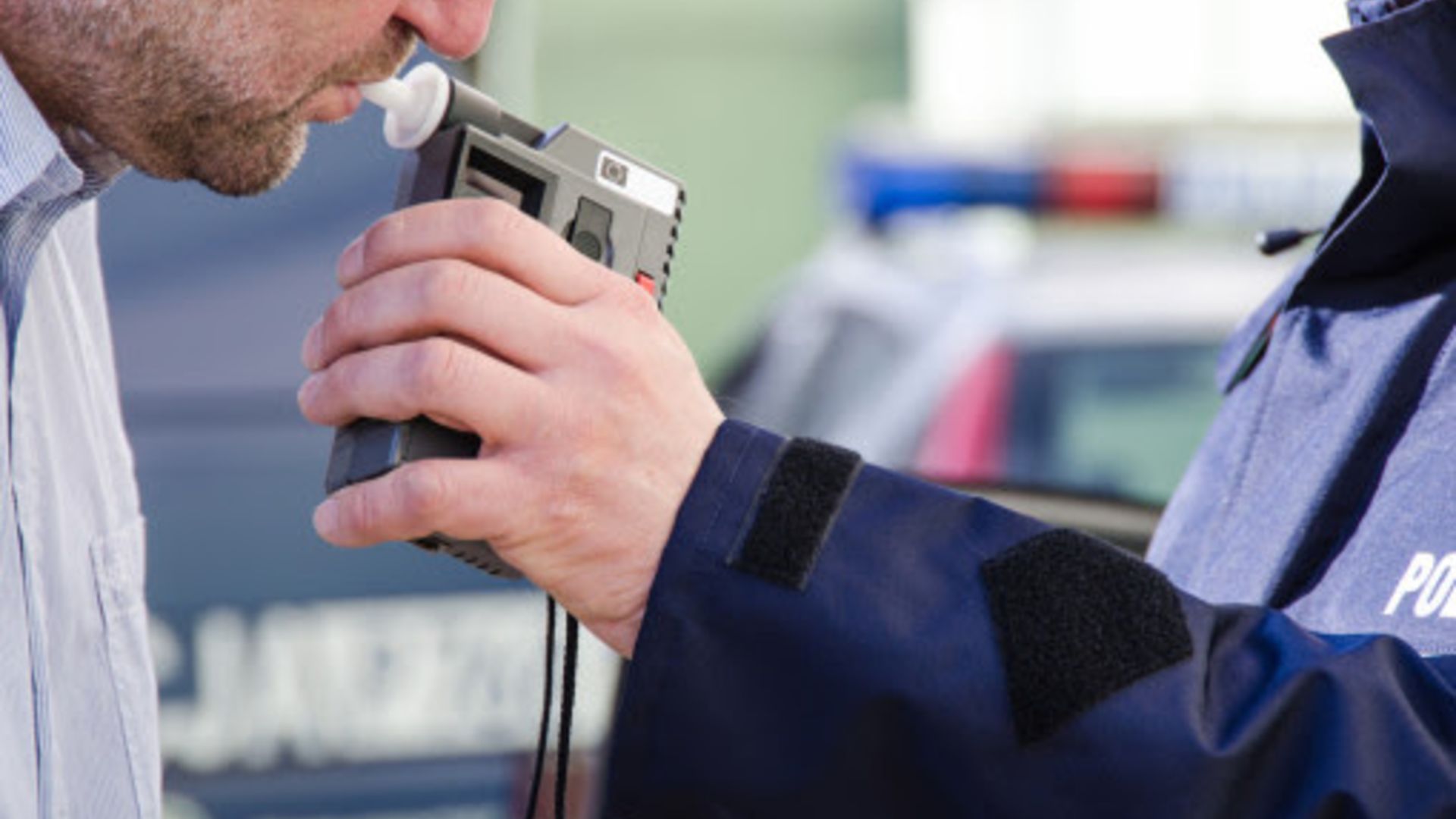
French breathlyser law repealed

France is repealing its law that all drivers must carry a disposable breathalyser kit in their car. First introduced in 2013, being caught previously meant an €11 fine. 

Although apparently a response to the high number of road deaths in France linked with alcohol, the law was controversial from day one. The head of the lobby group demanding it be introduced was an executive at the manufacturer of the breathalysers.

It has been the source of confusion and conjecture, not least because the fine was abandoned relatively soon after the law was introduced. 

Lower drink-drive limit than the UK

French breathlyser law repealed

France’s drink-drive limit is lower than in the UK, at 0.5mg/ml of alcohol per litre of blood, versus 0.8mg/ml in the UK. If you’re a younger driver who passed your test less than three years ago, it’s even lower: 0.2mg/ml per litre of blood.

Being caught with between 0.5 and 0.8mg/ml can incur a fine between €135 (£120) and €750 (£665), plus a six-point penalty. The Police can carry out random breath tests, and will automatically test you if you’re involved in an accident where someone is injured, or if you have committed a serious motoring offence. 

French breathlyser law repealed

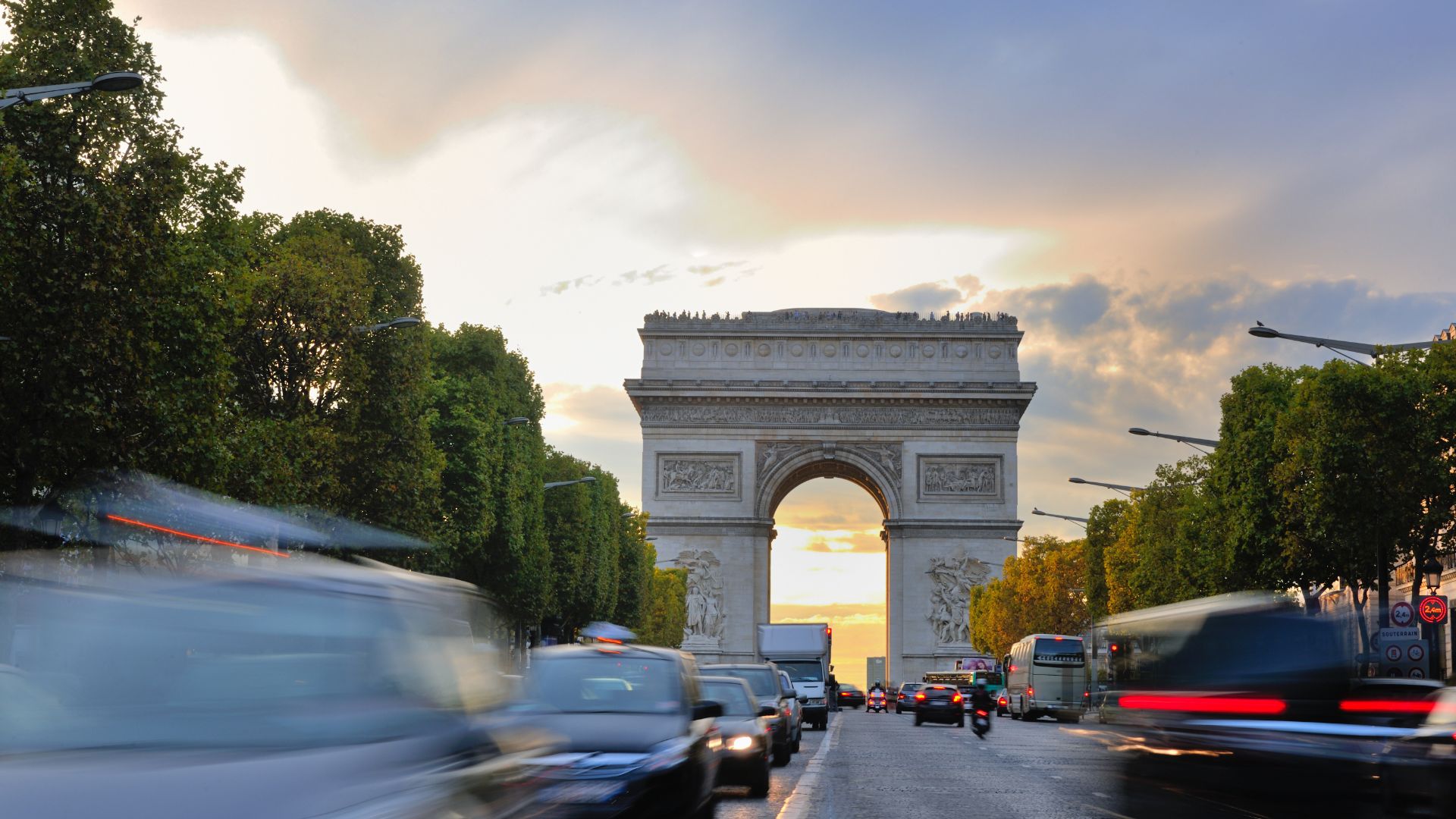
RAC spokesperson Rod Dennis said: “While the law governing drivers carrying breathalysers in France might be about to change, drivers heading across the Channel should still remember that the country has a much stricter drink-drive limit than in the UK – and anyone caught over the limit faces some very tough penalties.

“The best advice is to never drink and drive, whether driving in France or elsewhere. For any driver that still chooses to, it still makes a lot of sense to carry a portable breathalyser to check they are well below the relevant legal limit.”

Advertisement

Autonomous alert: the 12 obstacles for self-driving cars

0

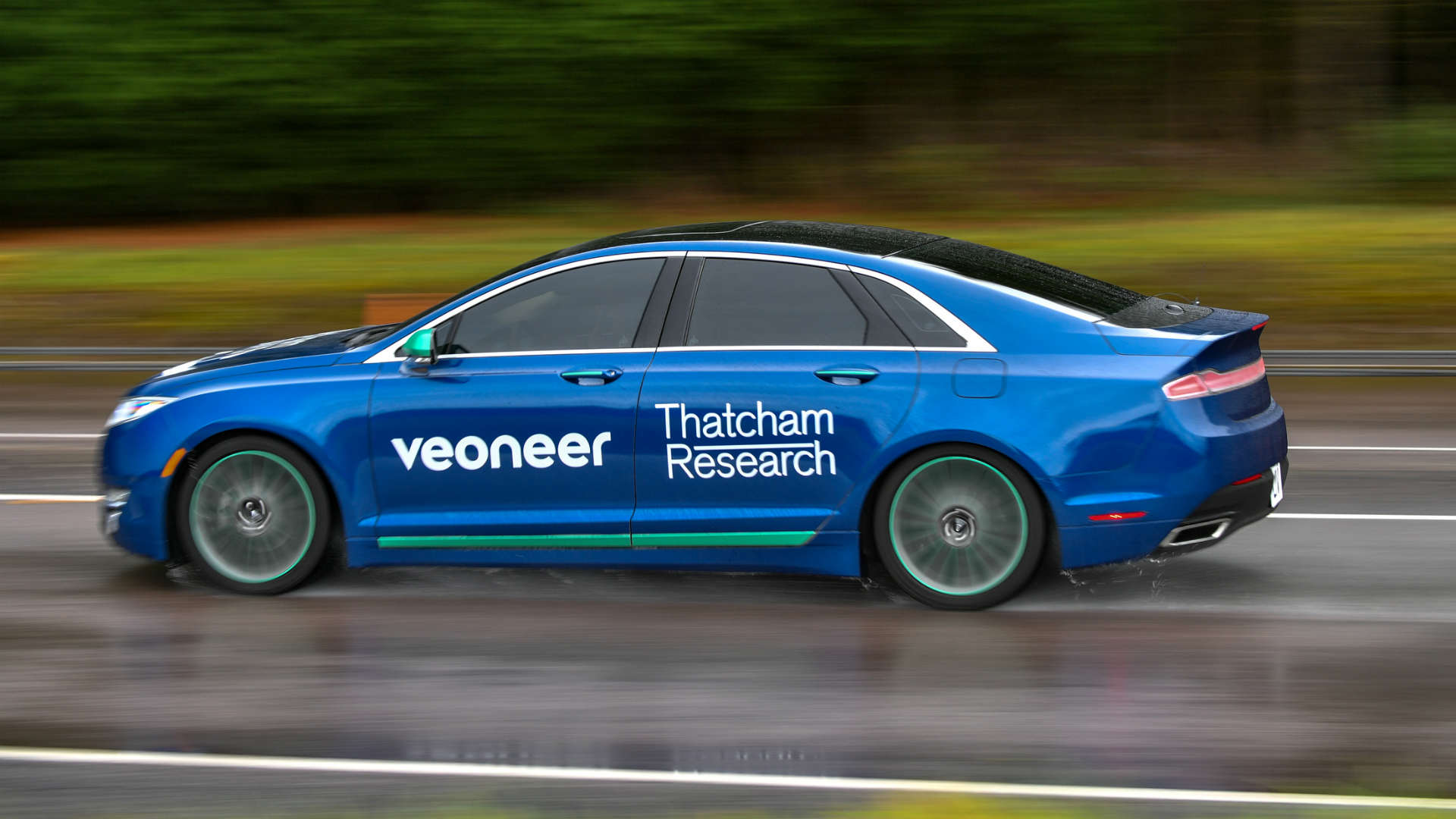
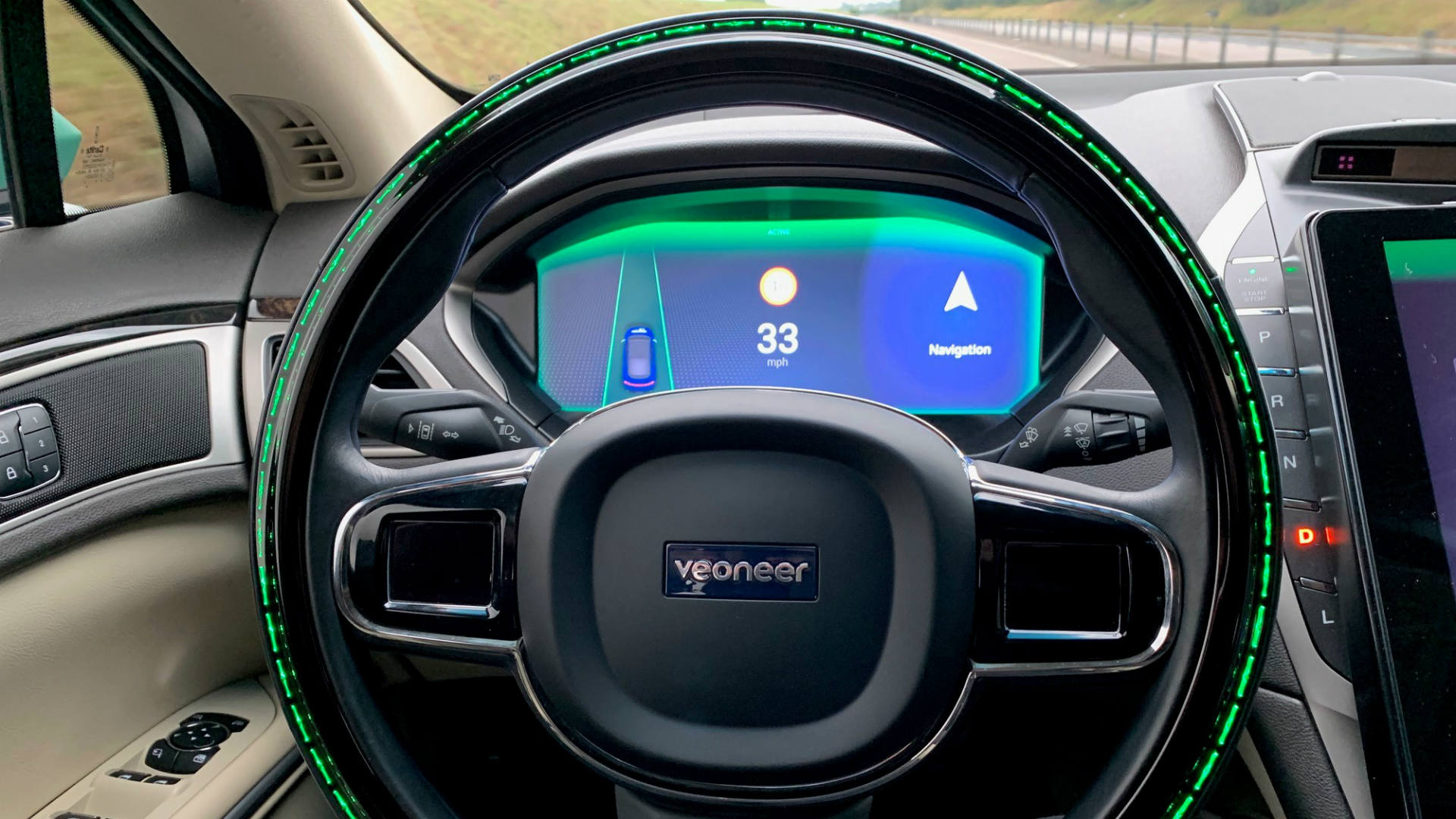
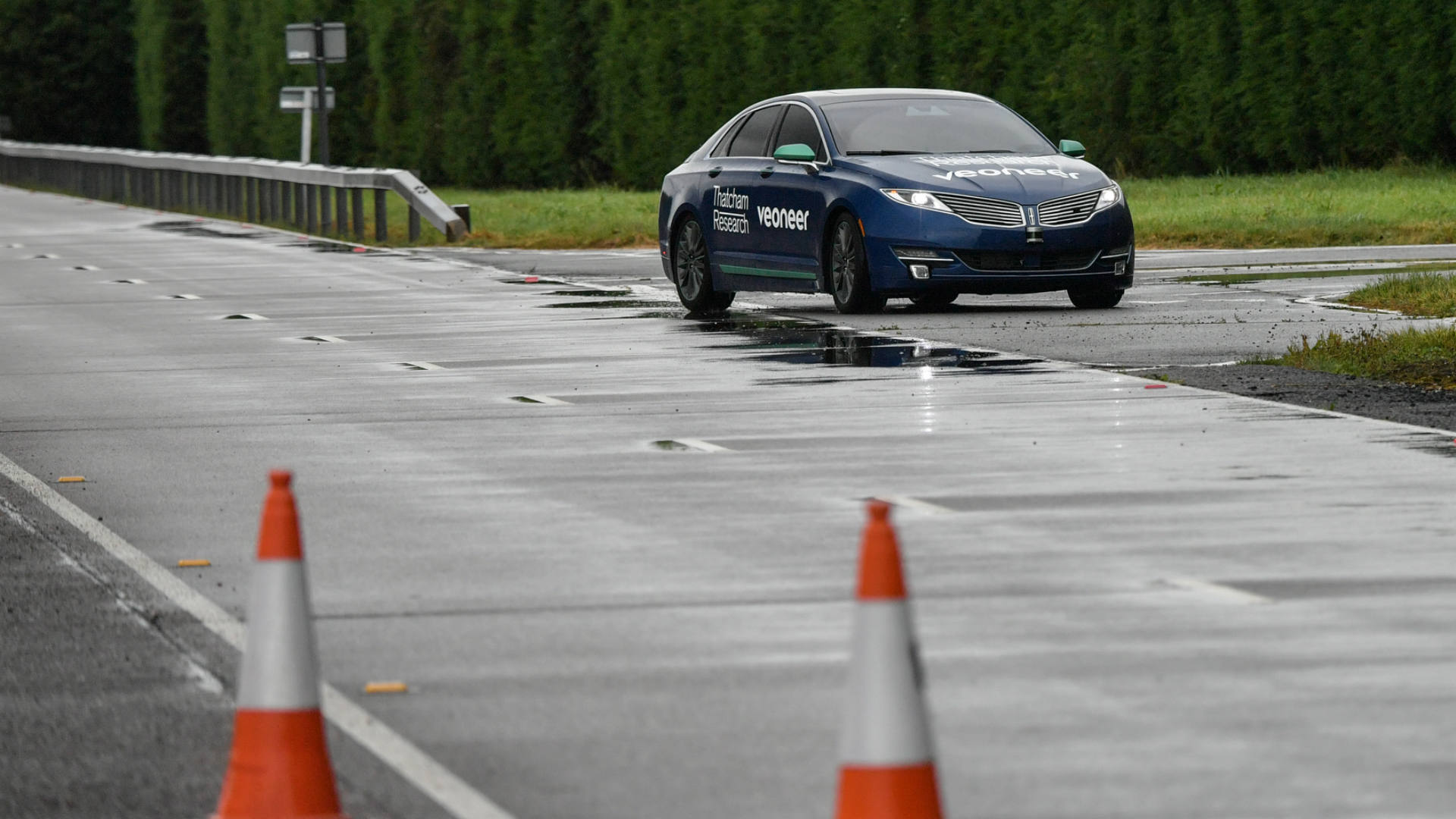
Thatcham Research automated driving

Drivers are most at risk of an accident when taking back control of an autonomous vehicle. That’s the warning from a leading automotive safety research group. 

Thatcham Research says full automation, when a driver can ‘safely take a nap at the wheel’, won’t be possible until 2025. Even then, the transition between automation and the driver taking control must be managed carefully, it warns.

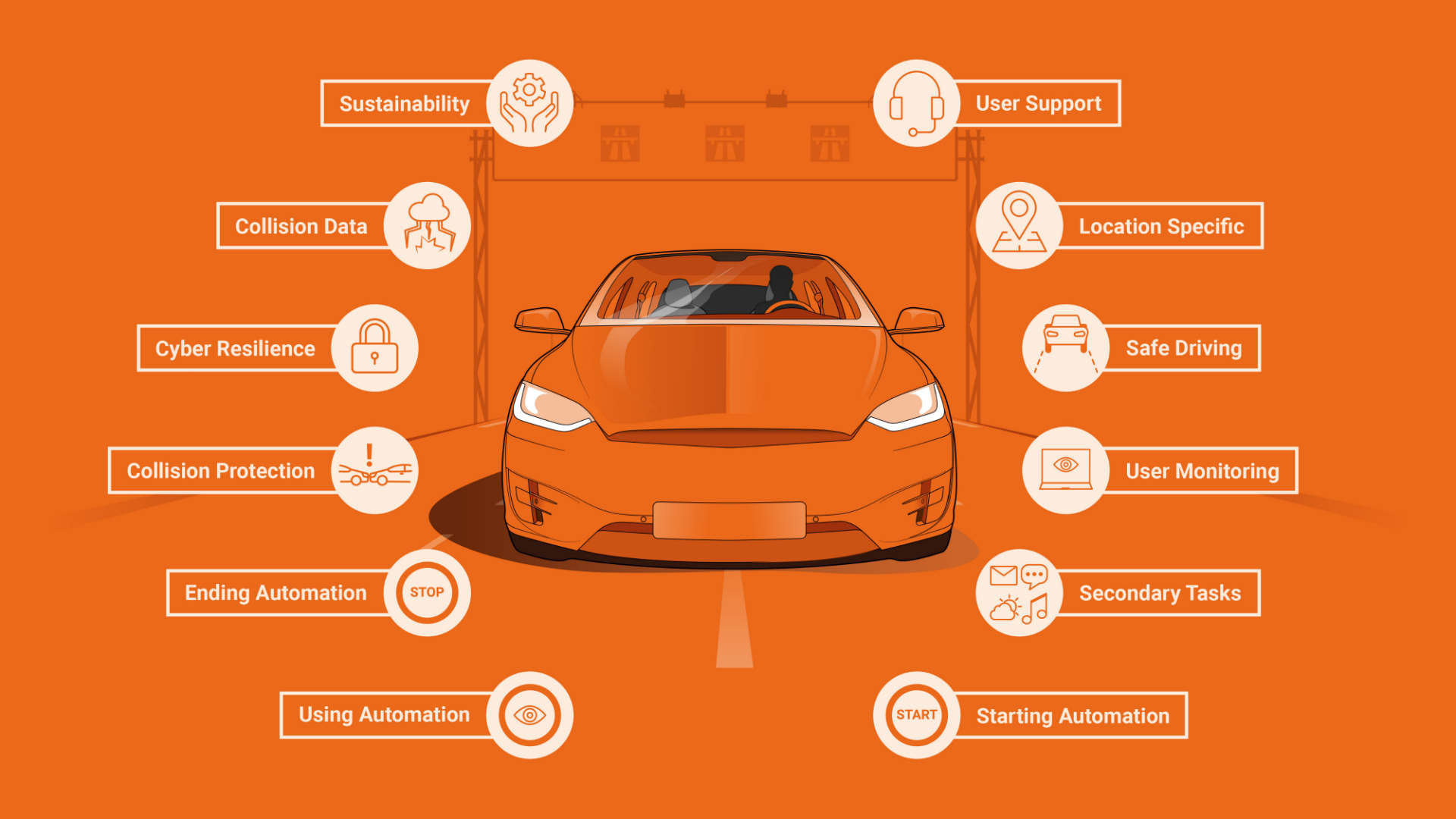
The organisation has outlined a dozen principles required for the safe introduction of automated driving systems. These include collision protection, user monitoring, collision data and location specific data.

‘Guardian angel’ role

automated driving mode

Although the UK government is predicting the arrival of autonomous cars in 2021, Thatcham Research believes this is premature.

“To avoid introducing a new hazard, the vehicle needs to have an effective driver monitoring system to ensure safe handover of control between driver and vehicle, and that the driver is available to take back control when needed,” Matthew Avery, director of research, has warned.

“The vehicle needs to play a guardian angel role. This is important because if the system can’t handle a scenario, it can bring the driver back into the loop.

“If the driver does not respond, the system should be able to assess the road conditions, just as a human would, and decide on the safest action to keep the car’s occupants and those around them safe.”

automated driving on track

While automated driving systems could allow drivers to text, surf the internet or watch a movie while on the move, such activities must be linked to the car’s infotainment system.

“It’s paramount that initial automated driving systems can identify if the driver has become too far removed from the task of driving. This is especially important if the vehicle cannot deal with unplanned situations or when the vehicle is about to transition from the motorway to roads where automated driving will no longer be supported.

“Full automation, where the driver is essentially redundant and can safely take a nap at the wheel, won’t be possible until near 2025 and beyond, even on the motorway,” Avery said.

The 12 principles

12 steps to automated driving

The 12 principles, as outlined by Thatcham Research, can be summarised as follows:

  • User support: manufacturers must eliminate consumer confusion. Systems must be simple to use with clear and concise interfaces
  • Location specific: autonomous driving should be available only when the dynamic conditions allow
  • Safe driving: autonomous must interact safely with other road users
  • User monitoring: active user monitoring is essential and must not rely on ‘hands on wheel’ detection alone
  • Secondary tasks: must be limited to those available via the infotainment screen
  • Starting automation: will be possible when certain conditions are met and the driver is in a fit state
  • Using automation: must manage the user attentiveness to ensure an effective handover
  • Ending automation: must be prepared for planned, unplanned and user-initiated handovers, as well as system failures
  • Collision protection: vehicles must be equipped with emergency collision avoidance technology
  • Cyber resilience: systems must be designed and maintained to minimise the risks of hacking.
  • Collision data: must be available to insurers to confirm whether the system or user was in charge at the time of an accident.
  • Sustainability: the emergency collision avoidance technology must maintain functionality for at least a decade.

James Dalton, director of general insurance policy at the Association of British Insurers (ABI), said: “To fully realise the benefits of automation, it is absolutely vital that there is a clear definition of what constitutes an automated vehicle. These latest guidelines will enable the safe introduction of automation on motorways from 2021 onwards.

“There must be robust rules regulating automated vehicles, to ensure that users are aware of their responsibilities. While we expect automated cars to improve road safety, some accidents will still occur. All collisions must trigger data to help authorities and insurers to understand what went wrong and so that passengers can get the help and support they need.”

ALSO READ

Frankfurt Motor Show tightens security after anti-car vandalism

2019 Vauxhall Astra review: cleaner engines slash running costs

Ban regular car sales by 2035 or face ‘dire consequences’ says report

Advertisement

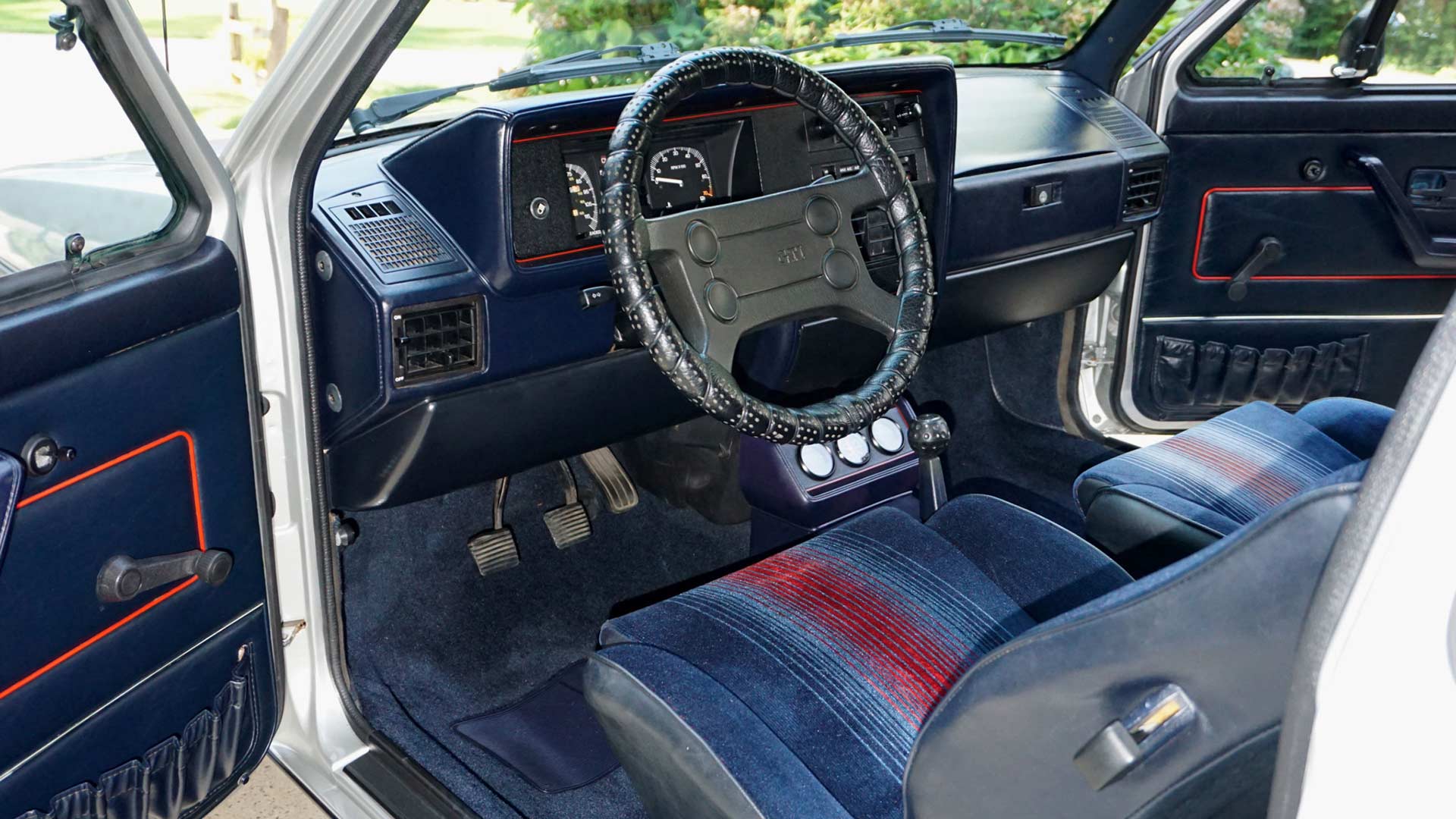
$33,000 Volkswagen Rabbit GTI breaks auction website records

0

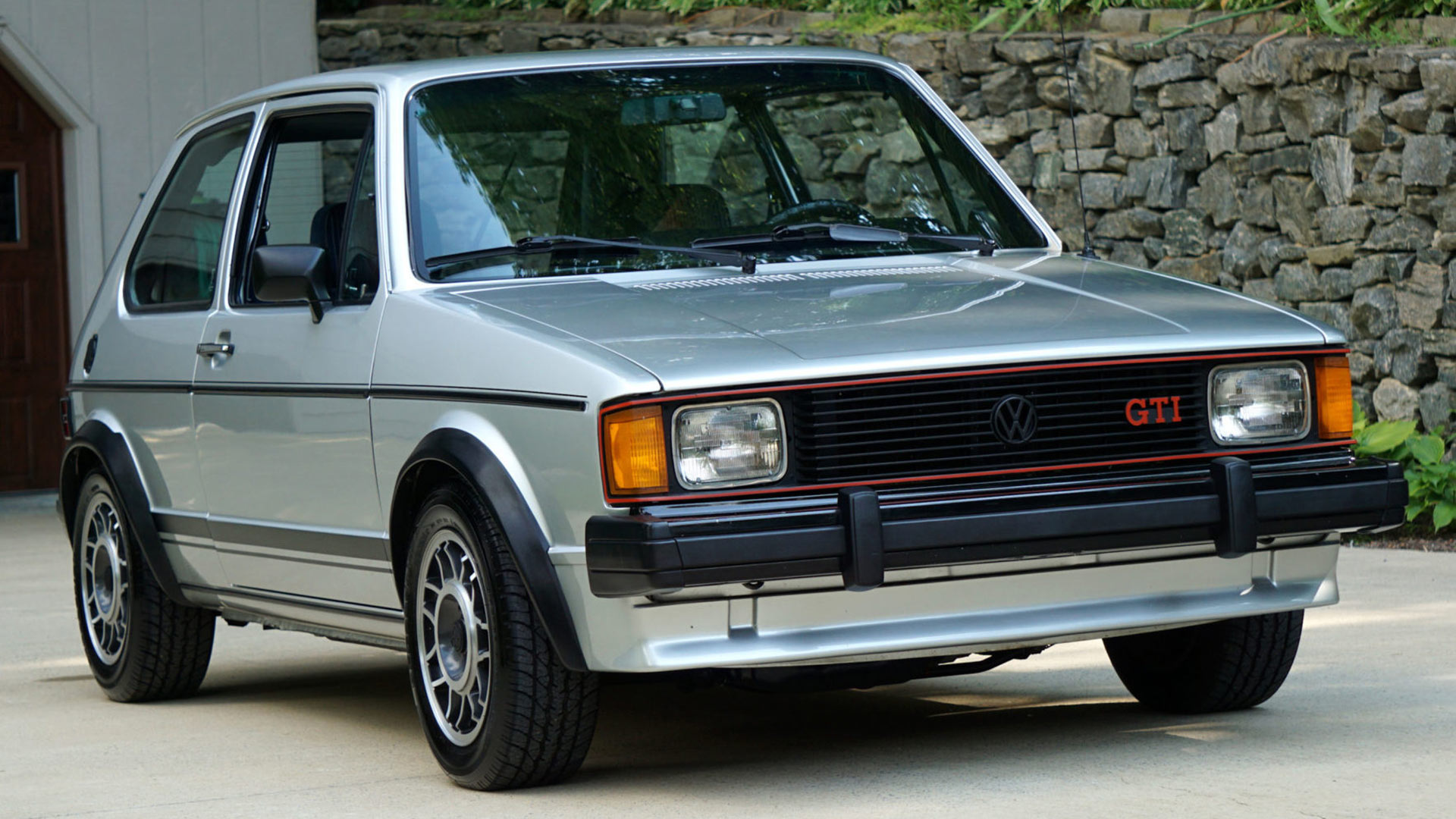
BaT Record Sale Volkswagen Rabbit GTIBilled as being responsible for creating the hot hatch market, the Mk1 GTI has developed a cult following across the globe.
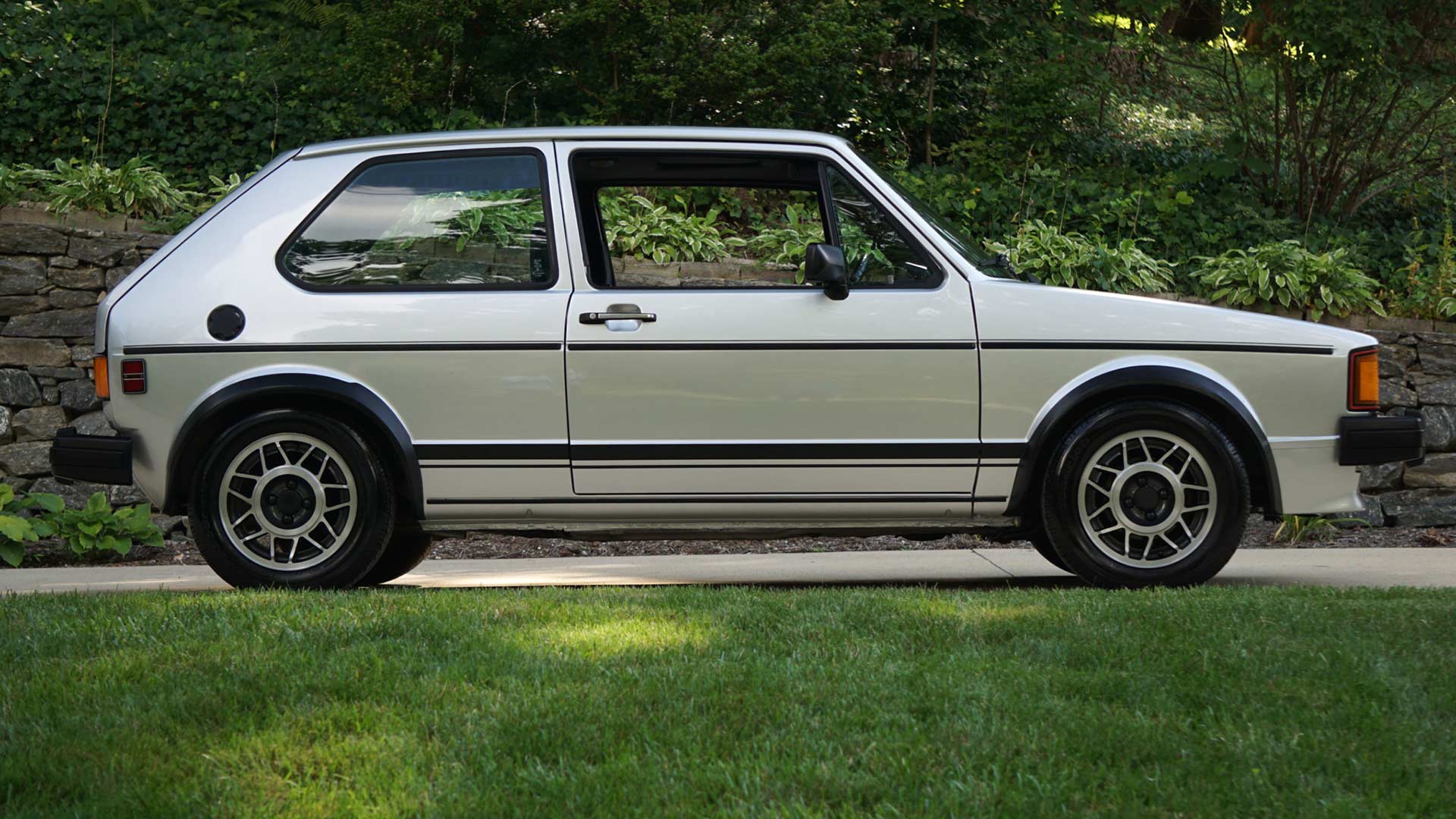
However, this one-owner example of the iconic fast Volkswagen has set a new record for a sale price on auction website Bring a Trailer.

At $33,000, some $5,500 more than a brand-new Mk7.5 Golf GTI would cost to buy, this is big money for a small car.

Well-traveled Rabbit

BaT Record Sale Volkswagen Rabbit GTIWhat makes this particular 1983 Rabbit GTI special is that it has remained with one owner for all of its life.

Built at the Westmoreland factory in Pennsylvania, the GTI was delivered to a US Army pilot in Germany. At the end of his deployment, the Rabbit came back to the United States in late 1984.

In those 26 years the seller covered 100,000 miles, proving that it had been used as intended. Lowered suspension, an upgraded exhaust for the 1.8-liter four-cylinder engine, and a new stereo system were all added over the years.

One careful owner

BaT Record Sale Volkswagen Rabbit GTIHaving belong to just one person, it meant the records and documentation from the early 1980s were still present. A Carfax report verified the mileage covered, and the ownership story of the car.
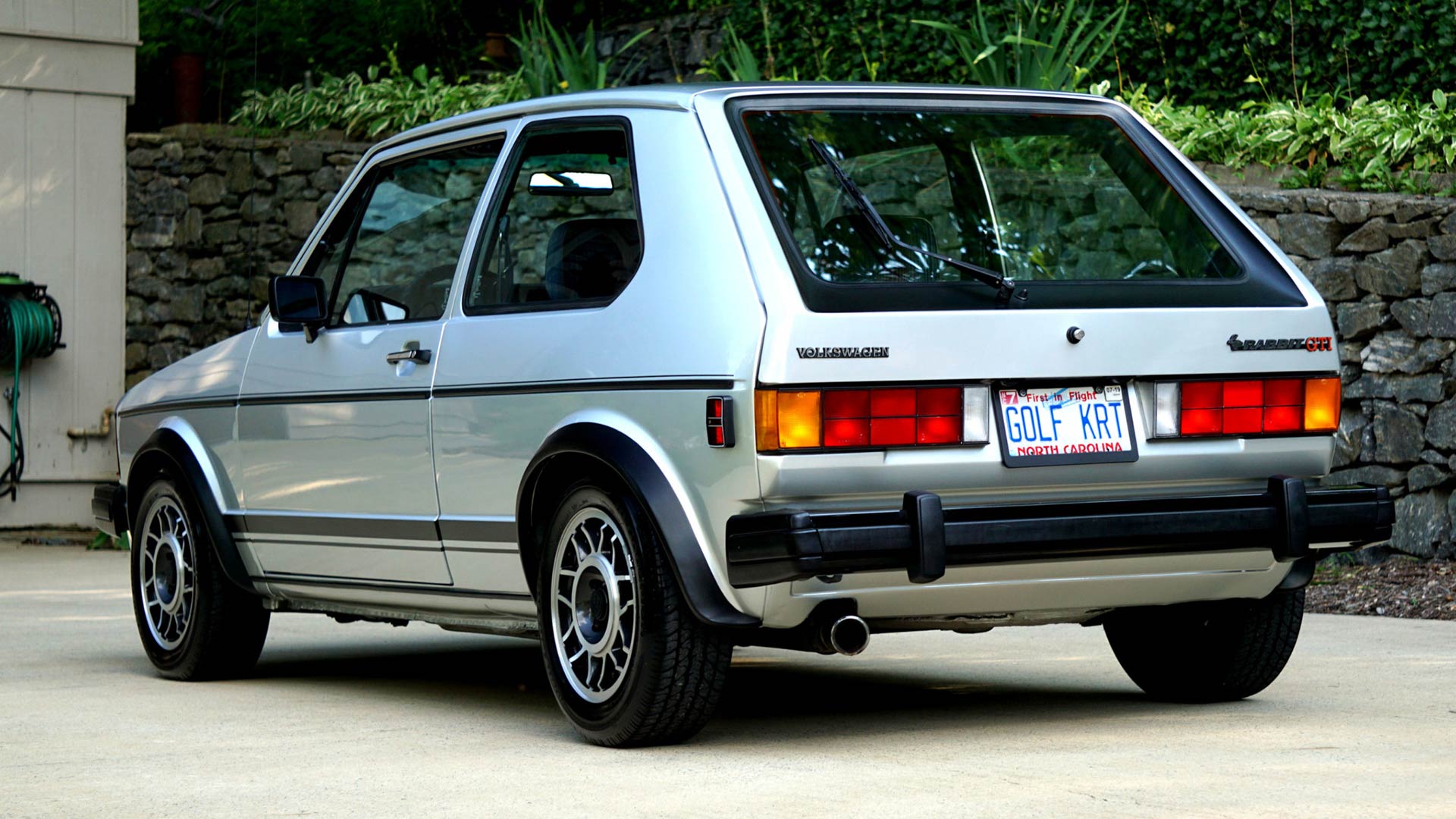
The original order sheet confirmed that the Rabbit GTI had been fitted with optional extras, including air conditioning and a sunroof from the factory. A total of $9,840 was paid back when the car was new.

Maintenance work over the years included a respray for the Diamond Silver bodywork. The driver’s seat was also re-upholstered with genuine Volkswagen fabric trim. A recent oil change had also been completed.

Bucking the trend

BaT Record Sale Volkswagen Rabbit GTI

The selling price of $33,000 pushes this car to become the most expensive Rabbit GTI sold on Bring a Trailer.

Previously, the highest price paid for a Mk1 GTI on the website had been $16,000, paid for a late 1984 car in February this year. An original-owner 1983 Rabbit, with similar mileage but an upgraded 2.0-liter engine, achieved just over $11,000 in April 2017.

Market trends for compact performance cars from the 1980s and ‘90s have shown a surge in recent months. Affordable machines in particular have proven popular, drawing in younger collectors and enthusiasts.

Yet the sale price for this 1983 Rabbit GTI shows that buyers are still willing to pay a substantial premium for cared for original examples.

Advertisement

The traditional car handbrake will soon be extinct

0

manual handbrake is dieing

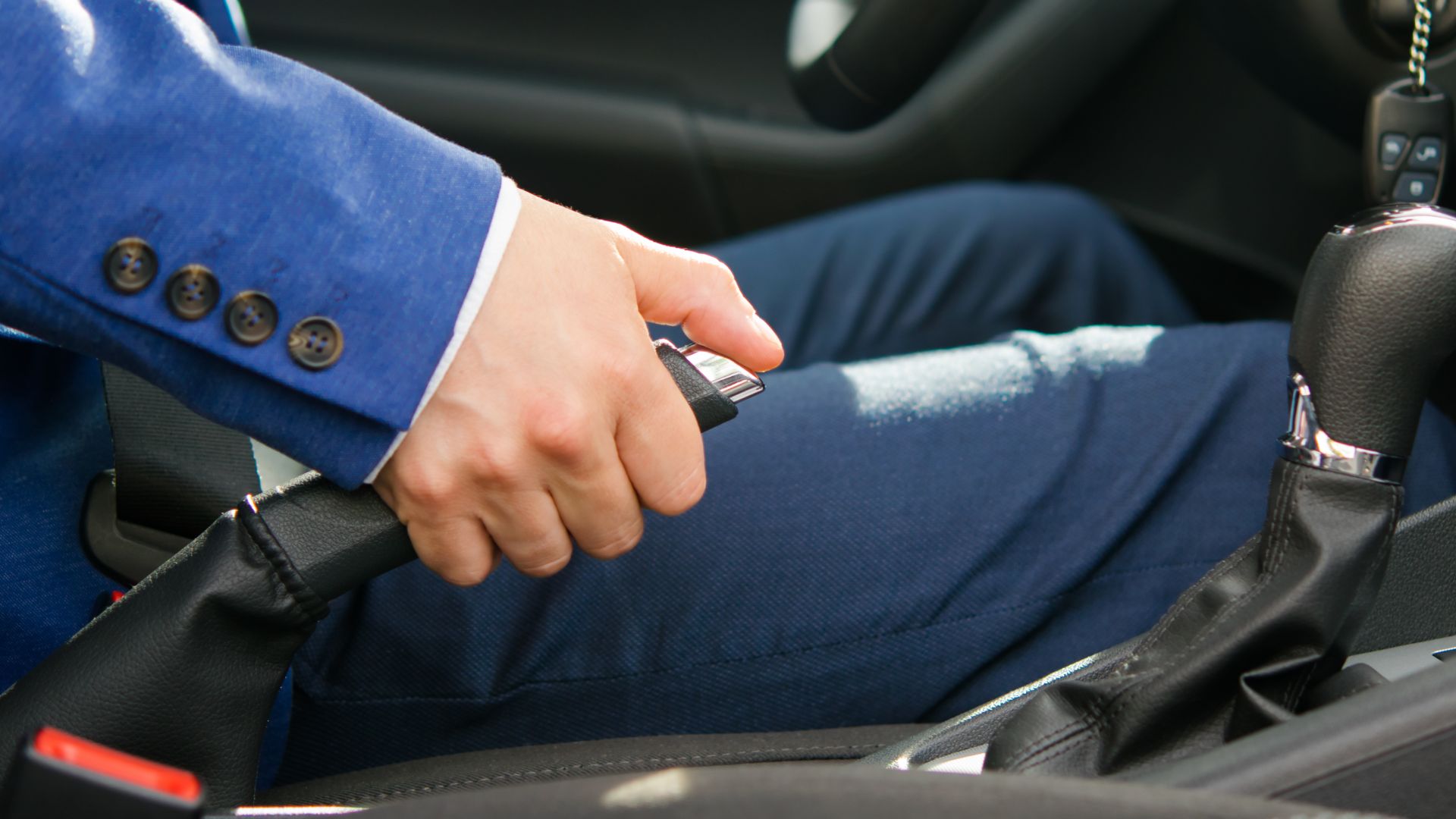
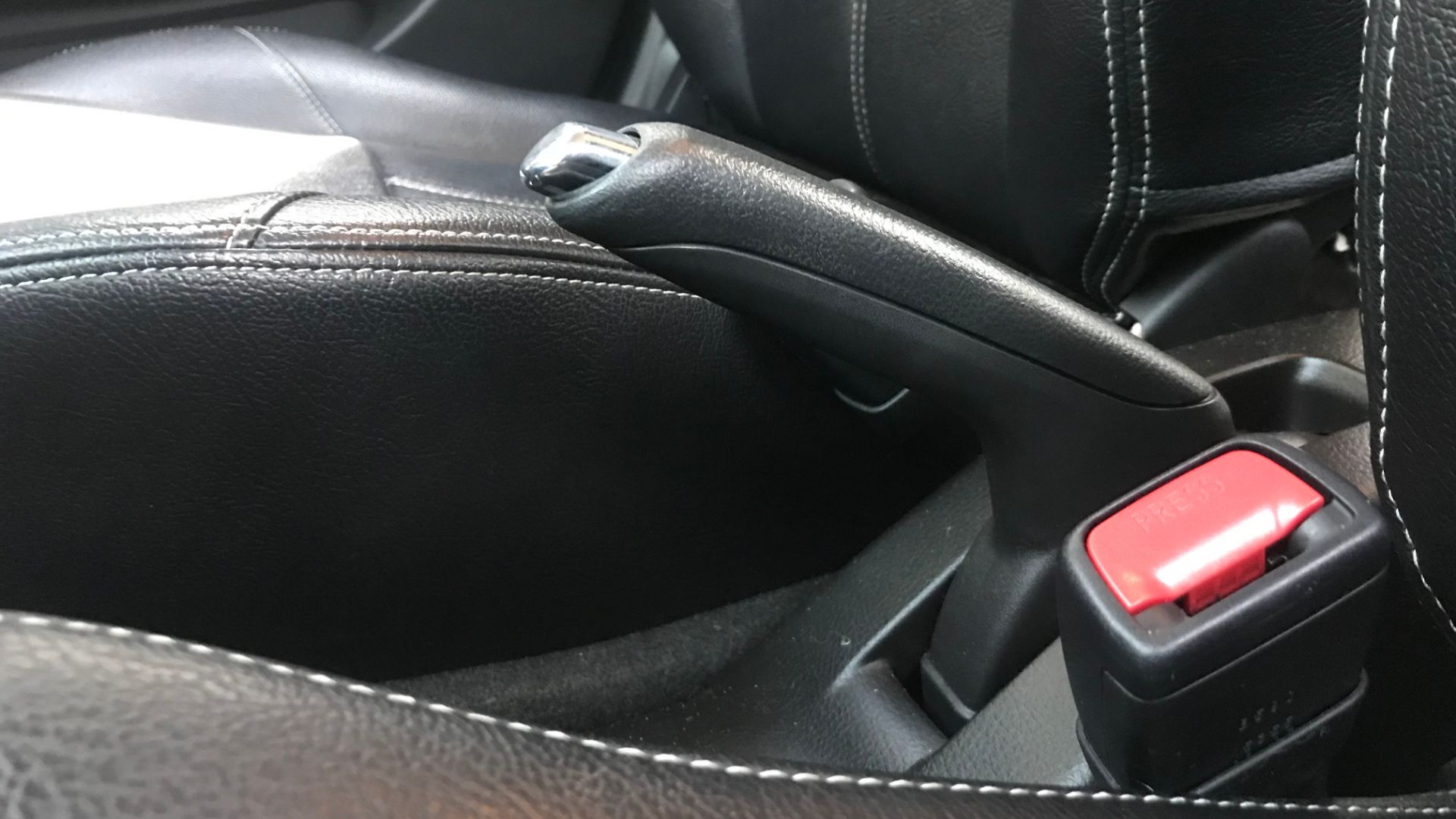
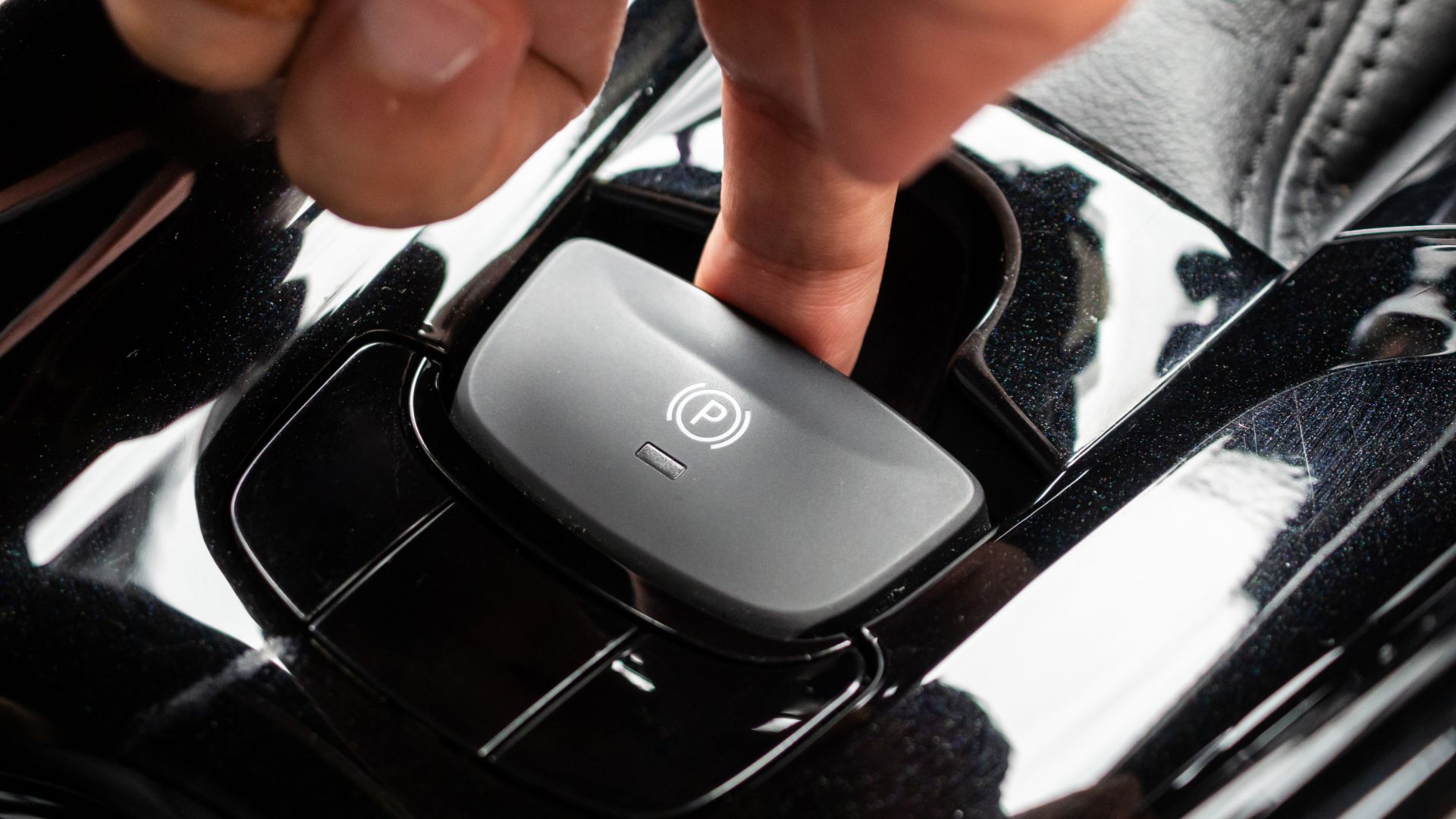
New research has revealed the decline of the traditional manual handbrake. The prognosis isn’t good, as most new cars have electronic handbrakes.

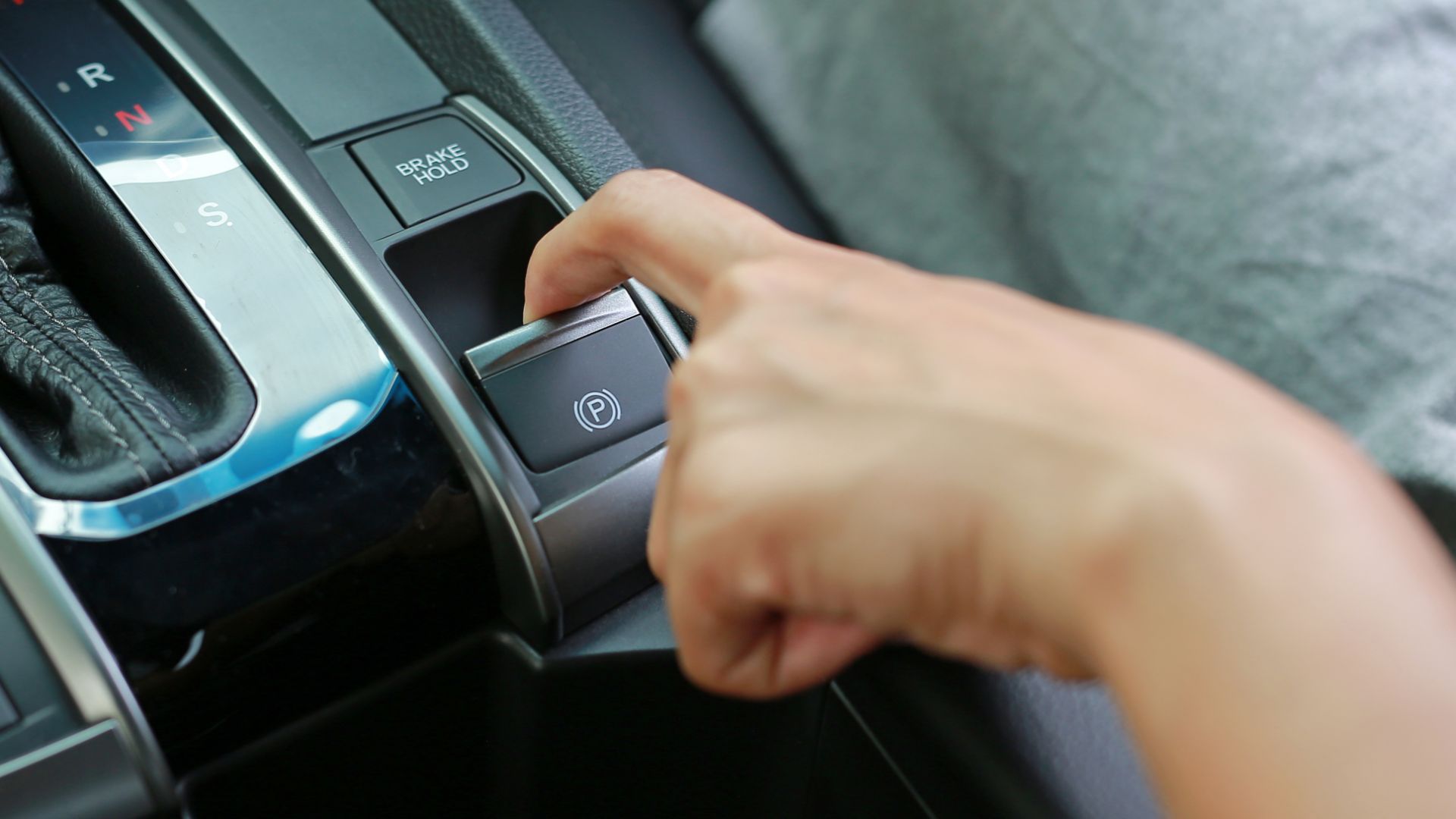
Just three in every 10 new cars sold comes with a handle-operated cable handbrake, says the study by CarGurus. Marques that have abandoned handle-cable systems altogether include Jaguar, Land Rover, Lexus, Mercedes-Benz and Porsche. Instead, they use electronic button and toggle-operated systems.

What this new breed of technology doesn’t allow for is the classic handbrake turn – a sad loss for young drivers everywhere looking to impress their friends.

Happily, most new cars that still have manual handbrakes are smaller, cheaper models. Suzuki and Dacia use them across their ranges, while in the world of the hot hatch, the Renault Megane RS also has a lever between the front seats.

manual handbrake is dieing

Electronic handbrakes first appeared in 2001 on the BMW 7 Series. By contrast, this year 70 percent of new cars had them. That’s a significant jump from 2018’s 63 percent figure. Expect the traditional manual handbrake to be almost extinct within five years.

“It’s official, the death of the handbrake is coming as manufacturers switch to electronic parking brakes in huge numbers,” said Chris Knapman, UK editor of CarGurus.

“Within the next few years we expect the number of cars on sale with traditional handbrakes to decline further, likely only to be found on a select number of niche models.”

manual handbrake is dieing

It’s not all doom and gloom however. There are a number of benefits to electronic handbrakes, including extra cabin space, hill hold control and automatic application when you turn the engine off.

“These systems might lack the tactile feel that some drivers value from a traditional manual parking brake but they bring several benefits in terms of convenience, safety and packaging,” said Knapman.

manual handbrake is dieing

  • Londoners reject ‘spaceship’ sounds for electric buses

“An electronic parking brake can engage automatically when a car’s engine is switched off and many also include an auto-hold function that will apply the parking brake when a car is stopped in traffic or on a hill.”

Of course, if you must have a manual handbrake, there are plenty to choose from in the world of second-hand cars. 

ALSO READ

New Land Rover Defender put to work tracking lost lions

Aston Martin DBR1: the story of the Goodwood monument star

Now you can buy your next Volkswagen van completely online

Advertisement

Retro German sports car maker back from the dead

0

Wiesmann MF5 2020

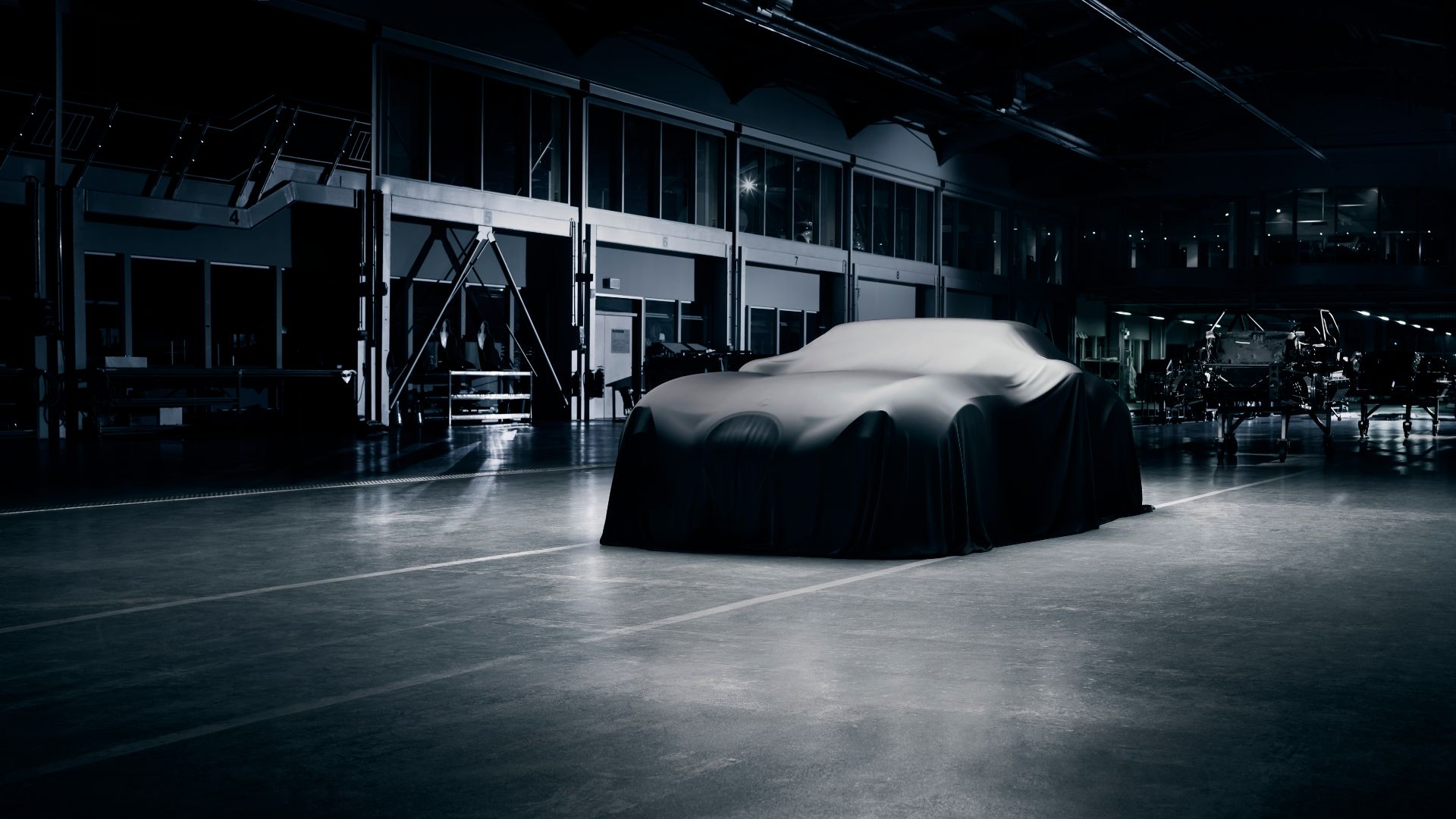
Boutique German sports and supercar manufacturer Wiesmann is coming back from the dead for 2020, with a reborn model. The MF5 is coming – and it’s packing a 600hp BMW M5 engine.

Currently going under the codename project Gecko, Wiesmann’s return is unexpected but certainly welcome. Wiesmann was beloved in the mid to late 2000s for combining classic sports car styling, lightweight and sorted dynamics with serious BMW horsepower, It made for a supercar-slaying range of machinery.

Wiesmann MF5 2020

  • Track-only Kia super saloon packs 426hp punch

The new model is said to be a ‘pure driver’s car’ and will ride on an all-new platform. It will also be modernised and more luxurious. As above, power will come courtesy of the M5’s engine, as it did during Wiesmann’s last outing.

Instead of the screaming V10, the monstrous 4.4-litre twin-turbo V8 from the current M5 will be spinning up the rear wheels. 600hp should do nicely in a car that promises to be lightweight and focused. The car will be hand-built at Wiesmann’s factory in Dulmen, Germany in 2020.

“This last true independent manufacturer of German sports cars is back and has an exciting future to look forward to,” said Roheen Berry.

  • How to buy the right tyres for your car

Wiesmann MF5 2020

“When we set out on this journey we said we wanted to re-engineer an icon and we are on track to do exactly that.”

Wiesmann – M engines in lightweight super sports cars

The new car will continue a rich recent history of M-powered lightweight sports cars. The marque launched the MF3, MF4 and MF5 models in the early, mid and late 2000s. Each ran a BMW M engine: from the E46 M3’s straight six, through the E92 M3’s V8 and the E60 M5’s V10.

Engines that otherwise powered pumped-up executive cars came to life when fitted to a lightweight sports car. This modernised new model with turbo M5 power should prove quite a handful, in the best way. That new TVR will have more of a fight on its hands for the affections of hardcore sports car buyers.

Advertisement

Beating Brexit: supercar maker secures £20 million export deal

0

BAC Mono beats Brexit with export deal

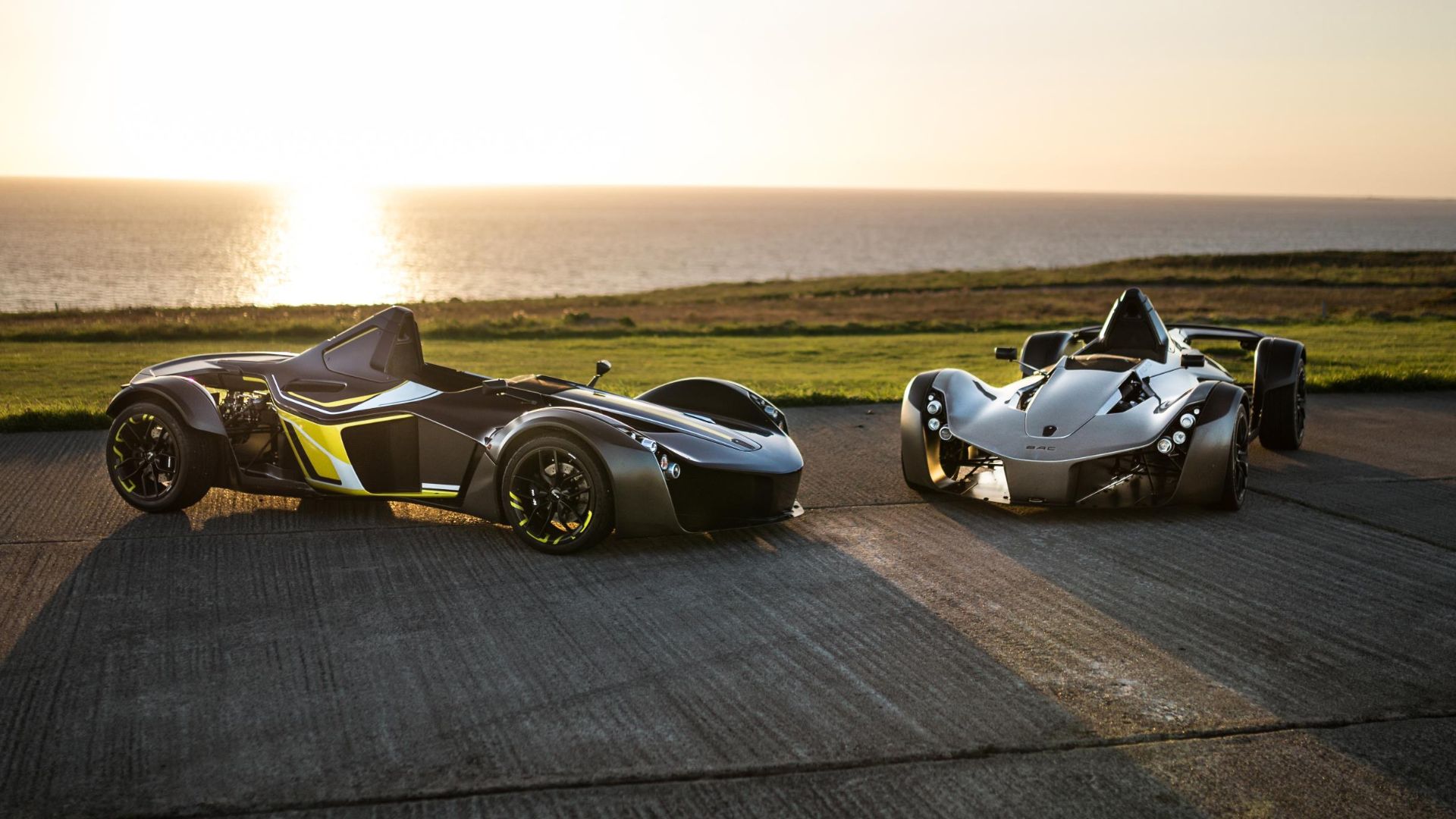
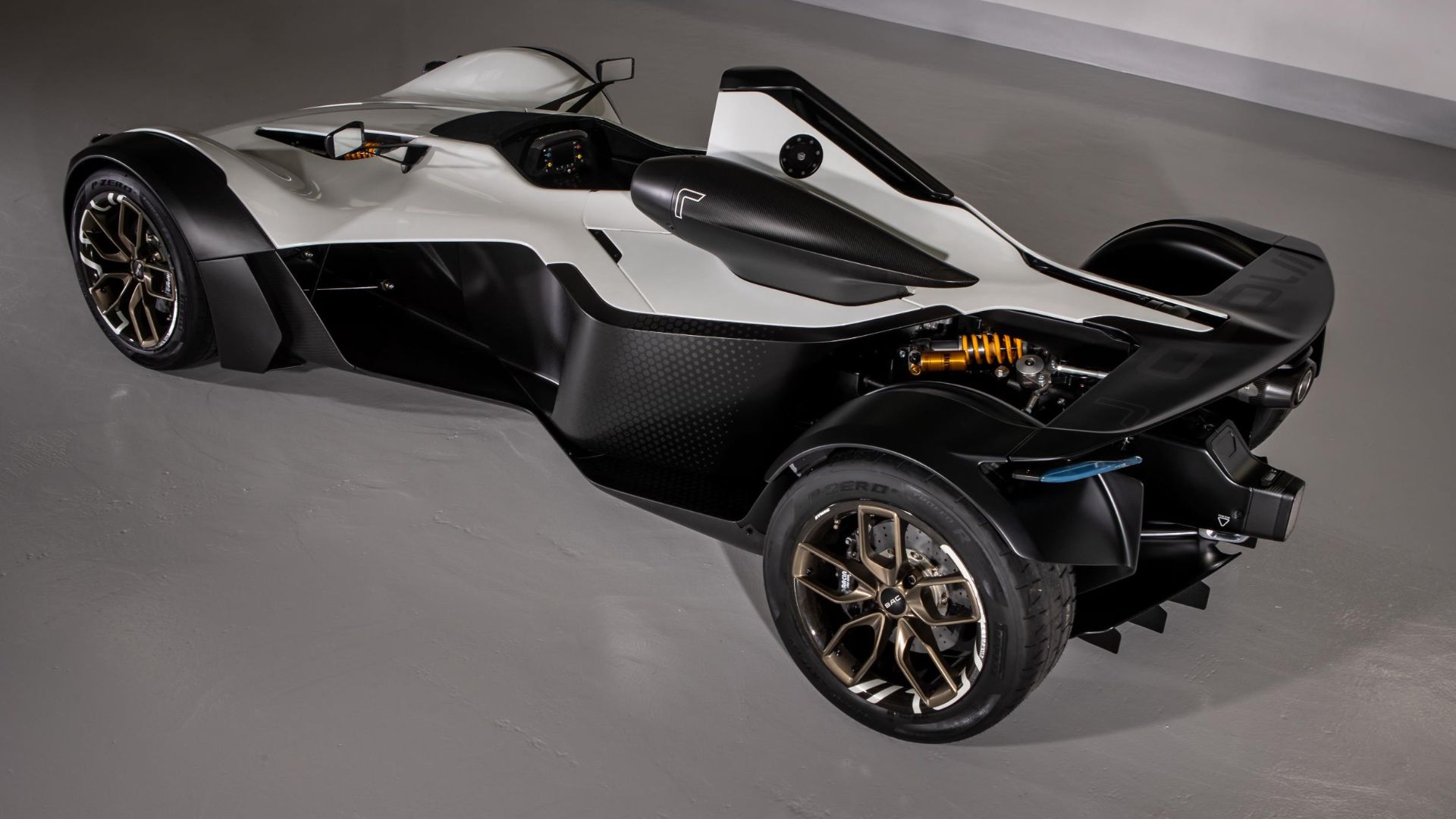
Briggs Automotive Company (BAC), which builds the single-seat Mono supercar, is proving there might just be life beyond the EU. The company has secured £20 million of export business to Hong Kong and the United States.

The deal was done with help from the Department of International Trade. In America, the company signed agreements with two dealers: Manhattan Motorcars in New York and Tactical Fleet in Dallas.

In Hong Kong, an existing contract was renegotiated with the region’s distributor. The news comes after the launch of the new, more powerful Mono R in July.

BAC to the USA

Mono beats Brexit with export deal

  • Brexit run-up: “Notable rise” in European searches for UK used cars

“These new export wins are a sign of how far we’ve come as a business in recent years and the immense work we’re doing with exports,” said Neill Briggs, director of product development at BAC.

“Our solid export strategy, fantastic team ethic, exemplary product and – of course – invaluable support from the DIT means we have the ultimate recipe for success overseas. We will continue to strive to put British manufacturing on the map for the foreseeable future.”

BAC Mono beats Brexit with export deal

“I’m absolutely delighted that DIT has helped BAC to hit the accelerator on its exports,” said Secretary of State for International Trade, Liz Truss MP.

“This is a wonderful example of a UK company that is putting manufacturing and innovation from the Northern Powerhouse on the map.

  • Men in Black: protecting the Earth from scum, in a Lexus

BAC Mono beats Brexit with export deal

“The UK’s heritage in automotive and motorsports is a huge asset, and my department is working to shift our exports up a gear in this exciting and fast moving industry.”

Advertisement