Home Blog Page 323

Electric cars to order on World Energy Day

0

Volkswagen ID.3

World Energy Day 2019, held on 22 October, is designed to raise awareness of energy use and promote decarbonisation efforts. Here are the electric cars you can order now to reduce your carbon footprint, including the new Volkswagen ID.3, Porsche Taycan and an affordable electric MG crossover.

Volkswagen ID.3

Volkswagen ID.3

The ID.3, the first member of VW’s forthcoming family of ID electric cars, is arguably the hottest EV of the moment. Three versions will be available, with WLTP-certified ranges of 205, 260 and 340 miles respectively. Fitting the footprint of a Golf, the ‘3’ stands for the ID.3 being the third chapter of the ‘people’s car’, after the original Beetle and the Golf.

MG ZS EV

2019 MG ZS EV

MG calls the ZS EV the “first truly affordable family electric car”. Quite the claim, but it did the business for the first few adopters at £21,495. Why so cheap? Because MG matched the government’s £3,500 plug-in car grant. That deal has since passed, however, so you’ll pay £24,995 for MG’s ‘truly affordable’ electric car.

Peugeot e-208 electric 
2019 Peugeot e-208

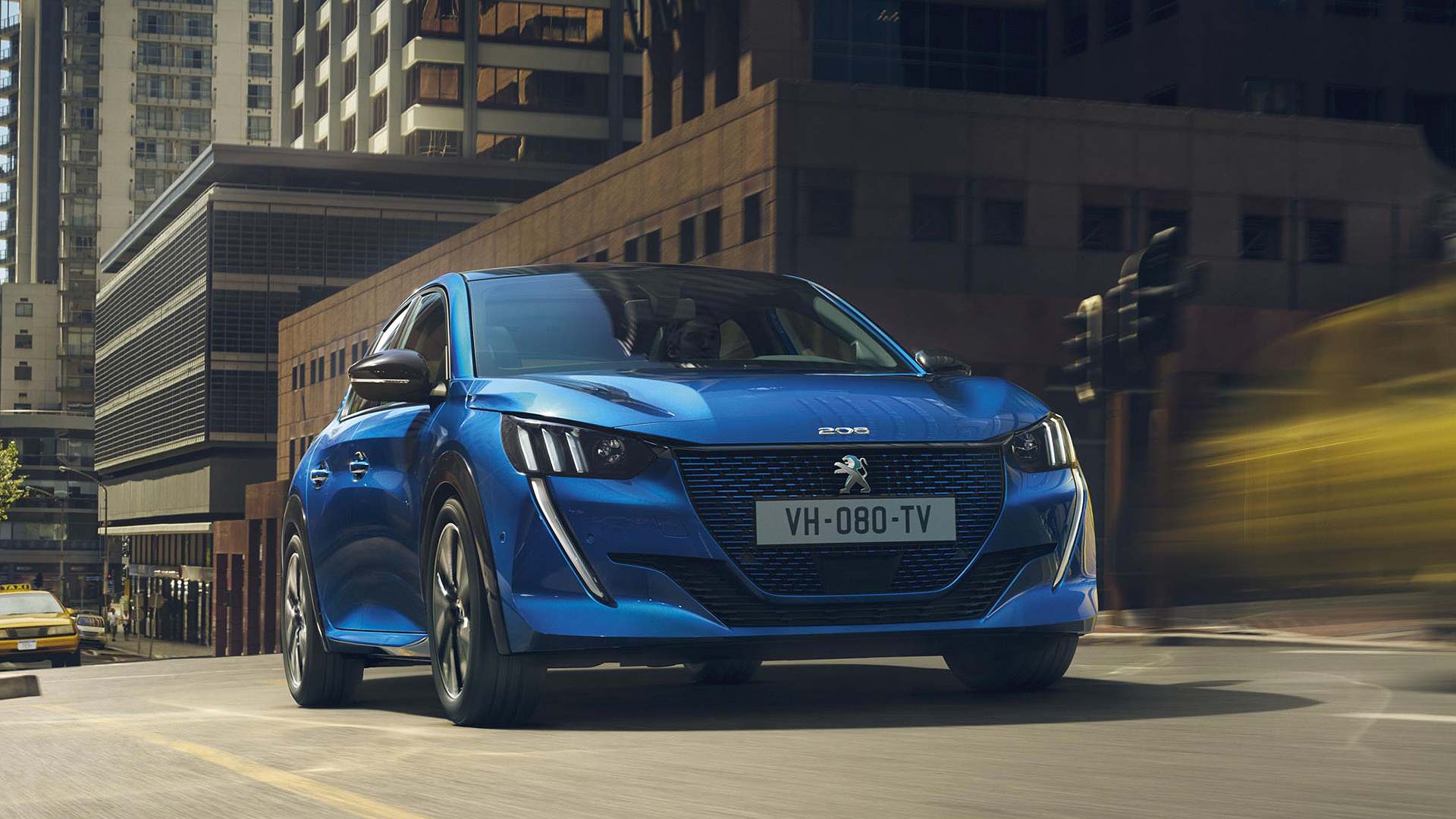
Electrification is coming to the masses via supermini EVs. First to enter the fray is the Peugeot e-208. It’s as viable as they come, with a claimed 211-mile WLTP range. It can charge up to 80 percent in an hour and should be fairly affordable to buy.

Vauxhall Corsa

Corsa-e opens for ordering

With Vauxhall under the PSA umbrella, the 208 will have a close relation in the new Corsa. As such, it’ll also be available in all-electric Corsa-e form, with range figures of up to 205 miles. They’ve even developed a rally version… 

Porsche Taycan

Porsche Taycan

The German marque’s first EV has a lot riding on it – and a lot to prove. Can EVs be fun? Like, Porsche-level fun? It will certainly be pricey and fast, with more than 300 miles of range. The one to buy will surely be the ‘entry-level’ Taycan 4S with ‘Performance Battery Plus’. That’s how you’ll get 287 miles of range, anyway.

Honda e

Honda e prices revealed Frankfurt

Honda’s stylish little electric car is very appealing visually, but is a bit pricey and short on range. Up to 137 miles is okay, but for £26,000 (after the £3,500 grant) you can get more miles for your money.

Mini electric
Mini Nurburgring no brakes

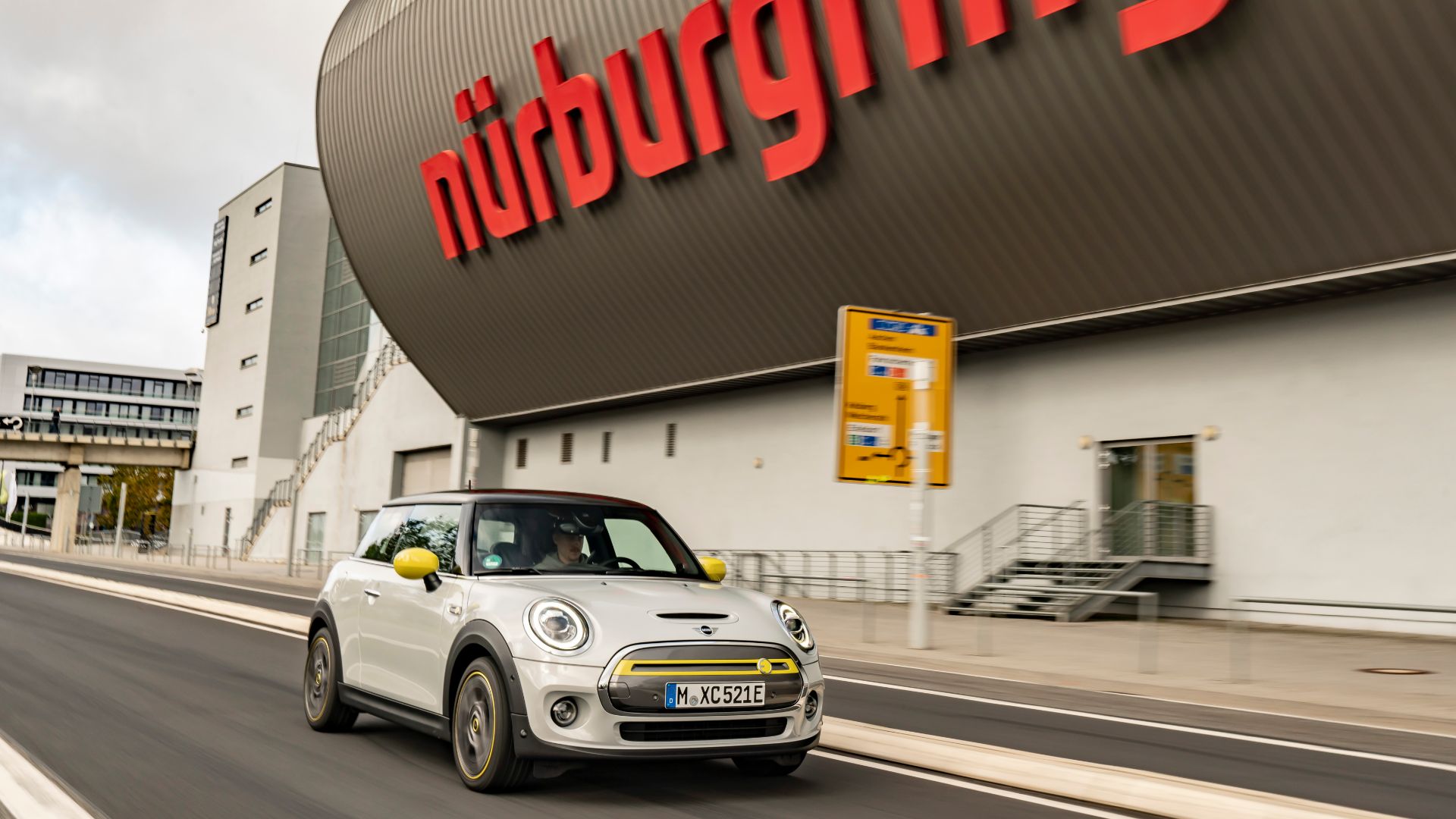
Mini unveiled an all-electric variant of its small hatch for general sale earlier this year. With a range of 144 miles, it’ll start from £24,400 when it lands early next year.

Audi E-tron

One of the latest entries into the electric car market, Audi’s E-tron is an electric SUV designed to undercut the Tesla Model X. You can buy one for around £70,000, after the £3,500 grant has been deducted. Its 250-mile range seems a bit slim for its size, though.

Volkswagen e-Up

World Energy Day electric cars to order now

We all expected the e-Up’s days to be numbered now the ID.3 is with us. Not so: VW’s smaller electric car will live on, with range boosted to 162 miles from 99. The new e-Up should be available from under £20,000 (after the government grant) when it lands in the Spring of 2020.

Mercedes-Benz EQC 

World Energy Day electric cars to order now

Mercedes-Benz unveiled the production version of its EQC SUV – the first in its EQ range – around the same time as Audi with its E-tron. It looks good, although an NEDC estimated range of 280 miles is worrying, given that may barely translate to 200 miles of real-world driving.

BMW i3

Unlike the E-tron, the i3 is a long-standing member of the EV club. It’s been on sale since 2014, but has recently received an update. Still, it remains a car best-suited to urban environments, offering a modest 175 miles between charges. Prices remain steep, but you ought to get beneath the £40,000 tax threshold.

Hyundai Kona Electric

Now we’re into electric cars befitting the year 2019. The meatiest 64 kWh Hyundai Kona Electric is good for almost 300 miles on a full charge and can be yours for as little as £30,000 (after the government grant has been applied). This little Hyundai is a game-changer.

Hyundai Nexo

If the Kona is the car to take AFVs mainstream, the Nexo is its hipster sidekick. It’s a fuel-cell vehicle, which means filling up at a hydrogen station – the numbers of which haven’t reached three figures yet in the UK. Still, it’ll do over 400 miles on a tank, and can be filled within five minutes. All good, until you consider this Hyundai costs £65,000. What price progress?

Hyundai Ioniq

The Ioniq is the third prong in Hyundai’s eco trident. It’s hybrid or fully-electric, designed to compete with the best-selling Toyota Prius. The electric version is guaranteed to get you the government grant. Although it undercuts its 64 kWh Kona sibling on price – at £29,000 before grant – it suffers in terms of range. Expect a maximum of 174 miles from the all-electric version.

Jaguar I-Pace

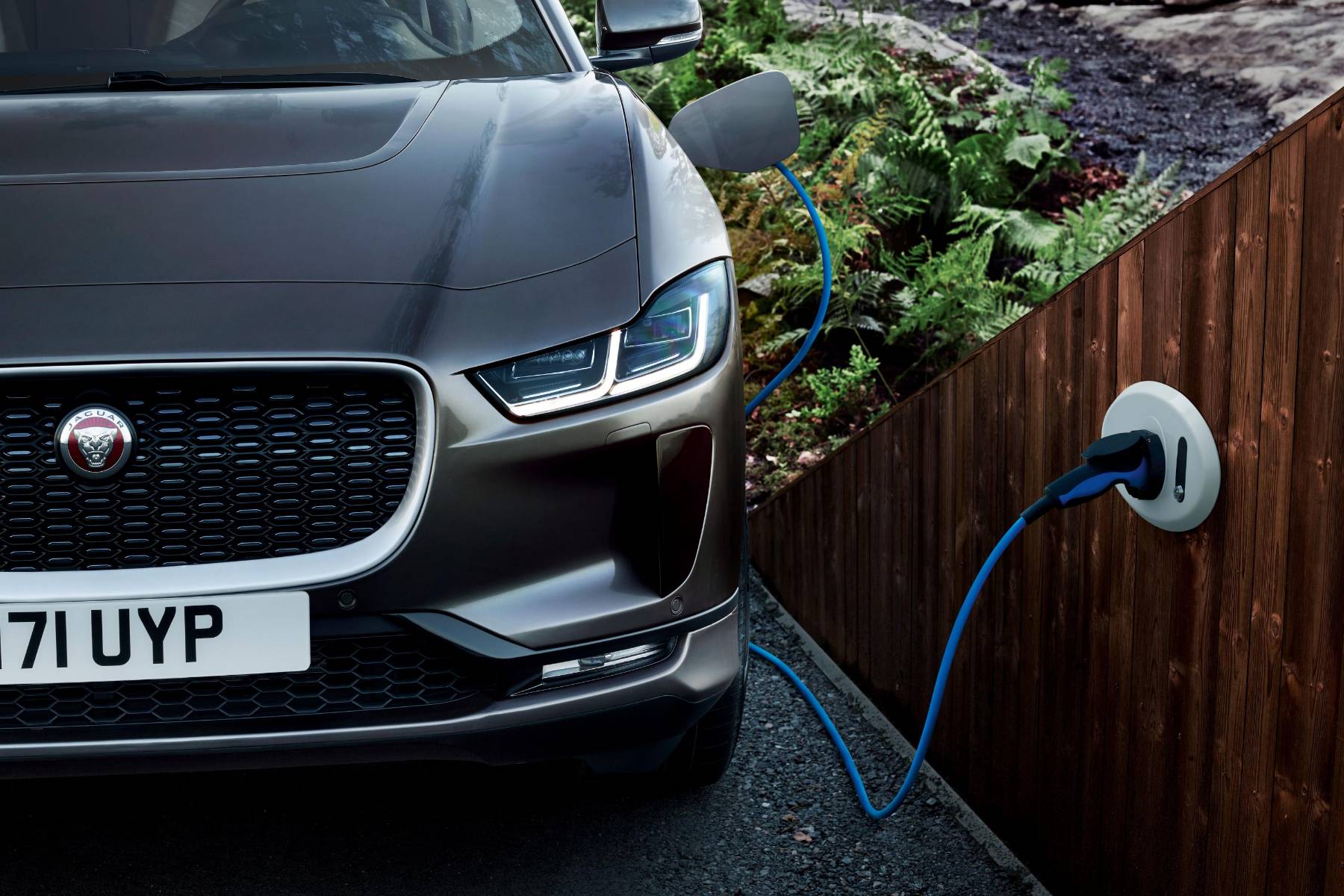
It’s fair to call Jaguar’s I-Pace the star electric car of the moment. For once, the big cat isn’t the underdog, beating all of its key German rivals to market with a large luxurious EV. A near-300-mile range is excellent, while sexy styling helps in an image-conscious market. It’s pricey, though: entry comes at no less than £60,000, even with the government grant.

Kia e-Niro

Sister car to the Hyundai Kona, the e-Niro is equally appealing. Tesla-baiting range and a genuinely affordable price are key attributes. Choose between the two based on looks and what deal you can wangle.

Kia Soul EV

Again, like the closely-related Hyundais, there is a weird sibling: meet the curious Kia Soul EV, new for 2019. Behind the quirky design lives the excellent 64kWh hardware from the e-Niro and Hyundai Kona Electric, although a boxier body reduces official range to 280 miles. Still, for around £30,000 (after the grant) it’s still one of the most appealing and affordable EVs.

Nissan Leaf

The Leaf has been heading up the affordable electric car game for nearly 10 years now. Of late, however, Hyundai and Kia have really caught up. Does the new Leaf meet their challenge? Well, it costs around £32,000 after the grant but its 239-mile range can’t quite match the Koreans. Expect an updated version soon.

Renault Zoe

Renault Zoe

When it arrived in 2014, the little Zoe reminded us of an electric Twingo from another dimension. Since then, it’s gained more range and has continued to impress on price, albeit with the proviso of a monthly battery lease fee. Still, with the updated 2019 version, 52kWh and over 230 miles isn’t bad.

Smart EQ Fortwo

In 2022, the tiny car marque is going all in on electrons, killing internal combustion in its cars. This compact, easily-parked vehicle has always been king of the city. With zero emissions, what’s not to like? Well, the price and the range. One is large and the other is small, and not in the order you’d prefer. While the government grant gets it comfortably under £20,000, a quoted 99-mile range isn’t good enough. Hopefully the Geely-engineered models, due in 2022, will offer more for less.

Tesla Model S

Arguably the market disruptor that got all eyes on electric, this virtually unknown marque came out of nowhere with a good-looking, fast and luxurious saloon that could cover serious mileage on a charge. It’s evolved considerably since its 2014 debut, too. The Model S range starts at £71,700, including the government grant. For that, you’ll get 280 miles of range. At £80,800 after the grant, the Long Range version gives you 375 miles – the most of any electric car currently on sale!

Tesla Model X

The Model X uses Model S hardware in a large SUV body with ‘falcon-wing’ doors. The same rules apply: you get the range, you get the power, but it’ll cost you. The Standard Range model, with 230 miles promised, costs £75,700 after the grant. The Long Range Model X manages 315 miles, but costs nearly £10,000 more.

Tesla Model 3

The Model 3 is the most realistic Tesla proposition yet. Starting from £38,000 after the grant (once it’s inducted into the scheme), it’s almost good value. A Kona Electric for £8,000 less will go further, but this is a stylish, luxurious and premium saloon. We won’t try and argue the Kona is anywhere near as desirable. Well worth a look in 2019.

Polestar 2

Polestar 2

Volvo’s electric offshoot has wasted no time producing rivals to Tesla. Like the Model 3, the Polestar 2 is a small executive car. Unlike the Model 3, it has the ride height and stance of an SUV. Up to 310 miles range will reportedly be available, with a lower-range model available from £34,000.

Toyota Mirai

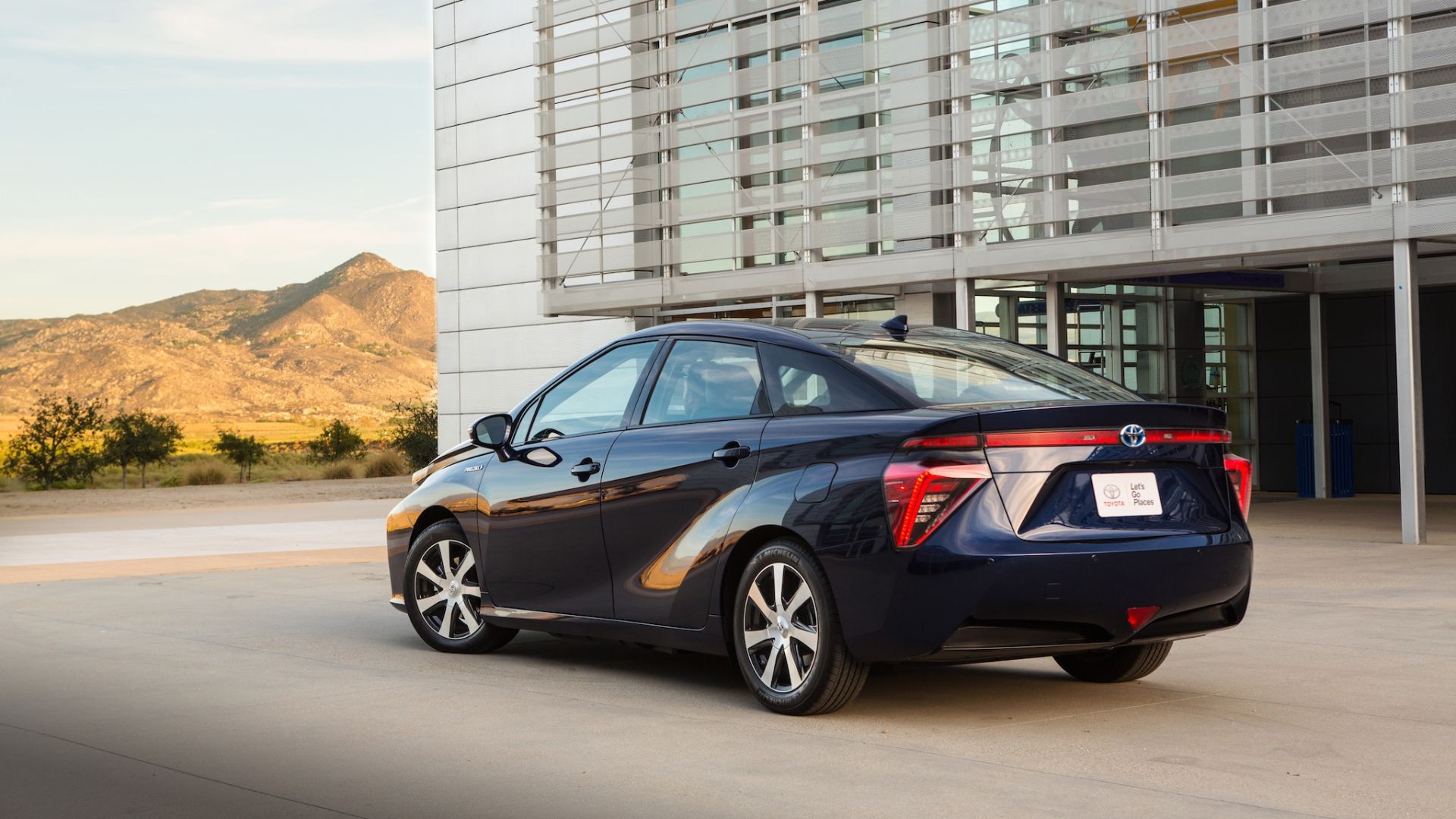
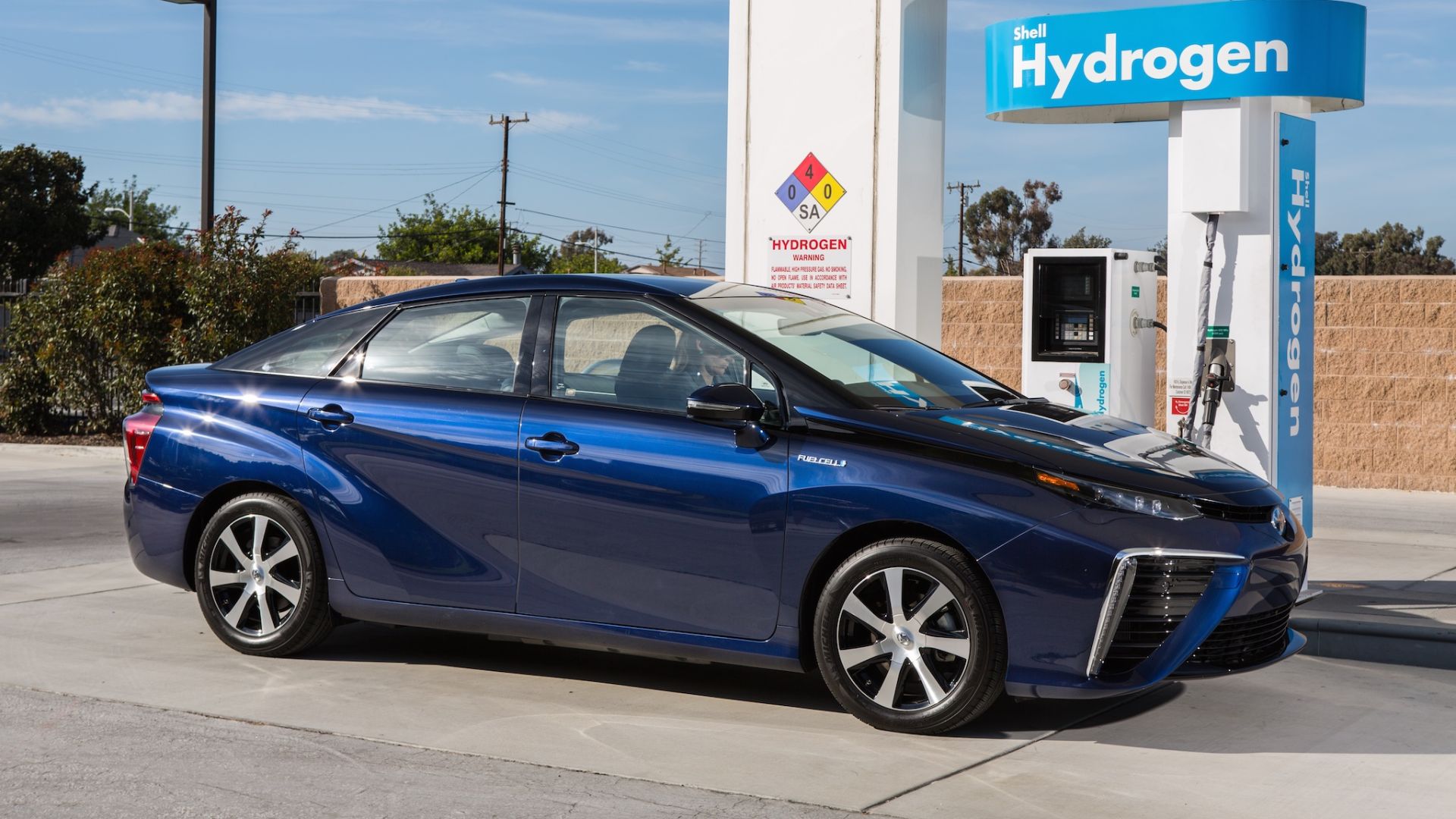
More weirdness, this time from Toyota. Like the Hyundai Nexo, it’s a hydrogen fuel-cell car, meaning the aforementioned pros (range, fill-up time) and cons (infrastructure, price) apply. The Mirai will drive over 300 miles on a tank, emissions-free. But it’ll cost you £65,000 to buy. There is, however, a very sleek-looking new one on the horizon. Best to wait?

Coming soon: Audi E-tron GT

A Porsche Taycan in a swish Audi suit, the E-Tron GT recently starred in the Avengers: Endgame film. Expect Audi’s Tesla-fighter to top 300 miles on a full charge, and be relatively expensive.

Coming soon: Ford ‘Mustang-inspired’ SUV

World Energy Day cars to order

Yes, Ford is bringing out a Mustang-inspired SUV, and it’s going to be all-electric. Regardless of how odd that sounds, over 370 miles of range will be quite impressive.

Coming soon: BMW iNEXT

World Energy Day cars to order

BMW’s next foray into AFV motoring will be the iNEXT. Described as a ‘technology flagship’, it’ll boast 370 miles of range when it launches in 2021.

Coming soon: Volkswagen ID.4

World Energy Day cars to order

The ID.3 is only the beginning for VW’s ID line of cars. Next up is the ID.4, which will be an all-electric crossover. A camouflaged prototype was teased at Frankfurt, but we won’t see the finished article for another year.

Coming soon: Fiat 500 electric

World Energy Day cars to order

Fiat is serious about building electric versions of its Fiat 500 – and building a lot of them. It’s going to pump serious money into production facilities for such a car. Whether it’ll be this generation, or a much-anticipated new car, remains to be seen.

Coming soon: Tesla Model Y

World Energy Day cars to order

Tesla’s slow conveyor belt of svelte electric market disruptors trundles on, with the next model due being the Model Y crossover. Think ‘Model 3’, but a crossover.

Advertisement

Does turning the clocks back cause road traffic accidents?

0

clock change

It’s daylight saving time this weekend, with the clocks going back one hour to give us lighter mornings.

With it comes the bi-annual debate about whether there is a need to change the clocks. And, indeed, if doing so puts motorists at risk during suddenly much darker commutes home.

In response to this, the European Commission has proposed cancelling seasonal clock changes, and it will shortly be discussed in the House of Lords. 

The result, if the changes go ahead? British Summer Time throughout the year. Practically speaking, that means it’s darker for longer in the morning in winter, in exchange for lighter evenings.

Why is this being debated? RoSPA, the national accident prevention charity, believes the darker evenings that result from the clock change are a risk to motorists on their way home from work.

Proof for this comes in the numbers, it says. September last year had a pedestrian death number of 37, compared to 46 in October, 63 in November and 50 in December. From September to November, casualties per billion miles driven went up from 520 to 580.

“A move to British Summer Time (GMT+1) all year round, which is one of the options to be considered, could save many lives by providing an extra hour of daylight throughout the autumn and winter” said Errol Taylor, RoSPA’s chief executive.

clock change

RoSPA has actaully been keen to run a trial where the clocks are in fact put forward, yielding more light in the evenings when the number of casualties is the highest.

Our take

Any action to an end of reducing accidents ought to at least be considered, but there are obvious alternate points of view. Daylight gained in the evening is daylight lost in the morning. Is it possible any accidents attributed to darker nights could simply start happening of a morning? What’s more, we need to consider extraneous variables in reasoning why accident rates increase in the winter months.

The obvious thing to consider is road conditions, with November usually being a rainy and frosty season. It’s the unofficial start of winter, more often than not, and could be attributed to at least some of the increase in accidents and casualties.

Perhaps a trial is indeed in order.

Read more:

Advertisement

Hydrogen Toyota taxis have topped 1 million miles

0

Toyota Mirai 1,000,000 miles London

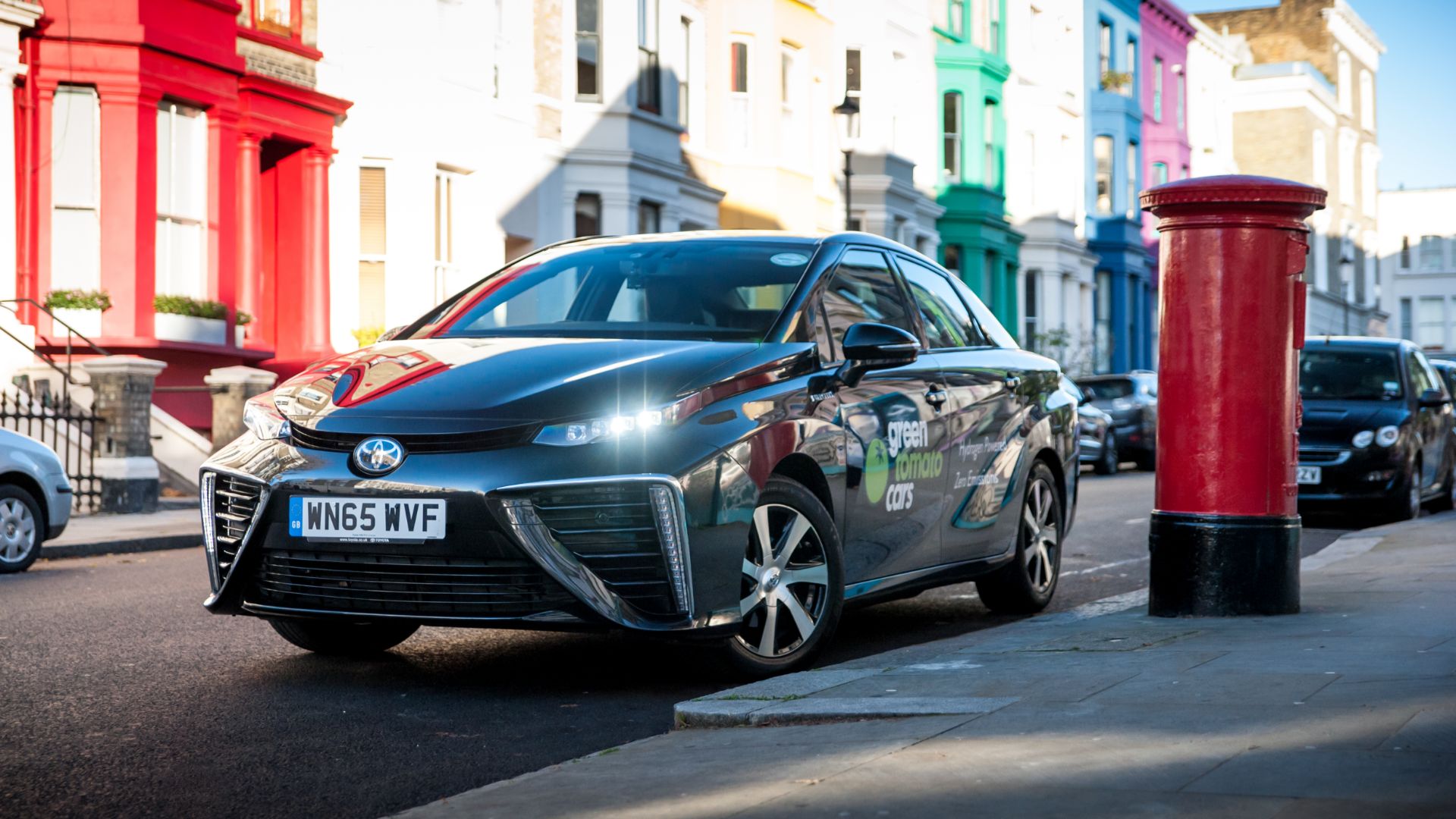
A fleet of 27 hydrogen-powered Toyota taxis has covered a cumulative one million miles, with many more to come.

After a successful two-car trial in 2015, Green Tomato Cars took on a further 25 Toyota Mirais for private hire in London. And the company will add 25 more of the hydrogen taxis to its fleet this month. Toyota Mirai 1,000,000 miles London

  • Toyota sets sail with hydrogen-powered ship

The new Mirais will make for the largest zero-emissions passenger fleet in the United Kingdom.

Over the course of one million miles, the original 27 cars have saved 206 tonnes of CO2. That’s 7.6 tonnes per car, or around four times each Mirai’s own weight (calculation based on the average 120.1 g/km CO2 emitted by new cars).

Green Tomato put the Mirai to work as its Zero Emission Executive vehicle. Around 2,000 corporate clients have been served, carrying more than 80,000 passengers. Each car covers around 120 miles per day, with each journey averaging between eight and 10 miles.

Toyota Mirai 1,000,000 miles London

“We’ve been really impressed by the performance of our Mirai fleet and are very proud to have clocked up the magic one million zero-emission miles in these unique cars,” said Jonny Goldstone, founder and CEO of Green Tomato Cars.

“Our passengers love them because it means they can travel as responsibly as possible, and so do our drivers. Running costs are comparable with a Prius and re-fuelling takes the same time as a conventional petrol car. We’re rolling out the next 25 Mirais onto our fleet right now and hopefully there will be still more to come.”

Toyota Mirai 1,000,000 miles London

Overall, there are 137 Mirais on UK roads, with the overall mileage figure nearing two million miles. However, there are just 11 suitable filling stations at present, with each refining hydrogen via water electrolysis on-site. A new station is due to open at Gatwick soon.

The slow uptake hasn’t stopped Toyota from continuing its journey with hydrogen power, however. Its next-generation concept for the Mirai will debut at the Tokyo Motor Show, and boasts some much-needed extra style.

Advertisement

Only 1 in 5 drivers in favour of green number plates

0

Green number plate on electric car

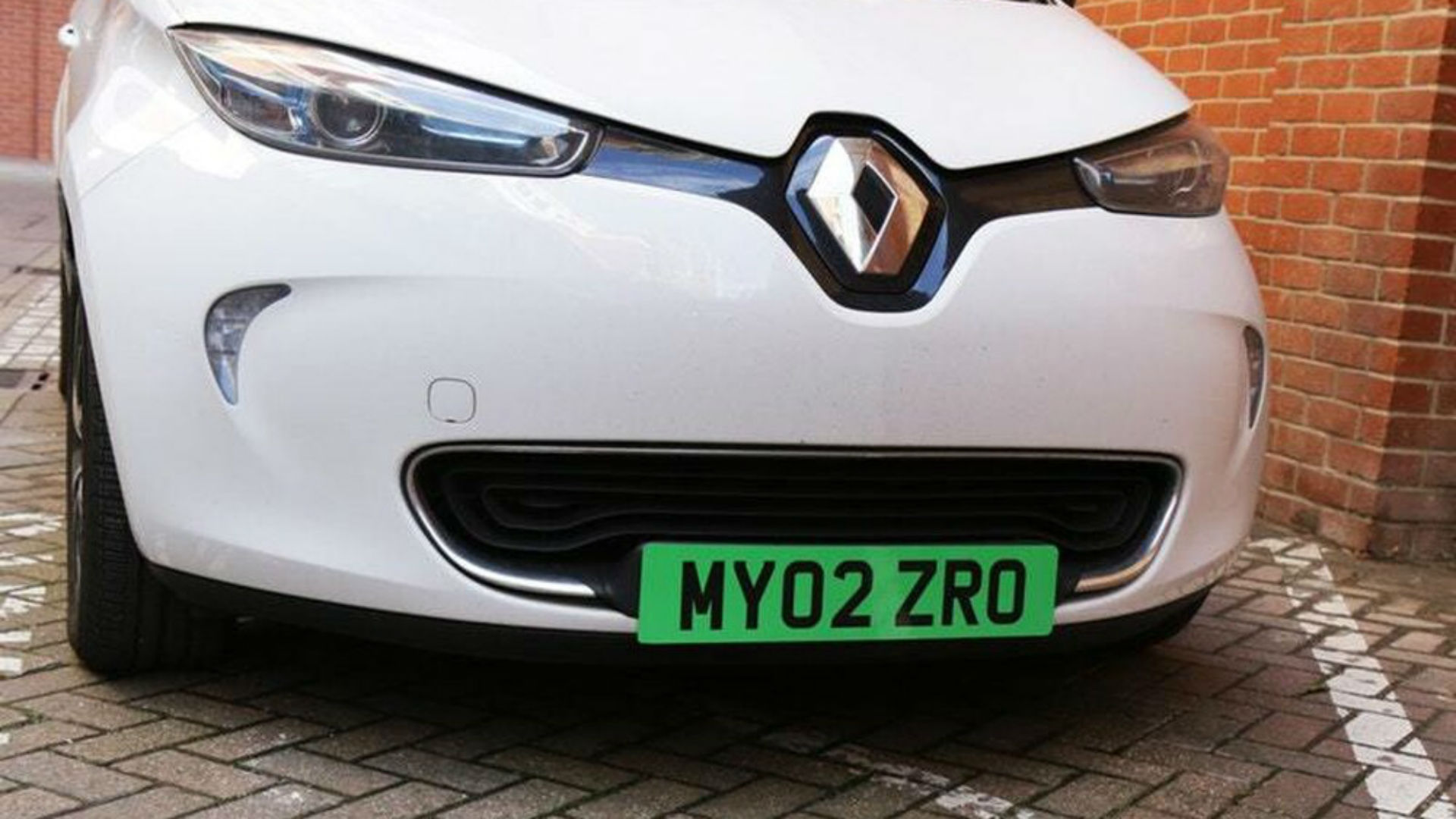
Only a fifth of UK drivers support the introduction of green number plates for zero emission cars.

This news comes as the government launches a consultation that it says will “turbo-charge the zero emission revolution”. It believes green number plates will raise awareness of electric vehicles and stimulate sales.

It also says local authorities will be given powers to incentivise and reward electric car drivers, such as allowing cars with green number plates to enter bus lanes and to pay less for parking.

The government highlights a similar scheme in Ontario, Canada, where drivers of electric cars were given free access to toll lanes and high occupancy vehicle lanes. The province saw an increase in EV registrations during the trial.

’Badge of honour’

green car number plate

But there are concerns that the green number plates could become a ‘badge of honour’, possibly resulting in a divide between EV drivers and those in traditional petrol and diesel vehicles.

RAC head of roads policy, Nicholas Lyes, said: “While the sentiment seems right, there are question marks as to whether drivers would see this as a badge of honour or alternatively it could foster resentment among existing drivers of petrol and diesel vehicles.

“On the face of it, drivers we’ve questioned don’t seem too impressed – only a fifth think it’s a good idea and the majority said the number plates wouldn’t have the effect of making them any more likely to switch to an electric vehicle.

“Incentives may make a difference in the short term and the possibility of free parking and the permission to use bus lanes at certain times could encourage some to switch. However, many drivers remain cool on the idea even with this encouragement.”

‘Positive and exciting’

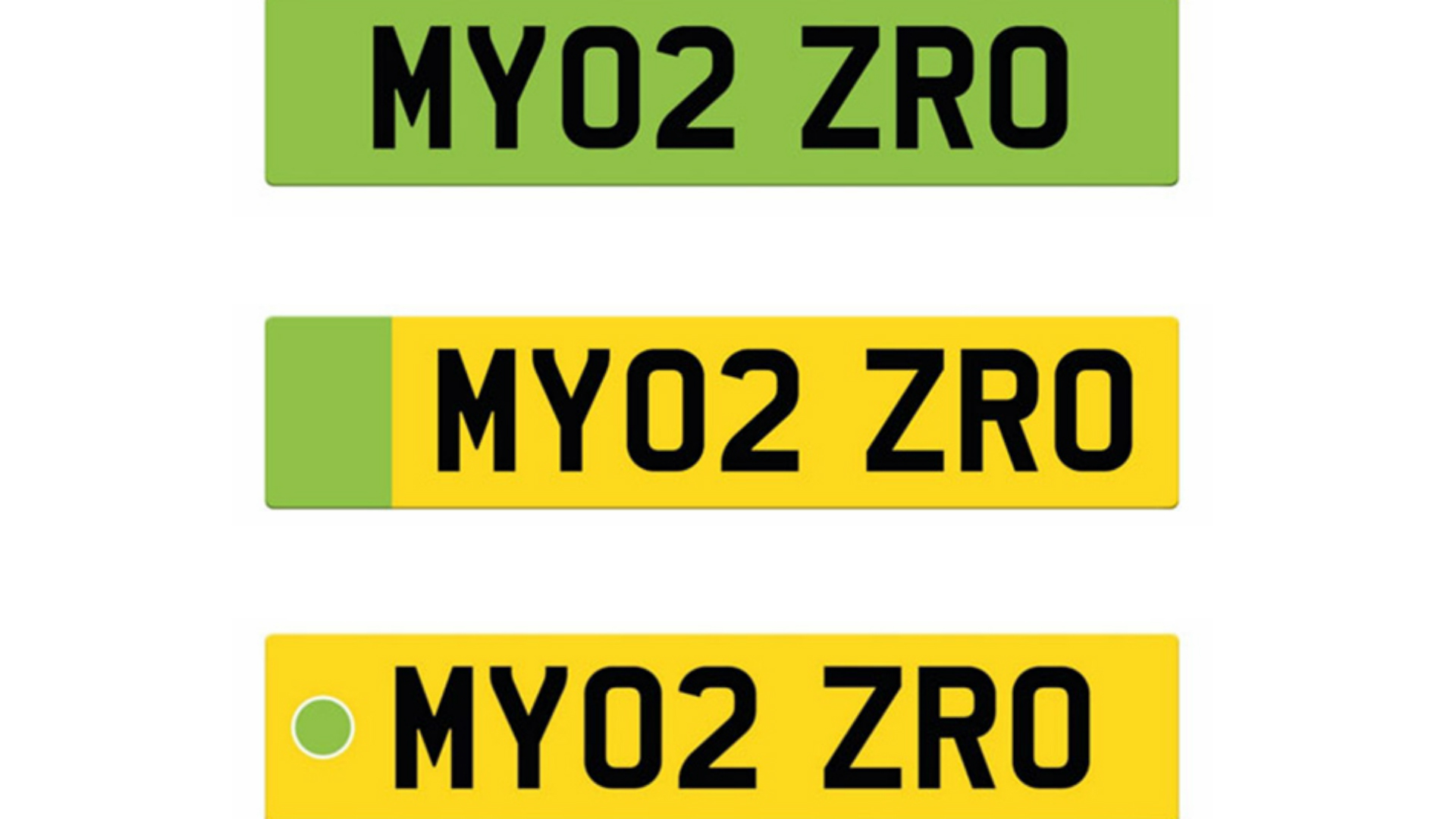
The government is seeking views from the industry and public, right down to the design of the number plates. Three proposals are on the table: a fully green number plate with black lettering, the addition of a green flash on the exiting yellow and white plates, or the addition of a green dot or symbol.

Green number plates

Transport secretary Grant Shapps said: “The UK is in the driving seat of global efforts to tackle vehicle emissions and climate change and improve air quality, but we want to accelerate our progress.

“Green number plates are a really positive and exciting way to help everyone recognise the increasing number of electric vehicles on our roads.

“By increasing awareness of these vehicles and the benefits they bring to their drivers and our environment, we will turbo-charge the zero emission revolution.”

The consultation opens today and closes on 14 January 2020.

Advertisement

Hyundai has made a 400hp minibus designed to drift

0

Hyundai iMax N Drift BusHitting the track this weekend at 2019 World Time Attack Challenge in Sydney, Australia is a special jaw-dropping creation from Hyundai.
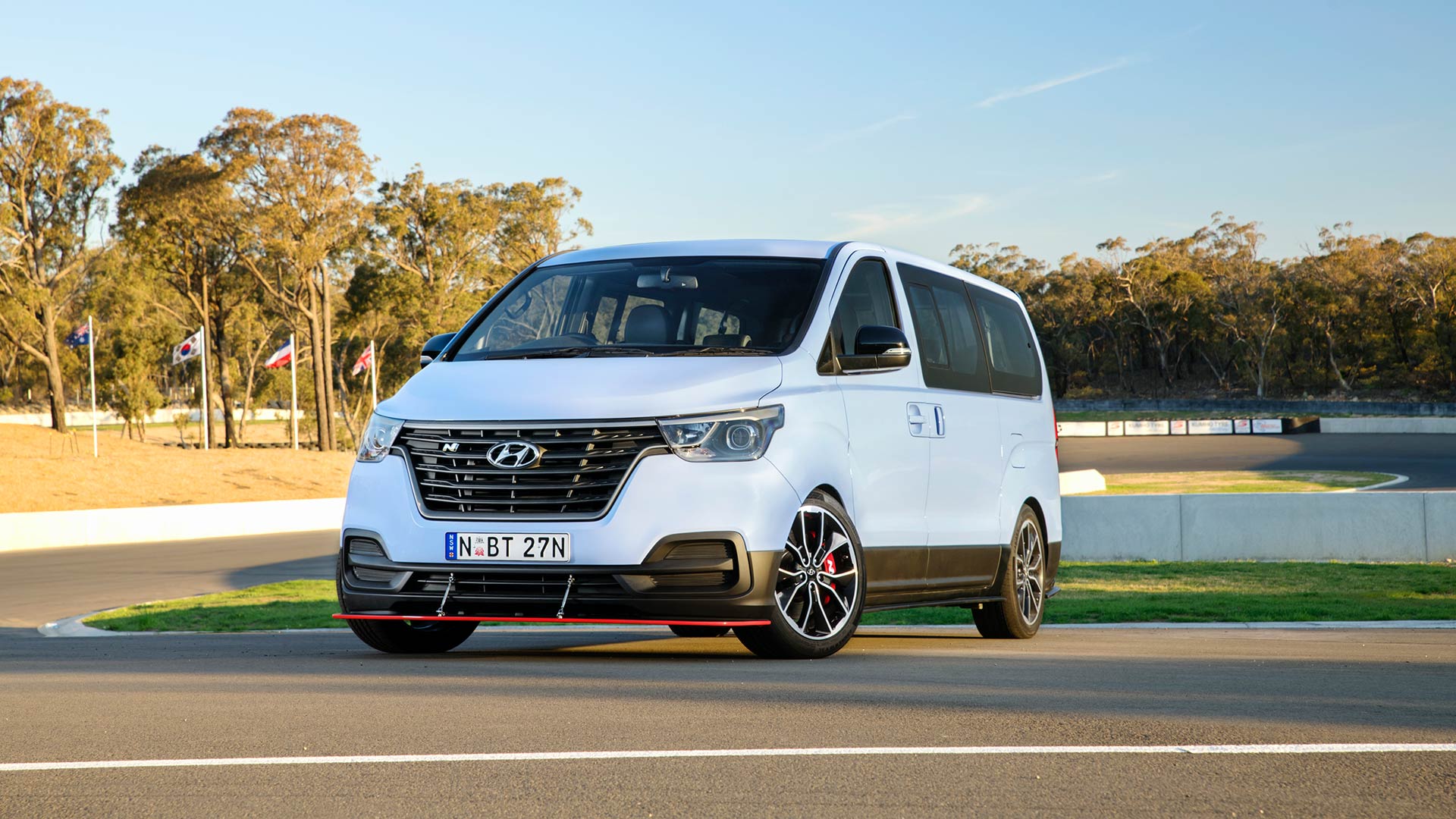
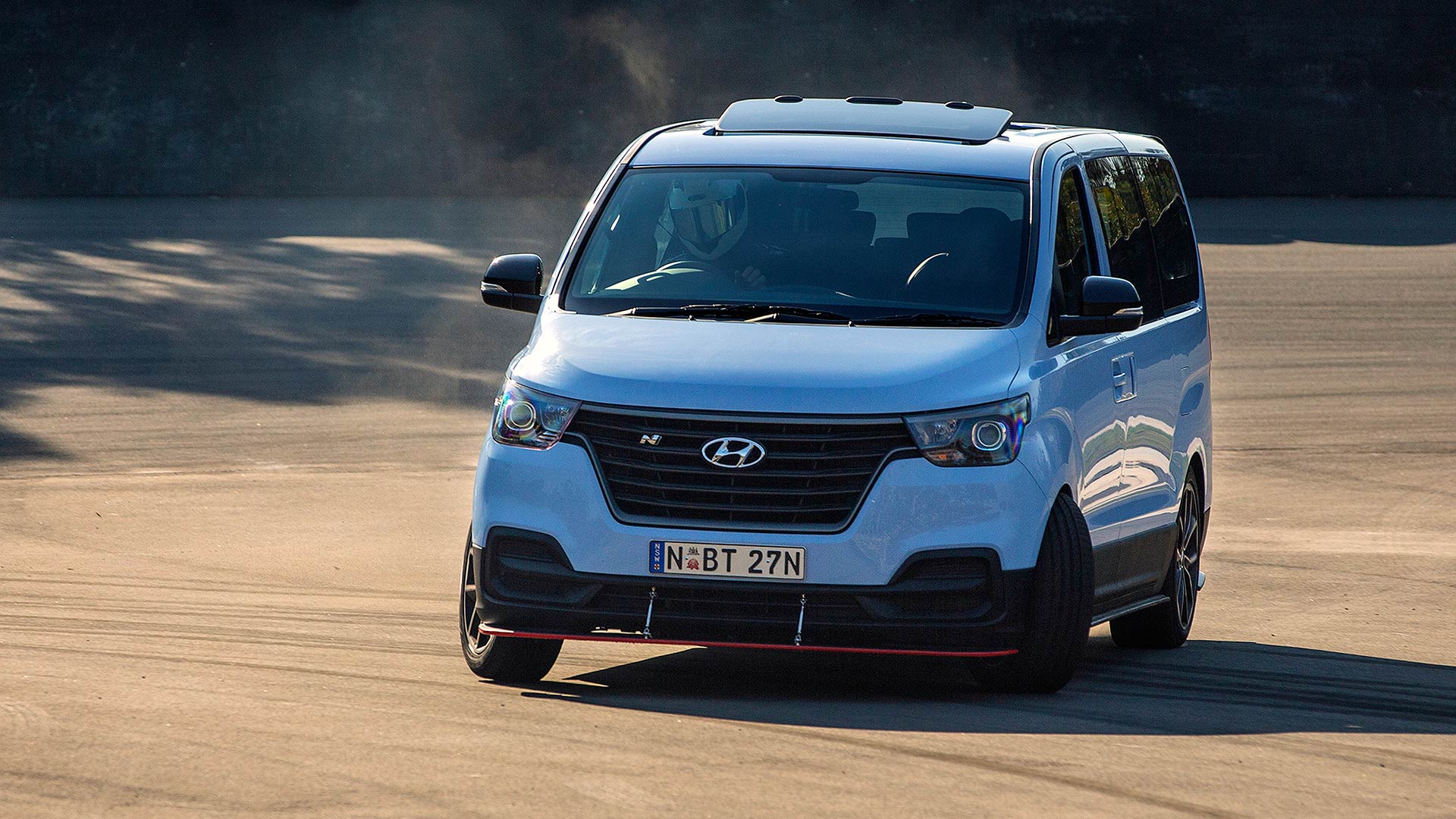
The one-off Hyundai iMax N Drift Bus has been built especially for sideways action, following a mechanical makeover to become a real drift machine.

Even better is the fact that Hyundai has retained the regular eight-seater layout, meaning all the family can join in the fun.

Twin-turbocharged and seating for eight

Hyundai iMax N Drift BusThe idea of the Drift Bus actually began as an April Fool’s Day joke by Hyundai Germany. Proving that the Germans do have a sense of humour, they created an image of an iMax (also known as the i800) mocked up in Hyundai’s performance N trim.
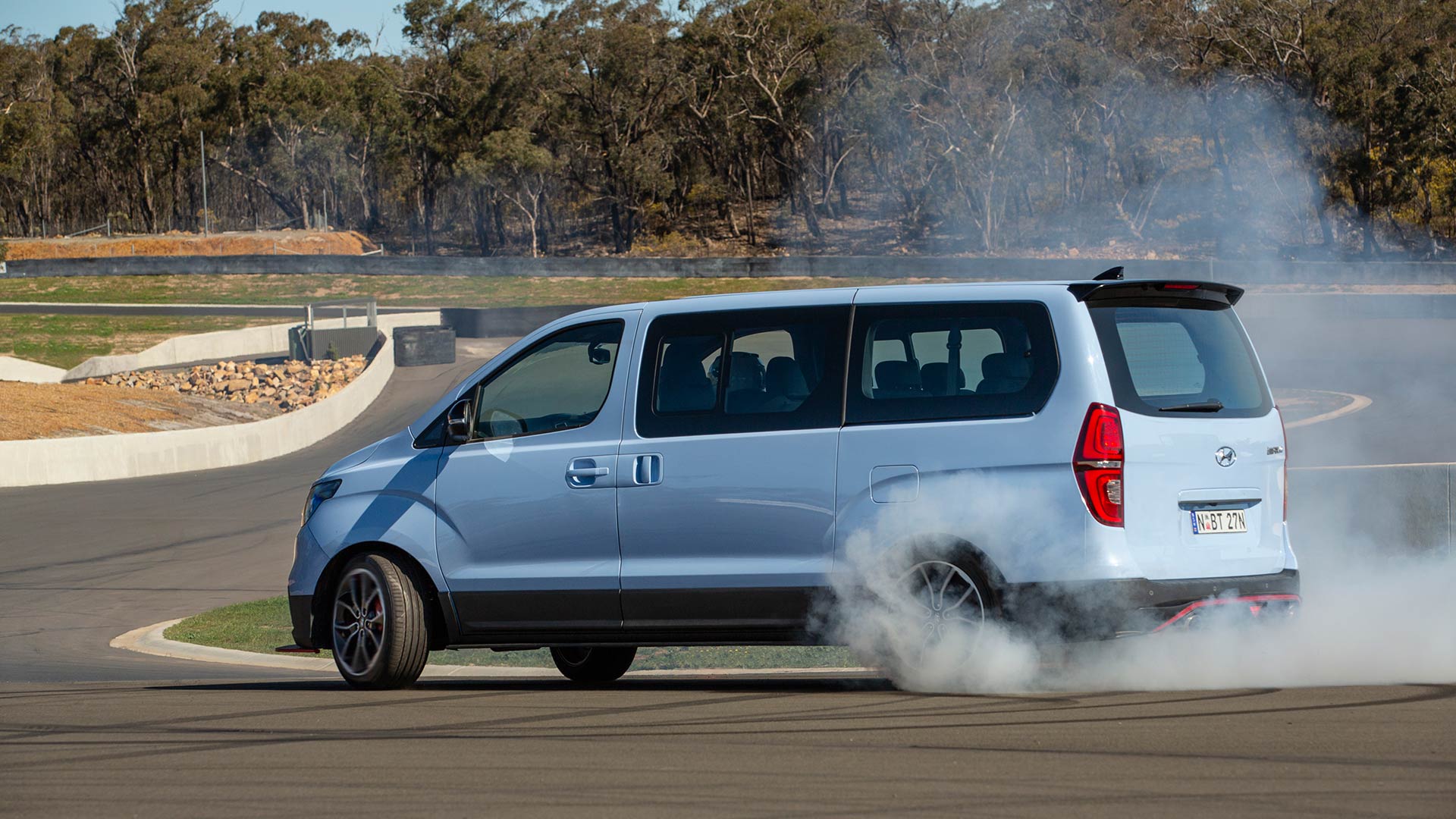
Hyundai Australia then joined in the fun, asking fans on social media which vehicle should receive the N treatment next after the i30 hatchback. Although the Tucson SUV won, Hyundai decided that would be too easy a challenge, and opted to build the iMax N instead. 

Typically powered by four-cylinder petrol or diesel engines, Hyundai opted for something with a little more power. In came a twin-turbocharged 3.5-litre V6 engine, producing more than 400 horsepower and 410 lb-ft of torque.

Maximum drift potential

Hyundai iMax N Drift BusAn eight-speed automatic transmission has also been fitted, along with a ‘corner craving’ limited-slip differential for the rear-wheel drive iMax. This offers up maximum sideways ability, whilst a switchable exhaust ensures the Drift Bus can be heard. 
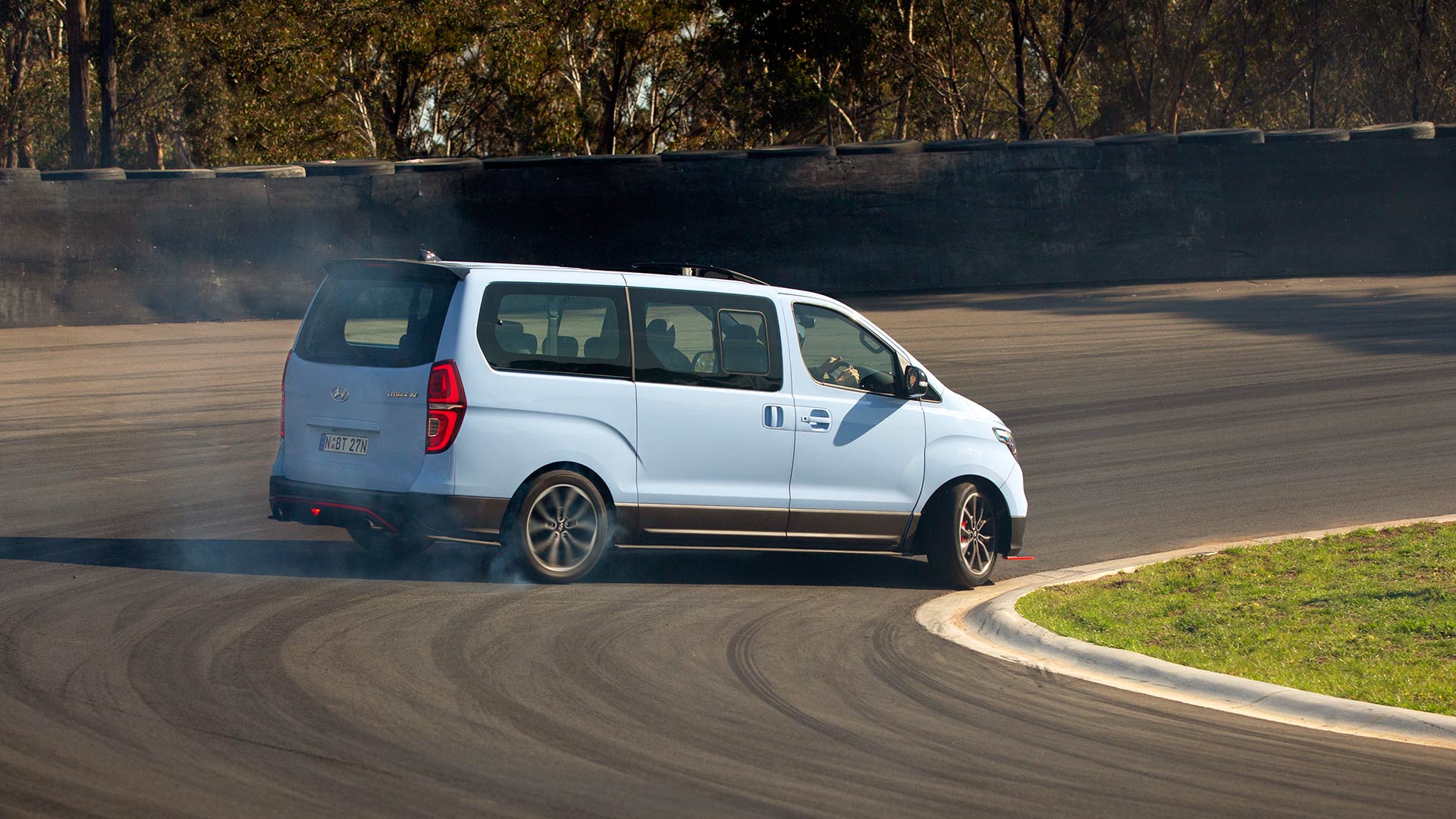
Electronically controlled suspension dampers, a performance brake package, and performance rubber have all been added as part of the enhancements. Useful, given the sub-5 second 0-60 mph acceleration time. 

Naturally, the iMax Drift Bus has been painted in Hyundai’s distinctive Performance Blue paint. It also wears a bespoke aero kit with front splitter, side skirts, rear diffuser and a special spoiler. The 19-inch alloy wheels have also been taken from the i30 N hatchback.

Take it to the race track, only

Hyundai iMax N Drift BusSports seats have been added for the front passengers, whilst the other two rows receive benches clad in suede and leather. A special N steering wheel has been fitted.
Despite all the hard work creating the Drift Bus, it sadly is not road legal. Instead it is destined to spend its time wowing fans at the track, and demonstrating that nothing can escape the Hyundai N treatment.

Those Down Under will be able to see the Drift Bus in action, as it competes in three categories at the 2019 World Time Attack Challenge.

Advertisement

Buy the 1967 Ford Mustang made especially for women

0

Mecum 1967 Ford Mustang She CountryDenver was a hotbed of first-generation Ford Mustang special editions, but this model could be one of the very rarest.
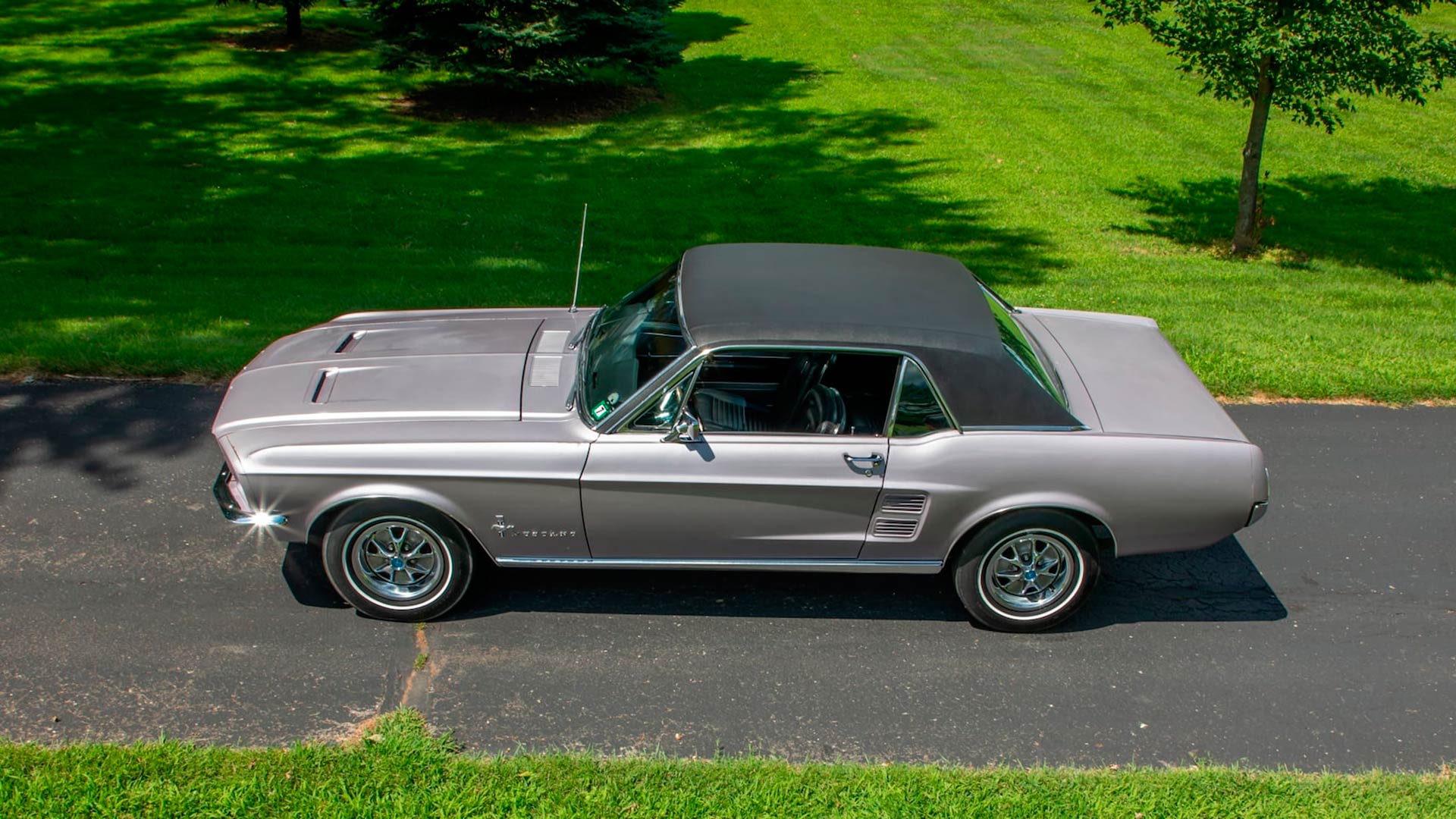
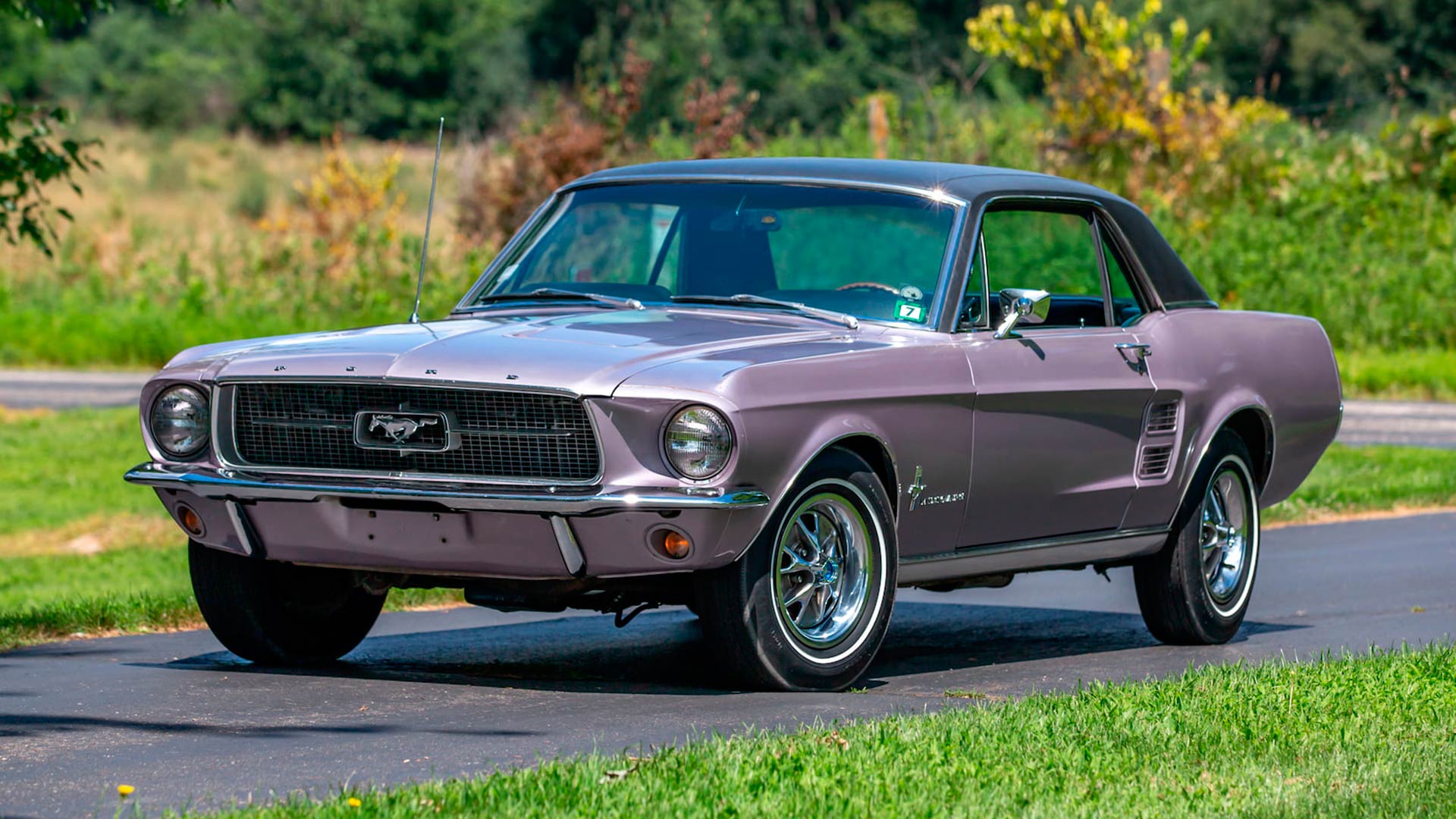
Appearing at the upcoming 2019 Mecum Chicago sale, this 1967 She Country Special is one of fewer than 50 ever created. 

It is now set to play a leading role in the forthcoming auction, and represents the impressive legacy of a woman dubbed “Uncanny Annie” by Ford dealership owners. 

Designed for women, by a woman

Mecum 1967 Ford Mustang She CountryThe idea of cars tailored to female drivers was not a new concept in 1967. A decade before, Dodge had released the 1955 La Femme, based upon the Custom Royal Lancer model.
Dodge gave the La Femme an interior upholstered with pink rosebud tapestry, and provided each owner with a purse and lipstick designed to match their car. Overall sales figures were not recorded, but the La Femme vanished after just two years.

In contrast, the Mustang She Country was created by a go-getting female. Ann Goodro had assumed control of the Goodro Ford dealership in Denver, CO after her husband, Bill, passed away. She set about determined to make the business a success. 

Pastel paint and personalized plaques

Mecum 1967 Ford Mustang She CountryThe She Country Special Mustang was one of Ann Goodro’s plans to ensure her dealership would appeal to professional female customers. 
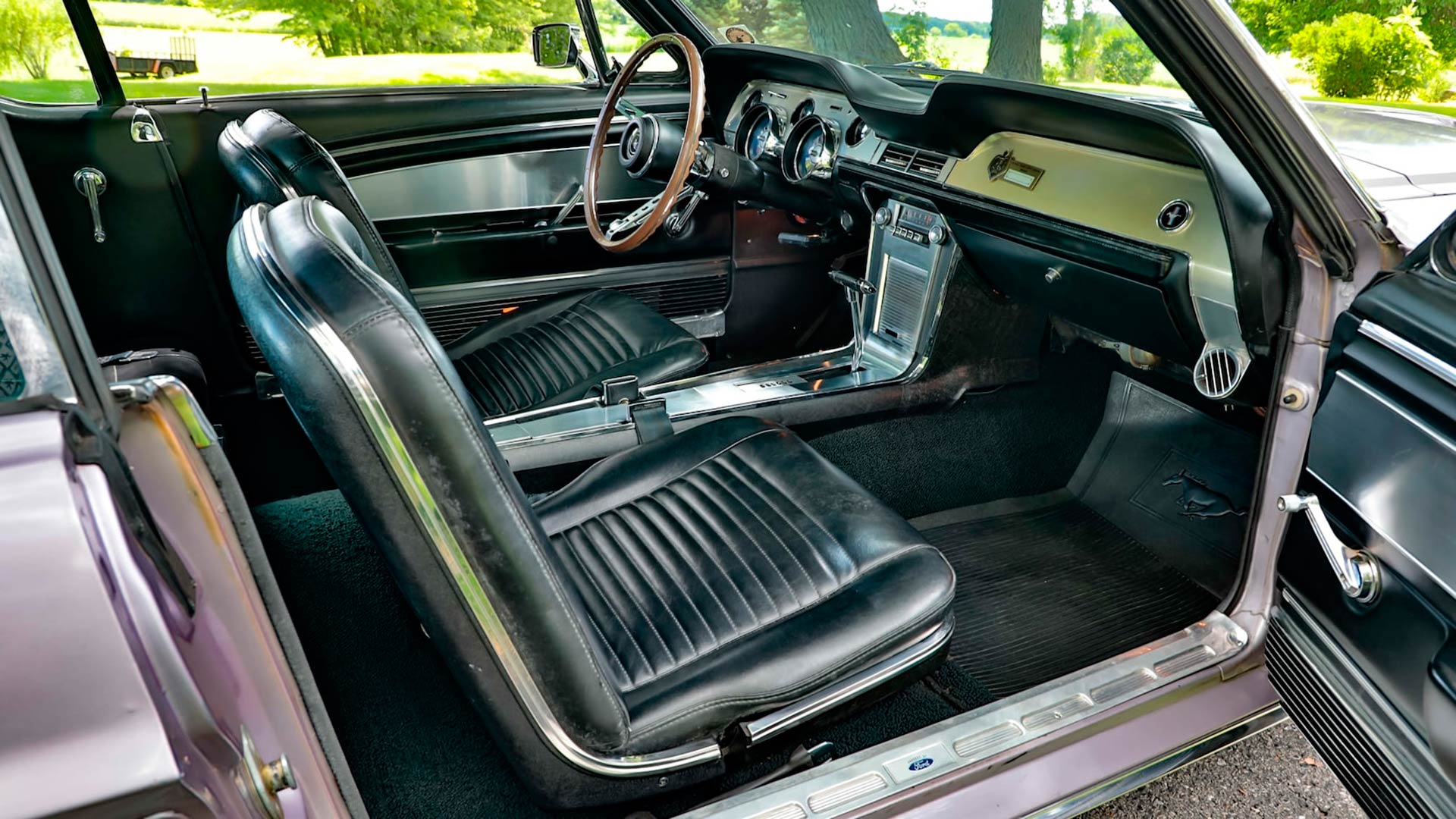
She personally picked a range of pastel color options, including the Evening Orchid of this car, along with Autumn Smoke, Bermuda Sand, and Limelite Green. Goodro also had each car fitted with a personalized interior plaque, and buyers would receive a special orchid corsage with their new Mustang.

Along with bespoke cars, Ann Goodro also transformed the inside of the Ford dealership. A special ‘women’s waiting area’ was created, bedecked with furniture and lighting from local department stores. 

Tickled pink with success

Mecum 1967 Ford Mustang She CountryAnn Goodro’s marketing tactics were a success, with her female-friendly approach driving up sales by an impressive 12 percent. 
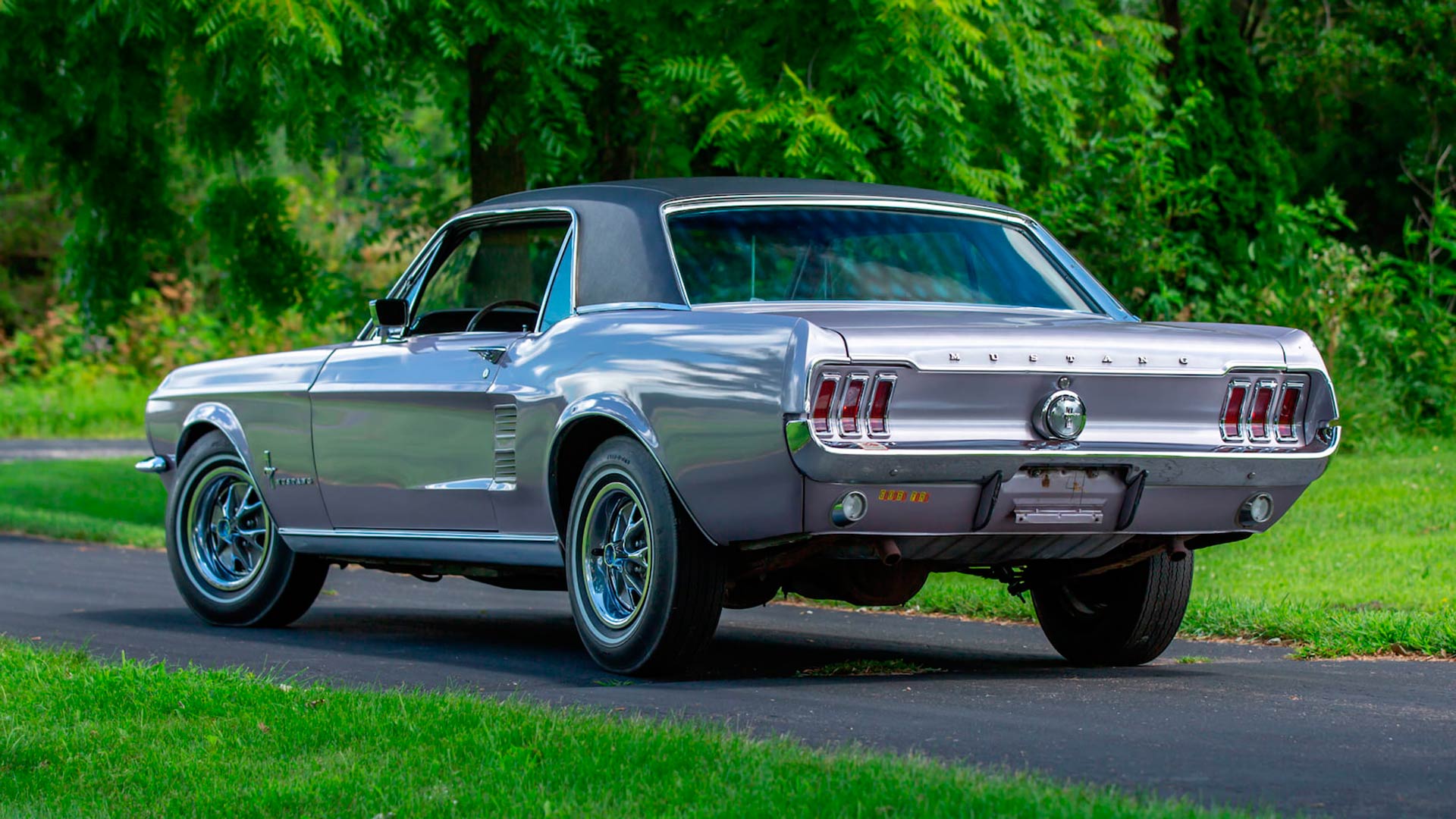
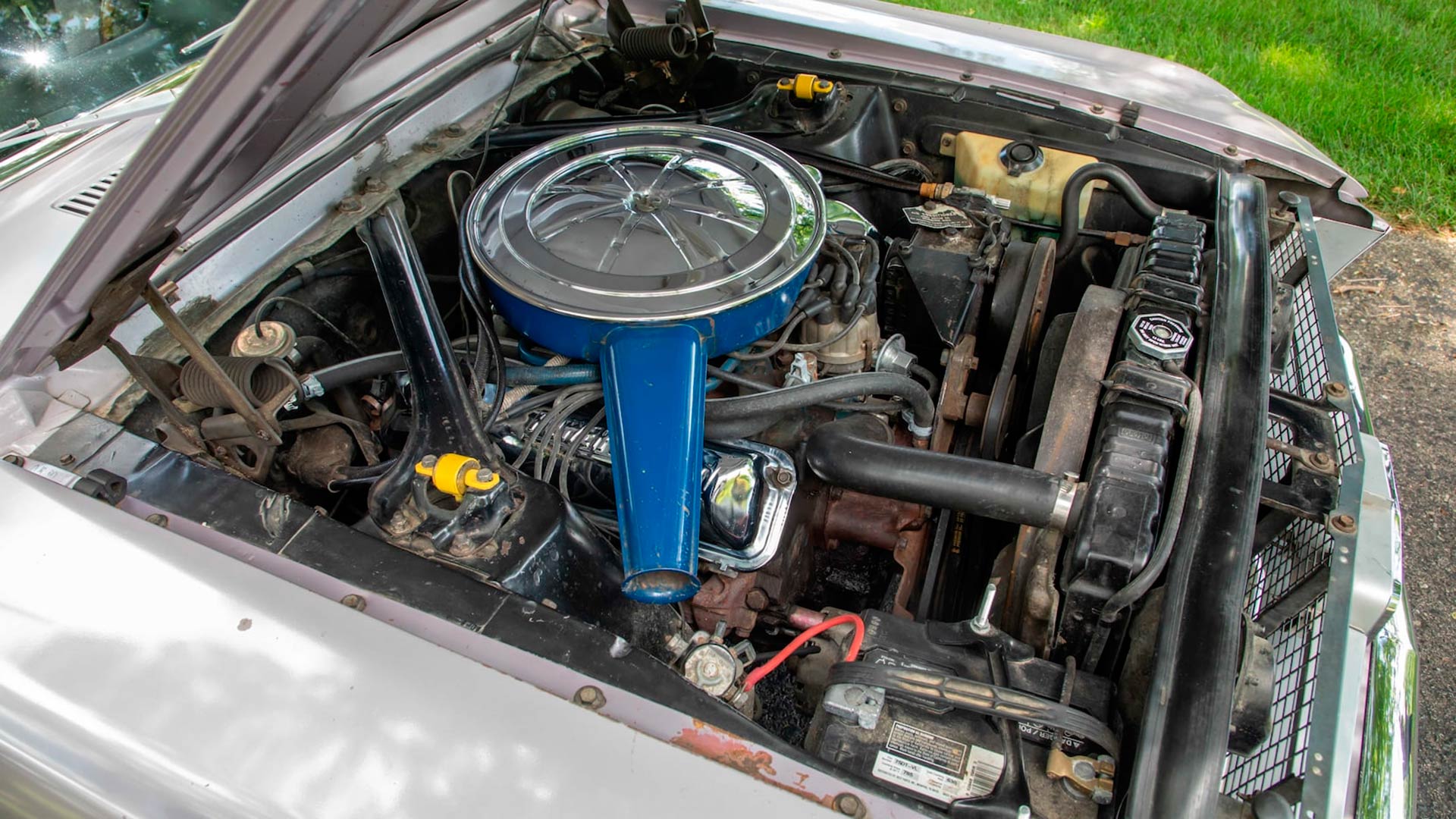
A total of 48 She Country Specials were ordered to be built, with a mixture of hardtop and convertible body styles. This particular is said to be one of just 12 finished in Evening Orchid, and one of only two fitted with the big-block 390-cubic inch V-8 engine.

This car is also remarkable for having covered just 42,000 miles from new, and remains in unrestored condition. Original features include the automatic transmission, factory air conditioning, and push-button radio.

A rare collectible Mustang

Mecum 1967 Ford Mustang She CountryEven a ‘Goodro Ford’ dealership logo can be found on the rear bumper, whilst the seller has also retained the original window sticker. This all adds to the provenance of an already rare and special car.
First-generation Mustangs with V-8 engine will always have collectible appeal, but the exclusivity of this She Country Special should only add to the interest.

Due for sale on Saturday, October 26th, Lot S107 is one of the 1,000 vehicles set to cross the block at the Mecum Chicago event. Sales begin on Thursday, October 24th at the Schaumburg Convention Center.

Advertisement

Mini announces partnership with Parkrun

0

Mini Countryman at Parkrun

Mini has announced a new three-year partnership with Parkrun UK.

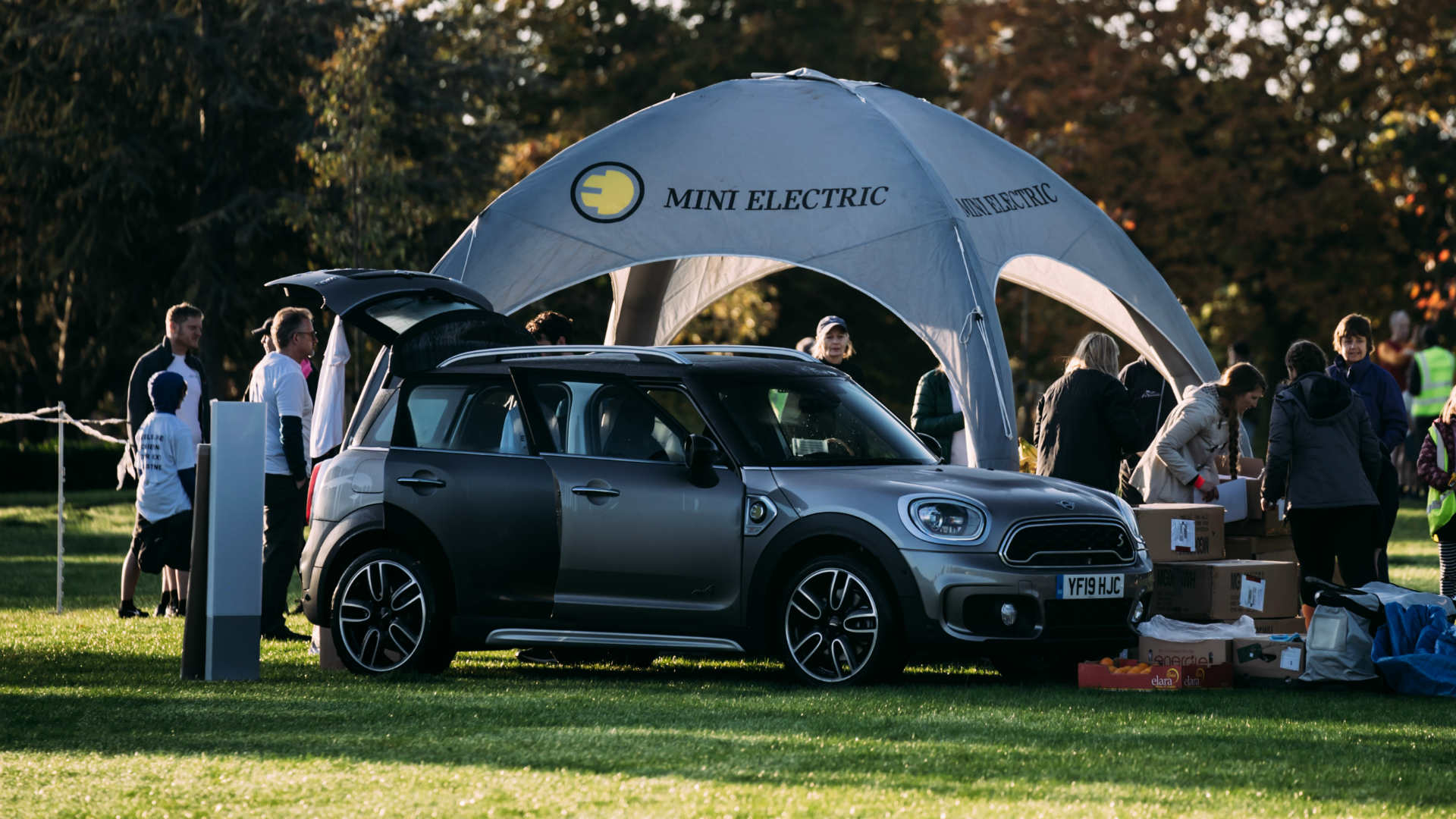
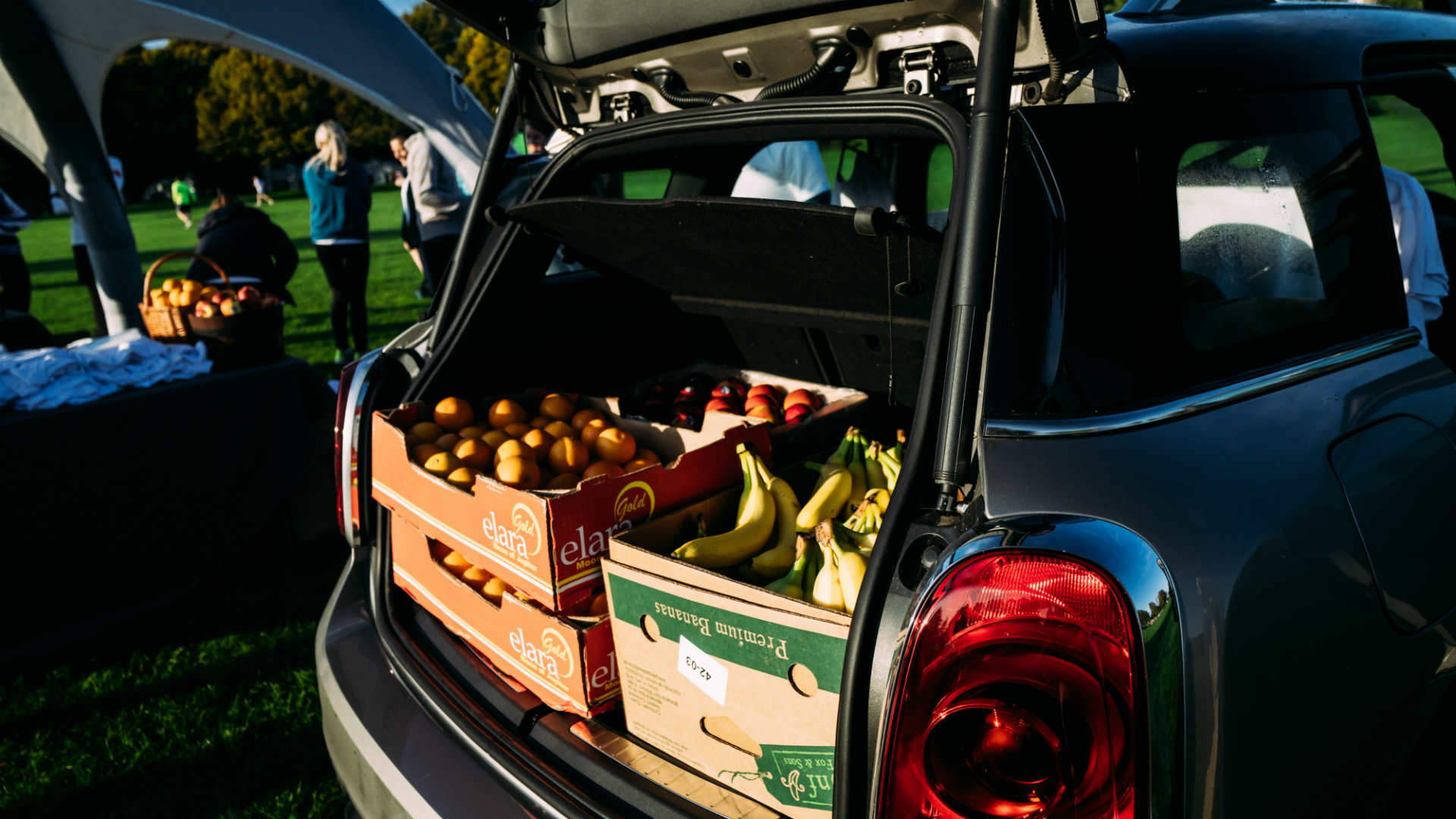
As part of the relationship, Mini will be attending a number of Parkrun events throughout the year, inviting runners to take a closer look at the Mini Electric and Countryman Plug-in Hybrid.

More than 2.2 million people have taken part in Parkrun events across the UK, so the partnership gives Mini access to a large and captive audience every weekend. Thousands of people take part in the free, weekly, timed 5km runs.

Mini celebrated the announcement by attending a Parkrun event in Oxford – the home of the Mini, where the all-electric model will be built.

Around 440 people of all ages took part in the early morning event in Cutteslowe and Sunnymead Park.

Mini Countryman boot at Parkrun

David George, managing director, Mini UK said, “Mini are really excited to support Parkrun. For the past 60 years we have made cars that bring smiles to people’s faces and created a real sense of community. Our shared optimistic spirit and desire to bring people together is what makes this such a great partnership.”

Nick Pearson, Parkrun CEO, added, “We’re delighted to welcome Mini as an official supporter of Parkrun. Like Mini, Parkrun was born in the UK and for over a decade we have been driven by our mission to create a healthier, happier planet.

“Every weekend, more than 200,000 people get together at their local events and take steps to positively improve their health and wellbeing.”

Mini Electric: yours for £299 a month

The Mini Electric is likely to be one of the most in-demand electric cars of 2020, with prices starting from £24,400 for the Level 1, rising to £30,400 for the Level 3. Standard features include AC and DC charging, sat-nav with real-time traffic information, dual-zone climate control, cruise control, and front and rear LED lights.

A lease deal makes the Mini Electric more accessible to Parkrunners. The Personal Contract Hire (PCH) package is spread over four years, with monthly payments of £299 after a £4,000 deposit.

Advertisement

New smart cruise control will learn your driving habits

0

Hyundai smart cruise control

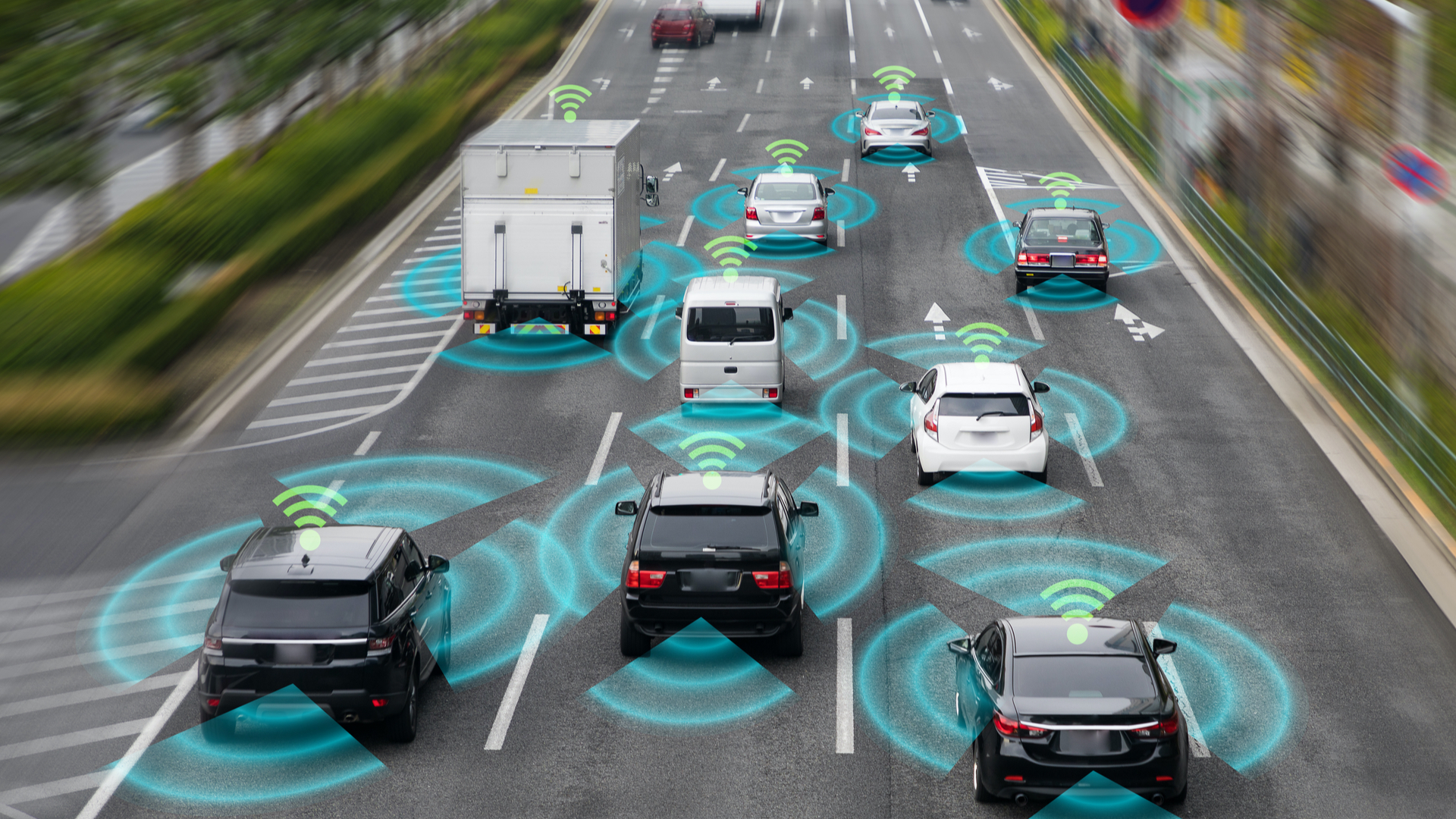
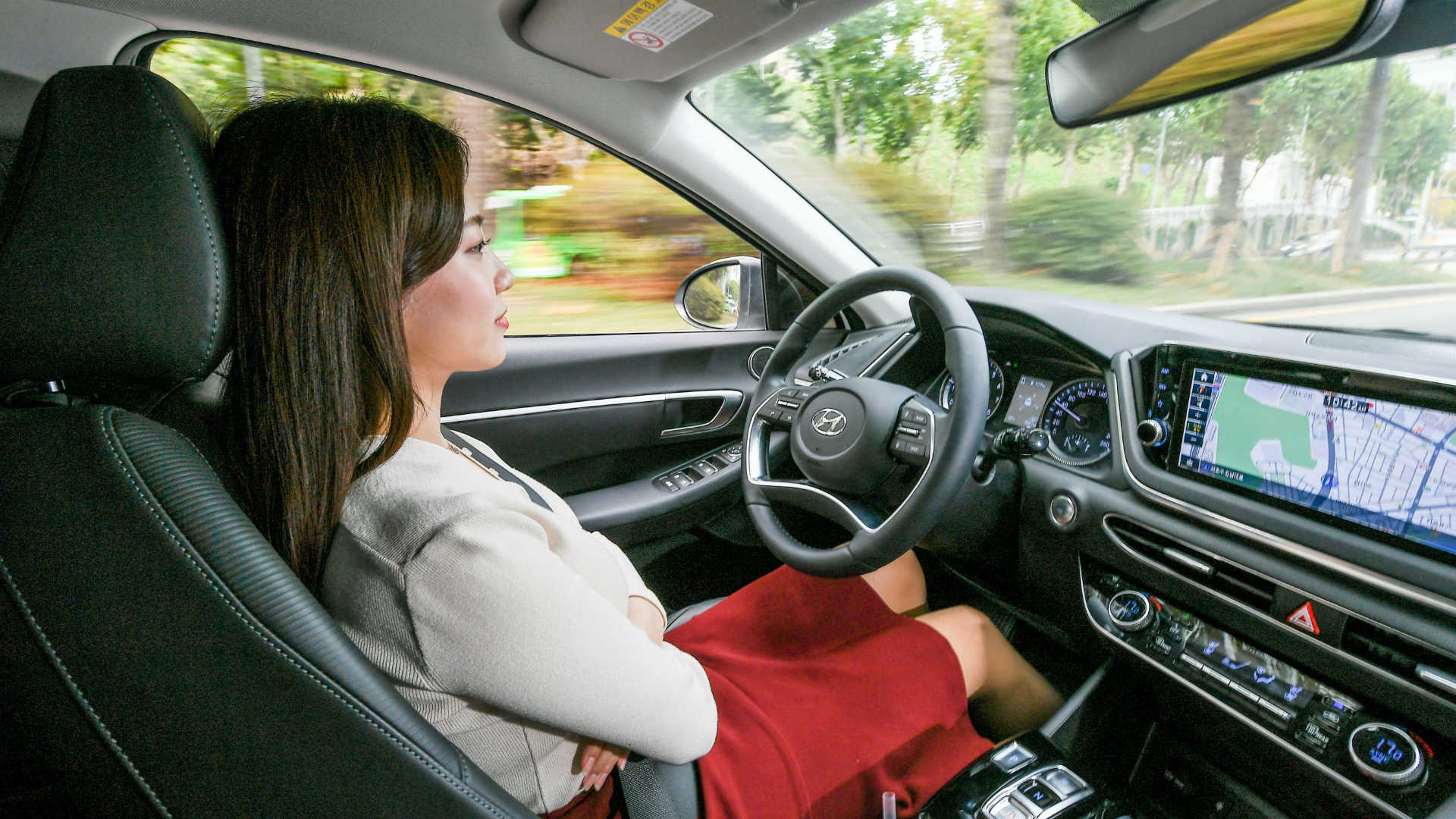
Hyundai has developed a smart cruise control system that learns the style and behaviour of a driver. In theory, this should create a more human-like self-driving experience.

The world-first AI-based Advanced Driver Assistance System (ADAS) is likely to find its way into future Hyundai vehicles.

Smart (or adaptive) cruise control, which is found on an increasing number of new cars, maintains a safe distance from the vehicle ahead while travelling at a speed selected by the driver.

Hyundai’s technology combines AI and smart cruise control into a system that learns the driver’s patterns and habits. The next-generation smart cruise control drives “in an identical pattern to that of the driver”, Hyundai says.

Driving pattern is categorised into three parts: distance from vehicles ahead, acceleration and responsiveness. Hyundai’s tech also considers driving conditions and speed of travel.

Sensors take information from the camera and radar and send it to a centralised computer, which identifies the driver’s driving pattern. 

Smart cruise control

Adaptive cruise control systems tend to allow drivers to select a desired distance to the car in front. Hyundai’s system will adjust the distance to suit the speed an environment. In other words, the distance at motorway speeds will be larger than in traffic.

Similarly, Hyundai’s system should accelerate with more vigour on a motorway than in the city, where a more progressive approach is required.

The driving pattern is regularly updated with sensors, reflecting the driver’s latest driving style. Crucially, Hyundai’s system is programmed to avoid learning unsafe driving patterns to maintain safety.

Woongjun Jang, Hyundai Motor Group vice president, said: “The new [smart cruise control] improves upon the intelligence of the previous ADAS technology to dramatically improve the practicality of semi-autonomous features.

“Hyundai Motor Group will continue the development efforts on innovative AI technologies to lead the industry in the field of autonomous driving.”

Advertisement

German parliament REJECTS autobahn speed limit proposal

0

Autobahn speed limit rejected Germany

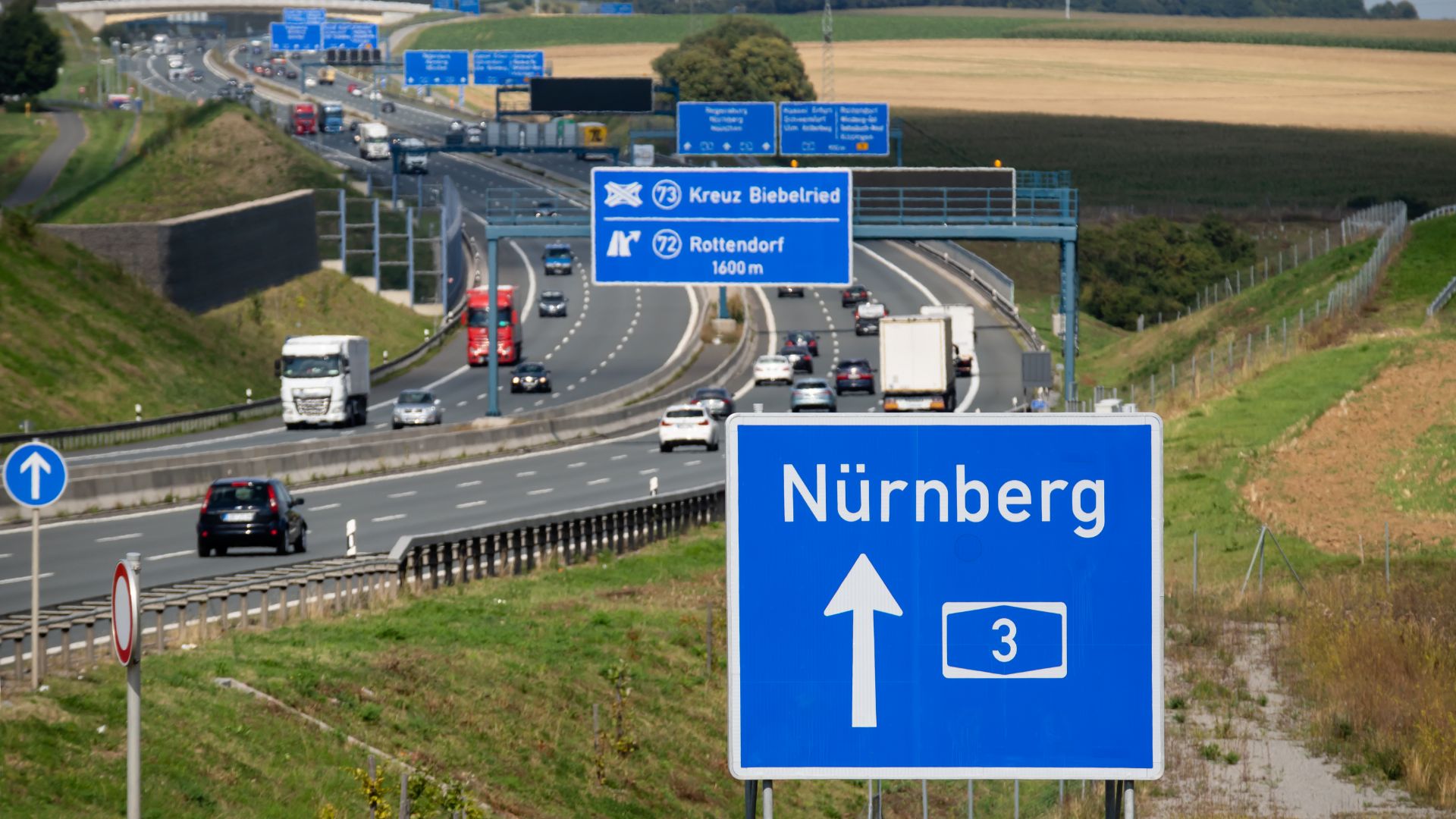
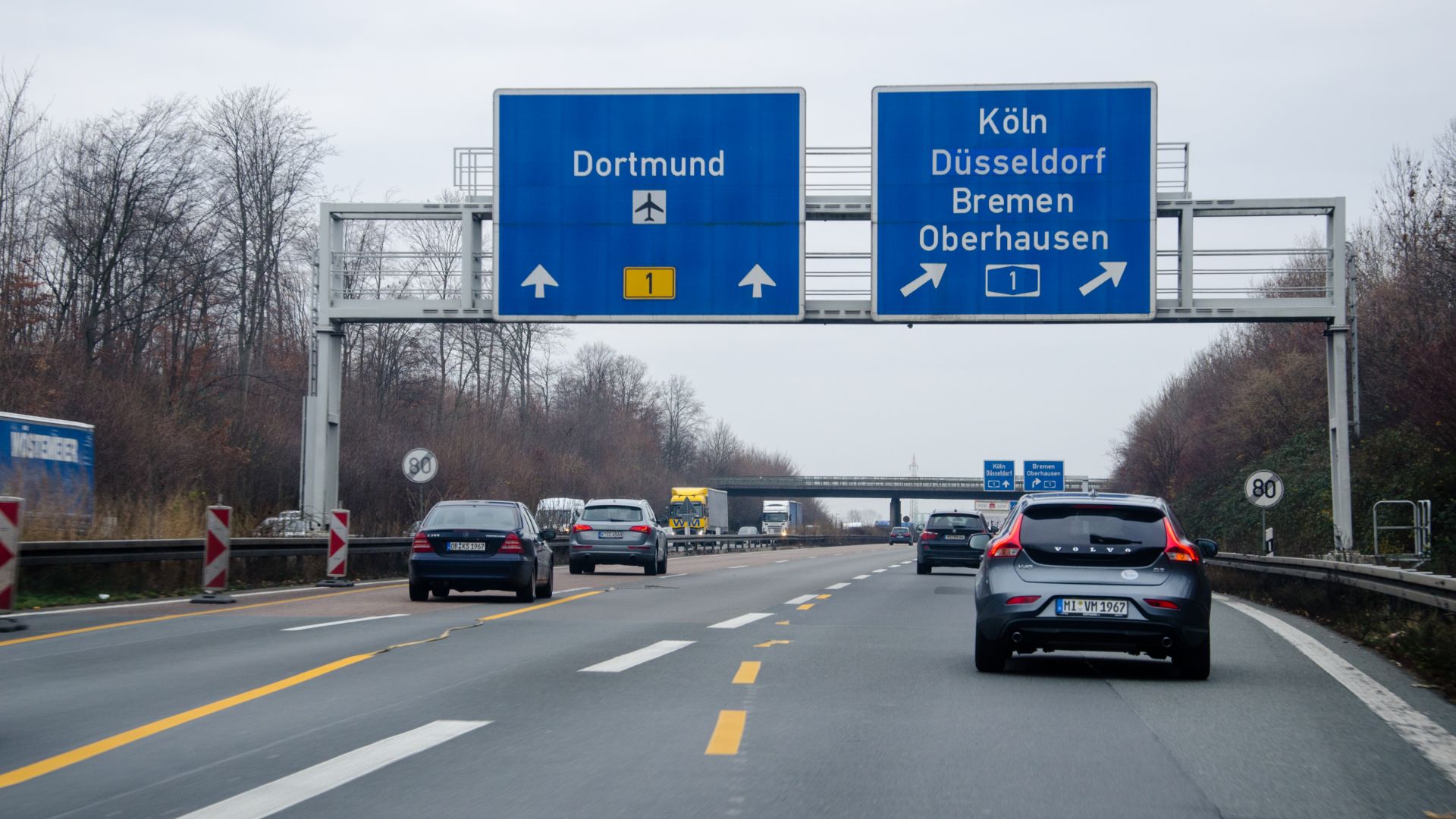
Politicians in Germany have voted against the introduction of a 80mph (130kph) speed limit on ‘autobahn’ high-speed motorway roads.  

The German autobahn network is famous for having sections that are derestricted. The Green party had requested that a limit be considered for these unlimited sections of autobahn, arguing it would improve safety and help to curb emissions.

“Anyone who wants to make motorways safer and traffic flow more smoothly must introduce a speed limit,” said Green parliamentary party leader Anton Hofreiter, prior to the vote.

Autobahn unlimited

Autobahn speed limit rejected Germany

The idea didn’t fly, however. When put to the vote at Germany’s parliament, the Bundestag, the tally was 498 against, with just 126 for.

The ranks of those who voted against it were varied politically, too. Far right and conservative parties joined members from the centre-left Social Democrats in the vote against.

The vote reflects the ruling CSU party’s stance as outlined when the idea was floated back in January 2019. German Transport Minister, Andreas Scheuer, said the proposal was “against all common sense”.

A draft paper which included the introduction of autobahn speed limits, proposed the scrappage of tax breaks for diesel cars fuel tax rises from 2023. These, as solutions to Germany’s transport emissions issue.

Autobahn speed limit rejected Germany

In response to the vote, Green party member and chair of the Committee on Transport, Cem Özdemir, said “you’re defending a transport policy from the day before yesterday”.

He didn’t expect the autobahn limit to go through, however, and has hope for the future. “As is so often the case with green proposals, we present them, and eventually there’ll be a majority behind them,” he told a German broadcaster. 

Around 30 percent of the German autobahns actually already have speed limits. In an earlier discussion on general speed limits in January, German government spokesman Steffen Seibert said there are “more intelligent options to control the speed than a general speed limit”.

Advertisement

Volvo launches its fastest-accelerating car EVER

0

Volvo S60 T8 Twin Engine Polestar Engineered

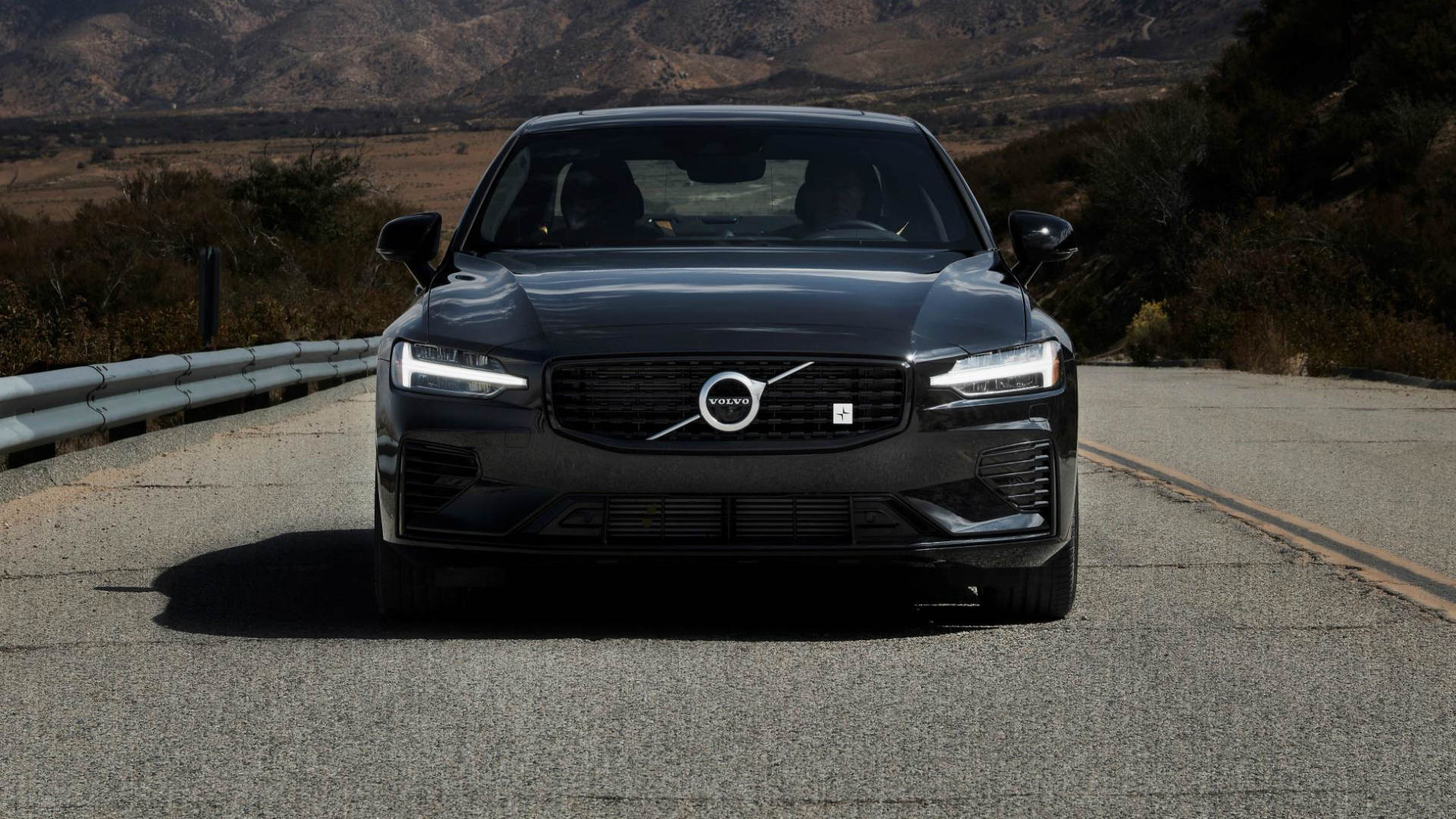
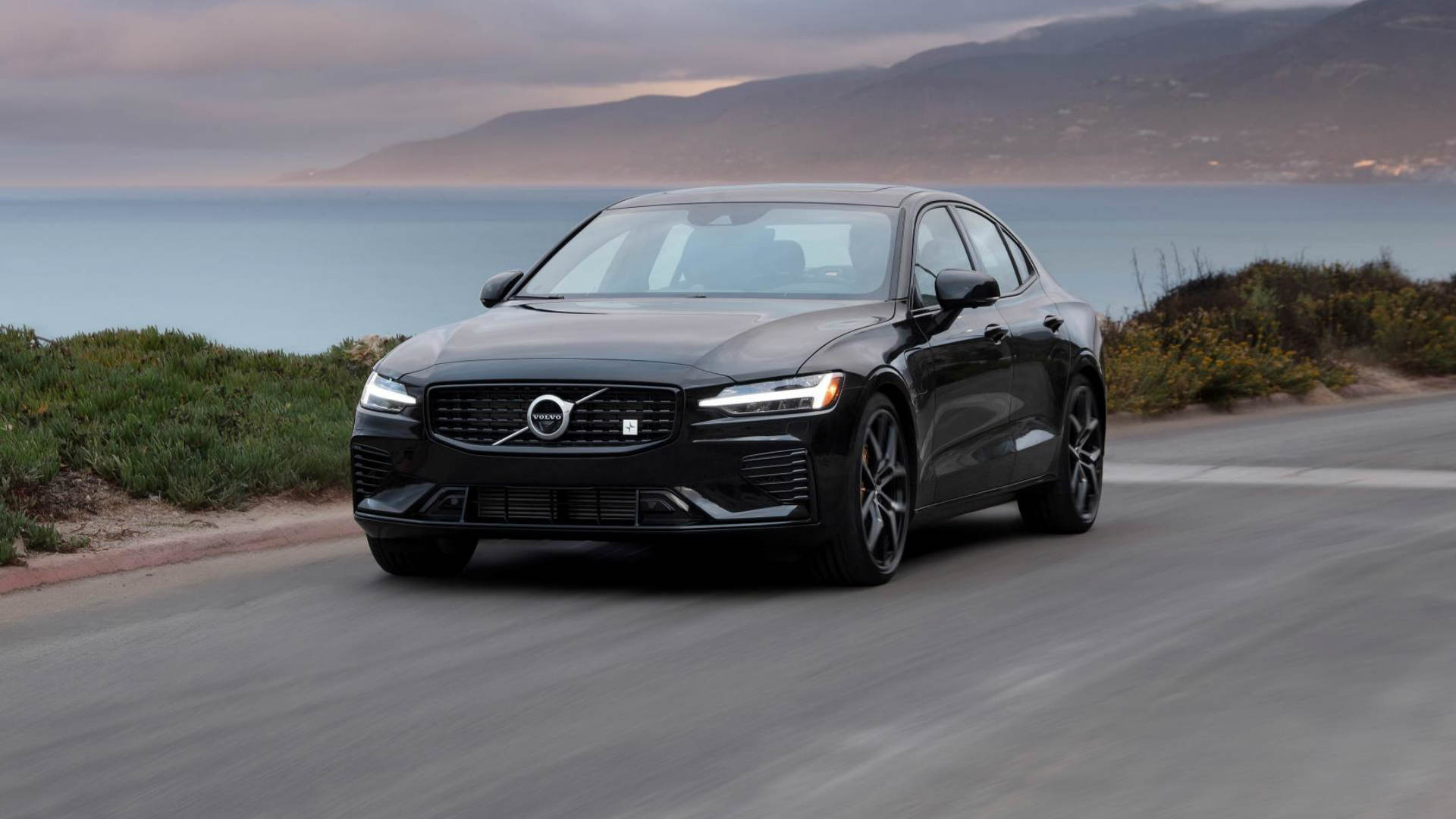
The new Volvo S60 Polestar Engineered will accelerate to 62mph in just 4.4 seconds. This makes it the fastest-accelerating Volvo production car ever made.

That’s quicker than a Porsche 718 Cayman GTS.

What’s more, the Volvo S60 Polestar Engineered could deliver up to 27.3 miles of all-electric range and fuel economy of 104.5mpg. Proof that you can keep Greta happy and have fun at the same time.

It’s all thanks to an upgraded version of Volvo’s T8 Twin Engine plug-in hybrid powertrain. Power from the 2.0-litre four-cylinder engine is up from 303hp to 318hp to deliver a total system output of 405hp.

Meanwhile, software changes to the automatic transmissions bring quicker gearshifts and minimise the changes when cornering quickly.

New Volvo S60 Polestar Engineered

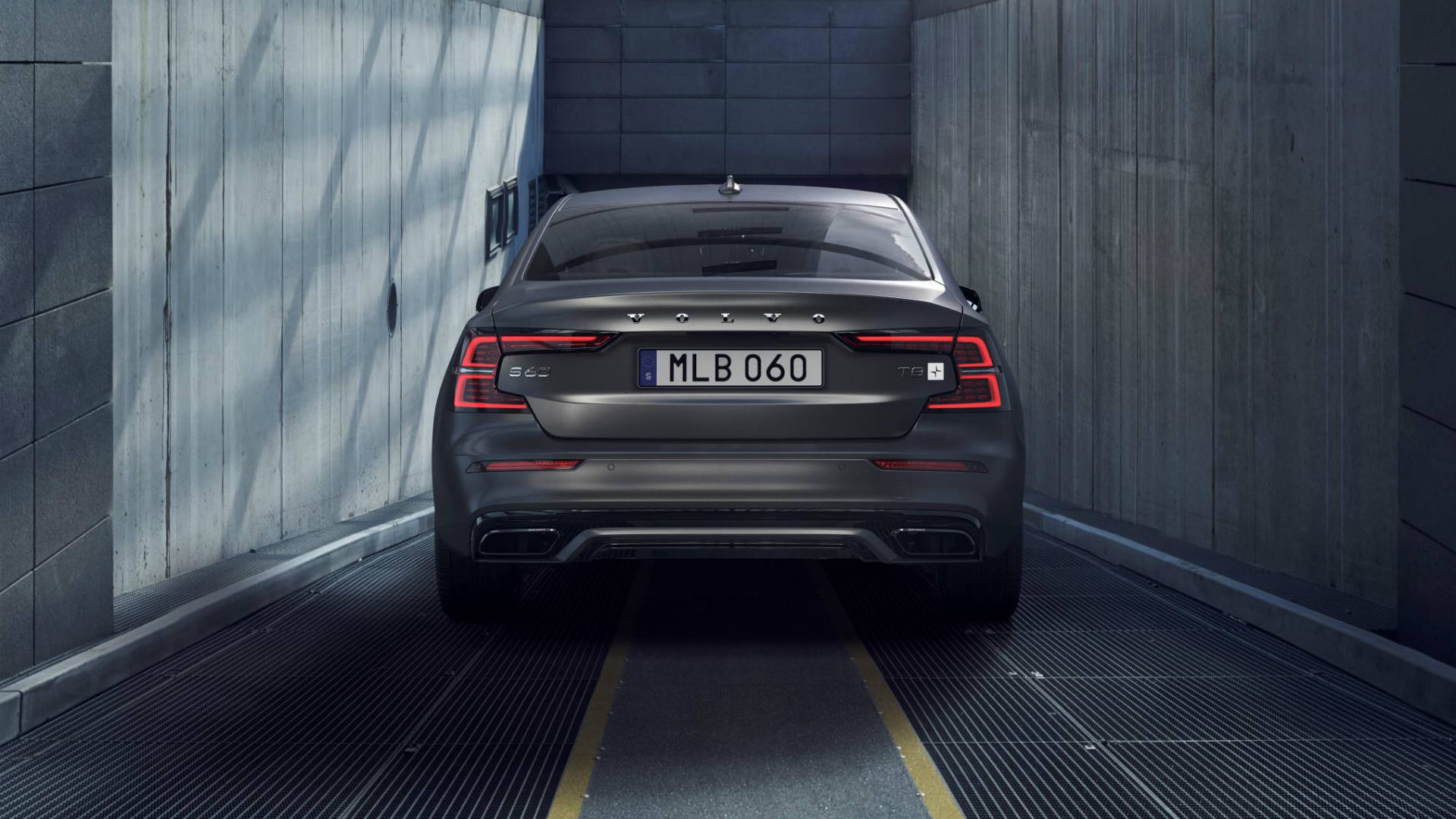
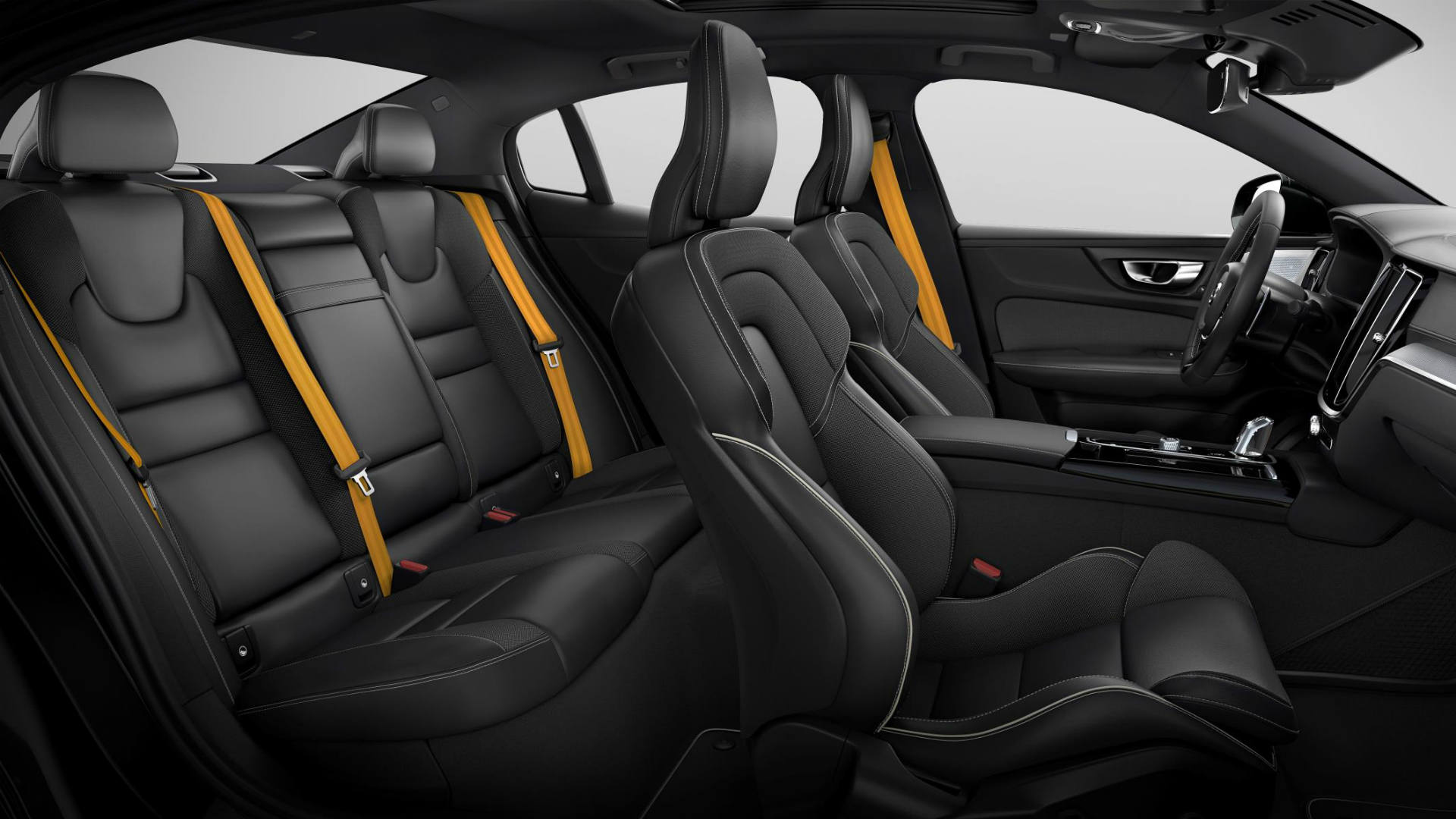
The S60 is one of three Polestar Engineered cars in the Volvo range, the others being the V60 and XC60. They’re set apart thanks to 19-inch Y-spoke alloy wheels (21-inch for XC60), black front grille surround, black chrome exhaust tailpipes, plus gold brake calipers, seatbelts and Polestar badges.

Under the skin upgrades include Brembo brakes for the S60 and V60, Akebono brakes for the XC60, along with Ohlins adjustable shocks and a strut bar shared with the 600hp Polestar electric hybrid coupe.

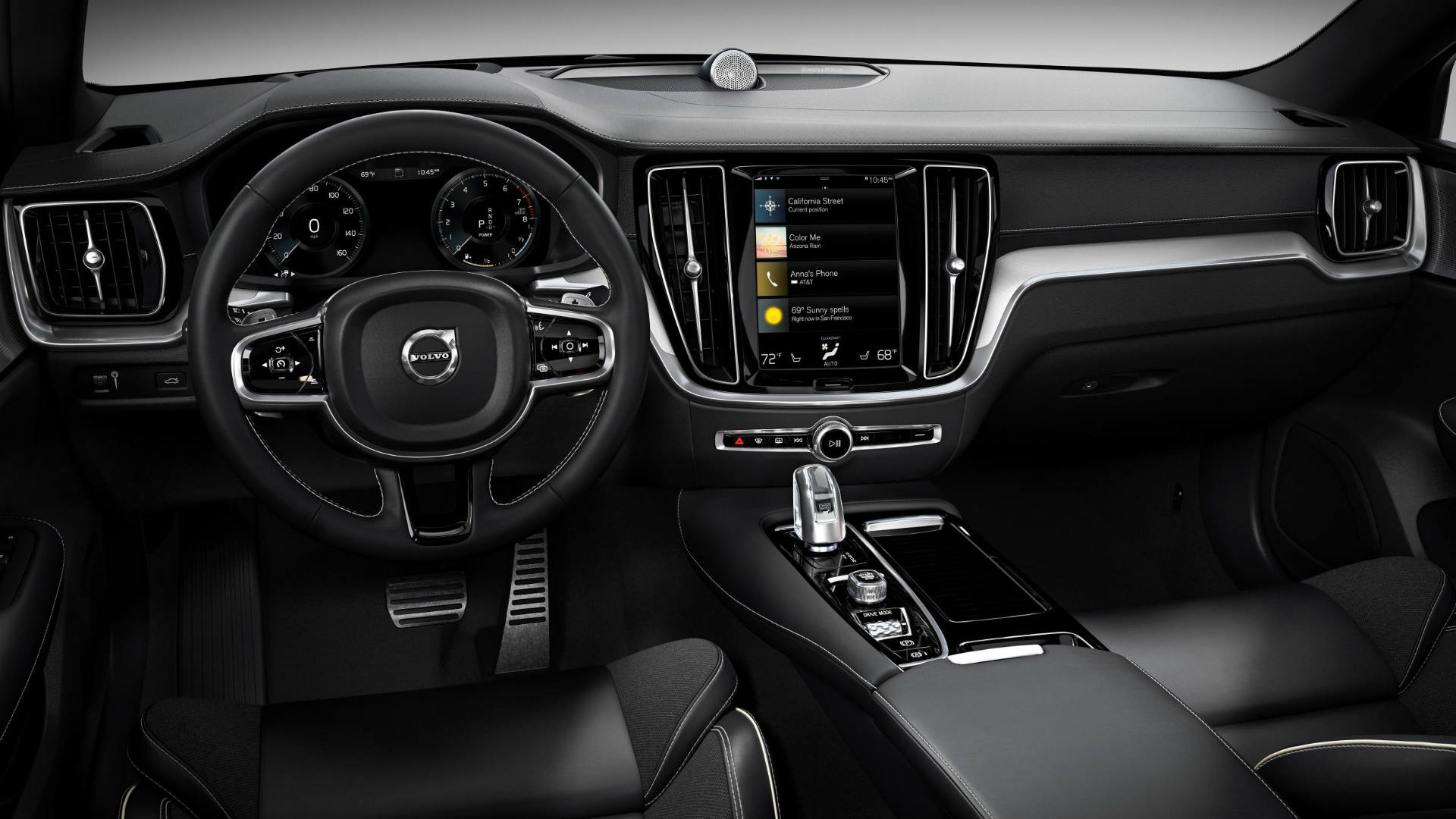
The S60 and V60 Polestar Engineered cars are based on the R-Design Plus model, with the addition of a heated steering wheel, Harman Kardon audio system and aluminium front tread plates.

The XC60 Polestar Engineered is based on the R-Design Pro, but adds metallic paint.

Volvo S60 Polestar Engineered fastest-acclerating

The price for the fastest-accelerating production Volvo? The S60 Polestar Engineered costs £56,105, while the slightly slower V60 (0-62mph in 4.6 seconds) costs £57,205. You’ll pay £64,545 for the XC60, which can sprint to 62mph in 5.4 seconds.

Matt Galvin, Volvo Car UK’s sales director, said: “These new Polestar Engineered cars perfectly illustrate Volvo’s approach to electrified performance.

Volvo S60 Polestar Engineered interior

“By combining a powerful plug-in hybrid set-up with the engineering expertise of Polestar, they offer scintillating performance with the ability to run in electric-only mode, thus creating no tailpipe emissions.

“We’re sure this pure, progressive performance will be a hit with customers who want a distinctive, exclusive and efficient high-performance car.”

All Polestar Engineered cars are available order now, with first deliveries expected by the end of the year.

Volvo S60 Polestar Engineered seats

Advertisement