Home Blog Page 320

Peugeot-Citroen and Fiat-Chrysler agree merger plan

0

Peugeot 208

Groupe PSA and Fiat Chrysler Automobiles have begun talks on a 50-50 merger that would create the fourth-largest car company in the world, selling 8.7 million vehicles a year.

The aim is to have a binding Memorandum of Understanding within a matter of weeks.

Bosses at the two firms believe combining the companies would result in annual savings of almost £3.2 billion, through large-scale efficiencies and sharing of technologies.

“These synergy estimates are not based on any plant closures,” say PSA and FCA in a joint statement.

Several unions have already insisted that plant closures would not be tolerated: the joint statement is intended to allay such concerns.

The new joint company will be based in the Netherlands, considered a neutral region. Of the proposed 11-member board, five will be nominated by FCA, whose chairman John Elkann will be chairman of the new company.

Carlos Tavares

Six will be from PSA, whose CEO Carlos Tavares (pictured above, speaking at a Vauxhall UK event) will be CEO of the new company, for an initial term of five years. Mike Manley, a Brit, is currently CEO of FCA and will become a board member of the new joint company.

“This convergence brings significant value to all the stakeholders and opens a bright future for the combined entity,” said Tavares.

I’m pleased with the work already done with Mike and will be very happy to work with him to build a great company together.”

‘Stronger together’

Driving the fast-paced merger talks is the desire to capitalise on the two firms’ strengths. FCA is big in North America and Latin America; PSA is an European powerhouse.

“The combination would unite the groups’ respective brand strengths across luxury, premium, mainstream passenger car, SUV and trucks and light commercial – making them stronger together.”

It would address FCA’s weaknesses in the passenger car market and accelerate PSA’s long-term ambition to reintroduce its brands into North America.

The merger will also help absorb the huge costs involved in a new era of sustainable mobility – the biggest of which is electrification. Here, scale is essential, which is why the merger is moving ahead at such a quick pace.

FCA’s alliance with PSA follows the collapse of earlier talks to merge with the Renault Nissan Alliance. FCA had previously also investigated a merger with GM.

Once complete, the new group will offer more than a dozen makes of car, including:

  • Peugeot
  • Citroen
  • Vauxhall
  • Opel
  • DS Automobiles
  • Fiat
  • Chrysler
  • Jeep
  • Alfa Romeo
  • Maserati
  • Lancia
  • Dodge
  • RAM
Advertisement

Brussels to ban ALL petrol and diesel cars

0

Brussels to ban petrol and diesel cars

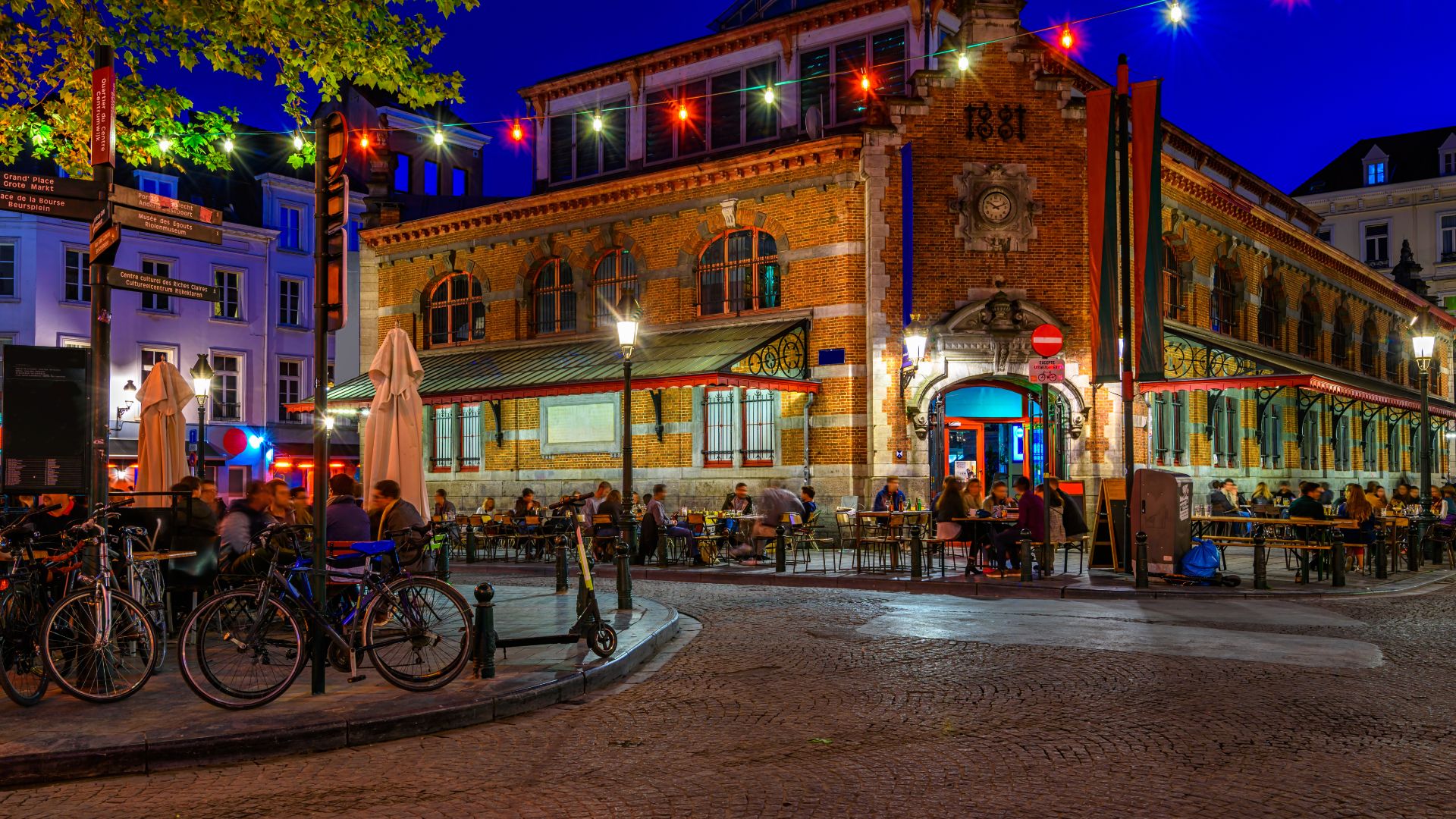
Brussels is looking to set an example for the rest of Europe by banning petrol and diesel cars within city limits. 

It’s not happening overnight, though. Diesels will be outlawed by 2030, while access for petrol cars will be restricted from 2035. Motorcycles won’t escape either, with the most emissions-heavy bikes being banned from 2022.

The best-laid plans

Brussels to ban petrol and diesel cars

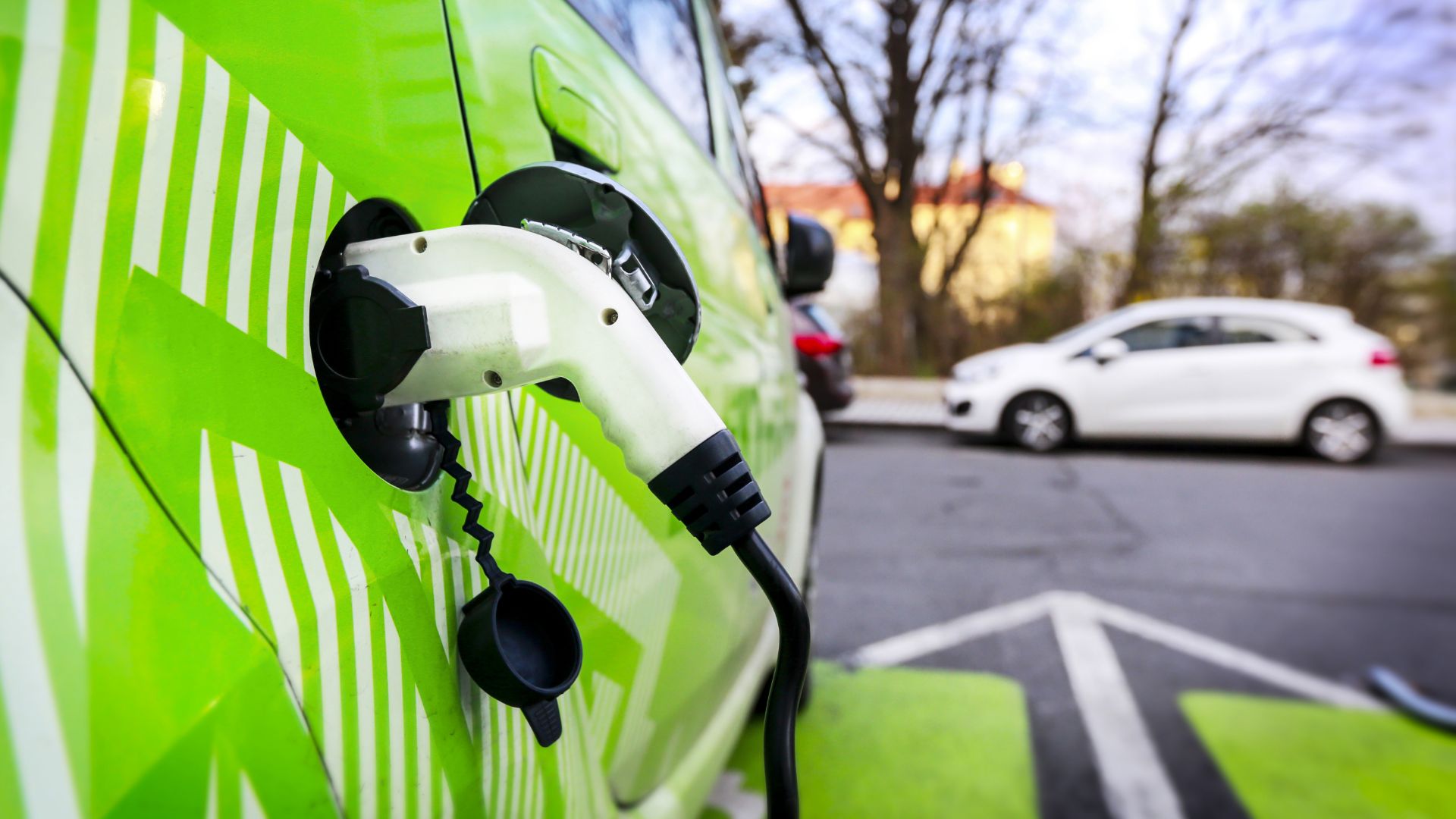
To encourage motorists out of polluting cars, Brussels’ infrastructure for electric cars, cyclists and public transport will be upgraded. Major investments are planned for such improvements, with pedestrian walkways, cycle routes, bus and tram services all due to benefit.

There’s a long way to go, though. Febiac, the Belgian automotive federation, says “specific plans, measures and the budget to work through all of it in such a time period are non-existent”.

“Already today, Brussels is lagging far behind, for example, in the deployment of the essential charging infrastructure.”

Fruits of change

Electric car markets unbalanced in Europe

If successful, the results will be impressive. It’s anticipated CO2 emissions inside city limits will be cut by 40 percent by 2030. In theory, Brussels will be fully de-carbonised by 2050, as per goals set out by the EU.

With a little more than 15 years before diesels are banned, there should be time enough for drivers to change vehicles, and for car manufacturers to adjust their offerings.

Advertisement

Rust or riches: Porsche restoration that preserves decades of decay

0

Porsche 356 restoration

The world of classic car restoration is a curious one. With what else could you find yourself being put off by the fact that a product is in absolutely immaculate condition? 

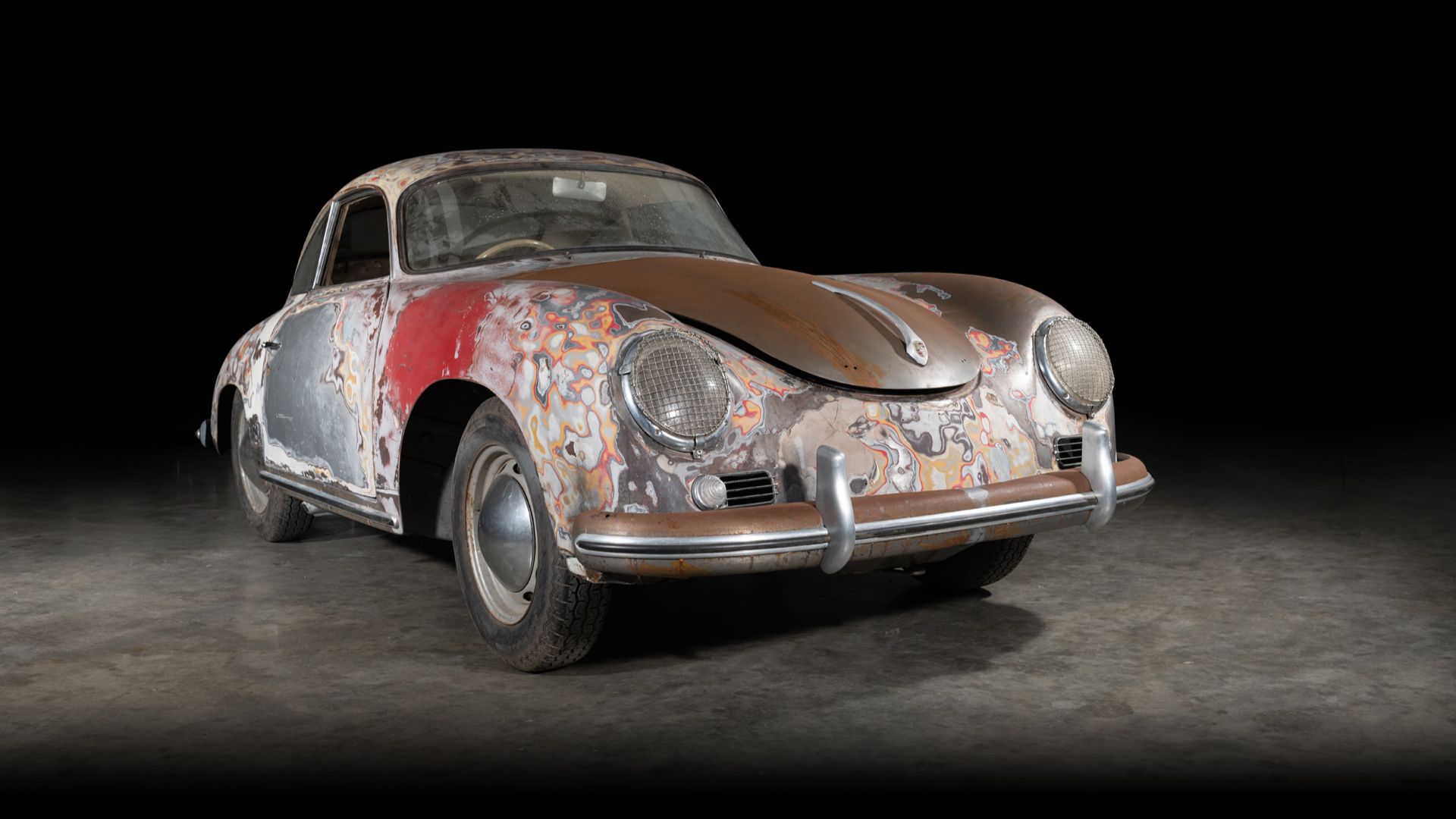
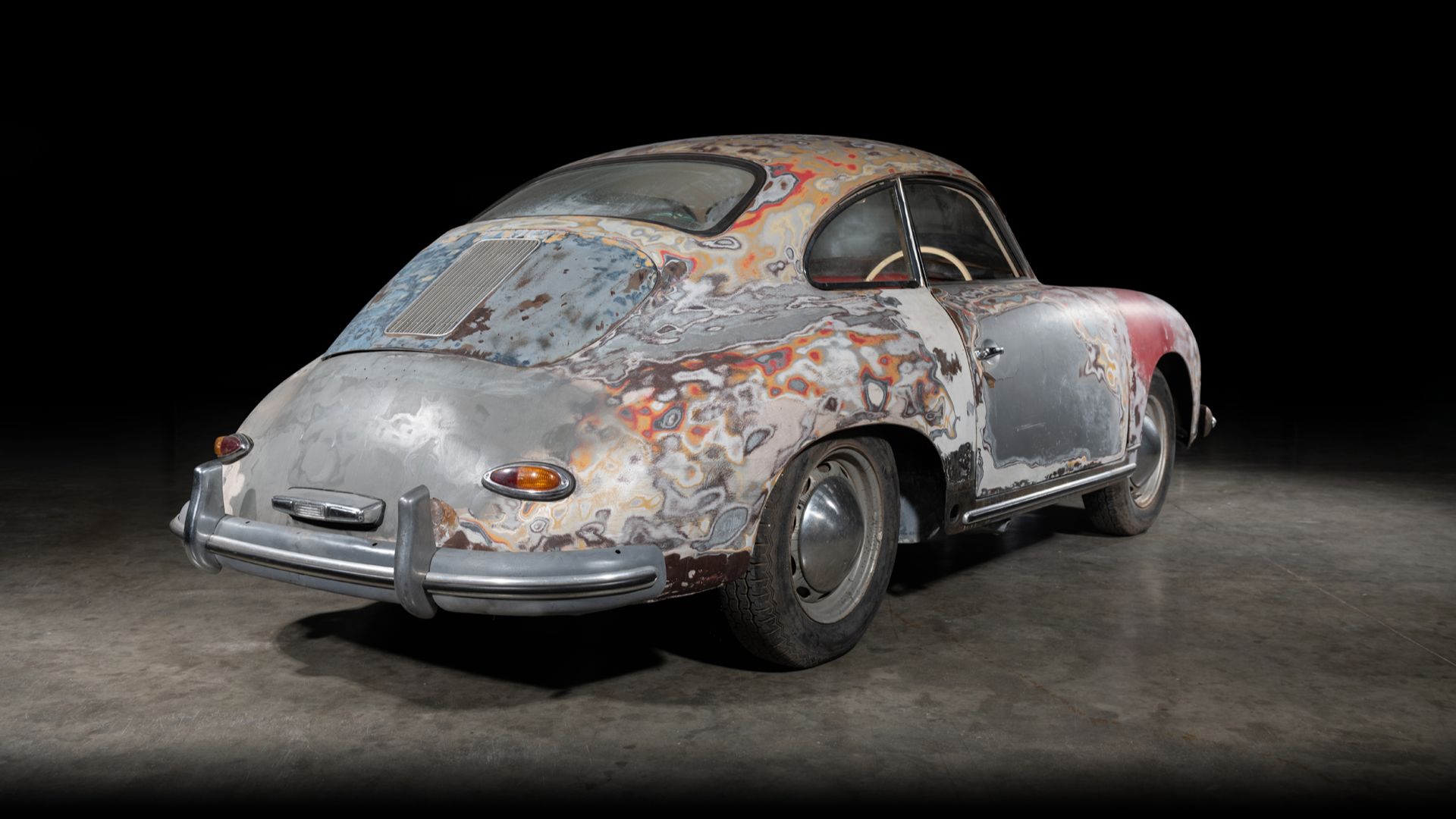
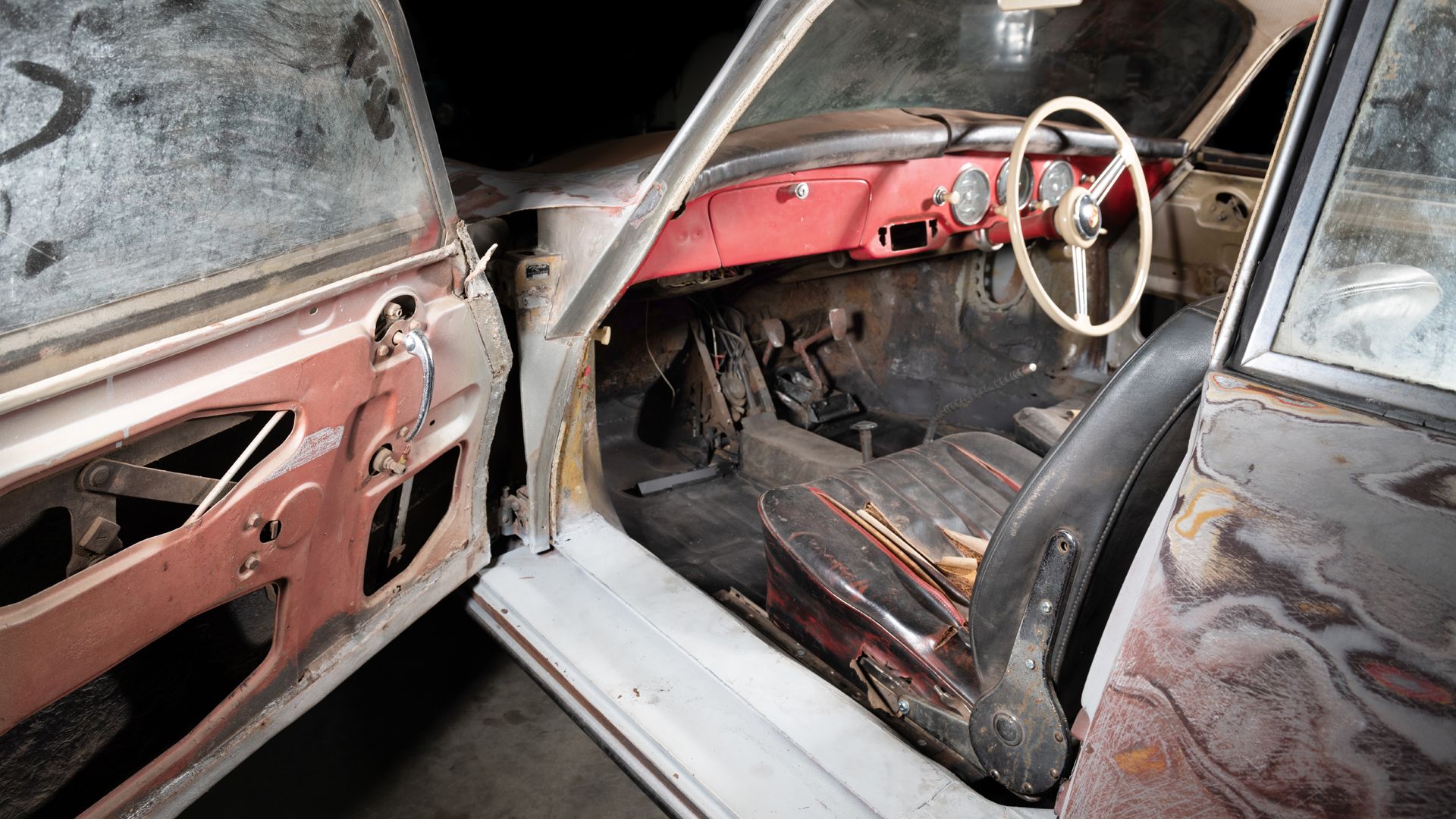
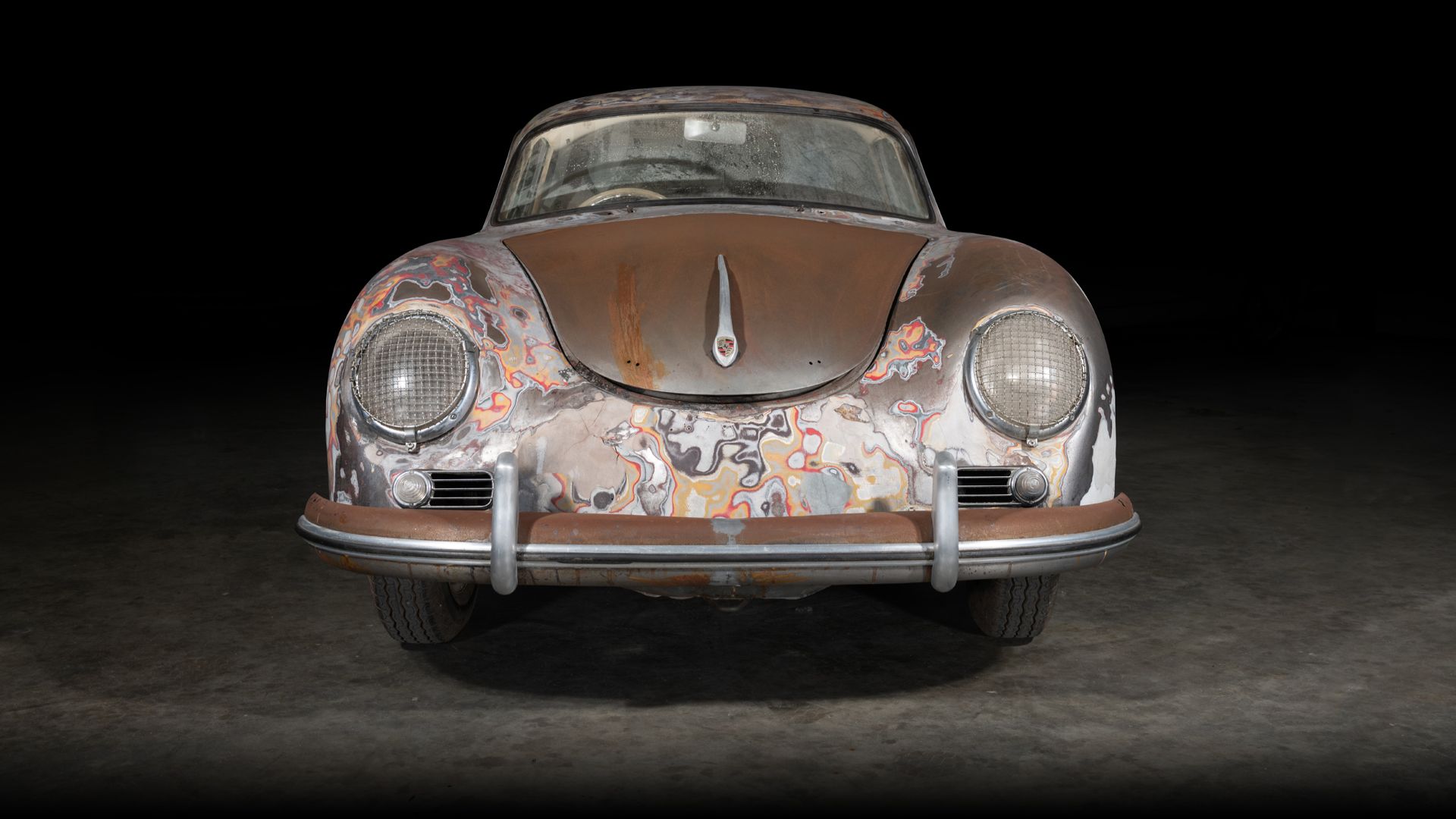
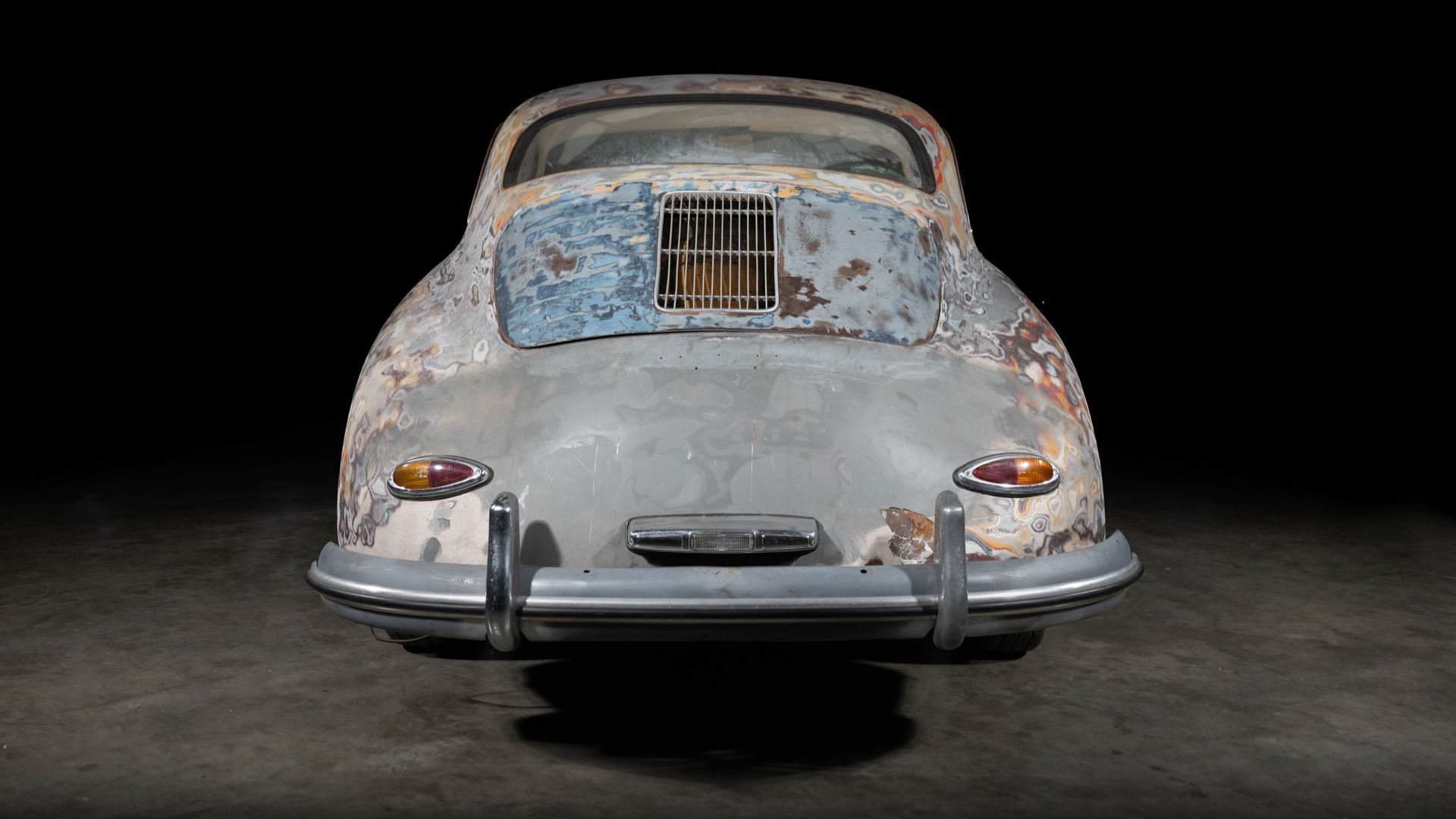
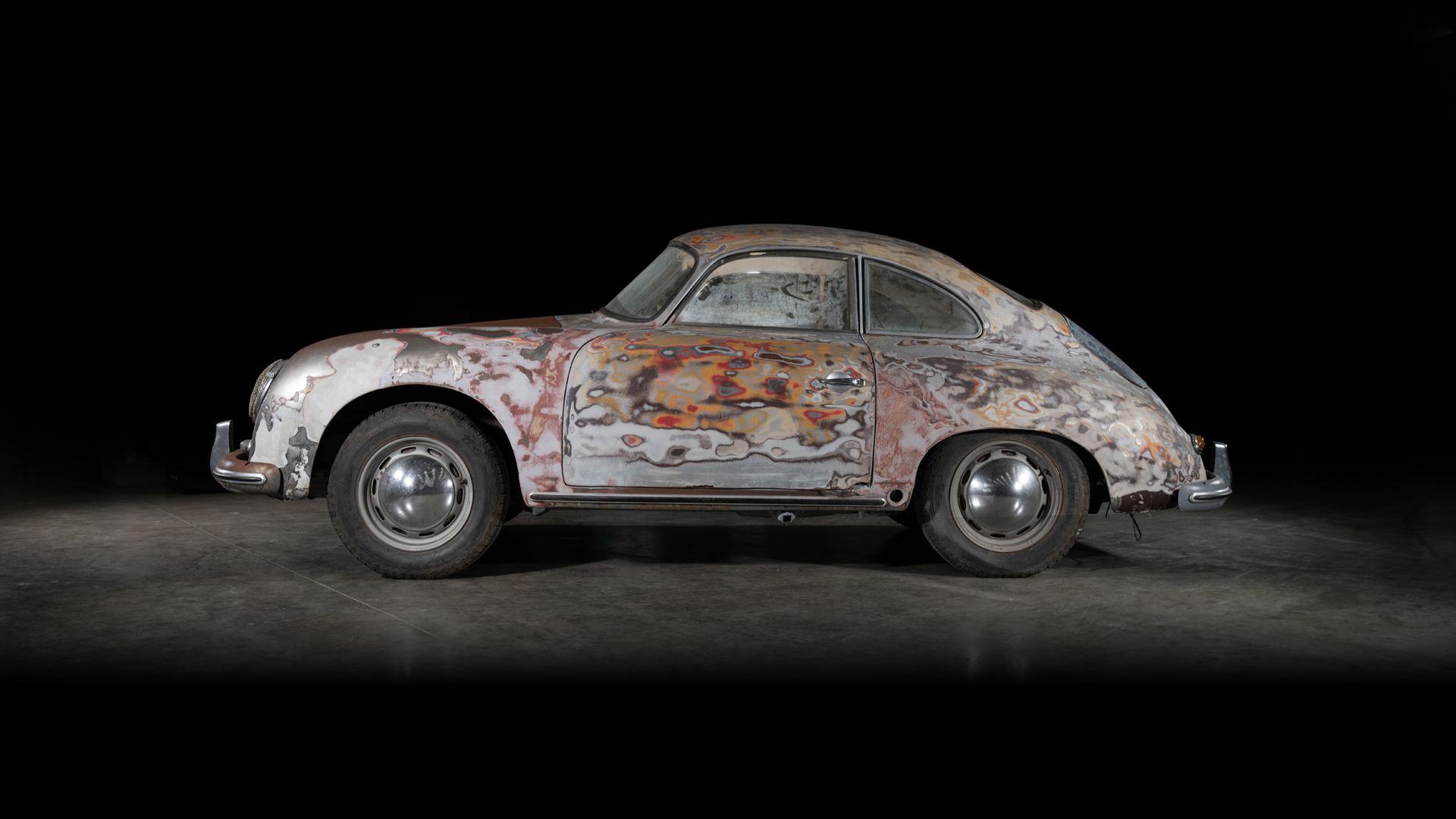
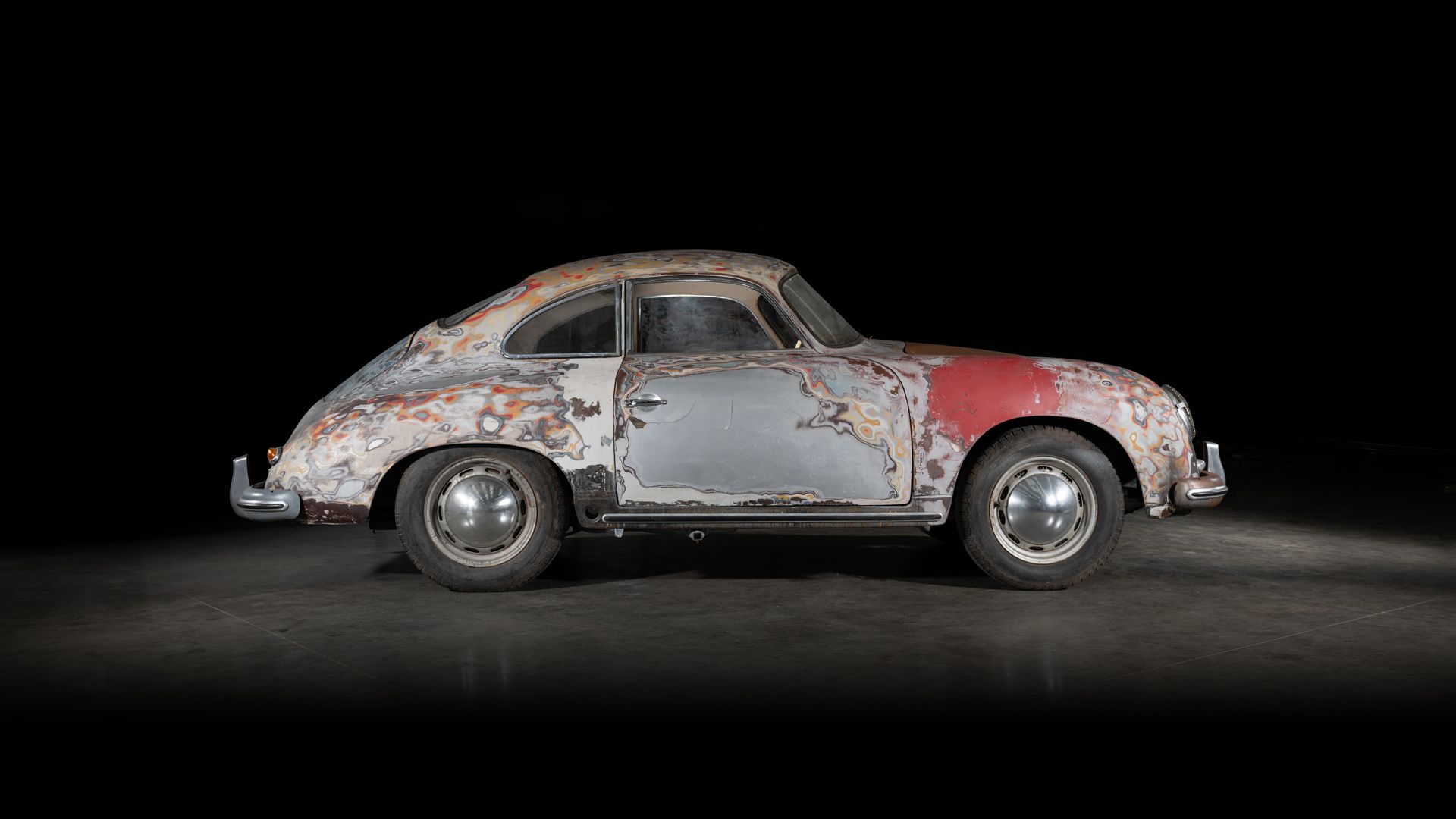
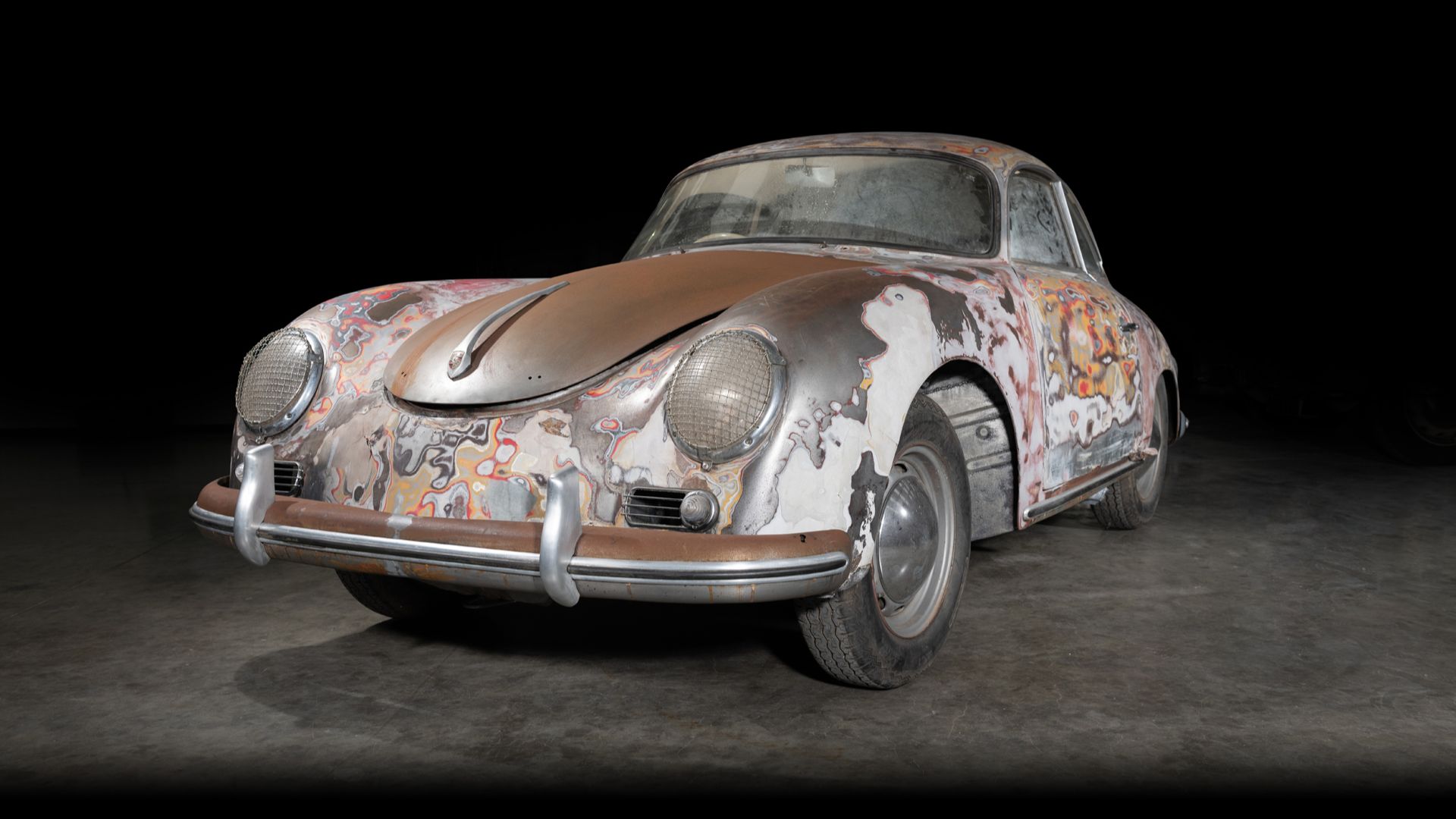
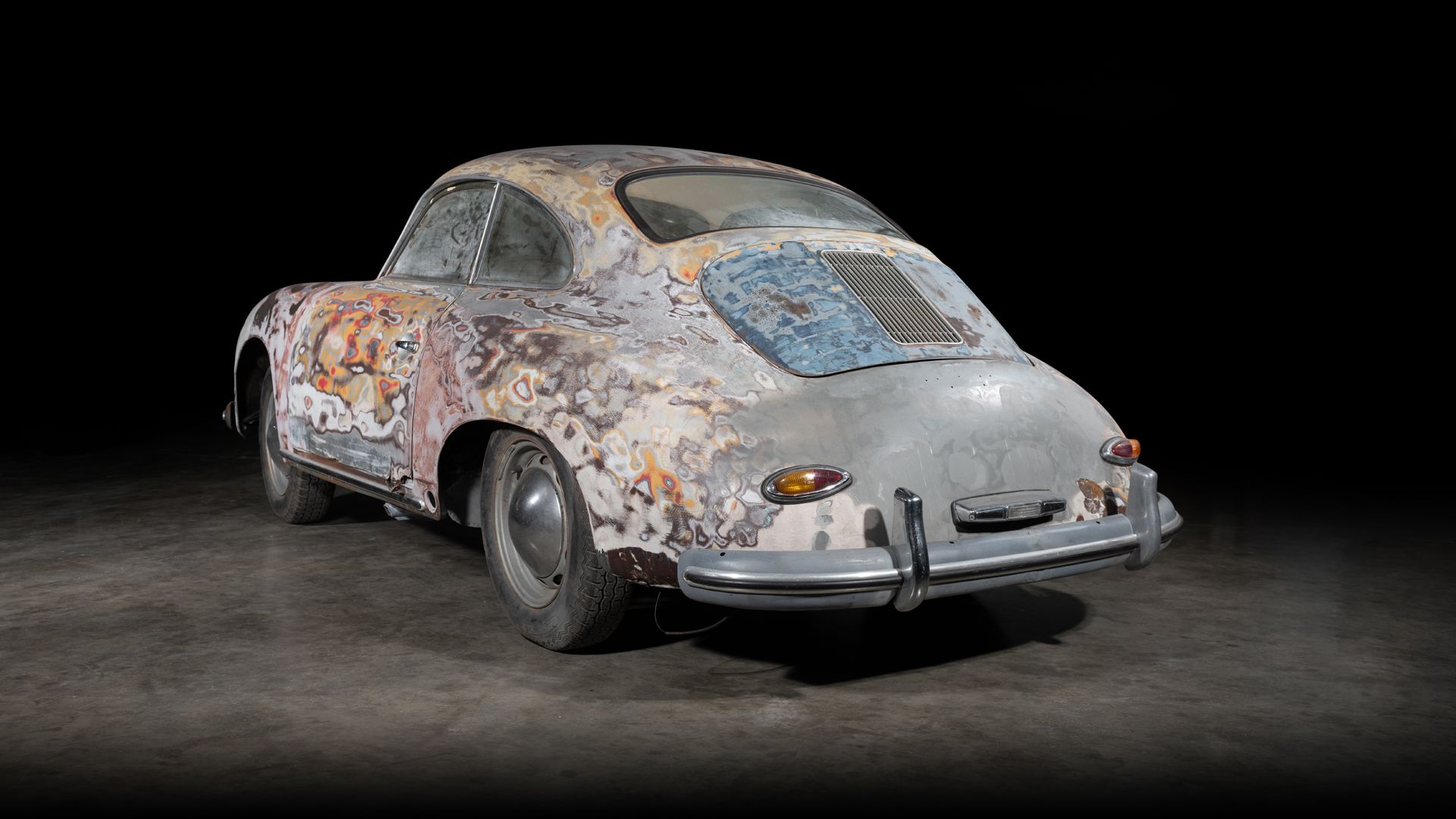
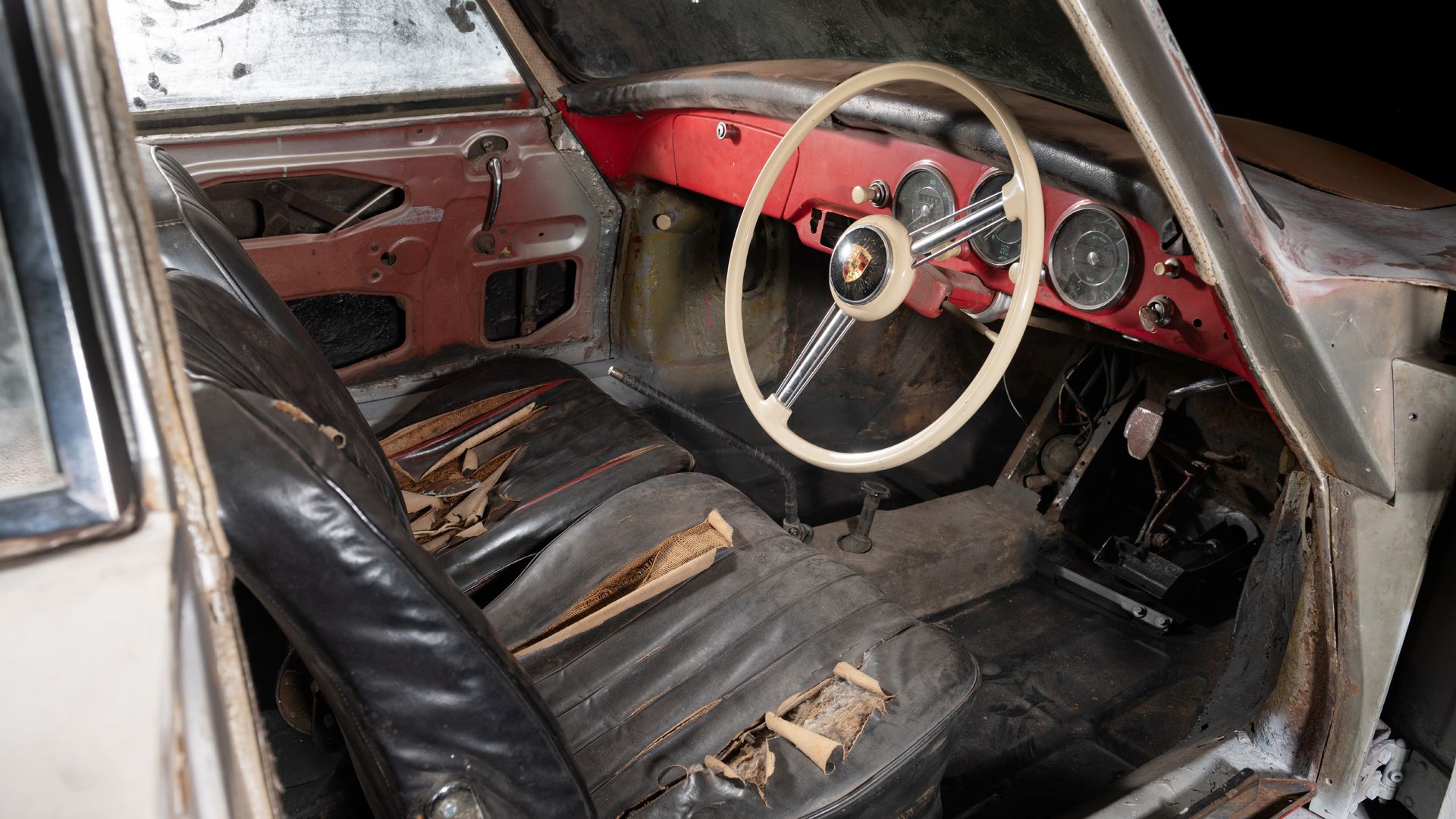
Classics that wear their years can command more money than cars that look fresh out of the dealer. That’s because wear can add character and fortify a car’s story. This is called ‘Patina’ – a real, tangible look and feel, of the age of a car. Now, classic car restorer Thornley Kelham is offering a patina-friendly restoration. It preserves the imperfections, rather than scrubs them out, and has demonstrated it on this Porsche.

Patina or perfection?

Porsche 356 restoration

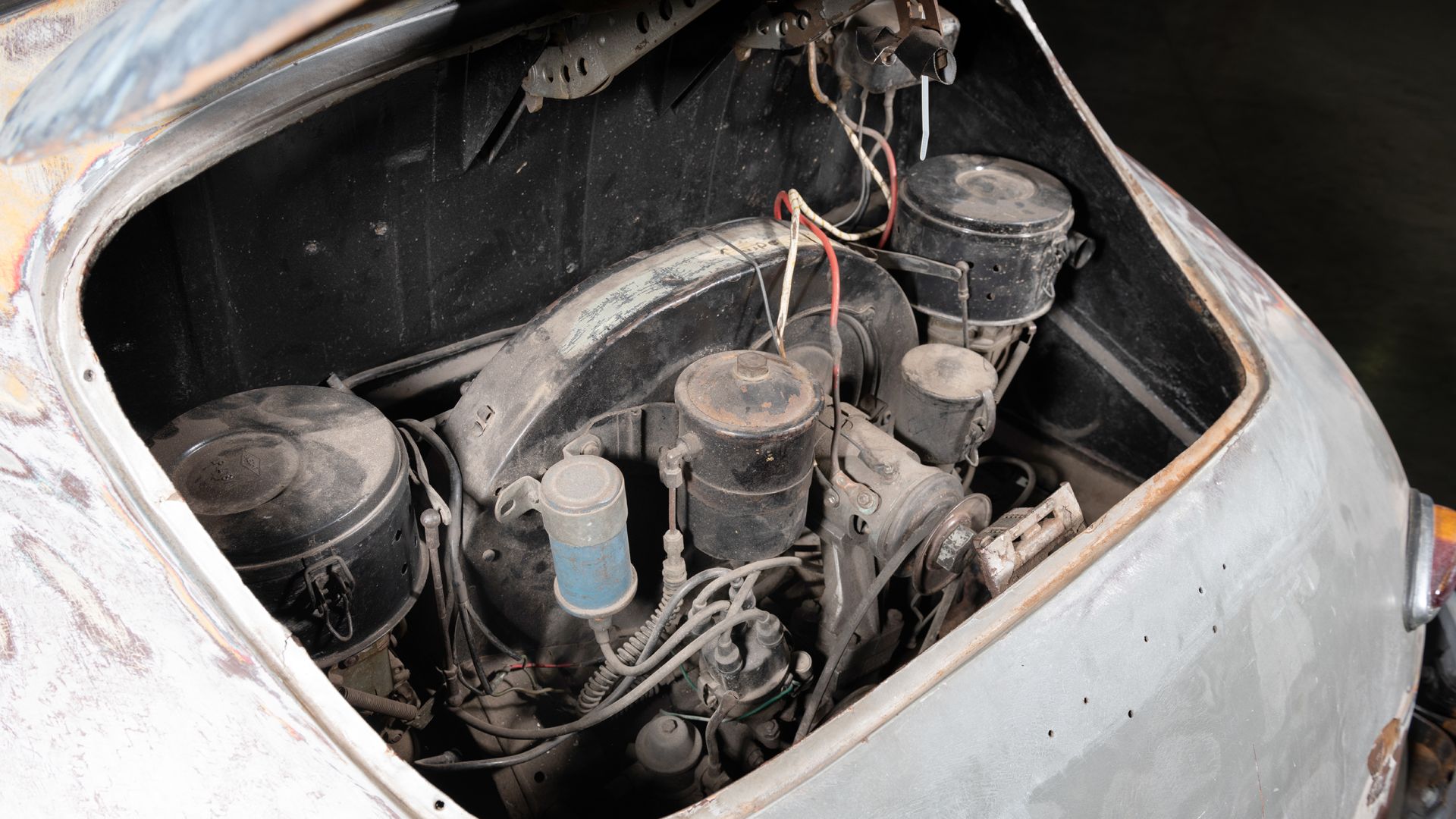
The car in question is a late-model 356A that was in need of work. The company elected to restore the car while retaining as much of the patina as it can. Yes, down to clear-coating the worn bodywork to preserve its wear. Even the worn cabin, with ripped seats, is carefully preserved. Structurally and mechanically, the car is given the once-over. Patina is enjoyable in appearance, but we don’t think anyone likes seeing blue smoke on start-up…

Buyers would be presented with a structurally sound, perfectly reliable rolling piece of automotive artwork, proudly wearing the story of its 60 years,” the company says.

Porsche 356 restoration

Of course, this is quite an unconventional practice. Available too is a restoration to pretty much as-new standard, down to the original specification. That’s not to say a compromise can’t be found for individual cases.

“Often in the world of rare and significant classic cars, the stories that they tell are just as meaningful as their condition,” said Simon Thornley, co-founder of Thornley Kelham 

“We have deliberated long and hard over whether or not to maintain this 356’s marks of age, or to return it to as-new condition, but ultimately we felt it was a decision best made by the buyer. Our team has completed a number of 356 nut-and-bolt restorations, and we’ve carefully analysed the structure, body, mechanicals and interior of this example to know that no matter which route the buyer chooses, we can produce a rare Porsche 356A that looks good, drives well and works every time.”

Advertisement

Is your cheap car insurance too good to be true?

0

The cost of car insurance admin fees

Drivers are being warned to avoid so-called ‘ghost brokers’, who pose as legitimate car insurance brokers to sell forged or invalid policies.

Unsuspecting drivers are lured by cheap premiums that turn out to be too good to be true.

Young drivers aged 17 to 24 are most likely to fall victim to ghost brokers. Facing higher premiums, and armed with a tight budget, they’re attracted by the promise of a good deal.

They’re also likely to be active on social media – a prime hunting ground for the insurance scammers.

Non-English speaking communities are also at risk, according to Action Fraud.

Victims will be unaware they don’t have genuine cover until they submit a claim or are stopped by the police for driving without insurance. Although the police will be sympathetic, the consequences can be the same as driving uninsured.

No-claims bonus savings on car insurance

Sanctions include a fine, penalty points, disqualification from driving, a criminal record, and the risk of having a car seized by the police.

Fleur Lewis, head of fraud detection and prevention at GoCompare, said: “Younger, less experienced drivers pay more to insure their cars – which makes them particularly susceptible to adverts for heavily-discounted insurance.

“Ghost brokers often operate on social media, especially Facebook and Instagram, where they often use imagery and logos of established insurers to enhance their believability.”

Ben Fletcher, director of the Insurance Fraud Bureau (IFB), added: “Ghost broking is a serious issue, which shows little sign of slowing down. A third of all our investigations are focused on bringing ghost brokers to justice.”

How a ghost broker defrauds a victim

Ghost brokers typically defraud victims in one of three ways:

  • Forged insurance documents.
  • Manipulating the customer’s details to lower the premium. This could be done by using fake no-claims discount letters or by supplying a low-risk address.
  • Using the identity of an unauthorised third party, before cancelling the policy to pocket the refund on top of the victim’s fee.

How to spot a ghost broker

  • Be wary of unsolicited cars from insurance brokers – authorised firms are unlikely to cold-call potential customers.
  • Ghost brokers will use social media, pubs or adverts in newsagents or universities – be on your guard.
  • Check to see if the broker has an office address and landline telephone number.
  • Is the broker on the Financial Services Register and authorised by the Financial Conduct Authority or the British Brokers’ Association?

If you suspect you have been contacted by a ghost broker, report it to Action Fraud or to the Insurance Fraud Bureau’s Cheatline.

Remember, if it sounds too good to be true, it probably is.

Advertisement

Revealed: the biggest fears of new drivers

0

the biggest fears of new drivers

Ghosts, ghouls and things that go bump in the night. But enough about Halloween, as we reveal the biggest fears of new drivers.

A new survey of 1,501 UK adults shows that driving on a motorway is a chilling prospect for many drivers. Around a third said they were scared of venturing onto the three-lane highway.

This is followed by crashing, driving in bad weather (e.g. rain or snow), and that perennial nightmare – parallel parking.

When considering a gender split, the women who took part in the survey put motorway driving at the top of the fright list (35 percent). On the other hand, crashing is most likely to result in men waking up in a cold sweat.

A spokesperson from Car Parts 4 Less, the company behind the data, said: “Whether you take your test as a teenager or adult, we all crave the freedom that driving can bring us. However, passing your test isn’t the end of your driving education.

“We’re constantly learning how to be better and safer drivers on the roads and its natural to feel scared or anxious when you first drive alone on the roads.”

Women scared of motorway driving

In June 2018, the rules changed to allow learner drivers to practice driving on motorways, with a driving instructor.

The changes were introduced to give learner drivers the opportunity to get a broader driving experience before taking their test. The overall aim – to reduce the number of motorway accidents involving a novice driver.

Learner drivers are advised to put the horror novel to one side and familiar themselves with the rules of motorway driving. Sections 253 to 273 of the Highway Code cover everything from joining a motorway to overtaking.

Top 10 biggest fears of new drivers

  1. Motorway driving: 31 percent
  2. Crashing: 28 percent
  3. Driving in bad weather: 26 percent
  4. Parallel parking: 26 percent
  5. Stalling: 22 percent
  6. Reverse parking: 20 percent
  7. Night driving: 19 percent
  8. New or unknown roads: 14 percent
  9. Driving alone: 14 percent
  10. Car maintenance: 13 percent

Useful advice:

ALSO READ

Engines and interior upgrades for 2020 Mitsubishi Outlander

Peugeot sells its motorcycle division to Mahindra

New smart cruise control will learn your driving habits

Advertisement

Sales of electric and low emission vehicles ‘unbalanced’ across Europe

0

Electric car markets unbalanced in Europe

A recent report has revealed the comparative uptake of low and zero emission cars across the EU’s various member states. It’s far from level, with some countries taking them on keenly, and others taking longer to transition.

The data, from the European Automobile Manufacturer’s Association (ACEA), lays out the disparity. As an example, electrically chargeable cars (ECVs) had a two percent market share in Germany last year, with 67,504 sold. In Latvia, ECVs had a 0.6 percent market share, with just 93 sold. Electrically chargeable doesn’t necessarily mean all-electric, either – plug-in hybrids are included.

“Although the average EU market share of alternatively-powered vehicles is going up, the huge discrepancies across Europe are extremely worrisome,” said Eric-Mark Huitema, director general of the ACEA.

Electric car markets unbalanced in Europe

  • Are mobile phones worse for the planet than cars?

“As we push ahead in the transition to zero emission mobility, we need to ensure that no countries and no citizens are left behind.”

Central and Eastern Europe in particular are problem areas for ECV uptake. For instance, just 0.2 percent of passenger car sales in Poland are electrically chargeable.

Latvia is falling behind in terms of raw numbers, but it’s actually one of the better countries in the bottom-five for market share. Slovakia is the worst for market share, with the 293 ECVs sold last year, making up just 0.3 percent of cars sold.

Electric car markets unbalanced in Europe

Lithuania isn’t far behind, with its 143 ECVs sold making up 0.4 percent. Estonia’s 118 ECVs make up 0.5 percent, while Bulgaria and Latvia have a 0.6 percent market share, with the former showing 220 ECV sales last year.

The countries performing well in terms of ECV uptake are predictable. Sweden is doing the best in terms of market share, with the 28,327 sold making up a whole eight percent of car sales. The Netherlands are next, with 29,695 making up 6.7 percent of cars sold.

The UK is third, albeit with a much larger bulk of cars sold – 59,911 ECVs sold make up 2.5 percent of cars sold. France and Germany are fourth and fifth. Their 45,587 and 67,504 ECVs sold make for a respective 2.1 and two percent market share.

  • Electric car rapid charger network has grown 43 percent in one year

Electric car markets unbalanced in Europe

It’s the richest countries, with the highest standard of living, that are embracing ECV ownership. Even some of the more wealthy countries aren’t taking on EVs at the above rates. Electric cars make up less than one percent of sales in Italy and Spain. In half of EU member states, ECVs have a market share of less than one percent. 

“Mobility must remain affordable for all layers of society,” Huitema said.

“That is why we are calling on governments to put in place more meaningful and sustainable incentive schemes to stimulate sales EU-wide.”

Advertisement

A quarter of drivers pass their test first time

0

Citroen C1 learner

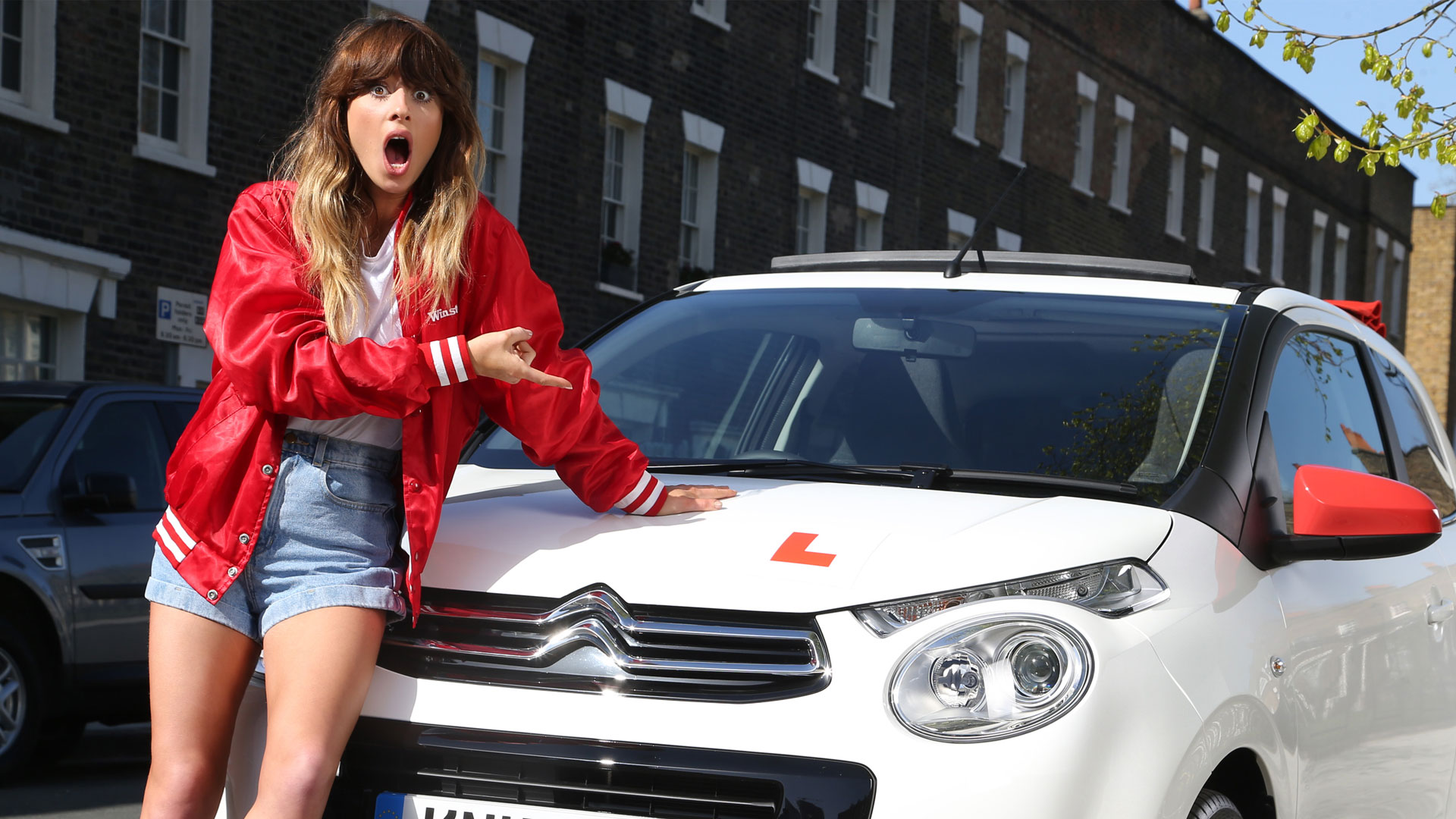
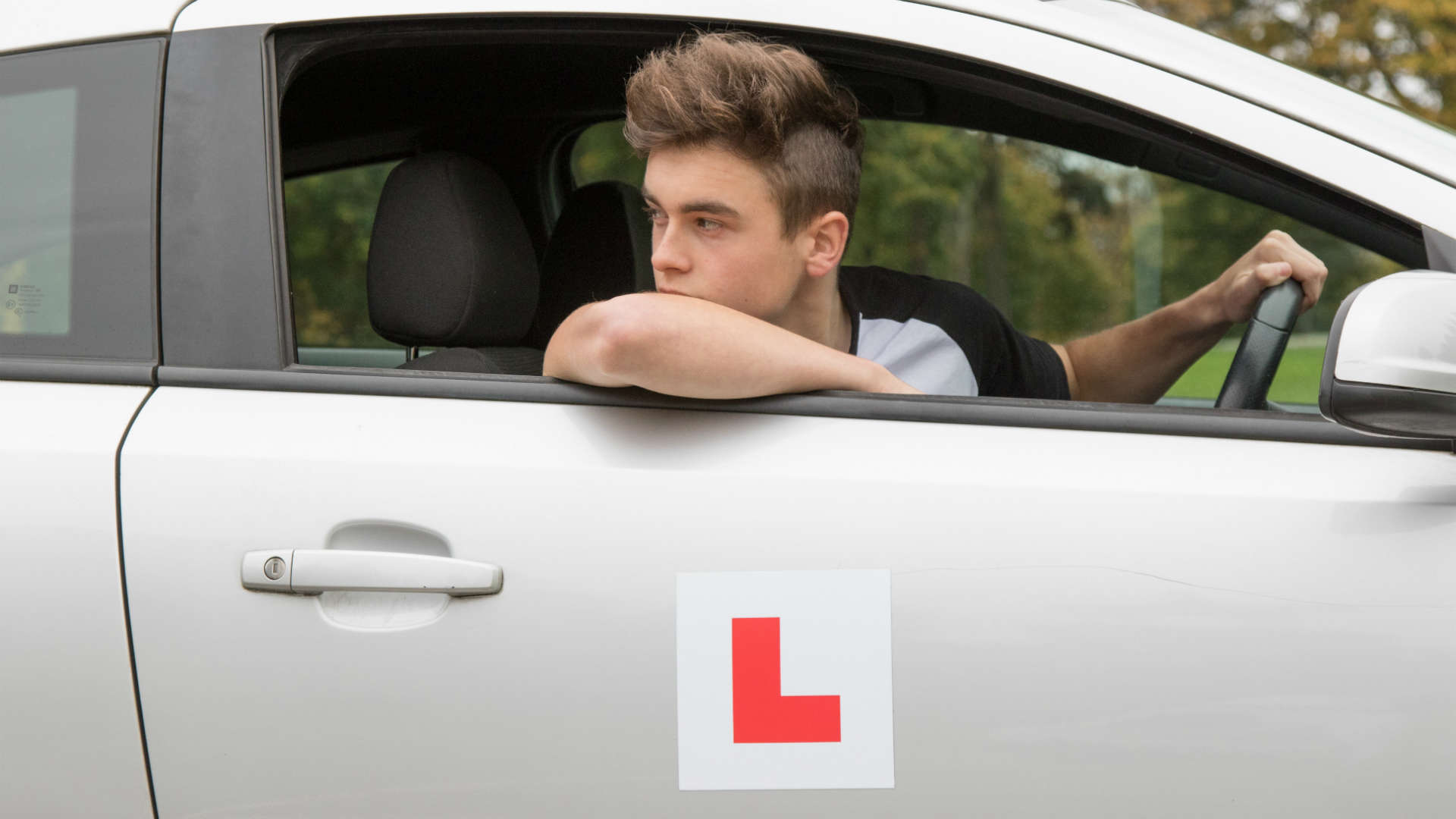
Around a quarter (26 percent) of new drivers pass their test first time. This is according to figures from the Driver and Vehicle Standards Agency (DVSA).

A Freedom of Information Request (FOI) shows that, of the 1,692,782 drivers who took a practical test in 2018, just 447,442 passed first time. A total of 13,155 candidates required 6-10 attempts, 328 needed 11-15, while ten passed after 15 or more practical tests.

The FOI suggests learner drivers are taking longer to get behind the wheel. In 2016, three drivers required 15 or more attempts to pass the theory test. In 2017, this went up to seven, with 10 requiring a mammoth effort last year.

The DVSA introduced changes to the practical driving test in 2017, and this is seen as the primary reason behind the number of failures.

Learner drivers pay less up North

In September, we revealed the most likely reasons for failing the driving test. Pulling out of junctions topped the list, followed by inadequate use of mirrors, turning right at junctions, steering control and traffic light responses.

Learner drivers in London and the South East are the most likely to require 15+ theory attempts, followed by the Midlands, North of England, Wales, South West and Scotland.

‘Rite of passage’

Is this why more learner drivers are failing their test?

Tom Preston, managing director of Hippo Leasing, the company behind the research, said: “For almost a century, the driving test has been a rite of passage for many young adults in the UK. But while safety principles have remained the same, the test has frequently adapted to the country’s changing roads. Driving tests are designed to be challenging and you’re more likely to fail on your first attempt than pass.

“It’s important that learners feel 100 percent ready before signing up to take a theory or practical driving test. Multiple failures can leave learners with huge additional costs and knock their confidence at a vital time in their driving careers.”

A theory test costs £23, while the practical driving test costs £62 on weekdays or £75 on weekends and Bank Holidays. The costs are different for lorries, minibuses, buses, coaches, motorcycles and mopeds.

Advertisement

Van thefts up 45 percent to record high

0

Van thefts increase in the UK

The number of vans stolen in the UK has increased by 45 percent over the last four years, according to new figures.

Police have recorded 32,056 incidents of van theft since 2015 – with 9,371 vans reported stolen in the last year alone. 

Of these, 4,777 vans were reported stolen to the Metropolitan Police – a 15 percent year-on-year increase. Meanwhile, in Leicestershire, van theft is up 843 percent to 377.

A Freedom of Information Request (FOI) found that van theft is up in most of the police forces included in the study, although the figure is down 73 percent in the West Midlands.

The study was conducted by Volkswagen Commercial Vehicles. It’s advising van owners and fleet managers to ensure their vehicles are fitted with the latest anti-theft devices and to remove tools overnight.

Over the weekend, thousands of pounds worth of tools were stolen from vans in the West Midlands. Julie Meer, Police Community Support Officer (PCSO) on the Tyburn Neighbourhood Team said: “”Can we please remind residents to be vigilant at this time and not to leave items of value including tools inside their vans and please use vehicle alarms where available.”

How to protect your van from theft

Volkswagen has the following advice for van drivers:

  • Park in well-lit areas or car parks with CCTV. Alternatively, position your van so that the doors are blocked by another vehicle
  • Window guards or full internal bulkheads can prevent thieves from seeing inside
  • Adding security film to the side glass and back window can stop thieves from breaking in
  • Fitting additional locks is a good idea
  • Invest in lockable internal racking or secure storage boxes
  • Fitting a tracking device can assist the police in the hunt for a stolen van

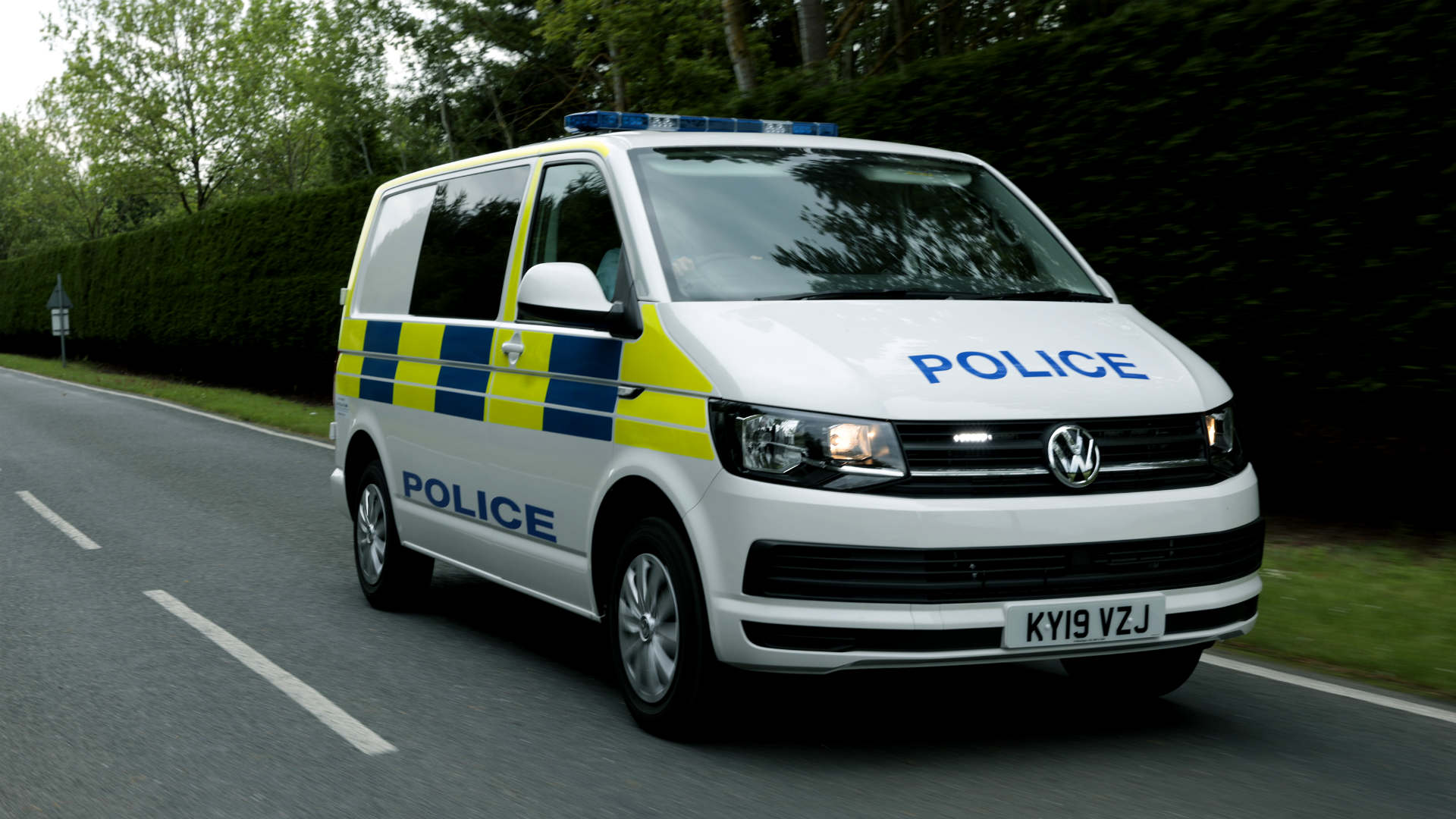
Volkswagen police van

David Hanna, Volkswagen Commercial Vehicles head of service and parts operations, said: “Our most recent findings are concerning as it reveals that the problem of van theft is getting worse rather than better – and it’s a problem right across the country.

“Vans are the lifeblood of so many businesses up and down the country and it’s not only the emotional stress of replacing the vehicle but also the days and weeks of letting customers down and the cost of replacing tools, often worth thousands of pounds, before you can get back to ‘business as usual’.’

Number of van thefts

The FOI request was sent to 47 police forces across the UK. A total of 42 responded – here are the top 10.

Police force Stolen vans (2017/18) Stolen vans (2018/19) Year-on-year increase
Metropolitan Police 4,137 4.777 15 percent
West Yorkshire 557 931 67 percent
West Midlands 1,505 409 -73 percent
Essex 228 387 70 percent
Leicestershire 40 377 843 percent
Hertfordshire 206 253 23 percent
Derbyshire n/a 229
Surrey 210 208 -1 percent
Avon and Somerset 166 193 16 percent
Sussex n/a 181
Advertisement

Car steering lock sales DOUBLE in the fight against keyless theft

0

Steering lock sales double

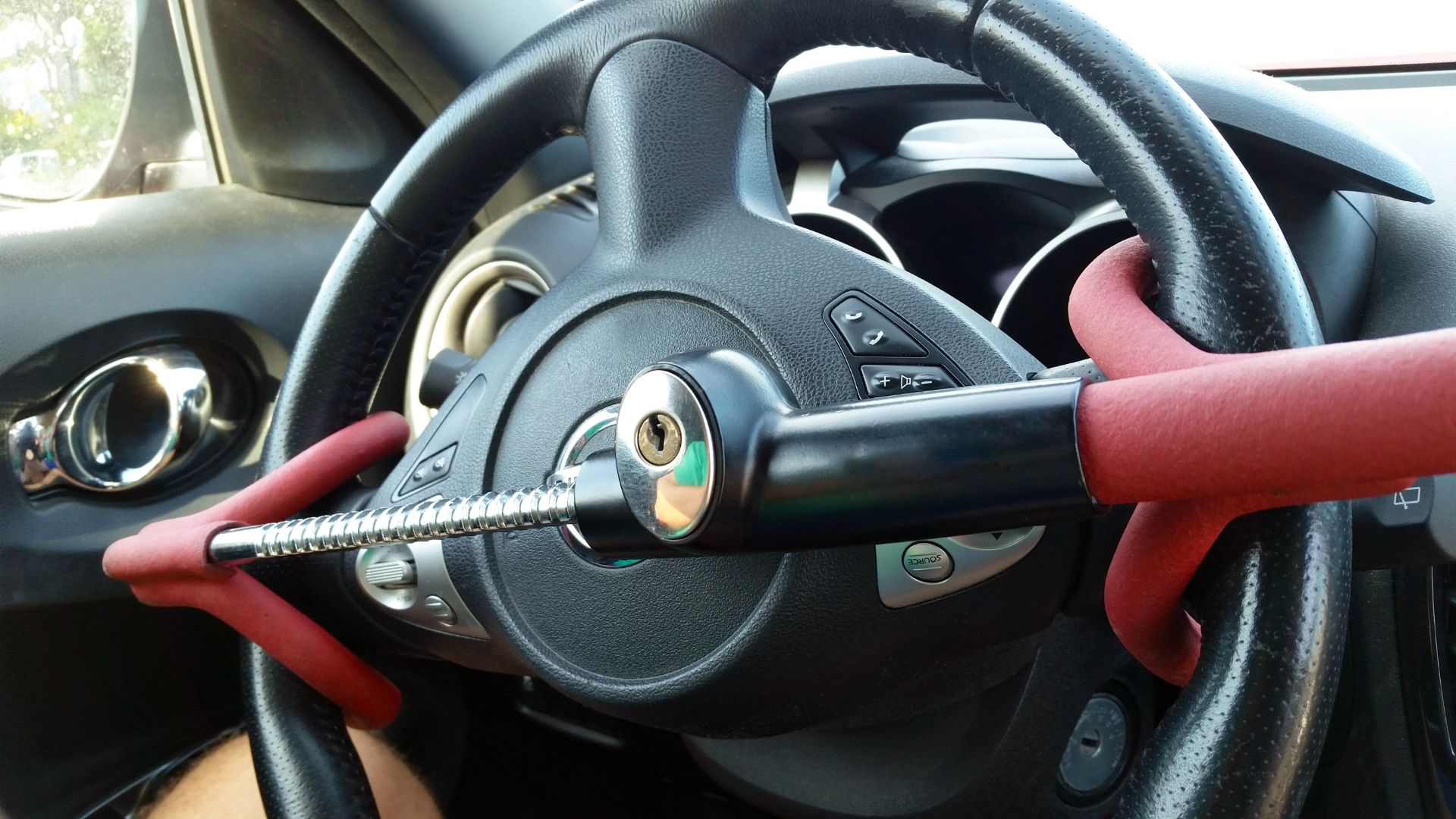
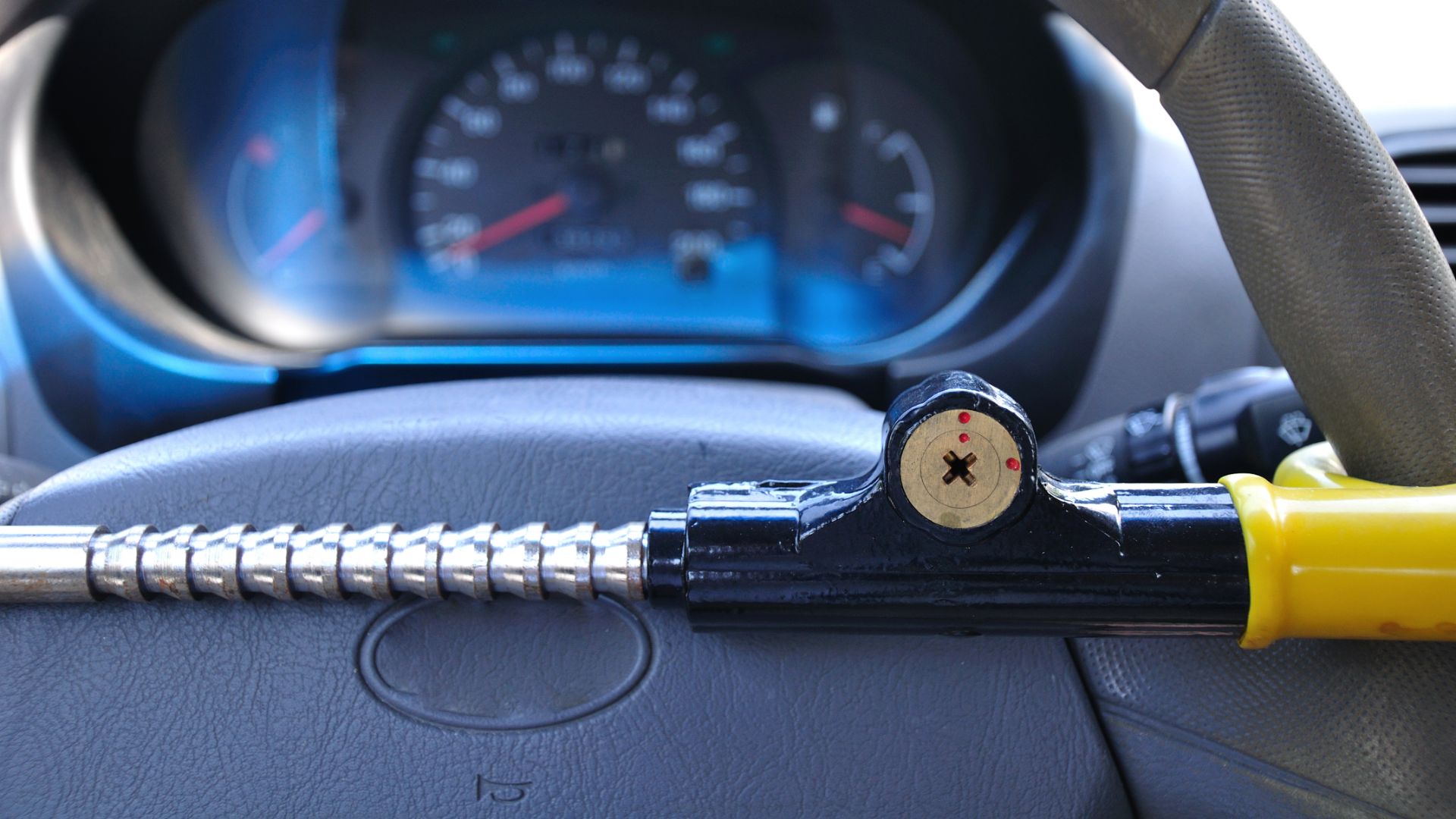
Sales of steering locks have DOUBLED over the past year, says Halfords, as the true scale of the keyless theft issue is revealed.

Like Bond in Skyfall when he carted M off to Scotland in his decidedly analogue and therefore untraceable Aston Martin, modern car owners are going old-school and heavy-duty to protect their cars from thieves. 

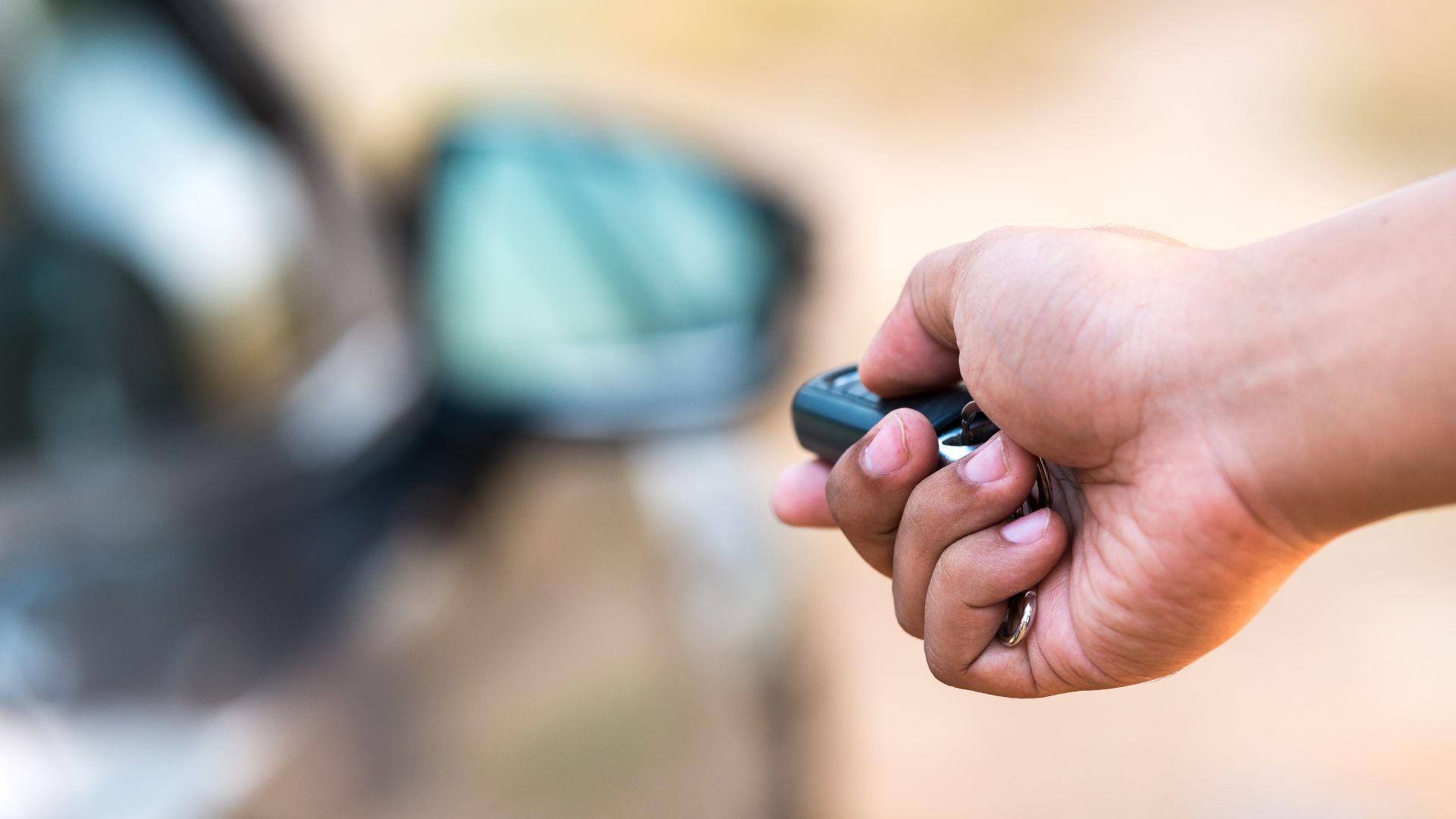
High-tech keyless thieves have been hacking cars. With nothing but software, they unlock, start and steal them, without so much as a scratch or a triggered alarm.

They hijack the signal from your keys that unlocks and primes the car to start when you near it. As a result, Halfords reckons consumers have gone old-school. It’s reporting that sales of steering locks have doubled.

Steering lock sales double

Traditionally, it’s the time of year for car thefts to increase. Daylight in short supply and unattended defrosting cars are just a couple of reasons why more cars are stolen in the winter months.

In a survey of 2,000 motorists, Halfords found that 25 percent use steering locks, while just five percent have invested in an RFID wallet to shield their fobs from keyless signal hijacking.

“Organised gangs have mastered how to get around high-tech security devices, leading to a significant rise in car thefts across the UK,” said Pavan Sondhi, car security expert at Halfords. 

Steering lock sales double

  • Stolen in seconds: keyless new cars that fail security tests

“To guard against falling victim to these car thieves, Police are advising drivers to invest in a physical deterrent.

“Classic steel steering locks first became popular in the 1980s and 90s but remain an extremely effective – and visual – way of deterring thieves, and we’ve recently seen a huge increase in sales as car owners turn to old school solutions.”

In response to demand, Halfords has launched a range of items to secure your car. While they do offer an anti-theft key wallet, everything else is decidedly more analogue. Take your pick between a T-Bar steering lock with an alarm, a wheel clamp, or a double bar steering lock.

Advertisement

Opinion: I’m in love with the new Honda Jazz

0

2020 new Honda Jazz

Confession: I think I may have fallen for the new Honda Jazz. In a week when the great and the good of the motoring world have tripped over their travel bags and squabbled over frozen party food to bring us the latest news from Wolfsburg, I’ve been pondering the simple beauty of the Jazz.

It’s beautifully simple. Honda hasn’t lost sight of what makes the Jazz so appealing. Like it or not, this is the car you’d want your parents to drive when they retire. It’s as familiar as The Archers theme tune, as dependable as a Golden Retriever, and as practical as a Cub Scout leader.

We don’t want the Honda Jazz to be quick (unless we’re stuck behind one on a B-road). We don’t want the Honda Jazz to be snazzy. We don’t want the Honda Jazz to be exciting. Which is why Honda appears to have nailed the fourth-generation model.

What’s up, Doc?

2020 new Honda Jazz

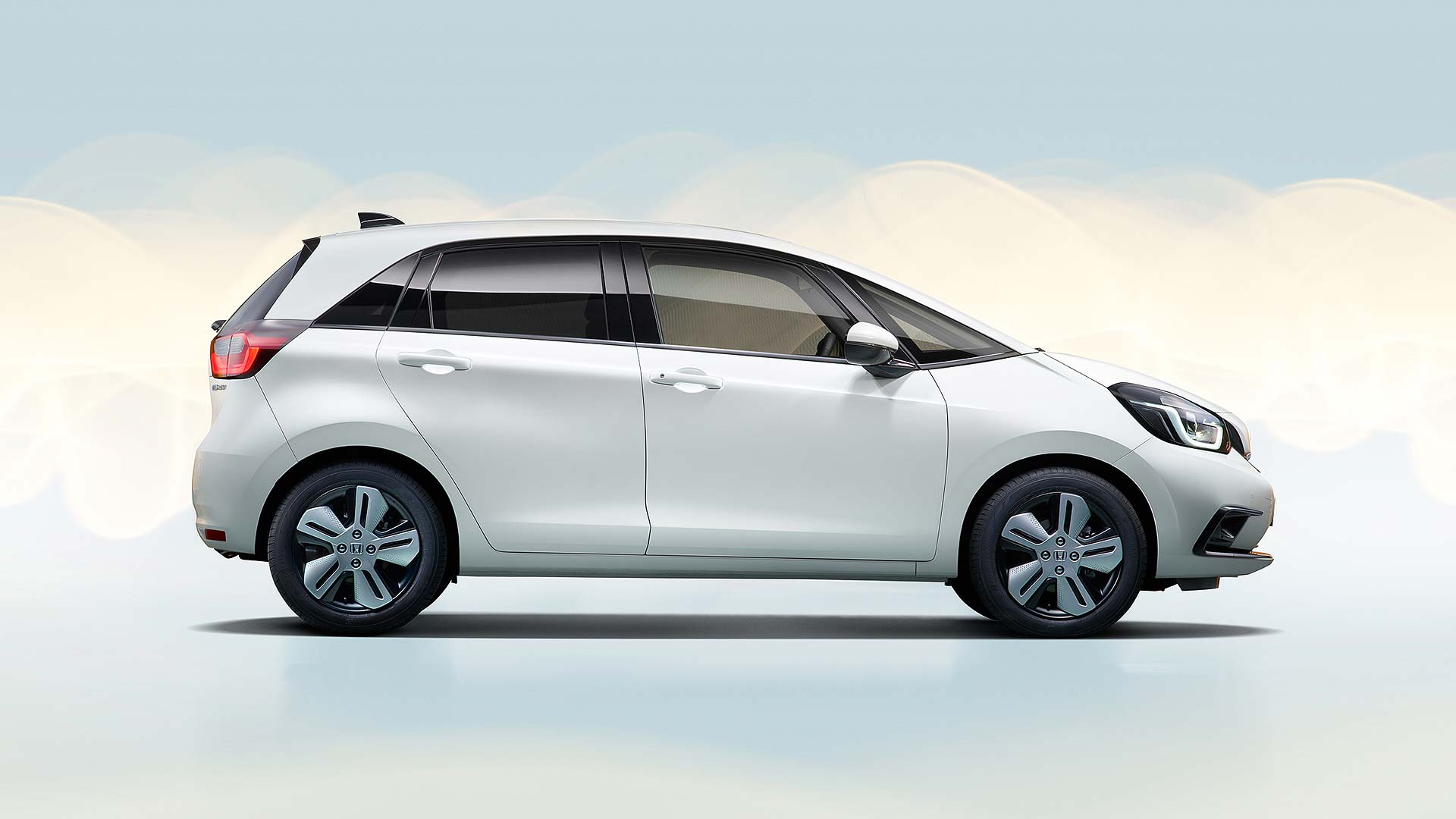
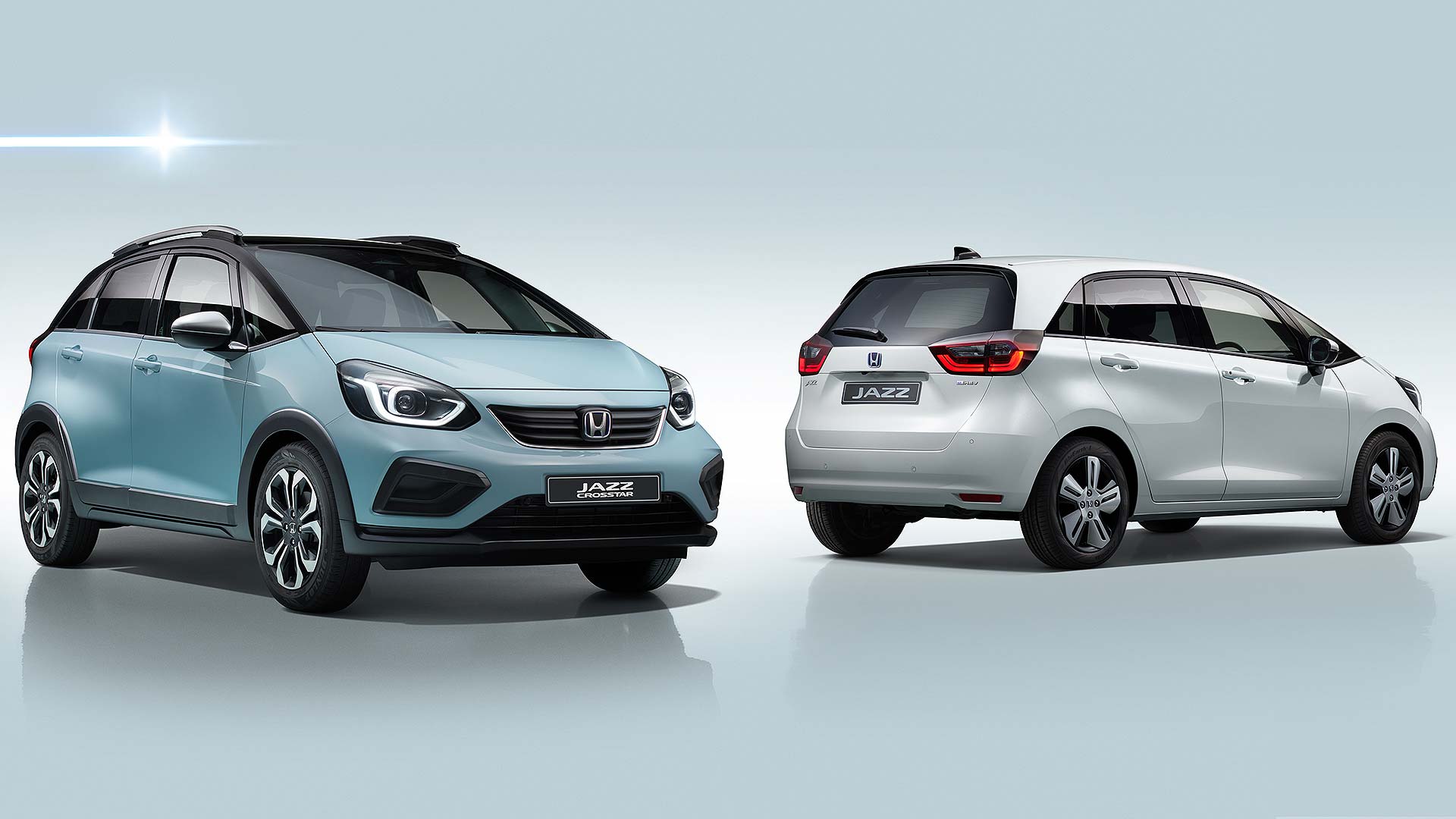
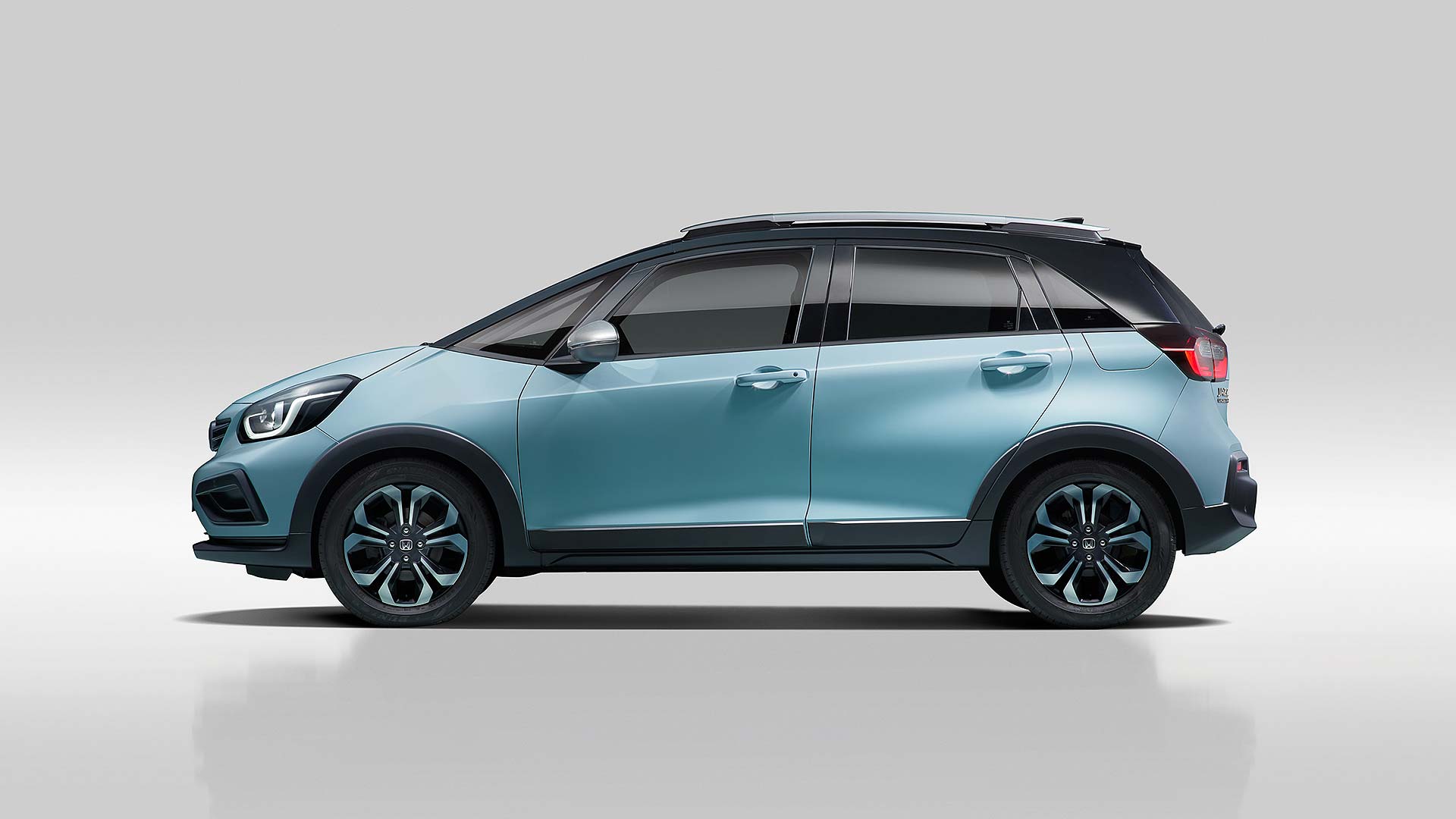
Take the styling, which is almost exactly how you’d want the Mk4 Jazz to look. The front end is a bit goofy, with a hint of Bugs Bunny, but overall, it puts right the wrongs of the outgoing Jazz.

The Jazz has always felt like a supermini XL – like a pair of beige slacks with an elasticated waist. Honda is promising ‘class-leading’ levels of interior space, thanks to the position of the fuel tank below the front seats and the hybrid tech in the engine bay.

Oh yeah, did I mention that the new Jazz is powered by a two-motor hybrid system? Honda hasn’t released any figures, but has promised ‘impressive fuel economy’. Needless to say, Jazz drivers won’t be making regular trips to the petrol station, so that plastic loyalty card can be recycled.

2020 new Honda Jazz

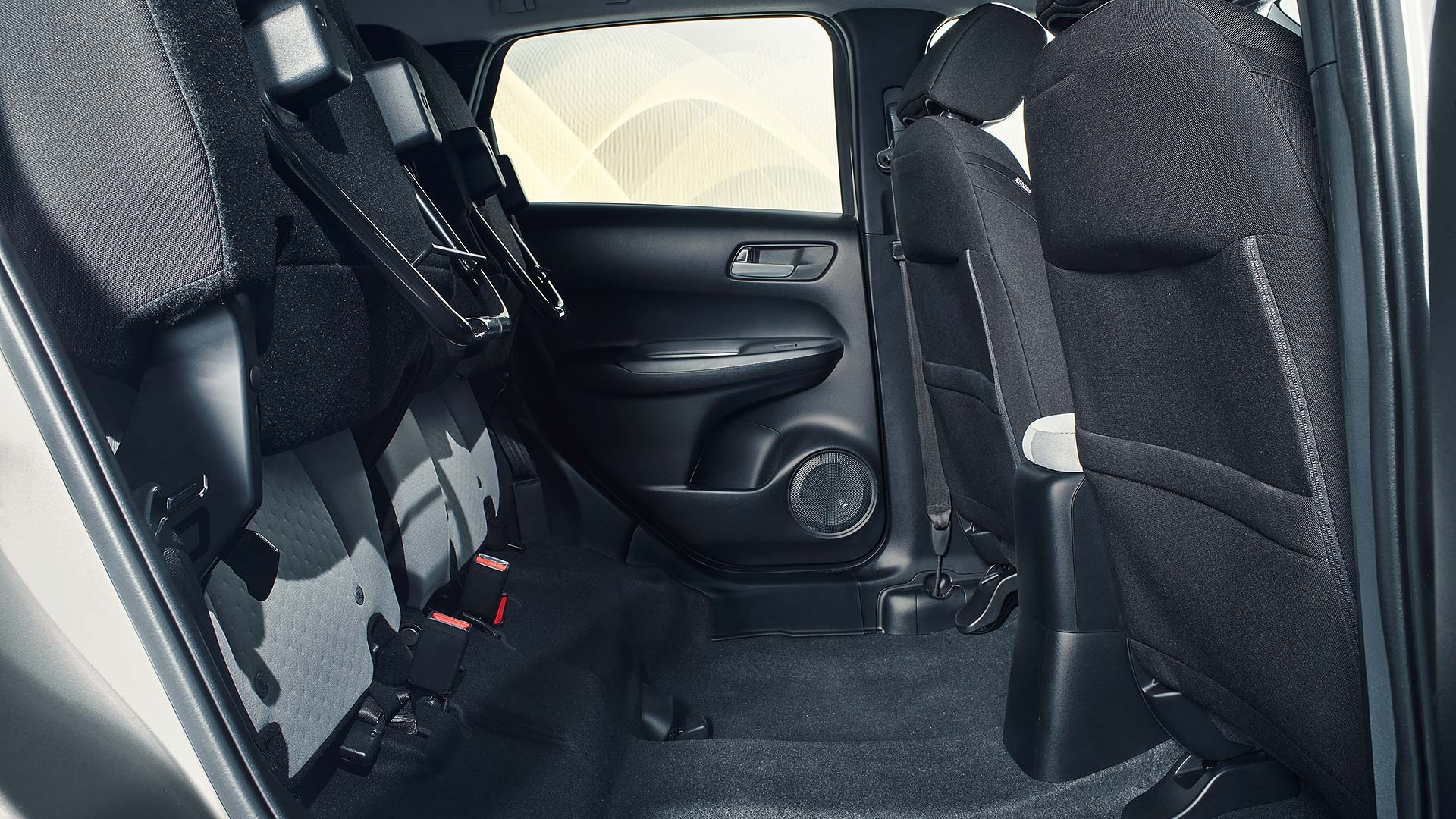
The Magic Seats are retained, because removing them would be akin to chasing away the ravens from the Tower of London. The flexibility afforded by the rear seats is one of the joys of Honda Jazz ownership.

Yes, I just used the word ‘joy’ in the context of the Honda Jazz.

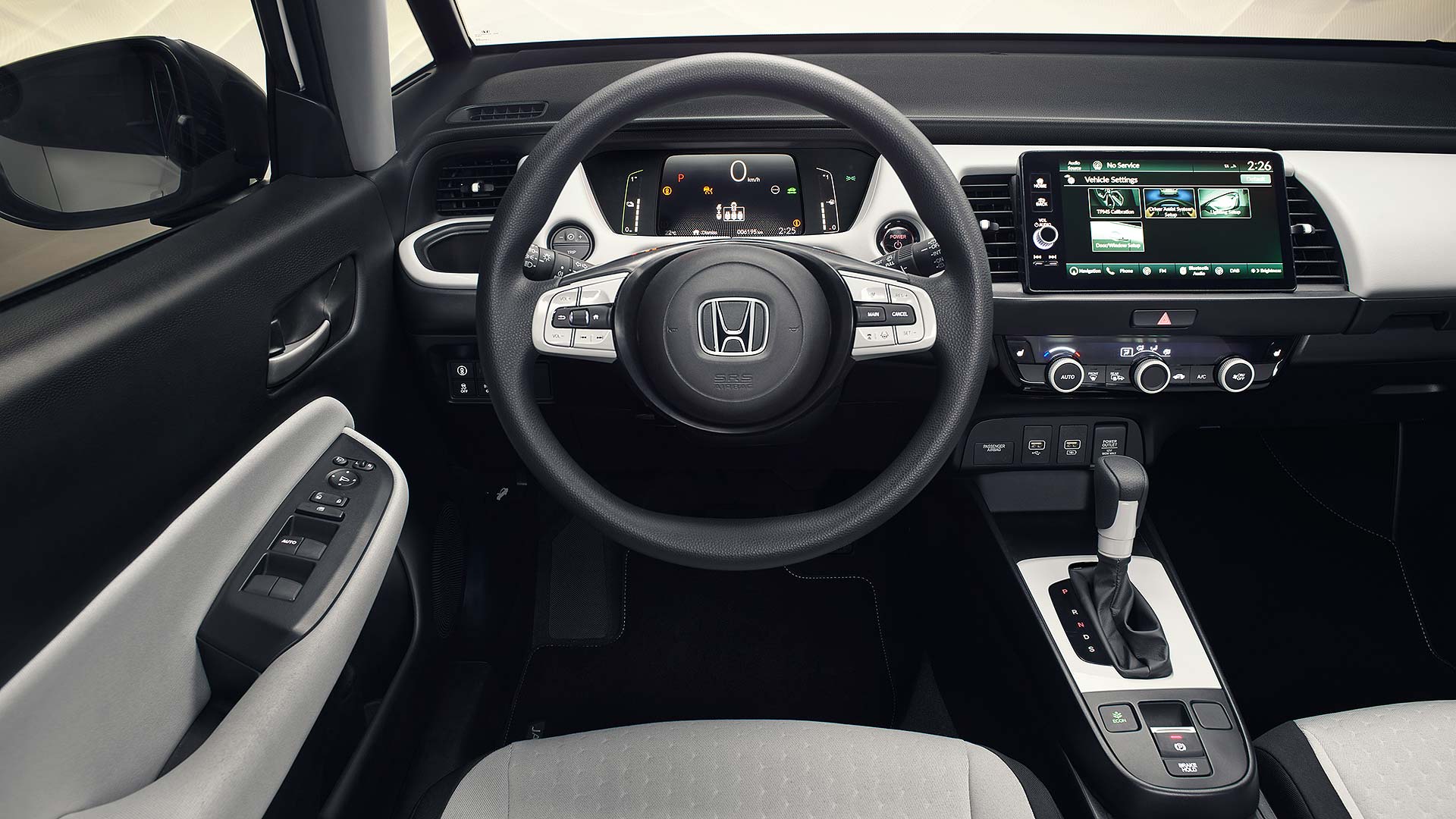
Which brings me on to the dashboard. I suspect the press photos show a top-spec interior with all the bells and whistles, but notice how all the switches and buttons are positioned in a neat and driver-focused manner.

Volkswagen reckons the world is ready for a Golf with virtually no physical buttons. I beg to differ. Such an approach would see Jazz loyalists voting to leave for the sanctuary of the Yaris, leaving the remainers to wonder what on earth just happened.

2020 new Honda Jazz

Note the two USB ports, the deep cupholder in front of the air vent, the positioning of the LCD touchscreen and the two-spoke steering wheel. Jazz, if I’m honest, you had me at the two-spoke steering wheel. 

There’s Apple CarPlay and Android Auto for when the grandchildren come to visit, wireless smartphone charging, and even a wifi hotspot. Now, Jazz owners can browse the online version of the Daily Express as they enjoy tea from a Thermos on the East Sussex coast.

The unfortunately named Crosstar is a faux crossover I could do without, but no doubt Honda has done its homework. To be fair, the Jazz wears the two-tone paint job rather well. It’s like ‘man at C&A’ has wandered into H&M by mistake.

2020 new Honda Jazz

I’m fully aware that this declaration of love for the new Honda Jazz merely cements my reputation as the odd uncle who is always left off the guest list. The one who’s estranged from the extended family. I’m not concerned.

The world doesn’t need another compact SUV, million-dollar hypercar or ‘Ringmeister. What it needs is an efficient, sensible and clever supermini that’s easy to park, cheap to run and is unlikely to let you down. Jazz hands to that.

Advertisement