Home Blog Page 319

Win on Sunday, sell on Monday: How Formula 1 markets road cars

0

Many of the earliest Formula 1 teams were simple concerns, focused only on the spirit of competition. Today, the world of Formula 1 is dominated by global automotive giants, who use it to develop and promote technology to be used by regular drivers on the road

Ahead of this weekend’s United States Grand Prix in Austin, Texas, we have taken a look at how car manufacturers use modern Formula 1 racing as a worldwide advertising billboard.

More on Motoring Research:

Silver Arrows dominate the hybrid F1 era

Mercedes-Benz was one of the earliest manufacturers to become involved with Formula 1. Legendary drivers like Juan Manual Fangio and Stirling Moss drove for the team in the 1950s, until 1955 when Mercedes withdrew from motorsport entirely.

2010 saw the return of the Mercedes-Benz team to Formula 1. The introduction of turbocharged V-6 hybrid engines in 2014 has seen the team win six Constructors’ Championships, with Lewis Hamilton on course for another Drivers’ Championship this year.

2020 Mercedes-AMG One

Mercedes-AMG has looked to turn that on-track success into a road car like no other. Known simply as the ‘One’, this hypercar is powered by the same 1.6-liter turbocharged V-6 engine as used in the F1 race cars.

With more than 1,000 horsepower, and an eight-speed paddle shift gearbox, this is an extremely direct demonstration of motorsport technology for the road.

Lewis Hamilton reveals the Mercedes-AMG One

Mercedes-AMG star driver Lewis Hamilton was on hand to help reveal the One, driving it on to the stage at the 2017 Frankfurt Motor Show. A combination of four electric motors, along with the turbocharged V-6 engine, allows the One to travel up to 15 miles on battery power alone.

Lewis Hamilton has been involved in developing the One, meaning those who buy the 275 production cars will know its abilities have been tested by a multiple F1 World Champion driver. Hamilton’s team mate, Valtteri Bottas, has also spent time with the 217 mph One. 

An almost guaranteed Mercedes-Benz leader on track

Mercedes-Benz entered into an agreement with Formula 1, agreeing to provide the safety car for the championship from the 1996 season onwards. This includes cars used by the medical teams and doctors, along with other official vehicles.

It means that in the event of a race being neutralized due to bad weather or an accident, millions of F1 fans around the world will see a Mercedes leading the field. Various road-going Mercedes models have been used, with the 577 horsepower AMG GT R currently responsible for safety car duty. 

Alfa Romeo celebrates a return to Formula 1

Italian company Alfa Romeo can trace the roots of its motorsport activity as far back as 1911, and it became active in Formula 1 from the outset. This included seeing its driver, Giuseppe Farina, win the inaugural FIA World Championship of Drivers in 1950.

Alfa withdrew as a factory team in 1951, but continued to supply engines to F1 until 1985. For the 2018 season, Alfa Romeo entered into a partnership with the Swiss Sauber team. Heading into 2019, this resulted in the outfit being renamed Alfa Romeo Racing.

2019 Quadrifoglio Alfa Romeo Racing Special Editions

Alfa has been keen to use its reborn Formula 1 project to help market its range of road cars. This includes ‘Alfa Romeo Racing’ versions of the Giulia Quadrifoglio sedan, and Stelvio Quadrifoglio SUV, wearing liveries inspired by the F1 racing cars.

Both Giulia and Stelvio use a 2.9-liter turbocharged V-6 engine producing 513 horsepower, and are fitted with an Akrapovic titanium exhaust system. Current Alfa Romeo Racing drivers Kimi Räikkönen and Antonio Giovinazzi were drafted in to help show off the new cars.

2019 Ferrari Monza SP1

Enzo Ferrari was famous for initially having no interest in producing road cars, with his interest solely focused on motorsport. However, after WWII, Ferrari began to produce cars for the street in order to fund his racing team.

Having competed in every season of Formula 1 since 1950, Ferrari is now intrinsically linked with the category. Such a close association means Scuderia Ferrari members are frequently involved with road cars. Here, Team Principal Mario Binotto, and driver Sebastian Vettel, are seen with the limited edition Monza SP 1.

Sebastian Vettel and Ferrari California T

The advantage of driving for a company which solely makes exotic sports cars means that the company car choices tend to be impressive. Four-time World Champion Sebastian Vettel moved to Ferrari for the 2015 season, and wasted no time in getting involved with the range of road cars.

Vettel has appeared in videos promoting Ferrari road cars, including the California T convertible. Introduced in 2014, the California T was the first Ferrari to use a turbocharged engine since the F40, mirroring the move of F1 to forced-induction power.

Michael Schumacher and his car collection

Winning five Formula 1 World Championships with Ferrari between 2000 and 2004, Michael Schumacher is rightly regarded as a legend by the Scuderia. His move to the Italian team in 1996 transformed Ferrari into a world-beating outfit, with a level of ruthless on-track efficiency never seen before.

Schumacher was also a keen advocate for Ferrari’s road cars, seen here alongside his race car and two vehicles from his own personal collection.

Developing the Enzo Ferrari with Michael Schumacher

Much like Mercedes-AMG with the One, Ferrari has created several F1-inspired road cars and made use of its talent in the Scuderia to help develop them. Schumacher’s dominance of the sport coincided with the creation of the 2002 Enzo Ferrari. This hypercar was made from carbon fiber and powered by a mid-mounted V-12 engine with 651 horsepower.

Other items taken from Formula 1 included a paddle shift transmission, and brakes featuring carbon ceramic discs. Schumacher assisted in refining the abilities of the Enzo, and also worked on the track-only FXX version. The German driver later owned examples of both the Enzo and FXX.

Abarth 695 Tributo Ferrari for Alonso and Massa

Alonso and Massa will have needed sizeable garages during their time at Ferrari. In 2010, the duo received their own Abarth 695 Tributo Ferrari, featuring a 180 horsepower 1.4-liter turbocharged four-cylinder engine. Naturally, an F1-inspired paddle shift transmission was part of the package.

Painted in the same Scuderia Red as the Ferrari F1 racers, carbon fiber was used for various parts including the exterior mirror covers. Brembo performance brakes, and special 17-inch wheels added to the deal, but the F1 link was tenuous at best.

BMW’s brand takeover of Williams Racing

In the early 2000s, the only cars capable of coming close to Ferrari during their dominant period were powered by BMW engines. The German company had launched a partnership with the Williams team, leading to the outfit being branded as BMW Williams F1.

Along with developing V-10 engines for use in the Williams F1 cars, the racing cars were also finished in a BMW-inspired blue and white livery. German driver Ralf Schumacher, brother of Michael Schumacher, was retained along with Columbian Juan Pablo Montoya for driving duties.

F1 technology for BMW road cars

Whilst Ferrari would still take multiple championships, the naturally aspirated P83 V-10 engine built by BMW in 2003 was regarded as one of the greatest ever made. Revving to 19,000 rpm, it generated a staggering 940 horsepower.

BMW was keen to highlight the ability of its engines, and fitted the 2005 E60 M5 with a 5.0-liter V-10 producing 500 horsepower and 384 lb-ft of torque. A seven-speed paddle shift transmission was also inspired by F1, although American customers were offered a six-speed manual unit, too. The same drivetrain combination was also fitted to the 2005 M6 coupe and convertible.

McLaren names a supercar after Formula 1

McLaren had been the dominant team in F1 during the late 1980s and early 1990s, mastering the use of lightweight materials like carbon fiber. Designer Gordon Murray convinced McLaren to back his vision of a three-seater sports car, using the knowledge the company had gained from Formula 1.

The result was the F1, built around a carbon fiber chassis and fitted with a BMW V-12 engine. Murray had been fastidious in his pursuit of performance, with details like gold leaf used in the engine bay as a heat shield. With 618 horsepower, the F1 became the world’s fastest production car in 1998, setting a top speed of 240.1 mph.

McLaren names a supercar after a legendary driver

The F1 was the first step taken by McLaren into the road car market, with the company now responsible for producing almost 5,000 cars a year. In 2018 it introduced the latest in its ‘Ultimate Series’, named after Ayrton Senna – the legendary F1 driver who won three World Championships with McLaren.

Limited to 500 units, the Formula 1 inspiration includes Brembo carbon ceramic brakes, special center-lock alloy wheels, and a roof-mounted air intake. Power comes from a twin-turbocharged V-8 engine, producing 789 horsepower and 590 lb-ft of torque.

Sergio Perez and the McLaren P1

Before the Senna, McLaren Automotive’s most recent Ultimate Series hypercar was the P1. Launched in 2013, the development and release of the hybrid-powered machine coincided with Mexican driver Sergio Perez joining the McLaren Formula 1 team.

Part of this included Perez being tasked with demonstrating the performance of the new P1 road car on the Top Gear test track. Driving a 903 horsepower hypercar on a closed course was likely to be one of the easier corporate responsibilities for Perez, who was unceremoniously dropped by McLaren and the end of the 2013 season.

McLaren driver Lando Norris and his company car

Current McLaren Formula 1 driver Lando Norris is performing well in this first season with the team. The 19-year-old is also rather pleased with his company car at McLaren, having taken delivery of a 570S coupe.

Powered by a twin-turbocharged V-8 engine with 570 horsepower, the 570S is capable of a top speed in excess of 200 mph. This is certainly not your usual car for a teenager, but then Lando Norris is not an average teen driver.

Linking the Honda Civic Type R to Toro Rosso

The latest Honda Civic Type R has become the first version of the performance compact car to be sold in the United States. As a global product, Honda has been keen to use its presence in Formula 1 to spread the message of its new Type R.

Honda currently supplies engines to the Toro Rosso F1 team, meaning its drivers for the 2018 season bagged themselves new company cars. Pierre Gasly and Brendon Hartley took delivery of their own turbocharged Type Rs last year. There is no word on whether Hartley had to return his when he left the team at the end of the year…

From a time when McLaren and Honda were still friends

Honda supplied McLaren with engines from the 2015 season through 2017. It marked the return of the Japanese manufacturer to F1 as an engine builder for the first time in seven years, with a change to the new turbo hybrid era also taking place.

The three seasons were fraught, with the Honda engines suffering from terrible reliability issues. Even when it did work, the power plant was also noted to be down on performance. Despite this, McLaren driver Jenson Button was still on hand to try and help sell the benefits of the Honda Civic Type R and its turbocharged engine.

Fernando Alonso tests the new NSX

The original Acura NSX was developed with assistance from Ayrton Senna, whilst Honda was responsible for supplying engines to McLaren. Fast-forward to the second-generation NSX, and Honda was once again in charge of engines to power McLaren’s F1 contenders.

Despite the animosity between the two companies, McLaren driver Fernando Alonso still took part in marketing events like driving the new NSX. F1 inspiration can be found in the turbocharged V-6 engine and its hybrid electric powertrain. Alonso also found that the braking ability of the NSX was closest in feel to his F1 racer.

Aston Martin and Red Bull Racing working together

Red Bull Racing adopted car manufacturer Aston Martin as a title sponsor during 2018, whilst the two companies were involved in the creation of the ultimate road car. Details first emerged in 2017 of plans for a mid-engined Aston Martin hypercar, with input from Adrian Newey – Red Bull Racing’s Chief Technical Officer.

Advanced aerodynamics, lightweight carbon fibre construction, and an F1-inspired energy recovery system are all ideas provided by Red Bull Racing for the Valkyrie.

Aston Martin Valkyrie hits the tracks

The engine in the Valkyrie is supplied by Cosworth Racing, producing an astonishing 1,160 horsepower from a 6.5-liter V-12. An F1-style paddle shift transmission is part of the package, whilst the seats for each of the 150 examples of the Valkyrie will be custom fitted to their buyer.

For those who find the regular Valkyrie too vanilla, Aston Martin also plans an AMR Pro version. This will feature a more aggressive energy recovery system for an extra power boost, and carbon-carbon brakes inspired by Formula 1. It will generate so much downforce that the AMR Pro could, hypothetically, be driven upside down.

Infiniti rewards Vettel with a special edition FX50

Red Bull Racing enjoyed considerable success from 2010 to 2013, securing four World Championships with Sebastian Vettel. The team also established a sponsor partnership with Nissan’s luxury division, Infiniti.

To celebrate Vettel’s success, in 2012 Infiniti created a special edition of the FX50 SUV. The changes included matte white exterior paintwork, an aggressive aero kit inspired by an F1 car, and a 5.0-liter V-8 engine with 420 horsepower. Buyers could also opt for a gigantic carbon fiber rear spoiler, adding $6,000 to the $127,000 list price.

Daniel Ricciardo with the Infiniti Q50 Hybrid

At least Vettel could be proud that Infiniti created a car with more power and a large spoiler for him. During his time with Red Bull Racing, in 2015 Australian driver Daniel Ricciardo became the first Formula 1 driver to test out the redesigned Autódromo Hermanos Rodríguez circuit in Mexico City.

Ricciardo had to make do with driving the updated race track in an Infiniti Q50 Hybrid sedan. This featured 359 horsepower from a 3.5-liter V-6, combined with an electric motor. Ricciardo could only watch, as then Toro Rosso test driver Carlos Sainz Jr. took to the track in a Red Bull Formula 1 car.

Renault Sport and the range of Megane hot hatches

Renault has had a lengthy involvement with Formula 1, entering its own team in 1977 and supplying engines to others since 1983. Underpinning this on-track activity has been a range of road-going performance cars, said to take inspiration from the track.

The latest in this lineage is the Megane R.S. Trophy-R, powered by a 300 horsepower 2.0-liter turbocharged engine. An Akrapovic titanium exhaust, carbon fiber bodywork for the hood and rear diffuser, plus optional carbon fiber wheels all link to Renault’s F1 efforts. With a price starting at $65,000, the cost of this compact hatch is also F1-inspired.

Megane Renault Sport 230 Renault F1 Team

Back in 2006, Renault was the team to beat in Formula 1, as Fernando Alonso tasted title success with the team in 2005. A year later he was on track for a second championship, whilst Renault released a special edition of the Megane hatchback to celebrate.

In addition to the incredibly lengthy name, the R.S. 230 Renault F1 Team gained lightweight alloy wheels, special decals, and Recaro seats. Far removed from Alonso’s weekend racer, the R.S. 230 still proved popular with European hot hatchback fans.

F1 dominance leads to the Renault Clio Williams

Renault has a track record for producing hatchbacks inspired by Formula 1 success. The early 1990s saw a dominant partnership with Williams Racing, with a special version of the Clio supermini created in 1993. It led to a highly respected hot hatch, featuring a 145 horsepower 2.0-liter engine.

Although the links to the F1 were limited to badging at best, the Clio Williams did actually enjoy on-track action during the 1996 F1 season. A Clio Williams served as the safety car for the Argentine Grand Prix that year, spending several laps controlling the field.

The time Renault placed an F1 engine in the Espace minivan

Two years later in 1995, Renault decided to celebrate its continued Formula 1 success with the sheer madness of the Espace F1. Mounted in the middle of the minivan was a 3.5-liter V1-20 engine taken directly from a Formula 1 car, and uprated to 789 horsepower.

A semi-automatic transmission was also fitted, along with carbon ceramic brakes. Four bucket seats allowed passengers to enjoy the performance, which included accelerating from 0-124 mph in just 6.9 seconds. Unsurprisingly, the Espace F1 remained as a concept only.

Daniel Ricciardo gets his own special Koleos SUV

Formula 1 fans were shocked when Daniel Ricciardo abandoned Red Bull Racing for Renault at the end of the 2018 season. However, the move opened up possibilities for Renault to market F1-inspired products in Ricciardo’s Australian homeland.

Available only in Australia, the Koleos Formula Edition adds 19-inch wheels, special side steps, and unique badging to the 400 examples. Ricciardo has been denied any Espace F1-style performance in this SUV though. A 2.5-liter gasoline engine offers more sedate performance with 169 horsepower.

Advertisement

Spot the difference: test your knowledge of car badges

0

Volkswagen badge

We do love a game to test our car knowledge. Some of the questions in this spot-the-difference badge quiz put together by Whocanfixmycar.com are easy, but others will befuddle your brain.

So, anoraks at the ready, let’s get into it…

Abarth

Abarth badge

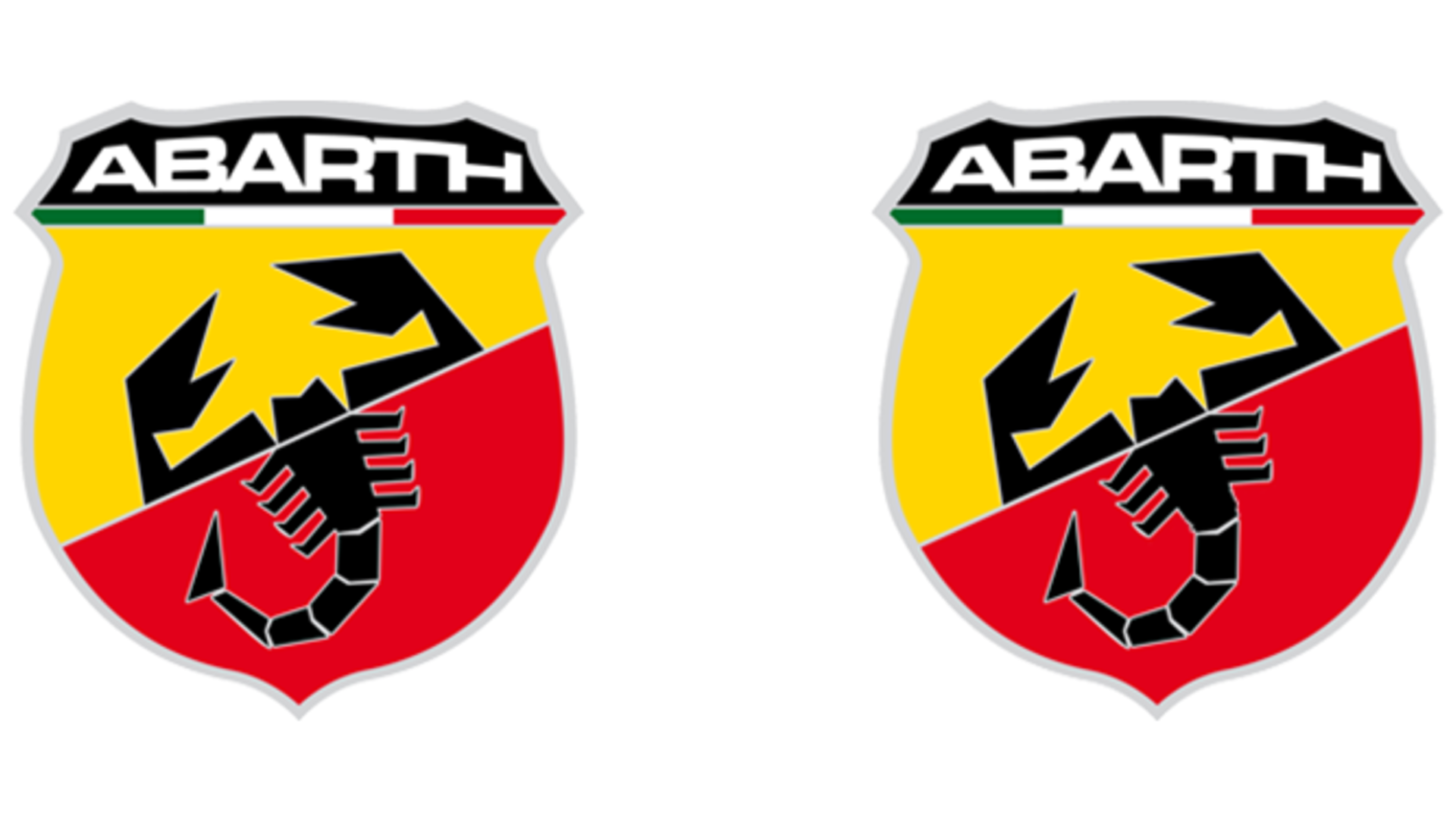
We start with Abarth. Left or right? The rather intricate logo features a scorpion. It’s small and powerful, and also happened to be Carlo Abarth’s zodiac sign.

The correct answer is ‘left’. If the balance of colours wasn’t the giveaway, it’s the fact that scorpions are arachnids, and therefore have eight legs.

Aston Martin

Aston Martin badge

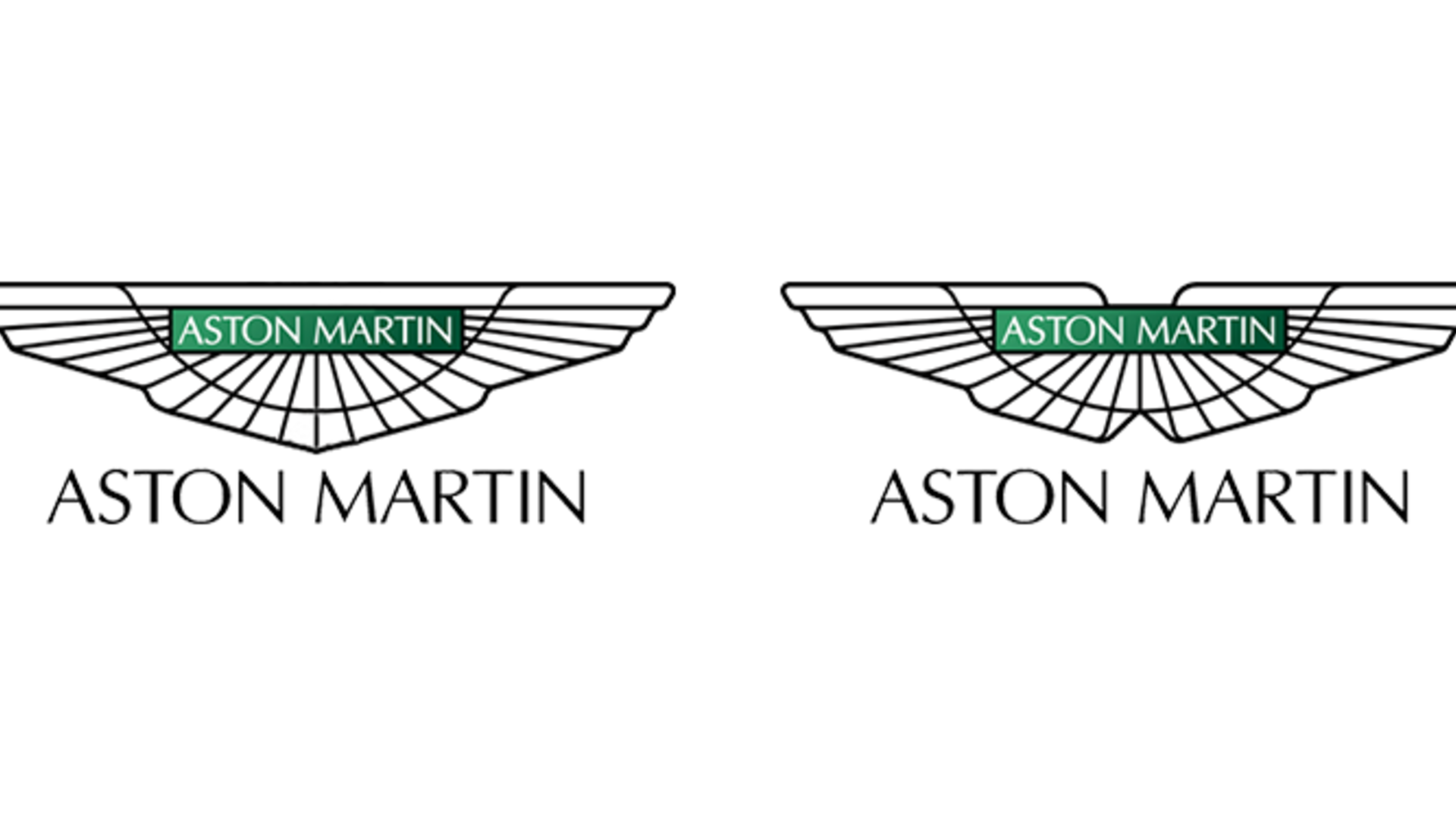
Aston Martin is perhaps the UK’s most glamorous automotive export. We’d forgive you for being so drawn by the looks of its cars, you haven’t had time to study the badge.

The Aston logo is a set of wings, as seen on the right. The left-hand logo appears to be one big wing.

BMW

BMW badge

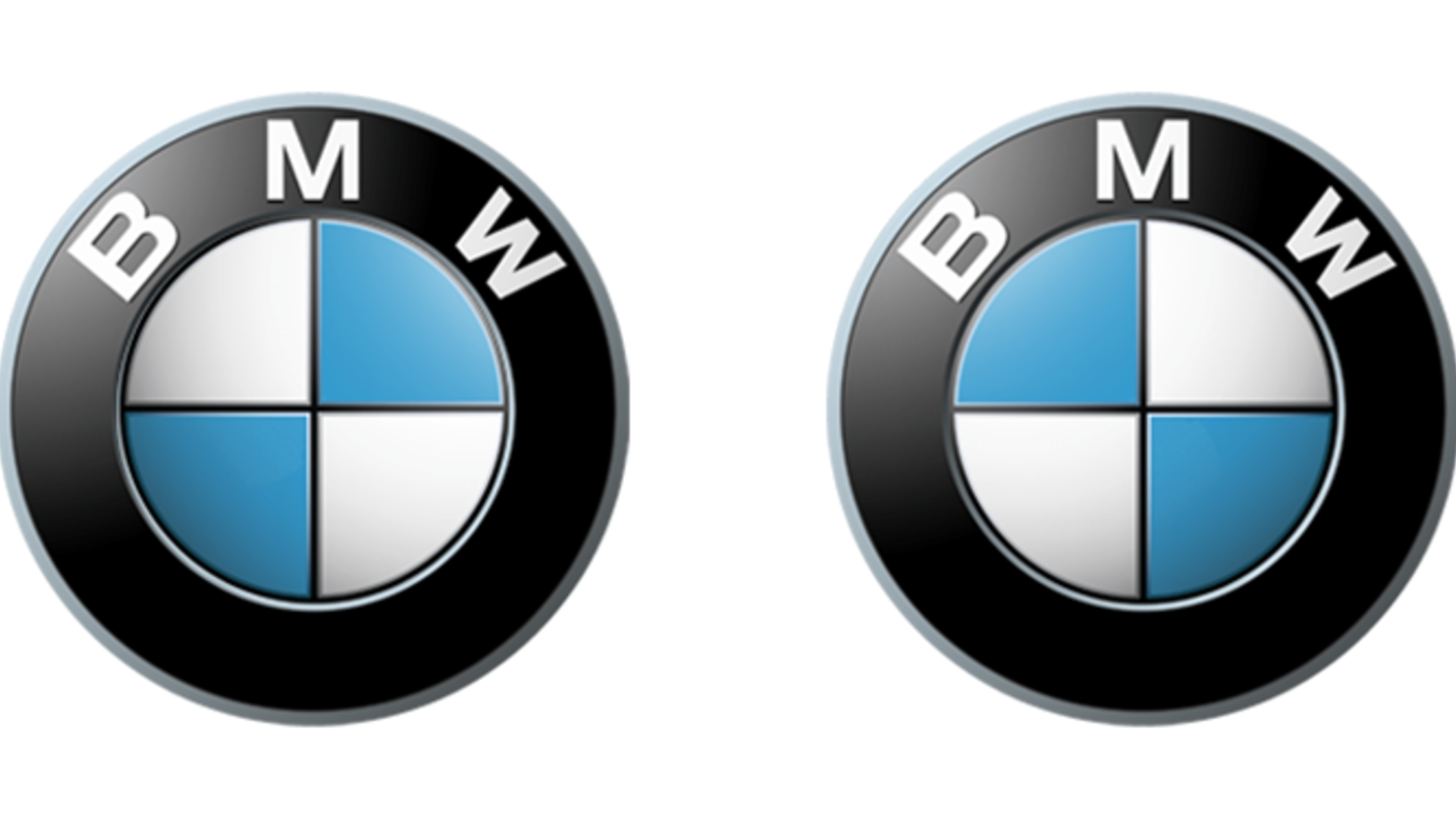
The Bavarian Motor Works badge has the colours of the Bavarian flag incorporated into it. Many believe the badge represents a spinning propeller, but this is a myth.

If it were a propeller, which way would it spin? That’s the clue for this one. When you realise right is right, it becomes obvious.

Ferrari

Ferrari badge


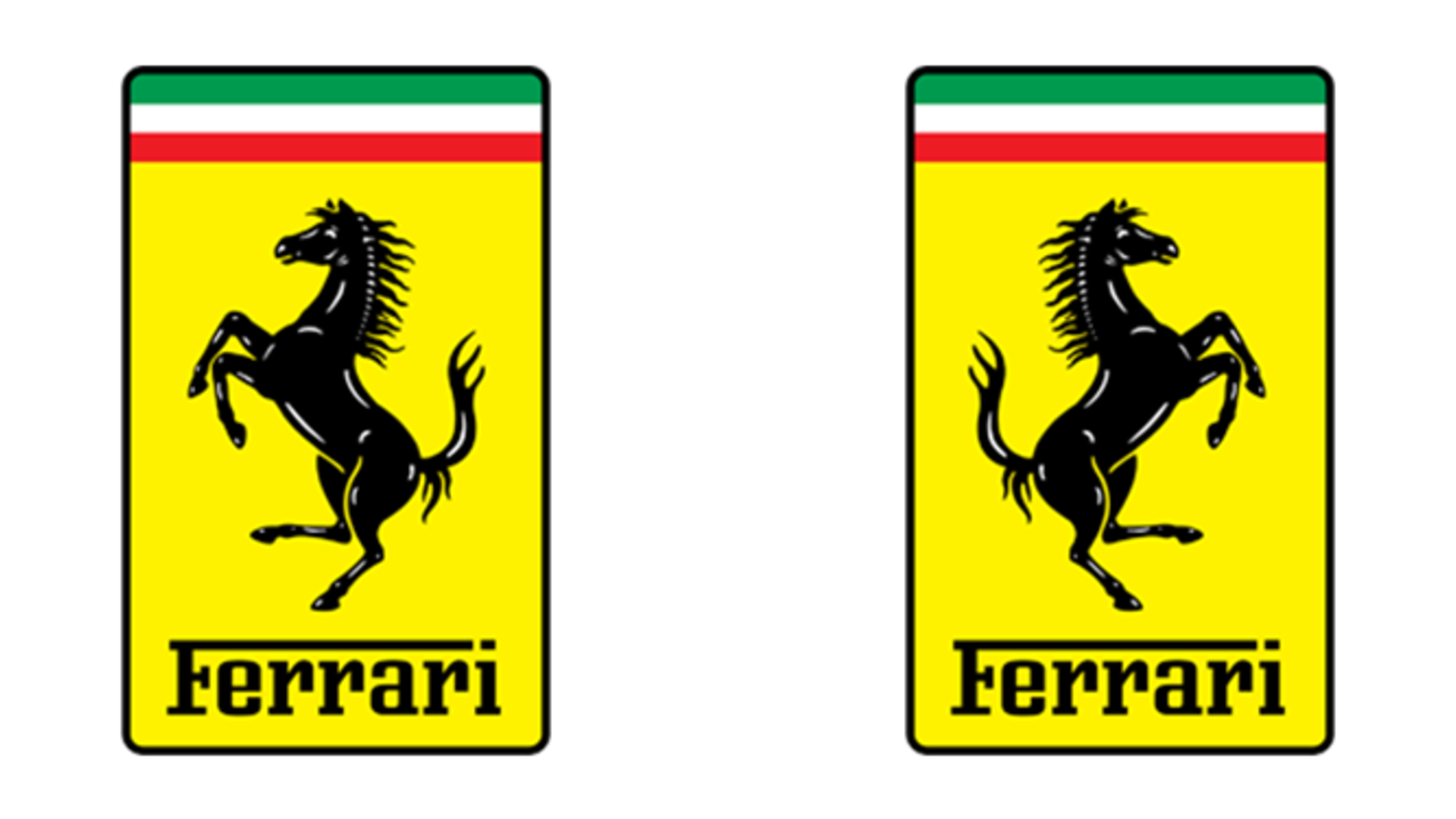
Ferrari’s prancing horse is one of the most recognisable logos in motoring. It was originally the crest of Italian WW1 fighter ace, Count Fracesco Baracca.

This one was pretty easy. The correct prancing horse is on the left.

Ford

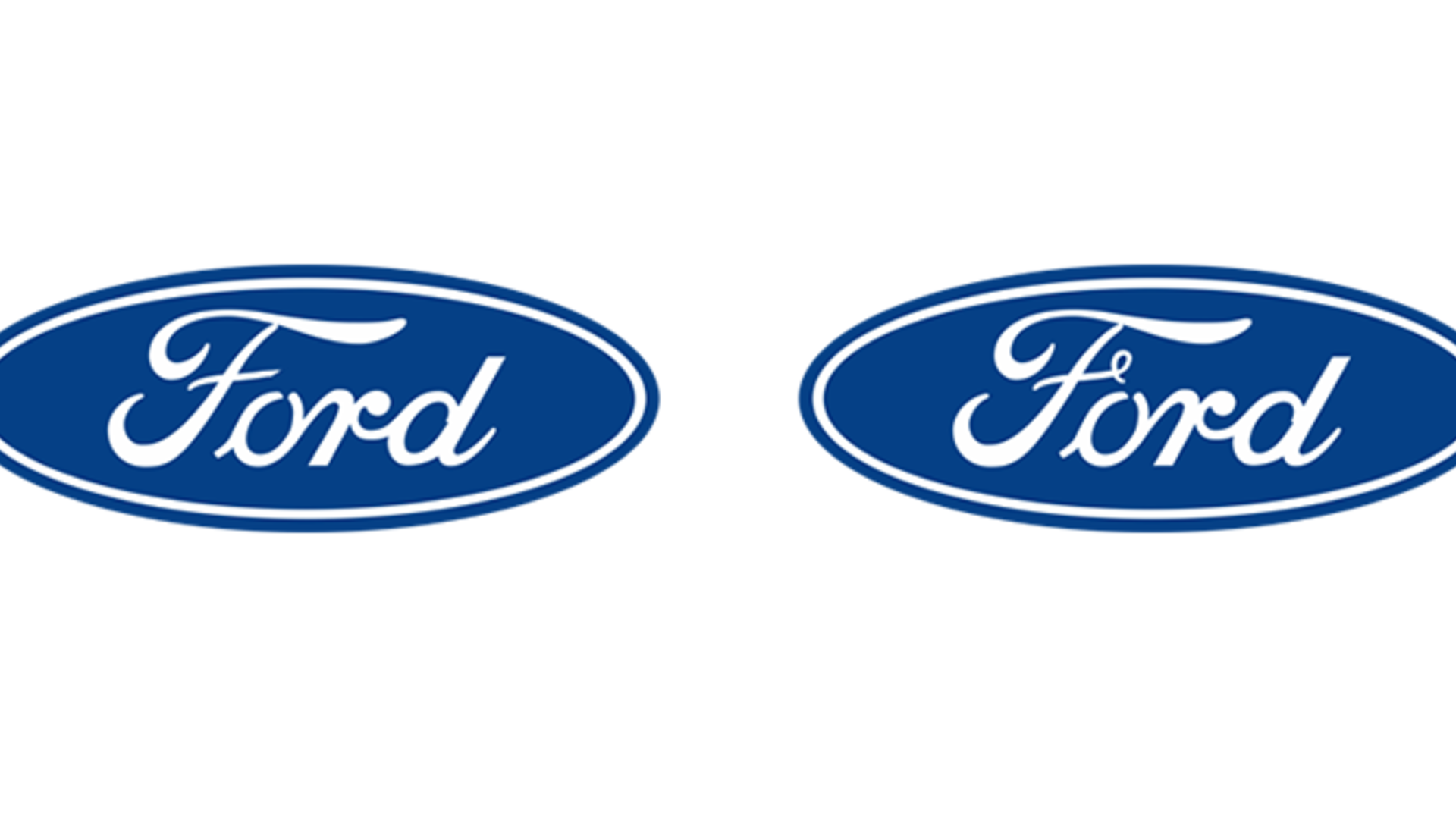
Ford badgeThe Blue Oval has, for most of its life, simply displayed ‘Ford’ in a curvaceous font. Which one is correct, though?
If you know the way Ford flourishes, you’ll know right is right. The left-hand badge seems a little simple, even to untrained eyes.

Honda

Honda badge


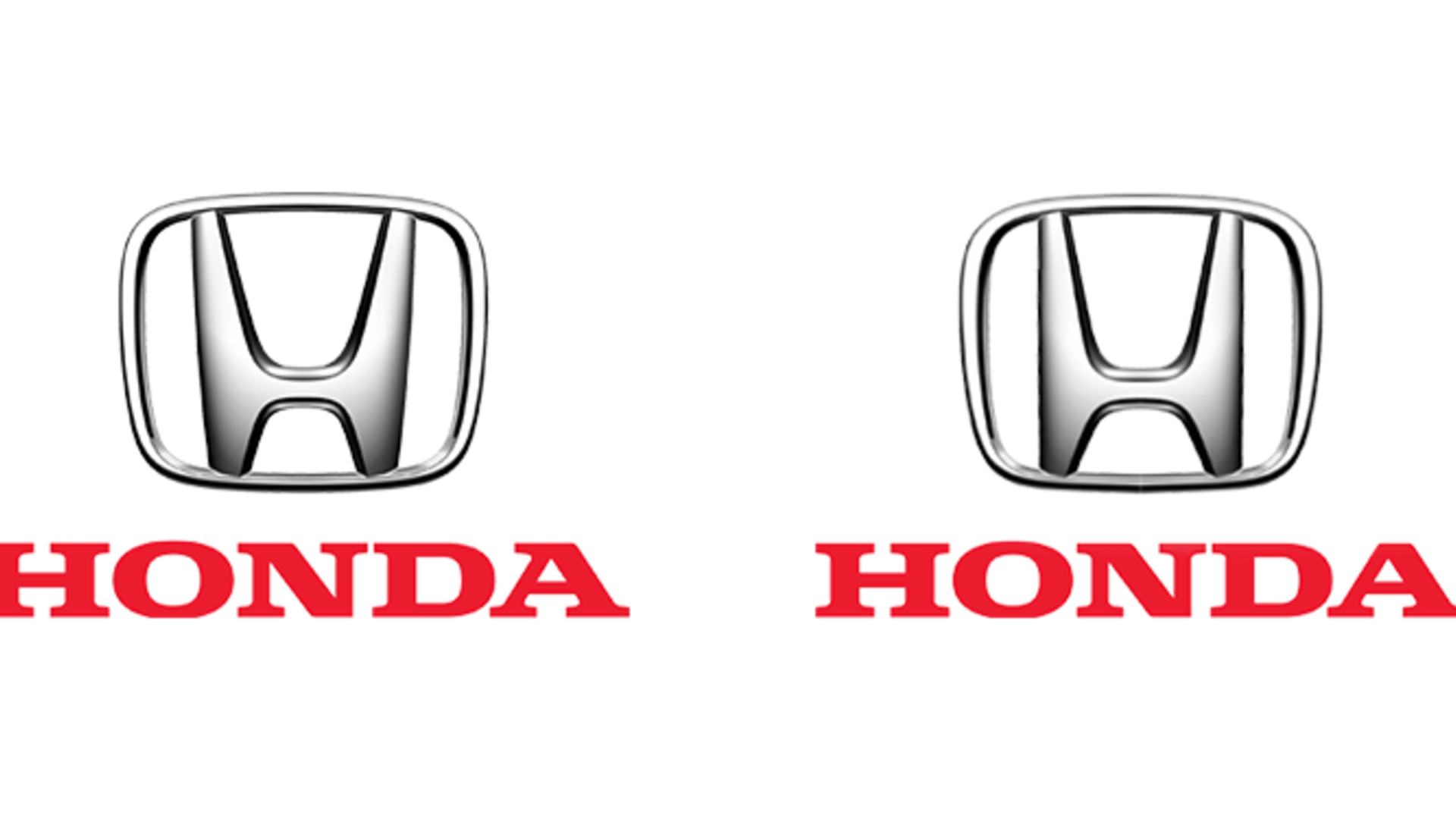
Honda’s prominent ‘H’ has been a symbol of Japanese mobility for more than 70 years. But which badge is correct?

It is, of course, the left one. Look at the ‘legs’ of the letter: they’re too close together on the right-hand image.

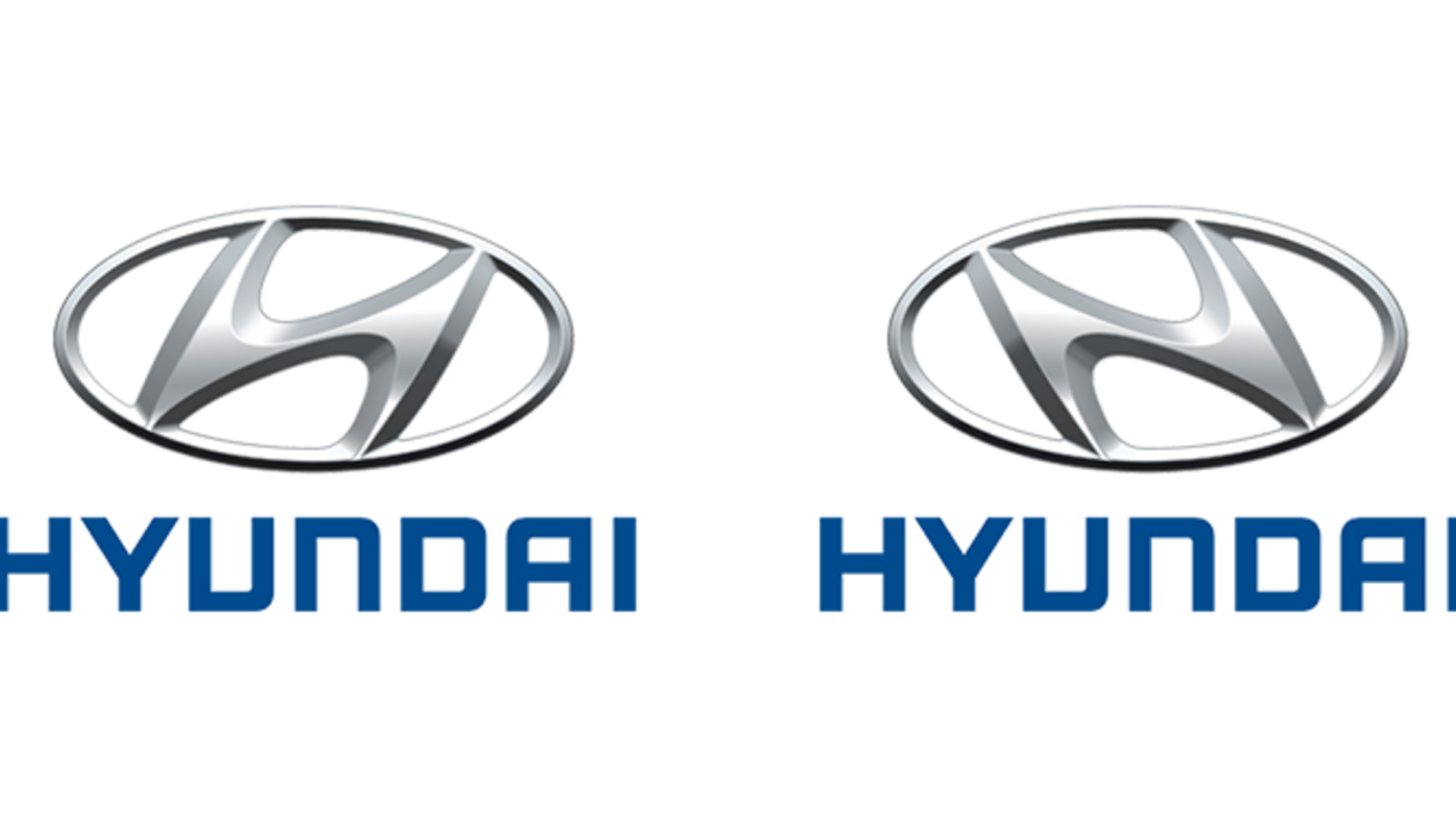
Hyundai

Hyundai badge

Hyundai is an industrial titan first and a carmaker second. The slanted ‘H’ has thus been around a while longer than the cars to which it’s attached. It’s quite recognisable, so this one should be easy.

It’s slanted the wrong way on the right. So left is right here.

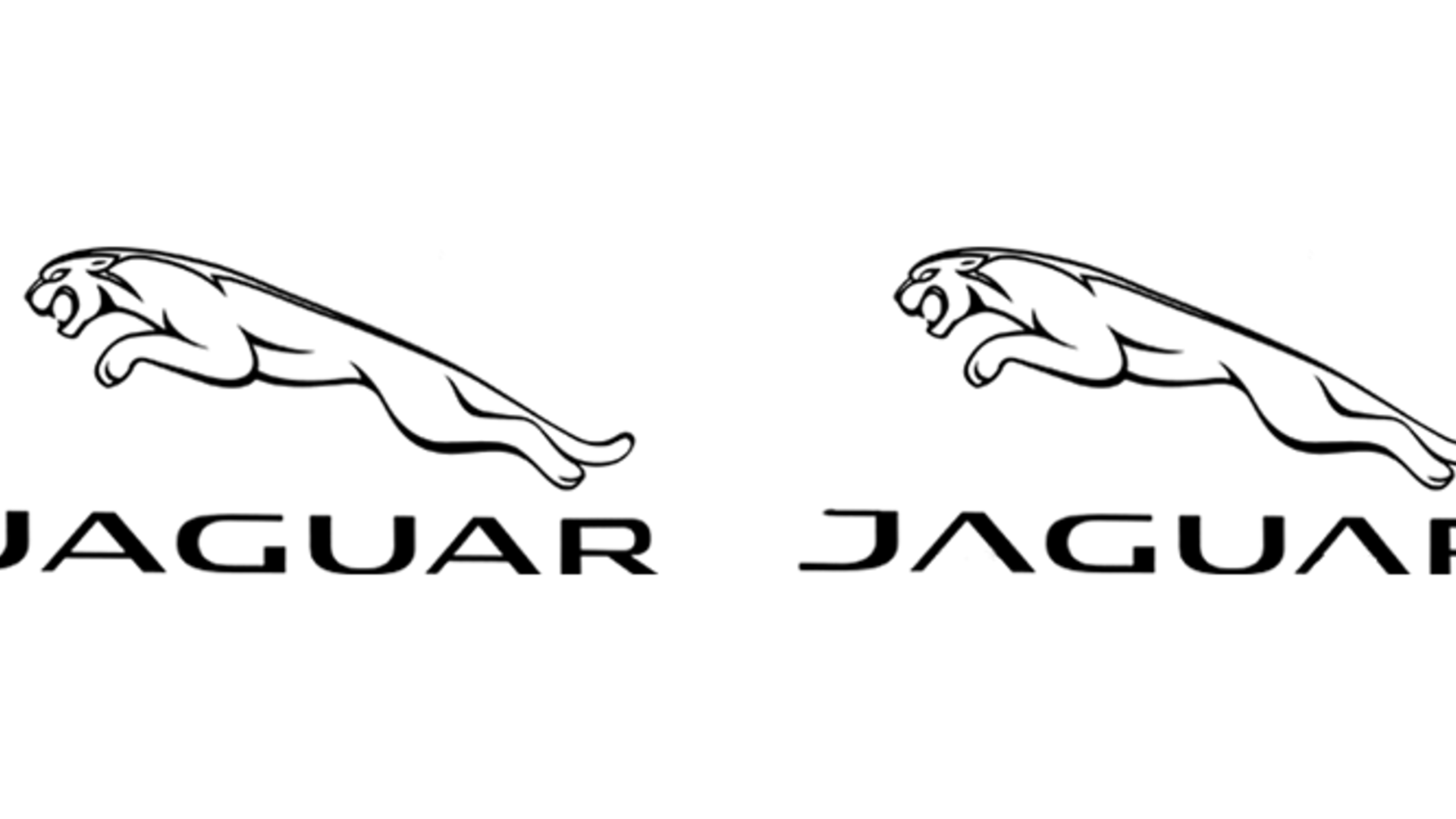
Jaguar

Jaguar badge

Jaguar has had many iconic logos over the years, from the ‘growler’ to the ‘leaper’. Can you spot the correct badge, though?

It’s a bit of a trick, this one. If you were focusing too much on the leaper, you are missing the point. It’s the written word ‘Jaguar’ that’s the giveaway. Left wins again.

Jeep

Jeep badge

Jeep has a logo that reflects its cars: simple and fit for purpose. This shouldn’t be too difficult.

Yup, you guessed it (probably). Right is right. The ‘J’ in Jeep has never had a crossed top.

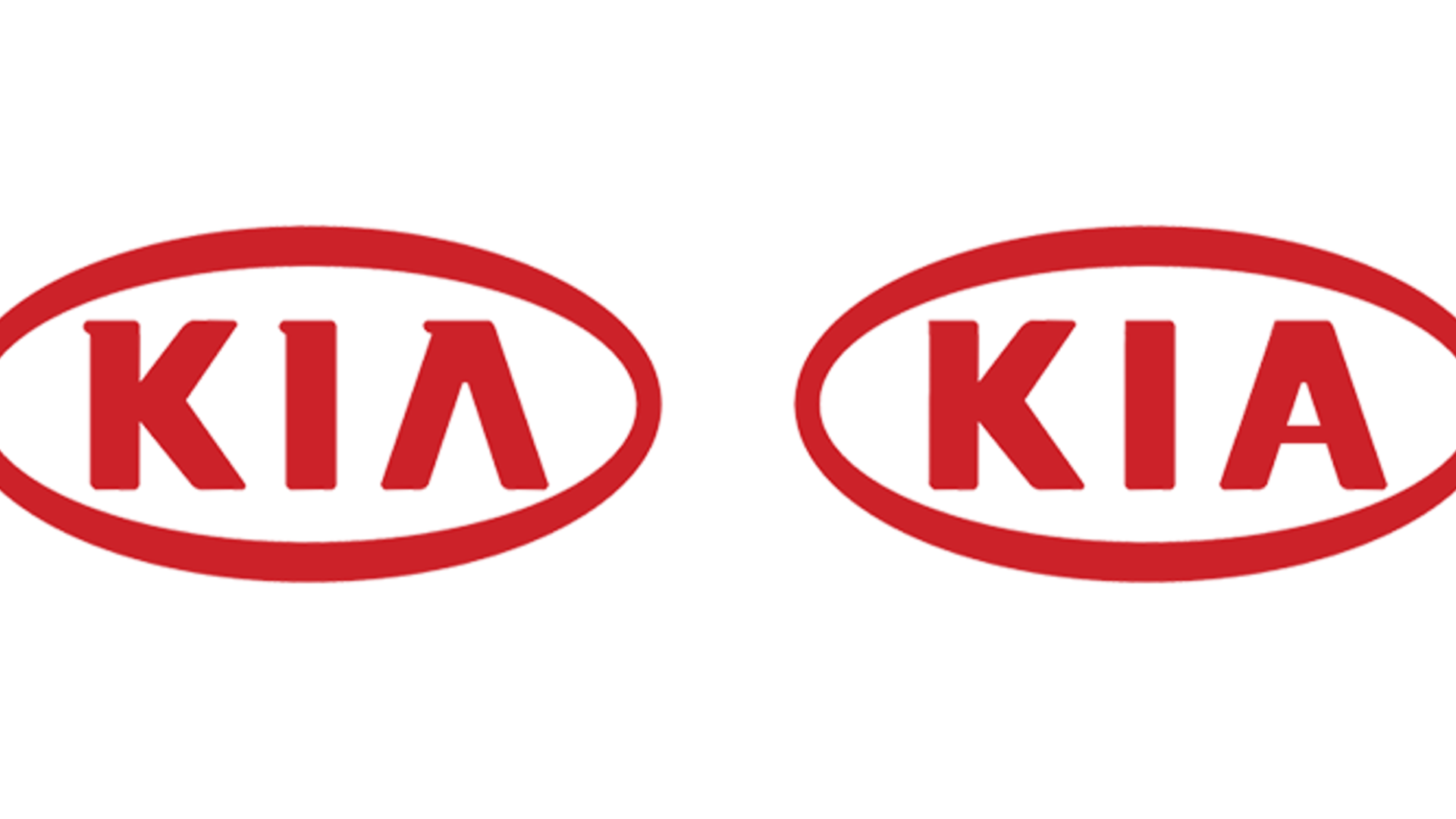
Kia

Kia badge

No style for style’s sake, no embellishment, just function. Much like what Kia has represented for many years. So what’s the difference?

Of course the A isn’t actually supposed to be a normal A. The real logo on the left loses the line across the middle.

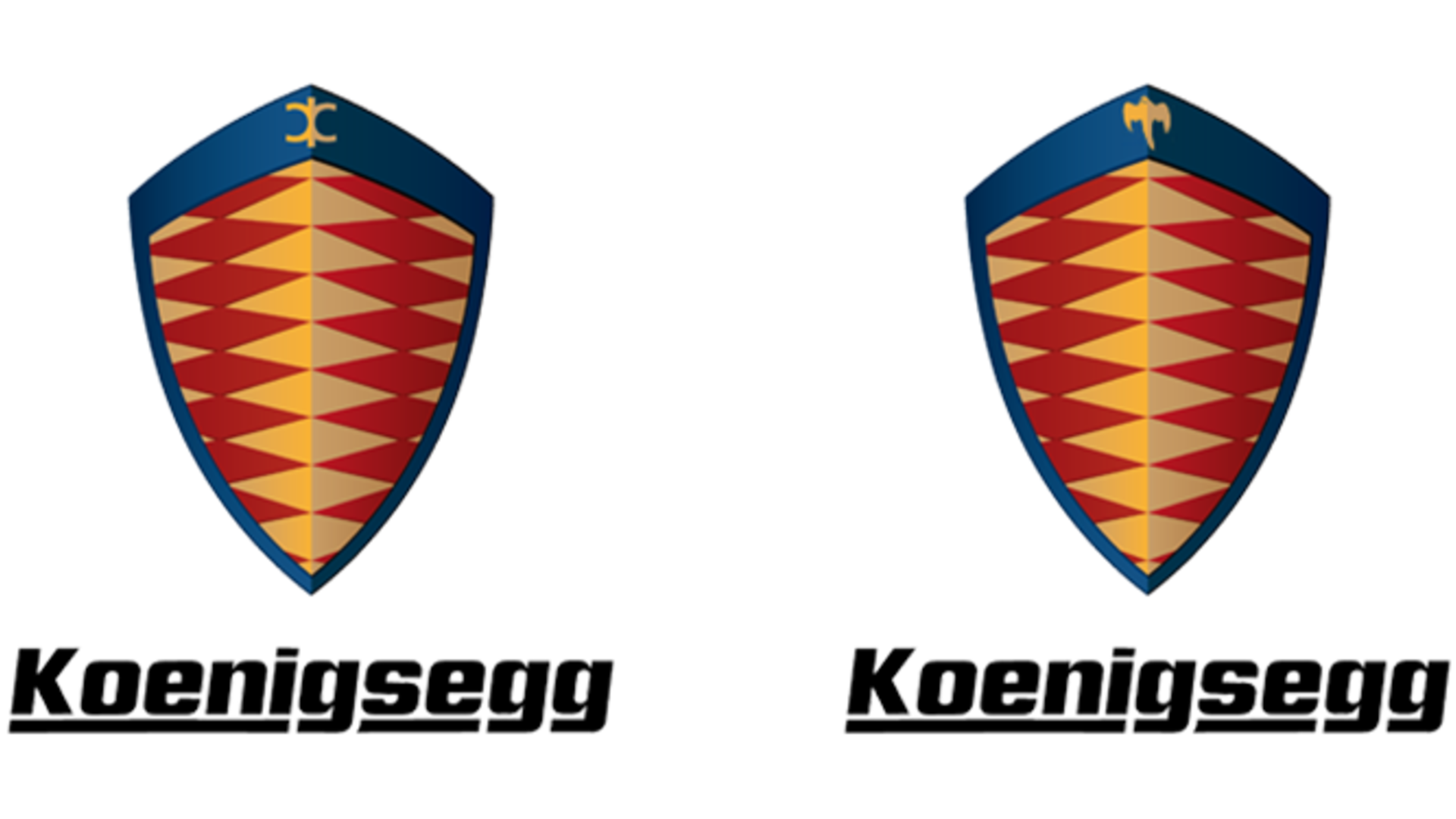
Koenigsegg

Koenigsegg badge

OK, we’ll be somewhat impressed if you’ve even heard of Koenigsegg, let alone seen the logo. The Swedish hypercar manufacturer isn’t exactly mainstream.

But those in the know will know the left badge is correct. The shield is the crest of the Koenigsegg family. That little ghost shouldn’t be there, although it is the symbol of the fighter squadron that operated out of Koenigsegg headquarters today.

Maserati

Maserati badge

Maserati was around long before Ferrari. Neptune’s trident symbolises power and agility, while the blue and white colour scheme is a homage to the city of Bologna’s flag.

An easy one, we would hope. Power and agility are best expressed when the trident is pointing upwards.

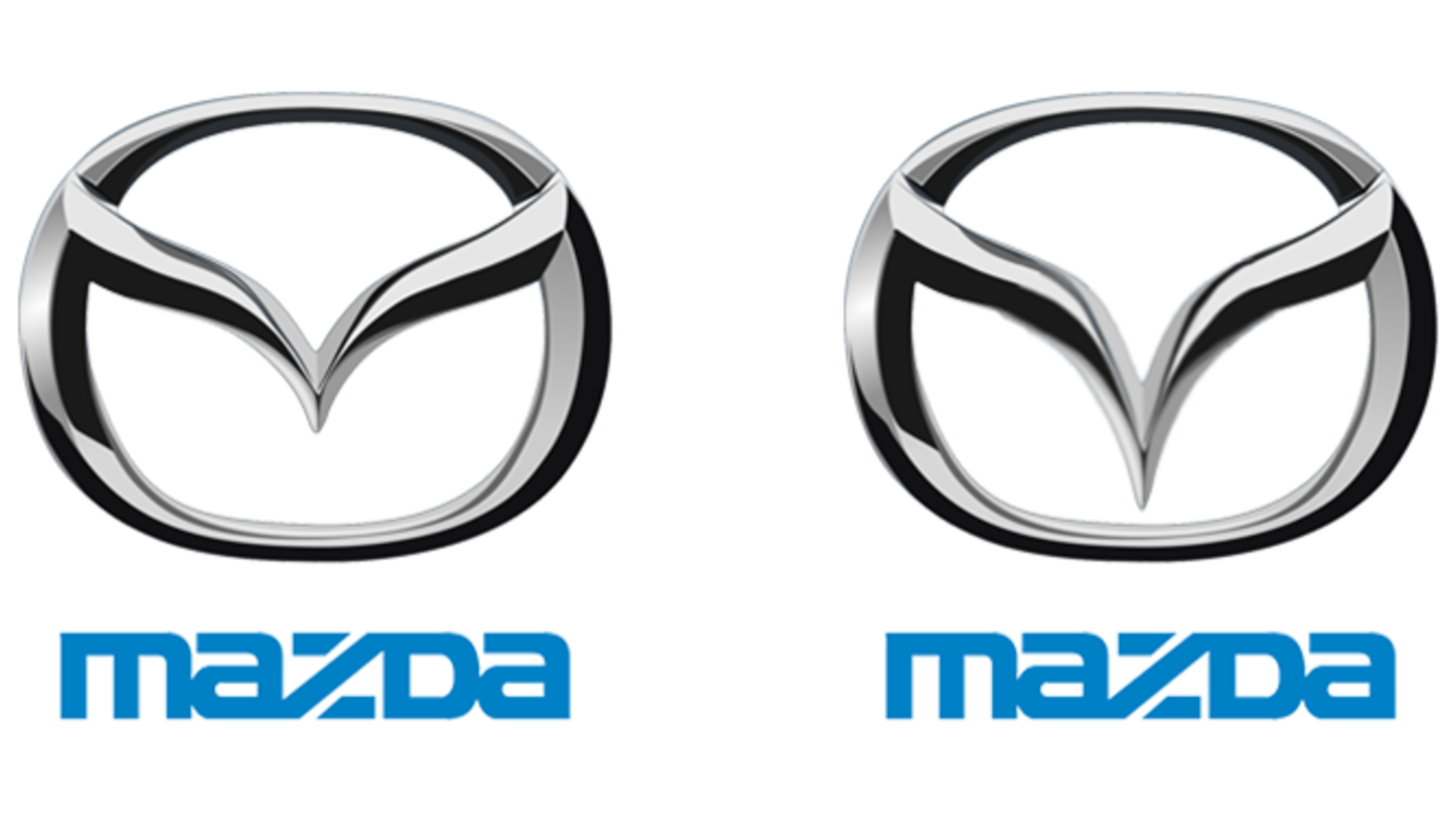
Mazda

Mazda badge

The lesser-known Japanese brand is famous for its back-to-basics sports cars, and today sells some of the best everyday cars on sale. We’d forgive you for not spotting the difference on this one.

In fact, the badge on the right is just a little bit droopy. Left is correct.

Peugeot

Peugeot badge

The Peugeot lion has been around for more than 150 years, first used for a company that made steel products. It represented strength and sharpness.

Did you spot the difference between the two lions? Right is correct, and it’s all in the mouth and tail.

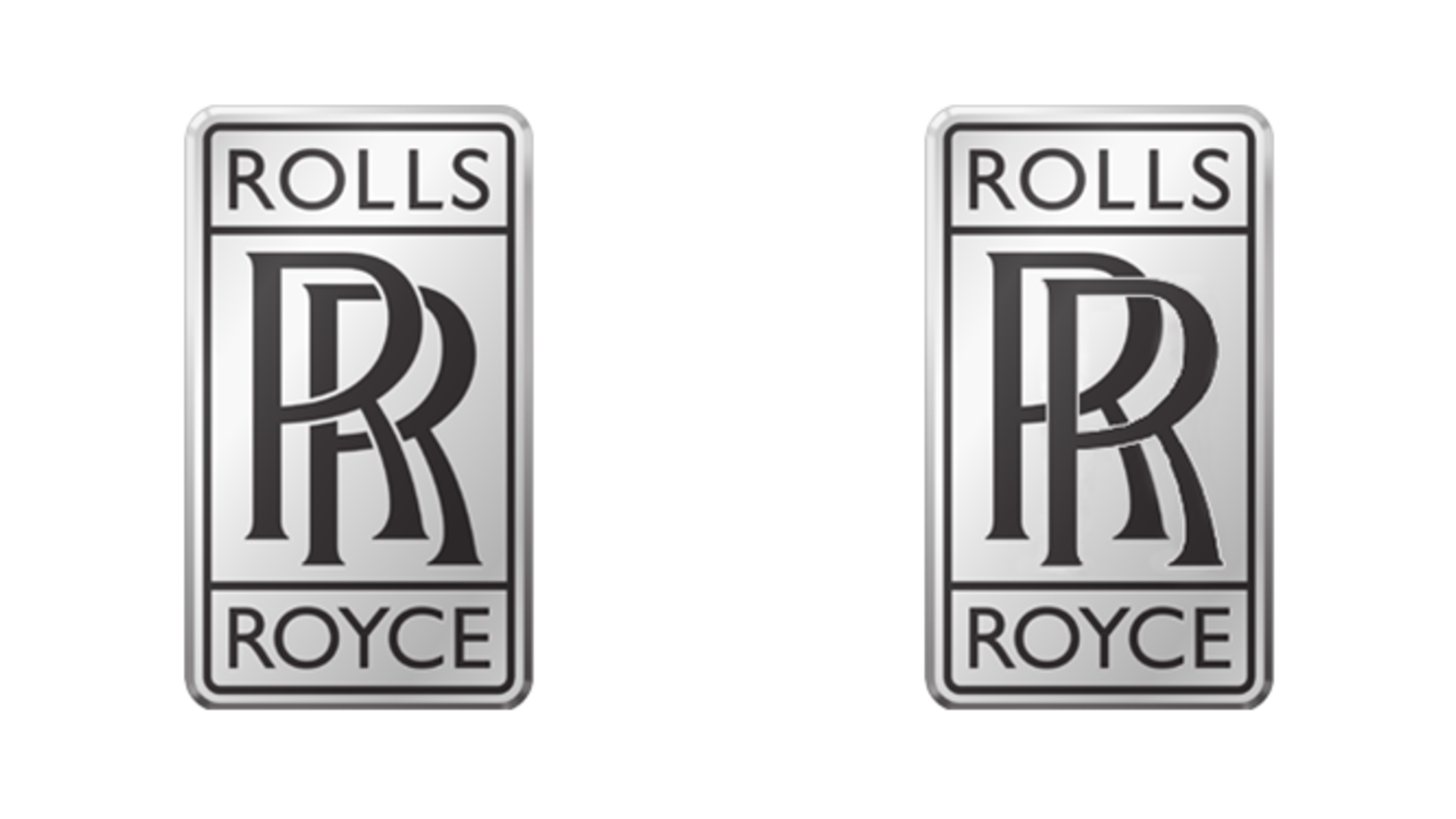
Rolls-Royce

Rolls-Royce badge

You might mostly know Rolls-Royce for the Spirit of Ecstasy bonnet mascot, but its badge is also very recognisable.

Because ‘R-R’ doesn’t stand for ‘Royce-Rolls’, the overlap has to be the right way round. That’s why left is correct.

Seat

Seat badge

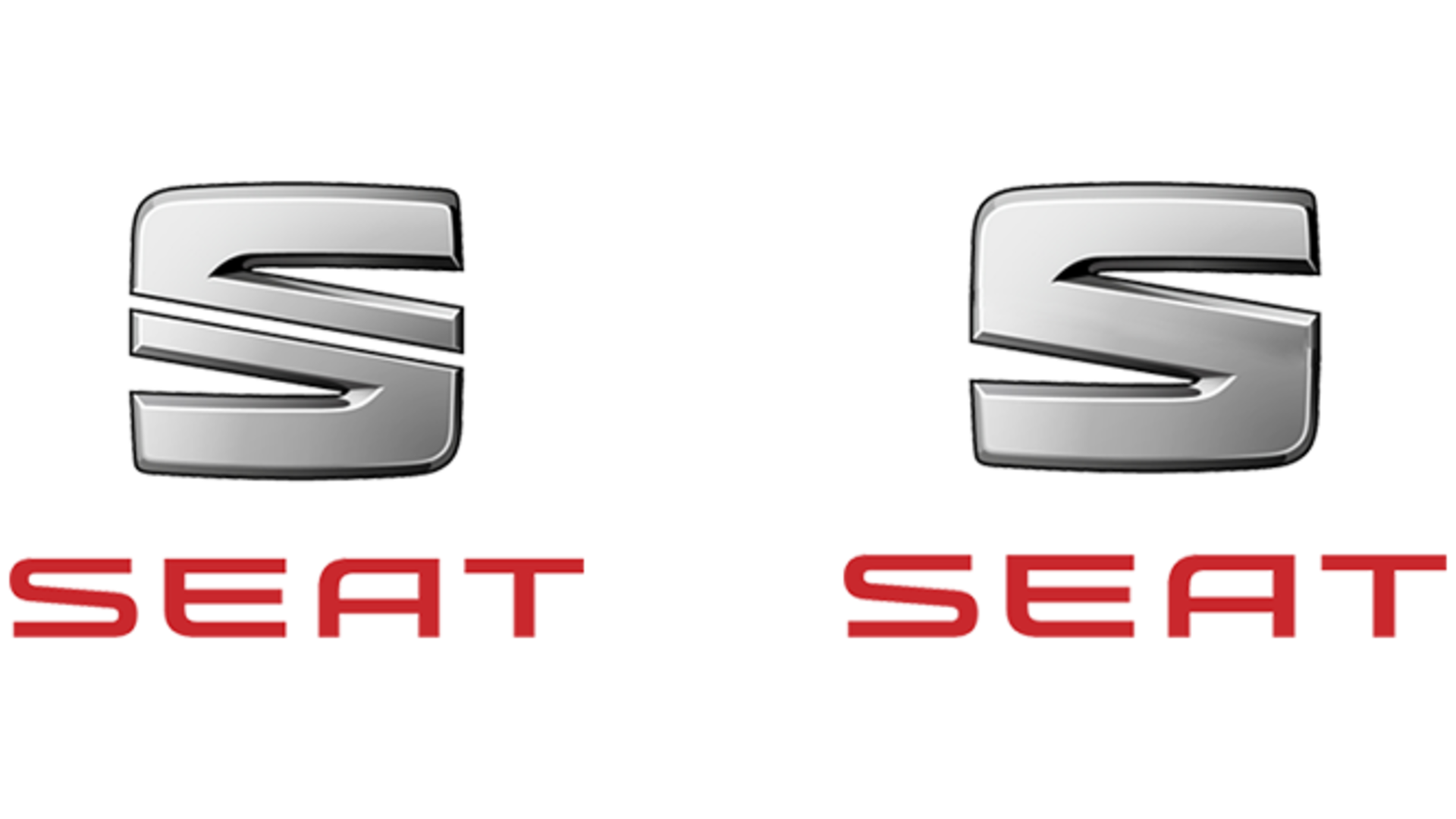
The Spanish manufacturer has been building cars since 1950, and is now under the Volkswagen Group umbrella. It does a good job of draping familiar platforms in sleeker bodywork.

There’s always a bit of flourish with Seat. So why would its badge just be a plain old ‘S’? If you guessed left, you guessed right.

Tesla

Tesla badge

A curious one, Tesla. While extremely famous and seemingly a massive talking point, it’s not been around that long. So how do you tell which is the correct badge?

Well, it’s design intuition, really. Does the right one look a little too plain? Does the left look too fiddly? The former is the case, so left is correct.

Vauxhall

Vauxhall badge

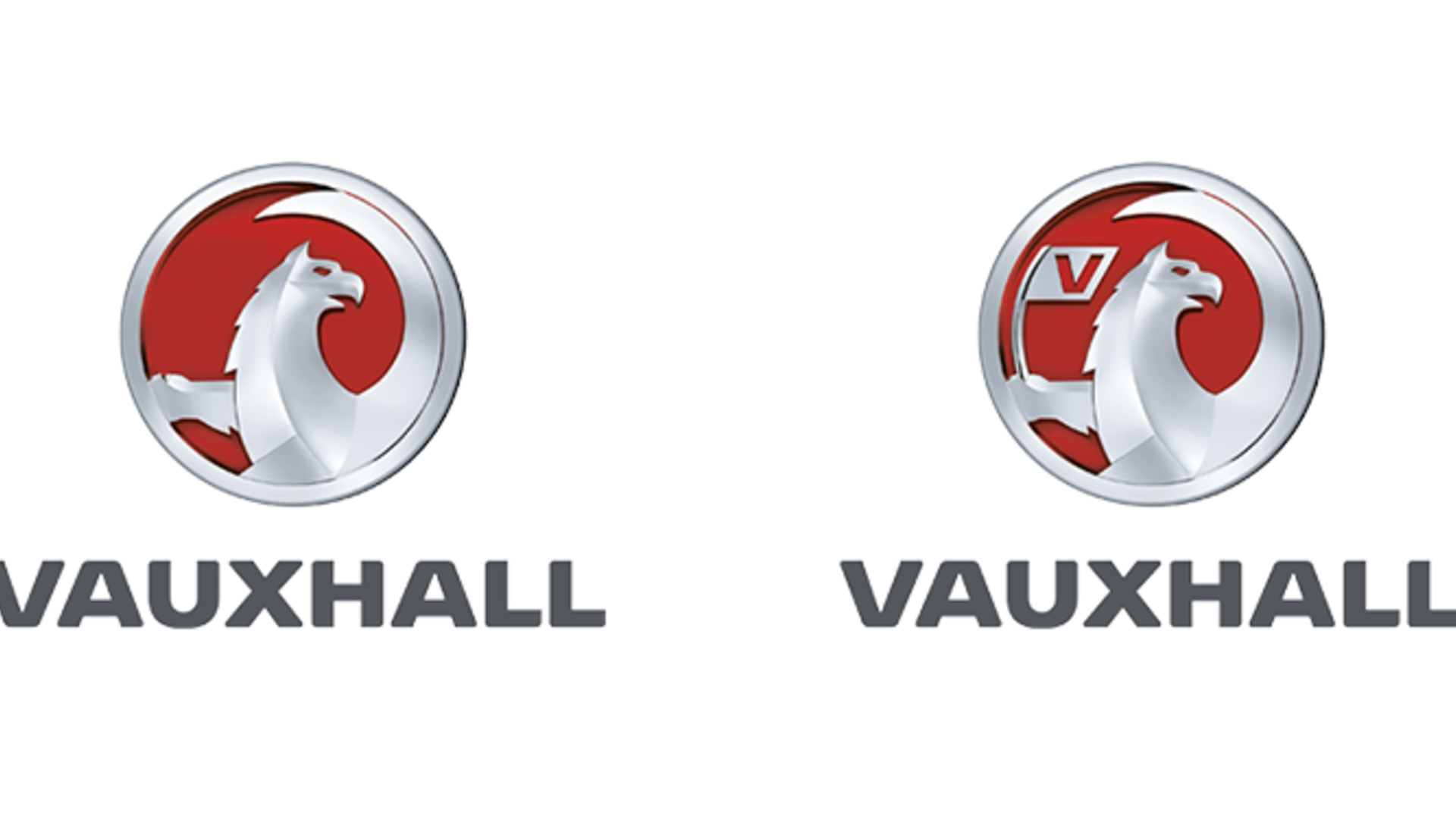
The Griffin. What a history Vauxhall has had, so this shouldn’t be too difficult.

The Vauxhall logo has carried a flag with a ‘V’ since the 1920s. Right is right.

Volkswagen

Volkswagen badge

Volkswagen doesn’t really do animals rearing up, or exotic family crests. It does the job of a people’s car. You’ll have to be hot on your logos to know this one.

Especially because Volkswagen has recently made a switch. The new logo doesn’t shirk tradition, though, particularly the tradition of keeping the ‘V’ and ‘W’ separate. Right is right.

Volvo

Volvo badge

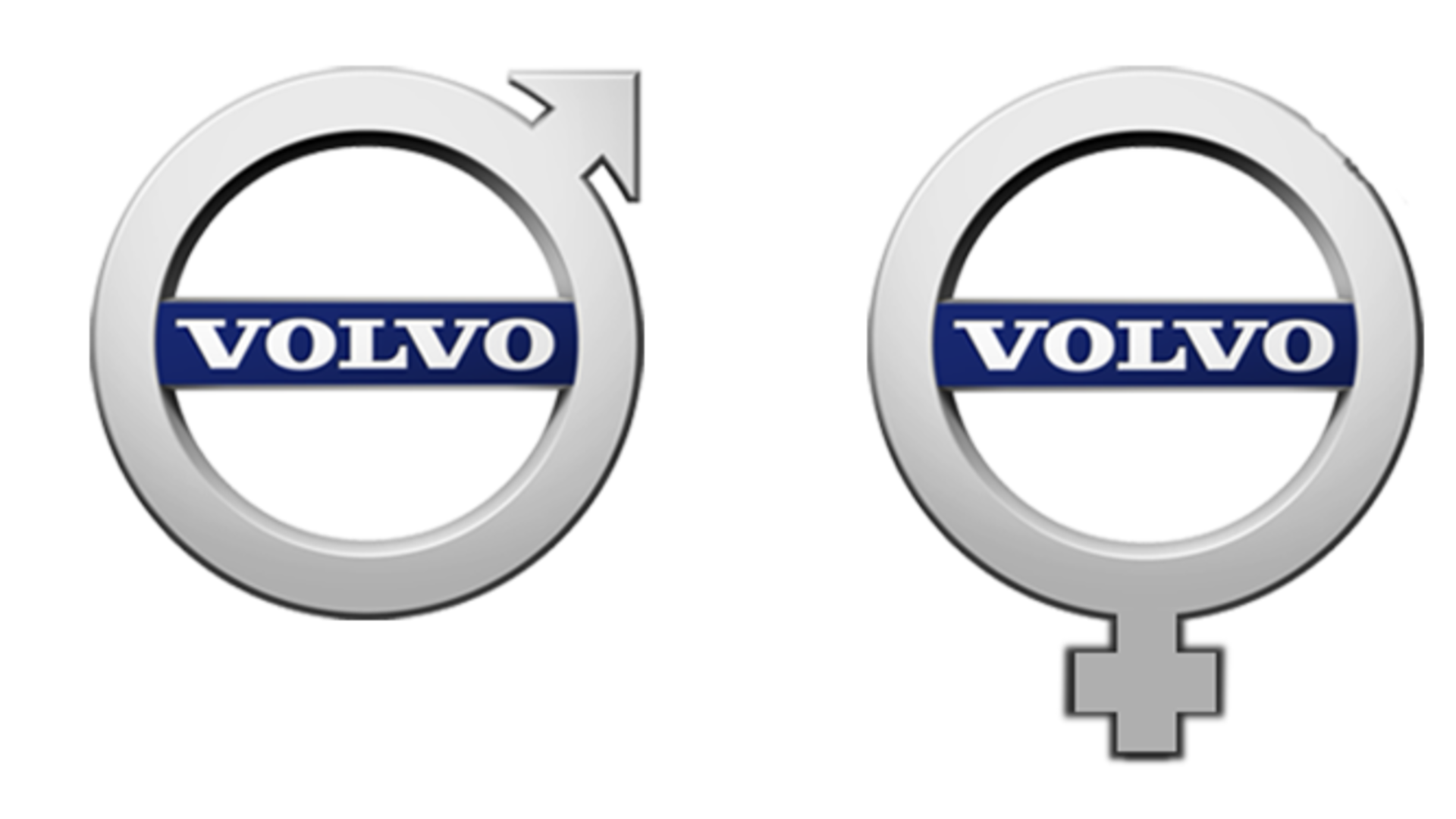
Simple, Swedish, stylish, safe – all fair descriptions of both the Volvo badge and the cars to which it’s attached.

Of course, with such a simple logo, it’s hard to not be obvious, so they had a bit of fun with it. Left is right, but that doesn’t mean girls can’t drive Volvos.

Advertisement

Bentley is helping buyers with a new 3D augmented reality app

0

Bentley Flying Spur AR AppPotential customers for the new third-generation Bentley Flying Spur now have a new application to help them decide on their perfect configuration.

Launched for both Apple and Android smart devices, the Flying Spur Augmented Reality app will offer a range of options to help buyers visualize their future Bentley

The new application will even allow for a virtual test drive of the all-new $200,000 luxury sedan, letting users experience the 6.0-liter W-12 engine and its 635 horsepower output.

No spur of the moment decisions

Bentley Flying Spur AR AppKey to the Flying Spur application is the augmented reality technology, which allows users to visualise the new Bentley anywhere in full 3D. This can be from simple table-top sized, or even scaled to represent true life-size, just in case you need to ensure that it will fit in your garage. 

App users can fully tailor their virtual Flying Spur in two distinct design options offered by Bentley. The two ‘Performance’ and ‘Luxury’ choices feature different paintwork and interior trim selections, intended to reflect the range of opportunities available to Bentley buyers. 

Once customers are happy with their chosen specification, they can then take a virtual test drive using the application. Although it might not fully capture the experience of accelerating from 0-60 mph in 3.7 seconds, or hitting a top speed of 207 mph, it will at least give some indication to potential buyers of what they could have.

Augmented visions of the future

Bentley Flying Spur AR AppThe use of augmented reality technology is becoming a major feature for car manufacturers, with luxury brands the most engaged. Bentley has previously released an AR Visualizer application for the EXP 100 GT concept car. 

Fellow Volkswagen Group brand Porsche also released an augmented reality application earlier this year, allowing buyers to fully customize their perfect Porsche product. 

Porsche, along with BMW, have even released augmented reality ‘smart glasses’ to dealership service technicians in North America. These allow technicians to access important information and schematics whilst working, and send images to central engineering experts who can advise on how to resolve complex issues. 

Advertisement

Save the manuals: the stick-shift sports cars still on sale

0

Sports cars with a manual 2019
With every passing year, a traditional stick-and-three-pedals manual transmission is getting harder to find. Key new sports cars like the Alpine A110 and Toyota Supra have abandoned the idea altogether. And for those still offering manuals, they are more of a niche option – coming to market months and even years after the auto version. Want a new sports car that you shift yourself? These are the last remaining contenders to give you that manual fix.

Porsche 911Sports cars with a manual 2019

Porsche has taken its time, but a manual-equipped ‘992’ 911 is on the way. Arriving in 2020, it’s only available on Carrera S and Carrera 4S models as a no-cost option. That means you won’t be able to get a brand new manual 911 for less than £90,000. Happily, however, rumour has it that the upcoming GT3 will retain a manual ’box, too.

Aston Martin Vantage AMRSports cars with a manual 2019

Aston Martin is another marque that abandoned the stick and clutch pedal temporarily. Launched with an eight-speed automatic gearbox last year, the new Vantage can now be ordered with a stick. Initially, it’ll be the super-limited AMR version, but a manual will be optional for the ‘normal’ car from next year.

Noble M600Stick it! The sports cars you can still buy with a manual gearbox

We sense that the good people at Noble Automotive are fans of the manual gearbox. When describing the M600 on its website, the company says “Our personal preference is indeed a manual system, however we do understand that many supercar buyers prefer, for many reasons, a paddle shift system.” It’s a hunch, but we reckon the auto option will be more popular in foreign markets, while we Brits stick with the stick. As it were.

Chevrolet CorvetteStick it! The sports cars you can still buy with a manual gearbox

The final nail in the manual Corvette’s coffin was hammered in with the reveal of the mid-engined C8. It’s dual-clutch auto only, but arrives next year (as the 911 is getting its manual ’box). Grab a traditional front-engined, rear-drive Corvette with a manual transmission while you still can. With a 460hp 6.2-litre V8, it can still show the Europeans a thing or two.

Jaguar F-TypeStick it! The sports cars you can still buy with a manual gearbox

If you fancy a manual gearbox in your new Jaguar F-Type, you’ll have to ‘make do’ with the V6. Not that this should be too much of a hardship, because even the 3.0-litre V6 340 supercharged version offers a top speed of 161mph and a 0-60mph in 5.5 seconds. Yours for a touch over £60,000. Upgrade to the S and the 0-60mph time drops to 5.3 seconds, while top speed increases to 171mph. You’ll need to find an extra £11,000, mind.

Toyota GT86/Subaru BRZStick it! The sports cars you can still buy with a manual gearbox

The Toyota GT86 and Subaru BRZ are simply dripping in retro charm. Front-engined, rear-wheel drive, six-speed manual gearboxes, superb driving position and perfect balance – everything you need for a B-road blast. You could opt for a six-speed automatic transmission, but then you could take a bath in gravy. Technically possible, but honestly, why?

Chevrolet CamaroStick it! The sports cars you can still buy with a manual gearbox

With 650hp and 650lb ft of torque, the ZL1 is the most powerful Camaro ever produced and available with either a six-speed manual or 10-speed automatic transmission. It’s not long for this world, mind, as GM executives continue to query the Camaro’s unimpressive sales figures. Hopefully, now it’s on sale in Australia, it’ll get the bump it needs to survive.

Lotus ExigeStick it! The sports cars you can still buy with a manual gearbox

The Exige’s days are numbered, as a steady flow of ever more extreme variants seems to suggest. The last time we rounded up the manual survivors, the fastest version had 360hp. Now the Cup 430 has (you guessed it) 430hp. It’ll get to 60mph in 3.2 seconds, weighs just 1,110kg and will top 174mph. It’ll cost you, though – got upwards of £100,000 to spare?

Porsche 718 Cayman GT4Sports cars with a manual 2019

Obviously you could have a ‘normal’ Porsche 718 with a manual, but you want the GT4, with a 420hp 4.0-litre flat-six and a six-speed manual. The difference with this GT4? They are fitting a PDK auto at some point, too. You’ll pay an extra £22,000 versus a 718 Cayman S, though, given its £75,348 price.

Porsche 718 Boxster SpyderSports cars with a manual 2019

It’s a similar story for the Porsche 718 Boxster Spyder. The flat-six is back, and we’re oh-so happy for it. Better still, unlike the previous Spyder, this one gets some Porsche Motorsport suspension hardware at the front, courtesy of the GT3. Six cogs, six cylinders, a clutch pedal and a drop-top. Doesn’t that sound nice? Maybe not in November…

Lotus EliseStick it! The sports cars you can still buy with a manual gearbox

For 20 years, the Lotus Elise has been the default choice for those in search of pure driving thrills. Sadly, with prices starting from £44,640 for the Elise Sport 220, rising to £57,360 for the Cup 250, the little Lotus is less ‘everyman’ than it used to be. Mind you, the Elise Sport does boast one of the best gearknobs since the Ford Puma and the Honda Civic Type R FD2.

Mazda MX-5Stick it! The sports cars you can still buy with a manual gearbox

If you’re after an affordable sports car with a six-speed manual gearbox, the Mazda MX-5 is your best option. The MX-5 is every bit as good as you may have read, and recently got a whole lot better, with the addition of the 184hp 2.0-litre engine. Now with a bit of power to match its plucky character, there’s never been a better MX-5.

Ford MustangSports cars with a manual 2019

If you’re going to do the whole Ford Mustang thing, you really ought to opt for the full-fat 5.0-litre V8. Oh, sure, the 2.3-litre EcoBoost is more efficient and will be cheaper to run, but to enjoy the authentic Mustang experience, vee-eight is where it’s at. Beyond that, it’s up to you – the automatic transmission is marginally more economical, but the six-speed manual allows you to take the ‘Stang by the scruff of the neck and give it a damn good thrashing.

Lotus EvoraStick it! The sports cars you can still buy with a manual gearbox

The latest Lotus Evoras have swollen in terms of performance and price. The 410hp 3.5-litre supercharged V6 engine means the new GT10 is capable of 0-60mph in 3.9 seconds. A six-speed manual gearbox is fitted as standard, although a six-speed automatic is available as an option. It’ll cost you from £85,900.25

Dodge ChallengerStick it! The sports cars you can still buy with a manual gearbox

All but the entry-level Challenger models are fitted with a six-speed Tremec manual gearbox as standard, right through to the SRT Hellcat. Only the bonkers 840hp Demon is auto-only. Still, you’re not exactly living in horsepower poverty with a 707hp Hellcat. For the sake of a manual shift, we’d consider taking the hit.

Nissan 370ZStick it! The sports cars you can still buy with a manual gearbox

The Nissan 370Z takes us back to Datsun Z cars of old. A hairy-chested brute of a sports car powered by a 3.7-litre V8 engine and offering classic rear-wheel drive dynamics. Prices start from £29,870 for the basic Z, rising to £40,370 for the Nismo.

Caterham SevenStick it! The sports cars you can still buy with a manual gearbox

If you want back-to-basics, seat-of-your-pants thrills – this is as good as it gets. The gearstick in a Caterham Seven is a short and stubby affair, perfectly positioned alongside the tiny steering wheel. Prices start from £26,490 for the bargain-basement Seven 270, through to £48,890 for the bonkers 620. Shifting through a six-speed gearbox has never been more exhilarating.

Audi TTStick it! The sports cars you can still buy with a manual gearbox

Sadly, the Audi TT RS won’t offer the option of a manual gearbox, so you’re stuck with the common or garden TT. Might we suggest the 2.0-litre TFSI in S line trim?

Morgan 3 WheelerStick it! The sports cars you can still buy with a manual gearbox

The Morgan 3 Wheeler weighs just 525kg, but manages to punch above its weight in more ways than one. The 2.0-litre V-twin engine is mated to a Mazda-sourced five-speed manual gearbox to offer a unique take on the drivers’ car formula. Brilliant.

British-built, track specialsStick it! The sports cars you can still buy with a manual gearbox

Of course, you’ll still find a number of low-volume, track-focused manufacturers willing to fly the flag for the manual gearbox. Select from the likes of Ariel, Radical, Ginetta, Ultima and Westfield for maximum thrills. There’s a new Ariel Atom, with a turbocharged four-cylinder from the Honda Civic Type R…

Coming soon: Aston Martin VanquishSports cars with a manual 2019

Aston Martin’s recent Vanquish Vision Concept teased a mid-engined supercar that you’d never expect would have a manual gearbox. Trust Aston Martin to surprise us all, there were rumblings it was planning a stick-shift for its McLaren 720S rival. Here’s hoping.

Coming soon: De Tomaso P72Sports cars with a manual 2019

Born to channel the spirit of hairy-chested De Tomaso supercars of old, the P72 resembles a 1960s sports prototype racer. Under the clamshell sat a roaring V12 when it appeared at Goodwood this year, though the production version is due to get a Roush-tuned V8. And yes, it’ll have a manual…

Coming soon: Gordon Murray Design T.50Sports cars with a manual 2019

We saved the best until last. If it came from anyone else, we wouldn’t have faith it would happen. But it’s Gordon Murray who wants to produce a V12-powered 600hp+ hypercar that revs to five figures and has a manual gearbox. We await his three-seat T.50, a true successor to the McLaren F1, with great anticipation.

Advertisement

Electric car firm patents special seats for emergency services

0

Rivian files patent for first responder seat

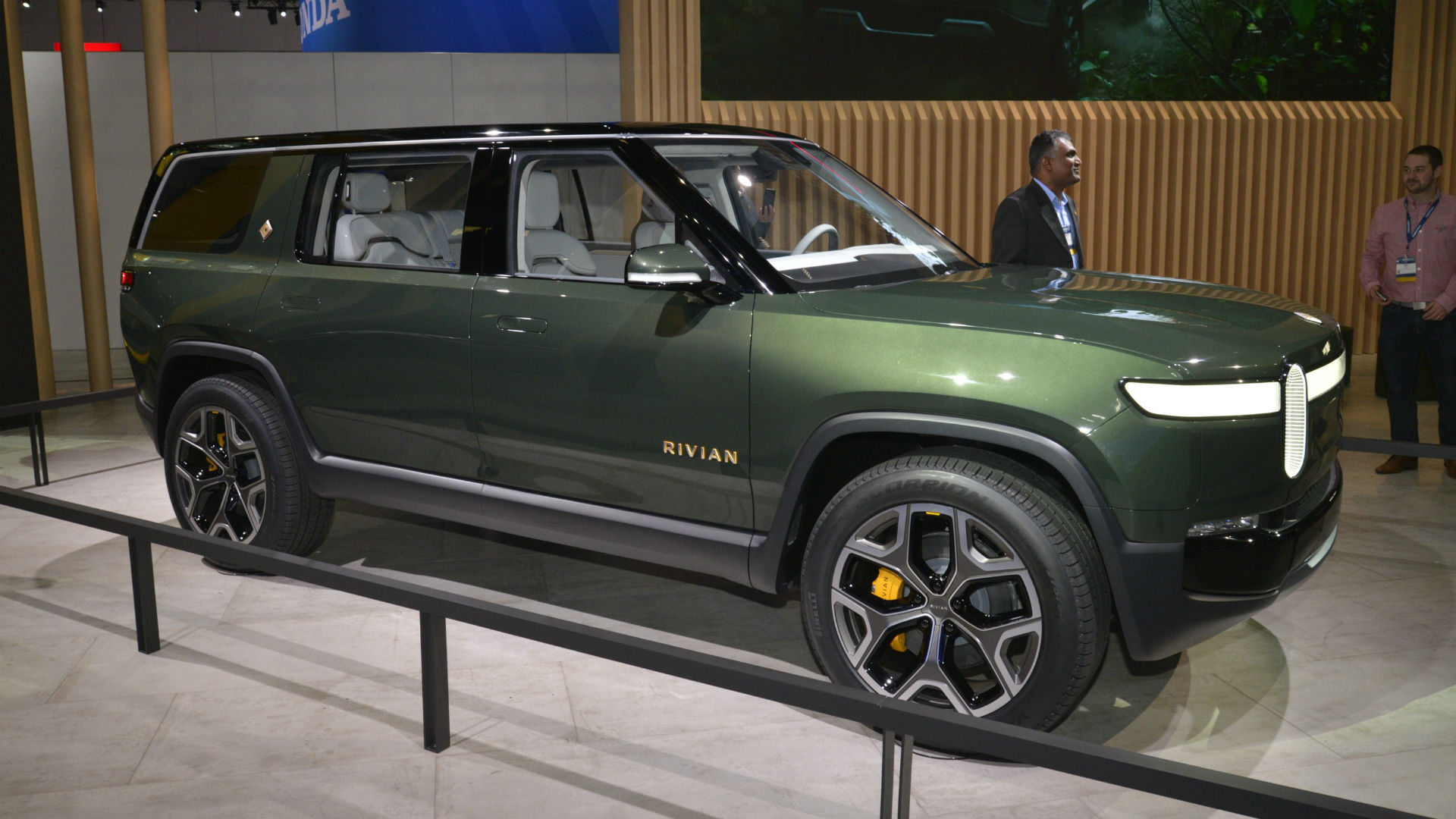
American electric truck and SUV start-up Rivian has filed a patent for a seat to be used by first responders.

Discovered by Sebastian Blanco, and as reported on Forbes, the patent is for a seat to be used in specialised vehicles. It could be put to use by the police, firefighters and paramedics.

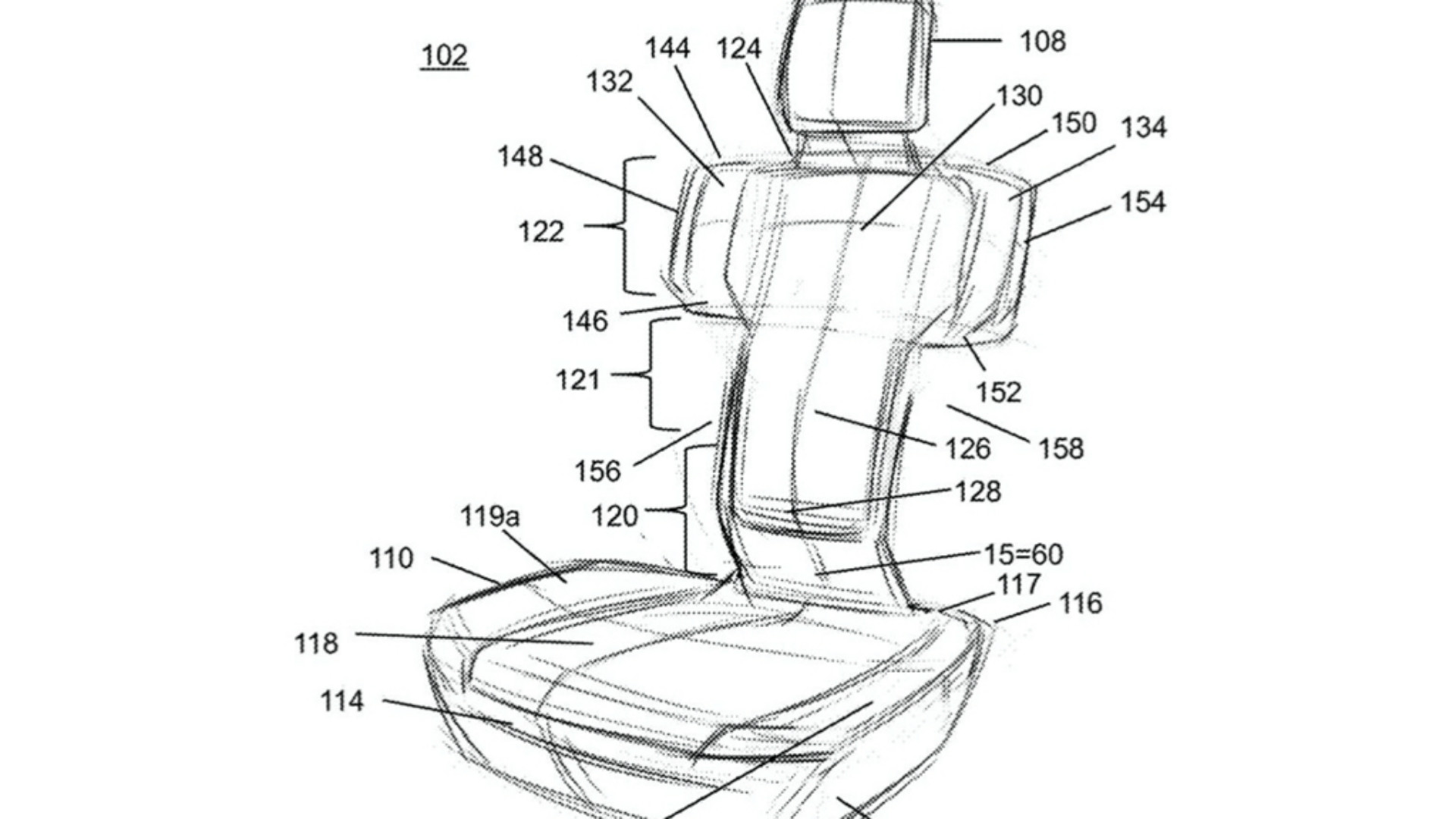
United States patent number 15/963,176 is for an ‘automotive vehicle seat with indented lower side portions’.

Rivian has ‘observed a need for improved vehicle seating for first responder and specialty automotive vehicles’, says the patent application. 

‘In particular the present inventors have observed a need for a seat for an automotive vehicle that permits better access to gear worn by a first responder who is a vehicle occupant and that permits greater range of arm motion for such responders, while maintaining safety considerations for such vehicle occupants.’

Rivian’s first responder seats look like something you might find in a concept car, but they’re not designed for general use.

In short, the width of the upper portion of the seat back is greater than the lateral width of the lower portion.

Rivian first responder seat

Rivian says first responders will benefit from increased comfort and convenience, improved safety and faster reaction times. This could be critical when under threat or dealing with an emergency.

Clothing worn by first responders tends to be cumbersome, making movement difficult, while the tools and equipment they carry are heavy and bulky. Saving a few seconds when leaving a vehicle could mean the difference between life and death.

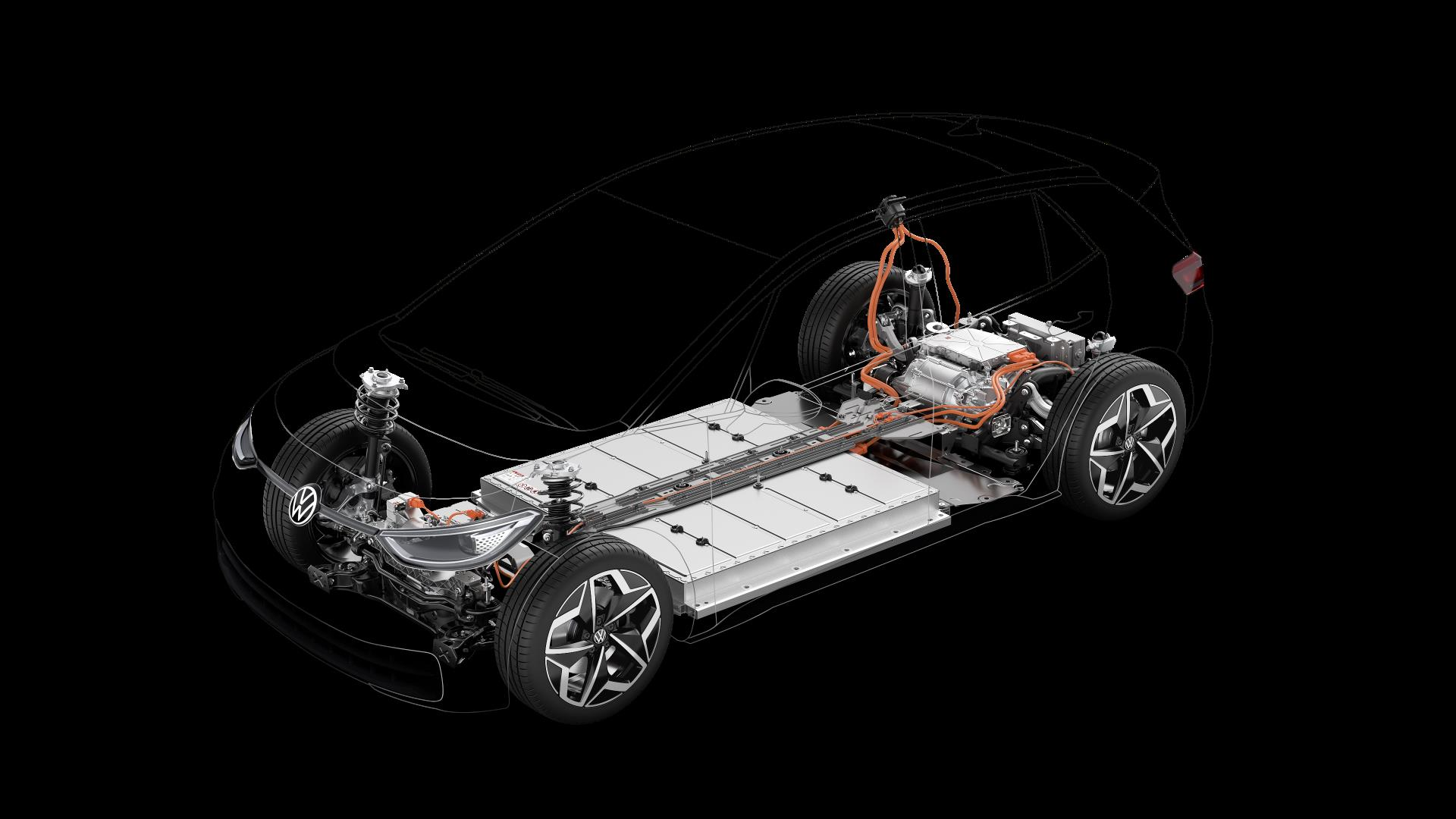
Earlier this year, Ford invested $500 million in Rivian, with the car giant taking a minority stake in the firm. Ford will benefit from Rivian’s ‘skateboard’ chassis, which will be used to underpin its R1T truck and R1S SUV.

The investment from Ford followed a $700m injection from Amazon, announced at the Los Angeles Auto Show in February. More recently, Amazon placed an order with Rivian for 100,000 electric delivery vehicles.

Advertisement

Audi A1 Citycarver: where is the urban jungle exactly?

0

Audi A1 Citycarver urban jungle

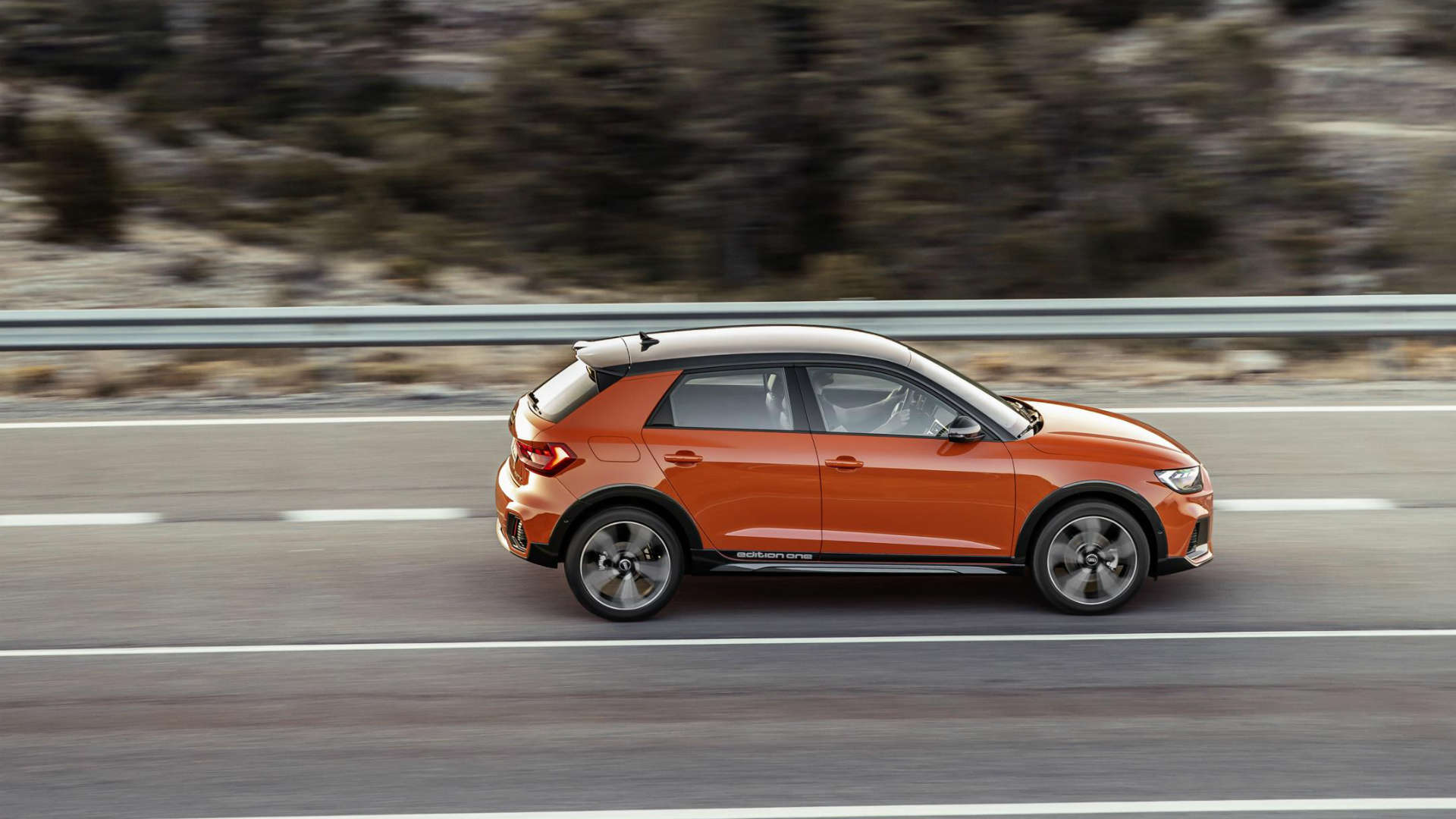
Audi says the A1 Citycarver is a car ‘for the urban jungle’. Not knowing where the urban jungle is, I Googled it, only to discover that it’s a garden centre and cafe near Norwich. And you thought the Honda Jazz was the choice of transport for garden centre enthusiasts.

I’m not entirely sure a jacked-up supermini dressed up to look like Baymax in armour is required for a trip along the A11, but Audi has a habit of discovering niches and filling them.

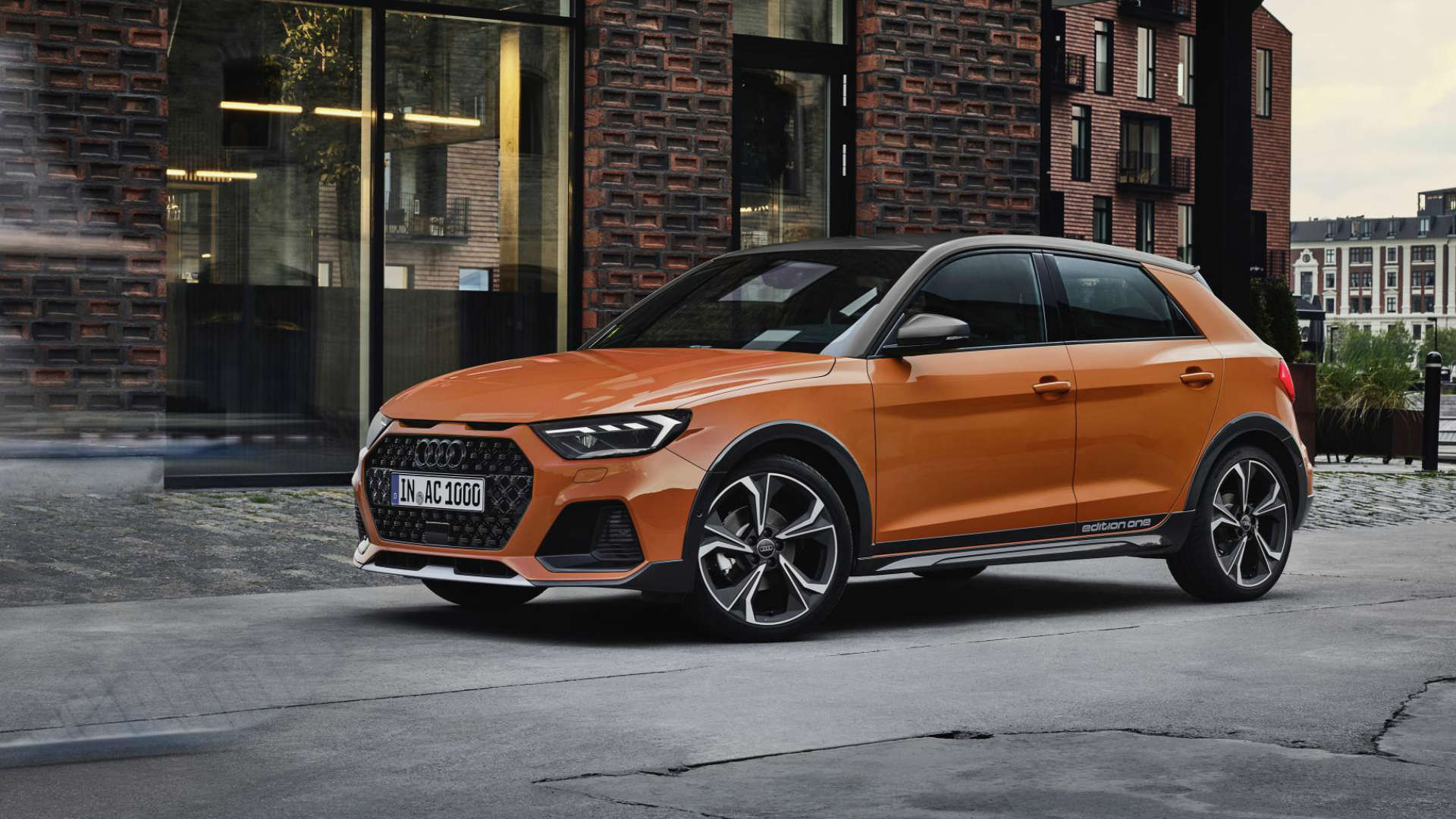
I jest. The Audi A1 Citycarver is actually a Rover Streetwise for people too young to remember the Rover Streetwise. You weren’t aware that you needed an Audi Streetwise, but the marketing commandos will be deployed to ensure you spend every waking hour wondering how you coped without one.

Citycarver? Depending on your age, you’re either thinking of a detective chief inspector from The Bill, or a media mogul from Tomorrow Never Dies. Or maybe you’re thinking it sounds like the name given to an unsavoury character on Crimewatch.

But don’t have nightmares, because the A1 Citycarver is little more than a city-friendly Audi A1 with 4cm of additional ground clearance, body cladding to make it look like an A1 Allroad, and front-wheel-drive to ensure that it’s not.

Audi A1 Citycarver

It costs from £22,040, which isn’t a lot for an Audi, but by the time you’ve added a few choice options and accessories, you’ll be knocking on the door of £30,000, which is a lot for a supermini. Even one with an Audi badge.

All of which is beginning to sound like the Audi A1 Citycarver gives me an irrational desire to throw a hot cake at the wall and mutter something about the days before Audi became as popular as a Kylie Jenner Instagram post.

But I’m feeling quite calm about the Jim Carver. I have a feeling it could steal sales from the Audi Q2, which could be the best thing to happen to our roads since the Romans brought a 12-inch ruler to these shores.

Carvery menu

Some people spend close to £40,000 on a Q2, which is a staggering amount of cash for a compact crossover. Let that sink in for a moment – £40k on a small crossover. There’s just something so unimaginative about buying a Q2. Why not spend £18,000 on the marginally less attractive Ford Ecosport and treat the kids to a good holiday?

An Elliot Carver costs £680 less than the Q2 and is only slightly smaller. You have to sacrifice 70 litres of boot space, but that seems like a small penalty when you consider the level of standard equipment.

Audi A1 Citycarver interior

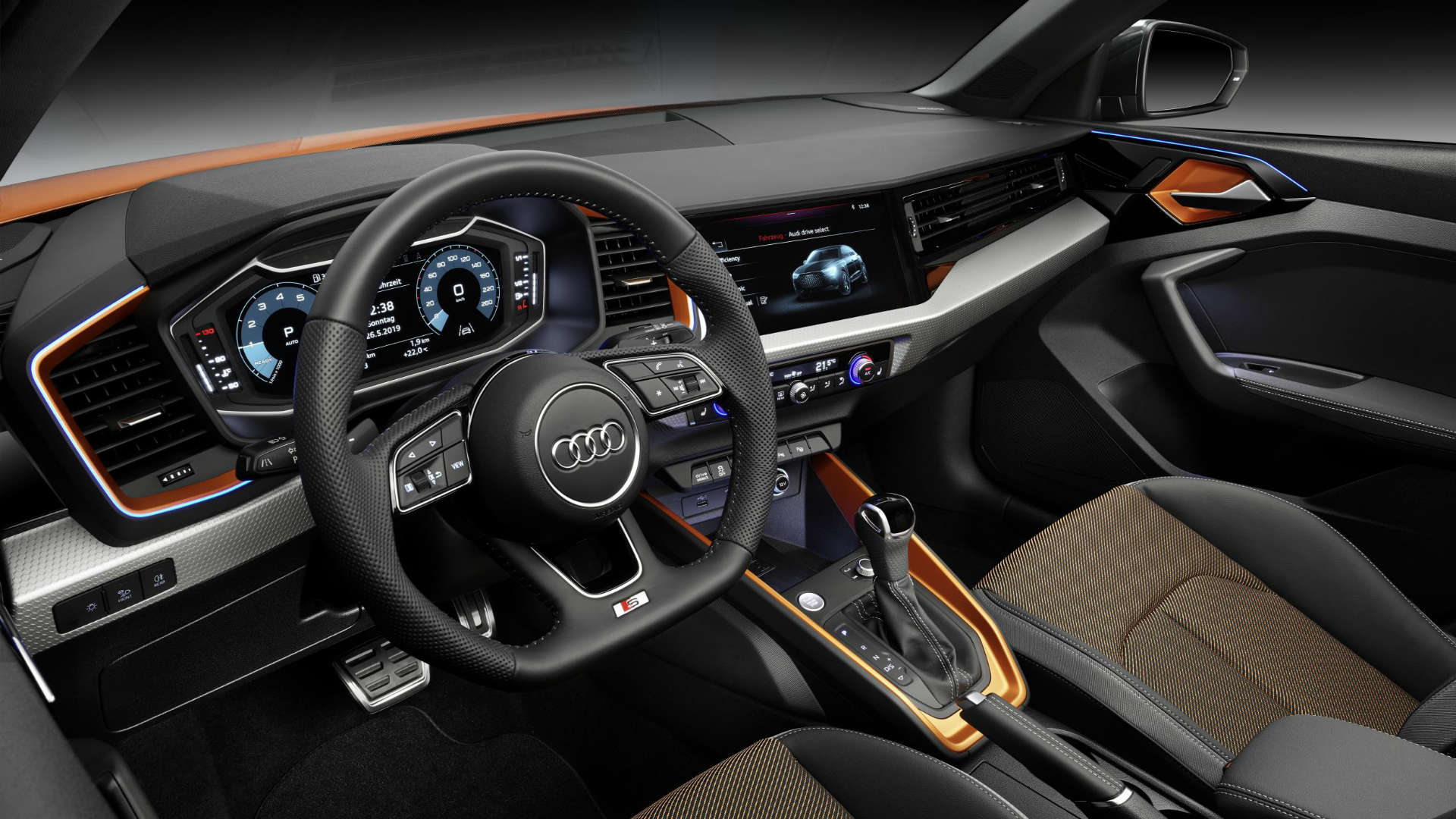
LED headlights, LED rear lights , dynamic rear indicators, a 10.25 digital cockpit and 17-inch alloy wheels are must-have toys for the Audi driver, and they’re all fitted as standard.

The basic Q2 has to make do with halogen headlights, which, to your image-obsessed colleagues, will be a signal that you’ve given up on life. If you want LED lights and dynamic indicators, you’ll need to spend at least £26,370 on the Q2 S line.

If you’re after 17-inch alloys and the digital cockpit, you’ll require the Q2 Sport (£24,120), plus the optional Tech Pack (£1,495).

Audi says the A1 Citycarver is available with two engines, but its UK website is showing one. It’s a 30 TFSI, which sounds exciting, but you’ll need access to an Enigma machine to work out what it is.

What is clear is that the Citycarver will sell like pumpkins at Halloween. You may not want one, but I bet you know of at least a dozen people who would. A Honda Jazz remains a superior car for a trip to the Urban Jungle garden centre cafe, mind. Anyone for a slice of carrot cake?

Advertisement

Is expensive parking killing the high street?

0

Expensive high-street parking

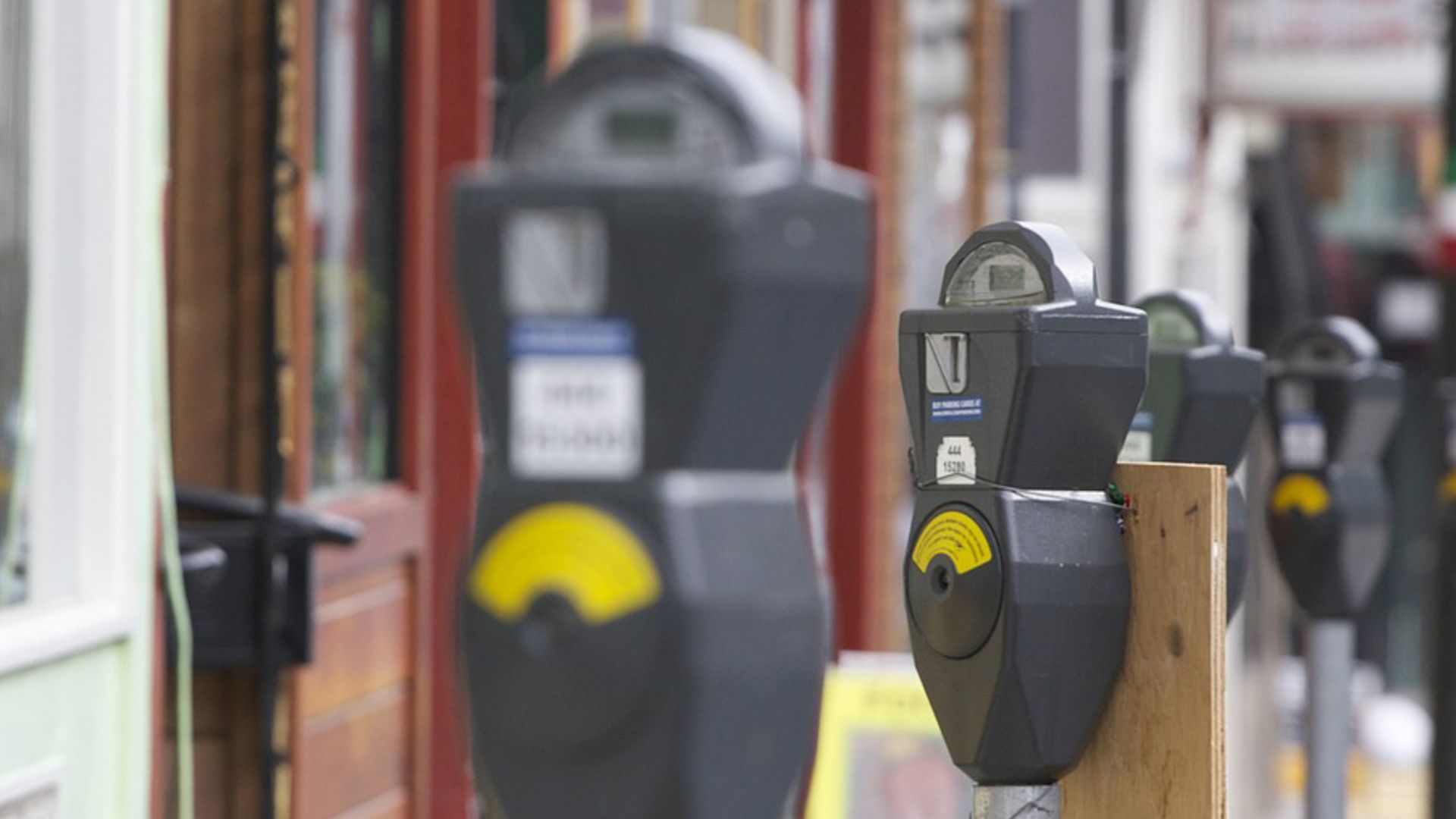
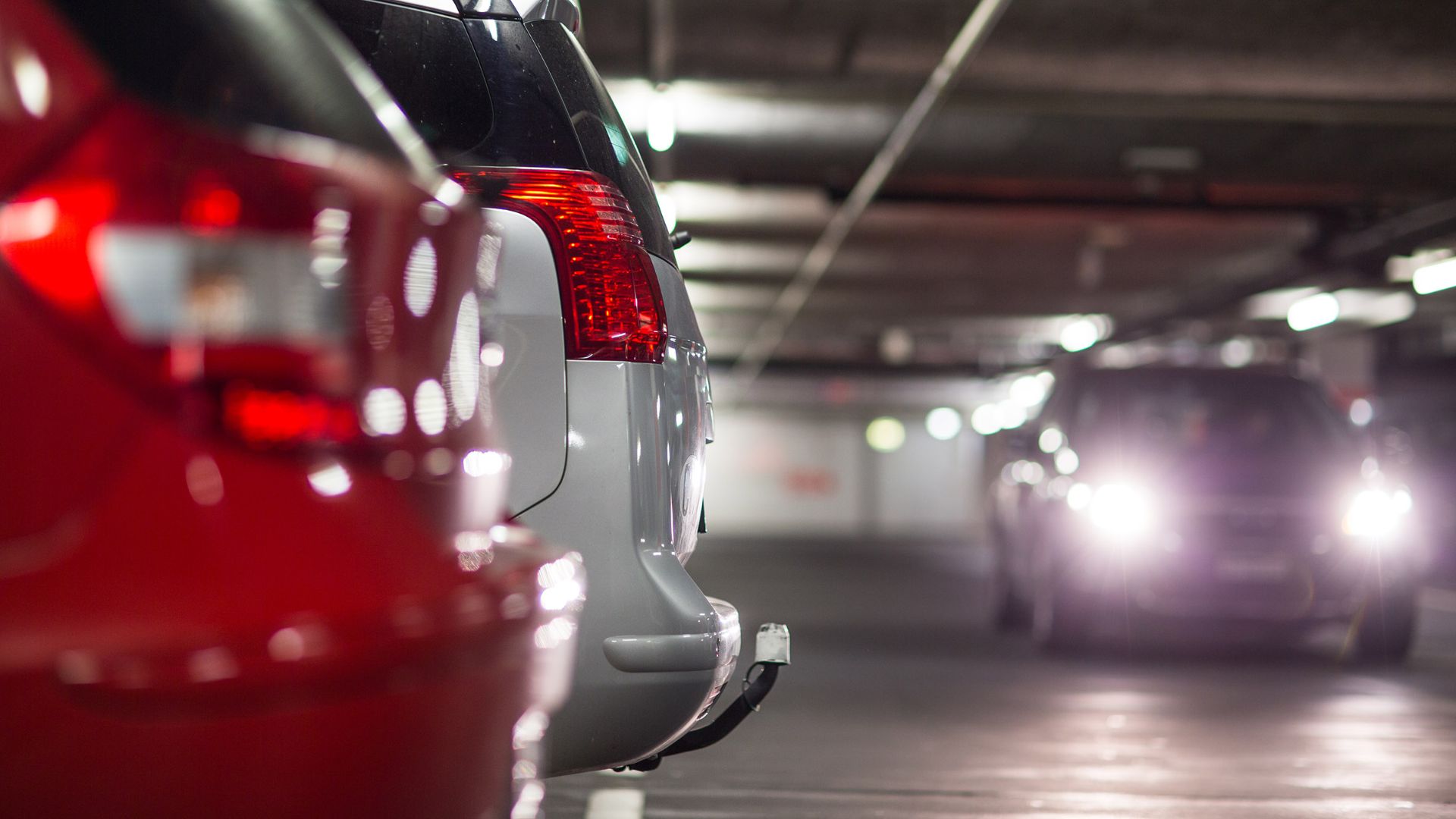
The dwindling popularity of the local high street among shoppers is often blamed on the rise of online shopping. Now, however, expensive parking is copping some of the flack for the decline of local in-person shopping.

Even compared to a year ago, shoppers are spending less time on the high street. This, according to research by YourParkingSpace. Four in ten said they shop less frequently compared to last year, while one in ten said that the high street was just a once-yearly visit.

Expensive high-street parking

  • Rip-off NEC car parking solved by Classic Motor Show

While 40 percent cited the ease of online shopping as a reason they don’t venture out, expensive parking came in as the second-biggest factor. Seventeen percent of respondents said that pricey parking put them off heading into town for a shopping visit.

However, cars are still the most popular way to get there, with over half saying they drive into town. That compares with just 12 percent that say they take the bus.

In spite of their aversion to it, respondents did seem optimistic about the future of the British high street. Three in ten said that would adapt and ultimately survive these trying times.

Parking for less

Expensive high-street parking

“Many British high streets have suffered a hard time recently, with small independent traders and large department stores all feeling the pinch,” said Harrison Woods, managing director at YourParkingSpace. 

“With most people driving to the high street, it’s no surprise that parking is a contentious issue. What they might not realise is that there are cheaper alternatives.”

There are a number of ways you can avoid extortionate parking costs. All it takes is a little bit of pre-planning. Research local parking vendors to find the cheapest locations. If you’re lucky, you might find spots local to your high street that are free. Failing that, you could hire a driveway.

Advertisement

Give it some stick: Porsche 911 now offered with manual gearbox

0

Porsche 911 manual 2020

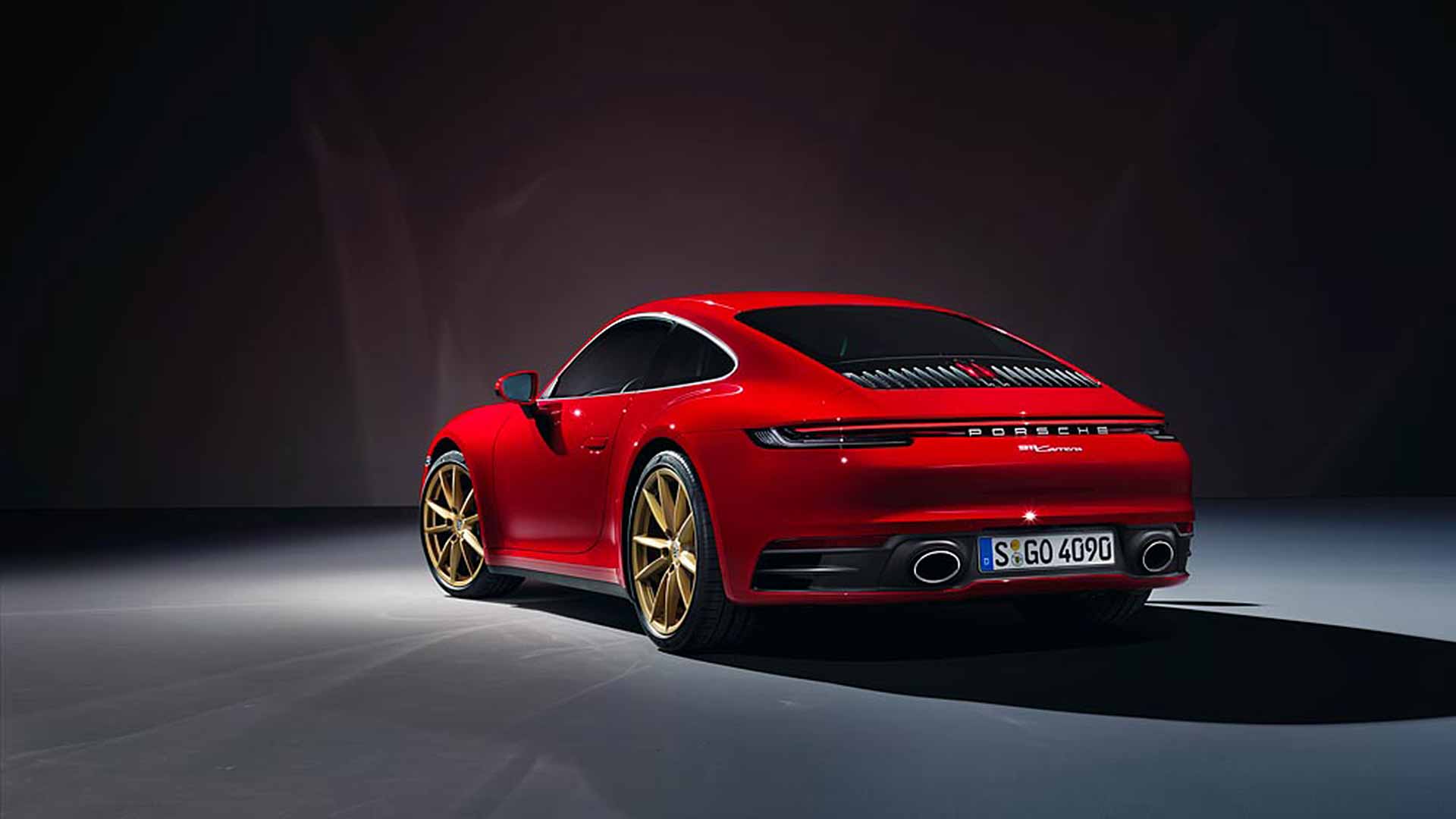
When the new ‘992’ version of the 911 was revealed, Porsche promised a manual gearbox to complement the PDK paddle-shift automatic.

Now, although referring to US-market cars at present, details of the new stick-shift are starting to trickle out.

Manual 911 could be more exclusive

Porsche 911 Carrera Coupe

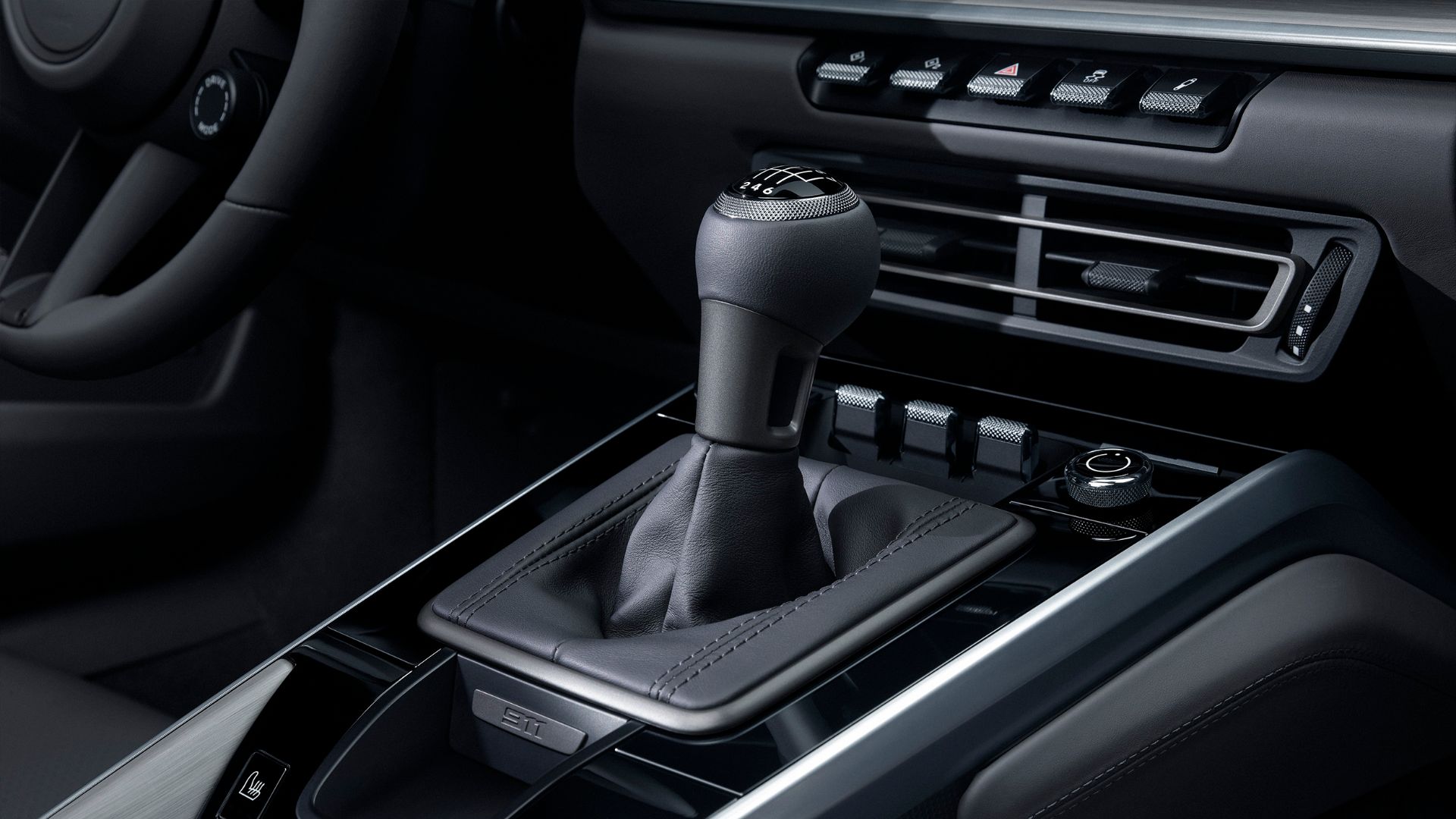
A seven-speed manual transmission will be a no-cost option in the 992. However, in the US at least, it will only be available on Carrera S, 4S and related soft-top variants. Standard Carreras won’t be available with a stick. Furthermore, choosing the manual box will necessitate having the optional Sport Chrono Package.

That means no manual 911 will come without dynamic engine mounts, PSM sport mode or a wheel-mounted drive mode selector. 

Lighter, but slower to accelerate

2019 Porsche 911 Cabriolet

As you might expect, the seven-speed manual ‘box does come with a weight benefit. Manual cars will be down around 40kg compared with PDK-equipped models. A standard Carrera S with a manual will be the lightest 911 on sale, at 1,945kg.

Also unsurprising are the slightly stunted acceleration figures in comparison with PDK-equipped cars. While 60mph comes in under 3.5 seconds in a Carrera S PDK, it’ll be closer to four seconds in the manual.

Room for a ‘back to basics’ 911

Porsche 911 T

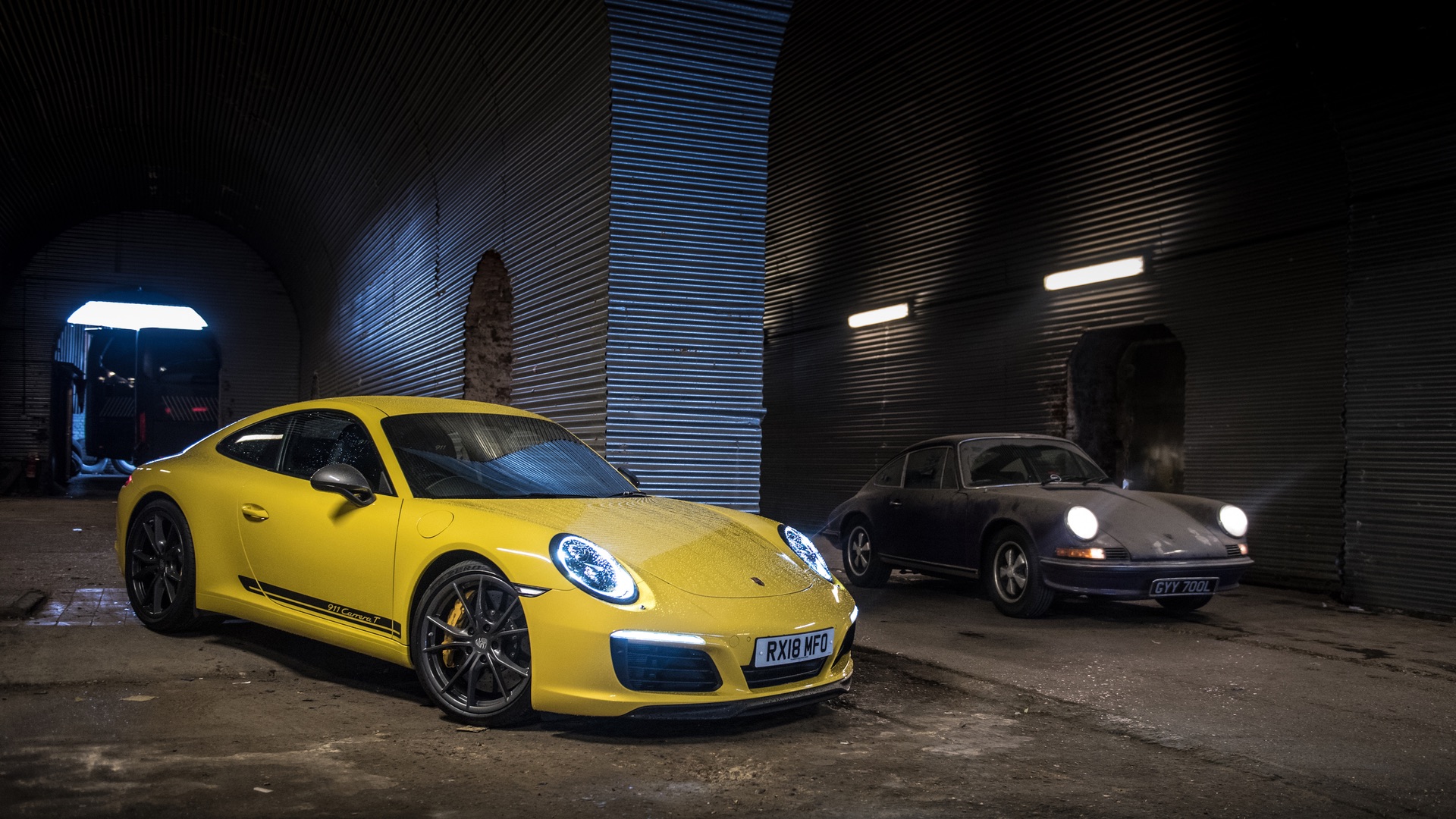
Given you need to have a ‘specced-up’ 911 in order to have a stick and clutch pedal, there is room for a ‘back to basics’ variant. We expect something along the lines of the 991 Carrera T (pictured above) will fill that gap. Until the GT3 arrives, that is.

Expect UK specifications to be revealed imminently, with manual cars expected in dealers by next summer.

Advertisement

The rise of the connected car – and what it knows about you

0

The rise of the connected car and what it knows about you

Right now, around two-thirds of new cars registered in the UK are connected. This means they’re sending data about the driver and the vehicle to the manufacturer.

The number will rise year-on-year until 2026 when 100 percent of new cars sold in the UK will be connected. That’s according to figures from the Society of Motor Manufacturers and Traders (SMMT).

As of late 2017, there were around nine million internet-connected cars on UK roads. The global number varies depending on the source, but a report by software company SAS says that the total will hit 152 million in 2020.

The combination of aftermarket devices and new car features could mean that this rises to TWO BILLION connected cars by 2025. According to IHS Automotive, the average car will will produce up to 30 terabytes of data every day.

In theory, this should benefit motorists, manufacturers, fleet managers and other road users.

For the motorists, there’s the promise of a personalised infotainment system, a car that learns their individual preferences, navigation systems that adapt to prevailing traffic conditions, and improved safety via car-to-car data sharing. Safe drivers could even be rewarded with cheaper insurance premiums and retail offers in exchange for good driving.

Whether the motorist needs or even wants this level of connectivity is up for debate, but the bigger issue is the lack of knowledge surrounding the data that’s being sent to manufacturers and third parties. Most of us have little understanding of what’s being collected and for what purpose.

Computers on wheels

Connected cars are computers on wheels

We need to start viewing new cars as computers on wheels. GDPR (General Data Protection Regulation) has made us more wary of data harvesting – ticking or unticking boxes when we visit a website has become part and parcel of internet browsing.

It’s a similar story with smartphone apps. Last year, researchers at Oxford University analysed a third of apps available in the Google Play Store. The median app could transfer data to 10 third parties, with one in five apps able to share data with more than 20. The difference here is that there tends to be a much clearer line of communication concerning privacy settings and what your data is used for.

There are two primary issues: consumer understanding of what data being harvested and what happens to the personal data when the car is sold.

Tackling the first issue, Michael Alsemgeest, chief digital officer at LeasePlan, is calling for greater clarity. “It is madness that, in times of GDPR, your car can still collect virtually all the data it wants. Drivers need to be much better able to give informed consent or not to collect data from their vehicles.

“That doesn’t have to be difficult. After all, every time you download an app, you have the choice whether or not to agree that the data of the app is shared with third parties.”

Read the terms and conditions

Connected car terms and conditions

Regarding the ability to disable data when a car is sold, the National Cyber Security Centre says “many car manufacturers and dealers state this in their terms and conditions.

“However, some customers may not read them that closely and fail to delete their personal accounts and access. When the car is then sold on, the previous owner can track and monitor the car’s location and other data without the new owner’s knowledge.”

There are many examples of a previous owner remaining connected to a car weeks and months after selling it, along with instances of when dealers and manufacturers were less than forthcoming in the battle to disconnect the car.

It’s not just private cars. Data can be harvested by rental vehicles, pool cars and those in car-sharing clubs. Sync your smartphone or use an aftermarket app, and that knowledge is shared with the manufacturer and/or third party.

Michael Alsemgeest wants the data to be handled by a neutral third party. “The data of these smart vehicles must not end up in a black box that is controlled solely by the vehicle manufacturer.

“It would be better if the data were instead sent to an intermediary platform, a ‘neutral server’. These servers would then be operated and financed not by the manufacturers, but by an independent party.

“In addition, they only provide aggregated data insights, thus protecting the privacy of individual drivers. Using a neutral server would allow motorists to be able to decide for themselves what data they want to share and with whom, such as the manufacturer, the maintenance engineer or another service provider.”

Saving lives and creating jobs

There’s no doubt tconnected cars can benefit the automotive industry. The SMMT says the connected and autonomous vehicle (CAV) industry will save 3,900 lives, create 420,000 new jobs and generate £62 billion for the UK by 2030.

For organisations, the opportunities are immeasurable. From enhanced driver knowledge to on-the-move vehicle diagnostics, organisations will benefit from streamlined services, improved customer targeting and potential cost savings.

For the motorist, a greater awareness of data collection and privacy issues is required. This starts with more transparency of how, when and why the data is being used – and by whom. Consumers must also begin to treat a new car like a smartphone, tablet or any other connected device, especially when it is sold.

Advertisement

How future electric cars could charge in 10 minutes

0

Future electric cars could charge in 10 minutes

New technology could give electric cars the ability to gain 200 miles of range in less than 10 minutes, according to scientists.

This doesn’t rely on a futuristic type of battery or a pie-in-the-sky technology, either. Charging electric cars far more quickly could be a simple case of warming up current lithium-ion batteries.

Future electric cars could charge in 10 minutes

Extreme temperatures are generally understood to spell trouble for batteries. Colder temperatures reduce the range of electric cars with a full charge. And when a battery gets too hot, lasting damage can be done.

However, a warmer battery can be charged quicker, as higher temperatures stabilise conditions within the cells. The ideal, say scientists, is to heat the battery for no longer than necessary, to achieve charge speeds when they’re needed.

Prototype 10 amp-hour batteries with a thin nickel foil internal self-heating structure were able to charge to 80 percent in 10 minutes when heated to 60deg C, without being damaged. The results were repeatable, too. 

Future electric cars could charge in 10 minutes

  • Tesla Model 3 is 11th bestselling car in Europe

“We can charge batteries of different sizes with the same [charging] time as long as the charge current increases proportionally with the battery size,” Dr Chao-Yang Wang, professor at the Pennsylvania State University, told The Guardian.

“For car battery of 150 amp hours, a fast charge station would have to provide a 900 amp current for 10 minutes.”

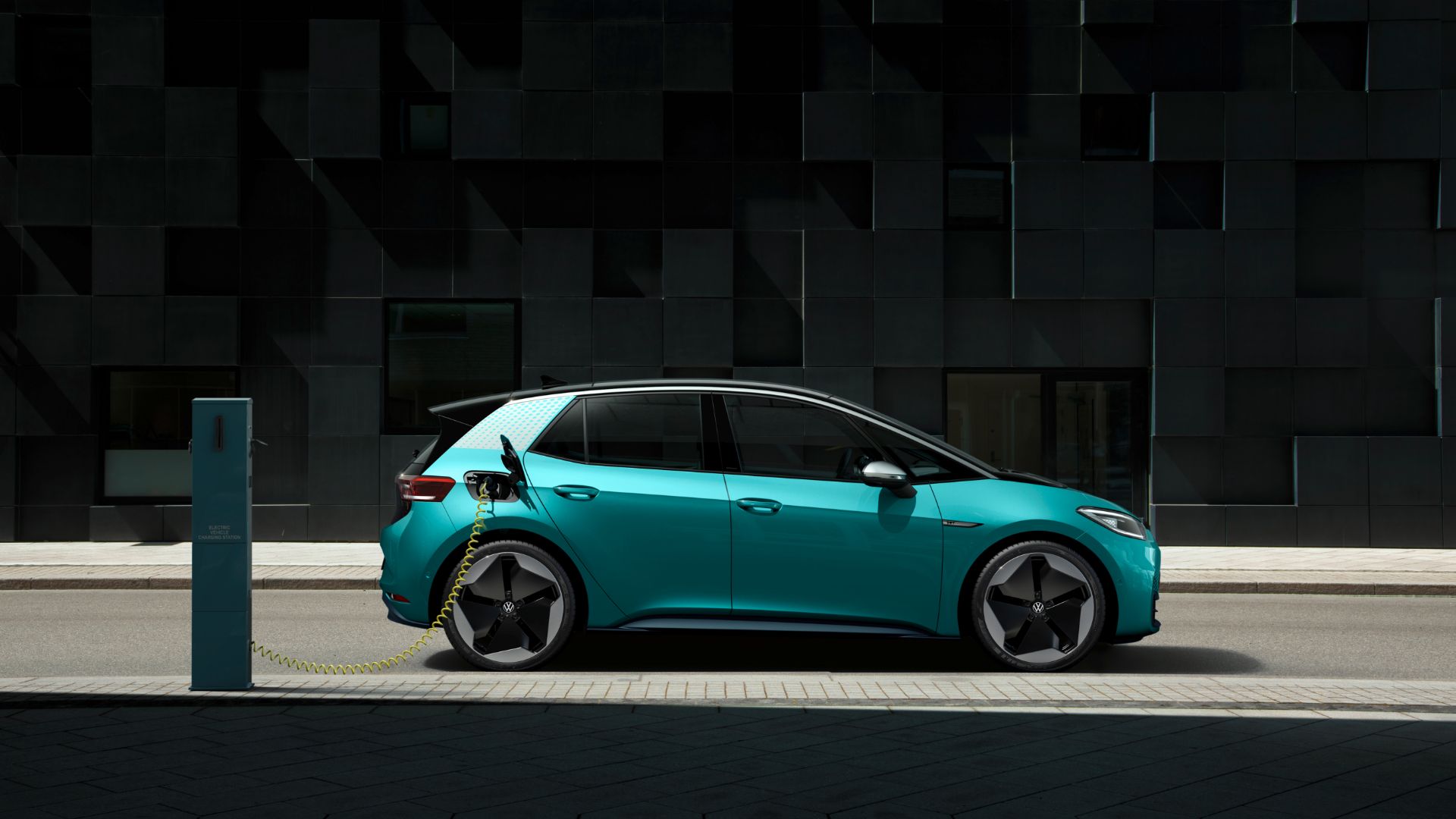
Volkswagen ID.3

What’s needed now is testing on bigger batteries, and in automotive applications. But in theory the technology could be in production vehicles in as little as three years.

“If we have a ubiquitous fast-charging infrastructure on the roadside, drivers need no longer to worry about the cruise range. After driving 200-300 miles per charge, one can pick up another 200-300 miles by charging for 10 minutes,” said Dr Wang.

Why can’t batteries stay hot for long?

Future electric cars could charge in 10 minutes

Over time, all batteries degrade and lose their capacity for charge. High temperatures create conditions within the battery that accelerate that degradation. The effects of charging too quickly at low temperatures are similar.

“At high temperatures battery active materials will react with the electrolyte to form passive surface films, consuming active lithium as well as causing high resistance,” continued Dr Wang. 
The difference is that the effects of high heat seem to mainly manifest over extended amounts of time. Using heat for a short amount of time, allowing for a quick charge, could be a win-win balancing act for future quick-charging cars.

Advertisement