Home Blog Page 299

Peta pushes for ‘vegan-friendly’ ethical interiors

0

Veganuary vegan interiors Peta

The push for eco-friendly cars is extending far beyond what comes out of tailpipes.

Animal welfare charity, Peta (People for the Ethical Treatment of Animals) has been putting pressure on the car industry to find alternatives to leather for some time. 

Now it’s using ‘Veganuary’, when many people forgo meat and animal products for a month, to highlight the issue. 

Peta says some of the biggest players in the car industry are listening and taking action, including Volkswagen, Mercedes-Benz, Ford, and Tesla.
Veganuary vegan interiors Peta

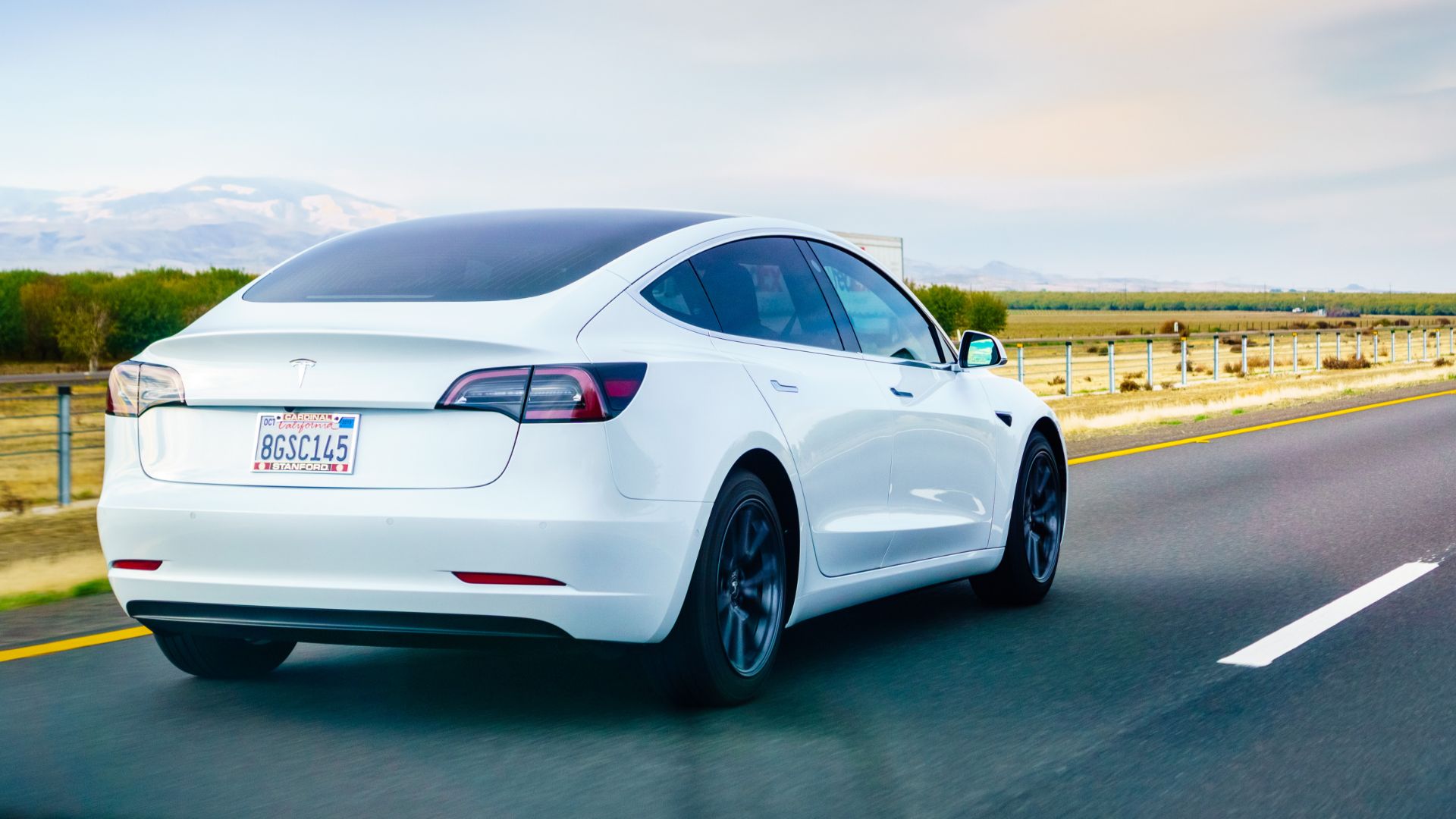
The Model 3 and Model Y, Tesla’s first high-volume models, will be completely vegan while Volkswagen will offer leather- and wool-free cabins in its ID.3 and e-Up electric cars. Ford’s Mustang Mach-E is continuing the eco-friendly trend. It’s not only electric, but eco-friendly on the inside.

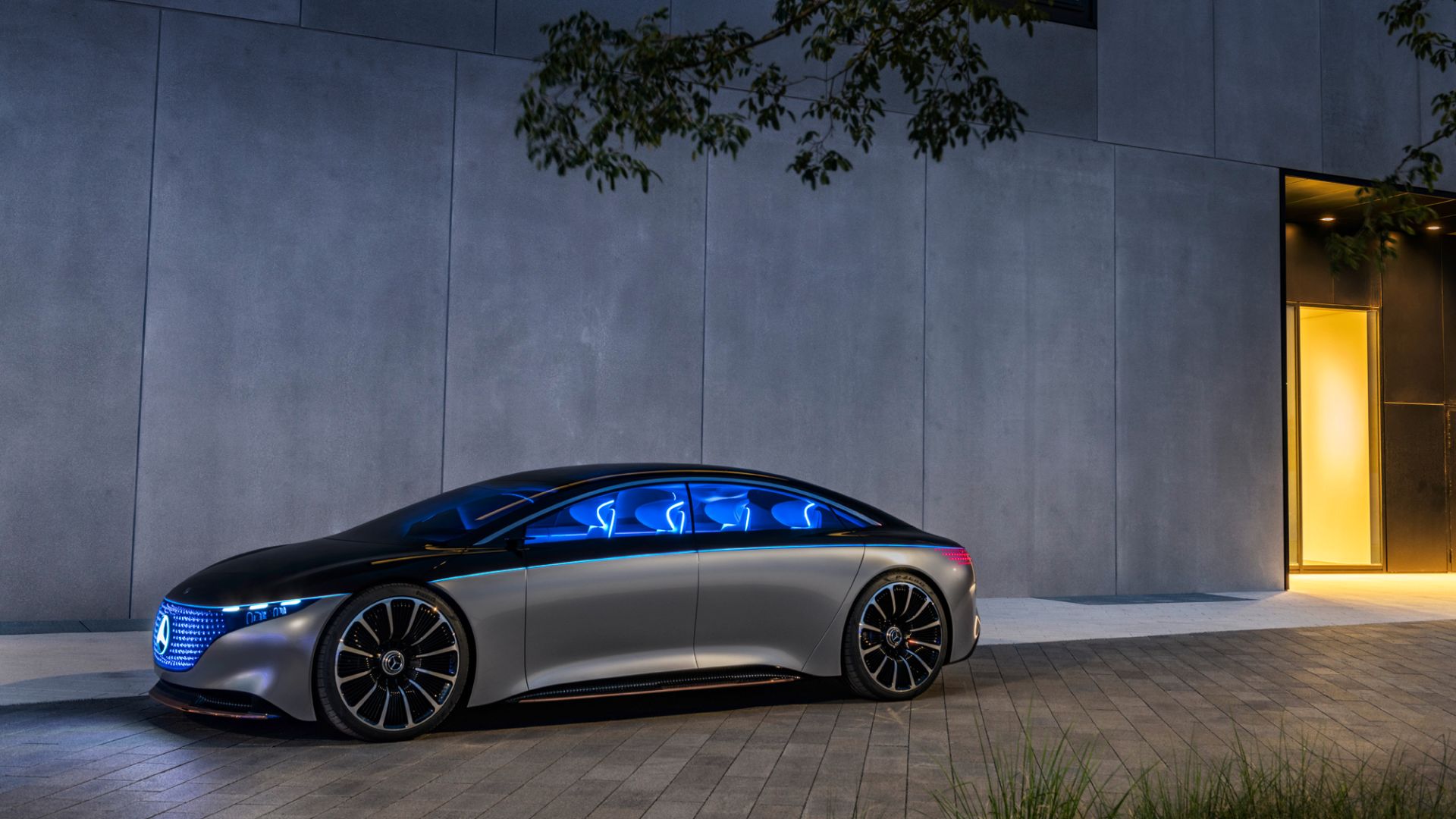
Mercedes-Benz and Bentley are also looking to the future, with Peta’s help. The Vision EQS Concept – a preview for future luxury Mercedes models – uses recycled plastic-based Nappa leather.

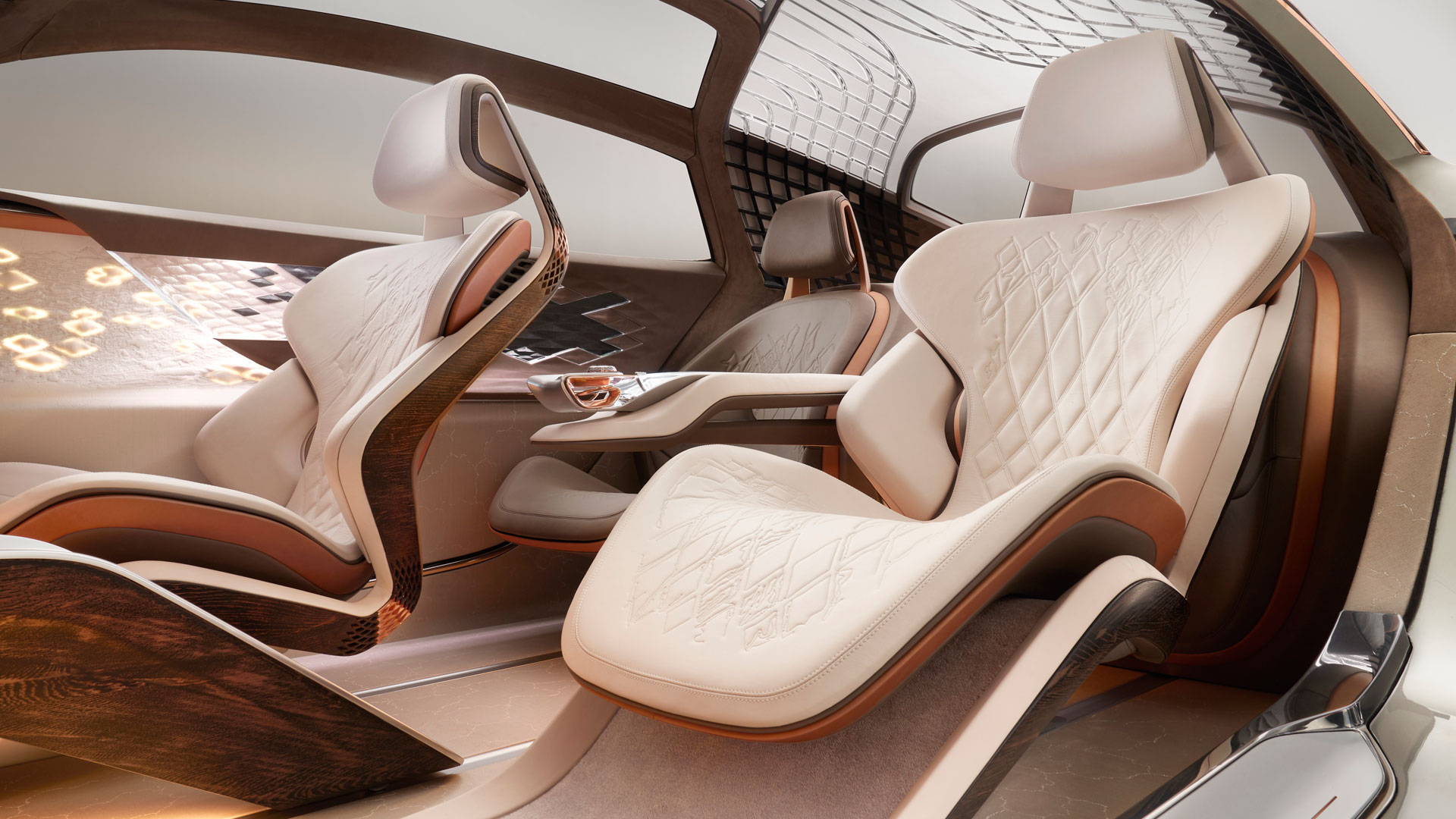
Likewise, the exotic Bentley EXP100GT Concept uses vegan grape leather. Yes, you read that right: Bentley is investigating using run-off from the wine industry to furnish its luxurious GTs, limousines and SUVs.

  • Flying Bee: Bentley bees are making honey
Mercedes Vision EQS

Swathes of models from Honda, Hyundai and Kia all have eco-conscious interior appointment options. Even Chevrolet, in everything from the Cruze to the Silverado, offers the option to be, as Peta says, ‘fully loaded with compassion’.

Having a vegan option in a selection of cars from a selection of brands seems positive, but Peta wants to go all the way. In a post on its website, the charity says ‘We won’t stop until all car companies use only 100 percent leather-free and vegan interiors”.

Advertisement

Highways England is using an autonomous ROBOT to paint white lines

0

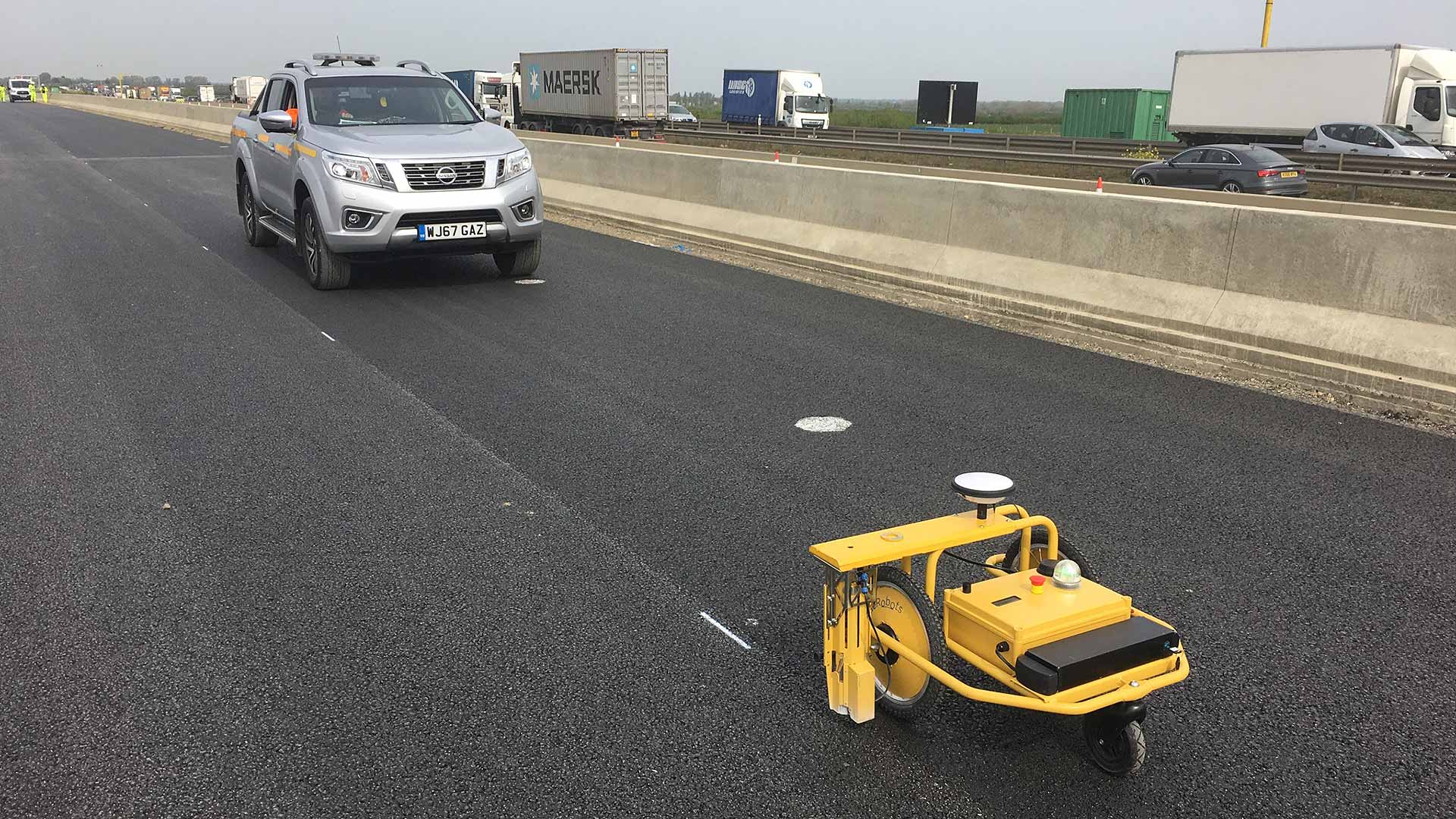
Highways England line-marking robot

Highways England has revealed its latest gadget to help speed up roadworks – an autonomous robot that helps cut the time it takes to paint white lines.

Developed by contractor WJ, the robotic pre-marker uses precise positioning technology to mark out where white lines need to be painted.

It recently marked up an eight-mile section of the M6 motorway in Staffordshire in four hours. Two engineers would normally take more than a week to do the same job.

Highways England line-marking robot

Pre-marking roads for white lines is a tiresome job; humans have to calculate where the markings need to be, then walk miles to bend down and spray or chalk them onto the road.

This is both dangerous and arduous, increasing the risk of back injuries.

The robot is proving increasingly popular with Highways England contractors: it has worked on the A14 Cambridge to Huntingdon improvement, plus the M4, the M1 and the M60.

Highways England line-marking robot

“We’re always looking at innovative new ways of working,” said Julian Lamb, A14 construction director. “With safety our top priority, the time savings the robot can provide, coupled with removing our operatives from a potentially hazardous situation, make it a great solution”  

Lamb added Highways England has also been working with the manufacturers of a self-driving dumper truck on the A14 project.

Advertisement

Electric car batteries are getting greener – and FAST

0

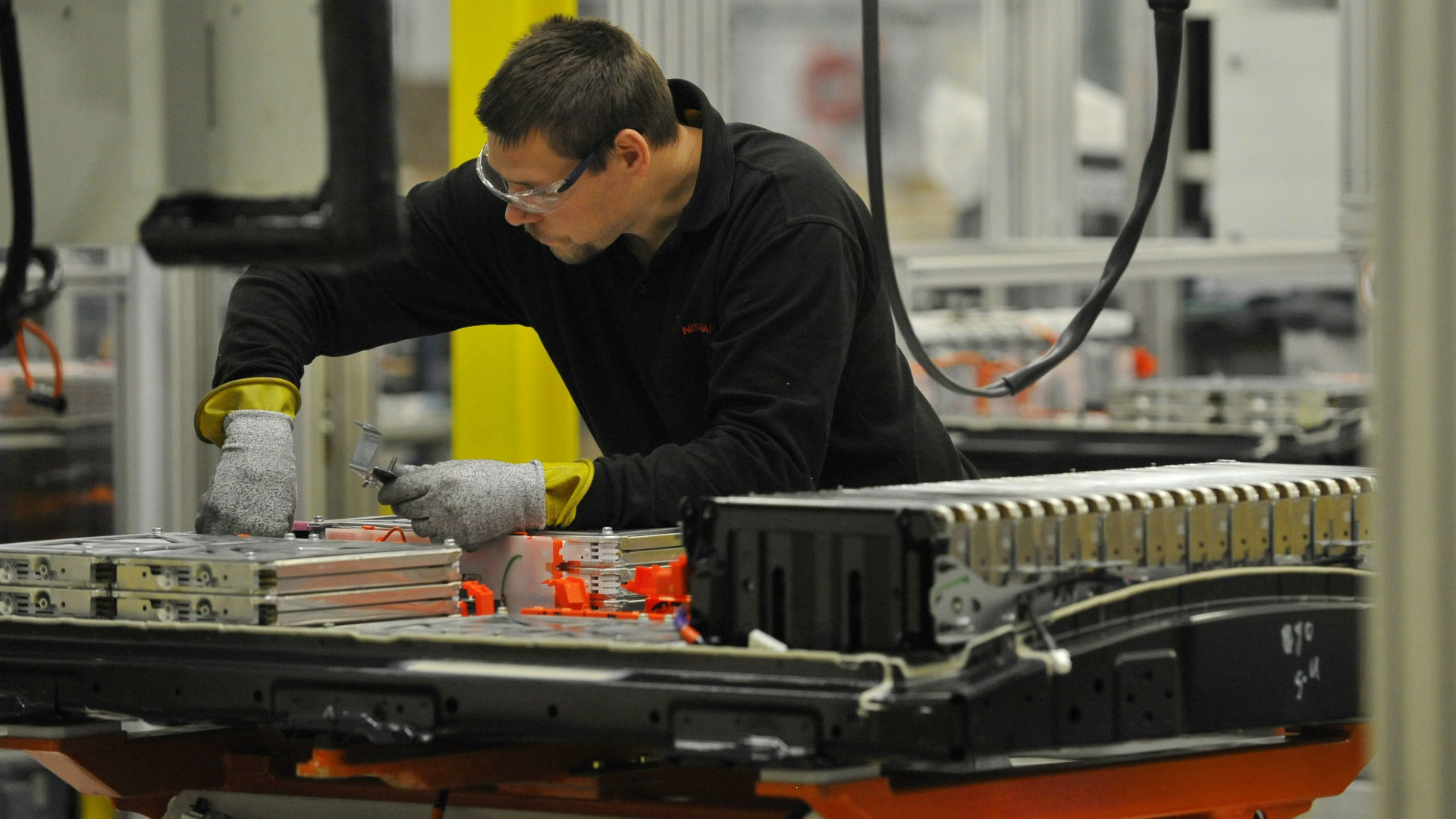
Nissan electric car battery production

Electric car batteries are two to three times greener than they were in 2017. That’s according to new research conducted in Sweden.

Battery researchers at IVL Sweden found that the carbon footprint for the most common type of EV battery is between 61kg and 106kg of CO2.

This is significantly lower than the 150-200kg figure measured by the same Swedish researchers in 2017. 

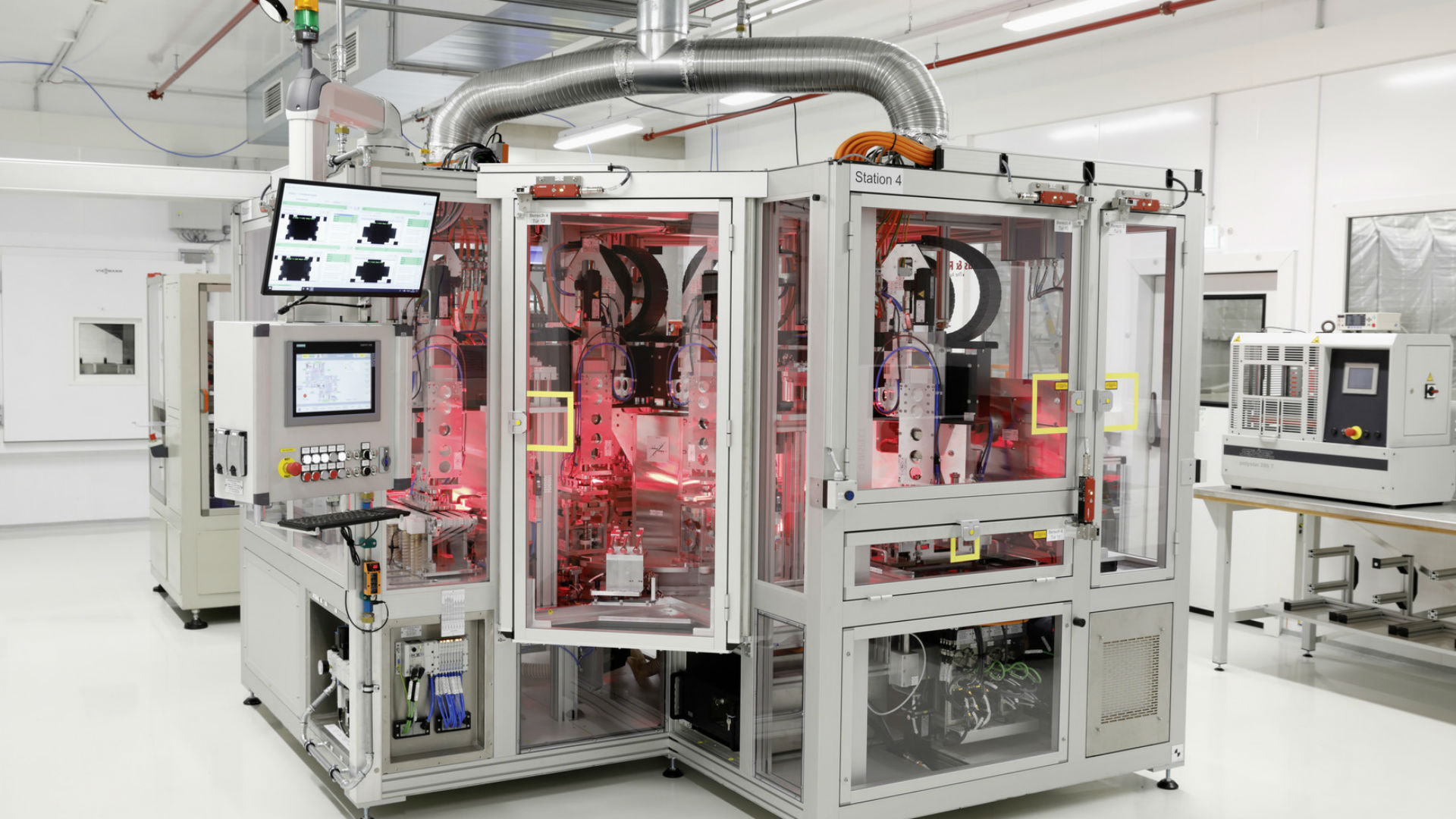
Clean transport campaign group Transport & Environment says that there are three reasons behind the rapid improvement. Firstly, the commercialisation and scaling up of battery cell manufacturing means less energy per cell is required, resulting in a drop in CO2 emissions.

Secondly, current data is more accurate and based on authentic information, rather than relying on estimates and assumptions.

Finally, the electricity generation in the key manufacturing regions is using more renewables, decarbonising the grid and reducing emissions.

‘Cleaner and cleaner’

Volkswagen electric car battery production

Lucien Mathieu, e-mobility analyst at Transport & Environment, said: “EV batteries are getting cleaner and cleaner by the month. This is because production is becoming more efficient with the scale and because the energy mix to manufacture is decarbonising.

“So it does matter where the factory gets produced. This supports the current Commission push to establish a battery cell industry in our continent via the EU Battery Alliance.” 

“The new study also acknowledges that accurate data is a challenge. So the upcoming EU battery regulations should establish a robust database and require companies to report accurate carbon footprint data. Data on metals supply chains is a particular problem. Thus the need for traceability and binding due diligence so that sustainable and responsible production is ensured.”

Transport & Environment goes on to claim that the figures from 2017 were “used and misused by many to exaggerate the climate impacts of battery production”.

This year we will see a number of new electric cars entering the market, including a new breed of affordable city cars and superminis. Click here for a list of some of the best EVs you’ll be able to buy in 2020.

Advertisement

The classic cars that gained and lost money in 2019

0

Hagerty classic car market 2019

Political and economic uncertainty have led to turbulent classic car values over the last few years. According to market experts at Hagerty insurance, the result was a deflated market overall in 2019. There are however, some cars that have gone up in value, despite the market conditions.

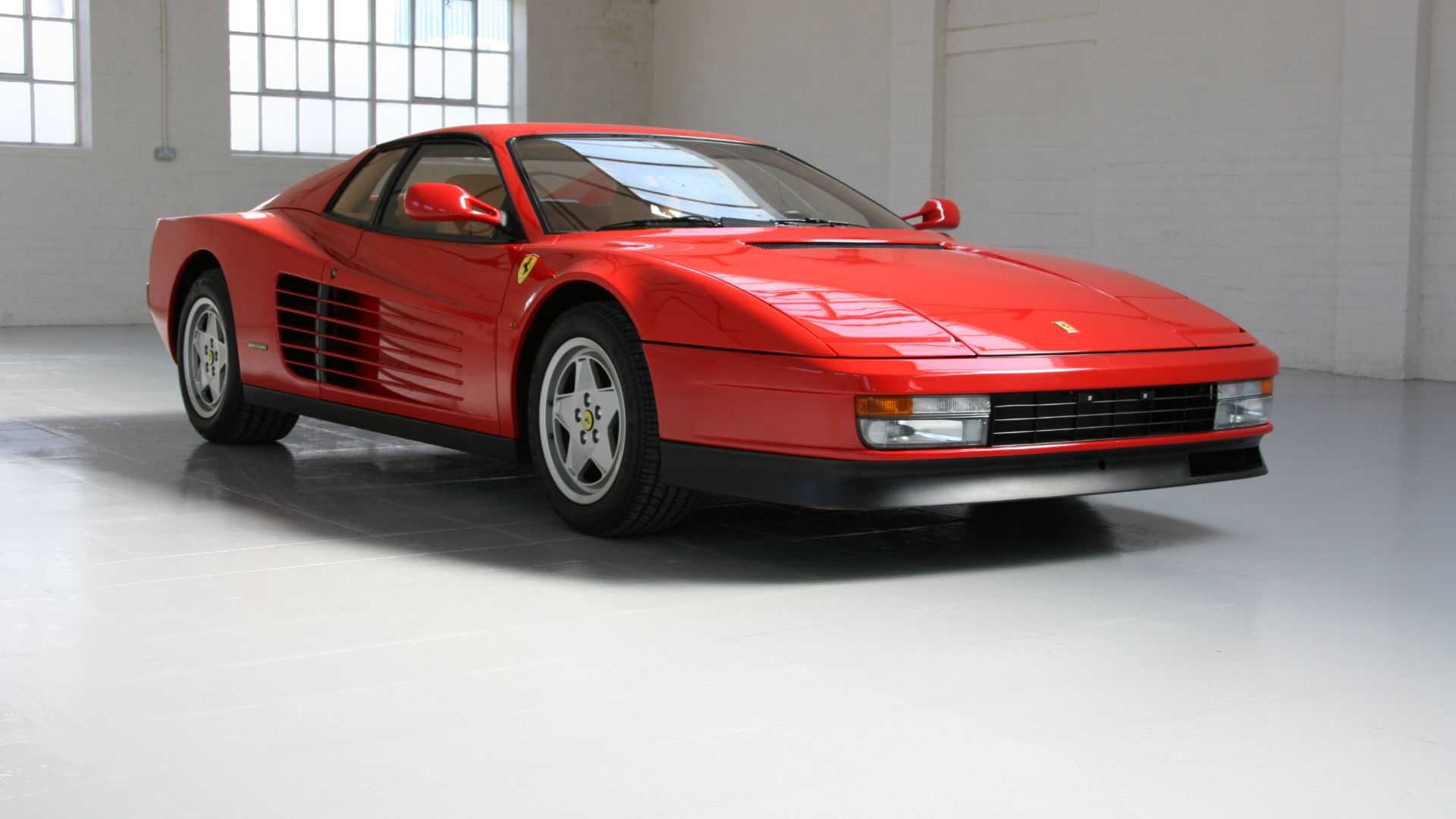
In 2018, the Ferrari Testarossa that was the poster car for lofty expectations. The average price of an advertised car was £116,000, compared with an average sale price of just £87,800. That difference of £28,200 closed in 2019, as sellers have smelled the coffee: £110,225 was the average advertised price, versus £91,100 for a sale.

“Things are now much more realistic than they were a year ago,” says Hagerty.

The rise of the modern classicHagerty classic car market 2019

Also according to Hagerty, the end-of-year rise in sell-through rates can largely be attributed to a shift in the types of cars up for sale.

The buzz is around modern classics: cars that are aspirational but not expensive, and on the up in terms of values. They also represent a lower risk than traditional ‘blue chip’ models.

The classic car winners of 2019

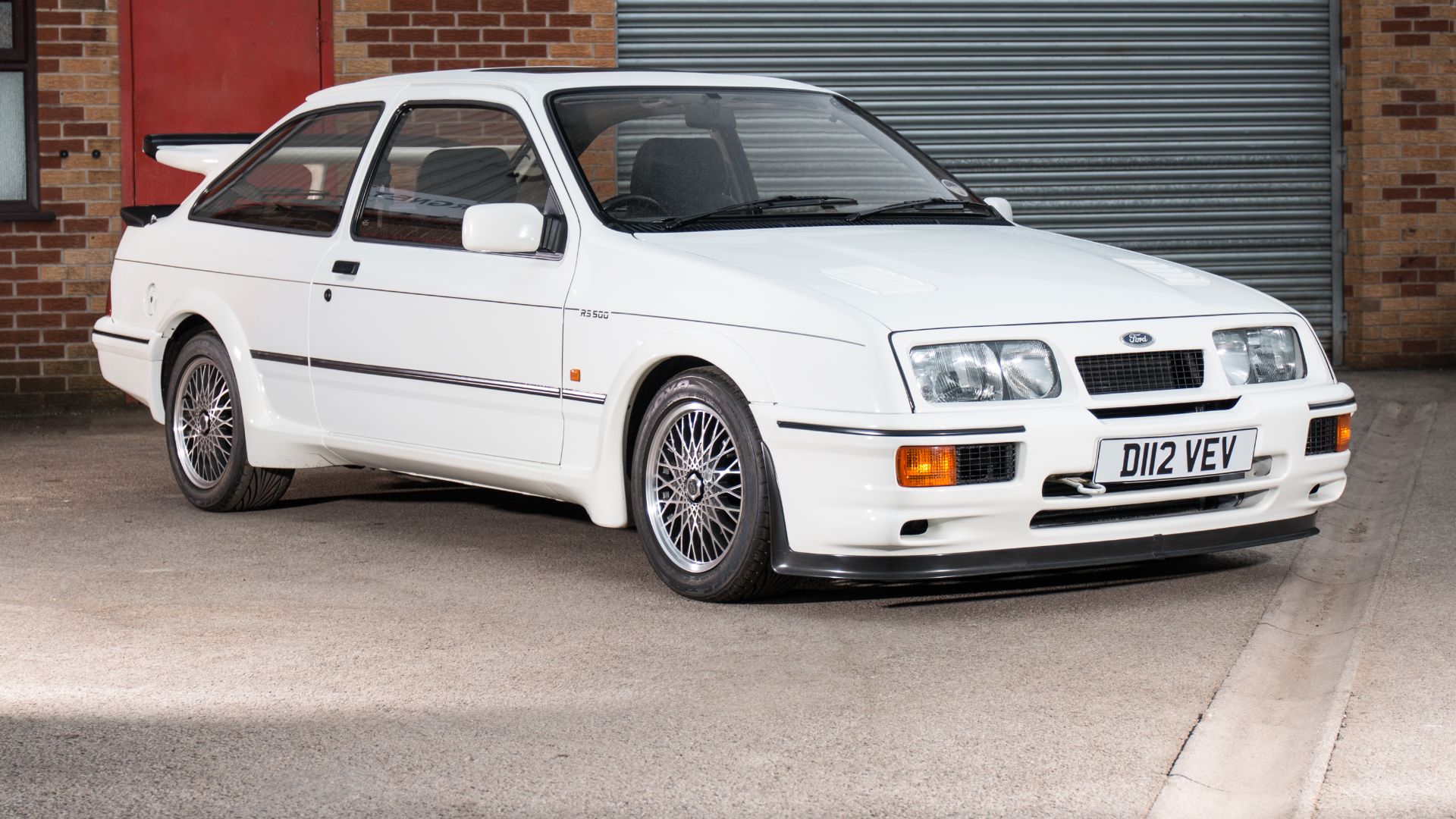
The king of modern classics is the Ford Sierra RS Cosworth. Values had stalled more recently following a big jump. However, 2019 showed some strong results. Overall the Sierra Cosworth saw a 13.7 percent rise in value last year, based on average sale prices.

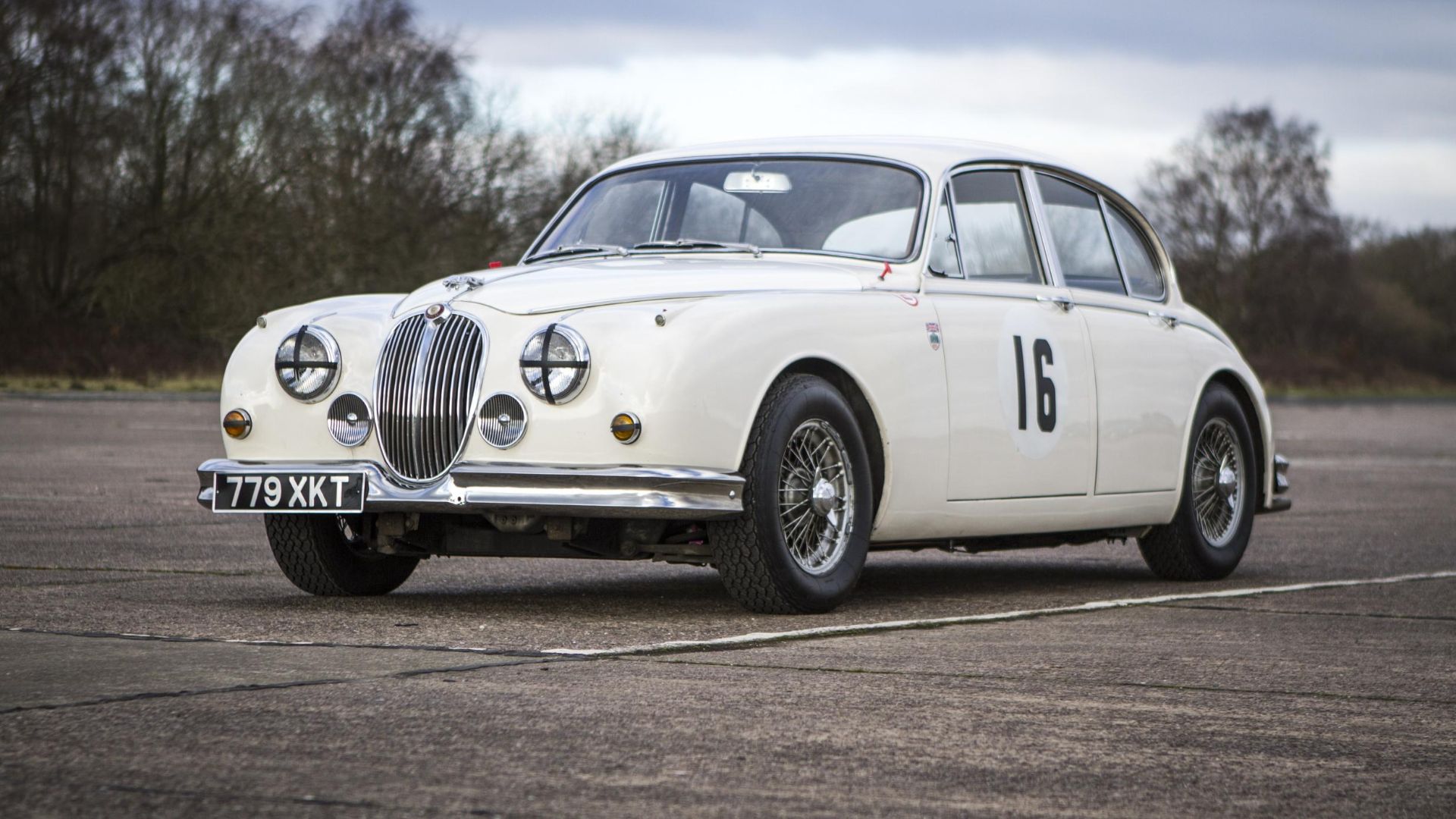
A more conventional classic led the way for appreciation overall, however. The curvaceous 1960s Jaguar MkII – the original super saloon – had a bumper 2019. Following years of stable values, prices jumped 23.6 percent last year.

What you should be buyingHagerty classic car market 2019

Hagerty claims the modern classic ‘Goldilocks zone’ is popular luxury and performance cars from 1990 onwards. In terms of value, if you’re looking to spend £150,000 or more, you could be taking a risk. For cars at that level, it’s a buyers’ market.

However, if you’ve got a smaller budget, and a classic car you want to own had previously looked unattainable, perhaps now is the time to look again.

Advertisement

Kia launches new versions of the Picanto, Stonic and Niro

0

Kia Picanto Zest

Kia has kickstarted 2020 with the launch of a trio of new special editions and trim levels.

All models are on sale from 2 January and come with Kia’s acclaimed seven-year warranty.

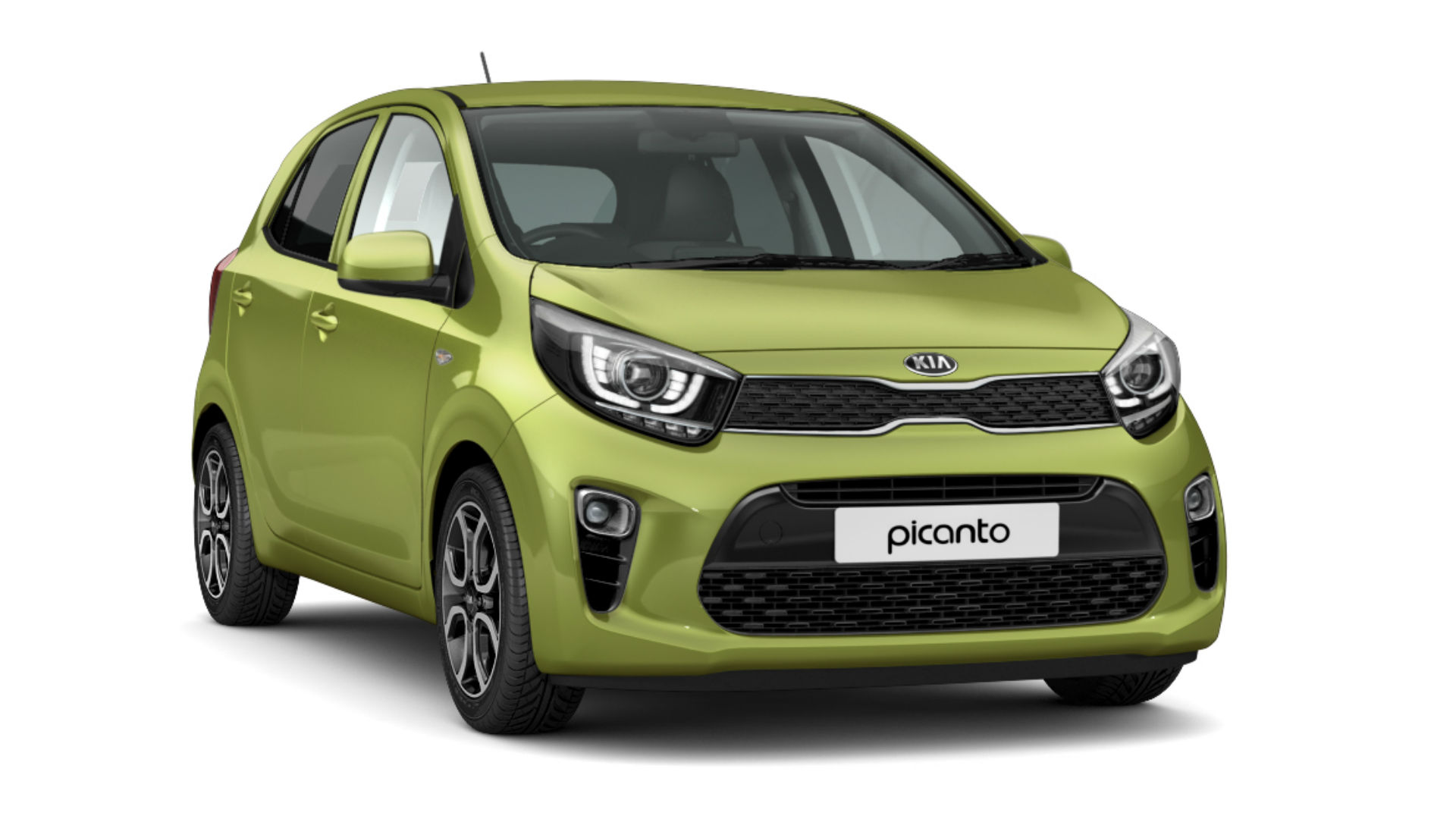
The Kia Picanto Zest is the most eye-catching of the new cars, featuring Lime Light green metallic paint as standard. It also boasts 15-inch alloy wheels, grey faux-leather upholstery, a reversing camera and rear privacy glass.

A seven-inch touchscreen, LED rear lights, Apple CarPlay and Android Auto complete the package.

The Picanto Zest is powered by a 1.0-litre petrol engine and costs £12,650.

Kia Stonic Maxx

Kia Stonic Maxx

Moving up a size, the new Kia Stonic Maxx comes in white with a contrasting red roof. Standard equipment includes 17-inch graphite-coloured alloy wheels, rear privacy glass, black faux-leather, LED rear lights and a reversing camera.

The Stonic Maxx is powered by a 1.0-litre turbocharged petrol engine and offered with either a six-speed manual gearbox (£19,055) or seven-speed automatic (£20,055).

Kia Niro PHEV 2

Kia Niro PHEV 2

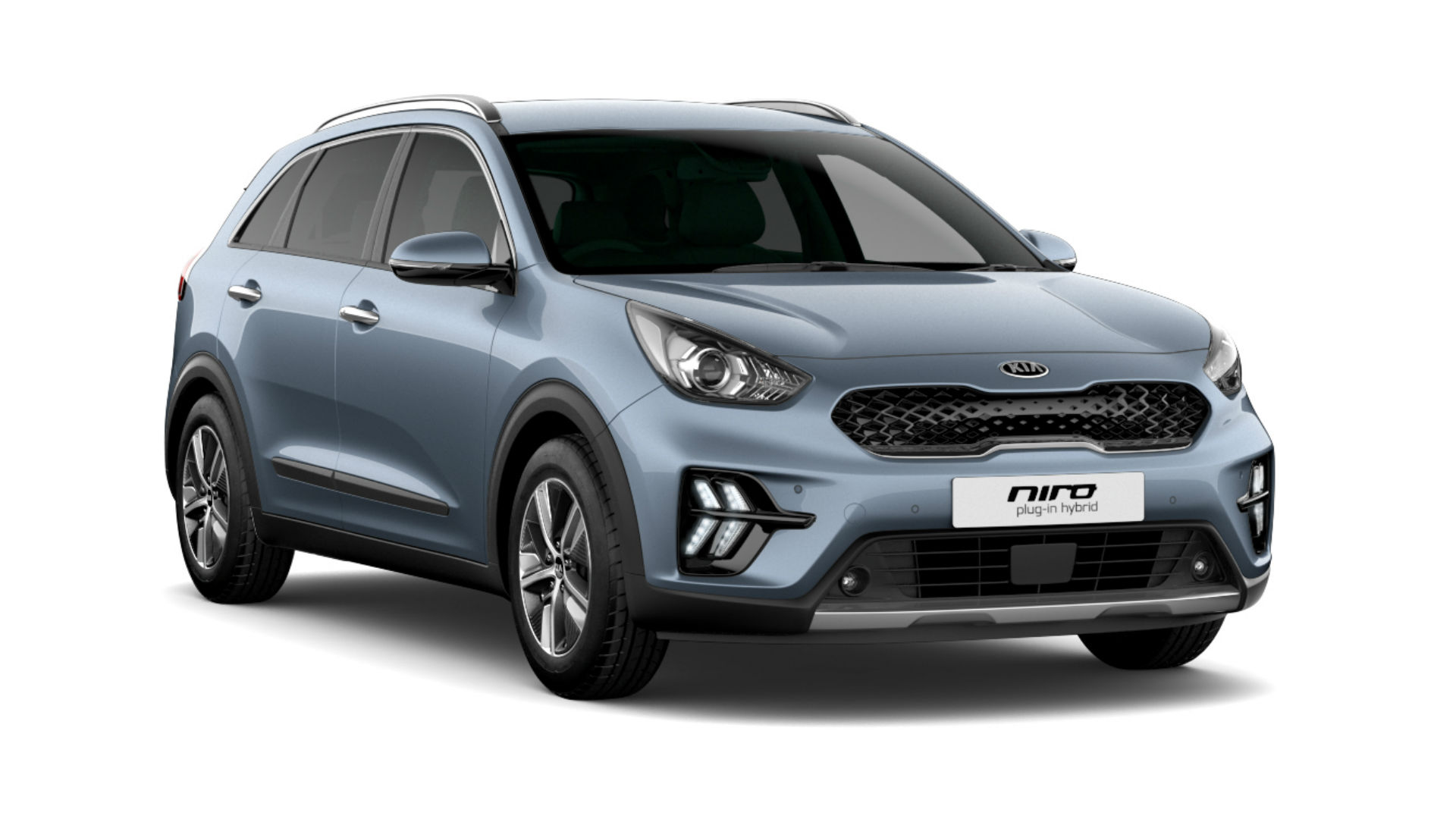
Finally, Kia has launched a new entry-level version of the Niro plug-in hybrid. The Niro PHEV ‘2‘ costs £30,265 and comes with a long list of standard equipment.

The specification includes an eight-inch touchscreen display, Android Auto, Apple CarPlay, a reversing camera, front and rear parking sensors, smart cruise control and a towing pack.

Dual-zone climate control, 16-inch alloy wheels, lane-keep assist, lane-follow assist, hill-start assist and forward collision avoidance assist are also fitted as standard.

All three models are on sale now.

Kia is also offering up to £2,500 scrappage discount off the price of a new car. A saving of £2,000 is available on the Picanto and Rio, with a £2,500 allowance available on the Stonic, Sportage, Niro hybrid and Niro plug-in hybrid.

The offer is available from now until the end of March 2020. For more information, visit the Kia website.

Advertisement

Motorists warned to check their car battery to avoid a ‘New Year non-start’

0

Charging a car battery

Cars that have been left unused over Christmas risk letting motorists down for the return to work on Monday 6 January due to a flat battery.

Breakdown organisation the RAC is already predicting the first Monday after the festive break could be its busiest day of the year.

Older cars and those with aged batteries will be particularly at risk of a ‘New Year non-start’.

Around 12,000 RAC breakdowns are forecast for Monday, with around 1 in 3 caused by a flat battery. The organisation dealt with 3,600 flat batteries on Monday 7 January 2019, and 2,422 on Wednesday 2 January.

40 percent of people who have suffered a post-Christmas flat battery discovered the problem on the way to work.

How to avoid a flat car battery

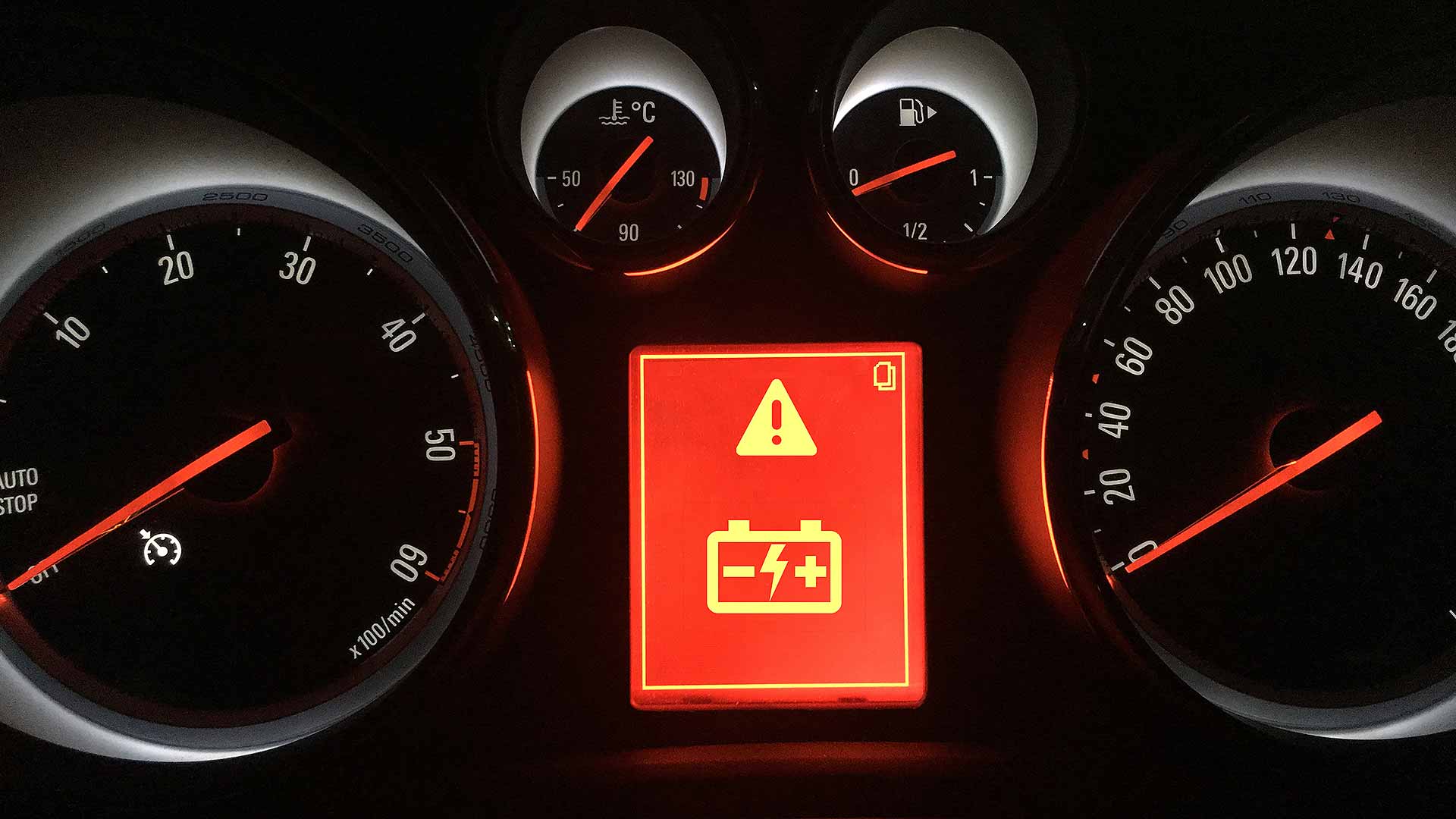
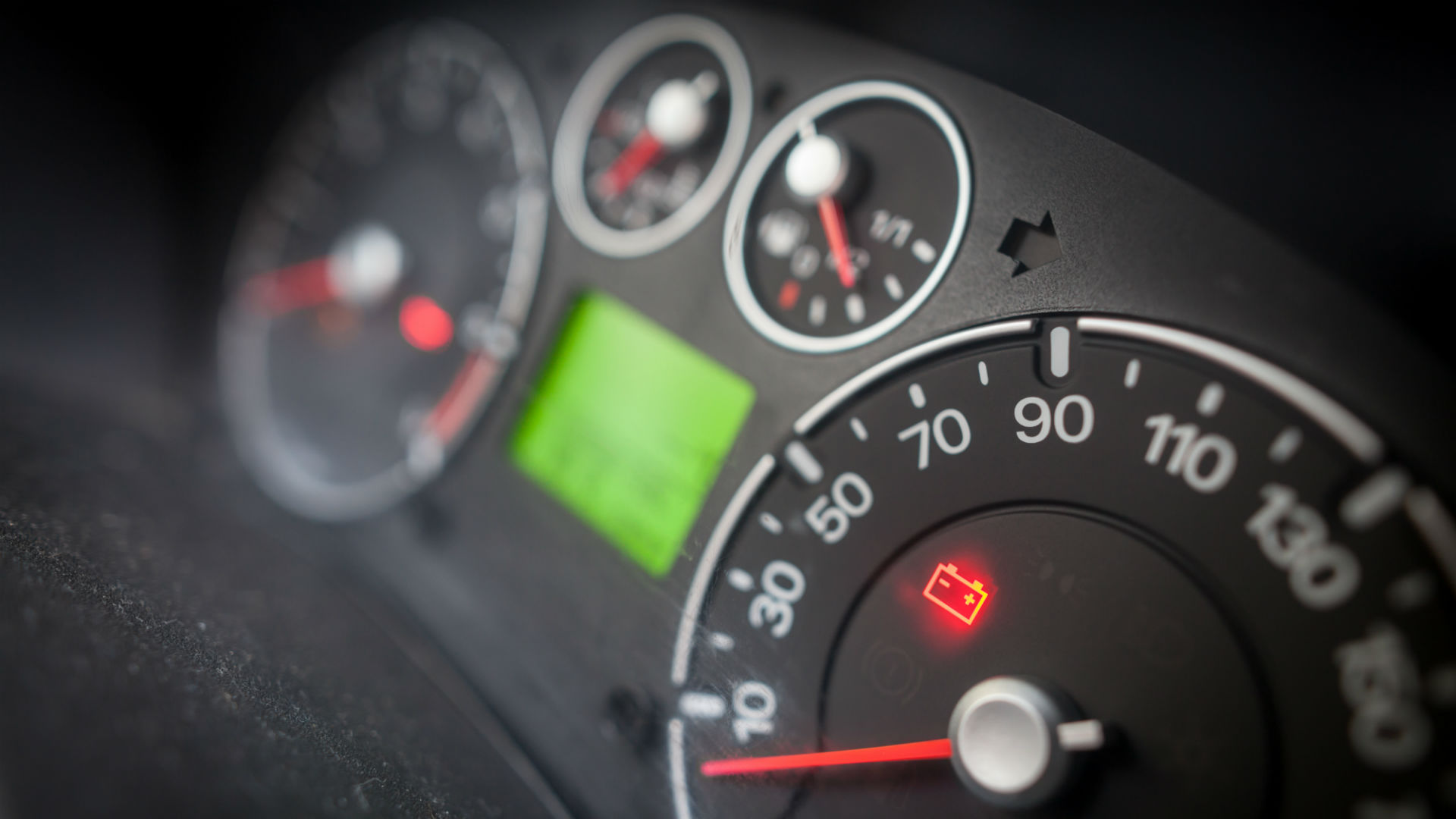
Flat car battery warning symbol

RAC patrol of the year Ben Aldous said motorists can take steps this coming weekend to avoid a nasty surprise.

The simplest tip is to take the car for a good run – not simply a quick trip around the block. This will allow the battery to recover a good level of charge.

It’s also worth checking your car over sooner rather than later. This gives plenty of time to either sort the problem or call out for help before the Monday rush.

“Experience tells us that it is often families with two or more vehicles that suffer most from flat batteries on the return to work after Christmas and New Year,” said Aldous, “as they tend only to drive one over the festive period.”

He added it is a good idea to make sure everything you may have plugged into the car is disconnected after every journey. “Sat navs and other devices can drain the battery if left connected – every volt is precious first thing in the morning.”

In an RAC poll, 6 percent of people admitted they had experienced a flat car battery after not using their car over the Christmas break. 13 percent have fallen victim twice…

Advertisement

Nissan Leaf is Stuff Car of the Year

0

Nissan Leaf e-Plus

Tech writers at Stuff Magazine have voted the Nissan Leaf Car of the Year in the latest Stuff Gadget Awards.

The Stuff Car of the Year gong is one of 20 awards presented by the magazine and website writers. Previous winners include the Jaguar I-Pace and Tesla Model X.

“Cars are big gadgets on wheels,” said editor-in-chief James Day.

Nissan’s Leaf has been a trailblazer for electric vehicles ever since its inception, and the latest model comes packed with a number of smart driver aids that guarantee massive grins when getting from A to B… or parking in a multi-storey.”

Nissan Leaf e-Plus interior

The Leaf’s relative affordability helped its case; prices start from £26,345, once the government Plug-in Car Grant is taken off.

The 2019 Leaf e+ variant’s extended 239-mile range and power boost to 217 hp helped, too(although it is more expensive, priced from £35,895 post-Plug-in Car Grant). And the judges liked its e-Pedal function and ProPilot driver assistance tech.

“The Leaf is packed with the kind of technology you wouldn’t expect from such an affordable family car.”

Nissan is almost certain to make much of the award in 2020: Stuff describes itself as the world’s biggest gadget magazine and website. It has both brand recognition and influence – a potent combination to help spread the word…

Advertisement

Danger, high voltage! 11 percent don’t know where their car battery is

0

Car batteryMore than one-in-10 drivers don’t know where their car’s battery is located, despite flat batteries being a leading cause of winter breakdowns.
A survey of 2,000 UK adults also found nearly a third (30 percent) have never checked their car battery, while more than half (53 percent) haven’t done so within the past five months.

This lack of battery TLC could cause problems tomorrow (2 January) as many motorists return to work – and cars left idle over the Christmas break refuse to start.

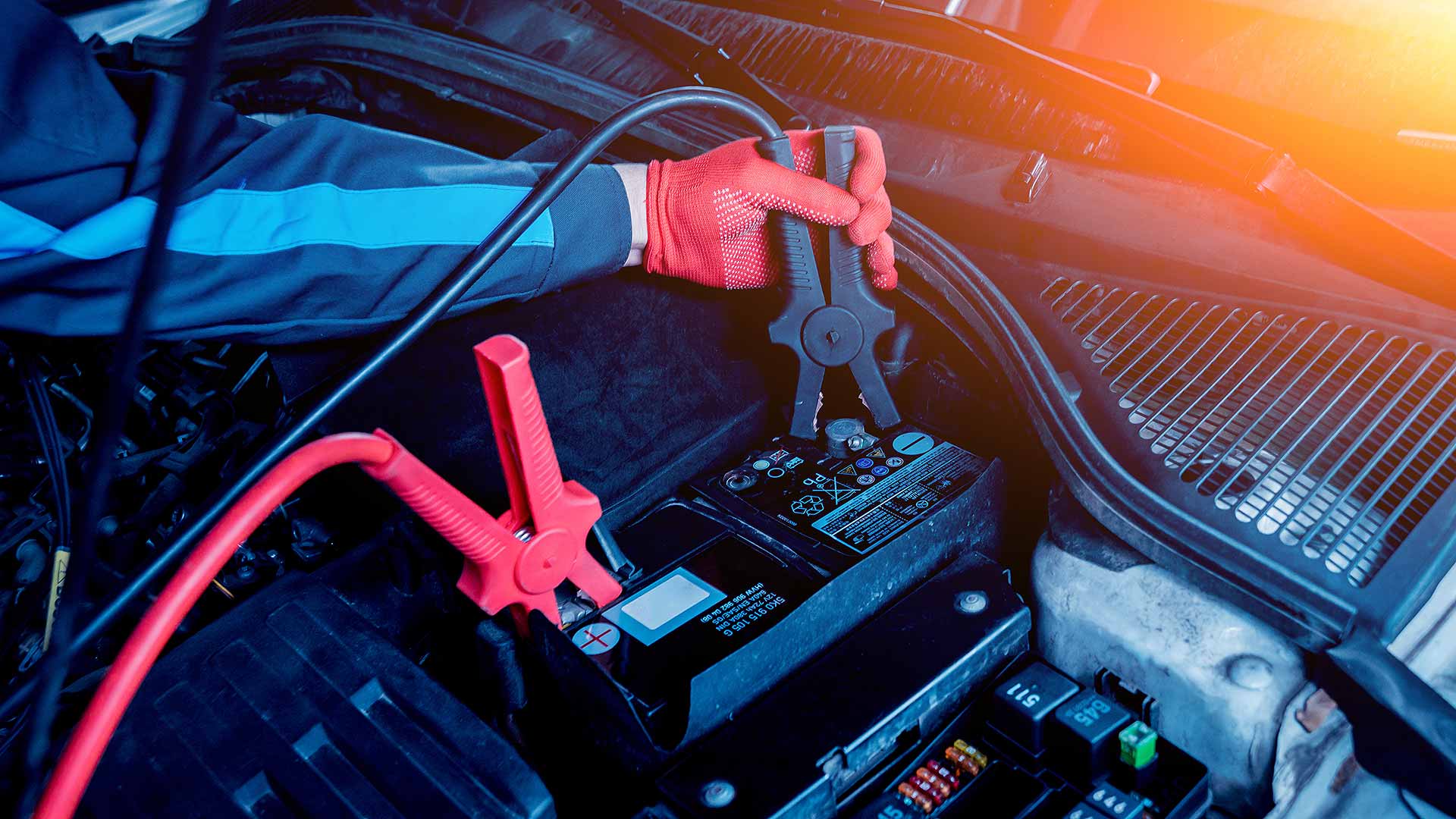
Equally, while older cars might require a straightforward jump-start (via leads connected to a healthier car, to boost the battery and start the engine), this process can overload the electronic systems of modern vehicles, leading to greater problems.

You can cause damage – or even invalidate your warranty – if you attempt a jump-start using a hybrid or electric car. If in doubt, call your breakdown service provider.

  • Winter driving: how to cut costs and avoid fines

Car battery warning light

The poll, commissioned by Halfords, also reveals 42 percent of motorists don’t know how to fix their car battery if it dies. Yet many have noticed the early-warning symptoms.

In total, a third (31 percent) of drivers have heard a clicking sound when they turn the ignition key, a fifth (21 percent) have noticed their dashboard lights dimming when turning over the engine, and 13 percent have experienced the ignominy of their car backfiring.

“If your battery takes more attempts than usual to start the car, appears sluggish or the warning lights on your dashboard are illuminated, it could be a sign of imminent failure,” explains Laura Walsh from Halfords. “Using your car’s heater, lights and devices like sat-navs places greater demand on your battery. This, combined with leaving your car standing idle in the damp could result in a less than positive start to 2020, so it’s worth giving your car a quick health check.”

Many cars have a voltage gauge on the dashboard to indicate battery health. Alternatively, you can check your battery using an electrical tester. Examples are available online from less than £5.

Advertisement

British motorists will drive 449 miles EACH this Christmas

0

Millions are planning festive leisure trips this Christmas

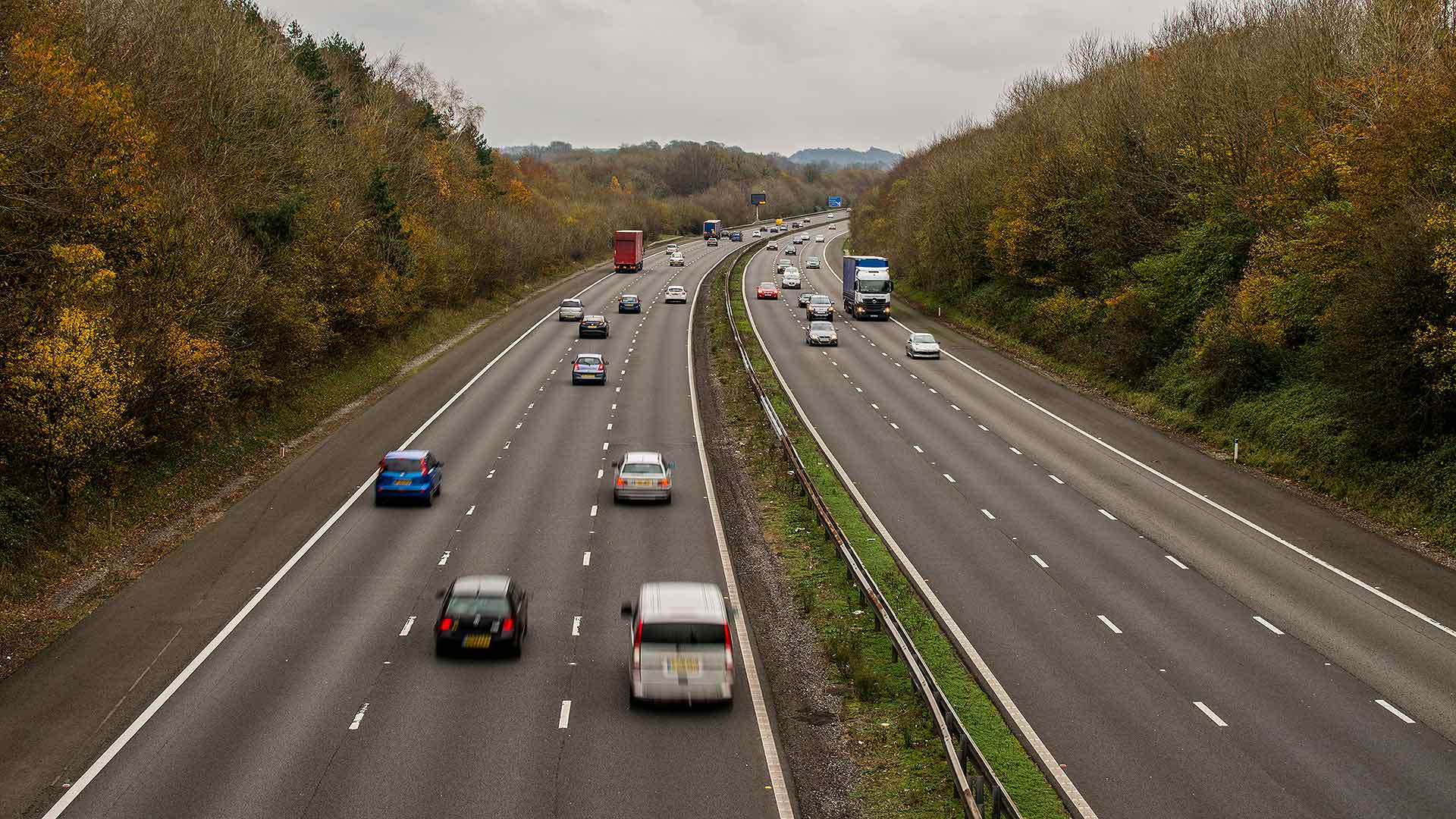
Motorists will drive 4.3 billion miles this Christmas with more than 1 in 4 planning to travel 500 miles or more.

The average driver will cover a total of 449 miles.

Nearly 6 million separate leisure journeys were estimated to have been driven on Boxing Day alone – and Friday 27th December will be equally busy, according to the survey by the RAC.

  • Christmas congestion: 12 days of delays predicted

Saturday 28 December and Sunday 29 December will also see more than 5 million individual leisure journeys taken by car.

“This is very much a time of year when we tend to cover much longer distances than usual to ensure we get to spend valuable time with family and friends, regardless of where we or they live in the country, with drivers depending on their cars more than ever,” said RAC spokesman Rod Dennis.

The survey of 3,500 motorists about their festive driving plans showed that nearly 1 in 3 plan at least one long-distance trip of two hours or more.

A large proportion say they will take two or more lengthy journeys this Christmas.

Highways England customer service director Melanie Clarke added that a little planning beforehand could save a Christmas nightmare of suffering a breakdown.

“We know from experience that almost half of breakdowns can easily be avoided if motorists carry out simple vehicle checks before setting off.”

The roads are expected to be much quieter in the build-up to the New Year, adds the RAC’s Dennis.

Around 3.4 million leisure journeys will be taken on New Year’s Eve – and less than 2.5 million drivers will take to the road on New Year’s Day…

Advertisement

McLaren Speedtail hits 250mph 30 TIMES during testing

1

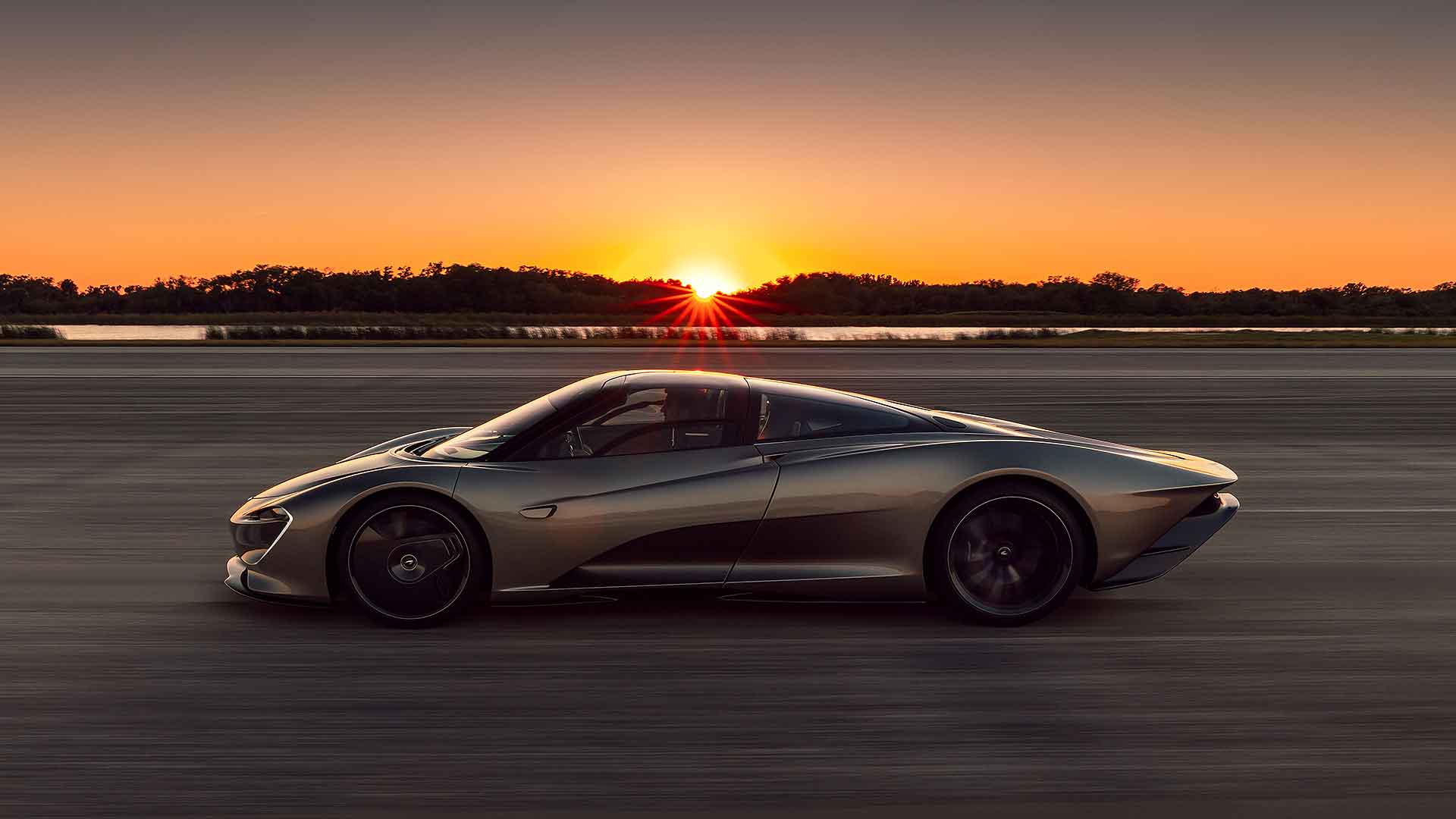
McLaren Speedtail during high-speed testing

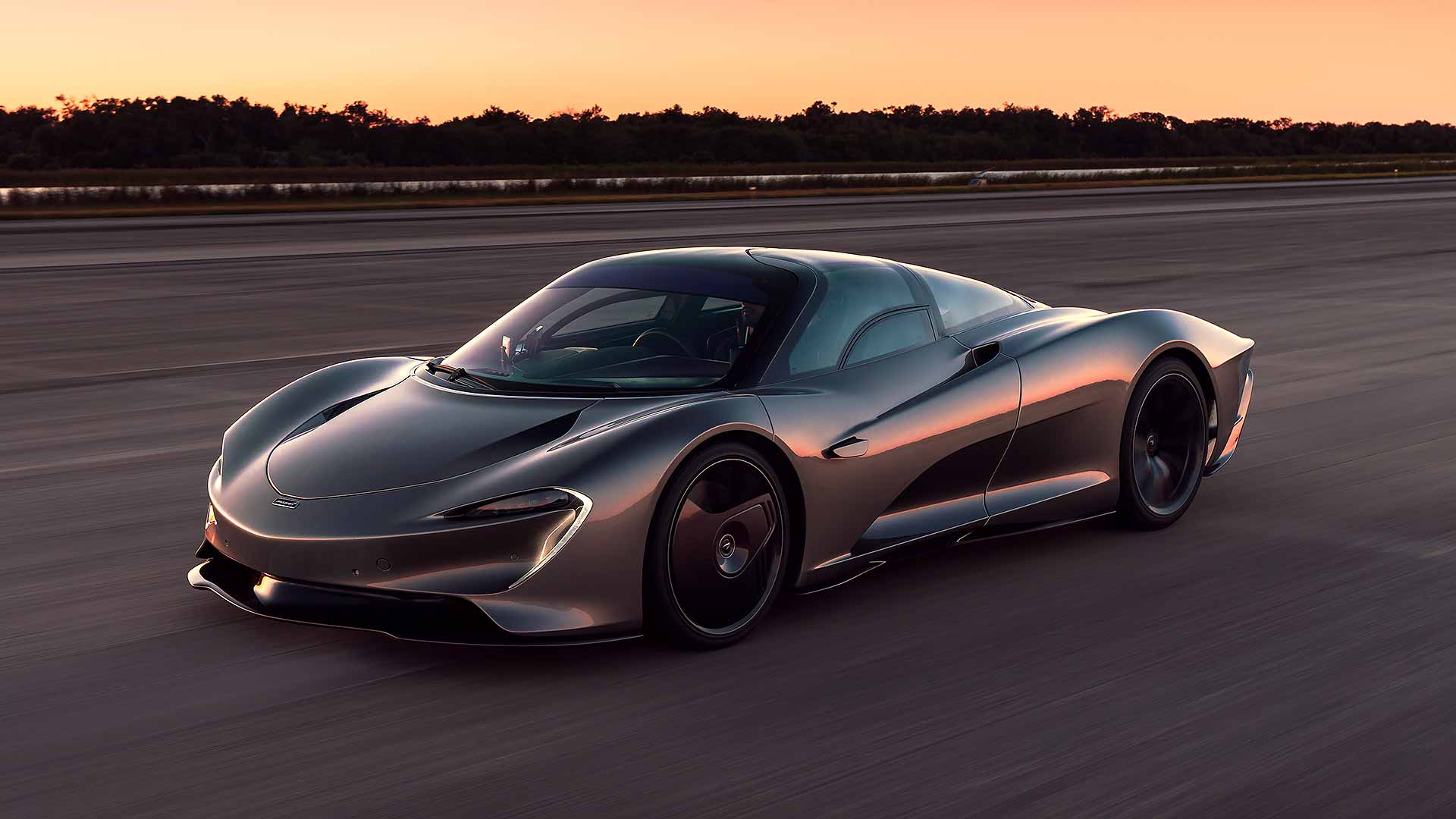
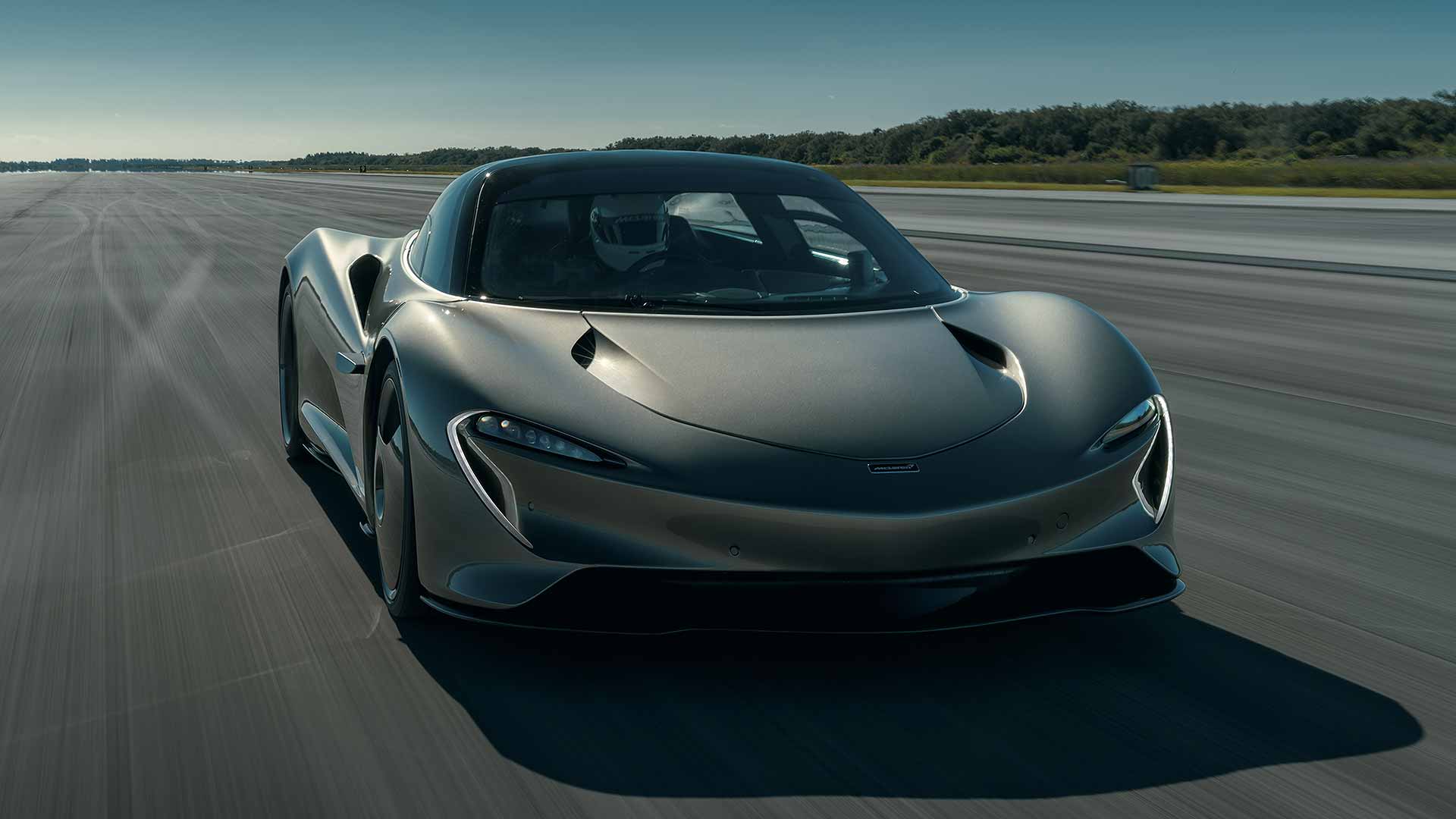
A McLaren Speedtail development car has reached 250 mph more than 30 times during high-speed testing at the Kennedy Space Center in Florida, USA.

Famously exuberant chief test driver Kenny Brack consistently reached the impressive maximum speed figure in Speedtail prototype ‘XP2’.

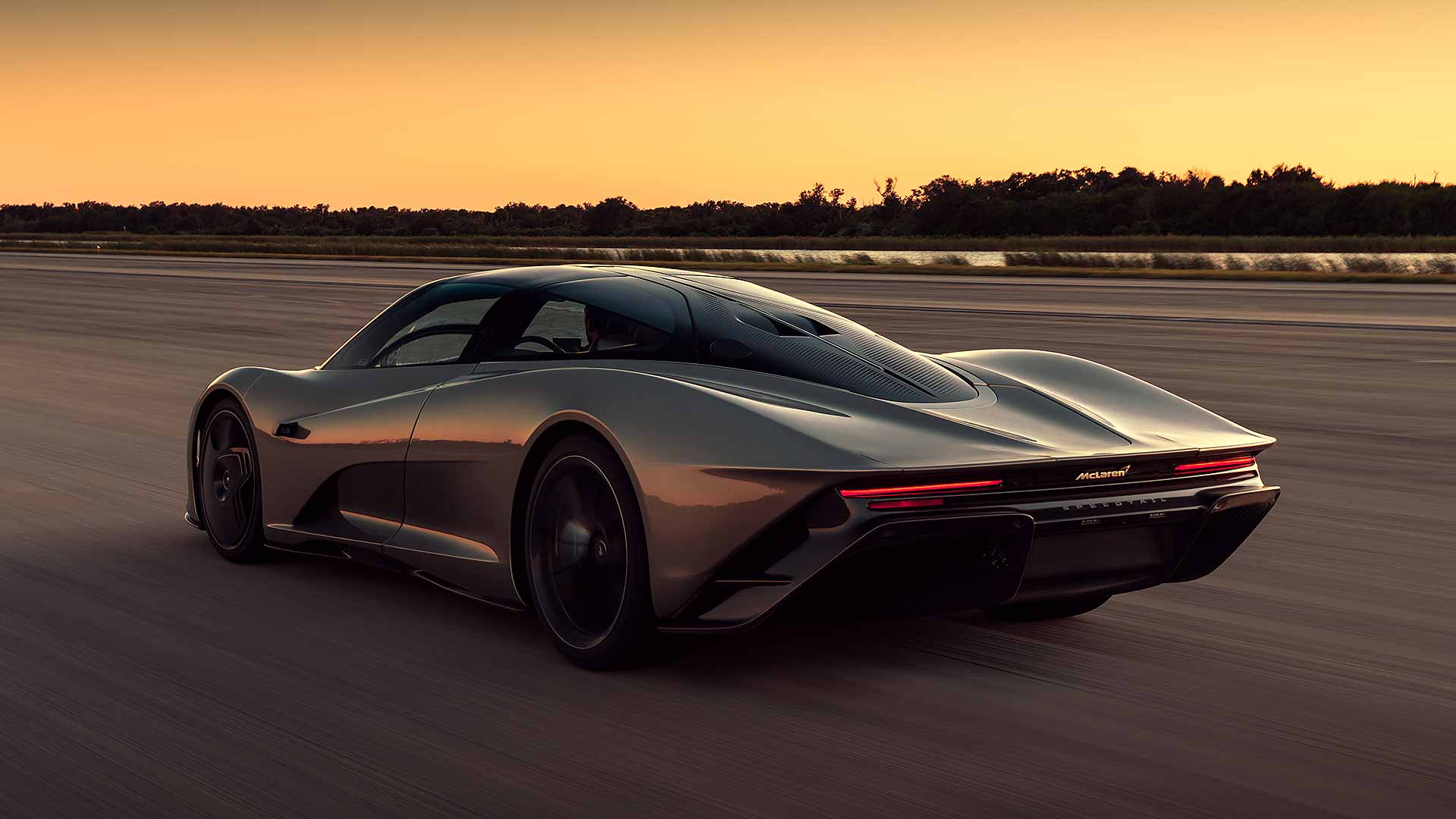
McLaren Speedtail during high-speed testing

The tests are part of a high-speed validation regime that has already carried out flat-out runs at Idiada in Spain and Papenburg in Germany.

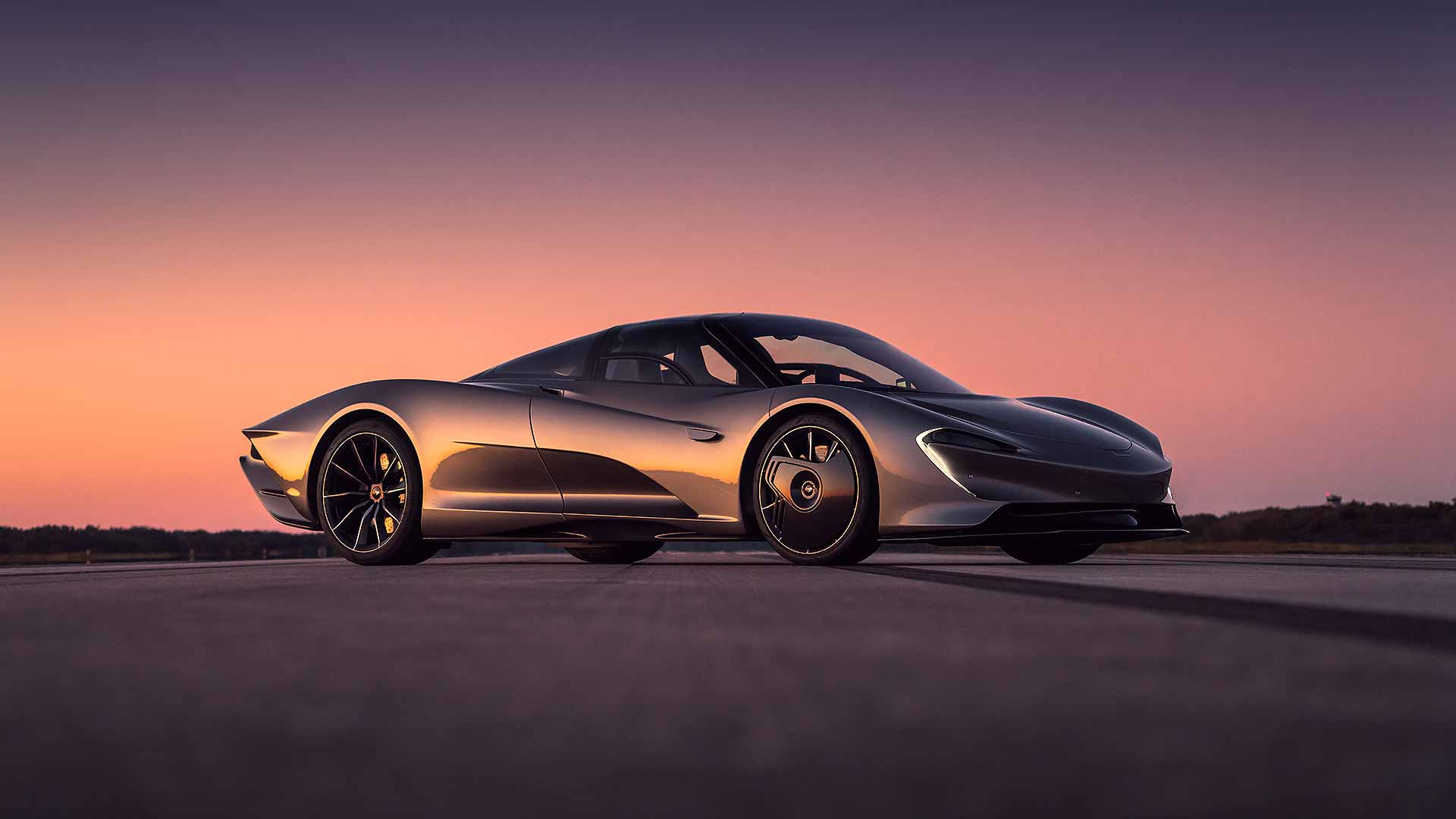
McLaren Speedtail during high-speed testing

McLaren is making just 106 Speedtails, each boasting 1,070 horsepower – that’s enough to accelerate from 0-196mph in less than 13 seconds.

A 1.1-litre version of the Ford Fiesta, Britain’s best-selling car, takes 13.8 seconds to reach 62mph.

Each costs £2.1 million ($2.7 million). 

McLaren Speedtail during high-speed testing

“It’s fitting that the Speedtail’s high-speed test programme concluded with multiple maximum-speed runs at a location strongly associated with pushing the boundaries of extreme performance and engineering excellence,” said McLaren Automotive CEO, Mike Flewitt. 

“The Speedtail is a truly extraordinary car that epitomises McLaren’s pioneering spirit and perfectly illustrates our determination to continue to set new benchmarks for supercar and hypercar performance.”

McLaren Speedtail during high-speed testing

The Speedtail is McLaren’s tribute to the original McLaren F1 hypercar – like that icon, it even has a centrally-positioned driver’s seat within the three-seat cockpit.

The F1 factor is also why McLaren is only making 106 Speedtails: to match the number of F1s made. 

The Speedtail is a substantial 5.2 metres long (the same as a long-wheelbase Range Rover) and is described as the most aerodynamically efficient McLaren ever.

McLaren Speedtail during high-speed testing

The Speedtail is also a hybrid: it has a petrol-electric drivetrain that self-charges when the vehicle is driven – although McLaren will also give owners a wireless trickle-charge pad to keep the hybrid system in peak condition.

McLaren says production of the first Speedtail hypercars is already underway at its Woking production centre. Deliveries will begin in February 2020.

McLaren Speedtail 250mph tests – in pictures

Advertisement