Home Blog Page 292

UK braced for a ‘widespread outbreak of potholes’

0

Pothole repairs UK roads

The RAC attended 20 percent more pothole-related breakdowns in the last quarter of 2019. This is compared to the same period in 2018.

Over the entire year, the RAC was called to 9,200 pothole-related faults, including distorted wheels, broken suspension springs and damaged shock absorbers. These figures coincide with ‘National Pothole Day’, which seeks to highlight the shocking state of UK roads.

For its part, the RAC has created a Pothole Index, which provides a long-term indicator of the state of UK roads. Right now, the indicator is reading 1.7, which means motorists are 1.7 times more likely to experience a pothole-related breakdown than they were in 2006 when the RAC first collected the data.

The RAC is warning that Storm Brendan will kick-start a ‘widespread outbreak of yet more potholes’, with the UK braced for more wind, rain and snow. Put simply: things are going to get worse before they get better.

One pothole-related breakdown an hour

Pothole road

RAC head of roads policy Nicholas Lyes said: “We might so far be experiencing a milder but wetter winter than in the last couple of years, but our figures clearly show the problem of potholes has not gone away. Our patrols are still attending on average around one pothole-related breakdown every hour of the day.

“We anticipate the Government will pledge further funds to help cash-strapped councils mend potholes in the March Budget, but such pledges are only chipping away at the problem, and they’re unfortunately not addressing the root cause of why so much of the UK is still characterised by crumbling road surfaces.

“What we need is for central Government to think differently about how councils are funded to maintain the roads under their control. Short-term commitments of cash, while welcome, are not enough on their own – councils need the security of long-term funding so they can plan proper preventative road maintenance.

“A solution to the UK’s long-term pothole problem is possible. From this year, the money raised from vehicle excise duty in England will be ring-fenced to help fund motorways and major A-roads over successive five-year periods. But as yet, there is no similar model for local roads where the vast majority of drivers begin and end their journeys. We believe this could easily be changed by ring-fencing 2p a litre from existing fuel duty revenue to generate £4.7 billion of additional funding over five years.

“Pothole-free roads shouldn’t be a ‘nice to have’ in 2020, drivers should surely be able to expect the vast majority of roads they drive on to be of a good standard, especially given they pay around £40 billion in motoring-related tax every year.”

To report a pothole in your street or on your route to work, visit the RAC website.

Advertisement

Morgan Plus 4 70th Anniversary Edition marks the end of an era

0

Morgan Plus 4 70th Anniversary Edition

Morgan has announced a new special edition to mark 70 years of the Plus 4 roadster. Predictably, it’s called the Morgan Plus 4 70th Anniversary Edition.

Just 20 will be built, each with a numbered plaque marking them out as the last steel-chassis Plus 4s made at the factory in Malvern. In future, the Plus 4 will shift to a new bonded aluminium platform, as seen in the new Plus Six.

Our ace wordsmith and top wheelman Tim Pitt is driving the Morgan Plus Six this week, so stay tuned for his review.

In the meantime, you’ll need the best part of £61,000 to get your hands on the last-of-the-line Plus 4, but as is often the case with news such as this, you’re already too late. Morgan has taken deposits on every one of the 20 cars it will build.

However, a few late-production Plus 4 and Roadster models remain in the dealer network, so it’s not too late to buy one of these end-of-an-era cars.

The Plus 4 70th Anniversary Edition cars are finished in a Platinum Metallic paint to mark the platinum anniversary. Other features include satin dark grey wire wheels and a motorsport-inspired front valance, plus a black finish for the stone guard, A-pillars and side screens.

On the inside, the 70th Anniversary Edition features bespoke leather, a Ravenwood veneer dashboard, dark grey box weave carpets and a satin black Mota-Lita steering wheel.

Morgan Plus 4 70th Edition

Further upgrades include a leather-trimmed steering cowl, heated performance seats, a mohair hood cover, footwell lighting and a commemorative photographic build record.

Morgan has upped the power of Ford 2.0-litre engine to 180hp, which reduces the 0-62mph time from 7.5 seconds to ‘less than seven seconds’. An Aero Racing sports exhaust allows the engine ‘to truly sing’.

Jonathan Wells, Morgan’s head of design, said: “As the design team creating the Plus 4 70th Anniversary Edition, our aim was to create a classic look, yet one that exudes the significance of what it represents. A mix of premium tones, high-quality materials, and exquisite details reflect the essence of the venerable Morgan Plus 4, and provide a fitting tribute to the steel chassis that has formed its backbone since it was launched in 1950.”

ALSO READ

The worst car names ever

Lotus produces special Elise 250 Cup – just for Oz

The Nissan Leaf can now sing your baby to sleep

Advertisement

Tesla Sentry Mode: How much battery does it use?

0

Tesla Sentry Mode battery drain

Sentry Mode is one of the cleverer features Tesla has deployed in recent months. It’s also one that many owners could find themselves using regularly – so how does it work and how much power does it use?

We spoke to a Tesla owner, who gave us some insight into his experiences with Sentry Mode.

What is Tesla Sentry Mode?Tesla Sentry Mode battery drain

Sentry Mode uses systems already built into Teslas made after August 2017. These monitor the car’s surroundings and deter threats should they arise.

A Tesla in Sentry Mode rests in ‘Standby’, with the cameras active. If a mild threat is detected, such as someone leaning on the car, it switches to ‘Alert’, displaying a message on the touchscreen telling passers-by they’re being watched.

‘Alarm’ is when things heat up, as a response to a serious threat like a window being smashed. At this point, the car alarm goes off, music sets to full volume and the centre display jumps in brightness. The owner also gets a message to warn them of an incident. 

Each time you want Sentry Mode to run, you have to enable it via the a sub-menu, accessible through ‘Controls’, then ‘Safety and Security’.

Does Sentry Mode drain the battery?Tesla Sentry Mode battery drain

Sentry Mode sounds like a great idea. It’s essentially a free dashcam. There is however, a downside: the amount of power it uses. 

In spite of not being screen-intensive, or involving driving at all, our owner reports that it consumes battery life at a rate of one mile per hour. With 262 miles of range, that obviously equates to 262 hours, or 11 days, before the battery is fully drained.

Tesla Sentry Mode battery drain

  • Truckers: Oxford zero-emissions zone is ‘absurd’

Then consider that Sentry Mode is automatically turned off when the car reaches 50 miles of range, so that leaves 212 hours of Sentry Mode activity in this example. In the highest-range Model S, with 370 miles of power in the battery, that gives 320 hours of time that Sentry Mode can be active – or just under two weeks.

The Sentry Mode Catch 22Tesla Sentry Mode battery drain

  • Love bug: This car DOUBLES your chances of a Tinder match

So, the scenario in which you’re most likely to turn Sentry Mode on – long trips away – is also when you probably don’t want to in order to save battery. Of course, you can negate this by having long-term parking with charging.

Nevertheless, the battery drain of Sentry Mode is causing owners to think twice about using it.

Should you use Sentry Mode?Tesla Sentry Mode battery drain

Sentry Mode runs the cameras, and utilises the car’s brain. The entire Auto Pilot system is running while the feature is in use. Actual recording is triggered by motion detection, but in its ‘Standby’ state, there remains the significant power draw. A bit of forethought is therefore required before pressing the button.

Are you going to be away for a while? Will you be in range of a Supercharger when you return? Is there the option of leaving the car plugged in? Is Sentry Mode really necessary where you’ve parked it?

Assess the situation before you decide, or you risk being out of range when you return to the car. 

Advertisement

The condition of UK roads has reached ‘crisis point’

0

pothole uk

Nearly half of motorists who took part in a new poll believe the state of UK roads has reached a crisis point.

Forty-two percent of those surveyed agreed with the statement: ‘I think we have a crisis in the state of repair of roads in the UK’. This increases to 50 percent in the East of England, 49 percent in Scotland and 46 percent in the South West.

Few people believe the roads are acceptable, although motorists in London (32 percent), the West Midlands (34 percent) and Northern Ireland (37 percent) appear to be more satisfied than others. We suspect a few readers will be shaking their heads in disbelief.

The results of the Re-flow study coincide with ‘National Pothole Day’, which highlights the pothole epidemic facing the UK’s motorists on a daily basis.

In the West Midlands, 36 percent of the 2,092 respondents who took part in the survey believe that the state of the roads constitutes a national emergency. This is a view shared by motorists in the South East, Wales and North West.

‘More like firefighters’

Road workers fixing a pothole

Roads suffer during winter months, with rain and snow damaging the surface, often beyond repair. The heavy rainfall of the winter of 2019/20 has led to flooding and the emergence of new and often huge potholes. Proper investment is required, but Re-flow believes there’s more to it than simply money.

It is calling for a three-pronged approach, focused on the following:

  1. Utilising better project management methods
  2. Better scheduling of projects
  3. Improvements in construction methods

Mike Saunders, managing director of Re-flow, said “The challenges being faced by the industry in terms of being more innovative with the design, construction and maintenance of the network are ever-present, so those working in the sector must come up with new ways to do more to make the most of the funding they receive, as a sustained lack of investment is set to continue in the foreseeable future.

The current system of trying to keep on top of patching up the potholes instead of investing in proper resurfacing is making roadworkers more like firefighters.”


Advertisement

Kia reveals ambitious EV plans – including self-driving cars

0

Kia plan S – electric cars and mobility solutions

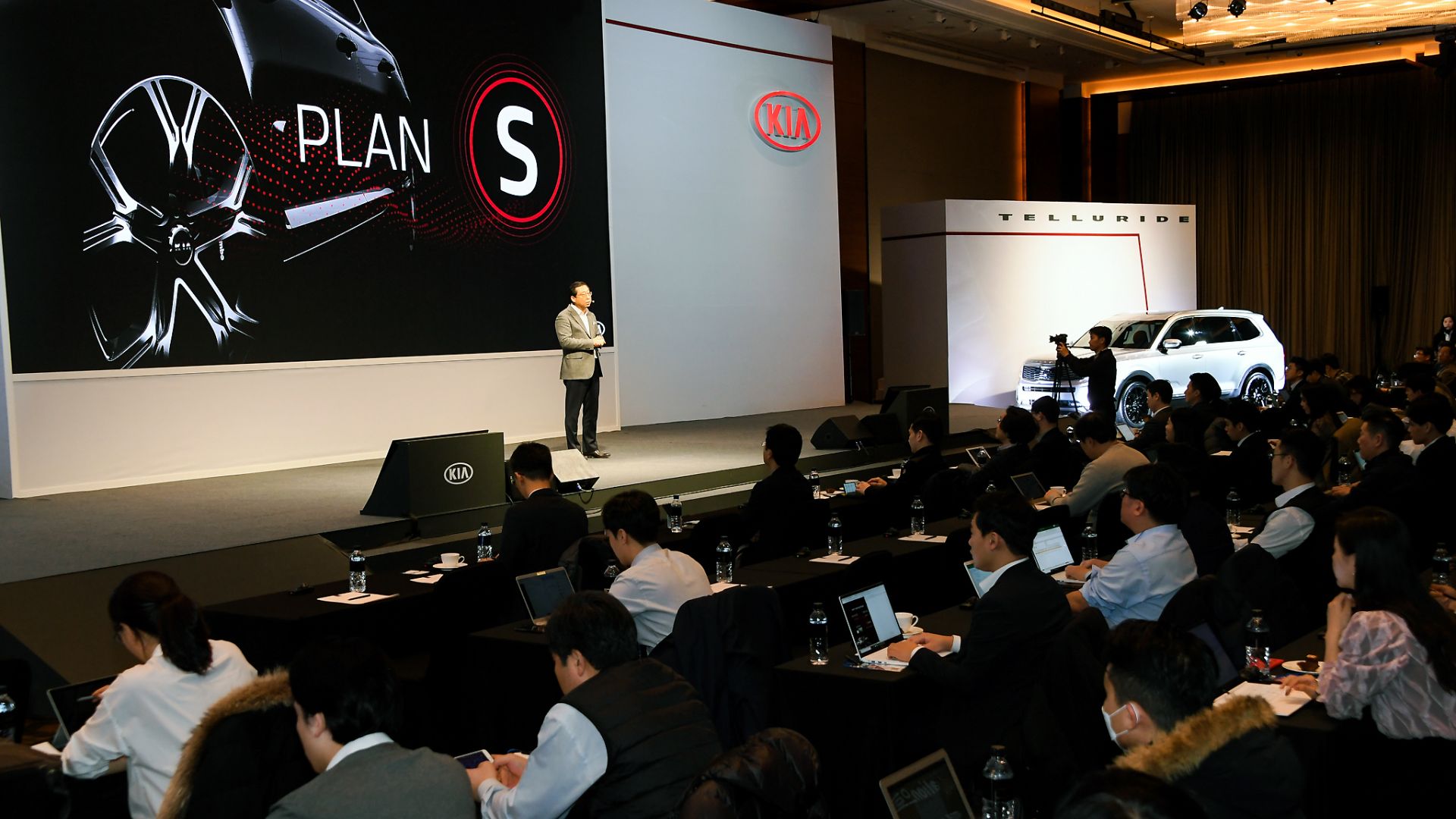
Kia has announced its plans for the first half of this decade, with a huge focus on the introduction and increased sales of EVs.

It plans to sell half-a-million electric cars, among one million so-called ‘eco-friendly’ models, every year by 2026. It’s one of many goals in ‘Plan S’, the Korean company’s grand plan for the future. And it really is grand.

Plan S: what Kia will do nextKia plan S – electric cars and mobility solutions

The plan is two-pronged, with the first being relatively conventional: a focus on EVs. The second prong is far less so, but equally important: customised mobility solutions. In other words, every possible way you could use a car without actually buying one.

Kia wants to meet with heads of infrastructure in order to supply the fleets of the future. And it’s going to evolve in order to meet their needs.

“As the auto industry undergoes turbulent changes, today is also an opportune time for Kia Motors to radically transform itself into a global enterprise, dedicated to spearheading customer value-led innovations,” said Kia president and CEO, Han-woo Park.

Kia plan S – electric cars and mobility solutions

“Plan S is a bold and enterprising roadmap for Kia’s future business transition, buttressed by the two pillars of electric vehicles and mobility solutions.

“Kia will reinvigorate its brand innovation by developing products and services that offer new experiences for customers.”

‘A pre-emptive transition to EVs’Kia plan S – electric cars and mobility solutions

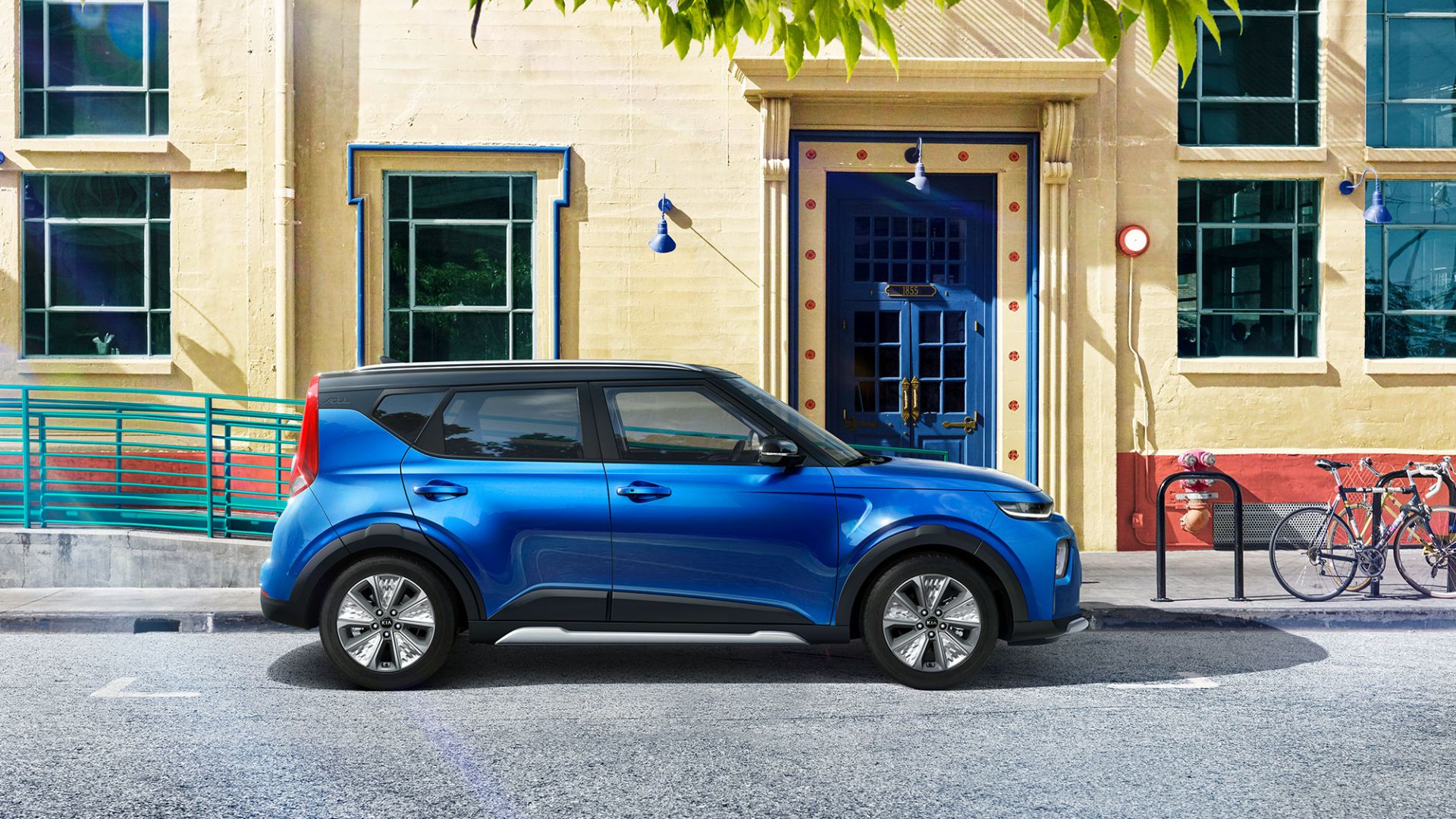
The EV part of ‘Plan S’ begins with the marque launching its first dedicated electric car in 2021. The current e-Niro is a repurposed internal combustion car. This new model will be all-original and all-electric.

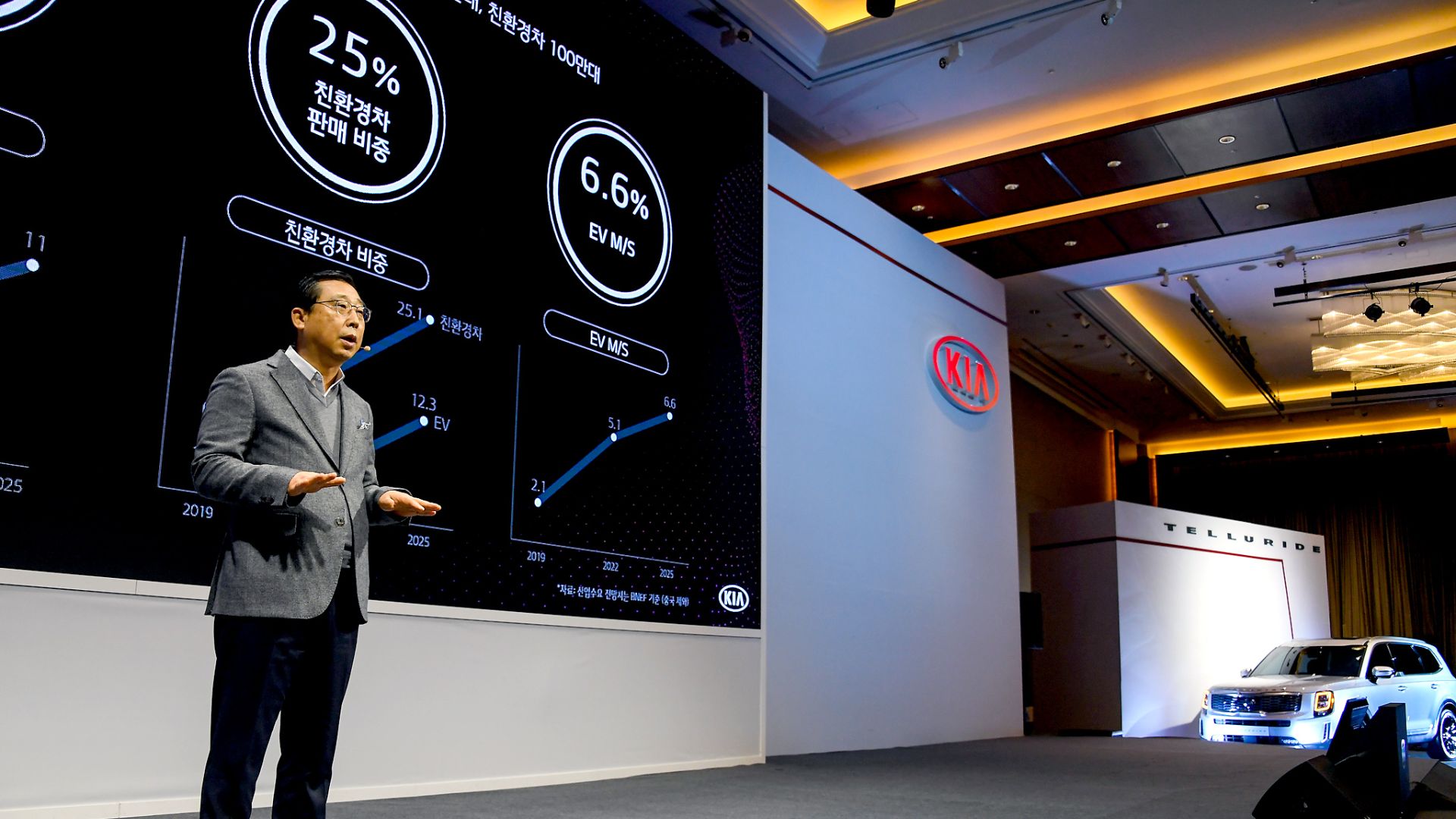
Kia plans to ‘adopt a strategy of product differentiation’ by launching dedicated EVs, with their own designs, user experiences and quality. That line-up will swell to 11 models by 2025, including cars, SUVs and MPVs. There will be dedicated high-performance models, plus a mix of 400- and 800-volt architectures.

  • Volkswagen is going to share its MEB electric car platform

Kia plan S – electric cars and mobility solutions

The new car will blur the lines between car and SUV. It’ll be on a unique platform, and drive around 320 miles on a single charge. Kia also claims a sub-20-minute high-speed charge time.

All of the above should help Kia towards a target 6.6 percent EV market share by 2025. By then, it hopes for EVs to make up 20 percent of the cars it sells. All this will take a total investment nearing £20 billion.

Customised mobility solutionsKia plan S – electric cars and mobility solutions

Kia also wants to cater to cities as they evolve, developing purpose-built vehicles and establishing mobility hubs.

Live in a city? It’s likely that it would already be more convenient for you to call a car, or an autonomous pod, than it would be to actually own one. Kia hopes to cater for those who are outgrowing the traditional car ownership model.

Kia plan S – electric cars and mobility solutions

The company’s idea of a mobility hub is a solution to the problem of zero-emission zones. Not all motorists want to own an EV, in spite of an increasing number of urban areas legislating against conventional cars.

Think of a mobility hub as the car equivalent of a Boris bike pick-up; drop your vehicle off and collect the keys to a dedicated Kia city EV. In the long term, Kia sees self-driving robotaxis operating out of these hubs. A brave new world indeed.

Kia plan S – electric cars and mobility solutions

Such city-centric vehicles will be based on scalable and modular ‘skateboard’ platforms. Wheels, battery and motors can have different bodies mounted to them.

Kia has invested in a number of companies to help further its efforts in these areas. Grab is the largest ride-hailing service in south east Asia. It’s also working with Repsol in Spain on the WiBLE car-sharing service, running 500 Niro PHEVs in Madrid.

Plus, it’s collaborating with Aptiv, a world-leader in autonomous driving tech, to develop its own autonomous platform by 2024. Kia hopes to licence this technology to other carmakers, too.

Advertisement

Government ‘to consult’ on pulling forward 2040 petrol and diesel car ban

0

George Freeman MP

George Freeman MP, Department for Transport Minister of State, says the government intends to start discussions about bringing forward its ambitious target of banning the sale of new diesel and petrol cars by 2040.

Speaking at the launch of a report from the government-backed Electric Vehicle Energy Taskforce, the Minister said the plans were part of plans to announce more “tangible measures to drive decarbonisation.

“We intent to consult on bringing forward the 2040 target to end the sale of diesel and petrol cars.”

Mr Freeman’s statement follows a suggestion by transport minister Grant Shapps at the Conservative party conference in October 2019 that the ban could be brought forward five years, to 2035

“There is also a commitment for all central government cars to be electric by 2030.”

Mr Freeman added he would also like to see the number of UK rapid chargers more than double by 2024, to over 5,000. 

He indicated announcements could be made in the build-up to November’s 2020 UN Climate Change Conference which is being held in Glasgow.

‘Get with the programme’

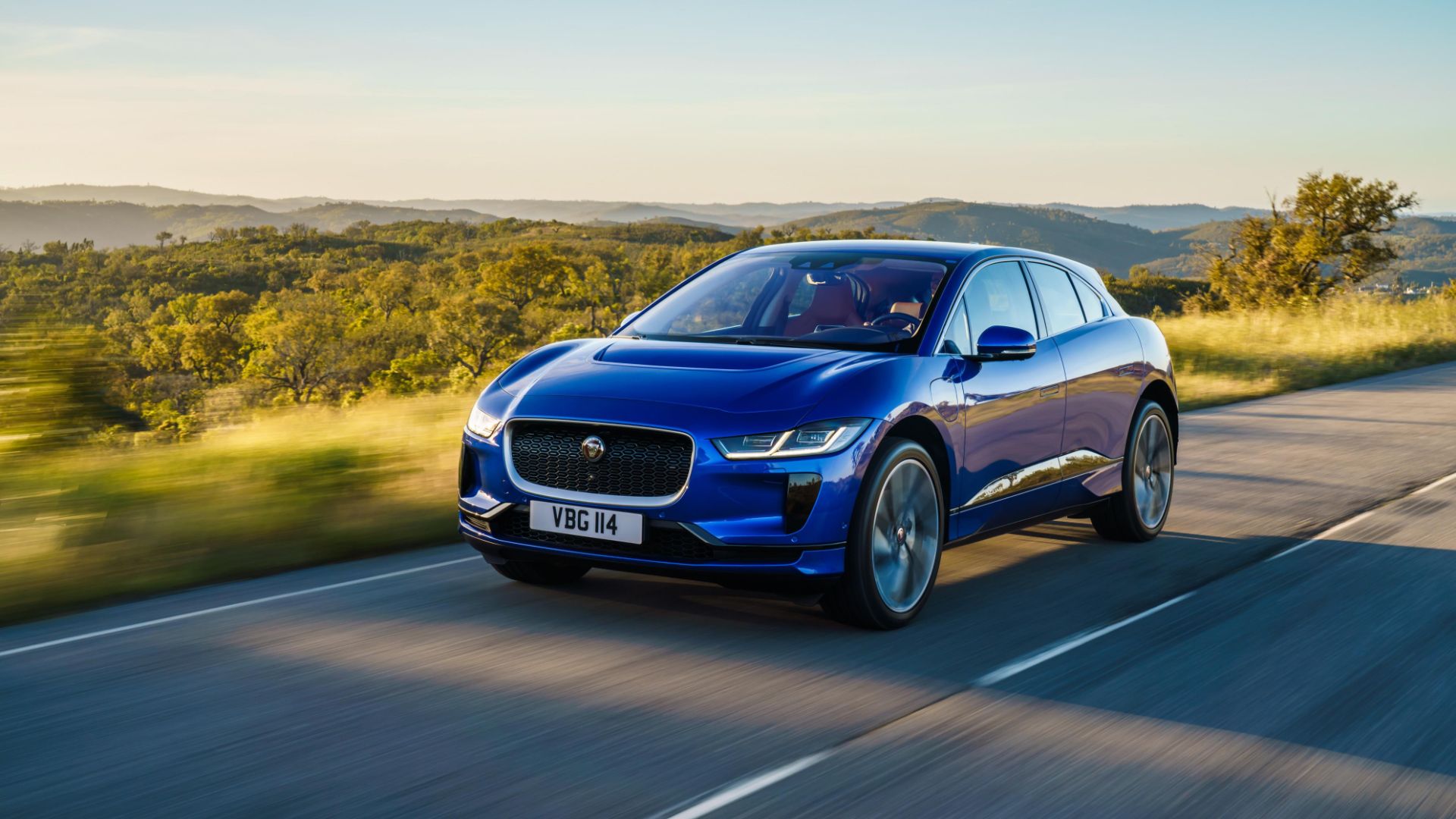
Jaguar I-Pace electric vehicle

Public opinion on climate change has shifted, said the minister, over the past six or seven months, something he experienced “knocking on 10,000 doors” during campaigning for the general election.

The government needs to step up efforts to deliver on its 2050 net zero emissions target “because 2050 is only 30 years away”.

Mr Freeman said he was “cheered” with the news Volkswagen is raising its electric car production forecast for 2025 – the same year that Audi will be offering 20 new fully-electric vehicles.

Industry has set itself demanding targets too, he acknowledged.

“We have momentum, we have know-how, we have industry commitment; we haven’t shied away from setting ourselves some really ambitious goals.

“Many people haven’t made the shift from electric motoring being a nice idea, a vision, to being an actual practical reality that we are going to do.

“All of us are going to have to get with the progamme.”

Advertisement

How far do the most popular electric cars REALLY go on a charge?

0

How far do electric cars really go on a charge

There are many claims about the capabilities of electric cars. Be it their total range, charge speeds, performance or otherwise. You really have to just get out there and do it. That’s exactly what this test did with some of the hottest electric cars available right now: ran them from full to dead – and noted the results.

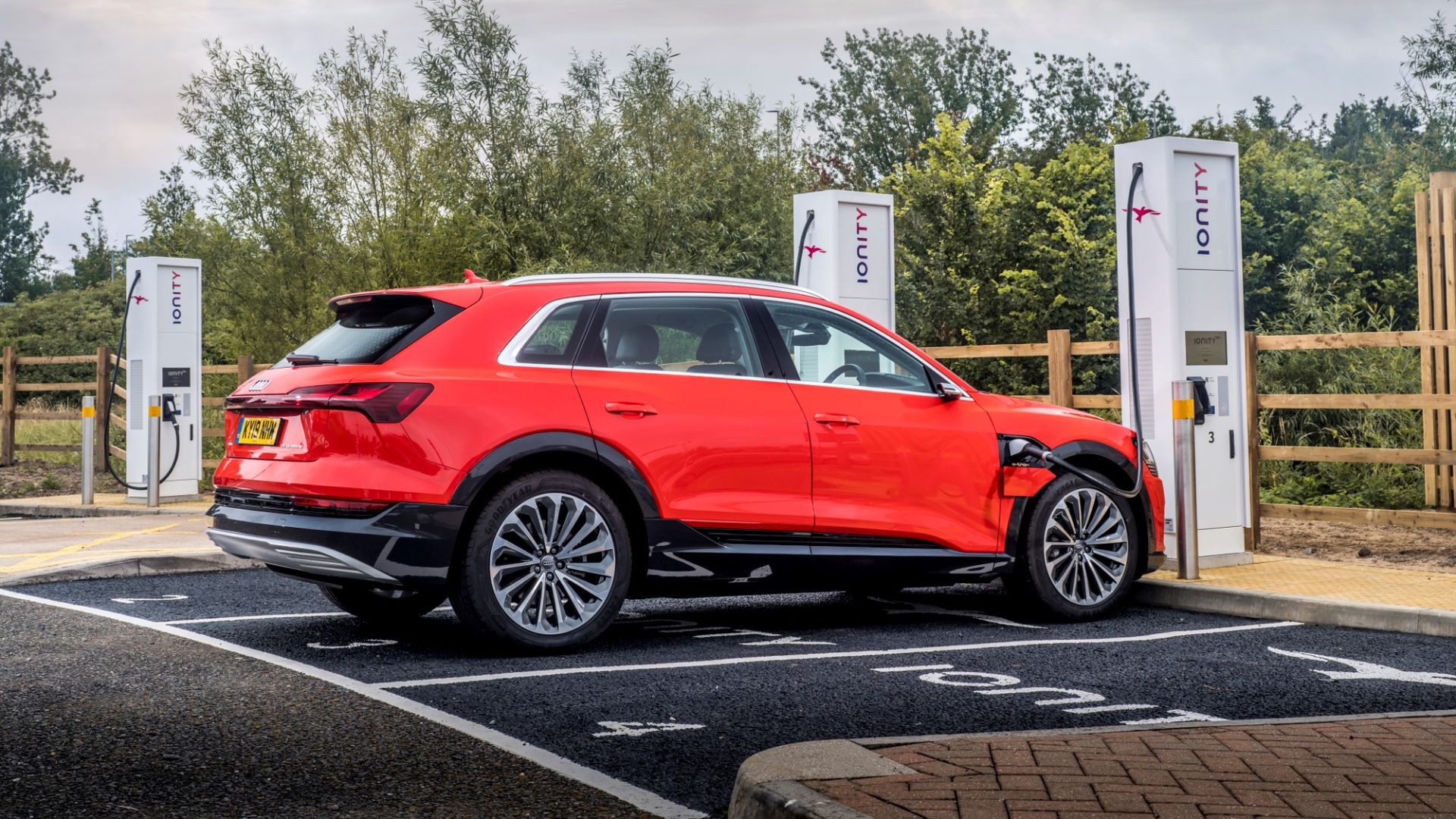
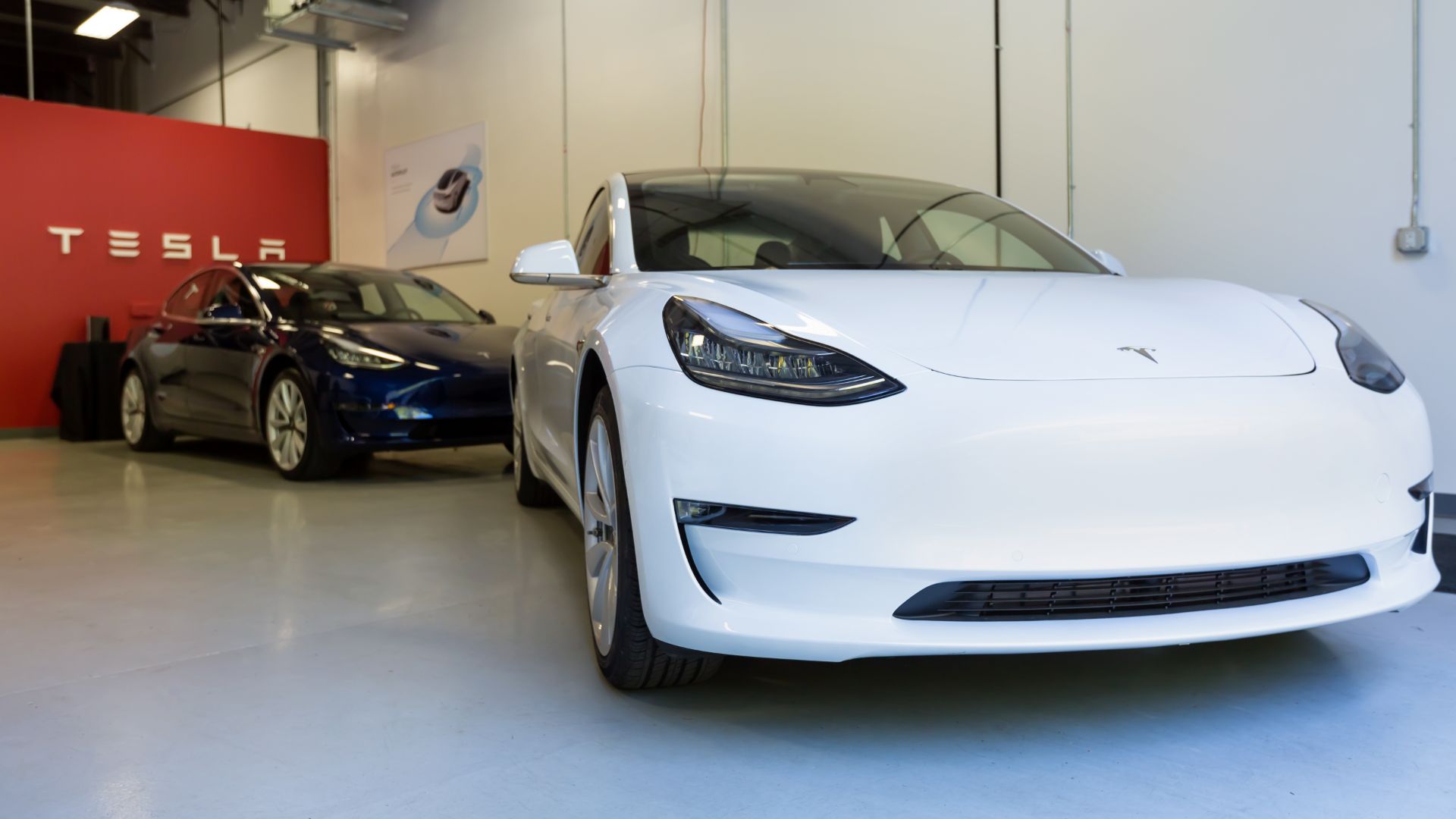
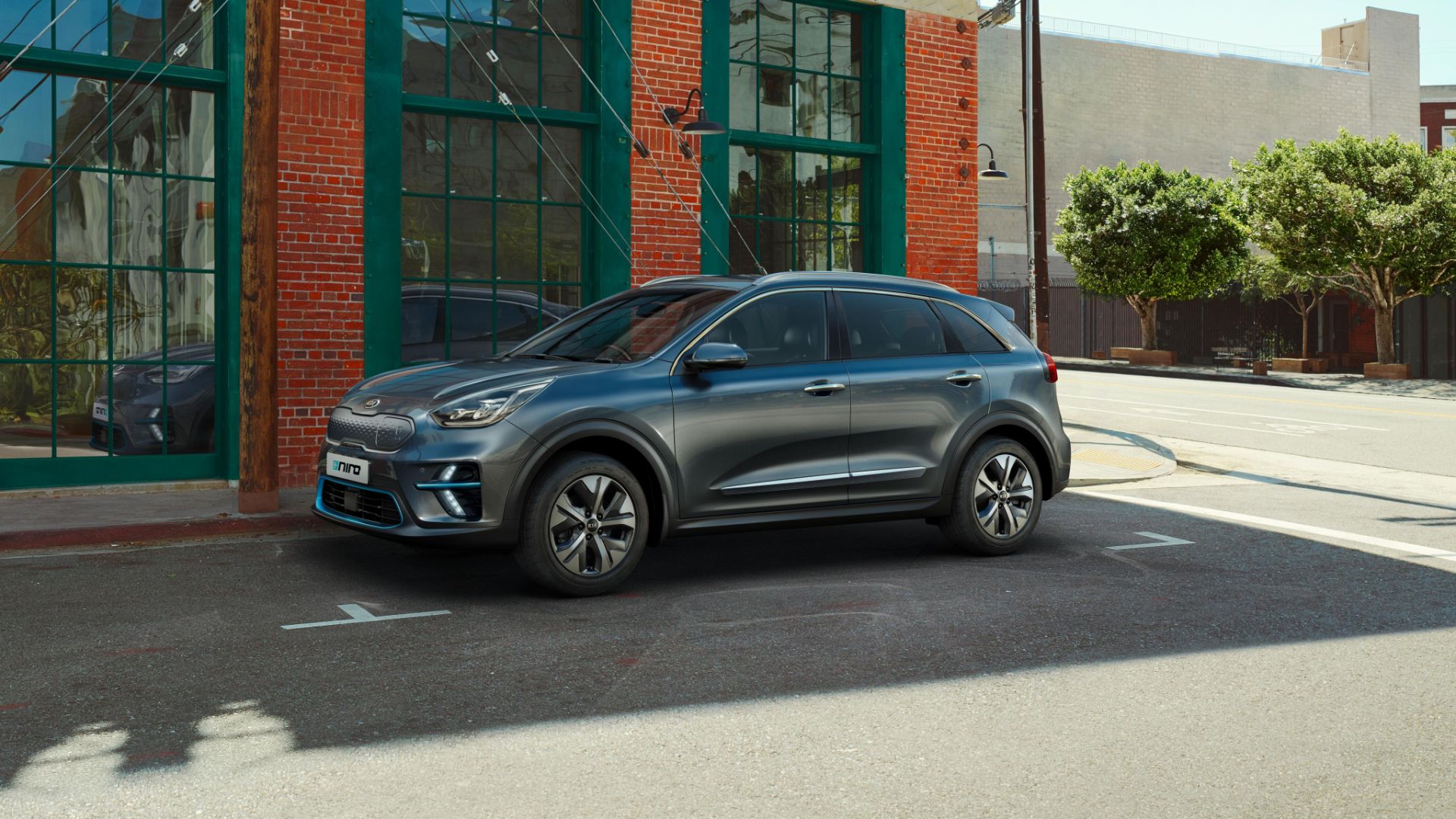
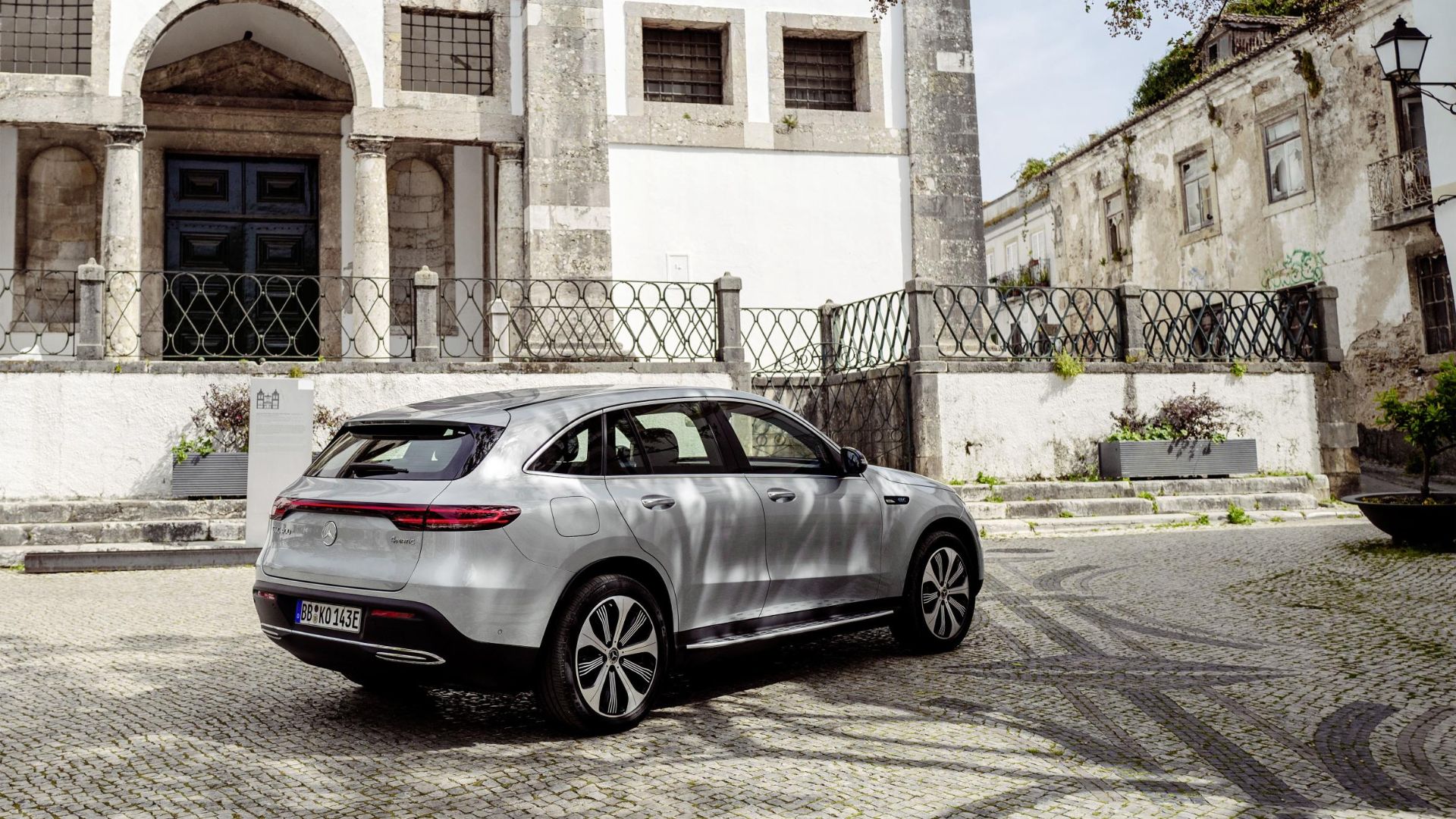
The test was conducted by Carwow, and involved the Tesla Model 3, Kia e-Niro, Jaguar I-Pace, Nissan Leaf, Audi E-tron and Mercedes EQC. The cars were charged to 100 percent and then left overnight. Though some lost some juice, all had over 95 percent in the morning.

The test was inspired by prior research, which found that 35 percent of people say their biggest worry around electric cars is running out and getting stranded.

How far do current electric cars go on a charge?How far do electric cars really go on a charge

The Tesla Model 3 went the furthest, achieving 270 miles. However, that was only 78 percent of its WLTP claimed range of 348 miles. The Jaguar I-Pace was also a disappointment, going 223 miles, or 76 percent of its WLTP claimed range of 292 miles.

The Mercedes EQC was arguably the worst performer. It went the shortest distance, covering 194 miles. It also achieved the lowest percentage of its claimed capability – just 75 percent of its claimed 259-mile range.

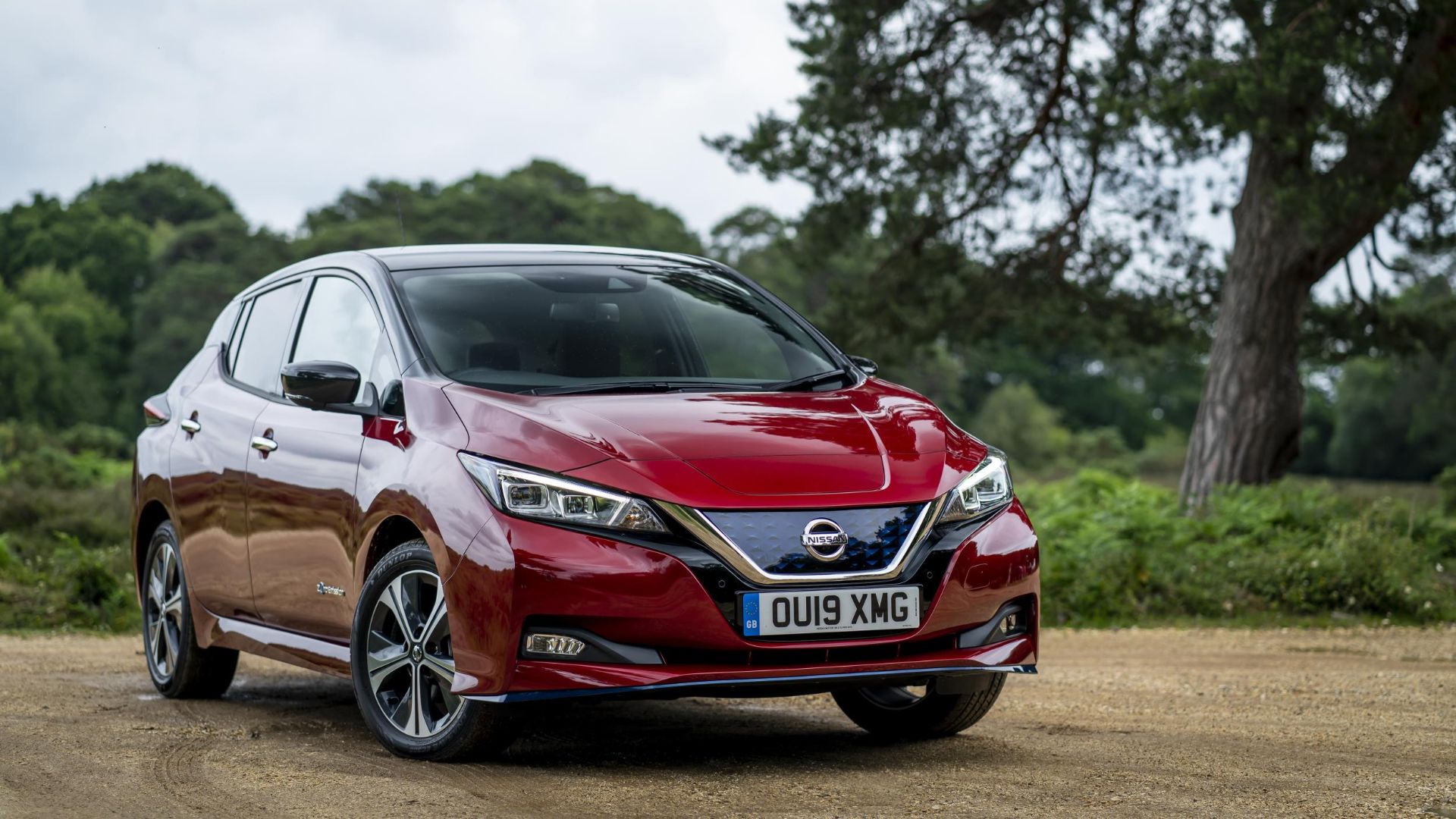
The Nissan Leaf, in spite of its WLTP range of 239 miles being lower than that of the Mercedes, went further, covering 208 miles. That’s 87 percent of the WLTP range rating. The Audi E-tron was the closest to its claimed range of 255 miles, out of all the ‘premium brands’.

How far do electric cars really go on a charge

The big winner is the Kia e-Niro. It covered 255 miles, or 90 percent of its claimed WLTP range of 282 miles. For context, that matches the claimed range of the Audi.

All of the cars had their air conditioning set to 20 degrees, a mobile phone was connected and the cruise control was set to the motorway speed limit. The latter point makes the results a touch more impressive, given motorway speeds aren’t considered ideal for making the most of an electric car’s full charge.

What happens when you run out?How far do electric cars really go on a charge

Another interesting point is exactly what happens when you run out. In testing, the cars were run up and down the motorway, until the brink of ‘0 miles’ being indicated. Then, on the way back to the charge point, they were allowed to ‘die’.

Five of the six cars kept going long after indicating ‘empty’. However, when the cars did stop, they ‘locked up’. They became difficult to move – a scary scenario.

  • Electric car rapid charger network has grown 43 percent in one year

How far do electric cars really go on a charge

“We know that ‘range anxiety’ is a big concern for people thinking about switching from petrol to electric – no one wants to get stranded,” said Mat Watson at Carwow.

“But our test showed you could drive an average of 226 miles and all of the cars were able to keep going after their systems claimed their batteries were totally flat.

How far do electric cars really go on a charge

“On average, only 81 percent of the manufacturer-claimed range was achieved and, if you allow a battery to run truly flat, electric cars can be difficult to move! But that’s a similar figure to the percentage of potential range you’d get in a petrol or diesel car. Plus, in the real-world, these cars’ sat-nav systems would direct you to a nearby charging station long before you ground to a halt.

“Of course, we’d recommend that anyone interested in buying an electric car try one out for themselves before they take the plunge. But there’s one thing that is in no doubt – 2020 is going to be another big year for electric cars.”

Advertisement

Build your own Caterham – virtually

0

Caterham Seven configurator in 4K

You’ve always been able to build your own Caterham. It just necessitated parting with a fair few of your hard-earned pounds and receiving a delivery of car parts. Now you can go to a Caterham dealer and build one virtually.

It’s a first for the niche hardcore sports car maker, which is comparatively late to the configurator party by comparison to other marques. But the wait should be worth it. This new system allows for over 58 quadrillion combinations of spec. Yes, that’s 58,000 trillion different ways you can spec your Caterham. That makes the Seven one of the most customisable new cars on sale.

Caterham Seven configurator in 4K

“It’s unlikely you’ll ever see two identical Sevens, and our new configurator demonstrates exactly why that is. Purchasing a Seven is a unique experience, and we want to give people the opportunity to create their perfect car.

Sir Chris Hoy was one of the first people to try out the configurator. He gave it the nod.

“I was blown away by the technology. When you’re spending a lot of money on a brand-new car, the configurator gives you the confidence to push the button and order the car with confidence. If someone was considering buying a Caterham, I would 100 percent encourage them to come into the showroom to make use of the big screen.”

Caterham Seven configurator in 4K

The configurator is the result of a partnership with Renderapp, which has delivered a system that can display your car in high-quality 4k detail. This allows the most in-depth details, like metallic flakes in the paint and the grain of the leather. The images with the car on a white background are grabs from the configurator.

To control the system, you work through a tablet and have complete free rein to look around the car, in 360 degrees. Each option is scanned and simulated in near-perfect accurate detail, to allow every possible Caterham to be brought to life on the system.

Caterham Seven configurator in 4K

“We have thoroughly enjoyed working with the Caterham team and believe we have delivered a world first with the number of options available within this configurator,” said Will Elliott, Renderapp co-founder.

“We look forward to future projects with Caterham, expanding the configurator to make the customer’s journey even more enjoyable, memorable and unique. Our goal is to make buying a Caterham as enjoyable as driving a Caterham,” added co-founder Nick Moutafis.

Advertisement

Half of British drivers find potholes the most annoying thing on the road

0

Potholes are the most annoying thing on the road

Potholes are back. Did they ever go away? According to a survey of 2,000 road users, the pothole is the most annoying thing on the road. That’s according to 55 percent of respondents.

Potholes top a list of 20 motoring annoyances, including people who don’t indicate, tailgaters, roadworks, cyclists, speed cameras and breakdowns.

A massive 43 percent of drivers have had their car damaged as a result of a pothole. Forty-four percent of those said the damage was a burst tyre, while 36 percent have suffered from broken alloy wheels. A fifth of pothole incidents have resulted in a collision of vehicles.

Potholes and speed bumps damage one in four cars

  • Revealed: the number of speed bumps in the UK

Of course, many send damage claims to local authorities – and so they should. Because if not, the average cost is around £130. One in 20 have copped a bill for £400 or more. Injuries and damage related to potholes have caused 30 percent of people to have time off work.

Eight in ten road users say that potholes are so prolific, they’re a guaranteed part of a journey. Nine in ten Glaswegian drivers claim they are forced to find an alternative route in order to avoid potholes. Glasgow is the worst affected city in the UK, followed by Manchester, Plymouth, Sheffield and Cardiff.

Overall, Brits reckon they’re no more than 20 metres from a pothole when they’re at home. The average journey to the shops in the UK will feature around 18 potholes.

  • It takes 60 weeks to become a ‘good driver’

Worst pothole in the UK

“Potholes may seem like a minor problem – but they cause millions of people financial and physical damage each year,” said Paul Fleetham, managing director of contracting at Tarmac, which commissioned the study ahead of National Pothole Day (15 January).

“Our research shows that the vast majority of city-dwellers are fed up with the inconvenience they cause. It is therefore essential that road maintenance in England and Wales receives adequate government funding, something we believe is essential for local authorities to ensure they can deliver lasting road maintenance solutions.

“We need to move to a longer-term proactive approach to funding that focuses on the social value of our roads, managing the network as a vital asset with proper preventative structural maintenance.“

Advertisement

More than 600,000 people visited a Ferrari Museum in 2019

0

Museo Ferrari Maranello

For many Ferrari fans, a trip to Italy is not complete without visiting one of the famed brand’s two museums. 

Last year, a record-breaking number of them made the pilgrimage, with total visits swelling to over 600,000. 

Visitor numbers were actually up 12 percent over the previous year, with more than 400,000 people visiting the Ferrari Museum in Maranello, and 200,000 visiting the Museo Enzo Ferrari in Modena.

Ferrari says a new ‘single ticket’ that gives access to both museums has helped grow visitor numbers. Sales of the dual-access ticket grew 50 percent in 2019.

The history of Ferrari is so rich, it needs two museums. The Modena destination celebrates Enzo Ferrari himself, along with exclusive Ferrari GT engines and cars.

Museo Enzo Ferrari Modena

Meanwhile, the museum in Maranello focuses on the broader Ferrari group, plus Scuderia Ferrari F1 and other famous racing cars.

Fittingly, the first exhibition at Maranello this year is “Ferrari at 24 Heures du Mans’, which opens on 15 January to mark 70 years of Ferrari victories at the Le Mans 24 Hours.

It runs alongside other exhibitions marking 90 years of Ferrari and a showcase of the brand’s most extreme limited-run hypercars.

Over in Modena, the Museo Enzo Ferrari continues its ‘timeless masterpieces’ exhibit of Ferrari’s most enduring designs.

Advertisement