Home Blog Page 202

2021 new car sales forecast downgraded

0
Empty Citroen car dealer in Macclesfield

The Society of Motor Manufacturers has downgraded its 2021 new car registrations forecast as showrooms remain closed during the key March registration plate change month.

Back in January, the SMMT predicted 1.89 million new cars would be registered in 2021.

It has now cut this back to 1.83 million new cars – with “most of these losses expected to occur in March”.

This compares to a record 2.69 million new cars registered just five years ago in 2016.  

Industry experts are now declaring April to be the new March, with showrooms due to reopen on 12 April.

The SMMT’s revised figure comes after new car registrations in February 2021 declined 35.5 percent, with more than 28,000 fewer new cars taking to the roads.

Although it’s traditionally a quiet month, the total of 51,312 new car sales makes it the lowest February figure since 1959.

Commentators say it is still a strong performance by the UK auto retail industry, because these sales took place entirely remotely.

The decline of diesel continued, with 61 percent fewer oil-burners registered – only marginally offset by the growth of mild hybrid diesel alternatives.

Electrified alternatives outsold diesel, with the combination of pure electric, plug-in hybrid and regular hybrid taking a 19.3 percent market share.

The Ford Fiesta nosed ahead of the Vauxhall Corsa to take the number one spot in the February best-sellers list, with Nissan’s Qashqai in third place – an impressive result given the imminent launch of the all-new model.

The Corsa still leads the Fiesta in the year-to-date figures, though.

‘Little surprise’

Auto Trader commercial director Ian Plummer said February’s sizeable drop was little surprise.

“And confirmation from the Prime Minister that forecourts will have to remain closed during the key sales month of March was disappointing, particularly amongst those that feel car dealerships have retail environments which are at least as safe as other that have been permitted to remain open. 

“The government needs to recognise the value in driving car sales as well as local production, both of which contribute major tax revenues the Treasury can surely ill afford to curb.”

Mr Plummer says Auto Trader data still points to a healthy level of pent-up demand though.

Wider economic factors back this up, he added, including Bank of England findings which show average household finances are better off than they were pre-Covid.

“With consumers’ confidence in being able to afford their next car very high… there remain huge opportunities available.”

ALSO READ

Brits won’t own their dream car until they hit 47

World Car Awards 2021 finalists announced

Have your say on proposed changes to the Highway Code
Advertisement

Used EV ‘revolution’ now underway

0
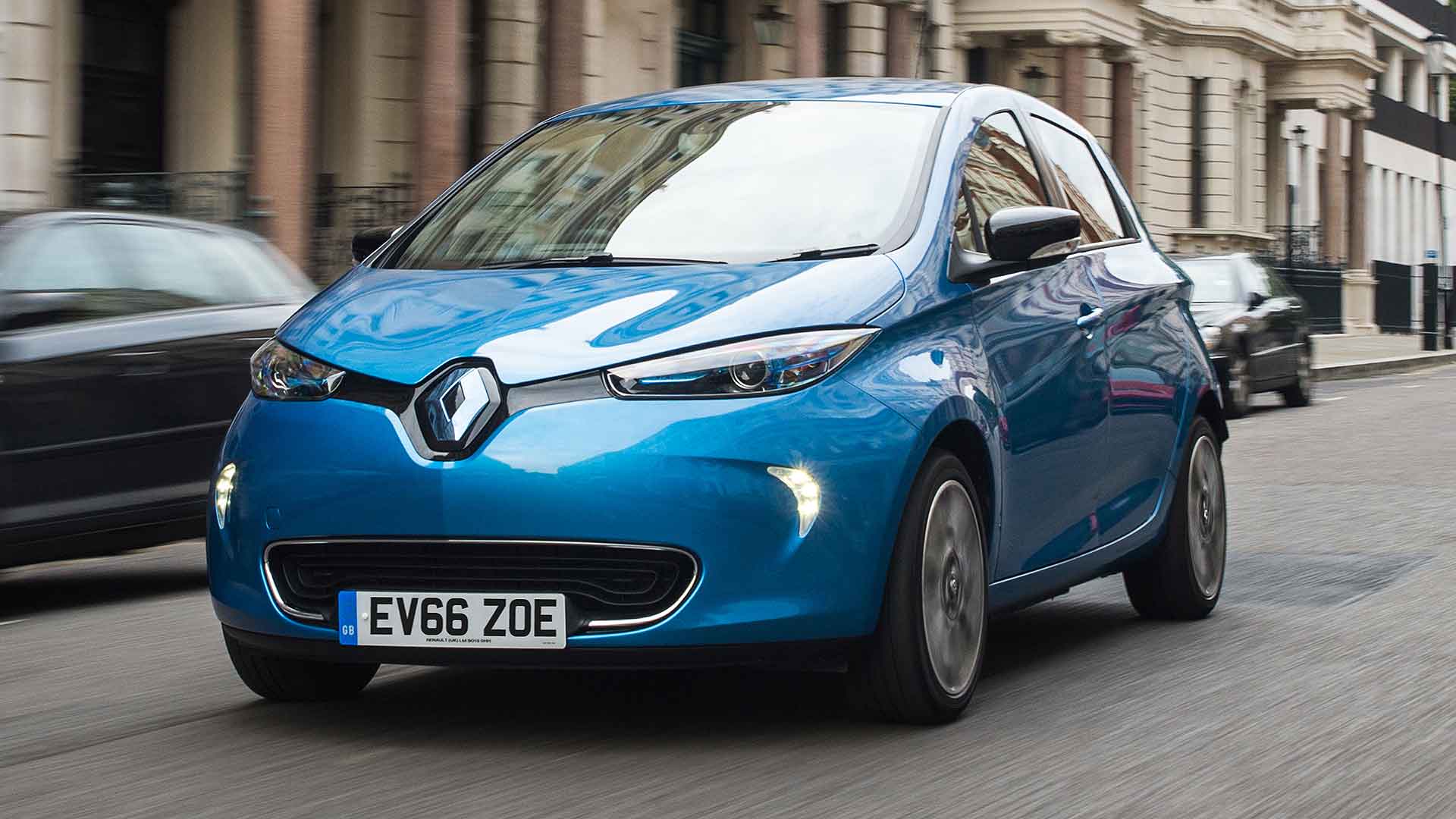
Renault Zoe

The EV revolution in the used car sector is gathering pace, according to new research from automotive analyst Glass’s.

In a recent investigation into the used car sector, it discovered around 7,500 second-hand battery electric vehicles for sale. When it conducted similar research 15 months ago, there were barely 1,500 for sale – a growth of more than 130 percent.

Glass’s says this is leading to used car buyers beginning to see EVs as an affordable option compared to traditional cars.

The sweet-spot for used car prices, reckon dealers, is around £5,995.

Although new EVs are expensive, used EVs are within reach of far more people. Indeed, a 10-year-old Nissan Leaf can be found from around £4,000 if you look hard enough.

The Renault Zoe is another popular electric car that is increasingly available for prices around the used car sweet-spot.

Residual values on the up

Residual values of EVs are also beginning to improve, after early disappointment in this area.

Back in early 2018, the average retained value of a five-year-old Nissan Leaf was barely 15 percent; within 18 months, this doubled to more than 30 percent.

It has since dipped, to around 25 percent, as growing numbers of cars enter the marketplace – but today it has levelled out, indicating sustained interest in EVs despite the impact of Covid-19.

Glass’s editor Jonathan Brown says the firm’s analysts will now watch the EV market with interest, paying particular attention to significant numbers of cars expected to enter used car channels over the next three years.

The used EV marketplace, says Glass’s, is set to expand rapidly, to reflect the sharp increase in new EV sales – meaning both the amount of choice and the affordability of EVs will only improve further.

ALSO READ:

Used car sales halve due to UK lockdown

Electric car sales need ‘substantial growth’ to hit 2030 target

Smart motorway safety inquiry launched by MPs

Advertisement

Brits won’t own their dream car until they hit 47

0
Audi R8 Goodwood

You’re unlikely to own your dream car until you turn 47. That’s according to a recent study of 2,000 UK drivers.

The study found that one in six drivers have made their dream car a reality, with around half (54 percent) saying they can only see this happening if they won the lottery. In the meantime, most of us must make do with a supermini, hatchback or SUV.

What is most people’s idea of a dream car? A black sports car, preferably an Audi or Aston Martin.

As for the spec, a built-in sat-nav (44 percent) tops the list of ‘luxuries’, followed by heated seats (43 percent), anti-theft technology (37 percent) and self-parking (29 percent).

Not that you need to buy an Aston Martin or Audi to achieve your dream spec. The Vauxhall Corsa in Ultimate Nav trim features sat-nav, heated front seats with massage function and a remote control alarm, plus front and rear parking sensors.

Vauxhall Corsa

Sure, you have to park it yourself, but it’s small enough to make parking a doddle. Besides, the spec also includes LED Matrix headlights, heated steering wheel, adaptive cruise control, 10-inch colour touchscreen, wireless phone charger and 17-inch diamond-cut wheels. All this for £25,000.

You could add some aftermarket decals. According to the study, 18 percent of drivers aged 25-34 would have go-faster stripes, an eighth would opt for flames, while 15 percent would like lightning bolts or ocean waves.

Daydream believer

Neil You, general manager at YesAuto UK, which commissioned the survey, said: “Daydreaming about the cars we’d like to own one day is something British drivers love to do.”

The YesAuto study revealed a ‘lifetime of cars’ timeline, which suggests the type of car you’re most likely to drive at different stages of your life. In your 20s? You’ll drive a saloon or supermini.

Thirty-somethings are most likely to drive estates or hatchbacks, while SUVs and people carriers await drivers when they hit the ‘big 4-0’.

Neil You added: “Our survey results also show that people would even consider leasing a car if it meant they could have their ideal car sooner.”

Click here to read our car finance jargon guide.

READ MORE

Best sports cars to buy in 2021

Buying a classic Porsche 911: what you need to know

New Nissan GT-R Nismo 2021 review

Advertisement

Porsche to auction electric Taycan art car for charity

0
Porsche Taycan EV Art Car

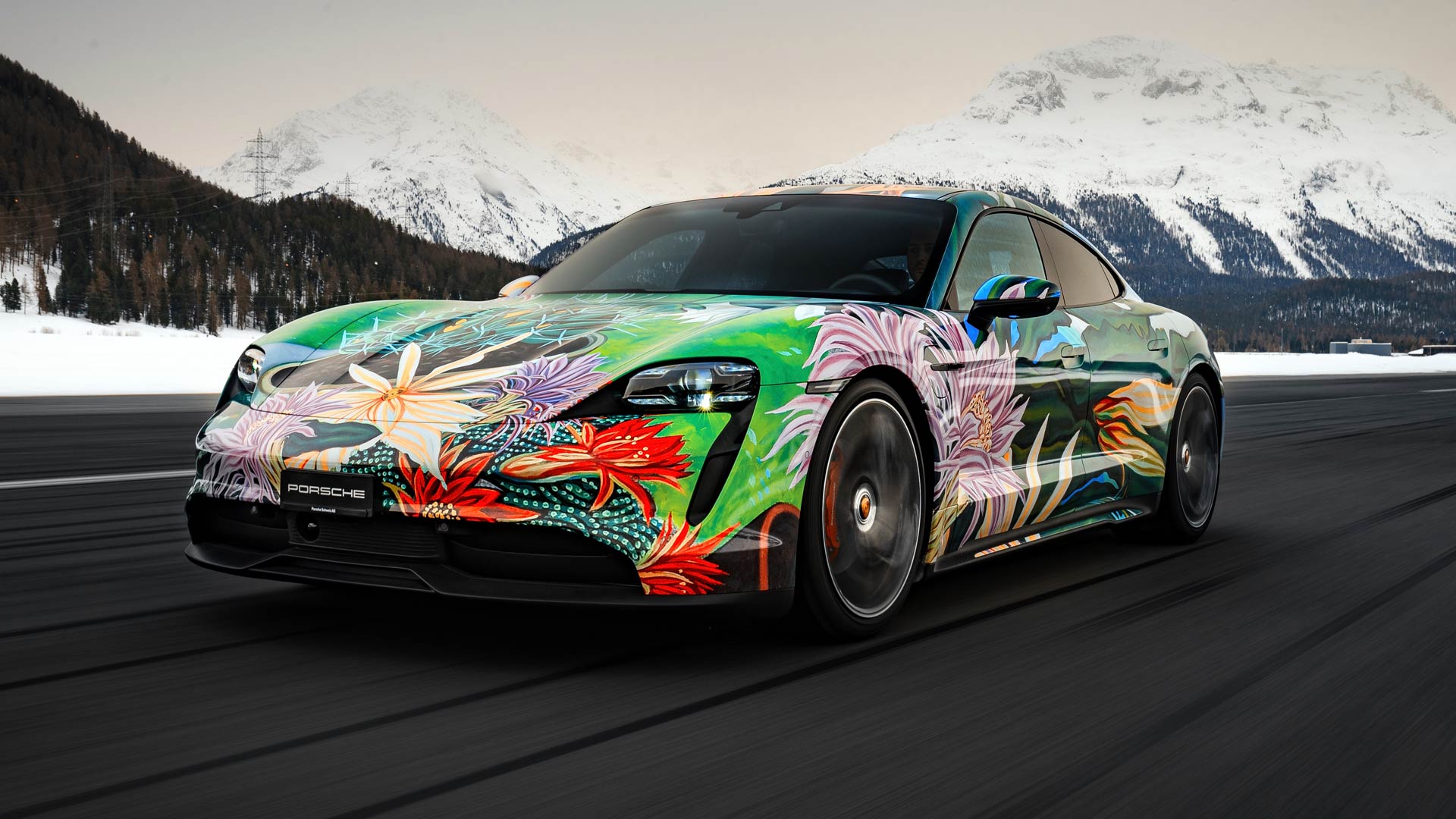
A pure electric Porsche Taycan sports car has been transformed into an amazing art car, ahead of a charity auction next month.

The unique Taycan Artcar has been created by American artist Richard Phillips, as part of a collaboration with Porsche. 

Proceeds from the sale of the car will be used to support those in the Swiss culture and arts sector.

A stroke of genius

Porsche Taycan EV Art Car

Born in Massachusetts, and now based in New York, Richard Phillips is known for his hyper-realistic paintings. 

The design featured on the Taycan Artcar is a version of his 2010 Queen of the Night painting. Phillips says he was inspired by Swiss landscape artist, Adolf Dietrich, when making the original.

Applied to a Taycan 4S, it features an intricate floral scene. According to Porsche, this is intended to ‘give a feeling of speed with the leaves of the night bloom’. 

Phillips explains that: “Conceptually, my Queen of the Night livery takes into consideration that the design of the Taycan is an instant icon of electric mobility and speed.”

Keeping things under wraps

Porsche Taycan EV Art Car

This is the second time that Porsche and Richard Phillips have worked together. In 2019, the artist created a design worn by a Porsche 911 RSR, which won the GTE-Am class at the 24 Hours of Le Mans. 

Rather than painting directly onto the car, Phillips chooses to work with a traditional full-size canvas instead. His design for the Taycan Artcar was done ‘live’ in December 2020, at the Leuehof pop-up restaurant in Zurich.

The specialist SIGNal Design company scanned and printed the design onto vinyl, and then wrapped the Taycan’s bodywork. 

Other custom touches for the car include illuminated door sills inscribed with ‘Queen of the Night’ text. Door projectors also display Phillips’ signature when opened.

Supporting culture and the arts

Porsche Taycan EV Art Car

Porsche plans to display the Taycan Artcar at various dealerships in Switzerland throughout March. This will culminate in an appearance at the Porsche dealership in Zug.

The auction itself will be conducted online by RM Sotheby’s. Bidding will open on April 6, 2021, and run for seven days until April 13. Whoever manages to take home the Taycan will receive an exclusive tour of the Stuttgart-Zuffenhausen Porsche factory. 

All proceeds from the sale will be donated to the Suisseculture Sociale association. The association supports those who work in the Swiss creative and arts sector, offering hardship funding and emergency aid.

ALSO READ

World Car Awards 2021 finalists announced

Have your say on proposed changes to the Highway Code

New Hyundai Bayon small SUV revealed

Advertisement

Have your say on proposed changes to the Highway Code

0
smart motorway rollout halted

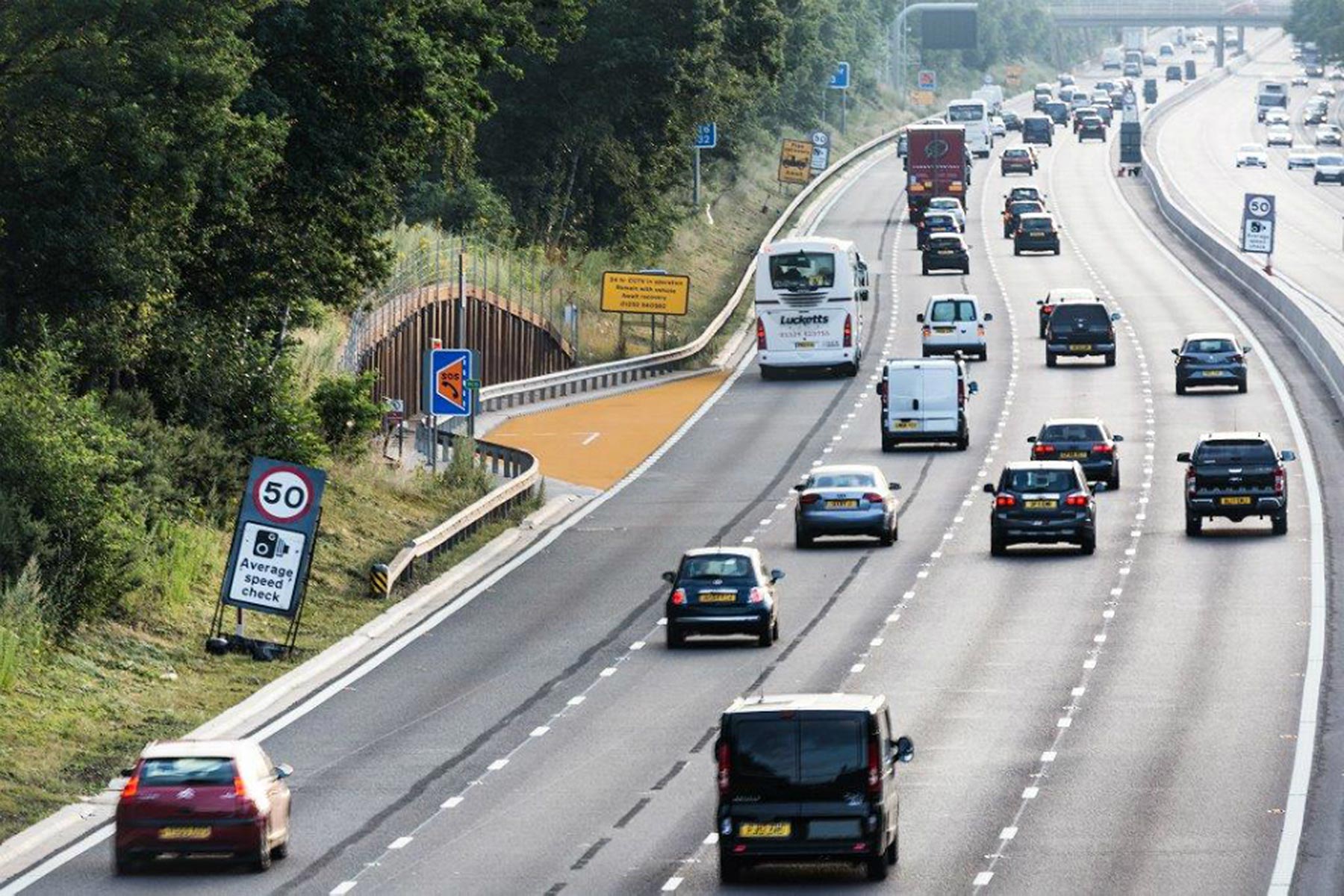
Smart motorways are at the centre of sweeping changes to the Highway Code announced by the Government.
The proposals include new and additional guidance for motorways and high-speed roads, and are designed to reflect the introduction of controversial smart motorways. A public consultation is open until 29 March 2021.

Roads minister Baroness Vere said: “As roads change, it is important that drivers understand these changes and know what to do when driving on them, so that everyone remains safe.

“The Highway Code plays an important role in this understanding: setting out rules, techniques and advice for all road users.”

Changes to the Highway Code
Red X closed lanes smart motorway fines

There are 39 signifiant changes to the guidance, including:

  • The availability, appearance, and safe use of emergency areas
  • The use of variable speed limits to manage congestion
  • The use of the red ‘X’ sign to close lanes and provide a safer area for the people and vehicles involved in incidents and roadworks
  • The use of hard shoulders that become extra lanes during periods of congestion
  • How road users can help keep themselves safe in the event of a breakdown
  • How safety cameras are employed to promote compliance with speed limits and lane closures

Many of the proposed changes are focused on guidance for driving on smart motorways. These include how to use the hard shoulder and emergency refuge areas, plus what to do in the event of a breakdown.

The wording of rules 275 and 277 (breakdowns) will look very different if the new Highway Code is approved. These rules are especially important when a driver is forced to stop in a live running lane.

There’s new advice for drivers before they set off on a journey. The current Highway Code tells drivers to ‘switch off your mobile phone’, but this will be changed to ‘for emergency use, you take a charged mobile telephone containing emergency telephone numbers’.

Staying safe if you break down

M3 Orange Emergency Area

Baroness Vere added: “The Highway Code is being updated to provide more guidance on driving on motorways and A-roads. It will include information such as emergency area signage, the use of variable speed limits to manage congestion, and how road users can help keep themselves and other road users safe in the event of a breakdown.”

MPs have launched an inquiry into the benefits and dangers of smart motorways after a rise in annual deaths. The transport committee claims public confidence is faltering.

RAC head of roads policy, Nicholas Lyes, said: “There is an increasing level of concern around the safety of smart motorways from the driving public through to Westminster.

“While a major review has identified a number of key actions to improve safety and some progress has been made, there is still a great deal of work to do, which will take several years to complete.

“Whatever happens, it will remain the case that the safety of any driver who comes to a stop in a live smart motorway lane depends both on the lane being closed quickly by Highways England and other drivers then abiding by red ‘X’ closed lane signs.”

Click here to read and respond to the proposed changes to the Highway Code.

READ MORE:

Smart motorway safety inquiry launched by MPs

How to drive safely on a smart motorway

What is the red ‘X’ on smart motorways – and how much is the fine for ignoring it?

Advertisement

New Hyundai Bayon small SUV revealed

0

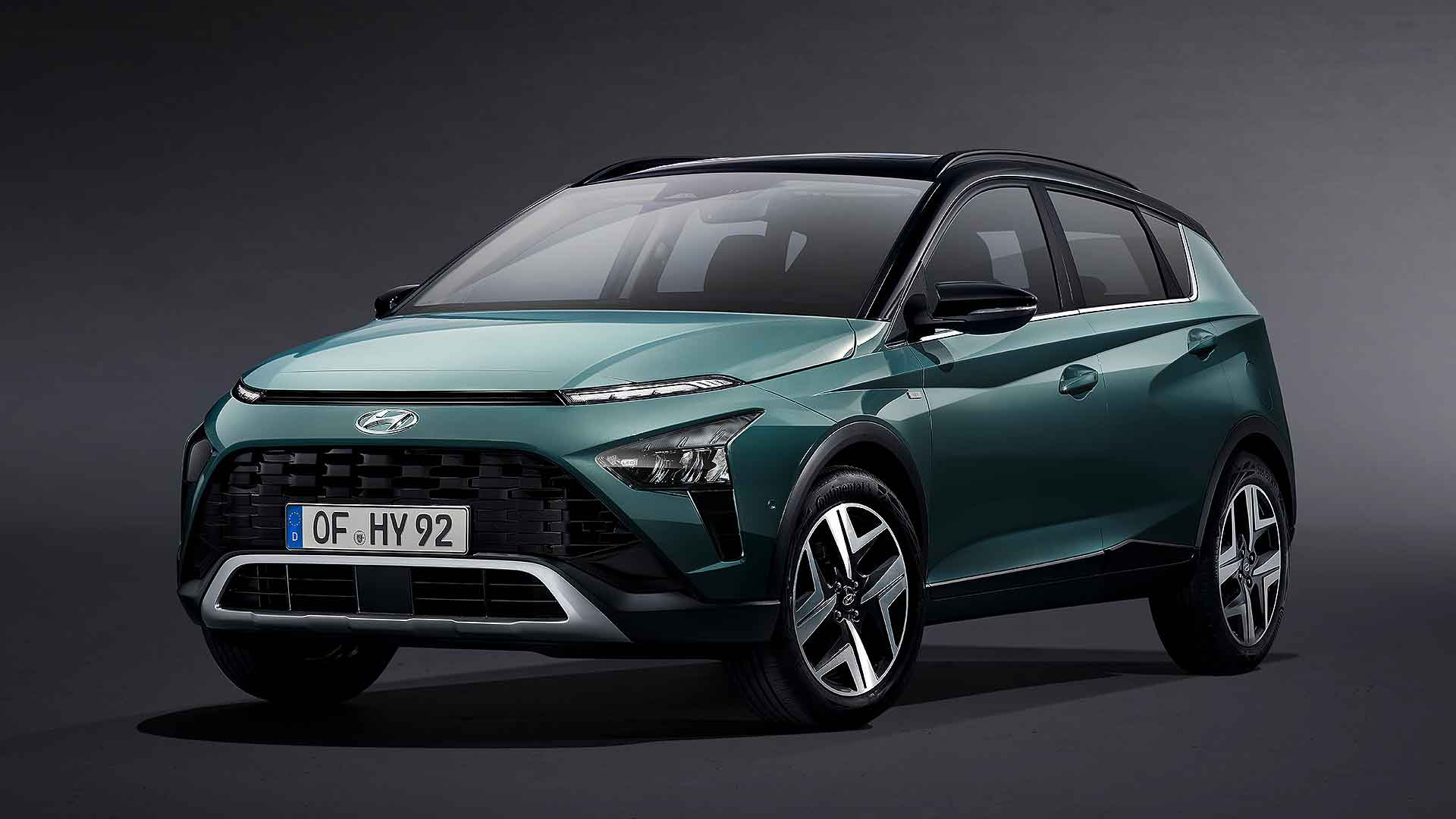
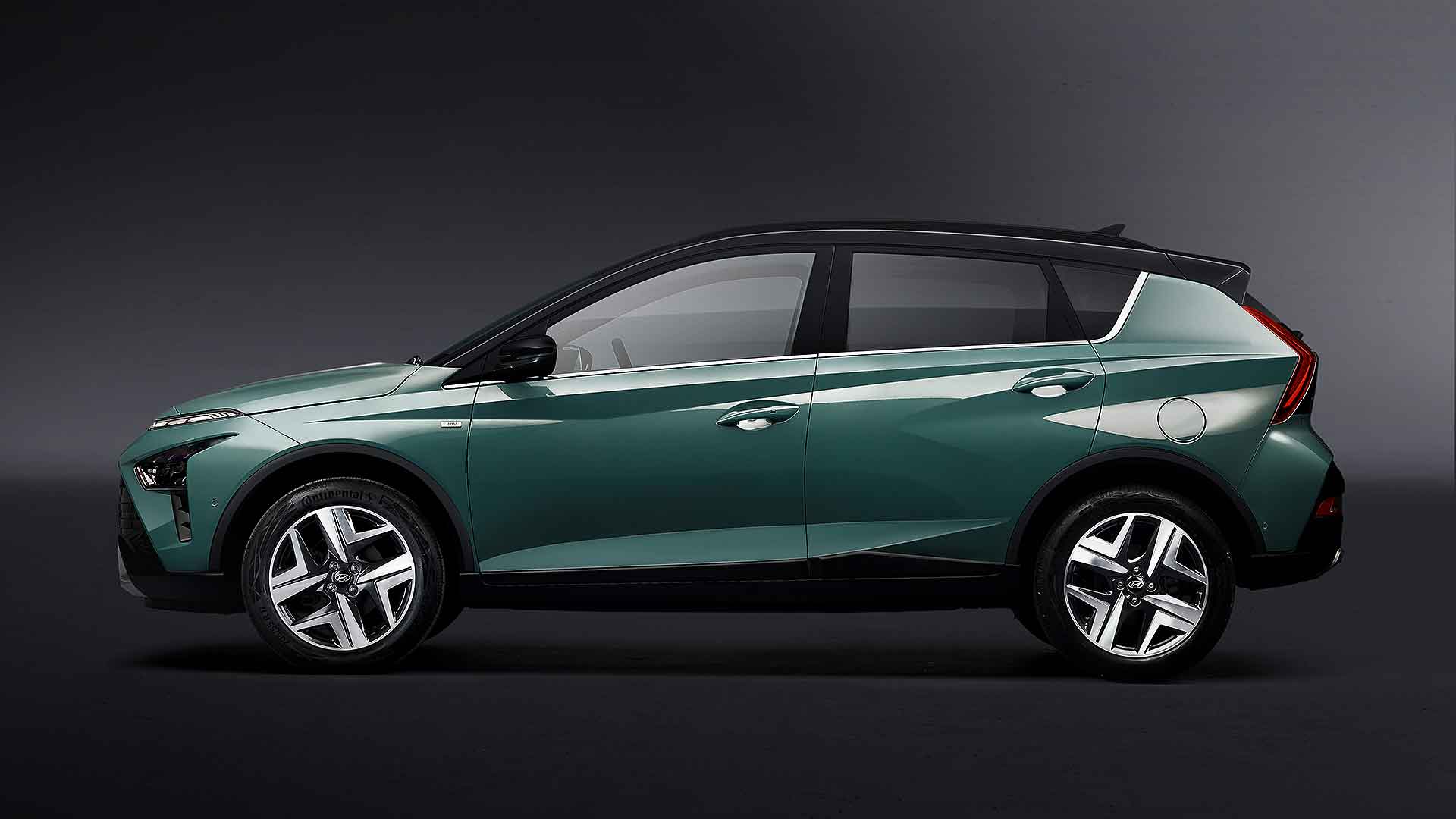
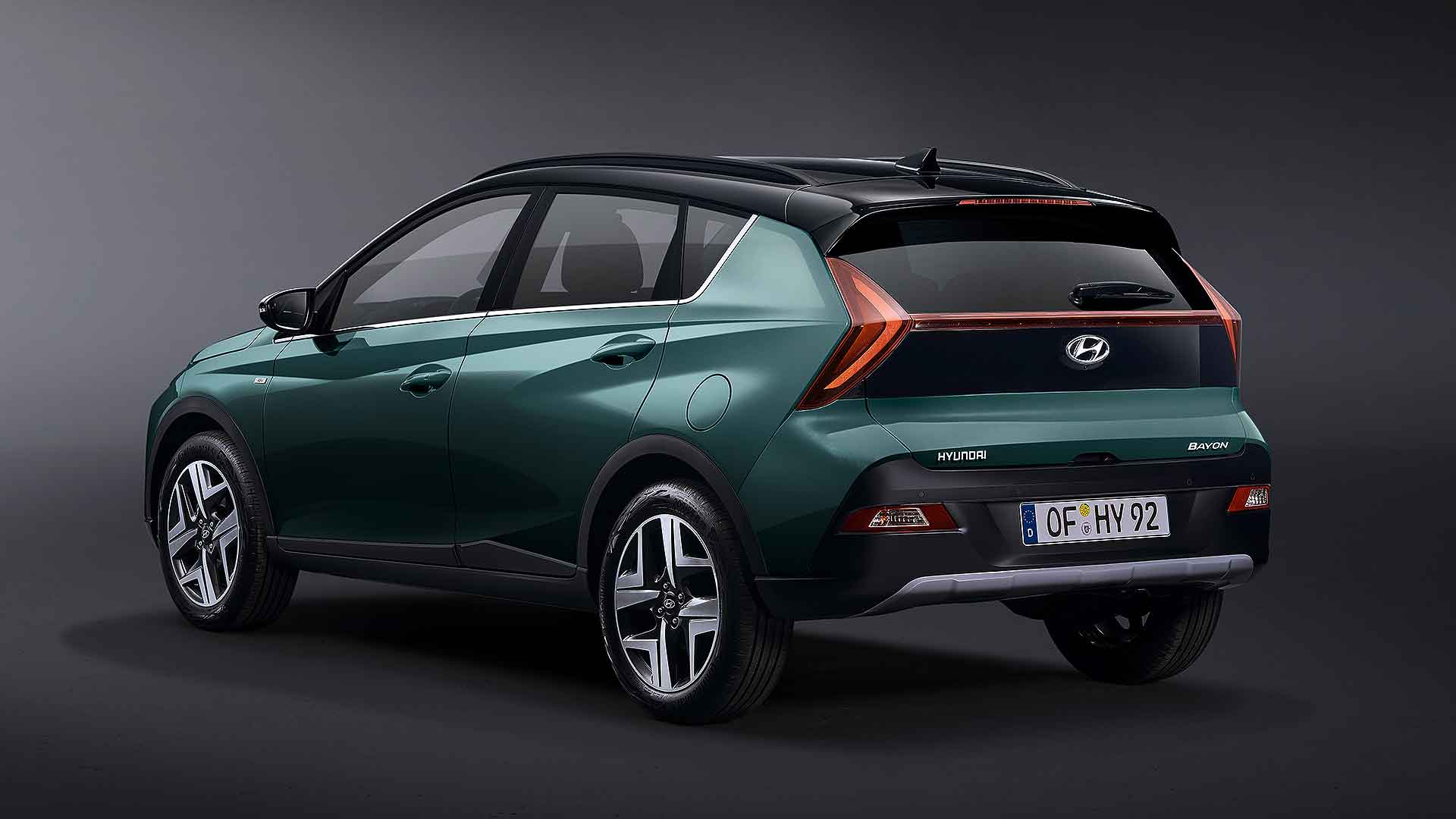
The new Hyundai Bayon has been revealed. It will take on the Ford Puma, Nissan Juke and other small crossover SUVs in an ever-growing sector.

Derived from the Hyundai i20 supermini, the Bayon will become Hyundai’s smallest SUV and sit below the more rugged-looking Kona.

As it is a model focused on Europe, Hyundai has given it a European-inspired name: Bayonne is the capital of the French Basque Country.

Hyundai Bayon

The Bayon is one of seven new or facelifted models Hyundai has launched during the past year alone – a ‘record year for its fleet expansion’.

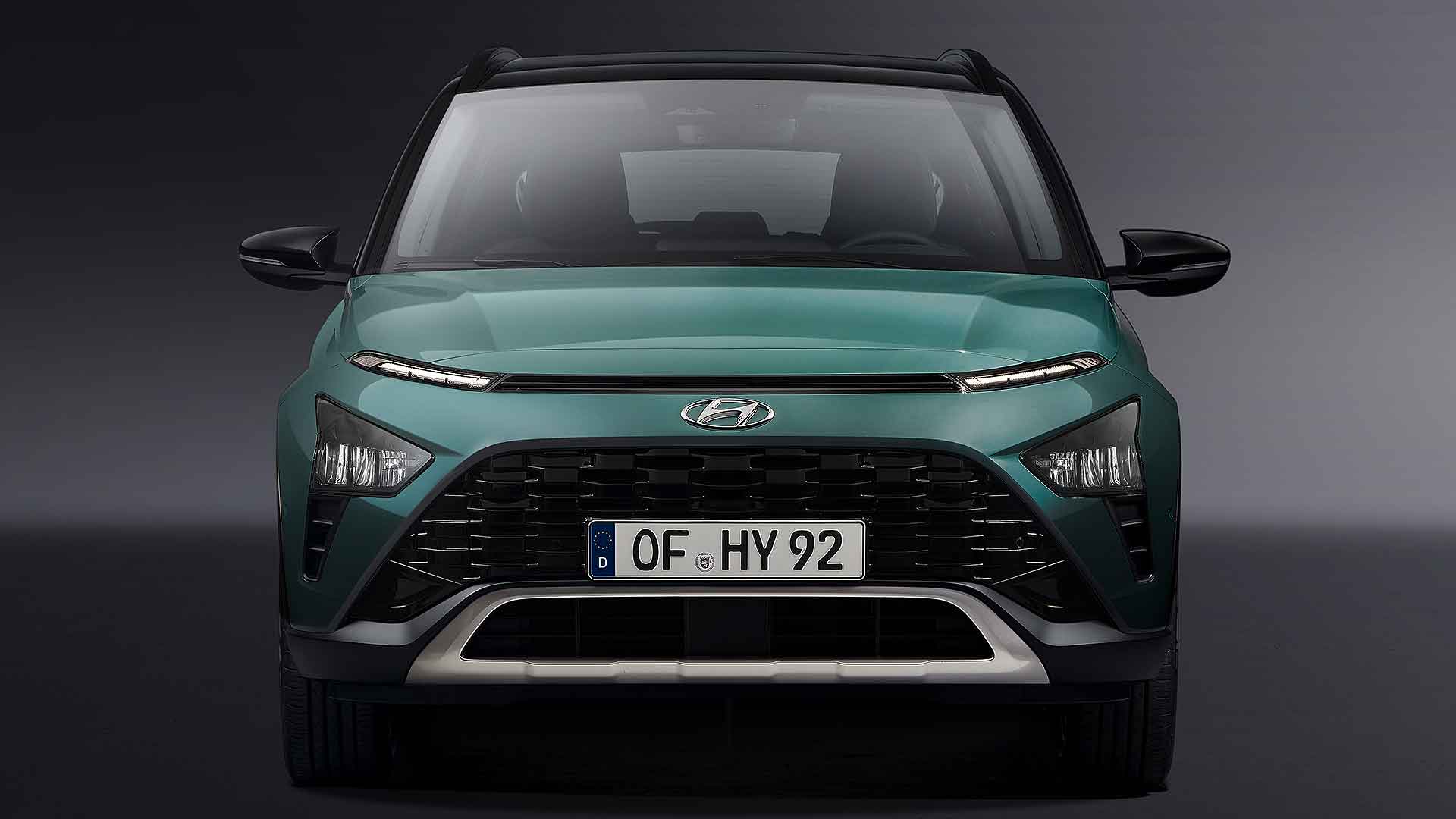
Styling is, following Hyundai’s recent new models including the Tucson, distinctive, with plenty of arrow-shaped elements.

Hyundai Bayon

Designer Luc Donckerwolke said it is a “unique and confident look, embodied in its strong lines and arrow-shaped lights… [it] is expected to establish itself as the most unique, outstanding entry in the thriving European B-CUV segment”.

Hyundai Bayon

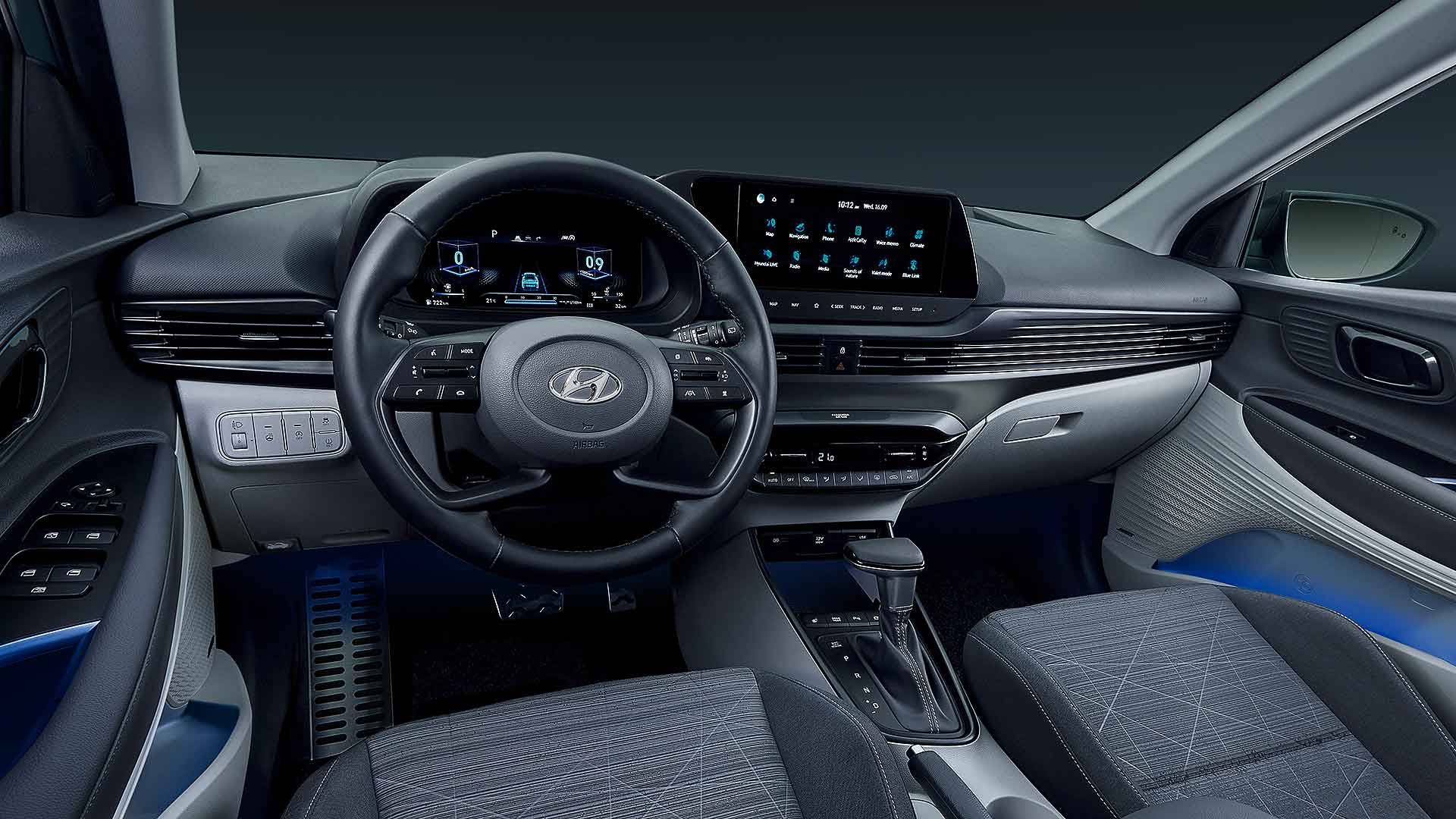
Inside, there are two digital screens, with the central touchscreen measuring up to 10.25 inches. LED ambient lighting also features throughout the cabin.

Bose premium audio is optionally available, as is the Hyundai Bluelink connected car system, which includes a smartphone app.

Hyundai Bayon

The roomy Bayon has a commodious 411-litre boot – larger than a Volkswagen Golf – and the 4,180mm-long small SUV has ground clearance of up to 183mm, which Hyundai says is better than most models in this sector.

Only petrol engines are offered: a 1.0-litre turbo with 48v mild hybrid tech and either 100hp or 120hp outputs.

Buyers can choose from manual or automatic gearboxes. The ‘intelligent manual transmission’ six-speed becomes Hyundai’s first SUV to feature rev-matching, for smoother downshifts.

This is a feature previously reserved for the high-performance Hyundai i30 N hot hatch.

ALSO READ:

Best family SUVs to buy in 2021

Volvo to be pure electric by 2030

Toyota Yaris named European Car of the Year 2021

Advertisement

Volvo to be pure electric by 2030

0
Volvo XC40 Recharge electric car

Volvo has committed to become a pure electric car company by 2030, accelerating its shift to EVs.

Any car in its range with an internal combustion will be phased out by 2030 – including hybrids and plug-in hybrids.

The firm says it’s part of a “firm conviction that the market for combustion engine cars is a shrinking one”.

Chief executive Hakan Samuelsson said that “instead of investing in a shrinking business, we choose to invest in the future – electric and online.

‘We are fully focused on becoming a leader in the fast-growing premium electric market.”

As soon as 2025, Volvo is aiming for 50 percent of its sales to be pure electric cars. The rest will be hybrids, which will be phased out within five years.

“There is no long-term future for cars with an internal combustion engine,” said the firm’s chief technology officer Henrik Green.

Last month, Ford also committed to become a pure electric brand by 2030, while Jaguar said it will be pure EV by 2025.

Electric only online

Care by Volvo online electric cars

Volvo has also committed to only selling its pure electric cars online, in a move to boost transparency and convenience.

Prices will be fixed and haggle-free, while complexity will be “radically reduced”.

This will not replace traditional Volvo retailers, insists the firm. Instead, customer relationships with retail partners will actually be strengthened, said head of global commercial operations Lex Kerssemakers.

“They remains a crucial part of the customer experience and will continue to be responsible for a variety of important services such as selling, preparing, delivering and servicing cars.

“Online and offline need to be fully and seamlessly integrated.”

The new sales initiative will go under the banner ‘Care by Volvo’, which currently offers subscriptions to Volvo models.

ALSO READ:

Jaguar to become a pure electric brand by 2025

Toyota Yaris named European Car of the Year 2021

Best electric cars to buy in 2021

Advertisement

Toyota Yaris named European Car of the Year 2021

0
Toyota Yaris

The Toyota Yaris has been named 2021 European Car of the Year, beating six other finalists for the overall prize.

It succeeds 2020’s winner, the Peugeot 208.

Car of the Year has been presented since 1964 and this year’s shortlist contained a diverse mix of contenders, from the electric Fiat 500, to the practical Skoda Octavia, to the reborn Land Rover Defender.

National pride factored in the votes of some countries. France favoured the Toyota Yaris, which is built there, while Italy favoured the Fiat 500.

Surprisingly, it was a draw in Germany, with the pure electric Volkswagen ID.3 and Fiat 500 tied on points.

Spain voted overwhelmingly for the Cupra Formentor, with the six jurors giving 43 points – the next-best was the Citroen C4 on 26 points.

British journalists voted overwhelmingly for the Land Rover Defender.

It is the second time the Toyota Yaris has been named European Car of the Year: it last won the award in 2000.

Motoring Research has already praised the new Toyota Yaris, declaring the model ‘genuinely able to fight head-to-head with the sector leaders’.

It is one of our best superminis to buy in 2021 – and the new high-performance Toyota GR Yaris has subsequently become one of our best hot hatches in 2021, too.

Results: 2021 European Car of the Year

1: Toyota Yaris – 266 points

2: Fiat 500: 240 points

3: Cupra Formentor: 239 points

4: Volkswagen ID.3: 224 points

5: Skoda Octavia: 199 points

6: Land Rover Defender: 164 points

7: Citroen C4: 143 points

ALSO READ:

45 years of the Volkswagen Golf GTI marked by new special

Electric cars need ‘substantial growth’ to hit 2030 target

Most popular first cars for young drivers

Advertisement

Time-warp Peugeot 505 sells for twice auction estimate

0
Peugeot 505 Estate

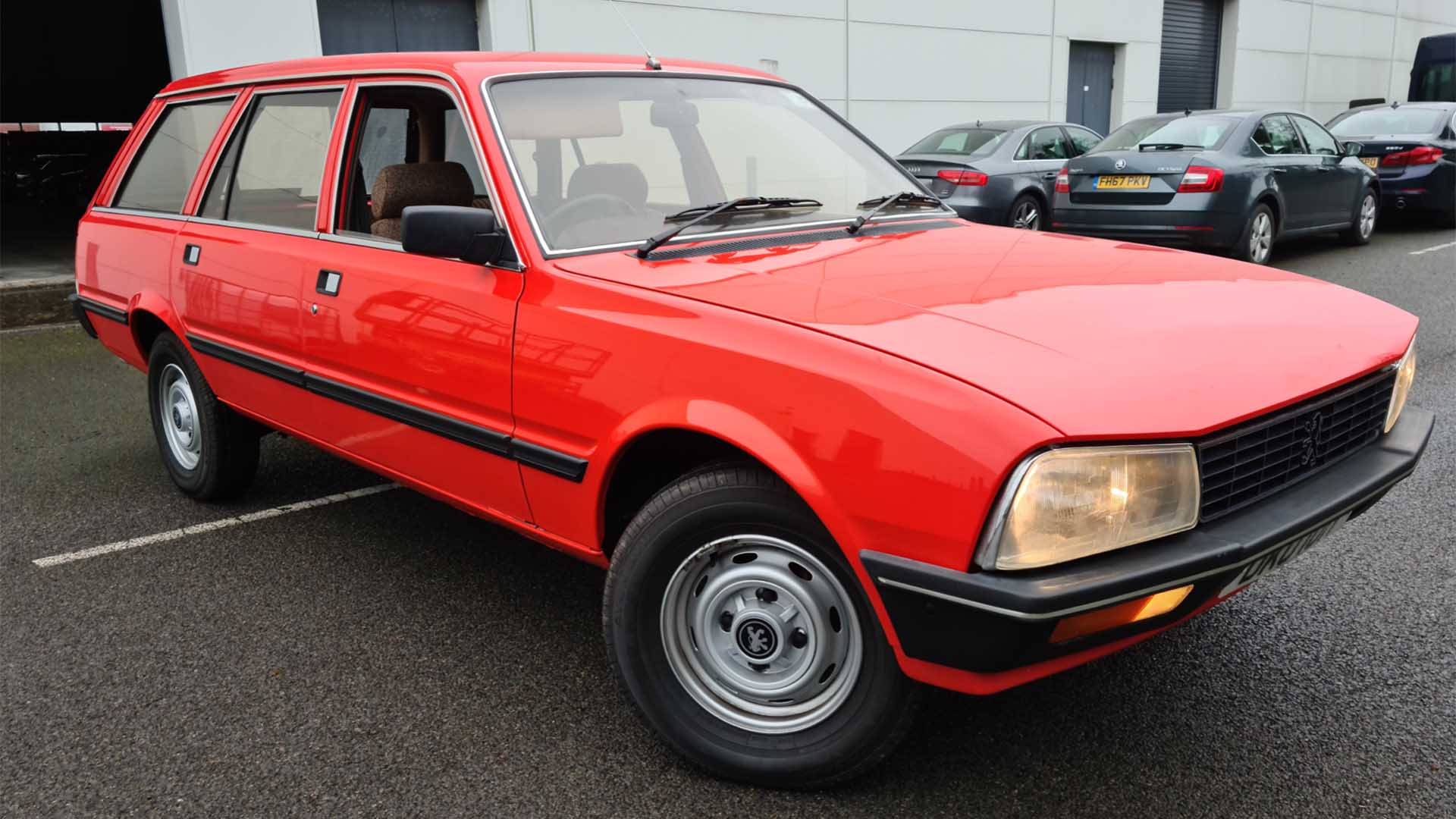
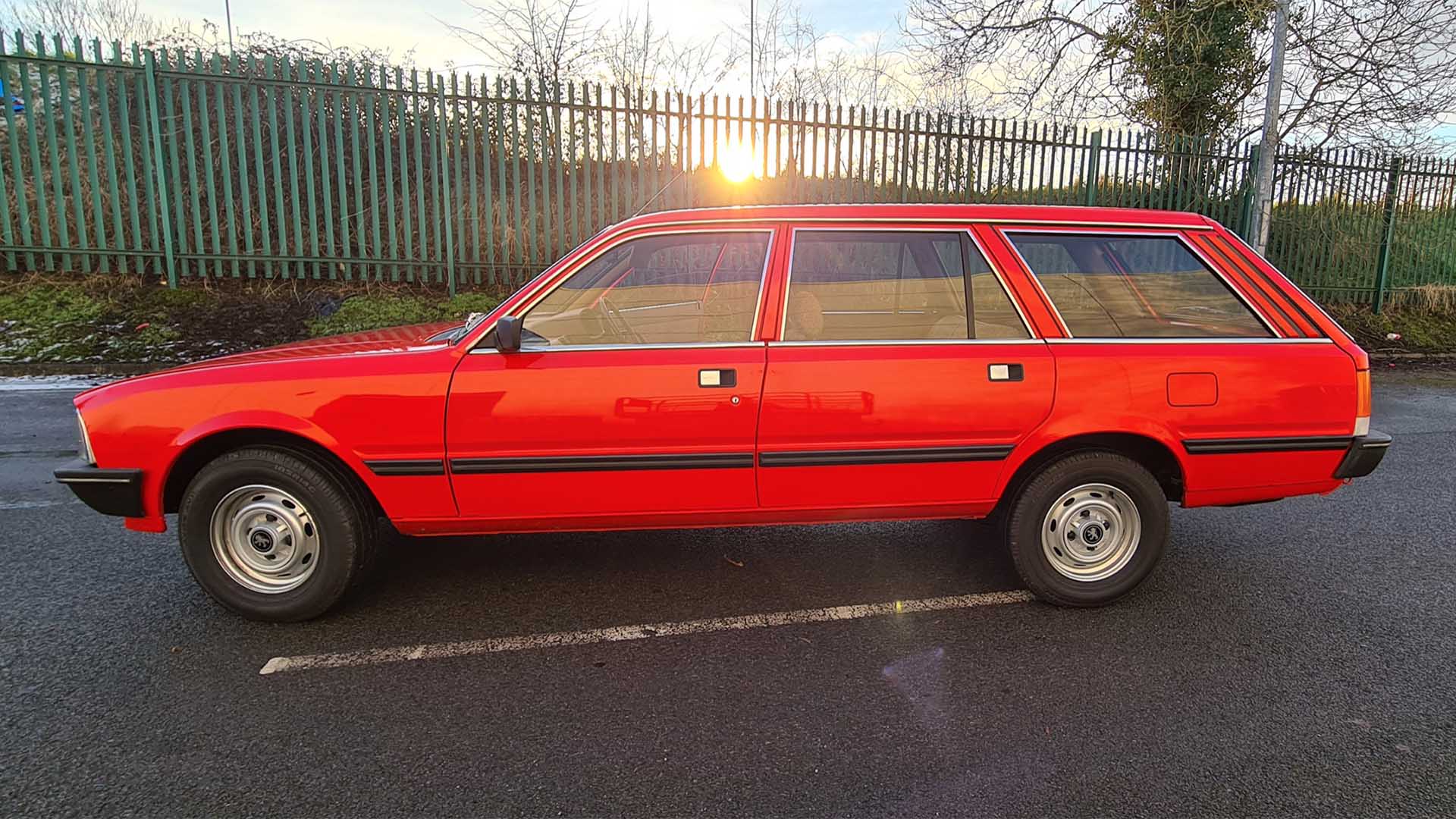
A 1982 Peugeot 505 Estate has sold for £20,250 via an online auction. That’s around double the pre-auction guide price of £9,000 to £12,000.

What’s the appeal? That’s a rhetorical question, because the condition of this Peugeot 505 speaks for itself. It’s also done 32,000 miles, which in old Peugeot estate terms means it’s only just getting started.

It appears to be an appreciating classic. The seller bought the car in August 2020 from Stone Cold Classics in Kent, where it was listed for £6,995. A relative bargain when you consider the price they sold it for.

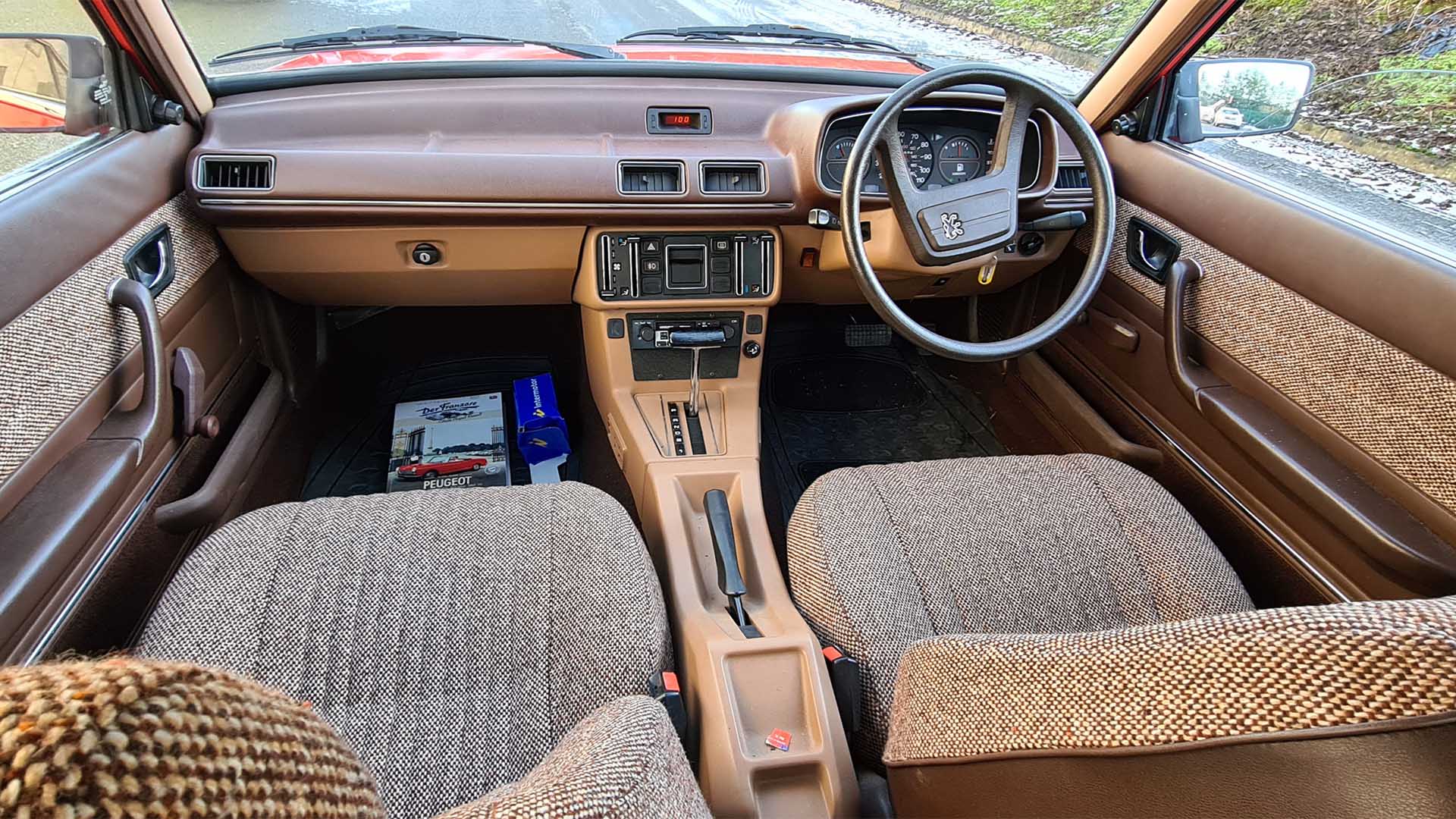
Although it wasn’t the entry-level model, the GR trim was only one step up the trim ladder in 1982. Opting for the GR over the GL added the likes of a trip meter, ‘Econoscope’, interior headlight adjustment, tinted glass, laminated windscreen, rear wash/wipe, remote control door mirrors, illuminated ignition keyhole, radio/cassette, heater with four-speed fan and, well, nothing else to get excited about.

Need for tweed

Peugeot tweed upholstery

Except the luxury of tweed upholstery, that is. While drivers of poverty-spec 505s made do with cloth, GR owners enjoyed the rich feeling of tweed. Leather or velour wouldn’t cut it if you had the need for tweed.

According to Stone Cold Classics, the Peugeot 505 Estate was discovered by a property developer purchasing properties from probate. It’s rare example of an actual ‘barn-find’, rather than a car that’s been stored in someone’s garage for a few years.

The dealer spent time recommissioning the car, including a full service of the 2.0-litre petrol engine and careful vacuuming of the tweed upholstery. The car was also treated to a new set of tyres.

Since buying the car, the seller had done nothing other than fit a pair of new Valeo headlights. A testament to the build quality of old Peugeots and the work of Stone Cold Classics.

French bred

Peugeot 505 GR

The Car & Classic auction price will raise a few eyebrows in the classic car world, but a budget of £20,000 doesn’t go very far when you’re buying a new Peugeot. A mid-range 208, perhaps? An entry-level 2008?

Alternatively, you could own a slice of Peugeot history (this was the company’s last rear-wheel-drive model), and an estate car that’s more charming than any modern crossover or SUV we could mention.

Oh, and tweed upholstery. That’s got to be worth £20,250 of anyone’s money.

READ MORE:

The most glamorous and eccentric French luxury cars

Advertisement

Must I declare a car accident if I’m not at fault?

0

Do I need to declare an accident

You might think a non-fault accident (another car hitting you from behind, for instance) doesn’t need to be declared to your insurance company – because you’re not making a claim.

Unfortunately, this isn’t the case. Your insurer wants to know about any mishap that happens in your car, regardless of fault. Read your policy small print and you’ll usually discover a clause saying all accidents in the last five years must be reported.

If you fail to report an incident and the insurance company finds out about it later (e.g. via the person who hit you making a claim, then the details being shared) this could invalidate your cover. It could also make it very difficult – and expensive – to buy insurance in future.

Will a non-fault accident affect my insurance?

Do I need to declare an accident

In short, yes. Any accident that an insurance company learns about will affect their judgement of your risk level as a driver. Thus, even a non-fault incident may increase your premium at renewal time.

The good news is that your no-claims bonus should not be affected, as you haven’t made a claim.

How can I cut the cost of car insurance?

accident

There are a few good ways to reduce your insurance premium. First and foremost, shop around – either by using comparison websites or old-fashioned telephone quotes. Remember: insurers are in competition for your business. Your provider will often renew your cover at a price you could beat if you looked elsewhere.

Choosing a less powerful or expensive car, adding named drivers to the policy, a telematics ‘black box’ and increasing your voluntary excess are other options worth considering.

You can discover other – less obvious – ways to reduce your insurance costs in our guide.

What you mustn’t do is lie about anything on your policy, including your annual mileage, any modifications to your car and where you live. There is a zero-tolerance policy to bending the truth when it comes to car insurance.

ALSO READ:

The new cars we can’t wait to drive in 2021

How Covid has transformed the classic car market

Insight: the rights and wrongs of car design

Advertisement