Home Blog Page 201

Phantom to the Opera: an amazing Rolls-Royce road trip

0

Phantom to the OperaPhantom to the Opera. It started with a neat headline and idle office banter. Three months later, I was holding tickets to the tomorrow night’s show at the Vienna State Opera in one hand and the key to a £450,000 Rolls-Royce Phantom in the other. An epic, race-against-time road trip awaits.

The plan is to start outside London’s Royal Opera House at 19:00. We’ll set the sat nav for Vienna, 920 miles away, aiming to arrive for the 19:30 performance of Madama Butterfly. Taking into account the CET hour-change, that’s 23-and-a-half hours to drive across Western Europe.

Still, if any car suits a non-stop, cross-continental jaunt, it’s the Phantom. Rolls-Royce’s V12 flagship blasts effortlessly to 62mph in 5.3 seconds and has a limited top speed of 155mph (more on the latter shortly).

This two-tone Black Sapphire over Silverlake blue example also boasts massage seats, in-car TVs and a champagne fridge – ready-stocked with a pre-show tipple. By tomorrow evening, we’ll have earned it. TP

Drivers: Tim Pitt (TP) and Andrew Brady (AB)

19:00 – Royal Opera House, Covent Garden

Phantom to the Opera

This isn’t ideal. Our journey hasn’t even begun and already I’ve been driving for two hours. That’s how long it’s taken to crawl from home (Croydon) to our rendezvous point in Covent Garden.

Even in central London, the Phantom turns heads and gets cameraphones clicking. However, the serenity inside the cabin is offset by my mild panic at piloting such a large, conspicuous vehicle through tight, pedestrian-packed streets. Get this wrong and social media stardom beckons.

I arrive at the opera house and pull up outside for an opening photo. I’m not supposed to park here, but the door staff give an appreciative nod. The Phantom is that sort of car. Then, co-driver Andrew and photographer Bradley jump aboard and we’re off, aiming the Spirit of Ecstasy south-east towards the Channel Tunnel terminal at Folkestone – and Europe beyond.

Phantom to the Opera

The sat nav says we should arrive in Vienna in time for breakfast, but that’s assuming no toilet breaks, fuel fill-ups or photography. And frankly, as we rejoin the tail-end of London’s rush hour, it’s already starting to look ambitious.

Cruising past Canary Wharf, I admire the Phantom’s reflection in one of many glassy, new-build apartments. You wouldn’t call it beautiful, but it’s imposing, imperious and quite unlike anything else. TP

21:53 – Channel Tunnel terminal, Folkestone

Phantom to the Opera

With fingertip-light steering and a titanic 664lb ft of torque from 1,600rpm, the Rolls-Royce will waft gamely around town, but high-speed cruising is its raison d’être. Lucky, as we have many hundreds of motorway miles to go.

We escape London via the A13 and briefly join the M25 before filtering onto the M20 towards Folkestone. As the sun droops below the horizon, the Phantom’s Starlight Headliner – a night-sky of LEDs dotted across the roof lining – bathes the cabin in a cool white glow.

Its dashboard is a curious mix of old-school wood-n-leather (highly polished mahogany here) and modern tech. BMW drivers may spot the Rolls-rebranded iDrive interface, but it remains one of the best media systems available.

Phantom to the Opera

Arriving at Folkestone, we’re promptly pulled aside by police with guns. Amazingly, the spectacle of three dishevelled hacks in a half-million-pound car has aroused their suspicions. I produce our papers and show them various emails about the trip. Eventually, we’re waved on to our next challenge: boarding the train.

As any Le Shuttle veterans will know, the train carriages have vicious kerbs either side that can spell disaster for wide cars with pricey alloy wheels. Thankfully, with buttocks clenched and Andrew walking backwards in front of the car to guide me, I avoid any scars to the Phantom’s forged and polished 22s.

Thirty-five minutes later, we’re in France and, after a brief blat up the coast into Belgium, it’s time for a driver-change. TP

12:18 – Ghent, Belgium

Phantom to the Opera

Tim says “it’s time for a driver-change”. In truth, I’m itching for a go. If memory serves me correctly, Ghent isn’t that far from the German border – and we know what that means: derestricted autobahn.

Unfortunately, my brain has condensed Europe into a smaller area than it really is. We’re a good 100 miles from crossing into Germany, meaning I have to endure a couple of hours of tedious Belgian motorways before reaching the land of liberal speed limits.

Fortunately, we have coffee and Pepsi Max on board – and, as I usually swerve caffeine, it’s doing an excellent job of keeping me awake.

There’s a surprising amount of traffic for the time of night. Not cars, but an inside lane full of lorries. With two-lane motorway the norm in Belgium, you have to keep your wits about you in case one decides to dart in front for a sluggardly overtake.

Phantom to the Opera

With Tim now snoring in the back, Bradley passes me a pack of Haribo and cranks up the cheesy Spotify playlist as we cross into Germany. After dicing with a bit of traffic, the road ahead clears and the sat-nav informs me the stretch of autobahn we’re on is about as straight as it comes.

I accelerate, passing 100mph easily, while 110mph and 120mph also pass by without a fuss. Things start to happen quickly at around 130mph – with the Rolls’ ‘Power Reserve’ dial showing zero percent – but I’m confident that I don’t need to lift just yet. We pass 140mph, and soon hit the 155mph limiter.

Tim’s none-the-wiser as I hit the brakes in time for a slight bend. While the Phantom generally feels planted, you do feel its 2,560kg mass as it tip-toes around at three-figure speeds.

After a few hours of cruising at a pace that’d cost you your licence in the UK, Bradley’s joined Tim in the land of nod. This would be the perfect opportunity to practise my chauffeur skills, but I can feel my eyelids getting heavier. Best wake Tim up. AB

04:36 – Frankfurt, Germany

Phantom to the Opera

I’ve never slept so soundly in a car. Cocooned in the rear of the Rolls, heated seat reclined and electric footrest raised, I’ve snoozed through half of Germany. Given that Andrew was bouncing off the limiter and blasting out 90s Europop, that’s some feat.

We pull into a services near Frankfurt, where bleary-eyed truckers eye us with a mixture of bemusement and mild hostility. I take the wheel and we’re back on Autobahn 3, which stretches 483 miles from Holland to Austria.

Even at 4am, the road is packed with trucks bound for Eastern Europe, so I settle for a steady 100mph cruise, marvelling at the complete absence of wind noise – despite the Phantom’s bluff-fronted shape.

Phantom to the Opera

Then it starts to rain: a mighty wipers-on-full downpour that creates a sea of spray. To make matters worse, roadworks have reduced the road to two narrow lanes, with frequent chicanes that weave between cones. Squeezing past trucks, I’m acutely conscious of our 2,018mm width, but the Phantom feels sure-footed and stable, with mighty, confidence-inspiring brakes.

I’d forgotten just how big Germany is: the A3 seems never-ending. Still, as the sky finally clears and dawn, um… dawns, I’m enjoying the drive again.

There’s something sublime about a V12, and the Phantom’s 6.75-litre engine is one of best. Butter-smooth and quietly omnipotent, it makes even 20.3mpg thirst seem palatable. TP

06:45 – Regensberg, Germany

Phantom to the Opera

Like Tim, I’m amazed how well I slept in the back of the Phantom. He’s in quite a grump when I wake up – clearly having missed the flat-out autobahn experience I enjoyed earlier.

We pull over and I’m informed that it’s my turn again. Still slightly frazzled, I take the wheel, and the sat nav announces that it’s found a better route by diverting us off the motorway. That’s convenient, as Tim’s also left me with less than a quarter of a tank of fuel and there are few services on this stretch of autobahn.

We fill up (€115, having covered around 300 miles since last refuelling), and it’s time to be woken up by pleasant Bavarian scenery. I revel in the opportunity to drive the car along some different roads – even if it does feel massive off the motorway.

Phantom to the Opera

Reluctantly, we’re soon diverted back onto the A3 in time for the Austrian border. You need a vignette to drive in Austria: essentially a toll sticker to make it clear to police that you’ve paid the compulsory road tax (even for tourists). Fortunately, there’s a convenient shop on the border, where we spend a few euros on a 10-day pass.

Admin out of the way, and it feels like we’re on the home leg. Signs for ‘Wien’ (Vienna) appear as the motorway gets hilly and twisty. We’re quite happy to obey the lower speed limits.

We soon notice that we’ve picked up the attention of two lads in an old Skoda Octavia. This in itself isn’t unusual: the Phantom gets loads of looks wherever we go. But the driver of this car keeps overtaking us then slowing down and moving to the inside lane so we can overtake them.

Bradley holds a sign to the window displaying our #PhantomToTheOpera social media hashtag for the trip. Moments later, the passenger has found us on Instagram and sent us a picture of the Rolls. AB

12:24 – Vienna, Austria

Phantom to the Opera

I’m enjoying driving the Phantom, so I rebuff Tim’s offer to take over for the drive into the centre of Vienna. We’re also way ahead of schedule, meaning I can take a much-welcome inside lane approach to tackling city traffic (a shock to the system after miles and miles of autobahn).

As cities go, Vienna isn’t too daunting. Which is good because, as we’ve already mentioned a few times, the Phantom does feel as big as a bus, even with cameras giving a 360-degree view of the car from within the cabin.

We’re soon at our destination, the Vienna State Opera, and it’s a bit more beguiling than its London counterpart. It’s also incredibly busy outside, with selfie-stick-waving tourists weaving in and out of traffic. Getting photos might be difficult.

We find a quiet road in front of the Opera House, intended primarily for buses and visitors to a nearby upmarket hotel. It’s perfect for photos, though, so we do laps of said hotel while Bradley runs around taking pictures. He’s soon joined by someone who we presume must be Vienna’s top supercar spotter, keen to see the Phantom. A video is uploaded to Instagram within hours. AB

19:30 – Madama Butterfly, Vienna State Opera

Phantom to the Opera

We’re far enough ahead of schedule to check into our hotel, shower and sample the local cuisine – delicious Wiener Schnitzel, washed down with a locally-brewed beer – before the show starts.

I’ve never been a huge of opera and, after four bombastic hours of Puccini, my opinion hasn’t shifted. However, the Vienna State Opera is a suitably magnificent venue and I’m happy simply to be here, not least because we were still in London 24 hours ago.

Like a visit to the opera, any journey in the Phantom feels like a special occasion. Objectively, this most luxurious of luxury cars doesn’t do anything an Audi A8 or Mercedes-Benz S-Class can’t. Yet nothing matches the Rolls-Royce for presence, comfort and glorious indulgence.

A 920-mile drive back from Vienna to London tomorrow morning? Bring it on. TP

READ MORE:

Rolls-Royce Ghost (2020) review

Rolls-Royce Cullinan (2020) review

Rolls-Royce vs. the sleeper train: a race from London to Edinburgh

Advertisement

Coventry motorists offered £3,000 to scrap their cars

0
Citroen C1 recycling

Motorists in Coventry are being offered £3,000 worth of mobility credits in exchange for scrapping their cars.

The pilot initiative, which is the first of its kind, has been set up by Transport for West Midlands (TfWM) in Coventry, where six car owners have taken up the offer so far. TfWM hopes the scheme will help to reduce traffic congestion and improve local air quality.

The mobility credits can be used to cover the cost of alternative transport, including buses, trains, taxis and car hire for two years. Mohammed Fasiuddin was one of the first customers. He told the West Midlands Combined Authority (WMCA) it was time to ditch his Citroen C1.

He said: “I was a little sad to see the car go, but I haven’t been using it as much as I used to before Covid. I’m working from home more now so the offer came at the right time for me to get rid of it.

“It is a good deal with £3,000 to use for public transport, or a taxi or Uber or a hire car – I have a bus stop two minutes away which is very convenient. And I no longer need to worry about the car breaking down or failing the MOT and a huge repair bill at the garage.”

His Citroen was collected by Car Take Back and taken to a recycling facility in Wolverhampton. Around 95 percent of the car will be recycled.

West Midlands ‘climate emergency’

TfWM says there is capacity to remove 250 vehicles from the road over the next two years. Andy Street, the Mayor of the West Midlands, said: “The West Midlands is facing a climate emergency, and tackling that means reducing air pollution and finding ways to encourage people to cut out unnecessary private car journeys in favour of public transport or active travel such as cycling and walking.

“Our innovative mobility credits scheme helps do exactly that, and I would like to thank the volunteers like Mohammed and his family who are making this bold step to change their travel habits and setting an example for others as to how everyone can do their bit to help the West Midlands reach its #WM2041 target of carbon neutrality by 2041.

“Drivers will only leave their cars if suitable alternatives are available, and that’s why we are investing billions in public transport and active travel, as well as trialling these new innovative schemes.”

The scheme is open to residents of Coventry who own a car more than 10 years old.

READ MORE:

New car scrappage deals: all the offers

Opinion: push EVs with scrappage – but don’t forget the dirty diesels

Electric car sales need ‘substantial growth’ to hit 2030 target

Advertisement

Bath Clean Air Zone goes live

0

Roads through Bath

The Bath Clean Air Zone is now operational after the original launch date of November 2020 was delayed due to coronavirus.

It is the first charging Clean Air Zone (CAZ) to go live outside London.

Bath’s CAZ covers an area surrounding the city centre, and has been several years in the planning. Under government definitions, it is a Class C Clean Air Zone.

Bath Clean Air Zone map

The council is keen to stress that cars and motorbikes will remain free to enter – regardless of their tailpipe emissions.

Instead, the heaviest-emitting HGVs, buses and coaches will pay £100 a day to enter the Clean Air Zone.

Non-compliant vans, taxis, private hire vehicles and minibuses will pay £9 a day.

Pre-Euro 6 diesel vehicles and pre-Euro 4 petrol vehicles will be charged under the CAZ.

Bath and North East Somerset Council has introduced a vehicle checker so motorists can find out if they will be charged.

Grants are available for eligible owners to replace their vehicles: van drivers can claim up to £4,500, HGV owners up to £20,000 and there’s up to £35,000 for bus and coach operators.

Interestingly, owners of non-compliant motorhomes and horse transporters can apply for a discount, taking the daily charge down from £100 to £9.

Bath is obliged under UK legislation to introduce measures to tackle air pollution: several areas in the city exceed the UK legal limit for NOx emissions.

Around 12,000 people in the region suffer from asthma, which can be triggered by high levels of NOx.

As many as one in four new cases of asthma in children is caused by NOx, adds the council.

‘Deaf ears’

City of Bath

The Road Haulage Association (RHA) has criticised the plans, warning it puts firms at risk. Hauliers, it claims, typically make just £60 per truck per week so cannot absorb the £100 daily charges.

“We have put forward alternative solutions to improve air quality,” said RHA chief executive Richard Burnett, “but sadly these have fallen on deaf ears.

“We all want cleaner air and we will support practical plans which make it happen, but it cannot be at the expense of businesses priming the supply chain.”

The RHA points out that part of the zone takes in a section of the A4 and A36, both key freight routes.

The Clean Air Zone “effectively turns them into toll booths for through traffic not destined for Bath”.

ALSO READ

6 surprising ways to cut the cost of car insurance

Radical new Nissan Ariya electric SUV revealed

BMW and Apple announce car keys on iPhones

Advertisement

International Driving Permits and Brexit: what you need to know

0

International Driving Permit Brexit

Before the UK officially left the European Union, there was much speculation that British motorists would require an International Driving Permit (IDP) to travel on the continent.

Thankfully, this is not the case.

As part of the Brexit deal agreed between the UK and the EU, holders of a photocard driving licence issued in the UK do not need an IDP to drive in the EU, Iceland, Liechtenstein, Norway or Switzerland.

The only exceptions are if you hold a paper driving licence, or a licence issued in Gibraltar, Guernsey, the Isle of Man or Jersey. In these cases you should check with the embassy of the country you intend to drive in.

You still need an International Driving Permit – in addition to your UK licence – for driving in many parts of the world. Read on to find out more.

What is an International Driving Permit?

International Driving Permit Brexit

An International Driving Permit allows you to drive in countries where your UK licence is not considered sufficient on its own. In the past, these have included the USA, Japan and Brazil.

Around the world, an IDP is currently required or recommended in more than 140 countries.

The Post Office website has a useful IDP checker tool that shows you where a permit is needed.

How do I get an International Driving Permit?

International Driving Permit Brexit

Go to your nearest Post Office that offers an IDP service and take along with your photocard driving licence and a passport photo. You’ll also need your passport as proof of identity if your driving licence is the old-style paper version.

It’ll cost you £5.50 per permit (you may need more than one) and shouldn’t take too long. Use the checker tool above to see which permits you need.

What will I need to drive in the EU?

If you’re a UK resident who intends to drive in the EU, Andorra, Iceland, Liechtenstein, Norway, Serbia or Switzerland, your insurance policy will provide a minimum of third-party cover. This is not necessarily the case for other parts of the world.

Wherever you drive abroad, you will need to carry a ‘green card’ as proof of insurance. Yoy may also need a separate green card for a caravan or trailer.

Which IDP do you need?

Country IDP Other requirements
Albania 1968  
Algeria 1949  
Andorra 1949  
Argentina 1949  
Armenia 1968  
Australia 1949  
Austria 1968  
Azerbaijan 1968  
Bahamas 1968 IDP needed for stays longer than 90 days.
Bahrain 1968 IDP needed for car hire, and for stays longer than 90 days. You must get your permit certified by local authorities when you arrive.
Bangladesh 1949  
Barbados 1949  
Belarus 1968  
Belgium 1968 You do not need an IDP to drive here for periods up to 6 months. If you hold a paper driving licence or a driving licence from Gibraltar, Jersey, Guernsey or the Isle of Man, you may need a 1968 IDP. Check with the Belgian Embassy.
Benin 1949  
Bosnia and Herzegovina 1968  
Botswana 1949 IDP needed for car hire.
Brazil 1968 You need to get a certified translation of your IDP from the British consulate.
Bulgaria 1968 You do not need an IDP to drive here.
Burkina Faso 1949  
Cambodia 1949  
Canada 1949  
Cape Verde 1968  
Central African Republic 1968  
Chile 1949  
Congo 1949  
Cote d’Ivoire (Ivory Coast) 1968  
Croatia 1968 If you hold a paper driving licence or a driving licence from Gibraltar, Jersey, Guernsey or the Isle of Man, you may need a 1968 IDP. Check with the Croatian Embassy.
Cuba 1968  
Cyprus 1949 You do not need an IDP to drive here for visits up to 30 days. For visits longer than 30 days you will need a 1949 IDP. If you hold a paper driving licence or a driving licence from Gibraltar, Jersey, Guernsey or the Isle of Man, you may need a 1949 IDP for any length of visit. Check with the High Commission of Cyprus.
Czech Republic 1968 If you hold a paper driving licence or a driving licence from the Isle of Man, you may need a 1968 IDP. Check with the Czech Republic Embassy.  
Democratic Republic of Congo 1968  
Denmark 1968 You do not need an IDP to drive here for periods up to 90 days.
Dominican Republic 1949 IDP needed for stays longer than 90 days.
Ecuador 1949  
Egypt 1949  
Estonia 1968 You do not need an IDP to drive here for up to 90 days in any 180-day period. If you hold a paper driving licence or a driving licence from the Isle of Man, you may need a 1968 IDP. Check with the Estonian Embassy.
Eswatini (previously Swaziland) 1949 If you have an older, paper UK driving licence, you must take another form of photographic ID, such as your passport. You may need to show an IDP to your insurance company if you’re involved in an accident.
Fiji 1949  
Finland None You do not need an IDP to drive here. 
France 1968 If you hold a paper driving licence or a driving licence from Gibraltar, Jersey, Guernsey or the Isle of Man, you may need a 1968 IDP. Check with the French Embassy.
French Polynesia 1968  
Georgia 1968 IDP needed for stays longer than 90 days.
Germany 1968 You do not need an IDP to drive here for periods up to 6 months. If you hold a paper driving licence or a driving licence from the Isle of Man, you may need a 1968 IDP. Check with the German Embassy.
Ghana 1949  
Greece 1968 You do not need an IDP to drive here. 
Guam 1949 IDP needed for stays longer than 30 days. If you have an older, paper UK driving licence, you must take another form of photographic ID, such as your passport. You may need to show an IDP to your insurance company if you’re involved in an accident.
Guatemala 1949  
Guyana 1968  
Haiti 1949 IDP needed for stays longer than 90 days.
Hungary 1968 You do not need an IDP to drive here for periods up to 12 months. If you hold a paper driving licence or a driving licence from the Isle of Man, you may need a 1968 IDP. Check with the Hungarian Embassy.
Iceland 1949 You do not need an IDP to drive here for periods up to 30 days.
India 1949  
Iran 1968  
Iraq 1968  
Ireland 1968 You do not need an IDP to drive here for periods up to 12 months.
Israel 1968  
Italy 1968 If you hold a paper driving licence or a driving licence from Gibraltar, Jersey, Guernsey or the Isle of Man, you may need a 1968 IDP. Check with the Italian Embassy.
Jamaica 1949  
Japan 1949  
Jordan 1949  
Kazakhstan 1968  
Kenya 1968 IDP needed for stays longer than 90 days.
Kuwait 1968  
Kyrgyzstan 1968  
Laos 1949  
Latvia 1968 You do not need an IDP to drive here. 
Lebanon 1949  
Lesotho 1949  
Liberia 1968  
Libya 1949  
Liechtenstein 1926 You do not need an IDP here.
Lithuania 1968 You do not need an IDP here for periods up to 6 months.
Luxembourg 1968  You do not need an IDP here for periods up to 6 months.
Macao (Macau) 1949  
Madagascar 1949  
Malawi 1949 IDP needed for stays longer than 90 days.
Malaysia (Sabah) 1949  
Mali 1949  
Malta 1949 You do not need an IDP to drive here for periods up to 12 months. If you hold a paper driving licence or a driving licence from Guernsey or the Isle of Man, you may need a 1949 IDP. Check with the Malta High Commission.
Mexico 1926  
Moldova 1968  
Monaco 1968  
Mongolia 1968  
Montenegro 1968  
Morocco 1968  
Myanmar (previously Burma) 1968  
Namibia 1949 IDP needed for car hire. If you have an older, paper UK driving licence, you must take another form of photographic ID, such as your passport. You may need to show an IDP to your insurance company if you’re involved in an accident.
Netherlands 1968 You do not need an IDP to drive here.
New Zealand 1949  
Niger 1968  
Nigeria 1949  
North Macedonia 1968  
Norway 1968 You do not need an IDP to drive here for periods up to 90 days. If you hold a paper driving licence or a driving licence from Gibraltar, Jersey, Guernsey or the Isle of Man, you may need a 1968 IDP. Check with the Norwegian Embassy.
Pakistan 1968  
Papua New Guinea 1949 IDP needed for stays longer than 30 days.
Paraguay 1949  
Peru 1968  
Philippines 1968 IDP needed for car hire, and for stays longer than 90 days.
Poland 1968  You do not need an IDP here for periods up to 6 months.
Portugal 1968  You do not need an IDP here for periods up to 6 months.
Qatar 1968  
Romania 1968 If you hold a paper driving licence or a driving licence from the Isle of Man, you may need a 1968 IDP. Check with the Romanian Embassy.
Russian Federation 1968  
Rwanda 1949  
San Marino 1968  
Saudi Arabia 1968 IDP needed for car hire.
Senegal 1968  
Serbia 1968  
Seychelles 1968  
Sierra Leone 1949  
Singapore 1949 IDP needed for car hire, and for stays longer than 30 days.
Slovakia None You do not need an IDP to drive here for periods up to 6 months. For visits longer than 6 months you’ll need a 1968 IDP.
Slovenia 1968 You do not need an IDP to drive here for periods up to 90 days.
Somalia 1926  
South Africa 1968 If you have an older, paper UK driving licence, you must take another form of photographic ID, such as your passport. You may need to show an IDP to your insurance company if you’re involved in an accident.
South Korea 1949  
Spain (including Balearic and Canary Isles) 1949  You do not need an IDP here for periods up to 6 months.
Sri Lanka 1949 As well as the IDP, you must get a Sri Lankan recognition permit from the Automobile Association of Ceylon (AAC) in Colombo.
St. Lucia 1949 Show your UK driving licence or IDP to the police to get a visitor’s licence.
St. Vincent 1949 Show your UK driving licence or IDP to the police to get a visitor’s licence.
Sweden 1968 You do not need an IDP for periods up to 12 months.
Switzerland None You do not need an IDP to drive here. 
Syria 1949  
Tajikistan 1968  
Thailand 1949  
Togo 1949  
Trinidad & Tobago 1949 IDP needed for stays longer than 90 days.
Tunisia 1968  
Turkey 1968  
Turkmenistan 1968  
Uganda 1949 IDP needed for stays longer than 90 days.
Ukraine 1968  
United Arab Emirates 1968  
United States 1949 If you have an older, paper UK driving licence, you must take another form of photographic ID, such as your passport. You may need to show an IDP to your insurance company if you’re involved in an accident.
Uruguay 1968  
Uzbekistan 1968  
Vatican City 1949  
Venezuela 1949  
Vietnam 1968  
Zimbabwe 1968  

READ MORE:

Car fog lights: how and when to use them

How lockdown could affect your car insurance

Is it illegal to run out of fuel on a motorway?

Advertisement

Volkswagen Touareg R PHEV is most powerful VW ever

0
Volkswagen Touareg R

The Volkswagen Touareg R is now open for ordering in the UK with prices for the firm’s most powerful production car ever starting from £71,995.

Producing 462hp, the Touareg R plug-in hybrid is capable of 0-62mph in 5.1 seconds – less than half a second slower than the Golf R hyper-hatch.

Yet thanks to the combination of a 3.0-litre V6 petrol engine and powerful electric motor – plus a 14.3kWh battery – the Touareg R delivers official WLTP combined fuel consumption of 94.2mpg.

CO2 emissions are 67g/km (easily the lowest in the Touareg line-up) and the pure electric driving range is 28 miles.

Volkswagen Touareg R

Charging the battery takes 2.5 hours at a public charger, and 8.5 hours using a three-pin domestic plug.

Head of marketing Sarah Cox said the high-performance Touareg R is “not only fun and fast to drive, but also capable of ultra-low emissions in everyday situations.

“In fact – as a latest generation plug-in hybrid – its battery capacity allows enough electric-only range to cover the entire daily commute for many drivers.”

Touareg R design

Volkswagen Touareg R

The R makeover sees the range-topping Touareg gain bespoke front and rear bumpers, gloss rear diffuser and 22-inch diamond-turned wheels.

There are R badges front and rear, plus black grille, mirror caps and window trim, while the tail lamps are darkened.

Impressively, the Touareg R can tow 3.5 tonnes and an optional electronic tow bar is available.

Volkswagen Touareg R

Inside, there are diamond-quilted seats with contrast blue stitching, R steering wheel and illuminated R-branded scuff plates.

The launch of the Touareg R follows the new Golf R in late 2021 and the Tiguan R last month.

Coming soon will be yet another new R variant – the Arteon R.

ALSO READ

Best luxury SUVs

Tesla to build UK gigafactory in Somerset?

Toyota GR Yaris is UK Car of the Year 2021

Advertisement

What are the rules on e-scooters in the UK?

0
UK Electric Scooter Rules

Electric scooters, commonly known as e-scooters, are continuing to grow in popularity across the UK. 

Typically combining a lightweight folding frame with an electric motor, they could become the affordable urban mobility vehicle of choice. Many towns and cities are currently hosting trials, evaluating just how well they work. 

Let’s take a closer look at e-scooters and the legislation that governs their use.

What exactly is an e-scooter?

UK Electric Scooter Rules

The e-scooter name is applied to battery powered versions of the traditional two-wheeled ‘push along’ scooter. 

They were first introduced in the early 2000s, but advances in lithium-ion battery technology have made e-scooters smaller and cheaper to buy. Modern ‘brushless’ electric motors have improved their performance, too. 

Riders can also use their feet to ‘kick’ the e-scooter along when needed. When fully charged, certain models can cover up to 50 miles, with top speeds in excess of 15mph.

Is an e-scooter classed as a motor vehicle?

UK Electric Scooter Rules

The Road Traffic Act 1988 describes a motor vehicle as being a ‘mechanically propelled vehicle intended or adapted for road use’. 

Courts have ruled that e-scooters can be considered as motor vehicles, making them subject to the same rules and requirements as cars and motorcycles. 

Government guidance on e-scooters describes them as ‘powered transporters’. This puts them in the same category as Segways and hoverboards, as they can be propelled both manually and mechanically.

UK Electric Scooter Rules

Yes, electric scooters are legal to buy and own in the UK. 

Numerous high street and online retailers stock e-scooters, with prices ranging from less than £150 to thousands of pounds. Models are marketed at both children and adults.

Can I ride my e-scooter on the road?

UK Electric Scooter Rules

In short, no. To use a motor vehicle legally on the road, it must meet certain legislation and construction requirements. These also apply for e-scooters, meaning they would need to be registered, insured, taxed and comply with all the relevant safety standards.

Unless a privately owned e-scooter, and its rider, could meet all the required legislation, using one on the road is illegal.

Separate rules apply for those used in designated official e-scooter trial areas, where rental e-scooters may be used on the highway.

Can I ride an e-scooter on the pavement?

UK Electric Scooter Rules

Although the writers of the Highway Act 1835 may not have envisaged the use of e-scooters, section 72 of the act makes it an offence to ‘wilfully ride upon any footpath’.

Use an e-scooter on the pavement in modern times and you run the risk of a fixed penalty notice. 

Outside of specific trial areas, the only place an e-scooter can be used legally is on private land. This would need to be with consent of the land owner, and not somewhere open to the public.

Do I need to wear a helmet to ride an e-scooter?

UK Electric Scooter Rules

Despite the potential speed of an e-scooter, there is no legal requirement to wear a helmet. 

However, official guidance from the Department for Transport recommends wearing a helmet if using a rental trial e-scooter. 

For those riding an e-scooter on private land, wearing a helmet is sensible, if not legally required.

Can I be fined for riding an e-scooter in the UK?

UK Electric Scooter Rules

As a motor vehicle, using a powered transporter like an e-scooter on the road means the rider could be subject to prosecution for breaking a range of traffic laws. 

In particular, offences for driving without a valid licence, or driving without insurance, would be the most serious. This could result in fines, penalty points, or even disqualification from driving. 

Using an e-scooter in an anti-social manner could see a warning issued under section 59 of the Police Reform Act 2002.

Where in the UK can I legally use an e-scooter?

UK Electric Scooter Rules

The Tees Valley in the North East became the first location of an official e-scooter trial, with 50 vehicles made available to rent from July 2020. 

Since then the government has fast-tracked new trial areas, with more than 25 towns and cities included. Rental charges and practices vary between each location.

Rental e-scooters can be ridden on the road in the designated trial area, but not on motorways. Cycle lanes can also be used, but pavements are still off-limits.

How can I use an e-scooter in official UK trials?

UK Electric Scooter Rules

To use one of the rental e-scooters in a special trial area, riders need to hold a full or provisional driving licence with a category Q entitlement. 

Insurance will be provided by the e-scooter rental operator. Most schemes use smartphone-based apps to reserve and pay for an e-scooter. However, you should not use your smartphone while actually riding.

Laws on drink and drug driving apply to trial e-scooters, as do those for inconsiderate and dangerous driving.

Continuing to ride a rental e-scooter outside of the set trial area is an illegal use of a motor vehicle – and you would risk prosecution for insurance and driving licence offences.

ALSO READ:

Low Traffic Neighbourhoods: what are they and why are they so controversial?

The best cars to buy

Our latest new car reviews

Advertisement

Tesla to build UK gigafactory in Somerset?

0
Tesla gigafactory

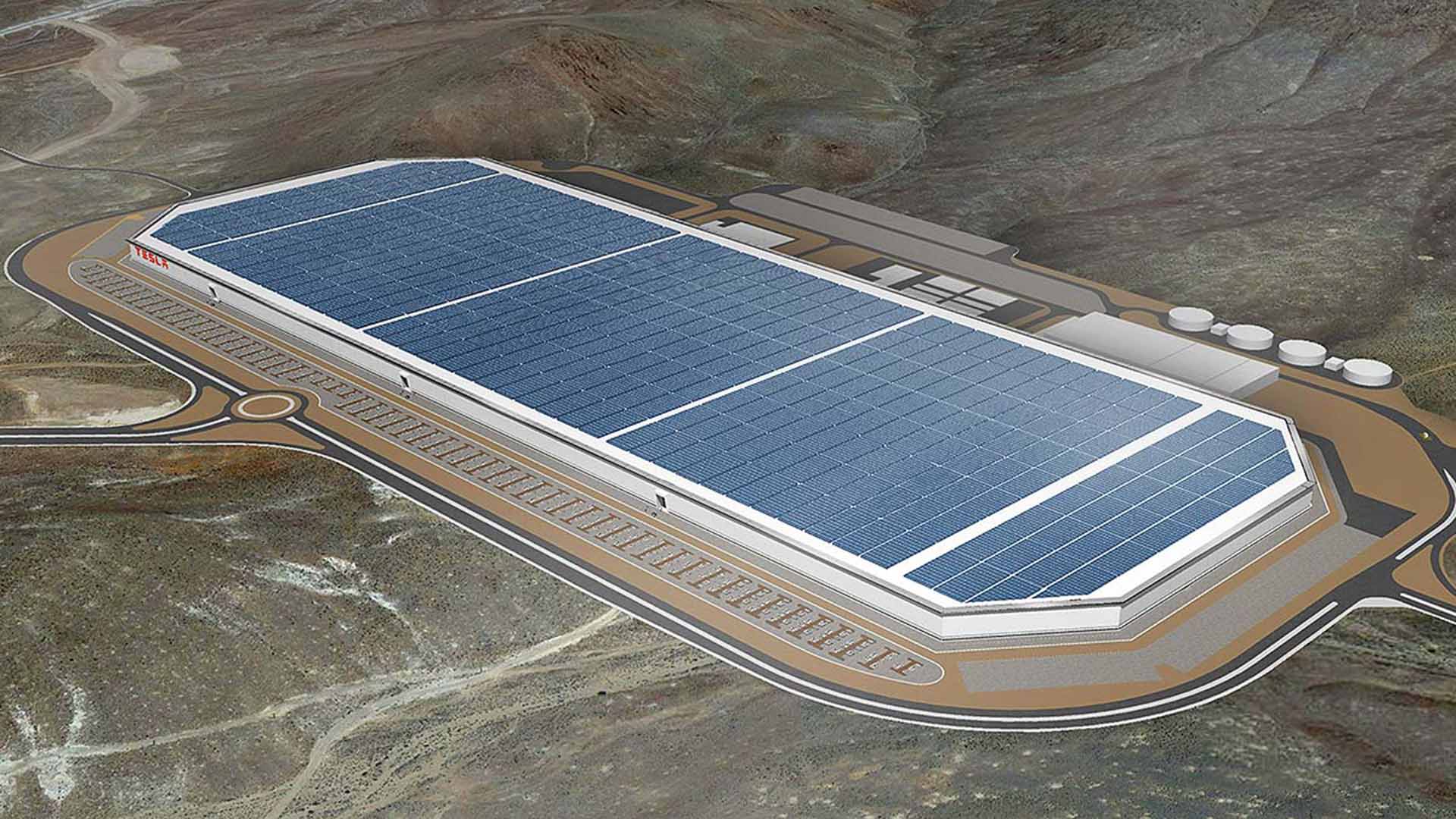
Rumours of a Tesla gigafactory in Somerset have resurfaced, following comments made by the UK business secretary.

Speculation that Elon Musk was considering the site near Bridgwater was sparked by a report in Property Week in the summer of 2020. It said Department for International Trade (DIT) was looking for a site suitable for the American electric car giant.

These rumours were strengthened last month when a letter addressed to Elon Musk arrived at the Somerset site known as Gravity. Reports suggest that Tesla could move in by the end of the year.

‘Considering and looking’

Business secretary Kwasi Kwarteng said Somerset “has the manufacturing skill and competence to be able to sustain an excellent gigafactory,” adding that the government is “considering and looking” at the site near Bridgwater.

This was in response to Bridgwater and West Somerset MP Ian Liddell-Grainger, who labelled Gravity “one of the best sites in the United Kingdom”.

It’s one of a few locations in the UK large enough to house a gigafactory. It also has the advantage of being close to the M5 motorway, a railway, Bristol Airport and Avonmouth docks.

Elon Musk

Gigafactories are built to produce electric car batteries. The government recently announced a £500 million package to support the electric car industry, including the creation of gigafactories to support EV production.

A 3,000-job factory is planned for Northumberland, while plans for a gigafactory at Coventry Airport have been endorsed by West Midlands Combined Authority.

The country must ramp up battery production before the 2030 ban on the sale of new petrol and diesel cars. A number of manufacturers, including Jaguar, have announced plans to be all-electric ahead of the ban.

In 2019, Tesla elected to locate its first European factory near Berlin, with Musk claiming that the German site was chosen over the UK due to “Brexit uncertainty”. The Somerset factory would be similar in size to the 92-acre facility in Germany.

We’ll update this article as the story develops.

READ MORE:

What does the 2030 petrol and diesel car ban mean for you?

Does Tesla want to become a UK electricity provider?

Best electric cars to buy in 2021

Advertisement

Toyota GR Yaris is 2021 UK Car of the Year

0
Toyota GR Yaris

The high-performance Toyota GR Yaris has been named 2021 UK Car of the Year – beating the regular hybrid Yaris in the process.

Both cars qualified as finalists for the 2021 award: GR Yaris was named best performance car and Yaris Hybrid was best supermini.

In the final tally of the 12 different categories, the hot Yaris edged ahead of the everyday alternative, and all other contenders.

UK COTY director John Challen said driving the GR Yaris was “the most fun I’ve had behind the wheel of a car for many, many years”.

Motoring Research’s own Tim Pitt agreed, likening it to the legendary Subaru Impreza 22B.

Toyota GB president and MD Augustin Martin said it was an honour to receive “this prestigious award.

“The unprecedented reaction for GR Yaris, and for the all-new Yaris range more widely, is transforming the perfection of our brand as a maker of desirable cars that are genuinely fun to drive.”

The Toyota GR Yaris is also a finalist in the 2021 World Performance Car awards, while the regular model is in the running for 2021 World Car of the Year.

Last week, the Toyota Yaris scoped the 2021 European Car of the Year award.

Motoring Research has this year named the GR Yaris one of the best hot hatchbacks to buy in 2021… and the regular model one of the best superminis to buy.

ALSO READ

New Aston Martin F1 official safety and medical cars revealed

Have your say on proposed changes to the Highway Code

2021 new car sales forecast downgraded

Advertisement

New Aston Martin F1 official safety and medical cars revealed

0
Aston Martin F1 safety cars

Aston Martin will share official F1 safety car duties with Mercedes-AMG in 2021 – and has revealed the new Vantage that’s set to lead the pack during race restarts.

The Aston Martin DBX will also share official F1 medical car duties.

Aston Martin F1 safety cars

The two new cars will make their F1 debut at this week’s pre-season test in Bahrain.

Both finished in the same 2021 Aston Martin Racing Green as the team’s new F1 cars, they wear full FIA safety car livery, LED rear number plate and a huge roof-mounted LED light bar.

Two outer orange lights illuminate when the safety car joins the track; an amber flashing light illuminates when it is in position; two central green lights illuminate when it’s safe to pass.

Aston Martin F1 safety cars

Of course, for drivers and race fans alike, the exciting bit comes when the LED lights go off, indicating the safety car is coming in and the race is about to restart…

Bernd Maylander will drive the Vantage safety car and Alan van der Merwe will drive the DBX medical car.

Mercedes-AMG F1 2021 safety and medical car

Mercedes-AMG will continue to supply safety cars for the other half of 2021’s races. Both the Mercedes-AMG GT R safety car and Mercedes-AMG C 63 S estate medical car get new bright red paintwork for 2021.

More power

Aston Martin F1 safety cars

To give the Vantage a boost, power has been upped by 25hp to 535hp, meaning the 4.0-litre twin-turbo V8 can now do 0-60mph in 3.5 seconds.

Peak pulling power is also delivered for longer – and a new front splitter delivers over 155kg of downforce at 124mph, 60kg up on the standard car.

Extensive modifications to suspension, aerodynamics and cooling have been undertaken – but surprisingly, standard Pirelli road tyres are retained.

Aston Martin DBX Official Medical Car of Formula One

The DBX has the same 550hp output. In its 632-litre boot are a large medical bag, defibrillator, two fire extinguishers and a burn kit.

Four bucket seats are fitted inside, for the driver, Official F1 Dr Ian Roberts and a local doctor. One seat is kept spare in case a driver needs a lift back to the pit lane.

Aston Martin has carried out an extensive development programme for the new cars, including 15,000km of high-speed and circuit testing.

ALSO READ

‘Forget Ford v Ferrari: bring on Ferrari v Aston Martin in F1’

Lewis Hamilton knighted in New Year Honours

World Car Awards 2021 finalists announced

Advertisement

Why hand sanitiser can damage your car – and how to prevent it

0

Using hand santitiser

After more than a year of living with Covid-19, we’re all accustomed to using hand sanitiser. However, the product can be bad news for your car’s interior.

Ford engineers have warned that chemicals found in everyday products, including hand sanitisers, sun lotions and insect repellent, can cause interior surfaces to wear prematurely.

Many hand sanitisers contain ethanol, a simple type of alcohol.

Meanwhile, higher protection sun lotions contain greater quantities of titanium oxide. This can react with plastics and natural oils found in leather.

Another harmful chemical, diethyltoluamide or DEET, is found in insect repellents.

Gloves while driving

The result is a chemical attack on your car’s interior. Fortunately, even in times of lockdown, there is a straightforward solution: wear gloves.

Disposable gloves may remove the need for hand sanistiser and protect your car’s interior into the bargain. Just remember to throw them away immediately after use.

As for the damage caused by sun cream and insect repellants, wearing long trousers or fitting seat covers could help.

At all times, prioritise your safety – and that of others – over the condition of your car.

Testing car interiors

Using sun lotion

Mark Montgomery, senior materials engineer at Ford’s Material Technology Centre, said: “From hand sanitisers to sun lotions to insect repellent, consumer trends are constantly changing.

“Even the most innocuous seeming product can cause problems when they come into contact with surfaces hundreds of times a year.”

The teams test at extreme temperatures to replicate the inside of a car parked at the beach on a hot day.

In other tests, the engineers subject samples with ultra-violet light, equivalent to the brightest place on earth, for up to 48 days.

Based on the findings, Ford reformulates the chemical constitution of protective coatings to protect interiors. The same tests are also used for accessories, such as boot liners and plastic covers.

Sometimes what we do requires a bit of detective work,” said Richard Kyle, Ford materials engineer, based in Dunton.

“There were instances of particularly high wear in Turkey. We managed to trace it back to ethanol potentially being a contributing factor, and most likely a popular hand sanitiser that contained 80 percent ethanol. That’s far higher than anything we’d seen before.

“Once we knew what it was, we were able to do something about it.”

ALSO READ:

How to deep-clean the interior of your car

Lockdown car care: a series of easy-to-follow videos

How to prevent car and travel sickness

Advertisement