You might assume that drivers in rural areas are more likely to hit the road while over the drink-drive limit, thanks poor public transport and the countryside providing a myriad of back roads open to motorists avoiding the attention of the police. However, new research by the RAC reveals that more than a quarter of Londoners believe they’ve been drunk behind the wheel, compared to just 11 percent of those living in rural areas.
It comes as the RAC looks to highlight the ‘morning after’ issue, in a bid to get every motorist to make sure they are safe to drive the next day over the Christmas season.
In total, 16 percent of the 1,727 drivers questioned by the RAC say they think they have been guilty of drink-driving, either immediately after consuming alcohol or the morning after a late-night drinking session. While just two percent admit to driving over the limit shortly after consuming a drink, one in 10 say they believe they’ve driven while over the limit the next morning.
“It is vital that everyone who has been drinking leaves sufficient time for their body to process the alcohol they have consumed,” said the RAC’s road safety spokesman, Pete Williams. “The trouble is everyone metabolises alcohol at different rates so the message has to be to err on the side of caution by leaving extra time before deciding to drive, or better still to use an alternative form of transport such as bus, taxi or train, or get a lift from a friend or colleague.
“If you are having to think whether you are sober enough to drive then the answer is you probably aren’t.”
Official statistics show there has been little change in the number of casualties from reported road accidents between 2012 and 2016, where one of the drivers or riders involved was under the influence of alcohol. In both years, 143 people lost their lives in such accidents, and very similar numbers did so in the years in between, totalling 702 over the five years.
The research also revealed there is extensive general public support for a UK-wide reduction in the legal blood-alcohol limit to 50 milligrams per 100ml – as enforced in Scotland – or even to 20 milligrams, with six in 10 British motorists saying they are in favour of 50mg or less becoming law.
Williams added: “Apart from the obvious dangers of being involved in accidents when drink-driving, police forces will be actively targeting drink-drivers during December so anyone found to be over the limit risks losing their licence as well as a hefty fine.”
Read more:
Revealed: the shocking ways drink-drivers avoid the police
It’s 50 years since the roadside breathalyser was introduced
Modern Mini is to become a bit more modern-looking from March 2018, with the roll-out of a “future-oriented” logo across the range that reinterprets the brand’s badge in a contemporary flat design style.
The current logo has been used since 2001, and is a stylised 3D interpretation of the classic British Rover Group (RIP) badge used on retro Minis since 1996. The BMW Group-owned firm has now decided to ‘reduce it down to the essentials’.
Key graphic elements are preserved, say the firm’s graphic design whizzes: “The preservation of the fundamental, tradition-steeped motif of a winged wheel with the brand name printed in capital letters at the centre ensures the logo will be instantly recognzed”.
But the shading and grey tones of the old logo have been removed, and it’s now fully depicted in black and white. This, apparently, “conveys the authenticity and clarity”, and the fact it’s now a 2D logo rather than 3D ensures it can be used more universally. This is great news for the firm’s branding division, which will be able to use the Mini tag more liberally in many more applications, including digitally.
Mini’s going to fit it to all new models from 2018, on the bonnet and bootlid, the centre of the steering wheel and the remote control keyfob.
The new logo was first seen back in 2015 at the Frankfurt Motor Show. That it’s taken this long to reach production cars shows the complexities involved in producing cars. Even redesigning the remote keyfob alone, and rolling it out across the range in high volume, is anything but straightforward…
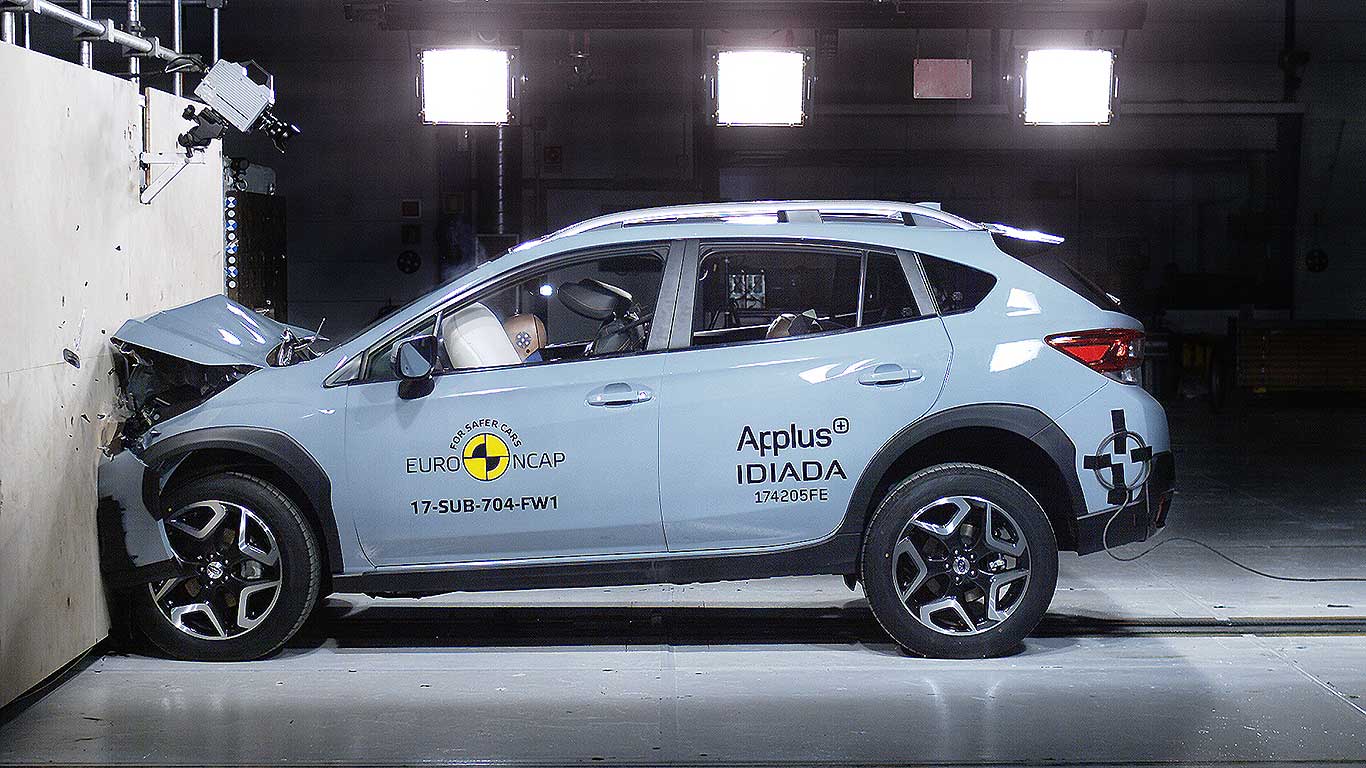
The safest new cars of 2017 have been revealed, ahead of judging to discover which is the overall winner of the ‘safest of the safe’ title. Every car in the list has a five-star Euro NCAP safety score, and each is fitted with standard Autonomous Emergency Braking (AEB).
A panel of judges will decide the overall winner in early 2018: Thatcham Research says this year’s focus is on emerging technologies to prevent accidents, rather than simply looking at how well cars protect occupants in the event of an accident.
In alphabetical order, the 10 safest cars of 2017 are:
Honda Civic
The first Brit-built Honda Civics didn’t get a five-star Euro NCAP rating: it was, however, later reassessed and finally claimed the coveted full-star score – including a very strong 88 percent rating for safety assist systems.
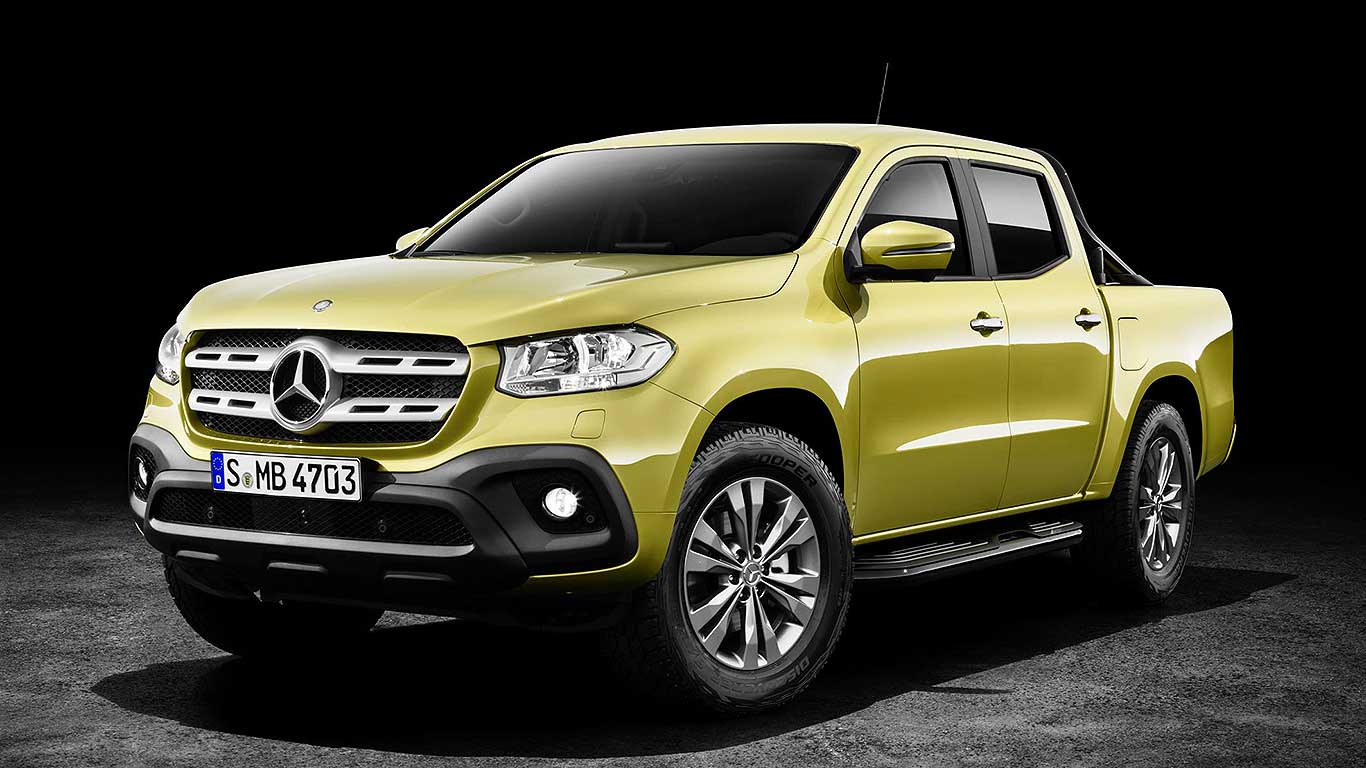
Mercedes-Benz X-Class
Double-cab pickups perhaps aren’t the first vehicles you think of when considering the safest cars on the road, so it’s full credit to Mercedes-Benz for ensuring its all-new X-Class pickup is one of 2017’s most highly-rated new models.
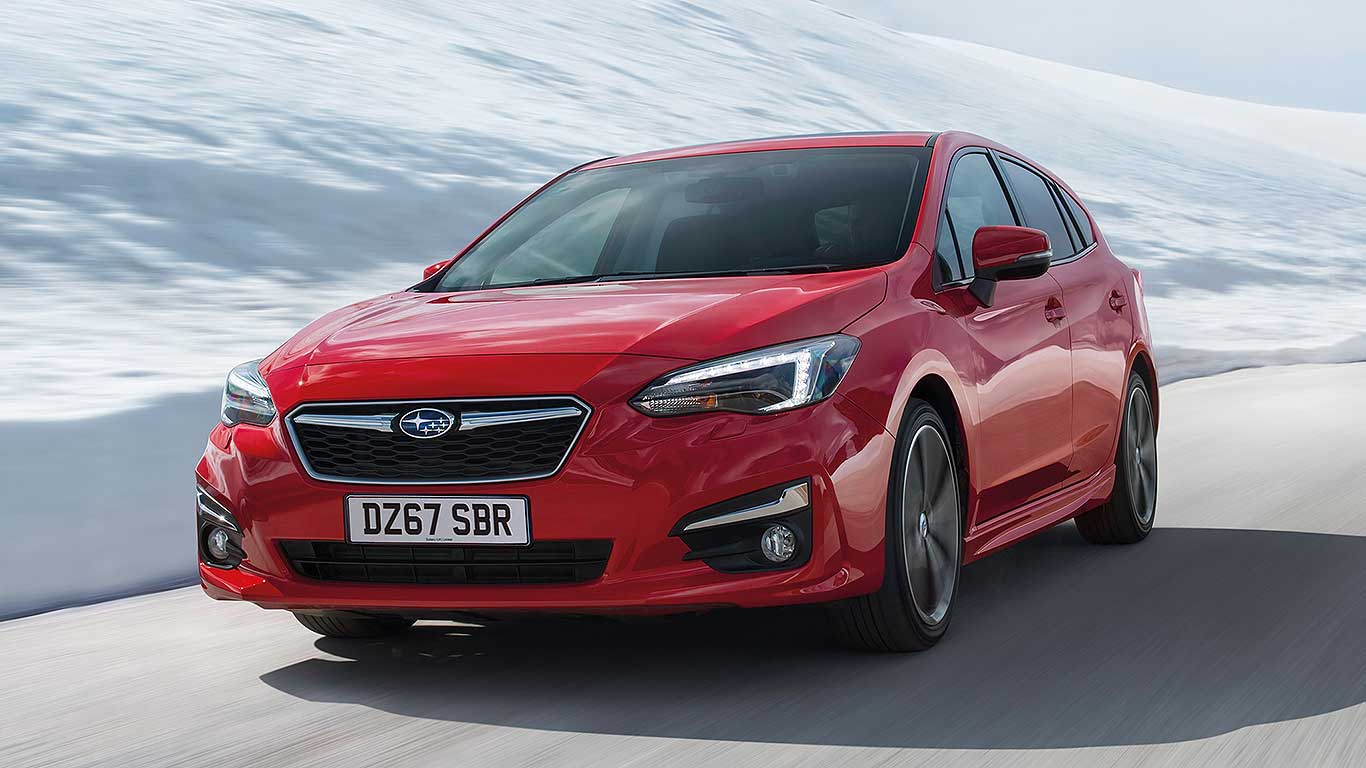
Subaru Impreza
Subaru has two cars in the top 10 contenders for 2017’s safest car. The Impreza is an all-wheel drive hatchback alternative to a Volkswagen Golf…
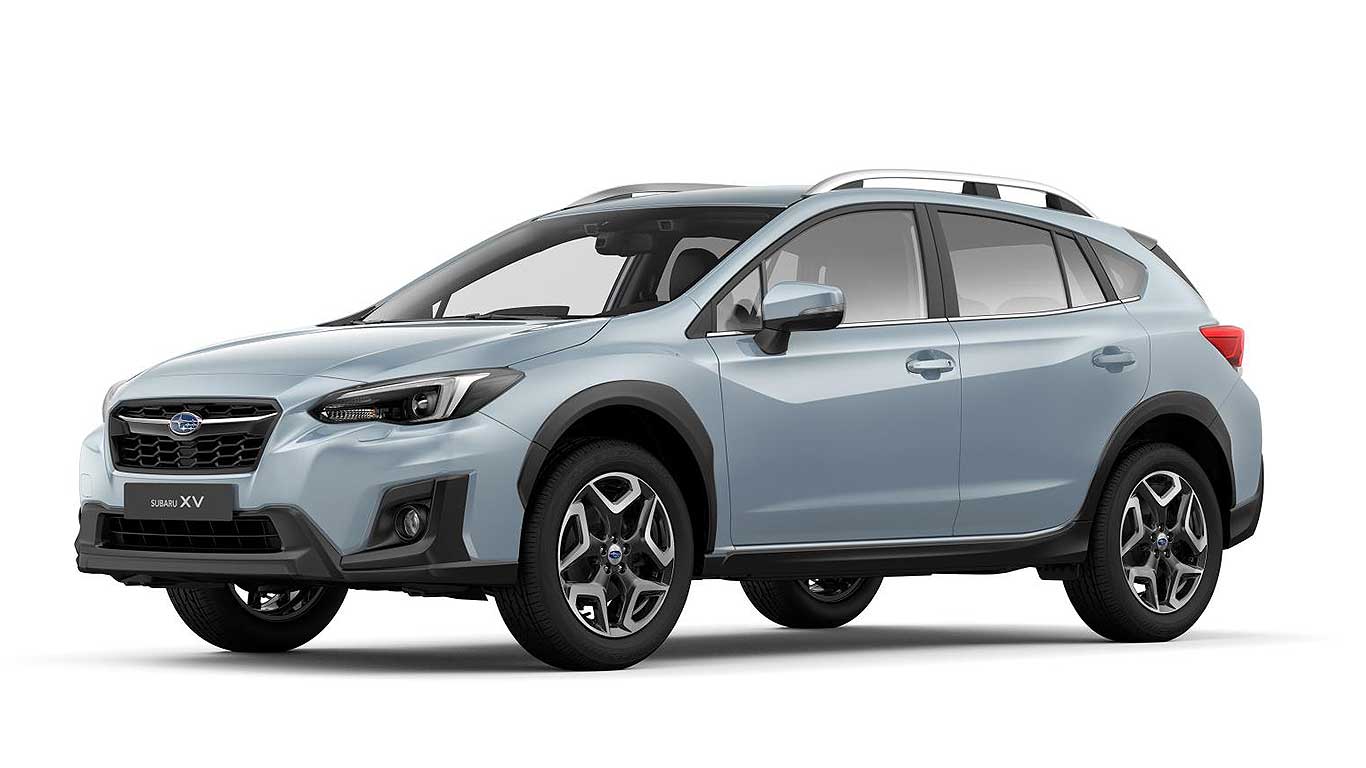
Subaru XV
… While the XV is a chunky crossover SUV that’s targeting stylish new models such as the Volvo XC40.
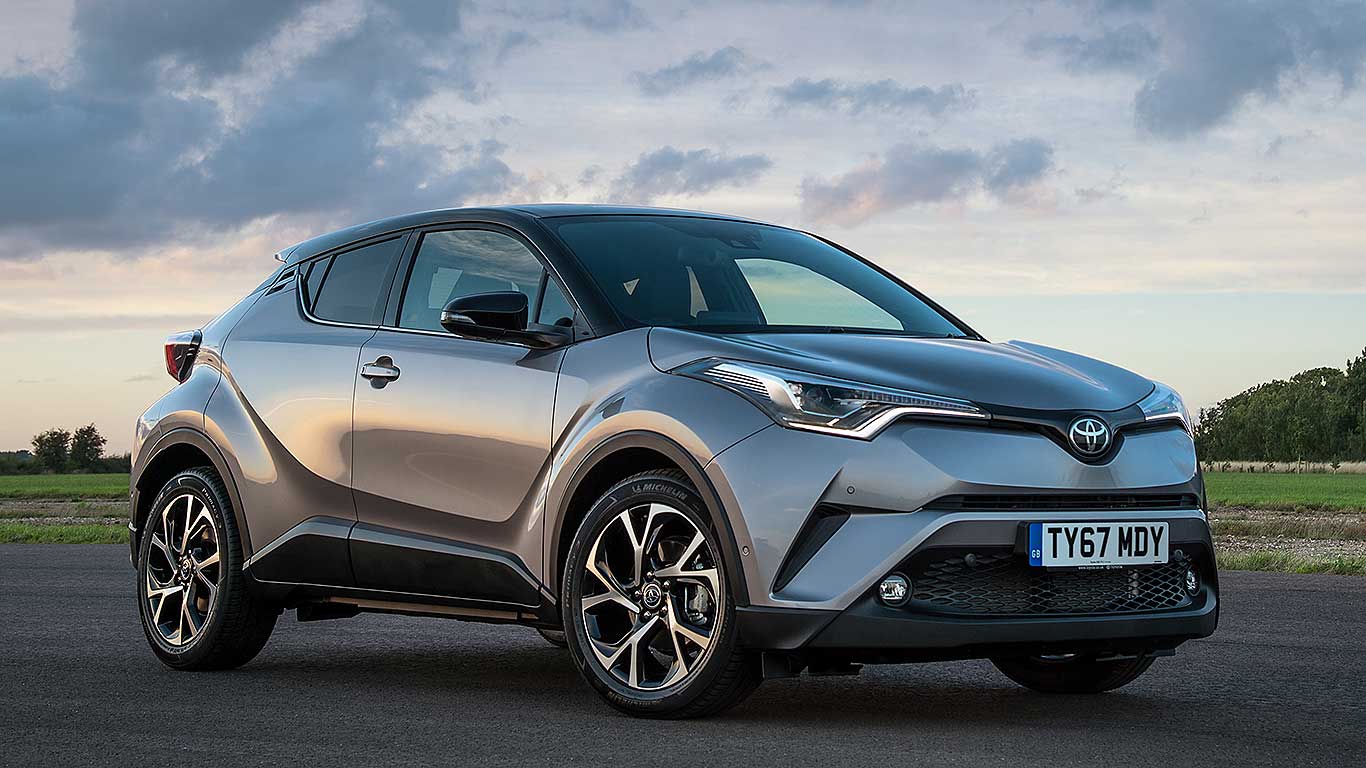
Toyota C-HR
A heady 95 percent adult occupant protection rating for the Toyota C-HR makes it one of the most impressive compact crossovers, trading blows with the Volkswagen T-Roc. A 78 percent safety assist score is also strong.
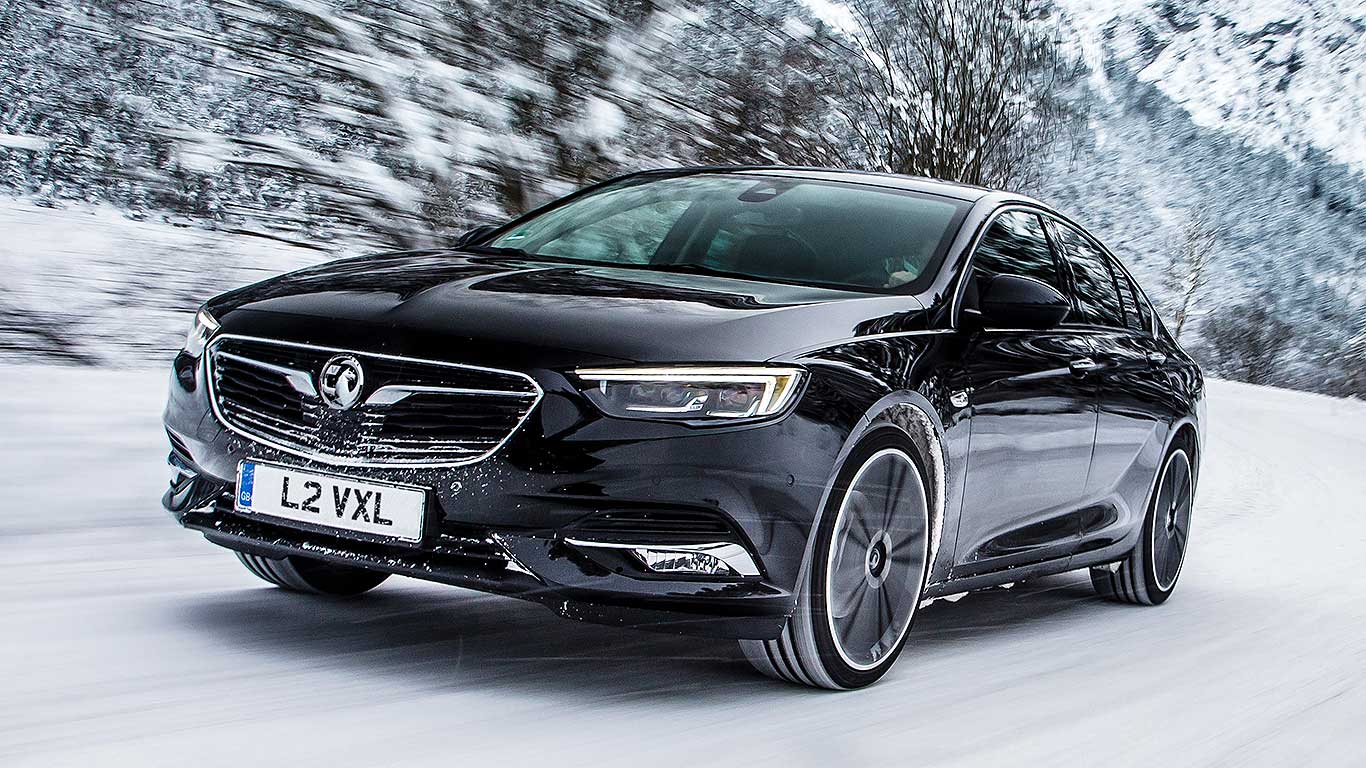
Vauxhall Insignia
Vauxhall has really gone to town with occupant protection in the latest Insignia Grand Sport. Its five-star safety score included an impressive 93 percent adult occupant protection rating.
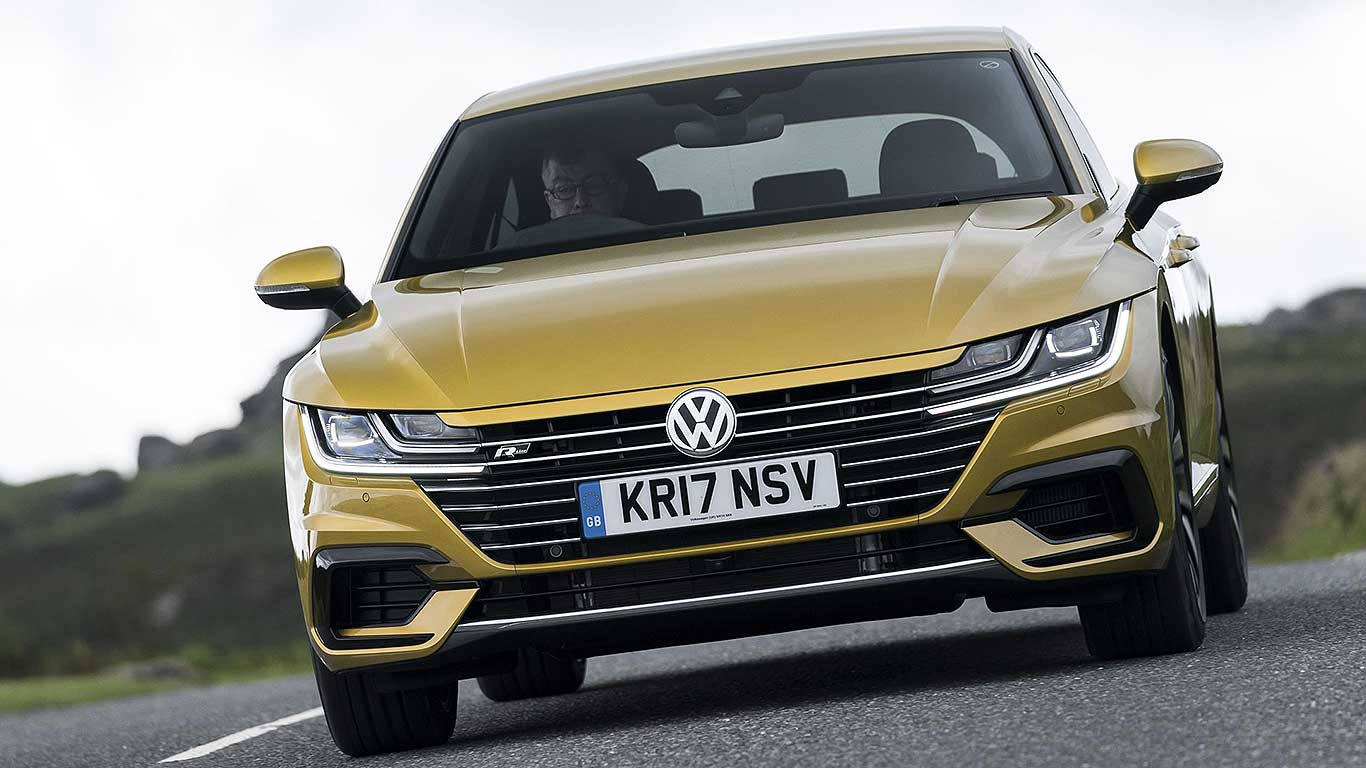
Volkswagen Arteon
Executive car buyers after a dash of standout style can choose an Arteon instead of a Passat safe in the knowledge they won’t be compromising safety.
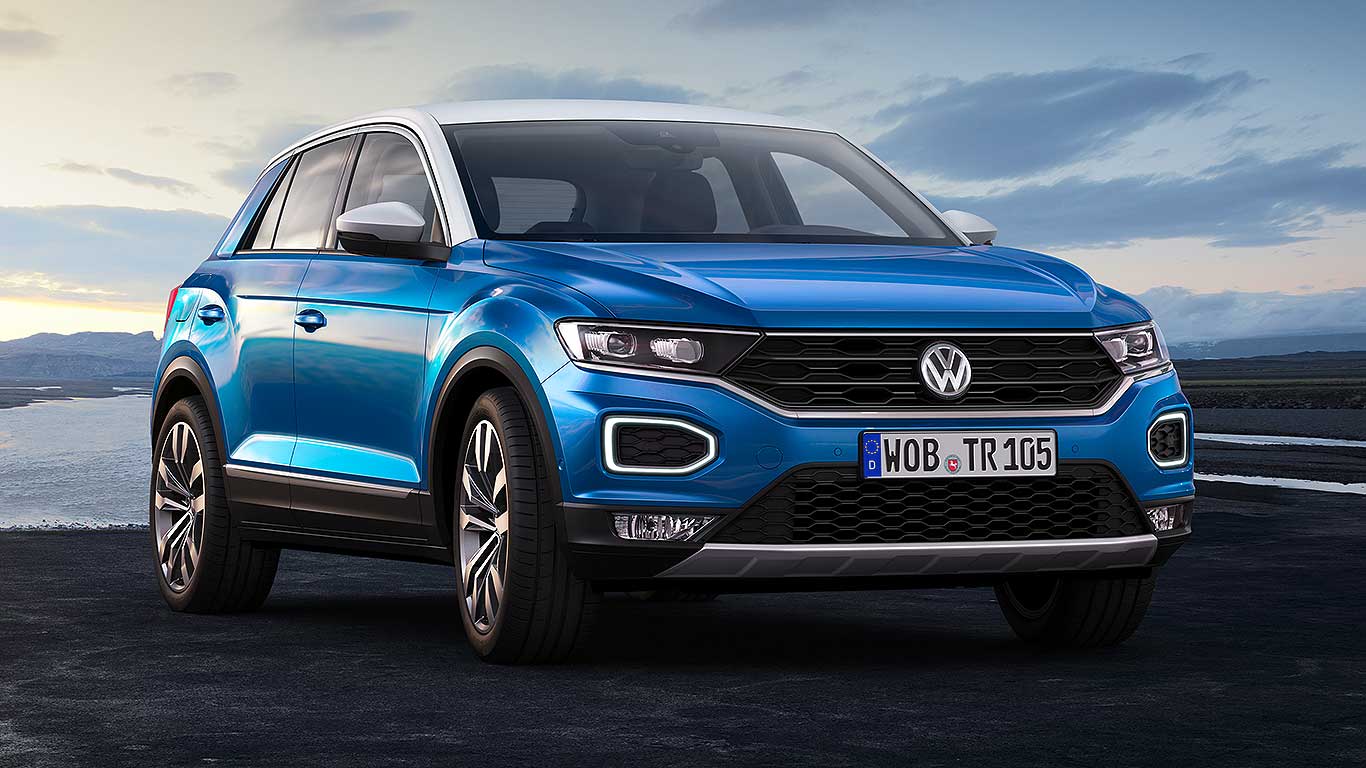
Volkswagen T-Roc
The Volkswagen T-Roc is expected to become a top-10 best-seller in 2018. It’s thus good news that the stylish SUV alternative to a Golf hatchback is one of 2017’s very safest models – its 96 percent adult occupant protection score is very impressive.
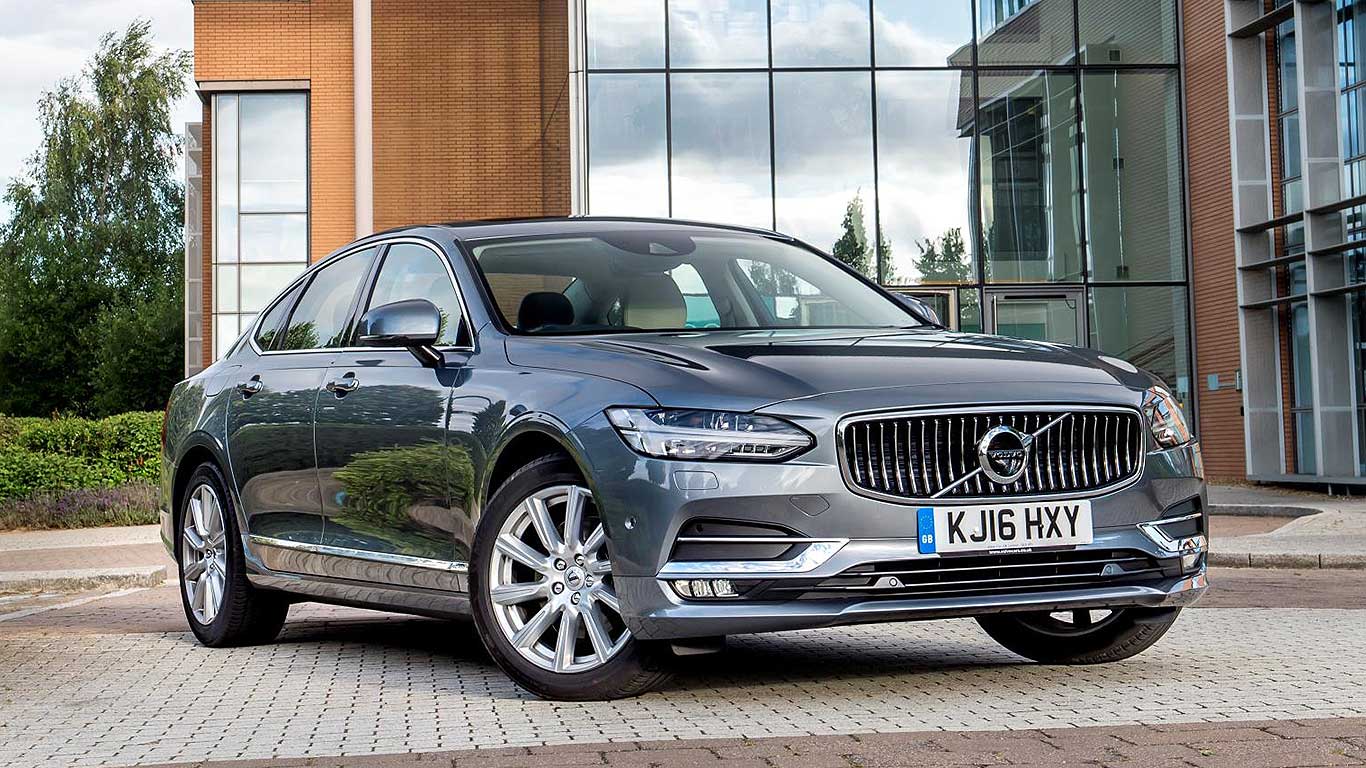
Volvo S90 / V90
Volvo rightly has a peerless reputation for safety. Its S90 saloon and V90 estate are jam-packed with autonomous safety tech that prevent accidents as ably as the cars themselves protect occupants in the event of one.
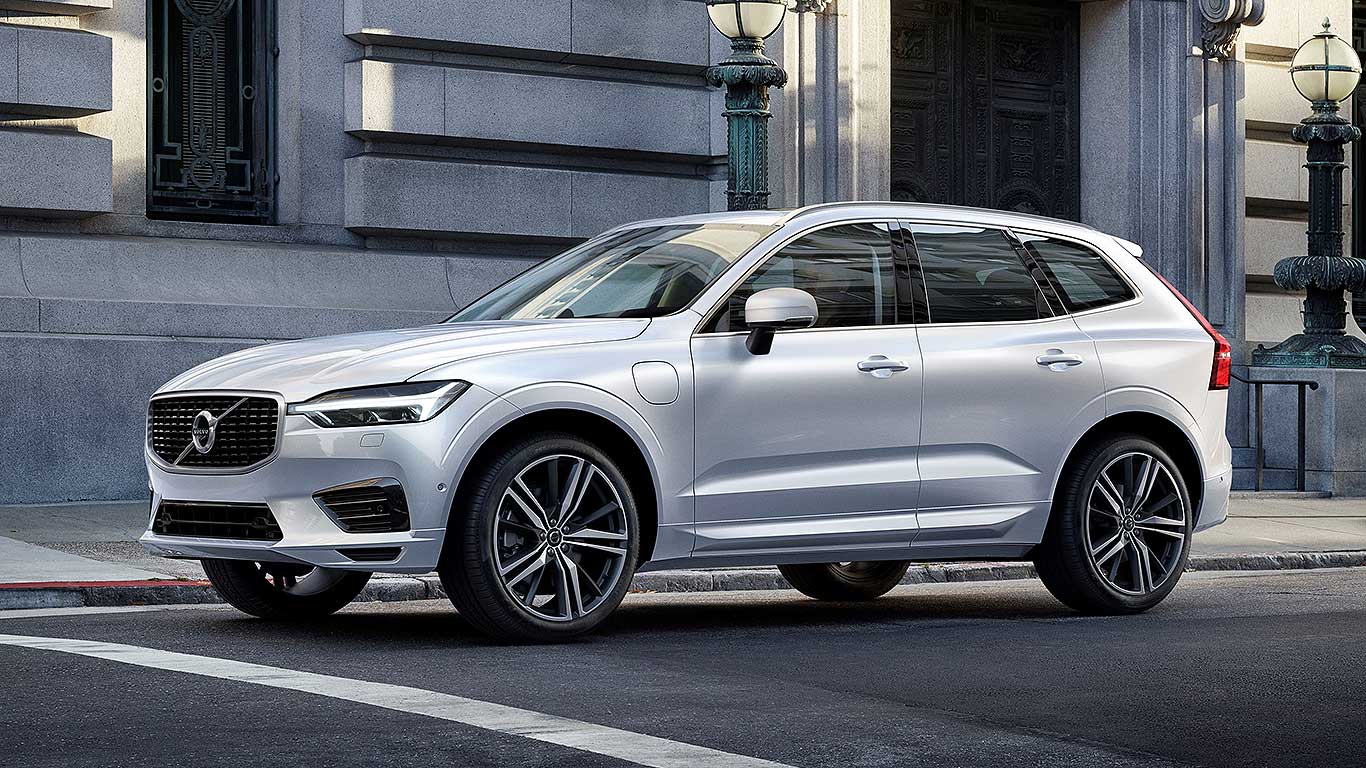
Volvo XC60
The XC60 is Volvo’s premium SUV alternative to the BMW X3 and upcoming Jaguar E-Pace. Its long list of safety technology makes it a 2017 class-leader.
Safest car must-fit: AEB
AEB is the absolute must-have feature in 2017 – and in 2018, no car without it as standard will be allowed to score a five-star Euro NCAP safety rating. “It’s an essential standard-fit safety system, just like the seatbelt,” said Thatcham Research director Matthew Avery. “If the car doesn’t have AEB, walk away and find one which does.”
Safest car must-fit: Lane-Keep Assist
Thatcham Research insists that the safest cars of 2017 should also have standard Lane-Keep Assist tech. This doesn’t just keep cars within lanes on the motorway, but also steers vehicles away from road edges, thus preventing cars running off the road.
Safest car must-fit: Cyclist and pedestrian detection
Autonomous Emergency Braking can do more than just detect cars ahead. The most advanced systems will also watch for vulnerable road users, such as cyclists and pedestrians. They’re harder for basic AEB systems to track, as their movements are more erratic: systems that use better sensors and algorithms to detect cyclists and pedestrians are worth looking out for.
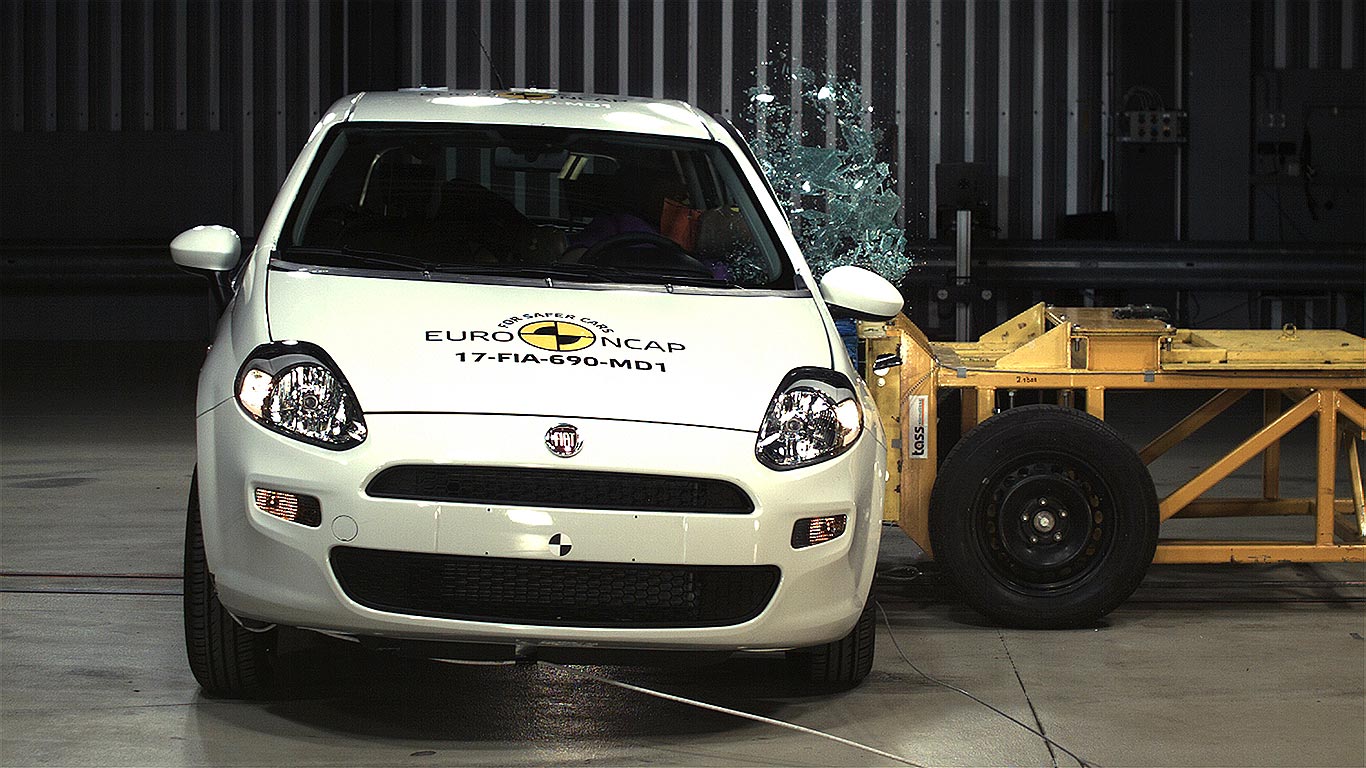
The final Euro NCAP safety scores of 2017 are in – and it’s a disappointing end to the year with six cars scoring just three points… and the revised Fiat Punto earning the first-ever ZERO Euro NCAP rating.
There were some full-house five-points scores to offset things, but Euro NCAP reckons it’s still a let-down that so many cars have earned average ratings: often, the reason for the poor scores is simply a decision by car manufacturers not to fit vital safety kit as standard.
Some of the cars have been on sale for a few years and have recently been facelifted: Euro NCAP’s retested them to allow consumers to make a fair comparison to new models.
Euro NCAP secretary general Michiel van Ratingen said: “The fact that older cars cannot compete illustrates the pace at which the vehicle industry is innovating safety, and the willingness and ability of competitive manufacturers to meet the highest standards.”
Matthew Avery is a director at Thatcham Research, which is the British partner in the Euro NCAP organisation. He picked out the upmarket French DS brand for criticism. In November, the DS 7 Crossback achieved a five-star Euro NCAP rating – and came with standard-fit AEB and Lane Departure Warnings.
DS is a premium brand, but Citroen has made a clear decision with the DS 3, offering AEB as an option only.
It comes down to simple decision-making, he said. “Some are choosing to prioritise the fitment of technologies to support drivers and bring down accident rates. Others are not.”
Things should change in 2018, he added: it will be impossible for a car to score a five-star Euro NCAP rating without standard Autonomous Emergency Braking (AEB).
It wasn’t just the lack of standard AEB that let down the December three-star cars, either. The Ford C-Max not only had little standard safety technology, they also performed below expectations in crash impact testing: both adult and child occupant scores were worse than average, said Avery.
Zero Euro NCAP points
The latest Fiat Punto is the standard car in the latest tests. It’s a revised version of the model first launched in 2005, and shows just how far car safety technology has progressed: a 51 percent score for adult occupant protection is more than 30 percent worse than average.
The car also earned Euro NCAP’s first-ever 0 percent rating for safety assist technologies. “This is essentially an old car,” said Avery, “but that should have sharpened the focus on fitting safety technologies to counteract it’s dated crash performance.”
The latest test cancels the Fiat’s originally decent rating back in 2005. “Euro NCAP frequently raises the bar in the testing regime,” said Avery: this test strikingly illustrates that.
Five-star Euro NCAP cars
Other cars showed how it should be done, scoring five stars in the December 2017 Euro NCAP tests:
BMW 6 Series
Hyundai Kona
Jaguar F-Pace
Kia Stinger
Toyota Yaris
Although all 16 cars tested in November 2017 scored five stars, the latest results show that a full Euro NCAP score is not a given. It all comes down to whether car manufacturers fit life-saving technologies as standard, or choose to cut costs by relegating them to the options list – or, in the car of Fiat, not offer them at all…
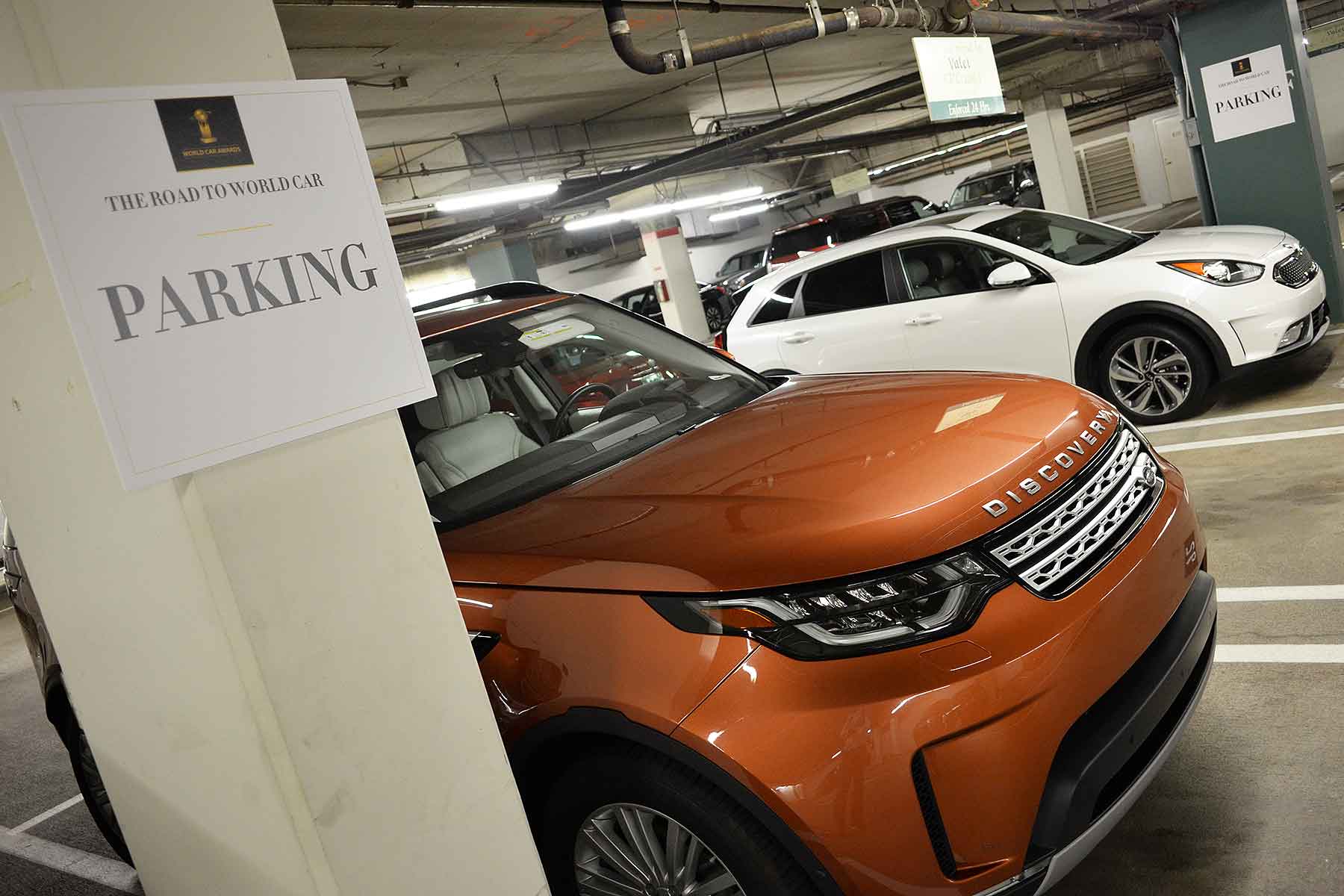
The longlist for the 2018 World Car Awards was revealed back in September at the Frankfurt Auto Show. Since then, the 82 jurors, including yours truly, have been assessing as many of the cars as possible, in readiness for the first round of voting in January 2018.
To be eligible, cars need to be sold in at least two regions globally – that’s what makes them truly World Cars. To ensure jurors have has much access as possible, the awards organisers annually host a big test day during the LA Auto Show: my challenge this year was once again to drive as many cars as I could in a day.
With the morning mist still lingering, I was straight into a car sadly not sold in Europe – the Toyota Camry. Even those who were around when it was sold here may well have forgotten it: back in the day, the Camry was the automotive equivalent of a bar of soap.
Not any more. It looks dramatic, with bold lines and sharp creases; the ‘floating’ black roofline contrasts with the white paint, the grille is gigantic and there’s a lip spoiler and diffuser combo at the rear more akin to a BMW M5 than a Toyota.
And that’s even before you step in and are overwhelmed by the red. A Toyota saloon with red leather sports seats? Boy, it woke me up. Against expectations, the drive didn’t let the side down either; the setup was sporty, ride firm, responses agile. Only a beautifully smooth V6 engine was more in line with expectations, Lexus-like in its serenity.
Pity the 2.5-litre four-cylinder engine in the car I drove next, the Mazda CX-5, wasn’t so quiet. This is like having an MX-5 engine in a family SUV, demanding vocal revs to get the best out of a chassis that’s also as MX-5-like as a family SUV can get away with. Like many modern Mazdas, it feels upscale and well-engineered, but I’d like to drive it in Europe, with a diesel engine, before casting judgement.
The new Nissan Leaf had more immediate appeal. How could it not, thanks to styling so much more appealing than the oddball original? The interior is leagues ahead too, and Nissan’s made it even more refined with luxury car ride refinement and less whine from the electric motor.
It’s appreciably quicker, the battery didn’t seem to drain in an eyeblink and, when I stumbled across a parked-up predecessor en route, it was clear how far Nissan’s jumped in a generation. The short drive wasn’t enough to reveal how much of a hindrance the toweringly high seats and tight rear legroom are, but was enough to suggest the world’s best-selling EV is certainly a World Car Awards contender.
Sitting next to the Leaf was my next ride, Kia’s Stinger GT. It looked low, wide, curvaceous, like a bona fide coupe; I opened the door and, compared to the Leaf, felt like I was falling to the ground, so low were the firm, sporty chairs. Interior tactility was premium, not volume, and it was an exciting place to be.
Given all this, the V6 turbo didn’t quite have the AMG-like bark I expected, but my, how well this car drives. Like a properly sorted BMW, with a communicative chassis, tight steering and, I was delighted to find, just enough of a suggestion of power-on drift out of corners to reveal the rear-drive layout and spice things up. Driving up the winding Pasadena mountain roads, it was fantastic: only on the way back down, when I switched from sport mode to comfort, did it feel soggier and less gelling. I quickly turned it back on and started making those big Brembo brakes earn their keep.
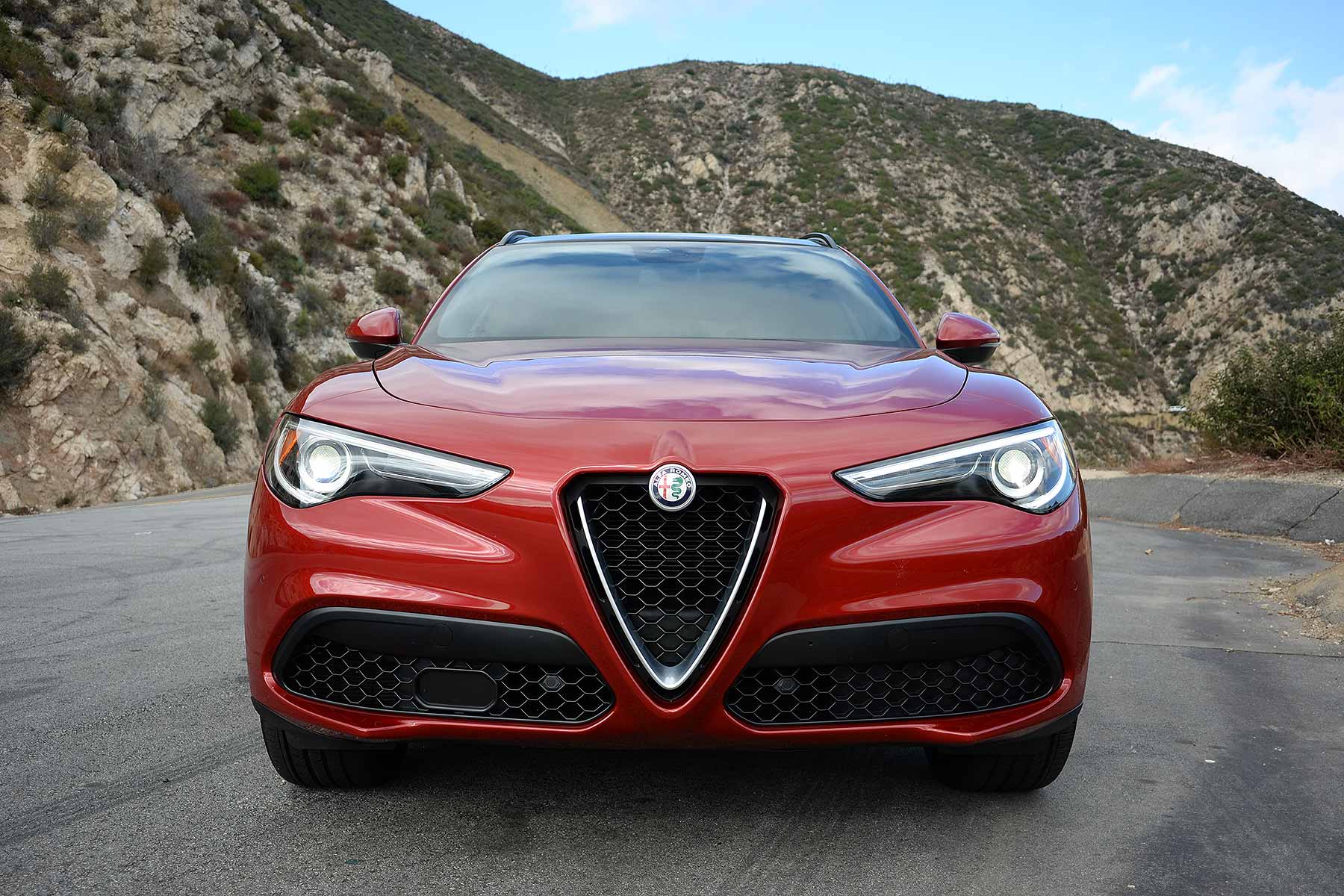
This was all going well. And then I got into the Alfa Romeo Stelvio SUV. A 280hp 2.0-litre turbo petrol, the engine whined as I drove out the car park (I was the first juror to drive it; things improved once it was warm). Fast steering made it feel nervy; it pitched and lurched, despite a stiff ride. It was too noisy for a premium SUV, with noise from too many sources.
But then, a bit like as with a Ferrari, I got used to the geared-up steering, adopting minimal inputs and being rewarded with tight, well-balanced handling. It hung on well, bolstered seats hugged me well, and so many people looked at its svelte styling when back on the freeway. Enough to overlook a stark lack of premium finish and attention to detail inside, the poor infotainment system and overall bias perhaps just a bit too much to the sporting side for a premium SUV? We shall see.
The Jeep Compass was easier to dismiss. It looks good, the interior quality is surprisingly passable and, I guess, it drives OK… but what a gutless, noisy engine it has, and how its nine-speed automatic hunts, slurs and generally feels like it’s on the brink of wearing out even though it’s brand new. When you know how good cars such as the Seat Ateca are, the Compass struggles.
The day was drawing in. Time for just two more drives. First, the Range Rover Velar. The World Car Awards looks at cars from a global perspective; they must perform as well in, say, North America as they do in the West Midlands. The Velar certainly did. I love its modernist design and getting in to its strikingly luxurious interior was like getting home (well, if I were the rich chief of an internet start-up with the pad to reflect my prowess).
Running on 22-inch wheels, it had a stiff in-town edge, becoming more cushioned once the air suspension was worked. Handling was positive and planted, the supercharged V6 engine was eager and the eight-speed automatic gearbox was as utterly perfect as the Jeep’s auto was not. The Velar felt so well honed in so many ways, all enjoyed from that landmark interior. It’s a good ‘un.
But so too is the magnificent BMW 5 Series, my final drive of the day. I was testing the 530e plug-in hybrid, focusing on the World Green Car category; because it was late, the battery was flat and a reset trip computer took an age to even crawl out of the teens. This is the flaw of the PHEV, I mused – was this a superb car critically let down by its green drivetrain, thus scuppering its chances in the World Green Car category?
So I concentrated on the rest of it. The luxurious interior, cosseting seats, top-notch infotainment system and peerless chassis that, uniquely for the day, rode as well as it handled. What a fiendishly, outstandingly good car the latest 5 is.
Then I clocked that, despite being flat, it was still running a surprising way during town driving on electric. Enhancing further the sophistication and silence. If only all plug-in hybrids were this sophisticated: it was delivering zero emissions where you need it, in town, justifying the technical complexity beneath. A cleverly green car: enough to take on that promising new Nissan Leaf though? There was a lot to chew on as I parked up for the final time.
There we have it. Eight cars, hundreds of miles, a bulging notepad to transfer onto a fast-growing spreadsheet of observations and scores. There are now a few more drives before the first round of judging in January; the LA sessions confirmed once again just how tricky it’s going to be. The world is full of great new cars in 2018. Let’s start narrowing things down to find the best of all.
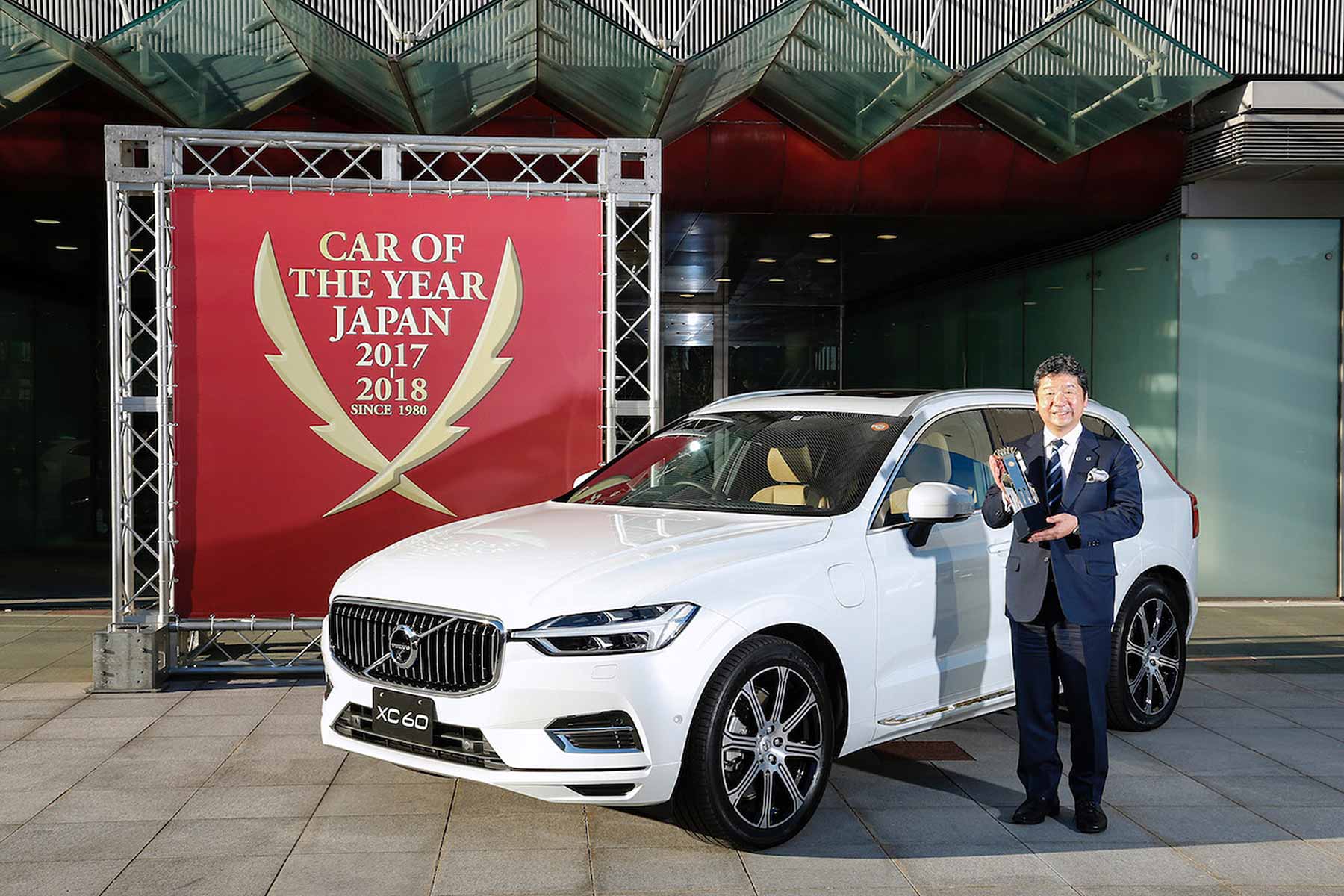
Volvo has triumphed in a “nail-biting” vote-counting ceremony to take the 2018 Japan Car of the Year title. In doing so, it beat two very strong rivals: the BMW 5 Series and home favourite the Toyota Camry (which Motoring Research drove recently in LA).
As the scores from the 60 Car of the Year jurors were tallied in front of a 200-strong audience, the lead actually changed three times. In the end, Volvo triumphed with a 294-point score, 52 ahead of the BMW and 62 in front of the Toyota.
It’s the first time in the 38-year history of Japan Car of the Year that a Volvo has won. Volvo Japan’s CEO Takayuki Kimura was suitably honoured. “To be honest, I would have been happy with the Import Car of the Year.
“But to come away with the overall Japan Car of the Year is totally unexpected and sincerely humbling.”
The Volvo XC60 is also in the running for the 2018 World Car Awards, which will be presented at the New York International Auto Show in April 2018.
Other winners of Japan COTY 2018 awards were the Toyota Prius PHEV for Best Innovation, the Lexus LC in the Emotional Award category, while the Toyota Prius took the Special Achievement Award for selling no fewer than 10 million hybrids in 20 years.
The jury also approved a second Special Achievement Award, to racing driver Takuma Sato, for becoming the first Japanese to win the Indy 500.
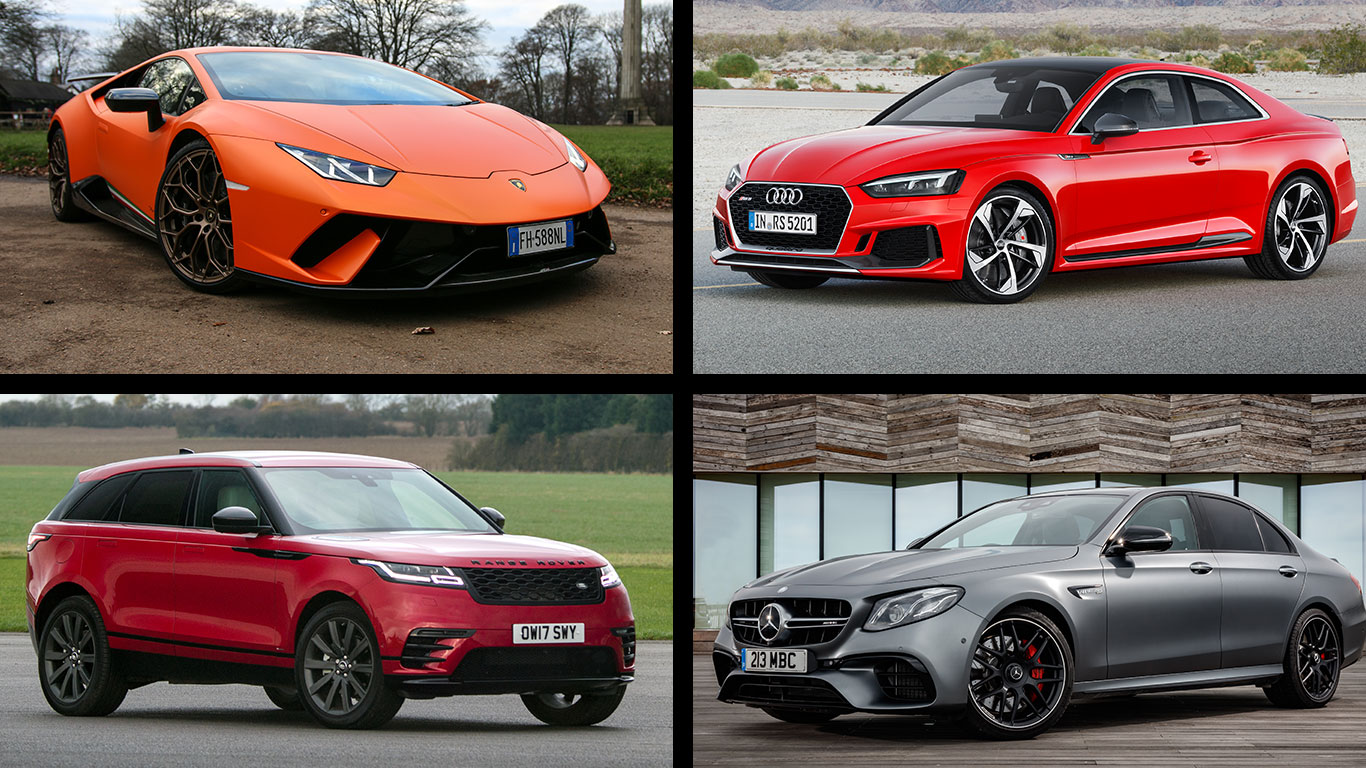
We’ve had some great drives in 2017, and not all in the cars you might expect. For every supercar here, there’s a crossover. We’ve even nominated two pick-ups.
Each member of the Motoring Research team – Andrew Brady (AB), Bradley Lawrence (BL), Gavin Braithwaite-Smith (GBS), Peter Burgess (PB), Richard Aucock (RA) and Tim Pitt (TP) – has picked the vehicles that made us smile. Here are the finalists in full.
Surely it couldn’t be that good, I mused, as I settled into the i30 N’s chunky bucket seat, surveyed its cabin and chewed on the talents of its arch-rival, the Volkswagen Golf GTI. It isn’t that good. It’s better. Way better. And if you’re surprised, you should have been where I was sitting as I did another long, glorious stretch of Lincolnshire launch-route roads. It’s a good job video guy Bradley wasn’t there, because I was speechless.
It’s my kind of hot hatch to a tee. Loads of feel through the controls, strong and tight front end, bags of bite from the limited-slip diff, meaty gearchange and steering, plus a gem of a chassis fully equipped with bespoke kinematics and clever adaptive dampers. For the money, it’s an extraordinary car that, even now, I just want to drive and drive. The mark of a good hot hatch right there. Hyundai’s nailed it. RA
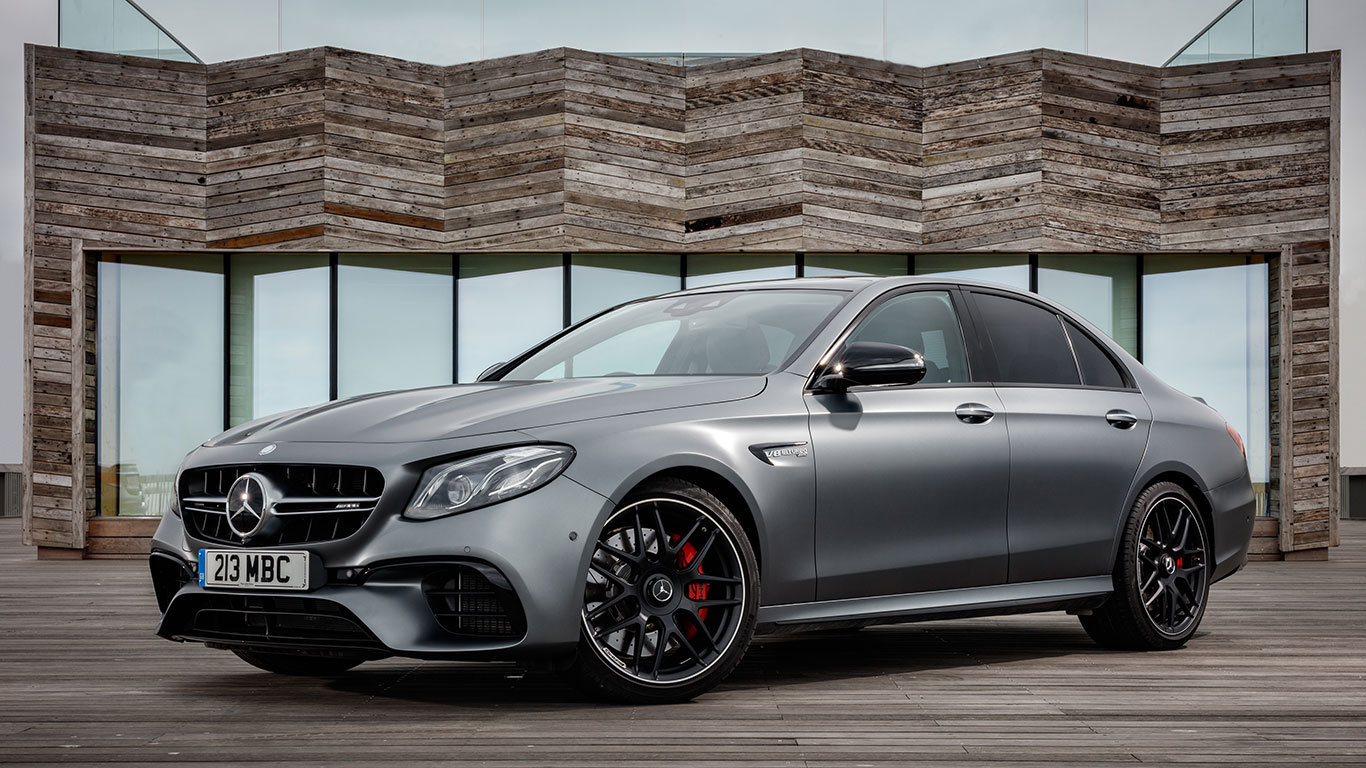
Mercedes-AMG E63 S
Meet the ultimate Jekyll-and-Hyde car. This upmarket and understated saloon offers supercar-rivalling performance and driving excitement, with a bellowing V8 soundtrack to match.
The ‘only car you’ll ever need’ cliché is a staple of motoring journalism – and applied, more often than not, to the Volkswagen Golf GTI. For me, though, the E63 S best fulfills that brief. From comfortable cruiser to Drift Mode hooligan, it’s got every base covered. TP
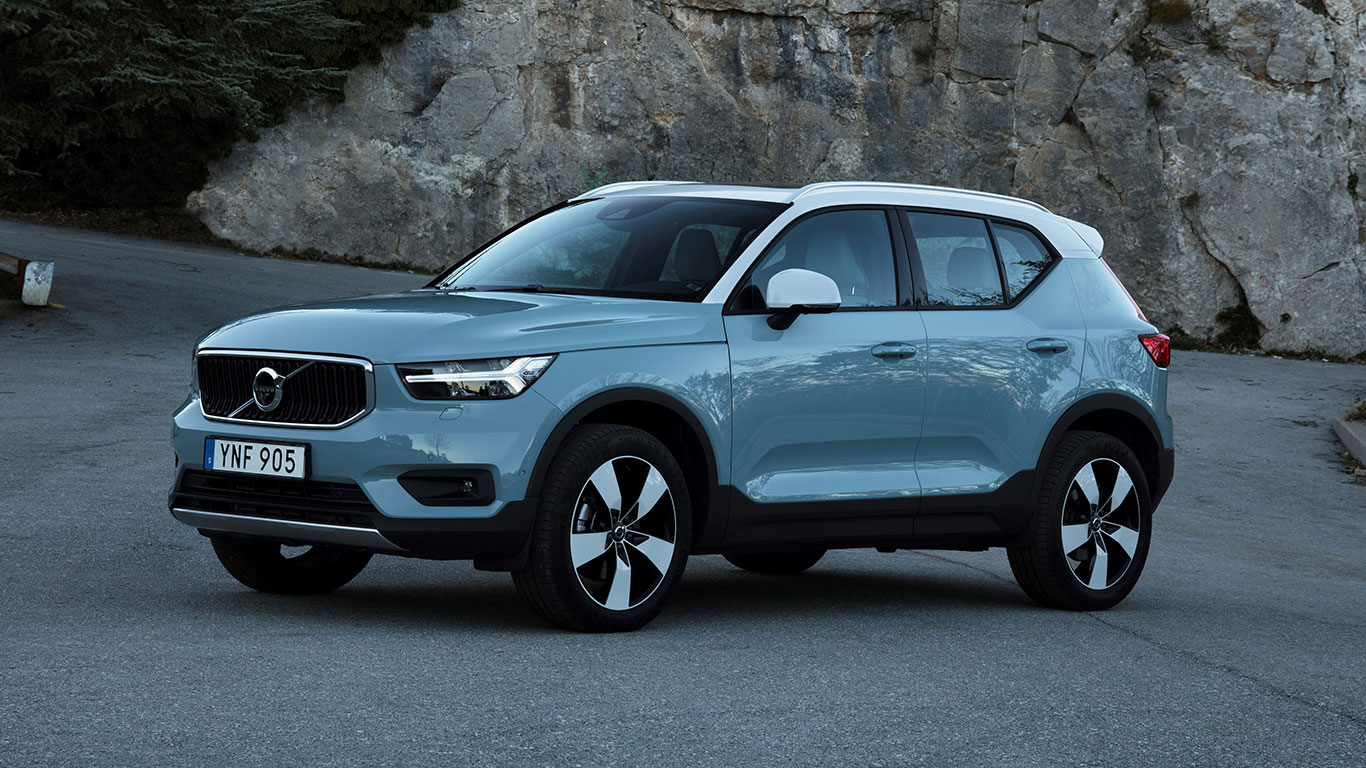
Volvo XC40
While some of the inclusions here are on purely emotive grounds, the Volvo XC40 is probably the most complete all-rounder I’ve driven in 2017. It looks great, while the interior is pleasingly upmarket and full of clever ideas to make the most of its small platform.
The current powertrains on offer in the XC40 are refined, if not exciting, while an upcoming hybrid version could future-proof the car. AB
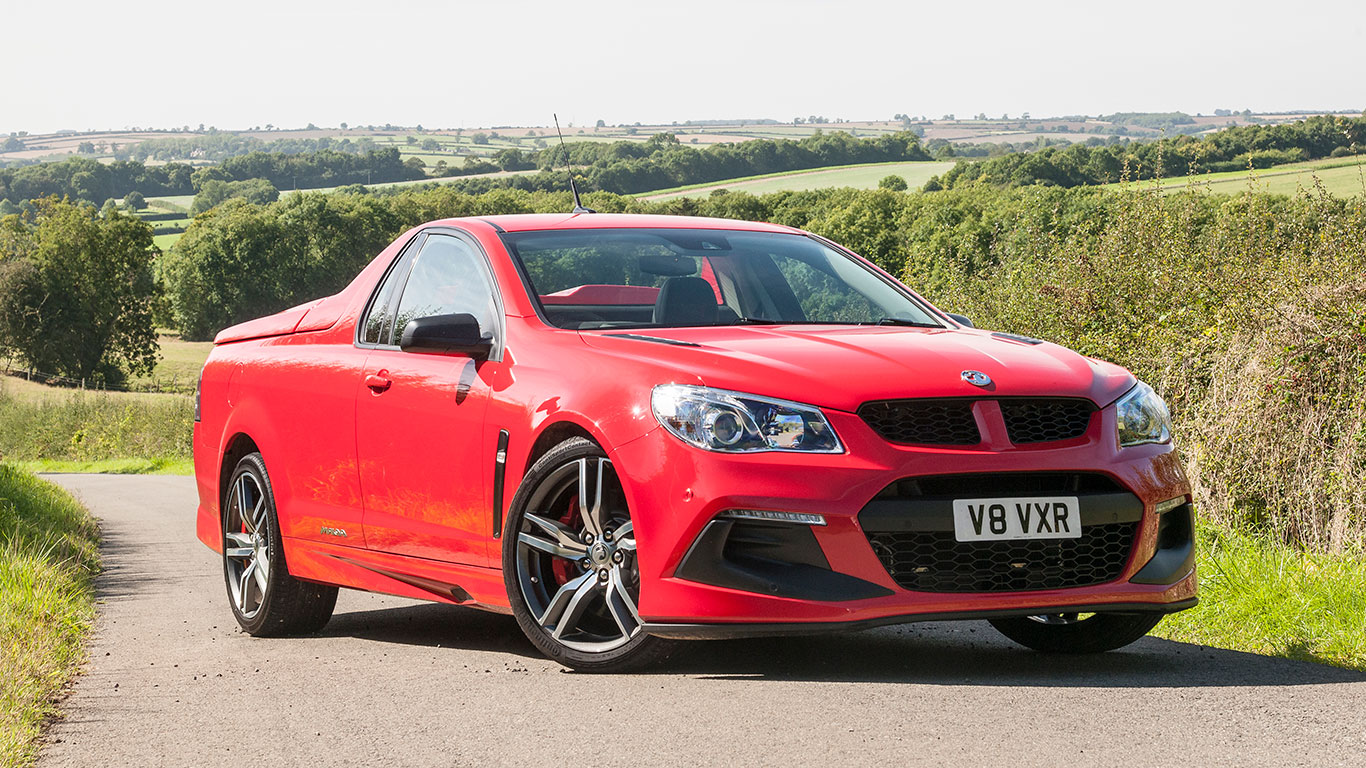
Vauxhall Maloo R8 LSA
This Aussie-built Maloo isn’t just a truck (sorry, ‘ute’). It’s also the fastest commercial vehicle on sale in the UK. A 544hp 6.2-litre supercharged V8 means 0-62mph in 4.6 seconds if you use launch control. Plus, a popping crackling soundtrack to match.
Going this fast in a truck is both addictive and hilarious. When the supercharger gets into its stride, you simply take off. Also, while it might only have two seats, the option to carry a wardrobe or a couple of sheep in the back only adds to the mighty Maloo’s appeal. BL
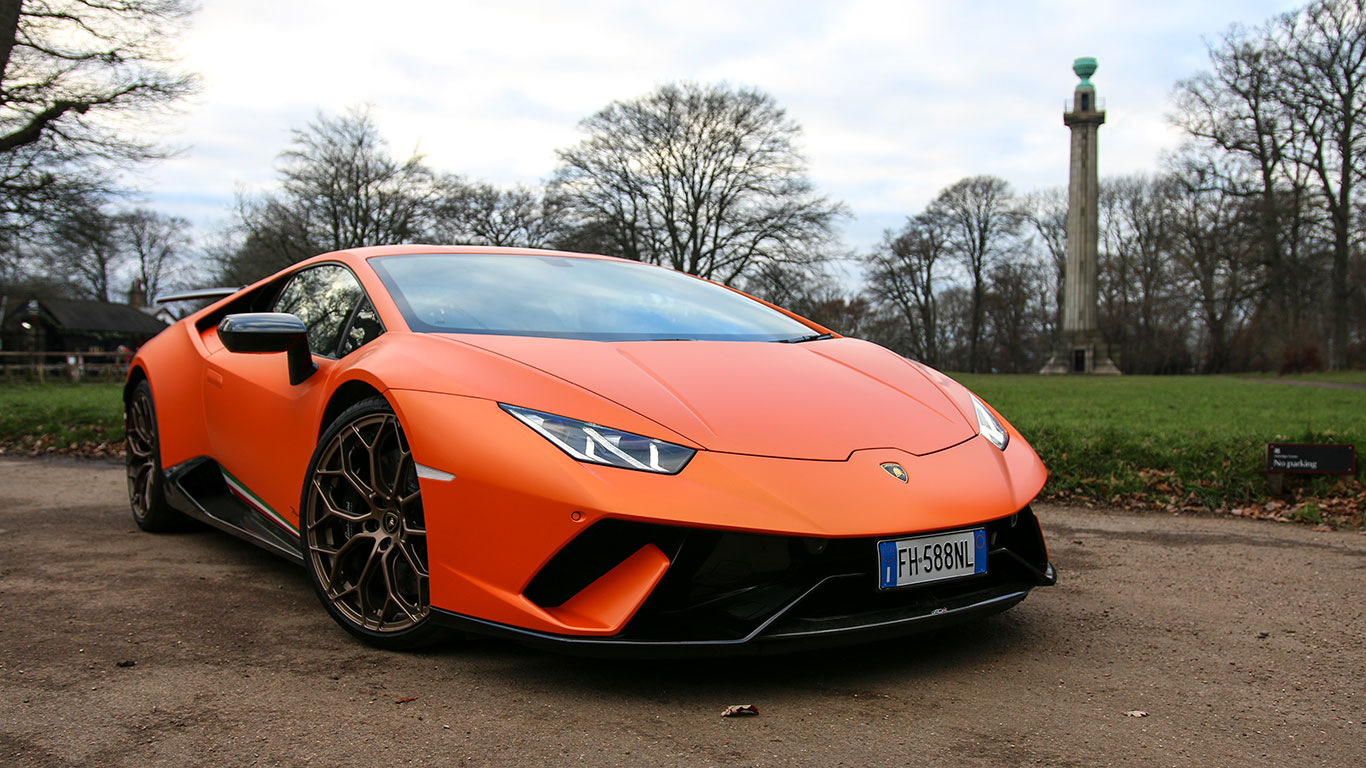
Lamborghini Huracan Performante
I’m not a Lamborghini kind of person. In fact, I’m not really a supercar type of person. I hate the attention they get, and the majority of the time they’re simply too capable for UK roads. And that’s all true for the 640hp Lamborghini Huracan Performante.
I spent a few days with the Huracan Performante this December and, most of the time, it was all a bit awkward. Van drivers tried to race me and elderly people frowned at me. Most of the time I was in traffic wishing I had a paper bag to cover my face. But then I crept out (as much as you can creep in a car as loud as the Performante) for a late-night drive on some deserted local roads. I won’t say any more, but it’s quite possibly the best car I’ve ever driven. AB
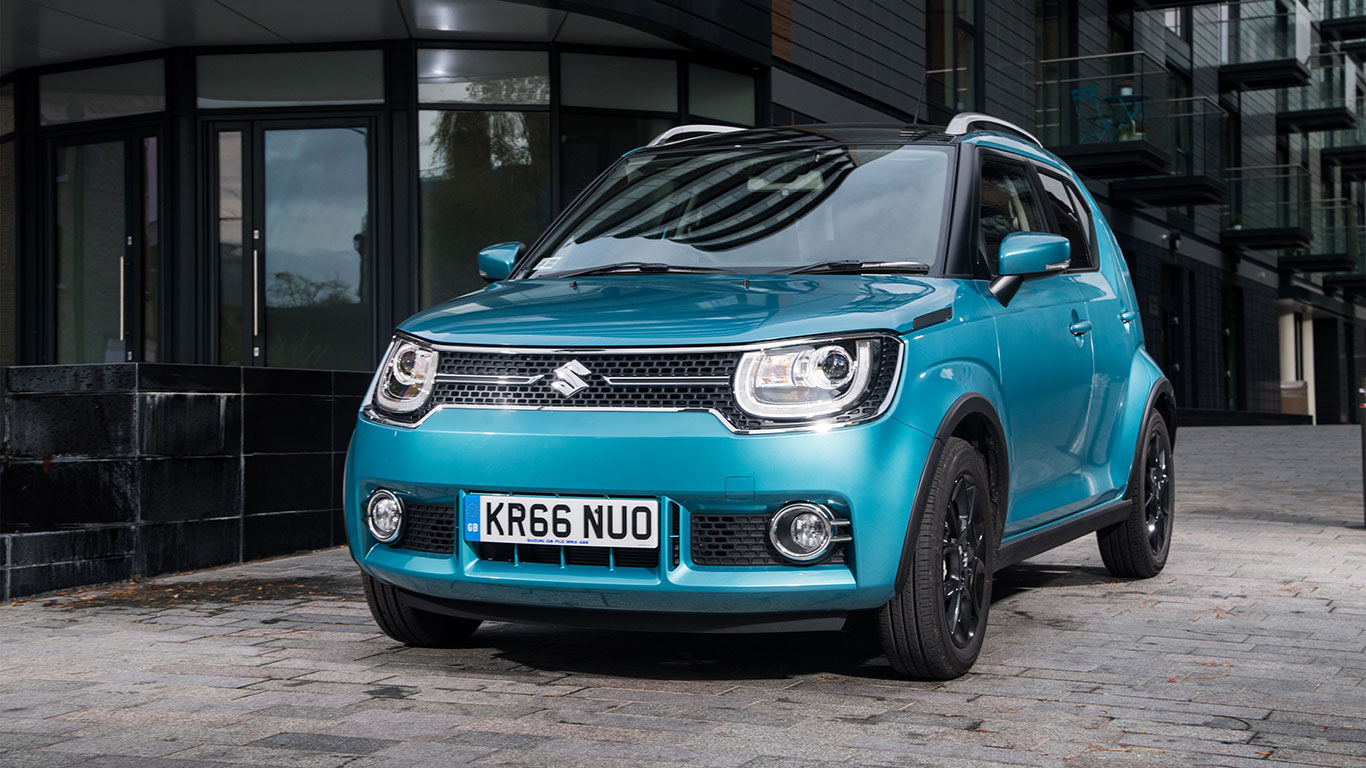
Suzuki Ignis
I had a feeling I would like the Suzuki Ignis, and having spent six months running one as a long-termer, I’m delighted to say my hunch was entirely justified. In a world in which carmakers are seemingly obsessed with making their cars feel more European, the Ignis is refreshingly Japanese.
I love the retro-inspired styling, which looks quite unlike anything else on the road, while some neat interior touches help mask the fact that it’s been built to a budget. It’s also good fun to drive, although its lightness and slab-sided design means you should avoid high winds, unless you fancy doing a passable impression of Dorothy from the Wizard of Oz. GBS
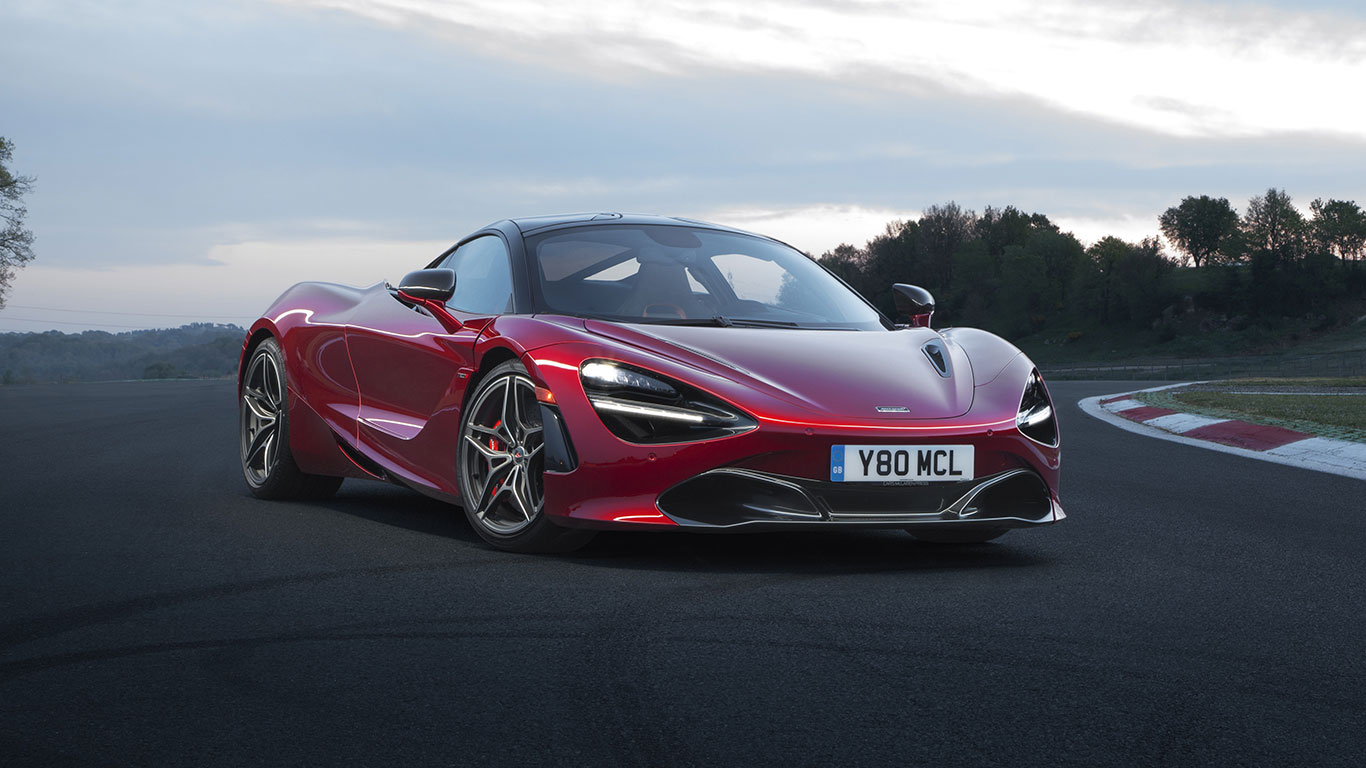
McLaren 720S
I was tempted to put the Huracan Performante in my top three, but a) Andrew has already chosen it and b) the 720S is a more complete proposition. Probably the most accomplished supercar on sale, in fact. How far McLaren Automotive has come in seven short years…
The 720S is brain-bendingly fast (0-186mph in 21.8 seconds, anyone?), yet doesn’t feel intimidating to drive. Visibility is excellent, all the controls move with weighty precision and the brakes – including an active airbrake – are the best I’ve experienced. Others have criticised the lack of aural drama, but I like the fact it doesn’t sound as OTT as a Huracan. TP
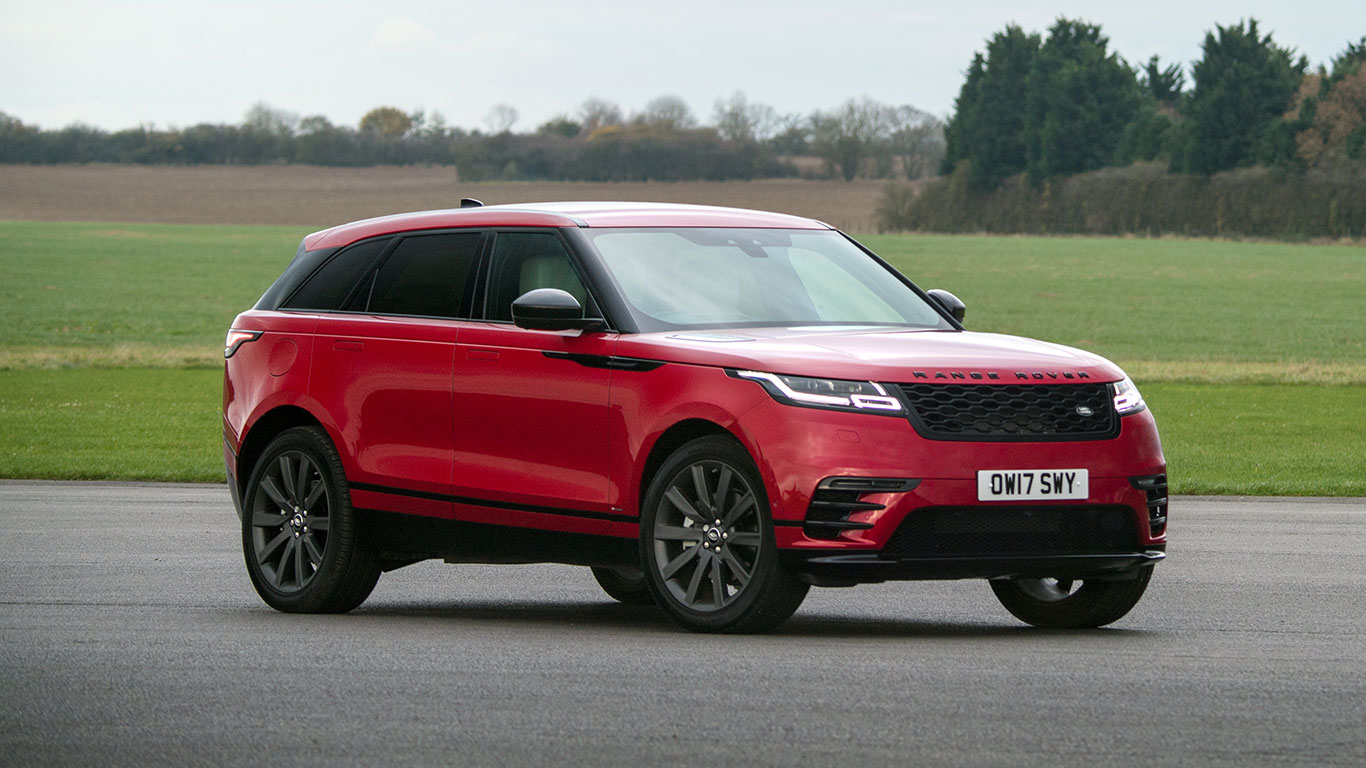
Range Rover Velar
Visually, it’s a concept car for the road, all clean surfaces and modernist appearance. The Range Rover Velar is also a nice drive, particularly in V6 diesel guise. It’s quite the step up in sophistication over a Range Rover Evoque and suitably different in emphasis from the Jaguar F-Pace it shares an architecture with. But it’s the Velar’s remarkable interior that really makes it stand out.
I did the first drive launch in Norway, and was wowed by its tactility, sleek appearance, the amazing dual-screen infotainment system and gorgeous seats. A few months passed, then I drove it again in LA, as part of assessments for the 2018 World Car Awards. The same flood of well-being came back to me. This is an incredibly feel-good car to spend time in. I loved each and every drive of it in 2017: the entire package is really rather special. RA
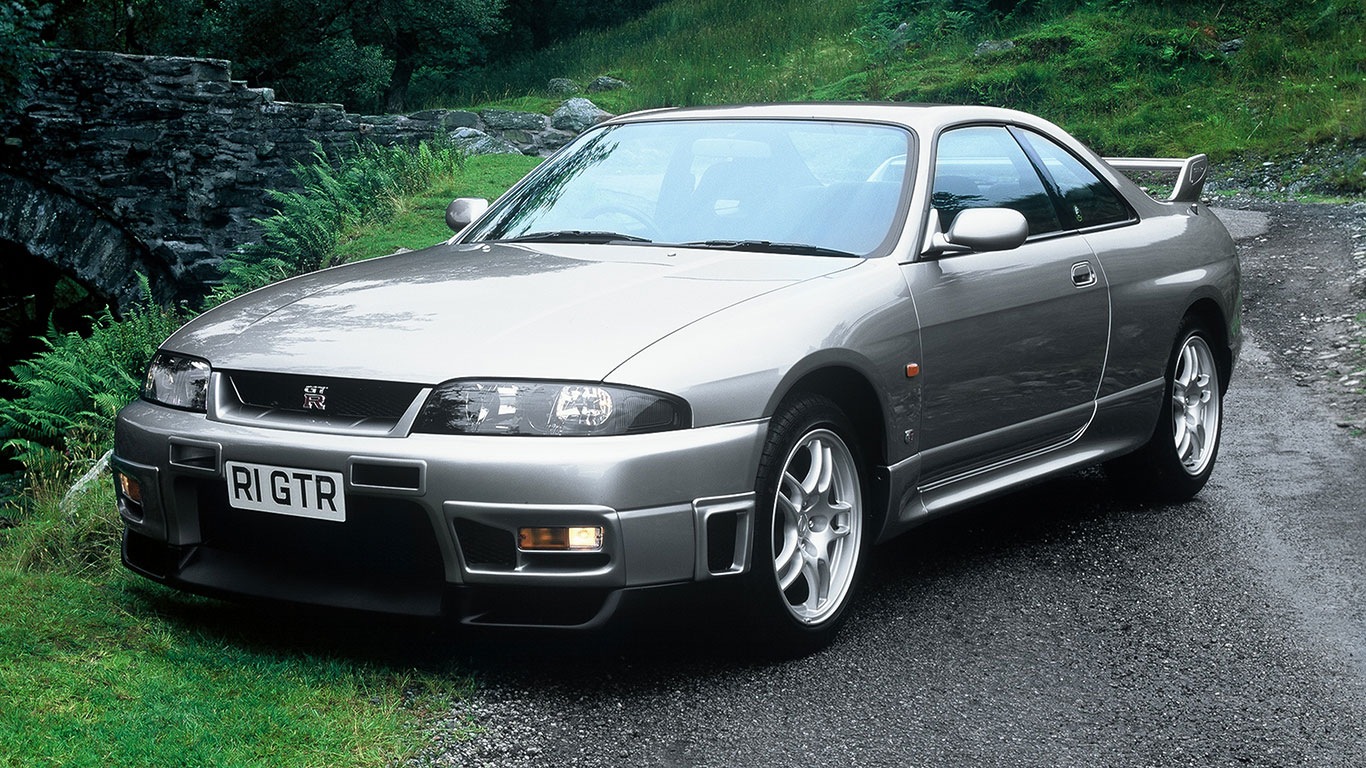
Nissan Skyline GT-R (R33)
Few things in 2017 could beat throwing a classic JDM car around a wet skid pan. The venue was Rockingham Motor Speedway and my chariot of choice was an R33 Nissan Skyline GT-R. After a bit of practise, I managed a full lap of the course without spinning out.
The well-used R33 had more than enough torque to break traction, helped by a welded diff and a competition drift clutch – the latter was effectively either on or off. It was a lot of fun, and not as difficult as I’d expected. BL
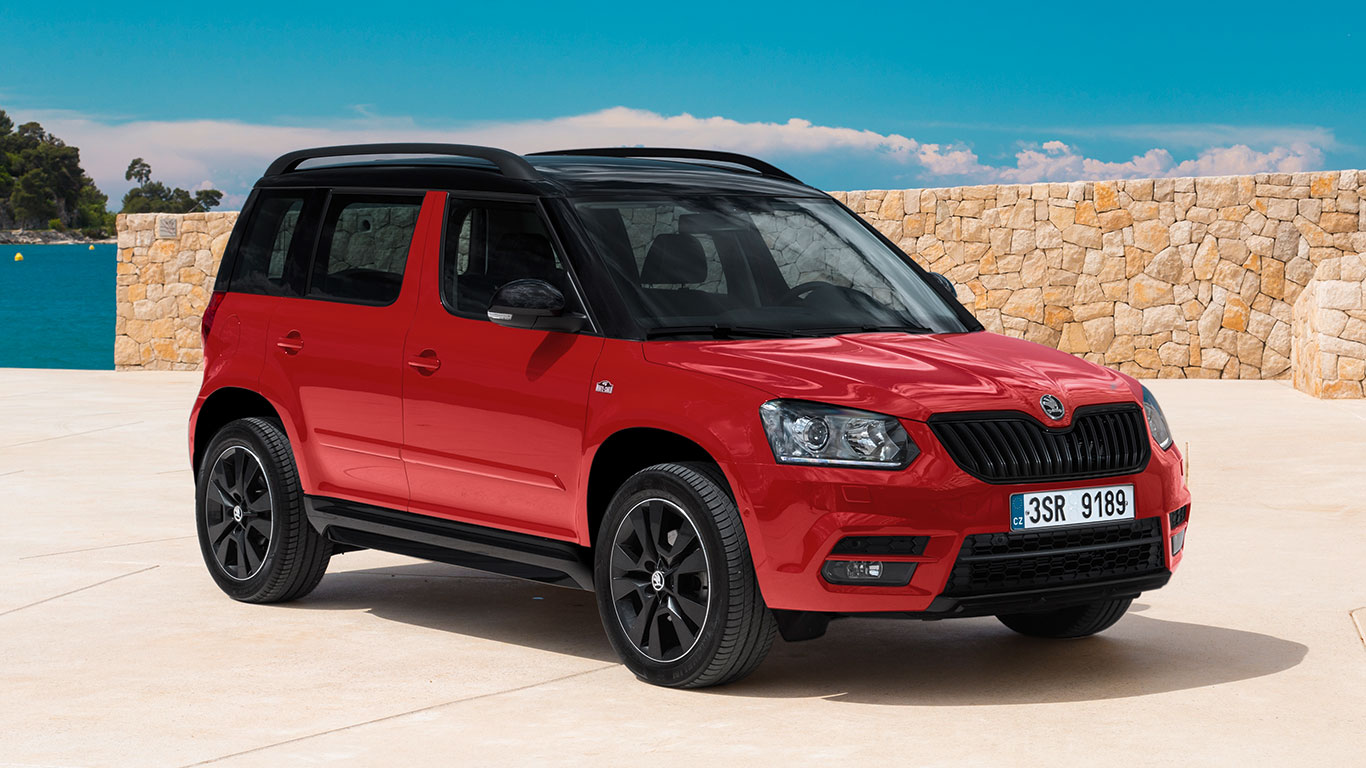
Skoda Yeti
Gone, but not forgotten. I had the pleasure of taking the dearly departed Skoda Yeti on a road trip to Northern Ireland, where I found that it remained relevant, some eight years after it was unveiled at the Geneva Motor Show. I was grinning from ear-to-ear as I made my way to the ferry along some of the finest roads in Wales.
The Yeti’s passing marks the demise of one of the last true characters in an increasingly bland and depressingly dull segment. I’m sure its replacement – I’ve forgotten its name – is a better car, but it’ll never recapture the magic of the Yeti. GBS
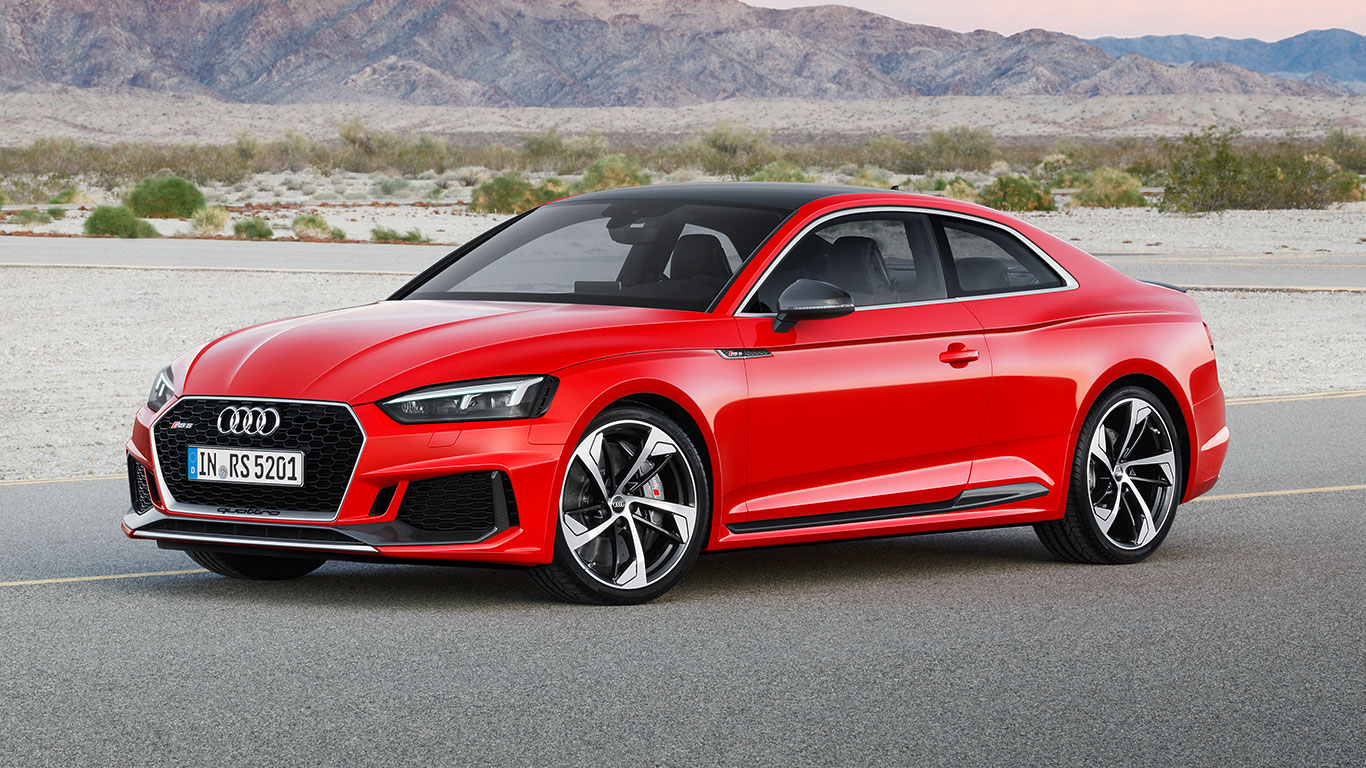
Audi RS5
I really didn’t like the old V8 RS5. There, I said it. Too highly strung, it had no torque, no subtlety and no ride quality. Others loved it far more than me. I remember how often I was photographed in it almost as much as I remember how cold it left me. So, with the usual trepidation with which you approach an Audi RS (is there a performance brand more divisive?), I picked up the keys to the new V6 turbo RS5 at Goodwood for a week’s extended test drive.
What a transformation. This is ‘good’ Audi RS. The new 5 is sophisticated, has a chassis with depth, feels precise and is cleverly effortless to drive viciously quickly. It oozes quality, with head-turning looks that perfectly distil the charmingly technocratic appeal of Audi RS. Some don’t like it because it’s not a thumping V8. I love it precisely because of this. RA
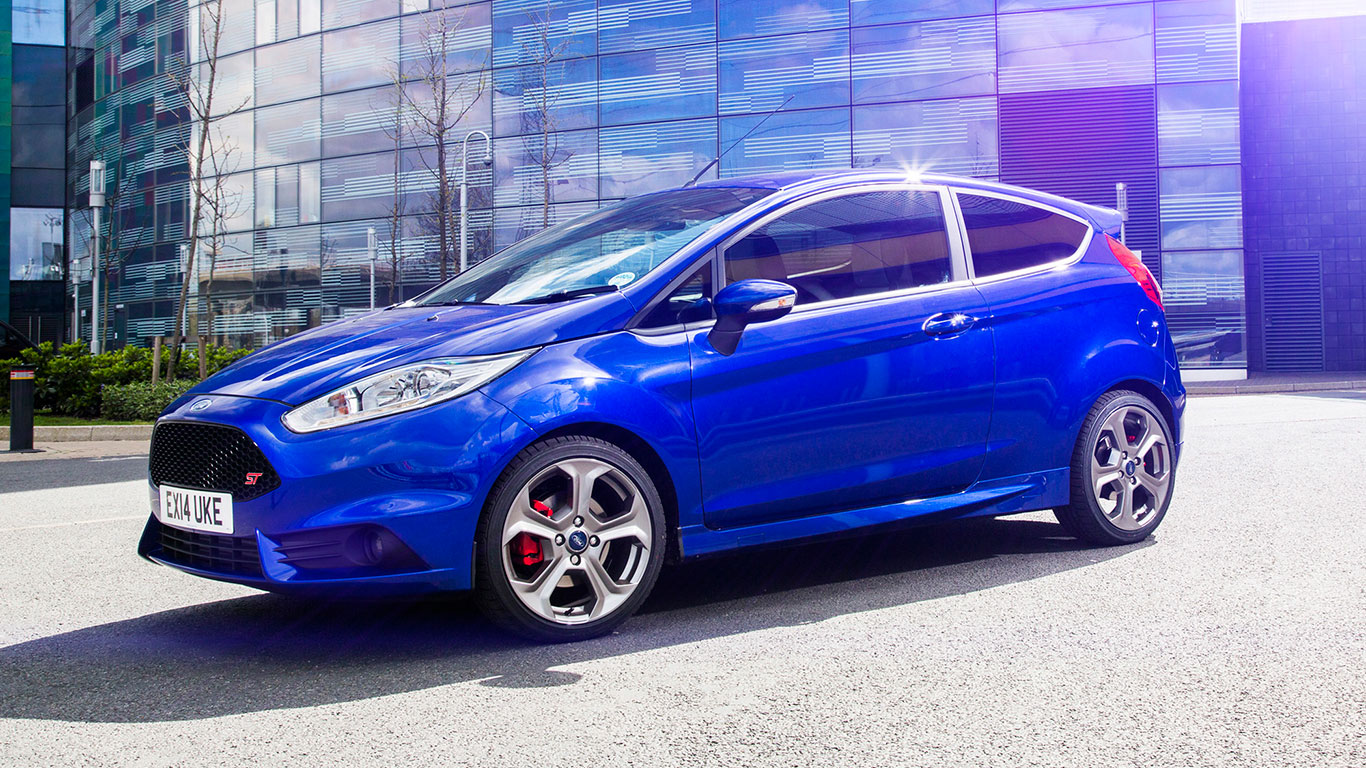
Ford Fiesta ST
Heard the one about the £60k RS Turbo, or the £91k Escort Cosworth? Retro Ford prices are bonkers, but there’s a future classic Ford that’s still very affordable: the Fiesta ST. The car pictured here was discontinued earlier in 2017 and its replacement – complete with a ‘downsized’ three-cylinder engine – is due soon. It’ll need to be off-the-scale brilliant to top this little firecracker.
Indeed, any debate about affordable fun cars since 2013 has inevitably been settled with the words ‘Fiesta ST’. This 182hp pocket rocket channels the spirit of the Peugeot 205 GTI, while rejecting its fondness for snap-oversteer. Its engine is eager, its steering sublime. And on the right road, only a select few sports cars are more fun. TP
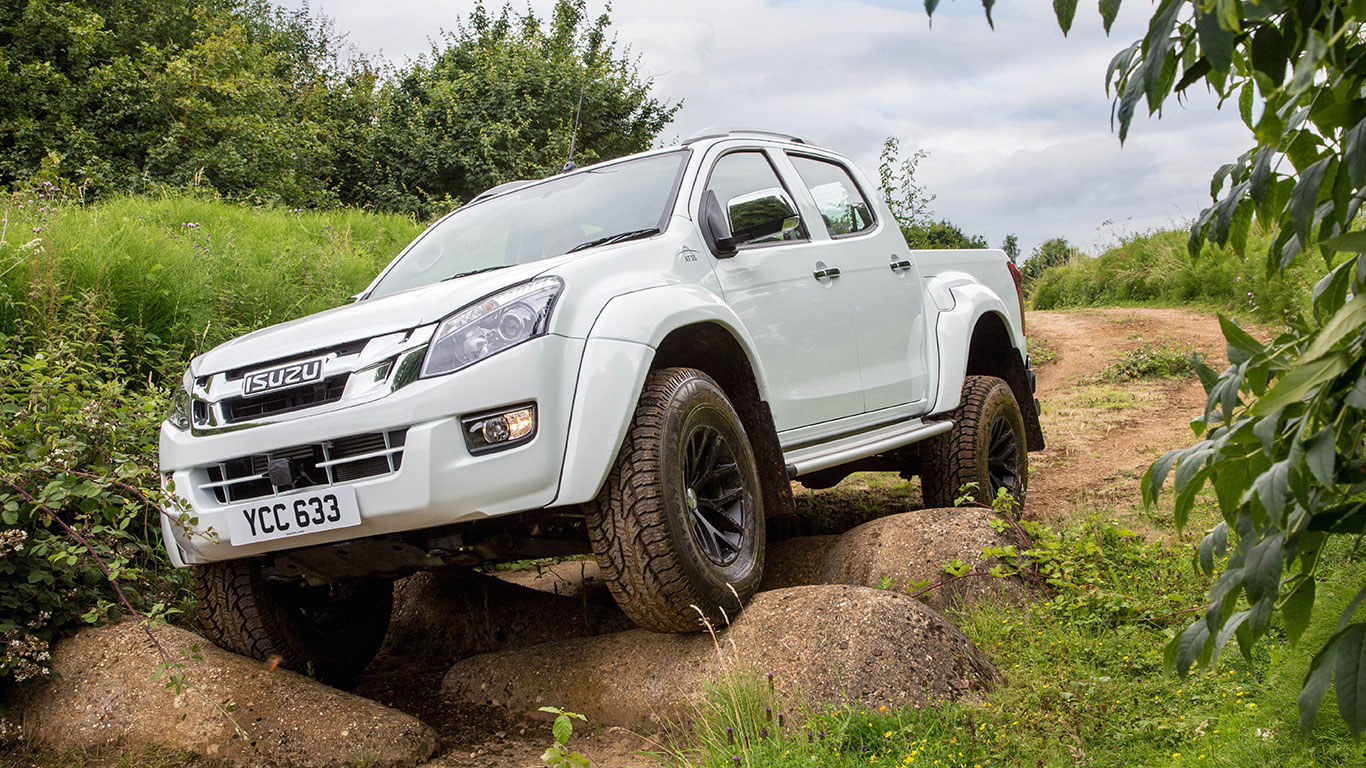
Isuzu D-Max Arctic Trucks AT35
A massive truck with 35-inch off-road tyres and flared wheel arches… Yes, the 10-year-old in me had a fantastic time spending a week with the Arctic Trucks D-Max.
From splashing through fords on my commute to surprising cyclists on a green lane, the D-Max could do it all. Objectively it’s not the best thing I’ve driven this year – far from it – but I loved it. AB
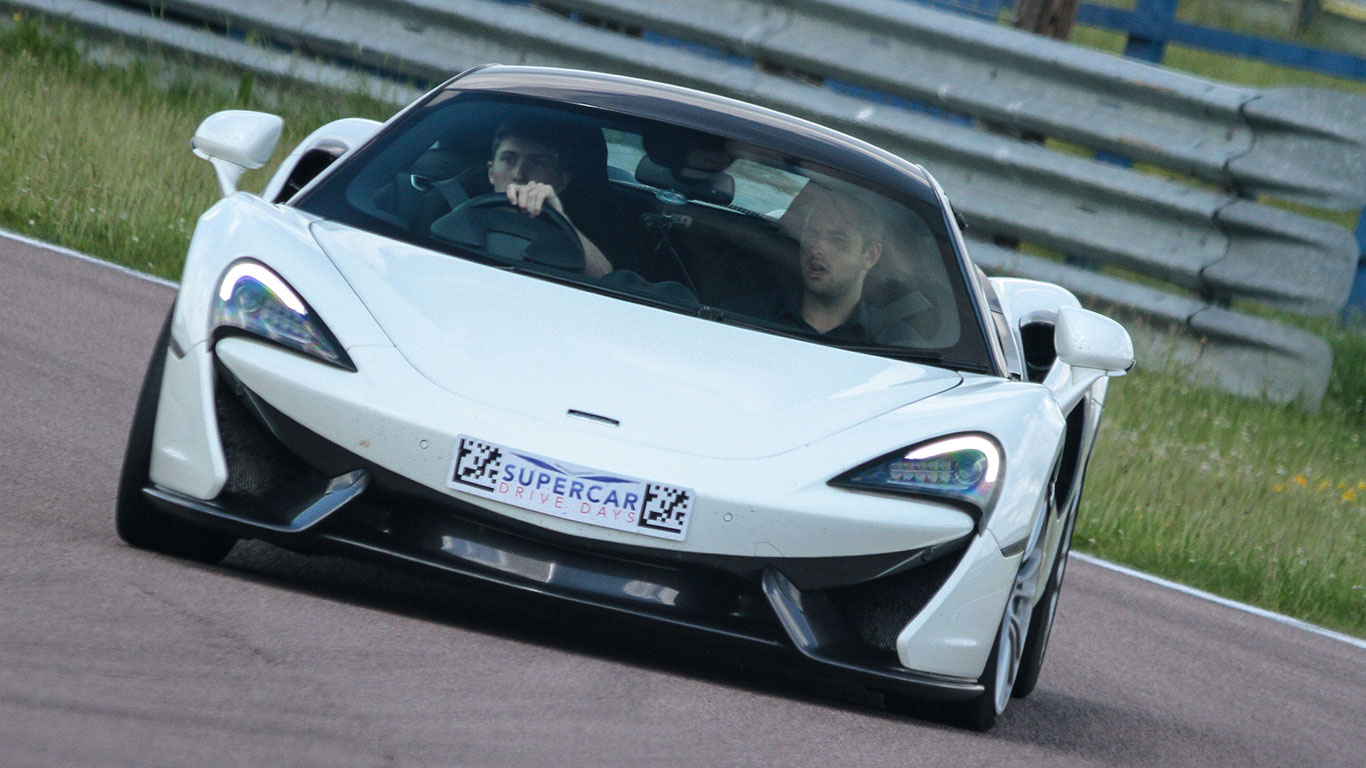
McLaren 570S
Another track day at Rockingham, this time behind the wheel of McLaren’s awesome 570S. A very knowledgeable racing instructor helped me push this 204mph supercar – and my driving ability – to the the limit.
I managed to reach a top of speed of 95mph down the main straight, before firmly stamping on the brake to throw the McLaren into the next bend. The best thing about this car is the noise; the roar of a 3.8-litre twin-turbo V8 just behind your head stays with you for hours afterwards. BL
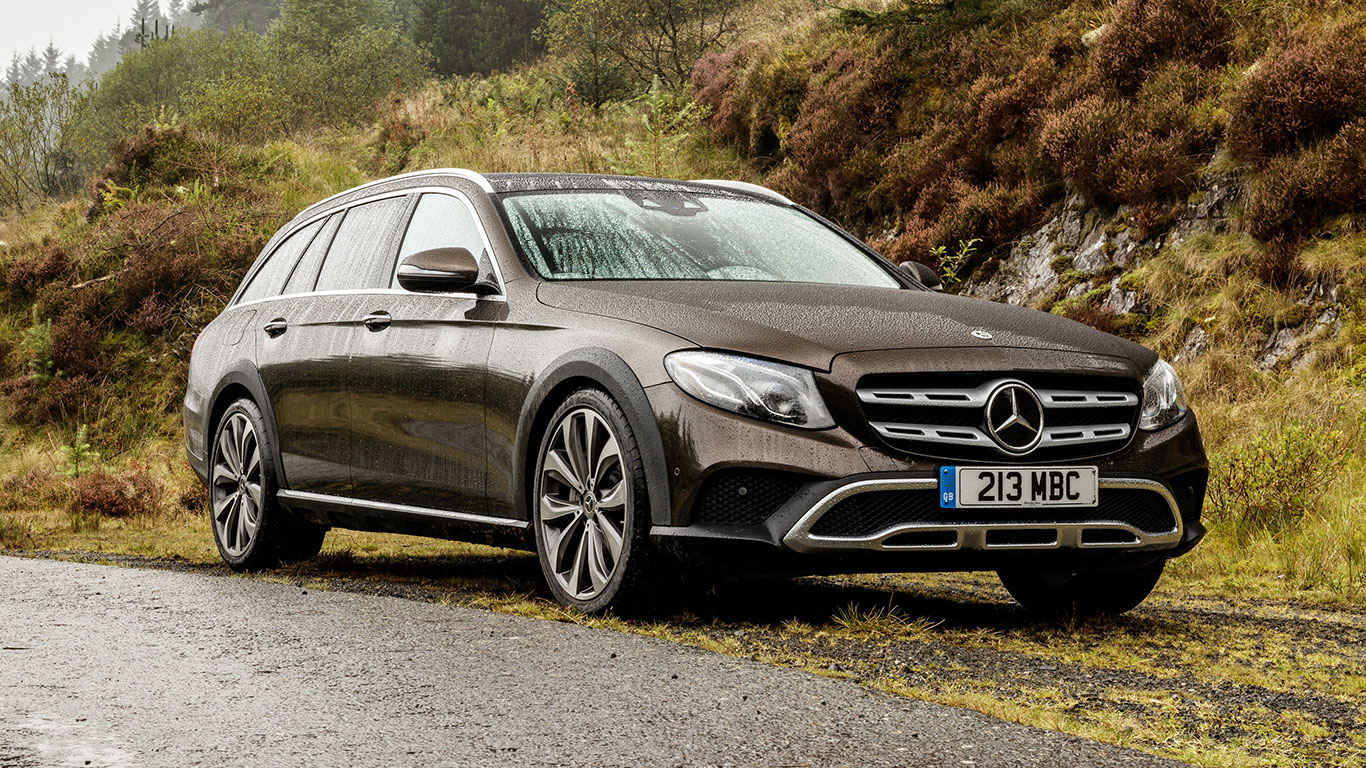
Mercedes-Benz E-Class All-Terrain
This is my kinda car. I’ve been a fan of premium off-road estates since the days of the original Volvo V70 XC and the Audi Allroad, loving their blend of comfort, practicality and non-shouty styling. Right now, I’d select the new E-Class All-Terrain as my pick of the current crop of posh mud-plugging wagons.
It’s not cheap, but Mercedes’ ‘kitchen sink’ approach to the specification goes some way to justifying the £60k price tag, while the 3.0-litre V6 diesel makes surprisingly light work of hauling this two-tonne estate car uphill and down dale. A class act. GBS
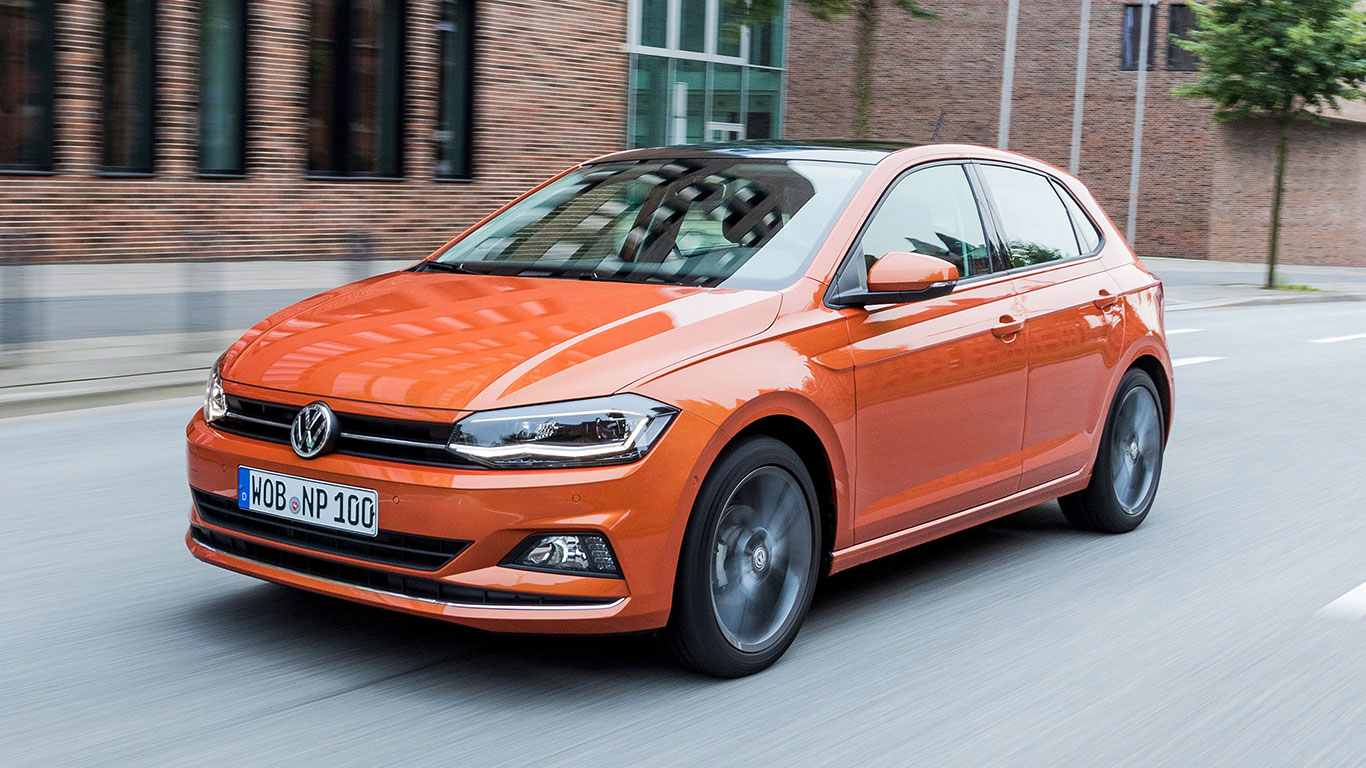
Volkswagen Polo
It’s still difficult to gloss over Volkswagen’s issues, particularly how buyers have been deceived by the company’s claims for great economy and emissions. Yet is it time to move on, to (mostly) forgive and forget? It does seem that the Volkswagen group is doubling its efforts to clean up its act, and as a consequence become one of cleanest car companies in Europe.
There’s no better evidence of this than the truly excellent new Polo, which hits the road early in 2018. A range of small petrol engines offer driving pleasure with impressive economy, combined with a sense of class and comfort that knocks even modern rivals into the weeds. PB
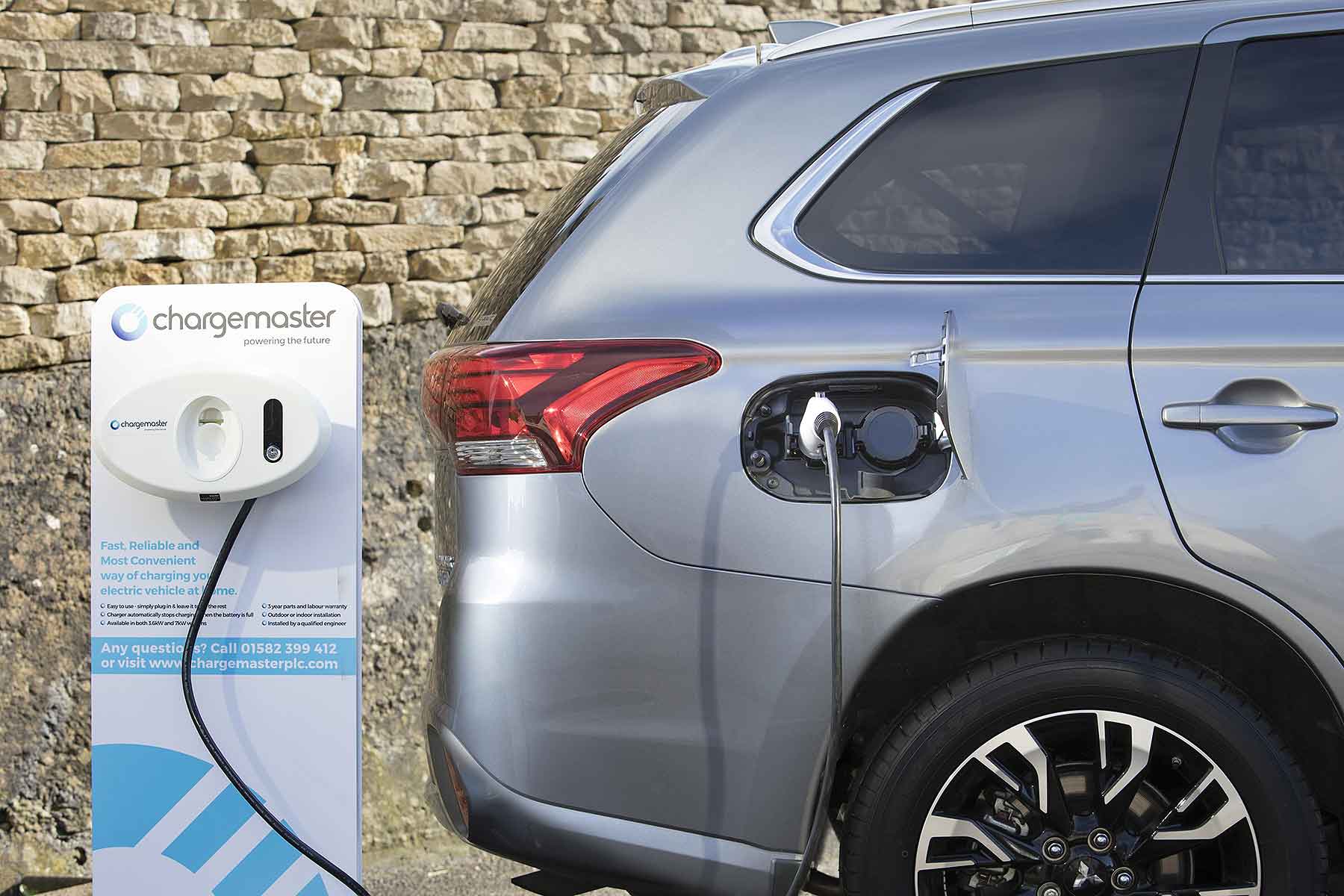
The demonisation of diesel is seeing many company car drivers dashing into plug-in hybrid alternatives – but one fleet car expert says this could worsen emissions and economy if it’s not correctly planned for.
Although on paper, plug-in hybrids can offer similar – or even better – claimed economy and CO2 emissions than diesel, the reality could be very different if, say, recharging procedures are not considered.
“Certainly,” said FleetCheck MD Peter Golding, “it must be a matter of policy that any driver issued with a plug-in hybrid should have off-road parking with charging available.” Ideally, there should be charging facilities at the office, too.
Drivers should also be trained in how to drive a plug-in hybrid. “Some drivers will use the electric motor to add to the acceleration… However, driving in this way will remove the fuel economy advantages.”
There may even be a need to constantly and closely monitor fuel consumption, to check drivers are using plug-in hybrids correctly.
Fleets that don’t do this “could find various problems arising very quickly, most notably poor fuel economy and the resulting increase in emissions.”
Because of all this, added Golding, it’s likely that most fleets will conclude that a modern Euro 6 diesel is still the best company car choice. “For higher mileage drivers especially, there is every suggestion that a Euro 6 diesel remains the most environmentally responsible solution, whatever the press, pressure groups and other are saying about its impact on air quality.”
The FleetCheck warning follows earlier findings by another fleet company that in-use plug-in hybrids were proving much less efficient than comparable diesel cars. The reason why? Drivers weren’t plugging them in…
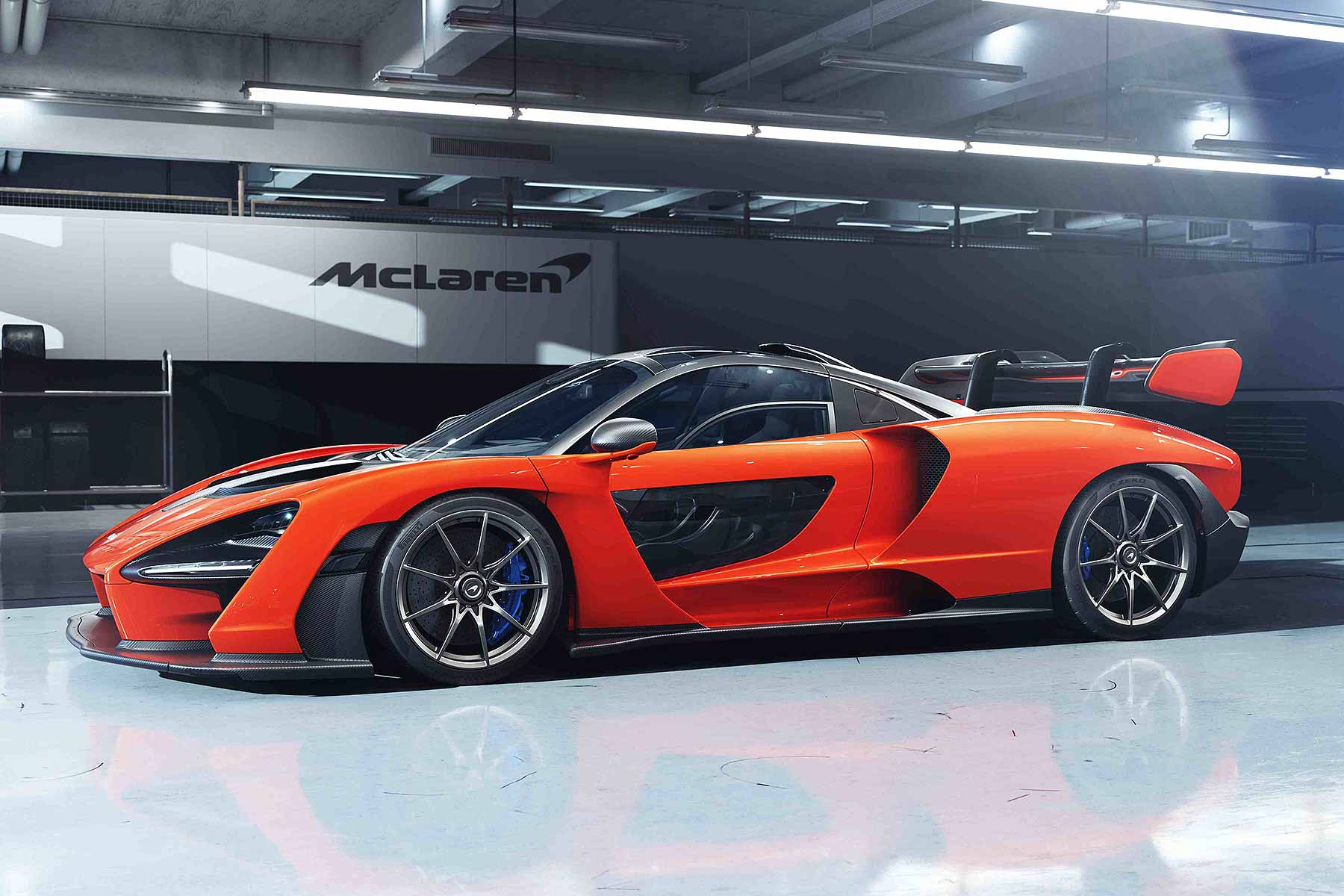
The McLaren Senna is described by the British sports car firm as “the ultimate road-legal track car” and is priced accordingly: £750,000. Despite this, all 500 cars have already been allocated to customers, meaning the car effectively sold out even before its dramatic launch this weekend.
Production will start from Q3 2018, and McLaren says the Senna will make its public debut at the 2018 Geneva Motor Show in March.
Derived from the McLaren 720S, the second ‘Ultimate Series’ McLaren (following 2013’s McLaren P1) is the firm’s lightest road car since the original McLaren F1; it weighs 1,198kg.
The 4.0-litre twin-turbo V8 is the most powerful road-going McLaren engine, producing 800hp for a power-to-weight ratio of 668hp per tonne. Exact performance figures won’t be revealed until next year; for now, McLaren’s simply calling it “savage”.
It goes further when describing the styling, saying it visually “shocks… the first impression is of an aggressive, unforgiving machine”. Organic shapes are out, fragmented and performance-focused design is in. It’s not pretty, and that’s exactly what McLaren intended.
Buyers who, for some reason, feel they need extra visual drama can choose one of five ‘By McLaren’ colourschemes for the front aero blades, brake calipers, exposed gas door struts (covers are apparently too heavy…) and seat trim: colours include Azura Blue and McLaren Orange.
There’s only one choice of wheel though: it’s ultra-lightweight, uses a racing centre lock, and is fitted with Pirelli P Zero Trofeo R track-spec, road-legal tyres.
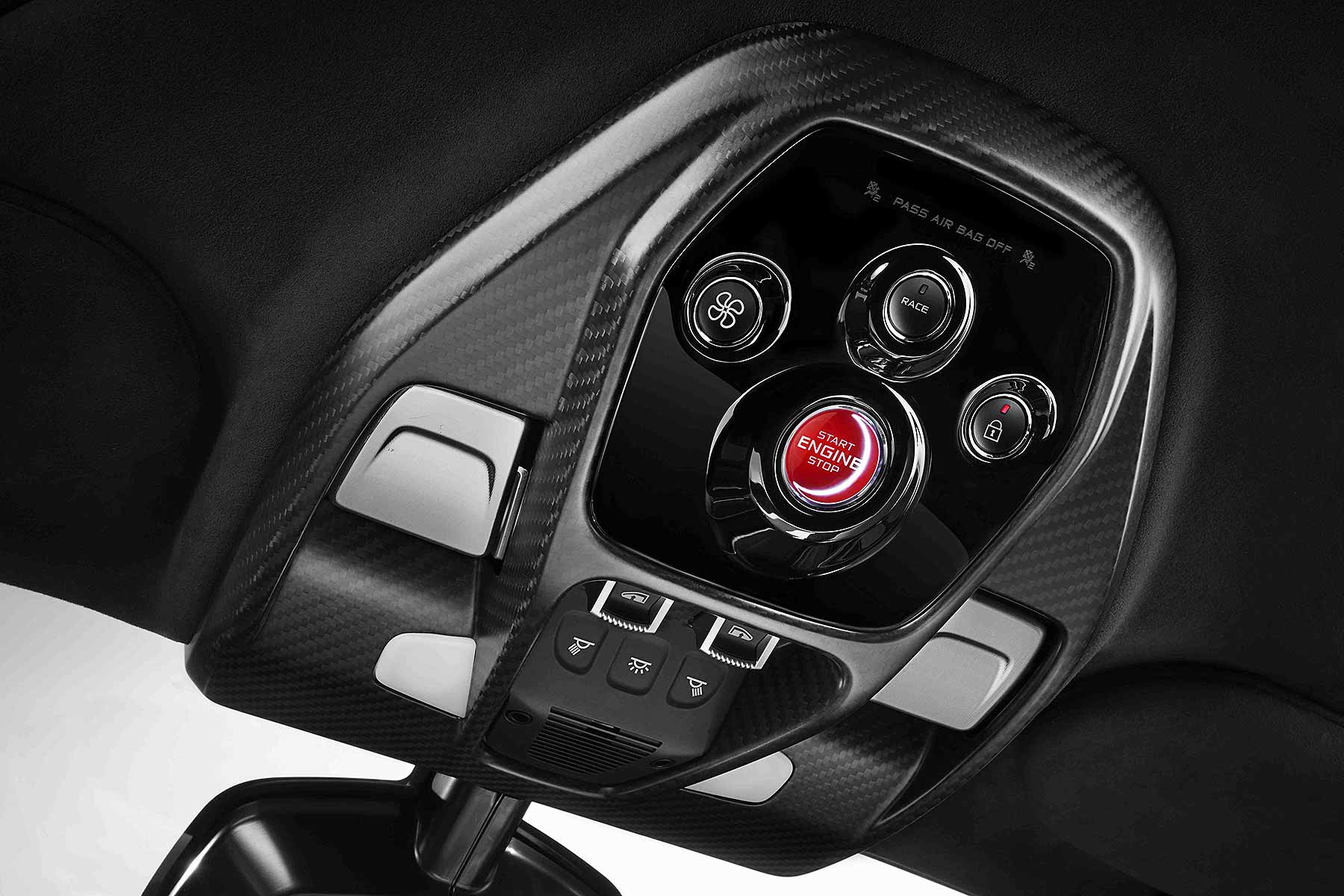
It’s also not the most practical of road cars. It still has a passenger seat, but there’s no boot, simply a chamber behind the seats in which there’s just enough space for two helmets and race suits. Such racing focus is why McLaren’s added a button on the roof console to engage Race mode: this lowers the ride and “significantly” stiffens the suspension.
It’s all been enough to get the Senna family seal of approach. “Our family is extremely proud of the naming of the new Ultimate Series McLaren Senna,” said Ayrton’s nephew, racing driver and McLaren ambassador Bruno Senna. “This is the first project that really connects with Ayrton’s racing spirit and performance.
“The McLaren Senna honours my uncle because it is so utterly dedicated to delivering a circuit experience that allows a driver to be the best they can possibly be. There is an absolute, seamless connection between car and driver and this pure engagement, these sensory cues that a driver responds to and relies upon, ensure an experience so focused and immersive that you are left in awe of the depths of excellence the McLaren Senna possesses.”
Unless you have £750,000 but your name’s not on the list, that is.
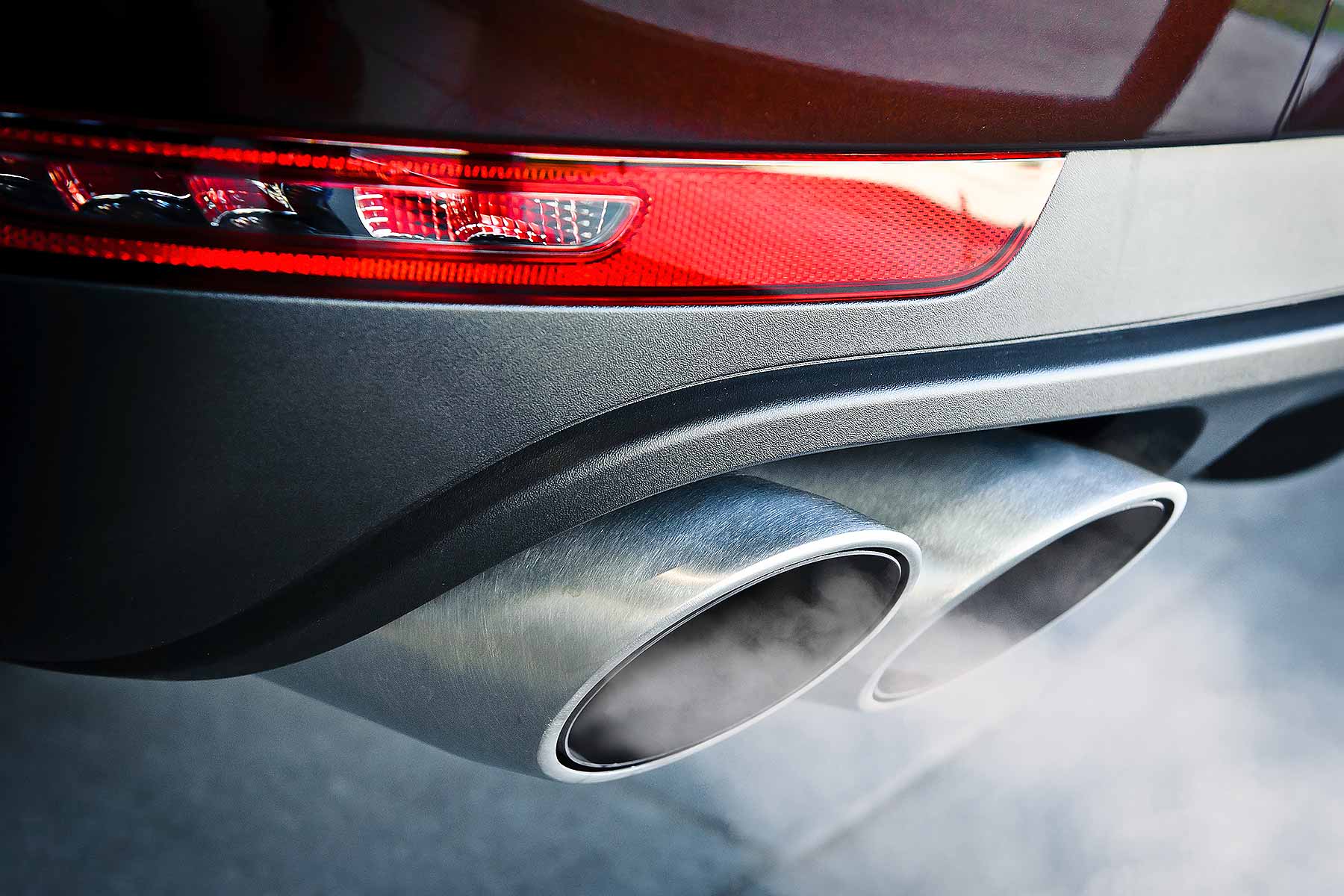
I don’t know about you, but to me 2018 feels like it’s going to be a watershed year when it comes to public opinion on toxic air. In the UK, as in other parts of Europe, there is now massive pressure to bring air quality in built-up areas back to acceptable, safe and legal limits. Residents are acutely aware of the effects of vehicle emissions, thousands of column inches have been written on the topic and politicians are having to respond (not least following a High Court case that, naturally, got the attention of mainstream media).
The result? While there’s still precious little concrete detail for the average motorist to get their head around, a series of Clean Air Zones in towns and cities across the UK are now very likely (and, depending where you live, an absolute certainty).
How we’re all going to be affected by these zones no-one (yet) knows. There are some compelling arguments that the oldest, dirtiest vehicles should be taken off the road first. But in those areas where the air is filthiest, there’s a very real prospect private drivers might face charges or restrictions when Clean Air Zones are introduced. Whether they are affected will depend on the Euro emissions standard of the vehicle they’re driving.
So here’s one of the first snags, and it’s a big one. Pretty much nobody I’ve spoken to outside the world of motoring has any idea what the Euro 4, 5, 6 standards are all about, let alone which category their car falls into. And that’s understandable – the Euro system has been quietly working away in the background for around for 25 years, ensuring that each time we upgrade our car we’re probably getting behind the wheel of something a little cleaner. How efficiently we all drive, of course, is another thing entirely…
But things are changing, and fast. Within months, thousands if not millions of drivers will start questioning which Euro standard their car meets to see if they’re affected by Clean Air Zones. And right now it is difficult to reliably check this. The current advice – including from the UK government – remains to speak to your vehicle’s manufacturer. But this isn’t good enough. It took five days for a manufacturer I spoke to to confirm that a 2015 used car I thought was going to be Euro 6 compliant was actually just Euro 5. You don’t find it on most V5C forms and it’s not routinely captured by any government department.
‘Dieselgate’
The Euro system isn’t perfect by any means. Some new cars still emit greater levels of harmful pollutants than they should, as sharply brought into focus by ‘dieselgate’. At the same time, some cars appear to perform much better than you might expect them to (mentioning no names here, but check the EQUA Index). However, it’s the system we have, and it looks like the only means councils will use – at least to begin with – to decide who is impacted by Clean Air Zones. So let’s at least make sure everyone knows what it is.
The road to clean air doesn’t start and stop with the oldest polluters, though: we’ve all got a responsibility here. Three days a week I take my two small boys to nursery and school along some central Bristol streets that are no doubt plagued by polluted air at peak times (and interestingly, pretty quiet the rest of the time). Sadly, it’s a journey I make by car given the distinct lack of other transport options and I am all too aware that, sitting in a 2011 diesel saloon. I’m a contributor to the problem – regardless of how light my right foot is when driving. It really doesn’t sit well with me when I see mums and dads with buggies and tiny babies on the same level as most car exhausts.
I want to be able to make the right choices, I really do: for the people that live close to where I drive, for my kids, for the planet and, yes, for my wallet. I’m sure I’m not alone. As vehicle emissions is such a complicated topic for anyone to get their head around, the focus for manufacturers and government should be to make it simple for all of us. We have a long way to go, but making the all-important Euro category of our current (and future) vehicle clear would surely be a good start. Is that really too much to ask?



 The safest new cars of 2017 have been revealed, ahead of judging to discover which is the overall winner of the ‘safest of the safe’ title. Every car in the list has a five-star Euro NCAP safety score, and each is fitted with standard Autonomous Emergency Braking (AEB).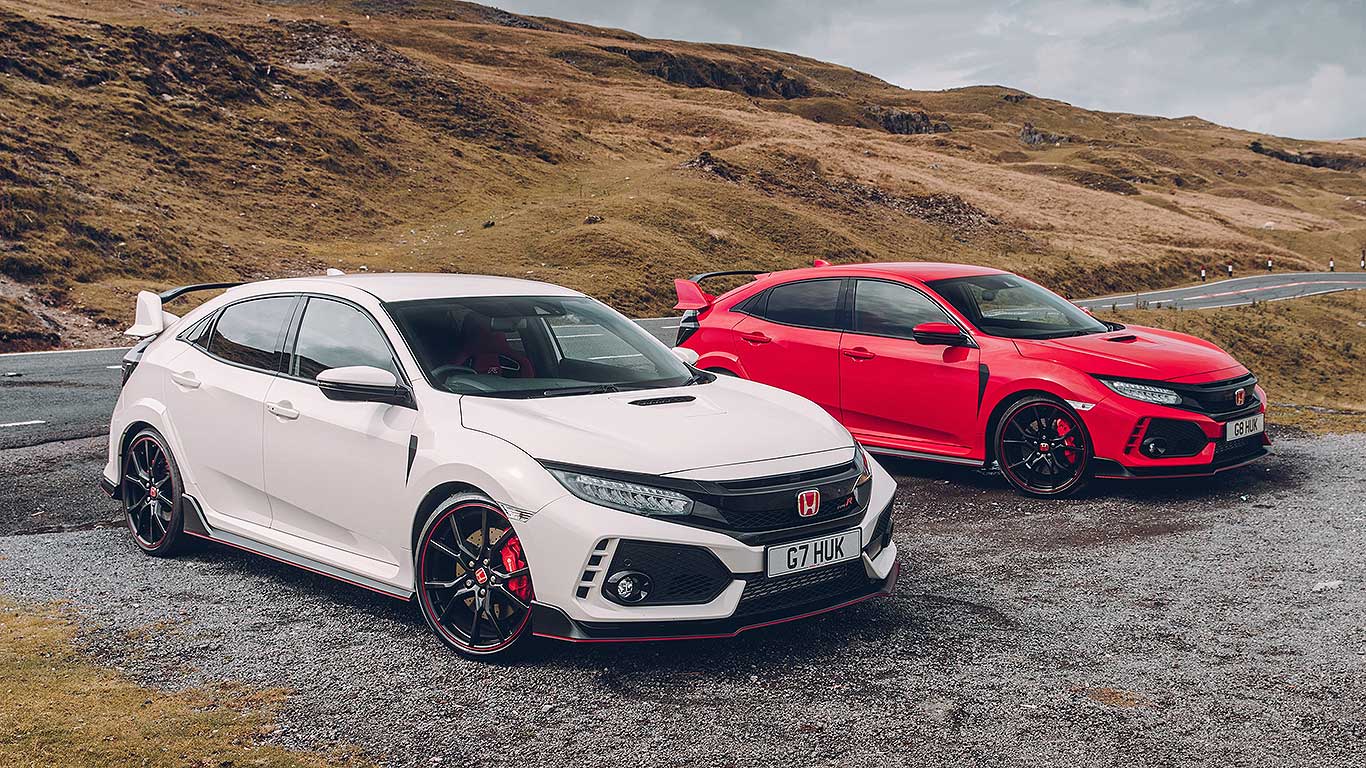
 The final Euro NCAP safety scores of 2017 are in – and it’s a disappointing end to the year with six cars scoring just three points… and the revised Fiat Punto earning the first-ever ZERO Euro NCAP rating.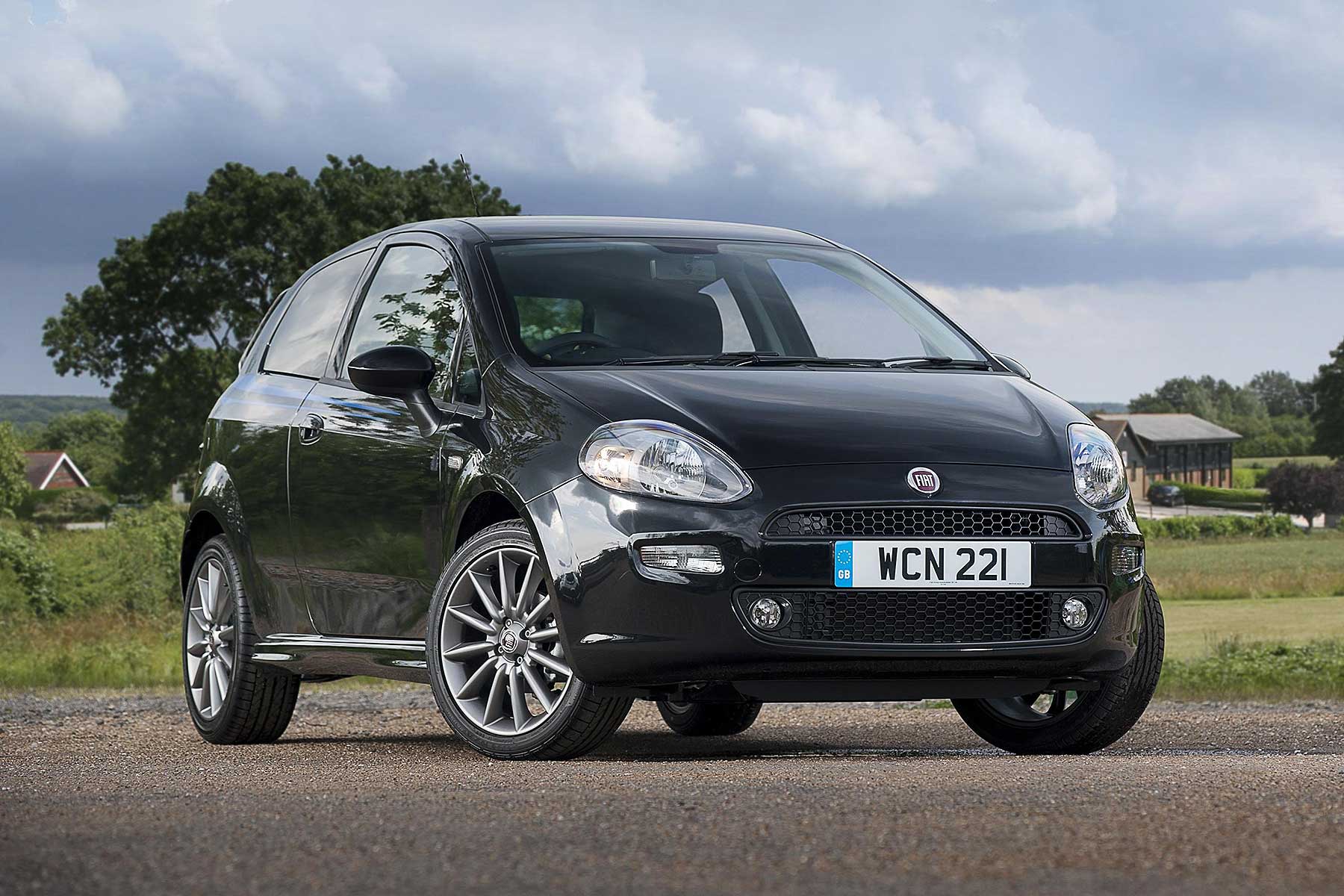
 The longlist for the 2018 World Car Awards was




 Volvo has triumphed in a “nail-biting” vote-counting ceremony to take the 2018 Japan Car of the Year title. In doing so, it beat two very strong rivals: the BMW 5 Series and home favourite the Toyota Camry (which Motoring Research
  We’ve had some great drives in 2017, and not all in the cars you might expect. For every supercar here, there’s a crossover. We’ve even nominated two pick-ups.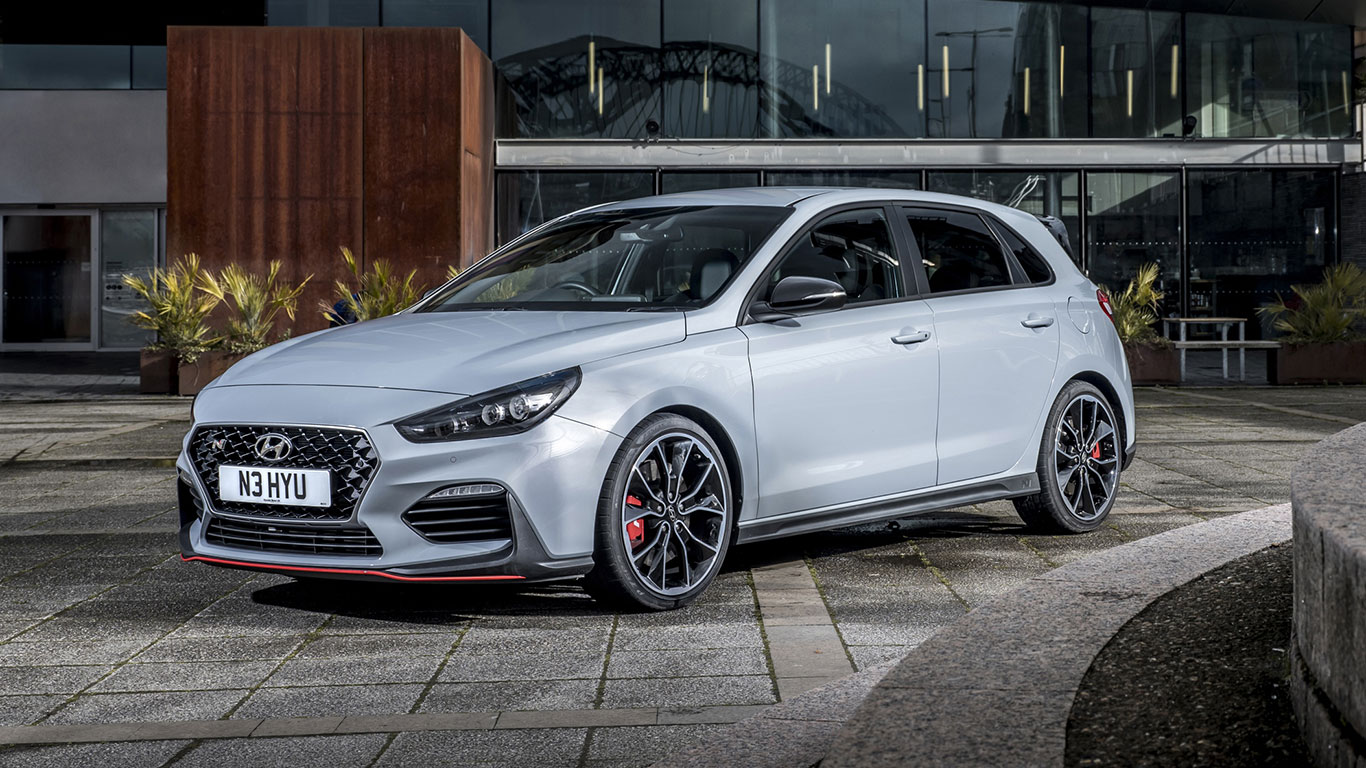
 The demonisation of diesel is seeing many company car drivers dashing into plug-in hybrid alternatives – but one fleet car expert says this could
  The McLaren Senna is described by the British sports car firm as “the ultimate road-legal track car” and is priced accordingly: £750,000. Despite this, all 500 cars have already been allocated to customers, meaning the car effectively sold out even before its dramatic launch this weekend.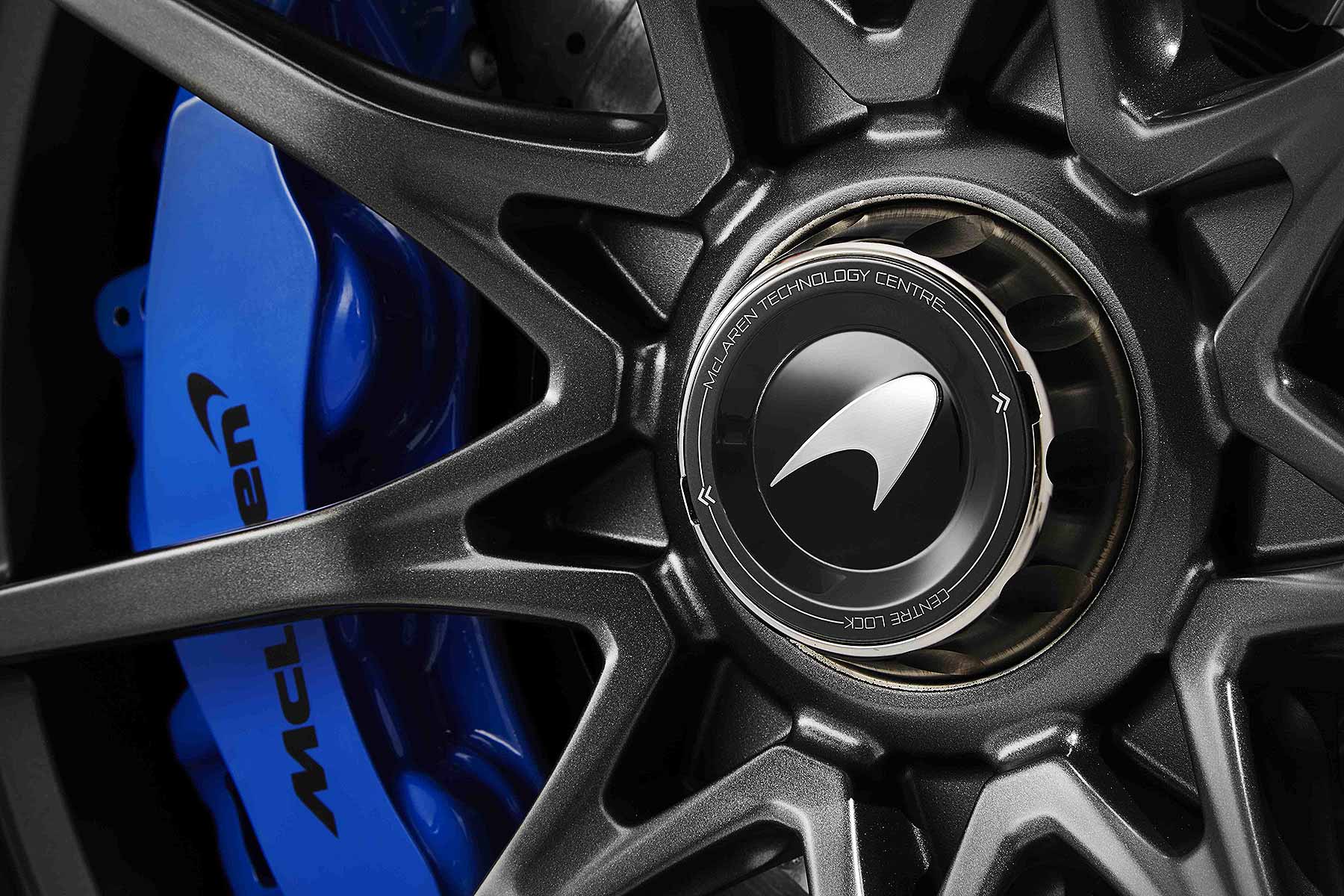
 I don’t know about you, but to me 2018 feels like it’s going to be a watershed year when it comes to public opinion on toxic air. In the UK, as in other parts of Europe, there is now massive pressure to bring air quality in built-up areas back to acceptable, safe and legal limits. Residents are acutely aware of the effects of vehicle emissions, thousands of column inches have been written on the topic and politicians are having to respond (not least following a High Court case that, naturally, got the attention of mainstream media).